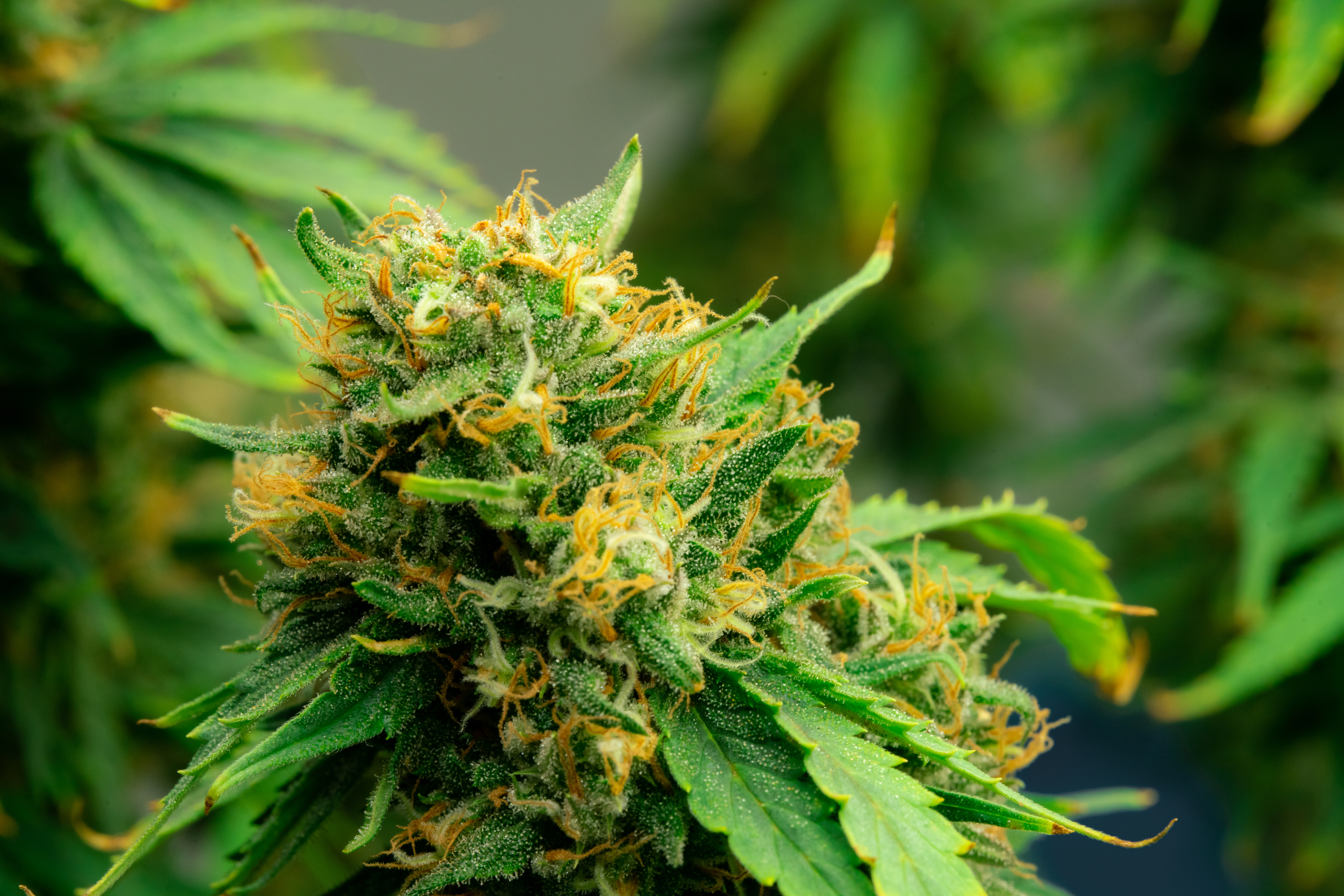
Indoor cannabis growing has become more common as growers look for better control, higher efficiency, and more predictable results. One of the main goals for indoor growers is to increase yield, which means producing more usable flower from the same amount of space, light, and time. This focus has led many growers to search for the highest yielding cannabis strains that perform well indoors. However, yield is not determined by genetics alone. It is the result of how plant genetics interact with the indoor environment and the way the plant is grown.
When people search for “highest yielding cannabis strains for indoor growing,” they are often looking for strains that can produce large amounts of buds without needing excessive space or long flowering times. Indoor growing areas are limited by walls, ceiling height, and lighting coverage. Because of this, strains that grow in a controlled, predictable way and respond well to indoor conditions tend to outperform others. High-yield indoor strains usually produce dense flowers, develop multiple bud sites, and use light efficiently across the canopy.
Yield in indoor cannabis growing is most often measured in grams per square meter or grams per plant. These measurements help growers compare strain performance under similar conditions. However, the numbers listed by seed breeders are often based on ideal environments. Real-world results depend on many factors, including lighting strength, air movement, temperature, humidity, nutrients, and grower skill. This means that choosing a high-yield strain is only one part of achieving a large harvest.
Genetics play a key role in how much a cannabis plant can produce. Some strains are bred specifically to grow compact, develop thick branches, and form large flower clusters. These traits help plants support heavier buds without breaking or bending. Other strains may grow tall or stretch heavily during flowering, which can reduce yield indoors if space is limited. For this reason, many indoor growers prefer strains that have been developed with indoor performance in mind.
Environmental control is another major reason indoor growing can lead to higher yields. Indoors, growers can control light cycles, temperature, humidity, and airflow. This allows plants to grow without many of the stresses found outdoors, such as extreme weather or pests. When a strain is well matched to an indoor setup, it can focus more energy on flower production instead of survival. This is why some strains that perform well outdoors may not always be the best choice for indoor yield.
Growing techniques also have a strong influence on final harvest weight. Indoor growers often use training methods that spread the plant canopy and expose more bud sites to light. These techniques can significantly increase total yield when used with strains that respond well to training. Some high-yield strains are known for their ability to recover quickly from bending or pruning, which allows growers to shape the plant for maximum light exposure.
This article is designed to give clear, research-based information about the highest yielding cannabis strains for indoor growing. It explains what “high yield” actually means, how yield is measured, and which genetic traits matter most. It also answers common questions about strain types, flowering times, autoflowers, and growing methods that affect indoor yields. Each section builds on the last, helping readers understand not just which strains produce more buds, but why they do.
By the end of this article, readers will have a clear understanding of how to choose high-yield cannabis strains for indoor setups and how genetics, environment, and cultivation practices work together. The goal is to provide practical, easy-to-understand information based on measurable factors, not hype or personal opinions. This approach helps growers make informed decisions and set realistic expectations for indoor cannabis production.
What Does “High Yield” Mean for Indoor Cannabis Growing?
When growers talk about a high-yield cannabis strain, they are usually talking about how much dried flower a plant can produce under indoor conditions. Yield is not a vague idea or a guess. It is measured using specific numbers that help growers compare strains in a clear and repeatable way.
In indoor growing, yield is most often measured in grams per square meter (g/m²) or grams per plant. These measurements allow growers to understand how efficiently a strain uses space, light, and time.
Understanding Yield Measurements
Grams per square meter (g/m²) is the most common way to describe indoor cannabis yield. This number shows how much dried bud is harvested from a defined growing area, usually under controlled lighting. High-yield indoor strains are often described as producing 500 to 700 grams per square meter, while very productive strains may exceed this under ideal conditions.
Grams per plant is another useful measure, especially for small grow tents or personal grows. However, this number can vary widely depending on plant size, training method, and container size. Because of this variation, grams per square meter is considered more reliable for comparing strains.
It is important to note that yield numbers usually refer to dried and trimmed buds, not wet weight. Freshly harvested cannabis contains a large amount of water, which is lost during drying and curing.
What Is Considered a High Yield Indoors?
In general, indoor cannabis yields can be grouped into three broad categories:
- Low yield: Under 400 g/m²
- Medium yield: 400–500 g/m²
- High yield: 500 g/m² and above
A strain is typically labeled “high yielding” when it consistently reaches the upper range under proper indoor conditions. This consistency matters more than one-time results. A strain that performs well across many grow cycles is considered reliable.
High yield does not mean fast growth or large plants alone. It means the strain can convert light, nutrients, and space into usable flower efficiently.
Why Indoor Yield Is Different from Outdoor Yield
Indoor and outdoor yields are not directly comparable. Outdoor plants grow under natural sunlight and often reach much larger sizes. This allows outdoor plants to produce much higher total weight per plant.
Indoor growing focuses on controlled environments, limited space, and artificial lighting. Because of this, indoor yield measurements focus on efficiency rather than size. A high-yield indoor strain is one that performs well within height limits, responds well to training, and produces dense buds under artificial light.
This is why a strain described as “high yielding” outdoors may not perform the same way indoors.
Why Advertised Yield Numbers Can Be Misleading
Seed banks and breeders often list maximum yield numbers. These figures usually reflect results achieved under ideal conditions, such as:
- High-intensity lighting
- Perfect climate control
- Advanced training techniques
- Experienced growers
For many growers, real-world yields may be lower. This does not mean the strain is poor. It means yield depends on many factors beyond genetics.
Because of this, high yield should be viewed as a potential range, not a guarantee.
Yield Is Influenced by More Than Genetics
While genetics play a major role, yield is also shaped by:
- Light quality and intensity
- Plant spacing
- Training methods
- Root health
- Environmental stability
A high-yield strain will not reach its potential if these factors are ignored. At the same time, strong genetics can make yield more predictable and easier to achieve.
Why High Yield Matters to Indoor Growers
Indoor growing requires electricity, equipment, and time. Because of these costs, many growers aim to get the most output from their space. High-yield strains help improve efficiency, meaning more flower from the same setup.
However, yield should always be understood as part of a system. Strains that are easier to manage and grow evenly often produce better results than strains with higher advertised numbers but difficult growth patterns.
In indoor cannabis growing, high yield refers to the amount of dried flower produced per square meter or per plant. A high-yield strain is one that can consistently produce 500 grams per square meter or more under proper conditions. Yield is measured, not guessed, and it depends on genetics, environment, and growing methods working together. Understanding how yield is defined helps growers choose strains based on realistic expectations rather than marketing claims.
How Much Cannabis Can You Yield Indoors Per Square Meter?
When growing cannabis indoors, yield is most often measured by grams per square meter (g/m²). This unit allows growers to compare results across different grow spaces, lighting setups, and plant counts. Understanding realistic indoor yield ranges helps set clear expectations and explains why some strains are labeled as “high yielding” while others are not.
Average Indoor Yield Benchmarks
For indoor cannabis cultivation, yield generally falls into three broad ranges:
- Low yield: 200–350 grams per square meter
- Medium yield: 350–500 grams per square meter
- High yield: 500–700+ grams per square meter
Strains described as high yielding are typically capable of producing at least 500 grams per square meter under proper indoor conditions. Some commercial-grade genetics are reported to exceed 700 grams per square meter, but this level usually requires optimized lighting, precise climate control, and strong plant training methods.
It is important to understand that these figures represent dry flower weight, not fresh or wet harvest weight. Fresh cannabis can weigh up to four times more before drying and curing.
Why Yield Per Square Meter Is Used Indoors
Indoor growing spaces are limited by walls, tents, or rooms. Because space is fixed, measuring yield by square meter provides a clear way to judge how efficiently that space is being used. This measurement also helps compare results between:
- Grow tents of different sizes
- Single-plant vs. multi-plant setups
- Different lighting systems
Yield per plant is sometimes mentioned, but it can be misleading. One large plant can fill a square meter, while many small plants can produce the same total weight in the same space. For indoor growers, total output per area matters more than plant count.
Typical Yields in Common Indoor Setups
Small grow tents often produce lower total yields, but their yield per square meter can still be high. For example:
- A 1 m² grow tent may produce 400–600 grams with a high-yield strain
- A 0.6 m² tent may produce 250–400 grams using the same genetics
Larger grow rooms often achieve higher consistency because light coverage, airflow, and temperature control are easier to manage evenly across the canopy.
Key Factors That Affect Yield Per Square Meter
Even the highest yielding strains will not reach their potential without the right conditions. Several factors directly affect how much cannabis can be harvested from a square meter.
Light intensity and coverage
Cannabis plants need strong, evenly distributed light. If light does not reach all bud sites, yield will drop. Uneven lighting often leads to small or airy buds in shaded areas.
Plant spacing and canopy control
Plants that are too close together compete for light and airflow. Plants spaced too far apart waste usable growing area. High-yield indoor setups aim for a full, even canopy that captures as much light as possible.
Growth stage management
Extending the vegetative stage allows plants to grow larger and fill the available space. However, too much vegetative growth can cause overcrowding and reduce airflow, which limits yield.
Environmental stability
Temperature, humidity, and airflow all affect how efficiently plants convert light into biomass. Stress from heat, cold, or poor air circulation can reduce final harvest weight.
Why Real-World Yields Often Differ From Advertised Numbers
Seed banks often list “maximum yields” under ideal conditions. These numbers assume:
- Professional lighting
- Optimized climate control
- Advanced training techniques
- No pest or disease pressure
In real indoor grows, results may be lower. This does not mean the strain is low yielding. It means the growing environment limits how much of the plant’s genetic potential can be expressed.
Indoor cannabis yield is best measured in grams per square meter because it shows how efficiently a growing space is used. High-yielding indoor strains typically produce 500 grams per square meter or more, but actual results depend on lighting, spacing, and environmental control. Understanding realistic yield ranges helps growers set accurate expectations and choose strains that match their indoor setup.
Genetic Traits That Define High-Yielding Cannabis Strains
High indoor cannabis yields start with genetics. While lighting, nutrients, and training methods all matter, the plant’s genetic makeup sets the upper limit for how much bud it can produce. Some strains are bred to make large amounts of flower in small indoor spaces, while others are not. Understanding the genetic traits behind high-yielding strains helps growers choose plants that are better suited for indoor production.
Below are the main genetic traits that define high-yielding cannabis strains when grown indoors.
Bud Structure and Density
One of the most important genetic traits for high yield is bud structure. High-yielding strains usually produce dense, compact buds instead of light or airy flowers. Dense buds weigh more, even when the plant size stays the same.
Indoor-friendly high-yield strains often form:
- Thick central colas
- Tight bud spacing along branches
- Heavy flower clusters that stack closely together
This structure allows the plant to convert light into usable biomass more efficiently. Because indoor lighting has limited reach, strains that pack weight into tight bud sites perform better than strains that spread flowers loosely over long branches.
Internodal Spacing and Branch Layout
Internodal spacing is the distance between nodes, where branches and buds form. Genetics play a major role in how far apart these nodes are.
High-yield indoor strains usually have:
- Short to medium internodal spacing
- Even branch development
- Multiple productive bud sites per branch
When nodes are closer together, the plant produces more buds within the same height. This is important indoors, where vertical space is limited. Strains with long internodes may stretch too much and waste light, reducing overall yield.
Indica, Sativa, and Hybrid Yield Tendencies
Genetic background also affects yield potential.
- Indica-dominant strains tend to stay shorter and bushier. They often produce dense buds and perform well under indoor lights.
- Sativa-dominant strains grow taller and stretch more during flowering. Some modern sativas yield well, but they often need more training and space.
- Hybrid strains are commonly bred to combine high yield, controlled height, and strong bud production.
Most of today’s highest-yielding indoor strains are indica-dominant hybrids. These genetics are favored because they fit well in tents and rooms while still producing heavy harvests.
Flowering Response and Energy Allocation
Genetics also control how a plant uses its energy during flowering. High-yield strains are bred to direct more energy toward flower growth rather than leaf growth once flowering begins.
Key genetic traits include:
- Strong flower initiation at multiple sites
- Consistent bud swelling during mid to late flowering
- Reduced energy loss to excessive leaf production
Plants with these traits build mass steadily throughout the flowering stage, leading to larger final harvests.
Commercial Breeding for Yield Optimization
Many high-yield strains come from commercial breeding programs. Breeders select parent plants that consistently produce large harvests under controlled indoor conditions. Over multiple generations, these traits become more stable.
Commercially bred high-yield strains often share:
- Predictable growth patterns
- Reliable flowering times
- Uniform plant size and bud formation
This stability is important for indoor growers, because it allows better planning for canopy management, lighting, and harvest timing.
Phenotype Stability and Uniform Growth
Phenotype variation refers to differences between plants grown from the same strain. High-yield strains are often bred for low variation, meaning most plants grow and yield in similar ways.
Stable genetics result in:
- Even canopy height
- Consistent bud size across plants
- Balanced nutrient and light use
When plants grow evenly, growers can maximize light coverage and avoid wasted space. This directly improves total yield per square meter.
Stress Tolerance and Recovery
Some strains lose yield quickly when stressed by heat, pruning, or training. High-yield indoor strains are often genetically more stress-tolerant.
These strains can:
- Recover quickly from pruning or bending
- Maintain flower production during minor environmental changes
- Continue stacking buds late into flowering
This resilience helps protect yield throughout the grow cycle.
High-yielding cannabis strains are defined by clear genetic traits. These include dense bud structure, short internodal spacing, controlled plant height, strong flowering response, and stable growth patterns. Most high-yield indoor strains are indica-dominant hybrids bred specifically for indoor conditions. While growing techniques can improve results, genetics determine how much bud a plant can realistically produce. Choosing strains with proven high-yield genetic traits gives indoor growers a strong foundation for maximizing harvest size.
Are Indica or Sativa Strains Better for Indoor Yields?
One of the most common questions indoor growers ask is whether indica or sativa strains produce higher yields indoors. The short answer is that indica-dominant strains usually perform better in indoor environments, but modern hybrids have narrowed the gap. To understand why, it is important to look at how these plant types grow, how they use space and light, and how they respond to indoor conditions.
Growth Patterns and Plant Shape
Indica and sativa plants grow in very different ways. These differences strongly affect indoor yield.
Indica plants are typically:
- Short and compact
- Bushy with many side branches
- Wider than they are tall
Sativa plants are usually:
- Tall and narrow
- Stretchy during early flowering
- More spaced out between nodes
Indoor grow spaces have limited height. Because of this, indica plants are often easier to manage. Their shorter structure allows growers to keep lights closer to the canopy without burning the plants. This helps increase light efficiency, which directly affects yield.
Sativa plants, on the other hand, can grow too tall if not carefully controlled. When plants stretch too much, light does not reach the lower bud sites well. This can reduce total bud production unless advanced training methods are used.
Flower Density and Bud Weight
Yield is not only about plant size. It is also about how dense and heavy the buds are.
Indica strains tend to produce:
- Thick, dense buds
- Heavier flowers per branch
- More weight in less space
Sativa strains often produce:
- Longer, airier buds
- Less density per flower
- Lower weight even when buds look large
Dense buds increase total harvest weight. This is one of the main reasons indica-dominant strains are often labeled as “high yielding” for indoor grows. In small tents or rooms, dense flowers make better use of limited space.
Stretch Control During Flowering
Another major factor is the flowering stretch. This is the rapid growth that happens during the first two to three weeks after switching to the flowering light cycle.
Indica strains:
- Stretch less during flowering
- Stay closer to their original height
- Are easier to keep level across the canopy
Sativa strains:
- Can double or triple in height
- Often require topping or training
- May grow unevenly across the grow space
Too much stretch can cause uneven light exposure. When some plants grow taller than others, the shorter plants receive less light. This reduces overall yield. Indica-dominant strains help avoid this problem, especially for growers with limited experience.
Flowering Time and Yield Efficiency
Indica strains usually have shorter flowering times, often between 7 and 9 weeks. Sativa strains may take 10 to 14 weeks or more to finish flowering.
Shorter flowering times matter because:
- Plants reach harvest sooner
- Less energy is used to maintain the grow
- More grow cycles are possible per year
Even if a sativa plant produces a similar yield per harvest, the longer flowering time reduces overall efficiency. Indica-dominant strains allow indoor growers to harvest more often, which increases total yearly yield.
Hybrid Strains and Modern Breeding
Today, many of the highest-yielding indoor strains are hybrids, not pure indica or pure sativa. Breeders often combine:
- Indica structure and dense buds
- Sativa vigor and growth speed
These hybrid strains are designed to:
- Stay short enough for indoor spaces
- Produce large, heavy flowers
- Respond well to training methods
As a result, many hybrid strains outperform both pure indica and pure sativa plants when grown indoors. This is especially true in controlled environments with strong lighting and proper nutrient management.
Space Efficiency Indoors
Indoor yield is closely tied to how well plants use available space.
Indica and indica-dominant hybrids:
- Fill grow tents evenly
- Create wide, flat canopies
- Use light more efficiently
Sativa plants often need:
- More vertical space
- Advanced training techniques
- Larger grow areas to reach full potential
For most indoor growers, especially those using tents or small rooms, space efficiency is critical. Plants that stay compact and spread outward tend to produce higher yields per square meter.
When comparing indica and sativa strains for indoor yields, indica-dominant strains generally perform better. Their compact growth, dense buds, shorter flowering times, and controlled stretch make them well suited for indoor environments. Sativa strains can still produce good yields, but they usually require more space, time, and skill to manage properly.
Modern hybrid strains combine the best traits of both plant types and are often the top choice for indoor growers focused on high yields. In most cases, choosing an indica-dominant or balanced hybrid strain provides the most reliable path to strong indoor production while keeping plants manageable and efficient.
Highest Yielding Cannabis Strains for Indoor Growing
When growers search for the highest yielding cannabis strains for indoor growing, they are usually looking for genetics that can produce large amounts of dried flower in a controlled space. Yield indoors is not only about plant size. It is about how efficiently a strain turns light, nutrients, and time into dense, harvestable buds. Certain strains consistently perform better indoors because they were bred with these traits in mind.
High-yielding indoor strains tend to share several core characteristics. These include strong branching, tight internodal spacing, dense bud formation, and predictable growth patterns. Many modern strains were developed specifically for indoor and commercial environments, where space, light coverage, and flowering time must be carefully managed.
Below is a clear breakdown of high-yielding strains by genetic category and why they perform well indoors.
Indica-Dominant High-Yielding Strains
Indica-dominant strains are widely known for their strong indoor performance. These plants usually stay shorter and grow bushier than sativa-dominant strains. This compact structure makes them easier to manage in grow tents and rooms with limited vertical space.
Indica-dominant strains often produce thick central colas and dense side buds. Their shorter internodal spacing allows more bud sites to receive direct light, which can increase total yield. Many of these strains also have sturdy stems that can support heavy flowers without breaking.
Typical flowering times for indica-dominant high-yield strains range from 7 to 9 weeks. Indoor yields often fall between 450 and 650 grams per square meter when grown under proper conditions. These strains respond well to training methods such as Screen of Green (ScrOG), which helps spread the canopy evenly under grow lights.
Sativa-Dominant High-Yielding Strains
Sativa-dominant strains can also produce high indoor yields, but they require more planning and control. These plants usually grow taller and stretch more during early flowering. Because of this, they are best suited for growers who can manage plant height through topping, low-stress training, or trellising.
High-yield sativa strains are known for producing long, stacked buds along their branches. While individual buds may be less dense than indica buds, the total bud volume can be very high when plants are trained correctly. These strains often benefit from strong lighting and extended flowering times.
Indoor flowering periods for sativa-dominant yield strains usually last 9 to 11 weeks. Yield potential commonly ranges from 500 to 700 grams per square meter. These strains perform best in environments with stable temperatures and strong airflow, as their larger plant structure can trap humidity if not managed well.
Balanced Hybrid Yield Leaders
Many of the highest yielding indoor cannabis strains today are balanced hybrids. These strains combine the compact growth of indica genetics with the bud production and vigor of sativa genetics. This balance allows them to thrive in indoor setups while still delivering strong harvest weights.
Hybrid strains often grow to a medium height and develop multiple strong branches. This structure makes them ideal for canopy-based growing systems. Buds are usually dense and evenly spaced, which helps light reach more flower sites across the plant.
Flowering times for high-yield hybrids typically fall between 8 and 10 weeks. Indoor yields often range from 500 to 750 grams per square meter under optimized conditions. Because of their genetic stability, these strains tend to grow more uniformly, which is important for growers aiming for consistent results.
Why These Strains Perform Well Indoors
The strains described above succeed indoors because they were bred for efficiency. Their genetics support strong photosynthesis under artificial light, predictable flowering cycles, and high flower-to-leaf ratios. This means more of the plant’s energy goes into bud production instead of excess foliage.
Another key factor is adaptability. High-yield indoor strains tolerate training, pruning, and environmental adjustments better than low-yield varieties. This allows growers to shape plants in ways that maximize light exposure and airflow, both of which directly affect yield.
The highest yielding cannabis strains for indoor growing are those with genetics designed for controlled environments. Indica-dominant strains offer compact growth and dense buds, sativa-dominant strains deliver large total bud volume with proper training, and balanced hybrids combine the strengths of both. While genetics set the yield potential, these strains stand out because they respond well to indoor lighting, space management, and structured growing techniques. Selecting the right strain is a critical first step toward achieving higher indoor harvests.
Which Cannabis Strains Produce the Most Buds Indoors?
When growers ask which cannabis strains produce the most buds indoors, they are usually asking about total harvest weight, not just how large a single bud looks. High bud production indoors depends on how a plant grows, how many flowering sites it develops, and how well those sites receive light and nutrients. Understanding these factors helps explain why some strains consistently produce more buds than others in indoor environments.
Bud Count vs. Bud Size
Bud production can be measured in two main ways: bud count and bud size. Some strains grow a few very large buds, while others grow many medium-sized buds across the plant. Both types can produce high yields, but they do so in different ways.
Strains that produce a high number of buds usually have:
- More branches
- Shorter spacing between nodes
- Multiple flowering sites along each branch
These strains spread their yield across many bud sites instead of concentrating it into one main cola. Indoors, this growth style often leads to more total bud weight when lighting and spacing are managed correctly.
Cola-Dominant vs. Multi-Site Bud Producers
Indoor strains that produce the most buds often fall into one of two structural types:
Cola-dominant strains grow a large central bud, with smaller buds on side branches. These strains can yield well, but their success depends on strong overhead lighting. If light does not reach lower branches, those buds may remain small.
Multi-site bud producers develop buds along many branches at the same height. This structure allows light to hit more flowering sites evenly. Indoors, this often results in higher total bud production, especially in setups where light is spread across the canopy.
Strains bred for commercial indoor growing often favor multi-site bud development because it allows growers to make full use of the grow space and lighting system.
Plant Architecture and Branch Productivity
Plant structure plays a major role in how many buds a strain can produce. High-bud-producing strains tend to have:
- Strong lateral branching
- Thick stems that support heavy flowers
- Balanced vertical and horizontal growth
Short to medium-height plants often perform best indoors because they are easier to manage and train. These plants can be shaped so that all branches reach the same height, which helps every bud site receive similar light levels.
Branch productivity is also important. Some strains produce branches that stay weak or thin, limiting bud growth. High-yield indoor strains usually have branches strong enough to support dense flower development without bending or breaking.
Internodal Spacing and Bud Stacking
Internodal spacing refers to the distance between nodes, where leaves and buds form. Strains with short internodal spacing can produce more buds in a smaller vertical space. This trait is especially valuable indoors, where height is limited.
Bud stacking occurs when flowers grow closely together along the branch. Instead of forming separate small buds, the flowers merge into longer, denser clusters. Strains with good bud stacking often appear to produce fewer buds, but those buds are heavier and more compact.
Indoor environments support bud stacking well because temperature, humidity, and light can be kept stable throughout flowering.
Light Distribution and Bud Development
Even the best genetics will not produce many buds if light does not reach the plant evenly. Strains that naturally grow with an open structure allow light to penetrate deeper into the canopy. This helps lower bud sites develop fully instead of remaining small.
High-bud-producing strains are often chosen because they respond well to canopy management. When branches are spread out, light reaches more flowering sites, increasing total bud count and weight.
Consistency Across the Whole Plant
Another reason certain strains are known for producing many buds indoors is consistency. Instead of having one strong branch and many weak ones, these strains produce similar-sized buds across most branches. This even development leads to higher overall yield and makes harvesting more efficient.
Cannabis strains that produce the most buds indoors are not defined by a single trait. They combine strong branching, short internodal spacing, balanced plant structure, and efficient bud stacking. These characteristics allow the plant to develop many productive flowering sites under indoor lighting. When grown in a controlled environment with proper spacing and light coverage, these strains can deliver high total bud production across the entire plant, not just at the top.
Fast-Flowering High-Yield Strains for Indoor Growers
Fast-flowering cannabis strains are popular with indoor growers who want strong yields without long waiting periods. These strains are bred to finish flowering sooner while still producing a large amount of usable buds. Understanding how flowering time affects yield helps growers choose strains that balance speed and production.
What Does “Fast-Flowering” Mean?
A fast-flowering strain usually finishes its flowering stage in 7 to 9 weeks. Some may finish slightly earlier or later depending on genetics and growing conditions. Standard indoor cannabis strains often take 9 to 12 weeks to fully flower. Fast-flowering strains reduce this time by one to three weeks.
Shorter flowering cycles allow growers to:
- Harvest sooner
- Reduce energy and lighting costs
- Complete more grow cycles in a year
However, shorter flowering does not always mean lower yield. Many modern fast-flowering strains are bred to keep high bud production while reducing flowering time.
How Flowering Time Affects Yield
Flowering time plays a direct role in how much biomass a plant can build. In general, longer flowering periods allow more time for buds to grow larger and denser. This is why some long-flowering strains can produce very large yields.
Fast-flowering strains compensate for shorter timelines by:
- Developing buds more quickly
- Producing dense flowers earlier in bloom
- Focusing growth energy on flower sites instead of long stretches
These traits allow plants to reach strong final weights even with less time.
High-Yield Potential in Short Flowering Windows
Many fast-flowering indoor strains can produce 400 to 600 grams per square meter when grown under proper conditions. Some can exceed this range with ideal lighting, training, and nutrition.
Key yield traits in fast-flowering strains include:
- Tight internodal spacing
- Strong central colas
- Fast bud stacking during early flowering
- Minimal late-stage stretching
Because of these traits, buds fill out earlier and maintain size until harvest.
Commercial Breeding and Fast Yields
Fast-flowering, high-yield strains are often developed for commercial indoor growing. Breeders select genetics that can:
- Finish quickly under 12/12 light cycles
- Stay compact for indoor spaces
- Produce uniform plants with predictable harvest times
This consistency is important for growers who want reliable results. Many fast-flowering strains show stable growth patterns and even canopy development, which supports efficient light use.
Trade-Offs Between Speed and Biomass
While fast-flowering strains can produce high yields, there are limits. Extremely short flowering times may reduce total biomass if other conditions are not optimized.
Possible trade-offs include:
- Slightly smaller bud size compared to long-flowering strains
- Less time for late-stage swelling if harvested too early
- Narrower margin for timing mistakes
To avoid yield loss, growers should allow fast-flowering plants to fully mature. Even if the flowering time is short, plants still need enough time to finish bud development.
Optimizing Yields with Fast-Flowering Strains
To maximize yield indoors with fast-flowering strains, growers should focus on efficiency early in the grow cycle.
Important practices include:
- Strong vegetative growth before flowering
- Early canopy training to expose bud sites
- High-quality lighting with full coverage
- Stable temperature and humidity during bloom
Since flowering time is limited, mistakes made early are harder to correct later. Healthy plants entering flowering usually produce better final yields.
Typical Yield Expectations
Fast-flowering indoor strains usually produce:
- Moderate to high yields per plant
- High yields per square meter when grown in groups
- Consistent harvest timing across multiple cycles
These traits make them suitable for growers who value both speed and production.
Fast-flowering high-yield cannabis strains offer a practical balance between speed and output for indoor growers. By finishing flowering in 7 to 9 weeks, these strains reduce grow time while still producing dense, productive buds. Their success depends on genetics designed for rapid bud development and efficient use of light and space. When paired with proper indoor conditions, fast-flowering strains can deliver strong yields without extended flowering periods.
Can Autoflowering Strains Produce High Indoor Yields?
Autoflowering cannabis strains are often seen as smaller and lower yielding than traditional photoperiod strains. This idea comes from older genetics, not from how modern autoflowers perform today. With improved breeding, many autoflowering strains can now produce strong indoor yields when grown under the right conditions. To understand their real potential, it is important to look at how autoflowers work, what limits their yield, and when they make sense for indoor growers.
What Makes Autoflowering Strains Different
Autoflowering strains flower based on age, not on light schedule. Most autoflowers begin flowering about 3 to 5 weeks after sprouting. This trait comes from Cannabis ruderalis genetics. Because of this, autoflowers do not need a switch from 18 hours of light to 12 hours to start flowering.
This fixed life cycle means autoflowers grow faster but for a shorter time. Since plants have less time to build size, total yield per plant is usually lower than large photoperiod plants. However, faster growth does not always mean low production when space and time are used efficiently.
Indoor Yield Expectations for Autoflowers
Indoor autoflower yields are usually measured in grams per square meter rather than per plant. Modern high-quality autoflowers commonly produce:
- 400 to 600 grams per square meter under strong lighting
- 50 to 150 grams per plant, depending on genetics and conditions
These numbers are lower than top photoperiod strains, but they are still considered productive for indoor growing. Yield depends heavily on light strength, nutrition, and early plant health.
Yield Advantages of Autoflowers Indoors
Autoflowers offer several advantages that can make them competitive in indoor setups.
First, they grow well under long light schedules. Many growers use 18 to 20 hours of light per day from seed to harvest. This extra light helps compensate for the short life cycle and increases total bud production.
Second, autoflowers allow more harvests per year. A full grow cycle usually takes 9 to 11 weeks. This means indoor growers can complete more cycles in the same space compared to photoperiod strains that require longer flowering times. Over a full year, the total harvested weight can be similar or even higher.
Third, autoflowers stay compact. This makes them easier to manage in small tents or rooms. Short height reduces light waste and helps keep buds closer to the light source, improving efficiency.
Yield Limitations of Autoflowering Strains
Despite improvements, autoflowers still have clear limits.
The biggest limitation is the short vegetative stage. Autoflowers do not wait for ideal conditions. If early growth is slowed by poor lighting, overwatering, or nutrient stress, the plant cannot recover. This directly reduces final yield.
Another limitation is plant size. Even the best autoflowers are usually smaller than trained photoperiod plants. Less plant mass means fewer bud sites overall.
Autoflowers are also less forgiving of high-stress training. Techniques like topping can reduce yield if done too late or incorrectly. Low-stress training is usually safer.
Indoor Conditions That Help Autoflowers Yield More
To get the best indoor yields from autoflowers, conditions must be stable from day one.
Strong lighting is critical. Autoflowers benefit from high-quality LED or HID lights with good coverage. Light intensity should be strong but not excessive to avoid stress.
Root space matters. Larger pots allow better root growth and improve nutrient uptake. Many indoor growers use 3- to 5-gallon containers to maximize yield.
Nutrient balance is also important. Autoflowers usually need lighter feeding than photoperiod strains, especially early on. Overfeeding can slow growth during the short vegetative stage.
Temperature and humidity should stay within ideal ranges. Stress at any stage can reduce final bud weight because the plant has no extra time to recover.
When Autoflowers Make Sense for High-Yield Indoor Growing
Autoflowers are not always the best choice for maximum single-harvest yield. However, they are very useful in specific situations.
They work well for growers with limited height or space. They are also useful for those who want fast results or multiple harvests per year. Autoflowers are often chosen for consistent scheduling and simplified lighting setups.
In commercial or high-efficiency indoor systems, autoflowers can be rotated quickly and harvested often, helping maintain steady production.
Autoflowering strains can produce solid indoor yields, but they work differently than photoperiod strains. While individual plants usually yield less, fast life cycles, long light schedules, and multiple yearly harvests help close the gap. With modern genetics and proper indoor conditions, autoflowers can be a productive option for growers who value speed, efficiency, and space control over plant size alone.
Environmental Factors That Maximize Indoor Cannabis Yields
Indoor cannabis yield depends heavily on how well the growing environment is controlled. Even the highest-yielding cannabis strains will not reach their full production potential if environmental conditions are unstable or poorly managed. Indoor growing allows precise control, but each factor must work together to support steady plant growth and heavy bud formation.
Below are the most important environmental elements that directly affect indoor cannabis yield and how they influence bud production.
Light Intensity, Spectrum, and Coverage
Light is the main driver of plant growth and bud formation. Cannabis plants use light to produce energy through photosynthesis, which fuels stem growth, leaf expansion, and flower development.
For high yields, plants must receive strong and evenly distributed light. Weak lighting limits photosynthesis, while uneven lighting causes some plants to produce smaller buds than others.
Key lighting considerations include:
- Light intensity: Plants need enough light to support dense flower growth, especially during flowering. Insufficient intensity reduces bud size and weight.
- Light spectrum: Blue-dominant light supports vegetative growth, while red-dominant light promotes flowering and bud stacking. Modern full-spectrum LED lights are designed to support both stages.
- Light coverage: All parts of the canopy should receive similar light levels. Dark areas under the canopy often produce airy or underdeveloped buds.
Maintaining proper light distance and adjusting fixture height as plants grow helps prevent light stress while maximizing usable light.
Temperature Control for Consistent Growth
Temperature affects how efficiently cannabis plants process water, nutrients, and energy. If temperatures are too high or too low, plant growth slows, and yield potential drops.
Optimal temperature ranges:
- Vegetative stage: 70–80°F (21–27°C)
- Flowering stage: 65–78°F (18–26°C)
Temperatures above these ranges can reduce photosynthesis and cause stress, while low temperatures slow metabolism and bud development. Sudden temperature swings between day and night can also limit flower density.
Consistent temperatures support steady growth and help plants focus energy on bud production rather than stress recovery.
Humidity and Moisture Balance
Humidity plays a critical role in transpiration, which is how plants move water and nutrients through their tissues. Improper humidity levels can slow growth or create conditions that reduce yield.
General humidity guidelines:
- Vegetative stage: 50–70% relative humidity
- Flowering stage: 40–55% relative humidity
High humidity during flowering can reduce resin production and increase the risk of mold, which can destroy buds. Low humidity can cause plants to lose water too quickly, leading to slowed growth.
Maintaining proper humidity supports nutrient transport and helps buds develop fully without disease pressure.
Airflow and Oxygen Availability
Good airflow is essential for strong plant structure and efficient gas exchange. Cannabis plants need carbon dioxide (CO₂) to photosynthesize and oxygen around the root zone to support nutrient uptake.
Airflow benefits include:
- Strengthening stems and branches
- Preventing heat buildup in the canopy
- Reducing moisture pockets that cause disease
Circulating fans help move air across leaves, while exhaust systems remove stale air and bring in fresh oxygen-rich air. Poor airflow often leads to lower yields due to heat stress and poor photosynthesis.
CO₂ Levels and Yield Potential
Carbon dioxide is a key input for photosynthesis. In sealed or well-controlled indoor environments, increasing CO₂ levels can significantly improve yield, but only when other factors are already optimized.
CO₂ enrichment works best when:
- Light intensity is high
- Temperature is properly managed
- Nutrients and watering are consistent
Without proper lighting and nutrition, added CO₂ will not increase yields. When used correctly, elevated CO₂ allows plants to grow faster and produce larger flowers.
Root Zone Environment and Container Conditions
The root zone directly affects how much water and nutrients plants can absorb. Healthy roots support strong top growth and heavy bud formation.
Important root zone factors include:
- Proper container size to allow root expansion
- Well-aerated growing media to prevent oxygen deprivation
- Stable root temperatures to avoid stress
Overly compacted soil or waterlogged media reduces oxygen availability, limiting nutrient uptake and lowering yield.
Indoor cannabis yields depend on balanced environmental control. Strong, even lighting drives photosynthesis, while stable temperatures and humidity allow plants to grow efficiently. Proper airflow and oxygen support healthy growth, and controlled CO₂ levels can further boost production when conditions are optimized. Finally, a healthy root zone ensures plants can absorb the resources needed to produce dense, high-quality buds. When all environmental factors work together, high-yield cannabis strains can reach their full indoor production potential.
Best Indoor Growing Techniques for High-Yield Strains
High-yield cannabis strains are bred to produce large amounts of buds, but genetics alone do not guarantee big harvests. Indoor growing techniques play a major role in how much a plant can produce. These techniques help control plant shape, light exposure, and energy use. When done correctly, they allow the plant to focus more of its growth on flower production instead of wasted stems or shaded leaves.
Below are the most effective indoor growing techniques used to increase yields, especially when working with high-yield strains.
Screen of Green (ScrOG)
The Screen of Green, often called ScrOG, is one of the most reliable methods for increasing indoor yields.
This technique uses a horizontal screen or net placed above the plants. As the plants grow, branches are gently pulled and trained across the screen. This spreads the plant out instead of letting it grow tall.
Why ScrOG increases yield:
- It creates an even canopy, so all bud sites receive similar light.
- Light is not wasted on lower areas of the plant.
- More bud sites develop at the same height, improving total flower weight.
ScrOG works best with high-yield strains that have flexible branches and strong lateral growth. It is especially useful in grow tents or rooms with limited height. Because plants are spread out, fewer plants are needed to fill the space, which allows each plant to grow larger and produce more buds.
ScrOG requires regular attention during the vegetative stage. Growers must continue training branches until the screen is mostly filled. Once flowering begins, training usually stops to avoid stress.
Sea of Green (SOG)
The Sea of Green, or SOG, technique focuses on growing many small plants close together instead of a few large ones.
Plants are kept in the vegetative stage for a short time and then switched to flowering early. This causes each plant to produce one main cola with minimal side branching.
Why SOG increases yield:
- More plants mean more main buds per square meter.
- Short vegetative time allows faster harvest cycles.
- Light is focused on top buds rather than lower growth.
SOG works best with compact, fast-growing strains that do not stretch too much during flowering. It is commonly used in commercial indoor setups where speed and consistency are important.
While individual plants produce less than ScrOG-grown plants, the total yield per square meter can be very high. SOG also reduces the need for plant training, but it requires careful spacing and airflow to avoid mold or crowding issues.
Low-Stress Training (LST)
Low-Stress Training is a simple but effective method used to guide plant growth without cutting or damaging the plant.
Branches are gently bent and tied down to change the plant’s shape. This exposes more bud sites to light and reduces vertical growth.
Why LST increases yield:
- Light reaches more flowering sites.
- The plant produces multiple main colas instead of one.
- Stress is minimal, allowing steady growth.
LST can be used alone or combined with ScrOG. It works well for growers who want better yields without advanced equipment. High-yield strains respond well to LST because they usually have strong branches and fast recovery times.
This method requires patience and consistency. Adjustments are often made every few days during vegetative growth to maintain an even canopy.
Matching Techniques to Strain Growth Habits
Not all high-yield strains grow the same way. Choosing the right technique depends on how the strain behaves indoors.
- Tall or stretchy strains benefit from ScrOG or LST to control height.
- Short, compact strains work well in SOG setups.
- Strong branching strains respond best to ScrOG and LST combinations.
- Fast-flowering strains often perform better in SOG due to shorter grow cycles.
Using the wrong technique can reduce yields, even with high-yield genetics. Understanding how a strain grows helps growers choose the best method for their space and goals.
High indoor yields depend on more than just genetics. Growing techniques shape how plants use light, space, and energy. ScrOG increases yields by creating an even canopy. SOG boosts total output by growing many small plants quickly. LST improves light exposure with minimal stress. Matching these techniques to the strain’s growth pattern is key.
When applied correctly, these methods help high-yield strains reach their full potential indoors while maintaining healthy growth and consistent bud production.
Nutrient Management for Maximizing Bud Production
Nutrient management plays a direct role in how much cannabis a plant can produce indoors. Even when a grower uses a high-yield strain and strong lighting, poor nutrition can limit bud size, density, and total harvest weight. Indoor plants depend entirely on the grower for nutrients, so consistency and balance are critical throughout the grow cycle.
This section explains how nutrients affect yield, what cannabis plants need at each growth stage, and how mistakes in feeding can reduce bud production.
Macronutrient Needs During Vegetative and Flowering Stages
Cannabis requires three main macronutrients: nitrogen (N), phosphorus (P), and potassium (K). Each one plays a different role at different stages of growth.
- Nitrogen is essential during the vegetative stage. It supports leaf growth, stem strength, and overall plant size. Larger, healthy plants can support more flowering sites later.
- Phosphorus becomes more important as plants enter flowering. It supports root function and energy transfer, which are necessary for bud development.
- Potassium is critical during mid to late flowering. It helps regulate water movement, enzyme activity, and carbohydrate production, all of which affect bud size and density.
High-yield strains often have higher nutrient demands than average strains. If these needs are not met, plants may form smaller buds or fewer flowering sites.
Secondary and Micronutrients That Support Bud Development
In addition to N, P, and K, cannabis needs secondary nutrients such as calcium, magnesium, and sulfur.
- Calcium supports cell structure and helps prevent weak stems that cannot support heavy buds.
- Magnesium is part of chlorophyll and is necessary for photosynthesis. Low magnesium levels can reduce energy production, which limits flower growth.
- Sulfur supports enzyme activity and amino acid production.
Micronutrients like iron, zinc, manganese, copper, and boron are needed in very small amounts. Even though they are required in low levels, deficiencies can still reduce yield by slowing growth or disrupting flower formation.
Electrical Conductivity (EC) and Nutrient Strength
Electrical conductivity (EC) measures how strong a nutrient solution is. A higher EC means more dissolved nutrients. Indoor growers must balance EC carefully.
- If EC is too low, plants may not receive enough nutrients to support heavy bud production.
- If EC is too high, roots can become damaged, leading to nutrient lockout or slowed growth.
High-yield indoor strains usually perform best within a moderate to high EC range during flowering. However, this range varies by strain and growth stage. Gradually increasing EC as plants move into flowering helps prevent stress while supporting bud growth.
pH Control and Nutrient Uptake
Nutrients must be within the correct pH range for roots to absorb them. Even when nutrients are present, incorrect pH can block uptake.
- In soil, cannabis absorbs nutrients best at a pH of about 6.0 to 6.5.
- In hydroponic systems, the ideal pH range is usually 5.5 to 6.0.
Incorrect pH often leads to deficiency symptoms even when feeding levels are correct. Over time, this reduces plant health and limits final yield.
Avoiding Overfeeding and Nutrient Burn
Many growers assume that more nutrients always lead to higher yields. This is not true. Overfeeding can cause nutrient burn, which damages leaves and reduces photosynthesis.
Signs of overfeeding include:
- Burnt leaf tips
- Dark green leaves
- Slowed growth
Once damage occurs, plants often take time to recover, which can reduce bud size and final harvest weight. Feeding should always be increased slowly and adjusted based on plant response.
Feeding Schedules and Consistency
Consistent feeding is more effective than frequent changes. Plants adapt to stable nutrient levels and perform best when stress is minimized.
Key practices include:
- Using a stage-specific nutrient formula
- Maintaining a regular feeding schedule
- Monitoring runoff EC and pH
- Adjusting gradually, not suddenly
High-yield strains respond best to steady nutrient availability during flowering, especially from weeks three to seven, when buds gain most of their mass.
Nutrient management is one of the most important factors in maximizing indoor cannabis yields. High-yield strains require balanced macronutrients, proper micronutrient support, stable EC levels, and correct pH to reach their full potential. Overfeeding, underfeeding, or poor pH control can limit bud production even when all other conditions are ideal. By matching nutrient levels to each growth stage and maintaining consistency, indoor growers can support larger, denser buds and higher overall harvest weights.
Common Yield-Limiting Mistakes Indoor Growers Make
Indoor cannabis growing allows for strong control over the environment, but many growers still experience low yields because of avoidable mistakes. These issues often reduce bud size, bud count, or overall plant health. Understanding these problems makes it easier to correct them and improve future harvests. Below are the most common mistakes that limit yield when growing cannabis indoors.
Inadequate Lighting Coverage
Light is the main driver of plant growth and flower production. One of the most common yield problems indoors is not providing enough light or spreading light unevenly across the canopy. When plants do not receive sufficient light intensity, they cannot produce large or dense buds. Weak lighting leads to thin branches, loose flowers, and slow growth.
Another frequent issue is poor light placement. Lights positioned too high reduce usable light, while lights placed too close can stress plants and cause bleaching or heat damage. Both situations reduce flower development. In addition, uneven lighting causes the top buds to grow well while lower bud sites remain small and underdeveloped.
Using the correct light output for the grow space and adjusting light height as plants grow helps ensure that all bud sites receive enough energy to produce full flowers.
Poor Airflow and Excessive Canopy Density
Air movement is often overlooked, but it plays a major role in plant health and yield. Poor airflow allows heat and moisture to build up around the leaves and buds. This reduces photosynthesis and increases the risk of mold, mildew, and pests, all of which can lower yields.
Another related mistake is allowing the canopy to become too dense. When too many leaves block airflow and light, lower bud sites suffer. Thick canopies trap humidity and prevent proper gas exchange. Plants grown in crowded conditions often develop smaller buds and uneven flower formation.
Proper spacing between plants, regular pruning, and consistent air circulation help maintain a healthy growing environment. These practices support better light penetration and stronger bud development.
Overcrowding or Improper Plant Spacing
Growing too many plants in a limited space is a common error, especially for beginners. Overcrowding leads to competition for light, nutrients, and air. When plants grow too close together, they stretch upward instead of developing strong side branches. This results in fewer bud sites and lower total yield.
Improper spacing also increases humidity and restricts airflow, which can slow growth and damage flowers. Plants need room to expand their branches and leaves to reach their full potential.
Choosing the right number of plants for the grow area and matching plant size to the available space helps maximize yield per square meter rather than reducing it.
Incorrect Nutrient Management
Nutrients play a critical role in flower production, but both underfeeding and overfeeding can reduce yield. When plants lack essential nutrients, growth slows and buds remain small. Common signs include pale leaves, weak stems, and reduced flower density.
Overfeeding is equally harmful. Excess nutrients can damage roots, block nutrient uptake, and cause leaf burn. This stress forces plants to focus on survival instead of flower production.
Maintaining balanced nutrient levels and adjusting feeding based on plant stage supports steady growth and proper bud formation. Monitoring plant response helps prevent nutrient-related yield loss.
Harvesting Too Early or Too Late
Timing the harvest incorrectly is another major yield-limiting mistake. Harvesting too early results in smaller buds that have not reached full size or density. At this stage, flowers have not completed their natural growth cycle.
Waiting too long can also reduce yield. Overripe buds may lose weight as plant energy declines and flowers begin to degrade. In some cases, buds become dry or brittle, lowering final harvest weight.
Observing flower development closely and harvesting at the proper maturity stage helps capture the full yield potential of the plant.
Lack of Environmental Stability
Frequent changes in temperature, humidity, or light schedules can stress plants and reduce yield. Cannabis performs best in stable conditions. Sudden shifts slow growth and disrupt flower development.
Temperature extremes reduce photosynthesis, while incorrect humidity can cause flower damage or disease. Keeping environmental conditions within recommended ranges allows plants to focus on producing buds instead of recovering from stress.
Low indoor yields are often caused by controllable mistakes rather than poor genetics. Inadequate lighting, poor airflow, overcrowding, nutrient imbalance, incorrect harvest timing, and unstable environments all reduce bud production. By identifying and correcting these issues, indoor growers can improve plant health, increase bud size, and achieve more consistent harvest results.
Conclusion
Growing cannabis indoors with the goal of high yields requires clear planning, reliable information, and careful execution. Throughout this article, the focus has been on facts that can be measured and repeated, not opinions or personal stories. High yields indoors are not the result of luck. They come from the combination of strong genetics, proper environmental control, and correct growing techniques applied at the right time.
A high-yielding cannabis strain is one that can produce a large amount of usable flower within a limited indoor space. Yield is most often measured in grams per square meter or grams per plant. These measurements help growers compare strains in a consistent way. Indoor yields are different from outdoor yields because space, light, and airflow are controlled and limited. This makes plant structure and growth behavior especially important.
Genetics play the largest role in determining how much a plant can produce. Some strains naturally develop thick main colas, while others create many flowering sites across multiple branches. High-yield strains usually have strong stems, short to medium spacing between nodes, and the ability to support heavy buds without breaking. Modern breeding has focused heavily on these traits, especially for indoor environments where plants must stay within height limits and respond well to training.
The article also explained how strain type affects indoor yield. Indica-dominant strains tend to stay shorter and grow wider, which makes them easier to manage under indoor lights. Sativa-dominant strains often grow taller and stretch more during flowering, which can reduce efficiency in small spaces. Many of the highest-yielding indoor strains today are hybrids, bred to combine compact size with strong flower production.
Yield is not only about strain choice. Environmental control is equally important. Light intensity and coverage have a direct effect on how much energy plants can use to build flowers. Temperature and humidity must stay within stable ranges to avoid stress that slows growth. Airflow helps prevent mold and allows plants to breathe properly. Root health, container size, and watering practices also affect how well a plant can absorb nutrients and convert them into biomass.
Growing techniques were another key factor discussed. Methods such as Screen of Green (ScrOG), Sea of Green (SOG), and low-stress training are designed to increase the number of bud sites exposed to light. These methods do not change a plant’s genetics, but they help the plant use available space more efficiently. When matched correctly with a strain’s natural growth pattern, these techniques can significantly improve total yield.
Nutrient management also plays a major role in bud production. Cannabis plants require different nutrients during vegetative growth and flowering. Too little nutrition limits growth, while too much can damage roots and reduce yield. Balanced feeding, proper pH, and steady nutrient levels help plants stay healthy through the entire grow cycle. Healthy plants are better able to support heavy flowers and reach their full yield potential.
The article also addressed common mistakes that reduce indoor yields. These include weak or poorly positioned lighting, overcrowded plants, poor airflow, and incorrect harvest timing. Many yield problems are not caused by the strain itself, but by environmental or management issues that prevent the plant from reaching its genetic limits. Avoiding these mistakes is often just as important as choosing a high-yield strain.
In summary, high indoor cannabis yields are achieved through a clear understanding of how genetics, environment, and technique work together. No single factor is enough on its own. The most productive indoor grows rely on proven strains, stable conditions, and methods that maximize light use and plant health. By focusing on measurable inputs and consistent practices, growers can produce larger, more reliable harvests indoors without relying on guesswork or exaggerated claims.
Research Citations
Ahrens, A., Llewellyn, D., & Zheng, Y. (2024). Longer photoperiod substantially increases indoor-grown cannabis’ yield and quality: A study of two high-THC cultivars grown under 12 h vs. 13 h days. Plants, 13(3), 433. https://doi.org/10.3390/plants13030433
Peterswald, T. J., Mieog, J. C., Azman Halimi, R., Magner, N. J., Trebilco, A., Kretzschmar, T., & Purdy, S. J. (2023). Moving away from 12:12; The effect of different photoperiods on biomass yield and cannabinoids in medicinal cannabis. Plants, 12(5), 1061. https://doi.org/10.3390/plants12051061
Naim-Feil, E., Breen, E. J., Pembleton, L. W., Spooner, L. E., Spangenberg, G. C., & Cogan, N. O. I. (2022). Empirical evaluation of inflorescences’ morphological attributes for yield optimization of medicinal cannabis cultivars. Frontiers in Plant Science, 13, 858519. https://doi.org/10.3389/fpls.2022.858519
Llewellyn, D., Golem, S., Foley, E., Dinka, S., Jones, A. M. P., & Zheng, Y. (2022). Indoor grown cannabis yield increased proportionally with light intensity, but ultraviolet radiation did not affect yield or cannabinoid content. Frontiers in Plant Science, 13, 974018. https://doi.org/10.3389/fpls.2022.974018
Burgel, L., Hartung, J., & Graeff-Hönninger, S. (2020). Impact of different growing substrates on growth, yield and cannabinoid content of two Cannabis sativa L. genotypes in a pot culture. Horticulturae, 6(4), 62. https://doi.org/10.3390/horticulturae6040062
Yep, B., Gale, N. V., & Zheng, Y. (2020). Comparing hydroponic and aquaponic rootzones on the growth of two drug-type Cannabis sativa L. cultivars during the flowering stage. Industrial Crops and Products, 157, 112881. https://doi.org/10.1016/j.indcrop.2020.112881
Holweg, M. M. S. F., Curren, T., Cravino, A., Kaiser, E., Kappers, I. F., Heuvelink, E., & Marcelis, L. F. M. (2025). High air temperature reduces plant specialized metabolite yield in medical cannabis, and has genotype-specific effects on inflorescence dry matter production. Environmental and Experimental Botany, 230, 106085. https://doi.org/10.1016/j.envexpbot.2025.106085
Schober, T., Präger, A., Hartung, J., & Graeff-Hönninger, S. (2024). The effects of plant density and duration of vegetative growth phase on agronomic traits of medicinal cannabis (Cannabis sativa L.): A regression analysis. PLOS ONE, 19(12), e0315951. https://doi.org/10.1371/journal.pone.0315951
Janatová, A., Fraňková, A., Tlustoš, P., Hamouz, K., Božik, M., & Klouček, P. (2018). Yield and cannabinoids contents in different cannabis (Cannabis sativa L.) genotypes for medical use. Industrial Crops and Products, 112, 363–367. https://doi.org/10.1016/j.indcrop.2017.12.006
Potter, D. J., & Duncombe, P. (2012). The effect of electrical lighting power and irradiance on indoor-grown cannabis potency and yield. Journal of Forensic Sciences, 57(3), 618–622. https://doi.org/10.1111/j.1556-4029.2011.02024.x
Questions and Answers
Q1: What cannabis strains are generally known for the highest indoor yields?
Big Bud, Critical Mass, Super Skunk, Gorilla Glue #4, and Blue Dream are often cited for high indoor yields due to dense flower production and vigorous growth.
Q2: Why is Big Bud considered one of the highest-yielding indoor strains?
Big Bud is known for producing extremely large, heavy colas and was selectively bred specifically for maximum flower weight under indoor conditions.
Q3: Are indica or sativa strains higher yielding indoors?
Indica-dominant and indica-hybrid strains usually yield more indoors because they grow shorter, bushier, and produce denser buds that fit well in limited spaces.
Q4: How does Critical Mass achieve such high indoor yields?
Critical Mass combines fast flowering times with thick, compact buds, allowing it to produce large harvests efficiently.
Q5: Is Gorilla Glue #4 a high-yield strain indoors?
Yes, Gorilla Glue #4 is known for above-average indoor yields along with extremely resinous flowers.
Q6: Can sativa-leaning strains still yield well indoors?
Yes, strains like Blue Dream and Amnesia Haze can produce high indoor yields, though they often require more space and longer flowering periods.
Q7: What role does genetics play in indoor yield potential?
Genetics largely determine a strain’s maximum yield potential, as some strains are bred specifically to produce large amounts of flower.
Q8: Are autoflower strains high yielding indoors?
Autoflower strains generally yield less than photoperiod strains, but newer high-yield autos like Big Bud Auto can still produce solid results.
Q9: Does higher yield mean lower potency?
No, many high-yield strains such as Gorilla Glue #4 and Bruce Banner also maintain high THC levels.
Q10: What is more important for indoor yield: strain choice or environment?
Strain choice sets the yield ceiling, while the growing environment determines how close the final results get to that potential.