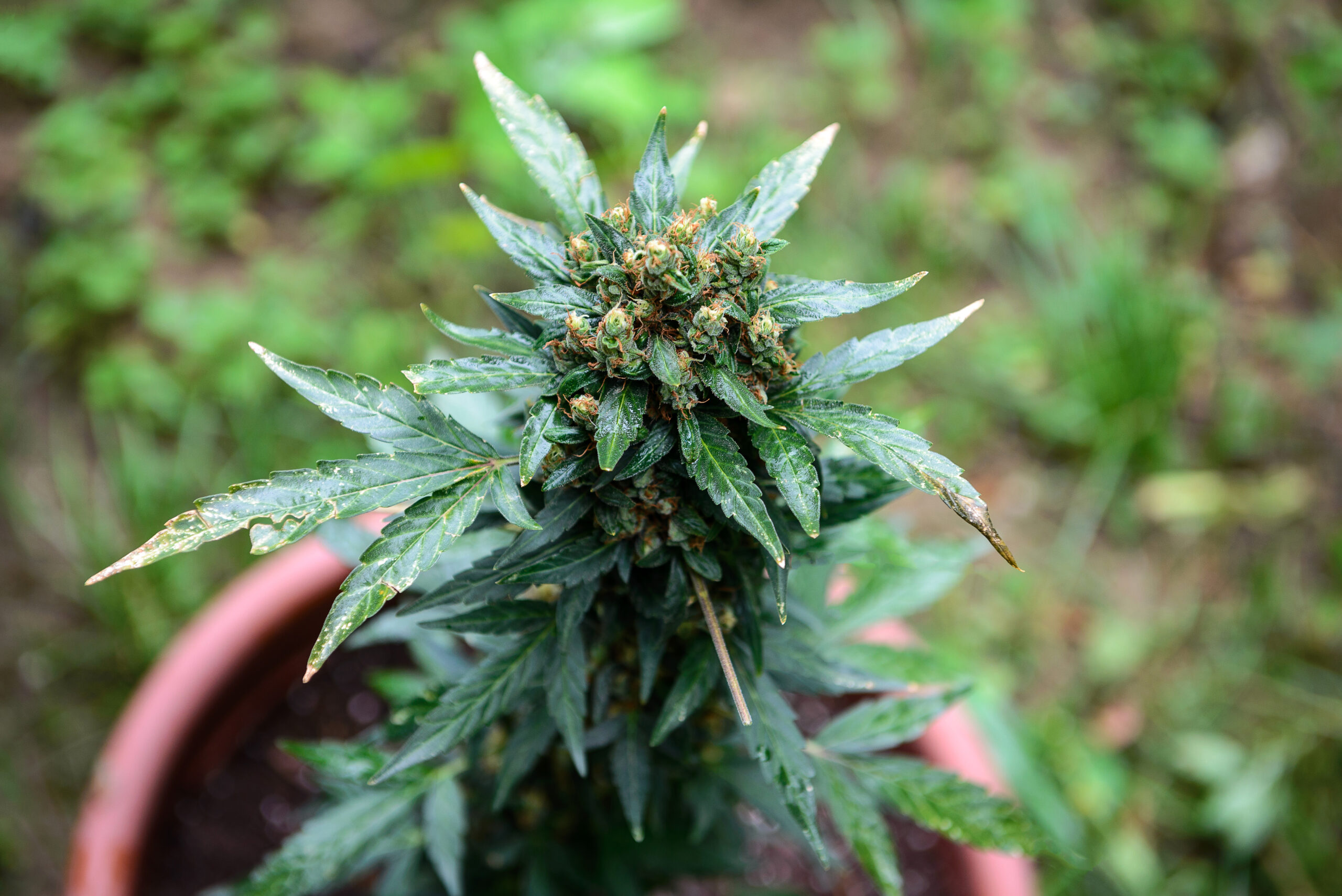


Growing cannabis at home in New York is now a real option for adults who want to raise a small number of plants for personal use. For many people, this topic brings up a lot of questions right away. They want to know if it is legal, how many plants they can have, where they can grow them, and what kind of setup they need to get started. They also want to know how hard it is to grow cannabis at home and what steps matter most for staying safe and following the law.
That is why this guide focuses on the basics in a clear and practical way. If you are new to home growing, it helps to start with the big picture before getting into details. Home growing is not only about planting seeds and waiting for them to grow. It also includes learning the rules in New York, choosing the right place to grow, setting up a simple space, and understanding the early care that plants need. When you know these basics first, the process feels less confusing.
In New York, adults age 21 and older can legally grow cannabis at home for personal use. That makes home cultivation possible for many people across the state, but it does not mean there are no limits. There are still clear rules about how many plants a person can grow, how many plants a household can have, and where those plants can be kept. These rules matter because home growing is only legal when it stays within the limits set by the state. A person who grows too many plants or grows them in the wrong place can still run into legal trouble.
This article is designed to answer the most common questions people search for when they want to grow cannabis at home in New York. Many new growers start with the same basic concerns. They ask if home grow is legal in New York. They ask how many cannabis plants they can grow at home. They ask whether they can grow in an apartment, whether renters have the same rights as homeowners, and whether an outdoor grow is allowed. They also ask about smell, safety, harvest limits, and what to do before they even plant the first seed.
That is why this guide covers three main areas: legal tips, setup advice, and growing basics. The legal side comes first because it helps you understand the rules before you spend money or time on equipment. You need to know who can grow, how many plants are allowed, what counts as a private residence, and what actions are not allowed, such as selling homegrown cannabis. These are the facts that shape every other step in the process.
The setup side is just as important, especially for beginners. A simple setup can make home growing much easier to manage. This includes picking a grow space, thinking about privacy, choosing indoor or outdoor growing, planning for light and airflow, and taking steps to control smell. A good setup does not need to be large or expensive, but it does need to be safe and practical. New growers often do better when they start small and build confidence with a few plants instead of trying to do too much at once.
The growing basics matter because healthy plants need steady care. Even a simple home grow has stages. A cannabis plant starts small, changes over time, and needs different care as it develops. New growers do not need to know every advanced method right away, but they do need to understand the basic growth cycle, common beginner mistakes, and the steps involved in harvest and storage. When these basics are clear, the whole process becomes easier to follow.
Another reason this topic matters is that New York home growers need to think about more than the plants themselves. They also need to think about the home around them. In shared buildings, smell can affect neighbors. In homes with children or visitors, safe storage and secure grow areas matter. In small apartments, space and airflow can become real issues. In outdoor spaces, privacy and weather can change the whole growing plan. These real-life details shape what works best for each person.
This guide does not focus on opinions, hype, or personal stories. Instead, it gives you a clear and useful starting point. The goal is to help you understand what home grow cannabis in New York really involves from the start. By the end of this article, you should have a better idea of what the law allows, what kind of setup makes sense for a beginner, and what basic growing steps matter most.
If you are thinking about starting your first home grow, the smartest first step is to learn the rules and build a simple plan. When you begin with clear legal information, realistic setup choices, and a basic understanding of how cannabis grows, you put yourself in a much better position to grow at home with confidence.
Is It Legal to Grow Cannabis at Home in New York?
It is legal to grow cannabis at home in New York, but only if you follow the state rules. In New York, adults age 21 and older can grow cannabis at home for personal use. This applies to adult-use cannabis, which is the type used for non-medical reasons. The New York Office of Cannabis Management says home cultivation is legal for adults 21 and older, and its home cultivation guidance explains the rules that apply to people who grow at home.
This is one of the most important things for readers to understand at the start. Cannabis may be legal in New York for adults, but that does not mean every type of growing is allowed. The law gives adults a limited right to grow for personal use in a private residence. It does not create a free pass to grow cannabis in any amount, in any place, or for any purpose. The legal right to grow at home comes with clear limits and rules.
New York Did Not Allow Home Grow Right Away
Many people think cannabis became fully legal in New York all at once. That is not exactly what happened. The Marihuana Regulation and Taxation Act made adult-use cannabis legal in New York in 2021, but home cultivation for adult-use did not begin right away. The state first had to issue rules for how home growing would work. New York’s home cultivation materials explain that adult-use home growing became legal on June 26, 2024.
That date matters because it helps explain why some older online articles still confuse readers. Some older pages or blog posts may say home growing is not yet allowed, but that information is now out of date. Under current New York guidance, adult-use home cultivation is legal, as long as the person growing is 21 or older and follows the state rules.
Home Grow Means Personal Use, Not Business Use
Another point that often confuses people is the purpose of home growing. In New York, home cultivation is allowed for personal use. That means you can grow cannabis for yourself within the legal limit, but you cannot turn your home grow into an unlicensed business. The state says it is illegal to sell, trade, or barter homegrown cannabis. That means homegrown cannabis cannot be used as a product for side income or informal sales.
This is a key legal line. Growing for personal use is allowed. Selling cannabis is a separate activity that requires state licensing and regulation. New York’s adult-use cultivator license overview shows that commercial growing belongs in the licensed system, not in personal home cultivation. So, a legal home grow is meant for personal use only, not for retail, not for resale, and not for unlicensed distribution.
Adult-Use and Medical Home Grow Are Not Exactly the Same
New York has both adult-use cannabis and medical cannabis rules. That can make things confusing for first-time readers. Adult-use cannabis is for adults 21 and older who want to use cannabis legally under state law. Medical cannabis is for people in the state’s medical program. Both adult-use and medical cannabis can be grown at home in New York, but the rules are not always discussed in the same way.
For adult-use home grow, the basic rule is simple: you must be at least 21 years old. For medical cannabis, the state also says the person who grows must be 21 or older. The FAQ explains that there are no age exceptions for medical patients when it comes to who can actually grow the plants. This is important because some people assume a younger medical patient can grow directly, but New York’s guidance says the grower must still be 21 or older.
The state also explains that if a person under 21 uses cannabis for medical reasons, a parent, guardian, or designated caregiver may be involved on that person’s behalf. That is different from saying the under-21 person has the right to grow on their own. So, when writing about home grow legality, it is important to keep the age rule clear.
Legal Does Not Mean Unlimited
Even though home growing is legal, it is still controlled by law. Legal does not mean unlimited. New York sets rules about who can grow, how many plants can be grown, and where the plants can be kept. The state’s guidance also makes clear that home cultivation must happen in a private residence and under specific limits. Those plant limits are covered in the next section, but readers should understand here that legality depends on following those limits.
This matters because a person can be doing something legal in general but still break the rules by going over the allowed number of plants or using the grow for sales. In other words, New York law allows home growing in a narrow and regulated way. It is not a broad right to grow without restrictions.
Why This Question Matters So Much
“Is it legal to grow cannabis at home in New York?” is one of the first questions people ask because everything else depends on the answer. Before someone buys seeds, sets up a tent, or chooses indoor or outdoor growing, they need to know whether the activity is legal at all. Starting with the law helps people avoid mistakes and makes the rest of the planning process much easier. That is why this section should come early in the article. It gives readers the legal base they need before moving into plant limits, setup advice, and growing basics.
Growing cannabis at home in New York is legal for adults age 21 and older. Adult-use home cultivation has been legal since June 26, 2024, but it is only allowed for personal use and must follow state rules. Homegrown cannabis cannot be sold, traded, or bartered, and home growing is not the same as running a licensed cannabis business. New York also has separate medical cannabis rules, but the age rule still matters there too. The main point is simple: home grow is legal in New York, but only when it is done within the law.
How Many Cannabis Plants Can You Grow at Home in NY?
One of the first questions people ask is simple: how many cannabis plants can you legally grow at home in New York? This matters because plant limits are one of the most important parts of the law. If you grow more than the allowed number, you can create legal problems for yourself. That is why it helps to understand the rules before you buy seeds, set up lights, or start planning your grow space.
The Basic Plant Limit in New York
In New York, adults age 21 and older can grow cannabis at home for personal use. But there is a limit on how many plants each person can have. A single adult can grow up to 3 mature cannabis plants and 3 immature cannabis plants at one time. That means one person can have a total of 6 plants, but only half of them can be mature.
This rule is important because the law does not just count the total number of plants. It also separates plants by growth stage. In simple terms, New York looks at whether the plant is mature or immature. That is why a grower cannot just say they have 6 plants and leave it at that. The number must also fit the allowed split between mature and immature plants.
For example, one adult cannot grow 6 mature plants. That would go over the legal limit. One adult also cannot grow 4 mature plants and 2 immature plants. Even though that still adds up to 6 plants, it breaks the rule because the mature plant limit is 3.
What the Residence Limit Means
The law also sets a limit for the whole home, not just for one person. In one private residence, the maximum is 6 mature plants and 6 immature plants. This means the total limit for the whole household is 12 plants, as long as no more than 6 are mature and no more than 6 are immature.
This rule matters most in homes where two or more adults live together. At first, some people think the number keeps going up with every adult in the home. That is not how it works. Once the residence reaches the household cap, no one in that home can add more plants.
For example, if two adults live together, they can reach the maximum household limit of 6 mature and 6 immature plants. But if three or four adults live in the same home, the total still does not go above that same cap. The residence limit controls the final number.
Mature and Immature Plants Explained
Many beginners feel confused by the terms mature and immature. The easiest way to think about it is this: immature plants are still in the earlier stage of growth, while mature plants are in the flowering stage and are producing buds.
An immature plant is not yet flowering. It is still developing and has not started producing the parts of the plant most people grow for use. A mature plant is one that has moved into flowering. This is the stage where the plant needs more care, more attention, and better control of its environment.
This difference matters for two reasons. First, it affects how many plants you can legally keep. Second, it affects how you plan your grow. If you want a steady cycle, you may be tempted to keep many younger plants waiting in line. But you still have to stay within the immature plant limit.
A simple example may help. If you have 3 flowering plants, those are your 3 mature plants. If you also have 3 younger plants that are still growing and not yet flowering, those are your 3 immature plants. At that point, you are at the full legal limit for one adult.
Why Plant Count Matters for Beginners
Plant count is not just a legal issue. It also affects how easy or hard your first grow will be. Many new growers think more plants will give them a better result. In reality, more plants often mean more work, more smell, more watering, more trimming, and more chances to make mistakes.
Starting small is usually the better choice. Even if the law allows you to grow up to the limit, you do not have to begin there. A smaller grow is easier to manage. It is easier to watch plant health, control odor, check for mold, and keep the space clean and safe.
For a first grow, many people find that one to three plants is enough to learn the basics. This gives you space to understand how the plant changes over time without feeling overwhelmed.
Common Mistakes People Make About Plant Limits
One common mistake is thinking every adult in the home can always grow 6 plants each with no household cap. That is not correct. The residence limit still applies. Another mistake is counting only the flowering plants and ignoring the younger ones. The law counts both mature and immature plants, so all plants in the home matter.
Some people also assume that small plants do not count yet. That can lead to problems. If the plant is being grown as part of your home cultivation setup, you should treat it as part of your total plant count. It is safer to stay well within the legal limit than to guess and risk going over.
Another mistake is moving too fast from a few plants to a full setup. A grower may start with a legal number of immature plants, then forget that once several of them begin flowering, they may need to adjust their setup and pay closer attention to the mature plant count.
How to Stay Within the Law
The best way to stay within the law is to track your plants clearly from the start. Know how many plants you have, know which stage each plant is in, and avoid adding more until you are sure you have room under the legal limit.
It also helps to plan your grow before you start. Decide whether you want a very small grow for learning or a larger home setup that still follows New York rules. Keep your count simple. If you are new, do not make the process harder than it needs to be.
A clear plant plan can also help with space, odor control, lighting, and harvest timing. When you know how many plants you can legally keep, it is easier to build a setup that matches the law and fits your home.
In New York, one adult can grow up to 3 mature cannabis plants and 3 immature cannabis plants. In one home, the maximum is 6 mature plants and 6 immature plants total, even if more than two adults live there. Mature plants are flowering plants, while immature plants are still in the earlier growth stage. These limits are important because they shape both legal compliance and everyday grow planning. For most beginners, a smaller grow is easier to manage and still gives enough room to learn. Understanding the plant count rules from the start can help you grow with more confidence and fewer mistakes.
Where Can You Legally Grow Cannabis at Home in New York?
Knowing where you can legally grow cannabis at home in New York is one of the most important parts of staying within the law. Many people focus on plant limits first, but the place where you grow matters just as much. New York allows home cultivation for adults, but that does not mean cannabis can be grown anywhere. The law ties home growing to a private residential setting, and that means you need to think carefully about the type of property, how visible the plants are, and how secure the grow space is.
What Counts as a Private Residence
In New York, home-grown cannabis must be grown at a private residence. A private residence is a place where a person actually lives. This can include a house, an apartment, a condominium, a co-op unit, or a mobile home if it is used as a residence. The key point is that the space must be a real living place, not just a temporary location or a random property that someone uses from time to time.
This matters because the law does not treat every building or property the same way. A private residence is tied to personal living space. That means the cannabis plants should be kept where daily life happens, not in a place that is open to the public or used for short-term stays. If you are growing at home, the grow should be part of your household setting.
For example, a person living in a single-family home may choose a spare room, basement area, or backyard space if it can be kept private and secure. A person living in an apartment may use a closet, a small grow tent, or another indoor area, as long as it fits within the law and the building rules do not create separate issues. The main point is that the grow must be connected to a lawful residence.
Can You Grow in a House, Apartment, or Mobile Home
New York allows home growing in different kinds of residential properties. You do not have to own a house to qualify. People living in apartments, co-ops, condos, and mobile homes may also be able to grow cannabis at home if the property is their residence and the grow follows the legal rules.
This is important because many readers assume home growing only applies to people with large houses or private land. That is not true. The law is broader than that. A renter in an apartment may still have the right to grow at home, though practical issues such as space, odor, airflow, and lease terms still matter. A person in a mobile home may also qualify if that mobile home is used as a real residence.
Still, just because a type of property may qualify does not mean every setup will work well. A small apartment may make smell control harder. A shared building may raise concerns about neighbors. A backyard may seem like an easy choice, but it still needs to stay private and secure. So while many home types can qualify, the grow area must still be planned with care.
Why Temporary Lodging Does Not Qualify
Temporary lodging does not count as a private residence for home cannabis cultivation. That means places like hotels, motels, and similar short-term stays are not legal places to grow cannabis at home in New York.
This rule helps make the line clearer. Home cultivation is meant for stable living spaces, not travel settings or short-term rooms. A hotel room is not treated the same way as a home, even if someone stays there for several days or weeks. The same basic idea applies to other temporary places that are not true residences.
This is important for people who split time between locations or stay in temporary housing for work, school, or travel. If the space is not your private residence, it is not the right place for home cultivation. The law is focused on personal residential use, not portable or temporary growing.
Plants Must Be Kept Out of Public View
Another major legal point is privacy. Home-grown cannabis plants should not be visible to the public. This means people passing by on the street, neighbors looking from public areas, or visitors in shared spaces should not easily see your plants.
This rule is important for both legal and practical reasons. It helps reduce public exposure and supports the idea that home growing is a private activity. A grow setup placed in a front window, open porch area, or uncovered outdoor space could create problems if the plants are clearly visible.
For indoor growers, this usually means placing plants in a room, tent, or area where outsiders cannot see them. Curtains, blinds, and proper room placement can help. For outdoor growers, this often means using a fenced area, greenhouse, or another enclosed space that blocks public view. The goal is simple: the plants should stay private.
Even if the law does not require specific design choices in every case, it is smart to think ahead. If someone standing on a sidewalk or walking through a shared hallway can clearly see the plants, the grow may not be private enough.
Why a Secure Grow Space Matters
A legal home grow should also be secure. This means the plants should be kept in a place where access can be controlled. Security matters because cannabis plants should not be left where anyone can walk up and handle them. A secure setup also helps reduce theft, misuse, and access by people who should not be near the grow.
For indoor grows, security may mean using a room with a door, a locked grow tent, or a dedicated area that can be closed off. For outdoor grows, it may mean a locked fence, enclosed yard section, or greenhouse with controlled access. The exact setup may look different from one home to another, but the goal stays the same. The grow area should not be open and easy to enter.
Security is not only about legal compliance. It also supports safe growing. Cannabis plants, lighting equipment, fans, and other tools should be managed in a way that keeps the home orderly and reduces risk. A secure area also makes it easier to monitor the plants and keep the setup under control.
Protecting People Under 21
Another key part of legal home growing is preventing access by people under 21. Cannabis home cultivation is for adults, so the grow should not be left in a place where minors can easily reach it. This is especially important in homes with children, teens, or frequent young visitors.
This does not only apply to the finished cannabis product. It applies to the plants too. A person growing at home should think about who lives in the home, who visits, and whether the grow area can be reached without permission. A bedroom corner, open patio, or unlocked basement may not be a smart choice if younger people are present in the home.
Keeping the grow secure helps address this issue. Locked doors, controlled access, and careful room placement all make a difference. It is also important to think ahead to harvest time, drying, and storage, because legal compliance does not stop once the plants are cut. The same care used during the growing stage should carry over into the handling of the final product.
In New York, cannabis can only be grown at a private residence, not in temporary lodging like hotels or motels. That private residence may be a house, apartment, condo, co-op, or mobile home, as long as it is a real living space. The plants should be kept out of public view, placed in a secure area, and protected from access by anyone under 21. These rules are just as important as plant limits. If a grow is in the wrong place, too visible, or too easy to access, it can create legal problems. A simple, private, and secure setup is the best way to stay within the law and make home growing easier to manage.
Can You Grow Cannabis in a Rental Property or Apartment in NY?
Growing cannabis at home in New York can include rental properties and apartments, but there are still important rules and limits to understand. Many people assume home growing is only allowed if you own a house. That is not true. In New York, lawful home cultivation is tied to the private residence where you live, not only to homeownership. That means some renters may legally grow cannabis at home if they meet the age requirement and follow state rules.
Still, renting adds another layer to think about. Even if home growing is legal under state law, renters should take time to understand how their building, lease, and living setup may affect what is realistic and safe. It is also important to think beyond whether something is allowed. A legal grow still needs to be secure, well-managed, and respectful of the people living nearby.
Home growing can apply to renters
In New York, adults age 21 and older can grow cannabis at home for personal use if they follow state home cultivation rules. This can apply to people living in different kinds of private residences, including rented spaces. A rental house, apartment, co-op, or mobile home may count as a private residence if it is the place where the person actually lives.
This matters because many people who rent want to know whether they are automatically excluded. In general, they are not. The law does not treat all renters as ineligible just because they do not own the property. What matters most is whether the grow takes place in a lawful private residence and follows the plant limits, security rules, and other requirements.
That said, the fact that a renter may legally grow at home does not mean every rental situation will be simple. Apartment living often comes with shared walls, smaller rooms, tighter ventilation, and more chances for odor to travel. A person may have the legal right to grow within the home cultivation rules, but they still need to think about how the setup works in the real world.
Landlords usually cannot penalize lawful cannabis activity alone
Another common question is whether a landlord can refuse to rent to someone or punish a tenant just because that tenant is involved in lawful cannabis activity. In New York, there are protections related to lawful cannabis conduct. In many cases, a landlord cannot simply take action against a tenant based only on the fact that the tenant is lawfully using or growing cannabis under state law.
This is an important point because it helps renters understand that legal cannabis activity is not always a valid reason on its own for denial or punishment. Still, that does not mean every conflict disappears. A landlord may still raise concerns if the tenant creates property damage, safety risks, strong odor problems, mold issues, or other conditions that affect the property or other residents.
In simple terms, lawful cannabis activity may have some protection, but bad property conditions do not. If a grow setup leads to water damage, electrical risk, poor ventilation, or a lingering smell that affects neighbors, those issues can still create problems. The safest path is to treat a home grow like any other part of responsible home care. The space should be clean, secure, and controlled.
Federal benefit issues can create an exception
There is also an important exception renters should know about. In some cases, a landlord may act differently if allowing cannabis activity would put a federal benefit at risk. This can matter in housing situations tied to federal rules or funding. Because cannabis remains illegal under federal law, some properties connected to federal housing programs may have stricter limits.
This is one reason not all rental situations are the same. A private landlord in a standard market-rate apartment may face different rules than a housing provider connected to federal programs. For renters, this means the answer is not always one-size-fits-all. It is smart to understand what type of housing you are living in and whether federal restrictions could apply.
For example, some tenants may live in buildings where federal funding, subsidies, or program rules shape what is allowed inside the property. In those cases, state law does not always remove every possible issue. A renter in that situation should be extra careful before assuming home growing is permitted in practice.
Why renters should read the lease carefully
Even when home cultivation may be legal under state law, renters should still read the lease closely. The lease may not use the word cannabis, but it may include rules about smoking, odors, electrical equipment, moisture, property alterations, or activities that disturb neighbors. These details matter because a grow setup can affect more than just the person growing the plants.
For example, indoor growing may involve lights, fans, filters, timers, and extra water use. A lease might restrict certain equipment, changes to the unit, or anything that raises utility or safety concerns. A renter should know what the lease says before setting up a grow area. Reading the lease does not replace state law, but it helps the tenant understand what practical issues may come up.
It is also wise to think about the living space itself. A small apartment may not have enough room for a safe and discreet setup. Poor airflow can lead to odor buildup or moisture problems. A unit with limited storage may make it harder to keep supplies and harvested cannabis secure. A legal right does not always mean a space is a good fit for growing.
Shared buildings bring extra concerns
People who live in apartments or multi-unit buildings should think carefully about neighbors. In a detached house, odor and noise may be easier to manage. In an apartment building, smells can move through hallways, vents, windows, and shared walls. Even a small grow can create tension if odor control is weak.
This is why smell control matters so much for renters. A person may be following the law on plant counts, but if the smell becomes a nuisance, problems can still follow. Good odor control is not just about comfort. It is part of being respectful in shared housing.
Security is also important. Plants and harvested cannabis should stay out of public view and away from anyone under 21. In a shared building, people come and go more often. Maintenance workers, delivery people, guests, and neighbors may pass by. A renter should think about how to keep the grow private and secure without disrupting normal building life.
Renters in New York may be able to grow cannabis at home if they are 21 or older and follow state home cultivation rules. A rental apartment or house can count as a private residence, so owning property is not required. Still, renters should not stop at the legal basics. They should also think about lease terms, federal housing issues, smell control, safety, and the realities of living close to neighbors.
What Do You Need to Start Growing Cannabis at Home?
Starting a home cannabis grow in New York does not mean you need a large room or expensive tools. For most beginners, the best first step is to understand the basics and keep the setup simple. A small, legal, well-managed grow is easier to care for and easier to control. It also lowers the chance of mistakes that can hurt your plants or create problems in your home.
This section covers the main things you need before you begin. That includes where your plants come from, what they grow in, what kind of containers to use, how water and light affect growth, why airflow matters, and how to choose a safe and private space. When these basics are in place, your first grow becomes much easier to manage.
Start With a Legal and Reliable Source
One of the first things you need is something to grow. That usually means seeds or immature cannabis plants. In New York, home growers should pay attention to legal sources. As the state home grow system continues to develop, licensed sellers and nurseries are expected to play an important role in providing legal starting material.
This matters because the quality of your starting plant affects everything that comes after. Healthy seeds or young plants give you a better chance of steady growth. Weak or unhealthy starter material can lead to slow growth, plant stress, and poor results later on.
For a beginner, immature plants can be easier than seeds because they are already past the earliest stage of life. Seeds can still be a good choice, but they usually need closer attention in the beginning. No matter which one you choose, start with only a few plants. That makes it easier to stay within legal limits and easier to learn the process without getting overwhelmed.
Choose the Right Growing Medium
Your plants need a place to grow their roots. This is called the growing medium. Many beginners use soil because it is simple and familiar. Good soil can hold water, support roots, and help the plant take in nutrients. It also tends to be more forgiving for new growers.
Some people use other growing methods, but a basic soil setup is often the easiest path for a first grow. It allows beginners to focus on learning plant care without adding too much complexity. The main goal is to use a clean, suitable medium that supports healthy root growth.
Healthy roots are the base of the whole plant. If roots do not have enough room, air, or moisture balance, the plant may struggle. That is why the growing medium matters so much. Even if the leaves look fine at first, root problems can slow the plant down later.
Pick Containers That Match the Plant Size
Containers are another key part of the setup. Cannabis plants need enough root space to grow well. A container that is too small can limit the plant. A container that is too large is not always ideal either, especially for a very small plant in its early stage.
For beginners, it helps to use clean containers with drainage. Drainage is important because extra water needs a way to leave the container. If water sits too long at the bottom, roots can stay too wet. That can lead to stress and other plant problems.
As the plant grows, the root system grows too. Some growers start small and move the plant into a larger container later. Others begin with a container that can support most of the growing period. The best choice depends on the size of your grow area and how simple you want the process to be. In either case, the container should support healthy root development and allow you to water the plant without creating a mess indoors.
Make Watering Simple and Consistent
Water sounds basic, but it is one of the most common trouble points for beginners. New growers often think more water is better, but that is not always true. Cannabis plants need water, but they also need oxygen around the roots. When roots stay too wet for too long, growth can slow down.
The goal is not to water on guesswork. The goal is to pay attention. The growing medium should not stay fully dry for too long, but it also should not stay soaked all the time. A steady routine helps. So does checking the plant and the medium before watering again.
Water also affects the growing environment around the plant. Too much water indoors can raise moisture levels in the room. That can make the space less comfortable for the plant and harder to manage. Keeping watering simple and balanced is one of the best habits a beginner can build early.
Give the Plant Enough Light
Cannabis needs light to grow. Light supports leaf growth, stem strength, and the plant’s general health. If the plant does not get enough light, it may stretch, weaken, or grow unevenly. That is why lighting is one of the most important parts of a home grow setup.
If you are growing indoors, you need to think carefully about how your plant will get enough steady light. The setup does not have to be advanced for a beginner, but it does need to be dependable. A weak light setup often leads to weak plants.
If you are growing outdoors, sunlight becomes the main source of light. In that case, location matters. A spot with poor sun exposure can make it harder for the plant to grow well. Outdoor growers in New York also have to think about weather, privacy, and security.
No matter where you grow, the plant needs light that matches its stage of growth. This is one reason beginners do well when they start small. It is much easier to manage lighting for a few plants than for a large home grow.
Do Not Ignore Airflow
Airflow is easy to overlook, but it makes a big difference. Plants need fresh air around them. In a still, closed space, heat and moisture can build up. That can stress the plant and make the growing area harder to control.
Good airflow helps the plant stay healthier. It also helps manage temperature and moisture. In an indoor grow, this may mean setting up a space where air can move in and out instead of becoming trapped. In an outdoor grow, natural airflow may be easier, but plant placement still matters.
Airflow also connects to smell control. A tight indoor space with no air movement can hold odor. That can become a problem in apartments or shared housing. A better-managed space is easier to live with and easier to keep private.
Pick a Secure and Private Space
In New York, home growing must happen in a private residence, and growers should think seriously about safety and privacy. Your grow space should not be out in the open where other people can easily access it. It should also be a place you can manage without causing problems for others in the home.
For a beginner, the best grow space is often a small, controlled area. It should be easy to check every day. It should be easy to keep clean. It should also give you some control over light, airflow, and odor.
If children or other household members are present, security becomes even more important. The space should not invite unwanted access. A home grow should be handled like any other adult-only activity that requires care, planning, and limits.
Renters should also think about the practical side of the space they choose. A cramped area with poor ventilation, strong odor spread, or moisture buildup can create stress even if the grow itself is legal. The more manageable the space is, the smoother the process usually goes.
Start Small So You Can Learn the Basics
Many beginners make the same mistake at the start. They try to do too much at once. They use too many plants, too much equipment, or a setup that is too hard to manage. A better approach is to begin with a small grow and learn step by step.
A smaller grow makes it easier to notice changes in the plant. It makes watering easier. It makes lighting easier. It makes odor control easier. It also helps you stay focused on the basics instead of trying to fix many problems at once.
Starting small also supports legal compliance. New York has plant limits, and beginners should treat those limits seriously from day one. A simple setup with a few well-cared-for plants is far better than a crowded setup that is hard to manage.
To start growing cannabis at home in New York, you do not need a complicated system. You need a legal and reliable starting point, a good growing medium, proper containers, balanced watering, enough light, steady airflow, and a secure private space. Just as important, you need a setup that matches your skill level.
For most beginners, the smartest move is to keep the first grow small and simple. That gives you room to learn the basics, stay within the law, and build better habits from the start. When your setup is easy to manage, the whole growing process becomes clearer, safer, and more realistic.
Should You Grow Cannabis Indoors or Outdoors in New York?
Choosing between an indoor grow and an outdoor grow is one of the first big decisions a home grower in New York will make. Both options can work. New York allows adults age 21 and older to grow cannabis at home for personal use, with a limit of 3 mature and 3 immature plants per person and a maximum of 6 mature and 6 immature plants per residence. The grow must take place at a private residence that you own or rent, such as a house, apartment, room, or mobile home.
The better choice depends on your space, your budget, how much control you want, and how much privacy you need. Some people like indoor growing because they can control more of the plant’s environment. Others like outdoor growing because the sun does most of the lighting work. Before you start, it helps to understand the strengths and limits of each option.
Indoor growing gives you more control
Indoor growing is often easier for beginners who want a more controlled setup. When you grow inside, you can manage light, airflow, temperature, and humidity more closely than you can outdoors. That makes it easier to protect plants from sudden weather changes. In New York, this can matter a lot because the climate changes with the seasons, and outdoor conditions are not always steady.
Indoor growing also gives you more privacy. If you live in an apartment, townhouse, or a home with nearby neighbors, an indoor grow may help keep your plants out of sight. New York’s home cultivation guidance says cannabis should be kept secure and away from anyone under 21. Growing indoors can make that easier because you can use a spare room, a closet, or a grow tent in a locked area of the home.
Another benefit of indoor growing is that it is not tied to outdoor seasons. You are not waiting for the weather to warm up or worrying about early cold snaps. You can start when your setup is ready. This can make planning easier for first-time growers who want a simple schedule.
Still, indoor growing usually costs more at the start. You will need lights, fans, and a space with safe electrical use. You may also need odor control, especially if you live close to other people. New York advises growers to take reasonable steps to keep odor from becoming a nuisance. Indoors, that often means using ventilation and carbon filtration to reduce smell.
Outdoor growing can cost less, but it gives you less control
Outdoor growing can be appealing because sunlight is free and strong. That means you may spend less on equipment. You also may not need as much help with airflow because plants outside get natural air movement. For some people, this makes outdoor growing feel simpler.
Outdoor growing can work well if you have a private yard or another legal outdoor area connected to your residence. New York’s rules allow home cultivation at a private residence, including places you own or rent, but the grow still needs to stay within the law. That means the plants should be secure, should not be accessible to people under 21, and should not create problems for neighbors.
The biggest downside of outdoor growing in New York is the climate. Outdoor plants depend on the seasons, sunlight, rain, and temperature. New York weather is not the same all year. Rain, high humidity, and cooler temperatures can make outdoor growing harder, especially later in the season. You also have less control over storms, strong wind, and sudden weather swings.
Outdoor plants may also be easier for other people to notice. Even if you have space, you still need to think about privacy and smell. Odor can travel farther outside, especially in warm weather. That is why outdoor growers should think carefully about where the plants are placed.
Think about privacy, smell, and security before you choose
Whether you grow indoors or outdoors, privacy and security matter. New York allows home growing for personal use, but that does not mean plants should be easy for the public to see or easy for others to access. A secure setup helps you stay safer and more compliant.
Smell is another important issue. Indoor growers may be able to manage odor better with filters and enclosed spaces. Outdoor growers do not have that same level of control. If you live near neighbors, that can affect your choice. Even a legal grow can lead to complaints if the smell becomes too strong. New York’s guidance makes clear that growers should take reasonable steps to prevent odor from becoming a nuisance.
Which option is better for beginners in New York?
For many beginners in New York, indoor growing may be the easier way to start because it offers more control, more privacy, and fewer surprises from the weather. It can be a good fit for people who have limited space and want a small, simple grow. Outdoor growing may be a good option for someone who has private outdoor space, wants to spend less on equipment, and is comfortable working with the local seasons.
There is no one answer for everyone. The best choice is the one that fits your home, your budget, and your ability to manage the space responsibly.
Indoor and outdoor cannabis growing can both be legal choices in New York for adults 21 and older, as long as the grow happens at a private residence and stays within the plant limits. Indoor growing offers more control, more privacy, and better protection from New York weather. Outdoor growing can cost less and use natural sunlight, but it gives you less control and may make smell and privacy harder to manage. For a first grow, many people will find that a small indoor setup is easier to manage, while others with private outdoor space may prefer to grow outside. The right choice depends on your home and how simple, secure, and manageable you can make the setup.
What Is the Best Beginner Setup for Home Grow Cannabis in NY?
The best beginner setup for home grow cannabis in New York is one that is simple, small, and easy to manage. Many first-time growers make the mistake of trying to do too much at once. They buy too many supplies, choose a space that is hard to control, or start with more plants than they can handle. A better approach is to keep things basic. A small setup gives you more control and helps you learn the process step by step.
For most beginners, the goal is not to build a perfect grow room. The goal is to create a clean and safe space where plants can grow well and where daily care feels manageable. A good beginner setup should help you stay organized, notice problems early, and follow New York home grow rules more easily.
Start with a Small, Manageable Grow Area
A small grow area is usually the best choice for someone who is just getting started. This could be a spare closet, a corner of a room, a small tent, or another private part of the home that is not used often. The space should be easy to reach and easy to check every day. If a plant needs water, light adjustment, or a closer look, you should be able to handle that without trouble.
Starting small also helps you avoid waste. You do not need a large room for a first grow. A compact area is easier to clean, easier to monitor, and easier to keep private. It can also help with smell control, which is important in shared homes, apartment buildings, and other close living spaces.
The grow area should stay away from pets, children, and heavy foot traffic. It should also be somewhere that does not draw attention from visitors or neighbors. Privacy matters for both safety and legal compliance. Even when home growing is allowed, the setup should still stay secure and out of the way.
Choose Lighting That Fits the Space
Light is one of the most important parts of a home grow setup. Cannabis plants need steady light to grow well, especially indoors. A beginner should choose lighting that matches the size of the grow space. A light that is too weak can lead to poor plant growth. A light that is too strong for a very small area can create too much heat and stress the plants.
For a beginner, the lighting setup should be easy to use and easy to place above the plants. It should give even coverage across the grow space so that all plants get enough light. It is also important to keep the light at the right distance. If the light is too close, it can burn the leaves. If it is too far away, the plants may stretch and grow weak.
A timer can make the job easier. It helps keep the light schedule steady, which is important during different growth stages. This removes guesswork and helps the plants get the regular pattern they need.
Make Airflow Part of the Setup from the Start
Airflow is another basic part of a good beginner setup. Fresh air helps plants stay healthy. It also helps reduce excess moisture, lower heat, and make the space less friendly to mold. Without good airflow, even a small grow can run into problems.
A beginner grow area should not feel hot, damp, or stale. The air should move through the space in a steady way. This does not need to be complicated, but it does need attention. If the air stays trapped, plants can struggle and the smell can become stronger.
Good airflow also helps keep stems stronger. When plants grow in a space with light air movement, they usually develop better support as they mature. This can make a difference later when buds begin to form and branches carry more weight.
Pay Attention to Temperature and Space Planning
A beginner setup works best when the space stays stable. Big swings in heat or cold can stress plants. The grow area should stay in a place where the temperature is not changing all the time. For example, a room that gets very hot during the day and very cold at night can make growing harder.
Space planning matters too. Each plant needs room to grow without being crowded. Crowded plants can block light from each other and reduce airflow. This can lead to weak growth and make it harder to inspect the plants. When planning the setup, think about how tall and wide the plants may become. Even small plants need personal space.
It also helps to think ahead about daily tasks. You should be able to water the plants, check the leaves, and clean the area without moving everything around. A setup that looks fine on day one may become frustrating later if it is too cramped.
Keep the Grow Organized and Easy to Monitor
A clean and organized setup makes home growing much easier. When everything has a place, you can focus on the plants instead of searching for tools or dealing with clutter. An organized grow area also makes it easier to notice changes. If leaves start to droop, the soil looks too dry, or the smell becomes stronger, you are more likely to catch it early.
Beginners should try to keep the area simple. Only keep the items you really need in the grow space. Extra clutter can block airflow, collect dust, and make it harder to clean. A simple setup is usually the most effective one.
It is also smart to check the grow space every day. Daily checks do not need to take long. A few minutes can help you spot problems before they become serious. You can look at the leaves, feel the air in the room, check the soil, and make sure the light is working as planned.
What a First-Time Grower Should Have Ready Before Planting
Before planting, a first-time grower should have the main parts of the setup ready to go. That means the grow space should already be chosen, cleaned, and arranged. The light should be installed and tested. Airflow should already be working. Containers, growing medium, and water access should all be ready before the first seed or young plant goes into the space.
It also helps to have a simple plan for plant care. You do not need a complex chart, but you should know where the plants will sit, how you will water them, when the light will run, and how you will keep the area secure. The goal is to avoid last-minute problems after the grow begins.
This kind of preparation can make the entire process smoother. It lowers stress and helps beginners feel more confident from the start.
The best beginner setup for home grow cannabis in New York is not the biggest or most expensive one. It is the setup that is easiest to manage well. A small grow area, proper lighting, steady airflow, stable temperature, and smart space planning all work together to support healthy growth. Just as important, an organized setup makes it easier to monitor plants and respond to problems early.
How Do You Control Cannabis Smell at Home?
One of the biggest concerns for people who want to grow cannabis at home is smell. Even a small grow can create a strong odor, especially once plants enter the flowering stage. The smell can travel through rooms, hallways, vents, windows, and even outside the home. For many people, this is not just a comfort issue. It can also affect privacy, relationships with neighbors, and the overall success of a home grow.
In New York, home growers are expected to take reasonable steps to prevent cannabis odor from becoming a nuisance. That means smell control should not be treated like an afterthought. It should be part of your plan from the start. A good setup makes it easier to manage odor before it becomes a problem.
Why Cannabis Smell Gets Strong So Fast
Cannabis plants naturally produce aromatic compounds called terpenes. These compounds give each plant its distinct smell. Some plants smell earthy, some smell sweet, and others smell sharp or skunky. During the early stages of growth, the smell may be mild. But once the plant begins to flower, the odor often becomes much stronger.
This is why some new growers get surprised. They may think the smell is easy to handle during the first few weeks, then suddenly realize the odor has spread through the home. Flowering plants can create a scent that lingers in fabric, furniture, and shared air spaces. In apartments or duplexes, neighbors may notice it even when the grower thinks everything is under control.
The stronger the smell, the harder it is to fix the problem quickly. That is why it helps to prepare early instead of waiting until the odor becomes obvious.
Why Smell Control Matters in a Home Grow
Smell control matters for several reasons. First, it helps you stay respectful of the people around you. Neighbors may not want strong odors drifting into their home, balcony, hallway, or yard. Even if growing is legal, a strong odor can still create tension or complaints.
Second, smell control helps protect your privacy. A strong cannabis smell can make it obvious that plants are being grown inside the home. Some growers want to keep their personal life private, especially in shared housing or dense neighborhoods.
Third, smell control helps create a more comfortable living space. Even people who like cannabis may not want their entire home to smell like a flowering grow room every day. A strong odor can make rooms feel stuffy and less pleasant.
Finally, smell control is part of running a safe and organized grow. It shows that the grower is paying attention to the setup, the air flow, and the effect the grow may have on others.
Start With the Right Grow Space
The easiest way to control odor is to choose the right grow space. Not every area in a home works well for cannabis cultivation. A room that is open, busy, or hard to close off will make smell control much harder.
A small enclosed space is usually easier to manage than a large open one. When the grow area can be sealed off from the rest of the home, it is easier to contain and filter the air. This is one reason many home growers prefer a dedicated room, a grow tent, or another controlled space.
The location also matters. A grow space next to a front door, shared hallway, or thin wall may lead to more odor problems. A space with direct airflow into shared living areas can also spread smell quickly. Before starting a grow, it helps to think about where the air will move and where the odor may travel.
A good grow space should also be easy to clean and monitor. When the area is organized and simple to manage, it is easier to notice if odor is getting stronger or escaping.
How Carbon Filters Help Reduce Smell
For indoor growing, carbon filters are one of the most common odor control tools. These filters work by pulling air through activated carbon, which traps many odor-causing compounds before the air leaves the grow space.
In simple terms, a carbon filter helps scrub the smell out of the air. It is often connected to an exhaust fan, which pulls warm and smelly air out of the grow area. When set up properly, this system can greatly reduce the amount of odor that escapes into the home.
Carbon filters work best when they match the size of the grow space and the strength of the fan. If the filter is too small or the fan is too weak, smell may still leak out. If the system is not sealed well, air can escape before it reaches the filter.
It is also important to remember that carbon filters do not last forever. Over time, they become less effective and may need to be replaced. A grower who notices the smell getting stronger may need to check the filter, the fan, or the ducting.
Airflow and Ventilation Still Matter
A carbon filter works best when the grow area has good airflow. Stale air, trapped heat, and poor ventilation can make the smell stronger and harder to control. Proper airflow helps move air through the filter and out of the grow space in a controlled way.
Ventilation also helps keep the grow area healthier for the plants. Cannabis plants need fresh air, and indoor spaces can build up heat and humidity quickly. If the room gets too warm or damp, the smell may feel even heavier.
Good airflow does not mean letting the odor drift freely through the house. It means creating a controlled air path. Air should move through the grow space in a way that supports both plant health and odor reduction. That is why fans, vents, and filtered exhaust systems often work together.
Outdoor Smell Control Takes Planning Too
Outdoor growing may seem easier because the smell is not trapped indoors, but it can still cause problems. Odor can carry across fences, patios, driveways, and nearby homes. Wind can make the issue even worse.
The best way to reduce outdoor odor problems is careful plant placement. A grower should think about how close the plants are to neighbors, sidewalks, shared property lines, and open windows. A hidden corner may work better than a spot near a front yard or a busy outdoor area.
Privacy barriers can also help limit exposure, though they do not remove odor. Distance matters. In general, the farther the plants are from people and shared spaces, the less noticeable the smell may be.
Outdoor growers should also keep in mind that flowering season may bring the strongest odor at a time when people still spend time outside. This makes planning even more important.
Smell Control Should Be Part of the Plan From Day One
A lot of new growers make the mistake of treating odor like a small issue that can be fixed later. That often leads to stress once the plants begin to flower. It is much better to build smell control into the setup from the beginning.
This means choosing the grow space carefully, thinking about airflow, using proper filtration if needed, and checking often for signs that odor is escaping. It also means understanding that smell may change as the plant grows. A setup that seems fine early on may need more attention later.
Smell control is not about making a home grow perfect. It is about taking reasonable steps to keep the grow private, manageable, and respectful of others.
Cannabis smell can become strong very quickly, especially during flowering. That is why odor control is one of the most important parts of growing at home. A good grow space, controlled airflow, and tools like carbon filters can make a big difference indoors. Outdoor growers also need to think carefully about plant placement and how smell may travel.
What Safety Rules Should Home Growers in NY Follow?
Growing cannabis at home in New York is not only about keeping plants alive. It is also about keeping your home safe, protecting other people in the space, and following the rules that come with legal home cultivation. New York allows home growing for adults, but that does not mean people can grow carelessly. A safe setup helps prevent accidents, avoids problems with neighbors, and makes it easier to stay within the law. In simple terms, a good home grow should be secure, clean, low-risk, and respectful of the people living nearby.
Keep Plants in a Secure Place
One of the most important safety rules is keeping cannabis plants in a secure place. New York requires homegrown cannabis plants to be kept where unauthorized people cannot easily get to them, including anyone under the age of 21. That means a grow area should not be open to children, guests, or anyone else who should not have access. Depending on the home, this may mean using a locked room, a locked tent, a fenced yard, or another barrier that limits access.
Security matters for several reasons. First, it helps protect children and teens. Cannabis plants are not household decorations, and they should not be left where young people can touch them or take parts of them. Second, it helps protect your grow from theft or tampering. Even a small home grow can attract attention if it is visible or easy to reach. Third, a secure setup helps show that you are treating home cultivation seriously and responsibly. In shared homes, this step is even more important because more people may move through the space each day.
Take Odor Control Seriously
Another key safety rule involves odor. New York says people who grow cannabis at home must take reasonable steps to prevent the smell from becoming a nuisance to neighbors. This does not mean a home grow can never have any smell at all, but it does mean growers should not ignore it. If the odor becomes strong enough to bother people nearby, it can create problems that were easy to avoid with better planning.
For indoor growers, odor control often starts with carbon filtration. The state’s home cultivation guidance specifically points to carbon filters as an example of a reasonable odor control measure. For outdoor grows, the state also gives simple examples such as planting other strongly scented plants nearby. The right odor control method depends on the type of home, how close the neighbors are, and whether the grow is inside or outside. What matters most is taking the issue seriously before it becomes a complaint.
Odor control is also part of basic home comfort. Strong smells can spread through vents, hallways, windows, and shared walls. In an apartment or rental unit, this can be a bigger issue because the grower lives closer to other people. A safe and thoughtful grow setup should reduce this risk as much as possible.
Avoid Flammable Materials
New York is very clear on one major safety point: the use of flammable materials is prohibited in home cannabis processing. The state warns against using flammable materials when making home cannabis products such as tinctures or butters because they are not safe for home use. Instead, the guidance points people toward safer alternatives such as heat, water, or fermentation methods.
This rule matters because flammable solvents can cause fires, explosions, and serious injuries when used in home settings. Many people may think homemade processing is simple, but it can become dangerous very quickly if the wrong materials are used. A home is not the same as a licensed facility with specialized equipment, ventilation, and safety systems. Even a small mistake can put the grower, family members, neighbors, and the property at risk.
For beginners, the safest approach is to keep things basic. Focus on growing, drying, curing, and storing your cannabis properly instead of trying risky home extraction methods. This lowers the chance of accidents and keeps the process much easier to manage.
Pay Attention to Electrical Safety
Electrical safety is not just a good idea. It is a basic part of running an indoor grow space safely. Grow lights, fans, timers, and other equipment all use power. If too many devices are plugged into one outlet, or if extension cords are used poorly, the risk of overheating and fire can rise. While New York’s consumer home grow materials focus most directly on security, odor control, and flammable materials, electrical safety remains an essential practical concern for any indoor setup.
A simple grow is usually safer than an overloaded one. Use equipment that fits the size of your space. Keep cords organized and away from water. Do not run damaged wires or cheap power strips in a humid grow area. Make sure fans and lights have enough room around them so heat does not build up. Good airflow helps plants, but it also helps reduce heat and moisture problems that can make a grow room unsafe.
Keep the Grow Area Clean and Dry
A safe grow area should also be clean and dry. Water spills, standing moisture, and clutter can create problems fast. Wet floors can damage equipment and raise the risk of electrical trouble. Extra moisture can also lead to mold or mildew, which can affect both the plants and the home itself. A grow space does not need to be fancy, but it should be easy to clean and easy to check every day.
Cleanliness also helps growers spot problems sooner. Dead plant matter, spilled soil, and crowded equipment can hide pests, moisture damage, or airflow issues. A tidy space makes routine care easier and lowers the chance that a small issue turns into a bigger one.
Home growers in New York should think about safety from the very start. Plants need to be kept in a secure place, away from anyone under 21 and away from easy public access. Growers also need to control odor so it does not become a nuisance to neighbors. Flammable materials are not allowed for home cannabis processing, and indoor growers should be careful with electricity, heat, water, and overall cleanliness. When a home grow is secure, low-risk, and well managed, it is much easier to stay safe and stay within New York’s rules.
How Much Cannabis Can You Keep at Home After Harvest?
One of the most common questions about home grow cannabis in New York is what happens after harvest. Many people understand the plant limits, but they are less clear about how much dried cannabis they can keep at home. This part matters because growing legally does not only mean following the rules while the plant is in the ground or in a pot. It also means understanding what you can legally store once the growing work is done.
In New York, plant limits and possession limits are not the same thing. The number of plants you can grow tells you how many cannabis plants you can legally have at one time. The amount of cannabis you can keep after harvest tells you how much finished cannabis flower you can store. A person can follow the plant rules and still need to think carefully about how much dried flower is kept at home.
Understanding the At-Home Possession Limit
After harvest, New York allows adults to keep up to five pounds of cannabis flower at home if it comes from lawful home cultivation. This is an important rule because a successful grow can produce much more than many first-time growers expect. Even a small number of mature plants can create a large amount of dried flower over time. That is why home growers should not assume that staying within the plant limit means they can store any amount they want.
The five-pound rule applies to cannabis flower kept at home. This means your dried and cured harvest should be stored with care and in a way that helps you stay organized. If you are growing for personal use, it is smart to know how much your harvest weighs once it is dry. Wet cannabis weighs more before drying, so the final amount that matters is the dried flower you keep after harvest and curing.
This rule also helps show the difference between home use and commercial activity. New York allows personal growing and personal storage within the legal limits, but it does not allow home growers to treat their grow like a business. The amount you keep at home should still fit within the law and remain for personal use only.
Plant Limits and Harvest Limits Are Different
Many new growers mix up plant limits with storage limits. These are two separate parts of the law. Plant limits control how many plants you can grow at one residence. Harvest limits control how much cannabis flower you can keep after those plants are cut, dried, and cured.
This difference matters because even a legal home grow can lead to a meaningful amount of cannabis. For example, a grower may stay within the legal number of mature and immature plants but still end up with a harvest that needs to be weighed and stored properly. If you do not understand this step, it is easy to focus only on the grow itself and forget that the law still matters after harvest day.
Thinking ahead can help. Before your plants are ready, it is wise to plan where the dried flower will go, how it will be stored, and how you will keep track of the amount. This is part of growing responsibly. Good planning makes it easier to stay within the rules and avoid confusion later.
What About Cannabis Outside the Home?
The at-home storage limit is not the same as the amount you can carry with you. New York has a separate possession limit for cannabis outside the home. This means the law treats your private residence differently from public spaces or travel.
For personal possession outside the home, the legal limit is much lower than the five-pound at-home storage amount. That is why growers need to be careful when transporting cannabis from one place to another. Even if your cannabis was grown legally at home, you still need to follow the rules for how much can be carried outside your residence.
This is an important point for anyone moving cannabis after harvest. You may need to transport some amount for lawful personal reasons, but the law does not allow you to treat the larger at-home limit as a travel limit. Keeping this distinction in mind can help prevent mistakes.
Why Safe Storage Still Matters
Once cannabis is harvested, dried, and cured, storage becomes part of legal and practical home growing. Good storage helps protect quality, but it also helps keep your home grow more organized and responsible. Cannabis should be kept in a secure place where children, teens, or other unauthorized people cannot access it.
Safe storage also makes it easier to know how much cannabis you actually have. When flower is left in different bags, jars, or containers around the home, it becomes harder to track the total amount. This can create confusion, especially after more than one harvest. Using proper containers and keeping everything in one secure area can help you stay aware of your supply.
Storage conditions matter too. Heat, light, air, and moisture can damage cannabis over time. A cool, dark, and dry space is usually the best choice. Well-sealed containers can also help preserve freshness and reduce unwanted odor. While quality is important, the larger point is that careful storage supports both safety and compliance.
Why Labeling and Organization Can Help
Labeling is not just about neatness. It can make home growing easier to manage from start to finish. After harvest, growers may have cannabis from different plants, different harvest dates, or different drying and curing stages. Without a clear system, it can become difficult to know what is ready, what is still curing, and how much flower is already stored.
Simple labels can help track the harvest date, strain name if known, and approximate weight. This can be useful for personal use and for staying aware of the total amount in the home. A basic log or notebook can help too. You do not need anything advanced. The goal is to keep your home grow easy to understand.
Good organization also helps first-time growers learn from each harvest. When you keep track of amounts and dates, you get a better picture of how much your plants are producing. That can help you plan future grows more carefully and stay within legal and practical limits.
After harvest, home grow cannabis in New York is still subject to rules. The plant limit tells you how many cannabis plants you can grow, but the at-home possession limit tells you how much dried cannabis flower you can keep. These are not the same thing, and both matter. If you grow at home, it is important to weigh your harvest, store it safely, and stay aware of how much cannabis is in your residence.
The best way to handle post-harvest cannabis is to stay organized from the start. Know the at-home limit, remember that outside-the-home possession is different, and store your flower in a secure and orderly way. When you understand the rules after harvest, home growing becomes easier to manage and safer for everyone in the household.
Can You Share, Sell, or Transport Homegrown Cannabis in New York?
If you grow cannabis at home in New York, it is important to know what you can legally do with what you harvest. Many people assume that if home growing is legal, then selling or freely moving that cannabis must also be legal. That is not the case. New York allows adults to grow cannabis at home for personal use, but there are clear rules about sharing it, selling it, and transporting it. Knowing these rules can help you avoid mistakes and keep your home grow within the law.
Sharing Homegrown Cannabis
One of the most common questions people ask is whether they can give homegrown cannabis to someone else. In New York, adults age 21 and older can share cannabis with another adult who is also 21 or older, as long as there is no payment involved. That means a person can give cannabis away, but only as a true no-cost transfer. The law does not allow people to hide a sale by calling it a gift that comes with some other paid item or service. New York also has legal possession limits, so any shared amount must stay within those limits.
This part is important because many people confuse sharing with selling. Sharing means giving cannabis to another adult without money, fees, tips, swaps, or any other kind of payment. Even indirect payment can create legal problems. For example, a person cannot charge for a shirt, a delivery fee, or a donation and then include cannabis with it. If money or something valuable is connected to the transfer, it is no longer simple sharing.
It also helps to remember that the rules for sharing do not turn a home grow into a small business. Home cultivation is meant for personal use. Once money or anything of value becomes part of the exchange, the activity is no longer just a personal transfer. That can move it into illegal sale territory if the person does not have the proper state license.
Can You Sell Homegrown Cannabis?
The short answer is no. In New York, it is illegal to sell, trade, or barter homegrown cannabis. That means a person cannot sell homegrown flower, trade it for another product, or exchange it for work, favors, or services. Even if the grower only has a small amount and believes the exchange is harmless, the rule is still the same. Homegrown cannabis is not legal for private sale.
This rule matters because New York has a licensed cannabis market. Legal cannabis sales must go through the state’s regulated system. A person growing at home for personal use is not allowed to skip that system and act like a retailer. Home growing is allowed for personal use, not for private business activity.
People should also be careful with casual language. Words like donation, trade, swap, or help with costs may sound informal, but they can still point to an exchange of value. If money or something useful changes hands, the safest view is that it is not legal sharing. For a home grower, the best rule is simple: grow for personal use, keep it personal, and do not sell any part of the harvest.
Can You Transport Homegrown Cannabis?
New York does allow adults age 21 and older to carry and transport cannabis within the state, but there are limits. Adults can possess and transport up to 3 ounces of cannabis flower and up to 24 grams of concentrated cannabis outside the home. These limits matter when a person takes cannabis off their property. A home grower may have a larger legal amount stored at home, but that does not mean the same amount can be carried around in a car, bag, or pocket.
For home growers, this creates an important difference between storage at home and transport outside the home. At home, New York allows adults to store a larger amount of cannabis from lawful cultivation. Outside the home, the lower possession limit applies. So even if a person legally harvested more cannabis, they still need to stay within the carry limit when transporting any of it.
The state also expects cannabis in a vehicle to be stored securely and kept in a closed container. This is both a legal and practical rule. Secure storage lowers the chance of spills, strong odor, and easy access by others in the vehicle. It also shows that the person is trying to handle cannabis responsibly.
Important Limits When Moving Cannabis
Even though transport is legal within New York’s possession limits, there are still boundaries that home growers need to respect. One major limit is state borders. A person should not take homegrown cannabis out of New York, even if cannabis is legal in the other state. Crossing a state line changes the legal situation and can create serious problems.
Another limit involves where cannabis can be used. New York allows adult possession, but cannabis cannot be used in a motor vehicle. That matters during transport because people should not treat a parked or moving car as a place to use their homegrown product. Keeping transport separate from use is the safer choice.
Home growers should also think carefully about why they are moving cannabis. Transporting a legal amount for personal use is very different from moving cannabis in a way that looks like unlicensed sales activity. Large repeated transfers, packaging that looks like resale, or exchanges tied to payment can raise legal concerns. The law is easier to follow when the facts clearly show personal use within legal limits.
New York gives adults age 21 and older the right to grow and possess cannabis at home, but that right comes with clear limits. A home grower can share cannabis with another adult 21 or older only when no money or anything else of value is involved. A home grower cannot sell, trade, or barter homegrown cannabis. Transport is allowed within New York, but only within the legal possession limit outside the home. Cannabis should be stored securely during transport, and it should never be taken across state lines. The safest approach is simple: keep homegrown cannabis for personal use, avoid any kind of sale, and stay within New York’s sharing and transport rules.
What Are the Basic Stages of Growing Cannabis at Home?
Growing cannabis at home becomes much easier when you understand the full life cycle of the plant. Many first-time growers think the process is only about watering and waiting, but each stage has its own purpose. A healthy grow usually moves through seven main stages: germination, seedling, vegetative growth, flowering, harvest, drying, and curing. When you know what happens in each stage, you can make better choices and avoid common mistakes.
Germination
Germination is the first stage of growth. This is when a cannabis seed begins to sprout. A healthy seed will crack open and produce a small white root, often called a taproot. This root is the first sign that the plant is alive and starting to grow.
At this stage, the seed needs moisture, warmth, and care. It does not need strong light yet, but it does need the right conditions to wake up and begin growing. If the seed is kept too wet, it may rot. If it is too dry, it may never sprout. This early stage is delicate because the seed is still developing and has very little strength.
Once the root appears, the seed is ready to move into a growing medium. This could be soil or another planting medium. The key is to handle it gently. The root is very fragile, and damage at this point can stop the plant before it even gets started.
Seedling Stage
After germination comes the seedling stage. This begins once the young plant pushes above the surface and starts to grow its first small leaves. In the beginning, these leaves may look simple and smooth. Soon after, the plant will begin to form the more familiar serrated cannabis leaves.
This stage is important because the plant is building its early structure. It is still small and weak, so it needs a steady environment. Too much water, not enough light, or sudden temperature changes can slow growth or damage the seedling. The roots are also still forming, so the plant cannot yet handle much stress.
A healthy seedling usually looks short, upright, and green. If it becomes long and thin, it may not be getting enough light. If the leaves start to droop or discolor, it may be a sign of poor watering or another problem. During this stage, simple care matters more than doing too much.
Vegetative Growth
The vegetative stage is when the plant starts growing fast. This is the part of the cycle where cannabis becomes larger, stronger, and fuller. The plant develops more leaves, thicker stems, and more branches. It is preparing itself for the flowering stage later on.
During vegetative growth, the plant focuses on structure. This is when it builds the frame that will support future buds. A strong plant at this stage often has a better chance of producing a healthier harvest later. That is why growers pay close attention to light, water, airflow, and space during this period.
This stage can last for several weeks or longer, depending on the type of plant and the grower’s plan. Some growers keep plants in this stage longer so they can grow bigger before flowering begins. Others keep the vegetative stage shorter when working with limited space. In either case, the goal is the same: to help the plant grow strong and healthy.
Flowering Stage
The flowering stage is when the plant starts producing buds. This is the stage many people think about most, because it is when the final cannabis product begins to form. The plant shifts its energy away from leaf and branch growth and starts focusing on flower production.
As flowering begins, the plant may stretch and grow taller. Then the buds start to form and thicken over time. This stage requires patience because the buds do not appear all at once. They slowly develop, becoming fuller and more mature as the weeks pass.
During flowering, the plant becomes more sensitive. Problems with light, temperature, airflow, or moisture can affect bud quality. Good care during this stage helps support a cleaner and healthier harvest. It is also the stage when odor usually becomes stronger, which is why growers often pay close attention to smell control at this point.
Harvest
Harvest is the point when the plant is cut down and prepared for post-grow processing. This stage should happen only after the buds have had enough time to mature. Harvesting too early can lead to less developed flowers. Harvesting too late can also affect quality.
At harvest, the grower removes the plant or its branches and begins trimming away parts that are not needed. This helps prepare the buds for drying. Although harvest may seem like the end of the growing process, it is really the start of the final quality stage. A plant can look healthy all the way through flowering, but poor handling after harvest can still reduce the value of the final product.
This stage also requires care and attention. Clean tools, a calm workspace, and a clear plan make the process easier. Rushing at harvest can lead to waste or damage.
Drying
Drying is the stage that comes right after harvest. During this part of the process, the buds lose excess moisture. This is important because freshly harvested cannabis contains a lot of water. If it is stored too soon, it can develop mold or other problems.
Drying should happen slowly and in a controlled space. The goal is to remove moisture without drying the buds too fast. If the plant material dries too quickly, the final product may become harsh and lose quality. If it dries too slowly in a damp space, the risk of mold increases.
This stage is often overlooked by beginners, but it matters a great deal. Even a strong grow can end badly if the drying process is not handled well. Good airflow and a stable environment help the buds dry more evenly and safely.
Curing
Curing is the final stage of the cannabis growing process. After drying, the buds are placed into storage containers so they can continue to improve over time. This stage helps balance moisture inside the buds and can improve the final texture, smell, and overall quality.
Curing is a slow step, but it plays a big role in the end result. Many people think the process ends after drying, but curing helps complete the work. It allows the buds to settle and become more stable for storage and use.
This stage also helps reduce the chance of leftover moisture causing problems later. When done properly, curing can make the final product smoother and better preserved. It is not a stage to skip if the goal is to get the best result from a home grow.
Why Each Stage Matters
Each stage of growing cannabis at home has a different job. Germination starts the plant’s life. The seedling stage builds early strength. Vegetative growth creates the structure of the plant. Flowering produces the buds. Harvest brings the grow to its next step. Drying removes excess moisture. Curing improves quality and storage.
When growers understand these stages, they are better able to respond to what the plant needs. They can also spot problems earlier and avoid simple mistakes. Instead of guessing, they can follow the plant’s progress with more confidence.
The basic stages of growing cannabis at home follow a clear path from seed to finished flower. The plant begins with germination, grows through the seedling and vegetative stages, then moves into flowering before harvest. After that, drying and curing help protect and improve the final product. For beginners in New York, learning these stages is one of the best ways to start smart, stay patient, and build a strong foundation for a legal home grow.
What Common Mistakes Do First-Time Home Growers Make?
Growing cannabis at home in New York can sound simple at first. Many people think they only need seeds, water, and a place to grow. But first-time growers often run into problems because they move too fast, skip the basics, or focus only on the plant and forget about the legal side. A good first grow is not about doing everything at once. It is about keeping things simple, staying within the law, and learning how the plant responds over time.
Growing Too Many Plants Too Soon
One of the most common mistakes is starting with too many plants. New growers often think more plants will give them a better chance of success. In reality, more plants mean more work, more cost, and more chances for mistakes. Each plant needs attention, space, airflow, water, and light. If a beginner tries to manage too many plants at once, it becomes harder to notice problems early.
In New York, plant limits also matter. Adults 21 and older may grow only a certain number of plants at home under state rules. This means a first-time grower should not only think about what feels manageable, but also what is legal. Starting small makes it easier to stay organized and stay within the rules. A small grow is easier to watch, easier to clean, and easier to fix when something goes wrong.
Choosing the Wrong Space
Another mistake is picking a poor place to grow. Some people use a space that is too hot, too damp, too cold, or too open. Others choose a room without thinking about privacy, smell, or airflow. A cannabis plant may be hardy in some ways, but it still needs a steady environment. If the growing space changes too much from day to day, the plant can struggle.
A beginner should think carefully about where the plants will live before starting. The area should be private, secure, and away from public view. It should also be easy to check every day. A grow space that is hard to reach often leads to missed problems. It is much better to use a simple, clean area that supports steady care than a large space that is hard to manage.
Using Poor Lighting
Light is one of the biggest factors in plant growth, especially for indoor growers. A common beginner mistake is using weak lights or placing lights too far away from the plants. When the light is not strong enough, plants may grow thin, weak, and stretched. They may look tall, but that does not mean they are healthy.
Good lighting does not have to mean the most expensive setup, but it does need to match the size of the grow. Many first-time growers buy lights without checking if they are strong enough for cannabis. Others leave lights on for the wrong amount of time. A plant depends on light to grow well, so this part should never be guessed. New growers should learn the basic light needs before they begin instead of trying to fix poor growth later.
Overwatering and Doing Too Much
Many beginners hurt their plants by trying to help them too much. Overwatering is one of the clearest examples. A new grower may think that more water means faster growth, but too much water can stress the roots and slow the plant down. Wet soil all the time can lead to weak growth and other problems.
The same issue happens with feeding. Some people add too many products too early because they want bigger plants. They may use too much plant food, too often, without knowing what the plant actually needs. This can do more harm than good. In most cases, a plant does better with steady, simple care than with constant changes. Beginners should learn to observe before they react. If every small change leads to another fix, the plant never gets a stable environment.
Ignoring Airflow and Smell Control
Airflow is easy to overlook, but it matters a lot. Stale air can lead to weak growth and can make the grow space feel heavy and damp. Good airflow helps plants stay healthier and helps the room stay more balanced. Without it, moisture can build up and create problems.
Smell control is also a major issue for home growers. Some first-time growers do not think about odor until it becomes strong enough for other people to notice. In New York, growers should take reasonable steps to keep odor from becoming a nuisance. This matters even more in apartments, shared buildings, and homes close to neighbors. A grow that creates strong smells without any control can bring unwanted attention and stress. Planning for smell from the start is much easier than trying to hide it later.
Forgetting Security and Storage
Some beginners focus so much on growing that they forget about safety. Cannabis plants and harvested flower should be kept in a secure place. This helps prevent access by minors and keeps the grow more private overall. A plant left in an open area, or dried flower stored carelessly, can create legal and household problems.
Security also includes basic home safety. Indoor growers need to be careful with electrical equipment, cords, and power use. A messy setup can become a fire risk or lead to equipment failure. Clean spaces are safer spaces. A first grow should be easy to manage, not crowded with gear the grower does not fully understand.
Not Learning the Basics Before Harvest
Some new growers spend a lot of time getting started, but very little time learning what comes next. Harvest, drying, and curing are all important steps. If a grower cuts the plant too early, dries it too fast, or stores it badly, the final result can suffer. That means a lot of work may lead to poor quality in the end.
It is smart to think about the full process before the first seed is planted. Growing is not only about getting the plant bigger. It is also about finishing the process the right way. Beginners do better when they look at the grow as a full cycle, not just the early stages.
Most first-time home growers make mistakes because they try to do too much, too quickly, without a clear plan. Common problems include growing too many plants, choosing a poor space, using weak lighting, overwatering, ignoring smell control, forgetting security, and failing to prepare for harvest. The best way to avoid these mistakes is to start small, follow New York rules, keep the setup simple, and learn the basics before making changes. A careful first grow may feel slower, but it usually leads to better results and fewer problems.
How Can You Plan a Simple and Legal First Grow in NY?
Starting your first home grow in New York can feel exciting, but it can also feel like a lot to take in at once. There are legal rules to follow, basic supplies to think about, and simple growing steps to learn before you begin. The good news is that your first grow does not need to be large or complicated. In fact, a small and simple setup is often the best choice for beginners.
The safest way to begin is to make a plan before you plant anything. That plan should help you stay within New York law, avoid common mistakes, and build a setup that is easy to manage. When you take the time to prepare, you give yourself a much better chance of having a smooth first grow.
Confirm That You Can Legally Grow at Home
The first step is making sure you are allowed to grow cannabis at home in New York. This means you must be at least 21 years old and growing only for personal use. Home growing is not the same as running a business. You cannot sell what you grow, and you cannot treat your home grow like a commercial operation.
You also need to make sure the place where you plan to grow counts as a private residence. A house, apartment, co-op, or mobile home may qualify. A hotel room or other temporary place does not. This matters because home grow rules are tied to where you live. Before you buy anything, it is smart to make sure your space fits the law.
If you rent your home, take a close look at your lease. Even if home grow is legal, you still need to think about how your setup may affect the space. A small grow in a tight apartment, for example, may raise concerns about smell, moisture, or electrical safety. It is always better to think through those issues early instead of dealing with them later.
Stay Within the Plant Limits
Once you know you can legally grow at home, the next step is understanding the plant limits. This is one of the most important parts of planning your first grow. New York sets a limit on how many plants you can grow, and you need to stay under that limit from the start.
For a beginner, it is usually best to grow fewer plants than the law allows. Just because you can grow several plants does not mean you should start there. Each plant needs light, water, airflow, space, and regular attention. If you try to manage too many plants too soon, it becomes harder to notice problems and easier to make mistakes.
A small first grow gives you room to learn. You can pay closer attention to each plant and understand how it changes from one stage to the next. You will also have an easier time keeping your grow area clean, controlled, and legal. Starting small is not a weakness. It is often the smartest way to build confidence and good habits.
Choose Between Indoor and Outdoor Growing
After that, think about where you want to grow. Most first-time growers choose either an indoor setup or a small outdoor grow. Each option has its own pros and challenges, so the right choice depends on your home, your budget, and how much control you want over the environment.
Indoor growing gives you more control. You can manage light, airflow, and temperature more closely. You may also find it easier to keep plants private and secure indoors. This can be helpful in New York, where weather changes can make outdoor growing less predictable. Still, indoor growing usually costs more at the start because you need equipment like lights and fans.
Outdoor growing can cost less because the sun provides light, but it is not always simple. Outdoor plants are more exposed to weather, pests, and outside attention. You still need to keep the grow area private and secure. If your yard is open or easy to see from nearby homes or public spaces, outdoor growing may not be the best choice.
As a beginner, the best setup is usually the one you can manage safely and consistently. Pick the space that gives you the most control and the fewest problems.
Build a Small and Manageable Setup
Once you choose where to grow, focus on building a setup that is easy to handle. Many beginners make the mistake of trying to copy advanced grows they see online. That often leads to wasted money and added stress. Your first setup should be simple, clean, and easy to check every day.
You need enough space for your plants to grow without crowding them. You also need basic airflow, a steady light source if you are growing indoors, and containers or a growing medium that fit your space. Everything should feel organized. You should be able to reach each plant, inspect it, and care for it without trouble.
It also helps to think ahead. Ask yourself where you will place tools, where water may spill, and how you will keep the area dry and safe. If the grow space is messy or hard to manage, small problems can turn into bigger ones fast. A simple setup may not look impressive, but it is often much better for a first grow.
Plan for Smell Control and Privacy
Smell control is another important part of planning. Cannabis plants can produce a strong smell, especially as they mature. This can become a problem if you live close to neighbors or share walls in an apartment building. It is much easier to deal with odor early than to fix it after it spreads through your home.
For indoor growing, many people use basic odor control tools to reduce smell. For outdoor growing, placement matters a lot. A plant in the wrong spot can draw unwanted attention or create tension with neighbors. Even if your grow is legal, strong odor can still cause problems in daily life.
Privacy matters too. Your grow should not be easy for others to see or access. A private and secure area helps protect your plants and helps you follow the rules. It also lowers the chance of trouble with guests, children, or anyone who should not have access to the grow space.
Learn the Basic Growth Stages Before You Start
Before you plant, take some time to understand the basic stages of cannabis growth. You do not need to become an expert, but you should know the general path from seed to harvest. This helps you know what to expect and makes it easier to respond when your plants change.
A plant begins as a seed or young plant, then moves through early growth, stronger leaf growth, and later flowering. After that comes harvest, drying, and curing. Each stage has its own needs. A plant may need more space, more support, or a different care routine as it grows.
When beginners skip this step, they often get confused by normal changes in the plant. They may think something is wrong when it is not, or miss a real problem because they do not know what stage the plant is in. A little learning before you start can save a lot of trouble later.
Prepare for Harvest and Storage
Many first-time growers focus only on getting the plant to grow, but planning should also include what happens at the end. Harvest is not the final step. After harvest, cannabis still needs proper drying, curing, and storage. If you do not plan for that part, you can lose quality and create avoidable problems.
Think about where you will dry the harvested plant material and how you will store it after that. The area should be clean, secure, and away from anyone who should not have access to it. You should also know the legal limits for how much cannabis you can keep at home after harvest. Good planning does not stop when the plant is cut down. It continues until the finished product is stored safely and legally.
Keep Your First Grow Simple
The best first grow is usually not the biggest one. It is the one you can understand, manage, and keep legal from start to finish. A small grow teaches you more than a rushed or overcrowded one. It helps you build good habits, notice plant changes sooner, and fix small problems before they grow.
If you keep your setup simple, stay within New York law, and learn the basics before you begin, your first grow will be much easier to manage. Start with a clear plan, use a safe and private space, and give yourself time to learn each step.
Planning a simple and legal first grow in New York comes down to a few core ideas. Make sure you are allowed to grow, stay within the plant limits, choose a space that fits your needs, and keep the setup small enough to manage well. Just as important, think ahead about smell control, privacy, plant care, harvest, and storage.
Conclusion
Growing cannabis at home in New York can sound simple at first, but it comes with real rules and real responsibilities. That is why it helps to keep the process clear from the start. Before you think about lights, pots, soil, or seeds, you need to understand what the law allows and what it does not allow. When you know the limits, choose the right setup, and keep your grow secure, the process becomes easier to manage.
One of the most important things to remember is that home grow in New York is only for adults age 21 and older. It is also for personal use, not for business. That means a person can grow cannabis at home for themselves, but they cannot sell it, trade it, or treat it like a side business. This part matters because many first-time growers focus only on how to grow the plant and forget that legal compliance comes first. A successful home grow is not just about healthy plants. It is also about following the law every step of the way.
Plant limits are another key part of staying compliant. In New York, there are limits on how many mature and immature plants can be grown. These numbers are not just small details. They are part of the basic rules every home grower needs to follow. If you go over the limit, even by mistake, you can create legal problems for yourself. For that reason, it is smart to start small. A smaller grow is easier to watch, easier to care for, and easier to keep within the rules. For beginners, a simple setup with just a few plants is often the best way to learn.
Where you grow also matters. Home cultivation must happen in a private residence. That means you need to think carefully about the space you use. A home, apartment, co-op, or mobile home may qualify, but temporary places like hotel rooms do not. The space should also help you keep the grow private, secure, and out of public view. This is not just about privacy. It is also about reducing risk and keeping your setup under control. A well-chosen grow area can make everything else easier, from watering and airflow to smell control and harvest planning.
Renters need to be careful too. Even when cannabis is legal, a shared building can still bring practical issues. A tenant may need to think about lease terms, neighbor concerns, building rules, and the limits of a small indoor space. A grow that seems manageable on paper may become harder to handle if smell spreads into the hallway or if there is poor ventilation in the unit. That is why setup planning matters so much. The best beginner plan is not the biggest setup. It is the one that fits the space, stays under control, and does not create avoidable problems.
Smell control is one of the most important parts of that planning. Cannabis plants can produce a strong odor, especially during flowering. In a home grow, that smell can move through vents, doors, windows, and shared walls. Good odor control is not only polite. It also helps reduce complaints and keeps the grow more discreet. Indoor growers often need to think about airflow and filtration. Outdoor growers need to think about placement and how odor may travel. In both cases, smell should never be treated as an afterthought.
Safety is just as important. Indoor growing often uses lights, fans, timers, and other equipment. That means growers need to be careful with electricity, heat, and moisture. Wires should be kept organized. Equipment should be used correctly. The grow area should stay clean and dry. Good safety habits protect the home as well as the plants. Security matters too. Cannabis should be kept away from anyone under 21 and stored in a place that is not easy for others to access. A home grow should never be left open or unmanaged.
It also helps to understand that growing does not end when the plant is cut down. Harvest, drying, curing, and storage are all part of the process. If these steps are rushed, the final product can suffer. If storage is careless, it can create problems with safety, smell, or compliance. Home growers should know how much cannabis they are allowed to keep at home and how that differs from what they are allowed to carry outside the home. These details are part of responsible growing.
For beginners, the best approach is to keep things simple. Learn the rules first. Pick a small and manageable setup. Choose a space that is private and secure. Understand the basic growth stages so you know what the plant needs at each point. Plan ahead for odor, safety, harvest, and storage. When you take that step-by-step approach, home grow becomes much less confusing.
In the end, growing cannabis at home in New York is not only about producing a plant. It is about doing it legally, safely, and with a clear plan. A good first grow starts with realistic expectations and strong habits. When you stay informed, stay organized, and stay within the rules, you give yourself the best chance at a smooth and lawful home grow experience.
Research Citations
New York State Office of Cannabis Management. (2024, July). Home cultivation is now legal in New York State for adults 21+. https://cannabis.ny.gov/system/files/documents/2024/07/homecultivationoverview.pdf
New York State Office of Cannabis Management. (n.d.). Important considerations for cannabis cultivation. https://cannabis.ny.gov/home-cultivation-considerations
New York State Office of Cannabis Management. (2022, September). Personal home cultivation of medical cannabis regulations: Frequently asked questions. https://cannabis.ny.gov/system/files/documents/2022/09/medical-cannabis-home-cultivation-faqs.pdf
New York State Office of Cannabis Management. (2022, April 13). Rules and regulations: Revised home grow regulations. https://cannabis.ny.gov/system/files/documents/2022/04/revised-home-grow-regulations-4-13-22_0.pdf
New York State Office of Cannabis Management. (2022, February). Penal law fact sheet. https://cannabis.ny.gov/system/files/documents/2022/02/cannabis-management-fact-sheet-penal-law_0_0.pdf
New York State Office of Cannabis Management. (n.d.). Amendment to Part 115: Adult-use personal cultivation regulations. https://cannabis.ny.gov/amendment-part-115-adult-use-personal-cultivation-regulations
New York State Senate. (2021, April 2). Penal Law § 222.15: Personal cultivation and home possession of cannabis. https://www.nysenate.gov/legislation/laws/PEN/222.15
Vergara, D. (2023, February 14). NYS Cannabis sativa L. production manual. Cornell Cooperative Extension Harvest New York. https://harvestny.cce.cornell.edu/submission.php?id=159
Cornell Hemp. (n.d.). New York State Cannabis sativa L. production manual. Cornell University. https://hemp.cals.cornell.edu/resources/new-york-state-cannabis-sativa-l-production-manual/
Cornell Hemp. (n.d.). Videos and webinars. Cornell University. https://hemp.cals.cornell.edu/resources/videos-and-webinars/
Questions and Answers
Q1: Is it legal to grow cannabis at home in New York?
Adults age 21 and older can legally grow cannabis at home in New York for personal use. The state says home cultivation is allowed in residences you own or rent, subject to the home grow rules.
Q2: How many cannabis plants can I grow at home in NY?
New York allows up to 6 plants per adult, with a limit of 3 mature and 3 immature plants per person. The household cap is 12 plants total, even if more than two adults live there.
Q3: Can I grow cannabis in an apartment or rental home in New York?
Yes. New York says cannabis can be grown in residences you own or rent, including apartments, houses, and mobile homes. But renters should still review their lease and building rules, because housing restrictions may still matter in some situations.
Q4: Do I need a license to grow cannabis at home in NY?
For personal home growing within the legal plant limits, adults 21 and over do not need a commercial cultivation license. Licensing applies to businesses in the legal cannabis market, not to lawful personal home cultivation.
Q5: Where in my home can I legally grow cannabis?
You can grow at your private residence, but the grow must follow New York’s home cultivation rules. In practice, that means keeping it in your residence and handling it as personal home cultivation rather than a public or commercial operation.
Q6: Can I sell cannabis that I grow at home?
No. New York’s home cultivation overview says it is illegal to sell, trade, or barter homegrown cannabis. Home growing is for personal use, not for unlicensed sales.
Q7: How much homegrown cannabis can I keep or carry in New York?
New York says adults 21 and over may possess up to 3 ounces of cannabis and 24 grams of concentrate. The home cultivation overview also says adults may transport up to 3 ounces of cannabis and 24 grams of concentrates within the state.
Q8: Can I give homegrown cannabis to someone else?
You should not sell, trade, or barter homegrown cannabis. New York’s official home cultivation overview is clear on that point, so any sharing that crosses into a sale, exchange, or barter would not be allowed.
Q9: Can local towns or cities ban me from growing cannabis at home in New York?
Local governments can opt out of allowing adult-use retail dispensaries or on-site consumption businesses, but they cannot opt out of adult-use legalization itself. New York also states that municipalities are limited in enforcing odor nuisance violations against private residents who use approved odor mitigation techniques.
Q10: Can I use cannabis I grow at home anywhere in New York?
No. Adults 21 and over can use cannabis in a private home and in some places where tobacco use is allowed, but not in motor vehicles, restaurants, many parks and beaches, or on federal property. So even if your cannabis is homegrown, where you use it still matters.