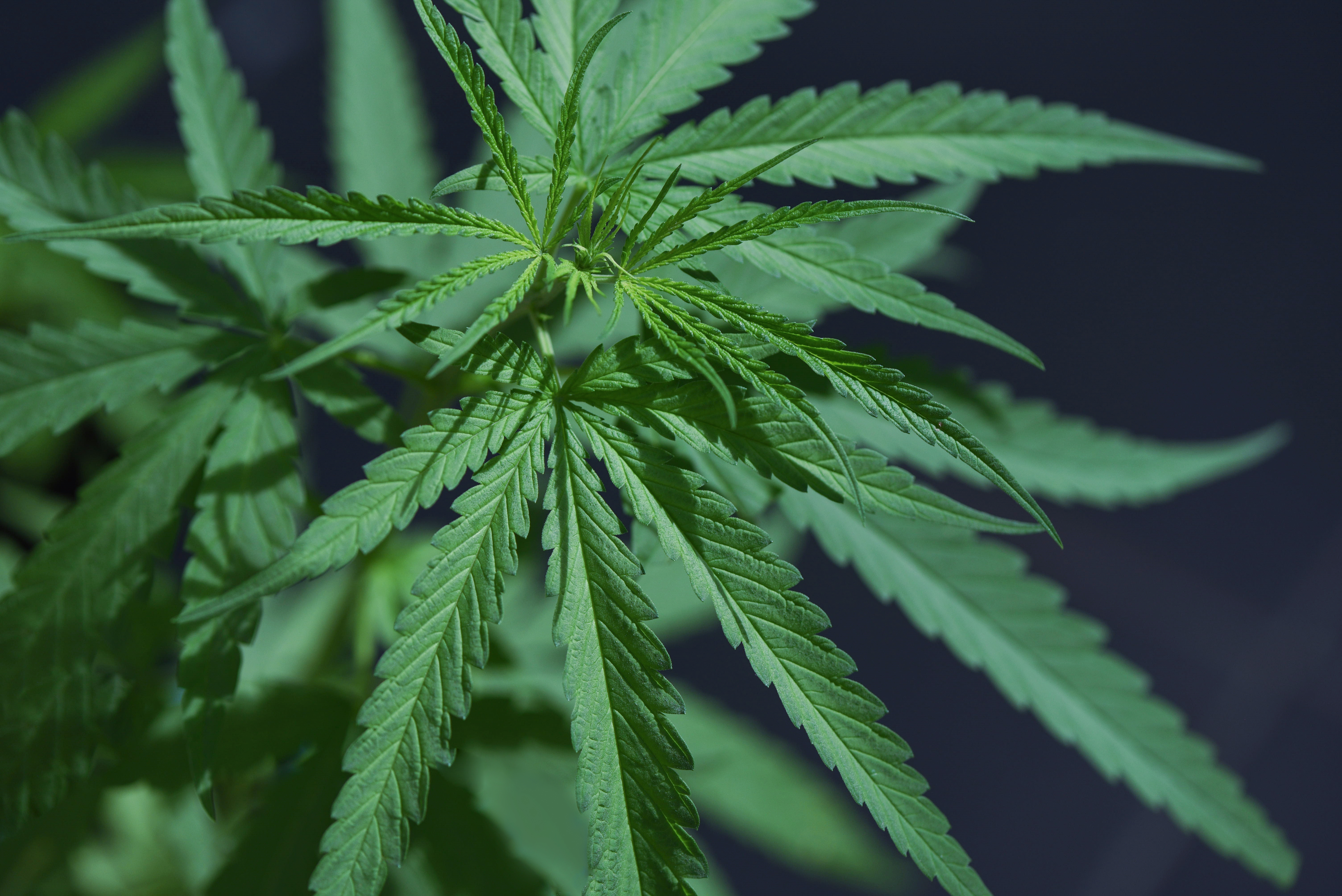


Bhang is a traditional cannabis preparation that has been used in India for many centuries. It is usually made from parts of the cannabis plant that are processed and then mixed into drinks, foods, or other preparations. Unlike cannabis that is smoked or inhaled, bhang is most often eaten or drunk. This makes it an oral form of cannabis. It is especially known for its use in drinks such as bhang thandai and bhang lassi, though it can also be found in sweets and small solid preparations known as bhang goli.
The word “bhang” is often used to describe both the cannabis mixture itself and the finished food or drink that contains it. This can sometimes cause confusion. In some cases, bhang refers to a prepared paste made from cannabis plant material. In other cases, the same word may be used for a drink that has already been mixed with milk, spices, nuts, or sugar. Because recipes vary by region and tradition, there is no single recipe that defines all bhang.
Bhang has a long cultural history in India. It is closely linked with certain religious traditions, festivals, and social customs. One of the best-known examples is Holi, the Hindu festival of colors. During some Holi celebrations, bhang may be served in traditional drinks. It is also linked with other religious and cultural events in some parts of the country. These uses are based on long-standing customs that developed over many generations.
Bhang also has a historical connection with Hindu religious practices. In some traditions, cannabis has been associated with the Hindu god Shiva. This link has helped bhang remain part of certain religious customs in India. However, not every Hindu community uses bhang, and its role can differ greatly by region, family, and local tradition. It is better to view bhang as one part of a much larger cultural and religious history rather than as something used in the same way everywhere.
One feature that makes bhang different from many other cannabis products is the way it is prepared. Traditional bhang often starts with cannabis plant material that is softened, ground, or worked into a paste. The prepared mixture may then be combined with milk, yogurt, water, nuts, seeds, sugar, and spices. Common flavorings can include cardamom, fennel, black pepper, saffron, rose water, and almonds. These ingredients help create a richer taste and may reduce the strong herbal or bitter flavor of the cannabis.
Bhang thandai is one of the most widely recognized forms. Thandai is a traditional Indian drink that can be made without cannabis. It usually contains milk, sugar, nuts, seeds, and spices. When bhang is added, the drink becomes bhang thandai. Another common form is bhang lassi. Lassi is a yogurt-based drink, and bhang can be mixed into it in some regions. Both drinks can have a thick, creamy texture, but they differ in their base ingredients and flavor.
Bhang can also appear in foods and sweets. Some traditional preparations mix it with sugar, dairy ingredients, or fats. Small solid products called bhang goli may also be sold in some places. Because these products are made in different ways, their strength can vary. One serving may not have the same effect as another, even if both are called bhang.
This difference in strength is important because bhang may produce psychoactive effects. Cannabis contains natural compounds called cannabinoids. One of the best known is THC, which can change mood, perception, coordination, and thinking. When cannabis is eaten or drunk, the effects may take longer to begin than they do when cannabis is inhaled. They may also last longer. This means a person may not feel the full effect right away.
The delayed effect of oral cannabis is one reason bhang should be approached with care. Traditional drinks may not always contain a clearly measured amount of active cannabis compounds. Homemade or locally prepared bhang can also vary from one batch to another. The strength may depend on the plant material used, how it was prepared, and how much was added to the final food or drink.
The legal status of bhang is another important topic. Cannabis laws in India are complex. Different parts of the cannabis plant may be treated differently under national and state rules. Bhang has historically occupied a different legal position from some other cannabis products, but laws and sales rules can vary by location. A product that is permitted in one area may be controlled differently in another. Because of this, readers should check current local laws before buying, possessing, or using bhang.
Bhang is best understood as more than just a cannabis product. It is connected to food, history, religion, festivals, and regional traditions. Its ingredients and preparation methods have developed through local customs over a long period of time. Some versions are simple, while others include many nuts, spices, dairy ingredients, and sweeteners.
This article explains how bhang is traditionally made, what ingredients are commonly used, and how different forms such as bhang thandai and bhang lassi compare. It will also explain why milk, nuts, and spices are often included, what bhang may taste like, how its effects can differ from inhaled cannabis, and how long those effects may last. Later sections will also cover traditional uses, possible side effects, safety concerns, and legal issues. Understanding these points makes it easier to see bhang in its full cultural and historical setting while also recognizing that it is a psychoactive cannabis preparation that should be used with care.
What Is Bhang Made From?
Bhang is made from cannabis plant material mixed with other ingredients that improve its taste, texture, and overall flavor. Traditional recipes are not all the same. Ingredients can change by region, family tradition, festival, and the type of drink or food being prepared. However, many versions use a similar group of basic ingredients. These often include cannabis leaves, milk or another dairy product, nuts, seeds, sugar, and spices.
The cannabis part gives bhang its main plant-based character. The other ingredients help soften the strong herbal taste and turn it into a smoother drink or food. Some recipes are very simple, while others include many spices, nuts, and floral flavors. This is one reason bhang can taste different from one place to another.
Cannabis Plant Material Used in Bhang
Cannabis plant material is the main ingredient that makes bhang different from ordinary milk drinks such as thandai or lassi. Traditional bhang has often been associated with the leaves of the cannabis plant. In some preparations, other soft plant material may also be included, depending on local custom and legal rules.
It is important to understand that bhang is not always made from the same part of the cannabis plant that is used to produce marijuana flower or hashish. Marijuana flower mainly refers to the flowering tops of the female cannabis plant. Hashish is usually made from the resin of the plant. Traditional bhang, by comparison, is strongly linked with cannabis leaves.
This difference can affect both strength and legal treatment. Cannabis leaves may contain lower levels of THC than resin-rich flowers, but this does not mean every bhang product has the same potency. The strength can change based on the type of cannabis used, how much plant material is added, and how the product is processed.
Another reason this distinction matters is that cannabis laws may define different plant parts in different ways. In India, legal treatment can vary between leaves, flowers, and resin. State-level rules can also affect how bhang is sold and consumed. Because of this, people should not assume that all cannabis products have the same legal status.
The plant material also gives bhang its natural color and taste. It can add a green or brown-green appearance and an earthy, grassy flavor. Since this taste can be quite strong, traditional recipes often include rich and aromatic ingredients to balance it.
Milk and Dairy Ingredients
Milk is one of the most common ingredients in traditional bhang drinks. It creates a smooth, creamy texture and helps make the drink more pleasant to consume. Milk can also soften some of the bitter and grassy flavors that come from cannabis leaves.
Different dairy products may be used depending on the recipe. Some versions use whole milk, while others may include yogurt, curd, or whey. Bhang lassi, for example, is usually based on yogurt or curd. Bhang thandai is more commonly made with milk.
Dairy also works well with many of the other traditional ingredients found in bhang. Nuts, seeds, sugar, saffron, cardamom, and rose flavors blend easily into milk-based drinks. This creates a rich mixture with several layers of flavor.
The fat found in dairy is also important when cannabis is consumed orally. Some cannabis compounds are fat-soluble, which means they mix more easily with fats than with plain water. This is one reason milk and other rich ingredients have long appeared in many cannabis food and drink preparations.
However, dairy is not required in every form of bhang. Some regional or modern preparations may use water or plant-based ingredients. Still, milk remains one of the most recognizable parts of traditional bhang drinks.
Nuts, Seeds, and Sweeteners
Nuts and seeds are common in traditional bhang, especially in drinks based on thandai. Almonds are among the most widely used nuts. They add a mild nutty flavor and help give the drink a thicker and creamier texture.
Pistachios may also be included. They can add richness and a slightly sweet, nutty taste. In more elaborate recipes, several nuts may be ground together to create a smooth paste before being mixed into the drink.
Seeds are also important in some traditional preparations. Melon seeds are often used in thandai-style drinks. They provide body and help make the mixture feel thicker. Other seeds may be used according to regional recipes.
Sweeteners are added because cannabis leaves and some spices can taste bitter or sharp. Sugar is the most common sweetener. It balances the herbal taste and makes the final drink easier to enjoy. The amount of sugar can vary widely. Some recipes are very sweet, while others use only enough to soften the bitterness.
Other traditional sweeteners may sometimes replace sugar. The exact choice depends on local food habits and personal preference. Sweetness also works well with cardamom, saffron, rose, and nuts, which are common flavors in Indian milk-based drinks.
Together, nuts, seeds, and sweeteners do more than hide the taste of cannabis. They help create the rich texture and balanced flavor that many people connect with traditional bhang.
Traditional Spices and Flavorings
Spices are a major part of many bhang recipes. They give the drink a stronger aroma and help balance the natural plant taste. Cardamom is one of the most common spices. It has a sweet, fresh smell and is widely used in Indian sweets and milk drinks.
Black pepper is another traditional ingredient. It adds a mild heat and sharpness that contrasts with the sweetness of milk and sugar. Some recipes use only a small amount because the goal is to add depth rather than make the drink very spicy.
Fennel is often included for its light, sweet flavor. It can give the drink a fresh taste and pairs well with milk, nuts, and cardamom. Saffron may also be added, especially in richer versions. Saffron gives both flavor and a yellow-gold color to the drink.
Rose petals or rose water are used in some bhang preparations. Rose provides a floral aroma that works well with cardamom and saffron. It can also make the drink taste lighter and more fragrant.
Other spices may include ingredients such as cinnamon, cloves, or nutmeg, although these are not used in every recipe. The exact spice mix often depends on local customs and the style of the drink.
This variety shows why there is no single fixed recipe for bhang. One version may be simple and mostly made from cannabis, milk, and sugar. Another may contain several nuts, seeds, spices, and floral ingredients. Both can still be considered traditional forms of bhang.
Bhang is usually made from cannabis plant material combined with ingredients that improve its taste and texture. Cannabis leaves are strongly linked with traditional bhang, although the exact plant material can vary. Milk, yogurt, or other dairy ingredients often provide a creamy base and help balance the herbal flavor.
Nuts such as almonds and pistachios can add richness, while seeds help thicken the drink. Sugar or other sweeteners reduce bitterness and create a smoother taste. Spices such as cardamom, black pepper, fennel, and saffron add aroma and flavor, while rose petals or rose water may provide a floral note.
How Is Bhang Traditionally Made?
Bhang is a traditional cannabis preparation that has been used in parts of India for centuries. It is most often linked with drinks such as bhang thandai and bhang lassi, although it may also appear in other foods and preparations. Unlike cannabis that is smoked or vaporized, bhang is consumed by mouth. This means the plant material is usually processed before it is mixed with milk, yogurt, spices, nuts, or sweeteners.
There is no single recipe that defines all bhang. Methods can differ between regions, families, shops, and festivals. Some preparations are simple, while others contain many spices and other ingredients. The general idea, however, is to soften and process cannabis plant material, turn it into a smooth mixture, combine it with other ingredients, and then strain or blend it into a drink or food.
Preparing the Cannabis Material
Traditional bhang preparation usually begins with cannabis plant material, often leaves or other parts that are permitted under local custom or law. The exact plant material can vary, which is one reason bhang can differ so much in strength and character.
In traditional methods, the plant material may first be cleaned and softened. This helps remove dirt and makes the leaves easier to work with. Water is often involved in this early stage because dried or firm plant material is harder to grind into an even mixture.
The goal is not simply to place whole leaves directly into a drink. Instead, the plant material is prepared so that it can later be crushed or ground. This creates a finer texture and helps it blend more evenly with the rest of the ingredients.
Different regions may use slightly different ways to prepare the leaves. Some methods involve repeated washing or soaking, while others use fresher plant material that needs less preparation. These variations help explain why bhang from one place may look, taste, or feel different from bhang made somewhere else.
Grinding the Ingredients Into a Paste
After the plant material has been prepared, it is traditionally ground into a paste. In older methods, this was often done with a stone mortar and pestle or another hand-grinding tool.
Grinding breaks the plant material into very small pieces. As the material becomes finer, it forms a thick, green paste. Small amounts of liquid may be worked into the mixture during this stage to make it smoother and easier to process.
Other ingredients may also be ground separately or together, depending on the tradition. These can include nuts, seeds, or spices. Almonds, fennel, cardamom, black pepper, and other flavorings are common in some bhang drinks, especially those based on thandai.
The grinding stage is important for texture. A rough mixture can leave unpleasant pieces of plant material in the final drink. A smoother paste is easier to blend and strain. Traditional preparation often takes time because the ingredients are worked until they reach a more even consistency.
This stage also shows why bhang is different from simply adding raw cannabis leaves to milk. Traditional preparation changes the texture of the plant material and combines it with other ingredients before the drink is finished.
Straining and Mixing the Preparation
Once the plant material has been ground, the mixture is often filtered or strained. This helps separate larger pieces of fiber and other solid matter from the liquid portion.
Straining can make the finished drink smoother and easier to consume. In some traditional methods, the mixture may be worked with liquid more than once before the final drink is assembled. The exact technique varies widely, so there is no universal method used in every part of India.
After this stage, the prepared bhang mixture may be combined with other ingredients. Milk is common in bhang thandai, while yogurt may be used in bhang lassi. Sugar or another sweetener can help balance the bitter and grassy taste of cannabis leaves.
Spices also play an important role. Cardamom may add a warm, sweet aroma, while fennel can give the drink a fresher taste. Black pepper adds a sharper note. Rose water or rose petals may be included for fragrance, and saffron may be used in some richer preparations.
Nuts and seeds can make the drink thicker and creamier. Almonds and similar ingredients are common in traditional thandai even when cannabis is not present. This is important because bhang thandai is based on an existing Indian drink tradition rather than being only a way to consume cannabis.
Serving the Finished Bhang
After the ingredients are combined, bhang is usually served as part of a drink or food preparation. Bhang thandai is generally milk-based and may be served chilled. Bhang lassi uses yogurt or a similar cultured dairy base and has a thicker texture.
The final appearance can vary. Some versions are pale and creamy, while others have a stronger green or herbal color. The flavor can also change depending on the amount and type of spices, nuts, sweeteners, and plant material used.
Traditional bhang is sometimes associated with festivals, especially Holi, as well as certain religious and cultural practices. However, its use is not the same everywhere in India. Customs, availability, and legal rules can differ greatly between states and regions.
It is also important to understand that cannabis taken by mouth can have delayed effects. A person may not feel its full effects right away, and the effects can last longer than those produced by inhaled cannabis. Traditional preparations may also have inconsistent strength because they are not always made with standardized amounts of cannabinoids. This makes responsible use and awareness of local laws especially important.
Traditional bhang preparation usually involves preparing cannabis plant material, grinding it into a smooth mixture, filtering the mixture, and combining it with ingredients such as milk, yogurt, nuts, sweeteners, and spices. The finished preparation may be served as bhang thandai, bhang lassi, or another traditional food or drink.
There is no single bhang recipe used throughout India. Ingredients and methods differ by region and tradition. What remains consistent is that bhang is usually processed and blended rather than consumed as whole, untreated leaves. Its preparation reflects both cannabis traditions and the wider food culture of India, especially the use of dairy, nuts, aromatic spices, and floral flavors.
How Is Bhang Thandai Made?
Bhang thandai is one of the best-known traditional drinks linked with bhang in India. It combines a spiced milk drink called thandai with a prepared cannabis mixture known as bhang. The drink is especially associated with festivals such as Holi, although recipes and customs can differ from one region to another. Traditional versions often include milk, nuts, seeds, sugar, and fragrant spices. When bhang is included, it adds both a strong herbal flavor and psychoactive effects.
There is no single recipe followed everywhere. Families, shops, temples, and regions may use different combinations of ingredients. Some versions are rich and creamy, while others are lighter. The amount and type of spices may also change. Because bhang can contain psychoactive cannabis compounds, its strength can vary from one preparation to another.
What Is Thandai?
Thandai is a traditional Indian drink made mainly with milk, nuts, seeds, sugar, and spices. It is usually served cold, which helps explain its name. The word “thandai” comes from a word linked with cooling or refreshment. The drink is popular during warm weather and is strongly connected with spring festivals in parts of India.
A typical thandai mixture may contain almonds, melon seeds, fennel seeds, black pepper, cardamom, rose petals, and sometimes saffron. These ingredients are ground into a smooth mixture and combined with milk and sugar. The result is a sweet, creamy drink with a strong spice aroma.
Thandai does not naturally contain cannabis. This is an important difference because regular thandai and bhang thandai are not the same drink. Ordinary thandai can be enjoyed without any cannabis ingredients. Bhang thandai is created when a prepared bhang mixture is added to the drink.
The milk gives thandai its smooth body, while nuts make it richer. Fennel and cardamom provide a sweet and fragrant taste. Black pepper adds warmth and a small amount of sharpness. Rose and saffron may give the drink a floral smell and a more complex flavor.
Because recipes differ, one glass of thandai may taste quite different from another. Some versions contain more nuts, while others focus more on spices and rose flavor. The same kind of variation also occurs with bhang thandai.
How Bhang Is Added to Thandai
Traditional bhang is prepared from cannabis plant material, often including leaves. The plant material may first be softened and ground into a paste. In traditional preparation, the paste may be mixed with water or milk and then strained to create a smoother liquid.
That prepared bhang mixture can then be combined with thandai. The aim is to spread it evenly through the drink rather than leaving rough pieces of plant material in the glass. Straining can also improve the texture by removing larger plant fibers.
The thandai base is usually prepared separately from milk, sugar, ground nuts, seeds, and spices. Once the ingredients have been mixed well, the bhang preparation may be blended into it. The drink is often cooled before serving.
Milk plays an important role in the finished drink because it softens some of the strong plant flavor. Sugar also helps reduce bitterness. Nuts and seeds create a thicker texture, while aromatic spices can cover some of the grassy taste that may come from cannabis leaves.
The strength of bhang thandai can vary greatly. Traditional preparations are not always measured or tested in the same way as regulated cannabis products. The amount of cannabis material, the part of the plant used, and the way it is processed can all affect the final strength. For this reason, one serving may not have the same effects as another.
Common Bhang Thandai Flavors
One reason bhang thandai has such a distinct taste is the combination of spices and rich ingredients used in the drink. Rose is one of the most common flavors. Rose petals or rose water can provide a light floral smell that works well with milk and nuts.
Cardamom is another important ingredient. It gives the drink a sweet, warm, and slightly citrus-like aroma. Cardamom is widely used in Indian sweets and drinks, so it fits naturally into thandai.
Fennel seeds often add a mild sweetness with a flavor that is sometimes compared with licorice. They also give the drink a fresh aroma. Black pepper creates contrast by adding a sharper and warmer taste.
Almonds are commonly used to make thandai creamy and rich. They may be soaked and ground before being mixed with the milk. Other nuts or seeds may also be added depending on the recipe.
Saffron may be included in more elaborate versions. It gives the drink a distinctive aroma and may add a golden color. Because saffron has a strong flavor, only a small amount is usually needed.
When all these ingredients are combined, the flavor of bhang thandai can be complex. It may taste sweet, creamy, nutty, floral, spicy, and herbal at the same time. The cannabis ingredient may add earthy or grassy notes, while the other ingredients help balance them.
Bhang Thandai During Festivals
Bhang thandai is closely linked with some Indian festivals, especially Holi. Holi is widely known as the festival of colors and is celebrated in many parts of India. During the festival, people may gather with family and friends, share food and drinks, and take part in public celebrations.
In some communities, bhang has a long cultural and religious connection with these events. Bhang-containing drinks may be prepared or sold during certain festivals, although customs differ greatly depending on the region, family, and local law.
The association between bhang and festivals also has historical and religious roots. Cannabis preparations have been used in parts of India for centuries. In some Hindu traditions, bhang is associated with the god Shiva. This cultural history is one reason bhang continues to appear in certain festival practices.
However, not everyone who celebrates Holi consumes bhang. Many people drink ordinary thandai without cannabis. Others avoid intoxicating products completely. It is therefore important not to treat bhang use as a universal part of Indian culture.
Modern laws and regulations can also affect where and how bhang is sold. Rules may differ between Indian states, and licensed shops may be required in some areas. Travelers and consumers should not assume that traditional use means bhang is legal everywhere.
Bhang thandai is a traditional drink that combines prepared bhang with a cold, spiced milk drink known as thandai. Regular thandai usually contains ingredients such as milk, sugar, almonds, fennel, cardamom, black pepper, rose, and sometimes saffron. It does not have to contain cannabis.
When bhang is included, the prepared cannabis mixture is blended into the thandai base to create bhang thandai. Milk, nuts, sugar, and spices help create a smooth texture and balance the strong herbal taste of the cannabis. Recipes can vary widely, which means the flavor and strength can also differ.
Bhang thandai is especially associated with festivals such as Holi and has a long place in certain Indian cultural and religious traditions. At the same time, its use is not universal, and cannabis laws may differ between locations. Understanding both the traditional ingredients and the cultural setting makes it easier to see why bhang thandai remains one of the most recognized forms of bhang.
What Is Bhang Lassi and How Does It Differ From Bhang Thandai?
Bhang lassi and bhang thandai are two of the best-known traditional drinks linked with bhang in India. Both can contain cannabis-based bhang, but they are not the same drink. The biggest difference is the base used to make them. Bhang lassi is usually made with yogurt or curd, while bhang thandai is usually made with milk, nuts, seeds, sugar, and spices.
Both drinks can have a long cultural history, and both may be served during festivals or other traditional events. However, their taste, texture, and ingredients can be quite different. It is also important to understand that not every lassi or thandai contains bhang. Regular lassi and regular thandai are common drinks on their own. The word “bhang” tells you that a cannabis preparation has been added.
What Is Bhang Lassi?
Lassi is a traditional drink made from yogurt or curd. It is common in many parts of India and can be sweet, salty, or flavored with fruit and spices. A bhang lassi is a version of this drink that includes a prepared bhang mixture.
The yogurt base gives bhang lassi a thick and creamy texture. Depending on the recipe, the drink may also contain milk, water, sugar, or spices. Some versions are mild in flavor, while others may have a stronger herbal taste from the bhang.
Sweet bhang lassi may contain sugar, cardamom, rose water, or other flavorings. Some recipes may also include nuts or seeds. The exact ingredients depend on local tradition, the person making the drink, and the region where it is served.
Because bhang is consumed by mouth in this form, its effects may take longer to appear than the effects of inhaled cannabis. This is an important difference between drinking bhang lassi and smoking or vaping cannabis. A person may not feel the full effects right away, and the strength can vary from one preparation to another.
Bhang lassi is often linked with certain festivals and religious traditions, but it should not be confused with ordinary lassi. Most lassi does not contain cannabis. Mango lassi, salted lassi, and sweet lassi are common examples that are normally made without bhang.
Bhang Lassi vs. Bhang Thandai
The main difference between bhang lassi and bhang thandai is the liquid base. Bhang lassi is built around yogurt or curd. Bhang thandai is usually built around milk. This difference changes the texture, taste, and overall style of the drink.
Bhang lassi is often thicker because of the yogurt. It may taste slightly sour or tangy, especially when plain yogurt is used. Sugar and spices can soften this sour taste and make the drink sweeter and more fragrant.
Bhang thandai is usually smoother and more milk-based. Traditional thandai often includes nuts, seeds, and aromatic spices. Almonds, fennel, cardamom, black pepper, rose, and saffron may be used. These ingredients can give the drink a richer and more complex flavor.
Another difference is how each drink is connected with food traditions. Lassi is often treated as a refreshing yogurt drink and may be served with meals or during hot weather. Thandai is more closely linked with a spiced milk drink that is often prepared for special occasions and festivals.
The exact amount and type of bhang used can also differ. There is no single standard formula that applies to all bhang lassi or bhang thandai. Two drinks with the same name may have very different strengths. This makes it difficult to judge potency based only on appearance, taste, or serving size.
It is also worth noting that both drinks can be made without bhang. A person should never assume that thandai or lassi contains cannabis unless it is clearly identified as a bhang version.
Regional Differences
There is no one recipe for bhang lassi that is followed everywhere in India. Local customs and family traditions can change the ingredients, flavor, and way the drink is served.
In some places, bhang lassi may be simple and made with yogurt, water, sugar, and a prepared bhang mixture. In other places, it may contain milk, nuts, rose water, cardamom, or other spices. The drink may be served thick or thin, depending on the amount of yogurt and water used.
Bhang thandai also changes from region to region. Some recipes focus on almonds and milk, while others include a larger mix of seeds, spices, and flowers. Rose petals, fennel, black pepper, melon seeds, and saffron may all appear in different versions.
Local names can also cause confusion. In some areas, people may use the terms bhang lassi and bhang thandai in a loose way, even when the drink does not match the typical recipe. What matters most is the base and the main ingredients. Yogurt-based versions are more closely related to lassi, while milk-and-spice versions are more closely related to thandai.
The way bhang is prepared can also differ between communities. Some traditions use a paste made from processed cannabis plant material. Others may use a commercially prepared bhang product. These differences can affect the taste, strength, and texture of the final drink.
Regional law also matters. Rules about bhang and cannabis can differ across India. A drink that is sold legally in one area may be controlled in another. Traditional use does not automatically mean that every form of cannabis is legal everywhere.
Bhang lassi and bhang thandai are both traditional drinks that may contain bhang, but they are made in different ways. Bhang lassi is usually based on yogurt or curd, which gives it a thick and slightly tangy texture. Bhang thandai is usually based on milk and often contains nuts, seeds, sugar, and aromatic spices.
Both drinks can vary widely depending on local customs and recipes. There is no single standard version of either one. They can also be made without cannabis, so regular lassi and thandai should not be confused with their bhang versions.
What Are the Different Forms of Bhang?
Bhang can appear in several forms, and the exact style often depends on local customs, family traditions, and the type of event where it is served. Although many people think of bhang as a drink, it can also be prepared as a solid product or added to certain foods and sweets. The main forms include bhang thandai, bhang lassi, bhang goli, and some traditional edible preparations.
The word “bhang” does not describe only one fixed recipe. Instead, it refers to cannabis-based preparations that may use leaves and other permitted plant material, depending on local law and tradition. Once the plant material has been processed, it may be mixed with milk, yogurt, spices, sweeteners, nuts, or other ingredients. This is why the taste, texture, and strength of bhang can vary widely.
Bhang Drinks
Drinks are among the most familiar forms of bhang. Two common examples are bhang thandai and bhang lassi. Both may contain a prepared bhang mixture, but they use different base ingredients and often have different flavors.
Bhang thandai is usually made with a milk-based drink that may include nuts, seeds, sugar, and spices. Common flavorings can include cardamom, fennel, black pepper, rose, and saffron. Thandai itself does not always contain cannabis. It can be enjoyed as a regular cooling drink. When prepared bhang is added, it becomes bhang thandai.
Bhang lassi is different because lassi is usually based on yogurt or curd. This gives the drink a thicker texture and a slightly sour taste. Sugar or fruit may be added to balance the flavor. When bhang is included, the final drink combines the creamy nature of lassi with the herbal taste of the cannabis preparation.
Other bhang drinks may also exist depending on the region. Some may use milk, while others may use water or another liquid base. The amount of spices and sweeteners can also change. Because these drinks are prepared in different ways, their strength should not be assumed to be the same from one serving to another.
Bhang Goli
Bhang goli is a solid form of bhang. The word “goli” can refer to a small ball or tablet-like preparation. Unlike bhang thandai or bhang lassi, it is not served as a drink.
Bhang goli may contain processed cannabis material mixed with other ingredients to create a small solid portion. The exact ingredients can vary. Some traditional versions may include herbs, spices, or sweet ingredients, while commercial versions may follow a more standardized formula.
Because bhang goli is more concentrated than a large drink, it can be difficult to judge its strength simply by looking at its size. A small amount does not always mean mild effects. The concentration of active cannabis compounds can vary depending on how the product was made.
For this reason, bhang goli should not be treated like an ordinary sweet or snack. Its effects can take time to appear after it is swallowed. This delayed effect is an important feature of oral cannabis products in general. People may not notice the full effect right away.
Bhang Sweets and Foods
Bhang can also be added to some foods and sweets. These products are less widely known outside India, but they form part of the wider tradition of edible bhang.
Traditional sweets may combine a prepared bhang mixture with ingredients such as sugar, milk products, nuts, or ghee. The final result can look similar to other Indian sweets, which means the cannabis content may not always be clear just from appearance.
Some regional dishes may also include bhang as an ingredient. However, recipes differ greatly, and there is no single standard type of “bhang food.” In some places, the cannabis mixture is blended into a sweet preparation. In others, it may be added to a drink that is served with food during a festival or social event.
As with bhang drinks, the strength of edible bhang products can be hard to predict. Traditional foods are often made in small batches rather than through controlled factory production. This means one serving may contain a different amount of cannabis material than another.
Regional Preparations
Bhang traditions differ across India. Climate, local ingredients, religious customs, and food culture can all influence how bhang is prepared and served.
In some regions, milk-based bhang thandai may be especially common during festivals such as Holi. Other areas may be more familiar with bhang lassi, sweets, or solid preparations. Local spices can also affect the final taste. A recipe from one city or state may be quite different from a recipe used somewhere else.
The name of a product can also vary. Two preparations may be called by different names even when they contain similar ingredients. At the same time, two products with the same name may not have exactly the same recipe.
This variation is important for anyone trying to understand what bhang is. It should not be viewed as one single product with a fixed list of ingredients. It is better understood as a group of traditional cannabis preparations that have developed in different ways over time.
Bhang comes in several forms, including drinks, solid products, sweets, and other regional foods. Bhang thandai is usually a milk-based drink flavored with nuts and spices, while bhang lassi uses yogurt or curd as its base. Bhang goli is a small solid preparation, and bhang may also be included in certain traditional sweets or foods.
The exact ingredients and methods can change from one region to another. There is no single recipe that defines every form of bhang. Differences in ingredients, preparation methods, and cannabis concentration can also affect flavor and strength. Understanding these different forms makes it easier to see why bhang is best described as a broad traditional category rather than one standard cannabis product.
Why Are Milk, Nuts, and Spices Used in Bhang?
Traditional bhang drinks often include more than cannabis. Milk, nuts, seeds, sugar, and spices are common parts of many recipes. These ingredients are not added only for taste. They also change the texture, aroma, richness, and overall character of the drink.
Bhang does not have one fixed recipe. The exact ingredients can change by region, family tradition, or type of drink. Bhang thandai may contain milk, almonds, fennel, cardamom, rose, and other spices. Bhang lassi may use yogurt instead of milk. Some recipes are simple, while others use many ingredients.
Understanding why these ingredients are used helps explain why bhang is often treated as a traditional food or drink rather than only as a cannabis preparation.
The Role of Milk
Milk is one of the most common ingredients in traditional bhang drinks. It gives the drink a smooth and creamy texture. This can make the final mixture easier to drink, especially when it contains ground plant material, nuts, and spices.
Cannabis leaves can have a strong herbal taste. They may taste grassy, earthy, or slightly bitter. Milk helps soften these flavors. Its mild taste can make the drink feel more balanced.
Milk also works well with many of the other ingredients used in bhang. Almonds, cardamom, saffron, rose water, and sugar all blend naturally with milk. This is one reason why milk-based drinks such as thandai are a common way of serving bhang.
The use of milk also reflects a wider tradition in Indian cooking. Many Indian drinks and desserts use milk as a base. Sweetened milk is often mixed with nuts, seeds, herbs, and spices. Bhang can be added to this type of drink without changing the basic style of the recipe.
Some bhang preparations use yogurt or curd instead of milk. This is common in bhang lassi. Yogurt gives the drink a thicker texture and a mild sour taste. Sugar or fruit may be added to balance the sourness.
The type of dairy used can therefore change the final result. Milk usually creates a lighter and smoother drink, while yogurt can make it thicker and more filling.
Why Nuts and Seeds Are Added
Nuts and seeds are another important part of many traditional bhang recipes. Almonds are especially common, but pistachios, melon seeds, and other ingredients may also be used.
Nuts add richness to the drink. When they are soaked and ground, they can form a smooth paste. This helps create a thicker and creamier texture. The natural oils in nuts also give the drink a fuller taste.
Almonds have a mild flavor that works well with milk and spices. They can reduce the sharp taste of stronger ingredients without covering them completely. Pistachios may add a slightly different nutty flavor and can make the drink feel richer.
Seeds may also be used to improve texture. Melon seeds, for example, can be ground into a paste and blended into the drink. This makes the mixture smoother and gives it more body.
Nuts and seeds are not unique to bhang. They are common ingredients in traditional thandai even when no cannabis is added. This is important because it shows that bhang thandai developed within an existing food tradition.
In other words, the nuts and seeds are not simply there because cannabis is present. They are part of the larger recipe.
Their use also helps explain why bhang drinks can be quite filling. A drink made with milk, nuts, seeds, and sugar may contain more calories and nutrients than a simple flavored beverage.
Why Spices Matter
Spices are a major part of the flavor of traditional bhang. Without them, the taste of cannabis leaves may be much more noticeable.
Cardamom is one of the most common spices used. It has a sweet and slightly floral aroma. This helps give the drink a fresh and pleasant smell.
Fennel is also widely used. It has a mild sweet taste that can remind some people of licorice. Fennel can help balance bitter or earthy flavors.
Black pepper may be added in small amounts. It gives the drink a warm and slightly sharp taste. In some traditional recipes, black pepper is combined with other spices to create a deeper flavor.
Saffron may also be used, especially in richer versions of thandai. It adds a light floral taste and a distinctive aroma. Because saffron is expensive, it may not appear in every recipe.
Rose petals or rose water are another common addition. Rose gives the drink a floral smell and can make the overall flavor feel lighter. It works especially well with milk, cardamom, and nuts.
These spices serve an important purpose. Cannabis plant material can have a strong taste that may not be pleasant on its own. Spices help cover some of this bitterness while adding a more complex flavor.
They also create a familiar taste. Many of the spices used in bhang are already common in Indian sweets, desserts, and festival drinks. This helps bhang fit naturally into traditional food culture.
How Traditional Recipes Developed
There is no single recipe that defines all bhang. Traditional preparations developed over many years and can vary widely from one place to another.
One region may use more milk and almonds. Another may use yogurt and sugar. Some recipes may focus on cardamom and rose, while others may include fennel, pepper, saffron, or different seeds.
Local ingredients also influence recipes. Families and communities often use foods that are easy to find in their area. This can lead to many versions of the same basic drink.
Festival traditions are another reason for these differences. Bhang is closely linked with certain religious and cultural events in India, especially Holi in some communities. During these events, traditional drinks may be prepared according to local customs.
The method of preparation can also change over time. Older recipes may depend on hand grinding with a stone or mortar and pestle. Modern versions may use kitchen tools that make mixing and straining easier.
Commercial bhang products can also differ from homemade or traditional versions. Some may use prepared bhang paste or standardized ingredients. Others may follow a more traditional style.
These differences show why it is difficult to describe one exact bhang recipe as the correct version. Bhang is better understood as a group of related preparations.
The main idea is usually similar. Cannabis plant material is combined with other ingredients to create a drink, food, or paste. Milk, yogurt, nuts, seeds, sugar, and spices help turn the strong plant material into a more balanced preparation.
Milk, nuts, seeds, and spices play an important role in traditional bhang. Milk creates a smooth texture and helps soften bitter plant flavors. Yogurt can be used in some drinks to create a thicker and slightly sour base. Nuts and seeds add richness, body, and a mild flavor that blends well with milk.
Spices such as cardamom, fennel, black pepper, saffron, and rose help balance the earthy taste of cannabis. They also connect bhang to wider Indian food traditions, especially drinks such as thandai.
What Does Bhang Taste Like?
Bhang has a strong and unusual flavor because it combines cannabis plant material with milk, sugar, nuts, seeds, and spices. The final taste can change a lot from one recipe to another. Some versions taste sweet and creamy, while others have a stronger herbal or bitter flavor. The balance depends on the type of cannabis material used, the amount added, and the other ingredients in the drink or food.
Traditional bhang is often made in a way that softens the strong taste of the plant. Milk gives the drink a smooth texture, while sugar adds sweetness. Nuts and seeds can make it richer and thicker. Spices such as cardamom, fennel, black pepper, and saffron can also change the flavor and smell. Because of this, bhang does not have one single taste that is the same everywhere.
The Natural Taste of Cannabis Leaves
Cannabis leaves have a natural plant-like taste. Many people describe it as grassy, earthy, herbal, or slightly bitter. Fresh leaves may have a greener and sharper flavor, while dried or processed plant material can taste more earthy.
The bitterness comes from natural compounds found in the plant. The smell and taste may also be affected by terpenes, which are aromatic compounds found in cannabis and many other plants. These compounds can create different scents and flavors, such as citrus, pine, pepper, or herbs.
When cannabis leaves are ground into a paste for bhang, the plant flavor can become more noticeable. Grinding breaks down the leaves and spreads their natural oils and compounds through the mixture. This may create a strong green or herbal taste if the recipe does not include enough other ingredients to balance it.
Traditional recipes often use sweet, creamy, and aromatic ingredients to reduce the strong plant taste. The goal is usually to create a drink that has several layers of flavor rather than allowing the cannabis taste to dominate.
How Traditional Ingredients Change the Flavor
Milk is one of the most common ingredients in many traditional bhang drinks. It gives the mixture a creamy texture and can soften the bitter or grassy taste of the cannabis. Whole milk can make the drink feel rich and smooth, while yogurt-based drinks such as bhang lassi may have a slightly sour or tangy taste.
Sugar is also commonly added. Its main role is to provide sweetness and balance the bitter plant flavor. The level of sweetness can vary. Some versions may be very sweet, while others may use less sugar so that the spices and herbs are easier to taste.
Nuts such as almonds and pistachios can add a mild, rich flavor. They may also make the drink thicker. When nuts are ground into a paste, they can create a creamy texture that blends well with milk. Seeds may also be used in traditional thandai-style drinks and can add another layer of flavor.
Spices are especially important in many bhang recipes. Cardamom adds a sweet and fragrant taste. Fennel can add a mild licorice-like flavor. Black pepper provides warmth and a small amount of heat. Saffron may add a delicate floral and earthy taste.
Rose water or rose petals are also used in some versions. These ingredients can give the drink a floral smell and a light sweetness. When combined with milk, sugar, nuts, and spices, the final taste may be much more complex than the taste of cannabis alone.
Why Different Bhang Drinks Taste Different
There is no single standard recipe for bhang. Different regions, families, shops, and festivals may use different ingredients and methods. This means one bhang drink may taste very different from another.
The amount of cannabis plant material is one reason for these differences. A drink with more plant material may have a stronger grassy or bitter taste. A drink with less may allow the milk, sugar, and spices to become the main flavors.
The type of dairy base also matters. Bhang thandai is often made with milk and a mixture of nuts, seeds, sugar, and spices. This can create a sweet, rich, and fragrant drink. Bhang lassi uses yogurt as its main base. Yogurt gives it a thicker texture and a mild sour taste.
Fresh and commercially prepared bhang products can also taste different. Fresh preparations may contain more noticeable plant flavors because they are made from freshly processed ingredients. Commercial products may use flavorings, sweeteners, or other ingredients to create a more consistent taste.
Temperature can also change the experience. Chilled bhang drinks may taste smoother and more refreshing, especially when they contain milk, rose, or saffron. Warmer preparations may make certain spices seem stronger.
Personal taste also plays a role. Some people may notice the herbal flavor first, while others may focus more on the sweetness, spices, or creamy texture. Since many ingredients are combined in traditional bhang, the taste is usually a mixture of several different flavors.
Bhang usually has an herbal, earthy, and slightly bitter base because it contains cannabis plant material. However, traditional ingredients can greatly change its flavor. Milk adds creaminess, sugar provides sweetness, and nuts create a richer texture. Spices such as cardamom, fennel, black pepper, and saffron add warmth and aroma, while rose water can provide a floral note.
The exact taste depends on the recipe, the amount and type of cannabis material, the dairy base, the spices, and the preparation method. Bhang thandai is often sweet, creamy, nutty, and spiced, while bhang lassi may have a thicker and slightly tangy taste. Because recipes vary widely, there is no single flavor that describes every form of bhang.
What Happens After You Consume Bhang?
Bhang affects the body differently from cannabis that is smoked or inhaled. This is because bhang is usually eaten or drunk. When cannabis is taken by mouth, the active compounds must first pass through the digestive system before they reach the bloodstream. This changes how fast the effects begin, how strong they may feel, and how long they may last.
The effects of bhang can vary a lot from one person to another. The amount consumed, the strength of the preparation, a person’s body size, metabolism, food intake, and past experience with cannabis can all affect the result. Because traditional bhang is not always made with exact measurements, its strength may also be hard to predict.
Bhang Is an Oral Cannabis Preparation
Bhang is usually consumed in drinks, sweets, or other foods. This means it works more like an edible cannabis product than smoked cannabis. After a person drinks or eats bhang, the cannabis compounds travel through the stomach and intestines. They are then absorbed into the bloodstream and processed by the liver.
This process takes longer than inhaling cannabis. When cannabis is smoked or vaporized, active compounds can enter the bloodstream through the lungs within minutes. With bhang, the body has to digest the food or drink first. For this reason, the effects may not be noticed right away.
The liver also changes some of the THC into another compound called 11-hydroxy-THC. This compound can have strong psychoactive effects. Because of this, orally consumed cannabis may sometimes feel stronger or more intense than inhaled cannabis, even when the amounts seem similar.
This delayed process is one of the most important things to understand about bhang. A person may drink it and feel little at first. If they assume it is not working and consume more too soon, the combined amount may later produce stronger effects than expected.
How Long Can the Effects Take to Begin?
The effects of bhang may take some time to appear. In many cases, oral cannabis effects can begin within about 30 minutes to two hours. However, the exact timing can be different for each person.
Food can affect how quickly bhang works. If a person consumes it after a large meal, digestion may be slower. This can delay the start of the effects. If the stomach is relatively empty, the effects may begin sooner, although this is not always the case.
The ingredients in the bhang preparation may also influence absorption. Many traditional recipes contain milk, yogurt, nuts, or other foods that contain fat. Since THC is fat-soluble, dietary fats may affect how it is absorbed by the body.
A person’s metabolism is another important factor. Some people digest and process cannabis compounds faster than others. Age, body composition, liver function, and individual biology may all play a role.
Because of these differences, it is difficult to give one exact time for when bhang will start working. The delayed onset is also why caution is important. Taking more before the first amount has fully taken effect can increase the chance of an unpleasant experience.
How Long Can Bhang Effects Last?
Bhang may produce effects that last much longer than smoked cannabis. While inhaled cannabis often begins to wear off within a few hours, oral cannabis can remain active for several hours.
The strongest effects may occur a few hours after consumption. Some people may continue to feel noticeable effects for six hours or longer. Mild effects such as tiredness, slowed thinking, or reduced attention may sometimes continue beyond the main period of intoxication.
The duration depends on several factors. A stronger bhang preparation may produce longer-lasting effects. A larger amount may also remain active for a longer period. People who rarely use cannabis may feel the effects more strongly or for longer than people who have developed tolerance.
The body also needs time to process and remove THC and its byproducts. This is why someone may still feel impaired even after the strongest effects have passed.
Because bhang can have long-lasting effects, people should not drive, operate machinery, or perform tasks that require quick reactions while they are affected. Feeling less intoxicated does not always mean that coordination and judgment have completely returned to normal.
Why Potency Can Be Difficult to Predict
One major issue with traditional bhang is that its strength is not always consistent. Modern commercial cannabis products may provide a label showing how much THC is present in each serving. Traditional or homemade bhang may not provide this information.
The type of cannabis plant material used can greatly change the final strength. Different cannabis plants contain different levels of THC and other cannabinoids. The age of the plant material, storage conditions, and preparation method may also affect the amount of active compounds in the final drink or food.
The amount of bhang added to a recipe can also vary. One batch may contain much more cannabis than another, even if both look and taste similar. This makes it difficult for a person to know how much THC they are consuming.
Preparation methods can create further differences. Grinding, heating, mixing, and straining can change how much of the active compounds end up in the final product. This means two traditional bhang drinks made with similar ingredients may still have very different strengths.
Body response adds another layer of uncertainty. The same serving may cause mild effects in one person and strong effects in another. Tolerance, metabolism, medications, and other personal factors can influence the experience.
This unpredictable strength is one reason why oral cannabis products require caution. The effects may build slowly, and once a large amount has been consumed, a person cannot quickly reverse the dose.
Bhang affects the body differently from smoked or inhaled cannabis because it is usually consumed as a food or drink. The digestive system and liver must process the cannabis compounds before the full effects appear. Because of this, bhang may take anywhere from about 30 minutes to several hours to produce noticeable effects.
The effects can also last for many hours, especially when the preparation is strong. Factors such as food intake, metabolism, cannabis tolerance, serving size, and the ingredients used can all change how quickly bhang works and how long the effects continue.
Another important point is that traditional bhang is not always standardized. The amount of THC can vary widely between batches. This makes the final strength difficult to predict. Understanding the delayed onset, long duration, and possible variation in potency is important for anyone learning about how bhang affects the body.
Traditional and Cultural Uses of Bhang
Bhang has a long history in India and has been used in religious, cultural, and social settings for many generations. It is not simply viewed as a cannabis product. In many parts of India, it has a place in traditional customs, festival practices, and old systems of medicine. The way bhang is used can vary from one region to another. Some people may know it mainly as a drink served during Holi, while others may connect it with religious traditions or local foods.
Understanding these uses helps explain why bhang has remained part of Indian culture for so long. Its meaning is shaped by history, religion, food traditions, and local laws. However, cultural use does not mean that bhang is harmless. Since it can contain psychoactive cannabis compounds, it can still affect mood, thinking, coordination, and judgment.
Bhang and Holi
Holi is one of the festivals most closely linked with bhang. Holi is often called the festival of colors and is celebrated in many parts of India. It marks the arrival of spring and is known for colorful powders, music, gatherings, food, and drinks. During some Holi celebrations, bhang may be served in traditional beverages such as bhang thandai.
Bhang thandai is usually a milk-based drink that may contain nuts, seeds, sugar, spices, and a prepared form of bhang. The exact ingredients can vary by family or region. Some versions may include cardamom, fennel, black pepper, saffron, almonds, or rose flavoring.
The use of bhang during Holi has developed over many years. For some people, it is part of a wider cultural tradition rather than the main focus of the festival. Holi can be celebrated without bhang, and many people do not consume it at all.
It is also important to understand that traditional preparation does not always mean controlled strength. The amount of cannabis in a drink may vary. This can make the effects hard to predict, especially for people who are not used to edible cannabis products.
Religious and Historical Context
Bhang also has a long connection with certain Hindu traditions. Cannabis has appeared in historical and religious writings from South Asia, and bhang has sometimes been linked with the Hindu deity Shiva. Because of this connection, bhang may be used during certain religious festivals or rituals in some communities.
One example is Maha Shivaratri, a Hindu festival that honors Shiva. In some areas, bhang may be consumed during the festival as part of traditional practice. This does not mean that all Hindus use bhang or that cannabis use is required in Hindu worship. Religious practices differ widely across regions, families, and communities.
The historical role of bhang is also important. Cannabis plants have been known in the Indian subcontinent for centuries. Over time, people developed different ways to prepare plant material for drinks, foods, and traditional remedies.
Unlike smoked cannabis, bhang has usually been associated with oral use. The plant material may be processed and mixed into drinks or foods. This has helped bhang develop its own cultural identity, separate from other forms of cannabis.
The meaning of bhang has also changed over time. Modern laws, public health concerns, and changes in cannabis regulation have affected how and where it is sold. Still, its historical place in Indian culture remains important.
Traditional Culinary Uses
Bhang is most commonly known as an ingredient in drinks, but it can also appear in certain foods and sweets. Traditional preparation often involves processing cannabis plant material before mixing it with other ingredients.
Bhang thandai is one of the best-known examples. It usually combines milk with ingredients such as almonds, seeds, sugar, and spices. A prepared bhang mixture may then be added. The milk and spices help soften the strong herbal taste of the cannabis material.
Bhang lassi is another common form. Lassi is a yogurt-based drink that can be sweet or savory. In a bhang version, prepared cannabis material may be added to the yogurt mixture. This creates a thicker and more tangy drink than thandai.
Bhang may also be used in certain traditional sweets. These can include preparations made with sugar, milk products, or ghee. Some forms are shaped into small balls or pieces. The names and recipes can differ depending on the area.
Food traditions are one reason there is no single recipe for bhang. The ingredients depend on local taste, available foods, family customs, and the type of dish being prepared.
Historical Medicinal Use
Bhang has also appeared in traditional systems of medicine. Historical sources describe cannabis preparations being used for different purposes, including discomfort, appetite, sleep, and digestive problems.
However, historical use should not be confused with proof that bhang is a safe or effective modern medical treatment. Traditional remedies were developed before modern clinical research and modern drug testing. A substance may have been used for hundreds of years without having strong scientific evidence for every claimed benefit.
Modern cannabis research is still developing. Some cannabis compounds have been studied for pain, nausea, muscle problems, and other medical conditions. However, the effects depend on the type of cannabinoid, the dose, the method of use, and the individual.
Traditional bhang can also be difficult to dose. Two drinks that look the same may contain very different amounts of psychoactive compounds. This makes it less predictable than a standardized medical product.
People who are considering cannabis for a health reason should not assume that traditional bhang is the same as medical cannabis. Medical products may be tested for strength and quality, while traditional or homemade bhang may not be standardized.
Bhang has an important place in parts of Indian history and culture. It is especially associated with festivals such as Holi and, in some communities, religious events connected with Shiva. It has also been used in traditional drinks, foods, sweets, and older medicinal practices.
Its cultural role does not mean that everyone in India uses bhang, and it does not mean that bhang is risk-free. Recipes, traditions, and legal rules can differ greatly from one place to another. The amount of cannabis in traditional preparations may also vary.
Is Bhang Safe and Legal?
Bhang has been part of Indian culture for a long time, especially during some religious and seasonal festivals. However, its traditional use does not mean that it is free from health risks or legal limits. Bhang contains cannabis compounds that can affect the brain and body. The strength of a serving can also be hard to judge, especially when it is made using traditional methods rather than a standardized commercial process.
People should also understand that the legal status of bhang in India is more complex than a simple answer of “legal” or “illegal.” Indian law treats different parts of the cannabis plant differently, and individual states may place their own controls on the sale, possession, and distribution of bhang. Because of this, both safety and local law should be considered before bhang is consumed.
Possible Effects and Side Effects
Bhang is usually eaten or drunk, so it acts as a form of oral cannabis. Its effects depend on many factors, including the amount of THC present, the quantity consumed, the person’s body chemistry, previous cannabis use, and whether other substances are used at the same time. The CDC notes that cannabis can affect people differently based on THC strength, method of use, biology, and experience with cannabis.
Some people may experience changes in mood, perception, attention, and coordination after consuming cannabis. Short-term effects can include slower thinking, poor judgment, reduced balance, and trouble with memory. Cannabis can also increase heart rate and may cause anxiety or paranoia in some people.
Taking too much can cause stronger and more unpleasant reactions. These may include severe anxiety, panic, confusion, paranoia, nausea, vomiting, or a rapid heartbeat. In more serious cases, a person may experience hallucinations or become unable to function normally.
The effects of bhang can also make normal activities less safe. Cannabis can reduce reaction speed, affect coordination, and change how a person judges distance or time. For this reason, someone who has consumed bhang should not drive, ride a motorcycle, operate machinery, or perform other tasks that require full attention and fast reactions.
Why Oral Cannabis Requires Extra Caution
One of the main safety concerns with bhang is that it is consumed by mouth. Oral cannabis behaves differently from cannabis that is inhaled. The effects may not appear right away, which can make it difficult for a person to know how strongly a serving will affect them.
According to the CDC, cannabis foods and drinks can take around 30 minutes to two hours to produce noticeable intoxicating effects. Because of this delay, a person may mistakenly think that the first amount was too weak and consume more. The effects of both servings may then appear later, increasing the risk of an unpleasant or intense reaction.
The effects can also last longer than expected. How long they last can depend on the amount consumed, whether the person has eaten other food, their metabolism, and whether alcohol or medicines were also taken.
Traditional bhang can create another problem because its THC content may not be standardized. Two drinks that look the same may have very different strengths. The amount of cannabis used, the plant material, and the way the bhang was prepared can all affect potency. The CDC warns that the THC concentration in edible cannabis products can sometimes be difficult to measure and may be unpredictable.
This means a person should not assume that one bhang drink will have the same effect as another. Products prepared in homes, festivals, small shops, or other traditional settings may vary widely.
Who Should Avoid Bhang?
Children and teenagers should not consume bhang. Young people’s brains are still developing, and cannabis can affect brain functions linked to attention, learning, decision-making, memory, and coordination. Developing brains may be more sensitive to the effects of THC.
Bhang should also be kept in a secure place where children cannot accidentally drink or eat it. Cannabis-containing drinks and sweets may look similar to ordinary food. Young children who accidentally consume THC can become seriously ill and may require medical care.
Pregnant people should avoid cannabis unless they are discussing a specific medical issue with a qualified healthcare professional. THC can pass from the pregnant person’s body to the developing baby. The CDC states that cannabis use during pregnancy may affect development and may be linked with pregnancy or newborn health problems. Cannabis chemicals can also pass into breast milk, so breastfeeding people should discuss cannabis use with a healthcare provider.
People taking prescription or over-the-counter medicines should also be careful. Cannabis may interact with some medicines or increase effects such as sleepiness, dizziness, or reduced alertness. Anyone with a medical condition or taking regular medication should speak with a qualified medical professional before using cannabis products.
Mixing bhang with alcohol or other intoxicating substances can increase impairment. Using several substances together can make reactions harder to predict and may increase the chance of accidents or other harmful effects.
Is Bhang Legal in India?
The legal position of bhang in India is unusual because national law does not treat every part of the cannabis plant in the same way.
Under India’s Narcotic Drugs and Psychotropic Substances Act of 1985, commonly called the NDPS Act, the legal definition of cannabis includes cannabis resin and the flowering or fruiting tops of the cannabis plant. The definition excludes seeds and leaves when they are not accompanied by those tops. This distinction is one important reason bhang made from leaves has historically been treated differently from products such as charas and ganja under national law.
However, this does not mean that bhang can be produced, sold, or used without restrictions everywhere in India. State governments can regulate bhang through their excise laws and related rules. These rules may control where bhang can be sold, who can sell it, how it can be transported, and what licenses are required.
For example, government audit documents from Rajasthan describe licensed systems for the procurement and retail sale of bhang. They also note that while certain uses of bhang may be permitted, states can restrict or regulate its production and consumption. Other state records also show specific systems governing the import, transport, and supply of bhang.
As a result, it is misleading to say that bhang is simply “legal throughout India.” A more accurate statement is that cannabis leaves without flowering or fruiting tops are treated differently under the national NDPS definition, while state laws and excise rules can still regulate bhang.
Anyone planning to purchase, possess, sell, transport, or consume bhang should check the current rules in the state or union territory where they are located. Laws and licensing systems can change, so local government guidance should be used rather than assumptions based on tradition.
Bhang has a long cultural history, but it is still an intoxicating cannabis preparation and should be treated with care. It may affect memory, coordination, judgment, perception, and heart rate. Some people may also experience anxiety, dizziness, nausea, or other unwanted reactions. Because bhang is consumed orally, its effects may take time to appear and can last for several hours. This delayed effect can increase the chance of consuming too much.
Children, teenagers, pregnant or breastfeeding people, and anyone who must drive or operate machinery should avoid bhang. People taking medicines or managing health conditions should seek medical advice before using cannabis products.
The legal status of bhang in India also requires careful explanation. The NDPS Act distinguishes cannabis leaves and seeds from cannabis resin and flowering or fruiting tops when the leaves and seeds are not accompanied by those tops. However, individual states may regulate bhang through their own excise laws, licensing systems, and restrictions. For this reason, people should always check current local regulations before buying, selling, transporting, or consuming bhang.
Conclusion: Understanding How Bhang Is Made and Used
Bhang is a traditional cannabis preparation with a long history in India. It is different from many other cannabis products because it is usually eaten or mixed into drinks instead of being smoked. For centuries, bhang has been linked with food, festivals, religious customs, and regional traditions. Today, it remains one of the best-known traditional cannabis preparations in South Asia. Understanding how bhang is made also means understanding its ingredients, cultural role, different forms, effects, and possible risks.
Traditional bhang is usually made from parts of the cannabis plant that are processed before being mixed with other ingredients. The plant material may be softened, ground, strained, or blended into a paste or liquid mixture. The exact method can vary from one region or household to another. There is no single recipe that represents every form of bhang. Some versions may be simple, while others may include many ingredients to improve flavor and texture.
Milk is one of the most common ingredients used in bhang drinks. It gives the drink a smooth and creamy texture. It can also help reduce some of the strong, grassy taste of the cannabis plant. Yogurt or curd may be used in some drinks, especially in bhang lassi. Nuts such as almonds and pistachios may also be included. Seeds, sugar, rose water, saffron, fennel, cardamom, and black pepper are common in some traditional recipes. These ingredients can make the final drink sweeter, richer, and more aromatic.
Bhang thandai is one of the most famous forms of bhang. Thandai is a traditional milk-based drink that often contains nuts, seeds, spices, and sweeteners. When bhang is added, the drink becomes a cannabis-containing version of thandai. Bhang lassi is another common form. Lassi is usually made with yogurt or curd, so it has a thicker and more tangy taste than thandai. Although both drinks may contain bhang, their base ingredients, flavor, and texture can be different.
Bhang can also appear in solid forms. Bhang goli is one example. It is generally a small, concentrated preparation that may be eaten instead of mixed into a drink. Bhang may also be used in some sweets and other foods. The form, strength, and ingredients can change based on where the product is made and who prepares it. This is one reason people should not assume that every bhang product will have the same effects.
The cultural role of bhang is also important. It has strong links with certain Hindu traditions and festivals. Holi is one of the events most often connected with bhang. During some celebrations, bhang drinks may be served as part of long-standing customs. Bhang has also been linked with religious practices involving the Hindu god Shiva. These traditions help explain why bhang has remained part of Indian culture for so long.
However, its traditional use does not mean that bhang is free from risks. Bhang contains cannabis compounds that may cause psychoactive effects. These effects can include changes in mood, perception, coordination, and thinking. Some people may feel relaxed, while others may experience dizziness, anxiety, confusion, nausea, or a faster heart rate. The effects depend on many factors, including the strength of the product, the amount consumed, body size, metabolism, food intake, and personal sensitivity.
One important point is that bhang is usually consumed by mouth. Oral cannabis can take longer to produce effects than inhaled cannabis. This delay may cause someone to think that the product is not working and consume more too soon. When the effects finally begin, they may become stronger than expected. Oral cannabis effects may also last for several hours. For this reason, people should be aware that the effects of bhang may be slow to start and difficult to predict.
Strength can also vary widely. Traditional or homemade bhang is not always produced with a standard amount of cannabis. One serving may be much stronger than another. Even two products that look similar may have different levels of active cannabis compounds. This lack of standardization makes it difficult to judge potency based only on the size, taste, or appearance of a drink or food.
Legal rules are another important part of understanding bhang. Cannabis laws in India are complex because different parts of the cannabis plant may be treated differently under the law. Rules may also vary from one state to another. A product that is allowed in one location may be controlled or restricted somewhere else. Laws can also change over time. Anyone considering buying, carrying, or consuming bhang should check the current laws in the place where they live or travel.
Overall, bhang is more than just a cannabis drink. It is a traditional preparation shaped by history, religion, food, and regional customs. It may be made with cannabis plant material along with milk, yogurt, nuts, seeds, sugar, and spices. It can appear as thandai, lassi, sweets, or other forms. While bhang has deep cultural roots, it can still cause strong psychoactive effects and should be understood with care.
Learning how bhang is made gives a clearer view of why it remains an important part of Indian tradition. At the same time, knowing how its strength, effects, and legal status can vary helps readers understand bhang in a more complete way. Its long history is important, but so are modern concerns about safety, responsible use, and local laws.
Research Citation
Balant, M., Gras, A., Ruz, M., Vallès, J., Vitales, D., & Garnatje, T. (2021). Traditional uses of Cannabis: An analysis of the CANNUSE database. Journal of Ethnopharmacology, 279, 114362. https://doi.org/10.1016/j.jep.2021.114362
Fordjour, E., Manful, C. F., Khalsamehta, T. S. K., Armah, A., Cheema, M., & Thomas, R. (2024). Cannabis-infused foods: Phytonutrients, health, and safe product innovations. Comprehensive Reviews in Food Science and Food Safety, 23(5), e70021. https://doi.org/10.1111/1541-4337.70021
Godlaski, T. M. (2012). Shiva, lord of bhang. Substance Use & Misuse, 47(10), 1067–1072. https://doi.org/10.3109/10826084.2012.684308
Gupta, B. D., Jani, C. B., & Shah, P. H. (2001). Fatal ‘bhang’ poisoning. Medicine, Science and the Law, 41(4), 349–352. https://doi.org/10.1177/002580240104100413
Karki, P., & Rangaswamy, M. (2023). A review of historical context and current research on cannabis use in India. Indian Journal of Psychological Medicine, 45(2), 105–116. https://doi.org/10.1177/02537176221109272
Mills, J. H. (2004). Cannabis in colonial India: Production, state intervention, and resistance in the late nineteenth-century Bengali landscape. In M. K. Steinberg, J. J. Hobbs, & K. Mathewson (Eds.), Dangerous harvest: Drug plants and the transformation of indigenous landscapes (pp. 221–231). Oxford University Press. https://doi.org/10.1093/oso/9780195143201.003.0016
Morningstar, P. J. (1985). Thandai and chilam: Traditional Hindu beliefs about the proper uses of cannabis. Journal of Psychoactive Drugs, 17(3), 141–165. https://doi.org/10.1080/02791072.1985.10472336
Shah, N. C. (2004). Indigenous uses and ethnobotany of Cannabis sativa L. (hemp) in Uttaranchal (India). Journal of Industrial Hemp, 9(1), 69–77. https://doi.org/10.1300/J237v09n01_07
Tavhare, S., & Acharya, R. (2016). Bhanga as an activity potentiater in Ayurvedic classics and Indian alchemy (Rasashastra): A critical review. International Journal of Ayurvedic Medicine, 7(3). https://doi.org/10.47552/ijam.v7i3.829
Kaushik, H., Tomar, B. S., & Chawla, S. K. (2023). Review article on role of Bhanga (Cannabis) in pain management. International Research Journal of Ayurveda & Yoga, 6(6), 157–162. https://doi.org/10.48165/IRJAY.2023.6626
Questions and Answers
Q1: What is bhang made from?
Bhang is traditionally made from cannabis leaves and sometimes flowers, mixed with ingredients such as milk, water, nuts, seeds, sugar, and spices.
Q2: How is bhang traditionally prepared?
Traditional bhang is prepared by grinding cannabis leaves into a paste and then blending the paste with milk, water, spices, sweeteners, and other ingredients.
Q3: Are cannabis leaves boiled when making bhang?
Some traditional methods briefly boil or blanch the cannabis leaves before grinding them, while other recipes use the leaves without boiling.
Q4: What spices are commonly used in bhang?
Common spices may include cardamom, black pepper, fennel, cinnamon, and sometimes saffron, depending on the regional recipe.
Q5: Why are milk and nuts used in bhang?
Milk and nuts such as almonds help give bhang a rich, creamy texture and are common ingredients in traditional bhang drinks.
Q6: Is bhang made from cannabis flowers or leaves?
Bhang is most commonly associated with cannabis leaves, although some preparations may also contain small amounts of flowers or other plant material.
Q7: How is the cannabis prepared before adding it to bhang?
The plant material is usually cleaned and ground with water, milk, or other ingredients until it forms a smooth paste.
Q8: What drinks are made with bhang?
Bhang is often added to drinks such as bhang thandai and bhang lassi, which may contain milk, yogurt, spices, nuts, and sweeteners.
Q9: How long does it take to make bhang?
Preparation time varies by recipe, but traditional methods can take longer because the ingredients may need to be soaked, ground, strained, and mixed carefully.
Q10: Where is bhang traditionally consumed?
Bhang has a long cultural history in India and is especially associated with certain religious and cultural festivals, although its legal status and availability vary by location.