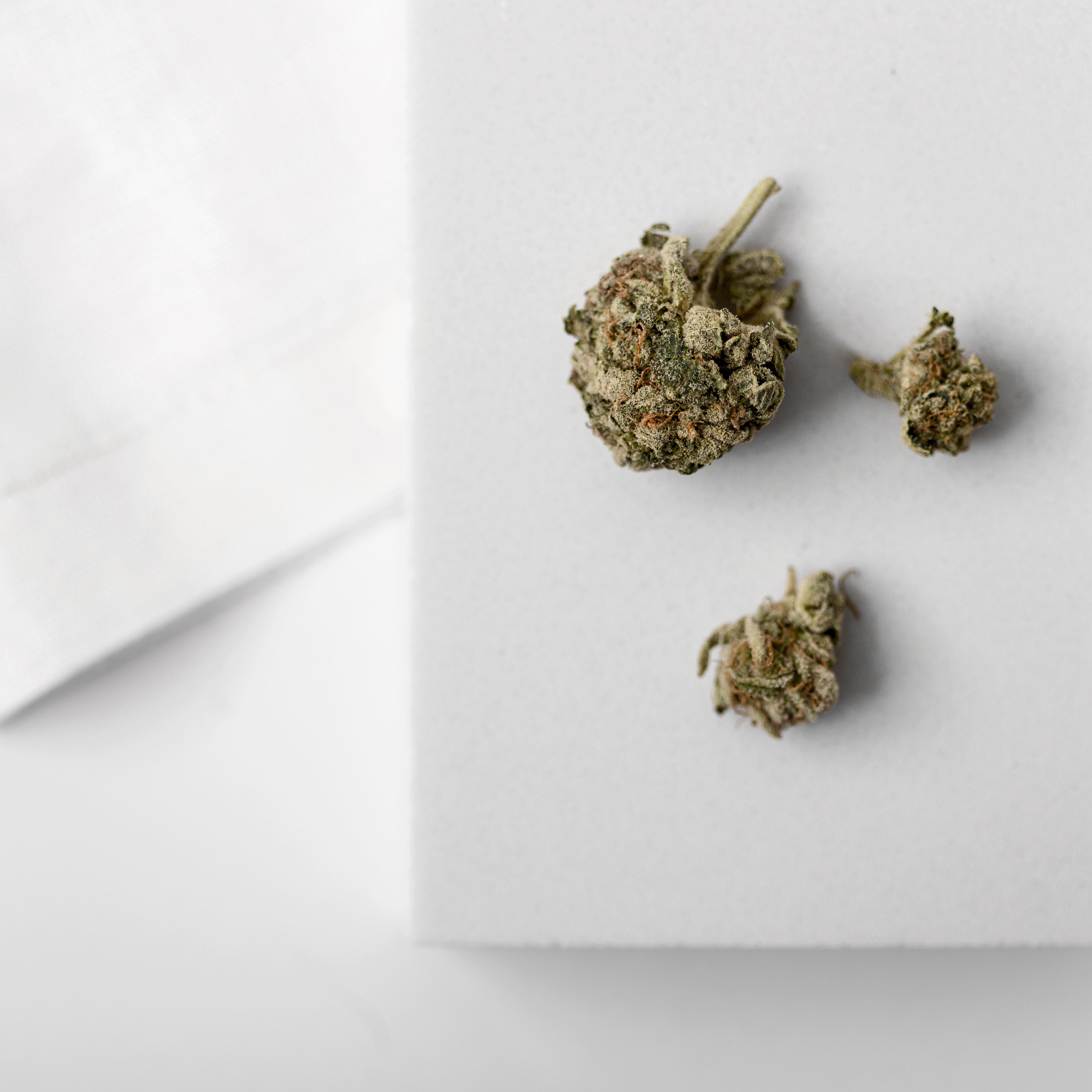


Bubble hash is a type of cannabis concentrate made by separating resin glands, called trichomes, from cannabis plant material. These trichomes contain many of the compounds that give cannabis its effects, smell, and flavor. They include cannabinoids such as THC and CBD, as well as aromatic compounds called terpenes. Because bubble hash contains a higher amount of these resin glands than normal cannabis flower, it is usually more concentrated than the original plant material.
Bubble hash is also commonly called ice water hash. The name comes from the basic method used to separate the trichomes. Cold water and ice are used to make the resin glands firm and easier to remove from the surface of the cannabis plant. The plant material is moved through the cold water so that some of the trichomes break away. These small resin glands are then separated from larger pieces of plant material through fine screens or filters.
The process is based on physical separation rather than chemical extraction. This is one reason bubble hash is often described as a solventless cannabis concentrate. In many other concentrate-making methods, substances such as butane, propane, ethanol, or carbon dioxide may be used to separate cannabinoids and other compounds from plant material. Bubble hash does not depend on these chemical solvents. Instead, it relies on cold temperatures, water, movement, and filtration.
The most important part of bubble hash is the trichome. Trichomes are tiny structures that develop on the flowers and nearby leaves of the cannabis plant. Under magnification, many of them look like small stalks with round heads. These heads contain resin that holds much of the plant’s cannabinoids and terpenes. When the cannabis material becomes very cold, the trichomes become easier to separate from the rest of the plant.
During ice water separation, the goal is to remove as many useful resin glands as possible while keeping unwanted plant material to a minimum. Small pieces of leaf, stems, dust, and other plant matter can reduce the purity of the finished hash. For this reason, careful separation and filtration are important parts of the process. Cleaner collections usually contain a greater percentage of resin glands and less unwanted material.
After the trichomes have been separated, they are passed through screens with different opening sizes. These screens are often measured in microns. A micron is a very small unit of measurement. Different screen sizes allow processors to sort particles according to their size. Some screens hold back larger pieces of plant material, while finer screens collect smaller resin glands. This can create several different grades or fractions of bubble hash from the same starting material.
The finished product can vary in color, texture, smell, and purity. Some bubble hash may look sandy or grainy, while other types can become soft, sticky, or oily when warmed. Color may range from light cream or golden shades to darker brown. These differences can depend on the cannabis variety, age of the material, quality of the trichomes, temperature during processing, level of plant contamination, and drying conditions.
Starting material plays a major role in the final quality. Cannabis with a high amount of healthy resin glands generally has more material available for separation. Freshness can also matter because storage conditions may affect cannabinoids, terpenes, and the physical condition of the trichomes. Some processors use dried and cured cannabis, while others use cannabis that has been frozen soon after harvest. These two types of starting material can produce different results in aroma, texture, and resin characteristics.
Clean handling is another important factor. Since the process involves water and plant material, equipment and work areas need to be kept clean. Dirt, fibers, hair, dust, and other contaminants can become trapped in the resin if processing conditions are poor. Clean equipment also helps protect the quality of the material during filtration and collection.
Drying is equally important after the resin has been separated. Freshly collected bubble hash contains moisture from the ice water process. That moisture must be removed before the material is stored. If too much water remains, the product may develop mold or other microbial growth. Poor drying can also affect texture, smell, and storage life. For this reason, drying is considered an important stage of bubble hash production rather than a minor final step.
Bubble hash is different from concentrates such as rosin, dry sift, and solvent-based extracts, even though all of them are made to collect or concentrate resin from cannabis. Dry sift uses screens without water to separate trichomes. Rosin uses heat and pressure to press resin from cannabis flower or hash. Solvent-based concentrates use chemical solvents during extraction. Bubble hash is based mainly on ice water, mechanical separation, filtration, and drying.
Understanding these basic ideas makes the rest of the process easier to follow. Bubble hash production is not simply about mixing cannabis with ice and water. It depends on the structure of cannabis trichomes, the effect of cold temperatures on resin, careful separation, proper filtration, clean handling, and complete drying. Each of these factors can affect how much resin is collected and how pure the final product becomes.
In simple terms, bubble hash is concentrated cannabis resin collected through an ice water separation process. Cold conditions help trichomes break away from the plant, water helps carry the separated material, and fine screens sort the resin from unwanted particles. The final quality depends heavily on the starting cannabis, the cleanliness of the process, the effectiveness of filtration, and the way the collected resin is dried and stored. These basic principles form the foundation for understanding how ice water extraction works and why bubble hash can vary so much from one product to another.
What Is Bubble Hash Made From?
Bubble hash is made from the resin glands of the cannabis plant. These tiny glands are known as trichomes. They contain many of the compounds that give cannabis its strength, smell, and flavor. During bubble hash production, the goal is to separate these resin-rich trichomes from the rest of the plant material.
The starting material can come from different parts of the cannabis plant. Some producers use dried cannabis flower, while others use trimmed plant material that still contains a useful amount of resin. Fresh-frozen cannabis is also commonly used in some types of ice water hash production. The quality of the starting material has a major effect on the quality of the final product.
Bubble hash is different from concentrates made with chemical solvents. The process is based on separating trichomes from plant matter by physical means. This is one reason bubble hash is often described as a solventless cannabis concentrate.
Cannabis Plant Material Used for Bubble Hash
Cannabis flower is one of the main materials used to produce bubble hash because the flowers usually contain a high number of trichomes. These resin glands are especially common on the outer surfaces of mature cannabis buds. The small leaves found close to the flowers can also contain large amounts of resin.
Trimmed plant material may also be used. When cannabis flowers are prepared after harvest, small leaves and other resin-covered pieces may be removed. These parts are often called trim. Although trim may contain fewer trichomes than premium flower, good-quality trim can still contain enough resin to produce bubble hash.
The most important factor is not simply which part of the plant is used. The amount and condition of the resin are also important. Plant material with many healthy, mature trichomes usually provides more usable resin than material with limited trichome coverage.
Starting material can also affect the smell, appearance, texture, and chemical profile of the finished hash. Cannabis plants contain different levels of cannabinoids and aromatic compounds depending on their genetics, growing conditions, harvest timing, and storage. Since bubble hash concentrates resin glands, many qualities found in the original plant can also influence the final concentrate.
Old or poorly stored cannabis may produce a different result than fresh, properly handled material. Heat, light, oxygen, and moisture can change plant compounds over time. For this reason, careful handling before processing can be important for preserving the natural qualities of the resin.
Understanding Cannabis Trichomes
Trichomes are very small structures that grow on the surface of cannabis plants. To the naked eye, they may look like tiny crystals or a frosty coating on the flowers and nearby leaves. Under magnification, many trichomes look like small stalks with rounded heads.
The trichome head is especially important in bubble hash production. It contains much of the plant’s resin, including cannabinoids and aromatic compounds called terpenes. During hash production, these resin glands are separated from the larger pieces of plant material.
Cannabinoids are chemical compounds produced by cannabis. THC and CBD are two of the best-known examples, although cannabis contains many other cannabinoids. The amount of each compound depends on the plant variety and how it was grown.
Trichomes also contain terpenes. Terpenes are aromatic compounds that contribute to the smell and flavor of cannabis. Different plants may have earthy, citrus, floral, fruity, spicy, or pine-like aromas because of their terpene profiles.
Because trichomes contain many of these compounds, they are the main target when producing bubble hash. A product with a high proportion of clean resin glands generally contains less unwanted plant material. This is why trichome quality and purity are often important when discussing bubble hash.
Trichomes also change as cannabis plants mature. Their appearance and chemical makeup can shift over time. The condition of the trichomes at harvest can therefore affect the character of the starting material and the concentrate made from it.
Fresh-Frozen vs. Dried Cannabis
Bubble hash can be made from either dried cannabis or fresh-frozen cannabis. These two types of starting material can produce concentrates with different qualities.
Dried cannabis has already gone through a drying process after harvest. Some dried material may also be cured before it is used. Drying removes much of the moisture from the plant and changes its texture. When dried cannabis is used for hash production, its aroma and resin characteristics may reflect the way it was dried, cured, and stored.
Fresh-frozen cannabis is handled differently. The plant material is frozen soon after harvest rather than being fully dried first. Freezing can help preserve some of the compounds found in fresh plant material, including certain aromatic compounds that may be reduced during traditional drying.
For this reason, fresh-frozen material is often linked with products that aim to preserve more of the original plant’s aroma. However, this does not mean that every fresh-frozen product will automatically be better than hash made from dried cannabis. The quality of the plant itself remains very important.
The condition of the trichomes matters in both cases. Poor-quality cannabis will not become high-quality hash simply because it is frozen. Likewise, carefully grown and properly stored dried cannabis can provide resin suitable for high-quality bubble hash.
Fresh-frozen and dried cannabis can also differ in texture and moisture content. These differences can affect how the plant material behaves during processing. However, the main purpose remains the same: separating the resin-rich trichomes from the rest of the cannabis plant.
Bubble hash is mainly made from the trichomes found on cannabis flowers and resin-covered plant material. These small resin glands contain cannabinoids, terpenes, and other natural compounds produced by the cannabis plant.
Cannabis flower, trim, dried material, and fresh-frozen material may all serve as starting materials. The choice of material can influence the aroma, texture, appearance, and overall character of the finished hash. However, the quality and condition of the trichomes are among the most important factors.
Fresh-frozen cannabis may help preserve more of the fresh plant’s aromatic qualities, while dried cannabis can also produce good bubble hash when it has been grown, harvested, dried, and stored properly. In both cases, bubble hash production focuses on collecting resin glands while reducing the amount of unwanted plant material. Understanding the starting material and the role of trichomes makes it easier to understand why some bubble hash products differ in purity, aroma, strength, and overall quality.
How Does the Ice Water Extraction Process Work?
Bubble hash is made through a physical separation process that removes resin-rich trichomes from cannabis plant material. Unlike some other concentrates, the process does not depend on chemical solvents to dissolve cannabinoids and other compounds. Instead, cold temperatures, water, movement, and filtration work together to separate the tiny resin glands from the rest of the plant.
The basic idea is simple. Cannabis contains many small trichomes on the surface of its flowers and nearby leaves. These structures contain much of the plant’s cannabinoids and aromatic compounds. When the plant material becomes very cold, the trichomes become more brittle. This makes them easier to separate from the plant.
Once the trichomes detach, water helps carry them away from the larger pieces of plant material. Filtration screens can then separate particles according to their size. The result is a collection of resin-rich material that can be further handled and dried before it becomes finished bubble hash.
The Basic Principle of Ice Water Extraction
The main principle behind ice water extraction is mechanical separation. The goal is to separate trichomes from cannabis without chemically dissolving them. Cold conditions are important because they change the physical behavior of the resin glands.
Trichomes are small structures that extend from the surface of cannabis flowers and leaves. Under magnification, many of them look like tiny stalks with rounded heads. These heads contain resin that is rich in cannabinoids, terpenes, and other plant compounds.
At warmer temperatures, cannabis resin can become soft and sticky. This makes the trichomes more likely to bend, smear, or remain attached to the plant. Cold temperatures cause the resin to become firmer and more brittle. As a result, mature trichome heads can separate more easily when the plant material moves through cold water.
Water plays another important role. It provides a medium in which separated particles can move away from the plant material. Larger pieces of leaves and flowers behave differently from the smaller resin glands, making it possible to separate them through filtration.
For this reason, ice water extraction is often described as a solventless process. Water is present during the separation, but it is not being used in the same way that a chemical solvent would be used to dissolve cannabis compounds. The process mainly depends on physical differences between the plant material and the trichomes.
Mechanical Separation of Trichomes
After cannabis material becomes cold, controlled movement helps the trichomes detach from the plant surface. This part of the process is often called agitation. The movement allows the chilled material to shift through the water, which can cause brittle resin glands to break away.
The purpose of agitation is not to break the entire plant into very small pieces. Instead, it is intended to separate the trichomes while leaving as much of the larger plant tissue intact as possible.
This distinction is important because cannabis leaves and flowers contain many materials that are not part of the desired resin. If plant tissue breaks down too much, small fragments may become mixed with the separated trichomes. These fragments can reduce the purity of the collected material.
Gentler separation generally focuses on releasing resin glands without shredding the plant. The physical condition of the starting material can also affect how easily this happens. Resin-rich cannabis with mature trichomes may separate differently from material that has fewer or less-developed resin glands.
Temperature remains important during this stage. As plant material warms, the resin can become softer. Softer resin may be harder to separate cleanly and may stick to surfaces or plant material.
Mechanical separation is therefore based on balance. There must be enough movement to release trichomes, but excessive breakdown of the plant can introduce unwanted material. Commercial and specialized processing systems may use equipment designed to control this movement more consistently, while the same basic scientific principle remains the same.
Filtration and Collection
Once trichomes have separated from the cannabis plant, they need to be separated from the water and other particles. This is where filtration becomes important.
Bubble hash filtration systems use screens with small openings. These openings are usually described in microns. A micron is a very small unit of measurement. Different screens allow particles of certain sizes to pass through while holding back larger particles.
Because cannabis material contains particles of many sizes, several filtration levels may be used. Larger pieces of leaves and flowers are separated from much smaller particles. Resin glands can then be collected within certain size ranges.
This process can produce several separate collections, often called fractions. Each fraction may contain a different mixture of resin glands and other plant particles. Some fractions may contain a high percentage of intact trichome heads, while others may contain more plant debris or broken material.
The use of several screens is important because not every trichome is exactly the same size. Cannabis plants develop different types and sizes of resin glands. Their size can also vary depending on genetics, maturity, and where they formed on the plant.
Filtration does not automatically guarantee that every collected fraction will have the same quality. Particle size is only one part of the process. The quality of the starting cannabis, the amount of plant contamination, the condition of the trichomes, and later handling all influence the final result.
After filtration, the collected resin still contains a significant amount of moisture. It is not yet the finished product. The material must be handled carefully and dried properly. Excess moisture can create storage problems and may increase the risk of unwanted microbial growth.
This is why ice water extraction should be viewed as several connected stages rather than one simple action. Cold temperatures help prepare the resin glands for separation. Mechanical movement helps release them. Water carries separated particles away from the plant. Filtration divides the material according to particle size. Proper drying then helps preserve the collected resin.
Ice water extraction works by physically separating resin-rich trichomes from cannabis plant material. Cold temperatures make the trichome heads firmer and more brittle, which can make them easier to detach. Controlled movement helps release these glands without relying on chemical solvents.
Water provides a medium for moving the separated trichomes away from larger pieces of plant material. Filtration screens then sort particles according to size, producing different resin fractions. Some fractions may contain cleaner concentrations of trichome heads than others.
The quality of the final bubble hash depends on more than filtration alone. Starting material, temperature control, careful separation, limited plant contamination, and proper drying all play important roles. Understanding these basic principles makes it easier to see why bubble hash is considered a mechanically separated cannabis concentrate and how the ice water process differs from methods that use chemical solvents.
What Equipment Is Used for Bubble Hash Extraction?
Bubble hash production uses a group of simple tools that help separate resin glands, or trichomes, from cannabis plant material. Unlike many concentrates that rely on chemical solvents, bubble hash is based on cold water, physical movement, and filtration. The equipment supports each part of that process.
The exact setup can vary. Some producers use basic containers and filter bags, while larger operations may use specialized washing machines, temperature-controlled rooms, and freeze dryers. No matter the scale, the main goals are similar. The equipment must keep the material cold, help separate the trichomes, filter them by size, collect the resin, and allow moisture to be removed.
Cleanliness is also important throughout the process. Since bubble hash comes into direct contact with water and processing equipment, dirty tools can introduce dust, fibers, plant debris, or microorganisms into the final material.
Extraction Containers
Extraction containers hold the cannabis material, water, and ice during the separation stage. They need to be large enough to allow the material to move through the water without being packed too tightly.
Simple food-safe buckets are commonly associated with small-scale ice water extraction. Larger processing systems may use stainless steel vessels or dedicated washing containers. Food-safe materials are important because the equipment comes into direct contact with material that may later be consumed.
The shape of the container can also affect how easily the contents can be handled and filtered. A container should have enough space for water to move around the plant material. If everything is compressed into a small area, unwanted pieces of plant matter may break apart and mix with the resin.
Professional equipment may include drainage systems that allow the water and separated resin to move into filtration bags or screens. These systems can make processing easier while reducing unnecessary handling.
Containers should also be easy to clean. Small pieces of cannabis, sticky resin, and moisture can remain on surfaces after processing. If they are not removed, they may affect the cleanliness of later batches.
Ice and Cold Water
Ice and cold water are central to the ice water extraction process. Their main purpose is to keep the plant material and resin glands cold.
Cannabis trichomes are tiny resin-producing structures found mainly on the flowers and nearby leaves. Under cold conditions, these trichomes become more brittle. This makes it easier for them to separate from the plant during mechanical movement.
The water then acts as a transport medium. Once trichomes separate from the plant, they can move through the water and later be caught by filtration screens.
Cold temperatures are important because cannabis resin can become soft and sticky when it gets warm. Sticky resin may attach itself to plant material, containers, or equipment instead of moving cleanly through the filtration system.
For this reason, equipment that helps maintain low temperatures may be used in larger operations. Some facilities control the temperature of the entire processing room. Others use chilled water systems instead of relying only on ice.
The goal is not simply to make the mixture as cold as possible. The larger purpose is to maintain stable conditions that support the physical separation of trichomes while limiting damage to the plant material.
Filtration Bags and Screens
Filtration bags are among the most recognizable pieces of equipment connected with bubble hash. They are often called bubble bags and contain mesh screens with different opening sizes.
These openings are measured in microns. A micron is a very small unit of measurement. Different micron sizes allow different particles to pass through the screen.
During filtration, water carrying separated plant particles and trichomes passes through a series of screens. Larger pieces of plant material are caught by wider filters, while smaller particles continue through the system. Other screens collect resin glands that fall within certain size ranges.
Using several filters allows the collected material to be divided into separate fractions. These fractions may contain different amounts of intact trichomes, broken resin glands, and plant particles.
Micron size alone does not guarantee quality. Trichomes can vary in size depending on the cannabis variety, maturity of the plant, and type of plant material used. This means a specific screen size does not always produce the same result.
The condition of the filtration equipment is also important. Torn, stretched, or dirty screens may reduce filtration quality. Mesh should remain clean so water can pass through it without becoming blocked.
Collection and Drying Equipment
Once resin has been separated and filtered, it must be collected carefully. At this stage, the material still contains a large amount of water.
Collection equipment is designed to help move wet resin away from the filtration surface while limiting contamination. Producers may use clean trays, food-safe surfaces, fine collection tools, and other equipment intended for handling wet resin.
The next major concern is drying. This is one of the most important stages because trapped moisture can damage the finished product.
Traditional processing may involve allowing the separated material to dry under controlled conditions. Commercial producers may use specialized drying equipment, including freeze dryers. Freeze drying removes moisture at low temperatures and can help preserve the physical structure and aromatic compounds of the resin.
Drying equipment must be used in a clean environment. Dust, hair, fibers, and other airborne particles can easily become trapped in moist material.
Moisture control is also important because damp hash can support mold and microbial growth. Material that looks dry on the outside may still contain moisture internally, which is why professional producers often pay close attention to drying and storage conditions.
The type of drying equipment used can influence the final texture, appearance, and storage stability of the hash. However, the purpose remains the same: remove unwanted moisture while protecting the collected resin from contamination and excessive heat.
Cleanliness and Equipment Care
Clean equipment is a basic part of bubble hash processing. Containers, screens, trays, and collection tools should be made from materials that can be cleaned effectively.
Residue left behind from earlier processing can mix with later material. Wet equipment can also create conditions where microorganisms grow. For these reasons, professional processing environments normally place strong attention on sanitation and equipment maintenance.
Equipment should also be checked for damage. A damaged filtration screen, for example, may allow unwanted plant material to enter a finer fraction. Cracked containers or worn surfaces can also become harder to clean properly.
Cleanliness does not improve the resin that was originally present on the plant, but it helps prevent good starting material from being reduced in quality during processing.
Bubble hash extraction relies on equipment that supports four main functions: keeping the material cold, separating trichomes, filtering particles, and removing moisture. Extraction containers hold the cannabis, ice, and water, while cold conditions help resin glands separate from the plant. Micron-rated filtration bags then divide the separated material into different fractions based mainly on particle size.
After filtration, collection and drying equipment help prepare the resin for storage. Proper drying is especially important because excess moisture can affect quality and encourage mold growth. Throughout every stage, clean and food-safe equipment helps reduce contamination.
Although equipment can range from simple containers to specialized commercial systems, the purpose of each tool remains the same. It helps preserve and separate the resin glands while limiting unwanted plant material, moisture, and contamination.
Why Are Ice and Cold Water Important?
Ice and cold water are central to the way bubble hash is separated from cannabis plant material. Their main purpose is to change the physical behavior of the resin glands, or trichomes, that cover the surface of the plant. Trichomes contain many of the cannabinoids and aromatic compounds found in cannabis. When they are exposed to low temperatures, they become more firm and brittle. This makes them easier to separate from the rest of the plant through mechanical movement.
Cold water also acts as a carrying medium. Once trichomes separate from the plant, they can move through the water and later be sorted by filtration. This is why bubble hash is often described as an ice water concentrate. The process relies mainly on temperature, movement, and physical separation rather than on a chemical solvent.
How Cold Temperatures Affect Trichomes
Cannabis trichomes are very small resin-producing structures found mainly on flowers and nearby leaves. Under magnification, many of them look like tiny stalks with rounded heads. These heads contain much of the plant’s resin, including cannabinoids and aromatic compounds.
At warmer temperatures, resin can become soft and sticky. This makes the trichomes more likely to bend, smear, or remain attached to the plant. Cold temperatures change this behavior. The resin becomes more firm, and the trichome heads can become easier to detach from the plant surface.
This physical change is one of the main reasons ice is associated with bubble hash production. The goal is not to dissolve the resin in water. Instead, cold conditions make the resin glands easier to separate as solid particles.
The effect is similar to the way some sticky materials become harder when chilled. When the resin is firm, it can break away more cleanly from leaves and flowers. This allows the resin glands to be separated from larger pieces of plant matter.
Temperature also affects how much unwanted plant material may enter the mixture. If the material becomes too warm and soft, resin can stick to plant surfaces, equipment, or other particles. Plant matter may also break apart more easily during handling. Both problems can make the separated material less clean.
For this reason, low temperature is important not only for trichome removal but also for maintaining the physical condition of the resin during separation.
The Role of Water
Water plays a different role from ice. While ice helps maintain low temperatures, water provides a medium in which separated particles can move.
When trichomes break away from cannabis material, they enter the surrounding water. The water allows these small resin glands to move away from larger leaves, stems, and flower material. This difference in particle size makes later filtration possible.
Water is especially useful because it does not need to dissolve the cannabinoids in order for separation to occur. The resin glands remain largely intact as physical particles. They can then be separated according to size using fine filtration screens.
This is an important difference between ice water extraction and methods that use chemical solvents. In solvent-based extraction, substances such as cannabinoids and aromatic compounds may be dissolved into a solvent and later separated from it. With bubble hash, the basic process is mechanical. The goal is to remove whole or mostly intact resin glands from the plant.
For this reason, bubble hash is commonly classified as a solventless cannabis concentrate. The word “solventless” can sometimes be confusing because water is involved. In this context, it means that a chemical extraction solvent is not being used to dissolve and collect the resin compounds.
Water also helps separate particles according to their physical properties. Larger pieces of plant material can be kept apart from smaller resin glands during filtration. The different sizes of particles are one reason several grades or fractions of hash may result from the same general separation process.
However, water also introduces moisture. Once resin glands have been collected, that moisture has to be removed properly. This is why drying becomes an important stage later in bubble hash processing.
Maintaining Proper Temperature
Temperature control matters throughout ice water separation because cannabis resin changes quickly as it becomes warmer. When resin warms, it becomes softer and more adhesive. Sticky resin may cling to plant material, filtration surfaces, or other trichomes instead of moving freely as separate particles.
Keeping the environment cold helps the resin stay firm. This can support cleaner physical separation and reduce the chance that resin will smear across plant material.
Cold conditions can also help protect some of the plant’s aromatic compounds. Cannabis aroma comes largely from compounds known as terpenes and other volatile substances. Some of these compounds are sensitive to heat and may evaporate or degrade more quickly when exposed to higher temperatures.
This does not mean that cold conditions guarantee a high-quality result. Many factors affect the finished hash, including the quality of the starting cannabis, the amount of plant contamination, cleanliness, filtration, and drying. Temperature is only one part of the larger process.
There is also a difference between keeping material cold and using excessive physical force. Cold trichomes may separate more easily, but rough handling can also break plant material into smaller pieces. These particles may move through filtration systems along with the resin and reduce purity.
For that reason, the purpose of cold conditions is to support resin separation while helping the plant material remain as intact as possible. The cleaner the separation between trichomes and unwanted plant particles, the more refined the collected material may be.
Temperature also becomes important once the resin has been separated. Wet resin can change in texture as it warms, and trapped moisture can create storage problems. Proper moisture removal and careful storage are therefore connected to the same general goal: preserving the physical and chemical qualities of the resin.
Ice and cold water are important in bubble hash production because they support the physical separation of cannabis trichomes from plant material. Cold temperatures make resin glands firmer and more brittle, which allows them to detach more easily. Water then acts as a medium that helps separated trichomes move away from larger pieces of the plant so they can be filtered according to particle size.
The process is considered solventless because the resin is separated mechanically rather than dissolved with a chemical extraction solvent. Temperature control also helps keep the resin firm, limits unwanted sticking, and may help protect heat-sensitive aromatic compounds.
However, cold conditions are only one part of producing clean bubble hash. Starting material, careful handling, filtration, cleanliness, and proper drying all affect the final result. Understanding the role of ice and water makes it easier to see why bubble hash is fundamentally a process of controlled physical separation rather than chemical extraction.
How Are Trichomes Separated and Filtered?
Bubble hash production depends on separating resin-rich trichomes from the rest of the cannabis plant. Trichomes are very small structures found mainly on the flowers and nearby leaves. They contain many of the cannabinoids and aromatic compounds found in cannabis. During ice water extraction, the goal is to separate these trichomes while limiting the amount of leaf, stem, and other plant material that enters the final product.
This separation is mainly mechanical. Instead of using a chemical solvent to dissolve cannabis compounds, the process relies on cold conditions, movement, water, and filtration. Once trichomes separate from the plant surface, filters with different opening sizes can help sort the material. The result is not always one uniform product. Different filtration stages may collect material with different levels of resin, plant matter, and other particles.
Separating Resin From Cannabis Material
Cannabis trichomes are attached to the outside of flowers and small leaves. Many of the resin glands have a rounded head connected to the plant by a narrow stalk. When the plant material is exposed to cold conditions, these structures can become more brittle. Mechanical movement can then cause some of the resin glands to break away from the plant.
The main idea is to separate the resin without breaking down too much of the plant itself. When more leaf and other plant tissue breaks apart, small pieces can mix with the separated trichomes. This can reduce the purity of the collected material.
For this reason, the amount and type of movement used during processing can influence quality. Gentle mechanical separation is generally intended to release resin glands while keeping larger pieces of plant material intact. More aggressive handling may release additional material, but it can also produce more tiny plant particles.
Once separated, trichomes become suspended in the water along with other particles. Their size and physical properties make it possible to sort them through fine screens. Larger pieces of leaves and flowers are easier to remove, while smaller particles require finer filtration.
The condition of the cannabis before separation also matters. Resin production varies from plant to plant, and trichomes may differ in size, maturity, and strength. This means two batches of cannabis can behave differently even when the same general separation method is used.
Understanding Micron Sizes
Filtration screens used in ice water hash processing are commonly described by their micron rating. A micron, also called a micrometer, is a very small unit of measurement. One micron equals one-millionth of a meter.
In simple terms, a micron rating describes the approximate size of the openings in a filter. A screen with larger openings allows larger particles to pass through. A finer screen allows only smaller particles to move through it.
Using several filtration levels makes it possible to separate particles according to their size. Cannabis resin glands are not all identical. Some are larger, while others are smaller. At the same time, broken plant material can also appear in a wide range of sizes.
Because of this, micron size alone does not automatically tell someone whether a collected fraction is high or low quality. A filtration range may contain many resin glands in one batch but more unwanted plant material in another. The result depends on factors such as the cannabis variety, trichome development, plant condition, and how much plant tissue entered the water.
Micron measurements should therefore be understood as a method of particle sorting rather than a direct quality rating. They help separate material by physical size, but other factors are needed to judge the purity and overall characteristics of the final hash.
This is also why several fractions may be kept separate during processing. Combining everything immediately would remove the ability to examine the different groups of material on their own.
Different Bubble Hash Fractions
A fraction is simply a portion of material collected at a particular filtration stage. When several screens are used, each one may capture a different mixture of resin glands, plant particles, and other material.
Some fractions can contain a high percentage of intact resin heads. These portions may have less visible plant material and a more resin-rich appearance. Other fractions may contain smaller trichomes, broken gland pieces, fine leaf material, or a mixture of different particles.
The amount of plant contamination has a major effect on the final product. Trichomes are the main target of the separation process. Leaf fragments, fibers, and other plant particles add material that does not provide the same concentration of resin.
Color can sometimes provide clues about a fraction, but it should not be treated as a perfect measure of quality. Cannabis genetics, age, oxidation, storage, and processing can all influence color. A lighter-looking product is not automatically superior, just as a darker product is not always poor quality.
Texture can also vary between fractions. Material with a high concentration of resin glands may behave differently from material that contains more plant particles. These differences often become more noticeable after the separated material has been properly dried.
Filtration is therefore more than a way to remove large pieces of cannabis. It is a sorting stage that helps separate the material into groups based largely on particle size. Those groups can then be evaluated separately instead of being treated as one identical batch.
Trichome separation and filtration are central parts of ice water extraction. Cold conditions help make resin glands easier to separate from cannabis plant material, while mechanical movement helps detach them from the plant surface. The main goal is to separate resin while limiting the breakdown of leaves and other plant tissue.
After the trichomes have separated, filtration screens sort the suspended material according to particle size. Micron ratings describe the size of the openings in these screens, but they should not be viewed as automatic quality scores. Different cannabis plants produce trichomes of different sizes, and plant contamination can occur in many size ranges.
Using several filtration stages creates different bubble hash fractions. Some fractions may contain a greater concentration of intact resin glands, while others may include more plant particles or broken material. The purity of each fraction depends on the starting cannabis, the quality of the separation, and the amount of unwanted plant material present.
What Determines Bubble Hash Quality?
The quality of bubble hash depends on much more than the filtration process alone. Several factors affect the purity, aroma, texture, color, and overall condition of the final product. The most important factors include the quality of the starting cannabis, the amount of resin in the collected material, how well the trichomes are preserved, and the cleanliness of the processing area.
Bubble hash is made mainly from trichomes, which are small resin glands found on the surface of cannabis flowers and nearby leaves. These glands contain cannabinoids and aromatic compounds called terpenes. Because trichomes are the main material collected during ice water extraction, their condition has a major effect on the final hash.
A careful process cannot turn poor starting material into high-quality bubble hash. For this reason, quality begins before the plant material enters cold water. Proper handling must continue through separation, filtration, collection, and drying.
Starting Material Quality
Starting material is one of the strongest factors affecting bubble hash quality. Cannabis plants differ in how much resin they produce. Some plants develop thick layers of visible trichomes, while others produce much less resin. Plants with a higher amount of mature resin glands can provide more material for separation.
Plant maturity is also important. Trichomes change as the cannabis plant develops. When flowers reach maturity, many resin glands have fully developed heads that contain cannabinoids and terpenes. If the plant material is harvested too early, some of these glands may not be fully formed. Poorly stored or old cannabis may also have damaged trichomes.
Freshness can affect the aroma and physical condition of the resin. Cannabis contains many volatile compounds that can slowly change or disappear when exposed to heat, oxygen, and light. Careful storage before processing can help protect these compounds.
The condition of the plant material also matters. Rough handling may break trichomes before separation begins. Excess heat can make resin soft and sticky, while poor storage conditions may cause the plant material to become stale or contaminated. Clean, well-preserved starting material gives the extraction process a better foundation.
Different parts of the cannabis plant also contain different amounts of resin. Flowers usually have more trichomes than large fan leaves or stems. Smaller leaves close to the flowers may contain visible resin glands, but the amount can vary. The final quality therefore depends partly on how much resin-rich material is present at the start.
Trichome Purity
Purity refers to how much of the collected material consists of resin glands rather than unwanted plant matter. High-quality bubble hash generally contains a greater concentration of trichomes and less leaf material, dirt, fibers, or other debris.
During ice water separation, trichomes detach from the cannabis material and pass through filtration screens. Small pieces of plant tissue may also break away. If too much plant matter enters the collected resin, the finished hash may appear darker or have a rougher texture.
Clean trichome separation is therefore important. The goal is to collect resin while limiting the amount of unwanted material mixed with it. Different filtration sizes can collect different fractions. Some fractions may contain a high concentration of well-developed trichome heads, while others may contain smaller resin particles or more plant material.
Purity can also affect how the hash behaves when heated. Highly refined material may soften or melt more completely because it contains a greater amount of resin and less solid plant tissue. Less refined material may leave more plant residue behind.
Color can provide some information about the condition of the material, but it should not be treated as the only measure of quality. Bubble hash can vary naturally in color depending on the cannabis variety, plant age, storage conditions, and processing method. A lighter color does not automatically prove that one sample is better than another.
Aroma and Resin Preservation
Aroma is another important part of bubble hash quality. Much of the smell of cannabis comes from terpenes. These compounds are produced in the same resin glands that contain cannabinoids.
Many terpenes are sensitive to heat, oxygen, and long periods of exposure to open air. Poor handling can reduce the natural aroma of the resin. This is one reason temperature control is important during and after separation.
Keeping the material cool helps protect the physical structure of the trichomes. Resin can become softer and more difficult to handle as temperatures rise. When trichomes become sticky, they may smear or clump together instead of remaining as separate resin glands.
Careful handling also reduces unnecessary damage. Crushing, pressing, or exposing the collected resin to excessive warmth can change its texture. Protecting trichomes throughout processing helps preserve more of their original characteristics.
The natural aroma of the finished product also depends heavily on the starting cannabis. Extraction cannot create terpenes that were not present in the plant. Cannabis with a strong and well-preserved aromatic profile is more likely to produce hash that retains noticeable plant-specific aromas.
Cleanliness During Processing
Cleanliness is essential when producing any concentrated plant product. Since bubble hash collects small resin particles, foreign material can easily become mixed with the final product if the equipment or work area is not clean.
Containers, filtration materials, collection tools, and other surfaces should be kept free from dust, hair, fibers, old plant material, and other debris. Contamination may reduce purity and can make the finished hash less suitable for storage.
Water quality also matters. Clean water helps avoid introducing unwanted material during separation. Equipment that comes into contact with the plant or resin should be made from suitable materials and kept in good condition.
Moisture control becomes especially important after the resin has been collected. Bubble hash is wet after ice water separation. If moisture remains trapped in the material for too long, conditions may develop that support mold or microbial growth. Proper drying is therefore part of both quality control and safe storage.
The processing environment should also be kept clean. Even high-quality cannabis can produce poor results if the collected resin becomes contaminated during handling. Clean tools, clean surfaces, and careful handling help protect the purity that was achieved during filtration.
Bubble hash quality begins with the cannabis used to make it. Resin-rich, mature, well-preserved plant material provides better conditions for collecting clean trichomes. The purity of the separated resin also matters because excessive plant material can affect texture, appearance, and melting behavior.
Temperature and careful handling help protect resin glands and preserve aromatic compounds. Trichomes are delicate, so heat and rough treatment can change their structure and make the resin harder to manage. Cleanliness is equally important because dust, fibers, plant debris, and excess moisture can lower the quality of the finished hash.
No single feature determines quality by itself. Color, aroma, texture, purity, starting material, and storage conditions all provide useful information. In general, high-quality bubble hash comes from good plant material, careful trichome separation, clean filtration, controlled temperatures, proper drying, and protection from contamination throughout the process.
What Is Full-Melt Bubble Hash?
Full-melt bubble hash is a term used for a very clean and refined form of bubble hash. It contains a high concentration of resin glands, also called trichomes, and only a small amount of unwanted plant material. The name “full melt” comes from the way the hash behaves when exposed to heat. High-quality full-melt hash softens, melts, and bubbles with very little solid material left behind.
Not every batch of bubble hash reaches full-melt quality. The final result depends on the cannabis used, the condition of the trichomes, the amount of plant material mixed into the resin, and how carefully the material is collected and handled. Because bubble hash is made by separating resin glands from the plant, the cleaner that separation is, the more refined the final product can become.
Full-melt bubble hash is often used as an example of how purity can vary within ice water hash. Different portions collected during filtration may have different levels of resin and plant matter. Some may be very clean, while others contain more small pieces of leaves and other plant material.
Understanding Full-Melt Hash
Full-melt hash is mainly made up of separated cannabis trichomes. Trichomes are tiny resin-producing structures found on the surface of cannabis flowers and nearby leaves. They contain many of the plant’s cannabinoids and aromatic compounds.
When bubble hash is heated, the resin inside these trichomes begins to soften and melt. If the hash contains a high percentage of intact resin glands and very little plant material, it may melt almost completely. This behavior is why the term “full melt” is used.
The ability to melt is often linked with purity. Plant fibers do not melt in the same way that resin does. When a bubble hash sample contains a large amount of leaf material or other debris, more solid material usually remains after heating. A cleaner sample tends to leave less residue.
However, the term full melt does not describe the chemical strength of the product by itself. A hash that melts cleanly may still vary in cannabinoid content depending on the cannabis variety and the starting material. Laboratory testing is needed to measure cannabinoid levels accurately.
Full-melt quality also depends on the condition of the trichomes. Resin glands that have been damaged, contaminated, or exposed to poor storage conditions may behave differently. Freshness, temperature, moisture, and handling can all affect the texture and appearance of the finished hash.
Full-Melt vs. Lower-Purity Bubble Hash
The main difference between full-melt bubble hash and lower-purity bubble hash is the amount of resin compared with unwanted plant material.
Cleaner bubble hash contains a larger percentage of trichome heads and less broken plant tissue. Since the resin glands contain the compounds that give cannabis its characteristic aroma and resinous texture, a cleaner collection often has a stronger natural scent and a more uniform appearance.
Lower-purity bubble hash may contain more leaf particles, plant fibers, broken stalks, and other small pieces of cannabis material. These particles can enter the collected hash when the plant material breaks apart during processing. They can also pass through certain filtration screens along with the trichomes.
This does not mean that every darker or less refined fraction is automatically poor quality. Color and texture can change because of several factors, including the cannabis variety, age of the material, oxidation, storage, and the condition of the resin. Appearance alone cannot provide a complete measure of quality.
The amount of plant material can still have a major effect on melting behavior. Resin softens when heated, while most plant fibers remain solid. As a result, bubble hash with more plant material often burns or chars more instead of melting evenly.
Different filtration fractions may also have different levels of purity. Cannabis trichomes are not all the same size. Some filtration screens collect more desirable resin glands, while other screens may capture smaller particles or greater amounts of plant debris. For this reason, producers may keep different fractions separate rather than combining all collected material.
Bubble Hash Quality Ratings
Bubble hash is sometimes described with a star-rating system. Terms such as one-star, three-star, five-star, or six-star hash may be used to suggest different levels of quality. In general, higher star ratings are meant to describe cleaner material that melts more completely.
Six-star bubble hash is often used as another name for very high-quality full-melt hash. It is usually described as having a high concentration of resin glands with very little visible plant contamination. When heated, it is expected to melt and bubble with only a small amount of residue.
Lower star ratings generally refer to bubble hash that contains more plant material or does not melt as completely. These grades may have a rougher texture and leave more solid material behind when heated.
It is important to understand that this star system is informal. There is no universal scientific standard that defines exactly what each star rating must contain. One producer may use the rating system differently from another. A product described as six-star by one seller may not be identical in quality to another product with the same label.
Because the rating system is not standardized, laboratory results provide more useful information when someone wants to know the actual cannabinoid content of a cannabis product. Lab testing can also check for certain contaminants and provide information that cannot be confirmed through appearance or melting behavior alone.
Terms such as “full melt” should therefore be understood mainly as descriptions of resin purity, physical behavior, and processing quality rather than exact scientific grades.
Full-melt bubble hash is a highly refined type of ice water hash that contains a large concentration of cannabis trichomes and very little unwanted plant material. It gets its name from its ability to melt almost completely when heated, leaving less solid residue than lower-purity hash.
The quality of full-melt bubble hash depends on several factors, including the condition of the starting cannabis, the purity of the collected trichomes, the amount of plant contamination, and the way the resin is handled. Different filtration fractions can also vary in purity because trichomes and plant particles come in different sizes.
Star ratings are sometimes used to describe bubble hash quality, with higher ratings often linked to cleaner and more complete melting. However, these ratings are not standardized. They should be treated as informal descriptions rather than exact scientific measurements. Understanding these differences makes it easier to see why some bubble hash is called full melt while other fractions are considered less refined.
Why Is Drying Important After Ice Water Extraction?
Drying is one of the most important stages that comes after ice water extraction. During the extraction process, cannabis resin is separated from plant material while it is surrounded by cold water. This means the collected resin contains a large amount of moisture when it is first removed from the filtration screens.
That moisture must be reduced before the material can be stored. If too much water remains trapped inside the collected resin, the quality can quickly decline. Excess moisture may create conditions where mold or other unwanted microorganisms can grow. It can also change the smell, texture, appearance, and stability of the finished bubble hash.
Drying is therefore not simply an optional finishing step. It is an important part of protecting the resin that has already been separated. Good moisture control helps preserve the characteristics of the trichomes while making the finished material more stable during storage.
Moisture in Freshly Collected Hash
Freshly separated bubble hash is naturally wet because water plays a major role in the extraction process. The resin glands are separated from the cannabis plant material in cold water and then collected through filtration screens. Even after the water has drained away, moisture remains around and between the collected resin particles.
This moisture can be difficult to see. The outside of the material may appear less wet while water is still trapped inside. Dense pieces of resin can hold moisture longer than thinner or more evenly separated material.
Water itself does not improve the finished hash. Its purpose during extraction is to help separate and move the trichomes. Once separation is complete, the remaining water becomes something that must be controlled.
The amount of moisture left in the material can affect its stability. Wet resin is more vulnerable to unwanted biological activity and changes in texture. Moisture can also make the material harder to store safely for longer periods.
This is why drying receives so much attention in bubble hash production. The goal is not simply to make the surface feel dry. The resin must become stable enough that excess moisture is no longer trapped throughout the material.
Problems Caused by Incomplete Drying
One of the largest concerns with poorly dried bubble hash is mold. Mold grows best when moisture, organic material, and suitable environmental conditions are present. Wet cannabis resin can provide some of these conditions.
Mold contamination can make cannabis products unsafe and may not always be easy to notice at first. Visible growth may appear later, after the contamination has already developed inside the material.
Microorganisms such as certain bacteria and fungi may also become a concern when excess water remains present. For this reason, moisture control is an important part of producing a stable cannabis concentrate.
Incomplete drying can also damage quality even when obvious mold does not develop. Wet hash may develop an unusual texture. It can become overly soft, sticky, or difficult to handle. Its appearance may also change during storage.
Aroma can be affected as well. Cannabis resin contains many aromatic compounds, including terpenes. Poor handling, excess moisture, heat, and exposure to air can all change how the finished product smells over time.
Storage life is another issue. A product that still contains too much moisture is usually less stable than one that has been properly dried. Even a high-quality extraction can lose much of its value if moisture problems develop afterward.
For this reason, drying should be viewed as part of quality control rather than simply the final stage of processing.
General Drying Methods
Several approaches may be used to remove moisture from collected bubble hash. The exact method can depend on the equipment available, the amount of material being handled, and the type of processing system being used.
Traditional approaches rely on controlled exposure to dry air. The basic idea is to allow moisture to leave the resin while protecting it from excessive heat, contamination, and other conditions that could damage its quality.
Air-based drying must be managed carefully because cannabis resin is sensitive to its environment. Warm conditions can soften the resin, while excessive exposure to oxygen can contribute to changes in cannabinoids, terpenes, and overall freshness.
Another method used in specialized cannabis processing is freeze-drying. A freeze dryer removes moisture under carefully controlled conditions. This technology is often associated with professional or commercial processing because the equipment can be expensive and requires proper operation.
Freeze-drying is designed to remove water while limiting some of the exposure to conditions that may affect the resin. It can also create more consistent moisture removal when used correctly.
Neither drying approach changes the basic goal. The purpose is to remove unwanted moisture while protecting the collected trichomes as much as possible.
The drying environment also matters. Dust, pet hair, fibers, smoke, insects, and other contaminants can lower the quality of the finished material. Clean handling practices remain important throughout the drying stage.
Preparing Bubble Hash for Storage
Drying and storage are closely connected. Bubble hash should not be treated as ready for storage simply because the outside appears dry. Moisture trapped deeper inside the material may still create problems later.
Once moisture has been properly controlled, storage conditions become the next important factor. Cannabis resin can change when exposed to heat, oxygen, moisture, and light. Limiting these conditions can help maintain its characteristics.
Heat can soften the resin and may speed up chemical changes within the product. Light can also contribute to the breakdown of some cannabis compounds over time. Oxygen exposure may slowly affect aroma, color, and overall freshness.
Moisture remains especially important. Even properly dried material can be affected if it later absorbs water from a humid environment. For this reason, storage conditions should protect the product from major changes in humidity.
Clean storage containers are also important. Residue, dust, moisture, or other contaminants inside a container can reduce product quality.
The exact storage needs may depend on how long the material will be kept and how it will later be used. However, the general goal remains the same: protect the resin from excessive moisture, heat, light, air exposure, and contamination.
Drying is a critical stage after ice water extraction because freshly collected bubble hash contains significant moisture. That water must be reduced before the resin can be stored safely and remain stable.
If too much moisture remains, mold and microbial growth can become concerns. Poor drying can also affect texture, appearance, aroma, and storage life. This means that even carefully separated resin can lose quality when moisture is not properly controlled.
Different drying systems may be used, including air-based methods and specialized freeze-drying equipment. Regardless of the method, the main goal is to remove unwanted water while protecting the resin from heat, contamination, and excessive environmental exposure.
Proper storage continues this protection after drying is complete. Keeping the finished material away from excess moisture, heat, oxygen, and light can help preserve its characteristics over time.
Bubble Hash vs. Other Cannabis Concentrates
Bubble hash is one of several types of cannabis concentrates. What makes it different is the way the resin is separated from the plant. Bubble hash is made through mechanical separation rather than by using chemical solvents. Cold water helps loosen resin glands, while filtration separates those glands from larger pieces of plant material.
Other concentrates use different methods. Dry-sift hash relies on screens without water. Rosin uses heat and pressure. Solvent-based concentrates use substances such as hydrocarbons or carbon dioxide during processing. Each method produces a product with different texture, purity, aroma, and cannabinoid concentration.
Understanding these differences can help explain why bubble hash has its own place among cannabis concentrates.
Bubble Hash vs. Dry-Sift Hash
Bubble hash and dry-sift hash are both made by separating trichomes from cannabis plant material. The main difference is that bubble hash uses cold water during separation, while dry-sift hash uses a dry screening process.
In dry-sift production, cannabis material is moved across fine screens. Trichomes that are small enough to pass through the openings are collected below the screen. This collected resin is often called sift or kief before it is pressed or processed further.
Bubble hash also separates trichomes by size, but water is part of the process. Cold temperatures can make the resin glands more brittle and easier to separate from the plant. Once the glands are removed, screens with different opening sizes can separate the resin from larger particles.
Texture can also differ between the two products. Dry-sift hash may appear powdery at first, especially before it is pressed. Bubble hash is usually collected while wet and must be dried before it can be stored. After drying, its texture may range from loose and sandy to sticky or dense, depending on resin quality and handling.
Purity can vary greatly with both methods. A carefully prepared dry sift may contain a high level of intact resin glands. Bubble hash can also be highly refined when unwanted plant material is kept to a minimum. The extraction method alone does not determine quality. The starting cannabis, cleanliness, filtration, and handling all play major roles.
Bubble Hash vs. Rosin
Bubble hash and rosin are both commonly described as solventless cannabis concentrates, but they are not produced in the same way.
Bubble hash is based on mechanical separation. Its main purpose is to collect resin glands from cannabis material. Rosin, on the other hand, is produced by applying heat and pressure to resin-rich cannabis material. The heat causes oily resin compounds to flow out, while pressure helps separate those compounds from the solid material.
Rosin can be made from cannabis flower, dry sift, or previously prepared hash. When bubble hash is used as the starting material, the resulting product is often called hash rosin. This means bubble hash can sometimes be an intermediate material rather than the final product.
The textures are also different. Bubble hash may remain granular, crumbly, sticky, or pressed into a solid form. Rosin usually has a more oil-like or wax-like texture because the process concentrates the resin into a different physical form.
Rosin production also changes how the resin is handled. Bubble hash focuses mainly on separating the trichome heads from plant material. Rosin goes one step further by pressing oils and other resin compounds out of that material.
Neither term automatically tells the reader how strong or pure a product is. Potency can vary depending on the cannabis used, the quality of the resin, and the way the final product was processed. Laboratory testing is needed for an accurate measurement of cannabinoid content.
Bubble Hash vs. Solvent-Based Extracts
Bubble hash differs more clearly from solvent-based cannabis extracts because it does not rely on a chemical extraction solvent to dissolve resin compounds from the plant.
Some commercial cannabis concentrates are made with substances that can dissolve cannabinoids and aromatic compounds. After extraction, the solvent must be removed according to controlled processing standards. These methods can produce highly concentrated extracts, but they also require specialized equipment, careful handling, and strict safety controls.
Bubble hash works differently. Instead of dissolving cannabinoids out of the plant, it physically separates resin glands from plant tissue. The cannabinoids remain inside the collected trichomes rather than being chemically pulled into a liquid solvent.
This difference can affect the final product. Solvent-based concentrates may have textures ranging from oils and waxes to brittle or crystalline materials. Bubble hash usually keeps more of the physical structure of the separated resin glands, especially when those glands remain intact.
The two approaches also require different types of processing. Solvent-based extraction may involve closed systems, pressure controls, solvent recovery, testing, and other industrial safety measures. Bubble hash does not use those chemical extraction systems, although cleanliness, moisture control, and proper drying are still important.
It is also important to understand that the word “concentrate” covers many products. Two concentrates can have very different textures, chemical profiles, and production methods even if both contain high levels of cannabinoids.
Why Bubble Hash Is Called Solventless
Bubble hash is often called a solventless concentrate because it does not use a chemical solvent to dissolve cannabinoids or resin from cannabis material.
At first, the term may seem confusing because water is used during ice water separation. In chemistry, water can act as a solvent in many situations. However, in the cannabis industry, the term “solventless” is generally used to distinguish mechanical separation methods from extraction methods that rely on substances such as hydrocarbons or other chemical extraction agents.
During bubble hash processing, cold water mainly acts as a medium that helps separate and move detached trichomes. The goal is not to dissolve the cannabinoids into the water. Many important cannabis compounds, including THC, do not readily dissolve in water under normal conditions.
The resin glands remain as physical particles. They are separated from the plant material and then collected through filtration. For this reason, bubble hash is more accurately understood as a mechanical separation product.
The same broad solventless category also includes dry sift and rosin, although each is made in a different way. Dry sift relies on screens and movement, while rosin relies on heat and pressure. Bubble hash uses cold water, movement, and filtration.
Knowing what “solventless” means helps prevent confusion when comparing cannabis products. It describes the general processing method, not the strength, safety, purity, or quality of the final concentrate.
Bubble hash is different from other cannabis concentrates mainly because of how the resin is separated from the plant. Dry-sift hash uses dry screening, while bubble hash uses cold water and filtration to collect resin glands. Rosin uses heat and pressure to release resin compounds, and bubble hash itself can sometimes be used as the starting material for hash rosin.
Solvent-based concentrates use chemical extraction methods to separate cannabinoids and other compounds from cannabis. Bubble hash does not use those solvents. Instead, it depends on physical separation, which is why it is commonly placed in the solventless concentrate category.
Each type of concentrate has its own processing method, texture, level of refinement, and final characteristics. No single method automatically guarantees greater purity or potency. The quality of the starting material, handling, filtration, cleanliness, and storage can all affect the final result. Understanding these differences makes it easier to see where bubble hash fits within the wider range of cannabis concentrates.
Conclusion: Understanding How Bubble Hash Is Made
Bubble hash is a cannabis concentrate made by separating resin-rich trichomes from the rest of the plant material. Unlike many other concentrates, it does not depend on chemical solvents to collect the resin. Instead, the process uses cold temperatures, water, movement, and filtration to separate the trichomes. This is why bubble hash is often called ice water hash or a solventless concentrate.
The most important part of bubble hash is the trichome. Trichomes are tiny resin glands found mainly on cannabis flowers and nearby leaves. These glands contain many of the cannabinoids and aromatic compounds produced by the plant. When the plant material is exposed to cold conditions, the trichomes become easier to separate from the surrounding plant tissue. This physical change is one of the main ideas behind ice water extraction.
Ice and cold water have an important role in this process. Their purpose is not to dissolve cannabinoids in the way that a chemical solvent might. Instead, the cold temperature helps the resin glands become more brittle. This allows them to separate from the plant material during mechanical movement. The water then helps carry the separated particles so they can be sorted with filtration screens.
Filtration is another major part of how bubble hash is produced. Different screens have openings measured in microns. A micron is a very small unit of measurement. Because trichomes and pieces of plant material come in different sizes, screens can help separate them into different groups. Some collected fractions may contain a high amount of resin glands, while others may contain more small pieces of plant tissue.
This explains why bubble hash from the same batch of cannabis can have different grades or levels of purity. The collected material is not always identical. Some fractions may contain mostly intact resin glands. Other fractions may have more broken plant matter mixed with the resin. These differences can affect the color, texture, melting behavior, aroma, and overall purity of the finished hash.
The quality of the cannabis used at the beginning is also very important. Extraction cannot create resin that was not already present on the plant. Cannabis with dense trichome coverage provides more resin to separate, while material with fewer trichomes may produce less concentrated results. Plant maturity, freshness, storage conditions, and handling can also affect the condition of the resin glands before extraction begins.
Cleanliness is equally important when cannabis resin is being processed. Dust, fibers, dirt, and other unwanted material can become mixed with the collected trichomes. Clean equipment and a clean work area help reduce this risk. Careful handling can also limit the amount of unwanted plant material that enters the final product. For this reason, bubble hash quality depends on more than the extraction method alone. The condition of the starting material and the way it is handled also matter.
Drying is one of the most important stages after the resin has been separated from the plant. Freshly collected bubble hash contains moisture because water is used during the separation process. That moisture must be reduced before the material can be stored properly. If too much moisture remains, the product may become more vulnerable to mold and microbial growth. Excess moisture can also affect texture, aroma, appearance, and storage life.
Different processing settings may use different approaches to drying. Some use controlled air drying, while specialized or commercial processors may use freeze-drying equipment. Regardless of the method, the main purpose is the same: moisture must be removed in a controlled way while protecting the resin from unnecessary heat, contamination, and damage.
Proper storage continues to matter after the hash is dry. Heat, oxygen, light, and moisture can slowly change cannabis resin over time. These conditions may affect its aroma, texture, color, and chemical makeup. Limiting exposure to these factors can help maintain the condition of the finished concentrate during storage.
Bubble hash is also different from several other types of cannabis concentrates. Dry-sift hash uses mechanical screening without ice water. Rosin uses heat and pressure to press resin or plant material and collect an extract. Solvent-based concentrates use substances designed to dissolve and remove selected compounds from cannabis. Bubble hash, by comparison, relies mainly on cold temperatures and physical separation.
Bubble hash may also be used as starting material for other concentrates. For example, refined bubble hash can be pressed to produce hash rosin. This shows how different cannabis processing methods can be connected even when the extraction techniques themselves are different.
Understanding bubble hash starts with understanding that it is mainly a separation process. Cold conditions help the trichomes detach, water helps move the separated material, and filtration helps sort particles according to size. The final quality depends on the cannabis used, the purity of the collected resin, cleanliness during processing, and careful drying and storage.
The process may sound simple in principle, but many factors can affect the final material. Temperature, plant quality, trichome condition, filtration, contamination, and moisture control all play a role. Learning how these factors work together makes it easier to understand why bubble hash can vary so much in appearance, purity, texture, and quality.
Finally, cannabis laws differ between countries, states, provinces, and local areas. Some places allow certain forms of cannabis possession or processing, while others restrict or prohibit them. Anyone handling or processing cannabis should understand the laws that apply in their location. From a scientific point of view, however, bubble hash can be understood as a mechanical method of concentrating the resin glands that naturally occur on the cannabis plant.
Research Citation
Bidwell, L. C., Martin-Willett, R., & Karoly, H. C. (2021). Advancing the science on cannabis concentrates and behavioural health. Drug and Alcohol Review, 40(6), 900–913. doi:10.1111/dar.13281.
Chauhan, J., Bastia, B. K., Kohli, K., Chaudhary, B., Chikara, G., Gupta, A., & Kumar, A. (2024). Phytocannabinoid profile and potency of cannabis resin (hashish) of northwest Himalayas of India. Journal of Forensic Sciences, 69(5), 1918–1925. doi:10.1111/1556-4029.15583.
Hancock, J., Livingston, S. J., & Samuels, L. (2024). Building a biofactory: Constructing glandular trichomes in Cannabis sativa. Current Opinion in Plant Biology, 80, 102549. doi:10.1016/j.pbi.2024.102549.
Hanuš, L. O., Levy, R., De La Vega, D., Katz, L., Roman, M., & Tomíček, P. (2016). The main cannabinoids content in hashish samples seized in Israel and Czech Republic. Israel Journal of Plant Sciences, 63(3), 182–190. doi:10.1080/07929978.2016.1177983.
Lazarjani, M. P., Young, O., Kebede, L., & Seyfoddin, A. (2021). Processing and extraction methods of medicinal cannabis: A narrative review. Journal of Cannabis Research, 3, 32. doi:10.1186/s42238-021-00087-9.
Livingston, S. J., Quilichini, T. D., Booth, J. K., Wong, D. C. J., Rensing, K. H., Laflamme-Yonkman, J., Castellarin, S. D., Bohlmann, J., Page, J. E., & Samuels, A. L. (2020). Cannabis glandular trichomes alter morphology and metabolite content during flower maturation. The Plant Journal, 101(1), 37–56. doi:10.1111/tpj.14516.
Szalata, M., Dreger, M., Zielińska, A., Banach, J., Szalata, M., & Wielgus, K. (2022). Simple extraction of cannabinoids from female inflorescences of hemp (Cannabis sativa L.). Molecules, 27(18), 5868. doi:10.3390/molecules27185868.
Tanney, C. A. S., Backer, R., Geitmann, A., & Smith, D. L. (2021). Cannabis glandular trichomes: A cellular metabolite factory. Frontiers in Plant Science, 12, 721986. doi:10.3389/fpls.2021.721986.
Valizadehderakhshan, M., Shahbazi, A., Kazem-Rostami, M., Todd, M. S., Bhowmik, A., & Wang, L. (2021). Extraction of cannabinoids from Cannabis sativa L. (hemp)—Review. Agriculture, 11(5), 384. doi:10.3390/agriculture11050384.
Zamengo, L., Bettin, C., Badocco, D., & Frison, G. (2020). Cannabis potency in North-East Italy: A ten-year study (2010–2019). Forensic Science International, 317, 110556. doi:10.1016/j.forsciint.2020.110556.
Questions and Answers
Q1: What is bubble hash?
Bubble hash is a cannabis concentrate made by separating resin-rich trichomes from cannabis plant material using ice water and fine mesh filter bags.
Q2: Why is it called bubble hash?
It is called bubble hash because high-quality hash may bubble or melt when heated due to its high concentration of cannabis resin and oils.
Q3: How is bubble hash different from regular hash?
Bubble hash is usually made with ice water and filtration, while other types of hash may be produced through dry sifting, pressing, or other separation methods.
Q4: Does bubble hash contain solvents?
Traditional bubble hash is considered solventless because it is produced without chemical solvents such as butane, propane, or ethanol.
Q5: What are trichomes in bubble hash?
Trichomes are tiny resin glands on the cannabis plant that contain cannabinoids and aromatic compounds. These glands are the main material collected when bubble hash is produced.
Q6: How strong is bubble hash?
Potency varies depending on the cannabis material and the quality of the final product, but bubble hash usually contains a higher concentration of cannabinoids than dried cannabis flower.
Q7: What does good bubble hash look like?
High-quality bubble hash is often fine, clean, and relatively free of visible plant material. Its color can range from light tan or golden to darker brown depending on the starting material and processing.
Q8: How should bubble hash be stored?
Bubble hash is generally stored in an airtight container in a cool, dark, and dry place to help limit exposure to heat, light, moisture, and air.
Q9: How long does bubble hash last?
Its quality can gradually decline over time. Proper storage can help preserve its aroma, texture, and cannabinoid content for longer.
Q10: Is bubble hash the same as rosin?
No. Bubble hash is a collection of separated cannabis trichomes, while rosin is a concentrate produced by applying heat and pressure to cannabis flower, dry sift, or hash.