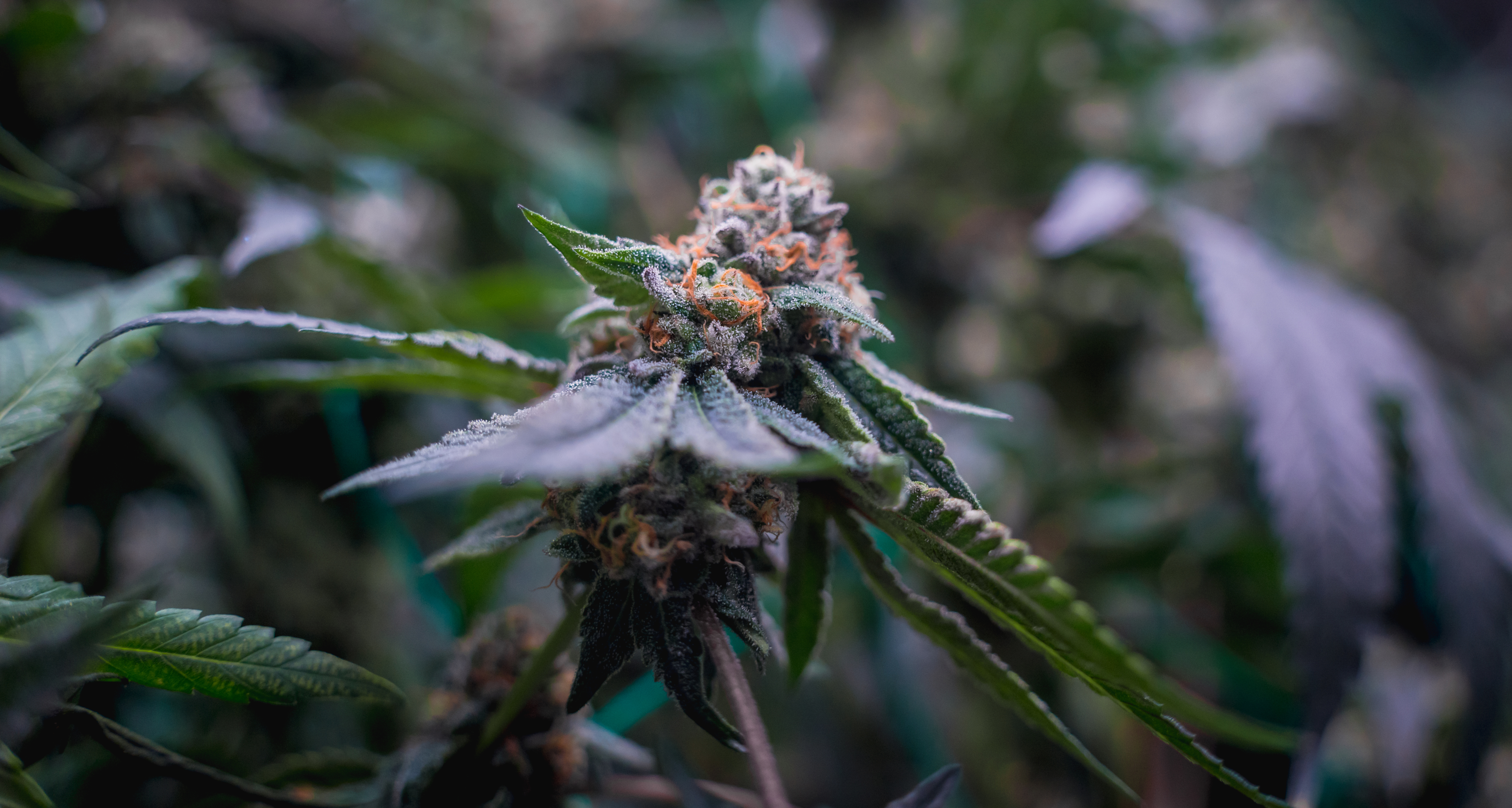


The vegetative stage is one of the main growth periods in the life cycle of a cannabis plant. During this stage, the plant focuses on building roots, stems, branches, and leaves. It is not yet putting most of its energy into making flowers. Instead, it is developing the structure that will support later growth. Because of this, the amount of time a cannabis plant spends in the vegetative stage can have a major effect on its size, shape, and overall development.
A common question among growers is how long to veg weed before the plant moves into flowering. There is no single answer that works for every plant. For indoor photoperiod cannabis, a vegetative period of about four to eight weeks is often used as a general reference point. Some plants may spend less time in this stage, while others may remain in vegetative growth for much longer. The best timeline depends on the type of cannabis, the growing environment, the amount of available space, and the condition of the plant.
The number of weeks alone should not be the only factor used to judge when vegetative growth has lasted long enough. Two cannabis plants of the same age can look very different. One may have several strong branches and a wide canopy, while another may still be small because it developed more slowly. Genetics, temperature, root health, available light, container size, and general growing conditions can all affect the rate of development. For this reason, plant maturity and structure are often just as important as calendar age.
Genetics can make a major difference in how quickly a cannabis plant grows during the vegetative stage. Some varieties naturally remain short and compact. Others grow quickly and produce long branches with more space between the nodes. A fast-growing plant may reach a suitable size in fewer weeks, while a slower-growing plant may need additional time to develop the same amount of structure. Genetics also affect how much a plant may stretch later during flowering, which is another reason growers often consider final plant size when thinking about veg time.
Growing space is also important. Indoor growers usually have clear limits on plant height and width. Walls, lights, ventilation equipment, and other parts of the growing area reduce the amount of usable space. A plant that stays in vegetative growth for too long may become difficult to manage if it gets too tall or wide for the available area. In contrast, a plant moved out of vegetative growth while it is still very small may have less time to build branches and a full canopy.
The growing method can also affect how long the vegetative stage lasts. Some setups are designed around a smaller number of larger plants. In those cases, plants may need more time to develop a broad structure. Other systems use more plants at a smaller size, so the vegetative period may be shorter. Training methods can also change the timeline because plants may need time to develop new branches or recover from changes to their structure.
It is also important to understand the difference between photoperiod and autoflower cannabis. Photoperiod plants respond to changes in the length of light and darkness they receive. This gives indoor growers more control over how long the plants remain in vegetative growth. Autoflower plants behave differently. Their life cycle is more strongly controlled by age and genetics, so they normally move toward flowering after a shorter period. Because of this, the idea of choosing a long or short veg period applies much more directly to photoperiod plants than to autoflowers.
Outdoor cannabis follows a different schedule as well. Instead of relying on an indoor lighting schedule, outdoor plants respond to natural changes in daylight through the growing season. A plant started early in the season may remain in vegetative growth for several months as the days stay long. As daylight becomes shorter later in the season, many photoperiod plants begin moving toward flowering. Climate, latitude, genetics, and planting time can all affect this natural timeline.
Plant health should also be considered when judging vegetative development. A healthy plant usually shows steady new growth, stronger stems, expanding leaves, and an increasing number of branches. A plant that has experienced stress may grow more slowly even if it has already spent several weeks in vegetation. Problems with roots, water, nutrients, pests, temperature, or other environmental conditions can delay normal development. Simply counting weeks does not always show whether a plant has built enough healthy structure.
For these reasons, asking how long to veg weed is really a question about both time and plant development. Four to eight weeks can serve as a useful general reference for many indoor photoperiod plants, but it should not be treated as a strict rule. Autoflowers usually have a much shorter vegetative period, while outdoor photoperiod plants may remain in vegetation for months. The most suitable timeline depends on genetics, plant size, available space, growing method, and overall health. Understanding these factors makes it easier to see why vegetative timing can vary so much from one cannabis plant to another.
What Is the Vegetative Stage of Cannabis?
The vegetative stage is one of the main growth phases in the life cycle of a cannabis plant. It comes after germination and the early seedling stage. During this time, the plant focuses most of its energy on building leaves, stems, branches, and roots. It is not yet putting most of its effort into producing flowers.
This stage is important because it creates the basic structure that the plant will use later in the flowering stage. A healthy plant with a strong root system, sturdy stems, and enough branches has a better base for future growth. The length of the vegetative stage can vary a lot. Some plants may stay in this stage for only a few weeks, while others may remain in it for much longer.
For growers trying to understand how long to veg weed, it helps to first understand what actually happens during this part of the plant’s life. The calendar matters, but plant development matters just as much.
When the Vegetative Stage Begins
The vegetative stage begins after the plant has moved beyond its earliest seedling growth. A cannabis seed first goes through germination. During germination, the seed opens and produces its first root. The young plant then begins to grow upward and forms its first small leaves.
At first, the plant is considered a seedling. Seedlings are small and delicate. Their root systems are still developing, and their stems are thin. During this early period, growth is slower because the plant is still becoming established.
As the plant develops more sets of true leaves and a stronger stem, it enters the vegetative stage. At this point, growth usually becomes faster. The roots spread farther through the growing medium, while new leaves and branches appear more often.
Indoor growers often keep photoperiod cannabis plants in vegetative growth by giving them long periods of light each day. Under these conditions, the plant continues to grow leaves and branches instead of moving into full flowering.
Outdoor plants enter and remain in vegetative growth according to natural daylight. During spring and early summer, longer days usually support vegetative development. As the season changes and daylight becomes shorter, photoperiod plants begin moving toward flowering.
The exact point when the seedling stage ends and the vegetative stage begins is not always marked by a single day. It is better to look at the plant’s growth. A plant with several sets of true leaves, stronger roots, and faster upward and outward growth is usually entering the vegetative phase.
What Cannabis Plants Do During Veg
During the vegetative stage, cannabis plants focus heavily on structural growth. One of the most noticeable changes is the rapid production of leaves. These leaves help the plant collect light and perform photosynthesis. Photosynthesis allows the plant to turn light energy into the energy it needs for continued growth.
The stem also becomes thicker and stronger during veg. A stronger main stem helps support the plant as it gets taller and heavier. Side branches also develop from different points along the stem. These branches can later become important flowering sites.
The root system grows at the same time. Roots spread through the soil or other growing medium in search of water, oxygen, and nutrients. A larger root system can support a larger plant because it gives the plant more access to the resources it needs.
The plant also develops more nodes during vegetation. A node is the point where leaves and branches connect to the main stem. As more nodes form, the plant gains more branches and more areas that may later support flowers.
This is also the stage when growers often shape plant structure. The plant is flexible and actively growing, which makes vegetative growth an important period for canopy development. However, any stress or damage during this stage can slow development. A plant may need extra time to recover before it is ready for flowering.
The main goal of vegetative growth is therefore not simply to make the plant taller. It is to build a balanced structure above and below the growing medium. Healthy leaves, roots, stems, and branches all work together to prepare the plant for its next stage.
Why Veg Time Matters
The amount of time a cannabis plant spends in the vegetative stage can have a major effect on its final size and shape. A plant that remains in veg for a longer period usually has more time to produce additional branches, leaves, and roots.
This is one reason the question of how long to veg weed does not have one fixed answer. A small indoor plant may need much less vegetative time than a plant grown in a large space. The right duration depends on the desired plant size, available room, genetics, and growing method.
If the vegetative period is very short, the plant may move into flowering while it is still fairly small. It may have fewer branches and less canopy area. This is not always a problem, especially in systems designed around many small plants, but it creates a different growth pattern.
A longer veg period gives the plant more time to develop. However, more time is not always better. Plants can become too large for an indoor grow area. They may crowd each other, block light, or get too close to the light source after they stretch during flowering.
Veg time also matters because plants often grow much taller after flowering begins. Growers need to think ahead instead of waiting until the plant fills all available vertical space. If a plant is already very tall at the end of veg, its flowering stretch can make space management difficult.
Plant health should also play a role in deciding when veg is complete. A plant that has been stressed by transplanting, training, watering problems, pests, or nutrient issues may need more time before moving forward. Switching a weak or stressed plant into flowering can make recovery more difficult.
For this reason, the number of weeks is only one part of the decision. Healthy new growth, good root development, strong stems, and enough branches are often better signs that a plant is developing properly.
The vegetative stage is the period when cannabis plants build the structure they need before flowering. It starts after the seedling stage, when the plant begins producing stronger roots, larger leaves, thicker stems, and more branches.
During veg, the plant focuses mainly on growth rather than flower production. Its roots spread through the growing medium, new nodes develop, and the canopy becomes larger. These changes prepare the plant to support future flowering.
Veg time matters because it affects plant size, structure, and how much space the plant will need later. A longer vegetative stage can create a larger plant, but keeping a plant in veg for too long can also cause space and canopy problems. When deciding how long to veg weed, growers should look at both the plant’s age and its physical development. Strong roots, healthy leaves, steady growth, and a well-developed structure are important signs that the vegetative stage is progressing well.
How Long Should You Veg Weed on Average?
The vegetative stage is one of the main growth periods in a cannabis plant’s life cycle. During this stage, the plant focuses on producing roots, stems, branches, and leaves. The length of this stage can affect the final size and structure of the plant. However, there is no single veg time that works for every plant.
For many indoor photoperiod cannabis plants, the vegetative stage often lasts about four to eight weeks. This is a common range because it gives the plant enough time to build a strong root system and develop several branches before flowering begins. Some plants may need less time, while others may stay in veg for much longer.
The best veg time depends on the genetics of the plant, the amount of growing space available, the desired plant size, and the cultivation method being used. Instead of looking only at the number of weeks, it is also important to pay attention to how well the plant has developed.
Typical Indoor Photoperiod Timeline
Indoor photoperiod cannabis gives growers more control over the length of the vegetative stage. Photoperiod plants remain in vegetative growth when they receive long periods of light each day. Because the grower controls the light schedule, the plant can usually stay in veg until it reaches the desired size and structure.
A veg period of around four to eight weeks is common for many indoor grows. During the first few weeks, the plant is still building its root system and developing its basic shape. New leaves and branches begin appearing more quickly as the plant becomes established.
By weeks four to six, many healthy plants are growing faster and producing more side branches. Their stems are usually thicker, and the canopy begins to fill out. At this point, some growers may consider the plant developed enough to move into the flowering stage.
Plants that remain in veg for six to eight weeks may become larger and develop more branches. This can be useful when the goal is to fill more horizontal space with fewer plants. However, a longer veg period also means the plants need more room, more water, and more time before harvest.
The exact timeline can differ greatly from one plant to another. A fast-growing cultivar may become large within a few weeks, while a slower-growing plant may need more time to reach the same size.
Short, Standard, and Long Veg Periods
A short vegetative stage may last about two to three weeks after the plant is established. Short veg periods are often linked with smaller plants because there is less time for stems and branches to develop before flowering begins.
A shorter veg period may also reduce the total time needed to complete the grow. However, the plant will usually have a smaller root system and fewer developed branches when flowering starts. This means plant size is often more limited compared with plants that are allowed to remain in veg longer.
A standard veg period of around four to eight weeks gives plants more time to build a strong structure. This range is commonly used because it provides a balance between plant size and overall growing time. By this stage, a healthy plant may have several strong branches and a wider canopy.
An extended veg period lasts eight weeks or longer. Some photoperiod plants can remain in vegetative growth for many weeks if the light schedule continues to support it. Extended veg may be used when growers want larger plants or need more time to fill a wide growing area.
Longer veg periods can also allow more time for training and recovery. However, very large plants can become harder to manage indoors. They may grow too close to lights, crowd nearby plants, or create dense areas where air does not move well.
For this reason, a longer veg period is not always better. The plant should remain at a size that fits the available space.
Why There Is No Exact Number of Weeks
One reason there is no exact answer to how long to veg weed is that cannabis plants can grow at very different rates. Genetics play a major role. Some cultivars naturally grow tall and quickly, while others remain short and compact.
Available space is another major factor. A plant grown in a small indoor area may need a shorter veg period so it does not become too large after flowering begins. A plant grown in a larger room may have enough space to remain in veg longer.
The desired final size also affects the decision. A grower who wants smaller plants may use a shorter veg cycle, while someone growing fewer but larger plants may allow more vegetative development.
The number of plants in the growing area matters as well. Several plants placed close together can fill a canopy faster than one or two plants. In this case, a shorter veg period may be enough to use the available space.
Training methods can also change the timeline. Techniques that shape or redirect branches may require extra vegetative time while the plant develops new growth. A plant that has recently been topped, transplanted, or trained may also need time to recover before flowering begins.
Plant health is another important factor. A weak or stressed plant may grow slowly, even if it has already been in veg for several weeks. Problems with light, temperature, watering, roots, or nutrition can slow development. Counting weeks alone does not show whether the plant is truly ready for the next stage.
For many indoor photoperiod cannabis plants, four to eight weeks is a common vegetative timeline. Shorter periods of about two to three weeks usually produce smaller plants, while veg periods lasting eight weeks or longer can create larger and more developed plants.
There is no perfect number of weeks for every grow. Genetics, available space, plant count, desired size, training methods, and overall plant health all affect how long the vegetative stage should last. The calendar can provide a useful guide, but plant development is just as important. A healthy plant with a strong root system, steady new growth, and enough structure for the available space is a better sign of progress than the number of weeks alone.
What Is the Minimum Vegetative Time for Weed?
The vegetative stage is an important period in the life cycle of a cannabis plant. During this stage, the plant focuses on building roots, stems, leaves, and branches rather than producing flowers. Because plants grow at different rates, there is no single minimum vegetative period that applies to every plant.
Some cannabis plants move through early growth faster than others. Genetics, starting size, health, light exposure, temperature, water supply, and root development can all affect how quickly a plant develops. This means that two plants of the same age may not be equally mature.
A very short vegetative period usually results in a smaller plant with fewer branches and less overall structure. A longer period gives the plant more time to develop its root system and above-ground growth. However, time alone does not show whether a plant is healthy or mature. Plant condition and development are also important.
Can Cannabis Veg for Only Two Weeks?
A cannabis plant can have a very short vegetative stage under some growing conditions, but two weeks is generally considered a limited amount of time for structural development. During early vegetation, a young plant is still building the foundation that supports later growth.
In a short period, the plant may produce several new leaves and begin forming stronger stems. It may also start developing side branches. However, the root system and canopy are still relatively small compared with plants that have had more time to grow.
A shorter vegetative stage often means the plant remains smaller throughout its life cycle. It has less time to form branches and leaf area before entering the next stage of development. This can affect the final shape and size of the plant.
Growth rate can also vary greatly between cultivars. Some plants naturally grow quickly, while others remain compact for a longer period. Environmental stress can slow growth even further. For example, poor root development, temperature problems, or inconsistent watering may cause a young plant to grow more slowly than expected.
For these reasons, plant age should not be viewed as the only sign of development. A plant that is two weeks into vegetative growth may look very different from another plant of the same age.
Growing From Seed
Plants grown from seed begin with germination and then pass through a seedling stage before reaching stronger vegetative growth. During the seedling period, the young plant develops its first true leaves and begins forming a larger root system.
Seed-grown plants usually need time to become established before rapid vegetative growth begins. Early roots are small and delicate. As they spread through the growing medium, they become better able to absorb water and nutrients.
Above the soil, the plant also begins producing more sets of leaves and forming nodes. Nodes are the points along the main stem where leaves and branches develop. As more nodes appear, the plant gains a more complex structure.
Seedlings may grow slowly at first because much of their energy is being used to establish roots. Once the root system becomes stronger, above-ground growth often becomes more noticeable.
This is why the total age of a seed-grown plant can be different from the amount of time it has spent in active vegetative growth. Germination and seedling development happen before the plant reaches a more mature vegetative state.
Growing From Clones
Clones begin their life cycle differently from seedlings. A clone is a cutting taken from an established plant. Because it comes from mature plant tissue, it already has leaves and a developed stem structure.
However, a new clone still needs to establish roots. Root development is one of the most important early stages for a cutting. Until roots are well established, the plant cannot support strong new growth.
Once rooting has occurred, a clone may begin vegetative growth more quickly than a plant that started from seed. This is because the clone does not need to go through germination and the earliest seedling stages.
Starting size also matters. Larger, well-rooted clones may appear more developed than smaller cuttings. Even so, visual size does not always mean the root system is equally strong.
Health is another important factor. A clone that experiences stress during rooting may grow slowly after roots appear. A healthy clone with strong roots may begin producing new leaves and branches more consistently.
Because of these differences, clones and seedlings should not always be compared by age alone. Their developmental starting points are different.
Risks of Moving to Flower Too Early
Ending vegetative growth very early can limit how much structure a plant has developed. One concern is a small root system. Roots support the entire plant by taking in water and nutrients. A limited root system may not support growth as effectively as a more established one.
Branch development can also be limited. During vegetation, cannabis plants normally form stems, nodes, and side branches. A shorter vegetative period provides less time for these structures to develop.
Canopy size may also remain small. Leaves capture light and support photosynthesis, which provides energy for plant growth. A plant with fewer leaves has less surface area available for this process.
Stress is another consideration. Young plants may experience stress from environmental changes, root disturbance, or other growing conditions. Plants that have not fully recovered from stress may show slower growth, discoloration, drooping leaves, or weak new development.
Healthy vegetative growth is therefore about more than counting days. Strong roots, steady leaf production, firm stems, and consistent development are better indicators of plant progress than age by itself.
There is no exact minimum vegetative time that applies to every cannabis plant. A very short vegetative period can occur, but younger plants usually have smaller root systems, fewer branches, and less developed structure.
Seed-grown plants first pass through germination and seedling growth, while clones begin with mature plant tissue but must establish new roots. Because their starting points are different, they may develop at different rates.
How Long Should You Veg Weed Indoors?
The amount of time cannabis stays in the vegetative stage indoors can vary widely. Unlike outdoor plants, indoor cannabis is grown in a controlled setting, so the grower has more influence over how long the plant remains in this stage. For many photoperiod plants, the vegetative period may last several weeks, but there is no single timeline that works for every plant.
The best length of time depends on several factors. These include the plant’s genetics, its starting size, the amount of room available, the desired final size, and how quickly the plant is developing. A small indoor space may require a shorter vegetative period, while a larger room may allow plants to grow for longer before flowering begins.
The key point is that veg time should not be judged by the calendar alone. The size and condition of the plant are often just as important as its age.
Why Indoor Growers Control Veg Length
Indoor cultivation gives growers more control over the plant’s environment than outdoor cultivation. Photoperiod cannabis responds to changes in the amount of light and darkness it receives. During the vegetative stage, the plant remains focused mainly on producing stems, leaves, branches, and roots rather than flowers.
Because indoor lighting is controlled, a photoperiod plant can stay in vegetative growth for a longer or shorter period depending on the growing plan. This is one reason indoor veg times can be very different from one setup to another.
A short vegetative period generally produces a smaller plant because it has less time to develop branches and overall structure. A longer period gives the plant more time to expand its root system and create additional growth.
However, keeping a plant in veg longer is not always better. More vegetative growth also means the plant takes up more space. Larger plants can become harder to manage if the growing area has limited height or width.
This is why indoor growers usually think about the final size of the plant rather than simply trying to achieve the longest possible vegetative period.
Choosing Veg Time Based on Grow-Space Size
Available space is one of the most important factors when deciding how long an indoor cannabis plant should remain in veg.
In a small growing area, plants may reach their practical size limit fairly quickly. A plant that becomes too wide can crowd nearby plants, while one that becomes too tall may have too little space remaining for later growth.
Larger rooms provide more flexibility. Plants can often remain in vegetative growth longer because there is more room for branches and foliage to spread. Even in a larger space, though, growers still need to consider how large the plant may become after the vegetative stage ends.
Horizontal space matters as much as height. Cannabis plants can develop a wide canopy with many side branches. If several plants are grown close together, their branches and leaves may begin to overlap. A crowded canopy can make it harder for light and air to reach all parts of the plants.
Container size can also influence how large a plant can comfortably become. As the plant grows, its root system expands. A larger plant generally needs more root space than a smaller one. When the above-ground plant becomes too large for its root area, growth may become less balanced.
For this reason, veg timing is closely connected to the entire growing environment. The plant’s height, width, root space, and available room all need to be considered together.
Planning for the Flowering Stretch
Another important factor is the increase in plant size that can occur after flowering begins. Cannabis plants do not normally stop growing taller as soon as they leave the vegetative stage.
Many plants continue to stretch during the early part of flowering. Their stems become longer, branches extend, and the distance between some nodes may increase. The amount of stretch varies considerably between cultivars.
Some plants remain fairly compact, while others can gain a large amount of height during this transition. Genetics play a major role in determining how much stretching occurs.
This matters because a plant that already fills most of an indoor space at the end of veg may become difficult to manage once flowering growth starts. The grower must leave enough room for this additional development.
The expected stretch is therefore an important part of choosing veg time. A tall-growing cultivar may need a shorter vegetative period in a low indoor space. A naturally compact cultivar may have more room to remain in veg for longer.
The plant’s current structure also matters. A healthy plant with several strong branches may already have enough vegetative development even if it has not been growing for a specific number of weeks. In contrast, a plant that has developed slowly may need more time before it has a strong structure.
Indoor veg timing should therefore be based on both age and visible plant development. Looking only at the number of days or weeks can give an incomplete picture.
There is no exact indoor vegetative period that is ideal for every cannabis plant. Photoperiod plants are often kept in veg for several weeks, but the right duration depends on genetics, available space, plant size, root development, and the desired final structure.
Smaller growing areas usually favor shorter veg periods because plants have less room to expand. Larger spaces may allow longer vegetation, but growers still need to account for the additional growth that can happen after flowering starts.
The flowering stretch is especially important. Many cannabis plants continue to gain height after the vegetative stage, and some cultivars stretch much more than others. Leaving enough space for this later growth helps prevent plants from becoming too large for the indoor area.
How Long Do Autoflowers Stay in the Vegetative Stage?
Autoflower cannabis plants have a much shorter vegetative stage than most photoperiod cannabis plants. In many cases, an autoflower spends about three to four weeks in its main vegetative phase before it begins to show signs of flowering. However, the exact timing can vary based on genetics, plant health, and growing conditions.
The key difference is that autoflowers follow an age-based growth cycle. They do not depend on a major change in day length to begin flowering. This makes their growth pattern more fixed than that of photoperiod cannabis. Once an autoflower reaches a certain stage of development, it will usually begin moving toward flowering even if the plant is still small.
Because of this short timeline, it is useful to understand how autoflowers develop and why their vegetative stage cannot normally be extended in the same way as photoperiod plants.
Autoflower vs. Photoperiod Cannabis
Photoperiod and autoflower cannabis differ mainly in what triggers flowering. Photoperiod cannabis responds strongly to changes in the amount of light and darkness it receives each day. In nature, shorter days near the end of summer signal to the plant that the season is changing. This change encourages flowering.
Indoor growers can use this light response to control how long a photoperiod plant remains in the vegetative stage. In general, a photoperiod plant can continue vegetative growth for an extended time as long as its environment continues to support that growth phase.
Autoflowers work differently. Their flowering process is linked mainly to age and genetics. Once the plant reaches a certain point in its life cycle, it begins the transition toward flowering. This happens even when the daily light period remains the same.
This difference comes from the genetic background of autoflower cannabis. Autoflower varieties contain genetics linked to Cannabis ruderalis, a type of cannabis that developed in regions with short growing seasons. Instead of waiting for major seasonal changes in daylight, these plants evolved to flower after reaching a certain age.
As a result, autoflower plants usually have a faster overall life cycle. Their seedling, vegetative, and flowering stages happen within a shorter period than those of many photoperiod varieties.
This faster life cycle can also make it harder to separate the stages into exact blocks of time. An autoflower may still be producing new leaves and branches while it begins forming its first early flowers. The shift from vegetation to flowering can therefore be gradual rather than sudden.
Typical Autoflower Veg Timeline
Many autoflower plants spend roughly three to four weeks focused mainly on vegetative growth. During this period, the plant develops its main stem, roots, leaves, and side branches. Growth often becomes faster after the early seedling stage as the plant establishes itself.
The first part of the plant’s life is usually focused on root development and the formation of its first sets of true leaves. At this stage, the plant is still small and may not appear to be growing very quickly above the soil. Much of its early development is taking place in the root zone.
As the plant becomes established, vegetative growth usually becomes easier to see. New leaves appear more quickly, the main stem becomes stronger, and side branches begin to develop. This is the main period when the plant builds the structure that will support later flowering.
By around the third or fourth week, many autoflower varieties begin showing early signs of reproductive growth. The exact timing varies. Some fast-growing genetics may begin the transition earlier, while other varieties may remain mainly vegetative for a little longer.
Plant development also varies from one specimen to another. Two plants of the same variety may not enter flowering on exactly the same day. Small differences in genetics and general growing conditions can affect the speed of development.
For this reason, the three-to-four-week range should be treated as a general guide rather than a strict deadline. Looking at the plant’s stage of development is often more useful than expecting every autoflower to follow the exact same schedule.
Autoflowers also tend to continue growing after the first signs of flowering appear. The start of flowering does not mean that all vegetative growth suddenly stops. Stems and branches may continue to extend during the early flowering period. This overlap is one reason that autoflower plants can increase noticeably in size even after their main vegetative stage has ended.
Why You Cannot Extend Autoflower Veg Like Photoperiod Veg
One of the most important facts about autoflowers is that their vegetative stage cannot normally be extended simply by maintaining a long daily light period. This is very different from photoperiod cannabis.
With photoperiod plants, flowering is closely connected to the length of the dark period. Their vegetative stage can therefore be controlled more directly through changes in seasonal or artificial light patterns.
Autoflowers do not depend on this same trigger. Their internal biological clock continues moving forward as the plant gets older. Once the plant reaches the point when its genetics direct it toward flowering, the transition generally occurs.
This means that an autoflower that experiences slow early development does not simply receive extra weeks of vegetative growth to make up for lost time. Its overall life cycle continues to advance.
Early plant health therefore has a strong connection with the final size and structure of an autoflower. A plant that develops well during its short early growth period has more time to build leaves, branches, and roots before flowering becomes the main stage of development. A plant that grows slowly may enter flowering while it is still relatively small.
This fixed schedule is also why autoflowers often remain smaller than large photoperiod plants. Photoperiod plants can spend many weeks or even months developing vegetative structure before flowering. Autoflowers have much less time to build that same amount of growth.
However, autoflower genetics vary widely. Some remain compact, while others can become much taller and more heavily branched. The total length of the plant’s life cycle can also differ between varieties. For that reason, the breeder’s stated growth range can provide useful background information, though individual plants may still develop somewhat faster or slower.
Autoflower cannabis plants usually have a much shorter vegetative stage than photoperiod cannabis. Many spend about three to four weeks mainly focused on vegetative growth before they begin moving into flowering. The exact timing depends heavily on genetics and the plant’s natural rate of development.
The biggest difference is that autoflowers flower mainly according to age rather than a change in day length. Because their biological clock continues moving forward, their vegetative period cannot normally be extended in the same way as that of photoperiod cannabis.
The transition is also not always sharp. Autoflowers can continue producing stems, leaves, and branches during the first part of flowering. For this reason, the vegetative and early flowering stages may overlap.
How Long Does Weed Veg Outdoors?
Outdoor cannabis can stay in the vegetative stage much longer than plants grown indoors. Instead of following a fixed number of weeks, outdoor plants usually respond to the natural changes in daylight that happen across the growing season. Because of this, the vegetative period may last for several months in some regions.
The exact timeline depends on climate, latitude, genetics, and the time of year the plant begins growing. Plants that start early in the season may have a long period of vegetative growth before flowering begins. Plants that begin later may have a much shorter vegetative period.
This makes outdoor cannabis different from indoor cannabis, where light exposure can be controlled more closely. Outdoors, the sun and the seasons play the main role in determining when the plant moves from vegetative growth into flowering.
The Outdoor Vegetative Timeline
For outdoor cannabis, the vegetative stage usually begins after the young plant has moved beyond its early seedling phase. During this period, the plant focuses on producing stems, branches, leaves, and roots.
In many temperate areas, cannabis may spend much of spring and early summer in vegetative growth. As the days become longer, the plant receives many hours of daylight. This supports continued vegetative development.
A plant that begins growing early in the season may remain in this stage for several months. For example, a plant that becomes established in spring may continue vegetative growth through much of the summer before the natural light cycle begins to change enough to encourage flowering.
However, there is no single outdoor veg timeline that applies everywhere. A plant growing in one climate may behave differently from the same variety grown in another region. Day length, temperature, weather conditions, and genetics can all affect how quickly the plant develops.
This is why outdoor veg time is usually better understood as part of a seasonal cycle rather than as a fixed four-week, six-week, or eight-week period.
When Outdoor Plants Begin Flowering
Outdoor cannabis generally begins moving toward flowering as the days become shorter later in the growing season. This change in daylight is one of the main signals that affects photoperiod cannabis.
During spring and early summer, daylight usually becomes longer. Later in summer, the number of daylight hours slowly begins to decrease. As nights become longer, photoperiod cannabis can respond by changing from vegetative growth to reproductive growth.
The exact date when this happens is not the same everywhere.
Latitude plays an important role. Locations farther north or south of the equator may experience larger seasonal changes in daylight. Areas closer to the equator often have less variation in day length throughout the year.
Genetics also matter. Some cannabis varieties naturally respond to changes in daylight sooner than others. One plant may begin showing signs of flowering while another plant growing nearby may continue vegetative growth for a longer period.
Weather can also affect overall development. Long periods of poor growing conditions may slow plant growth even if the seasonal light pattern remains the same.
For this reason, outdoor flowering should not be expected to begin on one exact calendar date. It is better understood as a gradual response to changing seasonal conditions.
How Geographic Location Changes Veg Time
Geographic location has a major effect on how long weed stays in veg outdoors because different regions experience different patterns of sunlight throughout the year.
In places with long summer days, photoperiod cannabis may have an extended period of vegetative development before flowering begins. This can allow plants to develop for several months.
In regions with shorter growing seasons, the available vegetative period may be shorter. Cold temperatures may arrive earlier, and seasonal daylight changes may happen differently.
Tropical and subtropical areas can create another situation. Day length may stay more consistent throughout the year, which can change how photoperiod plants respond compared with plants grown in areas with strong summer and winter seasons.
Local climate also matters. Even two locations at similar latitudes can have different weather patterns. One area may have a long, warm season, while another may experience cooler conditions, heavy rain, or early frost.
Because of these differences, outdoor veg time should be viewed in relation to the local season rather than by using one standard timeline for every location.
Indoor vs. Outdoor Veg Time
Indoor and outdoor cannabis can have very different vegetative timelines because indoor environments allow much greater control over light exposure.
Indoors, photoperiod plants can be kept in vegetative growth by maintaining a long-day light schedule. This allows the grower to decide when the plant moves into flowering by changing the light cycle.
Outdoor plants do not normally have this level of control. They depend mainly on the natural rise and fall of daylight across the season.
As a result, indoor veg periods are often discussed in terms of weeks. A grower may refer to four weeks, six weeks, or eight weeks of vegetative growth.
Outdoor veg periods are more often discussed in terms of months or seasons. A plant may grow vegetatively through much of spring and summer before shorter days trigger flowering.
Outdoor plants may also become much larger than indoor plants because they are not always limited by the same physical space. Indoor plants must fit within walls, ceilings, lighting equipment, and a planned canopy area. Outdoor plants may have more room to expand, depending on the location.
This difference is one reason outdoor cannabis may spend a longer time developing stems and branches before flowering begins.
Why Outdoor Plants Can Become Much Larger
A long vegetative period gives a cannabis plant more time to increase its overall size. During veg, the plant continues producing new leaves, branches, nodes, and roots.
When a plant spends several months in this stage, it may build a much larger structure than a plant that only spends a few weeks in veg indoors.
Space is another major factor. Outdoor plants may have access to more vertical and horizontal room. They may also receive direct sunlight across a wide area during the day.
However, a longer vegetative period does not mean every outdoor plant will become very large. Genetics strongly influence final size. Some varieties naturally stay more compact, while others grow more aggressively.
Plant health also matters. Stress, weather problems, poor conditions, or damage can slow development. A plant that has been growing for several months may still remain smaller if its growth has been limited.
This is why time alone cannot predict plant size.
Outdoor cannabis usually stays in the vegetative stage longer than indoor cannabis. Instead of following a fixed number of weeks, photoperiod plants outdoors respond mainly to natural changes in daylight.
In many regions, vegetative growth may continue through spring and much of summer. Flowering usually begins as days become shorter and nights become longer later in the season.
The exact outdoor veg timeline depends on latitude, climate, genetics, seasonal conditions, and when the plant begins growing. Plants in long growing seasons may remain vegetative for several months, while plants in shorter seasons may have less time.
When Should You Switch Weed From Veg to Flower?
Knowing when to switch a cannabis plant from the vegetative stage to the flowering stage is an important part of indoor growing. This change is often called the “flip” because growers change the light schedule to encourage flowering. For photoperiod cannabis plants, flowering usually begins after the light cycle is changed to provide longer periods of darkness.
There is no single week that is right for every plant. Some growers may switch after only a few weeks of vegetative growth, while others may wait much longer. The right time depends on the plant’s size, health, genetics, available space, and overall structure.
Instead of focusing only on the number of weeks the plant has been in veg, it is better to look at how well the plant has developed. A plant that is healthy, strong, and large enough for the available growing area is usually better prepared for flowering than a plant that has simply reached a certain age.
Plant Height as a Timing Indicator
Plant height is one of the most useful signs to consider before switching from veg to flower. Cannabis plants often continue to grow quickly during the first few weeks of flowering. This period of rapid growth is commonly known as the flowering stretch.
Some plants may grow only a little taller after flowering begins, while others may double in height or more. Genetics play a major role in how much a plant stretches. Plants with strong sativa traits often stretch more than compact indica-dominant plants.
Because of this, growers should not wait until a plant has already reached the maximum height of the growing space before starting flowering. If the plant becomes too tall, it may grow too close to the light. This can make temperature and light management more difficult.
A grower should consider the height of the container, the height of the plant, the space needed between the plant and the light, and the total height of the growing area. For example, a plant that already fills most of the available vertical space may need to enter flowering sooner than a smaller plant.
The expected flowering stretch should also be considered. If a variety is known to grow much taller after the flip, switching while the plant is still relatively short can help prevent overcrowding later.
Plant Maturity and Structure
Plant maturity is another important factor when deciding when to switch from veg to flower. A healthy cannabis plant should develop a strong main stem, several branches, and an established root system during the vegetative stage.
Strong stems and branches are important because they support the plant as flowers begin to develop. Plants that are weak or poorly developed may have more trouble supporting new growth later in the cycle.
Healthy new growth is another useful sign. Leaves should normally appear well formed and continue developing at a steady rate. The plant should also have several established nodes. Nodes are the places where branches and leaves grow from the main stem.
A mature plant usually has enough structure to support several flowering sites. However, plant maturity does not mean the plant must be very large. Smaller plants can still be mature enough to flower if they have strong roots, healthy leaves, and good branch development.
Seed-grown plants may also need time to reach biological maturity before they are fully ready for flowering. Clones are different because they come from mature mother plants. As a result, rooted clones may be able to enter flowering sooner once they have developed enough roots and new growth.
The main goal is to make sure the plant is actively growing and strong enough to handle the next stage.
Canopy Development
Canopy size can also help determine when a cannabis plant is ready to move from veg to flower. The canopy is the upper layer of leaves and branches that receives most of the light.
In indoor growing, growers often want the canopy to cover much of the available horizontal space without becoming too crowded. If there are large empty areas, the plant may need more vegetative time to develop additional branches.
However, filling every part of the space before flowering can create problems. Since plants continue growing during the flowering stretch, a canopy that is already packed tightly during veg can become overcrowded after the flip.
Crowded plants may block light from reaching lower branches. Dense foliage can also reduce airflow around the leaves and stems. This can make it more difficult to control moisture and maintain an even environment.
For this reason, canopy coverage can sometimes be a better guide than the plant’s age. A plant may only be four weeks into veg but already fill the available space. Another plant of the same age may still be small because of genetics, a recent transplant, or slower development.
Growers should look at how much space the plant currently uses and estimate how much additional growth will occur during flowering. The goal is to leave enough room for the canopy to expand without becoming difficult to manage.
Recovery From Training and Transplanting
Cannabis plants are often trained during the vegetative stage to control their shape and encourage more even growth. Common methods may include topping, bending branches, or other forms of plant training.
Training can temporarily slow plant growth because the plant needs time to recover. The same is true after transplanting into a larger container. A recently transplanted plant may focus much of its energy on developing roots before strong above-ground growth continues.
It is usually better to allow the plant to recover before starting flowering. A plant that is still showing signs of stress may not be ready for another major change.
Healthy recovery usually means that the plant has started producing fresh growth again. Leaves should look normal, stems should continue extending, and branches should resume active development.
If growth has stopped or the plant appears weak, damaged, or unhealthy, extending the vegetative stage may provide extra recovery time. This is one advantage of photoperiod cannabis. As long as the plant remains under a suitable vegetative light schedule, growers can usually give it more time before starting flowering.
Switching too soon after major training or transplanting may give the plant less time to rebuild its structure. Once flowering begins, the plant gradually shifts more of its energy toward flower production rather than vegetative development.
The best time to switch weed from veg to flower depends on the plant and the growing space rather than a fixed number of weeks. Plant height is important because cannabis often stretches after flowering begins. Growers should leave enough vertical room for this extra growth.
Plant maturity also matters. Strong stems, developed branches, healthy leaves, and an established root system are useful signs that a plant is prepared for flowering. Canopy size can provide another guide. The plant should use the available space well without becoming so crowded that future growth causes airflow or light problems.
Plants should also have enough time to recover from training, pruning, or transplanting before the flowering stage begins. Healthy, active growth is usually a better sign of readiness than calendar age alone.
Does Longer Veg Time Mean Bigger Plants and Higher Yields?
The length of the vegetative stage can affect the final size of a cannabis plant. In general, a plant that spends more time in vegetative growth has more time to build roots, stems, branches, and leaves. This often means the plant enters the flowering stage with a larger structure.
However, a longer vegetative stage does not always lead to a higher final yield. Plant size is only one part of the picture. Light, root space, plant health, growing conditions, and overall plant structure can all affect how well a plant develops later.
For this reason, it is better to think of veg time as one factor rather than a guarantee of a certain result. A longer veg period may support more growth, but only when the plant has the space and resources needed to use that extra time well.
How Veg Time Affects Plant Size
During the vegetative stage, cannabis mainly focuses on building its physical structure. The roots spread through the growing medium, the main stem becomes thicker, and new branches develop from the nodes. Leaves also increase in number and size, allowing the plant to capture more light.
A plant that remains in veg for a longer period usually has more time to develop this structure. For example, a plant that stays in the vegetative stage for several additional weeks may become taller and wider than a plant that moves into flowering earlier.
More vegetative growth can also mean more branch development. Each healthy branch may later support flowering sites. A larger root system may also help the plant support a larger amount of growth above the soil.
Still, growth does not continue at the same rate forever. A plant can only expand as much as its environment allows. If space becomes limited, the extra veg time may simply make the plant crowded rather than more productive.
Plant genetics also play a major role. Some cannabis varieties naturally stay short and compact. Others grow quickly and can become much taller. This means two plants kept in veg for the same number of weeks may reach very different sizes.
Why Longer Veg Does Not Automatically Guarantee Better Results
A common assumption is that a bigger plant will always produce more at harvest. In reality, many other factors influence the final result.
Light is one of the most important. A large plant needs enough light across its canopy. If the upper leaves block too much light, lower growth may receive much less energy. In that case, making the plant larger does not necessarily improve overall development.
Root space is another limit. As the plant grows above the soil, its root system also needs room to expand. When roots become crowded, the plant may have difficulty maintaining healthy growth. A very large plant in a limited root area may not perform as well as a smaller plant with enough space.
Plant health matters as well. Extra weeks of veg do not help much if the plant is dealing with stress, poor growth, pest damage, or environmental problems. Healthy plants usually make better use of their vegetative period than plants that are struggling.
Air movement and spacing also become more important as plants get larger. A thick canopy can hold moisture and reduce airflow around leaves. When plants become too crowded, the growing environment can become harder to manage.
For these reasons, growers should not judge the value of veg time by plant height alone. The goal of vegetative growth is to build a healthy and manageable plant structure, not simply the largest plant possible.
Balancing Veg Time Against the Overall Grow Timeline
A longer vegetative period also makes the total growing cycle longer. Every extra week spent in veg adds time before flowering and harvest can occur.
This can matter when comparing different cultivation approaches. Some setups use a smaller number of plants that remain in veg longer and become larger before flowering. Other setups may use smaller plants with shorter vegetative periods.
Neither approach automatically gives better results in every situation. The best balance depends on available space, plant genetics, legal limits where applicable, and the conditions of the growing area.
A longer veg period may make sense when there is plenty of room for a plant to expand. It can also allow more time for the plant to establish a strong root system and branch structure. However, extending veg without a clear reason may make the plant harder to manage and increase the total time required for the crop.
Shorter vegetative periods can keep plants smaller and reduce the total time before flowering. The tradeoff is that smaller plants have less time to develop branches and overall structure.
The key point is that veg time should match the size of the growing area and the natural growth pattern of the plant. A plant should have enough time to become healthy and established without becoming too large for its environment.
Longer vegetative growth usually gives cannabis plants more time to develop roots, stems, leaves, and branches. Because of this, plants that stay in veg longer often become larger before flowering begins.
However, longer veg time does not automatically mean a higher yield. Light, root space, genetics, plant health, airflow, and available room can all limit how useful the extra growth becomes. A plant that is too large for its environment may be harder to manage and may not use its extra size efficiently.
The vegetative stage should therefore be long enough to create a healthy, well-developed plant, but not so long that the plant becomes crowded or difficult to support. The best timeline depends on the plant and the growing environment rather than the number of weeks alone.
Can You Veg Weed for Too Long?
Cannabis plants can stay in the vegetative stage for a long time, especially when they are photoperiod plants grown indoors. In many cases, growers control when these plants begin flowering by changing the amount of light they receive each day. As long as a photoperiod cannabis plant keeps receiving a long period of light, it can continue growing stems, leaves, and branches instead of entering the flowering stage.
However, just because a plant can stay in veg for a long time does not always mean that it should. A longer vegetative stage can lead to larger plants, but it can also create problems if the growing space, container size, lighting, or airflow cannot support that extra growth. The best veg time depends on how large the plant should become and whether the growing setup can handle its final size.
How Long Photoperiod Cannabis Can Remain in Veg
Photoperiod cannabis plants do not have a strict biological deadline for ending the vegetative stage. When grown indoors, they can remain in veg for many weeks or even several months if they continue receiving a light schedule that supports vegetative growth.
This is one reason photoperiod plants are more flexible than autoflowers. With photoperiod cannabis, growers can keep the plant in veg while it becomes larger, recovers from stress, or develops more branches. Some growers also extend veg when they are shaping a plant with training methods that require more time.
Still, the plant’s age should not be the only factor used to decide when flowering should begin. Size, health, root development, canopy width, and available space are also important.
A plant that has been in veg for ten weeks may be healthy and manageable in a large room. The same plant could be much too large for a small tent. For this reason, the practical limit on veg time usually comes from the growing environment rather than the plant itself.
Another factor is the flowering stretch. Many cannabis plants become much taller after flowering starts. A plant that already fills most of the available vertical space during veg can become difficult to manage after this stretch begins. Growers need to leave enough room for future growth before deciding to extend the vegetative stage.
Problems Associated With Excessive Vegging
One of the main problems with vegging a plant for too long is excessive size. A cannabis plant that remains in veg for many weeks can continue producing new branches and leaves. If there is not enough room, the plant may grow too close to the lights, walls, or other plants.
A crowded canopy can also make it harder for light to reach lower growth. Large amounts of foliage may shade inner branches and lower leaves. This can create uneven growth because some parts of the plant receive much more light than others.
Airflow can also become a concern. Thick growth can reduce air movement between leaves and branches. Good airflow helps prevent warm, damp areas from forming inside the canopy. When foliage becomes too dense, humidity can remain trapped in certain areas, especially around the center of the plant.
Root space is another important issue. A larger plant usually needs a larger root system. If the plant remains in the same small container for a long vegetative period, the roots may eventually fill most of the available space. Limited root room can affect water uptake, nutrient uptake, and overall growth.
Longer veg periods also require more resources. The plant needs more water, light, space, and nutrients as it becomes larger. It also takes more time before flowering and harvest can begin. This means that extending veg may increase the total time and cost of the growing cycle.
Plant management can become more difficult as well. Tall or wide branches may need extra support. Large plants can be harder to inspect, prune, train, or move. If problems such as pests or nutrient stress appear, they may also be harder to notice inside a very dense canopy.
For these reasons, a longer veg period is not always better. The goal is to allow enough growth for a healthy plant without letting it become larger than the growing area can support.
When Extended Vegging Makes Sense
There are situations where a longer vegetative stage can be useful. One example is when a grower has a large indoor space and wants fewer plants to cover a wide canopy. A longer veg period gives each plant more time to develop extra branches and spread across the available area.
Extended veg may also be useful with training systems that depend on a wide plant structure. Certain training methods involve bending, topping, or spreading branches so that more of the canopy receives direct light. These methods take time because the plant needs to grow new shoots and recover after training.
A plant may also benefit from extra veg time after stress. Transplanting, pruning, nutrient problems, or environmental stress can slow growth for a period. Moving a stressed plant into flower immediately may not give it enough time to recover. Keeping it in veg longer can allow healthy new leaves and branches to develop before flowering begins.
Another reason to extend veg is uneven canopy development. If some branches are much shorter than others, additional vegetative growth can provide time for training and adjustment. This can help create a more balanced plant before flowering.
However, extended veg should still be based on the limits of the growing space. The plant should have enough room for roots, leaves, and future flowering stretch. Growers should also check that lighting and airflow can still reach the entire canopy.
The key is to extend veg for a clear reason rather than simply assuming that more time always produces a better plant.
Cannabis can stay in the vegetative stage for too long from a practical point of view, even though photoperiod plants can remain in veg for an extended time under the right light schedule. Longer veg periods can produce larger plants with more branches, but excessive growth can create problems with space, lighting, airflow, root development, and plant management.
A plant that becomes too tall or too wide before flowering may be difficult to control once the flowering stretch begins. Dense growth can also make it harder for light and air to reach the inner parts of the canopy.
Extended vegging can still be useful when growers have enough space, want to train plants into a wider canopy, or need to give a stressed plant time to recover. The best approach is to judge veg time by plant health, available space, canopy development, and expected future growth. Vegging longer should serve a clear purpose rather than simply adding more weeks to the schedule.
How to Choose the Ideal Veg Time for Your Cannabis Plant
Choosing the right vegetative period is not only about counting weeks. Cannabis plants can grow at very different speeds, even when they are kept under similar conditions. Some plants become tall and wide quickly, while others stay compact for a longer time. The best time to end the vegetative stage depends on the plant’s genetics, available space, training method, health, and overall development.
For many indoor photoperiod plants, the vegetative stage may last around four to eight weeks. However, this is only a general range. Some growers may use a shorter veg period when space is limited, while others may allow plants to grow longer when they want a larger canopy. Instead of relying on one fixed number, it is better to look at several factors together.
Consider the Genetics
Genetics have a major effect on how long a cannabis plant should stay in veg. Different strains can have very different growth patterns. Some plants naturally grow tall and develop long spaces between branches. Others remain shorter and produce a denser structure.
Fast-growing plants may reach the desired size in less time. Slower-growing plants may need extra weeks to develop enough branches and leaf growth. This means that two plants started on the same day may not be ready to enter flowering at the same time.
Another important factor is how much the plant is expected to stretch after flowering begins. Some cannabis plants can gain a large amount of height during the first few weeks of flowering. If a plant is known to stretch heavily, it may be better to end veg while it is still relatively short. This can help prevent the plant from becoming too tall for the growing area.
Photoperiod and autoflower cannabis should also be treated differently. Photoperiod plants can usually remain in the vegetative stage as long as the lighting schedule supports vegetative growth. Autoflowers follow a built-in life cycle and normally begin flowering according to age. Because of this, growers have much less control over how long an autoflower remains in veg.
Consider Available Growing Space
The size of the growing area is one of the most practical factors when deciding veg time. Indoor plants must fit within a limited amount of vertical and horizontal space. Allowing a plant to stay in veg too long can lead to problems once flowering begins.
Before changing the light cycle, consider the plant’s current height and how much more it may stretch. The plant should have enough room to grow upward without getting too close to the light. If the top branches become too close to the light source, they may experience heat or light stress.
Horizontal space matters as well. A cannabis plant often becomes wider as it develops more branches. If several plants are growing together, their leaves and branches may begin to overlap. A crowded canopy can block light from reaching lower growth and can reduce airflow around the plants.
Container size should also be considered. Larger plants need more root space, water, and nutrients. A plant that stays in veg for a long time may outgrow a small container. If roots become crowded, growth can slow down and plant health may decline.
The goal is to allow enough vegetative growth to create a useful plant structure without allowing the plant to outgrow the space available.
Consider the Training Method
Plant training can change how long the vegetative stage needs to last. Different training methods are used to control plant height, create more branches, or spread growth across a wider area.
An untrained plant may need less time in veg because it is allowed to grow in its natural shape. It often develops one main central stem with side branches growing around it.
Low-stress training usually involves bending and guiding branches so that more growing tips receive direct light. This can create a wider and flatter canopy. However, the plant needs time to respond to the training and continue growing into the desired shape.
Topping involves removing the main growing tip so the plant develops more leading branches. After topping, the plant often needs time to recover and produce new growth. For this reason, topped plants may remain in veg longer than plants that are not trained.
A Screen of Green system may also require a longer vegetative period. In this method, branches are spread across a screen to create an even canopy. The plant stays in veg until enough of the screen is filled.
Sea of Green methods usually use a different approach. Instead of growing a small number of large plants, this method often relies on more plants with shorter veg periods. Because the plants do not need to become very large before flowering, the vegetative stage may be much shorter.
The training method should match the available space and the desired plant structure. Growers should also give plants enough time to recover from major training before beginning the flowering stage.
Consider Plant Health Instead of the Calendar Alone
A healthy plant is more prepared for flowering than a stressed or weak plant. This is why plant condition should be considered along with the number of weeks spent in veg.
Healthy vegetative plants normally produce steady new growth. New leaves should continue developing, and branches should gradually become stronger. The plant should also have enough root development to support faster growth during flowering.
Plants that have recently been transplanted may need time to adjust to a new container. During this period, growth may slow while the roots spread into fresh soil or another growing medium. Moving a stressed plant into flowering too soon may limit its ability to recover.
The same idea applies after topping, heavy pruning, or other forms of training. If growth has slowed after training, it is often better to wait until the plant begins producing healthy new growth again.
Signs of stress may include drooping leaves, unusual leaf color, damaged growth, or very slow development. These problems should be addressed before changing the flowering schedule whenever possible.
The calendar is useful as a guide, but plant health gives more useful information about whether the plant is truly ready to move forward.
Simple Veg Timeline Example
A basic week-by-week timeline can help explain how vegetative growth may develop, but every plant will grow at a different pace.
During weeks one and two, the plant may still be moving beyond the seedling stage. Roots continue to expand, and the plant begins producing larger leaves and stronger stems. Growth may still appear slow during this period because much of the plant’s energy is going into root development.
During weeks three and four, vegetative growth often becomes faster. The plant may produce more nodes, side branches, and larger leaves. This is also a common period for early training, depending on the plant’s size and condition.
During weeks four to six, the plant may begin forming a wider and stronger canopy. Branches become more developed, and the plant may respond more clearly to topping, bending, or other training methods. Some plants may be large enough to begin flowering during this period.
During weeks six to eight, plants that need more size or canopy coverage can continue growing. This extra time may be useful for plants that are being trained across a screen or grown in a larger indoor space.
Some photoperiod plants may remain in veg longer than eight weeks. This may be necessary for large plants, slow-growing genetics, or plants that needed extra recovery time. The important point is that the plant should fit the space and show healthy, steady development before flowering begins.
The ideal vegetative period depends on more than the age of the cannabis plant. Genetics, available growing space, training method, root development, and plant health all influence when veg should end. A plant that grows quickly in a small space may need a shorter veg period, while a slower plant in a larger setup may benefit from additional time.
For many indoor photoperiod plants, four to eight weeks can serve as a useful general range, but it should not be treated as a strict rule. Growers should look at plant height, canopy width, branch strength, expected flowering stretch, and overall health before making the transition.
Conclusion: Finding the Right Vegetative Timeline for Weed
There is no single vegetative timeline that works for every cannabis plant. The length of this stage can vary because plants do not all grow at the same speed or in the same way. Genetics, plant type, available space, root development, overall health, and the growing environment can all affect how long a plant stays in vegetative growth. Because of these differences, the number of weeks alone does not give a complete picture of when a plant has reached the end of this stage.
For indoor photoperiod cannabis, a vegetative period of several weeks is common. Many general cultivation references describe a range of about four to eight weeks, although some plants may remain in this stage for a shorter or longer period. This range should be understood as a general reference rather than a fixed rule. A plant that develops slowly may still be immature after the same amount of time that another plant has developed a much larger root system, stronger stems, and more branches.
Photoperiod cannabis is different from autoflower cannabis in an important way. Photoperiod plants respond strongly to changes in the length of light and darkness they receive. This allows their vegetative stage to continue for an extended period under certain conditions. Autoflower plants work differently because their life cycle is more strongly controlled by age and genetics. Their vegetative phase is usually much shorter, and they naturally move toward flowering without depending on the same change in daylight length.
Outdoor cannabis also follows a different timeline from most indoor plants. Outdoor plants are influenced by the natural seasons. During spring and early summer, longer days generally support vegetative growth. As the season changes and daylight becomes shorter, photoperiod plants begin moving toward flowering. Because of this natural cycle, outdoor plants may remain in vegetative growth for several months. Local climate, latitude, planting date, and genetics can all influence how long this period lasts.
Plant size is another major factor connected with vegetative time. In general, a longer vegetative stage gives a plant more time to develop roots, stems, leaves, and branches. This can result in a larger plant. However, a longer vegetative period does not automatically mean a better final result. Plants still depend on suitable environmental conditions and enough room for healthy development. A plant that becomes too large for its available space may face crowding, weak airflow, or competition for light.
For this reason, available growing space is often just as important as plant age. Cannabis plants can continue increasing in size after the vegetative stage ends. Some varieties stretch more than others during early flowering. A plant that already fills its available space may become difficult to manage if it continues growing rapidly afterward. This is why experienced growers often look at both plant development and available space instead of making decisions based only on the calendar.
Root development also plays an important role in overall plant growth. Healthy roots help the plant absorb water and nutrients and support continued development above the soil. Plants that have had enough time to establish strong roots are generally better prepared for later stages of their life cycle. At the same time, roots can become restricted when a plant outgrows its container or growing area. This shows again why longer vegetative growth is not always better.
Plant health should also be considered when looking at the vegetative timeline. A healthy plant normally shows steady new growth, strong stems, normal leaf development, and an established structure. A stressed plant may grow more slowly. Environmental problems, transplant stress, pests, diseases, or other issues may also affect development. In these situations, the number of weeks a plant has been growing may not match its actual level of maturity.
Genetics can create some of the biggest differences between plants. Some cannabis varieties naturally remain short and compact, while others grow tall and vigorous. Some develop many side branches, while others grow with a more upright shape. These genetic traits can affect how quickly a plant fills its available area and how much additional growth occurs later. As a result, two plants of the same age can look very different.
The main point is that the ideal vegetative timeline should not be judged by time alone. A common indoor photoperiod range can provide a useful starting point, but plant type, genetics, space, root development, plant structure, and health all matter. Autoflowers normally move through this stage more quickly, while outdoor photoperiod plants may remain in vegetative growth for much longer because they follow seasonal daylight changes.
Understanding these differences makes the vegetative stage easier to evaluate. Instead of treating a certain week as a strict deadline, it is more accurate to view vegetative growth as a development period. The plant uses this time to build the roots, stems, leaves, and branches that support the rest of its life cycle. The best timeline is therefore the one that matches the plant’s genetics, natural development, available environment, and overall condition while following all applicable local laws.
Research Citation
Ahrens, A., Llewellyn, D., & Zheng, Y. (2023). Is twelve hours really the optimum photoperiod for promoting flowering in indoor-grown cultivars of Cannabis sativa? Plants, 12(14), 2605. doi:10.3390/plants12142605.
Collado, C. E., & Hernández, R. (2025). Vegetative and reproductive stage lighting interactions on flower yield, water use efficiency, terpenes, and cannabinoids of Cannabis sativa. Scientific Reports, 15, 43641. doi:10.1038/s41598-025-27437-4.
Dang, M., Muthu Arachchige, N., & Campbell, L. G. (2022). Optimizing photoperiod switch to maximize floral biomass and cannabinoid yield in Cannabis sativa L.: A meta-analytic quantile regression approach. Frontiers in Plant Science, 12, 797425. doi:10.3389/fpls.2021.797425.
Magagnini, G., Grassi, G., & Kotiranta, S. (2018). The effect of light spectrum on the morphology and cannabinoid content of Cannabis sativa L. Medical Cannabis and Cannabinoids, 1(1), 19–27. doi:10.1159/000489030.
Moher, M., Llewellyn, D., Jones, A. M. P., & Zheng, Y. (2022). Light intensity can be used to modify the growth and morphological characteristics of cannabis during the vegetative stage of indoor production. Industrial Crops and Products, 183, 114909. doi:10.1016/j.indcrop.2022.114909.
Rodriguez-Morrison, V., Llewellyn, D., & Zheng, Y. (2021). Cannabis yield, potency, and leaf photosynthesis respond differently to increasing light levels in an indoor environment. Frontiers in Plant Science, 12, 646020. doi:10.3389/fpls.2021.646020.
Saloner, A., & Bernstein, N. (2020). Response of medical cannabis (Cannabis sativa L.) to nitrogen supply under long photoperiod. Frontiers in Plant Science, 11, 572293. doi:10.3389/fpls.2020.572293.
Schilling, S., Melzer, R., Dowling, C. A., Shi, J., Muldoon, S., & McCabe, P. F. (2023). A protocol for rapid generation cycling (speed breeding) of hemp (Cannabis sativa) for research and agriculture. The Plant Journal, 113(3), 437–445. doi:10.1111/tpj.16051.
Shiponi, S., & Bernstein, N. (2021). Response of medical cannabis (Cannabis sativa L.) genotypes to P supply under long photoperiod: Functional phenotyping and the ionome. Industrial Crops and Products, 161, 113154. doi:10.1016/j.indcrop.2020.113154.
Zhang, M., Anderson, S. L., Brym, Z. T., & Pearson, B. J. (2021). Photoperiodic flowering response of essential oil, grain, and fiber hemp (Cannabis sativa L.) cultivars. Frontiers in Plant Science, 12, 694153. doi:10.3389/fpls.2021.694153.
Questions and Answers
Q1: How long should you veg weed?
Most cannabis plants are kept in the vegetative stage for about 3 to 8 weeks, depending on genetics, plant size, available space, and growing conditions.
Q2: What is the minimum time you can veg weed?
Some growers keep plants in the vegetative stage for only 2 to 3 weeks, although shorter periods usually result in smaller plants.
Q3: Can you veg weed for too long?
Yes. A plant can remain in the vegetative stage for an extended period, but it may become too large for the available growing space.
Q4: Is 4 weeks of veg enough for weed?
Four weeks is a common vegetative period and can be enough for a healthy plant to develop a strong root system and several sets of branches.
Q5: How long should you veg weed indoors? Indoor cannabis plants are commonly kept in the vegetative stage for around 3 to 8 weeks, with the exact length depending on plant size and available space.
Q6: How long does weed stay in the vegetative stage outdoors?
Outdoor cannabis may remain in the vegetative stage for several months because its growth cycle follows seasonal changes in daylight.
Q7: How big should a weed plant be before flowering?
There is no single required size. Growers generally consider the plant’s health, maturity, genetics, and available growing space before allowing flowering to begin.
Q8: Does a longer vegetative stage make weed plants bigger?
Generally, yes. More time in the vegetative stage allows a healthy cannabis plant to develop more roots, stems, branches, and leaves.
Q9: How long should autoflower cannabis stay in veg?
Autoflowering cannabis usually has a short vegetative period of roughly 2 to 5 weeks because it begins flowering according to age rather than a change in the light cycle.
Q10: What factors affect how long weed should veg?
Important factors include cannabis genetics, plant health, available space, environmental conditions, growing method, and whether the plant is photoperiod or autoflowering.