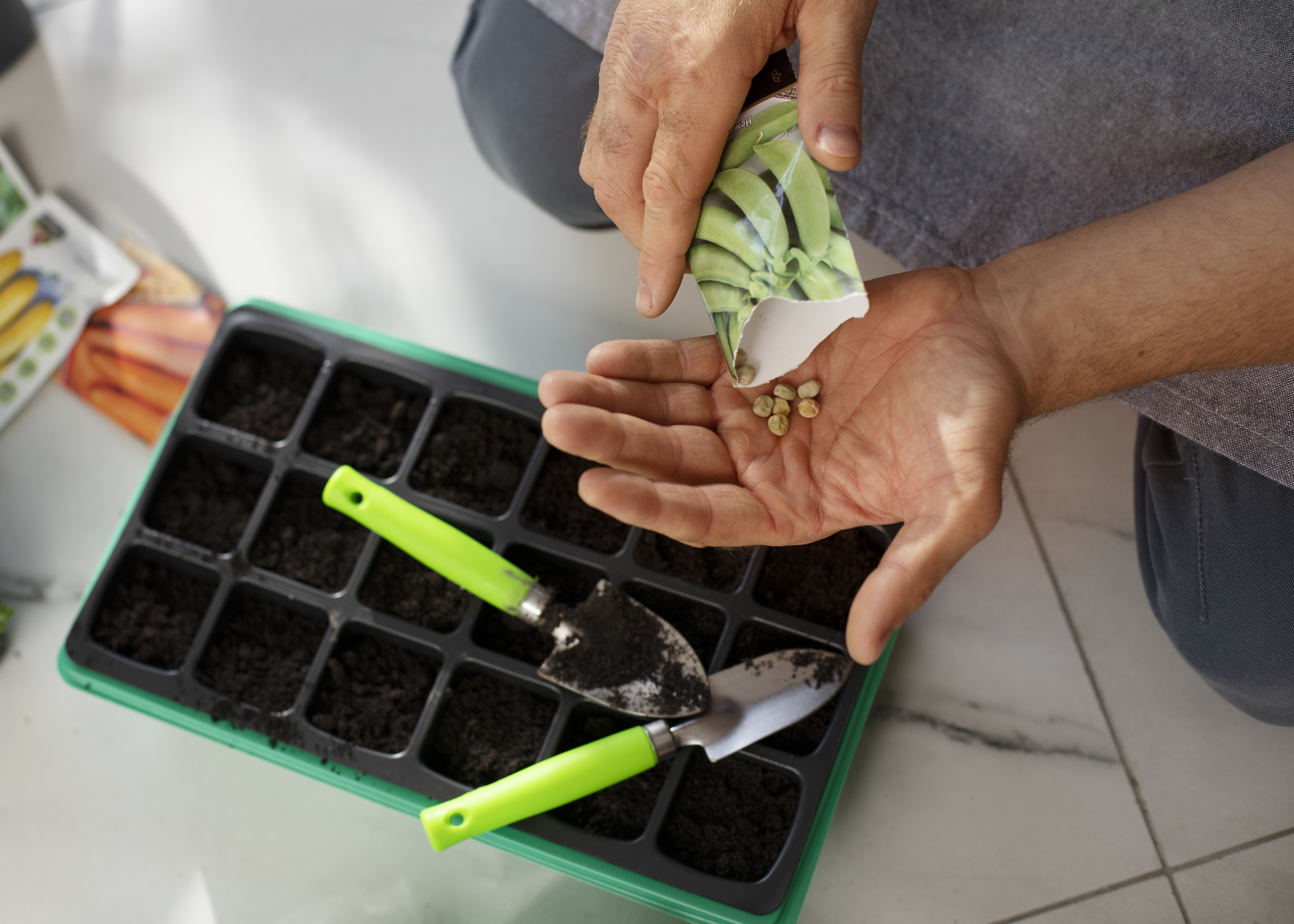


Growing cannabis from seed takes place in several clear stages. Each stage prepares the plant for the next one. The full process begins with germination, continues through seedling growth, moves into the vegetative stage, and then enters flowering. Growers often ask how long a cannabis plant should stay in the vegetative stage before flowering begins. The answer depends on the type of plant, its health, the growing space, and the grower’s goals.
The phrase “veg from seed” usually refers to the amount of time between planting a seed and starting the flowering stage. However, this phrase can cause confusion. Some growers count the vegetative stage from the day the seed sprouts. Others begin counting only after the plant finishes the seedling stage. This difference can make two timelines appear very different even when the plants are growing at a similar rate.
The first stage is germination. During germination, the seed absorbs moisture and begins to open. A small white root, called a taproot, comes out of the seed. This root grows downward and begins taking in water. The young shoot grows upward toward the light. Germination often takes a few days, but some healthy seeds may take longer. Temperature, moisture, seed age, and seed quality can all affect this stage.
After germination, the plant enters the seedling stage. The first small leaves are called cotyledons. These leaves provide stored energy while the young plant begins forming true leaves. True cannabis leaves usually appear soon after the cotyledons open. At first, the plant may produce simple leaves with only one or three sections. Later, it begins producing larger leaves with more sections.
The seedling stage is a sensitive period. The young plant has a small root system and a thin stem. It cannot handle the same amount of water, nutrients, or light as a mature plant. Too much water can reduce the amount of air around the roots. Strong fertilizer may damage tender roots and leaves. Weak light can cause the stem to stretch as the plant reaches toward the light source. Stable conditions help the seedling build a strong base for later growth.
The vegetative stage begins when the plant has established roots and starts producing new leaves and branches at a faster rate. During this stage, the plant focuses on building structure. It develops a thicker main stem, stronger side branches, more leaves, and a larger root system. This structure will later support flowers during the bloom stage.
There is no single vegetative timeline that works for every cannabis plant. Some growers use a short veg period to keep plants compact. Others allow plants to veg for many weeks so they can fill a large growing area. A small indoor plant may be ready to flower sooner than a plant grown to cover a wide screen. A plant that has been topped or trained may also need extra time to recover and develop new branches.
Genetics have a major effect on growth speed and plant shape. Some cannabis plants grow short and wide, while others grow tall and narrow. Some develop branches quickly. Others focus more energy on the main stem. Plants grown from seed may also show differences, even when the seeds came from the same variety. One plant may grow faster, stretch more, or produce wider leaves than another.
Container size can also affect the vegetative timeline. A small container limits the amount of space available for roots. When roots run out of room, growth may slow. A larger container gives the roots more space, but the plant may need more time to use that space. The final container size should match the planned plant size and the available growing area.
The amount of space in the grow room is another important factor. Growers must consider both height and width. Cannabis plants often continue growing taller after flowering begins. This increase in height is commonly called the flowering stretch. A grower who waits too long to begin flowering may end up with plants that grow too close to the lights. Crowded plants may also have poor airflow and shaded lower branches.
Training methods can change how long a plant needs to veg. Low-stress training bends branches outward to create a wider shape. Topping removes the main growing tip and encourages the plant to form several main branches. Screen training spreads branches across a frame to create an even canopy. These methods can help growers use light and space more efficiently, but they may add time to the vegetative stage.
Plant health should always be considered before flowering begins. A healthy plant usually has steady new growth, strong stems, well-shaped leaves, and an active root system. A stressed plant may have drooping leaves, yellow areas, brown spots, weak branches, or very slow growth. Moving an unhealthy plant into flowering does not fix these problems. It can make them harder to manage because flowering plants have changing nutrient and environmental needs.
Photoperiod and autoflowering cannabis plants follow different timelines. Photoperiod plants remain in vegetative growth while they receive long periods of light each day. Indoor growers can decide when flowering begins by changing the light schedule. This allows them to keep the plant in veg until it reaches a suitable size.
Autoflowering plants do not offer the same level of control. They begin flowering mainly because of age and genetics. Their flowering stage may start even when they are still small. For this reason, early stress can have a larger effect on an autoflower. The plant may not have enough time to recover before flowering starts.
A calendar can help growers track plant age, but age alone should not decide when veg ends. Plant condition is more important. A plant may be ready after a moderate period if it is healthy, strong, and large enough for the available space. Another plant of the same age may need more time because of slow growth, transplant shock, poor lighting, or root problems.
The complete timeline from seed to flowering includes more than active vegetative growth. It begins with germination, continues through the seedling stage, and then moves into early and late veg. Each stage affects the next one. Strong early growth can help the plant develop a healthy canopy, while early stress may delay the entire schedule.
The best vegetative length is based on several factors working together. These include genetics, plant health, container size, training method, light strength, available space, and the desired final plant size. Understanding these factors helps growers avoid switching too early or waiting too long. The goal is to begin flowering when the plant has a strong structure, enough healthy growth, and enough space to handle the stretch that happens during the first part of bloom.
How Long Should Cannabis Veg From Seed?
The time a cannabis plant should remain in the vegetative stage depends on how it grows, how much space is available, and what size the grower wants before flowering begins. There is no single veg time that works for every plant. Some plants may be ready to flower after only a few weeks of vegetative growth. Others may need much longer to build enough roots, branches, and leaves.
For indoor photoperiod cannabis plants, the vegetative stage often lasts about four to eight weeks. However, this range does not always include germination and early seedling growth. When counting from the day the seed sprouts, the full timeline before flowering may be longer. A plant may spend one to three weeks as a seedling before it begins strong vegetative growth.
The best veg time is based on plant readiness rather than age alone. A healthy plant with strong roots and several branches may be ready earlier than a plant that has faced stress, slow growth, or nutrient problems.
Counting Veg Time From Seed
Growers do not always count vegetative time in the same way. Some begin counting as soon as the seed sprouts. Others wait until the plant has several sets of true leaves and begins growing more quickly.
This difference can cause confusion when comparing timelines. For example, one grower may say a plant had four weeks of veg, but that person may not include the first two weeks of seedling growth. Another grower may count those seedling weeks as part of the total veg period.
For a clearer timeline, it helps to track the plant from the day it breaks through the soil or growing medium. The first week usually covers germination and sprout development. The next one to three weeks are often considered the seedling stage. Strong vegetative growth usually begins after the plant develops several nodes, larger leaves, and a wider root system.
A plant that flowers six weeks after sprouting may have spent only three or four weeks in active vegetative growth. Knowing how the time is counted makes it easier to compare schedules and plan the grow.
Short Vegetative Periods
A short vegetative period may last about two to four weeks after the seedling stage. This approach is often used when the grow space is small or when many plants are grown close together.
Short veg times can help control plant height. Cannabis plants usually continue to grow after flowering begins. This rapid growth is often called the flowering stretch. Some plants may gain a large amount of height during the first few weeks of flowering. Starting flowering earlier can reduce the risk of plants growing too close to the light.
A short veg period may also work well for plants with fast growth and strong branching. However, plants must still be healthy before flowering begins. A very young or weak plant may not have enough roots or branches to support strong flower development.
Starting flowering too early can result in a smaller plant with fewer bud sites. The plant may not fill the available growing area, especially when only one or two plants are being grown. Short veg schedules are usually more effective when the grower uses several plants rather than depending on one large plant.
Moderate Vegetative Periods
A moderate vegetative period often lasts about four to eight weeks after the seedling stage. This timeline is common for indoor photoperiod plants because it gives them enough time to build a healthy structure without becoming too large.
During this period, roots spread through the container and support faster growth above the soil. The main stem becomes thicker, side branches become longer, and new nodes develop. The plant also produces more fan leaves, which help capture light and support growth.
A moderate veg period gives growers time to shape the plant. Low-stress training, topping, and gentle bending can help create a wider canopy. These methods may improve light exposure across more branches. However, the plant should be given time to recover after training before the flowering stage begins.
This timeline works well for many average indoor spaces. It provides enough time to develop several strong branches while leaving room for the plant to stretch during flowering. The exact flowering date should still depend on plant size, health, and available space.
Long Vegetative Periods
A long vegetative period may last eight weeks or more. Growers may use this approach when they want a small number of plants to fill a large area. It is also common in Screen of Green systems, where branches are trained across a wide support net.
Longer veg times allow the plant to build a large root system and many branches. This can help one plant cover more space. It may also reduce the number of plants needed in the grow area.
However, a longer veg period requires careful planning. Large plants need bigger containers, more water, stronger support, and more room. They may also become harder to control after the flowering stretch begins.
Keeping a plant in veg for too long can lead to overcrowding. Thick growth may block light from reaching lower branches. It can also reduce airflow through the canopy. Poor airflow may increase moisture around the leaves and flowers.
A long veg period should have a clear purpose. The grower should know how much space the plant must fill and how much additional growth is expected after flowering starts.
Signs a Plant Is Ready to Flower
Plant health is more important than following a fixed number of weeks. A plant should show steady growth before the light schedule is changed.
A ready plant usually has several established nodes and healthy side branches. Its stem should be strong enough to support future growth. New leaves should appear at a steady rate, and the plant should not show major signs of stress.
The roots should also be well developed. A plant that has recently been transplanted may need more time before flowering. It should begin growing normally again before the light cycle changes.
The plant should also fit the available space. Growers must leave enough room for flowering stretch. A tall plant that is already close to the light may become difficult to manage after flowering begins.
Plants should recover from topping, bending, or other training before entering flower. Starting the flowering stage while the plant is still stressed may slow its transition and reduce healthy growth.
Factors That Can Extend Veg Time
Several problems can slow development and make a plant need more time. Overwatering is a common cause of slow growth. Wet soil can limit oxygen around the roots and prevent them from expanding properly.
Weak lighting may also cause thin stems and slow leaf growth. A plant may stretch toward the light instead of building a strong structure. Light that is too intense can also create stress and damaged leaves.
Nutrient problems, poor drainage, temperature changes, pests, and root damage can delay growth. A plant that experiences these issues should not be rushed into flowering. It is often better to correct the problem and wait for healthy new growth.
Genetics also affect the timeline. Some plants naturally grow faster than others. Even seeds from the same variety may develop at different rates. Each plant should be judged by its condition rather than compared only by age.
Cannabis plants do not have one required veg time from seed. Many indoor photoperiod plants spend about four to eight weeks in active vegetative growth, but the total time from sprouting may be longer when the seedling stage is included.
Short veg periods can help control height and work well in crowded grow spaces. Moderate veg periods give plants time to build roots, branches, and a balanced canopy. Long veg periods may be useful for large plants or wide training systems, but they require more space and control.
Week 1: Germination and Early Sprout Development
The first week is one of the most delicate parts of the cannabis growth timeline. During this period, the seed opens, the first root appears, and a small sprout begins to grow above the soil or growing medium. The plant is still weak and depends on stable conditions to survive. Problems during this stage can slow later growth, so careful watering, suitable light, and a steady temperature are important.
Germination is often included when growers talk about the total age of a cannabis plant. However, germination is not usually considered part of active vegetative growth. The vegetative stage begins later, once the seedling has developed true leaves, a stronger root system, and steady new growth.
What Happens During Germination
Germination begins when a cannabis seed absorbs enough moisture. Water softens the outer shell and activates the living tissue inside the seed. A small white root, called the taproot, then breaks through the shell. This root grows downward and becomes the main base of the future root system.
The taproot helps anchor the young plant and absorb water from the growing medium. Smaller roots later grow from the main root. These roots will spread through the soil and collect water, oxygen, and nutrients.
After the root begins growing downward, the young stem pushes upward. The seed shell may remain attached to the top of the sprout for a short time. It often falls away on its own as the first leaves open. The seedling should not be pulled or handled unless the shell clearly prevents the leaves from opening. Rough handling can damage the soft stem or the growing point.
Germination may take a few days, although some seeds open faster or slower than others. Seed age, storage conditions, moisture, and temperature can affect how quickly the process happens. A seed that takes longer to open is not always unhealthy. However, poor moisture control or cold conditions may reduce the chance of successful germination.
Cotyledons and the First True Leaves
The first small leaves that appear are called cotyledons. These leaves are usually smooth and round or oval. They do not have the familiar pointed shape of mature cannabis leaves.
Cotyledons contain stored energy that helps support the seedling during its earliest days. They also begin collecting light once they open. This allows the plant to start producing its own energy through photosynthesis.
The first true leaves usually grow from the center between the cotyledons. These leaves have serrated, or toothed, edges. Early true leaves may have only one blade. Later leaves may develop three, five, or more blades as the plant becomes stronger.
The appearance of true leaves is an important sign of progress. It shows that the seedling has moved beyond the earliest sprout stage. Still, the plant should not yet be treated like a mature vegetative plant. Its roots remain small, and it can be damaged by too much water, strong fertilizer, heat, or intense light.
Does Germination Count as Vegetative Growth?
Germination is part of the plant’s total life cycle, but it is usually counted as a separate stage. The same is true for the early seedling period. Active vegetative growth normally begins after the plant develops several true leaves and starts producing new growth at a faster rate.
Some growers count the plant’s age from the day the seed is planted. Others begin counting from the day the sprout appears above the growing medium. Both methods can be used, but the chosen method should remain consistent.
For example, a plant described as four weeks old from seed may have spent several days germinating and another one or two weeks as a small seedling. It may not have completed four full weeks of active vegetative growth. This difference can cause confusion when comparing plant size or deciding when to begin flowering.
Tracking both the total age and the active vegetative age can provide a clearer picture. A grower may record the sprout date, the date the first true leaves appeared, and the date rapid vegetative growth began. These records make it easier to understand the plant’s development.
Light During the First Week
A new seedling needs light as soon as it appears above the growing medium. However, the light should not be so strong that it causes heat stress or leaf damage. Young plants have thin leaves and limited roots, so they cannot manage intense conditions as well as larger plants.
Light that is too weak may also cause problems. The seedling may stretch upward in search of stronger light. This creates a long, thin stem that may bend or fall over. A healthy young seedling should remain fairly compact and upright.
The correct light distance depends on the type and strength of the grow light. The seedling should receive enough light to stay compact without showing signs of stress. Leaves that curl upward, fade, or develop dry areas may indicate that the light is too strong or too close. A stem that becomes very tall and thin may show that the light is too weak or too far away.
A steady light schedule supports early growth. Indoor photoperiod seedlings are often kept under long periods of light each day. Consistency is important because repeated changes in lighting can add stress.
Watering and Moisture Control
Watering is one of the most common causes of problems during the first week. A seedling needs moisture, but its small root system cannot use a large amount of water. When the entire container remains soaked, oxygen is pushed out of the growing medium. Roots need oxygen to function and grow.
Overwatering does not always mean that too much water was added at one time. It can also mean that water was added too often. The surface may begin to dry while the lower part of the container remains wet. Adding more water before the root area needs it can keep the medium saturated.
Water should usually be applied in a small area around the seedling rather than soaking a large container. This gives the roots access to moisture while allowing other parts of the medium to hold air. As the root system expands, the watered area can slowly become wider.
The growing medium should remain lightly moist, not muddy or waterlogged. Good drainage allows extra water to leave the container. A container without proper drainage can hold too much moisture and increase the risk of root disease.
The seedling should also not be allowed to become completely dry. Severe drying can damage the taproot and cause the young plant to fall over. The goal is to maintain a stable balance between moisture and oxygen.
Temperature and Air Movement
Warm, stable conditions support germination and early seedling growth. Very cold conditions can slow the plant’s internal processes. Excessive heat can cause fast moisture loss and stress the soft leaves.
Large temperature changes may also slow development. A seedling may struggle if the environment becomes hot during the light period and very cold during the dark period. A more stable range supports steady root and leaf growth.
Gentle air movement can help strengthen the stem and prevent still, damp air around the plant. However, a strong fan should not blow directly on the seedling. Forceful airflow can dry the leaves, bend the stem, or cause the growing medium to lose moisture too quickly.
The leaves should move only slightly. Air should circulate around the growing area without pushing the seedling from side to side. As the stem becomes stronger, airflow can be increased gradually.
Signs of Normal First-Week Growth
A healthy seedling usually stands upright and begins opening its cotyledons soon after emerging. The first true leaves should appear from the center. The stem may grow slightly taller, but it should not become extremely long or weak.
The leaves should look fresh and firm. Early color may be light green, but the plant should slowly become greener as it begins producing more energy. New growth should remain centered and free from serious damage.
Progress may seem slow during the first week because much of the plant’s work happens below the surface. The taproot and smaller roots are developing even when little change is visible above the growing medium. This root growth prepares the plant for faster leaf and branch development later.
Seedlings do not all grow at the same speed. One plant may open its first true leaves sooner than another, even when both were planted at the same time. Small differences are normal if both plants continue making steady progress.
Common Warning Signs
A stretched seedling has a long, thin stem and may lean toward the light. This often means the light is too weak or too far away. Light conditions should be adjusted carefully, and extra support may be needed until the stem becomes stronger.
A collapsed seedling may result from physical damage, excessive moisture, disease, or a weak stem. A condition called damping off can cause the stem near the growing medium to become thin and soft. The seedling may then fall over and fail to recover. Clean equipment, good drainage, and proper airflow can lower this risk.
Yellowing can have several causes. The cotyledons may naturally fade later, but early yellowing of new leaves may point to excessive watering, poor root conditions, unsuitable pH, or strong nutrients. Young seedlings usually need very little added fertilizer because they have limited nutrient needs.
Very slow growth may be caused by cold temperatures, compact soil, overwatering, weak light, root damage, or poor seed quality. The plant should be observed before making several changes at once. Too many sudden adjustments may create more stress.
Week 1 covers germination and the first stage of sprout development. During this time, the seed absorbs water, the taproot appears, and the stem rises above the growing medium. Cotyledons provide early energy, while the first true leaves begin collecting light and supporting future growth.
Germination is part of the total growth timeline, but it is not usually counted as active vegetative growth. The plant remains a fragile seedling until it develops stronger roots, several true leaves, and regular new growth.
Stable moisture, mild light, warm temperatures, good drainage, and gentle airflow help the seedling develop correctly. Overwatering, weak light, strong fertilizer, and sudden environmental changes can delay growth. A healthy first week gives the plant a stronger base for the seedling and vegetative stages that follow.
Weeks 2–3: The Seedling Stage and the Start of Vegetative Growth
During weeks two and three, a cannabis plant begins to move from the delicate seedling stage into stronger vegetative growth. This change does not happen on one exact day. Instead, it takes place as the plant develops more true leaves, a stronger stem, and a larger root system.
At this stage, the plant is still young and sensitive. It needs steady care, but it does not need large amounts of water, nutrients, or intense light. The main goal is to help the seedling build healthy roots and produce regular new growth. A strong start during these weeks can support better development later in the vegetative stage.
When Does the Seedling Stage End?
The seedling stage usually ends when the plant begins producing new leaves at a steady rate and shows clear signs of stronger growth. A newly sprouted cannabis plant first develops two small, smooth leaves called cotyledons. These leaves provide stored energy during the first days of growth.
After the cotyledons open, the plant begins producing true leaves. The first true leaves may have only one pointed section. Later leaves often develop three, five, or more pointed sections as the plant becomes more mature.
There is no exact number of days that marks the end of the seedling stage. Some plants develop quickly, while others need more time. Genetics, light, temperature, watering, root health, and growing medium can all affect the speed of development.
A seedling is usually entering the vegetative stage when it has several sets of true leaves, a thicker stem, and faster daily growth. The plant may also begin producing side branches near the lower nodes. These signs show that the root system is becoming more active and that the plant can support more leaves.
How True Leaves Show Plant Development
True leaves are different from cotyledons. Cotyledons are smooth and rounded, while true cannabis leaves have pointed edges and a more familiar shape. The appearance of true leaves shows that the plant has started using light to produce more of its own energy.
During weeks two and three, each new set of leaves may be larger and more complex than the set before it. This is a normal sign of development. The space between each set of leaves is called an internode. Healthy internodal spacing depends on genetics and lighting conditions.
Very long spaces between nodes may show that the light is too weak or too far away. The plant may stretch upward while searching for stronger light. Very short spacing may be normal for compact genetics, but it can also occur when light intensity is too high.
Leaf color should usually be a healthy green. Slight color differences can occur between cultivars. However, severe yellowing, brown edges, curling, or spots may show stress. Problems during the seedling stage should be corrected early because young plants have limited energy reserves.
Root Growth During Weeks Two and Three
Much of the plant’s growth during this stage happens below the surface. Roots spread through the growing medium as they search for moisture, oxygen, and nutrients. A healthy root system helps the plant absorb what it needs for faster vegetative growth.
Roots need both water and oxygen. Soil or another growing medium that stays wet for too long can limit oxygen around the roots. This may slow growth and increase the risk of root damage.
Young plants should not be watered on a strict daily schedule without checking the growing medium first. Watering needs can change based on container size, temperature, humidity, plant size, and airflow. The upper part of the medium may begin to dry before more water is needed.
The amount of water should match the size of the root system. Pouring a large amount of water into a large container can leave the medium wet for too long. A smaller watering area around the young plant may help the roots receive moisture without soaking the entire container.
Healthy roots are often pale or white. Dark, slimy, or bad-smelling roots may show poor drainage or disease. Root problems can slow the move from the seedling stage into active vegetative growth.
Signs That Vegetative Growth Has Started
The transition into vegetative growth becomes clear when the plant starts producing leaves and branches more quickly. New growth may appear every few days under stable conditions. The stem becomes stronger, and the plant begins using water at a faster rate.
Several established nodes are another useful sign. A node is the point where leaves and branches connect to the main stem. As more nodes form, the plant gains more places for future branch and flower development.
Side branches may begin to appear near the lower nodes. These branches are often small at first, but they can grow quickly as the plant receives more light. The plant may also begin to widen instead of growing only upward.
Faster water use can show that the root system is expanding. However, growers should not assume that rapid drying always means healthy growth. High heat, strong airflow, or a very small container can also cause the medium to dry quickly.
The plant should look balanced and stable. A strong seedling stands upright without support. Its leaves should open toward the light instead of drooping for long periods.
When to Transplant a Young Cannabis Plant
Transplanting may be needed when the root system begins filling the current container. A plant kept in a container that is too small may become root-bound. This means the roots circle around the inside of the pot and have little room to expand.
Common signs that a plant may need transplanting include very fast drying, slowed growth, roots appearing through drainage holes, and a plant that looks too large for its container. The container may also tip over easily because the upper growth is heavier than the root area.
Transplanting should be done carefully because young roots can break easily. The growing medium should be slightly moist, but not soaked. A root ball that is too dry may fall apart, while one that is too wet may be heavy and difficult to handle.
After transplanting, the plant may grow slowly for a short time as the roots adjust. Severe drooping or a long growth delay may show that the plant experienced too much stress. Stable light, temperature, and moisture can support recovery.
Light Needs During the Seedling Transition
Seedlings need enough light to develop strong stems and healthy leaves. However, intense light can damage young tissue. Light strength should be increased gradually as the plant grows.
Weak light may cause stretching. The stem becomes long and thin, and the plant may struggle to support its leaves. Strong light may cause leaf edges to curl upward, pale areas to form, or the top growth to become stressed.
Light distance depends on the type and power of the grow light. Heat at leaf level should also be considered. A lamp that feels very hot near the top of the plant may be too close, even when the room temperature seems acceptable.
Young plants should be observed after any change in lighting. A gradual increase gives the plant time to adjust. Sudden changes can slow growth and damage leaves.
Common Problems That Slow Early Growth
Overwatering is one of the most common causes of slow seedling growth. A young plant has a small root system and cannot use water as quickly as a mature plant. Constantly wet growing media reduce oxygen around the roots.
Overfeeding can also cause damage. Young plants need fewer nutrients than established vegetative plants. Strong nutrient solutions may burn the roots or cause dark, claw-shaped leaves. Some growing media already contain enough nutrients for the first few weeks.
Poor drainage can create similar problems. Containers should allow extra water to escape. Dense growing media may hold too much moisture and limit air around the roots.
High heat can make seedlings lose water too quickly. Cold conditions can slow root activity and leaf growth. Large changes between day and night temperatures may also stress young plants.
Pests should be addressed early. Small insects can damage tender leaves and spread quickly. Regular checks under the leaves and near the growing medium can help detect problems before they become severe.
Avoid Rushing Training or Flowering
A weak seedling should not be rushed into heavy training. Techniques such as topping remove part of the plant and require energy for recovery. A plant with only a few small leaves or an undeveloped root system may not recover quickly.
Gentle bending may also cause damage if the stem is thin or fragile. Training is usually safer after the plant has several established nodes and shows fast, healthy growth.
Photoperiod plants should not be moved into flowering only because they have reached a certain age. A plant that is still small, stressed, or recovering from root problems may have limited branch development. This can reduce the size of the final canopy.
The decision to move forward should be based on plant health. Strong stems, regular new leaves, healthy roots, and steady growth are better signs than the calendar alone.
Weeks two and three are an important bridge between the seedling stage and vegetative growth. During this period, the plant develops larger true leaves, a stronger stem, more nodes, and a wider root system. The exact end of the seedling stage can vary, so plant development should be watched closely.
Healthy plants begin producing new leaves more often, using water faster, and forming early side branches. Careful watering, mild feeding, proper drainage, and suitable light can support this change. Transplanting may be needed when roots fill the container, but it should be done gently.
Young plants should not be rushed into strong lighting, heavy training, or flowering. A stable and healthy seedling has a better chance of becoming a vigorous vegetative plant. Patience during these early weeks can prevent growth delays and support a stronger structure later in the cannabis growth timeline.
Weeks 3–5: Early Vegetative Growth
The period between weeks three and five is an important stage in cannabis growth. During this time, the plant often moves from slow seedling development into faster vegetative growth. The roots begin to spread through the growing medium, the main stem becomes stronger, and new leaves appear more often. Side branches may also begin to form at the nodes.
Many growers notice a clear change during this stage. A young seedling may produce only a small amount of growth during its first two weeks. Once the root system becomes more developed, the plant can absorb water and nutrients more effectively. This often leads to quicker growth above the soil.
However, not every cannabis plant will reach the same size by week four or week five. Plant size depends on genetics, lighting, root space, temperature, watering habits, nutrition, and overall health. For this reason, growers should avoid judging a plant only by its height.
What Happens During Early Vegetative Growth
During early vegetative growth, the cannabis plant begins to build the structure that will support later flowering. The main stem becomes thicker, and new growth points appear where the leaves connect to the stem. These points are called nodes.
Each new node can support leaves and side branches. As the plant matures, the space between the nodes may become easier to see. This space is known as internodal spacing. Short internodal spacing usually creates a compact plant. Longer spacing often creates a taller and more open plant.
The leaves also begin to change during this stage. Early seedlings may have leaves with only one or three leaflets. As growth continues, newer leaves often develop more leaflets and a more mature shape. The leaves usually become larger, which allows the plant to collect more light.
The root system is also growing below the surface. Healthy roots may begin to fill more of the container. As root growth increases, the plant may use water more quickly. A container that stayed moist for several days during the seedling stage may begin to dry faster during early vegetative growth.
How Big Should a Cannabis Plant Be After Four Weeks From Seed?
There is no single correct height for a four-week-old cannabis plant. Some plants may remain short and wide, while others may grow taller with fewer side branches. Both growth patterns can be normal.
A healthy plant at four weeks may have several sets of true leaves, a stronger main stem, and multiple visible nodes. It may also begin producing side branches. The plant should show steady new growth, even if its total height is still limited.
Height alone is not the best measure of progress. A short plant with thick stems, healthy leaves, and close node spacing may be stronger than a tall plant with a thin stem and weak growth. Fast height gain can sometimes be a sign that the plant is stretching for more light.
Genetics have a major effect on plant size. Some cultivars naturally grow short and bushy. Others grow tall and narrow. Plants grown from seed can also show differences, even when the seeds come from the same cultivar.
Growing conditions further affect size. A plant under strong and suitable light may develop tighter node spacing. A plant under weak or distant light may stretch upward. Container size, temperature, humidity, watering, and nutrition also shape the plant’s growth rate.
Understanding Nodes, Branches, and Leaf Growth
Node development is often more useful than plant height when judging early vegetative growth. A node is the point where leaves and branches grow from the main stem. As the plant produces more nodes, it creates more possible flowering sites for later growth.
A healthy plant may form several nodes by weeks three to five. The exact number can vary. Some plants may produce nodes quickly, while others may need more time because of slower genetics or earlier stress.
Side branches usually begin to grow from the lower nodes. At first, these branches may be very small. As the plant becomes established, they can grow faster and move toward the light. Good branch development may lead to a wider canopy.
Large fan leaves also become more important during this stage. These leaves collect light and help support growth. Healthy fan leaves are usually firm and evenly colored. Slight changes in color may occur because of genetics or environmental conditions, but strong yellowing, severe curling, or damaged leaf edges may point to a problem.
Growers should avoid removing too many healthy leaves during early vegetative growth. The plant still needs these leaves to produce energy. Removing large amounts of growth may slow development, especially when the root system is still becoming established.
How Light Affects Plant Shape
Lighting has a strong effect on the shape and speed of vegetative growth. Cannabis plants need enough light to support healthy leaf and branch development. However, light that is too intense can also cause stress.
When a light is too far away or too weak, the plant may stretch. The main stem may become long and thin, and the gaps between nodes may increase. This type of growth can make the plant less stable.
When the light is suitable, the plant may develop shorter gaps between nodes and a stronger structure. The leaves may also face upward or spread evenly toward the light.
Excessive light can cause other problems. Leaves may curl upward, develop pale areas, or appear dry near the top of the plant. Growth may slow if the plant is under constant light stress.
Growers should follow the recommended hanging distance and power setting for the type of grow light being used. Plant response should also be checked often. Light needs may increase as the plant becomes larger, but changes should be made gradually.
The Importance of Container Size and Root Space
Roots need enough space to spread and collect water, oxygen, and nutrients. A plant in a very small container may grow well at first but can slow down once the roots fill the available space.
Signs that a plant may need more root space include rapid drying, slowed growth, roots circling the container, and roots appearing through drainage holes. The plant may also become difficult to water evenly.
Transplanting during early vegetative growth can give the roots more room. However, transplanting should be done carefully. Rough handling can damage roots and delay growth.
A newly transplanted plant may need several days to adjust. During this period, growth above the soil may slow. This does not always mean that the plant is unhealthy. It may be using energy to establish roots in the new container.
The final container size should match the planned plant size and the available grow space. A larger container can support a larger root system, but it also holds more water. Overwatering can become a problem when a small plant is placed into a large container and the whole container is soaked too often.
Beginning Gentle Plant Training
Weeks three to five may be a suitable time to begin gentle plant training, but only when the plant is healthy and growing well. Training can help control height and encourage side branches.
Low-stress training involves bending the main stem or branches and holding them in a lower position. This allows more growth points to receive direct light. The method can create a wider and more even canopy.
Topping is another common method. It involves removing the main growth tip so that lower branches can develop more strongly. Topping causes more stress than gentle bending, so the plant may need time to recover.
A plant should not be trained heavily when it is weak, recently transplanted, overwatered, or showing nutrient problems. Training during poor health can slow growth further.
The stem should also be strong enough to handle bending. Very young stems may be soft, but they can still break if bent too sharply. Training should be slow and controlled.
Signs of Healthy Early Vegetative Growth
A healthy plant during weeks three to five should show steady development. New leaves should appear regularly, and the stem should become thicker. Side branches may begin to grow, and the plant may use water more quickly than it did during the seedling stage.
Leaf color should remain mostly even. The plant should not appear constantly drooped, severely pale, or damaged. Minor changes can happen, but continued decline should be investigated.
Healthy growth does not always mean fast growth. Some plants grow at a slower natural rate. The key is steady progress. A plant that produces new leaves and stronger branches each week may be developing normally, even if it is smaller than another plant of the same age.
Weeks three to five mark the beginning of stronger vegetative growth. During this stage, cannabis plants usually develop more nodes, larger leaves, thicker stems, and stronger side branches. The root system also expands, allowing the plant to take in more water and nutrients.
There is no required height for a four-week-old cannabis plant. Genetics and growing conditions can create large differences in size. Node count, stem strength, leaf health, root development, and steady growth are better signs of progress than height alone.
Suitable lighting, correct watering, enough root space, and careful training can support healthy development. Plants that are weak or stressed should be allowed to recover before major training or other changes are made. A strong early vegetative stage helps prepare the plant for later growth and flowering.
Weeks 5–8: Building Plant Size Before Flowering
The period between weeks five and eight is often an important part of vegetative growth. At this point, a healthy cannabis plant may begin growing much faster than it did during the seedling stage. Its roots are more developed, the main stem is stronger, and new branches may appear at several nodes. The plant may also use more water and nutrients as its leaf area increases.
Many growers ask whether four weeks of vegetative growth is enough before flowering. The answer depends on how the timeline is counted and what type of plant is being grown. Four weeks from the day the seed sprouts is not the same as four full weeks of active vegetative growth. The first one or two weeks may be spent in the germination and seedling stages. A plant that is four weeks old may therefore have had only a short period of strong vegetative growth.
Plant health, available space, genetics, container size, and training methods should all be considered before flowering begins. A fixed number of weeks can be useful as a guide, but the plant’s condition is more important than its age.
Is Four Weeks of Veg Enough From Seed?
Four weeks from seed may be enough in some growing systems, but it is often considered a short timeline. A healthy and fast-growing plant may develop several nodes and a useful branch structure within this period. However, slower plants may still be small and may not have enough roots or branches to support strong flowering growth.
A short vegetative period may be suitable when the growing space has limited height. Cannabis plants often continue to stretch after flowering begins. Some plants may grow much taller during the first few weeks of flowering. Starting flowering while the plant is still compact can help prevent it from reaching the lights or becoming crowded.
A shorter veg may also work when many plants are placed in one area. Each plant needs less space because the full canopy is shared by several plants. In this type of setup, the goal is often to grow smaller plants with fewer main branches. Fast-growing genetics may perform well under this schedule, especially when the plants remain healthy from the beginning.
However, four weeks may not be enough when the plant had a slow start. Overwatering, low light, poor drainage, cold temperatures, root damage, or nutrient problems can delay early growth. A plant that experienced these problems may need more time to form strong roots and healthy new leaves.
When a Short Vegetative Period May Work
A short vegetative period may work well when the plant has grown without major stress. The leaves should have a healthy color, and new growth should appear at a steady rate. The stem should be able to support the plant, and several branches should be forming.
Limited vertical space is one of the main reasons to use a short veg. Grow lights, hanging equipment, containers, and safe light distance all reduce the usable height in a grow area. Flowering should begin before the plant becomes too tall for the available space.
A high number of plants can also reduce the amount of time needed in veg. When several small plants fill the area, each one does not need to grow wide. This can create a full canopy more quickly than waiting for one or two plants to fill the same space.
Minimal training can also support a shorter timeline. A plant that is allowed to grow naturally may not need much recovery time. It can be moved into flowering once it reaches a suitable size. Plants that are topped, bent, or heavily shaped usually need more time before the light cycle is changed.
When More Vegetative Time Is Needed
Additional vegetative time may be needed when the goal is to produce a larger plant. A plant grown in a wide container may have room to build a larger root system. Larger roots can support more branches and leaves, but the plant needs enough time to fill the available space.
Fewer plants also require a longer veg period. One plant must grow wider if it is expected to cover a large part of the growing area. This may require several rounds of training and branch adjustment. The plant must continue producing new growth until the canopy reaches the desired size.
A screen or trellis system often needs more veg time. Branches are guided across the screen to create an even canopy. The screen should be partly filled before flowering begins because the branches will continue stretching during the early flowering stage. Starting too early may leave large empty spaces in the canopy.
Slow-growing genetics may also need more time. Some plants stay short and compact during vegetative growth. They may produce tight node spacing and thick branches, but they may take longer to spread across the growing area. Plant structure should be considered along with height.
Growth Often Speeds Up During Weeks Five to Eight
A healthy plant may show much faster growth during this stage. The root system is usually larger, allowing the plant to take in more water and nutrients. More leaves also mean that the plant can capture more light.
New branches may begin growing from lower nodes. These branches can become major flowering sites later. The main stem may become thicker, and the distance between nodes may increase or remain compact, depending on the genetics and lighting.
Water use often rises during this period. The growing medium may dry faster than it did during the seedling stage. Watering should still be based on the condition of the medium rather than a fixed daily schedule. Constantly wet roots may reduce oxygen and slow growth.
Rapid growth can also reveal problems. Pale leaves, burnt leaf tips, drooping, unusual spots, or slow branch development may show that the plant is under stress. These issues should be corrected before flowering whenever possible. Problems can be harder to manage after the plant begins producing flowers.
Developing Branches and Managing the Canopy
Weeks five through eight are often used to improve plant shape. The goal is usually to create a canopy where several branches receive good light. A flat and even canopy can prevent one tall branch from blocking light from lower growth.
Low-stress training may be used to gently bend the main stem or side branches. This allows more light to reach inner growth. The branches may then turn upward and develop into separate tops.
Topping may also be used to encourage branching. This method removes the main growing tip, which allows lower branches to become more dominant. The plant may stop vertical growth for a short period while it recovers. New branches can then create a wider shape.
Uneven growth can be corrected by lowering tall branches and allowing shorter branches to catch up. The plant should be checked often because branches can grow quickly during this stage. Ties should not cut into stems as they become thicker.
Training should not be repeated too often without recovery time. A plant that is constantly bent, cut, or transplanted may grow slowly. The goal is to shape the plant while keeping it healthy.
Allowing Recovery Before Flowering
Recovery time is important after topping, transplanting, heavy bending, or other stressful actions. The plant should show fresh growth before flowering begins. New leaves should open normally, and branches should return to steady growth.
Transplanting can temporarily slow development while roots adjust to the new container. Some plants recover within a few days, while others may need longer. Watering too heavily after transplanting may slow recovery because the larger amount of soil can stay wet for a long time.
Topping also causes a short pause in growth. The plant must seal the cut and redirect energy into other branches. Starting flowering immediately after topping may limit the amount of new branch growth that develops.
A plant should enter flowering in a stable condition. It should not be severely drooping, showing active nutrient damage, or struggling with pests. Healthy plants are better prepared for the rapid changes that happen during the flowering transition.
Why Flowering a Small or Unhealthy Plant Can Limit Growth
A small plant can still produce flowers, but its final structure may remain limited. Flowering changes the plant’s growth pattern. It may stretch and form new flower sites, but it will not have unlimited time to build new branches.
A weak root system may not support strong flowering growth. The plant may struggle to absorb enough water and nutrients as its needs increase. Thin branches may also need extra support later.
Unhealthy leaves can reduce the amount of light energy the plant produces. Leaves with severe damage cannot work as well as healthy leaves. Beginning flowering before solving the problem may lead to slower growth and fewer productive branches.
It is often better to give a stressed plant additional time in veg. The extra period allows roots, stems, leaves, and branches to recover. Flowering should begin when the plant is actively growing and has enough space to complete its stretch.
Weeks five through eight allow a cannabis plant to build the size, roots, and branches needed for flowering. Four weeks of veg from seed may be enough for fast-growing plants, small spaces, high plant counts, or simple growing methods. However, it may not be enough for slow plants, large containers, wide canopies, or plants that have been heavily trained.
The decision to begin flowering should not be based only on plant age. Healthy leaves, strong roots, steady new growth, suitable height, and good branch development are more useful signs. Plants should also be allowed to recover from topping, transplanting, bending, or other stress before flowering begins.
A longer vegetative period can help a plant fill the available area, but waiting too long may create height and crowding problems. The best timeline is one that allows the plant to become healthy and well shaped while leaving enough space for the flowering stretch.
How Plant Size and Grow-Space Limits Affect Veg Time
The size of the growing area has a direct effect on how long a cannabis plant can remain in the vegetative stage. A plant may be healthy and growing well, but it still needs enough room to complete the flowering stage. Cannabis plants do not stop growing as soon as flowering begins. Most plants continue to gain height and width during the first part of flowering. For this reason, growers must consider the final plant size before deciding when to end vegetative growth.
There is no single correct height for switching a cannabis plant to flowering. The right time depends on the plant’s genetics, growing method, container size, training style, and available space. A compact plant in a short tent may need a shorter vegetative period. A plant grown in a larger room may stay in vegetative growth for longer. The main goal is to leave enough space for future growth without allowing the plant to become crowded.
How Tall Should a Cannabis Plant Be Before Flowering?
A cannabis plant does not need to reach one exact height before flowering. Some indoor plants may be switched while they are still short, while others may be allowed to grow much taller. Height alone does not show whether a plant is ready. Its overall shape, health, root development, and number of branches are also important.
A short plant with several strong branches may be more developed than a taller plant with one thin main stem. A plant that has been topped or trained may grow outward instead of upward. This means that two plants of the same age may have very different heights.
The plant should have enough healthy growth to support flowering. It should also fit within the available space after its expected stretch. Growers should not wait until the plant almost reaches the light before changing the light schedule. Flowering stretch may quickly reduce the safe distance between the canopy and the light.
Plant height should be checked together with canopy width. A wide plant may already fill most of the growing area even when it is not very tall. When branches begin to overlap, airflow and light access may decrease. These are signs that the vegetative stage may need to end soon.
Understanding the Flowering Stretch
Flowering stretch is the fast growth that often happens after a photoperiod plant is switched to a flowering light schedule. During this period, stems become longer, branches rise, and the plant prepares sites for flower development. The amount of stretch can vary greatly between plants.
Some compact varieties may grow only a moderate amount after flowering begins. Other varieties may double in height or grow even more. Plants with long spaces between nodes often stretch more than compact plants with short spaces between branches.
The stretch usually happens during the early weeks of flowering. It may slow after the plant becomes fully established in the flowering stage. However, waiting until the stretch is complete before dealing with space problems is often too late. The growing area should be planned before the light schedule changes.
Genetic information may give a general idea of how much a plant could stretch. Still, actual growth also depends on light strength, plant health, temperature, root space, and other conditions. Keeping notes from one growing cycle may make future planning easier when the same genetics are grown again.
Measuring the Available Vertical Space
The full height of a grow tent or room is not the same as the usable plant height. Several items take up vertical space. The container and growing medium raise the plant above the floor. Lighting equipment hangs below the ceiling. Fans, filters, support bars, and other equipment may also reduce the usable area.
A safe distance must remain between the top of the plant and the light. This distance depends on the type and strength of the lighting system. A light placed too close to the canopy may cause heat stress, bleaching, curling leaves, or dry leaf edges. A light placed too far away may lead to weak growth and excessive stretching.
To estimate the actual growing height, subtract the height of the container, the space used by the light, and the required light clearance from the total room height. The remaining measurement is the space available for the plant.
For example, a tall grow tent may seem spacious at first. However, a large pot, hanging light, and safe clearance zone can remove a large part of the total height. The plant must complete both veg and flowering within the space that remains.
The expected stretch should then be considered. A plant that may double in size should usually begin flowering while it is well below the maximum safe height. This provides room for normal growth and reduces the need for emergency bending or cutting later.
Why Plant Width Also Matters
Vertical height receives much attention, but horizontal space is also important. Cannabis plants may develop wide side branches during vegetative growth. Training methods can make them even wider.
A plant that is trained low may remain short while covering a large part of the floor area. This shape can create an even canopy, but it also requires enough room between branches. When several plants are placed close together, their leaves and branches may overlap.
Crowded growth can block light from reaching lower parts of the plant. It can also reduce airflow through the canopy. Moist air may remain trapped between leaves, especially when plants are watered or when humidity is high. A dense canopy is also harder to inspect for pests, damaged leaves, and other problems.
Veg time should therefore be based on canopy coverage as well as height. A plant may be ready to flower when it has filled the planned section of the growing area. It does not need to touch every wall or completely block the floor. Some open space allows the branches to expand during the flowering stretch.
How Training Changes Plant Shape
Low-stress training, topping, and trellising can change how a plant uses space. These methods reduce the focus on one tall central stem and encourage several branches to form a wider canopy.
Low-stress training involves gently guiding branches outward. This keeps the canopy lower and allows more growth points to receive direct light. Topping removes the upper growth point and encourages side branches to become stronger. A trellis or screen can support branches and spread them across a set area.
Trained plants often need additional vegetative time because branches must grow far enough to fill the canopy. The plant may also need time to recover after topping or other stressful work. However, training can help control height in rooms with limited vertical clearance.
An untrained plant may grow upward more quickly and reach the height limit sooner. It may need a shorter vegetative stage even when it has not developed a wide canopy. The correct veg time therefore depends on the growth pattern created by the chosen training method.
Problems Caused by Vegging Too Long
Keeping a plant in vegetative growth for too long may create several space problems. Branches may grow into lights, walls, fans, or nearby plants. Large fan leaves may cover lower branches. The center of the canopy may become thick and difficult to manage.
Overcrowding can make watering, inspection, pruning, and support work more difficult. Weak airflow may increase the chance of moisture collecting around leaves. Plants may compete for light, and shaded areas may develop slow or uneven growth.
A plant that becomes too tall may need heavy bending or cutting shortly before or during flowering. These actions can cause stress at a time when stable growth is important. Proper planning reduces the need for sudden corrections.
There is no universal height that every cannabis plant must reach before flowering. The correct veg time depends on the plant’s health, genetics, shape, training method, and available growing space. Height should be considered together with canopy width and expected flowering stretch.
Growers should calculate the usable vertical space after allowing room for containers, lights, equipment, and safe light clearance. They should also leave enough horizontal space for branches to expand. The vegetative stage should usually end before the plant fills the entire area because additional growth will occur during flowering.
How Genetics Change the Vegetative Timeline
Genetics have a major effect on how long a cannabis plant may need to stay in the vegetative stage. Two plants grown under the same light, in the same type of soil, and with the same care may still grow at very different speeds. One plant may become tall and branch quickly, while another may stay short and compact for several weeks.
This difference happens because each variety has its own growth traits. These traits affect plant height, branch shape, spacing between nodes, root growth, and the amount of stretch that may happen after flowering begins. Because of this, growers should not choose a vegetative timeline based only on the number of weeks that have passed.
Plant genetics should be considered together with plant health, available space, and the desired final size. A slow-growing plant may need more time in veg. A fast-growing plant may reach the correct size sooner and may need to begin flowering before it becomes too large.
Do Indica and Sativa Plants Need Different Veg Times?
The words indica and sativa are often used to describe the shape and growth pattern of cannabis plants. Indica-type plants are usually described as short, broad, and bushy. Sativa-type plants are often described as tall, narrow, and more open. However, these labels do not give an exact vegetative timeline.
Many modern cannabis varieties are hybrids. This means they may carry traits from several genetic lines. A plant called indica-dominant may still grow quickly and stretch a great deal. A plant called sativa-dominant may stay more compact than expected.
For this reason, the indica or sativa label should only be treated as a general guide. It is more useful to study the actual behavior of the plant. Important details include how fast it produces new nodes, how much space there is between each node, how quickly side branches develop, and how strongly the plant grows after transplanting.
A compact plant may need extra veg time to fill a wide growing area. A tall plant may reach the maximum safe height sooner, even if its canopy is not very wide. The best timeline depends on the actual structure of the plant rather than the label printed on the seed package.
Growth Speed and Plant Vigor
Some cannabis plants show strong growth soon after the seedling stage. They may produce new leaves every few days and develop thick stems early. Other plants grow at a slower rate, even when conditions are stable.
Fast-growing plants often need less time to reach a useful flowering size. They may also respond quickly to topping or low-stress training. However, their fast growth can create problems in a small indoor space. Waiting too long may cause the branches to become crowded or bring the canopy too close to the light.
Slow-growing plants may need more time before flowering. Starting flowering too early may result in a small plant with fewer strong branches. A longer veg period allows the root system to expand and gives the plant time to build a stronger frame.
Growth speed should still be judged carefully. A plant may grow slowly because of genetics, but slow growth may also be caused by poor drainage, weak lighting, cold temperatures, root problems, or overwatering. Healthy slow growth is steady and balanced. Unhealthy slow growth often comes with drooping leaves, yellowing, weak stems, or damaged roots.
Internodal Spacing and Plant Height
A node is the point where leaves and branches grow from the main stem. The distance between two nodes is called internodal spacing. This spacing is partly controlled by genetics.
Plants with short internodal spacing usually develop a dense and compact shape. Their branches stay close together, which can create a thick canopy. These plants may not become tall very quickly, but they can become wide and bushy.
Plants with long internodal spacing usually have a more open structure. They may gain height quickly because there is more stem between each set of branches. These plants can reach the upper limit of a grow space sooner.
Internodal spacing helps growers estimate when to begin flowering. A tall plant with long spacing may need a shorter veg period. A compact plant with short spacing may need a longer veg period to cover the same amount of floor space.
Light conditions can also affect spacing. Weak or distant light may cause stretching, while strong and suitable light often supports tighter growth. Genetics set the basic pattern, but the environment can make that pattern stronger or weaker.
Branching Pattern and Canopy Development
Some cannabis plants naturally produce many side branches. Others focus more energy on one main stem. This branching pattern affects how long the plant may need to remain in veg.
A plant that branches easily may fill a grow space faster. Its side branches can spread across the canopy and create several flowering sites. It may need less training and may be ready to flower sooner.
A plant with limited side branching may need topping, bending, or extra veg time. These methods encourage lower branches to grow and help create a more even canopy. The plant should be given enough time to recover after training before flowering begins.
The desired growing style also matters. A grower using a wide screen may keep a branching plant in veg until much of the screen is filled. A grower raising several narrow plants may begin flowering earlier because each plant only needs to cover a small area.
Genetics do not decide the full schedule, but they influence how quickly the canopy takes shape.
Flowering Stretch and Final Plant Size
Cannabis plants usually continue to grow after the light schedule changes and flowering begins. This period of rapid growth is often called the flowering stretch. Genetics strongly affect how much a plant may stretch.
Some plants may only gain a moderate amount of height. Other plants may become much taller during the first weeks of flowering. A plant known for strong stretch should usually begin flowering at a smaller size.
This is important in indoor gardens where vertical space is limited. The final plant height must include the container, the plant, the lighting system, and the safe distance between the canopy and the light. A plant that looks small at the end of veg may still become too tall if its genetics cause heavy stretch.
Compact varieties may allow a longer veg period. Tall and vigorous varieties may need an earlier switch to flowering. Growers should leave enough room for expected growth rather than waiting until the plant has already reached the maximum height.
Differences Between Plants Grown From Seed
Plants grown from seed are not always identical. Even seeds from the same variety can produce plants with different traits. One seedling may be short and bushy, while another may be tall and narrow.
These differences are called phenotype variation. Each plant may express a different mix of traits from its parent plants. The variation can affect growth speed, branch shape, leaf size, plant height, and flowering stretch.
Because of this, growers should not expect every plant in a seed-grown group to be ready for flowering at the same time. Some plants may reach the desired size sooner. Others may need more time.
When several plants share one grow space, the fastest plant may become too tall while the slower plants remain small. Training can help create a more even canopy. Taller plants can be bent or topped, while smaller plants may be raised on stands so their tops stay closer to the same level.
Weekly measurements can make these differences easier to manage. Recording plant height, node count, branch length, and general health can show which plants are growing quickly and which ones are falling behind.
Using Breeder Information as a Guide
Seed producers often provide information about expected plant height, growth style, flowering time, and stretch. This information can help growers estimate the vegetative period.
However, breeder details should not be treated as an exact promise. Plant performance can change because of lighting, container size, climate, nutrients, root health, and training. Two growers using the same variety may still see different results.
Breeder information is most useful when it is combined with direct observation. A description such as “tall and vigorous” suggests that the plant may need a shorter veg period. A description such as “compact and bushy” may suggest that more time can be used to build a wider canopy.
Keeping notes from each grow can provide even better guidance. If the same variety is grown again, earlier records may help predict how much it will stretch and when it should begin flowering.
Genetics play an important role in deciding how long a cannabis plant should veg from seed. Growth speed, internodal spacing, branch pattern, mature size, and flowering stretch can all change the timeline. Indica and sativa labels may offer general clues, but they do not provide an exact schedule, especially for modern hybrid varieties.
Plants grown from seed may also show different traits, even when they come from the same variety. Weekly observation is therefore more useful than following a fixed number of days. The best time to end veg is when the plant has healthy growth, enough strong branches, suitable canopy coverage, and enough remaining space for flowering stretch. Genetics provide the starting guide, but the plant’s actual development should make the final decision.
Photoperiod Plants Versus Autoflowers
Cannabis plants are often divided into two main groups based on how they begin flowering. These groups are photoperiod plants and autoflowering plants. Both types start from seeds and pass through germination, seedling growth, vegetative growth, and flowering. However, they do not follow the same schedule.
Photoperiod plants depend on changes in daily light to begin flowering. Autoflowering plants begin flowering mainly because of their age. This difference has a major effect on how long a plant can stay in the vegetative stage.
Understanding these two plant types helps explain why there is no single answer to the question, “How long should cannabis veg from seed?” The correct timeline depends on the type of seed being grown.
How Photoperiod Cannabis Plants Grow
Photoperiod cannabis plants stay in vegetative growth while they receive long periods of light each day. During this stage, the plant focuses on building roots, stems, branches, and leaves. It does not begin full flower production until the daily light period becomes shorter.
Indoor growers often use a light schedule that provides about 18 hours of light and 6 hours of darkness during vegetative growth. Some growers use slightly different schedules, but the main goal is to give the plant enough light to remain in veg.
A photoperiod plant can stay in the vegetative stage for several weeks or even several months. The grower controls when flowering begins by changing the light schedule. A common flowering schedule provides 12 hours of light and 12 hours of darkness each day.
This control makes photoperiod plants flexible. A small plant may be moved into flowering after a short veg period. A larger plant may remain in veg for longer so that it can develop more branches and fill a wider space.
The extra time can also be useful after training. A plant that has been topped, bent, or transplanted may need time to recover before flowering begins. Photoperiod plants allow the grower to wait until growth becomes strong again.
How Autoflowering Cannabis Plants Grow
Autoflowering cannabis plants follow a different timeline. They begin flowering based mainly on age and genetics rather than a major change in the light schedule.
Many autoflowers begin showing early flowering signs only a few weeks after sprouting. The exact timing depends on the variety and the growing conditions. Some plants may stay in early vegetative growth a little longer, while others may begin flowering quickly.
Growers cannot normally extend the vegetative stage of an autoflower by keeping the lights on longer. Once the plant reaches a certain age, it begins moving into flowering. This process happens even when the plant is still small.
For this reason, the first weeks of an autoflower’s life are very important. Healthy early growth can help the plant develop a strong structure before flowering starts. Slow growth during this short period may result in a smaller plant.
Autoflowers are often grown under long light periods throughout their full life cycle. Some growers provide 18 or 20 hours of light each day. The plant still begins flowering because its internal schedule is based mainly on age.
How Long Do Autoflowers Veg From Seed?
Autoflowers usually have a much shorter vegetative period than photoperiod plants. Their active veg stage may last only a few weeks before early flowering begins.
The total age of the plant should not be confused with the length of the true vegetative stage. The first days include germination and seedling growth. During this time, the plant is still forming its first roots and leaves.
After the seedling becomes established, faster vegetative growth begins. However, an autoflower may soon start producing preflowers and stretching. This means the plant is already entering the flowering stage.
There is no exact veg length that applies to every autoflower. Genetics play a major role. Some compact varieties move into flower very early. Larger or slower autoflowers may continue producing vegetative growth for a longer time.
Growing conditions also affect the plant’s size at the end of veg. Strong light, healthy roots, stable temperatures, and careful watering support steady development. Poor conditions can slow growth, but they do not always delay flowering. The plant may still begin flowering on schedule even if it has not reached a large size.
Why Early Stress Matters More for Autoflowers
Early stress can affect both photoperiod plants and autoflowers, but the effect may be more serious for an autoflower. A photoperiod plant can often be kept in veg for extra time while it recovers. An autoflower usually does not have that option.
Overwatering is a common cause of slow early growth. When the growing medium stays wet for too long, roots may receive less oxygen. This can slow root expansion and leaf production.
Transplant shock may also reduce growth. Moving a young plant from one container to another can disturb the root system. Some autoflowers recover quickly, while others may lose several important days of growth.
Nutrient problems can also affect the short veg period. Too much fertilizer may burn young roots or leaves. Too little nutrition may cause pale growth and weak development. A mild and balanced feeding plan is often easier for young plants to handle.
Temperature problems, poor airflow, pests, and unsuitable light levels can also slow growth. Since the autoflower continues aging during these problems, the lost time may not be recovered before flowering begins.
Training Photoperiod Plants and Autoflowers
Photoperiod plants are often more suitable for heavy training because their veg period can be extended. Topping, repeated bending, and screen training can be used to shape the plant over several weeks.
After a photoperiod plant is trained, it can remain under a vegetative light schedule until it develops new growth. Flowering can begin once the canopy is healthy and the branches are in the desired positions.
Autoflowers usually require a gentler approach. Low-stress training may be used while the stems are still flexible. This method involves carefully bending branches to improve light exposure and create a wider plant.
High-stress methods may be risky when performed too late or on a weak autoflower. Removing the main growth tip can cause a short recovery period. If flowering begins during that recovery, the plant may have less time to build new branches.
Training decisions should depend on plant health and growth speed. A strong autoflower may handle gentle training well. A slow or stressed plant may perform better with little or no training.
Which Veg Timeline Applies to Each Plant Type?
Most adjustable veg timelines apply to photoperiod cannabis plants. These plants can remain in vegetative growth until the grower changes the light schedule. This allows the grower to choose a short, medium, or long veg period.
Autoflowers do not offer the same level of control. Their schedule is mostly set by genetics. Growers can support fast and healthy early growth, but they cannot normally keep the plant in veg for many extra weeks.
This difference should be considered when planning the entire grow. Photoperiod plants may be better when the goal is to control plant size, perform detailed training, or fill a large canopy. Autoflowers may suit situations where a shorter and more automatic growth cycle is preferred.
Photoperiod cannabis plants and autoflowers do not follow the same vegetative timeline. Photoperiod plants remain in veg under long light periods and begin flowering after the light schedule changes. This gives the grower control over how long the plant grows before flowering.
How Training Methods Influence Veg Duration
Cannabis training methods can change how long a plant needs to remain in the vegetative stage. Training is used to control plant height, improve branch growth, and create a more even canopy. Some methods cause very little stress, while others require the plant to repair damaged tissue. The amount of recovery time needed can add several days or even weeks to the vegetative period.
A plant that is allowed to grow without training may be ready to flower sooner. However, it may develop one tall main stem with smaller branches below it. A trained plant often stays shorter and grows wider. This shape can make better use of the available light, but it usually takes more time to develop.
The right veg length depends on the training method, the health of the plant, and the size of the growing area. Training should only be done when a plant is growing well. Weak, damaged, or very young plants may take much longer to recover.
How Low-Stress Training Affects Veg Time
Low-stress training, often called LST, involves gently bending and securing stems. The goal is to move the main stem away from the center and allow lower branches to receive more light. These branches may then grow upward and become part of the main canopy.
LST causes less damage than cutting or breaking stems. For this reason, healthy plants often continue growing without a long pause. However, the method may still extend the vegetative period because the grower must wait for more branches to reach the desired height.
The bending process is usually done in stages. A stem may be adjusted several times as it grows. Each adjustment changes the plant’s shape and directs new growth toward open areas. The plant may need several extra days or weeks to create a wide, level canopy.
LST is useful in spaces with limited height. It keeps the plant lower while increasing its width. The method may require a longer veg period than leaving the plant untrained, but it can help prevent height problems during flowering.
How Topping Changes the Vegetative Schedule
Topping is a higher-stress training method. It involves removing the growing tip from the main stem. This encourages the plant to develop two main branches instead of one. These branches can later be trained to create a wider canopy.
After topping, the plant may slow down for several days. It must seal the cut and redirect energy into the remaining growth points. A healthy plant may recover quickly, while a stressed or slow-growing plant may need more time.
Topping is often done after the plant has developed several healthy nodes. Cutting a seedling too early can delay growth because the root system and stem may not be strong enough. Waiting until the plant is well established helps reduce recovery time.
Some growers top a plant more than once. Each topping can produce additional branches, but every cut may add recovery time. Repeated topping can extend the vegetative stage by one or more weeks. The plant should show strong new growth before another cut is made.
Flowering should not begin immediately after topping. The new branches need time to grow and become strong enough to support flowers. Starting the flowering stage too soon may leave the plant with a small or uneven structure.
Untrained Plants and Shorter Veg Periods
An untrained plant usually follows its natural growth pattern. The main stem grows upward, while side branches develop below it. Since no cuts or bends are made, the plant does not need extra recovery time.
This approach may support a shorter vegetative period. It can work well when several smaller plants are grown together or when the variety has a naturally balanced shape. It may also be useful when fast production is more important than filling a wide canopy.
However, untrained plants can become tall during flowering. The main branch may grow much closer to the light than the lower branches. This can make it harder to provide even light across the whole plant.
A short veg period does not always mean a shorter plant. Fast-growing varieties may stretch quickly, even when flowering begins early. The expected flowering stretch should always be considered before deciding when to end veg.
Screen of Green and Longer Vegetative Growth
The Screen of Green method, also known as ScrOG, uses a horizontal net or screen above the plants. Branches are guided across the screen to create a flat canopy. The goal is to fill most of the open spaces before or during the early flowering stretch.
This method often requires a longer vegetative period. The plants need enough time to grow several strong branches. These branches must be long enough to reach different parts of the screen.
The amount of extra veg time depends on the size of the screen and the number of plants. One plant under a large screen may need many weeks to fill the area. Several plants under the same screen may cover it faster.
Training continues as branches grow through the openings. The stems are moved sideways so more growing tips receive direct light. Flowering should normally begin before the screen becomes completely crowded because the branches will continue to stretch.
A plant should be healthy before the light cycle is changed. Starting flowering while the screen is still mostly empty may leave unused space. Waiting too long may create a canopy that is too thick and difficult to manage.
Sea of Green and Shorter Vegetative Growth
The Sea of Green method, also called SOG, uses many small plants rather than a few large plants. Each plant is given a short vegetative period and is encouraged to produce one main flower cluster.
Since the plants do not need to grow wide, the veg stage may be very short. Some growers begin flowering once the young plants have established healthy roots and steady growth. Little or no topping is normally used because topping would slow the plants and create more branches.
This method depends on an even group of plants. Large differences in height or growth speed can make the canopy uneven. Plants grown from seed may show more variation than genetically similar plants.
A Sea of Green setup can reduce total veg time, but it uses more plants. Local laws, available space, airflow, and equipment limits must be considered. Crowding can increase moisture around the leaves and make plant care more difficult.
Recovery Time After Training
Recovery time is one of the main reasons training can extend the vegetative stage. Low-stress methods may cause little delay, while topping, heavy pruning, or accidental stem damage may stop visible growth for several days.
A recovering plant should show fresh leaves and active branch growth before flowering begins. Drooping, discoloration, slow water use, or damaged stems may show that the plant is still stressed.
Environmental conditions also affect recovery. Stable light, proper watering, suitable temperatures, and good airflow can support new growth. Too much water, excess nutrients, or extreme heat may slow the healing process.
Training several times without enough recovery can keep the plant in a weak condition. It is often better to make one change, observe the response, and wait for strong growth before making another adjustment.
Training methods influence veg duration because they change both the plant’s structure and its recovery needs. Untrained plants and Sea of Green systems often use shorter vegetative periods. Low-stress training may add time because branches must be guided into a wider shape. Topping can extend veg because the plant needs to heal and develop new main branches. Screen of Green systems often require the longest veg period because the canopy must cover a large area.
How to Know When a Cannabis Plant Is Ready to Flower
Knowing when a cannabis plant is ready to flower is an important part of managing its growth timeline. Plant age can provide a general guide, but age alone does not show whether a plant is prepared for the next stage. Two plants that sprouted on the same day may grow at very different speeds. One plant may have strong branches and a full canopy, while another may still be small because of stress, weak roots, or slow genetics.
A plant is usually ready to begin flowering when it is healthy, well established, and large enough for the available growing space. The root system should be developed, the stems should be strong, and new leaves should appear at a steady rate. The plant should also have enough room for the extra growth that often happens after flowering begins.
Local laws should always be checked before cannabis is grown or moved into flowering. Rules may limit plant numbers, growing locations, security measures, and whether home cultivation is allowed.
Look for Consistent New Growth
Steady new growth is one of the clearest signs that a plant is developing well. During healthy vegetative growth, new leaves and branches appear on a regular basis. The newest leaves should slowly increase in size, while side branches should continue to extend from the main stem.
A plant that has stopped producing new growth may not be ready to flower. Slow growth can be caused by several problems, including poor root health, incorrect watering, pests, temperature stress, or an unsuitable growing medium. Moving a stressed plant into flowering does not usually solve these problems. Flowering places new demands on the plant, so existing problems may become more difficult to correct.
Healthy growth does not mean that every leaf must look perfect. Older leaves may show minor damage, especially after transplanting or training. The main concern is whether the newest growth looks normal and continues to develop. Fresh leaves should not remain twisted, badly discolored, or unusually small for a long period.
Check the Strength of Stems and Branches
Strong stems and branches help support the plant during flowering. As flowers develop, branches may become heavier. Thin or weak stems may bend, lean, or break if they are not able to carry this added weight.
A plant that is ready to flower should have a firm main stem and several established branches. The branches do not need to be thick like wood, but they should hold their position without falling over. Healthy stems often become stronger as the plant moves through vegetative growth.
Stem strength is affected by genetics, light, air movement, and overall health. A plant that stretches too much may develop long spaces between nodes and weak growth. This often happens when the plant does not receive suitable light. A stretched plant may need more time to build stronger branches before flowering begins.
Support may still be needed later, even when the plant begins with strong stems. Stakes, soft plant ties, or a support net may help keep branches upright. Any support system should be planned before the plant becomes crowded and difficult to handle.
Examine Root and Container Development
The roots should be well established before the flowering stage begins. A healthy root system helps the plant take in water and nutrients while supporting faster growth. Roots that are damaged, crowded, or sitting in wet conditions may limit the plant during flowering.
Root condition is not always easy to see without disturbing the plant. Other signs can provide useful information. A plant with an active root system usually grows steadily, uses water at a regular rate, and remains firm between watering periods. A plant that stays wet for too long or wilts often may have a root or watering problem.
Container size also matters. A very small container may restrict root growth before flowering is complete. When roots have filled nearly all available space, water may move through the container too quickly, and the plant may need frequent care. Severe root crowding can also reduce growth and cause stress.
Transplanting should normally be completed before flowering when possible. A plant needs time to recover after its roots are moved or disturbed. Starting flowering immediately after transplanting may place too much stress on the plant. Waiting until fresh growth returns can provide a clearer sign that the roots have settled into the new container.
Review Leaf Color and Overall Plant Health
Leaf color can help show whether a plant is healthy enough to flower. Healthy cannabis leaves are often green, but the exact shade depends on genetics and growing conditions. Some plants naturally have lighter or darker leaves than others.
The most important point is consistency. Sudden yellowing, brown edges, spreading spots, or severe curling may show that the plant is under stress. A few damaged lower leaves may not be a major concern, especially if the upper growth remains healthy. Widespread leaf damage deserves attention before flowering begins.
Pests should also be checked carefully. The undersides of leaves, branch joints, and the surface of the growing medium may hide insects or eggs. Small pest problems can spread quickly when the plant becomes larger and denser. Treating an infestation is often harder once flowers have formed because some control products should not be applied near developing flowers.
Signs of mold, unusual odor, or constant wetness should also be investigated. Good airflow and clean growing conditions become even more important during flowering. A crowded or unhealthy plant may be more likely to develop disease later.
Count Nodes and Observe Plant Structure
Nodes are the points where leaves and branches grow from the main stem. A plant with several established nodes has more structure than a young seedling. Node development shows that the plant has moved beyond its earliest growth stage.
There is no single node number that every plant must reach before flowering. Some growers begin flowering smaller plants, while others allow plants to form many branches. The right structure depends on available space, plant numbers, genetics, and the chosen training method.
A small plant with only a few nodes may still flower, but it will have fewer branches and less canopy coverage. A larger plant may fill more space, but it may also stretch beyond the available height. The goal is to begin flowering when the plant has enough structure without becoming too large for the growing area.
Branch spacing should also be considered. A dense plant with many overlapping leaves may need light shaping or more space. A very open plant may need more vegetative time to form a fuller canopy.
Allow Recovery After Training or Transplanting
Topping, bending, pruning, and transplanting can temporarily slow growth. These methods are commonly used to manage plant shape, but each one places some level of stress on the plant.
A plant should normally show clear signs of recovery before flowering begins. Fresh leaves should appear, branches should resume growth, and the plant should no longer look wilted or weak. Starting flowering before recovery may limit the plant’s ability to build a balanced structure.
Recovery time differs from one plant to another. A healthy, fast-growing plant may recover quickly, while a slow or stressed plant may need longer. The amount of stress also matters. Gentle bending may cause only a short pause, while topping or major pruning may take more time to recover from.
Heavy training should not continue without a clear reason. Repeated cutting can keep the plant in a cycle of stress and recovery. The final training steps should support the desired shape while leaving enough time for healthy growth to return.
Consider Canopy Size and Available Space
The plant’s size should match the space where it will flower. Cannabis plants often continue to grow taller after the flowering light cycle begins. This increase in height is often called the flowering stretch.
The amount of stretch depends on genetics and plant condition. Some plants remain compact, while others may grow much taller during the first part of flowering. A plant that already fills all available height before flowering may become difficult to manage later.
The full growing setup should be considered, not just the distance from the floor to the ceiling. The container takes up space, and the light fixture requires safe clearance above the plant. Ventilation equipment, support systems, and the recommended distance between the light and canopy also reduce usable height.
Canopy width is equally important. Branches should have enough room to receive light and airflow. Plants that are placed too close together may shade one another and create humid areas between leaves. Crowding can also make it difficult to inspect the plants for pests or disease.
Watch for Signs of Plant Maturity
A mature photoperiod plant may begin to show preflowers near the nodes. Preflowers are small growths that appear where branches meet the main stem. Their appearance can show that the plant has reached sexual maturity.
A plant does not always need visible preflowers before the flowering light cycle begins. Indoor growers may change the light schedule based on size and health before these signs become easy to see. However, a very young plant may take longer to respond because it has not reached full maturity.
Older plants may move into flowering more quickly after the light schedule changes. Younger plants may continue vegetative development for a period before clear flowering begins. This is one reason why the total timeline can differ even when plants receive the same light schedule.
Autoflowering plants follow a different pattern. They begin flowering mainly according to age and genetics, so growers cannot extend the vegetative stage in the same way. Readiness decisions based on changing the light cycle mainly apply to photoperiod cannabis plants.
Correct Major Problems Before Flowering
Flowering should not be used as a solution for a plant that is struggling. Major problems are easier to manage during vegetative growth because the plant still has time to recover and replace damaged leaves.
Watering problems should be corrected first. Constantly wet growing media can reduce oxygen around the roots, while severe dryness may cause wilting and slow growth. A stable watering pattern helps prepare the plant for the greater demands of flowering.
Nutrient problems should also be reviewed. Severe yellowing, burnt leaf tips, or unusual patterns may show that the plant is receiving too much or too little of certain nutrients. The growing medium’s pH may also affect nutrient availability. Large changes should be avoided unless a clear problem has been identified.
Environmental conditions should remain stable. Extreme heat, cold nights, poor airflow, and very high humidity can weaken a plant. Flowering plants may be less forgiving of ongoing environmental problems, especially as the canopy becomes thicker.
Understand the Risks of Flowering Too Early
Starting flowering too early may produce a plant with limited structure. A small plant has fewer branches, fewer growing points, and less canopy coverage. It may not use the available space efficiently.
Early flowering may be useful when height is limited or when many small plants share one area. However, it should be a planned choice rather than a response to weak growth. A plant that is small because it is unhealthy may remain limited throughout flowering.
Young plants may also take extra time to show flowers after the light schedule changes. Their internal development must reach a certain level before they can fully respond. This can make the expected timeline less predictable.
Understand the Risks of Flowering Too Late
Allowing a plant to remain in vegetative growth for too long can create different problems. The plant may become too tall, too wide, or too dense for the growing space.
Excess height can bring the canopy too close to the light. This may cause heat stress, leaf damage, or uneven lighting. Bending tall branches during flowering may help, but major changes are harder once the plant has developed a fixed structure.
A crowded canopy can also block light from reaching lower branches. Dense growth may trap moisture and reduce airflow. These conditions can increase the risk of pests, mold, and weak lower growth.
Longer vegetative periods also require more time, water, energy, and space. Extra growth is only helpful when the flowering area can support it.
Final Pre-Flowering Check
Before beginning flowering, the plant should be reviewed as a complete system. It should be producing steady new growth, and its stems should be strong enough to support further development. The roots should be established in a suitable container, and the newest leaves should look healthy.
The plant should have recovered from recent transplanting, topping, bending, or pruning. Major pest, watering, nutrient, and environmental problems should be corrected. The canopy should fit the available area while leaving enough room for flowering stretch.
Support equipment should also be prepared. Waiting until branches become heavy can make stakes or netting harder to install. Airflow, light clearance, and access for inspection should be checked before the canopy becomes larger.
A cannabis plant is ready to flower when its health, maturity, structure, and size are suitable for the next stage. Age provides a general reference, but it should not be the only factor used to make the decision. Steady new growth, strong branches, established roots, healthy leaves, and recovery from training are more useful signs.
Available space must also guide the timing. The plant needs enough room for the extra height and width that may develop after flowering begins. Starting too early can result in limited structure, while waiting too long can cause crowding, shading, and poor airflow.
Conclusion: Choosing the Right Veg Time From Seed
The time needed to veg a cannabis plant from seed is not the same for every grow. Some plants develop quickly, while others need more time before they are ready to flower. A grower may use a short vegetative period for small plants or a longer period for large, trained plants. The best choice depends on the plant’s health, genetics, available space, and final size goal. For this reason, plant development is often more useful than age alone when deciding when to end the vegetative stage.
The full timeline begins with germination. During germination, the seed absorbs water, opens, and produces its first root. The young sprout then enters the seedling stage. At this point, it develops cotyledons, true leaves, a stronger stem, and a small root system. This early stage may last one to three weeks, depending on the growing conditions and the plant’s growth rate. Although some growers count this period as part of veg, others begin counting vegetative time only after the seedling is well established. This difference can make online timelines seem confusing.
After the seedling stage, the plant enters active vegetative growth. It begins producing larger leaves, more nodes, thicker stems, and stronger side branches. Its root system also spreads through the growing medium. Healthy plants often grow much faster during this stage than they did during the first few weeks. A plant that seemed small at three weeks may become much larger by week six or seven.
Many indoor photoperiod plants may spend about four to eight weeks in vegetative growth. However, this range should only be used as a general guide. A short veg period may work when space is limited, when many plants are grown together, or when the genetics grow very quickly. A longer veg period may be needed when only a few plants must fill a large area. More time may also be needed after topping, bending, transplanting, or other forms of training.
Genetics have a strong effect on the timeline. Some cannabis plants stay short and develop tight spacing between nodes. Others grow tall and form longer spaces between branches. Fast-growing plants may reach the required height in only a few weeks. Slower or more compact plants may need extra time to fill the same canopy area. Plants grown from seed can also show different growth patterns, even when the seeds come from the same variety.
Plant health is another major factor. A strong plant with steady new growth may be ready to flower sooner than a plant that has suffered from stress. Overwatering, poor drainage, weak lighting, pests, nutrient problems, or root damage can slow growth. A stressed plant should not be rushed into flowering. Problems that begin during veg often become harder to correct after flowering starts.
Container size and root space also affect growth. A small container may limit root development and keep the plant smaller. A larger container gives the roots more room, but the plant may need more time to use that space. Healthy roots support water uptake, nutrient movement, branch development, and strong growth. A plant with a well-developed root system is usually better prepared for flowering than one that was recently transplanted or is still recovering from root stress.
Available height and width must be checked before the light schedule is changed. Photoperiod plants often continue to stretch after flowering begins. Some plants may grow much taller during the first weeks of flower. The grower must leave enough space between the canopy and the light. Space is also needed for the container, hanging equipment, airflow, and plant supports. Waiting too long can lead to crowding, weak air movement, shaded branches, and heat stress near the top of the plant.
Training methods may also increase veg time. Topping removes the main growth point and encourages more branches. Low-stress training bends branches outward to create a wider shape. Screen training spreads branches across a support net. These methods can help create a flat and even canopy, but the plant needs time to recover and fill the growing area. An untrained plant may be ready to flower sooner, while a heavily trained plant may stay in veg for several extra weeks.
The number of plants in the grow area can also change the schedule. A grow with many plants may use a shorter vegetative period because the plants can fill the space together. A grow with one or two plants may require a longer veg so each plant can develop more branches. The goal is to create enough healthy growth to use the available light without causing overcrowding.
Autoflowering cannabis follows a different timeline. Autoflowers begin flowering based mainly on age and genetics. Their vegetative period cannot usually be extended by keeping the lights on for more hours. This makes early growth very important. Stress during the first weeks can reduce the plant’s final size because there may not be enough time for full recovery before flowering starts. Adjustable veg schedules mainly apply to photoperiod cannabis.
A plant may be ready to flower when it has steady new growth, several healthy nodes, strong stems, a developed root system, and enough size to fill the planned area. It should also have recovered from any recent transplanting or training. Leaf color should be healthy, and serious pest or watering problems should already be under control.
The best veg time from seed is not based on one fixed number of days. It is the point when the plant is healthy, mature enough, and properly sized for the available space. Genetics, root space, training, plant count, health, and expected flowering stretch should all guide the decision. Watching the plant closely and responding to its growth will usually produce a better result than following the calendar alone.
Research Citation
Ahrens, A., Westmoreland, F. M., & Bugbee, B. (2024). A study of two high-THC cultivars grown under 12-hour versus 13-hour flowering photoperiods. Plants, 13(3), 433. https://doi.org/10.3390/plants13030433
Dang, M. C. L., Muthu Arachchige, N., & Campbell, L. G. (2022). Optimizing photoperiod switch to maximize floral biomass and cannabinoid yield in Cannabis sativa L.: A meta-analytic quantile regression approach. Frontiers in Plant Science, 12, 797425. https://doi.org/10.3389/fpls.2021.797425
Eichhorn Bilodeau, S., Wu, B.-S., Rufyikiri, A.-S., MacPherson, S., & Lefsrud, M. (2019). An update on plant photobiology and implications for cannabis production. Frontiers in Plant Science, 10, 296. https://doi.org/10.3389/fpls.2019.00296
Rodriguez-Morrison, V., Llewellyn, D., & Zheng, Y. (2021). Cannabis yield, potency, and leaf photosynthesis respond differently to increasing light levels in an indoor environment. Frontiers in Plant Science, 12, 646020. https://doi.org/10.3389/fpls.2021.646020
Spitzer-Rimon, B., Duchin, S., Bernstein, N., & Kamenetsky, R. (2019). Architecture and florogenesis in female Cannabis sativa plants. Frontiers in Plant Science, 10, 350. https://doi.org/10.3389/fpls.2019.00350
Trancoso, I., de Souza, G. A. R., dos Santos, P. R., dos Santos, K. D., de Miranda, R. M. d. S. N., da Silva, A. L. P. M., Santos, D. Z., García-Tejero, I. F., & Campostrini, E. (2022). Cannabis sativa L.: Crop management and abiotic factors that affect phytocannabinoid production. Agronomy, 12(7), 1492. https://doi.org/10.3390/agronomy12071492
Zhang, M., Anderson, S. L., Brym, Z. T., & Pearson, B. J. (2021). Photoperiodic flowering response of essential oil, grain, and fiber hemp cultivars. Frontiers in Plant Science, 12, 694153. https://doi.org/10.3389/fpls.2021.694153
Toth, J. A., Stack, G. M., Cala, A. R., Carlson, C. H., Wilk, R. L., Crawford, J. L., Viands, D. R., Philippe, G., Smart, C. D., Rose, J. K. C., & Smart, L. B. (2022). Identification and mapping of major-effect flowering time loci in hemp. Frontiers in Plant Science, 13, 991680. https://doi.org/10.3389/fpls.2022.991680
Ahsan, S. M., Brenneis, D., Schwinghamer, T., & Jha, P. (2024). Illuminating Cannabis sativa L.: The power of light in regulating growth and secondary metabolites. Plants, 13(19), 2774. https://doi.org/10.3390/plants13192774
Karnoutsos, P., Kotsiras, A., Ntatsi, G., & Savvas, D. (2026). The impact of planting density and vegetative duration on cannabis growth, yield, and quality under controlled conditions. Horticulturae, 12(5), 619.
Questions and Answers
Q1: How long should cannabis plants veg from seed?
Most cannabis plants veg for 4 to 8 weeks from seed. The exact time depends on plant size, grow space, strain, and training method.
Q2: When does the vegetative stage begin from seed?
The vegetative stage usually begins after the seedling develops several sets of true leaves, often about 2 to 3 weeks after germination.
Q3: Is seedling time included in the veg period?
Some growers count seedling time as part of the vegetative period, while others begin counting veg time after the seedling stage ends.
Q4: Can cannabis be switched to flowering after 4 weeks from seed?
Yes, many plants can be switched after 4 weeks, but smaller or slower-growing plants may benefit from more time.
Q5: How long should cannabis veg indoors?
Indoor cannabis plants often veg for 4 to 8 weeks. Small grow spaces may require a shorter veg period, while larger spaces may allow longer growth.
Q6: How long should cannabis veg outdoors from seed?
Outdoor cannabis may remain in vegetative growth for several months because flowering begins naturally when daylight hours become shorter.
Q7: Does a longer veg period increase yield?
A longer veg period may increase yield because the plant can develop more branches and flowering sites. However, genetics, lighting, nutrition, and plant health also affect yield.
Q8: How tall should a cannabis plant be before flowering?
Many growers switch plants to flowering when they reach about half the desired final height because some plants may double or triple in size during flowering.
Q9: Do autoflower cannabis plants need a veg period?
Autoflower plants have a short vegetative stage that usually lasts about 2 to 4 weeks. They begin flowering based on age rather than changes in the light schedule.
Q10: How can a grower tell when a plant is ready to flower?
A plant may be ready when it has healthy leaves, strong roots, several branches, and enough size to fill the available grow space.