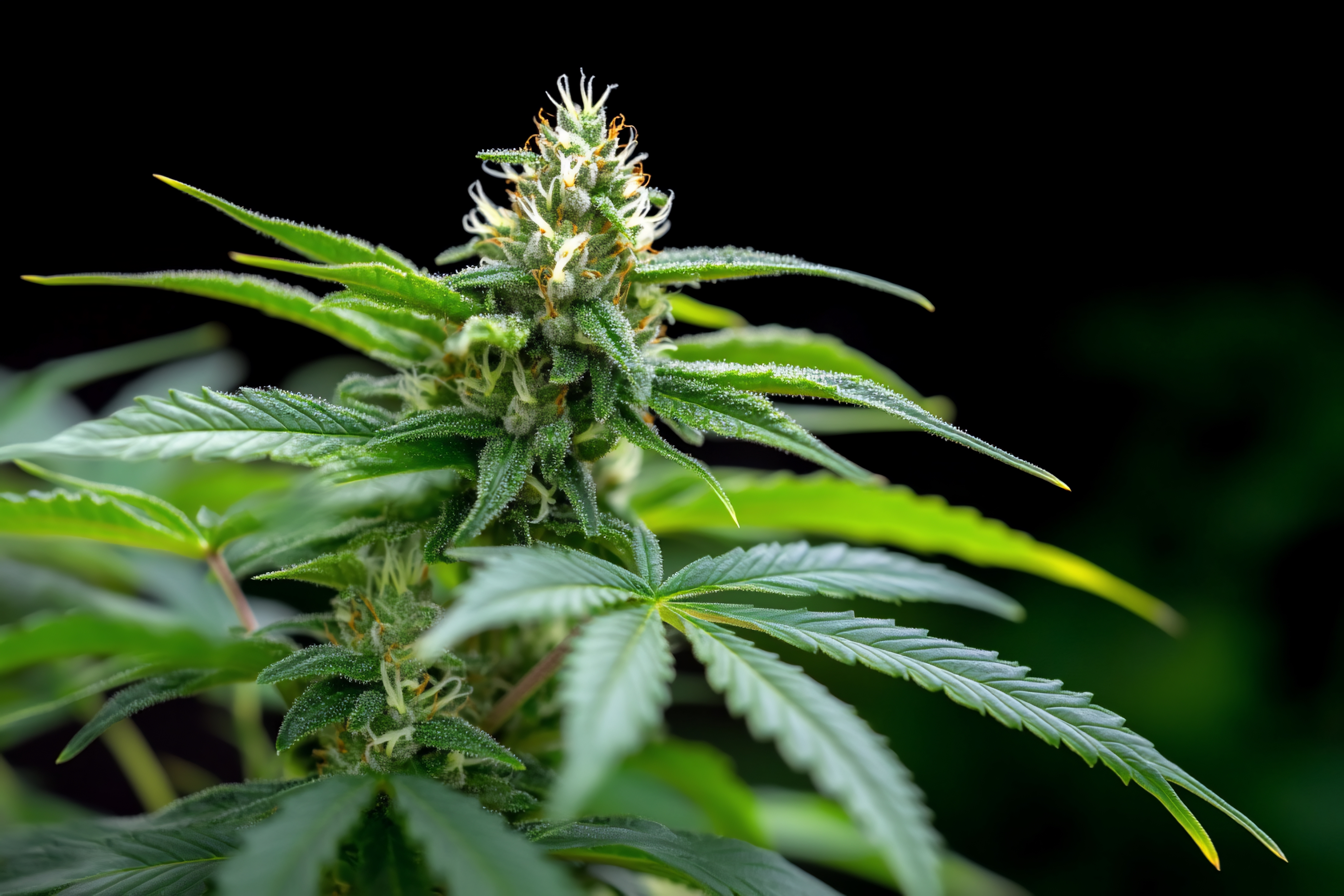


Choosing CBD seeds in the USA can seem simple at first. A buyer may see a seed pack labeled “high CBD,” “low THC,” or “hemp compliant” and think that the product is suitable for any growing plan. However, CBD seed selection involves more than choosing a popular strain or comparing the highest CBD percentage. The quality of the genetics, the type of seed, the growing environment, and local laws can all affect the final result.
CBD stands for cannabidiol. It is one of the natural compounds produced by cannabis plants. Unlike THC, CBD does not usually cause the strong intoxicating effect linked to marijuana. For this reason, CBD-rich plants are often grown for hemp flower, extracts, oils, and other products. Some growers may also select CBD varieties because they want plants with low THC levels. However, not every seed sold as a CBD seed will produce a plant that meets the legal definition of hemp.
The term “CBD seeds” usually refers to cannabis seeds bred to produce plants with higher levels of CBD. These seeds may come from hemp varieties or from CBD-rich cannabis strains. This difference is important. A hemp variety is usually bred to stay within the legal THC limit when it is grown under suitable conditions. A CBD-rich cannabis variety may contain much more CBD than THC but could still produce enough THC to be treated as marijuana under the law.
Buyers should not assume that a high CBD-to-THC ratio always means a plant is legally compliant. For example, a variety may have much more CBD than THC but still finish with a THC level above the legal hemp limit. The final cannabinoid content can be affected by genetics, plant maturity, heat, light, stress, soil conditions, and harvest timing. Seed descriptions can provide useful estimates, but they cannot promise the exact result of every plant.
Seed quality is another major part of the buying process. Healthy seeds may have a better chance of germinating, but their appearance alone cannot prove that they carry reliable genetics. Two seeds may look almost the same while producing very different plants. One may grow into a stable CBD-rich plant, while another may have weak growth, an uneven flowering time, or an unexpected THC level.
Reliable genetics are especially important for growers who want a uniform crop. Stable seeds are more likely to produce plants with similar height, structure, flowering time, and cannabinoid content. Poorly developed genetics may lead to large differences between plants. This can make feeding, training, harvesting, and testing more difficult.
The seed type also matters. Buyers may choose regular, feminized, autoflowering, or photoperiod CBD seeds. Each type has a different purpose. Feminized seeds are designed to produce mostly female plants, which are the plants that form the resin-rich flowers many growers want. Regular seeds can produce both male and female plants and may be useful for breeding. Autoflowering seeds tend to flower according to age, while photoperiod plants depend on changes in the daily light cycle.
The best choice depends on the buyer’s goals and growing space. A person growing indoors may need compact plants that respond well to training and finish within a set period. An outdoor grower may need seeds that can handle high humidity, hot summers, cool nights, or an early frost. Commercial growers may focus on uniform growth, machine harvesting, biomass production, or a predictable harvest date.
Flowering time should also be considered before ordering seeds. A variety that needs a long season may not finish well in a northern state with an early fall. A fast-flowering variety may be more suitable for short growing seasons or areas with heavy autumn rain. Plant size, mold resistance, pest tolerance, and expected yield should be matched to the growing location.
Legal rules are one of the most important parts of buying CBD seeds in the USA. The rules for possessing seeds may not be the same as the rules for germinating and growing them. A seed may be sold as a collectible, genetic, or novelty product, but this does not mean the buyer can legally plant it.
Hemp cultivation is controlled through federal, state, or tribal programs. Growers may need a license, crop registration, testing, and other records. Some locations allow certain forms of home cannabis cultivation, while others do not. Local city and county rules may also affect where plants can be grown. Buyers should check all current requirements before ordering seeds for cultivation.
Testing is important because a CBD-rich crop can still produce too much THC. A plant that exceeds the legal limit may no longer qualify as hemp. This can create serious problems for a grower, including crop disposal, financial loss, or penalties. Choosing well-tested genetics can reduce this risk, but it cannot remove it completely.
A trustworthy seller should provide clear details about the seeds. Useful information includes the breeder, parent genetics, seed type, expected CBD and THC range, flowering time, plant height, and suitable growing conditions. Germination data and recent laboratory reports may also help buyers compare products. Sellers should not make unrealistic promises about exact CBD levels, guaranteed legal compliance, or medical results.
Price can also affect a buying decision, but the cheapest option may not offer the best value. Low-cost seeds may have poor germination, mixed genetics, or limited testing. More expensive seeds are not always better, but a higher price may reflect breeding work, feminization, quality control, testing, storage, and packaging. Buyers should compare the full value of the product instead of looking only at the price per seed.
This guide explains how to choose CBD seeds based on legal status, seed type, genetics, growing goals, climate, quality, and seller reliability. It also covers common questions about shipping, THC content, pricing, storage, and beginner-friendly varieties. Understanding these points can help buyers avoid weak genetics, unsuitable strains, and legal problems.
The goal is not simply to find seeds with the highest advertised CBD percentage. The goal is to find stable, suitable, and well-documented seeds that match the buyer’s location and intended use. A careful selection process can improve plant health, simplify cultivation, and reduce the risk of unexpected results.
What Are CBD Seeds?
CBD seeds are cannabis seeds bred to produce plants that may contain higher levels of cannabidiol, also called CBD. CBD is one of the main natural compounds found in cannabis plants. Unlike tetrahydrocannabinol, or THC, CBD does not usually cause the strong intoxicating effect linked with marijuana.
The term “CBD seeds” can be confusing because the seeds themselves do not contain a useful amount of CBD. Instead, the name describes the type of plant that may grow from the seeds. Breeders select parent plants with certain traits and cross them over several generations. Their goal is to create seeds that can produce plants with a more predictable CBD level, THC level, growth pattern, and flowering time.
However, no seed can promise an exact result in every growing environment. Genetics provide the basic potential of the plant, but light, heat, soil, nutrition, stress, harvest time, and other conditions can affect the final cannabinoid levels. Buyers should understand these limits before choosing a CBD seed variety.
Definition of CBD-Rich Cannabis Seeds
CBD-rich cannabis seeds are seeds developed from plants that have been selected for high CBD production. These genetics may be used to grow plants for CBD-rich flowers, oils, extracts, or other legal products.
Breeders often begin by choosing parent plants with useful traits. One plant may have a high CBD level, while another may have better resistance to disease or a shorter flowering period. The breeder crosses the plants and then studies the offspring. Plants that show the desired traits are selected for further breeding.
This process may continue for several generations. The purpose is to make the genetics more stable. Stable genetics are more likely to produce plants that grow and flower in a similar way. They may also produce a more consistent ratio of CBD to THC.
Some CBD-rich varieties are designed to produce very little THC. Others are bred to produce both CBD and THC. For example, one variety may have a CBD-to-THC ratio of 20:1, while another may have a balanced ratio of 1:1. A high CBD ratio does not always mean that the plant will qualify as legal hemp. The final THC level must still meet the legal standard that applies to the grower’s location.
For this reason, buyers should read the entire seed description. They should not choose a variety based only on the words “high CBD.” They should review the expected CBD range, THC range, cannabinoid ratio, flowering time, seed type, and testing information.
CBD Seeds Versus Hemp Seeds
CBD seeds and hemp seeds are sometimes treated as the same product, but the terms may have different meanings. Hemp is a legal classification based mainly on the plant’s THC level. CBD is a cannabinoid that may be found in both hemp and marijuana plants.
CBD hemp seeds are usually bred to produce plants with high CBD and very low THC. These plants are often intended for licensed hemp production. Growers may use them for CBD flower, biomass, extraction, fiber, or other hemp products.
However, not every seed sold as a CBD seed will produce a plant that qualifies as hemp. Some CBD-rich cannabis plants can still contain enough THC to be classified as marijuana under federal or state law. This is common with balanced varieties that produce both CBD and THC.
The phrase “hemp seed” can also refer to seeds sold as food. Hemp hearts, hemp seed oil, and other food products usually come from industrial hemp seeds. These food seeds may be cleaned, processed, sterilized, or otherwise unsuitable for planting. They are not the same as viable planting seeds sold by a breeder or agricultural supplier.
Buyers should check how the seller uses each term. A reliable seller should clearly state whether the seeds are intended for hemp cultivation, CBD flower production, breeding, collecting, or another purpose. The seller should also provide information about expected THC levels and legal compliance.
CBD Seeds Versus Regular Cannabis Seeds
The phrase “regular cannabis seeds” can have two meanings. It may refer to cannabis seeds that are not focused on CBD production. It may also describe seeds that can produce both male and female plants.
When comparing cannabinoid types, CBD seeds are usually bred to produce plants with higher CBD levels. Traditional marijuana seeds are often bred for higher THC levels. The intended use of the mature plants is therefore different.
CBD-rich plants may be grown for non-intoxicating flower or CBD extraction. THC-rich plants are usually grown for their intoxicating or medical effects. Some cannabis varieties contain both compounds in similar amounts.
When comparing seed sex, regular CBD seeds may produce both male and female plants. Male plants produce pollen, while female plants produce the cannabinoid-rich flowers that many growers want. A grower using regular seeds must identify and manage male plants if the goal is to produce seedless flowers.
Feminized CBD seeds are bred to produce mostly female plants. These seeds are often chosen by growers who want to make better use of limited space. Autoflowering CBD seeds are another option. They begin flowering according to age instead of depending mainly on changes in the light cycle.
The label “CBD seed” does not explain all these features. A seed can be CBD-rich and also be regular, feminized, autoflowering, or photoperiod. Buyers must review each part of the product description to understand what they are purchasing.
Can CBD Be Found Inside the Seed?
CBD is not stored inside a cannabis seed in the same way that it is produced in mature flowers. Cannabinoids are mainly formed in tiny resin glands called trichomes. These glands develop most heavily on the flowers and nearby leaves of a mature female plant.
A seed contains the young plant embryo and the stored nutrients needed to begin growth. It also contains genetic instructions that influence the future plant. Those instructions may give the plant the potential to produce high levels of CBD, but the seed itself does not provide a clear test of the final cannabinoid content.
A person cannot look at a seed and know how much CBD the mature plant will produce. Seed size, color, pattern, and shell hardness may offer clues about maturity or condition, but they cannot confirm the CBD level.
The only practical way to measure the cannabinoid content is to test plant material after the plant has developed. Laboratory testing of mature flowers can show the levels of CBD, THC, and other cannabinoids. Even plants grown from the same seed variety may show some differences.
This is why breeder records and recent test reports are important. They can show what the genetics have produced under certain conditions. However, those reports should be treated as expected ranges, not as a promise that every plant will produce the same result.
CBD seeds are cannabis seeds bred to produce plants with the potential for higher CBD levels. The seeds do not contain a useful amount of CBD. Instead, they carry the genetics that guide the plant’s future growth and cannabinoid production.
CBD seeds may be classified as hemp seeds when the mature plants stay within the legal THC limit. However, some CBD-rich varieties can still produce too much THC to qualify as hemp. Buyers should therefore review the expected CBD and THC levels, cannabinoid ratio, seed type, genetic stability, and available test data.
Are CBD Seeds Legal in the USA?
The legal status of CBD seeds in the United States can be confusing. Several laws may apply to the same purchase. Federal law, state law, tribal rules, and local regulations can all affect whether a person may buy, receive, germinate, or grow CBD seeds.
The term “CBD seeds” does not create a special legal category. CBD seeds come from cannabis plants that have been bred to produce cannabidiol, or CBD. Some varieties are expected to produce hemp plants with very low THC levels. Other CBD-rich varieties may produce more THC and may be regulated as marijuana.
Buyers must understand that purchasing seeds and growing plants are not always treated in the same way. A seed may be available for sale, but planting it may still require a license or may be prohibited in a certain state.
Federal Rules for Hemp and Cannabis
Federal law separates hemp from marijuana mainly according to THC content. Hemp is generally defined as cannabis containing no more than 0.3% delta-9 THC on a dry-weight basis. Cannabis above this limit may be treated as marijuana under federal law. USDA materials continued to use this 0.3% standard in 2026.
CBD content does not decide whether a plant is legally hemp. A plant may contain a large amount of CBD, but it must still meet the legal THC limit. A seed seller may advertise a variety as high in CBD or low in THC. However, this description does not prove that every plant grown from those seeds will remain compliant.
Genetics strongly affect THC production, but the growing environment also matters. Heat, drought, plant stress, harvest timing, and other conditions may change the final cannabinoid level. For this reason, licensed hemp growers usually need to have their crops tested before harvest.
A plant that tests above the allowed THC level may be considered noncompliant. Depending on the applicable program and test result, the grower may need to destroy or dispose of the crop according to official rules. Buyers should therefore look for seeds with stable genetics and reliable test records, but they should not treat those records as a legal guarantee.
Federal hemp rules also involve more than the THC limit. Commercial producers may need to follow rules for licensing, reporting, sampling, laboratory testing, recordkeeping, and disposal. These requirements can vary depending on which government agency manages the hemp program in the grower’s area.
Possession Versus Cultivation
Possessing CBD seeds is not the same as germinating or cultivating them. This is one of the most important points for buyers to understand.
An ungerminated seed does not contain the same cannabinoid levels as the mature flower that may later grow from it. However, the legal right to own or receive a seed does not automatically include the right to plant it.
Cultivation means taking steps to grow a cannabis plant. This may include germinating the seed, placing it in soil, caring for the seedling, and allowing the plant to mature. Once germination begins, the activity may fall under state hemp or marijuana cultivation laws.
A person who wants to grow hemp for commercial purposes will usually need authorization under a state, tribal, or federal hemp program. The grower may need to submit an application, pay fees, provide details about the growing site, and pass a background check. The land or indoor growing area may also need to be registered.
Personal home cultivation is a separate issue. Some states allow adults or registered medical patients to grow a limited number of cannabis plants. Other states allow the sale or possession of certain cannabis products but do not permit home growing. Some states may allow hemp farming only through licensed commercial programs.
A buyer should never assume that a state’s legal CBD market means that CBD plants can be grown at home. The laws for finished CBD products, hemp farming, medical cannabis, and adult-use cannabis may all be different.
State and Tribal Hemp Regulations
The federal hemp program allows states and eligible Native American tribes to manage hemp production through approved plans. These plans may set rules for licenses, crop reports, sampling methods, testing laboratories, inspections, and handling noncompliant plants.
A grower must follow the plan that applies to the actual growing location. The rules may depend on whether the land is under state, tribal, or federal authority.
Some states operate their own approved hemp programs. Other areas may fall under a federal program managed by the USDA. Requirements can change, so buyers should review current information before ordering seeds for planting.
State and tribal plans may also place limits on approved varieties or seed sources. A program may request documents showing the variety name, seller, lot number, expected THC level, or previous test results. Commercial growers may need to keep seed labels, invoices, maps, planting dates, and production records.
Testing rules are especially important. A sample may need to be collected by an approved official within a set period before harvest. The entire crop may be affected if the sample tests above the legal THC limit.
Local rules may add another layer. Counties and cities may regulate land use, water access, odors, fencing, greenhouses, electrical systems, or indoor growing facilities. A state license may not remove the need for local approval.
Marijuana Laws and Home-Grow Restrictions
Some CBD-rich seeds are not designed to produce federally compliant hemp. A variety may contain high CBD while also producing enough THC to be treated as marijuana.
Balanced varieties are a common example. A seed described as having a 1:1 CBD-to-THC ratio may produce similar amounts of both cannabinoids. Even though the plant contains CBD, it will likely exceed the federal hemp THC limit.
These seeds may be legal to grow only in states that permit medical or adult-use cannabis cultivation. Even in those states, home growers may face strict limits.
Rules may control the grower’s age, number of plants, location of the garden, security, visibility, and possession of harvested cannabis. Medical patients may need a valid registration. Some states allow adults to possess cannabis but still prohibit home cultivation.
Renters must also consider lease rules. A state may permit home growing, while a landlord or housing agreement may prohibit it. Homeowners may face rules from local governments or homeowners’ associations.
Federal property creates added risk. Cannabis activities may remain prohibited on federal land or in federally managed housing even when state law allows them.
CBD buyers should therefore check the expected THC profile of the variety. They should also determine whether the seeds are intended for federally compliant hemp production or for a state-regulated marijuana market.
Can CBD Seeds Be Shipped Across State Lines?
CBD seeds are often sold online and shipped to buyers in different states. However, the ability of a seller to mail a package does not prove that the buyer may legally germinate or grow the seeds.
Interstate hemp rules generally protect the transportation of lawfully produced hemp. Still, the buyer must follow the laws that apply at the destination and at the growing site. A state may have special rules for importing agricultural seed, registering hemp varieties, or bringing cannabis genetics into the state.
Seed labeling laws may also apply. Packages may need to show the variety, lot number, seed count, germination rate, testing date, seller information, and other details. Commercial buyers should ask whether the seller provides the documents needed by their local hemp program.
Shipping policies also differ among sellers. Some companies will not ship to certain states or territories. Others may limit sales based on the buyer’s age, license status, or intended use. International shipping involves a separate set of customs and agricultural rules.
Buyers should read the seller’s shipping terms before paying. They should also check their state agriculture department, tribal authority, cannabis regulator, and local government rules.
The safest approach is to verify cultivation permission before ordering. Buyers should save invoices, package labels, genetic descriptions, laboratory reports, and shipping records. These documents may help show where the seeds came from and what the seller claimed about the variety.
CBD seeds may be available for purchase in the USA, but buying seeds and growing plants are separate legal matters. Federal hemp rules generally use a limit of 0.3% delta-9 THC on a dry-weight basis. CBD level alone does not decide whether a plant qualifies as hemp.
State, tribal, and local rules may require licenses, land registration, testing, reporting, and crop disposal. Home cultivation laws also vary widely. Some states allow limited personal growing, while others allow CBD sales but ban home cultivation.
What Types of CBD Seeds Are Available?
CBD seeds are sold in several forms, and each type has a different purpose. The main choices include feminized, regular, autoflowering, and photoperiod seeds. Buyers may also see seeds described as high-CBD, low-THC, or balanced CBD-to-THC varieties.
Choosing the right type depends on the grower’s goals, available space, legal rules, climate, and level of experience. Some seeds are better for flower production, while others are more useful for breeding or seed production. Certain varieties may also be easier to manage indoors or in areas with short growing seasons.
It is important to understand that the seed type and the cannabinoid profile are two separate features. For example, a seed can be both feminized and autoflowering. It can also be feminized and photoperiod. The terms describe different parts of the plant’s genetics and growth pattern.
Feminized CBD Seeds
Feminized CBD seeds are bred to produce female plants in most cases. Female cannabis plants are important because they develop the resin-covered flowers that contain most of the plant’s CBD, THC, and aromatic compounds.
Male plants do not produce the same type of flower. Instead, they produce pollen. When pollen reaches a female plant, the female plant begins making seeds. This can lower the amount and quality of seedless flower that the grower planned to harvest.
For this reason, many growers who want CBD-rich flowers choose feminized seeds. They reduce the need to identify and remove male plants during the early stages of growth. This can save space, time, soil, water, and other materials.
Feminized seeds may be a useful choice for small indoor gardens, greenhouses, and outdoor plots where every plant must produce usable flowers. They are also common among beginners because the plants are usually easier to manage than a mixed group of male and female plants.
However, feminized does not mean guaranteed female. A small number of plants may still develop male traits or both male and female flowers. Stress from heat, poor lighting, damage, watering problems, or unstable genetics may increase this risk.
Growers should still inspect the plants during the early flowering stage. This helps them notice unwanted pollen sacs before they open.
Regular CBD Seeds
Regular CBD seeds can produce both male and female plants. The ratio is often close to half male and half female, but the exact result can vary from one group of seeds to another.
These seeds are often used by breeders who want to create new varieties or preserve existing genetic lines. Male plants provide pollen, while female plants produce seeds after pollination. Breeders can select plants with useful traits and cross them to create future generations.
Regular seeds may also produce strong and natural growth because they have not gone through the same breeding process used to create feminized seeds. Some experienced growers prefer them when genetic diversity is important.
The main disadvantage is that buyers cannot know the sex of each plant when the seed is planted. The plants must grow for several weeks before their sex becomes clear. Male plants then need to be removed if the goal is seedless CBD flower.
This process requires more space and resources. A grower may plant ten regular seeds but end up with only five female plants. The other plants may use pots, soil, lighting, water, and nutrients before they are removed.
Regular CBD seeds are usually not the simplest option for a first-time grower. They are better suited to people who understand plant sex, pollen control, and breeding methods.
Autoflowering CBD Seeds
Autoflowering CBD seeds produce plants that begin flowering mainly because of age. They do not need a major change in the daily light schedule to move from the vegetative stage into the flowering stage.
Most autoflowering plants begin to flower a few weeks after germination. Their full life cycle is often shorter than that of photoperiod plants. Some may be ready for harvest within about two to three months, although the exact time depends on the variety and growing conditions.
This fast growth can be useful in areas with short summers or early frost. Outdoor growers may be able to complete more than one crop during a warm season. Indoor growers may also save time because the plants move through each stage quickly.
Autoflowering plants are often smaller and more compact than photoperiod plants. This can make them suitable for balconies, small tents, greenhouses, or gardens where height is limited.
Their small size may also make them easier to hide or protect. However, growers must still follow all local rules related to cultivation and plant numbers.
Autoflowering plants can be less forgiving of mistakes. Their short life cycle gives them little time to recover from damaged roots, overwatering, nutrient problems, or heavy training. A plant that becomes stressed during its first few weeks may remain small until harvest.
Growers should place autoflowering seeds in their final containers early. Moving them from one pot to another may slow their growth. Gentle care during the seedling stage is especially important.
Photoperiod CBD Seeds
Photoperiod CBD seeds produce plants that depend on changes in light exposure to begin flowering. Outdoors, these plants usually start flowering as summer days become shorter. Indoors, growers often change the lighting schedule to create longer periods of darkness.
Photoperiod plants may remain in the vegetative stage for as long as the grower continues to provide long periods of light. This gives the grower more control over plant size and shape.
A small plant can be kept in the vegetative stage until it becomes strong enough to flower. Growers can also use pruning, bending, or other training methods to create more flowering branches.
Photoperiod CBD plants are often larger than autoflowering plants. They may produce higher yields when they have enough time, light, nutrients, root space, and proper care.
They can also recover more easily from stress because the grower can delay flowering. A damaged plant may be given extra time to grow new leaves and roots before the light schedule is changed.
The main disadvantage is the longer growing period. Outdoor plants may need most of the season to mature. This can be a problem in areas with early frost, heavy fall rain, or high humidity.
Indoor growers also need a space that can provide complete darkness during the flowering period. Light leaks may confuse the plant and cause uneven flowering or stress.
Photoperiod seeds may be better for growers who want more control, larger plants, or higher potential yields. They may require more planning than autoflowering seeds.
High-CBD and Balanced CBD-to-THC Seeds
CBD seeds can also be grouped by their expected cannabinoid profile. High-CBD varieties are bred to produce much more CBD than THC. Some are designed to produce hemp plants that may remain within a legal THC limit.
These varieties may be described with ratios such as 20:1 or 30:1. This means the plant may produce around 20 or 30 parts CBD for every one part THC. The ratio is only an estimate and does not prove that the plant will meet hemp rules.
Balanced CBD-to-THC seeds produce plants with more similar amounts of CBD and THC. Common ratios may include 2:1 or 1:1. A 1:1 variety may produce nearly equal amounts of both cannabinoids.
Balanced varieties are not usually suitable for growers who must produce legal hemp. Even a plant with a large amount of CBD may still contain enough THC to be regulated as marijuana.
Buyers should review the expected CBD percentage, THC range, total THC data, test reports, and breeder records before choosing a variety. They should not rely only on the word “CBD” in the product name.
The growing environment can also affect the final cannabinoid levels. Heat, plant stress, harvest timing, soil conditions, and other factors may cause THC levels to rise. No seed can guarantee legal compliance under every condition.
The main CBD seed types are feminized, regular, autoflowering, and photoperiod seeds. Feminized seeds are often chosen for flower production because they are likely to produce female plants. Regular seeds are more useful for breeding but require growers to identify and manage male plants.
Autoflowering seeds grow quickly and stay fairly small, making them useful for short seasons and limited spaces. Photoperiod seeds take longer but give growers more control over plant size, recovery time, and flowering.
How to Read CBD Seed Descriptions and Cannabinoid Ratios
Choosing CBD seeds can be confusing because product descriptions often include percentages, ratios, test results, and terms that may not be clear to new buyers. A seed listing may say that a variety can produce 15% CBD, has a 20:1 CBD-to-THC ratio, or is suitable for hemp production. These details can be useful, but they must be read with care.
The information in a seed description usually comes from plants grown and tested by the breeder or producer. It does not mean that every seed will produce the same result. Genetics create the potential for certain cannabinoid levels, but the growing environment also affects the final crop.
Buyers should learn how to compare CBD percentages, cannabinoid ratios, THC figures, and laboratory reports before choosing a variety. This can help them avoid seeds that do not match their goals or legal requirements.
Understanding CBD Percentages
The CBD percentage listed in a seed description usually refers to the amount of cannabidiol found in the dried flowers of a mature plant. For example, a seller may state that a variety can produce between 12% and 18% CBD. This means that tested flowers from that genetic line have produced CBD levels within that range under certain growing conditions.
The percentage does not describe the amount of CBD inside the seed. Cannabis seeds contain little or no measurable CBD because cannabinoids mainly develop in the resin glands of mature flowers. A CBD seed is called a CBD seed because of its genetic potential, not because the seed itself contains a large amount of cannabidiol.
Buyers should also be careful when a seller lists only the highest test result. A variety advertised as producing “up to 20% CBD” may not produce 20% CBD in every plant. The phrase “up to” usually refers to the best result found during testing. Other plants from the same seed group may have lower levels.
A range is often more useful than a single number. A listing that states an expected CBD range of 10% to 15% gives buyers a clearer idea of possible results. It is also helpful when the seller explains where and how the plants were tested.
Higher CBD percentages are not always the only sign of good genetics. Some growers may prefer a stable variety with moderate CBD levels over a variety with high but uneven results. Stability, plant health, flowering time, THC control, and resistance to disease may be just as important as CBD strength.
Understanding CBD-to-THC Ratios
A CBD-to-THC ratio compares the expected amount of CBD with the expected amount of THC in the mature flowers. The first number normally represents CBD, while the second number represents THC.
For example, a 20:1 ratio means that the plant may produce about 20 times more CBD than THC. A 10:1 ratio means that the plant may produce about 10 times more CBD than THC. A 1:1 ratio means that CBD and THC may appear in similar amounts.
Ratios can help buyers understand the general cannabinoid balance of a variety. However, a ratio does not prove that the plant will meet the legal definition of hemp.
A plant may have a high CBD-to-THC ratio but still produce too much THC. For example, a plant with 10% CBD and 0.5% THC has a ratio of 20:1. The ratio sounds strongly CBD dominant, but the THC level may still be above a legal hemp limit.
Buyers should always review the actual THC percentage as well as the ratio. They should not assume that terms such as “CBD rich,” “low THC,” or “hemp variety” guarantee compliance.
Balanced CBD and THC seeds need even more care. A 1:1 variety may be useful in some legal cannabis markets, but it is unlikely to qualify as hemp because its THC level may be much higher than the allowed limit. Buyers who need compliant hemp genetics should focus on varieties bred for very low THC production.
Why Advertised Results Are Not Guaranteed
Seed descriptions often show expected CBD levels, THC levels, flowering times, and yields. These figures should be treated as estimates rather than promises.
Genetics strongly influence what a plant can produce, but the final result also depends on how the plant is grown. Temperature, light, water, nutrients, soil quality, stress, pests, disease, and harvest timing can all affect cannabinoid levels.
Strong light may help a healthy plant produce more resin, while weak light may reduce flower development. Poor nutrition can slow growth and lower the final yield. Too much fertilizer can also stress the plant and cause damage.
Heat and drought may place stress on CBD plants. Some forms of stress may raise THC levels, reduce CBD production, or cause uneven growth. A variety that remains within the hemp limit in one region may produce a different cannabinoid profile in another climate.
Harvest timing also matters. Cannabinoid levels change as flowers mature. Harvesting too early may lead to lower CBD levels. Harvesting later may allow more CBD to develop, but THC levels may also rise. Licensed hemp growers often use testing to decide when the crop should be harvested.
Differences can also appear between plants grown from seeds. Seeds are not exact copies in the same way that clones are. Even stable seed lines may show some natural differences in height, flowering speed, aroma, yield, and cannabinoid content.
For this reason, buyers should avoid sellers that promise exact results from every seed. Reliable sellers usually describe cannabinoid figures as expected ranges or potential results.
Total THC Versus Delta-9 THC
CBD seed buyers should understand the difference between delta-9 THC and total THC. This is especially important for people who plan to grow hemp under a regulated program.
Delta-9 THC is the main intoxicating form of THC found in cannabis. However, raw cannabis flowers also contain tetrahydrocannabinolic acid, known as THCA. THCA can change into delta-9 THC when it is heated or processed.
Total THC calculations often include both the measured delta-9 THC and the amount of THC that could come from THCA. This can create a higher result than the delta-9 THC number alone.
A test report may show low delta-9 THC but a higher total THC level. Buyers should not look at only one line of the report. They need to understand which testing method their state, tribal, or federal hemp program uses.
The rules may also explain when testing must happen, which plant parts must be sampled, and which laboratories can perform the test. A variety that appears compliant in a breeder’s report may still fail an official test if it is grown in different conditions or sampled at a later stage.
Seed sellers may provide useful information, but the grower is usually responsible for meeting the rules that apply to the crop. Buyers should verify current testing standards before planting.
Certificates of Analysis and Test Reports
A certificate of analysis, often called a COA, is a laboratory report that shows the results of a tested sample. For CBD seeds, the report usually comes from flowers grown from the seed variety rather than from the seeds themselves.
A useful report should clearly identify the variety or seed lot connected to the tested plants. It should include the laboratory name, test date, sample identification number, and cannabinoid results.
The cannabinoid section may list CBD, CBDA, delta-9 THC, THCA, total CBD, and total THC. Buyers should review the full profile instead of focusing only on the largest CBD number.
The date of the report matters because older results may not represent the seed batch currently being sold. Breeding lines may change over time, and different production lots may have different levels of stability.
Buyers should also check whether the laboratory appears to be independent from the seed seller. Independent testing can provide more confidence than a result produced only by the company selling the seeds.
One report from one plant is not enough to prove that every seed will perform the same way. Stronger documentation may include results from several plants, different growing locations, or several seasons. This type of information can show whether the variety produces steady results under different conditions.
A report should also match the claims in the product description. If a seller advertises 15% CBD and very low THC, the laboratory results should support those claims. Large differences between the listing and the report should be treated as a warning sign.
Reading CBD seed descriptions requires more than checking the highest CBD percentage. Buyers need to look at the expected CBD range, actual THC figures, cannabinoid ratio, testing method, and laboratory documentation.
CBD-to-THC ratios can help explain the balance of a variety, but they do not prove that the mature plants will qualify as hemp. A high-CBD plant may still produce more THC than allowed.
Advertised results are also affected by climate, light, nutrients, stress, harvest timing, and natural differences between plants. For this reason, cannabinoid figures should be viewed as expected results rather than guarantees.
How to Choose CBD Seeds for Your Growing Goals
Choosing CBD seeds starts with a clear goal. Not every CBD variety is suited to the same growing space or final use. Some seeds are bred for flower production, while others are better for biomass or extraction. Certain plants perform well indoors, while others need open outdoor space. Climate, plant size, flowering time, and grower experience also affect the choice.
Before buying seeds, think about what you want from the crop. You should also consider where the plants will grow, how much space is available, and how much control you have over the growing environment. A variety that works well in a greenhouse may not perform the same way outdoors in a humid area. The right choice should match your purpose, location, and skill level.
Choosing Seeds for CBD-Rich Flower
Growers who want CBD-rich flower should look for seeds bred for strong flower quality. These plants should produce dense buds with a stable cannabinoid profile. The seed description should include an expected CBD range and an estimated THC level. However, these numbers are not guaranteed. Growing conditions, plant stress, harvest time, and testing methods can change the final results.
A good flower variety should also have strong resin production. Resin contains many of the plant’s cannabinoids and aromatic compounds. Plants with well-developed flowers and visible resin are often preferred for dried CBD flower.
Plant structure is also important. Some CBD plants grow tall and narrow, while others grow short and wide. Indoor growers may prefer compact plants that fit under lights. Outdoor growers may choose larger plants that can use more space and sunlight.
Flowering time should match the growing plan. A fast-flowering variety may be useful in areas with early frost or heavy autumn rain. Longer-flowering varieties may need a stable indoor space or a warm outdoor season.
Mold resistance is another key concern. Dense flowers may hold moisture, especially in humid areas. Buyers in wet climates should look for varieties known for open plant structure and better airflow. These traits may reduce the risk of mold, although no plant is fully protected from disease.
Choosing Seeds for Biomass or Extraction
Biomass growers usually focus on total plant material rather than the appearance of individual flowers. These growers may use the harvested crop to produce CBD oil, extracts, or other processed products.
Uniform growth is very important for biomass production. Plants that grow at a similar speed and reach a similar height are easier to manage and harvest. Uneven plants may mature at different times, which can make large-scale production more difficult.
High CBD production is also a major goal. Buyers should review test results from the breeder or seed producer. The reports should show the expected cannabinoid range from mature plants. A high CBD percentage may improve the value of the crop, but the plant must also remain within the legal THC limit when required.
Commercial growers may prefer varieties that work well with machines. Plants with strong stems, even spacing, and similar maturity dates may be easier to harvest with equipment. Weak or uneven plants can slow down the process.
Disease resistance is also important because a disease can spread quickly through a large field. Buyers should look for information about resistance to common problems in their region. These may include mold, root disease, insects, heat, or drought.
Choosing Seeds for Indoor Cultivation
Indoor growing allows greater control over light, temperature, airflow, and humidity. However, indoor space is often limited. This makes plant size one of the most important factors when choosing seeds.
Compact plants are usually easier to manage indoors. A short or medium-sized variety can fit inside a grow tent or small room. Tall plants may grow too close to the lights and suffer heat damage.
Flowering time also affects indoor costs. A plant that takes longer to mature uses more electricity, water, and growing supplies. Fast-flowering CBD seeds may reduce the time between planting and harvest.
Odor should also be considered. Some CBD plants produce a very strong smell during flowering. This may require filters and better airflow systems. Seed descriptions often include information about aroma strength and terpene type.
Indoor growers should also think about plant training. Flexible branches may be easier to bend and shape. This can help the grower use the available light more evenly. However, beginners may prefer plants that grow well without complex training methods.
Heat tolerance is important because grow lights can raise the temperature. Some plants handle warm indoor rooms better than others. A stable growing environment is still needed, but suitable genetics can reduce stress.
Choosing Seeds for Outdoor Cultivation
Outdoor cultivation depends heavily on local weather. Buyers should choose seeds that match the climate in their area.
The length of the growing season is one of the first factors to check. Some CBD plants need many weeks to finish flowering. These plants may not mature before cold weather arrives in northern regions. Fast-flowering or autoflowering seeds may be more suitable for short seasons.
Rainfall and humidity also matter. Wet weather during flowering can increase the risk of mold and bud damage. In humid areas, growers should choose plants with good airflow and proven resistance to fungal problems.
Hot and dry regions create different challenges. Plants may face water stress, high temperatures, and dry soil. Seeds bred for heat and drought tolerance may perform better in these conditions.
Daylight hours can affect photoperiod plants. These plants begin flowering when the days become shorter. The exact timing changes by location. A variety that finishes well in one state may flower too late in another.
Outdoor growers should also consider pests. Insects, animals, and plant diseases may damage the crop. Strong genetics can help, but growers still need regular plant checks and proper care.
Choosing Seeds for Greenhouses
Greenhouses provide natural sunlight while offering more protection than an open field. They can reduce damage from heavy rain, strong wind, and sudden temperature changes. However, greenhouses can also trap heat and humidity.
CBD seeds for greenhouse use should have good disease resistance. Warm and moist air can allow mold to spread quickly. Plants with open branches and good airflow may be easier to manage.
Plant height should also be considered. Some greenhouse structures have limited roof space. Tall plants may reach the ceiling or block light from smaller plants. Medium-sized and uniform varieties are often easier to grow in rows.
Growers should also look for stable flowering times. Plants that mature together are easier to harvest and process. This is especially helpful in larger greenhouse operations.
Some greenhouse growers use added lights to control the growth cycle. Photoperiod seeds may work well in this setting because the grower can manage when flowering begins. Autoflowering seeds may also be useful when a shorter and simpler schedule is preferred.
Matching Seeds to Experience Level
The best CBD seeds for beginners are usually stable, strong, and easy to manage. New growers should avoid varieties that need very exact temperatures, complex feeding plans, or advanced plant training.
Beginner-friendly seeds often have good resistance to common stress. They may handle small changes in watering, temperature, or nutrients better than sensitive plants. This does not mean they can grow without care. It means they may recover more easily from minor mistakes.
Clear seed information is also important. A good product description should explain plant height, flowering time, expected CBD content, climate needs, and seed type. Growers should be careful with sellers that provide only a strain name and a high CBD claim.
More experienced growers may choose seeds with longer flowering periods or special growth needs. They may also work with regular seeds for breeding or select varieties with specific terpene profiles.
No matter the experience level, buyers should start with a realistic plan. The right seed is not simply the variety with the highest CBD percentage. It is the variety that fits the grower’s space, climate, budget, legal limits, and ability.
Choosing CBD seeds should begin with the final growing goal. Seeds for premium flower should offer good flower structure, resin production, stable cannabinoid levels, and suitable flowering time. Seeds for biomass should provide uniform growth, strong CBD production, and efficient harvest traits.
Indoor growers should focus on plant size, odor, heat tolerance, and flowering speed. Outdoor growers need to match the seeds to local frost dates, rainfall, humidity, daylight, and pest pressure. Greenhouse growers should consider plant height, airflow, disease resistance, and uniform maturity.
Experience also matters. Beginners often benefit from stable and resilient genetics with clear growing information. Experienced growers may select more demanding varieties for special goals. The best CBD seeds are those that match the intended use and the real growing conditions, not simply the strongest claims on the package.
How to Evaluate CBD Seed Quality
Choosing high-quality CBD seeds is one of the most important steps in planning a successful grow. Seeds affect plant health, growth speed, flowering time, CBD levels, and the risk of producing too much THC. Poor-quality seeds may fail to sprout or may produce weak and uneven plants. They may also have unstable genetics, which can make it harder to predict the final results.
A seed cannot guarantee a perfect plant. Light, water, nutrients, temperature, stress, and growing skill also affect plant development. Still, starting with healthy and stable seeds gives growers a stronger base. Buyers should review the physical condition of the seeds, germination data, genetic history, storage methods, and seller records before making a purchase.
Appearance and Physical Condition
Healthy cannabis seeds often have a hard outer shell and a smooth surface. Mature seeds may be brown, gray, tan, or dark green. Some seeds have spots, stripes, or marbled patterns. These markings are normal and may differ between varieties.
Very pale, soft, or green seeds may not be fully mature. Immature seeds often have lower germination rates because the embryo inside may not be ready to grow. Seeds with deep cracks, holes, crushed areas, or broken shells may also have trouble sprouting.
A gentle inspection can help buyers notice clear damage. A mature seed should usually feel firm when held between the fingers. However, growers should not squeeze it with strong pressure because even a healthy seed can crack.
Seed size does not always show quality. Some CBD varieties naturally produce small seeds, while others produce larger ones. A large seed is not always better than a small seed. Shell color and pattern also cannot prove that a seed has high CBD genetics. These features only provide basic clues about maturity and physical condition.
Buyers should also inspect the packaging. Seeds should arrive dry, clean, and protected from crushing. Water stains, mold, open packaging, or a bad smell may show that the seeds were stored or shipped under poor conditions.
Germination Rate
The germination rate shows the percentage of seeds that are expected to sprout under proper conditions. For example, a 90 percent germination rate means that about nine out of ten seeds may sprout during a controlled test. It does not mean that every buyer will achieve the same result.
Germination depends on moisture, temperature, oxygen, seed age, and handling. Seeds may fail when they become too wet, too dry, too cold, or too hot. Planting them too deeply may also slow growth or prevent seedlings from reaching the surface.
Reputable sellers may provide recent germination test results for a seed lot. Commercial buyers should look for the date of the test, the number of seeds tested, and the percentage that sprouted. A test from the same seed batch is more useful than a general claim about the variety.
Older seeds may still germinate, but their success rate often drops over time. Buyers who plan to store seeds for several months should ask about the harvest date or packaging date. They should also review the seller’s germination policy before ordering.
A seller may replace seeds that do not sprout, but the policy may include strict conditions. Some sellers require photos, order numbers, or proof that the correct germination method was used. Others may not offer replacements where cultivation is restricted.
Genetic Stability and Uniformity
Genetic stability means that seeds from the same variety are likely to produce plants with similar traits. Stable CBD genetics may produce plants with similar height, structure, flowering time, aroma, and cannabinoid content.
Unstable seeds can produce wide differences between plants. One plant may stay short while another grows very tall. Some plants may flower early, while others may need several more weeks. CBD and THC levels may also vary more than expected.
Uniform growth is especially important for commercial hemp farms. Plants that mature at the same time are easier to harvest, test, and process. Uniform plants also make it easier to manage irrigation, nutrition, spacing, and pest control.
Buyers should review information about the breeder and the parent plants. A clear genetic history can show that the variety has been selected and tested over several generations. Sellers should explain whether the seeds are regular, feminized, autoflowering, or photoperiod.
Buyers should also look for test data from several plants rather than one unusually strong sample. A single plant with a high CBD level does not prove that the entire seed line will perform the same way. Reliable data should show the expected range of results.
Stable genetics still do not remove every risk. Environmental stress can affect the amount of CBD and THC a plant produces. Heat, drought, poor nutrition, delayed harvest, and other forms of stress may change the final cannabinoid profile.
Seed Age and Storage Conditions
CBD seeds are living materials. Even when they are dry and inactive, they contain an embryo that may later develop into a plant. Heat, moisture, light, and large temperature changes can damage the embryo and reduce seed life.
Seeds should normally be kept in a cool, dark, and dry place. A stable environment is better than an area where temperatures change often. Direct sunlight, hot vehicles, damp rooms, and open containers can shorten seed life.
Moisture is a major concern. Too much moisture may cause mold or early germination. It may also damage the shell and allow harmful organisms to grow. Seeds should be stored in a sealed container that protects them from humidity.
Buyers should ask how seeds were stored before sale. Reliable sellers often use sealed packs, moisture-resistant containers, or other protective materials. The package should include the variety name, seed count, and batch or lot details when available.
Long-term storage may require cooler temperatures, but seeds should not be exposed to repeated warming and cooling. Condensation can form when a cold container is opened too quickly. Buyers should allow a sealed container to reach room temperature before opening it.
Pathogen and Disease Testing
Seeds may carry harmful fungi, bacteria, or other plant pathogens. Some problems may be found on the outer shell, while others may be harder to detect. Infected seeds can lead to weak seedlings, root disease, poor growth, or the spread of disease through a growing area.
Pathogen testing is especially important for commercial farms and licensed hemp producers. A disease that enters a large growing site can affect many plants and create serious financial loss.
Testing requirements are not the same in every state. Some buyers may need documents showing that the seeds meet agricultural or plant health rules. Large orders may require certificates, permits, or records from the producer.
Buyers should ask whether the seed lot has been inspected or tested for common problems. They should also check whether the seller follows clean production and storage practices. Seeds should be kept away from mold, insects, rodents, and dirty equipment.
Testing does not remove all risk, so growers should inspect new seeds and young plants carefully. Commercial growers may also keep new plant material separate until they are confident that it is healthy.
Warning Signs of Poor-Quality Seeds
Several warning signs may suggest that CBD seeds are low quality or poorly handled. Cracked shells, crushed seeds, mold, moisture damage, and open packaging are clear concerns. A large number of pale or soft seeds may also show that the seeds were collected too early.
Unclear product descriptions are another warning sign. A seller should provide basic details about the seed type, expected cannabinoid range, flowering time, and breeder. Claims such as guaranteed legal THC levels or guaranteed CBD percentages should be treated with care.
No seed company can fully control how a buyer grows the plants. Weather, nutrition, stress, and harvest timing may change the final THC level. A responsible seller should explain this risk rather than promise perfect legal compliance.
Buyers should also be careful when a seller does not provide contact information, return terms, shipping rules, or batch details. Prices that seem far lower than normal may point to old seeds, mixed genetics, poor storage, or false labeling.
Another warning sign is a product page that copies the same description across many varieties. Each CBD seed variety should have clear traits and growing details. A trusted seller should be able to answer basic questions about the genetics and seed source.
Evaluating CBD seed quality requires more than looking at color or size. Buyers should check the physical condition of the seeds, review germination data, study the genetic history, and ask how the seeds were stored. They should also look for clear batch information, health testing, and realistic claims about CBD and THC levels.
Healthy seeds should be firm, dry, and free from cracks, mold, and serious damage. Stable genetics are more likely to produce plants with similar growth patterns and cannabinoid profiles. Proper storage protects seed life, while clean production lowers the risk of disease.
How to Identify a Reputable CBD Seed Seller in the USA
Choosing the right CBD seed seller is just as important as choosing the right seed variety. Even seeds with attractive descriptions may not perform well if they come from weak, unstable, or poorly stored genetics. A reliable seller should provide clear information about the business, the seeds, and the terms of the purchase.
Buyers should not select a seed seller based only on price or a high advertised CBD level. They should study the company, read the product details, review available test records, and understand the replacement policy before placing an order. These steps can lower the risk of receiving damaged seeds, mislabeled genetics, or varieties that do not match the buyer’s growing plans.
Clear Business and Contact Information
A trustworthy seller should make it easy for buyers to identify the company. The website should show the business name, contact details, customer service options, and basic company information. Buyers should be able to find a working email address, contact form, or phone number.
A physical business address may also provide an added level of trust. However, some online sellers may use a mailing or office address that is different from the place where seeds are produced or stored. Buyers should look for a clear explanation instead of assuming that every listed address is a farm or seed facility.
The website should also include terms and conditions, shipping information, privacy rules, and refund policies. These pages should be written clearly. A seller that hides important terms or makes it difficult to ask questions may be harder to deal with if there is a problem.
Customer service should be able to answer basic questions about seed type, flowering time, expected plant size, and shipping. Staff members should not need to give growing advice in areas where cultivation may not be legal. However, they should understand the products they sell and explain the available records.
Detailed Genetic Information
A reputable CBD seed seller should provide more than a variety name and a picture. Each product page should include useful details about the expected plant.
Important information may include whether the seeds are feminized, regular, autoflowering, or photoperiod. The page should also explain the expected CBD range, THC range, flowering period, plant height, climate preference, and possible harvest time.
Parent genetics are also useful. They help buyers understand how a variety was developed and what traits may appear in the next generation. However, listing parent names alone is not enough. A seller should also explain whether the variety has been stabilized and tested.
Stable seeds are more likely to produce plants with similar traits. Unstable genetics may create large differences in height, flowering time, aroma, yield, and cannabinoid content. Some variation is normal because seeds are living genetic material. Still, buyers should expect a reasonable level of consistency from a well-developed variety.
Sellers should avoid presenting estimated results as promises. A mature plant’s final CBD and THC levels can change based on light, temperature, nutrients, water, stress, harvest timing, and other growing conditions. Honest product descriptions should explain this limit.
Independent Laboratory Documentation
Laboratory records can help buyers understand the potential cannabinoid profile of a CBD variety. A reliable seller may provide reports from plants grown from the same genetics or from a related production batch.
Buyers should check whether the report includes the name of the laboratory, the sample date, the variety or batch name, and the measured cannabinoid levels. The report should be clear enough to connect it with the product being sold.
An independent laboratory is generally more useful than a seller’s own unsupported statement. However, even a third-party report does not guarantee that every future plant will produce the same result. The test only shows what was found in the sample that was examined.
Older reports may be less useful if the breeding line has changed or if the seller cannot confirm that the current seeds came from the same genetics. Buyers should look for recent and relevant records when possible.
A test report should not be used as the only reason to buy. It should be reviewed together with the product description, genetic history, seller policies, and local legal requirements.
Transparent Hemp-Compliance Information
Reliable sellers should explain the difference between a CBD-rich variety and a legally compliant hemp crop. These terms are related, but they are not always the same.
A seed variety may have the potential to produce plants with low THC. However, the final crop may still exceed the legal limit under certain growing conditions. Heat, plant stress, late harvesting, genetic variation, and other factors may raise THC levels.
A trustworthy seller should not promise that every plant will remain legally compliant. Instead, the seller should provide test information and explain the expected range. The buyer remains responsible for following the rules that apply in the growing area.
Commercial hemp growers may need approved licenses, crop registration, official sampling, and laboratory testing. Home growers may face different state or local restrictions. A seller should not suggest that purchasing seeds automatically gives the buyer the right to grow them.
Clear legal notices show that the seller understands the limits of the product. Buyers should be careful when a website claims that its seeds are legal to grow everywhere in the United States. Cultivation laws are not the same in every state.
Seed Replacement and Germination Policies
Before ordering, buyers should read the seller’s replacement and germination policies. These rules explain what may happen if seeds arrive damaged, the package contains the wrong number of seeds, or some seeds fail to germinate.
Some sellers replace unopened packages that were damaged during shipping. Others may replace seeds only when the buyer follows a stated germination method. The buyer may need to send photographs, packaging details, or order information.
A seller may also limit how long a customer has to report a problem. For example, damaged packaging may need to be reported soon after delivery. Buyers should inspect the order as soon as it arrives.
A replacement policy does not always mean that every failed seed will be replaced. Seed viability can be affected by storage, handling, moisture, temperature, and germination methods. Clear policies help both the seller and buyer understand what is covered.
The best policies are easy to find and written in plain language. Buyers should save their order receipt, packaging, labels, and any messages sent to customer service.
Red Flags When Shopping Online
Several warning signs may suggest that a CBD seed seller is not reliable. One major concern is a website that provides no business name, no contact details, and no clear customer service process.
Buyers should also be careful when product descriptions make extreme claims. Examples include guaranteed CBD levels, guaranteed legal compliance, perfect germination, or unusually large harvests under all growing conditions. Living plants cannot be controlled with that level of certainty.
Very low prices may also be a warning sign, especially when the seeds are described as rare, fully tested, and highly stable. Low prices do not always mean poor quality, but buyers should ask why the seeds cost much less than similar products.
Copied descriptions, low-quality images, missing policies, and broken website pages can also show poor business practices. Payment methods may provide another clue. A seller that accepts only hard-to-trace payment methods and offers no buyer protection may create more risk.
Buyers should also avoid sellers that make medical promises. CBD seeds do not diagnose, treat, or cure health conditions. Sellers should describe genetics and plant traits without making unsupported health claims.
A reputable CBD seed seller should provide clear business information, detailed genetic descriptions, relevant laboratory records, and honest statements about hemp compliance. The seller should also explain shipping, replacement, and germination policies before the buyer places an order.
Buyers should avoid companies that hide contact details, make guaranteed legal or growing claims, or provide little information about the seeds. Careful research can reduce the risk of receiving damaged, unstable, or mislabeled genetics.
How Much Do CBD Seeds Cost in the USA?
The price of CBD seeds in the USA can vary widely. Some seed packs may cost less than $30, while rare or carefully tested genetics may cost much more. Bulk commercial orders can also reach hundreds or thousands of dollars. The final price depends on the type of seed, the breeder, the number of seeds, the quality of the genetics, and the amount of testing completed before sale.
Buyers should avoid choosing CBD seeds based only on the lowest price. Cheap seeds may seem like a good deal at first, but poor germination, unstable genetics, or unexpected THC levels can create serious problems later. A better approach is to compare the total value of the seeds, including their quality, expected performance, seller support, and available test records.
Typical Factors Affecting Seed Prices
Several factors can affect how much CBD seeds cost. One of the biggest factors is the amount of time and work needed to create the variety. Breeders may spend years crossing plants, selecting the best traits, and testing later generations. This process helps create more stable plants with similar growth patterns, flowering times, and cannabinoid levels.
Seed testing may also increase the price. Reliable producers may test germination rates, plant health, CBD levels, THC levels, and genetic traits. These tests cost money, but they give buyers more useful information. Seeds sold with clear laboratory records may cost more than seeds with no testing or limited product details.
The reputation of the breeder or seed company can also affect the price. Established companies often charge more because they have a longer record of producing stable genetics. However, a high price does not always prove that the seeds are better. Buyers should still review the product description, test data, policies, and seller information before making a purchase.
Packaging and storage can also add to the cost. Quality packaging protects seeds from moisture, heat, light, and physical damage. Some companies use sealed containers, protective tubes, or moisture-resistant packs. These steps may raise the price slightly, but they can help protect seed viability during storage and shipping.
Feminized Versus Regular Seed Prices
Feminized CBD seeds usually cost more than regular seeds. Feminized seeds are developed to produce mostly female plants. Female plants are important for growers who want CBD-rich flowers because male plants do not produce the same type of usable flower.
Producing feminized seeds requires special breeding methods. The breeder must create pollen from a female plant and use it to pollinate another female plant. The process must be controlled carefully to reduce the chance of unwanted traits. This extra work often makes feminized seeds more expensive.
Regular CBD seeds can produce both male and female plants. They are often less expensive, but growers may need to plant more seeds to get the number of female plants they want. They must also identify and remove male plants if seedless flower production is the goal. This takes more space, time, and labor.
For a breeder or someone who wants to create new varieties, regular seeds may offer greater value. Male plants are needed for many traditional breeding projects. For a grower focused only on CBD flower, feminized seeds may be more practical even when the price per seed is higher.
Autoflowering Versus Photoperiod Prices
Autoflowering CBD seeds may cost more than some standard photoperiod seeds. Autoflowering genetics begin flowering according to age instead of waiting for a major change in the light cycle. This trait comes from cannabis varieties that developed in regions with short growing seasons.
Creating stable autoflowering CBD genetics can take careful breeding. The breeder must combine the autoflowering trait with strong CBD production, acceptable yields, good plant structure, and low THC potential. It may take several generations to produce reliable results.
Photoperiod CBD seeds begin flowering when the amount of daily light decreases. These seeds give growers more control over the length of the vegetative stage. Indoor growers can keep plants growing longer before changing the light schedule. Outdoor growers must choose varieties that finish before cold weather or heavy seasonal rain arrives.
The price difference between autoflowering and photoperiod seeds is not always large. Some common autoflowering varieties may cost less than rare photoperiod genetics. Buyers should compare the full product details instead of assuming one type will always be more expensive.
Retail Packs Versus Bulk Seed Orders
CBD seeds sold in small retail packs often have a higher cost per seed. A pack may include three, five, ten, or twelve seeds. These small packs are useful for buyers who have limited space or want to test a variety before making a larger purchase.
Bulk seed orders are usually intended for licensed commercial growers. These orders may include hundreds or thousands of seeds. The total cost is much higher, but the price per seed may be lower. Seed companies may offer volume discounts based on the size of the order.
Commercial buyers should not choose bulk seeds only because the per-seed price is low. They should first ask for germination results, cannabinoid test data, production history, and information about genetic uniformity. A small difference in seed quality can have a major effect when thousands of plants are involved.
Some sellers may also require proof of a hemp-growing license before they approve a large order. Shipping rules, contracts, and replacement policies may also be different for commercial sales. Buyers should review all terms before paying for a bulk order.
Additional Costs Beyond the Seeds
The seed price is only one part of the total growing cost. Buyers may also need to pay for licenses, permits, soil, containers, water systems, lighting, nutrients, pest control, security, and laboratory testing. These costs can be much higher than the price of the seeds.
Indoor growing usually requires lights, fans, timers, filters, and climate-control equipment. Electricity can become a major ongoing expense. Outdoor growing may reduce lighting costs, but growers may need fencing, irrigation, soil preparation, and protection from weather or pests.
Licensed hemp growers may also need to pay for official sampling and THC testing before harvest. If the crop exceeds the legal THC limit, the grower may face extra costs for disposal or corrective action. This is one reason why stable genetics and clear test records are so important.
Labor is another major cost. Plants must be inspected, watered, trained, tested, harvested, dried, and stored. Regular seeds may require extra labor because male plants must be found and removed. Varieties that mature at different times may also increase harvest labor.
Buyers should create a full budget before ordering seeds. A low seed price will not help if the variety requires costly equipment, has poor resistance to local diseases, or cannot finish within the available growing season.
Why the Cheapest Seeds May Cost More Later
Very cheap CBD seeds may create hidden costs. Some may have low germination rates, which means fewer plants will grow. A buyer who needs ten healthy plants may need to purchase many more than ten low-quality seeds.
Unstable genetics can also produce plants with different heights, flowering times, CBD levels, and THC levels. This makes the crop harder to manage. Some plants may finish early, while others may need several more weeks. Uneven plants may also require different feeding, spacing, and harvest plans.
The greatest risk may be an unexpected rise in THC. Seeds advertised as hemp genetics do not guarantee that every plant will remain under the legal limit. However, well-tested and stable genetics may lower the risk. Poorly documented seeds may give the buyer little information about how the plants performed in earlier tests.
Cheap seeds may also come with weak customer support or no replacement policy. If the package arrives damaged or the seeds fail to germinate, the buyer may lose the full purchase price. A reliable seller may charge more but offer clearer policies, better records, and support when a problem occurs.
CBD seed prices in the USA depend on seed type, genetic stability, testing, breeder reputation, packaging, and order size. Feminized and autoflowering seeds may cost more because they often require more complex breeding. Bulk orders may reduce the price per seed, but commercial buyers must study quality and compliance records before making a large purchase.
How to Compare Popular CBD Seed Varieties
Choosing between CBD seed varieties can be difficult because many products make similar claims. A seller may describe a variety as high in CBD, low in THC, easy to grow, and able to produce a large harvest. However, these claims do not always tell the full story. Each variety has its own growth pattern, flowering time, climate needs, and possible cannabinoid range.
Buyers should compare several traits before making a decision. The best choice depends on the growing space, local weather, legal rules, experience level, and intended use of the plants. A variety that performs well in a controlled indoor room may not be suitable for a cold or wet outdoor area.
Expected CBD and THC Range
The expected CBD and THC range is one of the first details buyers should review. Seed sellers often provide an estimated CBD percentage based on plants grown and tested under certain conditions. Some varieties may produce flowers with CBD levels above 10%, while others may reach much higher levels.
These percentages should be treated as estimates. They are not fixed results. The final cannabinoid content can change due to plant stress, soil quality, temperature, light strength, nutrients, and harvest timing. Two plants from the same seed variety may not produce exactly the same CBD level.
THC information is just as important. A variety may be called low THC, but that does not always mean it will remain within the legal hemp limit. Buyers should look for a tested range instead of a simple claim such as “hemp compliant.” A range gives a clearer picture of how the variety may perform.
The CBD-to-THC ratio should also be reviewed. A 20:1 variety may produce much more CBD than THC. A 1:1 variety may produce similar amounts of both cannabinoids. Balanced varieties may not qualify as hemp, even when they are rich in CBD.
Flowering and Harvest Time
Flowering time tells the grower how long a plant may need to develop mature flowers after the flowering stage begins. Some CBD varieties finish in about seven or eight weeks. Others may take ten weeks or longer.
This information is important for both indoor and outdoor growers. Indoor growers must plan how long the plants will use lights, water, nutrients, and growing space. A longer flowering period may increase operating costs.
Outdoor growers must compare flowering time with the local season. A late-finishing variety may face frost, heavy rain, or cold temperatures before it is ready to harvest. In humid areas, plants that flower for a long time may also face a higher risk of mold.
Autoflowering CBD varieties often have a shorter total growth cycle. They may be useful in areas with short summers or for growers who want a faster harvest. Photoperiod varieties usually take longer, but they may allow more control over plant size and growth.
Buyers should not choose a variety only because it finishes quickly. The plant must also have the right cannabinoid profile, structure, and resistance to local problems.
Plant Height and Growth Structure
CBD plants can grow in many different shapes and sizes. Some varieties stay short and compact. Others grow tall with long branches. Plant structure affects how much space the crop needs and how easy it is to manage.
Compact plants may be a better choice for indoor rooms, small greenhouses, balconies, or low grow tents. Shorter plants are often easier to place under lights. They may also be easier to inspect and maintain.
Tall plants may work well in open outdoor fields where space is not limited. However, they may need support during strong winds or heavy rain. Large plants can also be harder to hide, move, or cover during bad weather.
Branch spacing is another useful trait. Plants with open branches often have better airflow. Good airflow can help reduce moisture around the leaves and flowers. Dense plants may produce many flower sites, but they can trap humidity if they are not managed well.
Growers should also consider whether the variety responds well to plant training. Some plants handle bending, pruning, or topping better than others. Buyers with limited space may prefer varieties that can be shaped without becoming weak or stressed.
Climate and Stress Resistance
Climate suitability is one of the most important parts of comparing CBD seeds. A variety that grows well in a dry western state may struggle in a warm, humid southern region. Local temperature, rainfall, sunlight, and frost dates should guide the final choice.
Growers in humid areas should look for varieties with good resistance to mold and fungal disease. Dense flowers may hold moisture after rain or during cool nights. Open plant structures and strong airflow can reduce this risk.
Dry and hot areas create different problems. Plants may face water stress, heat damage, and dry soil. A heat-tolerant variety may perform better under these conditions.
Cold climates require varieties that finish early and can handle lower temperatures. A long-flowering plant may not mature before the first frost. In these areas, fast photoperiod or autoflowering varieties may be more practical.
Pest resistance also matters. No cannabis variety is fully protected from insects, but some plants are stronger or less sensitive than others. Strong genetics may recover more easily from small changes in water, temperature, or nutrients.
Beginner growers should often choose stable and forgiving varieties. Sensitive genetics may require careful control of every growing condition. A resilient variety can reduce the risk of serious problems caused by small mistakes.
Aroma and Terpene Profile
Terpenes are natural compounds that help create a plant’s aroma and flavor. CBD varieties may smell like citrus, pine, berries, flowers, herbs, earth, or spices. Some varieties have a mild scent, while others produce a very strong odor.
The terpene profile may matter to buyers who are growing flowers for personal use, retail products, or extraction. Certain aromas may be more attractive to customers or better suited to a planned product.
However, aroma does not prove CBD strength or legal compliance. A strong-smelling plant is not always more potent. A sweet or fruity scent also does not mean the plant is safer, healthier, or lower in THC.
Indoor growers should consider odor strength because strong varieties may require better ventilation and odor control. Outdoor growers may also need to think about nearby homes or public areas.
Terpene descriptions should be treated as expected traits rather than exact promises. Growing conditions, drying methods, and storage can change the final smell and flavor.
Yield Potential
Many CBD seed listings include an expected yield. This may be shown as grams per square meter for indoor plants or grams per plant for outdoor crops. These numbers can help buyers compare varieties, but they should not be viewed as guaranteed results.
Yield depends on many factors. Light quality, plant size, container size, soil, nutrients, watering, climate, pest control, and grower skill all affect the final harvest. A high-yield variety can still produce a small crop under poor conditions.
Buyers should also consider the type of yield they need. A commercial grower may want large amounts of biomass for extraction. A flower grower may care more about flower quality, shape, aroma, and cannabinoid content.
A plant with a lower total yield may still have value if it produces stable CBD levels and remains easier to manage. A very large harvest can become a problem if the plants finish late or test above the legal THC limit.
Yield should be compared with flowering time and plant size. A fast, compact variety may produce less per plant but allow more harvest cycles. A large outdoor variety may produce more, but it may also require more land, water, and labor.
Questions to Ask Before Selecting a Variety
Before buying CBD seeds, the buyer should gather as much information as possible. One important question is whether the variety has been grown and tested in a climate similar to the buyer’s location. Regional results may be more useful than tests from a very different environment.
Buyers should ask whether the cannabinoid reports come from a single plant or several plants. Results from several plants may give a better picture of genetic stability. They should also ask how recent the tests are and whether the seed batch matches the tested genetics.
Another important question is how often the variety remains within the required THC limit. No seller can promise that every plant will remain compliant under every condition. Still, a seller should be able to explain the variety’s testing history and expected THC range.
The buyer should confirm whether the plant is feminized, regular, autoflowering, or photoperiod. These seed types require different planning. It is also useful to ask about germination rates, replacement policies, flowering dates, and resistance to common diseases.
Finally, the buyer should compare the variety with the available growing area. Plant height, odor, harvest time, equipment, local climate, and legal limits must all fit the planned project.
Comparing CBD seed varieties requires more than looking at the highest CBD percentage or the lowest price. Buyers should review the expected CBD and THC range, flowering time, plant size, growth structure, climate needs, terpene profile, and yield potential.
The best variety is one that matches the grower’s location, legal requirements, space, experience, and intended use. Advertised percentages and yield figures should be treated as estimates because final results depend on both genetics and growing conditions.
Careful comparison can help buyers avoid plants that finish too late, grow too large, struggle in the local climate, or produce more THC than expected. Reliable test records, clear variety details, and stable genetics provide a stronger basis for choosing CBD seeds in the USA.
Ordering, Receiving, and Storing CBD Seeds
Buying CBD seeds involves more than choosing a variety and placing an order. Buyers must think about local laws, shipping rules, product condition, records, and proper storage. These steps can help reduce legal problems, protect seed quality, and prevent waste. Careful planning is especially important because rules for hemp and cannabis are not the same in every state.
Confirming Local Rules Before Ordering
Before ordering CBD seeds, buyers should check the laws that apply in their area. A seed may be available online, but that does not always mean it is legal to germinate or grow it. Seed possession, seed shipping, and plant cultivation may be treated as separate activities under the law.
Federal rules define hemp based on its THC level. However, state, tribal, county, and city rules may add more limits. Some states allow licensed hemp farming but do not allow home cultivation. Other states may allow adults or medical patients to grow certain cannabis plants. Local zoning rules may also control where plants can be grown.
Buyers who plan to grow hemp for business purposes may need a license. They may also need to follow rules for planting reports, crop testing, inspections, and harvest dates. A crop that produces too much THC may need to be destroyed or handled under special rules.
The safest step is to check official government sources before ordering or planting seeds. Buyers should not rely only on a seller’s product page. A seed bank may ship to a location even when cultivation is restricted there. The buyer is usually responsible for following the law.
Reviewing Shipping Restrictions
CBD seed sellers may have different shipping rules. Some sellers ship across the United States, while others limit delivery to certain states. Buyers should read the seller’s shipping page before completing a purchase.
The shipping policy should explain delivery times, tracking options, packaging methods, and possible restrictions. It may also explain whether a signature is needed. Some businesses require buyers to meet a minimum age. Others may ask the buyer to confirm that the seeds will be used only in a legal way.
International shipping often has more limits. Seeds that can be sold in one country may not be allowed into another country. Customs officers may delay, return, or seize a package. For this reason, buyers should avoid placing an international order without checking import laws.
Discreet packaging does not make an illegal order legal. It only means that the package does not clearly show what is inside. Buyers should still make sure the order follows all local rules.
The buyer should also review what happens if a package is lost, delayed, damaged, or taken by customs. A reliable seller should explain whether it offers a refund, replacement, or store credit.
Inspecting the Package After Delivery
CBD seeds should be inspected soon after they arrive. Buyers should first check the outside of the package for signs of damage. Crushed boxes, torn envelopes, wet areas, or broken seals may show that the seeds were not protected during shipping.
The buyer should then confirm the seed count. The number of seeds inside the package should match the order. Each variety should have a clear label. The label may include the strain name, seed type, lot number, production date, or breeder name.
The seeds should also be checked for cracks, chips, mold, or moisture. A damaged shell may lower the chance of germination. Soft or crushed seeds may also be unusable. Seed color can vary, so buyers should not reject seeds based on color alone. Some healthy seeds are dark and patterned, while others are light and plain.
Any problem should be photographed before the package is thrown away. Sellers may ask for pictures of the seeds, packaging, shipping label, or invoice before approving a claim.
Buyers should contact the seller as soon as possible if seeds are missing or damaged. Many businesses have a short time limit for reporting delivery problems.
Keeping Purchase and Genetic Records
Good records can help buyers track seed quality and prove where the seeds came from. This is useful for home growers, but it may be required for licensed hemp producers.
Important records include the order receipt, invoice, seed package, breeder information, tracking number, and payment details. Buyers should also save the product page or variety description. Online listings may change or be removed later.
Genetic records may include the expected CBD range, expected THC level, flowering time, plant type, and recommended growing conditions. Certificates of analysis and germination test results should also be saved when available.
Licensed hemp growers may need to show records during an inspection. They may need to report where the seeds were planted, how many acres were used, and which variety was selected. Clear records can make these tasks easier.
Records are also useful when comparing results. A grower can note which seeds germinated, how long the plants took to flower, and whether the final crop remained within the legal THC limit. This information can help the grower make better buying choices in the future.
Digital copies should be stored in a safe folder. Paper records should be kept away from water, heat, and direct sunlight.
Proper Seed Storage
CBD seeds may remain usable for a long time when they are stored correctly. Heat, light, moisture, and sudden temperature changes can lower seed quality.
Seeds should be kept in a cool, dark, and dry place. A sealed container can help protect them from moisture and pests. Small glass jars, sealed bags, or original breeder packages may work well if they are clean and dry.
A small moisture-control packet may help keep the storage area dry. However, seeds should not come into direct contact with wet materials. Too much moisture can cause mold or early germination.
Room temperature may be acceptable for short-term storage if the room stays cool and stable. For longer storage, some buyers use a refrigerator. The seeds should be placed in an airtight container before refrigeration. This helps protect them from moisture and strong temperature changes.
The container should not be opened often. Warm air can enter and create condensation on cold seeds. Before opening a refrigerated container, it is better to let it reach room temperature.
Seeds should also be labeled. The label should include the variety name, purchase date, seed type, and seller. Clear labels prevent varieties from being mixed together.
Common Buying Mistakes to Avoid
One common mistake is ordering seeds before checking local cultivation laws. A buyer may legally receive seeds but still break the law by planting them. Rules should always be checked first.
Another mistake is choosing seeds based only on the advertised CBD percentage. A high CBD number does not guarantee strong plants, legal THC levels, or good results. Buyers should also review flowering time, seed type, genetic stability, and climate needs.
Some buyers confuse CBD-rich cannabis seeds with legal hemp seeds. A CBD-rich variety may still produce more THC than the hemp limit. This can create serious problems for growers who need a compliant crop.
Ignoring the seller’s policies is another mistake. Buyers should read the shipping, refund, replacement, and germination rules before paying. Some sellers do not replace seeds after germination has been attempted.
Poor storage can also damage seeds before they are planted. Leaving seeds in a hot vehicle, damp room, or sunny window may reduce their germination rate.
Finally, buyers should avoid sellers that provide little information. Missing contact details, unclear genetics, false health claims, and guaranteed results are warning signs.
Top 10 Questions About CBD Seeds in the USA
Many buyers ask whether CBD seeds are legal in the United States. The answer depends on the seed, its intended use, and the laws in the buyer’s location. Possessing seeds may be allowed while growing them is restricted.
Another common question is whether seeds can be shipped to every state. Many sellers ship widely, but state rules may still limit possession or cultivation.
Buyers also ask whether it is legal to grow CBD plants at home. Home-growing laws vary, so local rules must be checked.
CBD seeds and hemp seeds are not always the same. Hemp seeds are normally linked to plants bred to meet legal THC limits. CBD seeds may include genetics that produce more THC.
People often ask where to buy CBD seeds. Buyers should choose established sellers that provide clear genetic details, business information, and customer policies.
Beginners often look for easy CBD seeds. Stable, disease-resistant, and clearly documented varieties are usually easier to manage than sensitive genetics.
Seed prices vary by breeder, seed type, pack size, testing, and genetic quality. Feminized and specialty seeds often cost more.
CBD seeds themselves do not contain useful amounts of CBD or THC. These compounds mainly develop in the mature plant.
High-quality seeds usually come with clear labels, strong packaging, germination information, and genetic records. Appearance alone cannot prove quality.
Finally, CBD seeds do not always produce plants with less than 0.3% THC. Genetics, heat, stress, harvest timing, and other growing conditions can affect the final THC level.
Ordering CBD seeds requires careful research before and after the purchase. Buyers should confirm local laws, review shipping limits, inspect every package, and keep complete records. Seeds should be stored in a cool, dark, dry, and stable place to protect their ability to germinate.
A careful buyer should not depend only on a strain name, CBD percentage, or low price. Legal requirements, genetic details, seller reliability, seed condition, and proper storage are all important. Taking these steps can reduce risk and help buyers select CBD seeds that match their legal needs, growing space, and production goals.
Conclusion: Choosing CBD Seeds Carefully and Legally
Choosing CBD seeds in the USA requires more than finding a variety with a high CBD percentage. Buyers must think about the law, seed quality, plant genetics, growing conditions, and their main reason for growing. A careful review before buying can help prevent poor germination, weak plants, legal problems, and unexpected THC levels.
The first step is to understand the rules that apply in the growing location. Federal law defines hemp as Cannabis sativa plants and plant parts with no more than 0.3% delta-9 THC by dry weight. However, this federal definition does not mean that anyone can grow hemp anywhere without approval. Hemp producers generally need a license or authorization under a state, tribal, or USDA hemp production program.
State and tribal rules may add more requirements. These can include registration, land records, background checks, crop reports, official sampling, laboratory testing, and rules for handling plants that fail THC tests. Some states may also limit or prohibit home cultivation. Buyers should check the latest rules from their state department of agriculture, tribal government, or other local authority before germinating any seeds. The USDA keeps a current list of approved state and tribal hemp plans, but growers must still read the rules for their own area.
Buyers should also understand that the words “CBD,” “hemp,” and “low THC” do not guarantee that every mature plant will stay within the legal THC limit. Seeds do not contain a fixed promise about the final cannabinoid content of the plant. Genetics set a possible range, but the growing environment can affect the final results.
Heat, drought, plant stress, light levels, nutrition, harvest timing, and other conditions may change how much CBD and THC a plant produces. Even a variety sold as hemp compliant may produce some plants with THC levels that are too high. This is sometimes called a “hot crop.” USDA hemp programs use testing procedures to determine whether a crop remains within the acceptable THC level.
For this reason, buyers should review more than the product name. A good seed listing should provide useful details about the expected CBD range, THC range, flowering time, plant height, seed type, parent genetics, climate needs, and expected harvest period. It should also explain whether the variety is feminized, regular, autoflowering, or photoperiod.
Feminized seeds may be useful for growers who want to produce CBD-rich flowers because they are bred to produce mostly female plants. Regular seeds can produce both male and female plants and may be more suitable for breeding. Autoflowering seeds begin flowering mainly according to age, which may make them easier to manage in small spaces or places with short growing seasons. Photoperiod seeds depend on changes in light hours and often give growers more control over plant size and growth time.
Seed quality is another major part of the buying decision. Buyers should look for recent germination data, clear batch information, secure packaging, and details about how the seeds were stored. Good seeds should not be cracked, crushed, wet, or damaged. Still, appearance alone cannot prove that a seed has strong genetics. A healthy-looking seed may still have a low germination rate or produce a plant with an unstable cannabinoid profile.
Genetic stability is especially important. Stable seeds are more likely to produce plants with similar height, flowering time, structure, and cannabinoid levels. Unstable seeds may produce plants that grow and mature at very different rates. This can make feeding, harvesting, testing, and legal compliance more difficult.
Laboratory reports can also help buyers compare seed varieties. A useful report should name the laboratory, show the testing date, identify the variety or batch, and list the measured cannabinoids. Buyers should confirm that the report matches the seeds being sold. A report from a different variety or an unknown production year may provide little value.
Even a valid laboratory report is not a guarantee. It only shows the results of the plant sample that was tested under certain conditions. The buyer’s plants may produce different results. Growers should plan for required crop testing rather than depending only on the seller’s report.
The seller should also be checked carefully. A reliable CBD seed seller should provide clear business information, contact details, product descriptions, shipping terms, and replacement policies. The company should not promise that every plant will produce an exact CBD percentage or remain under the legal THC limit in all conditions.
Buyers should be cautious when a seller provides little information about the breeder or genetics. Other warning signs include copied descriptions, missing contact details, unrealistic medical claims, unclear shipping locations, and prices that seem far below the normal market range. Low-cost seeds may become expensive when they have poor germination, weak plants, mixed genetics, or unsuitable flowering times.
The growing environment should guide the final choice. Outdoor growers need seeds that can finish before frost, heavy rain, or long periods of high humidity. Indoor growers may need compact plants that fit the available height and respond well to artificial lighting. Greenhouse growers may want uniform plants with good mold resistance and steady growth.
Buyers should also think about their final purpose. Seeds chosen for CBD flower may need strong aroma, good resin production, and attractive flower structure. Seeds for biomass or extraction may need high CBD output, uniform growth, and a harvest time that works with larger equipment. A variety that performs well for one purpose may not be the best choice for another.
Total cost should be considered before ordering. The price of the seeds is only one part of the project. Other costs may include licensing, growing media, containers, irrigation, lights, nutrients, pest control, security, laboratory testing, and crop disposal. Spending more on stable, tested genetics may reduce larger losses later.
Careful recordkeeping is also useful. Buyers should keep invoices, seed packages, variety descriptions, laboratory reports, licenses, planting dates, and test results. Licensed producers may be required to keep some of these records. Good records can also help growers compare varieties and make better choices in future seasons.
The best CBD seeds are not simply the seeds with the highest advertised CBD level. The right choice depends on the law, the growing space, local weather, cultivation experience, harvest goals, and available budget. Buyers should compare several varieties and study the full genetic information before making a decision.
In summary, choosing CBD seeds in the USA starts with checking current cultivation rules. The next steps are selecting the right seed type, studying the expected cannabinoid range, reviewing genetic stability, checking germination information, and confirming the seller’s reliability. Buyers must remember that no seed can fully guarantee the final THC level of a mature plant.
A careful buyer looks beyond price and marketing claims. Seeds should match the legal program, climate, growing method, available space, and intended use. This approach can lower risk, improve crop uniformity, and make it easier to manage plants from germination through harvest.
Research Citation
Adesina, I., Bhowmik, A., Sharma, H., & Shahbazi, A. (2020). A review on the current state of knowledge of growing conditions, agronomic soil health practices, and utilities of hemp in the United States. Agriculture, 10(4), 129. https://doi.org/10.3390/agriculture10040129
Campbell, L. G., Dufresne, J., & Sabatinos, S. A. (2020). Cannabinoid inheritance relies on complex genetic architecture. Cannabis and Cannabinoid Research, 5(1), 105–116. https://doi.org/10.1089/can.2018.0015
de Meijer, E. P. M., Bagatta, M., Carboni, A., Crucitti, P., Moliterni, V. M. C., Ranalli, P., & Mandolino, G. (2003). The inheritance of chemical phenotype in Cannabis sativa L. Genetics, 163(1), 335–346. https://doi.org/10.1093/genetics/163.1.335
Grassa, C. J., Weiblen, G. D., Wenger, J. P., Dabney, C., Poplawski, S. G., Motley, S. T., Michael, T. P., & Schwartz, C. J. (2021). A new Cannabis genome assembly associates elevated cannabidiol (CBD) with hemp introgressed into marijuana. New Phytologist, 230(4), 1665–1679. https://doi.org/10.1111/nph.17243
Johnson, M. S., & Wallace, J. G. (2021). Genomic and chemical diversity of commercially available high-CBD industrial hemp accessions. Frontiers in Genetics, 12, 682475. https://doi.org/10.3389/fgene.2021.682475
Laverty, K. U., Stout, J. M., Sullivan, M. J., Shah, H., Gill, N., Holbrook, L., Deikus, G., Sebra, R., Hughes, T. R., Page, J. E., & van Bakel, H. (2019). A physical and genetic map of Cannabis sativa identifies extensive rearrangements at the THC/CBD acid synthase loci. Genome Research, 29(1), 146–156. https://doi.org/10.1101/gr.242594.118
Sawler, J., Stout, J. M., Gardner, K. M., Hudson, D., Vidmar, J., Butler, L., Page, J. E., & Myles, S. (2015). The genetic structure of marijuana and hemp. PLOS ONE, 10(8), e0133292. https://doi.org/10.1371/journal.pone.0133292
Toth, J. A., Stack, G. M., Cala, A. R., Carlson, C. H., Wilk, R. L., Crawford, J. L., Viands, D. R., Philippe, G., Smart, C. D., Rose, J. K. C., & Smart, L. B. (2020). Development and validation of genetic markers for sex and cannabinoid chemotype in Cannabis sativa L. GCB Bioenergy, 12(3), 213–222. https://doi.org/10.1111/gcbb.12667
United States Department of Agriculture, Agricultural Marketing Service. (2022). Frequently asked questions: Domestic hemp production program. https://www.ams.usda.gov/rules-regulations/hemp/frequently-asked-questions-faq
United States Department of Agriculture, Agricultural Marketing Service. (n.d.). Hemp production. Retrieved July 31, 2026, from https://www.ams.usda.gov/rules-regulations/hemp
Questions and Answers
Q1: What are CBD seeds?
CBD seeds are cannabis seeds bred to produce plants with higher levels of cannabidiol, or CBD, and lower levels of THC.
Q2: Are CBD seeds legal in the USA?
The legality of CBD seeds depends on federal, state, and local laws. Rules may also depend on the seed’s THC potential and how the buyer plans to use it.
Q3: Can CBD seeds produce plants with less than 0.3% THC?
Some hemp-focused CBD varieties are bred to remain below 0.3% delta-9 THC, but genetics and growing conditions can affect the final THC level.
Q4: Where can you buy CBD seeds in the USA?
CBD seeds may be available from licensed seed banks, hemp breeders, specialty retailers, and online sellers that ship to approved states.
Q5: What should you check before buying CBD seeds?
Check the breeder’s reputation, CBD-to-THC ratio, expected flowering time, seed type, germination policy, testing information, and shipping rules.
Q6: What is the difference between CBD seeds and regular cannabis seeds?
CBD seeds are selected for high CBD production, while regular cannabis seeds may produce plants with higher THC levels or a more balanced cannabinoid profile.
Q7: Are feminized CBD seeds better than regular seeds?
Feminized CBD seeds are designed to produce mostly female plants, which makes them useful for growers who want cannabinoid-rich flowers without removing many male plants.
Q8: Are autoflowering CBD seeds available in the USA?
Yes, some seed sellers offer autoflowering CBD varieties that begin flowering based on age instead of changes in the light schedule.
Q9: How long do CBD seeds take to grow?
Many CBD plants take about eight to sixteen weeks from germination to harvest, although the exact timeline depends on the strain and growing method.
Q10: Can CBD seeds be shipped across the USA?
Some sellers ship CBD seeds to many states, but restrictions vary. Buyers should check current state laws, local rules, and the seller’s shipping policy before ordering.