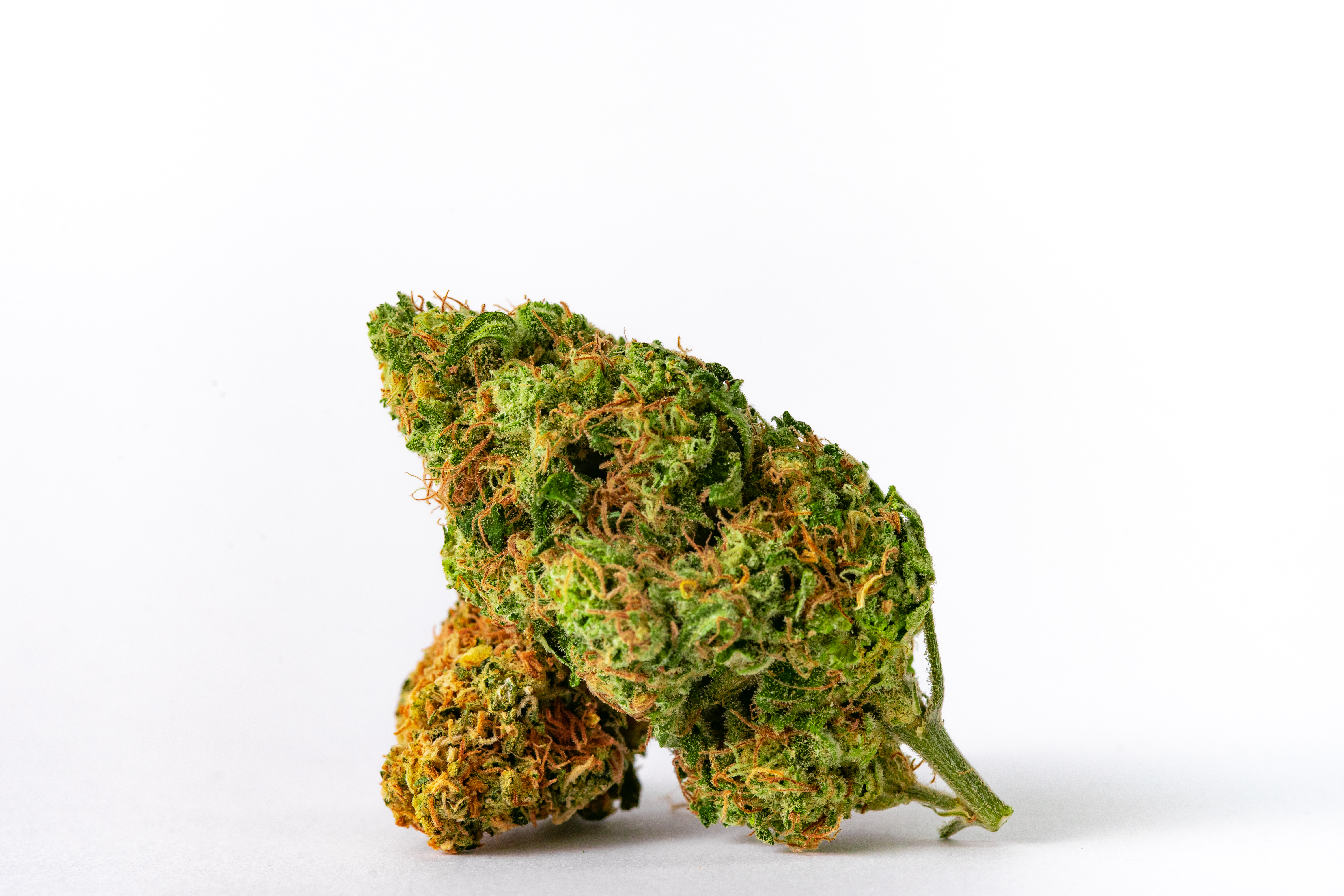


Drying and curing are two important steps that happen after cannabis is harvested. These steps affect how the finished flower looks, smells, feels, and stores over time. Fresh cannabis contains a large amount of moisture, so it cannot normally be placed straight into a sealed container after harvest. If too much moisture stays trapped inside the flowers, mold and other forms of spoilage can develop. On the other hand, drying cannabis too fast can leave the flowers brittle and may reduce some of the natural aroma. For these reasons, drying and curing need to be treated as controlled stages rather than as simple storage steps.
In 2018, many growers used slow drying followed by a longer curing period as the standard approach for handling harvested cannabis. The basic goal was to remove enough moisture from the plant material to make storage safer while avoiding very fast moisture loss. Growers often focused on keeping the drying space dark, reasonably cool, clean, and well ventilated. They also paid attention to humidity because the amount of moisture in the air can change how quickly harvested flowers dry.
Drying is the first stage. During this process, much of the water inside the harvested cannabis slowly leaves the plant material. Fresh flowers are soft and moist because water remains inside the stems, leaves, and flower tissue. As drying continues, moisture moves from the inside of the flower toward the outside, where it can evaporate into the surrounding air. This process does not happen at exactly the same speed in every part of the plant. The outside may feel dry while the center still contains more moisture.
This difference is one reason growers need to avoid judging dryness by appearance alone. A flower may look dry on the surface but still hold enough moisture inside to create problems when sealed in a container. Careful monitoring is therefore an important part of post-harvest handling.
Curing begins after the first drying stage is complete. Curing is a slower conditioning process in which moisture continues to move through the flower and becomes more evenly distributed. Instead of leaving the harvested material exposed to open air, properly dried flowers are usually moved into suitable containers where their condition can be monitored.
Drying and curing are closely related, but they are not the same process. Drying removes a large amount of the original moisture. Curing takes place afterward and allows the remaining moisture inside the flower to balance more slowly. Treating both stages as one step can make it harder to control the final result.
Good post-harvest handling matters because poor conditions can damage cannabis even after a successful harvest. If flowers remain too wet, mold and mildew can become serious concerns. Mold is especially important because contaminated plant material should not be used. High moisture combined with poor airflow can create an environment where fungal growth becomes more likely.
Drying too quickly can cause different problems. Strong heat, very dry air, or direct airflow can remove moisture from the outside of the flower much faster than from the inside. The result may be flower that feels dry or crispy on the surface while still holding moisture deeper inside. Excess heat can also affect some of the volatile compounds that contribute to the natural aroma of cannabis.
A controlled drying and curing process is therefore based on balance. The aim is not simply to make cannabis dry as quickly as possible. Instead, the goal is to reduce moisture gradually while checking the condition of the flowers throughout the process. Temperature, humidity, airflow, darkness, cleanliness, and time all affect how well this can be managed.
Trimming also plays a role. Some growers trim leaves before drying, while others allow the plant or branches to dry first and complete the trimming later. These methods are often called wet trimming and dry trimming. Each approach changes how much plant material remains around the flowers during drying, which can affect how quickly moisture is lost.
Another important part of the process is knowing when drying should end and curing should begin. Growers often check several signs instead of depending on one test. Flower texture, stem condition, environmental readings, and moisture behavior after the flowers are placed in a container can all provide useful information.
Once curing begins, regular checking becomes important. Moisture that remains inside the flowers can move outward after the container is closed. This can cause the humidity inside the container to rise. If the flowers were sealed while they were still too wet, they may need more drying before curing can safely continue. This is why monitoring during the early curing stage is especially important.
Long-term storage comes after drying and curing. Finished cannabis should be protected from excess heat, strong light, moisture, and large environmental changes. Stable storage conditions can help reduce unwanted changes over time. However, good storage cannot correct problems caused by poor drying, contamination, or mold earlier in the process.
This article explains the common drying and curing methods that were widely discussed and used around 2018. It covers the difference between drying and curing, the role of environmental control, trimming methods, signs that flowers are ready for curing, moisture monitoring, mold prevention, and long-term storage. Cannabis laws vary widely between countries, states, and regions, so cultivation, possession, processing, and storage should only take place where they are permitted by local law.
Why Drying and Curing Cannabis Properly Matters
Drying and curing are important steps that take place after cannabis is harvested. Fresh cannabis flowers contain a large amount of moisture, so they are not ready for long-term storage right after they are cut from the plant. That moisture must be reduced in a controlled way. After drying, the flowers are usually cured for a longer period so the remaining moisture can become more balanced throughout the material.
These steps affect how well cannabis can be stored and how stable it remains over time. Drying too quickly can leave flowers brittle on the outside while changing their aroma. Drying too slowly in damp conditions can increase the chance of mold. Proper curing also helps create a more even moisture level inside the flower.
Understanding the difference between drying and curing is important because they have different purposes. Drying removes most of the moisture from freshly harvested cannabis. Curing happens after drying and allows the remaining moisture to move more evenly through the flowers. Both stages require attention to temperature, humidity, airflow, cleanliness, and time.
What Happens to Cannabis After Harvest
A cannabis plant does not become completely dry as soon as it is cut. Fresh flowers, stems, and leaves contain water that was needed while the plant was growing. Once the plant is harvested, this moisture begins to leave the plant material.
At first, moisture near the surface may evaporate more quickly than moisture deep inside the flowers. This means a flower can feel dry on the outside while still containing noticeable moisture in its center. Dense flowers may take longer to dry because water has a greater distance to travel before it reaches the surface.
Moisture naturally moves from wetter areas toward drier areas. During a slow drying process, water from the inner parts of the flower gradually moves outward. It can then evaporate into the surrounding air. This is one reason environmental conditions matter so much during drying.
Freshly harvested cannabis should not normally be sealed in an airtight container while it still contains a large amount of moisture. Trapping that moisture can create a damp environment. In warm or poorly controlled conditions, this can support mold and other unwanted microbial growth.
The plant also continues to change after harvest. Some plant compounds slowly break down or change as the material dries. The smell of freshly cut plant material may also change over time. A controlled drying period gives these changes time to happen without exposing the flowers to extreme heat or excess moisture.
Drying vs. Curing
Drying and curing are related, but they are not the same process.
Drying is the first major stage after harvest. Its main purpose is to remove enough water from the cannabis flowers so they can be stored in a more controlled environment without staying dangerously wet. Drying usually takes place with the flowers exposed to circulating air in a dark or low-light space.
During drying, growers need to avoid two extremes. If the environment is too humid, moisture may leave the flowers too slowly. This can increase the risk of mold. If the environment is extremely dry or hot, moisture may leave too quickly. The outside of the flowers may become dry before moisture from the center has had enough time to move outward.
Curing begins after the initial drying stage. During curing, dried flowers are placed in suitable containers so the remaining moisture can become more evenly distributed. Moisture that is still inside the flowers slowly moves toward the outer areas.
This process can continue for several weeks. The goal is not to make the cannabis completely free of moisture. Instead, the goal is to reach a stable condition where the flowers are dry enough for safer storage while still retaining some natural moisture.
Curing also allows growers to monitor the cannabis after drying. If flowers become too soft or damp after being placed in a closed container, this may show that too much internal moisture remains. The flowers may need additional drying before curing continues.
For this reason, curing should not be treated as a replacement for proper drying. Flowers that are very wet cannot simply be sealed in a jar and expected to cure correctly. The initial drying stage must remove enough moisture first.
Effects of Poor Post-Harvest Handling
Poor drying and curing can create several problems. One of the most serious is mold. Mold grows more easily when plant material stays damp and has limited airflow. Dense cannabis flowers can hold moisture inside them even when the outer surface appears dry.
Visible mold may appear as fuzzy, powdery, or web-like growth. However, mold is not always easy to see during its early stages. A musty or unusual smell may also suggest that the material has been stored with too much moisture.
Cannabis can also become excessively dry. This often happens when flowers are exposed to too much heat, very low humidity, or strong direct airflow. Overdried flowers can become brittle and may crumble easily when handled.
Fast drying can also affect aroma. Cannabis contains volatile aromatic compounds that can be sensitive to heat and air exposure. High temperatures may cause some of these compounds to evaporate more quickly. This is one reason controlled drying is generally preferred over using strong heat to finish the process faster.
Another common problem is an overly grassy or fresh-cut plant smell. Fresh cannabis naturally contains plant material that changes as drying and curing continue. Rushing the process may leave the flowers with more of this raw plant character.
Uneven drying is another concern. Large flowers may contain more moisture than small flowers in the same drying area. If all flowers are moved into storage at the same time without checking them, some may be ready while others are still too moist.
Good post-harvest handling therefore depends on regular observation. Temperature, humidity, airflow, flower density, and drying speed all influence the final condition of the cannabis.
Drying and curing are separate but connected stages of cannabis post-harvest handling. Fresh cannabis contains a large amount of water, and this moisture must leave the flowers gradually before they can be stored safely. Drying removes most of the moisture, while curing allows the remaining moisture to become more balanced throughout the flowers.
Poor drying conditions can cause mold, brittle flowers, uneven moisture, weak aroma, or a strong grassy smell. Excess heat and direct airflow can dry cannabis too quickly, while high humidity and poor ventilation can keep it wet for too long.
What Was the Best Method to Dry Cannabis in 2018?
In 2018, there was no single drying method that worked for every cannabis harvest. The right approach depended on the amount of plant material, the drying space, local humidity, and whether the flowers were trimmed before or after drying. Still, several methods were widely used. Hanging whole plants or branches was one of the most common approaches, while drying racks provided another option for smaller pieces and trimmed flowers.
The main goal was to remove moisture at a controlled rate. Drying too quickly could leave flowers brittle on the outside before moisture had moved evenly from the center. Drying in a damp or poorly ventilated area could create conditions that support mold. Because of this, growers in 2018 often focused less on making the process fast and more on keeping the drying environment stable.
A 2018 Growers Network guide described both hanging branches and using drying racks as common approaches. A separate 2018 report about Humboldt cannabis harvesting also described hanging plants or sections of plants from wires as a widely used drying technique.
Hanging Whole Plants or Branches
Hanging cannabis was one of the most familiar drying methods in 2018. After harvest, a plant could be kept largely intact and suspended upside down. Another option was to divide it into separate branches and hang those branches individually.
Leaving more of the plant together generally meant that more plant material had to lose moisture. This could make the process slower than drying small, separated pieces. A slower process was often preferred when environmental conditions allowed it because moisture had more time to move gradually from the inner parts of the flowers toward the surface.
Hanging individual branches gave growers greater control over spacing. Branches could be arranged so that flowers were not packed tightly against one another. This was important because areas where plant material touched could remain damp longer than exposed surfaces.
A 2018 discussion of Humboldt harvesting practices described hanging plants from wires as a simple method. It also noted that drying plants needed enough separation when strong environmental controls were not available. Proper spacing helped reduce pockets of trapped moisture around the flowers.
Whole-plant hanging and branch hanging also protected the shape of the flowers because the buds were not resting against a flat surface. However, they required enough vertical space to suspend the plant material safely.
The choice between whole plants and branches often came down to the available room. A small drying area might be easier to organize with separate branches, while a larger room could allow whole or larger sections of plants to hang without touching.
Using Drying Racks
Drying racks were another established option in 2018. Instead of suspending large branches, separated flowers or smaller plant sections could be placed on a rack or mesh surface that allowed air to reach them.
Rack drying could be useful when there was not enough room to hang many branches. Multi-level mesh racks made it possible to use vertical space while keeping batches separated. Commercial and larger-scale operations could also use shelving or purpose-built drying systems.
Rack drying was often associated with flowers that had already been removed from larger stems. Because individual flowers had less surrounding plant material, they could lose moisture differently from flowers that remained attached to whole branches.
Care was still needed to prevent crowding. Placing too much plant material on a single surface could reduce airflow between pieces and create areas that stayed moist. Flowers also needed enough room so they were not compressed together.
A 2018 Growers Network guide recognized both branch hanging and drying racks as common post-harvest approaches. This shows that growers at the time did not rely on only one drying system. The method depended heavily on the drying space and how the harvest had been prepared.
Creating a Suitable Drying Space
The drying space was just as important as the method used to hold the harvested cannabis. A well-arranged hanging system could still produce poor results if the room was excessively warm, damp, dirty, or poorly ventilated.
Darkness was commonly recommended because strong light can affect plant compounds after harvest. The drying area also needed some air movement. The goal was to keep the air in the room from becoming stagnant rather than forcing strong airflow directly onto the flowers.
Direct, aggressive airflow can cause exposed surfaces to lose moisture much faster than the interior. Gentle circulation throughout the room creates a more even environment.
Cleanliness was another basic concern. The drying area should be free from excess dust, dirt, standing water, and other sources of contamination. Harvested cannabis remains vulnerable to mold and contamination, especially while it still contains significant moisture.
Environmental monitoring was also becoming a normal part of controlled drying. Growers could use simple temperature and humidity meters to understand what was happening in the room rather than judging conditions only by how the air felt. The exact temperature and relative humidity ranges used for drying are discussed in the next section.
In 2018, hanging whole plants or individual branches was one of the most established cannabis drying methods. Drying racks were also widely used, especially for smaller pieces or flowers that had already been separated from their branches. Historical sources from that year describe both methods rather than identifying one approach as suitable for every harvest.
Whichever method was used, the basic principles remained similar. Cannabis needed enough space around it for air to move, while the drying room needed to remain clean, dark, and reasonably stable. Crowding, stagnant air, excessive heat, and strong direct airflow could interfere with even moisture loss. The best drying approach was therefore not simply the fastest method. It was one that allowed moisture to leave the harvested flowers gradually while reducing the risk of mold, contamination, and excessive drying.
What Temperature and Humidity Are Best for Drying Cannabis?
Temperature and humidity are two of the most important factors during cannabis drying. Fresh cannabis flowers contain a large amount of water. After harvest, this moisture needs to leave the plant material at a controlled rate. If the environment is too warm or dry, the outside of the flowers can dry much faster than the inside. If the room is too humid, drying can take too long and the risk of mold can increase.
Around 2018, slow air drying in a cool, dark, and ventilated space was a common approach. Later scientific reviews of traditional cannabis drying practices describe temperatures of about 18 to 21°C, or 64 to 70°F, and relative humidity near 50 to 55% as commonly used conditions. These figures should be viewed as general reference points rather than exact rules. The size of the flowers, amount of plant material, airflow, and local climate can all change how quickly moisture leaves the plant.
Understanding Relative Humidity
Relative humidity, often shortened to RH, describes how much water vapor is in the air compared with the maximum amount the air could hold at the same temperature. It is usually shown as a percentage.
Humidity matters because the air around the harvested cannabis affects how quickly water leaves the flowers. In very dry air, moisture can escape from the outside of the flowers quickly. This may make the surface feel dry even when more moisture remains in the center.
Higher humidity slows this process. That can help prevent very rapid surface drying, but excessive humidity can create another problem. Moist plant material combined with poor ventilation can create conditions where mold and other unwanted microorganisms can grow.
Research reviews describe conventional cannabis drying rooms as commonly operating around 50 to 60% relative humidity. Controlled drying is important because freshly harvested cannabis contains a high percentage of water and is therefore vulnerable to spoilage before enough moisture has been removed.
The goal is not to make the room as dry as possible. Instead, humidity should remain stable enough for moisture to leave the plant gradually.
Managing Temperature
Temperature affects the speed of drying. Warm air can increase the rate at which water evaporates from plant material. This may sound useful, but drying cannabis too quickly can create quality problems.
Cannabis contains aromatic compounds called terpenes. These compounds help produce the plant’s characteristic smell and flavor. Some terpenes are volatile, which means they can be lost more easily when exposed to higher temperatures.
For this reason, traditional slow-drying methods use relatively cool temperatures rather than strong heat. Reviews of cannabis post-harvest methods report that temperatures around 18 to 21°C have commonly been used for slow drying.
Keeping the temperature stable is also important. Large changes between hot and cold conditions can make moisture control more difficult. For example, a drying area that becomes very warm during the day and much cooler at night may experience changes in relative humidity. This can make the drying rate less predictable.
High temperatures should not be used simply to finish drying faster. Research on cannabis post-harvest processing shows that drying conditions can affect cannabinoids, terpenes, color, and other characteristics of the final plant material.
Managing Air Circulation
Air movement helps carry moisture away from drying cannabis. However, there is an important difference between circulating air throughout a room and directing strong airflow onto the flowers.
A drying area should have enough ventilation to prevent damp, stagnant pockets of air from forming around the plant material. When branches or flowers are placed too close together, moisture may become trapped between them. This can slow drying and increase the chance of microbial growth.
Gentle circulation helps keep room conditions more even. Scientific reviews describing conventional hang drying note that cannabis is normally kept in a ventilated space where air can move around the plant material.
Strong airflow directly against the flowers can have the opposite problem. It can remove moisture from the outer surface much faster than moisture can move from the center of the flower. This may make the flowers appear ready before the internal moisture has become balanced.
Good airflow should therefore support the drying process rather than force it.
Monitoring the Drying Environment
A thermometer and hygrometer are useful for checking conditions during drying. A thermometer measures temperature, while a hygrometer measures relative humidity. Using both makes it easier to notice changes in the drying environment.
Checking these readings regularly is more useful than judging conditions only by how the room feels. A space may seem cool and dry to a person while still having humidity that is too high for consistent drying.
Environmental control may also depend on the local climate. In a humid area, ventilation or dehumidification may be needed to keep moisture from building up. In an extremely dry climate, the main concern may be preventing the plant material from losing moisture too quickly.
Modern research supports the value of monitoring humidity throughout cannabis drying. Studies have found that relative humidity changes can help track moisture loss and provide information about how the drying process is progressing.
Light should also be considered. Drying is normally performed in a dark or low-light environment because light, heat, oxygen, and moisture can all affect the stability of plant compounds during storage and post-harvest handling.
Successful cannabis drying depends on balance. A cool environment, moderate relative humidity, darkness, and gentle air circulation allow moisture to leave the flowers in a more controlled way. Traditional slow-drying practices commonly used temperatures around 18 to 21°C and relative humidity around 50 to 55%, although actual drying conditions can vary.
Too much heat or very dry air can cause the outside of the flowers to dry too quickly. Excess humidity and poor ventilation can keep the plant material wet for too long and increase the risk of mold. A thermometer and hygrometer make it easier to monitor these conditions instead of relying only on appearance or touch.
How Long Does Cannabis Take to Dry?
Drying cannabis takes time because freshly harvested flowers hold a large amount of moisture. That moisture needs to leave the plant slowly and evenly before the flowers can move into the curing stage. If cannabis dries too quickly, the outside may become crisp while moisture remains trapped deeper inside the buds. If it dries too slowly, excess moisture may create conditions where mold can grow.
In many cases, cannabis may take about 7 to 14 days to dry, although the exact time can vary. Some batches may dry faster, while dense flowers or plants dried in humid conditions may need more time. There is no single drying period that works for every harvest. Growers need to consider flower size, temperature, humidity, airflow, trimming method, and the amount of plant material left on each branch.
The main goal is not to finish drying as quickly as possible. Instead, the goal is to remove moisture at a steady rate while protecting the flower from mold, excessive heat, and over-drying.
Factors That Change Drying Time
Flower size and density have a major effect on drying time. Small, loose flowers usually lose moisture faster because air can move around and through them more easily. Large, dense buds often hold moisture in their centers for much longer. A flower may feel dry when touched on the outside even though the inside still contains a high level of moisture.
The amount of plant material left attached also changes how quickly cannabis dries. Whole plants usually dry more slowly than individual branches because stems, leaves, and other plant tissue still contain water. Hanging large sections of a plant can slow moisture loss and may help the flowers dry more gradually.
Individual branches often dry faster than whole plants. Flowers that have been removed from their branches and placed on drying racks can dry even faster because more of their surface is exposed to the surrounding air.
Temperature is another important factor. Warm conditions cause moisture to leave cannabis faster. However, high heat can make the drying process happen too quickly. It may also affect some of the aromatic compounds that give different cannabis varieties their smell.
Humidity affects drying speed as well. When the surrounding air is very dry, moisture leaves the plant quickly. When humidity is high, water leaves the flowers more slowly. Very humid conditions can also increase the risk of mold if there is not enough air movement.
Air circulation helps prevent pockets of damp air from forming around hanging plants or drying flowers. However, stronger airflow is not always better. A fan blowing directly at cannabis can cause the outside of the flowers to dry faster than the inside. Gentle air movement throughout the room is usually more useful than direct airflow.
The trimming method also changes drying time. Wet-trimmed cannabis has many leaves removed shortly after harvest, which allows moisture to escape faster. Dry-trimmed cannabis keeps more leaves attached while drying, which may slow the process.
Why Faster Is Not Always Better
It can be tempting to speed up the drying process, especially when flowers appear ready on the outside. However, drying cannabis very quickly may create problems with texture and moisture balance.
When the environment is too hot or too dry, the outer parts of the flower can lose water much faster than the center. The surface may become brittle while the inside remains damp. Once the flowers are placed in a sealed curing container, moisture from the center can move toward the surface. This can cause the humidity inside the container to rise sharply.
Fast drying can also affect aroma. Cannabis contains volatile compounds that can be affected by heat and environmental conditions. A slower and more controlled drying process helps reduce unnecessary exposure to high temperatures.
Growers should also avoid using ovens, heaters, hair dryers, or other strong heat sources to shorten the drying period. These methods can remove moisture unevenly and may damage the quality of the harvested flowers.
Slow drying does not mean cannabis should remain wet for as long as possible. Cannabis that stays damp for too long can develop mold or mildew. The goal is controlled drying rather than extremely fast or extremely slow drying.
Checking Progress During Drying
Cannabis should be checked regularly during the drying period. One useful sign is the feel of the flower surface. At first, freshly harvested flowers feel soft and moist. As drying continues, the outside becomes less damp and begins to feel firmer.
The smaller stems can also help show drying progress. Early in the process, stems usually bend easily because they still contain a large amount of water. As they lose moisture, they become firmer. Small stems may eventually make a slight snapping sound when bent instead of folding easily.
However, the stem test should not be the only way to decide whether cannabis is ready for curing. Large branches can stay flexible longer than small stems. Different areas of the plant may also dry at different speeds.
Flower texture is another useful sign. Properly dried flowers should not feel wet or spongy on the outside. At the same time, they should not crumble into powder when handled gently.
It is also important to check different parts of the drying area. Flowers located near an air vent may dry faster than flowers in a corner with less air movement. Larger buds may remain moist longer than smaller ones. Checking several samples gives a better picture of the overall drying progress.
When possible, temperature and humidity should also be monitored. A thermometer and hygrometer can help identify changes in the drying environment. If humidity becomes too high, moisture may leave the flowers too slowly. If conditions become extremely dry, the flowers may lose water faster than intended.
How Long Should Cannabis Dry Before Curing?
There is no exact number of days that guarantees cannabis is ready for curing. A period of about one to two weeks is often used as a general guide, but actual drying time depends on the conditions and the harvested material.
Cannabis should move into the curing stage only after most of the excess moisture has been removed. The outside of the flowers should feel dry rather than damp, and smaller stems should be noticeably less flexible. The buds should still have some structure and should not feel extremely brittle.
Starting the cure too early can trap too much moisture inside a closed container. Once sealed, that moisture moves out from the center of the buds and raises the humidity around them. If the humidity becomes too high, mold can develop.
Waiting too long can create a different problem. Flowers that become extremely dry may lose aroma and become brittle. Once cannabis has been over-dried, restoring the original moisture balance can be difficult.
For this reason, drying time should be treated as a guide rather than a strict deadline. The condition of the flowers is more important than the number of days they have been hanging.
Cannabis commonly takes around 7 to 14 days to dry, but there is no fixed drying time for every harvest. Flower size, bud density, temperature, humidity, airflow, trimming method, and the amount of plant material left attached can all change how quickly moisture leaves the flowers.
Drying should happen gradually rather than being rushed with strong heat or direct airflow. At the same time, cannabis should not remain wet for so long that mold becomes a risk. Checking flower texture, stem flexibility, and environmental conditions can help show when drying is nearly complete.
Wet Trimming vs. Dry Trimming Before Curing
Trimming is one of the main steps that takes place between harvest and final storage. It involves removing unwanted leaf material from cannabis flowers. Two terms are often used to describe when this work takes place: wet trimming and dry trimming. The main difference is timing. Wet trimming is done soon after harvest, while dry trimming takes place after the harvested plant material has lost much of its moisture.
Both approaches were widely discussed by cannabis growers in 2018. Each method changes how much plant material remains around the flowers while they dry. This can influence drying speed, handling, airflow, and the amount of work required later. Neither method removes the need for careful moisture control. The flowers still need to reach a stable condition before they are placed into closed containers for curing.
What Is Wet Trimming?
Wet trimming means removing unwanted leaves shortly after the plant has been harvested, while the leaves and flowers still contain a large amount of moisture. Fresh leaves are usually soft and extend outward from the flower, which makes them easier to see.
The main effect of wet trimming is that there is less plant material around the flower during the drying period. Leaves hold moisture, so removing much of this material can allow water to leave the remaining flowers more quickly. This may be useful in situations where the surrounding air is already humid and moisture needs to be managed carefully.
Wet plant material can also be easier to handle in some cases because the leaves have not curled inward or dried against the flower. However, freshly harvested cannabis can be sticky because of the resin on the plant. This can make trimming tools and work surfaces harder to keep clean.
Another important point is that wet trimming changes the rate at which moisture leaves the harvested material. With fewer leaves present, the flowers have less natural protection from the surrounding air. If the environment is too dry, moisture may be lost too quickly. This is why the trimming method cannot be considered by itself. Temperature, humidity, airflow, flower size, and plant structure all affect the final drying process.
What Is Dry Trimming?
Dry trimming means leaving more of the plant material attached during the first stage of drying. The unwanted leaves are removed later, after the branches and flowers have become much drier.
One reason people use this approach is that the remaining leaves can slow moisture loss. The plant material acts as a light barrier between the flower and the surrounding air. As a result, drying may happen more gradually under the same room conditions.
The physical condition of the leaves also changes during drying. Fresh leaves are soft and flexible, while dried leaves become thinner, more brittle, and often curl closer to the flowers. This makes dry trimming feel different from wet trimming.
Dry trimming may require more space during the drying stage because more plant material remains attached. The leaves and branches also create a thicker mass around the flowers. Because of this, airflow and moisture levels remain important concerns. Plant material that is crowded together can hold moisture in small areas, especially when larger branches or dense flowers are present.
The purpose of dry trimming is not to make cannabis stay wet for as long as possible. The goal is simply to allow moisture to leave in a controlled way. If the surrounding conditions are poor, leaving additional plant material attached will not solve the problem.
How the Two Methods Affect Drying
The largest practical difference between wet trimming and dry trimming is the amount of leaf material present while moisture is leaving the harvested flowers.
Wet-trimmed cannabis generally has more flower surface exposed to the surrounding air. This can result in faster moisture loss. Dry-trimmed cannabis keeps more leaves and stems attached, which can slow the movement of moisture to some degree.
However, trimming style is only one part of the drying process. Small flowers may dry differently from large, dense flowers even when both receive the same type of trimming. A dry room can also cause faster moisture loss than a humid room. Strong air movement can speed surface drying, while weak ventilation can allow moisture to remain around the plant material.
This is why growers should not assume that one trimming method always requires a fixed number of drying days. The actual condition of the flowers matters more than the name of the method.
Another difference involves the way the plant is handled. Wet trimming usually moves more of the trimming work to the beginning of the post-harvest period. Dry trimming delays part of that work until after drying. This can change how labor is divided but does not remove any of the main post-harvest stages.
In both cases, damaged or unhealthy plant material should be treated with caution. Flowers showing visible signs of mold or decay should not simply be mixed with healthy material for curing. Sealing moist or contaminated plant matter in a closed container can make the problem worse.
Preparing Trimmed Flowers for Curing
After drying and final trimming are complete, the flowers must be checked before they move into the curing stage. This transition is important because curing normally takes place in a more enclosed environment. Any excess moisture that remains in the flowers can become trapped after the container is closed.
The flowers should first be inspected for obvious problems. Plant material that appears damaged, unusually wet, or affected by mold should be separated rather than placed into storage with the rest.
Loose leaves and unwanted plant pieces can also be removed at this stage. The purpose is to prepare clean, stable flower material for the slower conditioning period that follows drying.
It is also important to understand that the outside of a flower can feel dry before the inside has reached the same condition. Moisture can remain deeper inside dense plant material. After flowers are placed in a closed environment, that moisture can move outward and change the humidity around them.
For this reason, moving from drying to curing should be based on the overall condition of the material rather than appearance alone. Monitoring moisture remains important regardless of whether the flowers were wet trimmed or dry trimmed.
Wet trimming and dry trimming describe two different times for removing unwanted leaves from harvested cannabis. Wet trimming takes place soon after harvest and leaves less plant material around the flowers while they dry. Dry trimming keeps more leaves attached during drying and removes them later.
The choice affects drying speed, handling, space needs, and how quickly moisture may leave the flowers. However, neither approach guarantees a better result on its own. Environmental conditions, flower size, airflow, humidity, and careful monitoring all remain important.
How Do You Know When Cannabis Is Dry Enough to Cure?
Knowing when cannabis is dry enough to begin curing is an important part of post-harvest handling. Cannabis that enters a curing container while it is still too wet may develop mold or other moisture-related problems. Cannabis that dries for too long may become brittle and lose some of its aroma. For this reason, growers often use several signs together instead of relying on only one test.
Fresh cannabis contains moisture throughout the flowers, stems, and leaves. During drying, moisture slowly moves from the center of the plant material toward the surface. This means the outside of a flower may feel dry before the inside has reached the same moisture level. A careful check of the flower texture, stems, and humidity can give a better idea of whether the cannabis is ready to move into the curing stage.
Checking the Outside of the Flower
One of the first things growers usually notice during drying is a change in the surface of the cannabis flower. Freshly harvested flowers may feel soft, moist, and slightly spongy. As drying continues, the outside becomes drier and firmer.
However, surface dryness should not be treated as proof that the entire flower is dry enough to cure. Dense flowers can hold moisture deep inside even when the outside feels dry. Larger flowers may also dry more slowly than smaller ones.
A flower that is approaching the curing stage should generally feel dry on the surface without becoming extremely brittle. Small leaves around the flower may feel crisp, while the flower itself should still have some structure. If the material breaks apart into powder with very little pressure, it may have dried too far.
It is also important to check flowers from different parts of the drying area. Cannabis does not always dry at the same speed. Flowers near a source of airflow may dry faster, while larger or more sheltered flowers may retain moisture longer.
Checking several samples provides a more accurate picture of the whole harvest.
The Stem Test
The stem test has long been used as a simple way to estimate whether cannabis has dried enough to begin curing. The idea is to bend a smaller stem and observe how it responds.
Early in drying, stems usually bend easily because they still contain a large amount of moisture. As drying continues, smaller stems become firmer and may begin to make a slight cracking sound when bent. This change can suggest that much of the excess moisture has left the plant material.
However, the stem test has limits.
A thin stem may become dry much faster than the flower attached to it. A thick branch may also remain flexible even when smaller flowers are already dry enough for further processing. Different cannabis plants can have different stem thicknesses, which makes the test less exact.
For this reason, the stem test works better as one sign among several. Growers can compare stem behavior with flower texture and humidity readings instead of depending on the stem alone.
If every stem is still very soft and bends without resistance, more drying time may be needed. If small stems feel dry while the flowers remain slightly firm rather than wet, the cannabis may be approaching the point when curing can begin.
Using a Hygrometer
A hygrometer measures relative humidity. Small digital hygrometers are often used during curing because they can show how much moisture is present in the air inside a closed container.
This can be helpful because moisture continues moving from the center of the cannabis flower after it is placed in a container. A flower that felt dry when it was first handled may release additional moisture after several hours in a closed environment.
When cannabis is placed in a clean container with a hygrometer, the humidity reading can help show whether the material still contains too much moisture. Growers often watch for readings in a moderate curing range, commonly around 58% to 62% relative humidity once conditions have stabilized.
The reading should not always be judged immediately after sealing the container. It can take time for the moisture inside the flowers and the air inside the container to balance. Checking the reading after the cannabis has been enclosed for a period of time can provide a more useful result.
A hygrometer should still be used together with physical checks. Inexpensive meters may not always be perfectly accurate. Flower size, container size, temperature, and meter quality can also influence readings.
The main purpose of the hygrometer is to provide another source of information. It allows the grower to watch how moisture behaves after drying rather than relying only on touch.
Problems With Starting the Cure Too Early
Starting the curing process while cannabis is still too wet can cause serious problems. Once moist flowers are placed inside a sealed container, moisture that remains inside the plant material begins moving outward. This can quickly increase humidity inside the container.
Flowers may become soft or damp again even if they seemed fairly dry when they were first placed inside. In some cases, moisture may collect on the container walls. Condensation is a warning sign that the environment may be too wet for safe curing.
Excess moisture can create conditions that support mold growth. Dense flowers are especially important to monitor because moisture may remain trapped inside areas that are difficult to see.
Changes in smell can also provide useful information. A strong musty or unusual odor may indicate that the cannabis needs immediate inspection. Material showing visible signs of mold should not simply be returned to the curing container.
If cannabis appears too moist after being sealed, it may need additional drying before curing continues. The goal is to remove excessive moisture without allowing the flowers to become extremely dry.
This is one reason careful monitoring during the early curing period is important. Drying does not end at one exact moment for every flower. Moisture continues to move through the plant material, and conditions may need to be adjusted as that happens.
Cannabis is generally ready to begin curing when excess surface moisture is gone, the flowers feel dry but not extremely brittle, and smaller stems have become firmer. No single test can show moisture levels perfectly, so it is better to combine several checks.
The surface of the flower can provide an early clue, but the center may still hold moisture. The stem test can help show how far drying has progressed, but stem thickness can affect the result. A hygrometer provides another useful way to monitor moisture once the cannabis is placed in a closed container.
How to Cure Dried Cannabis
Curing is the stage that comes after cannabis has been dried. The main goal is to allow the remaining moisture inside the flowers to become more evenly balanced. This process also helps prepare the material for safer storage. Drying removes most of the water from freshly harvested cannabis, but moisture may still remain deeper inside the flowers. Curing gives this moisture time to move through the plant material instead of staying trapped in one area.
Good curing depends on careful storage, regular checks, and stable conditions. Cannabis should not be placed into closed storage while it is still clearly wet. Trapped moisture can create conditions that support mold and other unwanted growth. At the same time, cannabis that becomes extremely dry before curing may lose much of its natural aroma and become brittle.
The curing process should therefore begin only after the initial drying stage is complete. Growers should also follow local laws for cannabis cultivation, processing, possession, and storage.
Choosing a Curing Container
The container used for curing should be clean, dry, and suitable for storing plant material. Glass jars have often been used because they are easy to inspect and do not normally absorb strong smells. A clear jar also makes it easier to check the condition of the flowers without handling them more than necessary.
Whatever type of container is used, cleanliness is important. Any leftover moisture, food residue, dust, or other material inside a container can create storage problems. The container should be washed when necessary and allowed to dry fully before cannabis is placed inside.
A container that can be closed securely also makes it easier to observe how much moisture remains inside the flowers. Once the container is closed, some moisture from the center of the flowers can slowly move toward the outside. This may cause the air inside the container to become more humid.
This change is one reason why curing requires monitoring. Cannabis that appeared dry before storage may feel slightly softer after spending time in a closed container. This does not always mean something has gone wrong. It can simply show that moisture is moving from the inner parts of the flower toward the surface.
However, strong dampness, visible condensation, or unusual odors should not be ignored. These signs can point to excessive moisture and a greater risk of mold.
Filling Containers Correctly
Cannabis flowers should be placed into containers without being tightly packed together. Compressing the flowers can damage their shape and may also reduce the amount of space between them. When plant material is crowded together, it can be harder to notice areas that remain damp.
Some open space inside the container also makes inspection easier. Flowers can move slightly when the container is handled, which can help reveal whether they have become too soft or moist.
Each flower should be checked before it goes into storage. Material that appears damaged, unusually wet, or affected by possible mold should be separated from the rest. Mold can sometimes appear as fuzzy, powdery, or web-like growth. An unusual musty smell can also be a warning sign.
Flowers with suspected mold should not simply be mixed with clean material. Mold can spread and may make cannabis unsafe to use. When there is uncertainty about contamination, it is safer to avoid using the affected material.
Curing containers should also be kept away from strong light and heat. High temperatures can speed up chemical changes and may reduce the quality of aromatic compounds. A stable storage area is generally easier to manage than a place where temperature changes throughout the day.
Monitoring the First Stage of the Cure
The early part of curing requires close observation because this is when hidden moisture may become easier to notice. After cannabis is placed inside a closed container, moisture from the center of the flowers can slowly reach the outside.
The flowers may therefore feel different after being enclosed for a period of time. Material that felt dry at first may become softer. This shows why checking cannabis only once before curing is not enough.
A small hygrometer can be useful for observing the relative humidity inside a storage container. However, a humidity reading should not replace physical inspection. Aroma, texture, visible moisture, and signs of fungal growth should also be considered.
If the inside of the container becomes visibly wet or condensation forms, the cannabis may contain too much moisture for closed storage. Flowers that feel clearly damp also need attention. Keeping overly moist plant material sealed can create conditions where mold develops quickly.
Smell can provide another warning. Cannabis has its own natural aroma, but a strong musty, sour, or ammonia-like smell can suggest that the material is too wet or that unwanted microbial activity may be developing.
Curing is not a way to rescue cannabis that has already developed mold. Once fungal contamination is present, sealing the material for longer does not make it safe.
Why Curing Takes Time
Curing is a gradual process because moisture does not leave every part of a cannabis flower at the same speed. The outer surface usually dries first. The inside can hold moisture for longer, especially in larger or denser flowers.
When dried flowers are placed into a controlled storage environment, this internal moisture slowly moves toward drier parts of the plant material. Over time, the moisture becomes more evenly distributed.
This gradual change can affect texture. Properly stored flowers may become less brittle than material that has been dried too aggressively. At the same time, they should not become wet or soggy.
Aroma may also change during storage. Cannabis contains volatile compounds that can be affected by heat, oxygen, light, and handling. Careful storage helps reduce unnecessary exposure to these conditions.
Curing should not be viewed as a way to make unsafe cannabis safe. It is mainly a controlled conditioning and storage stage. The most important goal is to keep the flowers dry enough to reduce mold risk while avoiding harsh storage conditions that can damage the material.
The process cannot correct every problem created during drying. Cannabis that was dried too quickly may already have lost some aroma. Cannabis that remained too wet may have developed microbial problems before curing even began. For this reason, successful curing depends heavily on the quality of the drying stage that came before it.
Curing dried cannabis is a gradual process that helps remaining moisture become more evenly distributed through the flowers. Clean, dry containers should be used, and the plant material should not be tightly compressed. Flowers should be inspected before storage so damaged, damp, or questionable material can be separated.
The early curing stage requires regular attention because moisture from inside the flowers can move toward the surface after they are enclosed. Changes in texture, smell, visible moisture, and container humidity can provide useful signs about the condition of the cannabis. Condensation, clear dampness, musty odors, or visible mold should always be treated as warning signs.
Curing works best when cannabis has already been dried correctly. It cannot repair mold or reverse severe overdrying. Stable storage conditions, careful inspection, and avoiding excess heat, light, and moisture are the main factors that help keep dried cannabis in suitable condition during the curing stage.
What Humidity Is Best for Curing Cannabis?
Humidity plays an important role in the condition of dried cannabis after harvest. Too much moisture can create an environment where mold and other unwanted growth may develop. Too little moisture can leave the flower very dry, brittle, and difficult to store without further quality loss. For this reason, post-harvest handling often focuses on keeping moisture levels stable rather than allowing large swings between damp and dry conditions.
During curing and storage, moisture does not always stay evenly distributed inside the flower. The outside may seem dry while the inner parts still hold more moisture. After cannabis is placed in a closed container, some of that internal moisture can slowly move toward the surface. This can cause the humidity inside the container to rise.
Understanding this moisture movement helps explain why growers and processors pay close attention to the condition of the flower after drying.
Understanding Humidity Inside a Curing Container
Relative humidity describes the amount of moisture in the air compared with the maximum amount the air can hold at the same temperature. Inside a closed container, that reading can change as moisture leaves the plant material and enters the surrounding air.
This is why a flower that feels dry on the outside may still affect the humidity inside a container. Moisture from the center can gradually move outward. As that happens, the air inside the container becomes more humid.
A rising humidity level can be a warning that the material still contains more moisture than expected. If the environment stays too damp, the risk of mold increases. Mold can damage the flower and may also create a health concern.
Temperature also affects relative humidity. Warmer air can hold more moisture than cooler air. Because of this, large temperature changes can make humidity readings harder to understand. A stable environment is generally easier to monitor than a space that becomes hot during the day and cold at night.
The main goal is to avoid conditions that stay excessively damp or become extremely dry.
The Common Curing Humidity Range
Cannabis storage discussions often refer to a moderate relative humidity range rather than extremely dry or very humid conditions. The exact target may vary by method, equipment, local climate, and the condition of the flower.
The important principle is balance.
When humidity is too high, moisture may stay trapped in the flower and surrounding air. This can create conditions that support mold growth. Dense flowers may be especially difficult to judge because their inner areas can hold moisture even when the surface feels dry.
When humidity is too low, the flower can lose moisture quickly. It may become brittle and break apart easily. Very dry conditions can also affect aroma and overall storage quality.
Humidity should therefore be viewed as one part of a larger storage system. Temperature, cleanliness, airflow before storage, container condition, and the starting moisture level of the plant material also matter.
A humidity reading by itself cannot confirm that cannabis is safe or properly cured. Visual inspection and odor can also help identify possible problems.
Using Small Hygrometers
A hygrometer is a device used to measure relative humidity. Small digital hygrometers are often used in enclosed storage spaces because they allow the user to see how humid the air has become.
These devices can be useful because the surface of the flower does not always reveal how much moisture remains inside. A container may look dry while the air inside becomes increasingly humid after it is closed.
However, hygrometers are not perfect. Small devices may show slightly different readings even when they are placed in the same environment. Their accuracy can also change with age, battery condition, or manufacturing quality.
For this reason, a hygrometer should be treated as a monitoring tool rather than a guarantee. It can help reveal trends, such as whether humidity is rising, falling, or staying stable.
A stable reading over time can suggest that the moisture in the flower and the surrounding air is becoming more balanced. Sudden increases may suggest that moisture is still moving out from the inner plant material.
If there are visible signs of mold, unusual discoloration, or a strong musty smell, those warning signs should not be ignored just because the humidity reading appears normal.
Humidity-Control Products
Two-way humidity-control products are designed to help keep the air inside a sealed container within a controlled range. They can either release moisture or absorb some moisture depending on the surrounding conditions.
These products are often used for storage because they can reduce small changes in humidity over time. However, they are not designed to correct major drying problems.
If plant material is still too wet, a humidity-control product should not be treated as a substitute for proper drying. Excess moisture can overwhelm the storage environment and raise the risk of mold.
Likewise, severely overdried flower cannot always be restored to its earlier condition simply by placing a humidity product in the container. Some quality changes caused by excessive drying may not be reversible.
Humidity packs work best as maintenance tools. Their purpose is to help support a stable environment after the material has already reached a suitable condition for storage.
The same principle applies to other humidity-control methods. They should support good post-harvest handling rather than replace it.
Humidity is one of the most important factors in post-harvest cannabis storage because it affects moisture balance, mold risk, texture, and long-term stability. Moisture can continue moving from the center of the flower toward the surface after drying, which means humidity inside a closed container may change over time.
Very damp conditions can increase the risk of mold, while very dry conditions can leave the flower brittle and reduce storage quality. Small hygrometers can help monitor changes, but they should be used together with visual inspection and attention to unusual odors or other signs of spoilage.
Humidity-control products can help maintain stable conditions, but they are not a replacement for correct drying and careful storage. The safest general approach is to focus on clean containers, stable environmental conditions, moisture awareness, and early detection of mold or other signs of deterioration.
Burping Cannabis Jars and Preventing Mold
Curing cannabis does not end when dried flowers are placed inside jars. The first part of the curing stage still requires regular checking. Moisture remains inside the center of the flowers even when the outside feels dry. After the flowers are placed in a closed jar, some of this moisture moves toward the surface. This can raise the humidity inside the container.
For this reason, growers have traditionally opened curing jars from time to time. This process is often called “burping.” Burping gives trapped moisture a chance to escape and allows fresh air to enter the container. It also gives the grower a chance to inspect the flowers for problems.
Proper burping can help keep moisture at a safer level during the early part of curing. However, burping alone cannot fix cannabis that was placed in jars while still very wet. The drying stage must be completed carefully before curing begins.
What Does “Burping” Mean?
Burping means opening a sealed curing container for a short period during the curing process. The main purpose is to release extra moisture that has collected inside the container.
When cannabis flowers first enter a jar, they may seem dry on the outside. However, the inside of the flowers can still hold more water. Once the jar is sealed, moisture slowly moves from the center of the flower toward the surface. This moisture then enters the air inside the jar.
If too much moisture builds up, the relative humidity inside the jar can rise. High humidity can create conditions where mold can grow. Opening the jar allows some of the moist air to leave.
Burping also gives the flowers a short period of fresh air. More importantly, it gives the grower a chance to look, smell, and feel the flowers. Changes in texture or odor may provide an early warning that the cannabis is still too wet.
Burping should not be viewed as a way to dry very wet cannabis inside a jar. If the flowers become clearly damp after being sealed, they may need more open-air drying before the curing process continues.
How Burping Changes During the Cure
Burping is usually more important during the early stage of curing because the flowers are still releasing moisture. During this period, the humidity inside a sealed jar can change quickly.
At first, the jars need closer attention. A grower may open them more often to check whether the flowers are becoming softer or wetter after sitting in the closed container. If they feel much damper than they did before sealing, that is a sign that moisture from the center of the flowers is moving outward.
As curing continues, less moisture should collect inside the jar. The flowers begin to reach a more stable moisture level, so the container does not need to be opened as often.
There is no single burping schedule that works perfectly for every batch. Drying conditions, flower size, density, room humidity, and the amount of moisture left inside the flowers can all affect how fast humidity rises in the jar.
For this reason, growers should pay attention to the actual condition of the flowers instead of depending only on a fixed number of days. A small hygrometer can also help show whether the humidity inside the container is stable.
Once the flowers remain at a steady moisture level and the jar no longer develops excess humidity, frequent burping becomes less important. At that stage, the container can stay closed for longer periods.
Warning Signs of Excess Moisture
One of the main goals during curing is to prevent the flowers from staying too wet. Cannabis stored with too much moisture has a higher chance of developing mold.
Condensation is one clear warning sign. Water droplets should not be forming on the inside walls of a curing jar. If condensation appears, the cannabis likely contains too much moisture for sealed storage.
Texture is another useful sign. Cannabis flowers should not feel wet, soggy, or unusually soft after sitting in the jar. A small increase in softness can happen when moisture moves from the center toward the outside, but flowers that become clearly damp need more attention.
Odor can also provide important clues. Cannabis has its own natural plant and aromatic smells, but an ammonia-like, sour, or strongly musty odor can signal excess moisture or unwanted microbial activity. Any sudden unpleasant smell should be treated as a warning.
Visible mold is a serious problem. Mold can appear as fuzzy, powdery, or web-like growth on flowers. Colors can vary, so unusual white, gray, or other fungal-looking material should not be ignored.
Flowers should be inspected carefully rather than only checking the top of the jar. Dense flowers may hold moisture deeper inside, so problems can sometimes develop where they are harder to see.
What to Do When Cannabis Seems Too Wet
If cannabis becomes too wet inside a curing jar, the safest response is to remove it from the sealed environment. Keeping damp flowers closed inside the container can allow humidity to remain high and may increase mold risk.
The flowers should be spread out so excess moisture can escape. They should be placed in a clean, dark, well-ventilated area rather than exposed to strong heat. High heat may dry the outside too quickly while also reducing aroma.
Air circulation should be gentle. A strong fan blowing directly on the flowers can make the outer surface dry much faster than the center. The goal is to allow extra moisture to leave gradually.
Once the flowers no longer feel damp, they can be checked again before returning to curing containers. A hygrometer can be useful after the cannabis is sealed again because it shows how much humidity builds inside the jar.
If humidity rises sharply again, the flowers may still contain too much moisture. In that case, another short drying period may be needed.
Cannabis that shows visible mold should not simply be dried and returned to the jar. Mold can spread through plant material and may not be limited to the visible area. Removing one visible patch does not guarantee that the rest of the material is unaffected.
Cleanliness is also important throughout curing. Containers should be clean and completely dry before use. Hands and tools used to handle the flowers should also be clean. Keeping the curing area clean reduces the chance of introducing unwanted moisture or contamination.
Burping cannabis jars is a simple but important part of the early curing process. It allows extra moisture to escape from sealed containers and gives growers a chance to check the flowers for changes in texture, humidity, odor, and appearance.
Burping is usually needed more often at the start of curing because moisture is still moving from the center of the flowers toward the outside. As the moisture level becomes more stable, the jars can remain closed for longer periods.
Growers should watch closely for warning signs such as condensation, damp flowers, musty or ammonia-like smells, and visible fungal growth. These signs can mean the cannabis was sealed while it still contained too much moisture.
If flowers become too wet, they should be removed from the sealed container and allowed to dry further under controlled conditions. Proper drying, regular monitoring, clean containers, and stable humidity all help reduce the risk of mold during curing. The goal is not to follow a strict calendar but to keep the flowers dry enough for safe storage while allowing moisture to settle evenly throughout the cannabis.
How Long Should Cannabis Cure and How Should It Be Stored?
Curing is the stage that comes after cannabis has been dried enough for storage. Drying removes a large amount of moisture from the harvested flowers. Curing allows the remaining moisture inside the flowers to spread more evenly over time. This process may also help the flowers become more stable during storage.
The curing stage should not be rushed. Cannabis that is placed into a sealed container while it is still too wet can develop mold. Cannabis that becomes too dry before curing may also lose some aroma and become brittle. For this reason, growers often pay close attention to moisture, temperature, light, and storage conditions during the curing period.
Typical Curing Periods
Cannabis is normally cured over a period of weeks rather than hours or days. The exact time can vary because every harvest is different. Flower size, density, moisture level, drying conditions, and the storage environment can all affect how long the curing stage takes.
A common curing period may last several weeks. During the first part of the cure, moisture from the center of the flowers can slowly move toward the outside. This is one reason cannabis may feel dry when it first enters a container but become slightly softer after being sealed for several hours.
The first few weeks usually require more attention because moisture levels may still change. Containers may need to be checked often to make sure the flowers are not becoming damp. If the inside of the container becomes too humid, the flowers may need more time in a dry environment before the curing process continues.
Longer curing periods may be used when the flowers remain in safe and stable conditions. However, a longer cure does not automatically mean a better result. Cannabis that contains mold, too much moisture, or other contamination will not become safe simply because it is cured for a longer period.
The same is true for flowers that have been severely overdried. Curing cannot fully replace moisture that has already been lost. It is better to manage the drying stage carefully so that the flowers enter curing in a suitable condition.
Knowing When the Cure Is Stable
A stable cure means that the moisture inside the flowers and the air inside the container are no longer changing quickly. One useful sign is consistent relative humidity. When the container produces similar humidity readings over several checks, the flowers may be reaching a more stable condition.
Texture is also important. Properly dried and cured flowers should not feel wet or damp. At the same time, they should not crumble into powder when handled lightly. Very brittle flowers may have been dried too far, while unusually soft or wet flowers may still contain too much moisture.
Smell can also provide useful information. The aroma should remain fairly stable as curing continues. A strong musty or ammonia-like smell may indicate too much moisture or possible microbial activity. Flowers with unusual odors should be inspected carefully rather than sealed and ignored.
Visible changes should also be taken seriously. White, gray, or fuzzy growth can be a sign of mold. Moldy cannabis should not be mixed with clean flowers. Curing is meant to condition properly dried cannabis, not repair flowers that have already started to spoil.
The goal is to reach a point where the flowers stay at a steady moisture level and no longer require frequent adjustments.
Long-Term Cannabis Storage
Once curing is stable, storage becomes the main concern. The storage environment should help protect the flowers from light, heat, excess moisture, and large temperature changes.
Darkness is important because strong light can speed the breakdown of some compounds found in cannabis. Clear containers should therefore be stored in a dark cabinet or another location that does not receive direct sunlight.
Temperature also matters. Cannabis should not be stored near heaters, ovens, windows, or other places that become hot. High temperatures can increase the loss of aroma and may also affect moisture inside the container. A cool and stable storage area is usually better than a place where the temperature changes throughout the day.
Airtight containers can help reduce exposure to outside air. Glass jars have traditionally been used because they are easy to clean, do not absorb odors easily, and can be sealed well. Whatever container is used should be clean and dry before the flowers are placed inside.
Humidity should continue to be monitored, especially during longer storage periods. Even cannabis that appeared stable at first may change if it is exposed to a humid room or large temperature shifts. Periodic checks can help identify a problem before it becomes serious.
Common Storage Mistakes
One common mistake is leaving stored cannabis where sunlight can reach it. Even if the container is sealed, repeated exposure to light and heat can reduce storage quality over time.
Another mistake is storing cannabis in a warm location. A cabinet above an oven, a hot garage, or a sunny shelf may expose the flowers to temperatures that are much higher than expected.
Sealing cannabis before it is fully dried is another serious problem. Moisture trapped inside an airtight container creates conditions where mold can develop. Flowers that feel wet or unusually soft should not simply be sealed for long-term storage.
Large changes in humidity and temperature can also cause problems. Moving containers between hot and cold areas may cause moisture to move inside the container. Stable conditions are generally easier to manage than environments that change from one extreme to another.
Containers should also be opened only when necessary during long-term storage. Frequent opening allows fresh air and changing humidity to enter. Once the cure is stable, there is usually less need to open the container compared with the early curing stage.
Cannabis curing normally takes several weeks, and the exact time depends on the condition of the flowers and the environment. The main goal is to allow remaining moisture to become evenly distributed while keeping the flowers away from conditions that could support mold.
A stable cure can be identified by consistent humidity, steady texture, and the absence of excess moisture or unusual odors. Longer curing cannot correct mold, serious contamination, or flowers that were badly overdried during the drying stage.
After curing, cannabis should be kept in clean, airtight containers in a cool and dark location. Heat, direct light, excess humidity, and large environmental changes should be avoided. Regular but not excessive checks can help confirm that the flowers remain dry, stable, and free from mold during long-term storage.
Conclusion
Drying and curing are two of the most important steps that happen after cannabis is harvested. They may seem simple, but both steps require time, patience, and a stable environment. Drying removes most of the water from freshly harvested flowers. Curing happens after drying and allows the remaining moisture inside the flowers to become more evenly balanced. When both stages are managed with care, the final material is easier to store and is less likely to develop problems caused by excess moisture.
One of the most common approaches used in 2018 was to dry harvested cannabis slowly in a dark, controlled space before placing it into airtight containers for curing. Growers often hung whole branches or larger sections of the plant so that moisture could leave the flowers over several days. Others used drying racks after trimming the flowers. Both methods could work as long as the drying area had stable conditions and enough air movement to prevent damp areas from forming.
Temperature and humidity play an important role during drying. A room that is too hot can cause flowers to lose moisture too quickly. Fast drying may leave the outside of the flower very dry while moisture remains deeper inside. High heat may also reduce some of the natural aromatic compounds that give cannabis its smell. For this reason, a cooler and more stable environment is usually preferred.
Humidity must also be controlled. If the air is too humid, drying may take much longer and the risk of mold can increase. If the air is extremely dry, the flowers may dry too quickly and become brittle. Growers often use a hygrometer to watch the humidity level in the drying room. A thermometer can also help make sure that temperatures remain steady.
Air movement is another part of good drying. Fresh air should be able to move through the room, but strong fans should not blow directly on the flowers. Direct airflow can dry the surface too quickly. Gentle circulation around the room is usually a better choice. Flowers should also have enough space between them so that air can move around each branch or piece.
Drying should not be rushed. Using heaters, strong fans, ovens, or other sources of high heat can cause moisture to leave too quickly. A slower process gives moisture inside the flowers more time to move toward the surface. Drying time can vary based on flower size, plant structure, humidity, temperature, trimming method, and airflow. Larger and denser flowers may take longer to dry than smaller ones.
Before curing begins, it is important to check whether the flowers are dry enough. The outside should feel dry rather than wet or soft. Small stems may bend or begin to snap when the material is nearing the proper stage. However, the stem test should not be the only method used. Moisture can still remain inside larger flowers even when smaller stems feel dry.
Once the flowers have dried enough, they can be moved into clean and dry curing containers. Glass jars are often used because they are easy to clean and allow the contents to be inspected. Containers should not be packed too tightly. The flowers should have some space so that they are not crushed and so moisture can move more evenly throughout the container.
The first stage of curing requires regular monitoring. Moisture from the center of the flowers can slowly move toward the outside after the container is closed. This process can cause humidity inside the container to rise. For this reason, small hygrometers are often used to check relative humidity during curing.
A commonly used curing range is around 58% to 62% relative humidity. If humidity rises too high, the flowers may be too wet and should not remain sealed for long periods. Opening the container, sometimes called burping, allows extra moisture and stale air to escape. During the early part of curing, containers may need to be checked more often because moisture levels can change quickly.
Growers should also watch for warning signs of excessive moisture. Condensation on the inside of a container is a clear sign that too much water may still be present. Flowers that become soft or damp again may also need more drying time. Musty, sour, or ammonia-like odors can be another warning sign. Visible mold should never be ignored. Material showing signs of mold should not remain mixed with unaffected flowers.
Curing usually takes weeks rather than only a few days. The exact amount of time can vary because different flowers contain different levels of moisture and have different densities. During this period, the texture and moisture level should become more stable. Humidity inside the container should also stop changing as quickly.
After curing, storage conditions are still important. Cannabis should generally be kept in airtight containers in a cool, dark place. Light, heat, and excess moisture can reduce storage quality over time. Large changes in temperature can also cause moisture to move or collect inside a container. Periodic checks can help identify problems before they become serious.
The main lesson from the drying and curing methods used in 2018 is that careful control is more important than speed. Cannabis should be dried gradually, checked often, and kept away from excessive heat and direct airflow. Curing should begin only after enough moisture has been removed. During curing, humidity, smell, texture, and possible signs of mold should be monitored closely.
Successful post-harvest handling depends on maintaining stable conditions and paying attention to small changes. Drying removes most of the moisture, while curing helps the remaining moisture become more evenly distributed. When temperature, humidity, darkness, airflow, and storage are managed carefully, the risk of mold, overdrying, and poor storage conditions can be reduced. Patience and regular observation remain the key parts of a safe and controlled drying and curing process.
Research Citation
Zivovinovic, S., Alder, R., Allenspach, M. D., & Steuer, C. (2018). Determination of cannabinoids in Cannabis sativa L. samples for recreational, medical, and forensic purposes by reversed-phase liquid chromatography-ultraviolet detection. Journal of Analytical Science and Technology, 9, 27. doi:10.1186/s40543-018-0159-8. Springer
Jin, D., Jin, S., & Chen, J. (2019). Cannabis indoor growing conditions, management practices, and post-harvest treatment: A review. American Journal of Plant Sciences, 10(6), 925–946. doi:10.4236/ajps.2019.106067. Mendeley
Challa, S. K. R., Misra, N. N., & Martynenko, A. (2021). Drying of cannabis—State of the practices and future needs. Drying Technology, 39(14), 2055–2064. doi:10.1080/07373937.2020.1752230. Taylor & Francis Online
Chen, C., Wongso, I., Putnam, D., Khir, R., & Pan, Z. (2021). Effect of hot air and infrared drying on the retention of cannabidiol and terpenes in industrial hemp (Cannabis sativa L.). Industrial Crops and Products, 172, 114051. doi:10.1016/j.indcrop.2021.114051. ScienceDirect
Pourseyed Lazarjani, M., Young, O., Kebede, L., & Seyfoddin, A. (2021). Processing and extraction methods of medicinal cannabis: A narrative review. Journal of Cannabis Research, 3, 32. doi:10.1186/s42238-021-00087-9. PubMed
Chasiotis, V., Tsakirakis, A., Termentzi, A., Machera, K., & Filios, A. (2022). Drying and quality characteristics of Cannabis sativa L. inflorescences under constant and time-varying convective drying temperature schemes. Thermal Science and Engineering Progress, 28, 101076. doi:10.1016/j.tsep.2021.101076. ScienceDirect
Al Ubeed, H. M. S., Wills, R. B. H., & Chandrapala, J. (2022). Post-harvest operations to generate high-quality medicinal cannabis products: A systemic review. Molecules, 27(5), 1719. doi:10.3390/molecules27051719. MDPI
Das, P. C., Vista, A. R., Tabil, L. G., & Baik, O.-D. (2022). Postharvest operations of cannabis and their effect on cannabinoid content: A review. Bioengineering, 9(8), 364. doi:10.3390/bioengineering9080364. PubMed
Taschwer, M., & Schmid, M. G. (2015). Determination of the relative percentage distribution of THCA and Δ9-THC in herbal cannabis seized in Austria—Impact of different storage temperatures on stability. Forensic Science International, 254, 167–171. doi:10.1016/j.forsciint.2015.07.019. PubMed
Baek, Y., Grab, H., & Chen, C. (2025). Postharvest drying and curing affect cannabinoid contents and microbial levels in industrial hemp (Cannabis sativa L.). Plants, 14(3), 414. doi:10.3390/plants14030414.
Questions and Answers
Q1: What was considered the best method to dry cannabis in 2018?
A common method in 2018 was slow air-drying harvested cannabis in a dark, well-ventilated space. The goal was to remove moisture gradually while protecting aroma, flavor, and overall quality.
Q2: How long did cannabis usually take to dry in 2018?
Drying commonly took about 7 to 14 days, depending on humidity, temperature, plant size, airflow, and how the cannabis was prepared after harvest.
Q3: What temperature was commonly recommended for drying cannabis?
Growers generally favored a cool, stable environment rather than high heat. Excessive temperatures could dry the outside too quickly and reduce aroma and overall quality.
Q4: What humidity level was commonly used when drying cannabis?
Moderate relative humidity was generally preferred because very dry air could cause rapid drying, while excessive humidity increased the risk of mold.
Q5: How could you tell when cannabis was dry enough to begin curing?
A common sign was when smaller stems bent and began to snap rather than simply folding. The flowers should feel dry on the outside without becoming brittle or powdery.
Q6: What was the best method for curing cannabis in 2018?
Glass-jar curing was one of the most widely used methods. Properly dried cannabis was placed loosely in clean jars and stored in a cool, dark location while moisture levels gradually became more balanced.
Q7: How long should cannabis be cured?
Many growers considered two to four weeks a basic curing period, while longer curing periods were sometimes used to further develop aroma and smoothness.
Q8: Why were curing jars opened during the curing process?
Opening the jars periodically allowed excess moisture and stale air to escape. This practice also helped growers check for excess humidity, unusual odors, or signs of mold.
Q9: What happens if cannabis is dried too quickly?
Rapid drying can leave cannabis with a harsher smell or taste because moisture and plant compounds do not have as much time to stabilize gradually. Overdrying can also make the flowers brittle.
Q10: What were the biggest mistakes when drying and curing cannabis in 2018?
Common mistakes included using too much heat, allowing poor airflow, storing cannabis before it was sufficiently dry, exposing it to strong light, letting humidity stay too high, and failing to watch for mold during storage.