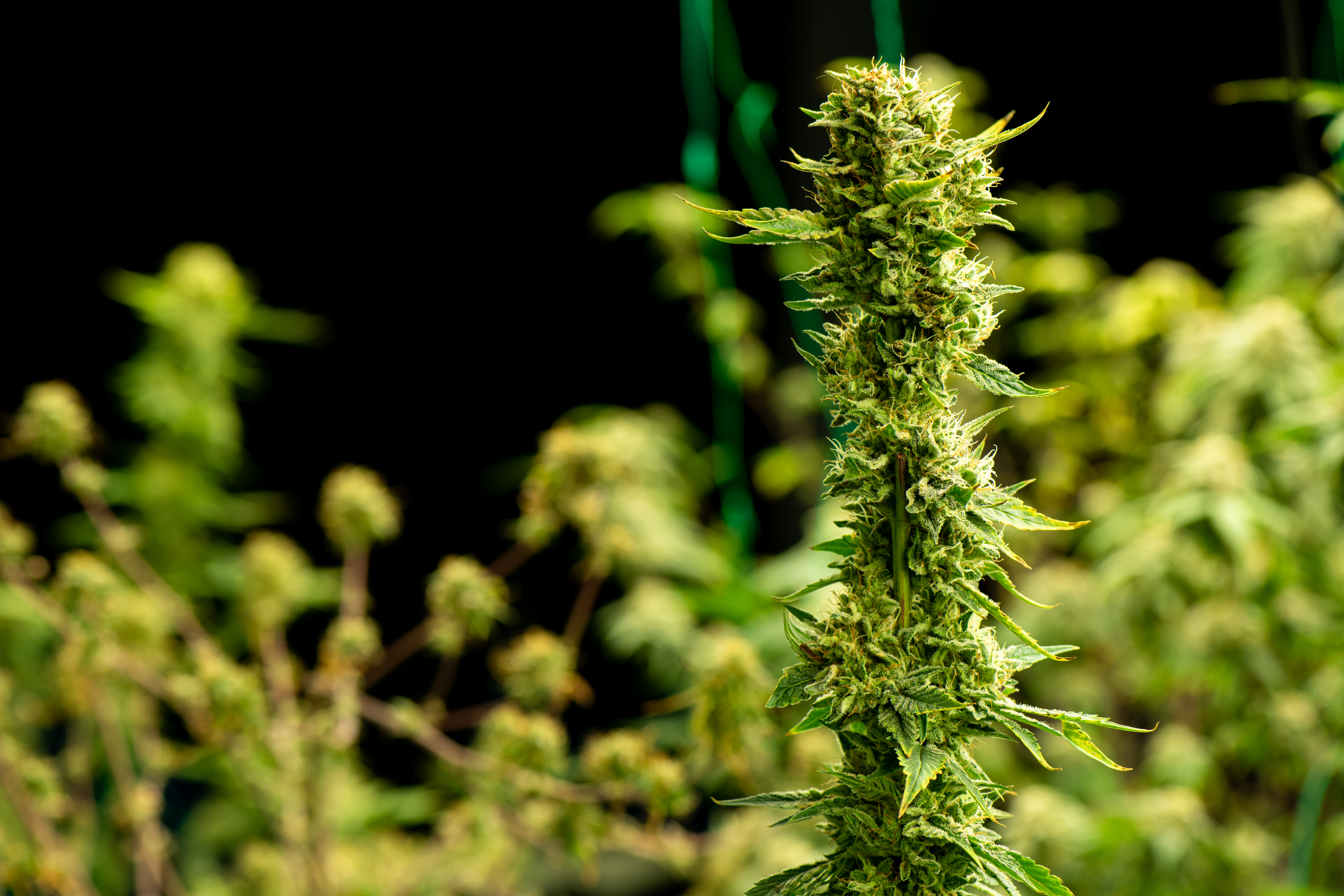


Autoflowering cannabis seeds are a popular choice for people who are new to growing cannabis. They are known for being easier to grow, faster to finish, and more forgiving of small mistakes. This makes them well suited for beginners who want clear results without learning complex growing techniques. To understand why autoflowering seeds are different, it helps to first understand how cannabis plants normally grow and flower.
Most cannabis plants are called photoperiod plants. These plants rely on changes in light to know when to start flowering. When grown indoors, they stay in the vegetative growth stage until the light schedule is changed. Outdoors, they begin flowering as the days get shorter. Autoflowering plants work in a different way. Instead of relying on light changes, they begin flowering automatically after a set amount of time. This automatic flowering trait is where the name “autoflowering” comes from.
Autoflowering seeds get this trait from a type of cannabis known as Cannabis ruderalis. This variety developed in harsh climates with short summers, where plants needed to grow and reproduce quickly. Modern autoflowering strains are created by crossing ruderalis genetics with indica or sativa strains. The result is a plant that keeps many of the desired traits of modern cannabis while also flowering on its own.
One of the main reasons autoflowering seeds are popular with beginners is their simple growth cycle. From seed to harvest, most autoflowering plants finish in about 8 to 12 weeks. This is much faster than photoperiod plants, which can take several months. Because the plant’s life cycle is short and fixed, growers do not need to adjust light schedules to trigger flowering. This removes one of the most confusing steps for new growers.
Another advantage is that autoflowering plants can grow under many different light schedules. Indoors, they can flower under 18 hours of light per day or even continuous light. Outdoors, they will flower regardless of day length, as long as temperatures are suitable. This makes them flexible and useful for a wide range of growing setups. Beginners do not need advanced equipment or strict timing to succeed.
Autoflowering plants are also smaller in size compared to many photoperiod plants. Most stay compact, which makes them easier to manage in small indoor spaces or discreet outdoor locations. Their smaller size also means they require less maintenance and less training. While they may produce smaller yields than large photoperiod plants, they make up for this with speed and simplicity.
This guide is designed to walk beginners through every step of growing autoflowering seeds. It covers the entire process, starting from understanding what autoflowering seeds are, all the way through harvesting the finished plant. Each section focuses on clear, practical information that answers common questions people search for online. Topics include germination, light, watering, nutrients, environment, and harvest timing.
The goal of this article is to make the process easy to understand without using complex language or advanced growing terms. Each step is explained in a clear and direct way so that readers can follow along, even if they have never grown a plant before. By the end of this guide, readers will have a complete picture of how autoflowering plants grow and what they need at each stage of life.
Autoflowering seeds are not perfect for every situation, but they offer a simple and reliable way for beginners to learn the basics of cannabis cultivation. By understanding how they work and what makes them different, growers can avoid common mistakes and set realistic expectations. This introduction sets the foundation for the detailed, step-by-step instructions that follow in the rest of the guide.
What Are Autoflowering Seeds and How Do They Work?
Autoflowering seeds are a type of cannabis seed that grow and flower based on age rather than changes in light. This is the main feature that separates them from traditional photoperiod cannabis plants. With photoperiod plants, growers must change the light schedule to trigger flowering. Autoflowering plants do not need this change. They begin flowering on their own after a short period of growth.
This automatic flowering trait makes autoflowering seeds easier to manage, especially for beginners. Because the plant follows its own internal schedule, there is less room for error when it comes to lighting. To understand how autoflowering seeds work, it is important to look at their genetics, growth cycle, and natural behavior.
The Genetics Behind Autoflowering Seeds
Autoflowering seeds are created by breeding traditional cannabis strains with Cannabis ruderalis. Cannabis ruderalis is a type of cannabis that evolved in harsh environments with short summers. These plants had to grow and reproduce quickly before cold weather arrived. As a result, they developed the ability to flower based on age instead of light exposure.
Modern autoflowering strains combine this automatic flowering trait with the desirable qualities of indica or sativa strains. These qualities include flavor, aroma, potency, and yield. While early autoflowering plants were small and low in strength, modern breeding has greatly improved their performance. Today’s autoflowering plants can produce strong buds while still keeping their fast-growing nature.
How Autoflowering Plants Switch to Flowering
Autoflowering plants follow a fixed life cycle. After germination, the plant enters a short vegetative stage. During this time, it focuses on growing leaves, stems, and roots. Unlike photoperiod plants, this stage is very short and usually lasts only two to four weeks.
Once this period ends, the plant automatically moves into the flowering stage. This change happens no matter how many hours of light the plant receives each day. The plant’s internal clock controls this transition. Because of this, autoflowering plants will flower even under constant light or outdoor conditions with changing daylight hours.
This predictable growth pattern allows growers to plan their grow more easily. However, it also means there is little time to recover from stress. Any major problems during early growth can affect the final size and yield of the plant.
Typical Lifecycle of an Autoflowering Plant
Most autoflowering plants complete their entire life cycle in about 8 to 12 weeks from seed to harvest. This includes germination, vegetative growth, flowering, and maturity. Some fast strains finish in as little as 7 weeks, while larger varieties may take up to 14 weeks.
The short life cycle makes autoflowering seeds popular for growers who want quick results. It also allows for multiple harvests in a single year, especially outdoors. Indoor growers can run several grow cycles back to back without changing light schedules.
Because autoflowering plants grow quickly, they do best when placed directly into their final container. This reduces stress and allows the roots to develop without interruption.
Key Differences Between Autoflowering and Photoperiod Plants
The most important difference between autoflowering and photoperiod plants is how flowering begins. Photoperiod plants require a change in light, usually from long daylight hours to 12 hours of darkness. Autoflowering plants do not need this change.
Autoflowering plants are usually smaller in size. This makes them suitable for small grow spaces and discreet outdoor growing. They also tend to be more resilient to light leaks and schedule mistakes.
However, because their growth time is limited, autoflowering plants do not respond well to heavy pruning or high-stress training. Photoperiod plants, in contrast, can recover from stress because their vegetative stage can be extended.
Autoflowering seeds produce plants that flower based on age, not light changes. This trait comes from Cannabis ruderalis genetics, which allow the plant to complete its life cycle quickly. Autoflowering plants grow fast, follow a fixed schedule, and usually finish within 8 to 12 weeks. Their simple growing process and predictable behavior make them easier to manage, especially for beginners. However, their short lifespan also means growers must provide proper care from the start to achieve the best results.
Are Autoflowering Seeds Good for Beginners?
Autoflowering seeds are often recommended for beginners because they are easier to grow than many other types of cannabis plants. While no plant is completely “effort-free,” autoflowering plants reduce several common challenges that new growers face. Understanding why they are beginner-friendly—and where they still require care—helps new growers decide if they are the right choice.
Simple Growth Cycle
One of the biggest reasons autoflowering seeds are good for beginners is their simple life cycle. Autoflowering plants switch from the vegetative stage to the flowering stage on their own. This change happens based on age, not light exposure.
Photoperiod plants require strict light schedules to begin flowering. If the light cycle is wrong, the plant may stay in the vegetative stage or experience stress. Autoflowering plants remove this problem. Once they reach a certain age, they automatically begin flowering, even if the light schedule stays the same.
This automatic process makes growing easier for beginners who may not yet understand light cycles or timers.
Less Dependence on Light Schedules
Autoflowering plants are not sensitive to changes in light hours. This is helpful for beginners growing indoors and outdoors.
Indoors, beginners often struggle with setting timers correctly. Autoflowering plants can grow well under a wide range of light schedules, such as 18 hours on and 6 hours off, or even continuous light. Mistakes with lighting are less likely to stop flowering or damage the plant.
Outdoors, autoflowering plants are also easier to manage. They can flower regardless of day length, which allows growers to plant them at different times of the year. Beginners do not need to wait for seasonal light changes to start flowering.
Shorter Time from Seed to Harvest
Autoflowering plants grow faster than photoperiod plants. Most autoflowering strains are ready to harvest in 8 to 12 weeks from seed. This shorter cycle is helpful for beginners for several reasons.
First, beginners can see results faster. This keeps motivation high and allows new growers to learn from experience without waiting many months. Second, a shorter life cycle means there is less time for problems to develop. Issues like pests, nutrient buildup, or environmental stress have less time to affect the plant.
The fast growth also allows beginners to grow more than one cycle per year, especially indoors.
Smaller Plant Size and Easy Handling
Autoflowering plants usually stay smaller than photoperiod plants. This compact size makes them easier to manage, especially in small grow spaces like tents, closets, or balconies.
Smaller plants are easier to water, inspect, and move if needed. Beginners are less likely to feel overwhelmed by plant size or structure. Compact growth also helps reduce airflow problems and makes it easier to control temperature and humidity.
For beginners who want to grow discreetly or have limited space, autoflowering plants are often a practical option.
Reduced Risk of Major Growing Mistakes
Autoflowering plants are generally more forgiving of small mistakes. They can handle minor issues with light, temperature changes, or feeding better than many photoperiod plants.
This does not mean they can survive severe stress, but common beginner errors are less likely to stop growth entirely. For example, slight overfeeding or minor light changes usually cause less disruption in autoflowering plants.
Because they are bred to be hardy, many autoflowering strains can tolerate a wider range of conditions.
Limitations Beginners Should Understand
While autoflowering seeds are beginner-friendly, they still have limits. One key limitation is reduced recovery time. Because autoflowering plants grow quickly, they do not have much time to recover from stress.
Heavy pruning, topping, or transplant shock can reduce yield if done incorrectly. Beginners should use gentle techniques and avoid unnecessary handling.
Another limitation is yield size. Autoflowering plants usually produce smaller yields compared to large photoperiod plants. However, for beginners, consistent success is often more important than maximum yield.
Finally, autoflowering plants must be treated carefully during early growth. Early stress can affect the entire life of the plant because there is no way to extend the vegetative stage.
Autoflowering seeds are a strong choice for beginners because they simplify the growing process. They flower automatically, grow quickly, stay small, and are less sensitive to light schedule mistakes. These features reduce many of the most common problems new growers face.
However, beginners should still provide proper care, gentle handling, and stable conditions. Autoflowering plants reward consistency rather than heavy training or experimentation. For new growers who want a clear and manageable introduction to cannabis cultivation, autoflowering seeds offer a practical and accessible starting point.
How Long Do Autoflowering Plants Take to Grow?
One of the most common questions beginners ask is how long autoflowering plants take to grow. Autoflowering cannabis plants are known for their short and predictable life cycle. Unlike photoperiod plants, they do not depend on changes in light hours to begin flowering. Instead, they grow based on age. This makes it easier to plan the grow and know when to expect harvest.
In most cases, autoflowering plants take 8 to 12 weeks from seed to harvest. Some fast strains may finish in as little as 7 weeks, while larger or slower strains may take up to 14 weeks. The total time depends on genetics, environment, and how well the plant is cared for. To understand this better, it helps to break the life cycle into clear stages.
Germination Stage (Days 1–7)
The first stage is germination. This begins when the seed absorbs water and ends when a seedling breaks through the surface of the growing medium.
- Most autoflowering seeds germinate within 24 to 72 hours
- Some seeds may take up to 7 days
- Warm temperatures and light moisture help speed up this stage
During germination, the plant uses energy stored in the seed. No nutrients are needed at this time. Once the seedling appears, the growth cycle moves quickly into the next stage.
Seedling Stage (Week 1–2)
The seedling stage usually lasts 7 to 14 days. During this time, the plant is very small and delicate.
- The first round leaves (cotyledons) open
- The plant begins forming its first true leaves
- Root development is the main focus
Growth may look slow, but this stage is very important. Autoflowering plants have a short life, so any stress during this stage can affect final size and yield. Gentle light, proper watering, and stable temperatures help the plant move smoothly into the next phase.
Vegetative Stage (Week 2–4)
The vegetative stage is when the plant grows the fastest. For autoflowering plants, this stage is short and usually lasts 2 to 3 weeks.
During this time:
- The plant increases in height and width
- Leaf growth becomes rapid
- The main structure of the plant forms
Unlike photoperiod plants, autoflowers do not stay in vegetative growth for long. Around week 3 or 4, the plant will begin showing signs of flowering no matter the light schedule. This is why early care is so important. Strong growth in this stage leads to better flowering later.
Pre-Flower and Flowering Stage (Week 4–8 or Longer)
The flowering stage usually begins around week 4 or 5. Small white hairs, called pistils, appear at the nodes where branches meet the stem.
This stage includes:
- Stretching in height during early flowering
- Formation of buds
- Increase in resin and aroma over time
Flowering typically lasts 4 to 6 weeks, depending on the strain. Some larger autoflowering plants may flower longer. During this time, the plant focuses most of its energy on bud production rather than new leaf growth.
Ripening and Harvest Window (Final 1–2 Weeks)
The final stage is ripening. Buds stop growing in size and begin to mature.
- Pistils darken and curl inward
- Trichomes change from clear to cloudy or amber
- The plant may slow water and nutrient uptake
This stage is important for harvest timing. Harvesting too early or too late can affect quality. Most autoflowering plants are ready for harvest between week 8 and week 12, depending on genetics and growing conditions.
Factors That Affect Growth Time
Several factors can make an autoflowering plant grow faster or slower:
- Genetics: Some strains are bred for speed, others for size
- Light intensity: Strong, consistent light supports faster growth
- Temperature: Cold slows growth; extreme heat causes stress
- Watering and nutrients: Overwatering or overfeeding can delay development
- Stress: Transplant shock, heavy pruning, or poor conditions can reduce speed
Even small mistakes can have a bigger impact on autoflowering plants because they cannot pause or extend their life cycle.
Autoflowering plants grow quickly and follow a fixed timeline. Most finish in 8 to 12 weeks from seed to harvest. The life cycle includes germination, seedling growth, a short vegetative stage, flowering, and ripening. Because the timeline is short, early care is very important. When grown in stable conditions with minimal stress, autoflowering plants provide a fast and predictable growing experience for beginners.
What Is the Best Light Schedule for Autoflowering Plants?
Light is one of the most important factors when growing autoflowering plants. Even though autoflowering plants are easier to manage than photoperiod plants, they still depend on proper lighting to grow strong, healthy, and productive. Understanding light schedules, light duration, and light intensity will help beginners avoid common mistakes and get better results.
How Autoflowering Plants Respond to Light
Autoflowering plants are different from photoperiod plants because they do not rely on changes in light cycles to begin flowering. Instead, they start flowering automatically after a certain amount of time, usually 2 to 4 weeks after germination. This means they can grow and flower under the same light schedule from start to finish.
Even though autoflowering plants do not need a specific light cycle to flower, the amount of light they receive still affects their growth, size, and yield. More light usually means more energy for the plant, which can lead to stronger growth and better flower production.
Common Light Schedules for Autoflowering Plants
There are three light schedules most commonly used for autoflowering plants when grown indoors:
18 hours on / 6 hours off (18/6)
This is one of the most popular light schedules for autoflowering plants. The plant receives 18 hours of light each day and rests for 6 hours in darkness. This schedule provides plenty of light while still allowing the plant time to rest. It is also energy efficient compared to longer light schedules.
20 hours on / 4 hours off (20/4)
This schedule gives plants more light each day, which can increase growth and yield. Many growers choose this schedule because it offers a balance between maximum light exposure and a short rest period. Autoflowering plants usually handle this schedule very well.
24 hours on / 0 hours off (24/0)
Under this schedule, the lights stay on all day with no darkness. Some growers use this method to give plants constant light and speed up growth. While autoflowering plants can survive under 24-hour light, it may increase stress for some plants and also increases electricity costs.
For beginners, 18/6 or 20/4 are generally the safest and easiest options.
Indoor vs Outdoor Light Considerations
When growing autoflowering plants outdoors, light schedules are controlled by nature. Autoflowering plants can grow during long summer days or shorter seasons because they do not depend on day length to flower. This makes them ideal for outdoor growers with limited sunlight or shorter growing seasons.
Indoors, growers have full control over lighting. This allows consistent light exposure every day, which helps plants grow evenly. Indoor growers should use timers to keep light schedules consistent, as sudden changes can stress plants.
Light Intensity and Distance
Light schedule alone is not enough. Light intensity also plays a major role in plant health. Autoflowering plants need strong but not overwhelming light. Weak light can cause plants to stretch and grow tall with weak stems. Too much light can cause light stress, leaf bleaching, or slow growth.
The distance between the light and the plant depends on the type of grow light used, such as LED, HID, or fluorescent lights. As a general rule:
- Seedlings need softer light placed farther away
- Vegetative plants need stronger light closer to the canopy
- Flowering plants need bright but evenly spread light
Growers should always follow the manufacturer’s guidelines for light distance and adjust based on how plants respond.
Why Consistency Matters
Autoflowering plants grow quickly, so consistency is very important. Irregular light schedules can slow growth and reduce final yield. Using a timer ensures that lights turn on and off at the same time every day. This helps plants stay healthy and reduces stress.
Because autoflowering plants have a short life cycle, mistakes during early growth stages can have lasting effects. Proper lighting from the start helps plants develop strong roots, sturdy stems, and healthy leaves.
Energy Use and Heat Control
Longer light schedules increase electricity use and heat output. Growers should ensure proper ventilation to prevent overheating. High temperatures can reduce growth and damage plants. Using energy-efficient LED lights can help manage heat while still providing strong light.
Autoflowering plants do not need a special light cycle to flower, but they still need enough daily light to grow well. The most common and beginner-friendly light schedules are 18/6 and 20/4. These schedules offer a good balance of light, rest, and energy efficiency.
Indoor growers benefit from consistent lighting using timers, while outdoor growers can rely on natural sunlight. Along with the right schedule, proper light intensity, distance, and temperature control are essential. By keeping lighting simple, stable, and strong, beginners can give autoflowering plants the best chance to grow healthy and produce good yields.
What Is the Best Growing Medium for Autoflowering Seeds?
Choosing the right growing medium is one of the most important steps when growing autoflowering seeds. The growing medium is what supports the roots, holds water, and delivers oxygen and nutrients to the plant. Because autoflowering plants grow fast and have a short life cycle, the medium must allow healthy root growth from the very beginning.
Soil: The Most Beginner-Friendly Option
Soil is the most popular and easiest growing medium for beginners. It is forgiving, widely available, and simple to manage.
Good soil for autoflowering plants should be:
- Light and airy
- Well-draining
- Able to hold some moisture without staying wet
- Low to moderate in nutrients
Autoflowering plants are sensitive to stress, especially early in life. Heavy or compact soil can slow root growth and reduce plant size. A light soil mix allows roots to spread easily and access oxygen.
Many growers choose light potting soil or soil made for seedlings. These soils usually contain fewer nutrients, which helps prevent nutrient burn in young autoflowering plants.
Avoid garden soil or dense soil from outdoor yards. These soils often drain poorly and may contain pests or diseases.
Pre-Fertilized vs Lightly Amended Soil
Some soils come pre-fertilized with nutrients added. These are often called “hot soils.” While they work well for photoperiod plants, they can be risky for autoflowering plants.
Autoflowers need fewer nutrients, especially during the first few weeks. Too many nutrients can damage young roots and slow growth.
For beginners, lightly amended soil is the safer choice. This type of soil:
- Contains mild nutrients
- Supports early growth without burning the plant
- Allows better control of feeding later
If pre-fertilized soil is used, it should be mixed with plain soil or perlite to lower nutrient strength.
Coco Coir: Faster Growth With More Control
Coco coir is made from coconut husks and is another popular option. It is not soil but acts as a neutral growing medium.
Benefits of coco coir include:
- Excellent drainage
- High oxygen levels for roots
- Faster growth compared to soil
However, coco coir requires more attention. It contains no nutrients, so plants must be fed from the start. The grower must also manage pH levels and nutrient strength carefully.
Coco coir is best for growers who want faster growth and are comfortable with regular feeding. Beginners can use coco, but mistakes are less forgiving than soil.
Hydroponic Systems: Not Ideal for Beginners
Hydroponic systems grow plants directly in water with nutrients added. These systems can produce fast growth and high yields, but they require experience.
Hydroponics demands:
- Precise nutrient control
- Constant monitoring of pH and water levels
- Stable environmental conditions
Because autoflowering plants grow quickly, problems in hydroponics can cause permanent damage. For this reason, hydroponic systems are not recommended for beginners growing autoflowering seeds.
Drainage and Aeration: Why They Matter
No matter which medium is chosen, drainage and aeration are critical.
Autoflowering plants dislike wet roots. Poor drainage can lead to:
- Root rot
- Slow growth
- Weak plants
To improve drainage and airflow:
- Add perlite or pumice to soil
- Use fabric pots instead of plastic pots
- Avoid compacting the medium
A well-aerated medium allows roots to breathe and absorb nutrients more efficiently.
Container Choice and Medium Volume
Autoflowering plants do best when planted directly into their final container. Transplanting can stress the plant and reduce growth.
Most autoflowers grow well in:
- 3 to 5-gallon containers
The growing medium should fill the container completely. This allows roots to develop fully without restriction.
Fabric pots work especially well because they:
- Improve airflow
- Prevent root binding
- Help control moisture levels
The best growing medium for autoflowering seeds is one that supports fast, stress-free root growth. For most beginners, light and airy soil with mild nutrients is the safest and easiest option. Coco coir can offer faster growth but requires more care and experience. Hydroponic systems are best left to advanced growers.
No matter the medium, good drainage, proper aeration, and gentle nutrient levels are essential. Starting with the right growing medium gives autoflowering plants the strong foundation they need to grow healthy and reach their full potential.
How to Germinate Autoflowering Seeds Correctly
Germination is the first and most important step in growing autoflowering plants. This is the stage where the seed opens and sends out its first root, called a taproot. If germination is done correctly, the plant will have a strong and healthy start. Because autoflowering plants grow on a fixed timeline, mistakes during germination can reduce plant size and final yield. For this reason, it is important to handle seeds carefully and follow proven methods.
What Autoflowering Seeds Need to Germinate
Autoflowering seeds need four basic things to germinate:
- Moisture – to soften the seed shell
- Warmth – to activate growth inside the seed
- Oxygen – for root development
- Darkness – light is not needed at this stage
The ideal temperature for germination is between 70–80°F (21–27°C). Seeds should stay moist but never soaked. Too much water can cause seeds to rot or fail to open.
Common Germination Methods
There are three main methods beginners use to germinate autoflowering seeds. Each method works well if done correctly.
Paper Towel Method
This is one of the most popular and reliable methods.
Steps:
- Place a paper towel on a clean plate.
- Lightly moisten the towel with clean water. It should be damp, not dripping.
- Place the seed on the towel and cover it with another damp paper towel.
- Put the plate in a dark, warm place.
- Check once or twice per day to keep the towel moist.
Within 24–72 hours, the seed usually cracks open and a small white taproot appears. Once the taproot is about ¼ to ½ inch long, the seed is ready to be planted.
Important tip: Always handle the seed by the shell, not the root. Touching the taproot can damage it.
Direct Planting in Soil
This method reduces handling and stress, which is helpful for autoflowering plants.
Steps:
- Fill the final container with light, well-draining soil.
- Make a small hole about ½ inch deep.
- Place the seed in the hole with the pointed end facing down.
- Gently cover with soil without pressing it down.
- Lightly water the area.
The seed usually sprouts above the soil within 2–5 days.
This method is simple and safe, especially because autoflowering plants do not like being transplanted.
Starter Plugs or Seed Cubes
Starter plugs are made from peat or similar materials and hold moisture well.
Steps:
- Soak the plug in water and gently squeeze out excess water.
- Place the seed into the pre-made hole.
- Keep the plug warm and slightly moist.
- Once the seedling appears, place the entire plug into the final container.
This method helps protect young roots and makes early growth easier.
Best Humidity and Environment for Germination
Humidity helps seeds stay moist while they open. During germination, humidity should be around 65–75%. This can be achieved by using a humidity dome, plastic cover, or placing the container in a warm room.
Light is not required until the seedling breaks the soil. Once the sprout appears, gentle light should be provided immediately to prevent stretching.
Transplanting Autoflowering Seedlings (Or Avoiding It)
Autoflowering plants have a short life cycle. Because of this, transplanting can cause stress and slow growth. Many growers prefer to plant autoflowering seeds directly into their final container to avoid this risk.
If transplanting is necessary:
- Do it as early as possible, ideally before the roots fill the container
- Be gentle and avoid damaging roots
- Transplant only once
Late or repeated transplanting can reduce plant size and yield.
Common Germination Mistakes to Avoid
- Overwatering: Too much water can drown the seed
- Cold temperatures: Slow or stop germination
- Touching the taproot: Can damage early growth
- Planting too deep: Makes it harder for the seedling to reach the surface
Simple care and patience are usually enough for success.
Germinating autoflowering seeds is a simple process when done correctly. Seeds need warmth, moisture, air, and gentle handling. Beginners can choose between the paper towel method, direct soil planting, or starter plugs, depending on preference. Because autoflowering plants grow quickly and do not recover well from stress, it is best to minimize handling and avoid late transplanting. A strong start during germination helps ensure healthy growth throughout the entire life of the plant.
How Often Should You Water Autoflowering Plants?
Watering is one of the most important parts of growing autoflowering plants. It is also one of the most common areas where beginners make mistakes. Autoflowering plants grow fast and have a short life cycle, so proper watering helps them stay healthy from seedling to harvest.
Understanding how often to water, how much water to give, and what signs to watch for can prevent stress and support steady growth.
Why Proper Watering Matters for Autoflowering Plants
Autoflowering plants rely on healthy roots to grow quickly. Roots need both water and oxygen. When soil stays too wet, oxygen cannot reach the roots. This can slow growth or cause root damage. When soil is too dry, roots cannot absorb nutrients.
Because autoflowering plants do not have time to recover from stress, correct watering is essential.
Watering Autoflowering Plants by Growth Stage
Autoflowering plants have different water needs at each stage of growth.
Seedling Stage
During the seedling stage, plants are small and have short roots. They need very little water.
- Use a spray bottle or small cup
- Lightly moisten the soil, not soak it
- Keep the soil damp, not wet
Overwatering at this stage is very common and can cause slow growth or seedling death.
Vegetative Stage
As plants grow larger, their roots spread and need more water.
- Water when the top 1–2 inches of soil feel dry
- Water slowly and evenly
- Allow runoff to drain fully
At this stage, watering may be needed every 2 to 4 days, depending on pot size, temperature, and humidity.
Flowering Stage
During flowering, autoflowering plants often drink more water.
- Check soil daily
- Water thoroughly but less often
- Avoid letting plants sit in standing water
Plants may need watering every 1 to 3 days, especially in warm or dry conditions.
How Much Water Should You Use?
There is no fixed amount of water that works for every plant. The correct amount depends on:
- Pot size
- Plant size
- Growing medium
- Temperature and humidity
A general rule is to water until you see a small amount of runoff from the bottom of the pot. This helps ensure the entire root zone gets moisture.
Always let excess water drain away.
Signs of Overwatering
Overwatering is one of the most common problems for beginners.
Signs of overwatering include:
- Drooping leaves that feel soft
- Yellowing leaves
- Slow growth
- Soil that stays wet for many days
If overwatering continues, roots may become damaged and stop working properly.
Signs of Underwatering
Underwatering can also harm autoflowering plants.
Signs of underwatering include:
- Drooping leaves that feel dry or thin
- Leaves curling inward
- Dry, cracked soil
- Very light pots
Underwatered plants usually recover faster than overwatered plants once watered properly.
Best Watering Techniques
To water autoflowering plants correctly:
- Water slowly to avoid runoff channels
- Use room-temperature water
- Avoid watering on a fixed schedule
- Always check soil moisture first
Lifting the pot is a simple way to judge moisture. A light pot usually means the plant needs water.
Importance of Drainage and Root Oxygen
Good drainage is critical. Pots should have holes at the bottom so water can escape. Air gaps in the soil allow oxygen to reach the roots.
Growing media that drain well help prevent root problems and support faster growth.
Watering autoflowering plants is about balance. Plants need enough water to grow, but roots also need oxygen. Water lightly during early growth, increase water as plants mature, and always let soil dry slightly between waterings.
By watching your plants, checking soil moisture, and avoiding fixed schedules, you can keep autoflowering plants healthy and support steady growth from seed to harvest.
What Nutrients Do Autoflowering Plants Need?
Autoflowering plants need nutrients to grow, form flowers, and complete their life cycle. Because these plants grow fast and have a short lifespan, it is important to give them the right nutrients at the right time. Autoflowering plants usually need smaller amounts of nutrients than photoperiod plants, so careful feeding is very important.
This section explains the basic nutrients autoflowering plants need, how their feeding needs change during each growth stage, and how to avoid common nutrient problems.
The Three Main Nutrients: Nitrogen, Phosphorus, and Potassium
Autoflowering plants need three main nutrients, often called N-P-K.
- Nitrogen (N) helps the plant grow leaves and stems. It is most important during the early growth stage.
- Phosphorus (P) supports root growth and flower development. It becomes more important as the plant starts flowering.
- Potassium (K) helps with overall plant health. It supports water movement, strength, and flower formation.
Most plant nutrients list N-P-K numbers on the label. These numbers show how much of each nutrient the product contains.
Secondary Nutrients and Micronutrients
In addition to N-P-K, autoflowering plants also need smaller amounts of other nutrients.
Secondary nutrients include:
- Calcium
- Magnesium
- Sulfur
These nutrients help with cell growth, photosynthesis, and nutrient movement inside the plant.
Micronutrients include:
- Iron
- Zinc
- Copper
- Manganese
- Boron
Even though plants need only small amounts of these nutrients, missing them can cause growth problems.
Nutrient Needs During Each Growth Stage
Autoflowering plants change their nutrient needs as they grow.
Seedling stage:
During the first one to two weeks, autoflowering plants need very few nutrients. Most good-quality soil already contains enough nutrients. Feeding too early can damage young roots.
Vegetative stage:
As the plant grows leaves and stems, it needs more nitrogen. Light feeding helps support healthy growth, but too much nitrogen can slow flowering later.
Flowering stage:
When the plant starts flowering, it needs less nitrogen and more phosphorus and potassium. These nutrients support bud development and overall plant strength.
Because autoflowering plants move quickly through stages, changes in feeding should be gradual and gentle.
How Autoflowering Plants Differ from Photoperiod Plants
Autoflowering plants are more sensitive to overfeeding than photoperiod plants. Their smaller size and faster growth mean they cannot recover easily from nutrient stress.
Key differences include:
- Lower nutrient strength needed
- Shorter feeding schedules
- Less time to fix nutrient problems
Many growers use nutrients made specifically for autoflowering plants or reduce standard nutrient strength by half.
Feeding Schedules and Application Tips
A simple feeding schedule helps prevent mistakes.
- Start feeding only after the plant shows steady growth
- Use diluted nutrients at first
- Feed every other watering if needed
- Always watch how the plant reacts
Plain water should be used between feedings to prevent salt buildup in the soil. Checking runoff water can also help monitor nutrient levels.
Common Nutrient Deficiencies
Nutrient deficiencies happen when a plant does not get enough of a specific nutrient.
Common signs include:
- Yellow leaves (often nitrogen deficiency)
- Purple or dark stems (possible phosphorus issue)
- Brown leaf edges (possible potassium deficiency)
Deficiencies can also be caused by incorrect soil pH, which blocks nutrient absorption even when nutrients are present.
Common Nutrient Toxicities
Nutrient toxicity happens when the plant receives too much of a nutrient.
Signs of toxicity include:
- Dark green leaves
- Burnt leaf tips
- Slow or stunted growth
Overfeeding is one of the most common mistakes when growing autoflowering plants. Once toxicity occurs, the plant may not fully recover.
Importance of pH Balance
Soil pH affects how nutrients are absorbed. Autoflowering plants grow best when soil pH stays between 6.0 and 6.5.
If pH is too high or too low:
- Nutrients become unavailable
- Deficiency symptoms may appear
- Growth slows down
Testing water and soil pH helps keep nutrient uptake balanced.
Autoflowering plants need a balanced and gentle feeding approach. They require essential nutrients, but in smaller amounts than many other plants. Feeding too much can cause more harm than feeding too little.
By understanding nutrient roles, adjusting feeding by growth stage, and watching plant responses, beginners can avoid common problems. Simple feeding practices, correct pH levels, and careful observation lead to healthier plants and better results.
Should You Train or Prune Autoflowering Plants?
Training and pruning are common techniques used to control plant shape, improve light exposure, and increase yields. However, autoflowering plants are different from photoperiod plants, and they react to stress in a unique way. Because autoflowering plants grow on a fixed timeline, any stress can reduce their final size and yield. For beginners, it is important to understand when training is helpful, when it is risky, and what methods should be avoided.
Why Autoflowering Plants Are Sensitive to Stress
Autoflowering plants begin flowering based on age, not light schedule. Most autoflowers start flowering between weeks 3 and 5 after germination. This gives them a short vegetative stage to grow leaves, branches, and roots.
If the plant experiences stress during this short period, it does not have time to recover before flowering begins. Stress can come from cutting, bending too hard, overwatering, nutrient problems, or transplant shock. When stress happens, the plant may stop growing for several days. Since autoflowers cannot delay flowering, this pause often leads to smaller plants and lower yields.
Because of this, autoflowering plants should be handled gently, especially during the first few weeks of growth.
What Is Plant Training?
Plant training is the process of guiding how a plant grows without removing large parts of it. The goal is to improve light exposure and airflow while keeping stress low.
For autoflowering plants, only low-stress methods are recommended. These techniques change the plant’s shape slowly and carefully.
Low-Stress Training (LST) Explained
Low-stress training, often called LST, is the safest training method for autoflowering plants. LST involves gently bending the main stem and tying it down so that light reaches more branches.
How LST works:
- The main stem is bent sideways instead of growing straight up
- Side branches receive more light and grow stronger
- The plant develops a flatter, wider shape
- Light is spread more evenly across the plant
When to start LST:
- Begin when the plant has 3 to 5 nodes
- Usually around 10 to 20 days after sprouting
- Stop training once flowering is well established
How to do LST safely:
- Bend stems slowly over several days
- Use soft ties or plant wire
- Never force a stem into position
- Adjust ties as the plant grows
LST can slightly improve yields and light efficiency, but it is optional. Autoflowering plants can still grow well without any training.
What Is Pruning and Why It Is Risky
Pruning means cutting parts of the plant, such as leaves or branches. This includes topping, heavy defoliation, and removing large growth tips.
For autoflowering plants, pruning is usually not recommended, especially for beginners.
Why pruning causes problems:
- Cutting causes immediate stress
- Healing takes time the plant does not have
- Growth may slow or stop completely
- Flowering may begin before recovery
Training Methods to Avoid
Some popular methods used on photoperiod plants should be avoided with autoflowering plants.
Avoid these techniques:
- Topping: Cutting off the main stem often reduces plant size
- FIMing: Similar to topping and still stressful
- Mainlining: Requires long recovery time
- Heavy defoliation: Removing many leaves limits energy production
- Late-stage training: Bending during flowering can damage buds
These methods can work on photoperiod plants because they can stay in the vegetative stage longer. Autoflowering plants do not have that flexibility.
Light Leaf Removal: When Is It Acceptable?
In some cases, very light leaf removal may be acceptable. This should only be done if:
- A large leaf is blocking airflow
- A leaf is covering multiple bud sites
- The plant is healthy and growing well
Only remove one or two leaves at a time. Never remove leaves during early growth unless absolutely necessary. Leaves are important because they help the plant create energy.
Do You Need to Train Autoflowering Plants at All?
Training is not required to grow autoflowering plants successfully. Many growers choose not to train at all. Autoflowering plants naturally grow compact and manageable, especially indoors.
For beginners, focusing on proper lighting, watering, and nutrition is more important than training techniques.
Autoflowering plants have a short and fixed growth cycle, which makes them sensitive to stress. Heavy pruning and high-stress training methods should be avoided. Low-stress training, such as gentle bending of stems, can be done carefully during early growth, but it is optional.
For beginners, the safest approach is to avoid pruning and only use light LST if needed. Healthy roots, stable conditions, and gentle handling will have a much greater impact on plant success than advanced training techniques.
What Is the Best Environment for Autoflowering Plants?
Creating the right environment is one of the most important parts of growing autoflowering plants. Because autoflowers grow fast and have a short life cycle, they react quickly to poor conditions. Temperature, humidity, airflow, and general stability all play a direct role in plant health, growth speed, and final yield. This section explains each environmental factor in clear detail so beginners can understand what to aim for and why it matters.
Temperature Requirements for Autoflowering Plants
Autoflowering plants grow best in a warm but stable temperature range. Large temperature changes can slow growth and cause stress.
- Ideal daytime temperature: 70–80°F (21–27°C)
- Ideal nighttime temperature: 65–75°F (18–24°C)
Temperatures below 60°F (15°C) can slow growth and reduce nutrient uptake. Very high temperatures above 85°F (29°C) can cause heat stress, leaf curling, and reduced bud development.
Autoflowers are generally more tolerant than photoperiod plants, but they still perform best when temperatures stay consistent. Try to avoid sudden hot or cold swings, especially during flowering.
For indoor growers, temperature is controlled using grow lights, ventilation fans, and sometimes heaters or air conditioners. Outdoor growers should choose a season with stable weather and avoid extreme heat or cold.
Humidity Levels by Growth Stage
Humidity is the amount of moisture in the air. Autoflowering plants need different humidity levels at each stage of growth.
- Seedling stage: 60–70% humidity
- Vegetative stage: 50–60% humidity
- Flowering stage: 40–50% humidity
Higher humidity helps young plants develop strong roots and healthy leaves. As plants grow larger and begin flowering, lower humidity is needed to prevent mold and bud rot.
High humidity during flowering is one of the most common causes of plant problems. Moist air can get trapped inside dense buds, leading to fungal growth. Keeping humidity under control during this stage is critical.
Humidity can be managed indoors with humidifiers, dehumidifiers, and proper airflow. Outdoor growers should space plants well and avoid areas with constant damp conditions.
Airflow and Ventilation
Good airflow helps autoflowering plants in several important ways:
- Strengthens stems
- Helps control temperature and humidity
- Prevents mold, mildew, and pests
Indoor growers should use oscillating fans to gently move air around the plants. Air should not blow directly at one spot for long periods, as this can damage leaves. Instead, aim for gentle, constant air movement.
Ventilation systems are also important indoors. Fresh air brings in carbon dioxide (CO₂), which plants use during photosynthesis. Exhaust fans help remove hot, humid air from the grow space.
Outdoor plants usually get enough airflow naturally, but they should still be placed where air can move freely around them. Avoid tight corners or enclosed spaces.
Indoor vs Outdoor Environmental Challenges
Both indoor and outdoor growing environments have benefits and challenges.
Indoor growing advantages:
- Full control over temperature and humidity
- Protection from weather and pests
- Ability to grow year-round
Indoor challenges:
- Equipment costs
- Need for constant monitoring
- Risk of rapid problems if systems fail
Outdoor growing advantages:
- Natural sunlight
- Lower setup cost
- Fresh air circulation
Outdoor challenges:
- Weather changes
- Heat waves or cold nights
- Rain and high humidity
Autoflowering plants are popular for outdoor growing because their short life cycle allows them to finish before bad weather arrives. Still, choosing the right location and season is important.
Environmental Stability and Stress Prevention
Autoflowering plants have a limited time to grow, flower, and mature. Any stress during this short period can reduce plant size and yield.
Environmental stress can come from:
- Temperature spikes
- Low or high humidity
- Poor airflow
- Light stress combined with heat
Keeping the environment stable is more important than reaching perfect numbers. Small changes are better than sudden ones. Adjust temperature and humidity slowly whenever possible.
Monitoring tools like thermometers and hygrometers help growers track conditions accurately. Checking these tools daily allows problems to be fixed early.
The best environment for autoflowering plants is warm, stable, and well-ventilated. Temperatures should stay between 70–80°F during the day and slightly cooler at night. Humidity should start high for seedlings and gradually decrease during flowering. Strong airflow and proper ventilation help prevent mold and support healthy growth.
Whether growing indoors or outdoors, the key is consistency. Autoflowering plants grow quickly and do not have time to recover from stress. By maintaining steady environmental conditions, growers can support healthy plants, strong flowering, and better harvest results.
How Much Yield Can You Expect from Autoflowering Plants?
One of the most common questions beginners ask is how much cannabis an autoflowering plant can produce. Yield refers to the amount of dried flower you harvest from one plant. Autoflowering plants usually produce smaller yields than photoperiod plants, but they grow faster and are easier to manage. Understanding what affects yield helps set realistic expectations and improves results.
Average Yield Ranges
Autoflowering plant yields vary based on growing conditions, genetics, and care. On average:
- Indoor autoflowering plants usually produce 1 to 4 ounces (30–120 grams) per plant
- Outdoor autoflowering plants often produce 1 to 6 ounces (30–170 grams) per plant
Some high-performing autoflowering strains can yield more, but beginners should expect results within these ranges. Autoflowering plants are bred for speed and simplicity, not maximum size.
Factors That Affect Autoflowering Yields
Several key factors influence how much your autoflowering plant will produce.
Genetics
Each autoflowering strain has a different yield potential. Some strains are bred for higher production, while others focus on fast growth or compact size. Starting with quality seeds from a reliable source gives better results.
Light Quality and Intensity
Light is one of the most important factors for yield. Strong, consistent light helps plants grow larger buds. Indoor growers using proper grow lights often get better yields than plants grown with weak lighting. Autoflowering plants can handle long light hours, which supports steady growth.
Growing Medium
Healthy roots lead to better yields. Well-aerated soil or coco coir allows roots to spread and absorb nutrients more efficiently. Poor drainage or compacted soil can limit plant growth and reduce yield.
Watering Practices
Overwatering is a common beginner mistake. Too much water reduces oxygen to the roots and slows growth. Proper watering helps roots stay healthy and supports steady bud development.
Nutrient Management
Autoflowering plants need nutrients, but they are sensitive to overfeeding. Using the correct amount of nutrients during each growth stage prevents stress and allows plants to focus energy on flower production.
Environment
Temperature, humidity, and airflow all affect yield. Plants grow best when stress is kept low. Stable conditions allow plants to develop strong branches and dense flowers.
Indoor vs Outdoor Yield Expectations
Indoor Growing
Indoor growers have more control over light, temperature, and humidity. This control often leads to more consistent yields. Indoor autoflowering plants are usually smaller, but the buds can be denser and higher quality due to stable conditions.
Outdoor Growing
Outdoor autoflowering plants rely on natural sunlight. When grown in good weather with full sun, outdoor plants can grow larger and produce higher yields. However, weather changes, pests, and limited sunlight can reduce results.
Plant Size and Yield Relationship
Autoflowering plants are usually smaller than photoperiod plants. This smaller size limits yield, but it also makes them easier to manage. Most autoflowering plants grow between 1 and 3 feet tall.
Plant size depends on:
- Pot size
- Root space
- Light exposure
- Early growth health
Healthy plants that grow well during the first few weeks usually produce better yields later.
Can You Increase Autoflowering Yields?
While autoflowering plants have genetic limits, yields can be improved by:
- Using strong, consistent lighting
- Avoiding stress during early growth
- Maintaining proper watering habits
- Feeding lightly but consistently
- Keeping environmental conditions stable
Because autoflowering plants grow quickly, mistakes early in the grow cycle can permanently reduce yield. Gentle care and consistency are more important than advanced techniques.
Autoflowering plants do not produce the largest yields, but they offer fast growth, simplicity, and reliable results. Most beginners can expect 1 to 4 ounces per plant indoors and slightly more outdoors under good conditions.
Yield depends on genetics, light, nutrients, and environment. Healthy plants with minimal stress produce the best results. By focusing on basic care and avoiding common mistakes, beginners can achieve satisfying harvests and gain experience for future grows.
How to Know When Autoflowering Plants Are Ready to Harvest
Knowing when to harvest autoflowering plants is one of the most important steps in the growing process. Harvesting too early or too late can reduce yield and affect overall plant quality. Because autoflowering plants grow on a fixed life cycle, timing the harvest correctly depends on observing clear visual signs rather than counting days alone. This section explains how to recognize when autoflowering plants are fully mature and ready for harvest.
Understanding Plant Maturity in Autoflowering Plants
Autoflowering plants begin flowering automatically, usually within a few weeks of germination. Once flowering starts, the plant moves steadily toward maturity without changes in light schedule. Most autoflowering strains are ready to harvest within 8 to 12 weeks from seed, but this timeframe can vary.
Instead of relying only on the number of days grown, growers should focus on physical signs of maturity. These signs appear gradually during the flowering stage and become more noticeable as harvest time approaches.
Trichome Development: The Most Reliable Indicator
Trichomes are tiny, crystal-like glands that form on the buds and nearby leaves. They contain most of the plant’s active compounds. Trichomes change appearance as the plant matures, making them one of the best ways to judge readiness.
- Clear trichomes indicate the plant is still immature
- Cloudy or milky trichomes show peak maturity
- Amber trichomes appear as the plant ages past peak
Most growers aim to harvest when the majority of trichomes are cloudy, with a small percentage turning amber. This stage usually means the plant has reached full maturity. A small magnifying tool or jeweler’s loupe is often used to see trichomes clearly.
It is important to check trichomes on the buds rather than the sugar leaves, as leaves can mature faster and give misleading results.
Pistil Color Changes
Pistils are the small hair-like structures that stick out from the buds. Early in flowering, pistils are usually white and straight. As the plant matures, they begin to darken and curl inward.
Signs related to pistils include:
- White pistils turning orange, brown, or red
- Pistils curling back toward the bud
- Fewer new white pistils appearing
When about 70 to 90 percent of pistils have darkened and curled, the plant is usually close to harvest. Pistils alone should not be the only indicator, but they are helpful when used alongside trichome inspection.
Bud Size and Density
As autoflowering plants approach maturity, bud growth slows down. The buds become firmer and more dense to the touch. At this stage, the plant stops producing many new flowers and focuses on finishing development.
Signs of mature buds include:
- Noticeable swelling of buds
- Firmer structure when gently pressed
- Minimal new bud formation
If buds still appear thin or airy, the plant may need more time to mature.
Leaf Color and Overall Plant Appearance
Another sign of harvest readiness is a change in leaf color. During late flowering, the plant often uses up stored nutrients, causing fan leaves to fade from green to yellow.
Common changes include:
- Yellowing of lower leaves
- Slower overall growth
- Less water uptake
This natural fading is normal and often signals that the plant is nearing the end of its life cycle. However, leaf yellowing caused by nutrient problems should be ruled out earlier in the grow.
Why Harvest Timing Matters
Harvesting at the right time ensures the plant has reached full development. Harvesting too early can result in underdeveloped buds and lower yield. Harvesting too late can lead to overripe plants, reduced bud quality, and degradation of plant compounds.
Because autoflowering plants cannot be extended by adjusting light schedules, careful observation during the final weeks is essential.
Knowing when autoflowering plants are ready to harvest requires close attention to visual cues rather than strict timelines. Trichome color is the most reliable indicator, while pistil changes, bud density, and leaf fading provide additional confirmation. By combining all these signs, growers can confidently determine the best harvest window.
A successful harvest comes from patience and careful observation. Taking the time to wait for full maturity helps ensure healthier plants, better yield, and a more complete growing cycle from start to finish.
Common Mistakes to Avoid When Growing Autoflowering Seeds
Autoflowering plants are known for being easy to grow, but they still have specific needs. Because these plants grow fast and have a short life cycle, mistakes can affect them more quickly than other types of plants. Understanding the most common mistakes will help beginners avoid problems and improve their chances of a healthy harvest.
Below are the most common mistakes growers make when growing autoflowering seeds, along with clear explanations of why they happen and how to avoid them.
Overfeeding Nutrients
One of the most common mistakes is giving autoflowering plants too many nutrients. Autoflowering plants are smaller and lighter feeders than photoperiod plants. They do not need strong or frequent feeding.
Too many nutrients can cause nutrient burn. This often shows as yellow or brown tips on the leaves, curling leaves, or slow growth. Once nutrient burn happens, it is hard for autoflowering plants to fully recover because they do not have much time left to grow.
To avoid this mistake:
- Use nutrients made for autoflowering plants if possible
- Start with a low dose, often half or less of what is recommended
- Increase feeding slowly only if the plant shows signs of needing more
- Watch leaf color closely; dark green leaves can be a sign of overfeeding
Overwatering
Overwatering is another major issue, especially for beginners. Autoflowering plants have small root systems, and too much water can drown the roots. This limits oxygen, which roots need to grow.
Signs of overwatering include drooping leaves, slow growth, and soil that stays wet for long periods. Many growers mistake these signs for underwatering and add even more water, making the problem worse.
To avoid overwatering:
- Water only when the top layer of soil is dry
- Use pots with good drainage holes
- Avoid watering on a fixed schedule; water based on plant needs
- Start with small amounts of water and increase as the plant grows
Transplanting Too Late or Too Often
Autoflowering plants do not handle stress well. Transplanting can slow growth or shock the plant. Because autoflowering plants start flowering on their own, any stress early on can reduce final plant size and yield.
Transplanting late or multiple times is a common mistake. Roots may become damaged, and the plant may stop growing for several days. Since autoflowering plants grow on a fixed timeline, lost time cannot be recovered.
To avoid transplanting issues:
- Plant seeds directly into their final container when possible
- If transplanting is needed, do it once and very early
- Handle seedlings gently and avoid disturbing roots
Excessive Training or Stress
Many beginners try to use advanced training methods to increase yield. However, autoflowering plants are sensitive to stress. Techniques like topping, heavy pruning, or aggressive bending can slow growth or reduce yields.
While low-stress training (LST) can be helpful, it must be done carefully and early. Too much stress can cause stunted growth or smaller buds.
To avoid training mistakes:
- Avoid topping autoflowering plants
- Use gentle low-stress training only if needed
- Start training early and stop once flowering begins
- Never remove large amounts of plant material
Poor Environmental Control
Autoflowering plants still need the right environment to grow well. Poor temperature, humidity, or airflow can cause slow growth, mold, pests, or nutrient problems.
Common environmental mistakes include temperatures that are too hot or too cold, high humidity during flowering, and lack of airflow. These issues can damage plants and reduce quality.
To avoid environmental problems:
- Keep temperatures within a stable range
- Lower humidity during flowering to prevent mold
- Use fans to improve airflow around plants
- Avoid sudden changes in temperature or humidity
Starting with Poor Quality Seeds
Another common mistake is using low-quality or old seeds. Poor genetics can lead to weak plants, low yields, or uneven growth. Even perfect care cannot fully fix bad genetics.
To avoid this issue:
- Buy seeds from trusted sources
- Store seeds in a cool, dark, and dry place
- Avoid seeds that look cracked or damaged
Growing autoflowering seeds is simple, but success depends on avoiding common mistakes. Overfeeding, overwatering, late transplanting, excessive training, and poor environmental control are the most frequent problems beginners face. Because autoflowering plants grow quickly and cannot pause their life cycle, small errors can have lasting effects.
By keeping care simple, reducing stress, and paying close attention to plant signals, beginners can grow healthy autoflowering plants from start to finish. Avoiding these mistakes will improve plant growth, yield, and overall success.
Conclusion: Successfully Growing Autoflowering Seeds from Start to Finish
Growing autoflowering seeds from start to finish is a process that can be learned and managed by beginners when each step is understood clearly. Autoflowering plants are designed to grow on a set timeline, which means they move from seed to harvest without needing changes to the light cycle. This single trait removes one of the most common challenges new growers face and makes the entire growing experience more predictable and easier to control.
The first key idea to remember is that autoflowering plants grow fast. From germination to harvest, most autoflowering plants finish their full life cycle in a short time compared to other cannabis plants. Because of this speed, early care matters a great deal. Proper germination, gentle handling, and avoiding stress in the first few weeks all help the plant develop strong roots and healthy growth. Since autoflowering plants have a limited time to recover, mistakes made early can affect the final result.
Light is another major factor in successful growth. Autoflowering plants do not rely on light changes to begin flowering, but they still need enough light to grow properly. A steady light schedule, such as 18 hours of light per day, gives the plant the energy it needs without unnecessary stress. Keeping the light at the correct distance helps prevent damage while allowing strong growth throughout the plant’s life.
Watering and feeding must be handled with care. Autoflowering plants usually need less water and fewer nutrients than photoperiod plants. Overwatering is one of the most common problems for beginners and can slow growth or damage roots. Allowing the growing medium to dry slightly between waterings helps roots breathe and grow stronger. Nutrients should be given in small amounts and increased slowly as the plant develops. Too many nutrients can cause damage that the plant may not have time to recover from.
The growing medium and environment also play an important role. Loose, well-draining soil or a suitable alternative like coco coir allows roots to expand easily. Proper airflow, stable temperatures, and controlled humidity reduce the risk of mold, pests, and stress. Autoflowering plants do best in a stable environment where sudden changes are avoided. Consistency is more important than trying to make constant adjustments.
Training and pruning should be kept simple. Autoflowering plants are sensitive to stress because of their short life cycle. Heavy pruning or high-stress training methods can reduce growth and lower final yields. If training is used, gentle techniques that slowly guide the plant’s shape are safer. In many cases, letting the plant grow naturally can still produce good results, especially for beginners.
Understanding when to harvest is the final step in the process. Watching the plant closely as it matures helps ensure the harvest happens at the right time. Changes in pistil color and trichome appearance provide clear signs of readiness. Harvesting too early or too late can affect quality, so patience during the final stage is important.
Common mistakes such as overfeeding, overwatering, excessive handling, or transplanting too late can be avoided by following a simple approach. Autoflowering plants reward careful observation and steady care. They do not require advanced techniques or constant intervention to grow successfully.
In summary, growing autoflowering seeds successfully comes down to understanding their unique nature. They grow quickly, follow a fixed life cycle, and respond best to gentle, consistent care. By providing the right light, water, nutrients, and environment, beginners can guide autoflowering plants from seed to harvest with confidence. With clear steps, attention to detail, and patience, autoflowering seeds can be grown efficiently and reliably from start to finish.
Research Citations
Ansari, O., De Prato, L., & Slaski, J. (2025). A photoperiod-based classification of industrial hemp (Cannabis sativa L.) and its agronomic implications. Industrial Crops and Products, 233, 121431.
Chandra, S., Lata, H., ElSohly, M. A., Walker, L. A., & Potter, D. (2017). Cannabis cultivation: Methodological issues for obtaining medical-grade product. Epilepsy & Behavior, 70(Pt B), 302–312.
Collado, C. E., Hwang, S. J., & Hernández, R. (2024). Supplemental greenhouse lighting increased the water use efficiency, crop growth, and cutting production in Cannabis sativa. Frontiers in Plant Science, 15, 1371702.
Dowling, C. A., Shi, J., Muldoon, S., McCabe, P. F., & Melzer, R. (2024). A FLOWERING LOCUS T ortholog is associated with photoperiod-insensitive flowering in hemp (Cannabis sativa L.). The Plant Journal.
Hawley, D., Graham, T., Stasiak, M., & Dixon, M. (2018). Improving cannabis bud quality and yield with subcanopy lighting. HortScience, 53(11), 1593–1599.
Kurtz, L. E., Brand, M. H., & Lubell-Brand, J. D. (2023). Gene dosage at the autoflowering locus affects flowering timing and plant height in triploid cannabis. Journal of the American Society for Horticultural Science, 148(2), 83–88.
Magagnini, G., Grassi, G., & Kotiranta, S. (2018). The effect of light spectrum on the morphology and cannabinoid content of Cannabis sativa L. Medical Cannabis and Cannabinoids, 1(1), 19–27.
Potter, D. J. (2009). The propagation, characterisation and optimisation of Cannabis sativa L. as a phytopharmaceutical (Doctoral dissertation). King’s College London.
Sae-Tang, W., Heuvelink, E., Nicole, C. C. S., Kaiser, E., Sneeuw, K., Holweg, M. M. S. F., Carvalho, S., Kappers, I. F., & Marcelis, L. F. M. (2024). High light intensity improves yield of specialized metabolites in medicinal cannabis (Cannabis sativa L.). Journal of Applied Research on Medicinal and Aromatic Plants, 43, 100583.
Saragoça, A., Silva, A. C., Varanda, C. M. R., Materatski, P., Ortega, A., Cordeiro, A. I., & da Gama, J. T. (2025). Current context of Cannabis sativa cultivation and parameters influencing its development. Agriculture, 15(15), 1635.
Questions and Answers
Q1: What are autoflowering seeds?
Autoflowering seeds are cannabis seeds that automatically switch from the vegetative stage to the flowering stage based on age rather than light cycles, usually flowering within 2–4 weeks from sprouting.
Q2: How much light do autoflowering plants need?
Autoflowers typically do best with 18–20 hours of light per day from seed to harvest, though they can also grow under 24 hours of light if conditions are well managed.
Q3: What kind of soil is best for autoflowering plants?
Light, well-aerated soil with good drainage is ideal. Many growers use a mild, nutrient-light soil mix to avoid overwhelming young autoflower plants.
Q4: Should autoflowering seeds be started in their final pot?
Yes, it’s recommended to plant autoflowering seeds directly into their final container to avoid transplant shock, which can slow growth and reduce yield.
Q5: How often should autoflowering plants be watered?
Water only when the top layer of soil feels dry. Autoflowers prefer a wet–dry cycle and can suffer if overwatered, especially early in growth.
Q6: Do autoflowering plants need nutrients?
Yes, but in smaller amounts than photoperiod plants. Start with low-dose nutrients and increase gradually, paying close attention to how the plant responds.
Q7: What temperature and humidity do autoflowers prefer?
Ideal temperatures are generally between 20–26°C (68–79°F). Humidity should be higher during early growth (around 60–70%) and lower during flowering (40–50%).
Q8: Can autoflowering plants be trained?
Low-stress training (LST) can be used gently in early growth, but high-stress techniques like topping are usually discouraged because autoflowers have a short lifecycle.
Q9: How long does it take to harvest autoflowering plants?
Most autoflowering strains are ready for harvest within 8–12 weeks from germination, depending on genetics and growing conditions.
Q10: What are common mistakes when growing autoflowers?
Common mistakes include overwatering, overfeeding nutrients, transplanting too late, and stressing the plant early, all of which can reduce final yield.