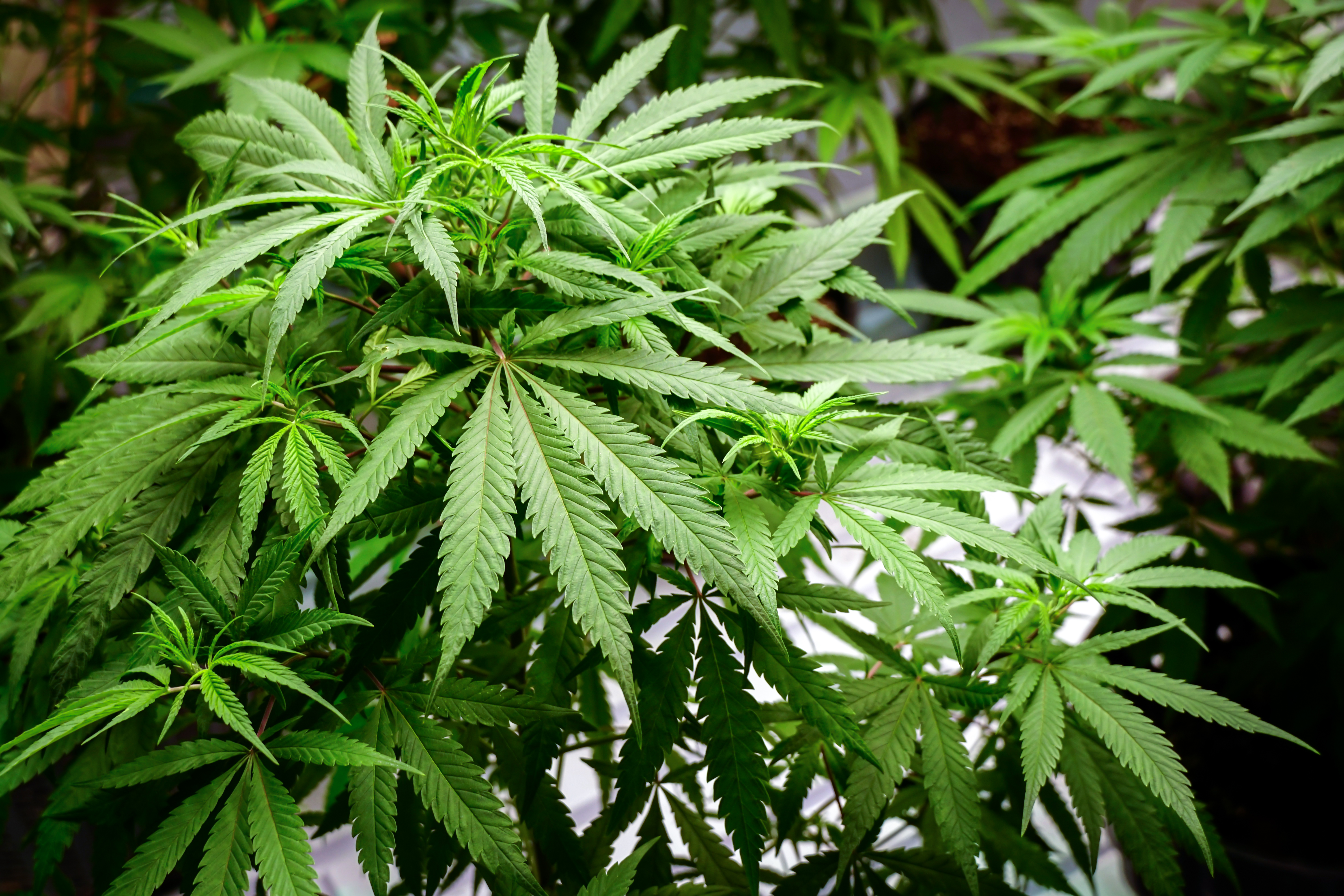


Purple Punch is a popular cannabis variety known for its compact growth, dense flowers, sweet aroma, and possible purple coloring. Many growers are interested in Purple Punch seeds because the plants are often described as manageable in size and suitable for both indoor and outdoor settings. However, growing results can vary widely. Seed quality, plant genetics, local climate, equipment, and grower experience can all affect how the plants develop.
Purple Punch is commonly linked to Granddaddy Purple and Larry OG genetics. These parent strains are often associated with short, bushy plants and thick flowers. Because of this background, many Purple Punch plants grow with strong side branches and a wide shape instead of becoming very tall. This growth pattern may make the variety easier to manage in indoor spaces where height is limited. Outdoor plants may become larger when they receive enough sunlight, root space, water, and time.
One reason growers choose Purple Punch is its dense flower structure. Healthy plants may produce thick buds covered with visible resin. These flowers may have sweet, fruity, grape-like, berry-like, or dessert-like aromas. The exact smell and appearance depend on the plant’s phenotype. A phenotype is the way a plant’s genetics are expressed under certain growing conditions. Seeds from the same package may not produce plants that look exactly alike. One plant may grow taller, while another may remain short. Some plants may develop deep purple leaves or flowers, while others stay mostly green.
Purple coloring is one of the most recognized traits linked to this variety. However, the word “Purple” in the strain name does not guarantee that every plant will turn purple. Color depends mainly on genetics. Temperature, plant health, and the stage of growth may also influence how much color appears. A healthy green Purple Punch plant is not a failed plant. Growers should focus first on strong roots, steady growth, and healthy flowers instead of trying to force a certain color.
Purple Punch seeds are available in several forms. These may include regular seeds, feminized photoperiod seeds, and autoflowering seeds. Regular seeds can produce male or female plants. Feminized seeds are bred to produce female plants in most cases. Photoperiod plants begin flowering when the amount of daily light changes. Autoflowering plants begin flowering based mainly on age rather than a major change in the light schedule. The best choice depends on the grower’s available space, schedule, experience, and local rules.
Many beginners ask whether Purple Punch is easy to grow. It may be suitable for newer growers because it often stays compact and responds well to careful plant management. Still, no cannabis variety is completely problem-free. Dense flowers can hold moisture, especially when airflow is weak or humidity is too high. This can increase the risk of mold and bud rot. The plant may also react poorly to overwatering, excessive fertilizer, extreme heat, or sudden environmental changes. New growers must pay close attention to the plant instead of assuming that it will grow well without regular care.
Indoor cultivation gives growers more control over light, temperature, humidity, and airflow. It also allows plants to be grown outside the normal outdoor season. However, an indoor setup may require lights, fans, timers, containers, testing tools, and other equipment. Electricity use and heat management must also be considered. Outdoor cultivation uses natural sunlight and may give plants more room to develop. At the same time, outdoor plants are exposed to rain, wind, pests, changing temperatures, and seasonal limits.
A successful grow begins before a seed is placed in the growing medium. Growers should first check local laws. Cannabis cultivation rules are different in each country, state, province, or city. Some places allow personal cultivation under certain limits, while others do not allow it at all. Rules may cover the number of plants, where plants can be kept, who can access the area, and whether the garden must be hidden from public view. Following local law is an important part of responsible cultivation.
Good planning also reduces common mistakes. Growers should understand how much space they have, what type of seeds they are using, and how long the full process may take. They should prepare clean containers, a suitable growing medium, proper drainage, steady airflow, and tools for checking the environment. Keeping simple records can also help. Notes about watering, plant growth, temperature, humidity, and feeding make it easier to identify what is working and what needs to change.
This guide explains the main stages involved in growing Purple Punch seeds. It covers choosing seeds, planning the growing area, caring for young plants, managing vegetative growth, preparing for flowering, watching for problems, and understanding when the plants are ready for harvest. It also explains why breeder details matter. Different seed producers may sell Purple Punch versions with different flowering times, plant sizes, and expected traits.
Growers should treat breeder estimates as general guides rather than fixed promises. A plant does not always follow an exact calendar. Its growth rate depends on its genetics and environment. Careful observation is often more useful than following a date without checking the plant. By focusing on healthy development, stable conditions, legal compliance, and patient care, growers can make better decisions throughout the Purple Punch growing cycle.
Understanding Purple Punch Seeds and Genetics
Before growing Purple Punch seeds, it helps to understand what those seeds may produce. Cannabis plants can vary a great deal, even when they share the same strain name. Genetics influence plant shape, growth speed, flowering behavior, aroma, color, and many other traits. However, the final plant is also affected by the environment in which it grows.
Purple Punch is usually described as an indica-dominant cannabis strain. It is widely associated with Granddaddy Purple and Larry OG genetics. These parent strains are known for traits such as compact plant structure, dense flowers, strong aroma, and the possibility of purple coloring. Still, not every Purple Punch seed will grow into an identical plant. Differences can appear between breeders and between individual seeds from the same batch.
For this reason, growers should pay attention to the breeder’s description instead of relying only on the strain name. The breeder can provide useful information about seed type, flowering behavior, expected plant size, and genetic stability.
Purple Punch Genetic Background
Purple Punch is commonly described as a cross between Granddaddy Purple and Larry OG. This genetic background helps explain many of the traits linked with the strain.
Granddaddy Purple is known for its indica-heavy growth pattern and its tendency to produce dark green or purple plant material under certain conditions. Larry OG is also connected with indica genetics and is often associated with strong branching and dense flower development. When these genetics are combined, Purple Punch plants may show traits from either parent.
The word “indica-dominant” does not mean every Purple Punch plant will look or grow in exactly the same way. It simply describes the general genetic pattern connected with the strain. Many Purple Punch plants may stay shorter and develop a bushier shape than varieties with stronger sativa influence. They may also develop broad leaves and closely spaced branches.
Genetics can also affect flowering time. Purple Punch is often described as having a fairly moderate flowering period compared with some long-flowering cannabis varieties. However, the exact timing depends on the breeder, the seed type, and the individual plant.
Another important genetic trait is color. The name Purple Punch suggests that the plant will always become purple, but this is not guaranteed. Purple color is partly controlled by genetics. Some plants may develop deep purple shades, while others remain mostly green. Environmental conditions can influence how strongly those genetic traits appear, but the plant must first have the genetic ability to produce the color.
Aroma and flavor are also linked with genetics. Purple Punch is often associated with sweet, fruity, berry-like, or grape-like aromas. Individual plants may express these features at different levels. One plant may smell sweeter, while another may have stronger earthy or herbal notes.
This natural variation is known as phenotype variation. A phenotype is the visible expression of a plant’s genetics combined with the effect of its environment.
Feminized, Regular, and Autoflowering Seeds
Purple Punch seeds may be sold in several forms. The three main types are feminized photoperiod seeds, regular photoperiod seeds, and autoflowering seeds. Understanding the difference between them is important because each type develops in a different way.
Feminized seeds are produced to have a very high chance of developing into female plants. Female cannabis plants are the plants that produce the flowers commonly associated with cannabis cultivation. Because of this, feminized seeds are often chosen by growers who want to reduce the chance of producing male plants.
Regular seeds can produce either male or female plants. This makes them different from feminized seeds. Regular seeds are often used in breeding projects because growers may need both male and female plants to produce new seed lines. They can require more attention because the sex of each plant normally needs to be identified as the plants mature.
Photoperiod seeds depend on changes in the daily light and dark period to move from vegetative growth into flowering. This means that their growth cycle is influenced by seasonal light outdoors or controlled lighting indoors.
Autoflowering Purple Punch seeds work differently. Autoflowering plants begin flowering mainly according to age rather than a major change in the light cycle. These seeds contain genetics from cannabis varieties that developed in areas with shorter growing seasons.
Autoflowering plants often have a shorter overall life cycle. They may also remain smaller than photoperiod plants. This can make them suitable for situations where space is limited. However, the shorter life cycle gives the plant less time to recover from serious stress or damage.
Seed type can also affect the traits of the final plant. An autoflowering version of Purple Punch is not genetically identical to a photoperiod version because autoflower genetics must be added to create the automatic flowering trait. For this reason, plant height, aroma, flowering time, and other features may differ.
How to Choose Quality Purple Punch Seeds
Seed quality plays an important role in the early health of a cannabis plant. A strong seed does not guarantee a perfect plant, but poor-quality seeds can create problems before growth even begins.
Mature cannabis seeds usually have a firm outer shell. Their color can range from brown and gray to darker shades. Some may have stripes, spots, or mottled patterns. Seed appearance can vary, so color alone should not be used to judge quality.
A healthy mature seed should normally feel firm when handled carefully. Seeds that are cracked, crushed, badly damaged, or unusually soft may have a lower chance of developing normally.
Seed age also matters. Seeds can remain usable for a long time when stored under suitable conditions, but their ability to germinate may decrease as they become older. Heat, moisture, and strong light can shorten storage life.
The source of the seeds is also important. Established breeders usually provide information about the genetics they are selling. This may include whether the seeds are feminized, regular, photoperiod, or autoflowering. They may also provide general information about expected plant size, flowering time, and other traits.
Accurate labeling is especially important with Purple Punch because different breeders may sell versions with slightly different genetic backgrounds. Two seed packs with the same strain name may not always produce exactly the same results.
Growers should therefore read the breeder’s information carefully. Understanding the exact type of Purple Punch seed makes it easier to know what kind of plant behavior to expect.
Purple Punch seeds are generally linked with indica-dominant genetics and are commonly associated with Granddaddy Purple and Larry OG. These genetics can influence plant shape, flowering behavior, aroma, color, and flower structure. However, individual plants can still show noticeable differences because of phenotype variation and environmental conditions.
Purple Punch seeds may be available as feminized, regular, or autoflowering varieties. Feminized seeds are designed to produce mostly female plants, while regular seeds can produce male or female plants. Autoflowering seeds begin flowering mainly according to age, while photoperiod plants respond to changes in light exposure.
Choosing healthy seeds from a clear and reliable genetic source gives growers a better understanding of what to expect from the plants. Seed quality, breeder information, seed type, and genetic stability should all be considered before beginning a Purple Punch cultivation project.
Planning the Grow Before Germination
Good planning should happen before any Purple Punch seeds are started. Cannabis plants can require months of care, so growers need to understand the legal rules, available space, costs, and environmental limits before beginning. A clear plan can also prevent common problems such as poor airflow, lack of space, unexpected expenses, or problems with local regulations.
The exact needs of a Purple Punch plant can vary based on the seed type, breeder, climate, and growing method. For this reason, growers should avoid assuming that every Purple Punch plant will develop in exactly the same way. Planning for some variation gives the plants more room to develop without creating unnecessary problems later.
Checking Local Cultivation Laws
The first step is to check whether home cannabis cultivation is legal where you live. Cannabis laws are different between countries, states, provinces, and cities. In some places, adults may legally grow a limited number of plants for personal use. In other places, home cultivation may require a medical authorization, permit, registration, or other approval. Some areas prohibit home cultivation completely.
Plant limits are also important. A law may limit the number of plants allowed per person, household, or property. There may also be different rules for mature and immature plants. A grower should understand these limits before obtaining or starting seeds.
Local rules may also control where cannabis plants can be kept. For example, plants may need to remain out of public view or inside a secured area. Outdoor cultivation may have additional rules related to fencing, visibility, property boundaries, or access by minors.
Renters should also check their lease. Even when cannabis cultivation is legal under local law, a landlord or rental agreement may restrict growing inside the property. Homeowners may also need to consider condominium, community, or homeowners association rules.
Because cannabis regulations can change, growers should use current information from official government sources. Following the law should be part of the growing plan from the beginning rather than something checked after plants have already been started.
Indoor Versus Outdoor Cultivation
One major planning decision is whether Purple Punch will be grown indoors or outdoors. Both settings have advantages and limits.
Indoor cultivation gives the grower more control over the environment. Light, temperature, airflow, and other conditions can be managed without depending entirely on the weather. Indoor spaces can also provide more privacy and protection from outdoor pests.
However, indoor growing can involve higher costs. Lighting, ventilation, environmental controls, containers, and other equipment may be needed. Electricity use can also increase. Growers must also think about heat, moisture, and air movement inside the growing space.
Outdoor cultivation uses natural sunlight and may provide plants with more space. It can also reduce the need for artificial lighting. In suitable climates, outdoor plants may grow larger because their roots and branches have more room to expand.
The main disadvantage is that outdoor plants are exposed to changing weather. Heavy rain, strong wind, very high temperatures, cold nights, pests, and high humidity can affect plant health. Seasonal timing also matters because photoperiod cannabis plants respond to changes in daylight.
Privacy and security may be more difficult outdoors as well. Plants may be visible or accessible unless the garden is properly protected.
The better choice depends on local laws, available space, climate, budget, and the grower’s ability to maintain a stable environment.
Essential Equipment and Supplies
Before starting seeds, growers should understand the types of supplies normally associated with maintaining plants. Preparing in advance can help prevent sudden problems after germination.
A suitable growing space is one of the first considerations. It should provide enough room for the plants while allowing access for regular inspection and maintenance. Indoor spaces also need a way to manage air movement, temperature, and moisture.
Plant containers and a suitable growing medium are also basic considerations. Different growing media behave differently when holding water, nutrients, and oxygen around the roots. The choice of medium can therefore affect how often plants need attention.
Growers should also have basic tools for observing environmental conditions. Temperature and humidity can affect plant development, so being able to monitor these conditions can help identify problems early.
Cleanliness is another important part of preparation. Dirty containers, tools, or growing areas can increase the chance of pests, mold, or plant disease. Cleaning the space before plants are introduced is much easier than trying to correct a serious problem later.
Growers should also plan a realistic budget. The total cost can include seeds, containers, growing media, environmental equipment, electricity, water, and replacement supplies. Starting without considering these expenses can make it difficult to maintain the plants throughout their full life cycle.
Creating a Cultivation Schedule
Cannabis cultivation involves several stages rather than one continuous period of identical growth. Purple Punch generally passes through germination, seedling development, vegetative growth, flowering, harvest, drying, and curing.
The exact length of each stage can vary. Genetics play an important role, and plants may develop at different speeds even when they come from the same seed pack. Photoperiod and autoflowering versions can also follow different timelines.
Instead of depending on a single fixed calendar, growers should understand the purpose of each stage and monitor the plants as they develop. Healthy plant growth is usually a better guide than simply counting days.
A basic schedule can still be useful for planning. It can help growers estimate when they may need more space, when environmental demands may change, and when the harvest period could occur. It can also help with budgeting and personal schedules.
Keeping records can make planning more useful. Notes about dates, environmental conditions, plant appearance, and major changes can help growers understand how the plants developed. These records may also make it easier to identify the cause of a problem.
Planning should also include time for drying and curing after harvest. The growing process does not end when flowers are removed from the plant. Post-harvest handling can affect moisture levels, aroma, storage quality, and the risk of mold.
Planning is an important first stage when working with Purple Punch seeds. Growers should first confirm that cannabis cultivation is legal in their location and understand any rules involving plant numbers, security, housing, and visibility.
They should also compare indoor and outdoor conditions based on climate, available space, privacy, cost, and environmental control. Preparing the growing area, organizing basic supplies, setting a realistic budget, and keeping records can reduce problems later.
Growers should remember that Purple Punch plants do not always follow an exact timetable. Genetics and environmental conditions can affect their development. A well-organized plan provides a useful structure, but careful observation throughout the plant’s life cycle remains important.
How to Germinate Purple Punch Seeds
Germination is the first active stage of growing Purple Punch seeds. During this stage, the seed absorbs moisture, the outer shell opens, and a small white root called a taproot begins to grow. This root will later develop into the main root system of the plant.
Good germination depends on a few basic conditions. Seeds need moisture, warmth, oxygen, and a clean environment. Too much water can reduce oxygen around the seed, while too little moisture can stop the seed from opening. Very cold or very hot conditions may also slow down germination or damage the seed.
Purple Punch seeds can be germinated in several ways. There is no single method that works best in every situation. The main goal is to keep the seed in a stable environment until the taproot appears and the young plant can be moved into its growing medium.
Preparing the Seeds and Growing Area
Before germination begins, prepare all the materials you will need. This helps reduce unnecessary handling once the seed starts to open. A clean work area is important because young seeds and roots can be sensitive to mold, bacteria, and physical damage.
Start with clean water, clean containers, and a suitable growing medium. If you are germinating several seeds, labeling them can help you keep track of each plant. This is useful if the seeds come from different breeders or if you are comparing different Purple Punch varieties.
The germination area should stay warm but not hot. A stable indoor location is often easier to control than a place where temperatures change throughout the day. The area should also be protected from strong direct light during the earliest stage.
Seeds should remain moist during germination, but they should not sit in standing water for long periods. A seed needs oxygen as well as moisture. When the area around it becomes completely waterlogged, the seed may have trouble developing properly.
Handle the seeds carefully. Avoid squeezing, scratching, or repeatedly checking them. Once the taproot appears, it becomes especially fragile. Even a small amount of pressure can damage the young root.
Common Germination Methods
One commonly used method is the paper towel method. In this approach, the seeds are placed between lightly damp paper towels. The towels are then kept in a clean container or between two plates to help reduce moisture loss.
The paper towels should feel damp but not soaked. If water is dripping from them, they are probably too wet. The seeds should be checked carefully to make sure the towels do not dry out completely.
Another option is direct germination in the growing medium. With this method, the seed is placed directly into soil, coco, or another suitable starter medium. This reduces the need to move the seed after the root appears.
Direct planting can be useful because the young taproot is disturbed less. However, it may be harder to see whether the seed has opened. Growers may need to wait several days before the seedling appears above the surface.
Starter plugs are another common choice. These small growing blocks are designed to hold moisture while still allowing air to reach the seed. They can make transplanting easier because the young root remains protected inside the plug.
Each method has advantages. The paper towel method allows the grower to see the taproot. Direct planting reduces handling. Starter plugs can provide a controlled balance of water and oxygen.
No matter which method is used, stable conditions are more important than constantly changing techniques.
Planting a Germinated Seed
Once the seed opens and a small white taproot appears, it can be moved into its growing medium if it was not germinated there already.
The taproot should be handled as little as possible. It is delicate and can be damaged by fingers, tools, or rough movement. If the seed needs to be moved, handle the shell rather than touching the white root.
Create a small hole in the growing medium. The seed should be placed close enough to the surface that the young shoot can reach the light without using too much stored energy. Avoid burying it too deeply.
The taproot is normally positioned downward because it will continue growing into the medium. The seed shell remains closer to the surface. Once planted, gently cover the seed without pressing the soil down too firmly.
The growing medium should remain lightly moist. It should not become muddy or fully saturated. Young roots need access to oxygen, and very wet soil can slow root growth.
After planting, the seedling may take some time to appear above the surface. During this period, avoid digging into the soil to check the seed. Doing so can damage the root or break the young stem.
When the seedling reaches the surface, the first small leaves will begin to open. At this stage, the plant moves from germination into early seedling growth.
Fixing Germination Problems
Sometimes Purple Punch seeds do not germinate as expected. Several factors can cause slow or failed germination.
Old seeds may take longer to open because they can lose moisture and energy during storage. Poor storage conditions may also reduce germination rates. Seeds exposed to excessive heat, moisture, or light before planting may become weaker over time.
Too much water is another common problem. A seed that remains soaked for too long may receive too little oxygen. This can slow germination and may create conditions where mold develops.
Low temperatures can also slow the process. Seeds generally respond better to stable warmth. However, excessive heat is also harmful because it can dry out the medium or damage the developing seed.
The growing medium itself can cause problems if it is packed too tightly. Dense soil may limit oxygen and make it harder for the young root to move through the medium.
Another possible issue is seed quality. Some seeds may simply be immature, damaged, or unable to germinate. A weak seed may have a pale, soft, cracked, or poorly developed shell, although appearance alone cannot always predict whether a seed will grow.
Patience is important during germination. Some seeds open quickly, while others take longer. Constantly moving, squeezing, or opening the growing medium to inspect them can cause more harm than waiting.
If mold appears, review moisture levels and cleanliness. Excess water, poor airflow, and contaminated materials can all increase the chance of fungal growth.
Germinating Purple Punch seeds is mainly about providing stable moisture, warmth, oxygen, and clean conditions. Growers can use the paper towel method, direct planting, or starter plugs depending on their setup and experience.
The seed should stay moist without becoming waterlogged. Once a taproot appears, it should be handled very carefully and placed into a suitable growing medium. The young root needs both moisture and oxygen to continue developing.
If germination is slow, check the temperature, moisture level, seed age, growing medium, and general cleanliness before making major changes. Avoid handling the seeds more than necessary.
A successful germination stage creates the foundation for healthy seedling growth. Once the first leaves appear above the growing medium, the next goal is to provide suitable light, humidity, airflow, and careful watering as the Purple Punch seedling begins to establish its root system.
Purple Punch Seedling Care
The seedling stage begins after a Purple Punch seed has germinated and the young plant breaks through the growing medium. This stage may look simple, but it is one of the most important parts of the growing process. Young cannabis plants are still developing their first true leaves, roots, and stems. Because they are small and delicate, they can be affected quickly by too much water, strong light, poor airflow, or an unstable environment.
The main goal during the seedling stage is to help the plant build a healthy root system and strong early growth. Purple Punch seedlings do not need heavy feeding or complicated care. They need stable conditions, gentle light, proper moisture, and time to develop. Careful attention during this stage can reduce problems later when the plant enters vegetative growth.
Light for Young Seedlings
Purple Punch seedlings need light as soon as they emerge from the growing medium. Light allows the young plant to begin photosynthesis, which is the process it uses to create energy for growth. However, seedlings cannot handle the same light intensity as larger cannabis plants.
If the light is too weak or too far away, the seedling may stretch upward. A stretched seedling develops a long, thin stem as it tries to reach the light source. This weak stem may bend or fall over. Severe stretching can also make it harder for the plant to support larger leaves later.
If the light is too strong or too close, the seedling may experience stress. Leaves may curl upward, become pale, or develop dry areas. Excessive heat from the light can also dry the growing medium too quickly.
Indoor growers should use a gentle light level during the first stage of growth. Modern LED grow lights are often suitable because they can provide useful light without producing as much heat as some older lighting systems. The correct distance will depend on the strength and design of the light, so growers should follow the manufacturer’s instructions when possible.
Seedlings should also receive a steady light schedule. Photoperiod Purple Punch seedlings are commonly kept under long periods of light during early growth. Consistency is more important than frequently changing the schedule. A timer can help keep the light cycle regular each day.
Temperature and Humidity
Young Purple Punch plants grow best when the environment remains stable. Large changes in temperature or humidity can slow development and place stress on the seedling.
Seedlings generally prefer moderately warm conditions. A room that becomes too cold may slow root growth and reduce the plant’s ability to take up water. Very high temperatures can cause the seedling to lose moisture too quickly. Excess heat may also cause leaves to curl, droop, or dry around the edges.
Humidity is also important because seedlings have small root systems. During early growth, they can absorb some moisture through their leaves while the roots continue to develop. For this reason, seedlings usually tolerate higher humidity than mature flowering plants.
However, very high humidity can create problems if airflow is poor. Damp, still conditions may encourage fungal diseases. A gentle flow of fresh air helps prevent excess moisture from collecting around the plant. Air movement can also help young stems become stronger.
A thermometer and humidity meter can make it easier to monitor conditions. Instead of guessing whether the room feels warm or humid enough, growers can check the actual readings and make small changes when needed.
Watering Young Plants
Overwatering is one of the most common problems during the seedling stage. Because Purple Punch seedlings are small, their roots cannot use large amounts of water. Giving too much water can keep the root zone wet for too long.
Roots need both moisture and oxygen. When the growing medium stays completely saturated, air spaces around the roots can fill with water. This reduces the amount of oxygen available to the root system. As a result, growth may slow and the plant may begin to droop.
Instead of soaking a large container every day, growers should provide small amounts of water around the seedling’s root area. The amount should increase gradually as the plant becomes larger and develops more roots.
The upper part of the growing medium should be allowed to begin drying before more water is added. This does not mean the seedling should be allowed to become completely dry. The goal is to maintain a balance between moisture and airflow in the root zone.
Container drainage also matters. Water should be able to leave the bottom of the container instead of collecting around the roots. A loose and well-draining growing medium can make moisture management easier.
Underwatering can also damage seedlings. A plant that becomes too dry may develop limp leaves and a weak stem. The growing medium may pull away from the edges of the container if it becomes extremely dry. Growers should check the moisture level regularly rather than following a strict watering calendar.
Early Seedling Problems
Purple Punch seedlings can show signs of stress very quickly. Learning to recognize these signs can help growers correct problems before they become serious.
Stretching is often caused by weak light or a light source that is too far away. A stretched seedling may have a long stem with wide spaces between the first sets of leaves. Correcting the light level can help prevent further stretching. Gentle airflow can also help the stem become stronger.
Yellow leaves can have several causes. The first small seed leaves, known as cotyledons, naturally turn yellow and fall away as the plant develops. However, yellowing of newer leaves may suggest watering problems, unsuitable pH, root stress, or nutrient issues.
Young seedlings usually do not need strong fertilizer. Seeds contain stored energy that supports the plant during its earliest stage. Rich growing media may also contain enough nutrition for early development. Adding a strong nutrient solution too soon can cause nutrient burn. Common signs include brown or dry leaf tips and unusually dark leaves.
Damping-off is another problem that can affect seedlings. It is usually linked to fungal activity in overly wet conditions. Affected seedlings may develop a thin or weak area near the base of the stem before falling over. Clean tools, fresh growing medium, good drainage, and gentle airflow can reduce the risk.
Slow growth does not always mean the plant needs more nutrients. Temperature, excessive watering, poor drainage, weak light, damaged roots, or unsuitable pH can all slow development. It is often better to check the environment first before adding fertilizer.
Healthy Purple Punch seedling care is based on keeping conditions simple and stable. Young plants need enough light to prevent stretching, but the light should not be so strong that it causes heat or leaf stress. Moderate temperatures, suitable humidity, and gentle airflow help the seedling develop healthy leaves and stronger stems.
Watering should be controlled because small root systems cannot use large amounts of moisture. The growing medium should remain lightly moist but should not stay soaked. Good drainage is important because roots need access to oxygen as well as water.
Growers should also watch closely for early warning signs such as stretching, yellow leaves, brown tips, drooping, slow growth, or weak stems. These symptoms should be investigated before extra nutrients are added. In many cases, correcting light, temperature, watering, airflow, or root-zone conditions is enough to help the seedling recover. A healthy seedling provides the strong foundation Purple Punch needs before entering the vegetative stage.
Creating a Healthy Growing Environment
A stable environment plays a major role in the health of any plant. Purple Punch cannabis plants, like many flowering plants, respond to changes in temperature, humidity, light, airflow, root conditions, and soil chemistry. When these factors stay within a suitable range, the plant can use water and nutrients more efficiently. When conditions change too often or become extreme, growth may slow and stress may appear.
The goal of environmental control is not to force a plant to grow faster. Instead, it is to reduce unnecessary stress. Healthy plants usually develop best when their surroundings are consistent and when sudden changes are avoided.
Temperature Through Each Growth Stage
Temperature affects many basic plant processes. It influences how quickly water moves through the plant, how roots function, and how efficiently leaves carry out photosynthesis.
Young plants are often more sensitive to strong temperature changes because their roots and stems are still developing. A stable, moderately warm environment usually supports steady early growth. Very cold conditions can slow plant activity, while excessive heat may increase water loss and stress.
As plants become larger, they may tolerate small changes more easily, but extreme temperatures can still create problems. Excessive heat may cause leaves to curl, droop, or dry at the edges. High temperatures can also make the growing medium lose moisture faster.
Cold conditions can create a different set of problems. Root activity may slow, and the plant may have more difficulty taking up water and nutrients. Sudden cold can also cause stress, especially if the plant has been growing in a much warmer environment.
During flowering, temperature stability remains important. Large swings between warm and cool conditions can place extra stress on the plant. Some cannabis varieties may develop deeper purple shades in cooler conditions because of natural pigments known as anthocyanins. However, color should never be treated as the main sign of plant health.
Humidity and Airflow
Humidity refers to the amount of moisture in the air. It affects how quickly a plant loses water through its leaves.
Young plants often handle somewhat higher humidity because their root systems are still small. As plants mature and develop thicker foliage, excess humidity can become more of a concern. Moist air can remain trapped between leaves and branches, especially when airflow is poor.
This trapped moisture may create conditions where fungal diseases can develop more easily. Dense flowers are especially sensitive because moisture can remain inside them for long periods.
Air movement helps reduce these problems. Gentle circulation moves humid air away from plant surfaces and helps create a more even environment. It can also prevent hot or damp pockets from developing in crowded areas.
Airflow should not be so strong that leaves are constantly bent or damaged. The purpose is to keep air moving through and around the plant rather than to expose it to continuous strong wind.
Good ventilation is also important in an enclosed growing area. Ventilation allows warm, moist air to leave and fresh air to enter. Without proper air exchange, heat and humidity may build up.
Lighting Requirements
Light provides the energy plants need for photosynthesis. Without enough light, stems may become weak and stretched as the plant attempts to reach a brighter area.
Cannabis plants are sensitive not only to the amount of light they receive but also to how long they are exposed to light and darkness. Photoperiod cannabis varieties respond to seasonal changes in day length. Autoflowering varieties rely more heavily on age and genetics to begin flowering.
Light intensity also matters. Too little light may produce weak development, while excessive light can cause stress. Signs of excessive exposure may include pale upper leaves, curling, dry areas, or slowed growth.
The distance between a plant and a light source can affect intensity. Different lighting technologies produce different amounts of heat and energy, so there is no single setup that works for every system.
Light should also reach the plant as evenly as possible. When one area receives much more light than another, growth can become uneven. A balanced canopy allows more leaves to receive useful light without creating severe hot spots.
Soil, Coco Coir, and Hydroponic Systems
Plants can grow in several types of root environments. Each one manages water, air, and nutrients in a different way.
Soil is often considered the most familiar medium. A good soil structure holds enough moisture for the roots while still allowing excess water to drain away. Soil may also contain organic matter and microorganisms that influence nutrient availability.
Coco coir is made from coconut fiber. It holds moisture but can also provide strong airflow around roots when prepared correctly. Unlike rich soil, coco usually contains very few nutrients on its own, so plant nutrition must be managed separately.
Hydroponic systems grow plants without traditional soil. Roots receive water and dissolved nutrients directly. These systems can offer close control over the root environment, but they can also respond quickly to mistakes. A problem with water chemistry, oxygen levels, or nutrient balance may affect the plant faster than it would in soil.
No growing medium is automatically the best choice. The main concern is whether the roots receive the correct balance of moisture, oxygen, and nutrients.
Monitoring pH
pH measures how acidic or alkaline a substance is. It is important because plant roots can only absorb certain nutrients efficiently when the root environment is within a suitable chemical range.
A plant may appear to have a nutrient deficiency even when nutrients are present. This can happen when the pH is unsuitable and the roots cannot access those nutrients effectively. This problem is sometimes called nutrient lockout.
Signs of poor nutrient availability may include yellow leaves, unusual spotting, slow growth, or changes in leaf color. However, these symptoms can also be caused by watering problems, root damage, or other types of stress. For that reason, growers should not assume that every yellow leaf means the plant needs more fertilizer.
Stable root conditions are often more important than making constant adjustments. Frequent and dramatic changes can create additional stress.
A healthy Purple Punch plant depends on a stable environment. Temperature affects plant activity, humidity influences moisture loss, and airflow helps prevent heat and damp air from collecting around the leaves. Light supports photosynthesis, while the growing medium controls how roots receive water, oxygen, and nutrients.
Root-zone chemistry is also important because unsuitable pH can reduce nutrient availability even when nutrients are already present. The key principle is consistency. Plants usually respond better to steady conditions than to frequent changes.
By understanding how temperature, humidity, airflow, light, growing media, and pH affect plant biology, readers can better recognize signs of environmental stress and understand what healthy plant development requires.
Managing the Vegetative Stage
The vegetative stage is the period when a cannabis plant focuses mainly on producing roots, stems, branches, and leaves. During this stage, the plant builds the structure that will later support flowers. Healthy growth during this period depends on stable conditions and careful observation.
Purple Punch plants may show traits linked to their indica-dominant background. They may develop a compact shape, broad leaves, and strong side branches. However, plant structure can vary because each seed may express genetics in a slightly different way. Differences in light, temperature, root space, and general plant health can also affect how a plant develops.
Transplanting Into Larger Containers
As a young plant grows, its root system slowly fills the space around it. Roots need access to air, moisture, and enough room to continue expanding. When roots become crowded, plant growth may slow because the root system has less space to develop.
Transplanting means moving a plant from a smaller container into a larger one. In general horticulture, this process gives roots more room and can help support continued plant growth. The main goal is to avoid damaging the root system during the move.
A plant may show signs that its container is becoming too small. Growth may slow, the growing medium may dry faster than before, or roots may become visible near drainage openings. These signs can indicate that the root system has expanded through much of the available space.
Drainage is also important. A container that holds too much water can reduce the amount of oxygen around the roots. Poor root conditions may lead to weak growth, yellowing leaves, or other signs of stress.
After any transplant, plants may need time to adjust. This temporary period of slower growth is sometimes called transplant shock. Gentle handling and stable environmental conditions can help reduce stress.
Watering During Vegetative Growth
As plants grow larger, they usually use more water because they have more leaves and a larger root system. However, larger plants do not always need water at the same rate. Temperature, humidity, airflow, container size, and growing medium can all change how quickly moisture is used.
One of the most common plant-care problems is giving too much water. Roots need both moisture and oxygen. When the growing medium stays wet for too long, air spaces around the roots may remain filled with water. This can slow root activity and create conditions that favor disease.
Too little water can also cause stress. Leaves may lose firmness or begin to droop when a plant cannot take up enough moisture. Because similar symptoms can have several causes, growers should pay attention to the overall condition of the plant and growing medium rather than judging by one sign alone.
A healthy root zone normally has a balance between moisture and air. Good drainage and a suitable growing medium help maintain that balance.
Vegetative Nutrients
Plants require several nutrients to build new tissues. Nitrogen, phosphorus, and potassium are three major nutrients involved in plant growth. Plants also need smaller amounts of calcium, magnesium, sulfur, iron, and other micronutrients.
Nitrogen has an important role during leafy growth because it supports chlorophyll and plant tissue development. Phosphorus contributes to processes involving roots and energy transfer, while potassium supports many functions related to water balance and plant health.
More nutrients do not always produce faster growth. Excess fertilizer can damage roots and leaves. This problem may appear as brown leaf tips, unusual leaf color, or weak growth.
Nutrient problems can also happen when nutrients are present but the roots cannot absorb them correctly. Root health, moisture, and the chemical condition of the growing medium all affect nutrient uptake.
For this reason, plant appearance should be considered as a whole. A yellow leaf does not always mean that the plant needs more fertilizer. Watering problems, root stress, disease, natural aging, or other environmental factors can cause similar symptoms.
Building Strong Plant Structure
The vegetative stage is when the plant creates the framework that supports later development. Strong stems and branches begin with healthy roots and stable growing conditions.
Light plays an important role in plant structure. Plants use light to produce energy through photosynthesis. Poor lighting may cause weak or stretched growth, while excessive light or heat can damage plant tissue.
Air movement can also influence plant health. Gentle circulation helps prevent areas of trapped moisture around leaves. It may also help plants develop stronger stems over time.
Root health remains just as important as the parts of the plant that can be seen above the soil. A plant with a weak or damaged root system may struggle even when its leaves initially look healthy.
Consistent conditions are usually better than frequent major changes. Sudden shifts in temperature, moisture, or other environmental factors can place stress on the plant and slow normal development.
Determining the Length of Vegetative Growth
The length of the vegetative stage can vary widely. Genetics, plant type, environmental conditions, available space, and overall plant health can all influence how long this period lasts.
Photoperiod plants and autoflowering plants develop differently. Photoperiod plants respond to changes in the daily light and dark cycle, while autoflowering varieties move through their life cycle largely according to age and genetics.
Plant size is another factor. A plant with more time for vegetative development may become larger and develop more branches. However, available space can limit how large a plant can safely become.
Container size and root development also affect plant growth. A larger plant generally requires enough root space to support its stems and leaves.
There is no single vegetative period that produces the same result for every Purple Punch plant. Differences between seed lines and individual plants can change growth speed and structure. This is why observing plant health and development is more useful than relying on one fixed timeline.
The vegetative stage is mainly about developing healthy roots, leaves, stems, and branches. Purple Punch plants may grow in a compact and bushy pattern, but their exact structure depends on genetics and environmental conditions.
Healthy vegetative growth depends on balanced moisture, good drainage, suitable root space, stable environmental conditions, and proper access to essential plant nutrients. Problems such as excessive water, root stress, nutrient imbalance, or unstable conditions can slow growth.
The length of this stage can also vary from plant to plant. Genetics, plant type, available space, and overall health all affect development. Understanding these basic plant-growth principles helps explain how Purple Punch plants develop before they enter the flowering stage.
Training, Pruning, and Controlling Plant Height
Purple Punch plants can develop thick branches and a dense canopy as they grow. In a limited growing space, this can make it harder for light and air to reach every part of the plant. Plant training and careful pruning are commonly used to manage shape, improve airflow, and keep branches from becoming crowded.
The main goal of plant training is not to force rapid growth. It is to create a plant structure that is easier to manage. A balanced plant is also easier to inspect for pests, damaged leaves, moisture problems, and other signs of stress.
Purple Punch plants can vary in size and shape because genetics are not always identical from one seed to another. Some plants may remain compact, while others may develop longer branches. For this reason, growers should observe each plant and avoid treating every plant in exactly the same way.
Low-Stress Training
Low-stress training, often called LST, is a general plant-training method based on guiding flexible branches into a wider shape. Instead of allowing one main stem to grow much taller than the rest of the plant, branches are arranged so that the canopy becomes more even.
An even canopy may help more leaves receive useful light. It can also prevent one part of a plant from becoming much taller than the surrounding branches.
The word “low-stress” is important. Branches should not be forced into positions that cause cracks, splits, or other damage. Young branches are usually more flexible than older woody stems. Any plant that is already showing serious stress from heat, pests, disease, watering problems, or poor nutrition should be allowed to recover before additional training is considered.
Regular observation is also important. As stems become thicker, anything used to guide a branch can become too tight. Restricted stems may become damaged if they are not checked as the plant develops.
Training should therefore be viewed as gradual plant management rather than a single major change.
Topping and Pruning
Topping and pruning are different from low-stress training because they involve removing plant tissue.
Topping generally refers to removing the leading growing point of a plant. In general horticulture, this can change the way a plant divides its growth between several branches. Instead of putting most of its upward growth into one central stem, the plant may develop a wider structure.
Pruning involves removing selected leaves, shoots, or damaged plant material. It may be useful when growth becomes very crowded or when dead and unhealthy material needs to be removed.
However, removing too much healthy tissue can cause unnecessary stress. Leaves are important because they capture light and help the plant produce energy through photosynthesis. A plant needs enough healthy foliage to support continued development.
Heavy pruning can also slow recovery, especially when the plant is already dealing with another problem. Yellowing leaves, pests, heat stress, damaged roots, or poor watering practices should be investigated before healthy growth is removed.
Clean tools are important whenever pruning is performed. Dirty cutting tools may spread plant disease from one plant to another.
Screen of Green
A Screen of Green, often shortened to ScrOG, is a canopy-management system that uses a screen or net above the growing area.
The main purpose of the screen is to help organize branches across a wider space rather than allowing all growth to rise in the same narrow area. This can create a flatter and more organized canopy.
A screen may also provide physical support as branches become heavier.
The method requires planning because plants become harder to move once branches have grown through a fixed screen. Growers also need enough space to inspect the lower parts of the plants. Poor access can make watering, cleaning, and checking for pests more difficult.
Air circulation remains important when a screen is used. A wide canopy can still become too dense if leaves and branches overlap heavily.
The screen itself does not correct poor environmental conditions. Light, temperature, watering, drainage, cleanliness, and airflow still need proper attention.
Defoliation and Airflow
Defoliation means removing selected leaves from a plant. In dense plants, limited leaf removal may sometimes be used to open crowded areas and improve access to light and moving air.
However, more defoliation is not always better.
Healthy leaves perform important jobs. They collect light, store nutrients, exchange gases, and help support plant growth. Removing large amounts of foliage can reduce the plant’s ability to produce energy and may create unnecessary stress.
A safer general approach is to first look at the reason the canopy seems too dense. Branch position, plant spacing, airflow, and overall plant shape may sometimes be improved without removing many leaves.
Dead, badly damaged, or diseased leaves should also be treated differently from healthy leaves. Damaged material may sometimes need to be removed as part of general plant care, especially when it could hold moisture or disease.
Good airflow should move gently around and through the canopy. Strong air blowing directly at one area for long periods can dry or damage leaves.
Supporting Heavy Branches
As plants mature, branches may need extra physical support. Dense flowers and long branches can add weight, especially later in the plant’s life cycle.
Weak or unsupported stems may lean, bend, or break. A broken branch can interrupt water and nutrient movement and may create an entry point for disease.
Several general garden-support systems can be used, including plant stakes, soft ties, cages, and support netting. The best system depends on the size and shape of the plant.
Support materials should hold branches without cutting into the stem. Thin wire or very tight ties can damage living plant tissue as stems expand.
Branches should also be inspected regularly. A support system that worked when a plant was small may need adjustment as the stems become thicker and heavier.
Good support has another benefit: it can keep branches separated instead of allowing them to collapse into one another. Better spacing can improve air movement and make it easier to inspect the plant.
Training and pruning Purple Punch plants are mainly used to control shape, manage height, improve access to light and air, and support developing branches. Low-stress training can help create a wider canopy, while topping and pruning can change plant structure when used carefully. Screen systems can organize branches and provide support, and limited leaf removal may help reduce excessive crowding.
The most important rule is to avoid causing more stress than the plant can handle. Healthy leaves and branches have important functions, so removing plant material without a clear reason can work against healthy growth. Growers should watch each plant closely because Purple Punch plants can differ in height, branch strength, and overall structure.
A balanced approach to canopy management, together with good airflow, clean tools, suitable spacing, and proper branch support, can make the plant easier to maintain throughout its development.
Understanding the Purple Punch Flowering Stage
Flowering is one of the most important stages in the life cycle of a Purple Punch plant. This is the period when mature plants begin producing flowers instead of focusing mainly on leaves, stems, and roots. Many changes take place during this stage. Plant shape may change, flowers become larger, and the plant may produce stronger aromas as it matures.
Purple Punch is commonly described as an indica-dominant cannabis variety. Plants with this type of growth pattern are often known for having a compact structure and dense flowers. However, the exact appearance of a plant can vary. Genetics, seed source, plant health, and growing conditions can all influence the final result.
Understanding what happens during flowering can help readers recognize the normal stages of plant development and identify signs of stress or poor health.
Starting the Flowering Stage
Cannabis plants can enter flowering in different ways depending on their genetics. Photoperiod plants respond to seasonal changes in the amount of light and darkness they receive. In nature, shorter days later in the growing season signal that it is time for the plant to reproduce.
Autoflowering varieties behave differently. They begin flowering mainly because of their age rather than major seasonal changes in daylight. This is one reason growers should understand what type of Purple Punch seed they have before expecting a specific growth pattern.
During the beginning of flowering, small reproductive structures start appearing around the plant’s nodes. The nodes are the areas where branches meet the main stem. Over time, these early structures develop into larger flower clusters.
Plant health is especially important during this transition. A plant that enters flowering while weak, damaged, or heavily stressed may have more difficulty completing the stage normally.
Understanding the Flowering Stretch
Many cannabis plants grow taller during the first part of flowering. This period is often called the flowering stretch.
During this phase, stems and branches may become longer before flower development becomes the plant’s main focus. The amount of stretching varies between plants. Some remain compact, while others increase in height much more noticeably.
Genetics play a major role in this behavior. Purple Punch is often associated with a shorter and bushier structure compared with many taller cannabis varieties, but individual plants can still show different growth patterns.
The flowering stretch is also important because it changes the shape of the canopy. Branches that were once close together may spread apart, while other areas may become crowded. Dense plant growth can reduce airflow around leaves and flowers.
Watching these structural changes helps growers understand how a plant is developing. Sudden weak growth, severe drooping, or major leaf damage may indicate that the plant is under stress rather than going through normal flowering changes.
Nutrient and Water Needs During Flowering
Plant nutrition changes as cannabis moves from vegetative growth into flowering. During vegetative growth, the plant places much of its energy into producing stems and leaves. During flowering, more energy is directed toward reproductive development.
Plants still require a balanced supply of essential nutrients. These include nitrogen, phosphorus, potassium, calcium, magnesium, and several micronutrients. However, more fertilizer does not always mean better flower development.
Excessive feeding can damage roots and leaves. Leaf tips may turn brown or appear burned when nutrient levels become too strong. Nutrient problems may also happen when root conditions prevent the plant from using minerals that are already present.
Watering problems can create similar symptoms. Too much moisture around the roots can reduce oxygen and weaken root health. Too little water can cause severe wilting and slow normal growth.
For this reason, plant health should be judged by several signs instead of a single symptom. Leaf color, stem strength, root-zone condition, flower development, and overall growth can provide a clearer picture.
Managing Dense Flowers
Purple Punch is often associated with thick and compact flowers. Dense flowers can be attractive, but their structure can also trap moisture.
Moisture that remains inside tightly packed flowers can create conditions that support fungal growth. Bud rot is one of the most serious problems associated with dense cannabis flowers. It can begin inside a flower where damage may not be easy to see at first.
Good general plant hygiene is important throughout flowering. Dead plant material should not be allowed to collect around healthy plants because decaying leaves can support mold and pests.
Air movement is also important in any indoor garden. Stagnant, humid air can make fungal problems more likely. Outdoor plants face different challenges, including rain, morning moisture, insects, and sudden weather changes.
Regular inspection can help identify problems before they spread. Growers should watch for unusual discoloration, dying flower material, visible mold, damaged leaves, insects, or unpleasant odors. Diseased plant material should not be consumed.
Expected Flowering Time
Purple Punch is often described as having a fairly moderate flowering period compared with many other cannabis varieties. However, there is no single flowering time that applies to every Purple Punch plant.
Seed breeders may provide an estimated flowering period for a particular genetic line. These estimates can be useful as a general reference, but they should not be treated as an exact deadline.
Different phenotypes can mature at different speeds even when they come from seeds with the same strain name. Environmental stress can also affect development. Poor plant health, pest damage, root problems, temperature stress, and disease may slow normal flowering.
Autoflowering Purple Punch varieties may also follow a different timeline from photoperiod versions.
This is why plant development should be considered together with breeder information. A calendar can provide a rough idea of when flowering may progress, but the physical condition of the plant provides important information as well.
The flowering stage is the period when Purple Punch plants shift from mainly producing leaves and stems to developing mature flowers. During this time, plants may stretch, change shape, develop stronger aromas, and form increasingly dense flower clusters.
Genetics strongly influence how Purple Punch behaves during flowering. Seed type, phenotype, plant health, and environmental conditions can all affect plant size, flower structure, color, aroma, and development time.
Healthy flowering plants depend on stable conditions and careful observation. Excess moisture, poor airflow, root stress, disease, pests, and excessive nutrients can interfere with normal development. Dense flowers also require close inspection because trapped moisture can increase the risk of fungal problems.
Encouraging Purple Color, Aroma, Resin, and Healthy Yields
Purple Punch is known for its colorful flowers, sweet aroma, and thick layer of resin. However, these traits do not appear in exactly the same way on every plant. Genetics have a major effect, but the growing environment also matters. Light, temperature, nutrients, airflow, plant health, and harvest timing can all affect the final quality of the crop.
Growers should focus on keeping plants healthy instead of forcing certain traits to appear. A healthy Purple Punch plant is more likely to develop its natural color, aroma, resin, and flower size. Stress, extreme temperatures, nutrient problems, and poor airflow can reduce plant quality and may even damage the crop.
Why Purple Punch Plants Turn Purple
The purple color found in some Purple Punch plants comes mainly from pigments called anthocyanins. These are natural plant pigments that can create purple, blue, red, or dark colors in leaves and flowers.
Genetics play the largest role in deciding whether a Purple Punch plant develops strong purple coloring. Some plants may become deeply purple during flowering, while others may stay mostly green. This can happen even when the plants come from the same strain.
Color alone is not a sign of quality. A green Purple Punch plant can still produce healthy flowers with strong aroma and resin. Growers should not assume that a plant has failed simply because it does not turn dark purple.
As flowering continues, some plants naturally show stronger color changes. Older leaves may also begin changing color as the plant reaches maturity. This is different from sudden yellowing, spotting, or browning caused by nutrient problems or plant stress.
The Role of Nighttime Temperature
Temperature can affect how strongly some purple pigments appear. Moderately cooler nighttime temperatures during the later part of flowering may help bring out purple colors in plants that already have the genetics for them.
This does not mean growers should expose plants to very cold conditions. Sudden or extreme temperature drops can slow plant growth and cause stress. Very cold conditions may also affect root activity and nutrient uptake.
The goal should be a mild difference between daytime and nighttime temperatures. Keeping conditions stable is more important than trying to force the plant to change color.
Indoor growers have more control over temperature because they can adjust ventilation, heating, cooling, and light schedules. Outdoor growers depend more on seasonal weather. Purple coloring may become more noticeable outdoors as nighttime temperatures naturally become cooler near the end of the season.
Growers should watch the plant carefully. If leaves suddenly become damaged, wilted, or discolored after a major temperature change, the plant may be experiencing stress instead of normal color development.
Protecting Aroma and Resin
Purple Punch is often grown for its sweet and fruity aroma. Its flowers may also develop a visible layer of resin made up of tiny structures called trichomes.
Trichomes contain many of the compounds responsible for the plant’s aroma and other characteristics. These structures are delicate, especially during late flowering and after harvest.
High temperatures can reduce aroma quality. Excessive heat may cause some aromatic compounds to evaporate more quickly. This can make the finished flowers smell less intense.
Light intensity also needs to remain within a suitable range. Strong lighting helps support flower development, but placing powerful lights too close to the canopy may cause heat stress or light damage. Signs may include pale leaves, dry edges, or bleached areas near the top of the plant.
Good airflow is also important. Moving air helps prevent pockets of heat and moisture from forming around dense flowers. However, strong fans should not blow directly against one part of the plant for long periods.
Handling flowers gently during the final stages is another useful practice. Rough handling can break or remove some trichomes. The same care should continue during harvesting, drying, and trimming.
Factors That Influence Yield
The final yield of a Purple Punch plant depends on many factors. Genetics create the plant’s basic potential, but the environment determines how much of that potential can be reached.
Light is one of the most important factors. Plants need enough usable light to support healthy growth and flower development. Poor light coverage can create weak growth and smaller flowers, especially on lower branches.
Root space is also important. A healthy root system helps the plant absorb water and nutrients. Containers that are too small may limit plant size. Poor drainage can also harm roots by keeping the growing medium wet for too long.
Nutrition must remain balanced. Giving more fertilizer does not automatically create larger yields. Too much fertilizer can burn roots and leaves and slow growth. Too little nutrition may also cause deficiencies. Growers should watch plant symptoms and adjust feeding carefully.
Plant training can help improve how light reaches the canopy. A wide, even canopy allows more flowering sites to receive strong light. This can be more useful than allowing one main stem to grow much taller than the other branches.
The length of the vegetative stage may also influence yield in photoperiod plants. A longer vegetative period allows the plant to become larger before flowering begins. However, larger plants also need more space, light, water, and root volume.
Plant health throughout the entire grow is important. Pest problems, poor watering habits, unstable temperatures, disease, nutrient issues, and weak airflow can all reduce final production.
Realistic Yield Expectations
Yield estimates for Purple Punch can vary widely. Seed breeders may provide indoor and outdoor yield ranges, but these figures should be treated as general estimates rather than guaranteed results.
Indoor yield depends heavily on available space, lighting, container size, plant number, training method, and environmental control. A small plant grown in a limited area will usually produce less than a larger plant under stronger lighting with more room.
Outdoor plants may have more space to grow and may receive powerful natural sunlight. Under suitable conditions, they can become much larger than indoor plants. However, outdoor growing also brings risks such as bad weather, pests, strong winds, heavy rain, and changing temperatures.
Different Purple Punch phenotypes can also produce different results. One plant may grow taller or produce larger flowers, while another may remain compact or develop stronger color and aroma.
For this reason, growers should focus on healthy plant development rather than trying to reach a specific yield number. Keeping records of watering, feeding, temperature, humidity, plant size, and flowering progress can help improve future grows.
Purple color, aroma, resin, and yield are influenced by both genetics and growing conditions. Genetics determine whether a Purple Punch plant has the natural ability to develop strong purple coloring, while factors such as temperature, light, airflow, nutrition, and plant health affect how well those traits appear.
Growers should avoid extreme conditions in an attempt to make plants turn purple or produce larger flowers. Stable temperatures, balanced nutrition, proper lighting, healthy roots, good airflow, and careful plant management are more important.
Yield can vary greatly between plants and growing environments. Breeder estimates can provide a useful reference, but they should not be treated as guaranteed results. The best approach is to maintain healthy plants throughout the entire growing cycle and allow each Purple Punch plant to express its natural genetic traits.
Troubleshooting Common Problems and Understanding Harvest Readiness
Growing any flowering plant requires close attention to changes in leaves, stems, roots, and flowers. Purple Punch is no different. Problems may appear because of watering mistakes, poor airflow, pests, disease, weak root health, or an unbalanced growing environment. The key is to notice changes early and avoid making several major adjustments at the same time.
Growers should also remember that Purple Punch plants can vary. Seed genetics, environment, plant age, and growing conditions can all affect how a plant looks and develops. A symptom that appears to be a nutrient problem may sometimes come from poor root health, excess moisture, or an unsuitable growing environment.
Common Nutrient Problems
Plant leaves often provide early signs that something is wrong. Yellowing, brown edges, spots, curling, or weak growth can point to several possible problems. However, leaf color alone does not always reveal the exact cause.
Nutrient deficiency happens when a plant cannot obtain enough of an important nutrient. Nitrogen, phosphorus, potassium, calcium, magnesium, and other minerals all support normal plant development. Different shortages may affect older or younger leaves first.
Nutrient burn is different. It can happen when a plant receives more fertilizer than it can handle. The ends of the leaves may become brown or dry. Severe cases may cause wider areas of damaged leaf tissue.
Another possible problem is nutrient lockout. This happens when nutrients are present but the roots cannot absorb them well. Root stress and unsuitable growing conditions can contribute to this issue. For this reason, adding more fertilizer is not always the correct response to yellow or damaged leaves.
Growers should look at the whole plant before deciding what may be wrong. The location of the damage, the age of the affected leaves, recent changes, and overall plant health can provide useful clues.
Pests and Diseases
Pests can weaken cannabis plants by feeding on leaves, stems, or roots. Common garden pests may include spider mites, aphids, thrips, and fungus gnats.
Small spots, damaged leaf surfaces, unusual webbing, insects under leaves, or sudden loss of plant strength may suggest a pest problem. Regular inspection is important because small pest populations are easier to notice before damage becomes severe.
Disease can also become a problem when plants remain wet or when air movement is poor. Powdery mildew is one example. It may appear as a pale or powder-like coating on plant surfaces.
Flowering plants can also develop fungal problems in dense plant material. This can be serious because damage may begin in places that are difficult to see.
Clean growing areas, good sanitation, reasonable spacing, and suitable airflow can help lower disease risk. Dead or badly damaged plant material should not be allowed to collect around healthy plants.
Any flower material that shows clear signs of mold should be treated as unsafe rather than saved for consumption.
Correcting Watering Problems
Watering mistakes are among the most common problems in plant cultivation.
Too much water can reduce the amount of oxygen available around the roots. A plant may begin to droop, grow slowly, or show leaf changes even though the growing medium is wet. Long periods of excess moisture can also create conditions that favor root disease.
Too little water can also cause drooping and weak growth. Leaves may lose firmness as the plant becomes dehydrated.
These two problems can sometimes look similar. That is why growers should not judge plant health from leaf position alone.
The condition of the growing medium, drainage, plant size, root health, temperature, and recent watering history should all be considered. A fixed calendar is not always reliable because plants may use water at different rates during different stages of development.
The best general approach is consistency. Large swings between very wet and extremely dry conditions can place stress on the root system.
Understanding Harvest Readiness
Flowering plants change as they reach maturity. Flowers may become fuller, aromatic compounds may become more noticeable, and some leaves may naturally change color as the plant approaches the end of its life cycle.
Growers often look at several signs rather than relying on one feature.
The appearance of the flowers is one clue. Flowers generally become more developed and swollen as maturity approaches. Pistils may also change in color and appearance over time.
Trichomes are another commonly discussed indicator. These tiny resin-producing structures develop on the flowers and nearby plant surfaces. Their appearance changes as the plant matures.
However, the calendar alone should not be treated as a guarantee. A seed producer may provide an estimated flowering period, but actual development can vary because of genetics and environmental conditions.
Different Purple Punch plants may mature at slightly different rates, even when they were started at the same time.
Harvesting, Drying, and Curing
Harvest is followed by post-harvest handling, which has a major effect on the condition of the final plant material.
Freshly harvested flowers contain a large amount of moisture. If they remain too wet for too long, unwanted microbial growth may occur. If moisture is lost too quickly, aroma and overall quality can also suffer.
Drying is therefore intended to reduce moisture in a controlled way while protecting plant material from heat, strong light, contamination, and excessive humidity.
Curing is a later storage stage in which moisture continues to become more balanced within the dried flowers. Poor storage conditions during this period can create quality and safety problems.
Clean handling is especially important. Containers, work surfaces, and storage areas should be kept free of visible dirt and contamination.
Local laws should also be checked before cannabis is harvested, processed, possessed, or stored. Rules can differ greatly between countries, states, provinces, and cities.
Avoiding Post-Harvest Quality Problems
Mold is one of the most serious post-harvest concerns. Plant material that is stored while still holding too much moisture can become a suitable environment for fungal growth.
Heat is another problem. High temperatures can affect aroma and speed up unwanted changes in stored plant material.
Strong light may also reduce quality over time. For this reason, long-term exposure to bright light is generally avoided when storing dried botanical material.
Rough handling can damage delicate flower structures as well. Excessive crushing, shaking, or repeated handling may reduce the condition of the finished material.
Unusual smells, visible fuzzy growth, discoloration associated with decay, or other clear signs of contamination should never be ignored. Questionable material should not be consumed.
Troubleshooting Purple Punch plants starts with careful observation. Yellow leaves, brown tips, drooping, slow growth, spots, insects, and unusual coatings can all signal problems, but one symptom may have several possible causes. Looking at the plant as a whole is more useful than reacting to a single damaged leaf.
Watering problems, nutrient stress, pests, disease, and poor environmental conditions are among the most common causes of plant decline. Catching these issues early can reduce further damage.
Maturity should also be judged from several plant changes rather than from a strict calendar alone because Purple Punch genetics can vary between seeds and breeders.
Conclusion
Growing Purple Punch from seed is a process that requires planning, patience, and close attention to the plant at every stage. A successful grow starts long before the first seed opens. Growers need to choose the right type of Purple Punch seeds, prepare a suitable growing area, and understand the basic needs of the plant. Good preparation can make it easier to avoid many common problems later in the growing cycle.
Seed quality is one of the first factors to consider. Healthy seeds have a better chance of germinating and developing into strong plants. Growers may find feminized, regular, or autoflowering Purple Punch seeds, depending on the breeder. Each type has different growing needs. Feminized photoperiod seeds are often chosen because they are designed to produce female plants. Regular seeds can produce both male and female plants, so growers may need to identify and separate them. Autoflowering versions begin flowering based on age instead of a change in the light schedule. Understanding these differences helps growers choose the seed type that fits their space, experience, and schedule.
Germination is the first major step after the seeds are selected. During this stage, seeds need moisture, warmth, oxygen, and gentle handling. Too much water can reduce oxygen around the seed and may cause problems. Conditions that are too cold can also slow germination. Once the root appears, the young seed should be placed carefully into a suitable growing medium. The new seedling is delicate, so strong fertilizer, excessive watering, and intense light should be avoided.
The seedling stage sets the foundation for later growth. Young Purple Punch plants need a stable environment, enough light, and a growing medium that drains well. One of the most common mistakes at this stage is overwatering. Small seedlings have small root systems, so they do not use large amounts of water. Keeping the soil constantly wet can limit oxygen around the roots and slow plant growth. Allowing the growing medium to begin drying between watering can help the roots develop more effectively.
As the plant moves into the vegetative stage, growth becomes faster. Leaves become larger, branches develop, and the root system expands. At this point, Purple Punch plants usually need more water, stronger light, and more nutrients than they needed as seedlings. However, growers should still avoid making sudden changes. Adding too much fertilizer can cause nutrient burn, while poor pH levels can prevent the roots from absorbing nutrients correctly.
Plant structure also becomes important during vegetative growth. Training methods can help create a wider and more even canopy. Low-stress training, topping, pruning, and screen methods may be used depending on the grower’s goals and available space. These methods can improve light exposure and help control plant height. Purple Punch plants can also develop heavy flowers later in the cycle, so building a strong branch structure during vegetative growth can be useful.
Environmental control becomes even more important when flowering begins. Photoperiod Purple Punch plants start flowering after receiving longer periods of darkness each day. Autoflowering versions do not require this light change. During flowering, growers should pay close attention to temperature, humidity, airflow, nutrition, and watering.
Humidity is especially important because Purple Punch can form dense flowers. Thick flowers may hold moisture, which can create conditions where mold or bud rot can develop. Good air movement and controlled humidity can reduce this risk. Growers should regularly inspect flowers and leaves for unusual spots, damaged tissue, pests, or signs of fungal growth.
Purple coloration is one of the traits commonly associated with Purple Punch, but not every plant will develop the same level of purple color. Genetics play the largest role. Some plants may develop dark purple leaves and flowers, while others may remain mostly green. Cooler nighttime temperatures late in flowering can sometimes help genetically capable plants show stronger purple coloring, but extreme cold should not be used. Severe temperature stress can damage the plant and reduce growth.
Yield can also vary greatly. There is no single amount that every Purple Punch plant will produce. The final harvest depends on genetics, light strength, plant size, root space, training, nutrients, environmental conditions, and overall plant health. A plant grown under strong and stable conditions may produce more than a plant exposed to frequent stress. For this reason, breeder yield estimates should be viewed as general guides rather than guaranteed results.
Knowing when to harvest is another important part of the process. Growers should not depend only on the number of flowering days listed by a seed breeder. Plants can mature at different speeds. The appearance of the flowers, pistils, and especially the trichomes can provide useful signs of maturity. Checking several parts of the plant gives a more complete picture of whether the crop is ready.
Harvest is not the final step. Drying and curing have a major effect on the condition of the finished flowers. Flowers should be dried slowly in a dark area with suitable airflow and controlled temperature and humidity. Drying too quickly may reduce aroma and leave the flowers harsh. Drying too slowly in very humid conditions can increase the risk of mold. After drying, curing allows moisture inside the flowers to become more even. Proper storage also helps protect the flowers from excess heat, light, air, and moisture.
Throughout the entire growing cycle, observation is one of the most useful skills a grower can develop. A fixed calendar can provide guidance, but plants do not always follow exact schedules. Watering needs can change as roots grow. Nutrient needs can change as plants move from vegetative growth into flowering. Harvest time can differ between individual plants, even when they came from seeds sold under the same strain name.
Keeping simple records can make these changes easier to understand. Growers can record watering dates, nutrient amounts, temperatures, humidity levels, light changes, training dates, and signs of plant stress. These records can help identify patterns and make future growing decisions more accurate.
In summary, growing Purple Punch seeds successfully depends on creating stable conditions from germination through harvest. Start with healthy seeds and a clean growing area. Protect young seedlings from excess water and nutrients. Provide strong but suitable light during vegetative growth, maintain good airflow, and use careful training when needed. During flowering, control humidity and regularly inspect the dense flowers for pests or disease. Allow the plant to mature fully before harvesting, and give the flowers enough time to dry and cure correctly.
Purple Punch plants can vary in height, flowering speed, color, aroma, and yield because genetics and growing conditions are never exactly the same. Instead of trying to force every plant to match a fixed description, growers should watch how each plant responds and make gradual adjustments when needed. Careful observation, stable conditions, good recordkeeping, and early problem detection can make the entire cultivation process easier to manage. Growers should also make sure cannabis cultivation is legal in their location and follow all applicable rules regarding plant numbers, security, and personal use.
Research Citation
Allen, K., Torres, A., & Gaudino, R. (2026). The structure of the chemotype determining locus in Cannabis sativa. Plant Direct, 10(5). https://doi.org/10.1002/pld3.70166
Geneve, R. L., Janes, E. W., Kester, S. T., Hildebrand, D. F., & Davis, D. (2022). Temperature limits for seed germination in industrial hemp (Cannabis sativa L.). Crops, 2(4), 415–427. https://doi.org/10.3390/crops2040029
Gila-Navarro, A., Calderón, A., Huertas, J.-P., Moreno, S., Weiss, J., & Egea-Cortines, M. (2026). An integrated view of haplotype, gene expression and allelic variation explains the chemotype and cannabinoid yield of Cannabis sativa. Industrial Crops and Products, 249, 123750. https://doi.org/10.1016/j.indcrop.2026.123750
Islam, M. M., Rengel, Z., Storer, P., Siddique, K. H. M., & Solaiman, Z. M. (2022). Industrial hemp (Cannabis sativa L.) varieties and seed pre-treatments affect seed germination and early growth of seedlings. Agronomy, 12(1), 6. https://doi.org/10.3390/agronomy12010006
Moon, Y.-H., Cha, Y.-L., Lee, J.-E., Kim, K.-S., Kwon, D.-E., & Kang, Y.-K. (2020). Investigation of suitable seed sizes, segregation of ripe seeds, and improved germination rate for the commercial production of hemp sprouts (Cannabis sativa L.). Journal of the Science of Food and Agriculture, 100(7), 2819–2827. https://doi.org/10.1002/jsfa.10294
Pedrosa, A. M., Caetano, T. T. V., Andrade, C. M. L., Bernardes, M. M., Alves, B. C., Belo, V., Duarte-Almeida, J. M., & Stein, V. C. (2024). Cannabis sativa L. from seized drug material: In vitro germination and establishment. Cannabis and Cannabinoid Research, 9(3), e924–e932. https://doi.org/10.1089/can.2022.0305
Sawler, J., Stout, J. M., Gardner, K. M., Hudson, D., Vidmar, J., Butler, L., Page, J. E., & Myles, S. (2015). The genetic structure of marijuana and hemp. PLOS ONE, 10(8), e0133292. https://doi.org/10.1371/journal.pone.0133292
Tan, J. W., Kester, S. T., Su, K., Hildebrand, D. F., & Geneve, R. L. (2022). Seed priming and pericarp removal improve germination in low-germinating seed lots of industrial hemp. Crops, 2(4), 407–414. https://doi.org/10.3390/crops2040028
Welling, M. T., Liu, L., Shapter, T., Raymond, C. A., & King, G. J. (2016). Characterisation of cannabinoid composition in a diverse Cannabis sativa L. germplasm collection. Euphytica, 208(3), 463–475. https://doi.org/10.1007/s10681-015-1585-y
Yoshimatsu, K., Kitazawa, T., Kawano, N., Iida, O., & Kawahara, N. (2010). Characteristics of Cannabis sativa L.: Seed morphology, germination and growth characteristics, and distinction from Hibiscus cannabinus L. Yakugaku Zasshi, 130(2), 237–246. https://doi.org/10.1248/yakushi.130.237
Questions and Answers
Q1: What are Purple Punch seeds?
Purple Punch seeds are cannabis seeds bred to produce the Purple Punch strain, a popular indica-dominant hybrid known for its sweet, fruity aroma, colorful flowers, and relaxing effects. The strain is commonly associated with Granddaddy Purple and Larry OG genetics.
Q2: Is Purple Punch an indica or sativa strain?
Purple Punch is generally described as an indica-dominant hybrid. Its genetics tend to produce relaxing and calming effects, although the exact experience can vary depending on the individual plant, growing conditions, and cannabinoid content.
Q3: What do Purple Punch plants usually look like?
Purple Punch plants often develop broad leaves, dense flowers, and deep green foliage. Some plants can show purple, violet, or reddish shades during flowering, especially when their genetics and environmental conditions support stronger color development.
Q4: How long do Purple Punch seeds take to grow?
The total growth period depends on the seed type and growing environment. Photoperiod Purple Punch plants usually require a vegetative stage followed by a flowering period of roughly eight to ten weeks. Autoflower versions generally complete their full life cycle more quickly.
Q5: Are Purple Punch seeds suitable for beginners?
Purple Punch is often considered relatively manageable compared with more demanding cannabis varieties. However, successful cultivation still requires careful control of light, temperature, watering, nutrients, airflow, and plant health.
Q6: Can Purple Punch seeds be grown indoors and outdoors?
Yes. Purple Punch genetics can be grown indoors or outdoors where cannabis cultivation is legal. Indoor environments offer greater control over temperature and lighting, while outdoor plants depend more heavily on local climate, daylight, and seasonal conditions.
Q7: What is the typical THC level of Purple Punch?
Purple Punch commonly has moderate to high THC levels, but potency can vary greatly between individual plants and breeders. Laboratory-tested samples are the most reliable way to determine the actual THC and cannabinoid content of a finished crop.
Q8: What does Purple Punch smell and taste like?
Purple Punch is commonly associated with sweet grape, berry, vanilla, and candy-like aromas. Some plants may also develop earthy, herbal, or slightly spicy notes. Flavor and aroma depend partly on genetics and terpene development.
Q9: What is the difference between feminized and autoflower Purple Punch seeds?
Feminized Purple Punch seeds are bred primarily to produce female plants and usually depend on changes in the light cycle to begin flowering. Autoflower Purple Punch seeds flower according to plant age rather than changes in daylight and generally have a shorter overall life cycle.
Q10: Where should Purple Punch seeds be purchased?
Purple Punch seeds should be obtained only from reputable, legally compliant seed suppliers where purchasing cannabis seeds is permitted. Buyers should check breeder information, seed type, expected genetics, germination policies, and local laws before making a purchase.