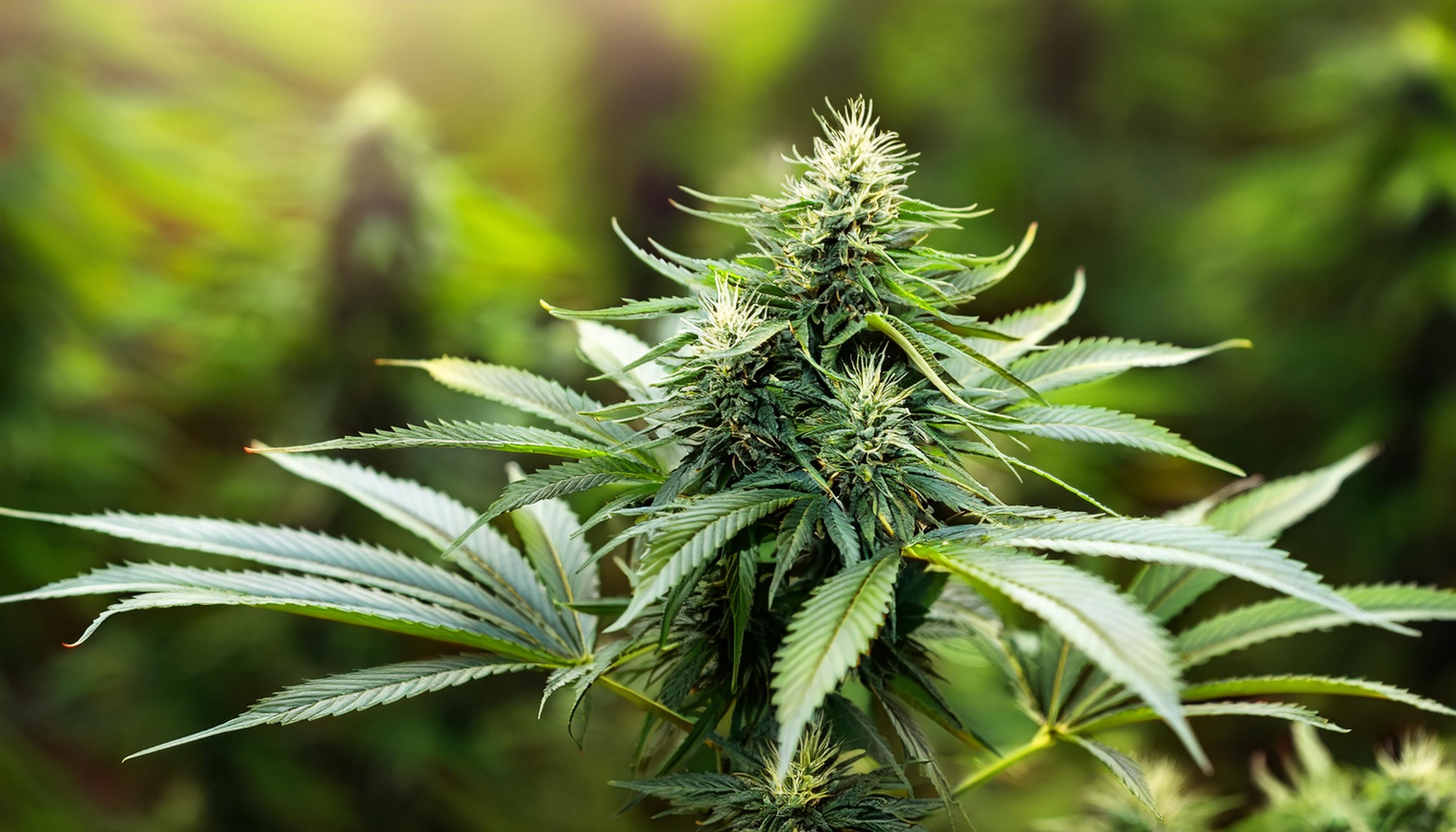


Short weed plants can be useful for growers who have limited vertical space or who simply want plants that are easier to manage. Cannabis plants can vary greatly in size. Some stay naturally compact, while others can grow tall and wide if they have enough time and space. The final height of a cannabis plant depends on several factors, including its genetics, growing environment, light exposure, root space, and the amount of time it spends growing before flowering begins.
Plant height is not controlled by one factor alone. Genetics often play the biggest role because each cannabis variety has its own natural growth pattern. Some plants are more likely to develop short stems, close spacing between branches, and a bushy shape. Others tend to stretch upward and form longer spaces between each set of leaves or branches. This means that two cannabis plants grown under similar conditions may still reach very different heights.
The growing environment can also influence how tall a plant becomes. Light is one important example. Cannabis plants naturally grow toward a light source. When light conditions are not suitable, a plant may develop longer stems as it reaches upward. This can make the plant look thin or stretched. In contrast, proper light exposure can help support more balanced and compact development. Temperature, airflow, water, and nutrition also affect overall plant health and structure.
Root space is another factor that can influence plant size. The roots support the entire plant by taking in water and nutrients. A plant with more room for its roots may have a greater ability to grow larger. A plant growing in a smaller container may remain smaller, but restricting root space too much can also create problems. Healthy compact growth should not depend on keeping a plant under unnecessary stress. The goal is to manage size while still giving the plant enough resources to develop normally.
The amount of time a cannabis plant spends in vegetative growth also affects its final size. During this stage, the plant produces stems, leaves, branches, and roots. A longer vegetative period usually gives the plant more time to increase in size before flowering begins. This is important because cannabis plants often continue to gain height during the early part of flowering. This increase is commonly known as the flowering stretch. Some varieties stretch only a moderate amount, while others can grow much taller after flowering starts.
Because of this, managing a compact cannabis plant often requires planning before the plant becomes too tall. It is usually easier to manage height early than to deal with a plant that has already outgrown its available space. Growers often pay attention to the expected size of the variety, the available vertical space, and how much additional growth may happen later.
Plant shape also matters. A short cannabis plant does not always have to be narrow or small in every direction. Some compact plants develop a wider, bushier structure instead of growing mainly upward. This type of shape can make better use of horizontal space. Plant-training methods are sometimes used to encourage branches to spread outward rather than allowing one main stem to become much taller than the rest of the plant. These methods will be discussed in more detail later in this article.
It is also important to understand that a shorter plant is not automatically an unhealthy or low-producing plant. Plant height alone does not determine how well a cannabis plant develops. A healthy plant depends on many things, including strong roots, suitable light, balanced nutrition, proper watering, good airflow, and enough room for healthy leaves and branches. A shorter plant with an even structure may use its available space more efficiently than a taller plant with long, weak stems.
At the same time, growers should avoid focusing only on keeping plants as small as possible. Excessive stress, severe root restriction, poor lighting, or other unhealthy conditions may reduce plant size, but they can also damage growth. Compact growth should come from choosing suitable genetics and maintaining a balanced growing environment rather than weakening the plant.
Several different factors work together to determine how tall a cannabis plant will become. Genetics provide the basic growth pattern, while light, root space, growing time, environmental conditions, and plant structure can influence how that pattern develops. Flowering stretch must also be considered because a plant that seems short before flowering may become much taller afterward.
Understanding these basic factors makes it easier to see why some cannabis plants stay compact while others grow tall. The following sections will examine these influences in greater detail, including genetics, plant structure, lighting, root space, vegetative growth, flowering stretch, and general height-management methods. Together, these topics provide a clearer picture of what creates a healthy, compact cannabis plant and why planning for plant size is important from the beginning.
What Determines the Height of a Cannabis Plant?
Cannabis plants can vary greatly in height. Some stay short and bushy, while others grow tall with long branches and wide spaces between leaves. The final height of a cannabis plant is not controlled by one factor alone. Genetics play a major role, but the growing environment also affects how a plant develops.
Understanding what controls plant height is useful when growing in a space with limited headroom. A plant that becomes too tall can be harder to manage. It may grow too close to lights, block airflow, or create an uneven canopy. On the other hand, a plant that stays compact can be easier to fit into a small indoor area.
The best way to control height is to understand why cannabis plants grow the way they do. Genetics, lighting, temperature, root space, and the length of the vegetative stage can all change the final size and shape of a plant.
Genetics and Natural Growth Patterns
Genetics are one of the strongest factors that determine cannabis plant height. Every cannabis variety has inherited traits that affect how it grows. These traits can influence the length of the main stem, the number of branches, the distance between nodes, and the amount of stretching that happens during flowering.
Some cannabis genetics naturally produce short plants with thick stems and closely spaced nodes. These plants often develop a dense, bushy shape. Other genetics tend to grow upward much faster. They may develop longer branches, wider spaces between nodes, and a taller overall structure.
Internodal spacing is an important part of plant height. A node is the point on a cannabis stem where leaves and branches develop. When the spaces between nodes are short, the plant tends to remain more compact. When the spaces become longer, the plant can gain height quickly.
Genetics can also affect how much a plant stretches after flowering begins. Some plants increase in height only moderately, while others may grow much taller during the first part of flowering. This natural stretch is one reason growers need to consider a plant’s expected growth pattern before deciding how long to keep it in the vegetative stage.
Plant structure can also differ even among varieties that reach similar heights. One plant may grow mainly upward with a strong central stem. Another may spread outward and develop several branches at a similar height. Because of these differences, final height is only one part of the plant’s overall growth pattern.
Choosing genetics that are known for compact growth can make height control easier. However, genetics only provide the plant with its basic growth potential. The environment determines how much of that potential is expressed.
Environmental Factors That Affect Height
Growing conditions can strongly influence how tall or compact a cannabis plant becomes. Even a plant with naturally short genetics can stretch if the environment is not suitable.
Light is one of the most important environmental factors. Plants use light as their main energy source. When cannabis receives enough suitable light, growth often remains stronger and more compact. When light is too weak or too far away, the plant may stretch upward while searching for better light. This can create thin stems and larger spaces between nodes.
Temperature can also affect plant development. Cannabis plants respond to changes in both daytime and nighttime conditions. Excessive heat can place the plant under stress and may contribute to weak or stretched growth in some situations. Stable conditions usually support more predictable development.
Root space is another factor. Roots provide the plant with water and nutrients, and the amount of room available for roots can influence overall plant size. A plant grown in a larger container often has more space to develop an extensive root system. This can support greater growth above the soil as well.
A smaller container may limit the plant’s potential size, but restricting roots too much can cause problems. A severely root-bound plant may struggle to absorb enough water and nutrients. The goal should be to provide enough root space for healthy growth while keeping the plant size suitable for the available area.
Watering and nutrition also affect growth. A healthy cannabis plant needs a balanced supply of moisture and nutrients. Too little water can slow growth and cause stress. Too much water can reduce oxygen around the roots and lead to poor root health.
The same idea applies to nutrients. Giving a plant more fertilizer does not automatically make it healthier. Too much fertilizer can damage roots or create nutrient problems. Consistent, balanced care supports steady growth and makes plant size easier to manage.
Why Some Weed Plants Grow Too Tall
Cannabis plants can become too tall for several reasons. One of the most common is simply genetics. Some plants are naturally vigorous and may grow rapidly even under good conditions. If a tall-growing variety is placed in a short indoor space, height problems can develop quickly.
Long vegetative periods can also produce larger plants. During the vegetative stage, cannabis focuses on developing stems, branches, leaves, and roots. The longer this stage continues, the more time the plant has to increase in size before flowering.
For indoor growers with limited height, allowing a plant to become very large before flowering can create problems later. Cannabis does not stop growing when flowering begins. Many plants continue to stretch during the early flowering stage. A plant that is already close to the maximum desired height may become difficult to control after this stretch begins.
Poor lighting is another common cause of tall, thin growth. If the light is not strong enough, the plant may increase the distance between nodes as it reaches upward. This type of stretching can make the plant look tall without creating strong, dense growth.
Light placement also matters. If the light source is positioned too far above the canopy, plants may reach toward it. However, placing a light too close can also cause stress. Proper distance depends on the type and strength of the lighting system.
Lack of early plant management can also lead to excessive height. A cannabis plant naturally tends to direct a large amount of growth toward its highest point. If the plant is allowed to grow straight upward for a long time, the main stem may become much taller than the side branches.
This can create an uneven canopy where one part of the plant is much closer to the light than the rest. Managing plant structure early can make it easier to create a shorter and more even shape.
The height of a cannabis plant is controlled by both genetics and growing conditions. Genetics influence natural plant structure, internodal spacing, branching patterns, and the amount of stretching that may occur during flowering. Some plants are naturally compact, while others are more likely to develop tall and narrow growth.
Environmental factors can change these natural growth patterns. Light intensity and distance, temperature, root space, watering, nutrition, and the length of the vegetative period can all affect final plant size. Weak lighting and long vegetative growth are common reasons cannabis plants become taller than expected.
Choosing Cannabis Genetics That Stay Short
Choosing the right genetics is one of the most important steps when trying to grow short weed plants. A grower can use training, lighting, and other methods to control plant height, but genetics still set the basic growth pattern. Some cannabis plants naturally stay compact, while others tend to grow tall and stretch quickly.
This matters most when growing in a small indoor space. A short grow tent, cabinet, or room may not leave much distance between the plant canopy and the lights. If a plant has genetics that encourage strong vertical growth, it can become difficult to manage later. Starting with compact genetics can make height control much easier from the beginning.
Plant descriptions from seed breeders often include expected height, growth shape, flowering stretch, and whether the plant is suited for indoor growing. These details can help growers choose plants that better match the available space. However, the final size of any cannabis plant will also depend on its environment, container size, light level, and length of vegetative growth.
Which Cannabis Plants Naturally Stay Short?
Some cannabis varieties naturally develop a short and wide structure. These plants may produce many side branches instead of putting most of their energy into one tall main stem. They may also have shorter spaces between the nodes. Nodes are the points where branches and leaves grow from the main stem.
Shorter internodal spacing usually gives a plant a denser and more compact appearance. A plant with long spaces between each node can quickly become taller, even if it has the same number of branches.
When choosing genetics for a small space, growers should look at the expected mature height rather than focusing only on the strain name. Two plants that belong to the same general cannabis category can still have very different growth habits.
Some cultivars are bred especially for indoor gardens and limited vertical space. These plants may stay shorter because their genetics produce a naturally compact shape. Others have been bred from varieties that normally grow taller and may show more stretching during both vegetative growth and flowering.
Breeder information can provide useful clues. Terms such as compact, bushy, short internodes, low stretch, and suitable for small spaces often describe plants that may be easier to keep short. Growers should still remember that these descriptions are estimates. Environmental conditions can cause the final height to vary.
Indica, Sativa, and Hybrid Growth Patterns
Cannabis plants are often described as indica, sativa, or hybrid. These terms are commonly used to describe general growth patterns, but they should not be treated as exact rules.
Plants described as indica often have a reputation for growing shorter and wider. They may form thick branches, broad leaves, and a dense structure. This type of growth can work well in areas where ceiling height is limited.
Plants described as sativa are often associated with taller growth, longer branches, and more space between nodes. Some can stretch strongly when flowering begins. This can make them harder to manage in a small indoor garden.
Hybrids combine genetics from different cannabis lines. Their growth habits can fall anywhere between short and compact or tall and narrow. One hybrid may remain low and bushy, while another may stretch several times its original height.
For this reason, growers should not choose a plant based only on whether it is labeled indica, sativa, or hybrid. Modern cannabis breeding has mixed many genetic lines together. A plant’s actual growth pattern may not perfectly match its general category.
Specific information about the cultivar is more useful. Growers can look for expected indoor height, flowering stretch, branch structure, and the amount of space recommended by the breeder. These details give a clearer idea of whether the plant is likely to fit inside a limited growing area.
Genetics also influence how well a plant responds to training. Some plants produce flexible branches that are easier to bend and shape. Others develop thick, stiff stems that may be harder to train once they become mature. Choosing a naturally compact plant with manageable branching can make later height control easier.
Are Autoflowering Cannabis Plants Usually Shorter?
Many autoflowering cannabis plants are known for staying smaller than traditional photoperiod plants. This is one reason they are often considered for limited growing spaces.
Autoflowering plants begin flowering according to age rather than depending on a major change in the light cycle. Their overall life cycle is often shorter, which gives them less time to develop a large vegetative structure before flowering begins.
Many autoflower cultivars remain compact because of this shorter growth period. However, this does not mean every autoflower will stay very small. Modern autoflower genetics vary widely. Some may remain short and bushy, while others can become fairly tall under strong growing conditions.
Container size, lighting, nutrition, temperature, and plant genetics all influence final height. A vigorous autoflower growing in a large container with strong light may become much larger than expected. A different autoflower grown under limited conditions may remain much smaller.
Growers should therefore check the expected height of the exact autoflower cultivar they plan to use. Some breeders provide separate estimates for indoor and outdoor plants. Indoor height estimates may be more helpful when planning a compact garden.
Autoflowers also require careful height planning because their vegetative period cannot easily be extended. With photoperiod plants, growers have more control over when flowering begins. With autoflowers, flowering starts based mostly on the plant’s age. This means there is less time to correct major problems caused by poor structure or excessive early stretching.
For compact growing, autoflowers can be useful when the selected cultivar is known for moderate height and a manageable shape. However, growers should not assume that the word “autoflower” automatically means the plant will remain tiny.
Genetics create the foundation for the final size and shape of a cannabis plant. Growers who want short weed plants should start by choosing cultivars known for compact growth, shorter internodes, and moderate flowering stretch.
Indica-type plants are often associated with shorter, wider growth, while sativa-type plants are often more likely to grow tall. However, these labels are only general guides. Modern hybrids can show many different growth patterns, so information about the exact cultivar is more useful than relying on broad categories.
Autoflowering cannabis plants often stay smaller because they begin flowering earlier in their life cycle, but their final height can still vary greatly. Some modern autoflowers can grow much larger than expected.
Choosing suitable genetics does not remove the need for good plant management. Lighting, container size, vegetative time, and training will still affect plant height. However, starting with naturally compact genetics can make it much easier to maintain a short, healthy plant throughout the growing cycle.
Using Plant Training to Keep Weed Plants Short
Plant training is one of the main ways growers manage the shape and height of cannabis plants. Instead of allowing one main stem to grow straight upward, training encourages the plant to spread its growth across a wider area. This can create a shorter, broader plant with several strong branches instead of one tall central stem.
The main goal of plant training is canopy control. A canopy is the upper layer of leaves and branches that receives most of the light. When this layer stays fairly even, more parts of the plant can receive similar amounts of light. This can be useful in places where vertical growing space is limited.
There are several types of training. Some methods involve gently changing the direction of branches, while others involve removing or altering growing tips. Each method affects the plant in a different way. The best approach depends on plant genetics, available space, plant health, and how much stress the plant can handle.
What Is Low-Stress Training?
Low-stress training, often called LST, is a method used to change the natural shape of a cannabis plant without causing major damage to the stems. The general idea is to guide branches outward instead of allowing all growth to move upward.
Cannabis plants naturally tend to focus much of their growth on the highest main shoot. This is known as apical dominance. The main stem usually receives strong growth signals, which can cause it to become taller than the side branches.
Low-stress training changes this growth pattern by encouraging a more horizontal plant structure. When the tallest growth is no longer far above the rest of the plant, lower branches may receive better access to light. These branches can then develop more strongly.
LST is called “low stress” because it does not usually involve cutting the main stem. However, that does not mean the plant experiences no stress at all. Stems can still be damaged if they are forced too far or handled roughly. Young, flexible growth is generally easier to shape than older stems that have become thick and stiff.
The main benefit of LST for compact plants is height control. Instead of having one stem rise far above the rest of the canopy, the plant develops across more horizontal space. This can make the plant easier to manage where ceiling height or light clearance is limited.
How LST Changes Plant Shape
Without training, many cannabis plants develop a shape similar to a small tree. They may have one strong central stem with shorter branches growing from the sides. This natural structure can work well outdoors, where vertical space may not be a major concern. Indoors, however, a tall central stem can become difficult to manage.
Low-stress training encourages a flatter and wider shape. When several branches reach a similar height, the plant may develop multiple areas of strong upper growth rather than one dominant top.
This change can also affect how light reaches the plant. In a tall plant, the highest leaves can shade lower growth. A more level canopy may allow light to reach a larger part of the plant’s upper surface.
An even canopy can also make plant height easier to predict. If one branch suddenly becomes much taller than the others, it may move too close to the light source. Keeping growth at similar levels can reduce this problem.
However, LST does not completely stop vertical growth. Cannabis plants will continue to grow upward as they develop. Training simply changes the direction and distribution of that growth. Genetics, light conditions, and the length of the vegetative stage still play important roles in final plant size.
Topping and Bushier Growth
Topping is another training method that growers use to reduce strong vertical growth. Unlike LST, topping involves removing the main growing tip. This interrupts apical dominance and changes how the plant distributes new growth.
After the dominant tip is removed, nearby branches may receive stronger growth signals. Instead of producing one main central leader, the plant can develop several major branches. This often creates a wider and bushier structure.
For growers concerned about height, the important point is that topping changes the plant’s growth pattern. A plant with several strong branches may spread its growth across a larger horizontal area rather than placing most of its energy into one tall stem.
Topping is considered more stressful than simple branch positioning because plant tissue is removed. The plant needs time and good health to respond to this type of stress. Weak, damaged, or unhealthy plants may react poorly to aggressive training.
Topping also does not guarantee that a plant will remain short. The new branches can still grow quickly, especially if the genetics naturally produce tall plants. For that reason, topping is normally viewed as one part of height management rather than a complete solution.
The final plant shape depends on several factors working together. Genetics, light, growing space, environmental conditions, and the amount of vegetative growth all influence how tall the plant eventually becomes.
Other Height-Control Methods
Several other training methods are commonly discussed in cannabis cultivation. These include Screen of Green, supercropping, FIMing, and manifolding. Although they all aim to manage plant structure, they work in different ways.
Screen of Green, often shortened to ScrOG, focuses on creating a broad, even canopy across the available growing area. The main idea is to support and spread plant growth horizontally so that fewer branches rise much higher than the rest. This approach is often associated with efficient use of limited vertical space.
Supercropping is a higher-stress technique that changes the direction of plant growth by altering the structure of a stem. Because this method can cause plant damage when performed poorly, it requires more care than gentle training methods. Its general purpose is to reduce uneven vertical growth and encourage a broader canopy.
FIMing is another method that changes the dominant growing tip. It is related to topping but affects the tip differently. Growers use it to encourage several new growth points rather than allowing one main stem to remain dominant.
Manifolding is a more structured form of plant training. It aims to create a plant with several main branches that grow from a balanced framework. The purpose is to distribute growth more evenly across the plant instead of allowing one branch to dominate.
These methods vary in the amount of stress they place on a plant. Combining several high-stress techniques can slow growth or damage the plant, especially when it is already struggling. Good height management depends on maintaining healthy growth, not simply applying as many training methods as possible.
Plant training can help keep cannabis plants shorter by changing where and how they grow. Low-stress training encourages branches to spread outward, which can create a wider and flatter canopy. Topping reduces the dominance of the main growing tip and can encourage several strong branches instead of one tall central stem.
Other methods, including ScrOG, supercropping, FIMing, and manifolding, also aim to control plant structure and make better use of available space. However, each method places a different level of stress on the plant.
Training works best as part of a wider approach to plant height. Genetics, lighting, root space, vegetative growth, and flowering stretch still affect final size. The goal of training is not simply to make a cannabis plant as short as possible. It is to create a healthy, manageable structure that fits the available growing space.
Controlling Height Through Vegetative Growth and Flowering Timing
The amount of time a cannabis plant spends in vegetative growth has a major effect on its final size. During this stage, the plant focuses on making new stems, leaves, and branches. The longer this growth period continues, the more time the plant has to become taller and wider.
This matters most when vertical space is limited. A plant that already fills much of its available space before flowering may become difficult to manage later. Cannabis plants often continue growing after flowering begins, so growers need to understand that the plant’s height at the start of flowering is not its final height.
Genetics also plays an important role. Some cannabis plants stay naturally compact, while others grow quickly and stretch more during flowering. Because of this, plant height cannot be controlled by timing alone. Genetics, environment, light exposure, and general plant health all work together to shape the final size of the plant.
How Vegetative Time Affects Final Plant Size
Vegetative growth is the stage when a cannabis plant builds most of its basic structure. New branches form, stems become stronger, and the plant develops more leaves. In general, a longer vegetative period gives the plant more time to become large.
This does not mean that every plant grows at the same speed. Some plants develop slowly and stay short for a long time. Others grow rapidly and produce long stems and wide branches. The amount of growth depends partly on genetics and partly on the growing environment.
Light also affects the way a plant develops during this stage. Plants that receive poor or uneven light may stretch as they try to reach a stronger light source. This can make the distance between leaves and branches larger. As a result, the plant may become taller without becoming much fuller.
Healthy plants that receive suitable conditions may develop a thicker and more balanced structure. However, even healthy plants can become too large for a small growing area if they remain in vegetative growth for too long.
This is why plant size should be considered as part of overall space planning. The goal is not simply to keep a plant short. A compact plant should still have enough room for healthy branches, airflow, and light exposure.
When to Start Flowering in a Limited Space
The timing of flowering has a strong effect on final plant height. Cannabis does not stop growing as soon as the flowering stage begins. Instead, many plants continue to grow upward for a period of time.
For this reason, growers working with limited space usually need to think about how much additional height the plant may gain later. A plant that already seems close to the maximum available height may become crowded once flowering stretch begins.
There is no single plant height that is correct for every situation. Different cultivars can behave very differently. A compact variety may add only moderate height, while a more vigorous variety may stretch much more.
Available space also matters. A plant growing in a tall area has more room for upward growth than one growing in a short enclosure. Lights, containers, and other equipment also reduce the amount of vertical room that is actually available to the plant.
Because of these differences, flowering timing is better understood as part of space management rather than as a fixed rule. Growers need to consider the natural growth pattern of the plant and leave enough room for the changes that happen during early flowering.
It is also important to avoid waiting until the plant is already overcrowded. Height problems are usually easier to prevent than correct later. Once stems become long and rigid, there may be fewer safe options for controlling the canopy without causing stress.
Understanding the Flowering Stretch
The term “flowering stretch” describes the rapid increase in height that often happens during the early part of the flowering stage. During this period, stems may grow longer and the spaces between branches may increase.
This stretch is a normal part of cannabis development. It happens as the plant changes from mainly producing leaves and branches to developing flowers. The degree of stretching varies widely from one plant to another.
Genetics is one of the biggest factors. Some cultivars are known for compact growth and shorter internodal spacing. Others naturally produce longer stems and more vertical growth.
Environmental conditions may also affect stretching. Light that is too weak or uneven can encourage stems to become longer. Temperature, plant health, and overall growing conditions may also influence how the plant develops.
Flowering stretch can create problems when vertical space is limited. A tall plant may grow too close to the light source. This can increase the chance of heat or light stress. Crowded plants may also have poor airflow, especially when leaves and branches overlap.
Understanding stretching before it happens makes height management easier. It allows growers to think ahead rather than reacting after the plant becomes too tall.
It is also useful to remember that taller growth is not always better. Plant height alone does not determine plant health or productivity. A shorter plant with a wide, balanced canopy may use available space more efficiently than a tall plant with only a few well-lit areas.
Vegetative growth and flowering timing both have a major effect on the final height of a cannabis plant. A longer vegetative period usually allows more time for stems, leaves, and branches to develop, which can lead to a larger plant.
Flowering does not immediately stop vertical growth. Many cannabis plants continue to stretch during the early flowering stage, and the amount of stretch depends largely on genetics and environmental conditions.
For compact growth, the most important idea is to plan for the plant’s future size rather than judging only its current height. Genetics, available space, light conditions, and expected flowering stretch should all be considered together.
A short cannabis plant is not simply a plant that has been prevented from growing. The aim is to maintain a healthy, balanced structure that fits the available space while allowing enough room for light, airflow, and normal development.
Managing Lighting to Encourage Compact Cannabis Growth
Light plays a major role in how a cannabis plant develops. It affects more than basic growth. It can also influence stem length, branch spacing, leaf position, and the overall shape of the plant. When a plant receives suitable light, it is more likely to develop stronger stems and closer spacing between its leaves and branches. When light is weak or poorly placed, the plant may stretch upward as it searches for a better light source.
For growers who want compact plants, understanding the relationship between light and plant shape is important. A short plant is not simply a plant that has been prevented from growing. The goal is to support healthy growth while avoiding unnecessary stretching. Light should work together with genetics, plant training, root space, and proper timing to create a balanced plant.
Why Cannabis Plants Stretch Toward Light
Plants naturally grow toward light. This response is known as phototropism. It allows leaves to position themselves where they can receive the light needed for photosynthesis. Photosynthesis is the process plants use to turn light energy into the sugars that support growth.
When light is too weak, a cannabis plant may respond by growing taller. The stem becomes longer as the plant tries to reach a brighter area. The spaces between leaves and branches may also become wider. These spaces are called internodes.
A plant with long internodes can appear thin, tall, or stretched. Instead of having leaves and branches close together, the growth may look widely spaced. This is one common reason people describe a cannabis plant as “tall and skinny.”
This type of stretching can be especially noticeable during early growth. Young plants need enough light to support sturdy development. If they are receiving much less light than they need, they may spend more energy increasing stem length instead of building a compact structure.
Genetics also matter. Some cannabis varieties naturally develop longer internodes than others. This means a tall plant is not always the result of poor lighting. However, unsuitable light conditions can make natural stretching more noticeable.
The direction of the light is also important. If most of the useful light comes from one side, a plant may lean or grow toward that area. Uneven light can therefore affect plant shape as well as height.
Compact growth is more likely when the plant receives useful light across its growing area. The aim is to give leaves access to light without forcing the plant to stretch strongly in one direction.
Light Distance and Compact Growth
The position of a grow light can affect how much light reaches a plant. Light becomes weaker as the distance from its source increases. Because of this, a light source that is much too far away may encourage taller, thinner growth.
At the same time, placing a powerful light too close to a plant can create a different set of problems. Excessive light or heat may stress leaves and reduce healthy growth. Leaves may change position, develop damaged areas, or show other signs that conditions are not suitable.
This is why light management involves balance.
The correct position depends on many factors, including the type of light being used, its power, the size of the growing area, and the stage of plant development. There is no single distance that is correct for every light or every cannabis plant.
Manufacturer guidance can provide useful information for a specific lighting system. Growers should also pay attention to how plants respond rather than assuming that closer always means better.
For compact cannabis growth, the main goal is to avoid two extremes. The light should not be so weak that the plant stretches heavily toward it. It should also not be so intense that the upper leaves become stressed.
Temperature should be considered as well. Some lighting systems produce more heat than others. Even if the amount of light is acceptable, excess heat around the top of the plant can create stress. This can become a larger problem when plants are grown in spaces with limited height.
As plants grow taller, the distance between the canopy and the light source changes. This means light management is not something that should be considered only once. Plant height and canopy development should be watched over time.
This is especially important when growing compact plants. A short growing space may leave little room between the top of the plant and the lighting system. Planning for this space early can reduce problems later in the growth cycle.
Creating an Even Canopy
An even canopy can help plants use available light more efficiently. The canopy is the upper layer formed by the leaves and growing tips of the plant.
When one branch grows much taller than the others, it may receive much more light than lower branches. The taller growth can also shade leaves beneath it. This can create an uneven plant structure where some parts receive strong light while others receive much less.
A flatter canopy helps reduce this difference.
Instead of allowing one main stem to dominate the entire plant, growers often try to encourage branches to remain closer to the same general height. This makes it easier for light to reach several growing areas at once.
Plant training methods are often connected to canopy management. For example, low-stress training can change the direction of branch growth so that the plant develops outward rather than only upward. Topping can also change the structure by reducing the dominance of a single central growing point.
Lighting and training therefore work together.
Good lighting cannot fully correct a plant that has become extremely uneven. In the same way, good training cannot fully solve problems caused by very weak light. A compact plant is usually the result of several growth factors working together.
An even canopy can also make height easier to manage. If several branches remain at a similar level, the plant may use its available horizontal space more effectively. This can be useful in areas where vertical room is limited.
However, the goal should not be to force every leaf and branch into the exact same position. Plants naturally develop some differences in height. The main purpose is to prevent a small number of branches from becoming so dominant that they create major problems with light exposure or available headroom.
Growers should also remember that the plant’s shape can change quickly during certain stages of development. Cannabis plants may grow taller after flowering begins, and some varieties stretch much more than others. An even canopy before this period can make later height changes easier to manage.
Lighting has a strong effect on the shape and height of cannabis plants. When light is too weak or poorly positioned, plants may stretch upward and develop longer spaces between their leaves and branches. This can create tall, thin growth that is harder to manage in a limited space.
At the same time, stronger light is not always better. Excessive light or heat can also stress a plant. Effective light management requires balance between providing enough useful light and avoiding conditions that can damage healthy growth.
An even canopy can further support compact development because it helps several parts of the plant receive light more evenly. Genetics, plant training, available space, and the natural flowering stretch should also be considered.
For growers trying to maintain shorter cannabis plants, the main principle is simple: healthy compact growth depends on suitable light combined with good overall plant management. Light should encourage strong, balanced development rather than forcing the plant to stretch in search of better conditions.
How Pot Size and Root Space Affect Plant Height
Container size can affect how large a cannabis plant becomes because the roots need room to grow. The roots take in water, oxygen, and nutrients from the growing medium. They also help support the plant as it develops above the soil. When roots have more space, they can often spread farther and support more growth. When root space is limited, the plant may stay smaller.
However, using a small container does not automatically create a healthy short plant. Root restriction can also cause stress if the plant does not have enough space to maintain normal growth. For this reason, container size should be viewed as one part of plant size management rather than a complete solution.
Plant height is also influenced by genetics, light, temperature, growing time, and other conditions. Two plants in the same size container may grow very differently because their natural growth patterns are not the same. Root space can influence plant size, but it does not fully control it.
Does Pot Size Affect Cannabis Plant Size?
Pot size can influence the overall size of a cannabis plant because the roots usually expand as the plant grows. A larger root system can support more leaves, stems, and branches above the growing medium. When the roots have enough space, the plant may have a greater ability to continue developing.
In a smaller container, roots have less room to spread. As the root system reaches the edges of the container, available space becomes limited. This can slow further growth and may help keep the plant smaller than it would be in a much larger container.
Still, the relationship between pot size and plant height is not exact. A small pot does not guarantee a short plant. Some cannabis genetics naturally grow upward quickly, even when root space is limited. Other varieties naturally stay compact even when they have more room for their roots.
The length of the growing period also matters. A plant that is allowed to grow for a longer period may become larger than one with a shorter growth period, even if both plants are kept in similar containers.
The main point is that root space sets one limit on how much a plant can develop. It works together with genetics and environmental conditions. Pot size should therefore be considered along with the expected growth pattern of the plant.
Small Containers Versus Larger Containers
Small and large containers each have different effects on plant development.
A smaller container limits the amount of growing medium around the roots. This naturally limits how far the root system can expand. As a result, plants in restricted root spaces may remain more compact.
This may seem useful when vertical space is limited, but there are tradeoffs. Small containers can change more quickly than large ones. The growing medium may lose moisture faster, and conditions around the roots can become less stable. A plant with limited root space may also become stressed if the root system becomes too crowded.
Larger containers provide more room for roots to spread. They also contain more growing medium, which can create a more stable root environment. Plants with greater root space often have more potential to develop larger root systems and more above-ground growth.
This means that using an unnecessarily large container may work against the goal of keeping a plant compact. At the same time, using a container that is too restrictive can affect plant health.
The best way to understand this balance is to think about the container as part of the plant’s growing environment. The goal is not to force the roots into the smallest possible space. Instead, the goal is to provide enough root room for healthy development while avoiding more growing space than is needed for the desired plant size.
Container shape may also affect how roots spread. Cannabis roots can grow both downward and outward. The available depth and width of the growing area can influence the way the root system develops. However, healthy root conditions remain more important than simply choosing a certain shape.
Avoiding Excessive Root Restriction
Trying to control plant height by severely restricting root space can create problems. Roots need access to moisture, oxygen, and nutrients. When they become crowded, their ability to function normally may decline.
A heavily restricted root system may become dense inside the container. This can make it harder for water and air to move evenly through the growing medium. Some areas may stay too wet, while others may dry more quickly. These uneven conditions can place additional stress on the plant.
Root stress may appear above the growing medium as slower growth, weak-looking leaves, discoloration, or other signs that the plant is not developing normally. A smaller plant caused by poor root health is different from a healthy plant that naturally has a compact structure.
This difference is important. The purpose of managing root space should not be to damage the plant or stop healthy growth. A compact plant should still have enough root capacity to support its leaves and branches.
The size of the plant and its root system are closely connected. As the plant develops more leaves and stems, it normally needs a stronger root system to support that growth. If the roots become severely limited while the upper part of the plant continues to grow, the plant may have difficulty maintaining a healthy balance.
Water management also becomes more important when root space is limited. Smaller volumes of growing medium can change faster than larger volumes. This means root conditions may be less forgiving if moisture levels become unsuitable.
For this reason, growers who are legally permitted to cultivate cannabis should focus on maintaining healthy root conditions rather than using extreme restriction as a way to control height. Other factors, such as genetics and overall plant structure, also play major roles in keeping plants compact.
Pot size can affect cannabis plant size because root space influences how much growth the plant can support. Smaller containers may help limit overall development, while larger containers give roots more room to expand and may support larger plants. However, container size is only one factor. Genetics, light, environmental conditions, and growing time also affect final plant height.
Severely restricting the roots is not a good way to create a healthy compact plant. Too little root space can lead to stress and unstable growing conditions. The better goal is to provide enough room for normal root health while keeping the plant’s overall size appropriate for the available space. A short cannabis plant should be compact because its growth is well managed, not because its root system is unhealthy.
Temperature, Airflow, Water, and Nutrition for Short Healthy Plants
Keeping cannabis plants compact is not only about controlling their height. A short plant still needs a healthy growing environment. Temperature, airflow, water, and nutrition all affect how a plant develops. When these factors are balanced, the plant is more likely to grow with strong stems, healthy leaves, and steady growth.
Problems with the growing environment can change the shape of a plant. A stressed plant may grow slowly, develop weak branches, or stretch in ways that make height harder to manage. This is why growers who want compact plants should pay attention to overall plant health instead of focusing only on size.
Keeping the Growing Environment Stable
Cannabis plants respond to changes in their surroundings. Large changes in temperature can place stress on the plant and affect normal growth. Excessive heat can increase water loss from the leaves and may cause the plant to struggle to maintain healthy growth. Very cold conditions can also slow normal plant processes.
A stable environment is generally easier for a plant to handle than one that changes often. Plants use light, water, carbon dioxide, and nutrients to support growth. When one part of the environment becomes unsuitable, the plant may have difficulty using the other resources around it.
Heat can be especially important in small indoor spaces. Lights and other equipment can raise the temperature in an enclosed area. Compact growing spaces may also trap warm air if there is not enough movement. This can affect leaves near the top of the plant more strongly because they are often closer to the light source.
Air movement also plays an important role in plant health. Fresh air moving around leaves and branches can help prevent areas of trapped heat and moisture. It can also support stronger stems because plants naturally respond to gentle movement in their environment.
However, stronger airflow is not always better. Constant harsh air directed at one part of a plant may dry leaves too quickly or cause unnecessary stress. The goal is a stable environment where air can move around the plant without constantly pushing or damaging the leaves.
Humidity is another part of the growing environment. The amount of moisture in the air affects how quickly plants lose water through their leaves. If conditions become too dry or too humid, normal water movement inside the plant can be affected.
For compact plants, environmental stability is important because stress can interfere with controlled growth. A plant that repeatedly experiences heat, dry air, or poor airflow may not develop the balanced structure a grower expects.
Watering Compact Cannabis Plants
Water supports nearly every major process inside a plant. It helps move nutrients, keeps plant tissues firm, and supports photosynthesis. However, giving a plant more water does not automatically make it healthier.
Compact cannabis plants can be especially affected by watering mistakes because they are often grown in smaller containers. A smaller amount of growing material can change moisture levels more quickly than a large container. This means the root area may become wet or dry faster depending on the environment.
One common mistake is watering too often. Plant roots need both moisture and access to oxygen. When the growing medium stays overly wet for a long period, there may be less air around the roots. This can make it harder for roots to function normally.
Another mistake is allowing the root area to become excessively dry for long periods. A plant without enough available water may lose firmness, slow its growth, or show signs of stress. Repeated periods of severe dryness can make it harder for the plant to maintain steady development.
The important idea is balance. Watering should support healthy roots rather than simply following the idea that more water creates more growth. Different plants may use water at different rates because of differences in plant size, root development, container size, temperature, airflow, and light.
Plant appearance can also provide useful clues about general health. Leaves that remain severely drooped or that change in appearance may indicate that something in the environment needs attention. However, leaf symptoms can have several possible causes, so it is important not to assume that every problem comes from watering alone.
Healthy roots are especially important for short plants because compact growth should come from planned plant structure rather than poor root health. Restricting water to force a plant to stay small can create stress rather than healthy compact growth.
Nutrition Without Forcing Excessive Growth
Plants need nutrients to build leaves, stems, roots, and other tissues. These nutrients support basic biological processes throughout the plant’s life.
A common misunderstanding is that adding more fertilizer will always produce faster or stronger growth. Plants can only use nutrients within a useful range. Too much fertilizer can create problems in the root area and may interfere with the plant’s ability to take up water and nutrients normally.
Compact cannabis plants do not need to be heavily fed simply because a grower wants strong growth. The goal should be balanced nutrition that supports healthy development.
Nutrient needs also change as plants develop. Young plants do not have the same needs as larger, mature plants. The growing medium can also affect nutrient availability. Some growing materials contain nutrients already, while others depend more heavily on nutrients supplied by the grower.
It is also important to remember that visible plant problems are not always caused by a lack of fertilizer. Changes in leaf color or growth can result from several factors, including root stress, environmental problems, water issues, or nutrient imbalance.
Adding extra fertilizer without identifying the cause may make the situation worse.
For growers trying to keep plants short, excessive growth should not be encouraged through unnecessary feeding. Healthy compact growth comes from the combined effects of genetics, plant structure, suitable light, root health, and a stable environment. Nutrition supports those factors, but it should not be used as a way to force rapid development.
Short cannabis plants still need the same basic conditions that support healthy plant growth. Keeping a plant compact should not mean keeping it stressed.
A stable environment helps plants develop in a more predictable way. Suitable air movement can reduce trapped heat and moisture while supporting healthy stems. Water should support healthy roots without leaving the root area constantly soaked or severely dry. Nutrition should also remain balanced rather than excessive.
These factors work together. Temperature can affect how quickly a plant uses water. Air movement can influence how quickly moisture leaves the plant and growing medium. Root health affects how well the plant takes up both water and nutrients. When one factor becomes unbalanced, other parts of plant health may also be affected.
What to Do When Cannabis Plants Are Already Too Tall
Cannabis plants can sometimes grow taller than expected, especially when they are grown indoors or in other spaces with limited height. A plant may seem manageable during early growth and then stretch quickly as it develops. This can create problems when the top of the plant gets too close to the grow light, ceiling, or other parts of the growing area.
When a cannabis plant becomes too tall, the main goal is to control its height without causing unnecessary damage. The right response depends on why the plant became tall, how far it is into its growth cycle, and how much space is still available. Correcting the problem early is usually easier than waiting until the plant reaches the top of the growing area.
Identify Why the Plant Became Too Tall
Before making changes, it helps to understand why the cannabis plant grew taller than expected. Genetics are one of the most important factors. Some cannabis varieties naturally grow with long stems and more space between branches. These plants may continue growing upward even when the environment is well controlled.
Lighting can also affect plant height. A cannabis plant may stretch upward when it does not receive enough useful light. The stems become longer as the plant tries to move its leaves closer to the light source. This can create a tall, thin structure with large gaps between branches.
The length of the vegetative stage also matters. Cannabis plants continue building stems, branches, and leaves during vegetative growth. A plant that stays in this stage for a long time may become much larger before flowering starts. Indoor growers who have limited headroom must consider this growth when planning plant size.
Flowering stretch is another common reason plants become too tall. Many cannabis plants grow quickly during the first part of flowering. The stems may become much longer within a short period. The amount of stretch depends on genetics and growing conditions, which means the final height can sometimes be difficult to predict.
Finding the main cause helps growers understand what can still be changed. It can also prevent the same height problem during future grows.
Managing an Uneven or Overgrown Canopy
When plants become too tall, the canopy may also become uneven. A few branches may rise far above the rest of the plant. These taller branches can receive much more light than lower growth, while the shorter parts remain shaded.
Careful canopy management can help make the plant more level. Flexible branches can sometimes be guided outward rather than allowed to continue growing straight upward. This changes the direction of growth and allows the plant to use more horizontal space.
The stage of plant development is important when making these adjustments. Younger stems are usually more flexible than older stems. Mature branches may become hard and woody, making them easier to crack or break if they are moved too quickly. Any adjustment should therefore be gradual and controlled.
Growers should also avoid making too many major changes at the same time. A tall plant may already be under stress because of limited space, strong light, or poor airflow. Adding more stress can slow recovery and affect normal growth.
Canopy management should focus on creating a more balanced structure. A flatter canopy can improve light distribution because the upper leaves are at a more similar distance from the light source. It can also improve airflow through the growing area.
If several plants are growing together, height differences may need to be managed across the entire canopy. Shorter plants can become shaded by taller ones. This may reduce the amount of light that reaches their leaves. Keeping the canopy more even makes better use of the available growing space.
Avoiding Damage From Lights and Limited Headroom
One of the biggest problems with an overly tall cannabis plant is its distance from the grow light. Leaves and flowers that get too close to a strong light source may become stressed. Heat can also build up near the top of the growing area.
Signs of light or heat stress may appear first on the highest parts of the plant. Leaves may curl, dry out, or develop pale areas. The plant may also show slower or unhealthy growth near the light.
Moving the light higher may provide more space if the growing area allows it. However, the light should still be positioned according to the manufacturer’s guidance and the needs of the plant. Raising it too far may reduce useful light across the rest of the canopy.
Growers should also consider the amount of space taken up by lighting equipment, ventilation systems, and other hardware. The full height of a room or tent is not always available to the plant. Equipment above the canopy can reduce usable headroom by a large amount.
Airflow becomes especially important when plants fill most of the vertical space. Dense growth can trap warm, humid air around leaves and flowers. Good air movement helps keep the growing environment more stable and reduces areas where heat and moisture can build up.
Growers should regularly check the distance between the top of the plant and the light. Waiting until the plant touches or nearly touches the fixture makes the problem harder to solve. Small adjustments made earlier are usually safer than major changes made later.
Preventing the Same Height Problem in Future Grows
Once a plant has become too tall, the experience can help with planning future crops. Plant height should be considered from the start rather than only after vertical space becomes limited.
Genetics can be chosen with expected height and growth pattern in mind. Compact varieties are often easier to manage in short growing areas. Growers can also plan a shorter vegetative period when vertical space is limited.
Training should begin while stems are still young and flexible. Early canopy control usually gives growers more options than trying to reshape an older plant. Light placement should also be checked regularly so plants are not encouraged to stretch toward a weak or distant light source.
Most importantly, growers should leave room for additional growth after flowering starts. A plant that already fills nearly all available vertical space before flowering may become difficult to manage once stretching begins.
Cannabis plants can become too tall because of genetics, weak or distant lighting, a long vegetative stage, or rapid stretching during early flowering. When this happens, growers should first identify the likely cause before making changes. Careful canopy management can help redirect growth and create a more even plant structure, but older branches should be handled gently because they are easier to damage.
Light distance and available headroom should also be checked often. Plants that grow too close to lights may experience heat or light stress, while dense upper growth can reduce airflow. Height problems are usually easier to prevent than to correct late in the growing cycle. Choosing suitable genetics, managing vegetative growth, starting training early, and allowing enough room for flowering stretch can make compact cannabis plants much easier to manage.
Can Short Weed Plants Still Produce a Good Yield?
Short cannabis plants can still produce a useful harvest because plant height is only one part of overall growth. A taller plant is not always more productive than a shorter one. What matters more is how well the plant uses its available space, how healthy its branches and leaves are, and how much of the canopy receives enough light.
A compact plant can develop many flowering sites across a wide area instead of putting most of its growth into one tall main stem. This is one reason growers often focus on the shape of the canopy rather than simply trying to make plants as tall as possible. Genetics, plant health, growing conditions, available light, and the amount of usable canopy space can all influence the final result.
Plant Height Versus Productive Canopy Area
Plant height does not directly determine yield. A cannabis plant can grow very tall while having large gaps between its branches and leaves. In this situation, the plant may take up a lot of vertical room without creating a large amount of productive growth.
A shorter plant may use the same space more efficiently. If it develops several healthy branches across a wider area, more of the plant can remain within the useful light zone. This can create a larger productive canopy even though the plant itself is not very tall.
The canopy is the upper layer of leaves and branches that receives most of the available light. In indoor growing spaces, this area is especially important because artificial light has a limited effective range. The strongest light is usually concentrated within a certain distance from the fixture. Growth that sits far below the main canopy may receive much less light.
For this reason, a plant with an even canopy can often make better use of its environment than a plant with one very tall branch and several much shorter branches. Keeping growth at a similar height helps prevent a few branches from taking most of the strongest light.
Genetics still play an important role. Some cannabis varieties naturally produce short, dense plants with many side branches. Others grow taller and have more space between growth points. These differences mean that two plants of similar height may still produce very different results.
Plant health also matters. A short plant that has weak roots, damaged leaves, or major environmental stress may not grow well. Compact growth should therefore be viewed as a way to manage space rather than as the only goal.
Why Wide, Even Plants Can Use Space Efficiently
A wider plant can make effective use of limited vertical space because its growth spreads across the available floor area. Instead of sending most of its energy toward a single central stem, the plant may develop several major branches.
This creates more growing points across the canopy. When those branches remain at similar heights, light can reach them more evenly. One area is less likely to receive excessive light while another remains heavily shaded.
An even canopy can also make the growing area easier to manage. Tall branches can sometimes get too close to lighting equipment, while shorter branches may remain much farther away. Large differences in branch height can therefore create uneven growing conditions across the same plant.
Compact plants can reduce this problem by keeping more leaves and flowering sites within a similar vertical range. However, a very dense plant can create other concerns. Leaves and branches packed closely together may reduce airflow through the center of the plant. Dense growth may also increase shading if too many leaves overlap.
This means that compact growth should not be confused with overcrowded growth. A healthy short plant still needs enough room for its leaves and branches. Good plant structure allows light and air to move through the canopy while keeping the overall height manageable.
Plant width must also match the available space. A plant that stays short but becomes extremely wide can still outgrow a small growing area. Growers therefore need to consider both height and width when thinking about plant size.
The main goal is efficient use of the available growing space. A balanced plant structure can place more healthy growth within the area where environmental conditions are most suitable.
Number of Plants Versus Size of Plants
The number of plants in a growing space can also affect how efficiently the canopy is used. A space may contain a small number of larger plants or a larger number of smaller plants, depending on local laws, genetics, and the available area.
More plants do not automatically mean a larger yield. When too many plants share a limited space, their branches and leaves can begin competing with each other. Plants may block light from neighboring plants and reduce airflow between them.
Crowding can also make it harder to inspect individual plants. Dense plant placement may create areas where moisture remains trapped or where damaged leaves are difficult to notice. For this reason, filling every open area with another plant is not always useful.
On the other hand, using very few plants may leave large sections of the growing area unused. If plants do not develop enough width to cover the available canopy space, part of the light may fall on empty areas rather than healthy foliage.
Plant size and plant number should therefore be considered together. Smaller plants may be useful where height is limited, but they still need enough horizontal space to develop healthy branches. Larger plants may cover more area individually, but they often need more time and room to reach that size.
The ideal balance depends on the genetics and natural structure of the plants. Some varieties branch heavily and can fill horizontal space easily. Others grow in a narrower shape and may use less floor area.
Local cannabis cultivation laws are another important factor. Many places that allow home cultivation set limits on the number of plants a person may grow. Legal requirements should always be checked before deciding how many plants to maintain.
Short cannabis plants can still produce a good yield because height alone does not determine productivity. The amount of healthy, well-lit canopy is often more important than how tall the plant becomes. A compact plant that spreads its branches across the available area can use space efficiently and keep more growth within a useful light range.
Wide and even plant structures can help reduce major differences in light exposure between branches. At the same time, compact plants should not become so dense that airflow and light movement are restricted. Healthy roots, suitable genetics, good plant structure, and stable growing conditions remain important.
The number of plants also needs to match the available space. Too many plants can create crowding, while too few may leave parts of the growing area unused. For growers working with limited height, the main goal should be a healthy and manageable canopy rather than maximum plant height. When plant structure and available space are balanced, short cannabis plants can make efficient use of the growing area.
Common Mistakes When Trying to Grow Short Weed Plants
Keeping a cannabis plant short is not only about limiting its height. Plant shape, genetics, light exposure, root health, airflow, and overall stress can all affect how a plant develops. A plant that stays short but becomes weak, crowded, or unhealthy is not a good result. For this reason, height control should be viewed as part of overall plant management rather than as a single goal.
Many problems begin when growers focus on plant size too late. Others happen because the natural growth pattern of the plant was not considered from the beginning. Understanding the most common mistakes can make it easier to see why some plants become taller, thinner, or harder to manage than expected.
Choosing Genetics Without Checking Expected Height
One common mistake is choosing a cannabis variety without learning about its normal growth pattern. Genetics can have a major effect on height, branch spacing, plant shape, and how much a plant changes during different stages of growth.
Some cannabis plants naturally develop a compact shape with shorter spaces between branches. Others are more likely to grow upward with longer stems and wider gaps between growth points. Two plants grown under similar conditions may still develop very differently because of their genetic background.
Broad labels such as indica, sativa, or hybrid do not always give enough information about final plant size. Modern cannabis varieties often contain mixed genetics, so the actual characteristics of a specific cultivar can be more useful than a general label.
Expected growth behavior is especially important when vertical space is limited. A naturally vigorous plant may become difficult to manage even if it starts small. This is why plant height should be considered before cultivation begins rather than after the plant has already developed its main structure.
Waiting Too Long to Control Height
Another mistake is paying attention to height only after a plant becomes too large for the available space. Cannabis plants change quickly during active growth, and their final shape is influenced by development over time.
Early plant structure can affect how the plant looks later. A plant that develops one strong central stem may continue to place much of its growth upward. A plant that develops a wider and more balanced shape may use horizontal space differently.
Problems become harder to correct once stems become larger and less flexible. Mature plants also have more established branches, leaves, and growth points. Major changes at that stage may cause unnecessary stress.
Height planning is therefore more effective when it begins with an understanding of the available growing area. The total space should include room not only for the plant itself but also for lighting equipment, airflow, containers, and safe separation between plant material and other equipment.
The key lesson is that plant size should be considered throughout development. Waiting until the plant reaches the upper limit of a growing space can reduce the number of safe options available.
Overtraining or Stressing Plants
Trying too hard to keep a cannabis plant short can also create problems. Plant training methods are often discussed as ways to influence shape, but repeated physical stress can affect normal development.
Plants need time and energy to respond to damage or major changes in structure. When too many stressful actions happen close together, growth may slow. Leaves may show signs of stress, and stems or branches can become damaged.
The same idea applies to environmental stress. Poor watering habits, excessive heat, unsuitable nutrition, root problems, and unstable growing conditions can all affect plant health. A stressed plant may stay small, but that does not mean it has developed well.
There is an important difference between a naturally compact plant and a plant whose growth has been limited by poor health. Healthy compact growth usually includes strong stems, normal leaf development, balanced branching, and adequate airflow around the plant.
For this reason, plant health should always be considered alongside height. A smaller plant is not automatically a better plant.
Ignoring Flowering Stretch
A major source of unexpected height is the growth change that can happen when cannabis enters its flowering stage. Many varieties become noticeably taller during the early part of flowering.
This process is commonly called flowering stretch. The amount of stretch varies according to genetics and growing conditions. Some plants change only moderately, while others may increase greatly in height.
A common mistake is assuming that a plant that fits comfortably within a space before flowering will remain about the same size afterward. This can lead to crowding later.
Unexpected vertical growth may reduce the distance between the plant and overhead equipment. It can also make the canopy uneven. Taller branches may receive very different light exposure than lower growth.
Understanding that cannabis can continue gaining height during flowering is therefore an important part of planning. Final plant size should not be judged only by how tall the plant appears during earlier development.
Focusing Only on Plant Height
Perhaps the biggest mistake is treating height as the only measure of successful compact growth.
A cannabis plant exists in three dimensions. Width, branch arrangement, leaf density, root space, and airflow all matter. A plant can be short but still become crowded if branches and leaves are packed closely together.
Air movement is especially important within dense plant growth. When leaves overlap heavily, less air can move through the inner parts of the canopy. Dense growth can also create areas where light exposure differs greatly from one part of the plant to another.
Root health is another important factor. Above-ground plant size is closely linked to what happens below the surface. Roots support water uptake, nutrient uptake, and overall plant function. Restricting growth without considering root health can create stress rather than balanced development.
Light exposure also matters more than height alone. A short plant with a very uneven canopy may not use available light efficiently. Plant structure should therefore be evaluated as a whole.
The goal of compact growth is not simply to create the shortest possible plant. A better goal is balanced growth that fits the available space while maintaining normal plant health.
Several mistakes can make cannabis plants harder to manage in limited spaces. Choosing genetics without considering expected growth can lead to unexpected height. Waiting until plants become large can make size problems more difficult to address. Excessive stress may limit growth, but it can also weaken the plant rather than create healthy compact development.
Flowering stretch is another important factor because many cannabis plants continue gaining height after the flowering stage begins. Ignoring this natural change can result in crowded growing conditions later.
Most importantly, plant height should never be considered by itself. Genetics, plant structure, root health, airflow, light exposure, and overall condition all influence how well a compact plant develops. A healthy short plant should still have balanced growth and enough room to develop without unnecessary stress.
Conclusion: Growing Healthy, Compact Cannabis Plants
Growing short weed plants is mainly about understanding what controls plant size and planning around those factors from the start. Cannabis plants do not all grow in the same way. Some stay naturally compact, while others grow tall and spread quickly. Genetics have a major effect on final plant height, branch structure, and the amount of space a plant may need. Because of this, growers who have limited vertical room often begin by learning about the expected size and growth pattern of the variety they are considering.
Plant height is also affected by the growing environment. Light, root space, temperature, water, nutrition, and the length of the vegetative stage can all influence how large a cannabis plant becomes. These factors work together rather than acting alone. A plant with compact genetics can still stretch if its environment encourages long stem growth. In the same way, a naturally taller plant may become more manageable when its growth is carefully controlled.
Light is especially important because cannabis plants respond strongly to it. When plants do not receive enough useful light, they may develop longer stems and greater space between branches as they grow toward the light source. This can create tall, thin plants that are harder to manage in a small area. Healthy compact growth usually depends on providing suitable light while avoiding conditions that place too much heat or stress on the plant.
Root space can also affect overall plant size. A larger root area can support more growth, while a smaller container may limit how large a plant becomes. However, limiting root space too much can cause problems. Roots still need enough room, moisture, oxygen, and nutrients to support normal plant health. The goal should not be to restrict the roots so severely that the plant becomes weak. A compact plant should still have a healthy root system that can support steady growth.
The amount of time a cannabis plant spends in vegetative growth also influences its final height. A longer vegetative period usually gives a plant more time to develop stems, branches, and leaves before flowering begins. This means growers working with limited vertical space need to think about plant size before the flowering stage starts. Waiting until a plant is already close to the top of the available area can make height much harder to manage.
Flowering stretch is another important part of height planning. Cannabis plants can continue to gain height after flowering begins. The amount of stretch depends partly on genetics and growing conditions. Some plants increase only a moderate amount, while others can grow much taller in a short period. This is why a plant that appears to fit comfortably in a space before flowering may later become too tall. Leaving enough room for this later growth can reduce problems with overcrowding and plants getting too close to lights.
Plant training is commonly used to influence the shape of cannabis plants. Instead of allowing one main stem to grow much taller than the rest of the plant, training can encourage a wider and more even structure. Methods such as low-stress training and topping are often discussed because they can change the way branches develop. The main idea is to guide more growth across the available horizontal space instead of allowing most growth to move upward.
However, keeping a cannabis plant short does not mean using every possible training method. Too much stress can slow growth and weaken a plant. Healthy plants need time to recover from changes or damage. Using several stressful methods at the same time can create more problems than benefits. Height control works best when it is planned rather than used as an emergency response after the plant has already become too large.
It is also important to remember that a shorter plant does not automatically mean a lower yield. Plant height is only one part of overall growth. A shorter plant with a broad and healthy canopy may use its available space efficiently. Branch structure, light exposure, plant health, and canopy coverage can all affect productivity. A very tall plant is not automatically more productive, just as a short plant is not automatically less productive.
The main goal should therefore be healthy, controlled growth rather than making the plant as small as possible. A compact cannabis plant should still have enough room for its roots, leaves, and branches to develop normally. It should also have good airflow and suitable access to light. Extreme attempts to restrict growth may create stress, poor development, or other plant health problems.
Successful height management begins with planning. Genetics provide the basic growth pattern, while the environment and plant care influence how that pattern develops. Light conditions, root space, vegetative time, and expected flowering stretch all need to be considered together. When these factors are understood early, it becomes easier to maintain a plant that fits the available space without sacrificing basic plant health.
For people growing cannabis where cultivation is legal, local laws and regulations should always be checked before starting. Rules may limit who can grow cannabis, how many plants are allowed, and where cultivation can take place. Understanding both the plant and the legal requirements can help growers make responsible decisions while keeping cannabis growth compact, healthy, and manageable.
Research Citation
Bernstein, N., Gorelick, J., & Koch, S. (2019). Interplay between chemistry and morphology in medical cannabis (Cannabis sativa L.). Industrial Crops and Products, 129, 185–194. doi:10.1016/j.indcrop.2018.11.039.
Danziger, N., & Bernstein, N. (2021). Light matters: Effect of light spectra on cannabinoid profile and plant development of medical cannabis (Cannabis sativa L.). Industrial Crops and Products, 164, 113351. doi:10.1016/j.indcrop.2021.113351.
Danziger, N., & Bernstein, N. (2021). Plant architecture manipulation increases cannabinoid standardization in ‘drug-type’ medical cannabis. Industrial Crops and Products, 167, 113528. doi:10.1016/j.indcrop.2021.113528.
Danziger, N., & Bernstein, N. (2022). Too dense or not too dense: Higher planting density reduces cannabinoid uniformity but increases yield/area in drug-type medical cannabis. Frontiers in Plant Science, 13, 713481. doi:10.3389/fpls.2022.713481.
Kotiranta, S. M., Kotilainen, T., Pihlava, J.-M., & Palonen, P. (2024). The morphology, inflorescence yield, and secondary metabolite accumulation in hemp type Cannabis sativa can be influenced by the R:FR ratio or the amount of short wavelength radiation in a spectrum. Industrial Crops and Products, 208, 117772. doi:10.1016/j.indcrop.2023.117772.
Magagnini, G., Grassi, G., & Kotiranta, S. (2018). The effect of light spectrum on the morphology and cannabinoid content of Cannabis sativa L. Medical Cannabis and Cannabinoids, 1(1), 19–27. doi:10.1159/000489030.
Massuela, D. C., Hartung, J., Munz, S., Erpenbach, F., & Graeff-Hönninger, S. (2022). Impact of harvest time and pruning technique on total CBD concentration and yield of medicinal cannabis. Plants, 11(1), 140. doi:10.3390/plants11010140.
Moher, M., Llewellyn, D., Jones, M., & Zheng, Y. (2022). Light intensity can be used to modify the growth and morphological characteristics of cannabis during the vegetative stage of indoor production. Industrial Crops and Products, 183, 114909. doi:10.1016/j.indcrop.2022.114909.
Morello, V., Brousseau, V. D., Wu, N., Wu, B.-S., MacPherson, S., & Lefsrud, M. (2022). Light quality impacts vertical growth rate, phytochemical yield and cannabinoid production efficiency in Cannabis sativa. Plants, 11(21), 2982. doi:10.3390/plants11212982.
Reichel, P., Munz, S., Hartung, J., Präger, A., Kotiranta, S., Burgel, L., Schober, T., & Graeff-Hönninger, S. (2021). Impact of three different light spectra on the yield, morphology and growth trajectory of three different Cannabis sativa L. strains. Plants, 10(9), 1866. doi:10.3390/plants10091866.
Questions and Answers
Q1: What are short weed plants?
Short weed plants are compact cannabis plants that stay relatively low in height because of genetics, growth stage, container size, or environmental conditions.
Q2: Why do some weed plants stay short?
Some cannabis plants naturally grow short because of their genetics, while others may remain small because of limited root space, stress, poor nutrition, or insufficient light.
Q3: Which cannabis plants naturally grow shorter?
Many indica-dominant and certain autoflowering varieties are known for having a more compact growth pattern than tall, narrow-growing varieties.
Q4: How tall are short weed plants?
Compact cannabis plants can vary greatly in height, but many remain below about 3 feet, depending on genetics and growing conditions.
Q5: Can a short weed plant still be healthy?
Yes. A plant can be short and healthy if it has strong stems, normal leaf color, steady growth, and no clear signs of disease or severe stress.
Q6: Does a short weed plant mean something is wrong?
Not always. Short growth may simply be genetic, but unusually slow or stunted growth can also be linked to root problems, environmental stress, pests, or nutrient issues.
Q7: Do short weed plants produce smaller yields?
Plant height alone does not determine yield. Genetics, overall plant health, available growing space, and environmental conditions can all affect flower production.
Q8: Why are the spaces between branches short on some weed plants?
Short spaces between branches, called internodes, are often related to genetics and growth conditions and can create a dense, compact plant structure.
Q9: Can environmental stress make cannabis plants shorter?
Yes. Problems such as unsuitable temperatures, restricted roots, excessive or insufficient water, poor lighting, and nutrient imbalances can slow plant development.
Q10: Are short weed plants easier to manage indoors?
Compact plants can require less vertical space, which may make them more practical in limited areas, although cannabis cultivation laws and regulations vary by location.