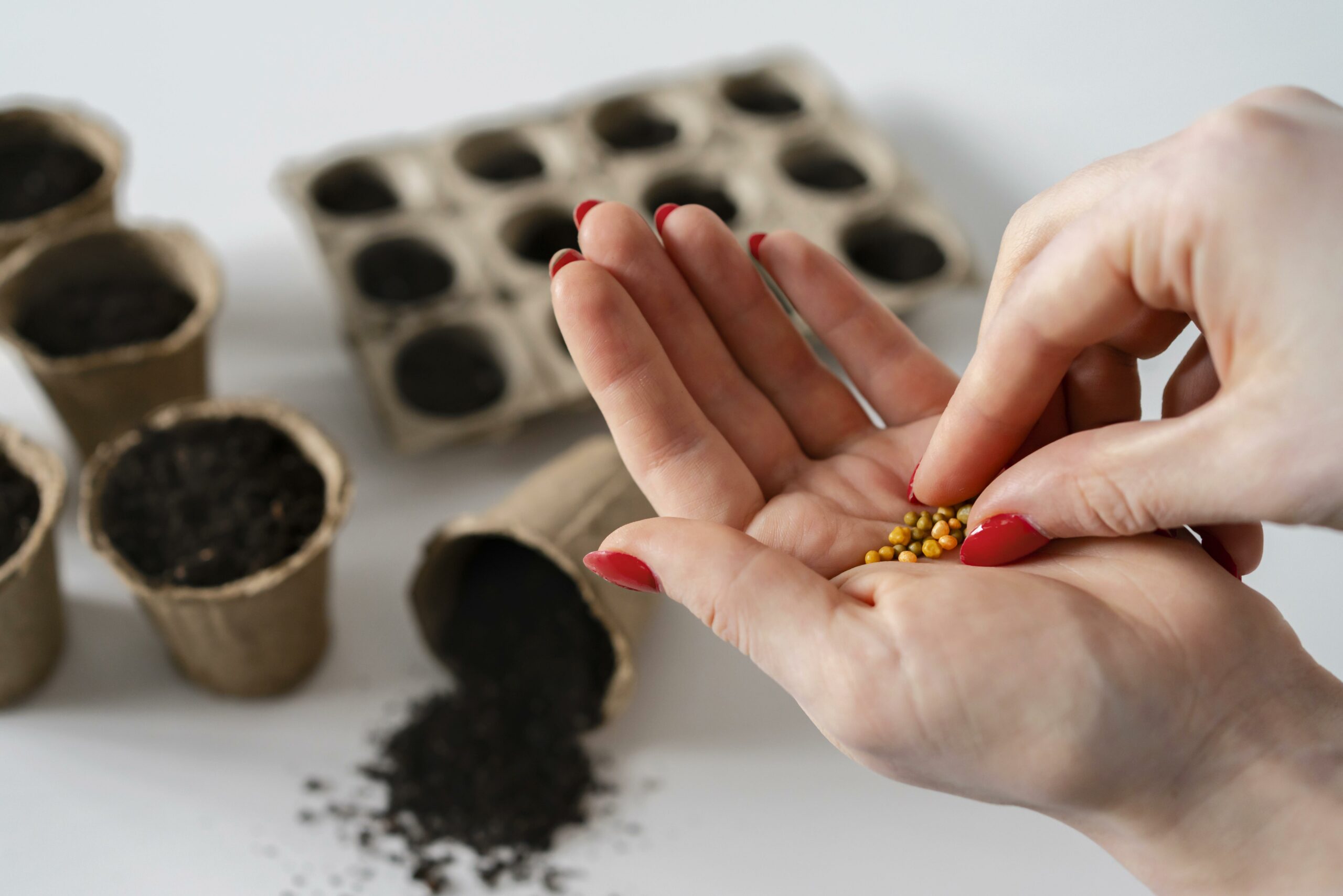


Growing weed from seed in New York can feel simple at first. You put a seed in the ground, give it water, and wait for it to grow. But a good grow takes more than that. It works best when you follow a clear plan from the start. That is why this guide begins with the basics and then walks step by step through the full process. The goal is to help new growers understand what to do, when to do it, and what to watch for as the plant moves from seed to harvest.
The first thing to know is that home growing is legal in New York for adults age 21 and older. A person can grow up to 3 mature plants and 3 immature plants at one time. A private residence can have no more than 6 mature plants and 6 immature plants total, even if more than two adults live there. New York also defines immature plants as plants without visible buds or flowers, while mature plants have observable buds or flowers. Home growing must happen in a private residence, not in a hotel, motel, or other temporary place to stay. It is also illegal to sell, trade, or barter homegrown cannabis.
Those rules matter because they shape every step of your grow. Before you buy seeds or set up a light, you need to know how many plants you can legally keep and where you can keep them. That helps you avoid building a grow that is too large, too visible, or not allowed in your living situation. Even though New York allows home cultivation, growers still need to think about practical issues like privacy, space, smell, airflow, and basic plant care. People who rent should also understand that housing issues can affect what is realistic in the home, even when state law allows home growing in residential spaces.
This article is designed for readers who want a beginner-friendly path. It is not just a list of random tips. It is a full step-by-step plan. First, it explains the legal basics in plain language. After that, it covers what you need before you start, including where to grow and what tools matter most. Then it moves into seed choice, because the type of seed you pick can affect how easy or hard the grow will be. Some people want a simple indoor setup. Others want to see if outdoor growing can work in New York’s climate. The guide will help readers understand both options before they commit.
From there, the article will walk through the early stages of growth. It will explain how to germinate seeds, how to plant a sprouted seed, and how to care for a seedling without overwatering or causing stress. These are small steps, but they are where many beginners run into trouble. A seed can fail to sprout. A seedling can stretch, droop, or stop growing if the light, water, or temperature is off. Starting with a clear method can help readers avoid those early mistakes.
The guide will also explain what happens after the seedling stage. Readers will learn what the vegetative stage is, how plants grow during that period, and why light, container size, and steady care matter so much. Then it will move into flowering, where the plant starts producing buds. That stage often brings new questions, especially for people growing indoors for the first time or trying to understand how New York’s outdoor season affects timing. Many searchers want to know how long the whole process takes, when a plant is ready to harvest, and what to do once harvest time arrives. This article is built to answer those questions clearly.
Another important part of the guide is problem prevention. Growing from seed is not only about helping a plant grow. It is also about learning how to avoid common problems before they become serious. Overwatering, weak light, poor airflow, mold, pests, and plant stress are all common issues for new growers. New York growers also need to think about weather and humidity, especially if they plan to grow outside. A good grower does not just react to problems. A good grower tries to set up the space in a way that lowers risk from the beginning.
The final sections of the article will bring the process together. Readers will learn how to spot harvest timing, why drying and curing matter, and how to store homegrown cannabis properly after harvest. That matters because growing does not end when the plant is cut down. The last steps affect quality, freshness, and safety just as much as the early ones.
By the end of this guide, readers should have a clear view of the full process of growing weed from seed in New York. They should understand the law, know the main stages of growth, and feel more prepared to start with a simple plan. Growing from seed takes time, patience, and steady care, but it becomes much easier when each step is explained in order. That is what this article aims to do.
Is It Legal to Grow Weed From Seed in New York?
If you want to grow weed from seed in New York, the first thing to know is that home growing is legal for adults. New York allows adults age 21 and older to grow cannabis at home for personal use. This means a person who meets the age rule can legally start from seed and grow plants at their private residence, as long as they follow the state limits and other rules.
This matters because many new growers start with the wrong question. They ask whether seeds are legal, whether the plant must come from a store, or whether home growing is only for medical patients. In New York, adult-use home cultivation is legal, so a regular adult home grower can start from seed if they follow the law. The grow must still stay within the rules for age, plant count, and location.
The Age Requirement Is Important
New York’s rule is simple on age. For adult-use cannabis, the grower must be 21 or older. That age rule applies to home cultivation. If a person is under 21, they cannot legally grow adult-use cannabis at home just because they have seeds or space. The legal right to grow is tied to age.
For a beginner, this is one of the easiest parts of the law to understand, but it is still worth stating clearly. A legal home grow in New York starts with a legal adult. If the person growing is not 21 or older, the rest of the setup does not matter. That is why any step-by-step plan should begin with the age rule before talking about equipment, lighting, or seed types.
How Many Cannabis Plants Can You Grow?
New York does not allow unlimited home growing. The law sets clear plant limits. One adult who is 21 or older can grow up to 3 mature plants and 3 immature plants at one time. That means one person can have up to 6 plants total, but only half of them can be mature at the same time. A private residence can have no more than 6 mature plants and 6 immature plants total, even if more than two adults live there. In other words, the household cap is 12 plants.
This is where many new growers get confused. They may hear “six plants” and assume that means six flowering plants plus extras. That is not how the rule works. The law separates plants into mature and immature groups. A grower needs to count both. Staying legal means tracking plant stage, not only total plant number.
What Is the Difference Between Mature and Immature Plants?
New York gives a simple way to understand this. An immature cannabis plant is a plant that does not yet have visible buds or flowers. A mature plant is one with observable buds or flowers. This difference matters because the plant limit is split between those two stages.
For a beginner growing from seed, this has a real effect on planning. Seeds become seedlings, then young plants, then larger vegetative plants. Those early plants are generally part of the immature group until buds or flowers can be seen. Once flowering begins and buds are visible, the plant counts as mature. That means the legal side of growing is not only about how many pots are in the room. It is also about what stage those plants are in.
Where Can You Grow Cannabis in New York?
New York says cannabis can be grown in a private residence. The state’s materials explain that this includes places you own or rent, such as a home, room, apartment, mobile home, or co-op used as a residence. At the same time, the rules say home cultivation is limited to places occupied for residential purposes only. It cannot take place in a hotel, motel, or another temporary or non-permanent accommodation.
This is important for apartment renters and people who travel often. A legal grow is tied to a real home, not a short-term stay. It also means a person should think carefully before starting a grow in a place that is not clearly their residence. A good rule is this: if it is your actual home and used as a residence, it may qualify. If it is temporary lodging, it does not.
What About Renting and Lease Rules?
Many people worry that renting automatically blocks home growing. New York’s home cultivation overview and FAQ say landlords generally cannot refuse to lease to someone or penalize a tenant solely for lawful cannabis activity, including personal cultivation, unless it would cause the landlord to lose a federal benefit.
Even so, renters should still read the lease carefully before starting. A grow setup can involve lights, fans, water, odor control, and electrical use. Those issues can overlap with other parts of a lease, building rules, or housing conditions. So while state cannabis rules matter, practical housing rules still matter too. For a beginner, it is smart to check both before spending money on seeds or equipment. This is not legal advice, but it is a sensible step that can prevent problems later.
You Cannot Sell What You Grow at Home
New York allows home cultivation for personal use, but that does not mean homegrown cannabis can be sold like a business product. The state says it is illegal to sell, trade, or barter homegrown cannabis. The wider enforcement guidance also says it is illegal to sell cannabis products without a license, and it is illegal to trade or “gift” cannabis in exchange for something else.
For beginners, this is a simple but very important rule. Home growing is for personal use, not side income. Once money, trade, or other compensation enters the picture, the situation changes fast. A person may think they are just sharing, but if something of value is exchanged, that can create legal problems.
It is legal to grow weed from seed in New York if you are 21 or older and you follow the state’s home cultivation rules. One adult can grow up to 3 mature and 3 immature plants, and one residence can have up to 6 mature and 6 immature plants total. The grow must happen at a private residence, not temporary lodging, and homegrown cannabis cannot be sold, traded, or bartered. Once readers understand these legal basics, they are ready to move on to the next step and build a grow plan that is both practical and lawful.
What You Need Before You Start Growing From Seed
Starting a cannabis grow from seed is easier when you prepare first. Many beginners want to jump straight to germination, but that usually leads to avoidable problems later. A simple setup gives you a better chance of growing healthy plants from the start. It also helps you spend money more carefully and avoid buying things you do not really need.
Before you plant a seed, think about where your plants will live, how much space you have, how much time you can give each week, and whether you want to grow indoors or outdoors. You should also understand the basic needs of the plant. Cannabis plants need light, air, water, a growing medium, and room for roots to grow. If one of these things is missing, the plant will struggle.
Pick a Realistic Grow Location
Your grow location matters more than many new growers think. A good space should be easy for you to check every day. If the spot is too far away, too cramped, or too hard to manage, you may miss early signs of stress. Plants can change fast, so daily attention helps.
For an indoor grow, many first-time growers use a spare corner, closet, small room, or grow tent. The area should have enough room for the plant, the light, and airflow. It should also be a place where temperature stays fairly steady. A room that gets too hot during the day or too cold at night can slow growth and cause stress.
For an outdoor grow, the location should get good sunlight and have some privacy. It should also be a place where plants are secure and not easy for other people to access. Outdoor growers need to think about weather, wind, rain, and the chance of pests or mold. In New York, weather can change fast, so choosing the right outdoor spot is important.
No matter where you grow, choose a space you can keep clean. A messy area can make plant care harder and increase the chance of mold, pests, or other problems.
Choose Between Indoor and Outdoor Growing
Before you buy supplies, decide whether you want to grow indoors or outdoors. This choice affects almost everything else, including lighting, containers, cost, and daily care.
Indoor growing gives you more control. You can manage the light, air, and water more closely. This makes it easier to grow at almost any time of year. Indoor growing also helps if you want more privacy or if outdoor conditions are not ideal. The main downside is cost. You usually need to buy lights, fans, and other equipment.
Outdoor growing can cost less because the sun does much of the work. Plants often have more space to grow, and you may need less equipment at the start. Still, outdoor growing gives you less control. Rain, humidity, cold nights, pests, and mold can all become problems. In New York, weather is one of the biggest reasons some new growers choose to begin indoors.
A beginner should not choose based only on what sounds easier. The better choice is the one that fits the space, budget, and time they actually have.
Gather the Basic Tools for a First Grow
You do not need a huge list of gear to get started. In fact, many beginners make the mistake of buying too much too early. A first grow works best with basic tools that support healthy growth without making the process feel too complicated.
You will need containers for your plants. These can be small starter pots at first and larger pots later. The container should allow good drainage. Roots need water, but they also need air. If water sits too long in the pot, roots can suffer.
You will also need a growing medium. Many beginners start with soil because it is simple and forgiving. A good growing medium should hold some moisture while still draining well.
Watering tools matter too. Even a simple watering can work, as long as you can water gently and avoid flooding the plant. Some new growers use spray bottles early on for seedlings, but this should not replace proper watering once the plant starts growing.
Indoor growers will need a light source. They will also need basic airflow, often from a small fan, to help strengthen the plant and reduce stale air. Outdoor growers may not need lights, but they still need to think about airflow, rain protection, and safe placement.
A thermometer and humidity meter can also help. These tools make it easier to understand whether your grow space is too hot, too cold, too dry, or too damp.
Understand the Plant’s Basic Needs
Cannabis plants are not magic. They follow simple growing rules. When beginners understand the basics, they make better choices from day one.
The first need is light. Without enough light, plants become weak and stretched. Indoor growers need a reliable grow light. Outdoor growers need a location with strong daily sunlight.
The second need is airflow. Plants do better when fresh air moves around them. Poor airflow can trap moisture and raise the chance of mold. It can also make the grow area feel stale and heavy.
The third need is water. New growers often think more water means better growth, but that is not true. Too much water is one of the most common beginner mistakes. The goal is to keep the growing medium moist but not soaked.
The fourth need is a good growing medium. This is where the roots live. Healthy roots help the whole plant stay strong. If the medium drains poorly or stays too wet, the roots can suffer.
The fifth need is space. Roots need room below the surface, and leaves need room above it. Even small plants need enough space to grow without being crowded.
Why Starting Small Makes Growing Easier
A lot of beginners feel excited and want to grow as many plants as possible right away. That often creates more work than they are ready for. Even one or two plants can teach you a lot. A small grow is easier to watch, easier to water correctly, and easier to fix if something goes wrong.
Starting small also helps you learn the routine. You begin to notice how fast the soil dries, how the plant reacts to light, and how the leaves change over time. These small lessons are easier to catch when you are not trying to manage too many plants at once.
It can also save money. A small setup costs less and gives you room to improve later. Once you understand the process, you can decide whether you want to scale up.
Build a Simple First-Grow Checklist
Before you start germinating seeds, pause and make sure your basics are ready. Your grow space should already be chosen. Your containers should be clean and have drainage. Your growing medium should be in place. If you are growing indoors, your lights and airflow should already be set up and tested. If you are growing outdoors, the space should already be selected with sunlight, privacy, and weather in mind.
You should also make sure you have a simple care routine in mind. Ask yourself when you will check the plants each day and how you will keep the area clean. A clear plan now helps prevent rushed choices later.
Before you grow weed from seed, you need a space that works, a clear indoor or outdoor plan, basic tools, and a simple understanding of what the plant needs. Light, airflow, water, a good growing medium, and room to grow are the foundation of every healthy plant. It is also smart to start small, especially for a first grow. When you prepare your setup before germination, the rest of the process becomes easier to manage and much less stressful.
Step 1: Choose the Right Cannabis Seeds for a New York Grow
Choosing the right cannabis seeds is one of the most important early steps in the growing process. It shapes how easy your first grow will be, how much space you need, how long the grow may take, and how much daily attention your plants may need. Many new growers focus on lights, soil, or nutrients first, but the seed choice matters just as much. A strong start often begins with seeds that match your space, your skill level, and your growing plan.
A cannabis seed is the starting point of the plant. If the seed is healthy and the growing conditions are good, it can sprout, grow roots, produce leaves, and move through each stage until harvest. But not all seeds are the same. Some are easier for beginners. Some need more care. Some are better for small indoor spaces, while others may fit outdoor growing better.
What cannabis seeds are
Cannabis seeds are small, hard seeds that grow into cannabis plants when given the right mix of moisture, warmth, air, and light. Each seed carries the genetic plan for the plant it can become. That means the seed affects plant size, growth speed, flower type, and how the plant handles stress.
Healthy seeds usually look firm and dry on the outside. They are often brown, tan, or gray, sometimes with darker stripes or spots. Very pale green or white seeds are often less mature. That does not always mean they will fail, but they are often less reliable than darker, fully formed seeds.
For a beginner, the goal is not to chase rare seed types or fancy names. The goal is to choose seeds that are stable, easy to manage, and suited to the grow setup. A simple first grow is usually better than a complicated one.
Regular, feminized, and autoflower seeds
There are three main seed types new growers usually hear about: regular seeds, feminized seeds, and autoflower seeds. Each one works differently, and each one has pros and limits.
Regular seeds can grow into either male or female plants. This means a grower may spend time, space, water, and light on plants that later need to be removed if the goal is to grow flowers. For a beginner, this can feel frustrating. You may plant several seeds and later learn that some are not useful for your main goal.
Feminized seeds are bred to grow into female plants in most cases. This makes them popular with home growers because female plants are the ones usually grown for flowers. Feminized seeds remove much of the guesswork. A new grower can focus more on plant care and less on sorting male and female plants later.
Autoflower seeds are different because they begin flowering based on age rather than light schedule. This can make them easier in some ways, especially for beginners who want a faster grow. Many autoflower plants also stay smaller than standard photoperiod plants, which can help in small indoor spaces. Still, they can be less forgiving if stressed early, because they move through their life cycle quickly.
For many first-time growers, feminized seeds are often the easiest place to start. They offer a balance of control and simplicity. Autoflower seeds can also be a good beginner choice, especially for people with limited space or those who want a shorter grow cycle. Regular seeds are usually better for growers who want more experience with plant selection and breeding basics.
Which seed type may be easiest for beginners
Many beginners do best with feminized seeds because they remove one major problem at the start. You do not have to spend time wondering if a plant will turn out male. That makes planning easier and helps you stay within legal plant limits if your goal is to raise flowering plants.
Autoflower seeds are also beginner-friendly in some situations. They can be a smart choice for growers who want a smaller plant, a quicker finish, or a simple indoor setup. They may also fit well for people who do not want to manage long light cycles. But because autoflowers move fast, mistakes during the early stage can be harder to fix later.
Regular seeds are not always the best first step for someone brand new. They can still grow well, but they require more attention and more decision-making. For a first grow, many people want a smoother path.
Indoor and outdoor seed choice in New York
Your grow location matters when choosing seeds. Indoor growers often have more control over temperature, lighting, humidity, and airflow. That means they may have more flexibility in choosing seed types. A small indoor space may pair well with compact feminized plants or autoflowers that do not stretch too much.
Outdoor growing in New York can be more challenging because weather changes matter. The growing season is not as long as it is in warmer states. Rain, humidity, and cooler fall conditions can create stress for plants. Because of that, growers often look for seeds that can finish in a reasonable time and handle changing conditions better.
Autoflower seeds may appeal to some outdoor growers because of their shorter life cycle. Feminized seeds can also work well outdoors, but the grower needs to think more about seasonal timing and plant size. In both cases, the best seed is usually the one that fits the climate, the grow area, and the amount of care the grower can give each day.
Why climate and grow space matter
A seed that grows well in one setup may not be the best fit in another. That is why climate and space matter so much. If you are working with a closet, tent, or small room, a large plant may become hard to manage. If you are growing outdoors, weather may shape how long a plant can stay healthy before harvest time.
New York growers need to think about practical limits. Humidity can raise the risk of mold. Cooler nights can slow growth. Small apartments may need shorter plants and better smell control. A grower who understands these limits can make a better seed choice from the start.
This does not mean you need to know everything right away. It only means you should be honest about your space, your time, and your goal. A simple setup usually works better than a setup that is too big or too hard to manage.
What healthy seeds look like
Healthy seeds are usually firm when gently pressed. They often have a darker shell and a solid outer surface. Seeds that look cracked, very soft, or very pale may not be as strong. Size alone is not always the best test, but a seed should look mature and complete.
Even with a healthy-looking seed, there is never a full guarantee. Growing always includes some risk. Still, starting with seeds that appear mature and well formed gives you a better chance of a smooth beginning.
Choosing the right cannabis seeds is the first real decision in the growing process, and it can make the rest of the grow much easier. The best choice for many beginners is often a feminized seed because it offers more predictability. Autoflower seeds can also work well for small spaces and shorter grow timelines. Regular seeds may be better saved for later, once you have more experience.
Step 2: Pick Indoor or Outdoor Growing in New York
Before you plant your seed, you need to decide where your cannabis plant will grow. This choice matters because it affects almost every other step. Your light, temperature, watering routine, space needs, and timeline can all change based on whether you grow indoors or outdoors.
For many beginners in New York, this is one of the first big questions. Should you grow inside where you can control more of the process, or should you grow outside and use natural sunlight? The best choice depends on your home, your budget, your privacy, and how much control you want over the grow.
Indoor growing in New York
Indoor growing means you raise your plant inside a home, apartment, room, closet, tent, or other private indoor space. The main reason people choose indoor growing is control. You can control the light, the temperature, the airflow, and how much water the plant gets. That makes it easier to create a stable growing environment.
This can be very helpful in New York because the weather changes a lot. One day may feel warm and sunny, while the next may be cold, wet, or humid. When you grow indoors, outside weather has much less effect on your plant. That can make the process easier for a first-time grower.
Indoor growing also gives you more privacy. Your plants are not exposed to neighbors, passersby, or changing outdoor conditions. If you live in a place where outdoor space is limited, indoor growing may be the only realistic option. Many people in New York, especially those in cities or apartment buildings, do not have a private yard. In that case, an indoor setup often makes more sense.
Another advantage of indoor growing is timing. You do not have to wait for the outdoor season to begin. You can start when your setup is ready. This gives you more flexibility and helps you plan the grow around your own schedule.
Still, indoor growing has limits. You need equipment, and that usually means more cost at the start. You may need grow lights, fans, containers, and a safe place for the plant to grow. You also need enough room for the plant to develop. Even a small plant still needs space for light, airflow, and healthy root growth.
Indoor growing also means that you are fully responsible for the plant’s environment. Outside, the sun rises on its own. Indoors, the light only works if you set it up and manage it well. If your lighting is weak or your airflow is poor, the plant may struggle. So indoor growing gives you more control, but it also gives you more responsibility.
Outdoor growing in New York
Outdoor growing means you plant your cannabis outside and let it grow with natural sunlight, fresh air, and the outdoor climate. This method can seem simpler at first because the sun does much of the work for you. You do not need to buy strong indoor grow lights, and the plant can often grow larger when it has enough space and sunlight.
For some people, outdoor growing is a good fit because it can cost less than an indoor setup. If you already have a private outdoor area, you may be able to grow without as much equipment. The natural cycle of sunlight can also make the process feel more straightforward.
But outdoor growing in New York comes with real challenges. The climate is not always easy for cannabis plants. The growing season is limited. Cold spring weather can slow early growth, and wet or humid conditions later in the season can increase the risk of mold and mildew. Heavy rain, sudden temperature drops, and strong winds can also stress the plant.
Another issue is timing. Outdoor growers must work around the seasons. You cannot simply start at any time of year. You need to think about when the weather becomes warm enough and when the plant will have enough time to grow before fall conditions become harder to manage.
Outdoor growing can also create privacy and security concerns. Plants may be visible or easier for others to notice, especially if they grow tall. Smell can also become stronger as the plant matures. This can be a problem if your outdoor space is close to neighbors or shared areas. A plant that is easy to see or smell may bring attention you do not want.
Outdoor plants also face more natural threats. Pests, mold, animals, and sudden weather changes are all more common outside. While outdoor growing can work well in the right setting, it often asks the grower to stay alert and respond quickly to changes.
How New York weather affects your choice
New York is not the same as a warm, dry climate where outdoor growing is easier for long periods. The weather can change by region, but many growers deal with cool springs, humid summers, and wet fall conditions. These shifts can affect how a cannabis plant grows from seed to harvest.
For example, high humidity can raise the chance of mold. Cold nights can slow growth. Too much rain can leave the growing medium too wet. A plant that stays wet for too long can develop problems that are hard to fix later.
Because of this, many New York beginners choose indoor growing for their first plant. Indoor growing reduces the effect of weather and makes the grow easier to manage. That does not mean outdoor growing cannot work in New York. It can. But it usually takes more planning, more attention to timing, and a private space that fits legal and practical needs.
Privacy, smell, security, and space
When choosing between indoor and outdoor growing, do not think only about cost or convenience. Think about your full living situation. Ask yourself where the plant will be safest and easiest to manage.
Privacy matters because cannabis plants can draw attention. Outdoors, the plant may be seen from nearby homes or open areas. Indoors, the plant is easier to keep out of sight. This can make indoor growing a better fit for people who want a more controlled and private setup.
Smell is another factor. Cannabis plants can produce a strong odor, especially later in the grow. Indoors, growers may be better able to manage smell in a contained space. Outdoors, smell can carry through a yard or nearby area.
Security is also important. A plant should stay in a safe place where children, pets, and unwanted visitors cannot access it easily. Whether you grow indoors or outdoors, the area should be secure, private, and easy for you to monitor.
Space is the last major piece. If you have very little room indoors, that may limit how large or how many plants you can handle. If you have outdoor space but it is shared, exposed, or not private, that may rule out an outdoor grow. The best grow space is not always the biggest one. It is the one you can manage well.
Why many first-time growers start indoors
Many first-time growers in New York start indoors because it gives them a simpler learning environment. When you are new, it helps to reduce variables. Indoors, you can focus on the basic needs of the plant without worrying as much about rain, outdoor pests, or sudden weather changes.
Indoor growing can also help new growers learn the plant’s stages more clearly. You can watch the seedling, vegetative stage, and flowering stage in a more stable setting. This makes it easier to spot problems early and adjust your care routine.
Starting indoors does not mean it is always easier in every way. You still need to pay attention and stay consistent. But for many beginners, the extra control is worth it.
When outdoor growing may still be a good choice
Outdoor growing may still be a strong option if you have a private outdoor area, enough sunlight, and a good sense of your local weather patterns. It can also work well for growers who want a more natural setup and are ready to work within the New York growing season.
If your outdoor space is secure, private, and gets strong sunlight, growing outside may be a practical choice. It may also be appealing if you want to avoid the higher cost of indoor equipment. Still, success outdoors depends a lot on timing, plant care, and staying alert to weather and moisture issues.
Choosing between indoor and outdoor growing is one of the most important early steps in the process. Indoor growing gives you more control, more privacy, and less exposure to New York weather. Outdoor growing can cost less and use natural sunlight, but it also brings more risk from rain, humidity, pests, and changing temperatures.
For many beginners in New York, indoor growing is the easier place to start because the environment is more stable. Outdoor growing can still work well, but it usually needs the right space, the right timing, and closer attention to weather. In the end, the best choice is the one that fits your home, your schedule, and your ability to care for the plant step by step.
Step 3: Germinate the Seeds the Right Way
Germination is the point where a cannabis seed wakes up and begins to grow. This is the first real step in the growing process. If you do it well, you give your plant a better start. If you rush it or handle the seed the wrong way, you can slow growth before the plant even reaches the soil.
The good news is that germination does not need to be hard. You do not need expensive tools or advanced skills. What matters most is giving the seed the right mix of moisture, warmth, and care. In this stage, simple steps are often the best steps.
What germination means
A cannabis seed may look dry and inactive from the outside, but it is alive inside. Germination begins when the seed takes in water. That moisture signals the seed to start growing. After that, the shell begins to soften and crack open. A small white root appears first. This root is often called the taproot.
The taproot is the first part of the plant that will grow downward into the growing medium. Once that root is established, the young plant can begin taking in water and nutrients. Soon after, the first small leaves will begin to form above the surface.
This is why germination matters so much. It is the moment when the seed changes into a living plant. A healthy start here can make the next stages easier.
Easy germination methods beginners can use
There is more than one way to germinate cannabis seeds, but beginners usually do best with a simple method that is easy to manage. One of the most common ways is the damp paper towel method. In this approach, the seeds are placed between moist paper towels and kept in a warm, dark place. The towels should feel damp, not soaked. Too much water can cause problems just as easily as too little.
Another simple option is to plant the seed directly into a small container of moist soil or another starter medium. This method avoids moving the seed after it cracks, which lowers the chance of damaging the root. For many new growers, this can be a good choice because it keeps the process simple.
Some growers also soak seeds in water for a short period before moving them to paper towels or soil. This can help the shell soften faster. Still, seeds should not be left in water for too long. If they sit too long, they may fail to sprout or begin to rot.
For a first grow, the best approach is usually the one you can monitor easily and handle gently.
Warmth, moisture, and darkness basics
Cannabis seeds need the right environment to germinate. Warmth helps trigger growth. Moisture tells the seed to begin the process. Darkness helps create a calm, stable setting while the seed starts to open.
The seed should stay moist but not soaking wet. A seed that dries out may stop developing. A seed that stays too wet may struggle because it is not getting enough air. That is why balance matters. You want the seed to stay evenly moist from start to finish.
Warm temperatures also help speed things up. If the space is too cold, germination can slow down or stop. If it gets too hot, the seed may get damaged. A steady, mild temperature is better than big changes from hot to cold.
Darkness is also helpful at this stage. Seeds do not need strong light before they sprout. A dark drawer, cabinet, or other protected space usually works well, as long as the area stays warm and stable.
How long germination usually takes
Many cannabis seeds sprout within one to three days, but some take longer. It is common for germination to take up to a week. In some cases, a seed may need a little more time, especially if it is older or if the environment is less than ideal.
The key is patience. Many beginners make mistakes because they check the seeds too often or try to force the process. Seeds do not all open at the same speed. One may crack open quickly, while another from the same pack may need several more days.
During this period, check the seeds gently. You are looking for the shell to split and for the small white root to appear. Once that taproot shows, the seed is ready for the next step.
What to do once the seed cracks
After the seed cracks and the taproot appears, it is time to move carefully. If you used the paper towel method, the sprouted seed should be planted into moist soil or another growing medium as soon as possible. The root is very delicate at this stage, so rough handling can damage it.
Place the seed root-down if possible. Do not plant it too deep. A shallow hole is enough. Cover it lightly with soil and keep the medium slightly moist. After that, place it under the proper light for seedlings and give it time to come above the surface.
If you germinated the seed directly in soil, your next step is even easier. Keep the medium moist, avoid overwatering, and wait for the seedling to emerge. This may take a few more days after the seed cracks.
Once the seed is planted, do not keep digging it up to check on it. Let the plant do its work.
Common germination mistakes to avoid
One common mistake is using too much water. Many new growers think more water will help the seed open faster, but too much moisture can cause rot or cut off airflow.
Another mistake is letting the seed dry out. Seeds need steady moisture. If the paper towel or soil becomes dry, the process may stop before the root forms.
Poor handling is another issue. The taproot is fragile. Touching it too much or squeezing the seed can cause damage. It is always better to handle the seed as little as possible.
Some growers also place seeds in areas that are too cold, too hot, or exposed to too much light. A seed does best in a stable environment. Large swings in temperature or too much direct heat can lead to weak results.
Impatience is also a major problem. Germination takes time. Checking too often, moving the seed too much, or trying too many methods at once can create stress and confusion.
Germinating cannabis seeds is a simple step, but it sets the tone for the rest of the grow. The seed needs moisture, warmth, darkness, and careful handling. Whether you use paper towels or plant directly into soil, the goal is the same: help the seed open and let the taproot begin growing. Once that root appears, the seed is ready for planting and the seedling stage can begin. A calm, steady approach gives you the best chance of a healthy start.
Step 4: Plant the Sprouted Seed and Start the Seedling Stage
Once your seed has cracked and the small white taproot appears, it is time to move it into its growing medium. This step matters because the seed is now alive and growing fast. If you wait too long, the taproot can dry out, get damaged, or grow into the paper towel or other surface you used for germination. The goal is to move the sprouted seed gently and give it the right conditions to become a strong seedling.
When to Move a Sprouted Seed Into Soil or Another Medium
You should move the seed as soon as the taproot is visible and still short. In most cases, that means the root is only a small fraction of an inch long. At this stage, the seed is ready to go into soil, coco coir, peat pellets, or another growing medium. The longer you wait, the easier it is to damage the root during transfer.
Be gentle during this step. The taproot is very fragile. If it breaks, the seed may not survive. Try not to touch the root with your fingers. It is better to use clean tweezers and handle the seed shell instead. Make sure your hands and tools are clean before you begin. A clean start lowers the risk of disease and stress.
If you are growing indoors in New York, many beginners start with a small pot or seedling cup first. This makes it easier to manage water and watch early growth. If you are growing outdoors, many growers still begin seedlings inside before moving them outside later. This gives the young plant a better start, especially in places where spring weather can change quickly.
How Deep to Plant It
Plant the sprouted seed shallow in the medium. A good rule is to place it about one-quarter to one-half inch deep. That depth is enough to protect the seed while still making it easy for the seedling to push through the surface. If you plant it too deep, the young plant may struggle to come up. If you plant it too close to the top, it may dry out too fast.
Place the seed with the taproot pointing down if possible. This helps the root move in the right direction right away. If you cannot tell which way is best, do not worry too much. Nature usually corrects the direction as the root grows. After placing the seed, lightly cover it with the growing medium. Do not pack the soil down hard. The seedling needs a soft, airy space to grow through.
A light and loose seed-starting mix often works well for beginners. Heavy, compact soil can hold too much water and make it harder for roots to spread. Good drainage is important from the start.
Light Watering at the Start
Right after planting, water the medium lightly. The goal is to make the area around the seed moist, not soaked. Too much water is one of the most common mistakes at this stage. A young seed does not need a flood of water. It only needs enough moisture to stay active and keep growing.
If the medium is too wet, the root can struggle to get oxygen. This can slow growth and increase the risk of rot. If it is too dry, the seedling can stall or die before it even breaks the surface. Try to keep the growing medium evenly moist. It should feel damp but not muddy.
Many beginners do best by using a spray bottle or by watering a small area slowly. This helps avoid washing the seed deeper into the soil or shifting it out of place. It also helps you avoid overwatering.
Seedling Light Needs
As soon as the seedling breaks the surface, it needs light. Light is what tells the young plant to start growing upward and building strength. Without enough light, the seedling can become tall, thin, and weak. This is called stretching. A stretched seedling is more likely to bend or fall over.
Indoor growers should place the seedling under a gentle but steady grow light. The light should be close enough to give strong support but not so close that it causes heat stress. If the light is too far away, the stem may stretch too much. If it is too close, the seedling can dry out or burn.
Outdoor growers need a bright and protected location. If you are starting seedlings outside, be careful with harsh weather. Strong wind, heavy rain, and cold nights can damage young plants. In New York, many growers start seedlings indoors first because spring temperatures are not always steady.
At this stage, the plant does not need intense feeding. What it needs most is stable light, moisture, and a calm environment.
Temperature and Humidity Basics
Seedlings grow best in a mild, steady environment. They do not like sharp swings in temperature or moisture. Warm conditions help the seedling grow, but too much heat can dry it out fast. Cold temperatures can slow growth and put stress on the plant.
A slightly humid space can help during the first days of growth because seedlings are small and lose moisture quickly. Still, the area should not feel wet or stale. Fresh air matters. Gentle airflow helps strengthen the stem and lowers the chance of mold. The airflow should be soft, not strong enough to bend the plant around.
For indoor growers, the main goal is consistency. A stable room with good airflow is often better than chasing perfect numbers. For outdoor growers, protecting seedlings from sudden cold or heavy rain is a big part of early success.
Signs of a Healthy Seedling vs a Struggling One
A healthy seedling usually stands upright and begins to open its first small leaves soon after it breaks through the surface. The stem should look straight and firm. The leaves should look clean and fresh. Growth may seem slow at first, but that is normal. In the early days, the plant is building its root system as much as its top growth.
A struggling seedling often gives warning signs. It may lean too much, look very thin, stay stuck in the shell, droop, or turn pale or yellow. Sometimes the cause is too much water. Other times it is weak light, cold air, or poor drainage. The key is to stay calm and fix the basic problem instead of changing too many things at once.
If the seed shell stays attached to the seedling after it comes up, do not rush to pull it off. In many cases, it will fall away on its own as the plant grows. Trying to force it off can damage the seedling.
Planting a sprouted weed seed is a simple step, but it needs care and patience. Move the seed once the taproot appears, plant it shallow, water lightly, and give it steady light and mild conditions. In this early stage, small mistakes can slow the plant down, but a calm and gentle approach works well for most beginners. A strong seedling gives you a much better start for the rest of the grow, so this is the time to focus on basics and avoid doing too much too soon.
Step 5: Care for Young Plants During the Vegetative Stage
The vegetative stage is the part of the grow when your cannabis plant starts putting on strong new growth. This is when the plant focuses on building stems, branches, leaves, and roots. A healthy vegetative stage gives the plant the strength it needs for the next phase. If the plant struggles here, that can affect its size, shape, and overall growth later on.
For new growers in New York, this stage is where daily care starts to matter more. Your plant is no longer a tiny seedling, but it is not ready to flower yet. It needs steady light, careful watering, enough room to grow, and a stable environment. The good news is that once you understand the basics, this part becomes much easier to manage.
What the vegetative stage is
The vegetative stage begins after the seedling stage. At this point, the plant starts growing faster and looking fuller. You will notice more leaves, stronger stems, and a bigger overall shape. The plant is trying to collect as much light as possible so it can build energy for the future.
During this stage, the plant should look green and active. New growth should appear often. The leaves should spread out and reach for light. The stems should slowly become thicker and stronger. Roots also grow more during this time, even though you cannot see them. Healthy roots are very important because they help the plant take in water and nutrients.
This stage can last for a few weeks or much longer. It depends on the type of seed, the grow setup, and how large you want the plant to become before flowering starts.
Light schedule basics for indoor grows
Indoor growers need to pay close attention to light during the vegetative stage. Cannabis plants in this stage need long periods of light each day. Many home growers use a schedule of 18 hours of light and 6 hours of darkness. This gives the plant enough time to grow while still allowing a short rest period.
The goal is to keep the plant in active growth. If the light schedule changes too much, the plant may become stressed. It is best to keep the schedule steady every day. A timer can make this easier and help prevent mistakes.
The quality of light also matters. Weak light can cause the plant to stretch too much. When this happens, the stems grow long and thin because the plant is trying to reach the light source. A healthy plant should grow in a more balanced way. It should not look too tall and weak for its age.
The light should also be placed at a safe distance. If it is too close, the leaves may curl, dry out, or show signs of stress. If it is too far away, growth may become slow and stretched. Checking the plant every day helps you spot problems before they get worse.
Watering without overwatering
Watering is one of the most common trouble spots for beginners. Many people think more water means faster growth, but that is not true. Too much water can slow the plant down and damage the roots. Roots need both moisture and air. If the growing medium stays too wet all the time, the roots may struggle.
A good rule is to water only when the plant actually needs it. The top part of the soil should start to dry before you water again. The container should also feel lighter than it did right after watering. These signs can help you avoid giving water too often.
When you water, do it evenly. Try not to pour all the water in one small area. Let the roots take in moisture across the container. Then wait and let the plant use that water before you add more.
Overwatered plants may droop, look heavy, or stop growing well. Underwatered plants may also droop, but the soil will feel dry and the plant may look thinner or weaker. This is why it helps to check the soil and not just the leaves.
When to transplant into a larger container
As the plant grows, it will need more space for its roots. If it stays too long in a small container, root growth can become crowded. This can slow the plant down and make watering harder to manage.
One sign that it may be time to transplant is when the plant starts drying out very quickly between waterings. Another sign is when roots begin to circle inside the container or grow out of the drainage holes. The plant may also look too large for the pot it is in.
When transplanting, move the plant gently. Try to keep the root ball together. Place it into a larger container with fresh growing medium and water it lightly afterward. Do not pack the soil too tightly. Roots grow better when the medium stays loose enough for air and water to move through it.
After transplanting, the plant may need a little time to adjust. That is normal. Keep the environment stable and avoid making too many changes at once.
Basic feeding and nutrient caution for beginners
Cannabis plants need nutrients to grow, but beginners often make the mistake of feeding too much too soon. During the vegetative stage, the plant needs support for leaf and stem growth, but that does not mean it should be overloaded.
If you are using a growing medium that already contains nutrients, the plant may not need extra feeding right away. If you do feed, start lightly and watch how the plant responds. It is easier to add more later than it is to fix problems caused by too much.
Too many nutrients can lead to burnt leaf tips, dark leaves, or slow growth. A healthy feeding routine should support the plant, not push it too hard. Reading the plant matters more than following a heavy schedule.
Clean water, proper drainage, and a stable environment often do more for a beginner grow than strong feeding programs. Simple care usually works better than trying too many products at once.
Training basics for managing plant size
During the vegetative stage, some growers use simple training methods to help shape the plant. This can be useful in New York homes where indoor space may be limited. Training can help keep plants shorter, wider, and easier to manage.
The idea is to guide the plant while it is still flexible. Gentle training can help light reach more parts of the plant. It can also support a more even shape instead of one tall main stem.
Beginners should keep this simple. Rough handling can stress the plant and slow growth. If you choose to train, do it slowly and watch how the plant responds over the next few days. Healthy plants usually recover well from light training, but weak plants should be left alone until they are stronger.
Why healthy roots matter
Roots do a lot of hidden work. They take in water, nutrients, and oxygen from the growing medium. If the roots are healthy, the rest of the plant has a much better chance of staying healthy too.
Many above-ground problems begin below the surface. Slow growth, drooping leaves, and poor color can all be tied to root stress. That is why container size, drainage, watering habits, and growing medium all matter so much during the vegetative stage.
Think of the roots as the plant’s foundation. A strong foundation supports bigger leaves, better branching, and steadier growth. If you protect the roots, you make the whole plant easier to care for.
The vegetative stage is when your cannabis plant builds strength for the rest of its life cycle. During this time, the plant needs long hours of light, careful watering, enough room for root growth, and gentle handling. It also needs patience. New growers often run into trouble by doing too much, too fast.
Step 6: Know When and How Flowering Starts
The flowering stage is the part of the grow where the plant stops focusing mainly on stems and leaves and starts putting its energy into bud development. This is the stage most new growers wait for, but it is also the stage that causes a lot of confusion. Many people are not sure when flowering starts, what changes to expect, or how to care for the plant once it happens.
If you understand how flowering begins, you will have a much easier time guiding your plant through this stage. The key is knowing that indoor and outdoor plants do not enter flowering in exactly the same way. The plant also starts showing clear signs when it is ready to move into this next phase.
What flowering means
During the vegetative stage, the plant puts most of its energy into growing bigger. It builds stronger stems, larger leaves, and more branches. This helps the plant prepare for the next stage. Once flowering begins, the plant changes direction. Instead of mostly growing taller and wider, it starts forming buds.
This change does not happen by accident. The plant responds to changes in light and time. When those signals tell the plant it is time to flower, it begins a new growth pattern. You may still see some stretching at first, but the plant soon focuses more on bud sites and flower production.
This stage is important because it has a direct effect on the final result. A healthy flowering stage can lead to better plant structure, better bud development, and fewer problems before harvest.
How flowering starts indoors
Indoor growers control the environment, so they also control when flowering starts. In most indoor grows, flowering begins when the light schedule changes. During the vegetative stage, many growers keep the lights on for long hours each day. Once they are ready for the plant to flower, they switch to a schedule with 12 hours of light and 12 hours of darkness.
This dark period matters a lot. The plant needs steady, uninterrupted darkness every day. If the dark period is broken too often, the plant can become stressed. That stress may slow growth or lead to poor flower development.
Indoor growers usually start flowering when the plant is large enough for the grow space. This is important because many plants stretch after the light schedule changes. Some can grow much taller in the first few weeks of flowering. If you wait too long to start, the plant may become too large for the room, tent, or light setup.
A good rule is to think ahead. If your plant already fills much of your grow space during the vegetative stage, it may become crowded once flowering starts. That is why many indoor growers switch to flowering before the plant reaches its full possible size.
How flowering starts outdoors in New York
Outdoor plants do not need a person to change the light schedule. Nature does that job. As summer moves forward and the days begin to get shorter, the plant notices the change in daylight. This tells it that flowering season is starting.
In New York, this change usually happens as the outdoor season moves from summer toward late summer. The exact timing can vary based on weather, location, and seed type. Photoperiod plants depend on natural daylight changes, so they begin flowering when the days shorten enough. Autoflower plants are different because they flower based more on age than daylight schedule.
Outdoor growers in New York need to pay attention to local weather as flowering begins. Late-season humidity, rain, and cooler temperatures can create added stress during this stage. That means the flowering period is not only about bud growth. It is also a time when growers need to watch closely for mold, mildew, and other moisture-related issues.
Signs that a plant is entering flower
One of the first signs of flowering is a change in growth pattern. The plant may begin to stretch, especially in the early part of the stage. You might notice the branches reaching upward more quickly than before.
Another sign is the appearance of early flower sites. These begin forming where branches meet the main stem. At first, they may look small and simple, but over time they become more noticeable. This is often when growers realize the plant has truly moved beyond the vegetative stage.
The plant may also start looking different overall. Instead of only producing broad leaf growth, it begins putting more focus on small developing flower points. As days pass, these areas become easier to identify.
For beginners, the main thing is to observe changes calmly and regularly. You do not need to react to every small change with a new product or a major adjustment. A steady routine and careful watching usually work better than constant changes.
Why light leaks can cause problems indoors
One of the biggest indoor flowering mistakes is allowing light into the grow space during the dark period. This is called a light leak. It may come from a small gap in a tent, a room light turned on at the wrong time, or even a device that gives off steady light.
This matters because the flowering plant relies on darkness as a signal. If darkness is broken often, the plant may get confused or stressed. Growth may become uneven, flowering may slow down, and the plant may not develop the way you expected.
That is why growers should check their space before switching to the flowering schedule. Close the tent or room and look for any spots where light enters. It is much better to fix these problems early than to deal with stress later.
A clean and stable light routine is one of the most important parts of a healthy indoor flowering stage. When the plant gets the same pattern every day, it can focus on growing instead of reacting to stress.
Changes in feeding, care, and expectations during flowering
Once flowering begins, the plant’s needs start to shift. It is no longer in the same stage as before, so your care routine may need to change with it. This does not mean you need to do everything differently at once. It means you should pay attention to the plant and avoid treating it like it is still in early growth.
Watering still matters, but overwatering remains a common mistake. Some growers think the plant needs much more of everything during flowering. In reality, too much water can still hurt root health and slow progress. The goal is steady care, not excess.
The plant may also need different nutrient support during flowering than it did during vegetative growth. The exact plan depends on the growing method, but beginners should be careful not to overfeed. Too many nutrients can stress the plant just as easily as too little.
Airflow becomes even more important during flowering. As buds begin to form and fill out, trapped moisture can create problems. Good airflow helps reduce damp spots and lowers the risk of mold. This is especially important for growers in places with humid conditions.
Expectations should also change during this stage. The plant may still grow in height at first, but flowering is not an instant finish line. Bud development takes time. New growers often become impatient and expect fast results. The best approach is to stay patient, keep the environment stable, and let the plant move through the stage at its natural pace.
The flowering stage begins when the plant shifts from growing leaves and branches to forming buds. Indoors, growers usually start flowering by changing the light schedule to 12 hours of light and 12 hours of darkness. Outdoors in New York, flowering begins as the days get shorter later in the season. Early signs include stretching and the formation of new flower sites. During this stage, steady darkness, careful watering, good airflow, and patient care all matter. When growers understand how flowering starts and what changes to expect, they are better prepared to guide the plant toward a healthy harvest.
Step 7: Avoid the Most Common Beginner Mistakes
Growing weed from seed in New York can feel simple at first. You put a seed in the right place, give it water and light, and wait for it to grow. But many first-time growers run into trouble because of a few basic mistakes. These mistakes are common, and most of them can be avoided with a little patience and attention. If you understand what usually goes wrong, you have a much better chance of raising healthy plants from seed to harvest.
Overwatering Can Hurt a Plant Faster Than Underwatering
One of the most common mistakes beginners make is giving the plant too much water. Many new growers think more water means faster growth. In reality, too much water can slow the plant down and damage the roots.
Cannabis roots need both water and air. When the soil stays too wet for too long, the roots cannot breathe well. This can lead to drooping leaves, weak growth, and root problems. A plant that is overwatered may look sad and limp, which often causes a beginner to add even more water. That makes the problem worse.
A better method is to water only when the growing medium starts to dry out. The container should not stay soaked all the time. Small plants also need less water than larger plants. Seedlings especially should be watered lightly because their roots are still small. Learning when not to water is just as important as learning when to water.
Weak Lighting Leads to Weak Plants
Light is one of the most important parts of the growing process. A cannabis plant needs enough light to grow strong stems, healthy leaves, and solid flowers later on. If the light is too weak, the plant may stretch, lean, or grow thin and weak.
This problem often shows up early in seedlings and young plants. They may grow tall too fast and look pale or unstable. That usually means they are reaching for more light. A weak plant in the early stage often struggles later, even if the grower fixes the light problem later on.
Indoor growers in New York should take lighting seriously from the start. A bright window is usually not enough for a full grow. If you are growing indoors, you need a light source strong enough for each stage of growth. The plant should get the right amount of light each day, and the light should be placed at a safe distance. Too far away can weaken the plant, while too close can stress or burn it.
Poor Airflow Creates Bigger Problems Than Many Beginners Expect
Airflow may not seem like a big issue at first, but it matters a lot. A cannabis plant grows better when air moves around it. Good airflow helps control moisture, supports stronger stems, and lowers the risk of mold and mildew.
This is especially important in New York, where humidity can become a real problem in some seasons. Stale air and trapped moisture can make the grow space feel damp. That kind of environment can lead to leaf problems, slow growth, and disease.
A small fan and proper air movement can help a lot in an indoor grow. The goal is not to blast the plant with harsh wind. The goal is to keep fresh air moving gently through the space. Outdoor growers also need to think about airflow. If plants are packed too tightly or placed in a closed, damp area, they may struggle even if the weather is otherwise good.
Starting With Too Many Plants Can Make the Whole Grow Harder
Some beginners get excited and want to grow the maximum number of plants right away. Even though New York allows legal home growing within set limits, starting with too many plants can quickly become hard to manage.
Each plant needs time, space, light, water, and daily attention. When a beginner starts with too many plants, it becomes harder to notice early signs of stress. Problems such as pests, drooping, nutrient issues, or poor airflow can spread or grow worse before the grower even sees them.
Starting with fewer plants gives you more control. It is easier to learn how each plant responds. It is also easier to keep the space clean and the routine simple. A small first grow teaches important lessons without becoming overwhelming.
Overfeeding Nutrients Can Cause More Harm Than Good
Another common mistake is giving the plant too many nutrients too soon. Beginners often want fast growth, so they feed heavily, hoping for bigger plants. But cannabis plants do not always need strong feeding, especially in the early stages.
Too many nutrients can burn the plant. Leaf tips may turn brown, leaves may curl, and growth may slow down. This can confuse new growers because they may think the plant needs even more nutrients. In many cases, the opposite is true.
Young plants usually need a gentle approach. If the soil or growing medium already contains nutrients, adding more right away can create stress. It is better to start light and watch how the plant responds. A healthy plant will show steady growth without needing to be pushed too hard.
Ignoring pH and Drainage Can Cause Hidden Problems
Some beginner mistakes are easy to see, but others stay hidden until the plant looks unhealthy. Poor pH and bad drainage are two examples. Even if you water carefully and use nutrients the right way, the plant can still struggle if the root zone is not balanced.
If the pH is off, the plant may not take in nutrients properly. This can lead to yellow leaves, weak growth, or odd signs that look like several problems at once. Poor drainage can make the soil stay too wet, which adds even more stress to the roots.
A good container should let extra water drain out. The growing medium should not stay packed and soggy. Beginners do not need to make the process too technical, but they should know that healthy roots depend on healthy conditions below the surface.
Moving Plants Too Often Can Stress Them
Cannabis plants do not like constant change. New growers sometimes move plants from one spot to another too often. They may shift them for more sun, bring them in and out, or keep adjusting the setup every few days. While the goal is to help the plant, too much movement can create stress.
A plant grows best in a stable environment. Big changes in light, temperature, airflow, or humidity can slow growth. Transplanting too often can also disturb the roots. When roots are stressed, the whole plant may pause and take time to recover.
This does not mean you should never move or transplant a plant. It means each change should have a clear reason. A steady routine usually works better than constant adjustment.
Small Signs of Stress Should Never Be Ignored
Many major plant problems start with small warning signs. A leaf may droop a little. The color may start to fade. Growth may slow down. These early changes are important. Beginners sometimes ignore them because the plant does not look too bad yet. Then a few days later, the problem becomes much harder to fix.
Checking your plants every day helps you catch problems early. You do not need to panic over every small change, but you should pay attention. Healthy plants usually grow in a steady and predictable way. When something changes, it often means the plant is reacting to its environment.
The sooner you notice stress, the easier it is to correct it. A simple adjustment in water, light, airflow, or feeding can often prevent a bigger issue later.
Most beginner mistakes come from trying to do too much, too fast. Overwatering, weak lighting, poor airflow, too many plants, heavy feeding, bad drainage, and constant moving can all slow down your grow. The good news is that these problems are common, easy to understand, and often easy to prevent.
Step 8: Watch for Pests, Mold, and Plant Stress
Growing weed from seed in New York is not only about light, water, and nutrients. It is also about protecting the plant from problems that can slow growth or ruin a harvest. Three of the most common issues are pests, mold, and plant stress. These problems can show up at any stage, but they often become more serious when a grower does not notice the warning signs early.
New York growers need to pay close attention to the environment around the plant. Indoor growers often deal with poor airflow, extra moisture, or crowded grow spaces. Outdoor growers may face rain, humid air, insects, and sudden weather changes. In both cases, healthy plants are easier to protect when the grower checks them often and keeps the grow area clean.
Why New York Humidity Can Create Problems
Humidity is one of the biggest concerns for cannabis growers in New York. In many parts of the state, the air can feel damp during spring, summer, and early fall. That extra moisture may not seem like a big problem at first, but it can create the perfect setting for mold and mildew.
Cannabis plants need some humidity, especially when they are young. Seedlings usually do well with more moisture in the air than mature plants. But as plants grow bigger, too much humidity becomes risky. Thick leaves and dense buds can trap moisture. When air does not move well around the plant, damp spots can stay on the leaves or inside the flowers. That is when mold can start.
Indoor growers sometimes make this worse without realizing it. A small tent, weak fan, or overwatering routine can raise humidity fast. Even something as simple as closing the grow area too tightly can keep wet air trapped inside. Outdoor growers may face long wet periods after rain, morning dew, or warm days followed by cool nights.
The best way to lower this risk is to keep the grow space dry enough and make sure air keeps moving. Good airflow helps moisture leave the area before it settles on the plant.
Common Signs of Mold and Mildew
Mold and mildew are serious problems because they can spread fast. If a grower misses the early signs, a healthy-looking plant can become unsafe or unusable by harvest time.
One common warning sign is a white, dusty layer on the leaves. This may look like powder sprinkled on the surface. That is often powdery mildew. It usually starts small, but it can spread across the plant if nothing changes in the environment.
Another warning sign is gray, brown, or soft material inside a bud. This can mean bud rot. Bud rot is especially harmful because it often starts inside dense flowers where it is harder to see. A bud may look normal from the outside at first, but inside it may already be breaking down.
Leaves can also show signs of trouble. They may look wet for too long, develop dark spots, or begin to curl and die in patches. If a plant smells musty, sour, or rotten, that can also point to mold.
A grower should inspect plants often, especially during humid periods or later in flowering. Checking the plant every day makes it easier to catch these changes before they spread.
Common Pests That Affect Cannabis Plants
Pests are another common issue, especially for outdoor grows, but indoor plants are not fully safe either. Tiny insects can enter on clothing, through open windows, or from other houseplants. Once they settle in, they may feed on leaves, stems, or roots.
Spider mites are one of the best-known pests. They are very small, so growers may not see them right away. Early signs include tiny light-colored spots on the leaves. If the problem gets worse, fine webbing may appear.
Fungus gnats are another common pest, especially when the growing medium stays too wet. The adult insects may look harmless, but their larvae can damage roots. This can slow plant growth and weaken young plants.
Aphids, thrips, and caterpillars may also cause trouble, especially outdoors. Some chew on leaves. Others suck plant fluids and leave damage behind. A plant under insect attack may lose color, stop growing well, or begin to look weak even when light and water seem fine.
The key is to check both sides of the leaves, the stems, and the top of the soil. Pests often hide in places growers do not look at first.
Yellow Leaves, Curling Leaves, and Slow Growth
Not every problem comes from pests or mold. Sometimes the plant shows stress through changes in the leaves or by slowing down. Yellow leaves, curling leaves, and weak growth are common signs that something is off.
Yellow leaves can happen for several reasons. The plant may be getting too much water, too little food, or the wrong pH. In some cases, yellowing is part of the normal aging process, especially near harvest. But if a young plant is turning yellow early, that usually means the grower should take a closer look.
Curling leaves often point to stress. Too much heat, too much light, overfeeding, or poor watering habits can all cause leaves to curl up or down. If the edges of the leaves look burnt, nutrients may be too strong. If the leaves droop and feel heavy, overwatering may be the problem.
Slow growth can also be a warning sign. A healthy cannabis plant should show steady progress during each stage. If growth suddenly stops, the roots may be stressed, the temperature may be off, or pests may be feeding on the plant.
The main lesson is simple. A plant usually gives signs before a problem becomes severe. Growers who watch closely can catch those signs early.
Why Prevention Matters More Than Reaction
It is much easier to prevent problems than to fix them after they spread. Once mold gets into buds or pests take over a plant, the grower may have fewer options. That is why prevention should be part of the daily routine.
Prevention starts with the grow space. A clean area lowers the chance of insects, fungus, and standing moisture. Good airflow helps protect the plant from mold. Careful watering keeps the roots healthier and makes fungus gnats less likely. Not crowding plants too closely also helps air move around each one.
Prevention also means paying attention. A grower who waits until the plant looks badly damaged may be too late to stop the issue from spreading. Looking at the plant every day helps build familiarity. When something changes, it becomes easier to notice.
Healthy plants are also better at handling stress. A plant with the right amount of light, water, and food is usually stronger than one that is already struggling. In that way, good basic care is part of pest and mold prevention too.
Pests, mold, and plant stress are some of the biggest threats to a cannabis grow in New York. Humid air, poor airflow, and missed warning signs can all turn a small issue into a serious one. Mold may show up as white powder or rot inside buds. Pests may leave spots, webbing, or weak growth behind. Stress often appears through yellow leaves, curling leaves, or slower development.
The best way to protect a plant is through prevention. A clean grow space, steady airflow, careful watering, and daily plant checks can stop many problems before they spread. When growers pay close attention and respond early, they give their plants a much better chance to stay healthy through the full growing cycle.
Step 9: Know When to Harvest
Harvest time is one of the most important parts of growing weed from seed in New York. If you cut the plant too early, you may end up with smaller buds, lower strength, and less smell. If you wait too long, the plant may lose some of its best qualities. That is why it helps to watch your plant closely near the end of flowering instead of guessing.
A lot of new growers want an exact harvest date, but plants do not work that way. Even seeds from the same type can finish a little earlier or later. Indoor plants may follow a more controlled schedule because the light cycle stays steady. Outdoor plants in New York depend more on weather, daylight, and the time of year. In both cases, the best way to know when to harvest is to look at the plant itself.
Look at the plant’s overall stage
Before harvest, the plant usually slows down. It stops putting energy into making new leaves and starts focusing on the buds. The buds become thicker, denser, and more developed. The smell often gets stronger too. This is a sign that the plant is getting close, but it does not always mean it is ready that day.
You may also notice that some of the larger fan leaves begin to fade or turn yellow near the end. This can happen as the plant uses up stored energy. A little fading late in the grow is common. It does not always mean something is wrong. At this stage, the plant is often nearing the end of its life cycle.
Still, do not harvest just because the plant looks old or because the leaves are changing color. Some stress problems can also make a plant look weak. The buds and flowers will tell you more than the leaves alone.
Watch the pistils on the buds
One of the easiest early signs to watch is the pistils. These are the small hair-like strands that grow from the buds. In the early and middle parts of flowering, pistils are usually white. As the plant matures, many of them darken and curl inward.
When a large number of pistils have changed color and pulled back into the bud, the plant may be getting close to harvest. This gives you a useful clue, but it should not be your only sign. Some strains change pistil color sooner than others. Weather, heat, and stress can also affect how pistils look.
Think of pistils as a sign that the plant is entering the final stretch. They can help you know when to start checking the plant more carefully, but they do not always give the final answer by themselves.
Check the trichomes for a better harvest window
The best way to judge harvest time is by looking at the trichomes. Trichomes are the tiny, crystal-like glands on the buds and nearby leaves. They hold many of the compounds growers care about. When the plant is still too early, trichomes often look clear. As the plant matures, they turn cloudy or milky. Later, some may turn amber.
Clear trichomes usually mean the plant is not ready yet. Cloudy trichomes often show that the plant is reaching peak maturity. Amber trichomes suggest the plant is getting older. Many growers use this change to choose the harvest window they want.
It is better to check trichomes on the buds instead of only on the sugar leaves. The small leaves around the buds can mature faster and may give a false reading. Use a magnifier or small microscope if you have one. Without magnification, it can be hard to tell the difference between clear and cloudy trichomes.
Do not rush this step. Check more than one bud site, especially if the plant is large. The top buds may finish a little faster than the lower ones. Looking at several areas gives you a more balanced view of the whole plant.
Understand why early or late harvest matters
Harvesting too early often leads to smaller yields because the buds have not fully filled out yet. The plant may still be adding weight and density during the last part of flowering. An early harvest can also leave the buds less developed in smell and overall quality.
Harvesting too late can cause a different problem. The buds may become overly mature. Some growers find that this changes the feel of the final product and can reduce the bright, fresh look of the flowers. If the plant stays too long in poor outdoor weather, there is also a greater risk of mold, bud rot, or other damage. This is a real concern in New York, especially during cool, damp fall weather.
The goal is to find the best balance. You want the buds to mature fully, but you do not want to wait so long that quality starts to drop or the plant gets damaged.
Know the difference between seed types
Different seed types often finish at different speeds. Autoflower plants usually move from seed to harvest faster than most photoperiod plants. This makes them appealing to beginners who want a shorter timeline. Because they flower on their own based on age, they often finish sooner and may be harvested earlier in the season outdoors.
Photoperiod plants follow changes in light. Indoors, the grower controls this by changing the light schedule. Outdoors, the plant begins flowering as natural daylight hours shorten. This means outdoor photoperiod plants in New York often finish later in the growing season. That can create more pressure if cold weather or rain starts to set in.
Feminized seeds are often photoperiod or autoflower, depending on the type. The main point is that the harvest window depends on how the plant grows, not just the label on the seed pack. Always watch the plant’s actual signs instead of depending only on an estimated number of weeks.
Pay attention to outdoor timing in New York
Outdoor growers in New York need to be especially careful near harvest season. Fall weather can be less predictable. Rain, high humidity, morning dew, and cooler nights can all create problems when buds are thick and close to done. Even if a plant seems like it could use a little more time, waiting through wet weather can raise the chance of mold.
This means outdoor growers often need to balance ideal ripeness with real weather conditions. If several days of rain are coming and the plant is already close, some growers may decide that harvesting a little earlier is safer than risking damage. That does not mean rushing too soon. It means paying attention to both the plant and the forecast.
Check plants often during the final weeks. Look deep into the buds, not just at the outside. A plant can look fine from a distance but still have trouble starting inside dense flowers. Good airflow and careful checks matter a lot at this stage.
Get ready before you cut the plant
Before harvest day, it helps to prepare your space and tools. Make sure you have clean scissors or pruning shears. Have a clean area ready for trimming and hanging. Choose a drying space that is dark, clean, and has steady airflow. You do not want to cut the plant first and then scramble to figure out where everything will go.
Planning ahead also helps you work more carefully. Harvest is not only about cutting the plant down. It is the start of drying and curing, which are also important for the final result. A rushed harvest can lead to mistakes that affect the quality later.
Knowing when to harvest is about reading the plant with care. Look for fuller buds, changing pistils, and most of all, trichomes that have moved from clear to cloudy with some amber starting to appear. Keep in mind that different seed types finish at different times, and outdoor growers in New York also need to watch the weather closely. The best harvest usually happens when you avoid rushing, stay patient, and prepare for the next steps before you cut the plant.
Step 10: Dry, Cure, and Store Cannabis Properly
After harvest, many new growers think the hard part is over. In reality, this next stage matters just as much as the growing stage. If you dry, cure, and store cannabis the right way, you protect the smell, texture, and overall quality of your harvest. If you rush this part, even a healthy plant can lose a lot of its value.
Drying removes extra moisture from the plant after harvest. Curing is the slower process that comes after drying. It helps the buds settle, improve, and become more stable over time. Storage is what protects the finished product from heat, light, air, and moisture. Each step has a clear purpose, and each one affects the final result.
Why drying matters
Freshly harvested cannabis contains a lot of water. If that moisture stays trapped inside the buds, the plant material can rot or grow mold. Drying helps lower the moisture level in a slow and controlled way. This makes the cannabis safer to keep and better to use later.
Drying also affects how the buds feel and smell. If the buds dry too fast, they can become harsh and brittle. If they dry too slowly in a damp space, mold can become a real problem. That is why growers try to create a steady drying environment with moderate airflow and a stable room condition.
A good drying process helps the buds keep their shape. It also gives the grower more control before moving on to curing. This stage is not about speed. It is about letting the plant lose moisture at a careful pace.
How to dry cannabis after harvest
After cutting the plant, many growers trim away some of the larger fan leaves first. Then they hang whole branches or smaller sections upside down in a dark room or closet. Some growers trim more before drying, while others wait until after drying is done. Either way, the goal stays the same. The buds need space, darkness, and moving air.
The drying room should not feel hot, wet, or stuffy. Air should move through the room, but it should not blow directly on the buds. A fan can help keep the air from getting stale, but strong direct airflow can dry the outside too fast while leaving moisture trapped inside.
During drying, it is important to check the buds every day. Look for signs of mold, bad smells, or overly fast drying. The buds should slowly become less wet over several days. Small stems often help growers judge progress. When smaller stems begin to snap instead of bend, that usually means the buds are ready for the next stage.
Drying time can vary. Some harvests dry faster than others based on bud size, room conditions, and airflow. That is why growers should avoid following only the calendar. It is better to watch the buds closely and respond to what they are actually doing.
What curing means and why it matters
Once the buds are dry on the outside and no longer feel fresh and wet, curing begins. Curing is the process of placing dried buds into sealed containers and opening those containers on a regular schedule. This helps remove leftover moisture slowly while protecting the buds from outside air.
Curing matters because fresh-dried buds are often still rough around the edges. They may smell grassy, feel uneven, or burn poorly. Over time, curing helps smooth out the moisture level inside the buds. It also gives the harvest time to settle into a better final condition.
This stage rewards patience. Many beginners skip it or shorten it too much. That often leads to a weaker final result. A proper cure helps the grower get more out of the harvest they worked hard to produce.
How to cure cannabis at home
The most common method is to place dried buds into clean glass jars. The jars should not be packed too tight. Buds need some room inside the container. If a jar is packed too full, trapped moisture can create problems.
During the first part of curing, the jars should be opened every day for a short time. This is often called burping the jars. Opening them lets old air out and helps extra moisture escape. At the same time, it gives the grower a chance to check the buds for damp spots, strange smells, or early mold signs.
If the buds feel too wet inside the jar, they may need more drying time before curing continues. If they feel dry but still slightly springy, that is often a better sign. As the days pass, jar opening usually becomes less frequent. The goal is to let the buds settle slowly, not trap too much moisture or dry them out too far.
Curing can take a few weeks or longer. Some growers are happy with a shorter cure, but many find that more time leads to a better result. The key is staying consistent and paying attention.
How to avoid mold after harvest
Mold is one of the biggest risks after harvest. A plant can look fine at cutting time and still develop problems later if moisture stays trapped. This is why growers must be careful during both drying and curing.
A bad smell, a damp feel, or any fuzzy growth can be warning signs. If buds are sealed too early in jars, the moisture inside can rise and create the perfect setting for mold. That is why it is better to move slowly than to rush.
Clean jars, a dry room, steady airflow, and daily checks all help lower the risk. Growers in New York should pay extra attention if the air in the home feels humid, especially in late summer or early fall. Moisture control becomes even more important in those conditions.
How to store cannabis the right way
Once curing is complete, storage becomes the next priority. Good storage protects the harvest from damage over time. The main things to avoid are heat, light, air, and moisture. These can dry out the buds, weaken their quality, or raise the risk of mold.
Glass jars are often a simple and reliable storage choice. They help seal out too much outside air and make it easier to keep the buds in a dark place. The jars should be stored somewhere cool, dry, and away from direct sunlight. A cabinet or closet often works better than a warm shelf near a window.
Plastic bags are usually not the best long-term option because they do less to protect the buds and can affect texture over time. A loose or poorly sealed container can also cause problems. The goal is stable storage in a space that does not change too much from day to day.
For home growers in New York, safe storage also means keeping cannabis in a secure place inside the home and out of reach of children or anyone who should not have access to it.
Common mistakes after harvest
One common mistake is drying too fast. This can leave the outside feeling dry while moisture stays inside the bud. Another mistake is jarring buds too early. That can trap moisture and lead to mold.
Some growers also forget to check jars during the curing stage. Others store their harvest in warm or bright places that slowly reduce quality. Another mistake is handling the buds too much, which can damage them over time.
These errors are common because growers feel relieved after harvest and want the process to end. But the final stage still needs care. A calm and patient approach gives better results.
Drying, curing, and storage are the final steps in the growing process, but they are not small details. Drying removes extra moisture and helps protect the harvest. Curing improves balance and gives the buds time to settle. Storage keeps the finished product safe from heat, light, air, and moisture.
For a new grower in New York, the best plan is simple. Dry the buds slowly in a dark space with gentle airflow. Cure them in clean jars and check them often. Then store them in a cool, dry, secure place. When these steps are done with care, the harvest has a much better chance of staying clean, stable, and ready for long-term use.
How Long Does It Take to Grow Weed From Seed in New York?
One of the most common questions new growers ask is how long it takes to grow weed from seed in New York. The answer depends on the type of seed, the growing setup, and how well the plant does at each stage. Some plants finish faster than others. Some need more time because of weather, weak growth, transplant stress, or beginner mistakes. That is why it helps to think of the process as a timeline instead of a single number.
In most cases, growing weed from seed to harvest takes several weeks to several months. If you are growing indoors, you usually have more control over the process. If you are growing outdoors in New York, the growing season and weather will affect timing much more. A grower who understands the basic timeline can make better decisions and avoid rushing the plant before it is ready.
The Basic Timeline From Seed to Harvest
A cannabis plant does not go from seed to harvest overnight. It moves through a few clear stages. First comes germination. Then the seedling stage begins. After that, the plant enters the vegetative stage, where it grows stems, leaves, and roots. The last major stage is flowering, when the buds form and mature.
Germination is often the shortest part of the process. In many cases, seeds sprout in a few days if they have enough warmth and moisture. After that, the seedling stage usually lasts around two to three weeks. During this time, the plant is still small and delicate. It is building early roots and first leaves, so it needs steady care.
The vegetative stage can last a short or long time depending on the type of plant and the grower’s plan. Some growers keep plants in this stage for just a few weeks. Others let them stay in vegetative growth much longer so the plants can become larger before flowering starts. After that comes flowering, which often lasts several more weeks.
When you add all the stages together, many cannabis plants take around three to five months from seed to harvest. Some finish sooner. Others take longer. That is why it is important to know what kind of seed you are growing.
How Seed Type Changes the Timeline
Not all cannabis seeds grow on the same schedule. The seed type matters a lot because it changes how long the plant stays in each stage.
Autoflower seeds are often the fastest option. These plants move from seedling to flowering on their own without needing a change in the light schedule. Many autoflower plants finish in about eight to twelve weeks from seed to harvest. This is one reason they are popular with beginners. They are smaller, faster, and easier to fit into a tight space. Still, fast does not always mean easy. Because they grow quickly, there is less time to fix mistakes.
Feminized photoperiod seeds usually take longer. These plants stay in the vegetative stage until lighting changes indoors or until outdoor daylight hours shift later in the season. Indoors, a grower can decide when flowering starts by changing the light cycle. Outdoors, nature controls the timing. These plants often take around three to five months or more from seed to harvest, depending on how long they stay in vegetative growth.
Regular seeds can take about the same amount of time as feminized photoperiod seeds, but they may add more work. That is because regular seeds can produce male or female plants. Since growers usually want female plants for bud production, they may need to identify plant sex and remove male plants before they pollinate the females. That extra step may not always add weeks to the grow, but it does add uncertainty and planning.
Indoor Growing Timelines
Indoor growing gives you more control over time. You can manage light, temperature, airflow, and watering more closely. That usually makes the schedule easier to predict.
If you start with autoflower seeds indoors, you may be able to harvest in about two to three months. This is one of the quickest paths from seed to usable flower. It is a good fit for growers who want a smaller and faster first grow.
If you grow feminized photoperiod seeds indoors, the total time depends on how long you keep the plant in the vegetative stage. Some growers let the plant grow for only a few weeks before switching it to flower. Others let it get bigger first. A short indoor grow may take around three months, while a longer one may take four to five months or more.
The big advantage indoors is control. If the plant is healthy, the grower can keep the schedule moving. There is less risk from cold nights, storms, or early fall weather. Still, indoor grows can slow down if lighting is weak, watering is uneven, or the plant gets stressed.
Outdoor Growing Timelines in New York
Outdoor growing in New York usually takes longer because the seasons control the plant more than the grower does. This matters a lot for photoperiod plants. These plants grow during the longer days of spring and summer, then begin to flower as daylight hours drop later in the year.
For outdoor growing in New York, many growers start seeds in spring after the risk of frost has passed or start them indoors and move them outside when conditions improve. The plant may keep growing through much of the summer and then flower later in the season. In many cases, harvest happens in late summer or fall, depending on the strain and the weather.
This means an outdoor grow can take several months from start to finish. Even if the plant is healthy, the grower must work within New York’s natural growing season. Cold weather, heavy rain, high humidity, and mold risk can all affect how long the plant takes and how successful the final harvest will be.
Autoflowers can also be grown outdoors and may finish faster than outdoor photoperiod plants. Because they have a shorter life cycle, they may be useful for growers who want a quicker harvest or want to avoid part of the late-season weather risk. Still, outdoor conditions in New York can be less predictable than indoor conditions, so timing may still vary.
Why Beginner Grows Often Take Longer
A first grow often takes more time than expected. This does not mean the grow is failing. It usually means the grower is still learning how to read the plant and respond to problems.
Overwatering is one common reason plants slow down. A plant with soggy roots may stop growing well. Weak light can also slow the plant during the seedling or vegetative stage. Transplant shock, poor airflow, and too much fertilizer can all delay healthy growth. Even a small mistake can set the plant back for several days.
Beginners also tend to pause or second-guess themselves. They may wait longer to transplant, change the setup too often, or become unsure about when to start flowering. All of this can stretch the timeline. That is why patience matters so much. A healthy plant on a steady routine usually does better than a stressed plant that is constantly being changed.
So, how long does it take to grow weed from seed in New York? In many cases, the answer is about two to five months for the growing part, with some grows finishing faster and others taking longer. Autoflower seeds are usually the fastest. Feminized and regular photoperiod plants often take more time, especially outdoors. Indoor growing gives you more control, while outdoor growing depends more on New York’s seasons and weather.
The best way to think about the process is step by step. Germination takes days. Seedling growth takes a few weeks. Vegetative growth can last several weeks or longer. Flowering also takes several weeks before harvest. If you are new to growing, give yourself room to learn. A good grow is not about finishing as fast as possible. It is about helping the plant stay healthy from seed to harvest.
What New York Growers Should Know About Seeds, Plants, and Home Setup
Growing weed from seed in New York is not only about putting a seed in soil and waiting for it to grow. It also means understanding the rules, choosing a smart setup, and staying careful from the start. Many new growers focus only on lights, water, and nutrients. Those things matter, but they are only part of the process. A successful home grow also depends on following state rules, protecting your plants, and building a setup that fits your home and daily routine.
New York home growing starts with the law
Before you buy seeds or set up a grow space, you need to understand the basic rules in New York. Adults age 21 and older can grow cannabis at home, but there are limits. The law does not allow an unlimited number of plants. That means you need to plan your grow with those limits in mind from day one.
This matters because many first-time growers get excited and want to start too many seeds at once. That can create problems fast. Even if your goal is just to learn, you still need to stay within the plant limit. A small grow is also easier to manage. It lets you give each plant enough light, water, air, and attention.
A legal right to grow does not mean every setup is a good one. It only means the state allows home cultivation under certain rules. You still need to grow in the right place, protect the plants, and handle the process with care. Treat the legal side as the first step, not the only step.
Seeds and young plants are only part of the picture
A lot of beginners spend most of their time thinking about seeds. They ask where to get them, which type to buy, and which strain sounds best. Those are fair questions, but seeds are only the starting point. Once the seed sprouts, the real work begins.
New York growers should understand that having seeds does not guarantee a healthy grow. The plant still needs the right environment. A weak setup can lead to slow growth, weak stems, leaf problems, mold, or poor flowering later on. That is why it helps to think beyond the seed itself.
As New York’s cannabis market continues to develop, seeds and immature plants may become more available through licensed channels. Even so, growers should pay close attention to current state guidance and any updates to the rules. It is smart to rely on official New York sources when checking what is allowed. Rules can change over time, and growers should not assume that old advice is still correct.
Your home setup should match your space and skill level
A good home grow setup does not need to be large or expensive. It needs to be practical. New growers often do better when they keep things simple. A small indoor setup is easier to control than a large one. It is also easier to clean, monitor, and adjust.
Your setup should fit your space. If you live in a small apartment, you may not have room for a large tent or many containers. If you live in a house, you may have more choices, but you still need to think about privacy, airflow, smell, and safety. The best setup is not the one with the most gear. It is the one you can manage well every day.
Think about how often you will be able to check your plants. Cannabis plants need regular attention. They need watering, light checks, airflow, and signs of stress noticed early. If your setup is too large or too complex, it becomes harder to stay consistent. A simple setup often gives better results because it helps the grower stay on top of each step.
Privacy and security matter more than many beginners expect
New York growers should also think seriously about privacy and security. Homegrown cannabis should stay private and should not be easy for other people to access. This is especially important if children or teenagers live in the home or visit often. Plants, seeds, dried flower, and grow tools should all be kept in a controlled space.
Security is not only about following the rules. It is also about avoiding preventable problems. A grow that is too visible may draw unwanted attention. A setup with poor storage may make it easier for minors or guests to access cannabis or equipment. That is why growers should choose a space that can be monitored and, when possible, secured.
Even smell can become part of the privacy issue. Cannabis plants can produce a strong odor, especially later in the grow. If a grower does not plan for that, the smell may spread through the home or outside the space. That can create stress and make the setup harder to manage. Good planning helps reduce those issues before they start.
Staying current is part of being a responsible grower
A responsible New York grower should stay up to date with guidance from the New York Office of Cannabis Management. This is important because home grow rules, plant access, and related guidance may change as the state market grows. Reading current state information helps growers avoid mistakes based on old blog posts, social media claims, or advice from random forums.
It is also helpful to keep your grow records simple and organized. Know how many plants you have. Know what stage they are in. Know where your supplies came from. This kind of basic tracking can help you stay within legal limits and keep your grow easier to manage.
Growing weed from seed in New York means more than learning how to sprout a seed and water a plant. It means understanding the law, respecting plant limits, choosing a setup that fits your home, and keeping the grow private and secure. It also means checking official New York guidance so you stay current as rules and access continue to develop. When growers keep things simple, stay organized, and follow the rules, they give themselves a much better chance of building a safe and successful home grow.
Conclusion
Growing weed from seed in New York is much easier when you follow a clear plan from the start. Many new growers get overwhelmed because they try to learn everything at once. The good news is that you do not need to do that. You just need to move step by step. When you understand the law, choose the right seeds, set up the right space, and care for the plant through each stage, the process becomes much more manageable.
The first thing that matters is knowing the legal side of home growing in New York. Before a person buys seeds or sets up a grow area, it is important to understand who can grow, how many plants are allowed, and where those plants can be kept. This helps a grower start with the right mindset. It also helps prevent problems that could have been avoided with a little planning. Growing at home is not only about raising a healthy plant. It is also about staying within the rules and being responsible with the space, the equipment, and the final product.
After that, the next big choice is the seed itself. This is one of the most important parts of the entire process because the type of seed can shape the whole grow. A beginner who starts with the wrong seed may deal with extra challenges that make the process harder than it needs to be. That is why it helps to choose seed types that match the grower’s skill level, space, and goals. Some seeds are better for small indoor spaces. Others may fit a shorter growing season better. Starting with the right seed gives the grow a stronger chance of success.
The grow setup also plays a major role. A healthy plant needs the right conditions from the beginning. That means light, air, water, containers, and a growing medium that can support early growth. A new grower does not need the biggest or most expensive setup. In fact, starting small is often the better choice. A smaller grow is easier to watch, easier to manage, and easier to fix if something goes wrong. It also gives the grower a chance to learn how the plant responds at each stage without having too many things happening at once.
Once the setup is ready, germination begins the real hands-on part of the process. This is the point where the seed starts to open and prepare for growth. It may seem like a small step, but it is an important one. A healthy start often leads to a stronger plant later. Germination calls for patience because the seed needs the right balance of moisture, warmth, and care. Rushing this stage or handling the seed too much can cause problems early. A careful start helps the grower move into the seedling stage with more confidence.
The seedling stage may look simple, but it also needs close attention. Young plants are delicate. They need light, gentle watering, and a stable environment. This is a stage where many beginners make mistakes because they try to do too much. They may water too often, place the light too far away, or move the plant before it is ready. In many cases, the best approach is to keep things simple and let the plant settle in. A healthy seedling builds the base for the rest of the grow.
As the plant enters the vegetative stage, growth usually becomes faster and more noticeable. This is the stage where the plant gets stronger, develops more leaves and branches, and prepares for flowering later. Good care during this time can make a big difference. The plant needs the right amount of light, water, airflow, and space. It may also need to be moved into a larger container as the roots develop. This is the stage where growers learn how important balance is. Too much water, too much food, or too much handling can slow the plant down instead of helping it.
Flowering is the stage many growers look forward to most, but it also brings new responsibilities. Once a plant starts flowering, the grower needs to pay even closer attention to light, timing, and plant health. Indoor growers need to avoid light leaks and keep the environment steady. Outdoor growers in New York need to watch the weather more carefully as the season changes. This is also a time when problems like mold, pests, and stress can become more serious if they are not caught early. A plant that looked strong in earlier stages can still run into trouble if the flowering stage is not managed well.
That is why avoiding common mistakes matters so much. Many beginner problems come from simple things like overwatering, weak light, poor airflow, or overfeeding. These mistakes are common because new growers want to help the plant as much as possible. But cannabis plants usually do better with steady, careful care than with constant changes. Learning to observe the plant is one of the best skills a grower can build. The leaves, stems, and overall shape of the plant often show early signs of trouble. Catching those signs early makes it easier to adjust before a small issue becomes a larger one.
Harvest is another step that requires patience. Cutting a plant too early can reduce quality and yield. Waiting too long can also create problems. This is why growers need to learn the signs that show when the plant is ready. After harvest, the work is not finished. Drying, curing, and storage all matter. These final steps help protect the quality of the cannabis and make the time spent growing feel worth it. Poor drying or storage can undo a lot of hard work, so these stages deserve just as much care as the early stages.
In the end, growing weed from seed in New York is not about doing everything perfectly. It is about following a clear process, staying patient, and learning as you go. A first grow may not be flawless, and that is normal. What matters most is starting with a solid plan, paying attention to the plant, and improving with each stage. When growers take their time and focus on the basics, growing from seed becomes less confusing and more rewarding. With the right preparation and steady care, a beginner can move from seed to harvest with much more confidence.
Research Citations
New York State Office of Cannabis Management. (2024). Home cultivation is now legal in New York State for adults 21+. New York State Office of Cannabis Management.
New York State Office of Cannabis Management. (2024). Medical and adult-use home cultivation of cannabis frequently asked questions. New York State Office of Cannabis Management.
New York State Office of Cannabis Management. (n.d.). Home cultivation considerations. New York State Office of Cannabis Management.
Byrd, J. B. (2019). Industrial hemp (Cannabis sativa L.) germination and establishment (Master’s thesis, Virginia Polytechnic Institute and State University). Virginia Tech.
Geneve, R. L., Janes, E. W., Kester, S. T., Hildebrand, D. F., & Davis, D. (2022). Temperature limits for seed germination in industrial hemp (Cannabis sativa L.). Crops, 2(4), 415–427. https://doi.org/10.3390/crops2040029
Islam, M. M., Rengel, Z., Storer, P., Siddique, K. H. M., & Solaiman, Z. M. (2022). Industrial hemp (Cannabis sativa L.) varieties and seed pre-treatments affect seed germination and early growth of seedlings. Agronomy, 12(1), Article 6. https://doi.org/10.3390/agronomy12010006
Chandra, S., Lata, H., & ElSohly, M. A. (2020). Propagation of cannabis for clinical research: An approach towards a modern herbal medicinal products development. Frontiers in Plant Science, 11, 958. https://doi.org/10.3389/fpls.2020.00958
Trancoso, I., dos Santos, P. R., dos Santos, K. D., de Miranda, R. M. D. S. N., da Silva, A. L. P. M., Santos, D. Z., García-Tejero, I. F., & Campostrini, E. (2022). Cannabis sativa L.: Crop management and abiotic factors that affect phytocannabinoid production. Agronomy, 12(7), 1492. https://doi.org/10.3390/agronomy12071492
Kpai, P. Y., Adaramola, O., Addo, P. W., MacPherson, S. M., & Lefsrud, M. L. (2024). Mineral nutrition for Cannabis sativa in the vegetative stage using response surface analysis. Frontiers in Plant Science, 15. https://doi.org/10.3389/fpls.2024.1501484
Ahmadi, F., Kallinger, D., Starzinger, A., & Lackner, M. (2024). Hemp (Cannabis salvia L.) cultivation: Chemical fertilizers or organic technologies, a comprehensive review. Nitrogen, 5(3), 624–654. https://doi.org/10.3390/nitrogen5030042
Questions and Answers
Q1: Is it legal to grow weed from seed at home in New York?
Yes. Adults age 21 and older can grow cannabis at home for personal use in New York, within the state plant limits.
Q2: Where can I legally grow weed from seed in New York?
You can grow it at a private residence you own or rent, such as a house, apartment, mobile home, or co-op used as a real residence.
Q3: Can I start cannabis seeds indoors and move them outside later?
Yes. Many beginners start seeds indoors for better control, then move plants outside when the weather is warm and stable.
Q4: What is the easiest way to start weed from seed?
The easiest way is to place the seed in a lightly moist starter medium, keep it warm, and avoid overwatering. Once it sprouts, give it gentle light, steady moisture, and airflow.
Q5: How many weed seeds should I start if I live in New York?
Start only what fits your space and New York’s legal plant limits. Many beginners start a few seeds and keep the healthiest plants.
Q6: Do I need to hide my cannabis plants from public view in New York?
Yes. Home-grown cannabis must not be plainly visible from a public place, and it should be kept secure from unauthorized access.
Q7: Can my landlord stop me from growing weed from seed in New York?
It depends on the lease and housing rules. Renters should review their lease carefully before starting a home grow.
Q8: What kind of setup do beginners in New York usually need to grow from seed?
Most beginners need seeds, containers, a growing medium, water, light, airflow, and a secure space. A simple setup is often the best way to start.
Q9: Can I buy cannabis seeds in New York?
Yes, but availability can vary. It is best to look for legal and reliable sources when buying seeds.
Q10: Can I sell the cannabis I grow from seed at home in New York?
No. Home cultivation in New York is for personal use, not for sale.