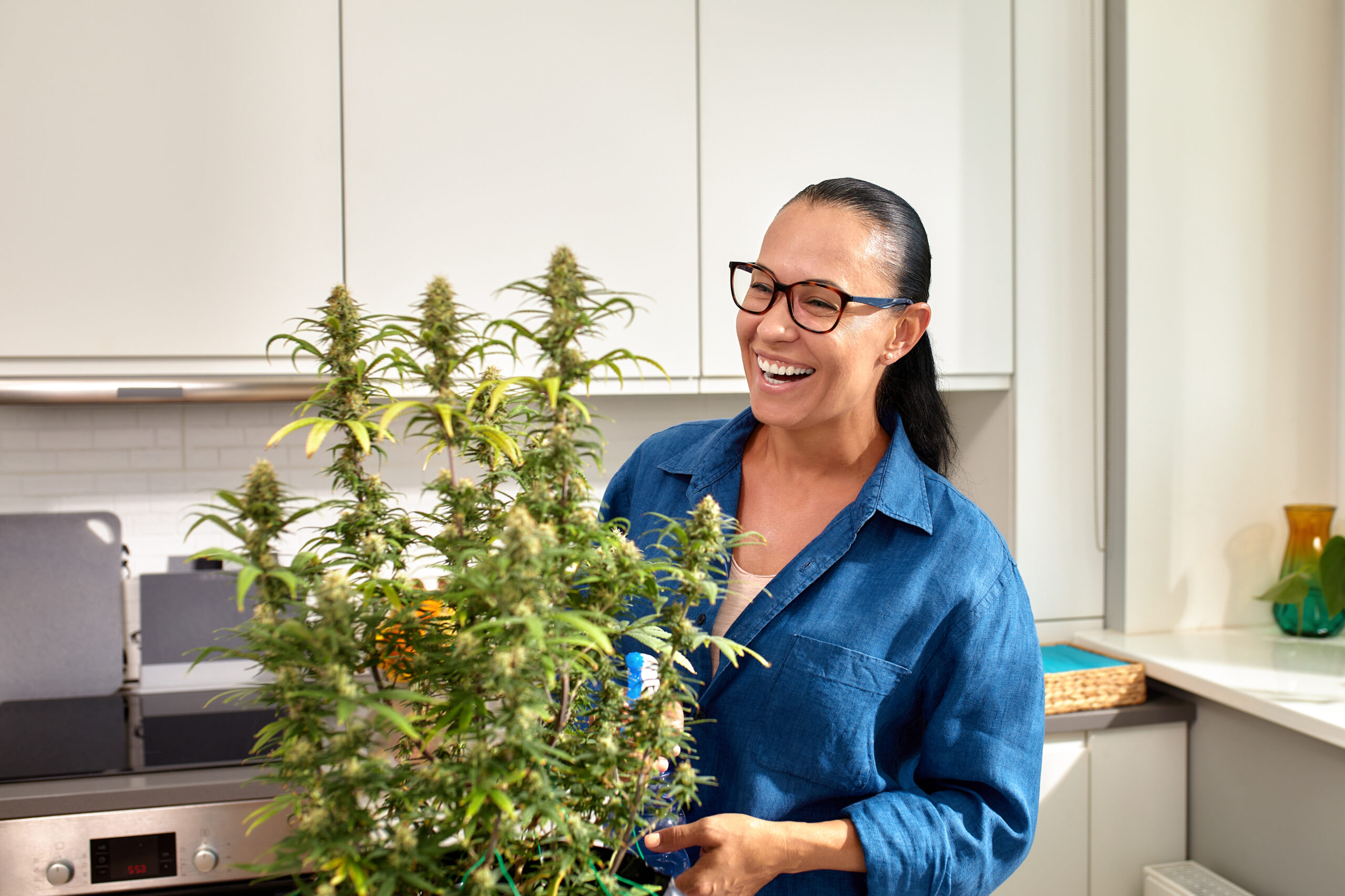


In many cases, an adult can legally grow cannabis at home in New York, and that can include an apartment. New York’s home cultivation guidance says cannabis can be grown in a residence you own or rent, including an apartment, co-op, or other residential space. The basic statewide rule allows adults 21 and older to grow a limited number of plants for personal use. That means the short answer is yes, growing weed in an NYC apartment may be legal under state rules.
But that short answer is only the starting point. In New York City, apartment growing is not just about state law. It is also about where you live, what your lease says, what your building allows, and whether your housing has special rules. A person can be allowed under state cannabis law and still run into problems with a landlord, co-op board, condo rules, public housing limits, or smoke-free building policies. That is why beginners need to understand both the law and the building rules before they buy seeds, lights, or a grow tent.
For many people in NYC, growing at home sounds appealing because city life makes convenience matter. Store prices can feel high, apartment dwellers often want privacy, and some people like the idea of learning how a plant grows from seed to harvest. Others want more control over what they use and how it is grown. In a place where space is limited and daily life is busy, a small home grow can seem like a practical option. Still, an apartment is not the same as a private house with a basement or yard. In New York City, people live close together, walls are shared, smells travel, and building complaints can start fast. That makes apartment growing a very different kind of project from growing in a detached home.
One of the biggest points of confusion is the difference between what the state allows and what a property owner may still restrict. New York’s Office of Cannabis Management says landlords, property owners, and rental companies can ban the smoking, vaporizing, or growing of cannabis on their premises. At the same time, other state guidance explains that home cultivation is legal in residences people own or rent. Put simply, the state opened the door to home growing, but building-level rules can still shape what is allowed in real life. For renters, that means the lease matters. For people in co-ops or condos, house rules matter too.
This issue is even more important in NYC because the city has many kinds of housing. A market-rate rental may have one set of rules. A co-op may have another. A condo board may set its own policies for residents. Public housing creates even more limits. Official New York State guidance says it is illegal to grow or smoke cannabis in federally funded or recognized public housing, and NYCHA says smoking tobacco or marijuana is prohibited inside public housing apartments, in indoor common areas, and within 25 feet of a building. So, even if home growing is legal for many adults in New York, that does not mean it is allowed in every NYC apartment setting.
Another practical issue is that New York City has smoke-free rules that affect shared residential buildings. The city says smoking or vaping any substance is prohibited in common indoor areas of residential buildings with three or more units. Common areas include hallways, stairwells, lobbies, and laundry rooms. On top of that, some buildings choose to become fully smoke-free, which can mean smoking and vaping are prohibited not only in common areas but also in individual apartments and outdoor shared areas. Even though growing and smoking are not the same thing, these rules matter because apartment growers need to think about smell, shared air, neighbors, and building complaints from the very start.
That is why this guide focuses on both legal and practical tips. The legal side helps you understand whether home growing may be allowed where you live. The practical side helps you avoid common beginner mistakes that can create trouble in a small apartment. In NYC, success is not only about keeping a plant alive. It is also about choosing the right setup, keeping it small, controlling odor, managing heat and humidity, and respecting the building around you. A first grow that is quiet, clean, and low-profile usually makes much more sense than trying to push the limits in a tiny space. This is especially true for beginners who are still learning how much care cannabis plants need each day.
So, can you legally grow weed in an NYC apartment? In many cases, yes, but only if you are an adult, your housing situation does not block it, and you follow the rules that apply to your home. That is the key idea this article will build on. Before you think about lights, seeds, or harvest size, you need to know where the legal line is and how apartment life changes the process. Once that foundation is clear, it becomes much easier to decide whether a small home grow is realistic, lawful, and manageable for your situation.
What the New York Rules Actually Allow for Home Growing
If you want to grow weed in an NYC apartment, the first thing to understand is that New York does allow home growing for some adults. That is the good news. The more important part is knowing exactly what the law allows, what the plant limits are, and where those rules stop. In a city like New York, small details matter because people often live in shared buildings, rentals, or housing with extra rules.
Who can legally grow cannabis at home in New York
In New York, adults age 21 and older can grow cannabis at home for personal use. The state says home cultivation is legal for adults 21 and over. The rules also cover medical use in some cases, including situations where a parent, guardian, or caregiver may be involved for a younger patient. For most readers, the key point is simple: if you are an adult age 21 or older, New York lets you grow cannabis at home for your own personal use.
The phrase “personal use” is important. It means the plants are for your own lawful use, not for running a business from your apartment. New York allows home cultivation for personal use, but it does not allow people to sell, trade, or barter homegrown cannabis. That means you cannot turn your apartment grow into a side business, even if the setup is small.
This is one of the biggest beginner misunderstandings. Some people think that if growing is legal, selling a little from home must also be legal. That is not how the rule works. New York makes a clear line between personal home cultivation and licensed commercial cannabis activity. Home growing is allowed within the personal-use rules only.
How many plants are allowed
New York gives a clear plant limit. An adult age 21 or older can grow up to six cannabis plants for personal use. Out of those six plants, only three can be mature at one time, and three can be immature at one time. A mature plant is one with visible buds or flowers. An immature plant is one that does not yet have visible buds or flowers.
The household cap is also important. Even if more than one adult lives in the apartment, the maximum is twelve plants per household. That means six mature plants and six immature plants total in the home, not per person once the household reaches that limit. So if two adults live together, they do not get unlimited plants. The home itself is capped at twelve.
For beginners, this matters because a legal grow does not need to be large. In fact, many first-time growers do better when they start with fewer plants than the law allows. Just because the law says six plants for one adult does not mean a new grower should begin with six. A smaller setup is easier to manage, easier to hide from view, and easier to keep healthy in a tight apartment space. This last point is practical advice rather than a legal rule, but it fits the reality of apartment growing.
Where you can grow
New York says cannabis can be grown in residences that you own or rent. That includes homes, rooms, apartments, and some other types of permanent residences. This is important for NYC renters because the law does not limit home cultivation only to property owners. A renter may fall within the state’s home cultivation rules too.
At the same time, the residence must actually be a home. The state says people can only cultivate in homes occupied for residential purposes. It does not allow home cultivation in temporary accommodations such as hotels or motels. So a legal apartment residence may qualify, but a short-term stay does not.
This means the state rule is broad enough to include many NYC apartments, but it is still tied to the idea of a real residence. That is helpful for beginners because it answers one of the most common search questions: yes, New York law can cover apartment growing. Still, later sections of the article should explain that building rules, lease terms, and housing program limits can still create problems even when the state law allows cultivation.
What “mature” and “immature” plants mean
Many beginners see the plant limit and assume every plant counts the same way. New York does not treat them all the same. The rules separate plants into two groups: mature and immature. A mature plant has visible buds or flowers. An immature plant does not. That difference matters because the law does not simply say “six plants” without more detail. It says three mature and three immature for one adult, with a household maximum of six mature and six immature.
This matters in real life because plant stages change. A small plant in the early part of growth may count as immature, but once buds appear, it becomes mature under the rule. That means growers need to pay attention to timing and plant stage, not just the total number of pots in the room. For a beginner in an apartment, this can help avoid accidental mistakes.
What you can keep and carry
New York also allows adults 21 and older to possess up to three ounces of cannabis and up to 24 grams of cannabis concentrate. The home cultivation overview says adults may also store and transport up to three ounces of cannabis and 24 grams of concentrates within the state. This matters because many new growers ask not only, “Can I grow?” but also, “Can I keep what I harvest?” The answer is yes, within the broader personal-use rules, but the details of storage and possession still matter.
For a beginner, this means growing is only one part of staying within the law. You also need to think about what happens after harvest. Legal possession limits still matter. It is smart to read the current state guidance closely before you start, especially because harvest amounts can vary and the rules around cannabis use and storage can involve more than just the grow itself.
Why it is smart to check the latest rules before starting
Even though New York clearly allows adult home cultivation, cannabis rules can still change through updated guidance, enforcement priorities, and agency materials. The current official Office of Cannabis Management pages and FAQs confirm that adults 21 and older may grow up to six plants at home, with a household cap of twelve plants. Those official materials are the safest source to rely on before you buy equipment or seeds.
This is especially true in New York City, where many people live in buildings with extra policies. State law is only one layer. A beginner should always make sure the current state rule still says the same thing and then compare that with lease terms and housing rules. The law may allow home growing, but your living situation may add limits that the state rule does not remove. That is why checking the newest official guidance is a smart first step.
New York allows adults age 21 and older to grow cannabis at home for personal use. One adult can grow up to six plants, with no more than three mature and three immature at one time. A household can have up to twelve plants total, even if more than two adults live there. The rules apply to residences you own or rent, including many apartments, but not temporary places like hotels. Homegrown cannabis is for personal use only, which means selling, trading, or bartering it is not allowed. For an NYC beginner, the main lesson is clear: the state does allow home growing, but you need to understand the plant limits, the meaning of mature and immature plants, and the fact that building or housing rules may still affect what you can do.
Can Your Landlord, Building, or Housing Program Stop You?
A lot of beginners think the answer is simple. They assume that if New York allows home growing, then they can grow in any apartment. That is not always true.
State law and building rules are not the same thing. New York allows home cultivation in many residential spaces, including apartments that you rent or own. At the same time, landlords, property owners, and rental companies can ban the growing of cannabis on their property. That means a person may be legal under state law but still break a lease or building policy.
This is why apartment growers in New York City need to do one thing before they buy seeds, lights, or a tent. They need to check the rules tied to their housing.
Lease Restrictions Matter More Than Many Beginners Expect
Your lease is one of the first things you should read.
A lease can include rules about smoking, odors, electrical use, changes to the unit, and illegal or restricted activity on the property. In New York, landlords cannot refuse to rent to someone only because that person uses cannabis. But they can ban smoking, vaping, or growing cannabis on their premises.
This matters because growing in an apartment often involves more than just keeping a plant in a pot. Many setups use lights, fans, filters, timers, and tents. Some landlords may see that as a risk because of heat, moisture, wiring, smell, or damage to the unit. Even a small setup can lead to trouble if the lease clearly says cannabis growing is not allowed. That can mean warnings, lease violations, or pressure to remove the setup.
Some renters also make the mistake of focusing only on the word “cannabis.” A lease may never mention cannabis at all. Instead, it may ban any activity that creates strong odors, too much humidity, or unsafe electrical loads. It may also ban alterations to closets, walls, windows, or ventilation systems. A grow setup can run into those rules even if the lease does not use the phrase “marijuana cultivation.”
For a beginner, the safest move is to read the lease slowly and look for rules about smoking, growing, odor, electrical devices, fire safety, and property damage. If the lease bans growing, that rule can still apply even though home cultivation is legal under state law.
Private Building Rules Can Also Limit What You Do
Even if your lease is short or vague, your building may have separate rules.
This is common in New York City. Many apartment buildings have house rules, rider agreements, or property policies that go beyond the lease. These rules can cover smoke-free living, nuisance odors, use of shared ventilation, and safety concerns inside units. A renter may sign a lease and still be subject to extra building policies.
In practice, this means a grower could face complaints even in a building where the lease does not say much. If neighbors smell cannabis in the hallway, through vents, or near shared spaces, management may step in. In dense housing, odor is one of the fastest ways a low-profile setup becomes a problem. Smoke-free building policies can also make things stricter, especially when managers want to prevent secondhand smoke or smell from spreading through common areas.
For that reason, a beginner should treat building rules as seriously as state law. Growing quietly does not always mean growing safely from a housing standpoint.
Co-ops and Condos May Have Their Own Rules
Co-ops and condos can be even stricter.
A person may own an apartment in a co-op or condo and still face limits from the board or association. Ownership does not always mean total freedom inside the unit. Co-op boards and condo associations often have rules about odors, smoke, nuisance behavior, moisture, and equipment that may affect neighbors or the building itself.
This is especially important in New York City because many people live in buildings with shared walls, shared pipes, and shared air paths. If a board believes a grow setup creates a smell problem, a mold risk, or a fire concern, it may enforce building rules against the resident. The issue is often framed around safety and quality of life, not just cannabis.
A beginner should not assume that “I own the unit” means “I can grow without limits.” In many co-ops and condos, the board package, bylaws, or house rules matter just as much as the deed.
Smoke-Free Buildings Can Create Extra Problems
Smoke-free rules deserve special attention.
Some people plan to grow cannabis but not smoke it. Even then, smoke-free policies can still matter because building management may look closely at anything connected to cannabis use. If the building already bans smoking and vaping, management may be less tolerant of cannabis-related activity in general. In many cases, they also pay close attention to odor complaints from neighbors.
For growers who do plan to smoke or vape what they harvest, the issue is even bigger. A building may ban smoking in units, hallways, stairwells, rooftops, patios, or other areas. A person might be allowed under state law to possess cannabis, but still not be allowed to smoke or vape it in that building.
This is one reason many beginner guides talk about the law but do not go far enough. The law is only one layer. Housing rules are another layer, and they can affect daily life much more directly.
NYCHA and Public Housing Rules Are Much Stricter
Public housing is a different situation.
The New York State Office of Cannabis Management says it is illegal to grow or smoke cannabis in federally funded or recognized public housing facilities. It warns that growing cannabis in public housing, even for medical purposes, could put housing support at risk.
NYCHA also has a smoke-free policy that prohibits smoking tobacco and marijuana inside apartments, in indoor common areas, and within 25 feet of a NYCHA building. NYCHA states that this is a lease violation.
This is a major point for New York City readers because so many people live in public or federally connected housing. A beginner should not treat public housing the same way as a private rental apartment. The risk is much higher, and the rules are much stricter.
Federal Housing Issues Can Override What State Law Allows
Federal law still matters in some housing settings.
Cannabis remains illegal under federal law. Because of that, buildings or housing programs tied to federal funding may enforce stricter rules than a private building would. That is part of why public housing rules are so serious. A person may look at New York home grow rules and think the answer is yes, but a federal housing program may still say no.
This can also affect medical cannabis users. New York says registered medical cannabis patients have the right to consume medical cannabis in their home, but landlords may prohibit that use if allowing it would put them at risk of losing a federal benefit.
That is another reason beginners should not rely on general advice from social media or forums. Housing type matters. Funding source matters. Lease terms matter.
New York may allow home cultivation, but your housing situation can still stop you. Landlords and rental companies can ban growing on their property. Co-ops and condos may have board rules that limit what you can do. Smoke-free buildings may act on odor or cannabis-related complaints. Public housing and federally connected housing have much stricter limits, and growing there can put your housing at risk.
Is an Apartment a Good Place to Grow Weed?
Growing weed in an apartment can work well for some people, but it is not always easy. In a city like New York, space is limited, neighbors live close by, and building rules can affect what you can and cannot do. Before you start, it helps to look at the good side and the hard side of apartment growing. That way, you can decide if it fits your home, your budget, and your daily life.
Why Apartment Growing Appeals to Beginners
Many beginners look at apartment growing because it feels easier to control than outdoor growing. You do not have to depend on the weather. You do not have to worry as much about heavy rain, cold nights, or strong winds. You also have more privacy because the plants stay inside your home instead of sitting outside where other people may see them.
Another reason apartment growing appeals to beginners is convenience. If your plants are in your apartment, you can check them every day. You can watch how the leaves look, see if the soil is too dry, and notice problems early. This matters a lot for new growers. Small issues can turn into big ones if they are ignored for too long.
Apartment growing can also help you start small. Many beginners do not need a large setup. In fact, starting with one or two plants is often smarter. It gives you a chance to learn the process without spending too much money or taking over your living space. A small grow also feels less stressful. It is easier to manage light, water, airflow, and plant size when you are only caring for a few plants.
The Limits of Growing in a Small Urban Space
Even though apartment growing can be practical, it comes with real limits. The biggest one is space. Most NYC apartments do not have extra room to waste. A plant may seem small at first, but it can grow much larger over time. Once you add a tent, a light, a fan, and other tools, the setup takes up more room than many beginners expect.
Another limit is storage. Growing weed indoors often means keeping supplies nearby. You may need pots, soil, nutrients, tools, and drying supplies. In a small apartment, those items can quickly create clutter. If your home already feels crowded, an indoor grow may make it feel even tighter.
You also have to think about your normal routine. If the only place for your grow is near where you sleep, eat, or work, the setup may become annoying. Lights can be bright. Fans can make noise. Equipment can give off heat. Even if the grow is legal, that does not always mean it will be pleasant to live with.
Privacy Can Be Better Indoors, But It Is Not Perfect
A big reason people choose apartment growing is privacy. Indoor growing keeps plants hidden from the street, from public view, and from outdoor visitors. That can feel safer and more comfortable, especially for beginners who want a low-profile setup.
Still, privacy indoors is not perfect. In an apartment building, you share walls, ceilings, hallways, and sometimes vents with other people. If your setup smells strong, sounds loud, or causes electrical issues, neighbors may notice. A grow does not need to be visible to attract attention. Sometimes smell alone is enough to cause complaints.
This is why privacy in an apartment is not only about hiding the plant. It is also about managing the signs that come with growing. You need to think about odor, noise, light leaks, and how often other people enter your unit. If you have roommates, guests, maintenance visits, or inspections, those things matter too.
Odor Is One of the Biggest Apartment Problems
Smell is often the hardest part of apartment growing. Cannabis plants can produce a strong odor, especially later in the grow cycle. In a detached house, smell may be easier to manage because there is more distance from neighbors. In an apartment, the smell can travel fast.
If odor spreads into the hallway or nearby units, it can create problems. Neighbors may complain. Building staff may notice. Roommates may become frustrated. This is why many apartment growers see smell control as a basic need, not an extra feature.
A small apartment setup usually works best when odor is planned for from the start. It is much harder to fix a smell problem after the plants are already growing. Beginners sometimes focus only on lights and soil, but smell control is just as important in a dense building.
Noise, Electricity Use, and Heat Matter More Than Many Beginners Expect
Apartment growing also brings practical issues that beginners sometimes overlook. One is noise. Fans, filters, and other gear can make a steady sound. It may not seem loud during the day, but in a quiet apartment at night, it can stand out. If your walls are thin, neighbors may hear it too.
Electricity use is another concern. Indoor growing needs equipment, and equipment uses power. A small setup may not seem like a big deal, but you still need to think about safe outlets, cords, and power strips. Overloading an outlet is a bad idea in any home, but in an apartment it can become a serious safety issue.
Heat is also important. Grow lights and enclosed spaces can raise the temperature around your plants. In summer, that can make a small apartment feel even warmer. In winter, dry indoor air can create a different problem. Either way, a grow area that gets too hot or too dry can stress the plants and make the space less comfortable for you.
Why Small-Scale Growing Usually Works Best
Because of these limits, apartment growing usually works best on a small scale. This does not mean you cannot have success. It means success often comes from keeping things simple. A beginner in an NYC apartment is usually better off with a modest setup that is easy to manage than a larger setup that creates stress.
A small grow is easier to monitor. It is easier to keep clean. It is easier to hide from plain view. It is also easier to fit into daily life. When your grow starts to take over your room, your closet, or your schedule, it often becomes harder to manage well.
Small-scale growing also helps you learn. You can build good habits without dealing with too many moving parts at once. If you make a mistake, it is easier to fix it on a small setup than on a large one.
Choosing Between a Closet Grow, Tent Grow, or Spare-Room Setup
The best setup depends on your apartment and how much room you can truly give up. A closet grow can work if you have an unused closet with enough height and airflow. It can feel hidden and low profile, but some closets are too tight, too warm, or too closed off for healthy plant growth.
A tent grow is often the most practical choice for beginners. A tent gives you a defined space for the plant and the equipment. It can also help with odor control, light control, and keeping the setup organized. The downside is that it still takes up floor space, which can be hard in a small apartment.
A spare-room setup gives you more flexibility, but many NYC beginners do not have that option. If you do have an extra room, it can make the grow easier to manage. Still, even in a spare room, you need to think about smell, heat, and daily living needs.
The best choice is usually the one that fits your apartment without causing daily problems. A setup should work with your home, not fight against it.
An apartment can be a good place to grow weed, but only if the space is right for it and the setup stays manageable. Indoor growing gives beginners more control, more privacy, and a way to start small. At the same time, apartment life brings real challenges with space, smell, noise, electricity use, and heat. In most NYC apartments, a small and simple setup works better than a large one. Before you begin, it is smart to ask yourself one clear question: can this grow fit into your apartment without taking over your home?
What Do You Need to Start? Basic Equipment for a Small NYC Grow
Starting a small weed grow in an NYC apartment is easier when you keep things simple. Many beginners think they need a long list of expensive gear before they can begin. That is not true. A small indoor grow can work well with a basic setup as long as each piece has a clear purpose. The goal is not to build a large or flashy grow room. The goal is to create a clean, controlled space where your plants can grow well without causing problems in a small apartment.
In New York City, space matters. Privacy matters too. So does odor control. That is why beginners usually do best with a setup that is small, easy to manage, and easy to check every day. Before you buy anything, it helps to understand what each item does and why it matters.
Grow Tent
A grow tent is one of the most useful items for a beginner. It gives your plants their own space inside your apartment. This space helps you control light, air, smell, and temperature much better than an open room or windowsill.
A small grow tent is a smart choice for an apartment because it keeps the grow area neat and contained. It also helps prevent light from spreading into the rest of your home. At the same time, it keeps outside light from disturbing the plants during dark periods. That matters a lot once plants move into the flowering stage.
A tent also makes it easier to stay organized. Your fan, filter, and light can all fit into one controlled area. If you are growing in a studio or a one-bedroom apartment, a small tent can fit in a closet corner, spare nook, or unused part of a room without taking over your home.
For most beginners, a small tent is enough. You do not need a large setup to start. In fact, going too big too early often leads to more heat, more smell, more cost, and more work.
Grow Light
Indoor plants need a good light source because they do not get enough direct sunlight inside most NYC apartments. A grow light replaces the sun and gives the plant the energy it needs to grow leaves, stems, and buds.
This is one area where quality matters. A weak light can lead to poor growth, long thin stems, and low yields. A strong and efficient light can help plants stay healthy in a small space. Many beginners choose LED grow lights because they use less power and give off less heat than older light types. That makes them a better fit for apartment growing.
The light should match the size of your tent or grow area. A light that is too strong can stress the plants. A light that is too weak can make them stretch and grow poorly. You also need enough space between the light and the top of the plant so the leaves do not burn.
In a small apartment, heat can build up fast. That is another reason to choose a light that runs cooler and is made for indoor growing.
Timer
A timer may seem like a small item, but it makes a big difference. Cannabis plants need a steady light schedule. If you turn the light on and off by hand every day, it is easy to make mistakes. A timer solves that problem by doing the job for you.
This helps keep the plant’s daily cycle steady. During the early stage, many growers give the plant longer hours of light. Later, when it is time to flower, the light schedule changes. A timer makes that process easier and more reliable.
For a beginner, this means less stress and fewer missed hours. It also helps if you are away from home for work or errands and cannot always be there at the same time each day.
Fan
Airflow is very important in a small grow space. A fan helps move air around the plants. This keeps the space from feeling hot, stale, or damp. Good airflow also helps plants grow stronger stems.
Without a fan, heat and moisture can build up fast inside a tent. That can lead to weak growth and raise the chance of mold or mildew. In a city apartment, where rooms may already feel warm or stuffy, moving air matters even more.
A small fan is often enough for a beginner setup. It does not need to be strong like a large room fan. It just needs to keep air moving gently around the leaves and inside the tent.
Carbon Filter
For apartment growers, a carbon filter is one of the most important tools. Weed plants can produce a strong smell, especially later in the grow. In a building with close neighbors, hallways, vents, and shared walls, that smell can become a problem very fast.
A carbon filter helps remove odor from the air before it leaves the tent. It works together with an exhaust fan. As air passes through the filter, the carbon traps much of the smell. This helps keep your grow more private and lowers the risk of complaints.
Many beginners focus first on lights and seeds, but odor control should never be an afterthought in an NYC apartment. Even a small grow can produce a strong scent. A carbon filter helps you stay ahead of that issue.
Pots
Your plants need containers with enough room for roots to grow. Pots may look simple, but the right size matters. If the pot is too small, the roots can become crowded. If it is too large for a tiny seedling, the soil may stay too wet for too long.
Many beginners start with a small container and move up later, while others begin with a final pot from the start. Either way, the pot should have good drainage. Water should be able to leave the bottom instead of sitting in the soil.
In an apartment, you also want pots that are easy to move and easy to place inside a tent. Fabric pots are common because they drain well and help air reach the roots. Plastic pots also work if they have proper drainage holes.
Growing Medium
The growing medium is the material your plant grows in. For beginners, soil or a soil-like mix is often the easiest choice. It is simple to work with, more forgiving than some other methods, and better suited to new growers who are still learning how to water and feed plants.
A good medium should hold enough moisture for the roots but still allow air to move through it. If the mix stays too wet, roots can suffer. If it dries too fast, the plant may become stressed. A balanced medium makes daily care easier.
For a first grow, it is usually best to choose a medium that is made for container plants and drains well. This gives you a solid starting point without adding too much extra work.
Nutrients
Cannabis plants need food to grow well. These nutrients help support leaf growth, root growth, and flower development. Some soils already contain nutrients for the early stage, but over time, you may need to add more.
For beginners, it is best to keep feeding simple. Many people make the mistake of giving too much too soon. That can hurt the plant instead of helping it. A basic nutrient plan is often enough for a first grow.
The main point is to understand that nutrients are helpful, but more is not always better. Healthy growth usually comes from balance, not from pushing the plant too hard.
pH Tool
A pH tool helps you check whether your water or nutrient mix is in the right range. This matters because even if you give the plant good food, it may not be able to use it well if the pH is off.
Many beginners overlook this step at first. Then they wonder why the plant looks weak even though they are watering and feeding it. A pH problem can cause yellowing, slow growth, and other issues that look like something else.
You do not need the most advanced device to start. A simple pH tool can help you avoid a lot of common beginner problems. In a small grow, catching issues early can save time, money, and stress.
Must-Have Gear Versus Nice-to-Have Gear
It is easy to get pulled into buying too much. There are many grow products on the market, and some of them sound essential even when they are not. For a beginner in a small apartment, the must-have gear is the gear that helps plants grow safely and helps you manage the space well.
The true basics are a grow tent, a good light, a timer, a fan, pots, a growing medium, and some way to manage odor. A carbon filter is very close to essential in an apartment because smell can become a serious issue. A pH tool is also very useful because it helps prevent simple mistakes.
Nice-to-have items include extra monitors, advanced controllers, fancy trim tools, and other add-ons that can wait until later. These items can make growing easier, but they are not the first priority for someone starting with a small setup. It is better to learn the basics first and upgrade later if needed.
Choosing Gear That Fits a Small Apartment
When you live in NYC, the best gear is usually not the biggest or most powerful. It is the gear that fits your space, stays quiet, uses energy well, and does not create obvious problems. A huge tent, loud fan, or hot light can turn a simple home grow into a daily headache.
You want equipment that is easy to place, easy to clean, and easy to check. You also want a setup that does not take over your living area. A small and controlled grow is easier to manage than a large one. It is also easier to keep discreet.
Before buying anything, think about where it will go, how much heat it will create, how much noise it will make, and whether it will be easy to reach for daily care. Practical choices matter more than flashy ones.
A small NYC grow does not need a huge budget or a long shopping list. What it needs is the right foundation. A grow tent gives you control. A good light supports plant growth. A timer keeps the schedule steady. A fan and carbon filter help manage air and smell. Pots, growing medium, nutrients, and a pH tool help you care for the plant from start to finish.
Which Weed Seeds or Plants Are Best for Beginners in an Apartment?
If you are growing weed in an NYC apartment for the first time, one of the biggest choices you will make is what type of seed or plant to start with. This matters more than many beginners think. In a small apartment, you are not just picking based on taste or yield. You are also picking based on space, smell, ease of care, and how much room you have to fix mistakes.
A good beginner choice can make the whole process easier. A poor choice can leave you with plants that grow too tall, smell too strong, or need more care than you expected. That is why it helps to understand the main options before you buy anything.
Understand the Main Types of Seeds
Most beginners will come across three main seed types: regular seeds, feminized seeds, and autoflower seeds. Each one works a little differently.
Regular seeds are the most basic type. They can grow into either male or female plants. This means you do not know what you are getting until the plant starts to mature. This is a problem for beginners because male plants are not usually what people want for growing flower. If a male plant pollinates a female plant, the female plant will spend more energy making seeds instead of producing the kind of buds most growers want. In a small apartment, that can waste time, money, and space.
For that reason, regular seeds are usually not the best choice for beginners. They are more common in breeding projects or for growers who already know how to spot plant sex early. If you are just starting out and only have room for a few plants, regular seeds can make things harder than they need to be.
Feminized seeds are much easier for beginners. These seeds are bred to grow into female plants almost every time. This gives you more control and makes planning easier. In an apartment, that matters a lot. You may only have space for one or two plants, so you do not want to spend weeks caring for a plant only to learn that it is male and not useful for your goal.
For many first-time growers, feminized seeds are the safest and most practical option. They remove one big guess from the process. They also make better use of your limited space, electricity, and supplies.
Autoflower seeds are another common option for beginners. These plants are different because they flower based on age, not based on changes in light schedule. That means they usually grow faster and move from seed to harvest in less time than standard photoperiod plants. Many autoflower plants also stay shorter and smaller, which can be very helpful in an apartment.
Still, autoflowers are not perfect for every beginner. They are fast, but they also give you less time to fix problems. If you overwater them, stress them, or damage them early, they may not have enough time to recover before flowering begins. So while they are simple in some ways, they can also be less forgiving in others.
Why Feminized Seeds Are Often the Best Starting Point
For many apartment growers, feminized seeds are the easiest place to start. They offer a good balance between control and simplicity. You do not have to worry much about male plants, and you can usually train them better if your grow space is tight.
This matters in NYC apartments because many growers are working with closets, corners, or small tents. You may need to keep your plants short and manageable. With feminized photoperiod plants, you can often control how long the plant stays in its growing stage before flowering begins. That gives you more control over size.
If your plant starts to get too tall, you may be able to adjust your timing and your training methods. That can be a major advantage in a small home where ceiling height is limited.
Feminized seeds also help beginners learn the full growing process. You get more time to watch the plant develop, adjust the environment, and understand how weed grows from one stage to the next. For many people, that extra learning time is useful.
Why Autoflowers Appeal to Apartment Growers
Autoflower seeds are very popular with people who grow in small spaces. One reason is size. Many autoflower plants stay shorter than standard photoperiod plants. In an apartment, especially one with limited vertical space, that can be a big benefit.
Another reason is speed. Autoflowers usually finish faster than photoperiod plants. A beginner who wants a shorter grow cycle may find that appealing. A quicker turnaround can also mean less time dealing with odor, heat, and daily plant care.
Autoflowers can also be easier when it comes to lighting. Since they do not rely on a light schedule change to begin flowering, beginners do not need to manage that part in the same way. This can make the process feel more simple.
Still, faster does not always mean easier. Because autoflowers move quickly, there is less room for mistakes. If you transplant too late, overfeed too early, or stress the roots, the plant may stay small or produce less. That is why some beginners do very well with autoflowers, while others find feminized photoperiod seeds easier to manage over time.
Why Regular Seeds Are Usually Not Ideal in a Small Apartment
Regular seeds can grow into male or female plants, and that creates extra work. If you only have room for two plants and one turns out to be male, you have already lost half your growing space. That is not a small issue in an apartment.
You also need to learn how to spot early signs of plant sex. If you miss that step and a male plant releases pollen, it can affect your female plants. For beginners, especially those growing in tight spaces, this risk often is not worth it.
Regular seeds may still interest experienced growers, but for a first grow in an NYC apartment, they are usually not the most practical choice.
Plant Size Matters More Than Many Beginners Expect
In a large house, a grower may have more room to let a plant stretch, spread out, or recover from mistakes. In an apartment, everything feels more limited. Ceiling height may be low. Closet depth may be shallow. Your grow tent may only fit in one corner. Because of that, plant size becomes one of the most important parts of seed selection.
A plant that grows too tall can quickly become hard to manage. It may get too close to the light, leading to heat stress or light burn. It may also become harder to hide, harder to ventilate, and harder to move around when you need to water or inspect it.
This is why compact strains or smaller plant types make more sense for apartment growers. A short, bushy plant is often easier to care for indoors than a tall plant that stretches upward. Even if a taller plant sounds exciting, it may not match your space.
When choosing seeds or young plants, beginners should think about the real size of their grow area, not just the number of plants they want. One well-managed plant that fits the space is usually better than trying to squeeze in a plant that outgrows the room.
What Kind of Plant Works Best for a Small Space
For most beginners in an apartment, the best option is a plant that stays short, responds well to indoor growing, and does not need constant correction. In simple terms, you want a plant that matches your space instead of fighting against it.
Plants described as compact, fast-growing, or beginner-friendly are often better choices. A smaller plant is easier to light evenly, easier to ventilate, and easier to keep out of sight. It also makes watering, pruning, and checking for issues much less stressful.
If you are working with very limited room, an autoflower may be a strong option because of its smaller size. If you want more control and more time to learn, feminized photoperiod seeds may be the better fit. The right answer depends on your setup, your schedule, and how comfortable you feel learning as you go.
What About Starting With a Young Plant Instead of a Seed?
Some beginners think about starting with a young plant instead of a seed. This can save time because the plant has already begun growing. It may also feel less intimidating than starting from scratch.
That said, a young plant still needs the right light, airflow, and care. It is not a shortcut around learning the basics. In some cases, it may actually be harder for a beginner if the plant arrives stressed or already growing too fast for the space.
Whether you start from seed or from a young plant, the main goal is the same. Pick something healthy, manageable, and suitable for indoor growing in a small area.
For beginners growing weed in an NYC apartment, seed choice can affect almost every part of the grow. Regular seeds are usually the hardest option because they can grow into male or female plants, which adds risk in a small space. Feminized seeds are often the best starting point because they give you more control and make better use of limited room. Autoflower seeds can also work well, especially if you want a smaller plant and a faster grow, but they leave less room for mistakes.
How Much Space Do You Really Need in an NYC Apartment?
One of the first questions beginners ask is simple: Do I even have enough room to grow weed in my apartment? In many cases, the answer is yes. You do not need a huge spare room or a full basement setup. In fact, most apartment growers do better when they start small. A modest setup is easier to manage, easier to hide from daily view, and easier to keep clean.
Still, small-space growing takes planning. In New York City, apartments often have limited floor space, low storage, and shared living areas. That means you need to think beyond just where the plant will sit. You also need to plan for light, airflow, power access, and the daily use of the room. A grow setup should fit into your home without making the space hard to live in.
Space Needs for One Plant
A single cannabis plant does not sound like it would need much room, but the real answer depends on how you grow it. A small plant can fit in a compact area, but it still needs enough space to spread its leaves, get light from above, and allow air to move around it. If the plant is cramped against a wall or pressed into a corner, it may not grow well.
For one plant, many beginners can work with a very small grow area. This might be a compact tent, a small cabinet-style setup, or a quiet corner with enough control over light and air. The plant itself may only take up part of the floor, but the full setup also includes the pot, the light above it, and some room around the plant so it does not sit in stale air.
Height matters just as much as floor space. A plant needs room to grow upward, and your light also takes up vertical space. There must be a gap between the light and the top of the plant so the leaves do not burn. This means a short area that looks fine at first can quickly become too tight once the plant grows.
A beginner may think one plant can go almost anywhere, but that is not always true. The setup still needs to be in a place where you can reach it, water it, inspect it, and keep it clean. If you have to move furniture every time you care for the plant, the space is probably not practical.
Space Needs for a Small Tent
A small tent is one of the best options for apartment growing because it gives you control. It helps contain light, supports ventilation, and makes odor control easier. It also gives the plant a clear space of its own instead of spreading the grow setup into the rest of your apartment.
Even a small tent takes planning. The tent itself may fit into a bedroom corner, office corner, or storage area, but you also need extra room around it. You may need space for a fan, filter, cords, and access to the zipper doors. If the tent is pressed tightly against a wall on all sides, it may be harder to use and harder to keep cool.
You should also think about what is above the tent. Some apartments have shelves, hanging storage, or low ceiling areas that can limit your options. A tent needs enough headroom for the frame, the light, and the full plant height. It is better to choose a shorter plant setup than to force a grow into a space that barely fits.
Another thing to consider is the path around the tent. In a small apartment, every corner often has another use. That corner may already serve as a walkway, desk area, or storage zone. A grow tent should not block a closet door, crowd your bed, or create a daily hassle. If it makes the room harder to use, it may not be the right spot.
Can You Use a Closet Grow?
A closet can work well for apartment growing, but only if the space is truly suitable. Many people like the idea of using a closet because it feels private and tucked away. It can also help keep the grow out of sight. But not every closet is a good grow space.
A closet needs enough depth and height for the plant and the equipment. It also needs ventilation. This is where many closet grows fail. Closets are often closed, still spaces with little airflow. Without proper air movement, heat can build up fast and moisture can stay trapped. That can hurt plant health and raise the risk of mold.
You also need to think about the closet’s normal use. If it holds clothes, shoes, bags, or boxes, you may not want to mix those items with a grow setup. Moisture, smell, and heat can affect the things stored there. A crowded closet also makes it harder to keep the area clean and safe.
A closet grow works best when the space can be partly dedicated to growing. If you are trying to squeeze a plant between coats and storage bins, the setup may become messy and hard to manage. It is better to use a space that gives the plant room to breathe and gives you room to work.
Why Vertical Clearance Matters
Many beginners focus only on floor space, but vertical clearance is often the real limit in an apartment. Cannabis plants grow upward. Lights also hang down from above. When you combine the height of the pot, the plant, the hanging light, and the gap needed between the light and the top of the plant, the total height adds up fast.
This is why a setup that seems fine in the early stage can become a problem later. A seedling is small, but a growing plant can stretch much taller than expected. If there is not enough space above it, you may have to bend the plant, raise the light too far, or cut short its healthy growth.
Checking vertical space before you start can save a lot of trouble. Measure the area from the floor to the ceiling or shelf above. Then think about the full grow setup, not just the plant alone. This gives you a more honest picture of what will fit.
Airflow and Outlet Access
Space is not only about size. It is also about function. A plant needs fresh moving air, and your equipment needs safe access to power. These two issues are easy to overlook, but they matter from day one.
Airflow helps control heat and humidity. It also helps the plant grow stronger. In a tight apartment space, air can become still very fast, especially in corners, closets, or packed rooms. A grow area should allow air to move in and out without too much struggle.
Outlet access matters because lights, fans, and timers all need power. A setup should be near an outlet that can safely handle the equipment. Long extension cords running across the room can create clutter and risk. A neat, simple power setup is much better for both safety and daily use.
It is also smart to think about how the space feels during different times of year. A corner that seems fine in cool weather may become too hot in summer. A dry room in winter may affect plant health. Good airflow and practical outlet access make it much easier to adjust when conditions change.
Do Not Overcrowd the Space
It can be tempting to use every inch of available room, especially in a small apartment. But overcrowding usually causes more problems than benefits. Plants packed too close together compete for light and air. A cramped setup is also harder to clean, harder to inspect, and harder to manage.
A crowded grow can trap heat, raise moisture, and make odor control harder. It can also make simple tasks feel frustrating. If you cannot reach the back of the plant or open the tent comfortably, the setup is too tight. Growing is much easier when the plant has enough room and the grower has enough access.
Beginners often do better with less. One healthy plant in a well-planned space is usually better than trying to force too much into one area.
Planning Around Roommates, Pets, and Daily Life
In an NYC apartment, your grow space does not exist on its own. It is part of your daily home life. That means you need to think about the people and animals around it. A setup should not block shared space, create tension with roommates, or sit where pets can knock things over.
If you live with others, privacy and convenience matter. The grow should not be placed in a busy path where people are always walking past it. It should also not take over a shared room unless everyone is comfortable with that use of the space. In a small apartment, even a compact setup feels larger when it affects how people move and live.
Pets bring another layer of concern. Cats may climb or chew leaves. Dogs may bump cords or tents. The grow area should stay stable, secure, and out of easy reach. A calm, controlled spot is always better than a busy corner of the apartment.
You do not need a large apartment to grow weed, but you do need a space that works well. A single plant, a small tent, or even a closet grow can be enough if the area has proper height, airflow, outlet access, and room for basic care. The best setup is not the biggest one. It is the one that fits your home, stays manageable, and does not disrupt daily life. In a small NYC apartment, careful planning matters more than extra space.
How to Set Up a Low-Profile Indoor Grow That Works
Setting up a small indoor grow in an NYC apartment takes planning. You want a setup that is easy to manage, fits your space, and does not create problems for you or the people around you. A low-profile grow does not mean cutting corners. It means keeping things simple, safe, and controlled from the start.
For beginners, the best setup is usually a small grow tent with basic equipment. A tent helps you control light, airflow, smell, and temperature in one place. It also helps keep your grow out of sight. In a small apartment, that matters. You may not have an extra room, so your setup needs to fit into daily life without taking over your space.
Start with the right grow tent size
The first step is choosing a tent that matches your apartment and your skill level. Many beginners do best with a small tent, such as a 2-by-2-foot or 2-by-4-foot model. These sizes fit well in closets, corners, or spare areas without being too large. They also give you enough room to grow one or two plants while still keeping the setup manageable.
A small tent is easier to control than an open grow area. It lets you manage light and airflow in one enclosed space. It also helps reduce smell leaks when used with the right ventilation system. In an apartment, this kind of control is very helpful. A large tent may sound better at first, but it can create more heat, use more power, and make odor control harder.
Before you buy anything, measure your space carefully. Check the floor area, but also look at height. Plants grow upward, and your light will hang above them. You need enough vertical room for the plant, the pot, the light, and the gap between the light and the plant canopy. If the tent is too short, your plants may get too close to the light.
Place the setup in the best spot
Where you place your grow matters almost as much as what you buy. A good location should be stable, quiet, and out of the way. Many people use a bedroom corner, a large closet, or a spare room. The space should be near an outlet, away from heavy foot traffic, and easy to access for daily checks.
Try not to place the grow near windows that face other buildings. Even if your curtains stay closed, light from the setup can still draw attention at night. It is also smart to avoid areas close to your front door or near shared walls where sound may carry more easily. A fan that hums all day may not seem loud to you, but in a quiet apartment building, even small sounds can stand out.
Do not place your setup near heaters, radiators, or vents that blast hot or cold air. Sudden temperature changes can stress plants. You also want to stay away from damp spots that may raise the chance of mold. The goal is a spot with steady conditions and enough room to work without moving everything around each time you water or inspect your plants.
Set up your light the right way
Light is one of the most important parts of an indoor grow. In an apartment setup, many beginners choose LED grow lights because they are energy efficient and produce less heat than some older lighting types. Less heat is a major benefit in a small tent, especially during warm months in NYC.
When you hang the light, make sure it is centered over the plants. If one side gets much more light than the other, plant growth may become uneven. Most tents have support bars at the top for hanging equipment. Use secure hangers so the light stays stable and can be adjusted as the plants grow.
The light should not sit too close to the plants. If it is too low, the leaves can burn or curl. If it is too high, the plants may stretch upward and become weak. Check the light maker’s distance guide, then watch how the plants respond over time. Healthy plants usually look steady and upright, not droopy, scorched, or too thin and stretched.
A timer also helps a lot. It keeps your light cycle regular without needing manual changes every day. A steady schedule supports better plant growth and makes your setup easier to manage.
Build proper ventilation and airflow
Good airflow does several jobs at once. It helps control heat, supports healthy plant growth, and reduces the chance of mold and stale air. In a small apartment grow, ventilation also plays a huge role in odor control.
A basic setup often includes an inline fan and a carbon filter. The fan pulls air out of the tent, while the filter helps remove smell before the air leaves the space. This system works best when the tent stays mostly sealed. If air is escaping through open flaps or loose duct connections, smell can spread into the room and beyond.
Inside the tent, a small oscillating fan can help move air around the plants. This keeps the environment more even and helps prevent damp, still pockets of air. You do not need a powerful blast of wind. A gentle, steady movement is enough.
Try to keep ducting short and clean if possible. Long or bent duct paths can reduce airflow. Also check the fan noise before buying. Some fans are much louder than others. In an apartment, quieter equipment can make a big difference.
Use reflective space and safe wiring
Grow tents already have reflective inner walls, which is one reason they work so well for beginners. The reflective surface helps spread light around the plants instead of letting it go to waste. This can improve light use in a small space without needing more equipment.
At the same time, electrical safety should never be ignored. Your setup may include a light, fan, timer, and other small tools, so you need to manage cords well. Keep wires off the floor when possible. This helps protect them from water spills during watering or cleaning. Do not overload one outlet with too many devices. If you need a power strip, use a quality one and place it somewhere dry and easy to inspect.
Try to keep the wiring neat. A messy tangle of cords is not only hard to manage, but also harder to check for heat or damage. Safe wiring is part of a low-profile grow because it reduces risk and keeps the space looking organized.
Keep the setup discreet and easy to manage
A low-profile grow should not draw attention. That means thinking about what other people might notice. Strong smells, loud fan noise, bright light leaks, and constant equipment changes can all make a setup less discreet.
Choose gear that fits your space instead of forcing a large setup into a tight apartment. Keep the tent zipped closed except when you need to work inside. Check for light leaks around zippers and seams. At night, even a small glow from the tent can stand out in a dark room.
It also helps to keep your growing routine simple. A setup that is easy to check and clean is much better than one that feels crowded and stressful. If you can reach your plants, inspect the leaves, adjust the light, and water without trouble, you are more likely to stay on top of problems before they grow.
Reduce noise and avoid obvious signs
Noise is easy to overlook at first, but it matters in shared buildings. Inline fans, clip fans, and vibrating equipment can all create sound. Even if the noise seems minor during the day, it may feel louder at night when everything else is quiet.
You can reduce noise by choosing quieter gear, securing loose parts, and placing equipment so it does not rattle against walls or hard surfaces. Some growers use soft pads or simple supports under equipment to reduce vibration. Keeping the setup stable can help more than people expect.
Also avoid turning your apartment into a supply room. Large boxes, extra gear in plain view, or constant deliveries can make the setup feel bigger than it is. A low-profile grow works best when it blends into normal apartment life.
Be careful with shared vents and odor spread
In a multi-unit building, air does not always stay where you want it. Shared vents, hallways, and gaps around doors can carry smell farther than expected. That is why setup placement matters so much. If possible, avoid placing your grow near vents that connect to other parts of the building or near spots where air moves directly into shared spaces.
Your carbon filter and sealed tent do most of the odor control work, but placement still matters. Even a good setup can struggle if warm, filtered air moves into a shared vent path. Think about how air flows through your apartment. A careful setup can help you avoid complaints and keep your grow more private.
A low-profile indoor grow works best when it is small, organized, and easy to control. A good beginner setup usually includes a small tent, a suitable LED light, steady airflow, and safe wiring. The location should be quiet, stable, and away from shared vents or problem areas. When you plan the setup well from the start, it becomes easier to manage light, smell, noise, and space. In a small NYC apartment, that kind of planning can make the difference between a grow that feels stressful and one that runs smoothly.
How to Control Smell in a Building With Neighbors
Smell is one of the biggest problems when growing weed in an NYC apartment. A plant may stay hidden from view, but the smell can still travel through a room, under a door, into a hallway, or through vents. In a building with many units, that can quickly become a problem.
This matters even more in a city like New York, where people often live close together. You may share walls, ceilings, floors, hallways, laundry rooms, or air systems with other people. Even a small grow can create a strong smell during the later part of the growing cycle. That means odor control is not just about comfort. It is also about privacy, respect, and keeping peace with neighbors.
Many beginners focus on lights, soil, and watering, but forget that smell needs a plan too. That mistake can lead to complaints, stress, and unwanted attention. A good odor plan should be part of your setup from the start, not something you try to fix later.
Why Weed Smell Gets Stronger Over Time
Weed plants do not smell the same during the whole grow. In the early stage, the smell is usually light and easier to manage. As the plant gets bigger, the smell often becomes stronger. During flowering, the odor can become much more noticeable. That is the stage when many growers first realize their setup is not controlling smell well enough.
The smell can also change from one plant to another. Some strains stay fairly mild, while others produce a heavy and sharp odor that fills a room fast. This is important for beginners in apartments. Even if you are only growing one or two plants, the smell can still spread more than you expect.
Heat, poor airflow, and an open grow area can also make the smell stand out more. When air sits still in a room, odor builds up. When air escapes without passing through a filter, the smell can move into other spaces.
How a Carbon Filter Helps Control Odor
A carbon filter is one of the best tools for smell control in a small indoor grow. It works by pulling air through activated carbon, which traps many of the odor particles before the air leaves your grow space. For apartment growers, this can make a major difference.
A carbon filter usually works with an inline fan. The fan pulls air from the tent, pushes it through the filter, and then sends out cleaner air. This setup helps remove hot, stale, and smelly air from the grow area. It also helps keep the growing space more stable.
The filter needs to match the size of your fan and tent. If the fan is too weak, it may not pull enough air through the filter. If the tent is too large for the setup, some odor may still escape. A cheap or worn-out filter may also stop working well over time. That is why it is important to choose a setup that fits your space and to replace parts when needed.
Why a Sealed Tent Works Better Than Open-Air Growing
A sealed or mostly closed grow tent gives you much better smell control than open-air growing in a room or closet. In an open room, smell can move in every direction. It can stick to clothes, curtains, bedding, and furniture. It can also drift out every time you open the door.
A tent helps contain that smell in one place. It creates a controlled space where air can be pulled through the fan and filter instead of floating freely around the apartment. This gives you a better chance of keeping odor under control.
For most NYC apartment growers, open-air growing is not a good idea. It may seem easier at first, but it makes smell control much harder. In a small apartment, even a low number of plants can make the whole space smell strong during flowering. A tent adds structure, privacy, and better odor control, which makes it a smarter choice for beginners.
What Negative Pressure Means and Why It Helps
Negative pressure sounds technical, but the idea is simple. It means the tent is pulling more air out than it lets in. When this happens, the sides of the tent often pull inward a little. That is usually a sign the system is working.
This matters because it helps stop smell from leaking out through small openings. Instead of air pushing out of the tent through cracks or loose edges, air gets pulled into the tent. Then that air is pushed through the carbon filter before it leaves. This keeps odor from escaping into the room.
Without negative pressure, smell can leak from zippers, seams, or duct openings. Even if you own a carbon filter, it will not help much if air escapes before it reaches the filter. That is why the full setup matters. The tent, fan, ducting, and filter all need to work together.
Simple Airflow Basics That Make a Big Difference
Good airflow supports odor control. It also helps keep your plants healthy. Air should move through the grow space in a steady way. Stale air needs to leave, and fresh air needs to come in. Inside the tent, gentle air movement from a small fan can help stop air from becoming too warm or too damp.
Still, airflow needs to stay controlled. You do not want air carrying smell all over the apartment. You want it moving through the tent and out through the filter. It also helps to check for loose duct connections, gaps, or worn tent fabric. Small problems in these areas can lead to odor leaks.
Placement matters too. A tent near a front door, shared vent, or window facing close neighbors may create more risk. A more private room with stable airflow is often a better choice.
How Smell Can Lead to Complaints in a Shared Building
In a shared building, smell does not stay a private issue for long. Neighbors may notice it in the hall, through vents, or near windows. Once that happens, complaints can follow. Even if growing is legal under state law, building rules may still limit what tenants can do inside their units.
This is why odor control is about more than hiding a smell. It is part of being a good neighbor and protecting your living situation. A strong smell can create tension with roommates, neighbors, landlords, or building staff. In some buildings, smoke free or odor related rules may already be in place. Even when the issue is not smoke, strong plant odor can still bring attention you do not want.
Odor control is one of the most important parts of growing weed in an NYC apartment. Smell can spread faster than many beginners expect, especially during flowering. A carbon filter, inline fan, sealed tent, and proper negative pressure can help keep that smell under control. Good airflow also supports both plant health and privacy. In a building with close neighbors, a low profile setup with strong odor control is not optional. It is one of the smartest steps you can take from the start.
What Light Schedule, Temperature, and Humidity Should Beginners Follow?
Growing weed in an NYC apartment means you control the plant’s environment from start to finish. Light, temperature, and humidity all work together to support healthy growth. When one of these is off, plants can slow down or develop problems. The goal is to keep things stable and simple, especially for beginners.
Understanding Light Cycles for Each Growth Stage
Cannabis plants respond strongly to light. The number of hours of light and darkness each day tells the plant what stage it is in.
In the seedling stage, young plants need gentle but steady light. Most growers use about 18 hours of light and 6 hours of darkness each day. This helps seedlings grow without stress while they build strong roots and leaves.
During the vegetative stage, plants continue to grow bigger and stronger. The same 18 hours of light and 6 hours of darkness works well here. Some growers use 20 hours of light, but 18 hours is easier to manage and still gives good results. At this stage, the plant focuses on growing stems and leaves instead of flowers.
The flowering stage starts when the plant gets equal hours of light and darkness. A common schedule is 12 hours of light and 12 hours of complete darkness. This change tells the plant to start producing buds. It is very important that the dark period stays dark. Light leaks during this time can confuse the plant and slow down flowering.
If you choose autoflower plants, the light schedule is simpler. These plants do not depend on light changes to start flowering. You can keep them under 18 hours of light from start to finish.
Setting the Right Temperature in a Small Apartment
Temperature affects how fast your plant grows and how well it uses nutrients. In an apartment, this can be tricky because indoor temperatures change with the seasons.
During the day, a good temperature range is around 70 to 80 degrees Fahrenheit. At night, it can drop slightly, but try to keep it above 60 degrees. Big swings between day and night can stress the plant.
In winter, NYC apartments can get dry and cold. Heaters can make the air too dry, which affects plant health. In summer, small spaces can heat up quickly, especially with grow lights running. This can cause heat stress and slow growth.
To manage temperature, place your grow setup in a room that stays fairly stable. Avoid placing it near windows with strong sunlight or drafts. A small fan can help move air and prevent hot spots. Good airflow also helps keep leaves healthy.
Managing Humidity for Healthy Growth
Humidity is the amount of moisture in the air. It changes how plants take in water and nutrients. Each growth stage needs a different humidity level.
Seedlings prefer higher humidity because they are still developing roots. A range of 60 to 70 percent works well. This helps prevent the plant from drying out.
During the vegetative stage, humidity can be slightly lower, around 50 to 60 percent. This supports steady growth while reducing the risk of mold.
In the flowering stage, humidity should drop even more, usually around 40 to 50 percent. Lower humidity helps prevent mold and bud rot, which are common problems in dense buds.
Apartments often have low humidity in winter and higher humidity in summer. You may need a small humidifier or dehumidifier to keep levels steady. Even simple steps like improving airflow or spacing plants can help control moisture.
Common Apartment Challenges and How to Handle Them
Apartment growing comes with unique challenges. Limited space means heat can build up fast. Poor airflow can trap humidity. Dry air from heaters can slow plant growth.
One common issue is placing the grow setup in a tight closet without enough ventilation. This can cause heat and moisture to build up quickly. Adding a fan and keeping a small gap for air exchange can help.
Another issue is seasonal change. In winter, the air becomes dry, so plants may need more moisture. In summer, heat and humidity can rise, so better airflow becomes important.
Power use is also something to consider. Grow lights add heat, so balancing light intensity and temperature is important in a small apartment.
Light, temperature, and humidity are the core parts of a successful indoor grow. A simple light schedule of 18 hours for growth and 12 hours for flowering works well for most beginners. Keeping temperatures steady between 70 and 80 degrees during the day helps plants stay active. Managing humidity based on each stage supports strong growth and prevents problems.
In an NYC apartment, small changes in space and weather can affect your setup. Paying attention to these factors and making small adjustments will help your plants grow healthy from start to finish.
How Often Should You Water and Feed Weed Plants?
Watering and feeding are two of the most important parts of growing weed in an NYC apartment. They also cause many beginner mistakes. A healthy plant needs enough water, enough food, and enough time for the roots to breathe. When one of these is off, the plant can slow down, droop, turn yellow, or stop growing well.
Many new growers think more water and more nutrients will help the plant grow faster. In most cases, the opposite happens. Too much water can drown the roots. Too much plant food can stress the plant and burn the leaves. A better plan is to keep things simple, watch the plant closely, and make small changes when needed.
Why Beginners Often Overwater
Overwatering is one of the most common problems in a first grow. It happens because new growers want to take care of the plant every day. They see dry soil on the top and assume the whole pot needs more water. In reality, the lower part of the pot may still be wet.
Roots need both water and air. When the soil stays soaked for too long, the roots cannot get enough oxygen. This can lead to slow growth, weak roots, droopy leaves, and in some cases root rot. In a small apartment grow, this problem can get worse because indoor plants do not always dry out as fast as outdoor plants.
A plant that is overwatered may look sad and limp. The leaves may droop down even though the soil is very wet. This confuses many beginners, because a plant with too little water can also droop. The difference is the feel of the soil. Wet soil with a droopy plant often points to overwatering. Dry soil with a droopy plant usually means the plant is thirsty.
The best way to avoid this mistake is to stop watering on a fixed daily schedule. Instead, check the pot first. Lift it with your hands. A light pot usually means it is getting dry. A heavy pot often means there is still enough water inside. You can also place a finger into the top layer of soil. If the top inch or two still feels damp, it is usually better to wait.
Watering Basics for Apartment Growers
A good watering routine depends on the size of the plant, the size of the pot, the room temperature, and the growing medium. There is no perfect schedule that fits every apartment grow. Some plants need water every few days. Others may need it less often. The goal is to water when the plant needs it, not just when the clock says so.
When you water, do it slowly and evenly. Pour the water around the surface of the pot instead of dumping it all in one spot. This helps the roots spread out and take in water more evenly. Stop when the soil is fully moist and a small amount of water drains from the bottom. That small amount of runoff shows that the water has moved through the root zone.
After watering, let the pot drain well. Do not leave it sitting in a tray full of old water. When roots stay in standing water, they can become weak and unhealthy. In an apartment, this also raises the chance of extra moisture in the room, which can lead to musty smells or mold.
Room conditions also matter. In winter, indoor heat can dry out the air and the soil faster. In summer, high heat can make plants drink more, but heavy humidity can slow drying at the same time. Because NYC apartments can change a lot from season to season, it helps to pay attention to the plant and the pot instead of copying a rigid schedule from the internet.
Why Drainage and Pot Size Matter
Good drainage is one of the easiest ways to protect a plant from root problems. Every pot should have drainage holes at the bottom. These holes allow extra water to escape after watering. Without them, water can collect in the pot and keep the roots too wet for too long.
The type of pot matters too. Fabric pots are popular because they allow more air to reach the roots. Plastic pots can also work well, but they may stay wet a little longer. Neither choice is wrong, but both need good drainage and careful watering.
Pot size affects how often you water. Small pots dry out faster than large pots. A tiny plant in a huge pot can be harder to manage because the soil may stay wet too long before the roots fill the space. A plant in a pot that fits its size is often easier for a beginner to control.
This is why many growers move plants into larger pots as they grow. A seedling may start in a small container. Later, it can move into a bigger home once the root system becomes stronger. This helps the plant grow well without sitting in too much wet soil early on.
Feeding Weed Plants Without Making It Too Hard
Feeding means giving the plant nutrients. These are the basic minerals the plant uses for growth. If you are using rich soil, the plant may have enough food for the first part of its life. If you are using a lighter mix or a soilless medium, you may need to start feeding sooner.
Beginners do best with a simple nutrient plan. There is no need to buy many bottles at the start. Most beginner nutrient lines include a formula for growth and another for flowering. During the early stage, the plant usually wants more support for leaf and stem growth. Later, during flowering, it needs a different balance to support bud growth.
The safest way to start is with less than the full recommended amount. Many growers start at half strength or even less and then watch how the plant reacts. This lowers the chance of nutrient burn, which can show up as brown or crispy leaf tips. Once the plant shows healthy growth, you can slowly adjust.
Feeding too often can cause salt buildup in the growing medium. This makes it harder for the plant to take in water and nutrients. In a small indoor grow, this can quickly turn a healthy plant into a stressed one. That is why many growers follow a simple pattern, such as feeding one time and using plain water the next time. The exact routine can vary, but the main idea is not to overload the plant.
How to Spot Early Signs of Plant Stress
A healthy weed plant usually has leaves that look firm, open, and evenly colored. When something is wrong, the leaves often show the first signs. Yellow leaves, brown tips, curling edges, spotting, and drooping can all point to stress.
Too much water often causes drooping leaves and slow growth. Too little water can also cause drooping, but the soil will feel dry and the plant may look limp all over. Too many nutrients may lead to dark leaves, burned tips, and leaf curl. Too few nutrients may cause pale color, yellowing, or weak growth.
Do not rush to fix every small change with more water or more food. That is how beginners make a small issue worse. First, check the simple things. Feel the soil. Lift the pot. Look at the leaf color. Think about when you last watered and fed the plant. In many cases, the answer becomes clearer once you slow down and look at the full picture.
Keeping notes can help a lot. Write down when you water, when you feed, and how the plant looks after each step. This makes patterns easier to see. It also helps you avoid guessing.
Watering and feeding do not have to be hard, but they do require patience. The biggest beginner mistake is doing too much too soon. A weed plant usually grows better when you water only when needed, use pots with good drainage, and feed lightly at first. Watch the plant, not just the calendar. When you keep the routine simple and pay attention to early signs of stress, your apartment grow becomes much easier to manage.
How Long Does It Take to Grow Weed From Seed to Harvest?
Growing weed in an NYC apartment takes time, and many beginners do not expect how long the full process can be. A plant does not go from seed to ready-to-use flower in just a few weeks. Even with a small indoor setup, you still need to go through each stage in order. That includes germination, seedling growth, the vegetative stage, flowering, harvest, drying, and curing.
The exact timeline depends on the type of plant you grow, the setup you use, and how healthy the plant stays along the way. Some growers want the fastest path possible, but speed is not the only goal. A rushed grow often leads to weak plants, small buds, or poor final quality. For beginners, it is better to understand the full timeline from the start so there are no surprises later.
Germination Usually Takes a Few Days
The growing process begins with germination. This is when the seed opens and starts to sprout. In most cases, germination takes about 1 to 7 days. Some seeds crack open fast, while others take a little longer. Fresh, healthy seeds often sprout sooner than old or weak ones.
During this stage, the seed needs warmth, moisture, and gentle care. It does not need strong light yet, but it should not dry out. A seed that stays too wet can rot. A seed that dries out may never sprout at all. This is one reason beginners need patience right from day one.
Once the seed opens and a small root appears, it is ready to move into its growing medium. At that point, the plant starts its life as a seedling.
The Seedling Stage Lasts About 2 to 3 Weeks
After germination, the plant enters the seedling stage. This stage usually lasts about 2 to 3 weeks. During this time, the plant is still small and delicate. It begins to grow its first true leaves and starts building a root system.
Seedlings need gentle light, light watering, and stable conditions. In an NYC apartment, this stage can be affected by dry air, heat from radiators, or poor airflow in a small room. A seedling under too much stress may grow slowly or become weak.
This stage may look simple, but it matters a lot. A strong seedling has a better chance of becoming a healthy adult plant. A weak one may stay behind for the rest of the grow. Many beginners try to do too much at this point. They overwater, overfeed, or move the plant around too often. In most cases, less is better during the seedling stage.
The Vegetative Stage Can Last Several Weeks
The vegetative stage is when the plant begins to grow larger, stronger, and fuller. This is the stage where stems get thicker, leaves spread out, and the plant prepares for flowering later. For indoor growers, the vegetative stage often lasts about 3 to 8 weeks, though some growers keep plants in this stage longer.
For beginners in apartments, a shorter vegetative stage is often easier to manage. A long vegetative stage can make the plant too large for a small tent, closet, or corner grow. Since space is limited in many NYC apartments, controlling plant size is very important.
During this stage, the plant usually gets long hours of light each day. It also needs regular watering, proper nutrients, and enough airflow. Healthy growth during this stage sets up the plant for better flowering later on.
The longer the vegetative stage lasts, the bigger the plant can become. Bigger plants may produce more flower, but they also need more room, more care, and stronger odor control. That is why many beginners do better with a modest timeline instead of trying to grow the largest plant possible.
The Flowering Stage Usually Takes 8 to 10 Weeks
After the vegetative stage, the plant enters the flowering stage. This is when buds begin to form and mature. For most indoor photoperiod plants, flowering takes about 8 to 10 weeks. Some strains may finish a little sooner, while others may need more time.
This is the stage many beginners look forward to most, but it still requires close attention. The plant becomes more sensitive during flowering. Problems like light leaks, heat stress, weak airflow, or poor feeding can hurt bud growth.
In a small apartment, flowering can also be the hardest stage to manage because the smell gets much stronger. The plant may still look healthy, but odor can spread fast if the grow space is not sealed well. This is one reason why apartment growers need to plan for the full timeline, not just the fun part at the end.
It is also important not to harvest too early. Some beginners get excited when buds first look full, but early harvest often leads to lower quality and lower potency. Waiting until the plant is truly ready makes a big difference.
Autoflowers Usually Finish Faster Than Photoperiod Plants
One of the biggest timeline questions beginners ask is whether they should grow autoflower or photoperiod plants. The answer matters because the timeline is very different.
Autoflower plants are usually faster. Many autoflowers go from seed to harvest in about 8 to 12 weeks total. That means the whole grow can be finished in about two to three months. This makes them appealing to beginners who want a shorter process.
Photoperiod plants usually take longer. A full grow often lasts around 3 to 5 months from seed to harvest. The timeline depends on how long the grower keeps the plant in the vegetative stage before flowering begins.
Autoflowers are useful for small apartments because they stay smaller and finish faster. Still, they can be less forgiving in some ways. Since they move through their life cycle on their own schedule, there is less time to recover from mistakes. Photoperiod plants take longer, but they give the grower more control over plant size and timing.
A Week by Week View Helps Set Real Expectations
It helps beginners to think of the grow in stages instead of one long block of time. In the first week, the seed sprouts. In the next two or three weeks, the seedling begins to grow leaves and roots. Over the next several weeks, the plant enters the vegetative stage and gets bigger. Then the flowering stage begins and lasts for many more weeks before harvest.
But even harvest is not the true end. After cutting the plant, the buds still need time to dry and cure. Drying often takes about 7 to 14 days. Curing can take another 2 to 4 weeks or longer if the grower wants better flavor and smoother flower. This means the full process does not end the day the plant is cut down.
For example, a photoperiod grow may take 4 months to reach harvest, but the full timeline to dried and cured flower can stretch closer to 5 months. An autoflower may be ready for harvest in 10 weeks, but drying and curing still add more time.
Apartment Conditions Can Slow the Process
Even if a seed pack gives a general timeline, real apartment conditions can affect how fast the plant grows. Limited space, dry winter heat, hot summer rooms, uneven airflow, and beginner mistakes can all slow progress. A plant under stress may take longer to develop, and a weak plant may never reach its full potential.
This is why growers should treat seed timelines as estimates, not exact promises. Two plants of the same type may still finish at different times. It is better to watch the plant closely than to depend only on the calendar.
Growing weed from seed to harvest takes patience. For most beginners, the full timeline is longer than expected. Germination may take up to a week. The seedling stage often lasts 2 to 3 weeks. The vegetative stage may last 3 to 8 weeks or more. Flowering usually takes another 8 to 10 weeks for photoperiod plants. Autoflowers can finish faster, often in 8 to 12 weeks total, but they still need drying and curing after harvest.
What Are the Most Common Problems in an Apartment Grow?
Growing weed in an NYC apartment can work well, but small indoor spaces can cause problems fast. A plant may look healthy one week and stressed the next. This often happens because apartment growers deal with tight spaces, limited airflow, dry heat in winter, and extra warmth in summer. Small mistakes can also build up quickly when plants grow indoors.
The good news is that most beginner problems are common and fixable. Once you know what to watch for, it gets much easier to keep your plants on track. Below are the most common apartment grow problems and what they usually mean.
Overwatering
Overwatering is one of the most common mistakes beginners make. Many new growers think more water means faster growth. In reality, too much water can hurt the roots and slow the plant down.
When the soil stays wet for too long, the roots cannot get enough air. Roots need both water and oxygen. Without that balance, the plant may start to droop, look weak, or turn yellow. A grower may see drooping leaves and think the plant is thirsty, then add even more water. That makes the problem worse.
In an apartment, this issue can happen more often because indoor pots do not dry as fast as outdoor soil. Cool rooms, poor airflow, and large pots can all keep soil wet for too long. If the plant sits in a corner with low air movement, the top of the soil may look dry while the bottom stays soaked.
A better habit is to check the pot before watering. Lift it and feel its weight. A dry pot feels much lighter than a wet one. You can also place a finger into the soil to check moisture near the top. Water only when the plant actually needs it, not on a strict daily schedule.
Poor Lighting
Light is one of the biggest factors in plant growth. In an apartment, poor lighting is a common issue because many beginners try to grow with weak lights or rely on a sunny window. That usually does not give the plant enough energy to grow strong and full.
A plant with poor lighting may stretch too much, grow tall and thin, or produce weak stems. Leaves may look small, and the plant may seem slow compared to what the grower expected. During flowering, weak light can also lead to low yields and poor bud development.
This problem is common in NYC apartments because natural light is often limited. Some units face buildings instead of open sky. Others only get direct sun for a short time each day. Even a bright room may not give the plant the kind of light it needs for healthy indoor growth.
Good indoor growing usually depends on a proper grow light placed at the right distance from the plant. If the light is too weak, the plant struggles. If it is too far away, the plant reaches upward and becomes thin. A steady light schedule also matters. Plants do best when they get the same pattern each day.
Weak Airflow
Airflow may not seem important at first, but it affects almost every part of a grow. Plants need moving air to stay healthy. Good airflow helps control heat, supports stronger stems, and lowers the risk of mold and pests.
In an apartment, weak airflow often happens because the grow is set up in a closet, tent, or corner of a room with little air movement. Closed windows, thick curtains, and cramped layouts can make the space feel still and heavy. When air sits in one place for too long, heat and humidity can build up around the plant.
A plant in stale air may look stressed even when the grower waters and feeds it correctly. Leaves may droop, growth may slow, and the growing space may start to smell stronger. Poor airflow also makes it harder for the plant to recover from other issues.
A small fan and proper venting can make a big difference. The goal is not to blast the plant with strong wind. The goal is to keep the air moving gently and steadily so the space does not stay hot, damp, or still.
Odor Leaks
Smell is one of the biggest apartment grow issues, especially in NYC buildings where neighbors live close together. A plant may stay out of sight, but the smell can still travel through doors, vents, hallways, and shared spaces.
Odor leaks usually happen when a grower underestimates how strong cannabis plants can smell, especially during flowering. A small plant can still produce a powerful odor. In a multi-unit building, even a short smell leak can lead to complaints.
This problem becomes worse when the setup is open in a room without a tent or filter. It can also happen when the grow tent is not sealed well or when the fan and carbon filter are not strong enough for the space. Shared air systems and hallway drafts can carry odors farther than expected.
Controlling smell in an apartment takes planning. A sealed tent, working carbon filter, and steady airflow help a lot. It is also smart to check the grow space often instead of waiting until the smell spreads. Odor control is not just about comfort. It can affect privacy, relationships with neighbors, and problems with building rules.
Heat Stress
Apartment grows can heat up fast. Lights, small rooms, closed windows, and summer weather can all raise the temperature around the plant. When the space gets too hot, the plant may stop growing well and start showing signs of stress.
Heat stress often causes leaves to curl, edges to dry out, or the whole plant to look tired. The top of the plant, which sits closest to the light, may show the most damage. Growth can slow down, and the plant may use more water than usual.
This is a common issue in NYC apartments because many units hold heat. Some rooms get warmer than others based on sun exposure, poor insulation, or building design. A grow tent can also trap heat if the fan system is weak or the light runs too hot.
To lower the risk, growers need to watch room temperature closely. Good ventilation helps remove hot air. The light should also be placed at a safe distance from the plant. In some apartments, growers may need to run lights at cooler times of day to avoid peak heat.
Pests
Pests can still show up even in a clean apartment. Many beginners think bugs only happen outdoors, but indoor plants can also attract unwanted insects. Common pests include fungus gnats, spider mites, and aphids.
Pests may enter through open windows, houseplants, clothing, pets, or new growing supplies. Once they get into a small indoor grow, they can spread quickly. Apartment growers may notice tiny bugs near the soil, small spots on leaves, or webbing on parts of the plant.
This problem is frustrating because bugs are easy to miss at first. A plant can seem fine until the pest population grows. In a small apartment grow, there is not much room for error. Pests can move from one plant to another fast.
Clean habits help reduce the risk. It is smart to inspect new plants and supplies before bringing them into the grow area. Growers should also check leaves often, including the undersides where pests like to hide. Catching the problem early gives the plant a much better chance.
Why Apartment Conditions Can Increase These Risks
Apartment growing has a few limits that can make simple problems worse. Space is often tight, so plants may not get the room they need. Air may not move well, especially in older buildings. Indoor heat can rise fast, and humidity can change from one room to another.
NYC apartments also bring extra challenges like shared walls, shared vents, and close neighbors. That means odor, heat, and noise matter more than they might in a larger home. A small mistake that seems minor can become a bigger issue in a building with little privacy and limited space.
This is why apartment growers usually do best with small, simple setups. A compact grow is easier to watch, easier to clean, and easier to control. It also gives beginners more time to notice problems before they spread.
Simple Ways to Prevent and Fix Problems
Most apartment grow problems improve when the grower pays attention to the basics. Water should match the plant’s real needs. Light should be strong enough and placed correctly. Air should move through the space in a steady way. Odor control should be part of the setup from the start, not added later after complaints begin.
It also helps to look at the plants every day. You do not need to do something big each time. Just check the leaves, feel the soil, notice the smell, and look at how the plant is growing. Small changes often give early warning signs.
When a plant shows stress, avoid making too many changes at once. It is better to fix one likely problem, wait, and then watch the response. Too many quick changes can confuse the situation and create new stress.
Apartment grows often run into the same few problems. Overwatering, poor lighting, weak airflow, odor leaks, heat stress, and pests are the most common. These issues are even more common in NYC apartments because space is limited and conditions can change quickly.
How Much Weed Can You Realistically Harvest in a Small NYC Setup?
Many first time growers want to know how much weed they can get from one plant in a small apartment. This is a fair question, but there is no single answer. The final harvest can change a lot from one grow to another. Two people can grow the same strain in similar spaces and still get very different results.
A small NYC setup can produce a useful harvest, but it helps to stay realistic. A beginner growing in a tent, closet, or small room should not expect huge results right away. Good harvests come from stable conditions, healthy plants, and patience. In a small apartment, space and airflow are limited, so it is often better to focus on plant health than on trying to grow too much at once.
Why Harvest Size Can Vary So Much
Harvest size depends on many things working together. It is not only about how many plants you have. A single healthy plant under good light can do better than several stressed plants in a cramped space. This is why beginners should think about quality first.
The genetics of the plant matter. Some strains naturally stay small and produce light to medium yields. Others can grow larger and produce more, but they may need more time, more space, and more care. Autoflowers often stay smaller, which makes them useful for apartments, but some of them also produce less than larger photoperiod plants.
The size of the container also matters. A plant in a very small pot may not reach its full size. The roots need enough room to grow. At the same time, using a very large pot in a tiny apartment is not always practical. Most apartment growers need to find a balance between root space and floor space.
Grow time can also affect harvest size. A plant that has more time in the vegetative stage usually grows bigger before flowering starts. Bigger plants often have the chance to produce more buds. Still, bigger is not always better in an apartment. A plant that grows too tall can become hard to manage and may create odor or heat problems.
How Light Affects Your Final Harvest
Light is one of the biggest factors in yield. Cannabis plants need strong and steady light to grow dense flowers. If the light is too weak, the plant may stretch, stay thin, and produce small buds. This is very common in beginner grows.
In an NYC apartment, many people choose a compact indoor setup. That means the light has to fit the space without making the area too hot. A small grow light can work well for one or two plants, but it still needs to be strong enough for the size of the grow area. A poor light often leads to a poor harvest, even when the plant looks healthy at first.
Light distance also matters. If the light is too far from the plant, the buds may stay loose and airy. If the light is too close, the leaves can burn or curl. A steady setup with the right light height can make a big difference from seedling stage to harvest.
Many beginners try to save money on lighting, but this can hurt yield more than almost anything else. In a small apartment, you do not need the biggest light on the market, but you do need one that matches your grow space.
Plant Care Has a Big Effect on Results
Healthy plants usually produce better harvests. This sounds simple, but many beginners lose yield because of basic mistakes. Overwatering is one of the most common problems. When the roots stay too wet, growth can slow down. The plant may look droopy, weak, or pale.
Feeding can also affect yield. A plant that gets too little nutrition may stay small. A plant that gets too much may suffer from nutrient burn. In both cases, the final harvest may shrink. It is better to keep things simple and avoid overdoing it.
Training methods can also help in a small space. Some growers gently shape plants so more parts of the canopy get light. This can help the plant use the space better. In a small apartment setup, smart plant shaping can improve results without needing more room.
Pruning and airflow also matter. If the plant is too crowded with leaves, light may not reach lower bud sites. Poor airflow can also raise the risk of mold and pests. A clean setup with good air movement supports healthier growth and better flowers.
Your Apartment Environment Matters More Than You Think
Apartment growing comes with special limits. Heat can build up fast in a small tent or closet. In summer, NYC apartments can get very warm, especially if the room has poor air movement. Too much heat can stress the plant and lower the harvest.
Humidity is another issue. Air that is too dry can slow growth, while air that is too damp can raise the chance of mold during flowering. This is one reason why steady conditions often matter more than trying to push plants too hard.
Odor control can also affect how you grow. If the smell becomes too strong, some growers feel pressure to harvest early or keep plants very small. Harvesting too early often leads to lower weight and lower quality. Good odor control helps you finish the grow at the right time.
Space is another real limit. In a small apartment, it is easy to overcrowd the area. Too many plants can block light, reduce airflow, and make daily care harder. A simple setup with fewer plants often gives better results than a packed grow space.
Realistic Yield Expectations for Beginners
It is tempting to look for exact numbers, but yield is usually better understood as a range. In a small NYC apartment setup, a beginner may get a modest harvest from one plant, especially during the first grow. Some plants may produce only a small personal-use amount. Others may do much better with strong light, steady care, and enough time.
A beginner using a small tent and basic equipment should think in realistic terms. The first goal should be to complete a healthy grow from start to finish. A good first harvest is not about chasing the biggest number. It is about learning how the plant grows, how the space behaves, and what changes help or hurt the results.
With experience, yields often improve. Many growers get better results on the second or third run because they understand their setup more clearly. They learn how much to water, how far to place the light, and how to keep the environment more stable.
Be Careful With Big Yield Claims
Online yield claims can be misleading. Some guides make it sound like every plant will produce a huge harvest, but those numbers often come from expert growers, ideal conditions, or larger setups than most NYC apartment beginners have. They may also come from growers using expensive gear or advanced training methods.
A small apartment grow has real limits. Ceiling height, heat, odor control, and available floor space all affect what is possible. It is better to expect a reasonable result than to plan around an ideal one. Unrealistic expectations can lead to poor choices, such as overcrowding the grow or forcing the plant to grow too fast.
The best way to improve yields is to focus on the basics. Give the plant enough light, keep the environment stable, water carefully, and stay patient through the full grow cycle.
A small NYC setup can produce a solid harvest, but the final amount depends on genetics, light quality, plant care, and the apartment environment. Beginners should not expect huge yields right away. A better goal is to grow healthy plants and learn how to manage the space well. With realistic expectations and steady care, even a small indoor grow can give useful results and set you up for a better harvest next time.
What Does It Cost to Grow Weed in an NYC Apartment?
Growing weed in an NYC apartment can cost a little or a lot. It depends on the kind of setup you choose, how many plants you want to grow, and how simple you want to keep things. For beginners, it is usually best to start small. A small setup costs less, takes up less space, and is easier to manage in an apartment.
The total cost usually falls into four main parts. These are startup equipment, electricity, nutrients and supplies, and ongoing maintenance. When you understand each part, it becomes much easier to plan your budget and avoid spending money on things you do not really need.
Startup Equipment Costs
Startup equipment is the biggest cost for most beginners. This is the money you spend before you even plant your first seed. In an apartment, the basic indoor setup often includes a grow tent, a grow light, a timer, a fan, a carbon filter, containers, and a growing medium like soil or coco coir.
A small grow tent is often one of the first things people buy. A basic tent for one or two plants can cost much less than a large one. Smaller tents are often the better choice for apartment growers because they fit into tight spaces and are easier to hide from view. They also help with odor control and light control.
The grow light is another major cost. This is one area where quality matters. A weak light can lead to poor plant growth, small harvests, and wasted time. Many beginners choose LED grow lights because they use less power and create less heat than some older light types. That can be helpful in a small NYC apartment where heat builds up fast.
You may also need a small inline fan and a carbon filter. These help move air through the tent and reduce smell. In an apartment building, odor can become a problem quickly, so this is not something most growers should skip. A timer is also useful because it turns the light on and off at the right time each day.
Then there are the smaller items. These can include pots, trays, pruning scissors, a pH meter, and a thermometer with a humidity reader. Each one may seem cheap on its own, but together they add to the total. This is why many beginners are surprised by how fast the startup cost grows.
Electricity Costs
Electricity is one of the main monthly costs. In a small apartment grow, the biggest power use usually comes from the grow light. Fans and other small tools use power too, but the light is often the largest part of the electric bill.
The exact cost depends on how strong your light is, how many hours it runs each day, and what your local electricity rate is. During the growing stage, lights often stay on for long hours each day. During the flowering stage, the light schedule changes, but it still adds to the bill.
A small LED setup usually costs less to run than larger or older systems. That is one reason many apartment growers choose LEDs. They also produce less heat, which can lower the need for extra cooling. In a small space, that matters. More heat can make the room less comfortable and may also stress the plants.
Electricity costs in New York can be high, so it is smart to think ahead. A small grow may only add a moderate amount to your monthly bill, but larger setups can cost much more over time. For beginners, keeping the setup small is one of the easiest ways to control this cost.
Nutrients and Supplies
Nutrients and supplies are the items you use during the grow. These are not always expensive at first, but they are regular costs that continue from one grow cycle to the next.
If you grow in soil, you may need fresh soil, plant food, and pH adjusters. If you grow in coco coir, you may need a different feeding plan. Some growers also buy items like spray bottles, stakes, training ties, and measuring tools. Water may also be a factor if you decide to use filtered water or special products to improve water quality.
Seeds are another cost to think about. The price depends on the type, the source, and the number of seeds in a pack. Some people also buy clones, if they are available through legal channels. New growers should remember that not every seed will lead to a perfect plant, so it is smart to treat seeds as part of the basic supply budget.
You may also need pest control products or cleaning items. Even in a clean apartment, pests and mold can still happen. Small problems can often be fixed, but it helps to have basic supplies ready before something goes wrong.
Maintenance and Replacement Costs
Maintenance costs are the costs that come from keeping your setup in good shape. These are easy to forget when planning a budget, but they matter over time.
Carbon filters may need to be replaced after long use. Fans can wear out. pH meters may need new batteries or calibration tools. Pots and trays may crack or need cleaning. Even small tools like scissors or gloves may need to be replaced from time to time.
There is also the cost of fixing mistakes. Beginners sometimes buy cheap gear that stops working early. They may also choose the wrong tent size, weak lighting, or poor soil. When that happens, they often spend more money later to replace those items. That is why the cheapest setup is not always the best value.
Budget Setup Versus Mid Range Setup
A budget setup is usually simple and small. It may include one small tent, one basic LED light, a small fan, a carbon filter, a few pots, and basic soil with simple nutrients. This kind of setup can work well for a beginner who wants to learn without spending too much money.
A mid range setup often has better gear. The light may be stronger and more reliable. The tent may be built better. The fan and filter may work more quietly and more effectively. There may also be better tools for checking temperature, humidity, and pH. A mid range setup often costs more at the start, but it can be easier to manage and may last longer.
For an NYC apartment, many beginners do best with something in the middle. They do not need the most expensive setup, but they also should not cut corners on the light, airflow, or odor control. Those three areas often make the biggest difference in both plant health and apartment comfort.
How to Balance Cost, Safety, and Efficiency
Trying to save money is normal, but safety should come first. Cheap electrical parts, overloaded outlets, and poor airflow can create real problems. In a small apartment, heat and moisture build up fast. A safe setup should have proper wiring, enough air movement, and equipment that fits the size of the space.
Efficiency matters too. A smaller grow with better planning often works better than a larger grow with weak gear. One or two healthy plants under a good light can be a better choice than trying to grow too many plants in a cramped area.
It also helps to buy only what you truly need at the start. Many beginners spend too much on extras before they understand the basics. A simple, well-planned setup is often the smarter path.
The cost to grow weed in an NYC apartment depends on your setup, your goals, and the kind of equipment you choose. Startup equipment is usually the largest cost at first. Electricity, nutrients, supplies, and maintenance then add to the total over time. A budget setup can help you get started, while a mid range setup may give you better performance and fewer problems. For most beginners, the best choice is a small, safe, and efficient setup that fits the apartment and stays easy to manage.
How to Harvest, Dry, and Cure Weed Without Ruining It
Harvest, drying, and curing are the final steps in the growing process, but they are just as important as everything that came before. A healthy plant can still turn into low-quality weed if these steps are rushed or done the wrong way. Many beginners focus so much on getting the plant to grow that they forget how much the finish matters. Good harvesting and careful drying help protect flavor, smell, smoothness, and strength.
This stage also needs extra care in an NYC apartment. Small spaces can make it harder to control temperature, humidity, smell, and airflow. That means you need a simple plan before you cut down your plant. When you know what to look for and what to avoid, you have a much better chance of getting a clean and usable final product.
How to Tell When a Plant Is Ready to Harvest
The best time to harvest depends on the plant’s maturity, not just the number of weeks on the seed pack. Seed companies often give a general timeline, but real plants do not always follow it exactly. Light, temperature, nutrients, stress, and genetics can all change the schedule. That is why you should look at the plant itself instead of relying only on the calendar.
One of the easiest signs to check is the pistils, which are the small hair-like parts on the buds. Early in flowering, these hairs are usually white. As the plant matures, many of them turn orange, brown, or red and start to curl inward. That can be a useful sign, but it should not be your only guide because pistils can change for different reasons.
A better way to judge harvest time is to look at the trichomes. These are the tiny resin glands on the buds and nearby leaves. Clear trichomes usually mean the plant is still too early. Cloudy or milky trichomes often show that the plant is near peak potency. Amber trichomes usually mean the plant is a bit older and may produce a heavier effect. Many growers harvest when most trichomes are cloudy and a smaller number have turned amber.
You can also watch for signs that the plant has slowed down near the end of flowering. Buds may stop getting bigger. Fan leaves may start to fade or yellow. The smell may become stronger and more developed. These signs do not replace trichome checks, but they can help confirm that the plant is close.
How to Harvest the Plant the Right Way
Before you harvest, get your space ready. In a small apartment, it helps to clean the area first and make room for trimming and drying. You should have scissors or pruning shears, gloves if you want less sticky hands, and a clean surface to work on. Since smell can increase fast once the plant is cut, it is smart to plan this step during a time when you can keep things quiet and under control.
There are two common ways to harvest. One way is to cut down the whole plant at once. The other is to cut branches one by one. In an apartment, branch-by-branch harvesting often works better because it is easier to handle in a tight space. It also gives you more control when moving the plant into the drying area.
Once you cut the plant, remove the large fan leaves first. These leaves do not hold much value and can slow down drying if left on. After that, you can decide whether to do a wet trim or a dry trim. A wet trim means cutting off the smaller sugar leaves right after harvest. A dry trim means leaving more of the plant intact until drying is done, then trimming later.
Wet trimming can be easier for beginners because the leaves are still standing out and easier to cut. It can also help reduce moisture in a humid room. Dry trimming may help the buds dry more slowly, which some growers prefer, especially in dry indoor spaces. In many NYC apartments, indoor air can get very dry in winter and more humid in summer, so your choice may depend on the season and the room conditions.
How to Dry Weed in a Small Apartment
Drying is where many beginners make mistakes. The goal is to remove moisture slowly enough that the buds keep their quality, but not so slowly that mold starts to grow. In general, you want a cool, dark space with light airflow. A room that is too hot can dry the outside of the buds too fast. A room that is too damp can raise the risk of mold.
Small apartment growers often use a grow tent, closet, or spare cabinet for drying. Darkness matters because light can reduce quality over time. Airflow matters too, but the air should not blow directly on the buds. Strong direct air can make them dry too fast and hurt the final texture. A small fan moving air around the room, not right at the flowers, is usually enough.
During drying, branches can be hung upside down or placed on a drying rack if space is limited. Hanging is simple and works well for many beginners. Try not to crowd the branches too close together. They need room for air to move around them.
Drying usually takes several days, and sometimes longer depending on the room. A common sign that buds are ready for the next step is when the small stems snap instead of bend. If the stems still fold without breaking, there is likely too much moisture left inside. If the buds feel crispy on the outside after only a short time, the room may be too dry or too warm.
How to Cure Weed for Better Smell, Taste, and Smoothness
Curing starts after drying. This is the step that helps the buds settle and improve over time. Freshly dried weed can smell grassy, burn harshly, and feel rough. A good cure gives the buds a more balanced smell, smoother smoke, and better overall quality.
To cure the buds, trim them if you have not already done so. Then place them into clean airtight jars. Do not pack the jars too tightly. The buds need some room. Fill each jar enough to hold the weed safely, but leave space for air inside. Store the jars in a cool, dark place away from direct heat and sunlight.
For the first week or two, open the jars once or twice a day for a short time. This is often called burping the jars. It lets extra moisture escape and brings in fresh air. If the buds feel too damp or soft inside the jar, leave the lid off a little longer. If they feel dry but still smell normal, keep going with the cure. Over time, you can open the jars less often.
Curing can last a few weeks or longer. Some people stop after two weeks, while others cure for a month or more. Even a basic cure is better than skipping the step. Patience here can make a big difference.
Tips for Drying Discreetly in a Small Space
Discretion matters in an NYC apartment, especially during harvest and drying because smell can become much stronger at that point. A carbon filter can still help if you are drying inside your grow tent. Keep windows, hallways, and shared air areas in mind. Do not hang branches in places where visitors, roommates, or neighbors may notice them.
Try to keep your drying area stable. Moving buds from room to room can cause uneven drying and makes the process harder to manage. It also helps to avoid kitchens and bathrooms when possible. Kitchens may get too warm, and bathrooms often have changing moisture levels. A closet or tent is usually a better choice if airflow and smell are controlled.
Harvesting, drying, and curing are the last steps, but they have a huge effect on the final result. The best harvest time comes from watching the plant closely, especially the trichomes. Drying should happen slowly in a cool, dark space with gentle airflow. Curing takes more time, but it helps improve smell, taste, and smoothness. In a small NYC apartment, good planning matters even more because space, odor, and room conditions can affect every step. When you stay patient and avoid rushing, you give your grow the best chance to finish strong.
Safety, Courtesy, and Practical Apartment Etiquette
Growing weed in an NYC apartment is not only about lights, pots, and watering. It is also about safety, respect, and good judgment. In a small apartment building, your setup affects more than your own space. Heat, smell, noise, moisture, and power use can all become problems if you do not plan well. That is why this part of the process matters so much.
A good apartment grow should be safe for you, safe for your home, and low impact on the people around you. This means thinking about electrical safety, fire risks, moisture control, mold prevention, and the simple idea of being a good neighbor. Even if home growing is allowed under state law, that does not mean every building, landlord, or housing program will allow it. Apartment growing works best when you stay careful, stay small, and stay aware of the space you share with others.
Electrical Safety Comes First
Most beginner grow setups use lights, fans, timers, and filters. All of these need power. In a small apartment, it is easy to overload an outlet without realizing it. That can create heat inside the wall or power strip, which raises the risk of fire.
Start with a simple setup that matches your space. Do not plug too many devices into one outlet. If your grow light, inline fan, clip fan, and timer all run from the same place, check the power load first. Cheap power strips are a common problem. They may work for basic home use, but they may not be a smart choice for a grow setup that runs for many hours each day.
Keep cords neat and easy to inspect. Do not run them under rugs, under heavy furniture, or through wet areas. A damaged cord can become a serious hazard. Check plugs, timers, and extension cords often. If something feels hot, smells odd, or looks worn, replace it right away.
It also helps to keep your grow area easy to reach. If something goes wrong, you should be able to unplug your equipment fast. A crowded closet with tangled cords makes that harder. Clean wiring is not only better for looks. It makes the setup safer and easier to manage.
Lower the Risk of Fire and Heat Problems
Grow lights and electrical gear can create heat, especially in small rooms. In an NYC apartment, space is limited, and that means heat builds up faster. A tent placed in a tight corner with poor airflow can get too warm without much warning.
Choose equipment that suits a beginner setup. Modern lights often run cooler than older ones, which makes them a better fit for apartment growing. Even then, you still need airflow. Fans should move warm air out and bring fresh air in. A hot, still grow space is hard on plants and unsafe for the room.
Do not place anything flammable close to lights or power gear. Fabric, paper, cardboard, and loose plastic should stay away from hot equipment. Keep the floor around the setup clear. That makes it easier to spot dust, leaks, or loose cords.
Pay attention to warning signs. A burning smell, flickering light, humming outlet, or hot extension cord should never be ignored. Turn things off and check the source. It is better to stop a grow for a day than to risk damage to your apartment.
Moisture Control Matters in Small Spaces
Plants need water, but apartments do not handle extra moisture well. When you water often, spill soil, or let humidity rise too much, the room can start to feel damp. That may not seem serious at first, but too much moisture can damage walls, floors, window frames, and nearby furniture.
This is a bigger issue in a city apartment because rooms are smaller and airflow is often limited. Some buildings already have old windows, weak ventilation, or hidden damp spots. A grow setup can make those problems worse if you are not careful.
Water slowly and avoid overflow. Use trays under pots so extra water does not drip onto the floor. Wipe up spills right away. Do not let runoff sit for long. Standing water can lead to smells, pests, and damage.
Good ventilation helps control both heat and moisture. A fan and filter system does more than manage smell. It also helps keep the air moving so the grow space does not become damp and stale.
Mold Can Become a Serious Problem
Mold is one of the biggest risks in any indoor grow. It can harm your plants, damage your apartment, and create health concerns. In a tight apartment, mold can spread faster than many beginners expect.
High humidity, poor airflow, and wet surfaces make mold more likely. Dense plant growth can also trap moisture between leaves and around buds. That is why air movement is so important from the start. Even a small grow needs space between plants and a steady flow of air.
Watch for signs like a musty smell, dark spots on walls, soft areas near windows, or fuzzy growth on soil or plant material. These are signs that the room may be staying too damp. If you catch the problem early, you have a better chance of fixing it before it spreads.
Keeping the grow area clean helps a lot. Remove dead leaves, empty standing water, and wipe down surfaces. A tidy setup is easier to monitor, and it lowers the chance of mold and pests taking hold.
Respect for Neighbors Is Part of Growing in an Apartment
Apartment living means close walls, shared halls, and nearby neighbors. What happens in your unit can affect other people, even if you never mean to cause trouble. Smell is the biggest example. Cannabis odor can travel through doors, vents, windows, and cracks. In a dense building, that can quickly lead to complaints.
Noise can also become an issue. Fans, filters, and other equipment may seem quiet during the day, but at night they can sound much louder. In a small building, even a soft hum may bother someone trying to sleep.
A low profile setup is usually the best choice. Keep the size manageable. Use odor control. Avoid anything loud, bright, or obvious. Do not treat apartment growing like a large home grow with extra room to spare. Small and controlled is usually the better path.
Think about guests, roommates, and maintenance visits too. A setup that is messy, strong smelling, or hard to explain can create stress fast. A simple, clean grow is easier to manage and less likely to draw attention.
Legal Does Not Always Mean Allowed in Every Building
This is one of the most important points for NYC readers. State law and apartment rules are not the same thing. A person may read that home growing is legal in New York and assume that is the end of the issue. It is not.
Your lease, building rules, housing program, or co-op policy may still ban growing, smoking, or cannabis use on the property. This matters a lot in rentals, public housing, and buildings with strict smoke free or safety rules. Even if the law allows home cultivation in general, your housing agreement may place limits on what you can do in that space.
That is why it is smart to read your lease and any building policies before starting. A legal right under state law does not always protect you from lease trouble, building complaints, or housing violations. Apartment growers need to understand both sets of rules.
A safe apartment grow is about more than keeping plants alive. It is about protecting your home, lowering risk, and being respectful in a shared building. Good electrical habits help prevent overload and fire. Heat control, clean wiring, and proper airflow make the setup safer and easier to manage. Moisture control and mold prevention protect both your plants and your apartment. Courtesy matters too, since smell and noise can affect neighbors faster in a city building than in a detached home.
The smartest approach is to keep things simple, clean, and under control. Start small. Watch your environment closely. Respect building rules as much as state law. That kind of careful planning makes apartment growing more practical, more responsible, and much easier to manage over time.
Conclusion: The Smart Way to Start Growing Weed in an NYC Apartment
Growing weed in an NYC apartment can work well for beginners when you keep the process simple and stay realistic about what apartment growing involves. It is not only about putting a plant under a light and waiting for it to grow. It takes planning, daily attention, and a setup that fits your space, your budget, and the rules where you live. When you understand the legal side and the practical side from the start, you can avoid many of the problems that make first grows harder than they need to be.
One of the most important lessons for any beginner is that legal growing and allowed growing are not always the same thing. New York may allow home cultivation, but that does not always mean every apartment building welcomes it. Your lease, your landlord, your co-op board, your condo rules, or your housing program may still have limits. That is why checking your building rules before you buy equipment is one of the smartest first steps you can take. It helps you avoid trouble later and gives you a clear idea of what is possible in your home.
Space matters just as much as the law. In a city like New York, apartments are often small, shared, and full of everyday limits. You may have to work around roommates, pets, thin walls, limited outlets, or very little extra room. That is why it usually makes more sense to start with a small setup instead of trying to grow too much at once. A modest grow is easier to manage, easier to hide from plain view, and easier to control when it comes to smell, heat, and airflow. Many beginners do better with one or two plants than with a setup that feels too large from day one.
Starting small also helps you learn faster. When you only have a few plants to watch, it is easier to notice changes and fix problems early. You can see when the leaves look healthy, when the soil is too dry, or when the plant needs a little more support. You are less likely to overwater, overcrowd, or waste money on gear you do not truly need. A beginner grow does not have to be expensive or advanced to be successful. In most cases, a clean setup with the basic tools is enough to get started.
Odor control is another major part of apartment growing. In a house with more space, smell may be easier to manage. In an apartment building, it can quickly become a problem. Neighbors may notice it in the hallway, through vents, or near your door. That is why smell control should never be treated as an extra feature. It is one of the main parts of an indoor apartment grow. A sealed tent, good airflow, and a carbon filter can make a big difference. When smell is handled well, the whole setup becomes easier to manage and less likely to cause stress.
The same is true for safety. Lights, fans, timers, and other grow gear all use power, and small apartments do not always have ideal wiring for extra equipment. Good safety habits matter from the start. Keep cords organized. Do not overload outlets. Give your setup enough airflow. Watch for heat and moisture buildup. A grow should fit your home without making it feel unsafe or unstable. A smart setup is not only about helping plants grow. It is also about protecting your space and the people who live in it.
Patience is just as important as gear. New growers often want fast results, but cannabis does not grow well when it is rushed. Plants need time to move from one stage to the next. They need the right amount of water, light, and attention over many weeks. Problems like overwatering, poor lighting, and weak airflow often happen when beginners try to do too much instead of letting the plant grow at a steady pace. A calm, simple routine usually works better than constant changes.
It also helps to keep your expectations realistic. A small apartment grow will not look like a large commercial setup, and it does not need to. The goal for a beginner is not to produce the biggest harvest possible right away. The goal is to learn how the plant grows, how your apartment affects the setup, and how to keep everything under control from seed to harvest. Even a small first harvest can teach you a lot and prepare you for better results in the future.
In the end, the smart way to grow weed in an NYC apartment is to stay informed, stay practical, and stay organized. Know the rules in your building. Pick a setup that matches your space. Start with a manageable number of plants. Control smell before it becomes a problem. Pay attention to safety every day. Give the plants time to grow. When you follow those basic steps, apartment growing becomes much more approachable for a beginner. With planning, patience, and a small but well-run setup, you can build a grow that works well in city living and gives you a strong start.
Research Citations
New York State Office of Cannabis Management. (2024). Home cultivation is now legal in New York State for adults 21+ [PDF].
New York State Office of Cannabis Management. (2024). Medical and adult-use home cultivation of cannabis: Frequently asked questions [PDF].
New York State Office of Cannabis Management. (n.d.). Landlords.
New York City Department of Health and Mental Hygiene. (n.d.). Smoke-free air act: Tenant/landlord factsheet.
New York City Department of Health and Mental Hygiene. (n.d.). Smoke-free housing.
New York City Department of Health and Mental Hygiene. (2024). Cannabis in NYC: Know your rights [PDF].
Llewellyn, D., Golem, S., Foley, E., Dinka, S., Jones, A. M. P., & Zheng, Y. (2022). Indoor grown cannabis yield increased proportionally with light intensity, but ultraviolet radiation did not affect yield or cannabinoid content. Frontiers in Plant Science, 13, Article 974018.
Zheng, Z., Fiddes, K., & Yang, L. (2021). A narrative review on environmental impacts of cannabis cultivation. Journal of Cannabis Research, 3, Article 35.
Jin, D., Jin, S., & Chen, J. (2019). Cannabis indoor growing conditions, management practices, and post-harvest treatment: A review. American Journal of Plant Sciences, 10, 925–946.
de Ferreyro Monticelli, D., Bhandari, S., Eykelbosh, A., Henderson, S. B., Giang, A., & Zimmerman, N. (2022). Cannabis cultivation facilities: A review of their air quality impacts from the occupational to community scale. Environmental Science & Technology, 56(5), 2880–2896.
Questions and Answers
Q1: Is it legal to grow weed in an apartment in New York City?
Yes. Adults 21 and older can grow cannabis at home in New York State. You can grow up to 6 plants per person, with a maximum of 12 plants per household. Landlords can still set rules, so check your lease before starting.
Q2: How many cannabis plants can I grow in an NYC apartment?
You can grow up to 6 plants per adult. Only 3 of those can be mature at one time. If two or more adults live in the same apartment, the limit is 12 plants total.
Q3: What is the best setup for growing weed in a small apartment?
A small grow tent works best. It helps control light, smell, and humidity. Pair it with LED grow lights, a carbon filter, and a small fan for airflow.
Q4: What type of cannabis strain is best for apartment growing?
Compact strains like indica or autoflowering plants are better for small spaces. They stay shorter, grow faster, and are easier to manage indoors.
Q5: How do I control the smell of cannabis in an apartment?
Use a carbon filter attached to an exhaust fan. Keep your grow tent sealed and maintain good airflow. This helps prevent odors from spreading to neighbors.
Q6: How much light do cannabis plants need indoors?
Cannabis plants need about 18 hours of light during the growth stage and 12 hours during flowering. LED grow lights are energy-efficient and work well in apartments.
Q7: How long does it take to grow weed in an apartment?
It usually takes 3 to 5 months from seed to harvest. Autoflower strains can finish faster, often in about 8 to 10 weeks.
Q8: How much electricity does an indoor grow use?
A small setup with LED lights uses a moderate amount of electricity, similar to running a few household appliances. Energy use depends on light size and hours used each day.
Q9: Do I need special ventilation for growing weed indoors?
Yes. Proper ventilation helps control heat, humidity, and odor. Use an exhaust fan, intake vents, and a small fan inside the tent to keep air moving.
Q10: Can I grow weed on a balcony in NYC?
It is possible, but plants must not be visible to the public. Outdoor growing can also be harder due to weather, pests, and privacy concerns, so many apartment growers choose indoor setups instead.