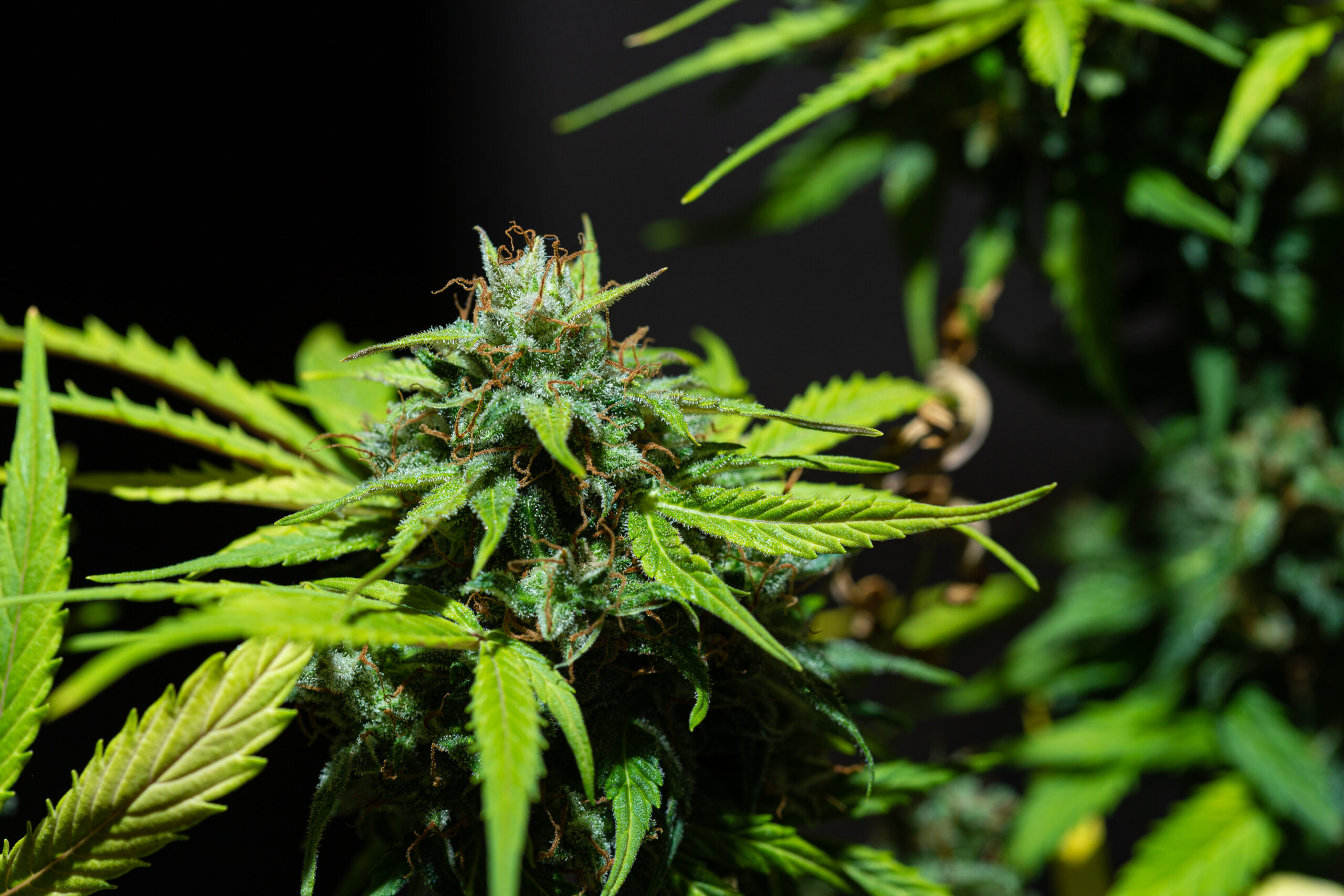


White Widow is one of the most well-known cannabis strains in the world. Many growers, especially new ones, want to learn how to grow it because it has a strong reputation, a long history, and a name that comes up again and again in grow guides, forums, and strain lists. It is often talked about as a good choice for people who want a plant that is manageable, rewarding, and worth the time. For many readers, White Widow is not just a famous strain. It is also a starting point. It is the strain they look at when they want to understand how cannabis growing works from seed to harvest.
There are a few reasons why White Widow stays popular with growers. First, it is known for producing thick resin, which makes the buds stand out. Second, many growers like its balanced growth pattern. It is often seen as a strain that can do well in different setups when basic grow conditions are handled the right way. Third, it appeals to both beginners and more experienced growers. A beginner may choose it because it is widely recommended and easy to find. A more advanced grower may choose it because there is still a lot of room to improve plant training, yield, and overall quality.
That said, growing White Widow still takes planning and care. No strain grows well just because it is popular. A grower still needs to understand the basics. The plant needs the right light, water, air, nutrients, and environment. It also needs attention at each stage. A seedling needs different care than a plant in vegetative growth. A plant in flower needs even more focus because problems with humidity, feeding, or airflow can affect the buds. Even a strain that is seen as beginner-friendly can run into trouble when the grower rushes the process or ignores the signs the plant gives.
This guide is made to help readers understand the full process in a simple and clear way. It is written for people who are just getting started, but it also includes helpful points for growers who want better results. Some readers may be planning their very first grow. Others may have grown before but want to do a better job with White Widow next time. In both cases, the goal is the same. The goal is to understand what the plant needs, what problems to watch for, and what steps can lead to a healthy harvest.
The full growing process can feel confusing at first. New growers often search for answers to very basic questions. Is White Widow easy to grow? Should it be grown indoors or outdoors? What kind of seeds should you buy? How long does it take to flower? How much can it yield? What nutrients does it need? When should you harvest it? These are common questions because they matter at every step. A good grow does not depend on one big trick. It depends on many small choices made well over time.
This article is designed to answer those questions in order. It starts with the basics so the reader can build a strong foundation. It will explain what makes White Widow special and why so many growers choose it. It will look at whether it is truly a good strain for beginners and what kind of setup works best. It will also explain how to choose between regular, feminized, and autoflower seeds, since that choice can shape the whole grow from the start.
From there, the guide will move through each major growing stage. It will explain how to start seeds, how to care for seedlings, and how to guide the plant through vegetative growth. It will cover feeding, watering, pH, and training methods that can help improve the plant’s shape and performance. It will also explain the flowering stage, which is where many growers become more nervous because the plant becomes more sensitive and the final result starts to take shape.
The guide will also help readers stay realistic. Many people search for big yields and fast results, but a healthy grow comes from consistency more than shortcuts. White Widow can reward careful growers, but it still responds to the environment and daily care. This means success often comes from simple habits such as checking the plant often, not overwatering, keeping the air moving, and making changes slowly instead of all at once. These habits may sound basic, but they matter a lot.
By the end of this article, the reader should have a full picture of how to grow White Widow from beginning to end. The aim is not to make the process sound hard or scary. It is to make it easier to understand. When each stage is explained clearly, the whole grow becomes less overwhelming. A new grower can move forward with more confidence, and an experienced grower can fine-tune the details that lead to better results.
In short, White Widow remains popular because it gives growers a strong mix of reputation, performance, and learning value. It is a strain many people want to try for good reason. This guide will walk through the full process step by step, answer the questions most growers ask, and help readers understand what it takes to grow White Widow with more skill and fewer mistakes.
What Is White Widow and Why Do Growers Choose It?
White Widow is one of the most well-known cannabis strains in the world. Many growers choose it because it offers a strong balance between ease of growth and solid results. It is often recommended for beginners, but experienced growers also keep it in their rotation. To understand why it remains popular, it helps to look at its traits, structure, and growing behavior.
Balanced Genetics and Plant Structure
White Widow is known as a balanced hybrid. This means it carries traits from both indica and sativa lines. In growing terms, this balance shows in how the plant develops over time. It usually grows in a controlled way, without becoming too tall or too compact.
This balanced structure makes it easier to manage in different setups. Growers working with limited indoor space often find it easier to control. At the same time, it can still perform well outdoors when conditions are right. Because it does not grow in extreme ways, it gives growers more control over shaping and spacing.
The plant often develops a strong main stem with steady side branches. This structure supports even bud growth across the canopy. For beginners, this makes the plant easier to understand and manage throughout the growing cycle.
Heavy Resin Production and Visual Appeal
One of the most noticeable traits of White Widow is its resin production. As the plant matures, the buds become covered in a thick layer of trichomes. These are small, crystal-like glands that form on the surface of the flowers.
This heavy coating gives the plant a frosty white look, which is where the name “White Widow” comes from. For growers, this visual change is a clear sign that the plant is developing well during the flowering stage.
The strong resin production also makes the plant feel rewarding to grow. Even before harvest, growers can see the results of their work. This is especially helpful for beginners, because it gives them a clear way to track progress.
Strong Growth and Plant Vigor
White Widow is often described as a vigorous plant. This means it grows with steady energy and can handle normal growing conditions without becoming too sensitive. A vigorous plant is more likely to recover from small mistakes.
This does not mean the plant can be neglected. It still needs proper light, water, airflow, and nutrients. However, compared to more delicate strains, White Widow is often more forgiving when small errors happen.
For new growers, this is important. Early mistakes are common when learning how to grow cannabis. A strain with strong growth can help reduce the risk of failure and give the grower more time to correct issues.
Adaptability to Different Growing Setups
Another reason growers choose White Widow is its adaptability. Some strains only perform well in one type of environment. White Widow can adjust to different setups more easily.
It can be grown in soil or in more advanced systems. It can also perform well indoors or outdoors, depending on the climate. This flexibility allows growers to use the setup they already have instead of needing a perfect environment.
Because of this, White Widow is often used by growers with different levels of experience. A beginner using a simple setup can still achieve good results. At the same time, experienced growers can refine their process and improve outcomes.
Why Beginners Often Start with White Widow
White Widow is often recommended as a first strain because it helps new growers learn the full process step by step. It allows them to move through germination, vegetative growth, flowering, and harvest without dealing with a highly sensitive plant.
The plant’s steady behavior makes it easier to spot problems and understand how changes affect growth. This helps beginners build confidence and improve their skills over time.
It also gives consistent results when basic care is done correctly. This balance between ease and performance is one of the main reasons it stays popular among new growers.
Why Experienced Growers Still Choose It
Even though it is beginner-friendly, White Widow is not limited to new growers. Many experienced growers continue to use it because it is reliable and flexible.
It fits well into different grow plans and can produce strong results when managed carefully. Growers who want a dependable strain often return to White Widow because they know what to expect.
It also responds well to training and improved techniques, which allows experienced growers to refine their methods and increase yield and quality.
White Widow remains popular because it combines several key traits that matter to growers. It has balanced growth, strong resin production, steady vigor, and the ability to adapt to different environments. These features make it easier to manage than many other strains.
For beginners, it offers a simple way to learn the growing process with fewer risks. For experienced growers, it provides consistency and flexibility. This combination is why White Widow continues to be a trusted choice across all skill levels.
Is White Widow Easy to Grow for Beginners?
White Widow is often seen as a good strain for beginners. Many new growers choose it because it is known for being strong, adaptable, and less fussy than some other strains. That does not mean it grows on its own or fixes mistakes for you. It still needs the right light, water, air, and care. Still, compared with strains that react badly to small problems, White Widow is usually easier to manage.
For a first-time grower, that matters a lot. Early grows often come with small mistakes. A beginner may water too much, give too many nutrients, or place the plant in a space with weak airflow. Some strains quickly show major stress when that happens. White Widow is often more forgiving. It can handle basic beginner errors better than many sensitive plants. That is one reason it keeps showing up in beginner grow guides.
Why White Widow Feels Easier Than Other Strains
One reason White Widow is beginner-friendly is its balanced growth style. It usually grows with a solid structure and steady pace. It does not always stretch out wildly like some strains, and it does not always demand very exact feeding to stay healthy. That gives new growers a little more room to learn while the plant grows.
Another reason is that White Widow can do well in different setups. It can be grown indoors or outdoors. It can grow in soil, coco, or hydro, though soil is often the easiest place to start. This flexibility helps beginners because not everyone has the same budget or space. A small tent setup can work. A simple outdoor setup can also work if the climate is suitable.
White Widow is also known for producing a strong plant with good branching and solid flower development when given decent care. That means a beginner can still get rewarding results without needing advanced methods right away. You do not need expert-level training skills to get a healthy White Widow plant. You just need to follow the basics well.
What Beginners Still Need to Get Right
Even an easy strain can struggle in poor conditions. White Widow is easier than many strains, but it still depends on good habits. The first important habit is proper watering. New growers often think more water means more growth. In truth, too much water is one of the most common problems. Roots need oxygen as well as moisture. When the growing medium stays too wet, roots can weaken, and the plant may droop or grow slowly.
Lighting is also very important. White Widow needs enough light to grow strong stems, healthy leaves, and full buds. If the light is too weak, the plant may stretch and become thin. Growth can slow down, and the final harvest may be smaller. A beginner does not need the most expensive light, but the plant does need enough light for each stage of growth.
Airflow is another key part of success. Plants do not do well in stale, hot, or damp air. White Widow needs a steady supply of fresh air around the leaves and around the grow space. Good airflow helps control heat and humidity. It also lowers the risk of mold and pests. Many beginners focus on light and water but forget that air movement matters too.
Feeding is another area where beginners make mistakes. It is common for new growers to add too many nutrients because they want fast growth. This can burn the plant and stress the roots. White Widow usually responds better to a simple feeding plan than to heavy feeding. It is smarter to start light and increase slowly if the plant looks healthy and hungry.
Common Beginner Mistakes With White Widow
Overwatering is one of the biggest problems for first-time growers. A beginner may water on a fixed schedule instead of checking the soil first. If the top layer is still wet, adding more water can lead to root problems. A better habit is to feel the growing medium and learn when the plant truly needs water.
Poor airflow is another common mistake. A plant sitting in a closed space without fans may face high humidity and weak stem growth. This can become a bigger problem later in flowering when thick buds start to form. Airflow should be treated as a basic part of the setup, not as an extra.
Weak lighting can also hold the plant back. Some beginners use lights that are too far away or not strong enough. The plant may survive, but it will not thrive. White Widow can be forgiving, but it still needs enough energy to grow well.
Overfeeding is also very common. Beginners may think nutrient bottles should always be used at full strength. In many cases, that is too much. Leaves may show burnt tips or dark color, which can signal stress. A simple rule for beginners is to begin with less than the full amount and watch how the plant responds.
What Kind of Beginner Is Most Likely to Succeed
The beginner most likely to do well with White Widow is someone patient, observant, and willing to learn. You do not need years of experience. You do not need an expensive grow room. What you do need is the habit of checking your plant each day and responding to what it shows you.
A successful beginner pays attention to the leaves, the moisture level in the soil, the temperature, and the airflow in the room. They do not make sudden changes just because they feel worried. They make small adjustments and give the plant time to respond. This calm approach works well with White Widow.
White Widow is a good match for growers who want a plant that is manageable but still rewarding. It offers a chance to learn the basics without being overwhelmed by a strain that is too demanding. It is not magic, and it is not impossible to mess up. Still, it gives beginners a fair chance to succeed if they stay consistent.
White Widow is often a smart choice for beginners because it is usually more forgiving than many other strains. It can adapt to different setups and does not always react badly to small mistakes. At the same time, it still needs proper watering, enough light, steady airflow, and careful feeding. A beginner who stays patient, watches the plant closely, and follows the basics is likely to have a much better grow with White Widow.
Choosing the Right White Widow Seeds
Choosing the right White Widow seeds is one of the most important steps in the whole growing process. Many new growers focus first on lights, nutrients, or pots, but the seed choice comes even earlier. It shapes how the plant will grow, how much work it may need, and what kind of results a grower can expect. A strong start often begins with choosing seed types that match the grower’s space, skill level, and goals.
White Widow is sold in several seed types, and each one has its own purpose. The main types are regular seeds, feminized seeds, and autoflower seeds. These names can seem confusing at first, but they are easy to understand once each type is explained in plain terms. Before planting anything, it helps to know what these seeds are made to do and how they can affect the full grow from start to finish.
Regular White Widow Seeds
Regular White Widow seeds are the most natural form of the plant. These seeds can grow into either male or female plants. This means a grower will not know the sex of each plant right away. That can be a problem for beginners because male plants do not produce the buds most growers want. Instead, males make pollen. If a male plant stays in the grow space too long, it can pollinate the female plants. Once that happens, the female plants put more energy into making seeds and less energy into growing thick, resin-rich buds.
For this reason, regular seeds usually need more attention and more skill. A grower must watch the plants closely as they mature and remove males before pollination happens. This takes timing, patience, and some experience with plant structure. Regular seeds are often chosen by breeders or growers who want to make their own crosses later. They can also appeal to growers who want to work with a more traditional seed type.
For a first grow, regular White Widow seeds are usually not the easiest option. They can still grow into healthy and productive plants, but they come with extra work and extra risk. A beginner who starts with regular seeds needs to be ready to identify plant sex and make quick decisions during early flowering.
Feminized White Widow Seeds
Feminized White Widow seeds are the most common choice for home growers, especially beginners. These seeds are bred to grow into female plants almost every time. That is useful because female plants are the ones that produce the buds growers are after. This removes the main problem that comes with regular seeds. There is little worry about males showing up and pollinating the grow.
For most people, feminized seeds make the process simpler and more efficient. A grower can use the full grow space for bud-producing plants instead of starting extra seeds and then removing males later. This saves time, money, and effort. It also helps beginners stay focused on the basics such as watering, feeding, lighting, and training.
Feminized White Widow seeds are a strong choice for growers who want a reliable path from seed to harvest. They work well indoors and outdoors, and they give the grower more control over plant numbers and space planning. Because they are photoperiod plants in most cases, they also allow more control over vegetative growth. A grower can keep the plant in the vegetative stage longer and switch to flowering when ready by changing the light cycle.
This makes feminized seeds a good fit for growers who want to shape the plant, train it, and control its size before flowering begins. For many beginners, feminized White Widow offers the best balance of ease and flexibility.
Autoflower White Widow Seeds
Autoflower White Widow seeds are another popular option. These plants are different because they begin flowering based on age, not based on changes in the light cycle. In simple terms, the plant moves from early growth to flowering on its own. The grower does not need to switch the lights to trigger bloom.
This makes autoflower seeds attractive to new growers who want a faster and more direct process. Autoflower White Widow plants are often smaller, quicker, and easier to fit into limited spaces. They can be a smart choice for growers working with a small tent, balcony, or short outdoor season. Their shorter life cycle can also be useful for people who want a faster harvest.
At the same time, autoflowers need careful planning from the start. Because they grow and flower on a fixed timeline, there is less time to recover from mistakes. If a plant is stressed early by overwatering, poor transplanting, weak light, or overfeeding, it may still move into flowering before it has reached a strong size. That can reduce final yield. With autoflowers, early care matters even more because the grower cannot simply extend the vegetative stage to give the plant extra recovery time.
Autoflower White Widow can be a good beginner option if the grower wants speed and simplicity, but it still rewards careful handling from day one.
Which White Widow Seed Type Is Best for a First Grow
For most first-time growers, feminized White Widow seeds are the best starting point. They remove the problem of male plants and give the grower more control over timing. This makes it easier to learn the basics without dealing with extra guesswork. A grower can spend more time learning how the plant responds to water, light, nutrients, and training.
Autoflower White Widow can also work well for beginners, especially for those who want a small plant and a faster finish. Still, autoflowers are often less forgiving when early mistakes happen. A beginner who chooses them should be ready to keep the setup stable from the start.
Regular seeds are usually better for more experienced growers or for people who want to breed plants later. They are not wrong to choose, but they ask more from the grower.
Why Seed Choice Changes the Whole Grow Plan
Seed choice affects more than just the first stage. It shapes the whole grow plan. A grower using feminized photoperiod White Widow can decide when to flower the plant. That means more time for topping, low-stress training, or growing a wider canopy. A grower using autoflower White Widow must work with the plant’s built-in timeline. Training must be lighter and earlier, and the plant must avoid stress as much as possible.
The seed type also affects plant size, harvest timing, and setup needs. A photoperiod grow may need more time but gives more control. An autoflower grow may finish faster but allows less room for error. Choosing the right seed means choosing the type of grow experience a person wants.
Choosing the right White Widow seeds is not a small detail. It is one of the biggest decisions a grower will make before the first leaf appears. Regular seeds can produce both male and female plants, so they need more skill and closer watch. Feminized seeds are often the best choice for beginners because they are simple, reliable, and easier to manage. Autoflower seeds can be a good option for growers who want speed and a smaller plant, but they need careful planning from the start.
Can You Grow White Widow Indoors or Outdoors?
White Widow can grow well both indoors and outdoors. That is one reason why it stays popular with many growers. It is a flexible strain, and it can adapt to different growing spaces if the basic needs of the plant are met. Still, indoor growing and outdoor growing are not the same. Each method has its own strengths, limits, and risks. The best choice depends on your climate, budget, space, and how much control you want over the growing process.
Growing White Widow Indoors
Indoor growing gives you more control over the plant from start to finish. You can control the light, temperature, airflow, and humidity. This makes it easier to create a stable environment, which is helpful for beginners. When the environment stays steady, the plant has a better chance to grow evenly and stay healthy.
With indoor growing, you do not need to worry as much about sudden rain, strong wind, cold nights, or long periods of cloudy weather. You can also protect the plant from many outdoor pests and reduce the chance of outside damage. If you live in a place with a climate that changes often, indoor growing may be the safer choice.
White Widow usually does well indoors because it responds well to controlled conditions. It can grow into a manageable size, especially if the grower uses training methods or keeps the vegetative stage short. Indoor growers can also choose when to move the plant into flowering by changing the light schedule. That gives more control over timing and plant size.
Still, indoor growing has some downsides. It often costs more at the start. You need lights, fans, containers, and other basic tools. You also need to check the plants often. If the lights are weak, the temperature gets too high, or airflow is poor, the plant may struggle. Indoor growing also uses electricity, so the total cost can rise over time.
For many first-time growers, indoor growing feels easier because it allows closer control. If something starts to go wrong, it can often be fixed faster because the environment is in your hands.
Growing White Widow Outdoors
White Widow can also grow outdoors, and many growers like this method because it uses natural sunlight. Sunlight is strong, free, and helpful for healthy plant growth. Outdoor growing can also cost less because you may not need expensive lights or a full indoor setup.
If White Widow is grown in the right outdoor conditions, it can become larger than an indoor plant. With more space for roots and long hours of sunlight, the plant may produce a bigger yield. Outdoor growing can be a good choice for growers who have private space, a suitable climate, and enough time to care for the plant through the season.
Even so, outdoor growing comes with less control. The weather can change fast. Heavy rain, high humidity, cold nights, strong heat, or long wet periods can all affect plant health. Pests and mold are also bigger concerns outside. If the air stays too damp during flowering, buds may develop mold or rot. That can damage part or all of the harvest.
Outdoor growers must also think about privacy, security, and local rules. A plant may grow large and become easy to notice. The space should have enough sunlight, good airflow, and protection from standing water or poor drainage. Soil quality also matters. If the soil is too hard, too wet, or low in nutrients, the plant may not perform well.
Outdoor growing can work very well, but it depends more on the season and the local environment than indoor growing does.
What Climate Does White Widow Prefer?
White Widow usually does best in a warm and mild climate. It likes steady temperatures and good light. It also benefits from fresh air and a growing space that does not stay too humid for too long. During flowering, lower humidity is especially helpful because thick buds can trap moisture.
A climate with a long, sunny growing season is often best for outdoor White Widow plants. Very wet or cold climates can make outdoor growing harder. Too much moisture can lead to mold, while low temperatures can slow growth and reduce plant health. If the outdoor season is short, the plant may not have enough time to finish well before bad weather arrives.
Indoor growing solves many of these problems because the climate is created by the grower. That is why people in cooler or wetter places often choose to grow White Widow indoors.
How to Decide Which Method Is Best
The best setup depends on what kind of grower you are and what kind of space you have. If you want more control and a more predictable process, indoor growing is usually the better option. It helps you manage the plant more closely and makes it easier to protect the crop from weather and outside problems.
If you have a good outdoor space with strong sunlight and a stable climate, outdoor growing can also be a strong option. It may cost less, and it can lead to bigger plants. But it asks more from the environment, and it leaves more to chance.
Beginners often do better indoors if they can afford the basic setup. The extra control helps them learn faster. Outdoor growing can still work for beginners, but it usually works best when the local weather is favorable and the grower has a safe, sunny place to use.
White Widow can be grown both indoors and outdoors, which makes it a flexible strain for many growers. Indoor growing gives more control over light, temperature, and humidity, while outdoor growing can cost less and make use of natural sunlight. White Widow prefers a warm, mild climate with good airflow and not too much moisture, especially during flowering. In the end, the best choice comes down to your budget, your space, your local weather, and how much control you want during the grow.
Best Setup for Growing White Widow at Home
A good setup gives White Widow the best chance to grow well from the start. This strain is often seen as a good choice for new growers, but even a strong strain needs the right space, light, air, and care. A simple setup can still work very well if each part supports healthy growth. The goal is not to buy the most expensive gear. The goal is to build a space where the plant can grow in a steady and healthy way.
White Widow can be grown in a spare room, a closet, a grow tent, or outside in a private area where local laws allow it. For many home growers, indoor growing is easier to manage because it gives more control. When you control the space, you can control the light, the temperature, the humidity, and the airflow. These things matter a lot. White Widow can handle small mistakes better than some strains, but it still grows best when the environment stays stable.
Choose the Right Growing Space
The first step is choosing where the plant will live. Many beginners use a grow tent because it helps keep the environment more consistent. A tent is useful because it reflects light back onto the plant, helps control smell, and makes it easier to manage temperature and humidity. It also helps keep pests, dust, and outside problems away from the plant.
A grow room can also work if you have more space. This may be a small room, a corner of a garage, or another indoor area. The main thing is that the space should be clean, easy to reach, and easy to control. You do not want to grow in a place that gets too hot during the day or too cold at night. You also want enough room for the plant to stretch, especially during the flowering stage when White Widow can grow taller.
No matter which space you choose, it should have access to fresh air and electricity if you are growing indoors. It should also be easy to clean. A clean grow space lowers the risk of mold, pests, and disease. This matters more than many new growers think.
Give White Widow Strong, Reliable Light
Light is one of the most important parts of the setup. If the light is weak, the plant may grow thin, slow, and weak. It may stretch too much and produce smaller buds later. Strong and steady light helps White Widow grow thick stems, healthy leaves, and solid buds.
Many home growers now use LED grow lights. These lights are popular because they are energy efficient and run cooler than many older lights. They are often a smart choice for beginners because they are easier to manage in small spaces. A good LED light can support both the vegetative stage and the flowering stage.
Some growers still use other light types, but beginners often do best with a full-spectrum LED because it is simple and effective. The key is to choose a light that matches the size of your growing space. A light that is too small will not cover the plant well. A light that is too strong for a tiny space can create heat stress if not managed properly.
The distance between the light and the plant also matters. If the light is too close, the leaves can burn or curl. If it is too far away, the plant may stretch toward it. White Widow usually responds well when the light is kept at a proper distance and adjusted as the plant grows.
Support Good Airflow and Ventilation
Plants need fresh air just like people do. A still, closed space can cause many problems. Without airflow, heat and humidity can build up fast. This can lead to weak growth, mold, and pests. White Widow grows best when the air moves around the plant and stale air is pushed out of the grow area.
Most indoor growers use at least one fan to move air gently around the plant. This helps strengthen stems and keeps moisture from sitting too long on leaves and buds. During flowering, this becomes even more important because thick buds can trap moisture.
Ventilation is also needed to remove hot air and bring in fresh air. Many growers use an exhaust fan for this. In a grow tent, an exhaust system can help control both heat and smell. If the air in the space feels hot, damp, or heavy, the plant will likely struggle too.
A steady environment is better than one that changes too much. White Widow can handle normal indoor conditions, but big swings in heat and humidity can slow growth and affect plant health.
Pick the Right Containers and Growing Medium
The container holds the roots, and healthy roots support the whole plant. If the roots do not have enough room, growth may slow down. If the container drains poorly, the roots may stay too wet. That can lead to root problems and poor plant health.
Many beginners start White Widow in small pots and move it into larger ones as it grows. Others place the seed directly in the final container. Both methods can work. What matters most is good drainage. Water should not sit at the bottom of the pot for too long.
The growing medium is also an important choice. Many new growers use soil because it is simple and forgiving. Good soil holds moisture but still allows air to reach the roots. It also gives the plant a buffer if you make a small mistake with water or nutrients. This makes soil a strong choice for beginners.
Coco coir is another common option. It can support fast growth, but it often needs more careful feeding and watering than soil. It can be a good middle ground for growers who want more control but do not want a full hydro setup.
Understand Soil and Hydro Growing
White Widow can grow in soil or hydroponics. Both can produce strong plants, but they are not the same.
Soil is often the better choice for first-time growers. It is simpler to manage and gives the plant a more natural growing environment. If you water a little too much or feed a little too soon, soil can often soften the mistake. It gives you more room to learn.
Hydroponics can lead to faster growth and bigger yields in some cases, but it requires more attention. In hydro, the roots get nutrients through water instead of soil. This means the grower must watch pH, water quality, feeding strength, and root health very closely. A small mistake can affect the plant faster in hydro than in soil.
For a beginner, soil often brings less stress and a smoother learning curve. For a more advanced grower, hydro can offer more speed and control. White Widow can do well in either system, but the best system is the one you can manage well.
Use Basic Tools to Stay in Control
A good setup also includes a few simple tools. A thermometer helps you track heat. A humidity meter helps you watch moisture in the air. A pH tool helps you know whether the roots can take in nutrients properly. These tools are not fancy extras. They help you catch problems before they get worse.
Timers are also useful for indoor growing. White Widow needs steady light cycles, especially if you are growing photoperiod plants. A timer makes this much easier and helps prevent mistakes. Instead of turning lights on and off by hand, the timer keeps the schedule exact every day.
You do not need a room full of gear to grow White Widow at home. You need a setup that stays steady and supports the plant through each stage of growth.
Why Better Equipment Can Make Growing Easier
A plant can grow in a basic setup, but better equipment often makes the work easier. A strong light helps the plant grow fuller. A good fan helps prevent stale air. A solid tent helps keep conditions steady. A reliable pH tool helps you avoid feeding problems. Better tools do not grow the plant for you, but they reduce stress and help prevent mistakes.
This is important for beginners because early problems often come from poor control, not poor effort. A grower may care for the plant every day but still struggle if the light is weak or the air is stale. Good equipment supports good habits.
At the same time, new growers should not feel pressure to buy everything at once. It is smarter to build a clean, simple, workable setup than to spend too much on things you do not yet understand. Start with the basics, learn how the plant responds, and improve the setup over time.
The best setup for growing White Widow at home is one that is simple, clean, and easy to control. A grow tent or small grow room, a strong light, good airflow, proper containers, and the right growing medium all work together to support healthy growth. Soil is often the easiest choice for beginners, while hydro offers more speed and control for growers with more experience. The most important thing is not having the most expensive setup. It is creating a stable space where White Widow can grow strong from seedling to harvest.
How to Germinate and Start White Widow the Right Way
Starting White Widow the right way can make the rest of the grow much easier. This early stage may look small, but it has a big effect on plant health later on. A strong start can lead to better root growth, better leaf growth, and fewer problems in the weeks ahead. A weak start can slow the plant down and make it harder to fix problems later.
White Widow is known as a good strain for beginners, but even beginner-friendly plants need the right care in the first days. Germination and seedling care should be simple, gentle, and steady. The goal is not to do too much. The goal is to give the seed what it needs to wake up, grow a root, and begin life in a stable environment.
Choose healthy seeds before you begin
Good germination starts with good seeds. If the seeds are old, damaged, or poor in quality, the plant may struggle from the start. Healthy White Widow seeds are usually dark in color, with a firm shell and a dry surface. Some may have stripes or a mottled pattern. Very pale, soft, or cracked seeds may not grow well.
Before planting, it helps to make sure everything is ready. The growing medium should be prepared first. Pots or starter containers should already be clean and filled. Water should be ready. Light should be set up. Temperature and humidity should be close to the right range. It is best to avoid germinating seeds if the grow space is not ready yet. Once a seed opens, it needs care right away.
Start germination with a simple method
There are different ways to germinate cannabis seeds, but beginners often do best with a simple method. One common way is the paper towel method. Another is planting the seed straight into the growing medium. Both can work well if done with care.
If using the paper towel method, the towel should be moist but not soaked. The seed can be placed between two damp paper towels and kept in a warm, dark place. The towel should stay slightly wet, but too much water can reduce oxygen and harm the seed. The seed should be checked once or twice a day. In many cases, the shell opens and a small white root appears in one to three days, though some seeds take longer.
If planting straight into soil or another medium, the seed should be placed about a half inch deep. The medium should be moist, not wet. After planting, the seed should be covered lightly and left alone to do its work. This method is simple because it avoids moving the seed after the root appears. That can reduce stress and lower the chance of damage.
No matter which method is used, warmth is important. White Widow seeds usually do best in a warm environment. If the space is too cold, germination may be slow or may fail. If the space is too hot, the seed can also suffer. A steady environment helps the seed open in a natural way.
Move the seed carefully after it sprouts
Once the seed cracks and shows a taproot, it is ready to go into its starter medium if it is not already there. This part needs a gentle hand. The root is very delicate and should not be squeezed or bent. It is best to move the seed carefully and place it root-down into a small hole in the medium.
The seed should not be planted too deep. If it is too deep, the seedling may have trouble reaching the surface. If it is too shallow, the root may not settle well. A light cover of soil is enough. After planting, the medium should stay lightly moist.
At this point, patience matters. Many new growers make the mistake of digging up the seed to check if it is growing. That can slow the process or kill the seedling. Once planted, it is better to leave it alone and watch for growth above the surface.
Give seedlings gentle light and steady care
When the seedling comes out of the medium, it enters the seedling stage. This is when the first small leaves appear. At first, the plant shows two round seed leaves. After that, the first true leaves begin to form. These early leaves are small, but they show that the plant is starting to grow on its own.
Seedlings need light, but not too much. Strong light placed too close can stress a young White Widow plant. Weak light placed too far away can make the seedling stretch too much. Stretching means the stem grows long and thin while the plant reaches for light. This can make the seedling weak and unstable.
A gentle grow light placed at the correct distance helps the plant stay short and healthy. The light schedule should also stay steady. Indoor growers often use a long light period during this stage. The key is consistency. Sudden changes in light can stress a young plant.
Seedlings also need fresh air, but strong direct wind is not good for them. Light airflow helps reduce moisture problems and can help the stem grow stronger over time. A soft fan nearby can help, as long as it does not blast the plant.
Water lightly and avoid common beginner mistakes
One of the biggest mistakes during early growth is overwatering. Seedlings are small and do not use much water yet. Their roots are still short and delicate. If the medium stays too wet, the roots may not get enough oxygen. This can slow growth and lead to disease.
The top of the medium should not stay soaked all day. It should feel lightly moist, not muddy. Water should be given in small amounts around the seedling, not all over the pot in heavy amounts. Large containers can make this harder because they hold more water for longer. That is why many growers start seeds in smaller containers and move them later.
Underwatering can also cause stress, but beginners more often give too much water than too little. A healthy balance is better than constant watering. White Widow seedlings do best when their roots can breathe and expand.
Another common mistake is feeding nutrients too early. In the first days, a seedling usually does not need much added feeding, especially if the growing medium already has some nutrients in it. Too much fertilizer can burn the young plant and slow early growth. It is better to wait until the seedling becomes stronger before adding more nutrients.
Know what healthy early growth looks like
A healthy White Widow seedling usually looks upright, green, and balanced. The leaves should open well and begin to grow wider each day. The stem should hold itself up without falling over. Growth may seem slow at first, but that is normal. Much of the plant’s early energy goes into root development below the surface.
Problems can show up in several ways. A stretched seedling often means the light is too weak or too far away. Drooping can point to watering problems. Yellowing may suggest stress, poor medium conditions, or early nutrient issues. If the seed shell stays stuck on the leaves, it may come off on its own after moisture softens it. Pulling it off too early can damage the plant.
Seedlings do not need constant handling. They need observation more than action. It is better to watch for clear signs and respond slowly than to make many changes too fast.
Get ready for the move into vegetative growth
After the seedling develops a few sets of true leaves and starts growing more strongly, it is moving toward the vegetative stage. At this point, roots begin to expand faster, and the plant starts building its main structure. This is when the plant becomes more active and ready for stronger light, more water, and later, a more complete feeding plan.
A smooth start makes this next stage easier. When White Widow begins life in the right conditions, it is more likely to grow into a sturdy plant with good shape and strong branching. That sets the stage for better training, healthier flowering, and better yield later on.
Germinating and starting White Widow the right way is about keeping things simple and stable. Use healthy seeds, choose a gentle germination method, handle the root with care, give light water and soft light, and avoid doing too much too soon. When the seedling starts strong, the rest of the grow becomes easier to manage.
Vegetative Stage: How to Grow Strong White Widow Plants
The vegetative stage is the part of the grow when White Widow focuses on building its body. This is when the plant develops roots, stems, branches, and leaves. A strong plant in this stage has a much better chance of producing healthy buds later in flowering. If the plant becomes weak during vegetation, it may stay small, stretch too much, or struggle to support heavy flowers later on.
White Widow is known for growing with good vigor, which means it can grow fast when conditions are right. It usually forms a sturdy frame with many side branches, and that makes it a good plant for growers who want strong structure and solid yields. Still, good growth does not happen by luck. The plant needs the right amount of light, water, air, and space at this stage.
Give White Widow the Right Light Schedule
During the vegetative stage, White Widow needs long periods of light each day. Most growers use an 18 hours on and 6 hours off light cycle. Some use 20 hours of light, but 18 hours is a simple and common choice. The goal is to give the plant enough energy to grow leaves and branches without starting the flowering stage too soon.
Strong light helps the plant stay short, full, and healthy. Weak light can make White Widow stretch upward too fast. When that happens, the stems become long and thin, and the plant may not build the strong shape you want. Place the grow light at a safe distance from the canopy so the leaves get enough light without burning. If the light is too close, the top leaves may curl, bleach, or dry out. If it is too far, the plant may become tall and weak.
White Widow usually responds well to steady lighting. Try not to keep changing the schedule or moving the light too much. Stable conditions help the plant settle into healthy growth.
Water the Plant with Care
Watering is one of the most important parts of the vegetative stage. It is also where many beginners make mistakes. White Widow likes moisture, but it does not like sitting in soaked soil for too long. Roots need both water and oxygen. When the growing medium stays too wet, the roots cannot breathe well, and growth may slow down.
A good rule is to water only when the top layer of the growing medium feels dry. The pot should also feel lighter before the next watering. This helps prevent overwatering. If the leaves droop and the soil is still wet, the plant may already have too much water. If the leaves droop and the soil is very dry, it may need water soon.
It is better to water deeply and then wait than to give small amounts too often. Deep watering helps roots spread through the container. Strong roots are one of the main goals during vegetation because a better root system supports faster and healthier plant growth.
Support Healthy Airflow
Airflow matters more than many new growers expect. White Widow grows best when fresh air moves around the plant. Good airflow helps control heat and humidity. It also helps the stems become stronger because the plant learns to support itself in a moving environment.
Use fans to keep air moving, but do not point very strong wind at one plant all day. That can stress the leaves. The air should move gently through the grow space. This reduces the risk of mold, hot spots, and stale air. It also helps the leaves exchange gases more effectively, which supports healthy growth.
A room with poor airflow can cause several problems at once. Leaves may stay damp too long, heat may build up near the light, and the plant may grow in a weaker way. A simple fan and a good ventilation setup can make a big difference.
Choose the Right Container Size
Container size affects how White Widow grows in the vegetative stage. A small pot limits root space, and limited roots often mean slower top growth. As the plant gets bigger, it may need to be moved into a larger container. This process is called transplanting.
A young plant often starts in a small container, then moves into a medium pot, and later into its final pot. Each move gives the roots more room to spread. Transplanting at the right time can help the plant grow faster, but waiting too long can lead to root crowding. When roots circle tightly inside the pot, the plant may become root bound. This can slow growth and make watering harder.
White Widow usually does well when it has enough root space before flowering begins. A good container size supports better nutrient use, more stable moisture levels, and stronger branch development.
Focus on Root Development
Roots are hidden, but they are one of the most important parts of the plant. During vegetation, White Widow uses energy to build a root system that can support later growth. Healthy roots take in water and nutrients and help keep the plant strong under stress.
Good root development depends on several factors. The plant needs proper watering, enough oxygen in the root zone, and a growing medium that drains well. Soil that stays packed and soggy can hurt roots. A light, airy medium gives them a better place to grow.
You can often judge root health by looking at the top of the plant. If White Widow is putting out fresh green leaves, growing new branches, and standing upright, the roots are likely in good shape. Slow growth, yellowing, or drooping can sometimes point to root problems, even if the issue first looks like something above the soil.
Watch How Fast White Widow Grows
White Widow can grow at a steady and healthy pace in the vegetative stage. Under strong light and stable care, it often develops a bushy shape with solid side branching. This is helpful because more branches can mean more flowering sites later.
Growth speed depends on the plant’s genetics, the environment, and the grower’s habits. A healthy plant may show clear changes every few days. New leaves should appear regularly, and the stems should get thicker over time. If the plant seems stuck, something may be holding it back. Common causes include weak light, poor watering habits, low temperatures, root stress, or too much fertilizer.
Do not rush this stage. Some growers want to move to flowering as soon as possible, but a plant that has not built a strong body yet may not perform well later. Giving White Widow enough time in vegetation often leads to a better result.
Learn the Signs of Healthy Leaves and Strong Branching
Healthy White Widow leaves are usually a rich green color. They should look full, open, and balanced. The plant should not look pale, twisted, burnt, or heavily drooped. A few small changes can happen from time to time, but the overall plant should look active and strong.
Strong branching is another good sign. As White Widow grows, side branches should begin to form and stretch outward. These branches are important because they can later hold buds. A plant with a strong main stem and many healthy branches often has a better structure for flowering.
Look at the spacing between nodes as well. Nodes are the points where leaves and branches grow from the stem. If the spaces are too long, the plant may be stretching from weak light. If the growth is tight and balanced, that usually means the plant is getting what it needs.
Know When White Widow Is Ready for Flowering
A White Widow plant is ready for flowering when it has built a solid shape, healthy roots, and enough branches to support future bud sites. It should look strong, not stressed. The leaves should be healthy, and the plant should be growing steadily.
For indoor growers using photoperiod White Widow, this is usually the stage when they decide to change the light cycle to start flowering. Before making that switch, think about size. White Widow can stretch during early flowering, so it is smart to begin flowering before the plant becomes too large for the space.
The right time depends on your setup and your goals. Some growers flower smaller plants to save time. Others let the plant stay in vegetation longer to build a wider canopy and increase possible yield. The best choice is one that matches your grow room, light strength, and container size.
The vegetative stage is where White Widow builds the foundation for the rest of the grow. This is the time to focus on strong light, careful watering, healthy airflow, enough root space, and steady growth. A healthy plant in this stage should have green leaves, thickening stems, and solid side branches.
When White Widow gets the right care during vegetation, it becomes much easier to manage later in flowering. Strong roots, good structure, and stable growth all help the plant produce better results. In simple terms, the more attention you give this stage, the stronger and more productive your White Widow plant can become.
What Nutrients Does White Widow Need?
White Widow grows best when it gets the right nutrients at the right time. Like other cannabis plants, it needs a mix of major nutrients, smaller support nutrients, and a healthy root zone to grow well. Good feeding helps the plant build strong stems, healthy leaves, and full buds. Poor feeding can slow growth, weaken the plant, or cause yellow leaves, brown tips, and low yields.
The good news is that White Widow is not usually known as a very hard strain to feed. It often responds well to a simple nutrient plan when the grower stays careful and does not give too much too soon. Many new growers make the mistake of thinking more nutrients will lead to faster growth. In most cases, that causes more problems than it solves.
The Main Nutrients White Widow Uses
White Widow needs three main nutrients during its life cycle. These are nitrogen, phosphorus, and potassium. Many growers call them N, P, and K.
Nitrogen is most important during the vegetative stage. This is the stage when the plant is focused on growing leaves, branches, and stems. Nitrogen supports green, healthy growth. If a White Widow plant does not get enough nitrogen in veg, its leaves may turn pale or yellow, and the plant may grow slowly.
Phosphorus becomes more important as the plant moves into flowering. It supports root growth early on, but it is especially useful when the plant starts making buds. A lack of phosphorus can lead to weak flowering and poor bud development.
Potassium helps the plant stay strong and healthy through many stages of growth. It supports water movement, stress response, and flower production. When potassium levels are right, the plant is often better able to handle changes in the environment and produce dense buds.
Secondary Nutrients and Micronutrients Matter Too
White Widow also needs smaller amounts of other nutrients. These include calcium, magnesium, and sulfur. It also uses trace minerals like iron, zinc, copper, and manganese. These may be needed in small amounts, but they still matter a lot.
Calcium helps support cell structure and root health. Magnesium plays a key role in photosynthesis, which helps the plant turn light into energy. Iron helps with leaf color and healthy growth. If these nutrients are missing, the plant may show strange signs even when the main NPK nutrients seem fine.
This is why many growers use a complete nutrient line instead of trying to mix single nutrients without a clear plan. A complete formula is often easier for beginners because it gives a better balance.
Feeding White Widow in the Seedling and Vegetative Stage
Young White Widow seedlings do not need strong feeding right away. In fact, too many nutrients early on can damage them. If you are growing in rich soil, the plant may not need extra nutrients for the first week or two. If you are growing in coco or hydro, feeding may start earlier, but it should still be very light.
Once the plant enters vegetative growth, it usually needs more nitrogen than it did as a seedling. This is the stage where leaves and branches begin to grow faster. A balanced vegetative nutrient mix can support that growth. Still, it is better to start with a low dose and increase slowly if the plant looks healthy and active.
White Widow often does best when growers watch the plant instead of feeding by guesswork. Dark green leaves, steady growth, and firm stems are good signs. If the leaf tips begin to burn or curl down, the feed may be too strong.
Feeding White Widow in the Flowering Stage
When White Widow starts flowering, its nutrient needs change. It usually needs less nitrogen and more phosphorus and potassium. At this point, the goal is no longer to grow as many leaves as possible. The plant is now focused on making flowers.
A flowering nutrient mix is often made for this stage. It helps support bud growth, resin production, and plant health during bloom. Growers should still be careful not to overfeed. Too much bloom feed can cause nutrient burn, salt buildup, or lockout.
It is also important to remember that the plant may stretch during early flowering. During this time, it still needs support for stem and branch growth. A sudden switch to very strong bloom nutrients can stress the plant. A gradual change is often easier for White Widow to handle.
Why pH Matters So Much
Even if White Widow gets enough nutrients, it may still struggle if the pH is off. pH affects how well the roots can take in nutrients. If the pH moves too high or too low, some nutrients become harder for the plant to absorb. This can cause signs of deficiency even when the nutrients are present in the soil or water.
For soil grows, a slightly acidic pH is usually best. For coco and hydro, the ideal range is often a little lower. Growers should check both the water going in and, when possible, the runoff coming out. This helps show if the root zone is staying in a healthy range.
Many feeding problems are really pH problems. A grower may add more nutrients when the real issue is that the plant cannot use what is already there. That is why pH testing is one of the most useful habits in any grow.
Signs of Overfeeding, Underfeeding, and Nutrient Lockout
White Widow can show clear signs when its feeding is off. Overfeeding often causes leaf tip burn. The tips may turn yellow, then brown. Leaves may also look very dark, shiny, or clawed. Growth can slow down even though the plant is getting more nutrients than it needs.
Underfeeding looks different. The plant may become pale, especially in older leaves. Growth may be weak, and the plant may look thin or tired. Yellowing can happen slowly when the plant is not getting enough food to support its stage of growth.
Nutrient lockout can look confusing because it may seem like the plant is both overfed and underfed at the same time. This often happens when the pH is wrong or when too much salt has built up in the growing medium. The roots stop taking in nutrients well, and the plant begins to show multiple problems at once. In this case, adding more feed usually makes the problem worse.
A Simple Feeding Approach for Beginners
The safest way to feed White Widow is to keep things simple. Start light. Watch the leaves. Adjust slowly. Use a nutrient line that matches your growing medium and stage of growth. Follow the feeding chart carefully, but do not feel forced to use the full strength if the plant does not need it.
It also helps to keep notes. Write down what you fed, how often you watered, and how the plant responded. This makes it easier to spot patterns and avoid repeating mistakes.
White Widow needs a balanced nutrient plan to grow well from seedling to harvest. In veg, it needs more nitrogen to build strong green growth. In flower, it needs more phosphorus and potassium to support buds. It also needs smaller nutrients like calcium and magnesium, plus the right pH so the roots can absorb everything properly. The best results usually come from feeding lightly at first, watching the plant closely, and making small changes instead of big ones.
Training White Widow for Better Growth and Yield
Training White Widow can help growers get better plant shape, stronger light coverage, and higher yields. This strain is known for steady growth and good vigor, which makes it a good candidate for training. A well-trained plant often uses light more efficiently and develops more even bud sites. For beginners, training may sound hard at first, but the basic methods are simple once you understand the goal.
The main purpose of training is to help the plant grow in a way that makes better use of space and light. Instead of letting one main top grow much taller than the rest, training helps create a flatter, more open canopy. A flatter canopy means more parts of the plant receive direct light. This can lead to more consistent bud development from top to bottom.
White Widow responds well to training because it usually grows with healthy side branches and enough strength to recover from light shaping. Still, timing matters. Training should be done when the plant is healthy, actively growing, and not under stress from overwatering, poor feeding, pests, or weak roots. If a plant is already struggling, training can slow it down even more.
Why training helps White Widow
White Widow can grow bushy and produce many useful side branches. Without training, some branches may stay lower and receive less light. The top part of the plant often dominates growth, while lower bud sites remain small and weak. Training helps solve this problem by spreading the plant out and opening the middle.
When light reaches more of the canopy, more bud sites can grow well. Airflow also improves when branches are not packed too tightly together. Better airflow lowers the risk of damp conditions, which can lead to mold or mildew during flowering. This becomes even more important once buds begin to thicken and humidity control matters more.
Training also helps indoor growers control height. White Widow can stretch during the switch to flowering, especially in photoperiod plants. If the plant gets too tall, it may grow too close to the light. That can cause stress, bleaching, or heat damage. Training helps keep the plant at a safer height while making better use of tent or room space.
Low-stress training for beginners
Low-stress training, often called LST, is one of the easiest training methods for White Widow. It is a good choice for beginners because it does not involve cutting the plant. Instead, the grower gently bends branches and ties them down so the plant grows wider instead of taller.
The best time to start LST is during the vegetative stage, when the stems are still flexible. Young plants are easier to shape because the branches bend more easily and recover quickly. If you wait too long, the stems may become stiff and harder to move without damage.
To begin, the grower usually bends the main stem slightly to one side and secures it in place. This changes how the plant uses its energy. Instead of putting most of its growth into one top, the plant begins to push more growth into side branches. Over time, those side branches can become strong tops of their own.
As the plant keeps growing, more branches can be gently pulled outward. This creates a wider shape and exposes more of the canopy to light. The goal is not to force the plant into a perfect form. The goal is to create balance, open space, and even light coverage.
LST should always be done gently. Pulling too hard can snap a branch. Ties should be secure but not so tight that they cut into the stem. Growers should check the ties often because White Widow can grow fast in the vegetative stage. A tie that fits well one week may become too tight later.
Topping White Widow
Topping is another common training method. Unlike LST, topping involves cutting off the tip of the main growing shoot. This encourages the plant to stop focusing on one main top and start growing two main tops instead. Over time, this can lead to a fuller and more productive plant.
Topping is usually done during the vegetative stage after the plant has grown several healthy nodes. It should only be done on strong, healthy plants. A weak seedling or slow-growing plant may not recover well from topping.
After topping, White Widow often responds by pushing more energy into side growth. This can make the plant bushier and help create a more even canopy. Many growers combine topping with LST for even better results. They top the plant first, then bend and spread the new branches as they grow.
Still, topping is more stressful than LST. Because of that, beginners may want to start with LST only and try topping once they feel more confident. Some growers also avoid topping autoflower White Widow because autos have a shorter life cycle and less time to recover from stress. In many cases, gentle bending works better for autoflowers than cutting.
Using SCROG for more even growth
SCROG stands for Screen of Green. This method uses a screen or net placed above the plant. As White Widow grows, the branches are guided through the screen and spread outward. This helps create a flat canopy with many evenly placed tops.
SCROG works well for growers who want to make the most of indoor light and limited space. Instead of letting the plant grow straight up, the grower keeps moving the branches across the screen. This fills the grow area more evenly and helps light reach more bud sites.
White Widow can perform well in a SCROG setup because of its branching pattern and good response to shaping. However, SCROG requires patience and regular attention. The grower needs to keep adjusting the branches during the vegetative stage and early flowering stretch.
This method may be better for growers who already understand basic plant care. It is not hard, but it does ask for more planning than simple LST. If done well, SCROG can improve yield, help control height, and support a cleaner canopy.
When to stop training
Training should not continue all the way through the plant’s life. Most shaping is best done during the vegetative stage and the early part of flowering. Once White Widow moves deeper into flowering, the plant should spend more energy on bud production, not recovery from stress.
LST can sometimes continue lightly during early flower if branches are still flexible and the adjustments are small. Topping, however, should be finished before flowering begins. Cutting too late can slow bud development and reduce the plant’s focus during an important stage.
Growers should also stop training if the plant shows signs of stress. Drooping leaves, broken stems, slow growth, and poor color can all mean the plant needs time to recover. Training should support growth, not fight against the plant’s condition.
Training White Widow is a practical way to improve plant shape, light exposure, and final yield. Methods like low-stress training are simple and beginner-friendly, while topping and SCROG give more control for growers with a little more experience. The key is to start with a healthy plant, train during the right stage, and make gentle changes that help the canopy stay open and even. When done correctly, training can help White Widow produce stronger growth and better results from seed to harvest.
Flowering Stage: How Long Does White Widow Take to Flower?
The flowering stage is the part of the grow cycle when White Widow starts making buds. This is also the stage that many growers wait for the most. During this time, the plant changes its energy use. Instead of putting most of its effort into stems, leaves, and size, it starts building flowers, resin, and smell.
Many beginners ask how long White Widow takes to flower. The simple answer is that most photoperiod White Widow plants flower in about 8 to 10 weeks. Some plants may finish a little earlier, while others may need a little more time. The exact timing depends on the seed type, the growing conditions, and how the plant develops during the full cycle.
It is important to know that flowering time is not the same as total grow time. A plant does not go from seed to harvest in just 8 to 10 weeks unless it is an autoflower. Photoperiod White Widow first needs time in the seedling stage and vegetative stage before flowering even begins. That is why growers should look at the whole timeline and not just the flowering window.
What starts the flowering stage
For photoperiod White Widow, flowering begins when the light cycle changes. Indoors, growers usually switch the light schedule from 18 hours of light and 6 hours of darkness to 12 hours of light and 12 hours of darkness. This change tells the plant that it is time to stop growing taller and start making buds.
Outdoors, flowering usually starts when the days get shorter on their own. This happens as the season moves closer to late summer and early fall. Because outdoor light is controlled by nature, the exact start date depends on the local climate and time of year.
After the light cycle changes, the plant does not form large buds right away. First, it enters a transition period. During this short stage, White Widow may stretch and grow taller. New bud sites begin to appear, and the plant slowly shifts into full flowering. This early part of bloom is important because it sets the stage for later bud growth.
How long photoperiod White Widow usually flowers
Most photoperiod White Widow plants need around 8 to 10 weeks of flowering after the 12 and 12 light cycle begins. Some growers may see signs of maturity near week 8, but that does not mean every plant will be ready then. It is always better to watch the plant closely instead of following the calendar alone.
In the first two weeks of flowering, the plant usually stretches. White hairs called pistils start to show at the bud sites. These early signs tell the grower that flowering has started.
By weeks three to five, the buds begin to form more clearly. The plant starts focusing more on flower production. The smell often becomes stronger during this period. White Widow is known for making a lot of resin, so growers may also begin to notice a frosty look on the buds and nearby leaves.
From weeks six to eight, the buds usually become thicker and denser. Resin production often increases. The plant may slow its upward growth and put more energy into the flowers. Some White Widow plants may be close to ready around this point, but many still need more time.
By weeks eight to ten, growers should pay close attention to maturity signs. Buds may swell more, pistils may darken and curl, and trichomes may begin to change from clear to cloudy. This part of the stage is when patience matters. Harvesting too early can reduce both bud weight and full development.
How autoflower White Widow timelines are different
Autoflower White Widow follows a different schedule. Unlike photoperiod plants, autoflowers do not need a light cycle change to begin flowering. They start flowering based on age. This means the plant moves from vegetative growth into flowering on its own, usually after a few weeks from sprouting.
Because of this, autoflower White Widow often finishes faster than photoperiod White Widow. Many autoflowers go from seed to harvest in about 10 to 12 weeks total, though this can vary. That total time includes seedling growth, vegetative growth, and flowering.
This faster timeline can be helpful for beginners who want a shorter grow cycle. Still, it also means there is less time to fix mistakes. If an autoflower is stressed early by overwatering, poor lighting, or transplant shock, it may not recover fully before flowering begins. That is why early care matters a lot with autoflowers.
Autoflower White Widow can still produce good buds, but growers should plan differently from the start. Since the clock moves faster, it is best to keep the plant healthy and stable from day one.
What to watch during flowering
The flowering stage needs careful attention. White Widow can produce strong buds, but the plant still depends on the grower to keep the environment balanced.
One key thing to watch is bud development. Healthy buds should slowly grow larger and become more covered in resin over time. If bud growth seems slow, the problem may come from weak light, poor feeding, or stress in the environment. Buds need time, so steady progress matters more than fast changes.
Odor control also becomes more important during flowering. White Widow can develop a strong smell as buds mature. Indoors, many growers use a carbon filter to help manage the odor. Good ventilation also helps move stale air out and bring fresh air in. This is not only useful for smell but also for plant health.
Humidity is another major factor during flowering. High humidity can raise the risk of mold and bud rot, especially when buds become thick and dense. White Widow can make heavy flowers, so trapped moisture can become a problem if airflow is poor. Keeping humidity lower during bloom helps protect the crop. Good air movement around the plant is also important. Fans help prevent moist air from sitting on the buds for too long.
Mold prevention should never be ignored in the flowering stage. Bud rot can ruin flowers from the inside, and it may not be noticed right away. Growers should check plants often, especially near the end of flowering when buds are largest. If the grow room feels damp, crowded, or still, the risk becomes higher. Spacing plants well, trimming when needed, and keeping air moving can make a big difference.
It is also wise to keep a close eye on temperature during bloom. Heat stress can slow bud growth and hurt quality. Very hot grow spaces can also make plants dry out too fast. On the other hand, cold conditions can slow plant activity. A stable environment helps White Widow flower more smoothly.
Why patience matters near the end
Many first-time growers get excited when they see white hairs, sticky buds, and strong smell. That excitement is normal, but it can lead to early harvests. White Widow needs enough time in flower to reach its full potential. Bud size, resin production, and final maturity all improve when the plant is allowed to finish properly.
The plant may look close to ready before it actually is. That is why growers should look at more than one sign. Pistils, bud swelling, and trichomes all help show the right harvest window. Waiting a little longer can often improve the final result, as long as the plant stays healthy.
White Widow usually takes about 8 to 10 weeks to flower if it is a photoperiod plant. That flowering time starts after the grower changes the light cycle to 12 hours on and 12 hours off. Autoflower White Widow works differently because it flowers by age and often finishes in about 10 to 12 weeks from seed to harvest. During flowering, growers should watch bud growth, smell, humidity, airflow, and signs of mold. The most important lesson is to stay patient and let the plant finish fully before harvest.
How Much Does White Widow Yield?
One of the most common questions growers ask is how much White Widow can yield. It is a fair question because many people want to know if the time, money, and effort will lead to a worthwhile harvest. The honest answer is that White Widow can produce a solid yield, but there is no single number that fits every grow. Yield depends on many things, including where the plant is grown, how strong the light is, how healthy the roots are, how well the plant is fed, and how steady the environment stays from start to finish.
White Widow has a strong reputation because it often grows with good vigor and forms dense, resin-rich buds. That does not mean every plant will automatically give a heavy harvest. A grower can use the same strain and still get very different results from one setup to another. This is why it helps to think about yield as the result of many small choices, not just the strain name on the seed pack.
Why Yield Can Vary So Much
Yield changes because plants react to their environment every day. A White Widow plant that gets enough light, proper watering, and good airflow will have a better chance of reaching its full size and making strong buds. A plant that struggles with poor light, weak roots, high heat, or overfeeding will usually produce less.
The length of the vegetative stage also matters. If a grower gives a photoperiod White Widow plant more time to grow before flowering starts, the plant usually becomes larger. A larger plant often has more branches and more bud sites, which can lead to a bigger final harvest. On the other hand, a short vegetative stage often means a smaller plant and a smaller yield.
Genetics also play a role. Even within the same strain, some plants may grow more strongly than others. This is one reason why growers often like stable seeds from trusted sources. Strong genetics do not guarantee a huge yield, but they can give the plant a better starting point.
Indoor Yield Expectations
Indoor White Widow can give very good results when the setup is strong and the grower stays consistent. Since indoor growers control the light, airflow, temperature, and humidity, they often have more chances to guide the plant toward steady growth. This control can help the plant stay healthy from seedling stage through harvest.
Still, indoor yield depends a lot on light quality. A weak light may keep the plant alive, but it may not produce thick, heavy buds. A stronger and more suitable grow light usually supports better bud development. Space also matters. A plant kept in a cramped area with poor airflow may not grow as wide or as full as it could in a better setup.
Container size is another important point. If the pot is too small, the roots may run out of room. When root growth is limited, plant growth often slows down as well. A healthy root zone supports strong stems, healthy leaves, and better flower production.
Indoor growers should also remember that training can affect yield. A plant that is gently trained to spread its canopy can often use light more efficiently. More even light across the top of the plant may help more bud sites develop well.
Outdoor Yield Expectations
Outdoor White Widow can also produce a strong harvest, and in some cases it may yield more than indoor plants because it has more room to grow. Sunlight is powerful, and outdoor plants can become large when given enough soil, good weather, and enough time. In the right climate, White Widow can develop into a healthy and productive plant.
At the same time, outdoor growing brings more risk. Rain, pests, wind, heat, and sudden weather changes can all affect plant health. A strong outdoor season can lead to a rewarding yield, but a poor season can reduce bud size and overall quality. This is why outdoor yield can be less predictable than indoor yield.
The location of the plant matters too. A White Widow plant that gets long hours of direct sunlight will usually do better than one kept in partial shade. Soil quality also matters outdoors. If the soil drains well and has the right balance of nutrients, the plant will have a better chance to grow strong and finish well.
What Helps Improve Yield
Growers often focus too much on one thing, such as nutrients, and forget that yield comes from the full growing system. Good lighting, proper watering, stable temperature, healthy roots, and correct feeding all work together. If one of these areas goes wrong, the plant may not perform as well as it could.
Overwatering is one of the most common mistakes that hurts yield. When the roots stay too wet, they may not get enough oxygen. This can slow growth and weaken the plant. Underwatering can also stress the plant and reduce bud development. The goal is to water in a balanced way and let the plant use what it needs.
Feeding is another area where mistakes happen. Some new growers think more nutrients will mean more buds, but too much feed can cause nutrient burn and stress. A healthy plant usually does better with the right amount of nutrients than with the highest amount possible.
Training can also help increase yield when done at the right time. Methods like low-stress training or topping can help shape the plant so that light reaches more bud sites. Better light spread can lead to a fuller canopy and more even flower growth.
Quality Matters as Much as Weight
It is easy to focus only on how many grams or ounces a plant can produce, but weight is not the whole story. A plant with average yield and strong bud quality may be more rewarding than a larger harvest with airy, weak flowers. Good White Widow is known for its dense buds, heavy resin, and balanced growth. Those traits matter just as much as the number on a scale.
A grower should also think about consistency. Getting steady results from one grow to the next is often more useful than chasing a single big harvest. When growers improve their environment and care routine, they often get better quality and more dependable yields over time.
White Widow can produce a solid yield, but the final amount depends on how the plant is grown. Indoor growers benefit from more control, while outdoor growers may get larger plants if conditions stay favorable. Light, root space, feeding, watering, training, and climate all affect the final result. The best way to improve White Widow yield is to focus on healthy growth from start to finish. In the end, a successful harvest is not only about bigger numbers. It is also about strong, healthy buds and a grow that stays on track at every stage.
Common Problems When Growing White Widow
White Widow is often called a good strain for beginners, but that does not mean it grows well without attention. Like any cannabis plant, it can run into problems if the environment is off or if daily care is not steady. The good news is that most White Widow problems are easy to spot once you know what to look for. In many cases, the plant will show signs of stress before the damage becomes serious. That gives growers time to fix the issue and get the plant back on track.
This section explains the most common problems growers face with White Widow. It also shows how these problems look on the plant and what you can do to prevent them. When you understand these trouble signs early, you have a much better chance of growing healthy plants from start to finish.
Overwatering
Overwatering is one of the most common mistakes new growers make. Many people think a cannabis plant needs water every day, but that is not always true. White Widow likes moisture, but it does not like sitting in wet soil for too long. When the roots stay too wet, they cannot get enough oxygen. This slows plant growth and may lead to root problems.
A White Widow plant that is overwatered often looks droopy. The leaves may hang down and feel heavy. This can confuse new growers because underwatered plants can also droop. The difference is that overwatered soil usually still feels wet when you touch it. The pot may also feel heavy when lifted.
To avoid overwatering, let the top layer of the growing medium dry a little before watering again. Many growers check the weight of the pot before and after watering. A light pot usually means the plant is ready for more water. Good drainage also matters. Pots should have holes at the bottom, and the growing medium should not stay packed and soggy.
Nutrient Burn and Overfeeding
White Widow can grow well with a steady feeding plan, but too many nutrients can harm it. New growers often think that more nutrients will lead to faster growth and bigger buds. In reality, too much feed can stress the plant and damage the roots.
Nutrient burn often starts at the tips of the leaves. The tips may turn yellow, then brown, and look dry or burnt. In more serious cases, the leaf edges may curl, and the plant may stop growing at a healthy rate. The leaves can also become very dark green, which is another sign that the plant is getting too much nitrogen.
The best way to avoid nutrient burn is to start with a light feeding schedule. It is safer to give too little at first than too much. Watch how the plant responds, then increase slowly if needed. Always follow the feeding guide with care, but remember that not every plant needs the full amount listed on the bottle. White Widow may do better with a balanced and moderate approach.
Underfeeding and Nutrient Lockout
Not all feeding problems come from too much fertilizer. Sometimes White Widow does not get enough nutrients, or it cannot absorb them well. This leads to weak growth, pale leaves, and reduced bud production.
A plant that is underfed may look light green or yellow, especially on older leaves. It may grow slowly and appear less full than healthy plants. Nutrient lockout can look similar, but it happens when the plant has nutrients present in the soil and still cannot take them in. This often happens because the pH is too high or too low.
Checking pH is important because it affects how roots absorb food. If pH moves outside the right range, the plant may begin to show deficiency signs even when nutrients are available. This is why feeding alone does not solve every problem. A grower also needs to keep the root zone in balance.
Heat Stress
White Widow can handle a range of conditions, but too much heat can still cause trouble. This often happens indoors when lights are too close to the plant or when the grow room does not have enough airflow. Hot conditions can make the plant lose water too fast and struggle to stay strong.
Leaves under heat stress may curl upward at the edges. Some leaves may look dry, thin, or faded. Bud development can slow down if the plant stays too hot for too long. In flowering, too much heat can also reduce resin quality and make the final harvest less impressive.
The best way to prevent heat stress is to watch both temperature and light distance. Keep strong grow lights at the correct height. Use fans to move air around the room. Make sure hot air can leave the space instead of building up around the plant. A stable environment helps White Widow grow with less stress.
Humidity Problems and Mold Risk
Humidity matters a lot when growing White Widow, especially during flowering. Young plants can handle more moisture in the air, but mature plants with thick buds need lower humidity. If the grow space stays too damp, mold and mildew can develop.
High humidity can cause leaves to feel wet for too long. The grow room may smell musty, and some parts of the plant may begin to rot. Bud rot is one of the worst problems a grower can face because it can destroy flowers from the inside. Powdery mildew is another common issue in humid spaces. It often appears as a white, dusty layer on leaves.
To prevent humidity problems, keep air moving at all times. Use exhaust fans if needed. Avoid overcrowding plants because tight spaces trap moisture. During flowering, pay close attention to the buds and lower leaves. White Widow can produce dense flowers, so it is important to keep the room dry enough to protect them.
Pests
Even healthy White Widow plants can attract pests. This is more common in outdoor grows, but indoor plants can also be affected. Common pests include spider mites, fungus gnats, aphids, and thrips. These small insects feed on the plant or live in the growing medium.
A pest problem may start with tiny marks on the leaves. You may see yellow spots, holes, or fine webbing. Some insects hide under leaves, so it helps to inspect the plant closely. Fungus gnats are often seen flying near the soil, while spider mites may leave very fine webs as they spread.
The best defense is prevention. Keep the grow area clean and remove dead plant matter. Do not bring outdoor plants or dirty tools into the grow space without checking them first. Good airflow and a healthy plant also make pest problems less likely. If pests appear, act early before the population grows.
Weak Lighting
Light is one of the most important parts of cannabis growth. White Widow needs strong and steady light to grow well, especially indoors. If lighting is weak, the plant may stretch too much, produce small buds, and lose overall vigor.
A plant with weak light may grow tall and thin with large gaps between branches. The stems may seem weak, and the buds may stay loose instead of growing dense. This problem is common when using lights that are too weak for the grow area or when plants are kept too far from the light source.
To avoid weak lighting, match the light strength to the size of the space. Keep lights at a safe but effective distance from the canopy. During vegetative growth and flowering, White Widow needs enough light to build a strong structure and full bud sites. Good lighting can make a major difference in both quality and yield.
Poor Airflow
Airflow is often overlooked by beginners, but it plays a big role in plant health. White Widow grows best when fresh air moves around the leaves and stems. Still air can raise humidity, trap heat, and make it easier for mold and pests to spread.
A plant in a room with poor airflow may feel weak and damp. Leaves may stay wet longer after watering or after humidity rises. The stems may also stay thinner because moving air helps plants build strength over time. In flowering, poor airflow around buds can increase the risk of rot.
Fans help solve this problem by keeping air moving across the plant and through the grow space. Air should move gently, not hit the plant with too much force. The goal is steady movement that supports strong growth and reduces moisture buildup.
Most White Widow growing problems come from a few simple issues: too much water, poor feeding habits, weak environmental control, and lack of close observation. The plant usually gives warning signs before the damage becomes severe. Drooping leaves, burnt tips, yellowing, curling, pests, and mold are all signals that something needs attention.
How to Know When White Widow Is Ready to Harvest
Harvest is one of the most important parts of growing White Widow. Many growers spend weeks caring for their plants, then rush the last step. That can lower quality, reduce strength, and affect flavor. A plant may look close to done, but looks alone do not always tell the full story. White Widow often develops thick buds and heavy frost, so it is easy to assume it is ready before it truly is.
The best harvest comes from watching the plant carefully during its final stage. You need to look at several signs together. These include pistil color, bud size, trichome appearance, and the overall condition of the plant. You should also understand what happens if you cut the plant too early or too late. When you know what to watch for, you can make a better choice and get more from your hard work.
Watch the Pistils, but Do Not Rely on Them Alone
One of the first things growers notice near harvest is the change in pistils. Pistils are the hair-like parts that grow from the buds. Early in flowering, they are usually white and fresh-looking. As the plant matures, many of them darken. They may turn orange, brown, or reddish, depending on the plant and the growing conditions.
This change is useful, but it should not be your only guide. Some growers make the mistake of harvesting based only on pistil color. That can lead to cutting too soon. In some cases, pistils may darken early because of heat, handling, or stress. A plant may look mature from a distance, yet still need more time.
A better way to use pistils is to treat them as one clue. When many of the pistils have darkened and curled inward, the plant is likely getting close. If most pistils are still white and sticking out, the buds usually need more time. Still, you should always check the buds more closely before making a final call.
Look for Bud Swelling and Full Development
White Widow buds change a lot in the last part of flowering. Earlier in bloom, the buds may look smaller, lighter, and less firm. As harvest gets closer, they usually become thicker and denser. The calyxes swell, and the buds start to look more complete. This is one reason patience matters so much. Some of the biggest gains in bud size can happen near the end.
If you harvest too soon, you may lose this final swelling stage. The buds may end up smaller than they could have been. They may also feel airy instead of dense. White Widow is known for its resin-covered buds, so waiting for full development can make a big difference in the final result.
You should also look at the overall shape of the flowers. Mature buds often appear fuller and more packed together. The plant may also slow down its new growth. Instead of pushing out many fresh white hairs, it starts focusing on ripening what is already there. This is a strong sign that harvest time is getting closer.
Check Trichomes for the Best Harvest Window
The trichomes are the most reliable sign of harvest readiness. Trichomes are the tiny resin glands that cover the buds and nearby leaves. On White Widow, they are one of the most noticeable features. They give the plant its frosty look. These glands change appearance as the plant matures, and that change helps growers decide when to harvest.
At first, trichomes are clear. Clear trichomes usually mean the plant is still too early. Later, they turn cloudy or milky. This stage often shows that the plant is reaching peak maturity. After that, some trichomes begin to turn amber. This means the plant is moving past peak ripeness.
To check trichomes well, growers often use a magnifier or small microscope. Looking with the naked eye is not enough. You need to see the resin heads clearly. It is best to check the trichomes on the buds, not just the sugar leaves, because leaves can mature faster.
Many growers look for mostly cloudy trichomes with a small amount of amber. This often gives a balanced harvest window. If the trichomes are mostly clear, it is usually too early. If many have already turned amber, the plant may be moving past its ideal point. The right moment depends on the result the grower wants, but cloudy trichomes are often a strong sign that White Widow is ready or very close.
Pay Attention to the Whole Plant
Harvest timing is not about one detail only. You should step back and look at the whole plant. Near harvest, White Widow may show signs that it is slowing down. Fan leaves may begin to fade. Water use may change. New flower growth may become less active. The plant often shifts from growing bigger to finishing and ripening.
These signs support what you see in the buds and trichomes. They are helpful, especially if you check the plant every day. A healthy plant near the end often looks different from a healthy plant in mid-flower. It has a more finished look. The buds appear set. The plant stops acting like it is still building and starts acting like it is wrapping up its life cycle.
Growers should also avoid making the decision based on the calendar alone. Seed descriptions and flowering times are useful, but they are only guides. One White Widow plant may finish a little earlier, while another may take longer. Small changes in light, temperature, nutrients, and stress can affect the pace. Your plant decides when it is ready, not the label on the seed pack.
What Happens If You Harvest Too Early
Harvesting too early is a common mistake, especially for new growers. The buds may look good enough, and after waiting so long, it is tempting to cut them down. But early harvest can affect several parts of the final product.
First, the buds may be smaller because they did not finish swelling. That means lower yield. Second, the resin may not be fully mature. This can affect the strength and overall quality. Third, the flavor and smell may not be as full as they would be with a little more time. A plant that is cut too early often does not show its best traits.
White Widow is known for strong resin production, so cutting too soon may stop the plant before it reaches that full frosty finish. Even a few extra days can matter if the trichomes are still changing. Patience during the last stage often pays off.
What Happens If You Harvest Too Late
Harvesting too late can also cause problems. A plant left too long may start to lose part of its peak quality. As more trichomes turn amber and age further, the plant moves deeper into late maturity. The buds may still be usable, but they may no longer be at their best.
Late harvest can also raise the risk of issues like mold, especially if the buds are thick and the humidity is too high. White Widow can grow dense flowers, so waiting too long in poor conditions can be risky. Old buds may also lose part of their fresh smell and visual appeal. In some cases, the plant may start to look tired or stressed.
That is why the goal is not just to wait as long as possible. The goal is to harvest at the right time. You want the plant to be mature, but not overripe. Watching trichomes and bud development closely helps you avoid both extremes.
Drying and Curing Come Right After Harvest
Knowing when to harvest is only part of the process. What happens next matters too. Once you cut the plant, drying begins. Drying removes moisture from the buds in a slow and controlled way. If buds dry too fast, they can lose quality. If they stay too wet for too long, mold can become a problem.
After drying, curing helps improve the final result. Curing is the process of storing the dried buds in a controlled space, often in jars, so moisture can even out over time. This helps improve smell, flavor, and smoothness. A good harvest can still be hurt by poor drying and curing, so growers should treat these steps as part of harvest, not as separate afterthoughts.
White Widow is ready to harvest when several signs come together. The pistils darken and curl, the buds swell and fill out, and the trichomes shift from clear to mostly cloudy with some amber. These signs give a much clearer picture than the calendar alone. A plant that is cut too early may lose yield and quality, while a plant left too long may pass its best stage. The best approach is to watch the plant closely, check the trichomes carefully, and treat drying and curing as part of the harvest process. When growers stay patient and read the plant well, they give White Widow the best chance to finish strong.
Beginner to Pro Tips for Better White Widow Results
Growing White Widow gets easier when you focus on a few simple habits and repeat them well. Many new growers think better results come from doing more. In most cases, better results come from doing less, but doing it with more care. White Widow is often seen as a strong and forgiving strain, but it still responds to the way you manage water, light, airflow, feeding, and timing. Small mistakes can slow growth or lower yield. Small improvements can make a big difference by harvest time.
Start with a simple plan
A simple grow plan helps you stay on track from the first week to harvest. This means choosing your grow space, your medium, your light, and your feeding approach before you plant the seed. New growers often run into trouble when they change too many things in the middle of the grow. They may switch nutrients too fast, move the plant too often, or change the light schedule without a reason. White Widow does better when conditions stay stable.
It also helps to know what kind of White Widow you are growing. A feminized photoperiod plant needs a different light schedule than an autoflower. If you know that from the start, you can avoid timing mistakes later. A clear plan also makes it easier to spot problems. When everything is simple, you can tell what changed and what needs to be fixed.
Water carefully and avoid doing too much
One of the biggest mistakes beginners make is overwatering. White Widow likes a healthy root zone, and roots need both water and air. If the growing medium stays too wet for too long, roots can struggle. The plant may droop, grow slowly, or develop yellow leaves. Many people see a drooping plant and think it needs more water, but that can make the problem worse.
A better habit is to check the pot before each watering. If the pot still feels heavy, there may still be enough moisture inside. If the top layer is dry and the container feels lighter, it may be time to water. This simple check can prevent many early problems. As the plant gets bigger, it will drink more, but you should still water based on need, not on guesswork.
Keep pH and feeding under control
White Widow can grow well with a basic feeding plan, but too much fertilizer can hurt more than help. New growers often believe more nutrients will lead to faster growth and bigger buds. In reality, too much feeding can burn the plant, damage the roots, and create nutrient lockout. This means the plant cannot take in the nutrients it already has.
Start light and watch the plant. Healthy leaves, steady growth, and good color are better signs than any number on a bottle. If you are growing in soil, the plant may need less feeding at first than you expect. If you are growing in coco or hydro, you may need to be more precise. In both cases, pH matters. If pH is too high or too low, the plant may show signs of deficiency even when nutrients are present. A simple pH test can save a lot of trouble.
Build a healthy environment
White Widow grows best when the space around it supports healthy growth every day. Light, temperature, humidity, and airflow all matter. Weak light can lead to thin stems and small buds. Poor airflow can raise the risk of mold and pests. High humidity during flowering can become a serious problem, especially when buds get thick and dense.
A steady environment helps the plant use its energy well. Good airflow strengthens stems and keeps fresh air moving around the leaves. A stable temperature helps the plant grow without extra stress. Good light placement helps the whole canopy develop more evenly. These things may sound basic, but they are some of the most important parts of a successful grow.
Train the plant with care
Training can improve White Widow results, but timing matters. If you train too hard or too late, you can slow the plant down. If you train at the right time, you can improve light exposure and create a better canopy. For beginners, low-stress training is often the safest choice. It helps open the plant without causing too much shock.
More experienced growers may use topping or a screen method to shape the plant and increase the number of strong bud sites. Still, every training move should have a purpose. Do not bend, cut, or tie down parts of the plant just because you saw someone else do it. Watch how your plant responds. A healthy White Widow plant can recover well, but it still needs time and care.
Keep notes and learn from each grow
One of the best habits for moving from beginner to more advanced growing is keeping notes. Write down when you watered, when you fed, what the temperature was, and how the plant looked each week. This helps you understand patterns. It also helps you avoid repeating mistakes.
Growing skill often improves from observation, not speed. Each grow teaches you something. Maybe the plant liked lighter feeding. Maybe better airflow improved growth. Maybe training earlier gave better shape. When you keep notes, you stop guessing and start learning from real results.
Focus on consistency more than perfection
Many growers chase perfect results too early. They want large yields, strong resin, and dense buds on the first try. That goal is understandable, but it can lead to too many changes and too much stress. White Widow usually rewards steady care more than constant adjustment.
A strong grow does not need to be perfect. It needs to be consistent. Water on time, but not too often. Feed carefully, but not too heavily. Keep the environment clean and stable. Watch the plant closely and respond to what it shows you. These steady habits often lead to better results than expensive gear alone.
Better White Widow results come from simple habits done well over time. A clear plan, careful watering, light feeding, correct pH, good airflow, and stable conditions all help the plant stay healthy from start to finish. Training can improve results when done at the right time, and keeping notes can help you grow with more confidence each round.
Conclusion
Growing White Widow can feel like a big project at first, but the process becomes much easier when you break it into clear steps. This strain has stayed popular for many years because it offers a strong mix of good growth, solid yields, and a growing style that many beginners can handle. At the same time, it also gives experienced growers room to improve results through better training, stronger setups, and closer control of the environment. That balance is a big reason why so many people choose it for home growing.
The full process starts with making smart choices before the plant even begins to grow. Picking the right seed type matters more than many new growers expect. Feminized seeds are often the easiest choice for beginners because they reduce the chance of unwanted male plants. Autoflower seeds may also work well for people who want a faster and simpler timeline. Photoperiod seeds can give growers more control, but they also require more attention to lighting and timing. Starting with the right seed helps build a smoother grow from the start.
The next key step is choosing the right place and setup. White Widow can grow indoors or outdoors, but the best choice depends on the grower’s space, budget, and local climate. Indoor growing gives more control over light, airflow, humidity, and temperature. That control often makes it easier to avoid common problems. Outdoor growing can be cheaper and more natural, but it depends more on weather, pests, and seasonal changes. No matter where White Widow is grown, the plant does best when the environment stays steady and healthy.
A good setup does not have to be perfect, but it should cover the basics well. Strong lighting, good airflow, proper containers, and a reliable growing medium all make a difference. Simple tools like a thermometer, humidity gauge, and pH meter can help growers spot problems early. Many beginners run into trouble not because White Widow is hard to grow, but because they skip basic steps or do not check conditions often enough. A simple, well-managed grow space usually gives better results than a complicated setup that is hard to control.
Early plant care also plays a major role in long-term success. Germination and seedling care may seem small, but weak starts can slow the whole grow. Young White Widow plants need gentle watering, enough light, and protection from stress. Once the plant moves into the vegetative stage, the focus shifts to strong roots, healthy leaves, and steady growth. This is the stage where growers build the shape and strength of the plant. When that stage goes well, the flowering stage is often much easier to manage.
Feeding is another major part of growing White Widow well. The plant needs the right nutrients at the right time, but too much feeding can cause just as many problems as too little. New growers often think more nutrients will lead to faster growth, but overfeeding can damage leaves, slow progress, and create nutrient lockout. That is why it helps to start light and pay attention to how the plant responds. pH matters too. Even good nutrients will not help much if the roots cannot absorb them well. Keeping feeding simple and steady is often the better path.
Training can also improve results when it is done at the right time. White Widow often responds well to methods like low-stress training, topping, and canopy control. These methods can improve light exposure and help growers get more even growth across the plant. Still, training should support plant health, not stress the plant too much. Beginners do not need to use every method at once. It is better to master one simple technique than to try too much and slow the plant down.
Flowering is the stage most growers look forward to, but it also requires patience and close attention. Buds begin to form, resin builds, and the plant’s smell becomes stronger. This is also when humidity, airflow, and mold prevention become more important. White Widow can produce very nice results, but only when the plant stays healthy through the full flowering period. Yield also depends on many factors, including lighting, training, genetics, and overall care. There is no single number that fits every grow. Good habits usually matter more than chasing the biggest possible harvest.
Harvest timing is the final test of patience. Cutting too early can reduce quality and limit the plant’s full potential. Waiting too long can also change the final result. Growers should look at the plant itself instead of trusting only the calendar. Bud shape, pistil color, and trichome appearance give better clues about readiness. After harvest, drying and curing still matter. Even a well-grown White Widow can lose quality if those final steps are rushed.
In the end, the best way to grow White Widow is to stay consistent, observe the plant closely, and avoid big mistakes. This strain can reward careful growers at every skill level. Beginners can get good results by keeping things simple and steady. More advanced growers can push quality and yield further with better control and smarter techniques. White Widow remains a strong choice because it gives growers a fair chance to learn, improve, and succeed. When each stage is handled with care, the process becomes clearer, and the results become much more rewarding.
Research Citations
Backer, R., Schwinghamer, T., Rosenbaum, P., McCarty, V., Eichhorn Bilodeau, S., Lyu, D., Ahmed, M. B., Robinson, G., Lefsrud, M., Wilkins, O., & Smith, D. L. (2019). Closing the yield gap for cannabis: A meta analysis of factors determining cannabis yield. Frontiers in Plant Science, 10, 495. https://doi.org/10.3389/fpls.2019.00495
Jin, D., Jin, S., & Chen, J. (2019). Cannabis indoor growing conditions, management practices, and post-harvest treatment: A review. American Journal of Plant Sciences, 10(6), 925–946. https://doi.org/10.4236/ajps.2019.106067
Trancoso, I., Souza, M. R. A., Teodoro, P. E., Daher, R. F., & Rossi, A. A. B. (2022). Cannabis sativa L.: Crop management and abiotic factors that affect phytocannabinoid production. Agronomy, 12(7), 1492. https://doi.org/10.3390/agronomy12071492
Caplan, D., Stemeroff, J., Dixon, M., & Zheng, Y. (2018). Vegetative propagation of cannabis by stem cuttings: Effects of leaf number, cutting position, rooting hormone, and leaf tip removal. Canadian Journal of Plant Science, 98(5), 1126–1132. https://doi.org/10.1139/CJPS-2018-0038
Crispim Massuela, D., Hartung, J., Munz, S., Erpenbach, F., & Graeff-Hönninger, S. (2022). Impact of harvest time and pruning technique on total CBD concentration and yield of medicinal cannabis. Plants, 11(1), 140. https://doi.org/10.3390/plants11010140
Saloner, A., & Bernstein, N. (2022). Nitrogen source matters: High NH4/NO3 ratio reduces cannabinoids, terpenoids, and yield in medical cannabis. Frontiers in Plant Science, 13, 830224. https://doi.org/10.3389/fpls.2022.830224
Dilena, E., Close, D. C., Hunt, I., & Garland, S. M. (2023). Investigating how nitrogen nutrition and pruning impacts on CBD and THC concentration and plant biomass of Cannabis sativa. Scientific Reports, 13, 19533. https://doi.org/10.1038/s41598-023-46369-5
Holweg, M. M. S. F., Kaiser, E., Kappers, I. F., Heuvelink, E., & Marcelis, L. F. M. (2024). The role of red and white light in optimizing growth and accumulation of plant specialized metabolites at two light intensities in medical cannabis (Cannabis sativa L.). Frontiers in Plant Science, 15, 1393803. https://doi.org/10.3389/fpls.2024.1393803
Velechovský, J., Malík, M., Šenkyřík, J. B., & Tlustoš, P. (2024). Effect of augmented nutrient composition and fertigation system on biomass yield and cannabinoid content of medicinal cannabis (Cannabis sativa L.) cultivation. Frontiers in Plant Science, 15, 1322824. https://doi.org/10.3389/fpls.2024.1322824
Punja, Z. K., Sutton, D., & Kim, T. (2023). Glandular trichome development, morphology, and maturation are influenced by plant age and genotype in high THC containing cannabis (Cannabis sativa L.) inflorescences. Journal of Cannabis Research, 5(1), 12. https://doi.org/10.1186/s42238-023-00178-9
Questions and Answers
Q1: What is White Widow and why do so many growers choose it?
White Widow is a well-known cannabis strain that is often valued for its balanced effects, strong resin production, and reliable growth. Many growers choose it because it can adapt well to indoor and outdoor setups and is often seen as a good option for beginners and experienced growers.
Q2: Is White Widow easy for beginners to grow?
White Widow is often considered beginner-friendly because it is usually hardy and can handle small growing mistakes better than some more sensitive strains. It still needs the right light, water, nutrients, and airflow, but many new growers find it manageable with basic care.
Q3: How long does White Widow take to grow from seed to harvest?
White Widow usually takes a few months from seed to harvest, depending on whether it is grown indoors or outdoors and whether it is a photoperiod or autoflower version. Indoor growers often plan for a vegetative stage plus a flowering period, while outdoor harvest timing depends on the local season.
Q4: What is the best indoor setup for growing White Widow?
A good indoor setup for White Widow usually includes strong grow lights, proper ventilation, stable temperature, good humidity control, and a quality growing medium. Growers also need enough vertical and horizontal space because the plant can become bushy and may stretch during flowering.
Q5: How much light does White Widow need?
White Widow needs strong light to grow well and produce healthy buds. During the vegetative stage, growers often give long light periods, and during flowering, photoperiod plants usually need a strict 12 hours of darkness and 12 hours of light each day.
Q6: What temperature and humidity are best for White Widow?
White Widow generally grows best in a mild and stable environment with good airflow. Warm temperatures during growth and slightly lower humidity during flowering can help support healthy development and reduce the risk of mold or mildew.
Q7: How often should I water White Widow plants?
White Widow should be watered when the growing medium starts to dry out rather than on a fixed daily schedule. Overwatering is a common mistake, so it is better to check the soil or pot weight first and water only when the plant actually needs it.
Q8: What nutrients does White Widow need to grow well?
White Widow needs a balanced mix of nutrients, especially nitrogen during the vegetative stage and more phosphorus and potassium during flowering. It is best to start with a light feeding schedule and adjust slowly so the plant does not suffer from nutrient burn.
Q9: How much can White Widow produce at harvest?
White Widow can give a solid harvest when it is grown in the right conditions with enough light, training, and care. Yield depends on factors like genetics, pot size, grow method, feeding, and environment, so results can vary from one grow to another.
Q10: How do I know when White Widow is ready to harvest?
White Widow is usually ready to harvest when the buds look full, many pistils have darkened, and the trichomes have turned from clear to mostly cloudy with some amber. Many growers use a magnifier to check trichomes because that gives a more accurate sign of ripeness than looking at bud size alone.