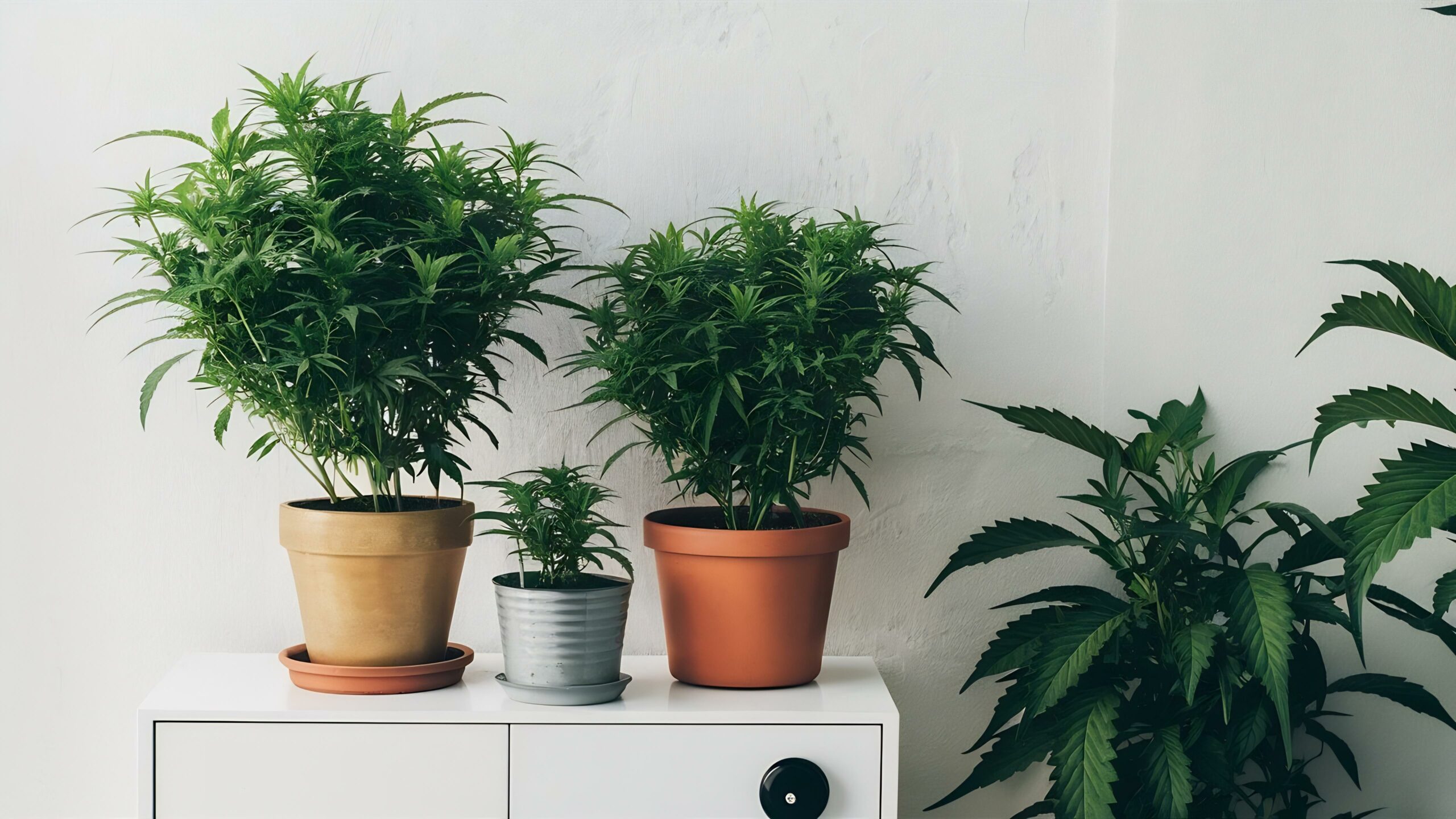


Willie Nelson is a cannabis strain that catches the attention of many home growers for a simple reason. It has a strong reputation for vigorous growth and a bold sativa leaning structure. People who look into this strain often want to know whether they can grow it successfully at home, what kind of setup it needs, and what problems they should expect before they start. Those are smart questions. A good grow does not begin when the seed sprouts. It begins with knowing what kind of plant you are working with and planning for it the right way.
Growing Willie Nelson at home can be rewarding, but it is not the kind of strain that does best with a rushed or careless setup. This is one reason it stands out. Some strains stay compact, flower quickly, and forgive small mistakes. Willie Nelson is often described as a plant with more stretch, more height, and a longer flowering period. That means it needs more attention from the grower. It does not mean it is impossible to grow. It means you need to go in with a clear plan.
Many people search online for the same basic questions before they commit to growing this strain. They want to know what Willie Nelson is, whether it is good for indoor growing, how tall it gets, how long it takes to flower, and how much it can yield. They also want to know if it is beginner friendly, what kind of light and climate it needs, how to manage stretching, and when it is ready to harvest. These are the questions that matter because each one affects the result. A grower who understands the strain early can avoid many common mistakes later.
This guide is built to answer those questions in a clear and practical way. It is meant for people who want straight information without extra filler. Whether you are still deciding if Willie Nelson is the right strain for your home grow or you already plan to grow it, it helps to understand what makes this plant different. A tall plant with a long flower cycle creates different demands than a short, fast strain. You may need more vertical space. You may need better airflow. You may need more patience than you first expected. When you know these things ahead of time, you can build a better setup and make better choices from the start.
One of the first things to understand is that Willie Nelson is often linked with sativa style growth. In practical terms, that usually means taller plants, longer branches, and stronger stretch during the early flowering stage. This matters because many home growers work in limited spaces such as grow tents, closets, spare rooms, or small greenhouses. A plant that grows taller than expected can outgrow the space, crowd the light, or become harder to manage. That is why planning is such a big part of success with this strain. You are not just growing a plant. You are managing its shape, its timing, and its environment over several weeks or even months.
The flowering time is another major reason planning matters. Willie Nelson is not usually seen as a quick finish strain. A longer flowering period means you have to stay consistent for a longer time. Your light cycle needs to stay stable. Your feeding routine needs to make sense. Your grow room conditions need to remain under control. Heat, humidity, airflow, and watering habits all matter more when a plant spends a long time in flower. A short mistake can still cause stress, but repeated small mistakes over a long flowering period can affect the final quality more than many beginners realize.
That does not mean the strain is only for expert growers. It means growers need to respect what the plant asks for. A beginner can still grow Willie Nelson at home, especially if they take time to learn the basics first. Good lighting, enough room, steady airflow, and simple training methods can go a long way. A grower does not need a fancy setup to succeed, but they do need a setup that matches the plant. That is the difference. Trying to force a tall, active strain into a poor environment usually leads to problems. Building the grow around the plant gives you a much better chance of a healthy run.
Another important point is that home growing is not only about getting a plant to survive. It is about helping it perform well from start to finish. That means understanding what kind of medium you want to use, how often to water, how strong the light should be, and how to guide plant growth before it gets out of control. It also means knowing what problems to watch for. Stretching, heat stress, weak airflow, nutrient issues, and poor timing are all things that can affect this type of grow. The more prepared you are, the easier it becomes to spot problems early and correct them before they get worse.
This article will walk through the main points step by step. It will explain what Willie Nelson is, where it grows best, what kind of setup supports it, and how to handle its height and longer flowering period. It will also cover yield, harvest timing, and practical ways to grow it more like a pro. The goal is simple. It is to help you understand the strain before you grow it so you can make smart decisions at every stage. When you start with the right information, you save time, avoid stress, and give yourself a better shot at a strong home grow.
What Is the Willie Nelson Strain?
Willie Nelson is a cannabis strain known for its strong sativa side. Many growers choose it because it grows with energy, stretches upward, and can produce a bright, lively effect profile. For home growers, this matters because the plant does not behave like a short, compact strain. It usually needs more space, more training, and more patience during flowering.
The name Willie Nelson often catches attention right away, but growers should focus on how the plant grows before anything else. A strain can sound exciting, but what really matters in a home grow is structure, timing, and how well it matches your setup. Willie Nelson is the kind of strain that rewards planning. It is not usually the best choice for someone who wants a very fast, very small, or very simple plant. It is better for growers who are ready to manage height and wait a bit longer for harvest.
Willie Nelson’s Basic Background
Willie Nelson is often described as a sativa or sativa dominant strain. That description gives growers an early clue about what to expect. Sativa leaning plants often grow taller than indica leaning plants. They also tend to stretch more when the light cycle changes from vegetative growth to flowering. This means the plant can get much bigger than expected if the grower does not plan ahead.
Many growers look at strain background to understand how a plant may behave. While names and exact genetic details can vary depending on the seed source or breeder, Willie Nelson is usually grouped with strains that show narrow leaves, taller branching, and a longer flowering period. These traits are common in plants with strong sativa influence.
This background helps explain why Willie Nelson stands out in a home grow. It is not just about the final buds. It is about the full growing process. A grower needs to think about ceiling height, light distance, airflow, and training methods much earlier than they might with a shorter strain.
Why Growers Call It a Sativa Leaning Strain
When people say Willie Nelson is sativa leaning, they are talking about how the plant tends to grow and develop. Sativa leaning strains often have a more open structure. The branches may spread out more, and the space between nodes can be longer. The leaves may also look slimmer than the broad leaves many people connect with indica strains.
This growth style affects almost every part of the grow. A taller plant can get too close to the light if it is not trained. More open spacing can help airflow, but it can also mean the plant takes up more room. A longer flowering period can give the buds more time to develop, but it also means the grower needs to keep the environment stable for a longer time.
For a home grower, the label sativa leaning is not just a fun description. It is practical information. It tells you that Willie Nelson may need more support and more planning than a compact plant that stays low and finishes quickly.
What Willie Nelson Usually Looks Like While Growing
During growth, Willie Nelson often shows a tall and active shape. In the vegetative stage, it may already begin to build upward growth. Once flowering starts, the stretch can become even more noticeable. This is one of the biggest reasons growers need to know what strain they are working with before they plant it.
A plant like this may not stay neat and low on its own. Without topping, bending, or other forms of training, it can become hard to manage in a small tent or room. The upper branches may rise fast, which can create an uneven canopy. An uneven canopy can make it harder for light to reach all bud sites in a balanced way.
The plant may also need support later in flower, depending on how it develops. Taller branches can lean or spread out as buds gain weight. This is why many growers prepare early with plant ties, trellis netting, or gentle training methods. Willie Nelson often does better when the grower guides the shape instead of letting it grow wild.
Why the Growth Style Matters for Home Growers
Some growers make the mistake of choosing a strain based only on the name, flavor, or effect. That can lead to problems later. With Willie Nelson, the growth style is one of the most important things to understand. A home grow space always has limits. There is only so much height, width, light coverage, and airflow. A strain that stretches too much can quickly outgrow the space.
That does not mean Willie Nelson is a bad home grow strain. It simply means the grower has to match the plant to the setup. In a grow tent with limited headroom, height control becomes a major part of the plan. In a larger room or greenhouse, the plant may have more freedom to grow without becoming a problem.
Its longer flowering time also matters. Some growers want fast results and choose strains that finish sooner. Willie Nelson usually asks for more patience. This can be worth it for growers who want to work with a tall, sativa style plant, but it is still something to think about before starting.
What New Growers Should Understand First
New growers should know that Willie Nelson is not usually the kind of plant you can ignore. It needs attention as it grows. You may need to train it early, check the canopy often, and keep the environment steady through a longer flowering stage. This does not make it impossible for beginners, but it does mean it can be less forgiving than a short, fast strain.
A beginner who chooses Willie Nelson should start with a clear plan. Think about how tall the plant might get. Think about how far your grow light hangs above the canopy. Think about airflow, container size, and whether you are ready to guide the plant as it grows. These simple questions can make a big difference.
Growing well starts with understanding the plant in front of you. Willie Nelson is not just another cannabis strain name. It is a plant with a distinct growth pattern, and that pattern affects every step of the grow.
Willie Nelson is usually known as a sativa or sativa dominant strain with tall growth, active stretch, and a longer flowering period. That makes it very important for home growers to understand before they begin. It may need more height control, more training, and more patience than many other strains. Once you understand that, it becomes much easier to decide whether Willie Nelson fits your grow space and skill level.
Is Willie Nelson Good for Home Growing?
Willie Nelson can be a good strain for home growing, but it is not the easiest choice for every grower. It has traits that many people like, especially if they want a plant with strong growth and a classic sativa style. At the same time, it needs the right setup, enough space, and some patience. That means it can do very well at home when the grower understands what the plant needs.
Why Some Home Growers Choose Willie Nelson
Many home growers look for a strain that stands out from common beginner options. Willie Nelson gets attention because of its growth pattern, its reputation as a sativa leaning plant, and the kind of results growers hope to get from it. People who enjoy growing plants with more stretch and longer flowering times may find it rewarding.
This strain can be a strong choice for growers who like to plan ahead. It is not the type of plant that you can ignore and expect to stay small and simple. It often grows taller than many other strains, so growers need to think about height from the start. That can be a good thing for people who enjoy plant training and want to shape the plant over time.
Another reason people choose Willie Nelson is that it can perform well in a controlled space. When light, airflow, temperature, and humidity stay in a good range, the plant usually has a better chance to grow evenly and stay healthy. Home growers who already have a basic indoor setup may find that Willie Nelson fits well into their grow plan.
What Makes It Harder Than Some Other Strains
Willie Nelson is not always the easiest strain for a small or simple home grow. One reason is its height. Sativa leaning plants often stretch a lot, especially after the light cycle changes to flowering. If a grower does not have enough room above the plant, the plant can get too close to the light. That can cause stress and may lower quality.
Another challenge is the flowering time. Some home growers want a strain that finishes fast. Willie Nelson usually takes longer than many shorter flowering strains. This means the grower has to wait longer before harvest. It also means the plant needs steady care for more time. A longer grow can increase the chance of mistakes if the grower is not consistent.
The plant may also need more training than a compact strain. Growers often have to top it, bend branches, or manage the canopy so the plant does not become too tall or uneven. For some people, this is part of the fun. For others, it may feel like too much work.
Indoor Growing Can Make Home Growing Easier
Willie Nelson can be grown outdoors, but many home growers may do better with it indoors. Indoor growing gives more control over the environment. This matters because a tall plant with a long flowering period can be harder to manage when weather changes too much.
Indoors, the grower can control the light schedule, which helps keep growth on track. The grower can also manage temperature and humidity more closely. Good airflow is easier to maintain with fans and ventilation. These things reduce stress on the plant and help lower the risk of problems during flower.
Indoor growing also makes it easier to train the plant early. When you can see the plant every day and adjust branches as needed, it is easier to keep the canopy level. This is important for Willie Nelson because even light across the plant can help improve growth and bud development.
For home growers with limited outdoor privacy or short growing seasons, an indoor setup may be the safer choice. It gives the plant more stable conditions and gives the grower more control over the final result.
Outdoor Growing Can Work in the Right Place
Outdoor growing is still possible, but it depends a lot on climate and timing. Willie Nelson is usually better suited to places with a long, warm season. Since it may take more time to finish flowering, growers in cooler regions may run into trouble before harvest. Rain, cold nights, and early fall weather can all become a problem.
Outdoor growers also need to think about how tall the plant may get. A taller plant can be harder to hide, harder to support, and more exposed to wind and weather. If the plant grows too large without training, it may become more difficult to manage later in the season.
That does not mean outdoor growing is a bad idea. It only means the grower needs the right conditions. A warm area, good sun exposure, healthy soil, and enough time before bad weather arrives can all help. A greenhouse can also be a smart middle option because it offers some outdoor benefits with more protection.
Is It a Good Fit for Small Home Setups?
Willie Nelson may not be the best fit for every small setup. A grow tent with low height can become a problem if the plant stretches too much. A small cabinet grow may also be difficult unless the grower starts training very early and stays on top of plant size.
Still, a small setup does not always mean failure. A grower who understands topping, low stress training, and pruning may still be able to grow Willie Nelson in a limited space. The key is planning. The grower needs to know that this is not a strain to let grow wild. It usually needs shaping and support from early on.
If a person has a larger tent, better lights, and enough room between the canopy and the fixture, the strain becomes easier to manage. So the question is not only whether the strain is good for home growing. The better question is whether the home setup matches the strain.
Patience Matters With This Strain
One of the biggest reasons Willie Nelson can be good for home growing is also one of the biggest reasons it can be hard. It rewards patience. Some growers enjoy watching a plant develop over a longer cycle. They like fine tuning the environment, training the branches, and waiting for the plant to fully mature.
Other growers may prefer something faster and simpler. That is why Willie Nelson is often better for people who do not mind a longer process. A patient grower who checks the plant often and makes small adjustments can get much better results than someone who wants a quick and easy harvest.
Willie Nelson can be a good strain for home growing, but it is not the best choice for every grower or every setup. It tends to grow tall, may need training, and often takes longer to finish than many other strains. That means it usually does better with planning, steady care, and enough space. Indoor growing often makes the process easier because it gives better control over light, airflow, temperature, and humidity. Outdoor growing can still work, but it is more dependent on climate and season length. In simple terms, Willie Nelson is a strong home grow option for people who are ready to manage a taller plant and stay patient through a longer grow cycle.
Is Willie Nelson Beginner Friendly or Better for Experienced Growers?
Willie Nelson can be grown at home by many people, but it is not always the easiest strain for a first grow. Some beginners can do well with it if they already know the basics of plant care and have a simple but solid grow setup. At the same time, this strain often fits experienced growers better because it can grow tall, take longer to finish, and need more control during the full grow cycle.
Why This Strain Can Be Hard for First Time Growers
One reason Willie Nelson can be hard for beginners is its growth style. This strain is often described as sativa leaning, and sativa leaning plants tend to grow taller and stretch more than short, bushy plants. That means the plant can quickly take over a small tent or room if the grower is not ready for it. A beginner may not expect how much the plant can change once the flowering stage starts.
Another challenge is the flowering time. Some strains finish faster and let new growers see results sooner. Willie Nelson usually takes longer. That longer wait means the grower has to stay patient and keep the environment steady for more time. A small mistake that lasts for several days can have a bigger effect on a plant that already has a long growing period.
This strain can also be less forgiving when the setup is not stable. Problems with heat, weak airflow, poor light placement, or overwatering may become more obvious as the plant gets larger. A beginner who is still learning how to read the plant may have a harder time catching those issues early.
What a Beginner Needs to Grow Willie Nelson Well
A beginner does not need to be an expert to grow Willie Nelson, but they do need a good starting point. First, they should understand the basic stages of growth. They need to know what happens during seedling, vegetative growth, and flowering. They also need to know that the plant will need a change in light schedule to begin flowering if it is grown indoors.
Second, a beginner should have enough space. Since this strain can stretch, the plant needs room to grow upward and outward. A small grow tent can still work, but the grower needs a plan to control height early. Without that plan, the plant may get too close to the lights, and that can stress the leaves and buds.
Third, the grower should know how to water properly. Many new growers make mistakes with watering. They may give the plant too much water because they want to help it grow faster. In reality, roots also need air. Wet soil that stays soggy can lead to weak growth and root problems. Willie Nelson will do better when the grower learns to water with care and not on guesswork alone.
A beginner should also be ready to check temperature, humidity, and airflow every day. These are simple habits, but they matter. Good growing is often about staying consistent. A grower who pays attention each day usually gets better results than one who only checks the plant once in a while.
Why Experienced Growers Often Have an Advantage
Experienced growers often do better with Willie Nelson because they already know how to manage tall plants and longer flowering strains. They understand that strong growth during the vegetative stage can turn into heavy stretch later. Because of that, they are more likely to train the plant early and shape it before it becomes hard to control.
They also tend to understand how to keep the grow room steady. They know how to place lights at the right height, when to trim leaves, and how to improve airflow around the canopy. These skills help a lot with a strain that may grow large and stay in flower for a long time.
Another advantage is that experienced growers are often more patient. They do not rush the process. They know that a longer flowering strain needs time to develop fully. Instead of cutting corners, they watch the plant closely and adjust based on what they see. That calm approach can make a big difference.
Experienced growers may also be more comfortable with training methods. Willie Nelson may respond well to topping, bending, and other simple canopy control methods when done at the right time. These methods help keep the plant shorter and more even. A beginner can learn these skills too, but an experienced grower is more likely to use them with confidence.
Can Beginners Still Succeed With Willie Nelson?
Yes, beginners can still succeed with Willie Nelson if they start with the right mindset. They should not treat it like a strain that can be left alone for long periods. This plant usually does better when the grower stays involved and watches how it changes from week to week.
It also helps if the beginner has already grown at least one easy plant before trying Willie Nelson. Even a little past experience can make a big difference. A person who already knows how to spot drooping leaves, stretching stems, or heat stress will feel more prepared.
Beginners should keep the setup simple. Good light, clean air, steady temperatures, and careful watering matter more than fancy tools. It is better to have a basic setup that works well than a complex setup that is hard to manage. A grow journal can also help. Writing down watering days, feeding amounts, and plant changes makes it easier to learn and improve.
The key is not being perfect. The key is being prepared. Willie Nelson may ask for more attention than some beginner strains, but it is still possible to grow it well with planning and patience.
When It May Be Better to Start With Another Strain
There are times when a beginner may want to choose another strain first. A person with very little space may struggle with Willie Nelson unless they are ready to train the plant early. A person who wants a fast harvest may also feel frustrated by the longer flowering time. Someone who is still learning how to control temperature and humidity may find an easier, shorter strain less stressful.
Starting with a simpler strain does not mean giving up on Willie Nelson. It may just mean building skills first. Once a grower understands the basics, Willie Nelson may feel much easier to handle.
Willie Nelson is not the hardest strain to grow, but it is not the easiest either. Beginners can grow it if they understand basic plant care, have enough space, and are ready to stay consistent. Still, experienced growers often have an advantage because they know how to control height, manage stretch, and stay patient through a longer flowering period.
Should You Grow Willie Nelson Indoors, Outdoors, or in a Greenhouse?
Choosing where to grow Willie Nelson is one of the most important steps in the whole process. This strain is known for its strong upward growth and longer flowering time. That means your space, climate, and equipment can all affect the final result. Some strains are easier to place almost anywhere, but Willie Nelson needs a bit more planning. Before you plant it, you need to think about how much room you have, how much control you want, and what kind of growing season your area gives you.
Many home growers ask whether Willie Nelson does better indoors, outdoors, or in a greenhouse. The answer depends on your setup and goals. Each option has clear benefits and clear limits. The best choice is the one that matches your space, skill level, and local weather.
Growing Willie Nelson Indoors
Indoor growing is often the safest choice for Willie Nelson. This is because indoor spaces give you more control over the environment. You can manage the light schedule, temperature, humidity, airflow, and feeding routine more closely. That level of control matters a lot for a strain like this one because it tends to grow tall and can take longer to finish flowering.
When you grow indoors, you can decide when the plant starts flowering by changing the light cycle. This helps you plan the grow with more accuracy. You do not have to depend on the weather or the natural season outside. You also have a better chance of avoiding heavy rain, sudden cold nights, strong winds, and pest pressure from outdoor areas.
Indoor growing also makes it easier to train the plant. Since Willie Nelson can stretch quite a bit, many growers use topping, low stress training, or other canopy control methods to stop it from getting too tall. Inside a tent or grow room, that kind of training can make a big difference. It helps you keep the plant at a better height and helps light reach more of the bud sites.
Still, indoor growing has limits. Space can become a problem fast. A tall sativa leaning plant can outgrow a small tent if you do not plan ahead. This means you may need to flip the plant to flower earlier than you would with a shorter strain. You also need good lights, fans, and proper air movement. Without these, the plant may grow weak or become harder to manage during flower.
Indoor growing is a strong choice for people who want more control and a more steady result. It is often the best fit for growers who have enough vertical room and are willing to manage the plant closely from start to finish.
Growing Willie Nelson Outdoors
Outdoor growing can work well for Willie Nelson, but it depends a lot on the climate. The plant needs enough time to finish its long flowering period. In areas with a long warm season, outdoor growing can give the plant plenty of room to stretch and develop fully. When given enough sunlight and root space, Willie Nelson may grow large and produce well outdoors.
The biggest benefit of outdoor growing is natural sunlight. Sunlight is strong, free, and can support healthy growth when the weather stays favorable. Outdoor plants also have more room for roots to spread if they are planted in the ground or in large containers. This can help the plant grow larger than it might indoors.
At the same time, outdoor growing comes with more risk. You cannot control the weather the way you can indoors. Rain, high humidity, cold nights, and early fall changes can create problems, especially late in the season. Since Willie Nelson may take longer to flower than many other strains, growers in cooler or shorter season areas may run into harvest problems before the plant fully finishes. Bud rot, mold, and weather stress are all more likely when a plant stays outside too long in poor conditions.
Height is another issue outdoors. Willie Nelson can get tall, and that may not work well if you need to keep your garden discreet. A large outdoor plant can also need support as buds develop. Wind exposure and heavy branches may increase the need for staking or plant ties.
Outdoor growing is often better for growers in warm regions with a long growing season. If your area gets early rain or cold weather, this strain may be harder to finish well outside.
Growing Willie Nelson in a Greenhouse
A greenhouse can offer a middle ground between indoor and outdoor growing. For many growers, this is a very good match for Willie Nelson. A greenhouse gives the plant access to natural sunlight while also adding some protection from bad weather. That balance can help reduce some of the biggest outdoor risks.
In a greenhouse, you have more control than you would in an open yard. You can protect the plant from heavy rain, reduce direct wind stress, and manage temperature and humidity better than in a fully outdoor setup. This can be very helpful for a strain that takes longer to flower. Even simple greenhouse protection can make the final weeks of flowering safer and more stable.
A greenhouse can also give Willie Nelson more vertical room than a small indoor tent. That extra headroom can make training easier and reduce crowding. At the same time, growers still need to watch plant height carefully. A greenhouse is not unlimited space, and tall strains can still become hard to manage if they are left untrained.
There are still some challenges with greenhouse growing. Heat can build up fast on sunny days, especially if airflow is poor. Humidity can also rise if the space stays closed for too long. Because of this, ventilation is still very important. A greenhouse is not a hands off solution. You still need to monitor the environment, water on time, and keep the canopy open enough for light and air to move through the plant.
For many home growers, a greenhouse offers one of the best mixes of light, protection, and space. It can work very well for Willie Nelson when the setup is planned properly.
Which Option Is Best for Most Home Growers?
For most home growers, indoor growing or greenhouse growing is often the better choice for Willie Nelson. These setups give you more control over the plant and reduce the risk of weather problems late in the grow. Since this strain can stretch and take longer to flower, that extra control can make the whole process easier.
Outdoor growing can still work, but it is usually best in places with long, warm seasons and stable fall weather. If your climate turns cool or wet early, Willie Nelson may become harder to finish outdoors before quality starts to drop.
The best setup depends on what you can manage well. If you have strong lights, good airflow, and enough room, indoor growing may give you the most reliable results. If you have a greenhouse with decent ventilation, that may offer an excellent balance between sunlight and protection. If you plan to grow outdoors, make sure your season is long enough and your space can handle a tall plant.
Willie Nelson can grow indoors, outdoors, or in a greenhouse, but each option gives a different level of control. Indoor growing gives the most stable environment and is often the easiest way to manage height, flowering time, and plant health. Outdoor growing can work in the right climate, but it brings more risk from weather and seasonal changes. A greenhouse can be a smart middle option because it combines natural light with added protection. In most cases, the best results come from choosing a setup that gives Willie Nelson enough space, enough light, and enough time to finish properly.
What Kind of Grow Setup Does Willie Nelson Need?
Willie Nelson needs a grow setup that gives the plant enough light, fresh air, root space, and room to stretch. This strain is known for tall growth and a longer flowering time, so a weak or cramped setup can make the grow harder than it needs to be. A good setup does not have to be fancy, but it does need to be planned well. When you build the right space from the start, it is much easier to keep the plant healthy and get better results by harvest time.
Choose a Space With Enough Room
The first thing to think about is space. Willie Nelson is not the kind of plant that stays small and compact without help. It can grow tall and stretch hard once the flowering stage begins. That means your setup should have enough vertical room for the plant, the light, and the safe gap between the plant and the light.
A grow tent is a common choice for home growers because it helps control light, temperature, humidity, and smell. It also gives you a clean and private place to grow. For Willie Nelson, a short tent can become a problem fast, especially if you do not train the plant early. A taller tent gives you more room to work with and lowers the risk of the plant growing too close to the light.
You can also use a small grow room, closet, or greenhouse if you can control the environment well. The main goal is to give the plant enough space to grow upward and outward without crowding. Good spacing also helps air move around the plant, which lowers the risk of mold and weak growth.
Use Strong and Reliable Lighting
Light is one of the most important parts of the setup. Willie Nelson needs strong light to grow well, especially indoors. A weak light can lead to thin growth, poor bud development, and lower yields. Since this strain may take longer to flower than some others, the light needs to stay steady and strong for many weeks.
Many home growers use LED grow lights because they are energy efficient and produce less heat than some older light types. A good LED can support healthy growth in both the vegetative stage and flowering stage. What matters most is using a light that matches the size of your space and gives even coverage across the canopy.
The light schedule also matters. During the vegetative stage, growers often give the plant long hours of light each day so it can build roots, stems, and leaves. During flowering, the plant needs a strict light and dark cycle. The dark period must stay dark without interruptions. Even small light leaks can stress the plant and lead to poor results.
Because Willie Nelson can stretch a lot, you need to watch the distance between the light and the top of the plant. If the light is too close, it can burn the plant. If it is too far away, the plant may stretch more and become weak. A balanced setup helps the plant stay strong and grow evenly.
Build Good Airflow and Ventilation
Fresh air is another big part of a strong grow setup. Indoor plants need steady airflow and proper ventilation to stay healthy. Without it, heat and humidity can build up fast. That can lead to mold, mildew, weak stems, and pest problems.
A basic indoor setup should have an exhaust fan to remove hot, stale air and bring in fresh air. Many growers also use a carbon filter with the fan to help control smell. This can be very useful during flowering when the plant becomes more aromatic.
Small fans inside the tent or room help move air around the plant. This airflow keeps leaves dry, helps the plant breathe, and supports stronger stem growth. It also helps stop hot spots from forming under the light. Willie Nelson has a taller growth style, so good airflow from top to bottom is important. Dense or crowded areas can trap moisture if air is not moving well.
Pick the Right Growing Medium and Containers
Your grow setup also needs the right medium and container. Some people grow in soil, while others use coco coir or hydro systems. Soil is often the easiest choice for beginners because it is simple to manage and more forgiving when mistakes happen. Coco can offer faster growth, but it usually needs more careful feeding and watering. Hydro can work well too, but it takes more skill and close attention.
Whatever medium you choose, the roots need enough room to grow. Small pots can limit plant size and dry out too fast. Larger containers give the roots more space and can support a bigger and healthier plant. They also help hold moisture better, which can make watering easier to manage.
Drainage is very important. Water should not sit at the bottom of the pot for too long. Wet roots can lead to root problems and slow growth. Good pots, quality medium, and proper drainage all work together to keep the root zone healthy.
Keep Temperature and Humidity Stable
A strong setup is not just about equipment. It is also about keeping the environment steady every day. Willie Nelson does best when temperature and humidity stay in a healthy range. Large swings can stress the plant and slow its progress.
During early growth, the plant likes a comfortable environment that is not too hot or too cold. During flowering, lower humidity becomes more important because it helps protect the buds from moisture problems. Since Willie Nelson may flower for a longer time, the environment needs to stay stable week after week.
A thermometer and humidity meter can help you track conditions. These tools are simple, but they make a big difference. When you can see what is happening in the grow space, it is easier to fix problems before they get worse.
Plan for Plant Training and Support
This strain often needs training, so your setup should allow for that. Training methods can help control height, spread out the canopy, and expose more bud sites to light. Without training, Willie Nelson may become too tall for a home grow space.
You may want room for ties, clips, or a trellis net if you plan to shape the plant. Support can also help later in flower if branches start to lean under bud weight. It is much easier to build these options into the setup early than to force them in after the plant gets large.
Willie Nelson needs a grow setup that is simple, stable, and roomy enough for a tall plant. Strong lighting, fresh air, good ventilation, healthy root space, and steady temperature all matter. The setup should also give you enough room to train the plant and manage its stretch during flower. When these parts work together, growing Willie Nelson at home becomes much easier and much more rewarding.
How Tall Does Willie Nelson Get and How Do You Control Stretch?
Willie Nelson is known for growing tall. This is one of the first things home growers should understand before they plant it. Many cannabis strains stay short and bushy, but Willie Nelson often grows with a more open and upright shape. That means it can take up a lot of vertical space, especially during the vegetative stage and the early part of flowering.
This growth pattern is one reason some growers love the strain and others struggle with it. A taller plant can produce a lot of bud sites and a wide canopy when it is trained well. But if it is left alone in a small tent or room, it can quickly grow too close to the lights and become hard to manage. That is why height control should be part of the plan from the start, not something you think about later.
Why Willie Nelson Grows Tall
Willie Nelson is often described as a sativa leaning strain. Sativa leaning plants usually grow taller than indica types. They often have longer branches, more spacing between nodes, and a stronger stretch once flowering begins. Willie Nelson often shows these traits, so growers should expect a plant that wants to reach upward.
This tall growth can become more obvious if the plant does not get enough light in the early stage. When cannabis plants search for stronger light, they stretch more. Warm temperatures, crowded conditions, and poor airflow can also make the plant grow in a weak or overly tall way. Genetics play a big part, but the grow environment also affects final height.
For that reason, you should not think of stretch as only a genetics issue. It is also a setup issue. The better your lighting, spacing, and plant training, the easier it is to keep Willie Nelson under control.
How Tall Willie Nelson Can Get
The exact height of Willie Nelson depends on where and how you grow it. Indoors, it can still become tall if it is given too much vegetative time or if it is not trained early. In a small tent, even a medium sized Willie Nelson plant can feel too large. Outdoors, it can become much taller because it has more room for roots and more space above the canopy.
A plant that stretches too much can create several problems. It may grow too close to the grow light, which can stress the top buds. It may also become harder to water, rotate, prune, and inspect. Tall plants can cast shade on lower branches, which leads to weaker bud growth near the bottom. Some branches may even need support later because long stems and heavy flowers can bend or lean.
This is why growers should plan for height before the plant gets big. A strain like Willie Nelson should not be treated like a compact plant that can be corrected at the last minute.
Why Stretch Becomes a Bigger Problem During Flowering
Many growers are surprised by how much cannabis can stretch after the light cycle changes to flowering. Willie Nelson can stretch a lot during this period. The first two to three weeks of flowering are often when the plant grows upward the fastest. A plant that looked manageable at the end of veg can suddenly become too tall.
This matters because the light cannot always be moved high enough to keep a safe distance from the canopy. Once the plant is deep into flowering, strong pruning or major bending can also create stress. That is why the best time to control height is before and during early flowering, not near harvest.
Think of stretch control as early prevention. The plant is easier to shape when stems are still flexible and growth is still active.
How Topping Helps Control Height
Topping is one of the most common ways to manage a tall cannabis plant. This means cutting off the top growing tip after the plant has developed enough healthy growth. When you remove the main top, the plant stops focusing on one central stem and starts putting more energy into side branches.
For Willie Nelson, topping can help reduce the strong upward push of the main stem. It can also help the plant grow wider instead of only taller. This creates a flatter and more even canopy, which is easier to manage under indoor lights.
Topping should be done while the plant is still in the vegetative stage. This gives it time to recover and branch out before flowering starts. Many growers top more than once, but the best number depends on plant health, grow space, and timing. The main goal is to guide the plant into a shape that fits your setup.
How Low Stress Training Helps Shape the Plant
Low stress training is another useful method for Willie Nelson. This involves gently bending branches and tying them down so the plant grows outward instead of straight up. It is called low stress because it uses soft shaping rather than cutting.
This method works very well with tall strains because it lowers the canopy and helps expose more bud sites to light. When branches are spread apart, the whole plant gets better airflow and more even light. Lower branches that would have stayed weak can grow more strongly when they are no longer shaded by the top.
Low stress training is often easier when stems are young and flexible. If you wait too long, the branches may become stiff and harder to bend safely. The process does not need to be rushed. Small changes over time usually work better than forcing the plant into position all at once.
Why Pruning and Canopy Control Matter
Pruning can also help keep Willie Nelson easier to manage. A tall plant with too many extra shoots and leaves can become crowded. This makes it harder for light and air to move through the plant. Some inner growth may never develop into quality buds, yet it still uses energy.
Removing weak lower growth and some extra foliage can help the plant focus on the strongest parts of the canopy. This does not mean stripping the plant too hard. It means cleaning up growth that will not help much later. A cleaner canopy is often easier to train, easier to inspect, and less likely to trap moisture.
Canopy control is the larger goal behind topping, training, and pruning. You want the plant to have a shape that matches the space, the light, and the stage of growth. An even canopy usually gives better results than a plant with one tall top and many shaded lower branches.
Why Early Planning Makes the Biggest Difference
The best way to control Willie Nelson stretch is to start early. Pick a grow space with enough headroom. Do not let the plant stay in vegetative growth too long if your space is limited. Use training before the plant becomes too tall. Watch how fast it grows and respond before it gets out of control.
It also helps to keep the environment steady. Good lighting, proper airflow, and the right distance between the plant and the light can all reduce unwanted stretch. A healthy plant will still grow strongly, but it will usually grow in a more controlled way when the environment is right.
Willie Nelson can grow tall, and that is one of its most important traits. This height can be a strength when the plant is managed well, but it can become a problem in a small home grow. Topping, low stress training, pruning, and early canopy control all help keep the plant at a workable size. The key is to start early and shape the plant before stretch becomes hard to manage. When growers plan ahead, Willie Nelson becomes much easier to grow and much more rewarding at harvest.
How Long Does Willie Nelson Take to Flower?
Willie Nelson is not a fast strain. This is one of the first things a home grower should know before planting it. Many growers choose this strain because of its sativa-heavy background, but that same trait often means it needs more time in the flowering stage than many other plants. If you expect a quick finish, Willie Nelson may test your patience. If you plan well and stay consistent, the longer wait can be easier to manage.
In most cases, Willie Nelson takes about 10 to 14 weeks to finish flowering. Some plants may be ready closer to the shorter end of that range, while others may need more time. The exact timing depends on the plant’s phenotype, the growing environment, light quality, temperature, humidity, and how healthy the plant stays through the cycle. This is why growers should treat the flowering window as a guide, not a fixed promise.
The long flowering period matters because it affects almost every part of the grow. It affects how long your plant stays in the tent or grow room. It affects how long you will use lights, fans, and other equipment. It affects your feeding routine and your water schedule. It also affects how much patience you need at the end, when buds may look close to done but still need more time to fully mature.
Why Willie Nelson Takes Longer to Flower
Willie Nelson is often described as a sativa-leaning strain. In general, sativa-heavy plants take longer to flower than many indica-heavy plants. They also tend to stretch more after the light cycle changes to flowering. This means the plant may keep growing taller for a while before it fully focuses on bud production.
That longer bloom period is part of the strain’s natural growth pattern. It is not always a sign that something is wrong. New growers sometimes worry when a plant keeps building slowly during flower, but with a strain like Willie Nelson, this slower pace can be normal. The key is to watch for steady progress instead of expecting very fast bud swelling early on.
This is one reason why timing matters so much. A grower who starts Willie Nelson without understanding its longer flower cycle may run into problems later. The plant may outgrow the space. The grower may run low on nutrients or lose patience and harvest too early. A good result often comes from knowing early that this strain needs more room and more time than many others.
What to Expect During the Flowering Stage
The flowering stage usually begins when indoor growers switch the light cycle to 12 hours of light and 12 hours of darkness each day. After this change, Willie Nelson may still stretch for the first few weeks. During this time, the plant may grow taller and form more branch structure before the buds begin to thicken.
In the early part of flowering, you may see white pistils start to form at bud sites. These are signs that the plant is moving into flower. As the weeks go on, the buds will slowly build size and density. With Willie Nelson, this process can feel slower than with shorter-flowering strains. That is why it helps to check progress week by week instead of day by day.
In the middle part of flowering, the plant should focus more on bud growth. The smell may become stronger, and the plant may need more support if the branches start to lean. Good airflow is very important during this stage. A long flower cycle means the plant spends more time in conditions where mold, stress, or nutrient issues can develop if the environment is not stable.
In the later part of flowering, the buds should look fuller and more mature. Pistils may darken and curl in. Trichomes will also become more visible. This is the stage where many growers get impatient. A plant may look almost ready, but looks can be misleading. Willie Nelson often needs time to fully finish, and rushing the last part can lower the quality of the harvest.
What Can Change the Flowering Time
The flowering time of Willie Nelson can shift based on several factors. One is phenotype. Even seeds from the same strain can grow a little differently. Some plants may finish faster, while others take longer.
Another factor is the grow environment. Strong light, stable temperatures, good airflow, and proper humidity can help the plant flower more smoothly. Poor conditions can slow it down. Heat stress, light leaks, overwatering, nutrient problems, or pest issues may all delay progress.
Plant health also matters. A healthy plant that enters flowering in strong condition will usually handle the long cycle better. A weak or stressed plant may take longer to finish or may never produce as well as it should.
Training methods can also affect timing in a small way. If you top, bend, or shape the plant during vegetative growth, you may create a better canopy and better light spread. That can help support stronger flowering later. But if the plant is heavily stressed late in the cycle, recovery may slow things down.
Why Flowering Time Affects Your Grow Plan
A longer flowering strain needs more planning than a quick-finishing one. First, you need to think about space. Since Willie Nelson can stretch during early flower, your plant may become much taller than expected. This means you should leave room above the canopy for lights and airflow.
Second, you need to think about cost. A longer flower cycle means more time using electricity for lighting, fans, and other equipment. Indoor growers should be ready for that before they begin. The cost may not be extreme for every setup, but it will be higher than for a strain that finishes in a shorter time.
Third, you need to think about feeding and watering. A plant that flowers for 10 to 14 weeks will need support for a longer period. That does not mean feeding heavily the whole time, but it does mean paying attention to how the plant changes from week to week. You may need to adjust nutrients as the plant matures.
Last, you need to think about harvest timing. A long flower cycle can make early harvesting more tempting. Some growers cut too soon because they are tired of waiting. This can lead to a weaker final result and less developed buds.
Willie Nelson usually takes about 10 to 14 weeks to flower, which makes it a slower strain compared with many others. That extra time is part of its natural growth style, especially because it is often treated as a sativa-leaning plant. The long flowering period affects your space, your routine, your power use, and your patience. The best approach is to plan ahead, keep the environment steady, and let the plant finish at its own pace. When you understand the timing from the start, you will be in a much better position to grow Willie Nelson successfully.
How Much Yield Can You Expect From Willie Nelson?
Yield is one of the first things people want to know before they grow any strain at home. That makes sense. Growing takes time, space, money, and daily care, so most people want to know what they may get back at harvest. With Willie Nelson, the answer is not just one number. This strain can give a good harvest, but the final amount depends on how you grow it, how long you let it develop, and how well you manage the plant from start to finish.
Willie Nelson is often described as a tall, active plant with strong sativa traits. Because of that, it can produce a solid yield when it has enough room, enough light, and a stable growing environment. It is not the kind of plant that does best when it is rushed or ignored. It usually needs more patience than faster strains. That extra time can pay off when the plant is healthy and allowed to mature fully.
Indoor Yield Expectations
When grown indoors, Willie Nelson can produce a moderate to high yield. Many growers look at indoor growing as the best way to get steady results with this strain because indoor spaces give you more control. You can manage the light, temperature, airflow, and humidity much better than you can outside. That control matters a lot with a plant that tends to grow tall and flower for a longer period.
Indoor yield depends first on light. A weak light will often give you a smaller plant with lighter buds. A strong grow light can help the plant build more bud sites and fuller flowers. The quality of the light also matters. A plant may stay alive under poor lighting, but it will not reach its full yield potential. Willie Nelson needs enough light to support its size and long flowering stage.
Space is another major factor. This plant can stretch quite a bit, especially after the switch to flowering. If it gets too close to the light, the top of the plant may get stressed. If the plant becomes crowded, lower branches may not get enough light. That can lead to smaller buds on the lower parts of the plant. A grower who plans for height and canopy shape usually gets better indoor results.
Training can also raise indoor yield. Methods like topping, bending, and canopy control can help spread the plant out. This lets more parts of the plant receive good light. Instead of one tall main stem with many shaded branches, you can create a more even plant with several productive tops. That often leads to a better harvest.
Outdoor Yield Expectations
Outdoors, Willie Nelson can become much larger than it would indoors. That means it may also produce more if the climate is right. A healthy outdoor plant with enough sun, root space, and a long growing season can deliver a very rewarding harvest. Still, outdoor growing brings more risk.
Weather is one of the biggest limits. Willie Nelson is not always the easiest choice for outdoor growers in cool or wet regions. Since it may take longer to finish, the plant can run into fall problems before harvest. Rain, cold nights, and rising humidity can all affect flower quality. In some places, this strain may do better in a greenhouse than in an open yard.
Sunlight is the main engine for outdoor yield. A plant that gets long hours of direct sun each day has a much better chance of producing large buds. Soil quality also matters. Rich soil with good drainage supports stronger root growth, and stronger roots help the plant build a larger frame. A bigger frame often means more bud sites later on.
Outdoor yield can look very impressive, but it is less predictable than indoor yield. A strong outdoor season can produce a large plant with many branches and a heavy harvest. A poor season can slow growth, reduce flower size, or create mold risk late in the cycle.
What Has the Biggest Effect on Yield
The most important factor in yield is plant health over time. A healthy plant grows steadily and handles flowering better. A stressed plant may survive, but it will not usually produce as much. Willie Nelson responds well to steady care. It does not do as well when conditions swing too much from day to day.
Light is one of the top yield drivers. More usable light usually leads to better growth and better flower development. Training is another major factor. Growers who manage height early often get more even growth and better light spread across the plant.
Container size also affects yield. A plant with more root room can often grow larger. Watering habits matter too. Overwatering can slow root health, while underwatering can weaken growth and reduce flower size. Feeding is also important. Too little nutrition can hold the plant back, but too much can stress it and hurt final results.
Time matters just as much. Some growers cut a plant too early because they are tired of waiting. That can reduce both yield and quality. Willie Nelson often needs patience. Letting the plant finish fully can make a real difference in the final harvest.
Why Yield Is Not Just About Quantity
It is easy to focus only on how many grams or ounces a plant may produce, but yield is not just about weight. Bud quality matters too. A large harvest is not very useful if the buds are airy, weak, or damaged by poor drying and curing. Many growers would rather get a slightly smaller harvest of healthy, dense, well-finished buds than a bigger harvest of low-quality flowers.
That is why balance matters. The goal is not just to grow the biggest plant possible. The goal is to grow a healthy plant that can finish well. Good airflow, smart pruning, clean watering habits, and careful harvest timing all help protect both yield and quality.
Willie Nelson can produce a good yield at home, but the final amount depends on your setup, your growing skills, and the amount of time you give the plant. Indoors, steady light, good training, and enough space can help you get strong results. Outdoors, the plant may grow larger, but weather and season length matter a lot. The best way to improve yield is to keep the plant healthy, manage its height early, and let it finish at the right pace. With patience and good care, Willie Nelson can reward home growers with both solid production and good flower quality.
What Temperature, Humidity, and Light Conditions Work Best?
Willie Nelson needs a stable grow space to do well. This strain can grow tall, stretch hard, and take longer to finish than many other plants. That means the room conditions matter from the start. Good temperature, humidity, and light levels help the plant stay healthy and grow at a steady pace. Poor conditions can slow growth, weaken the plant, and lower the final yield.
A home grow does not need to be perfect every minute of the day. Still, it helps a lot when the environment stays close to the right range. Big swings in heat, moisture, or light can stress the plant. Stress often leads to weak stems, slow growth, leaf problems, or airy buds. Willie Nelson does best when the grower keeps things simple, steady, and easy to manage.
Temperature During Early Growth
Young Willie Nelson plants do best in a warm room. Seedlings and early plants grow well when the temperature stays mild and comfortable. If the room is too cold, growth may slow down. If it is too hot, the leaves may droop or curl, and the plant may dry out too fast.
During the seedling and early vegetative stage, warm air helps the roots and leaves get established. Many growers aim for daytime temperatures in the low to mid 70s Fahrenheit. A small drop at night is usually fine. What matters most is avoiding sharp changes. A stable room helps the plant focus on growing strong roots and healthy leaves.
Cold air can create problems early on. The plant may stay small and take longer to recover from watering or transplanting. Hot air can also cause stress, especially if the light is very strong. When the room gets too warm, the plant may drink too much water and show signs of strain. Keeping the space in a moderate range gives Willie Nelson a smoother start.
Temperature During Vegetative Growth and Flowering
As Willie Nelson moves into stronger vegetative growth, it can handle a slightly wider range, but it still likes balance. Since this strain can stretch a lot, heat control becomes more important. High heat can make the plant stretch even more, especially if the light is not strong enough. It can also make the leaves thin, dry, or tired looking.
During flowering, steady temperature matters even more. Flowering is the stage when the plant puts its energy into bud growth. If the room gets too hot, the buds may not develop as well as they should. If it gets too cold, growth can slow, and the plant may have trouble finishing on time. A mild day temperature and a slightly cooler night temperature usually work well.
It is also important to watch the grow light itself. Strong lights can raise the temperature around the top of the plant. Even if the room feels fine, the canopy may be too warm. Willie Nelson often grows tall, so the top of the plant may move close to the light if the grower does not train it early. Checking the top leaves often can help catch this problem before it gets worse.
Humidity in the Seedling Stage
Humidity is the amount of moisture in the air. Young plants like more humidity than older plants. Seedlings do not yet have a large root system, so they use the air around them to help hold moisture. When the air is too dry, seedlings can lose water too fast. This may lead to weak growth or drooping leaves.
In the early stage, moderate to fairly high humidity can help Willie Nelson settle in and start growing well. The goal is not to make the room wet or heavy. The goal is to keep the air from becoming too dry. A small humidifier or a simple seedling dome can help if the room air is very dry.
Good airflow still matters during this stage. Humidity should support the plant, not trap stale air around it. A gentle fan and a clean grow space help prevent problems while the plant is still small and delicate.
Humidity During Vegetative Growth and Flowering
As Willie Nelson gets bigger, humidity should slowly come down. In the vegetative stage, the plant has more leaves and stronger roots, so it can handle a drier room than a seedling can. Moderate humidity usually works well here. This helps the plant grow without making the room feel damp.
In flowering, lower humidity becomes very important. Buds hold moisture, and dense flowers can trap damp air if the room is too humid. Willie Nelson has a longer flowering period, so the plant spends more time in conditions where mold or mildew could become a problem. That is one reason airflow and humidity control matter so much with this strain.
If the room stays too humid late in flower, the buds may face rot or mold problems. These issues can ruin a healthy plant very fast. Lower humidity during flowering helps protect the buds and keeps the plant in a safer range. A dehumidifier may help if the grow room stays damp, especially during rainy weather or in a closed space.
Light Intensity and Daily Light Schedule
Willie Nelson needs strong light to grow well. Since it is often described as a tall, active plant, weak lighting can lead to too much stretch and less solid bud growth. Good light helps the plant build a strong structure in veg and better flowers in bloom.
During the vegetative stage, growers usually give the plant long days of light. This keeps the plant in active growth and helps it build stems, leaves, and branches. Once the plant is large enough, the light cycle changes to start flowering. At that point, the plant needs a strict split between light and darkness each day.
The dark period matters just as much as the light period during flower. Light leaks during the dark hours can confuse the plant and lead to stress. This may slow bud growth or cause other problems. A steady schedule helps Willie Nelson stay on track through its long flowering phase.
The distance between the light and the plant also matters. If the light is too far away, the plant may stretch upward too much. If the light is too close, the top leaves may bleach, curl, or burn. Since Willie Nelson can grow tall, growers should watch plant height often and adjust the light when needed.
Why Airflow Supports Light, Heat, and Humidity Control
Airflow is not the same as temperature or humidity, but it affects both. Moving air helps spread heat more evenly through the room. It also helps reduce wet spots where mold may start. A gentle fan strengthens stems and helps the plant handle its growing weight better.
Willie Nelson can grow large and branch out over time. That means air must move through and around the canopy. Stale air trapped under leaves or between branches can raise the risk of moisture problems. Good airflow helps the plant stay dry, healthy, and strong from top to bottom.
Willie Nelson grows best in a stable environment with moderate warmth, controlled humidity, and strong, steady light. Warm conditions help the plant grow well early on, while cooler and more controlled conditions support healthy flowering. Higher humidity works better for seedlings, but lower humidity is safer once buds begin to form. Strong light helps prevent too much stretch, and a strict light schedule is very important during flower. When these conditions stay balanced, Willie Nelson has a much better chance of producing healthy growth and solid buds at harvest.
What Medium, Nutrients, and Watering Routine Should You Use?
Choosing the right medium, nutrients, and watering routine can make a big difference when growing Willie Nelson at home. This strain tends to grow tall and stay in flower longer than many other plants, so it helps to keep the root zone healthy from the start. A good setup gives the plant steady growth, strong branches, and better support during the long flowering stage. The goal is not to make things complicated. The goal is to give the plant what it needs at the right time and avoid common mistakes that slow it down.
Choosing the Best Growing Medium
The growing medium is the material that holds the roots in place and helps deliver water and nutrients. Many home growers choose between soil, coco coir, and hydroponics. Each one can work, but each has a different learning curve.
Soil is often the easiest choice for beginners. It holds water well, gives the roots support, and is more forgiving if you make a small mistake. Good soil can also contain some nutrients already, which helps young plants get started. If you want a simple setup and a more natural pace of growth, soil is a smart place to start. A light and airy potting mix usually works better than heavy garden soil. Heavy soil can trap too much water and make it harder for roots to breathe.
Coco coir is another common option. It is made from coconut husk and acts more like a soilless medium. Coco drains well and gives the roots a lot of oxygen, which can support fast growth. Many growers like coco because it gives more control over feeding. At the same time, coco needs closer attention than soil. Since it does not hold nutrients the same way soil does, the plant depends more on regular feeding. This means you need to be more consistent with water and nutrients.
Hydroponics is the most advanced option of the three. In a hydro setup, roots grow in water or an inert medium and get nutrients directly from the solution. This can lead to very fast growth and strong yields, but it also requires more care. Small mistakes in feeding, pH, or water quality can affect the plant quickly. For a grower with some experience, hydro can work well for Willie Nelson. For a first grow, soil or coco is often easier to manage.
Feeding Willie Nelson the Right Nutrients
Nutrients help the plant build leaves, stems, roots, and flowers. The three main nutrients are nitrogen, phosphorus, and potassium. These are often called N, P, and K. The plant uses them in different amounts during different stages of growth.
During the vegetative stage, Willie Nelson needs more nitrogen. This helps the plant grow strong leaves and stems. Since this strain can become tall and active, healthy vegetative growth is very important. A weak plant in veg can become harder to manage later in flower. This is the stage when the plant is building its shape and root system.
Once flowering begins, the nutrient balance should change. The plant usually needs less nitrogen and more phosphorus and potassium. These support flower growth and overall plant strength during bloom. Because Willie Nelson can take longer to finish, feeding needs to stay steady during flower. It is better to stay balanced than to overfeed in hopes of faster results.
It is also helpful to remember that more nutrients do not always mean better growth. Too much feed can burn the plant and cause leaf damage, weak growth, or lockout. Nutrient lockout happens when the roots cannot take in what the plant needs, even when those nutrients are present. This is one reason why careful feeding matters.
Why pH Matters
pH affects how well the roots can absorb nutrients. Even if you use a good nutrient product, the plant may still struggle if the pH is too high or too low. This can lead to yellow leaves, slow growth, and weak flower development.
For soil, many growers aim for a slightly acidic range. For coco and hydro, the preferred range is usually a little lower. The exact number can vary by setup, but the main point is to stay in the proper range and remain consistent. Sudden swings can stress the plant.
Testing pH may seem like a small task, but it can save a grow. Many plant problems that look like a nutrient shortage are actually pH problems. Before adding more nutrients, it is smart to check the pH first.
Building a Good Watering Routine
A watering routine should match the medium, container size, plant size, and room conditions. There is no single schedule that works for every grow. Some plants need water every day, while others need it every few days. What matters most is learning when the plant actually needs it.
In soil, it is important not to water too often. Soil that stays wet for too long can lead to root stress and slow growth. A better method is to let the top layer dry out before watering again. The container should feel lighter before the next watering. This helps the roots get both water and oxygen.
In coco, watering is usually more frequent because coco drains faster and holds more air. The plant may need smaller, regular feedings to stay healthy. In hydro, water and nutrients are always close to the roots, so the main focus is keeping the system clean and balanced.
No matter which medium you choose, one of the biggest mistakes is overwatering. Many growers think a droopy plant always needs more water, but that is not always true. Too much water can make the leaves droop just like too little water. Looking at the medium, the pot weight, and the plant as a whole can help you make a better decision.
Drainage and Root Health
Good drainage is a basic but very important part of growing. Water should move through the pot and drain out well. When roots sit in soggy conditions, they can weaken and stop growing well. This can slow the whole plant and make it harder for Willie Nelson to handle its long flowering period.
Containers with drainage holes are a must. Many growers also add perlite or another airy material to help the medium stay loose. Healthy roots support healthy top growth. Since Willie Nelson may stretch and grow large, root health becomes even more important over time.
Keeping Things Simple and Consistent
The best approach is often the simplest one. Pick one medium that fits your skill level, use a basic feeding plan, watch the pH, and water only when needed. Avoid changing too many things at once. When a plant shows signs of stress, fast changes can make the problem worse.
Willie Nelson can reward patient growers, but it does best when the basics stay steady. A healthy root zone, balanced nutrients, and a smart watering routine give the plant a strong foundation from start to finish.
Soil is often the easiest choice for beginners, coco offers more control with more hands on care, and hydro suits growers who want a more advanced setup. During veg, focus on nitrogen for strong growth. During flower, shift toward bloom support. Keep pH in the proper range, avoid overwatering, and make drainage a priority. When these basics are handled well, Willie Nelson has a much better chance of growing strong and finishing well at home.
What Are the Most Common Problems When Growing Willie Nelson?
Willie Nelson can be a rewarding strain to grow at home, but it can also test your skills. This plant is often linked with tall growth, long flowering time, and strong stretch. That means small mistakes can turn into bigger problems later. Many of the most common issues come from not planning ahead or not adjusting the grow space as the plant changes.
The good news is that most of these problems can be avoided. When you know what to watch for, you can fix small issues early and keep the plant on track. Below are the main problems growers run into with Willie Nelson and how to deal with them in a simple, practical way.
Too Much Stretch During Growth
One of the most common problems with Willie Nelson is stretch. This plant can grow tall very quickly, especially during the switch from the vegetative stage to the flowering stage. In some cases, it may double in size after the light cycle changes. That can become a problem if your grow tent, room, or greenhouse does not have enough height.
Stretch can also make the plant harder to manage. A tall plant may grow too close to the light, which can stress the top buds. It may also create an uneven canopy, where some parts of the plant get strong light and others stay shaded. This can lead to uneven bud development and lower overall results.
The best way to reduce stretch is to start training early. Topping, low stress training, and gentle bending can help control the plant before it gets too tall. Strong light during vegetative growth can also help reduce weak, stretched stems. If you wait too long to control height, the plant may become harder to shape without causing stress.
Weak Branch Support
Because Willie Nelson can grow tall and may develop long branches, support can become another issue. As buds get bigger during flower, heavy branches may lean, bend, or snap. This is more likely if the plant stretched too much earlier in the grow.
Weak branch support can hurt the plant in several ways. Broken branches can slow growth and reduce yield. Bent branches can also block airflow and create crowded spots in the canopy. In a humid space, this can raise the risk of mold.
Growers can prevent this by using simple supports before the plant gets too heavy. Plant ties, stakes, trellis netting, or cages can help hold up the branches and keep the canopy open. It is better to set up support early instead of waiting until branches are already falling over.
Heat Stress and Light Stress
Willie Nelson usually does best in a stable grow space. When the room gets too hot or the lights are too intense, the plant can show signs of stress. Leaves may curl upward, look dry around the edges, or feel thin and weak. Buds may also stop developing well if the top of the plant is too close to the light.
This problem is common in small indoor grows where the plant grows taller than expected. As the plant stretches, it may move too close to the light source. High heat from poor ventilation can make the problem worse.
To avoid this, keep a close eye on plant height and the distance between the light and the canopy. Good airflow, proper exhaust, and steady room temperature are all important. It also helps to check the plant often during early flower, since that is when fast stretching usually happens.
Poor Airflow Around the Plant
Another common problem is poor airflow. Willie Nelson can become large and full, especially if it is not pruned or trained well. When branches and leaves become too crowded, air has a harder time moving through the canopy.
Poor airflow can lead to several problems. Leaves may stay damp longer after watering or after humidity rises. Bud sites may become crowded and warm. This creates a better environment for mildew, mold, and pests. Airflow problems are often worse during flowering, when buds become thicker and denser.
To improve airflow, keep enough space between plants and remove some extra growth that blocks air movement. Fans should keep air moving without blowing too hard on one spot. The goal is to keep the space fresh, balanced, and dry enough during flower.
Nutrient Imbalance and Feeding Mistakes
Feeding problems are also common with Willie Nelson, especially for newer growers. Some growers feed too much because they want faster growth. Others feed too little and end up with pale leaves and weak development. A plant with a long flowering time needs steady care, not sudden changes.
Too much fertilizer can burn the leaf tips, darken the leaves, and create salt buildup in the root zone. Too little can lead to yellowing, poor vigor, and slow bud growth. In some cases, the issue is not the amount of nutrients, but the pH of the water or medium. If pH is out of range, the plant may not take in nutrients well even when food is present.
The best way to avoid this is to keep feeding simple and consistent. Start with a moderate schedule and adjust based on how the plant looks. Watch for changes in leaf color, leaf shape, and growth speed. Check pH often, especially in coco or hydro systems. Slow and steady care usually works better than trying to push the plant too hard.
Late Finishing Outdoors
Outdoor growers may face a different problem with Willie Nelson. Since it can take longer to flower, it may finish later in the season than some other strains. This can be a challenge in places with cool fall weather, early rain, or short growing seasons.
A late finish can expose the plant to cold nights, extra moisture, and less sunlight near the end of the season. That can reduce quality and increase the chance of mold or weak bud development. Some growers may find that the plant does not fully mature before the weather turns against them.
This is why outdoor planning matters so much with this strain. Growers should think about local climate before planting. In some areas, a greenhouse may work better than open outdoor growing. A protected space can help extend the season and reduce weather stress during the final weeks.
Warning Signs to Watch During the Long Flowering Phase
Because Willie Nelson may stay in flower for a longer time, growers need to watch the plant closely from week to week. Problems that seem small at first can grow worse if ignored. Leaves may start to yellow too early. Buds may stop swelling. Branches may lean more each day. Humidity may rise as buds get larger.
This long flowering period means patience is important, but attention is just as important. Growers should not assume the plant will fix itself. Look at the leaves, stems, buds, and overall structure often. Check that the canopy is still open, the support is still working, and the environment is still stable.
The longer a plant flowers, the more chances there are for stress to build up. That is why regular checks matter so much. A healthy plant near harvest should still look balanced, supported, and free from major stress.
The most common problems when growing Willie Nelson usually come down to stretch, weak support, heat, poor airflow, feeding mistakes, and late finishing outdoors. None of these issues are unusual, but they can hurt your results if they are not handled early. This strain does best when the grower plans ahead and stays consistent through the full cycle.
When Is Willie Nelson Ready to Harvest?
Harvest time can make a big difference in the final quality of Willie Nelson. This strain is known for its longer flowering time, so it is important not to rush the process. Many new growers look at the buds and think they are ready too early. The plant may look full and healthy, but that does not always mean it has reached peak maturity.
Knowing when to harvest means looking at several signs together. You should not depend on only one clue. Pistils, trichomes, bud shape, and the plant’s overall condition all help tell you when the time is right. When you check these signs as a group, you can make a better choice and avoid cutting too soon or too late.
Watch the Flowering Timeline
Willie Nelson usually takes longer to finish than many other home grow strains. This is one reason growers need patience. Some plants can move through flower at a steady pace, while others take extra time to fully mature. The exact harvest window depends on the growing setup, light strength, feeding routine, and the plant’s phenotype.
A good starting point is the expected flowering range for the strain. Still, that range is only a guide. It helps you know when to start checking the plant more closely, but it should not be your only reason to harvest. Two plants grown from the same strain can still finish at slightly different times.
As the plant gets closer to the end of flower, changes become easier to spot. Buds begin to look more swollen. The smell often becomes stronger and more developed. The plant also slows down its push for new white pistils and starts focusing on ripening what it already made.
Check the Pistils Carefully
Pistils are one of the easiest signs to see. These are the thin hair-like parts that come out of the buds. Early in flower, most pistils are white and fresh. As the plant matures, many of them darken and curl inward.
This change can help you understand where the plant is in its life cycle. When a large number of pistils have turned orange, brown, or darker than before, the plant may be getting close to harvest. Still, pistils alone are not enough to make the final call. Some growing conditions can cause pistils to change early, and some plants keep making new white pistils late into flower.
A better approach is to use pistils as one piece of the puzzle. If most of the pistils have darkened and pulled back into the buds, that is a sign the flowers are maturing. If many pistils are still bright white and sticking straight out, the plant likely needs more time.
Use Trichomes as Your Best Harvest Guide
Trichomes are one of the most reliable ways to judge harvest time. These are the tiny crystal-like glands on the buds and nearby leaves. They hold many of the compounds growers care about, and their appearance changes as the plant ripens.
At first, trichomes look clear. Clear trichomes usually mean the plant is still immature. After that, they start to look cloudy or milky. This stage often shows that the plant is nearing peak ripeness. Later, some trichomes turn amber. That is another sign of maturity.
To check trichomes well, you need a magnifier or jeweler’s loupe. Looking with the naked eye is usually not enough. Try to inspect the trichomes on the buds, not only on the sugar leaves, because leaves can mature faster and give a false reading.
Many growers wait until most trichomes are cloudy with some amber mixed in. This often gives a balanced harvest point. If most trichomes are still clear, it is too early. If too many have turned amber, the plant may be past its best window for the result you want. The main lesson is simple. Do not guess. Look closely.
Look at Bud Development and Plant Maturity
The buds themselves can also tell you a lot. Near harvest, Willie Nelson buds should look fuller and more finished than they did in earlier weeks. The calyxes should appear more swollen, and the flowers should feel more developed overall. Buds that still look thin, loose, or airy may need more time.
You should also look at the whole plant. In late flower, some fan leaves may fade or yellow as the plant reaches the end of its cycle. This is often a normal sign of maturity, especially if the plant has been flowering for a long time. It does not always mean there is a problem.
At the same time, you need to stay careful. Problems like nutrient stress, heat stress, or poor watering can also affect the look of the plant. That is why it helps to combine all your observations. A mature plant often shows several clear harvest signals at once, not just one.
Do Not Rush a Long-Flowering Strain
Willie Nelson can test a grower’s patience. After weeks of care, it is easy to want the process to end. Many growers cut too early because the plant already looks good enough. This is one of the most common mistakes with longer flowering strains.
Rushing harvest can lead to less developed buds and a weaker final result. The plant needs time to fully finish. Extra patience near the end can pay off in better bud structure, better ripeness, and a more complete finish. Even waiting a few more days can make a real difference when the plant is close.
This does not mean you should wait forever. It means you should let the plant show you it is ready. Use the flowering timeline as a guide, then confirm maturity with pistils, trichomes, and bud development.
What to Do Right After Harvest
Once Willie Nelson is ready, careful post-harvest handling matters just as much as the harvest date. Cutting the plant is only the start. Drying and curing help protect the work you put into the grow.
After harvest, trim the plant based on your preferred method and place the buds in a dark space with good airflow. The goal is to let them dry slowly, not too fast. Buds that dry too quickly can lose quality. Buds that stay too wet for too long can develop mold.
When the buds feel dry on the outside and smaller stems begin to snap instead of bend, they are often ready for curing. Curing usually means placing the dried buds in sealed jars and opening them at regular times to release extra moisture. This process helps improve the final condition of the harvest over time.
Willie Nelson is not a strain to harvest in a hurry. The best time to cut it comes when several signs line up. The pistils should darken and curl in, the trichomes should be mostly cloudy with some amber, and the buds should look full and mature. The plant should also appear close to the end of its natural cycle.
How Can You Grow Willie Nelson More Like a Pro?
Growing Willie Nelson like a pro starts with planning. This strain is not the kind of plant you want to guess your way through. It tends to grow tall, stretch hard, and take longer to finish than many other strains. That does not mean it is too hard to grow at home. It just means you need to stay ahead of it. The best results usually come from growers who prepare their space early, train the plant at the right time, and keep the environment steady from start to finish.
Start Training Early
One of the best ways to improve your results is to start training the plant early. Willie Nelson can stretch fast, especially once flowering begins. If you wait too long, the plant can become too tall for your grow space. This can lead to weak light coverage, uneven bud growth, and trouble with airflow.
Early training helps shape the plant before it gets out of control. Many growers top the plant during the vegetative stage to slow the main upward growth and push energy into side branches. This can help the plant grow wider instead of only taller. Low stress training can also help. This means gently bending and tying down branches so more parts of the plant get light.
The goal is to build a flat, even plant shape before flowering starts. That gives you more bud sites and better use of your light. It also makes the plant easier to manage later. Starting early matters because soft stems are easier to bend and guide. Once stems get thicker and harder, training becomes more difficult and can stress the plant more.
Keep the Canopy Even
A pro level grow usually has an even canopy. The canopy is the top layer of the plant where the leaves and bud sites sit under the light. When the canopy is uneven, some parts of the plant get too much light while other parts do not get enough. This often leads to small lower buds and a less efficient grow.
Willie Nelson can easily develop an uneven shape because of its strong upward growth. One branch may stretch much taller than the others if you do not correct it. To keep the canopy even, keep adjusting branch height during veg and early flower. You can tie taller branches down or raise shorter ones by giving them more direct light exposure.
An even canopy helps the whole plant grow in a balanced way. More bud sites stay in the best light zone. Air can move better across the top of the plant. It also becomes easier to spot problems like yellow leaves, pests, or heat stress when the plant is open and well shaped.
Watch the Root Zone
Many home growers focus on the leaves and buds but forget about the roots. Strong roots support strong growth. If the root zone is unhealthy, the whole plant will struggle. Willie Nelson can grow with energy, so it needs enough root space, good drainage, and a proper watering routine.
Choose a container that gives the plant room to grow. A pot that is too small can limit plant size and dry out too fast. A medium that stays soaked too long can lead to root stress. Roots need both water and oxygen. That is why drainage matters so much.
Pay close attention to how often you water. Do not water on a fixed schedule just because the calendar says so. Water when the plant and medium actually need it. A pot that still feels heavy may not need more water yet. A pot that feels light may be ready. Overwatering is one of the most common mistakes in home grows. It can slow growth and cause leaf problems that look like nutrient issues.
A pro grower treats the roots like the base of the whole system. Healthy roots make it easier for the plant to handle training, feedings, and flowering.
Stay Consistent With Light Timing
Light timing is one of the most important parts of a successful indoor grow. Willie Nelson already takes time to flower, so any mistakes with the light schedule can slow things down more or stress the plant. A pro approach means keeping the light cycle steady and not changing it without a reason.
During the vegetative stage, growers often use a long light schedule to help the plant keep growing. When it is time to flower, the plant needs a strict light and dark cycle. The dark period should stay dark. Light leaks during this time can confuse the plant and create problems.
Consistency also means placing the light at a good distance from the canopy. If the light is too far away, the plant may stretch more. If it is too close, leaves can burn or curl from stress. Check the plant often and adjust as it grows. A good light setup helps keep growth strong and bud development more even across the plant.
Track the Plant Week by Week
Growing like a pro often comes down to paying attention. A simple weekly record can make a big difference. You do not need anything fancy. A notebook or phone note is enough. Write down what you feed, when you water, how the plant looks, and any changes you make.
Tracking helps you catch patterns early. You may notice that the plant drinks more during certain stages. You may see stretch start faster than expected after the switch to flower. You may spot a problem with leaf color before it gets worse. These notes help you respond with a clear head instead of guessing.
Weekly tracking also helps you improve future grows. If Willie Nelson grows too tall in one run, you can start training earlier next time. If the plant responds well to certain conditions, you can repeat them. Small notes lead to smarter decisions.
Focus on Repeatable Habits
Growing like a pro does not mean doing complicated things. It usually means doing simple things well and doing them again and again. Check your plants every day. Keep your grow room clean. Make small changes instead of large ones. Watch for stress before it turns into damage. Keep air moving and conditions stable.
This strain can reward patience and routine. The more steady your process is, the better your chances of getting strong and healthy plants. Big swings in temperature, watering, or feeding can make the grow harder than it needs to be.
To grow Willie Nelson more like a pro, stay organized and stay consistent. Start training early so the plant does not outgrow your space. Keep the canopy even so more bud sites get strong light. Take care of the root zone with proper containers, drainage, and watering habits. Keep the light schedule steady and protect the dark period during flower. Track the plant each week so you can catch problems early and learn from each grow.
Conclusion
Growing Willie Nelson at home can be a great choice for people who want a strong plant with a classic sativa style. This strain is known for tall growth, longer flowering time, and the need for a well-planned setup. That means it is not the kind of plant you want to grow without thinking ahead. It does best when you give it enough room, steady care, and the right conditions from the start. When you understand what this strain needs, it becomes much easier to manage and much more rewarding to grow.
One of the biggest points to remember is that Willie Nelson tends to stretch. It can grow tall and keep pushing upward, especially during the early flowering stage. This is why space matters so much. A small grow area can become crowded fast if you do not train the plant early. Indoor growers need to think about plant height before planting even begins. A tent, room, or greenhouse should have enough vertical space for the plant, the light, and safe distance between the two. When growers ignore this, they often run into problems later. The plant may get too close to the light, grow unevenly, or become harder to care for.
This is also why training is such an important part of growing Willie Nelson well. Topping, bending, and other simple training methods can help control height and create a more even canopy. A flatter canopy helps more parts of the plant get light. It also makes airflow better and can support stronger bud development across the plant. Training does not need to be complex. What matters most is starting early and staying consistent. Small changes made at the right time usually work better than trying to fix a plant after it has already outgrown the space.
Another major part of success is patience. Willie Nelson is not known as a fast-finishing strain. It usually takes longer to flower than many other home grow options. This longer flowering period means growers need to stay steady with their light schedule, feeding plan, and environmental control for many weeks. It can be tempting to rush harvest when buds start looking close to ready, but that often leads to weaker results. Letting the plant fully mature can make a big difference in final quality. Watching the plant closely near harvest is better than guessing based only on the calendar.
The grow setup also plays a big role in how well Willie Nelson performs. Strong lighting is important because tall and active plants need enough energy to grow well and finish strong. Good airflow is just as important. Fans, proper ventilation, and enough space between plants can help reduce moisture problems and stress. A stable environment supports healthy growth through every stage, from seedling to harvest. Sudden changes in temperature, humidity, or watering can slow the plant down and create avoidable problems. A simple setup can still work well, but it should be reliable and well managed.
Watering and feeding need the same careful approach. Willie Nelson can respond well when growers stay balanced and avoid extremes. Too much water can cause root problems. Too little can stress the plant and slow growth. The same goes for nutrients. Overfeeding can damage the plant just as much as underfeeding can limit its growth. A smart grower watches the plant, checks the medium, and makes changes based on real signs instead of guesswork. Keeping a simple grow journal can help a lot. It lets you track watering days, nutrient amounts, plant changes, and flowering progress. This kind of routine can make each grow better than the one before it.
It is also important to match the strain to your climate and your growing style. Willie Nelson may do well outdoors in the right location, but outdoor growers need to think about season length, rain, and fall weather. Since this strain can take longer to finish, outdoor conditions must stay suitable long enough for the plant to reach harvest. In areas with short seasons or wet late weather, indoor growing or greenhouse growing may give better control and better results. Picking the right location is one of the easiest ways to avoid future trouble.
Common grow problems with Willie Nelson often come back to the same issues. These include too much stretch, weak support, poor airflow, heat stress, and mistakes in watering or feeding. The good news is that most of these problems can be reduced with planning. Give the plant enough room. Keep the environment steady. Train it early. Watch how it responds week by week. These simple habits can prevent many of the issues that frustrate home growers.
In the end, growing Willie Nelson at home like a pro is less about fancy tricks and more about steady habits. This strain rewards growers who pay attention, stay patient, and build a setup that fits the plant. With enough light, space, airflow, training, and time, Willie Nelson can become a strong and productive plant in a home grow. The best results usually come from growers who understand the strain, respect its longer timeline, and stay consistent from start to finish. When you do that, you give yourself the best chance to grow Willie Nelson successfully at home.
Research Citations
Boonsnongcheep, P., & Pongkitwitoon, B. (2020). Factors affecting micropropagation of Cannabis sativa L.: A review. Pharmaceutical Sciences Asia, 47(1), 21–29. https://doi.org/10.29090/psa.2020.01.019.0030
Chandra, S., Lata, H., & ElSohly, M. A. (2020). Propagation of Cannabis for clinical research: An approach towards a modern herbal medicinal products development. Frontiers in Plant Science, 11, 958. https://doi.org/10.3389/fpls.2020.00958
Crispim Massuela, D., Hartung, J., Munz, S., Erpenbach, F., & Graeff-Hönninger, S. (2022). Impact of harvest time and pruning technique on total CBD concentration and yield of medicinal cannabis. Plants, 11(1), 140. https://doi.org/10.3390/plants11010140
Danziger, N., & Bernstein, N. (2021). Shape matters: Plant architecture affects chemical uniformity in large-size medical cannabis plants. Plants, 10(9), 1834. https://doi.org/10.3390/plants10091834
Danziger, N., & Bernstein, N. (2022). Too dense or not too dense: Higher planting density reduces cannabinoid uniformity but increases yield/area in drug-type medical cannabis. Frontiers in Plant Science, 13, 713481. https://doi.org/10.3389/fpls.2022.713481
Holweg, M. M. S. F., Kaiser, E., Kappers, I. F., Heuvelink, E., & Marcelis, L. F. M. (2024). The role of red and white light in optimizing growth and accumulation of plant specialized metabolites at two light intensities in medical cannabis (Cannabis sativa L.). Frontiers in Plant Science, 15, 1393803. https://doi.org/10.3389/fpls.2024.1393803
Jin, D., Jin, S., & Chen, J. (2019). Cannabis indoor growing conditions, management practices, and post-harvest treatment: A review. American Journal of Plant Sciences, 10, 925–946. https://doi.org/10.4236/ajps.2019.106067
Llewellyn, D., Golem, S., Foley, E., Dinka, S., Jones, A. M. P., & Zheng, Y. (2022). Indoor grown cannabis yield increased proportionally with light intensity, but ultraviolet radiation did not affect yield or cannabinoid content. Frontiers in Plant Science, 13, 974018. https://doi.org/10.3389/fpls.2022.974018
Reichel, P., Munz, S., Hartung, J., Kotiranta, S., & Graeff-Hönninger, S. (2022). Impacts of different light spectra on CBD, CBDA and terpene concentrations in relation to the flower positions of different Cannabis sativa L. strains. Plants, 11(20), 2695. https://doi.org/10.3390/plants11202695
Weingarten, M., Mattson, N., & Grab, H. (2024). Evaluating propagation techniques for Cannabis sativa L. cultivation: A comparative analysis of soilless methods and aeroponic parameters. Plants, 13(9), 1256. https://doi.org/10.3390/plants13091256
Questions and Answers
Q1: What is Willie Nelson in cannabis growing?
Willie Nelson is a mostly sativa strain that is often described as a cross of Vietnamese Black and Highland Nepalese. It is known for tall growth, a longer flowering time, and a more uplifting effect profile.
Q2: Is Willie Nelson good for home growers?
It can be grown at home, but it is usually better for growers who have some patience and enough vertical space. Many growers choose indoor growing for better control over the environment.
Q3: How tall does Willie Nelson usually grow?
Willie Nelson is often described as a tall plant, especially indoors if it is not trained early. Home growers should plan for extra headroom or use training methods to manage height.
Q4: How long does Willie Nelson take to flower?
Willie Nelson usually takes longer to flower than many other strains. A common flowering range is about 70 to 84 days.
Q5: Can Willie Nelson be grown indoors?
Yes, Willie Nelson can be grown indoors. Indoor growing gives you more control over light, temperature, and plant height.
Q6: Can Willie Nelson be grown outdoors?
Yes, Willie Nelson can also be grown outdoors or in a greenhouse. Outdoor growers need a long enough season for the plant to finish flowering properly.
Q7: Does Willie Nelson need a lot of space?
Yes, it usually does. Because it can grow tall, small grow tents or tight spaces may be harder to use unless the plant is trained.
Q8: Is Willie Nelson a good strain for beginners?
It is not always the easiest choice for a beginner because of its height and longer flowering time. A beginner can still grow it, but it often takes more planning than smaller and faster strains.
Q9: What kind of yield can home growers expect from Willie Nelson?
Willie Nelson can produce a good yield when grown in the right conditions. Results depend on factors like lighting, training, container size, and overall plant care.
Q10: What is the biggest challenge when growing Willie Nelson at home?
The biggest challenges are usually controlling its height and waiting through its longer flowering period. Space and patience are the main things to plan for.