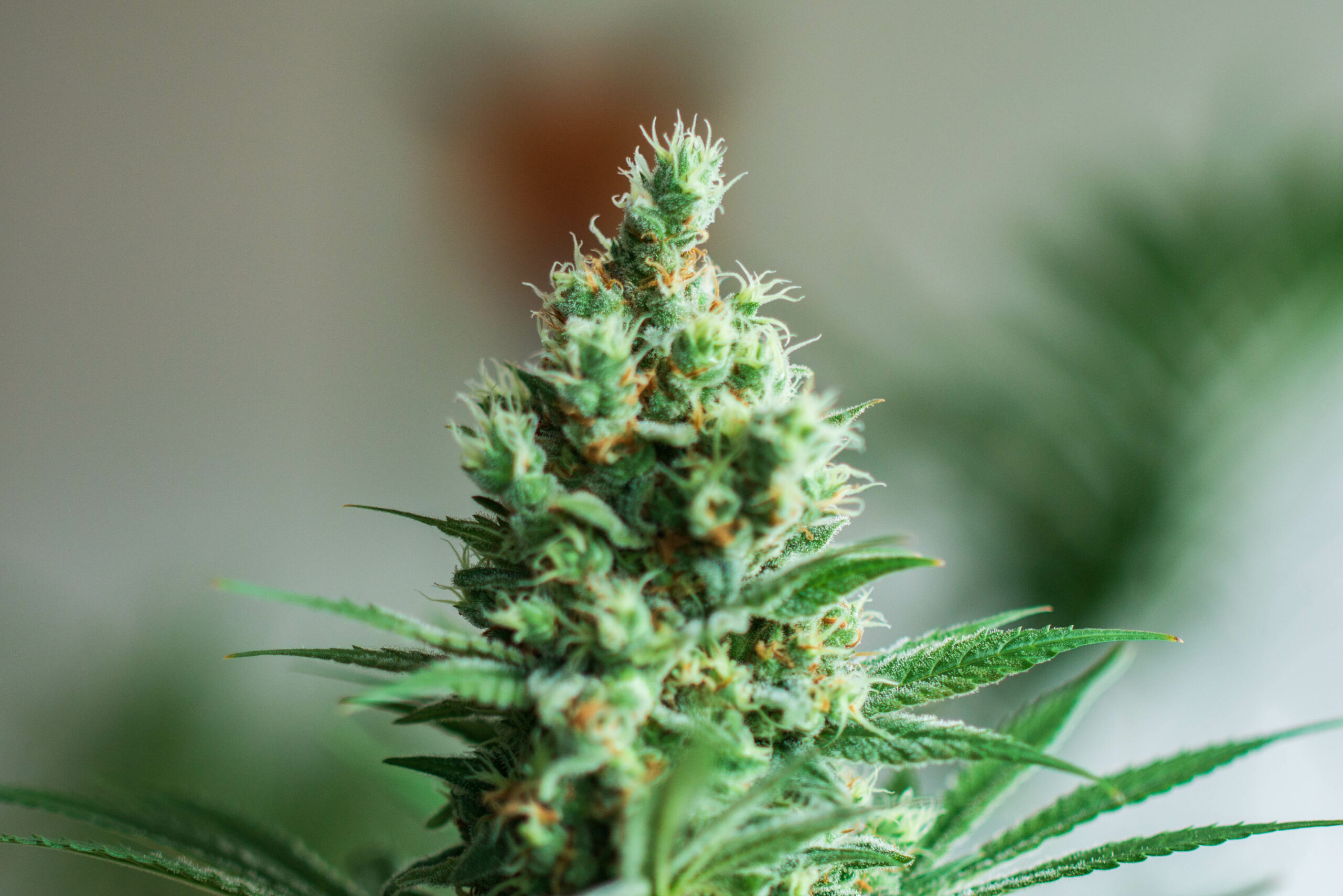
THC potency is one of the most discussed and often misunderstood topics in cannabis. THC, short for tetrahydrocannabinol, is the main compound in cannabis that produces psychoactive effects. When people talk about how “strong” a cannabis product is, they are usually referring to its THC potency. However, THC potency is not a simple idea. It is a scientific measurement that depends on testing methods, calculations, and clear standards.
At its most basic level, THC potency describes how much THC is present in a cannabis product. This amount is measured in relation to the total weight or volume of the product. For dried cannabis flower, potency is usually shown as a percentage. For example, a flower labeled as 20% THC means that 20% of its dry weight comes from THC-related compounds. For edibles and oils, potency is often listed as milligrams of THC per serving or per package. These numbers are not estimates. They are the result of laboratory testing.
Understanding THC potency matters for several reasons. First, it helps people understand the chemical makeup of cannabis products. Different products can contain very different levels of THC, even if they look similar. A small difference in THC percentage can result in a large difference in total THC content, especially when used in larger amounts. Accurate potency measurements help ensure consistency and transparency.
Second, THC potency plays a key role in labeling and regulation. Many regions require cannabis products to be tested before they can be sold. The results of these tests must be listed on the product label. These labels are based on laboratory data, not on grower claims or visual appearance. Clear potency measurements help regulators enforce rules and help consumers compare products using the same standards.
Third, measuring THC potency is important for research and quality control. Cannabis plants naturally vary in their chemical composition. Even plants from the same strain can show different THC levels depending on how they are grown, harvested, dried, and stored. Testing allows producers and laboratories to track these differences in a consistent way. This data is also used in scientific studies that examine cannabis chemistry and product stability.
It is also important to understand that THC potency is not the same as perceived strength. The way THC affects a person can depend on many factors beyond the THC number on a label. These factors include the presence of other cannabinoids, the method of consumption, and how the product was processed. Potency testing does not measure effects. It only measures chemical content. This distinction is essential for understanding what THC test results do and do not tell us.
THC exists in more than one form inside the cannabis plant. Fresh cannabis contains very little delta-9 THC, which is the form most people recognize. Instead, it mostly contains THCa, a non-intoxicating compound. When cannabis is heated, THCa changes into THC through a process called decarboxylation. Because of this, laboratory tests often measure both THC and THCa. Potency results may show these values separately or combine them into a single number called total THC. This adds another layer of complexity to how potency is measured and reported.
Measuring THC potency requires specialized tools and trained professionals. Most accurate measurements are done in laboratories using advanced instruments. These tools separate cannabinoids from the rest of the plant material and measure them in very small amounts. The testing process includes sample preparation, chemical analysis, and data calculation. Each step must be done carefully to produce reliable results.
This article explains how THC potency is measured, what testing methods are used, and how results should be understood. It covers laboratory techniques, calculations, accuracy limits, and common questions about THC testing. The goal is to provide clear, factual information without assumptions or opinions. By the end of this guide, readers will have a strong understanding of how THC potency is tested and what those numbers truly represent.
What Is THC Potency and How Is It Expressed?
THC potency describes how much tetrahydrocannabinol (THC) is present in a cannabis product. THC is the main chemical that causes the psychoactive effects of cannabis. When people talk about how “strong” a cannabis product is, they are usually referring to its THC potency. However, potency is a technical measurement, not a feeling or experience. It is based on numbers produced by laboratory testing.
THC potency is important because it helps compare products in a clear and consistent way. It allows producers, regulators, researchers, and consumers to understand how much THC a product contains. Without standardized potency measurements, it would be difficult to label products accurately or ensure consistent dosing.
THC Percentage by Weight
The most common way THC potency is expressed is as a percentage by weight. This is most often used for dried cannabis flower. A THC percentage shows how much THC is present in 100 units of the product’s weight.
For example, if a cannabis flower is labeled as 20% THC, this means that 20% of the dry weight of the flower is THC. In simple terms, 1 gram of that flower contains about 200 milligrams of THC. This percentage makes it easy to compare different strains or batches of flower.
THC percentage is useful for solid products like flower and some concentrates. However, it may not be the best way to describe potency for all product types, especially those that are eaten or consumed in measured doses.
Milligrams of THC per Gram or per Serving
Another common way THC potency is expressed is in milligrams (mg). This method is often used for edibles, oils, capsules, tinctures, and beverages. Instead of showing a percentage, the label lists how many milligrams of THC are present.
There are two main ways milligrams are used:
- Milligrams of THC per gram of product
- Milligrams of THC per serving
For example, an edible may be labeled as containing 10 mg of THC per serving. This means each serving delivers 10 milligrams of THC, regardless of the product’s total weight. This format helps ensure consistent dosing, especially for products designed to be consumed in portions.
Milligram-based labeling is especially important for products that are not smoked or vaporized. It allows for clearer comparisons across different types of cannabis products.
Delta-9 THC, THCa, and Total THC
THC potency can also be broken down into different chemical forms. The most well-known form is delta-9 THC. This is the compound that produces psychoactive effects when cannabis is heated, such as when it is smoked or vaporized.
Cannabis plants also contain tetrahydrocannabinolic acid (THCa). THCa is the raw, non-psychoactive form of THC. When heat is applied, THCa changes into delta-9 THC through a process called decarboxylation.
Because of this, lab reports often list:
- Delta-9 THC
- THCa
- Total THC
Total THC represents the maximum amount of THC that could be available after heating. It is calculated using a formula that accounts for the conversion of THCa into THC. Many product labels use total THC because it reflects the potential THC content after use.
How Labeling Standards Define THC Potency
Labeling standards help ensure THC potency is reported in a clear and consistent way. Most regulated markets require products to display THC content using either percentages, milligrams, or both. These standards are designed to reduce confusion and improve transparency.
Labels may show:
- THC percentage for flower
- Total THC in milligrams for edibles
- Both delta-9 THC and THCa values
- Total THC per package and per serving
Standardized labeling allows users to understand what they are consuming and helps regulators verify compliance with legal limits.
Common Units Used in THC Testing Reports
Laboratory test reports, often called Certificates of Analysis, use specific units to report THC potency. The most common units include:
- Percentage (%) by weight
- Milligrams per gram (mg/g)
- Milligrams per serving (mg/serving)
- Milligrams per package (mg/package)
Each unit serves a different purpose. Percentages are best for raw plant material, while milligrams are better for processed and portioned products. Understanding these units helps readers correctly interpret test results and product labels.
THC potency is a scientific measurement of how much THC a cannabis product contains. It is commonly expressed as a percentage by weight or as milligrams per gram or per serving. Potency can include different forms of THC, such as delta-9 THC and THCa, which together make up total THC. Standardized labeling and testing units help ensure clarity, accuracy, and consistency across cannabis products. Understanding how THC potency is expressed is a key step in reading lab results and comparing products correctly.
How Is THC Potency Measured in Cannabis Products?
THC potency is measured through scientific testing that shows how much THC is present in a cannabis product. This process is done using laboratory tools that can detect and measure cannabinoids at very small levels. Because THC levels affect labeling, dosing, and compliance, testing must follow careful steps to ensure accurate results.
At a basic level, measuring THC potency means answering one question: how much THC is in this product by weight or by serving? To answer that question, labs use analytical testing methods that break down the cannabis sample and measure its chemical makeup.
Analytical Cannabis Testing Explained
Analytical testing is a type of scientific testing used to identify and measure chemical compounds. In cannabis testing, analytical methods are used to measure cannabinoids such as THC, THCa, CBD, and others.
THC cannot be measured by sight, smell, or taste. Even experienced growers or consumers cannot accurately judge THC levels without testing. That is why labs use machines that analyze cannabis at the molecular level.
These machines separate the compounds in a cannabis sample and measure how much of each compound is present. The final result is a numeric value that shows THC content as a percentage or in milligrams.
The Role of Laboratory Instruments
Laboratories use specialized instruments to measure THC potency. The most common instruments include chromatographs, detectors, and data software systems.
Chromatography is the key process used in THC testing. It works by separating compounds based on how they move through a column or plate. Each compound travels at a different speed, allowing the machine to identify and measure it.
Detectors then measure the amount of THC as it passes through the system. The detector sends signals to software, which converts the data into readable results. These results are reviewed by trained lab technicians before being reported.
The accuracy of THC testing depends heavily on the quality of the equipment and how well it is maintained. Regular calibration and quality checks are required to keep results reliable.
Sample Collection and Preparation
Before testing can begin, a cannabis sample must be collected and prepared. This step is critical because poor sampling can lead to inaccurate results.
For flower, labs usually grind the sample into a fine, even material. This helps ensure that THC is evenly distributed throughout the test portion. For edibles or oils, labs must mix the product thoroughly to avoid uneven THC levels.
Once prepared, a small portion of the sample is weighed and dissolved in a solvent. The solvent pulls the cannabinoids out of the plant material or product. This liquid solution is then filtered and placed into the testing instrument.
Because only a small amount of the product is tested, consistency is very important. Labs often test multiple samples from the same batch to reduce error.
Standardized Testing Protocols
To ensure fairness and accuracy, labs follow standardized testing protocols. These are written procedures that explain exactly how samples must be handled, tested, and reported.
Standard protocols help make sure that two different labs testing the same product will get similar results. They also reduce human error and improve repeatability.
Protocols cover many details, including:
- Sample size
- Equipment settings
- Calibration procedures
- Calculation methods
- Reporting formats
Many labs must follow regulatory guidelines set by government agencies. These rules help protect consumers by ensuring that THC labels are truthful and consistent.
Qualitative vs Quantitative THC Testing
There are two main types of testing used in cannabis analysis: qualitative and quantitative.
Qualitative testing answers a simple question: is THC present or not? This type of testing does not measure how much THC is there. It is often used in early research or screening tests.
Quantitative testing measures exact amounts of THC. This is the type of testing used for potency labeling. Quantitative results show THC as a percentage or as milligrams per gram or serving.
Potency testing always uses quantitative methods. These methods provide precise data that can be used for labeling, dosing, and compliance purposes.
THC potency is measured through scientific laboratory testing that uses advanced instruments and strict procedures. The process includes careful sample preparation, chemical separation, and detailed data analysis. Standardized protocols help ensure accuracy and consistency across labs. By using quantitative analytical methods, labs can clearly measure how much THC is present in a cannabis product and report results that are reliable and easy to understand.
What Are the Main Cannabis Testing Methods Used to Measure THC?
To measure THC potency accurately, laboratories use scientific testing methods designed to identify and calculate how much THC is present in a cannabis sample. These methods rely on analytical chemistry tools that separate cannabinoids and measure them in precise amounts. While the equipment may be complex, the goal is simple: to find out how much THC a product contains and report it in a clear, measurable way.
There are several main testing methods used across the cannabis industry. Each method works differently and has its own strengths and limits. The most commonly used methods are high-performance liquid chromatography (HPLC), gas chromatography (GC), mass spectrometry (MS), and thin-layer chromatography (TLC). Some are used in professional labs, while others are used for basic screening or at-home testing.
Below is a clear explanation of each method and how it is used to measure THC potency.
High-Performance Liquid Chromatography (HPLC)
HPLC is the most widely used method for measuring THC potency in cannabis. Many licensed testing labs rely on it as their primary testing tool.
HPLC works by dissolving a cannabis sample into a liquid solution. This solution is then pushed through a long tube filled with a special material. As the liquid moves through the tube, different cannabinoids separate based on how they interact with the material inside. A detector at the end measures each compound and records how much THC and THCa are present.
One major advantage of HPLC is that it does not use heat. This is important because raw cannabis contains mostly THCa, not active THC. Heat can change THCa into THC, which can affect results. Because HPLC avoids heat, it can measure THC and THCa separately and accurately.
HPLC is known for:
- High accuracy
- Clear separation of cannabinoids
- Reliable results across many product types
For these reasons, HPLC is considered the industry standard for THC potency testing.
Gas Chromatography (GC)
Gas chromatography is another method used to measure THC, though it is less common today for cannabis flower testing.
GC works by heating a cannabis sample until it turns into a gas. This gas then moves through a column where compounds separate before being measured by a detector.
The main issue with GC is heat. When the sample is heated, THCa is converted into THC through a process called decarboxylation. This means GC cannot measure THCa separately. Instead, it reports THC as a combined value.
GC can still be useful, especially for:
- Extracts and concentrates
- Products that already contain activated THC
- Labs that specialize in specific applications
However, because it cannot separate THC and THCa, GC is used less often for modern labeling requirements.
Mass Spectrometry (MS)
Mass spectrometry is often used together with HPLC or GC to improve accuracy.
MS works by breaking compounds into charged particles and measuring their mass. Each compound has a unique mass pattern, which allows the instrument to identify it with high confidence.
When combined with chromatography, MS can:
- Confirm the identity of THC
- Detect very small amounts
- Reduce the chance of false results
Mass spectrometry is highly accurate but expensive. Because of this, it is usually used in advanced labs, research settings, or for quality control rather than routine testing alone.
Thin-Layer Chromatography (TLC)
Thin-layer chromatography is a simpler and older testing method. It is often used for quick screening or at-home test kits.
In TLC, a cannabis extract is placed on a flat plate coated with a thin layer of material. A liquid solvent moves up the plate, carrying cannabinoids with it. Different compounds travel at different speeds, creating visible spots.
TLC can show:
- Whether THC is present
- Rough comparisons between samples
However, TLC is not very precise. It does not provide exact THC percentages and is not suitable for official lab results. Its main value is low cost and ease of use.
Comparing Accuracy and Use Cases
- HPLC: Best overall accuracy and labeling compliance
- GC: Useful for activated THC but limited for raw cannabis
- MS: Extremely accurate when paired with other methods
- TLC: Basic screening only, not for precise potency values
Cannabis labs use several testing methods to measure THC potency, but not all methods offer the same level of accuracy. HPLC is the most trusted and widely used because it measures THC and THCa without altering the sample. GC and MS are helpful in specific situations, while TLC is best suited for basic or educational testing. Understanding these methods helps explain why THC results can differ and why lab testing is essential for reliable potency measurements.
High-Performance Liquid Chromatography (HPLC) Explained
High-Performance Liquid Chromatography, often called HPLC, is the most widely used method for measuring THC potency in cannabis. Most licensed cannabis testing laboratories rely on HPLC because it is accurate, reliable, and well suited for cannabis in many forms. This section explains how HPLC works, why it is considered the industry standard, and what its strengths and limits are.
How HPLC Works
HPLC is a laboratory technique used to separate and measure compounds in a sample. In cannabis testing, it is used to identify and measure cannabinoids such as THC and THCa.
The process starts with sample preparation. A small amount of cannabis flower, extract, or edible is weighed and mixed with a solvent, usually alcohol or another liquid that dissolves cannabinoids. This mixture is filtered to remove plant material or solids.
The prepared liquid sample is then injected into the HPLC system. Inside the machine, the sample moves through a long, narrow column filled with a special material called the stationary phase. A liquid called the mobile phase pushes the sample through the column under high pressure.
As the sample moves through the column, different cannabinoids travel at different speeds. This happens because each compound interacts differently with the column material. As a result, THC, THCa, CBD, and other cannabinoids separate from each other.
A detector at the end of the column measures each compound as it exits. The detector sends signals to a computer, which turns them into peaks on a graph called a chromatogram. Each peak represents a specific cannabinoid, and the size of the peak shows how much of that compound is present.
Why HPLC Is the Industry Standard
HPLC is considered the gold standard for THC potency testing for several important reasons.
First, HPLC does not use heat during analysis. This is very important for cannabis testing. Raw cannabis contains a large amount of THCa, which is the acidic form of THC. Heat causes THCa to convert into THC in a process called decarboxylation. Because HPLC does not heat the sample, it can measure THC and THCa separately without changing them.
Second, HPLC provides high accuracy and consistency. When properly calibrated, HPLC systems can measure THC levels with a very small margin of error. This makes results more reliable across different batches and products.
Third, HPLC works well for many product types, including flower, concentrates, oils, edibles, and beverages. This flexibility makes it ideal for regulated cannabis markets where many product forms must be tested.
Measuring THC and THCa Separately
One of the biggest advantages of HPLC is its ability to measure THC and THCa as separate compounds.
- THCa is found in raw cannabis and is not intoxicating.
- THC is the compound that causes psychoactive effects after heating.
Because HPLC keeps these compounds separate, labs can report:
- Delta-9 THC
- THCa
- Total THC (calculated using a standard formula)
This level of detail helps regulators, manufacturers, and consumers better understand a product’s potency and potential effects.
Advantages of HPLC for THC Testing
HPLC offers several key benefits:
- No heat damage: Cannabinoids remain in their natural form.
- High precision: Suitable for regulatory compliance.
- Wide detection range: Can measure both low and high THC levels.
- Repeatable results: Produces consistent data across tests.
- Compatible with complex products: Works well with edibles and infused products.
These advantages are why HPLC is preferred in most legal cannabis markets.
Limitations of HPLC
While HPLC is highly effective, it does have some limitations.
- Cost: HPLC machines are expensive to purchase and maintain.
- Skilled operation required: Trained lab technicians are needed to run tests correctly.
- Sample preparation time: Preparing samples can take longer than some other methods.
- Solvent use: Requires careful handling and disposal of chemicals.
Despite these limits, the benefits of HPLC usually outweigh the drawbacks, especially in professional lab settings.
Typical Accuracy Range
When properly calibrated and operated, HPLC testing usually has a margin of error between ±2% and ±5%. This means small variations can occur, but results are still considered reliable for labeling and compliance purposes.
Accuracy depends on:
- Proper sample mixing
- Equipment calibration
- Lab quality control procedures
HPLC is the most trusted and widely used method for measuring THC potency in cannabis. It works by separating cannabinoids in a liquid sample without using heat, which allows THC and THCa to be measured accurately and independently. Its precision, reliability, and ability to handle many product types make it the industry standard for cannabis testing. While it requires expensive equipment and trained staff, HPLC remains the best option for accurate and consistent THC potency analysis.
Gas Chromatography (GC) and THC Measurement
Gas chromatography, often called GC, is one of the oldest and most established methods used to measure THC potency in cannabis. While it is not always the first choice for modern cannabis labs, it is still widely used in certain testing settings. To understand why, it helps to look at how GC works and how it affects THC during testing.
How Gas Chromatography Works
Gas chromatography measures compounds by turning them into a gas and moving them through a long, narrow column. Before testing, the cannabis sample is prepared using a solvent to extract cannabinoids such as THC and THCa. The liquid extract is then injected into the GC instrument.
Inside the machine, the sample is heated to very high temperatures. This heat causes the cannabinoids to vaporize, meaning they turn into gas. A carrier gas, usually helium or hydrogen, pushes the vaporized compounds through the column. As the compounds move through the column, they separate based on their chemical properties. A detector at the end of the column measures each compound and records how much is present.
The result is a chromatogram, which is a graph showing different peaks. Each peak represents a compound, such as THC.
Decarboxylation During GC Testing
One of the most important things to understand about GC is decarboxylation. In raw cannabis, most THC exists in an acidic form called THCa. THCa does not cause intoxication. When cannabis is heated during smoking, vaping, or cooking, THCa changes into Delta-9 THC. This process is called decarboxylation.
Because GC uses high heat, decarboxylation happens automatically inside the instrument. This means that THCa is converted into THC during the test. As a result, GC does not measure THCa and THC separately. Instead, it reports a single THC value that includes both forms.
This is a key difference between GC and other methods like HPLC. With GC, labs cannot see how much THC was already active and how much came from THCa. The test result reflects the total amount of THC after heating.
Why Some Labs Use GC for THC Testing
Despite this limitation, GC still has several advantages. One major benefit is its long history in analytical testing. Many labs already own GC equipment and have trained staff who know how to use it well. GC instruments are also very stable and can produce consistent results when properly calibrated.
GC is especially useful when labs want to measure total THC rather than separate cannabinoid forms. For some regulatory or research purposes, this is enough. GC is also commonly used to test terpenes, residual solvents, and pesticides, which means labs may already be running GC tests for other reasons.
In addition, GC can be paired with mass spectrometry (GC-MS), which allows for very precise compound identification. This makes GC valuable for confirming results or detecting trace substances.
Limitations of Gas Chromatography for THC Measurement
The biggest limitation of GC is its inability to measure THCa and THC separately. Since all THCa becomes THC during testing, the lab cannot report raw cannabinoid values. This can be a problem for product labeling, where consumers and regulators often want to know both numbers.
Another limitation is that GC is not ideal for products that contain heat-sensitive compounds. The high temperatures used in GC can break down some cannabinoids or alter them. This may slightly affect accuracy, especially in complex products like edibles or infused oils.
GC sample preparation can also be more demanding. The process requires careful handling to avoid contamination or loss of cannabinoids. Any mistake during preparation can affect the final potency result.
When GC Is Used Instead of HPLC
GC is most often used when:
- A lab is focused on total THC values
- Testing is done for research rather than retail labeling
- The lab already uses GC for terpene or solvent testing
- Regulations allow or prefer GC-based methods
In contrast, many modern cannabis testing labs prefer HPLC because it does not use heat and can measure THC and THCa separately. Still, GC remains an important tool in cannabis science and continues to be used worldwide.
Gas chromatography is a reliable and well-known method for measuring THC potency. It works by heating cannabis extracts until cannabinoids turn into gas, allowing them to be separated and measured. Because of the high heat involved, THCa is converted into THC during testing, meaning GC reports total THC only. While this limits its ability to show detailed cannabinoid profiles, GC remains useful for many testing applications. Understanding how GC works helps explain why THC results may differ depending on the testing method used.
What Is Total THC and How Is It Calculated?
When people look at cannabis test results or product labels, they often see the term total THC. Understanding what total THC means is important because it helps explain how strong a cannabis product can become when it is used. This section explains what total THC is, how it is calculated, and why it is used in testing and labeling.
THC vs. THCa: What’s the Difference?
Cannabis plants do not produce large amounts of THC in their raw form. Instead, they mainly produce THCa, which stands for tetrahydrocannabinolic acid. THCa is a natural compound found in fresh cannabis flowers. On its own, THCa does not cause intoxication.
THC, or delta-9 THC, is the compound most people associate with the psychoactive effects of cannabis. THC is formed when THCa is heated. This heating process changes the chemical structure of THCa and turns it into THC.
In simple terms:
- THCa is the inactive form
- THC is the active form
Because most cannabis products are smoked, vaped, or cooked, THCa usually turns into THC before or during use.
What Is Decarboxylation?
The process that turns THCa into THC is called decarboxylation. This happens when cannabis is exposed to heat. Common examples include:
- Smoking
- Vaping
- Baking or cooking cannabis into edibles
During decarboxylation, THCa loses a small chemical group called a carboxyl group. Once this group is removed, THCa becomes THC.
Decarboxylation does not happen instantly or perfectly. Some THCa may remain unchanged, and a small amount of THC can be lost during heating. However, most testing and labeling systems assume that a predictable amount of THCa will convert into THC.
What Does “Total THC” Mean?
Total THC is a calculated value. It represents the maximum amount of THC that could be available after heating a cannabis product.
Total THC includes:
- The THC that is already present
- The THC that could form from THCa after decarboxylation
Because cannabis contains both THC and THCa, total THC gives a clearer picture of the product’s potential strength.
How Is Total THC Calculated?
Total THC is not measured directly. Instead, it is calculated using a formula based on lab test results.
The most common formula is:
Total THC = THC + (THCa × 0.877)
Here’s what each part means:
- THC: The measured amount of delta-9 THC
- THCa: The measured amount of tetrahydrocannabinolic acid
- 0.877: A conversion factor that accounts for the loss of mass when THCa turns into THC
The number 0.877 is used because THCa weighs slightly more than THC. When THCa loses its carboxyl group during heating, its weight decreases. The factor helps adjust for that change.
Example Calculation
If a cannabis flower has:
- 1% THC
- 20% THCa
The total THC would be calculated as:
1 + (20 × 0.877) = 18.54% total THC
This number tells the consumer how strong the product could be once it is heated and used.
Why Total THC Is Used on Labels
Total THC is widely used on product labels because it:
- Shows potential potency instead of raw content
- Helps consumers compare products more easily
- Reflects how cannabis is commonly consumed
Since most people do not consume raw cannabis, total THC gives a more realistic estimate of expected effects.
Regulatory Importance of Total THC
Many regulatory agencies require total THC values on cannabis labels. This helps ensure:
- Consistent potency reporting
- Clear consumer information
- Standardized testing practices
Total THC is often used to determine:
- Product categories
- Serving limits
- Tax rates
- Legal compliance thresholds
Because laws and rules vary by region, the exact labeling requirements may differ, but total THC remains a common standard.
Limitations of Total THC
While total THC is useful, it is still an estimate. Real-world results can vary because:
- Decarboxylation is not always complete
- Heat levels differ between methods
- Some THC may degrade during use
Even so, total THC remains the best available method for comparing potency across products.
Total THC represents the combined amount of active THC and the THC that can form from THCa after heating. It is calculated using a standard formula that accounts for chemical changes during decarboxylation. Total THC helps consumers, labs, and regulators understand a product’s potential strength. While it is not a perfect measure, it provides a clear and consistent way to compare cannabis potency across different products.
How Accurate Are THC Potency Tests?
THC potency tests are designed to measure how much THC is present in a cannabis product. While modern testing methods are advanced and scientific, no test is perfectly exact. Understanding how accurate THC testing is—and what can affect the results—helps readers better understand lab reports and potency labels.
In general, THC potency tests done by licensed laboratories are considered reliable. However, the final number reported on a label is an estimate based on a sample, not a perfect measurement of every part of the product. Accuracy depends on several technical and practical factors, which are explained below.
Laboratory Equipment and Technology
The accuracy of THC testing starts with the equipment used. Most professional cannabis labs use advanced tools such as high-performance liquid chromatography (HPLC) or gas chromatography (GC). These instruments can detect very small amounts of THC and other cannabinoids.
Even with advanced machines, results depend on proper setup. Instruments must be:
- Correctly calibrated
- Regularly cleaned and maintained
- Operated under controlled conditions
If equipment is not calibrated correctly, results can be higher or lower than the true THC level. Accredited laboratories follow strict calibration schedules to reduce this risk, but errors can still happen.
Sample Collection and Preparation
One of the biggest limits to accuracy comes from sampling. Cannabis plants and products are not always uniform. THC levels can vary:
- Between different parts of the same plant
- Between buds from the same harvest
- Within a single edible or concentrate batch
Labs do not test an entire crop or product batch. Instead, they test a small sample. If the sample does not fully represent the whole batch, the results may not reflect the true average THC level.
Sample preparation also matters. Before testing, samples are:
- Ground or mixed
- Weighed carefully
- Dissolved or extracted using solvents
Small mistakes during weighing, mixing, or extraction can affect the final result.
Laboratory Variability
Different labs can produce slightly different THC results for the same sample. This is known as inter-laboratory variability. Reasons include:
- Differences in equipment models
- Different testing protocols
- Variations in technician training
- Different calculation methods for total THC
Even when labs follow accepted standards, results may vary by a small percentage. For example, one lab may report 18% THC, while another reports 19% for the same product. These differences are normal and expected within a scientific margin of error.
Margin of Error in THC Testing
All scientific tests have a margin of error. In cannabis testing, this margin is usually small but important. Many labs report a possible variance of:
- ±1% to ±2% THC for flower
- Slightly higher variance for edibles and complex products
This means a product labeled as 20% THC could realistically fall between 18% and 22%. The reported number should be seen as a close estimate, not an exact value.
Some lab reports include a measurement uncertainty value. This shows how confident the lab is in the result and helps readers understand possible variation.
Human and Process Errors
Even with good equipment, human actions can affect accuracy. Errors may occur during:
- Sample labeling
- Data entry
- Result calculations
- Report generation
Accredited labs use quality control systems to reduce these risks. These systems may include:
- Duplicate testing
- Reference standards
- Internal audits
- Peer review of results
While these controls greatly improve accuracy, they cannot remove all risk.
Product Type and Testing Difficulty
Some cannabis products are harder to test accurately than others. For example:
- Flower is generally easier to test
- Concentrates require careful dilution
- Edibles contain fats, sugars, and other ingredients that can interfere with testing
The more complex the product, the greater the chance of small variations in results. Labs must adjust their methods depending on the product type to maintain accuracy.
THC potency tests are scientifically reliable but not perfect. Results depend on laboratory equipment, sample quality, testing methods, and human handling. Small differences between tests are normal and expected.
The THC number on a label should be understood as a well-supported estimate, not an exact measurement. When testing is done by accredited labs using standard methods, THC potency results provide a trustworthy guide for understanding cannabis strength, even with a small margin of error.
Can You Measure THC Potency at Home?
Many people ask if it is possible to measure THC potency at home without sending cannabis to a lab. The short answer is yes, but with limits. Home testing tools can give rough estimates, not exact results. To understand what home testing can and cannot do, it is important to look at the types of tools available and how they work.
Overview of Consumer THC Test Kits
Home THC test kits are made for personal use. They are designed to be simple and affordable. Most kits do not measure THC with high precision. Instead, they give a general range or estimate.
These kits are often used by:
- Home growers who want a basic idea of potency
- Consumers who want to compare products
- People who want to check if THC is present at all
Home test kits usually cannot replace lab testing. They do not meet regulatory standards and should not be used for labeling or legal purposes.
Thin-Layer Chromatography (TLC) Home Kits
The most common home testing method is thin-layer chromatography, often called TLC.
TLC kits work by separating cannabinoids on a small testing plate. The process usually includes:
- Grinding a small cannabis sample
- Mixing it with a solvent
- Placing drops on a testing plate
- Letting the solvent move up the plate
- Comparing results to a color chart
These kits can show the presence of THC, CBD, and sometimes other cannabinoids. Some kits allow users to estimate THC percentage by comparing the size or darkness of spots on the plate.
Advantages of TLC kits:
- Low cost
- No electricity required
- Can detect multiple cannabinoids
Limitations of TLC kits:
- Results depend on visual comparison
- Estimates are not very precise
- User error is common
- Cannot measure THC and THCa separately with accuracy
TLC kits are best for learning and basic comparisons, not for exact potency numbers.
Portable Electronic THC Testers
Some newer devices use portable electronics to estimate THC levels. These tools may use light sensors, spectroscopy, or chemical reactions.
These devices often promise fast results, sometimes within minutes. They are usually handheld and reusable.
Common features include:
- Digital displays
- App connections
- Small sample sizes
However, these devices still face accuracy issues. Many rely on internal formulas that may not work well for all cannabis types.
Key concerns with electronic testers:
- Calibration may drift over time
- Results vary by strain and moisture level
- Limited peer-reviewed validation
These tools may give a general THC range, but results should be treated with caution.
Accuracy Limitations of Home Testing
Home testing tools have several limits that affect accuracy.
Main reasons accuracy is limited:
- Small sample sizes do not represent the whole product
- Uneven THC distribution in cannabis flower
- Lack of precise measurement equipment
- Human error in preparation and reading results
Lab testing uses advanced machines that control temperature, pressure, and chemical separation. Home kits cannot control these factors as well.
Most home methods cannot detect small differences in potency. For example, they may not clearly show the difference between 18% and 22% THC.
Appropriate Use Cases for At-Home Methods
Home THC testing can still be useful when used correctly.
Appropriate uses include:
- Learning how THC testing works
- Comparing plants from the same grow
- Checking for the presence of THC
- Educational or personal curiosity
Not appropriate for:
- Product labeling
- Medical dosing decisions
- Legal compliance
- Commercial sales
For accurate and reliable results, laboratory testing remains the best option.
Measuring THC potency at home is possible, but results are limited. Home test kits like TLC plates and portable devices can give rough estimates, not exact numbers. These tools are helpful for learning and basic comparison, but they cannot match the accuracy of professional lab testing.
Home testing works best when expectations are realistic. It should be seen as a general guide, not a final answer. For precise THC potency data, certified laboratory testing is still required.
How Do Labs Test THC in Different Cannabis Products?
Cannabis products come in many forms, and each one needs a different testing approach. A cannabis flower is not the same as a gummy, oil, or vape cartridge. Because of this, testing labs must adjust their methods to measure THC correctly. The goal is always the same: to find out how much THC is present. However, the steps used to reach that result can change based on the product type.
Below is a clear explanation of how labs test THC in the most common cannabis products.
Testing THC in Cannabis Flower
Cannabis flower is the most basic product to test. Labs begin by taking a small sample from a batch of dried buds. The sample must represent the whole batch, not just one part of the plant.
The flower is ground into a fine, even powder. This step is important because THC is not spread evenly across a bud. Grinding helps ensure accurate results.
Next, the lab uses a solvent, such as alcohol, to pull THC and other cannabinoids out of the plant material. This liquid extract is then tested using laboratory equipment, most often high-performance liquid chromatography (HPLC).
The final result shows:
- Delta-9 THC
- THCa
- Total THC (calculated from both values)
Results are usually reported as a percentage of THC by dry weight.
Testing THC in Concentrates and Extracts
Concentrates include products like wax, shatter, live resin, and vape oils. These products are much stronger than flower, so testing must be very precise.
Because concentrates are sticky or oily, labs must first dissolve them fully into a solvent. This step ensures the THC is evenly mixed before testing. Even a small error in preparation can cause large changes in results due to high potency.
After dilution, labs test the sample using HPLC or similar tools. Results are often reported as:
- Percentage of THC
- Milligrams of THC per gram
Some concentrates can exceed 70% THC, so accurate dilution and calibration are critical.
Testing THC in Edibles
Edibles are one of the most complex products to test. Gummies, chocolates, baked goods, and candies all contain ingredients like sugar, fats, and gelatin. These materials can interfere with THC extraction if not handled correctly.
To test edibles, labs first break the product into a uniform mixture. Solid foods may be blended or crushed. Liquids are stirred thoroughly.
Next, labs use special solvents and preparation steps to separate THC from food ingredients. This process may take longer than flower or concentrate testing.
Edible results are usually reported as:
- Milligrams of THC per serving
- Milligrams of THC per package
This format helps consumers understand dose size rather than potency by weight.
Testing THC in Oils and Tinctures
Oils and tinctures are liquid products, often made with alcohol or carrier oils like MCT or olive oil. These products are easier to mix evenly, but fats can still affect testing.
Labs shake or stir the product to ensure uniformity. A small sample is then diluted and tested using HPLC.
Results are commonly shown as:
- Milligrams of THC per milliliter
- Total THC per bottle
Clear labeling is important because users often measure these products using droppers.
Testing THC in Beverages
Cannabis beverages include teas, sodas, and infused waters. These products are challenging because THC does not naturally dissolve well in water.
Labs must first confirm that the THC is evenly distributed throughout the drink. If the THC settles or separates, results may not be accurate.
Special preparation steps are used to extract THC from liquids. Once extracted, the THC is measured using standard lab equipment.
Results are typically listed as:
- Milligrams of THC per container
- Milligrams of THC per serving
Why Product Type Matters in THC Testing
Each cannabis product has a different chemical makeup. Fat, sugar, water, and alcohol all interact with THC in different ways. Because of this, labs cannot use one single testing method for all products.
Accurate THC testing depends on:
- Proper sample preparation
- Correct extraction methods
- Calibrated lab equipment
- Product-specific testing protocols
THC testing methods change based on the type of cannabis product being tested. Flower, concentrates, edibles, oils, and beverages each require different preparation steps to ensure accurate results. While lab tools like HPLC remain consistent, the way THC is extracted and measured must match the product’s structure. Understanding these differences helps explain why THC results are reported in different units and why proper lab testing is essential for accurate potency information.
What Factors Can Affect THC Potency Test Results?
THC potency test results are not always the same, even when cannabis comes from the same strain or grower. Many factors can change the final THC number shown on a lab report. These factors can affect the plant before harvest, during processing, and even during testing itself. Understanding these variables helps explain why THC results may differ from one test to another.
Below are the main factors that influence THC potency test results, explained clearly and step by step.
Plant Genetics
Genetics play a major role in THC potency. Each cannabis strain has a genetic range that limits how much THC it can produce. Some strains are bred to produce high THC levels, while others naturally produce less THC and more CBD or other cannabinoids.
Even within the same strain, small genetic differences can appear. Plants grown from seeds may not be genetically identical. This can lead to different THC levels between plants harvested from the same grow room. Clones are more consistent, but even clones can vary slightly due to environmental stress.
Genetics set the maximum potential THC level, but they do not guarantee a specific result.
Harvest Timing
The time when cannabis is harvested has a strong effect on THC potency. THC forms in the resin glands, also called trichomes. These trichomes change over time as the plant matures.
If the plant is harvested too early, THC levels may be lower because the trichomes are not fully developed. If the plant is harvested too late, some THC may begin to break down into other compounds, such as CBN. This can lower the measured THC content.
Growers often watch trichome color to decide the best harvest time. Clear trichomes usually mean lower THC. Milky or cloudy trichomes usually mean higher THC. Amber trichomes can signal THC degradation.
Drying and Curing Processes
After harvest, cannabis must be dried and cured. These steps help preserve cannabinoids, including THC. If drying happens too fast or too slow, THC levels can be affected.
High heat during drying can cause THC to degrade. Excess moisture can lead to mold, which may require parts of the crop to be removed before testing. Poor curing can also cause uneven moisture levels, which may affect test results.
Proper drying and curing help stabilize THC and make test results more reliable.
Storage Conditions
Storage plays a key role in maintaining THC potency. THC is sensitive to heat, light, air, and time. Poor storage can reduce THC levels before testing takes place.
Exposure to oxygen can cause THC to oxidize. Light, especially UV light, can break down THC. High temperatures can speed up this process. Over time, THC naturally degrades, even under good storage conditions.
If samples are stored improperly before testing, the reported THC potency may be lower than it was at harvest.
Sample Selection and Preparation
How the sample is collected matters. Cannabis plants are not evenly potent from top to bottom. Flower buds near the top of the plant often have more THC than lower buds.
If a sample is taken only from the most potent part of the plant, the THC result may be higher than the true average. If the sample is taken from mixed plant material, the result may be lower.
Grinding and mixing the sample before testing helps create a more accurate and representative result. Poor sample preparation can lead to inconsistent THC readings.
Laboratory Methods and Equipment
Different labs may use different testing methods. While many labs use similar tools, small differences in equipment calibration, testing procedures, and sample handling can affect results.
Even well-run labs have a margin of error. Most THC tests allow for a small percentage of variation. This means two labs testing the same sample may report slightly different THC values.
Lab accreditation, staff training, and quality control all influence how consistent results are.
Batch Testing and Variability
Cannabis is often tested in batches rather than individually. A batch may include many plants or products. The tested sample represents the batch, but it may not match every individual item exactly.
Natural variation within a batch can cause some products to test higher or lower than the reported THC value. This is normal and expected in agricultural products.
THC potency test results are influenced by many factors. Genetics control the plant’s potential. Harvest timing affects how much THC is present. Drying, curing, and storage determine how much THC is preserved. Sample selection and lab methods also shape the final result.
Because of these factors, THC test results should be viewed as an accurate estimate, not a fixed number. Understanding what affects THC potency helps readers better interpret lab reports and understand why results may change from one test to another.
How to Read and Understand a THC Lab Test Report
A THC lab test report is often called a Certificate of Analysis, or COA. This document shows the results of laboratory testing for a cannabis product. It is used to confirm THC potency and other required data. While lab reports may look technical at first, they follow a clear structure. Once you know what to look for, they are much easier to understand.
What Is a Certificate of Analysis (COA)?
A Certificate of Analysis is an official lab document that reports test results for a specific cannabis sample. Each COA applies only to one batch or lot of product. It does not represent every batch made by a producer.
A COA usually includes:
- Product name and type (flower, edible, oil, etc.)
- Batch or lot number
- Sample ID number
- Test date and report date
- Name and accreditation details of the testing lab
This information helps confirm that the results belong to the exact product being tested.
Where to Find THC Information on a Lab Report
THC results are usually listed in a section called:
- Cannabinoid Profile
- Potency Analysis
- Cannabinoid Results
This table shows different cannabinoids found in the sample. The most common ones listed include:
- Delta-9 THC
- THCa
- CBD
- CBDA
- Total THC
- Total CBD
Each cannabinoid has a number next to it that shows how much is present.
Understanding THC, THCa, and Total THC
This is one of the most important parts of the report.
- Delta-9 THC is the active form of THC that causes psychoactive effects.
- THCa is the acidic form of THC found in raw cannabis. It does not cause psychoactive effects until it is heated.
- Total THC is a calculated value that estimates how much THC will be available after heating.
Total THC is usually calculated using this formula:
Total THC = Delta-9 THC + (THCa × 0.877)
The number 0.877 accounts for the weight lost when THCa turns into THC during heating. Most product labels use total THC because it better reflects the product’s expected strength when consumed.
Percentages vs Milligrams
THC potency can be shown in two main ways:
- Percentage (%)
This is common for cannabis flower and concentrates. It shows how much of the product’s weight is THC.
Example: 20% THC means 20 grams of THC per 100 grams of product. - Milligrams (mg)
This is common for edibles and beverages. It shows the exact amount of THC in one serving or in the full package.
Example: 10 mg THC per serving.
It is important to check whether the number refers to per serving or per package, especially for edibles.
Detection Limits and “ND” Results
Lab reports also list something called the limit of detection (LOD) or limit of quantification (LOQ). These values show the smallest amount the lab can reliably measure.
If a cannabinoid result says:
- ND, it means “Not Detected”
- This does not always mean zero THC
- It means the amount was below the lab’s detection limit
Understanding this helps avoid confusion when reading very low values.
Measurement Uncertainty and Variability
Some lab reports include a value called measurement uncertainty. This shows the possible range of error in the result.
For example:
- A result of 20% THC with a ±2% uncertainty means the true value may be between 18% and 22%.
Small differences between lab results are normal. Many factors can affect test results, including sampling methods and equipment calibration.
Common Labeling Terms Explained
You may see terms like:
- “Potency by dry weight” – THC measured after moisture is removed
- “As received” – THC measured with moisture included
- “Pass” or “Fail” – Whether the product meets legal limits
These terms help regulators and buyers understand how the product was tested and whether it meets standards.
Why Reading the Full Report Matters
A THC number on a label is only part of the story. The full lab report shows:
- How the test was done
- What forms of THC were measured
- How accurate the result may be
Reading the COA helps avoid misunderstandings and gives a clearer picture of product potency.
A THC lab test report may look complex, but it follows a clear format. By learning where to find THC values, understanding the difference between THC, THCa, and total THC, and knowing how results are expressed, readers can interpret lab reports with confidence. Paying attention to units, detection limits, and uncertainty helps ensure THC potency data is understood correctly and used as intended.
THC Potency Testing Standards and Regulatory Requirements
THC potency testing does not happen at random. It follows rules and standards designed to make results accurate, repeatable, and trustworthy. These standards help ensure that THC measurements are consistent across laboratories and products. Without clear rules, test results could vary widely, making them unreliable for consumers, producers, and regulators.
Standardized Testing Protocols
Standardized testing protocols are step-by-step rules that laboratories must follow when measuring THC potency. These rules cover the entire testing process, from sample collection to final reporting.
Key parts of standardized protocols include:
- How cannabis samples are collected and stored
- How samples are prepared before testing
- Which testing method is used (such as HPLC or GC)
- How instruments are calibrated
- How results are calculated and reported
Standardization helps reduce variation between labs. When labs use the same methods and procedures, THC results are more likely to match. This is important because small differences in testing steps can change potency results.
Many testing protocols are based on scientific guidelines developed for chemical analysis. These guidelines focus on accuracy, repeatability, and quality control.
Regulatory Oversight and Government Requirements
In legal cannabis markets, THC testing is usually required by law. Government agencies set rules that testing labs and cannabis producers must follow. These rules exist to protect public health and ensure fair labeling.
Regulatory requirements often specify:
- Which products must be tested
- What compounds must be measured (such as THC and THCa)
- How often testing must occur
- Acceptable margins of error
- Labeling rules for THC potency
Some regulations require that every batch of cannabis be tested before sale. Others allow batch testing for large production runs. These decisions affect how representative test results are for consumers.
Regulators may also define how “total THC” must be calculated. This ensures that THC values are reported in a consistent way across products.
Laboratory Accreditation and Certification
Not every lab is allowed to test THC potency. In regulated markets, labs must be accredited or licensed by an official authority.
Accreditation means a lab has proven that it:
- Uses approved testing methods
- Employs trained staff
- Maintains calibrated equipment
- Follows quality control procedures
- Keeps detailed records
Many labs are required to meet international quality standards, such as ISO laboratory guidelines. These standards focus on accuracy, transparency, and proper documentation.
Accredited labs are also subject to audits and inspections. During an audit, inspectors review test records, equipment logs, and procedures. If problems are found, the lab may be required to fix them or stop testing.
Compliance Testing vs. Research Testing
There is an important difference between compliance testing and research testing.
Compliance testing is done to meet legal requirements. The goal is to confirm that THC levels fall within allowed limits and that labels are accurate. Results from compliance testing are used for product approval and sale.
Research testing is done for scientific study or product development. It may explore new methods, track potency changes over time, or analyze small differences between samples. Research testing does not always follow the same strict rules as compliance testing.
Because of these differences, THC results from research studies may not match results from compliance labs. This does not mean one is wrong, but that they serve different purposes.
Labeling Standards and Consumer Information
Testing standards directly affect how THC potency appears on product labels. Labeling rules often require:
- THC percentage by weight
- Total THC values
- THC per serving for edibles
- Clear units of measurement
Standardized labeling helps consumers compare products. It also reduces confusion about what THC numbers mean.
Some regulations require warning statements if THC levels exceed certain limits. Others require that potency results come from an independent lab, not the producer.
Challenges in THC Testing Regulation
Even with standards, challenges remain. Differences in regulations between regions can cause confusion. A product tested under one set of rules may not meet the requirements of another area.
There are also ongoing efforts to improve testing consistency. Regulators and scientists continue to study:
- Lab-to-lab variability
- Sampling methods
- New testing technologies
- Reporting formats
As cannabis laws evolve, testing standards are likely to change as well.
THC potency testing standards exist to ensure accuracy, safety, and trust. They guide how cannabis is tested, how results are reported, and how products are labeled. Regulatory oversight and lab accreditation help reduce errors and improve consistency.
While testing rules can vary by region, their core goal is the same: to provide reliable THC potency information. Understanding these standards helps readers better interpret THC test results and product labels with confidence.
Conclusion: Key Takeaways on Measuring THC Potency
Measuring THC potency is a scientific process designed to give clear and reliable information about how much THC is present in a cannabis product. Throughout this guide, we have explained what THC potency means, how it is measured, and why different testing methods are used. Understanding these points helps readers better interpret lab results and recognize the limits of THC testing.
THC potency is usually shown as a percentage or as milligrams of THC. These values describe how much THC is present by weight or per serving. For cannabis flower, potency is most often shown as a percentage. For edibles, oils, and other infused products, potency is usually listed in milligrams. Both formats serve the same goal: to show how much THC the product contains in a measurable and standardized way.
Laboratory testing is the most accurate way to measure THC potency. Licensed labs use advanced tools to separate cannabinoids and measure them in exact amounts. The two most common methods are high-performance liquid chromatography and gas chromatography. HPLC is widely used because it can measure THC and THCa separately without changing their chemical form. Gas chromatography is also accurate, but it converts THCa into THC during testing, which affects how results are reported. Each method has strengths, and labs choose them based on testing goals and regulations.
One of the most important concepts in THC testing is total THC. Cannabis plants produce most of their THC in an inactive form called THCa. When heat is applied, such as during smoking or cooking, THCa changes into THC. Total THC calculations estimate how much THC will be available after this process. This is why product labels often list total THC instead of just THC alone. Understanding this calculation helps explain why lab results may show both THC and THCa values.
While lab testing is highly reliable, THC potency results are not perfectly exact. Small variations can happen due to sample size, testing equipment, and how evenly THC is spread throughout a plant or product batch. Most labs work within a small margin of error, and accredited labs follow strict rules to reduce mistakes. Even so, results should be viewed as close estimates rather than absolute numbers.
At-home THC testing options do exist, but they are limited. Home test kits can give a rough idea of potency, but they cannot match the accuracy of a professional lab. These kits are useful for basic comparisons or educational purposes, but they should not be used as a replacement for lab testing. Portable devices and test strips may show trends, but they cannot measure THC with the precision required for labeling or compliance.
THC testing also changes depending on the type of cannabis product being tested. Flower, concentrates, edibles, and liquids all require different preparation methods. Edibles and infused products are more complex because THC must be measured within fats, sugars, or liquids. Labs adjust their methods to account for these differences, which helps ensure results are as accurate as possible across product types.
Many factors can affect THC potency results before testing even begins. Plant genetics, harvest timing, drying, curing, and storage all influence how much THC remains in a final product. Poor handling or long storage times can lower potency. This is why testing reflects the condition of the product at the time it is sampled, not necessarily how it was at harvest.
Reading a lab report correctly is just as important as testing itself. Certificates of Analysis list THC, THCa, and total THC values, along with units, testing dates, and detection limits. Understanding these details helps readers avoid confusion and better compare products. Clear labeling and standardized reports play a key role in transparency and consistency.
In summary, measuring THC potency relies on scientific testing, standardized methods, and careful interpretation of results. Lab testing remains the most dependable way to determine THC levels, while home methods offer only limited insight. By understanding how THC is measured, calculated, and reported, readers can better interpret potency information and recognize both its value and its limits.
Research Citations
Aizpurua-Olaizola, O., Soydaner, U., Öztürk, E., Schibano, D., Simsir, Y., Navarro, P., Etxebarria, N., & Usobiaga, A. (2014). Identification and quantification of cannabinoids in Cannabis sativa L. plants by high-performance liquid chromatography–mass spectrometry. Analytical and Bioanalytical Chemistry, 406(29), 7549–7560.
Ciolino, L. A., Ranieri, T. L., & Taylor, A. M. (2018). Commercial cannabis consumer products part 2: HPLC-DAD quantitative analysis of cannabis cannabinoids. Forensic Science International, 289, 438–447.
Vaclavik, L., Benes, F., Fenclova, M., Hricko, J., Krmela, A., Svobodova, V., Hajslova, J., & Mastovska, K. (2019). Quantitation of cannabinoids in cannabis dried plant materials, concentrates, and oils using liquid chromatography–diode array detection technique with optional mass spectrometric detection: Single-laboratory validation study, First Action 2018.11. Journal of AOAC International, 102(6), 1822–1833.
McRae, G., & Melanson, J. E. (2020). Quantitative determination and validation of 17 cannabinoids in cannabis and hemp using liquid chromatography–tandem mass spectrometry. Analytical and Bioanalytical Chemistry, 412(27), 7381–7393.
Analakkattillam, S., Langsi, V. K., Hanrahan, J. P., & Moore, E. (2022). Analytical method validation for assay determination of cannabidiol and tetrahydrocannabinol in hemp oil infused products by RP-HPLC. Scientific Reports, 12(1), 12453.
Song, L., Valenzuela, G., Carlson, S., Dodson, Z., & Adisa, M. (2022). Potency testing of up to twenty cannabinoids by liquid chromatography diode array detector with optional electrospray ionization time-of-flight mass spectrometry. Analytica Chimica Acta, 1207, 339827.
ASTM International. (2022). Standard test method for determination of cannabinoid concentration in dried cannabis and hemp raw materials using liquid chromatography tandem mass spectrometry (ASTM D8375-22). ASTM International.
ASTM International. (2022). Standard test method for determination of cannabinoids in cannabis raw materials and resin cannabis products by gas chromatography and flame ionization detection (ASTM D8442-22). ASTM International.
Wilson, W. B., Urbas, A. A., Abdur-Rahman, M., Romares, A., & Mistek-Morabito, E. (2024). Determination of Δ9-THC, THCA, Δ8-THC, and total Δ9-THC in smokable hemp plant products by liquid chromatography and photodiode array detection. Forensic Chemistry, 37, 100550.
Silva, E. M. P., Vitiello, A., Miro, A., & Ribeiro, C. J. A. (2025). Recent HPLC-UV approaches for cannabinoid analysis: From extraction to method validation and quantification compliance. Pharmaceuticals (Basel), 18(6), 786.
Questions and Answers
Q1: What does THC potency mean?
THC potency refers to the concentration or percentage of tetrahydrocannabinol (THC), the main psychoactive compound in cannabis, present in a product.
Q2: What is the most accurate way to measure THC potency?
The most accurate methods use laboratory analysis, especially High-Performance Liquid Chromatography (HPLC) or Gas Chromatography (GC).
Q3: Why is HPLC commonly used for THC testing?
HPLC can measure THC and its acidic form (THCA) without heating the sample, which prevents chemical changes that could affect accuracy.
Q4: How is THC potency usually expressed on product labels?
THC potency is typically expressed as a percentage by weight for flower or as milligrams of THC per unit for edibles and concentrates.
Q5: What is the difference between THC and THCA in potency measurement?
THCA is the non-psychoactive precursor to THC; total THC potency accounts for both THC and the THC that can be produced from THCA after heating.
Q6: Can at-home test kits accurately measure THC potency?
At-home test kits can give rough estimates, but they are generally less accurate and less reliable than certified laboratory testing.
Q7: Why is sample preparation important when measuring THC potency?
Proper sample preparation ensures the tested portion represents the entire product, reducing inconsistent or misleading results.
Q8: How do edibles differ from flower when measuring THC potency?
Edibles are measured in milligrams of THC per serving or package, while flower is measured as a percentage of THC by dry weight.
Q9: What factors can affect THC potency test results?
Factors include testing method, lab calibration, sample handling, moisture content, and whether total THC or only delta-9 THC is reported.
Q10: Why is standardized testing important for THC potency?
Standardized testing ensures consistency, consumer safety, regulatory compliance, and accurate labeling across different products and laboratories.