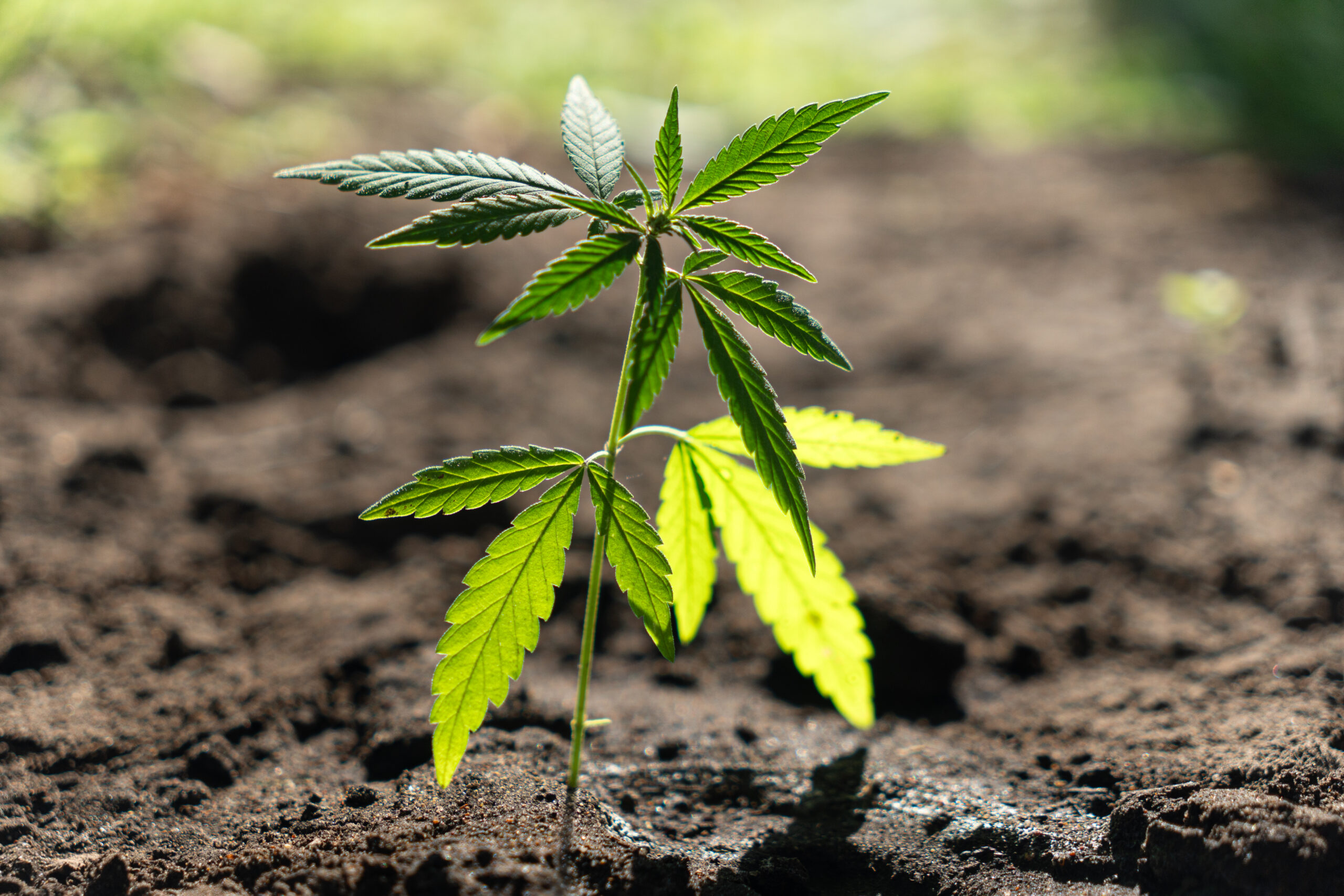
Knowing when your cannabis plant is ready to harvest is one of the most important skills a grower can learn. The moment you choose to harvest has a direct effect on how strong the plant is, how it smells, how it tastes, and how much usable material you get from it. Harvesting too early or too late can reduce quality in ways that cannot be fixed later. Because of this, harvest timing is not guesswork. It is a process of observing clear signals that the plant gives as it finishes its life cycle.
Cannabis plants change a lot during the flowering stage. At first, the plant focuses on building flowers. Later, it shifts energy toward producing resin, cannabinoids, and aromatic compounds. These changes happen slowly and follow a natural order. Harvesting at the right time means waiting until these processes reach their peak. Cutting the plant before this point means the plant did not have enough time to fully develop. Waiting too long means the plant begins to decline after reaching maturity.
One reason harvest timing matters is potency. Cannabinoids develop inside tiny resin glands called trichomes. These compounds do not appear all at once. They form, mature, and then slowly break down. If the plant is harvested before trichomes mature, the cannabinoid content will be lower. If harvested long after peak maturity, some cannabinoids may begin to degrade. Timing the harvest correctly helps capture the plant when cannabinoid levels are most stable and fully formed.
Flavor and aroma are also strongly linked to harvest timing. During late flowering, the plant produces terpenes, which are the compounds responsible for smell and taste. These compounds are sensitive to time, light, and environmental stress. Harvesting too early often results in weak or grassy flavors. Harvesting too late can lead to dull or degraded aromas. Choosing the right moment helps preserve the plant’s natural scent and flavor profile.
Yield is another factor affected by harvest timing. In the final weeks of flowering, buds often swell and gain weight. The plant may not look very different from one day to the next, but small changes add up. Harvesting early can reduce the final weight of the buds. While waiting longer does not always increase yield, cutting too soon almost always reduces it.
Many new growers assume there is a single sign that tells them when to harvest. In reality, cannabis plants do not rely on just one signal. Instead, they show several changes at the same time. These include shifts in flower structure, resin appearance, leaf condition, and overall growth behavior. Learning how to read these signals together is far more reliable than focusing on only one detail.
Another challenge is that harvest readiness does not happen on a fixed date. Seed descriptions and grow schedules often give a general timeline, but real plants respond to their environment. Light, temperature, humidity, nutrition, and genetics all affect how fast or slow a plant matures. Two plants of the same type may finish at different times, even when grown side by side. This is why observing the plant itself is more important than counting days on a calendar.
This guide is designed to help growers understand what “ready to harvest” truly means. It explains the physical signs that appear as a cannabis plant reaches maturity and why each sign matters. It also explains common mistakes, such as harvesting based only on pistil color or leaf yellowing. By understanding the full picture, growers can make decisions based on evidence rather than assumptions.
Throughout this guide, the focus is on clear, observable plant behavior. You will learn what changes are normal, what changes are misleading, and which indicators are the most reliable. The goal is to help you recognize when the plant has completed its development and is ready to be harvested with confidence. Harvest timing is not about rushing or waiting blindly. It is about knowing what to look for and understanding what the plant is telling you.
What Does “Ready to Harvest” Mean in Cannabis Plants?
When growers ask if a cannabis plant is “ready to harvest,” they are really asking if the plant has finished its most important biological work. Harvest readiness does not mean the plant has stopped growing completely. It means the flowers have reached a stage where their chemical makeup, structure, and resin production are fully developed and stable.
This stage is called harvest maturity, and it is different from basic plant maturity. A cannabis plant can be alive, healthy, and still growing while not being ready to harvest. Understanding this difference is key to harvesting at the right time.
Physiological Maturity vs. Harvest Maturity
Physiological maturity refers to the point when the plant has completed its life cycle. At this stage, the plant is capable of survival and reproduction. For cannabis, this means it has produced flowers and viable reproductive parts.
Harvest maturity, however, is more specific. It refers to the moment when the flowers contain fully developed cannabinoids and terpenes and have reached their peak usable quality. A plant can reach physiological maturity before it reaches harvest maturity. Cutting the plant during this gap often leads to lower potency and reduced flower quality.
In simple terms:
- Physiological maturity = the plant is biologically mature
- Harvest maturity = the plant is ready to be cut for best results
Why “Ready” Is Not a Single Moment
Harvest readiness is not an exact date or hour. It is a short window of time. During this window, chemical and physical changes slow down and stabilize. This is why harvest timing is often described as a range rather than a single day.
Many factors influence when this window appears:
- Plant genetics
- Length of the flowering stage
- Light exposure
- Temperature and humidity
- Overall plant health
Because of this, two plants of the same strain can reach harvest readiness at slightly different times, even when grown side by side.
Flowering Completion and Harvest Readiness
Cannabis plants go through two main stages: vegetative growth and flowering. Harvest readiness only occurs during the late flowering stage, after the plant has completed most of its flower development.
By the final weeks of flowering:
- Flower growth slows
- Resin production peaks
- The plant shifts energy away from new growth
- Chemical processes inside the trichomes stabilize
This is the stage growers monitor most closely. Harvesting before flowering is complete means the plant has not finished producing key compounds. Harvesting long after flowering is complete can lead to chemical breakdown and quality loss.
Why Visual Size Alone Is Not Enough
A common mistake is thinking a plant is ready simply because the buds look big. While bud size matters, it does not tell the full story. Cannabis flowers often reach near-final size before they reach full chemical maturity.
At this point:
- Buds may look full but still lack developed trichomes
- Resin glands may still be clear or underdeveloped
- Cannabinoid levels may still be changing
This is why visual size must always be checked alongside other signs of readiness.
Chemical Stability Is the Core of Harvest Readiness
The most important change that defines harvest readiness happens at the microscopic level. Inside the resin glands, cannabinoids and terpenes form and mature over time. Once these compounds stabilize, the plant is considered ready for harvest.
If harvested too early:
- Cannabinoids may be incomplete
- Terpene profiles may be underdeveloped
If harvested too late:
- Cannabinoids can degrade
- Aroma and structure can decline
Harvest readiness means the plant has reached a balance point where development has peaked but breakdown has not yet started.
Why Harvest Readiness Depends on Observation, Not Guessing
Because harvest readiness is a biological condition, it cannot be determined by schedule alone. Flowering timelines provide estimates, not guarantees. The plant itself gives the final signals.
These signals come from:
- Flower structure
- Resin development
- Color and condition of reproductive parts
- Overall growth behavior
Successful harvesting depends on understanding what “ready” looks like in real biological terms, not just calendar days.
Being ready to harvest does not mean a cannabis plant has stopped living or growing. It means the plant has completed flower development and reached peak chemical stability. Harvest readiness is a short window where cannabinoids, terpenes, and flower structure are fully developed but not yet declining. Because this stage varies between plants, growers must rely on plant signals rather than time alone. Understanding this definition is the foundation for making accurate harvest decisions.
How Long Does Cannabis Take to Be Ready for Harvest?
One of the most common questions growers ask is, “How long until my cannabis plant is ready to harvest?” While it is tempting to look for a simple number of days, the real answer is more complex. Cannabis harvest timing depends on genetics, growing conditions, and how the plant develops during flowering. Understanding these factors helps prevent harvesting too early or too late.
Average Flowering Time for Cannabis Plants
Most cannabis plants are ready to harvest after 8 to 12 weeks of flowering. This flowering period begins once the plant stops producing new leaves and starts forming buds. However, this time range is only a general guide. Some plants finish faster, while others take longer.
Seed companies often list a flowering time on seed packaging, such as “8–9 weeks” or “10–12 weeks.” These numbers are estimates based on ideal conditions. In real-world growing environments, plants often take longer than the label suggests.
Because of this, growers should never rely on the calendar alone. The plant’s physical signs matter far more than the number of days it has been flowering.
Differences Between Indica, Sativa, and Hybrid Plants
Cannabis genetics play a major role in harvest timing.
- Indica-dominant plants usually finish faster. Many are ready within 7 to 9 weeks of flowering. These plants tend to grow shorter and develop dense buds more quickly.
- Sativa-dominant plants often take longer. Flowering times of 10 to 14 weeks are common. These plants usually grow taller and produce lighter, more airy buds that take longer to mature.
- Hybrid plants fall somewhere in between. Their harvest timing depends on which traits are more dominant.
Even within the same genetic category, individual plants may mature at different speeds. Two plants grown from the same seed pack can still finish days or weeks apart.
Why Genetics Matter More Than the Calendar
Genetics control how fast a cannabis plant moves through its life cycle. Some plants are naturally fast finishers, while others develop slowly. This is true even when plants receive the same care.
For example, a plant with a listed flowering time of 9 weeks may not be ready until week 10 or 11. Another plant may be ready earlier than expected. This is why observing the plant itself is more reliable than counting days.
Growers should treat flowering timelines as a rough guide, not a fixed schedule.
Environmental Factors That Affect Harvest Timing
Growing conditions strongly influence how quickly a plant matures. Even the best genetics can be delayed by poor conditions.
Key factors include:
- Light intensity and quality: Weak or inconsistent light can slow flower development.
- Temperature: Cold temperatures can delay maturity. Extreme heat can also cause stress that affects flowering.
- Humidity: High humidity can slow resin development and increase disease risk.
- Nutrition: Overfeeding or underfeeding can delay flowering progress.
- Stress: Problems such as pests, disease, or physical damage can slow growth and push harvest later.
Plants grown indoors often mature more predictably because conditions are controlled. Outdoor plants, however, are influenced by weather changes, seasonal light shifts, and environmental stress.
Why Flowering Start Dates Can Be Misleading
Many growers mark harvest timing from the day they switch to a flowering light schedule or notice the first pistils. However, flowering does not begin the same way for every plant.
Some plants take one to two weeks after light changes to fully enter flowering. During this transition phase, buds are not yet developing at full speed. Counting flowering time from this point can result in harvesting too early.
This is another reason visual inspection is essential later in flowering.
Why Time Alone Is Not a Reliable Harvest Indicator
Time tells you when to start checking for harvest readiness, not when to harvest. Two plants with the same flowering length can show very different maturity levels.
A plant may reach its listed flowering time but still have immature trichomes and underdeveloped buds. Harvesting based only on time often leads to lower potency, weaker aroma, and reduced quality.
For this reason, growers should use time as a starting point, then confirm readiness using physical signs such as trichomes, pistils, and bud structure.
Cannabis plants usually take 8 to 12 weeks of flowering to be ready for harvest, but this varies widely. Genetics, plant type, environment, and stress all influence how long flowering lasts. Seed labels and calendars provide guidance, but they are not precise tools.
The most important takeaway is that harvest readiness cannot be determined by time alone. Flowering timelines help growers know when to start watching closely, but the plant itself gives the final answer. Careful observation during the final weeks of flowering is the key to harvesting at the right moment.
Are Pistils the Best Way to Tell If a Plant Is Ready to Harvest?
Pistils are one of the first things growers notice when checking a cannabis plant for harvest readiness. They are easy to see with the naked eye and change color as the plant matures. Because of this, many people rely on pistils as a main harvest signal. However, pistils alone do not give a full or fully accurate picture of when a plant is truly ready to harvest.
What Are Pistils and Why Do They Matter?
Pistils are the thin, hair-like strands that grow out of cannabis buds. They are usually white when they first appear. Pistils are part of the female flower and play a role in plant reproduction. Their job is to catch pollen from male plants. In seedless cannabis cultivation, pistils still grow and change even though pollination does not happen.
As the plant moves through the flowering stage, pistils change in color, shape, and position. These changes are part of the plant’s natural life cycle. Because these changes are easy to observe, pistils are often used as a visual signal for maturity.
Common Pistil Color Changes and What They Indicate
Early in flowering, pistils are bright white and stand straight out from the buds. At this stage, the plant is not ready to harvest. The buds are still forming, and cannabinoid production is still increasing.
As flowering continues, pistils begin to darken. They usually turn from white to light orange, then deeper orange, red, or brown. At the same time, many pistils start to curl inward toward the bud instead of sticking straight out.
When about 70–90% of pistils have darkened and curled, many growers consider the plant to be close to harvest. This stage often lines up with late flowering, when buds have mostly finished growing in size.
However, pistil color change only shows that the plant is aging. It does not directly measure chemical maturity inside the buds.
Why Pistils Can Be Misleading
Pistils react strongly to environmental conditions. Heat, wind, rain, pests, and physical contact can cause pistils to darken early. Even brushing against buds while inspecting them can cause pistils to turn brown. Because of this, pistils may appear “ready” even when the plant is not.
Indoor plants can also show pistil changes due to light stress or uneven lighting. Outdoor plants may darken pistils early because of weather changes or insects. In both cases, pistil color does not always match true harvest readiness.
Another issue is that some cannabis strains naturally produce new white pistils late into flowering. A plant may have dark pistils on lower buds while still pushing fresh white pistils on top. This mixed appearance can confuse growers who rely only on pistils.
Pistils vs. Trichomes: Key Differences
Pistils show surface-level aging, while trichomes show chemical maturity. Trichomes contain cannabinoids and terpenes, which define potency and aroma. Pistils do not store these compounds.
A plant can have mostly dark pistils but still have immature trichomes. In this case, harvesting based on pistils alone may lead to early harvest and reduced quality.
Because of this difference, pistils should be treated as a general timing guide, not a final decision tool.
How Pistils Should Be Used Correctly
Pistils are best used as an early warning sign that harvest time is approaching. When most pistils begin to darken and curl, it is a signal to start checking trichomes more closely.
They help narrow the harvest window but should not be used to choose the exact harvest day. Think of pistils as a calendar reminder, not a clock.
Growers should always pair pistil observation with trichome inspection and bud development checks. Using multiple signs together leads to more accurate results.
Pistils are helpful, but they are not the best or most reliable way to tell if a cannabis plant is ready to harvest. Their color and shape change as the plant matures, but they are easily influenced by stress and environment. Pistils show that a plant is aging, not that it has reached peak chemical maturity.
The correct way to use pistils is as a supporting signal. When pistils darken and curl, it means harvest time is getting closer. Final harvest decisions should always be confirmed by more reliable indicators, especially trichome development. Using pistils as part of a larger evaluation helps reduce mistakes and improves harvest timing accuracy.
How to Check Trichomes to Determine Harvest Readiness
Trichomes are the most reliable way to tell if a cannabis plant is ready to harvest. While other signs like pistils, leaves, or bud size can help, trichomes give the clearest picture of what is happening inside the plant. Learning how to check them correctly can help prevent harvesting too early or too late.
What Are Trichomes and Why They Matter
Trichomes are tiny, crystal-like structures that grow on the buds and nearby leaves of a cannabis plant. They look like small hairs or frost under light. These structures produce and store cannabinoids and other compounds the plant makes as it matures.
As the plant moves through the flowering stage, trichomes change in both appearance and chemical makeup. These changes happen in a predictable order. Because of this, trichomes act like a visual timeline of plant maturity. This is why growers rely on them more than any other single sign.
The Three Main Trichome Stages
When checking trichomes, you will notice three main visual stages: clear, cloudy (also called milky), and amber. Each stage shows a different level of plant development.
Clear trichomes
Clear trichomes look like glass. They are shiny and transparent. When most trichomes are clear, the plant is not ready to harvest. At this stage, cannabinoid production is still developing. Harvesting now means the plant has not reached full maturity.
Cloudy or milky trichomes
Cloudy trichomes look white or foggy instead of clear. This stage shows that the plant has reached peak development. Most growers aim to harvest when the majority of trichomes are cloudy. This indicates that the plant has completed its main growth cycle and is fully mature.
Amber trichomes
Amber trichomes turn yellow, gold, or light brown. This happens when trichomes begin to age and break down. A small number of amber trichomes is normal near harvest time. However, if too many trichomes are amber, the plant is past peak maturity.
Why Trichomes Are More Reliable Than Pistils
Pistils can change color early due to stress, heat, or environmental changes. Trichomes are much harder to fool. Their color change is tied to internal plant processes, not surface reactions.
This is why two plants with similar-looking pistils may not be ready at the same time. Trichomes give a direct look at plant maturity instead of surface appearance.
Where to Look When Checking Trichomes
Always check trichomes on the buds, not the sugar leaves. Sugar leaves often mature faster and can give a false signal. Focus on the middle or upper buds, as these usually reflect overall plant readiness.
Look at several buds across the plant. Trichomes do not always change evenly. Checking multiple spots helps avoid mistakes caused by uneven growth.
Tools Used to Inspect Trichomes
Trichomes are very small and cannot be judged accurately with the naked eye. Some tools commonly used include:
- Jeweler’s loupes (30x–60x magnification)
- Handheld microscopes
- Digital microscopes connected to phones or computers
Good lighting is important. Natural light or a white LED light works best. Avoid colored grow lights when checking trichomes, as they can distort color.
How to Know When Trichomes Are “Ready”
A common guideline is to harvest when most trichomes are cloudy, with a small percentage turning amber. This usually means the plant has reached full maturity. If trichomes are still mostly clear, it is too early. If many are amber, the plant has passed its peak.
Do not rush this step. Trichomes can change quickly in the final days of flowering. Checking them daily near the end of the cycle can help pinpoint the right time.
Common Mistakes When Checking Trichomes
Some growers check trichomes too early and assume they will not change much. Others only look at one bud or rely on sugar leaves. Another common mistake is using poor lighting, which makes cloudy trichomes look clear.
Taking your time and checking carefully reduces these errors.
Trichomes are the most accurate sign that a cannabis plant is ready to harvest. By watching their color change from clear to cloudy and then to amber, growers can judge plant maturity with confidence. Using the right tools, checking the correct parts of the plant, and observing changes over time all help ensure the plant is harvested at the right moment. Understanding trichomes removes guesswork and replaces it with clear, visible proof of readiness.
What Happens If You Harvest Cannabis Too Early?
Harvesting cannabis too early is one of the most common mistakes growers make. It often happens because the plant looks close to finished, or because the grower is eager to cut it down. However, cannabis plants go through important chemical and physical changes during the final stages of flowering. If the plant is harvested before these changes are complete, the final results are reduced in several ways.
Below is a clear breakdown of what happens when cannabis is harvested too early and why timing matters so much.
Cannabinoids Are Not Fully Developed
Cannabinoids such as THC and CBD develop mainly during the flowering stage. These compounds are produced inside the trichomes, which are the small resin glands that cover the buds.
When a plant is harvested too early:
- Many trichomes are still clear instead of cloudy
- THC levels have not reached their peak
- Other cannabinoids are also underdeveloped
Clear trichomes mean the plant is still producing cannabinoids. Cutting the plant at this stage stops that process completely. Once harvested, the plant can no longer increase potency. Drying and curing do not make up for this loss.
As a result, early-harvested cannabis often feels weaker and less effective than properly matured cannabis.
Reduced Flavor and Aroma
Terpenes are the compounds that give cannabis its smell and taste. Like cannabinoids, terpenes develop and stabilize late in the flowering stage.
When cannabis is harvested too early:
- Terpene production is incomplete
- The aroma may smell weak, grassy, or sharp
- Flavors are less complex after drying and curing
Immature plants often produce chlorophyll-heavy smells. This can make the dried product smell like fresh-cut grass or hay. Even with a good cure, this harsh smell may not fully go away.
Proper harvest timing allows terpenes to fully form and settle, which leads to a cleaner, stronger aroma.
Lower Final Yield
Bud growth does not stop until late flowering. During the final weeks, buds continue to swell as calyxes expand and resin production increases.
If harvested too early:
- Buds are smaller and less dense
- Calyxes have not fully formed
- Overall dry weight is reduced
Even a few extra days can make a noticeable difference in size and weight. Early harvest often means giving up usable material that the plant was still actively producing.
Immature Bud Structure
Early-harvested buds often look finished on the outside but are not mature on the inside.
Signs of immature buds include:
- Loose or airy structure
- Soft texture instead of firmness
- White or pale pistils still standing upright
These buds dry faster but often shrink more during curing. The final product may look thin and underdeveloped compared to buds harvested at full maturity.
Harsher Smoke or Vapor
Cannabis harvested too early often produces a harsher experience when smoked or vaporized.
This happens because:
- Chlorophyll levels are still high
- Sugars and starches are not fully broken down
- Resin coverage is incomplete
These factors can cause throat irritation and a rough taste. While curing helps reduce harshness, it cannot fully correct cannabis that was harvested too early.
Early Harvest Cannot Be Fixed Later
One of the most important points to understand is that early harvest damage cannot be reversed.
Once the plant is cut:
- Cannabinoid production stops
- Trichomes do not mature further
- Flavor and potency cannot improve beyond what already exists
Drying, curing, and storage only preserve what the plant already produced. They do not increase strength or maturity.
Harvesting cannabis too early leads to weaker potency, lower yield, reduced flavor, and immature bud structure. Clear trichomes, underdeveloped buds, and incomplete terpene production are all signs that the plant needed more time. While it may be tempting to harvest early, patience during the final flowering stage allows the plant to complete its natural process. Waiting until the plant reaches full maturity ensures better results that cannot be achieved once the plant is cut.
What Happens If You Harvest Cannabis Too Late?
Harvesting cannabis at the right time is important because the plant continues to change even after it reaches peak maturity. If harvesting is delayed too long, the plant does not stay at its best quality. Instead, chemical and physical changes begin that can reduce potency, flavor, and overall plant condition. Understanding what happens when cannabis is harvested too late helps growers avoid losing quality after weeks or months of work.
Cannabinoid Changes After Peak Maturity
Cannabis plants reach a point where cannabinoid production is at its highest. After this peak, cannabinoids begin to break down naturally. THC, the most commonly measured cannabinoid, is not stable forever. When left on the plant too long, THC slowly converts into other compounds through exposure to light, oxygen, and time.
This breakdown does not mean the plant becomes unusable, but it does mean the chemical balance changes. The ratio of cannabinoids shifts, and the plant no longer reflects its peak chemical profile. Once this process begins, it cannot be reversed by harvesting later. The plant does not regain lost cannabinoids.
Changes in Trichomes Over Time
Trichomes are one of the most reliable indicators of harvest readiness. When a plant is harvested too late, trichomes move past the ideal stage. Instead of appearing mostly cloudy or lightly amber, they become darker and more degraded.
Over time, trichomes can collapse, break, or fall off due to age and environmental stress. This reduces resin content on the flowers. Since cannabinoids and terpenes are stored in trichomes, damage or loss of these structures lowers the plant’s final chemical concentration.
Terpene Loss and Aroma Changes
Terpenes are responsible for the plant’s smell and play a role in its overall chemical profile. These compounds are volatile, meaning they evaporate easily. When a plant stays in flowering too long, terpene levels often decrease.
As terpenes fade, the aroma may become weaker or change in character. Some plants develop dull or flat smells instead of sharp or fresh aromas. Heat, light exposure, and extended time on the plant all increase terpene loss. Once terpenes evaporate, they cannot be restored.
Bud Structure and Physical Decline
After peak maturity, buds stop developing in a positive way. Instead of swelling or hardening, they may begin to dry out or soften. The plant is no longer sending energy to flower production, and structural decline begins.
Older flowers may become brittle, loose, or uneven in texture. In some cases, the outer parts of buds degrade faster than the inner sections. This uneven aging reduces consistency and makes post-harvest handling more difficult.
Increased Risk of Mold and Rot
Leaving mature cannabis flowers on the plant for too long increases the risk of mold and rot. Dense buds can trap moisture, especially in humid or wet conditions. As flowers age, their natural defenses weaken, making them more vulnerable to fungal growth.
Outdoor plants are especially at risk if harvest is delayed during rainy or cool weather. Indoor plants can also develop mold if airflow or humidity control is not ideal. Mold damage often starts inside the bud and may not be visible until harvest, which can result in unusable flowers.
Plant Stress and Energy Loss
Once a cannabis plant has completed flowering, it begins to shut down. Leaves may continue to yellow and fall off as the plant uses stored nutrients. This process is normal near harvest, but extended delays increase stress on the plant.
A stressed plant becomes less stable and more likely to develop problems such as pest damage, disease, or nutrient imbalance. These issues do not improve quality and can make harvesting and drying more difficult.
Why Late Harvest Cannot Improve Quality
Some growers believe waiting longer will increase strength or size, but once peak maturity has passed, quality does not improve. The plant does not gain new cannabinoids or terpenes after this point. Instead, it slowly loses them.
Harvesting too late means the grower misses the window where the plant is chemically and physically balanced. Timing is about capturing the plant at its best moment, not letting it remain on the stem indefinitely.
Harvesting cannabis too late leads to cannabinoid breakdown, terpene loss, trichome damage, and physical decline of the flowers. Buds may lose structure, aroma may fade, and the risk of mold increases. Once peak maturity has passed, the plant cannot regain lost quality. Recognizing these changes helps growers harvest at the right time and protect the results of the entire growing cycle.
Do Leaves Indicate When a Cannabis Plant Is Ready to Harvest?
Many growers look at leaf color to decide when to harvest. This is common, but it can also be confusing. Leaves do change near harvest, but they should never be the only sign used to decide when a plant is ready. To understand what leaves can and cannot tell you, it helps to know what normally happens to a cannabis plant during late flowering.
Natural Leaf Changes Near Harvest
As a cannabis plant reaches the end of its life cycle, it starts to slow down. During late flowering, the plant focuses its remaining energy on finishing the buds. Because of this, it begins to pull nutrients out of older leaves, especially large fan leaves.
This process is called natural senescence. Senescence is a normal aging process in plants. When it happens, leaves may:
- Turn light green, then yellow
- Lose firmness and look dry
- Fall off easily when touched
These changes often happen in the final one to three weeks before harvest. When leaf yellowing appears slowly and evenly, it is usually a sign that the plant is nearing the end of flowering.
However, natural leaf fading does not happen all at once. It usually starts with lower fan leaves and moves upward. Sugar leaves near the buds often stay green longer.
Yellow Leaves vs. Nutrient Deficiencies
Not all yellow leaves mean the plant is ready to harvest. This is one of the most common mistakes growers make.
Leaf yellowing can also be caused by nutrient problems, such as:
- Nitrogen deficiency
- Magnesium deficiency
- Overwatering or poor root health
Nutrient deficiencies often appear earlier in flowering, not just at the end. They may also show uneven patterns, such as:
- Yellowing between leaf veins
- Brown or rusty spots
- Leaves curling or twisting
If yellow leaves appear suddenly or spread very fast, the plant may be stressed rather than ready to harvest. Stress-related yellowing does not mean the buds are mature.
Which Leaf Changes Are Normal Near Harvest
Some leaf changes are expected near harvest and are not a cause for concern. Normal late-flower leaf signs include:
- Gradual yellowing of large fan leaves
- Leaves drying out without spotting or burning
- Leaves dropping off with little resistance
These changes usually happen after buds have stopped growing and trichomes are near maturity. When leaf fade matches other harvest signs, it helps confirm that the plant is finishing its life cycle.
It is also normal for leaves to look less healthy near harvest because the plant no longer needs to support long-term growth.
Why Leaf Color Alone Is Not Reliable
Leaf color can be affected by many factors besides maturity, including:
- Feeding schedule
- Growing medium
- Water quality
- Light intensity
- Temperature stress
Because of this, leaf appearance can change even when buds are not ready. A plant can have yellow leaves and still have immature trichomes. It can also have green leaves and fully mature buds.
Leaves react quickly to problems, while buds and trichomes develop on a more stable timeline. This is why leaves should only be used as a secondary indicator, not a main one.
How to Use Leaves as a Supporting Sign
Leaves are most useful when combined with other harvest indicators. Leaf fade can support harvest readiness when:
- Trichomes are mostly cloudy with some amber
- Pistils have darkened and curled inward
- Bud growth has slowed or stopped
When these signs appear together, leaf yellowing helps confirm that the plant is finishing properly.
If leaf changes appear before these other signs, harvesting should be delayed. Always check trichomes before making a final decision.
Leaves can give helpful clues, but they do not tell the full story. Yellowing leaves often appear near harvest, but they can also signal stress or nutrient issues. Natural leaf fade happens slowly and evenly during late flowering, while problem-related yellowing often looks uneven or sudden.
Leaf color should never be used alone to decide when to harvest. The most accurate way to confirm readiness is still trichome inspection, with leaves serving only as supporting evidence. By understanding the difference between natural aging and plant stress, growers can avoid harvesting too early or making decisions based on misleading signs.
How Do Bud Size, Density, and Structure Signal Harvest Readiness?
As cannabis plants move through the final weeks of flowering, the buds go through clear physical changes. These changes help growers understand whether the plant is still developing or has reached harvest readiness. Bud size, density, structure, and surface features all provide useful clues. While these signs should not be used alone, they play an important supporting role when combined with trichome and pistil checks.
Final Bud Swelling and Calyx Development
One of the strongest signs of harvest readiness is final bud swelling. During the last stage of flowering, buds often increase in size noticeably. This growth usually slows or stops once the plant reaches maturity.
The swelling happens mainly because of calyx development. Calyxes are the small, tear-shaped structures that stack together to form the bud. When a plant is close to harvest, these calyxes appear:
- Firm and full
- Tightly packed together
- Clearly layered instead of flat
Immature buds often look thin or stretched out, with visible gaps between calyxes. Mature buds look fuller and more compact, even if the strain naturally grows airy flowers.
It is important to understand that not all strains produce large buds. Some genetics create smaller flowers that are still fully mature. Size alone does not mean readiness, but final swelling followed by stopped growth is a key signal.
Differences Between Immature and Mature Flower Structure
Bud structure changes as the plant matures. Early in flowering, buds tend to look:
- Soft and fluffy
- Loose in shape
- Uneven or narrow
As maturity approaches, buds usually become:
- Denser to the touch
- More solid throughout
- Better formed with clear shape
When gently squeezed (without damaging the plant), mature buds feel firm and springy rather than soft. Immature buds often feel light and airy.
Another important sign is uniformity. Mature buds usually develop evenly across the plant, especially in well-managed grows. If buds still look very different in size or shape on the same branch, the plant may need more time.
Resin Coverage as a Maturity Signal
Resin production increases during late flowering. Resin contains trichomes, which produce cannabinoids and terpenes. As buds mature, they often appear:
- Frosty or shiny
- Sticky to the touch
- Coated with visible resin
Immature buds may show some resin, but it is usually lighter and less spread out. Near harvest, resin coverage becomes heavier and more consistent across the bud surface and nearby sugar leaves.
However, resin amount alone is not enough to confirm readiness. Some strains produce heavy resin early, while others develop it slowly. This is why resin coverage must be paired with trichome color inspection, not used by itself.
Why Bud Appearance Must Be Paired With Trichome Inspection
Bud size, density, and structure are helpful indicators, but they cannot confirm harvest timing on their own. A plant may look finished while trichomes are still clear, which means cannabinoid development is not complete.
Visual bud signs can also be affected by:
- Genetics
- Lighting intensity
- Temperature and humidity
- Nutrient levels
For this reason, bud appearance should be treated as a supporting signal, not a final decision-maker. Trichome inspection remains the most accurate method for determining readiness, while bud structure helps confirm what trichomes are showing.
Common Mistakes When Judging Bud Readiness
Growers sometimes harvest too early because buds “look big enough.” This can happen when:
- Buds swell early but trichomes are still immature
- Lower buds are smaller and ignored
- Visual growth stops temporarily, then resumes
Another mistake is assuming dense buds mean maturity. Some plants form dense flowers early but still need time for internal chemical development.
Patience is important. If bud growth has stopped but trichomes are still changing, the plant is finishing internally even if external changes are subtle.
Bud size, density, and structure provide valuable visual clues about cannabis harvest readiness. Mature plants show final bud swelling, firm and compact structure, well-developed calyxes, and strong resin coverage. Immature buds tend to look loose, soft, and uneven.
However, bud appearance alone cannot confirm the correct harvest time. These signs must always be combined with trichome inspection and other maturity indicators. When used together, bud structure helps growers avoid harvesting too early or too late and supports more accurate harvest decisions.
Is Smell a Reliable Way to Tell If Cannabis Is Ready to Harvest?
Smell is one of the most noticeable changes during the final weeks of flowering. Many growers ask if a strong or changing aroma means their cannabis plant is ready to harvest. While smell can provide helpful clues, it should never be used as the only sign that a plant is ready. This section explains how smell develops, what it can tell you, and where its limits are.
How Smell Develops During Flowering
The smell of cannabis comes from compounds called terpenes. Terpenes are produced in the trichomes, the same resin glands that hold cannabinoids. As the plant moves through flowering, trichome production increases. When this happens, terpene levels also rise, and the plant becomes more aromatic.
In early flowering, the smell is often light or grassy. As flowering continues, the scent becomes stronger and more complex. Near the end of flowering, many plants produce their strongest aroma. This increase in smell often makes growers think the plant is ready to harvest.
While this timing is not random, it is not exact enough to rely on by itself.
Why Cannabis Smells Stronger Near Harvest
Smell usually becomes stronger late in flowering for several reasons:
- Trichomes are more developed
- Terpene production is near its peak
- Buds are larger and more resinous
- Plant oils are more concentrated
At this stage, brushing against the plant may release a strong scent. Some plants may even smell from a distance. This change is a normal part of maturation and often happens close to harvest time.
However, strong smell does not always mean the plant is fully mature.
Why Smell Alone Is Not a Reliable Harvest Indicator
Smell can change for many reasons that have nothing to do with harvest readiness. Relying only on scent can lead to harvesting too early or too late.
Some key limits of using smell include:
- Different strains smell at different times
Some plants produce strong aromas early in flowering, while others stay mild until very late. - Environment affects smell
Temperature, humidity, airflow, and lighting all influence how strong a plant smells. - Human senses are not precise tools
Smell is subjective. What smells strong to one person may seem normal to another. - Terpenes peak at different times than cannabinoids
A plant may smell ready while trichomes are still clear or underdeveloped.
Because of these factors, smell should only be used as a supporting sign, not a deciding one.
Changes in Smell That May Signal Late Flowering
Although smell is unreliable alone, certain changes can suggest the plant is approaching the end of flowering:
- Aroma becomes deeper and more complex
- Sharp or harsh smells soften
- Scent lasts longer after touching buds
- Plant smells strongest during dark periods
These signs often happen when trichomes are moving from clear to cloudy. Even so, these changes only suggest the plant is close to maturity, not that it is ready right now.
When Smell Can Be Misleading
Smell can easily give false signals in several situations:
- Heat stress can cause strong smells early
- Nutrient stress can change aroma
- High humidity can dull smell
- Cold temperatures can reduce terpene release
In some cases, plants may lose smell late in flowering due to terpene evaporation or degradation. This does not always mean the plant is past its prime.
Because smell can increase, decrease, or change without clear meaning, it should never override visual inspection of trichomes and buds.
How to Use Smell Correctly When Checking Harvest Readiness
Smell works best when used together with other indicators. It can act as an alert that tells you when to start checking more closely.
A good approach is:
- Use smell to notice late flowering changes
- Inspect trichomes with magnification
- Check pistil color and bud structure
- Confirm signs match across multiple indicators
If smell becomes strong but trichomes are still clear, the plant is not ready. If smell is strong and trichomes are mostly cloudy, the plant may be approaching harvest.
Smell can help signal that a cannabis plant is in late flowering, but it is not a reliable harvest indicator on its own. Aroma strength and changes are influenced by genetics, environment, and human perception. While plants often smell strongest near maturity, this does not guarantee that cannabinoids and trichomes are fully developed.
The best way to use smell is as a secondary clue, not a final answer. When combined with trichome inspection, bud structure, and pistil condition, smell can support better harvest timing decisions. Always confirm readiness using multiple signs before harvesting.
How Do Indoor and Outdoor Plants Differ in Harvest Timing?
Harvest timing can be different for indoor and outdoor cannabis plants. While both types follow the same basic growth stages, their environments are very different. These differences affect how fast plants flower, how evenly buds mature, and how easy it is to choose the right harvest time. Understanding these factors helps growers avoid harvesting too early or too late.
Light Control and Flowering Predictability Indoors
Indoor cannabis plants grow under controlled light schedules. Most indoor growers switch plants to a 12 hours on / 12 hours off light cycle to trigger flowering. Because this light schedule stays the same every day, flowering starts and progresses in a predictable way.
This control makes it easier to estimate harvest time indoors. Growers often know the flowering week their plant is in and can track changes more closely. Buds usually mature more evenly because all parts of the plant receive similar light.
Even with this control, indoor plants should not be harvested by the calendar alone. Temperature, humidity, airflow, and plant health can still change how fast buds mature. Trichome inspection is still necessary to confirm readiness.
Outdoor Plants Follow Seasonal Cues
Outdoor cannabis plants rely on natural sunlight. Flowering begins when days get shorter, usually in late summer. Because sunlight changes slowly over time, outdoor flowering does not start on an exact date.
This makes harvest timing less predictable outdoors. Plants may flower earlier or later depending on location, weather patterns, and plant genetics. Two plants planted on the same day may not be ready at the same time.
Outdoor plants also tend to grow larger, which can cause uneven bud development. Top buds often mature faster because they get more sunlight, while lower buds may need extra time.
Weather Risks Affect Outdoor Harvest Timing
Weather plays a major role in outdoor harvest decisions. Rain, high humidity, frost, and strong winds can damage mature buds. As plants reach peak maturity, they also become more sensitive to mold and rot.
Because of this, outdoor growers sometimes harvest slightly earlier than planned to avoid crop loss. This is not based on preference but on plant safety. Monitoring weather forecasts becomes part of deciding when to harvest.
Indoor growers do not face these risks. Their plants are protected from rain, frost, and sudden temperature drops. This allows indoor plants to stay flowering longer without environmental damage.
Mixed Maturity Signals in Outdoor Plants
Outdoor plants often show mixed signs of readiness. Top buds may have cloudy or amber trichomes while lower buds still show clear trichomes. Pistils may darken unevenly across the plant.
This happens because sunlight intensity changes throughout the day and season. Branches exposed to more light mature faster than shaded areas.
Indoor plants usually show more consistent signals. Trichomes, pistils, and bud density tend to change at similar rates across the plant, making harvest timing easier to judge.
Harvest Timing Flexibility Indoors vs Outdoors
Indoor growers have more flexibility. If buds are not ready, flowering can continue without much risk. Light schedules remain stable, and environmental conditions can be adjusted if needed.
Outdoor growers have less flexibility. Once plants reach late flowering, delays can increase the risk of damage. Shorter days, colder nights, and higher humidity can force earlier harvest decisions.
Because of this, outdoor harvest timing often balances plant maturity with environmental safety.
Indoor cannabis plants offer more control and predictability. Light schedules are fixed, buds mature more evenly, and environmental risks are minimal. This allows growers to wait until clear maturity signals appear.
Outdoor plants depend on natural seasons and weather. Harvest timing is less exact, maturity can vary across the plant, and environmental threats may limit how long plants can flower.
In both cases, the best approach is the same: observe multiple signs of readiness. Trichomes, bud structure, pistils, and overall plant condition should all be checked before harvesting. Understanding the differences between indoor and outdoor growth helps growers make safer and more accurate harvest decisions.
Can You Harvest a Plant in Stages?
Harvesting a cannabis plant in stages, also called staggered harvesting, is a method where parts of the plant are harvested at different times instead of cutting the entire plant at once. This approach is sometimes used when different buds on the same plant mature at different speeds. Understanding when and how staged harvesting works can help growers avoid cutting buds too early or too late.
What Is Staggered Harvesting?
Staggered harvesting means removing mature buds first and leaving less mature buds on the plant to continue developing. Most often, growers harvest the top buds first and allow the lower buds to remain on the plant for additional time.
This technique is possible because cannabis plants do not always mature evenly. Light exposure, airflow, and bud position all affect how quickly flowers develop. Buds closer to the light source usually mature faster than those lower on the plant.
Why Some Plants Do Not Mature Evenly
Uneven maturity is common, especially in certain growing conditions. Several factors can cause this:
- Light distribution: Top buds receive stronger and more direct light, especially indoors.
- Plant structure: Taller plants often shade lower branches.
- Genetics: Some plants naturally grow uneven buds.
- Environmental stress: Heat, nutrient issues, or airflow problems can slow development in certain areas.
Because of these differences, a plant may show fully mature trichomes on top buds while lower buds still have clear or underdeveloped trichomes.
When Staged Harvesting Makes Sense
Staged harvesting may be appropriate in the following situations:
- Top buds are fully mature, but lower buds are not.
- Trichomes on different parts of the plant show mixed development.
- Outdoor plants mature unevenly due to sun angle or weather changes.
- Large plants with many branches finish at different times.
In these cases, waiting for all buds to mature could cause the top buds to become overripe. Harvesting in stages helps prevent this.
How to Harvest a Plant in Stages
Staged harvesting should be done carefully to avoid damaging the plant or reducing final quality.
Step 1: Inspect trichomes on individual buds
Check trichomes on both upper and lower buds using a magnifier. Only harvest buds that show mature trichomes.
Step 2: Cut only the mature branches
Remove entire branches instead of cutting single buds. This reduces stress on the plant and makes handling easier.
Step 3: Leave healthy leaves and lower branches intact
The remaining plant needs leaves to continue photosynthesis. Avoid removing too much plant material at once.
Step 4: Maintain stable growing conditions
After partial harvest, continue providing the same light, water, and airflow. Avoid sudden changes that could stress the plant.
Step 5: Monitor remaining buds daily
The remaining buds often mature faster after the top buds are removed due to increased light exposure.
How the Plant Responds After Partial Harvest
When part of the plant is removed, the remaining buds often receive more light and airflow. This can speed up their final development. However, the plant is also under stress, so it is important not to delay the final harvest for too long.
Most growers complete the remaining harvest within 5 to 14 days, depending on how mature the lower buds were at the time of the first cut.
Risks and Limitations of Staged Harvesting
While staged harvesting can be useful, it is not always the best choice.
Potential risks include:
- Increased plant stress
- Higher chance of mold or disease if conditions are not ideal
- Uneven drying and curing if harvested at very different times
- Extra labor and monitoring
Staged harvesting also does not fix poor plant structure or lighting problems. It is a response to uneven maturity, not a replacement for good growing practices.
When You Should Not Harvest in Stages
Staged harvesting may not be recommended when:
- The plant is small with few branches
- Most buds are already at similar maturity
- The plant is unhealthy or stressed
- Environmental conditions are unstable
In these cases, a single full harvest is often safer and more consistent.
Harvesting cannabis in stages is possible and sometimes useful when buds mature unevenly. The method involves harvesting mature branches first and allowing the rest of the plant to finish developing. It works best when trichome inspection clearly shows different maturity levels across the plant.
However, staged harvesting requires careful monitoring and stable conditions. It also carries some risks and is not necessary for every grow. Growers should use this method only when there is a clear difference in bud maturity and when the plant is healthy enough to continue flowering after partial harvest.
Common Mistakes When Determining Harvest Readiness
Knowing when a cannabis plant is ready to harvest takes careful observation. Many growers make mistakes because they rely on one signal or rush the process. These mistakes can reduce quality, strength, and overall results. Below are the most common errors growers make when deciding harvest time, explained clearly so they can be avoided.
Relying on a Single Indicator
One of the biggest mistakes is using only one sign to decide when to harvest. Some growers look only at pistil color. Others focus only on bud size or leaf color. While each of these signs gives useful information, none of them works well by itself.
For example, pistils may turn brown early due to stress, wind, or handling. Buds may look large before trichomes are fully developed. Leaves may yellow for reasons that have nothing to do with harvest timing. When a grower relies on just one sign, they may harvest too early or too late.
The best approach is to combine multiple indicators. Trichomes should be checked closely. Buds should be fully formed. Pistils should show signs of maturity. Leaf fade should look natural and gradual. Using several signs together gives a much clearer and more accurate picture.
Misinterpreting Breeder Flowering Timelines
Another common mistake is trusting flowering time estimates too closely. Seed sellers often list flowering times such as “8–9 weeks” or “10 weeks.” These numbers are only rough guides. They do not account for differences in light, temperature, nutrients, or plant health.
Many growers assume their plant must be ready as soon as the listed time ends. This can lead to early harvest, before trichomes fully mature. In reality, some plants take longer than expected, even when grown well.
Flowering timelines should be used only as a reference point. They help growers know when to start checking for readiness, not when to harvest automatically. Visual and physical plant signals should always guide the final decision.
Confusing Stress Symptoms With Natural Maturity
Late in flowering, cannabis plants often show signs of aging. Leaves may yellow, curl, or fall off. Growth slows down. These changes are normal and expected near harvest. However, similar signs can also appear when a plant is stressed.
Stress from overwatering, nutrient problems, pests, or temperature swings can cause leaf damage that looks like late flowering. Growers may think the plant is ready when it is actually unhealthy.
To avoid this mistake, growers should look at the whole plant. Natural maturity happens slowly and evenly. Stress damage often appears suddenly or in unusual patterns. Checking trichomes helps confirm whether changes are due to maturity or problems.
Harvesting Based on Appearance Alone
Some growers decide to harvest because the plant “looks done.” Buds may appear thick, frosty, or heavy. While appearance is important, it does not show what is happening at a chemical level.
Cannabinoids develop inside trichomes, not based on bud size. A large bud can still have clear trichomes, meaning it is not fully mature. Harvesting based only on looks can lead to weaker results.
Using magnification to inspect trichomes is the most reliable way to avoid this mistake. Visual beauty should support the decision, not replace careful inspection.
Checking Trichomes Incorrectly
Even when growers check trichomes, mistakes still happen. Looking at trichomes on sugar leaves instead of buds is a common error. Sugar leaves mature faster and can give a false signal.
Another issue is using poor lighting or low-quality magnifiers. This makes it hard to tell the difference between clear, cloudy, and amber trichomes.
To get accurate results, trichomes should be checked on the buds themselves, under good light, with proper magnification. Multiple areas of the plant should be inspected, not just one spot.
Rushing the Harvest Process
Many growers harvest too soon because they are eager to finish. The final weeks of flowering are when important changes happen. Trichomes mature, buds swell, and compounds stabilize.
Harvesting early may seem harmless, but it cannot be fixed later. Once the plant is cut, development stops. Waiting a few extra days to confirm readiness often leads to better outcomes.
Most harvest mistakes come from impatience, incomplete observation, or misunderstanding plant signals. Relying on one sign, trusting timelines too closely, or confusing stress with maturity can all lead to poor timing. The best way to avoid these mistakes is to slow down, observe carefully, and use multiple indicators together. By understanding these common errors, growers can make better harvest decisions and avoid losing quality at the final stage.
Pre-Harvest Checklist: Confirming Your Plant Is Ready
Before you harvest your cannabis plant, it is important to slow down and check several signs together. Many growers make mistakes by relying on only one signal, such as plant age or pistil color. A pre-harvest checklist helps reduce guesswork and lowers the risk of harvesting too early or too late. This section explains each step clearly so you can confirm readiness with confidence.
Trichome Condition Checklist
Trichomes are the most reliable sign that a plant is ready to harvest. These tiny, crystal-like glands grow on buds and small sugar leaves. They contain cannabinoids and other compounds that develop fully only near the end of flowering.
To inspect trichomes, use a handheld magnifier or a small microscope. Look closely at the trichomes on the buds, not the large fan leaves. Fan leaves often mature earlier and can give false signals.
When checking trichomes, look for these stages:
- Clear trichomes mean the plant is not ready. Cannabinoids are still forming.
- Cloudy or milky trichomes show peak cannabinoid development.
- Amber trichomes indicate aging and chemical breakdown.
Most plants are ready when most trichomes are cloudy, with some amber mixed in. If most trichomes are still clear, wait longer. If many are dark amber, the plant may already be past peak maturity.
Pistil and Bud Confirmation Steps
Pistils are the thin, hair-like parts growing from buds. Early in flowering, they are usually white and straight. As the plant matures, they darken and curl inward.
Check pistils across the entire plant, not just one bud. A plant is closer to harvest when most pistils have changed color and pulled back into the bud. If many pistils are still white and sticking out, the plant likely needs more time.
Next, look at the buds themselves. Mature buds are:
- Firm and dense
- Fully swollen
- Sticky to the touch due to resin
Immature buds often look airy, soft, and underdeveloped. Buds should look finished and solid before harvesting.
Plant Health and Stability Review
Healthy plants show clear signs of natural aging near harvest. During late flowering, plants stop producing new growth and focus energy on the buds.
Normal late-stage signs include:
- Yellowing of older fan leaves
- Slower water and nutrient uptake
- Reduced vertical growth
However, not all yellowing means readiness. Stress from nutrient problems, pests, or heat can also cause leaf damage. If leaf changes appear suddenly or unevenly, check for underlying issues before harvesting.
Also examine buds for mold or rot. Dense buds near harvest can trap moisture. If you see gray, white, or fuzzy patches, harvesting earlier may be necessary to prevent further damage.
Environmental Considerations Before Cutting
The environment plays a major role in deciding the final harvest moment, especially for outdoor plants.
For outdoor grows, check the weather forecast. Heavy rain, frost, or long periods of high humidity can damage mature buds. If bad weather is coming and the plant is very close to readiness, harvesting slightly earlier may reduce losses.
Indoor growers should confirm that lighting schedules have remained stable. Light stress or interruptions during flowering can delay maturity. Make sure the plant has completed its full flowering cycle under consistent conditions.
Also consider airflow and humidity levels. High humidity late in flowering increases the risk of mold. If humidity cannot be controlled, harvesting when trichomes are mostly cloudy can help protect the crop.
Final Cross-Check Before Harvest
Before cutting the plant, confirm all major signs align:
- Trichomes are mostly cloudy with some amber
- Pistils are darkened and curled inward
- Buds are dense, swollen, and resin-covered
- Leaf fading appears natural, not stress-related
- Environmental risks are managed or approaching
If one sign is unclear, wait a few days and check again. Small delays are usually safer than rushing the harvest.
Harvesting cannabis at the right time requires careful observation, not guesswork. A pre-harvest checklist helps you confirm readiness by combining multiple signs instead of relying on only one. Trichomes provide the most accurate signal, while pistils, bud structure, leaf condition, and environment offer helpful support clues.
By reviewing each step before harvesting, you reduce the risk of poor quality, low potency, or wasted effort. Taking the time to confirm all indicators ensures the plant has completed its natural cycle and is truly ready to be harvested.
Conclusion: Using Multiple Signs to Harvest at the Right Time
Knowing when a cannabis plant is ready to harvest is one of the most important skills a grower can learn. Harvesting at the right moment affects the plant’s chemical makeup, physical quality, and overall usefulness. Because no single sign gives a complete answer, the most reliable approach is to observe several indicators together and confirm them before making a final decision.
The most dependable signal of harvest readiness is trichome development. Trichomes are small resin glands that hold cannabinoids and other compounds. By closely examining them with a magnifying tool, growers can see whether they are clear, cloudy, or amber. Clear trichomes show that the plant is still developing. Cloudy trichomes indicate that cannabinoid production has reached its peak. Amber trichomes signal that the plant is moving past peak maturity and chemical changes are taking place. Looking at trichomes across several buds, not just one spot, helps avoid mistakes caused by uneven ripening.
Pistils provide another helpful sign, but they should not be used alone. As the plant matures, pistils usually darken and curl inward. When most pistils have changed color and stopped producing new white growth, the plant is often close to harvest. However, pistils can darken early due to stress, environmental changes, or physical contact. This is why pistil color should only support other observations, not replace them.
Bud structure and size also play an important role. During the final stage of flowering, buds often swell as the calyxes expand. Mature buds appear denser, heavier, and more developed than they did earlier in flowering. Resin coverage usually increases at this stage, making the buds appear sticky or shiny. If buds still look loose, thin, or underdeveloped, the plant may need more time, even if other signs seem close.
Leaf condition offers additional clues, especially during the final weeks. Many plants naturally redirect energy from leaves to flowers near harvest, causing some leaves to yellow or fade. This process is normal and does not always mean there is a problem. However, leaf color alone cannot confirm readiness. Yellowing caused by nutrient issues or environmental stress can look similar to natural fading. This is why leaf changes should be seen as a supporting signal rather than a deciding one.
Smell is another sign growers often notice as harvest approaches. As the plant reaches maturity, aroma usually becomes stronger and more noticeable. This happens because terpene production increases during late flowering. While a strong scent can suggest the plant is near harvest, smell is subjective and affected by temperature, airflow, and humidity. For this reason, aroma should only be used as a general indicator, not a precise measurement.
Growing environment also affects harvest timing. Indoor plants tend to mature more predictably because light cycles and conditions are controlled. Outdoor plants rely on seasonal changes and may show uneven maturity due to weather, sunlight variation, or pests. These differences make it especially important to rely on physical signs rather than calendar dates, especially outdoors.
Mistakes often happen when growers depend on just one indicator or rush the process. Harvesting too early can result in underdeveloped flowers with incomplete chemical profiles. Harvesting too late can lead to chemical breakdown and reduced plant quality. Once the plant is cut, these outcomes cannot be reversed. Careful observation and patience help prevent these problems.
Before harvesting, it is useful to review a final checklist. Confirm trichome condition on multiple buds. Check pistils for maturity and lack of new growth. Observe bud size, density, and resin coverage. Review leaf condition for natural fading rather than stress damage. Make sure the plant is stable and not reacting to sudden environmental changes. Taking time to confirm each of these points reduces uncertainty and improves consistency.
In the end, successful harvesting comes from combining information, not guessing. Each plant communicates its readiness through several visible changes. When these signs align, growers can move forward with confidence. By using a careful, step-by-step approach and verifying maturity before cutting, growers improve the chance of harvesting plants at their proper stage of development. Patience and attention to detail remain the most valuable tools in determining the right harvest time.
Research Citations
Addo, P. W., Desaulniers Brousseau, V., Morello, V., MacPherson, S., Paris, M., & Lefsrud, M. (2021). Cannabis chemistry, post-harvest processing methods and secondary metabolite profiling: A review. Industrial Crops and Products, 170, 113743.
Crispim Massuela, D., Hartung, J., Munz, S., Erpenbach, F., & Graeff-Hönninger, S. (2022). Impact of harvest time and pruning technique on total CBD concentration and yield of medicinal cannabis. Plants, 11(1), 140.
Gjorgievska, V. S., Karanfilova, I. C., Trajkovska, A., Karapandzova, M., Petrovska, B. B., Kulevanova, S., & Stefkov, G. (2023). Monitoring of Cannabis cultivar technological maturity by trichome morphology analysis and HPLC phytocannabinoid content. Pharmacognosy Research, 15(1), 94–100.
Linder, E. R., Young, S., Li, X., Henriquez Inoa, S., & Suchoff, D. H. (2022). The effect of harvest date on temporal cannabinoid and biomass production in the floral hemp (Cannabis sativa L.) cultivars BaOx and Cherry Wine. Horticulturae, 8(10), 959.
Noppawan, P., Bainier, C., Lanot, A., McQueen-Mason, S., Supanchaiyamat, N., Attard, T. M., & Hunt, A. J. (2022). Effect of harvest time on the compositional changes in essential oils, cannabinoids, and waxes of hemp (Cannabis sativa L.). Royal Society Open Science, 9(6), 211699.
Pacifico, D., Miselli, F., Carboni, A., Moschella, A., & Mandolino, G. (2008). Time course of cannabinoid accumulation and chemotype development during the growth of Cannabis sativa L. Euphytica, 160, 231–240.
Stack, G. M., Toth, J. A., Carlson, C. H., Cala, A. R., Marrero-González, M. I., Wilk, R. L., Gentner, D. R., Crawford, J. L., Philippe, G., Rose, J. K. C., Viands, D. R., Smart, C. D., & Smart, L. B. (2021). Season-long characterization of high-cannabinoid hemp (Cannabis sativa L.) reveals variation in cannabinoid accumulation, flowering time, and disease resistance. GCB Bioenergy, 13, 546–561.
Sutton, D. B., Punja, Z. K., & Hamarneh, G. (2023). Characterization of trichome phenotypes to assess maturation and flower development in Cannabis sativa L. by automatic trichome gland analysis. Smart Agricultural Technology, 3, 100111.
Tran, J., Dimech, A. M., Vassiliadis, S., Elkins, A. C., Cogan, N. O. I., Naim-Feil, E., & Rochfort, S. J. (2025). Determination of optimal harvest time in Cannabis sativa L. based upon stigma color transition. Plants, 14(10), 1532.
Yang, R., Berthold, E. C., McCurdy, C. R., da Silva Benevenute, S., Brym, Z. T., & Freeman, J. H. (2020). Development of cannabinoids in flowers of industrial hemp (Cannabis sativa L.): A pilot study. Journal of Agricultural and Food Chemistry, 68(22), 6058–6064.
Questions and Answers
Q1: How can trichomes tell me my cannabis plant is ready to harvest?
Use a magnifying glass or jeweler’s loupe to inspect trichomes. Clear trichomes mean it’s too early, cloudy/milky indicate peak THC, and amber suggest more sedative effects. Most growers harvest when most trichomes are cloudy with some amber.
Q2: What do pistils (hairs) indicate about harvest readiness?
When 70–90% of the pistils have darkened and curled inward (from white to orange/brown), the plant is generally close to harvest.
Q3: Can bud size help determine harvest time?
Yes. Buds should look fully swollen and dense. If buds still appear thin or airy, the plant likely needs more time.
Q4: Does leaf color change when cannabis is ready to harvest?
Yes. Fan leaves often yellow and fade as the plant redirects energy to the buds, signaling maturity.
Q5: How does aroma indicate harvest readiness?
A strong, pungent, and fully developed aroma suggests mature terpene production and harvest readiness.
Q6: Is harvest timing affected by desired effects?
Yes. Harvest earlier (more cloudy trichomes) for more energetic effects; harvest later (more amber trichomes) for more relaxing effects.
Q7: Can the flowering time listed by the breeder be trusted?
It’s a guideline, not a rule. Environmental factors can extend or shorten flowering, so visual cues are more reliable.
Q8: Do sugar leaves provide harvest clues?
Yes. When sugar leaves are heavily frosted with trichomes and begin to yellow slightly, it’s often a sign the plant is ready.
Q9: Is it bad to harvest cannabis too early?
Yes. Early harvest can result in lower potency, reduced yield, and underdeveloped flavor and aroma.
Q10: What happens if cannabis is harvested too late?
THC may degrade into CBN, leading to more sedative effects and a potential loss of potency and flavor.