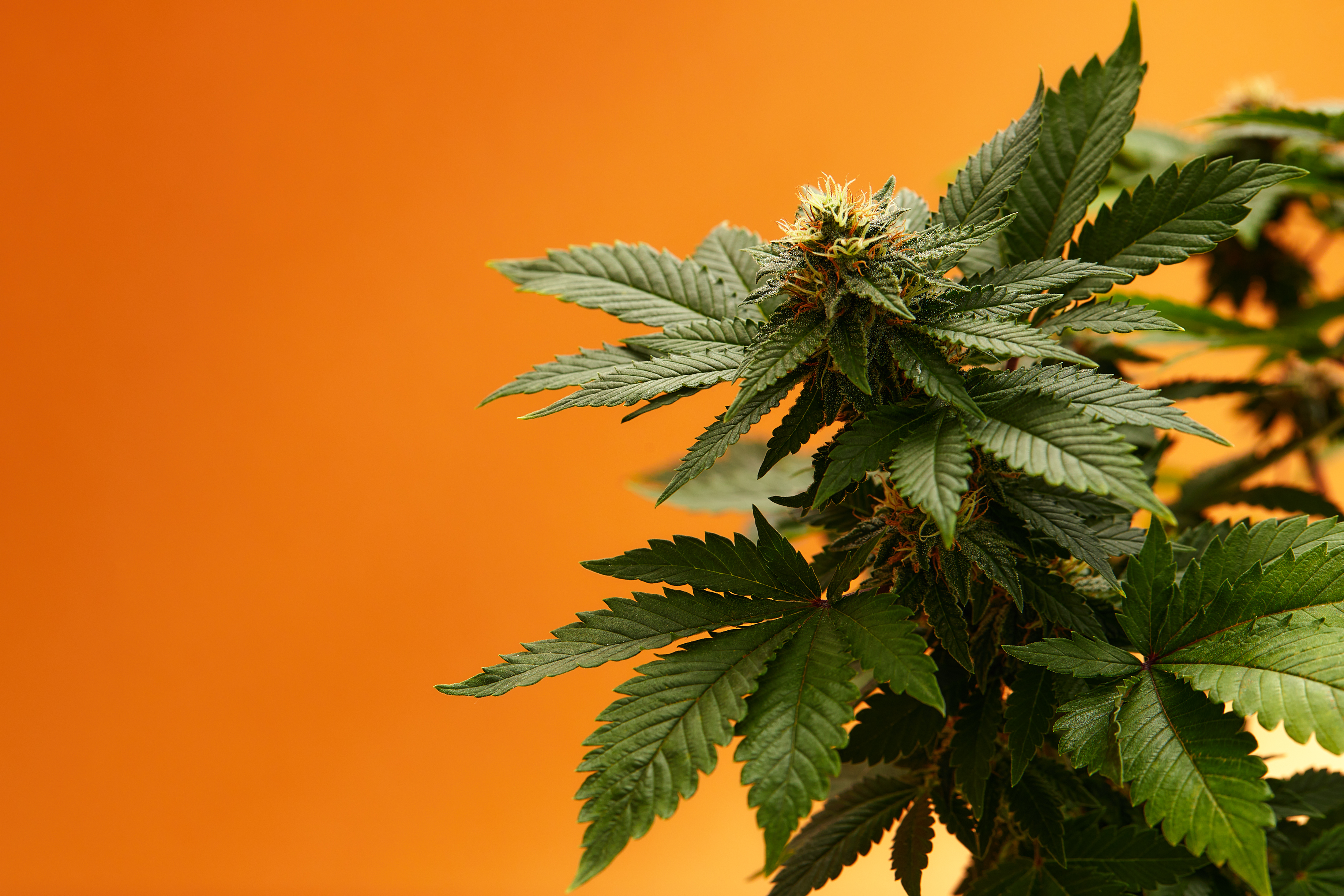


Knowing when a marijuana plant begins flowering is an important part of understanding its life cycle. Cannabis does not stay in the same type of growth from start to finish. A young plant first focuses on building roots, stems, branches, and leaves. Later, it begins to produce reproductive structures. This change marks the start of the flowering stage.
The flowering stage is the part of the cannabis life cycle when the plant begins forming flowers. In female plants, these flowers may later develop into the structures commonly called buds. Before this point, the plant is mainly in the vegetative stage. During vegetative growth, most of the plant’s energy goes toward becoming larger and stronger. It produces new leaves, longer branches, and a wider root system. These parts help the plant collect light, water, and nutrients.
The change from vegetative growth to flowering does not usually happen in a single day. Instead, it is a gradual process. This is one reason people may find it hard to tell exactly when flowering has started. A plant can show early reproductive signs while it is still producing a lot of normal leafy growth. Over time, the flowering signs become easier to see.
One of the first signs people often notice is the appearance of small white hairs at certain points on the plant. These hairs are usually seen where branches meet the main stem. They may also appear around new growth near the tops of branches. The hairs are part of the female flower structure. At first, there may be only a few. As flowering becomes more established, more of these hairs can appear across the plant.
These white hairs are commonly called pistils, although the thin hair-like parts themselves are more precisely known as stigmas. For most readers, the exact botanical term is less important than knowing what to look for. They usually appear as thin, pale, hair-like strands coming from a small flower structure. When these structures begin appearing at several locations, they are one of the clearest signs that a female plant is moving into flowering.
Another common sign is a change in the way the plant grows. Many marijuana plants become taller quite quickly as flowering begins. This increase in height is often called the flowering stretch. Branches may become longer, and the spaces between some sets of leaves can increase. The plant may look as though it is making one final burst of upward growth before putting more energy into flower development.
At the same time, the tips of branches can begin to look different. During normal vegetative growth, branch tips mainly produce new leaves and shoots. During the transition into flowering, small groups of reproductive growth begin to appear. These areas later become more obvious flower sites. In the early stage, they can be very small, so careful observation is often needed to notice the change.
It is also useful to understand the difference between pre-flowering and full flowering. A mature cannabis plant may show a few pre-flowers before the main flowering stage starts. These small structures show that the plant has reached sexual maturity. However, finding one or two pre-flowers does not always mean the whole plant is fully flowering. Full flowering becomes easier to recognize when similar changes appear at many nodes and branch tips.
The way flowering begins can also depend on the type of marijuana plant. Photoperiod cannabis responds strongly to changes in the length of daylight and darkness. In nature, shorter days can signal that the season is changing, which encourages the plant to enter its reproductive stage. Autoflower cannabis behaves differently. It begins flowering mainly as it reaches a certain age and stage of development rather than waiting for the same change in day length.
Indoor and outdoor plants can therefore show similar physical signs even though the trigger may be different. In both cases, the most useful clues are found on the plant itself. White hairs, developing flower sites, rapid stretching, and a change in growth pattern can all help show that flowering is underway.
It is better to look at several signs together rather than depending on only one clue. A single white hair may be an early pre-flower. A sudden increase in height alone may simply be strong vegetative growth. However, when several changes happen together, the picture becomes much clearer. A plant that is stretching, producing white hairs at several nodes, and forming new reproductive growth at branch tips is showing strong signs of entering the flowering stage.
Understanding these changes makes it easier to follow the plant’s natural development. The early flowering stage can look subtle at first, but the differences become more obvious with time. By learning how vegetative growth looks and comparing it with early reproductive growth, readers can identify the transition more accurately. The rest of this guide explains these signs in greater detail, including how to recognize pre-flowers, tell male and female plants apart, understand different flowering stages, and identify flowering in both photoperiod and autoflower marijuana plants.
What Does the Flowering Stage Mean for a Marijuana Plant?
The flowering stage is the part of the marijuana plant’s life cycle when it begins to produce reproductive structures. Before this point, the plant spends most of its energy building roots, stems, branches, and leaves. Once flowering begins, its pattern of growth starts to change. The plant still grows, but more of its energy goes toward developing flowers instead of making new leafy growth.
Understanding this change is useful because flowering does not happen in one sudden step. A marijuana plant usually passes through a short transition period before flowers become easy to see. During this time, the plant may stretch taller, change the way new growth appears, and begin forming small reproductive structures at the nodes. These changes can help show that the plant is moving from vegetative growth into flowering.
Vegetative Growth vs. Flowering Growth
The vegetative stage is mainly a period of structural growth. During this stage, a marijuana plant develops the parts it needs to support later growth. New leaves appear, stems become thicker, branches extend outward, and the root system continues to develop. The plant is focused on becoming larger and stronger.
The flowering stage has a different purpose. Instead of putting most of its resources into leaves and branches, the plant begins focusing more on reproduction. Female plants start producing the structures that can later develop into flowers. Male plants develop pollen-producing structures instead.
The difference is often easier to notice over time than on a single day. A plant does not suddenly stop producing leaves when flowering begins. It may continue making new leaves and stems while reproductive growth becomes more noticeable. This is why early flowering can sometimes be confused with late vegetative growth.
One important sign is where the new growth appears. During the vegetative stage, the tips of branches often look mainly leafy. As flowering develops, small reproductive structures begin appearing around the nodes and branch tips. Over time, these areas become more clearly different from normal leaf growth.
What Changes Inside the Plant
When a marijuana plant enters flowering, its internal growth processes begin to change. The plant responds to signals related to its age, genetics, and, in many types of cannabis, the amount of light and darkness it receives.
These signals affect how the plant uses its energy. During vegetative growth, much of that energy supports new stems, leaves, branches, and roots. During flowering, a larger share is directed toward reproductive development.
These internal changes eventually become visible from the outside. One of the first signs may be a change in the appearance of the nodes, which are the points where branches and leaves connect to the main stem. Small pre-flowers can begin to form in these areas.
Female plants may begin showing small structures with thin, light-colored hairs. As flowering continues, more of these hairs may appear at different nodes and near the ends of branches. Male plants develop different structures that are related to pollen production.
The plant may also change shape during this period. Some marijuana plants grow taller quite quickly as they enter flowering. The spaces between certain nodes may become longer, and branches may extend upward. This increase in height is often called the flowering stretch.
The amount of stretching can vary widely. Genetics play a major role in how much a plant changes in height and shape. Some plants show strong vertical growth, while others remain more compact. For this reason, stretching alone should not be used as the only sign that flowering has begun.
Why Flowering Does Not Begin All at Once
Flowering is better understood as a transition than as an event that happens overnight. A plant may show early reproductive signs before it has fully entered the flowering stage.
One of the first developments is often the appearance of pre-flowers. These are small reproductive structures that form around the nodes. Pre-flowers can show that a plant is becoming sexually mature, but their presence does not always mean that full flower development has started.
For example, a mature plant may show a few pre-flowers while most of its growth still looks vegetative. Leaves and branches may continue developing normally, and only one or two nodes may show reproductive structures.
As the transition continues, the signs become more widespread. More nodes begin showing reproductive growth. Female plants may develop increasing numbers of light-colored hairs, while branch tips begin to look less like simple leafy shoots and more like developing flower sites.
This gradual change is important because it helps explain why growers may disagree about the exact day flowering begins. One person may count flowering from the first visible pre-flower. Another may consider flowering to have started only when reproductive growth appears across several parts of the plant.
From a visual point of view, the clearest evidence comes from looking at several signs together. A plant that is stretching, showing reproductive structures at many nodes, and developing obvious flower sites is more clearly in flowering than a plant with only one isolated pre-flower.
Environmental conditions can also affect how quickly these signs become noticeable. Genetics, plant maturity, light conditions, and general plant health may all influence the pace of the transition. This means two marijuana plants may not look exactly the same even when they are at a similar point in their life cycle.
The flowering stage is the reproductive part of a marijuana plant’s life cycle. During vegetative growth, the plant mainly builds leaves, stems, branches, and roots. Once flowering begins, more of its energy is directed toward producing reproductive structures and, in female plants, developing flowers.
Flowering usually starts gradually rather than all at once. Early signs can include pre-flowers at the nodes, changes in branch-tip growth, increased vertical stretching, and the appearance of reproductive structures in more areas of the plant. A single pre-flower does not always mean that full flowering has started.
The First Signs That a Marijuana Plant Is Flowering
The start of the flowering stage brings several visible changes to a marijuana plant. These changes do not always appear at the same time. In many cases, they develop over several days as the plant moves away from vegetative growth and begins reproductive growth.
During the vegetative stage, the plant mainly focuses on producing leaves, stems, roots, and branches. Once flowering begins, its growth pattern starts to change. The plant may still grow taller, but it also begins forming structures that can later develop into flowers.
It is important to look at the whole plant instead of relying on one small sign. A single hair or unusual growth at one node does not always mean that full flowering has started. Flowering becomes easier to recognize when several signs appear together.
White Pistils Begin to Appear
One of the clearest early signs of flowering in a female marijuana plant is the appearance of thin white hairs. These hairs are commonly called pistils, although the visible hairs are more accurately known as stigmas.
They usually appear near the nodes of the plant. A node is the point where a branch or leaf stem connects to the main stem or another branch. Early in the transition, only a few white hairs may be visible at these locations.
At first, the hairs can be very small and easy to miss. They may look like tiny white threads coming from a small green structure. As flowering becomes more established, more of these hairs begin appearing at different nodes and near the ends of branches.
The number of pistils matters. One or two hairs may simply show that the plant is mature enough to display pre-flowers. When many parts of the plant begin producing fresh white pistils, it is a stronger sign that the flowering stage is starting.
The hairs are usually bright white during early flowering. Their color and appearance may change later as the flowers mature. At this early stage, however, fresh white hairs are one of the easiest signs to recognize.
Small Flower Sites Begin Forming
Another important sign is the development of small flower sites. These areas begin forming around the nodes and branch tips where new reproductive growth is appearing.
Early flower sites do not look like the large, dense buds people may associate with a mature marijuana plant. Instead, they may look like small clusters of green growth with several white hairs coming from them.
These early clusters can be quite small. At first, they may appear only at a few locations. Over time, similar growth begins appearing at more nodes and branch tips.
The change is often easier to notice when several areas of the plant begin developing in the same way. Instead of producing only leaves and new branches, the plant starts forming groups of reproductive structures.
This is one reason it is useful to compare different parts of the plant. If several branch tips show the same combination of white hairs and small flower clusters, the plant is more likely to be entering true flowering rather than simply showing isolated pre-flowers.
As flowering continues, these small sites may become fuller and more obvious. The spaces between the white hairs begin filling with additional plant tissue, making the developing flowers easier to recognize.
The Plant May Suddenly Stretch
A marijuana plant may also grow taller very quickly when it enters the flowering transition. This period of rapid vertical growth is often called the flowering stretch.
During this time, the distance between some nodes may become greater. Main stems and side branches can extend upward faster than they did before. The plant may look taller and more open within a relatively short period.
Stretching by itself does not prove that flowering has started. Plants can also grow quickly during the vegetative stage. However, rapid stretching combined with new pistils and flower sites is a much stronger sign of the flowering transition.
The amount of stretching can vary between plants. Genetics play a major role in how much a plant changes in height during this stage. Some plants may show a large increase in height, while others may remain more compact.
The important point is to look for a change in the plant’s normal growth pattern. If the plant begins growing upward more quickly at the same time that white hairs and small flower sites are appearing, these signs together suggest that flowering is beginning.
Growth Patterns Begin to Change
The general shape and appearance of new growth may also change during early flowering. This can be subtle at first, which is why it is helpful to compare new growth with what the plant looked like during the vegetative stage.
During vegetative growth, the plant mainly produces new leaves and branches. As flowering starts, branch tips may begin looking different. Instead of producing only leafy shoots, they may begin showing clusters of small reproductive structures.
Internode spacing may also change. Internodes are the sections of stem between one node and the next. During the flowering stretch, these spaces can become longer as branches extend.
At the same time, new growth around the upper parts of the plant may become more crowded with white hairs and small flower structures. Over time, these areas become easier to identify as flower sites.
The plant may therefore show two types of change at once. It may continue getting taller while also shifting its energy toward reproductive growth. This combination creates the distinctive appearance of a marijuana plant entering the flowering stage.
Because these changes happen gradually, it is better to watch for a pattern rather than one single feature. White pistils, small flower sites, faster vertical growth, and changes in branch-tip development are much more reliable when they appear together.
The first signs of flowering in a marijuana plant are usually small but noticeable when several changes are considered together. Female plants often begin producing thin white pistils at the nodes and branch tips. Small flower sites then become more visible as additional hairs and reproductive structures appear.
Many plants also go through a period of rapid vertical growth known as the flowering stretch. Stems and branches may extend quickly, while the spacing between some nodes becomes greater. At the same time, the appearance of new growth begins shifting from mostly leaves and branches toward developing flower clusters.
No single sign should always be used by itself to identify flowering. A few isolated hairs may simply be pre-flowers, while rapid growth alone can happen during other stages. When white pistils appear at several locations, small flower sites begin forming, and the overall growth pattern changes, it becomes much easier to tell that the plant has entered the early flowering stage.
Pre-Flowers vs. True Flowering: How to Tell the Difference
One of the most confusing parts of cannabis plant development is the difference between pre-flowers and true flowering. A plant may show a few small reproductive structures before it has fully entered the flowering stage. Because these early signs can look similar to young flowers, it is easy to assume that flowering has already begun.
Pre-flowers are an early sign that a marijuana plant has reached sexual maturity. They usually appear at the nodes, which are the places where branches meet the main stem. Their appearance means the plant is becoming mature enough to reproduce. However, a few pre-flowers do not always mean that the whole plant has entered full flowering.
True flowering is more widespread. Instead of seeing only one or two reproductive structures, the grower will notice changes at many points across the plant. New flower sites become easier to recognize, pistils may appear in greater numbers, and the overall pattern of growth begins to change.
Understanding this difference can make it easier to identify the plant’s stage correctly.
What Cannabis Pre-Flowers Look Like
Pre-flowers are small structures that usually develop near the nodes of a mature marijuana plant. They often appear before large or obvious flower clusters are present. Because they are very small, they may be difficult to notice without looking closely at the areas where branches connect to the main stem.
On a female plant, an early pre-flower may appear as a small, tear-shaped structure. Fine white hairs may eventually emerge from it. These hairs are commonly called pistils, although the visible hairs themselves are technically stigmas. For most readers, the important point is that thin white hairs coming from a small reproductive structure are a common sign of a female plant.
The first pre-flowers may not appear everywhere at the same time. A plant might show them at only a few nodes while the rest of the plant still looks mostly vegetative. It may continue producing stems and leaves even after the first pre-flowers become visible.
For this reason, pre-flowers are best viewed as signs of plant maturity rather than proof that full flowering is already underway.
Why Pre-Flowers Can Be Confusing
Pre-flowers can cause confusion because they share several features with early flowers. Both may appear at the nodes, and female structures may include small white hairs. The main difference is how widespread and developed these structures are.
A mature marijuana plant can display a few pre-flowers while still spending most of its energy on vegetative growth. The branches may continue getting longer, and new leaves may still make up most of the fresh growth.
The presence of one white hair is therefore not always enough to say that the entire plant is flowering. It is more useful to examine several areas of the plant and look for a pattern.
Another reason for confusion is that marijuana plants do not move from one growth stage to another in a single moment. The change from vegetative growth to flowering happens over a period of time. During this transition, the plant may show features of both stages.
For example, it may continue stretching upward while also producing more reproductive growth at the nodes. This overlap is normal. It explains why identifying the start of flowering is often based on several signs rather than one exact feature.
Signs That Full Flowering Has Started
Full flowering becomes easier to recognize when reproductive growth appears across several areas of the plant. On a female plant, one important sign is the appearance of many fresh pistils instead of only one or two isolated hairs.
These pistils often begin appearing around several nodes and branch tips. As more of them develop, the future flower sites become easier to see. Small clusters may form where previously there were only leaves, stems, and isolated pre-flowers.
Another sign is a change in the plant’s overall growth pattern. During the transition into flowering, many marijuana plants go through a period of rapid vertical growth known as the flowering stretch. Stems and branches may become longer while reproductive growth develops at the same time.
The most useful clue is not any single change. It is the combination of several changes happening together. A plant that has many developing flower sites, increasing numbers of pistils, and a clear change in growth pattern is more likely to have entered true flowering than a plant showing only one isolated pre-flower.
Looking at the entire plant gives a much clearer picture than checking only one node.
A Simple Comparison of the Two Stages
The easiest way to understand the difference is to think of pre-flowering as an early warning that the plant is mature enough to reproduce. True flowering is the stage when reproductive growth becomes one of the plant’s main visible activities.
During pre-flowering, reproductive structures may be scattered and limited. You might see a small structure at one node and another farther up the plant. Most new growth may still consist of leaves, shoots, and stems.
During true flowering, the signs become much more widespread. Pistils may appear at many nodes. Branch tips start showing clear flower sites. Small floral clusters begin forming, and the plant gradually takes on the appearance associated with the flowering stage.
The transition does not always happen at exactly the same rate from one plant to another. Genetics, plant maturity, and environmental conditions can influence how quickly the changes become noticeable. This is why identifying flowering by appearance is often more reliable than depending only on the number of days that have passed.
Pre-flowers and true flowers are closely related, but they represent different points in marijuana plant development. Pre-flowers are small reproductive structures that usually appear around the nodes once the plant reaches sexual maturity. A female plant may show one or two small structures with fine white hairs while most of the plant still looks vegetative.
True flowering becomes more obvious when these reproductive signs appear across several parts of the plant. More pistils become visible, multiple flower sites begin developing, and the overall growth pattern starts to change. The plant may also stretch as it moves through the transition.
What Does a Female Marijuana Plant Look Like When It Starts Flowering?
Knowing what a female marijuana plant looks like when flowering begins can help you understand the plant’s stage of growth. Female plants develop flowers that are different from the pollen-producing structures found on male plants. However, these differences can be difficult to see at first because the earliest flowers are very small.
The first signs usually appear around the nodes. A node is the place where a branch connects to the main stem. As the plant matures, small reproductive structures can begin forming in these areas. Over time, these structures become easier to identify.
One of the clearest signs of a female plant is the appearance of thin, light-colored hairs. These hairs are often called pistils, although the more exact botanical term for the visible hairs is stigmas. As flowering continues, more of these hairs appear and small flower clusters begin to form.
Female Pre-Flowers at the Nodes
Female pre-flowers are usually among the first signs that a marijuana plant is mature enough to reproduce. They often appear at the nodes, especially near the upper parts of the plant where branches join the main stem.
At first, a female pre-flower may look like a very small, teardrop-shaped structure. Because it is tiny, it can be difficult to see without looking closely. The structure forms close to the stem and may initially look similar to ordinary new plant growth.
As the pre-flower develops, one or two thin hairs may emerge from it. These hairs are a key sign that the structure is female. They are often white or pale when they first appear.
It is important to understand that seeing one pre-flower does not always mean the entire plant is in full flowering. Mature plants can sometimes show pre-flowers before widespread flower development begins. This is why it is useful to look at several parts of the plant rather than focusing on one node.
When similar structures appear at several nodes, the plant is showing stronger signs that reproductive growth is becoming more active. As flowering progresses, the number of visible female flower sites normally increases.
Identifying White Hairs or Stigmas
The thin white hairs that appear from female flower structures are among the easiest signs to recognize. These hairs are commonly called pistils by growers, although a pistil is technically the complete female reproductive structure. The visible hair-like part is called a stigma.
For simple identification, the exact term is less important than knowing what the structure looks like.
Fresh stigmas are usually thin, soft, and light in color. They may appear white, cream, or very pale yellow. At first, only a small number may be visible. Later, many more can appear as the flowers develop.
These hairs should not be confused with small leaves or new shoots. Young leaves usually have a flat shape and eventually develop clear edges. Stigmas look more like narrow hairs or threads.
It is also useful to look at where the hairs are growing. Female stigmas emerge from small reproductive structures close to the nodes and developing flower sites. When they begin appearing at many locations on the plant, flowering is becoming easier to recognize.
The color of the hairs can also change later in flower development. Fresh stigmas are usually lighter, while older ones may become darker. This change happens gradually and is part of normal flower development.
How Female Flower Sites Develop
During the earliest part of flowering, female flowers do not look like the large buds people often associate with mature marijuana plants. Instead, flower sites begin as small groups of reproductive structures.
These sites usually develop around the nodes and at the ends of branches. At first, you may notice several fresh stigmas growing close together. Small green structures surround the hairs.
As development continues, more flowers form in the same area. The sites slowly become thicker and more noticeable. Instead of seeing only one or two hairs, you may begin seeing clusters of them.
The tops of branches can also begin changing in appearance. During vegetative growth, the tips mainly produce new leaves and stems. As flowering becomes established, reproductive growth becomes more visible around these areas.
Several flower sites may eventually develop along the length of a branch. The upper areas of the plant often become especially noticeable because many flowers can form close together.
The change is gradual. A plant does not usually move from having no flowers to having large, obvious flower clusters overnight. Watching the plant over several days makes it easier to see the difference.
What Early Bud Development Looks Like
Early buds can look very different from mature cannabis flowers. This can cause confusion for people who expect flowering plants to immediately develop thick, dense buds.
In early flowering, a developing bud may look like a small collection of white hairs surrounded by tiny green plant structures. It may not appear round, thick, or dense yet.
Over time, more female flowers develop close together. Each new flower adds to the growing cluster. This creates the larger structure that is commonly described as a bud.
Small leaves may also grow around developing flower sites. These leaves are different from the larger fan leaves found throughout the plant. As the flowers continue developing, they become closely connected with the flower clusters.
Another change that may become noticeable later is the appearance of resin glands called trichomes. These glands are extremely small and can give flowers and nearby leaves a frosty or shiny appearance. Heavy trichome development is usually more noticeable after flowering has already progressed, so it should not be used as the only sign that flowering has just started.
The most useful early clues remain the appearance of female pre-flowers, fresh stigmas, and increasing numbers of flower sites. When these signs appear across several parts of the plant, it becomes much easier to recognize that the plant is moving into its flowering stage.
A female marijuana plant usually begins showing its first reproductive structures around the nodes where branches meet the main stem. Early female pre-flowers are small and may have a teardrop-like shape. Thin white or pale hairs called stigmas often emerge from these structures and provide one of the clearest signs that the plant is female.
As flowering progresses, more stigmas appear at several locations. Small flower sites begin forming around the nodes and branch tips. These early flowers do not look like mature buds at first. Instead, they begin as small clusters of hairs and green reproductive tissue that gradually become larger and more noticeable.
How to Tell Male and Female Plants Apart During Early Flowering
Being able to tell male and female marijuana plants apart is an important part of understanding the flowering stage. Cannabis plants can show different reproductive structures as they mature. These structures usually appear near the nodes, which are the points where branches meet the main stem. At first, the signs can be very small. This can make early identification difficult, especially for someone who has not seen flowering cannabis plants before.
Male and female plants often look similar during the vegetative stage. Both can develop strong stems, branches, and leaves. The main differences become easier to see when reproductive growth begins. Female plants usually develop structures with thin hairs, while male plants form small rounded structures that are linked to pollen production.
It is important to examine the plant carefully and avoid making a decision based on one tiny structure. Young growth can sometimes look similar to reproductive growth. Waiting until the features are large enough to see clearly can reduce confusion.
Early Signs of Female Plants
Female marijuana plants usually begin showing their sex by developing small pre-flowers at the nodes. These structures often form where a branch connects to the main stem. At first, they may look like tiny, pointed or teardrop-shaped growths.
One of the clearest signs of a female plant is the appearance of fine hairs. These hairs are often white when they first emerge. They grow from the female flower structure and may appear as a pair of thin strands.
As flowering continues, more of these hairs may appear at different nodes and near the ends of branches. Over time, the female flower structures become more noticeable. Several small flower sites may begin to develop across the plant.
The white hairs are often called pistils in general cannabis discussions, although the visible hairs themselves are more accurately known as stigmas. For most readers, the main point is simple: thin hairs coming from a small flower structure are a strong sign that the plant is female.
It is also useful to look at more than one part of the plant. A single small structure can sometimes be hard to identify. When the same type of growth appears at several nodes, the plant’s sex usually becomes easier to recognize.
Early Signs of Male Plants
Male marijuana plants develop different reproductive structures. Instead of producing flower structures with thin white hairs, males usually form small, rounded growths at the nodes.
These rounded structures are associated with pollen production. When they first appear, they can look like tiny balls or small oval shapes. They may develop alone at first, but more can appear as the plant moves further into flowering.
As male reproductive growth develops, these structures may become grouped together. Their round shape helps separate them from the more pointed female flower structures.
One of the main differences to watch for is the absence of the thin white hairs seen on female plants. Male structures generally do not produce the same visible hairs. Instead, the small rounded forms become more noticeable as reproductive development continues.
Early male flowers can still be difficult to identify because they begin very small. New branches and leaf growth can sometimes create shapes that look similar when viewed quickly. Careful observation is important before deciding whether a plant is male.
Where to Examine the Plant
The nodes are the best places to look for early signs of plant sex. A node is the point where a branch or leaf stem joins the main stalk. Cannabis plants often show their first reproductive structures in these areas.
Start by looking at the upper and middle parts of the plant where mature nodes are easy to see. Very young growth near the top may not show clear features yet. Older nodes often provide a better view of the plant’s reproductive development.
Good visibility makes identification easier. The reproductive structures can be very small during the early stage, so looking closely is often necessary. The goal is to identify the shape and structure of the growth rather than simply looking for changes in plant size.
Female structures are more likely to show small pointed growths with thin hairs. Male structures are more likely to look round and smooth, without the same hairs.
It can also help to compare several nodes. If similar reproductive structures appear in several places, the identification becomes more reliable. Looking at only one node can lead to mistakes, especially if the structure is still developing.
Why Identification Can Be Difficult at First
Early reproductive structures can be extremely small. This is one of the main reasons people sometimes confuse male and female plants during the beginning of flowering.
A very young female pre-flower may not have visible hairs yet. At the same time, an early male structure may not have developed enough to show its clear rounded shape. During this short period, the two can look more alike than they will later.
New leaf shoots can also cause confusion. Small leaves and side branches often appear near the same nodes where reproductive structures develop. A person may mistake new leafy growth for a flower simply because it appears in the correct location.
The safest way to identify the plant is to look for clear features rather than guessing from very early growth. Female plants become easier to recognize when thin hairs appear. Male plants become easier to recognize when rounded pollen-producing structures become more defined.
Plant development does not always happen at the same speed. Genetics, age, and growing conditions can affect when these features become visible. Two plants growing in the same area may not show clear reproductive signs on exactly the same day.
For this reason, the overall pattern of growth matters more than a single observation. Looking at several nodes and watching how the structures develop can give a much clearer answer.
Male and female marijuana plants can usually be told apart once their early reproductive structures become visible. Female plants commonly develop small flower structures with thin white hairs at the nodes. Male plants usually develop small rounded structures without these hairs.
The nodes, where branches meet the main stem, are the most useful places to examine. Because the first reproductive structures can be very small, early identification is not always easy. New branches and leaves can also be mistaken for flowers.
Rather than relying on one tiny structure, it is better to look for the same features at several nodes and observe how they develop. As flowering continues, the differences between male and female plants normally become much easier to recognize.
How Long After a Light-Cycle Change Does Flowering Become Visible?
For photoperiod marijuana plants, changing the light cycle is one of the main signals that tells the plant to move from vegetative growth into flowering. Indoor growers often use a schedule with about 12 hours of light followed by 12 hours of uninterrupted darkness to trigger this change. However, visible flowers do not appear as soon as the light schedule changes. The plant needs time to respond.
In many plants, the first clear flowering signs may appear within about one to two weeks after the light cycle changes. The exact timing can vary. Genetics, plant age, health, and growing conditions can all affect how quickly flowering becomes easy to see. During this early period, the plant is often described as being in its transition or flowering stretch.
Understanding this transition helps prevent confusion. A plant may already be responding to the longer dark period even though it does not yet have obvious flower clusters. Watching the plant itself is therefore more useful than relying only on the number of days that have passed.
The Transition Period in Photoperiod Plants
A photoperiod marijuana plant responds to changes in the length of light and darkness it receives each day. When the plant experiences longer periods of uninterrupted darkness, its internal processes begin shifting toward reproduction and flower production.
This change does not happen overnight. During the first several days after the light schedule changes, the plant may still look much like it did during vegetative growth. New leaves and stems can continue to develop. In fact, vertical growth may become faster for a short period.
This stage is commonly known as the flowering stretch. The plant may become noticeably taller as stems lengthen and the spaces between some nodes increase. Depending on genetics, this stretching period can continue for several weeks before slowing down.
The stretch is an important clue, but stretching by itself does not prove that visible flowering has fully started. A better sign is when stretching happens at the same time as reproductive structures begin appearing at several nodes and branch tips.
Some growers count the first day of the changed light schedule as the first day of flowering. Others describe the following one to three weeks as a transition period before calling the plant fully flowering. Because these definitions vary, looking at physical plant development is often clearer than relying only on a calendar.
Signs to Watch for During the First Weeks
During the first week after a change in light exposure, one of the most noticeable changes may be rapid vertical growth. Branches can extend upward, and the plant may look taller within a short period. New growth often appears quickly near the tops of branches.
Female plants may then begin showing thin, pale or white hairs at their nodes. These hairs are associated with the female flower structures and are among the easiest early signs to recognize. At first, only a few may be visible. As flowering progresses, more begin appearing around several nodes and growing tips.
In many photoperiod plants, these signs become easier to see during roughly the first one to two weeks after the flowering light cycle begins. By the following weeks, small groups of pistils may begin forming together at future flower sites.
The tips of branches also start looking different. During vegetative growth, they mainly produce new stems and leaves. As flowering develops, the growth near these tips begins forming more reproductive structures. Groups of fresh pistils can appear close together, giving the tips a fuller appearance.
Early flowers are very small. They should not be expected to look like mature buds at this stage. Mature-looking flowers develop later. During the transition, the important clues are the increasing number of pistils, the appearance of multiple flower sites, and a general change in how new growth develops.
Observing several signs together gives a clearer answer than focusing on only one. A plant that is stretching, producing pistils at several locations, and developing clusters at branch tips is showing much stronger evidence of flowering than a plant with only one isolated pre-flower.
Why Different Plants Respond at Different Rates
Not every marijuana plant follows exactly the same schedule. Genetics are one of the biggest reasons for differences in flowering speed.
Some varieties respond to a shorter daylight period fairly quickly. Others take longer before obvious flowers can be seen. Plants with different genetic backgrounds may also have different amounts of stretching during the early flowering period.
Plant maturity can also affect the response. A sexually mature photoperiod plant is generally able to show reproductive structures once the environmental signals support flowering. A younger plant may develop differently because it is still reaching maturity.
Overall plant health can influence what the grower sees as well. A healthy plant may show a clear and steady change in its growth pattern. A stressed or unhealthy plant may develop more slowly or show changes that are harder to interpret.
Environmental stability also matters. Photoperiod cannabis depends strongly on the relationship between light and darkness. The dark period is especially important because flowering is linked to receiving a long, consistent period of darkness.
This is another reason growers should avoid expecting every plant to show flowers on exactly the same day. A statement such as “flowers always appear on day seven” would be too simple. One plant may show clear pistils early, while another may need additional time before its transition is obvious.
Understanding When Flowering Is Clearly Underway
Instead of choosing one exact day as the point when flowering begins, it can be more useful to examine changes across the whole plant.
A few isolated pre-flowers may simply show that the plant has reached sexual maturity. When many flowering signs begin appearing at the same time, the transition becomes easier to confirm.
Look at several areas of the plant. Check the nodes, branch tips, and overall growth pattern. As flowering becomes established, reproductive growth should become more widespread rather than remaining limited to one or two locations.
The flowering stretch also begins to slow as the plant moves farther into flower development. Energy that was being used for rapid stem growth becomes increasingly connected with the development of flower sites. Small groups of pistils become more noticeable and eventually grow into larger floral clusters.
For this reason, flowering is best understood as a process rather than a single event. The light-cycle change sends the signal, but visible flowering develops gradually over the days and weeks that follow.
Photoperiod marijuana plants usually do not produce obvious flowers immediately after their light cycle changes. The first one to two weeks often act as a transition period in which the plant stretches, changes its growth pattern, and begins producing visible reproductive structures. The exact timing varies between plants.
White pistils at several nodes, new flower sites near branch tips, rapid early stretching, and changes in new growth are among the clearest signs that flowering is becoming established. Early flower sites will still be small, so growers should not expect mature-looking buds during this stage.
Genetics, plant maturity, health, and environmental conditions can all affect how quickly these signs become visible. Because of these differences, the most reliable way to recognize flowering is to observe several physical changes together rather than counting a fixed number of days after the light-cycle change.
How to Tell When Outdoor Marijuana Plants Are Starting to Flower
Outdoor marijuana plants often begin flowering as the seasons change and the days become shorter. This shift does not happen all at once. Instead, the plant moves through a short transition period. During this time, a grower may notice changes in the way the plant grows, the appearance of small white hairs, and the formation of early flower sites.
It is important to look at several signs together. A plant may show one small pre-flower before it has fully entered the flowering stage. For that reason, the best way to identify outdoor flowering is to watch how the whole plant changes over time.
Seasonal Changes and Flowering
Photoperiod marijuana plants respond to changes in the length of daylight and darkness. During the long days of spring and early summer, the plant usually focuses on vegetative growth. It produces more leaves, branches, and stems. This helps the plant build its structure.
As summer moves toward fall, the amount of daylight slowly decreases. Nights become longer. This natural change can signal to a mature photoperiod plant that it is time to begin reproductive growth.
The exact timing can vary. Outdoor plants do not all begin flowering on the same date. Some may start showing clear signs earlier, while others may take longer. Genetics, location, local weather, and the amount of daily light can all affect when the first signs become visible.
The change is also gradual. A plant does not look vegetative one day and suddenly have mature flowers the next. At first, the signs may be very small. Over the following days and weeks, they usually become easier to recognize.
Early Outdoor Flowering Signs
One of the most common early signs is the appearance of small white hairs at the plant’s nodes. The nodes are the points where branches and leaves connect to the main stem. On female plants, these thin hairs are part of the early reproductive structures.
At first, only a few hairs may be visible. As flowering becomes more established, more of them can appear at different nodes and near the ends of branches. When many areas of the plant begin showing similar changes, it is a stronger sign that flowering has started.
Another common sign is a change in the growth at the branch tips. Instead of producing only new leaves and stems, the tips may begin to develop small groups of floral growth. These early flower sites can look loose and small at first. They will not yet look like mature buds.
The plant may also go through a period of fast vertical growth. This is often called the flowering stretch. Stems may become longer, and the spaces between some nodes may increase. This change happens because the plant is moving from its main vegetative phase into reproductive development.
Stretching alone does not always prove that flowering has started. However, stretching combined with new pistils and changing branch tips is a much stronger sign.
Why Flowering Dates Differ by Location
Outdoor flowering time can differ greatly from one region to another. One reason is latitude. The number of daylight hours changes differently throughout the year depending on how far north or south a plant is growing.
In some areas, daylight begins decreasing quickly after the middle of summer. In other areas, the seasonal change is more gradual. This means plants in different regions may begin showing flowering signs at different times, even if they are the same variety.
Genetics also play an important role. Some cannabis varieties naturally begin reproductive development sooner than others. This is why two plants exposed to similar outdoor conditions may not show flowers at exactly the same time.
Local climate can affect how easy it is to observe the change as well. Temperature, cloud cover, storms, and general plant health can influence the way a plant develops. These factors do not replace the plant’s natural response to day length, but they can affect the speed and appearance of growth.
For this reason, it is more useful to observe the plant itself than to expect every outdoor plant to follow one fixed schedule.
Avoid Relying Only on the Calendar
A calendar can provide a general idea of when outdoor marijuana plants may begin flowering, but it should not be treated as exact proof. Flowering does not begin on one universal date.
A plant may start showing pre-flowers before full flowering begins. Another plant may take longer to show clear signs. Weather conditions and genetic differences can also cause plants in the same area to develop at different rates.
Instead of focusing only on the date, look for physical changes across the plant. Check whether white pistils are appearing at several nodes. Watch the upper branches for small developing flower sites. Notice whether the plant has begun stretching or changing its overall growth pattern.
The most reliable sign is usually a combination of several changes happening together. A few white hairs at one node may simply be pre-flowers. White hairs appearing across many parts of the plant, along with developing flower sites and noticeable growth changes, give stronger evidence that the flowering stage is underway.
It is also useful to remember that early flowers can be easy to miss. They begin as small structures and become more obvious with time. Careful observation over several days can make the transition easier to identify.
Outdoor marijuana plants usually begin flowering as natural daylight becomes shorter and nights become longer. The change happens gradually rather than all at once. Early signs often include white pistils at several nodes, changes in branch-tip growth, a period of stretching, and the formation of small flower sites.
The exact timing can differ based on location, latitude, genetics, climate, and the individual plant. Because of these differences, the calendar alone is not the best way to confirm flowering.
The clearest approach is to watch for several physical signs at the same time. When white pistils become more common, flower sites begin forming across the plant, and the overall growth pattern starts to change, the plant is likely moving into its flowering stage.
How to Recognize Flowering in Autoflower Marijuana Plants
Autoflower marijuana plants are different from photoperiod plants because they do not depend on a major change in the light schedule to begin flowering. Instead, autoflowers usually start flowering based mostly on their age and genetics. This means growers must watch the plant itself for signs that the flowering stage has started.
The first signs can be easy to miss because the change from vegetative growth to flowering does not happen all at once. At first, the plant may continue producing new leaves and branches while also showing small reproductive structures. Over time, these signs become more obvious.
Learning how to recognize the early flowering stage can help a grower understand what is happening with the plant. Some of the clearest signs include white pistils, faster vertical growth, and the development of small flower sites near the nodes and branch tips.
How Autoflowers Differ From Photoperiod Plants
Photoperiod marijuana plants usually begin flowering after they receive longer periods of darkness. Outdoors, this happens naturally as the days become shorter later in the growing season. Indoors, growers can change the light schedule to create the same effect.
Autoflower plants work differently. They contain genetics that allow them to begin flowering according to their age rather than depending mainly on changing daylight hours. Because of this, an autoflower may begin the transition to flowering even if the daily light period stays the same.
This is one reason why the calendar and the light schedule do not always tell you exactly when an autoflower has started flowering. Two plants of the same age may also develop at slightly different speeds. Genetics, plant health, and growing conditions can all affect how quickly visible flowers appear.
For this reason, it is better to examine the plant and look for several signs at the same time.
First Signs of Autoflower Flowering
One of the first signs of flowering is the appearance of small white hairs at the nodes. The nodes are the places where branches meet the main stem. These white hairs are part of the female flower structure and are commonly called pistils.
At first, there may only be a few white hairs. They can be very small, so a close visual check may be needed. As flowering continues, more pistils usually appear at several nodes and near the tops of branches.
The plant may also begin to grow taller more quickly. This period of faster vertical growth is often called the flowering stretch. Some autoflower plants stretch more than others, but a noticeable increase in height can be a useful sign when it happens at the same time as pistil development.
New flower sites also begin forming near the ends of branches. At first, these sites may look like small clusters of fresh growth. They usually do not look like mature buds yet. As more pistils appear and the flower structures increase in size, the difference between leafy growth and flower growth becomes easier to see.
It is best to look at all of these changes together. A single white hair may only show that the plant is mature enough to produce pre-flowers. Several flower sites, increasing pistils, and changes in growth provide stronger evidence that flowering has begun.
Why Light Schedule Is Not a Reliable Flowering Indicator for Autos
With photoperiod plants, a change in the number of light and dark hours can provide a useful clue about when flowering may begin. Autoflowers do not follow the same pattern.
An autoflower can begin producing flowers even when the amount of daily light remains unchanged. This means a grower should not assume the plant is still vegetating simply because the light schedule has stayed the same.
Instead, visual changes are more useful. The plant itself gives clearer information about its stage of development.
For example, a plant that has started producing pistils at many nodes and forming small flower clusters is entering the flowering stage even if its lighting has not changed. A plant that is still producing mainly stems, fan leaves, and new branches without widespread pistil formation is more likely to still be in vegetative growth or the early transition stage.
The age at which an autoflower starts showing these signs can vary. Different varieties have different growth patterns, so there is no single day when every autoflower will begin flowering.
Recognizing the Transition From Growth to Flower Production
The transition into flowering is a gradual process. During this period, the plant may still produce leaves and new branches, but more of its growth begins to focus on reproductive structures.
One useful sign is a change at the branch tips. Instead of seeing only new leaves, the grower may notice small groups of pistils forming close together. These areas are early flower sites.
As the transition continues, pistils usually become more common. Small flower clusters begin to form around the nodes and near the tops of branches. The spacing between some sections of the plant may also increase because of stretching.
Early flowers can look small and loose. They do not immediately resemble the dense flowers seen later in the plant’s life. This is normal. Flower formation happens step by step.
Over time, the clusters become easier to identify because more reproductive growth develops in the same area. More white pistils appear, and the flower sites become more defined.
Another important point is that several signs should be used together. Age alone is not enough. Height alone is not enough. One or two pistils are also not always enough. When the plant shows widespread pistil growth, visible flower sites, and a clear shift in its growth pattern, flowering is much easier to confirm.
Autoflower marijuana plants begin flowering mainly because of their age and genetics rather than a major change in the light schedule. This makes visual observation especially important when trying to identify the start of flowering.
The earliest signs often include white pistils appearing at the nodes, faster vertical growth, and the formation of small flower sites near branch tips. These signs usually become more noticeable as the plant moves further away from vegetative growth.
A single sign should not always be used by itself. The clearest evidence comes from several changes happening together. When pistils appear across different parts of the plant, flower clusters begin forming, and the overall growth pattern starts shifting toward flower production, the autoflower has entered the flowering stage.
Because different autoflower varieties develop at different rates, growers should focus more on what the plant looks like than on a fixed number of days. Careful observation is the most reliable way to recognize the transition from vegetative growth to flowering.
What Marijuana Plants Look Like During Early, Middle, and Late Flowering
The flowering stage does not look the same from beginning to end. A marijuana plant changes in several clear ways as flowers form and mature. These changes happen over time, which is why it helps to understand the difference between early, middle, and late flowering.
Looking at the whole plant is usually more useful than focusing on one sign. Flower size, pistil color, plant shape, resin, and leaf appearance can all change during flowering. Genetics also affect how fast these changes happen. Some plants develop visible flowers sooner than others, even when they are the same age.
Early Flowering
Early flowering begins when the plant starts showing clear signs that it is moving away from mostly leaf and stem growth. One of the first things people often notice is a group of thin, white hairs appearing near the nodes and growing tips. These hairs are part of the female flower structure and become more common as flowering develops.
The plant may also grow taller very quickly during this time. This period is often called the flowering stretch. Stems can become longer, and the spaces between some nodes may increase. The upper branches often reach upward as the plant prepares to support developing flowers.
Small flower sites also begin to appear. At first, they may not look like the dense buds people often associate with mature marijuana plants. Instead, they can look like small groups of green plant tissue with fresh white hairs coming from them.
During early flowering, the plant may still produce many leaves. New leaves may form around the growing flower sites, which can make it harder to tell where the final flowers will develop. Over time, the difference between normal leafy growth and flower growth becomes easier to see.
Early flowering is best recognized by several signs appearing together. A few white hairs alone may simply be pre-flowers. When white hairs become more common across the plant and small flower sites begin forming at several locations, flowering is easier to confirm.
Middle Flowering
Middle flowering is the stage when the flowers become much easier to recognize. Small flower sites begin to grow larger and may start joining together into thicker clusters. These clusters are usually found at the ends of branches and along the upper sections of the plant.
The rapid upward stretch seen during early flowering often slows during the middle stage. The plant begins putting more of its visible growth into flower development instead of producing long new stems.
White pistils are usually still easy to see during this period. There may be many more of them than there were during early flowering. They can stick out from the flower clusters and give the flowers a soft or slightly fuzzy appearance from a distance.
Resin production may also become more visible. Very small crystal-like structures called trichomes can begin covering the flowers and some of the small leaves close to them. Trichomes are tiny glands found on the surface of the plant. They may give flowering areas a shiny or frosted look.
The scent of the plant may become stronger during middle flowering as well. The exact smell depends heavily on genetics. Some plants may have strong earthy, sweet, citrus, pine, or other odors.
At this stage, it becomes easier to see how the final flower structure is developing. However, the flowers are still changing and increasing in size. Their appearance during middle flowering should not be confused with their final mature form.
Late Flowering
During late flowering, the plant’s flowers have a much more developed appearance. Flower clusters are usually larger and more clearly defined than they were earlier. The plant has generally completed most of its major stem and branch growth by this point.
One noticeable change is the appearance of the pistils. Many pistils begin as bright white hairs. As flowering continues, some of them may darken and change to shades of cream, yellow, orange, brown, or reddish brown. They may also begin to curl inward instead of sticking straight out.
These changes do not always happen at the same speed across the entire plant. Some flowers may have many darker pistils while others still show fresh white ones. Genetics and growing conditions can affect how the pistils look, so pistil color should not be treated as the only sign of flowering progress.
Trichomes usually become much easier to notice during late flowering. The small resin glands may cover a large part of the flower surface and nearby leaves. This can make parts of the plant appear dusty, sparkling, or frosted when viewed under bright light.
Leaves may also begin to change in appearance as the plant reaches the later part of its natural life cycle. Some older leaves can lose some of their green color. However, leaf color can change for many different reasons, so it should always be considered together with the condition of the flowers and the rest of the plant.
Why Identifying the Flowering Substage Matters
Knowing whether a plant is in early, middle, or late flowering can help a reader understand what they are seeing. A plant with a few small flower sites and fresh white pistils looks very different from one with large flower clusters and heavy trichome coverage.
It is also important not to judge the flowering stage by the number of weeks alone. Two plants can enter flowering at similar times but still develop at different speeds. Genetics are one major reason for this difference.
Environmental conditions can also affect plant development. Because of these differences, visual signs often give a clearer picture than a calendar by itself.
The most useful approach is to look at several features at the same time. These include flower size, pistil appearance, plant stretching, trichome coverage, and the overall shape of the developing flowers. No single feature gives a complete picture on its own.
Marijuana plants change in clear stages as flowering develops. During early flowering, plants may stretch quickly, show fresh white pistils, and begin forming small flower sites. During middle flowering, flower clusters become larger, growth in height often slows, and resin becomes easier to see. During late flowering, the flowers look more developed, many pistils may darken, and trichome coverage can become much more noticeable.
These stages do not occur on exactly the same schedule for every plant. Genetics and environmental conditions can change how fast a plant develops and how the flowers look. For this reason, readers should pay attention to several physical signs rather than relying only on the number of days or weeks that have passed.
Common Mistakes When Trying to Identify the Flowering Stage
Knowing when a marijuana plant has entered the flowering stage may seem simple, but early changes can be easy to misread. A plant does not suddenly change from vegetative growth to full flowering in one day. Instead, the change happens over time. During this transition, the plant may show some signs of flowering while it is still producing a lot of leaves and stems.
This is why growers should avoid judging the plant based on one sign alone. Pistils, pre-flowers, stretching, and changes at the branch tips should be viewed together. Understanding the most common mistakes can make it easier to identify the flowering stage correctly.
Mistaking Pre-Flowers for Full Flowering
One common mistake is assuming that the first pre-flower means the plant is already in full flowering. Pre-flowers are small reproductive structures that usually appear near the nodes, which are the points where branches meet the main stem.
On a female plant, a pre-flower may have one or two thin white hairs. These hairs are often called pistils, although the visible hairs are more correctly known as stigmas. Their appearance shows that the plant is mature enough to begin showing its sex.
However, a few pre-flowers do not always mean that the whole plant has entered full flowering. A mature plant may show pre-flowers while it is still mainly producing vegetative growth.
Full flowering becomes easier to identify when similar changes appear across several parts of the plant. More pistils begin to develop, and several branch tips start forming small flower sites. Instead of seeing only one or two hairs at a single node, the grower may notice clusters of fresh white hairs at many points on the plant.
The main difference is the scale of the change. Pre-flowering may involve only a few reproductive structures. Flowering causes a wider change in how the plant grows.
Looking Only for Large Buds
Another mistake is waiting for large, obvious buds before deciding that flowering has started.
Marijuana flowers do not begin as large buds. Early flower sites are small and may not look much like mature cannabis flowers at all. At first, they may appear as small clusters of new growth with thin white hairs coming from them.
As flowering continues, these small sites slowly become larger. New floral tissue forms around them, and more pistils appear. Over time, the separate flower sites begin to develop into the thicker buds that are easier to recognize.
This process takes time. A plant can clearly be in the flowering stage even when its flowers are still very small.
Looking only for large buds can cause a person to miss the early flowering stage completely. Instead, it is better to watch how the branch tips and nodes are changing. If several areas are producing new pistils and small flower clusters, the plant may already be flowering even though large buds have not formed yet.
Relying Only on the Number of Days
Growers may also make mistakes when they depend too much on a calendar.
Flowering schedules can be useful as a general guide, but plants do not always follow an exact timetable. Two plants of the same age may begin showing visible flowers at slightly different times.
Genetics can affect how quickly a plant moves through each growth stage. Some varieties may show flowering signs sooner than others. Plant maturity can also play a role.
Growing conditions may change the speed of plant development as well. Temperature, light exposure, overall plant health, and other environmental factors can influence how quickly visible changes appear.
This means that counting days alone is not the best way to confirm flowering.
For example, a person may expect flowers to appear a certain number of days after a photoperiod plant begins receiving longer periods of darkness. However, the plant may need time to complete the transition before strong visual signs appear.
The plant itself provides the most useful clues. Changes in pistil production, stretching, branch-tip growth, and flower-site development can give a clearer picture than the calendar alone.
Confusing New Leaf Growth With Flowers
Fresh leaf growth can sometimes look similar to early flower growth, especially when the plant is viewed from a distance.
During vegetative growth, branch tips continue to produce new leaves and shoots. These young leaves can be small, narrow, and tightly packed together. A person who is not familiar with early flowering may mistake this new leafy growth for a developing bud.
The best way to tell the difference is to look more closely at the structure.
New vegetative growth mainly develops into leaves and stems. Early female flower sites usually begin showing thin white hairs along with small reproductive structures. As flowering becomes stronger, more of these hairs appear in the same area.
Leafy growth will continue opening into recognizable leaves. A flower site, in contrast, will gradually form a tighter cluster around the reproductive parts of the plant.
Watching the same area over several days can make the difference easier to see. If it keeps producing normal leaves and shoots, it is probably vegetative growth. If it begins producing more pistils and compact floral tissue, flowering is becoming established.
Ignoring Multiple Signs
Perhaps the biggest mistake is trying to identify flowering from only one feature.
A single pistil may be a pre-flower. Stretching may happen for more than one reason. New growth at a branch tip may simply be another set of leaves.
The best way to judge the stage is to combine several signs.
During the transition into flowering, many marijuana plants begin to stretch. The main stem and branches may grow faster, and the spaces between some nodes can become longer.
At the same time, pistils may begin appearing at several nodes. Branch tips may also begin developing small flower sites instead of producing only normal leafy shoots.
When these changes happen together, the evidence of flowering becomes much stronger.
A grower should therefore look at the whole plant rather than focusing on one small area. Changes that appear across several branches are usually more useful than a single structure at one node.
Observing the plant over several days can also help. Flowering is a process, so its signs usually become clearer with time. New pistils appear, flower sites become more noticeable, and the overall pattern of growth changes.
The easiest way to avoid mistakes when identifying the flowering stage is to look for several changes instead of relying on one sign. A few pre-flowers do not always mean full flowering has started, and large buds are not needed to confirm that the process has begun. Early flowers start as small structures and develop gradually.
Calendars can provide a rough guide, but genetics and growing conditions can affect how quickly each plant develops. New leaves can also be confused with early flowers, so close observation is important.
The strongest evidence of flowering comes from a combination of signs. Look for increasing numbers of pistils, small flower sites forming at several nodes and branch tips, noticeable stretching, and a wider change in the plant’s growth pattern. When several of these signs appear together and become more obvious over time, the plant has most likely entered the flowering stage.
Conclusion: How to Know When Marijuana Plants Are Flowering
Knowing when a marijuana plant has started flowering becomes much easier when you know which physical signs to watch for. Flowering does not usually begin with one dramatic change. Instead, the plant slowly shifts from making mostly leaves and stems to forming reproductive growth. This means growers should look at several changes together rather than depend on only one sign.
One of the clearest early signs of flowering is the appearance of white hairs at the nodes of a female plant. These hairs are often called pistils, although the visible hairs are more accurately known as stigmas. They usually appear where a branch meets the main stem and later become more common near the growing tips. A few hairs may appear during pre-flowering, so seeing one or two does not always mean the plant has fully entered the flowering stage. When white hairs begin appearing at several nodes and new flower sites start forming across the plant, flowering is much more likely to be underway.
Another common sign is a sudden increase in height. This period is often called the flowering stretch. During the early flowering stage, stems and branches may grow faster than they did before. The plant may become taller and wider as it prepares to support developing flowers. The amount of stretching depends on genetics and growing conditions, so some plants may change more than others. Still, rapid vertical growth combined with new pistils and changing branch tips is a strong sign that the plant is moving into flowering.
Developing flower sites are another important clue. Early flowers are very small and do not look like mature buds. At first, they may appear as tiny clusters of new growth around the nodes and branch tips. As flowering continues, more pistils appear in these areas, and the clusters slowly become thicker and easier to see. This gradual development is important to understand because beginners may expect large buds to appear soon after flowering begins. In reality, the first stage is much more subtle.
It is also useful to understand the difference between pre-flowering and full flowering. Pre-flowers often appear when a marijuana plant reaches sexual maturity. They can show the sex of the plant before full flower production begins. A female plant may develop a small reproductive structure with white hairs, while a male plant may develop small, rounded pollen-producing structures. These early signs may appear even while the plant is still producing a large amount of vegetative growth. Full flowering becomes more obvious when reproductive structures begin developing at many points on the plant.
Male and female plants also look different once flowering becomes easier to identify. Female plants normally develop clusters of flowers with visible hairs, while male plants form groups of round pollen sacs. These structures usually appear near the nodes. Because very young structures can look similar at first, it is better to observe their shape and development over time instead of making a decision based on one tiny growth.
Photoperiod and autoflower marijuana plants also enter flowering in different ways. Photoperiod plants respond mainly to changes in the amount of light and darkness they receive. Outdoor photoperiod plants usually begin flowering as the days become shorter later in the growing season. Indoor plants can also respond to changes in their light and dark cycle. Autoflower plants are different because their flowering stage is mainly linked to age and genetics rather than a major change in day length. Even with these differences, the visible signs of flowering remain similar. Pistils, flower sites, stretching, and changing growth patterns are useful clues in both types.
Outdoor plants can be harder to judge by date alone because daylight patterns vary by location. Latitude, weather, plant genetics, and seasonal conditions can all affect when visible flowering begins. Two plants grown in different places may not start flowering at the same time, even if they are similar varieties. This is why observing the plant itself is usually more useful than depending only on a calendar.
It is also important to remember that the appearance of a marijuana plant changes throughout flowering. Early flowering is usually marked by stretching, fresh white hairs, and small flower sites. During the middle stage, the flowers become larger and more noticeable. More resin may become visible, and the plant begins to look very different from a plant in vegetative growth. Later in flowering, the flowers appear more mature, trichome coverage becomes easier to see, and many pistils begin changing in appearance.
The most reliable way to tell whether a marijuana plant is flowering is to look for several signs at the same time. Do not rely only on plant age, the number of days since a light change, or the appearance of one small pre-flower. Instead, look for white pistils at several nodes, new flower sites near branch tips, rapid stretching, and a clear change in the plant’s overall growth pattern.
By learning how these changes happen step by step, it becomes easier to recognize the flowering stage with confidence. Careful observation is the key. Marijuana plants show clear physical signs as they move from vegetative growth into reproductive growth, but those signs develop gradually. Paying attention to the whole plant gives a much more accurate picture than relying on a single feature or a fixed date.
Research Citation
Borthwick, H. A., & Scully, N. J. (1954). Photoperiodic responses of hemp. Botanical Gazette, 116(1), 14–29. doi:10.1086/335843. Faux, A.-M., Draye, X., Lambert, R., d’Andrimont, R., Raulier, P., & Bertin, P. (2013). The relationship of stem and seed yields to flowering phenology and sex expression in monoecious hemp (Cannabis sativa L.). European Journal of Agronomy, 47, 11–22. doi:10.1016/j.eja.2013.01.006.
Mediavilla, V., Jonquera, M., Schmid-Slembrouck, I., & Soldati, A. (1998). Decimal code for growth stages of hemp (Cannabis sativa L.). Journal of the International Hemp Association, 5(2), 65, 68–72.
Petit, J., Salentijn, E. M. J., Paulo, M.-J., Denneboom, C., & Trindade, L. M. (2020). Genetic architecture of flowering time and sex determination in hemp (Cannabis sativa L.): A genome-wide association study. Frontiers in Plant Science, 11, 569958. doi:10.3389/fpls.2020.569958.
Punja, Z. K., & Holmes, J. E. (2020). Hermaphroditism in marijuana (Cannabis sativa L.) inflorescences—Impact on floral morphology, seed formation, progeny sex ratios, and genetic variation. Frontiers in Plant Science, 11, 718. doi:10.3389/fpls.2020.00718.
Salentijn, E. M. J., Petit, J., & Trindade, L. M. (2019). The complex interactions between flowering behavior and fiber quality in hemp. Frontiers in Plant Science, 10, 614. doi:10.3389/fpls.2019.00614.
Salentijn, E. M. J., Zhang, Q., Amaducci, S., Yang, M., & Trindade, L. M. (2015). New developments in fiber hemp (Cannabis sativa L.) breeding. Industrial Crops and Products, 68, 32–41. doi:10.1016/j.indcrop.2014.08.011.
Spitzer-Rimon, B., Duchin, S., Bernstein, N., & Kamenetsky, R. (2019). Architecture and florogenesis in female Cannabis sativa plants. Frontiers in Plant Science, 10, 350. doi:10.3389/fpls.2019.00350.
Techen, N., Chandra, S., Lata, H., ElSohly, M. A., & Khan, I. A. (2010). Genetic identification of female Cannabis sativa plants at early developmental stage. Planta Medica, 76(16), 1938–1939. doi:10.1055/s-0030-1249978.
Zhang, M., Anderson, S. L., Brym, Z. T., & Pearson, B. J. (2021). Photoperiodic flowering response of essential oil, grain, and fiber hemp (Cannabis sativa L.) cultivars. Frontiers in Plant Science, 12, 694153. doi:10.3389/fpls.2021.694153.
Questions and Answers
Q1: How can I tell when a marijuana plant starts flowering?
A marijuana plant usually starts flowering when small pre-flowers appear at the nodes where branches meet the main stem. Female plants develop tiny teardrop-shaped calyxes with white hairs called pistils.
Q2: What do the first signs of flowering look like on a female marijuana plant?
The first signs are usually small white hairs growing from the nodes. These pistils often appear before visible buds begin to form.
Q3: When do marijuana plants normally begin flowering?
Photoperiod marijuana plants usually begin flowering when they receive longer periods of darkness. Outdoors, this often happens as days become shorter in late summer, while indoor plants flower after the light schedule is changed.
Q4: How long does it take to see flowers after the flowering stage begins?
Early flowering signs may appear within one to three weeks after the plant receives a flowering light cycle or responds to shorter outdoor days.
Q5: How can I tell the difference between male and female marijuana flowers?
Female plants usually produce small calyxes with white pistils, while male plants develop round pollen sacs that look like tiny balls and do not produce white hairs.
Q6: Do marijuana plants grow differently when they start flowering?
Yes. Many plants experience a rapid growth period called the flowering stretch. They may grow taller, develop more branches, and begin forming clusters of flowers at the nodes and tops.
Q7: What happens to the pistils when marijuana plants are flowering?
Pistils usually begin white and stand upright during early flowering. As flowers mature, many pistils may darken to orange, red, or brown and begin curling inward.
Q8: How do buds develop during the flowering stage?
Buds begin as small clusters around the nodes and branch tips. Over time, these clusters become larger and denser as more calyxes, pistils, and resin-producing trichomes develop.
Q9: Can marijuana plants show pre-flowers before full flowering begins?
Yes. Mature marijuana plants may develop pre-flowers before the full flowering stage. These small structures can help identify the plant’s sex and show that it is mature enough to flower.
Q10: What is the clearest sign that a marijuana plant is fully in the flowering stage?
The clearest sign is the development of visible bud clusters covered with numerous pistils. As flowering progresses, the buds become larger, more compact, and increasingly covered with resin glands called trichomes.