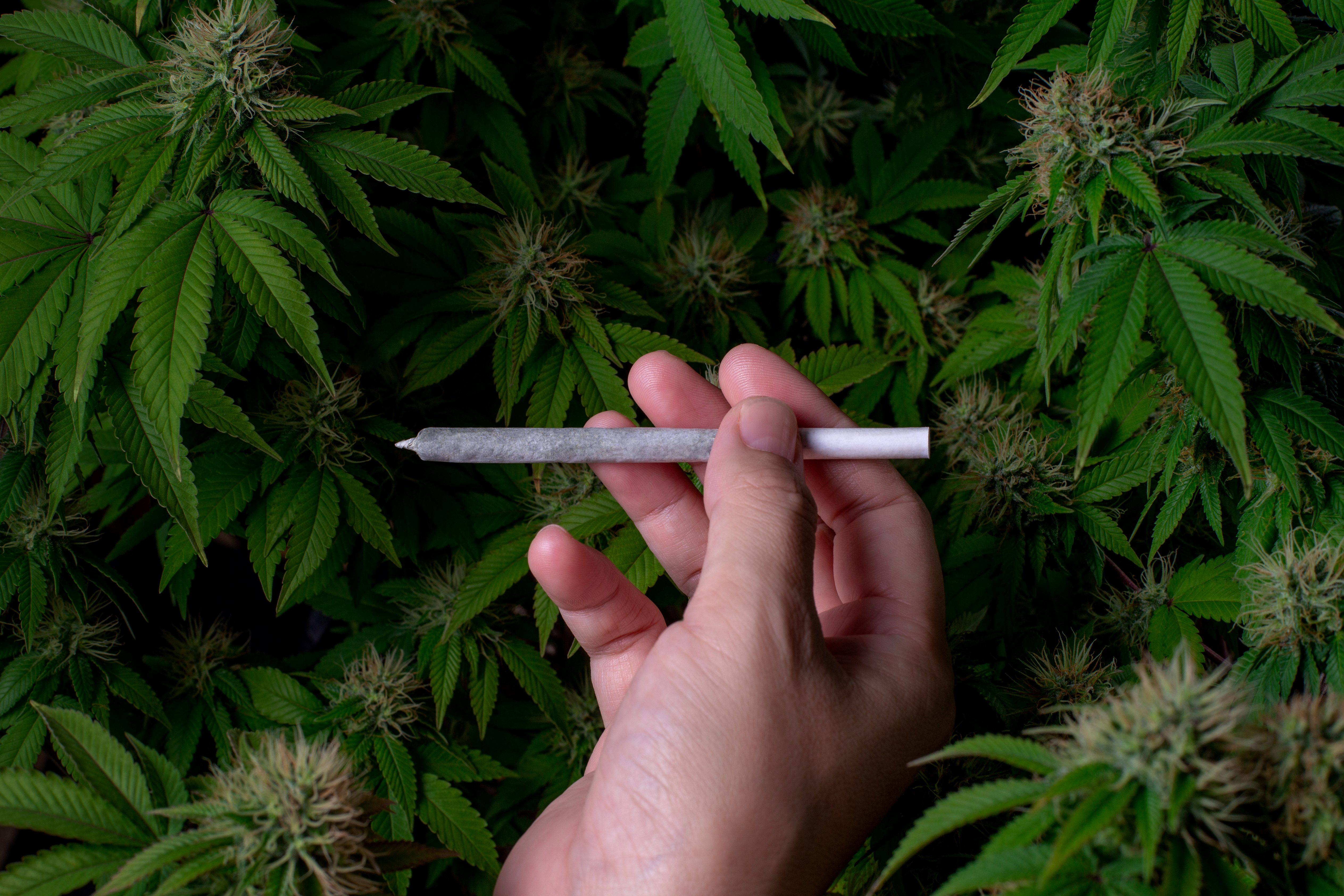


Cannabis contains many natural compounds that affect how it works in the body. One of the most well-known compounds is tetrahydrocannabinol, commonly called THC. THC is the main compound responsible for the psychoactive effects of cannabis. These effects may include changes in mood, memory, awareness, and how a person senses their surroundings. The amount of THC in a cannabis product can vary widely depending on the plant variety, growing conditions, processing methods, and product type.
Understanding how to test THC levels at home can help consumers learn more about the potency of cannabis products. THC potency refers to the concentration of THC found in a sample. It is often shown as a percentage for cannabis flowers or in milligrams for oils, tinctures, and edibles. Products with different THC concentrations may produce different effects, although potency is not the only factor that affects how a person responds to cannabis.
For example, a dried cannabis flower labeled as containing 20% THC has a reported THC concentration of 20% by weight. This means that one gram of the product contains about 200 milligrams of THC, based on the reported percentage. However, this does not mean that a person will absorb all 200 milligrams when using the product. The amount absorbed depends on several factors, including the method of use and individual differences in the body.
Learning how THC concentrations are measured is important because cannabis products do not always have the same chemical makeup. Even flowers from the same plant may have different cannabinoid concentrations. Storage conditions, moisture levels, and processing can also affect the results of potency testing. For this reason, testing a small sample may not always provide an exact measurement of the entire product.
Home THC testing has become more accessible through chemical test kits, portable testing devices, and other consumer tools. These products use different methods to identify or estimate the amount of THC in cannabis. Some kits rely on chemical reactions that produce color changes. Others use chromatography to separate cannabinoids or optical technology to estimate their concentrations. Each method has its own strengths, limitations, and testing requirements.
One reason people research how to test THC levels at home is to compare the potency of different cannabis products. A person may want to check whether a product has a concentration close to what appears on its label. Others may want to understand the differences between cannabis flowers, concentrates, tinctures, and infused products. Home testing can provide useful information for these purposes, but the reliability of the results depends on the testing method.
It is also important to understand that not every home THC test measures the same thing. Some products are designed to estimate THC potency in cannabis samples. Others are designed to detect signs of cannabis use in the human body. These are two different types of testing.
For example, cannabis potency testing examines the amount of THC or related cannabinoids in a product. In contrast, many home urine drug tests look for THC metabolites. These are substances produced when the body processes THC. A urine test may indicate whether a metabolite is present above a certain cutoff level, but it cannot tell someone the THC percentage of a cannabis flower or edible.
Accuracy is another major concern when using home testing products. Although some devices provide numerical THC estimates, these results may differ from those produced by professional laboratories. Factors such as sample preparation, equipment calibration, chemical interference, and user technique can affect testing accuracy. A test that works well with dried cannabis flowers may also be unsuitable for oils or edibles.
Professional cannabis testing laboratories use specialized equipment to measure cannabinoid concentrations. One common method is high-performance liquid chromatography, or HPLC. This technique can measure THC and its acidic form, THCA, separately. THCA is a natural compound found in cannabis that can change into THC when exposed to sufficient heat. Understanding this difference is important because some testing results report THC alone, while others include a calculated total THC value.
However, THC potency is only one part of cannabis product testing. A product with a known THC concentration is not automatically free from harmful contaminants. Testing for pesticides, heavy metals, microbes, and residual solvents requires other methods. Most home potency kits cannot provide this information. Consumers should not treat a THC potency result as proof that a product is safe or meets regulatory standards.
Cost and convenience also play a role in choosing a testing method. Basic chemical kits may cost less than portable electronic analyzers, but they may provide less detailed results. Some testing systems also require special supplies, software, or regular calibration. Professional laboratory services may cost more per sample, but they can provide more complete and reliable measurements when validated methods are used.
Before selecting a home testing method, it is useful to consider the type of cannabis product, the information needed, and the level of accuracy required. Someone who wants a rough potency estimate may have different needs from someone who requires a verified THC concentration for product labeling or legal compliance.
This guide explains how to test THC levels at home using the main testing methods available to consumers. It covers how THC measurements work, what different kits can detect, how to understand results, and which factors may affect accuracy. It also explores testing costs, common mistakes, and the differences between home testing and professional laboratory analysis.
By understanding these methods and their limits, readers can better judge the information provided by THC tests. The main point is that home THC testing can help estimate cannabis potency, but the results are not always exact. Reliable testing depends on choosing a suitable method, following proper testing procedures, and recognizing when professional laboratory analysis is necessary.
What Are THC Levels, and Why Do They Matter?
THC levels show how much tetrahydrocannabinol is present in a cannabis product. THC is the main compound responsible for the intoxicating effects of cannabis. Its concentration can vary based on the type of cannabis, how it was grown, and how the final product was prepared. Understanding THC levels helps consumers compare products and make sense of the information printed on cannabis labels.
When learning how to test THC levels at home, it is important to understand what the test results mean. THC levels may be shown as a percentage, a weight, or an amount per serving. These measurements provide different details about a product’s cannabinoid content.
Knowing how THC levels are measured also helps explain why two cannabis products with similar labels may produce different effects.
Understanding THC and Its Role in Cannabis
Tetrahydrocannabinol, commonly called THC, is a natural chemical compound found in cannabis plants. It belongs to a group of substances known as cannabinoids. Cannabis contains many cannabinoids, including THC, cannabidiol (CBD), and cannabigerol (CBG). Each compound has its own chemical structure and interacts with the body in different ways.
Delta-9 THC is the main cannabinoid responsible for the intoxicating effects commonly linked to cannabis. After entering the body, THC interacts with the endocannabinoid system. This system helps regulate several functions, including mood, memory, appetite, and pain signals.
The endocannabinoid system contains receptors called CB1 and CB2. CB1 receptors are common in the brain and central nervous system. THC can activate these receptors, which can change how a person thinks, feels, and responds to their surroundings.
The effects of THC depend on several factors. These include the amount consumed, the method of use, previous cannabis exposure, and individual sensitivity. Higher THC exposure can increase the risk of unwanted effects, such as anxiety, dizziness, a faster heart rate, and problems with memory or coordination.
CBD is another major cannabinoid, but it works differently from THC. CBD does not produce the same intoxicating effects as delta-9 THC. Products may contain THC, CBD, or different amounts of both compounds.
Understanding these differences is important when reading cannabis test results. A product with a high CBD concentration does not always have a high THC concentration. Each cannabinoid must be measured and reported separately to provide a clear picture of the product’s contents.
Understanding THC Percentage and Potency
THC percentage is one of the most common ways to describe cannabis potency. It shows the amount of THC compared with the total weight of the tested product.
For example, a cannabis flower sample containing 20% THC has 20 grams of THC for every 100 grams of material, based on the reported measurement. This is equal to 200 milligrams of THC per gram.
However, cannabis labels may report total THC potential rather than the amount of active delta-9 THC already present in the flower. This difference matters because much of the THC-related content in raw cannabis exists as THCA.
THC concentration can also be reported in milligrams per gram. This measurement is useful when comparing products by weight. Oils and tinctures may display THC content in milligrams per milliliter, while edibles often list milligrams per serving.
These measurements are related, but they are not interchangeable without considering the product’s weight, volume, or serving size.
For example, a product labeled with 10 milligrams of THC per serving contains a stated amount of THC in each serving. This does not mean the product contains 10% THC. The percentage depends on the total weight of the product.
Potency also does not describe the full effect a product will have on a person. A higher THC percentage generally means more THC is present per unit of product, but the amount consumed and the method of use strongly influence exposure.
When comparing THC levels, consumers should review both concentration and serving information. Understanding these measurements helps prevent confusion between a product’s strength and the total amount of THC it contains.
The Difference Between THC and THCA
THC and THCA are closely related cannabinoids, but they have different properties. THCA stands for tetrahydrocannabinolic acid. It is naturally present in raw cannabis and serves as the chemical precursor to THC.
Unlike delta-9 THC, THCA does not produce the same intoxicating effects. However, when cannabis is exposed to heat, THCA can change into THC through a chemical process called decarboxylation.
Decarboxylation occurs when THCA loses a small part of its molecular structure in the form of carbon dioxide. This change produces delta-9 THC. Heating cannabis during smoking, vaping, or cooking can trigger this process.
The distinction between THC and THCA matters when learning how to test THC levels at home. Some testing devices measure these compounds separately, while others may report an estimated total THC value.
Total THC represents the potential amount of THC available after THCA is converted. A commonly used formula is:
Total THC (%) = Delta-9 THC (%) + [THCA (%) × 0.877]
The number 0.877 accounts for the difference in molecular weight between THCA and THC. It does not represent the percentage of THCA that will always convert during heating.
For example, suppose a cannabis sample contains 18% THCA and 1% delta-9 THC. Multiplying 18 by 0.877 gives 15.79. Adding the existing 1% THC produces an estimated total THC concentration of 16.79%.
However, this calculation represents the theoretical maximum. The actual amount of THC formed depends on heating conditions, conversion efficiency, and possible losses during processing.
This is why cannabis labels may show separate values for delta-9 THC, THCA, and total THC. Knowing the difference helps consumers interpret testing results without confusing raw cannabinoid content with potential THC potency.
Why Measuring THC Levels Is Important
Measuring THC levels provides useful information about cannabis products. Because cannabinoid concentrations can vary between products and batches, testing helps identify differences that may not be visible from appearance alone.
One important reason for measuring THC is understanding product potency. Two cannabis flower samples may look similar but contain different amounts of THC. Testing provides a more objective way to compare their cannabinoid concentrations.
THC measurements also help consumers understand product labels. For example, an edible may list 5 milligrams of THC per serving, while a cannabis flower product may display THC as a percentage. These labels use different units, so understanding their meaning is necessary for accurate comparisons.
Another reason to measure THC levels is to understand the relationship between potency and exposure. Products with higher THC concentrations contain more THC per unit of weight or volume. However, the amount that enters the body also depends on how much is used and how it is consumed.
Measuring THC may also help identify differences between batches of the same product. Cannabis is a natural material, and cannabinoid concentrations can vary due to plant genetics, growing conditions, harvesting, and processing. Even products sold under the same name may not always contain identical THC levels.
Still, THC concentration is only one part of cannabis quality. A potency test does not show whether a product contains pesticides, heavy metals, harmful microbes, or unwanted solvents. These substances require separate testing methods.
Home THC testing can provide useful estimates, but results should be interpreted with care. Consumer testing kits may have limits related to sample type, measurement range, and calibration. Professional laboratory testing is generally needed when verified cannabinoid concentrations are required.
THC levels describe the concentration of tetrahydrocannabinol in cannabis products. These measurements help explain product potency and allow comparisons between cannabis flowers, oils, concentrates, and edibles.
THC concentrations may be reported as percentages, milligrams per gram, or milligrams per serving. Understanding these units is important because each describes cannabinoid content in a different way.
It is also necessary to recognize the difference between THC and THCA. THCA is naturally present in raw cannabis and can convert into THC when heated. Total THC calculations account for this potential conversion, but they do not guarantee that the full amount will be produced or absorbed.
When learning how to test THC levels at home, understanding these basic concepts is the first step toward interpreting results correctly. Although home testing methods can estimate cannabis potency, accurate measurements depend on the testing technology, sample preparation, and equipment used.
Can You Accurately Test THC Levels at Home?
Testing THC levels at home is possible, but the accuracy of the results depends on the testing method. Some home tests can detect the presence of THC, while others can estimate how much THC is in a cannabis product. However, not all testing kits provide the same level of detail or reliability.
Home THC testing has become more accessible because of portable devices and chemical testing kits. These tools allow users to examine cannabis products without sending every sample to a laboratory. Still, home testing has limits that are important to understand before using the results.
THC potency can vary between cannabis flowers, oils, concentrates, and other products. Even samples from the same batch may contain different amounts of cannabinoids. For this reason, an accurate THC measurement requires more than placing a sample into a testing device.
Understanding how home THC tests work can help users choose suitable methods, avoid common mistakes, and recognize when professional testing is necessary.
Is At-Home THC Testing Possible?
At-home THC testing is possible through several methods designed to identify or estimate cannabinoid concentrations. These methods use chemical reactions, light measurements, or other forms of analysis to examine cannabis samples.
One common option is a chemical THC testing kit. These kits use special reagents that react with certain compounds in cannabis. The reaction may produce a color change that helps indicate the presence of cannabinoids. Some kits include reference charts that allow users to make rough estimates of cannabinoid levels.
However, a color change does not always reveal an exact THC percentage. Some chemical reagents react with more than one cannabinoid, which can make the results difficult to interpret. The accuracy also depends on how well the testing method has been validated.
Another option is thin-layer chromatography, also called TLC. This method separates compounds in a cannabis sample as they move across a special testing plate. Different cannabinoids may form separate spots on the plate.
TLC can help identify cannabinoids such as THC and CBD when the test uses suitable reference standards. Some kits also allow users to estimate concentrations by comparing the spots with known samples. However, these measurements are usually less precise than results from advanced laboratory equipment.
Portable electronic THC analyzers are another option. Some devices use near-infrared spectroscopy or other optical methods to study how light interacts with a cannabis sample. Software then estimates cannabinoid concentrations based on stored calibration data.
These devices may provide digital results, including estimated THC percentages. However, their performance depends on the quality of their calibration models and the types of samples they were designed to test.
A device designed for dried cannabis flowers may not work correctly with oils, edibles, or concentrates. Users should always check which products a device supports before relying on its measurements.
How Accurate Are Home THC Testing Kits?
The accuracy of home THC testing kits varies widely. Some products provide only a basic indication that cannabinoids are present. Others aim to measure THC concentrations within a stated range.
Several factors can affect the accuracy of home testing.
One major factor is the quality of the sample. THC and other cannabinoids are not always spread evenly throughout a cannabis product. For example, two flower samples taken from different parts of the same batch may have different THC concentrations.
If a small sample does not represent the entire product, even a properly working test may produce a misleading result.
Another factor is calibration. Electronic testing devices often rely on reference data collected from samples with known cannabinoid concentrations. The device compares a new sample with this information to estimate THC levels.
If the calibration data do not match the sample being tested, the result may be less accurate. Differences in moisture, plant material, and product composition can also affect some optical measurements.
Chemical testing kits have their own limitations. Changes in temperature, reagent quality, and reaction time may influence the results. Color-based kits also depend on how accurately users compare the sample with a reference chart.
Lighting conditions can make colors appear lighter or darker, leading to different interpretations.
It is also important to understand the difference between accuracy and precision.
Accuracy describes how close a test result is to the true value. Precision describes how consistent the results are when the same sample is tested several times.
For example, a device might repeatedly report a THC concentration of 18% when a validated laboratory method measures the sample at 22%. The device produces consistent results, but those results are not accurate.
Consumers should therefore look for testing products with clear validation information. Independent comparisons with recognized laboratory methods provide stronger evidence than general claims about high accuracy.
A home testing device should not be assumed to provide laboratory-quality measurements simply because it displays an exact percentage.
Home Testing Versus Laboratory Testing
Home THC testing and laboratory testing both examine cannabinoids, but they use different equipment and procedures. The main difference is the level of detail and confidence they can provide.
Home testing kits are generally designed for convenience. They allow users to examine samples without access to a professional laboratory. Depending on the method, they may provide a basic screening result or an estimated THC concentration.
Laboratory testing uses specialized instruments that can separate and measure individual cannabinoids. One common method is high-performance liquid chromatography, or HPLC.
HPLC separates the chemical compounds in a cannabis sample so they can be measured. This method can distinguish delta-9 THC from THCA, which is the acidic form of THC found in raw cannabis.
This distinction matters because THCA and THC are not the same compound. THCA can convert into THC when exposed to enough heat. A laboratory can measure each compound separately and use the results to calculate potential total THC content.
Professional laboratories also use reference standards, quality controls, and validated testing procedures. These measures help reduce errors and improve confidence in the results.
However, laboratory testing is not automatically accurate in every situation. Results may still vary because of sample preparation, equipment performance, and differences between testing methods. Laboratories must follow proper quality procedures to produce dependable measurements.
The United Nations Office on Drugs and Crime identifies liquid chromatography as a method for separating and measuring cannabinoids, including THC and THCA. It also stresses the importance of validating analytical methods before routine use.
Another important difference is the range of information available.
A home THC test may estimate cannabinoid potency, but it generally cannot determine whether a cannabis product contains harmful contaminants. Professional laboratories can conduct separate tests for substances such as pesticides, heavy metals, microbes, and residual solvents.
These additional tests are important because a product’s THC percentage does not indicate whether it is free from contamination.
Laboratory testing usually costs more and requires more time than home testing. However, it remains the more suitable option when verified measurements or detailed product analysis are necessary.
When Home Testing May Be Useful
Home THC testing may be useful when someone wants an approximate understanding of a cannabis product’s potency. Although it cannot replace professional analysis, it can provide information when the testing method is suitable for the sample.
One possible use is comparing cannabis samples. For example, a person may want to examine whether two dried flower samples have similar cannabinoid concentrations.
Using the same validated device under similar conditions may help identify differences between samples. However, small differences in reported THC percentages should not automatically be treated as meaningful.
Home tests can also help users understand the difference between product types. Cannabis flowers, oils, and concentrates contain cannabinoids in different forms and concentrations. A compatible testing device may help illustrate these differences.
Another use is checking whether an estimated THC level is broadly consistent with a product’s label. However, home testing results should not be used as final proof that a label is correct or incorrect.
A major difference between a home estimate and a certified laboratory result is the level of evidence supporting the measurement.
Home testing may also be useful for educational purposes. Learning how cannabinoids are detected and measured can help users better understand THC percentages, testing limits, and product information.
Still, there are situations where professional laboratory testing is more appropriate. These include commercial product testing, regulatory compliance, legal disputes, and cases where an accurate THC concentration is required.
Users should also remember that THC potency alone cannot predict how strongly a cannabis product will affect someone. The effects can depend on the amount consumed, the method of use, individual tolerance, and other factors.
For this reason, home THC testing should be treated as one source of product information rather than a complete measure of product strength, safety, or effects.
Testing THC levels at home is possible using chemical testing kits, thin-layer chromatography, and portable electronic analyzers. These methods can help identify cannabinoids or estimate THC concentrations, depending on the equipment and testing procedure.
However, the accuracy of home THC testing depends on several factors. Sample quality, calibration, testing conditions, and user technique can all influence the final result. Some tests only detect cannabinoids, while others provide estimated percentages.
Professional laboratory testing offers more detailed measurements through validated analytical methods such as HPLC. Laboratories can measure THC and THCA separately and perform additional tests to check for contaminants.
Home testing is most useful for preliminary estimates, educational purposes, and general comparisons between compatible samples. It should not replace laboratory analysis when verified potency measurements are needed.
What Methods Can You Use to Test THC Levels at Home?
There are several ways to test THC levels at home. Some methods use chemicals to show whether THC is present. Others use special tools to estimate how much THC a cannabis sample contains. Each method has its own benefits, limits, and level of accuracy.
When learning how to test THC levels at home, it is important to understand that not all tests measure the same thing. Some identify cannabinoids, while others estimate their concentration. A test that detects THC does not always tell you the exact amount of THC in a product.
The type of cannabis product also matters. Testing dried cannabis flowers is different from testing oils, edibles, or concentrates. Some home testing methods only work with certain types of samples.
Understanding the available methods can help users choose a test that matches their needs and interpret the results correctly.
Colorimetric THC Testing Kits
Colorimetric testing is one method used to check for cannabinoids in cannabis products. These tests use chemical reagents that react with certain compounds and produce a visible color change.
A reagent is a chemical used to cause or detect a reaction. When the reagent comes into contact with a cannabis sample, its color may change based on the compounds present. Some kits include a reference chart that helps users compare the result with known colors.
Colorimetric tests are often designed to identify certain cannabinoids or groups of cannabinoids. Some products may also provide a rough estimate of concentration. However, a color change alone does not always give an accurate THC percentage.
One problem is that different cannabinoids can produce similar chemical reactions. This makes it difficult for some color-based tests to identify THC without interference from other compounds. The original color of the sample may also affect how the result appears.
Lighting conditions and human judgment can create further differences. One person may see a color as dark orange, while another may describe it as reddish-brown. Such differences can affect how results are interpreted.
Colorimetric kits are generally less complex than laboratory instruments. However, users should check whether a kit is designed for detection or potency measurement before relying on its results.
Chemical safety is also important. Some testing reagents may irritate the skin or eyes, while others may require special handling and disposal. Following the manufacturer’s safety instructions is necessary.
Thin-Layer Chromatography (TLC) Test Kits
Thin-layer chromatography, or TLC, is a testing method that separates chemical compounds in a sample. It can help identify different cannabinoids based on how they move across a special testing surface.
TLC uses a thin layer of absorbent material attached to a plate. A suitable solvent moves through this layer and carries the compounds in the sample with it. Different compounds move at different rates because of their chemical properties.
As the compounds separate, they form spots at different positions on the plate. These spots can then be made visible using a detection method. Their positions may help identify cannabinoids such as THC, CBD, and other compounds.
Some TLC kits use reference standards to compare the movement of unknown compounds with known cannabinoids. Certain kits may also estimate concentration by comparing spot size or intensity with reference samples.
However, TLC is often considered a qualitative or semi-quantitative method. A qualitative test helps identify what is present. A semi-quantitative test provides an approximate amount rather than a highly precise measurement.
For example, a TLC test may suggest that one cannabis sample contains more THC than another. It may not establish the exact THC percentage with the same confidence as a validated laboratory method.
The accuracy of TLC depends on several factors. These include the testing materials, sample preparation, separation quality, and the method used to examine the spots.
TLC also requires careful handling because some kits use chemical solvents. Users should review the safety requirements and determine whether the method is suitable for home use.
Portable THC Potency Analyzers
Portable THC potency analyzers are electronic devices designed to estimate cannabinoid concentrations. Unlike traditional chemical testing kits, many of these devices use optical technology and computer-based calculations.
Some portable analyzers use near-infrared spectroscopy or other light-based methods. These technologies measure how a sample interacts with light. The device then compares the readings with stored calibration data to estimate cannabinoid levels.
Calibration data comes from samples that have already been measured using reference methods. The quality of this data plays an important role in the device’s accuracy.
For example, a portable analyzer may be designed to estimate THC and CBD concentrations in dried cannabis flowers. However, that does not mean it can accurately measure those compounds in oils or edibles.
Different product types contain different ingredients. Oils include carrier liquids, while edibles may contain fats, sugars, and other food ingredients. These materials can affect how light interacts with the sample.
Some devices report THC, THCA, CBD, and other cannabinoid values. Others may provide fewer measurements. It is important to check what the device actually measures and whether its reported values are direct estimates or calculated results.
Portable analyzers may offer faster results and require fewer chemical materials than some traditional methods. They can also make repeated testing more convenient.
However, these devices are often more expensive than basic testing kits. Their readings may also vary depending on sample condition, moisture content, and calibration quality.
A digital THC percentage should not automatically be treated as a confirmed laboratory result. Users should review the manufacturer’s validation information and understand the limits of the device.
Laboratory Mail-In Testing Services
Laboratory mail-in testing is another option for measuring THC levels. Instead of using a home testing device, a person sends a cannabis sample to a qualified laboratory for analysis.
Professional laboratories use specialized equipment to identify and measure cannabinoids. One common method is high-performance liquid chromatography, or HPLC. This method separates compounds in a sample so that THC, THCA, CBD, and other cannabinoids can be measured.
HPLC is useful because it can measure THC and THCA separately without requiring the high temperatures used by some other testing methods. This helps laboratories report both the amount of THC already present and the potential total THC content.
Some laboratories also use gas chromatography or other validated methods. Each method has specific requirements and limitations that affect how results are reported.
After testing, the laboratory may provide a certificate of analysis, often called a COA. This report usually identifies the tested sample and lists its measured cannabinoid concentrations.
Depending on the laboratory and requested testing services, the report may include THC percentage, THCA percentage, CBD content, and total THC calculations. Additional testing panels may check for pesticides, heavy metals, residual solvents, or microbial contamination.
One advantage of laboratory testing is that qualified facilities follow established methods for instrument calibration, quality control, and sample analysis. These practices help improve the reliability of results.
However, laboratory testing is generally more expensive than basic home testing kits. Results also take longer because the sample must be delivered and processed.
Not every laboratory accepts samples directly from consumers. Cannabis laws, shipping restrictions, and laboratory policies vary by location. Consumers should check whether sample submission is legally permitted before using a mail-in service.
Comparing the Available Testing Methods
Each THC testing method offers a different balance of convenience, cost, and accuracy.
Colorimetric testing kits are generally designed for simple chemical screening. They may help identify certain cannabinoids, but they often cannot provide precise THC concentrations.
TLC testing kits provide more information by separating compounds within a sample. They can help distinguish certain cannabinoids and may provide rough estimates of concentration. However, reliable interpretation depends on the quality of the method and reference materials.
Portable THC analyzers use electronic measurements to estimate cannabinoid levels. Some devices are designed for repeated testing and may provide numerical results within a short period. Their accuracy depends on calibration and whether the tested product matches the device’s supported sample types.
Professional laboratory testing offers more detailed measurements. Validated methods, reference standards, and quality controls make laboratory analysis more suitable when accurate THC concentrations are required.
An important difference is the type of result each method provides. A qualitative test identifies whether a substance may be present. A semi-quantitative test estimates its amount. A quantitative test measures concentration using an established analytical procedure.
These differences explain why two testing methods may produce different results for the same cannabis product. Sample preparation, measurement technology, and calibration can all affect the final reading.
The United Nations Office on Drugs and Crime recognizes color tests and thin-layer chromatography as useful analytical methods while emphasizing their limitations and the need for appropriate confirmation.
There are several ways to test THC levels at home, including colorimetric kits, TLC kits, and portable potency analyzers. Laboratory mail-in services offer another option where sample submission is legally allowed.
Color-based tests are mainly useful for preliminary screening, while TLC methods can help separate and identify cannabinoids. Portable analyzers may provide numerical potency estimates, but their accuracy depends on the device and its calibration.
Professional laboratories use validated analytical methods to provide more reliable cannabinoid measurements. They may also offer additional testing for contaminants that home potency kits cannot detect.
How Do You Use a Home THC Test Kit?
Home THC test kits allow people to estimate the amount of THC in cannabis products without sending samples to a laboratory. These kits use different testing methods, including chemical reactions, thin-layer chromatography, and portable electronic devices. Each method has its own process, level of accuracy, and limitations.
Using a home THC test kit requires careful preparation and attention to the manufacturer’s instructions. Even small mistakes can affect the results. For example, using the wrong sample amount or reading a color chart incorrectly may lead to an inaccurate estimate of THC concentration.
It is also important to understand that not all home THC tests measure the same compounds. Some estimate THC levels, while others may detect a broader group of cannabinoids. Certain kits can distinguish THC from THCA, but others cannot.
Knowing how to choose, prepare, and use a home testing kit can help users better understand the results. However, home tests are not a replacement for professional laboratory analysis when precise measurements are needed.
Choosing the Right THC Testing Kit
The first step in learning how to test THC levels at home is selecting a kit that matches the product being tested. Cannabis products come in several forms, including dried flowers, oils, tinctures, concentrates, and edibles. Not every testing kit works with all these products.
For example, a testing kit designed for dried cannabis flowers may not provide accurate results when used with cannabis oil. Oils contain other ingredients that may affect chemical reactions or interfere with the testing process. Edibles can present similar problems because they contain fats, sugars, and other compounds.
Before choosing a kit, check which types of cannabis products the manufacturer supports. The product instructions should explain the accepted sample types and any limits on THC concentration.
It is also important to understand what the kit measures. Some tests identify whether certain cannabinoids are present. Others estimate cannabinoid concentration using color changes, separated chemical spots, or electronic measurements.
A test that detects the presence of THC does not always measure the exact amount. Consumers should look for kits that specifically provide THC concentration estimates if their goal is to understand potency.
The expiration date is another important factor. Chemical reagents may become less reliable over time. Using expired testing materials can affect results even when the instructions are followed correctly.
Finally, review any available accuracy information. Products supported by independent testing data may provide more useful estimates than those relying only on promotional claims.
Preparing the Sample for Testing
Proper sample preparation is important because THC may not be evenly distributed throughout a cannabis product. Testing a small, unrepresentative portion may produce a result that does not reflect the product’s overall potency.
For cannabis flowers, cannabinoid concentration can vary between different parts of the plant. Even flowers from the same plant may contain different amounts of THC and THCA.
A representative sample should reflect the material being evaluated. However, the correct preparation method depends on the testing kit. Some products require a specific sample weight or form, while others use specialized sample containers.
For cannabis oils and tinctures, ingredients may separate during storage. Manufacturers may provide specific instructions for preparing a sample before testing. These instructions should be followed to reduce measurement errors.
Clean testing equipment is also important. Residue from an earlier sample can contaminate the next one and change the results. Containers, measuring tools, and other reusable equipment should be cleaned according to the manufacturer’s directions.
Sample quantity is another factor. Using too much or too little material may place the concentration outside the test’s supported measurement range.
Users should avoid changing the sample preparation process on their own. A testing method is generally evaluated under specific conditions, and changes to those conditions may reduce reliability.
Following the Manufacturer’s Testing Procedure
Once the sample is prepared, the next step is following the instructions provided with the THC test kit.
The exact process depends on the testing technology. Chemical kits may use reagents that react with cannabinoids and produce visible color changes. Chromatography-based kits separate compounds so they can be examined individually. Portable analyzers may use optical measurements to estimate THC concentration.
These methods are different, so instructions for one testing kit should not be applied to another.
For chemical testing kits, users should pay attention to the manufacturer’s handling instructions, required protective equipment, and safety warnings. Some testing materials contain solvents or other chemicals that can irritate the skin, eyes, or respiratory system.
Testing should be performed in an appropriate area away from food, children, and pets. Chemicals should never be mixed with household cleaners or other substances unless the manufacturer specifically approves that use.
Timing also matters. Certain chemical reactions change as time passes. Reading results too early or too late may lead to an incorrect estimate.
Portable electronic testing devices have different requirements. Some need calibration or software updates to maintain reliable performance. Others depend on stored reference data to estimate cannabinoid concentrations.
A device may also require different settings for different product types. Selecting the wrong setting can affect the estimate.
Regardless of the method, users should follow the complete procedure rather than skipping steps. A kit may be easy to operate, but that does not mean its results are free from measurement errors.
Reading and Recording Results
After completing the test, users need to understand what the results mean.
Some home THC testing kits use color comparison charts. The tested sample produces a color that is compared with reference colors. The closest match may provide an estimated cannabinoid concentration or concentration range.
However, color interpretation can be subjective. Lighting conditions, eyesight, and small differences in shade may affect how a person reads the chart.
Thin-layer chromatography kits work differently. They separate certain compounds into visible spots on a testing plate. The location of a spot can help identify a compound, while some semi-quantitative methods use spot size or intensity to estimate concentration.
Portable electronic devices may display results as a percentage or another concentration unit. These measurements can be easier to read, but they still depend on the device’s calibration and validated capabilities.
It is important to distinguish between THC and total THC. Raw cannabis often contains THCA, which can convert into THC when heated. If a test reports only delta-9 THC, it may not represent the product’s potential total THC content.
When results are available, users should record the test date, product type, sample details, testing method, and reported concentration. Recording the units is especially important because THC can be expressed as a percentage, milligrams per gram, or milligrams per milliliter.
Results from different testing methods should not be treated as directly equivalent without understanding how each method measures cannabinoids.
Avoiding Common Testing Mistakes
Several common mistakes can make home THC testing less reliable.
One problem is using a testing kit with an unsupported product. A kit intended for cannabis flowers may not correctly measure THC in gummies, oils, or concentrates. Other ingredients can interfere with the testing method and affect the result.
Another mistake is using expired chemical materials. Testing reagents may lose their effectiveness during storage, especially when exposed to heat, moisture, or light. Proper storage helps maintain their condition, but it does not make expired materials reliable.
Incorrect sample amounts can also affect results. Testing methods are designed to operate within certain measurement ranges. A sample that is too concentrated or too dilute may produce an unclear or misleading reading.
Misreading results is another concern. Color charts can be difficult to interpret, especially when shades appear similar. Poor lighting may make these differences harder to see.
Electronic testing devices can also produce inaccurate estimates when they are not properly calibrated or when the sample falls outside the supported range.
A final mistake is assuming that a home testing result is equal to a certified laboratory report. Consumer kits may provide useful estimates, but they generally cannot replace validated laboratory testing for regulatory, medical, or commercial purposes.
Home THC tests also do not establish whether cannabis contains harmful contaminants. Measuring cannabinoid concentration does not confirm that a product is free from pesticides, heavy metals, harmful microbes, or residual solvents.
Learning how to test THC levels at home begins with choosing a suitable kit, preparing a representative sample, and following the manufacturer’s instructions. Each step matters because testing conditions can affect the final measurement.
Different home testing methods also provide different levels of information. Some kits detect cannabinoids, while others estimate THC concentration. Portable electronic devices may provide numerical results, but their accuracy depends on calibration, sample compatibility, and the quality of the testing method.
Reading and recording results carefully can help users understand what the test actually measures. It is especially important to distinguish THC from THCA and to check whether the reported value represents delta-9 THC or total THC.
Home THC testing can provide preliminary information about cannabis potency. However, results should be treated as estimates unless the method has been properly validated for the product being tested. When accurate cannabinoid measurements or broader product safety information is required, testing through a qualified laboratory remains the more reliable option.
How Can You Test THC Levels in Different Cannabis Products?
Testing THC levels at home depends on the type of cannabis product being tested. Cannabis flowers, oils, tinctures, edibles, and concentrates have different forms and chemical properties. Because of these differences, a testing method that works for one product may not work well for another.
For example, dried cannabis flowers contain cannabinoids within plant material. Cannabis oils contain cannabinoids mixed with carrier oils, while edibles contain THC combined with food ingredients. These differences can affect how a sample is prepared and how accurately a testing device measures THC.
Some home THC testing kits are designed for specific products. Others claim to work with several types of cannabis. However, not every kit can provide reliable results for every sample.
Understanding how THC testing works for different products can help users select suitable equipment, read results correctly, and recognize when professional laboratory testing is needed.
Testing THC Levels in Cannabis Flowers
Cannabis flowers are among the most common products tested for THC potency. Dried flowers contain several cannabinoids, including THC and its acidic precursor, THCA. The amount of each compound varies depending on the plant, growing conditions, harvesting methods, and storage.
Most fresh and dried cannabis flowers contain much of their potential THC in the form of THCA. When cannabis is heated, THCA undergoes a process called decarboxylation. This process converts THCA into THC.
Because of this, measuring only the existing THC content may not reflect the flower’s potential THC potency.
Some testing devices measure THC and THCA separately. Others estimate total THC using a calculation that accounts for the conversion of THCA into THC. A common formula is:
Total THC (%) = THC (%) + [THCA (%) × 0.877]
The value 0.877 accounts for the difference in molecular weight between THCA and THC. However, this calculation represents theoretical potential THC content. It does not mean that all THCA will convert into THC during actual use.
Home testing methods for cannabis flowers include color-based testing kits, thin-layer chromatography kits, and portable potency analyzers. These methods differ in how they measure cannabinoid content and how much detail they provide.
A major challenge when testing cannabis flowers is sample consistency. THC and THCA concentrations may vary across different parts of the same plant. Even flowers harvested from the same plant may have different cannabinoid levels.
Moisture content also affects reported THC percentages. A sample with more moisture contains more water relative to its dry plant material. This can lower the reported cannabinoid percentage by weight.
For this reason, results may differ when comparing fresh, partially dried, and fully dried flowers.
Visual inspection cannot provide an accurate THC percentage. Although trichomes contain cannabinoids, their appearance alone does not reveal how much THC or THCA is present.
A validated testing method is needed to obtain a meaningful estimate of flower potency.
Testing THC Levels in Cannabis Oils and Tinctures
Cannabis oils and tinctures contain cannabinoids dissolved or mixed into a liquid. These products may contain THC, CBD, or several cannabinoids in different amounts.
Testing these products requires a method that can measure cannabinoids within a liquid mixture.
Unlike dried flowers, which often display THC content as a percentage by weight, oils and tinctures may report THC in milligrams per milliliter (mg/mL).
For example, a 30 mL bottle containing 300 mg of THC would have an average concentration of 10 mg/mL, assuming the contents are evenly mixed and the label is accurate.
This distinction matters because the total THC in a bottle is different from the amount contained in a single milliliter.
Cannabis oils may contain carrier oils such as MCT oil, olive oil, or hemp seed oil. These ingredients can affect how certain testing methods perform.
Some home THC testing kits are designed to analyze liquids. However, a kit intended for dried flowers may not give reliable results when used with an oil-based product.
The carrier oil may interfere with chemical reactions or optical measurements. Some testing technologies also require a specific sample type to produce meaningful results.
Another concern is product consistency. Depending on the formulation, cannabinoids may not be evenly distributed throughout a liquid product. Separation or settling can make one portion different from another.
For this reason, a test result from one small sample may not represent the entire product.
Consumers should check whether a testing kit has been validated for the exact type of oil or tincture they want to analyze.
Testing equipment should also be able to distinguish THC from other cannabinoids when an individual THC measurement is needed.
Professional laboratories often use high-performance liquid chromatography to measure cannabinoid concentrations in oils and tinctures. This method separates different compounds and allows them to be measured individually.
Laboratory testing is especially useful when accurate milligram-per-milliliter measurements are required.
Testing THC Levels in Edibles
Cannabis edibles include gummies, chocolates, baked goods, candies, and beverages that contain THC. These products are often labeled with the amount of THC in milligrams per serving rather than a percentage.
Testing THC levels in edibles can be more difficult than testing dried cannabis flowers. This is because edibles contain several ingredients that may affect how THC is measured.
For example, a chocolate edible contains cocoa, sugar, fats, and other ingredients. A gummy may contain gelatin, sweeteners, colors, and flavorings. These substances can interfere with certain chemical testing methods.
THC is fat-soluble, meaning it mixes more easily with fats and oils than with water. This property can make it harder to separate THC from food ingredients during testing.
Another challenge is uneven THC distribution. When THC is added to food, it may not spread evenly throughout the entire product. One portion could contain more THC than another portion, even if both pieces look identical.
This means that testing a small part of an edible may not reveal the THC concentration of the entire product.
For example, an edible labeled as containing 10 mg of THC per serving should contain approximately that amount in each serving. However, a single test cannot confirm that every serving has the same concentration.
Some home THC testing products claim to support edible samples. However, users should confirm that the testing method has been validated for the specific type of food being analyzed.
A test designed for cannabis flowers may not provide accurate measurements when used with chocolate, gummies, or baked products.
Professional laboratories use methods designed to separate cannabinoids from complex food ingredients. These methods can identify individual cannabinoids and measure their concentrations.
A 2023 study published in Food Chemistry described a validated liquid chromatography method for measuring up to 16 cannabinoids in various hemp-infused edible products. The research highlights the importance of using testing methods suited to complex food samples.
Laboratory testing may also examine whether THC is distributed evenly across multiple servings. This is known as homogeneity testing.
For consumers who need dependable THC measurements in milligrams per serving, professional laboratory analysis is generally more suitable than basic home testing kits.
Testing THC Levels in Concentrates
Cannabis concentrates contain higher concentrations of cannabinoids than many traditional cannabis flower products. Common examples include wax, shatter, resin, rosin, and distillates.
These products differ in texture, consistency, and chemical composition. Some are thick and sticky, while others are brittle, oily, or nearly liquid.
Because concentrates may contain high THC levels, they require testing methods that can measure cannabinoids across a suitable concentration range.
A home testing kit designed for dried cannabis flowers may not support concentrate samples. Some methods have upper measurement limits, meaning they cannot accurately measure cannabinoid concentrations above a certain level.
When a sample exceeds the supported range, the device may produce an unreliable estimate or indicate that the result is outside its measurement limits.
The consistency of concentrates can also affect sample collection. Sticky or uneven material may make it difficult to collect a small sample that represents the whole product.
Some concentrates contain several cannabinoids and plant compounds. These substances can affect chemical reactions or interfere with measurement methods that are not designed for complex mixtures.
Portable THC testing devices may support certain concentrate products. However, compatibility depends on the equipment and its calibration.
A device calibrated for cannabis flowers should not automatically be considered suitable for wax, resin, or distillate.
When evaluating testing equipment, users should confirm that the manufacturer provides validated measurement ranges for the specific concentrate being tested.
Professional laboratories can measure THC and other cannabinoids in concentrates using analytical methods such as HPLC. These methods can separate individual compounds and provide results expressed as percentages or concentrations by weight.
Laboratory testing is especially important when precise potency information is needed for product labeling, quality control, or regulatory purposes.
Testing THC levels at home requires an understanding of the product being analyzed. Cannabis flowers, oils, tinctures, edibles, and concentrates differ in their physical properties and cannabinoid concentrations.
Dried cannabis flowers may be tested using compatible chemical kits, chromatography methods, or portable analyzers. However, THC and THCA should be considered separately when interpreting the results.
Cannabis oils and tinctures often require tests designed for liquid samples. Their THC content may be expressed in milligrams per milliliter rather than as a percentage.
Edibles present additional challenges because fats, sugars, and other ingredients can interfere with measurements. Uneven THC distribution also makes it difficult to determine the amount contained in each serving.
Concentrates require testing methods that support higher cannabinoid concentrations and their specific physical properties.
How Accurate Are Home THC Tests Compared With Laboratory Tests?
Home THC testing kits allow people to estimate the amount of tetrahydrocannabinol (THC) in cannabis products without sending samples to a laboratory. These kits may use chemical reactions, color changes, chromatography, or portable testing devices to estimate THC levels. However, the accuracy of each method can vary.
Professional laboratories use advanced equipment and controlled testing procedures to measure cannabinoids. These methods can provide more detailed and reliable results when they are properly validated. Home THC tests may be useful for basic potency checks, but they generally cannot match the testing standards used by qualified laboratories.
Understanding the differences between home and laboratory THC testing helps consumers interpret results and recognize when additional testing is needed.
Factors That Affect THC Testing Accuracy
Several factors can affect the accuracy of THC tests performed at home. Even when using a well-designed testing kit, small mistakes during sample preparation or measurement can change the final result.
Sample size and consistency are important because THC may not be spread evenly throughout a cannabis product. Different parts of the same cannabis flower can contain different cannabinoid concentrations. If a person tests only a small portion, the result may not represent the entire product.
This issue can also affect cannabis oils and edibles. Some products may contain uneven amounts of cannabinoids if the ingredients were not mixed well during production. Testing one portion does not always reveal the THC concentration of every portion.
Equipment calibration is another factor. Some portable THC testing devices use sensors or light-based technology to estimate cannabinoid levels. These devices depend on calibration models that connect measured signals with known THC concentrations.
A device that has not been properly calibrated may produce inaccurate results. Some testing devices also require regular maintenance or updates to maintain their performance.
Chemical reagent quality can affect testing results. Certain home THC testing kits use chemical substances that react with cannabinoids. Over time, these chemicals may lose their effectiveness, especially when stored incorrectly or used after their expiration dates.
Temperature and storage conditions also matter. Excessive heat, moisture, and direct sunlight may damage testing materials or affect the stability of cannabis samples.
Finally, user technique can influence the outcome. Measuring the wrong sample amount, misreading a color chart, or failing to follow the manufacturer’s instructions can lead to errors.
For more dependable results, consumers should follow the instructions provided with their testing equipment and understand the limits of the method being used.
Understanding Testing Precision and Accuracy
Accuracy and precision are two important terms used to describe the performance of THC testing methods. Although they are related, they do not mean the same thing.
Accuracy refers to how close a test result is to the actual or accepted reference value. For example, suppose a cannabis sample has a laboratory-confirmed total THC concentration of 20%. If a home testing device reports 19.5%, the result is close to the reference value.
However, if the same device reports 14%, its result is much farther from the reference measurement.
Precision describes how consistent the results are when the same sample is tested several times. A precise device should produce similar measurements under the same conditions.
For example, a home THC analyzer might report 16.1%, 16.2%, and 16.0% across three tests. These readings are close together, which suggests good precision.
However, if the actual concentration is 20%, the device is still inaccurate despite producing consistent results.
This difference shows why a THC testing method must be evaluated for both accuracy and precision.
A device that provides consistent readings is not necessarily measuring the correct THC concentration. Likewise, a device may produce one result close to the true value but show large changes during repeated tests.
Reliable testing methods aim to provide results that are both accurate and precise.
Understanding False Results and Measurement Errors
Home THC testing kits may produce misleading results for several reasons. Some errors occur because of the testing technology, while others result from sample preparation or the presence of other compounds.
One concern is chemical interference. Cannabis contains many cannabinoids, terpenes, pigments, and other natural substances. Certain compounds may affect chemical reactions used by home testing kits.
For example, a color-based test may respond to more than one cannabinoid. If the test cannot separate THC from other substances, it may provide a result that does not reflect the true THC concentration.
Another limitation involves the difference between THC and THCA.
THCA is a cannabinoid found in raw cannabis that can convert into THC when heated. Some home testing methods may not clearly distinguish these compounds. This can make it difficult to determine the amount of active delta-9 THC and the product’s potential total THC content.
Testing methods also differ in what they can report.
A qualitative test identifies whether a substance appears to be present. It may show that cannabinoids were detected without providing an accurate concentration.
A semi-quantitative test provides an approximate estimate of concentration. Some home chromatography kits fall into this category.
A quantitative test measures the concentration of a substance and reports a numerical value. However, the reliability of that number depends on the test’s validation, measurement range, and operating conditions.
Errors are also possible when a product contains THC concentrations outside a kit’s supported range. A device designed for lower-potency samples may struggle to measure highly concentrated cannabis extracts.
For this reason, THC testing results should always be interpreted based on the capabilities and limitations of the specific method.
Why Laboratory Methods Are More Comprehensive
Professional laboratories use specialized instruments to identify and measure cannabinoids. These instruments can separate different compounds and determine their concentrations with greater accuracy when the methods are properly validated.
One widely used method is high-performance liquid chromatography (HPLC). This technique separates compounds in a cannabis sample so they can be measured individually.
HPLC can measure delta-9 THC and THCA without requiring the high temperatures used in some other testing methods. This is important because heat can convert THCA into THC, changing how the compounds are measured.
With the right testing procedure, laboratories can report several cannabinoids, including THC, THCA, CBD, and CBDA. Some laboratories can also test for minor cannabinoids.
Another method is gas chromatography (GC). This technique uses heat to separate chemical compounds. However, the heat can convert THCA into THC unless the method includes special preparation or accounts for this change.
Both methods require trained staff, suitable equipment, and careful quality controls.
Laboratories also use reference standards containing known concentrations of cannabinoids. These standards help confirm that instruments are measuring the correct compounds and producing reliable results.
Quality control samples may be tested alongside cannabis samples to check whether the testing method is working as expected. Laboratories may also repeat measurements or use blank samples to identify contamination.
Method validation is another important part of professional testing. This process examines whether an analytical method can provide accurate and consistent results for a particular type of sample.
AOAC INTERNATIONAL has published performance requirements and approved analytical methods for measuring cannabinoids in cannabis materials, concentrates, and oils. These standards help laboratories assess the reliability of their testing procedures.
However, laboratory results are not completely free from error. Differences in sample preparation, equipment, or testing procedures can still affect measurements.
Choosing a qualified laboratory that follows recognized testing standards can help reduce these risks.
When to Confirm Home Results With a Laboratory
Home THC tests may provide useful estimates, but certain situations require more dependable measurements.
One reason to seek laboratory confirmation is when home testing produces unexpected or inconsistent results.
For example, a cannabis product may have a label showing 18% THC, while a home testing device reports 10%. This difference does not automatically mean the label or the device is incorrect.
The variation may come from different samples, testing methods, or measurement errors. Laboratory analysis can help identify whether the product’s cannabinoid concentration matches the reported value.
Laboratory confirmation may also be useful when comparing products that have similar THC concentrations. A home device may not be precise enough to identify small differences between samples.
Testing is especially important when results will be used for commercial or regulatory purposes. Businesses may need to meet specific rules for THC content, product labeling, or quality control.
In these situations, an informal home testing result is generally not a substitute for testing performed under the required laboratory procedures.
Professional analysis may also be necessary when testing complex products such as edibles, concentrated extracts, and infused oils. Ingredients in these products can make reliable THC measurements more difficult.
Laboratories can use methods developed for specific sample types, which helps reduce errors caused by other ingredients.
Consumers should also understand that THC potency testing does not confirm whether a product is free from harmful contaminants.
A product may have an accurately measured THC concentration while still containing unwanted pesticides, heavy metals, microbes, or residual solvents. These substances require separate testing methods.
Therefore, a home THC test should not be used as proof that a cannabis product is safe.
Home THC testing kits can provide a convenient way to estimate cannabinoid concentrations, but their accuracy depends on several factors. Sample consistency, calibration, chemical quality, storage conditions, and correct testing procedures can all affect the results.
Accuracy and precision are also different. A testing device may produce consistent readings without measuring the correct THC concentration.
Professional laboratories offer more complete testing through validated methods such as HPLC. These methods can measure individual cannabinoids and provide more detailed information about a sample.
Home tests may be useful for preliminary potency estimates. However, laboratory testing remains the more dependable choice when accurate cannabinoid measurements or verified results are required.
How Much Does It Cost to Test THC Levels at Home?
The cost of testing THC levels at home depends on the testing method, the equipment needed, and the number of samples being tested. Some THC testing kits cost less than $50, while advanced portable testing devices can cost hundreds or thousands of dollars. Professional laboratory testing is another option, although prices vary based on the type of analysis and the number of cannabinoids measured.
When learning how to test THC levels at home, it is important to consider more than the purchase price. Some testing methods require extra supplies, special equipment, or regular maintenance. Others provide only basic estimates rather than detailed measurements.
Understanding these costs can help consumers compare available methods and choose a testing option that fits their needs.
Costs of Chemical THC Testing Kits
Chemical THC testing kits are among the more affordable options for checking cannabis potency at home. These kits use chemical reactions to detect certain cannabinoids in a sample. Some produce color changes that help users estimate THC concentration, while others only indicate whether certain compounds are present.
Basic chemical testing kits may cost around $20 to $50, depending on the manufacturer, number of tests, and materials included. More advanced kits may cost over $100, especially when they support several cannabinoids or include additional testing supplies. These are general price ranges rather than fixed market prices.
Many kits contain chemical reagents, sample containers, measuring tools, and instructions. Some include reference charts that help users compare test results with known concentration ranges.
The number of tests included can affect the overall value. For example, a $40 kit that provides ten tests has a lower cost per test than a $30 kit that provides only three tests. However, this comparison is useful only when both products offer similar testing capabilities.
Consumers should also consider whether the kit is reusable. Single-use kits require a new set of materials for every sample. Reusable systems may have a higher starting cost but allow users to purchase replacement reagents separately.
Another factor is the accuracy of the results. Affordable color-based tests may provide a rough estimate of THC levels, but they may not measure the exact percentage. Color interpretation can also vary based on lighting, the sample, and the person reading the results.
Before purchasing a chemical test kit, users should confirm which cannabinoids it detects. Some products are designed to identify the presence of THC rather than measure its concentration. These tests should not be treated as accurate potency analyzers.
Costs of Portable THC Testing Devices
Portable THC testing devices use electronic sensors, optical technology, or other measuring systems to estimate cannabinoid concentrations. These devices are generally more expensive than chemical testing kits because they contain specialized hardware and software.
Consumer potency analyzers may cost several hundred dollars, while advanced devices can cost $1,000 to several thousand dollars or more. The final price depends on the technology, testing capabilities, and manufacturer.
Some portable analyzers use near-infrared spectroscopy. This technology measures how a cannabis sample interacts with light. Software then compares the readings with stored reference data to estimate cannabinoid levels.
Other devices use different optical methods or compact testing systems. Their performance depends on the quality of their calibration and whether the sample matches the materials used to develop the device.
One possible advantage of portable devices is that they may reduce the need for disposable chemical reagents. Depending on the model, users may be able to perform many tests without purchasing a complete new kit each time.
However, the initial purchase price is not the only expense.
Some devices require paid software subscriptions, calibration updates, or replacement accessories. Others may need regular cleaning or servicing to maintain consistent performance.
Compatibility is another important consideration. A device designed to test dried cannabis flowers may not work properly with oils, concentrates, or edibles. Buyers should review the manufacturer’s approved sample types before making a purchase.
Portable THC analyzers may be useful when testing many samples, but a high price does not automatically mean high accuracy. Buyers should look for independent test data showing how closely the device’s measurements match results from validated laboratory methods.
Costs of Professional Laboratory Testing
Professional laboratory testing is generally more detailed than home THC testing. Laboratories use specialized equipment to measure cannabinoid concentrations under controlled conditions. These methods can provide more reliable results when performed using validated procedures.
The price of professional THC potency testing varies by laboratory, location, and sample type. In the United States, a basic cannabinoid potency test may cost around $60 to $150 per sample. For example, published laboratory price information has listed standalone cannabinoid testing at $70 or $125 per sample. These figures are examples rather than fixed industry rates.
A basic potency test may measure THC, THCA, CBD, and other cannabinoids. More complete tests may include additional compounds or contaminants, depending on the selected testing package.
Testing for pesticides, heavy metals, residual solvents, and microbial contamination usually requires separate procedures. As a result, comprehensive testing panels cost more than tests that only measure cannabinoid potency.
Laboratory costs may also increase when testing complex products such as edibles, oils, and concentrates. These materials often require special sample preparation before accurate measurements can be made.
Shipping and sample handling may create additional expenses. Some laboratories only accept samples from licensed businesses, while others may accept consumer samples where permitted by law.
Consumers should check local laws and laboratory requirements before submitting cannabis products for testing. Mailing cannabis across certain borders or jurisdictions may be restricted, even when testing services are available.
Although laboratory testing involves a higher cost per sample, it can provide detailed results that basic home testing methods cannot offer. A laboratory report may also include measurement units, cannabinoid profiles, and information about the methods used.
Selecting a Testing Method Based on Budget
Choosing a THC testing method requires balancing cost, accuracy, and the type of information needed. An inexpensive method may be suitable for a basic estimate, while more detailed analysis may require advanced equipment or professional laboratory services.
For occasional testing, a chemical kit may involve the lowest starting expense. However, users should consider how many tests are included and whether additional materials must be purchased.
For frequent testing, a reusable portable analyzer may reduce the cost per sample over time. A device costing $1,000, for example, would have an equipment cost of $10 per test after 100 tests. This calculation does not include maintenance, accessories, or other operating expenses.
Laboratory testing may be more practical when only a few samples need accurate measurements. Instead of purchasing expensive equipment, users can pay for individual tests where laboratory services are legally available.
The type of cannabis product also matters. A testing method designed for dried flowers may not produce reliable results when used with oils or edibles. Purchasing an incompatible device can lead to extra costs and misleading measurements.
Accuracy should remain an important factor in any budget decision. A low-cost test that only detects THC cannot replace a method designed to measure THC concentration. Likewise, an expensive device does not guarantee dependable results unless its performance has been properly validated.
Before selecting a testing method, consumers should compare the total cost, supported products, available accuracy data, and level of detail provided by the results.
The cost of testing THC levels at home varies widely depending on the method selected. Chemical testing kits are generally the most affordable option, while portable analyzers require a larger initial investment. Professional laboratories charge per sample but can provide more detailed and dependable cannabinoid measurements.
When deciding how to test THC levels at home, consumers should consider both the purchase price and the long-term cost of testing. Sample compatibility, maintenance, replacement supplies, and accuracy can all affect the overall value.
Can You Test THC Levels Without a Testing Kit?
Many people wonder if they can measure THC levels in cannabis without buying a testing kit or using a laboratory. Cannabis flowers have different colors, smells, textures, and amounts of visible resin. These features may provide some information about the plant, but they cannot reveal its exact THC content.
THC, or tetrahydrocannabinol, is the main compound responsible for the intoxicating effects of cannabis. Its concentration can vary based on genetics, growing conditions, harvest timing, and storage. However, these factors do not create a clear visual sign of THC potency.
Learning how to test THC levels at home involves understanding which methods can measure cannabinoids and which methods only provide clues about plant quality. While people may try to judge THC strength through appearance, smell, or trichomes, these methods cannot replace chemical testing.
Can You Estimate THC Levels by Appearance?
The appearance of cannabis flowers is often used to judge their quality. Some flowers have bright colors, dense buds, and a thick layer of visible resin. Others may look less colorful or have a loose structure. However, these differences do not provide a reliable measurement of THC concentration.
For example, a cannabis flower covered in visible trichomes may appear stronger than one with fewer visible crystals. Although trichomes produce and store cannabinoids, their appearance alone cannot reveal how much THC they contain.
Cannabis flowers also come in different shapes and sizes. Some plants naturally produce compact buds, while others develop longer and lighter flowers. These traits are often linked to genetics and growing conditions rather than THC concentration.
Color is another feature that can be misleading. Cannabis flowers may contain shades of green, purple, orange, or brown. These colors develop from natural plant pigments, environmental conditions, and aging. Purple cannabis, for example, does not automatically contain more THC than green cannabis.
The size of a cannabis flower also has little value when estimating potency. A large bud may contain a lower THC percentage than a smaller one. THC concentration depends on the chemical makeup of the flower, not simply its weight or size.
Visual inspection can still help identify certain signs of poor storage or possible contamination. Unusual discoloration, visible mold, or excessive moisture may indicate a problem with the product. However, these observations cannot confirm THC potency or establish that a product is safe.
Therefore, anyone learning how to test THC levels at home should understand that appearance is not a dependable way to measure cannabinoid concentrations.
Can Smell or Taste Reveal THC Potency?
Cannabis produces a wide range of smells because it contains aromatic compounds called terpenes. These compounds are responsible for many of the scents associated with cannabis, including citrus, pine, floral, herbal, and earthy aromas.
Some cannabis flowers have a strong smell, while others have a mild scent. However, a stronger smell does not mean the product contains more THC.
Terpenes and cannabinoids are different chemical compounds. Although they may develop in the same plant structures, their concentrations do not always increase together. A flower with a strong aroma may have a modest THC concentration, while a less fragrant flower may contain more THC.
For example, limonene is associated with citrus-like aromas, while pinene produces scents similar to pine trees. Myrcene is another common terpene found in cannabis and several other plants. These compounds contribute to the aroma of cannabis, but they do not provide a direct measurement of THC content.
Storage conditions can also change how cannabis smells. Exposure to air, heat, and light may cause some terpenes to evaporate or break down over time. As a result, the smell of a product can change even when its cannabinoid content has not changed in the same way.
Taste is equally unreliable when estimating THC potency. Cannabis products may have different flavors because of terpenes, plant compounds, and added ingredients. These flavors do not reveal the amount of THC present.
Trying to judge potency by consuming a product is also unreliable. The effects of THC vary based on the amount consumed, individual sensitivity, previous exposure, and the method of use. In addition, the effects of edible cannabis products can take longer to appear than those of inhaled products.
For these reasons, smell and taste should not be used to estimate THC percentages. Reliable potency measurements require methods that analyze the chemical compounds within a sample.
Can Trichome Observation Determine THC Percentage?
Trichomes are tiny structures that develop on cannabis flowers and other parts of the plant. Many glandular trichomes produce and store cannabinoids, including THC and its chemical precursor, THCA.
Under magnification, some trichomes look like small stalks with rounded heads. These structures contain resin that may include cannabinoids and terpenes.
Because trichomes are linked to cannabinoid production, some people believe that examining them can reveal THC potency. However, trichome observation cannot provide an accurate THC percentage.
Trichomes may appear clear, cloudy, or amber as the cannabis plant develops and ages. Growers sometimes observe these changes to help assess flower maturity. However, the relationship between trichome color and cannabinoid concentration is not precise enough to determine THC content.
For example, cloudy trichomes do not automatically mean a flower has reached a certain THC percentage. Similarly, amber trichomes cannot reveal exactly how much THC has changed into other compounds.
The number of visible trichomes is also not a direct measure of potency. Two cannabis flowers may have a similar amount of visible resin but different cannabinoid concentrations.
Another limitation is that magnification only shows the physical appearance of trichomes. It does not reveal their chemical composition. A microscope or magnifying glass cannot separate THC from THCA, CBD, or other cannabinoids.
This distinction matters because cannabis flowers often contain substantial amounts of THCA before heating. THCA can convert into THC when exposed to sufficient heat, but visual inspection cannot measure either compound.
Trichome observation may provide information about plant development and visible resin structures. However, it cannot replace laboratory analysis or a validated testing device when determining THC percentages.
Are Homemade Chemical Tests Reliable?
Some online sources describe homemade methods for testing cannabis potency using common household materials. These methods may involve mixing substances, observing color changes, or attempting to extract plant compounds.
However, homemade chemical tests are generally not reliable ways to determine exact THC levels.
Cannabis contains many compounds, including cannabinoids, terpenes, pigments, and plant oils. Several of these substances may react with chemicals or affect the color of a mixture. As a result, a visible change does not necessarily mean that THC has been identified or measured.
Accurate chemical testing requires a method that can distinguish THC from other compounds. It also requires reference standards, controlled conditions, and a way to measure the amount of the target substance.
Without these controls, the results may be misleading. A homemade mixture might change color because of a compound unrelated to THC. Even if a reaction involves cannabinoids, it may not show which cannabinoid is present or its concentration.
There are also safety concerns when experimenting with chemicals at home. Some chemical testing methods use solvents or reagents that can irritate the skin, damage the eyes, or release harmful vapors. Combining household chemicals without proper knowledge can create additional risks.
Commercial testing kits may use chemical reactions, but they are designed around specific procedures and materials. Even then, their reliability depends on the testing method and whether its performance has been validated.
For more dependable results, cannabis samples can be analyzed using methods such as high-performance liquid chromatography (HPLC). This technique separates cannabinoids and measures their concentrations using calibrated laboratory equipment.
Validated laboratory testing can provide measurements for THC, THCA, CBD, and other cannabinoids. It can also help identify differences between the amount of THC already present and the potential THC content after THCA conversion.
People who want to understand how to test THC levels at home should avoid assuming that homemade chemical reactions can produce accurate potency measurements. A commercial kit with clear validation data may provide an estimate, while qualified laboratory testing is more appropriate when precise results are required.
It is not possible to determine exact THC levels through appearance, smell, taste, or trichome inspection alone. These characteristics may provide information about cannabis flowers, but they do not measure cannabinoid concentration.
Dense buds, strong aromas, visible resin, and cloudy trichomes are not reliable indicators of a specific THC percentage. Likewise, homemade chemical tests may produce misleading results because they often lack the controls and equipment needed to identify and measure cannabinoids.
What Is the Difference Between Testing THC Potency and Testing for THC in Your Body?
Testing THC levels in cannabis products is different from testing for THC in the human body. Although both methods involve tetrahydrocannabinol (THC), they measure different things and serve different purposes. Understanding these differences is important when learning how to test THC levels at home.
THC potency testing measures how much THC is present in a cannabis product. It helps identify the strength of cannabis flowers, oils, concentrates, and edibles. In contrast, drug testing looks for THC or its breakdown products in biological samples, such as urine, saliva, or blood.
These two forms of testing also use different equipment, methods, and measurement units. A cannabis potency test cannot determine whether someone will pass a drug screening. Likewise, a urine drug test cannot reveal the THC percentage of a cannabis product.
Testing THC Potency in Cannabis Products
THC potency testing measures the concentration of THC in cannabis products. The results help describe how much THC a product contains. This information is often shown on product labels or laboratory reports.
For cannabis flowers, THC potency is usually expressed as a percentage of the product’s weight. For example, a flower labeled as containing 20% THC has a reported THC concentration equal to 20% of its weight. This is roughly 200 milligrams of THC per gram of flower, based on the stated concentration.
However, cannabis flowers often contain both THC and tetrahydrocannabinolic acid (THCA). THCA is a compound that can change into THC when exposed to heat. This process is called decarboxylation.
Laboratories may report THC and THCA separately. They may also calculate total potential THC using a formula that accounts for the change in molecular weight during decarboxylation.
Cannabis oils and tinctures often display THC content in milligrams per milliliter or milligrams per bottle. Edibles commonly show the amount of THC in each serving and the entire package.
Home THC potency testing kits use different methods to estimate these concentrations. Some use chemical reactions that produce color changes. Others use chromatography or portable measuring devices.
However, not every home testing kit can accurately measure all cannabis products. Some are designed for dried flowers, while others support oils or extracts. The results may also vary depending on the sample, equipment, and testing procedure.
Most importantly, THC potency does not directly predict a person’s drug test result. The amount of THC present in a product is only one factor that may affect how much THC enters the body. The amount used, the method of use, and individual biological differences also play important roles.
How Do At-Home Urine THC Tests Work?
At-home urine THC tests are designed to detect signs of cannabis exposure. They do not measure the THC percentage of cannabis flowers, oils, or other products.
Most urine screening tests look for THC-COOH, a metabolite produced when the body breaks down THC. A metabolite is a substance formed as the body processes another compound.
After THC enters the body, it undergoes several chemical changes. The liver helps convert THC into other compounds, including metabolites that may later be found in urine.
Many home urine tests use a method called immunoassay testing. This method uses antibodies that react with specific substances or groups of related compounds in a urine sample.
The test produces a result based on whether the target substance is detected above or below a set concentration. This level is called the cutoff.
For example, some urine screening tests use a cutoff of 50 nanograms per milliliter (ng/mL). However, cutoff values vary depending on the test and its intended use.
A positive screening result generally means the test detected a target substance at or above its cutoff level. A negative result means the substance was not detected at that level. It does not always mean that no THC metabolites are present.
Most basic urine tests provide a positive or negative screening result rather than an exact concentration. They also cannot determine the amount of cannabis consumed, its original THC potency, or the precise time of use.
Because home urine tests are screening tools, unexpected positive results may need confirmation through a qualified laboratory.
Can Saliva or Blood Tests Measure THC Exposure?
Saliva and blood tests can also detect THC exposure, but they work differently from urine tests. These methods may measure THC itself rather than only looking for substances formed after THC breaks down.
Saliva tests, also called oral fluid tests, collect a small sample of fluid from inside the mouth. Some tests use a swab placed between the cheek and gums. The sample is then checked for THC or other target compounds.
THC may enter oral fluid through direct contact with cannabis during smoking or other forms of oral use. Because of this, saliva testing is often used to identify more recent exposure.
However, detection times can vary. Results depend on how cannabis was used, the amount consumed, the testing method, and the sensitivity of the device.
Blood testing measures THC or its metabolites in a blood sample. Unlike most home urine tests, blood tests usually require trained medical staff or laboratory equipment.
THC concentrations in blood change as the body absorbs, distributes, and breaks down the compound. Blood testing can provide useful information about recent exposure, but interpreting the results can be complex.
A positive blood or saliva test does not automatically prove that a person is currently impaired. THC can remain detectable after some of its noticeable effects have decreased. The relationship between THC concentration and impairment also varies among individuals.
For these reasons, saliva and blood testing results must be interpreted according to the testing method, the time of sample collection, and the purpose of the test.
What Can Affect THC Detection Times?
THC detection times are not the same for everyone. Several factors influence how long THC or its metabolites remain detectable in the body.
One important factor is how often a person uses cannabis. Frequent use can lead to longer detection periods because THC is fat-soluble. This means that THC can enter fatty tissues and leave them gradually.
The amount of THC consumed also matters. Exposure to larger amounts may result in greater concentrations of THC and its metabolites, although the relationship is not always simple.
Individual metabolism is another factor. The body uses enzymes to break down THC, and this process can vary between people. Differences in body composition and biological processes may affect how THC is stored and removed.
The type of drug test also changes the detection window. Urine tests often identify metabolites for longer periods than saliva tests detect THC. Blood and oral fluid tests may be more useful for assessing recent exposure, depending on the method used.
Test sensitivity also affects detection. A test with a lower cutoff may identify smaller concentrations than a test with a higher cutoff.
It is important to understand that no single detection period applies to everyone. THC metabolites may remain detectable for several days after occasional use and for several weeks in some frequent users. Actual detection times depend on the individual and the testing method.
According to the FDA, drug detection periods vary with factors such as the amount used, frequency of use, and individual metabolism.
Why Screening Results May Need Confirmation
At-home THC screening tests are useful for identifying possible exposure, but their results are not always final.
One concern is a false-positive result. This occurs when a screening test suggests that a target substance is present even though later testing does not confirm it.
Some immunoassay tests may react with substances that have similar chemical features. Certain medications, products, or testing conditions may also interfere with results, depending on the test.
A false-negative result is also possible. This happens when a test does not detect a substance that is actually present. The concentration may be below the test’s cutoff, the sample may have been collected outside the detection window, or the test may not have been performed correctly.
Laboratories use more specific testing methods to confirm preliminary results. Common methods include gas chromatography-mass spectrometry (GC-MS) and liquid chromatography-tandem mass spectrometry (LC-MS/MS).
These techniques can identify specific compounds with greater accuracy than basic home screening tests. They can also measure concentrations when the laboratory method is designed for that purpose.
The FDA explains that positive at-home drug screening results should receive laboratory confirmation before important decisions are made.
Confirmatory testing is especially important when results may affect employment, medical care, or legal matters. A confirmed result offers stronger evidence that a specific substance was present in the tested sample.
However, even a confirmed THC metabolite result does not reveal the potency of the cannabis product consumed. It also cannot reliably establish the exact amount used or prove impairment at the time of testing.
Understanding the difference between THC potency testing and drug screening is an important part of learning how to test THC levels at home.
Cannabis potency tests measure or estimate the amount of THC in a product. Results may be expressed as percentages, milligrams per gram, or milligrams per serving. These measurements help describe the product’s cannabinoid content.
Drug screening tests serve a different purpose. They detect THC or its metabolites in biological samples, including urine, saliva, and blood. Most home urine tests provide a preliminary positive or negative result rather than an exact measurement of exposure.
THC detection times depend on several factors, including frequency of use, metabolism, sample type, and test sensitivity. A positive result does not automatically reveal when cannabis was used, how much THC was consumed, or whether a person is impaired.
For accurate interpretation, it is important to choose a test that matches the information being sought. Home potency kits can provide estimates of cannabinoid content, while qualified laboratory testing offers more reliable confirmation. Drug screening tests should also be confirmed when the results may have important consequences.
What Should You Look for When Choosing a Reliable Home THC Test?
Choosing a reliable home THC test requires more than finding a kit that is affordable or easy to use. Different testing methods measure different things, and not every kit provides the same level of accuracy. Some tests can identify the presence of THC, while others estimate how much THC is in a cannabis product.
When learning how to test THC levels at home, it is important to understand what each testing method can measure. The type of cannabis product, the testing technology, and the quality of the equipment can all affect the results. Knowing what to look for helps users select a suitable test and understand its limits.
Check the Testing Technology
The first step in choosing a home THC test is understanding the technology it uses. Several testing methods are available, but they do not all work the same way.
Colorimetric THC testing kits use chemical reactions to produce color changes. The user places a sample in contact with a testing solution according to the manufacturer’s instructions. The resulting color may indicate the presence of certain cannabinoids or provide a rough estimate of their concentration. However, color changes can be difficult to interpret, especially when other compounds affect the reaction.
Thin-layer chromatography (TLC) kits use a different method. They separate compounds in a sample as they move across a special testing plate. This process can help identify cannabinoids such as THC and CBD. Some TLC kits also provide estimates of cannabinoid concentrations, although their accuracy depends on the testing procedure and reference standards.
Portable THC analyzers often use optical technology, such as near-infrared spectroscopy. These devices measure how light interacts with a cannabis sample. Software then compares the measurements with stored data to estimate cannabinoid concentrations.
Before purchasing a test, users should confirm whether it measures delta-9 THC, THCA, total THC, or several cannabinoids. THCA is a compound that can change into THC when heated. A test that measures only delta-9 THC may not provide a complete picture of the potential THC content in raw cannabis flower.
It is also important to check which products the device supports. A test designed for dried cannabis flower may not work properly with oils, concentrates, or edibles.
Review Accuracy and Validation Claims
Accuracy is one of the most important factors when selecting a home THC test. However, manufacturers may describe accuracy in different ways.
A device may claim to provide highly accurate results, but that claim should be supported by reliable testing data. Users should look for information about how the product was evaluated and whether its results were compared with established laboratory methods.
One common laboratory method is high-performance liquid chromatography (HPLC). This method separates and measures individual cannabinoids in a sample. Laboratories use reference standards and quality checks to support accurate measurements.
When reviewing a home test, it is helpful to understand the difference between accuracy and precision. Accuracy means how close a test result is to the actual or accepted reference value. Precision means how similar the results are when the same sample is tested several times.
For example, a device might report THC concentrations of 18.1%, 18.2%, and 18.1% during repeated tests. These results are precise because they are close together. However, if a reliable laboratory measures the sample at 22%, the home device is not accurate for that sample.
Users should also look for independent testing studies rather than relying only on information provided by the manufacturer. A reliable validation report should explain the types of samples tested, the reference method used, and the size of the measurement errors.
A device that performs well with dried flowers may still produce poor results when used with other materials. Accuracy claims should therefore match the cannabis products that users intend to test.
Check Measurement Range and Detection Limits
Every THC testing method has limits on what it can detect and measure. Understanding these limits helps prevent confusion when reading test results.
The measurement range refers to the lowest and highest concentrations that a test can measure within its stated performance limits. For example, a device may be designed to estimate THC concentrations within a certain percentage range. Samples outside that range may produce unreliable readings.
This is especially important when testing cannabis concentrates, which can contain much higher THC concentrations than dried flowers. A device calibrated for flower samples may not be suitable for testing concentrated products.
Two other terms are the detection limit and quantification limit.
The detection limit is the smallest amount of a substance that a test can reliably detect under stated conditions. However, detecting a substance does not necessarily mean the test can measure its exact concentration.
The quantification limit is the smallest amount that a method can measure with acceptable accuracy and precision.
For example, a test might detect a very small amount of THC but be unable to provide a dependable percentage. In this case, the result may confirm that THC is present without showing how much is in the sample.
Users should review the manufacturer’s documentation to find out whether the test provides a numerical THC concentration or only a positive or negative result.
Understanding these limits is important for products with very low THC concentrations. It also helps users avoid treating an estimated result as an exact measurement.
Evaluate Ease of Use and Safety
A reliable home THC test should come with clear instructions that explain how to prepare samples, operate the equipment, and read the results. Complicated procedures can increase the chance of mistakes, especially for people who have little experience with chemical testing.
Some kits require users to measure small samples, handle chemical solutions, or compare colors. Portable electronic devices may be easier to operate, but they can still require proper calibration, software updates, and regular cleaning.
Before choosing a test, users should consider how much preparation is required. Tests that involve several manual steps may take longer and leave more room for errors. A simple testing process can improve consistency, although ease of use does not guarantee accuracy.
Safety is another important factor. Certain chemical testing kits contain reagents or solvents that may irritate the skin, eyes, or lungs. Users should follow the manufacturer’s safety instructions and wear suitable protective equipment when required.
Testing materials should also be stored away from children, pets, food, and household products. Used chemicals must be disposed of according to the manufacturer’s guidance and local waste rules.
Electronic analyzers avoid some chemical handling steps, but they still require proper maintenance. Dirty sensors, damaged equipment, and poor calibration can affect measurements.
A suitable testing method should balance ease of use, safety, and measurement quality. Users should select equipment they can operate correctly rather than choosing a device based only on convenience.
Understand the Limitations Before Buying
Even a well-designed home THC test has limitations. Understanding these restrictions helps users avoid placing too much confidence in the results.
One important limitation is that THC potency testing does not provide a complete picture of cannabis quality. A test may estimate THC concentration without detecting harmful substances such as pesticides, heavy metals, bacteria, mold, or leftover processing solvents.
These contaminants require separate testing methods. A product that contains the expected amount of THC is not necessarily free from harmful substances.
Another limitation involves sample compatibility. A test developed for dried cannabis flowers may not provide reliable results for oils or edibles. Different products contain different ingredients, which can interfere with measurements.
For example, an edible may contain fats, sugars, and other materials that affect how a testing method works. Similarly, cannabis oils may require different sample preparation methods from dried plant material.
Users should also consider ongoing expenses. Some testing systems require replacement chemicals, testing plates, calibration materials, or paid software. These costs can make a device more expensive over time than its purchase price suggests.
Home testing also has limits when results must meet legal or commercial standards. Businesses and other organizations may need reports from accredited laboratories that follow approved testing procedures. Consumer THC tests generally cannot replace these requirements.
The United Nations Office on Drugs and Crime explains that analytical methods must be validated or verified for their intended purpose. This means a method should be shown to work reliably for the samples and measurements it is designed to handle.
Before purchasing a home THC test, users should understand what the product measures, how reliable its results are, and which conditions may affect performance. These details help determine whether the test can answer the questions they want to investigate.
Choosing a reliable home THC test involves reviewing its testing technology, accuracy, measurement range, ease of use, and limitations. Colorimetric kits, chromatography tests, and portable analyzers offer different ways to examine cannabinoids, but they do not provide the same level of detail.
Users should look for clear validation information, confirm that the test supports their cannabis product, and understand the difference between detecting THC and measuring its concentration.
Conclusion: Understanding the Best Ways to Test THC Levels at Home
Understanding how to test THC levels at home can help people learn more about the strength and chemical makeup of cannabis products. THC, or tetrahydrocannabinol, is the main compound responsible for the intoxicating effects of cannabis. Its concentration can vary between different products, even when they come from the same plant variety. Testing provides useful information about cannabinoid content, but the results depend on the method used and how well the test is performed.
There are several ways to estimate THC levels at home. These include chemical testing kits, thin-layer chromatography (TLC) kits, and portable cannabis potency analyzers. Each method uses a different process to detect or estimate THC content. Some provide basic information about the presence of cannabinoids, while others attempt to measure their concentrations. Understanding these differences helps users select a method that matches their testing needs.
Chemical testing kits are among the simpler options available. Many use reagents that produce a color change when they react with certain cannabinoids. The user compares the result with a reference chart to identify or estimate the compounds present. However, color changes do not always provide an exact THC percentage. Other substances in the sample may affect the reaction, and visual differences can make results difficult to interpret.
Thin-layer chromatography kits offer another approach to home THC testing. These kits separate compounds in a sample based on how they move across a coated testing plate. The separated compounds may appear as spots that help identify different cannabinoids. Some TLC kits also provide rough estimates of concentration. However, their accuracy depends on proper sample preparation, suitable reference standards, and correct interpretation. TLC testing should not be considered equal to a validated laboratory analysis.
Portable cannabis potency analyzers use more advanced technology to estimate cannabinoid levels. Some devices rely on light-based measurements and computer models to assess cannabis samples. These analyzers may provide digital readings, making results easier to record and compare. However, their performance varies by model, calibration, and sample type. A device designed for dried cannabis flowers may not work correctly with oils, edibles, or concentrates. Users should review the manufacturer’s testing limits before relying on the results.
Accuracy is one of the most important factors when choosing a home THC testing method. Even a well-designed testing kit can produce unreliable results when used incorrectly. Sample size, preparation, storage conditions, and equipment calibration can all affect the outcome. Cannabis products may also contain uneven amounts of cannabinoids. Testing a small portion does not always represent the full product, especially when the material has not been mixed evenly.
For these reasons, at-home THC test results should generally be treated as estimates rather than confirmed measurements. Repeating a test may help identify differences between readings, but consistent results do not always mean the measurements are accurate. A device can produce similar numbers several times while still measuring the actual THC concentration incorrectly. Understanding this difference between precision and accuracy is important when interpreting test results.
Professional laboratory testing provides a more controlled way to measure cannabinoid concentrations. Laboratories may use high-performance liquid chromatography (HPLC) to measure THC, THCA, CBD, and other cannabinoids. Validated testing procedures, reference standards, and quality controls help laboratories produce more dependable results. Laboratory testing is particularly important when accurate measurements are needed for product labeling, regulatory compliance, or other formal purposes.
Another important part of THC testing is understanding the difference between THC and THCA. Raw cannabis often contains substantial amounts of THCA, which is a non-intoxicating precursor to THC. When heated, THCA can convert into THC through a process called decarboxylation. Some product labels report delta-9 THC and THCA separately, while others include a calculated total THC value. The common calculation is THC + (THCA × 0.877), although actual conversion during heating may be incomplete.
This means that a product’s reported THC percentage does not always represent the amount of active THC present before heating. It also does not tell a person exactly how much THC their body will absorb. The amount absorbed can vary based on the product, the method of use, and individual biological factors. Learning how THC and THCA measurements work can prevent confusion when comparing cannabis testing results.
It is also important to distinguish cannabis potency testing from tests that detect THC exposure in the human body. Home urine drug tests usually screen for THC metabolites, which are substances formed when the body processes THC. These tests do not measure the THC percentage of cannabis products. They also cannot reliably determine the amount of cannabis someone consumed or establish whether that person is currently impaired.
Home THC testing also has limits beyond measuring potency. A product with a known THC concentration is not automatically safe or free from harmful substances. THC test kits generally do not screen for pesticides, heavy metals, harmful microbes, or residual solvents. These contaminants require separate testing methods. When product safety information is needed, a comprehensive laboratory report provides more useful details than a basic home potency test.
Cost and convenience are additional factors to consider. Simple chemical kits may have lower initial costs, while portable electronic analyzers may require a larger investment. Some devices also involve ongoing maintenance, calibration, or software expenses. The most suitable method depends on the type of product being tested, the level of detail required, and the reliability of the available equipment. A higher price does not automatically guarantee better accuracy.
Before using any home THC test, it is important to read the instructions and confirm that the method is suitable for the sample. Following the recommended process helps reduce avoidable errors. Users should also pay attention to measurement units, reported cannabinoid types, and the limits of the results. When a reading appears unusual or conflicts with product information, laboratory confirmation may be needed.
Overall, learning how to test THC levels at home provides a better understanding of cannabis potency and the different tools used to measure it. Chemical kits, TLC methods, and portable analyzers can offer useful information, but none should be assumed to match the accuracy of validated laboratory testing. The value of any result depends on the testing method, sample quality, and correct interpretation.
By understanding the differences between THC and THCA, recognizing common sources of error, and knowing when laboratory analysis is necessary, readers can make better sense of cannabis potency information. Home testing can serve as a useful educational or preliminary screening tool. However, reliable conclusions about exact cannabinoid concentrations and overall product safety require appropriate testing methods and careful evaluation of the results.
Research Citation
Acosta, A., Li, L., Weaver, M., Capote, R., Perr, J., & Almirall, J. (2022). Validation of a combined Fast Blue BB and 4-aminophenol colorimetric test for indication of hemp-type and marijuana-type cannabis. Forensic Chemistry, 31, 100448. https://doi.org/10.1016/j.forc.2022.100448
Deidda, R., Coppey, F., Damergi, D., Schelling, C., Coïc, L., Veuthey, J.-L., Sacré, P.-Y., De Bleye, C., Hubert, P., Esseiva, P., & Ziemons, É. (2021). New perspective for the in-field analysis of cannabis samples using handheld near-infrared spectroscopy: A case study focusing on the determination of Δ9-tetrahydrocannabinol. Journal of Pharmaceutical and Biomedical Analysis, 202, 114150. https://doi.org/10.1016/j.jpba.2021.114150
Grijó, D. R., Olivo, J. E., & da Motta Lima, O. C. (2021). Simple chemical tests to identify Cannabis derivatives: Redefinition of parameters and analysis of concepts. Journal of Forensic Sciences, 66(5), 1647–1657. https://doi.org/10.1111/1556-4029.14777
Lewis, K., Wagner, R., Rodriguez-Cruz, S. E., Weaver, M. J., & Dumke, J. C. (2021). Validation of the 4-aminophenol color test for the differentiation of marijuana-type and hemp-type cannabis. Journal of Forensic Sciences, 66(1), 285–294. https://doi.org/10.1111/1556-4029.14562
Liu, Y., Brettell, T. A., Victoria, J., Wood, M. R., & Staretz, M. E. (2020). High performance thin-layer chromatography (HPTLC) analysis of cannabinoids in cannabis extracts. Forensic Chemistry, Article 100249. https://doi.org/10.1016/j.forc.2020.100249
Mano-Sousa, B. J., Maia, G. A. S., Lima, P. L., Campos, V. A., Negri, G., Chequer, F. M. D., & Duarte-Almeida, J. M. (2021). Color determination method and evaluation of methods for the detection of cannabinoids by thin-layer chromatography (TLC). Journal of Forensic Sciences, 66(3), 854–865. https://doi.org/10.1111/1556-4029.14659
Rafiq, H., Hartung, J., Schober, T., Vogt, M. M., Carrera, D. Á., Ruckle, M., & Graeff-Hönninger, S. (2024). Non-destructive near-infrared technology for efficient cannabinoid analysis in cannabis inflorescences. Plants, 13(6), 833. https://doi.org/10.3390/plants13060833
Sánchez-Carnerero Callado, C., Núñez-Sánchez, N., Casano, S., & Ferreiro-Vera, C. (2018). The potential of near infrared spectroscopy to estimate the content of cannabinoids in Cannabis sativa L.: A comparative study. Talanta, 190, 147–157. https://doi.org/10.1016/j.talanta.2018.07.085
Tran, J., Vassiliadis, S., Elkins, A. C., Cogan, N. O. I., & Rochfort, S. J. (2023). Developing prediction models using near-infrared spectroscopy to quantify cannabinoid content in Cannabis sativa. Sensors, 23(5), 2607. https://doi.org/10.3390/s23052607
Valdes, N. B., Gorziza, R., & Almirall, J. R. (2024). Quantitative analysis of Δ9-tetrahydrocannabinol (Δ9-THC) in cannabis plants using the Fast Blue BB (FBBB) and 4-aminophenol (4-AP) colorimetric tests. Talanta Open, 9, 100287. https://doi.org/10.1016/j.talo.2024.100287
Questions and Answers
Q1: Can you test THC levels at home?
Yes, you can test THC levels at home using cannabis potency test kits, chemical reagent tests, or portable testing devices. Some kits provide an estimate of THC concentration, while others only show whether THC is present. Home tests are generally less accurate than professional laboratory testing.
Q2: What is the most accurate way to test THC levels at home?
Portable devices that use near-infrared spectroscopy or other analytical methods may provide more detailed THC estimates than basic test strips. However, accuracy depends on the device, sample preparation, and calibration. Professional laboratories using high-performance liquid chromatography (HPLC) remain the more reliable option for measuring THC potency.
Q3: How do THC home testing kits work?
THC home testing kits use chemical reactions, color changes, or electronic sensors to detect cannabinoids. Some kits compare a sample’s color against a reference chart to estimate THC levels. Others use digital technology to analyze the sample. Results vary depending on the testing method and product quality.
Q4: Can you test THC levels in cannabis flower at home?
Yes, certain home testing kits are designed to measure THC levels in cannabis flower. These tests often require a small, prepared sample. Some estimate total THC, while others measure specific cannabinoids. Results may vary because THC is not distributed evenly throughout the plant material.
Q5: Can you measure THC levels in edibles at home?
Some home testing devices can estimate THC concentrations in cannabis-infused oils, butter, and certain edibles. However, ingredients such as fats, sugars, and other compounds can affect accuracy. Many basic home kits are not suitable for complex food products. Laboratory testing provides more dependable results.
Q6: How much do THC home testing kits cost?
Basic THC detection kits may cost around $10 to $50, while more advanced potency testing kits can cost $50 to several hundred dollars. Portable digital analyzers may cost hundreds or thousands of dollars. Prices depend on the testing technology, supported sample types, and number of tests included.
Q7: Can THC test strips measure the exact THC percentage?
Most THC test strips cannot measure the exact THC percentage in cannabis products. They generally detect THC or its metabolites rather than measure precise potency. Some color-based potency tests provide rough concentration estimates, but these should not be treated as exact measurements.
Q8: What is the difference between THC potency testing and THC drug testing?
THC potency testing measures the concentration of THC in cannabis flower, oils, or other products. THC drug testing checks biological samples, such as urine or saliva, for THC or its metabolites. Drug tests help identify possible exposure but do not measure the potency of the cannabis product consumed or reliably determine impairment.
Q9: What factors affect the accuracy of THC testing at home?
Several factors can affect home THC testing accuracy, including sample size, uneven THC distribution, moisture, storage conditions, device calibration, and testing methods. Other cannabinoids and ingredients may interfere with certain tests. Following the manufacturer’s instructions can reduce errors, but home results may still differ from laboratory measurements.
Q10: Can you calculate total THC from THCA levels at home?
Yes, if you have reliable measurements of both THC and THCA, you can estimate total potential THC using the formula:
Total THC (%) = THC (%) + [THCA (%) × 0.877]
The factor 0.877 accounts for the difference in molecular weight when THCA converts into THC through decarboxylation. For example, a sample containing 2% THC and 20% THCA has a theoretical total THC content of 19.54%. This calculation estimates potential THC rather than the exact amount produced during heating.