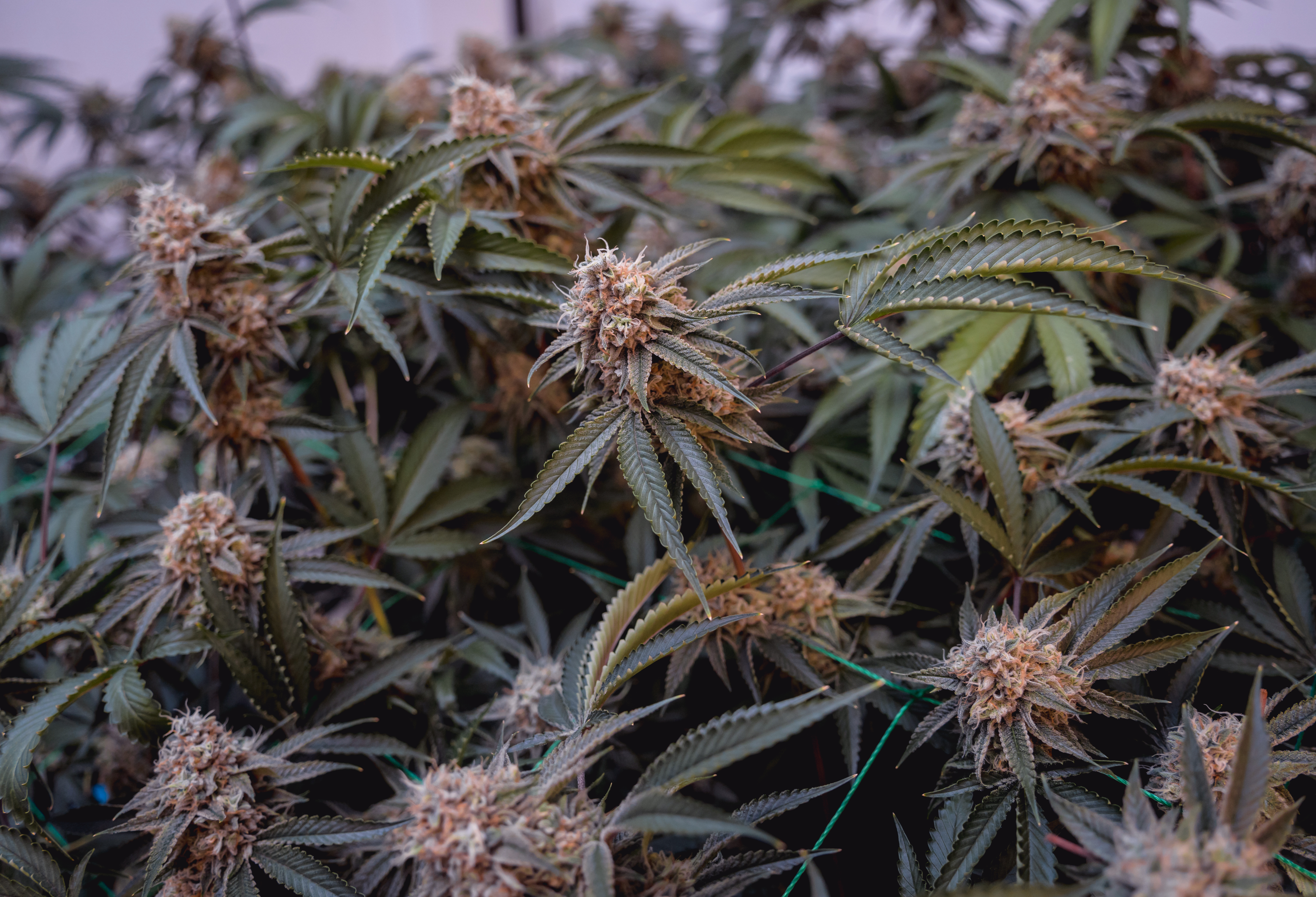


A hybrid weed plant is a cannabis plant that comes from crossing two or more different cannabis varieties. Breeders create hybrids to combine useful traits from different parent plants. These traits may include plant size, flowering time, aroma, cannabinoid levels, resistance to stress, and overall growth pattern. Because of this mixing of genetics, hybrid cannabis plants can look, smell, grow, and develop in many different ways.
Hybrid cannabis is very common today. Many modern cannabis strains have been crossed several times over many generations. This means that a plant sold as a hybrid may have a complex family history rather than coming from only two simple parent strains. Some hybrids may lean toward traits often linked with indica plants, while others may show features more often linked with sativa plants. There are also hybrids that have a more balanced mix of characteristics.
For many years, cannabis has often been grouped into three basic categories: indica, sativa, and hybrid. These labels are still widely used, but they do not always tell the full story. A hybrid label simply means that the plant has mixed genetics. It does not automatically tell a person how strong the cannabis will be, how it will smell, how tall the plant will grow, or what effects it may produce.
This is important because two hybrid strains can be very different from each other. One hybrid may grow short and wide, while another may become tall with long branches. One strain may produce dense flowers with a strong earthy smell, while another may have lighter flowers with fruity or citrus-like aromas. The amount of THC, CBD, and other cannabinoids can also differ greatly between strains.
The effects of hybrid cannabis may also vary. Some hybrids are commonly described as relaxing, while others may be described as more uplifting or stimulating. However, these broad descriptions should not be treated as guarantees. The effects of cannabis depend on many factors. These include the chemical profile of the plant, the amount used, the person using it, and the person’s previous experience with cannabis.
Cannabinoids are some of the main natural compounds found in cannabis. THC is one of the best known because it can produce intoxicating effects. CBD is another common cannabinoid, but it does not cause the same type of intoxication. Cannabis plants can also contain smaller amounts of other cannabinoids.
Terpenes are another important part of a cannabis plant. These natural compounds help create the plant’s smell and flavor. For example, some cannabis varieties may smell citrus-like, woody, spicy, sweet, or earthy. Terpenes may also play a role in how different cannabis products are experienced, although research is still developing. Because of this, the full cannabinoid and terpene profile often gives more useful information than the word “hybrid” by itself.
Hybrid plants are also important in cannabis cultivation. Breeders may cross plants to improve certain growing traits. They may want a plant that stays smaller indoors, flowers faster, produces more resin, handles heat better, or grows with stronger branches. Other breeding projects may focus on aroma, flower structure, or cannabinoid content.
The way a hybrid plant grows depends heavily on its genetics. Some hybrids develop a bushy shape with many side branches. Others stretch upward and need more vertical space. Flowering time can also vary. Some hybrids finish flowering sooner, while others need more time before the flowers fully mature. This is one reason growers often study the specific strain rather than relying only on the hybrid label.
Environment also affects how a hybrid plant develops. Light, temperature, humidity, water, nutrients, root health, and growing space can all influence plant growth. Even plants with similar genetics may not look exactly the same if they are grown under different conditions. Stress can also affect growth, leaf appearance, flower development, and final plant size.
Another term that often appears in discussions about hybrid cannabis is phenotype. A phenotype refers to the visible and measurable traits that a plant develops from its genetics and environment. Seeds from the same hybrid line can sometimes produce plants that show slightly different characteristics. One plant may be taller, while another may have a stronger smell or different flower structure. Breeders often select plants with preferred traits and continue breeding them to make those features more stable.
Some hybrid cannabis plants are also described as indica-dominant, sativa-dominant, or balanced. These terms are often used to describe which parent traits seem more noticeable. However, they should be viewed as general labels instead of exact scientific measurements. A strain described as 70% indica and 30% sativa does not mean that its effects can be predicted with complete accuracy from those numbers.
For people researching hybrid weed plants, it is more useful to look at several details together. These include genetics, cannabinoid levels, terpene profile, plant structure, flowering time, and growing conditions. Looking at the full picture gives a clearer understanding of what makes one hybrid different from another.
This guide explains the main characteristics of hybrid weed plants, how they differ from traditional indica and sativa categories, and why their effects can vary. It also covers common plant features, growth patterns, flowering time, cultivation traits, and popular hybrid strains. Understanding these basics makes it easier to see why hybrid cannabis is such a broad category and why the word “hybrid” alone does not fully describe a plant.
What Is a Hybrid Weed Plant?
A hybrid weed plant is a cannabis plant created by crossing two different cannabis varieties. Breeders do this to combine useful traits from both parent plants. These traits may include plant size, flowering time, aroma, cannabinoid levels, resistance to stress, and the way the plant grows.
Hybrid cannabis is very common today. In fact, many modern cannabis strains have mixed genetics because breeders have crossed plants for many generations. Some hybrids may show more traits linked with one parent, while others may have a more balanced mix. Because of this, the word “hybrid” covers a wide range of cannabis plants.
It is also important to understand that a hybrid label does not tell the whole story about a plant. Two hybrid strains can look very different, grow at different speeds, and contain different amounts of THC, CBD, and other compounds. The effects can also vary between strains and between individual users.
The genetics of a hybrid plant provide the basic plan for how it may grow and develop. However, growing conditions also have a strong effect. Light, temperature, water, nutrients, and plant health can all change the final size, yield, aroma, and quality of the flowers.
How Hybrid Cannabis Is Created
Hybrid cannabis is usually created by breeding one cannabis plant with another plant that has different genetic traits. The goal is to produce offspring that carry selected features from both parents.
For example, a breeder may choose one parent because it grows quickly and has a short flowering period. The other parent may be chosen because it produces dense flowers or has a certain cannabinoid profile. When the two plants are crossed, their offspring receive genetic material from each parent.
However, the first group of offspring will not always look or grow exactly the same. Some plants may look more like the first parent, while others may show more traits from the second. This variation is known as phenotype variation.
Breeders often grow many plants from the same cross and compare them. They may select plants with the traits they want and use those plants for future breeding. This process can continue through several generations.
Over time, careful selection can make certain traits more predictable. For example, a breeder may work toward a hybrid that stays short, flowers within a certain period, and develops a similar aroma from plant to plant.
Hybrid breeding can focus on many different characteristics. Plant structure is one major concern. Some growers prefer compact plants that fit well in indoor spaces, while others may want taller plants that perform well outdoors. Flowering speed, resistance to mold, cannabinoid levels, terpene production, and yield may also be considered.
This is why hybrid cannabis can be so varied. A hybrid is not one fixed type of plant. It is the result of combining different genetic lines for specific breeding goals.
Are Most Cannabis Strains Hybrids?
Many cannabis strains available today are considered hybrids because cannabis has been crossbred for decades. Breeders have mixed different genetic lines to create plants with certain flavors, growth patterns, flowering times, and chemical profiles.
Older cannabis categories often focused on indica and sativa. These labels were commonly used to describe differences in plant shape and expected effects. However, modern cannabis genetics are much more mixed.
A strain may be described as indica-dominant or sativa-dominant, but this does not mean that it comes from only one pure genetic group. In many cases, the strain has several different varieties in its breeding history.
For this reason, it can be difficult to find modern strains with completely unmixed genetics. Many popular strains have been crossed several times. One hybrid may be crossed with another hybrid, and the offspring may later be crossed again.
This long history of breeding creates complex family trees. A strain may contain traits from many different ancestors even when its name suggests a simple genetic background.
The term hybrid is therefore useful, but it is also broad. It tells the reader that the plant has mixed genetics, but it does not explain exactly how the plant will grow or what effects it may produce.
When comparing hybrids, it is better to look at specific details. These may include expected plant height, flowering time, THC and CBD levels, terpene profile, and overall growth pattern.
It is also helpful to remember that different seed producers may sell plants under the same strain name. Those plants may not always be genetically identical. Breeding methods and parent selection can vary between producers.
What Does F1 Hybrid Mean?
The term F1 hybrid refers to the first generation of offspring produced from two different parent lines. The “F” stands for filial, which means offspring or generation. The number “1” shows that it is the first generation created from that particular cross.
F1 hybrids are common in plant breeding, not only in cannabis. Farmers and breeders use this method with many crops because first-generation crosses can show useful traits from both parents.
In cannabis, an F1 hybrid may show strong growth and good vigor when the parent lines are well selected. Some F1 plants may grow quickly and handle environmental stress better than weaker or less stable plants.
However, the term F1 does not automatically mean that every plant will be identical. The amount of consistency depends on the quality and stability of the parent lines.
If both parent lines are genetically stable, their F1 offspring may show more similar traits. If the parent plants have a lot of genetic variation, the offspring can also vary widely.
This is why breeding history matters. Simply crossing two plants once does not always create a stable strain.
Breeders may continue working with later generations. For example, F1 plants may be crossed to produce an F2 generation. The F2 generation can show even more genetic variation because different traits from the grandparents may appear in new combinations.
Breeders can then select certain plants from later generations and continue breeding them. This repeated selection helps make desired traits more stable over time.
F1 hybrids may also be discussed in relation to hybrid vigor. Hybrid vigor refers to cases where offspring perform especially well because of the genetic differences between the two parent lines. A vigorous hybrid may show strong root growth, faster development, or good overall plant health.
Still, hybrid vigor is not guaranteed in every cross. Results depend on the genetics being used and the way the plants are bred.
A hybrid weed plant is created by crossing cannabis plants with different genetic backgrounds. Breeders use this process to combine selected traits such as plant size, flowering time, aroma, cannabinoid levels, and growth habits.
Most modern cannabis strains have some degree of mixed genetics because cannabis has been crossbred for many generations. This means that labels such as indica, sativa, and hybrid do not always provide a complete picture of a plant.
F1 hybrids are the first generation produced from two parent lines. They may show strong growth and a mix of traits from both parents, but their level of consistency depends on how stable the parent genetics are.
Hybrid vs. Indica vs. Sativa: What Is the Difference?
Cannabis is often grouped into three main categories: indica, sativa, and hybrid. These labels are commonly used to describe how a plant grows, what it looks like, and the kind of effects a person may expect. However, modern cannabis genetics are much more complex than these simple categories suggest.
Many cannabis plants sold today are hybrids. This means their genetics come from more than one cannabis line. Breeders cross plants to combine useful traits such as plant size, flowering time, aroma, cannabinoid content, and resistance to certain growing problems. Because of this, two plants both labeled as hybrids can look and behave very differently.
Understanding the differences between indica, sativa, and hybrid cannabis can still be useful. However, these terms should be seen as general descriptions rather than exact scientific rules.
Traditional Cannabis Categories
Indica and sativa were originally used to describe different types of cannabis plants. Over time, the terms became linked not only to plant appearance but also to expected effects.
Cannabis plants described as indica are often shorter and more compact. They may have wider leaves, thicker stems, and a bushier shape. These traits can make some indica-type plants easier to manage in smaller indoor spaces. Indica varieties are also often described as having shorter flowering periods compared with many traditional sativa plants.
In cannabis marketing, indica strains are commonly linked with calming or relaxing effects. People may see terms such as “body relaxation” or “evening use” when reading strain descriptions. However, these effects cannot be predicted from the indica label alone.
Sativa plants are traditionally described as taller and more open in structure. Their leaves are often narrower, and the distance between branches may be longer. Some sativa-type plants can grow very tall, especially when cultivated outdoors in warm climates.
Sativa strains are often marketed as more energetic, uplifting, or mentally stimulating. Again, these descriptions are general. A person’s actual response depends on many factors, including the plant’s THC level, terpene profile, dose, and individual sensitivity.
A hybrid weed plant is created by crossing different cannabis genetics. A hybrid may contain traits linked with both indica and sativa plants. Some hybrids are described as balanced, while others are called indica-dominant or sativa-dominant.
These labels can help describe the breeder’s intended genetic background, but they do not guarantee one exact plant shape or effect.
Plant Structure and Growth Characteristics
One of the clearest differences between cannabis plants can be seen in their physical growth.
Indica-type plants are often compact and bushy. Their branches may grow closer together, creating a dense canopy. They also tend to have shorter spaces between nodes. A node is the point where leaves and branches grow from the main stem.
Sativa-type plants often have longer spaces between nodes. This can create a taller and more open plant. These plants may continue stretching during the early flowering stage, causing a large increase in height.
Hybrid plants can show characteristics from either side.
For example, one hybrid may stay fairly short but develop narrow leaves. Another may grow tall while producing dense flowers more often associated with compact varieties. The final plant shape depends on the specific parents used in the cross and which traits are passed to the offspring.
Leaf shape is another traditional difference. Indica plants are often shown with wide leaflets, while sativa plants usually have thinner and longer leaflets. Hybrid leaves may fall somewhere between these forms.
However, leaf shape alone cannot confirm whether a plant is indica, sativa, or hybrid. Environmental conditions can also affect growth and appearance.
Flower development may differ as well. Some hybrids produce dense, compact flowers, while others form longer and more open flower structures. Genetics, light, temperature, humidity, nutrition, and plant health can all affect how flowers develop.
For this reason, growers usually look at several traits instead of relying on a single feature.
Why These Labels Have Limitations
The biggest problem with the indica, sativa, and hybrid system is that modern cannabis has been crossbred for many generations.
Many commercial strains contain genetics from several different breeding lines. A plant may be called sativa-dominant while still carrying many traits from plants traditionally described as indica. Another strain labeled as indica may have a chemical profile that is very different from other indica strains.
This makes the labels less reliable when trying to predict how cannabis will affect a person.
Cannabinoids are one important factor. THC is the main intoxicating cannabinoid in cannabis. Higher THC levels can produce stronger intoxicating effects, although the experience can still vary based on dose, tolerance, and individual sensitivity.
CBD is another well-known cannabinoid. It does not produce the same intoxicating effect as THC. Some hybrid strains may contain mostly THC, while others may contain a more balanced mix of THC and CBD.
Terpenes may also play a role in how different cannabis varieties smell, taste, and potentially influence the overall experience. Common cannabis terpenes include myrcene, limonene, pinene, linalool, and caryophyllene. Each strain may contain a different combination and concentration of these compounds.
Because of these differences, two products both labeled “hybrid” may have very different chemical profiles.
The method of use also affects the experience. Smoking or vaporizing cannabis can produce effects more quickly than edible products. Edibles may take longer to begin working and can last much longer. Dose is also important. A small amount may feel very different from a larger amount of the same strain.
Personal factors matter as well. Body size, tolerance, previous cannabis use, metabolism, and sensitivity to THC can influence how someone responds. This is another reason why broad strain categories cannot perfectly predict effects.
For people comparing cannabis products, laboratory information can often provide more useful details than a simple indica, sativa, or hybrid label. THC and CBD percentages, terpene profiles, and other testing information can help describe what is actually present in the product.
Indica, sativa, and hybrid are common terms used to describe cannabis plants, but they are not exact guides to how a strain will grow or feel. Traditional indica plants are often shorter and bushier, while traditional sativa plants are usually taller with narrower leaves. Hybrid plants can show a mixture of these characteristics depending on their genetics.
Most modern cannabis strains have been crossbred many times, which makes simple labels less reliable. A hybrid may lean toward indica-like or sativa-like traits, but its actual characteristics depend on the specific parent plants and the traits passed down through breeding.
The same is true for cannabis effects. Labels such as indica, sativa, or hybrid cannot reliably predict whether a product will feel relaxing, uplifting, or stimulating. Cannabinoid levels, terpene profiles, dose, method of use, and individual response all play important roles.
For a clearer understanding of a hybrid weed plant, it is better to look at its genetics, chemical profile, growth traits, and testing information rather than relying only on its category label.
What Does a Hybrid Weed Plant Look Like?
A hybrid weed plant can have many different shapes, sizes, and colors because it combines traits from more than one cannabis parent. Some hybrids grow short and wide, while others become tall with long branches. The leaves may be broad or narrow, and the buds may be dense, loose, green, purple, or covered in thick layers of resin.
There is no single appearance that defines every hybrid cannabis plant. Much depends on the genetics passed down from the parent plants. Growing conditions also play a large role. Light, temperature, nutrients, water, plant health, and growing space can all affect how a hybrid plant develops.
Because modern cannabis has been crossed many times, hybrids often show a mix of physical traits. A plant may have the height of one parent but the leaf shape of another. It may also produce flowers that look different from other plants grown from the same seed line.
Overall Plant Shape
The overall shape of a hybrid weed plant depends largely on its genetics. Some hybrids grow in a compact and bushy form. These plants often develop many side branches and may stay fairly short. Other hybrids grow taller and have more space between the branches.
A hybrid with traits often linked to indica plants may grow with a wider structure. Its branches may develop close together, creating a dense canopy. These plants may also have shorter spaces between nodes. A node is the point where branches and leaves grow from the main stem.
Hybrids with traits often linked to sativa plants may grow taller and more open. They may have longer branches and wider spaces between nodes. Their stems may stretch more during the flowering stage.
However, these patterns are not fixed rules. Many hybrids contain complex genetics from several generations of breeding. As a result, a plant may show both compact and tall-growing traits at the same time.
Plant shape can also change based on the environment. Strong light may help keep plants more compact, while weak light can cause stems to stretch. The size of the container, available root space, and amount of time spent in the vegetative stage can also affect final height and width.
Hybrid Cannabis Leaves
The leaves of a hybrid weed plant may also show a mixture of traits. Cannabis leaves are usually made up of several narrow sections called leaflets. The width, length, and shape of these leaflets can vary from one hybrid to another.
Some hybrids develop broad, thick leaflets. Others have thinner, longer leaves. Many fall somewhere between these two forms. This mixed appearance is common because hybrid plants inherit genes from different parent lines.
Leaf color can range from light green to deep green. In some cases, plants may develop purple or reddish tones. These colors can be linked to genetics, temperature, nutrient levels, or natural pigments in the plant.
Healthy leaves are usually firm and evenly colored. Changes in appearance can sometimes point to plant stress. Yellowing, curling, spots, or damaged edges may result from nutrient problems, pests, watering issues, or environmental stress.
Leaf shape alone is not enough to identify whether a plant is a hybrid. Many cannabis varieties have been crossed for generations, which makes physical categories less clear. Two plants with similar-looking leaves may have very different genetics.
Bud Characteristics
The flowers, often called buds, are one of the most noticeable parts of a mature hybrid weed plant. Their appearance can vary greatly depending on the strain.
Some hybrids produce dense, compact buds that grow tightly around the stems. Others develop longer or more open flower clusters. Bud structure is controlled in part by genetics, but growing conditions also influence density and size.
Hybrid buds are usually covered with small resin glands called trichomes. These glands may look like tiny crystals on the surface of the flowers and nearby leaves. Trichomes produce cannabinoids and aromatic compounds known as terpenes.
A plant with heavy trichome production may appear frosty or shiny. The amount of visible resin differs between strains and can also depend on plant health and maturity.
Bud color may include several shades of green, along with orange, red, purple, or even dark blue tones. Orange or brown hairs, known as pistils, can often be seen growing through the flowers. These hairs usually change color as the flowers mature.
The aroma of hybrid cannabis can also vary widely. Different plants may have sweet, fruity, earthy, spicy, citrus, pine-like, or fuel-like scents. These smells come mainly from terpenes produced in the plant’s resin glands.
Appearance and aroma alone cannot confirm the strength or chemical profile of a hybrid. Two strains that look similar may contain very different amounts of THC, CBD, and other compounds.
Why Two Hybrids Can Look Very Different
Two hybrid weed plants can look very different even when they come from the same general strain family. This happens because cannabis genetics are complex.
One reason is genetic variation. When two parent plants are crossed, their offspring may inherit different combinations of genes. One plant may look more like the first parent, while another may show more traits from the second parent.
These different forms are often called phenotypes. A phenotype is the visible set of traits produced by a plant’s genes and environment. Within the same group of seeds, growers may see differences in height, leaf shape, branch spacing, aroma, flower color, and flowering time.
Breeders may work through several generations to make certain traits more stable. Stable genetics tend to produce plants that look and grow more alike. Less stable crosses may show greater variation between individual plants.
The environment can create even more differences. Light intensity, temperature, humidity, root space, watering, and nutrients can change how a plant grows. For example, one plant grown under strong indoor lighting may stay more compact than the same genetics grown under weaker light.
Stress can also affect appearance. Too much heat, poor nutrition, root problems, or pests may cause slower growth, damaged leaves, or smaller flowers. This means the final appearance of a hybrid plant reflects both its genetic potential and the conditions in which it grows.
A hybrid weed plant does not have one standard appearance. Its shape, leaves, height, and flowers depend on the genetics inherited from its parent plants. Some hybrids are short and bushy, while others are taller with longer branches. Leaf shape can range from broad to narrow, and buds may differ in density, color, aroma, and resin production.
Genetic variation also means that two plants from the same hybrid line may not look exactly alike. Different phenotypes can show different traits, even when the plants share the same parents. Growing conditions such as light, temperature, nutrients, and water can create even more variation.
What Effects Do Hybrid Weed Strains Produce?
Hybrid weed strains can produce a wide range of effects because they combine genetics from different cannabis plants. Some hybrids may feel relaxing, while others may feel more energizing or uplifting. Many fall somewhere between these two ends. However, the word “hybrid” alone does not tell a person exactly how a strain will feel.
The effects of a hybrid strain depend on several factors. These include its THC and CBD levels, terpene profile, dose, and a person’s own response to cannabis. Two hybrid strains may have very different chemical profiles even if both are sold under the same general category.
This is why it is more useful to look at the full chemical profile of a strain instead of relying only on labels such as hybrid, indica, or sativa.
Why Hybrid Effects Vary
Hybrid cannabis plants inherit traits from their parent plants, but those traits do not always appear in the same way. One hybrid may contain a high level of THC and very little CBD. Another may have lower THC and a more balanced amount of CBD.
THC is the main intoxicating compound in cannabis. It is largely responsible for the “high” associated with marijuana. Higher amounts of THC can lead to stronger changes in mood, thinking, perception, and coordination. The strength of these effects also depends on how much cannabis is used and the person’s tolerance.
CBD does not produce the same intoxicating effects as THC. In some hybrid strains, CBD may be present in larger amounts. These strains may produce different effects than THC-dominant hybrids. The ratio between THC and CBD can therefore be an important part of how a strain feels.
Minor cannabinoids may also affect the overall experience. Cannabis plants can contain compounds such as CBG, CBC, and CBN. These cannabinoids are usually present in smaller amounts, and research into their effects is still developing.
Terpenes are another important part of the picture. Terpenes are natural compounds that give cannabis its smell and flavor. Different strains may have citrus, pine, fruit, spice, or earthy aromas because of their terpene profiles. Terpenes may also interact with cannabinoids, although researchers are still studying how important these interactions are.
The individual using cannabis also matters. Body size, metabolism, tolerance, previous cannabis experience, and even the setting can affect the response. This means the same hybrid strain may feel different from one person to another.
Commonly Reported Hybrid Effects
Many hybrid strains are described as producing a mix of mental and physical effects. Some may create a feeling of relaxation while still allowing a person to feel alert. Others may cause stronger changes in mood or energy.
Relaxation is commonly linked with many hybrid strains. A person may feel less physical tension or may feel calmer after using cannabis. In some cases, stronger relaxation may develop into sleepiness.
Some hybrids are also associated with euphoria. Euphoria is a feeling of increased happiness or well-being. This effect is often related to THC, especially when the strain has a higher THC content.
Other hybrids may feel more energizing. People sometimes describe these strains as producing greater alertness or mental activity. However, these effects should not be assumed from the strain name alone.
Changes in mood are also possible. Some users may feel cheerful or calm, while others may experience rapid changes in thoughts or emotions. These effects can become stronger with larger doses.
Cannabis can also increase appetite. This effect is sometimes called “the munchies.” THC can influence brain systems involved in hunger, which may make food seem more appealing.
Drowsiness may occur with some hybrids, especially at higher doses. Other strains may feel more stimulating. Since hybrids can have very different cannabinoid and terpene profiles, there is no single effect that applies to all of them.
Balanced, Indica-Dominant, and Sativa-Dominant Hybrids
Hybrid strains are often described as balanced, indica-dominant, or sativa-dominant. These terms are commonly used to explain which type of parent plant is thought to have more influence on the strain.
A balanced hybrid is usually described as having a more even mix of indica and sativa traits. It may be marketed as providing both relaxation and mental stimulation. However, there is no standard formula that guarantees what a balanced hybrid will feel like.
An indica-dominant hybrid is often described as having more physical or calming effects. These strains may be marketed for evening use or relaxation. However, a strain being called indica-dominant does not mean every person will become sleepy after using it.
A sativa-dominant hybrid is often described as more uplifting or energizing. These strains may be marketed for daytime use. Again, the label does not guarantee the effect.
Percentages such as “70% indica and 30% sativa” are also common in strain descriptions. These numbers may reflect breeding history, but they do not provide a precise measure of how a person will respond. Cannabis genetics are complex, and many modern strains have been crossbred for several generations.
For this reason, information about THC, CBD, and terpenes may provide more useful details than an indica or sativa percentage.
Possible Unwanted Effects
Hybrid cannabis can also cause unwanted effects. These effects may become more noticeable when THC levels are high or when a person consumes more than they are used to.
Dry mouth is one of the most common effects of cannabis. A person may feel thirsty or notice that the mouth feels unusually dry.
Red eyes can also occur because THC may cause small blood vessels in the eyes to expand. This effect is usually temporary.
Some people may experience dizziness, especially after using a large amount of cannabis or standing up quickly. Cannabis can affect blood pressure and balance, which may contribute to this feeling.
Anxiety is another possible effect. Although some people report feeling relaxed after using cannabis, others may feel nervous, worried, or uncomfortable. High doses of THC may increase this risk, especially in people who are sensitive to its effects.
Cannabis may also increase heart rate for a period of time. This can feel uncomfortable for some people, especially when combined with anxiety.
Impaired coordination and judgment are also important concerns. Cannabis can affect reaction time, attention, decision-making, and motor control. These changes can make activities such as driving unsafe.
The strength of unwanted effects can depend on the dose, THC level, tolerance, and individual sensitivity. Starting with lower exposure generally produces less intense effects than consuming a large amount at once.
Hybrid weed strains can produce many different effects because there is no single chemical profile shared by all hybrids. Some hybrids may feel relaxing, while others may feel uplifting, energizing, or more sedating. Many produce a mixture of physical and mental effects.
THC and CBD levels play a major role in how a hybrid strain feels. Terpenes, minor cannabinoids, dose, tolerance, and individual body response can also affect the experience. This is why two strains labeled as hybrids may produce very different results.
Terms such as balanced hybrid, indica-dominant hybrid, and sativa-dominant hybrid can help describe breeding history, but they cannot guarantee a certain effect. Looking at cannabinoid and terpene information gives a clearer picture of what a strain contains.
Hybrid cannabis can also cause unwanted effects such as dry mouth, red eyes, dizziness, anxiety, increased heart rate, and impaired coordination. Understanding these possible effects is important when comparing different hybrid cannabis strains.
Are Hybrid Weed Strains Stronger Than Indica or Sativa?
Hybrid weed strains are not always stronger than indica or sativa strains. The word “hybrid” only describes the genetic background of the plant. It means the strain was developed by crossing different cannabis varieties. This does not tell you how much THC the plant contains or how strong its effects may feel.
Some hybrid strains have very high THC levels, while others have moderate or low THC. The same is true for strains sold as indica or sativa. A strain’s strength depends on several factors, including its cannabinoid levels, terpene profile, dose, and the way a person’s body responds to cannabis.
This means you cannot judge potency based only on whether a product is called hybrid, indica, or sativa. Looking at laboratory test results can give you more useful information.
What Determines Cannabis Potency
THC is one of the main compounds used to measure cannabis potency. THC, or tetrahydrocannabinol, is the cannabinoid mainly responsible for the intoxicating effects of cannabis. In general, products with more THC have the potential to produce stronger effects.
However, THC percentage does not explain everything. A cannabis flower with 25% THC may feel very different from another flower with the same THC level. Other cannabinoids and aromatic compounds called terpenes can also affect the overall experience.
CBD is another important cannabinoid. It does not cause the same intoxicating effects as THC. Some hybrid strains contain very little CBD, while others are bred to contain higher levels. Strains with a more balanced THC-to-CBD ratio may feel different from strains that contain mostly THC.
Dose is also important. Even a strain with moderate THC levels can produce strong effects if a large amount is used. On the other hand, a high-THC strain may cause milder effects when used in a very small amount.
Tolerance also changes how cannabis feels. People who use cannabis regularly may develop tolerance over time. This means they may need a larger amount to feel the same effects they once felt from a smaller amount.
Genetics vs. Growing Conditions
Genetics play a major role in determining how strong a cannabis plant can become. Each strain has genetic traits inherited from its parent plants. These traits can affect THC production, CBD levels, terpene content, plant size, flowering time, and many other features.
A breeder may cross two plants that are known for producing high THC levels. The resulting hybrid may inherit this trait. However, genetics only create the potential for a plant to reach certain levels of cannabinoids.
Growing conditions can affect whether the plant reaches that potential.
Light is one important factor. Cannabis plants need enough light to support healthy growth and flower development. Poor lighting can reduce plant health and may affect the development of cannabinoids and flowers.
Temperature, humidity, watering, nutrients, and root health can also influence the final quality of the plant. A genetically strong plant that grows under stressful conditions may not develop as well as expected.
Harvest timing can matter as well. Cannabis flowers continue to change as they mature. Harvesting too early may result in flowers that have not reached their full chemical potential. Waiting too long may also change the cannabinoid and terpene profile.
Because of these factors, two plants with the same genetics may not always produce identical results.
Why “Hybrid” Does Not Automatically Mean Stronger
The hybrid label is not a measure of strength. It only tells you that the plant has mixed genetic ancestry.
There are high-THC hybrids, but there are also high-THC strains sold as indica or sativa. At the same time, many hybrids contain moderate THC levels or are bred to contain more CBD.
For example, one hybrid might contain more than 20% THC, while another might contain much less. A CBD-rich hybrid may contain only a small amount of THC. Both plants are still hybrids even though their chemical profiles are very different.
The terms “indica-dominant” and “sativa-dominant” can also create confusion. These terms often describe genetic history, plant structure, or traditional classifications. They do not guarantee a certain THC level.
A sativa-dominant hybrid can have less THC than an indica-dominant hybrid. The opposite can also be true.
This is why comparing cannabis based only on category labels can be misleading. Potency should be evaluated using actual cannabinoid test results whenever those results are available.
Understanding THC, CBD, and Terpene Information
Cannabis labels may include THC and CBD percentages. These numbers can help consumers understand the basic cannabinoid profile of a product.
A higher THC percentage usually suggests a greater potential for intoxicating effects, but the actual experience may still vary. People can respond differently to the same strain because of tolerance, metabolism, body chemistry, and dose.
CBD information can also be useful. Some hybrids are bred to contain both THC and CBD. Others may contain very little CBD.
Terpenes provide another layer of information. Terpenes are aromatic compounds found in cannabis and many other plants. They contribute to the smell and flavor of different strains.
Common cannabis terpenes include myrcene, limonene, pinene, caryophyllene, and linalool. Different strains can contain different combinations and amounts of these compounds.
Researchers are still studying how terpenes interact with cannabinoids and how much they influence cannabis effects. For this reason, terpene information should be viewed as one part of the overall chemical profile rather than a guaranteed prediction of how a strain will feel.
Laboratory reports can provide more useful information than simple strain categories. Instead of choosing a product only because it says “hybrid,” “indica,” or “sativa,” it can be more informative to compare THC, CBD, and terpene levels.
Why THC Percentage Alone Does Not Describe the Complete Experience
THC percentage is useful, but it does not tell the whole story.
Two strains with similar THC levels can produce different experiences because their cannabinoid and terpene profiles may not be the same. The amount used also matters. A small serving of a high-THC strain may produce less intense effects than a large serving of a lower-THC strain.
The method of use can also affect how quickly and strongly THC is felt. Inhaled cannabis usually produces effects more quickly than edible cannabis. Edible products can take longer to produce noticeable effects, and the effects can last much longer.
Individual differences are just as important. Body weight, tolerance, metabolism, previous cannabis experience, and even whether a person has eaten recently can influence how cannabis affects them.
This makes it difficult to rank hybrid, indica, and sativa strains from strongest to weakest as broad categories.
Hybrid weed strains are not automatically stronger than indica or sativa strains. The hybrid label describes genetic background, not potency. Some hybrids have high THC levels, while others contain moderate THC or higher levels of CBD.
Cannabis strength depends on many factors, including THC concentration, cannabinoid ratios, terpene content, dose, tolerance, genetics, and growing conditions. Even plants from the same strain can show some differences depending on how they are grown and harvested.
THC percentage can be helpful when comparing products, but it should not be the only factor considered. CBD levels, terpene profiles, serving size, and individual response can all influence the experience.
Types of Hybrid Cannabis Plants
Hybrid cannabis plants can be grouped in several ways based on their genetics, chemical profile, growth pattern, and flowering behavior. The term “hybrid” is broad because most modern cannabis strains contain genetics from more than one plant line. Some hybrids are bred to combine physical traits from different parent plants. Others are selected for certain levels of THC, CBD, terpenes, or growth speed.
Because of this, two hybrid cannabis plants may look, grow, and develop very differently. One hybrid may stay short and compact, while another may grow tall with long branches. One may contain high levels of THC, while another may have a more balanced mix of THC and CBD.
Understanding the main types of hybrid cannabis can make strain descriptions easier to understand. It also helps explain why the word “hybrid” alone does not tell you everything about a plant.
Balanced Hybrids
Balanced hybrids are often described as having a fairly even mix of indica-like and sativa-like traits. You may see them marketed as “50/50 hybrids,” although that number should not always be taken as an exact genetic measurement.
A balanced hybrid may combine several physical features from its parent plants. For example, it may grow to a medium height instead of being very short or very tall. Its branches may spread outward while still staying fairly compact. Its leaves may also fall somewhere between the broad leaves often linked with indica plants and the narrower leaves often linked with sativa plants.
The same idea may apply to how the strain is marketed for its effects. A balanced hybrid may be described as offering both relaxing and uplifting qualities. However, these labels do not guarantee how a person will respond.
The actual effects depend on many factors. These include THC content, CBD content, terpene levels, dose, tolerance, and personal body chemistry. This is why two strains that are both called balanced hybrids can still feel very different.
Balanced hybrids are best understood as plants that combine a broad range of traits without one traditional category being strongly dominant.
Indica-Dominant Hybrids
Indica-dominant hybrids are strains that are bred to show more traits linked with indica-type cannabis than sativa-type cannabis. This does not mean the plant is a pure indica. It simply means that breeders or sellers identify stronger indica-like characteristics in the plant.
These hybrids often grow shorter and bushier than tall, narrow plants. They may develop thick branches, wide leaves, and dense flowers. Their compact shape can make them easier to manage in spaces where plant height is limited.
Indica-dominant hybrids are also often marketed as calming or relaxing strains. Some may contain terpene and cannabinoid profiles that support these descriptions, but the label alone cannot predict the exact result.
For example, two indica-dominant strains may have very different THC levels. One may also contain more CBD or a different terpene profile. These chemical differences can change how the strain affects the user.
For cultivation, indica-dominant hybrids may also have shorter flowering periods than some taller sativa-leaning plants. However, flowering time still depends on the specific genetics.
Sativa-Dominant Hybrids
Sativa-dominant hybrids contain mixed genetics but show more traits commonly linked with sativa cannabis. These plants may grow taller and develop longer branches. Their leaves may be narrower, and the distance between branches may be greater.
Some sativa-dominant hybrids can stretch quickly when flowering begins. This means their height can increase noticeably during the first part of the flowering stage. Growers who have limited vertical space often need to plan for this growth pattern.
These strains are often marketed as energizing, uplifting, or mentally stimulating. As with other cannabis labels, these descriptions should be treated as general categories instead of guarantees.
A sativa-dominant hybrid may still produce relaxing effects depending on its cannabinoid and terpene profile. THC strength, dose, and individual tolerance can also change the experience.
From a plant-growth point of view, some sativa-dominant hybrids may take longer to flower than more compact hybrids. However, modern breeding has produced many exceptions, so the actual strain information is more useful than the category name alone.
THC-Dominant Hybrids
THC-dominant hybrids are cannabis strains bred or selected for relatively high levels of tetrahydrocannabinol, or THC. THC is the main intoxicating cannabinoid in cannabis.
A THC-dominant hybrid may be indica-dominant, sativa-dominant, or more balanced in its plant traits. The important feature in this category is its chemical profile rather than its physical structure.
Higher THC content may produce stronger intoxicating effects, especially at larger doses. Possible effects can include changes in mood, perception, coordination, attention, and short-term memory.
However, a high THC percentage does not explain the full effect of a strain. Terpenes and minor cannabinoids may also influence how the experience feels. A strain with slightly lower THC may feel stronger to one person because of its overall chemical profile.
For this reason, THC-dominant hybrids should not be judged by THC percentage alone. Looking at the complete test results gives a more useful picture.
CBD-Rich and Balanced THC Hybrids
Some hybrid cannabis plants are bred to produce higher levels of CBD. CBD, or cannabidiol, is a cannabinoid that does not produce the same intoxicating effect as THC.
CBD-rich hybrids may contain much more CBD than THC. Other hybrids are bred to contain more balanced amounts of both cannabinoids.
A balanced THC strain may have ratios such as 1:1, although the exact numbers can vary by plant and harvest. This type of hybrid is different from a high-THC strain because the chemical balance is not focused mainly on THC.
The THC-to-CBD ratio can be more useful than the words “indica” or “sativa” when comparing some cannabis products. It provides clearer information about the main cannabinoids present.
Still, cannabinoid ratios are only part of the full profile. Terpenes and minor compounds may also differ between strains.
Photoperiod and Autoflowering Hybrids
Hybrid cannabis plants can also be grouped by the way they begin flowering. Two major types are photoperiod hybrids and autoflowering hybrids.
Photoperiod hybrids depend on changes in light exposure to begin flowering. Outdoors, these changes happen naturally as the days become shorter later in the growing season. Indoors, growers can control the light schedule.
These plants may remain in vegetative growth as long as they receive enough hours of light each day. This gives growers more control over plant size before flowering begins.
Autoflowering hybrids work differently. They begin flowering mainly according to plant age rather than a major change in daily light exposure. Autoflowering genetics are often linked with Cannabis ruderalis, a type of cannabis known for automatic flowering.
Autoflower hybrids usually move through their life cycle faster than many photoperiod plants. They may also stay smaller, although plant size depends on genetics and growing conditions.
The difference between autoflower and photoperiod plants is important because it affects timing, plant management, and the total growing cycle.
Hybrid cannabis plants come in many forms, and no single description applies to all of them. Balanced hybrids combine a range of traditional indica-like and sativa-like traits, while indica-dominant and sativa-dominant hybrids lean more strongly toward one group of characteristics. THC-dominant hybrids are selected for higher levels of THC, while CBD-rich and balanced THC hybrids focus more on cannabinoid ratios.
Hybrids can also be divided into photoperiod and autoflowering types based on how they begin flowering. Photoperiod plants respond mainly to changes in light exposure, while autoflowering plants begin flowering mostly according to age.
How Hybrid Weed Plants Grow
Hybrid weed plants can show a wide range of growth patterns because they come from two or more genetic lines. Some hybrids stay short and compact, while others grow taller and develop long branches. Many fall somewhere in the middle. Their final shape, size, and flowering pattern depend on genetics as well as the environment around them.
A hybrid plant may inherit one trait from one parent and another trait from the second parent. For example, it may have the compact shape linked with one genetic line but produce longer branches that resemble another. This mix of traits is one reason hybrid cannabis plants can look very different from each other.
Seedling and Vegetative Development
The first stage of growth begins when a seed develops roots and a young shoot. During the seedling stage, the plant is small and fragile. The first leaves may look simple compared with the larger leaves that appear later.
As the plant develops, it enters the vegetative stage. This is the period when most growth is focused on stems, leaves, branches, and roots. The plant builds the structure that will later support its flowers.
Genetics have a strong effect on what the plant looks like during this stage. Some hybrid plants grow with short spaces between branches. This can create a dense and bushy appearance. Other hybrids have wider gaps between branches and grow upward more quickly.
Root development is also important during early growth. Healthy roots support the rest of the plant by taking in water and nutrients. Poor growing conditions can slow development, while stable conditions may allow the plant to express more of its natural genetic traits.
Not every hybrid grows at the same rate. Even plants with similar parent genetics can show differences in height, branch structure, leaf shape, and general vigor.
Flowering Development
The flowering stage is when cannabis plants begin producing flowers. This stage causes several visible changes in the plant.
During early flowering, some hybrids become taller in a short period. This increase in height is often called flowering stretch. The amount of stretch can vary greatly. Compact hybrids may increase in height only moderately, while taller genetic lines may stretch much more.
As flowering continues, clusters of flowers become more noticeable. These flowers may become denser as the plant matures. Small resin glands called trichomes can also become easier to see on the flowers and nearby leaves.
These trichomes produce many of the compounds associated with cannabis, including cannabinoids and aromatic chemicals called terpenes. The amount and type of these compounds depend strongly on genetics.
Flower structure also differs among hybrids. Some plants may form tight, dense flowers. Others may develop longer or more open flower clusters. These differences often reflect the traits inherited from the parent plants.
Typical Size of Hybrid Plants
There is no single standard size for a hybrid weed plant. Hybrid genetics cover a very broad range.
Some hybrids are naturally compact. They may have short stems, close branch spacing, and a dense shape. Other hybrids grow to a medium height with a more open structure. Still others can become tall, especially when they inherit traits from genetics known for strong vertical growth.
The final size of a plant is not controlled by genetics alone. Growing conditions can also influence plant height and overall development. Light exposure, available space, temperature, plant health, and other environmental factors can change how a plant develops.
Because of this, descriptions of a strain’s expected height should be treated as estimates rather than exact measurements.
Indoor vs. Outdoor Growth
The environment can strongly affect the way a hybrid cannabis plant looks and grows.
Indoor plants develop in a controlled setting. Factors such as light exposure, temperature, airflow, and available space can be more stable. Because space is often limited indoors, plant structure can become an important consideration.
Outdoor plants experience natural changes in weather, daylight, temperature, wind, and humidity. They may also have more room for roots and branches to expand. Some hybrids can grow much larger outdoors when environmental conditions support strong growth.
However, outdoor conditions are less predictable. Heat, cold, heavy rain, strong winds, insects, and disease can all affect plant development.
A hybrid that stays fairly compact in one environment may develop differently in another. This is why plant descriptions usually give general ranges instead of fixed results.
Phenotypes Within the Same Hybrid
One of the most important ideas in hybrid cannabis genetics is the phenotype.
A phenotype is the visible expression of a plant’s genetics. Plants from the same hybrid line can inherit different combinations of traits from their parents.
For example, one plant may grow tall with narrow leaves, while another plant from the same genetic line may stay shorter and develop wider leaves. Their flower shape, aroma, color, and growth rate can also differ.
This variation is especially common when genetic lines are less stable. More carefully selected breeding lines may show greater consistency, but some differences can still occur.
The environment can also affect how a phenotype appears. Genetics provide the potential for certain traits, while environmental conditions influence how strongly those traits are expressed.
This explains why two plants with the same strain name do not always look exactly alike. Differences do not automatically mean that one plant is unhealthy. They may simply reflect normal genetic variation.
Hybrid weed plants can grow in many different ways because they combine traits from multiple cannabis genetic lines. Their structure may be short and bushy, tall and narrow, or somewhere between these two patterns. During the vegetative stage, plants focus mainly on developing roots, stems, leaves, and branches. During flowering, growth shifts toward flower production, and some hybrids may increase noticeably in height.
Plant size and appearance depend on both genetics and environmental conditions. Indoor and outdoor environments can produce different growth patterns, even in plants with similar genetics. Hybrid plants can also show different phenotypes, meaning plants from the same genetic line may vary in height, leaf shape, branching, aroma, and flower structure.
How Long Does a Hybrid Weed Plant Take to Grow?
The time it takes a hybrid weed plant to grow can vary widely. There is no single timeline that applies to every hybrid because cannabis plants can inherit different traits from their parent plants. Some hybrids develop quickly, while others need more time before they reach maturity. The total growth period also depends on whether the plant is a photoperiod or autoflowering type.
In general, the cannabis life cycle includes germination, the seedling stage, vegetative growth, flowering, and final maturation. Each stage plays a different role in plant development. Genetics have a strong effect on how long these stages last. Environmental conditions, plant health, light exposure, and stress can also change the overall timeline.
Understanding these stages helps explain why two hybrid plants can have very different growth periods even when they belong to the same general cannabis category.
Germination and Seedling Stage
The first part of the cannabis life cycle begins when a seed starts to germinate. During germination, the seed absorbs moisture and begins to develop its first root. After the young plant emerges, it enters the seedling stage.
At this point, the plant is still small and fragile. It begins forming its first sets of leaves while its root system develops below the growing medium. The seedling stage is important because the plant is building the basic structures it will need later.
Hybrid plants can differ during this early period because their genetics affect growth speed and vigor. Some hybrids may develop leaves and roots quickly, while others grow at a slower pace.
The early stage usually represents only a small part of the total life cycle. However, problems during this period can affect later growth. Weak root development, poor light, excessive moisture, or environmental stress may slow the young plant.
A healthy seedling normally moves into vegetative growth once it has developed a stronger root system and several sets of mature leaves.
Vegetative Stage
The vegetative stage is when a cannabis plant focuses mainly on producing stems, branches, leaves, and roots rather than flowers.
The length of this stage varies greatly among hybrid plants. Genetics are one reason for this difference. A hybrid that inherits more compact growth traits may develop differently from one that inherits taller and more vigorous traits.
Photoperiod plants can remain in vegetative growth for a flexible period because their transition into flowering depends largely on changes in light exposure. In natural outdoor conditions, this change normally happens as seasonal daylight becomes shorter.
Autoflowering hybrids work differently. Their growth stages are controlled more strongly by age and genetics. They usually begin moving toward flowering without depending on the same seasonal change in daylight.
Because of this difference, photoperiod and autoflower hybrids can have very different total life cycles.
Vegetative growth also influences the final size and structure of the plant. A longer vegetative period usually gives a photoperiod plant more time to produce branches and foliage before flowering starts. A shorter vegetative period may result in a smaller plant.
Environmental conditions can also affect the pace of vegetative development. If the plant experiences serious stress, its growth may slow. Healthy plants generally continue producing new leaves and stems until they begin the flowering stage.
Flowering Stage
The flowering stage is the part of the cannabis life cycle when female plants develop their flowers, often called buds.
Flowering time is strongly connected to genetics. Hybrid varieties can inherit flowering traits from both sides of their genetic background. Some may mature relatively quickly, while others need a longer flowering period.
During early flowering, the plant may continue increasing in height. This growth is sometimes called the flowering stretch. The amount of stretch varies among hybrids. Some plants remain fairly compact, while others may grow considerably taller after flowering begins.
As flowering continues, flower clusters become more developed. Resin glands known as trichomes also form on the flowers and nearby plant tissue. These glands contain many of the cannabinoids and aromatic compounds associated with cannabis.
The later part of flowering involves maturation rather than rapid structural growth. Flowers become more developed, and the plant begins moving toward the end of its natural life cycle.
Because hybrid genetics vary so much, flowering duration should not be estimated from the word “hybrid” alone. Information about the specific cultivar is usually more useful than the broad category.
Photoperiod Hybrids
Photoperiod hybrids are cannabis plants whose flowering response is connected to changes in the amount of light and darkness they receive.
Outdoors, photoperiod cannabis normally begins flowering as the days become shorter later in the growing season. This natural change signals the plant that the season is progressing.
As a result, the total growth time of an outdoor photoperiod hybrid depends partly on when it was planted and how daylight changes in the local environment.
Photoperiod hybrids can also vary greatly in flowering duration. Some genetics are known for relatively short flowering periods, while others may take longer to mature.
This means that two photoperiod hybrids planted at a similar time may still finish their life cycles on different dates.
Genetics are especially important when estimating how long a hybrid will remain in flower. A plant that inherits traits from longer-flowering parent lines may need more time than a hybrid bred from faster-growing parents.
Autoflower Hybrids
Autoflowering hybrids follow a different pattern.
Instead of depending mainly on seasonal changes in daylight, autoflowering cannabis begins flowering according to its age and genetic development. These plants contain genetics associated with Cannabis ruderalis, a type of cannabis that developed in regions with short growing seasons.
Because the transition to flowering happens automatically, autoflower hybrids often have shorter and more predictable life cycles than many photoperiod plants.
Their vegetative stage is usually brief. Once the plant reaches a certain stage of development, flowering begins even if daylight conditions have not changed very much.
This automatic transition can make autoflowering hybrids mature sooner than many photoperiod varieties. However, growth speed still differs between individual cultivars.
Some autoflowers are bred for fast development, while others take longer because of their genetic background. Plant health and environmental conditions can also influence how quickly they progress through the life cycle.
Why Estimated Harvest Dates Can Change
Any stated growing or harvest timeline should be treated as an estimate rather than a guaranteed date.
Genetics are one of the main reasons timelines differ. Even plants sold under the same strain name may show some variation, especially when grown from seed. Different plants can express different traits from their parents. These differences are often called phenotypes.
Temperature can also influence development. Extreme heat or cold may place stress on the plant and slow normal growth.
Light is another major factor. Plants need enough light to support healthy development. Poor light conditions may reduce growth speed and overall plant strength.
Plant health also matters throughout the life cycle. Root problems, pests, disease, nutrient stress, or excess moisture can interfere with normal development. A plant experiencing stress may grow more slowly than a healthy plant of the same genetics.
Environmental stress can sometimes affect flowering as well. Major changes in conditions may slow development or cause the plant to respond in unexpected ways.
For these reasons, estimated flowering periods and maturity dates should be viewed as general guides. Actual plant development depends on the combination of genetics and growing conditions.
The total growth time of a hybrid weed plant depends on its genetics, plant type, and environment. The life cycle begins with germination and seedling development, followed by vegetative growth, flowering, and final maturation.
Photoperiod hybrids depend heavily on changes in light exposure before they begin flowering, so their vegetative period can vary widely. Autoflower hybrids usually move into flowering based more on plant age, which often gives them a shorter overall life cycle.
Flowering time also differs from one hybrid to another. Some hybrids inherit faster development from their parent plants, while others take longer to mature.
Hybrid Weed Plant Cultivation Characteristics
Hybrid weed plants can have very different growing needs because they come from mixed genetics. Some hybrids grow short and wide, while others become tall and stretch more during flowering. Some may handle changes in temperature well, while others are more sensitive to stress. Because of this, growers should avoid assuming that every hybrid plant will respond in the same way.
The best way to understand a hybrid plant is to look at its specific genetics, growth pattern, and environmental needs. Light, temperature, humidity, growing medium, water, nutrients, and plant care can all affect how well it develops. Good growing conditions can help a plant reach more of its natural potential, while poor conditions may slow growth or lead to health problems.
Light Requirements
Light is one of the most important factors in cannabis growth. Plants use light for photosynthesis, which is the process that allows them to create energy. Without enough light, a hybrid plant may grow slowly, stretch toward the light source, or develop weak stems.
Photoperiod hybrid plants respond to changes in the number of hours of light and darkness they receive. During the vegetative stage, they normally continue growing leaves, stems, and branches while days are long. Flowering begins when the plant receives longer periods of darkness.
Autoflowering hybrids behave differently. These plants usually begin flowering based more on age than on changes in the light cycle. This trait comes from cannabis genetics that developed in regions with shorter growing seasons. Even so, autoflowering plants still need enough light to support healthy growth and flower development.
Light intensity also matters. Light that is too weak may reduce growth, while excessive light can cause stress. Signs of too much light may include pale leaves, curled leaf edges, or damaged upper growth. The correct amount can depend on the plant’s stage of development and its genetics.
Temperature and Humidity
Temperature can affect nearly every stage of plant growth. Hybrid cannabis plants generally perform best when temperatures stay within a stable range rather than changing sharply between hot and cold conditions.
High temperatures can increase water loss from leaves. This may cause the plant to wilt or become stressed if the roots cannot replace the lost moisture fast enough. Very high heat can also reduce healthy flower development.
Cold temperatures may slow plant growth and reduce the rate of biological processes inside the plant. Sudden temperature drops can also increase stress.
Humidity refers to the amount of moisture in the air. Young plants can often tolerate somewhat higher humidity because their root systems are still developing. As plants mature, especially during flowering, lower humidity is often preferred because dense flowers can trap moisture.
Too much moisture around flowers may increase the risk of mold and fungal problems. Good airflow can help reduce this risk by preventing damp air from remaining around leaves and flowers for long periods.
Growing Medium
Hybrid cannabis plants can grow in several types of growing media. Soil is one of the most familiar options. Healthy soil can provide nutrients, organic matter, and support for root growth.
Soilless growing media are also used. These may include materials such as coco coir, perlite, or mixtures designed to provide both moisture and air around the roots.
Whatever medium is used, drainage is important. Cannabis roots need access to both water and oxygen. A growing medium that stays soaked for too long can limit oxygen around the roots.
Poor drainage may lead to weak growth, yellow leaves, or root problems. A medium that dries too quickly can create the opposite problem by leaving the plant without enough water.
The right balance allows roots to absorb moisture while still receiving enough oxygen. Root health is especially important because damaged roots can affect nutrient uptake throughout the plant.
Watering and Nutrition
Watering should be based on the condition of the growing medium rather than on a fixed schedule alone. Hybrid plants can differ in how quickly they use water because plant size, temperature, humidity, light, and root development all affect moisture use.
Overwatering is a common problem. When the growing medium remains wet for too long, the roots may receive less oxygen. This can lead to drooping leaves and slow growth.
Underwatering can also cause stress. Leaves may wilt, become dry, or lose strength when the plant does not receive enough moisture.
Nutrition needs also change as the plant grows. During vegetative growth, cannabis plants need nutrients that support the development of leaves, roots, and stems. Nitrogen plays an important role during this stage.
During flowering, the balance changes. Phosphorus and potassium become important for many plant functions related to flower development, although plants still require a range of essential nutrients.
More nutrients are not always better. Excess fertilizer can damage roots and cause nutrient burn. Different hybrid cultivars may also react differently to the same feeding level.
Training and Plant Management
Plant structure can influence how a hybrid responds to training. Some hybrids naturally produce many side branches, while others grow with a stronger central stem.
Training methods are often used to shape the plant and improve how light reaches different parts of the canopy. A more even canopy can help prevent some branches from being heavily shaded by taller growth.
Flexible young stems are usually easier to guide than older, woody stems. However, excessive bending or pruning can stress a plant.
The type of training used should match the plant’s natural growth pattern. A short, bushy hybrid may need different management than a tall hybrid that stretches quickly during early flowering.
Growers also need to give the plant enough time to recover after major stress. Healthy plants often handle training better than plants that are already struggling with nutrient problems, pests, or poor environmental conditions.
Common Cultivation Problems
Hybrid cannabis plants can experience several common problems during growth. Nutrient stress is one example. Leaves may change color, develop spots, or grow poorly when nutrients are lacking or unavailable.
Too many nutrients can create similar symptoms. This is why identifying the cause of a problem is important before making major changes.
Heat stress can cause leaves to curl or dry at the edges. Plants exposed to strong heat may also require more water because moisture leaves the plant more quickly.
Excess moisture can create problems around the root zone and during flowering. Wet growing conditions may encourage fungal growth, especially when airflow is poor.
Pests are another possible issue. Common plant pests can feed on leaves, stems, or plant fluids. Regular inspection can help identify damage before a problem spreads across the plant.
Mold can be especially serious during flowering because cannabis flowers can become dense and hold moisture inside them. Keeping humidity under control and maintaining airflow can reduce conditions that support mold growth.
Hybrid weed plants do not have one set of cultivation requirements because their genetics can vary widely. Their growth may be influenced by traits inherited from several parent plants. Light, temperature, humidity, growing medium, water, and nutrients all play important roles in healthy development.
Photoperiod and autoflowering hybrids also respond differently to light. Photoperiod plants depend on changes in the light cycle to begin flowering, while autoflower plants usually flower according to age.
Good drainage helps roots receive both water and oxygen. Careful watering and balanced nutrition can reduce stress, while proper plant management can improve light distribution and airflow. Growers should also watch for common problems such as nutrient stress, heat, excess moisture, pests, and mold.
Popular Hybrid Weed Strains and How to Compare Them
Hybrid cannabis strains come in many forms. Some are known for high THC levels, while others stand out because of their aroma, flavor, plant shape, or growth pattern. Since most modern cannabis strains have mixed genetics, the word “hybrid” covers a wide range of plants. Two hybrid strains may have very different effects and growing traits.
When comparing hybrid strains, it helps to look beyond simple labels such as indica-dominant or sativa-dominant. Cannabinoid levels, terpene profiles, plant structure, flowering behavior, and parent genetics can provide more useful information. These details can help explain why one hybrid may feel relaxing while another may feel more stimulating.
Blue Dream
Blue Dream is one of the most widely recognized hybrid cannabis strains. It is often described as a cross between Blueberry and Haze genetics. The strain is commonly classified as a sativa-dominant hybrid, although its exact traits can vary between breeders and individual plants.
Blue Dream often produces medium to high THC levels. CBD levels are usually much lower. Its aroma may include sweet berry, fruit, herbal, and slightly earthy notes. Terpenes such as myrcene, pinene, and caryophyllene may appear in its chemical profile, although exact amounts depend on the plant and growing conditions.
The plants can grow fairly tall and may stretch during flowering. Growers may also notice long branches and dense flower clusters. Flowering time depends on the specific genetics and growing environment.
Girl Scout Cookies or GSC
Girl Scout Cookies, often shortened to GSC, is another well-known hybrid. It is commonly linked to Durban Poison and OG Kush genetics. GSC is usually described as a balanced or indica-leaning hybrid, but genetic descriptions can vary.
GSC is often associated with high THC levels. Its aroma can combine sweet, earthy, mint-like, and spicy notes. Caryophyllene, limonene, and myrcene are often found in terpene profiles linked with this strain.
The plants may stay more compact than some sativa-dominant hybrids. Flowers can become dense and heavily covered in trichomes. This resin production is one reason GSC has been used in the breeding of many newer cannabis varieties.
Gelato
Gelato is a hybrid commonly associated with Sunset Sherbet and Thin Mint GSC genetics. It has become the parent or genetic influence behind many modern cultivars.
Gelato plants often produce moderate to high THC levels, although test results can vary. The aroma is often described as sweet, creamy, fruity, and slightly citrus-like. Limonene and caryophyllene are commonly associated with many Gelato phenotypes.
Plant structure can range from medium height to fairly compact depending on the phenotype. Flowers often develop thick trichome coverage and may show purple or dark green colors under some conditions.
Wedding Cake
Wedding Cake is another popular hybrid that is known for dense flowers and strong resin production. Its exact genetic history may differ depending on the breeder, but it is often connected with Triangle Kush and Animal Mints genetics.
Many Wedding Cake samples have high THC levels. The strain may produce sweet, vanilla-like, earthy, peppery, or slightly tangy aromas. Caryophyllene, limonene, and myrcene may be important parts of its terpene profile.
Wedding Cake plants are often medium in height and can form dense flowers. Good airflow becomes important when flower clusters become thick because dense buds may hold moisture more easily.
Gorilla Glue or GG4
GG4, formerly known as Gorilla Glue #4, is a hybrid created from genetics commonly linked with Chem’s Sister, Sour Dubb, and Chocolate Diesel. It became popular because of its heavy trichome production and strong aroma.
GG4 often has high THC levels. Aromas may include earth, pine, fuel, and sour notes. Caryophyllene, myrcene, and limonene are often reported in its terpene profile.
The plants may grow vigorously and develop long branches. The flowers are usually sticky and coated with resin. Its growth pattern may require careful spacing because branches can spread as the plant matures.
Pineapple Express
Pineapple Express is a hybrid commonly associated with Trainwreck and Hawaiian genetics. It is often described as having a more uplifting or energetic reputation, although individual responses can vary.
Its aroma may include pineapple, tropical fruit, citrus, pine, and wood-like notes. THC levels are usually moderate to high, depending on the specific plant. Terpenes such as limonene, pinene, and caryophyllene may help shape its aroma.
The plants often grow with strong side branches and may reach medium to tall heights. Some phenotypes stretch more than others during early flowering.
OG Kush
OG Kush is an important cannabis strain with a complicated genetic history. It has influenced many modern hybrids and remains a major parent line in cannabis breeding.
OG Kush is usually associated with high THC levels and relatively low CBD levels. Its aroma may combine fuel, earth, pine, citrus, and spice. Myrcene, limonene, and caryophyllene are often found in its terpene profile.
Plants may grow with strong branching and dense flower production. Some phenotypes remain compact, while others stretch more during flowering. Because OG Kush has been crossed many times, plants sold under this name may not always have identical traits.
Runtz
Runtz is a modern hybrid often associated with Zkittlez and Gelato genetics. It is known for its sweet aroma and colorful flowers.
Many Runtz varieties produce high THC levels. Their aroma may include candy, fruit, citrus, cream, and tropical notes. Limonene and caryophyllene are common terpenes found in many related cultivars.
Plant size can vary. Some Runtz plants remain compact, while others grow taller with more open branching. Flowers can become dense and may display green, purple, orange, and white colors due to pigments, pistils, and trichomes.
Comparing Cannabinoid Profiles
Cannabinoid content is one of the most useful features to compare between hybrid strains. THC is the main intoxicating cannabinoid in cannabis. Higher THC levels can increase the strength of psychoactive effects, but THC percentage does not tell the full story.
CBD is another major cannabinoid. Some hybrids are bred to contain both THC and CBD, while others contain very little CBD. Minor cannabinoids such as CBG or CBC may also appear in smaller amounts.
Instead of assuming that all hybrids produce similar effects, readers should look at verified laboratory results when available. Two batches of the same named strain can sometimes have different cannabinoid levels.
Comparing Terpene Profiles
Terpenes are aromatic compounds found in cannabis and many other plants. They help create scents and flavors such as citrus, pine, spice, fruit, or earth.
Common cannabis terpenes include myrcene, limonene, caryophyllene, pinene, and linalool. The amount and combination of these compounds may differ between strains and even between different batches of the same strain.
Terpene information may provide more useful detail than a simple indica or sativa label. However, terpene levels can also change because of genetics, growing conditions, harvest timing, drying, and storage.
Comparing Plant Size and Flowering Behavior
Growth traits are important when comparing hybrid plants. Some hybrids stay short and bushy, while others can become tall with long branches. Plant size is partly controlled by genetics, but growing conditions also matter.
Flowering time can also vary. Some hybrid plants finish flowering relatively quickly, while others take longer. Plants with strong sativa influence may sometimes flower for a longer period, while more compact indica-leaning hybrids may finish sooner. These patterns are general rather than guaranteed.
Autoflowering hybrids follow a different growth pattern because they begin flowering based mainly on age. Photoperiod hybrids usually flower after the amount of daily light changes.
Choosing Between Hybrid Strains
Choosing a hybrid strain should involve more than looking at whether it is labeled indica-dominant, sativa-dominant, or balanced. These labels can give a basic idea of genetic background, but they do not fully explain the plant or its chemical profile.
Cannabinoid levels can help show potential potency. Terpenes can provide information about aroma and flavor. Plant size and flowering time matter for cultivation. Parent genetics may also provide clues about how a strain could grow or what traits it may inherit.
It is also important to remember that strain names are not always standardized. A strain sold under the same name by different breeders may have different genetics or chemical profiles. Reliable breeder information and laboratory testing can provide more accurate details.
Popular hybrids such as Blue Dream, GSC, Gelato, Wedding Cake, GG4, Pineapple Express, OG Kush, and Runtz show how diverse hybrid cannabis can be. Each strain may differ in plant size, flowering behavior, cannabinoid content, terpene profile, aroma, and genetic background.
Conclusion: Understanding Hybrid Weed Plant Genetics and Characteristics
Hybrid weed plants are now a major part of modern cannabis cultivation. A hybrid is created by crossing cannabis plants with different genetic traits. Breeders may do this to combine certain plant features, such as growth pattern, flowering time, aroma, cannabinoid levels, or resistance to stress. Because hybrids can come from many different genetic backgrounds, there is no single way that every hybrid plant looks, grows, or affects a person.
One of the most important things to understand is that the word “hybrid” describes genetics, not one exact type of cannabis experience. Some hybrid plants may grow short and wide, while others can become tall and narrow. One hybrid may produce dense flowers, while another may develop longer and less compact buds. Leaf shape, branch spacing, plant height, aroma, and flowering speed can also vary. These differences come from the traits that each plant receives from its parent genetics.
Hybrid cannabis is often described as indica-dominant, sativa-dominant, or balanced. These terms can help describe the general background of a strain, but they do not always tell the full story. Cannabis breeding has taken place for many generations, and many modern strains contain genetics from several different lines. For this reason, it can be difficult to predict a plant’s exact characteristics based only on an indica or sativa label.
The same idea applies to cannabis effects. A hybrid label alone does not tell a person exactly how a strain will feel. The effects of cannabis are influenced by several factors, including THC, CBD, minor cannabinoids, terpenes, serving size, tolerance, and individual body response. A strain that is described as a sativa-dominant hybrid is not guaranteed to feel stimulating. In the same way, an indica-dominant hybrid does not always cause strong relaxation or sleepiness.
Cannabinoid and terpene information can provide more useful details when comparing hybrid strains. THC is one of the main intoxicating compounds in cannabis, while CBD does not produce the same type of high. Other cannabinoids may also affect the overall chemical profile of the plant. Terpenes are aromatic compounds that help create the smell and flavor of cannabis. Different strains can contain different amounts and combinations of these compounds.
People researching hybrid cannabis should also avoid assuming that hybrids are always stronger than indica or sativa varieties. Potency depends on the chemical profile of the individual plant or product. Some hybrids may contain high amounts of THC, while others may have moderate or low THC levels. Some are also bred to contain more CBD or a more balanced ratio of THC to CBD. Laboratory testing, when available, gives a clearer picture than the hybrid label alone.
Cultivation characteristics can also vary greatly between hybrids. Genetics give a plant the potential to develop certain traits, but the growing environment also affects the final result. Light, temperature, humidity, water, root conditions, nutrition, and plant health can all influence growth. Two plants with similar genetics may develop differently when they are grown under different conditions.
Hybrid plants can also differ in how they begin flowering. Photoperiod hybrids depend on changes in the light cycle to begin their flowering stage. Outdoors, this change normally happens as the days become shorter. Indoors, growers can control the light schedule. Autoflowering hybrids work differently. They are bred with genetics that allow them to begin flowering mainly according to age rather than a major change in the light cycle.
This difference can affect the total time needed for the plant to mature. Some autoflowering hybrids may complete their life cycle faster than many photoperiod plants. However, exact growing time still depends on genetics and environmental conditions. A strain’s expected flowering period should be treated as a general estimate rather than a guaranteed harvest date.
Hybrid plants may also show different phenotypes. A phenotype is the set of visible and measurable traits expressed by an individual plant. Seeds from the same hybrid line may sometimes produce plants with differences in height, leaf shape, aroma, flowering time, or flower structure. More stable breeding lines may show greater consistency, while less stabilized crosses may display more variation.
This is why researching the specific strain is important. Instead of assuming that all hybrids will behave in the same way, it is better to look at the genetic background and known characteristics of the individual cultivar. Plant size, flowering time, growth pattern, cannabinoid profile, and environmental needs can all help explain what makes one hybrid different from another.
Popular hybrids such as Blue Dream, GSC, Gelato, Wedding Cake, GG4, Pineapple Express, OG Kush, and Runtz show how wide the hybrid category can be. These strains do not share one single appearance, flavor, potency level, or growth style. Each has its own genetic history and chemical profile. Even plants sold under the same strain name may show some differences because of breeding lines, phenotypes, cultivation methods, and environmental conditions.
In the end, hybrid weed plants are best understood as genetically mixed cannabis plants that can express a wide range of traits. The terms hybrid, indica, and sativa may provide basic background information, but they should not be the only factors used to judge a plant. Cannabinoid levels, terpene profiles, genetics, flowering type, growth habits, and environmental conditions give a more complete picture.
Understanding these details makes it easier to compare hybrid cannabis plants accurately. Rather than expecting every hybrid to grow or behave in the same way, readers should examine the specific characteristics of each strain. Genetics create the foundation, while the growing environment influences how those traits are expressed. Together, these factors explain why hybrid cannabis plants can be so different from one another and why careful strain research is important.
Research Citation
Booth, J. K., Yuen, M. M. S., Jancsik, S., Madilao, L. L., Page, J. E., & Bohlmann, J. (2020). Terpene synthases and terpene variation in Cannabis sativa. Plant Physiology, 184(1), 130–147. https://doi.org/10.1104/pp.20.00593 PubMed
Lynch, R. C., Vergara, D., Tittes, S., White, K., Schwartz, C. J., Gibbs, M. J., Ruthenburg, T. C., deCesare, K., Land, D. P., & Kane, N. C. (2016). Genomic and chemical diversity in Cannabis. Critical Reviews in Plant Sciences, 35(5–6), 349–363. https://doi.org/10.1080/07352689.2016.1265363 Taylor & Francis Online
Reimann-Philipp, U., Speck, M., Orser, C., Johnson, S., Hilyard, A., Turner, H., Stokes, A. J., & Small-Howard, A. L. (2020). Cannabis chemovar nomenclature misrepresents chemical and genetic diversity: Survey of variations in chemical profiles and genetic markers in Nevada medical cannabis samples. Cannabis and Cannabinoid Research, 5(3), 215–230. https://doi.org/10.1089/can.2018.0063 PubMed
Ren, G., Zhang, X., Li, Y., Ridout, K., Serrano-Serrano, M. L., Yang, Y., Liu, A., Ravikanth, G., Nawaz, M. A., Mumtaz, A. S., Salamin, N., & Fumagalli, L. (2021). Large-scale whole-genome resequencing unravels the domestication history of Cannabis sativa. Science Advances, 7(29), eabg2286. https://doi.org/10.1126/sciadv.abg2286 PubMed
Sawler, J., Stout, J. M., Gardner, K. M., Hudson, D., Vidmar, J., Butler, L., Page, J. E., & Myles, S. (2015). The genetic structure of marijuana and hemp. PLOS ONE, 10(8), e0133292. https://doi.org/10.1371/journal.pone.0133292 PLOS
Schwabe, A. L., Hansen, C. J., Hyslop, R. M., & McGlaughlin, M. E. (2021). Comparative genetic structure of Cannabis sativa including federally produced, wild collected, and cultivated samples. Frontiers in Plant Science, 12, 675770. https://doi.org/10.3389/fpls.2021.675770 Frontiers
Schwabe, A. L., & McGlaughlin, M. E. (2019). Genetic tools weed out misconceptions of strain reliability in Cannabis sativa: Implications for a budding industry. Journal of Cannabis Research, 1, Article 3. https://doi.org/10.1186/s42238-019-0001-1 PubMed
Soler, S., Gramazio, P., Figàs, M. R., Vilanova, S., Rosa, E., Llosa, E. R., Borràs, D., Plazas, M., & Prohens, J. (2017). Genetic structure of Cannabis sativa var. indica cultivars based on genomic SSR (gSSR) markers: Implications for breeding and germplasm management. Industrial Crops and Products, 104, 171–178. https://doi.org/10.1016/j.indcrop.2017.04.043 ScienceDirect
Welling, M. T., Liu, L., Shapter, T., Raymond, C. A., & King, G. J. (2016). Characterisation of cannabinoid composition in a diverse Cannabis sativa L. germplasm collection. Euphytica, 208, 463–475. https://doi.org/10.1007/s10681-015-1585-y Springer Link
Welling, M. T., Shapter, T., Rose, T. J., Liu, L., Stanger, R., & King, G. J. (2016). A belated green revolution for cannabis: Virtual genetic resources to fast-track cultivar development. Frontiers in Plant Science, 7, 1113. https://doi.org/10.3389/fpls.2016.01113 PubMed
Questions and Answers
Q1: What is a hybrid weed plant?
A hybrid weed plant is a cannabis plant created by crossing two or more different cannabis varieties. Breeders often combine indica- and sativa-related genetics to produce plants with a mix of traits.
Q2: How are hybrid cannabis plants created?
Hybrid cannabis plants are usually created by breeding selected parent plants. Growers choose plants with desired traits, such as aroma, cannabinoid content, growth pattern, or resistance to certain environmental stresses.
Q3: Are hybrid weed plants indica or sativa?
Hybrid plants can contain genetics associated with both indica and sativa types. Some hybrids are described as indica-dominant, sativa-dominant, or balanced depending on their genetic background and characteristics.
Q4: What effects do hybrid cannabis strains have?
The effects vary widely between hybrids. Some may feel relaxing, while others may feel stimulating or produce a combination of effects. THC, CBD, other cannabinoids, terpenes, dose, and individual response all influence the experience.
Q5: How can you identify a hybrid weed plant?
You usually cannot identify a hybrid accurately from appearance alone. Plant height, leaf shape, branching, aroma, and flower structure may offer clues, but reliable identification requires information about the plant’s genetics.
Q6: Do hybrid weed plants grow differently from indica or sativa plants?
They can. A hybrid may inherit growth traits from either parent, including plant height, flowering time, branch spacing, yield potential, and sensitivity to environmental conditions.
Q7: How long do hybrid weed plants take to flower?
Flowering time depends on the specific genetics. Many hybrid cultivars flower for roughly 8 to 10 weeks, although some may finish sooner or require several additional weeks.
Q8: Are hybrid cannabis plants stronger than indica or sativa plants?
Not necessarily. Potency depends more on the plant’s cannabinoid profile and genetics than on whether it is labeled hybrid, indica, or sativa. Some hybrids have high THC levels, while others are bred for more CBD or a balanced cannabinoid profile.
Q9: What are some common types of hybrid weed plants?
Hybrids are often described as indica-dominant, sativa-dominant, or balanced hybrids. Individual strains can vary greatly in cannabinoid levels, terpene profiles, appearance, and effects.
Q10: Why are hybrid weed plants so common?
Hybrid plants are common because breeders can combine desirable traits from different cannabis varieties. This allows them to develop cultivars with specific aromas, effects, growth characteristics, cannabinoid profiles, or other features.