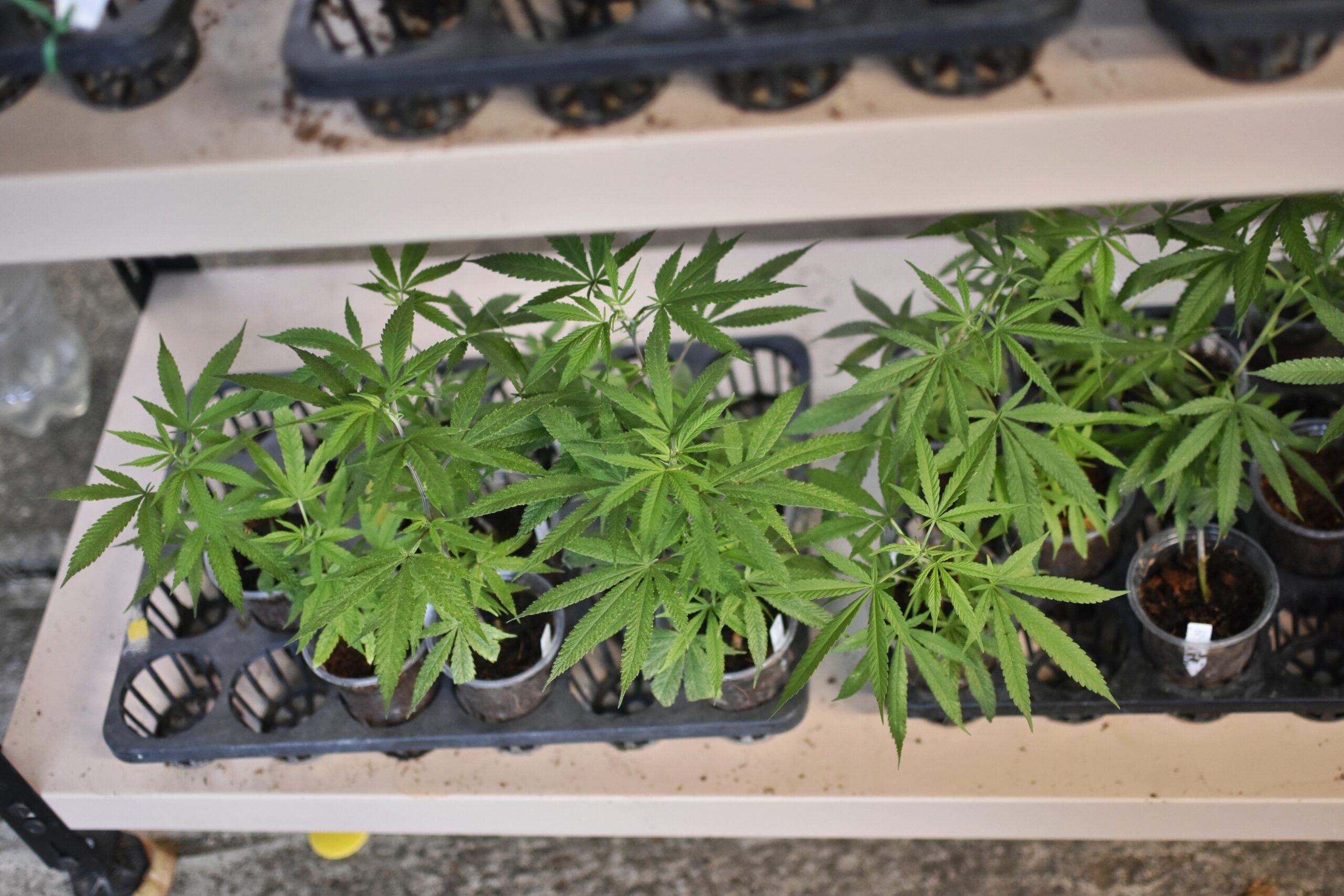


Hydroponics for weed is a method of growing cannabis without using soil. Instead of planting roots in dirt, the plant grows in water that contains all the nutrients it needs. This water-based system allows growers to control nearly every part of the plant’s environment, including nutrients, oxygen, light, and moisture. For beginners, hydroponics may sound complex at first, but the basic idea is simple: give the plant exactly what it needs, directly at the roots, so it can grow faster and more efficiently.
Many people are familiar with traditional soil growing because it feels natural and easy to understand. Soil holds nutrients, stores water, and supports the plant. Hydroponics replaces soil with a controlled system where nutrients are mixed into water and delivered straight to the roots. Because the plant does not need to search through soil for food, it can focus more energy on growth. This is one of the main reasons hydroponics for weed has become popular among new and experienced growers.
Another reason hydroponics is widely used is control. When growing cannabis in soil, factors like nutrient levels, drainage, and soil quality can change without warning. In hydroponics, growers mix nutrients themselves and can adjust them at any time. This makes it easier to correct problems quickly. If a plant shows signs of stress, the grower can often fix the issue by adjusting the water or nutrients instead of waiting for the soil to recover.
This guide is written for beginners who want to understand hydroponics for weed from the ground up. It does not assume prior growing experience. Every concept is explained in clear, simple language so readers can follow along without confusion. The goal is to help new growers understand what hydroponics is, how it works, and why it may be a good choice for growing cannabis at home.
Hydroponic systems come in many forms, but they all share the same core idea. The roots are exposed to nutrient-rich water and oxygen instead of soil. Some systems keep roots fully submerged in water, while others allow water to flow past the roots in cycles. In all cases, oxygen is just as important as nutrients. Healthy roots need air, and hydroponic systems are designed to make sure roots do not drown. This balance between water and oxygen is a key part of successful hydroponic cannabis growing.
Many beginners ask if hydroponics is only for experts. While hydroponics does require attention and regular checks, modern systems are designed to be beginner-friendly. Basic hydroponic setups are widely available and often include clear instructions. With careful monitoring and a willingness to learn, new growers can succeed with hydroponics just as well as with soil. In fact, some beginners find hydroponics easier because problems show up faster and are easier to diagnose.
Another important point to understand is that hydroponics does not change what cannabis is. The plant still goes through the same growth stages, including seedling, vegetative growth, and flowering. The difference is how nutrients and water reach the roots. Everything else, such as lighting schedules and plant care, follows familiar cannabis growing rules. This makes hydroponics less intimidating once the basics are understood.
This article also focuses on growing cannabis without adding opinions or personal stories. The information is based on general growing principles and commonly accepted practices. Each section is designed to answer real questions people search for online, such as whether hydroponics is good for weed, what equipment is needed, and how long plants take to grow. By the end of this guide, readers should have a clear picture of how hydroponic cannabis growing works and what to expect before starting.
In simple terms, hydroponics for weed is about precision. It removes guesswork from feeding and watering by placing control in the hands of the grower. While it may require planning and routine care, it offers a clean, organized way to grow cannabis without soil. This introduction sets the foundation for the rest of the guide, which will break down systems, tools, nutrients, lighting, and common issues step by step.
What Is Hydroponic Cannabis Growing?
Hydroponic cannabis growing is a method of growing weed without using soil. Instead of soil, the plant’s roots receive water that is mixed with nutrients. This nutrient-rich water gives the plant everything it needs to grow. The word hydroponics means “working water,” and that is exactly how this system works.
In soil growing, cannabis roots search through dirt to find nutrients and moisture. In hydroponics, nutrients are already dissolved in water, so the roots can absorb them directly. This makes the feeding process faster and more controlled. Because of this, hydroponic weed often grows quicker and more evenly than soil-grown plants.
How Hydroponic Cannabis Growing Works
In a hydroponic setup, cannabis plants are supported by a container or grow medium, not soil. The roots are either suspended in water or placed in an inert medium such as clay pebbles, coco coir, or rockwool. These materials do not contain nutrients on their own. Their job is only to hold the plant in place and allow oxygen and water to reach the roots.
The grower mixes nutrients into water to create a feeding solution. This solution is delivered to the roots in different ways depending on the hydroponic system. Some systems keep the roots in water all the time, while others flood the roots on a schedule and then drain the water away. Air pumps are often used to add oxygen to the water, which helps keep roots healthy.
Because everything the plant receives is controlled, hydroponics allows growers to manage nutrients, water levels, and oxygen very precisely. This level of control is one of the biggest reasons people choose hydroponics for weed.
How Hydroponics Is Different From Soil Growing
The main difference between hydroponics and soil growing is where the nutrients come from. In soil, nutrients are stored in organic matter and minerals. Microorganisms break these nutrients down so the plant can absorb them. This process takes time and can vary depending on soil quality.
In hydroponics, nutrients are already in a form the plant can use. There is no need for microbes to break them down first. This means cannabis plants can absorb nutrients faster and more efficiently. It also means problems like nutrient deficiencies can be corrected more quickly.
Another key difference is cleanliness. Soil can carry pests, fungi, and diseases. Hydroponic systems use clean water and sterile growing media, which reduces the risk of soil-based problems. However, hydroponics still requires careful monitoring, because issues in water quality can affect plants quickly.
Why Cannabis Grows Well in Hydroponic Systems
Cannabis plants respond very well to hydroponic growing because they like consistent feeding and oxygen-rich roots. In hydroponics, roots receive constant access to water, nutrients, and air. This helps the plant focus its energy on growth instead of searching for food.
Hydroponic cannabis often shows faster vegetative growth. Leaves may appear larger, and stems can develop more quickly. Flowering can also be more uniform when conditions are stable. Because growers can fine-tune nutrient levels, hydroponics allows for steady and predictable plant development.
Another reason cannabis works well in hydroponics is space efficiency. Hydroponic systems can be set up indoors in small areas. This makes it easier to control light, temperature, and humidity, which are all important for cannabis growth.
Is Hydroponic Cannabis Natural?
Some beginners wonder if hydroponic weed is natural. The answer is yes. Even though soil is not used, the plant still grows using water, minerals, light, and air. These are the same basic elements plants use in nature. Hydroponics simply delivers them in a more direct way.
The nutrients used in hydroponics are usually made from mineral salts that plants naturally absorb. As long as the system is managed correctly, hydroponic cannabis grows and develops in a healthy and normal way.
Hydroponic cannabis growing is a method of growing weed without soil by feeding plants directly through nutrient-rich water. The roots absorb nutrients faster because they are already dissolved in water. Compared to soil growing, hydroponics offers more control, cleaner conditions, and faster growth. Cannabis plants respond well to this system because they benefit from steady nutrients, oxygen, and water. For beginners, understanding how hydroponics works is the first step toward growing weed successfully without soil.
Is Hydroponics Good for Growing Weed?
Hydroponics is widely used for growing weed because it gives growers more control over how plants grow. Instead of planting cannabis in soil, hydroponics uses water mixed with nutrients to feed the plant roots directly. This method changes how the plant absorbs food, water, and oxygen. For many growers, especially those who want faster growth and cleaner results, hydroponics can be a very good choice.
One of the biggest reasons hydroponics is good for growing weed is better control over nutrients. In soil, nutrients can be uneven. Some parts of the soil may hold more nutrients, while others hold less. In hydroponics, nutrients are mixed into water at exact levels. This means cannabis plants get the same balanced food every time they are fed. Because of this, plants often grow more evenly and show fewer random deficiencies.
Another major benefit is faster growth. Cannabis plants grown in hydroponic systems often grow quicker than soil-grown plants. This happens because the roots do not need to search through soil for food. Nutrients are already dissolved in water and are easy for roots to absorb. When plants spend less energy searching for nutrients, they can focus more energy on growing stems, leaves, and flowers. This faster growth can shorten the overall grow cycle.
Hydroponics is also good for weed because it allows better oxygen access to roots. Healthy roots need oxygen to function well. Many hydroponic systems are designed to keep roots well-oxygenated using air stones, pumps, or flowing water. When roots get enough oxygen, they stay white and healthy. This lowers the risk of slow growth and weak plants. In soil, roots can sometimes become compacted or waterlogged, which reduces oxygen and slows growth.
Another advantage is cleaner growing conditions. Soil can contain pests, insects, fungi, and harmful bacteria. Hydroponic systems remove soil from the process, which lowers the risk of soil-borne problems. While hydroponics is not completely pest-free, growers often deal with fewer bugs and diseases compared to soil grows. Cleaner systems also make it easier to spot problems early, such as root issues or nutrient imbalances.
Hydroponics can also lead to higher yields when managed correctly. Because plants receive steady nutrients, proper oxygen, and controlled conditions, they often produce more buds per plant. Buds may also be more uniform in size and shape. This does not happen automatically, but when a hydroponic system is set up and maintained well, yield improvements are common.
Consistency is another reason hydroponics is good for growing weed. In hydroponics, growers control water levels, nutrient strength, pH, temperature, and light. This reduces guesswork. When conditions stay stable, plants respond more predictably. This is especially helpful for growers who want repeatable results from one grow cycle to the next.
However, hydroponics also requires attention and monitoring. While it has many benefits, it is not a “set and forget” method. Nutrient levels, pH, and water temperature must be checked often. If something goes wrong, problems can show up quickly because plants rely fully on the water solution. In soil, mistakes may take longer to affect plants. In hydroponics, issues can spread fast if not corrected.
Cost is another factor to consider. Hydroponic systems usually cost more to set up than basic soil grows. Equipment such as pumps, reservoirs, air stones, and meters is needed. Electricity use may also be higher due to lighting and water circulation. Even so, many growers find the extra cost worth it because of faster growth, higher yields, and cleaner plants.
Hydroponics is especially good for growers who have limited space. Many systems are designed for indoor growing and can fit inside grow tents or small rooms. Vertical growth and compact root zones allow plants to thrive without large soil containers. This makes hydroponics a popular choice for indoor cannabis cultivation.
It is also important to understand that hydroponics is not automatically better than soil for everyone. Some growers prefer soil because it feels simpler and more forgiving. Hydroponics works best for growers who are willing to learn basic water management and follow a routine. With basic knowledge and consistency, beginners can succeed with hydroponics.
Hydroponics is good for growing weed because it offers better nutrient control, faster growth, healthier roots, cleaner conditions, and the potential for higher yields. Cannabis plants grown hydroponically often grow faster and more evenly than soil-grown plants. While hydroponics requires more monitoring and setup, the benefits make it a strong option for many growers. For beginners who are willing to learn and stay consistent, hydroponics can be an effective and reliable way to grow cannabis without soil.
Can Beginners Grow Weed Using Hydroponics?
Yes, beginners can grow weed using hydroponics. Many first-time growers choose hydroponics because it offers control, speed, and clean growing conditions. While hydroponics may look complex at first, it becomes much easier when the basics are understood. With simple steps, clear routines, and regular checks, beginners can succeed with hydroponic cannabis growing.
Hydroponics means growing plants without soil. Instead of soil, the roots sit in water or a moist growing medium. The water contains nutrients that feed the plant directly. This direct feeding helps plants grow faster and more evenly. For beginners, this can actually reduce some common problems found in soil growing, such as pests or poor drainage.
Learning Curve for Beginners
Hydroponics does have a learning curve, but it is not as hard as many people think. Beginners mainly need to learn three things: water quality, nutrients, and plant monitoring. Once these are understood, hydroponic growing becomes routine.
In soil growing, plants depend on the soil to hold nutrients and water. In hydroponics, the grower controls everything. This may sound stressful, but it actually makes problems easier to spot and fix. For example, if a plant shows signs of stress, the cause is often linked to pH, nutrients, or oxygen levels. These factors can be measured and adjusted quickly.
Many beginners find hydroponics easier because there is less guessing involved. Tools like pH meters and EC meters give clear numbers. These numbers tell you if your plant is getting what it needs.
Beginner-Friendly Hydroponic Systems
Some hydroponic systems are better for beginners than others. The most beginner-friendly system is Deep Water Culture (DWC). In DWC, plant roots hang into a nutrient solution that is filled with oxygen using an air pump. This setup is simple, affordable, and easy to manage.
Other systems, such as drip systems or ebb and flow systems, are also possible for beginners. However, they may require more parts and setup time. Starting with a simple system allows beginners to focus on learning plant care rather than fixing equipment.
Common Beginner Challenges
Beginners often worry about making mistakes. This is normal and part of the learning process. The most common beginner challenges in hydroponics include:
- pH imbalance: Cannabis plants need a specific pH range to absorb nutrients. Beginners must check pH regularly.
- Overfeeding nutrients: Adding too many nutrients can damage plants. Starting with low nutrient strength is safer.
- Water temperature issues: Warm water holds less oxygen. Keeping water cool helps roots stay healthy.
- Ignoring daily checks: Hydroponics works best when systems are checked daily.
These problems sound serious, but they are easy to prevent with simple habits. Daily checks take only a few minutes and help catch issues early.
Time and Attention Needed
Hydroponic weed does require regular attention, but it does not need constant work. Most daily tasks include checking water levels, pH, and plant health. Weekly tasks include changing nutrient solutions and cleaning equipment.
Beginners who enjoy routine tasks often do well with hydroponics. The system rewards consistency. Plants respond quickly when conditions are correct, which helps beginners learn faster.
Why Hydroponics Is Still Beginner-Friendly
Hydroponics may seem technical, but it removes many unpredictable factors found in soil. There is no soil quality to worry about and fewer pests to manage. Plants grow in a controlled space where light, water, and nutrients are adjusted as needed.
Another advantage for beginners is faster growth. Hydroponic weed often grows quicker than soil-grown plants. This means beginners can see results sooner, which helps build confidence.
Online guides, charts, and beginner kits also make hydroponics easier than ever. Many systems are designed specifically for first-time growers and include clear instructions.
Safety and Clean Growing
Hydroponics is also cleaner than soil growing. There is less mess, fewer insects, and easier cleanup. This makes it ideal for indoor growing spaces. Beginners often appreciate how organized and tidy hydroponic systems are.
Beginners can grow weed using hydroponics successfully with basic knowledge and regular care. While hydroponics requires learning how to manage water, nutrients, and pH, these tasks are simple once understood. Beginner-friendly systems like Deep Water Culture make the process easier and less overwhelming. With daily checks, patience, and consistency, hydroponics can be a reliable and rewarding way for beginners to grow cannabis without soil.
Types of Hydroponic Systems for Weed
Hydroponic systems are different ways to grow weed using water instead of soil. Each system delivers water, nutrients, and oxygen to the roots in its own way. Some systems are simple and beginner-friendly, while others need more skill and daily care. Understanding these systems helps you choose the right setup for your space, budget, and experience level.
Below are the most common hydroponic systems used for growing weed.
Deep Water Culture (DWC)
Deep Water Culture, often called DWC, is one of the easiest hydroponic systems for beginners. In this system, cannabis roots hang directly into a tank or bucket filled with nutrient-rich water. An air pump and air stone add oxygen to the water so the roots do not drown.
Because the roots always have access to water, nutrients, and oxygen, plants grow fast in DWC. This system has fewer parts, which makes it easier to set up and maintain. Many beginner growers start with a single-bucket DWC system.
However, DWC needs close attention to water temperature and oxygen levels. Warm water can cause root problems, so keeping the water cool and clean is important. Even with this care, DWC is still one of the best entry-level systems for hydroponic weed growing.
Nutrient Film Technique (NFT)
The Nutrient Film Technique, or NFT, uses a thin stream of nutrient solution that flows over the roots. Plants are placed in small net pots, and their roots sit inside a channel where water constantly moves past them.
This system uses less water than DWC and provides steady nutrients. Because the water keeps moving, oxygen levels stay high. NFT systems are often used by experienced growers who want precise control.
NFT can be risky for beginners. If the pump fails or water flow stops, roots can dry out quickly. Cannabis plants also have larger root systems, which can clog the channels if not managed carefully. For this reason, NFT is better for growers who already understand hydroponics.
Ebb and Flow (Flood and Drain)
Ebb and Flow systems, also called Flood and Drain, work by flooding the grow tray with nutrient solution and then draining it back into a reservoir. This flooding happens on a timer, usually several times per day.
When the tray floods, roots absorb water and nutrients. When it drains, fresh air reaches the roots. This cycle helps prevent root rot and supports healthy growth.
Ebb and Flow systems are flexible and work well with many growing mediums, such as clay pebbles or rockwool. They are reliable and can support larger plants. The main downside is that they use more equipment, including pumps, timers, and trays. If timers fail, plants may not get water on schedule.
Drip Systems
Drip systems slowly drip nutrient solution onto the base of each plant. The excess water drains back into the reservoir or is discarded, depending on the setup. These systems are common in both small and large hydroponic grows.
Drip systems give growers strong control over feeding schedules and nutrient levels. Each plant receives water directly, which helps prevent waste. They also work well with many types of growing mediums.
However, drip systems need regular cleaning. Drip lines can clog if nutrients build up. For beginners, this system is manageable but requires routine checks to keep water flowing evenly.
Wick Systems
Wick systems are the simplest type of hydroponics. They use a wick, usually made of cotton or rope, to pull nutrient solution from a reservoir into the growing medium. There are no pumps or moving parts.
This system is quiet, low-cost, and easy to build. However, it does not deliver nutrients fast enough for large or fast-growing cannabis plants. Wick systems are better suited for small plants or learning basic hydroponic concepts.
Because cannabis plants have high nutrient needs, wick systems are not ideal for full-scale weed production. Still, they can help beginners understand how hydroponics works.
There are several hydroponic systems used for growing weed, each with its own strengths and limits. Deep Water Culture is the most beginner-friendly and widely used. Ebb and Flow and drip systems offer more control and flexibility. NFT systems provide fast growth but require experience. Wick systems are simple but not ideal for cannabis.
Choosing the right system depends on your skill level, space, and how much daily care you can provide. Starting with a simple system makes learning hydroponics easier and helps build confidence before moving to more advanced setups.
What Equipment Do You Need for Hydroponics for Weed?
Growing weed with hydroponics requires specific equipment because plants are not grown in soil. Instead, the system must deliver water, nutrients, oxygen, light, and the right environment directly to the roots. While the setup may seem complex at first, each piece of equipment has a clear purpose. Understanding what each item does makes hydroponic growing much easier for beginners.
Below is a detailed explanation of the essential equipment needed for hydroponics for weed.
Grow Lights
Light is one of the most important parts of hydroponic growing. Because most hydroponic systems are indoors, natural sunlight is not enough or not available at all. Grow lights replace the sun and allow the plant to make energy through photosynthesis.
There are different types of grow lights, but beginners often use LED grow lights because they use less electricity and produce less heat. Other options include HPS and CMH lights, which are stronger but create more heat. No matter the type, the light must cover the entire plant area evenly.
Grow lights are usually placed above the plants and adjusted as the plants grow taller. A timer is often used to control light schedules, which helps keep plant growth consistent.
Water Reservoir
The reservoir is the container that holds water mixed with nutrients. This is the main source of food for hydroponic weed plants. Reservoirs are usually made from plastic and come in many sizes.
The reservoir must be clean, light-proof, and large enough to hold enough solution for several days. Light entering the reservoir can cause algae growth, which can harm plant roots. Keeping the reservoir covered helps prevent this problem.
The water inside the reservoir is checked and adjusted often to keep nutrients balanced.
Water Pump
A water pump moves nutrient-rich water from the reservoir to the plant roots. The type of pump used depends on the hydroponic system. Some pumps run constantly, while others work on timers.
Water pumps are essential because they keep nutrients flowing. Without proper water movement, roots can dry out or fail to receive nutrients evenly.
A pump should be strong enough for the system size but not too powerful, as excessive water pressure can damage roots.
Air Pump and Air Stones
Hydroponic weed plants need oxygen at the root level. An air pump pushes air through air stones, which create bubbles in the nutrient solution. These bubbles add oxygen to the water.
Oxygen helps prevent root rot and supports healthy root growth. Without enough oxygen, roots can become weak and diseased.
Air pumps usually run 24 hours a day. Air stones should be cleaned or replaced regularly to ensure good airflow.
Grow Medium
Even though hydroponics does not use soil, plants still need something to hold them in place. This material is called a grow medium. Common grow mediums include clay pebbles, rockwool, coco coir, and perlite.
The grow medium supports the plant and allows water and oxygen to reach the roots. It should not contain nutrients on its own, as nutrients come from the water solution.
The choice of medium depends on the system and the grower’s comfort level.
pH Meter and EC Meter
Monitoring water quality is critical in hydroponics. A pH meter measures how acidic or alkaline the nutrient solution is. Weed plants absorb nutrients best within a specific pH range.
An EC meter measures nutrient strength. Too many nutrients can burn the plant, while too few can slow growth.
Both meters help growers make accurate adjustments and avoid guesswork. Testing is usually done daily or every few days.
Grow Tent and Environmental Controls
A grow tent creates a controlled environment for hydroponic weed plants. It helps manage light, temperature, humidity, and airflow. Grow tents also prevent light leaks and keep odors contained.
Inside the tent, fans are used to move air and strengthen plant stems. Some setups also include exhaust fans, carbon filters, and heaters or humidifiers, depending on climate.
Environmental control is important because hydroponic plants are sensitive to temperature and moisture changes.
Timers and Accessories
Timers automate lights, pumps, and air systems. Automation helps keep schedules consistent, which is key for healthy growth.
Other helpful accessories include thermometers, hygrometers, cleaning tools, and spare tubing. These small items support daily maintenance and prevent system failures.
Hydroponics for weed requires specific equipment to replace what soil naturally provides. Grow lights supply energy, reservoirs and pumps deliver water and nutrients, air pumps provide oxygen, and meters help monitor plant health. Grow tents and environmental tools keep conditions stable. While the setup may look complex, each piece has a clear role. Once assembled and understood, this equipment allows beginners to grow weed efficiently and consistently without soil.
Best Growing Mediums for Hydroponic Cannabis
Even though hydroponics means growing cannabis without soil, plants still need something to hold their roots in place. This is where growing mediums come in. A growing medium gives support to the plant, helps manage moisture, and allows oxygen and nutrients to reach the roots. Choosing the right medium is very important, especially for beginners, because it affects how easy the system is to manage and how healthy the plants grow.
In hydroponics, the medium does not feed the plant. All nutrients come from the water solution. The medium’s main job is to keep roots stable while allowing water, air, and nutrients to move freely.
Below are the most common growing mediums used for hydroponic weed and how each one works.
Rockwool
Rockwool is one of the most popular growing mediums for hydroponic cannabis. It is made from melted rock that is spun into fibers and formed into cubes or slabs.
Rockwool holds water very well while still allowing air to reach the roots. This balance helps roots grow fast and strong. Because of this, many commercial growers use it.
However, Rockwool has a naturally high pH when new. This means it must be soaked and adjusted before use. If pH is not managed correctly, plants may have trouble absorbing nutrients. For beginners, Rockwool works well as long as pH is checked often.
Best for: Deep Water Culture (DWC), drip systems, and flood-and-drain systems.
Coco Coir
Coco coir is made from coconut husks. It looks similar to soil but behaves like a hydroponic medium. Coco is popular because it is natural, reusable, and easier to manage than Rockwool.
Coco holds moisture while still draining well, which helps prevent root problems. It also has a pH that is closer to what cannabis prefers. This makes it more forgiving for beginners who are still learning how to manage nutrient levels.
One thing to note is that coco can bind with certain nutrients, especially calcium and magnesium. Growers usually add supplements to prevent deficiencies.
Best for: Drip systems and hand-watered hydroponic setups.
Clay Pebbles (Hydroton)
Clay pebbles are small, round balls made from baked clay. They are lightweight and reusable. Clay pebbles do not hold much water, but they allow excellent airflow around the roots.
Because they drain quickly, clay pebbles are great for systems where roots are watered often. They reduce the risk of overwatering and root rot. However, since they dry out fast, they are not ideal for systems that do not deliver frequent water.
Clay pebbles are easy to clean and reuse, which makes them cost-effective over time.
Best for: Deep Water Culture (DWC), ebb and flow, and drip systems.
Perlite
Perlite is a white, lightweight material made from volcanic rock. It is often mixed with other growing mediums instead of being used alone.
Perlite improves drainage and oxygen flow to roots. When mixed with coco or other mediums, it helps prevent compacting and water buildup. On its own, perlite does not hold much water, so it is usually combined with coco or vermiculite.
Perlite is inexpensive and easy to find, making it a good addition for beginners.
Best for: Mixed with coco coir or used in drip systems.
Vermiculite
Vermiculite is another lightweight medium that holds more water than perlite. It helps retain moisture and nutrients, which can be helpful in systems that water less often.
However, vermiculite holds water for a long time, which can reduce oxygen if not managed carefully. For this reason, it is usually mixed with perlite or coco rather than used alone.
Best for: Medium mixes that need extra water retention.
Choosing the Right Medium for Beginners
For beginners growing hydroponic weed, coco coir and clay pebbles are often the easiest options. Coco coir offers more control and forgiveness, while clay pebbles keep roots well-oxygenated and clean. Rockwool works very well but requires more attention to pH levels.
The best medium depends on the hydroponic system, how often plants are watered, and how closely the grower can monitor pH and nutrients.
Growing mediums play a key role in hydroponic cannabis growing, even though no soil is used. The medium supports the plant, manages moisture, and helps roots access oxygen and nutrients. Rockwool, coco coir, clay pebbles, perlite, and vermiculite are the most common choices. For beginners, coco coir and clay pebbles are usually the easiest to manage. Choosing the right growing medium helps prevent root problems, improves plant health, and makes hydroponics for weed easier and more successful.
Nutrients and Water Requirements for Hydroponic Weed
When growing weed using hydroponics, nutrients and water are the most important parts of the system. Because there is no soil, the plant depends fully on the grower to provide everything it needs. This may sound difficult, but when broken down step by step, it is easy to understand and manage.
Why Nutrients Matter More in Hydroponics
In soil growing, the soil contains natural nutrients and microorganisms that help feed the plant. In hydroponics, there is no soil to store nutrients. This means all nutrition must come from the water solution. If nutrients are missing or unbalanced, the plant will show problems very quickly.
Hydroponic weed plants absorb nutrients directly through their roots from water. This direct feeding allows for faster growth, but it also means mistakes can affect plants faster than in soil. For this reason, correct nutrient mixing and monitoring are very important.
Essential Nutrients for Hydroponic Cannabis
Hydroponic weed needs two main types of nutrients: macronutrients and micronutrients.
Macronutrients are needed in larger amounts:
- Nitrogen (N): Helps with leaf and stem growth, especially during the vegetative stage
- Phosphorus (P): Supports root growth and flower development
- Potassium (K): Helps with water movement, strength, and bud formation
Micronutrients are needed in smaller amounts but are still essential:
- Calcium
- Magnesium
- Iron
- Zinc
- Copper
- Manganese
- Boron
Most hydroponic nutrient products are made to include all of these elements. Beginners should always choose nutrients labeled specifically for hydroponic use, not soil.
Hydroponic Nutrients vs Soil Nutrients
Hydroponic nutrients are different from soil nutrients. Soil nutrients release slowly and rely on microbes in the soil. Hydroponic nutrients are water-soluble and available to the plant immediately.
Using soil nutrients in a hydroponic system can cause serious problems. They may not dissolve fully and can clog pumps, tubing, or roots. Always use nutrients designed for hydroponics to keep the system clean and stable.
Mixing Nutrient Solutions Safely
Mixing nutrients correctly is key to healthy hydroponic weed plants. Always follow the instructions on the nutrient label. Adding more nutrients does not mean faster growth. In fact, too many nutrients can burn the roots and damage the plant.
Basic mixing steps include:
- Start with clean water
- Add nutrients one at a time
- Stir well after each addition
- Check EC or PPM levels if possible
- Adjust pH after nutrients are mixed
It is best to start with a lower nutrient strength for young plants. As plants grow, nutrient strength can be slowly increased.
Water Quality and Cleanliness
Water quality matters a lot in hydroponics. Clean water helps prevent disease and nutrient problems. If possible, filtered or reverse osmosis water is ideal. Tap water can be used, but it may contain minerals that affect nutrient balance.
The water should always look clear and smell clean. Cloudy water or bad smells are signs of problems such as bacteria or root disease. Regular water changes help keep the system healthy.
Oxygen and Water Movement
Hydroponic weed roots need oxygen to survive. Without oxygen, roots can rot and plants can die. Air stones, air pumps, and water circulation help keep oxygen levels high.
Good water movement also prevents nutrients from settling and keeps temperatures even. Still water can cause algae growth and root problems. Keeping water moving is one of the easiest ways to protect plant health.
Water Temperature Requirements
Water temperature plays a big role in nutrient uptake. The ideal temperature range for hydroponic water is about 65–72°F (18–22°C). Water that is too warm holds less oxygen and increases the risk of root disease. Water that is too cold can slow growth.
Using water chillers, insulation, or frozen water bottles can help control temperature in warm environments.
In hydroponics for weed, nutrients and water replace the role of soil. Cannabis plants rely fully on the nutrient solution for growth, strength, and yield. Using the correct hydroponic nutrients, mixing them carefully, and maintaining clean, oxygen-rich water are essential steps for success. When water quality, nutrient balance, and oxygen levels are managed properly, hydroponic weed plants can grow faster, healthier, and more consistently than soil-grown plants.
Managing pH and EC Levels in Hydroponics
Managing pH and EC levels is one of the most important parts of growing weed using hydroponics. Because plants are grown in water instead of soil, they depend fully on the grower to keep the water balanced. If pH or EC is wrong, the plant cannot take in nutrients properly, even if the nutrients are present. This can slow growth and cause visible problems in the plant.
What pH Means in Hydroponic Growing
pH measures how acidic or alkaline your water is. The scale runs from 0 to 14. A pH of 7 is neutral. Numbers below 7 are acidic, and numbers above 7 are alkaline.
For hydroponic weed, pH affects how well the roots absorb nutrients. Each nutrient is only available to the plant within a certain pH range. If the pH goes too high or too low, some nutrients become locked out. This means the plant cannot use them, even though they are still in the water.
Ideal pH Range for Hydroponic Weed
Cannabis grown hydroponically prefers a slightly acidic environment. The ideal pH range is:
- 5.5 to 6.5
Most growers aim to keep the pH between 5.8 and 6.2. This range allows the plant to absorb all major nutrients like nitrogen, phosphorus, potassium, calcium, and magnesium.
If pH drops below 5.5, the plant may struggle to absorb calcium and magnesium. If pH rises above 6.5, iron and phosphorus uptake can be reduced. Over time, these problems can cause yellow leaves, slow growth, or weak plants.
How to Measure pH in Hydroponics
The easiest way to measure pH is by using a digital pH meter. These meters give quick and accurate readings. Liquid test kits and pH strips can also work, but they are less precise.
You should check pH:
- Daily for small systems
- At least every 1–2 days for larger systems
Always measure pH after mixing nutrients into the water, not before.
Adjusting pH Safely
To change pH, growers use pH up or pH down solutions. These are made specifically for hydroponic systems.
- Add small amounts at a time
- Stir well
- Wait a few minutes
- Re-test before adding more
Making large adjustments too quickly can shock the plant roots. Slow and steady changes are safer.
What EC Means in Hydroponics
EC stands for Electrical Conductivity. It measures how many dissolved salts, or nutrients, are in the water. In simple terms, EC tells you how strong your nutrient solution is.
A higher EC means more nutrients in the water. A lower EC means fewer nutrients.
Some meters display PPM (parts per million) instead of EC. Both measure nutrient strength, just in different ways.
Ideal EC Levels for Hydroponic Weed
EC levels change depending on the plant’s growth stage:
- Seedlings: 0.4–0.8 EC
- Vegetative stage: 1.0–1.8 EC
- Flowering stage: 1.8–2.5 EC
Young plants need gentle feeding. Too many nutrients early on can burn the roots. Mature plants can handle stronger solutions, especially during flowering when nutrient demand is higher.
How to Measure EC
Use a digital EC or PPM meter. These meters are easy to use and provide fast readings.
Check EC:
- After mixing nutrients
- When topping off water
- When plants show signs of stress
If EC rises over time, it may mean water is evaporating and leaving salts behind. If EC drops, the plant may be feeding heavily.
Signs of pH or EC Problems
Plants often show visible signs when pH or EC is off, including:
- Yellow or pale leaves
- Brown leaf tips (nutrient burn)
- Slow or stunted growth
- Leaf curling or spotting
Many growers mistake these signs for nutrient deficiency, when the real issue is pH imbalance.
Why Regular Monitoring Matters
In hydroponics, small changes happen fast. Water temperature, evaporation, and plant uptake can all shift pH and EC. Checking levels often helps prevent problems before they harm the plant.
Managing pH and EC is essential for healthy hydroponic weed plants. pH controls how nutrients are absorbed, while EC controls how much nutrition the plant receives. Keeping pH between 5.5 and 6.5 and adjusting EC based on growth stage helps plants grow strong and steady. With regular testing and small adjustments, beginners can avoid most hydroponic problems and maintain a stable growing environment.
Light Requirements for Hydroponic Cannabis Plants
Light is one of the most important parts of growing weed with hydroponics. Because hydroponic plants do not grow in soil, they rely even more on light to fuel growth. Light gives cannabis plants the energy they need to grow leaves, stems, and flowers. Without the right light, even a perfect hydroponic setup will fail.
Hydroponic weed is usually grown indoors. This means growers must replace sunlight with artificial grow lights. Choosing the right light, placing it correctly, and using the correct schedule are all key to healthy plants and good yields.
Why Light Is Critical in Hydroponics
Cannabis plants use light to perform photosynthesis. This is the process where plants turn light into energy. In hydroponics, plants often grow faster because nutrients are delivered directly to the roots. Faster growth means the plant needs steady and strong light to keep up with its energy demands.
If light is too weak, plants may stretch and grow tall but weak. This is called “stretching.” If light is too strong or too close, leaves can burn or curl. Finding the right balance is important.
Types of Grow Lights for Hydroponic Weed
There are several types of grow lights commonly used for hydroponic cannabis. Each has its own benefits and drawbacks.
LED Grow Lights
LED lights are very popular for hydroponic weed. They use less electricity and produce less heat. This makes them easier to manage, especially for beginners. Modern LED lights are designed to give cannabis plants the full light spectrum they need for all growth stages. LEDs also last a long time and reduce the risk of heat stress.
HPS (High-Pressure Sodium) Lights
HPS lights are known for strong light output. They are often used during the flowering stage because they produce warm light that supports bud development. However, HPS lights create a lot of heat. This means extra cooling is often required. They also use more power than LEDs.
CMH (Ceramic Metal Halide) Lights
CMH lights offer a balanced light spectrum and better efficiency than older lighting types. They are less common than LEDs but still effective. CMH lights produce moderate heat and strong light quality, making them suitable for both vegetative and flowering stages.
For beginners, LED lights are usually the easiest and safest option.
Light Spectrum and Cannabis Growth
Cannabis plants respond to different colors of light. Blue light supports leaf and stem growth. Red light supports flowering and bud formation. Most modern grow lights combine both colors, so plants get what they need during all stages.
Using full-spectrum lights allows growers to avoid switching lights when plants change stages. This makes hydroponic growing simpler and more consistent.
Light Distance and Placement
How far the light is from the plant matters. If the light is too close, leaves can bleach or burn. If it is too far away, plants may stretch toward the light.
Most grow lights come with distance guidelines. These guidelines change depending on plant size and growth stage. Young seedlings need weaker light and more distance. Mature plants can handle stronger light placed closer.
Lights should also cover the entire grow area evenly. Uneven light can cause uneven growth.
Light Schedules for Hydroponic Cannabis
Cannabis plants need different light schedules during different stages of growth.
Vegetative Stage
During the vegetative stage, plants usually receive 18 hours of light and 6 hours of darkness each day. This encourages fast leaf and stem growth.
Flowering Stage
To trigger flowering, light is reduced to 12 hours on and 12 hours off. This change signals the plant to start producing buds.
Timers are highly recommended. They keep light schedules consistent and reduce mistakes.
Heat and Light Management
Even efficient lights produce some heat. Heat can affect water temperature in hydroponic systems. Warm water holds less oxygen, which can stress roots. Good airflow and ventilation help control heat and protect plant health.
Monitoring temperature near the canopy and at the root zone helps prevent problems.
Light is a key factor in hydroponic cannabis growing. Plants depend on strong, steady light to grow well without soil. Choosing the right type of grow light, using the correct light schedule, and placing lights at the proper distance all support healthy growth. For beginners, full-spectrum LED lights with timers are often the best choice. When light is managed correctly, hydroponic weed plants can grow faster, stronger, and more evenly from start to harvest.
Growth Stages of Weed in a Hydroponic System
Growing weed in a hydroponic system follows the same main life stages as soil-grown plants, but the process is often faster and more controlled. Because the roots get direct access to water, oxygen, and nutrients, plants can grow with less stress. Understanding each growth stage helps beginners know what the plant needs and when to make changes. The main stages are the seedling stage, the vegetative stage, and the flowering stage.
Seedling Stage in Hydroponics
The seedling stage begins as soon as the cannabis seed sprouts. This stage usually lasts one to two weeks. During this time, the plant is very small and delicate. In hydroponics, seeds are often started in grow media such as rockwool cubes or coco coir plugs. These materials hold moisture while still allowing oxygen to reach the roots.
At this stage, the roots are just starting to form. The nutrient solution should be very light. Young seedlings do not need strong nutrients and can be damaged easily by overfeeding. Clean water with a mild nutrient mix is best. The pH level should stay between 5.5 and 6.5 so the roots can absorb nutrients properly.
Light is also important during the seedling stage. Most growers use gentle lighting, such as LED grow lights, set on an 18-hour-on and 6-hour-off schedule. Too much light or heat can slow growth or damage young plants. Air movement should be gentle, not strong, to avoid drying out the seedlings.
The goal of the seedling stage is simple: help the plant develop a healthy root system and its first set of true leaves. Strong roots at this stage lead to better growth later.
Vegetative Growth Phase
The vegetative stage starts once the plant has several sets of leaves and a stable root system. This stage usually lasts three to six weeks, but it can be longer depending on the grower’s goals. During this time, the plant focuses on growing stems, branches, and leaves.
In hydroponics, this stage is where fast growth becomes noticeable. Plants take in nutrients directly from the water, which can lead to rapid size increases. The nutrient solution should now contain more nitrogen, which supports leaf and stem growth. Growers must check pH and EC levels often to avoid nutrient imbalances.
Lighting during the vegetative stage stays on a long schedule, usually 18 hours on and 6 hours off each day. Stronger lights can be used because the plant is more developed. Proper airflow is important to keep stems strong and prevent moisture problems.
Training techniques, such as pruning or gentle bending, are often done during this stage. These methods help control plant shape and improve light exposure. Hydroponic systems make it easier to see how the plant responds to changes, allowing growers to make quick adjustments.
The vegetative stage ends when the plant is the desired size and ready to produce buds.
Flowering Stage
The flowering stage begins when the light schedule changes. Most growers switch to 12 hours of light and 12 hours of darkness. This change signals the plant to stop growing leaves and start producing flowers, also known as buds.
This stage usually lasts eight to ten weeks, depending on the strain. Nutrient needs change during flowering. The plant now needs less nitrogen and more phosphorus and potassium to support bud development. In hydroponics, nutrients must be carefully measured to avoid nutrient burn or deficiencies.
Water quality becomes even more important during flowering. Clean reservoirs, stable pH levels, and good oxygen flow help prevent root problems. Growers also watch for signs of stress, such as yellowing leaves or slow bud growth.
As flowering progresses, buds grow larger and develop resin. Near the end of this stage, some growers reduce nutrients and use plain water. This helps clear excess salts from the system and supports a clean final harvest.
Growth Timeline Compared to Soil
Hydroponic weed often grows faster than soil-grown plants. Because nutrients are easier to absorb, plants spend less energy searching for food. Many hydroponic growers see shorter vegetative times and earlier harvests. While soil grows may take four to five months from seed to harvest, hydroponics can sometimes shorten this timeline by several weeks.
The growth stages of weed in a hydroponic system include the seedling stage, vegetative stage, and flowering stage. Each stage has different needs for nutrients, light, and care. Hydroponics allows growers to control these factors more closely, which often leads to faster growth and healthier plants. By understanding what the plant needs at each stage, beginners can avoid common mistakes and support strong, steady development from seed to harvest.
Common Problems When Growing Hydroponic Weed
Growing weed with hydroponics can produce healthy plants and strong growth, but it also comes with specific problems that beginners should understand early. Because hydroponics depends on water, nutrients, and equipment instead of soil, small mistakes can affect plants quickly. The good news is that most problems are preventable when you know what to watch for and how to fix issues fast.
Below are the most common problems growers face when growing hydroponic weed, explained in simple terms.
Root Rot and Oxygen Problems
Root rot is one of the most common and serious problems in hydroponic systems. It happens when cannabis roots do not get enough oxygen. In hydroponics, roots sit directly in water or moist growing media. If the water is warm, dirty, or not well-aerated, harmful bacteria and fungi can grow.
Signs of root rot include:
- Brown, slimy, or smelly roots
- Slow plant growth
- Wilting leaves even when water levels are correct
- Yellowing leaves that do not improve with nutrients
Root rot usually starts because of:
- Poor air circulation in the water
- Weak or broken air pumps
- High water temperatures
- Dirty reservoirs
To prevent root rot, growers should:
- Use strong air pumps and air stones
- Keep water temperatures between 65°F and 70°F (18–21°C)
- Clean the reservoir regularly
- Avoid letting roots sit in stagnant water
Prevention is much easier than treatment. Once root rot spreads, plants may not recover.
Nutrient Burn and Nutrient Deficiencies
Nutrient problems are very common in hydroponic weed growing. Because plants get nutrients directly from water, mistakes show up faster than in soil.
Nutrient burn happens when plants get too many nutrients. Signs include:
- Leaf tips turning yellow or brown
- Crispy or burnt leaf edges
- Dark green leaves that curl downward
This often happens when growers:
- Use too strong nutrient mixes
- Add nutrients too often
- Do not measure properly
Nutrient deficiencies happen when plants do not get enough of certain nutrients or cannot absorb them. Signs include:
- Yellow leaves
- Purple stems
- Slow growth
- Weak branches
Many deficiencies are caused by incorrect pH, not lack of nutrients. Even if nutrients are present, plants cannot absorb them if pH is off.
To avoid nutrient issues:
- Follow feeding schedules carefully
- Measure nutrients accurately
- Start with lower nutrient strength for young plants
- Check pH regularly
pH Imbalance
pH problems are one of the biggest reasons hydroponic weed plants struggle. pH controls how well plants absorb nutrients. In hydroponics, the ideal pH range is usually between 5.5 and 6.5.
When pH is too high or too low, plants may show nutrient deficiency symptoms even if nutrients are present. This is called nutrient lockout.
Signs of pH problems include:
- Yellowing leaves
- Spotted or discolored leaves
- Weak growth
- Multiple deficiency signs at once
pH can change quickly in hydroponics because:
- Plants absorb nutrients
- Water evaporates
- Nutrients break down
To prevent pH problems:
- Test pH daily or every other day
- Adjust pH slowly using pH up or pH down products
- Use clean water
- Change nutrient solution regularly
Algae Growth and Water Contamination
Algae grow when light hits nutrient-rich water. While algae do not always kill plants, they can cause several problems.
Algae problems include:
- Reduced oxygen in water
- Clogged pumps and lines
- Unstable pH levels
- Increased risk of root disease
Algae usually appear because:
- Light leaks into the reservoir
- Dirty equipment
- Warm water
To prevent algae:
- Keep reservoirs completely dark
- Clean equipment often
- Avoid clear containers
- Keep water cool
Algae prevention is easier than removal. Once algae grow, systems need cleaning.
Equipment Failure
Hydroponic systems rely on equipment. When equipment fails, plants can suffer quickly.
Common equipment issues include:
- Air pump failure
- Water pump failure
- Timer malfunctions
- Power outages
Without air or water circulation, roots can dry out or lose oxygen within hours.
To reduce risk:
- Use reliable equipment
- Keep backup air pumps if possible
- Check systems daily
- Avoid overloading power sources
Simple daily checks can prevent major losses.
Most problems in hydroponic weed growing come from water, nutrients, oxygen, or equipment issues. Because hydroponics moves fast, plants react quickly to mistakes. However, this also means problems can be fixed quickly when noticed early.
The key to success is prevention. Clean systems, correct pH, proper oxygen levels, and careful nutrient use prevent most issues. Regular monitoring and simple maintenance keep plants healthy and reduce stress.
Yield and Quality Expectations From Hydroponic Weed
One of the most common questions new growers ask is whether hydroponic weed produces better results than soil-grown plants. Yield and quality are two of the biggest reasons people choose hydroponics. While results depend on how well the system is managed, hydroponics gives growers more control over plant growth, which often leads to higher yields and more consistent bud quality.
What Yield Means in Hydroponic Growing
Yield refers to how much dried cannabis you harvest from each plant or from a grow space. In hydroponics, plants usually grow faster and stronger than in soil because their roots get direct access to water, oxygen, and nutrients. The plant does not need to search through soil to find food. This allows more energy to go into leaf growth, branch development, and flower production.
Hydroponic weed often produces larger plants with more bud sites. When conditions are right, plants can develop thicker stems and more branches, which support heavier buds during flowering. Because nutrients are delivered in a controlled way, plants are less likely to experience slow growth caused by nutrient lockout or poor soil quality.
That said, hydroponics does not guarantee big yields on its own. Light strength, plant genetics, training methods, and grower experience all play a role. A well-run hydroponic system can outperform soil, but a poorly managed one can lead to lower yields.
Average Yield Expectations
For beginners, hydroponic yields are often slightly better than soil once basic skills are learned. Many growers notice that hydroponic plants grow faster during the vegetative stage, which can shorten the overall grow time. Faster growth means plants reach flowering size sooner, allowing for more harvests per year.
In small home setups, yields are usually measured per plant or per square meter. Hydroponic systems often produce denser buds and higher total weight compared to soil grows of the same size. Commercial growers also favor hydroponics because the system allows for consistent results across many plants.
However, higher yields require careful monitoring. Nutrient levels must be correct, roots must stay healthy, and water must be clean and oxygen-rich. Ignoring these factors can reduce yield quickly.
Bud Quality in Hydroponic Weed
Quality refers to how buds look, smell, taste, and perform after harvest. Hydroponic weed is known for clean-looking buds with strong structure and good density. Because nutrients are precisely controlled, plants can absorb what they need without excess buildup from soil.
Bud appearance is often more uniform in hydroponic grows. Flowers tend to have even coloring, firm texture, and well-developed trichomes when conditions are stable. Hydroponics also reduces the chance of soil pests and contaminants reaching the buds.
Some growers worry that hydroponic weed lacks flavor compared to soil-grown cannabis. In reality, flavor and aroma depend more on genetics, nutrient balance, and proper flushing before harvest. When done correctly, hydroponic cannabis can produce strong aromas and smooth smoke.
Consistency From Grow to Grow
One of the biggest advantages of hydroponics is consistency. Because the environment and feeding schedule are controlled, growers can repeat successful results more easily. Soil quality can change from batch to batch, but hydroponic nutrients stay the same when mixed correctly.
This consistency is important for both home growers and large-scale growers. When systems are dialed in, plants grow at similar rates and produce similar yields, making planning easier.
Consistency also helps beginners learn faster. When something goes wrong, it is easier to identify the cause because fewer variables are involved compared to soil growing.
Factors That Affect Yield and Quality
Several factors influence how much you harvest and how good the buds turn out. These include light intensity, nutrient balance, water temperature, oxygen levels, and plant spacing. Genetics also play a major role. Some strains perform better in hydroponic systems than others.
Training methods like topping or low-stress training can increase yields by exposing more bud sites to light. Clean systems and regular maintenance help prevent root problems that reduce plant performance.
Ignoring pH levels or allowing water to become stagnant can quickly damage roots and reduce both yield and quality.
Hydroponic weed often delivers higher yields and more consistent quality than soil-grown cannabis when managed properly. Plants grow faster, develop stronger structures, and produce dense, clean buds. While hydroponics does not remove the need for skill and attention, it gives growers better control over the growing process.
For beginners, realistic expectations are important. Results improve with experience, careful monitoring, and patience. When the system is kept clean and balanced, hydroponics can produce reliable harvests with strong visual appeal, solid weight, and high-quality buds.
Cost and Maintenance of Hydroponics for Weed
Growing weed with hydroponics has clear benefits, but it is important to understand the costs and maintenance before starting. Many beginners ask if hydroponics is expensive or hard to manage. The answer depends on your setup, your goals, and how well you plan. This section explains the startup costs, ongoing expenses, and regular maintenance tasks in a clear and simple way.
Startup Costs for Hydroponics for Weed
The first cost to consider is the initial setup. Hydroponic systems usually cost more upfront than soil growing. This is because hydroponics requires special equipment to deliver water, nutrients, air, and light to the plants.
Basic startup costs may include:
- A hydroponic system (such as DWC, drip, or ebb and flow)
- A water reservoir
- Air pump and air stones
- Water pump
- Grow lights
- Grow tent or grow room setup
- pH meter and EC meter
- Hydroponic nutrients
- Growing medium (such as clay pebbles or rockwool)
For beginners, a small hydroponic setup can cost anywhere from a few hundred to over a thousand dollars, depending on quality and size. Simple systems cost less, while advanced systems with automation cost more. Although the starting cost is higher than soil growing, many growers see faster growth and higher yields, which can balance the cost over time.
Ongoing Costs to Expect
After setup, there are ongoing costs to keep the system running. These costs happen during every grow cycle.
Common ongoing expenses include:
- Electricity for grow lights, pumps, and fans
- Hydroponic nutrients
- Water usage
- Replacement parts like air stones or tubing
Electricity is often the biggest monthly cost. Hydroponic systems run pumps and lights for many hours each day. Using energy-efficient LED grow lights can help reduce this cost. Nutrients also add to the budget, but hydroponic nutrients are used in measured amounts, which helps control waste.
Water use is usually lower than soil growing because hydroponic systems reuse water. This makes hydroponics more efficient in areas where water costs are high.
Maintenance Time and Daily Tasks
Hydroponics for weed requires regular attention, but it does not need constant work. Most maintenance tasks are simple and quick once you learn them.
Daily or frequent tasks include:
- Checking water levels
- Monitoring plant health
- Making sure pumps and air stones are working
- Checking temperature and humidity
Weekly tasks usually include:
- Testing and adjusting pH levels
- Checking EC levels to control nutrient strength
- Topping off or changing nutrient solution
- Cleaning filters and equipment
Hydroponic systems depend on clean water and balanced nutrients. Ignoring maintenance can cause fast problems, such as nutrient lockout or root damage. This is why consistency is very important.
Cleaning and System Care
Cleanliness is a key part of hydroponics. Dirty systems can grow algae, bacteria, or mold. These can harm roots and slow plant growth.
Between grow cycles, it is important to:
- Drain and clean the reservoir
- Wash tubing and pumps
- Disinfect growing containers
- Remove leftover plant matter
Regular cleaning helps prevent disease and keeps plants healthy. While this takes some time, it also helps avoid bigger problems later.
Repair and Replacement Costs
Over time, some parts may wear out. Air pumps, water pumps, and meters do not last forever. Replacing small parts is normal and should be part of your budget.
Keeping spare parts, like tubing and air stones, can prevent system downtime. This is important because hydroponic plants rely on constant water and oxygen flow.
Is Hydroponics Worth the Cost and Effort?
Hydroponics may cost more at the beginning, but many growers find it worth the investment. Faster growth, better control, and efficient water use can make hydroponics more productive than soil growing. Maintenance becomes easier with experience, and routine tasks often take only a few minutes each day.
Hydroponics for weed requires higher startup costs and steady maintenance, but it offers strong benefits in growth speed and control. Beginners should plan for equipment, electricity, nutrients, and regular system care. Daily checks and weekly adjustments help prevent problems and keep plants healthy. With good planning and consistent maintenance, hydroponics can be a reliable and efficient way to grow cannabis without soil.
Conclusion: Is Hydroponics the Right Way to Grow Weed?
Hydroponics for weed is a growing method that removes soil and replaces it with water, nutrients, and careful control of the growing environment. For beginners, this method may seem complex at first, but when the basics are understood, it becomes a clear and manageable way to grow cannabis. Throughout this guide, hydroponics has been explained step by step so new growers can understand how it works, what it requires, and what results to expect.
One of the biggest advantages of hydroponics is control. When cannabis plants are grown in water instead of soil, the grower controls exactly what the roots receive. Nutrients are delivered directly to the plant in the right amounts. This helps prevent many common problems seen in soil growing, such as nutrient lockout or uneven feeding. Because roots do not need to search through soil, plants can grow faster and more evenly. This is why hydroponic weed often develops quicker than soil-grown cannabis.
Another important benefit is efficiency. Hydroponic systems use water more carefully than traditional soil methods. Water is reused in most systems, which reduces waste. Nutrients are also absorbed more directly, meaning less runoff and fewer losses. For growers with limited space, hydroponics allows cannabis to be grown indoors with predictable results. This makes it easier to manage temperature, humidity, and lighting without relying on outdoor conditions.
Hydroponics can also improve consistency. When pH levels, nutrient strength, and lighting are kept stable, cannabis plants tend to grow at similar rates. This helps growers plan feeding schedules, training, and harvest timing more accurately. Over time, this consistency can lead to better quality buds with uniform size and structure. While yield depends on many factors, hydroponic weed often produces strong and reliable harvests when managed properly.
That said, hydroponics does require attention. Unlike soil, water systems must be checked often. pH levels can change quickly, and nutrient strength must stay within the correct range. Pumps, air stones, and reservoirs must remain clean to prevent root problems. These tasks are not difficult, but they do require regular monitoring. Beginners who are willing to check their system daily will find hydroponics much easier to manage.
Cost is another factor to consider. Starting a hydroponic setup usually costs more than soil growing. Equipment such as pumps, grow lights, meters, and reservoirs must be purchased upfront. However, many growers find that the long-term benefits balance these costs. Faster growth, efficient water use, and predictable results can make hydroponics a practical option over time, especially for indoor growers.
For beginners, hydroponics is best approached with patience and planning. Starting with a simple system, such as deep water culture, helps new growers learn without feeling overwhelmed. Learning how nutrients, water, and oxygen work together builds confidence. Mistakes may happen at first, but each issue teaches the grower how the system responds. With experience, hydroponic growing becomes more routine and less stressful.
Hydroponics is not better or worse than soil by default. It is simply a different method with its own strengths and responsibilities. Soil growing may feel more natural to some, while hydroponics appeals to those who prefer structure and control. The right choice depends on the grower’s space, budget, and willingness to monitor the system regularly.
In summary, hydroponics is a proven and effective way to grow weed without soil. It offers faster growth, precise nutrient control, and consistent results when managed correctly. Beginners who take time to learn the basics, monitor their plants, and maintain clean systems can successfully grow healthy cannabis using hydroponics. With proper care and steady attention, hydroponic growing can be a reliable and rewarding method for cannabis cultivation.
Research Citations
Knight, G., Berman, P., Tzanani, N., Cohen, E., Regev, R., & Sharvit, T. (2010). The results of an experimental indoor hydroponic Cannabis growing study, using the “Screen of Green” (ScrOG) method—Yield, tetrahydrocannabinol (THC) and DNA analysis. Forensic Science International, 202(1–3), 36–44.
Yep, B., Gale, N. V., & Zheng, Y. (2020). Comparing hydroponic and aquaponic rootzones on the growth of two drug-type Cannabis sativa L. cultivars during the flowering stage. Industrial Crops and Products, 157, 112881.
Yep, B., & Zheng, Y. (2020). Potassium and micronutrient fertilizer addition in a mock aquaponic system for drug-type Cannabis sativa L. cultivation. Canadian Journal of Plant Science, 101(3), 341–352.
Caplan, D., Dixon, M., & Zheng, Y. (2017). Optimal rate of organic fertilizer during the vegetative stage for Cannabis grown in two coir-based substrates. HortScience, 52(9), 1307–1312.
Caplan, D., Dixon, M., & Zheng, Y. (2017). Optimal rate of organic fertilizer during the flowering stage for Cannabis grown in two coir-based substrates. HortScience, 52(12), 1796–1803.
Bernstein, N., Gorelick, J., Zerahia, R., & Koch, S. (2019). Impact of N, P, K, and humic acid supplementation on the chemical profile of medical cannabis (Cannabis sativa L.). Frontiers in Plant Science, 10, 736.
Bevan, L., Jones, M., & Zheng, Y. (2021). Optimisation of nitrogen, phosphorus, and potassium for soilless production of Cannabis sativa in the flowering stage using response surface analysis. Frontiers in Plant Science, 12, 764103.
Kpai, P. Y., Adaramola, O., Addo, P. W., MacPherson, S., & Lefsrud, M. (2024). Mineral nutrition for Cannabis sativa in the vegetative stage using response surface analysis. Frontiers in Plant Science, 15, 1501484.
Velechovský, J., Malík, M., Šenkyřík, J. B., & Tlustoš, P. (2024). Effect of augmented nutrient composition and fertigation system on biomass yield and cannabinoid content of medicinal cannabis (Cannabis sativa L.) cultivation. Frontiers in Plant Science, 15, 1322824.
Marín-Campos, E., Mayz-Figueroa, M., & Pérez-Mercado, L. F. (2025). Bacterial inoculants improve yield, terpene profile, antioxidant compounds, and photosynthetic efficiency in hydroponic-grown Cannabis sativa. Archives of Agronomy and Soil Science.
Questions and Answers
Q1: What is hydroponics for weed?
Hydroponics for weed is a growing method where cannabis plants are grown without soil. The roots sit in water or an inert medium, and nutrients are added directly to the water so plants can absorb them faster.
Q2: Is hydroponics better than soil for growing weed?
Hydroponics can be better than soil because plants often grow faster and produce higher yields. Growers also have more control over nutrients, water, and oxygen, which can lead to healthier plants when managed correctly.
Q3: What hydroponic system is best for beginners growing weed?
Simple systems like Deep Water Culture (DWC) and drip systems are best for beginners. These systems are easier to set up, require fewer parts, and make it easier to monitor plant health.
Q4: What nutrients do cannabis plants need in a hydroponic system?
Cannabis plants need primary nutrients like nitrogen, phosphorus, and potassium, along with secondary nutrients such as calcium and magnesium. They also need small amounts of micronutrients like iron and zinc for proper growth.
Q5: How often should I change the nutrient solution in hydroponics for weed?
Most growers change the nutrient solution every one to two weeks. This helps prevent nutrient buildup, keeps the water clean, and ensures plants always have the right balance of nutrients.
Q6: What pH level is best for hydroponics for weed?
The ideal pH range is usually between 5.5 and 6.5. Keeping the pH in this range helps cannabis plants absorb nutrients properly and avoid nutrient deficiencies.
Q7: Can hydroponic weed grow faster than soil-grown weed?
Yes, hydroponic weed often grows faster than soil-grown weed. This happens because nutrients and oxygen are delivered directly to the roots, allowing plants to focus more energy on growth.
Q8: What growing medium is used in hydroponics for weed?
Common growing media include clay pebbles, rockwool, coco coir, and perlite. These materials support the roots while allowing good airflow and water movement.
Q9: Is hydroponics for weed expensive to start?
Hydroponics can cost more to start than soil growing due to equipment like pumps, reservoirs, and lights. However, many growers find the higher yields and faster growth make the investment worthwhile.
Q10: What are common mistakes when growing weed hydroponically?
Common mistakes include poor pH control, overfeeding nutrients, lack of oxygen in the root zone, and not cleaning the system regularly. These issues can stress plants and reduce growth if not corrected.