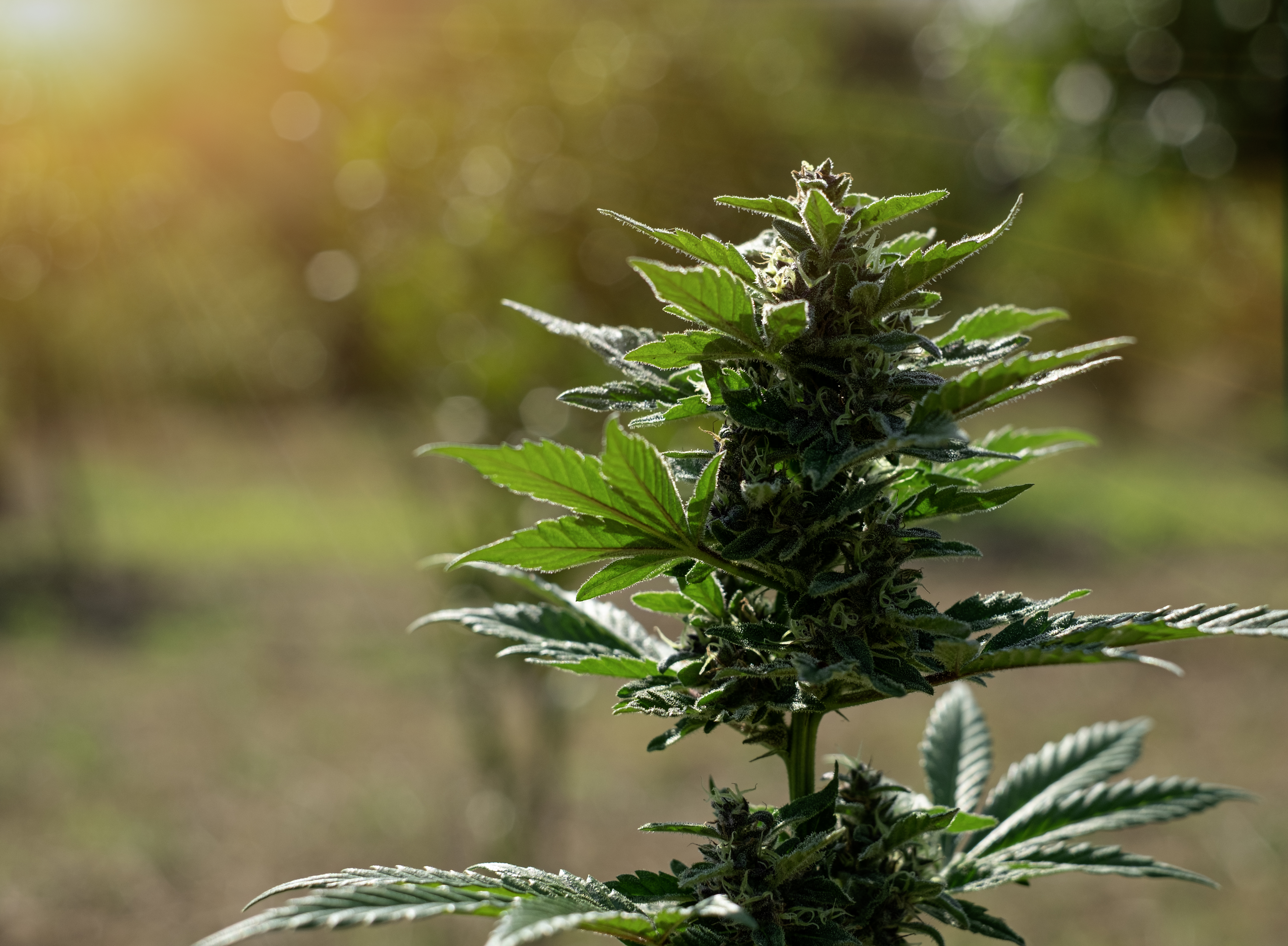


Juanita La Lagrimosa is a cannabis strain that became well known because of its unusual balance of THC and CBD. It was developed in Spain by Reggae Seeds and is often linked to the early growth of CBD-focused cannabis breeding in Europe. At a time when many breeders were mainly trying to increase THC levels, Juanita La Lagrimosa gained attention for producing plants with meaningful amounts of both THC and CBD. This made the strain important not only for growers, but also for breeders who wanted to create new varieties with a more balanced cannabinoid profile.
The strain is usually described as predominantly sativa. This means it often grows with traits linked to sativa-type cannabis plants, such as taller growth, longer branches, and more stretch during flowering. However, the terms sativa and indica should not be treated as perfect guides to effects or plant behavior. Modern cannabis strains often contain mixed genetics, and individual plants can show different traits. Juanita La Lagrimosa is best understood by looking at its genetics, cannabinoid content, aroma, growth pattern, and tested characteristics together.
One of the main reasons Juanita La Lagrimosa became important is its connection to CBD. CBD, or cannabidiol, is one of the main cannabinoids found in cannabis. Unlike THC, CBD does not produce the same intoxicating high. THC, or tetrahydrocannabinol, is the cannabinoid that is mainly responsible for the psychoactive effects of cannabis. Juanita La Lagrimosa became notable because some tested plants showed THC and CBD in similar amounts. This type of balance is sometimes described as a 1:1 THC-to-CBD ratio.
A 1:1 ratio does not mean that every Juanita La Lagrimosa plant will produce exactly the same percentage of THC and CBD. Cannabis plants can vary, even when they come from the same strain. Genetics, growing conditions, harvest timing, plant health, and laboratory testing methods can all affect the final cannabinoid results. For this reason, published THC and CBD numbers should be treated as general guides rather than fixed guarantees.
This variation is especially important when discussing older cannabis strains. Juanita La Lagrimosa was developed before CBD-rich cannabis became as common as it is today. At that time, finding plants with high or balanced CBD levels was more unusual. When breeders began testing Juanita La Lagrimosa more closely, some plants showed strong CBD production alongside THC. This helped increase interest in breeding cannabis with a wider range of cannabinoid profiles.
Juanita La Lagrimosa also has an important place in cannabis breeding history because its genetics were later used in other CBD-focused projects. Breeders interested in balanced cannabinoid strains used plants like Juanita La Lagrimosa as breeding material. Over time, this helped lead to more cannabis varieties that were selected for CBD as well as THC. For that reason, Juanita La Lagrimosa is often discussed as more than a single strain. It is also part of the history of modern CBD-rich cannabis breeding.
The strain has several other features that make it interesting to growers. It is commonly described as having a citrus and Haze-like aroma, along with fruity and hash-like flavor notes. These characteristics can vary from plant to plant because aroma depends on terpenes and other compounds produced by the flowers. Growing conditions, plant genetics, drying, and curing can all affect how strong these smells and flavors become.
Its effects are also commonly described as more cerebral and active than heavy or sedating. Some users may experience mental stimulation, alertness, or a more social feeling. However, effects are never exactly the same for everyone. Dose, THC level, CBD level, tolerance, body chemistry, and method of use can all change the experience. A person who is sensitive to THC may react very differently from someone with a higher tolerance. CBD may also influence how the overall cannabinoid profile feels, but it should not be assumed that CBD completely removes the effects of THC.
For growers, Juanita La Lagrimosa requires attention to its sativa-like growth pattern. Plants may stretch as they enter flowering, so indoor growers need enough vertical space. Good airflow, stable temperatures, and proper humidity are also important. The breeder lists an indoor flowering period of about 60 to 65 days, although actual timing can change depending on the plant and growing environment. Outdoors, the strain is generally expected to finish around the first part of October under suitable conditions.
Yield can also vary. Light intensity, root space, plant health, nutrition, training, and the length of the vegetative stage can all affect how much a plant produces. This is why strain descriptions should be used as starting points rather than exact predictions. Two growers using the same strain may still get very different results.
This article will examine Juanita La Lagrimosa in detail. It will explain its genetics and breeding history, including the different reports about its parent strains. It will also look at THC and CBD levels, common effects, aroma, flavor, flowering time, yield, and growing needs. The goal is to give readers a clear picture of what makes this strain unusual and why it has remained important in discussions about CBD-rich cannabis.
By understanding its genetics, cannabinoid balance, growth habits, and history, readers can better see why Juanita La Lagrimosa stands out from many other cannabis strains. It is not defined by one THC number, one CBD number, or one effect. Instead, its importance comes from the combination of its balanced cannabinoid potential, its sativa-dominant growth traits, and its role in the development of later CBD-focused cannabis genetics.
What Is Juanita La Lagrimosa?
Juanita La Lagrimosa is a cannabis strain known for its unusual balance of THC and CBD. It became especially important during a time when most cannabis breeding focused mainly on increasing THC levels. Instead of producing only strong THC effects, Juanita La Lagrimosa became known for plants that could also contain notable amounts of CBD.
The strain was developed by Reggae Seeds, a cannabis breeder based in Spain. It is generally described as a mostly sativa variety. Its growth pattern, aroma, and effects often reflect this background. Plants can grow with a more open structure, longer branches, and stronger vertical development than many indica-dominant strains.
What makes Juanita La Lagrimosa especially important is its place in the history of CBD-rich cannabis. Today, cannabis strains with balanced THC and CBD are easier to find. This was not always the case. When Juanita La Lagrimosa gained attention, CBD was not yet a major focus for many cannabis breeders. The discovery of plants with meaningful CBD levels helped encourage more interest in breeding cannabis for a wider range of cannabinoid profiles.
Juanita La Lagrimosa is therefore more than just another strain name. It represents an important stage in the development of modern CBD-focused cannabis breeding.
Origins of the Strain
Juanita La Lagrimosa was developed by Reggae Seeds in Spain. The strain emerged from a breeding program that focused on combining desirable plant traits with an unusual cannabinoid profile.
The exact history of its genetics can be somewhat complex. Reggae Seeds has linked Juanita La Lagrimosa to Reina Madre, also known as Queen Mother, as an important part of its lineage. Other descriptions of its breeding history have also mentioned genetics related to Mexican, Afghan, or New York City Diesel plants.
This difference in reported lineage is not unusual in cannabis breeding. Many strains were created before modern genetic testing became common. Breeders often kept their own records, and different seed catalogs or strain databases sometimes described the same strain in different ways.
What remains consistent is the important role of Reina Madre in Juanita La Lagrimosa’s development. Reina Madre was valued for its plant structure, aroma, and overall breeding qualities. By crossing it with carefully selected male plants, breeders were able to produce offspring with traits that stood out from many other strains available at the time.
The name “Juanita La Lagrimosa” is Spanish and is often translated as “Tearful Juanita” or “Tearful Jane.” The name helped give the strain a strong identity within the Spanish cannabis breeding community. Over time, it became known far beyond Spain because of its unusual CBD levels.
Why Juanita La Lagrimosa Became Well Known
Juanita La Lagrimosa became well known mainly because laboratory testing showed that some plants could produce significant amounts of both THC and CBD.
This was important because cannabis breeding had long focused heavily on THC. THC is the main cannabinoid responsible for the intoxicating effects of cannabis. As breeders selected plants with higher THC levels over many generations, some strains produced very little CBD.
Juanita La Lagrimosa was different. Certain plants showed a much more balanced relationship between THC and CBD. This attracted attention from breeders who were interested in developing cannabis with a broader cannabinoid profile.
The strain received even more attention after testing connected with the Spannabis cannabis event in Spain. Samples were reported to show a THC-to-CBD relationship close to 1:1. This means that the amount of CBD was similar to the amount of THC in the tested material.
A balanced ratio was unusual compared with many popular cannabis strains at the time. High-THC strains often contained very little CBD. Juanita La Lagrimosa showed that breeders could select plants that maintained THC while also producing much higher CBD levels.
This discovery helped influence later breeding programs. Breeders began using CBD-rich genetics to develop strains with different combinations of THC and CBD. Juanita La Lagrimosa became part of this wider change in cannabis breeding.
However, it is important to understand that not every Juanita La Lagrimosa plant will have exactly the same THC and CBD levels. Cannabis grown from seed can show natural variation. One plant may produce a more balanced cannabinoid ratio, while another may contain higher or lower levels of either cannabinoid.
Growing conditions can also influence the final chemical profile. Light, nutrients, temperature, harvest timing, plant health, and genetics can all affect cannabinoid production. For this reason, laboratory testing is the only reliable way to know the exact THC and CBD content of a specific plant.
Is Juanita La Lagrimosa Sativa or Indica?
Juanita La Lagrimosa is generally described as a predominantly sativa cannabis strain. This means that its growth habits and plant structure tend to show more sativa-like characteristics.
Sativa-dominant plants often grow taller than compact indica varieties. They may develop longer branches, narrower leaves, and more space between growth points. Juanita La Lagrimosa can show these traits, especially when grown in conditions that allow the plant to reach its full size.
Its flowering behavior also reflects its sativa influence. The plant may stretch during the early flowering stage, which means growers need to plan for extra vertical space. This can be especially important indoors, where ceiling height and light distance are limited.
The strain is also often described as having more active and cerebral effects rather than strongly heavy or sedating effects. However, terms such as “sativa” and “indica” should not be treated as exact predictions of how a person will feel.
The actual effects of cannabis depend on several factors. THC and CBD levels are important, but terpenes, dose, personal tolerance, body chemistry, and the way cannabis is consumed can also affect the experience.
Modern cannabis strains are also highly mixed genetically. This means that a label such as “sativa” can help describe general plant traits, but it does not provide a complete picture of the strain’s chemistry or effects.
For Juanita La Lagrimosa, the most useful description is that it is a mostly sativa strain with an important history in CBD-rich cannabis breeding. Its cannabinoid profile is a major part of what makes it different from many traditional sativa varieties.
Juanita La Lagrimosa is a predominantly sativa cannabis strain developed by Reggae Seeds in Spain. It became widely recognized because some plants showed unusually high CBD levels alongside THC. This balanced cannabinoid profile helped make the strain important during the early development of CBD-focused cannabis breeding.
Its genetics are closely linked to Reina Madre, although different sources describe parts of its full lineage in different ways. The strain also gained attention after laboratory testing showed that some samples could produce THC and CBD in roughly similar amounts.
Juanita La Lagrimosa is generally associated with sativa-style growth, including taller plants, longer branches, and noticeable stretching during flowering. However, its main importance comes from its role in showing breeders that cannabis could be developed for more than high THC alone. Its genetics helped support the growth of later CBD-rich and balanced cannabinoid strains.
Juanita La Lagrimosa Genetics and Lineage
Juanita La Lagrimosa has an important place in modern cannabis breeding because of both its family line and its cannabinoid profile. The strain is strongly linked to Reggae Seeds, a Spanish breeder that worked with several cannabis lines during the early development of CBD-rich varieties. Juanita later became known for producing some plants with meaningful amounts of both THC and CBD.
Understanding its genetics is not as simple as looking at one family tree. Different sources describe part of Juanita La Lagrimosa’s lineage in different ways. The current Reggae Seeds listing identifies the strain as a cross between Reina Madre and Mexican/Afghan genetics. However, breeder Jimi has also described an earlier breeding project involving Reina Madre and a New York City Diesel male.
These different accounts are worth explaining because they show how cannabis genetics can become more complex as a strain is selected, reproduced, and released in different forms.
Reina Madre Genetics
Reina Madre is one of the most important names in the background of Juanita La Lagrimosa. It is often translated into English as “Queen Mother.” Breeder Jimi has described Reina Madre as the female plant used during the breeding work that eventually led to Juanita.
According to Jimi, he received an original Reina Madre cutting and placed it into flowering before keeping a separate mother plant. Once he realized that the plant was worth preserving, it was already well into the flowering stage. He then had to return the plant to vegetative growth so that the genetics could be saved.
This history helps explain why Reina Madre became such an important part of his breeding work. Instead of allowing the genetic line to disappear, he preserved it and used it to produce seeds.
Reina Madre itself has a complicated background. Jimi has described it as a polyhybrid rather than a simple cross between two clearly documented strains. A polyhybrid is a plant that has several different cannabis lines in its ancestry. This can make its complete family tree difficult to trace with certainty.
Juanita La Lagrimosa appears to carry several visible traits associated with the Reina Madre side of its family. Jimi has described Juanita as a plant that resembles its mother, with more open flower structure and noticeable stretch as it grows.
This link to Reina Madre is one of the more consistent parts of Juanita La Lagrimosa’s reported history.
The Reported Paternal Genetics
The other side of Juanita La Lagrimosa’s family tree is less clear.
The current Reggae Seeds product information lists Juanita La Lagrimosa as Reina Madre × Mexican/Afghan. The breeder also classifies the resulting strain as predominantly sativa.
However, Jimi gave a different account when discussing the early development of the strain. In an interview, he explained that he had been selecting New York City Diesel plants at the time. He had several male plants and collected pollen from one of them. He then used that pollen on a Reina Madre plant and produced seeds from the cross.
This means readers may find two different descriptions when researching Juanita La Lagrimosa. One identifies Mexican/Afghan genetics, while another describes New York City Diesel as the male parent used in the breeder’s early work.
It is better to report both accounts than to treat one as an unquestioned fact. Cannabis strain histories are not always recorded in the same way as modern commercial crop pedigrees. Breeders may work with selections, unnamed plants, older seed lots, or later versions of an existing line. A strain sold years later may also reflect further selection or breeding work.
For this reason, the safest description is that Reina Madre is central to Juanita La Lagrimosa’s ancestry, while published accounts of the paternal side differ.
Why Cannabis Pedigrees Can Be Difficult to Confirm
Cannabis strain names do not always describe plants with one perfectly fixed genetic identity. This is especially true for strains that were developed before modern genetic testing became widely available.
A breeder may start with dozens of seeds from the same cross. Those seeds can produce plants with different traits. The breeder may then select only certain plants for future generations. Over time, the selected version may differ from the first generation of the original cross.
Cannabis breeding records can also depend heavily on breeder notes and personal accounts. Two seed companies may use similar strain names while working with different selections. This is why the breeder’s own description and historical interviews are useful when studying an older cultivar such as Juanita La Lagrimosa.
The different reports about its ancestry do not erase the strain’s importance. Instead, they show why cannabis genetics should be described carefully. When the evidence is uncertain, it is better to explain the uncertainty rather than give readers a simple family tree that may not tell the full story.
Influence on Later CBD-Rich Strains
Juanita La Lagrimosa became important for more than its own characteristics. It was also used in later breeding projects that focused on CBD.
One important example is Dancehall. Historical material from Reggae Seeds describes Dancehall as a cross between a Juanita La Lagrimosa selection and a Kalijah male. This allowed Juanita’s genetics to move into another line while being combined with different traits.
The breeder’s work with these plants took place during a period when CBD was becoming a much more important target in cannabis selection. Reggae Seeds reports that some Juanita plants became known for producing a THC-to-CBD ratio close to 1:1. This made the strain useful for breeders who wanted to explore cannabis plants that did not follow the more common pattern of high THC and very little CBD.
Juanita therefore became part of a wider group of breeding projects focused on balanced cannabinoid profiles. Its value was not based only on flavor, plant shape, or flowering traits. Its ability to pass useful CBD-related genetics into later crosses helped give it a lasting role in cannabis breeding history.
Juanita La Lagrimosa has a complex but important genetic background. Reina Madre is the most consistent parent named in accounts of the strain’s development. The paternal side is less certain. Reggae Seeds currently lists Mexican/Afghan genetics, while breeder Jimi has described using a New York City Diesel male with Reina Madre during his early breeding work.
Rather than hiding this difference, it is more accurate to recognize that older cannabis pedigrees are sometimes difficult to trace. Breeders often worked with selected plants and evolving lines long before detailed genetic testing became common.
Juanita La Lagrimosa also became important as a parent in later CBD-focused breeding. Its use in strains such as Dancehall helped spread its genetics into new cultivars. Most of all, its association with plants showing meaningful amounts of both THC and CBD helped make Juanita an important part of the history of balanced-cannabinoid cannabis breeding.
Juanita La Lagrimosa THC and CBD Levels
Juanita La Lagrimosa is best known for its unusual balance of THC and CBD. When the strain first gained attention, most cannabis breeding focused heavily on increasing THC. Juanita La Lagrimosa stood out because some plants produced notable amounts of CBD while still containing enough THC to create an intoxicating effect.
The breeder, Reggae Seeds, describes Juanita La Lagrimosa as one of the early strains known to produce individual plants with a THC-to-CBD ratio close to 1:1. The breeder also reports that a Juanita La Lagrimosa sample tested at Spannabis in 2010 showed a 1:1 CBD-to-THC ratio.
This does not mean every Juanita La Lagrimosa plant will contain the same amount of THC and CBD. Cannabis plants can show natural differences even when they come from the same strain. Growing conditions, genetics, harvest timing, plant health, and testing methods can all affect the final cannabinoid levels.
How Much THC Does Juanita La Lagrimosa Have?
There is no single THC percentage that applies to every Juanita La Lagrimosa plant. This is important because strain descriptions often make cannabinoid levels seem more exact than they really are.
Reggae Seeds does not give one fixed THC percentage for its current Juanita La Lagrimosa seed listing. Instead, the breeder highlights the strain’s history of producing plants with a roughly equal balance of THC and CBD.
Historical laboratory results also show why a range is more useful than one number. An article published in O’Shaughnessy’s in 2011 reported a Juanita La Lagrimosa sample tested by Canna Research Laboratories at about 6.8% THC and 8.8% CBD. These figures describe one tested sample rather than every plant sold under the Juanita La Lagrimosa name.
THC is the main cannabinoid responsible for the intoxicating effects of cannabis. A plant with moderate THC can still produce noticeable impairment, especially for someone with little THC tolerance. The total experience also depends on dose, method of use, individual sensitivity, and the presence of other cannabinoids.
For this reason, readers should not assume that Juanita La Lagrimosa is weak simply because it is known for CBD. It still contains THC, and some plants may contain enough to cause clear psychoactive effects.
How Much CBD Does Juanita La Lagrimosa Have?
CBD is one of the main reasons Juanita La Lagrimosa became well known. During a period when many breeders were focusing on stronger THC levels, the discovery of plants with substantial CBD attracted attention.
Reggae Seeds states that Juanita La Lagrimosa became known worldwide because it was among the early plants in its breeding program to produce individuals with a 1:1 THC-to-CBD ratio. The company also connects the strain’s testing at Spannabis in 2010 with the early growth of interest in CBD-rich cannabis genetics.
However, the amount of CBD should not be treated as fixed. One seed can develop into a plant with a different chemical profile from another seed of the same strain. This is partly because cannabis seeds contain genetic variation. Even plants that look similar may not produce identical cannabinoid levels.
Environmental conditions may also influence the final chemical profile. Light, temperature, nutrition, plant stress, maturity, and harvest timing can affect how the plant develops. The genetic potential of the plant sets the basic range, but growing conditions can influence how that potential is expressed.
This means a grower cannot confirm CBD content simply by looking at the flowers. Laboratory testing is needed for an accurate measurement.
What Does a 1:1 THC-to-CBD Ratio Mean?
A 1:1 THC-to-CBD ratio means that the amounts of THC and CBD are approximately equal. For example, a sample containing about 7% THC and 7% CBD would have a ratio close to 1:1. The exact percentages do not need to match perfectly for the profile to be described as balanced.
This type of cannabinoid profile differs from most modern THC-dominant cannabis. Many recreational strains contain much more THC than CBD. In those plants, CBD may be present only in very small amounts.
Juanita La Lagrimosa became important because some of its plants showed a much more balanced pattern. Reggae Seeds reports that testing performed during Spannabis in 2010 found a Juanita La Lagrimosa sample with a 1:1 CBD-to-THC ratio.
CBD is not intoxicating in the same way as THC. However, it can influence the overall cannabinoid profile and may change how a cannabis product feels compared with a product that contains mostly THC. This does not mean CBD completely blocks or removes the effects of THC. A balanced strain can still cause impairment because THC remains active.
The ratio is also different from the total cannabinoid percentage. Two samples could both have a 1:1 ratio while having very different strengths. One might contain 5% THC and 5% CBD, while another might contain 10% of each. Both are balanced, but the second sample contains a larger total amount of cannabinoids.
Why Laboratory Testing Matters
Laboratory testing is the only practical way to determine the cannabinoid content of a specific cannabis sample with reasonable accuracy. A strain name cannot guarantee an exact THC or CBD level.
Cannabis flowers cannot be judged accurately by appearance alone. Large flowers, heavy resin production, strong aroma, or dense trichomes do not reveal the exact amount of THC or CBD present. Two plants may look almost identical while producing different cannabinoid profiles.
Testing is especially important with Juanita La Lagrimosa because its reputation is strongly linked to CBD and the 1:1 THC-to-CBD ratio. Although this ratio has been documented in tested material, it should not be assumed that every plant will produce the same result. Reggae Seeds itself describes the strain as producing individual plants with this balanced ratio rather than stating that every plant has an identical chemical profile.
A laboratory cannabinoid test can normally show concentrations of major compounds such as THC, THCA, CBD, and CBDA. Depending on the laboratory, it may also measure smaller cannabinoids and terpenes.
Testing also makes comparisons between plants more useful. Instead of relying only on names such as “high CBD” or “balanced,” growers and consumers can see the actual cannabinoid measurements for a particular sample.
Juanita La Lagrimosa is strongly associated with balanced THC and CBD because tested plants have produced ratios close to 1:1. Reggae Seeds reports that a sample tested during Spannabis in 2010 showed equal proportions of CBD and THC, helping bring wider attention to CBD-rich cannabis genetics.
However, there is no single THC or CBD percentage that applies to every Juanita La Lagrimosa plant. Genetics, phenotype, growing conditions, maturity, harvest timing, and testing methods can all influence the final cannabinoid profile. Historical testing has shown meaningful levels of both THC and CBD, but those results should be viewed as examples rather than guarantees. For anyone who needs to know the exact THC-to-CBD ratio of a specific plant or flower sample, laboratory testing provides the most reliable answer.
What Are the Effects of Juanita La Lagrimosa?
Juanita La Lagrimosa is known for having a different effect profile from many cannabis strains that contain high levels of THC and very little CBD. It is often linked with a more balanced mix of THC and CBD, although the exact amount of each cannabinoid can change from one plant to another. This balance may influence how the effects feel.
The effects of any cannabis strain can vary between people. Dose, tolerance, body chemistry, cannabinoid levels, and even the setting can change the experience. For this reason, Juanita La Lagrimosa should not be expected to produce the same effects for every person.
Commonly Reported Mental Effects
Juanita La Lagrimosa is usually described as having a clear and active mental effect. Because it is a mostly sativa strain, it is often associated with a more alert experience rather than heavy sedation. Some people may notice a stronger sense of mental activity, awareness, or interest in their surroundings.
The strain is also often described as having a social quality. A person may feel more willing to talk, listen, or take part in a conversation. This may be one reason the strain is sometimes linked with daytime or social use rather than late-night use.
Mental stimulation is another commonly discussed feature. Some users may feel more focused on thoughts, ideas, music, or creative tasks. However, this does not mean that the strain will improve focus for everyone. THC can also reduce attention, short-term memory, and reaction speed, especially at higher doses.
The effect may also depend on the specific plant. One Juanita La Lagrimosa plant may contain a more balanced THC-to-CBD ratio, while another may contain a different mix. A plant with more THC may feel stronger and more intoxicating. A plant with more CBD in relation to THC may feel less intense.
Physical Effects
The physical effects of Juanita La Lagrimosa are often described as lighter than those of strongly sedating cannabis strains. Instead of causing a very heavy or sleepy body feeling, it may produce a mild sense of physical ease while the mind remains active.
This does not mean that the strain has no physical effect. THC still affects the central nervous system and can change coordination, reaction time, and body awareness. A person may feel relaxed in the muscles while still feeling mentally awake.
Dose plays a major role. A small amount may feel mild, while a larger amount may create stronger physical and mental effects. People with little THC tolerance may notice impairment even at lower amounts.
Juanita La Lagrimosa should not be treated as a strain that allows normal performance during activities that require full attention. Cannabis containing THC can impair driving, operating equipment, and other tasks that require quick reactions.
How CBD May Affect the Overall Experience
One of the main reasons Juanita La Lagrimosa became well known is its connection with CBD-rich breeding. CBD, or cannabidiol, does not cause the same intoxicating effect as THC. THC, or tetrahydrocannabinol, is the cannabinoid mainly responsible for the cannabis “high.”
When both cannabinoids are present, the experience may differ from that of a high-THC strain with very little CBD. Some research suggests that CBD may change certain effects of THC under some conditions. However, the relationship is complex, and CBD does not simply cancel out THC.
It is also important to avoid assuming that every Juanita La Lagrimosa plant has a perfect 1:1 ratio. Cannabis plants grown from seed can show differences in cannabinoid production. Growing conditions, harvest time, and genetics can also affect the final chemical profile.
This means that one sample may feel fairly balanced, while another may feel more strongly intoxicating. Laboratory testing is the best way to know the actual THC and CBD content of a specific batch.
Possible Unwanted Effects
Like other cannabis strains that contain THC, Juanita La Lagrimosa can cause unwanted effects. Dry mouth and dry eyes are common with many cannabis products. These effects are usually temporary, but they can still be uncomfortable.
Some people may also experience dizziness, especially if they use too much or stand up quickly after sitting or lying down. THC can also affect balance and coordination.
Anxiety or nervousness can occur in people who are sensitive to THC. This risk may increase with higher doses. Even though Juanita La Lagrimosa may contain meaningful amounts of CBD, this does not guarantee that anxiety will not occur.
Other possible effects include changes in short-term memory, slower reaction time, reduced concentration, and altered sense of time. These effects may become stronger as THC intake increases.
People also differ in how quickly they feel the effects. The method of use can change both the timing and strength of the experience. Inhaled cannabis usually acts faster, while edible cannabis may take longer to produce effects and can last much longer.
Juanita La Lagrimosa is mainly known for a clear, cerebral, and active effect profile rather than a heavily sedating one. It may produce mental stimulation, sociability, alertness, and a lighter sense of physical relaxation. Its balanced reputation comes from its ability to produce plants with notable levels of both THC and CBD.
However, the effects are not fixed. Cannabinoid levels can vary between plants, and each person may react differently. CBD may influence the overall experience, but it does not remove the intoxicating effects of THC. Possible unwanted effects include dry mouth, dry eyes, dizziness, anxiety, impaired coordination, and reduced attention.
Aroma, Flavor, and Terpene Characteristics
Juanita La Lagrimosa is known not only for its unusual balance of THC and CBD but also for its distinct aroma and flavor. The strain has a smell that is often linked to citrus and classic Haze-type cannabis. Its flavor can also include fruit, herbal notes, and a deeper hash-like quality. However, these traits are not always the same from one plant to another. Genetics, growing conditions, harvest timing, drying, and curing can all affect how the final flowers smell and taste.
The aroma and flavor of cannabis come from many natural compounds. Terpenes are especially important because they produce much of the scent found in the flowers. The amount and mix of these compounds can change between plants, even when they come from the same strain. For this reason, Juanita La Lagrimosa should not be expected to have one exact aroma or flavor profile in every sample.
What Does Juanita La Lagrimosa Smell Like?
Juanita La Lagrimosa is commonly described as having a noticeable citrus and Haze-like aroma. The citrus side may remind some people of lemon peel or other fresh citrus fruit. It can give the flowers a bright and sharp scent when they are handled or broken apart. The Haze-like part of the aroma can be more complex. It may include herbal, spicy, earthy, or slightly sweet qualities.
The aroma can become stronger as the plant reaches the later part of flowering. During this stage, the flowers continue to produce resin and aromatic compounds. When mature flowers are handled, their scent may become more noticeable because small resin glands on the surface release aromatic oils.
Some plants may also have a mild earthy or resinous smell underneath the brighter citrus notes. This deeper aroma can give the strain more complexity. It may become easier to notice after the flowers have been properly dried and cured.
Growing conditions can have a major effect on aroma. Excessive heat, poor drying methods, or long exposure to strong light after harvest may reduce some of the more delicate aromatic compounds. A plant grown under stable conditions and dried carefully may keep more of its original smell.
It is also important to remember that different phenotypes may smell slightly different. A phenotype is the set of traits expressed by an individual plant. Two plants grown from seeds of the same strain can share many features while still having differences in scent, plant shape, flower structure, and cannabinoid content.
What Does Juanita La Lagrimosa Taste Like?
The flavor of Juanita La Lagrimosa is often described as fruity with deeper hash-like qualities. The first flavor may have a bright fruit or citrus character that reflects its aroma. This can be followed by more earthy, herbal, or resin-like notes.
A hash-like flavor is usually richer and heavier than a simple fruit taste. It may include earthy, spicy, woody, or slightly roasted qualities. In Juanita La Lagrimosa, this deeper flavor can create a contrast with its fresher citrus and fruit notes.
The exact taste can change depending on how the plant was grown and processed after harvest. Flowers that are harvested too early may not have reached their full aromatic development. Flowers that are dried too quickly may also lose some of their natural flavor.
Curing is another important factor. During curing, dried cannabis flowers are stored under controlled conditions for a period of time. Moisture slowly becomes more even throughout the flower, while some plant compounds continue to change. A careful curing process can help the natural aroma and flavor become clearer.
Poor storage can have the opposite effect. Too much heat, air, or light can slowly reduce aroma. Excess moisture can also cause problems, including mold. For this reason, the final flavor of a sample does not depend only on genetics. Storage and handling can make a major difference.
The way cannabis is consumed can also change how its flavor is noticed. Different temperatures and methods can release aromatic compounds in different ways. Because of this, descriptions of taste should be treated as general characteristics rather than exact results that every person will experience.
Terpenes and Aroma
Terpenes are natural aromatic compounds made by many plants, including cannabis. They are responsible for many familiar plant smells. Citrus peels, herbs, flowers, pine trees, and many other plants contain their own mixtures of terpenes.
Cannabis plants produce terpenes mainly in their resin glands. These same glands also contain cannabinoids such as THC and CBD. The terpene mixture contributes to the smell and flavor of the flowers, but it can vary because of genetics and environmental conditions.
It is tempting to assign one fixed terpene profile to a strain. However, this can be misleading. A strain name alone does not prove that every plant has the same terpene levels. Individual phenotypes may produce different amounts of the same compounds. Growing temperature, plant nutrition, light, harvest timing, drying, and storage can also change the final profile.
This is especially important when reading strain descriptions online. Some descriptions list specific terpenes as if they are always dominant in a certain strain. Unless those claims come from laboratory testing of a specific sample, they should be treated with care.
For Juanita La Lagrimosa, the safer approach is to describe the aroma that has been associated with the strain, such as citrus, Haze, fruit, herbal, earthy, and hash-like notes. These descriptions help explain what the flowers may smell or taste like without suggesting that every plant will have an identical chemical profile.
Laboratory testing provides the clearest way to identify the terpene profile of a specific sample. A terpene test can show which compounds are present and their measured concentrations. This is more reliable than trying to identify terpenes by smell alone.
It is also important not to confuse terpene aroma with cannabinoid strength. A strong-smelling flower does not always contain more THC or CBD. Terpenes and cannabinoids are different groups of compounds. Their levels must be measured separately if accurate information is needed.
Juanita La Lagrimosa is generally associated with a bright citrus and Haze-like aroma, along with fruity, herbal, earthy, resinous, and hash-like qualities. These characteristics can make its scent and flavor more complex than a simple sweet or citrus profile. However, not every Juanita La Lagrimosa plant will smell or taste exactly the same.
Genetics create the basic potential for aroma and flavor, while growing conditions, harvest timing, drying, curing, and storage affect how those traits appear in the final flowers. Individual phenotypes can also produce noticeable differences.
Terpenes are an important part of the strain’s smell and flavor, but a fixed terpene profile should not be assumed from the strain name alone. Laboratory testing is the most reliable way to determine which terpenes are present in a specific sample. Understanding this variation provides a more accurate picture of Juanita La Lagrimosa and explains why different examples of the same strain may have slightly different aromas and flavors.
Juanita La Lagrimosa and CBD-Rich Cannabis
Juanita La Lagrimosa holds an important place in the history of CBD-rich cannabis breeding. Today, growers can find many strains that contain high levels of cannabidiol, or CBD. Some strains contain similar amounts of CBD and THC, while others have much more CBD than THC. This was not always common. For many years, cannabis breeding placed a strong focus on raising THC levels. Juanita La Lagrimosa helped draw attention to a different type of cannabinoid profile.
The strain became known for producing plants with notable amounts of CBD while still containing THC. This made it useful not only as a strain on its own, but also as breeding material. Its genetics later appeared in several other CBD-focused cannabis varieties. Because of this influence, Juanita La Lagrimosa is often discussed as one of the strains that helped shape modern CBD breeding.
Why the Strain Was Important to CBD Breeding
One reason Juanita La Lagrimosa became important was the timing of its discovery. CBD was already known to scientists, but high-CBD cannabis was not the main focus of much commercial cannabis breeding. Many breeders were selecting plants based mainly on strong THC levels, aroma, flavor, yield, and appearance. Plants with lower THC or unusual cannabinoid ratios were sometimes overlooked.
Juanita La Lagrimosa changed that conversation. Reggae Seeds reports that a sample of the strain was tested during Spannabis in 2010. According to the breeder, laboratory testing showed a CBD-to-THC ratio of about 1:1. The company describes this event as an important moment in what it calls the early “CBD wave” in cannabis breeding.
A 1:1 ratio means that the plant contains roughly similar amounts of CBD and THC. This is different from many traditional recreational cannabis strains, which may contain much more THC than CBD. Finding plants with a more balanced cannabinoid profile gave breeders new material to work with.
The breeder behind Reggae Seeds has also explained that Juanita La Lagrimosa was not originally created through a breeding program designed specifically to produce high CBD. Instead, its CBD-rich qualities were discovered after the strain had already been developed and grown. That discovery showed breeders that valuable cannabinoid traits could sometimes be hidden inside existing genetic lines.
Once breeders recognized the importance of Juanita La Lagrimosa’s cannabinoid profile, its genetics began to appear in later crosses. The strain became connected with other CBD-rich varieties, including lines related to Dancehall and several later cultivars developed by different seed companies. Royal Queen Seeds, for example, identifies Juanita La Lagrimosa as an important ancestor in a number of its CBD-focused breeding lines.
This influence matters because cannabis breeding depends on selecting parents that pass useful traits to their offspring. If a plant has the genetic ability to produce higher CBD levels, breeders can cross it with other plants and select offspring that keep that trait. Over several generations, careful selection can create more stable lines with predictable cannabinoid profiles.
Juanita La Lagrimosa therefore became useful for more than its own flowers. It gave breeders access to genetics that could help produce new strains with different relationships between CBD and THC.
Is Juanita La Lagrimosa a Medical Cannabis Strain?
Juanita La Lagrimosa is often described as a medical or medicinal cannabis strain because of its connection with CBD. However, this term needs to be understood carefully.
CBD has received major attention because researchers are studying its effects in several health-related areas. THC also has medical applications in certain approved drug products. However, calling a cannabis strain “medical” does not mean that the strain itself has been proven to treat a specific disease.
Juanita La Lagrimosa is a cannabis cultivar, not a standardized prescription drug. Different plants grown from the same strain can produce different levels of CBD, THC, and other compounds. Growing conditions, genetics, plant maturity, harvest timing, storage, and laboratory methods can all affect the final cannabinoid results.
This means a person cannot know the exact CBD or THC content of Juanita La Lagrimosa based only on the strain name. Laboratory testing is needed to confirm the cannabinoid profile of a specific sample.
The U.S. Food and Drug Administration also makes an important distinction between cannabis products and approved medicines. The FDA has approved a prescription medicine containing purified CBD for certain seizure disorders, but it has not approved cannabis itself as a treatment for any disease or condition. The agency also warns that many CBD products are sold with health claims that have not been proven.
For this reason, Juanita La Lagrimosa is better described as a strain that has attracted interest in medical-cannabis breeding because of its cannabinoid profile. Its CBD content makes it important to researchers, breeders, and consumers interested in balanced cannabis varieties, but it should not be presented as a guaranteed treatment.
It is also important to remember that Juanita La Lagrimosa still contains THC. A CBD-rich or balanced strain can still cause intoxication if enough THC is present. The strength of those effects will depend on the amount consumed, the actual cannabinoid levels, and the person’s response to THC.
CBD Versus THC Effects
CBD and THC are two of the best-known cannabinoids found in cannabis, but they do not affect the body in the same way.
THC, or delta-9-tetrahydrocannabinol, is mainly responsible for the intoxicating “high” linked with cannabis. THC can change perception, mood, attention, coordination, memory, and reaction time. Higher amounts may produce stronger intoxication, although the exact response differs from one person to another.
CBD, or cannabidiol, is different. CBD does not produce the same type of intoxicating high as THC. This is one reason CBD-rich strains became an important area of cannabis breeding. Breeders could develop plants that still contained a wide range of cannabis compounds while changing the balance between intoxicating and non-intoxicating cannabinoids. The FDA also identifies THC as the compound mainly responsible for the marijuana “high,” while CBD is a separate cannabis compound that does not create that same intoxicating effect.
A strain with similar amounts of CBD and THC may therefore feel different from a strain that contains high THC and almost no CBD. However, it is too simple to say that CBD completely blocks or cancels THC. The relationship between cannabinoids is more complex, and people can respond differently based on dose, tolerance, body chemistry, and other factors.
The cannabinoid ratio is also only one part of the experience. Cannabis contains many other compounds, including minor cannabinoids and terpenes. These compounds may contribute to differences between strains, although more research is needed to understand many of these interactions.
For Juanita La Lagrimosa, the important point is that its reputation is based largely on its unusual CBD and THC balance. Some tested plants have shown a relatively balanced profile, which made the strain valuable during a period when many commercial strains were selected mainly for high THC. That balance helped make Juanita La Lagrimosa an important parent in later CBD-focused breeding programs.
Juanita La Lagrimosa became important because it helped bring greater attention to CBD-rich cannabis genetics. Reggae Seeds reports that laboratory testing in 2010 found a Juanita La Lagrimosa sample with about a 1:1 CBD-to-THC ratio, a result that helped increase interest in balanced cannabis varieties. The strain was later used as breeding material for other CBD-focused cultivars and became an important part of the development of modern balanced-cannabinoid genetics.
Although Juanita La Lagrimosa is often discussed as a medical cannabis strain, the strain name does not guarantee a specific medical effect or cannabinoid level. Individual plants can vary, and laboratory testing is the best way to know their actual THC and CBD content. CBD does not produce the same intoxicating high as THC, while THC can impair perception, coordination, and thinking. Juanita La Lagrimosa’s lasting importance comes from the way its genetics helped breeders explore a wider range of CBD-to-THC ratios and develop new types of cannabis beyond the traditional focus on high THC.
Growing Juanita La Lagrimosa Indoors
Juanita La Lagrimosa can be grown indoors when growers provide enough space, steady environmental conditions, and good airflow. Because it is mainly a sativa-type plant, it may grow taller and stretch more than many compact indica varieties. This growth pattern should be considered before flowering begins.
Indoor growing gives the grower more control over light, temperature, humidity, and air movement. This can make it easier to keep the plants healthy throughout the growing cycle. At the same time, Juanita La Lagrimosa may need more attention to height and canopy space because of its longer branches and active growth.
The strain is also known for variation between individual plants. Seed-grown plants may not all develop at the same speed or reach the same height. Their flower structure and cannabinoid levels can also differ. For this reason, growers should observe each plant instead of expecting every Juanita La Lagrimosa plant to behave in exactly the same way.
General Growth Characteristics
Juanita La Lagrimosa is described as a predominantly sativa strain. This usually means the plants tend to develop a taller structure with longer spaces between branches. The leaves may also appear narrower than those seen on many indica-heavy plants.
During the vegetative stage, healthy plants can produce several branches that reach toward the light. This growth can be useful because it creates several areas where flowers can develop later. However, the same branching pattern can make the plant take up more vertical and horizontal space than expected.
Growers should plan their indoor area before the plants become large. Enough room should remain between the top of the plant and the light source. Crowded plants can also block light from reaching lower branches. They may reduce airflow around the leaves and flowers.
Plant structure can vary because Juanita La Lagrimosa has a complex genetic background. One plant may remain more compact, while another may stretch more strongly. Growth speed can also differ. These differences are normal when plants are grown from seed.
Healthy root development is also important. Roots need enough space, oxygen, and moisture to support the upper part of the plant. Overly wet growing media can reduce the amount of oxygen available around the roots. On the other hand, allowing the root zone to become too dry can slow growth.
Close observation is often more useful than following a fixed watering schedule. The plant’s size, room temperature, container size, and growing medium can all affect how quickly moisture is used.
Indoor Flowering Time
Juanita La Lagrimosa is generally listed with an indoor flowering period of about 60 to 65 days. This means that once the plant enters its flowering stage, it may need around eight to nine weeks to reach maturity under suitable conditions.
The flowering period should not be confused with the entire growing cycle. The plant also spends time in the earlier growth stage before flowering begins. The length of that stage depends on how large the grower wants the plant to become before flowering.
Flowering time can also differ between individual plants. A breeder’s estimate is a useful guide, but it should not be treated as an exact harvest date. Some plants may mature slightly earlier, while others may need more time.
Environmental conditions can affect development as well. Plants that experience poor light, heat stress, root problems, or other forms of stress may develop differently from healthy plants.
During the first part of flowering, Juanita La Lagrimosa may continue to increase in height. This period of rapid vertical growth is often called the flowering stretch. It is especially important with sativa-dominant plants because the final plant can become much taller than it was before flowering started.
As flowering continues, growth begins to focus more heavily on flower development. The plants may also develop stronger aromas as their flowers mature. Growers should continue watching the environment during this stage because larger plants and developing flowers can change the amount of moisture and heat inside the growing space.
Light, Temperature, and Airflow
Stable conditions are important when Juanita La Lagrimosa is grown indoors. Large changes in temperature or humidity can place stress on the plants and make healthy development more difficult.
Lighting should be suitable for the size of the growing area. Plants need enough light to support healthy leaves and flower development, but excessive heat from the light source can cause problems. Leaves that remain too close to a strong light may show signs of stress.
The distance between the plant canopy and the light should therefore be checked as the plants grow taller. This is especially important during the early flowering stretch. A light that was safely positioned during vegetative growth may become too close after the plant increases in height.
Temperature should also remain reasonably stable. Excessive heat can increase water loss from the leaves and may cause the plant to become stressed. Very cold conditions can slow growth. The exact indoor environment will depend on the equipment, room size, and local climate, so plants should be watched for signs that conditions need adjustment.
Airflow is another important part of indoor growing. Moving air helps prevent warm, damp areas from developing around dense leaves and flowers. It can also help create a more even environment across the growing space.
However, strong air should not constantly blow directly at one part of the plant. The goal is gentle air movement throughout the space rather than harsh wind against the leaves.
Good ventilation becomes especially important as the flowers develop. Dense plant growth can hold moisture, particularly where branches or leaves are close together. High moisture around developing flowers may increase the risk of mold or other problems.
Removing stale air and bringing in fresh air can help control both heat and humidity. Air circulation should reach both the upper canopy and the lower areas around the plants.
Managing Plant Height
Height management is one of the main issues to consider when growing Juanita La Lagrimosa indoors. Its sativa-dominant structure can produce long branches, and the plant may stretch during the early part of flowering.
Growers should leave enough vertical room before flowering begins. Waiting until the plants are already close to the lights can make height much harder to control.
The shape of the canopy can also affect how well light reaches the plant. If one branch grows much higher than the others, it may receive much more light while lower branches remain shaded. A more even canopy allows light to reach a larger amount of plant material.
Gentle plant training during earlier growth may help guide branches outward instead of allowing all growth to move straight upward. This can make better use of horizontal space in an indoor area.
Any training should be done with care. Heavy stress can slow growth, especially if the plant is already dealing with environmental problems. Plants should have time to recover before entering major stages of development.
Growers should also consider the number of plants in the room. Too many tall plants in a small area can create a crowded canopy. This can reduce light penetration and make airflow more difficult. Fewer well-spaced plants may sometimes be easier to manage than a tightly packed indoor area.
Regular observation is important because height problems usually develop over time. Checking plant growth often makes it easier to respond before branches reach the lights or become crowded against nearby plants.
Juanita La Lagrimosa can adapt well to indoor growing, but its predominantly sativa growth pattern requires enough space and careful height management. Plants may develop long branches and can stretch during the early flowering stage, so growers should plan for vertical growth before flowering begins.
The strain generally has an indoor flowering period of about 60 to 65 days, although individual plants may finish earlier or later. Breeder estimates should be used as a guide rather than as a fixed harvest schedule.
Stable lighting, temperature, humidity, and airflow also support healthy indoor development. Good air movement is especially important once flowers become larger because crowded, damp areas can increase the chance of plant problems.
Growing Juanita La Lagrimosa Outdoors
Juanita La Lagrimosa is often described as a mostly sativa cannabis strain. This means it may grow taller and develop longer branches than many compact indica-type plants. When grown outdoors where cultivation is legal, the plant can benefit from natural sunlight, open space, and fresh air. However, outdoor growing also exposes the plant to changing weather, pests, excess moisture, and seasonal temperature shifts.
The breeder lists Juanita La Lagrimosa as suitable for outdoor cultivation. Its outdoor cycle can work well in regions that have warm summers and enough dry weather as harvest approaches. Growers should still remember that no two outdoor locations are the same. Climate, latitude, rainfall, sunlight, soil conditions, and the individual plant can all affect how it develops.
Suitable Outdoor Conditions
Juanita La Lagrimosa generally benefits from a warm and sunny outdoor setting. Like other cannabis plants, it needs enough light to support healthy growth and flower development. A location that receives regular direct sunlight may provide better growing conditions than a heavily shaded area.
Air movement is also important. Outdoor plants naturally receive more airflow than many indoor plants, but poor spacing or thick surrounding vegetation can still trap moisture. Good airflow helps leaves and flowers dry after rain or morning dew. This may lower the chance of moisture-related problems.
Temperature is another factor. Cannabis plants can handle normal seasonal changes, but long periods of extreme heat or cold can create stress. Very hot weather may increase water loss from the soil and leaves. Cold nights late in the season may slow growth and affect plant health.
Rainfall should also be considered. Regular rain can support plant growth, but too much moisture during flowering can become a problem. Flowers hold more moisture than leaves, especially as they become larger and denser. A wet period near harvest can raise the risk of mold and other damage.
Because local laws differ, growers should also check the rules that apply in their area before cultivating cannabis outdoors.
Outdoor Harvest Time
According to Reggae Seeds, Juanita La Lagrimosa may finish outdoors around the first half of October under the conditions used by the breeder. This date should be treated as a general reference rather than an exact harvest deadline.
Outdoor flowering is strongly linked to seasonal changes in daylight. As days become shorter, photoperiod cannabis plants begin and continue their flowering stage. However, the exact timing depends on latitude and local conditions. A plant grown in southern Europe, for example, may not follow exactly the same schedule as a plant grown in a different climate zone.
Weather can also shift the practical harvest period. A grower may face heavy rain, cold nights, storms, or unusual heat as the plant reaches maturity. These conditions can affect the speed of development and the health of the flowers.
Individual plants can also differ. Even seeds sold under the same strain name may show some variation in height, flowering speed, and flower structure. One plant may mature slightly sooner than another.
For this reason, an estimated date such as early October should be viewed as part of a larger picture. Plant maturity and local conditions are more useful than relying on the calendar alone.
Plant Size and Space
Juanita La Lagrimosa’s sativa influence can lead to strong vertical growth. Outdoor plants usually have more room than indoor plants, so they may become much larger when conditions are favorable.
Enough spacing between plants is important because crowded growth can reduce airflow. When leaves and branches overlap heavily, the inner parts of the plant may remain damp after rain. Dense growth can also reduce the amount of sunlight that reaches lower leaves and branches.
Space also gives the root system room to develop. Outdoor plants growing directly in the ground may have access to more soil than plants kept in containers. A larger root area can support a larger plant, although final size also depends on climate, soil quality, plant health, and the length of the growing season.
Growers should think about the plant’s possible final size before choosing a location. A small plant early in the season can become much taller and wider later. Nearby walls, fences, trees, or other plants may block sunlight as the season changes.
Spacing is therefore not only about plant size. It also supports better light exposure, easier inspection, and improved airflow around the leaves and flowers.
Weather and Mold Risks
Outdoor cannabis plants are exposed to weather that cannot be fully controlled. Rain, fog, morning dew, storms, and high humidity may all increase moisture around the flowers.
Mold becomes a greater concern during the flowering stage because developing buds can hold water. If the surface appears dry while moisture remains trapped deeper inside a flower, fungal growth may develop without being obvious at first.
Regular visual checks are important as the season progresses. Leaves and flowers should be observed for unusual discoloration, soft areas, damaged tissue, or other signs of poor plant health. After wet weather, good natural airflow can help moisture leave the plant more quickly.
Late-season rain can be especially important because flowers are usually larger by that point. Cool temperatures combined with high humidity may allow moisture to remain for longer periods.
Outdoor plants can also face other weather risks. Strong winds may damage branches, while very hot and dry conditions may cause plants to lose water quickly. Sudden cold weather can slow development. These risks show why outdoor cultivation depends heavily on local climate rather than on strain information alone.
Growing Juanita La Lagrimosa outdoors requires attention to sunlight, space, airflow, weather, and seasonal timing. The strain’s mostly sativa growth pattern can produce taller plants with long branches, so enough room can help the plant develop without becoming crowded.
Reggae Seeds lists the outdoor harvest period at about the first half of October, but this is only a general estimate. Latitude, weather, individual plant traits, and local growing conditions can move the actual timing earlier or later.
Rain and high humidity deserve special attention during flowering because mature cannabis flowers can hold moisture. Good spacing and airflow can help reduce moisture buildup, while regular observation can help identify problems early.
Flowering Time, Yield, and Harvest Characteristics
Juanita La Lagrimosa is known for having a fairly short flowering period for a cannabis strain with mostly sativa genetics. However, flowering time and final yield are not fixed. They can change based on genetics, plant health, climate, and other growing conditions. Understanding these differences gives a more accurate picture of what this strain may produce.
The breeder, Reggae Seeds, lists Juanita La Lagrimosa as a predominantly sativa strain with an indoor flowering period of about 60 to 65 days. The breeder also lists an outdoor finish during the first half of October and describes its production level as medium.
How Long Does Juanita La Lagrimosa Take to Flower?
According to Reggae Seeds, Juanita La Lagrimosa normally needs about 60 to 65 days of indoor flowering. This equals roughly eight and a half to nine weeks. That period is relatively short when compared with some sativa-dominant cannabis strains, which can require a longer flowering stage.
The flowering period should not be confused with the plant’s total life cycle. A listed flowering time usually refers only to the stage when the plant is producing and developing flowers. It does not include the earlier stages of the plant’s life.
Individual plants may also finish at slightly different times. Cannabis seeds contain genetic variation, so two plants from the same strain may not develop in exactly the same way. One plant may mature earlier, while another may need more time.
Outdoor timing works differently because the plant is affected by natural daylight and seasonal conditions. Reggae Seeds lists Juanita La Lagrimosa as finishing between about October 1 and October 15 in its reference climate. That date should not be treated as universal. Latitude, daylight hours, temperature, rainfall, and local weather patterns can all affect when outdoor plants reach the end of flowering.
What Yield Can Growers Expect?
There is no single yield figure that applies to every Juanita La Lagrimosa plant. Reggae Seeds lists its production as medium, although the breeder’s description also refers to the strain as productive. These descriptions show why yield estimates should be treated as general guidance rather than guaranteed results.
Many factors can affect how much flower a cannabis plant produces. Genetics are one factor, but the growing environment also plays a large role. Plant health, available light, root development, growing space, and environmental stability can all influence the final result.
The length of the earlier growth stage can also affect the final size of a plant. A larger and healthier plant may have more flowering sites than a smaller plant, but size alone does not guarantee a larger harvest. Stress, disease, pests, or poor environmental conditions can reduce flower development.
Differences between individual phenotypes are another reason that yield estimates vary. A phenotype is the visible expression of a plant’s genetics. Plants of the same strain can differ in height, branch structure, flower shape, aroma, cannabinoid levels, and production.
For this reason, published yield descriptions are most useful for comparing the general characteristics of strains. They should not be viewed as a promise of a specific amount from each plant.
Recognizing Harvest Maturity
Harvest timing is closely linked to flower maturity. A calendar can provide a general estimate, but it cannot show the exact condition of every plant. Even when a breeder gives a 60- to 65-day flowering range, individual plants may mature at different speeds.
As flowering progresses, the appearance and structure of the flowers change. Flowers usually become fuller as they mature, while resin production becomes more visible. The small resin glands on cannabis flowers, known as trichomes, also change as the plant develops.
These changes are useful signs of plant maturity, but no single visual feature should be treated as a perfect indicator on its own. Plant genetics and environmental conditions can affect appearance. Some plants may also continue producing new flower growth while older parts are already well developed.
This is why the breeder’s flowering range is best understood as a reference point. It helps describe the normal growth pattern of Juanita La Lagrimosa, but actual maturity still depends on the individual plant and its environment.
Outdoor plants may face an added challenge near the end of the season. Cooler temperatures, rain, and increased humidity can affect flower condition. This can make the final stage of flowering different from one location to another. A strain that normally finishes in early October in one region may develop at a different rate in another climate.
Drying and Curing After Harvest
Drying and curing are post-harvest processes that affect the final condition of cannabis flowers. Freshly harvested plant material contains a large amount of moisture. Controlled moisture loss helps prevent excess dampness from remaining in the flowers during storage.
The drying stage also affects aroma and overall flower quality. Drying too quickly can change the smell and texture of the plant material. Excess moisture, on the other hand, can increase the risk of microbial growth and spoilage.
Curing refers to the period after the initial drying stage when moisture within the flower continues to become more even. This process is often discussed in relation to preserving aroma and maintaining stable flower quality.
Storage conditions also matter after drying and curing. Excess heat, light, air exposure, and moisture can affect plant material over time. For this reason, post-harvest handling is an important part of maintaining the characteristics of any cannabis strain.
Juanita La Lagrimosa is known for citrus and Haze-like aromas along with fruity and hash-like notes. Reggae Seeds specifically describes citrus-Haze aromas and a fruity/hash character. Careful post-harvest handling helps reduce unnecessary loss of the aromatic compounds that contribute to these characteristics.
Juanita La Lagrimosa has a relatively short flowering period for a predominantly sativa strain. Reggae Seeds lists indoor flowering at about 60 to 65 days and an outdoor finish during the first half of October. The breeder lists production as medium, although actual yield can vary widely between plants and growing conditions.
Flowering dates and yield figures should always be viewed as estimates rather than guarantees. Genetics, phenotype, plant health, climate, and environmental conditions all influence the final result. Plant maturity also cannot be judged from the calendar alone because individual plants may develop at different rates.
After harvest, drying, curing, and storage influence the condition, aroma, and stability of the finished flower. Together, these factors help explain why two Juanita La Lagrimosa plants can have the same strain name but still differ in flowering time, production, appearance, and final quality.
Conclusion
Juanita La Lagrimosa is an important cannabis strain because of its genetics, cannabinoid profile, and role in the development of CBD-rich cannabis. It is generally described as a mostly sativa strain with a clear and active character. However, one of the main reasons the strain became well known was its ability to produce plants with meaningful amounts of both THC and CBD. At a time when many cannabis strains were bred mainly for higher THC, Juanita La Lagrimosa helped show that breeders could also select plants with a more balanced cannabinoid profile.
The genetic history of Juanita La Lagrimosa is one of the most interesting parts of the strain. Reina Madre, also known as Queen Mother, is strongly linked to its background. Different sources describe the other side of the cross in different ways. Some breeder information lists Mexican and Afghan genetics, while other accounts have linked the strain to New York City Diesel. Because cannabis breeding records are not always documented in the same way, it is best to recognize these different accounts instead of treating one family tree as certain. What is clear is that Juanita La Lagrimosa became an important breeding plant and later helped influence other CBD-focused cannabis varieties.
Its THC and CBD levels also deserve careful attention. Juanita La Lagrimosa is often connected with a THC-to-CBD ratio that may be close to 1:1 in some plants. This does not mean that every seed will produce a plant with equal THC and CBD. Cannabis plants can vary because of genetics, phenotype, growing conditions, harvest timing, and laboratory methods. Two plants sold under the same strain name can produce different cannabinoid results. For this reason, THC and CBD percentages listed for Juanita La Lagrimosa should be treated as useful reference points rather than guaranteed numbers. Laboratory testing is the most reliable way to know the cannabinoid content of a specific plant or flower sample.
The effects of Juanita La Lagrimosa are often described as clear, cerebral, social, and stimulating. Its mostly sativa background helps explain why it is generally associated with a more active experience rather than heavy physical sedation. The presence of CBD may also change how the overall cannabinoid profile feels compared with cannabis that contains much more THC and very little CBD. Still, effects can vary from person to person. Amount used, THC sensitivity, tolerance, body chemistry, and setting can all influence the experience. THC can still cause impairment, anxiety, dizziness, dry mouth, or other unwanted effects in some people. A balanced cannabinoid profile does not remove these risks.
Juanita La Lagrimosa also has recognizable aroma and flavor qualities. It is commonly associated with citrus and Haze-like aromas, along with fruity, herbal, earthy, or hash-like notes. These traits can differ between individual plants. Growing conditions, plant health, harvest timing, drying, and curing can all affect the final smell and flavor. Terpenes play an important role in these qualities, but a strain name alone does not prove that every plant will contain the same terpene profile. Laboratory testing is again the most accurate way to identify the compounds present in a specific sample.
From a cultivation point of view, Juanita La Lagrimosa shows many traits linked with sativa-dominant cannabis. Plants may develop noticeable vertical growth and branching, so space and airflow can be important considerations. Indoor plants are generally listed with a flowering period of about 60 to 65 days, although individual plants may finish earlier or later. Outdoor plants are often expected to reach maturity around the first part of October in suitable climates. These dates should not be treated as exact harvest deadlines because weather, latitude, plant health, and phenotype can change the schedule.
Yield can also vary widely. Light, root space, plant size, environmental conditions, and overall health can all affect flower production. Growers should therefore avoid expecting a fixed amount from every Juanita La Lagrimosa plant. The same applies to plant height, flower structure, cannabinoid content, and aroma. Seed-grown cannabis naturally shows some genetic variation, even when the plants come from the same named strain.
Drying and curing are also important after harvest because poor handling can reduce the quality of otherwise healthy flowers. Slow, controlled drying helps remove moisture while protecting aroma and flower structure. Proper curing can help stabilize the remaining moisture and preserve the final product. Flowers stored with too much moisture may develop mold, while flowers dried too quickly may lose aroma and become overly dry. Careful post-harvest handling is therefore part of protecting the qualities developed during the growing period.
Overall, Juanita La Lagrimosa remains notable because it connects traditional cannabis breeding with the growth of modern CBD-focused genetics. Its mostly sativa character, balanced-cannabinoid potential, distinctive aroma, and breeding history helped it stand apart from many THC-dominant strains. Its greatest importance may be its contribution to the wider development of cannabis varieties that contain meaningful amounts of both THC and CBD. Understanding Juanita La Lagrimosa requires looking beyond one THC percentage or one description of its effects. Genetics, phenotype, laboratory results, environment, and cultivation conditions all influence the final plant. By considering all of these factors together, readers can gain a clearer and more accurate understanding of what makes Juanita La Lagrimosa an important strain in cannabis breeding history.
Research Citation
CannaConnection. (2024). Juanita La Lagrimosa strain information. https://www.cannaconnection.com/strains/juanita-la-lagrimosa CannaConnection
Leafly. (n.d.). Juanita aka Juanita La Lagrimosa weed strain information. https://www.leafly.com/strains/juanita Leafly
Reggae Seeds. (n.d.). Dancehall cannabis seeds. https://www.reggaeseeds.com/eng/p/product/product/products-seeds-cannabis/5/seeds-regulars-dancehall.htm Reggae Seeds
Royal Queen Seeds. (2021). Jimi from Reggae Seeds: Creator of a CBD legend. https://www.royalqueenseeds.com/uk/blog-jimi-from-reggae-seeds-creator-of-a-cbd-legend-n1319 Royal Queen Seeds
Royal Queen Seeds. (n.d.). Juanita La Lagrimosa: A highly medical CBD strain. https://www.royalqueenseeds.com/us/content/174-juanita-la-lagrimosa-a-highly-medical-cbd-strain Royal Queen Seeds
Royal Queen Seeds. (2022). USA premium cannabis seeds catalogue. https://www.royalqueenseeds.com/us/upload/RQS_ZIGZAG_CATALOGUE_2022_NOPRICES.pdf Royal Queen Seeds
SeedFinder.eu. (n.d.). Cannabinoid profile: Juanita la Lagrimosa from Reggae Seeds. https://seedfinder.eu/en/strain-info/juanita-la-lagrimosa/reggae-seeds/cannabinoids SeedFinder.eu
SeedFinder.eu. (n.d.). Juanita la Lagrimosa: Lineage and hybrids. https://seedfinder.eu/en/strain-info/juanita-la-lagrimosa/reggae-seeds/genealogy SeedFinder.eu
Strain Database. (n.d.). Juanita LA Lagrimosa by Reggae Seeds. https://strain-database.com/strain/reggae-seeds-juanita-la-lagrimosa Strain Database
Young, F. (2011). CBD reintroduction era. O’Shaughnessy’s: The Journal of Cannabis in Clinical Practice, Autumn 2011, 10. https://beyondthc.com/wp-content/uploads/2013/11/CBD-Reintroduction-Era-2011.pdf Beyond THC
Questions and Answers
Q1: What is Juanita La Lagrimosa?
Juanita La Lagrimosa is a cannabis strain known for its unusually high CBD content and relatively balanced cannabinoid profile. It became well known as a parent strain used in the development of several CBD-rich cannabis varieties.
Q2: What are the genetics of Juanita La Lagrimosa?
Juanita La Lagrimosa was developed from a cross involving Reina Madre and a Diesel-related strain. Its genetics helped produce plants with notable CBD levels while still retaining measurable THC.
Q3: How much CBD does Juanita La Lagrimosa contain?
CBD levels can vary by phenotype and growing conditions, but Juanita La Lagrimosa is widely recognized as a CBD-rich strain. Some tested plants have shown CBD concentrations that are similar to or higher than their THC levels.
Q4: How much THC is in Juanita La Lagrimosa?
THC content varies between individual plants and batches. Juanita La Lagrimosa generally contains moderate THC rather than the very high levels found in many modern recreational strains.
Q5: What effects is Juanita La Lagrimosa known for?
Juanita La Lagrimosa is commonly associated with clear, balanced, and relatively gentle effects because of its CBD-to-THC ratio. Actual effects can vary based on dose, individual tolerance, cannabinoid levels, and terpene content.
Q6: What does Juanita La Lagrimosa smell and taste like?
The strain is often described as having citrus, herbal, earthy, and slightly spicy aromas. Some plants may also show fruity or fuel-like notes depending on their phenotype and growing conditions.
Q7: Is Juanita La Lagrimosa an indica or sativa strain?
Juanita La Lagrimosa is generally described as a sativa-dominant hybrid. Its growth pattern and effects can still vary because individual plants may express different traits from their parent genetics.
Q8: How long does Juanita La Lagrimosa take to flower?
Indoor flowering commonly takes about eight to ten weeks, although the exact time depends on the phenotype, environment, and cultivation method. Outdoor harvest timing also varies with climate and latitude.
Q9: Is Juanita La Lagrimosa difficult to grow?
It is generally considered manageable for growers with some experience. Stable temperature, good airflow, suitable lighting, proper nutrition, and regular plant monitoring can help support healthy growth and consistent flower development.
Q10: Why is Juanita La Lagrimosa important in CBD cannabis breeding?
Juanita La Lagrimosa became important because its CBD-rich genetics were used to develop other varieties with more balanced CBD and THC levels. Its breeding influence helped expand interest in cannabis strains selected specifically for cannabinoid ratios rather than THC alone.