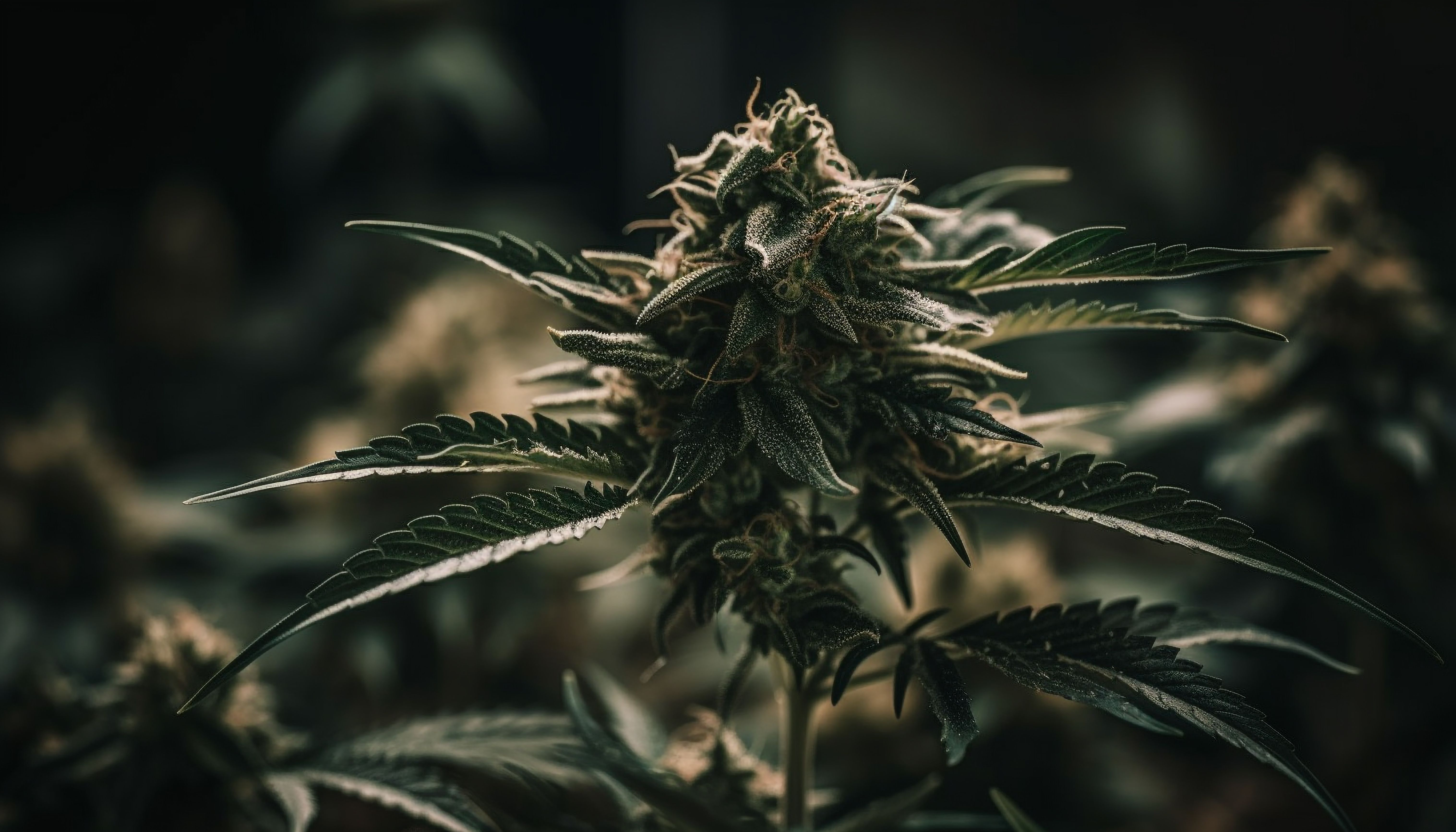


Lemon Skunk is a cannabis strain known for its strong citrus smell, sharp lemon flavor, and connection to classic Skunk genetics. Over the years, it has become a familiar name among cannabis growers, breeders, and consumers. The strain stands out because it combines the well-known traits of Skunk cannabis with a fresh lemon scent that can be easy to notice. Its aroma can include sweet citrus, sour lemon, earthy notes, and the strong scent often linked with Skunk varieties. These features have helped Lemon Skunk become a widely recognized strain in the cannabis market.
Lemon Skunk is generally described as a hybrid strain. Many versions lean toward sativa-like growth and effects, although the exact balance can differ depending on the breeder and the specific plant. Cannabis strains with the same name are not always exactly the same. Different breeders may select different parent plants or phenotypes when developing their own version of Lemon Skunk. Because of this, one Lemon Skunk plant may have slightly different THC levels, terpene profiles, flowering times, or growth patterns compared with another.
One of the main reasons people research Lemon Skunk is its potency. Many versions are known for having moderate to high levels of THC. THC, or tetrahydrocannabinol, is the main psychoactive compound in cannabis. It is responsible for many of the noticeable mental and physical effects linked with cannabis use. The exact THC percentage in Lemon Skunk can vary. Genetics, growing conditions, harvest timing, drying methods, and storage can all affect the final level found in the flower. Laboratory testing can also show different results from one sample to another.
CBD levels in Lemon Skunk are usually much lower than THC levels. CBD, or cannabidiol, is another major cannabinoid found in cannabis. Unlike THC, CBD does not usually produce the same intoxicating effects. In most Lemon Skunk varieties, THC is the dominant cannabinoid. This is one reason the strain is often described as having noticeable psychoactive effects. However, the strength of those effects depends on more than THC alone.
Lemon Skunk is commonly associated with uplifting, energetic, and mentally stimulating effects. Some people also report a sense of relaxation as the effects develop. These descriptions do not mean that everyone will have the same experience. Cannabis can affect people in different ways. Dose, tolerance, body chemistry, method of use, and the cannabinoid and terpene profile of the product can all influence the experience. A person who is sensitive to THC may respond differently from someone who uses cannabis more often.
The terpene profile is another important part of Lemon Skunk. Terpenes are natural compounds that help create the smell and flavor of cannabis. They are also found in many fruits, herbs, flowers, and other plants. Lemon Skunk is often linked with terpenes such as limonene, myrcene, and caryophyllene. Limonene is strongly connected with citrus scents, which helps explain the strain’s lemon-like smell. Myrcene may add earthy or herbal notes, while caryophyllene can contribute a spicy or pepper-like quality. The exact mix and amount of these terpenes can change from plant to plant.
The strain is also known for its strong growing traits. Lemon Skunk plants may show vigorous growth, good branching, and noticeable stretching during the early flowering stage. Depending on the genetics, plants may grow to a moderate or tall height. These traits can make space management important, especially when plants are grown indoors. Growers often pay close attention to airflow, lighting, humidity, and plant spacing as the flowers become larger.
Flowering time is another major topic connected with Lemon Skunk. Many versions finish flowering within a moderate period compared with some other sativa-leaning hybrids. However, the exact number of weeks depends on genetics and growing conditions. Temperature, light exposure, plant stress, and overall health can affect how quickly a plant develops. Outdoor harvest timing can also change based on climate and location.
Yield can vary for the same reasons. Healthy plants grown under stable conditions may produce strong harvests, while stressed plants may produce less. Light quality, root space, watering, nutrients, and canopy management can all affect final production. Breeder yield estimates should be viewed as general guides rather than guaranteed results.
This article will examine Lemon Skunk in detail, including its genetics, THC content, effects, terpene profile, aroma, flavor, plant structure, flowering time, and yield. It will also explain why different versions of the strain may not always match each other exactly. Understanding these differences is important when comparing Lemon Skunk products, seeds, or breeder descriptions. By looking at both its chemical traits and its growing features, readers can gain a clearer understanding of what makes Lemon Skunk distinct and why it continues to be a well-known cannabis strain.
What Is Lemon Skunk?
Lemon Skunk is a well-known cannabis strain recognized for its strong citrus smell, pungent Skunk character, and hybrid genetics. It is commonly described as a sativa-dominant hybrid, although the exact balance can vary depending on the breeder and the specific plant. The strain became popular because it combines traits linked to classic Skunk cannabis with a clear lemon aroma and flavor.
The original Lemon Skunk is closely associated with DNA Genetics. According to widely published strain information, it was developed from two selected Skunk phenotypes that showed especially strong lemon traits. Rather than crossing two completely different strain families, breeders selected Skunk plants that already expressed the qualities they wanted. This helped create a strain that kept much of the classic Skunk character while placing greater attention on citrus aroma and flavor.
Today, the name Lemon Skunk can appear on cannabis flower, seeds, and other products from several breeders and producers. This can make the strain seem simple at first, but there can be important differences between one Lemon Skunk plant and another. Understanding these differences helps explain why descriptions of its THC level, plant size, flowering time, aroma, and other traits do not always match exactly.
Lemon Skunk at a Glance
Lemon Skunk is generally classified as a hybrid cannabis strain. Many well-known versions lean toward the sativa side, which is why some sellers and strain databases describe it as a sativa-dominant hybrid rather than an evenly balanced hybrid. Leafly, for example, identifies Lemon Skunk as a hybrid and describes the classic version as sativa-dominant.
Its most recognizable feature is its aroma. Lemon Skunk combines sharp citrus notes with the stronger, heavier smell commonly linked with Skunk cannabis. The result can include lemon, citrus, earthy, sweet, sour, and pungent scents. These characteristics can change somewhat from plant to plant, but the mix of lemon and Skunk qualities is central to the strain’s identity.
Lemon Skunk is also known for vigorous growth and good flower production under suitable conditions. Grow information published for the strain describes plants that can develop several branches and produce relatively large yields. Flowering is often listed at roughly seven to nine weeks for the commonly described version, although actual timing can change because of genetics and growing conditions.
The flowers often have the general appearance expected from modern cannabis hybrids. They may be green with visible orange pistils and a layer of resin-producing trichomes. However, appearance alone should not be used to identify Lemon Skunk. Many unrelated cannabis strains can have similar-looking flowers.
Why Is It Called Lemon Skunk?
The name Lemon Skunk describes two of the strain’s most noticeable qualities. “Lemon” refers to its strong citrus character, while “Skunk” points to its genetic background and pungent aroma.
The lemon quality comes from aromatic compounds produced by the cannabis plant. Cannabis contains terpenes and other volatile compounds that help create its smell and flavor. Lemon Skunk is commonly associated with citrus-related aromas, although the exact terpene profile can differ among samples. Strain databases commonly list lemon, citrus, and Skunk among its strongest flavor and aroma characteristics.
The Skunk part of the name connects the strain to the broader Skunk family of cannabis genetics. Skunk varieties became important in cannabis breeding because breeders selected them for traits such as strong growth, noticeable aroma, and reliable flower development. Lemon Skunk was developed by selecting Skunk plants that showed unusually clear lemon characteristics.
This is an important point because the name does not mean that lemon flavor was added to the plant. The citrus character is naturally produced by compounds within the flowers. Breeders can select plants that express certain aromas more strongly and continue breeding from those plants.
The word “strain” is also used differently in cannabis culture than it is in formal plant science. Cannabis strain names are often commercial or breeding names rather than strict botanical classifications. A name such as Lemon Skunk helps identify a genetic line and its expected traits, but it does not guarantee that every plant sold under that name will be chemically or physically identical.
Is Lemon Skunk the Same Everywhere?
Lemon Skunk is not necessarily the same everywhere. This is one of the most important things to understand when researching cannabis strains.
Plants grown from related genetics can still show different traits. These differences are often described as different phenotypes. One Lemon Skunk plant may produce a stronger lemon smell, while another may have more earthy or Skunk-like notes. Plants can also differ in height, branch structure, flower density, THC content, terpene levels, and flowering speed.
Breeder differences can create even more variation. The classic Lemon Skunk is generally linked to two selected Skunk phenotypes and DNA Genetics. However, products sold under similar Lemon Skunk names may provide more specific or different descriptions of their genetic background. For example, some product listings describe Lemon Skunk genetics using names such as Las Vegas Lemon Skunk and Dutch Skunk.
This does not automatically mean that one description is correct and another is wrong. Cannabis genetics have been reproduced, selected, renamed, and developed by many breeders over time. Different companies may maintain their own selections or versions.
Growing conditions can also change how a plant develops. Light, temperature, nutrients, root space, harvest timing, drying, and storage can all influence the final flower. Two plants with very similar genetics may therefore produce flowers with different cannabinoid percentages and aroma profiles.
For this reason, general Lemon Skunk information should be treated as a guide rather than a guarantee. When evaluating a specific seed line, growers should check the information supplied by that breeder. When evaluating finished cannabis flower, laboratory test results can provide more useful information about cannabinoids and terpenes than the strain name alone.
Lemon Skunk is a hybrid cannabis strain best known for combining classic Skunk genetics with a strong lemon and citrus character. The version most often associated with the strain was developed from selected Skunk phenotypes chosen for their noticeable lemon traits and is commonly linked to DNA Genetics.
Although Lemon Skunk has several widely recognized traits, it should not be viewed as one completely uniform plant. Different breeders, phenotypes, and growing environments can produce differences in aroma, potency, appearance, flowering time, and growth. Understanding this variation makes it easier to compare Lemon Skunk products and explains why strain descriptions from different sources do not always give exactly the same numbers or characteristics.
Lemon Skunk Genetics and Lineage
The genetics of Lemon Skunk help explain many of the traits that make this strain easy to recognize. Its strong citrus smell, skunky background, vigorous growth, and hybrid structure are closely connected to its parent plants. However, Lemon Skunk does not have one single genetic description across every breeder. More than one cannabis breeder has sold a strain under the Lemon Skunk name, and these versions may have different parents.
For this reason, it is useful to look at the breeder when discussing Lemon Skunk genetics. The well-known version from DNA Genetics comes from two carefully selected Skunk plants. Other breeders have produced their own Lemon Skunk lines using different genetics. This can lead to differences in plant structure, flowering time, cannabinoid levels, aroma, and effects.
What Are the Parents of Lemon Skunk?
The Lemon Skunk created by DNA Genetics is described by the breeder as a cross between two selected Skunk plants. One parent was a female Skunk phenotype chosen for its strong lemon characteristics. According to DNA Genetics, this mother plant had been maintained for more than 20 years in Las Vegas. The male parent was another selected Skunk plant from Holland.
A phenotype is an individual plant that shows certain traits from its genetics. Plants grown from the same genetic family can still have noticeable differences. One may have a stronger lemon smell, while another may grow taller or produce denser flowers. Breeders can select plants that show the traits they want and use them to produce future generations.
In the case of DNA Genetics’ Lemon Skunk, the lemon-scented female was selected because of its strong citrus qualities. The male Skunk was chosen because it had useful breeding traits and had already been used in other breeding projects. DNA Genetics currently describes Lemon Skunk as 60% sativa and 40% indica, showing that the resulting strain combines traits linked with both sides of the traditional cannabis classification system.
This also explains why Lemon Skunk is sometimes described simply as a Skunk-to-Skunk cross instead of a cross between two completely different named strains. Leafly similarly describes the strain as being developed from two special Skunk phenotypes selected by the breeder.
However, readers may find different genetics when looking at Lemon Skunk seeds from another breeder. Green House Seed Company, for example, sells a Lemon Skunk described as a cross between Skunk and Citral. That version is listed as 50% sativa and 50% indica. This difference is important because two strains with the same name are not always genetically identical.
The Influence of Skunk Genetics
Skunk genetics have played an important role in cannabis breeding for many years. Lemon Skunk carries many characteristics commonly associated with the Skunk family, including noticeable aroma, strong branching, vigorous plant development, and reliable flower production.
The word “Skunk” in Lemon Skunk is therefore more than a description of smell. It points to the genetic family behind the best-known version of the strain. Skunk plants became useful breeding material because growers and breeders valued their consistent growth and recognizable aroma.
One important trait inherited by Lemon Skunk is its strong scent. The strain combines the sharp and pungent qualities often connected with Skunk plants with a much brighter citrus character. The result can include lemon, sweet citrus, earthy, and skunky notes. These aroma traits can become stronger as the flowers mature.
Skunk genetics can also influence the way Lemon Skunk develops. DNA Genetics describes its version as having a high calyx-to-leaf ratio. In simple terms, this means the flowers can contain a relatively high amount of flower tissue compared with surrounding leaves. The breeder also describes light green flowers with noticeable orange hairs.
Branching is another important trait. A plant that develops several productive branches can create many flowering sites when it receives enough light and space. The exact growth pattern will still depend on the individual plant and its growing conditions. Temperature, light, water, nutrition, root space, and other environmental factors can all influence how strongly genetic traits appear.
This is why genetics should be viewed as a range of possible characteristics rather than a guarantee. Genetics set the basic potential of the plant, but the growing environment helps determine the final result.
Lemon Skunk’s Place in Modern Cannabis Genetics
Lemon Skunk is also important because breeders have used it as a parent when developing other citrus-focused strains. Its strong lemon characteristics make it useful when breeders want to introduce citrus aroma and Skunk traits into a new genetic line.
One of the best-known examples is Super Lemon Haze. Leafly identifies Lemon Skunk as one of the parents of Super Lemon Haze. It also lists Lemon Haze as another strain descended from Lemon Skunk. This shows how the genetics of Lemon Skunk have continued into later cannabis varieties.
Lemon Skunk has also been crossed with other strains to create new combinations. For example, Lemon Tree is commonly described as a cross of Lemon Skunk and Sour Diesel. Other crosses use Lemon Skunk to add citrus aroma while combining it with different growth patterns, cannabinoid profiles, or flower traits.
When breeders make these crosses, not every new plant will inherit the same qualities. Some offspring may show strong lemon traits, while others may take more characteristics from the second parent. Breeders may grow many plants and select only those that show the combination they want.
This process helps explain why related lemon strains can smell or grow differently even when they share Lemon Skunk ancestry. Genetics are passed from parent plants, but the final combination varies from one offspring to another.
It is also important to avoid assuming that every product labeled Lemon Skunk comes from the exact same genetic line. The DNA Genetics version and the Green House Seed Company version provide a clear example. DNA Genetics describes its strain as a cross between two selected Skunks, while Green House Seed Company describes its Lemon Skunk as Skunk crossed with Citral.
Checking the breeder and genetic information is therefore useful when comparing Lemon Skunk seeds, plants, or flower. The breeder can help identify which genetic line is being discussed and why its characteristics may differ from another Lemon Skunk.
Lemon Skunk is closely connected with the Skunk family, but its exact genetics depend on the breeder. The widely known DNA Genetics version was produced by crossing two selected Skunk plants, including a lemon-scented female maintained in Las Vegas and a male selected in Holland. This breeding helped preserve strong citrus qualities while keeping many of the vigorous growth traits associated with Skunk genetics.
Other versions are genetically different. Green House Seed Company, for example, describes its Lemon Skunk as a Skunk and Citral cross. These differences show why strain names alone do not always provide the full genetic story.
Lemon Skunk has also influenced later cannabis breeding. Its genetics appear in strains such as Super Lemon Haze, Lemon Haze, and other citrus-focused crosses. As a result, Lemon Skunk is not only known for its own lemon and skunk characteristics. It has also served as a genetic parent for later strains designed to carry similar citrus traits into new combinations.
Is Lemon Skunk Indica or Sativa?
Lemon Skunk is usually described as a hybrid cannabis strain with strong sativa traits. However, the exact balance between sativa and indica can vary depending on the breeder and the specific genetics used. Some versions are listed as sativa-dominant, while others may be closer to an even hybrid. This is one reason it is important to look at the breeder’s information when comparing Lemon Skunk seeds or flower.
The strain is best known for its energetic growth, citrus aroma, and uplifting effects. These features are often linked with sativa-leaning cannabis. At the same time, Lemon Skunk also carries traits that can be linked to indica plants, such as dense flower production and some physical relaxation.
Understanding whether Lemon Skunk is indica or sativa is useful, but the label does not explain everything about the strain. Its cannabinoid content, terpene profile, genetics, and growing conditions can all influence how the plant develops and how its effects may feel.
Understanding Lemon Skunk’s Hybrid Classification
Lemon Skunk is generally classified as a hybrid because it contains genetic traits from more than one cannabis type. Many well-known versions are described as sativa-dominant hybrids. This means the strain may show more traits commonly linked to sativa plants, but it still has some indica characteristics.
Sativa-dominant cannabis plants are often taller and more open in structure. They may have longer branches and more space between the points where leaves and branches grow. These plants can also stretch more when flowering begins. Lemon Skunk often shows some of these growth patterns.
Indica plants are usually shorter and more compact. They often develop wider leaves and dense flowers. Lemon Skunk can also show some of these traits, especially in certain phenotypes. A phenotype is a version of a plant that develops certain visible traits from its genetics.
Different breeders may work with different Lemon Skunk parent plants. As a result, one breeder’s Lemon Skunk may be more sativa-dominant than another breeder’s version. This can affect height, flowering time, aroma, potency, and overall plant shape.
The growing environment can also affect how these traits appear. A plant grown indoors under controlled lighting may stay shorter than the same genetics grown outdoors with more space. For this reason, the indica or sativa label should be treated as a general guide rather than an exact description of every Lemon Skunk plant.
What Indica and Sativa Labels Can and Cannot Tell You
The words indica and sativa are commonly used to describe cannabis strains, but they have limits. These terms are often used to suggest plant structure or expected effects. For example, sativa strains are often described as uplifting or stimulating, while indica strains are often described as relaxing.
However, these labels alone cannot fully predict how a strain will affect someone.
The chemical makeup of cannabis plays a major role in its effects. THC is one of the main cannabinoids that can cause intoxication. The amount of THC in Lemon Skunk can vary between plants and harvested batches. A sample with a higher THC level may feel much stronger than a sample with a lower level, even if both are sold under the same strain name.
Terpenes may also influence the overall experience. Lemon Skunk is known for strong citrus and skunk aromas. Limonene is often linked with lemon and citrus scents, while other terpenes may add earthy, spicy, or herbal notes. The amount of each terpene can vary based on genetics and growing conditions.
Dose is another important factor. A small amount of cannabis may produce different effects than a larger amount. Personal tolerance, body chemistry, and previous cannabis use can also change the experience.
This means a person should not expect Lemon Skunk to produce one exact effect simply because it is described as sativa-dominant. The label gives useful background information, but cannabinoid levels, terpenes, and individual response provide a more complete picture.
Typical Plant Structure
Lemon Skunk often develops a plant structure that reflects its hybrid and sativa-leaning genetics. Plants may grow to a medium or tall height, especially if they are given a long vegetative period before flowering begins.
The branches can spread outward and create a fairly open canopy. This can help light reach different areas of the plant. However, plants may also stretch quickly during the early flowering stage. Indoor growers often need to plan for this change in height.
Leaves may appear medium to narrow rather than very broad. This is a trait often seen in sativa-leaning plants. However, leaf shape can vary between phenotypes. Some Lemon Skunk plants may develop wider leaves or a more compact appearance.
Flower clusters often form along the branches as the plant matures. The buds can become dense and may develop a thick layer of resin-producing trichomes. Trichomes are small structures on the flower surface that contain cannabinoids and aromatic compounds.
The final size and shape of a Lemon Skunk plant depend on more than genetics. Light strength, container size, available space, temperature, nutrition, and plant training can all affect growth.
Outdoor plants may become larger because they usually have more room for roots and branches. Indoor plants can be kept more compact through careful control of the vegetative period and available space.
Because Lemon Skunk can show noticeable stretching, growers should consider vertical space before flowering starts. Keeping enough room between the top of the plant and the grow light can help prevent heat or light stress.
Lemon Skunk is generally considered a hybrid cannabis strain that often leans toward the sativa side. It commonly shows traits such as energetic growth, longer branches, noticeable flowering stretch, and an open plant structure. At the same time, some plants may show indica-like features, including dense buds and a more compact shape.
The exact indica-to-sativa balance can vary between breeders and individual phenotypes. For this reason, Lemon Skunk should not be viewed as having one fixed genetic ratio.
Indica and sativa labels can help describe general growth patterns, but they do not fully predict potency or effects. THC levels, terpene content, dose, genetics, and individual response all play important roles. Looking at these factors together gives a more accurate understanding of what makes Lemon Skunk unique.
How Potent Is Lemon Skunk?
Lemon Skunk is generally considered a moderate-to-high potency cannabis strain. THC is the main cannabinoid linked to its intoxicating effects, and Lemon Skunk usually contains far more THC than CBD. However, there is no single THC percentage that applies to every Lemon Skunk plant or product. Potency can change based on genetics, growing conditions, harvest timing, storage, and laboratory testing.
Published strain information shows this variation. Leafly currently lists Lemon Skunk at about 19% THC and describes it as having higher-than-average THC potency. Another Leafly overview has listed the strain at about 18% THC, while other published profiles have placed tested Lemon Skunk samples within a broader range of roughly 15% to 22% THC. These numbers should be treated as general reference points rather than a promise of what every batch will contain.
Typical THC Levels
THC, or tetrahydrocannabinol, is the main intoxicating compound in cannabis. It interacts with cannabinoid receptors in the body and plays a major role in the mental and physical effects associated with cannabis.
Lemon Skunk is usually described as a THC-dominant strain. A commonly cited value is around 18% to 19% THC, although individual samples may test lower or higher. Leafly, for example, currently lists the strain at 19% THC. Other profiles have reported a wider range, which shows why it is better to look at the laboratory label on a specific cannabis product instead of relying only on the strain name.
A THC level around 19% is enough to make Lemon Skunk a fairly potent strain compared with low-THC cannabis. However, THC percentage alone does not fully predict how strong a person will find the effects. Two cannabis samples with similar THC levels may feel different because they have different terpene profiles, cannabinoid ratios, moisture levels, and chemical composition.
The amount consumed also matters. A smaller amount of a high-THC product may produce less THC exposure than a larger amount of a weaker product. Individual tolerance can also change the experience. Someone with little exposure to THC may react more strongly than someone who has developed a higher tolerance.
For this reason, describing Lemon Skunk as simply “strong” does not give the full picture. It is more accurate to describe it as a THC-dominant strain that often falls within a moderate-to-high potency range.
Does Lemon Skunk Contain CBD?
Lemon Skunk is not normally known as a high-CBD cannabis strain. Its main cannabinoid is usually THC, while CBD tends to be present at much lower levels or may not be listed in meaningful amounts on some product tests.
CBD, or cannabidiol, is different from THC because it does not create the same intoxicating effect. Cannabis plants can produce both cannabinoids, but the amount of each depends heavily on genetics. Some cultivars have been bred to produce high CBD levels, while others have been selected mainly for THC production. Lemon Skunk is generally placed in the second group.
This does not mean every Lemon Skunk plant will have exactly the same cannabinoid ratio. Small amounts of CBD and other cannabinoids may still occur. Some samples may also contain measurable amounts of CBG, another naturally occurring cannabinoid. For example, Leafly’s current Lemon Skunk profile lists about 19% THC and 1% CBG.
The exact cannabinoid profile should always come from laboratory testing of the specific flower or product. A strain name can provide a general idea of genetics, but it cannot guarantee an exact amount of THC, CBD, CBG, or other cannabinoids.
Differences are especially important when comparing products sold by different growers. Two packages labeled Lemon Skunk may come from different phenotypes, growing systems, harvests, or producers. One may have a higher THC level while another has a different mix of minor cannabinoids.
What Determines Lemon Skunk Potency?
Genetics are one of the main factors that determine how much THC a Lemon Skunk plant can produce. The plant inherits its ability to produce cannabinoids from its parents. However, genetics provide a range of possibilities rather than a fixed result.
Phenotype also matters. Cannabis plants grown from the same general strain can show differences in height, aroma, flower structure, cannabinoid production, and terpene content. This is one reason Lemon Skunk THC percentages can vary even when plants share similar genetic backgrounds.
The growing environment can also influence the final chemical profile. Light exposure, temperature, water availability, plant health, root conditions, and nutrition can all affect how a cannabis plant develops. A healthy plant grown under stable conditions may be better able to express its genetic potential than one that experiences severe stress.
Harvest timing can make a difference as well. Cannabinoids develop as the flowers mature. Harvesting too early may prevent the flowers from reaching their expected level of maturity. Waiting too long can also change the chemical makeup of the flower as compounds begin to age or break down.
Drying and storage continue to influence quality after harvest. THC and other cannabis compounds can slowly degrade when flower is exposed to too much heat, light, oxygen, or moisture for long periods. This means an older or poorly stored batch may not have the same chemical profile it had when it was first packaged.
Laboratory testing is another reason reported THC numbers can differ. Testing methods, sample selection, moisture content, and differences between laboratories can affect the final number shown on a label. A small sample is also used to represent a much larger batch, so every individual flower may not contain exactly the percentage printed on the package.
Lemon Skunk is best described as a THC-dominant cannabis strain with moderate-to-high potency. Published strain profiles commonly place it around 18% to 19% THC, while some reports show a wider range of roughly 15% to 22%. These figures are useful for understanding the strain in general, but they should not be treated as fixed values.
CBD is usually present at much lower levels and is not a major feature of the classic Lemon Skunk cannabinoid profile. Minor cannabinoids such as CBG may also be present depending on the plant and sample.
Most importantly, the Lemon Skunk name alone cannot tell a reader exactly how potent a product will be. Genetics, phenotype, plant health, growing conditions, maturity, storage, and testing methods can all change the final cannabinoid levels. For the most accurate information about a specific Lemon Skunk product, its current laboratory test results provide a better guide than a general strain average.
Lemon Skunk Effects and Duration
Lemon Skunk is usually described as a cannabis strain with noticeable mental effects and a lighter sense of physical relaxation. Because many versions of Lemon Skunk contain moderate to high levels of THC, the effects may feel strong for people who have a low tolerance to cannabis. The experience can also vary from one person to another. THC content, serving size, method of use, personal tolerance, and body chemistry can all affect how someone responds.
The strain is often linked with an uplifting and energetic experience. Some people may also notice changes in mood, focus, or perception. As the effects continue, a more relaxed feeling may develop. However, no cannabis strain produces the exact same experience for every person. Even products sold under the same Lemon Skunk name may have different cannabinoid and terpene levels.
Commonly Reported Effects
Lemon Skunk is commonly associated with an uplifting and mentally stimulating effect. The early part of the experience may feel more active than sedating. Some users report feeling more alert, cheerful, talkative, or interested in their surroundings. This is one reason Lemon Skunk is often described as a daytime or early evening strain rather than a strain mainly associated with heavy sleepiness.
The mental effects may become noticeable before strong physical relaxation develops. THC interacts with cannabinoid receptors in the brain and can affect mood, memory, attention, coordination, and the way a person experiences time. For some individuals, Lemon Skunk may create a sense of euphoria, which means a temporary feeling of elevated mood or pleasure.
Mental stimulation does not always mean better concentration. Some people may feel more interested in tasks or conversations, while others may find it harder to maintain attention. A higher dose can also make thoughts feel faster or less organized. These differences depend partly on THC tolerance and the amount consumed.
Physical effects may become more noticeable as time passes. Lemon Skunk is not usually described as one of the heaviest sedating strains, but relaxation can still occur. Muscles may feel less tense, and general physical activity may slow down. Some people may experience both mental stimulation and physical calm at the same time.
The balance between energetic and relaxing effects can also change with the product. A Lemon Skunk sample with a different cannabinoid or terpene profile may feel different from another sample with the same strain name. This is why strain names should be treated as general guides rather than exact predictions of effects.
How Quickly Can the Effects Begin?
How quickly Lemon Skunk takes effect depends heavily on how cannabis is consumed. When cannabis is inhaled through smoking or vaporization, THC can enter the bloodstream through the lungs. Effects may begin within minutes. They may continue to increase for a short period before reaching their strongest point.
Because inhaled cannabis can act quickly, a person may notice changes in mood, perception, and coordination soon after use. The rapid onset can make it easier to recognize that the effects have started, but it can also lead some people to consume too much if they use several servings close together.
Edible cannabis works very differently. When cannabis is eaten, THC must pass through the digestive system and liver before its effects are fully felt. This process takes longer. Effects from edible products may not become clear for 30 minutes to several hours, depending on the individual, the product, and whether food has recently been eaten.
The delayed onset of edibles is important because taking more before the first serving has fully taken effect can lead to unexpectedly strong results. The strain name does not change this basic difference between inhaled and edible cannabis.
Other factors can affect onset as well. A person’s metabolism, body size, tolerance, recent food intake, and previous cannabis experience may influence how quickly THC is felt. Potency also matters. Products with higher THC concentrations may produce stronger effects even when the amount consumed seems small.
How Long Can Lemon Skunk Effects Last?
The duration of Lemon Skunk’s effects varies widely. When cannabis is inhaled, the strongest effects often occur earlier and fade sooner than they do with edible cannabis. A person may feel noticeable effects for a few hours, although changes in reaction time, judgment, or coordination may last longer in some cases.
Edible cannabis can produce a much longer experience. Because THC is processed differently when it passes through the liver, the effects can last for several hours and may remain noticeable well after the strongest part of the experience has passed.
Dose is one of the main factors that determines duration. Larger amounts of THC generally produce stronger and longer-lasting effects. A person with little cannabis tolerance may also experience effects for longer than someone who uses cannabis regularly.
Tolerance can develop with repeated THC exposure. A person with a higher tolerance may need more THC to experience the same level of effect. However, tolerance does not remove all risks. Coordination, reaction time, and judgment can still be affected even when a person feels familiar with cannabis.
Individual metabolism also plays a role. Some people process THC more quickly than others. Sleep, food intake, other substances, and the strength of the cannabis product can further change the experience.
Because there is no fixed duration for Lemon Skunk, it is more accurate to think of its effects as a range rather than a set number of hours. The strain name alone cannot predict exactly how long a person will feel the effects.
Possible Unwanted Effects
Lemon Skunk can cause unwanted effects, especially when the THC level is high or the amount consumed is greater than a person’s tolerance. Dry mouth is one of the most common effects associated with THC-rich cannabis. Dry or irritated eyes may also occur.
Some people may feel dizzy or unsteady, particularly when standing up quickly. THC can affect balance, reaction time, and coordination, so activities such as driving or operating machinery should be avoided while impaired.
Higher amounts of THC may also cause anxiety, nervousness, or a feeling of being overwhelmed. A mentally stimulating strain may make rapid thoughts feel more noticeable in THC-sensitive individuals. Some people may experience temporary paranoia or discomfort, especially when consuming more cannabis than they are used to.
Changes in heart rate can also occur. Cannabis may temporarily increase heart rate in some individuals. People who have concerns about how cannabis may interact with a medical condition or medication should speak with a qualified healthcare professional.
It is also important not to assume that Lemon Skunk will produce the same response every time. Potency may differ between harvests, producers, and product types. A flower sample with one THC concentration may feel much stronger or weaker than another sample sold under the same strain name.
Lemon Skunk is generally associated with uplifting, energetic, and mentally stimulating effects, followed by varying levels of physical relaxation. However, the exact experience depends on THC content, dose, tolerance, consumption method, metabolism, and the chemical profile of the individual product.
Inhaled Lemon Skunk may begin producing effects within minutes and usually has a shorter duration than edible cannabis. Edible forms can take much longer to begin working and may remain active for several hours. Possible unwanted effects include dry mouth, dry eyes, dizziness, anxiety, rapid thoughts, and impaired coordination.
Lemon Skunk’s strain name can provide a general idea of what to expect, but it cannot guarantee a specific effect or duration. Individual response and the tested cannabinoid content of the product are more useful when estimating how strong or long-lasting the experience may be.
Lemon Skunk Terpenes, Aroma, and Flavor
One of the most noticeable features of Lemon Skunk is its strong citrus smell. The strain is known for a sharp lemon scent mixed with the heavier, earthy odor often linked with Skunk cannabis. These qualities come from natural compounds called terpenes. Terpenes help give cannabis plants their smell and flavor, but they can also vary from one plant to another.
The exact aroma and taste of Lemon Skunk can depend on genetics, growing conditions, harvest timing, drying, curing, and storage. For this reason, not every sample will smell or taste exactly the same. Still, many versions share the same basic profile: bright citrus on top, followed by earthy, herbal, sweet, or skunky notes.
What Does Lemon Skunk Smell Like?
Lemon Skunk is best known for a clear lemon and citrus aroma. In many samples, the first smell is sharp, fresh, and slightly sweet. It may remind some people of lemon peel or other citrus fruit. This strong citrus character is one of the main reasons the strain carries the word “Lemon” in its name.
Below the citrus scent, there is often a stronger earthy or skunky odor. This part of the aroma comes from the strain’s Skunk background. Skunk-type cannabis is known for its rich and sometimes very pungent smell. In Lemon Skunk, this deeper odor usually mixes with the brighter lemon notes instead of completely covering them.
Some plants may also produce light herbal, spicy, or sweet smells. These extra scents can become more noticeable after the flowers are dried and cured. The final aroma depends on which terpenes are most active in a certain plant.
The strength of the smell can also change during plant development. Cannabis flowers usually become more aromatic as they move through the flowering stage. As the flowers mature, their resin glands produce more aromatic compounds. This can make Lemon Skunk smell much stronger near the end of flowering than it did earlier in the growth cycle.
What Does Lemon Skunk Taste Like?
The flavor of Lemon Skunk often follows its aroma. Citrus and lemon notes are usually the most noticeable parts of the taste. Some versions may have a sweet lemon flavor, while others may taste sharper or more sour.
A skunky or earthy taste may appear after the first citrus flavor. This can make the strain taste more complex than a simple lemon-flavored cannabis variety. Herbal or mildly spicy notes may also be present, depending on the plant’s terpene profile.
The way cannabis is dried and cured can have a major effect on flavor. Freshly harvested flowers contain moisture and plant compounds that can make the taste rough or grassy if they are not dried correctly. Proper drying allows the moisture level to fall slowly. Curing then gives the remaining compounds more time to stabilize.
Poor storage can also change the flavor. Heat, light, air, and excess moisture can slowly damage terpenes. Since terpenes are responsible for much of the smell and taste, losing them can make the flowers less aromatic and less flavorful over time.
Genetics are another major factor. Even plants with the same strain name can show small differences in flavor. One Lemon Skunk plant may have a strong lemon taste, while another may have more earthy or sweet notes. These differences are often called phenotype variation.
Major Terpenes Associated With Lemon Skunk
Limonene is one of the terpenes commonly associated with lemon and other citrus aromas. It is also found naturally in the peels of lemons, oranges, and other citrus fruits. When limonene is present at higher levels in cannabis, it can create a bright, sharp, and fresh scent.
Because Lemon Skunk is known for its citrus character, limonene is often an important part of its aroma profile. However, the name of the strain does not guarantee that limonene will always be the most abundant terpene. Laboratory testing is the best way to identify the exact terpene levels in a specific sample.
Myrcene is another terpene that may be found in Lemon Skunk. Myrcene often has an earthy, herbal, or musky smell. It can add depth to the brighter lemon aroma. Myrcene is also common in many other cannabis strains, which means it is not unique to Lemon Skunk.
Caryophyllene may also be present. This terpene often has a spicy, pepper-like, or woody aroma. It can add a warmer and slightly sharper note to the overall smell and flavor.
Other terpenes may appear in smaller amounts depending on the genetics and growing conditions. This is why two samples sold under the same strain name may not have identical terpene profiles.
Growing conditions can also affect terpene production. Light, temperature, humidity, plant health, and harvest timing may all influence the final aroma of the flowers. Even if the genetics are strong, poor growing or storage conditions can reduce terpene quality.
Why Does Lemon Skunk Smell So Strong?
Lemon Skunk can have a powerful smell because cannabis flowers produce many volatile aromatic compounds. Terpenes are a major part of this mixture. These compounds evaporate easily, which allows their scent to travel through the air.
The plant produces much of its aroma in resin glands called trichomes. Trichomes cover the surface of cannabis flowers and contain cannabinoids, terpenes, and other compounds. As the flowers mature, trichome production may increase, which can make the smell much stronger.
Genetics play a major role in this process. Skunk-related cannabis lines have long been associated with strong odors. When those traits are combined with citrus-focused genetics, the result can be a plant with both sharp lemon notes and a deep, pungent background.
Harvest and post-harvest handling also affect how strong the smell remains. Terpenes are sensitive to high temperatures and long exposure to air. Rough handling, poor drying, or improper storage can lead to terpene loss.
Curing is especially important for the final aroma. During curing, moisture slowly moves out of the flowers while chemical changes continue. When this process is handled well, harsh plant smells may fade while the strain’s natural citrus and skunky qualities become clearer.
Storage also matters after curing. Cannabis kept in a cool, dark, and stable environment is more likely to keep its aroma than cannabis exposed to heat and light. Over time, even well-stored cannabis can lose some of its scent as terpenes slowly break down.
Lemon Skunk is known for a strong aroma that combines lemon, citrus, earthy, herbal, and skunky notes. Its flavor often follows the same pattern, with bright citrus at the front and deeper earthy or pungent qualities underneath.
Terpenes such as limonene, myrcene, and caryophyllene can help create this profile. However, the exact terpene balance may be different from one plant or sample to another. Genetics, growing conditions, harvest timing, drying, curing, and storage all influence the final smell and taste.
What Does a Lemon Skunk Plant Look Like?
Lemon Skunk plants often have a lively, vigorous appearance that reflects their strong Skunk background. While exact traits can vary between breeders and individual plants, many Lemon Skunk plants share a few common features. They tend to develop a branching structure, medium to tall height, narrow to medium-width leaves, and resin-covered flowers as they mature.
The final appearance of the plant depends on several factors. Genetics play the largest role, but the growing environment also matters. Light, temperature, water, root space, and general plant health can all influence height, leaf shape, flower size, and color.
Because Lemon Skunk is often described as a sativa-leaning hybrid, some plants may grow taller and stretch more than compact indica-dominant varieties. However, this does not mean every Lemon Skunk plant will look the same. Different phenotypes can show noticeable differences even when they come from the same seed line.
Understanding the normal appearance of Lemon Skunk can help growers identify healthy growth and notice possible signs of stress.
Plant Height and Growth Structure
Lemon Skunk commonly develops a medium to tall growth pattern. During the vegetative stage, the plant may produce a strong central stem along with several side branches. These branches can spread outward as the plant becomes larger, creating a fairly open structure.
The amount of space between sets of leaves, known as internodal spacing, may be greater than what is seen in very compact cannabis varieties. Longer spacing can give the plant a less crowded appearance. This trait can also allow more light and air to reach different parts of the plant.
Height varies depending on genetics and growing conditions. Indoor plants may remain more controlled because their environment and available space are limited. Outdoor plants may become much larger when they have enough sunlight and root space.
Lemon Skunk may also stretch when flowering begins. Stretch refers to the rapid increase in height that often happens during the early flowering stage. Some plants may gain a noticeable amount of height during this period.
The branches usually become stronger as the plant develops. Healthy stems are generally firm enough to support new leaves and developing flowers. As flower clusters become heavier later in the cycle, some branches may naturally bend under their weight.
Plant structure can vary between phenotypes. One Lemon Skunk plant may be taller and more open, while another may be shorter with tighter branching. Both forms can occur within the same strain because cannabis plants do not develop with perfect uniformity.
Leaves, Buds, and Flowers
Lemon Skunk leaves are usually green and may have narrow to medium-width leaflets. Plants showing stronger sativa-like traits may develop thinner leaves, while plants with more balanced hybrid traits may have somewhat broader leaflets.
Healthy mature leaves normally have several separate leaflets extending from the center. The exact shade of green can vary. Some plants appear light green, while others may have deeper green leaves. Leaf color is affected by genetics, plant age, and environmental conditions.
As the plant begins flowering, small flower sites develop where branches meet stems and along the upper parts of the branches. Over time, these sites become larger and form recognizable cannabis buds.
Lemon Skunk flowers are often described as compact to moderately dense rather than extremely loose. The buds may form in clusters along the branches, with larger flowers often developing toward areas that receive stronger light.
Green is usually the main color of the mature flowers. Different shades can appear throughout a bud, ranging from pale green to deeper forest tones. Orange or brown-orange pistils may become more visible as flowers mature. Pistils are the small hair-like structures that grow from cannabis flowers.
One of the most noticeable features of mature Lemon Skunk flowers is their trichome coverage. Trichomes are tiny resin-producing structures that form mainly on the flowers and nearby small leaves. They can give mature buds a frosted or sparkling appearance.
These resin glands contain many of the cannabinoids and aromatic compounds produced by the plant. As flowering continues, trichome coverage often becomes easier to see.
The strong lemon and skunky aroma associated with the strain may also become much more noticeable during flowering. Aroma alone, however, cannot confirm that a plant is Lemon Skunk because many cannabis varieties produce citrus or pungent scents.
Recognizing Healthy Plant Development
A healthy Lemon Skunk plant generally shows steady new growth. During the vegetative stage, fresh leaves should continue appearing from the tips of the main stem and side branches. New leaves may initially look lighter in color before becoming darker as they mature.
Healthy leaves normally hold their shape rather than remaining severely curled or wilted for long periods. Some temporary changes can occur during normal daily growth, but widespread drooping, discoloration, or damaged leaves may suggest that the plant is under stress.
Healthy stems and branches should also continue developing as the plant grows. Weak or unusually thin stems can sometimes indicate that environmental conditions are not supporting normal development.
During flowering, healthy plants should gradually form larger flower clusters. Buds usually become fuller over time, and resin production becomes more noticeable as maturity approaches.
Leaf color can provide useful clues about plant condition. A few older leaves may naturally yellow as a plant reaches later stages of its life cycle. However, widespread yellowing early in development may indicate a problem. Brown areas, unusual spots, severe curling, or damaged leaf edges can also be signs of stress.
Environmental conditions can change the way Lemon Skunk looks. Excess heat may cause leaves to curl or appear stressed. Too much or too little water may cause drooping. Poor air movement or high moisture levels can increase the chance of problems around dense plant growth and developing flowers.
Pests can also change the appearance of the leaves. Small holes, damaged areas, unusual spotting, or visible insects may suggest that pests are present. Checking the plant regularly makes it easier to notice changes before damage becomes severe.
It is also important to remember that appearance alone cannot identify every plant problem. Several different types of stress can cause similar symptoms. For example, yellow leaves may have more than one possible cause. Looking at the entire plant and considering recent environmental changes can provide a clearer picture.
Lemon Skunk usually develops as a medium to tall cannabis plant with active branching, green leaves, and a somewhat open growth structure. Many plants show traits associated with sativa-leaning hybrids, including noticeable stretch and longer spacing between some branches and leaves.
During flowering, Lemon Skunk develops green buds that may show orange pistils and an increasingly visible layer of resin-producing trichomes. Mature flowers often have the strong citrus and skunky aroma that gives the strain its name.
Healthy plants generally show steady new growth, firm stems, normally shaped leaves, and gradual flower development. Changes such as severe discoloration, drooping, curling, damaged leaves, or weak growth may indicate environmental stress or another plant health problem.
Lemon Skunk Growing Traits and Difficulty
Lemon Skunk is often described as a vigorous cannabis strain with strong growth and noticeable branching. Its Skunk background may contribute to steady plant development and a structure that can adapt to different environments. Even so, growing results can vary between breeders, individual plants, and growing conditions.
Some Lemon Skunk plants may grow taller than expected once flowering begins. Others may stay more compact. This variation is one reason growers should not expect every Lemon Skunk plant to behave in exactly the same way. Genetics, climate, available space, plant health, and general care can all influence the final size and structure of the plant.
Is Lemon Skunk Easy to Grow?
Lemon Skunk is commonly described as a strain that can be manageable for growers with some basic cannabis cultivation knowledge. It is often known for active growth and good branch development. Healthy plants may recover from minor environmental changes, but this does not mean they are resistant to every problem.
The difficulty of growing Lemon Skunk depends partly on the specific version being grown. Different breeders may offer plants with different growth patterns. One Lemon Skunk line may stretch more during flowering, while another may stay shorter or develop thicker branches. Seed-grown plants can also show natural differences from one plant to another.
Beginners may find the strain easier to understand if they pay attention to overall plant health instead of trying to force maximum growth. Strong leaves, steady development, and normal flower formation are usually better signs of progress than plant size alone.
Problems can appear when conditions change too quickly. Excessive heat, poor air movement, overwatering, or other forms of stress may slow growth. Cannabis plants can also react poorly to sudden changes in their environment.
For this reason, Lemon Skunk should not be described as completely effortless to grow. It still requires regular observation and responsible plant care.
Indoor Growing Traits
When grown indoors where cannabis cultivation is lawful, Lemon Skunk may show vigorous upward and outward growth. Some plants can develop several strong branches, creating a wide canopy as they mature.
One trait growers may notice is stretching as the plant enters flowering. Stretch refers to a period when stems and branches become longer as the plant shifts from vegetative growth into flower production. The amount of stretch can depend on genetics and environmental conditions.
Space is therefore an important concern with this strain. A plant that appears small during early growth may become much larger later. Crowded plants can also block light from reaching lower leaves and branches.
Air movement is another general factor in indoor plant health. Thick foliage can create areas where moisture stays trapped. Poor airflow may contribute to conditions that favor fungal problems, especially when flowers become larger and denser.
Lighting also affects plant structure. Cannabis naturally grows toward its light source. Uneven light can lead to uneven development, while weak lighting may produce thin or stretched growth. The exact lighting setup used depends on the legal cultivation environment, equipment, and plant variety.
Temperature and humidity also influence general plant health. Extreme conditions may place stress on Lemon Skunk plants. Stable conditions are usually more suitable than repeated major changes.
Indoor growers should also consider Lemon Skunk’s strong odor. The strain is known for its lemon, citrus, and pungent Skunk aroma, which can become much stronger during flowering.
Outdoor Growing Traits
Lemon Skunk may also be grown outdoors in places where cannabis cultivation is permitted by law. Outdoor plants depend much more heavily on local weather, sunlight, humidity, and seasonal changes.
Sunlight plays an important role in outdoor plant development. Plants growing in locations with good sun exposure may develop more evenly than plants placed in heavily shaded areas. However, strong sunlight alone does not guarantee healthy growth. Soil conditions, water availability, temperature, and genetics also matter.
Outdoor Lemon Skunk plants may become larger than indoor plants because they are not always limited by ceiling height or indoor containers. Some may develop wide branches and a taller overall structure if conditions allow.
Weather can create challenges. Long periods of rain may increase moisture around leaves and flowers. Strong winds can place stress on tall branches. Extreme heat can also affect plant health, especially when combined with dry soil.
Humidity becomes more important as flowers mature. Dense cannabis flowers can hold moisture, which may increase the risk of mold or other fungal problems. Good natural air circulation around plants can help reduce stagnant, damp conditions.
Location and climate also affect when outdoor plants mature. Lemon Skunk grown in one region may develop differently from the same genetics grown in another region because day length, temperatures, and seasonal weather are not identical.
Common Cultivation Challenges
One of the main challenges associated with Lemon Skunk is controlling its overall size. Some versions may stretch significantly as flowering starts. This can become an issue when plants are kept in limited spaces.
Dense plant growth can create another concern. When branches and leaves become crowded, airflow and light distribution may become less even. Crowded growth can also make it harder to notice early signs of plant stress.
Humidity around developing flowers is another issue to watch. Larger flowers may hold more moisture than thin leaves or open branches. High moisture levels can create conditions that favor mold, especially if air remains still for long periods.
Watering problems can also affect cannabis plants. Too much water may reduce the amount of air available around the roots, while too little water can cause wilting and stress. Plants may show changes in leaf position, color, or growth rate when root conditions are poor.
Nutrient problems can also appear as changes in the leaves. However, similar symptoms may have several possible causes. Yellow leaves, brown edges, slow growth, or curling can be connected to nutrition, watering, root health, temperature, or other environmental stress. Because of this, one symptom should not automatically be treated as proof of one specific problem.
Pests are another possible concern, especially outdoors. Small insects and other plant pests may damage leaves or reduce plant health. Regular observation can make it easier to notice unusual leaf damage or declining growth before it becomes more serious.
Lemon Skunk is generally known as a vigorous cannabis strain with active growth, strong branching, and the potential to stretch during flowering. It may be manageable for growers who understand basic plant care, but it should not be considered problem-free.
Indoor plants may require attention to space, airflow, lighting, humidity, and odor as they mature. Outdoor plants are more affected by sunlight, rain, wind, temperature, and seasonal changes. In both settings, crowded growth, excessive moisture, watering problems, plant stress, and pests can affect overall development.
The exact growing difficulty of Lemon Skunk depends on the breeder, phenotype, environment, and health of each plant. Understanding these differences provides a more accurate picture of the strain than treating every Lemon Skunk plant as having the same growth pattern.
Lemon Skunk Flowering Time and Harvest
Lemon Skunk is often known for having a fairly manageable flowering period compared with some longer-flowering cannabis varieties. However, there is no single exact number of days that applies to every Lemon Skunk plant. Flowering time can change based on genetics, growing conditions, plant health, and the specific breeder or phenotype.
Understanding the flowering stage is important because this is the period when the plant develops mature flowers. During this time, the plant also changes in appearance, aroma, and resin production. Growers often use a combination of breeder estimates and visible signs of plant maturity rather than relying on a calendar alone.
How Long Does Lemon Skunk Take to Flower?
Many Lemon Skunk varieties are commonly described as having a flowering period of about seven to nine weeks. Some versions may finish slightly sooner, while others may need more time. This difference is normal because Lemon Skunk is not always genetically identical from one breeder to another.
The listed flowering period usually refers to indoor plants after the flowering stage has started. It should be treated as a general estimate rather than a strict deadline. A plant does not automatically become ready for harvest just because it has reached a certain week.
During the early part of flowering, the plant usually continues to grow in height. This is sometimes called the flowering stretch. New flower sites begin to form along the branches. Small white pistils may become visible as the flowers develop.
In the middle part of flowering, the buds become larger and more defined. Resin production also becomes more noticeable. The plant may begin to produce a much stronger citrus and skunky smell during this stage.
Near the end of flowering, the plant usually places more energy into flower development rather than producing new leaves or branches. The buds may become denser, while the resin glands become more visible. These physical changes can provide more useful information about maturity than the number of days alone.
Because Lemon Skunk seed lines can vary, growers should not assume that every plant will finish within exactly the same period. Even two plants grown from the same seed package can mature at slightly different speeds.
Factors That Can Change Flowering Time
Genetics are one of the main factors that affect how quickly a Lemon Skunk plant matures. Different breeders may select plants for different traits. One breeder may focus on faster flowering, while another may select for aroma, size, or other characteristics. As a result, flowering times listed for different Lemon Skunk varieties may not match exactly.
The growing environment can also influence development. Major changes in temperature, moisture, or light conditions may affect normal plant growth. Plants experiencing stress may develop more slowly than healthy plants growing under stable conditions.
Plant health also matters. A plant that has been affected by pests, disease, root problems, or other forms of stress may take longer to develop mature flowers. Healthy plants are generally better able to follow their normal genetic growth pattern.
Indoor and outdoor plants may also follow different timelines. Indoor environments can provide more controlled conditions, while outdoor plants depend heavily on natural seasons and local weather.
For this reason, flowering estimates should be viewed as a range. They can help growers understand what to expect, but they cannot predict the exact harvest date of every individual plant.
Recognizing Plant Maturity
Plant maturity is usually judged through several visible changes rather than through flowering time alone. One of the most noticeable signs is the development of the flowers themselves.
Early flowers are usually small and loose. As flowering continues, they become fuller and more developed. Pistils, which are the fine hair-like structures found on cannabis flowers, often begin as white or pale in color. As the plant matures, many of these pistils may darken and change position.
Trichomes are another feature connected with maturity. Trichomes are tiny resin-producing structures found on cannabis flowers and nearby leaves. They can appear as small crystal-like structures on the surface of the plant.
Their appearance changes as the flowers develop. This is why trichomes are often discussed as one sign of flower maturity. However, they should not be viewed in isolation. Genetics and environmental conditions can affect how a plant looks, so it is better to consider the overall development of the flowers.
Another sign of late flowering is a slowdown in new growth. The plant may stop producing as many new leaves and instead focus its energy on existing flowers. The aroma may also become stronger as the flowers reach later stages of development.
Using several signs together gives a more complete picture than depending on a single feature.
Outdoor Harvest Timing
Outdoor Lemon Skunk plants follow seasonal changes in natural daylight. Because of this, outdoor flowering and harvest timing can vary widely depending on location.
Latitude plays an important role. Day length changes at different rates depending on how far north or south a plant is grown. Two outdoor Lemon Skunk plants in different regions may begin flowering at different times even if they have similar genetics.
Climate is another major factor. Warm and stable conditions may support normal flower development, while cold temperatures, heavy rain, high humidity, or severe weather can affect the plant during late flowering.
For this reason, breeder descriptions that list a specific outdoor harvest month should be seen as approximate. A date that works in one climate may not match another region.
Seasonal weather can also change from year to year. A cooler season may slow development, while a warmer season may affect the plant differently. Outdoor growers therefore need to pay attention to both plant development and local conditions rather than relying only on a printed harvest date.
The maturity of the flowers remains more important than the calendar. Outdoor plants should be evaluated according to their actual development, because environmental differences can shift the normal timeline.
Lemon Skunk commonly has a flowering period of about seven to nine weeks, but the exact timing can vary between breeders, phenotypes, and growing environments. Genetics, plant health, temperature, seasonal conditions, and other environmental factors can all affect how quickly the flowers mature.
Calendar estimates are useful for understanding the general growth cycle, but they should not be treated as exact harvest dates. Changes in flower size, pistils, resin production, aroma, and overall plant development can provide additional information about maturity.
Outdoor Lemon Skunk plants can be even less predictable because they depend on natural daylight, latitude, weather, and seasonal temperatures. For this reason, outdoor harvest dates listed by breeders are best viewed as general guidelines.
Lemon Skunk Yield and Factors Affecting Production
Lemon Skunk is often described as a productive cannabis strain, but final yield can vary widely from one plant to another. Genetics provide the basic potential for flower production, yet growing conditions play a major role in determining how much a plant actually produces. Two plants from similar genetics may give very different results when they are grown under different light, climate, space, or health conditions.
Yield figures listed by breeders should therefore be viewed as estimates rather than promises. These numbers are usually based on plants grown under favorable conditions. A plant exposed to stress, poor lighting, disease, limited root space, or unstable temperatures may produce much less.
Understanding the factors that affect Lemon Skunk yield helps explain why harvest results can differ so much between growers and locations. It also gives readers a clearer picture of what yield estimates really mean.
How Much Does Lemon Skunk Yield?
The amount of flower produced by Lemon Skunk depends on the specific version of the strain and the conditions in which it is grown. Different breeders may offer Lemon Skunk genetics with slightly different growth patterns, flowering times, and production potential. For this reason, there is no single yield figure that applies to every Lemon Skunk plant.
Indoor yield is often measured by the amount of dried flower produced per square meter of growing space. Outdoor yield is more commonly described as the amount produced by each plant. These measurements are useful for comparison, but they do not guarantee that every plant will reach the stated amount.
Indoor plants are grown in a controlled space, so their final size may be limited by available room. Outdoor plants can sometimes grow larger because they may have more space for roots, branches, and overall plant development. However, outdoor conditions are less predictable.
The final usable yield is also lower than the weight of the plant at harvest. Fresh cannabis flowers contain a large amount of water. They lose significant weight as they dry. Leaves, stems, and other plant material that is removed during processing also reduce the final amount of usable flower.
For this reason, harvest figures should normally refer to properly dried flower rather than the weight of freshly cut plants.
What Determines Final Yield?
Genetics create the basic framework for how a Lemon Skunk plant develops. Some plants naturally grow larger, produce more branches, or form heavier flowers than others. Even seeds from the same strain can show differences because individual plants may express different genetic traits.
Light is another major factor in plant development. Cannabis plants depend on light to carry out photosynthesis, the process that allows them to create energy for growth. Plants receiving inadequate light may grow slowly and produce smaller flowers. At the same time, excessive environmental stress linked to heat or intense conditions can also reduce plant health.
Root space affects how much water and nutrients a plant can access. A healthy root system supports growth above the soil. When roots are damaged, crowded, or affected by disease, the plant may struggle to develop normally.
General plant health also has a major influence on yield. Plants affected by pests, disease, nutrient problems, or repeated environmental stress must use energy to survive rather than to support strong flower development. Severe problems during flowering can have a noticeable effect on harvest size.
Environmental stability is important as well. Cannabis plants tend to perform better when conditions remain within suitable ranges rather than changing sharply from day to day. Major changes in temperature, moisture, or other conditions can place stress on the plant.
The amount of time a plant spends developing before flowering can also influence its eventual size. Larger, well-established plants may have more growing points that can later develop flowers. However, larger plants do not automatically produce better harvests. Plant health and available space remain important.
Canopy structure can also affect how efficiently a plant uses available light. When large areas of a plant are heavily shaded, lower growth may receive less light than growth near the top. A balanced plant structure can help light reach more flowering areas, although results depend on the growing environment and the individual plant.
Indoor Versus Outdoor Yield
Indoor and outdoor Lemon Skunk plants grow under very different conditions. Neither environment automatically produces the highest yield in every situation.
Indoor growing gives greater control over important environmental factors. Light cycles, temperature, airflow, and moisture levels can usually be managed more closely than they can outdoors. This level of control may help create consistent plant development when conditions are properly maintained.
However, indoor production is limited by the size of the growing area and the strength of the available equipment. Plants cannot expand beyond the physical space around them. Problems with lighting, heat, ventilation, or equipment can also affect development.
Outdoor plants receive natural sunlight and may have access to much more growing space. When climate conditions are favorable, outdoor Lemon Skunk plants can become significantly larger than indoor plants. Larger plants have the potential to support more flowering sites and greater overall flower production.
Outdoor growing also brings more environmental risks. Heavy rain, high humidity, strong winds, temperature changes, insects, and plant diseases can all affect a crop. Weather conditions during flowering are especially important because excessive moisture around dense flowers can increase the risk of mold and related damage.
Sunlight also changes through the growing season. The amount of daily light depends on location, season, weather, and surrounding objects that may create shade. As a result, two outdoor plants grown in different places may produce very different harvests even if their genetics are similar.
Local laws must also be considered. Cannabis cultivation rules vary widely between countries, states, and other jurisdictions. Where cultivation is permitted, growers must follow all applicable legal limits and requirements.
Balancing Yield With Flower Quality
Producing the largest possible harvest is not the only factor that matters when evaluating Lemon Skunk. The condition and quality of the flowers are also important.
A plant can produce a large amount of material while still developing poor-quality flowers if it has suffered from disease, mold, pests, or serious stress. Healthy flower development depends on the plant being able to complete its life cycle under suitable conditions.
Trying to force faster or heavier growth can sometimes place unnecessary stress on plants. Excessive nutrients, unstable environmental conditions, or other extreme approaches may damage roots and leaves rather than improve production. More input does not always lead to more flower.
Flower quality is influenced by several factors, including genetics, plant health, maturity, and conditions after harvest. Cannabinoid and terpene levels can also vary between individual plants and batches. A high-yielding Lemon Skunk plant does not automatically have higher THC levels or a stronger aroma than a lower-yielding plant.
This is another reason breeder yield figures should be interpreted carefully. They describe production potential under certain conditions, but they do not measure every aspect of flower quality.
Lemon Skunk can have good yield potential, but there is no guaranteed harvest amount for the strain. Genetics establish the plant’s basic potential, while light, root space, environmental conditions, plant health, and available growing space all influence final production.
Indoor cultivation offers greater control over the environment but limits plants to a defined space. Outdoor cultivation can allow Lemon Skunk plants to become larger, although weather, pests, disease, and seasonal conditions introduce more uncertainty.
Advertised yield numbers should therefore be treated as general estimates. Actual harvests may be higher or lower depending on the specific genetics and growing conditions. A successful crop is also not measured by weight alone. Healthy plant development and properly matured flowers are just as important as total yield when evaluating the overall performance of Lemon Skunk.
Conclusion: Understanding Lemon Skunk Potency, Effects, and Growing Traits
Lemon Skunk is a well-known cannabis strain that stands out for its strong citrus smell, Skunk background, and generally uplifting effects. It is commonly described as a hybrid with genetics linked to selected Skunk plants that showed strong lemon-like traits. Over time, different breeders have produced their own versions of Lemon Skunk. Because of this, the exact genetics, THC level, plant structure, flowering time, and yield can vary from one version to another. This is an important point for anyone trying to understand the strain. Lemon Skunk is not always exactly the same across every breeder, seed line, or cannabis product.
One of the main reasons Lemon Skunk attracts attention is its potency. Many versions contain moderate to high levels of THC, while CBD levels are usually much lower. THC is the main intoxicating cannabinoid in cannabis, so higher levels can produce stronger mental and physical effects. However, THC percentages should not be treated as fixed numbers for the entire strain. A plant’s final cannabinoid level can depend on its genetics, growing conditions, harvest timing, drying process, storage, and laboratory testing methods. Two samples sold under the same Lemon Skunk name may have different THC levels and may not feel exactly the same.
Lemon Skunk is often associated with effects that are described as uplifting, energetic, mentally active, and euphoric. Some users may also notice a sense of relaxation as the effects develop. These effects are one reason the strain is often placed in the sativa-leaning hybrid category. Still, the words indica and sativa do not fully predict how a cannabis strain will affect a person. Cannabinoid content, terpene profile, dose, tolerance, metabolism, and personal sensitivity can all change the experience. A person who is sensitive to THC may react differently from someone with a higher tolerance.
The length and strength of the effects can also vary. Inhaled cannabis usually begins to take effect more quickly than edible forms, while the total duration may depend on the amount used and the person’s body. Higher doses may produce stronger or longer-lasting effects. They may also increase the chance of unwanted reactions. Common unwanted effects linked with high-THC cannabis can include dry mouth, dry eyes, dizziness, racing thoughts, or anxiety. This is another reason it is useful to look at actual product testing instead of relying only on the strain name.
The aroma and flavor of Lemon Skunk are among its most recognizable features. As the name suggests, lemon and other citrus notes are usually at the front of its scent profile. These bright aromas are often mixed with the earthy, pungent, and sometimes slightly sweet smell associated with Skunk genetics. Terpenes such as limonene, myrcene, and caryophyllene are often reported in Lemon Skunk samples, although the exact balance can change. Terpenes are aromatic compounds found in cannabis and many other plants. They help create the smell and flavor of the flower, but their amounts can differ between individual plants.
Lemon Skunk plants are also known for several common growth traits. Many versions show vigorous growth, noticeable branching, and some stretch as flowering begins. Plants may produce green flowers covered with visible trichomes and orange or brown pistils as they mature. The exact appearance can depend on the phenotype and growing environment. Some plants may grow taller or develop a more open structure, while others may remain somewhat more compact.
The strain is often described as manageable for growers who already understand basic cannabis cultivation. However, this does not mean every Lemon Skunk plant will grow easily under all conditions. Healthy growth still depends on stable light, temperature, humidity, watering, root space, and overall plant care. Indoor growers may need to pay attention to plant height and airflow because some Lemon Skunk plants can stretch during flowering. Outdoor plants need suitable weather, enough sunlight, and protection from long periods of excessive moisture.
Flowering time is another trait that can vary between Lemon Skunk versions. Many breeder descriptions place the flowering period somewhere around several weeks, but the exact number should be treated as an estimate rather than a strict deadline. Genetics, stress, environment, and plant health can all affect how quickly flowers develop. Growers should not depend only on a calendar when judging plant maturity. Physical signs of flower development and trichome maturity provide more useful information than a general breeder estimate alone.
Yield can also differ widely. Seed companies may provide indoor or outdoor yield estimates, but these numbers represent potential rather than guaranteed results. Final production depends on plant genetics, lighting, root space, climate, plant health, and the ability to maintain stable conditions throughout the growth cycle. A healthy plant grown in a suitable environment may perform well, while stress, pests, poor airflow, or environmental problems can reduce flower production.
Overall, Lemon Skunk is best understood as a citrus-forward cannabis hybrid with strong ties to Skunk genetics. It is commonly associated with noticeable THC potency, low CBD levels, energetic or uplifting effects, and a sharp lemon and skunky aroma. It also has recognizable growing traits, including vigorous growth, branching, flowering stretch, and potentially productive harvests under suitable conditions. At the same time, no single description applies perfectly to every Lemon Skunk plant.
The most accurate way to evaluate Lemon Skunk is to look at the specific breeder, phenotype, or tested cannabis product in question. Breeder information can help explain genetics, expected flowering time, and growth habits, while laboratory testing can provide more reliable information about THC, CBD, and terpene content. Understanding these differences gives readers a clearer and more realistic picture of what Lemon Skunk is, how potent it may be, what effects it may produce, and how its growing traits can change from one version to another.
Research Citation
Allen, K., Torres, A., & Gaudino, R. (2026). The structure of the chemotype determining locus in Cannabis sativa. Plant Direct, 10(5), e70166. https://doi.org/10.1002/pld3.70166
Booth, J. K., & Bohlmann, J. (2019). Terpenes in Cannabis sativa—From plant genome to humans. Plant Science, 284, 67–72. https://doi.org/10.1016/j.plantsci.2019.03.022
Booth, J. K., Yuen, M. M. S., Jancsik, S., Madilao, L. L., Page, J. E., & Bohlmann, J. (2020). Terpene synthases and terpene variation in Cannabis sativa. Plant Physiology, 184(1), 130–147. https://doi.org/10.1104/pp.20.00593
de la Fuente, A., Zamberlan, F., Sánchez Ferrán, A., Carrillo, F., Tagliazucchi, E., & Pallavicini, C. (2020). Relationship among subjective responses, flavor, and chemical composition across more than 800 commercial cannabis varieties. Journal of Cannabis Research, 2, 21. https://doi.org/10.1186/s42238-020-00028-y
Fischedick, J. T., Hazekamp, A., Erkelens, T., Choi, Y. H., & Verpoorte, R. (2010). Metabolic fingerprinting of Cannabis sativa L., cannabinoids and terpenoids for chemotaxonomic and drug standardization purposes. Phytochemistry, 71(17–18), 2058–2073. https://doi.org/10.1016/j.phytochem.2010.10.001
Hanuš, L. O., Meyer, S. M., Muñoz, E., Taglialatela-Scafati, O., & Appendino, G. (2016). Phytocannabinoids: A unified critical inventory. Natural Product Reports, 33(12), 1357–1392. https://doi.org/10.1039/C6NP00074F
Mudge, E. M., Murch, S. J., & Brown, P. N. (2018). Chemometric analysis of cannabinoids: Chemotaxonomy and domestication syndrome. Scientific Reports, 8, 13090. https://doi.org/10.1038/s41598-018-31120-2
Richins, R. D., Rodriguez-Uribe, L., Lowe, K., Ferral, R., & O’Connell, M. A. (2018). Accumulation of bioactive metabolites in cultivated medical Cannabis. PLOS ONE, 13(7), e0201119. https://doi.org/10.1371/journal.pone.0201119
Schwabe, A. L., Johnson, V., Harrelson, J., & McGlaughlin, M. E. (2023). Uncomfortably high: Testing reveals inflated THC potency on retail Cannabis labels. PLOS ONE, 18(4), e0282396. https://doi.org/10.1371/journal.pone.0282396
Smith, C. J., Vergara, D., Keegan, B., & Jikomes, N. (2022). The phytochemical diversity of commercial Cannabis in the United States. PLOS ONE, 17(5), e0267498. https://doi.org/10.1371/journal.pone.0267498
Questions and Answers
Q1: What is the Lemon Skunk cannabis strain?
Lemon Skunk is a sativa-leaning hybrid known for its strong citrus aroma, skunky notes, and generally uplifting effects. It was originally bred using selected Skunk genetics.
Q2: Is Lemon Skunk an indica or sativa?
Lemon Skunk is generally classified as a sativa-dominant or sativa-leaning hybrid, although the exact balance can vary depending on the breeder and phenotype.
Q3: How much THC is in Lemon Skunk?
Lemon Skunk commonly contains about 15% to 22% THC, though potency varies by grower, harvest, and individual product.
Q4: What does Lemon Skunk feel like?
Lemon Skunk is commonly reported to produce uplifting, happy, energetic, and euphoric effects. Some people may also experience a more relaxed feeling as the effects continue.
Q5: What does Lemon Skunk taste and smell like?
Lemon Skunk is known for a strong lemon and citrus flavor mixed with pungent skunk, earthy, and sometimes slightly sweet notes.
Q6: What terpenes are found in Lemon Skunk?
Commonly reported terpenes include myrcene, limonene, and caryophyllene. The exact terpene profile can differ between plants and batches.
Q7: Does Lemon Skunk contain CBD?
Traditional Lemon Skunk is usually low in CBD, often containing less than 1%, so it is considered mainly a THC-dominant strain.
Q8: What are the possible side effects of Lemon Skunk?
Commonly reported side effects include dry mouth and dry eyes. Some users may also experience anxiety, especially after consuming larger amounts or when sensitive to THC.
Q9: Is Lemon Skunk suitable for beginners?
It may be manageable for some beginners, but its moderate-to-high THC content means new users should be cautious. Cannabis effects depend on dose, tolerance, product strength, and individual sensitivity.
Q10: How long does Lemon Skunk take to flower?
Flowering time depends on the specific Lemon Skunk genetics and growing conditions, but some versions are reported to flower in roughly 8 to 10 weeks.