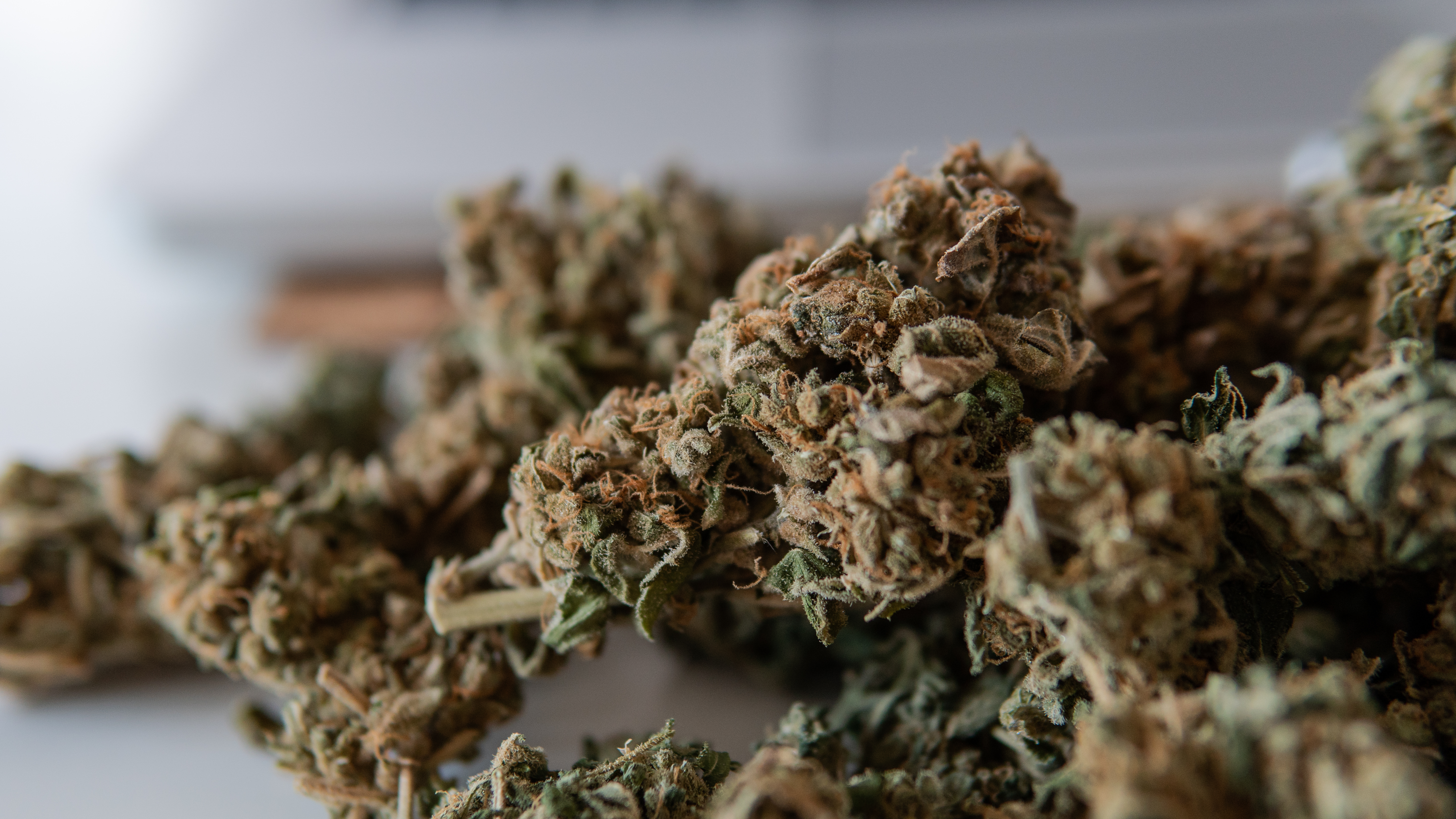


Cannabis plants contain many natural compounds called cannabinoids. Two of the best-known cannabinoids are cannabidiol, often called CBD, and tetrahydrocannabinol, often called THC. These compounds can affect the body in different ways. THC is mainly known for causing the “high” linked to cannabis. CBD does not usually cause the same strong intoxicating effect. Low-THC, high-CBD strains are cannabis varieties that contain more CBD than THC. They are often chosen by people who want the possible effects of cannabis without feeling strongly impaired.
The term “low THC” can mean different things depending on the product, grower, and local law. Some strains contain less than 1% THC, while others may contain several percent THC but still have much more CBD. For example, a strain may contain 12% CBD and 1% THC. Another strain may contain 15% CBD and 5% THC. Both may be described as CBD-rich, but the second strain is more likely to cause noticeable THC effects. This is why people should not depend on the strain name alone. They should also check the cannabinoid percentages and the CBD-to-THC ratio shown on the product label or laboratory report.
CBD and THC come from the same cannabis plant, but they do not work in exactly the same way. THC can change mood, perception, memory, balance, and reaction time. The effects may feel relaxing to some people, but they may also cause anxiety, confusion, dizziness, or discomfort. The strength of these effects depends on the amount used, the person’s tolerance, the product type, and the way it is taken. CBD is not considered intoxicating in the same way as THC. However, it may still affect alertness, energy, or comfort. Some people may feel calm or tired after using CBD-rich products, while others may notice only mild effects.
Low-THC, high-CBD strains have become popular because they offer another option within the cannabis market. Many modern cannabis strains are grown to contain high levels of THC. These products may be too strong for beginners, older adults, THC-sensitive users, or people who want to remain more alert. A CBD-dominant strain may provide a milder experience. It may also allow users to take a product with a wider range of plant compounds while limiting their total THC intake.
Some people choose CBD-rich strains because they are interested in relaxation, sleep, stress support, or relief from physical discomfort. Others may select them because high-THC cannabis has caused unpleasant effects in the past. However, it is important to separate personal use from proven medical treatment. Many CBD products are sold with broad claims, but research is still developing. A CBD-rich cannabis strain is not automatically approved to treat pain, anxiety, insomnia, or another health condition. People with ongoing symptoms should speak with a qualified healthcare professional instead of using cannabis as a replacement for proper care.
Low THC does not mean that a product is completely free from THC. Even a small amount of THC can matter. People with very low tolerance may feel mild intoxication after using a CBD-dominant strain. The effects can become stronger if a large amount is taken or if the product is used several times within a short period. Edible products can be especially difficult to judge because their effects may take longer to begin. A person may take more before the first dose has fully worked. This can lead to stronger and longer-lasting effects than expected.
Trace amounts of THC may also be important for drug testing. Standard workplace drug tests usually look for signs that the body has processed THC. They do not normally test for CBD. Regular use of CBD-rich flower or full-spectrum CBD products may expose a person to enough THC to create a positive test result. This risk may be higher when the product label is inaccurate or when the product contains more THC than expected. People who face workplace testing should understand that no CBD-rich cannabis flower can guarantee a negative result.
CBD-rich strains are available in several forms. They may be sold as dried flower, pre-rolls, oils, tinctures, capsules, or edibles. Dried flower is usually inhaled by smoking or vaporizing it. The effects can begin within minutes but may not last as long as the effects from edible products. Oils and edibles often take longer to work, but their effects may continue for several hours. Each form has different risks, benefits, and dosing concerns. Smoking can irritate the lungs, while edible products can make it easier to take too much because of their delayed effects.
The legal status of low-THC, high-CBD strains can also be confusing. Some CBD-rich cannabis is classified as hemp when it contains THC below a legal limit. Other CBD-rich strains are classified as marijuana because their THC level is higher. Rules may cover possession, sale, shipping, cultivation, and public use. A product that is legal in one location may be restricted in another. Consumers should check current local laws before buying, growing, carrying, or using any cannabis product.
Choosing a suitable low-THC, high-CBD strain requires more than looking for a popular name. The same strain may have different cannabinoid levels when grown by different producers. Soil, light, plant genetics, harvest time, and storage can all affect the final product. A reliable laboratory report can show the actual amounts of CBD, THC, THCA, and other compounds. It may also show whether the product was tested for mold, pesticides, heavy metals, or other unwanted materials.
This article explains what low-THC, high-CBD strains are, how CBD and THC may affect the body, and which strains are often sold as CBD-dominant choices. It also covers CBD-to-THC ratios, possible benefits, side effects, safety concerns, drug testing, and legal issues. The goal is to help readers compare products using clear facts rather than advertising claims. Careful research, accurate labels, low starting amounts, and responsible use can help people make safer and more informed decisions about CBD-rich cannabis.
What Are Low-THC, High-CBD Strains?
Low-THC, high-CBD strains are cannabis varieties that contain much more cannabidiol, or CBD, than tetrahydrocannabinol, or THC. CBD and THC are two of the best-known natural compounds found in cannabis. They come from the same plant, but they can produce very different effects.
THC is mainly linked to the intoxicating feeling called a “high.” CBD does not normally cause the same strong change in awareness or perception. For this reason, some people look for strains with high CBD and only a small amount of THC. These strains may offer a milder experience than products that contain large amounts of THC.
A strain name alone does not prove that a product is low in THC or high in CBD. Cannabis plants can develop different cannabinoid levels based on their genetics, growing conditions, harvest time, storage, and testing methods. Two products sold under the same strain name may have different levels of CBD and THC. Buyers should always review the laboratory report for the exact product rather than depending only on the name printed on the package.
What Low THC and High CBD Mean
Cannabis products are often grouped into three main types. These are CBD-dominant, balanced, and THC-dominant products.
A CBD-dominant strain contains much more CBD than THC. Some CBD-dominant flower may contain 10%, 15%, or even more CBD while holding only a small amount of THC. The exact numbers vary between plants and batches. A strain with a 20:1 CBD-to-THC ratio, for example, has about 20 times more CBD than THC.
A balanced strain has similar amounts of CBD and THC. A product with a 1:1 ratio may contain equal levels of both cannabinoids. Balanced strains are not always low in THC. A flower containing 10% CBD and 10% THC has a balanced ratio, but its THC level may still produce clear intoxication. This shows why the ratio is only one part of the product profile.
A THC-dominant strain contains more THC than CBD. Many modern recreational cannabis strains fall into this group. Some have very little CBD and enough THC to cause strong effects, especially for people with limited cannabis experience.
There is no single worldwide rule that defines “high CBD” for every product. The term is often used to describe flower that contains a meaningful amount of CBD and much less THC. However, sellers may use the term in different ways. One company may call a strain high in CBD when it contains 8% CBD. Another may reserve the term for strains containing 15% CBD or more.
The phrase “low THC” can also have different meanings. It may describe a strain with less than 1% THC, or it may describe a product that simply contains less THC than common recreational strains. A product with 5% THC is low compared with a strain containing 25% THC, but 5% THC may still cause intoxication. People who are very sensitive to THC may notice effects from much smaller amounts.
Laboratory results give readers a clearer picture. A certificate of analysis should show the levels of CBD, THC, CBDA, and THCA. CBDA and THCA are the acidic forms found in raw cannabis. Heat changes these compounds into CBD and THC through a process called decarboxylation. This happens when cannabis is smoked, vaporized, baked, or heated during production.
For this reason, a product may have a low delta-9 THC number but a higher THCA level. Once the product is heated, some of the THCA can become intoxicating THC. Looking only at the delta-9 THC number may not show the product’s full potential strength. Total cannabinoid values provide a more complete view.
Cannabinoid percentages are also more useful than broad labels such as “indica,” “sativa,” or “hybrid.” These traditional labels may describe plant history, growth form, or expected effects, but they do not guarantee a certain CBD or THC level. The chemical profile of the tested batch gives more direct information.
Some researchers and cannabis professionals use the word “chemovar” instead of “strain.” A chemovar groups cannabis according to its chemical profile. This may include cannabinoids and aromatic compounds called terpenes. This approach can help readers compare products based on measurable features rather than names that may vary among growers.
Hemp Versus Marijuana
Hemp and marijuana both come from cannabis plants. The difference is mainly a legal and regulatory one rather than a simple botanical difference. Both may contain CBD, THC, terpenes, and other plant compounds.
Under the federal framework established by the 2018 Farm Bill, hemp was defined as Cannabis sativa L. and its parts containing no more than 0.3% delta-9 THC on a dry-weight basis. Cannabis above that limit was generally treated as marijuana under federal law. Federal hemp rules also use testing methods that consider the potential conversion of THCA into THC when crops are evaluated.
Federal lawmakers approved changes to the hemp definition in November 2025. These changes move toward a total-THC standard that includes THCA and add restrictions for certain finished cannabinoid products. However, the main changes were written to take effect 365 days after enactment, so laws and product rules are still moving through a transition period in 2026.
Hemp plants are often grown for fiber, seed, grain, or CBD-rich flower. A hemp-derived CBD strain may contain a large amount of CBD while remaining within the legal THC limit that applies to the crop. However, hemp flower is not automatically free from THC. It may contain trace amounts of delta-9 THC and measurable THCA.
Marijuana-derived CBD strains may also contain high CBD, but their THC levels exceed the legal hemp limit. These products are usually sold through regulated medical or adult-use cannabis programs where allowed. A strain such as Cannatonic may be offered as a CBD-rich marijuana product because it can contain more THC than federally defined hemp.
The terms hemp and marijuana do not tell readers everything about the experience. A legal hemp product may still contain enough THC-related compounds to affect a sensitive user or create a drug-testing concern. A marijuana product may be CBD-dominant but still contain less THC than many recreational strains. The actual cannabinoid amounts matter more than the broad category.
Rules can also differ by state or country. A product that meets a federal hemp definition may still face limits on local sale, possession, shipping, processing, or use. Buyers should check the laws where they live before purchasing CBD flower, seeds, or finished cannabis products.
Low-THC, high-CBD strains contain more CBD than THC and are designed to provide a milder cannabis profile than THC-dominant strains. However, the terms “low THC” and “high CBD” do not have one fixed meaning across all products. A strain may be described as low in THC and still contain enough to cause noticeable effects.
The safest way to understand a product is to review its laboratory report. Readers should check CBD, THC, CBDA, THCA, total cannabinoid content, and the CBD-to-THC ratio. They should also remember that strain names may not provide a reliable measure of strength.
Hemp and marijuana can both produce CBD-rich flower. Their main difference comes from legal THC limits and the rules that apply to production and sale. Since hemp regulations are changing, consumers should review current national and local laws before buying or using any cannabis product.
How CBD and THC Affect the Body
Low-THC, high-CBD cannabis strains contain two important compounds called cannabinoids. These compounds are cannabidiol, known as CBD, and tetrahydrocannabinol, known as THC. Both compounds come from the cannabis plant, but they affect the body in different ways.
THC is mainly known for causing the intoxicating feeling often called a “high.” CBD does not usually cause this type of strong mental effect. For this reason, people who want a milder cannabis experience may choose strains that contain more CBD and less THC.
The effects of any cannabis strain can still vary from person to person. A product’s strength, the amount used, the way it is consumed, and a person’s sensitivity can all change the experience. Even a low-THC product may cause noticeable effects if a person uses a large amount or has very little tolerance.
How THC Works
THC affects the body by interacting with special receptors that are part of the endocannabinoid system. It binds mainly to receptors called CB1 receptors. These receptors are found in many areas of the brain and nervous system.
When THC connects with these receptors, it can change how the brain processes information. This may affect mood, memory, movement, attention, and the sense of time. Some people may feel calm, happy, or relaxed after using THC. Others may feel confused, nervous, dizzy, or uncomfortable.
THC can also reduce reaction time and affect coordination. A person may have trouble making fast decisions or judging distance correctly. These effects can make driving, using tools, or operating machinery unsafe.
The strength of THC’s effects depends on the total amount taken. A strain may be labeled as low in THC, but the user can still consume a meaningful amount if they take many puffs or use several servings. The method of use also matters.
Inhaled THC usually begins to work within minutes. Its effects may become easier to control because the user can stop after noticing a change. Edible products may take much longer to work. Some people take another serving because they think the first one did not work. This can lead to stronger effects later.
People with little cannabis experience may be more sensitive to THC. Older adults, people taking certain medicines, and those with a history of anxiety may also react strongly. A low starting amount may reduce the risk of an unpleasant experience, but it cannot remove all risk.
How CBD Works
CBD affects the body differently from THC. It does not strongly bind to CB1 receptors in the same way. Because of this, CBD does not usually cause a strong intoxicating high.
Researchers believe that CBD may affect several receptors, enzymes, and chemical signals in the body. These systems are connected to processes such as mood, sleep, inflammation, stress response, and pain signaling. However, CBD’s exact effects are complex and are still being studied.
Some people describe CBD-rich cannabis as calming or clear-headed. Others may notice very little. A few users may feel sleepy or tired. These different reactions may depend on the dose, the product, other plant compounds, and the person’s health.
CBD may also change how the body processes some medicines. The liver uses certain enzymes to break down many prescription drugs. CBD may slow or alter this process. This can change the amount of medicine in the bloodstream. People taking regular medicines should speak with a qualified healthcare professional before using CBD products.
It is also important to understand that CBD is not free from side effects. Possible effects may include tiredness, changes in appetite, loose stools, stomach discomfort, or dry mouth. These effects may be more likely with larger amounts.
A CBD-rich strain may still contain THC. The presence of CBD does not always stop THC from causing intoxication. CBD may influence the overall experience, but it should not be treated as a reliable way to cancel the effects of THC.
The Endocannabinoid System
The endocannabinoid system is a group of receptors, natural chemicals, and enzymes found throughout the body. It helps the body maintain balance during changes in stress, sleep, appetite, mood, temperature, and other functions.
The body makes its own cannabis-like chemicals called endocannabinoids. These chemicals attach to cannabinoid receptors and help send messages between cells. The two best-known receptors are CB1 and CB2.
CB1 receptors are common in the brain and nervous system. They are involved in memory, movement, appetite, pain signals, and emotional responses. THC can strongly activate these receptors, which explains many of its mental and physical effects.
CB2 receptors are more common in immune cells and tissues outside the brain. They may play a role in inflammation and immune activity. CBD does not directly activate these receptors in a simple way. Instead, it may influence how the wider system works.
The endocannabinoid system does not act alone. It connects with other systems that control sleep, stress, digestion, pain, and mood. This is one reason cannabis effects can be difficult to predict.
The same strain may affect two people in different ways. One person may feel relaxed, while another may feel sleepy or uncomfortable. Body weight, metabolism, tolerance, genetics, food intake, and other medicines may all play a part.
Product quality also matters. Two products with the same strain name may have different cannabinoid and terpene levels. Growing conditions, harvest timing, storage, and testing methods can change the final chemical profile. Readers should check laboratory results instead of relying only on a strain name.
THC and CBD both interact with systems that help control many body functions, but they do not produce the same effects. THC mainly activates receptors in the brain and may cause intoxication, slower reaction time, mood changes, and reduced coordination. CBD does not usually cause a strong high, but it may still affect alertness, digestion, appetite, and medicine levels.
Low-THC, high-CBD strains may offer a milder experience than high-THC cannabis. However, they are not completely free from risk. The effects depend on the dose, product strength, method of use, personal sensitivity, and other substances or medicines in the body.
Best Low-THC, High-CBD Strains
Low-THC, high-CBD strains are often chosen by people who want the possible benefits of cannabis without a strong intoxicating effect. These strains usually contain much more CBD than THC. However, the exact amount can change from one grower, harvest, or product batch to another. A strain name alone does not guarantee a certain CBD or THC level. Buyers should always check the laboratory report before using any cannabis product.
CBD-rich strains may be sold as cannabis flower, hemp flower, pre-rolls, oils, or other products. Some contain only trace amounts of THC, while others contain enough THC to cause mild changes in mood, focus, or coordination. Personal response also varies. A product that feels very mild to one person may feel stronger to someone with little cannabis experience.
Several strains are commonly linked to high CBD and lower THC levels. Each one has its own genetics, aroma, cannabinoid ratio, and possible use. The following options are among the best-known CBD-rich strains.
Charlotte’s Web
Charlotte’s Web is one of the most recognized names in the CBD market. It became widely known because of its high CBD content and very low THC level. Products made from this cultivar are often classified as hemp when they meet the legal THC limit.
This strain is commonly chosen by people who want CBD without a strong high. Since the THC level is often very low, strong intoxication is less likely. However, the actual cannabinoid amount depends on the plant, growing method, harvest time, and testing process.
Charlotte’s Web may be available in flower, oil, capsules, and other forms. The effects can differ based on how the product is used. Inhaled flower usually works faster, while oils and capsules may take longer to produce noticeable effects.
Consumers should not assume that every product using the Charlotte’s Web name has the same strength. The CBD percentage and THC amount should be confirmed through a current certificate of analysis.
ACDC
ACDC is a well-known CBD-dominant strain that is often linked to high CBD and low THC levels. It is related to Cannatonic and may have a CBD-to-THC ratio of 20:1 or higher in some products. Other batches may have a lower ratio, so results can vary.
Many consumers choose ACDC because it may provide a mild and clear experience. It is often used during the day because it is less likely to cause heavy intoxication than high-THC strains. Some people may still notice a light calming or relaxing effect.
ACDC flower may have earthy, woody, or slightly sweet aromas. These smells come from terpenes, which are natural compounds found in cannabis and many other plants. Terpenes may shape the scent and taste of the product, but they do not replace the need to check CBD and THC levels.
People who are very sensitive to THC should still use ACDC carefully. Even a small amount of THC may affect driving ability, reaction time, or workplace drug test results.
Harle-Tsu
Harle-Tsu is a CBD-rich strain created from Harlequin and Sour Tsunami genetics. It is often known for having high CBD and only a small amount of THC. This makes it appealing to people who want limited intoxication.
The strain is sometimes described as suitable for daytime use because it may feel lighter than many THC-rich varieties. It may help some users feel calm without making them feel heavily sedated. Still, effects depend on the dose, product strength, and individual body response.
Harle-Tsu may have earthy, herbal, or pine-like aromas. Its cannabinoid ratio can differ between growers. Some products may contain less than 1% THC, while others may contain more. Buyers should review the laboratory label rather than relying only on general strain descriptions.
This strain may be harder to find than some common hemp varieties. Availability depends on local cannabis laws, licensed sellers, and regional growing programs.
Ringo’s Gift
Ringo’s Gift is named after cannabis breeder and CBD advocate Lawrence Ringo. It was developed from ACDC and Harle-Tsu genetics. The strain is often CBD-dominant, but its CBD-to-THC ratio can vary widely.
Some versions may have a ratio near 20:1, while others may be closer to 1:1. A 20:1 product is likely to have very little THC compared with CBD. A 1:1 version may cause much stronger intoxicating effects because it contains a similar amount of each cannabinoid.
This wide variation makes product testing very important. Consumers should check the exact CBD and THC percentages before buying Ringo’s Gift. They should also consider the total amount used, not only the ratio.
Ringo’s Gift may have earthy, minty, or slightly spicy aromas. It is often selected by consumers who want a relaxing experience while trying to avoid a strong high. Still, a higher-THC version may not be suitable for someone who wants minimal impairment.
Sour Tsunami
Sour Tsunami was one of the earlier cannabis strains bred mainly for CBD content. It played an important role in the growth of the CBD-rich cannabis market. It is known for having more CBD than THC in many tested versions.
The strain may have sour, citrus, pine, or diesel-like aromas. These strong scents can vary depending on how the plant was grown, dried, and stored.
Sour Tsunami is often chosen by people looking for a balanced but mild experience. However, not every batch is extremely low in THC. Some versions may contain enough THC to produce light intoxication. This is another reason why laboratory results are more useful than the strain name.
Growing conditions can affect cannabinoid production. Light, soil, nutrients, temperature, plant genetics, and harvest timing may all change the final CBD and THC levels.
Remedy
Remedy is usually described as a CBD-dominant strain with very little THC. It is often considered a good option for people who are sensitive to THC or who want to avoid a noticeable high.
This strain may have herbal, earthy, citrus, or woody aromas. It is often linked to calming effects, but it should not be presented as a guaranteed treatment for stress, pain, sleep problems, or other health conditions.
Remedy products may differ between sellers. Some may contain only trace THC, while others may contain a larger amount. Consumers should look for clear product testing that lists CBD, delta-9 THC, THCA, and total cannabinoid content.
Even a low-THC Remedy product may still create drug-testing concerns. Regular use of full-spectrum CBD products can expose the body to small amounts of THC over time.
Cannatonic
Cannatonic is one of the best-known strains connected to CBD-rich cannabis breeding. However, it is not always a low-THC strain. Some versions are CBD-dominant, while others contain a more balanced amount of CBD and THC.
A balanced Cannatonic product may have a ratio close to 1:1. This means it could cause clear intoxication, especially when used in larger amounts. Consumers seeking very low THC should not choose Cannatonic based on the name alone.
The strain often has citrus, pine, earthy, or slightly sweet aromas. It may provide a more noticeable cannabis experience than strains such as Remedy or Charlotte’s Web.
Cannatonic shows why strain names can be confusing. Two products with the same name may have very different effects. Laboratory testing is the best way to confirm whether a specific product matches the user’s needs.
Lifter, Elektra, and Suver Haze
Lifter, Elektra, and Suver Haze are popular hemp flower varieties. They are often grown to contain high CBD and a legally limited amount of delta-9 THC. These strains are widely available in some hemp markets.
Lifter is often described as having sweet, citrus, or fuel-like aromas. It may be selected for daytime use because many products are marketed as clear and mild.
Elektra may have earthy, pine, chocolate, or citrus notes. It is often sold as a calming CBD flower, although the exact effects can differ between people.
Suver Haze commonly has fruity, herbal, sour, or floral aromas. Some consumers choose it for evening use, but it is not always sedating.
Even legal hemp flower may contain THCA. When flower is heated, part of the THCA can change into THC. This means a hemp product may produce stronger effects than expected when smoked or vaporized. Consumers should check both delta-9 THC and total potential THC on the laboratory report.
The best low-THC, high-CBD strain depends on the user’s goals, THC sensitivity, local laws, and preferred product type. Charlotte’s Web, ACDC, Harle-Tsu, Ringo’s Gift, Sour Tsunami, Remedy, Cannatonic, Lifter, Elektra, and Suver Haze are all common CBD-rich options. However, their cannabinoid levels are not always consistent.
Charlotte’s Web and Remedy are often linked to very low THC. ACDC and Harle-Tsu may offer strong CBD-dominant ratios. Ringo’s Gift and Cannatonic can vary more widely, so they require careful label review. Lifter, Elektra, and Suver Haze are common hemp flower choices, but they may still contain trace THC and THCA.
Understanding CBD-to-THC Ratios
CBD-to-THC ratios help people understand the balance of two major cannabinoids in a cannabis product. CBD stands for cannabidiol, while THC stands for tetrahydrocannabinol. THC is the compound that usually causes the intoxicating high linked to cannabis. CBD does not normally cause the same strong high.
A ratio compares the amount of CBD with the amount of THC. Common ratios include 20:1, 10:1, 5:1, 2:1, and 1:1. These numbers can help a person estimate how strong the THC effects may be. However, the ratio does not tell the full story. The total dose, product type, and personal sensitivity are also important.
Understanding these ratios can make it easier to choose a low-THC, high-CBD strain. It can also help users avoid products that may cause stronger effects than expected.
What a Cannabinoid Ratio Means
A CBD-to-THC ratio shows how much CBD is present compared with THC. For example, a 20:1 ratio means that the product contains about 20 parts CBD for every one part THC. A 10:1 ratio contains about 10 parts CBD for every one part THC.
A 1:1 ratio means the product contains equal amounts of CBD and THC. This is often called a balanced ratio. It is not usually considered a low-THC option because the THC level may still be high enough to cause clear intoxication.
The ratio can be listed on cannabis flower, oils, capsules, gummies, tinctures, and other products. Flower labels may also show percentages. A flower product might contain 12% CBD and 0.6% THC. This would have a CBD-to-THC ratio of about 20:1.
However, the ratio alone does not show the total strength of a product. Two products may both have a 10:1 ratio but contain very different amounts of cannabinoids. One product may contain 10 milligrams of CBD and 1 milligram of THC. Another may contain 100 milligrams of CBD and 10 milligrams of THC. Both have the same ratio, but the second product has a much higher total dose.
This is why users should check both the ratio and the exact amount of CBD and THC. The ratio shows the balance between the two compounds. The dose shows how much of each compound a person may consume.
Common Ratio Options
A 20:1 ratio is one of the most common choices for people who want high CBD and very little THC. Products with this ratio may produce mild effects. Many users choose them because they want to limit intoxication while still consuming a full-spectrum cannabis product.
Even a 20:1 product may contain some THC. A person who is very sensitive to THC may still notice changes in mood, focus, coordination, or alertness. The risk may increase when a large amount is used.
A 10:1 ratio contains more THC than a 20:1 product. It is still considered CBD-dominant, but the THC effects may be easier to notice. Some users may feel relaxed, sleepy, lightheaded, or slightly impaired. The results depend on the total dose and the person’s tolerance.
A 5:1 ratio has five parts CBD for every one part THC. This may be suitable for users who want CBD-rich effects but do not mind some THC exposure. However, it may cause mild to moderate intoxication, especially in beginners or people with low tolerance.
A 2:1 ratio contains twice as much CBD as THC. It is less CBD-dominant than 5:1, 10:1, or 20:1 products. THC effects may be clear at this level. CBD may shape the experience, but it does not remove the effects of THC.
A 1:1 ratio contains equal amounts of CBD and THC. These products are often chosen by people who want a balanced cannabinoid profile. They may cause strong intoxication if the THC dose is high. A 1:1 product should not be treated as a low-THC choice unless the total amount of THC is very small.
There is no single best ratio for everyone. A suitable ratio depends on the user’s goals, experience, THC sensitivity, product type, and reason for use. People trying to avoid intoxication may prefer ratios such as 20:1 or higher. Those who are comfortable with some THC may consider 10:1 or 5:1 products.
Ratio Versus Potency
Potency describes how strong a product is based on the amount of cannabinoids it contains. A ratio only compares the amount of CBD with THC. These two details should always be reviewed together.
For example, a cannabis oil may have a 20:1 ratio. A small serving could contain 20 milligrams of CBD and 1 milligram of THC. This may produce limited THC effects for many adults. However, taking five servings would provide 100 milligrams of CBD and 5 milligrams of THC. Five milligrams of THC may cause noticeable intoxication in a person with low tolerance.
A balanced 1:1 product can also have a low total dose. A serving with 1 milligram of CBD and 1 milligram of THC may have milder effects than a 10:1 product containing 100 milligrams of CBD and 10 milligrams of THC. This example shows why a higher CBD ratio does not always mean weaker effects.
Cannabis flower percentages also require careful reading. A strain may be advertised as high CBD, but it may still contain several percent THC. Another strain may contain less than 1% THC. These products can feel very different, even when both are described as CBD-rich.
The method of use also affects potency. Inhaled cannabis usually starts working within minutes. This can make it easier to stop after a small amount. Edibles may take much longer to produce effects. A person may take more because they think the first dose did not work. This can lead to a stronger experience later.
Tolerance is another major factor. A regular cannabis user may respond differently from a beginner. Age, body size, metabolism, medications, food intake, and health conditions may also affect the experience. Because of these differences, a product that feels mild to one person may feel strong to another.
People choosing a CBD-rich product should read the full label. They should look at the CBD-to-THC ratio, the amount per serving, the total amount in the package, and the recommended serving size. Independent laboratory results can provide more detail about actual cannabinoid levels.
CBD-to-THC ratios show the balance between CBD and THC in a cannabis product. High ratios such as 20:1 usually contain much more CBD than THC. Lower ratios such as 2:1 or 1:1 contain more THC and may cause stronger intoxicating effects.
The ratio is useful, but it does not show the full strength of a product. Users must also check the total amount of CBD and THC in each serving. Product type, dose, tolerance, and personal sensitivity can all change the experience.
For people seeking low-THC, high-CBD strains, higher CBD ratios may be a better starting point. Careful label reading and small starting amounts can help reduce the risk of unwanted effects.
Can Low-THC, High-CBD Strains Get You High?
Low-THC, high-CBD strains are often chosen by people who want a milder cannabis experience. These strains usually contain much more CBD than THC. CBD does not normally cause the strong intoxication linked to THC. However, a low-THC product can still affect the mind and body. The final experience depends on the amount used, the strength of the product, the way it is consumed, and the person’s sensitivity to THC.
The term “low THC” does not mean “no THC.” Even a small amount of THC may cause noticeable effects in some people. This is more likely when a person has little or no cannabis tolerance. It can also happen when several doses are taken close together. For this reason, users should read product labels carefully and avoid assuming that a CBD-rich strain cannot cause impairment.
Possibility of Mild Intoxication
A low-THC, high-CBD strain may cause mild intoxication if it contains enough THC to affect the user. THC is the main compound in cannabis that causes the high feeling. It can change mood, attention, memory, movement, and the sense of time. The effects may be weaker in a CBD-dominant strain, but they are not always absent.
The total dose matters more than the strain name alone. For example, a flower product with 1% THC may seem very low in THC. Still, using a large amount can deliver more THC than expected. A person who inhales several times or uses the product throughout the day may slowly increase the amount of THC in the body.
Personal tolerance also plays an important role. A regular cannabis user may not notice the same effects as a beginner. Someone who has never used THC may feel light-headed, sleepy, relaxed, or mentally different after a small amount. Some people are naturally more sensitive to THC because of body chemistry, age, metabolism, or other factors.
The method of use also changes the experience. Inhaled cannabis often produces effects within minutes. This makes it easier to notice when enough has been used. Edibles can take much longer to work. A person may take another dose because the first one seems ineffective. When both doses begin to work, the effects may become stronger than planned.
CBD may affect the way THC feels, but it does not fully block intoxication. A high CBD level may make the experience feel less intense for some users. However, it cannot guarantee clear thinking, safe driving, or normal reaction time. Any product that contains THC should be treated as a product that may cause impairment.
CBD Flower Versus CBD Isolate
CBD-rich flower and CBD isolate are not the same type of product. CBD flower comes from cannabis plants that naturally produce a high amount of CBD and a lower amount of THC. The flower also contains other compounds, including minor cannabinoids, terpenes, and plant material. Because it comes from the whole plant, it may contain trace or measurable amounts of THC.
CBD isolate is a purified form of CBD. It is processed to remove most other cannabis compounds. A properly made CBD isolate product should contain little or no detectable THC. This may make it more suitable for people who want to avoid THC as much as possible. However, product quality can vary, so testing is still important.
Full-spectrum CBD products contain CBD along with other cannabinoids and plant compounds. These products may include THC within the legal or stated limit. Broad-spectrum products also contain several cannabis compounds, but the THC is usually removed during processing. CBD isolate contains only purified CBD.
A person who wants a natural flower product may choose a CBD-rich strain. However, this choice comes with a greater chance of THC exposure than using a tested isolate. Smoking or vaping CBD flower may also produce faster and more noticeable effects because cannabinoids enter the blood through the lungs.
Labels can sometimes create confusion. A product called “hemp flower” may still contain small amounts of THC. A product called “CBD flower” is not automatically THC-free. Consumers should look at the laboratory report instead of trusting only the front label. The report should show the amount of CBD, delta-9 THC, THCA, and total THC.
THCA is also important because it can change into THC when heated. This process happens during smoking, vaping, or cooking. A flower product may have a low delta-9 THC level but a higher THCA level. Once heated, it may produce more active THC than the label first appears to show.
Factors That Increase THC Effects
Several factors can make a low-THC product feel stronger. One major factor is the amount used. Taking several inhalations, using a large serving, or repeating the dose too soon can increase the total THC intake. Even when each dose is small, the combined amount may cause noticeable intoxication.
Low tolerance is another important factor. Beginners and people who rarely use cannabis may respond strongly to very small amounts of THC. A dose that feels mild to one person may feel uncomfortable to another. This is why new users should begin with a small amount and wait before using more.
Product strength can also vary between batches. Two products with the same strain name may not contain the same cannabinoid levels. Growing conditions, harvest timing, storage, and testing methods can change the final THC and CBD content. The strain name alone cannot prove that a product is mild.
Inaccurate labels create another risk. Some products may contain more THC than the package states. Independent laboratory testing helps reduce this concern, but testing is not always equal across brands. Consumers should choose products with clear batch numbers and recent certificates of analysis.
Edibles can produce stronger and longer-lasting effects than inhaled products. The body processes eaten THC differently, and the effects may last for several hours. The delayed start can lead to accidental overuse. A person should wait long enough for the first serving to take effect before considering another one.
Mixing cannabis with alcohol or other intoxicating substances may also increase impairment. The combination may cause more dizziness, confusion, sleepiness, or poor coordination. People using low-THC products should avoid assuming that the product is safe to mix simply because it is CBD-rich.
Health, body weight, food intake, medications, and metabolism may also shape the experience. A person who is tired, dehydrated, or taking certain medicines may react differently than expected. These factors make it difficult to predict exactly how a strain will affect every user.
Low-THC, high-CBD strains can still cause a high, although the effects are often milder than those caused by THC-dominant cannabis. The risk depends on the total THC dose, personal tolerance, product type, method of use, and accuracy of the label. CBD-rich flower may contain THC and THCA, while tested CBD isolate usually has much less risk of THC exposure. Users should check laboratory results, start with a small amount, and wait before taking more. They should also avoid driving, operating machinery, or mixing the product with alcohol. Low THC means a lower chance of strong intoxication, but it does not mean that intoxication or impairment is impossible.
Potential Benefits and Common Uses
Low-THC, high-CBD strains are often chosen by people who want the possible benefits of cannabis without strong intoxication. These strains usually contain much more cannabidiol, or CBD, than tetrahydrocannabinol, or THC. THC is the compound that causes the well-known cannabis “high.” CBD does not normally create the same strong change in thinking, mood, or perception.
People may use CBD-rich strains for relaxation, stress, physical discomfort, sleep support, or general wellness. However, the effects can vary from one person to another. A strain that feels calming to one person may feel neutral or even tiring to someone else. The amount used, the product type, the THC level, and a person’s body chemistry can all affect the experience.
It is also important to understand that common use does not always mean proven medical benefit. Some uses are supported by early research, while others still need stronger evidence. CBD-rich cannabis should not replace proper medical care, especially when symptoms are severe, ongoing, or getting worse.
Why Consumers Choose CBD-Rich Cannabis
One main reason people choose CBD-rich cannabis is to avoid the strong effects of high-THC products. High amounts of THC may cause a major change in mood, attention, memory, balance, and reaction time. Some people enjoy these effects, but others find them uncomfortable or too intense.
CBD-dominant strains may offer a milder experience. A person may feel calm, settled, or less tense without feeling heavily intoxicated. This can make low-THC options more appealing for daytime use or for people who need to remain clear-headed. Still, even low-THC strains may cause some impairment, especially when taken in large amounts.
Some consumers also prefer CBD-rich cannabis because they are sensitive to THC. A small THC dose may cause anxiety, dizziness, a fast heartbeat, or confusion in sensitive users. Choosing a strain with a high CBD-to-THC ratio may reduce the chance of these effects. It does not remove the risk completely, but it may make the experience easier to manage.
CBD-rich strains are also available in several forms. These include dried flower, pre-rolls, oils, tinctures, capsules, and edibles. Inhaled products may begin working within minutes, while oral products may take much longer. Edibles can also last longer and may be harder to control because their effects are delayed.
Consumers should always check the product label and laboratory report. Strain names alone do not guarantee a certain CBD or THC level. The same strain may have different cannabinoid levels depending on the grower, harvest, and testing method.
Anxiety and Stress
Many people are interested in CBD-rich strains for stress and anxiety. One reason is that high THC levels may increase nervousness in some users. THC can sometimes cause racing thoughts, fear, confusion, or a sense of losing control. These reactions may be more likely with large doses, strong products, or low tolerance.
Low-THC, high-CBD strains may feel gentler. Some users describe a calm or relaxed feeling without the strong mental effects linked to THC. CBD is also being studied for its possible effect on stress and anxiety responses. However, research is still developing, and CBD does not work the same way for everyone.
The setting also matters. A person may feel more relaxed when using a small amount in a safe and familiar place. The same person may feel uneasy in a crowded, noisy, or stressful setting. Sleep, food intake, mood, and other substances can also change the experience.
People with serious anxiety should speak with a healthcare professional. Anxiety disorders may need therapy, medication, lifestyle changes, or a mix of treatments. Cannabis may interact with some medicines and may make certain mental health conditions worse. It should not be treated as a guaranteed cure.
Pain and Physical Discomfort
CBD-rich cannabis is also commonly used for pain and physical discomfort. People may seek it for sore muscles, joint discomfort, nerve pain, headaches, or recovery after physical activity. Researchers are studying how cannabinoids may affect pain signals and inflammation.
The results are not the same for every type of pain. Some people may notice mild relief, while others may feel little change. The effect can depend on the cause of the pain, the dose, the CBD-to-THC ratio, and the way the product is used.
THC may play a role in pain relief, but it also increases the chance of intoxication. A product with a small amount of THC and a higher amount of CBD may offer a middle option. It may provide some effect while reducing the risk of a strong high.
CBD-rich cannabis should not be used to hide serious pain without finding the cause. Sudden, severe, or long-lasting pain may be a sign of an injury or health condition that needs treatment. Temporary relief does not repair damaged tissue, cure disease, or remove the cause of the problem.
People taking pain medicines should also use caution. CBD may change how the body processes some drugs. A doctor or pharmacist can help check for possible interactions.
Sleep and Relaxation
Some people use low-THC, high-CBD strains to relax before bed. They may hope to feel calmer, fall asleep more easily, or stay asleep longer. However, CBD-rich strains do not always cause sleepiness.
The effect may depend on the dose. A small amount may feel calming without causing drowsiness. A larger amount may make some users feel tired. The THC level can also affect sleep. A little THC may feel sedating, while too much may cause anxiety, confusion, or poor-quality sleep.
Terpenes may also shape the experience. Terpenes are natural compounds that give cannabis its smell and flavor. Some strains have earthy, floral, citrus, or pine-like aromas. These compounds may affect how a product feels, but more research is needed to understand their full role.
Product type matters as well. Inhaled CBD-rich flower may work quickly but wear off sooner. Oils, capsules, and edibles may take longer to begin working, but the effects may last for several hours. This delay can lead people to take more too soon, which may cause stronger effects than expected.
Good sleep habits are still important. A regular sleep schedule, less screen time before bed, limited caffeine, and a quiet room may improve sleep more safely. Ongoing sleep problems may be linked to stress, pain, sleep apnea, medication, or another health issue.
Low-THC, high-CBD strains are often used for relaxation, stress, physical discomfort, and sleep support. Their main appeal is that they may provide a milder cannabis experience with less intoxication than high-THC products. However, effects vary based on the person, dose, product, strain, and method of use.
CBD-rich cannabis may help some people feel calmer or more comfortable, but the evidence is not equal for every use. It should not replace professional care for anxiety, chronic pain, sleep problems, or other health concerns. Consumers should check laboratory reports, begin with a small amount, and avoid driving after using any product that contains THC. Careful use and realistic expectations can help reduce risks.
Side Effects, Medication Interactions, and Safety
Low-THC, high-CBD strains are often chosen because they may cause fewer strong mind-altering effects than high-THC cannabis. However, this does not mean they are free from side effects or safety concerns. CBD and THC can affect people in different ways. The effects may depend on the amount used, the product type, the person’s body weight, tolerance, health condition, and other medicines being taken.
A product with low THC may still cause dizziness, tiredness, or mild impairment. High amounts of CBD may also cause unwanted effects. People should review the product label, start with a small amount, and avoid using more until they understand how the product affects them.
Possible CBD Side Effects
CBD does not usually cause the strong high linked to THC, but it can still cause side effects. One of the most common effects is tiredness or drowsiness. Some people may feel calm and relaxed after using a CBD-rich strain, while others may feel sleepy or less alert. This can be a concern for anyone who needs to drive, work with tools, or complete tasks that require close attention.
CBD may also cause digestive discomfort. Some users may experience nausea, loose stools, stomach pain, or changes in bowel habits. These effects may be more likely when CBD is used in large amounts or taken in oils and edible products. A person may also react to other ingredients in the product, such as flavorings, carrier oils, or sweeteners.
Changes in appetite may also occur. Some people may feel more hungry, while others may have less interest in food. Changes in appetite are not always serious, but they may matter for people who are underweight, following a medical diet, or managing blood sugar levels.
High doses of CBD may affect the liver. The liver helps break down medicines and other substances in the body. This does not mean that normal CBD use will always cause liver harm. However, people with liver disease or those taking medicines that affect the liver should speak with a qualified healthcare professional before using CBD products.
The quality of the product also affects safety. Some CBD products may contain more THC than the label states. Others may contain pesticides, mold, heavy metals, or leftover solvents. These risks make third-party laboratory testing important.
Possible THC Side Effects
Even low-THC strains may contain enough THC to cause unwanted effects, especially in people with little cannabis experience. THC affects the brain and nervous system. A small dose may feel mild to one person but strong to another.
Dizziness is a possible side effect. A person may feel light-headed when standing up or moving quickly. This can raise the risk of falls, especially among older adults or people with balance problems. Sitting down, drinking water, and avoiding sudden movement may help if dizziness occurs.
THC may also cause anxiety, nervousness, or uneasiness. People sometimes assume that a high-CBD strain will always prevent anxiety. CBD may change how THC feels for some users, but it cannot guarantee a calm experience. Personal sensitivity, dose, surroundings, and current stress levels can all shape the effects.
An increased heart rate may also occur. Some people notice that their heart beats faster shortly after using cannabis. This may feel uncomfortable or frightening. People with heart conditions should seek medical advice before using products that contain THC.
Dry mouth and red eyes are also common. Dry mouth can often be managed by drinking water. Red eyes happen because cannabis may affect small blood vessels. These effects are usually temporary, but they can still be uncomfortable.
THC can also reduce coordination, reaction time, memory, and judgment. These effects may be mild with a low-THC strain, but they can still affect driving and workplace safety. The user may not always notice the full level of impairment.
Medication Interactions
CBD and THC may interact with prescription medicines, over-the-counter drugs, and some supplements. An interaction can change how quickly a medicine is broken down in the body. This may cause the medicine level to become too high or too low.
CBD may affect liver enzymes that process many common medicines. These include some blood thinners, seizure medicines, heart medicines, antidepressants, sedatives, and immune system drugs. The exact risk depends on the dose, the medicine, and the person’s health.
Combining CBD-rich cannabis with medicines that cause sleepiness may increase drowsiness. Examples may include sleeping pills, anxiety medicines, some pain medicines, and certain allergy products. The combined effect may make it harder to stay awake or react quickly.
People should not stop or change a prescription medicine without medical advice. A doctor or pharmacist can review possible interactions and help decide whether a CBD-rich product is suitable. It is helpful to bring the product label or laboratory report to the appointment.
Who Should Be Extra Careful?
Pregnant or breastfeeding individuals should avoid cannabis products unless a qualified medical professional gives clear guidance. THC and other cannabis compounds may pass through the placenta or breast milk. The possible effects on infant and child development are still a serious concern.
Children and teenagers should also use extra caution. The brain continues developing during the teenage years. THC exposure may affect attention, learning, memory, and decision-making. CBD medicines may be used for certain health conditions under medical care, but this is different from using retail cannabis products without supervision.
People with liver conditions should speak with a healthcare professional before using CBD. Those taking several medicines should also request an interaction review. Older adults may be more sensitive to dizziness, sleepiness, and changes in blood pressure.
Anyone with a history of panic attacks, severe anxiety, psychosis, or strong cannabis reactions should be cautious with THC-containing products. Even a small amount may cause an uncomfortable reaction in a sensitive person.
Workers in safety-sensitive jobs should also consider the risks. Drivers, machine operators, healthcare workers, military personnel, and employees covered by drug-testing rules may face serious consequences from impairment or a positive THC test.
Responsible Use
Responsible use begins with checking the product’s cannabinoid content. The label should show the amount of CBD, THC, and THCA. A current certificate of analysis can confirm the strength and show whether the product was tested for contaminants.
New users should begin with a small amount. They should wait long enough to understand the effects before using more. Inhaled cannabis may act quickly, while edibles can take much longer. Taking an extra edible dose too soon may lead to stronger and longer-lasting effects than expected.
People should not drive, ride a motorcycle, use power tools, or operate heavy machinery after using a THC-containing product. This rule applies even when the strain is described as low THC. Mild impairment can still slow reaction time and affect judgment.
Cannabis should not be mixed with alcohol or other intoxicating substances. Combining these products may increase dizziness, confusion, nausea, and poor coordination. The product should also be stored in a secure place away from children and pets.
Using cannabis in a calm and familiar setting may reduce the chance of distress. A trusted adult should be nearby when a new user is unsure how the product may affect them. Serious symptoms, such as chest pain, severe confusion, fainting, or trouble breathing, require urgent medical help.
Low-THC, high-CBD strains may produce milder effects than high-THC cannabis, but they still carry risks. CBD may cause tiredness, digestive problems, appetite changes, and medication interactions. THC may cause dizziness, anxiety, a faster heart rate, and reduced coordination. Pregnant individuals, teenagers, people with liver conditions, and those taking prescription medicines should use extra caution. Checking laboratory results, starting with a small amount, avoiding alcohol, and never driving after use can help reduce harm. Careful use and professional medical guidance are especially important when cannabis is being considered for health-related reasons.
Drug Testing and Workplace Concerns
Low-THC, high-CBD strains may seem safer for people who want to avoid strong cannabis effects. However, these products can still create problems during drug testing. Most drug tests do not look for CBD. They usually look for THC or the substances the body creates after THC is used. This means a person may fail a drug test even when the product was mainly sold for its CBD content.
The risk depends on several factors. These include the amount of THC in the product, how often it is used, how much is consumed, and how the body processes cannabinoids. Product quality also matters. Some products may contain more THC than the label states. For workers who face regular or random drug testing, these risks should be taken seriously.
Why CBD-Rich Products May Cause a Positive Test
CBD itself is not usually the target of a standard workplace drug test. Instead, most tests look for THC metabolites. A metabolite is a substance created when the body breaks down another substance. After THC enters the body, it is processed and changed into several compounds. Some of these compounds can remain in the body after the noticeable effects have ended.
Low-THC cannabis strains still contain some THC. The amount may be small, but repeated use may increase the total level stored in the body. THC is fat-soluble, which means it can be stored in body fat. It may then leave the body slowly over time. A person who uses CBD-rich flower every day may have a greater testing risk than someone who uses it only once.
The method of use can also affect the risk. Smoking or vaping CBD-rich flower may deliver THC quickly. Oils, capsules, and edibles may contain measured amounts, but they can still provide THC if they are full-spectrum products. A person may consume several servings without realizing how much THC has entered the body.
Drug testing windows also vary. THC may remain detectable for a short time after occasional use or for a much longer period after regular use. Detection time can depend on the test type, body composition, metabolism, dose, and frequency of use. Urine tests are common in workplaces, but some employers may use saliva, blood, or hair tests.
A label that says “CBD” does not mean the product contains no THC. Full-spectrum CBD products are designed to contain several natural cannabis compounds. These may include trace levels of THC. Even when the amount is within a legal limit, regular use may still lead to a positive result.
Labeling and Contamination Risks
Product labels are not always fully accurate. A bottle, package, or strain description may show one CBD or THC level, while the actual product contains a different amount. This problem may happen because of weak testing standards, poor quality control, plant variation, or incorrect labeling.
Cannabis plants do not produce exactly the same cannabinoid levels in every harvest. Two batches sold under the same strain name may have different amounts of CBD, THC, and THCA. THCA is a natural compound in raw cannabis. Heat can change THCA into THC. This means smoked or vaped flower may produce more active THC than a simple label suggests.
Consumers should look for a certificate of analysis, often called a COA. This report should come from an independent laboratory. It should show the levels of CBD, delta-9 THC, THCA, and other cannabinoids. The batch number on the report should match the number on the product package. A report from a different batch may not show what is actually in the product being used.
Cross-contamination may also raise the risk of THC exposure. A company may process high-THC cannabis and CBD products in the same building or with the same equipment. If cleaning and production controls are weak, small amounts of THC may enter a product that was meant to contain little or none.
Broad-spectrum and CBD-isolate products are often marketed as THC-free. However, users should not assume that these labels remove all risk. A poorly made broad-spectrum product may still contain THC. A CBD-isolate product may also become contaminated during production, storage, or packaging. Independent testing gives consumers more information, but it cannot guarantee that a person will pass a drug test.
Some online and retail products may also use unclear terms. Words such as “natural,” “pure,” “hemp-derived,” or “non-intoxicating” do not prove that the product is free from THC. Buyers should focus on verified cannabinoid results rather than marketing claims.
Higher-Risk Users
Some workers face greater consequences from a positive drug test. Professional drivers are one example. Commercial drivers may be covered by strict drug-testing programs. Even legal use of a CBD product may not protect a driver from workplace action after a positive THC result.
Military personnel may also face strict rules. Cannabis and many hemp-derived products may be restricted under military policy. Service members should not assume that a product is allowed only because it can be purchased legally in a store.
Athletes may face testing rules set by sports organizations, schools, teams, or anti-doping agencies. The rules can differ between groups. Some organizations may allow CBD but still ban THC above a set level. An athlete may have trouble proving that a positive result came from a mislabeled CBD product.
Government employees and contractors may work under drug-free workplace rules. The same may apply to police officers, firefighters, healthcare workers, machine operators, construction workers, and other people in safety-sensitive jobs. A positive test could affect employment, licensing, security clearance, insurance, or future job options.
Workers should also understand that legal use and workplace permission are not always the same. A product may be legal under local law, but an employer may still ban its use. Employers may apply different rules based on job duties, federal contracts, insurance requirements, or safety concerns.
People who may be tested should read their workplace policy before using any CBD or cannabis product. They may also need to speak with a human resources representative, union representative, licensing board, or qualified legal professional. A product seller cannot guarantee that a buyer will pass a drug test.
Low-THC, high-CBD strains can still cause a positive drug test because they may contain measurable THC. Standard tests usually look for THC metabolites, not CBD. Regular use, large servings, inaccurate labels, and contaminated products can increase the risk.
Independent laboratory reports can help users understand what a product contains, but they cannot provide a complete guarantee. People in safety-sensitive or highly regulated jobs face the greatest risk. Professional drivers, military personnel, athletes, government workers, and workers under strict drug-free policies should be especially careful.
How to Choose and Use the Right CBD-Rich Strain
Choosing a low-THC, high-CBD strain takes more than reading the strain name on the package. Two products with the same name may have very different levels of CBD and THC. The growing method, harvest time, storage conditions, and plant genetics can all affect the final product. For this reason, buyers should focus on verified test results, product type, intended use, and personal sensitivity.
A careful choice can reduce the chance of unwanted effects. It can also help a person find a product that better fits daytime use, evening relaxation, or another personal goal. People using prescription medicine or managing a health condition should speak with a qualified healthcare professional before using cannabis products.
Review the Laboratory Report
A laboratory report, often called a certificate of analysis, gives important details about a cannabis product. This report should come from an independent testing laboratory. It should also match the batch number printed on the product package. A report from a different batch may not show the true strength or safety of the product being purchased.
First, check the CBD level. The report may list CBD as a percentage or as milligrams per gram. A higher CBD number usually means the product is more CBD-dominant. However, a high CBD level does not always mean the product has very little THC. Both values must be reviewed.
Next, check the levels of delta-9 THC and THCA. THCA is a natural compound found in raw cannabis. It is not strongly intoxicating in its original form. However, heat can change THCA into THC. This process happens when cannabis is smoked, heated, or vaporized. For this reason, the total potential THC level may be more useful than the delta-9 THC number alone.
The laboratory report should also include safety testing. Look for results related to pesticides, mold, bacteria, heavy metals, and chemical solvents. These unwanted substances may be harmful, especially when a product is inhaled or used often. A clear report should show whether the product passed each test.
The testing date is also important. Very old results may not reflect the current condition of the product. CBD-rich flower can lose quality when it is stored in heat, direct light, or too much moisture. Buyers should select products with recent testing and clear storage information.
Consider Terpenes and Product Type
Terpenes are natural compounds that give cannabis its smell and flavor. They may also shape the overall experience, although research is still developing. Some CBD-rich strains may smell like citrus, pine, herbs, berries, or flowers. A person should not choose a strain based only on a terpene claim, but the terpene profile may help compare similar products.
For example, some terpene profiles may feel fresh and suitable for daytime use. Others may have richer or earthier aromas that people connect with evening relaxation. These effects are not guaranteed. The total dose, THC content, personal tolerance, and method of use can have a greater effect than the strain name or scent.
The product type also matters. CBD-rich flower and pre-rolls are inhaled. Their effects often begin within a few minutes. This makes it easier to notice how the product feels before taking more. However, smoking can expose the lungs to harmful smoke and plant material.
Vapor products may also act quickly, but product quality is very important. Poorly made vape products may contain unsafe additives or contaminants. Buyers should only consider products from regulated sources with complete testing.
Tinctures and oils are often placed under the tongue or swallowed. Their effects may take longer to begin than inhaled products. Capsules and edibles may take even longer because they must pass through the digestive system. A person may wait from 30 minutes to several hours before feeling the full effect of an edible. Taking more too soon can lead to an unexpectedly strong experience.
The effects of oral products may also last longer than the effects of inhaled cannabis. This can be helpful for some users, but it also requires careful dose control. Labels should clearly state the amount of CBD and THC in each serving.
Start With a Small Amount
Starting with a small amount is one of the safest ways to try a CBD-rich strain. This method is often described as “start low and go slow.” Even products with low THC may cause dizziness, tiredness, dry mouth, or mild intoxication in sensitive users.
A beginner should use the smallest practical serving. After taking it, the person should wait long enough to judge the effect before using more. The waiting period depends on the product type. Inhaled products may be felt quickly, while edibles may take much longer.
Using several servings close together can make it difficult to know which amount caused the final effect. Keeping a simple record may help. A person can note the product name, CBD and THC levels, amount used, time taken, and effects. This information may make future choices easier.
The first use should take place in a safe and familiar setting. Driving, operating tools, cooking over an open flame, or caring for others should be avoided until the user understands how the product affects them. Cannabis should not be mixed with alcohol or other substances that cause sleepiness or impairment.
People with low THC tolerance should be especially careful with balanced products. A product labeled 1:1 contains equal amounts of CBD and THC. It may cause much stronger intoxicating effects than a 20:1 or 10:1 CBD-to-THC product.
Match the Product to the Intended Use
The right CBD-rich strain depends on when, why, and how the product will be used. A person seeking a mild daytime product may prefer a very low-THC strain with a higher CBD-to-THC ratio. The product should be tested in a low-pressure setting before it is used during work or other important activities.
For evening use, some people may prefer a product that feels more relaxing. However, strain names such as “indica” or “sativa” do not always predict the exact effect. The cannabinoid levels, dose, product form, and personal response are often more useful.
The method of use should also match the desired timing. Inhaled products begin acting faster and usually wear off sooner. Oils, capsules, and edibles may take longer to work, but their effects may last for several hours. A person who wants more control over timing may prefer a fast-acting product. Someone who wants a longer effect may consider an oral product while using a very small starting dose.
People considering CBD-rich cannabis for pain, sleep problems, anxiety, or another health concern should not rely on strain selection alone. Symptoms may have an underlying cause that needs medical care. CBD and THC may also interact with prescription medicines. A healthcare professional can help review these risks and discuss safer options.
Choosing the right CBD-rich strain requires careful review of the product rather than trust in a strain name. Buyers should check the laboratory report for CBD, THC, THCA, contaminants, batch details, and testing dates. They should also consider the product form, onset time, duration, and possible terpene profile.
A small starting amount can lower the risk of unwanted effects. Users should wait before taking more and should avoid driving or mixing cannabis with alcohol. The best product should match the person’s intended use, tolerance, schedule, and safety needs. Careful product selection and responsible use can help create a more controlled and informed experience.
Legality, Availability, and Frequently Asked Questions
Low-THC, high-CBD strains are widely available in many parts of the United States. However, their legal status is not always simple. A product may be legal under federal hemp rules but restricted under state or local law. Rules may also differ based on whether the product is flower, seeds, plants, oil, food, or another form of cannabis.
Consumers should check current laws before buying, growing, carrying, or using any cannabis product. A label that says “CBD,” “hemp,” or “low THC” does not always prove that the product is legal in every location.
Is Low-THC, High-CBD Cannabis Legal?
Under current federal rules, hemp is defined as Cannabis sativa that contains no more than 0.3% delta-9 THC on a dry-weight basis. The federal definition covers the plant and its parts, including seeds, extracts, cannabinoids, and other derivatives. USDA testing rules may also consider the amount of THCA that could change into THC after heating.
Cannabis that meets the federal hemp limit is treated differently from marijuana under federal law. However, this does not mean that every hemp or CBD product can be sold or used without limits. States may create stricter rules for hemp flower, processed cannabinoids, food products, age limits, labeling, testing, and retail sales.
Marijuana-derived CBD strains are handled differently. These strains may contain more than the federal hemp limit, even when CBD is the main cannabinoid. They may only be available through medical or adult-use cannabis programs in states where those programs are legal.
Consumers should also understand that federal hemp status does not mean a product has been approved as a medicine, dietary supplement, or food ingredient. The FDA states that most commercial CBD products have not been reviewed for safety, effectiveness, proper dose, or treatment claims. Only one prescription CBD medicine has received FDA approval for specific seizure conditions.
Can You Legally Buy Seeds or Plants?
Cannabis seed laws can be confusing because seeds contain little or no THC before they grow. Still, the rules for buying seeds, planting them, and producing mature cannabis plants are not always the same.
A person may be able to buy hemp seeds but still need a license to grow hemp. USDA hemp programs include rules for producer licensing, land records, crop testing, and the handling of plants that exceed the legal THC limit. A crop intended to produce low-THC, high-CBD flower may test above the allowed limit because of genetics, weather, harvest timing, or growing conditions.
Home growing rules also vary. Some states allow adults or registered medical patients to grow a limited number of cannabis plants. Other states ban home growing even when cannabis products can be purchased legally. Local rules may also control where plants can be grown, whether they must be hidden from public view, and how they must be secured.
Buying a seed is therefore not the same as having permission to grow it. Before ordering seeds or live plants, a buyer should check state and local cultivation laws. Transporting cannabis plants or marijuana-derived products across state or national borders may also create legal problems.
What Strain Has the Highest CBD and Lowest THC?
There is no single strain that always has the highest CBD and lowest THC. Cannabinoid levels can change between growers, farms, batches, and harvests. Two products sold under the same strain name may have different CBD and THC percentages.
Strains such as Charlotte’s Web, ACDC, Remedy, Harle-Tsu, Ringo’s Gift, Lifter, and Suver Haze are often sold as CBD-rich options. However, the name alone does not prove the product’s strength. The most reliable method is to read the certificate of analysis for the exact batch.
The report should show CBD, delta-9 THC, THCA, and total cannabinoid levels. Consumers seeking very little THC should compare actual lab results instead of choosing a product only because it has a familiar strain name.
What Is Considered a High-CBD Strain?
A high-CBD strain contains much more CBD than THC. Some products may have CBD levels above 10%, while stronger hemp flower may contain 15% CBD or more. These numbers can vary widely.
A product should not be judged by CBD percentage alone. Total THC also matters. A strain with 15% CBD and 0.2% THC is very different from a strain with 15% CBD and 7% THC. Both may be called CBD-rich, but the second product is much more likely to cause intoxication.
The CBD-to-THC ratio can help explain the balance. Ratios such as 20:1 or 10:1 usually indicate a CBD-dominant product. However, the actual amount used is still important. A large dose of a low-THC product may deliver more THC than a small dose of a balanced product.
Is a 1:1 Strain Considered Low THC?
A 1:1 strain contains about the same amount of CBD and THC. It is normally called a balanced strain, not a low-THC strain.
For example, a product with 10% CBD and 10% THC has a 1:1 ratio. That product contains enough THC to cause clear intoxication for many users. CBD may affect the overall experience, but it does not remove THC from the product.
Consumers who want to avoid a strong high should look for much higher CBD-to-THC ratios and check the total THC percentage. A 20:1 product is usually a more suitable starting point than a 1:1 product for someone who is sensitive to THC.
Are CBD-Dominant Strains Suitable for Beginners?
CBD-dominant strains may be easier for some beginners because they often cause less intoxication than high-THC cannabis. However, they are not risk-free.
A beginner may still feel dizzy, tired, anxious, or mentally altered if the product contains enough THC. Individual sensitivity, body size, tolerance, medication use, and the amount consumed can affect the result.
Beginners should use a small amount and wait before taking more. This is especially important with edibles, which may take much longer to produce effects than inhaled cannabis. Products should be used in a safe place, away from driving, work duties, or other tasks that require quick reactions.
Can CBD Cancel the Effects of THC?
CBD does not reliably cancel THC intoxication. It may change how some people experience THC, but it cannot be counted on to restore normal judgment, balance, coordination, or reaction time.
Someone who feels high should not try to correct the problem by taking more CBD and then driving. The safer choice is to stop using the product, stay in a calm setting, and allow the effects to pass.
The strength and duration of THC effects depend on dose, tolerance, product type, and personal response. CBD cannot guarantee that these effects will disappear quickly.
How Long Do the Effects Last?
The duration depends greatly on the method of use. Inhaled flower usually acts faster because cannabinoids enter the blood through the lungs. The effects may begin within minutes and may last for several hours.
Edibles, capsules, and swallowed oils often take longer to work. Their effects may also last much longer. This delay can cause people to take another dose too soon, which may lead to stronger effects than expected.
Even when a person no longer feels strongly intoxicated, attention or reaction time may still be affected. Users should allow enough time before returning to driving or other safety-sensitive tasks.
Can You Drive After Using CBD-Rich Cannabis?
A person should not drive after using a CBD-rich strain that contains THC if there is any chance of impairment. THC can affect motor control, judgment, attention, and reaction time. NHTSA warns that driving after using marijuana or another impairing substance is dangerous and illegal.
A low-THC label does not guarantee safe driving. The total amount used, personal sensitivity, and product accuracy all matter. When there is doubt, the user should arrange another form of transport.
How Should CBD-Rich Flower Be Stored?
CBD-rich flower should be stored in an airtight container in a cool, dry, and dark place. Strong light, excess heat, air, and moisture may damage its smell, texture, and cannabinoid quality.
The container should not be placed in a hot car, near a stove, or beside a sunny window. The flower should also be protected from high humidity, which may support mold growth. Very dry air can make it brittle and harsh.
All cannabis products should be kept away from children and pets. A locked or child-resistant container is a safer choice. The label and laboratory report should remain with the product so users can identify its contents, batch, and cannabinoid levels.
Low-THC, high-CBD cannabis may be legal as hemp under federal rules when it meets the required THC limit, but state and local laws can be stricter. Rules for flower, seeds, plants, home growing, transport, and retail sales may differ from one place to another.
Strain names can help consumers compare general options, but laboratory results provide more useful information. A person should check CBD, THC, THCA, total potency, and the CBD-to-THC ratio before use.
CBD-dominant strains may cause less intoxication than high-THC cannabis, but they may still affect driving, trigger side effects, or create legal and workplace concerns. Careful dosing, safe storage, current legal research, and responsible use are important when choosing any low-THC, high-CBD product.
Conclusion: Selecting Low-THC, High-CBD Strains Responsibly
Low-THC, high-CBD strains give consumers another option between THC-rich cannabis and CBD products that contain no meaningful amount of THC. These strains are often chosen by people who want the natural compounds found in cannabis but wish to avoid a strong high. They may also appeal to people who are sensitive to THC or who want a more controlled experience. However, low THC does not mean that a product is risk-free, non-intoxicating, or suitable for every person. Careful product selection and responsible use are still important.
The main difference between CBD-dominant and THC-dominant cannabis is the amount of each cannabinoid present. THC is the compound most closely linked to intoxication. It can affect memory, coordination, reaction time, mood, and judgment. CBD does not usually create the same type of high. However, CBD can still affect the body, and it may cause side effects or interact with some medicines. The balance between CBD and THC can shape the overall experience, but it is not the only factor that matters. The total dose, the method of use, personal tolerance, and individual body chemistry can also influence the effects.
Several well-known strains are often described as high in CBD and low in THC. These include ACDC, Charlotte’s Web, Harle-Tsu, Ringo’s Gift, Remedy, and Sour Tsunami. Hemp flower options such as Lifter, Elektra, and Suver Haze are also common in some markets. Each strain may have a different aroma, terpene profile, CBD level, and THC level. More importantly, the same strain name can produce different test results depending on the grower, harvest, storage conditions, and plant genetics. A strain name should be treated as a general guide, not a promise of exact potency.
Cannabinoid ratios can help consumers compare products. A 20:1 CBD-to-THC ratio contains far more CBD than THC and may be suitable for people who want very limited THC exposure. A 10:1 or 5:1 ratio may produce more noticeable THC effects, especially when used in a larger amount. A 2:1 or 1:1 product contains a stronger share of THC and may cause clear intoxication. Ratios should always be considered together with the total amount of each cannabinoid. A product can have a CBD-heavy ratio and still contain enough THC to affect a sensitive person.
Laboratory testing is one of the best tools for choosing a product. A certificate of analysis should show the measured levels of CBD, delta-9 THC, THCA, and other cannabinoids. It should also match the batch number printed on the product label. Good laboratory reports may include safety testing for mold, bacteria, pesticides, heavy metals, and leftover solvents. A report from an independent laboratory can help confirm that the product is closer to what the seller claims. Products without clear testing information may carry a greater risk of unexpected potency or contamination.
Personal sensitivity also needs to be considered. One person may use a small amount of a CBD-rich strain and feel little change. Another person may feel sleepy, dizzy, anxious, or mildly intoxicated from the same amount. People who have never used cannabis or who have had strong reactions to THC should begin with a very small amount. They should wait long enough to understand the effects before using more. This is especially important with edibles and capsules because they may take a long time to work and can last for several hours.
Low-THC cannabis can still affect driving and work performance. A person should not drive, use heavy equipment, or complete dangerous tasks after using a product that contains THC. Mixing cannabis with alcohol or other intoxicating substances may increase impairment. Consumers should use these products in a safe setting, especially when trying a new strain or method of use.
Drug testing is another important concern. Most workplace drug tests look for THC metabolites, not CBD. Regular use of CBD-rich flower or full-spectrum products may expose the body to enough THC to cause a positive result. This can happen even when the product is sold as hemp or promoted as low THC. People in the military, transportation industry, professional sports, government work, or other regulated fields should understand this risk before using any cannabinoid product.
Local laws must also guide product selection. Hemp and cannabis laws differ by country, state, and city. A product that is legal to sell in one place may be restricted in another. Rules may cover possession, age limits, public use, home cultivation, shipping, and travel. Consumers should review current local laws before buying, growing, carrying, or using CBD-rich cannabis. Cannabis should not be transported across borders unless the law clearly allows it.
People considering cannabis for pain, anxiety, sleep problems, seizures, or another health concern should speak with a qualified healthcare professional. Cannabis products should not replace medical care or prescribed treatment without professional guidance. A healthcare provider can review possible medication interactions, health risks, and safer choices. This step is especially important for pregnant or breastfeeding people, younger users, older adults, and anyone with liver problems or a history of serious reactions to cannabis.
The best low-THC, high-CBD strain is not the same for every person. A suitable choice depends on the desired effect, THC sensitivity, product strength, method of use, legal status, and laboratory results. Responsible selection means reading labels, checking test reports, starting with a low amount, and paying attention to personal reactions. When consumers focus on verified cannabinoid content rather than strain names alone, they are more likely to choose a product that matches their needs. Careful use, legal awareness, and realistic expectations can help make the experience safer and more predictable.
Research Citation
Arkell, T. R., Lintzeris, N., Kevin, R. C., Ramaekers, J. G., Vandrey, R., Irwin, C., Haber, P. S., & McGregor, I. S. (2019). Cannabidiol (CBD) content in vaporized cannabis does not prevent tetrahydrocannabinol (THC)-induced impairment of driving and cognition. Psychopharmacology, 236(9), 2713–2724. https://doi.org/10.1007/s00213-019-05246-8
Bidwell, L. C., Martin-Willett, R., Skrzynski, C., Lisano, J., Ortiz Torres, M., Giordano, G., Hutchison, K. E., & Bryan, A. D. (2024). Acute and extended anxiolytic effects of cannabidiol in cannabis flower: A quasi-experimental ad libitum use study. Cannabis and Cannabinoid Research, 9(4), 1015–1027. https://doi.org/10.1089/can.2023.0187
Chesney, E., Oliver, D., Green, A., Sovi, S., Wilson, J., Englund, A., Freeman, T. P., & McGuire, P. (2020). Adverse effects of cannabidiol: A systematic review and meta-analysis of randomized clinical trials. Neuropsychopharmacology, 45(11), 1799–1806. https://doi.org/10.1038/s41386-020-0667-2
Egloff, L., Frei, P., Gerlach, K., Mercer-Chalmers-Bender, K., & Scheurer, E. (2023). Effect of vaporizing cannabis rich in cannabidiol on cannabinoid levels in blood and on driving ability: A randomized clinical trial. International Journal of Legal Medicine, 137(6), 1713–1723. https://doi.org/10.1007/s00414-023-03076-0
Herwig, N., Utgenannt, S., Nickl, F., Möbius, P., Nowak, L., Schulz, O., & Fischer, M. (2025). Classification of cannabis strains based on their chemical fingerprint: A broad analysis of chemovars in the German market. Cannabis and Cannabinoid Research, 10(3), 409–419. https://doi.org/10.1089/can.2024.0127
Ilan, A. B., Gevins, A., Coleman, M., ElSohly, M. A., & de Wit, H. (2005). Neurophysiological and subjective profile of marijuana with varying concentrations of cannabinoids. Behavioural Pharmacology, 16(5–6), 487–496. https://doi.org/10.1097/00008877-200509000-00023
Martin-Santos, R., Crippa, J. A., Batalla, A., Bhattacharyya, S., Atakan, Z., Borgwardt, S., Allen, P., Seal, M., Langohr, K., Farré, M., Zuardi, A. W., & McGuire, P. K. (2012). Acute effects of a single, oral dose of delta-9-tetrahydrocannabinol and cannabidiol administration in healthy volunteers. Current Pharmaceutical Design, 18(32), 4966–4979. https://doi.org/10.2174/138161212802884780
Schubart, C. D., Sommer, I. E. C., van Gastel, W. A., Goetgebuer, R. L., Kahn, R. S., & Boks, M. P. M. (2011). Cannabis with high cannabidiol content is associated with fewer psychotic experiences. Schizophrenia Research, 130(1–3), 216–221. https://doi.org/10.1016/j.schres.2011.04.017
Solowij, N., Broyd, S., Greenwood, L.-M., van Hell, H., Martelozzo, D., Rueb, K., Todd, J., Liu, Z., Galettis, P., Martin, J., Murray, R., Jones, A., Michie, P. T., & Croft, R. (2019). A randomised controlled trial of vaporised delta-9-tetrahydrocannabinol and cannabidiol alone and in combination in frequent and infrequent cannabis users: Acute intoxication effects. European Archives of Psychiatry and Clinical Neuroscience, 269(1), 17–35. https://doi.org/10.1007/s00406-019-00978-2
Queiroz, C. M., et al. (2025). Chemical diversity, receptor binding affinity, and pharmacology of phytocannabinoids: Insights into neuronal mechanisms. Neuroscience and Biobehavioral Reviews. Advance online publication. https://pubmed.ncbi.nlm.nih.gov/40967679/
Questions and Answers
Q1: What are low THC high CBD strains?
Low THC high CBD strains are cannabis varieties that contain more cannabidiol, or CBD, and less tetrahydrocannabinol, or THC. They may provide calming or therapeutic effects with a lower chance of strong intoxication.
Q2: Do low THC high CBD strains make you feel high?
They may cause little or no noticeable high because their THC content is low. However, effects depend on the THC level, serving size, personal tolerance, and method of use.
Q3: What are some popular low THC high CBD strains?
Common examples include Charlotte’s Web, ACDC, Harle-Tsu, Ringo’s Gift, Cannatonic, Sour Tsunami, and Remedy. CBD and THC levels can vary between growers and individual batches.
Q4: What are the possible benefits of low THC high CBD strains?
People may use them to support relaxation, sleep, physical comfort, stress management, or general wellness. Research is still developing, and these products should not replace professional medical care.
Q5: Are low THC high CBD strains good for beginners?
They may be suitable for beginners because they usually produce milder intoxicating effects than high-THC strains. New users should still start with a small amount and wait to judge the effects.
Q6: What is a good CBD-to-THC ratio?
A 20:1 or 10:1 CBD-to-THC ratio may provide strong CBD effects with limited intoxication. A 2:1 or 1:1 ratio contains more THC and may produce a more noticeable high.
Q7: Can low THC high CBD strains help with anxiety?
CBD may help some people feel calmer, while high amounts of THC may increase anxiety in certain users. Results vary, and anyone with ongoing anxiety should speak with a qualified healthcare professional.
Q8: What side effects can low THC high CBD strains cause?
Possible side effects include dry mouth, tiredness, dizziness, appetite changes, and digestive discomfort. CBD can also interact with some prescription and over-the-counter medicines.
Q9: How should low THC high CBD strains be used?
They may be available as dried flower, oils, capsules, edibles, or vapor products. The safest serving depends on the product, its laboratory results, the user’s experience, and local regulations.
Q10: How can you choose a quality low THC high CBD strain?
Check the product’s certificate of analysis for its CBD and THC content, contaminants, and testing date. Choose products from licensed or trusted suppliers and review local cannabis laws before buying or using them.