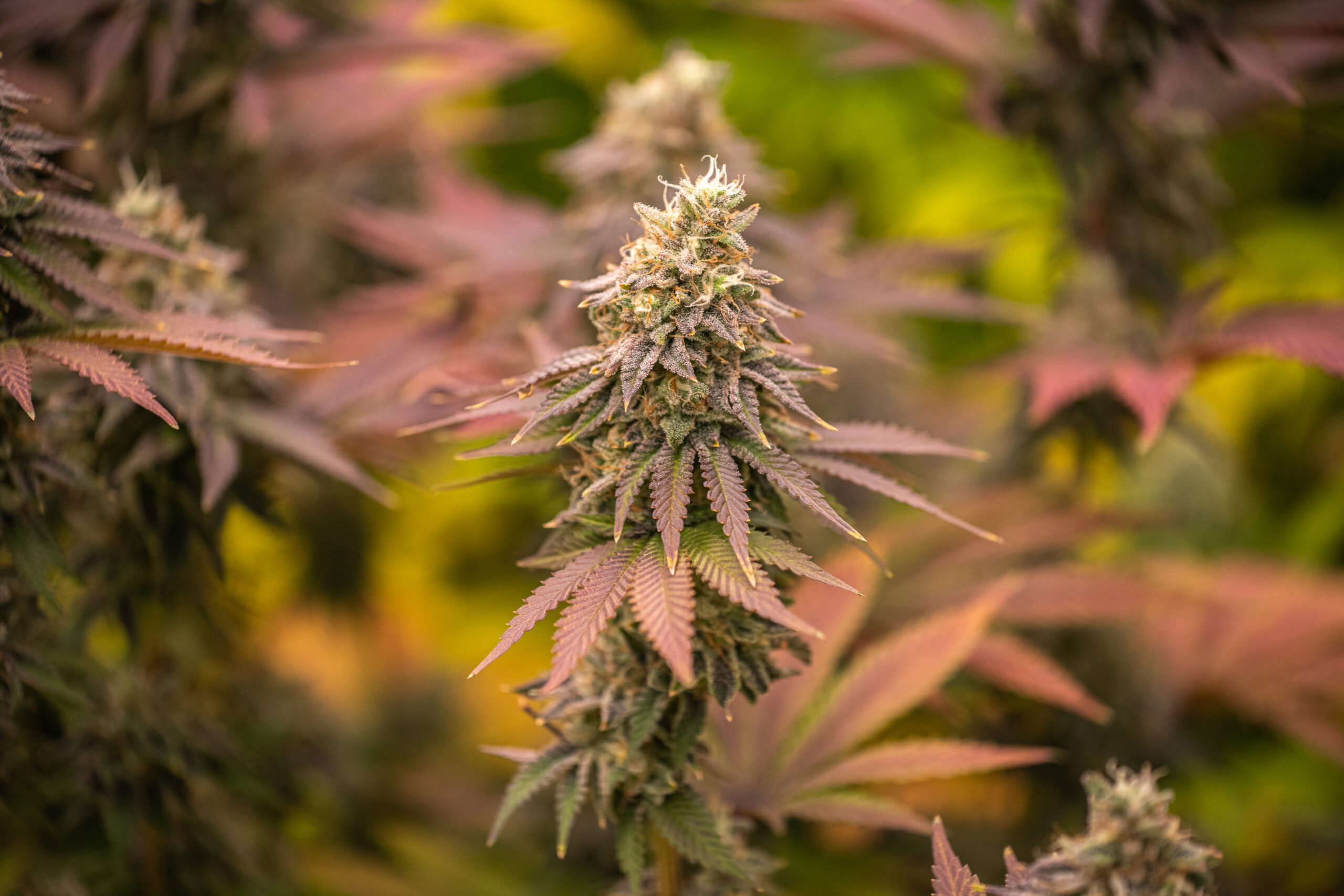


Marijuana pollen is a small but very important part of how cannabis plants reproduce. Even though it is tiny and often hard to see, pollen plays a major role in how cannabis plants grow, how seeds are formed, and how new plant varieties are created. Many growers focus mostly on buds, leaves, and flowers, but pollen can strongly affect the final result of a grow. Understanding marijuana pollen helps growers protect their plants, improve breeding efforts, and avoid unwanted changes to their crops.
In simple terms, marijuana pollen is a fine powder made by male cannabis plants. Its main job is to fertilize female cannabis plants. When pollen reaches the female plant’s flowers, it causes the plant to produce seeds. This process is natural and necessary for the cannabis plant to reproduce in the wild. However, in many growing situations, especially when the goal is flower production rather than seed production, pollen can be unwanted. Because of this, learning how pollen works is important for both beginners and experienced growers.
Many people search online for information about marijuana pollen because it often causes confusion. Growers may notice seeds forming when they did not plan for it. Others may find powder-like material in their grow space and worry that something has gone wrong. Some want to learn how pollen is used on purpose to create new cannabis strains. All of these situations connect back to understanding what marijuana pollen is and how it behaves.
This guide is designed to explain marijuana pollen in a clear and simple way. It avoids technical language and focuses on facts that are easy to understand. By reading this article, you will learn where marijuana pollen comes from, what it looks like, and when it is released by the plant. You will also learn how pollen affects female plants and why it can change the quality of a harvest. These topics are important because pollen can turn flower-producing plants into seed-producing plants very quickly, sometimes without the grower noticing right away.
Another key reason marijuana pollen matters is its role in breeding. Breeders use pollen in a controlled way to combine traits from different plants. This is how new strains are created, with specific features such as growth speed, plant size, or resistance to stress. Without pollen, breeding would not be possible. At the same time, pollen must be handled carefully, because even a small amount can spread easily through air and affect many plants at once.
This guide will also address common concerns about pollen control. Many growers want to know how long pollen stays active, how far it can travel, and how to prevent it from reaching plants that should not be pollinated. These are common questions because pollen is light and can move through ventilation systems, open doors, or even on clothing. Understanding these risks helps growers protect their crops and plan better growing spaces.
Health and environmental questions are also part of the discussion. Some people wonder if marijuana pollen can cause allergies or if it affects the surrounding environment. Others want to know if it is safe to handle. These questions are important, especially for people growing in shared or indoor spaces. Clear information helps reduce worry and prevents mistakes.
Overall, marijuana pollen is not good or bad on its own. It is simply part of the cannabis plant’s life cycle. Problems only occur when pollen appears where it is not wanted or when growers do not understand how it works. By learning the basics early, growers can make better decisions, avoid unwanted seeds, and use pollen correctly when breeding is the goal.
This article will guide you step by step through everything you need to know about marijuana pollen. Each section builds on the last, starting with basic identification and moving toward practical plant management and breeding knowledge. By the end of the guide, readers will have a clear understanding of marijuana pollen and why it plays such an important role in cannabis cultivation.
What Is Marijuana Pollen?
Marijuana pollen is a fine powder made by male cannabis plants. Its main purpose is to help the plant reproduce. Just like many other flowering plants, cannabis uses pollen to move genetic material from a male plant to a female plant. When this happens, seeds can form.
To understand marijuana pollen, it helps to first understand how cannabis plants reproduce. Cannabis plants are usually dioecious, which means male and female reproductive parts grow on separate plants. Male plants make pollen, while female plants produce flowers. When pollen from a male plant reaches a female flower, pollination happens.
Marijuana pollen contains male genetic material. Each tiny grain carries information that can combine with the genetics of a female plant. This combination creates seeds that carry traits from both parents. These traits may include growth speed, plant size, resistance to stress, and other physical characteristics.
How Marijuana Pollen Is Made
Marijuana pollen is formed inside small structures on male plants called pollen sacs. These sacs grow in clusters, usually near the joints where branches meet the main stem. As the male plant matures, the sacs swell and eventually open. When they open, pollen is released into the air.
The pollen itself is extremely small and lightweight. Because of this, it can travel easily through air movement. Even a small breeze or fan can carry pollen far from the male plant. This is why pollen control is important in cannabis growing spaces.
What Marijuana Pollen Does
The main job of marijuana pollen is to fertilize female plants. When pollen lands on the pistils of a female flower, it begins the pollination process. The pistils are the thin, hair-like parts that stick out from female buds. Once pollen touches these areas, the female plant starts to form seeds.
After pollination, the female plant changes how it uses its energy. Instead of focusing on flower growth, it shifts energy toward seed production. This is a natural process, but it can change the final outcome of the plant’s growth.
How Marijuana Pollen Is Different From Other Plant Pollens
Marijuana pollen works in a similar way to pollen from many other plants, but it has some key differences. One major difference is how easily it spreads. Because cannabis pollen is very light, it can travel farther than pollen from heavier plants.
Another difference is timing. Cannabis pollen is released during a specific part of the plant’s life cycle. If male plants are not removed or controlled during this time, pollen can spread quickly and affect nearby female plants.
Marijuana pollen is also different because of how it is used by growers. In cannabis breeding, pollen is often collected on purpose. Breeders use it to create new plant varieties with specific traits. This makes marijuana pollen an important tool in controlled breeding environments.
Why Marijuana Pollen Is Hard to See
One reason marijuana pollen causes problems for growers is that it is hard to see. Individual pollen grains are too small to notice with the naked eye. Often, growers only realize pollen has spread after seeds begin to form on female plants.
Sometimes, growers may notice a fine yellow dust near male plants or on nearby surfaces. However, this is not always easy to spot. Because pollen can spread before it is seen, early identification of male plants is very important.
Why Understanding Marijuana Pollen Matters
Knowing what marijuana pollen is helps growers make better decisions. It allows them to understand why plants change after pollination and how pollen affects plant outcomes. This knowledge is useful whether someone is growing plants for breeding, seed production, or flower development.
Understanding marijuana pollen also helps prevent unwanted results. By knowing how pollen forms and spreads, growers can take steps to manage or avoid pollination when it is not desired.
Marijuana pollen is a fine powder produced by male cannabis plants. Its main role is to carry male genetic material and fertilize female plants. Once pollination happens, female plants begin producing seeds. Marijuana pollen is lightweight, spreads easily, and is hard to see, which makes it important to understand and manage. Knowing how marijuana pollen works helps growers control plant reproduction and achieve better growing results.
Where Does Marijuana Pollen Come From?
Marijuana pollen comes from male cannabis plants. Cannabis is a plant species that grows as either male or female. Each type has a different role in reproduction. Only male plants produce pollen, while female plants receive pollen to create seeds. Understanding where pollen comes from starts with knowing how these plants grow and how they differ.
Male cannabis plants begin producing pollen during the flowering stage. This stage starts when the plant senses changes in light, such as shorter daylight hours outdoors or a controlled light cycle indoors. Once flowering begins, male plants do not form buds like female plants. Instead, they develop small structures called pollen sacs.
Male Cannabis Plants and Pollen Production
Pollen sacs are round or oval shapes that grow in clusters along the branches and at the joints where branches meet the stem. At first, these sacs are closed and firm. Inside them, pollen grains slowly develop. As the plant matures, the sacs swell and eventually open. When they open, they release pollen into the air.
Each pollen sac can release thousands of tiny pollen grains. These grains are very light and dry. Because of this, they can travel easily through the air. Even a small movement, such as a fan or a breeze, can spread pollen over a wide area. This is why pollen control is important in cannabis growing spaces.
Male plants usually release pollen quickly. Once the pollen sacs open, most of the pollen is released within a short period, often over a few days. After releasing pollen, male plants stop being useful for reproduction and are often removed by growers unless they are being used for breeding.
Difference Between Male and Female Plants
Male and female cannabis plants look similar when they are young. During the early growth stage, it is almost impossible to tell them apart. The difference becomes clear only after flowering begins.
Female plants grow pistils, which look like small white hairs. These pistils are part of the female flower and are designed to catch pollen from the air. Female plants do not produce pollen on their own. Without pollen, female plants focus their energy on growing flowers rather than seeds.
Male plants, on the other hand, do not grow pistils. Instead, they grow pollen sacs. These sacs are smooth and do not have hairs. This difference is key to identifying the source of marijuana pollen.
When and Why Pollen Is Released
Marijuana pollen is released when male plants reach full maturity in the flowering stage. The timing depends on genetics, growing conditions, and light exposure. Most male plants begin releasing pollen two to four weeks into flowering.
The purpose of pollen release is simple: plant reproduction. In nature, pollen must reach a female plant to fertilize it. Once pollen lands on a female flower, it travels down into the plant and triggers seed development. This allows the cannabis plant to reproduce and spread its genetics.
Pollen release is not controlled by the plant in a careful way. Once the sacs open, pollen spreads freely. Wind, air movement, insects, and human activity can all carry pollen to female plants nearby. This is why even one unnoticed male plant can affect an entire grow area.
Natural vs Controlled Environments
In outdoor growing, pollen can come from male plants located far away. Pollen can travel long distances, sometimes miles, depending on wind conditions. This makes outdoor crops harder to protect from unwanted pollen.
In indoor growing, pollen usually comes from male plants within the same space. Because the environment is enclosed, pollen spreads quickly and easily. Growers often inspect plants closely to remove males before pollen sacs open.
Marijuana pollen comes only from male cannabis plants. It is produced inside pollen sacs that form during the flowering stage. These sacs open as the plant matures and release large amounts of pollen into the air. The pollen’s role is to fertilize female plants and create seeds. Understanding where marijuana pollen comes from helps growers identify male plants early and manage pollination more effectively.
How to Identify Marijuana Pollen
Identifying marijuana pollen can be difficult, especially for new growers. Unlike flowers or leaves, pollen is very small and easy to miss. Still, knowing how to identify it is important. Pollen can change how a plant grows, affect flower quality, and lead to seed production. This section explains what marijuana pollen looks like, how it behaves, and how to tell if it is present in your grow area.
Marijuana pollen comes from male cannabis plants. These plants develop small structures called pollen sacs. When the sacs mature, they open and release pollen into the air. This pollen is meant to reach female plants so they can produce seeds. Because pollen is designed to travel, it spreads easily and does not always stay close to the male plant.
Visual Characteristics of Marijuana Pollen
Marijuana pollen looks like a very fine dust. To the naked eye, it often appears yellow, light tan, or pale green. The grains are tiny and powdery, similar to flour or fine sand. Individual pollen grains are usually too small to see clearly without help. Because of this, many people do not notice pollen until after pollination has already happened.
When pollen lands on surfaces, it may leave a thin dusty layer. This dust can appear on leaves, soil, grow tent walls, or nearby tools. Under bright light, pollen may look slightly shiny or chalky. It does not clump like dirt and can easily be blown away with a small movement of air.
Under magnification, marijuana pollen grains appear round or slightly oval. They have a smooth outer surface and are uniform in size. A basic magnifying glass can help, but a jeweler’s loupe or microscope makes identification easier.
Signs That Pollen Has Been Released
Sometimes you will not see the pollen itself, but you may notice signs that it has been released. One common sign is open pollen sacs on a male plant. Before release, pollen sacs look like small green balls or clusters. After release, these sacs open or split and may look empty or dry.
Another sign is changes in female plants. If female flowers begin forming seeds, pollen has already reached them. Early signs include swollen calyxes and the appearance of immature seeds inside buds. At this stage, pollen is no longer visible, but its effects are clear.
You may also notice pollen during plant movement. If you shake or touch a mature male plant, a fine dust may fall or float in the air. This is pollen being released. This often happens during late flowering stages of male plants.
Common Mistakes When Identifying Pollen
One common mistake is confusing pollen with other plant materials. Dust, soil particles, dried nutrients, or mold spores can look similar. Pollen is usually lighter in color and finer than soil. Mold often looks fuzzy or web-like, while pollen looks dry and powdery.
Another mistake is thinking pollen is always easy to see. In reality, marijuana pollen is often invisible unless conditions are right. Poor lighting, dark grow rooms, or cluttered spaces can hide pollen from view. This is why regular plant checks are important.
Some growers also mistake trichomes or resin for pollen. Trichomes are sticky and crystal-like, while pollen is dry and does not stick to fingers in the same way. Touching pollen usually leaves a light dust rather than a sticky residue.
Tools That Help with Identification
Several simple tools can help identify marijuana pollen. A magnifying glass allows you to see fine dust on leaves or surfaces. A jeweler’s loupe with 30x to 60x magnification is even better. For detailed inspection, a microscope provides the clearest view.
Bright lighting also helps. Shining a flashlight across leaves at an angle can make pollen more visible. The light causes the dust to reflect, making it easier to spot.
Keeping your grow area clean helps as well. When surfaces are clean, any new pollen stands out more clearly. This makes early detection easier and reduces confusion.
Identifying marijuana pollen takes attention and patience. It appears as a very fine, light-colored dust that is often hard to see without magnification. Pollen comes from male plants and is released when pollen sacs open. Signs of pollen include open sacs, dusty surfaces, and seed development in female plants. Common mistakes include confusing pollen with dirt, mold, or trichomes. Using simple tools like magnifying glasses, good lighting, and regular inspections makes identification much easier. Understanding how to identify marijuana pollen helps growers manage plants better and avoid unwanted pollination.
What Does Marijuana Pollen Look Like to the Naked Eye and Under Magnification?
Marijuana pollen is very small and easy to miss. Many growers do not realize it is present until seeds begin to form on female plants. Knowing what marijuana pollen looks like—both with the naked eye and under magnification—helps growers and breeders detect it early and manage it properly.
What Marijuana Pollen Looks Like to the Naked Eye
To the naked eye, marijuana pollen looks like a very fine dust. It is usually pale yellow, light cream, or off-white in color. When it is first released, it may appear as a light powder floating in the air or settling on nearby surfaces. Because the grains are extremely small, individual pollen particles cannot be seen clearly without help.
Most people notice marijuana pollen only when it collects in larger amounts. This can happen near male plants, especially when pollen sacs open. In these cases, pollen may look like a thin layer of dust on leaves, soil, grow lights, or grow room surfaces. It may also be visible on the lower branches of female plants if pollination has already started.
It is important to understand that marijuana pollen does not look sticky or wet. It is dry and powdery. Because of this, it can spread very easily through air movement, fans, clothing, or tools. Even a small amount can travel far and reach female plants without being noticed.
Why Marijuana Pollen Is Hard to See
Marijuana pollen grains are microscopic. Each grain is much smaller than a grain of sand. This is why most growers cannot see pollen clearly without special tools. The light color of the pollen also makes it blend in with plant material, soil, and indoor grow surfaces.
Another reason pollen is hard to spot is timing. Pollen release happens quickly. Male plants release pollen over a short period, and once it spreads, it becomes invisible to the eye. By the time signs of pollination appear on female plants, the pollen itself is often gone.
What Marijuana Pollen Looks Like Under Magnification
Under magnification, marijuana pollen becomes much easier to identify. When viewed through a microscope or strong magnifying lens, pollen grains appear as small round or oval shapes. They often look smooth and uniform, with a slightly textured surface.
Most marijuana pollen grains are between 20 and 30 microns in size. This is far smaller than what the human eye can see. Under a microscope, the grains may appear clustered together or spread out, depending on how they were collected.
Magnification also helps confirm that what you are seeing is pollen and not dust, mold, or debris. Dust particles are usually uneven in shape, while pollen grains are more consistent and rounded.
Tools Used to Detect Marijuana Pollen
Several tools are commonly used to detect marijuana pollen:
- Jeweler’s loupe (30x–60x)
A small handheld magnifier that helps growers inspect plants closely. While it may not show detailed pollen grain structure, it can help spot pollen buildup. - Digital microscope
A digital microscope provides clear images of pollen grains and is useful for breeders and researchers. - Laboratory microscope
Used in research settings, this tool allows detailed examination of pollen size, shape, and condition.
Growers often inspect male flowers before pollen release. Male pollen sacs look like small round balls that hang in clusters. Once these sacs open, pollen is released into the air.
Difference Between Pollen and Other Plant Materials
It is easy to confuse pollen with other substances found in a grow space. Powdery mildew, for example, is white and dusty but usually appears in patches on leaves. Pollen does not stick to leaves in the same way and spreads more evenly.
Trichomes, another common source of confusion, are sticky and shiny, not dry or dusty. Pollen lacks the sparkle or resin-like appearance of trichomes.
Why Visual Identification Matters
Knowing what marijuana pollen looks like helps growers act quickly. Early detection allows for better control, whether the goal is breeding or preventing seeds. Since pollen spreads easily and remains active for a short time, recognizing it early can prevent unwanted pollination.
Marijuana pollen is extremely small and difficult to see with the naked eye. It appears as a fine, dry, pale-colored dust that spreads easily through the air. Under magnification, pollen grains are round, uniform, and clearly different from dust or mold. Using tools like magnifiers or microscopes helps with accurate identification. Understanding how marijuana pollen looks and behaves is essential for managing plant reproduction and protecting crop quality.
When Do Cannabis Plants Produce Pollen?
Cannabis plants produce pollen only at specific times in their life cycle. Understanding when pollen is made and released is important for growers, breeders, and anyone trying to avoid unwanted seeds. Pollen does not appear randomly. It is closely tied to plant sex, growth stage, and environmental conditions.
Pollen Production Depends on Plant Sex
Only male cannabis plants produce pollen. Female plants do not create pollen at any point in their life. Instead, females receive pollen and use it to make seeds. Because of this, pollen production always starts with the presence of a male plant.
Male plants begin showing sex earlier than females. Once a male plant enters the flowering stage, it starts forming pollen sacs. These sacs grow in clusters, usually at the joints where branches meet the main stem. Inside these sacs is the pollen.
Growth Stages Linked to Pollen Production
Cannabis plants move through several growth stages: seedling, vegetative, and flowering. Pollen is only produced during the flowering stage.
- Seedling stage: No pollen is present. The plant is focused on root and leaf growth.
- Vegetative stage: The plant grows taller and stronger, but still does not produce pollen.
- Flowering stage: This is when male plants begin making pollen sacs.
For most male plants, pollen sacs appear 1 to 3 weeks after flowering begins. The sacs start small and closed. As they mature, they swell and eventually open. Once open, pollen is released into the air.
How Long Pollen Production Lasts
Pollen production does not happen all at once. A male plant can release pollen over several days or even weeks. Some sacs open earlier, while others mature later. This staggered release increases the chance that pollen will reach a female plant.
If a male plant is left in place, it can continue releasing pollen until most of the sacs have opened and emptied. After that, pollen production slowly stops as the plant finishes its life cycle.
Environmental Factors That Affect Pollen Release
The environment plays a big role in when and how pollen is released. Several factors can speed up or slow down pollen production.
- Light cycle: Cannabis flowering is triggered by changes in light. Indoors, growers usually switch to a 12-hours-on, 12-hours-off light schedule. This change tells the plant to flower and start pollen production.
- Temperature: Warm temperatures help pollen sacs mature. Very cold conditions can slow or reduce pollen release.
- Humidity: Low humidity makes pollen lighter and easier to spread. High humidity can cause pollen to clump together, reducing how far it travels.
- Air movement: Fans, wind, or open spaces can spread pollen quickly once it is released.
Because pollen is very fine and light, even small changes in airflow can affect when and where it travels.
Indoor vs. Outdoor Timing Differences
The timing of pollen production can differ between indoor and outdoor grows.
- Indoor grows: The grower controls the light schedule. This means pollen production happens on a planned timeline. Once flowering starts, pollen usually appears within a few weeks.
- Outdoor grows: Flowering begins naturally as daylight hours shorten, usually late summer or early fall. Male plants outdoors often release pollen earlier than females begin heavy flowering, which increases the chance of pollination.
Outdoor pollen can also travel long distances. Wind can carry it from nearby plants that are not part of the same grow.
Stress and Unexpected Pollen Production
Stress can sometimes cause unexpected pollen issues. While true pollen comes from male plants, stressed female plants may develop male-like parts called pollen sacs. These sacs can release pollen and cause self-pollination.
Common stress causes include:
- Light leaks during flowering
- Extreme temperatures
- Physical damage to the plant
- Irregular light schedules
This is why stable growing conditions are important for controlling pollen.
Cannabis plants produce pollen only during the flowering stage, and only male plants create true pollen. Pollen sacs form within the first few weeks of flowering and release pollen over time as they mature. Light cycles, temperature, humidity, and airflow all affect when pollen is released and how far it spreads. Indoor grows follow a controlled timeline, while outdoor grows depend on natural seasons. Stress can also lead to unexpected pollen release. Knowing when pollen appears helps growers manage plants better and avoid unwanted pollination.
How Marijuana Pollen Affects Female Plants
Marijuana pollen has a direct and powerful effect on female cannabis plants. To understand this impact, it helps to first know the natural purpose of pollen. Pollen exists so plants can reproduce. When pollen from a male marijuana plant reaches a female plant, it starts the process of pollination. This process changes how the female plant grows, how it uses energy, and what it produces.
How Pollination Happens
Pollination begins when pollen grains land on the pistils of a female cannabis plant. Pistils are the small, hair-like parts that grow from female flowers. They are usually white at first and become darker as the plant matures. These pistils are designed to catch pollen floating in the air.
Once pollen touches the pistils, it travels down into the flower. This allows the male genetic material to meet the female genetic material. When this happens, fertilization begins. The plant then shifts its focus from flower production to seed production.
Pollination can happen very quickly. A small amount of pollen can travel far through air movement, fans, or even on clothing. Because pollen is very light, a single male plant can affect many female plants if they are not separated.
What Happens After a Female Plant Is Pollinated
After pollination, the female plant starts to change. One of the first changes is seed development. Instead of producing only flowers, the plant begins forming seeds inside the buds. These seeds contain genetic material from both the male and female plants.
As seeds form, the plant uses more energy to support them. This means less energy is available for flower growth. The buds often become less dense and less resinous. Resin is the sticky substance that contains many of the plant’s active compounds. Because of this shift in energy, pollinated plants usually produce lower-quality flowers.
Another change is in the pistils. After pollination, pistils often darken and curl inward. This is a common sign that fertilization has occurred. Growers may notice these changes within days of pollen exposure.
Seed Production and Its Effects
Seed production is the main goal of a pollinated female plant. From a natural plant life cycle point of view, this is normal and healthy. The plant is doing what it is designed to do. However, for growers focused on flower production, seeds are usually unwanted.
Seeds take up space inside the buds. This reduces the amount of usable flower material. In addition, seeded buds often have a rougher texture and are harder to process. For these reasons, many growers work hard to avoid pollination unless they are intentionally breeding plants.
It is important to note that not all pollination leads to full seed development. Light exposure to pollen may result in only a few seeds, while heavy exposure can lead to many seeds throughout the plant.
Changes in Plant Growth and Development
Pollinated female plants may also show changes in overall growth. Once pollination occurs, vertical growth often slows down. The plant focuses more on finishing its reproductive cycle rather than expanding in size.
The flowering period may also change slightly. Some pollinated plants mature faster because seed development signals the plant that its life cycle is nearing completion. This can lead to earlier harvest times compared to unpollinated plants.
Leaf growth usually remains normal, but nutrient needs may shift. Seed production requires minerals and energy, which can affect how nutrients are used inside the plant.
Accidental vs. Controlled Pollination
Not all pollination is accidental. In breeding, growers use controlled pollination to create new plant genetics. In this case, pollen is applied carefully to selected branches or plants. This allows breeders to collect seeds without affecting the entire crop.
Accidental pollination, on the other hand, can happen when male plants are not identified early or when pollen enters the grow space unintentionally. Even a short exposure can be enough to trigger seed production.
Because of this risk, growers often monitor plants closely during the early flowering stage. Early detection of male plants or pollen release can prevent unwanted effects on female plants.
Marijuana pollen changes the role of a female plant from flower production to seed production. When pollination happens, the plant redirects its energy toward making seeds instead of developing large, resin-rich buds. This leads to changes in bud structure, resin levels, and overall flower quality.
Pollinated plants are not unhealthy, but they produce different results than unpollinated plants. Understanding how pollen affects female plants helps growers make better decisions about plant management, breeding, and crop protection. By knowing what to look for and how pollination works, growers can better control outcomes and avoid unwanted surprises.
Role of Marijuana Pollen in Cannabis Breeding
Marijuana pollen plays a central role in cannabis breeding. Without pollen, cannabis plants cannot make seeds, and new plant varieties cannot be created. Breeding uses pollen in a planned and controlled way to mix plant traits and produce new genetics. Understanding how pollen works helps growers manage plants better and avoid mistakes.
Cannabis plants reproduce through sexual reproduction. This means pollen from a male plant must reach the female plant. When pollen lands on a female flower, it travels inside the plant and fertilizes the ovule. This process causes seeds to form. Each seed carries genetic material from both the male and female plants. These genetics decide how the future plant will grow and what traits it will have.
In breeding, growers do not rely on chance pollination. Instead, they choose specific male and female plants. The goal is to combine strong traits from both parents. For example, one plant may grow fast, while another may resist pests better. By using pollen from the chosen male plant, breeders try to pass these traits to the next generation.
Controlled pollination is the most important part of cannabis breeding. In this process, pollen is applied only to selected female flowers. This is usually done by isolating plants or using small tools like brushes. The breeder collects pollen from a male plant and carefully places it on the female plant. This limits unwanted pollination and keeps genetics clean.
Timing is also very important. Male plants release pollen when their pollen sacs open. Female plants are most receptive during early flowering. Breeders watch plant development closely so pollen is used at the right time. If pollen is applied too early or too late, seeds may not form well.
Marijuana pollen is also used to create new strains. A strain is a plant variety with specific and stable traits. To create a new strain, breeders often grow many plants from seeds and select the best ones. This process may take several generations. Pollen from selected plants is reused until the traits become consistent.
Another key use of marijuana pollen is genetic preservation. Some breeders collect and store pollen from rare or valuable plants. This allows them to use the genetics later, even if the original plant is no longer growing. Stored pollen helps protect genetic diversity and keeps unique plant lines alive.
Pollen is also used to test plant genetics. By crossing plants and observing the results, breeders learn how traits are passed on. This helps them understand dominance, recessive traits, and plant behavior. Over time, this knowledge improves breeding accuracy and plant quality.
It is important to note that pollen use must be controlled. If pollen spreads freely, it can pollinate many female plants at once. This can lead to large seed production and lower flower quality. For this reason, breeding is usually done in separate areas or isolated rooms. This keeps breeding plants away from plants grown for flower production.
Breeding with marijuana pollen does not change a plant overnight. It is a slow and careful process. Each breeding cycle takes time, observation, and record keeping. Growers track which plants were crossed and what traits appeared. This information helps guide future breeding decisions.
Understanding the role of pollen helps growers see why male plants matter. While male plants do not produce flowers, they provide the pollen needed for reproduction. In breeding, male plants are just as important as female plants. Their genetics shape the future generation.
Marijuana pollen is essential in cannabis breeding because it allows plants to reproduce and create seeds. Breeders use pollen in a controlled way to mix traits, develop new strains, and preserve genetics. Proper timing, careful handling, and isolation are key to successful breeding. By understanding how marijuana pollen works, growers can make better decisions and manage their plants more effectively.
Can Marijuana Pollen Ruin a Crop?
Marijuana pollen can ruin a crop if it reaches female plants at the wrong time. To understand why this happens, it is important to know how cannabis plants grow and what pollen does during reproduction. This section explains how unwanted pollen affects crops, why it lowers flower quality, and why controlling pollen is a key part of successful cultivation.
Cannabis plants are either male or female. Male plants produce pollen, while female plants produce flowers. These flowers are the part most growers want because they develop resin and cannabinoids when they remain unpollinated. When pollen from a male plant reaches a female plant, pollination begins. This causes the female plant to change its growth goal from flower production to seed production.
Once pollination happens, the female plant redirects its energy. Instead of making large, resin-rich flowers, it starts forming seeds. This process reduces the overall quality of the crop. The buds often become smaller, less sticky, and lower in potency. For growers who aim to produce high-quality, seedless flowers, this outcome is unwanted and damaging.
Unintended pollination can happen very easily. Marijuana pollen is extremely light and fine. It can travel through the air with small movements, such as fans, open doors, or ventilation systems. Outdoors, pollen can travel long distances on the wind. This makes pollen control difficult, especially in areas where male plants may be nearby.
One of the biggest risks is that pollen is hard to see. Many growers do not realize pollination has happened until weeks later. By the time seeds appear in the buds, it is too late to reverse the damage. This delay makes pollen especially dangerous in indoor and outdoor growing spaces.
The presence of seeds in buds is one of the clearest signs that a crop has been affected. Seeded buds weigh more, but this extra weight does not mean better quality. Seeds take up space inside the flowers and reduce the amount of usable plant material. They also interfere with processing and consumption, which lowers the crop’s overall value.
Another issue is uneven pollination. If only part of a plant is pollinated, the crop becomes inconsistent. Some buds may be seeded while others remain unseeded. This makes harvesting and grading more difficult. It also reduces the uniformity that many growers aim for.
Pollen can also affect timing. Pollinated plants may mature faster than expected. This can disrupt harvest schedules and cause confusion about plant readiness. Growers who rely on visual cues may misjudge the correct harvest window because pollination changes flower structure and appearance.
In breeding environments, pollen is useful and controlled on purpose. However, in standard flower production, pollen is considered a threat. Even a small amount can pollinate many plants. One male plant can release enough pollen to affect an entire grow room or garden.
Indoor growers face specific risks. Shared air systems, poor plant inspection, or stress-related plant changes can all lead to pollen problems. Some female plants can develop male parts under stress, releasing pollen unexpectedly. This makes regular plant checks important throughout the growth cycle.
Outdoor growers face different challenges. Nearby wild or cultivated male plants can release pollen that travels into a garden without warning. Fences and distance help, but they cannot fully stop airborne pollen. Timing and plant selection become very important in these environments.
Preventing pollen damage starts with early detection. Removing male plants before pollen sacs open is one of the most effective methods. Keeping growing areas clean and isolated also helps reduce risk. Proper airflow design can limit pollen movement indoors.
Marijuana pollen can ruin a crop by causing unwanted pollination. When female plants are pollinated, they shift from producing high-quality flowers to producing seeds. This reduces potency, bud size, and overall crop value. Because pollen is light, hard to see, and easy to spread, even small amounts can cause serious damage. Understanding how pollen works and taking steps to control it is essential for protecting cannabis crops and maintaining consistent flower quality.
How Long Does Marijuana Pollen Stay Viable?
Marijuana pollen does not stay alive forever. Its ability to fertilize a female plant depends on time, environment, and how it is handled. This ability is called viability. Viable pollen can still cause pollination. Non-viable pollen cannot.
Understanding how long marijuana pollen stays viable is important for two main reasons. First, growers want to avoid unwanted pollination. Second, breeders need pollen to stay alive long enough to use it on purpose. Knowing how pollen behaves helps with both goals.
What Does “Viable” Mean for Marijuana Pollen?
When pollen is viable, it can travel to a female plant and fertilize it. Once it lands on a female flower, it can start seed formation. When pollen loses viability, it becomes inactive. It may still exist physically, but it can no longer cause seeds.
Marijuana pollen is very small and light. This makes it easy for pollen to move through air, but it also makes it sensitive to damage. Heat, moisture, and light can quickly reduce pollen viability.
How Long Does Marijuana Pollen Last in Open Air?
In open air, marijuana pollen usually stays viable for a short time. In most cases, pollen remains active for a few hours to a few days. This depends on conditions like temperature and humidity.
Warm temperatures can shorten pollen life. High humidity is especially harmful because moisture causes pollen grains to break down faster. Direct sunlight can also damage pollen and reduce its ability to fertilize plants.
Because of this, pollen floating freely in a grow room or outdoor space does not stay viable for long. However, even short-lived pollen can still cause unwanted pollination if it reaches female plants quickly.
How Long Can Marijuana Pollen Last Indoors?
Indoors, pollen may last slightly longer if conditions are stable. Dry air, cool temperatures, and low light can help pollen survive longer. Even then, pollen viability indoors usually lasts several days at most without special storage.
Air movement plays a role too. Fans can spread pollen farther but also help dry it out faster. This can shorten its lifespan but increase its spread at the same time.
Indoor growers should be aware that pollen can settle on surfaces like walls, tools, and clothing. While pollen on surfaces loses viability faster, it can still remain active long enough to cause issues if plants are nearby.
How Long Does Marijuana Pollen Last Outdoors?
Outdoors, pollen viability depends heavily on weather. Wind can carry pollen far, but rain and moisture reduce its life quickly. Sunlight also lowers viability by damaging pollen cells.
In most outdoor conditions, marijuana pollen remains viable for a few hours to one day. In dry and cool weather, it may survive slightly longer. In wet or hot weather, pollen often becomes inactive very quickly.
Even with short survival times, outdoor pollen can still travel long distances before becoming inactive. This is why unwanted pollination can happen even when male plants are not close by.
How Storage Affects Pollen Viability
When pollen is collected and stored correctly, its lifespan can increase greatly. Drying pollen before storage removes moisture, which is one of the biggest threats to viability. Once dried, pollen can be stored in airtight containers.
Cool and dark storage conditions help preserve pollen. In controlled environments, stored pollen can remain viable for weeks or even months. Freezing pollen can extend its life further when done properly.
However, improper storage quickly destroys pollen. Exposure to air, moisture, or warmth can make pollen inactive in a short time.
Why Pollen Viability Matters for Growers and Breeders
For growers who do not want seeds, pollen viability is a risk. Even a small amount of viable pollen can fertilize many female flowers. Knowing how long pollen stays active helps growers take steps to prevent problems.
For breeders, viability is a tool. Healthy pollen allows controlled breeding and genetic planning. Timing is critical. Pollen must be viable when it reaches female plants for successful seed production.
Understanding pollen lifespan helps people manage their grow spaces better and avoid unwanted results.
Marijuana pollen stays viable for a short time in open air, usually from a few hours to a few days. Heat, moisture, sunlight, and airflow all reduce its lifespan. Indoors, pollen may last slightly longer under dry and cool conditions. Outdoors, weather often shortens pollen viability even more. When pollen is collected and stored correctly, it can remain viable for weeks or months. Knowing how long marijuana pollen stays viable helps growers prevent unwanted pollination and helps breeders use pollen effectively and safely.
How Is Marijuana Pollen Collected and Stored?
Marijuana pollen is collected mainly for controlled breeding. When handled correctly, pollen can be saved and used later to pollinate female plants on purpose. This section explains the process in a clear and simple way, including how pollen is collected, how it is stored, and what mistakes should be avoided.
How Marijuana Pollen Is Collected
Marijuana pollen comes from male cannabis plants. These plants grow pollen sacs instead of buds. When the plant is mature, the pollen sacs open and release fine yellow or off-white powder. This powder is the pollen.
To collect pollen, growers first isolate the male plant. This is very important. If pollen spreads freely, it can pollinate female plants by accident. Many growers move the male plant to a separate room or area before the pollen sacs open.
Once the pollen sacs are close to opening, there are a few common collection methods:
- Direct shaking method
A clean sheet of paper, glass plate, or mirror is placed under the male plant. The plant or branch is gently shaken so the pollen falls onto the surface. - Branch removal method
Some growers cut off pollen-producing branches and place them inside a clean container. As the sacs open, pollen drops naturally. - Bag method
A clean paper bag is placed over a flowering male branch. The branch is gently shaken, and pollen collects inside the bag.
All tools and surfaces must be clean and dry. Moisture can damage pollen and reduce its ability to work later.
Handling Pollen Safely
Marijuana pollen is very light and spreads easily through air. Even small air movement can carry it far. For this reason:
- Fans should be turned off during collection
- Windows and doors should be closed
- Hands and clothing should be cleaned after handling pollen
Growers often wear gloves and work slowly to avoid spills. Even a small amount of pollen can pollinate many female flowers.
Drying Marijuana Pollen
Fresh pollen may contain small amounts of moisture. Before storage, it should be dried slightly. This helps prevent mold and keeps the pollen usable longer.
Drying is done by placing the pollen in a clean, dry space for 24 to 48 hours. It should be kept away from light, heat, and humidity. The pollen should remain loose and powdery, not clumpy.
Some growers mix pollen with plain flour to help keep it dry and make application easier later. This is optional but common in breeding work.
How Marijuana Pollen Is Stored
Proper storage is key to keeping pollen viable. The main goals are to protect it from air, moisture, heat, and light.
Common storage steps include:
- Placing pollen in a small airtight container, such as a vial or sealed tube
- Adding a drying agent, like silica gel, to control moisture
- Labeling the container with the strain name and date
Pollen is usually stored in a freezer. Cold temperatures slow down natural breakdown and help pollen last longer. When stored correctly, pollen can stay usable for several months, and sometimes longer.
When removing pollen from storage, it should be allowed to reach room temperature before opening the container. This prevents moisture from forming inside, which can damage the pollen.
Common Storage Mistakes to Avoid
Many problems happen because of simple mistakes. These include:
- Storing pollen while it is still moist
- Using containers that are not airtight
- Exposing pollen to heat or light
- Opening containers too often
Any of these can reduce pollen quality or make it useless for breeding.
Collecting and storing marijuana pollen requires care, patience, and cleanliness. Pollen is collected from mature male plants using simple tools like paper, containers, or bags. It must be handled gently because it spreads easily and can cause unwanted pollination. Before storage, pollen should be dried slightly to remove moisture. For long-term use, it should be sealed in airtight containers and stored in a cool, dark place, often a freezer.
When these steps are followed correctly, marijuana pollen can remain viable and effective for controlled breeding. Understanding proper collection and storage helps growers protect their plants and use pollen only when and where it is needed.
How to Prevent Unwanted Marijuana Pollination
Preventing unwanted marijuana pollination is very important for growers who want seedless flowers or controlled results. Pollination happens when marijuana pollen from a male plant reaches a female plant. Once this happens, the female plant starts making seeds instead of focusing on flower growth. This section explains clear and simple ways to stop unwanted pollination and protect your plants.
One of the most effective ways to prevent pollination is separating male and female plants early. Male marijuana plants produce pollen sacs, while female plants produce flowers. These pollen sacs usually appear during the early flowering stage. Growers should regularly inspect plants and remove any male plants as soon as they are identified. Keeping males in a completely separate space is necessary if they are being grown for breeding. Even a short exposure can lead to pollination.
Controlling the growing environment is another key step. Marijuana pollen is very light and can travel through air movement. Fans, open windows, vents, and air circulation systems can spread pollen quickly. In indoor growing spaces, growers should use proper air filters and keep airflow directed away from flowering plants. Cleaning intake vents and using sealed grow tents can help reduce the risk. Outdoor growers should be aware that pollen can travel long distances through wind, especially in dry conditions.
Monitoring plants closely and often helps prevent problems before they spread. Daily checks during the flowering stage are especially important. Growers should look for pollen sacs, also known as male flowers, on plants that were expected to be female. Sometimes female plants can develop male parts due to stress. These are called hermaphrodites and can release pollen. Early removal of these parts can stop pollination from spreading.
Reducing plant stress also lowers the risk of unwanted pollination. Stress can cause plants to change and produce pollen even if they are female. Common stress factors include poor lighting, sudden temperature changes, lack of water, overfeeding nutrients, or physical damage. Keeping growing conditions stable helps plants stay healthy and reduces the chance of pollen production.
Good hygiene and cleanliness play a big role in pollen control. Pollen can stick to clothing, tools, and hands. Growers should wash hands and change clothes after handling male plants. Tools used on male plants should not be used on female plants without cleaning them first. Wiping down surfaces and equipment with water can help remove pollen, as pollen becomes inactive when wet.
For growers working in shared or outdoor spaces, location awareness is important. Nearby growers or wild plants can release pollen that drifts into your area. While it is not always possible to control this, placing plants in sheltered areas and using physical barriers like screens can help reduce exposure.
Some growers also choose feminized seeds, which are bred to produce only female plants. While this does not remove all risk, it greatly lowers the chance of male plants appearing. However, even feminized plants can produce pollen if stressed, so care is still required.
Preventing unwanted marijuana pollination requires attention, planning, and clean growing habits. Separating male and female plants, controlling airflow, checking plants often, reducing stress, and keeping tools and spaces clean are the most effective methods. By understanding how pollen spreads and taking early action, growers can protect their plants and maintain healthy, seed-free flowers. Knowledge and careful monitoring are the best tools for managing pollination risks.
Is Marijuana Pollen Harmful to Humans or the Environment?
Marijuana pollen is a natural part of the cannabis plant’s life cycle. Like pollen from many other plants, it exists to help plants reproduce. Many people ask if marijuana pollen is harmful to humans, animals, or the environment. This section explains the health, allergy, and environmental concerns in a clear and simple way.
Health Considerations for Humans
For most people, marijuana pollen is not dangerous. It does not contain toxic chemicals, and it is not poisonous if it comes into contact with skin. Marijuana pollen also does not cause illness on its own. It behaves in a similar way to pollen from other flowering plants.
However, marijuana pollen can still cause discomfort for some individuals. When pollen is released into the air, it can be breathed in. This may lead to mild irritation in people who are sensitive to pollen in general. Symptoms can include sneezing, itchy eyes, a runny nose, or mild throat irritation. These reactions are usually temporary and stop once exposure ends.
Marijuana pollen does not cause intoxication. It does not contain the same compounds found in cannabis flowers that affect the mind or body. Touching or breathing in pollen will not make a person feel “high.” This is a common misunderstanding, but there is no scientific evidence to support this idea.
In indoor growing environments, pollen levels can become higher than normal if male plants are present. In these cases, good airflow and proper cleaning can help reduce exposure. Wearing basic protective gear, such as gloves or a mask, can also help people who work closely with plants and want to avoid irritation.
Allergies and Sensitivities
Some people are allergic to plant pollen, and marijuana pollen is no exception. Pollen allergies depend on the individual, not the plant alone. If a person already has seasonal allergies, they may react to marijuana pollen in a similar way.
Allergic reactions are usually mild. Common signs include sneezing, watery eyes, nasal congestion, or itching. Severe allergic reactions to marijuana pollen are very rare. Most symptoms can be managed by reducing exposure or using common allergy treatments.
People who grow or handle cannabis plants often may notice symptoms more than casual observers. This is because repeated exposure increases the chance of irritation. Keeping growing areas clean and limiting pollen spread can help reduce these issues.
It is also important to note that pollen allergies are not the same as cannabis allergies related to plant oils or resin. Marijuana pollen contains very little of these substances, which means it is less likely to cause strong reactions compared to direct contact with flowers or leaves.
Environmental Impact
Marijuana pollen does not harm the environment. It is biodegradable and breaks down naturally. In outdoor settings, pollen spreads through the air and settles on soil or plants, where it becomes part of the natural ecosystem.
Pollen plays an important role in plant reproduction. In controlled breeding, marijuana pollen helps create genetic diversity. This diversity can support healthier plant lines and improve resistance to pests or environmental stress.
However, uncontrolled pollen spread can affect nearby cannabis plants. In areas where cannabis is grown outdoors, pollen from male plants can travel long distances. This may cause unwanted pollination of female plants grown by others nearby. While this does not damage the environment, it can impact crop outcomes for growers.
Marijuana pollen does not harm insects, animals, or soil quality. It does not pollute water or air in a harmful way. Compared to many agricultural practices, pollen release is a low-impact and natural process.
Indoor and Outdoor Exposure Differences
Indoor environments can concentrate pollen if not managed well. Without proper ventilation, pollen can stay in the air longer. This increases the chance of human exposure and plant pollination. Simple steps like air filters, regular cleaning, and plant separation help reduce risks.
Outdoor environments allow pollen to disperse more widely. Wind and weather spread pollen naturally, which lowers concentration in one area. This reduces human exposure but increases the chance of pollen reaching other cannabis plants.
Marijuana pollen is not harmful to humans or the environment in most cases. It does not cause intoxication, poisoning, or long-term health problems. Some people may experience mild allergy symptoms, especially with repeated exposure, but these reactions are usually manageable.
From an environmental point of view, marijuana pollen is natural and safe. It does not damage ecosystems, wildlife, or soil. The main concern with marijuana pollen is not health or environmental harm, but its ability to cause unwanted pollination in cannabis cultivation.
Understanding how marijuana pollen behaves helps growers manage exposure, protect crops, and work safely. With basic awareness and simple control methods, marijuana pollen can be handled without risk to people or the environment.
Common Myths and Misunderstandings About Marijuana Pollen
Marijuana pollen is often misunderstood. Many growers, especially beginners, hear confusing or incorrect information about it. These myths can lead to mistakes, poor plant management, and unexpected results. This section clears up the most common misunderstandings and explains the facts in a simple and clear way.
One common myth is that only male plants produce pollen problems. While it is true that male cannabis plants are the main source of pollen, this is not the full picture. Some female plants can also produce pollen if they develop male parts. This usually happens when a plant is stressed by poor light, heat, damage, or irregular watering. These plants are often called “hermaphrodites.” Even a small amount of pollen from these plants can pollinate nearby females. This is why growers must watch all plants closely, not just the males.
Another misunderstanding is that pollen can be easily seen floating in the air. In reality, marijuana pollen is very small and light. Most of the time, it cannot be seen without magnification. Many growers only realize pollen is present after seeds begin to form on female plants. By that time, pollination has already happened. This myth causes growers to rely too much on sight instead of regular plant checks and preventive steps.
Some people believe that pollen instantly ruins a cannabis plant. This is not exactly true. Pollen does not damage the plant in a harmful way. What it does is change how the plant uses its energy. Once pollinated, a female plant focuses on making seeds instead of producing resin and flowers. The plant is still healthy, but the final harvest is different. Understanding this helps growers see pollination as a biological process, not plant failure.
Another common myth is that a single grain of pollen cannot do much. In fact, marijuana pollen is very effective. Even a small amount can pollinate many flowers. One open male plant can release thousands of pollen grains over time. These grains can travel through air, stick to clothes, tools, pets, or hands, and reach female plants far away. This is why pollen control is so important in both indoor and outdoor growing spaces.
There is also confusion around the idea that pollen only travels short distances. While indoor pollen movement is usually limited to the grow space, outdoor pollen can travel much farther. Wind can carry pollen across gardens or even between nearby properties. This is a common reason why outdoor growers sometimes find seeds even when they did not grow male plants themselves.
Another misunderstanding is that marijuana pollen is dangerous to humans. Marijuana pollen is generally not toxic. However, like many types of plant pollen, it can cause mild allergy symptoms in sensitive people. These may include sneezing, itchy eyes, or a runny nose. This is similar to grass or tree pollen allergies. For most people, marijuana pollen does not cause serious health problems.
Some growers think that removing male plants late is enough to stop pollination. Timing is very important. Male plants can release pollen quickly once pollen sacs open. If removal happens too late, pollen may already be in the air. This myth leads to delayed action and accidental pollination. Early identification and removal are key to preventing this problem.
Another false belief is that pollen dies immediately after release. Marijuana pollen can stay viable for several days, depending on conditions. In cool, dry places, it may last even longer. This means pollen can still cause pollination even after the male plant is gone. Cleaning grow areas, tools, and clothing helps reduce this risk.
There is also a myth that only professional breeders need to understand pollen. In reality, all growers benefit from basic pollen knowledge. Even growers who do not plan to breed plants should know how pollen works. This helps them protect their crops, improve plant monitoring, and avoid unwanted seeds.
Finally, some people believe that pollen is always bad. This is not true. Pollen plays a necessary role in cannabis reproduction and breeding. Without pollen, new strains and seed production would not exist. The key difference is whether pollination is planned or accidental. When controlled and intentional, pollen is a useful tool. When unmanaged, it becomes a problem.
Marijuana pollen is often misunderstood because it is small, hard to see, and poorly explained. Common myths include ideas that only male plants matter, pollen is easy to spot, or pollination destroys plants. In reality, pollen is a natural part of cannabis biology. Understanding how pollen works helps growers avoid mistakes, manage their plants better, and make informed decisions. Clear knowledge replaces confusion and leads to healthier, more predictable growing results.
Conclusion: Understanding Marijuana Pollen for Better Plant Management
Marijuana pollen plays a central role in how cannabis plants reproduce and develop. Throughout this guide, marijuana pollen has been explained in clear and simple terms so readers can understand what it is, where it comes from, and why it matters. Knowing how pollen works helps growers, breeders, and learners make better decisions when managing cannabis plants. Whether the goal is to grow seedless flowers or to create new plant genetics, understanding pollen is essential.
Marijuana pollen is produced by male cannabis plants. Its main job is to fertilize female plants so seeds can form. This natural process is how cannabis survives and spreads in nature. Once pollen reaches a female flower, the plant shifts its energy from producing flowers to producing seeds. This change affects the structure, quality, and final outcome of the plant. Because of this, pollen has a direct impact on how cannabis plants grow and how they are used.
Being able to identify marijuana pollen is an important skill. Pollen is very small and often hard to see, which is why many growers do not notice it until pollination has already happened. Learning the signs of pollen release, such as open pollen sacs on male plants or early seed formation on female plants, allows for quicker action. Early detection helps prevent unwanted pollination and protects plant quality.
Timing also matters when it comes to marijuana pollen. Pollen is released during specific growth stages, usually when male plants mature and enter the flowering phase. Environmental factors like temperature, air movement, and humidity can affect how easily pollen spreads. Indoor and outdoor growing spaces each present different challenges. Understanding when pollen is most active helps growers plan and control their environment more effectively.
Marijuana pollen is not always a problem. In cannabis breeding, pollen is a valuable tool. Controlled pollination allows breeders to combine traits from different plants, such as growth speed, resistance, yield, or plant structure. Without pollen, new cannabis varieties would not exist. Proper collection and storage of pollen make it possible to use it when needed while reducing the risk of accidental pollination.
At the same time, uncontrolled pollen can cause issues. When pollen spreads unintentionally, it can lower flower quality by causing seed development. This can reduce the weight, appearance, and structure of the harvested plant material. That is why pollen control is so important in cultivation settings. Simple practices like separating plants, monitoring growth stages, and maintaining clean environments can make a large difference.
Pollen viability is another key point. Marijuana pollen does not last forever. Its lifespan depends on factors such as air exposure, moisture, heat, and storage conditions. Knowing how long pollen remains active helps growers understand both risks and opportunities. Proper storage methods can extend pollen life for breeding, while poor conditions can quickly reduce its effectiveness.
There are also common myths about marijuana pollen. Some people believe pollen is always harmful, while others think it is easy to control without effort. This guide has shown that pollen itself is neutral. It is neither good nor bad on its own. Its impact depends on how it is managed. Clear information helps remove confusion and supports better plant care.
Health and environmental concerns are also important to understand. Marijuana pollen is generally not harmful to humans, but it may cause mild reactions in people sensitive to pollen. From an environmental view, pollen behaves like that of other plants and follows natural patterns of spread. Awareness helps reduce unnecessary worry while promoting safe handling.
In summary, understanding marijuana pollen leads to better plant management. It helps growers protect their plants, helps breeders create new genetics, and helps learners gain a deeper understanding of cannabis biology. By knowing how pollen forms, spreads, and affects plants, readers can approach cannabis cultivation with more confidence and control. Clear knowledge reduces mistakes, improves outcomes, and supports responsible plant care.
Research Citations
Nimmala, M., Ross, S. D., & Foroutan, H. (2024). Cannabis pollen dispersal across the United States. Scientific Reports, 14(1), 20605.
Wizenberg, S. B., Maguire, I., & McClure, K. A. (2022). Methods for characterizing pollen fitness in Cannabis sativa L. PLOS ONE, 17(7), e0270799.
Gaudet, D., Yadav, N. S., Sorokin, A., Bilichak, A., & Kovalchuk, I. (2020). Development and optimization of a germination assay and long-term storage for Cannabis sativa pollen. Plants, 9(5), 665.
Kim, J., Kim, D.-G., Kim, W. J., Lee, Y.-J., Lee, S. H., Ryu, J., Kim, J. H., & Kim, S. H. (2024). Characterization of male flower induction by silver thiosulfate foliar spray in female cannabis at the middle reproductive stage for breeding. Plants, 13(17), 2429.
Choudhary, N., Siddiqui, M. B., Bi, S., & Khatoon, S. (2014). Effect of seasonality and time after anthesis on the viability and longevity of Cannabis sativa pollen. Palynology, 38, 235–241.
Zottini, M., Mandolino, G., & Ranalli, P. (1997). Effects of gamma-ray treatment on Cannabis sativa pollen viability. Plant Cell, Tissue and Organ Culture, 47, 189–194.
Punja, Z. K., & Holmes, J. E. (2020). Hermaphroditism in marijuana (Cannabis sativa L.) inflorescences: Impact on floral morphology, seed formation, progeny sex ratios, and genetic variation. Frontiers in Plant Science, 11, 718.
Galán-Ávila, A., García-Fortea, E., Prohens, J., & Herraiz, F. J. (2021). Microgametophyte development in Cannabis sativa L. and first androgenesis induction through microspore embryogenesis. Frontiers in Plant Science, 12, 669424.
Lone, J. F., Kumar, B., Singh, K., Wani, I. A., & Gairola, S. (2023). Pollen morphology and variability among wild Cannabis sativa L. from the western Himalaya, India. Flora, 305, 152342.
Shinwari, Z. K., Tanveer, M., Yusuf, O., Perveen, A., & Khan, M. (2015). Protein estimation and palynological studies of Cannabis sativa L. pollen in relation to respiratory allergies. Pakistan Journal of Botany, 47, 1517–1520.
Questions and Answers
Q1: What is marijuana pollen?
Marijuana pollen is a fine powder made by male cannabis plants. It contains genetic material that can fertilize female cannabis plants so they can produce seeds.
Q2: Where does marijuana pollen come from?
Marijuana pollen comes from the pollen sacs on male cannabis plants. When these sacs open, they release pollen into the air.
Q3: What does marijuana pollen look like?
Marijuana pollen looks like very fine yellow or off-white dust. It is much smaller than grains of sand and can be hard to see without close inspection.
Q4: What is the purpose of marijuana pollen?
The main purpose of marijuana pollen is reproduction. When pollen reaches a female plant, it fertilizes the flowers and allows the plant to produce seeds.
Q5: How does marijuana pollen spread?
Marijuana pollen spreads through the air. Wind, fans, and movement around plants can carry pollen over long distances, even between grow rooms.
Q6: What happens when female plants are exposed to pollen?
When female plants are exposed to pollen, they stop focusing on flower resin production and start making seeds instead. This usually lowers bud quality.
Q7: Can marijuana pollen affect nearby plants?
Yes, marijuana pollen can affect nearby female plants if it reaches them. Even a small amount of pollen can cause seed formation.
Q8: How long does marijuana pollen stay viable?
Marijuana pollen can stay viable for a few days in open air. When stored properly in dry and cold conditions, it can last for several months.
Q9: How do growers prevent unwanted pollen exposure?
Growers prevent unwanted pollen by removing male plants early, keeping grow areas sealed, and cleaning tools and clothing before entering grow spaces.
Q10: Is marijuana pollen useful for breeding?
Yes, marijuana pollen is very useful for breeding. Growers use it to create new cannabis strains by carefully selecting male and female plants with desired traits.