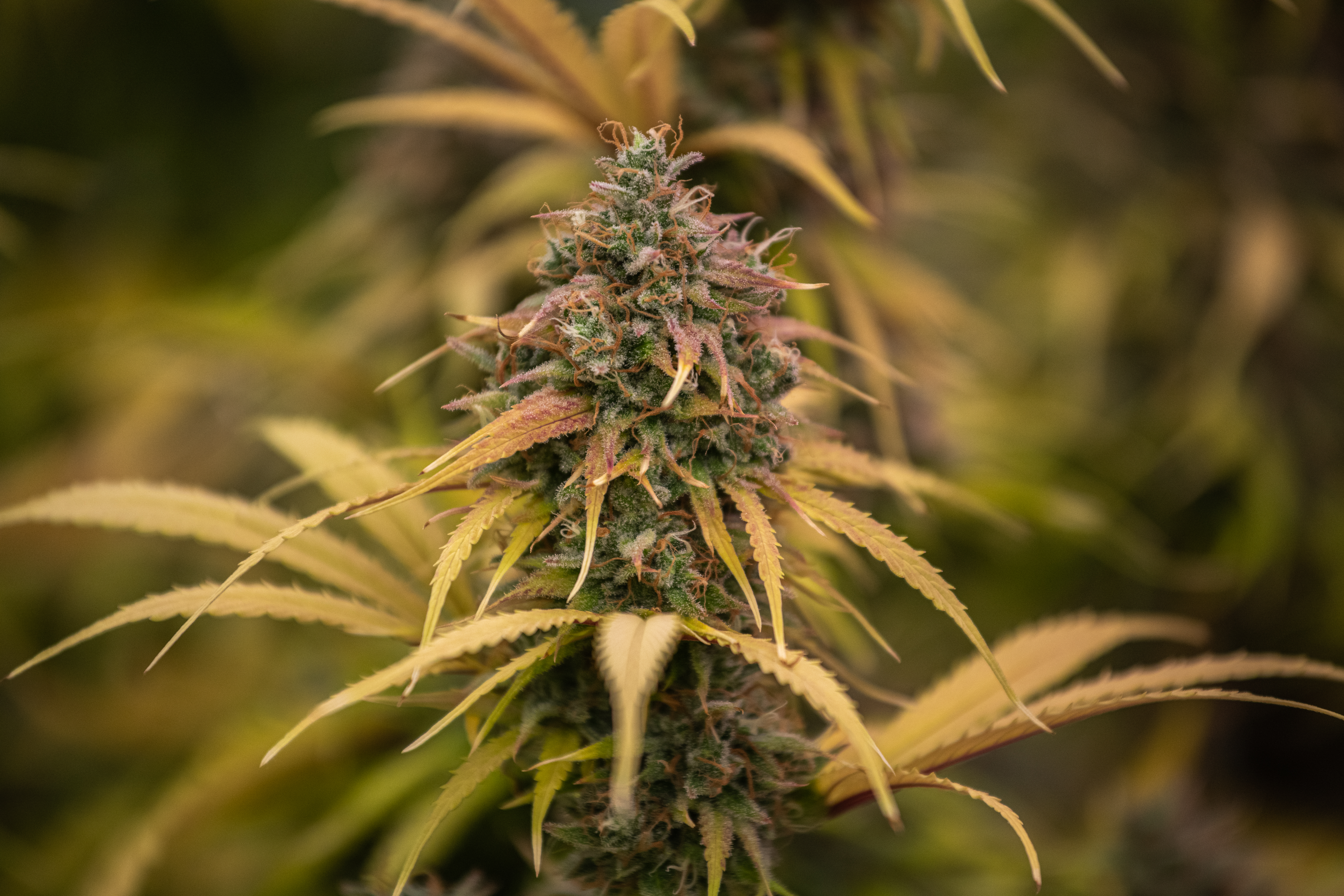


The seedling stage is one of the most important parts of marijuana plant growth. At this stage, the plant is still small, its roots are developing, and it has less ability to handle stress. One factor that can have a major effect on early growth is pH. Understanding marijuana seedling pH can help growers create better conditions for nutrient uptake and root development.
pH is a measurement that shows how acidic or alkaline a liquid or growing medium is. The pH scale usually runs from 0 to 14. A pH of 7 is considered neutral. Numbers below 7 are acidic, while numbers above 7 are alkaline. Marijuana plants generally grow best in slightly acidic conditions, but the ideal level depends on the growing medium being used.
This is important because soil, coco coir, and hydroponic systems do not work in exactly the same way. A pH level that works well in soil may not be the best choice for a plant growing in coco or a hydroponic nutrient solution. Each system holds water, nutrients, and minerals differently. Because of this, growers need to manage pH based on the root environment rather than use one number for every situation.
The main reason pH matters is nutrient availability. Marijuana seedlings need several nutrients to build roots, stems, and leaves. These include nitrogen, phosphorus, potassium, calcium, magnesium, iron, and other minerals. However, having nutrients in the growing medium does not always mean the plant can absorb them. The pH of the root zone affects how easily many nutrients can be taken up.
When pH moves too far outside a useful range, some nutrients become harder for the roots to absorb. This can create a problem often called nutrient lockout. A grower may see yellow leaves, slow growth, weak stems, or unusual leaf colors and assume that the plant needs more fertilizer. In some cases, however, the real problem is not a lack of nutrients. The nutrients may already be present, but the pH may be making them less available.
Seedlings can be especially sensitive to this kind of problem. A mature plant has a much larger root system and more stored energy. A young seedling has only a small number of roots and leaves. If the root environment becomes unstable, the plant may have fewer resources available to recover. This is why stable conditions are often more useful than constant changes.
The ideal marijuana seedling pH depends greatly on whether the plant is growing in soil, coco coir, or hydroponics. Soil usually has more natural buffering ability. This means it can resist sudden changes in pH to some degree. Organic matter, minerals, and other materials in soil can help keep the root zone more stable.
Coco coir is different. Although it may look similar to soil when placed in a container, coco is considered a soilless growing medium. Nutrients are usually supplied through the irrigation water. Because the plant depends heavily on this nutrient solution, pH management can become more important.
Hydroponic systems are different again. In many hydroponic setups, plant roots receive nutrients directly from water or from an inert medium supplied with nutrient solution. There is little or no soil to buffer changes. As a result, the pH of the nutrient solution can change more quickly and may need to be checked more often.
It is also important to understand the difference between water pH and root-zone pH. A grower may test tap water and believe that the reading tells the full story. However, fertilizers and supplements can change pH after they are mixed into the water. The growing medium can also affect the final conditions around the roots. For this reason, measuring only plain water may not give a complete picture of what the seedling is experiencing.
Testing pH can help growers make better decisions before making changes to nutrients or watering. Digital pH meters are commonly used because they provide a clear numerical reading. Liquid testing kits and pH strips can also be useful in some situations. Whatever method is used, accurate testing is important. A poorly calibrated meter can give incorrect readings and may lead to unnecessary adjustments.
Another important point is that pH does not have to stay at one exact decimal number at all times. Small changes can happen naturally. In many cases, keeping pH within a suitable range is more practical than trying to force it to remain at one fixed value. Repeatedly adding pH-adjusting products in response to very small changes can sometimes create more instability.
Growers should also avoid assuming that every seedling problem is caused by pH. Overwatering, excessive fertilizer, poor drainage, unsuitable temperatures, weak lighting, root problems, and other conditions can produce symptoms that look similar to pH stress. Good troubleshooting means looking at the whole growing environment instead of making a decision based on leaf color alone.
Understanding marijuana seedling pH is mainly about creating a stable root environment where nutrients remain available. Soil, coco coir, and hydroponic systems each need a slightly different approach. By learning how pH works, how it affects nutrients, and how to test it correctly, growers can better understand what is happening around the roots. The next sections will explain the ideal pH ranges for each growing method, how to measure them, how to make careful adjustments, and how to identify common pH-related problems during the seedling stage.
Understanding pH and Nutrient Availability in Marijuana Seedlings
Young marijuana seedlings depend on a healthy root zone to take in water and nutrients. One of the main factors that affects this process is pH. pH describes how acidic or alkaline a substance is. In plant growing, it is often used to describe water, soil, growing media, or nutrient solutions.
The pH of the root zone matters because plants cannot use every nutrient equally well under every condition. A growing medium may contain enough nutrients, but the plant may still show signs of a deficiency if those nutrients are not available to the roots. This is one reason growers often look at pH when seedlings develop yellow leaves, slow growth, unusual leaf colors, or other signs of stress.
Understanding how pH works can make nutrient problems easier to recognize. It can also help explain why adding more fertilizer is not always the right response when a seedling looks unhealthy.
What pH Measures
The pH scale measures how acidic or alkaline a substance is. The scale normally runs from 0 to 14. A pH below 7 is acidic, while a pH above 7 is alkaline. A pH of 7 is considered neutral.
The pH scale is not simply a straight scale where every number represents the same small change. Each whole-number change represents a much larger shift in acidity or alkalinity. Because of this, moving from one pH level to another can create a meaningful change in the conditions around plant roots.
For seedlings, the most important concern is usually the environment immediately around the roots. This is often called the root zone. Roots take in water and dissolved minerals from this area, so changes in root-zone chemistry can directly affect plant development.
Different growing methods also behave differently. Soil contains minerals and organic matter that can help resist sudden pH changes. This ability is often called buffering. Coco coir and hydroponic systems behave differently because they do not have the same properties as natural soil. As a result, pH may need to be understood differently depending on the growing system.
It is also important to separate water pH from root-zone pH. Water may have one pH before it reaches the growing medium and another after it mixes with fertilizers, minerals, or materials in the root zone. This is why a single water reading does not always describe the full growing environment.
How pH Affects Nutrient Uptake
Plants need several nutrients to grow. Major nutrients include nitrogen, phosphorus, and potassium. Plants also need calcium, magnesium, sulfur, iron, manganese, zinc, copper, and other elements in smaller amounts.
These nutrients must be available in forms that roots can absorb. pH can influence the chemical form and availability of many of these minerals.
When conditions move too far toward either extreme, some nutrients may become harder for the roots to access. Other nutrients may become more available than the plant needs. This can create an imbalance even when the growing medium contains a normal amount of fertilizer.
Nitrogen is important for green plant growth and the production of proteins. Phosphorus supports energy transfer, root development, and many basic plant functions. Calcium helps build strong plant tissues, while magnesium plays an important role in chlorophyll, the green pigment plants use during photosynthesis.
Iron is another nutrient strongly connected to root-zone chemistry. Plants only need small amounts of iron, but a shortage can affect the color of young leaves. In some situations, the growing medium may contain iron while the roots are still unable to take up enough of it.
This helps explain why visible symptoms can sometimes be misleading. A pale seedling does not always mean that the growing medium lacks nutrients. The problem may instead involve water conditions, root health, excess fertilizer, pH, or another factor that affects nutrient uptake.
Seedlings are especially sensitive because their root systems are still small. Mature plants have a larger network of roots that can explore more of the growing medium. A young seedling has fewer roots and less stored energy, so poor root-zone conditions may affect it more quickly.
What Is Nutrient Lockout?
Nutrient lockout is a term used when a plant has nutrients available around its roots but cannot absorb or use them properly.
This can happen for several reasons. An unsuitable root-zone pH is one possible cause. High levels of dissolved salts can also interfere with nutrient balance. In other cases, one nutrient may be present in such a large amount that it affects the uptake of another.
The important point is that nutrient lockout is different from a simple lack of fertilizer.
For example, a seedling may show yellowing or slow growth. It can be tempting to assume that the plant needs more nutrients. However, adding more fertilizer without understanding the cause may make the situation worse. If the root system is already under stress, increasing the amount of dissolved nutrients can place even more pressure on the plant.
This is why nutrient problems should be viewed as part of a larger system. Leaf color, root condition, watering habits, temperature, growing medium, fertilizer strength, and pH can all affect one another.
Nutrient lockout can also produce symptoms that look similar to normal nutrient deficiencies. A plant that cannot take in enough iron may show signs that resemble an iron shortage, even if iron is already present around the roots. The same basic idea can apply to other nutrients.
For this reason, visual symptoms alone do not provide a complete diagnosis. Observing the whole plant and understanding the growing environment gives a more useful picture.
pH is an important part of the environment around marijuana seedling roots because it can affect how easily nutrients remain available to the plant. The root zone may contain nitrogen, phosphorus, calcium, magnesium, iron, and other nutrients, but their presence does not always mean that the roots can use them effectively.
Seedlings can be sensitive to changes because their root systems are still developing. When root-zone conditions become unsuitable, nutrient uptake may slow and the plant may begin to show signs such as yellowing, weak growth, or unusual leaf development.
Nutrient lockout is one possible explanation for these symptoms. It happens when nutrients are present but the plant cannot absorb them properly. This is why adding more fertilizer is not always the best response to a seedling that appears deficient.
A clear understanding of pH, nutrient availability, and root-zone health makes it easier to understand later sections on soil, coco coir, and hydroponic growing systems. Each system manages root conditions differently, but the basic principle remains the same: healthy roots need a balanced environment where water and essential nutrients remain available to the plant.
What Is the Ideal pH for Marijuana Seedlings?
The ideal pH for marijuana seedlings depends on the growing medium. Seedlings grown in soil do not need the exact same pH as seedlings grown in coco coir or hydroponic systems. This is because each growing method holds water, nutrients, and minerals in a different way.
In general, marijuana seedlings grow best in a slightly acidic root environment. A mildly acidic pH helps important nutrients stay available to young roots. If the pH becomes too high or too low, some nutrients can become harder for the plant to absorb. The nutrients may still be present in the soil or nutrient solution, but the seedling may not be able to use them well.
Young marijuana plants can be sensitive to sudden changes. Their root systems are still small, and they have less ability to recover from stress than mature plants. For this reason, pH stability is often more important than trying to reach one exact number every time.
Recommended pH Depends on the Growing Medium
There is no single pH level that works perfectly for every marijuana seedling. The right range changes based on whether the plant is growing in soil, coco coir, or a hydroponic system.
Soil provides more natural buffering. This means it can resist sudden changes in acidity or alkalinity. Because of this buffering action, soil-grown seedlings are usually managed within a slightly higher pH range than plants grown without soil.
Coco coir is different. Although it may look and feel similar to soil, coco is considered a soilless growing medium. Nutrients are normally supplied through water rather than being stored naturally in the medium. This means growers often manage coco more like a hydroponic system.
Hydroponics provides the most direct contact between the roots, water, and dissolved nutrients. There is little or no soil to buffer changes. As a result, pH can change more quickly, and small changes may have a greater effect on nutrient availability.
This is why growers should always consider the growing medium before deciding whether a pH reading is too high or too low.
Marijuana Seedling pH in Soil
For marijuana seedlings growing in soil, a mildly acidic root zone is generally preferred. A practical soil pH range is often around 6.0 to 7.0, with many growers aiming for the middle of that range.
Soil does not need to remain at one exact number. For example, a reading of 6.3 one day and 6.6 at another time does not automatically mean there is a problem. Small changes are normal.
A slightly acidic soil environment helps keep major nutrients and trace minerals available to the plant. Nitrogen, phosphorus, potassium, calcium, magnesium, iron, and other nutrients all respond differently to changes in pH. Keeping the root zone within a suitable range gives the seedling access to a balanced mix of these nutrients.
It is also important to understand that the pH of irrigation water is not always the same as the pH around the roots. Soil contains organic matter, minerals, fertilizers, and microorganisms that can change the final root-zone pH. For this reason, water pH should be considered together with the condition of the soil.
Trying to force every watering to an exact decimal point may create more problems than it solves. A stable and suitable range is normally more useful than constant adjustment.
Marijuana Seedling pH in Coco and Hydroponics
Marijuana seedlings grown in coco coir or hydroponic systems usually prefer a lower pH than seedlings grown in soil. A common working range for these systems is about 5.5 to 6.5.
This lower range fits the way nutrients behave in soilless growing systems. In coco and hydroponics, nutrients are dissolved in water and become available to the roots more directly. Because there is less natural buffering, growers need to pay closer attention to changes in the nutrient solution.
Coco coir can also interact with certain nutrients, especially calcium and magnesium. Keeping pH within a suitable range helps reduce the chance that these nutrients will become difficult for the roots to access.
In hydroponic systems, pH may move as the plant absorbs water and nutrients. A reservoir that starts at one level may gradually rise or fall. This does not always mean something is wrong. Some movement is expected.
Allowing the pH to move slightly within the preferred range may even help the plant access different nutrients. The goal is not to keep the solution frozen at one exact reading. The goal is to prevent it from moving too far outside the useful range.
Why Seedling pH May Differ From Later Growth Management
The seedling stage requires careful management because young roots are still developing. A mature marijuana plant usually has a much larger root system and can handle small environmental changes more easily.
Seedlings need less fertilizer than larger plants. Their water use is also lower. Because they consume fewer nutrients, changes in the root zone may happen differently during this early period.
High nutrient strength combined with an unsuitable pH can place extra stress on a young plant. When this happens, growers may see slow growth, pale leaves, brown leaf tips, or other signs that look like a nutrient deficiency.
However, adding more fertilizer is not always the correct response. If the root-zone pH is outside a useful range, increasing nutrients may make the problem worse.
The better approach is to consider the whole growing environment. Watering, nutrient strength, temperature, light, root health, and pH can all affect seedling growth. pH is important, but it should not be treated as the only factor.
As the plant moves from the seedling stage into stronger vegetative growth, its water and nutrient needs increase. The preferred pH range usually remains similar for the same growing medium, but the plant may become more tolerant of small changes.
The ideal marijuana seedling pH depends mainly on the growing medium. Soil-grown seedlings usually perform well in a mildly acidic range of about 6.0 to 7.0. Coco coir and hydroponic seedlings are commonly managed at a somewhat lower range of about 5.5 to 6.5.
These ranges should be treated as useful working zones rather than exact targets that must remain unchanged. Small pH movement is normal, especially in active root systems and hydroponic reservoirs.
Ideal Marijuana Seedling pH for Soil
Soil is one of the most forgiving growing mediums for marijuana seedlings because it can buffer small changes in pH. This means the soil can help prevent sudden shifts that might stress young roots. Even so, pH still matters. If the soil becomes too acidic or too alkaline, the seedling may have trouble absorbing the nutrients it needs.
For most soil-grown marijuana seedlings, growers aim for a slightly acidic root zone. A common working range is around pH 6.0 to 7.0. Within this range, many important nutrients remain available to the plant. The exact number does not need to stay the same at all times. Small changes within a healthy range are normal.
The goal is not to force the soil to remain at one exact pH reading. Instead, the goal is to keep the root zone stable enough for the seedling to absorb water and nutrients without stress.
How Soil Buffers pH
Soil contains minerals, organic matter, microorganisms, and other materials that can reduce sudden changes in acidity or alkalinity. This is known as buffering. A well-prepared soil mix may continue to support a stable root-zone pH even when the water added to it is slightly outside the ideal range.
Organic matter can play an important role in this process. Compost, peat-based materials, and other organic ingredients can interact with water and nutrients. These materials may help soften short-term pH changes before they reach the roots.
This buffering ability is one reason soil is often easier to manage than hydroponic systems. In hydroponics, the roots come into direct contact with the nutrient solution. A change in solution pH can therefore affect the plant much faster. In soil, the growing medium acts as a buffer between the water and the roots.
However, soil cannot correct every problem. If water with a very high or very low pH is used again and again, the root zone may slowly move outside a suitable range. The same can happen if fertilizers, soil amendments, or minerals change the chemistry of the growing medium over time.
It is also important to understand that the pH of irrigation water is not always the same as the pH around the roots. A grower may test the water and see a certain number, but the soil itself may show a different reading. This is why root-zone testing can be useful when the seedling begins to show signs of stress.
Choosing a Suitable Soil pH
Marijuana seedlings grown in soil usually perform best in mildly acidic conditions. A range of about pH 6.0 to 7.0 is commonly used because it supports access to many major and minor nutrients.
Different nutrients become more or less available depending on the pH of the root zone. When soil pH stays within a suitable range, the roots can take in nutrients such as nitrogen, phosphorus, potassium, calcium, magnesium, and iron more easily.
Young seedlings do not need large amounts of fertilizer, but they still need access to basic nutrients for early growth. If pH moves too far outside the suitable range, the plant may show nutrient deficiency symptoms even when nutrients are already present in the soil.
Growers should also avoid focusing too much on one exact number. Trying to keep every watering at exactly pH 6.5, for example, may lead to unnecessary adjustments. Soil is naturally variable, and small changes are not always harmful.
Stability is more important than perfection. A seedling growing in healthy soil with a consistent root-zone environment is usually better off than one exposed to constant pH corrections.
Testing the Root Zone
There are several ways to check soil pH. A direct soil pH meter can provide a quick reading, although the quality and accuracy of these tools can vary. Some growers also use a soil slurry test.
A slurry test usually involves taking a small sample of soil and mixing it with clean water. After the mixture has had time to settle, the liquid portion can be tested with a calibrated pH meter. This can give the grower a better idea of the conditions inside the root zone.
Runoff testing is another method. Runoff is the water that drains from the bottom of the container after watering. Testing this water can sometimes provide clues about what is happening inside the growing medium.
However, runoff pH should not be treated as a perfect measurement of root-zone pH. Water may pass through different parts of the container before it drains out. Salts, nutrients, and minerals can also affect the final reading.
A single runoff number should therefore be viewed as one piece of information. If the seedling looks healthy and is growing normally, a slightly unusual runoff reading may not mean that immediate action is needed.
If the plant is showing signs of stress, it is better to compare several factors. These may include the pH of the water going in, the root-zone pH, watering habits, fertilizer strength, and the condition of the leaves.
What Happens When Soil pH Is Too High or Too Low?
When soil pH moves too high, some nutrients can become harder for the seedling to absorb. Iron and certain other micronutrients may become less available. The plant may begin to develop pale leaves, yellowing between leaf veins, or slow growth.
When soil pH becomes too low, other nutrient problems may develop. Some elements can become too available, while others may become harder to absorb. Very acidic conditions can also place stress on young roots.
A pH problem may look similar to a nutrient deficiency. This can cause confusion because the natural response may be to add more fertilizer. If the real problem is pH, adding more nutrients may not solve it. In some cases, it can make the growing medium more unbalanced.
Seedling stress can also come from overwatering, poor drainage, excessive fertilizer, unsuitable temperatures, weak lighting, or root damage. For this reason, leaf symptoms alone should not be used to diagnose a pH problem.
Testing provides a clearer picture. If soil pH is outside the suitable range, corrections should be made gradually. Sudden changes can place even more stress on young roots.
The ideal marijuana seedling pH in soil is generally slightly acidic, with a working range of about pH 6.0 to 7.0. Soil can buffer small pH changes, which makes it more forgiving than many soilless systems. However, repeated use of unsuitable water or strong fertilizers can slowly change the root-zone pH.
Growers should focus on maintaining a stable range rather than chasing one exact number. Testing the soil, checking runoff when necessary, and watching the overall health of the seedling can help identify problems early. If pH is too high or too low, gradual correction is safer than making large changes at once. A stable soil environment helps young marijuana seedlings absorb nutrients properly and develop a healthy root system.
Ideal Marijuana Seedling pH for Coco Coir
Coco coir is a popular growing medium because it gives roots plenty of air while still holding enough water to support young plants. However, coco does not behave like regular soil. Marijuana seedlings grown in coco depend much more on the water and nutrients supplied by the grower. Because of this, pH control is especially important during the seedling stage.
The ideal pH for marijuana seedlings in coco is generally around 5.8 to 6.2. This slightly acidic range helps make important nutrients available to young roots. Keeping the pH stable within this range can reduce the risk of nutrient problems and help seedlings develop a stronger root system.
Seedlings are still fragile during their first stages of growth. Their roots are small, and they cannot handle major changes in water quality, nutrient strength, or pH as easily as mature plants. Coco growers should therefore focus on steady conditions instead of trying to reach one exact pH number every time.
Why Coco Is Different From Soil
Coco coir is made from the fibrous material found around coconut shells. Although it looks similar to dark potting soil, coco is considered a soilless growing medium. It does not naturally contain the same range of nutrients, minerals, and organic matter found in many soils.
One important difference is buffering. Good soil can resist sudden changes in pH because clay, organic matter, minerals, and microorganisms help stabilize the root zone. Coco has some buffering ability, but it behaves differently. The nutrients available to the seedling depend heavily on the nutrient solution added during watering.
This means a marijuana seedling growing in coco usually needs more careful nutrient and pH management than one growing in nutrient-rich soil.
Coco also holds both water and oxygen well. When properly watered, the material can stay moist while leaving enough air around the roots. This creates good conditions for root development. However, the same qualities that make coco useful also mean that incorrect nutrient solutions can affect seedlings quickly.
Another important difference involves how coco interacts with certain minerals. Coco naturally has sites that can hold positively charged nutrients. This process can affect the amount of calcium, magnesium, potassium, and other minerals available around the roots. For this reason, growers often use coco-specific nutrient formulas.
Choosing the Right pH for Coco Seedlings
A practical pH target for marijuana seedlings in coco is about 5.8 to 6.2. Many growers aim near the middle of this range instead of trying to keep the solution at exactly the same number at all times.
The goal is not perfect numerical control. The goal is to keep the root zone within a range where important nutrients remain available.
If the pH becomes too high, some micronutrients can become harder for the seedling to absorb. Iron and manganese availability, for example, may decrease as the root zone becomes more alkaline. This can lead to symptoms such as pale new growth or yellowing between leaf veins.
If the pH falls too low, the balance of nutrients can also change. Some elements may become too available, while others may become harder for the roots to use properly. Very acidic conditions can stress young roots and interfere with healthy growth.
Minor movement within the proper range is usually less concerning than large or repeated changes. Constantly adding pH-adjusting products in an attempt to maintain one exact decimal point can sometimes create more instability.
When preparing water for coco seedlings, nutrients should normally be mixed into the water before the final pH reading is taken. Fertilizers can change the pH of the water, so measuring before nutrients are added may give a value that no longer applies after the solution is prepared.
After mixing, the solution should be allowed to settle briefly before the pH is checked and adjusted if needed.
Calcium and Magnesium Considerations
Calcium and magnesium are especially important when growing marijuana seedlings in coco because coco can interact strongly with these minerals.
Coco contains natural exchange sites that may hold calcium and magnesium while releasing other elements such as potassium. This does not mean every coco-grown seedling automatically has a calcium or magnesium deficiency. However, it does mean that growers need to pay attention to the balance of these nutrients.
Many commercial coco products are already buffered before sale. Buffered coco has been treated with calcium and magnesium to reduce unwanted nutrient exchange when plants are first placed in the medium.
Unbuffered or poorly prepared coco can make nutrient management more difficult. A seedling may show signs of nutrient imbalance even when nutrients are being supplied.
Correct pH plays an important role because calcium and magnesium must remain chemically available in the root zone before the plant can absorb them efficiently.
Adding excessive amounts of calcium or magnesium is not a good solution to every problem. Too much of one nutrient can interfere with the uptake of others. Young seedlings also need much weaker nutrient concentrations than larger plants.
The best approach is to use a balanced nutrient program designed for coco, maintain a stable pH, and watch the new growth for signs of improvement or stress.
Monitoring Runoff in Coco
Runoff is the water that drains from the bottom of the container after irrigation. Some growers measure runoff pH to learn more about what may be happening inside the growing medium.
Runoff readings can provide useful clues, but they should not be treated as a perfect measurement of root-zone conditions.
For example, if the nutrient solution entering the container has a suitable pH but the runoff repeatedly shows a very different value, there may be a buildup of minerals or a change taking place in the root zone. This may suggest that the growing medium, nutrient concentration, or watering routine should be examined more closely.
However, one unusual runoff reading does not automatically mean something is wrong.
Runoff can be affected by where water moves through the container, how wet the coco was before watering, how much nutrient salt has collected, and how much runoff was produced. Different parts of the same container may also have slightly different chemical conditions.
Because of this, growers should look for patterns instead of reacting to a single number.
It is also helpful to compare pH information with other signs. Healthy green new growth, steady root development, normal leaf shape, and consistent growth are useful indicators. If the plant looks healthy and the pH is staying within a reasonable range, small changes in runoff may not require immediate correction.
Marijuana seedlings grown in coco usually perform best when the nutrient solution stays within a slightly acidic pH range of about 5.8 to 6.2. Coco is different from soil because it contains fewer natural nutrients and provides less protection from changes in the feeding solution.
Stable pH helps young roots absorb important nutrients, including calcium, magnesium, iron, and other minerals needed for early growth. Coco also interacts with calcium and magnesium, which makes proper buffering and balanced nutrition important.
Runoff pH can help identify possible problems, but it should be used together with plant health, nutrient strength, watering habits, and other measurements. The main goal during the seedling stage is stability. Maintaining a suitable pH range, using balanced nutrients, and avoiding sudden adjustments can create a healthier root environment and support steady early growth.
Ideal Marijuana Seedling pH for Hydroponics
Hydroponic growing gives you more control over the root zone, but it also requires closer attention to pH. Unlike soil, hydroponic systems do not have much natural buffering. This means the pH of the nutrient solution can change faster and may have a more direct effect on what the roots can absorb.
For marijuana seedlings, stable pH is especially important because the roots are still small and developing. Young plants have less ability to handle sudden changes in the nutrient solution. If the pH moves too far outside the proper range, important nutrients may become harder for the roots to take in.
In most hydroponic systems, growers keep the nutrient solution slightly acidic. A common target range is about pH 5.5 to 6.2. Some growers allow the pH to move slowly within this range instead of trying to keep it at one exact number. This can help make different nutrients available to the plant over time.
Why Hydroponic pH Changes Faster
Hydroponic systems behave differently from soil because the roots grow in water, nutrient solution, or an inert growing medium. There is less material in the root zone to slow down chemical changes.
As seedlings take in water and nutrients, they can change the balance of the solution. The roots may absorb certain mineral ions faster than others. This process can cause the pH to rise or fall over time.
Water quality can also affect pH. Tap water may contain minerals that increase alkalinity and cause pH to rise. Reverse osmosis water usually contains fewer dissolved minerals, so its pH may change more easily after nutrients are added.
Fertilizers are another major factor. Many hydroponic nutrients are designed to lower or stabilize pH after they are mixed with water. However, the final pH can still vary depending on the water source, nutrient strength, supplements, and other products added to the reservoir.
Biological activity may also cause changes. Roots release natural compounds into the water, and microorganisms can develop in the system. Organic matter, root debris, and microbes can affect the chemistry of the nutrient solution.
Because of these factors, hydroponic pH often changes more quickly than soil pH. Regular testing helps growers notice these changes before they become large enough to affect the seedlings.
Selecting a Hydroponic Seedling pH Range
Marijuana seedlings grown hydroponically usually perform best in a mildly acidic root environment. A pH range of about 5.5 to 6.2 is commonly used during the early growth stage.
The goal is not to force the nutrient solution to stay at one exact number every hour. Small changes inside the acceptable range are usually normal. In fact, a little movement can help because different nutrients are absorbed more easily at slightly different pH levels.
For example, iron and manganese are generally more available at the lower end of the range. Calcium and magnesium may become easier to absorb as the pH moves slightly higher. Keeping the pH within a reasonable window gives seedlings access to a wider group of nutrients.
Large or sudden changes are more concerning. If the pH drops too low, some nutrients may become too available while others become difficult to absorb. Very low pH can also stress young roots.
If the pH rises too high, nutrients such as iron may become less available. Seedlings may begin showing pale leaves, slow growth, or signs that look like a nutrient deficiency.
It is better to make small corrections rather than large ones. Adding too much pH-up or pH-down product can cause the solution to swing from one extreme to another. These sudden changes can create more stress than a small amount of natural pH drift.
Different Hydroponic Systems
The ideal pH range is similar across many hydroponic systems, but the way pH behaves may be different.
In deep water culture, also called DWC, the roots hang directly in an aerated nutrient solution. Because the roots are always in contact with the water, pH changes can have a direct effect on the plant. The reservoir should be checked often, especially when the seedlings begin growing faster.
Nutrient film technique, or NFT, sends a thin stream of nutrient solution past the roots. The water circulates through the system and returns to the reservoir. Since the same nutrient solution is reused, changes in pH can affect several plants at the same time.
Drip hydroponic systems deliver nutrient solution to the root zone through small lines. Depending on the setup, the solution may drain away or return to a central reservoir. Recirculating systems usually require closer monitoring because the nutrient solution continues to change as the plants absorb water and minerals.
Rockwool is another common growing medium used with hydroponics. It holds moisture around the roots while still allowing air to enter. Rockwool can affect pH when it is first prepared, so growers often condition it before planting. After that, the nutrient solution still needs to stay within a suitable hydroponic pH range.
Other soilless media, such as clay pebbles or perlite, may also be used. These materials provide physical support but usually do not buffer pH in the same way soil does. As a result, the nutrient solution remains the main factor controlling root-zone pH.
Reservoir pH Drift
Reservoir pH drift is a normal part of many hydroponic systems. The pH may slowly rise or fall as seedlings absorb nutrients and water.
A slow rise in pH is common in healthy hydroponic systems. This may happen when the plants take in certain nutrients or when the water contains alkaline minerals. If the pH stays inside the safe range, a small increase may not require immediate correction.
A fast rise may point to another issue. The reservoir may be too small, the water may have high alkalinity, or the nutrient solution may not be balanced. Rapid changes can also happen when water levels fall because of evaporation or plant uptake.
A falling pH can also happen. This may occur when nutrient concentration becomes too strong, roots release acidic compounds, or microorganisms begin breaking down organic material in the reservoir.
Sudden pH drops may be a warning sign. They can sometimes appear with unhealthy roots, poor water temperature, low oxygen levels, or microbial growth. This is why pH should be considered together with other factors instead of being treated as the only measure of plant health.
When monitoring reservoir pH, look at the pattern over time. One reading gives only a small part of the picture. A stable or slowly moving pH is usually easier to manage than a reservoir that changes sharply within a few hours.
The ideal marijuana seedling pH for hydroponics is usually slightly acidic, often around 5.5 to 6.2. Hydroponic systems need closer pH control than soil because they have less natural buffering. The roots are in direct contact with the nutrient solution, so changes in pH can quickly affect nutrient availability.
Different systems, including DWC, NFT, drip irrigation, and rockwool setups, may behave differently, but the main goal is the same. Keep the root-zone pH stable and avoid large swings.
Small amounts of pH drift are often normal and may even help make different nutrients available. However, sudden or repeated changes can signal problems with water quality, nutrient strength, reservoir conditions, or root health. Regular testing and small adjustments can help keep young marijuana seedlings growing steadily during the hydroponic stage.
How to Test Marijuana Seedling pH Correctly
Testing pH is one of the simplest ways to understand what is happening around a marijuana seedling’s roots. A pH reading shows whether water, nutrient solution, or the growing medium is acidic, neutral, or alkaline. This matters because the root zone affects how easily a plant can take in nutrients.
A pH test does not tell you everything about plant health, but it can help rule out one common cause of slow growth or unusual leaf color. Testing is especially useful when a seedling seems stressed even though watering, light, and temperature appear normal.
The best testing method depends on whether the seedling is growing in soil, coco coir, or a hydroponic system. Digital meters give the most precise readings, but liquid kits and test strips can also provide useful information when they are used correctly.
Digital pH Meters
A digital pH meter is one of the most common tools used to measure pH. It has a probe that is placed in water or a nutrient solution. Within a few seconds, the meter displays a number showing the pH level.
Digital meters are useful because they provide a more exact reading than most color-based test kits. This can be helpful in coco and hydroponic systems, where the root environment may change faster than it does in soil.
However, a digital meter is only useful when it is properly maintained. Over time, the meter can lose accuracy. This is why regular calibration is important. Calibration means checking the meter against special solutions that have a known pH. The meter is then adjusted so its readings match those solutions.
The probe should also be kept clean. Nutrient residue, dirt, and other material can collect on the sensor and affect the reading. After testing, the probe should normally be rinsed with clean water according to the manufacturer’s instructions.
Many pH probes also need to remain moist during storage. Allowing some probes to dry out can damage the sensor or make readings less reliable. Growers should always follow the storage instructions supplied with their specific meter.
A reading that suddenly looks very different from normal should be checked again before making any changes. Recalibrating the meter can help confirm whether the reading is accurate.
Liquid Test Kits and pH Strips
Digital meters are not the only way to check pH. Liquid test kits and pH strips provide simpler alternatives.
With a liquid test kit, a small sample of water or nutrient solution is usually placed in a testing container. A few drops of testing solution are then added. The liquid changes color, and the color is compared with a chart to estimate the pH.
Test strips work in a similar way. The strip is placed in the water for a short time, causing it to change color. The result is then compared with a printed pH scale.
These methods are usually less precise than a good digital meter. For example, it may be easy to tell that a solution is close to pH 6, but it may be difficult to decide whether it is 5.8, 6.0, or 6.2.
Lighting can also affect how colors appear. A test that looks one color under a yellow indoor light may look slightly different under daylight.
Still, strips and liquid kits can be useful for basic checks. They do not require electronic calibration, and they can also serve as a backup if a digital meter gives an unusual reading.
The most important point is to use the same testing method consistently and follow the product instructions carefully.
When to Measure pH
Timing is important when checking pH.
If nutrients are being added to irrigation water, it is usually more useful to test the final mixed solution than to test the plain water alone. Fertilizers and supplements can change the pH after they are added.
For this reason, the water and nutrients should be mixed completely before the final pH reading is taken. Testing too early can produce a number that no longer represents the solution the seedling actually receives.
In soil, growers may sometimes compare the pH of the irrigation water with measurements taken from the root zone or runoff. These readings can provide different types of information because soil can buffer and change the chemistry of the water.
Coco coir can also be monitored through the nutrient solution and, when useful, runoff. A large difference between the input solution and the root-zone environment may suggest that conditions in the growing medium deserve closer attention.
In hydroponic systems, the nutrient reservoir is usually the main place where pH is monitored. Because the same solution can remain in contact with roots for an extended period, its pH can change as plants take up water and nutrients.
The goal is not to react to every tiny change. Instead, regular measurements help reveal patterns. A stable reading is often more useful than constantly adjusting a solution to reach one exact decimal number.
Avoiding False Readings
Incorrect pH readings can lead to unnecessary adjustments, so testing conditions should be kept as consistent as possible.
One common problem is an uncalibrated meter. A meter can still display a number even when it is no longer accurate. Regular calibration helps reduce this risk.
Dirty probes can also cause problems. Nutrient salts, organic material, and residue may affect the sensor. Cleaning and storing the probe correctly can improve reliability.
Testing containers should also be clean. A cup that contains traces of fertilizer, cleaning chemicals, or another solution can change the test sample. Using a clean container each time reduces this problem.
The sample should represent the water or solution that actually reaches the roots. For example, testing plain water before adding nutrients does not show the final pH of the nutrient mixture.
It is also important to give a digital meter enough time to stabilize. Some meters need several seconds before the number stops moving. Recording the first number that appears may result in an inaccurate reading.
If a result seems unusual, test the sample again. If possible, compare the result with another method, such as a liquid kit. This is often safer than immediately making a large pH adjustment based on one unexpected reading.
Correct pH testing helps provide a clearer picture of the environment around marijuana seedling roots. Digital pH meters provide detailed readings, but they need regular calibration, cleaning, and correct storage. Liquid test kits and pH strips are less precise, but they can still be useful for basic checks or as backup testing tools.
For the most useful results, test water after nutrients have been fully mixed and measure the root-zone environment when the growing method calls for it. Soil, coco coir, and hydroponic systems can behave differently, so the location and timing of the test matter.
Signs Marijuana Seedling pH Is Too High or Too Low
Marijuana seedlings can react quickly when the pH of the root zone moves too far outside a suitable range. pH affects how easily the roots can absorb nutrients from water or the growing medium. When the pH is too high or too low, some nutrients become harder for the plant to use. This can lead to slow growth, pale leaves, unusual spots, or weak development.
The difficult part is that pH problems can look similar to other seedling problems. A plant with yellow leaves may have a pH issue, but it may also be overwatered, underfed, exposed to too much light, or growing in poor conditions. For this reason, visual symptoms should be treated as clues rather than proof. Testing the root-zone or nutrient-solution pH is the best way to confirm whether pH is part of the problem.
Symptoms of High Root-Zone pH
When the root-zone pH becomes too high, the growing environment becomes more alkaline. Some nutrients are still present in the soil, coco, or nutrient solution, but the roots may have more trouble absorbing them.
Iron, manganese, and some other micronutrients can become less available when the pH is too high. One common sign is yellowing between the veins of young leaves. The leaf veins may stay greener while the tissue around them becomes pale. New growth may also look weak, small, or lighter than normal.
High pH can also cause slow seedling growth. The plant may seem healthy enough to survive, but it may not develop new leaves at the expected rate. The stem may remain thin, and the seedling may look smaller than other plants of the same age.
In some cases, growers may respond by adding more fertilizer. This can make the problem worse. The issue may not be a lack of nutrients in the root zone. Instead, the nutrients may be difficult for the roots to absorb because of the pH. Adding more fertilizer increases the amount of dissolved salts without correcting the main cause.
High pH can also affect phosphorus and other nutrients. The exact symptoms can vary depending on the growing medium, nutrient formula, and how far the pH has moved out of range. This is why a pH test is important before making major changes.
Symptoms of Low Root-Zone pH
A root-zone pH that is too low creates an overly acidic environment. This can also interfere with nutrient uptake and may increase the availability of some elements to levels that can stress the seedling.
Low pH may cause leaves to become discolored, develop brown or rusty spots, or show unusual patterns. The seedling may stop growing as quickly as expected. New leaves may look small, curled, or poorly formed.
Roots can also suffer when the root environment stays too acidic for a long period. Healthy seedling roots need suitable moisture, oxygen, nutrients, and pH conditions. If one of these factors becomes badly unbalanced, root development can slow down.
In hydroponic systems, very low pH can sometimes change nutrient availability more quickly because the roots are in direct contact with the nutrient solution. In soil, changes may happen more slowly because the growing medium can provide some buffering. Coco falls somewhere between these systems and still requires regular monitoring.
Low pH does not always produce one clear symptom. A plant may show signs that appear similar to calcium, magnesium, phosphorus, or other nutrient problems. This makes testing more reliable than guessing based only on leaf appearance.
pH Problems vs Other Seedling Problems
Many common marijuana seedling problems can look like pH stress. Overwatering is one of the most common examples. A seedling that receives too much water may develop drooping leaves, slow growth, and weak roots. These symptoms may be mistaken for a nutrient or pH problem.
Too much fertilizer can also cause similar symptoms. Young seedlings usually need less fertilizer than larger plants. If the nutrient solution is too strong, leaf tips may turn brown or appear burned. The plant may also become dark green, curled, or stressed.
Lighting problems can create confusion as well. A light that is too close or too intense may cause leaves to curl, dry out, or develop pale areas. A light that is too weak can cause seedlings to stretch and develop thin stems.
Temperature also matters. Very hot or cold root-zone conditions can slow nutrient uptake even when the pH is within a suitable range. Poor airflow, compacted growing media, and root disease can also affect plant health.
Because many problems produce similar symptoms, it is important to look at the entire growing environment. Check watering habits, nutrient strength, light distance, temperature, drainage, and root conditions along with pH.
Why Symptoms Alone Cannot Confirm a pH Problem
Leaf symptoms can help growers notice that something is wrong, but they cannot always identify the exact cause. The same yellow leaf, brown spot, or slow growth can result from several different problems.
For this reason, pH should be measured before making a major correction. In soil, growers may check the root-zone pH using a suitable soil test or slurry test. In coco, they may compare the nutrient solution with runoff readings. In hydroponics, the reservoir solution should be checked directly with a calibrated pH meter.
It is also important to use a meter that has been calibrated correctly. An inaccurate meter can lead to unnecessary adjustments and create even more instability.
Once a pH problem is confirmed, corrections should normally be gradual. Large changes can place extra stress on young roots. After adjusting the growing conditions, watch the new growth rather than expecting damaged leaves to return to perfect condition. Older leaves may keep their discoloration even after the root-zone problem has been corrected.
Marijuana seedlings can show several signs when the root-zone pH is too high or too low. High pH may reduce the availability of important nutrients and can lead to pale leaves, slow growth, and weak new development. Low pH can also disturb nutrient uptake and may cause spots, discoloration, poor root growth, or damaged new leaves.
Water pH, Nutrients, EC, and Marijuana Seedling Health
Water quality plays an important role in the health of marijuana seedlings. During the seedling stage, roots are still small and developing. This makes young plants more sensitive to sudden changes in pH, nutrient strength, and dissolved minerals. A water source that seems fine for mature plants may still create problems for seedlings if it contains too many dissolved salts or has poor pH stability.
Growers often focus on the pH number alone, but pH is only one part of water quality. Nutrient concentration, electrical conductivity, mineral content, and alkalinity can also affect the root zone. Understanding how these factors work together can make it easier to prevent nutrient problems and keep seedlings growing at a steady rate.
Is Tap Water pH the Same as Root-Zone pH?
Tap water pH and root-zone pH are not always the same. The pH of water tells you how acidic or alkaline the water is at the time you test it. However, once that water enters soil, coco, or a hydroponic system, several things can change its pH.
Soil contains minerals, organic matter, and microorganisms that can affect acidity. Many soils also have some natural buffering ability. This means the soil can resist sudden changes in pH. For example, irrigation water may enter the pot at one pH but settle at a different level after interacting with the soil.
Coco coir also affects the root environment. Coco has different chemical properties from soil and can hold certain minerals on its surface. This means the pH of the nutrient solution going into the container does not always match the pH around the roots.
Hydroponic systems are different because the roots often have direct contact with the nutrient solution. In these systems, the pH of the reservoir is more closely connected to the pH experienced by the roots. Even so, the solution may change as plants take up water and nutrients.
For this reason, growers should not assume that a good tap water pH means the root zone is automatically in the correct range. The growing medium, nutrient solution, and plant activity all influence the final conditions around the roots.
How Nutrients Change Water pH
Adding nutrients to water can change its pH. Fertilizers contain dissolved mineral salts, and some of these ingredients make the solution more acidic or more alkaline. This is why measuring plain water before adding nutrients does not give the final pH of the solution that will reach the seedlings.
The usual process is to start with clean water, add nutrients according to the product directions, mix the solution well, and then measure pH. This allows the grower to see the pH after all fertilizer ingredients have dissolved.
Different nutrient formulas can produce different results. One fertilizer may lower water pH more than another. Calcium and magnesium products, silica supplements, and other additives can also change the final reading.
Water temperature can also affect measurements slightly, which is another reason to allow the solution to mix and settle before testing it. A stable reading is more useful than checking immediately after adding each product.
Seedlings normally need weaker nutrient solutions than large plants because their root systems are smaller. Strong feeding can create stress even if the pH is correct. This is why pH and nutrient strength should always be considered together.
A solution with the ideal pH can still damage young plants if it contains too much fertilizer. In the same way, a weak nutrient solution may not work well if the pH prevents certain minerals from being available to the roots.
pH and Electrical Conductivity
Electrical conductivity, usually called EC, is another useful measurement for growers. EC measures how well water conducts electricity. In growing systems, this gives an estimate of how many dissolved mineral salts are present in the water.
The more fertilizer salts dissolved in the solution, the higher the EC usually becomes. Pure water has a very low EC because it contains few dissolved minerals. Tap water often has a higher starting EC because it may contain calcium, magnesium, sodium, and other dissolved substances.
It is important to understand that EC and pH measure different things. EC tells you about the concentration of dissolved salts. pH tells you how acidic or alkaline the solution is.
A nutrient solution can have a suitable pH but an EC that is too high for seedlings. This can make it difficult for young roots to take up water and may cause leaf-tip damage or slow growth. On the other hand, a solution can have a low EC but still have an unsuitable pH.
This is why checking only one measurement can give an incomplete picture.
EC can also help growers understand what is happening in the growing medium. If the EC around the roots keeps rising, salts may be building up faster than the plant can use them. This can happen when too much fertilizer is applied, when the growing medium dries too much between watering, or when dissolved salts remain in the container.
Seedlings are especially sensitive because their small root systems have less ability to deal with strong salt concentrations. Keeping nutrient levels moderate can help reduce stress during early growth.
Water Alkalinity and pH Stability
Alkalinity is different from pH, although the two are related. Alkalinity describes how strongly water can resist becoming more acidic. It is often connected to bicarbonates and carbonates dissolved in the water.
Water with high alkalinity can be difficult to adjust because its pH may rise again after being lowered. A grower may add a pH-lowering product, get the desired reading, and then notice that the pH increases again later.
This does not always mean the pH meter is wrong. The water may simply have a strong buffering capacity.
Water with very low alkalinity behaves differently. Its pH may change quickly because there are fewer minerals available to resist the change. This can make pH less stable in some hydroponic systems.
Understanding alkalinity is especially useful when growers have repeated pH problems. If the same water source causes the pH to rise every time, the issue may be related to its mineral content rather than the plants themselves.
Tap water quality can vary between locations. Some areas have hard water with high levels of calcium and magnesium. Other areas have softer water with fewer dissolved minerals. Well water can also vary greatly depending on local geology.
For this reason, growers should pay attention to how their water behaves over time instead of relying only on a single pH reading.
Healthy marijuana seedlings depend on more than one water measurement. Tap water pH is useful information, but it does not always show what is happening around the roots. Soil, coco, fertilizers, minerals, and plant activity can all change root-zone conditions.
Nutrients can also change water pH after they are mixed, which is why the final nutrient solution should be tested rather than judging the water before fertilizer is added. EC provides another important measurement because it shows the amount of dissolved salts in the solution. A correct pH does not protect seedlings from a nutrient solution that is too strong.
Water alkalinity also affects how stable pH remains. High-alkalinity water may resist pH changes, while low-alkalinity water may change more easily. By looking at pH, EC, nutrient strength, and water quality together, growers can better understand the root environment. Stable conditions are especially important during the seedling stage, when young plants are still developing the roots they need for stronger later growth.
Marijuana Seedling pH Troubleshooting and Common Questions
Keeping the right pH is important during the marijuana seedling stage, but pH does not always stay at one exact number. It can rise or fall because of water quality, nutrients, the growing medium, root activity, and other factors. Small changes are normal in many growing systems. The main goal is to keep the root zone within a suitable range and avoid sudden or extreme changes.
When seedlings look weak, many growers assume pH is the problem. However, yellow leaves, slow growth, drooping, and weak roots can also come from overwatering, too much fertilizer, poor drainage, temperature stress, or weak lighting. This is why growers should test conditions before making major changes.
Should You Check pH Every Time You Water?
How often pH should be checked depends on the growing system. Soil usually changes more slowly because it has natural buffering ability. This means the soil can resist sudden changes in acidity or alkalinity. A grower may not need to make a major pH adjustment every time the plant is watered if the soil and water source remain stable.
Coco coir and hydroponic systems often need closer attention. These systems have less natural buffering than soil. Nutrient solutions can change more quickly, especially when plants are feeding from a reservoir.
For coco, checking the nutrient solution before watering can help keep the root environment stable. In hydroponic systems, checking the reservoir on a regular basis is useful because pH can move as seedlings take up water and nutrients.
It is also important not to become too focused on reaching one exact number. A small change within a suitable range is normally less harmful than making constant adjustments. Repeatedly adding pH products can make the nutrient solution less stable.
The goal is consistency. If the pH stays within the desired range and the seedling is growing normally, there may be no need to adjust it.
Why Does pH Keep Rising?
A rising pH can happen for several reasons. One common cause is the chemistry of the water being used. Tap water may contain minerals that increase alkalinity. Alkalinity is the water’s ability to resist changes in pH. Water with high alkalinity may cause the root zone or nutrient solution to slowly move upward.
Plant activity can also affect pH. As roots take in certain nutrients, the balance of the solution can change. This can cause pH to rise over time. In hydroponic systems, this type of movement can happen faster because the roots are in direct contact with the nutrient solution.
Another possible cause is the growing medium. Some materials may naturally push the pH higher. Old growing media can also develop mineral buildup after repeated feeding. This buildup can affect the chemistry around the roots.
Water level changes can also affect reservoir readings. As plants absorb water, the concentration of minerals in the remaining solution may change. This can influence both pH and electrical conductivity.
A small and gradual rise is not always a sign of a serious problem. Large or rapid changes, however, should be investigated. Growers should check the water source, nutrient mixture, reservoir condition, and root health before making repeated corrections.
Why Does pH Keep Falling?
A falling pH can also have several causes. Fertilizers are one possible reason. Some nutrient products make water more acidic after they are mixed. If too much fertilizer is added, the pH may drop farther than expected.
Root and microbial activity may also lower pH. As organic material breaks down, acids can be produced in the root zone. This is more common when growing media remain too wet or when dead root material begins to collect.
In hydroponic systems, a falling pH may sometimes appear along with other changes in the reservoir. If the nutrient solution develops an unusual smell, cloudy appearance, or root problems, growers should look at the full condition of the system instead of only adjusting the pH.
Reservoir temperature can also play a role in root health. Water that becomes too warm can support unwanted microbial growth. Poor root health may then change the chemistry of the solution and make pH less stable.
When pH continues to fall, growers should avoid adding large amounts of pH-up product without finding the cause. A better approach is to check nutrient strength, water quality, root condition, reservoir cleanliness, and feeding practices.
Should You Measure Runoff pH?
Runoff is the water that drains from the bottom of a container after watering. Some growers measure its pH to learn more about what may be happening in the root zone.
Runoff can provide useful information, especially in coco or other soilless media. For example, if the nutrient solution going into the container has a suitable pH but the runoff is far outside the expected range, there may be mineral buildup or another problem inside the medium.
However, runoff pH should not be treated as a perfect measurement of the entire root zone. The water that drains from a pot can be affected by the path it takes through the medium. It can also collect salts and other materials as it moves downward.
A single runoff reading should not lead to a major correction. It is more useful to look for patterns over time. If runoff pH continues to move in one direction and the seedling also shows signs of stress, further testing may be needed.
For soil growers, a soil slurry test or a proper soil pH test can sometimes give a clearer picture of root-zone conditions than runoff alone.
Can the Correct pH Fix a Nutrient-Deficient Seedling?
Correcting an unsuitable pH can help a seedling absorb nutrients more effectively, but recovery may not happen right away. If the root-zone pH has been outside the proper range, some nutrients may have become less available even though they were present in the soil or nutrient solution.
Once the pH is brought back into a suitable range, new growth may begin to look healthier. However, older leaves that have already been damaged may stay yellow, spotted, or discolored. Plants usually do not fully repair damaged leaf tissue.
This is why growers should watch new growth when deciding whether a correction has worked. Healthy new leaves are often a better sign of recovery than old leaves changing color.
Growers should also avoid adding extra nutrients immediately after discovering a pH problem. If nutrients were already present but unavailable because of poor pH, adding more fertilizer can create excess salts. Once the pH improves, those nutrients may suddenly become available, which can increase the risk of overfeeding.
The best approach is to correct the root environment first, then watch the seedling carefully. If growth improves, additional fertilizer may not be needed.
Marijuana seedling pH problems are easier to manage when growers look at the entire root environment instead of focusing on one number. Soil, coco, and hydroponic systems behave differently, so testing and adjustment methods should match the growing medium.
pH can rise because of water alkalinity, nutrient uptake, mineral buildup, or changes in a reservoir. It can fall because of fertilizers, root activity, microbial activity, or problems with the nutrient solution. Small changes are often normal, while large and repeated changes may point to a deeper issue.
Runoff pH can provide useful clues, but it should be combined with other observations. Growers should also check watering habits, nutrient strength, root condition, temperature, and the growing medium before deciding that pH is the only problem.
When a pH problem causes poor nutrient uptake, correcting the root zone can help new growth recover. Damaged older leaves may remain damaged, so new growth is usually the best sign of improvement. Stable conditions, careful testing, and gradual changes are safer than making large adjustments every time the pH moves slightly.
Conclusion: Maintaining the Right Marijuana Seedling pH
Maintaining the right pH is one of the most important parts of caring for marijuana seedlings. During the seedling stage, the root system is still small and developing. This means young plants can be more sensitive to problems in their growing environment. If the pH moves too far outside a useful range, the roots may have trouble taking in the nutrients they need. Even when nutrients are present in the soil, coco, or nutrient solution, the plant may not be able to use them well if the root-zone pH is not suitable.
There is no single perfect pH number for every marijuana seedling. The correct range depends mainly on the growing medium. Seedlings grown in soil are usually managed at a slightly higher pH than seedlings grown in coco coir or hydroponic systems. Soil contains materials that can help buffer changes in acidity and alkalinity. Because of this, soil pH often changes more slowly. Coco and hydroponic systems have less natural buffering, so growers may need to check them more often.
This difference is important because soil, coco, and hydroponics should not be treated as the same type of growing system. A pH level that works well in soil may not give the same results in a hydroponic reservoir. In the same way, coco may look similar to soil, but it behaves more like a soilless medium. Understanding these differences makes it easier to choose the right pH range and avoid unnecessary adjustments.
It is also important to measure more than just the pH of plain tap water. The pH of the water can change after nutrients are added. Fertilizers, supplements, and the natural minerals in the water can all affect the final reading. For this reason, pH should normally be checked after the nutrient solution has been mixed. In hydroponic growing, the reservoir should also be tested because the pH can change as plants absorb water and nutrients.
Root-zone conditions matter just as much as the water going into the container. In soil and coco, the pH around the roots may be different from the pH of the irrigation water. Runoff testing can sometimes provide useful information, but one runoff reading should not be used as the only way to diagnose a problem. Soil tests, slurry tests, nutrient strength, plant symptoms, and watering habits can provide a more complete picture.
Accurate testing equipment is also important. A digital pH meter can give useful readings, but only when it is cared for correctly. The meter should be calibrated on a regular basis according to the manufacturer’s instructions. The probe should also be kept clean and stored properly. A poorly maintained meter may give incorrect results. This can cause a grower to make pH changes that were never needed.
When pH does need to be adjusted, small corrections are usually easier to manage than large ones. Adding too much pH-lowering or pH-raising product at one time can cause the solution to move past the desired range. This may lead to repeated corrections in the opposite direction. Constantly moving the pH up and down can make the root environment less stable.
A better approach is to add small amounts, mix the solution well, wait for it to settle, and then test it again. This makes it easier to reach a suitable range without overcorrecting. The goal should be a stable growing environment rather than an exact decimal number at every moment.
Growers should also remember that not every yellow leaf, brown spot, or slow-growing seedling is caused by pH. Many seedling problems can look similar. Overwatering is a common cause of slow growth because roots need both water and oxygen. Strong fertilizer can also damage young roots and leaves. Poor lighting, extreme temperatures, high salt levels, pests, and root problems may create symptoms that look like nutrient deficiencies.
For this reason, pH should be checked as part of a wider diagnosis. If a seedling appears unhealthy, examine the pH along with watering habits, nutrient strength, EC, temperature, light levels, drainage, and root health. Making several major changes at the same time can make it difficult to understand what caused the original problem.
EC can be especially useful when checking nutrient conditions. EC measures the amount of dissolved salts in the water or nutrient solution. It does not measure the same thing as pH. A solution can have a suitable pH but still contain too many or too few dissolved nutrients. In the same way, the EC may appear normal while the pH is preventing certain nutrients from being absorbed. Looking at both measurements can provide a clearer view of the root environment.
Water quality can also affect how stable the pH remains. Water with high alkalinity may resist changes in pH, while water with low buffering capacity may change more easily. This is one reason two growers using the same nutrients may get different pH readings. The minerals already present in the water can influence how the final solution behaves.
During the marijuana seedling stage, stability is often more useful than constant correction. Young plants need time to develop roots, leaves, and stronger stems. Keeping the root environment within a suitable pH range allows important nutrients to remain available while the plant grows. Large swings in pH can make this process more difficult.
The best approach is to understand the growing medium, test with reliable equipment, make gradual adjustments, and watch how the plant responds. Soil, coco, and hydroponic systems each require slightly different management, but the basic goal is the same. The roots need a stable environment where water, oxygen, and nutrients are available in forms the plant can use.
Maintaining suitable marijuana seedling pH is therefore not about chasing one perfect number. It is about keeping conditions within a healthy range and avoiding sudden changes. When pH is managed together with proper watering, reasonable nutrient levels, suitable temperatures, good drainage, and enough light, seedlings have a stronger foundation for later growth.
Research Citation
Hu, H., Liu, H., & Liu, F. (2018). Seed germination of hemp (Cannabis sativa L.) cultivars responds differently to the stress of salt type and concentration. Industrial Crops and Products, 123, 254–261. doi:10.1016/j.indcrop.2018.06.089.
Islam, M. M., Rengel, Z., Storer, P., Siddique, K. H. M., & Solaiman, Z. M. (2022). Industrial hemp (Cannabis sativa L.) varieties and seed pre-treatments affect seed germination and early growth of seedlings. Agronomy, 12(1), 6. doi:10.3390/agronomy12010006.
Cruz-Romero, C. E., Vargas-Guillén, P. I., Cruz-Miranda, J. K., & Castillo-Montero, J. G. (2026). Evaluation of substrates in the germination of Cannabis sativa L. seeds, up to the V3 stage, Cotopaxi, Ecuador. Revista de Investigación de Agroproducción Sustentable, 7(2), 9–17. doi:10.25127/agrops.20262.1172.
Nemati, R., Fortin, J.-P., Craig, J., & Donald, S. (2021). Growing mediums for medical cannabis production in North America. Agronomy, 11(7), 1366. doi:10.3390/agronomy11071366.
Kpai, P. Y., Adaramola, O., Addo, P. W., MacPherson, S., & Lefsrud, M. (2024). Mineral nutrition for Cannabis sativa in the vegetative stage using response surface analysis. Frontiers in Plant Science, 15, 1501484. doi:10.3389/fpls.2024.1501484.
Velechovský, J., Malík, M., Šenkyřík, J. B., & Tlustoš, P. (2024). Effect of augmented nutrient composition and fertigation system on biomass yield and cannabinoid content of medicinal cannabis (Cannabis sativa L.) cultivation. Frontiers in Plant Science, 15, 1322824. doi:10.3389/fpls.2024.1322824.
Saloner, A., & Bernstein, N. (2020). Response of medical cannabis (Cannabis sativa L.) to nitrogen supply under long photoperiod. Frontiers in Plant Science, 11, 572293. doi:10.3389/fpls.2020.572293.
Shiponi, S., & Bernstein, N. (2021). The highs and lows of P supply in medical cannabis: Effects on cannabinoids, the ionome, and morpho-physiology. Frontiers in Plant Science, 12, 657323. doi:10.3389/fpls.2021.657323.
Bernstein, N., Gorelick, J., Zerahia, R., & Koch, S. (2019). Impact of N, P, K, and humic acid supplementation on the chemical profile of medical cannabis (Cannabis sativa L.). Frontiers in Plant Science, 10, 736. doi:10.3389/fpls.2019.00736.
Langenfeld, N. J., & Bugbee, B. (2024). Sustainable hydroponics using zero-discharge nutrient management and automated pH control. HortScience, 59(8), 1202–1206. doi:10.21273/HORTSCI17975-24.
Questions and Answers
Q1: What is the ideal pH for marijuana seedlings?
For most marijuana seedlings, the ideal pH depends on the growing medium. Soil generally works best around pH 6.0 to 7.0, while coco coir and hydroponic systems usually perform better around pH 5.5 to 6.5.
Q2: Why is pH important for marijuana seedlings?
pH affects how easily young cannabis plants can absorb nutrients. If the pH is too high or too low, certain nutrients may become unavailable even when they are present in the growing medium.
Q3: What pH is best for marijuana seedlings grown in soil?
Marijuana seedlings grown in soil generally prefer a pH between 6.0 and 7.0. A slightly acidic range around 6.2 to 6.8 is commonly used because many important nutrients remain available within this range.
Q4: What pH is best for marijuana seedlings grown in coco coir?
Seedlings grown in coco coir generally perform best at a pH of about 5.5 to 6.5. Many growers keep the nutrient solution near 5.8 to 6.2 during early growth.
Q5: What pH is best for marijuana seedlings in hydroponics?
Hydroponic marijuana seedlings usually prefer a slightly acidic nutrient solution between pH 5.5 and 6.5. This range helps make nutrients such as nitrogen, calcium, magnesium, and phosphorus available to the roots.
Q6: What happens if the pH is too low for marijuana seedlings?
When the pH becomes too low, some nutrients can become overly available while others become difficult for the roots to absorb. Seedlings may develop yellow leaves, weak growth, leaf spots, or other signs that resemble nutrient problems.
Q7: What happens if the pH is too high for marijuana seedlings?
A high pH can reduce the availability of nutrients such as iron, phosphorus, and manganese. Young plants may develop pale or yellow leaves and slower growth even when fertilizer is present.
Q8: How often should you check the pH of marijuana seedlings?
The pH should be checked whenever water or a nutrient solution is prepared. In hydroponic systems, pH may need to be checked more often because it can change as plants absorb water and nutrients.
Q9: Can incorrect pH cause nutrient lockout in marijuana seedlings?
Yes. Nutrient lockout can occur when the pH moves outside the suitable range. The nutrients may still be present, but the roots cannot absorb them efficiently, which can lead to symptoms that look like nutrient deficiencies.
Q10: Should marijuana seedling pH change as the plant grows?
The preferred pH range usually stays fairly consistent within each growing medium, although small natural changes within the recommended range are normal. Keeping pH stable is generally more important than trying to maintain one exact number.