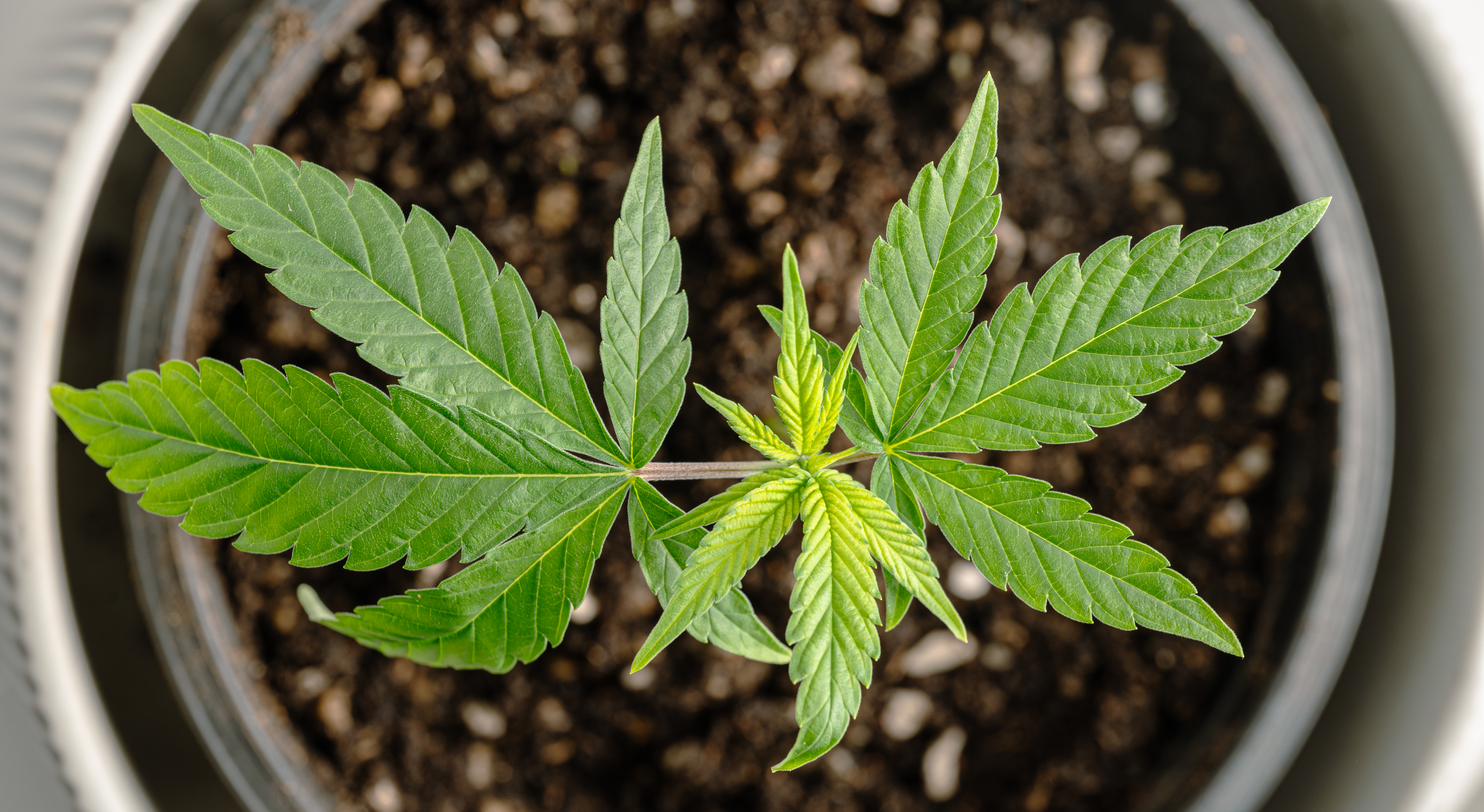


Micro growing cannabis is the practice of raising cannabis plants in a very small indoor space. Instead of using a full grow room, a grower may use a small tent, cabinet, closet, storage box, or custom-built enclosure. The goal is to create a controlled garden that fits into a limited area while still giving the plants enough light, air, water, and root space to develop.
A micro grow is often designed for one plant or a few small plants. The exact size can vary. Some setups may fit inside a narrow cabinet, while others use a short indoor tent. What makes the garden a micro grow is not only its size. It also uses smaller equipment, shorter plants, limited containers, and careful plant training. Every part of the setup must fit the available space.
Micro growing can be useful for people who do not have a spare room for indoor cultivation. It may also appeal to growers who want to start with a smaller project. A compact garden usually needs fewer materials than a large grow room. It may use one light, one exhaust fan, a small number of pots, and less growing medium. It can also use less electricity because the lighting and ventilation equipment are smaller.
However, micro growing is not always simple. A small space leaves little room for mistakes. Heat can build up quickly. Humidity can rise after watering. Plants can grow too close to the light. Leaves and branches may block airflow when the enclosure becomes crowded. A problem that develops slowly in a large room can become serious in a small grow box within a short time.
Height is one of the biggest concerns in a micro garden. The total height of the enclosure is not the same as the height available for the plant. The pot, drainage tray, light fixture, hangers, fan, and safe distance below the light all use part of the space. A cabinet that looks tall enough may provide only a small growing area after the equipment is installed.
For this reason, micro growers often use plant training methods. These methods guide branches outward instead of allowing one main stem to grow straight upward. Low-stress training, topping, pruning, and small support screens can help form a low and even canopy. A flat canopy allows more leaves and flowering sites to receive useful light without letting the plant reach the top of the enclosure.
Lighting must also be chosen with care. Cannabis needs enough light to support healthy growth, but a powerful fixture may produce too much heat for a small cabinet or tent. The light should cover the growing area evenly without burning the leaves. Adjustable or dimmable lights can be helpful because the grower can change the light level as the plant develops.
Ventilation is another major part of micro growing. Plants need fresh air, and the enclosure needs a way to remove warm and humid air. A small exhaust fan is often used to pull air out of the upper part of the garden. Fresh air enters through a lower opening. A separate circulation fan may move air gently around the leaves and branches.
Good airflow helps manage heat and humidity. It can also reduce damp areas where mold may develop. However, the fan should not blow strongly at one part of the plant all day. Constant strong wind can dry the leaves and damage young growth. The goal is to create gentle air movement across the canopy.
Odor control may also be important. Cannabis plants can produce a strong smell during flowering. A carbon filter connected to the exhaust system can help reduce odor before the air leaves the enclosure. The grow space should have controlled airflow so that most of the outgoing air passes through the filter. Gaps, open doors, and loose ducting can allow untreated air to escape.
Watering requires close attention in a compact garden. Micro grows often use smaller pots, and small containers can dry faster than large ones. At the same time, frequent watering can keep the root area too wet. The grower must check the growing medium instead of watering only by the calendar. The amount of water needed can change as the plant becomes larger.
Nutrient strength must also be controlled. A small root zone has less growing medium to protect the roots from excessive fertilizer. Too many nutrients may lead to burned leaf tips, damaged roots, or mineral buildup. It is often safer to begin with a mild feeding level and adjust it based on plant growth and the instructions for the selected medium.
Plant choice can affect the success of the garden. Some cannabis plants naturally become tall and stretch a great deal during flowering. Others have shorter stems and tighter branch spacing. Compact genetics may be easier to control in a small enclosure. Photoperiod and autoflowering plants can both be used, but they grow and flower in different ways. The grower must understand the chosen plant type before planning the schedule.
Micro growing may reduce the size and cost of an indoor setup, but it still requires regular care. The grower must check the temperature, humidity, light distance, soil moisture, airflow, and plant height. Small adjustments may be needed several times during the growing cycle.
Safety should be included in the setup from the beginning. Water should be kept away from plugs, timers, extension cords, and electrical connections. Equipment should be properly rated for the amount of power being used. Cords should not be damaged or trapped under heavy items. The enclosure should also be placed where air can move around it and where heat can escape safely.
Before starting, growers should review the laws in their area. Cannabis cultivation rules can differ by country, state, city, or province. Some places allow limited home growing, while others do not allow it at all. Renters may also need to review their lease, building rules, or housing agreement. Electrical limits and fire safety rules should also be considered.
A successful micro grow is based on balance. The plant must have enough light without too much heat. It needs fresh air without strong wind. It needs enough water without keeping the roots soaked. It needs enough room to develop without growing into the light or filling every open space.
This guide will explain how to plan a compact indoor cannabis garden from start to finish. It will cover grow spaces, equipment, lighting, containers, growing media, plant selection, training, ventilation, feeding, flowering, odor control, costs, yield, and common problems. With careful planning and regular checks, a small indoor space can support healthy cannabis plants without requiring a full-sized grow room.
Understanding Micro Growing and How It Works
Micro growing is a way to cultivate cannabis in a very small indoor area. Instead of using a full room or a large grow tent, the grower uses a compact space such as a cabinet, closet, box, or mini tent. The goal is to keep the plants healthy while controlling their height, width, light exposure, and growing conditions.
A micro grow may only contain one plant, although some setups can hold several small plants. The number of plants depends on the size of the enclosure, the type of light, and the growing method. A small space can still support healthy growth, but every part of the setup must be planned carefully.
Micro growing works by creating a controlled environment inside a limited area. The grower provides light, fresh air, water, nutrients, and a suitable growing medium. Plant training is often used to stop the plant from becoming too tall. Ventilation is also important because heat and moisture can build up quickly in an enclosed space.
What Counts as a Micro Grow?
There is no single size that officially defines a micro grow. In general, the term describes a cannabis garden that uses much less space than a standard indoor setup. It may fit inside a cupboard, storage cabinet, small wardrobe, or compact tent.
A micro grow often has a small floor area and limited height. The plant may only have a short distance between the top of its container and the grow light. This makes height management one of the most important parts of the process.
Some micro gardens are built inside spaces that are less than one meter tall. Others may use a narrow closet or a tent designed for one or two plants. The main feature is not the exact measurement. It is the need to use the available space in a careful and efficient way.
A micro grow usually includes the same basic parts as a larger indoor garden. It needs a grow light, air movement, ventilation, containers, a growing medium, water, and nutrients. However, each item must be small enough to fit without taking too much room away from the plant.
The equipment must also match the size of the enclosure. A light that is too powerful may produce too much heat. A fan that is too strong may dry the plant or damage the leaves. A container that is too large may leave little room for branches and airflow.
Common Types of Micro Grow Spaces
A mini grow tent is one of the most common options. These tents usually have reflective inner walls, openings for ventilation, and a frame for hanging equipment. They are often easier to set up than a homemade enclosure because many basic features are already included.
A closet can also be used for micro growing. Closets may provide more height than cabinets, but they may need changes to improve airflow and light control. The walls may need reflective material so that more light reaches the plant.
Cabinets and cupboards are useful when floor space is limited. These enclosures can keep the garden contained in one area. However, they often have very little room for fans, filters, lights, and containers. Heat can also become trapped inside them.
Some growers convert storage boxes, old furniture, or small utility areas into grow spaces. These custom setups can be designed around the available room. However, they must be made with safe materials and proper electrical protection.
A custom grow box may include built-in fans, light supports, drainage trays, and reflective walls. This can help use every part of the space. Still, the grower must leave enough room to reach the plant and maintain the equipment.
Each type of enclosure has advantages and limits. A tent may be easy to clean and adjust. A cabinet may be more compact. A closet may offer better height. A homemade box may provide more control over the layout. The best choice depends on the available space and the equipment that will be used.
How Micro Growing Differs From Standard Indoor Growing
The main difference is the amount of space available. A standard indoor garden may have enough room for large containers, tall plants, strong lights, and wide airflow paths. A micro grow has much less room, so the plant and equipment must remain compact.
Vertical space is especially important. In a larger room, the light can be raised as the plant grows. In a small enclosure, the light may already be close to the top. This means the grower must control plant height before the branches reach the fixture.
Micro growing also requires careful use of horizontal space. The plant is often trained to grow wide instead of tall. Branches may be bent and tied so that the top of the plant forms a flat canopy. This helps more leaves and flowers receive light.
The lighting system is usually smaller and more efficient. Large grow lights may create too much heat for a compact space. Many micro gardens use low-heat lighting that can be dimmed or placed close to the canopy.
Ventilation is another major difference. Heat and humidity can change quickly in a small enclosure. A full grow room may take longer to heat up, while a cabinet can become too warm in a short time. The grower must check temperature and humidity often.
Container size is also more limited. Large pots can support bigger root systems, but they take up valuable room. Smaller pots may help control plant size, although they dry out faster and need closer attention.
The number of plants is often lower. A large indoor garden may hold many plants with space between them. A micro grow may only support one well-trained plant. Adding too many plants can block airflow and make the area difficult to manage.
Main Benefits and Limitations
One benefit of micro growing is that it uses less space. It may be suitable for people who do not have an extra room for indoor gardening. A small tent or cabinet can fit in areas where a standard setup would not be possible.
A smaller grow may also require fewer supplies. The grower may need less growing medium, fewer containers, and a lower-powered light. Water and nutrient use may also be lower because there are fewer plants.
Electricity use can be lower than in a large indoor garden. A small light and compact fans may use less power than equipment designed for a full room. However, the exact cost depends on the equipment, light schedule, and local electricity rate.
A compact garden may also be easier to inspect. The grower can closely check the leaves, branches, soil, and equipment. Problems such as pests, nutrient stress, or damaged leaves may be easier to notice when there are only one or two plants.
However, micro growing has clear limits. The total harvest is usually smaller because the canopy area is limited. There is only a certain amount of space that can receive useful light.
The environment can also become unstable quickly. Heat, humidity, and moisture levels can change faster in a small space. A blocked fan or failed timer may affect the plant within a short period.
Watering can be more difficult because small containers dry out quickly. At the same time, poor drainage can leave the roots too wet. The grower must check the growing medium instead of watering only by a fixed schedule.
Overcrowding is another common issue. Leaves and branches can fill the enclosure faster than expected. When this happens, air may not move through the canopy. Humid areas can form, and lower growth may receive very little light.
Access can also become a problem. If the space is too tightly packed, the grower may not be able to reach the back of the plant or clean the floor. Equipment may also be difficult to remove or repair.
Micro growing works by creating a complete indoor cannabis garden inside a very small enclosure. The garden still needs proper light, airflow, water, nutrients, and environmental control. The main difference is that every part of the system must be carefully sized.
Mini tents, cabinets, closets, and custom grow boxes can all be used for micro growing. Each option has different limits related to height, airflow, access, and heat control.
Compared with standard indoor growing, a micro setup requires stronger control over plant size and equipment placement. The grower must use training, compact containers, efficient lighting, and steady ventilation.
Micro growing can reduce space, equipment, and electricity needs, but it also creates challenges. Heat, humidity, watering problems, and overcrowding can develop quickly. Careful planning and regular checks are needed to keep the garden healthy and manageable.
How Much Space Is Needed for a Micro Grow?
Micro growing is designed for people who want to raise cannabis plants in a very small indoor area. However, the space still needs careful planning. A micro grow may fit inside a small tent, cabinet, closet, storage box, or converted piece of furniture. The total size of the enclosure is important, but it is not the only measurement that matters.
Growers must also think about the space taken up by containers, lights, fans, filters, wires, and drainage trays. A grow box may look large enough when it is empty, but the usable plant area can become much smaller after the equipment is installed. Measuring the space before buying supplies helps prevent problems later in the growing cycle.
There is no single perfect size for a micro grow. The right amount of space depends on the number of plants, the type of light, the growing method, and the natural size of the chosen cannabis plants. Good planning allows the plants to receive enough light and air without becoming crowded.
Measuring the Available Growing Area
The first step is to measure the width, depth, and height of the growing space. Use a tape measure and record each number. Do not depend on a rough guess. Even a small measuring mistake can make it hard to fit a light, fan, or container inside the enclosure.
Width and depth determine how much floor area is available. This floor area affects the number and size of containers that can fit inside the grow. It also controls the size of the plant canopy. The canopy is the upper layer of leaves and branches that receives most of the light.
Height is often the most important limit in a micro grow. Cannabis plants can grow quickly, especially after flowering begins. The enclosure must have enough height for the container, the plant, the light fixture, and the safe distance between the plant and the light.
Doors, hinges, shelves, and support bars may reduce the available space. A cabinet may have wide outside measurements but less usable room inside. Ducting, fan guards, electrical plugs, and timers may also take up more space than expected.
The grower should also check whether the enclosure has enough room for fresh-air openings. Air must be able to enter and leave the growing space. Blocking vents with containers or other equipment can cause heat and humidity to rise.
It is helpful to draw a simple plan of the grow area. Mark where the containers, light, fan, intake opening, and exhaust system will go. This makes it easier to see whether all equipment will fit before the garden is built.
Calculating Available Plant Height
The full height of the enclosure is not the same as the height available for the cannabis plant. Several items reduce the usable vertical space.
The container and drainage tray take up space from the bottom. A small pot may use only a limited amount of height, but larger containers can take up a large part of a short cabinet. Raising a container on a stand or platform reduces the plant space even more.
The grow light also takes up space near the top. Hanging clips, cables, adjustable straps, and mounting bars must be included in the calculation. Some lights are thin, while others have thick frames, cooling parts, or separate drivers.
A safe distance must remain between the light and the plant canopy. Placing the leaves too close to the light can cause heat stress, bleaching, dry edges, or curled leaves. Keeping the light too far away can lead to weak growth and stretched stems. The correct distance depends on the light design, power level, and plant stage.
For example, a grow enclosure may be 90 centimeters tall. The container and tray may use 20 centimeters. The light and hanging system may use another 15 centimeters. A safe light distance may require 25 centimeters. This leaves only about 30 centimeters for the plant itself.
This simple example shows why plant training is often needed in a micro grow. Growers may need to bend branches, top the plant, or use a small screen to create a wide and flat canopy. The plant should grow across the available floor area instead of growing straight toward the light.
The expected flowering stretch must also be considered. Many cannabis plants increase greatly in height during the first weeks of flowering. A plant that fits during vegetative growth may become too tall after the light schedule changes. Flowering should begin while there is still enough free height.
Choosing an Appropriate Plant Count
A micro grow usually contains one plant or a small number of plants. The best plant count depends on the size of the enclosure and the growth style of each plant.
It may seem that adding more plants will always increase the harvest. In a small space, this is not always true. Too many plants can create a thick and crowded canopy. Leaves may overlap, branches may compete for light, and air may not move freely through the garden.
Overcrowding can also cause humidity to collect between leaves. Damp and still areas may increase the risk of mold and other plant problems. Crowded plants are also harder to inspect. A grower may not notice damaged leaves, insects, or signs of poor health until the problem becomes serious.
One well-trained plant may fill a small enclosure more effectively than several untrained plants. A single plant can be bent and spread across the usable area. This gives the grower more control over the shape of the canopy and creates fewer containers to water.
Several small plants may be useful when the grower wants a shorter vegetative stage. However, each plant needs enough root space, light, and airflow. More plants also mean more containers, more drainage trays, and more work.
The chosen plant count should leave some open space between containers. The grower should be able to reach each plant and check the growing medium. Leaves should not be pressed tightly against the enclosure walls.
Plant count may also be limited by local laws. Growers should understand the rules in their area before starting a garden.
Planning Access and Maintenance Space
A micro grow must be easy to maintain. A plant may fit inside the enclosure, but that does not mean the space is practical.
The grower needs room to water the plants without spilling water onto electrical equipment. Containers may need to be lifted or moved so the drainage tray can be emptied. If the enclosure is too crowded, normal tasks may become difficult.
Plants must also be inspected often. The grower should be able to look under leaves, check branch joints, test the growing medium, and examine the plant for signs of pests or stress. Poor access can allow small problems to become larger.
Lights and fans may need to be adjusted as the plants grow. Hanging straps should be easy to reach. Airflow should be checked to make sure that leaves are moving gently and that warm air is leaving the enclosure.
The grow space must also be cleaned. Dead leaves, spilled soil, nutrient water, and standing runoff should be removed. A design that leaves no room for cleaning can lead to odors, pests, mold, or damaged equipment.
Some micro grows have only one door or opening. In this case, the most important equipment should be placed where it can be reached easily. Heavy or fixed parts should not block the plants. Removable trays and lightweight containers may make maintenance easier.
The amount of space needed for a micro grow depends on more than the outside size of a tent, cabinet, or closet. Growers must measure the width, depth, and height while also allowing room for containers, lights, fans, filters, drainage trays, and safe light distance.
Vertical space is often the greatest challenge. The container and light system can take up much of the enclosure height, leaving only a small area for the plant. Plant height must be controlled before the flowering stretch becomes difficult to manage.
The plant count should match the usable canopy area. Adding too many plants can reduce airflow, block light, increase humidity, and make maintenance harder. In many compact gardens, one trained plant can use the available space more effectively than several crowded plants.
Essential Equipment for a Compact Indoor Garden
A micro cannabis garden needs equipment that fits the available space. Each item should have a clear purpose. Large or powerful equipment may create too much heat, use too much room, or make the garden harder to manage. At the same time, equipment that is too small may not provide enough light, airflow, or environmental control.
Before buying anything, measure the width, depth, and height of the growing area. Remember that the plants will not use all of this space. Pots, drainage trays, lights, fans, filters, wires, and hanging equipment will reduce the usable area. Careful planning can prevent problems such as overcrowding, heat buildup, and plants growing too close to the light.
Grow Tent, Cabinet, or Enclosure
The enclosure is the main structure of a compact indoor garden. It separates the growing area from the rest of the room and makes it easier to control light, airflow, temperature, humidity, and odor.
A small grow tent is one of the most common options. Grow tents are usually made with dark outer fabric and reflective inner walls. The reflective surface helps spread light around the plants. Most tents also include openings for ventilation ducts, electrical wires, and air intake.
A cabinet or closet can also be used as a growing enclosure. However, it may need more changes before it is ready. The inside should be clean, waterproof, and able to handle warm and humid conditions. Light leaks should be sealed, especially when growing photoperiod cannabis plants. These plants need a steady period of complete darkness during flowering.
The enclosure should also have enough space for basic maintenance. The grower must be able to water the plants, inspect the leaves, clean spills, adjust the light, and remove dead plant material. A grow box that is packed too tightly can be difficult to manage.
Waterproofing is another important feature. Pots may leak, and water can spill during feeding. A waterproof floor liner or tray can help protect the room and reduce the risk of water reaching electrical equipment.
Grow Light and Timer
The grow light is one of the most important parts of a micro garden. Cannabis plants need enough light to produce strong stems, healthy leaves, and flowers. However, a light that creates too much heat can cause serious problems in a small enclosure.
Compact LED grow lights are often used because they are energy efficient and usually produce less heat than older types of indoor lighting. They are also available in thin designs that save vertical space. Some LED lights include dimming controls, which allow the grower to reduce the light level during early growth or when heat becomes difficult to control.
The light should match the size of the plant canopy. A very powerful light is not always better. If the light is too strong or too close, the leaves may curl upward, develop dry edges, or lose color. If the light is too weak, the plants may stretch and grow thin stems.
A timer controls when the light turns on and off. This keeps the light schedule consistent without requiring the grower to switch it by hand each day. A reliable timer is especially important for photoperiod cannabis plants. Changes in the dark period can disturb flowering and cause stress.
The timer must be rated for the power used by the light. Cheap or weak timers may overheat when connected to equipment that uses more electricity than they can safely handle. The grower should check the product rating before use.
Ventilation and Air Movement Equipment
Fresh air is needed in every indoor cannabis garden. Plants use carbon dioxide from the surrounding air, while lights and electrical equipment create heat. Without ventilation, the enclosure may become too warm, humid, and stale.
An exhaust fan removes warm air from the enclosure. In most setups, it is placed near the top because hot air rises. Fresh air then enters through an intake opening near the bottom. This creates a steady movement of air through the garden.
The fan should be strong enough to replace the air inside the enclosure regularly. However, a fan that is too powerful may create extra noise, use more electricity, and pull the walls of a small tent inward. A speed controller can help reduce fan strength when full power is not needed.
A circulation fan moves air around the leaves and branches. This helps prevent still, humid areas where mold may develop. Gentle airflow can also help strengthen plant stems. The leaves should move slightly, but they should not shake strongly.
The circulation fan should not blow directly at one part of the plant all day. Constant strong wind may dry the leaves and cause wind damage. In a small space, the fan may need to be placed above, below, or beside the canopy to create soft and even airflow.
Environmental Monitoring Tools
A compact garden can change quickly. Temperature may rise soon after the light turns on, and humidity may increase after watering. Monitoring tools help the grower notice these changes before they harm the plants.
A digital thermometer measures temperature, while a humidity meter measures the amount of moisture in the air. Many small devices combine both functions. Some also record the highest and lowest readings, which can help show what happened when the garden was not being watched.
The sensor should be placed near the plant canopy. A reading taken outside the grow space may not show the true conditions around the leaves. However, the sensor should not rest directly under the light because this may create an inaccurate temperature reading.
A pH testing tool is also useful. The correct pH range depends on the growing medium. Soil, coco coir, and hydroponic systems may need different pH levels. Poor pH control can prevent the roots from taking in nutrients, even when nutrients are present.
Growers may use liquid test kits, paper strips, or digital pH meters. Digital meters can provide detailed readings, but they must be cleaned, stored, and calibrated correctly.
A moisture meter may help some growers check the growing medium. However, it should not replace careful observation. The weight of the pot, the condition of the leaves, and the moisture felt near the root zone can also help show when watering is needed.
Containers, Drainage, and Growing Supplies
Containers must fit the growing area while still giving the roots enough room. Large pots can support large root systems, but they take up more floor space and may encourage larger plants. Smaller pots help control plant size, but they dry out faster and may need more frequent watering.
Each container should have drainage holes. Extra water must be able to leave the root zone. If water stays around the roots for too long, oxygen levels may fall and root problems may develop.
A tray or saucer should be placed under each pot. This catches runoff and protects the floor of the enclosure. Runoff should not be allowed to sit for long periods because it can raise humidity and create an unhealthy area.
The growing medium may be soil, coco coir, or another indoor growing mix. It should drain well and match the grower’s feeding method. Dense outdoor garden soil is often too heavy for small indoor containers and may hold too much water.
Other useful supplies include plant ties, clean pruning tools, watering containers, measuring tools, labels, gloves, and cleaning materials. Soft plant ties are useful for low-stress training because they can hold branches without cutting into the stems.
Pruning tools should be sharp and clean. Dirty tools can spread pests, mold, or disease between plants. Cleaning supplies should be kept nearby so spills and dead leaves can be removed quickly.
Electrical and Fire Safety
Water and electricity are both present in an indoor garden, so safety must be taken seriously. Electrical plugs, timers, power strips, and extension cords should be kept above the floor and away from drainage trays.
The grower should avoid connecting too many devices to one outlet. Lights, fans, heaters, humidifiers, and other equipment may use a large amount of power when combined. An overloaded outlet or power strip can overheat and increase the risk of fire.
Extension cords should only be used when necessary. They must be rated for the amount of electricity passing through them. Damaged cords, loose plugs, and exposed wires should be replaced at once.
Electrical connections should not rest inside the enclosure where they may be exposed to water or high humidity. Whenever possible, power strips and timers should be mounted outside the grow space.
The grower should also check the equipment regularly. Fans can collect dust, wires can become loose, and timers can become warm. Regular checks make it easier to find a problem before it becomes dangerous.
A successful micro cannabis garden depends on equipment that matches the size of the available space. The enclosure should be reflective, waterproof, and easy to access. The grow light should provide enough coverage without creating too much heat. A reliable timer keeps the light schedule stable.
Exhaust and circulation fans help control heat, humidity, and stale air. Environmental meters allow the grower to track temperature, humidity, and pH. Proper containers, drainage trays, and clean growing supplies support healthy roots and make daily care easier.
Electrical safety is just as important as plant care. Keeping connections dry, avoiding overloaded outlets, and checking equipment often can reduce serious risks. When every item is carefully selected and correctly placed, a compact indoor garden becomes easier to control and maintain.
Choosing Cannabis Genetics for Small Spaces
Choosing the right cannabis genetics is one of the most important parts of micro growing. In a standard grow room, plants may have enough space to become tall and wide. A micro garden has strict limits. The plant must fit inside a small tent, cabinet, closet, or grow box while still receiving enough light and airflow.
Genetics affect the natural size, shape, growth speed, flowering time, smell, and strength of a cannabis plant. Some plants stay short and form tight branches. Others grow tall, stretch quickly, and need much more room. A plant that grows well in a large room may become difficult to control in a compact space.
Growers should study the basic traits of a plant before choosing seeds or clones. A careful choice can reduce the need for heavy pruning and make the whole growing process easier to manage.
Why Genetics Matter in Micro Growing
Every cannabis plant has a natural growth pattern. Some plants grow with short spaces between their branches. This is called tight internodal spacing. Plants with this feature often stay more compact and may be easier to fit under a small light.
Other plants have long spaces between branches. These plants may grow taller and have a more open shape. An open shape can improve airflow, but it may also use too much vertical space.
Genetics also affect flowering stretch. Flowering stretch is the fast increase in height that often happens after a plant begins its flowering stage. Some plants grow only a little taller during this period. Other plants may greatly increase in height.
This is important in a micro garden because the total height is limited. The container, drainage tray, light fixture, and safe distance below the light all use part of the available space. A plant that stretches too much may grow too close to the light. This can cause heat damage, light stress, dry leaves, or bleaching.
Growth speed is another important factor. A fast-growing plant can fill a small space quickly. This may sound helpful, but it also means the grower must train and inspect the plant often. Slow or moderate growth may be easier for beginners to manage.
Genetics can also affect branch strength. Strong branches are useful because they can support flowers without bending too much. Weak branches may need ties, stakes, or a small support screen.
The plant’s resistance to mold, pests, and stress should also be considered. A compact garden may have less airflow than a large grow room. Plants that are sensitive to high humidity may be harder to manage in these conditions.
Photoperiod Plants for Micro Gardens
Photoperiod cannabis plants begin flowering after their light schedule changes. During the vegetative stage, they are usually kept under a longer daily light period. Flowering begins when the plant receives longer periods of uninterrupted darkness.
The main benefit of photoperiod plants in micro growing is control. The grower can decide how long the plant remains in its vegetative stage. A shorter vegetative stage can help limit plant size.
For example, a plant can be trained while it is young and moved into flowering before it becomes too tall. This gives the grower more control over the final canopy height. A canopy is the top layer of leaves and branches that receives most of the light.
Photoperiod plants also have more time to recover from training. If a branch is bent, topped, or lightly pruned, the grower can allow extra vegetative time before flowering begins. This can be useful in a micro garden where careful shaping is needed.
However, photoperiod plants also require full control over light and darkness. Light leaks during the dark period may disturb flowering. A micro enclosure should close properly and prevent outside light from entering at the wrong time.
These plants may also stretch strongly after flowering begins. The grower should research the expected stretch of the chosen genetics and begin flowering before the enclosure becomes full.
Photoperiod plants can work well for micro growing when the grower wants greater control over plant shape, training time, and flowering size.
Autoflowering Plants for Micro Gardens
Autoflowering cannabis plants begin flowering according to age rather than a major change in the light schedule. They often begin flowering within several weeks of early growth.
Many autoflowering plants remain smaller than large photoperiod plants. Their short life cycle and compact size can make them suitable for small indoor gardens. They may also be easier to manage when strict light-proofing is difficult.
However, autoflowering plants offer less control over timing. Once the plant begins flowering, the grower cannot delay the process by keeping it under a longer light schedule. This means early mistakes can have a greater effect on final growth.
For example, overwatering, poor soil, root damage, or strong pruning may slow the plant during its early stage. Since the life cycle continues on its own, the plant may not have enough time to recover before flowering.
Gentle training is often more suitable for autoflowering plants. Low-stress training can spread the branches without causing a long recovery period. Heavy topping or repeated pruning may create too much stress, especially if it is done late.
Container choice is also important. Autoflowering plants are often placed in their final containers early because moving them between pots may disturb the roots. Healthy root growth during the first few weeks can support better plant development later.
Autoflowering plants can be useful for micro growing, but they require a stable environment from the beginning. Their automatic schedule makes early care very important.
Traits to Look for in a Compact Plant
The best plant for a micro garden should have a manageable structure. A naturally short plant is usually easier to control than one that is known for strong vertical growth.
Short flowering stretch is also helpful. A plant that stays close to its vegetative size is less likely to reach the grow light during flowering.
Tight or medium branch spacing can create a compact canopy. However, the plant should not become so dense that air cannot move through the leaves. Good airflow is needed to lower the risk of moisture buildup and mold.
Strong side branches are useful because they can be trained outward. This allows the grower to use the width of the enclosure instead of allowing one main stem to grow straight upward.
A moderate flowering time may also be useful. A very long flowering period can increase electricity use and give environmental problems more time to develop. However, flowering time should not be the only factor used to choose genetics.
Growers should also consider odor. Some plants produce a very strong smell even when they are small. A compact garden may need a properly sized carbon filter and controlled exhaust system.
Plants that handle light training well are often a good choice. The grower may need to bend branches, remove a small amount of lower growth, or use a support screen. Genetics that respond poorly to stress may be harder to manage.
Disease resistance is another helpful trait. A plant that can handle small changes in humidity or temperature may be more suitable for a tight indoor space.
Starting From Seeds or Clones
Micro growers can begin with seeds or clones. Each method has benefits and limits.
Seeds are easy to store and can offer a wide choice of genetics. A seed-grown plant begins with a fresh root system and can be placed into a clean growing environment. However, plants grown from seeds may show some differences in height, branch shape, and growth speed.
If several seeds are started, the plants may not develop in exactly the same way. This can make canopy management harder in a very small garden.
Feminized seeds are often chosen when growers want to reduce the chance of producing male plants. Regular seeds can produce male or female plants, so the grower may need extra space and time to identify them.
Clones are cuttings taken from a mature plant. A clone has the same genetics as the plant it came from. This can make its growth pattern more predictable.
A known clone may offer clear information about height, flowering stretch, smell, and feeding needs. This predictability can be useful in a micro garden.
However, clones can also carry pests, mold, or plant diseases. They should be inspected carefully before being placed near other plants. A clone may also need time to form a strong root system before active growth begins.
Clones can be harder to obtain in some areas and may have legal limits. Seeds may be easier to transport or store where local rules allow them.
The best starting method depends on available space, local laws, plant health, and the grower’s experience.
Choosing cannabis genetics for a micro garden requires more than selecting a popular plant name. The plant must match the height, width, airflow, light strength, and growing method of the enclosure.
Photoperiod plants provide more control over vegetative time and recovery after training. Autoflowering plants may stay compact and finish quickly, but they have less time to recover from early stress.
Good micro-growing genetics often have short height, manageable flowering stretch, strong branches, moderate growth, and resistance to common problems. Growers should also consider odor, flowering time, and how well the plant responds to training.
Seeds provide variety and a fresh start, while clones can offer more predictable growth. Both options can work when they come from a healthy and reliable source.
Selecting Lights and Managing Heat
Lighting is one of the most important parts of a micro cannabis garden. Plants need enough light to grow strong leaves, branches, and flowers. However, a small grow space can heat up very fast. This means the light must provide useful energy without making the enclosure too hot.
The best lighting setup depends on the size and shape of the grow space. It also depends on the number of plants, the available height, and the amount of airflow. A powerful light is not always better. In a compact garden, too much light can damage plants, raise electricity costs, and create heat that the exhaust system cannot remove.
Growers should choose a light that matches the actual canopy area. They should also leave enough space between the fixture and the plant tops. Careful light placement, heat control, and regular observation can help plants grow without stress.
Why Lighting Is Critical in a Small Garden
Cannabis plants use light to produce the energy needed for growth. Weak lighting may cause thin stems, slow development, wide spaces between branches, and small flowers. Stronger lighting can support better growth, but only when the temperature, watering, nutrients, and airflow are also controlled.
In a micro garden, the light is often close to the plant canopy. This can increase the risk of heat stress and light stress. The problem becomes more serious when plants stretch upward during flowering. A plant that begins with enough space below the fixture may grow too close to it within a few weeks.
The shape of the grow area also affects light use. A narrow cabinet may need a different fixture than a square grow tent. The goal is to spread light evenly across the full canopy. If the center receives too much light while the edges remain dark, plant growth may become uneven.
Growers should measure the length and width of the plant area before selecting a light. They should also calculate how much height will remain after adding the container, plant, fixture, hangers, and safe light distance. These measurements help prevent the use of an oversized or poorly shaped fixture.
LED Lights for Micro Growing
LED grow lights are often used in compact indoor gardens because they can be efficient and easy to control. They usually produce less radiant heat than older lighting systems. This does not mean LEDs produce no heat. The fixture, driver, and diodes still become warm during use.
Many modern LED lights have a thin design, which can save valuable vertical space. Some models also have dimming controls. Dimming is useful because young plants need less light than mature flowering plants. A dimmer allows the grower to lower the output without raising the fixture too far.
An LED fixture should fit inside the enclosure without blocking airflow. There should be some open space around the light so heat can move toward the exhaust fan. A fixture that almost touches every wall may trap warm air near the top of the garden.
Growers should not choose a light based only on advertised wattage. Actual power use, coverage area, fixture shape, heat output, and recommended hanging distance are also important. Product claims can vary, so it is better to use the manufacturer’s coverage guide as a starting point and then watch how the plants respond.
A light with an external driver may offer more heat-control options. In some systems, the driver can be placed outside the grow space. This can reduce the heat inside the enclosure. However, the fixture should only be used in the way approved by the manufacturer. Electrical parts should never be changed without proper knowledge and safe equipment.
Light Coverage and Intensity
Light coverage describes how well a fixture spreads light across the plant canopy. Good coverage allows each main branch to receive a useful amount of light. Poor coverage can create very bright areas and dark corners.
The light should normally be placed above the center of the canopy. The exact height depends on the fixture, plant stage, and light output. A very low hanging height may create strong light in the center but poor spread around the edges. Raising the fixture can improve coverage, but it may also reduce the amount of light reaching the plants.
The correct balance must be found through careful adjustment. The manufacturer’s hanging guide can provide a safe starting point. The grower can then make small changes based on leaf position, growth speed, and overall plant health.
Plants that receive enough light often have firm growth and healthy leaf color. Plants that receive too little light may stretch toward the fixture. Their stems may become long and weak. Branches near the edge of the garden may also grow inward as they search for stronger light.
Plant training can improve light use. A flat and even canopy allows the fixture to remain at a similar distance from all main branches. This is much easier to manage than a plant with one tall branch and several short branches.
Growers should avoid making large changes in light intensity. Sudden increases can stress plants, especially young plants or plants that have been growing under weaker light. It is safer to increase output slowly over several days.
Light Schedules by Growth Stage
The light schedule controls when the fixture turns on and off. A reliable timer is important because plants respond best to a steady routine. Lights should turn on and off at the same time each day.
During vegetative growth, photoperiod cannabis plants are normally given long periods of light. This supports leaf, stem, and branch development. A common schedule provides 18 hours of light and 6 hours of darkness each day.
When the grower wants photoperiod plants to begin flowering, the schedule is usually changed to 12 hours of light and 12 hours of complete darkness. The dark period should not be interrupted by light from the room, indicator lamps, or gaps in the enclosure. Light leaks may confuse the plant and disturb flowering.
Autoflowering plants do not need a change to a 12-hour schedule to begin flowering. They start flowering based mainly on age. Even so, they still need a stable daily light routine.
The timer and light should be checked often. A failed timer can leave the light on or off for too long. Growers should also check that the timer is rated for the power used by the fixture. Cheap or damaged electrical equipment can create a safety risk.
The dark period can also help with heat management. Some growers operate the lights during the cooler hours of the day or night. This may make it easier to maintain a stable temperature inside the garden.
Preventing Light Stress and Heat Damage
Light stress and heat stress can look similar. Both may cause leaves to curl upward, become dry, or lose healthy color. The leaves closest to the fixture are usually affected first.
Bleaching is a clear sign of strong light stress. The top leaves or flowers may turn pale, yellow, or almost white. This happens when the plant receives more light than it can safely use. Bleached plant tissue does not normally return to its original color.
Heat stress may cause leaf edges to curl upward. The leaves may feel dry, and the plant may use water faster than normal. The top of the plant may look weak during the hottest part of the light cycle.
Growers should check the temperature near the canopy, not only near the floor or outside the enclosure. Warm air rises, so the area around the plant tops may be much hotter than the lower part of the garden.
When signs of stress appear, the grower can raise the fixture, reduce the dimmer setting, improve exhaust, or increase the space between branches. Only one or two small changes should be made at a time. This makes it easier to understand what caused the problem.
Watering more often is not always the correct answer. A plant under heat stress may use more water, but wet soil combined with poor airflow can damage roots. The cause of the heat or light problem should be corrected first.
Managing Heat From Lights and Drivers
Every grow light adds heat to the garden. Even an efficient LED converts part of the electricity it uses into heat. In a small space, this heat can collect quickly.
The exhaust fan should remove warm air from the upper part of the enclosure. Fresh air should enter through a lower opening. This creates a clear path for air to move across the plants and toward the top.
A circulation fan can also help move warm air away from the fixture and plant canopy. The airflow should be gentle. Leaves may move slightly, but they should not be pushed hard in one direction.
The light driver can be a major source of heat. When the design allows it, placing the driver outside the enclosure may lower the internal temperature. However, cords should not be stretched, damaged, or placed near water.
Dimming the fixture can reduce both heat and electricity use. This is often helpful during the seedling and early vegetative stages. Full power may not be needed until the plant has a larger canopy.
The room around the grow enclosure also matters. If the surrounding room is already hot, the intake air will not cool the garden well. The grow space should not be placed next to a heater, strong sunlight, or another heat-producing appliance.
Growers should inspect fans, vents, and filters often. Dust can reduce airflow and make heat problems worse. A blocked carbon filter or bent duct can also limit the exhaust system.
The best light for a micro cannabis garden is not always the most powerful model. It is the light that fits the space, covers the canopy evenly, and produces heat that the ventilation system can control.
LED fixtures are often suitable for compact gardens because they can be thin, efficient, and adjustable. However, they still produce heat and must be used with proper airflow. Growers should follow recommended hanging distances, increase light intensity slowly, and watch the leaves for signs of stress.
A stable light schedule, reliable timer, even canopy, and working exhaust system are all important. By matching the light to the real size of the garden and checking conditions near the plant tops, growers can support healthy growth while reducing the risk of heat damage and light stress.
Containers, Growing Media, Watering, and Nutrients
The root area is one of the most important parts of a micro cannabis garden. Healthy roots help the plant take in water, oxygen, and nutrients. In a small grow space, roots have less room to spread, so container size, drainage, watering, and feeding must be managed with care.
A small mistake can affect the plant faster in a compact container than in a large pot. Too much water may remain around the roots, while too much fertilizer may build up in the growing medium. On the other hand, a very small container can dry out quickly and may require frequent attention.
The goal is to choose a system that fits the available space and is easy to manage. The container, growing medium, watering method, and nutrient plan should all work together.
Choosing the Right Container Size
Container size affects plant height, root growth, watering frequency, and overall plant health. In a micro garden, growers often use smaller containers because they take up less space and can help limit the final size of the plant.
However, a container should not be so small that the roots become crowded too early. When a plant becomes root-bound, the roots circle around the inside of the pot and have little room to expand. This may slow growth, increase watering needs, and make it harder for the plant to absorb nutrients.
A smaller pot also dries out faster than a larger one. This can be useful because it lowers the chance of water sitting around the roots for too long. It can also create problems if the grower cannot check the plant often. A small container may need watering more frequently, especially during warm weather or late flowering.
The container should fit the size of the grow space and the expected size of the plant. It must also leave enough room for drainage trays, airflow, and access to the plant. Placing a large pot in a very small cabinet may reduce usable height and make maintenance difficult.
The shape of the container also matters. Short, wide pots may work well in spaces with limited height. Taller containers provide more vertical root space but may raise the plant closer to the light. Fabric pots allow more air to reach the roots, but they may dry out faster. Plastic pots hold moisture longer and are often easier to clean.
Whatever type is used, the container should be strong, clean, and large enough to support healthy root growth.
Soil, Coco Coir, and Hydroponic Options
Cannabis can grow in soil, coco coir, or a hydroponic system. Each option has different needs, benefits, and limits.
Soil is often the simplest choice for a small indoor garden. A good soil mix holds moisture while still allowing air to reach the roots. It may also contain organic matter and nutrients that support early growth. Soil can be easier for beginners because it changes more slowly than some other growing systems.
However, heavy or compact soil can hold too much water. This reduces oxygen around the roots and may lead to slow growth. A light, well-draining soil mix is usually better for containers. Materials such as perlite may be added to improve drainage and airflow.
Coco coir is made from coconut fiber. It holds water but also allows good airflow around the roots. Plants grown in coco may grow quickly when water and nutrients are managed correctly. However, coco usually needs regular feeding because it contains few nutrients on its own.
Coco may also require more frequent watering than soil. The grower must watch pH levels and nutrient strength closely. This can make coco more demanding, but it also gives the grower more control over feeding.
Hydroponic systems grow plants without soil. The roots receive water, oxygen, and nutrients through a controlled system. Hydroponics can support fast growth, but it may require pumps, reservoirs, tubes, and regular testing. These parts can take up valuable room in a micro grow.
A pump failure, blocked tube, or sudden change in nutrient strength can affect plants quickly. For this reason, a simple hydroponic setup may be better than a large or complex one in a compact garden.
The best growing medium is one that fits the grower’s space, skill level, and daily schedule.
Drainage and Root-Zone Health
Roots need both water and oxygen. If the growing medium stays wet for too long, the spaces around the roots fill with water. This reduces oxygen and can create unhealthy root conditions.
Every container should have enough drainage holes. Water should be able to move through the growing medium and leave the bottom of the pot. Containers should not sit in standing water after watering.
A drainage tray can collect extra water, but it should be emptied when needed. Leaving water in the tray may allow the growing medium to absorb it again. This can keep the roots wet for too long and may increase humidity inside the grow space.
The growing medium should also have a loose structure. A compact medium can block airflow and slow drainage. It may also make it harder for young roots to spread.
Healthy roots are often light in color and do not have a strong, unpleasant smell. Poor root conditions may cause drooping leaves, slow growth, yellowing, or weak stems. These signs can look similar to nutrient problems, so the grower should check moisture and drainage before adding more fertilizer.
Clean containers and tools also support root health. Old soil, dead roots, algae, and standing water may attract pests or support harmful growth. Cleaning the area between growing cycles can reduce these risks.
Watering Plants in Small Containers
Watering is one of the most common challenges in micro growing. Small containers can change from wet to dry in a short period. The plant may also use more water as it grows larger and develops more leaves.
A fixed watering schedule does not always work. Water use changes with plant size, temperature, humidity, airflow, container type, and growing medium. Instead of watering on the same day every week, the grower should check the condition of the pot and medium.
The top layer of the growing medium may feel dry while the lower part remains wet. Lifting the container can help show how much water is still inside. A dry pot feels much lighter than a freshly watered one.
When watering, apply the water slowly and evenly. Pouring too quickly may create channels in the growing medium. Water may run down the sides of the pot without reaching all parts of the root zone.
Even watering encourages roots to spread throughout the container. The grower should allow excess water to drain away instead of leaving the bottom of the pot soaked.
Overwatering does not always mean giving too much water at one time. It often means watering again before the roots have had enough time to use the previous water. Constantly wet soil may cause drooping, yellow leaves, and slow growth.
Underwatering may cause leaves to hang down, dry edges, and weak growth. If the medium becomes extremely dry, it may pull away from the sides of the pot and become difficult to wet evenly.
The aim is to create a healthy cycle in which the roots receive water and then have access to fresh oxygen as the medium begins to dry.
Feeding Without Overfertilizing
Cannabis plants need nutrients to build roots, leaves, stems, and flowers. The main nutrients include nitrogen, phosphorus, and potassium. Plants also need smaller amounts of calcium, magnesium, sulfur, and other elements.
In a micro grow, small containers provide little space for extra salts and minerals. Strong fertilizer mixtures can quickly build up around the roots. This may cause nutrient burn, damaged root tips, and blocked nutrient uptake.
Nutrient burn often appears as brown or dry tips on the leaves. If feeding remains too strong, the damage may spread along the leaf edges. The plant may also become very dark green or develop weak, curled leaves.
It is safer to begin with a mild nutrient level. The grower can then increase feeding slowly if the plant remains healthy and shows signs that it needs more.
More fertilizer does not always produce faster growth. Plants can only use a certain amount of nutrients. Extra fertilizer may remain in the growing medium and create stress.
Feeding needs also change during the growth cycle. Young plants require less nutrition than mature plants. During vegetative growth, plants use nutrients to develop leaves and branches. During flowering, the nutrient balance may change as the plant supports flower production.
The nutrient plan should match the growing medium. Soil may already contain nutrients, while coco and hydroponic systems usually require more regular feeding. The product instructions should be treated as a starting point rather than a rule that ignores plant condition.
Monitoring pH and Mineral Buildup
The pH level shows how acidic or alkaline water and growing media are. Cannabis roots can only absorb nutrients well within a suitable pH range.
When the pH is too high or too low, some nutrients become difficult for the plant to use. This can cause signs that look like a nutrient shortage even when nutrients are present in the container.
For example, leaves may turn yellow, develop spots, or show unusual colors. Adding more fertilizer without checking pH can make the problem worse.
The correct pH range depends on the growing method. Soil, coco, and hydroponic systems are managed differently. Growers should use guidance that matches their chosen medium and nutrient products.
Mineral salts may also collect in the container over time. This is more likely when strong nutrients are used, water contains many minerals, or the medium does not drain well. White crust may appear on the soil surface, pot edges, or drainage tray.
Salt buildup can damage roots and affect pH. It may also make it difficult for the roots to take in water. Regular monitoring helps the grower notice changes before serious damage appears.
Accurate pH tools should be kept clean and checked as directed by the manufacturer. Poorly maintained testing tools may give incorrect readings and lead to unnecessary changes.
Containers, growing media, water, and nutrients must be carefully balanced in a micro cannabis garden. The container should fit the available space while still providing enough room for healthy root growth. It should also have proper drainage and should never remain in standing water.
Soil may offer a simple and forgiving option, while coco coir gives the grower more control over feeding and watering. Hydroponic systems can support strong growth but often require more equipment and closer monitoring.
Small containers dry out quickly, but they can also stay wet for too long if drainage is poor. Watering should be based on the condition of the growing medium rather than a fixed schedule.
Nutrients should be introduced carefully because excess fertilizer can build up fast in a small root zone. Regular pH checks can help prevent nutrient problems and make sure the roots can use the minerals already present.
Keeping Cannabis Plants Small With Training
Plant training is an important part of micro growing because the available height and width are limited. A cannabis plant naturally grows upward as it searches for light. Without control, the main stem may rise too close to the grow light. Lower branches may also receive very little light, which can lead to weak and uneven growth.
Training changes the shape of the plant so it can use the available space more efficiently. The main goal is to create a short, wide, and even canopy. A flat canopy allows more leaves and flowering sites to receive similar amounts of light. It can also improve airflow between branches.
Training should only be used where cannabis cultivation is legal. Growers should follow local laws and avoid methods that place unnecessary stress on unhealthy plants.
Why Plant Training Is Necessary
A compact grow space has strict limits. The container takes up part of the total height. The light fixture, hangers, and safe distance between the plant and the light take up more space. This means the plant may have much less growing room than the full height of the enclosure suggests.
For example, a cabinet may appear tall enough when it is empty. Once a container and light are installed, only a small section may remain for the plant. An untrained plant can quickly fill this space.
Plant training helps direct growth sideways instead of allowing one main stem to dominate. This creates a wider plant with several branches near the same height. It also helps prevent one tall branch from blocking light from the rest of the canopy.
Training can improve access to the plant as well. A neat structure makes it easier to inspect leaves, check the growing medium, remove damaged growth, and observe signs of pests or disease. However, training cannot solve every space problem. Poor genetics, a long vegetative period, or a late flowering change can still cause the plant to outgrow the enclosure.
Low-Stress Training
Low-stress training involves gently guiding branches into a wider shape. Instead of allowing the main stem to remain upright, the grower carefully bends it away from the center. Soft plant ties or other smooth supports can hold the branch in place.
The key word is gently. Young stems are flexible, but they can still split if they are bent too far or too quickly. Small changes are safer than one strong bend. As the plant continues to grow, the ties may need to be adjusted.
Ties should not cut into the stem. A narrow or tight tie can damage the outer tissue as the branch becomes thicker. Soft ties should leave enough room for growth. The attachment point on the container should also be stable.
When the main stem is lowered, side branches receive more direct light. These branches may then grow upward and form a more even canopy. The process can be repeated as the branches grow, but the plant should be checked often.
Low-stress training works best when the plant is healthy and actively growing. A plant suffering from overwatering, root damage, pests, or nutrient stress may recover more slowly. It is better to correct major health problems before adding more stress.
Topping and Pruning
Topping is a higher-stress method that removes the upper growing tip. This changes the plant’s natural growth pattern and may encourage lower branches to become more active. Instead of one dominant main stem, the plant may develop several stronger branches.
This method can help create a broad canopy, but it also causes a temporary injury. The plant needs time and good growing conditions to recover. For that reason, topping should not be performed on a weak, very young, or recently damaged plant.
Clean tools are important whenever plant tissue is cut. Dirty scissors can carry fungi, bacteria, or pests from one plant to another. The cutting tool should be sharp enough to make a clean cut rather than crushing the stem.
Pruning has a different purpose. It removes selected leaves or branches that are damaged, crowded, or unlikely to receive enough light. Careful pruning can improve airflow and make the plant easier to manage.
Too much pruning can slow growth. Leaves produce energy, so removing many healthy leaves at one time can reduce the plant’s ability to recover. A micro grower should avoid treating every large leaf as a problem. Leaves should only be removed when there is a clear reason.
After topping or pruning, the plant should be observed closely. Drooping, slow growth, or unusual discoloration may show that the plant is under too much stress. It should be allowed to recover before more training is performed.
Screen of Green in a Micro Space
A Screen of Green, often called a ScrOG, uses a small net or screen above the container. As branches reach the screen, they are guided across open areas. This spreads the canopy horizontally and helps prevent a few branches from growing much taller than the others.
In a micro garden, the screen should fit the enclosure without blocking access. A screen that is too large or fixed too tightly may make watering, cleaning, and plant inspection difficult. The grower must still be able to reach the container and lower branches.
The screen should be strong enough to support the branches but gentle enough to avoid cutting them. Branches can be guided into open sections as they grow. The aim is to fill the available area evenly rather than placing many branches in one small section.
A ScrOG can improve light distribution because the canopy remains at a similar height. It can also support branches later in the growth cycle. However, it requires regular attention. Branches may need to be moved, spaced, or supported before they become stiff.
The method is less useful when the enclosure must be opened or moved often. Once branches are spread through the screen, removing the plant can become difficult. This should be considered before the screen is installed.
Managing the Flowering Stretch
Many cannabis plants grow quickly after the flowering stage begins. This period is often called the flowering stretch. The amount of stretch depends on genetics, plant health, lighting, container size, and growing conditions.
Stretch is a major concern in a compact garden. A plant that appears to fit during vegetative growth may become too tall after flowering begins. Branches can move close to the light, where they may suffer from excess heat or light intensity.
Planning is the best way to manage this problem. The flowering stage should begin before the vegetative canopy completely fills the enclosure. Empty space is needed for continued growth.
The grower should also consider the expected behavior of the chosen genetics. Compact varieties may remain easier to manage, while plants known for strong vertical growth may require more space and earlier control.
Gentle branch positioning may continue during the early part of flowering while stems remain flexible. However, major cutting or heavy training during flowering may place extra stress on the plant. The focus should shift from shaping the plant to supporting healthy growth.
Light distance should be checked as the canopy rises. The light may need to be raised or adjusted when the equipment allows it. If the light cannot move higher, early height control becomes even more important.
Removing Unproductive Lower Growth
The lowest part of a dense plant may receive very little light. Small branches and leaves in this area can remain weak because the upper canopy blocks them. They may also reduce airflow near the growing medium.
Selective removal of weak lower growth can help the plant maintain a cleaner structure. It may also make watering and inspection easier. Dead, damaged, or heavily shaded material should not be left to collect moisture.
This does not mean that all lower growth should be removed. Some lower leaves remain healthy and useful. Removing too much plant material can slow growth and reduce the plant’s ability to produce energy.
The goal is to remove only growth that is clearly weak, damaged, crowded, or unlikely to reach useful light. This work should be gradual. Large amounts of cutting at one time can cause unnecessary stress.
The lower area should also be checked for pests, mold, fallen leaves, and standing water. Good airflow around the container helps reduce damp pockets where problems may develop.
Keeping cannabis plants small requires early planning and regular attention. Low-stress training can guide branches sideways and create a wider canopy. Topping may encourage several main branches, while careful pruning can remove damaged or crowded growth. A small screen can spread branches across the available area and improve light distribution.
Growers must also plan for the flowering stretch. A plant should not fill all available space before flowering begins because it may continue to gain height. Lower growth can be removed when it is weak or heavily shaded, but excessive pruning should be avoided.
Ventilation, Temperature, Humidity, and Odor Control
A compact indoor cannabis garden needs steady air movement and close climate control. Small grow spaces can change much faster than full-sized grow rooms. Heat may rise within minutes, while humidity can increase after watering or when the plants release moisture through their leaves.
Good ventilation removes warm, damp air and replaces it with fresher air. It also helps plants receive the carbon dioxide they need for normal growth. At the same time, circulation fans move air around the leaves and prevent humid pockets from forming inside the canopy.
Temperature, humidity, airflow, and odor control should work together as one system. A grower should not treat them as separate problems. For example, a stronger exhaust fan may lower both heat and humidity. However, it may also remove air too quickly or create more noise. Each part of the setup should match the size of the enclosure.
Why Small Grow Spaces Heat Up Quickly
Grow lights, fans, power supplies, and other electrical devices release heat. In a large room, that heat can spread through a wider area. In a small cabinet or mini grow tent, it becomes trapped in a limited amount of air.
The upper part of the enclosure is often the warmest because hot air rises. The space near the plant canopy may also become hotter than the surrounding room. This is why a temperature reading taken outside the enclosure may not show the conditions that the plants are experiencing.
Heat can also build up when the grow space is placed inside a warm closet or poorly ventilated room. An exhaust fan cannot cool an enclosure below the temperature of the air entering it. If the room outside the garden is already too warm, the intake air will also be warm.
Signs of excess heat may include leaves curling upward, dry leaf edges, drooping plants, fast water loss, and slow growth. Plants may also grow weak or stretched if heat problems occur together with poor lighting.
The grow light should be selected according to the enclosure size. A light that is too powerful may create more heat than a small exhaust system can remove. Adjustable or dimmable lighting can make climate control easier because the output can be reduced when temperatures become too high.
Setting Up Exhaust and Fresh-Air Intake
An exhaust system removes warm, humid air from the growing area. Because hot air rises, the exhaust opening is usually placed near the top of the enclosure. Fresh air should enter from a lower opening, where it can move upward through the plants before leaving through the exhaust.
Some small gardens use a powered intake fan, but many use passive intake openings. A passive intake allows air to enter as the exhaust fan pulls air out. The intake opening must be large enough to avoid restricting airflow.
The air path should remain open. Containers, leaves, cables, and other items should not block the intake or exhaust openings. Long ducts, sharp bends, and dirty filters can also reduce fan performance.
A grower should check that the sides of a soft grow tent pull inward slightly when the exhaust fan is running. This condition is known as negative pressure. It shows that more air is being pulled out than pushed in. Negative pressure also helps direct odor through the chosen exhaust path instead of allowing it to escape through small openings.
However, strong negative pressure is not always better. If the tent walls pull inward too far, the fan may be too powerful or the intake openings may be too small. The goal is steady air exchange, not extreme suction.
Exhaust air should be released into a safe and suitable location. It should not be directed into a sealed attic, wall space, or small room where heat and moisture can collect. Local building rules, rental terms, and cultivation laws should always be followed.
Using Circulation Fans Safely
An exhaust fan replaces the air in the enclosure, while a circulation fan moves air around the plants. Both types of airflow are important.
Still air can trap moisture between leaves. This raises the risk of mold and may create favorable conditions for certain pests. Gentle air movement helps moisture leave the leaf surface and keeps conditions more even throughout the canopy.
A small fan can be aimed across the grow space rather than directly at one plant. Leaves should move slightly, but they should not shake, fold, or remain pushed to one side. Strong airflow can dry leaves too quickly and cause a problem often called wind burn.
Signs of too much direct airflow may include curled leaf edges, dry spots, and damage that appears mainly on the side facing the fan. Moving the fan farther away or changing its angle can solve the problem.
As plants grow, their leaves and branches may block air movement. The fan position may need to be adjusted during the growth cycle. A garden with a thick canopy may benefit from gentle air movement above and below the leaves, as long as the fans do not crowd the plants.
Fans should be mounted securely. Loose clips, unstable stands, and hanging cords can create safety risks. A grower should also inspect fans for dust buildup, damaged cables, unusual heat, and strange sounds.
Managing Temperature and Humidity
Temperature and humidity are closely connected. Warm air can hold more moisture than cool air. When temperatures drop during the dark period, the relative humidity may rise even if no extra water has entered the enclosure.
Young plants often need gentler conditions and may tolerate higher humidity than mature flowering plants. As cannabis plants become larger and develop dense flowers, humidity control becomes more important. Thick plant growth can hold moisture and reduce airflow.
A digital thermometer and humidity meter should be placed near the canopy. It should not sit directly beneath the light or directly in front of a fan because either position may create a misleading reading.
Growers should check both current readings and recent high and low readings when the device supports that feature. The garden may become too warm when the lights are on or too humid after the lights turn off.
Watering can cause a temporary rise in humidity. Wet growing media, drainage trays, and standing runoff all release moisture into the air. Runoff should be removed rather than left inside the enclosure.
If humidity remains too high, stronger exhaust, better room ventilation, improved plant spacing, or a dehumidifier may help. A dehumidifier is often more effective when used in the room outside a very small tent because the unit itself can produce heat.
If humidity is too low, plants may lose water quickly. A humidifier may help in some settings, but it must be kept clean. Dirty humidifiers can spread mineral dust or microorganisms. Water should not be sprayed directly on flowering plants to raise humidity.
Preventing Mold and Pest Problems
Mold is more likely to develop when humidity stays high, air movement is weak, and leaves remain wet. Dense plant growth can make the problem harder to notice because affected areas may be hidden inside the canopy.
Regular inspection is important. Growers should look between branches, beneath leaves, near the soil surface, and around the lower parts of the plant. Dead leaves and damaged plant material should be removed because they can trap moisture and support mold growth.
The grow space should be kept clean. Spilled water, fallen leaves, unused soil, and dirty tools should not remain inside the enclosure. Drainage trays should be washed as needed, and filters or screens on air openings should be checked for dust.
New plants, tools, soil, or used equipment may introduce pests. Keeping the area clean and checking new materials before placing them near the garden can reduce this risk.
Overcrowding should also be avoided. A greater number of plants may seem likely to produce more cannabis, but packed branches can block light and airflow. This may increase the chance of pests, mold, and weak lower growth.
Controlling Cannabis Odor
Cannabis plants can produce a strong odor, especially during flowering. Odor control may be required by local laws, rental agreements, or building rules. It can also reduce unwanted smells in nearby living areas.
A carbon filter is commonly used with an exhaust fan. Air passes through the filter before leaving the enclosure. The activated carbon traps many of the compounds that create the smell.
The filter and fan should be matched so that air moves through the carbon at a suitable rate. Air that passes too quickly may not be cleaned as well. A dirty, old, or damp filter may also lose effectiveness.
The enclosure should remain mostly closed while the system is operating. Open doors, unused duct ports, and gaps can allow untreated air to escape. Maintaining slight negative pressure helps pull scented air toward the filter.
Duct connections should be secure, and damaged ducts should be repaired or replaced. Exhaust air should not be directed into another occupied room, as the smell and moisture may simply move to a new area.
Strong perfumes, sprays, or scented products do not remove cannabis odor. They only cover it for a short time and may create an unpleasant mixture of smells. Cleaning the garden, removing standing water, and maintaining the exhaust system are more effective approaches.
A sudden increase in odor outside the enclosure may mean that a door has been left open, a duct has come loose, the fan has stopped, or the carbon filter needs attention. Regular checks can help find these problems early.
Ventilation and climate control are essential in a compact cannabis garden because heat and moisture can build up quickly. Warm air should leave through an upper exhaust opening, while fresh air enters from a lower intake. Gentle circulation should move air across and through the canopy without damaging the leaves.
Temperature and humidity should be measured near plant height and checked during both light and dark periods. Clean conditions, open airflow paths, proper plant spacing, and the removal of standing water can lower the risk of mold and pests.
Odor can be managed through a closed enclosure, controlled exhaust, slight negative pressure, secure ducting, and a properly maintained carbon filter. When all parts of the system work together, the plants receive a more stable environment, and common problems become easier to prevent.
Managing the Cannabis Growth Cycle in a Micro Garden
Managing the growth cycle is one of the most important parts of micro growing cannabis. A small garden gives the plant less room to spread its roots, branches, and leaves. Conditions can also change faster than they would in a large grow room. Heat may rise within a short time, containers may dry quickly, and branches can reach the light before the grower notices.
For these reasons, growers must watch each stage closely. The goal is not to force the plant to grow as quickly as possible. The goal is to keep growth steady, healthy, and suitable for the limited space. People should only cultivate cannabis where it is legal and should follow all licensing, plant-count, electrical, and property rules that apply in their area.
Seedling and Early Growth Stage
The seedling stage begins when the young plant rises from the growing medium and opens its first leaves. At this point, the roots are still small and delicate. The plant cannot use large amounts of water, fertilizer, or strong light.
Overwatering is one of the most common problems during early growth. A small seedling may sit in wet soil for a long time if it is placed in a large container. The roots then receive less oxygen, which can slow growth and increase the risk of root problems. The growing medium should remain lightly moist rather than soaked.
Water should be added slowly near the root area. The entire container does not need to be flooded each time. Before adding more water, the grower should check whether the upper part of the medium has started to dry.
Young plants also need gentle light. A light placed too close can dry or bleach the leaves. A light placed too far away can cause the stem to stretch as the seedling reaches toward it. A weak, stretched stem may fall over or develop poor structure.
Stable conditions are more helpful than constant changes. The grower should avoid moving the seedling, changing the light level, feeding heavily, and altering the environment at the same time. Early growth may seem slow because much of the plant’s energy is being used to build roots.
Vegetative Growth Stage
During the vegetative stage, the plant develops more leaves, branches, and roots. This is the main stage for shaping a cannabis plant to fit inside a micro garden.
The grower should begin watching the available height before the plant becomes large. The total cabinet or tent height is not the same as the usable plant height. Containers, drainage trays, lights, hangers, fans, and the required distance between the plant and light all take up space.
The plant should usually be guided outward instead of being allowed to grow straight upward. Branches can be carefully positioned so that the canopy becomes broad and level. A flatter canopy helps more growing tips receive similar light.
Training should be gradual. A healthy branch may bend, but forcing it too far can cause a split. Ties should not cut into the stem as it becomes thicker. The grower should inspect each tie and support point often.
Leaves also provide energy, so they should not be removed without a reason. A small amount of selective pruning may improve access or airflow. Heavy pruning can slow the plant, especially when the root area and container are already small.
This stage is also a good time to look for signs of poor health. Pale leaves, burnt tips, curling edges, spots, slow growth, and drooping can point to several possible problems. The grower should check watering, heat, light distance, root conditions, and feeding before making a major change.
Deciding When to Begin Flowering
For photoperiod plants, the grower controls when flowering begins by changing the daily light and dark schedule. This decision is especially important in a compact garden because many plants become much taller after flowering starts.
A plant should not be allowed to fill every part of the enclosure before the flowering stage begins. It still needs room for vertical growth, wider branches, flower development, airflow, and safe light distance.
The correct timing depends on several factors. These include the plant’s genetics, current height, branch structure, available headroom, health, and expected flowering stretch. Some plants remain fairly compact, while others may gain a large amount of height.
The plant should also be healthy before the change. Beginning the flowering stage while the plant is suffering from overwatering, pests, heat stress, or a serious nutrient problem can make recovery more difficult. It is often better to correct major health problems first.
The canopy does not need to be completely full. Some open space can be useful because it allows branches to spread during early flowering. It also makes it easier for air to move between leaves.
Autoflowering plants do not depend on a grower-controlled light change to begin flowering. They move into the flowering stage according to age and genetics. This gives the grower less time to correct stress or shape the plant. For that reason, gentle care during early growth is especially important.
Flowering in a Compact Space
The flowering stage creates new challenges in a micro garden. Plants may stretch upward, drink more water, produce stronger odors, and create more humidity as their leaf and flower mass increases.
The first concern is height. Branches should be checked often because they may move closer to the light within a short period. When possible, branches can be guided across open areas to keep the canopy level. Strong bending or major pruning during later flowering can create unnecessary stress.
Water use may also change. A larger plant with more leaves may dry its container faster. However, growers should not water only because a fixed number of days has passed. The growing medium and container weight should be checked first.
Humidity control becomes more important as flowers grow thicker. Dense plant material can trap moisture, especially when leaves touch each other or press against the walls of the enclosure. Air should move through the canopy rather than only across its surface.
The circulation fan should create gentle movement. Leaves may move slightly, but they should not shake hard for long periods. A strong stream of air directed at one branch can dry and damage the leaves.
Plant supports may also be needed. Branches can lean as flowers become heavier. Soft ties, a small support frame, or a net may help hold branches in place without crushing them.
Odor may become stronger during flowering. Where legal, a correctly sized carbon filter and exhaust system may help reduce smells leaving the enclosure. The filter, fan, and ducting should be checked for loose connections and blocked airflow.
Daily and Weekly Maintenance
A micro garden should be checked often because small problems can become serious quickly. A short daily inspection can reveal changes before they spread.
The grower should check the temperature and humidity near the canopy. Conditions at the top of the plant may be different from conditions near the floor or outside the cabinet.
Leaves should be inspected on both sides. The lower surface can hide small pests or eggs. Stems, branch joints, and the top of the growing medium should also be checked.
Water spills and plant waste should be removed quickly. Dead leaves can hold moisture and may attract pests or support mold growth. Tools should be kept clean, especially before cutting or pruning.
Fans, lights, timers, cords, and exhaust equipment should also be inspected. A failed fan can cause heat to rise quickly. A damaged timer may interrupt the light schedule. Electrical connections should remain dry and should never rest in drainage water.
It is helpful to record important details. A simple grow log may include watering dates, plant height, environmental readings, equipment changes, and signs of stress. Written notes make it easier to understand how the plant responds over time.
Weekly maintenance may include cleaning fan guards, checking filters, adjusting branch ties, rotating containers when suitable, and looking for blocked intake openings. The grower should avoid making several major changes at once unless there is an urgent safety problem.
Signs That the Garden Is Becoming Overcrowded
Overcrowding happens when the plant fills more space than the enclosure can safely support. More branches do not always mean a larger or healthier harvest. Too much growth can reduce light access and create humid areas where air cannot move freely.
One warning sign is heavy leaf overlap. When many large leaves sit on top of one another, lower growth may receive very little light. Another sign is constant moisture between leaves or near the enclosure walls.
Branches touching the light, fan, ceiling, or cabinet walls also show that the plant is running out of room. Leaves that rest against wet or cold surfaces may become damaged.
Poor access is another problem. The grower should be able to inspect the plant, water it, clean the tray, and reach the equipment. If basic maintenance requires crushing branches or removing the entire setup, the garden is too crowded.
Weak lower branches may also appear when the upper canopy blocks most of the light. These branches may remain thin and produce little useful growth. Selective removal may improve access and airflow, but it should be done carefully. Removing too much plant material at one time can create stress.
The better approach is to prevent overcrowding early. Plant count, vegetative time, container size, genetics, and training method should all match the available space.
Managing the cannabis growth cycle in a micro garden requires regular observation and careful control. Seedlings need gentle light, limited watering, and stable conditions. During vegetative growth, the plant should be shaped before it becomes too tall or wide.
The move into flowering should happen while there is still enough room for branch growth and flowering stretch. During flowering, the grower must watch height, moisture, airflow, odor, and branch support more closely.
Daily inspections help identify heat, watering, pest, and equipment problems early. Weekly cleaning and equipment checks keep the garden safer and easier to manage. Above all, growers should avoid overcrowding. A small, healthy, open canopy is usually easier to manage than a packed garden with blocked light and poor airflow.
Costs, Electricity Use, Yield, and Common Problems
Micro growing can cost less than building a full indoor grow room, but it still needs careful planning. A compact garden requires proper lighting, ventilation, monitoring tools, containers, and growing supplies. The total cost depends on the size of the space, the quality of the equipment, and whether the grower already owns useful items.
Buying the cheapest equipment may reduce the starting cost, but low-quality tools can create problems later. A weak fan may not remove enough heat. An unreliable timer may disturb the light schedule. A poorly designed light may create hot spots or uneven coverage. For this reason, growers should compare equipment based on safety, energy use, durability, and suitability for the available space.
Typical Setup Costs
The enclosure is often one of the first expenses. Some growers use a small grow tent, while others convert a cabinet or closet. A ready-made tent may cost more at first, but it normally includes reflective walls, ventilation ports, and a light-resistant design. A homemade space may seem cheaper, but extra materials may be needed to control leaks, moisture, light, and airflow.
The grow light is usually one of the most important purchases. Small LED fixtures are common because they can provide useful light while producing less heat than many older lighting systems. Price often depends on the actual power draw, coverage area, efficiency, build quality, and control features. A dimmer can be useful because it allows the grower to reduce light strength during early growth or during periods of excessive heat.
Ventilation costs may include an exhaust fan, ducting, intake covers, circulation fans, and a carbon filter. A carbon filter is not required for plant growth, but it may be used to reduce strong smells. Filters also need to be replaced after long periods of use, so they are both a setup and maintenance expense.
Other costs include timers, temperature and humidity meters, containers, drainage trays, growing medium, nutrients, pruning tools, plant ties, pH testing supplies, and cleaning materials. These smaller purchases can add up quickly. Making a full equipment list before buying anything can prevent unexpected costs.
Ongoing Electricity and Supply Costs
Electricity use depends mainly on the grow light and the number of hours it operates each day. Fans, filters, pumps, heaters, humidifiers, and dehumidifiers may also increase power use. Even a small garden can become expensive if the equipment is poorly sized or runs more often than needed.
Growers can estimate light costs by checking the fixture’s actual wattage. The wattage is multiplied by the number of operating hours to find daily power use. Local electricity prices can then be used to estimate the cost. The final amount will change between the vegetative and flowering stages because the light schedule may be different.
A light with a low purchase price is not always the cheapest option over time. An efficient fixture may use less power while producing more useful light for the plants. Good airflow can also lower costs by reducing the need for extra cooling equipment.
Ongoing supply costs include nutrients, water, growing medium, replacement filters, pest-control products, cleaning materials, and new seeds or plants. Soil may need to be replaced or restored between growing cycles. Hydroponic systems may require pumps, meters, nutrients, and regular cleaning. Growers should include these repeated costs when deciding whether a micro garden fits their budget.
How Much Cannabis Can a Micro Grow Produce?
There is no fixed yield for a micro cannabis garden. Final production depends on many connected factors. These include the size of the usable canopy, light strength, plant genetics, root health, training, ventilation, temperature, humidity, feeding, and the length of the growth cycle.
The usable canopy is more important than the total size of the enclosure. Some space must be left for the light, fan, filter, containers, and safe airflow. A cabinet may look large from the outside but provide only a small area where healthy flowering growth can develop.
Light coverage also has a major effect. A strong center area with weak edges may produce uneven growth. A flat canopy usually allows more branches to receive useful light. However, placing too much plant growth in a small space can block airflow and increase humidity.
More plants do not always produce a larger harvest. Several crowded plants may compete for light and space. One properly trained plant may use the available canopy more efficiently than several plants that are difficult to control. Plant health and garden balance are more important than filling every open space.
Growers should avoid treating yield claims as guarantees. Product descriptions, strain information, and online estimates are often based on controlled conditions. Real results may be lower because of heat stress, pests, weak roots, light problems, or limited experience.
Common Micro-Growing Problems
Excessive heat is one of the most common problems in a compact garden. Heat can build up quickly because the enclosure has little open air. Warning signs may include curled leaves, dry edges, rapid water loss, slow growth, or bleaching near the light. Better exhaust, lower light power, improved air intake, or greater distance between the plant and fixture may help.
High humidity is another concern. Plants release moisture through their leaves, and wet growing media add more water to the air. Poor airflow can create damp areas around crowded branches. This may increase the risk of mold and disease. Removing dead leaves, improving circulation, and avoiding standing water can reduce this risk.
Overwatering is common because growers may check small plants too often. Roots need both water and oxygen. Constantly wet soil can slow root growth and cause drooping, yellow leaves, or weak development. Watering should be based on the moisture level of the growing medium rather than a strict daily schedule.
Nutrient problems can develop quickly in small containers. Too much fertilizer may cause burnt leaf tips, dark leaves, weak growth, or mineral buildup. Too little nutrition may cause pale growth or early leaf yellowing. Growers should follow the instructions for the growing medium and make small changes instead of adding large amounts at once.
Rapid plant stretch can also create serious problems. Branches may grow too close to the light during early flowering. This can lead to heat damage and uneven lighting. Early training, proper timing, and careful strain selection can help control final height.
Other common problems include weak airflow, damaged timers, fan failure, blocked filters, pests, light leaks, poor drainage, and overcrowding. Equipment should be checked often because a small environmental change can affect the entire garden.
Troubleshooting Low Yield
When a micro garden produces less than expected, growers should review the full growing system instead of blaming one factor. Light coverage is a useful starting point. Plants may have received enough light in the center but not along the edges. The light may also have been too far away, too close, or poorly matched to the canopy size.
Canopy shape should also be examined. Tall branches can block lower growth, while an uneven canopy may place some flowers too far from the light. Training should create a wide and balanced shape without causing too much stress.
Root health is another important factor. Small containers can become crowded with roots or dry out quickly. Poor drainage, excessive watering, salt buildup, and unstable pH can reduce nutrient uptake even when nutrients are present.
Environmental records can help identify problems. Large changes in temperature or humidity may reduce growth. Frequent stress from heat, pruning, pests, or irregular watering can also lower production. A simple written record of watering, feeding, temperatures, plant changes, and equipment adjustments can make troubleshooting easier.
Is Micro Growing Worth the Cost?
Whether micro growing is practical depends on the available space, budget, local rules, and the amount of time a person can give to plant care. A small garden may use less equipment than a full grow room, but it still needs regular attention.
The main benefits are reduced space needs, fewer plants, lower equipment capacity, and easier access to the entire canopy. The main limits are lower total production, faster environmental changes, and little room for mistakes. Heat, excess growth, or equipment failure can affect the whole garden quickly.
A successful setup should be judged by safety, plant health, energy use, reliability, and the ability to maintain stable conditions. The lowest-cost setup is not always the most efficient or dependable.
Micro growing can reduce the size and starting cost of an indoor cannabis garden, but it still requires proper equipment and regular care. The largest expenses often include the enclosure, light, ventilation system, and environmental controls. Electricity, nutrients, growing media, and replacement supplies create ongoing costs.
Yield can vary greatly and should never be treated as guaranteed. Healthy roots, even light coverage, controlled plant height, good airflow, and stable conditions usually matter more than the number of plants. Common problems such as heat, humidity, overwatering, nutrient buildup, rapid stretch, and overcrowding should be corrected early.
Careful planning and regular monitoring help growers use a small space more effectively. A balanced micro garden should support healthy plants without creating unsafe electrical loads, excessive heat, blocked airflow, or unrealistic production expectations.
Conclusion: Building a Successful Compact Indoor Cannabis Garden
Micro growing cannabis can make indoor cultivation possible in a home with very little free space. A grower may use a small tent, cabinet, closet, or custom enclosure instead of a full grow room. However, the small size of the garden does not remove the need for careful planning. In fact, compact spaces can be less forgiving because heat, moisture, odor, and plant growth can become difficult to control in a short time. A successful micro grow begins with a clear plan for the space, equipment, plant size, and daily care.
The first step is to measure the entire growing area before buying equipment or starting plants. The total height of a cabinet or tent is not the same as the usable plant height. Containers, drainage trays, lights, hangers, fans, and safe space between the light and canopy all take up room. A grower should calculate how much height remains after these items are installed. This helps prevent plants from growing too close to the light during the flowering stage.
The width and depth of the garden are also important. Every plant needs enough room for its branches and leaves. Filling a small enclosure with too many plants can block airflow and make maintenance difficult. Leaves may overlap, lower branches may receive little light, and humid areas may form between plants. These conditions can increase the risk of pests, mold, and weak growth. Plant count should be based on the usable canopy area, not on how many pots can be placed on the floor.
Choosing suitable genetics is another important part of micro growing. Plants that naturally remain short and have a manageable flowering stretch are often easier to control in limited spaces. Photoperiod plants allow the grower to decide when flowering begins, which provides more control over final size. Autoflowering plants may also stay compact, but their fixed life cycle leaves less time for recovery after major stress. No matter which type is selected, the grower should understand its expected height, growth speed, and branch structure before planting.
Lighting must also match the size of the enclosure. A light that is too weak may produce thin growth and a poor canopy. A light that is too powerful may create excess heat or cause light stress. Compact LED fixtures are often used because they can provide useful light with less heat than some older lighting systems. Even so, all lights produce some heat. The grower must follow the maker’s guidance for hanging distance and watch the plants for signs of stress, such as curling leaves, pale areas, dry edges, or rapid water loss.
An even canopy helps the available light reach more growing points. Low-stress training, careful pruning, topping, and a small support screen may be used to guide branches across the horizontal space. Training should begin early and be done in stages. Waiting until the plant is already too tall can make height control harder. Heavy training should also be avoided when a plant is weak, unhealthy, or close to a major growth change.
Airflow is one of the most important parts of a compact indoor garden. Warm air and moisture can build up quickly inside a closed cabinet or tent. An exhaust system should remove warm air while allowing fresh air to enter. A small circulation fan can keep air moving around the leaves and reduce still, damp areas. The airflow should be gentle. A strong fan blowing directly at one section of the plant can dry or damage the leaves.
Temperature and humidity should be checked near the canopy because that is where the plant experiences the strongest light and heat. Conditions in the surrounding room may be different from those inside the enclosure. Regular monitoring helps the grower notice changes before they become serious. A blocked air intake, failed fan, open duct, or rising room temperature can quickly affect a micro grow.
Odor control may also become important as plants mature. A carbon filter connected to a suitable exhaust fan can reduce the amount of odor leaving the enclosure. The system works best when the space has negative pressure, which means air is pulled inward through small openings instead of being pushed outward through gaps. Filters, fans, and ducts should be checked often because loose connections or worn filters can lower performance.
Containers and growing media should be selected with care. Smaller pots can help limit plant size, but they also dry out faster and provide less protection against feeding or watering mistakes. Water should be applied based on the moisture level of the growing medium rather than on a strict daily schedule. Poor drainage and constant wetness can reduce oxygen around the roots. On the other hand, allowing a small container to become completely dry too often can also stress the plant.
Nutrients should be used carefully because small root zones can react quickly to overfeeding. More fertilizer does not always produce faster growth. Excess nutrients can cause burned leaf tips, damaged roots, and mineral buildup. Growers should follow the instructions for their chosen growing system and make small changes rather than large ones. Clean water, suitable pH, and good drainage are also important for healthy roots.
Regular inspection is one of the best ways to prevent major problems. Leaves should be checked for spots, discoloration, curling, pests, and unusual damage. Dead plant material and spilled water should be removed. Fans, timers, cords, and lights should also be checked to make sure they are working correctly. Keeping simple records of watering, feeding, plant training, temperature, and humidity can make it easier to find the cause of a problem.
Electrical safety must remain a priority throughout the grow. Water and electrical equipment should be kept apart. Power strips, timers, fans, and lights should be properly rated for the amount of electricity they use. Outlets should not be overloaded, and damaged cords should be replaced. Electrical equipment should be kept above the floor when possible so that spills or drainage water cannot reach it.
The final yield from a micro grow can vary widely. It depends on the available canopy area, light quality, genetics, plant health, training, and environmental control. A small garden will not usually produce the same amount as a large grow room, but the goal of micro growing is to use limited space in an efficient way. Healthy plants and a well-managed canopy are more important than forcing the maximum number of plants into the enclosure.
In summary, a successful compact indoor cannabis garden depends on balance. The light must suit the space, the plant must suit the available height, and the ventilation system must remove heat and moisture. Containers should support healthy roots without taking up too much room. Training should keep the canopy low and even, while regular checks should catch problems early. With proper planning, safe equipment, clean conditions, and steady care, a small indoor space can support healthy cannabis plants. Growers should also follow all local laws, housing rules, and safety requirements before beginning and throughout the full growing cycle.
Research Citation
Backer, R., Schwinghamer, T., Rosenbaum, P., McCarty, V., Eichhorn Bilodeau, S., Lyu, D., Ahmed, M. B., Robinson, G., Lefsrud, M., Wilkins, O., & Smith, D. L. (2019). Closing the yield gap for cannabis: A meta-analysis of factors determining cannabis yield. Frontiers in Plant Science, 10, Article 495. https://doi.org/10.3389/fpls.2019.00495
Caplan, D., Dixon, M., & Zheng, Y. (2017). Optimal rate of organic fertilizer during the vegetative-stage for cannabis grown in two coir-based substrates. HortScience, 52(12), 1796–1803. https://doi.org/10.21273/HORTSCI12401-17
Caplan, D., Dixon, M., & Zheng, Y. (2019). Increasing inflorescence dry weight and cannabinoid content in medical cannabis using controlled drought stress. HortScience, 54(5), 964–969. https://doi.org/10.21273/HORTSCI13510-18
Dang, M., Arachchige, N. M., & Campbell, L. G. (2022). Optimizing photoperiod switch to maximize floral biomass and cannabinoid yield in Cannabis sativa L.: A meta-analytic quantile regression approach. Frontiers in Plant Science, 12, Article 797425. https://doi.org/10.3389/fpls.2021.797425
Danziger, N., & Bernstein, N. (2021). Shape matters: Plant architecture affects chemical uniformity in large-size medical cannabis plants. Plants, 10(9), Article 1834. https://doi.org/10.3390/plants10091834
Danziger, N., & Bernstein, N. (2022). Too dense or not too dense: Higher planting density reduces cannabinoid uniformity but increases yield/area in drug-type medical cannabis. Frontiers in Plant Science, 13, Article 713481. https://doi.org/10.3389/fpls.2022.713481
Llewellyn, D., Golem, S., Foley, E., Dinka, S., Jones, A. M. P., & Zheng, Y. (2022). Indoor grown cannabis yield increased proportionally with light intensity, but ultraviolet radiation did not affect yield or cannabinoid content. Frontiers in Plant Science, 13, Article 974018. https://doi.org/10.3389/fpls.2022.974018
Magagnini, G., Grassi, G., & Kotiranta, S. (2018). The effect of light spectrum on the morphology and cannabinoid content of Cannabis sativa L. Medical Cannabis and Cannabinoids, 1(1), 19–27. https://doi.org/10.1159/000489030
Rodriguez-Morrison, V., Llewellyn, D., & Zheng, Y. (2021). Cannabis yield, potency, and leaf photosynthesis respond differently to increasing light levels in an indoor environment. Frontiers in Plant Science, 12, Article 646020. https://doi.org/10.3389/fpls.2021.646020
Utah State University Extension. (n.d.). Ten frequently asked questions about growing cannabis. Utah State University. https://extension.usu.edu/crops/research/ten-frequently-asked-questions-about-growing-cannabis
Questions and Answers
Q1: What is micro growing cannabis?
Micro growing cannabis is the practice of growing cannabis plants in a very small indoor space, such as a cabinet, closet, tent, or modified computer case.
Q2: How much space is needed for a micro cannabis grow?
A micro grow can fit in an area as small as 1 to 4 square feet, but the space must still allow room for lighting, airflow, containers, and plant growth.
Q3: What cannabis strains are best for micro growing?
Short and compact strains are usually best. Indica-dominant, autoflowering, and naturally small varieties are easier to manage in limited spaces.
Q4: What size pot should be used for micro growing cannabis?
Many micro growers use pots between 1 and 3 gallons. Smaller containers help control plant size, but they may need more frequent watering.
Q5: What type of light is best for a micro cannabis grow?
Small LED grow lights are often suitable because they use less energy, produce less heat, and can fit into compact spaces.
Q6: How can cannabis plants be kept short in a micro grow?
Growers can keep plants short by using low-stress training, topping, pruning, and a shorter vegetative growth period.
Q7: How important is ventilation in a micro cannabis grow?
Ventilation is very important because small spaces can quickly become hot and humid. An exhaust fan and small circulation fan can help control temperature, moisture, and fresh-air movement.
Q8: How much cannabis can a micro grow produce?
Yield depends on the strain, light, container size, plant training, and growing conditions. A small setup may produce a modest personal harvest rather than a large commercial yield.
Q9: How often should cannabis plants be watered in a micro grow?
Plants should be watered when the upper layer of the growing medium feels dry. Small pots may dry out faster, so moisture should be checked often without overwatering.
Q10: What are the main challenges of micro growing cannabis?
The main challenges include limited height, heat buildup, poor airflow, fast-drying soil, light stress, odor control, and difficulty reaching plants for maintenance.