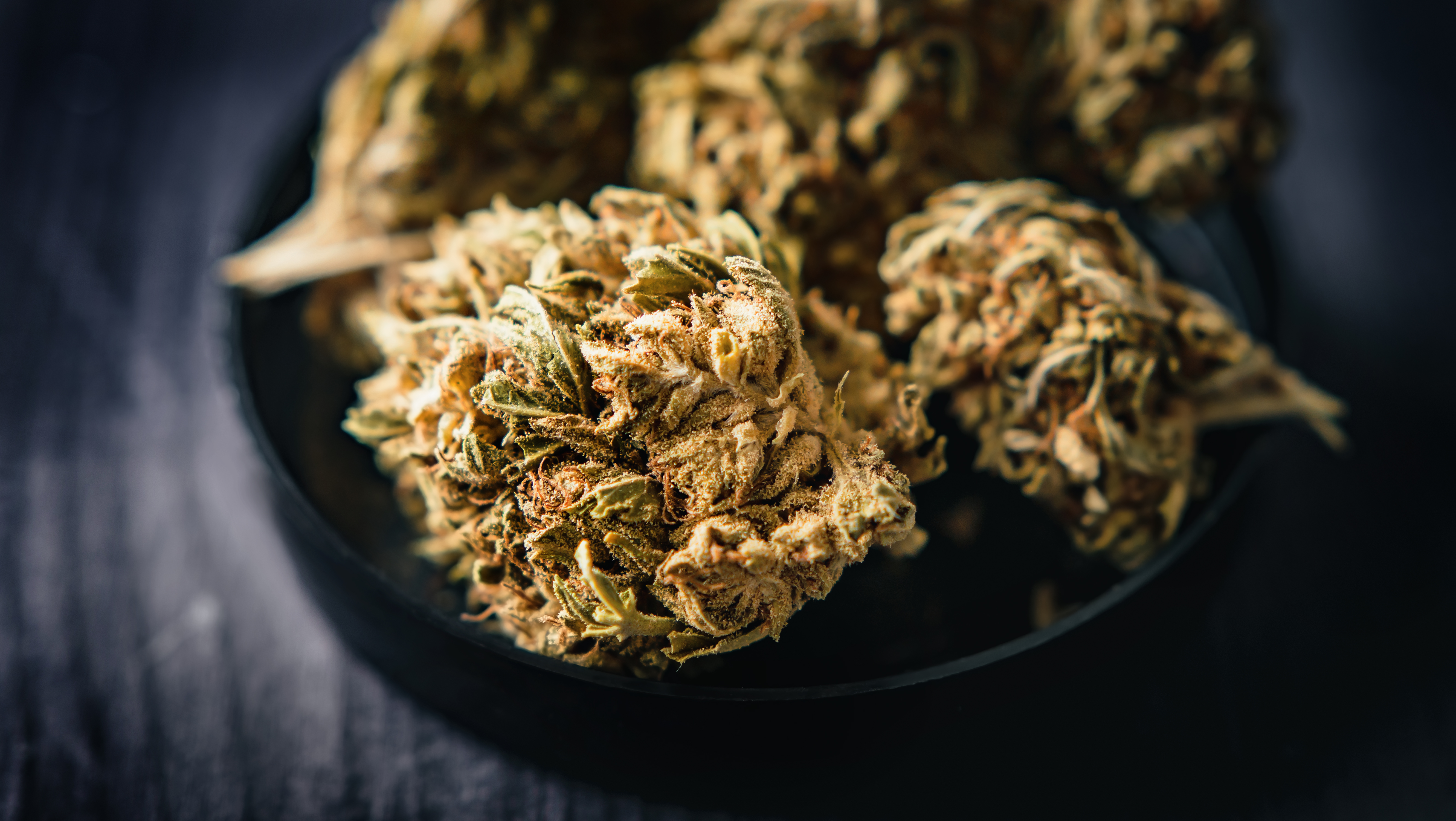


Cannabis can vary a lot in smell, taste, strength, appearance, and price. Because of these differences, people often use informal terms to describe different levels of cannabis quality. Two common terms are “mids” and “loud.” These words are widely used in cannabis culture, but they are not official grades. They can mean slightly different things depending on the person, location, grower, or market. Understanding what these terms usually mean can make it easier to compare cannabis products and recognize the factors that influence quality.
The word “mids” is short for middle-grade or medium-quality cannabis. In general, mids are considered better than very low-quality cannabis but below what is often sold as premium or top-shelf flower. Mids may have an average smell, moderate potency, and a less impressive appearance. The buds may contain more leaves or small stems, and they may not have the same heavy trichome coverage that is often seen on higher-quality flower. However, mids are not always poor-quality cannabis. Some mids can still have reasonable cannabinoid levels, acceptable flavor, and good freshness. The label simply suggests that the flower falls somewhere in the middle of the quality range.
“Loud” usually describes cannabis with a strong and noticeable smell. The aroma may be so intense that it can be detected quickly after the package or container is opened. This strong smell is one reason the word “loud” became popular. The scent is described as loud because it stands out and gets attention. Loud cannabis is also often linked with premium-quality flower, although smell alone does not prove that a product is high quality.
A strong cannabis aroma usually comes from aromatic compounds called terpenes. Terpenes are naturally found in cannabis and many other plants. They help create scents that may smell citrus-like, earthy, pine-like, floral, spicy, fruity, or sweet. Cannabis with well-preserved terpenes may have a stronger and more complex aroma. However, terpene content can be affected by many things, including plant genetics, growing conditions, harvest timing, drying, curing, packaging, and storage.
Potency is another major part of the mids vs loud comparison. Many people assume that loud cannabis is always much stronger than mids, but this is not always true. Potency is often measured by looking at the levels of cannabinoids such as THC. THC is one of the main compounds associated with the intoxicating effects of cannabis. A flower with a higher THC percentage may produce stronger effects for some people, but THC percentage is only one part of overall quality.
A cannabis product may have a high THC level but still have weak flavor, poor aroma, or dry and damaged buds. In the same way, a product with moderate THC may have strong terpene levels, good freshness, careful curing, and a rich aroma. This is why cannabis quality cannot be judged by THC alone. Several factors must be considered together.
Appearance is also commonly used when comparing mids and loud cannabis. Higher-quality flower is often expected to have visible trichomes, healthy-looking buds, careful trimming, and good moisture levels. Trichomes are tiny resin-producing structures that form on the surface of cannabis flowers. They contain many of the plant’s cannabinoids and terpenes. Flower with plenty of intact trichomes may look shiny, frosty, or slightly sticky.
Mids may have fewer visible trichomes, looser buds, more leaf material, or less careful trimming. Still, appearance can be misleading. Some cannabis strains naturally grow with loose flower structures, while others produce very dense buds. Color can also vary because of genetics and growing conditions. Green, purple, orange, and other natural shades may appear in healthy cannabis. For this reason, appearance should be considered along with smell, freshness, laboratory information, and other quality indicators.
Flavor is another noticeable difference that may separate mids from loud cannabis. Loud flower is often associated with stronger and more distinct flavors because of its terpene profile and how well those compounds have been preserved. Mids may have a weaker or simpler flavor. Poor drying, curing, or storage can also reduce flavor quality. Exposure to too much heat, light, oxygen, or very dry conditions may cause some aromatic compounds to break down over time.
Price is another reason people compare mids and loud. Mids are generally sold at lower prices because they are considered average-grade flower. Loud or premium cannabis may cost more because growers may spend more time controlling cultivation conditions, trimming buds carefully, curing flower properly, testing products, and protecting quality during packaging and storage. However, a higher price does not always guarantee better cannabis. Taxes, branding, location, supply, demand, packaging, and retail markups can all affect the final price.
It is also important to understand that there is no universal system that officially defines cannabis as mids or loud. One retailer may describe a product as premium, while another may consider similar flower to be mids. The terms are based mostly on common usage rather than strict scientific standards.
For a more accurate comparison, it helps to look beyond these labels. Cannabinoid content, terpene profile, trichome condition, aroma, flavor, moisture level, freshness, curing, storage, and laboratory testing can provide more useful information. These factors help explain why one cannabis product may smell stronger, taste better, cost more, or appear fresher than another.
The mids vs loud comparison is therefore about more than deciding which type is better. It involves understanding how cannabis quality is created and measured. Looking at potency, smell, flavor, appearance, cost, freshness, and handling makes it easier to understand the real differences between products. The sections that follow will examine each of these factors in more detail and explain how they influence the way cannabis is commonly described as mids or loud.
What Does Mids Mean in Cannabis?
The word “mids” is common cannabis slang. It is usually used to describe cannabis that falls somewhere between very low-quality flower and premium flower. The term is short for “middle-grade” or “medium-quality” cannabis. It does not refer to an official grade, legal category, or laboratory standard. Instead, it is an informal way people describe the general quality of cannabis based on factors such as smell, appearance, flavor, freshness, and potency.
Because “mids” is not a regulated term, its meaning can change from one market to another. Cannabis sold as mids in one place may look better or worse than cannabis given the same label somewhere else. Growers, sellers, and consumers may also use the word differently. For that reason, the label should be treated as a general description rather than a precise measure of quality.
Understanding what mids usually means can still be useful. It helps explain why some cannabis products are less expensive than premium flower and why they may have a weaker smell, simpler flavor, or less attractive appearance.
Definition of Mids Weed
Mids generally refers to cannabis of average quality. It is often considered better than very low-grade cannabis but not as refined as flower sold as premium, top-shelf, or craft cannabis.
The term became popular as a simple way to separate cannabis into broad quality levels. At the lower end, cannabis may contain more stems and leaves, have a weak smell, look dry, or show signs of poor handling. At the higher end, premium flower is often carefully grown, trimmed, cured, stored, and packaged. Mids usually sit somewhere between those two levels.
Middle-grade cannabis can still come from healthy plants. It may also contain noticeable cannabinoids and terpenes. The main difference is often that the flower does not show the same level of refinement or preservation associated with higher-priced cannabis.
For example, mids may have smaller buds, less visible resin, a weaker aroma, or a less careful trim. The flower may also have been grown on a larger scale, stored for longer periods, or handled more often before reaching the consumer. Each of these factors can affect how the cannabis looks, smells, and tastes.
It is also important to remember that mids is not a strain. Any cannabis variety could potentially be considered mids depending on how it was grown, harvested, dried, cured, handled, and stored. A well-known strain does not automatically become premium simply because of its genetics.
Common Characteristics of Mids
One common feature of mids is a moderate aroma. The flower may still smell like cannabis and may have clear earthy, herbal, citrus, pine, fruity, or spicy notes. However, the smell is often less intense than what is associated with very fresh or strongly aromatic flower.
Flavor may also be more basic. Well-preserved cannabis can contain a complex mix of aromatic compounds called terpenes. These compounds help give different varieties their smell and flavor. If some terpenes are lost during drying, curing, storage, or handling, the flower may taste less distinct.
The appearance of mids can vary widely. Some buds may look healthy but have a loose structure or uneven shape. Others may have fewer visible trichomes. Trichomes are tiny resin-producing structures found on the surface of cannabis flowers. They contain many of the plant’s cannabinoids and aromatic compounds.
Mids may also have a less careful trim. Small pieces of leaf may still be attached to the flower, and the buds may contain more visible stems than premium products. These traits do not always mean the cannabis is unsafe or unusable. They usually reflect differences in processing, handling, or product grading.
Freshness is another factor. Some mids may be slightly drier than higher-priced flower because of longer storage or packaging conditions. Cannabis that loses too much moisture can become brittle and may lose aroma more quickly. However, cannabis should also not be overly wet because excess moisture can increase the risk of mold or other storage problems.
Potency can also vary. Mids are often assumed to have moderate THC levels, but that is not always true. A cannabis product may test relatively high in THC and still be considered mids because of poor trimming, weak aroma, dryness, or other quality issues. This is one reason THC percentage should not be used as the only measure of cannabis quality.
Are Mids Always Low Quality?
Mids are not automatically low-quality cannabis. The term usually suggests average quality rather than poor quality. In many cases, mids may simply lack some of the visual appeal, aroma strength, or careful processing found in more expensive flower.
Some mids may be grown well but have smaller buds. Others may come from the same plants as premium flower but be sorted into a lower grade because of size, shape, or appearance. Small buds are sometimes sold at a lower price even when their chemical makeup is similar to larger flowers from the same harvest.
Storage can also change how cannabis is judged. A product that was high quality when first packaged may lose aroma and moisture over time. If the terpenes fade and the flower becomes dry, it may later seem closer to what people describe as mids.
The lack of a universal grading system is important to understand. Terms such as mids, top shelf, premium, exotic, and loud are mainly marketing or slang terms. They do not guarantee specific THC percentages, terpene levels, growing methods, or laboratory results.
A better way to judge cannabis is to look at several factors together. These include freshness, aroma, trichome condition, moisture level, cannabinoid information, terpene data when available, and signs of proper storage. Looking at the full product gives a more accurate picture than relying on one informal label.
Mids means middle-grade or average-quality cannabis. It usually falls between low-grade flower and premium cannabis in terms of appearance, aroma, flavor, freshness, and overall presentation. Mids may have a moderate smell, simpler flavor, average bud structure, fewer visible trichomes, or a less careful trim. However, the term does not automatically mean the cannabis is bad or weak. Because mids is an informal label with no universal standard, the actual quality can vary greatly. The best way to understand a cannabis product is to evaluate its condition, freshness, testing information, aroma, and overall handling rather than relying on the word “mids” alone.
What Does Loud Mean in Cannabis?
The word “loud” is a common slang term used to describe cannabis that has a very strong and noticeable smell. In many cases, people also use the term to describe flower that appears fresh, aromatic, and high in overall quality. However, “loud” is not an official cannabis grade. There is no universal rule that decides whether a cannabis product is loud. The meaning can vary between growers, retailers, and different cannabis markets.
The term mainly focuses on aroma. Some cannabis flower produces such a powerful smell that it can be noticed as soon as a container or package is opened. Depending on the strain and its chemical profile, the smell may be fruity, citrus-like, earthy, pine-like, floral, spicy, sweet, or even skunky. A strong and clear aroma is often one of the first characteristics people notice when comparing loud cannabis with mids.
Still, smell is only one part of cannabis quality. Growing conditions, genetics, harvesting, drying, curing, storage, and handling can all affect the final product. For this reason, loud cannabis should be judged using several quality factors rather than aroma alone.
Definition of Loud Weed
Loud weed generally refers to cannabis flower with a powerful and easy-to-notice aroma. The smell can become clear even when only a small amount of flower is exposed to the air. This strong scent is one reason the term “loud” became popular. The aroma can seem almost impossible to ignore, much like a loud sound can be difficult to overlook.
The word is also often linked with higher-quality cannabis. Flower described as loud may have visible resin, strong colors, a fresh texture, and a noticeable flavor. It may also contain a rich mixture of cannabinoids and aromatic compounds. However, none of these features are guaranteed simply because someone calls a product loud.
Cannabis slang does not follow a regulated grading system. One person may call a certain product loud because of its smell, while another may reserve the term for flower that also has strong potency and premium appearance. This makes it important to understand what the label does and does not tell a consumer.
The strong aroma commonly associated with loud cannabis is influenced by compounds called terpenes. Terpenes are naturally produced by the cannabis plant and contribute to its smell and flavor. Different combinations of terpenes can create very different scent profiles. For example, one strain may have a strong citrus smell, while another may smell earthy, woody, sweet, or spicy.
Freshness can also make these aromas easier to notice. Cannabis that has been dried, cured, and stored correctly may keep more of its natural aromatic compounds. Flower that has been exposed to too much heat, air, or light can slowly lose some of its original smell.
Why Is Cannabis Called Loud?
Cannabis is called loud because its smell can be especially strong and noticeable. The term uses sound as a comparison. A loud noise easily attracts attention, and strongly scented cannabis can do the same through smell.
When cannabis flower is handled or broken apart, more of its aromatic compounds may be released into the air. This can make the scent even stronger. Some strains naturally produce larger amounts of certain terpenes, which can result in a more powerful aroma.
Terpenes such as myrcene, limonene, pinene, and caryophyllene are commonly found in cannabis. Myrcene can produce earthy or herbal notes. Limonene is often connected with citrus-like scents. Pinene may create a fresh pine aroma, while caryophyllene can have peppery or spicy qualities. The actual aroma of cannabis usually comes from a combination of many compounds rather than just one terpene.
Genetics play an important role in determining the plant’s possible aroma. However, growing and processing methods also matter. A plant with strong aromatic genetics can still lose much of its scent if it is dried too quickly or stored poorly.
Curing is especially important. After cannabis is harvested and dried, it may go through a controlled curing period. Proper curing helps stabilize moisture and preserve aroma and flavor. Poor curing can leave flower smelling weak, grassy, or unpleasant.
Storage also affects whether cannabis remains loud. Heat, oxygen, light, and improper humidity can cause terpenes and cannabinoids to degrade over time. This means cannabis that once had a strong aroma may become less noticeable after long or poor storage.
Does Loud Always Mean Premium?
Loud cannabis is often connected with premium flower, but a strong smell does not automatically mean the product is high quality. Aroma can provide useful information, but it should be considered together with other characteristics.
A flower may smell very strong while still having problems with moisture, trimming, storage, or overall freshness. It is also possible for a product to have a high THC percentage but poor flavor or weak physical quality. Potency alone does not provide a complete picture either.
Premium cannabis is usually evaluated through several factors. These can include cannabinoid content, terpene profile, trichome condition, bud structure, freshness, moisture level, curing, and laboratory test results where testing is available.
The aroma should also smell natural and appropriate for the strain. A strong scent is not always a positive sign. Musty, mold-like, or ammonia-like smells may point to moisture or storage problems. These odors are different from the naturally strong aromas created by terpenes.
Appearance can provide more clues. Well-handled flower often has visible trichomes, which may appear as tiny crystal-like structures on the surface. These structures contain many of the plant’s cannabinoids and terpenes. Excessive dryness, damaged buds, too many stems, or signs of contamination can lower quality even if the flower has a noticeable scent.
Freshness is another important factor. Cannabis may lose aroma and flavor as it ages because some compounds slowly break down or evaporate. Proper packaging and storage can help protect these compounds for longer periods.
For these reasons, the word loud should be viewed as a description rather than a guaranteed grade. It tells the reader that strong aroma is expected, but it does not confirm everything about potency, safety, freshness, or overall quality.
Loud cannabis usually refers to flower with a strong and noticeable smell, often linked with a rich terpene profile and careful handling. The term is commonly associated with higher-quality cannabis, but it is not an official grading standard. Genetics, cultivation, curing, freshness, and storage all influence how strong cannabis smells. A loud aroma can be one sign of well-preserved flower, but it should always be considered together with potency, appearance, trichomes, moisture, testing information, and overall condition when judging cannabis quality.
Mids vs Loud: Main Differences at a Glance
When comparing mids vs loud cannabis, the biggest differences usually involve potency, smell, flavor, appearance, freshness, and price. These terms are informal, so they do not follow one official grading system. One seller may call a product mids, while another may describe a similar product in a different way. The same is true for loud cannabis. However, the terms are still useful because they describe common differences that people notice when looking at cannabis flower.
Mids usually refers to cannabis that falls in the middle range of quality. It may have average potency, a mild smell, a simple flavor, and less impressive-looking buds. Loud usually refers to cannabis with a very strong aroma and characteristics linked with higher-quality flower. Loud cannabis may also have more visible trichomes, stronger flavor, better trimming, and a fresher overall appearance. Still, these differences can change based on genetics, growing methods, curing, storage, and age.
Potency
Potency is one of the first things people compare when discussing mids vs loud. In many cases, loud cannabis is expected to have a higher THC level than mids. THC is the main cannabinoid responsible for the intoxicating effects of cannabis. However, THC levels can vary greatly between products.
Mids may have moderate THC levels, but this does not mean it is always weak. Some mid-grade flower can test at fairly high THC percentages. At the same time, some cannabis sold as loud may not have extremely high THC. This is why potency should not be judged only by the slang term used to describe the flower.
Cannabis quality also depends on more than THC. Other cannabinoids and aromatic compounds can affect how a product smells, tastes, and feels. Genetics also play an important role. Some cultivars naturally produce more THC, while others may produce lower THC levels but stronger terpene profiles.
Growing conditions can also affect potency. Plants that receive proper light, nutrients, airflow, and environmental control may develop more cannabinoids. Harvest timing matters as well. If cannabis is harvested too early, cannabinoid development may not be complete. Poor drying or storage can also reduce the quality of the final product.
For these reasons, loud cannabis may often be stronger than mids, but the label alone cannot prove potency.
Aroma and Flavor
Smell is one of the clearest differences between mids and loud cannabis. The word “loud” is commonly used because the aroma is strong and easy to notice. A container of loud cannabis may release a powerful smell as soon as it is opened.
This strong aroma usually comes from terpenes and other volatile compounds. Terpenes are natural substances found in cannabis and many other plants. They create scents that may be citrus-like, earthy, pine-like, fruity, floral, spicy, or herbal.
Mids often has a weaker or less complex smell. The aroma may still be noticeable, but it may not be as strong or distinct. This difference can happen for several reasons. The flower may naturally contain fewer aromatic compounds, or some of those compounds may have been lost during drying, curing, handling, or storage.
Flavor often follows the same pattern. Loud cannabis may have a richer and more noticeable taste because more of its aromatic compounds have been preserved. Mids may have a simpler taste or a flavor that fades more quickly.
However, a strong smell does not always prove that cannabis is high quality. Some cultivars naturally have stronger aromas than others. Poorly stored cannabis may also develop unpleasant smells. A musty or ammonia-like odor may suggest excess moisture or improper storage rather than good quality.
Appearance and Texture
Appearance can also help show the difference between mids and loud cannabis. Loud flower is often associated with carefully trimmed buds, visible trichomes, healthy color, and a well-developed structure.
Trichomes are tiny resin-producing structures found on the surface of cannabis flowers. They often look like small crystals. These structures contain many of the plant’s cannabinoids and aromatic compounds. Flower with good trichome coverage may look frosty or slightly shiny.
Mids may have fewer visible trichomes or may look less carefully processed. The buds may contain extra leaves, small stems, or uneven trimming. Bud structure may also be looser or less visually impressive.
Texture is another important factor. Good-quality flower should not normally be extremely dry or overly wet. Cannabis that is too dry may crumble easily and lose aroma. Cannabis that is too wet may burn poorly and may have a higher risk of microbial growth if it was stored incorrectly.
Loud cannabis is often expected to feel slightly sticky because of its resin content. However, stickiness alone is not proof of quality. Moisture, genetics, and curing can all affect texture.
Color should also be judged carefully. Healthy cannabis may appear in different shades of green, and some cultivars naturally contain purple, orange, or other colors. Bright or unusual color does not automatically mean higher quality.
Cost and Availability
Price is another common difference in the mids vs loud comparison. Mids is usually less expensive because it is positioned as average or middle-grade cannabis. Loud cannabis often costs more because it may require more careful cultivation, trimming, curing, packaging, and storage.
Higher-quality flower may also be produced in smaller batches. Growers may spend more time controlling temperature, humidity, lighting, airflow, and plant nutrition. Hand trimming and careful curing can also increase production costs.
However, price varies greatly depending on location and market conditions. Taxes, supply, demand, retail markups, brand reputation, and local laws can all change the final price.
This means expensive cannabis is not always better cannabis. A high price may partly reflect branding or limited availability rather than better potency or freshness. In the same way, lower-priced flower is not automatically poor quality.
Availability can also affect the difference. Mids may be easier to find in markets where larger amounts of cannabis are produced. Loud or premium flower may be sold in smaller quantities or reserved for higher price ranges.
The main differences between mids and loud cannabis usually involve potency, aroma, flavor, appearance, texture, and cost. Mids is generally used to describe average-quality cannabis that may have moderate potency, a milder smell, simpler flavor, and less refined appearance. Loud usually refers to cannabis with a very strong aroma and characteristics often linked with higher-quality flower, such as noticeable trichomes, stronger flavor, careful trimming, and better freshness.
Still, these labels are not official grades. A product called mids may sometimes have high THC, while a product called loud may not always meet every sign of premium quality. Genetics, cultivation, curing, freshness, storage, laboratory results, and terpene content provide more useful information than slang terms alone. Looking at several quality factors together gives a clearer picture of how mids and loud cannabis truly compare.
Mids vs Loud Potency: Which Is Stronger?
One of the biggest questions in the mids vs loud comparison is potency. Many people assume that loud cannabis is always stronger than mids. In many cases, loud flower may have higher THC levels or a stronger overall chemical profile. However, potency is more complex than one number. THC content, other cannabinoids, terpenes, freshness, tolerance, and individual response can all affect how strong cannabis may seem.
The terms “mids” and “loud” are also informal. They do not represent official potency grades. A product called mids could have a higher THC percentage than expected, while a product described as loud may stand out more because of its smell and flavor rather than its THC level. Looking at laboratory information can give a clearer picture of what is actually in the flower.
Understanding THC and Other Cannabinoids
THC, or tetrahydrocannabinol, is the main intoxicating compound in cannabis. It is one of the most common measurements used on cannabis labels. A product with a higher THC percentage contains more THC by weight, but that does not automatically mean it will be better quality.
Cannabis also contains many other cannabinoids. CBD is one of the best known, but compounds such as CBG, CBC, and others may also be present in smaller amounts. The amount and balance of these compounds can vary by cultivar, growing method, harvest timing, and storage.
When comparing mids vs loud, loud flower is often expected to have a stronger cannabinoid profile. This may be because higher-quality growing conditions can help the plant reach more of its genetic potential. Still, there is no fixed THC percentage that separates mids from loud.
Two cannabis products can have similar THC levels but differ greatly in smell, flavor, freshness, and appearance. For this reason, THC should be viewed as one part of the overall quality picture rather than the only measure.
Why Loud Cannabis May Seem Stronger
Loud cannabis may seem stronger for several reasons. Genetics play an important role because some cannabis varieties naturally produce higher levels of THC and other cannabinoids. Growers who produce premium flower may also choose genetics known for strong potency and rich terpene profiles.
Growing conditions can also affect the final result. Cannabis plants need proper lighting, nutrients, temperature, humidity, airflow, and water. When these factors are controlled carefully, the plant may produce more resin and develop a stronger chemical profile.
Harvest timing is another important factor. Cannabis that is harvested too early may not have reached its full cannabinoid potential. Flower harvested at a more suitable stage may have better-developed trichomes and a stronger concentration of compounds.
Drying and curing also make a difference. Good curing helps protect cannabinoids and terpenes after harvest. Poor drying or storage can cause some compounds to break down over time.
Loud cannabis may also seem stronger because it often has a more noticeable aroma and flavor. A rich terpene profile can make the overall experience seem more intense, even when the THC level is similar to another product. This is one reason why potency should not be judged by THC alone.
Why THC Percentage Does Not Equal Quality
THC percentage is useful information, but it does not tell the whole story. A flower sample can test high in THC and still have weak aroma, poor flavor, excessive dryness, or signs of poor curing.
For example, cannabis may lose terpenes if it is exposed to too much heat, light, oxygen, or dry air. The THC level may still be relatively high, but the flower may not smell or taste as fresh. This can lower its overall quality even though the potency number looks impressive.
The opposite can also happen. A flower with a moderate THC percentage may have strong aroma, good moisture, heavy trichome coverage, and a rich terpene profile. It may be viewed as high quality even though it does not have the highest THC level available.
Testing results can also vary between batches. Genetics, plant health, growing conditions, and sampling methods can all affect the reported number. Because of this, comparing cannabis only by THC percentage can give an incomplete picture.
A more complete quality check should include cannabinoid levels, terpene content, freshness, aroma, bud condition, curing quality, and storage history where that information is available.
Individual Response and Tolerance
Potency can also feel different from one person to another. Cannabis does not affect every person in exactly the same way. Tolerance is one major reason.
A person who uses cannabis often may develop a higher tolerance to THC. This means the same product may feel less intense over time. Someone with a lower tolerance may experience stronger effects from a smaller amount.
Dose also matters. The amount used can affect how strong a product feels, regardless of whether it is described as mids or loud. A higher-potency product may feel mild in a very small amount, while a moderate-potency product may feel much stronger when a larger amount is used.
The balance of cannabinoids and terpenes can also influence the experience. Different products can have similar THC percentages but feel different because their chemical profiles are not the same.
Individual body chemistry, previous cannabis use, and other personal factors may also affect perceived intensity. This is why one person’s experience cannot be used as a reliable measure of product quality or potency for everyone.
Loud cannabis is often expected to be stronger than mids, but that is not always the case. Loud flower may have higher THC levels, better-preserved cannabinoids, stronger terpenes, or more carefully controlled growing and curing conditions. However, there is no official potency level that separates mids from loud.
THC percentage is only one factor when comparing cannabis quality. Aroma, flavor, freshness, terpene content, trichome condition, curing, and storage also matter. Individual tolerance and dose can further change how strong cannabis feels. For a more accurate comparison, mids vs loud potency should be judged using several factors instead of relying on THC percentage alone.
Smell Comparison: Why Loud Cannabis Has a Stronger Aroma
One of the clearest differences between mids and loud cannabis is the smell. Loud cannabis is known for having a strong aroma that can be noticed quickly after a container or package is opened. Mids may still have a clear cannabis smell, but it is often lighter, less complex, or less noticeable. The difference does not come from one single factor. Genetics, terpene content, freshness, drying, curing, storage, and handling can all affect how strong cannabis smells.
A strong aroma is often linked with well-preserved aromatic compounds. However, smell alone does not prove that cannabis is high quality. A product should also be evaluated based on freshness, condition, cannabinoid content, terpene profile, and proper storage. Understanding what creates cannabis aroma makes it easier to see why loud flower often smells stronger than mids.
The Role of Terpenes
Terpenes are natural aromatic compounds found in cannabis and many other plants. They are responsible for much of the smell associated with cannabis flower. Different terpene combinations can create aromas that are earthy, fruity, citrus-like, floral, spicy, woody, or pine-like.
Myrcene is one common terpene found in cannabis. It is often linked with earthy, herbal, or musky scents. Limonene can produce citrus-like aromas that may remind people of lemons or oranges. Pinene is commonly associated with fresh pine smells. Caryophyllene can create peppery or spicy notes.
Cannabis plants can contain many terpenes at the same time. The amount and balance of these compounds help create a strain’s overall aroma. Two types of cannabis with similar THC levels may smell very different because their terpene profiles are not the same.
Loud cannabis often has a noticeable and complex terpene profile. Its aroma may become clear as soon as the package is opened. In some cases, several scent notes may be easy to detect. Mids may contain many of the same terpenes, but the aroma may be weaker because fewer aromatic compounds were produced or preserved.
Terpenes are also volatile. This means they can evaporate or break down over time, especially when cannabis is exposed to poor storage conditions. For this reason, terpene preservation is an important part of maintaining strong aroma.
Why Mids May Smell Less Intense
Mids may have a weaker smell for several reasons. Genetics can play a role because some cannabis plants naturally produce stronger aromas than others. Even when two plants are grown under similar conditions, their genetic traits can affect how much terpene content they develop.
Growing conditions also matter. Light, temperature, humidity, plant nutrition, and general plant health can influence the development of aromatic compounds. A healthy plant grown under stable conditions may produce more noticeable aromas than a stressed plant.
Harvest timing can also affect smell. If cannabis is harvested before the plant has reached the best stage of development, its terpene profile may not be fully developed. Waiting too long can also affect quality if compounds begin to degrade.
Drying and curing are especially important. Cannabis needs to be dried slowly and carefully after harvest. If it dries too quickly, some aromatic compounds may be lost. If the flower is exposed to too much heat during drying, terpene loss may happen even faster.
Curing takes place after the first drying stage. During curing, flower is stored under controlled conditions so moisture can become more balanced throughout the buds. Proper curing can help preserve aroma and improve the overall condition of the flower.
Poor curing can leave cannabis smelling weak, grassy, or unfinished. This is one reason some mids may have a less complex smell than carefully cured loud cannabis.
Handling can also make a difference. Trichomes are small resin glands found on cannabis flowers. These structures contain cannabinoids and terpenes. Rough handling can damage or remove trichomes, which may reduce the amount of aromatic material left on the flower.
Aroma as a Freshness Indicator
A strong and distinct aroma can sometimes suggest that cannabis has been stored well and has retained many of its natural aromatic compounds. Fresh cannabis often has a clearer scent than flower that has been sitting in poor conditions for a long period.
However, strong smell should not be used as the only test of freshness. Some strains naturally smell stronger than others. A mild-smelling strain may still be fresh and properly stored.
Freshness should be judged by several factors together. The flower should not feel extremely dry or crumble into powder with very little pressure. It should also not feel wet or overly soft. Properly stored flower normally has some moisture without feeling damp.
Packaging can also provide useful information. Where legal cannabis products include package dates, harvest dates, or testing dates, these details can help show how long the product has been stored.
Storage conditions have a major effect on aroma. Heat can speed up the loss of terpenes. Light can contribute to the breakdown of important compounds. Constant exposure to air can also reduce freshness over time.
For these reasons, cannabis kept in a sealed container away from excessive heat and light is more likely to maintain its original aroma. Loud cannabis that is stored poorly can eventually lose much of its strong smell and begin to resemble lower-grade flower.
Unusual Smells That Can Signal Problems
Not every strong smell is a sign of good cannabis. Some odors can point to poor storage, excess moisture, or possible contamination.
A musty smell may be a warning sign that the flower was exposed to too much moisture. Cannabis that smells similar to a damp basement, wet clothing, or mildew should be treated with caution. These odors may suggest mold or other microbial growth.
An ammonia-like smell can also indicate a problem. This type of odor may develop when cannabis is stored with too much moisture and begins to break down under unsuitable conditions.
Cannabis may also smell like fresh-cut grass or hay when it has not been dried or cured correctly. A grassy smell does not always mean the product is unsafe, but it may suggest that the curing process was incomplete or rushed.
The safest approach is to consider aroma together with appearance and condition. Flower showing visible mold, unusual discoloration, excessive moisture, or suspicious odors should not be treated as normal simply because the smell is strong.
A strong cannabis aroma should normally match the expected character of the strain. It may smell earthy, fruity, citrus-like, piney, floral, sweet, spicy, or skunky. Strange odors that suggest moisture damage or decay are different from the normal strong smell associated with loud cannabis.
The smell difference between mids and loud cannabis is mainly connected to terpene content and how well those compounds are preserved. Loud cannabis usually has a stronger and more complex aroma, while mids may smell milder or less distinct. Genetics, growing conditions, harvest timing, drying, curing, handling, freshness, and storage can all influence the final smell of cannabis flower.
Terpenes such as myrcene, limonene, pinene, and caryophyllene help create the wide range of aromas found in cannabis. Proper curing and storage can protect these compounds, while heat, light, air, rough handling, and age can reduce them.
A strong smell can be one sign of fresh, well-preserved flower, but aroma should never be used as the only measure of quality. Unusual musty, ammonia-like, or damp odors can signal storage or contamination problems. When comparing mids vs loud cannabis, smell is useful, but it should always be considered together with freshness, appearance, trichome condition, cannabinoid content, and overall product quality.
Flavor and Smoking Quality: Mids vs Loud
Flavor is one of the clearest differences people notice when comparing mids vs loud cannabis. While potency often gets the most attention, taste and aroma can also say a great deal about how the flower was grown, dried, cured, stored, and handled. Cannabis flavor comes from a mix of natural plant compounds, especially terpenes. These compounds create many of the scents and flavors linked with different cannabis varieties.
Mids often have a lighter or less complex flavor. Loud cannabis, on the other hand, is usually known for a stronger smell and a more noticeable taste. However, flavor quality can change over time. Even high-quality cannabis may lose much of its taste if it is stored in poor conditions or allowed to become too dry.
How Terpenes Affect Flavor
Terpenes are natural compounds found in cannabis and many other plants. They help create the smell and flavor of the flower. Different terpenes can produce different types of scents and tastes.
For example, limonene is often linked with citrus-like notes. Pinene may create a pine-like smell. Myrcene can produce earthy, herbal, or musky scents. Caryophyllene is often linked with spicy or pepper-like notes. Other terpene combinations may create fruity, floral, sweet, woody, or fuel-like aromas.
The final flavor of cannabis depends on which terpenes are present and how much of each one remains in the flower. Genetics have a major role in this process. Some cannabis varieties naturally produce stronger or more complex terpene profiles than others.
Growing conditions can also affect terpene production. Light, temperature, plant health, and harvest timing may all influence how strongly these compounds develop. After harvest, careful drying and curing help protect them.
Because terpenes are sensitive compounds, they can break down when exposed to too much heat, air, or light. This means even flower that originally had a strong flavor can become dull over time.
Typical Flavor of Mids
Mids usually have a milder or less distinct flavor when compared with loud cannabis. The taste may still be pleasant, but it may not be as strong or easy to identify.
For example, mids may have a general earthy or plant-like flavor instead of clear citrus, berry, pine, or floral notes. This does not mean all mids taste the same. Their flavor still depends on genetics, growing conditions, and storage.
Several factors can reduce the flavor of mids. The flower may have been grown under less controlled conditions, harvested at a less ideal time, or handled in a way that damaged some of the trichomes. Trichomes contain many of the cannabinoids and terpenes that affect cannabis aroma and taste.
Mids may also spend more time in storage before being sold. Over time, aromatic compounds can slowly fade. If the flower becomes very dry, the flavor may become weaker and harsher.
Poor curing can also affect taste. Cannabis that has not been dried or cured correctly may have a grassy or plant-like flavor. This can happen when chlorophyll and other plant materials have not broken down as much as they should during the curing process.
Still, the term “mids” is informal. Some cannabis sold as mids may have good flavor and freshness even if the buds do not have the appearance or strong aroma linked with premium flower.
Typical Flavor of Loud Cannabis
Loud cannabis is generally known for having a strong and easy-to-notice aroma. That strong smell often continues into the flavor.
Depending on the variety, loud cannabis may taste fruity, citrus-like, sweet, earthy, piney, spicy, floral, or similar to fuel. Some varieties may combine several of these notes at the same time. A more complex terpene profile can make the flavor seem deeper and more distinct.
Freshness is an important part of this experience. Loud cannabis that has been dried, cured, and stored properly is more likely to keep its natural aromatic compounds. This can lead to stronger flavor and smell.
However, the label “loud” does not guarantee that every part of the flower is high quality. A strong smell alone does not prove that cannabis was grown or processed correctly. Flower can have a strong aroma while still having problems with moisture, trimming, or storage.
For this reason, flavor should be considered along with other signs of quality. These include freshness, trichome condition, moisture level, laboratory testing, and overall appearance.
Drying and Curing
Drying and curing are important steps after cannabis is harvested. These steps can have a major effect on flavor and smoking quality.
During drying, moisture slowly leaves the harvested flower. If cannabis dries too quickly, some terpenes may be lost. The flower may also become brittle and harsh. If it dries too slowly or stays too wet, there may be a greater risk of mold or other quality problems.
Curing takes place after the main drying period. During curing, the flower is stored under controlled conditions so moisture can become more even throughout the buds. This process can also allow some plant compounds to break down.
Proper curing may help cannabis develop a smoother and more balanced aroma and flavor. Poor curing can leave flower with a grassy, sharp, or rough taste.
This difference can help explain why some loud cannabis has a richer flavor than mids. Premium products may receive more attention during drying and curing. However, careful curing can improve cannabis at many different price levels.
Storage and Flavor Loss
Storage has a major effect on how cannabis tastes over time. Terpenes and cannabinoids can slowly change or break down when flower is exposed to heat, light, oxygen, or poor humidity conditions.
High temperatures can speed up the loss of aromatic compounds. Direct light can also damage important plant compounds. Too much air exposure may cause oxidation, which can reduce freshness and change the flower’s smell and taste.
Cannabis that becomes too dry may lose much of its aroma and may feel harsher when used. On the other hand, flower stored in conditions that are too damp may face a higher risk of mold or other unwanted changes.
Proper storage can help protect the original flavor of both mids and loud cannabis. Airtight containers, stable temperatures, limited light, and suitable moisture conditions can slow the loss of quality.
This also means that older loud cannabis may sometimes have less flavor than fresher mids. Quality is not fixed forever after harvest. It can continue to change based on how the product is stored and handled.
When comparing mids vs loud cannabis, flavor often shows some of the biggest differences. Mids tend to have milder or less distinct taste profiles, while loud cannabis is more often linked with strong and recognizable flavors. Terpenes play a major role in these differences, but genetics, growing conditions, drying, curing, freshness, and storage also matter. Loud cannabis may offer a stronger aroma and flavor, but the label alone does not guarantee better quality. The best way to judge flavor is to consider the condition of the flower as a whole, including how fresh it is and how carefully it was processed and stored.
Appearance, Trichomes, Bud Structure, and Freshness
The appearance of cannabis can give useful clues about its quality, but no single visual feature tells the whole story. When comparing mids vs loud cannabis, people often look at trichomes, bud shape, color, trimming, and moisture. Loud cannabis is often linked with stronger visual appeal and better preservation, while mids may look more average or less carefully handled. However, genetics and growing conditions can cause major differences between strains, so appearance should always be judged together with aroma, freshness, and other quality factors.
Trichome Coverage
Trichomes are tiny resin glands found on the surface of cannabis flowers. They often look like small crystals or a light frosty coating when viewed with the naked eye. Under magnification, they can look like tiny stalks with rounded heads.
These structures are important because they contain many of the cannabinoids and terpenes found in cannabis. THC, CBD, and other cannabinoids are produced mainly in glandular trichomes. Many aromatic compounds are also stored in these resin glands. For this reason, healthy and well-preserved trichomes can be one sign that cannabis has been grown, harvested, and handled with care.
Loud cannabis often appears heavily coated in visible resin. The flower may look sticky, shiny, or frosted because of the number of intact trichomes on the surface. Mids may also have trichomes, but they can appear less dense or less noticeable. In some cases, rough handling or long storage can cause trichome heads to break off, which may reduce aroma and overall resin content.
Still, trichome coverage should not be used as the only measure of quality. Some cannabis genetics naturally produce more visible resin than others. Lighting can also make buds look more or less frosty. A better judgment comes from looking at trichomes together with freshness, aroma, bud condition, and available laboratory information.
Bud Density and Structure
Bud structure can also differ between mids and loud cannabis. Some high-quality cannabis flowers are dense, compact, and well formed. Others may be lighter and more open because of their genetics. This means dense buds are not always better than loose buds.
A healthy flower should look properly developed instead of crushed, flat, or poorly formed. Loud cannabis is often associated with carefully grown and handled buds that maintain their natural shape. The flowers may feel firm without being hard or overly compressed.
Mids can sometimes have smaller or less uniform buds. The flower may also look loose, slightly flattened, or less carefully selected. This does not automatically make it poor cannabis. Smaller buds can come from the same plant as larger premium-looking flowers and may contain similar cannabinoids.
Growing conditions also affect bud shape. Light intensity, plant health, airflow, temperature, nutrition, and genetics can all influence how cannabis flowers develop. Because of these factors, bud density should be treated as one part of a larger quality check rather than a final answer.
Color and Visual Condition
Cannabis flower can appear in many natural colors. Green is the most common base color, but some strains may also show purple, orange, red, or darker tones. Orange or brown hairs, known as pistils, are also common on mature cannabis flowers.
Loud cannabis often has a fresh and lively appearance, but color alone does not prove potency or quality. Purple cannabis, for example, is not automatically stronger than green cannabis. Purple colors can come from pigments called anthocyanins, which are influenced by genetics and growing conditions.
Very dull, faded, or brown-looking cannabis may sometimes be a sign of age or poor storage. However, natural color differences between strains can make visual judgment difficult. A better approach is to look for signs of overall plant health and proper preservation.
The flower should also be checked for unusual discoloration or visible contamination. White fuzzy growth, gray patches, or strange powdery material may be signs of mold or other problems. Cannabis that appears damaged or contaminated should not be considered good quality based on color or strain name alone.
Trimming and Handling
Trimming refers to the removal of extra leaves from cannabis flowers after harvest. Well-trimmed buds usually have fewer large leaves and less visible plant material around the flower.
Loud cannabis is often sold with careful trimming because premium flower is usually prepared to have a cleaner appearance. This can make the buds look more defined and may reduce the amount of unwanted leaf material.
Mids may sometimes contain more small leaves or stems. This can make the flower look less refined. However, trimming style varies between producers, and some growers intentionally leave more plant material on the flower.
Handling is also important. Cannabis should not be crushed or moved more than necessary because physical contact can damage trichomes. When flower is handled roughly, resin glands can break off and collect at the bottom of a container. This may reduce the amount of resin left on the buds.
Careful packaging can help protect cannabis from damage during storage and transport. Good handling practices also help preserve its shape, aroma, and surface trichomes.
Moisture and Freshness
Freshness can have a major effect on cannabis quality. Properly stored flower should have a balanced moisture level. It should not feel extremely dry, but it should also not feel wet.
Overly dry cannabis may crumble easily when touched. It may have a weaker smell and harsher texture because some aromatic compounds can be lost over time. Poor storage conditions, high temperatures, too much airflow, or long storage periods can all cause cannabis to dry out.
Cannabis that is too wet can create a different problem. Excess moisture can increase the risk of mold and other microbial growth, especially when the flower is stored in a closed container. Proper drying and curing are therefore important before cannabis reaches storage.
Loud cannabis is often associated with stronger freshness because a noticeable aroma and slightly resilient texture can suggest that volatile compounds have been better preserved. Mids may sometimes feel drier or less aromatic, especially if it has been stored for a long time.
Fresh flower should usually feel slightly springy when gently pressed. It should not turn to dust, and it should not feel damp or spongy. Storage conditions after purchase can also affect quality, so even well-grown cannabis can lose freshness if exposed to heat, light, air, or improper humidity.
When comparing mids vs loud cannabis, appearance can provide helpful information, but it should never be used by itself. Loud cannabis may have more visible trichomes, cleaner trimming, stronger bud structure, and better freshness. Mids may appear less uniform, contain more leaves or stems, or show fewer visible resin glands. However, genetics can cause major differences in color, density, and trichome production. The best way to judge cannabis quality is to consider several factors together, including trichomes, bud condition, moisture, aroma, freshness, curing, storage, and laboratory information when it is available.
Mids vs Loud Cost: Why Prices Can Be Different
Price is one of the most noticeable differences when comparing mids vs loud cannabis. In many legal cannabis markets, mids are usually sold at a lower price, while loud or premium flower often costs more. However, price does not always show the true quality of cannabis. Many factors can affect what a grower, distributor, or retailer charges for a product.
The final price can depend on how the cannabis was grown, how much labor went into production, how carefully it was trimmed and cured, and how much it cost to test and package the product. Local taxes, demand, supply, and retail markups can also change the price. Because of this, two cannabis products with similar quality may still have very different prices.
Understanding what affects the cost can make the mids vs loud comparison clearer.
Factors That Affect Cannabis Pricing
Cannabis pricing starts with production costs. Growing high-quality flower can require controlled lighting, proper temperature, careful humidity management, nutrients, ventilation, pest control, and regular plant care. Indoor cultivation can be especially expensive because growers may need powerful lights, climate-control systems, and other equipment throughout the growing cycle.
Genetics can also affect the cost. Some cultivars are harder to grow, produce smaller harvests, or require more attention. Growers may also pay for selected seeds, clones, or breeding programs. These costs can become part of the final retail price.
Labor is another major factor. Cannabis plants must be monitored, harvested, dried, trimmed, cured, packaged, and prepared for sale. Hand trimming can take more time than machine trimming, but it may help protect the shape of the flowers and reduce damage to trichomes. Products that receive more careful handling may cost more because more labor is involved.
Legal cannabis products may also have testing and regulatory costs. Depending on local rules, products may be tested for cannabinoid levels, contaminants, pesticides, microbes, or other substances. Businesses may also pay licensing fees, compliance costs, packaging expenses, and taxes. Distribution and transportation can add more costs before the product reaches a store.
Supply and demand also matter. A cannabis variety that is widely available may cost less because there is plenty of supply. A limited cultivar that is popular but produced in small amounts may sell for a higher price.
Why Mids Usually Cost Less
Mids often cost less because they are usually placed in a middle or value pricing category. They may come from larger harvests, more common genetics, or production systems designed to produce higher amounts of flower at a lower cost.
The flowers may also receive less detailed trimming or handling. Some mids may contain more small leaves, uneven buds, or small stems. Their appearance may not be as carefully prepared as premium flower, even when the cannabis itself is still usable.
Mids may also have a weaker aroma or less noticeable flavor. This can happen because of genetics, storage, curing, age, or terpene loss. Since a strong aroma is often associated with loud cannabis, flower with a softer smell may be placed in a lower price category.
Lower price does not automatically mean that mids are bad cannabis. Some batches may have good cannabinoid levels and acceptable freshness but simply lack the appearance, aroma, or presentation expected from premium products. In some cases, mids may provide similar basic characteristics at a lower cost because they do not meet the visual or aromatic standards used for higher-priced flower.
Why Loud or Premium Flower Can Cost More
Loud cannabis often costs more because it is commonly associated with strong aroma, noticeable flavor, careful cultivation, and attractive flower structure. Producing these qualities may require more time and greater control during growing and post-harvest processing.
Growers may keep a closer watch on temperature, humidity, nutrients, airflow, and plant health. They may harvest plants at carefully selected times to help preserve cannabinoids and aromatic compounds. The flower may also be dried slowly and cured under controlled conditions.
Trimming and handling can increase the price as well. Premium flower is often prepared to protect the buds and reduce damage to trichomes. If workers hand trim the flower, the process can require more labor than large-scale mechanical trimming.
Some loud cannabis may also come from cultivars with lower yields. A plant that produces less flower per growing cycle can make each gram more expensive to produce. Limited batches and high demand can raise prices further.
Packaging may also play a role. Premium products may be sold in more protective or expensive containers designed to preserve freshness and reduce exposure to light, air, or moisture. Branding and presentation can increase the retail cost even if these features do not directly increase potency.
Why Price Does Not Guarantee Quality
A high price should not be treated as proof that cannabis is better. Several costs that have little to do with flower quality can affect retail prices.
Location can make a major difference. Cannabis taxes, business expenses, licensing costs, and local competition vary between markets. The same type of flower may cost much more in one area than another.
Branding can also increase the price. Well-known brands may charge more because of packaging, advertising, distribution, or customer demand. A less expensive product from another producer may have similar cannabinoid or terpene levels.
Retail markups can also change the cost. Stores must cover expenses such as employees, rent, security, inventory systems, and taxes. These expenses may be included in the final price paid by customers.
For these reasons, it is better to evaluate cannabis using several signs instead of cost alone. Freshness, aroma, trichome condition, moisture, laboratory information, storage, and curing can provide a clearer picture of quality. A lower-priced batch may sometimes be fresh and well produced, while an expensive product may have lost quality because of poor storage or age.
The cost difference between mids and loud cannabis comes from more than potency. Growing methods, genetics, labor, trimming, curing, testing, packaging, supply, demand, taxes, and retail expenses can all affect the final price. Mids usually cost less because they may come from larger production runs, have less detailed trimming, or show weaker aroma and appearance. Loud cannabis often costs more because it may require careful cultivation, controlled curing, greater labor, limited production, and extra handling.
How Growing, Harvesting, Curing, and Storage Affect Quality
Cannabis quality does not depend on genetics or THC levels alone. The way the plant is grown, harvested, dried, cured, handled, and stored can have a major effect on the final flower. Even a plant with strong genetics can lose quality when growers make mistakes during production or when the finished flower is stored under poor conditions.
When comparing mids vs loud cannabis, these production steps help explain why one product may have a stronger smell, richer flavor, better appearance, or fresher texture than another. High-quality cannabis often receives careful attention from the growing stage through final packaging. Mids may still come from healthy plants, but the flower may have weaker aroma, less resin, rougher trimming, or reduced freshness because of differences in cultivation and post-harvest care.
Genetics
Genetics create the foundation for cannabis quality. Each cannabis cultivar has its own natural ability to produce cannabinoids, terpenes, resin, color, bud structure, and aroma. Some plants naturally produce dense flowers with high trichome coverage, while others grow looser buds or have lighter scents.
Genetics also influence the potential amount of THC and other cannabinoids that a plant can produce. However, genetics only provide potential. They do not guarantee that the final flower will reach its highest possible quality.
For example, a cultivar known for a strong aroma may smell weak if it is grown under poor conditions or dried incorrectly. A plant capable of producing high levels of THC may also test lower if it is stressed, harvested too early, or exposed to poor environmental conditions.
This is one reason cannabis labels such as mids and loud cannot be based on strain name alone. Two growers can produce the same cultivar but end up with very different results. The quality of the growing process plays a major role in determining the final product.
Growing Conditions
Growing conditions can affect almost every part of cannabis quality. Cannabis plants need the right balance of light, temperature, humidity, nutrients, airflow, and water. When these factors are controlled well, plants have a better chance of producing healthy flowers with strong cannabinoid and terpene profiles.
Light is especially important because cannabis plants use light to produce energy. Proper light levels support healthy growth and flower development. Too little light may lead to smaller or weaker buds, while too much heat from strong lighting can stress the plants.
Temperature also needs to remain within a suitable range. Excessive heat can place stress on cannabis plants and may affect aromatic compounds. Very cold conditions can slow plant growth and development.
Humidity must also be controlled. High humidity can increase the risk of mold and other moisture-related problems, especially when flowers become dense. Very low humidity may also cause stress and affect plant growth.
Cannabis plants also require nutrients to develop properly. Nitrogen, phosphorus, potassium, and other nutrients support different stages of plant development. Too few nutrients can cause weak growth, while too much fertilizer can damage roots and create other problems.
Good airflow helps strengthen plants and reduces areas where moisture can remain trapped. Healthy air movement can also help limit the risk of mold.
When growing conditions are carefully managed, the plants are more likely to produce healthy, resin-rich flowers. Poor or inconsistent conditions may result in smaller buds, lower resin production, weaker smells, or other characteristics often linked with lower-grade cannabis.
Harvest Timing
Harvest timing has a strong effect on cannabis quality. Growers must decide when the flowers have reached the proper stage of maturity.
Cannabis flowers contain trichomes, which are small resin-producing structures found mainly on the surface of the buds. These trichomes contain many of the cannabinoids and aromatic compounds associated with cannabis.
If cannabis is harvested too early, the flower may not have reached its full cannabinoid and terpene potential. Buds may be less developed, and aroma or potency may be weaker than expected.
Waiting too long can also affect quality. As cannabis remains on the plant, cannabinoids and other compounds can change over time. Flowers that stay past their ideal harvest period may lose some of the characteristics growers are trying to preserve.
Growers often examine trichomes and other signs of plant maturity when deciding when to harvest. Careful timing allows the flower to reach a more complete stage of development before it is cut and prepared for drying.
This step can help explain why two batches of the same cultivar may have different levels of aroma, potency, and overall quality.
Drying and Curing
After harvest, cannabis flowers must be dried before they can be properly stored or packaged. Drying removes excess moisture from the plant material.
However, cannabis should not dry too quickly or too slowly. Fast drying can leave the flower with a harsh texture and may reduce aroma and flavor. Drying too slowly can create conditions where mold or other moisture problems may develop.
After drying, cannabis is often cured. Curing means storing the dried flowers under controlled conditions for a period of time. This process helps balance moisture inside the buds and can improve the overall condition of the flower.
Proper curing is especially important when comparing mids vs loud. Well-cured cannabis often has a stronger and more defined aroma. The flavor may also be easier to notice because aromatic compounds have been better preserved.
Poorly cured flower may smell grassy, flat, or weak. It may also feel too wet or too dry. Even cannabis with good genetics can lose much of its quality if the drying and curing process is rushed or poorly controlled.
Curing does not turn low-quality cannabis into premium flower. Instead, it helps protect and develop the characteristics already present in well-grown cannabis.
Handling and Packaging
Cannabis must also be handled carefully after drying and curing. Rough handling can damage trichomes because these small resin structures can break away from the flower.
Trichome loss may reduce some of the cannabinoids and aromatic compounds found on the surface of the buds. This can affect appearance, smell, flavor, and overall quality.
Trimming is another important part of cannabis preparation. Flowers that are carefully trimmed may have fewer extra leaves and stems. Poor trimming can make buds look less refined and may add plant material that does not contribute much to aroma or cannabinoid content.
Packaging also matters. A suitable package protects cannabis from physical damage while helping control exposure to outside air, light, and moisture.
If cannabis is packed too tightly or handled many times before reaching the customer, delicate flower structures may become damaged. Proper packaging helps protect the condition of the buds during transportation and storage.
Storage Conditions
Storage can change cannabis quality even after the product has been grown and cured properly. Heat, light, oxygen, and moisture can all affect cannabis over time.
Excessive heat may speed up the breakdown of cannabinoids and aromatic compounds. High temperatures can also make cannabis dry out faster.
Light can also contribute to the degradation of important plant compounds. For this reason, cannabis is often stored in packaging that limits direct light exposure.
Oxygen is another factor. Repeated exposure to fresh air can slowly change cannabinoids and terpenes. Keeping cannabis in a properly sealed container can help slow this process.
Moisture must remain balanced as well. Cannabis that becomes too dry may feel brittle and lose aroma quickly. Flower that becomes too moist may create conditions that support mold growth.
Storage time also matters. Cannabis does not remain fresh forever. Even when stored properly, aroma and flavor may slowly change as the product ages.
Fresh cannabis that has been carefully stored is more likely to maintain a noticeable smell, proper texture, and intact trichomes. Poor storage can make once-premium flower appear more like mids because its aroma, flavor, and freshness have faded.
The difference between mids and loud cannabis often begins long before the flower reaches a package. Genetics create the plant’s potential, but cultivation determines how well that potential develops. Proper light, temperature, humidity, nutrients, water, and airflow help cannabis plants produce healthy flowers with strong resin and aromatic profiles.
Harvest timing is also important because flowers need enough time to mature without remaining on the plant too long. After harvest, controlled drying and curing help preserve aroma, flavor, cannabinoids, and proper moisture levels. Careful trimming, handling, and packaging can protect delicate trichomes from damage.
Storage is the final major factor. Cannabis exposed to too much heat, light, oxygen, or moisture can lose quality over time. Even high-quality loud cannabis may become dry, weak-smelling, or less flavorful if it is stored poorly.
How to Judge Cannabis Quality Beyond the Mids and Loud Labels
Terms such as “mids” and “loud” can give a quick idea of how someone views cannabis quality, but these labels are not exact. They are slang terms, and their meaning can change from one seller, grower, or market to another. A product called loud in one place might be seen as average somewhere else. For that reason, it is better to judge cannabis by several clear signs instead of relying only on a name. Laboratory information, freshness, aroma, trichomes, physical condition, and storage history can all give a more complete picture of quality.
Check Laboratory Information Where Available
Laboratory testing can provide useful facts about cannabis. In regulated markets, product labels may show the amount of THC, CBD, and other cannabinoids in the flower. These numbers help describe the chemical makeup of a batch, but they should not be used as the only measure of quality.
A high THC percentage does not always mean the flower is better. Cannabis with high THC can still be too dry, poorly cured, badly stored, or weak in aroma. At the same time, flower with a more moderate THC level may have a strong terpene profile, good moisture, and well-preserved trichomes. This is why potency numbers should be viewed as one part of the full picture.
Some labels also include terpene information. Terpenes are aromatic compounds that help create the smell and flavor of cannabis. A terpene report may show compounds such as myrcene, limonene, pinene, or caryophyllene. This information can help explain why one batch smells citrus-like, earthy, spicy, or pine-like.
Testing dates and batch numbers can also be useful. Cannabis changes over time, especially when exposed to heat, light, oxygen, or poor storage conditions. A recent test does not guarantee perfect quality, but it can help readers understand when the product was tested and which batch the results apply to.
Examine Freshness
Freshness plays a major role in cannabis quality. Flower that has been stored for too long or under poor conditions can lose aroma, flavor, moisture, and overall quality. This can happen even when the cannabis was high quality at the time it was harvested.
When available, packaging and harvest dates can help show how old the product is. A newer product is not always better, because proper curing takes time, but very old flower may have lost some of its original qualities. Storage conditions are also important. Cannabis kept in excessive heat or direct light may break down faster.
Moisture is another useful sign. Flower that is too dry may crumble easily and lose much of its smell. Extremely dry cannabis may also feel harsh when consumed. On the other hand, flower that is too wet can create storage problems and may increase the risk of mold if it was not dried or cured correctly.
Good-quality flower should generally feel dry enough to handle but not so dry that it turns to powder with light pressure. The exact texture can vary by cultivar and storage method, so moisture should always be judged together with other signs.
Evaluate Aroma
Aroma is one of the main reasons some cannabis is described as loud. Strong-smelling flower often contains noticeable levels of aromatic compounds, but smell alone does not prove that the product is high quality.
A better approach is to look for an aroma that is clear, distinct, and consistent with the cultivar. Cannabis may smell earthy, fruity, floral, citrus-like, spicy, sweet, skunky, or pine-like. The important point is that the aroma should smell natural and characteristic rather than stale or unusual.
Weak aroma may result from age, poor curing, excessive drying, or improper storage. However, some cultivars naturally have less intense smells than others. This means a mild aroma does not automatically make cannabis mids.
Unusual odors can be more concerning. Musty, damp, ammonia-like, or sour smells may suggest poor storage or another quality problem. These odors should not be confused with the normal strong scent of certain cannabis varieties.
Examine Trichomes and Physical Condition
Trichomes are tiny resin-producing structures found on cannabis flowers. They contain many of the plant’s cannabinoids and terpenes. A healthy covering of visible trichomes can be one useful sign of well-developed flower.
Under bright light, trichomes may give the surface of the bud a frosty or crystal-like appearance. However, appearance can vary depending on genetics, growing conditions, harvest timing, and handling. Some cultivars naturally produce more visible resin than others.
The physical condition of the flower also matters. Buds should generally look intact rather than crushed or heavily damaged. Excessive handling can knock off trichomes and reduce the amount of resin left on the flower.
Trimming can also affect appearance. Well-trimmed flower usually has fewer large leaves and excess stems. Poor trimming does not always mean the cannabis is weak, but it can affect the overall presentation and the amount of usable flower in the package.
Color should also be judged carefully. Healthy cannabis may appear in many shades of green and can also include purple, orange, red, or other natural colors. Bright or unusual colors do not automatically mean higher potency or better quality. Genetics and growing conditions can strongly influence how the flower looks.
Do Not Judge by THC Alone
THC is one of the most widely discussed measurements in cannabis, but it is only one part of the plant’s chemistry. Using THC percentage alone to rank flower can give an incomplete picture.
For example, two products may have similar THC levels but very different aromas, flavors, moisture levels, and terpene profiles. One may have been properly cured and stored, while the other may have become dry and stale. Even though the THC numbers are close, the overall quality may be very different.
Cannabinoids also work alongside other compounds found in cannabis. Terpenes contribute to aroma and flavor, while freshness and proper handling help preserve these compounds. Genetics, growing conditions, harvest timing, and curing can all affect the final product.
This is why higher THC should not automatically be treated as better cannabis. A more useful evaluation considers several factors at the same time.
Recognize That Cannabis Grades Are Not Universal
One of the biggest problems with terms such as mids, loud, top shelf, premium, and exotic is that there is no universal grading system behind them. These words are often based on local market habits, branding, seller descriptions, or personal expectations.
A dispensary may call one product premium because of its genetics, appearance, or limited supply. Another seller may use similar language mainly as a marketing term. A consumer in one region may use the word mids for flower that another person would consider good quality.
Because these grades are not standardized, readers should look for more specific information. Laboratory test results, dates, terpene data, aroma, moisture, trichomes, and physical condition can provide clearer details than a broad label.
This also explains why mids can sometimes have relatively high THC. A flower may test high in THC but still be called mids because of weak aroma, average appearance, poor trimming, dryness, or other quality issues. In the same way, loud cannabis may have a strong terpene profile and excellent freshness without having the highest THC percentage available.
Judging cannabis quality requires more than choosing between the labels mids and loud. These terms can be useful for general comparison, but they are not official grades and do not tell the full story. Laboratory information can show cannabinoid and terpene levels, while freshness, aroma, trichomes, moisture, trimming, and storage conditions can reveal more about the physical quality of the flower.
THC percentage should be treated as one measurement rather than the final answer. High THC does not guarantee strong aroma, good flavor, proper curing, or freshness. In the same way, moderate-THC cannabis can still have well-preserved terpenes and strong physical quality.
Conclusion: Mids vs Loud Comes Down to More Than One Quality Measure
The difference between mids and loud cannabis may seem simple at first, but there is more to the comparison than one label. In general, mids refers to cannabis that falls somewhere in the middle of the quality range. It may have an average smell, moderate flavor, normal bud structure, and less visible resin than premium flower. Loud, on the other hand, usually describes cannabis with a strong and noticeable aroma. The term is also often linked with flower that looks, smells, and tastes more refined. However, these words are informal slang. They are not official grades, and they do not follow one standard system.
Potency is one of the main factors people compare when looking at mids vs loud cannabis. Loud flower is often expected to have stronger effects, but this is not always the case. THC levels can vary widely in both categories. Some mids may test at a fairly high THC percentage, while some loud flower may have a lower THC level but a stronger aroma and more complex terpene profile. This is why THC percentage should not be used as the only way to judge cannabis quality. Potency can be important, but it is only one part of the full picture.
Smell is another major difference. Loud cannabis gets its name from its strong aroma. A fresh batch may have clear citrus, pine, fruit, earth, spice, floral, or fuel-like notes depending on its genetics and terpene profile. Mids may have a weaker or simpler smell. In some cases, the aroma may fade because of age, poor storage, or improper drying and curing. Terpenes are delicate compounds, and they can be lost when cannabis is exposed to too much heat, light, oxygen, or dry air. Because of this, smell can provide useful clues about freshness and handling.
Flavor often follows the same pattern. Flower with well-preserved terpenes may have a stronger and more distinct taste. Loud cannabis is often valued for these clear flavor notes. Mids may taste milder, less complex, or less noticeable. Still, flavor depends on more than the original plant. Drying, curing, storage, age, and handling can all change how cannabis tastes. Even flower that started with a strong terpene profile can lose much of its flavor if it is stored poorly for a long period.
Appearance can also help when comparing mids and loud cannabis. Loud or premium flower may have more visible trichomes, careful trimming, and better-preserved buds. Trichomes are the tiny resin glands that produce many of the plant’s cannabinoids and terpenes. Healthy trichome coverage can be a useful sign of quality, although genetics affect how many trichomes a plant naturally produces. Mids may have fewer visible trichomes, looser buds, extra leaves, or small stems. However, appearance should never be used alone. Some strains naturally grow loose or airy buds, even when they are grown and handled very well.
Freshness is another important quality measure. Good cannabis should not be extremely dry, wet, or brittle. Overly dry flower can lose aroma and flavor, while flower with too much moisture may be harder to store safely. Proper drying and curing help create a balanced moisture level and protect the plant’s natural compounds. Storage also matters after the curing process is complete. Heat, direct light, excess oxygen, and changing humidity can slowly reduce cannabis quality.
Cost is one of the easiest differences to notice between mids and loud. Mids are usually sold at a lower price, while loud or premium flower often costs more. Several factors can explain this gap. Higher-priced cannabis may involve more careful cultivation, more labor, hand trimming, controlled curing, testing, specialty genetics, or smaller production batches. At the same time, price does not always prove quality. Taxes, location, branding, packaging, supply, and demand can all affect retail prices. Expensive cannabis can still be poorly stored, while lower-cost flower may offer acceptable quality.
Growing methods also play a major role in the final product. Genetics create the basic potential for cannabinoid levels, terpene production, bud shape, color, and growth pattern. Good growing conditions can help the plant reach that potential. Light, temperature, humidity, nutrients, airflow, plant health, and harvest timing can all affect the finished flower. The drying and curing stages are just as important because poor post-harvest handling can reduce the quality of otherwise healthy cannabis.
For this reason, it is better to look beyond the words mids and loud when judging cannabis. Where legal and available, laboratory results can provide information about THC, other cannabinoids, and sometimes terpenes. Packaging or harvest dates may help show how fresh the product is. Aroma, moisture, trichome condition, bud structure, trimming, and storage quality can provide more clues. Looking at several factors together gives a more complete picture than focusing only on smell, price, or THC.
In the end, mids and loud are useful informal terms, but they do not provide exact measurements of cannabis quality. Mids generally describes average-grade flower, while loud usually refers to cannabis with a strong aroma and a higher perceived level of quality. Still, neither term guarantees a specific THC level, flavor, effect, or production method. The best way to understand cannabis quality is to consider potency, aroma, flavor, trichomes, freshness, curing, storage, and testing information together. This wider approach makes the mids vs loud comparison clearer and shows why cannabis quality cannot be judged by one label alone.
Research Citations
Chandra, S., Radwan, M. M., Majumdar, C. G., Church, J. C., Freeman, T. P., & ElSohly, M. A. (2019). New trends in cannabis potency in USA and Europe during the last decade (2008–2017). European Archives of Psychiatry and Clinical Neuroscience, 269(1), 5–15. https://doi.org/10.1007/s00406-019-00983-5
ElSohly, M. A., Ross, S. A., Mehmedic, Z., Arafat, R., Yi, B., & Banahan, B. F. (2000). Potency trends of Δ9-THC and other cannabinoids in confiscated marijuana from 1980–1997. Journal of Forensic Sciences, 45(1), 24–30.
ElSohly, M. A., Mehmedic, Z., Foster, S., Gon, C., Chandra, S., & Church, J. C. (2016). Changes in cannabis potency over the last 2 decades (1995–2014): Analysis of current data in the United States. Biological Psychiatry, 79(7), 613–619. https://doi.org/10.1016/j.biopsych.2016.01.004
Mehmedic, Z., Chandra, S., Slade, D., Denham, H., Foster, S., Patel, A. S., Ross, S. A., Khan, I. A., & ElSohly, M. A. (2010). Potency trends of Δ9-THC and other cannabinoids in confiscated cannabis preparations from 1993 to 2008. Journal of Forensic Sciences, 55(5), 1209–1217. https://doi.org/10.1111/j.1556-4029.2010.01441.x
Plumb, J., Demirel, S., Sackett, J. L., Russo, E. B., & Wilson-Poe, A. R. (2022). The nose knows: Aroma, but not THC mediates the subjective effects of smoked and vaporized cannabis flower. Psychoactives, 1(2), 70–86. https://doi.org/10.3390/psychoactives1020008
Smith, C. J., Vergara, D., Keegan, B., & Jikomes, N. (2022). The phytochemical diversity of commercial Cannabis in the United States. PLOS ONE, 17(5), e0267498. https://doi.org/10.1371/journal.pone.0267498
Shi, Y., Cao, Y., Shang, C., & Pacula, R. L. (2019). The impacts of potency, warning messages, and price on preferences for cannabis flower products. International Journal of Drug Policy, 74, 1–10. https://doi.org/10.1016/j.drugpo.2019.07.037
Reimann-Philipp, U., Speck, M., Orser, C., Johnson, S., Hilyard, A., Turner, H., Stokes, A. J., Small-Howard, A. L., & Small-Howard, A. L. (2020). The preservation and augmentation of volatile terpenes in cannabis inflorescence. Journal of Cannabis Research, 2, 27. https://doi.org/10.1186/s42238-020-00035-z
Kovalchuk, O., Li, D., Rodriguez-Juarez, R., Golubov, A., Hudson, D., & Kovalchuk, I. (2020). The effect of cannabis dry flower irradiation on the level of cannabinoids, terpenes and anti-cancer properties of the extracts. Biocatalysis and Agricultural Biotechnology, 29, 101736. https://doi.org/10.1016/j.bcab.2020.101736
Cascini, F., Aiello, C., & Di Tanna, G. (2012). Increasing delta-9-tetrahydrocannabinol (Δ-9-THC) content in herbal cannabis over time: Systematic review and meta-analysis. Current Drug Abuse Reviews, 5(1), 32–40. https://doi.org/10.2174/1874473711205010032
Questions and Answers
Q1: What is the difference between mids and loud cannabis?
Mids are generally considered medium-quality cannabis with average potency, aroma, flavor, and appearance. Loud refers to higher-quality cannabis known for its strong smell, richer flavor, visible trichomes, and often higher cannabinoid and terpene levels.
Q2: Why is high-quality cannabis called loud?
The term “loud” usually refers to the strong aroma produced by high-quality cannabis. A loud strain may have a noticeable smell because it contains significant amounts of aromatic compounds called terpenes.
Q3: Are mids less potent than loud cannabis?
Mids are often less potent than loud cannabis, but potency depends on the strain, growing conditions, storage, and cannabinoid content. Laboratory testing is the most reliable way to determine THC and other cannabinoid levels.
Q4: How can you tell mids from loud cannabis?
Loud cannabis often has a stronger aroma, more visible trichomes, better-developed buds, and more noticeable flavors. Mids may have a weaker smell, less resin coverage, a drier texture, or a less carefully trimmed appearance.
Q5: Does loud cannabis always have more THC than mids?
No. Loud cannabis does not always have more THC. Quality also depends on terpene content, freshness, cultivation, curing, and overall chemical composition. A cannabis product can have a strong aroma and good quality without having extremely high THC levels.
Q6: Why does loud cannabis smell stronger than mids?
Loud cannabis often smells stronger because it may contain higher or better-preserved levels of terpenes. Proper harvesting, drying, curing, and storage can help protect these aromatic compounds.
Q7: Does loud cannabis taste better than mids?
Loud cannabis often has a stronger and more complex flavor because of its terpene profile and careful curing. Mids may have a milder, flatter, grassy, or less distinct flavor, especially when storage or curing has reduced terpene levels.
Q8: Is loud cannabis more expensive than mids?
Loud cannabis is generally more expensive because higher-quality flower may require careful genetics selection, cultivation, trimming, curing, testing, and storage. Prices also depend on location, legal market conditions, taxes, supply, and demand.
Q9: Are mids considered bad-quality cannabis?
Not necessarily. The term “mids” usually describes cannabis that falls between low-grade and premium-quality flower. Properly produced mids can still have acceptable potency, aroma, and appearance, although they may lack some of the characteristics associated with premium cannabis.
Q10: Which is better, mids or loud cannabis?
Loud is generally considered higher quality based on factors such as aroma, flavor, appearance, freshness, and resin production. However, terms such as “mids” and “loud” are informal and do not provide exact information about potency, safety, or chemical composition. Lab test results provide more reliable information about a cannabis product.