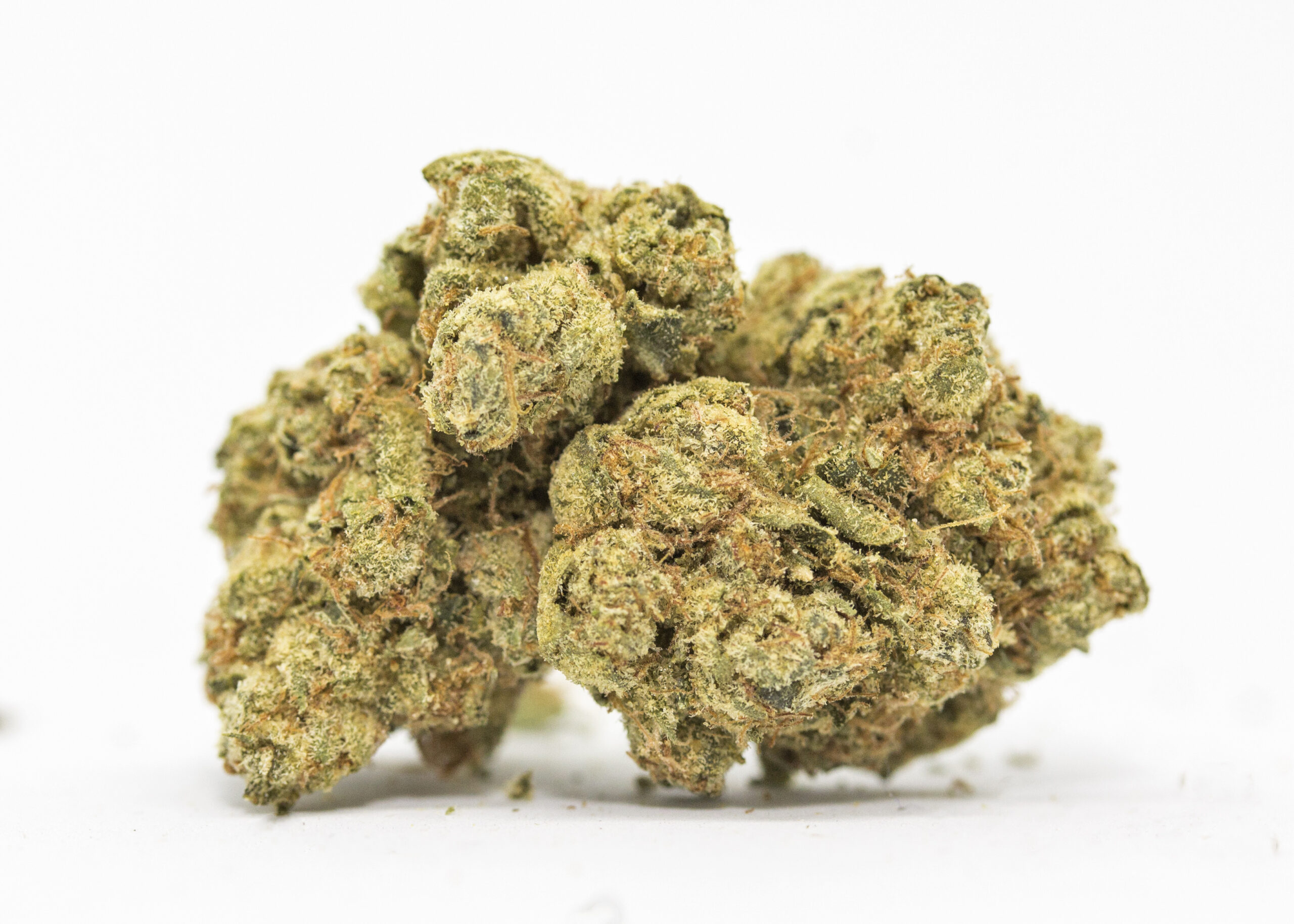


The Mimosa strain is a well-known cannabis variety that has gained attention for its strong aroma, noticeable potency, and balanced effects. It is often discussed by people looking for clear information about THC levels, expected effects, flavor profile, and how the plant grows. Because of this, Mimosa is one of the most searched cannabis strains online. Many people want straightforward answers before deciding whether to learn more about it, grow it, or understand how it compares to other strains. This article is written to provide clear, factual, and easy-to-understand information about the Mimosa strain without personal opinions or user stories.
Mimosa is most often described as a hybrid cannabis strain. Hybrid strains are created by crossing two different cannabis varieties to produce specific traits. In the case of Mimosa, these traits include a citrus-like aroma, a relatively high THC content, and effects that are commonly associated with both mental alertness and physical relaxation. Because hybrid strains can vary, Mimosa may show small differences depending on how it is grown or which phenotype is present. This variation can make it confusing for readers who are trying to find consistent and accurate information. One goal of this article is to reduce that confusion by explaining what is most commonly reported and scientifically observed.
Search engines show that people frequently ask specific questions about Mimosa. These include saying things like: “What is Mimosa strain?”, “How strong is Mimosa?”, “Is Mimosa indica or sativa?”, and “What does Mimosa smell like?” Many readers also want to know how long the plant takes to flower, whether it is difficult to grow, and what kind of yield it produces. This article is structured to directly answer the most common questions using clear language and organized sections. Each section focuses on a single topic so readers can easily find the information they need.
Another reason Mimosa attracts attention is its THC percentage. THC, or tetrahydrocannabinol, is the main compound responsible for the psychoactive effects of cannabis. Mimosa is often tested at higher THC levels than average, which raises questions about strength, effects, and possible side effects. For readers who are new to cannabis strains or researching for educational reasons, understanding THC levels is important. This article explains THC content in simple terms and places it in context so readers can better understand what the numbers mean.
Aroma and flavor are also key reasons why Mimosa stands out. Many cannabis strains are named based on their scent or taste, and Mimosa is no exception. Its name is often linked to citrus-like aromas that resemble orange or tropical fruit notes. These sensory traits come from compounds called terpenes. Terpenes play a major role in how cannabis smells and tastes. They can also influence how a strain feels. This article explains the terpene profile of Mimosa in a clear way, without technical language that may be hard to follow.
Growing information is another major focus of this guide. Many people search for Mimosa because they want to know if it is suitable for indoor or outdoor growing. Others want to know how long it takes to flower or whether it requires special care. Growing cannabis involves many factors, including climate, light, nutrients, and timing. This article covers these topics in a general and educational way, focusing on what is commonly known about Mimosa plants.
It is important to note that this article is written for informational purposes only. Cannabis laws vary by country, state, and region. Nothing in this guide is meant to encourage illegal activity. Instead, the goal is to provide accurate, research-based information so readers can better understand the Mimosa strain from a factual standpoint.
By the end of this article, readers will have a clear understanding of what the Mimosa strain is, how strong it typically is, what it smells and tastes like, how it may affect the body and mind, and what is involved in growing it. The sections that follow break down each topic in detail, using simple English and clear explanations to make the information easy to read and understand.
What Is the Mimosa Strain?
The Mimosa strain is a well-known cannabis variety that is classified as a hybrid strain. This means it is created by crossing two different cannabis strains, usually one with indica traits and one with sativa traits. Mimosa is most often described as a sativa-dominant hybrid, although the exact balance can vary depending on how it is grown and which phenotype is expressed. Because of this, Mimosa may show slightly different traits from one batch to another.
At its core, Mimosa is recognized for combining moderate to high THC levels, a citrus-forward aroma, and uplifting effects. These traits have made it a commonly searched strain among people looking to understand potency, flavor, and general characteristics before use or cultivation.
Basic Classification
Mimosa is not a landrace strain, meaning it does not come directly from a single geographic region with untouched genetics. Instead, it is a modern hybrid strain, developed through selective breeding. Breeders focused on combining strong cannabinoid content with a fresh flavor profile and consistent growth patterns.
Most cannabis databases and cultivation guides list Mimosa as:
- Hybrid (sativa-dominant)
- High-THC strain
- Low CBD strain
CBD levels in Mimosa are typically very low, often below 1%. Because of this, Mimosa is mainly associated with THC-driven effects rather than balanced THC-to-CBD experiences.
Genetic Background Overview
Mimosa is created by crossing Clementine with Purple Punch. These parent strains each contribute key features. Clementine is known for its citrus scent and energetic effects, while Purple Punch is known for its calming body traits and dense flower structure. Together, these genetics shape Mimosa’s balanced profile.
This genetic mix explains why Mimosa often delivers:
- Bright citrus aromas
- Dense, colorful buds
- A mix of mental stimulation and physical relaxation
While the genetic foundation is stable, different growers may produce slightly different versions of Mimosa depending on seed source, cloning methods, and environmental factors.
Appearance and Physical Traits
Mimosa buds are usually medium to large in size and grow in a dense, compact shape. The flowers often show:
- Shades of deep green mixed with purple tones
- Bright orange pistils (hairs)
- A thick layer of trichomes, which contain cannabinoids and terpenes
This frosty appearance is one reason Mimosa is often used for concentrates and extracts, in addition to dried flower.
The plant itself tends to grow with a structure that reflects its hybrid nature. It can stretch during flowering like a sativa, but still develop solid buds similar to indica plants.
Forms and Availability
Mimosa is commonly available in several cannabis product forms, including:
- Dried flower
- Pre-rolls
- Concentrates such as live resin or wax
- Vape cartridges
The strain’s terpene content makes it especially popular for products where flavor and aroma are important. However, the exact terpene levels can change based on how the plant is grown and processed.
Why Mimosa Is So Widely Searched
Mimosa is often searched online because it sits at the intersection of potency, flavor, and versatility. Many people want to know:
- How strong it is compared to other strains
- Whether it leans more toward indica or sativa
- What it smells and tastes like
- How difficult it is to grow
Its name is also easy to remember and is associated with citrus flavors, which adds to general interest and curiosity.
Important Clarifications
It is important to understand that Mimosa is not a single, fixed product. Like all cannabis strains, its final characteristics depend on:
- Genetics used by the grower
- Indoor or outdoor growing conditions
- Harvest timing
- Curing and storage methods
Because of this, two Mimosa products from different growers may vary in THC content, flavor strength, and overall effects.
The Mimosa strain is a sativa-dominant hybrid known for its citrus aroma, high THC levels, and modern genetic background. Created by crossing Clementine and Purple Punch, it combines uplifting mental effects with light physical relaxation. Mimosa is commonly found in flower and concentrate forms and is valued for its dense buds, strong terpene profile, and versatile nature. While its core traits are consistent, exact potency and effects can vary depending on how and where it is grown.
Mimosa Strain Genetics and Origins
The Mimosa strain is known for its strong citrus aroma, balanced effects, and high THC levels. To understand why Mimosa behaves the way it does, it is important to look closely at its genetics and how it was developed. Genetics play a major role in how a cannabis strain grows, smells, tastes, and affects the body and mind.
Parent Strains Used to Create Mimosa
Mimosa is a hybrid strain created by crossing Clementine and Purple Punch. Each parent strain contributes specific traits that shape Mimosa’s overall profile.
Clementine is a citrus-forward strain that comes from Tangie and Lemon Skunk. It is known for its sharp orange aroma, uplifting effects, and strong sativa influence. Clementine contributes Mimosa’s bright citrus scent, energetic mental effects, and fast onset.
Purple Punch, on the other hand, is an indica-dominant strain created from Larry OG and Granddaddy Purple. It is recognized for its sweet, grape-like flavor and calming body effects. Purple Punch adds density to Mimosa’s buds, higher resin production, and more physical relaxation.
By combining these two strains, breeders aimed to create a hybrid that balances mental stimulation with physical calm. The result is Mimosa, a strain that delivers both alertness and relaxation without leaning too heavily in one direction.
Breeder Background and Development Goals
Mimosa was developed by professional breeders who wanted to improve upon Clementine’s uplifting qualities while adding more strength, structure, and flavor depth. Clementine alone can be very energizing, but it may feel too sharp or short-lived for some users. Purple Punch was added to smooth out the experience and increase potency.
The main goals behind Mimosa’s creation included:
- Increasing THC levels
- Enhancing citrus flavor while adding sweetness
- Creating a more balanced hybrid effect
- Improving bud structure and resin output
These goals helped Mimosa gain attention in legal cannabis markets, especially among growers and processors looking for strong terpene profiles and high THC yields.
How Genetics Influence Flavor, Potency, and Growth
Mimosa’s genetics directly affect how it smells, tastes, and grows. From Clementine, Mimosa inherits its dominant orange and citrus aroma. From Purple Punch, it gains subtle berry and sweet undertones. These flavors are supported by high terpene production, which makes Mimosa easy to recognize.
Potency is another key genetic trait. Both parent strains are known for strong THC levels, and Mimosa often tests higher than either parent. This makes it a popular choice in flower and concentrate forms.
Growth traits also come from both sides of its lineage. Mimosa plants usually grow medium in height, with strong lateral branching. Buds tend to be dense and coated in trichomes, a trait passed down from Purple Punch. The plant structure often reflects a hybrid shape, with balanced internode spacing and sturdy stems.
Phenotypic Variations in Mimosa
Like many hybrid strains, Mimosa can show different phenotypes depending on the seed source and growing conditions. A phenotype refers to how a plant expresses its genetics in the real world.
Some Mimosa plants lean more toward Clementine traits. These phenotypes may:
- Smell strongly of orange peel
- Grow slightly taller
- Produce more uplifting effects
Other phenotypes may express more Purple Punch traits, such as:
- Deeper purple hues in the buds
- Sweeter, berry-like aromas
- Heavier physical relaxation
Environmental factors like temperature, light, nutrients, and harvest timing can also influence these traits. This is why Mimosa may look or smell slightly different depending on where it is grown.
Stability and Consistency
Mimosa is considered a fairly stable hybrid, especially when grown from verified genetics. However, because it is not a pure strain, some variation is expected. Growers often select and clone specific phenotypes to maintain consistent results in flavor and potency.
This genetic flexibility is one reason Mimosa remains popular among cultivators. It offers room for selection while still delivering reliable core traits.
Mimosa’s genetics come from the careful combination of Clementine and Purple Punch. Clementine provides citrus aroma and mental energy, while Purple Punch adds sweetness, density, and physical calm. These genetics influence Mimosa’s flavor, THC strength, growth pattern, and overall balance. While phenotypic variations exist, Mimosa remains a stable and recognizable hybrid. Understanding its genetic background helps explain why Mimosa continues to stand out in both cultivation and consumer interest.
THC and CBD Content of Mimosa
Understanding the THC and CBD content of the Mimosa strain is important because these compounds strongly affect how the strain behaves and how it may feel to use. Mimosa is known mainly for its THC levels, while CBD is usually present only in small amounts. This section explains typical potency ranges, why they vary, and how Mimosa compares to similar cannabis strains.
Typical THC Percentage in Mimosa
Mimosa is widely recognized as a high-THC cannabis strain. In most tested samples, the THC percentage usually falls between 19% and 27%. Some carefully grown phenotypes may test slightly higher, while others may fall closer to the lower end of that range.
This THC level places Mimosa above the average strength of many standard cannabis strains. For comparison, many common cannabis flowers test between 15% and 20% THC. Because of this, Mimosa is often classified as a potent hybrid strain.
The exact THC percentage can change from batch to batch. Even two Mimosa plants grown from the same genetics may show different test results. This is normal in cannabis cultivation and does not mean the strain is inconsistent.
CBD Levels in Mimosa
Mimosa typically contains very low levels of CBD, usually below 1%. In many lab tests, CBD may be present only in trace amounts or may not be measurable at all.
Because CBD levels are so low, Mimosa is not considered a CBD-rich strain. Its effects are mainly driven by THC and terpenes rather than by CBD. Consumers looking for balanced THC-to-CBD ratios usually choose other strains bred specifically for higher CBD content.
However, the small amount of CBD that is present may still play a minor role in how the strain feels, especially when combined with other cannabinoids and terpenes.
Minor Cannabinoids in Mimosa
In addition to THC and CBD, Mimosa may contain small amounts of other cannabinoids. These often include:
- CBG (Cannabigerol)
- CBC (Cannabichromene)
- CBN (Cannabinol) in aged flower
These minor cannabinoids usually appear in very small percentages, often under 1%. Even in low amounts, they may contribute to the overall profile of the strain. Cannabis researchers refer to this interaction as the “entourage effect,” which means cannabinoids and terpenes may work together rather than acting alone.
What Makes Mimosa Feel Strong
Several factors help explain why Mimosa is often described as strong, even when THC percentages are similar to other strains.
First, Mimosa often has high terpene content, especially citrus-forward terpenes like limonene. Terpenes do not increase THC levels, but they can influence how THC is experienced.
Second, Mimosa is usually harvested and cured to preserve potency. Proper curing helps maintain cannabinoid stability and prevents THC breakdown.
Third, genetics play a major role. Mimosa was bred from parent strains known for their potency, which helps explain its consistent THC strength across many grows.
Factors That Influence Potency
The THC and CBD content of Mimosa can change depending on several factors:
- Growing environment: Indoor-grown Mimosa often tests higher in THC due to controlled lighting and nutrients.
- Harvest timing: Harvesting too early or too late can reduce THC levels.
- Curing process: Poor curing may cause THC to degrade into CBN over time.
- Phenotype variation: Different plants from the same strain may express cannabinoids differently.
Because of these factors, lab results should be viewed as a range rather than a fixed number.
Comparison to Similar Hybrid Strains
When compared to other citrus-flavored or sativa-leaning hybrids, Mimosa often ranks near the top in THC content. Strains with similar flavor profiles may test closer to 18%–22% THC, while Mimosa frequently reaches the mid-20% range.
However, higher THC does not automatically mean better quality. Potency is only one part of a strain’s overall profile. Aroma, terpene balance, and cultivation quality also play important roles.
Mimosa is a high-THC cannabis strain, most often testing between 19% and 27% THC, with very low CBD levels. Its strength comes from a combination of genetics, terpene content, and cultivation methods. While CBD is minimal, small amounts of other cannabinoids may support the strain’s overall chemical profile. Because potency can vary based on growing and processing conditions, THC percentages should be seen as a general guideline rather than a guarantee.
Effects of the Mimosa Strain
The Mimosa strain is widely discussed because of its noticeable effects on both the mind and body. These effects are mainly linked to its THC content, terpene profile, and hybrid genetics. While individual experiences can vary, there are several effects that are commonly associated with Mimosa. This section explains those effects in a clear and factual way, without relying on personal opinions or testimonials.
Mental Effects
Mimosa is often described as producing strong mental effects. These effects usually appear soon after use, especially when inhaled. Many users report a noticeable change in mood and mental focus.
One commonly noted effect is an increase in alertness. Mimosa is often associated with a clear-headed mental state rather than heavy mental fog. This can make thoughts feel more active or fast-moving. Some people describe feeling more mentally engaged or aware of their surroundings.
Another frequently reported effect is a lift in mood. Mimosa is often linked to feelings of positivity or emotional lightness. This effect is usually tied to its sativa-leaning traits and citrus-based terpene profile. However, the intensity of this effect depends on the THC level and the amount consumed.
Mimosa may also affect concentration. At lower amounts, some users report improved focus or mental clarity. At higher amounts, concentration may decrease, and thoughts may become scattered. This shift is common with many THC-dominant strains and highlights the importance of controlled dosing.
Physical Effects
In addition to mental changes, Mimosa can also produce physical effects. These effects often develop gradually after the initial mental response.
A mild sense of physical relaxation is commonly associated with Mimosa. This relaxation is usually not heavy or sedating, especially when compared to indica-dominant strains. Instead, it may feel like reduced muscle tension or a lighter body sensation.
Some users report an increase in physical comfort. This may include a general sense of ease in the body rather than strong physical sedation. Because Mimosa is a hybrid, it often balances light physical relaxation with mental stimulation.
Energy levels may also be affected. Mimosa is often linked to a mild boost in physical energy, particularly at lower doses. This does not usually feel overwhelming, but it may reduce feelings of tiredness for some individuals.
Onset and Duration
The onset of Mimosa’s effects depends on how it is consumed. When inhaled, effects are often felt within minutes. When consumed in edible form, the onset may take much longer, sometimes up to two hours.
The duration of effects also varies. In many cases, the main effects last between two and four hours. Lingering effects, such as mild relaxation or mental clarity, may last longer. Higher THC levels or larger amounts may extend the duration.
Environmental factors, individual tolerance, and body chemistry can all influence how long Mimosa’s effects last.
Variability Based on Dose and Form
The effects of Mimosa can change significantly based on dose. Smaller amounts tend to emphasize mental clarity, alertness, and light physical relaxation. Larger amounts may increase intensity and lead to stronger physical sensations or mental overstimulation.
Consumption form also plays a role. Flower, concentrates, and infused products can all produce different effect profiles. Concentrates, for example, often deliver higher THC levels and may intensify both mental and physical effects.
Because of this variability, Mimosa may feel different from one use to another, even when sourced from the same plant.
Individual Differences
Not everyone responds to Mimosa in the same way. Factors such as THC sensitivity, prior experience, and overall tolerance can influence effects. People with lower tolerance may feel stronger mental stimulation, while those with higher tolerance may experience milder effects.
External factors, such as setting and time of use, may also shape how the effects are perceived.
Mimosa is commonly associated with a mix of mental stimulation and mild physical relaxation. Its effects often include increased alertness, mood elevation, and light bodily comfort. The intensity and balance of these effects depend on THC levels, dosage, consumption method, and individual sensitivity. Understanding these factors can help readers better understand why Mimosa is often described as an energizing yet balanced hybrid strain.
Is Mimosa an Indica or Sativa?
One of the most common questions about the Mimosa strain is whether it is an indica or a sativa. The short answer is that Mimosa is a hybrid strain. More specifically, it is usually described as a sativa-dominant hybrid. However, this label does not tell the full story. To understand Mimosa clearly, it is important to explain what hybrid strains are, how dominance works, and why Mimosa may feel different from one grow to another.
Understanding Cannabis Types: Indica, Sativa, and Hybrid
Cannabis strains are often grouped into three main categories: indica, sativa, and hybrid.
- Indica strains are commonly linked to relaxing physical effects and slower-paced experiences.
- Sativa strains are often associated with more uplifting or mentally stimulating effects.
- Hybrid strains are created by crossing indica and sativa plants to combine traits from both.
These categories are not strict scientific rules. Instead, they are general descriptions based on plant structure, growth patterns, and typical effects. Most modern cannabis strains, including Mimosa, are hybrids. This is because breeders often mix genetics to improve flavor, potency, yield, or growth traits.
Mimosa as a Sativa-Dominant Hybrid
Mimosa is widely classified as a sativa-leaning hybrid. This classification comes from both its genetic background and its commonly reported effects. Mimosa is known for producing more mental and cerebral effects than heavy physical sedation, which is why it is often grouped closer to sativa strains.
Even though Mimosa leans sativa, it still contains indica genetics. This means it may also show calming or body-focused effects, especially at higher doses. The balance between these traits depends on the specific plant and how it is grown.
Why Mimosa’s Classification Can Vary
Not all Mimosa plants are exactly the same. This is because cannabis plants can show different traits even when they come from the same strain name. These differences are known as phenotypes.
A Mimosa phenotype may lean more sativa-like or more indica-like depending on several factors, including:
- The specific genetics of the parent plants
- Growing environment, such as light and temperature
- Nutrient levels and soil quality
- Harvest timing
Some Mimosa plants may produce more energizing effects, while others may feel more balanced or calming. This is one reason why some people describe Mimosa differently, even though they are referring to the same strain name.
Plant Structure and Growth Traits
Mimosa’s physical structure also supports its sativa-dominant classification. The plant often grows with:
- Medium to tall height
- Long branches
- Dense but slightly elongated buds
These traits are more common in sativa-leaning plants than in short, bushy indica plants. However, Mimosa does not grow as tall as some pure sativas, which reflects its hybrid nature.
Effects and How They Relate to Classification
Cannabis classification is often tied to effects, even though this method is not exact. Mimosa is typically associated with:
- Mental clarity and alertness
- A noticeable cerebral effect
- Less heavy sedation compared to indica-dominant strains
These effects match what many people expect from sativa-dominant strains. At the same time, Mimosa may still produce body relaxation, especially as the effects progress. This combination of mental stimulation and physical calm is common in well-balanced hybrids.
Why “Indica vs. Sativa” Is Not Always Accurate
Modern cannabis research shows that cannabinoids and terpenes play a larger role in effects than the indica or sativa label alone. Two Mimosa samples labeled the same may still feel different if their chemical profiles are not identical.
For this reason, Mimosa is best understood as a hybrid with sativa-leaning traits, rather than a pure sativa or indica. The label gives a general idea of what to expect, but it does not guarantee a specific experience.
Mimosa is not a pure indica or pure sativa. It is a sativa-dominant hybrid that combines traits from both cannabis types. Its genetics, plant structure, and commonly reported effects place it closer to sativa strains, but indica characteristics are still present. Differences in growing conditions and plant phenotypes can cause Mimosa to feel more balanced or more energizing in some cases. Understanding Mimosa as a flexible hybrid helps explain why its classification may vary while still remaining consistent in its overall profile.
Aroma, Flavor, and Terpene Profile
The Mimosa strain is best known for its strong citrus aroma and bright, fresh flavor. Many people search for information about how Mimosa smells and tastes before choosing it, because scent and flavor are key parts of the cannabis experience. These qualities come mainly from the strain’s terpene profile, which shapes both aroma and taste.
Aroma Characteristics
Mimosa has a bold and noticeable smell. The most common aroma is citrus, often compared to oranges, tangerines, or grapefruit. This sharp citrus scent is usually the first thing noticed when the flower is opened or broken apart.
Along with citrus, Mimosa often has a sweet and slightly sour smell. Some samples give off a light tropical fruit scent, while others may smell more like fresh orange peel. In many cases, the citrus aroma is layered with a mild earthy or herbal note, which adds depth but does not overpower the fruit scent.
When the flower is ground, the aroma usually becomes stronger. The citrus smell can become sharper, and a faint diesel or sour note may appear. This is normal and comes from the strain’s genetics and terpene mix.
Flavor Profile
The flavor of Mimosa often matches its smell, but the experience can change slightly when consumed. On the inhale, Mimosa usually tastes sweet and citrusy, similar to oranges or lemon zest. The flavor is often described as smooth, especially when the flower is properly cured.
On the exhale, the taste may shift. Some people notice a tangy or sour citrus flavor, while others report light earthy or herbal tones. In certain phenotypes, a subtle diesel-like taste may appear at the end, but it is usually mild and short-lived.
The flavor can also depend on how Mimosa is consumed. When smoked, the citrus taste may be sharper. When vaporized, the sweeter and fruitier notes often become more noticeable, while harsh flavors are reduced.
Primary Terpenes in Mimosa
Terpenes are natural compounds found in cannabis and many other plants. They are responsible for aroma and flavor, and they also interact with cannabinoids like THC. Mimosa is known for a terpene profile that supports its citrus-forward scent and taste.
One of the most common terpenes in Mimosa is limonene. Limonene is found in citrus fruit peels and is responsible for bright, lemon- or orange-like smells. This terpene plays a major role in Mimosa’s strong citrus aroma and fresh flavor.
Another terpene often present is myrcene. Myrcene has an earthy, herbal scent and is common in many cannabis strains. In Mimosa, myrcene helps balance the sharp citrus notes and adds a smooth, grounded quality to the aroma.
Caryophyllene may also appear in smaller amounts. This terpene has a spicy, peppery scent and can add a slight warmth to the overall smell and taste. While not always dominant, it helps give Mimosa a more complex profile.
Some samples may also contain pinene, which has a fresh, pine-like scent. When present, pinene can add a crisp, clean note that blends well with citrus aromas.
How Terpenes Influence Aroma and Flavor
The terpene combination in Mimosa works together to create a clear and consistent sensory profile. Limonene provides the bright citrus scent, while myrcene and caryophyllene add depth and balance. This mix prevents the aroma from becoming too sharp or one-dimensional.
Terpenes can vary between plants, even within the same strain. Growing conditions, harvest timing, and curing methods can all affect terpene levels. Because of this, some Mimosa flowers may smell sweeter, while others lean more sour or earthy.
Mimosa is widely recognized for its strong citrus aroma and matching flavor. The scent often includes notes of orange, grapefruit, and sweet fruit, supported by mild earthy and sour tones. Its flavor is usually smooth, citrus-forward, and slightly tangy on the exhale.
These traits come from a terpene profile led by limonene, with support from myrcene, caryophyllene, and sometimes pinene. Together, these terpenes create a fresh, bright, and well-balanced aroma and taste. This clear sensory identity is one of the main reasons Mimosa remains a popular and frequently searched cannabis strain.
Common Uses and Contexts for Mimosa
The Mimosa strain is commonly chosen based on how its effects, strength, and timing fit into different daily situations. This section explains when Mimosa is most often used, why it is selected in those contexts, and what factors influence those choices. This information is descriptive and educational, not promotional.
Typical Time-of-Day Associations
Mimosa is most often associated with daytime or early evening use. This timing is linked to its cannabinoid profile and terpene composition, which tend to produce effects that are described as mentally stimulating rather than heavily sedating. Because of this, Mimosa is usually not grouped with strains that are chosen late at night or before sleep.
Many users select Mimosa earlier in the day because it is less likely to cause strong physical heaviness when compared to indica-dominant strains. Its effects are commonly reported to begin with a noticeable mental shift before physical relaxation becomes more apparent. This pattern aligns more closely with strains used during waking hours.
That said, timing can vary. Lower doses may be used earlier in the day, while higher doses may be chosen later in the afternoon or evening. The form of consumption, such as flower versus concentrate, can also change how long the effects last and when they feel strongest.
Contexts Where Mimosa Is Commonly Selected
Mimosa is frequently selected in situations where mental alertness and light physical relaxation are desired at the same time. It is often chosen in contexts that involve focus, creativity, or social interaction, rather than rest or sleep.
Common contexts include:
- Personal tasks that require attention or motivation
- Light physical activity or movement
- Social settings where clear thinking is preferred
- Creative or problem-solving activities
These patterns are tied to how Mimosa tends to affect mood and energy levels. It is generally not described as overwhelming at moderate doses, which may explain why it appears often in daytime selections at dispensaries.
Mimosa is also commonly chosen in environments where strong odors are acceptable, as its citrus-forward aroma can be noticeable. This factor may influence where and when it is used, especially in shared or indoor spaces.
How Effects Align With Different Activity Levels
The effects associated with Mimosa tend to support low to moderate activity levels rather than full physical rest. While it does not usually produce strong sedation, it may still cause mild muscle relaxation. This combination can make it less suitable for high-intensity physical tasks but more suitable for steady, controlled movement or seated activities.
For example, Mimosa’s effects may align with:
- Sitting tasks that require focus
- Casual movement rather than heavy exertion
- Activities that benefit from a calm but alert mindset
At higher doses, the physical relaxation may become more noticeable, which can reduce motivation for activity. Because of this, dosage plays an important role in how Mimosa fits into different contexts. Smaller amounts are more often associated with active use, while larger amounts may shift the experience toward relaxation.
Objective Discussion of Use Patterns
It is important to note that use patterns are influenced by individual tolerance, body chemistry, and environment. Not every person experiences Mimosa in the same way, even when using similar amounts. Factors such as food intake, hydration, and prior cannabis exposure can change how the strain feels in a given context.
Mimosa is also available in different forms, including flower, vape cartridges, and concentrates. Each form can change the onset speed and intensity of effects. For example, inhaled forms tend to act faster, which may make them more suitable for short, planned use periods.
Additionally, local regulations and social norms can affect when and where Mimosa is used. In some regions, use may be limited to private settings, which naturally shapes the contexts in which the strain appears.
Mimosa is most commonly associated with daytime and early evening use, especially in situations that benefit from mental clarity and mild physical relaxation. It is often selected for focused tasks, social settings, and light activity rather than rest or sleep. Dosage, form of consumption, and personal factors all play a role in how Mimosa fits into different contexts. Understanding these patterns helps readers better understand why Mimosa is positioned as a strain that supports alert, controlled use rather than heavy sedation.
Potential Side Effects of Mimosa
Like most cannabis strains that contain moderate to high levels of THC, Mimosa can cause side effects in some users. These effects are usually linked to THC strength, individual tolerance, amount consumed, and method of use. Understanding possible side effects helps readers make informed and responsible decisions.
Commonly Reported Side Effects
The most frequently reported side effects of the Mimosa strain are considered mild to moderate. These effects are common across many THC-dominant cannabis strains.
Dry mouth
Dry mouth, sometimes called “cottonmouth,” is one of the most common side effects. THC can reduce saliva production, which may cause a dry or sticky feeling in the mouth and throat.
Dry eyes
Some users experience dry or irritated eyes. This happens because THC can reduce tear production. Symptoms may include redness, itchiness, or a burning feeling.
Dizziness or lightheadedness
In some cases, Mimosa may cause mild dizziness, especially when consumed in larger amounts. This effect may be stronger for individuals with low THC tolerance or when cannabis is used on an empty stomach.
Headache
Although less common, headaches have been reported. These may occur due to dehydration, overconsumption, or sensitivity to THC.
Can Mimosa Cause Anxiety or Paranoia?
Anxiety is a possible side effect of Mimosa, particularly because it often contains THC levels ranging from moderate to high.
THC and anxiety connection
THC affects the brain’s endocannabinoid system, which plays a role in mood and stress response. At higher doses, THC may increase heart rate and mental stimulation, which can lead to feelings of nervousness or restlessness.
Paranoia risk
Paranoia is less common but may occur when too much THC is consumed at once. This effect is more likely in people who are sensitive to THC or unfamiliar with cannabis.
Who is more likely to experience anxiety
- Individuals with low THC tolerance
- Those consuming large amounts quickly
- People sensitive to stimulating effects
- Users in stressful or unfamiliar environments
Lower doses and slower consumption may reduce the likelihood of anxiety-related effects.
How THC Concentration Influences Side Effects
Mimosa’s THC concentration is one of the main factors influencing side effects.
Higher THC levels increase risk
As THC levels rise, so does the chance of unwanted effects such as anxiety, rapid heartbeat, or mental overstimulation.
Concentrates vs flower
Mimosa is available in different forms, including flower, vape products, and concentrates. Concentrates usually contain much higher THC levels than flower, which may increase the risk of side effects.
Dose size matters
Even strains with moderate THC can cause side effects if consumed in large amounts. Smaller doses generally reduce intensity and duration of adverse effects.
Physical Side Effects to Be Aware Of
In addition to mental effects, Mimosa may cause temporary physical reactions.
Increased heart rate
THC can raise heart rate shortly after consumption. This effect is usually temporary but may feel uncomfortable for some individuals.
Fatigue after effects wear off
While Mimosa is often associated with uplifting effects, some users may feel tired once the effects begin to fade.
Nausea (rare)
Nausea is uncommon but may occur, especially with overconsumption or in people sensitive to THC.
Factors That Increase Sensitivity to Side Effects
Not everyone reacts to Mimosa the same way. Several factors influence how side effects appear.
Tolerance level
People with little or no cannabis experience are more likely to feel strong effects.
Body chemistry
Individual metabolism, hydration levels, and overall health may affect how THC is processed.
Consumption method
Smoking, vaping, and edibles all affect the body differently. Edibles, in particular, may produce stronger and longer-lasting effects.
Environment and mindset
Stressful settings or uncomfortable environments may increase the chance of anxiety or discomfort.
Importance of Responsible Consumption
Responsible use plays a key role in reducing side effects.
- Start with a low amount
- Allow enough time to feel effects before using more
- Stay hydrated
- Avoid mixing with alcohol
- Choose a comfortable setting
These steps may help limit unwanted reactions and improve overall experience.
Mimosa, like many THC-dominant cannabis strains, can cause side effects such as dry mouth, dry eyes, dizziness, anxiety, and increased heart rate. These effects are usually temporary and vary based on dose, tolerance, and individual sensitivity. Higher THC levels and concentrates may increase the risk of discomfort. Understanding these potential side effects allows readers to approach Mimosa with awareness and care, supporting safer and more informed use.
Growing Mimosa: Indoor vs Outdoor
Growing the Mimosa strain can be rewarding, but it requires attention to detail. This section explains how Mimosa performs when grown indoors and outdoors, what level of experience is helpful, and which environmental conditions matter most. The goal is to give clear, practical information so readers understand what to expect before growing this strain.
Overall Difficulty Level
Mimosa is generally considered a moderate-difficulty strain to grow. It is not the easiest strain for beginners, but it is also not the most difficult. Growers with some basic experience usually have better results, especially when it comes to managing plant height, nutrients, and airflow.
The plant can be sensitive to stress. Changes in temperature, humidity, or feeding schedules can affect growth and yield. Because of this, Mimosa does best when grown by someone who can monitor plants regularly and make small adjustments when needed.
Growing Mimosa Indoors
Indoor growing is often preferred for Mimosa because it allows for greater control over the environment. This helps reduce stress on the plant and supports steady growth.
Key indoor characteristics include:
- Height control: Mimosa plants can stretch during flowering. Training methods such as topping or low-stress training (LST) are often used to keep plants at a manageable size.
- Lighting needs: Strong, consistent lighting helps Mimosa develop dense buds and higher cannabinoid levels. Many growers use LED or high-quality HID lights.
- Airflow: Good air circulation is important. Mimosa buds can grow dense, which increases the risk of mold if air becomes trapped.
- Humidity control: Lower humidity is recommended during flowering to prevent mold and mildew.
Indoor environments allow growers to fine-tune conditions such as light cycles, temperature, and nutrients. This level of control often leads to better consistency in quality and potency compared to outdoor grows.
Growing Mimosa Outdoors
Mimosa can also be grown outdoors, but it requires the right climate. Outdoor growing depends heavily on weather patterns and seasonal stability.
Outdoor growing considerations include:
- Climate: Mimosa prefers warm, sunny conditions with low to moderate humidity. Long periods of rain or cold weather can reduce plant health.
- Space: Outdoor plants can grow taller and wider than indoor plants. This allows for larger yields but requires more room.
- Sunlight: Full, direct sunlight for most of the day supports healthy growth and flower development.
- Pest exposure: Outdoor plants are more exposed to insects, animals, and environmental stress. Regular inspection is important.
Outdoor Mimosa plants are usually harvested in early to mid-autumn, depending on local climate. While outdoor yields can be larger, results may vary more from season to season.
Soil and Growing Medium Preferences
Mimosa grows well in nutrient-rich, well-draining soil. Whether grown indoors or outdoors, the roots need oxygen as well as moisture. Soil that holds too much water can lead to root problems.
Some growers use coco coir or hydroponic systems indoors. These methods can support fast growth but require careful nutrient management. Soil-based growing is often seen as more forgiving, especially for growers with less experience.
Temperature and Environmental Needs
Mimosa prefers stable conditions. Large swings in temperature or humidity can slow growth or reduce yield.
Ideal general conditions include:
- Daytime temperatures in the warm range
- Slightly cooler temperatures at night
- Controlled humidity, especially during flowering
Keeping conditions steady helps Mimosa focus energy on bud development rather than stress response.
Why Indoor vs Outdoor Choice Matters
The choice between indoor and outdoor growing affects:
- Plant size and structure
- Yield consistency
- Risk of pests and mold
- Ability to control flowering time
Indoor growing offers precision and predictability. Outdoor growing offers natural sunlight and potentially larger plants but comes with more environmental risks.
Mimosa is a moderately challenging strain that performs best when grown in stable, well-managed conditions. Indoor growing allows for strong control over light, temperature, and humidity, which often leads to more consistent results. Outdoor growing can produce larger plants, but it depends heavily on having the right climate and careful monitoring.
In both settings, Mimosa benefits from good airflow, proper training, and attention to environmental changes. Growers who understand these needs are more likely to achieve healthy plants and reliable harvests.
Mimosa Flowering Time and Yield
Understanding the flowering time and yield of the Mimosa strain is important for growers who want to plan their grow cycle and set realistic expectations. This section explains how long Mimosa usually takes to flower, how much it can produce, and what factors can affect the final harvest. The information applies to both indoor and outdoor cultivation.
Average Flowering Time
Mimosa has a moderate flowering period compared to many hybrid strains. On average, Mimosa plants take 8 to 10 weeks to fully flower once they enter the flowering stage. This timeframe is considered standard and fits well into most indoor grow schedules.
During the first few weeks of flowering, Mimosa plants stretch noticeably. This means the plant may grow taller before it starts focusing on bud development. By weeks four to six, buds usually begin to thicken, and resin production becomes more visible. In the final weeks, the buds gain density, and terpene levels increase, which affects aroma and flavor.
Harvest timing is important. Cutting the plant too early can reduce potency and yield. Waiting too long may lower aroma quality. Many growers rely on visual signs, such as pistil color and trichome appearance, to decide the best harvest window.
Indoor Yield Expectations
When grown indoors under controlled conditions, Mimosa is known for producing moderate to high yields. On average, indoor growers can expect around 14 to 16 ounces per square meter, depending on growing methods and environment.
Indoor yields are influenced by several factors:
- Lighting quality and intensity
- Plant training techniques
- Nutrient balance
- Temperature and humidity control
Mimosa responds well to common training methods such as topping or low-stress training. These methods can help improve light exposure and lead to more even bud development. Indoor growers also benefit from having full control over the flowering cycle, which helps maintain consistency across harvests.
Because Mimosa plants can stretch during early flowering, indoor growers often manage plant height carefully. Proper spacing and pruning can help prevent overcrowding, which may reduce yield or increase the risk of mold.
Outdoor Yield Expectations
Outdoor Mimosa plants often grow larger than indoor plants, which can result in higher overall yields. Under good outdoor conditions, growers may harvest 16 to 20 ounces per plant, or more in some cases.
Outdoor harvest time usually falls in early to mid-October, depending on the local climate. Mimosa performs best in warm, sunny environments with low humidity during the flowering phase. Regions with long summers often allow the plant to reach its full potential.
However, outdoor yields are more affected by environmental factors, including:
- Weather changes
- Rainfall during flowering
- Pests and disease pressure
- Daylight hours
Because Mimosa produces dense buds, outdoor growers must pay close attention to airflow and moisture levels. Excess moisture late in flowering can reduce yield quality and increase the risk of bud rot.
Factors That Impact Final Harvest Size
Several variables play a role in how much Mimosa a plant ultimately produces:
Genetics: Different Mimosa phenotypes may produce slightly different yields. Some focus more on resin production, while others prioritize bud size.
Growing Medium: Soil, coco coir, and hydroponic systems can all influence yield. Each medium affects nutrient uptake and root development differently.
Feeding Schedule: Balanced nutrition during flowering supports healthy bud growth. Overfeeding or underfeeding can limit yield.
Plant Health: Stress from pests, nutrient issues, or poor environmental control can reduce both yield and bud quality.
Harvest Timing: Harvesting at peak maturity ensures the best balance between bud size, potency, and aroma.
Mimosa has a flowering time of about 8 to 10 weeks, making it a manageable option for many growers. Indoor yields are usually moderate to high, while outdoor plants can produce larger harvests when grown in the right climate. Final yield depends on genetics, environment, and grower technique. By managing plant height, providing proper nutrients, and harvesting at the right time, growers can achieve consistent and reliable results with Mimosa.
Cultivation Tips for Mimosa Plants
Growing the Mimosa strain requires careful attention, but it is manageable for growers with basic experience. Mimosa plants respond well to stable conditions, proper feeding, and regular monitoring. This section explains the most important cultivation tips in clear detail, covering nutrients, training methods, pest control, and harvest timing.
Nutrient Preferences
Mimosa plants have moderate to high nutrient needs, especially during flowering. During the vegetative stage, the plant benefits most from nitrogen. Nitrogen supports leaf growth and helps the plant build a strong structure. However, too much nitrogen can cause leaf burn or slow flowering later, so balanced feeding is important.
As the plant enters the flowering stage, it needs less nitrogen and more phosphorus and potassium. Phosphorus helps with flower development, while potassium supports bud density and overall plant health. Many growers use nutrient formulas made specifically for flowering cannabis plants to avoid nutrient imbalance.
Mimosa also responds well to calcium and magnesium supplements, especially when grown indoors or in coco coir. A lack of these nutrients may lead to yellowing leaves or weak stems. Monitoring pH levels is important, as Mimosa absorbs nutrients best when pH stays between 6.0 and 6.5 in soil, and 5.8 to 6.2 in hydroponic systems.
Overfeeding is a common mistake. Signs include curled leaf tips, dark green leaves, or slowed growth. Feeding smaller amounts more often is usually safer than large feedings.
Training Techniques
Mimosa plants grow with strong upward branches and can stretch during early flowering. Training helps control height and improves light exposure. One common method is low-stress training (LST). This involves gently bending branches outward and tying them down. LST allows light to reach more bud sites and improves airflow.
Topping is another widely used technique. This involves cutting the main stem during the vegetative stage to encourage multiple main branches. Topping can increase yields if done early and carefully. However, plants need time to recover after topping, so it should not be done too close to flowering.
Screen of Green (ScrOG) methods also work well with Mimosa. A screen helps spread branches evenly and supports heavy buds during flowering. This method is especially useful indoors where space is limited.
Training should stop once flowering is well underway. Too much stress during this stage can reduce bud size or slow development.
Pest and Mold Resistance
Mimosa has average resistance to pests and mold. This means it is not especially fragile, but it still needs protection. Common pests include spider mites, aphids, and fungus gnats. Regular inspection of leaves, especially the underside, helps catch problems early.
Keeping the grow area clean is one of the best defenses. Remove dead leaves, avoid overwatering, and maintain good airflow. Sticky traps can help monitor pest activity. If pests appear, organic treatments like neem oil or insecticidal soap are often used during the vegetative stage.
Mold can become an issue due to Mimosa’s dense buds, especially late in flowering. High humidity increases the risk of mold and bud rot. Indoor growers should keep humidity below 50% during flowering and provide strong air circulation around plants. Outdoor growers should avoid planting Mimosa in areas with heavy rain or poor airflow.
Harvest Timing and Visual Indicators
Harvest timing plays a major role in final quality. Mimosa usually flowers for about 8 to 10 weeks. However, visual signs are more reliable than calendar dates.
One key indicator is the pistils, or hair-like structures on the buds. When most pistils turn from white to orange or brown, the plant is nearing harvest. Another important indicator is trichomes, the small resin glands on the buds. Using a magnifying tool, growers look for trichomes that change from clear to milky white. Some amber trichomes may also appear.
Harvesting too early can result in lower potency and smaller buds. Waiting too long may cause THC levels to decline. Many growers aim to harvest when trichomes are mostly cloudy with a small percentage turning amber.
After harvest, proper drying and curing are essential. Buds should dry slowly in a dark space with moderate humidity. Curing improves aroma, flavor, and overall quality.
Mimosa plants grow best with balanced nutrients, controlled training, and close attention to environmental conditions. Proper feeding supports healthy growth, while training techniques help manage size and increase yields. Regular pest checks and humidity control reduce the risk of damage. Careful harvest timing ensures the best possible results. With patience and consistency, growers can successfully cultivate Mimosa and achieve healthy, high-quality plants.
Mimosa Compared to Similar Strains
Mimosa is often grouped with other citrus-forward hybrid cannabis strains because of its aroma, flavor, and balanced effects. While many strains share similar scent profiles or genetic traits, Mimosa has several characteristics that help it stand apart. Understanding how Mimosa compares to similar strains can help readers clearly see what makes it unique in terms of potency, terpene profile, effects, and cultivation traits.
Comparison With Other Citrus-Forward Hybrids
Citrus-flavored cannabis strains are popular because they often contain high levels of limonene and related terpenes. These compounds are responsible for aromas similar to oranges, lemons, or grapefruit. Strains commonly compared to Mimosa include citrus-dominant hybrids that also aim to balance mental stimulation with physical relaxation.
Many citrus strains lean heavily toward either energizing or relaxing effects. Some produce sharp mental stimulation with very little body relaxation, while others are calming but lack mental clarity. Mimosa is frequently described as sitting in the middle of this spectrum. It tends to offer noticeable mental alertness along with mild physical ease, rather than pushing strongly in one direction.
Another difference is aroma intensity. Some citrus strains smell sharp or sour, while Mimosa’s aroma is often described as smoother and sweeter, resembling orange peel with light floral or earthy notes underneath. This balance can make Mimosa feel less overwhelming to the senses compared to strains with strong acidic or skunky undertones.
Differences in Potency
Potency is one of the most important points of comparison. Mimosa typically contains moderate to high THC levels, often higher than older citrus hybrids but lower than extremely potent modern strains. This places Mimosa in a middle-to-upper range when compared to similar varieties.
Some citrus strains are bred specifically for very high THC content, sometimes exceeding the average range seen in Mimosa. These strains may produce stronger effects but also come with a higher risk of unwanted side effects. Mimosa’s THC levels are usually strong enough to be noticeable without reaching extreme potency levels.
This balance makes Mimosa distinct among similar strains. It offers strength without being overpowering, which helps explain why it appears often in comparisons rather than being grouped only with high-THC varieties.
Aroma and Flavor Differences
While many citrus strains share orange or lemon notes, Mimosa’s flavor profile is often described as more layered. In addition to citrus sweetness, it may include light berry, floral, or earthy tones. Other strains may focus on a single dominant citrus note, such as lemon zest or grapefruit rind.
The terpene profile also influences how long flavors last. Mimosa’s taste is often described as lingering gently rather than fading quickly or becoming harsh. This sets it apart from sharper citrus strains that can feel more acidic on the inhale or exhale.
These subtle differences in aroma and flavor are important for understanding why Mimosa is often chosen for comparison. It represents a softer and more rounded version of the citrus strain category.
Growth and Cultivation Comparisons
From a growing perspective, Mimosa shares some traits with other hybrid strains but also shows unique features. Like many citrus-forward hybrids, it tends to develop dense buds with noticeable trichome coverage. However, Mimosa plants often grow with moderate height and manageable branching, making them easier to control indoors compared to more aggressive sativa-leaning citrus strains.
Some citrus strains require longer flowering times or more precise environmental control. Mimosa generally flowers within a standard timeframe and adapts well to both indoor and outdoor environments. This makes it less demanding than certain similar strains that may be sensitive to humidity, temperature changes, or nutrient levels.
In terms of yield, Mimosa is competitive but not extreme. Other citrus hybrids may produce larger harvests but require more advanced training techniques. Mimosa often provides consistent results with standard cultivation practices, which sets it apart as a balanced option rather than a specialized grow.
How Mimosa Stands Out Overall
When compared to similar strains, Mimosa stands out for its balance. It combines citrus aroma, moderate to high THC levels, and adaptable growth traits without leaning too far into extremes. It does not focus only on potency, only on flavor, or only on yield. Instead, it brings together multiple desirable traits in a single strain.
This balanced nature is one reason Mimosa is often used as a reference point when discussing citrus hybrids. It represents a middle ground that helps define what many modern hybrid strains aim to achieve.
Mimosa differs from similar citrus-forward strains in several key ways. It offers balanced potency, layered aroma and flavor, and manageable growing characteristics. While other strains may excel in one specific area, Mimosa combines strength, flavor, and versatility in a more even way. This combination helps explain why Mimosa is frequently compared to other hybrids and why it remains a widely recognized strain in cannabis discussions.
Legal and Regulatory Considerations
The legal status of the Mimosa strain depends on where you live. Cannabis laws are not the same everywhere, and they can change over time. Because Mimosa is a high-THC cannabis strain, it is usually regulated under marijuana laws rather than hemp laws. Understanding these legal differences is important before buying, possessing, or growing Mimosa.
Cannabis Laws Vary by Location
Cannabis is regulated at the national, state, and local levels. In some places, cannabis is fully legal for adult use. In others, it is only allowed for medical use. Some regions still consider cannabis illegal in all forms.
For example, in the United States, cannabis laws vary by state. Some states allow recreational use, others allow only medical use, and some still ban it completely. Even within legal states, rules can differ by city or county. These rules may limit how much cannabis a person can carry or grow.
In Canada, cannabis is legal at the federal level for adult use. However, provinces and territories set their own rules. These rules may control where cannabis can be sold, how much can be possessed, and whether home growing is allowed.
In many other countries, cannabis remains illegal or is allowed only in limited medical programs. Because of this, Mimosa may not be available at all in certain regions.
Recreational vs. Medical Cannabis Rules
Where cannabis is legal, the rules often differ between recreational and medical use. Recreational cannabis is usually limited to adults over a certain age, commonly 18 or 21. Medical cannabis may require a doctor’s recommendation and patient registration.
Medical programs sometimes allow higher possession limits or access to stronger products. However, this depends on local laws. Mimosa, due to its THC levels, is more often found in regulated recreational or medical marijuana markets rather than over-the-counter products.
Cultivation Laws and Home Growing
Growing Mimosa at home is only legal in some areas. Even in places where cannabis is legal, home cultivation may be restricted or banned. When allowed, there are often strict limits on how many plants a person can grow.
Common rules may include:
- A maximum number of plants per household
- Plants must not be visible to the public
- Growing must take place in a locked or private space
- Only adults may grow cannabis
Some regions allow home growing for medical patients but not for recreational users. Others ban it completely and require all cannabis to be purchased from licensed sellers.
Hemp vs. Marijuana Distinction
Cannabis plants are often divided into two legal categories: hemp and marijuana. This distinction is usually based on THC content. Hemp is defined as cannabis with very low THC levels, often below 0.3%. Marijuana contains higher levels of THC.
Mimosa typically contains THC well above the hemp limit. Because of this, it is legally classified as marijuana in most regions. This means it is subject to stricter laws regarding sale, transport, and possession.
Products labeled as “hemp-derived” Mimosa are often made using flavor profiles or terpene blends rather than actual Mimosa flower. These products follow different rules and should not be confused with traditional Mimosa cannabis.
Transportation and Possession Rules
Even in legal areas, there are limits on how much cannabis a person can carry. There may also be rules about transporting cannabis across borders. Crossing state or national borders with cannabis is often illegal, even if both locations allow cannabis use.
Driving under the influence of cannabis is illegal in many places. Some regions enforce strict penalties similar to alcohol-related driving laws.
Importance of Checking Local Laws
Because cannabis laws change often, it is important to check current local regulations. Government websites and official health agencies are the best sources of accurate legal information. Relying on outdated or unofficial sources can lead to legal trouble.
People interested in Mimosa should also be aware that penalties for illegal possession or cultivation can be serious in some regions. These penalties may include fines or criminal charges.
The Mimosa strain is regulated under marijuana laws in most places because of its THC content. Legal access depends on local cannabis laws, which vary widely by country, state, and city. Rules may affect who can use Mimosa, how much can be possessed, and whether it can be grown at home. Understanding these regulations is essential before purchasing, growing, or transporting Mimosa. Always check local laws to stay informed and compliant.
Conclusion
Mimosa is a cannabis strain that continues to attract attention because of its balance of potency, flavor, and versatility. Throughout this article, the goal has been to clearly explain what Mimosa is, how strong it is, what effects it is known for, how it smells and tastes, and what growers can expect when cultivating it. By bringing all of this information together, readers can better understand why Mimosa is one of the more frequently searched cannabis strains.
One of the defining features of Mimosa is its THC content. Most Mimosa phenotypes fall into a moderate-to-high THC range, which places it above average compared to many other hybrid strains. This level of THC helps explain why Mimosa is often described as producing noticeable effects without always being overwhelming. However, potency can still vary based on how the plant is grown, how it is harvested, and how it is consumed. This makes it important for readers to understand that THC percentages are ranges, not fixed numbers.
The effects associated with Mimosa are another major reason for its popularity. It is commonly described as producing a mix of mental and physical effects. Many users report clear-headed mental stimulation alongside gentle body relaxation. These effects are often linked to its hybrid nature and its terpene profile. While individual reactions can differ, Mimosa is generally known for effects that do not lean too heavily toward sedation or overstimulation. This balance helps explain why it is often discussed in relation to daytime or early evening use.
Mimosa’s aroma and flavor also play a key role in its appeal. The strain is widely recognized for its citrus-forward scent, often described as similar to oranges or other bright fruits. These aromas come from the terpenes present in the flower, which also influence how Mimosa tastes when consumed. Flavor descriptions often include sweet, tangy, and slightly earthy notes. Together, these sensory traits help set Mimosa apart from strains with heavier or more pungent profiles.
Another important topic covered in this article is Mimosa’s classification. While it is often described as a hybrid, it tends to express more sativa-leaning traits in terms of effects, even though its genetics include both indica and sativa influences. This highlights a broader point about cannabis classification: labels like “indica” and “sativa” are helpful guides, but they do not always fully explain how a strain will behave. Mimosa is a clear example of how genetics, terpenes, and cannabinoids work together to shape the overall experience.
From a cultivation standpoint, Mimosa is considered manageable for growers with some experience, though it is not limited only to experts. It can be grown indoors or outdoors, provided the environment meets its needs. Indoor growers often appreciate the ability to control temperature, humidity, and lighting, while outdoor growers benefit from Mimosa’s potential for strong yields in warm, sunny climates. Flowering times are usually moderate, and yields can be rewarding when plants are properly cared for.
Growing tips discussed earlier in the article highlight the importance of nutrition, airflow, and training techniques. Mimosa plants can respond well to methods that improve light exposure and canopy control. Like many strains, it benefits from careful monitoring to prevent pests or mold, especially during the later stages of flowering. Harvest timing is also important, as it can affect both potency and flavor.
When compared to similar citrus-flavored hybrids, Mimosa stands out for its combination of aroma, THC content, and balanced effects. While there are other strains with fruity terpene profiles, Mimosa remains distinct due to its specific genetic background and consistent popularity across markets. This makes it a common reference point when people explore strains with similar characteristics.
Finally, it is important to remember that cannabis laws vary widely depending on location. Possession, use, and cultivation of Mimosa may be legal in some areas and restricted in others. Readers should always check local regulations before purchasing or growing cannabis.
In summary, Mimosa remains widely researched because it offers a clear example of how modern cannabis breeding brings together potency, flavor, and adaptability. By understanding its THC levels, effects, aroma, and cultivation traits, readers can gain a well-rounded view of what defines the Mimosa strain and why it continues to be a topic of interest.
Research Citations
Rizwan, K., Majeed, I., Bilal, M., Rasheed, T., Shakeel, A., & Iqbal, S. (2022). Phytochemistry and diverse pharmacology of genus Mimosa: A review. Biomolecules, 12(1), 83.
Mandal, A. K., Pandey, A., Sah, R. K., Baral, A., & Sah, P. (2022). In vitro antioxidant and antimicrobial potency of Mimosa pudica of Nepalese Terai region: Insight into L-mimosine as an antibacterial agent. Evidence-Based Complementary and Alternative Medicine, 2022, 6790314.
Oliveira, V. de C., Rodrigues, S. de O., Souto, S. M. T., da Silva, G. A., Vilegas, W., Ferri, B. G., El-Gazzar, A. M., Batiha, G. E.-S., Mahmoud, M. H., Dias Silva, M. J., Pagnossa, J. P., & da Silva, M. A. (2024). Chemical profile and evaluation of the pharmacological activity of the dry extract and fraction of ethyl acetate obtained from the leaves of Mimosa caesalpiniifolia. Journal of Ethnopharmacology, 323, 117716.
Rivera-Arce, E., Gattuso, M., Alvarado, R., Zárate, E., Agüero, J., Feria, I., & Lozoya, X. (2007). Pharmacognostical studies of the plant drug Mimosae tenuiflorae cortex. Journal of Ethnopharmacology, 113(3), 400–408.
Rivera-Arce, E., Chávez-Soto, M. A., Herrera-Arellano, A., Arzate, S., Agüero, J., Feria-Romero, I. A., Cruz-Guzmán, A., & Lozoya, X. (2007). Therapeutic effectiveness of a Mimosa tenuiflora cortex extract in venous leg ulceration treatment. Journal of Ethnopharmacology, 109(3), 523–528.
Dias Silva, M. J., Simonet, A. M., Silva, N. C., Dias, A. L. T., Vilegas, W., & Macías, F. A. (2019). Bioassay-guided isolation of fungistatic compounds from Mimosa caesalpiniifolia leaves. Journal of Natural Products, 82(6), 1496–1502.
Kokane, D. D., More, R. Y., Kale, M. B., Nehete, M. N., Mehendale, P. C., & Gadgoli, C. H. (2009). Evaluation of wound healing activity of root of Mimosa pudica. Journal of Ethnopharmacology, 124(2), 311–315.
Patro, G., Bhattamisra, S. K., Mohanty, B. K., & Sahoo, H. B. S. (2016). In vitro and in vivo antioxidant evaluation and estimation of total phenolic, flavonoidal content of Mimosa pudica L. Pharmacognosy Research, 8(1), 22–28.
Kaur, J., Sidhu, S., Chopra, K., & Khan, M. U. (2016). Protective effect of Mimosa pudica L. in an L-arginine model of acute necrotising pancreatitis in rats. Journal of Natural Medicines, 70(3), 423–434.
Zippel, J., Deters, A., & Hensel, A. (2009). Arabinogalactans from Mimosa tenuiflora (Willd.) Poiret bark as active principles for wound-healing properties: Specific enhancement of dermal fibroblast activity and minor influence on HaCaT keratinocytes. Journal of Ethnopharmacology, 124(3), 391–396.
Questions and Answers
Q1: What is the Mimosa strain?
Mimosa is a popular hybrid cannabis strain known for its uplifting, energetic effects and citrus-forward flavor profile. It is especially favored for daytime use.
Q2: What genetics make up the Mimosa strain?
Mimosa is a hybrid created by crossing Purple Punch with Clementine, combining sweet dessert notes with bright citrus characteristics.
Q3: Is Mimosa an indica, sativa, or hybrid?
Mimosa is a balanced hybrid, though many users experience more sativa-like effects such as energy and mental clarity.
Q4: What does Mimosa taste and smell like?
Mimosa has a strong citrus aroma, often compared to oranges or tangerines, with sweet, earthy, and slightly tropical undertones.
Q5: What are the typical effects of Mimosa?
Common effects include elevated mood, increased focus, creativity, and light physical relaxation without heavy sedation.
Q6: What is the average THC content of Mimosa?
Mimosa usually contains 20–27% THC, making it a relatively potent strain, especially for beginners.
Q7: What medical or wellness uses is Mimosa associated with?
Mimosa is often used to help manage stress, depression, fatigue, and mild pain due to its uplifting and motivating effects.
Q8: Is Mimosa suitable for daytime or nighttime use?
Mimosa is best suited for daytime or morning use because it tends to promote alertness and productivity.
Q9: What terpenes are commonly found in Mimosa?
Dominant terpenes typically include limonene (citrus, mood-boosting), myrcene (earthy, relaxing), and caryophyllene (spicy, anti-inflammatory).
Q10: Who should be cautious when using Mimosa?
People sensitive to high THC levels or prone to anxiety should use Mimosa cautiously, as larger doses may cause restlessness or paranoia.