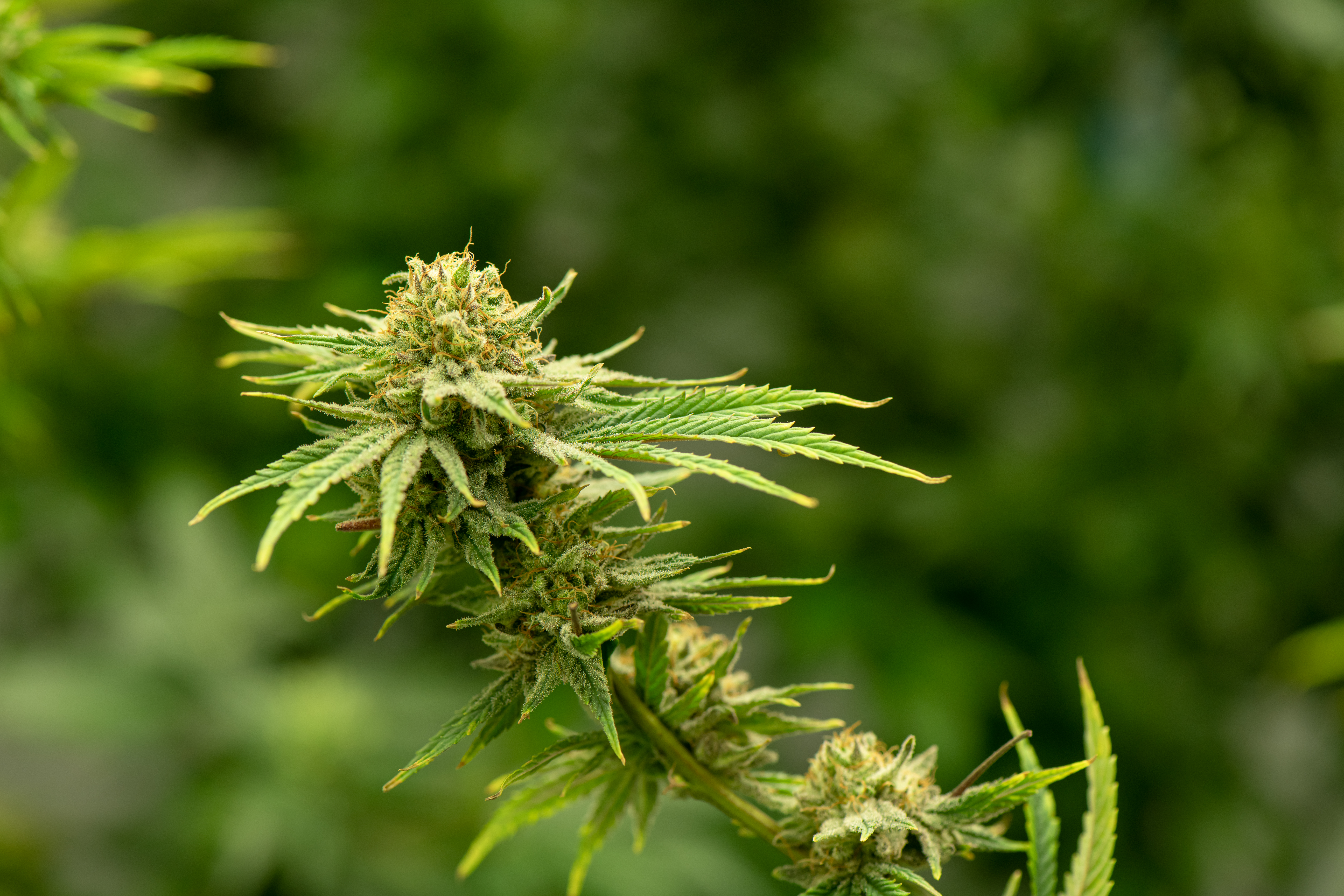


Growing cannabis indoors depends on creating a controlled space where plants can receive light, air, water, and a stable environment. Unlike outdoor growing, indoor growing does not rely as much on sunlight, rainfall, wind, or natural changes in temperature. Instead, the grower uses equipment to manage these conditions inside a room, tent, closet, or other enclosed area. This is why indoor growing often requires more planning and more equipment than growing plants outdoors.
Indoor cannabis grow equipment usually falls into several main groups. These include lighting, ventilation, air circulation, temperature and humidity monitoring, containers, growing medium, water tools, odor control, and safety equipment. Each group has a different role. Some equipment provides the basic conditions plants need, while other equipment helps the grower watch and manage the space.
Lighting is one of the most important parts of any indoor grow space. Plants need light for photosynthesis, which is the process they use to make energy. Because sunlight may be limited or unavailable indoors, artificial grow lights are often used. Different types of grow lights are available, and they can vary in power use, heat output, size, and cost. A suitable lighting system should also be safe for indoor use and installed according to the maker’s directions.
Air movement is another major part of an indoor setup. In a closed room, heat and moisture can build up. Air may also become still if there is not enough circulation. Fans and ventilation equipment are often used to help move air through the space. Ventilation may also help remove extra heat and moisture. Good air movement can also help reduce areas where damp air collects.
Temperature and humidity are also important indoor conditions to watch. A thermometer measures temperature, while a hygrometer measures humidity. Many modern devices can measure both at the same time. These tools help a grower understand what is happening inside the grow area. Monitoring equipment does not control the environment by itself, but it provides information that can show when conditions are changing.
Containers and growing medium are also part of the basic indoor setup. Containers hold the plant and its root system. They also help manage water and drainage. The type of container used may depend on the size of the grow space and the growing method. Some people use soil-based systems, while others use soilless or hydroponic systems. Each method can require different tools and supplies.
Water management is another area that requires attention. Indoor plants depend on the grower for water, so basic watering equipment is usually needed. Some growers also use meters to check water conditions, such as pH. These tools are mainly used to measure and monitor conditions. Accurate measurements can help a grower understand whether the water or growing medium is changing over time.
Odor and air management may also be important in an indoor grow space. Cannabis plants can produce a strong smell, especially as they develop. Some indoor setups use filters as part of the ventilation system. Carbon filters are commonly discussed because they can help reduce odor in moving air. However, filtration is only one part of air management. It does not replace safe ventilation or good airflow.
Safety equipment is just as important as plant-growing equipment. Indoor grow spaces may contain electrical lights, fans, cords, water, and other powered devices. Electricity and water can be a dangerous combination if equipment is damaged or used incorrectly. Electrical parts should be kept away from standing water, and extension cords or outlets should never be overloaded. Smoke alarms, proper cable management, and suitable fire safety equipment may also be important depending on the space.
The amount and type of equipment needed can vary from one indoor grow space to another. A small area may need fewer devices than a large room. Climate also matters. A room in a hot and humid area may have different equipment needs from a room in a cool and dry area. The type of growing method, available electricity, and budget can also affect equipment choices.
It is helpful to separate essential equipment from optional accessories. Basic lighting, air movement, environmental monitoring, containers, and safety equipment usually form the main foundation of an indoor setup. Other devices may add convenience, automation, or extra monitoring, but they may not always be necessary. Buying more equipment does not automatically create a better grow space. Equipment should have a clear purpose and should match the size and needs of the area.
Cost is another factor to consider. Indoor growing can involve both starting costs and ongoing costs. Lights, fans, filters, meters, and other devices may need maintenance or replacement over time. Electricity can also become a major expense because lights and environmental equipment may use power for long periods. For this reason, buyers should consider energy use, product quality, expected life, and replacement parts when comparing equipment.
Cleanliness and organization are also important. A crowded grow area can make it harder to inspect equipment, clean spills, notice damaged cords, or find signs of moisture problems. Equipment should be easy to reach for cleaning and maintenance. Floors and nearby surfaces should also be suitable for an area where water and humidity may be present.
Before setting up an indoor cannabis grow space, it is also important to check the law. Cannabis cultivation rules are different from one country, state, province, city, or local area to another. Some places allow limited home cultivation, while others do not allow it at all. Housing rules, rental agreements, building codes, electrical rules, and local fire-safety requirements may also apply.
Understanding the main equipment categories makes it easier to plan an indoor grow space in a safe and organized way. Lighting, ventilation, environmental monitoring, containers, water tools, filtration, and safety equipment all serve different purposes. The rest of this guide explains these categories in more detail so readers can understand what each type of equipment does, why it may be needed, and what factors should be considered before choosing it.
Essential Cannabis Grow Equipment: What Do You Actually Need?
Growing cannabis indoors requires more than putting a plant near a window and watering it. Indoor plants depend on equipment that replaces or controls many of the things that nature normally provides outdoors. Light, fresh air, temperature, moisture, water, and a clean growing area all need to be managed inside a home or building.
For this reason, it is useful to think about an indoor grow as a group of connected systems. Lighting affects heat. Heat affects humidity. Ventilation changes both temperature and moisture levels. Containers affect how water drains. Monitoring tools help you understand whether these systems are working as expected.
The exact equipment needed can change based on the size of the space, the type of growing system, local climate, and available budget. However, several basic equipment categories appear in most indoor grow setups.
Indoor Growing Space or Enclosure
The first basic need is a suitable indoor area. Some people use a dedicated room, while others use a grow tent, cabinet, or another enclosed area that is appropriate for indoor horticulture.
The purpose of the space is to make the environment easier to control. A defined growing area can help keep light, moisture, equipment, and plant materials in one place. It also makes cleaning and inspection easier.
The area should have enough room for the equipment without blocking walking paths, doors, vents, or electrical access. Surfaces should also be easy to clean because water, soil, dust, and plant matter can collect over time.
A grow tent is not always required, but it can provide a contained area for lighting and ventilation equipment. A dedicated room can also work when it is suitable for the electrical and environmental demands of indoor horticulture.
Indoor Grow Lighting
Lighting is one of the main pieces of equipment used for indoor cannabis growing. Outdoor plants receive light from the sun, but indoor plants usually depend on artificial horticultural lighting.
Several types of grow lights are available. LED systems are common because they can provide strong light while using less electricity than some older lighting technologies. Other systems may include HID or fluorescent fixtures.
The best choice depends on the room, electrical supply, heat management, and other practical factors. Lighting equipment should always be designed for its intended use and installed according to the manufacturer’s directions.
Grow lights also produce heat. Some types produce more heat than others. This means lighting cannot be considered by itself. Ventilation and temperature monitoring are also important because a powerful light can change the environment inside a small enclosed area.
Timers or basic control devices are also commonly used with indoor lighting. These devices help manage when equipment turns on and off without requiring constant manual control.
Ventilation and Air Circulation Equipment
Indoor plants are kept in an enclosed environment, so air movement is another major concern. A closed room with no airflow can become hot and humid. Stale air may also collect around plants and equipment.
Ventilation equipment helps move air into and out of the growing area. Exhaust fans are commonly used to remove warm or humid air. Openings or intake systems can allow replacement air to enter.
Circulation fans are different from exhaust fans. Their job is to move air around inside the space rather than remove it completely. Both types of airflow can be part of a general indoor growing system.
Fans should be kept clean and checked for dust, damage, or unusual noise. Air pathways should also remain clear so that equipment can work as designed.
Temperature and Humidity Monitoring
A thermometer and hygrometer are among the most useful basic monitoring tools in an indoor growing area. A thermometer measures temperature, while a hygrometer measures relative humidity.
These devices do not control the environment by themselves. Instead, they show what is happening inside the room or enclosure. This information can help a grower notice changes caused by lights, weather, ventilation, or other equipment.
More advanced monitors may record environmental conditions over time. However, beginners do not always need complicated technology. A reliable basic monitor can provide useful information without adding unnecessary cost or complexity.
Depending on the surrounding climate, additional equipment such as a humidifier, dehumidifier, heater, or cooling system may sometimes be used. These devices should only be added when there is a clear need for environmental control.
Containers and Growing Medium
Indoor cannabis plants also need containers and a suitable growing medium. The exact materials depend on the type of system being used.
Traditional container systems may use soil or other potting materials. Soilless systems use different growing media, while hydroponic systems depend more heavily on water-based equipment.
Containers should provide suitable drainage and should be made from materials that can be kept clean. Drainage trays or waterproof surfaces may also be useful for keeping water away from floors, cords, and electrical equipment.
Reusable containers should be cleaned before they are used again. Keeping tools and containers clean can also reduce the buildup of dirt and organic material in the growing space.
Water and Basic Measurement Tools
Watering equipment can be very simple. It may include a watering container, clean water storage container, measuring cup, or other basic tools used to handle water safely.
Some indoor growers also use pH meters or general water-quality meters. These devices measure certain properties of water or growing media. They are monitoring tools rather than automatic solutions.
Meters should be used and stored according to the manufacturer’s instructions. Some devices also require regular calibration to remain accurate. A meter that gives incorrect readings can be more confusing than having no meter at all.
Keeping water containers clean is also important. Water should be stored away from electrical connections, power strips, and other equipment that could become dangerous when wet.
Odor and Air-Management Equipment
Indoor cannabis cultivation can create strong odors. For this reason, air-management equipment is another category often found in grow rooms.
Carbon filters are commonly discussed as part of ventilation systems. They are designed to reduce certain odors as air passes through the filter material.
A filter does not replace proper ventilation. It is simply one part of a larger air-management system. Filters also become less effective over time and may need inspection or replacement according to the manufacturer’s instructions.
Local laws, housing agreements, and building rules may also affect whether indoor cultivation is allowed. Odor control does not remove the need to follow those rules.
Electrical and General Safety Equipment
Safety equipment is just as important as growing equipment. Indoor grow rooms may contain lights, fans, timers, heaters, humidifiers, pumps, and other electrical devices. Water may also be present in the same area.
Electrical equipment should be rated for its intended use and kept away from standing water. Damaged cords, loose plugs, and overloaded outlets can create serious hazards.
Smoke detectors and appropriate fire-safety equipment should be available where required. Cables should be organized so that they do not create trip hazards or sit in wet areas.
People should also follow local electrical codes and manufacturer instructions. If a setup requires major electrical changes, a qualified professional may be needed.
Essential Equipment Versus Optional Accessories
It is easy to spend money on advanced controllers, smart sensors, cameras, automated systems, and other accessories. Some of these tools can be useful, but they are not always necessary for a basic indoor setup.
A beginner should first understand the core systems. These include a suitable growing area, safe lighting, ventilation, air circulation, environmental monitoring, containers, water-management tools, and basic safety equipment.
Advanced accessories should not take priority over reliable basic equipment. A complicated system is not automatically safer or easier to manage.
The most important indoor cannabis grow equipment falls into a few main categories. A suitable grow space creates a controlled area. Lighting replaces sunlight. Ventilation and fans help manage indoor air. Thermometers and hygrometers help track environmental conditions. Containers and growing media support the plants, while water and measurement tools help manage basic care.
Air-management and odor-control equipment may also be useful, depending on the location and setup. Most importantly, electrical and fire safety should be considered from the beginning.
Beginners do not need to buy every device sold for indoor growing. It is usually better to focus first on safe, reliable equipment that supports lighting, airflow, monitoring, water management, cleanliness, and basic environmental control. Once those systems are understood, other equipment can be considered based on the needs of the space and the growing method.
Grow Room or Grow Tent: Creating a Controlled Indoor Space
A defined indoor growing area gives a person more control over the space around the plants. Instead of placing plants in a normal room with changing light, airflow, temperature, and humidity, an enclosed or dedicated area makes it easier to watch those conditions. The space may be a grow tent, spare room, closet, cabinet, or another indoor area that can be kept clean and organized.
A controlled space does not need to be large or complex. The most important point is that the area should match the amount of equipment being used and leave enough room for safe access. Lighting, fans, monitoring tools, containers, and electrical equipment all take up space. A crowded area can make cleaning, inspection, and maintenance harder.
Before setting up any indoor growing area, it is also important to check local laws. Cannabis cultivation rules can differ by country, state, province, city, or building. Rental agreements and housing rules may also place limits on indoor cultivation.
What Is a Grow Tent?
A grow tent is a portable enclosure designed for indoor horticulture. Most models have a fabric outer shell supported by a metal frame. The inside often has a reflective surface that helps contain and distribute light within the enclosed area.
Grow tents are popular because they create a clear boundary between the growing area and the rest of the home. This can make it easier to keep the space clean and separate equipment from normal household activities.
Many tents also include openings for ventilation ducts, electrical cords, and other equipment. These features can help keep the area organized. However, a tent should still be large enough to allow safe access to equipment. Cords, fans, lights, and other devices should not block entrances or create trip hazards.
A grow tent is not required for every indoor setup. It is simply one way to create a defined growing space.
Using a Dedicated Grow Room
A dedicated grow room is another option. This may be a spare bedroom, basement room, utility room, or other enclosed area.
A room can provide more space than a tent, which may make it easier to inspect equipment and move around. It can also allow more freedom when arranging lighting, fans, monitoring devices, and storage areas.
However, using an entire room can create other challenges. Larger spaces may be more difficult to keep clean and may require more attention to ventilation, moisture, and electrical safety. Walls, floors, and ceilings may also be exposed to humidity over time.
For this reason, the condition of the room matters. Surfaces should be easy to clean, and areas that can hold moisture should be checked often. Standing water should never be allowed to collect near electrical equipment.
Closets and Cabinets
Some people consider closets or cabinets because they take up less space. These areas can provide a clear boundary around an indoor growing area, but their smaller size can create limits.
A small enclosure can become crowded once lights, fans, containers, and monitoring devices are added. Limited space can also make it harder to inspect equipment or notice problems.
Air movement can be another concern in small enclosed spaces. Equipment that produces heat may affect the surrounding environment more quickly when there is little open space.
For these reasons, any closet or cabinet used for indoor horticulture should have enough room for safe access and proper equipment placement. The goal should not be to fit as much equipment as possible into the smallest area.
Choosing the Right Amount of Space
Available floor space is one of the first things to consider when planning an indoor growing area. Measure the available area before purchasing large equipment.
The space must hold more than plant containers. Room is also needed for lighting equipment, ventilation devices, electrical connections, monitoring tools, drainage trays, and normal maintenance.
Vertical space matters as well. Lights, fans, and hanging equipment can reduce the amount of usable height inside the area.
A good indoor space should allow a person to reach equipment without climbing over containers or pulling on electrical cords. Clear access makes routine inspection easier and can reduce the chance of accidents.
Keeping the Area Easy to Clean
Cleanliness is an important part of managing any indoor horticultural space. Dirt, spilled water, dead plant material, and unused equipment can build up quickly if the area is difficult to reach.
Smooth, washable surfaces are usually easier to maintain than absorbent materials. Floors should be easy to wipe or clean if water spills.
Carpet can hold moisture and debris, which may make cleaning more difficult. If the growing area is located in a room with surfaces that are easily damaged by moisture, protective measures may be needed.
Cleaning supplies should also be stored safely and used according to their labels.
Moisture-Resistant Surfaces
Indoor growing spaces may be exposed to higher moisture levels than other parts of a home. Water from containers, humid air, or accidental spills can affect walls, floors, and nearby objects.
Moisture-resistant surfaces can make the area easier to maintain. They can also reduce the chance of water soaking into materials that are difficult to dry.
Any signs of ongoing moisture damage should be taken seriously. Damp surfaces, condensation, or musty smells can suggest that the area needs better moisture control or ventilation.
Regular inspection is important because moisture problems can develop behind containers, equipment, or furniture where they are not immediately visible.
Light Containment
Artificial grow lights can be very bright. A dedicated enclosure can help keep this light from spreading into bedrooms, living areas, or outside through windows.
Grow tents are designed to contain much of the light within the enclosure. Dedicated rooms may need curtains, door seals, or other simple methods to reduce unwanted light entering nearby areas.
Light containment is mainly about comfort, organization, and reducing disturbance. Electrical lights should always be installed according to the manufacturer’s directions and kept away from water.
Ventilation Openings
Grow tents and rooms also need suitable openings for air movement. Enclosed areas can hold heat and moisture if air cannot move in and out.
Many commercial grow tents already have openings designed for ventilation equipment. Rooms may rely on existing vents, windows, or properly installed ventilation systems.
Ventilation openings should not be blocked by boxes, containers, or other objects. Keeping these pathways clear helps equipment work as intended.
The exact ventilation needs of a space depend on its size, equipment, and surrounding environment. Any major electrical or ventilation changes to a building should be handled according to local safety codes.
Electrical Access and Safety
Indoor growing equipment often depends on electricity. Lights, fans, monitors, and environmental-control devices may all need power.
Electrical outlets should be easy to reach without running cords across walking paths. Extension cords should not be treated as permanent wiring, and electrical connections should be kept away from water.
It is also important to avoid connecting more equipment to a circuit than it can safely support. Damaged cords, loose plugs, or overheating electrical devices should not be ignored.
When a setup requires changes to household wiring or additional electrical capacity, a qualified electrician can determine what is safe and appropriate.
Making Equipment Easy to Inspect
Every major piece of equipment should remain accessible after the space is organized. A fan hidden behind several containers may be difficult to clean. A power strip placed under equipment may be hard to inspect for damage.
Good organization means leaving clear paths to lights, fans, sensors, electrical connections, and ventilation equipment.
Equipment should also be placed so that it can be removed or replaced without taking apart the entire space. This can make regular maintenance much easier.
Avoiding Unnecessary Clutter
A grow area can quickly become crowded with empty containers, packaging, tools, spare equipment, and cleaning supplies.
Items that are not needed should be stored somewhere else. Keeping the area simple makes it easier to see spills, damaged wires, blocked ventilation openings, and other problems.
A clean space also provides more room to move safely. Containers and equipment should not block doors or emergency exits.
Good organization is one of the simplest ways to make an indoor growing area easier to manage.
A grow tent is useful for creating a defined indoor space, but it is not the only option. A spare room, closet, cabinet, or other suitable enclosure may also work as a general indoor horticultural area.
The most important factors are space, cleanliness, moisture control, ventilation, electrical access, and safe equipment placement. The area should be large enough to hold the necessary equipment without becoming crowded. Surfaces should be easy to clean, ventilation openings should remain clear, and electrical devices should stay protected from water.
No matter which type of enclosure is chosen, the goal should be a clean, organized, and accessible space. A well-planned indoor area makes equipment easier to monitor and maintain while reducing avoidable safety risks.
Indoor Grow Lights: Understanding the Main Lighting Equipment
Indoor grow lights are one of the most important types of equipment used in indoor plant growing. Plants depend on light to carry out photosynthesis. Photosynthesis is the process plants use to turn light energy into the energy they need for growth.
When plants are grown outdoors, sunlight provides this energy. Indoors, growers use artificial horticultural lights instead. These lights are designed to provide useful light for plants while working in an enclosed growing space.
There are several kinds of indoor grow lights available. They differ in energy use, heat output, cost, size, and lifespan. Some systems are simple and compact, while others are larger and require more electrical power. Understanding these differences can help a person choose equipment that fits the available room and electrical system.
The most expensive light is not always the best choice. A suitable light should match the size of the growing area, be safe to operate, and be designed for indoor horticultural use.
LED Horticultural Lights
LED stands for light-emitting diode. LED grow lights have become common in indoor horticulture because they can produce strong light while using electricity efficiently.
Many modern LED fixtures are designed to spread light across a growing area. They are available in many different sizes, shapes, and power levels. Some use a flat board design, while others use long bars arranged across a frame.
One major advantage of LED equipment is that it usually produces less unwanted heat than some older lighting technologies. However, LED lights still create heat. The fixture, power supply, and surrounding air can become warm during use.
Because of this, good airflow and safe placement remain important.
LED fixtures also tend to have a long operating life. The individual diodes may continue working for many hours before their light output begins to fall. This can reduce how often the lighting system needs replacement.
Energy efficiency is another common reason people choose LED lighting. A more efficient fixture can produce useful light while using less electricity than some older systems. This may help reduce power use over time.
HID Grow Lights
HID stands for high-intensity discharge. HID lighting has been used in indoor horticulture for many years.
Common HID systems include metal halide and high-pressure sodium lamps. These lights use powerful bulbs that operate with special electrical equipment called ballasts. The ballast helps control the electricity supplied to the lamp.
HID systems can produce a large amount of light. However, they also produce a large amount of heat. This heat can raise the temperature of a small indoor space quickly.
For this reason, a room using HID equipment may require stronger ventilation and cooling than a room using some modern LED fixtures.
HID bulbs also have a limited useful life. Their light output can weaken as they age, even if the bulb still turns on. This means the lamp may need replacement from time to time.
Another issue is electricity use. HID fixtures can consume significant electrical power. Anyone using this type of equipment should make sure the electrical system can safely support the load.
Fluorescent Lighting
Fluorescent lights are another type of lighting used in indoor horticulture.
Traditional fluorescent systems include tube lights and compact fluorescent lamps. They usually produce less intense light than large LED or HID systems.
One advantage of fluorescent lighting is that it can be easier to manage in small spaces. Fluorescent fixtures generally produce moderate heat and are available in many common sizes.
However, they may not provide the same level of light intensity as stronger horticultural fixtures. Because of this, they are often associated with smaller growing spaces or situations where very strong lighting is not required.
Fluorescent lamps also lose brightness over time. Older tubes may still work while producing less useful light than when they were new.
Like all electrical equipment, fluorescent fixtures should be used according to manufacturer instructions.
Other Supplemental Horticultural Lighting
Some indoor growers also use supplemental lighting. Supplemental lights are used to support a main lighting system rather than replace it.
These fixtures may be placed around the growing area to improve light distribution or reduce darker areas. Supplemental equipment can include small LED bars, strips, or other horticultural fixtures.
The important point is that adding more lights also adds more electrical demand and heat.
Every extra fixture should be considered as part of the complete electrical and ventilation system. Adding equipment without checking power needs can create unnecessary safety risks.
Good equipment planning is usually more useful than simply adding more lights.
Energy Consumption
Electricity use is an important factor when comparing grow lights.
Lighting equipment may operate for many hours over a long period. As a result, even small differences in power consumption can affect electricity costs.
The power rating of a fixture is usually shown in watts. A higher wattage normally means that the fixture uses more electrical power while operating.
However, wattage alone does not describe how useful a light will be. Different lighting technologies can turn electrical energy into light with different levels of efficiency.
It is better to compare equipment based on its intended coverage, efficiency, build quality, and safety certification rather than choosing a fixture based only on wattage.
Heat Production
All electrical lighting creates some heat.
Heat matters because indoor growing takes place inside a limited space. A strong light can increase the temperature of a small room or tent, especially if airflow is poor.
Some lighting technologies release more heat into the surrounding area than others. HID systems, for example, are known for producing substantial heat. LEDs are often more efficient, but they still need proper ventilation.
Too much heat can also affect other equipment. Fans, sensors, wiring, and power supplies may perform poorly if they are constantly exposed to excessive temperatures.
This is why lighting and ventilation should be considered together when planning an indoor space.
Lighting Coverage
Coverage describes the area that a light can illuminate effectively.
A fixture that is too small may leave parts of the space with weak lighting. A very large fixture may use more power and produce more heat than the room can manage.
Manufacturers often provide recommended coverage information for horticultural lights. These details can help users compare products intended for different room sizes.
Room shape also matters. A long, narrow space may require a different fixture layout than a square area.
The goal should be even, practical lighting rather than simply choosing the brightest fixture available.
Fixture Lifespan
Lighting equipment does not last forever.
LED systems often have long expected lifespans, although their light output can slowly decrease over time. HID bulbs may need more frequent replacement. Fluorescent tubes can also lose brightness as they age.
Fixture quality matters as well. Fans, drivers, ballasts, plugs, and electrical connections can wear out before the light source itself fails.
Regular inspection can help identify damage, overheating, loose connections, or unusual sounds.
Equipment that appears damaged should not be used until it has been checked or replaced.
Timers and Automated Lighting Controls
Timers are commonly used with indoor lighting equipment because they allow lights to turn on and off automatically.
Basic plug-in timers can control simple lighting systems. More advanced controllers can manage several electrical devices from one system.
Automatic controls can make equipment management more consistent. They also reduce the need to manually switch lights on and off.
However, any timer or controller must be rated for the amount of electrical power connected to it.
A small household timer should not be used with equipment that exceeds its electrical rating. Overloaded controls can overheat and may create a fire risk.
Manufacturer instructions should always be followed.
Electrical Safety With Grow Lights
Electrical safety is especially important in an indoor grow room because electricity and water may be used in the same general area.
Lighting fixtures should be connected to suitable outlets and electrical circuits. Extension cords should not be used as a permanent solution unless they are designed and rated for that purpose.
Cords should be kept away from wet floors and standing water. Damaged plugs, exposed wires, and loose electrical connections should be replaced or repaired.
High-powered lighting systems can place heavy demand on a household electrical circuit. Connecting too many devices to one circuit can cause overheating or trip a breaker.
If there is uncertainty about whether an electrical system can safely support lighting, fans, and other equipment, a qualified electrician should inspect it.
Safety should always be more important than adding another fixture.
Choosing the Right Type of Grow Light
There is no single lighting system that is right for every indoor space.
LED equipment may appeal to people who want lower energy use and less heat. HID systems can provide strong light but may require more ventilation and electrical capacity. Fluorescent systems may be suitable for smaller spaces or lower-intensity applications.
The right choice depends on the available room, electrical system, ventilation, heat management, and budget.
Equipment should be purchased from reliable manufacturers and should be designed for indoor horticultural use. Safety markings, warranty information, and clear operating instructions are also useful signs of a well-designed product.
Grow lights provide the artificial light needed for indoor plant growth. The main choices include LED, HID, fluorescent, and supplemental horticultural lighting.
Each type has advantages and limits. LEDs are often energy-efficient and have a long lifespan. HID systems can produce strong light but also create significant heat. Fluorescent fixtures are generally less intense and may be easier to manage in smaller spaces.
When comparing lights, it is important to consider energy use, heat production, coverage, fixture lifespan, and electrical safety. Timers and automated controls can also make lighting equipment easier to manage, but they must be properly rated for the electrical load.
A good indoor lighting system is not simply the brightest or most expensive option. It is one that fits the available space, works safely with the electrical system, and can operate without creating excessive heat or other hazards.
Ventilation and Air Circulation Equipment
Ventilation is an important part of any enclosed indoor growing space. Plants, lights, water, and electrical equipment can all affect the air inside a room or tent. Without enough air movement, heat and moisture can build up. The air may also become stale. For this reason, growers often use several types of equipment to keep indoor air moving.
Ventilation and air circulation are related, but they are not the same thing. Ventilation means moving old air out of a space and allowing fresher air to enter. Air circulation means moving the air that is already inside the room. Both systems have different jobs, and both may be used in an indoor growing area.
A good setup should also be safe, easy to inspect, and simple to maintain. Fans, vents, and ducts should not block doors, walking paths, or access to electrical equipment.
The Difference Between Air Exchange and Air Circulation
Air exchange removes air from an enclosed area and replaces it with air from another location. This can help prevent heat, humidity, and odors from becoming trapped inside the space.
Air circulation works differently. A circulation fan moves air around the room instead of sending it outside. This helps reduce areas where air stays still for long periods. It can also help spread heat more evenly through the space.
These two functions should not be confused. A fan moving air inside a room does not always provide fresh air. In the same way, an exhaust system may remove air without moving it evenly around every part of the room.
For this reason, indoor growing spaces often use both types of equipment. Exhaust equipment handles air exchange, while smaller fans help keep the indoor air moving.
Exhaust Fans
An exhaust fan is designed to move air out of an enclosed area. It is commonly connected to an opening or ventilation duct.
The main purpose of an exhaust fan is to prevent warm or humid air from staying trapped inside. Indoor lights and other electrical equipment can produce heat. Water and moist growing materials can also add moisture to the air. Removing some of this indoor air can make the space easier to manage.
When choosing an exhaust fan, safety and product quality are important. The fan should be designed for the type of space where it will be used. Users should follow the manufacturer’s instructions for mounting, electrical connections, and cleaning.
The fan should also remain easy to reach. Dust can collect on fan blades and protective covers over time. A fan that is difficult to access may be less likely to receive proper maintenance.
Intake Openings and Air Entry
When air is removed from a room, replacement air must be able to enter. This is why ventilation systems often include an intake opening or another source of incoming air.
An intake may be passive or powered. A passive intake is simply an opening that allows air to enter as the exhaust system removes air. A powered intake uses another fan to move air into the space.
The exact design depends on the room and the ventilation equipment being used. However, openings should remain free from clutter, dust, and objects that could restrict airflow.
Incoming air should also come from an appropriate location. Air from dirty storage areas, garages, or places with heavy dust may bring unwanted particles into the growing space. Keeping intake areas clean can support better indoor air quality.
Circulation Fans
Circulation fans move air around the inside of a room or enclosure. These fans are usually different from exhaust fans because their main job is not to remove air.
Indoor spaces can develop areas where air barely moves. These are sometimes called stagnant areas. Moisture and warm air may remain in these places longer than in other parts of the room.
A circulation fan can help keep air moving through the space. However, fans should be installed in a stable and safe position. Power cords should not hang across walking areas or sit near standing water.
Fans should also be checked often for dust, unusual sounds, loose parts, or damaged cords. If a fan begins to shake, grind, or become unusually hot, it should be turned off and inspected according to the manufacturer’s directions.
Ventilation Ducting
Ducting is often used to carry air from one part of a ventilation system to another. It may connect an exhaust fan to an outlet or other air-management equipment.
Ducts should be installed so that they do not become crushed or blocked. A damaged or heavily bent duct can make it harder for air to move through the system.
Connections should also be secure. Loose ducting can create noise and may cause air to escape in unwanted areas.
Like fans, ducting can collect dust. It should be inspected from time to time and cleaned when needed. Any damaged sections should be repaired or replaced according to the product instructions.
How Ventilation Helps Manage Heat and Moisture
Indoor equipment can change the temperature of a closed room. Lighting, electrical devices, and the surrounding building can all affect how warm the area becomes.
Moisture can also increase indoors because water evaporates into the air. In a closed environment, this moisture may remain trapped.
Ventilation can help remove some of that warm and humid air. However, ventilation should be used together with temperature and humidity monitoring. A fan cannot tell the user whether the room is too warm or too humid. Monitoring tools provide that information.
If temperature or humidity problems continue, other building or environmental issues may need attention. Ventilation is only one part of indoor climate management.
Noise, Placement, and Equipment Quality
Fans and moving air can create noise. Larger equipment may produce vibration as well. Poor mounting can make this problem worse.
Equipment should be placed on stable surfaces or attached according to the manufacturer’s instructions. Loose fans, ducts, and fittings may rattle while operating.
Product quality is also important. Electrical equipment that runs for long periods should be suitable for continuous use if required by the manufacturer. Damaged, poorly made, or incorrectly installed equipment may create safety risks.
It is also helpful to keep enough open space around equipment for inspection and cleaning. Hiding fans behind heavy objects or placing them where they are difficult to reach can make maintenance harder.
Cleaning and Maintenance
Ventilation equipment works best when it is kept clean and in good condition. Dust can build up on fan blades, vents, screens, and ducts.
Fans should be turned off and disconnected from power before cleaning if the manufacturer recommends doing so. Electrical parts should not be sprayed directly with water.
Vent openings should also be checked for blockages. Storage boxes, tools, fabric, or other objects can reduce airflow if they are placed too close to vents.
Regular checks can also help identify worn cords, loose connections, damaged blades, and unusual vibration before these problems become more serious.
Indoor Air and General Safety
Ventilation is not only about plant growth. It is also part of general indoor safety.
Growing spaces may contain electrical lights, fans, water containers, extension cords, and other equipment. These items should be arranged so that water does not come into contact with electrical connections.
Airflow equipment should never block emergency exits. Walkways should remain clear, and cords should be secured where they will not create a trip hazard.
Ventilation does not replace other safety measures. Smoke alarms, proper electrical protection, clean work areas, and correctly rated equipment are still important.
Anyone using high-powered electrical equipment should follow local building and electrical rules. If there is uncertainty about wiring, outlets, or circuit capacity, a qualified professional should inspect the system.
Ventilation and air circulation help keep an enclosed indoor growing space from becoming hot, humid, and stagnant. Exhaust fans remove indoor air, intake openings allow replacement air to enter, and circulation fans move air around the space. Ducting helps direct air through the ventilation system.
These systems should be easy to inspect and maintain. Fans, vents, and ducts need regular cleaning, and damaged electrical parts should not be ignored. Equipment should also be placed away from standing water and should never block exits or walking areas.
Temperature and Humidity Monitoring Equipment
Temperature and humidity are two of the most important conditions to watch in any indoor growing space. When plants are grown indoors, the natural environment is replaced by an artificial one. Lights, fans, heaters, air conditioners, and other equipment can all change the conditions inside the room. Because of this, growers need reliable tools that can show what is happening in the space.
Monitoring equipment does not control the environment by itself. Instead, it gives the grower information. That information can then be used to decide whether the room needs more ventilation, less moisture, better cooling, or another change. Keeping track of these conditions can also make it easier to spot problems before they become serious.
Why Temperature Matters in an Indoor Grow Space
Temperature affects many basic plant processes. It also affects how comfortable and stable the indoor space is. Indoor grow lights can produce heat, especially when they operate for long periods. Other electrical equipment may also add warmth to the room.
If the space becomes too warm, plants may show signs of stress. High heat can also increase water loss and may make some environmental problems worse. On the other hand, a room that becomes too cold may slow normal plant activity.
The main goal of temperature monitoring is to understand how much the room changes during the day. A single reading does not always tell the full story. Conditions may change when lights turn on, when fans start running, or when the outdoor weather changes.
For this reason, growers should pay attention to patterns instead of only looking at one number. A room may appear normal during one check but become much warmer several hours later. Regular monitoring can reveal these changes.
Using Thermometers and Digital Temperature Monitors
A basic digital thermometer is one of the simplest tools for measuring indoor temperature. Many models are small, affordable, and easy to read. Some devices show the current temperature as well as the highest and lowest readings recorded over a period of time.
These high and low records can be useful because they show how much the room has changed since the last check. This can help a grower notice sudden heat increases or cooler periods that might otherwise go unnoticed.
More advanced temperature monitors may store readings over several hours or days. Some can also connect to a phone or computer. This allows users to review changes without being in the room at all times.
Whatever type of thermometer is used, it should be placed where the reading reflects the general conditions around the plants. A sensor placed directly beside a heater, cooling vent, or hot light may give a reading that does not represent the rest of the room.
Understanding Humidity Monitoring
Humidity refers to the amount of moisture in the air. Indoor plant spaces can become humid because plants release water into the surrounding air. Watering, wet surfaces, and limited air movement may also add moisture.
A hygrometer is the main tool used to measure relative humidity. Many indoor monitoring devices combine a thermometer and hygrometer into one unit. This makes it easier to check both temperature and humidity at the same time.
Humidity can change throughout the day. It may rise after watering or when air circulation is reduced. It may also change when the room temperature rises or falls.
Too much moisture in an enclosed area can lead to damp surfaces, condensation, and poor indoor air conditions. It can also create conditions that support mold growth. Very dry air can cause different problems, including faster moisture loss from plants and growing materials.
Because humidity can change quickly, regular readings are more useful than occasional checks.
Combination Environmental Monitors
Combination monitors are popular because they measure several conditions with one device. A basic unit may show temperature and relative humidity. More advanced systems may also store previous readings, display daily high and low values, or send alerts when conditions change beyond preset limits.
These devices can make environmental monitoring easier, especially in enclosed spaces where conditions may shift during the day.
Some systems use several sensors placed in different parts of a room. This can help identify areas that are warmer, cooler, more humid, or less well ventilated than others. Indoor rooms are not always the same from one side to the other.
However, more technology does not always mean better information. A simple, accurate device is often more useful than an advanced monitor that is difficult to understand or maintain.
Data-Logging Monitors and Environmental Trends
A data logger records environmental measurements over time. Instead of showing only the current condition, it creates a history of temperature and humidity changes.
This information can be helpful when trying to understand repeated changes. For example, a grower may notice that the room becomes warmer at the same time each day. The record may show that this happens when lighting equipment is operating or when outside temperatures rise.
Data logs can also show whether a problem is temporary or happens on a regular basis. This makes it easier to focus on the source of the change rather than making random adjustments.
Keeping written notes can serve a similar purpose. A simple record of temperature, humidity, equipment changes, and room conditions can make patterns easier to see over time.
Equipment Used to Adjust the Environment
Monitoring devices only provide information. If the indoor space regularly becomes too humid, too dry, too warm, or too cold, additional environmental equipment may be needed.
A humidifier adds moisture to dry indoor air. A dehumidifier removes excess moisture. Heating equipment can raise room temperature, while air-conditioning or other cooling systems can reduce heat.
These devices should be selected according to the size of the room and the conditions in the surrounding building. A small enclosed space may need very different equipment from a large dedicated room.
Outdoor climate also matters. A grow space in a warm, humid region may face different challenges from one located in a cool, dry area. Seasonal weather can also change indoor conditions.
Environmental equipment should always be used according to the manufacturer’s instructions. Electrical devices should also be kept away from standing water and other sources of moisture.
Sensor Placement and Accurate Readings
Sensor placement has a major effect on the quality of environmental readings. A monitor should not be placed where it receives direct heat from a lamp, heater, or other equipment unless the goal is to measure that exact location.
It should also not sit directly beside an air conditioner or strong fan, because the airflow may make the reading different from the rest of the room.
In larger rooms, one sensor may not be enough to show every condition. Different areas may have different temperatures and humidity levels. Extra monitors can help show whether the space has uneven conditions.
Sensors should also be kept clean. Dust, moisture, and dirt can affect some devices over time.
Checking and Maintaining Monitoring Equipment
Environmental monitors should not be assumed to remain accurate forever. Devices may lose accuracy as they age, and sensors can sometimes become damaged.
Growers should compare readings if something seems unusual. If two nearby devices show very different numbers, one of them may need to be checked.
Some equipment can be calibrated according to the manufacturer’s instructions. Batteries should also be replaced when needed. Low battery power may cause some devices to stop working correctly or lose stored information.
Replacing a clearly inaccurate monitor is usually better than continuing to rely on uncertain readings.
Temperature and humidity monitors help growers understand what is happening inside an indoor growing space. Thermometers measure heat, while hygrometers measure moisture in the air. Combination monitors can track both conditions, and data-logging systems can show how the environment changes throughout the day.
Containers and Growing-Medium Equipment
Containers and growing media are basic parts of any indoor growing setup. The container holds the root area, while the growing medium supports the plant and helps manage water and air around the roots. The right equipment depends on the type of indoor system being used, the amount of available space, and how easy the setup is to clean and maintain.
Indoor growers can choose from several types of containers and growing media. Some systems use traditional soil. Others use soilless materials or hydroponic equipment. Each option works differently, so it is important to understand the basic role of each part before choosing equipment.
The Role of Plant Containers in an Indoor Grow Space
Plant containers do more than simply hold growing material. They create a defined space for the root system and help control how water enters and leaves that space. Containers also make it easier to organize plants within a grow room, tent, cabinet, or other indoor area.
A good container should be strong enough to hold its shape when filled. It should also be easy to move, inspect, and clean when necessary. Indoor spaces often have limited room, so container size and shape can affect how easy it is to walk around the growing area and reach equipment.
Containers can be made from plastic, fabric, ceramic, or other materials. Each material has different features. Plastic containers are often light and easy to clean. Fabric containers allow more air movement through their sides. Ceramic containers can be heavier and harder to move. The best choice depends on the overall design of the growing area and how the equipment will be managed.
The most important point is that the container should match the indoor system being used. It should also be stable, clean, and suitable for repeated contact with water and growing material.
Drainage and Moisture Management
Drainage is an important feature of indoor plant containers. Water that cannot leave a container may collect around the root area. This can create wet conditions that are difficult to manage.
Containers designed for plant use usually include drainage openings or another way for extra water to leave. Indoor growers also need to think about where that water will go after it leaves the container.
Drainage trays are commonly placed under containers to collect water and protect floors or shelves. These trays can help reduce spills and make cleanup easier. They should be checked and cleaned often because standing water can lead to odors, moisture problems, or dirty surfaces.
Moisture-resistant flooring or protective mats can also help keep an indoor growing area easier to maintain. Water should not be allowed to collect near electrical cords, power strips, lights, or other powered equipment.
The goal of drainage equipment is not only to support the growing system. It also helps protect the room itself from water damage.
Common Types of Growing Media
A growing medium is the material placed around the root system. It provides physical support and helps hold water and air. Several broad types of growing media are used in indoor horticulture.
Soil-based systems use potting soil or similar soil mixtures. These systems may feel familiar because they are similar to traditional container gardening. Soil can hold both water and nutrients, but it can also be heavy and messy when used indoors.
Soilless growing media do not depend mainly on natural soil. Instead, they may use materials designed to provide support, moisture control, and air space. These materials can differ greatly in texture and water-holding ability.
Hydroponic systems use water-based methods instead of relying on a traditional soil-filled container. These systems can require more supporting equipment, including reservoirs, pumps, tubing, or monitoring devices, depending on the system design.
Each type has different equipment needs. A soil-based setup may rely more on containers, trays, and soil storage. A hydroponic setup may require additional water-handling equipment. For this reason, growers should decide which general growing system they intend to use before buying containers and related supplies.
Choosing Containers for an Indoor Space
Available floor space is an important part of container planning. Large containers may take up more room and can be difficult to move once filled. Smaller containers are easier to handle but may require more individual trays or supports.
The shape of the room also matters. Containers should not block doors, vents, fans, or walking paths. They should be arranged so that equipment can still be inspected and cleaned.
Durability is another factor. A container that cracks, leaks, or becomes unstable can create problems inside the room. Reusable containers should be strong enough to handle repeated cleaning and normal movement.
Ease of cleaning is especially important indoors. Smooth surfaces are often easier to wipe down than containers with many narrow spaces or hard-to-reach areas. Any container used more than once should be inspected for damage, dirt, or old material before being reused.
Trays and Surface Protection
Water management should include the surfaces below the containers. Grow rooms can contain wood, concrete, tile, carpet, or other flooring. Some materials are more easily damaged by moisture than others.
Drainage trays can help prevent water from reaching the floor. Larger waterproof trays may also be used beneath groups of containers. In some indoor spaces, waterproof floor coverings provide another layer of protection.
These surfaces should be easy to clean. Dirt, spilled growing material, and standing water should be removed before they build up.
Clean floors also make it easier to notice leaks. A small drip may be hard to see in a cluttered or dirty area. Keeping the floor clear makes regular inspection easier.
Cleaning and Reusing Equipment
Reusable equipment should be cleaned before it is used again. Old plant material, dust, dirt, and mineral buildup can remain on containers and trays after use.
Cleaning does not need to be complicated, but it should be done carefully. Containers should be emptied, washed according to the material manufacturer’s recommendations, and allowed to dry before storage or reuse.
Damaged containers should also be replaced when necessary. Cracks may allow water to leak onto floors or electrical equipment. Broken handles or weak sides can also make a full container difficult to move safely.
Hydroponic equipment may require additional cleaning because water can pass through reservoirs, pumps, tubing, and other parts. Manufacturers often provide care instructions for these systems, and those instructions should be followed.
Storing Growing Media and Unused Supplies
Unused growing material should be stored in a clean, dry location. Open bags can collect dust, moisture, insects, or other unwanted material if they are left exposed.
Containers with lids or properly closed original packaging can help keep unused media cleaner. Supplies should also be kept away from standing water and areas where they could become contaminated.
Storage areas should remain organized so that older materials can be identified and inspected before use. Bags or containers that have become wet, damaged, or contaminated may no longer be suitable.
Grow-room equipment should also be stored in a way that keeps walking areas clear. Good organization reduces clutter and makes the room easier to clean and inspect.
Containers and growing media form the physical base of an indoor growing system. Containers hold the root area, while growing media help support the plant and manage water and air. Common systems include soil-based, soilless, and hydroponic methods, and each requires different supporting equipment.
Indoor growers should focus on containers that are durable, easy to clean, and suitable for the available space. Good drainage is also important, especially indoors where excess water can damage floors or create safety problems near electrical equipment. Trays, waterproof surfaces, and organized storage can make the growing area easier to maintain.
Whatever system is chosen, cleanliness and regular inspection are important. Reusable containers and trays should be cleaned before reuse, damaged equipment should be replaced, and unused growing materials should be stored in a clean and dry place. These basic practices help create an indoor growing area that is safer, more organized, and easier to manage.
Watering, pH, and Basic Measurement Tools
Water is one of the basic parts of any indoor growing setup, but watering equipment is only part of the system. Growers also need ways to measure water quality and keep track of changes over time. Simple tools such as watering containers, pH meters, measuring cups, drainage trays, and water-quality meters can make an indoor grow area easier to manage.
These tools do not replace careful observation. Instead, they give the grower useful information about the water and growing environment. When equipment is clean, accurate, and used correctly, it becomes easier to notice problems before they grow worse.
Watering Containers and Basic Watering Equipment
A basic watering container is one of the simplest pieces of indoor grow equipment. It allows water to be moved and applied in a controlled way. Watering cans, pitchers, and other clean containers may all serve this purpose.
The most important point is to use containers that are clean and suitable for water storage or handling. Containers that once held harsh chemicals, cleaning fluids, fuel, or other unsafe materials should not be reused for plant watering. Even a small amount of leftover chemical material can contaminate the water.
Separate containers can also help keep the grow area organized. For example, one container may be used to hold clean water while another may be used for collecting drainage. Keeping these uses separate lowers the risk of mixing dirty water with clean water.
Watering equipment should also be easy to clean. Over time, mineral deposits, dirt, plant material, and other residue may build up inside containers. Regular cleaning can help prevent odors, contamination, and inaccurate measurements.
What a pH Meter Measures
A pH meter measures how acidic or alkaline a liquid is. The pH scale is commonly used in gardening, agriculture, water testing, and many other fields.
This measurement matters because water chemistry can affect how nutrients behave in a growing medium. However, a pH reading should be treated as one piece of information rather than a complete picture of plant health.
Digital pH meters are common because they give a quick reading. Some growers also use liquid test kits or test strips. Digital meters may be easier to read, but they also require care.
A pH meter can become inaccurate if the probe is dirty, damaged, dry, or poorly maintained. For this reason, users should follow the manufacturer’s instructions for cleaning, storage, and calibration.
It is also important not to rely on a reading from a meter that has not been checked for accuracy. A number shown on a screen may look precise even when the meter itself is giving a poor reading.
Calibrating and Caring for Measurement Tools
Calibration means checking a measuring tool against a known standard. Many digital pH meters require regular calibration to stay accurate.
The exact calibration process depends on the meter, so the manufacturer’s instructions should always be followed. Some models need calibration more often than others. Storage requirements may also differ.
The probe is often one of the most sensitive parts of the meter. It should not be scraped, dropped, or handled roughly. Some meters also have special storage instructions that help keep the probe working correctly.
Other water-quality meters need care as well. For example, meters used to check dissolved material in water may collect mineral buildup on their sensors. Dirt or residue can affect the reading.
Before trusting any measuring tool, it is wise to inspect it for damage, clean it as directed, and make sure it is working normally. Replacing batteries when needed can also prevent weak or unstable readings.
General Water-Quality Meters
Some indoor growers use meters that provide more information about the water. These may include devices that measure electrical conductivity or the amount of dissolved material in the water.
These tools can help show that two water sources are not always the same. Tap water, filtered water, and other sources may contain different amounts of minerals and dissolved substances.
A water-quality meter does not explain everything about the water. It may show the total level of dissolved material without identifying each substance that is present. Because of this, the number should be viewed as general information rather than a full chemical analysis.
For most beginners, understanding what the meter measures is more important than collecting large amounts of data. Buying extra meters without knowing how to use their readings can make the process more confusing.
Measuring Containers and Consistency
Measuring cups, graduated containers, and other marked vessels can help keep water handling consistent.
The main benefit of a measuring container is repeatability. If the same amount of water needs to be recorded from one check to another, a marked container makes it easier to compare those records.
Measurement tools should be easy to read and kept clean. Faded markings, cracked containers, or containers with heavy residue can make measurements less reliable.
It is also useful to avoid using household food containers for grow-room materials if there is a chance they could later be returned to kitchen use. Keeping gardening and food equipment separate lowers the chance of accidental contamination.
Drainage Trays and Water Control
Drainage trays help protect indoor surfaces from water that escapes from containers. They can reduce spills, help keep floors dry, and make cleanup easier.
Standing water should not be allowed to remain in the grow area for long periods. Water left on floors or inside trays may increase humidity, produce odors, attract pests, or create slippery conditions.
Water near electrical equipment is an even greater concern. Grow lights, fans, extension cords, timers, and other devices should be protected from leaks and spills.
Drainage trays should therefore be inspected often. Cracks, overflowing water, and unstable containers can turn a small leak into a larger problem.
Clean Water Storage and Avoiding Contamination
Water storage deserves attention because stored water can become contaminated if containers are dirty or left open.
Storage containers should be clean, clearly identified, and protected from materials that could fall into the water. Dust, soil, dead leaves, insects, and cleaning chemicals should be kept away from stored water.
Tools should also not be moved between dirty drainage water and clean water without being washed first. This simple separation helps prevent cross-contamination.
It is also good practice to clean up spills quickly. Indoor grow spaces often contain electrical equipment, so dry floors and organized containers improve general safety.
Keeping Simple Records
Record keeping can make measurement tools more useful. A notebook, spreadsheet, or basic log can be used to record water observations, meter readings, equipment problems, and changes in the indoor environment.
The goal is not to collect every possible number. Instead, records can help show patterns.
For example, if a meter begins producing readings that are very different from past results, the log may help show when the change started. This can be a sign that the water source changed or that the meter needs cleaning or calibration.
Records can also help prevent repeated mistakes. If equipment was replaced, cleaned, or checked on a certain date, writing it down makes maintenance easier to track.
Watering and measurement tools are basic parts of an organized indoor grow space. Clean watering containers, pH meters, general water-quality meters, measuring vessels, and drainage trays can help growers understand and manage water more carefully.
The value of these tools depends on how well they are maintained. A dirty or poorly calibrated meter can give misleading information, while contaminated containers can affect water quality. Following manufacturer instructions, keeping equipment clean, storing water safely, and recording important measurements can make the system easier to manage.
These tools are most useful when they support careful observation rather than replace it. Simple, accurate equipment and good record keeping can provide a clearer picture of what is happening in an indoor growing environment.
Carbon Filters, Odor Control, and Indoor Air Management
Indoor cannabis plants can produce a strong smell, especially as they mature. In a closed indoor space, that odor can build up quickly. This is why air management is an important part of an indoor grow room. Good air management is not only about controlling smell. It also helps reduce stale air, moisture buildup, dust, and other problems that may develop in an enclosed space.
Carbon filters are one of the most common tools used for odor control in indoor grow rooms. They are often connected to the ventilation system so that air passes through the filter before leaving the room. However, a carbon filter is only one part of a larger air-management system. Ventilation, cleanliness, moisture control, and regular equipment care are also important.
How Carbon Filters Help Control Odor
A carbon filter uses activated carbon to trap many odor-producing compounds as air passes through it. Activated carbon has a large surface area, which allows it to capture many particles and gases that can cause unwanted smells.
In an indoor grow room, a carbon filter is usually connected to an exhaust system. Air from the growing space is pulled through the filter before being moved out of the room. This can reduce the amount of odor that leaves the growing area.
Carbon filters do not remove every possible smell or air contaminant. Their main purpose is odor control. They should be seen as part of the air-management system rather than a complete solution by themselves.
The performance of a filter can also change over time. As the carbon inside becomes filled with trapped compounds, the filter may become less effective. This is why regular inspection and replacement are important.
The Connection Between Carbon Filters and Ventilation
A carbon filter needs moving air to work. Without airflow, the filter cannot process the air inside the growing area. This is why carbon filters are usually used with exhaust fans.
Ventilation helps move warm, humid, and stale air out of an enclosed space. It can also bring fresher air into the room. When a filter is added to the ventilation system, it helps reduce odors in the air being removed.
The fan and filter need to work together as part of the same system. If airflow is too weak, the filter may not process enough air. If the airflow system is poorly arranged, some air may leave the growing space without passing through the filter.
For this reason, growers should follow the instructions that come with their ventilation and filtration equipment. Correct installation also helps reduce stress on fans and other equipment.
Why Carbon Filters Need Regular Maintenance
Carbon filters do not last forever. Over time, the activated carbon becomes less able to trap odors. The exact service life depends on the type of filter, the amount of air moving through it, room conditions, and how often the system is used.
A noticeable increase in odor may be one sign that a filter is becoming less effective. Reduced airflow can also be a sign that the filter or ventilation system needs attention.
Dust can collect on parts of the filtration system. This can affect airflow and place extra strain on fans. Keeping the area around the filter clean can help the system work more effectively.
Filters should be checked on a regular basis. Replacement should follow the manufacturer’s instructions. Trying to use a worn filter for too long may reduce odor control and make the ventilation system less useful.
Indoor Air Quality and Dust
Air quality is about more than smell. Indoor growing spaces can collect dust, plant material, dirt, and moisture. These can affect equipment and make the space harder to keep clean.
Dust may settle on fans, vents, lighting equipment, and other surfaces. Over time, heavy dust buildup can reduce airflow and make some equipment work harder than necessary.
Keeping the grow room clean can support better air management. Floors, walls, vents, and other surfaces should be inspected and cleaned when needed. Clutter should also be kept to a minimum because it can trap dust and make cleaning more difficult.
Good housekeeping also makes it easier to notice leaks, moisture problems, damaged equipment, and other safety concerns before they become more serious.
Managing Moisture in the Air
Moisture is another major part of indoor air quality. Plants release water into the air, and enclosed spaces can become humid if that moisture is not managed properly.
High moisture levels can lead to condensation on walls, windows, or equipment. Persistent dampness may also encourage mold and mildew in the room.
Ventilation helps remove some of this moisture. In some indoor spaces, additional equipment such as a dehumidifier may also be needed to control humidity. The exact need depends on the room, local climate, and other environmental conditions.
Monitoring humidity is important because the room may feel comfortable even when moisture levels are too high. A digital humidity meter can provide a clearer picture of the indoor environment.
Filtration Does Not Replace Ventilation
A common misunderstanding is that a carbon filter can replace a ventilation system. It cannot. A filter can help clean odor from moving air, but it does not move the air by itself.
Without proper air exchange, heat and humidity may build up. Stale air can also remain trapped inside the growing area. This can create an unhealthy environment for both plants and equipment.
A well-managed indoor space uses both ventilation and filtration when odor control is needed. Ventilation handles air movement, while filtration helps reduce unwanted smells in the air that passes through the system.
Both systems should be checked regularly to make sure they are still working as expected.
Building Rules, Leases, and Local Regulations
People growing cannabis indoors should also consider the rules that apply to the property. Legal cannabis cultivation does not always mean that growing is allowed in every home or building.
Rental agreements may restrict growing activities, changes to ventilation systems, or strong odors. Apartment buildings, condominiums, and shared housing may also have rules about smells, electrical equipment, or modifications to the property.
Local laws may set limits on cannabis cultivation, including where plants can be grown and how the growing area must be secured. These rules can vary greatly by location.
Before setting up an indoor grow room, it is important to check local laws, lease terms, building rules, and other property requirements. This can help prevent legal or housing problems later.
Carbon filters can be useful for managing strong odors in an indoor cannabis grow room. They work by using activated carbon to trap many odor-producing compounds as air moves through the filter. However, they must be used as part of a complete air-management system.
Good ventilation is still necessary to remove warm, humid, and stale air. Cleanliness also matters because dust, moisture, and debris can reduce air quality and affect equipment. Filters and fans should be inspected regularly, and worn equipment should be replaced when needed.
Indoor growers should also remember that odor control is not only a technical issue. Property rules, lease agreements, and local cannabis laws may affect where and how indoor cultivation is allowed. A clean, well-maintained, and properly ventilated space helps support safer and more controlled indoor growing conditions.
Electrical, Water, and Fire-Safety Equipment
Safety should be a major part of planning any indoor grow space. Indoor growing often combines electrical equipment, water, heat, fans, lights, and other devices in a small area. When these systems are not installed or maintained correctly, they can create risks such as electric shock, overheating, fire, water damage, and equipment failure.
A safe grow area should be planned before equipment is plugged in or placed in the room. Growers should think about where electrical outlets are located, where water may spill, how much power the equipment uses, and whether there is enough space to inspect and maintain everything. Good safety planning can protect the building, the equipment, and anyone who enters the area.
Use Electrical Equipment That Is Properly Rated
Electrical equipment used indoors should be suitable for the job it is expected to perform. Lights, fans, timers, heaters, dehumidifiers, and other devices can place a large demand on an electrical system. Equipment should have clear manufacturer information that explains its power needs and safe operating conditions.
Cheap or damaged electrical products can create unnecessary risks. Plugs should fit outlets correctly, and electrical cords should not have exposed wires, cracked insulation, or damaged connectors. If equipment becomes unusually hot, produces a burning smell, makes strange sounds, or repeatedly shuts off, it should be disconnected and inspected.
Growers should also avoid changing electrical equipment in ways that were not approved by the manufacturer. Homemade wiring changes or poorly installed connectors may increase the chance of overheating or electric shock.
Keep Electricity Away From Water
Water and electricity are a dangerous combination. Indoor grow spaces may contain watering containers, drainage trays, humidifiers, and other sources of moisture. For this reason, electrical equipment should be positioned so that normal watering or an accidental spill cannot easily reach it.
Power strips, plugs, timers, and electrical connections should not be placed directly on the floor where water could collect. Cords should also be arranged so they do not pass through wet areas.
Water containers should be kept stable and away from outlets whenever possible. Leaks should be cleaned up quickly. If water reaches an electrical device, it is safer to disconnect the power from a safe location before touching the equipment.
Moisture can also affect electrical equipment over time. High humidity may cause corrosion or damage inside certain devices. Regular inspection is important, especially in enclosed areas where moisture can build up.
Avoid Overloading Electrical Circuits
Indoor equipment can use a significant amount of electricity. Grow lights are often one of the larger electrical loads, but fans, heaters, cooling units, humidifiers, and other devices also add to the total.
Connecting too many high-powered devices to one outlet or circuit can cause overheating. This can damage wiring and increase fire risk. Simply adding more power strips does not increase the amount of electricity that a circuit can safely provide.
Growers should check the power requirements listed on each device and make sure the building’s electrical system can support the equipment being used. Extension cords should not be treated as a permanent solution for equipment that requires a stable electrical connection.
Older homes may have electrical systems that were not designed to support several high-powered devices running at the same time. If there is any doubt about the condition or capacity of the wiring, a qualified electrician can inspect the system.
Organize Cables and Electrical Connections
Good cable management improves both safety and access. Loose cords can become trip hazards, block walkways, or become damaged when equipment is moved.
Cords should be arranged so they are easy to inspect. They should not be tightly crushed behind heavy equipment or placed where doors, furniture, or other objects can damage them.
Electrical connections should also remain visible when possible. Hidden plugs and power strips are harder to check for heat, moisture, dust, or damage.
Keeping cables organized also makes it easier to identify which plug belongs to each device. This can be useful when equipment needs to be turned off quickly during maintenance or an emergency.
Install Basic Fire-Safety Equipment
Any area that contains electrical equipment should have basic fire protection. A working smoke detector can provide an early warning if electrical equipment overheats or begins to burn.
A suitable fire extinguisher should also be available in an accessible location. It should not be buried behind equipment or stored where a person would need to move toward a fire to reach it.
People using the area should understand how the extinguisher works and when it is appropriate to use it. Fire extinguishers also require inspection and replacement according to the manufacturer’s instructions.
Combustible materials should not be stored close to hot lights, heaters, electrical connections, or other heat-producing equipment. Cardboard, paper, cloth, and unused packaging can add fuel to a fire and create more clutter in the room.
Inspect Plugs, Cords, Lights, and Fixtures
Safety equipment is only useful when the rest of the grow room is maintained properly. Electrical devices should be inspected on a regular basis.
Growers should look for damaged cords, loose plugs, discoloration around electrical connections, unusual heat, cracked equipment housings, and signs of moisture damage. Fans should turn freely, and lights should remain securely mounted.
Dust should also be removed from equipment when it begins to build up. Heavy dust can reduce airflow around motors and electrical parts, which may cause some devices to run hotter.
Any damaged equipment should be repaired correctly or replaced. Continuing to use equipment after signs of electrical damage appear can increase the risk of failure.
Keep Walkways and Emergency Access Clear
A grow room should not become so crowded that a person cannot move safely through it. Clear walking space is important for regular maintenance and emergencies.
Equipment, cords, containers, and supplies should not block doors or exits. A person should be able to leave the room quickly without stepping over cables or moving heavy objects.
Clear access is also important around electrical panels, shutoff points, and fire-safety equipment. If a problem occurs, being able to reach these areas quickly can make a major difference.
Keeping the floor clean and dry also reduces the risk of slips and falls. Water spills, loose equipment, and clutter should be handled as soon as they are noticed.
Follow Manufacturer Instructions and Local Electrical Codes
Every electrical device should be used according to the manufacturer’s instructions. These instructions normally explain power requirements, safe placement, maintenance, and conditions that could damage the product.
Local building and electrical rules may also apply. These requirements are designed to reduce the risk of fires, electric shock, and property damage.
Electrical work should not be treated as a guessing project. Installing new circuits, replacing major wiring, or changing an electrical panel may require professional knowledge and permits. A licensed electrician can determine whether the existing system is suitable for the planned electrical load.
This is especially important in older buildings, converted rooms, garages, or other areas where the electrical system may not have been designed for continuous equipment use.
Electrical and fire safety should be treated as essential parts of an indoor grow space rather than as extra precautions. Grow lights, fans, climate-control equipment, water, and other devices can create serious risks if they are installed or used incorrectly.
Electrical devices should be properly rated, kept away from water, and checked often for damage. Circuits should not be overloaded, and cords should remain organized and easy to inspect. Smoke detectors, suitable fire extinguishers, and clear exits add another layer of protection.
Growers should also keep water away from electrical connections, remove clutter, inspect equipment regularly, and follow all manufacturer instructions. When major electrical changes are required or there are questions about the condition of the building’s wiring, a qualified electrician should inspect the system. Careful planning and regular maintenance can make an indoor grow space safer and easier to manage.
Planning a Grow-Equipment Budget and Avoiding Unnecessary Gear
Setting a budget for indoor grow equipment can be difficult because prices vary a lot. A small setup may need only a few basic items, while a larger indoor space may need more lighting, air control, monitoring tools, and safety equipment. The total cost also depends on the quality of the products, the size of the space, and how much electricity the equipment uses.
A good budget should focus first on safety, reliability, and basic environmental control. It is easy to spend money on extra tools that look useful but are not necessary at the start. Planning before buying can help reduce waste and make the setup easier to manage.
Start With the Main Equipment Categories
The first step is to separate equipment into main groups. This makes it easier to understand where the money is going. Common categories include lighting, ventilation, environmental monitors, containers, basic water-management tools, and electrical safety equipment.
Lighting is often one of the larger costs because indoor plants depend on artificial light. Ventilation equipment can also add to the budget because fans, filters, and ducting may all be needed in an enclosed space. Temperature and humidity monitors are another basic cost because they help show whether the indoor environment is changing.
Instead of buying many small accessories at once, it is usually better to make sure the main systems are covered first. A reliable light, safe electrical setup, basic airflow, and accurate environmental monitoring are more important than decorative or advanced equipment.
Think About Startup Costs and Ongoing Costs
The purchase price is only one part of the total cost. Indoor equipment also creates ongoing expenses.
Electricity is one of the main operating costs. Lights, fans, dehumidifiers, heaters, or cooling equipment may use electricity for long periods. The exact cost depends on the equipment, how often it runs, and local power rates.
Filters and some other parts may also need to be replaced over time. Sensors can lose accuracy and may need calibration or replacement. Fans, cords, plugs, and other electrical parts should be checked for wear.
Cleaning supplies are another small but regular cost. Keeping equipment and indoor surfaces clean can help reduce dust, moisture buildup, and general maintenance problems.
Thinking about these ongoing costs can prevent surprises later. A product that costs less at the start may not always be the cheapest option over several years if it uses more power or needs frequent replacement.
Avoid Buying Too Many Accessories
Indoor growing equipment is often sold with many optional tools and add-ons. Some may be useful in certain situations, but that does not mean every grow space needs them.
Beginners can easily spend too much money by buying equipment before they understand what problem it is meant to solve. For example, advanced controllers and automated devices may sound useful, but simple monitoring tools may be enough for basic environmental checks.
The same is true for extra meters, specialized containers, and complex control systems. If an item does not solve a clear problem, it may not need to be part of the first equipment budget.
It is usually easier to start with a simple system that is safe and easy to understand. Additional equipment can be considered later if there is a clear need for it.
Compare Grow Kits With Individual Equipment
Complete indoor grow kits are available from many sellers. These kits often combine several pieces of equipment into one package. This can make shopping easier because the buyer does not have to choose every item separately.
However, a kit is not always the best value. Some kits may include items that are not needed, while other kits may leave out important safety or monitoring equipment. The quality of individual parts can also vary.
Buying equipment separately gives more control over product choice. It allows the buyer to compare warranties, energy use, size, and product quality. The downside is that more research may be required.
Whether a kit or separate equipment is more suitable depends on the space, budget, and intended use. The important point is to check what is actually included instead of assuming that every package is complete.
Look at Warranties and Replacement Parts
Equipment does not last forever. Fans can wear out, lights can fail, meters can stop reading correctly, and filters eventually lose effectiveness.
A warranty can help protect against some early equipment failures. Before buying, it is useful to check how long the warranty lasts and what it covers.
Replacement parts are also important. Some products use parts that are easy to find, while others may require special parts from one manufacturer. If replacement parts are difficult to buy, repairing the equipment may cost more than expected.
Products with common replacement parts may be easier to maintain over time. This is especially important for equipment that runs often.
Consider Energy Efficiency
Energy use can have a major effect on long-term cost. Two products may have similar purchase prices but very different power needs.
More efficient equipment may cost more at first, but it may use less electricity during normal operation. This can matter for lights, fans, cooling systems, and other devices that may operate regularly.
Energy efficiency should not be judged by price alone. Buyers should check manufacturer information and compare similar products carefully. Equipment should also be used according to the manufacturer’s instructions.
Choosing efficient equipment can lower operating costs and reduce unnecessary heat in an indoor space.
Do Not Cut Costs on Safety
Saving money is useful, but safety should not be treated as an optional expense.
Indoor spaces may contain electrical equipment, water, heat, and moving air. Poor-quality cords, overloaded outlets, damaged plugs, or badly installed electrical devices can create serious risks.
Equipment should be properly rated for its intended use. Electrical systems should follow local building and safety rules. If a setup requires electrical work that is beyond normal household use, a qualified professional may need to inspect it.
Smoke alarms, safe cable placement, proper outlets, and suitable fire-safety equipment should be included in the overall budget where required.
Buying fewer reliable products is often safer than filling a space with cheap equipment that may fail quickly.
Plan for Equipment Life and Maintenance
A realistic budget should cover more than the first purchase. It should also consider how long each product may last.
Some equipment may operate for years with basic care. Other parts may need regular replacement or service. Keeping records of purchase dates, warranties, maintenance, and replacement schedules can make budgeting easier.
Cleaning equipment regularly may also help extend its useful life. Dust can collect on fans, vents, lights, and sensors. Moisture can damage some electrical equipment if it is not managed correctly.
Good maintenance may reduce the need for sudden replacement costs and help keep the space safer.
Planning an indoor grow-equipment budget is about more than finding the lowest purchase price. The total cost includes the main equipment, electricity, maintenance, filters, replacement parts, and safety supplies.
It is best to focus first on reliable lighting, ventilation, environmental monitoring, basic equipment, and safe electrical systems. Optional accessories can be considered later when there is a clear reason to use them.
Grow kits can make shopping simpler, but individual equipment may provide more control over quality and cost. Warranties, replacement parts, energy use, and expected product life should also be checked before buying.
Conclusion: Building a Safe and Well-Organized Indoor Grow Space
Growing cannabis indoors requires more than putting plants in a room and adding a light. An indoor grow space is a controlled environment, which means several pieces of equipment must work together. Lighting, air movement, temperature monitoring, humidity control, containers, water tools, and safety equipment all play important roles. A good setup is not based on having the most expensive equipment. It is based on choosing equipment that fits the available space, is safe to use, and is easy to monitor and maintain.
Lighting is one of the main parts of an indoor grow space. Plants grown indoors do not receive the same natural sunlight that outdoor plants receive. This is why artificial grow lights are commonly used. Different types of grow lights produce different amounts of heat and use different amounts of electricity. Before choosing a light, it is important to think about the size of the room, the amount of power available, and how much heat the light may produce. A light that is too large for a small area can create heat problems and increase electricity use. A light that is poorly matched to the space may also make the room harder to manage.
Ventilation and air circulation are also important parts of an indoor growing area. Indoor spaces can become warm and humid when lights, water, and plants are present. Fans and ventilation equipment help move air through the space. Good air movement can also help reduce areas where warm or damp air collects. Exhaust equipment may help move heat and moisture out of an enclosed room. Circulation fans can help keep air moving inside the growing area. These systems should be checked often so they stay clean and continue working properly.
Temperature and humidity should also be monitored. A digital thermometer and hygrometer can help show what the environment is like inside the room. These tools do not control the environment by themselves, but they provide useful information. If the room becomes too hot, cold, dry, or humid, other equipment may be needed to improve conditions. Depending on the room and local climate, this may include heating, cooling, humidifying, or dehumidifying equipment. Monitoring conditions over time is often more useful than looking at one reading because indoor conditions can change during the day.
Containers and growing media are another basic part of an indoor setup. The type of container should match the available space and the growing system being used. Containers should also allow for good drainage and be easy to clean. Trays can help keep water from spreading across the floor. Clean surfaces make the area easier to maintain and can reduce the chance of unwanted moisture building up.
Watering and measuring tools are also useful. Simple equipment such as watering containers, measuring cups, and clean storage containers can help keep the space organized. pH meters and other water-testing tools may also be used to measure water or growing-medium conditions. These tools need proper care and calibration so their readings stay accurate. An incorrect reading can be misleading, so users should follow the manufacturer’s instructions for cleaning, storing, and maintaining meters.
Air management may also include carbon filters or other filtration equipment. These systems are often used to help control odors and improve air movement. However, filtration should not be seen as a replacement for proper ventilation. Filters also need regular inspection because they can become less effective over time. Dust, moisture, and dirt can reduce the performance of fans and filters, so routine cleaning is important.
Safety should be one of the highest priorities in any indoor grow space. Many grow rooms combine electrical equipment, water, heat, fans, and lighting in a small area. This can increase the risk of electrical problems if equipment is used incorrectly. Electrical cords should be kept away from standing water. Damaged plugs, loose connections, and overloaded outlets should not be ignored. Equipment should be properly rated for its intended use, and manufacturer instructions should be followed. Smoke alarms and suitable fire-safety equipment may also be important depending on the room and local building rules. If there is uncertainty about the electrical load of the setup, a qualified electrician should be consulted.
It is also important to keep the room clean and easy to move through. Cords, containers, tools, and other supplies should not block walking areas or exits. Equipment should be placed where it can be inspected without difficulty. A crowded room is harder to clean and may make it easier to miss leaks, damaged equipment, or other problems. Regular inspection can help identify issues before they become serious.
Budget is another important factor. Indoor growing equipment can range from basic tools to advanced automated systems. Beginners do not need every available device. It makes more sense to focus first on essential equipment that supports lighting, air movement, environmental monitoring, water management, and safety. Extra technology can be added later if it serves a clear purpose. Buyers should also think about ongoing costs such as electricity, filter replacement, equipment repairs, cleaning supplies, and replacement parts.
In the end, a successful indoor grow space should be safe, organized, and easy to monitor. The goal is not to collect as much equipment as possible. The goal is to create a controlled space where each piece of equipment has a clear purpose. Lighting, ventilation, temperature and humidity monitoring, containers, water tools, filtration, and safety equipment form the basic framework of an indoor setup. Choosing reliable equipment, keeping it clean, and checking it often can make the space easier to manage.
Before setting up any indoor cannabis grow area, it is also important to check the laws that apply in the local area. Cannabis cultivation rules can vary widely between countries, states, provinces, cities, and other jurisdictions. Some places allow limited home cultivation, while others restrict or prohibit it. Housing agreements and building rules may also apply. Understanding these rules before buying equipment or creating a grow space can help prevent legal and safety problems later.
Research Citation
Fleming, H., Chamberlain, Z., Zager, J. J., & Lange, B. M. (2023). Controlled environments for cannabis cultivation to support “omics” research studies and production. Methods in Enzymology, 680, 353–380. doi: 10.1016/bs.mie.2022.07.028.
Eichhorn Bilodeau, S., Wu, B.-S., Rufyikiri, A.-S., MacPherson, S., & Lefsrud, M. (2019). An update on plant photobiology and implications for cannabis production. Frontiers in Plant Science, 10, 296. doi: 10.3389/fpls.2019.00296.
Rodriguez-Morrison, V., Llewellyn, D., & Zheng, Y. (2021). Cannabis yield, potency, and leaf photosynthesis respond differently to increasing light levels in an indoor environment. Frontiers in Plant Science, 12, 646020. doi: 10.3389/fpls.2021.646020.
Moher, M., Llewellyn, D., Jones, M., & Zheng, Y. (2022). Light intensity can be used to modify the growth and morphological characteristics of cannabis during the vegetative stage of indoor production. Industrial Crops and Products, 183, 114909. doi: 10.1016/j.indcrop.2022.114909.
Llewellyn, D., Golem, S., Foley, E., Dinka, S., Jones, A. M. P., & Zheng, Y. (2022). Indoor grown cannabis yield increased proportionally with light intensity, but ultraviolet radiation did not affect yield or cannabinoid content. Frontiers in Plant Science, 13, 974018. doi: 10.3389/fpls.2022.974018.
Bevan, L., Jones, M., & Zheng, Y. (2021). Optimisation of nitrogen, phosphorus, and potassium for soilless production of Cannabis sativa in the flowering stage using response surface analysis. Frontiers in Plant Science, 12, 764103. doi: 10.3389/fpls.2021.764103.
Velechovský, J., Malík, M., Šenkyřík, J. B., & Tlustoš, P. (2024). Effect of augmented nutrient composition and fertigation system on biomass yield and cannabinoid content of medicinal cannabis (Cannabis sativa L.) cultivation. Frontiers in Plant Science, 15, 1322824. doi: 10.3389/fpls.2024.1322824.
Schober, T., Präger, A., Hartung, J., Hensmann, F., & Graeff-Hönninger, S. (2023). Growth dynamics and yield formation of cannabis (Cannabis sativa) cultivated in differing growing media under semi-controlled greenhouse conditions. Industrial Crops and Products, 203, 117172. doi: 10.1016/j.indcrop.2023.117172.
Chandra, S., Lata, H., Khan, I. A., & ElSohly, M. A. (2011). Photosynthetic response of Cannabis sativa L., an important medicinal plant, to elevated levels of CO₂. Physiology and Molecular Biology of Plants, 17(3), 291–295. doi: 10.1007/s12298-011-0066-6.
Chandra, S., Lata, H., Khan, I. A., & ElSohly, M. A. (2011). Temperature response of photosynthesis in different drug and fiber varieties of Cannabis sativa L. Physiology and Molecular Biology of Plants, 17(3), 297–303. doi: 10.1007/s12298-011-0068-4.
Questions and Answers
Q1: What equipment is essential for growing cannabis indoors?
The basic equipment includes grow lights, a grow tent or dedicated space, ventilation fans, air circulation fans, containers, a growing medium, temperature and humidity meters, timers, and basic watering tools.
Q2: What type of grow light is commonly used for indoor cannabis plants?
LED grow lights are widely used because they are energy-efficient, produce less heat than many older lighting systems, and can provide the light spectrum plants need during different growth stages.
Q3: Do cannabis plants need a grow tent?
A grow tent is not always required, but it can make indoor growing easier by creating a controlled space for lighting, airflow, temperature, humidity, and odor management.
Q4: Why is ventilation equipment important in a cannabis grow room?
Ventilation helps remove warm, humid air and brings in fresher air. Proper airflow can also reduce excess heat and moisture that may contribute to mold and other plant problems.
Q5: What equipment is used to control cannabis grow room odor?
Carbon filters are commonly paired with exhaust fans to help reduce strong odors before air leaves the growing space. Local laws and building rules should also be considered.
Q6: What tools are needed to monitor temperature and humidity?
A digital thermometer and hygrometer are useful for checking temperature and relative humidity. Some models can record high and low readings throughout the day.
Q7: Are timers necessary for indoor cannabis growing?
Timers are useful because indoor plants depend on consistent light and dark periods. They can automatically switch grow lights and other equipment on and off according to a planned schedule.
Q8: What containers are best for growing cannabis indoors?
Common options include plastic pots, fabric pots, and other plant containers with good drainage. The right container should allow excess water to escape and provide enough room for healthy root development.
Q9: What equipment is needed for watering cannabis plants?
Basic watering equipment may include a watering can, measuring container, and moisture-monitoring tools. Larger indoor setups may use automated irrigation systems, but these are not essential for a small grow.
Q10: What safety equipment should be included in a cannabis grow room?
Useful safety equipment includes properly rated electrical outlets and power strips, surge protection, smoke detectors, and a suitable fire extinguisher. Growers should also avoid overloaded circuits and follow all local electrical, fire, and cannabis cultivation laws.