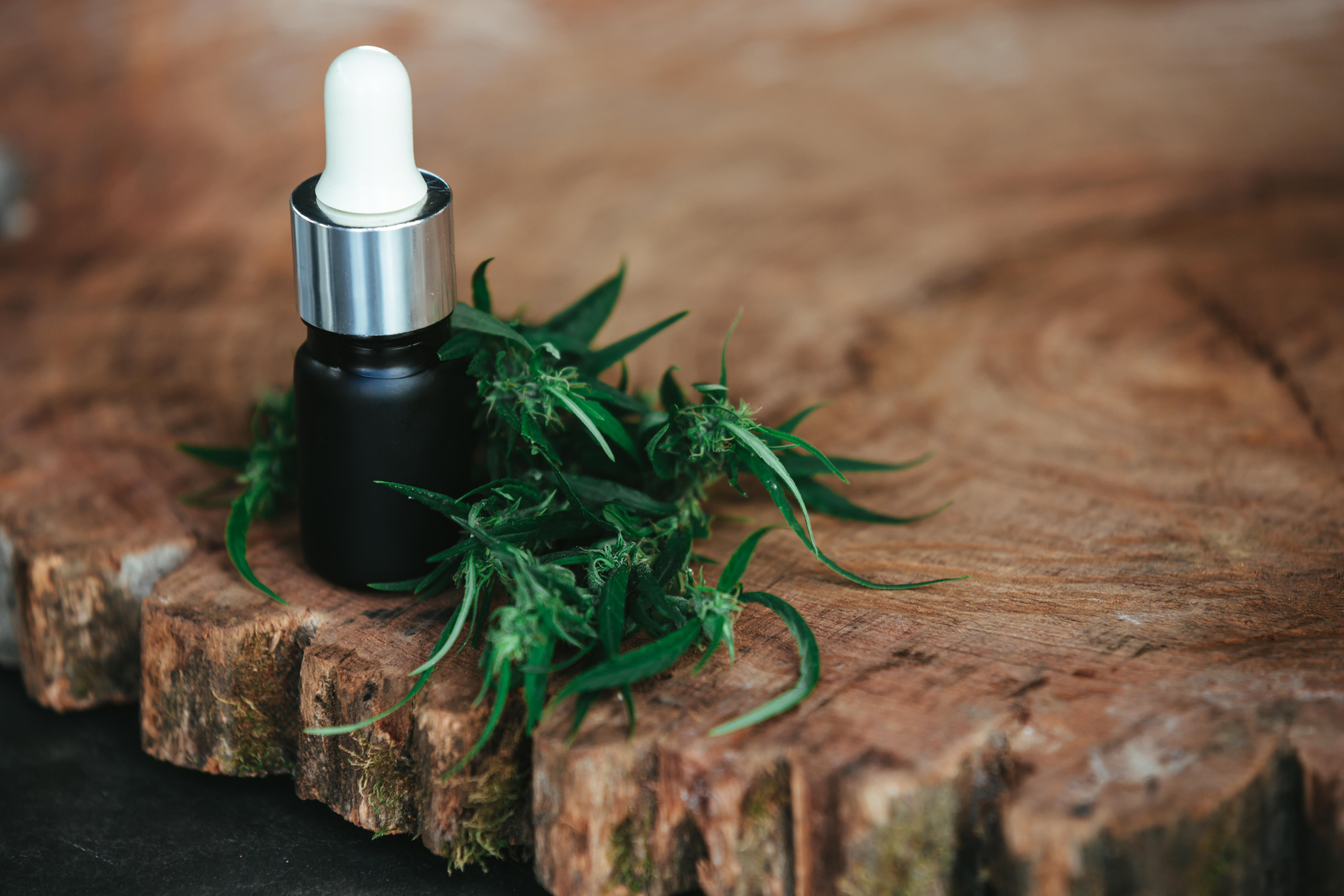


Neem oil is a common plant-based product used to help control pests on many types of plants, including cannabis. It comes from the seeds of the neem tree, which is native to parts of South Asia. Growers often use neem oil because it can help manage several insects without relying on stronger synthetic pesticides. However, neem oil is still a pesticide product, and it must be used with care. Natural does not always mean harmless. If neem oil is mixed too strongly, sprayed at the wrong time, or applied to stressed plants, it can damage leaves and slow plant growth.
Cannabis plants can attract many pests during their growth cycle. Common problems include spider mites, aphids, whiteflies, thrips, fungus gnats, and other small insects. These pests can feed on leaves, stems, roots, or plant fluids. Over time, a serious pest problem can weaken the plant. Leaves may become yellow, spotted, curled, or damaged. Growth may slow down, and heavily infested plants may struggle to develop normally.
Neem oil can be one tool for managing these problems. It can affect insects in several ways. Depending on the neem product, it may reduce insect feeding, interfere with growth, or make it harder for some pests to reproduce. Oil-based neem products can also coat certain insects and help control them through direct contact. Because of this, neem oil may be useful when pest problems are caught early.
Neem oil does not always work like a fast-acting insect killer. A grower may still see some insects after the first treatment. In many cases, pest control requires careful monitoring and more than one treatment. It is also important to understand the pest’s life cycle. Eggs, young insects, and adults may respond differently to treatment. This is one reason why neem oil should be part of a larger pest-control plan rather than the only method used.
Correct dilution is one of the most important parts of using neem oil safely. Neem products are sold in different strengths and formulas. Some come ready to spray, while others are concentrated and must be mixed with water before use. A mixing rate that is safe for one product may be too strong or too weak for another. Growers should always read the product label and follow the listed mixing directions.
Using extra neem oil does not usually make pest control better. In fact, a stronger mixture can increase the chance of leaf damage. Cannabis leaves may develop brown spots, burned edges, curling, or other signs of stress after an overly strong application. Young plants and already stressed plants may be especially sensitive.
Application timing also matters. Neem oil should not normally be sprayed on plants during intense sunlight or while strong grow lights are directly shining on wet leaves. Oil left on the leaf surface can increase stress under hot or bright conditions. Applying neem during cooler periods, such as later in the day, can reduce this risk when the product directions allow it. Indoor growers may also choose to spray shortly before the dark period so that leaves have time to dry before strong lights return.
The condition of the plant should also be checked before spraying. A plant suffering from drought, heat stress, root problems, or severe nutrient issues may respond poorly to any foliar treatment. Spraying a stressed cannabis plant can add another problem when the plant is already struggling. It is often better to deal with the main source of stress first unless the pest problem requires immediate action.
Flowering cannabis requires even more caution. Developing buds are very different from leaves. They contain many small surfaces where oils and other spray materials can remain. Dense flowers may also hold moisture longer than open leaves. For these reasons, growers usually avoid spraying neem oil directly onto developing cannabis flowers unless the specific product is clearly labeled and suitable for that use.
Residue is another reason to be careful during flowering. Oil sprayed onto buds may remain on plant material and may affect smell, taste, or overall flower quality. The closer the plant gets to harvest, the more important it becomes to limit unnecessary sprays on flowers. Other pest-control methods may be more suitable during later flowering stages.
Neem oil can also affect insects that growers may not be trying to kill. Outdoor cannabis plants can attract bees and other beneficial insects. Spraying flowering plants while these insects are active may expose them to the treatment. Applications should therefore be planned carefully, and product warnings about pollinators should always be followed.
Using neem oil safely starts with correct pest identification. A grower should know what is damaging the plant before reaching for a spray bottle. Yellow leaves or spots are not always caused by insects. Similar symptoms can result from nutrient problems, watering mistakes, heat, disease, or light stress. Applying neem oil to a plant that does not have a neem-sensitive pest may create unnecessary stress without solving the real problem.
Regular inspection is one of the best ways to reduce the need for heavy pesticide use. Growers can check the tops and bottoms of leaves, stems, soil surfaces, and nearby growing areas for insects or signs of damage. Catching pests early makes them easier to manage. It may also allow growers to use smaller and more targeted treatments.
Neem oil works best when it is treated as one part of an integrated pest management plan. Clean growing spaces, proper watering, good air movement, pest monitoring, physical removal, sticky traps, and biological controls can all help reduce insect problems. Combining several safe methods is often more effective than depending on one spray.
The most important rule is to follow the directions on the specific neem oil product being used. Products can differ in concentration, active ingredients, approved uses, and safety directions. Local rules may also affect which pesticides can be used on cannabis. Careful mixing, proper timing, pest identification, and regular plant checks can help growers use neem oil more safely while reducing the risk of damaging their plants.
What Is Neem Oil and How Does It Work on Cannabis Plants?
Neem oil is a plant-based substance that comes from the neem tree, Azadirachta indica. It has been used for pest control for many years and is now found in many garden products. Cannabis growers may use neem-based products to manage insects such as aphids, whiteflies, thrips, mites, and other pests.
Neem is different from many conventional pesticides. It does not always kill insects as soon as they come into contact with it. Instead, different parts of neem oil can affect pests in different ways. Some products interfere with feeding, growth, and reproduction. Other neem products work mainly by coating the insect’s body.
Understanding these differences is important because not every product labeled as neem oil works in exactly the same way. The active ingredients, concentration, and directions can vary from one product to another.
What Neem Oil Is
Neem oil comes from the seeds of the neem tree. The tree grows naturally in parts of South Asia and has a long history of agricultural use. Oil can be extracted from neem seeds and then processed into different types of pest-control products.
Natural neem oil contains many compounds. One of the most important is called azadirachtin. This compound is known for its effects on many insect pests. According to the National Pesticide Information Center, azadirachtin can reduce insect feeding, repel some pests, and interfere with the hormone systems insects need to grow and reproduce.
Neem products sold for garden use can be different from each other. Some contain azadirachtin as an active ingredient. Others contain what is known as clarified hydrophobic extract of neem oil.
Clarified hydrophobic neem oil is produced after most of the azadirachtin and related substances have been removed from neem oil. The remaining oil can still control certain pests, but it works differently from a product that contains azadirachtin. The U.S. Environmental Protection Agency recognizes both azadirachtin and clarified hydrophobic extract of neem oil as pesticide active ingredients derived from neem seeds.
This difference matters when treating cannabis plants. A grower should not assume that every bottle of neem oil has the same active ingredients or should be used at the same rate. The product label should be checked before mixing or spraying the product.
How Neem Affects Insects
Azadirachtin affects pests in several ways. One important effect is that it can reduce feeding. An insect exposed to azadirachtin may become less interested in feeding on a plant. This can help reduce additional leaf damage while the treatment is working.
Azadirachtin can also affect the normal development of young insects. Insects grow through several stages. Many must shed their outer covering, or molt, as they develop. Azadirachtin can interfere with the hormones that help control this process.
As a result, some young insects may have trouble moving from one growth stage to another. Their development may slow down or stop. Azadirachtin can also interfere with mating and egg laying in some pests. These effects can reduce the number of new insects that appear over time. The EPA notes that azadirachtin can interfere with feeding, molting, mating, and egg laying in certain insects.
Clarified hydrophobic neem oil works more like other horticultural oils. When the oil directly covers a small insect, it can interfere with the insect’s breathing. Insects breathe through small openings on their bodies rather than through lungs like humans. A coating of oil can block these openings and cause the insect to die.
Because this type of neem treatment depends heavily on contact, good spray coverage is important. Spraying only the upper surfaces of cannabis leaves may not reach pests hiding underneath them. Spider mites, aphids, whiteflies, and other small pests can often be found on the lower side of leaves.
Neem may also be used against some plant diseases, depending on the exact product. Certain neem oil products are labeled for fungal problems as well as insects. However, growers should always check the product label before treating a disease because not every neem formulation is approved or effective for the same problems.
Why Neem Is Often More Effective Against Young Insects
The age of the pest can have a major effect on how well neem works. Neem products are often most useful against eggs, larvae, nymphs, and other immature stages.
Young insects are actively developing and molting. Since azadirachtin can interfere with growth and development, insects that are still growing can be more sensitive to its effects.
Clarified neem oil can also work well against small, soft-bodied insects because it can cover their bodies more easily. The University of New Hampshire Extension notes that neem oil tends to be most effective against immature insects, while mature adults may survive and continue feeding or reproducing.
This is one reason growers should inspect cannabis plants often. Finding a pest problem early may make it easier to control before large numbers of adult insects develop.
For example, a grower who finds a few young aphids may have a better chance of managing the problem than someone who waits until the plant is covered with several generations of pests. Early identification also gives the grower more time to decide whether neem is the right treatment or whether another control method is needed.
Why Neem Does Not Always Kill Pests Immediately
One common misunderstanding about neem oil is that all insects should disappear soon after the plant is sprayed. Neem does not always work that way.
Some effects happen slowly. Azadirachtin may cause an insect to feed less or fail to develop correctly rather than killing it immediately. An adult insect may remain alive for some time even if the treatment affects its ability to reproduce.
Growers may therefore continue to see pests after a neem treatment. This does not always mean that the product has failed. The pest population needs to be monitored over several days to see whether the number of insects is falling.
Some treatments may also need to be repeated according to the product label. New insects can hatch after the first application, especially if eggs were protected from the spray. Repeated treatment at the correct interval may help reach newly emerged pests before they mature.
However, spraying more often or using a stronger mixture than the label recommends is not a good solution. Excessive neem oil can increase the chance of leaf damage without giving better pest control.
It is also important to remember that neem does not control every insect. Correct pest identification should come before treatment. If the insect is not listed on the product label, another pest-control method may be more suitable.
Neem oil is made from the seeds of the neem tree and can be used as part of a pest-control program for cannabis plants. However, different neem products work in different ways. Products containing azadirachtin can reduce insect feeding and interfere with growth, molting, mating, and egg laying. Clarified hydrophobic neem oil works mainly through direct contact and can coat small insects in a way that interferes with their breathing.
Neem is often more effective against young and immature pests than against fully developed adults. It may also take time to produce noticeable results, so growers should not expect every pest to die immediately after spraying.
For the safest and most effective use, growers should identify the pest first, read the product label, apply the correct concentration, and continue monitoring the plant after treatment. Neem can be useful for pest control, but it works best when it is used carefully and as one part of a larger pest-management plan.
Is Neem Oil Safe for Weed Plants?
Neem oil can be safe for weed plants when it is used with care. It is a plant-based product that many growers use to manage common pests, but natural does not always mean harmless. Neem oil can damage leaves if it is mixed too strongly, sprayed too often, or applied when the plant is already under stress.
The safest approach is to follow the directions on the neem oil product you are using. Different products can contain different amounts of active ingredients, so one mixing rate may not work for every product. Growers should also pay attention to the condition of the plant, the temperature, the light level, and the stage of growth before spraying.
When Neem Oil Can Be Used Safely
Neem oil is usually safest when the plant is healthy and actively growing. Healthy leaves are better able to handle a light foliar treatment than leaves that are already weak, dry, or damaged.
The correct concentration is also important. Neem oil products should be diluted according to their label instructions. Using more neem oil than recommended does not always provide better pest control. In fact, a mixture that is too strong can coat the leaves with too much oil and interfere with normal plant functions.
Application timing also matters. Neem oil should not be sprayed during the hottest part of the day or when plants are under strong light. Oil sitting on leaves under intense sunlight or grow lights may increase the chance of leaf damage. A cooler period, when strong light is not hitting the leaves, is generally safer.
Good air movement can also help after spraying. Leaves should be able to dry within a reasonable amount of time. Plants that stay wet for long periods may face a higher risk of other problems, especially when humidity is already high.
Growers should also avoid spraying more often than the product label recommends. Neem oil is not something that needs to be applied every day. Giving the plant time between applications makes it easier to notice whether the treatment is working and whether the leaves are reacting badly.
When Neem Oil Can Damage Cannabis
Neem oil can cause plant damage when it is used under the wrong conditions. One common problem is applying a mixture that is too concentrated. A heavy oil coating may leave spots on the leaves, cause the edges to dry out, or make foliage appear burned.
Heat can make the problem worse. Spraying a plant during hot weather may place extra stress on the leaves. Plants already lose water faster in high temperatures. Adding an oil spray during this period may increase the risk of damage.
Strong sunlight or powerful indoor grow lights can also create problems. Freshly sprayed leaves may be more sensitive while the oil is still present on the surface. It is generally better to avoid exposing wet, freshly treated foliage to intense light.
Drought-stressed plants should not be sprayed until their condition improves. A plant with drooping leaves or very dry growing media is already dealing with stress. Adding another treatment may make recovery more difficult.
The same caution applies after transplanting. Moving a plant into a new container can temporarily stress its root system. Even when the transplant goes well, the plant may need time to adjust. Spraying neem oil immediately after transplanting can add unnecessary stress.
Plants suffering from root problems, nutrient problems, extreme temperatures, or serious pest damage may also be more sensitive. In these cases, it is important to understand what is causing the plant’s poor condition before adding another treatment.
Young plants and delicate new growth may sometimes react more strongly than mature leaves. Growers should be especially careful when treating plants that have never been exposed to the product before.
Why a Patch Test Matters
A patch test is one of the simplest ways to reduce the risk of damaging an entire plant. Instead of spraying every leaf at once, apply the prepared neem solution to a small area first.
Choose a few leaves that can be checked easily. Apply the mixture in the same way you plan to treat the rest of the plant. Make sure the test leaves receive a normal amount rather than being completely soaked.
After the test, give the plant time to show whether it is sensitive to the spray. Watch the treated area for signs such as unusual yellowing, brown spots, dry edges, curling, wilting, or changes in the surface of the leaf.
If the leaves remain healthy, the product may be suitable for wider use when applied in the same way. However, the rest of the plant should still be treated carefully. A successful patch test does not mean that applying a much heavier amount will also be safe.
If the test leaves develop damage, do not continue spraying the whole plant. Check the dilution rate, weather or room temperature, light exposure, plant health, and product instructions before deciding what to do next.
Patch testing is especially useful when using a neem product for the first time. It can also be helpful when treating a new plant variety, because some plants may be more sensitive to oil-based sprays than others.
Neem oil can be used safely on weed plants, but careful application is important. Healthy plants are usually better able to tolerate treatment than plants that are already stressed by heat, drought, transplanting, root problems, or other issues. Using too much neem oil, spraying under strong light, or applying it too frequently can increase the risk of damaged foliage.
Growers should always follow the label on the specific neem product they are using because concentrations and directions can vary. A small patch test before treating the entire plant can also help identify sensitivity and prevent widespread leaf damage.
Neem oil should be treated as a pesticide rather than as a harmless natural spray. Correct dilution, suitable timing, healthy plant conditions, and careful monitoring are the main factors that help reduce risk. When these steps are followed, neem oil can be one option for managing certain pests while protecting the health of the plant.
What Cannabis Pests Can Neem Oil Help Control?
Neem oil can help manage several common pests that attack cannabis plants. It is often used as part of a wider pest control plan because it can affect insects in different ways. Depending on the neem product, it may discourage insects from feeding, interfere with their growth, or coat and harm small pests through direct contact.
Neem oil tends to work best when an infestation is found early. A small pest problem is usually easier to control than a large one. Growers should inspect plants often, especially the undersides of leaves, where many pests hide and lay eggs.
It is also important to identify the pest before applying neem oil. Different insects have different life cycles and hiding places. A treatment that works well for one pest may have little effect on another. Correct identification helps growers choose the safest and most effective treatment.
Spider Mites
Spider mites are among the most common pests found on cannabis plants. They are very small and can be hard to notice at first. Spider mites usually feed on the underside of leaves by piercing plant cells and removing their contents.
One of the first signs of spider mites is tiny pale, yellow, or white spots on the leaves. This damage is sometimes called stippling. As the infestation becomes worse, leaves may turn yellow, dry out, or fall from the plant.
Heavy infestations may also produce fine webbing around leaves, stems, and growing tips. Once webbing becomes easy to see, the spider mite population may already be large.
Neem oil may help reduce spider mites when it reaches them directly. Good coverage is important because mites often remain hidden under leaves. Spraying only the tops of leaves may leave much of the population untreated.
Repeated treatment may be needed because eggs can survive an earlier application and later hatch. Growers should continue inspecting the plant between treatments rather than assuming that one spray has removed every mite.
Aphids and Whiteflies
Aphids are small, soft-bodied insects that feed on plant sap. They may be green, black, yellow, brown, or other colors depending on the species. Aphids often gather on young leaves, stems, and new growth where plant tissue is soft.
Large aphid populations can weaken cannabis plants by removing sap. Leaves may curl, become distorted, or grow poorly. Aphids can also produce a sticky substance called honeydew. This material can collect on plant surfaces and may allow dark sooty mold to grow.
Neem oil may help control aphids because these insects have soft bodies and feed directly on treated plant tissue. Young aphids may be especially vulnerable.
Whiteflies are also sap-feeding pests. The adults are small, pale insects that may fly away when a plant is disturbed. Their immature stages stay attached to the undersides of leaves and feed on plant fluids.
Neem oil may help reduce whitefly populations when treatment reaches both adults and immature insects. Since many of the younger stages remain under leaves, careful coverage is important.
Growers should keep checking new leaves because both aphids and whiteflies can reproduce quickly when conditions are favorable.
Thrips
Thrips are small, narrow insects that can cause noticeable damage even when they are difficult to see. They scrape plant tissue and feed on the fluids inside the damaged cells.
Thrip damage often appears as pale, silver, or bronze marks on leaves. Small dark spots may also be visible near damaged areas. Severe infestations can reduce plant growth and damage young leaves.
Neem oil may help manage thrips, especially when they are in younger life stages. However, controlling thrips can be difficult because parts of their life cycle may take place in locations that are hard to reach with a foliar spray.
Some thrips may hide inside new growth, while other stages may be present in the growing medium. For this reason, spraying leaves alone may not always remove the full population.
Regular monitoring is important after treatment. If fresh leaf damage continues to appear, growers may need to combine neem with other pest management methods.
Fungus Gnats
Fungus gnats are small flying insects that are often found around moist growing media. Adult fungus gnats may look similar to tiny mosquitoes. The adults are often more annoying than harmful, but their larvae can cause problems around cannabis roots.
Fungus gnat larvae live in the growing medium. They feed mainly on fungi, decaying organic matter, and other materials. When populations become large, they may also feed on fine roots.
Young cannabis plants and seedlings may be more sensitive to root damage. A heavy fungus gnat problem may contribute to weak growth, especially when the growing medium remains wet for long periods.
Neem products may sometimes be used as part of fungus gnat control, but growers must pay attention to how the specific product is labeled. A spray made for leaves should not automatically be poured into the soil.
Moisture control is also very important. Fungus gnats prefer damp growing media. Allowing the upper part of the soil or growing medium to dry when appropriate can make conditions less favorable for their larvae.
Sticky traps can also help monitor adult fungus gnats. They do not remove larvae from the soil, but they can show whether the adult population is increasing or decreasing.
Other Pests Neem Oil May Help Control
Neem oil may also help with several other cannabis pests, including mealybugs, young scale insects, and some leafminers.
Mealybugs are soft-bodied insects covered with a white, waxy material. They often collect around stems, leaf joints, and protected parts of the plant. Their waxy coating can make them harder to treat, so direct coverage is important.
Scale insects attach themselves to plant tissue and feed on sap. Adult scale insects can develop a protective covering that may reduce the effect of sprays. Young scale insects, called crawlers, are more exposed and may be easier to control.
Leafminers are insects whose larvae feed inside leaves. Their feeding creates pale or winding trails through the leaf tissue. Because the larvae are protected inside the leaf, neem oil may not always reach them through direct contact. Some neem products may still affect feeding or development, depending on the active ingredients and label directions.
These examples show why timing is important. Neem treatments are often more useful against young insects before they develop stronger protection or become difficult to reach.
Pests Neem Oil May Not Control Well
Neem oil is not a complete solution for every cannabis pest. Some insects may be protected by hard shells, waxy coverings, soil, plant tissue, or other hiding places. Others may simply be less sensitive to neem-based products.
A large infestation may also be too advanced for neem oil alone. If a plant contains hundreds or thousands of pests, treating it only with neem may allow serious damage to continue while the treatment takes effect.
Growers should first identify the pest and determine how serious the infestation is. They should also check the neem product label to see whether the pest is listed and how the product should be used.
Using neem without identifying the problem can waste time and may expose the plant to unnecessary treatment. For example, nutrient problems, heat stress, watering problems, and some plant diseases can produce symptoms that look similar to insect damage.
Careful inspection is therefore an important first step before any pesticide is applied.
Neem oil can help manage several common cannabis pests, including spider mites, aphids, whiteflies, thrips, fungus gnats, mealybugs, young scale insects, and some leafminers. It often works best when pest populations are still small and when the treatment reaches the insects directly.
Coverage is especially important because many pests hide on the undersides of leaves or inside protected areas of the plant. Some insects also have life stages in the soil or inside plant tissue, which can make them harder to control with a simple foliar spray.
Neem oil should not be treated as a universal pesticide. Correct pest identification, regular plant inspection, proper application, and other pest management methods may all be needed. Growers should always follow the directions on the specific neem product they are using and avoid applying more product than the label recommends.
What Type of Neem Oil Should You Use?
Neem products come in several forms, and they are not all the same. This is important because the type of neem product affects how it works, how it should be applied, and what precautions are needed. Some products contain more of the natural compounds found in neem seeds, while others have been processed to remove certain active ingredients.
When choosing neem oil for weed plants, growers should not rely only on words such as “natural,” “organic,” or “pure” on the front of the bottle. The product label gives much more useful information. It explains the active ingredients, intended uses, target pests, mixing directions, application limits, and safety warnings.
Using a product that is made and labeled for plant pest control is also safer than using an unknown neem product intended for cosmetics, personal care, or another purpose.
Cold-Pressed Neem Oil
Cold-pressed neem oil is produced by pressing neem seeds without using high heat. This process helps preserve many of the natural compounds found in the seeds. One of the best-known compounds is azadirachtin.
Azadirachtin affects certain insects in several ways. It may reduce feeding and interfere with normal growth and development. It can also affect the way some insect pests reproduce. These effects are one reason cold-pressed neem products are used as part of pest-control programs.
Cold-pressed neem oil may have a strong smell and can appear yellow, brown, or cloudy depending on the product. It is important to remember that appearance alone does not show how strong the product is. Two bottles described as cold-pressed neem oil may contain different concentrations.
Growers should therefore check the percentage of active ingredients listed on the label. They should also read the directions carefully before putting the product on any plant.
A common mistake is assuming that pure or concentrated neem oil is automatically better. A stronger product does not always provide better pest control. If it is used at too high a concentration, oil can damage plant tissue. Leaves may develop spots, discoloration, curling, or burned-looking areas.
For this reason, cold-pressed neem oil should only be prepared and applied according to the directions supplied with that specific product.
Clarified Hydrophobic Neem Oil
Clarified hydrophobic neem oil is another form that appears in many plant-care products. It is produced after much of the azadirachtin has been removed from neem oil.
This type of neem product works differently from products that contain higher amounts of azadirachtin. Clarified hydrophobic neem oil mainly acts through physical contact with certain pests. The oil can coat small insects, mites, and their eggs when good spray coverage is achieved.
Because of this contact action, coverage becomes very important. A neem oil treatment cannot affect a pest that never comes into contact with the product. Pests hiding beneath leaves, along stems, or in other protected areas may survive if the treatment does not reach them.
Clarified neem oil may also be included in products designed to help manage certain fungal plant diseases. However, its effectiveness depends on the specific disease, the timing of treatment, and the directions on the label.
Growers should not assume that cold-pressed neem oil and clarified hydrophobic neem oil can always be used in the same way. Their active ingredients and modes of action may differ. Application rates and restrictions may also be different.
This is why it is better to identify the exact product rather than simply looking for a bottle that says “neem oil.”
Ready-to-Use Versus Concentrated Products
Neem products are commonly sold as either ready-to-use sprays or concentrates.
Ready-to-use products have already been diluted by the manufacturer. In most cases, they can be applied according to the directions without measuring a separate amount of neem concentrate. This makes them convenient for people who only need to treat a small number of plants.
Another advantage is that they reduce the chance of making a measuring mistake. With concentrated products, adding too much concentrate can create a mixture that is stronger than intended. That can increase the risk of leaf damage.
However, a ready-to-use product still needs to be used correctly. Growers should check whether the label lists the pest they are trying to control and whether the product is appropriate for the plant and growth stage involved.
Concentrated neem products require more preparation. They must normally be mixed with water according to label directions before use. Some formulations may also require particular mixing or agitation instructions because oil does not naturally remain evenly mixed with water.
The exact dilution should come from the product label rather than from a general recipe found online. Neem products vary in concentration, so a measurement that is correct for one product may be too weak or too strong for another.
Concentrates can be useful when treating a larger growing area, but they require careful measuring. More neem should never be added simply because the pest problem looks severe. Excessive concentration can increase plant stress without providing better control.
Reading the Pesticide Label
The product label should be one of the most important factors when choosing neem oil.
First, check the active ingredient section. This tells you whether the product contains substances such as azadirachtin or clarified hydrophobic extract of neem oil. It also states the concentration.
Next, look for the pests the product is designed to control. Neem may be used against pests such as aphids, mites, whiteflies, or other insects depending on the formulation. If the target pest is not covered by the product directions, another control method may be more suitable.
The label should also explain how the product is intended to be used. Some products are designed mainly for foliar spraying, while certain formulations may allow other application methods. Growers should not assume that every neem product can be used in every way.
Application intervals are also important. Using neem more often than directed does not guarantee faster pest control. It may instead increase the risk of plant damage or unnecessary residue.
Warnings should be read just as carefully as the application directions. Labels may contain instructions about temperature, direct sunlight, sensitive plants, protective equipment, pollinators, or interactions with other plant treatments.
The label may also provide crop restrictions. Cannabis laws and pesticide rules vary by location, and not every pesticide that can legally be used on general garden plants is approved for cannabis. Growers should follow all applicable local rules as well as the manufacturer’s directions.
Choosing a Product Based on the Pest Problem
The best neem product depends partly on what is causing the problem.
Before buying or applying anything, growers should inspect the plants and identify the pest as accurately as possible. Small insects can look similar, but they may have different life cycles and may require different control methods.
For example, an oil-based contact product depends heavily on reaching the pest. A product containing azadirachtin may affect certain insects through feeding or development as well. Understanding this difference can help explain why one neem formulation may be selected instead of another.
It is also important to consider the condition of the plant. A plant that is already stressed by heat, lack of water, root problems, or another issue may be more sensitive to an oil treatment. In these situations, addressing the main source of stress may be necessary before applying another product.
Neem should also be viewed as one part of pest management rather than a product that solves every infestation. Cleaning the growing space, checking new plants, removing heavily infested material when appropriate, and regularly inspecting leaves can all reduce pest pressure.
There is no single type of neem oil that is automatically best for every weed plant or pest problem. Cold-pressed neem oil can contain natural compounds such as azadirachtin that affect the feeding and development of certain insects. Clarified hydrophobic neem oil contains much less azadirachtin and works mainly through direct contact with pests.
Ready-to-use neem sprays are convenient because they require little preparation, while concentrates can be practical for larger applications but require careful measuring and mixing.
The most important step is reading the product label. Growers should check the active ingredients, target pests, application directions, restrictions, and safety warnings before using the product. They should also confirm that the product is allowed for the intended crop and use in their location.
Choosing neem oil based on the actual pest problem, rather than simply choosing the strongest product available, helps reduce unnecessary treatments and lowers the risk of damaging the plant.
How to Mix and Dilute Neem Oil for Weed Plants
Neem oil must be mixed correctly before it is sprayed on weed plants. Using too much neem oil can damage leaves, while using too little may not provide enough pest control. The right mixture also depends on the product because neem oil concentrates can have different strengths and ingredients.
For this reason, growers should not assume that one neem oil recipe will work for every product. The safest method is to read the product label and follow the mixing rate listed by the manufacturer. The label should explain how much concentrate should be added to a certain amount of water.
Careful measuring is especially important when neem oil is being used on young plants, recently transplanted plants, or plants that are already under stress.
Why Neem Oil Needs Proper Mixing
Neem oil does not naturally mix well with water. Oil and water tend to separate because they have different chemical properties. If neem oil is simply poured into a container of water, much of the oil may float on the surface or form small drops instead of spreading evenly.
This can create an uneven spray. One part of the plant may receive very little neem oil, while another part may receive a much stronger amount. Areas that receive too much oil may be more likely to develop leaf damage.
Some neem oil products contain ingredients that help the oil mix with water. Other products may require the use of an emulsifier or surfactant. An emulsifier helps break the oil into smaller droplets so it can stay mixed throughout the water.
A mild liquid soap is sometimes used in homemade neem mixtures, but this should be done carefully. Not every soap is safe for plants. Some household cleaning products contain perfumes, degreasers, antibacterial agents, or other chemicals that can damage leaves. If an emulsifier is needed, it is better to use one that is made or labeled for use on plants.
The instructions on the neem oil product should always be checked first. If the product is already designed to mix with water, adding extra soap or another surfactant may not be necessary.
The spray mixture should also be stirred or shaken well before and during application. Even after neem oil has been mixed, the solution may begin to separate if it sits for a long time.
Determining the Correct Neem Oil Dilution
There is no single dilution rate that is correct for every neem oil product. Some products are highly concentrated, while others contain a lower amount of active ingredients. Ready-to-use neem sprays may not require any dilution at all.
This is why the product label is more important than a recipe found online.
The label should state how much concentrate should be mixed with water. Growers should measure both ingredients carefully. Guessing the amount can easily make the mixture too strong.
Using more neem oil does not mean the treatment will work better. A stronger mixture may increase the chance of leaf burn, spotting, curling, or other plant stress. It may also leave a heavier oily coating on the leaves.
A weak mixture may also cause problems because it may not provide enough coverage or pest control. Growers may then spray the plant more often because they believe the neem oil is not working.
Following the recommended concentration creates a better balance between pest control and plant safety.
Before treating an entire plant, it is also useful to test the mixture on a small area. Spray a few leaves and wait long enough to see whether the plant reacts badly. Signs of sensitivity may include yellow spots, brown areas, curling, or damaged leaf edges.
If the tested leaves remain healthy, the grower can consider treating the rest of the plant according to the label directions.
How to Prepare a Neem Oil Spray
The first step is to start with clean water and clean spraying equipment. A sprayer that contains traces of another pesticide, fertilizer, cleaner, or chemical could cause unexpected plant damage.
Measure the amount of water needed for the treatment. Preparing only enough spray for the plants being treated can reduce waste.
If the product instructions require an emulsifier, prepare it according to the directions. In many cases, the neem oil is first mixed with the emulsifying material before it is fully added to the water. This helps break the oil into smaller droplets.
Next, measure the neem concentrate carefully. Use a proper measuring tool instead of estimating the amount by eye.
Add the neem mixture to the water and mix it thoroughly. The finished solution should look evenly blended rather than having a thick layer of oil floating on top.
Once the mixture is ready, it can be placed in a clean spray bottle or garden sprayer. Shake or stir the container again before spraying.
During treatment, growers should continue to shake or agitate the solution from time to time. This helps prevent the oil from separating while the plant is being treated.
When applying the spray, only the amount needed to provide even coverage should be used. Leaves do not need to be dripping heavily with oil. Excessive spray can waste the product and may increase the chance of plant stress.
Why Stronger Neem Oil Is Not Always Better
One of the most common mistakes with neem oil is assuming that a stronger concentration will kill pests faster.
Neem oil does not usually work like a fast-contact insecticide. Some neem ingredients affect how pests feed, grow, reproduce, or develop. Results may therefore take time.
Increasing the concentration does not always speed up this process.
Instead, overly strong neem oil can interfere with normal leaf function. A heavy oil coating may reduce gas exchange through the leaf surface. Plants may also become more sensitive to heat or strong light after treatment.
The risk can be greater when plants are already stressed because of high temperatures, low water, root problems, nutrient problems, or recent transplanting.
Proper pest control often depends more on good coverage and repeated monitoring than on using a stronger spray.
Growers should inspect the plant after treatment and look for changes in pest activity. If pests remain, the next application should still follow the recommended rate and timing rather than using a much stronger mixture.
Preparing Only the Amount You Need
Neem oil sprays are usually best prepared close to the time they will be used.
Once neem oil has been mixed with water, the mixture may slowly separate or lose quality during storage. Homemade solutions can be especially difficult to keep evenly mixed for long periods.
For this reason, it is better to prepare a smaller batch that can be used during one treatment instead of mixing a large amount and storing it for many days.
Any leftover solution should be handled according to the product label. It should not be poured into drains, streams, ponds, or other areas where it could affect the environment.
The original neem concentrate should also be stored correctly. Keep the container tightly closed and follow the temperature and storage directions provided by the manufacturer. It should be kept away from children, pets, food, and direct sunlight when required by the label.
Using clean measuring tools each time can also reduce contamination and make future mixtures more accurate.
Mixing neem oil correctly is an important part of protecting weed plants from pests without causing unnecessary damage. Neem oil and water do not naturally mix well, so some products may require an emulsifier or surfactant to help create an even solution.
There is no universal neem oil dilution that is right for every product. Different concentrates contain different amounts of active ingredients, which means growers should always follow the mixing instructions on the product label.
Using extra neem oil is not a shortcut to better pest control. A mixture that is too strong can increase the chance of leaf burn, spotting, curling, and plant stress. Proper measuring, good mixing, even coverage, and careful monitoring are more important than increasing the concentration.
Growers should also test a small part of the plant before treating the whole crop, especially when using a new neem product. Preparing only the amount needed for each application can help keep the spray fresh and reduce waste.
When neem oil is measured, mixed, and applied correctly, it can be a useful part of a broader pest-control plan while reducing the risk of unnecessary damage to the plant.
How to Apply Neem Oil to Cannabis Plants Correctly
Neem oil can be useful for managing certain pests on cannabis plants, but the way it is applied matters. Poor coverage may leave pests alive, while too much spray can stress or damage the plant. The goal is to apply enough product to reach the pest without soaking the plant more than needed.
Before using neem oil, always read the label on the product. Neem products can have different concentrations and instructions. Some are ready to use, while others must be mixed with water before spraying. The label should also explain which pests the product is designed to control and how often it can be applied.
Correct application also starts with knowing what pest is present. Neem oil should not be sprayed simply because a plant looks unhealthy. Yellow leaves, spots, curling, and slow growth can also come from watering problems, nutrient issues, heat stress, or disease. Inspect the plant closely before deciding that insects are the cause.
Preparing the Plant Before Applying Neem Oil
A cannabis plant should be in reasonably good condition before it is sprayed with neem oil. Plants that are already under serious stress may be more sensitive to foliar treatments.
Check the moisture level of the growing medium before spraying. A plant that is badly wilted from lack of water should normally be allowed to recover before treatment. The same is true for plants that have recently been transplanted or exposed to strong heat.
Inspect the leaves, stems, and growing tips carefully. Look for visible insects, eggs, webbing, sticky residue, small dark spots, or unusual feeding damage. The underside of each leaf deserves special attention because many pests hide and reproduce there.
If some leaves are completely dead or badly damaged, they may be removed when appropriate. Removing heavily infested plant material can reduce the number of pests that need to be controlled. However, healthy leaves should not be removed just to make spraying easier. Cannabis plants need their leaves for photosynthesis and healthy growth.
It is also useful to move the plant to an area where the spray can be applied evenly without drifting onto nearby plants or surfaces. Indoor growers should protect lights, electrical equipment, and other materials from overspray.
Applying Neem Oil as a Foliar Spray
A foliar spray is applied directly to the leaves and other above-ground parts of the plant. The spray should form a light, even coating rather than running heavily from the leaves.
Start at the top of the plant and work carefully through the canopy. Spray the upper surface of the leaves, but do not stop there. Many common cannabis pests spend most of their time on the underside of the leaves, where they are protected from light and disturbance.
Turn or gently lift leaves when needed so that the spray reaches hidden areas. Spider mites, whiteflies, aphids, and young thrips may stay in these protected locations. If neem oil only reaches the top of the leaf, much of the pest population may remain untreated.
Stems and leaf joints can also be inspected and treated when allowed by the product label. Some insects gather around new growth, along stems, or in the areas where leaves connect to branches.
Avoid spraying the plant until it is dripping wet. Heavy application wastes product and may increase the chance of leaf damage. It can also cause excess moisture to collect between leaves.
Spraying should usually be done when strong light and heat are not hitting the plant. For indoor cannabis, this often means applying the spray shortly before the dark period. Outdoors, growers commonly choose a cooler part of the day and avoid intense midday sun. Follow the product instructions for exact timing.
Why Complete Spray Coverage Matters
Neem oil does not work like every conventional pesticide. In many cases, the product needs to come into contact with insects or be present on plant tissue where pests are feeding.
This makes good coverage important.
For example, spraying only the visibly damaged leaves may not solve a spider mite problem. Mites can move between leaves and may have already laid eggs elsewhere on the plant. The same issue can occur with aphids and whiteflies.
A careful application should cover the affected areas and the nearby foliage where pests may be hiding. However, complete coverage does not mean using excessive amounts of spray. A thin and even coating is usually more useful than soaking the plant.
Coverage is also one reason why pest identification should happen before treatment. Different insects live in different areas. Knowing where the pest feeds, hides, and reproduces helps the grower place the treatment where it is most likely to work.
One spray may not remove every stage of a pest population. Eggs may survive while adults or young insects are affected. This is why monitoring after treatment is just as important as the first application.
What to Do After Applying Neem Oil
After spraying, allow the foliage to dry naturally. Avoid placing freshly treated leaves under intense heat or very strong light until they are dry.
Indoor growers should maintain normal air movement around the plant. Gentle circulation can help moisture dry from the leaves, but powerful fans should not be aimed directly at wet foliage.
Check the plant over the next day or two for signs of sensitivity. Mild temporary changes may occur, but serious spotting, browning, curling, or burned-looking areas can indicate that the mixture was too strong or the plant was sensitive to the treatment.
If damage appears, stop applying neem oil until the cause has been reviewed. Check the concentration that was used, the condition of the plant, the temperature, and the timing of the spray. Do not immediately apply another treatment in an attempt to correct the problem.
Pest activity should also be monitored. Look under the leaves again and compare what you see with the infestation before treatment. The goal is not just to see fewer insects at one moment. The pest population should continue to decline over time.
Sticky traps can help monitor flying pests such as fungus gnats and whiteflies. A magnifying lens can also make it easier to spot spider mites, eggs, and small larvae.
If pests remain, follow the label directions for any repeat application. Do not spray more often than recommended. More frequent treatment does not always provide better control and may increase plant stress.
Applying neem oil correctly involves more than spraying the visible parts of a cannabis plant. The plant should first be inspected to confirm that pests are present and to identify where they are hiding. The leaves should receive a light, even coating, with close attention given to the undersides where many insects feed and reproduce.
Good coverage improves the chance that neem oil will reach the target pests, but excessive spraying should be avoided. Plants should also be treated when they are not already under serious stress from heat, drought, transplanting, or other problems.
After treatment, allow the foliage to dry and continue checking both plant health and pest activity. If another application is needed, follow the schedule and concentration listed on the product label. Careful preparation, even coverage, and continued monitoring make neem oil safer and more useful as part of a cannabis pest-control plan.
When and How Often Should You Spray Neem Oil?
Knowing when to apply neem oil is just as important as knowing how to mix it. Neem oil can help manage several common pests, but poor timing can reduce its effect or damage the plant. Heat, strong light, plant stress, and the size of the pest problem can all affect how well a treatment works.
Neem oil should not be treated as something that needs to be sprayed every day. More frequent spraying does not always give better results. In fact, applying an oil-based product too often can place extra stress on leaves. A better approach is to inspect the plants, identify the pest, follow the directions on the neem product, and give each treatment time to work.
Best Time of Day to Apply Neem Oil
Neem oil is generally better applied during a cooler part of the day. Strong sunlight and high temperatures can increase the risk of leaf damage, especially when oil remains on the surface of the leaves.
For outdoor plants, many growers choose the late afternoon or evening. This gives the spray time to settle and dry before the plant is exposed to strong sunlight again. Evening treatment can also reduce contact with bees and other useful insects that are active during daylight hours.
Indoor plants need similar care. Powerful grow lights can create heat at the leaf surface. Spraying directly before plants spend many hours under intense lighting may increase stress. Growers should follow the directions on the product label and avoid applying neem oil when plants are already suffering from heat.
Good timing also helps the spray stay on the plant long enough to reach the pests. If neem oil is applied outdoors just before heavy rain, much of the treatment may wash away. This can reduce its effect and make another application necessary sooner than expected.
Preventive Treatments Versus Active Pest Problems
The reason for spraying neem oil can affect how often it is used.
A plant with no visible pests does not normally need constant heavy treatment. Regular plant inspection is often more useful than repeated preventive spraying. Check the tops and bottoms of leaves, stems, new growth, and the growing medium for signs of insects.
A mild pest problem may require treatment followed by careful monitoring. Neem oil does not always kill every insect immediately. Some neem products affect feeding, growth, or reproduction. Because of this, the pest population may decrease over several days rather than disappear after one treatment.
A larger infestation may require more than one application. However, this does not mean that growers should spray every day. Neem products have different strengths and directions. The label should state how frequently the product can be applied.
Pest control also works better when neem oil is combined with other methods. Removing badly infested leaves, cleaning the growing area, improving air movement, and controlling moisture can make it harder for pests to return.
How Often Should Neem Oil Be Reapplied?
There is no single spray schedule that works for every neem oil product. Some products are concentrated, while others are sold ready to use. Their active ingredients and recommended application intervals can also be different.
For this reason, growers should use the interval listed on the product label instead of following a general homemade schedule. The label may recommend waiting several days between treatments. This waiting period helps reduce unnecessary plant stress and gives the treatment time to affect the target pests.
After spraying, inspect the plant regularly. Look for new pest damage rather than focusing only on old damaged leaves. A leaf that was damaged before treatment will usually remain damaged, even if the pests are gone.
Growers should also look for living pests, eggs, larvae, webbing, sticky residue, or new feeding marks. If pest activity continues and the label allows another application, the treatment may need to be repeated.
Weather may also affect the timing of outdoor applications. Rain can wash treatments from the leaves, while very hot weather may make spraying less suitable. Always consider current plant conditions before applying another treatment.
Why Spraying More Often Is Not Always Better
It can be tempting to apply neem oil repeatedly when pests are still visible. However, excessive spraying can create new problems.
Neem oil coats the leaf surface. If too much oil is applied or treatments are repeated too closely together, sensitive plants may develop spotting, discoloration, curling, or damaged leaf edges. New growth may be especially sensitive.
Repeated spraying can also make it harder to tell whether plant damage is coming from the insects or from the treatment itself.
If pests remain after several properly timed treatments, the problem may not be the application frequency. The pest may have been identified incorrectly, spray coverage may be poor, or neem oil may not be the best control method for that particular insect.
At that point, changing the pest-control strategy may be more useful than simply increasing the amount of neem oil.
Knowing When to Stop Using Neem Oil
Neem oil treatment should stop when it is no longer needed or when continued spraying creates more risk than benefit.
If inspections show that pest numbers have dropped and there is little or no new damage, repeated spraying may no longer be necessary. Continue monitoring the plant so that any returning pests can be found early.
Treatment should also stop if the plant shows signs of sensitivity. Leaf spotting, unusual curling, burned-looking edges, or sudden discoloration after spraying may suggest that the plant reacted poorly to the treatment. Check the concentration, environmental conditions, and product directions before considering another application.
Plant growth stage also matters. As cannabis begins producing flowers, foliar spraying becomes less desirable because sprays can settle on developing flower tissue. Growers should be especially cautious about spraying flowers and should follow the label and applicable local rules.
If neem oil is not controlling the pest, another method may be needed. Sticky traps, improved sanitation, environmental changes, insecticidal soaps, or biological controls may be more suitable depending on the pest and plant stage.
Neem oil works best when it is applied at the right time and only as often as necessary. Cooler periods of the day are generally better for treatment because strong light and heat can increase the risk of leaf damage. Outdoor applications should also take rain and beneficial insects into account.
The correct time between applications depends on the neem oil product being used. Growers should follow the product label rather than assuming that daily or very frequent spraying will give faster results. Plants should be inspected after each treatment to see whether pest activity is decreasing.
Neem oil should be stopped when pests are under control, when the plant shows signs of sensitivity, or when spraying is no longer suitable for the plant’s growth stage. Careful monitoring and proper timing can make neem oil more useful while reducing unnecessary stress on the plant.
Can You Use Neem Oil During the Flowering Stage?
Neem oil can help control certain pests on cannabis plants, but using it during the flowering stage requires more care. During vegetative growth, most of the plant is made up of leaves and stems. These surfaces are easier to spray and usually dry faster. Once flowering begins, the plant develops dense buds with many small leaves and flower parts. These areas can hold moisture and sprayed materials for longer periods.
For this reason, growers need to think carefully before using neem oil once flowers have started to form. The exact rules depend on the neem product, its label, and local regulations. A product should only be used on cannabis if its label and the laws in the grower’s area allow that use.
Why Flowering Cannabis Requires Extra Caution
Cannabis flowers are different from ordinary leaves. As buds develop, they become thicker and more compact. Oil-based sprays can settle between small leaves and flower parts instead of drying quickly on an open leaf surface.
Neem oil also has a strong natural smell. Cold-pressed neem oil has been described by the U.S. Environmental Protection Agency as having a garlic- or sulfur-like odor. Applying an oil directly to developing flowers may therefore affect the smell or general quality of the harvested material.
Moisture is another concern. Dense flowers can dry more slowly than large fan leaves. Keeping flowers wet for unnecessary periods is generally undesirable, especially in humid conditions. For these reasons, pest problems are easier to manage when they are found and treated before the plant develops large, dense flowers.
Oil sprays can also injure sensitive plant tissue when used under poor conditions. EPA-approved neem oil labeling warns against treating wilted or stressed plants and recommends care with tender plant tissue. It also advises testing a small area for possible leaf burn.
Avoiding Direct Application to Cannabis Flowers
Directly spraying cannabis buds with neem oil should not be treated as a routine pest-control method. A neem product should never be sprayed onto flowers simply because it is described as natural or organic. Natural pesticides are still pesticides, and they must be used according to their labels.
This is especially important because cannabis flowers may later be dried and used as the final plant material. Spraying the flowers can leave oil and other product ingredients on their surface. The later the plant is in flowering, the less time there is before harvest.
If pests appear during flowering, the first step should be to identify the pest correctly. A few damaged leaves do not always mean that the entire plant needs to be sprayed. Growers should inspect leaf undersides, stems, nearby plants, and the growing area to determine where the pests are located.
If treatment is necessary, the product label must be checked before anything is applied. The label determines where the product can be used, which pests it controls, how it should be applied, and what restrictions must be followed. EPA pesticide labels make clear that registered pesticide products must be used in a manner consistent with their labeling.
Early Flower Versus Late Flower
There is an important difference between a plant that has just started flowering and one that is close to harvest.
During early flowering, flowers are still small and much of the plant remains exposed foliage. Pest problems may be easier to manage at this stage because growers can inspect the plant and focus on affected leaves. Even then, neem should only be used if the specific product is allowed for the intended use.
As flowering continues, buds become larger and denser. Spraying becomes more difficult because liquid can enter spaces within the flowers. This also makes it harder to achieve pest control without coating the buds.
Late flowering requires the most caution. At this point, growers should not assume that applying more neem will solve a pest problem. Treatment decisions should consider how close the plant is to harvest, where the pests are located, what the product label permits, and whether another pest-control method can solve the problem without spraying the flowers.
There is no single number of flowering days or weeks after which neem suddenly becomes unsafe for every plant. Neem products have different formulations and instructions. Growing conditions also vary. Following the actual product label is safer than relying on a universal cutoff found online.
Managing Pests Without Coating the Flowers
Pest control during flowering does not always require covering the entire plant with a spray. Integrated pest management, or IPM, uses several methods together to reduce pest numbers while limiting unnecessary pesticide use.
Regular inspection is one of the most useful methods. Finding spider mites, aphids, thrips, or other pests early gives growers more options. Leaves with severe infestations may sometimes be removed when doing so will not cause excessive stress to the plant.
The growing space should also be kept clean. Dead leaves and plant debris can provide places where pests survive. Indoor growers can check equipment, containers, tools, and nearby plants because pests can move from one plant to another.
Sticky traps can help monitor some flying insects, although they do not solve every infestation by themselves. Certain beneficial insects and biological controls may also be useful depending on the pest and growing conditions. When combining neem with beneficial insects, care is needed. Some neem product labels recommend testing compatibility before using the product widely around beneficial insects.
The main goal during flowering is to control the pest while avoiding unnecessary treatment of the developing buds.
Pollinator Considerations for Outdoor Cannabis Plants
Outdoor pesticide use also requires attention to bees and other beneficial insects. Even when a pesticide comes from a plant source, direct exposure can still harm non-target insects.
An EPA-approved neem oil label states that the product is toxic to bees exposed directly to the treatment and says it should not be applied while bees are actively visiting the treatment area.
Timing therefore matters when neem is used outdoors. EPA pollinator guidance explains that pesticide labels may include bloom restrictions, crop-stage restrictions, and limits on applications during times when pollinators are active. Growers should follow any pollinator warnings listed on the exact product they are using.
Protecting beneficial insects can also help with long-term pest management. Killing helpful insects unnecessarily may make it easier for certain pest populations to return.
Neem oil may have a place in cannabis pest management, but flowering plants require greater caution than plants in vegetative growth. Developing buds are dense, delicate, and part of the final harvested material, so routine spraying directly onto flowers should be avoided unless the specific product label clearly allows the intended use.
Pest problems are easier to manage when they are found early. Growers should inspect plants often, identify the pest correctly, and focus treatment on affected areas when appropriate. As flowers become larger and harvest gets closer, non-spray methods and other suitable pest-control options may become more important.
Can You Use Neem Oil as a Soil Drench?
Neem oil is often used as a foliar spray, but some neem-based products can also be applied to the growing medium as a soil drench. A soil drench is different from spraying the leaves. Instead of covering the surface of the plant, the diluted product is applied around the root zone.
A neem soil drench may help control certain insects that spend part of their life cycle in the soil. Fungus gnats are one common example. However, not every neem product is designed for soil application. The product label should always be checked before neem oil is poured into the growing medium. Some registered neem and azadirachtin products specifically allow soil drenches for soil-borne insect larvae, while other products may have different directions or restrictions.
What Is a Neem Soil Drench?
A soil drench is a diluted pest-control solution that is applied directly to the growing medium. The goal is to bring the active ingredients into the area where soil-dwelling pests or their larvae are living.
This method is different from a foliar spray. A foliar treatment targets pests living on leaves and stems. A soil drench is aimed at pests below the surface. It may be useful when an insect has a life stage that develops in moist soil or another growing medium.
Neem products can also differ in their active ingredients. Some contain azadirachtin, a compound from neem that affects insect feeding, growth, and development. Others contain clarified neem oil or cold-pressed neem oil. These products do not always have the same application directions. For this reason, growers should not assume that a foliar neem product can automatically be used as a soil drench.
Soil drenches may also work more slowly than foliar treatments. When azadirachtin is applied to soil, part of the material can bind to or be absorbed by the growing medium. EPA-approved product labels note that soil applications may have a slower rate of activity than foliar applications.
Using Neem Oil for Fungus Gnats
Fungus gnats are one of the main reasons growers may consider a neem soil drench. Adult fungus gnats are small, dark flies that are often seen walking or flying around the surface of moist growing media. The adults can be annoying, but the larvae are the stage that develops below the surface.
The larvae feed in moist organic material and may also feed on fine roots, especially when populations are high. Because the larvae live in the growing medium, spraying only the leaves will usually not reach the main part of the infestation.
Some neem and azadirachtin products are labeled for controlling fungus gnat larvae through soil applications. These treatments are generally most useful against younger larval stages.
However, neem should not be viewed as the only solution to fungus gnats. Moist growing conditions are a major reason these insects become established. If the surface of the growing medium stays wet for long periods, fungus gnats have better conditions for reproduction.
Watering practices are therefore an important part of control. Allowing the upper part of the growing medium to dry when the plant and growing system allow it can make the area less attractive to fungus gnats. Sticky traps may also help monitor and catch adults. The goal is to control several stages of the pest rather than focusing only on the insects that are flying around the plant.
How to Apply a Neem Soil Drench Safely
The first step is to check the label of the exact neem product being used. Do not rely on a general neem oil recipe found online because neem products can have different concentrations and active ingredients. A dilution that is correct for one product may be too strong or too weak for another.
If the label permits soil application, prepare the solution according to those directions. The solution is then applied evenly to the growing medium so that it reaches the area where the larvae are active.
More product is not automatically better. Applying too much liquid can cause excessive runoff or leaching. EPA-registered neem and azadirachtin labels that allow soil drenches specifically warn against excessive leaching or runoff.
The condition of the growing medium should also be considered before treatment. If the soil or potting mix is already heavily saturated, adding a large amount of liquid may make existing moisture problems worse. Cannabis roots need both water and oxygen. A growing medium that remains soaked for too long may reduce the amount of air around the roots.
Growers should also avoid increasing the concentration because a pest problem appears severe. A stronger mixture can increase the risk of plant stress without providing better pest control. Follow the amount and application interval printed on the label instead.
After treatment, continue monitoring the plants and growing medium. Look for changes in the number of adult fungus gnats and check whether new insects continue to appear. Pest control often requires more than one step because adults, eggs, and larvae may all be present at the same time.
When a Soil Drench May Not Be Appropriate
A neem soil drench is not suitable for every cannabis plant or every pest problem. It should not be used simply because insects are visible somewhere on the plant. First identify the pest and determine where it is living.
If the insects are mainly feeding on leaves, a soil drench may do little to address the immediate problem. Spider mites, aphids, and many other common pests spend most of their time on above-ground plant tissue. A treatment method should match the location and life cycle of the target pest.
A soil drench may also be a poor choice when the root zone is already too wet. If a plant is showing signs of overwatering, poor drainage, or root stress, adding more liquid can make the problem worse. Improving drainage and correcting watering practices may need to come first.
Plants with damaged or unhealthy roots also require extra care. Wilting, slow growth, leaf discoloration, and a sour smell from the growing medium may point to root-zone problems that should be investigated before adding another treatment.
Most importantly, do not use neem oil as a soil drench if the product label does not allow that type of application. Neem products are not all interchangeable. Always follow the directions for the exact formulation being used.
Neem oil can be used as a soil drench when the specific product is labeled for that purpose. This method is mainly useful for pests that have larvae living in the growing medium, such as fungus gnats. It works differently from a foliar spray because the treatment is placed around the root zone rather than on leaves and stems.
Safe use starts with identifying the pest and reading the product label. Growers should use the recommended concentration, avoid excessive runoff, and consider how wet the growing medium already is. A soil drench should not be added to an overwatered or poorly drained root zone simply because pests are present.
For fungus gnats, the best results usually come from combining treatment with better moisture control, sanitation, and continued monitoring. Neem can be one useful part of pest management, but it should be matched to the pest, the condition of the plant, and the directions given for the specific product.
Common Neem Oil Mistakes and Signs of Plant Damage
Neem oil can be useful for pest control on legally grown cannabis or hemp, but it can also harm plants when it is used the wrong way. Most problems happen because the mixture is too strong, the plant is already stressed, or the spray is applied under poor conditions. Neem oil is still an active pest-control product even though it comes from a plant. Growers should treat it with the same care they would use with any other pesticide.
Learning how to spot early signs of neem oil damage can prevent a minor problem from becoming serious. It is also important to understand that not every damaged leaf means the plant needs another treatment. Sometimes the safest action is to stop spraying and give the plant time to recover.
Using Too Much Neem Oil
One of the most common mistakes is making a neem oil mixture stronger than the product label recommends. Some growers may think that a stronger solution will kill pests faster. In reality, adding more neem oil can increase the risk of plant damage without giving better pest control.
Too much oil can coat the leaf surface. This may interfere with normal gas exchange and can make leaves more sensitive to light and heat. Early symptoms may include small dark spots, pale patches, or leaves that look oily or unusually shiny. As the damage becomes worse, leaf tips and edges may turn brown or dry.
Young leaves can be especially sensitive. New growth may curl, twist, or stop expanding normally after a harsh treatment. In severe cases, damaged leaves may become dry and fall from the plant.
Different neem products contain different concentrations of active ingredients. This is why growers should not use a single homemade recipe for every product. The safest concentration is the one listed on the product label for the intended plant and pest.
Spraying Under Strong Grow Lights or Sunlight
Neem oil should not be applied when leaves are exposed to strong heat or intense light. Oil left on the leaf surface can increase the risk of tissue damage under these conditions.
Outdoor plants may be more likely to suffer damage when neem oil is sprayed during the hottest part of the day. Indoor plants can face similar problems when powerful grow lights are close to the canopy.
Leaf damage from heat and oil may first appear as pale or yellow areas. These spots can later become brown and dry. Sometimes the damage appears mainly on the upper leaves because those leaves receive the strongest light.
Applying a treatment during a cooler period can reduce this risk. Plants should also have enough time to dry before they return to intense environmental conditions. The product label should always be checked for specific timing instructions.
Treating Plants That Are Already Stressed
A healthy plant can usually handle treatment better than a plant that is already struggling. Neem oil should be used with extra caution when cannabis or hemp plants are dealing with environmental or root stress.
Drought-stressed plants may have drooping leaves, dry soil, and slow growth. Heat-stressed plants may curl their leaves upward or show dry edges. Plants with damaged roots may appear weak even when the growing medium contains enough moisture.
Transplanting can also temporarily stress a plant. Roots may need time to adjust to a new container or growing medium. Adding a foliar oil treatment during this period can place additional stress on the plant.
Nutrient problems can create similar concerns. A plant that already has yellow, damaged, or fragile leaves may react more strongly to an oil spray.
Before treating a pest problem, growers should check the general health of the plant. If the plant is severely stressed, improving basic growing conditions may need to come before applying another pesticide.
Applying Neem Without Identifying the Pest
Another common mistake is spraying neem oil as soon as any leaf damage appears. Many plant problems can look similar at first. Yellow spots, curled leaves, slow growth, and discoloration can come from pests, diseases, nutrient problems, watering mistakes, or environmental stress.
For example, spider mites may create tiny pale spots on leaves. Thrips can produce light-colored or silvery damage. Nutrient problems can also create patches or discoloration that may look like pest damage.
Spraying neem oil when no pest is present exposes the plant to unnecessary treatment. It may also make the real problem harder to identify.
Growers should examine leaves closely before choosing a treatment. Leaf undersides, stems, and new growth should be checked because many pests hide in these areas. When possible, identifying the pest first allows the grower to choose a more suitable control method.
Poor Spray Coverage
Neem oil works best when it reaches the pest or the areas where pests are feeding. Spraying only the tops of visible leaves can leave large parts of the pest population untreated.
Spider mites, aphids, whiteflies, and other small pests often stay on the underside of leaves. Some insects also hide near leaf stems, branches, or protected parts of the plant.
Poor coverage can create the impression that neem oil does not work. In reality, pests may simply remain in untreated areas and continue reproducing.
At the same time, good coverage does not mean soaking the plant until liquid runs from every leaf. Excessive spraying increases moisture and oil buildup. The goal is even coverage where permitted by the product label, not excessive saturation.
Mixing Neem Oil With Incompatible Treatments
Combining pest-control products without checking their labels can damage plants. Neem oil should not automatically be mixed with insecticidal soaps, sulfur products, fertilizers, or other foliar sprays.
Some products can interact with oils and greatly increase the risk of leaf burn. Problems can also occur when two treatments are applied too close together, even if they are not mixed in the same container.
Sulfur treatments are an important example because oils and sulfur used too close together can cause serious plant injury. The safe interval can depend on the products involved.
Growers should read every label before combining treatments or using them within the same period. When compatibility is uncertain, using fewer products is safer than experimenting with mixtures directly on valuable plants.
What to Do if Cannabis Leaves React Badly
If a plant develops signs of damage after neem oil treatment, further applications should be stopped while the cause is investigated.
The plant should be protected from additional stress. Extreme heat, intense light, drought, and overwatering can make recovery more difficult. Basic growing conditions should remain stable while the plant responds.
Damaged leaves may not return to their original appearance. Instead of watching old damaged tissue for improvement, growers should pay attention to new growth. Healthy new leaves are often a better sign that the plant is recovering.
The original neem product should also be checked again. The concentration, mixing directions, application timing, and warnings should be reviewed. This can help identify whether the problem came from excessive concentration, poor timing, plant sensitivity, or another factor.
Before another foliar treatment is considered, the plant should have time to recover. If neem is used again, following the product directions and testing a small area first can reduce the risk of repeating the damage.
Neem oil can cause plant damage when it is too concentrated, applied during strong light or heat, used on stressed plants, or combined with incompatible treatments. Leaf spotting, burned edges, curling, discoloration, and damaged new growth can all be warning signs.
Correct pest identification is also important. Applying neem oil without confirming that pests are present can expose the plant to unnecessary stress while leaving the true problem untreated.
Safe pest management depends on careful observation, correct product use, and patience. Growers should always follow the label, avoid making stronger mixtures than recommended, and watch how plants respond after treatment. When signs of damage appear, stopping treatment and allowing the plant to recover is often safer than immediately applying another spray.
Neem Oil Alternatives and an Integrated Pest Management Strategy
Neem oil can be useful for managing some plant pests, but it should not be the only method used for pest control. A better approach is to combine prevention, regular inspection, physical controls, environmental changes, biological controls, and carefully selected treatments when needed. This approach is known as integrated pest management, or IPM.
IPM focuses on understanding the pest before choosing a treatment. The goal is not always to remove every insect from the growing area. Instead, growers monitor pest numbers, prevent infestations, and take action when pests begin causing unacceptable damage. The U.S. Environmental Protection Agency explains that IPM includes pest identification, monitoring, prevention, and the use of lower-risk controls before more aggressive pesticide treatments are considered.
Using several control methods together can also reduce the need for frequent neem oil treatments. This is important because repeated spraying may stress plants, affect beneficial insects, or fail to solve the problem if the pest has been identified incorrectly.
Why Neem Should Not Be the Only Pest-Control Method
Neem oil does not work equally well against every pest. Some insects may be protected inside plant tissue, soil, or other areas that a foliar spray cannot easily reach. Other pests may have life stages that are less sensitive to neem-based treatments.
This means growers should first identify the pest and understand where it lives and feeds. For example, a treatment that works on insects found on leaf surfaces may not solve a problem caused by larvae living in the growing medium.
Regular monitoring is also important. Finding a few insects does not always mean a major treatment is required. IPM programs use monitoring to determine whether pest numbers are increasing and whether control measures are actually needed. Correct identification also reduces unnecessary pesticide use and helps protect insects that are harmless or beneficial.
Instead of relying on repeated neem applications, growers can combine several methods that attack the pest problem from different directions.
Physical Controls
Physical pest control involves removing, trapping, or blocking pests without depending on chemical sprays. These methods can be especially helpful when an infestation is found early.
Sticky traps can be used to monitor certain flying insects, such as whiteflies, fungus gnats, and some thrips. They can help show whether pest numbers are rising or falling over time. However, sticky traps do not work well for every pest. Spider mites, for example, do not fly, so their presence is better detected by carefully checking leaves for feeding damage, webbing, or mites themselves. UC Integrated Pest Management recommends regular inspection of leaf undersides when monitoring for spider mites.
Removing badly infested or dead plant material may also reduce the number of pests in the growing area. Removed material should be taken away from healthy plants rather than left nearby, where insects may continue to survive.
Keeping the growing space clean is another basic but important physical control. Fallen leaves, plant debris, old growing material, and weeds may provide places for pests to hide or reproduce. Clean tools and growing areas also make it easier to notice new pest activity before it becomes severe.
Environmental Controls
Pest problems are often connected to growing conditions. Changes in moisture, airflow, sanitation, and plant stress can make an environment more or less suitable for certain pests.
Excess moisture can contribute to problems with fungus gnats because their larvae develop in moist growing media. Allowing the growing medium to dry appropriately between waterings, when suitable for the plant, can make conditions less favorable for them.
Good air movement can also help reduce humid pockets around leaves and dense plant growth. This does not directly kill most insect pests, but it may help create a healthier environment and reduce some conditions that favor pest and disease problems.
Plants under severe stress may also be more difficult to manage when pests appear. Proper watering, suitable temperatures, and good general plant care help plants remain stronger while pest problems are being addressed.
Prevention is one of the main parts of IPM. UC IPM recommends practices such as inspecting new plants, keeping growing areas clean, and removing plant debris that may support pest populations.
Biological Controls
Biological control uses living organisms to reduce pest populations. Many insects and mites have natural enemies that feed on them.
Predatory mites may be used against certain pest mites and thrips. Other beneficial organisms include predatory insects and parasitic wasps that attack specific pests. The right biological control depends on the pest species, temperature, humidity, and growing environment.
Beneficial organisms should not be released without first identifying the pest. A predator that attacks one insect may have little effect on another. It is also important to consider pesticide use before releasing beneficial organisms. Some pesticide residues can harm natural enemies as well as pests.
UC IPM notes that biological control can include predators, parasites, and microbial organisms. It also recommends avoiding unnecessary broad-spectrum pesticides because these products may kill beneficial species that help keep pest numbers under control.
Biological controls are often most useful when pest populations are detected early. A very large infestation may be harder for natural enemies to control on their own.
Other Lower-Impact Treatments
When physical and biological methods are not enough, other pest-control products may be considered. One option is insecticidal soap. These products contain fatty acid salts that can control certain soft-bodied pests when the spray makes direct contact with them.
Insecticidal soaps do not provide long-lasting protection after they dry. Because of this, complete coverage of affected plant surfaces is important. They may need to be used again if new pests appear, but applications should always follow the specific product label.
Horticultural oils are another option for some pest problems. Like neem oil, many horticultural oils work mainly by contacting pests directly. They may help control insects such as aphids, mites, and certain scale insects. UC IPM lists insecticidal soaps and horticultural oils among lower-impact pest-control choices in appropriate situations.
Microbial pest-control products may also be useful. These products contain microorganisms or substances produced by them that affect certain pests. They are usually more targeted than broad-spectrum pesticides, so growers must choose a product that is labeled for the pest being treated.
No pesticide should be selected only because it is described as natural or organic. The product must still be suitable for the target pest and plant, and all label directions should be followed.
Building an Integrated Pest Management Plan
An effective pest-management plan starts with identification. Before applying neem oil or another product, determine what pest is actually present. Look at the type of damage, inspect both sides of leaves, and check the growing medium when soil-dwelling pests are suspected.
The next step is to determine how serious the infestation is. A small number of pests may be managed with monitoring, cleaning, removal of affected material, or other simple controls. A growing population may require additional action.
After treatment, continue inspecting the plants. Pest control should not end immediately after a spray or biological treatment is used. Monitoring helps show whether pest numbers are falling or whether another method is needed.
IPM also encourages the use of the least disruptive effective control first. If sanitation, trapping, physical removal, or targeted biological controls can manage the pest, stronger treatments may not be necessary. If those methods do not work, another treatment can be considered based on the target pest and the directions on the product label.
Neem oil can be one useful part of pest management, but it should not be treated as a complete solution for every pest problem. A stronger strategy combines regular inspection, correct pest identification, sanitation, physical controls, environmental management, biological controls, and carefully chosen treatments when needed.
An integrated pest management approach also reduces unnecessary spraying. Instead of automatically treating plants whenever an insect appears, growers can determine whether the pest is causing real damage and choose a method that matches the problem.
Sticky traps and plant inspections can help detect pests early. Cleaning the growing area and removing badly infested material can reduce pest numbers. Environmental improvements may make conditions less favorable for pests, while natural enemies can help control certain species. When a pesticide is necessary, lower-impact options such as insecticidal soaps, horticultural oils, or pest-specific microbial products may be considered when their labels permit the intended use.
Conclusion: Using Neem Oil Responsibly on Weed Plants
Neem oil can be a useful part of a pest-control plan for weed plants, but it needs to be used with care. It should not be treated as a product that can be sprayed at any time or in any amount. The best results usually come from using neem oil only when it is needed, following the product label, and checking the plants often. When growers understand how neem oil works and what its limits are, they can reduce pest problems while lowering the risk of plant damage.
The first step should always be identifying the pest. Different insects can cause similar signs on cannabis leaves. Yellow spots, curled leaves, weak growth, or damaged tissue can have several causes. Spider mites, aphids, thrips, whiteflies, and fungus gnats may all require different control methods. Plant stress, nutrient problems, or watering issues can also look like pest damage. Spraying neem oil before finding the real cause may not solve the problem. It may also add more stress to a plant that is already struggling.
Careful inspection can help determine what is happening. Growers should check the tops and bottoms of leaves, stems, new growth, and the growing medium. A magnifying glass can make small pests easier to see. Sticky traps may also help show which flying insects are present. Once the pest has been identified, growers can decide whether neem oil is an appropriate treatment or whether another method would work better.
Proper dilution is also important. Neem oil products do not all have the same concentration. For this reason, there is no single mixing rate that works for every product. Growers should read the label and follow the stated directions. Adding extra neem oil does not always improve pest control. A mixture that is too strong can damage leaves, especially on young, weak, or stressed plants.
Application conditions matter as well. Neem oil should generally not be sprayed on plants that are suffering from serious heat, drought, or transplant stress. Strong light and high temperatures can also increase the chance of leaf damage after an oil-based spray is applied. Many growers choose cooler periods for treatment so the spray can dry under gentler conditions. Plants should be watched closely after an application. If leaves show burning, curling, spotting, or unusual discoloration, further treatments should be stopped until the cause is understood.
Good coverage is important when neem oil is used as a foliar treatment. Many pests spend much of their time on the undersides of leaves or around new growth. Spraying only the upper leaf surface may leave much of the pest population untreated. At the same time, the goal should not be to soak the plant more than necessary. Even coverage is usually more useful than excessive spraying. The exact directions on the chosen product should guide the amount and method of application.
Extra care is needed once cannabis plants begin flowering. Developing flowers are different from leaves because their dense structure can hold moisture and sprayed materials. Oil may remain on flower tissue longer than it remains on open leaf surfaces. This can create concerns about residue, odor, moisture, and flower quality. For this reason, growers should avoid assuming that a treatment that is suitable during vegetative growth is also suitable for mature flowers.
The product label is especially important during this stage. Growers should not spray developing buds unless the specific product is labeled and appropriate for that type of application. As flowering continues, physical removal of affected leaves, sanitation, monitoring, traps, environmental control, or suitable biological controls may become better choices than applying an oil spray directly to the plant.
Neem oil should also be viewed as one tool rather than a complete pest-control system. Pest prevention can reduce the need for repeated spraying. A clean growing area, good airflow, proper watering, regular inspection, and careful control of new plants entering the space can all help prevent infestations. Outdoor growers should also be aware of beneficial insects. Pest-control products should be used in ways that reduce unnecessary exposure to bees and other helpful insects.
An integrated pest management plan is often more effective than relying on a single product. This approach begins with prevention and monitoring. When pests appear, growers identify them and estimate how serious the problem is. They can then choose the least disruptive method that is likely to work. If the first method does not provide enough control, another suitable option can be added or substituted.
Neem oil may be helpful against certain pests, especially when an infestation is found early. However, it is not effective against every pest, and it may not be the best treatment in every stage of plant growth. Using it repeatedly without checking the results can waste time and increase stress on the plant.
Regular monitoring remains one of the most important parts of pest control. Checking plants several times each week can help growers find insects before populations become large. Early pest problems are often easier to manage and may require fewer treatments. Monitoring also makes it easier to see whether a treatment is working.
Most importantly, natural does not automatically mean harmless. Neem comes from a plant, but neem products can still affect cannabis plants, insects, and the surrounding environment when they are used incorrectly. Careful measurement, proper timing, correct pest identification, and label-based application all matter.
Neem oil can have a place in responsible cannabis pest management, but it works best when used carefully and as part of a wider plan. Growers should avoid unnecessary treatments, protect flowering plants from unwanted residue, and pay close attention to plant health after each application. The instructions on the specific neem product and all applicable local pesticide rules should always guide how, where, and when it is used. By combining careful neem use with sanitation, monitoring, prevention, and other pest-control methods, growers can manage pest problems while reducing unnecessary stress on their plants.
Research Citation
Britt, K. E., & Kuhar, T. P. (2021). Evaluation of biological insecticides to manage cannabis aphid in CBD hemp, 2019. Arthropod Management Tests, 46(1), tsab057. doi:10.1093/amt/tsab057.
Britt, K. E., & Kuhar, T. P. (2020). Evaluation of insecticides to control brown marmorated stink bug on hemp in Virginia, 2019. Arthropod Management Tests, 45(1), tsaa055. doi:10.1093/amt/tsaa055.
Arey, N. C. (2022). Identifying the components of a hemp Cannabis sativa L. Rosales: Cannabaceae integrated pest management program in Louisiana [Master’s thesis, Louisiana State University and Agricultural and Mechanical College]. LSU Master’s Theses, 5614. doi:10.31390/gradschool_theses.5614.
Britt, K. E., Kuhar, T. P., Cranshaw, W., McCullough, C. T., Taylor, S. V., Arends, B. R., Burrack, H., Pulkoski, M., Owens, D., Tolosa, T. A., Zebelo, S., Kesheimer, K. A., Ajayi, O. S., Samuel-Foo, M., Davis, J. A., Arey, N., Doughty, H., Jones, J., Bolt, M., … Schreiner, M. (2021). Pest management needs and limitations for corn earworm Lepidoptera: Noctuidae, an emergent key pest of hemp in the United States. Journal of Integrated Pest Management, 12(1), 1–11. doi:10.1093/jipm/pmab030.
Dively, G. P., Patton, T., Barranco, L., & Kulhanek, K. (2020). Comparative efficacy of common active ingredients in organic insecticides against difficult to control insect pests. Insects, 11(9), 614. doi:10.3390/insects11090614.
Mantzoukas, S., Ntoukas, A., Lagogiannis, I., Kalyvas, N., Eliopoulos, P., & Poulas, K. (2020). Larvicidal action of cannabidiol oil and neem oil against three stored product insect pests: Effect on survival time and in progeny. Biology, 9(10), 321. doi:10.3390/biology9100321
Xuan, T. D., Tsuzuki, E., Terao, H., Matsuo, M., Khanh, T. D., & Chung, I.-M. (2004). Evaluation on phytotoxicity of neem Azadirachta indica A. Juss to crops and weeds. Crop Protection, 23(4), 335–345. doi:10.1016/j.cropro.2003.09.004.
de Lima, G. G., Sivek, T. W., Matos, M., Thá, E. L., de Oliveira, K. M. G., de Souza, I. R., de Lima, T. A. M., Cestari, M. M., Magalhães, W. L. E., Hansel, F. A., & Leme, D. M. (2022). A biocide delivery system composed of nanosilica loaded with neem oil is effective in reducing plant toxicity of this biocide. Environmental Pollution, 294, 118660. doi:10.1016/j.envpol.2021.118660.
Benelli, G., Canale, A., Toniolo, C., Higuchi, A., Murugan, K., Pavela, R., & Nicoletti, M. (2017). Neem Azadirachta indica: Towards the ideal insecticide? Natural Product Research, 31(4), 369–386. doi:10.1080/14786419.2016.1214834.
Chaudhary, S., Kanwar, R. K., Sehgal, A., Cahill, D. M., Barrow, C. J., Sehgal, R., & Kanwar, J. R. (2017). Progress on Azadirachta indica based biopesticides in replacing synthetic toxic pesticides. Frontiers in Plant Science, 8, 610. doi:10.3389/fpls.2017.00610.
Questions and Answers
Q1: What is neem oil, and why is it used on weed plants?
Neem oil is a natural oil made from neem tree seeds. Growers commonly use it to help control soft-bodied pests such as aphids, spider mites, whiteflies, and fungus gnats. It may also help limit some fungal problems when used correctly.
Q2: Is neem oil safe to use on weed plants?
Neem oil can generally be used safely on cannabis plants when it is properly diluted and applied according to the product label. Using a solution that is too strong may damage leaves or cause discoloration.
Q3: Can neem oil damage cannabis leaves?
Yes. Neem oil may cause leaf burn, spotting, or stress if it is applied too heavily, used during intense light or heat, or mixed at an excessive concentration.
Q4: What pests can neem oil help control on weed plants?
Neem oil is commonly used against pests such as aphids, spider mites, thrips, whiteflies, and some types of mites. It can interfere with feeding, growth, and reproduction rather than killing every pest immediately.
Q5: Can neem oil be used during the flowering stage?
Neem oil is generally avoided on developing cannabis flowers because the oil can leave residue on buds and affect their smell, taste, and overall quality. Pest prevention is usually easier to manage before heavy flowering begins.
Q6: How often can neem oil be applied to weed plants?
Application frequency depends on the product instructions, pest pressure, plant condition, and growing environment. Overuse can stress plants, so treatments should follow the label rather than being applied more often than recommended.
Q7: When is the best time to apply neem oil to cannabis plants?
Neem oil is usually applied when plants are away from strong direct light and high temperatures. This lowers the chance of leaf damage and gives the treatment time to remain on the plant surface.
Q8: Does neem oil kill spider mites on weed plants?
Neem oil may help control spider mites by disrupting their feeding and development. Because mites can reproduce quickly and hide under leaves, neem oil is often considered one part of a broader pest-management approach.
Q9: Should neem oil be sprayed on the top and bottom of cannabis leaves?
Pests often hide on the undersides of leaves, so good coverage is important when using a neem-based product. However, plants should not be soaked excessively, and all applications should follow the product label.
Q10: How can growers reduce problems when using neem oil on weed plants?
Growers can reduce plant stress by following label directions, avoiding excessive applications, testing the product on a small area first, and avoiding spraying flowers or plants exposed to strong heat and light.