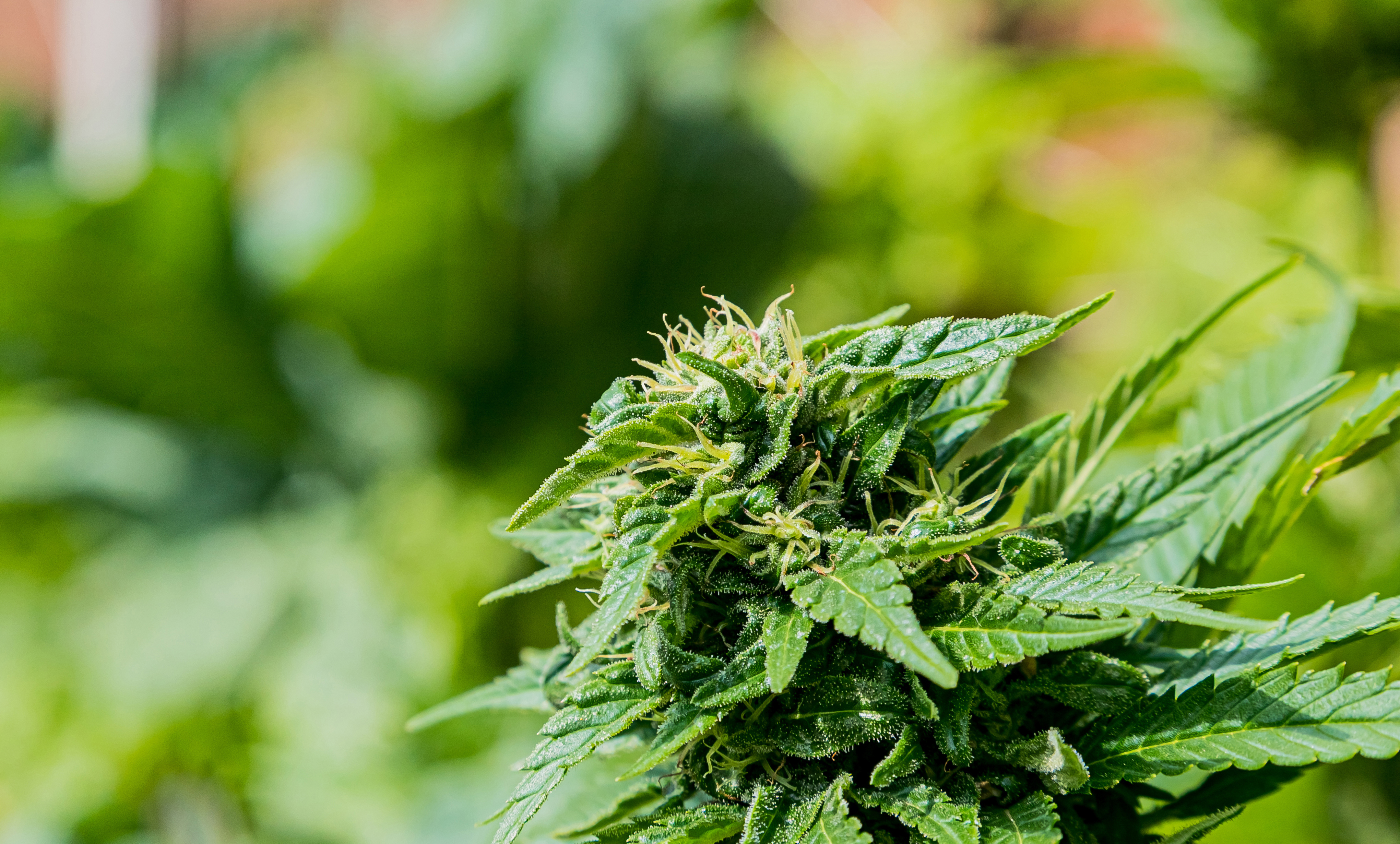
Northern Lights seeds come from one of the most recognized cannabis strains in the world. Northern Lights is known for its indica-dominant genetics, compact plant structure, and dense flowers. The strain has been part of cannabis breeding for several decades. Its history, genetic traits, and physical features have made it an important subject in the study of cannabis varieties.
Northern Lights has a long history that connects cannabis breeding in North America and Europe. The strain became popular during the late 1970s and early 1980s, although its exact origins remain unclear. Historical accounts often link Northern Lights to Afghani cannabis genetics, with some descriptions also mentioning Thai ancestry. These genetic influences helped shape the traits associated with the strain today.
Afghani cannabis varieties are often known for their broad leaves, shorter growth patterns, and dense flower structures. These traits are common in many indica-dominant plants. Thai cannabis varieties, on the other hand, are often linked to taller growth and narrower leaves. However, the exact genetic makeup of the original Northern Lights plants has not been fully confirmed. Modern versions may also contain different genetic influences due to years of selective breeding.
One important part of Northern Lights history is the development of several numbered plant selections. Northern Lights #1, #2, and #5 are among the names commonly mentioned in early breeding records and strain descriptions. Each selection represented certain genetic traits that breeders wanted to preserve or develop. Northern Lights #5 became especially important because of its use in breeding other well-known cannabis hybrids.
As the strain spread through international seed markets, breeders continued to develop new versions. These changes helped create the different Northern Lights seeds available today. Some seed lines focus on preserving traditional plant characteristics, while others have been developed to express traits such as a shorter life cycle or more consistent female flower production.
Northern Lights seeds are now commonly available in several categories, including regular, feminized, and autoflowering seeds. Regular seeds can develop into male or female plants. Feminized seeds are produced to increase the likelihood of female plants. Autoflowering varieties contain genetics that allow flowering to begin mainly in response to plant age rather than changes in daylight hours. These differences affect how each seed type develops and what characteristics it may display.
Despite sharing the Northern Lights name, seeds from different breeders are not always genetically identical. Cannabis plants can inherit different combinations of traits from their parent plants. As a result, one Northern Lights variety may develop shorter stems and broader leaves, while another may grow taller or produce flowers with a different aroma. This natural variation is known as phenotypic variation.
Environmental conditions also influence how Northern Lights plants develop. Temperature, light, humidity, water availability, and soil conditions all affect plant health and growth. A plant’s genetic background sets the range of traits it can express, but its surroundings help determine how those traits appear. For example, the same seed variety may show differences in height, leaf color, and flower development when grown under different environmental conditions.
Northern Lights is often described as a compact cannabis strain with broad green leaves and a bushy growth pattern. Its flowers are commonly dense and covered with visible trichomes. Trichomes are small structures found on the surfaces of cannabis flowers and leaves. Some glandular trichomes produce compounds such as cannabinoids and terpenes. These compounds contribute to the plant’s chemical profile and aroma.
The Northern Lights strain is also associated with earthy, pine-like, and sweet aromas. However, the exact scent can vary between plants. Terpenes, which are natural aromatic compounds, play an important role in these differences. Genetics, environmental conditions, and plant maturity can all influence the terpene profile of cannabis flowers.
Another well-known characteristic of Northern Lights is its relatively short flowering period compared with many other cannabis varieties. Some photoperiod Northern Lights seed lines are advertised with flowering periods of around seven to nine weeks. However, this estimate does not include the entire life cycle of the plant. Flowering time can also differ between breeders, genetic selections, and environmental conditions.
Northern Lights has also contributed to the genetic development of other cannabis strains. Breeders have used selected Northern Lights plants in crosses designed to combine different inherited traits. These breeding efforts have helped pass certain characteristics, such as compact growth and dense flower formation, into later cannabis varieties. This genetic history makes Northern Lights relevant to discussions about plant breeding, inheritance, and strain development.
Understanding Northern Lights seeds requires more than recognizing the strain name. It is important to examine their origins, genetic background, seed categories, and physical characteristics. Seed descriptions may contain estimates for plant height, flowering time, cannabinoid content, and yield potential. These figures can provide general information, but they should not be treated as guaranteed results.
This article provides a detailed overview of Northern Lights seeds and the characteristics associated with them. It examines the strain’s genetic history, the differences between regular and modified seed types, and the environmental factors that influence plant development. It also explains flowering patterns, physical features, cannabinoid profiles, and common plant health concerns.
By understanding these topics, readers can better recognize how Northern Lights varieties differ and why their characteristics may change between seed lines. This information also provides a foundation for understanding the broader relationship between cannabis genetics, plant biology, and environmental conditions.
In summary, Northern Lights seeds represent a well-established family of cannabis genetics with a long history in selective breeding. The strain is widely associated with indica-dominant traits, compact growth, dense flowers, and a relatively short flowering period. However, modern Northern Lights varieties are not always identical, and their characteristics depend on both inherited genetics and environmental influences. Learning about these differences is essential for developing an accurate understanding of Northern Lights seeds and their place in cannabis cultivation history.
What Are Northern Lights Seeds?
Northern Lights seeds come from one of the most recognized cannabis strains in the world. Northern Lights is an indica-dominant variety known for its compact plant structure, dense flowers, and high resin production. The strain has been part of cannabis breeding for several decades and has influenced the development of many modern hybrids.
The history of Northern Lights seeds goes back to the late 1970s and early 1980s. Early versions were developed in the United States before their genetics reached the Netherlands. Dutch breeders later used these plants to create new seed lines and hybrids that became available in international cannabis markets.
Today, Northern Lights seeds are sold in several forms, including regular, feminized, and autoflowering varieties. Each type has different genetic traits and flowering patterns. Although these seeds share the Northern Lights name, their exact characteristics can vary based on their breeding history.
Understanding the origins and features of Northern Lights helps explain why this strain remains important in cannabis genetics.
Understanding Northern Lights as a Cannabis Variety
Northern Lights is a cannabis variety that belongs to a family of related genetic lines. It is often described as an indica-dominant strain because many versions have traits linked to traditional indica plants. These include broad leaves, short spaces between branches, and a compact growth pattern.
However, the name Northern Lights does not refer to one genetically identical plant. Over time, breeders developed different versions by selecting certain plants and combining their genetics with other cannabis strains.
Northern Lights seeds contain the genetic information needed to develop a cannabis plant. Each seed has an embryo surrounded by a protective outer covering. Under suitable conditions, a viable seed can begin germination and develop into a seedling.
As the plant matures, its physical characteristics become more visible. These may include leaf shape, branch structure, plant height, and flowering traits. The exact appearance depends on the genetics carried by the seed and the environment in which the plant develops.
It is also important to understand the difference between cannabis seeds and cannabis flowers. Seeds are part of the plant’s reproductive system and contain the genetic material for a new plant. Mature female cannabis flowers contain glandular structures called trichomes, which produce cannabinoids and terpenes.
Cannabinoids are chemical compounds found in cannabis. Terpenes are aromatic compounds that help create the plant’s scent. Northern Lights flowers are commonly associated with earthy, pine-like, and sweet aromas, although these characteristics vary between genetic lines.
One feature often linked to Northern Lights is its dense flower structure. Many versions also produce a visible coating of resin-rich trichomes. These traits helped establish the strain’s importance in cannabis breeding.
Unlike some cannabis varieties that develop tall, narrow structures, traditional Northern Lights plants are often described as shorter and more compact. However, modern hybrids may show different growth patterns depending on their parent strains.
The History and Origins of Northern Lights
The history of Northern Lights is closely connected to cannabis breeding in the United States during the late 1970s and early 1980s. Most historical accounts place its early development in the Pacific Northwest, particularly around Seattle, Washington.
Early Northern Lights plants are believed to have included genetics from Afghani cannabis varieties. These plants were known for their broad leaves, compact structures, and heavy resin production.
Some accounts also describe contributions from Thai or Hawaiian cannabis genetics. However, the exact ancestry of the original Northern Lights plants remains uncertain because much of their early breeding history was passed down through personal accounts rather than formal records.
Several stories describe a group of growers who worked with different Northern Lights plants. These plants were identified using numbers, creating names such as Northern Lights #1, Northern Lights #2, and Northern Lights #5.
The numbers referred to different plant selections or related genetic lines. They were not rankings of quality or measurements of THC content.
Northern Lights #1 is often associated with strong Afghani characteristics, including a compact plant structure. Northern Lights #2 is another early line connected to Afghan-influenced genetics. Northern Lights #5 became especially important because breeders later used it to develop several well-known hybrids.
During the mid-1980s, Northern Lights genetics reached the Netherlands. Cannabis breeder Nevil Schoenmakers played a major role in developing and distributing these genetic lines through The Seed Bank.
Schoenmakers worked with Northern Lights plants and combined their genetics with other cannabis varieties. This work helped introduce Northern Lights to a wider international audience.
The Netherlands became an important center for cannabis seed development during this period. Breeders used selected parent plants to create new hybrids with different physical and chemical characteristics.
Northern Lights eventually became connected with several influential breeding programs, including those later associated with Sensi Seeds.
Although the exact details of its early history remain debated, the strain’s movement from the United States to the Netherlands marked an important stage in its development.
Why Northern Lights Became an Important Cannabis Strain
Northern Lights became important because breeders found several of its inherited characteristics useful when developing new cannabis varieties.
One of these characteristics was its compact plant structure. Plants with shorter branches and broad leaves contributed traits that breeders could combine with other genetic lines.
Another important feature was resin production. Northern Lights selections became known for producing flowers with noticeable trichome coverage. This trait made the strain valuable as a parent in breeding programs focused on flower characteristics.
Flowering time also helped establish the strain’s reputation. Many traditional Northern Lights lines are associated with a relatively short flowering period compared with certain long-flowering cannabis varieties.
However, flowering time is not identical across all Northern Lights seeds. Genetic selection and hybridization can change how long a plant takes to complete its flowering stage.
Northern Lights also contributed genetic material to several well-known cannabis hybrids. One example is Northern Lights #5 x Haze, which combines Northern Lights genetics with those of Haze varieties.
Other cannabis varieties, including Shiva Skunk and Jack Herer, also have documented connections to Northern Lights breeding lines. These crosses helped spread Northern Lights genetics into plants with a wider range of growth patterns, aromas, and chemical profiles.
The development of these hybrids demonstrates how a single genetic family can influence later generations of cannabis breeding.
Modern Northern Lights seeds may differ from the original selections because breeders have continued modifying and reproducing the strain. Some seed lines retain traits strongly associated with traditional Northern Lights plants. Others include additional genetics that produce different characteristics.
This variation explains why two seed suppliers may offer Northern Lights products with different descriptions. Their plants may vary in height, flowering time, aroma, and cannabinoid content.
For this reason, the Northern Lights name should be understood as a reference to a related family of cannabis genetics rather than a guarantee of identical plants.
Northern Lights seeds represent a historically important family of indica-dominant cannabis genetics. Their origins are generally traced to the Pacific Northwest of the United States, where early breeders worked with Afghani-influenced plants during the late 1970s and early 1980s.
The strain became internationally recognized after its genetics reached the Netherlands. Breeders such as Nevil Schoenmakers helped develop and distribute Northern Lights selections, particularly Northern Lights #5.
Its compact structure, dense flowers, and resin production made Northern Lights valuable in cannabis breeding. These characteristics also contributed to the development of several influential hybrids.
Northern Lights Genetics: Indica, Sativa, and Parent Strains
Northern Lights is one of the most recognized cannabis strains in the world. Its genetic background has played an important role in the development of many modern cannabis varieties. The strain is known for its strong indica influence, compact plant structure, and dense, resin-rich flowers. However, the exact genetic history of Northern Lights is more complex than many strain descriptions suggest.
Northern Lights seeds are often linked to Afghani and Thai cannabis genetics. These genetic influences help explain some of the strain’s physical traits and growth patterns. Over time, breeders have developed several versions of Northern Lights, each with slightly different characteristics.
Understanding Northern Lights genetics is useful when comparing seed varieties. It also explains why two plants sold under the same strain name may not look or develop in the same way.
Is Northern Lights Indica or Sativa?
Northern Lights is generally classified as an indica-dominant cannabis strain. Indica-dominant plants are often linked with broad leaves, short spaces between branches, and compact growth. These characteristics are commonly found in many Northern Lights varieties.
Cannabis is often divided into three groups: indica, sativa, and hybrid. Indica plants are commonly described as short and bushy, while sativa plants are often associated with taller structures and narrower leaves. Hybrids contain genetic influences from different cannabis populations.
However, these labels do not always provide an accurate picture of a plant’s genetic makeup. Modern cannabis strains have undergone many generations of selective breeding. As a result, most commercial varieties contain a mixture of genetic influences.
Northern Lights is a good example of this genetic complexity. Although it is widely described as indica-dominant, its exact genetic proportions depend on the breeder and the specific seed line.
Some seed suppliers describe Northern Lights as having around 90% indica genetics. Others report different ratios. These numbers are usually breeder descriptions rather than results from a standard genetic test.
The indica-dominant classification mainly reflects the strain’s reported ancestry and physical traits. It should not be treated as a precise measure of its DNA or a reliable way to predict its chemical effects.
Afghani and Thai Genetic Influences
Afghani cannabis genetics are widely considered an important part of Northern Lights ancestry. Cannabis populations from Afghanistan have long been associated with broad leaves, dense flowers, and strong resin production.
These traits are often linked to the environments where traditional Afghani cannabis populations developed. Some regions experience dry conditions, intense sunlight, and changes in temperature between seasons.
Afghani cannabis has also played an important role in the history of hashish production. Resin-rich plants were valued because their glandular trichomes contain compounds such as cannabinoids and terpenes.
Northern Lights shares several physical features commonly associated with Afghani genetics. These include broad foliage, compact growth, and dense flower structures. However, these similarities do not prove that every modern Northern Lights seed has the same genetic background.
Thai cannabis is another influence mentioned in some accounts of Northern Lights history. Traditional Thai cannabis populations are often linked to taller growth, narrow leaves, and longer flowering periods.
Historical descriptions of certain Northern Lights selections suggest that Thai genetics may have been introduced during early breeding. Other accounts place greater emphasis on Afghani ancestry.
The exact relationship between these parent populations remains uncertain. Early cannabis breeding records were often incomplete, and many strains were shared or renamed before detailed genetic testing became common.
For this reason, it is more accurate to describe Northern Lights as a cannabis family with a strong Afghani foundation and possible Thai influences in some lines.
Northern Lights #1, #2, and #5
Northern Lights was not originally known as a single, uniform cannabis strain. Its early history includes several numbered selections, each associated with different plant traits and genetic backgrounds.
Northern Lights #1 is commonly described as one of the most indica-dominant selections. Historical accounts link it closely to Afghani cannabis genetics. It was known for its compact structure, broad leaves, and heavy resin production. Some breeding records describe this line as a relatively pure Afghani selection.
Northern Lights #2 is another early genetic line. It is often associated with Afghani or Kush-related ancestry. Although it is less widely discussed than Northern Lights #5, it played a role in the development of later hybrids. Its reported traits include dense flowers and strong indica-like growth characteristics.
Northern Lights #5 became one of the most influential selections in the strain’s history. It gained recognition during the 1980s and became an important parent in several cannabis breeding programs.
The exact ancestry of Northern Lights #5 remains debated. Some descriptions connect it to Afghani and Thai genetics, while other historical accounts suggest an Afghani and Hawaiian cross.
During the 1980s, Northern Lights genetics reached the Netherlands, where breeders continued developing and distributing the strain. Northern Lights #5 later became associated with hybrids such as Northern Lights #5 × Haze and Shiva Skunk.
These numbered selections explain why Northern Lights should be viewed as a family of related genetics rather than one fixed plant variety. Modern seed products may contain genetics from one or more historical selections, along with traits introduced through later breeding.
Genetic Stability and Phenotype Differences
Genetic stability refers to how consistently a plant passes certain inherited traits to future generations. This is an important concept when studying Northern Lights seeds because different seed lines may produce plants with different characteristics.
Two terms help explain these differences: genotype and phenotype.
A genotype is the genetic information carried by an organism. In cannabis plants, this information helps determine traits such as leaf shape, plant height, flowering behavior, and the ability to produce certain chemical compounds.
A phenotype refers to the visible or measurable characteristics of a plant. These include leaf color, branching patterns, flower density, and aroma.
A plant’s phenotype develops through the interaction between its genetics and its environment. Two Northern Lights plants may carry similar genetic traits but display different characteristics when exposed to different conditions.
For example, one plant may develop shorter branches and darker leaves, while another may grow taller with wider spacing between nodes. Some of these differences may come from inherited genetic variation. Others may reflect temperature, light exposure, nutrient availability, or plant health.
Selective breeding can increase the consistency of certain traits across generations. However, breeding does not always eliminate genetic variation.
This is especially important when comparing Northern Lights seeds from different suppliers. Each breeder may maintain a separate version of the strain or use different parent plants.
As a result, a Northern Lights seed label does not guarantee that every plant will share the same height, flowering time, aroma, or chemical composition.
Scientific research also shows that commercial indica and sativa labels do not always match clear differences across the cannabis genome. This supports the need to evaluate individual varieties rather than relying only on traditional strain categories.
Northern Lights genetics are closely associated with Afghani cannabis populations, although Thai or other genetic influences may appear in certain lines. The strain is generally classified as indica-dominant because of its ancestry and commonly reported physical characteristics.
Northern Lights #1, #2, and #5 represent important selections in the strain’s breeding history. Each contributed to the wider Northern Lights genetic family, with Northern Lights #5 becoming especially influential in later cannabis hybrids.
Modern Northern Lights seeds may differ in genetic composition, stability, and physical traits depending on their breeding history. Understanding these differences helps explain why plants sold under the same strain name do not always display identical characteristics.
Types of Northern Lights Seeds: Regular, Feminized, and Autoflowering
Northern Lights seeds are available in several types, each with different genetic traits and growth patterns. The three main types are regular, feminized, and autoflowering seeds. While they may share genetic links to the Northern Lights strain, they do not always produce plants with the same features.
The main differences involve plant sex, flowering behavior, and genetic background. Regular seeds can develop into male or female plants. Feminized seeds are bred to produce mostly female plants. Autoflowering seeds come from cannabis lines bred to begin flowering based mainly on age rather than changes in daylight hours.
Understanding these differences helps explain why Northern Lights plants can vary in size, appearance, and life cycle. It also shows why two products with the same strain name may have different characteristics.
Regular Northern Lights Seeds
Regular Northern Lights seeds are produced through the natural reproductive process of cannabis plants. They contain genetic material from both a male and a female parent. Unlike feminized seeds, regular seeds have not been specifically produced to favor female offspring.
Cannabis is commonly dioecious, which means male and female reproductive structures usually develop on separate plants. Regular seeds can therefore produce either male or female plants. Under typical conditions, the expected sex ratio is close to 50% male and 50% female, although the actual results can vary in a small group of seeds.
Male cannabis plants develop pollen-producing flowers. Female plants produce flowers that can develop seeds after pollination. These differences are important when studying cannabis reproduction and the inheritance of plant traits.
Regular Northern Lights seeds are often associated with traditional breeding lines. They may preserve genetic characteristics that have been passed down through several generations. However, the amount of genetic variation depends on how the parent plants were selected and how stable the breeding line has become.
Some regular seed populations show noticeable differences in height, leaf shape, branching, and flowering time. Other populations are more uniform because breeders have selected similar traits over several generations.
Regular seeds are also relevant to genetic preservation. Maintaining male and female plants allows breeders and researchers to study inherited traits and produce new generations. This can help preserve genetic diversity within a cannabis population.
However, the word “regular” does not prove that seeds belong to an original Northern Lights line. Their genetic background still depends on the parent plants and the breeder’s records.
Feminized Northern Lights Seeds
Feminized Northern Lights seeds are produced using breeding methods intended to result in female plants. They are widely found in commercial cannabis seed catalogs because female plants produce the resin-rich flowers commonly associated with cannabis products.
Feminization involves inducing a genetically female plant to produce pollen. When this pollen fertilizes another suitable female plant, the resulting seeds are expected to develop into female plants at a very high rate.
Most reputable breeders describe feminized seeds as producing predominantly female plants. However, this does not mean every seed is guaranteed to develop into a female plant under all conditions.
Plant genetics, seed quality, and environmental stress can affect reproductive development. Some cannabis plants may also develop both male and female reproductive structures. This trait is commonly called hermaphroditism, although the term can describe several different forms of reproductive expression.
Feminization also does not mean that every Northern Lights plant will look or grow the same way.
Each seed contains genetic material that may produce a different combination of traits. For example, two feminized Northern Lights plants may have similar leaf shapes but different heights or flowering times. One plant may develop more branches, while another may produce a more compact structure.
These differences are known as phenotype variation. A phenotype is the set of visible or measurable traits that result from a plant’s genetics and its environment.
The genetic stability of feminized Northern Lights seeds depends on the breeding program. Well-documented breeding lines may show consistent characteristics across many plants. Less stable lines may display greater variation.
For this reason, feminized seeds should be understood as a category based mainly on expected plant sex, rather than a guarantee of specific growth traits or genetic uniformity.
Northern Lights Autoflower Seeds
Northern Lights autoflower seeds are developed from cannabis genetics that allow plants to begin flowering mainly according to their age. This makes them different from traditional photoperiod Northern Lights varieties, which respond to changes in the length of day and night.
Autoflowering traits are commonly linked to Cannabis ruderalis, a cannabis group associated with regions that experience short growing seasons and long summer daylight hours. Ruderalis-type plants developed flowering patterns that are less dependent on seasonal changes in light.
Modern autoflowering Northern Lights varieties usually combine these traits with genetics from established Northern Lights breeding lines. The goal is to retain recognizable Northern Lights characteristics while introducing age-dependent flowering.
However, these hybrids are not genetically identical to traditional Northern Lights plants. Their genetic background can influence plant height, branching, flower structure, and the length of their life cycle.
One important distinction is that autoflowering describes flowering behavior rather than plant sex. Autoflowering seeds may be regular or feminized. Many commercial Northern Lights autoflower seeds are also feminized, meaning they are intended to produce female plants.
Autoflowering plants often have a shorter overall life cycle than photoperiod varieties. Their transition from vegetative growth to flowering is more closely linked to developmental age. As a result, their growth stages may follow a more fixed biological timeline.
Plant size can also differ. Some autoflowering Northern Lights varieties have compact growth patterns, while others develop taller structures depending on their genetic background. Their physical characteristics may include broad leaves, short internodes, and dense flowers, although these features are not guaranteed.
Cannabinoid content can also vary. Some modern autoflowering hybrids have THC concentrations comparable to photoperiod varieties. Others have different cannabinoid and terpene profiles because of their breeding history.
The term “autoflowering” should therefore be treated as a description of a specific inherited flowering trait. It does not automatically indicate plant quality, potency, size, or genetic stability.
Comparing the Three Seed Types
The main differences between regular, feminized, and autoflowering Northern Lights seeds involve reproductive genetics and flowering behavior.
Regular and feminized seeds are usually classified according to their expected plant sex. Autoflowering seeds are classified according to how flowering begins. These categories can overlap, which is why some commercial products are labeled as feminized autoflowering Northern Lights seeds.
Traditional regular Northern Lights seeds can develop into male or female plants. Feminized Northern Lights seeds are bred to favor female offspring. Autoflowering Northern Lights seeds contain inherited traits that allow flowering to begin mainly according to plant age.
Another difference involves genetic variation. Regular seeds may preserve a wider range of traits within certain breeding populations, although this depends on their parentage. Feminized seeds can also show genetic variation, particularly when they come from genetically different parent plants.
Autoflowering varieties may contain genetic influences that are absent from older photoperiod Northern Lights lines. This can affect their structure, flowering behavior, and overall development.
Seed labels alone cannot confirm whether one variety is more genetically stable than another. Genetic stability depends on the quality of the breeding program and the number of generations used to select desired traits.
It is also important to distinguish between the strain name and the actual genetic line. Two breeders may both offer Northern Lights feminized seeds while using different parent plants. Their products may share some recognized characteristics but differ in appearance, flowering time, and cannabinoid content.
Breeder descriptions can help explain these differences. Useful information includes documented parentage, seed classification, flowering characteristics, and the degree of variation reported within a line.
Research on cannabis seed feminization also shows that reproductive traits can be influenced by plant hormones and breeding methods. These findings help explain why sex expression and flowering behavior should be viewed as separate biological characteristics.
Northern Lights seeds are available in regular, feminized, and autoflowering forms. Although these categories are often discussed together, they describe different aspects of cannabis genetics.
Regular Northern Lights seeds can produce male or female plants and are relevant to traditional breeding and genetic preservation. Feminized seeds are developed to produce predominantly female plants, but they can still show differences in appearance and development. Autoflowering seeds contain inherited traits that allow flowering to begin mainly according to plant age instead of seasonal changes in daylight.
Each seed type may contain different combinations of Northern Lights genetics. Differences in parentage, breeding methods, and genetic stability can affect plant structure, flowering patterns, and other characteristics.
Northern Lights Plant Characteristics and Appearance
Northern Lights is one of the most recognized indica-dominant cannabis strains. It is known for its compact structure, broad leaves, dense flowers, and resin-covered buds. These traits are often linked to its genetic background, which includes cannabis varieties traditionally associated with Afghanistan and parts of Asia.
Although Northern Lights has several common physical traits, not every plant looks the same. Different breeders have developed their own versions of the strain. Some plants remain short and bushy, while others develop taller stems and longer branches. The environment can also influence how a plant grows and looks.
Understanding the physical characteristics of Northern Lights helps explain how genetics, plant development, and environmental conditions work together. It also makes it easier to recognize differences between traditional Northern Lights varieties and modern hybrids.
Plant Height and Growth Structure
Northern Lights plants are commonly described as short to medium in height, with a compact and bushy structure. This growth pattern is one of the main traits linked to their indica-dominant background. Compared with many sativa-dominant varieties, Northern Lights often develops shorter spaces between its leaves and branches.
Plant height varies depending on the specific seed line. Some commercial Northern Lights varieties are described as reaching around 80 to 120 centimeters indoors, while others may become much taller. Outdoor plants may reach greater heights when environmental conditions support longer periods of growth. These figures are general descriptions rather than fixed limits.
One of the most noticeable features of Northern Lights is its strong central stem. The main stem supports several side branches that extend outward as the plant develops. This creates a full appearance, especially when the leaves are large and closely spaced.
The distance between two points where leaves or branches emerge is called internodal spacing. Northern Lights often has relatively short internodes. As a result, its branches and leaves can appear closer together than those of taller cannabis varieties.
This compact structure gives the plant a dense appearance. However, the exact shape depends on its genetic makeup. Some Northern Lights plants have a clear central stem with shorter side branches. Others develop a wider shape with more visible lateral growth.
Environmental factors also affect plant structure. Light availability, temperature, and general plant health can influence stem length and branch development. Two plants with similar genetics may develop different shapes when exposed to different conditions.
Leaf Color and Physical Features
Northern Lights is often associated with broad, dark-green leaves. Its leaf shape reflects characteristics commonly found in indica-dominant cannabis plants. The leaflets tend to be wider than those of many narrow-leaf cannabis varieties.
A mature cannabis leaf usually consists of several leaflets connected at one point. Each leaflet has a pointed tip and serrated edges. Northern Lights commonly develops leaves with five to seven leaflets, although the number can vary depending on plant age and genetics.
Young plants usually produce simpler leaves with fewer leaflets. As the plant matures, new leaves often become larger and more complex. This change is part of normal cannabis development.
Leaf color is another recognizable feature. Healthy Northern Lights plants are often described as having medium-green to dark-green foliage. Chlorophyll, the pigment responsible for capturing light during photosynthesis, gives the leaves their green color.
However, leaf color alone cannot confirm the identity or health of a cannabis plant. Different varieties can have similar shades of green. A plant’s appearance also changes in response to its environment.
For example, nutrient imbalances may cause yellowing or unusual darkening of the leaves. Temperature stress can affect leaf shape and color. Some plants may also develop purple or reddish tones because of inherited traits and pigment production.
The surface of Northern Lights leaves is generally smooth, with visible veins extending from the center toward the edges. These veins transport water, minerals, and sugars throughout the leaf.
The broad leaves and dense foliage give Northern Lights its familiar bushy appearance. Still, these features are not unique to this strain. Many other indica-dominant cannabis varieties share similar leaf structures.
Northern Lights Flower and Bud Characteristics
One of the most recognizable features of Northern Lights is its dense flower structure. The buds often form compact clusters along the branches and near the top of the main stem. These clusters may develop a rounded, cone-shaped, or slightly elongated appearance.
Northern Lights flowers are commonly described as firm and closely packed. The exact shape can vary between seed lines, but dense flower formation is a frequent characteristic of the strain. Some plants develop larger flower clusters around the central stem, while others produce smaller clusters along their side branches.
The flowers are generally green, although their color may change as they mature. Some Northern Lights varieties develop darker green shades, while others display hints of purple. These differences can result from genetics, pigment production, and environmental conditions.
Another important feature is the presence of pistils. Pistils are parts of the female flower’s reproductive structures. Their visible hair-like portions, called stigmas, often appear pale or white during early flower development. As the flowers mature, these structures may change to yellow, orange, or brown.
Northern Lights is also known for its noticeable resin production. Cannabis resin is produced mainly by small structures called trichomes. These tiny glands are found on flowers and some nearby leaves.
Trichomes contain many of the compounds associated with cannabis, including cannabinoids and terpenes. Cannabinoids include THC and CBD, while terpenes contribute to the plant’s scent.
When viewed closely, trichomes may appear as tiny clear or cloudy structures. Dense trichome coverage can give Northern Lights flowers a frosty or sparkling appearance.
The amount of visible resin varies between plants. Some Northern Lights varieties produce flowers with thick trichome coverage, while others develop a less noticeable coating. Resin production is influenced by inherited traits and plant development.
The combination of compact buds, visible pistils, and resin-coated surfaces is commonly used to describe Northern Lights flowers. However, these features are not enough to confirm a plant’s genetic identity. Many cannabis varieties produce flowers with similar characteristics.
Variation Between Northern Lights Phenotypes
Although Northern Lights is associated with several recognizable traits, plants grown from different seeds may not look identical. This variation is partly explained by the difference between a plant’s genotype and phenotype.
A genotype refers to the genetic information a plant inherits from its parents. A phenotype refers to the traits that can be observed, such as height, leaf shape, branch structure, and flower color.
Two Northern Lights plants may share similar genetic backgrounds but develop different physical features. One plant may have broader leaves and shorter branches, while another may grow taller with more space between its nodes.
Differences in flower structure are also possible. Some Northern Lights phenotypes develop tightly packed buds, while others produce flowers with a more open appearance. Variations in resin coverage, color, and aroma may also occur.
These differences are influenced by both genetics and environmental conditions. Each seed may inherit a slightly different combination of traits, particularly when the parent plants are not genetically uniform.
Commercial breeding practices also contribute to variation. Different breeders may use different Northern Lights parent plants to produce their seeds. Over time, selective breeding can increase the frequency of certain characteristics in a seed line.
For example, one breeder may focus on compact plant structure, while another may select plants based on flower characteristics or genetic stability. As a result, two products labeled Northern Lights may have different physical traits.
Feminized and autoflowering versions can also show differences from traditional Northern Lights plants. Autoflowering versions contain genetics associated with age-dependent flowering, which may affect their overall growth patterns.
Environmental conditions add another layer of variation. Temperature, light exposure, water availability, and plant health can influence how inherited traits appear. A genetic tendency toward compact growth does not guarantee that every plant will remain the same height.
For this reason, physical appearance should be treated as one part of a broader strain description. Breeder records, documented genetic backgrounds, and verified plant information provide more reliable details about a specific Northern Lights variety.
Northern Lights is widely recognized for its compact growth, broad green leaves, sturdy branches, and dense, resin-covered flowers. These traits are closely associated with its indica-dominant genetic background.
However, Northern Lights plants do not all share the same appearance. Differences in plant height, leaf shape, flower density, and resin production can occur between seed lines and individual phenotypes. Environmental conditions may also change how these characteristics develop.
Ideal Growing Conditions for Northern Lights Seeds
Northern Lights is a well-known cannabis strain with a strong indica genetic background. It is often linked to compact plant growth, broad leaves, and dense flowers. However, the health and appearance of Northern Lights plants can vary based on their genetics and the environment around them. Temperature, humidity, light, soil, water, and nutrients all affect how plants develop.
Like other cannabis varieties, Northern Lights depends on several basic environmental factors to support normal biological functions. These include photosynthesis, root development, water movement, and nutrient absorption. When environmental conditions change, plants may respond through changes in growth rate, leaf appearance, and flower development.
Although Northern Lights is often described as a hardy strain, this does not mean it is immune to environmental stress. Different seed lines may also have different physical traits and environmental responses. Understanding these factors helps explain why plants with the same strain name may not develop in exactly the same way.
Temperature and Environmental Requirements
Temperature plays an important role in the growth and development of cannabis plants. It affects how quickly cells divide, how plants use energy, and how water moves through their tissues. Temperature also influences photosynthesis, which is the process plants use to turn light energy into chemical energy.
Cannabis is a warm-season plant. Its biological processes depend on temperatures that support normal enzyme activity and healthy cell function. When temperatures become too high or too low, these processes may slow down or become less effective.
High temperatures can increase water loss through transpiration. Transpiration occurs when moisture moves from plant tissues into the surrounding air. This process helps regulate plant temperature, but excessive moisture loss may place stress on the plant.
Heat stress can affect leaf structure, photosynthesis, and overall development. Leaves may curl, lose firmness, or show signs of damage when heat exposure becomes severe. Extended periods of heat may also affect flower development.
Cold conditions present different challenges. Low temperatures can slow metabolic activity and reduce the movement of water and nutrients through plant tissues. Severe cold may damage cells, especially when temperatures drop below freezing.
Northern Lights is often associated with Afghani cannabis genetics. However, its genetic background does not guarantee tolerance to all temperature conditions. Modern Northern Lights varieties may respond differently because of selective breeding and genetic variation.
Environmental stability is another important factor. Large changes in temperature can affect plant processes even when the temperatures themselves are not extreme. These effects depend on the size and duration of the change, as well as the plant’s stage of development.
Understanding the connection between temperature and plant physiology helps explain why environmental conditions influence the appearance and health of Northern Lights plants.
Humidity and Air Circulation
Humidity describes the amount of water vapor in the air. Relative humidity measures how much moisture the air contains compared with the maximum amount it can hold at a given temperature.
Humidity affects how plants lose moisture through their leaves. It also influences the movement of water from roots to other plant tissues.
When relative humidity is high, the air contains more moisture. This can reduce the rate of transpiration because there is a smaller difference between the moisture inside the leaves and the surrounding air.
Low humidity can have the opposite effect. Dry air may increase moisture loss, especially when temperatures are also high. If water loss becomes greater than the amount the roots can replace, the plant may experience water stress.
These relationships are important because plants rely on water movement to transport dissolved nutrients and maintain healthy tissues.
Air circulation also affects plant biology. Moving air changes the thin layer of moisture that forms around leaf surfaces. This can influence transpiration, leaf temperature, and the exchange of gases needed for photosynthesis.
Another important concern is the relationship between moisture and fungal disease.
Northern Lights is commonly described as having dense flower structures. Dense plant tissues may retain moisture when surrounding conditions are damp. Prolonged moisture exposure can create conditions that favor certain fungi.
One example is Botrytis cinerea, a fungus associated with gray mold and flower rot in many plant species, including cannabis. Fungal growth depends on several factors, including moisture, temperature, and the presence of susceptible plant tissue.
Humidity and air movement are closely connected, but their effects differ based on environmental conditions. Neither factor can be viewed in isolation from temperature and overall plant health.
The main point is that moisture balance and air exchange influence normal plant functions as well as the risk of disease.
Lighting and Plant Development
Light is essential for cannabis plant development because it provides the energy needed for photosynthesis. During this process, plants use light, water, and carbon dioxide to produce sugars. These sugars provide energy for growth and help support the formation of new tissues.
Light also affects how plants develop their physical structure. It influences leaf expansion, stem growth, and the transition from vegetative growth to flowering.
Three important properties of light are intensity, duration, and spectrum. Light intensity describes how much light reaches a surface. Duration refers to the length of time plants receive light. Spectrum describes the different wavelengths of light, including those in the blue and red regions.
Plants contain pigments and light-sensitive proteins that respond to these properties. Chlorophyll absorbs light energy for photosynthesis, while specialized receptors help regulate development.
Northern Lights varieties may differ in how they respond to changes in light duration. Traditional photoperiod varieties rely on seasonal changes in day length to regulate flowering. Autoflowering varieties, however, have genetic traits that allow flowering to begin largely according to plant age.
Natural sunlight also changes throughout the year. Day length varies with the seasons and geographic location, while cloud cover affects the amount of light reaching plants.
Artificial lighting provides a different environment because its characteristics depend on the lighting system. Research shows that light intensity, spectrum, and duration can influence cannabis growth, flowering, and chemical composition. However, the response varies across genetic lines.
These differences help explain why Northern Lights plants may show variations in leaf size, stem structure, and flowering behavior under different lighting environments.
Soil, Water, and Nutrient Requirements
The root system plays a major role in cannabis plant health. Roots absorb water and dissolved nutrients while helping anchor the plant. Their function depends on the physical and chemical properties of the surrounding growing medium.
Soil contains a mixture of mineral particles, organic matter, water, air, and living organisms. Each component contributes to the environment around plant roots.
Soil structure affects how water moves and how much air remains available to roots. A medium with poor drainage may retain excess water, reducing the oxygen available in root spaces. This can interfere with normal root respiration.
A medium that loses moisture too quickly creates a different problem. Roots may have difficulty absorbing enough water to support plant functions, especially during periods of high water demand.
Water is essential for photosynthesis, nutrient transport, and cell structure. It also helps maintain internal pressure within plant cells, which supports leaves and stems.
Water stress can occur when plants lose more moisture than their roots can absorb. In severe cases, leaves may wilt, photosynthesis may slow, and growth may decline. Scientific research shows that drought can affect cannabis metabolism and other important biological functions.
Nutrients are another important part of plant development. Cannabis requires macronutrients, such as nitrogen, phosphorus, and potassium, along with smaller amounts of micronutrients.
Nitrogen is involved in chlorophyll production and the formation of proteins. Phosphorus supports energy transfer and several basic cell functions. Potassium helps regulate water movement and enzyme activity.
Calcium, magnesium, iron, and other essential elements also perform important roles. Magnesium forms part of the chlorophyll molecule, while calcium contributes to cell structure and signaling.
Nutrient availability is closely related to pH. The pH scale measures how acidic or alkaline a substance is. In soil and other growing media, pH affects how readily certain nutrients dissolve and become available to roots.
Extreme pH conditions can limit nutrient uptake even when nutrients are present. This may lead to symptoms that resemble nutrient deficiencies.
However, leaf discoloration and slow growth do not always indicate a lack of nutrients. Root damage, water stress, temperature changes, and disease can produce similar symptoms.
For this reason, nutrient-related changes are best understood as part of the plant’s overall response to its environment.
Environmental Differences Between Seed Lines
Not all Northern Lights seeds share exactly the same genetic characteristics. The name Northern Lights has been used for several selections and modern hybrids, which may differ in plant structure, flowering behavior, and environmental responses.
Traditional Northern Lights varieties are usually described as photoperiod-sensitive plants. Their flowering behavior depends on developmental signals related to day length.
Feminized Northern Lights seeds are bred to increase the likelihood of producing female plants. However, feminization does not make every plant genetically identical. Different plants may still show variation in height, leaf shape, and other characteristics.
Autoflowering Northern Lights varieties contain genetic traits associated with flowering that depends more strongly on plant age. These traits distinguish them from traditional photoperiod lines.
Such differences can influence the relationship between genetics and environmental conditions. For example, two Northern Lights varieties may respond differently to the same temperature or light environment.
Research on cannabis has shown that environmental responses, including temperature-dependent photosynthesis, can vary substantially between varieties. This means findings from one cannabis genetic line cannot always be applied directly to another.
Seed descriptions may provide information about expected traits, but they do not guarantee that every plant will show the same characteristics. Differences in breeding history and genetic stability can affect how consistently traits appear.
Understanding these variations is important when comparing traditional Northern Lights genetics with modern commercial versions.
Northern Lights seeds are associated with a cannabis strain known for its indica-dominant background, compact structure, and dense flower development. However, these characteristics are influenced by both inherited genetics and environmental factors.
Temperature affects photosynthesis, metabolism, and water movement. Humidity influences moisture loss and can contribute to conditions associated with fungal disease. Light provides energy for plant growth and helps regulate developmental changes.
Soil structure, water availability, nutrient balance, and pH also affect root function and plant health. These factors interact, meaning that changes in one part of the environment may influence several biological processes.
Northern Lights varieties can also differ because of their breeding history. Regular, feminized, photoperiod, and autoflowering seeds do not necessarily share identical growth patterns or environmental responses.
Northern Lights Indoor vs. Outdoor Growing
Northern Lights is a well-known cannabis strain with a strong indica background. Its compact structure, broad leaves, and dense flowers are common features of many Northern Lights varieties. However, the way these plants develop can vary based on their genetics and the environment around them.
Northern Lights seeds are available in regular, feminized, and autoflowering forms. Each type can have different growth patterns and environmental responses. For this reason, understanding the differences between indoor, outdoor, and greenhouse environments is important when studying this strain.
Temperature, humidity, sunlight, airflow, and seasonal changes can all affect cannabis plant development. Each environment also presents different challenges related to pests, diseases, and environmental stress.
Characteristics of Indoor Growing Environments
Indoor growing environments offer greater control over the conditions surrounding cannabis plants. Unlike outdoor environments, indoor spaces are less affected by sudden weather changes, heavy rainfall, or seasonal temperature shifts.
One major feature of indoor environments is the use of artificial lighting. Plants need light for photosynthesis, which is the process of turning light energy into chemical energy. This process supports the development of roots, stems, leaves, and flowers.
Indoor lighting systems can provide a more consistent light source than natural sunlight. However, artificial lighting also produces heat and uses electricity. The amount of light available can influence plant size, leaf growth, and overall development.
Temperature and humidity are also important parts of indoor plant environments. Cannabis plants respond to changes in both conditions. Very high temperatures can place stress on plant tissues, while excessive moisture can increase the risk of fungal growth.
Air circulation affects how heat and moisture move around plants. Poor airflow can create areas where warm, damp air remains trapped. These conditions may increase the risk of plant diseases, especially in varieties with dense foliage.
Many Northern Lights varieties have a relatively short, bushy structure. This characteristic is often associated with their indica-dominant genetic background. However, plant height and branching patterns can differ between seed lines.
Indoor environments also have limitations. They depend on equipment, electricity, and available space. Equipment problems may cause sudden environmental changes that affect plant health.
As a result, indoor growing conditions are more controlled, but they are not automatically free from environmental stress or disease.
Characteristics of Outdoor Growing Environments
Outdoor environments expose cannabis plants to natural sunlight, changing weather, and seasonal conditions. These factors can influence how Northern Lights plants develop throughout their life cycle.
Sunlight is a major difference between indoor and outdoor environments. Natural sunlight contains a broad range of wavelengths that support photosynthesis. However, the amount of sunlight a location receives changes throughout the year.
Seasonal changes also affect plant development. Photoperiod-sensitive cannabis varieties respond to changes in the length of daylight and darkness. This response plays an important role in the transition from vegetative growth to flowering.
Autoflowering Northern Lights varieties behave differently. Their flowering development is influenced more strongly by plant age and inherited genetic traits than by changes in day length.
Outdoor temperatures can vary widely between regions. Some locations experience long periods of warm weather, while others have short growing seasons and early cold conditions.
Rainfall and humidity are additional factors. Heavy rainfall can leave plant surfaces wet for long periods. This is important because Northern Lights is often associated with dense flower structures, which may retain moisture.
Prolonged moisture can increase the risk of fungal diseases, including gray mold caused by Botrytis cinerea. This fungus affects many flowering plants and can damage plant tissues.
Outdoor environments also expose plants to insects, wildlife, and soil organisms. Some organisms are harmless or beneficial, while others may damage leaves, roots, or flowers.
Unlike indoor environments, outdoor conditions cannot be fully controlled. Weather patterns may change quickly, and the same cannabis variety may show different growth characteristics in different regions.
These differences help explain why published descriptions of Northern Lights do not always match the appearance or performance of every plant.
Greenhouse Environments
Greenhouses provide a growing environment that combines natural sunlight with some of the protection found in indoor spaces. They are commonly used in agriculture to reduce exposure to certain weather conditions while allowing plants to receive sunlight.
A greenhouse is usually made with transparent materials such as glass or plastic. These materials allow sunlight to enter while creating a partly enclosed environment.
One benefit of greenhouse structures is their ability to protect plants from direct rainfall, strong winds, and some sudden weather changes. However, the level of protection depends on the greenhouse design and the surrounding climate.
Temperature can become a concern inside these structures. Sunlight passing through the transparent covering can warm the enclosed space. Without enough air exchange, heat can build up and create stressful conditions for plants.
Humidity is another important factor. Moisture released from soil and plant leaves can increase humidity inside a greenhouse. When humid air comes into contact with cooler surfaces, condensation may form.
Condensation and prolonged moisture can contribute to fungal growth. Research on greenhouse-grown cannabis has identified diseases such as gray mold, powdery mildew, and root rot as important plant health concerns.
Greenhouses also differ in their level of environmental control. Some structures rely mainly on natural ventilation, while others use equipment to measure or regulate temperature and humidity.
Unlike fully enclosed indoor spaces, many greenhouses remain affected by outdoor temperatures and seasonal changes. This means that conditions inside a greenhouse may still change throughout the year.
For Northern Lights plants, greenhouse environments can influence physical development in several ways. Sunlight availability affects photosynthesis, while temperature and moisture conditions influence plant growth and health.
The compact structure found in many Northern Lights varieties may also affect how air moves around their leaves and flowers. Dense foliage can create small areas where moisture remains higher than in the surrounding air.
Greenhouse production therefore offers a balance between natural light and partial environmental protection. However, it still requires an understanding of how enclosed spaces affect plant growth, temperature, and disease risks.
Comparing Indoor, Outdoor, and Greenhouse Conditions
Indoor, outdoor, and greenhouse environments have different characteristics. No single environment produces identical results for every Northern Lights seed line.
Indoor environments generally provide the greatest level of climate control. Artificial lighting and enclosed spaces make them less dependent on outdoor seasons. However, they also require more equipment and electrical energy.
Outdoor environments rely on natural sunlight and local weather. They are more exposed to rainfall, wind, insects, and seasonal temperature changes. As a result, plant development can vary significantly between locations.
Greenhouses provide a middle ground. They use natural sunlight while offering some protection from direct weather exposure. However, greenhouse temperatures and humidity levels may still change throughout the day.
Another difference is resource use. Indoor cannabis production often consumes more electricity because of lighting and climate-control equipment. Outdoor production generally uses less energy for lighting but may have other environmental impacts related to water use and land management.
Plant diseases can occur in all three environments. Indoor spaces are not completely protected from pathogens, while outdoor and greenhouse environments may expose plants to different sources of infection.
Northern Lights genetics can also influence how plants respond to these conditions. Although many varieties share common physical traits, differences in breeding history can produce noticeable changes in plant height, flowering behavior, and environmental sensitivity.
Because of this variation, descriptions from one seed supplier should not be treated as universal characteristics of all Northern Lights plants.
Northern Lights seeds can produce plants with different characteristics depending on their genetic background and growing environment. Indoor, outdoor, and greenhouse settings each influence plant development through differences in light, temperature, humidity, and seasonal exposure.
Indoor environments offer greater control but depend on equipment and electricity. Outdoor environments provide natural sunlight while exposing plants to weather changes and environmental risks. Greenhouses combine natural light with partial protection, although heat and moisture can still become concerns.
The compact growth structure and dense flowers commonly associated with Northern Lights are important characteristics when comparing these environments. However, plant appearance, growth rate, and disease sensitivity may vary between seed lines.
Northern Lights Growth Stages and Flowering Time
Northern Lights is an indica-dominant cannabis strain known for its compact structure and relatively short flowering period. Like other cannabis varieties, it passes through several stages of development. These include germination, seedling growth, vegetative growth, and flowering. Each stage involves changes in the plant’s roots, stems, leaves, and reproductive structures.
The time needed to complete these stages depends on several factors. Genetics play an important role, but environmental conditions and overall plant health also affect development. Traditional Northern Lights strains respond to changes in daylight, while autoflowering versions follow a different growth pattern.
Understanding these differences helps explain why Northern Lights plants do not always develop at the same rate. It also provides useful context when comparing flowering times listed by different seed suppliers.
Germination and Early Seedling Development
Germination is the first stage in the cannabis plant’s life cycle. During this process, a viable seed begins to develop into a young plant. The seed contains an embryo and stored nutrients that support its earliest growth.
When germination begins, the seed absorbs moisture and activates important biological processes. Its outer covering eventually opens, allowing the first root to emerge. This root, called the radicle, forms the foundation of the plant’s root system.
As development continues, the young stem grows, and the first seed leaves become visible. These leaves are known as cotyledons. They help support early growth before the plant develops its first true leaves.
The true leaves have the recognizable shape associated with cannabis plants. They allow the seedling to capture light and produce energy through photosynthesis.
Not every Northern Lights seed develops at the same speed. Seed age, genetic quality, and storage history can influence viability. Older or damaged seeds may have reduced germination rates.
During early development, the young plant has a small root system and limited energy reserves. This makes the seedling stage an important period in its life cycle. As the roots and leaves become more developed, the plant gradually moves into vegetative growth.
Vegetative Growth Stage
The vegetative stage is the period when the cannabis plant develops most of its main structure. During this phase, the plant produces more leaves, strengthens its stems, and expands its root system.
Northern Lights is commonly associated with broad leaves, relatively short spacing between nodes, and a compact branching pattern. These traits reflect its indica-dominant genetic background. However, plant shape can vary between Northern Lights selections and commercial seed lines.
Photosynthesis plays a major role during vegetative growth. The leaves absorb light and use it to produce sugars that support new tissue. These sugars provide energy for root growth, stem development, and leaf production.
The roots also continue to expand. They absorb water and dissolved nutrients that the plant needs for its basic functions. Healthy root development supports growth throughout the plant’s life cycle.
Unlike flowering, vegetative growth does not have one fixed duration across all Northern Lights plants. Photoperiod varieties can remain in this stage for different lengths of time depending on their environment. Autoflowering varieties generally begin reproductive development according to age-related genetic signals.
As the plant develops, its growth pattern becomes more visible. Some Northern Lights plants remain short and dense, while others develop longer branches. These differences may result from inherited traits, environmental conditions, or both.
Flowering Stage
Flowering is the reproductive stage of the cannabis plant’s life cycle. During this period, the plant gradually shifts its energy from producing leaves and stems toward developing flowers.
For traditional Northern Lights varieties, flowering is mainly controlled by the length of the day and night. These plants are known as photoperiod-sensitive varieties. They respond to seasonal changes in light exposure, which act as signals for reproductive development.
Autoflowering Northern Lights plants behave differently. Their flowering process is largely controlled by genetics and plant age rather than changes in daylight. This trait is associated with genetic backgrounds that allow cannabis plants to flower without relying on the usual seasonal signals.
During early flowering, the plant may continue to grow taller as its reproductive structures begin to form. Female plants develop small flowers that gradually form clusters along the stems and branches.
As these flowers mature, they develop structures called trichomes. Trichomes are tiny glands that produce and store various plant compounds, including cannabinoids and terpenes. These compounds contribute to the chemical profile and aroma of cannabis flowers.
Northern Lights is often described as producing dense, resin-rich flowers. However, the exact appearance and development of these flowers depend on the plant’s genetic background.
Flowering time also varies between individual plants. Even seeds from the same commercial variety may show differences in development due to natural genetic variation.
How Long Does Northern Lights Take to Flower?
Northern Lights is widely associated with a relatively short flowering period compared with many other cannabis varieties.
Many commercial descriptions list a flowering time of approximately 7 to 9 weeks for traditional photoperiod Northern Lights strains. However, this range is an estimate, and specific breeders may report shorter or longer periods.
For example, some Northern Lights seed lines are advertised with flowering periods close to 45 to 50 days. Other versions may require around 60 days or more. These differences reflect variations in breeding history, seed selection, and genetic characteristics.
It is important to distinguish flowering time from the complete growing cycle.
Flowering time refers only to the reproductive stage of development. The full life cycle includes germination, seedling development, vegetative growth, and flowering. As a result, the total time from seed germination to plant maturity is longer than the advertised flowering period alone.
Autoflowering Northern Lights varieties may have different timelines. Some commercial autoflowering lines are described as completing their full life cycle in approximately 11 to 13 weeks. However, these figures are specific to individual varieties and should not be treated as universal standards.
The meaning of flowering time may also differ between seed suppliers. Some descriptions refer to the period between the first flowering signals and maturity, while others use a more general production estimate.
For this reason, advertised flowering periods are best understood as reference figures rather than exact predictions.
Factors That Influence Developmental Timing
Several biological and environmental factors can affect how quickly Northern Lights plants move through their growth stages.
Genetics is one of the most important factors. Different Northern Lights seed lines may contain distinct combinations of inherited traits. These differences can influence flowering behavior, plant structure, and the time needed to reach maturity.
Temperature also affects plant development. Like other plants, cannabis relies on biological processes that respond to surrounding temperatures. Conditions outside a plant’s normal tolerance range can slow growth and interfere with healthy tissue development.
Light availability is another major factor. Plants use light to produce energy through photosynthesis. In photoperiod-sensitive cannabis, day length also acts as a biological signal that influences the transition from vegetative growth to flowering.
Water availability and nutrient balance influence plant health as well. Water supports many essential functions, including the movement of nutrients and the maintenance of plant cells. Nutrients are involved in photosynthesis, root development, and the formation of new tissues.
When plants experience environmental stress, their normal growth patterns may change. Some may develop more slowly, while others may show reduced leaf production or unusual flowering patterns.
Plant health also affects developmental timing. Root damage, disease, and pest activity can interfere with the biological processes needed for normal growth.
Even when plants share similar genetics, their development may not be identical. Small differences in growing conditions can lead to differences in size, flowering behavior, and maturity.
Research on cannabis development confirms that genetic background and day-length responses are important factors in determining when plants enter the reproductive stage.
Northern Lights plants pass through the same main growth stages as other cannabis varieties. Their life cycle begins with germination and seedling development, followed by vegetative growth and flowering.
During germination, the seed develops its first root and young leaves. The vegetative stage supports the growth of stems, branches, and roots. Flowering marks the transition toward reproductive development and the formation of mature flowers.
Traditional Northern Lights varieties are commonly associated with flowering periods of about 7 to 9 weeks, although actual timelines vary between seed lines. Autoflowering versions follow a different developmental pattern because their flowering behavior is influenced more strongly by plant age.
Genetics, temperature, light exposure, water availability, and overall plant health can all affect development. Understanding these factors helps explain why Northern Lights flowering times differ across breeders and individual plants.
Northern Lights Yield Potential and Factors That Influence Production
Northern Lights is a well-known cannabis strain with a long history of breeding and cultivation. It is often described as an indica-dominant variety with dense flowers, a compact growth structure, and notable resin production. These traits have made it an important part of many cannabis breeding programs.
One common question about Northern Lights seeds is how much flower a mature plant can produce. The answer depends on several factors, including the plant’s genetics, growing environment, overall health, and the way yield is measured.
Although Northern Lights is often described as a productive strain, there is no fixed yield that applies to every plant. Two plants grown from seeds sold under the same name may produce different amounts of flower. Even plants with similar genetics can develop differently when exposed to different conditions.
Understanding these differences helps explain why seed suppliers publish yield estimates and why actual results may vary.
Understanding Northern Lights Yield Estimates
Cannabis yield refers to the amount of flower produced by a plant during its reproductive stage. In most commercial descriptions, yield means the weight of harvested flowers after drying rather than the total weight of the living plant.
Fresh cannabis flowers contain a large amount of water. As they dry, they lose moisture and become lighter. This means fresh flower weight and dry flower weight cannot be compared directly.
Seed suppliers often describe Northern Lights as a strain with moderate to high yield potential. However, these descriptions are broad and may not reflect the results of every seed line.
For indoor cannabis production, advertised yields are often expressed in grams per square meter. This measurement describes the amount of dried flower produced within a given growing area. It does not represent the expected output of one plant.
Outdoor yield estimates are often stated in grams per plant. This method focuses on individual plants rather than growing space. However, outdoor plants may vary greatly in size and flower production.
These two measurements serve different purposes. A figure given in grams per square meter cannot be treated as equal to a figure given in grams per plant.
Some suppliers also publish harvest estimates under ideal environmental conditions. These figures may reflect selected plants or controlled trials rather than average results across many growing environments.
For this reason, advertised Northern Lights yield estimates are best understood as general references. They provide information about a seed line’s potential but cannot guarantee a specific harvest.
Genetics and Flower Production
Genetics play an important role in the yield potential of Northern Lights plants. Each cannabis seed contains genetic information that influences how the plant develops. These inherited traits affect plant height, branch growth, flower structure, and other physical features.
Northern Lights is commonly associated with a compact shape and relatively short distances between its leaf and branch nodes. These features are often linked to its indica-dominant genetic background.
However, not all Northern Lights seeds have identical genetics. Different breeders may use different parent plants, breeding methods, and genetic selections.
As a result, one Northern Lights seed line may produce shorter plants with dense branches, while another may develop taller plants with more space between branches.
The way a plant distributes its growth also affects its flower production. Some plants develop a strong central stem with several smaller branches. Others produce a broader structure with more evenly distributed branches.
Flower density is another inherited characteristic. Northern Lights is often associated with compact flowers that contain tightly arranged plant material. However, flower density alone does not determine total yield. The number of flowers, their size, and their dry weight also influence production.
Genetic differences can appear even among seeds from the same package. This is known as phenotype variation. A phenotype describes the physical traits expressed by a plant as its genetics interact with its environment.
For example, two Northern Lights plants may have similar leaf shapes but different heights, flowering patterns, or flower structures. These differences can affect their final output.
Modern Northern Lights varieties may also contain genetics introduced through later breeding. Autoflowering versions, for instance, have a different developmental pattern from traditional photoperiod varieties.
Because of these genetic differences, yield claims should always be linked to the specific seed variety rather than the Northern Lights name alone.
Environmental Factors Affecting Yield
Environmental conditions also influence how Northern Lights plants develop and produce flowers. Even plants with strong genetic potential may produce less flower when exposed to stress, disease, or unsuitable growing conditions.
Light is one of the main factors affecting plant growth. Cannabis plants use light during photosynthesis to produce the energy-rich compounds needed for development. These compounds support the formation of roots, stems, leaves, and flowers.
Scientific research has shown that light conditions can influence cannabis flower weight and plant structure. However, the results depend on the variety being studied and its growing environment.
Temperature is another important factor. Plant cells depend on a suitable temperature range to carry out normal biological processes. Excessive heat can cause stress, while unusually cold conditions may slow growth and development.
Temperature can also affect different cannabis varieties in different ways. A 2025 study found that high temperatures influenced flower dry weight differently depending on plant genetics. This shows why environmental research on one cannabis variety may not apply equally to Northern Lights.
Water availability also affects plant growth. Water helps move nutrients through plant tissues and supports normal cell functions. When plants experience water stress, their leaves and other tissues may not function as expected.
The condition of the root system is closely connected to these processes. Roots absorb water and dissolved minerals from the growing medium. Poor root health can limit nutrient uptake and affect the plant’s overall development.
Nutrients are needed for important functions such as photosynthesis, cell formation, and metabolism. However, visible signs of poor plant health do not always point to a single nutrient problem. Several environmental issues may produce similar symptoms.
Flower production can also be affected by pests and plant diseases. Insects may damage leaves and stems, while certain fungal diseases can harm flowers. Dense flower structures may be especially vulnerable to moisture-related problems.
These factors help explain why two Northern Lights plants with similar genetics may produce different amounts of dried flower.
Comparing Yield Claims Across Seed Suppliers
Northern Lights seeds are sold by many breeders and seed companies. Although these products share the same strain name, they may come from different breeding lines.
This makes direct comparisons between advertised yield figures difficult.
For example, one supplier may describe a Northern Lights variety as having moderate production potential. Another may advertise high yields based on results from selected plants.
These differences do not always mean that one seed line is better than another. They may reflect different genetic backgrounds, testing methods, or growing environments.
Some suppliers publish yield figures without explaining how their results were measured. Others provide more detailed descriptions of the plants, their genetic background, and the conditions used during evaluation.
The number of plants included in a trial can also affect how useful the results are. Data from a single plant may not represent the full range of variation within a seed line.
Measurements should also use the same units. An indoor estimate measured in grams per square meter cannot be directly compared with an outdoor estimate measured in grams per plant. The figures describe different production scales.
Another important issue is the difference between fresh and dried flower weight. Because cannabis flowers lose moisture during drying, comparing these measurements can create misleading conclusions.
Northern Lights seed descriptions may also include claims about flower density, resin production, and overall plant size. These details provide useful background information, but they do not establish a guaranteed harvest weight.
When reviewing published yield claims, it is important to distinguish documented research findings from commercial estimates. Independent research can help explain how genetics and environmental conditions affect cannabis development. However, studies involving other cannabis strains do not establish exact yield expectations for Northern Lights.
Northern Lights yield potential depends on several connected factors. Genetics influence the plant’s structure, flowering behavior, and inherited production traits. Environmental conditions affect how these traits are expressed throughout the plant’s life cycle.
Although Northern Lights is often described as a productive, indica-dominant strain, actual flower output can vary widely. Differences in seed lines, plant health, growing environments, and measurement methods all influence the final results.
Yield estimates also depend on whether production is measured by growing area or by individual plant. Fresh and dried flower weights must be treated as separate measurements.
Northern Lights THC Content, Terpenes, Aroma, and Effects
Northern Lights is a well-known cannabis strain with an indica-dominant genetic background. It is often linked to relaxing effects, earthy aromas, and resin-rich flowers. However, its chemical makeup can differ from one plant to another. The exact levels of THC, CBD, and terpenes depend on genetics, growing conditions, and other factors.
Northern Lights seeds can produce plants with different chemical profiles, even when they come from the same strain family. For this reason, strain names alone cannot tell consumers exactly what a cannabis product contains or how it may affect them.
Understanding the cannabinoids and terpenes found in Northern Lights can help explain the strain’s common characteristics. It also helps separate reported effects from claims supported by scientific research.
THC and CBD Characteristics
Tetrahydrocannabinol (THC) and cannabidiol (CBD) are two of the best-known cannabinoids found in cannabis. These natural compounds interact with the body in different ways.
THC is the main compound responsible for the intoxicating effects of cannabis. It acts on cannabinoid receptors in the brain and nervous system. These interactions can affect mood, memory, coordination, and sensory perception.
Northern Lights is often described as a THC-dominant strain. Commercial product descriptions commonly report THC levels in the mid-teens to low twenties as a percentage of dry flower weight. However, these figures are broad estimates rather than fixed values. Some samples may contain more or less THC depending on their genetics and chemical composition.
CBD is another cannabinoid found in cannabis. Unlike THC, CBD does not usually produce the same intoxicating effects. Traditional Northern Lights varieties are generally described as having relatively low CBD levels, although this can vary among different seed lines.
The balance between THC and CBD matters because these compounds have different effects on the body. A product with high THC and little CBD may produce a different experience from one with a more balanced cannabinoid profile.
Laboratory testing provides the most reliable way to determine the cannabinoid content of a specific sample. A laboratory report may list THC, THCA, CBD, CBDA, and other compounds. THCA is the non-intoxicating acidic form of THC that can convert into THC when heated.
It is important to understand that the name Northern Lights does not guarantee a certain THC percentage. Two products with the same strain name may have noticeably different cannabinoid levels.
Common Terpenes in Northern Lights
Terpenes are natural compounds responsible for many of the aromas found in plants. They occur in cannabis and many familiar plants, including pine trees, citrus fruits, and herbs.
Northern Lights is often associated with terpenes such as myrcene, pinene, and caryophyllene. However, the amount of each terpene can vary between samples.
Myrcene is found in cannabis, mangoes, hops, and several other plants. It often has an earthy, herbal, or musky aroma. Some cannabis descriptions link myrcene to relaxing effects, but there is not enough strong human research to show that it reliably produces sedation at the amounts normally present in cannabis.
Pinene has a fresh scent that resembles pine needles and forest plants. It also appears in rosemary and other herbs. Pinene contributes to the sharp, woody notes found in some cannabis varieties.
Caryophyllene has a spicy, pepper-like aroma. It is also present in black pepper, cloves, and certain herbs. Unlike many other terpenes, beta-caryophyllene can interact with the body’s CB2 cannabinoid receptors. However, this does not mean that a cannabis product containing caryophyllene has proven medical benefits.
The terpene profile of Northern Lights is not identical across all varieties. Genetic differences and environmental conditions can affect which compounds develop in the flowers.
Laboratory terpene testing can help identify the compounds found in a specific sample. This is more accurate than assuming that every Northern Lights product contains the same dominant terpenes.
Aroma and Flavor Characteristics
Northern Lights is commonly described as having an earthy, pine-like, and slightly sweet aroma. These scents come from a mixture of terpenes and other volatile compounds found in cannabis flowers. Volatile compounds are substances that can easily enter the air, allowing people to detect their scent.
The earthy aroma associated with Northern Lights is often linked to myrcene and other natural plant compounds. Some varieties have a deep, herbal scent that may resemble damp soil or fresh vegetation. However, the exact aroma depends on the plant’s chemical profile.
Pine-like notes are another common feature of Northern Lights. These scents may come partly from pinene, a terpene also found in pine trees. Some Northern Lights varieties have stronger woody or forest-like aromas than others.
Sweet notes may also appear in certain varieties. These can range from mild floral scents to richer, slightly fruity aromas. The presence of compounds such as limonene and linalool may contribute to these differences, depending on their concentrations.
Flavor descriptions often overlap with aroma descriptions because smell plays an important role in how people experience flavor. A cannabis product described as earthy or pine-like may have similar flavor notes.
However, aroma and flavor are not reliable ways to determine THC strength. A strong smell does not necessarily mean a cannabis sample has high THC levels. Terpenes and cannabinoids are different compounds, and their concentrations do not always increase together.
Storage conditions can also affect the chemical makeup of cannabis flowers. Exposure to heat, light, and oxygen may cause certain aromatic compounds to break down or change over time. As a result, older products may smell different from fresher samples.
These differences explain why Northern Lights does not have one fixed aroma or flavor profile. Although earthy, pine-like, and sweet notes are often associated with the strain, laboratory analysis is needed to identify the compounds in a particular sample.
Reported Effects and Scientific Limitations
Northern Lights is often described as a relaxing and calming cannabis strain. Commercial descriptions commonly associate it with physical relaxation, drowsiness, and changes in mood. These are reported effects rather than guaranteed outcomes.
The effects of cannabis depend on several factors, including THC concentration, the amount consumed, individual tolerance, and a person’s physical condition.
THC can change how the brain processes information. It may affect attention, memory, coordination, and reaction time. Some people experience feelings of relaxation or altered sensory perception. Others may experience anxiety, confusion, dizziness, or an increased heart rate.
The same cannabis product can also affect two people differently. Differences in body chemistry, previous cannabis exposure, and sensitivity to THC may influence the experience.
Northern Lights is sometimes described as a strain that causes sleepiness. However, there is limited clinical research examining the sleep-related effects of Northern Lights as a specific variety. Findings about cannabis in general cannot automatically be applied to every product sold under this name.
The relationship between terpenes and cannabis effects also requires more research. Although some laboratory studies suggest that certain terpenes have biological activity, this does not prove that they create specific effects when present in cannabis flowers.
Another important limitation involves strain classification. Terms such as indica and sativa are widely used to describe cannabis varieties, but these labels do not consistently predict a product’s chemical makeup or effects.
For example, two Northern Lights samples may have different THC concentrations and terpene profiles. Even if both carry the same name, their effects may not be identical.
Research also shows that cannabis can impair judgment, memory, and coordination. The Centers for Disease Control and Prevention notes that cannabis may cause anxiety, paranoia, and other unwanted psychological effects. These risks are important when discussing any THC-containing strain.
For these reasons, descriptions of Northern Lights should clearly separate common reports from findings supported by research. Claims that the strain treats pain, insomnia, anxiety, or other medical conditions should not be presented as established facts without strong clinical evidence.
Northern Lights is generally recognized as a THC-dominant cannabis strain with low CBD levels. Its flowers are commonly associated with earthy, pine-like, herbal, and slightly sweet aromas. Terpenes such as myrcene, pinene, and caryophyllene may contribute to these characteristics, although their concentrations vary between samples.
The strain is often linked to relaxation and drowsiness, but these effects are not guaranteed. THC levels, individual sensitivity, and other factors can influence how a person responds to cannabis.
Laboratory testing provides more useful information than strain names alone. It can identify cannabinoid concentrations and, when included, the main terpenes present in a sample.
Common Northern Lights Growing Problems and Seed Quality Concerns
Northern Lights seeds are known for their strong genetic background and the compact growth patterns often linked to indica-dominant cannabis plants. However, their quality and development can vary. Even seeds from the same variety may produce plants with different features. Seed age, genetic stability, storage conditions, and environmental stress can all affect the final results.
Understanding these factors helps explain why Northern Lights plants do not always match the descriptions provided by seed suppliers. It also helps readers identify common plant health concerns and understand the importance of reliable genetic information.
Germination and Seed Viability Issues
Seed viability refers to a seed’s ability to develop into a healthy seedling under suitable conditions. Northern Lights seeds, like other cannabis seeds, contain a small plant embryo surrounded by protective tissues. The embryo remains inactive until environmental conditions support germination.
Several factors can affect seed viability. Age is one of the most important. Over time, seeds undergo natural changes that may reduce their ability to germinate. The speed of this decline depends on seed quality, moisture exposure, temperature changes, and storage history.
Excess moisture can damage seeds during storage. It may encourage mold growth or cause early biological activity before the seed is ready to develop. High temperatures can also speed up seed aging and damage important cell structures.
Physical damage is another concern. A seed with a cracked shell may have suffered damage to its internal tissues. Some seeds also contain poorly developed embryos due to problems during seed formation.
However, appearance alone cannot confirm whether a seed is viable. Dark-colored seeds are not always healthy, and lighter seeds are not always defective. Seed color can vary because of genetics and maturity.
Poor germination results may reflect the seed’s age, storage history, or original quality. They do not always indicate a problem with the Northern Lights genetic line itself.
Nutrient Deficiencies and Plant Stress
Cannabis plants require several essential nutrients to support normal growth. These include nitrogen, phosphorus, potassium, calcium, and magnesium. Each nutrient plays a different role in plant development.
Nitrogen supports the production of chlorophyll, which plants use to capture light energy. When nitrogen becomes limited, older leaves may turn pale green or yellow. However, yellow leaves can also result from other problems, so their color alone cannot confirm a nitrogen deficiency.
Magnesium is another important part of chlorophyll. A shortage may cause yellow areas between leaf veins, while some veins remain green. Calcium supports cell structure and growth in developing plant tissues. Problems with calcium availability may affect young leaves and growing points.
Environmental stress can produce symptoms that resemble nutrient deficiencies. Poor root health, excess moisture, unsuitable temperatures, and changes in growing-medium chemistry can interfere with normal nutrient uptake.
The pH of the root environment also affects nutrient availability. Even when nutrients are present, plants may have difficulty absorbing certain elements if chemical conditions are unsuitable.
These symptoms are not unique to Northern Lights. Similar problems appear in many cannabis varieties and other flowering plants.
It is important to understand that visible leaf damage does not always reveal the original cause. A single symptom may have several explanations, and different stresses may occur at the same time.
Pests, Mold, and Plant Diseases
Northern Lights plants can be affected by pests and diseases that also appear in other cannabis varieties. Although the strain is often described as hardy, this does not mean it is immune to plant health problems.
Common pests associated with cannabis include spider mites, aphids, and fungus gnats. Spider mites are small pests that feed on plant cells. Their activity may cause tiny pale spots on leaves. Aphids feed on plant fluids and may affect young growth. Fungus gnats are often associated with moist growing environments, and their larvae may damage delicate roots.
Fungal diseases can also affect cannabis plants. Powdery mildew is a common example. It creates white, powder-like patches on leaf surfaces. The disease can interfere with normal leaf function and spread to other plant tissues.
Another concern is Botrytis cinerea, a fungus that causes gray mold or bud rot. This disease can damage dense cannabis flowers, especially when moisture levels are high. Research has identified powdery mildew, bud rot, and root diseases as major concerns in greenhouse cannabis production.
Root diseases may involve organisms such as Pythium and Fusarium. These pathogens can damage root tissues and interfere with the movement of water and nutrients through the plant.
Plant diseases may become more serious when environmental stress weakens normal growth. Poor air movement, excess moisture, and unhealthy plant material can contribute to disease development.
Different Northern Lights plants may also show different levels of disease resistance. Resistance is influenced by genetics and does not mean complete protection against infection.
Understanding these risks is important because some disease symptoms resemble nutrient problems. For example, yellowing leaves may result from poor nutrient availability, root damage, or infection. Identifying the correct cause requires considering more than one visible symptom.
Genetic Variation and Mislabeling
Northern Lights is a recognized cannabis strain name, but it does not always refer to a single, genetically identical plant. Different breeders may maintain separate versions of Northern Lights, and each version may carry slightly different inherited traits.
Genetic variation occurs naturally when plants reproduce through seeds. Each seed may contain a different combination of genes inherited from its parent plants. These differences can influence plant height, leaf shape, flowering behavior, and other physical features.
Breeders may also select plants for particular characteristics over several generations. As a result, one Northern Lights seed line may differ from another despite sharing the same commercial name.
Mislabeling creates another concern. Some seed products may have limited information about their parent plants or breeding history. A product labeled Northern Lights may not match the characteristics described in historical accounts of the strain.
This makes breeder transparency important when evaluating seed quality. Information about genetic lineage, breeding methods, and seed testing can help explain differences between commercial varieties.
It is also important to distinguish genetic variation from environmental effects. Two plants with similar genetics may develop differently when exposed to different environments.
For this reason, differences in appearance do not automatically prove that a seed was mislabeled. Reliable identification requires more detailed genetic and breeding information.
Legal and Regulatory Considerations
The legal status of Northern Lights seeds depends on the country, state, or region involved. Cannabis laws can distinguish between seed possession, seed sales, cultivation, and the production of cannabis products.
In some jurisdictions, cannabis seeds may be sold legally under specific rules, while cultivation remains restricted. Other regions may permit certain forms of cannabis production only through licensed programs.
Laws may also distinguish between industrial hemp and cannabis varieties grown for their THC content. These categories often depend on legal definitions and regulatory requirements rather than strain names.
Even where cannabis is legal, there may be restrictions involving age, possession limits, commercial activity, and cultivation locations.
Importing or transporting cannabis seeds across borders can involve additional legal requirements. Rules governing domestic possession do not necessarily apply to international shipments.
Because cannabis regulations change, readers should consult current government sources before purchasing, transporting, or cultivating Northern Lights seeds. A retailer’s willingness to sell seeds does not establish that every intended use is legal.
Northern Lights seeds can produce plants with recognizable traits, but their development and quality are not always consistent. Seed aging, moisture exposure, physical damage, and storage history may affect viability. Nutrient imbalances, environmental stress, pests, and plant diseases can also influence plant health.
Genetic differences between seed lines help explain why Northern Lights plants may vary in appearance and development. These differences make accurate labeling and documented breeding history valuable when assessing commercial seed products.
Conclusion: Understanding Northern Lights Seeds and Their Characteristics
Northern Lights seeds are among the most recognized cannabis seeds in the world. The strain has a long history in cannabis breeding and is known for its indica-dominant genetics, compact plant structure, and dense, resin-rich flowers. Over the years, Northern Lights has become an important part of many breeding programs. Its genetic traits have helped shape several modern cannabis varieties. Understanding its origins, seed types, growing conditions, and physical features can help readers learn what makes this strain different from others.
The history of Northern Lights is closely linked to Afghani cannabis genetics. These genetics are often linked to plants with broad leaves, short internodes, and dense flowers. Some historical accounts also suggest that Thai cannabis genetics played a role in certain Northern Lights lines. However, the exact ancestry of the original strain remains unclear. Several versions were developed and shared by different breeders, which makes it difficult to confirm one complete genetic history.
Northern Lights #1, #2, and #5 are among the best-known selections associated with this strain family. Each selection helped shape the development of Northern Lights over time. Modern seed suppliers may offer varieties that carry traits from these early lines. However, plants sold under the Northern Lights name are not always genetically identical. Their appearance, flowering behavior, and chemical profiles can differ based on their breeding history.
Another important part of understanding Northern Lights seeds is knowing the different seed types available. Regular Northern Lights seeds can produce male or female plants. Feminized seeds are bred to produce female plants at a high rate, although their biological traits can still vary. Autoflowering Northern Lights seeds contain genetics that allow flowering to begin based mainly on plant age rather than changes in daylight hours. Each type has a different genetic background and growth pattern.
Northern Lights plants are often described as short, sturdy, and bushy. Many have broad green leaves, closely spaced branches, and thick flower clusters. These features are often linked to their indica-dominant ancestry. However, not every Northern Lights plant will have the same appearance. Plant height, leaf size, branch structure, and flower density can change due to genetics and environmental conditions.
Growing conditions also play an important role in the development of Northern Lights plants. Like other cannabis varieties, Northern Lights depends on light, water, nutrients, and suitable environmental conditions to support healthy growth. Temperature and humidity affect how plants use water and carry out normal biological functions. Soil structure, drainage, and nutrient availability can also influence root health and overall development.
Northern Lights may be found in indoor, outdoor, and greenhouse growing environments. Each environment has different features that affect plant development. Indoor settings allow greater control over environmental factors, while outdoor conditions depend more on local weather and seasonal changes. Greenhouses offer a combination of natural light and partial climate control. The results in each environment can vary based on plant genetics, local conditions, and general plant health.
Flowering time is another feature often associated with Northern Lights. Many photoperiod versions are advertised with flowering periods of about seven to nine weeks. However, this estimate refers to the flowering stage rather than the entire life cycle. The full development period also includes germination, seedling growth, and vegetative growth. Autoflowering varieties follow a different biological pattern, and their development times may differ from traditional Northern Lights plants.
Yield potential is often included in descriptions of Northern Lights seeds. However, published yield figures should be treated as estimates rather than fixed outcomes. Flower production depends on several factors, including genetics, environmental conditions, plant health, and the specific seed line. Two plants with the same strain name may produce different amounts of flowers. For this reason, yield claims are more useful when their measurement methods and growing conditions are clearly explained.
Northern Lights is also recognized for its reported cannabinoid and terpene characteristics. Many samples contain THC as the main cannabinoid, although concentrations can differ greatly. Terpenes such as myrcene, pinene, and caryophyllene may contribute to earthy, pine-like, herbal, or slightly sweet aromas. However, the presence and amount of these compounds are not the same in every plant. Laboratory testing provides more reliable information about cannabinoid and terpene content than a strain name alone.
Although Northern Lights is often linked to relaxing effects, individual responses to cannabis can vary. THC concentration, the amount consumed, personal tolerance, and other factors can influence its effects. Strain names do not guarantee a specific experience or medical benefit. It is important to separate commonly reported characteristics from findings supported by scientific research.
Seed quality and genetic reliability are also important when learning about Northern Lights. Seed age, storage conditions, physical damage, and breeding practices can affect seed viability. Poor seed quality may lead to low germination rates or uneven development. In addition, inaccurate labeling can create confusion about a plant’s true genetic background. Clear breeder records, documented lineage, and accurate descriptions help make comparisons between Northern Lights varieties more meaningful.
Northern Lights plants may also face common plant health problems, such as nutrient imbalances, pests, mold, and environmental stress. These issues are not unique to this strain. They can affect many cannabis varieties and may produce similar symptoms. Understanding the basic causes of plant stress helps explain why growth, appearance, and flower production can differ even among plants with similar genetics.
Legal considerations are another important part of understanding Northern Lights seeds. Cannabis laws vary across countries, states, and local areas. Some places permit certain forms of cannabis possession or cultivation, while others maintain strict limits or complete bans. Rules involving seed sales, transport, and cultivation may also differ. Anyone researching or handling cannabis seeds should understand the laws that apply in their location.
In summary, Northern Lights seeds represent a well-established family of cannabis genetics with a long breeding history. Their commonly reported features include indica-dominant growth, compact plant structure, dense flowers, and relatively short flowering periods. However, these traits are not guaranteed in every modern Northern Lights variety.
The most useful way to understand Northern Lights is to consider its genetics, seed type, environmental needs, and natural plant variation together. Learning about these factors provides a clearer picture of the strain and explains why different Northern Lights plants may show different characteristics. Accurate breeding information, scientific research, and awareness of local regulations remain important when studying this widely recognized cannabis variety.
Research Citation
Peterswald, T. J., Mieog, J. C., Halimi, R. A., Magner, N. J., Trebilco, A., Kretzschmar, T., & Purdy, S. J. (2023). Moving away from 12:12; The effect of different photoperiods on biomass yield and cannabinoids in medicinal cannabis. Plants, 12(5), 1061. https://doi.org/10.3390/plants12051061
Sorokin, A., Yadav, N. S., Gaudet, D., & Kovalchuk, I. (2021). Development and standardization of rapid and efficient seed germination protocol for Cannabis sativa. Bio-protocol, 11(1), e3875. https://doi.org/10.21769/BioProtoc.3875
Pepe, M., Hesami, M., & Jones, A. M. P. (2021). Machine learning-mediated development and optimization of disinfection protocol and scarification method for improved in vitro germination of cannabis seeds. Plants, 10(11), 2397. https://doi.org/10.3390/plants10112397
Sawler, J., Stout, J. M., Gardner, K. M., Hudson, D., Vidmar, J., Butler, L., Page, J. E., & Myles, S. (2015). The genetic structure of marijuana and hemp. PLOS ONE, 10(8), e0133292. https://doi.org/10.1371/journal.pone.0133292
Schwabe, A. L., & McGlaughlin, M. E. (2019). Genetic tools weed out misconceptions of strain reliability in Cannabis sativa: Implications for a budding industry. Journal of Cannabis Research, 1, Article 3. https://doi.org/10.1186/s42238-019-0001-1
de Meijer, E. P. M., Bagatta, M., Carboni, A., Crucitti, P., Moliterni, V. M. C., Ranalli, P., & Mandolino, G. (2003). The inheritance of chemical phenotype in Cannabis sativa L. Genetics, 163(1), 335–346. https://doi.org/10.1093/genetics/163.1.335
Onofri, C., de Meijer, E. P. M., & Mandolino, G. (2015). Sequence heterogeneity of cannabidiolic- and tetrahydrocannabinolic acid-synthase in Cannabis sativa L. and its relationship with chemical phenotype. Phytochemistry, 116, 57–68. https://doi.org/10.1016/j.phytochem.2015.03.006
Dowling, C. A., Shi, J., Toth, J. A., Quade, M. A., Smart, L. B., McCabe, P. F., Schilling, S., & Melzer, R. (2024). A FLOWERING LOCUS T ortholog is associated with photoperiod-insensitive flowering in hemp (Cannabis sativa L.). The Plant Journal, 119(1), 383–403. https://doi.org/10.1111/tpj.16769
De Prato, L., Ansari, O., Hardy, G. E. St. J., Howieson, J., O’Hara, G., & Ruthrof, K. X. (2022). The cannabinoid profile and growth of hemp (Cannabis sativa L.) is influenced by tropical daylengths and temperatures, genotype and nitrogen nutrition. Industrial Crops and Products, 178, 114605. https://doi.org/10.1016/j.indcrop.2022.114605
Tao, J., Chen, A., Li, J., Tang, H., Chang, L., Deng, Y., Li, D., & Zhao, L. (2021). Genome-wide identification, expression, and sequence analysis of CONSTANS-like gene family in cannabis reveals a potential role in plant flowering time regulation. BMC Plant Biology. https://doi.org/10.1186/s12870-021-02913-x
Questions and Answers
Q1: What are Northern Lights seeds?
Northern Lights seeds are cannabis seeds associated with the Northern Lights strain, a well-known indica-dominant cannabis variety. The strain is recognized for its compact plant structure, dense flowers, and resin production. Its exact genetic history is not fully documented, but it is commonly linked to Afghani and Thai cannabis genetics.
Q2: Are Northern Lights seeds indica or sativa?
Northern Lights seeds are generally classified as indica-dominant. Plants grown from these seeds often develop broad leaves, sturdy stems, and a bushy structure. However, their exact characteristics can vary depending on the breeder and genetic line.
Q3: How long do Northern Lights seeds take to germinate?
Viable Northern Lights seeds typically begin germinating within 24 to 72 hours under suitable conditions. Some seeds may take five to seven days or longer. Germination time depends on seed freshness, moisture, temperature, and overall seed quality.
Q4: How long does Northern Lights take to flower?
Northern Lights commonly has an indoor flowering period of approximately seven to nine weeks. The exact duration varies based on genetics and environmental conditions. Autoflowering versions follow a different growth cycle and may take around 10 to 12 weeks from germination to maturity.
Q5: Can Northern Lights seeds grow indoors and outdoors?
Northern Lights seeds can develop into plants suited to indoor or outdoor environments. Indoor settings allow greater control over light, temperature, and humidity. Outdoor performance depends on local climate, seasonal conditions, and the plant’s genetic characteristics.
Q6: What is the difference between feminized and autoflowering Northern Lights seeds?
Feminized Northern Lights seeds are bred to produce mostly female plants, which form the flowers typically associated with cannabis products. Autoflowering Northern Lights seeds produce plants that begin flowering mainly according to age rather than changes in daylight hours. Some Northern Lights seeds are both feminized and autoflowering.
Q7: How tall do Northern Lights plants grow?
Northern Lights plants are generally compact compared with many sativa-dominant varieties. Indoor plants often reach approximately 60 to 120 centimeters, while outdoor plants may grow taller. Final height depends on genetics, growing conditions, and the available space.
Q8: What are the typical THC and CBD levels of Northern Lights?
Northern Lights is usually described as a THC-dominant cannabis strain, with commonly reported THC levels of around 15% to 20%. Some varieties may test outside this range. CBD levels are generally low unless the plant comes from a specially bred CBD-rich genetic line. Actual cannabinoid levels require laboratory testing.
Q9: What do Northern Lights cannabis flowers smell and look like?
Northern Lights flowers are commonly dense, compact, and covered with visible resin glands called trichomes. They often have green coloring with orange or brown pistils. Their aroma is frequently described as earthy, pine-like, sweet, or mildly spicy. Specific features vary with genetics and terpene composition.
Q10: How long can Northern Lights seeds remain viable in storage?
Northern Lights seeds may remain viable for several years when kept in a cool, dry, dark, and stable environment. Exposure to excess moisture, heat, and sunlight can reduce their ability to germinate. Seed age, initial quality, and storage conditions all affect viability, so successful germination is never guaranteed.