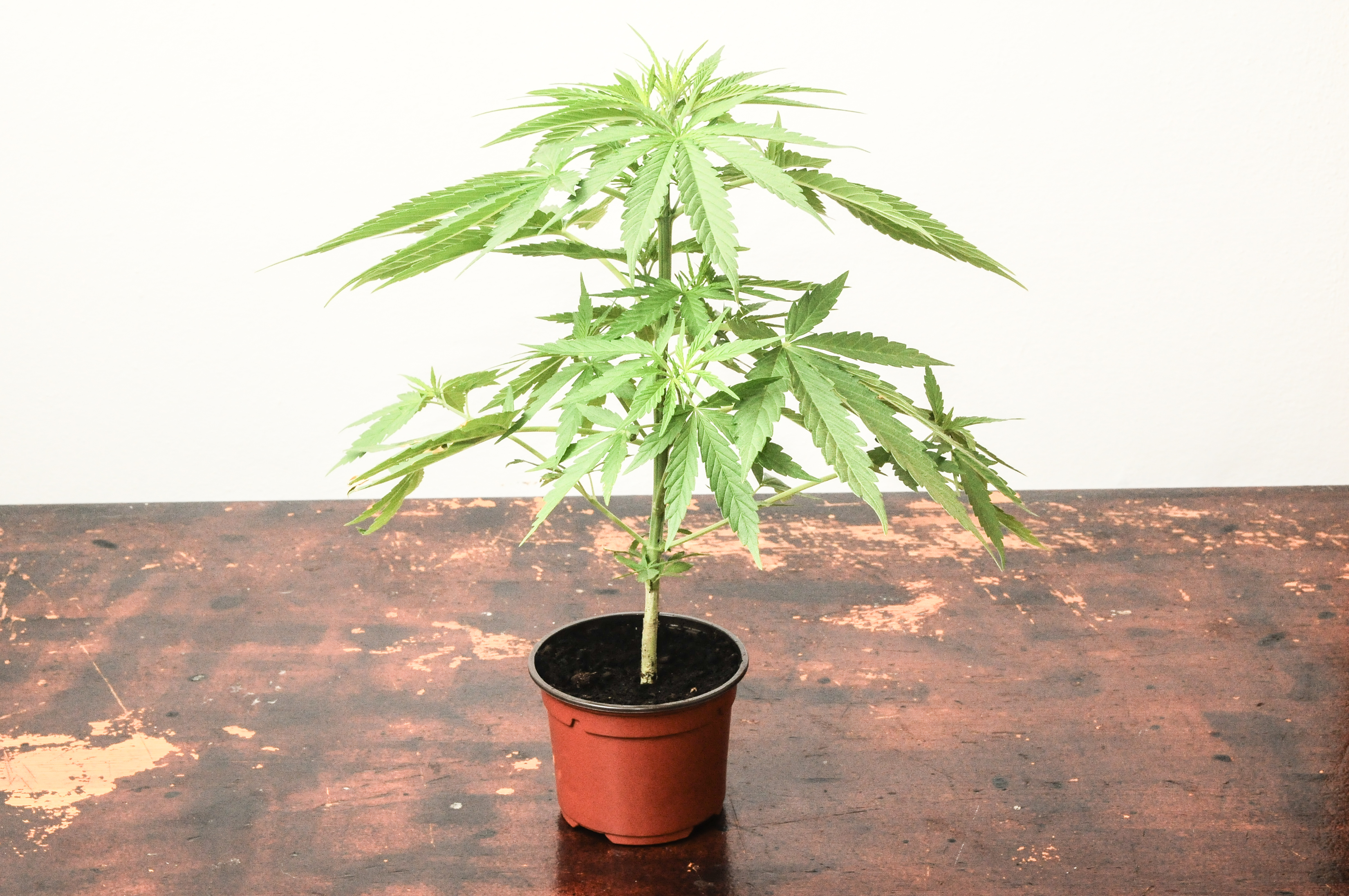


Choosing the right pot is an important part of growing a healthy cannabis plant. A pot does more than hold soil. It creates the space where the roots grow, take in water, absorb nutrients, and receive oxygen. The condition of the roots affects the condition of the whole plant. When roots have enough space and the right level of moisture, the plant can develop strong stems, healthy leaves, and steady growth. When roots are crowded, soaked, or poorly ventilated, the plant may become weak and grow slowly.
Cannabis roots need room to spread through the growing medium. As the plant grows above the soil, the root system also grows below it. Roots help hold the plant in place and collect the water and nutrients needed for growth. A pot that is too small can limit this development. Roots may begin to circle around the inside of the container. This is often called becoming root-bound. A root-bound plant may dry out very quickly because there is less soil available to hold water. It may also struggle to absorb enough nutrients. The plant can become stressed, droop often, or stop growing at a normal rate.
A pot that is too large can also create problems, especially for a young plant. A small root system cannot use all the water held in a large container. The growing medium may stay wet for too long. This can reduce the amount of oxygen around the roots. Healthy roots need both water and air. When the soil remains soaked, the roots may not be able to breathe well. This can lead to slow growth, nutrient problems, and root damage. For this reason, growers should not choose the largest pot available without thinking about the size and age of the plant.
Pot size also affects watering. Smaller containers usually dry faster than larger ones. Plants in small pots may need water more often, especially in warm rooms or outdoor areas. Larger containers can hold more water, but they may take longer to dry. The best container should allow the grower to keep the growing medium moist without leaving it soaked. Good watering is easier when the pot size matches the plant’s root system.
Drainage is another major reason why pot choice matters. Extra water must be able to leave the container. Pots for cannabis should have drainage holes at the bottom. Some pots also allow water and air to move through the sides. Without proper drainage, water may collect around the roots. This can create an unhealthy root zone and increase the risk of root rot. Even a good potting mix can become too wet when the container does not drain correctly.
The material of the pot can change how fast the growing medium dries. Plastic pots hold moisture longer because their sides do not allow much air to pass through. This can be useful in hot or dry conditions. However, growers must be careful not to water too often. Fabric pots allow more air to reach the sides of the growing medium. They often improve drainage and help prevent roots from circling. They may also dry faster, which means the plant may need more frequent watering. Air pots use holes and shaped walls to increase airflow around the root zone. Ceramic and clay pots can provide good stability, but some are heavy and difficult to move.
The best pot also depends on whether the plant is grown indoors or outdoors. Indoor growers usually have limited floor space. They must choose pots that fit inside a grow tent or room while leaving enough space between plants. Large pots may reduce the number of plants that can fit under the lights. Small pots may save space, but they can also limit root growth and require more frequent watering.
Outdoor plants often have more room to grow. They may need larger containers because they can become taller and wider under strong sunlight. Outdoor pots must also handle wind, rain, and high temperatures. A lightweight pot may tip over when the plant becomes large. A dark plastic pot may become very hot in direct sun, which can raise the temperature around the roots. Outdoor growers should choose containers that are stable, drain well, and protect the root zone from extreme heat.
The growing medium is another factor to consider. Soil, coco coir, and soilless mixes hold water in different ways. A dense soil mix may stay wet longer, while a loose mix with extra aeration may drain faster. Fabric pots may work well with mixes that need strong airflow. Plastic pots may be useful when the medium dries too quickly. The container and the growing medium should work together to create the right balance of moisture and oxygen.
The plant’s growth stage also affects pot choice. Seedlings and young plants can begin in small containers because their roots are still developing. As the plant grows, it may need to be moved into a larger pot. Some growers use several pot sizes during the plant’s life. Others plant directly into the final container. Autoflowering cannabis is often placed in its final pot early because it has a short life cycle and may not have much time to recover from transplant stress. Photoperiod plants usually have more time to recover and may be transplanted more than once.
Choosing a pot should not be based only on appearance or price. Growers should think about plant size, root development, drainage, watering habits, growing space, climate, and growing medium. Plastic pots, fabric pots, air pots, ceramic containers, and biodegradable starter pots all have different benefits and limits. No single container is best for every situation.
The right pot helps create a stable and healthy root environment. It makes watering easier, improves drainage, supports nutrient use, and gives the plant enough space to grow. A poor container choice can create problems that continue through the entire growing cycle. A suitable container gives the plant a stronger foundation from the seedling stage until harvest. Growers should also make sure that cannabis cultivation is allowed in their area and follow all local laws and rules.
What Size Pot Is Best for Growing Weed?
Choosing the right pot size is one of the most important parts of growing a healthy cannabis plant. The container holds the growing medium, supports the root system, and affects how often the plant needs water. Pot size can also influence plant height, overall growth, and how easy the crop is to manage.
There is no single pot size that works for every cannabis plant. The best choice depends on the plant’s age, expected final size, growing method, and available space. A small plant may grow well in a small container for a limited time. A larger plant that stays in the vegetative stage longer will usually need more room for its roots.
The goal is to provide enough space for healthy root development without using a container that is much larger than the plant needs. A pot that is too small may restrict growth. A pot that is too large may stay wet for too long, especially when the plant is young.
Understanding Cannabis Root Space
Cannabis roots spread through the growing medium in search of water, oxygen, and nutrients. A healthy root system helps support the leaves, branches, and flowers above the soil. When roots have enough space, they can form a wide network throughout the container.
The roots also need oxygen. A well-sized pot with good drainage allows air to move through the growing medium. This helps the roots function properly. If the pot stays soaked for long periods, the spaces between soil particles can fill with water. This reduces the amount of oxygen available to the roots.
A container that is too small can cause the roots to become crowded. The roots may circle around the inside walls and bottom of the pot. This condition is often called being root-bound. A root-bound plant may dry out very quickly because the container contains more roots than growing medium.
The plant may also show slow growth, drooping leaves, or nutrient problems. These signs can happen because the restricted roots cannot take in water and nutrients as well as they should. In serious cases, the plant may need to be moved into a larger container.
However, choosing the largest possible pot is not always the best solution. A young plant placed in a very large pot has a small root system. It cannot use all the moisture held in the growing medium. The unused areas may remain wet for several days.
This can make watering difficult. The surface may appear dry while the lower part of the pot is still wet. Adding more water at this time may increase the risk of overwatering. For this reason, pot size should match the current plant size and its expected growth.
Common Cannabis Pot Sizes
Cannabis pots are often described by their gallon capacity. Common options include 1-gallon, 3-gallon, 5-gallon, 7-gallon, and 10-gallon containers. Larger pots may also be used for outdoor plants or long growing periods.
A 1-gallon pot is normally used for a young plant or a short stage of growth. It provides more room than a seedling cup but is usually too small for a mature cannabis plant. Plants in these containers may need frequent watering because there is not much growing medium to hold moisture.
A 3-gallon pot is often used for smaller indoor plants. It may suit plants that have a short vegetative period or are grown in a limited area. This pot size can help growers fit more plants into a small room or tent. However, the plants may need close watering control as they become larger.
A 5-gallon pot is a common final container for indoor cannabis. It provides a useful balance between root space and floor space. Many medium-sized plants can complete their growth cycle in this size when watering, drainage, and plant training are managed well.
A 7-gallon pot gives roots more room and holds more growing medium than a 5-gallon container. It may be useful for plants that remain in the vegetative stage longer. It can also support larger plants, but it takes up more room and may be heavier to move.
A 10-gallon pot or larger container is often used for large indoor plants or outdoor cannabis. These pots offer more moisture storage and root space. They may reduce how quickly the growing medium dries, but they also require more soil or soilless mix.
Large containers can become very heavy after watering. This is important when plants need to be moved, rotated, or cleaned around. Indoor growers should also consider whether the floor or growing tray can safely support the total weight.
Pot measurements are not always exact. A container sold as a certain gallon size may hold slightly more or less than expected. Its shape also matters. A tall, narrow pot and a short, wide pot may have a similar volume but provide different growing conditions.
Wide containers can offer more surface area for roots to spread. Tall containers provide more depth but may hold moisture longer near the bottom. Growers should check both the pot’s capacity and its actual dimensions before choosing one.
Matching Pot Size to the Growing Plan
The correct pot size should match the planned final size of the cannabis plant. A short indoor plant may not need the same root space as a large outdoor plant. The grower should consider how long the plant will stay in the vegetative stage, how much light it will receive, and how much room is available.
Plants that remain in the vegetative stage for a longer time usually grow larger root systems. They also develop more branches and leaves. These plants often need larger containers before flowering begins.
Plants that begin flowering after a shorter vegetative period may stay smaller. A 3-gallon or 5-gallon pot may be enough, depending on the variety and growing conditions. A larger pot may still be used, but the grower must be careful not to keep the medium too wet.
Plant count also affects the choice. A grower may use several small pots to fill a growing area with many smaller plants. Another grower may use fewer large pots and allow each plant to spread out. Both plans require enough space between containers for airflow and access.
The shape of the growing space should be considered as well. A large round pot may leave unused gaps between containers. Square pots can fit closely together, but crowded placement may reduce airflow around the lower leaves.
The growing medium also changes how a pot performs. A light, airy mix may dry faster and allow more oxygen to reach the roots. A dense mix may hold water for a longer time. A larger container filled with dense soil may take many days to dry, which can make overwatering more likely.
Watering habits are another important factor. Someone who checks plants every day may be comfortable using smaller or fabric pots that dry quickly. A person who cannot water as often may prefer a slightly larger container that holds moisture longer.
The expected plant height should also guide the decision. Larger containers may support larger plants, but they do not control height by themselves. Genetics, lighting, plant training, and the length of the vegetative period also affect final size.
A practical approach is to choose a pot that provides enough room for healthy roots while still fitting the growing space. The container should be large enough to support the planned plant but not so large that watering becomes hard to control.
The best pot size for growing weed depends on the plant’s age, final size, growing method, and available space. Small containers such as 1-gallon and 3-gallon pots may suit young or compact plants. A 5-gallon pot is a common choice for medium indoor plants, while 7-gallon and 10-gallon containers may support larger growth.
Cannabis roots need room, oxygen, and proper drainage. A pot that is too small can restrict roots and cause the plant to dry out quickly. A pot that is too large may stay wet for too long when the root system is still small. The best choice is a container that matches the plant’s growth plan, watering routine, and growing environment.
How Big Should a Pot Be for an Indoor Cannabis Plant?
Choosing the right pot size for an indoor cannabis plant is important because indoor growing space is limited. The container must provide enough room for healthy roots without taking up more floor space than necessary. A pot that is too small can restrict root growth and may cause the soil to dry out very fast. A pot that is too large can stay wet for too long, especially when the plant is still young.
There is no single pot size that works for every indoor plant. The right choice depends on the size of the grow tent, the number of plants, the length of the vegetative stage, the growing medium, and the planned training method. Growers should also consider how much space is available between plants. Crowded pots can make watering, cleaning, and plant care more difficult.
Container Size and Grow-Tent Space
The size of the grow tent is one of the first things to consider when choosing indoor cannabis pots. A small tent may not have enough room for several wide containers. Even when a pot fits on the floor, the mature plant may spread far beyond the edges of the container.
For example, a grower using a small tent may choose one or two medium-sized pots instead of several large ones. This gives each plant more room for its leaves and branches. It can also improve airflow between plants. Good airflow helps reduce excess moisture around the leaves and growing medium.
Plant count also affects container size. A grower raising one large plant may use a larger pot because the plant has the whole tent to itself. A grower raising several smaller plants may need smaller pots so all containers fit under the light.
The shape and diameter of the pot are also important. Two containers may hold the same number of gallons but have different shapes. One may be tall and narrow, while another may be short and wide. A wide pot takes up more floor space but may provide a broad root area. A tall pot may save some floor space but can be less stable if the plant becomes top-heavy.
Lighting must also be considered. Each plant needs to stay within the useful coverage area of the grow light. Using large pots does not help if some plants must be pushed into darker corners. Containers should be arranged so the leaves receive even light while leaving enough room for airflow and plant care.
Indoor growers should measure the floor of the tent before buying pots. They should also leave space for fans, humidifiers, trays, supports, and other equipment. A container may look small in a store but may take up a large part of a compact grow tent.
Pot Sizes for Different Indoor Growing Methods
Indoor cannabis plants are often grown in containers ranging from about 1 gallon to 10 gallons or more. The best size depends on how long the plant will remain in the vegetative stage and how large the grower wants it to become.
Small pots, such as 1-gallon or 2-gallon containers, may be used for seedlings, clones, or very small plants. These pots are easy to move and do not take up much space. However, they may dry quickly once the plant grows larger. They may also restrict root development if the plant stays in them for too long.
A 3-gallon pot is often used for smaller indoor plants or plants with a short vegetative stage. This size may work well when several plants are placed in one tent. It provides more root space than a starter pot while keeping the container fairly compact.
A 5-gallon pot is a common choice for medium-sized indoor plants. It usually provides enough space for a healthy root system without using too much floor area. This size may suit plants that receive several weeks of vegetative growth before flowering.
Larger pots, such as 7-gallon or 10-gallon containers, may be used for plants with a long vegetative stage. They may also work well for growers who plan to train one plant to fill a large area. However, these containers need more growing medium, more water, and more floor space.
Plant training can affect pot size. Low-stress training spreads branches outward and creates a wider canopy. Topping can also encourage the plant to develop several main branches instead of one central stem. These methods may produce a larger plant that needs more root space and stronger support.
A screen-based growing method may use one or more plants trained beneath a horizontal screen. The plants may stay in the vegetative stage longer while the branches are guided across the screen. A longer vegetative stage usually means the roots have more time to fill the container. For this reason, medium or large pots may be more suitable.
Height limits should also guide the choice. Large pots raise the plant higher off the floor. This reduces the distance between the plant and the grow light. In a short tent, a tall container may create height problems later. A shorter, wider pot may help save vertical space, but it will use more floor area.
Managing Indoor Watering
Pot size has a major effect on indoor watering. Large containers hold more growing medium, which means they can hold more water. This can be helpful for a mature plant with a large root system. However, it can create problems for a young plant with only a few small roots.
When a seedling is placed in a large final pot, it cannot use all the water in the container. If the entire pot is soaked, the growing medium may stay wet for many days. Roots need both water and oxygen. A medium that remains wet for too long may contain less oxygen, which can slow root development.
Young plants in large pots should be watered in a controlled area around the stem. The watered area can slowly become wider as the root system grows. This helps prevent the unused parts of the container from becoming soaked.
Small pots have the opposite problem. They dry more quickly because they contain less growing medium. Mature plants in small containers may need water every day or even more often under hot, dry conditions. Frequent drying can cause the plant to droop and may lead to uneven nutrient levels.
The growing medium also changes how quickly a pot dries. A dense soil mix may hold water for a long time. A loose mix with added aeration material may drain faster. Fabric pots often dry faster than hard plastic pots because air can pass through the sides.
Indoor temperature, humidity, fan strength, and light intensity also affect watering. Warm temperatures, low humidity, and strong airflow can increase moisture loss. Cooler conditions and high humidity can slow drying.
Growers should not water only according to a fixed schedule. They should check the weight of the pot and the moisture level of the growing medium. A recently watered pot feels heavy, while a dry pot feels much lighter. The top layer may also feel dry even when the lower part remains wet, so checking only the surface can be misleading.
The best pot size for an indoor cannabis plant depends on the grow tent, plant count, growth period, training method, and watering routine. Smaller pots save space and work well for young or compact plants, but they can dry quickly and restrict roots. Medium pots often provide a useful balance between root space and floor space. Large pots can support bigger plants, but they may stay wet too long when the root system is still small.
Indoor growers should think about both the gallon size and the physical shape of the container. They should also leave enough room for airflow, lighting, watering, and equipment. The right pot should support the planned plant size while making moisture control easier throughout the growing cycle.
What Are the Best Types of Pots for Growing Weed?
Choosing the right type of pot is important because the container affects drainage, airflow, root growth, and watering speed. Cannabis plants can grow in many kinds of containers, but each type works differently. Some pots hold moisture longer, while others allow more air to reach the roots. Some are light and easy to move, while others are heavy and more stable.
The best choice depends on the growing space, climate, plant size, and watering routine. A pot that works well in a cool indoor room may dry too fast outdoors in hot weather. A container that holds water well may help a busy grower, but it may also cause problems if the soil stays wet for too long.
The most common choices are plastic nursery pots, fabric pots, air pots, ceramic pots, and biodegradable starter pots. Each option has benefits and limits.
Plastic Nursery Pots
Plastic nursery pots are one of the most common containers used for growing cannabis. They are affordable, lightweight, and easy to find. They are available in many sizes, from small seedling cups to large containers for mature plants.
One main benefit of plastic pots is that they hold moisture longer than fabric or clay containers. The solid walls reduce water loss from the sides. This can be helpful in warm rooms or dry climates where the growing medium dries quickly. It can also help growers who cannot water every day.
Plastic pots are easy to move because they do not weigh much. Many models also have wide rims that make them easier to lift. This is useful for indoor growers who need to rearrange plants under lights or remove plants for inspection.
However, plastic pots allow less air to reach the root zone. Roots may grow along the inside wall and begin circling the container. If the plant stays in the same pot for too long, it may become root-bound. A root-bound plant can dry out quickly and may stop growing at a normal rate.
Drainage is also important. A plastic pot should have several holes across the bottom. Some containers need extra holes if water drains too slowly. The pot should also be placed on a tray or raised stand so runoff can escape.
Plastic nursery pots are a practical choice for seedlings, young plants, and growers who want better moisture retention. They can support healthy cannabis plants when the growing medium is loose and the drainage holes remain clear.
Fabric Grow Pots
Fabric grow pots are made from breathable material instead of solid plastic. The walls allow air to move through the container and reach the growing medium. This added airflow can help the roots receive more oxygen.
When roots reach the edge of a fabric pot, the air causes the root tips to stop growing outward. The plant then forms new smaller roots within the growing medium. This process is known as air pruning. It can help create a wider root system instead of a tight circle of roots around the pot.
Fabric pots also drain very well. Extra water can leave through both the bottom and the sides. This lowers the risk of water collecting around the roots. Good drainage is useful for cannabis because roots need both moisture and oxygen.
The main drawback is faster drying. Fabric pots may need to be watered more often than plastic pots. Fans, warm temperatures, low humidity, and strong outdoor wind can make them dry even faster. Growers must check the moisture level often, especially during flowering when plants may use more water.
Another issue is mineral buildup on the outside of the fabric. White marks may appear when fertilizer salts move through the wet material and dry on the surface. The pots should be cleaned between growing cycles if they will be reused.
Fabric pots are often easy to store because they can be folded. Many also have handles, although the handles may not support a very heavy, wet pot. These containers are useful for growers who want strong drainage and better airflow around the root zone.
Air Pots and Perforated Containers
Air pots are hard-sided containers with many holes, raised points, or cone-shaped sections along the walls. Their design guides roots toward openings where they are exposed to air. This creates an air-pruning effect similar to fabric pots.
These containers provide strong root-zone aeration. They can reduce root circling and support the growth of many smaller roots. A larger network of roots may help the plant take in water and nutrients from more areas of the growing medium.
Air pots also drain quickly. However, watering them may be difficult at first. Water can flow out through the side holes before it spreads through the entire pot. Pouring too fast can leave dry sections in the growing medium.
Growers can reduce this problem by watering slowly and evenly. Water should be applied across the surface rather than poured in one place. It may also help to water in stages, allowing the first amount of water to soak in before adding more.
Perforated containers may also create more mess indoors. Water and small pieces of growing medium can escape through the sides. A wide drainage tray is usually needed below the pot.
Air pots can be useful for growers who want high airflow and strong root branching. They require careful watering, but they can support healthy root development when used correctly.
Ceramic and Clay Pots
Ceramic and clay pots are heavier than plastic or fabric containers. Their weight can help support tall plants and reduce the chance of tipping. This may be useful outdoors or in areas where fans create strong airflow.
Unglazed clay pots, often called terracotta pots, allow some air and moisture to pass through their walls. This can help the growing medium dry more evenly. It may also provide extra oxygen near the outer roots.
However, clay pots can dry faster than plastic pots, especially in hot weather. They may need more frequent watering. They can also break if they are dropped or exposed to freezing conditions while wet.
Glazed ceramic pots hold moisture longer because the sealed surface blocks water loss through the sides. These pots can be attractive, but appearance should not be the main concern. Drainage is more important.
Some decorative ceramic pots do not have drainage holes. These should not be used as direct growing containers unless proper holes can be added. A pot without drainage may hold standing water and reduce oxygen around the roots.
Ceramic pots are also difficult to move once they are filled with wet growing medium. Large models can become very heavy. They work best when the plant will remain in one location.
Biodegradable Starter Pots
Biodegradable starter pots are usually made from peat, paper fiber, wood pulp, or similar materials. They are designed for seeds, seedlings, and small clones. Their main purpose is to reduce root disturbance during transplanting.
In some cases, the entire starter pot can be placed inside a larger container. The roots may grow through the soft walls as the material begins to break down. This can make transplanting easier because the root ball does not need to be removed.
However, biodegradable pots do not always break down quickly. Thick or dry walls may remain firm and block root growth. Before planting the pot into a larger container, it may help to tear or cut the bottom and sides. This gives the roots easier access to the new growing medium.
These pots can also dry out quickly because their walls absorb water. Seedlings have small root systems, so they may suffer if the growing medium becomes fully dry. Moisture levels should be checked often.
Biodegradable pots are best used for short periods. They are not usually strong enough to support a mature cannabis plant. Once the seedling has developed several sets of leaves and a stable root system, it should be moved into a larger container.
The best pot for growing weed depends on the plant, environment, and watering routine. Plastic pots are affordable and hold moisture well, but roots may circle the walls. Fabric pots provide strong airflow and drainage, although they dry faster. Air pots support root branching but require slow and careful watering. Ceramic and clay pots offer stability, but they can be heavy and may break. Biodegradable pots are useful for seedlings, but they should only be used during early growth.
No single container is best for every situation. A good pot should provide enough root space, proper drainage, and a moisture level that matches the grower’s routine. Choosing the right type makes it easier to protect the roots and support steady plant growth.
Are Fabric Pots Better Than Plastic Pots for Cannabis?
Fabric pots and plastic pots can both support healthy cannabis plants. However, they manage roots, moisture, drainage, and airflow in different ways. The better choice depends on the growing environment, the type of growing medium, and how often the plants can be watered.
Fabric pots are made from a breathable material. Air can pass through the sides, which helps the growing medium dry faster. Plastic pots have solid walls, so they hold moisture for a longer time. This difference affects root development, watering needs, and daily plant care.
Growers should not assume that one type is always better than the other. A fabric pot may work well in a humid indoor room, while a plastic pot may be easier to manage in a hot and dry outdoor area. Understanding the strengths and limits of each type makes it easier to choose the right container.
RootDevelopment
Cannabis roots naturally grow outward as they search for water, nutrients, and oxygen. The material of the container affects what happens when those roots reach the sides.
Inside a plastic pot, roots cannot pass through the hard walls. They often turn and continue growing around the inside of the container. This is known as root circling. A small amount of root circling is common and does not always damage a plant. However, heavy root circling can create a tight root mass if the plant remains in the same pot for too long.
A plant with severely crowded roots may dry out quickly because the roots have filled most of the available space. Water may also pass through the pot without soaking the growing medium evenly. The plant may show slow growth, drooping leaves, or signs that it needs a larger container.
Fabric pots affect roots in a different way. When a root reaches the breathable wall, the tip is exposed to air. The root tip becomes dry and stops growing outward. The plant then produces smaller side roots behind the dried tip. This process is often called air pruning.
Air pruning can create a more divided root system instead of a few long roots that circle the pot. A larger number of fine roots may help the plant reach water and nutrients throughout the growing medium. However, fabric pots do not prevent every root problem. Plants can still become crowded when the pot is too small for their size.
Root health depends on more than the container. Pot size, watering habits, soil structure, and drainage also have a major effect. A well-managed plant in a plastic pot may grow better than a poorly watered plant in a fabric pot.
Drainage and Aeration
Cannabis roots need both moisture and oxygen. A growing medium that remains soaked for too long can push air out of the spaces around the roots. This may slow root activity and increase the risk of root damage.
Fabric pots allow air to enter through the sides as well as the top of the growing medium. Water can also escape through the fabric. This often creates better airflow around the root zone and allows extra moisture to leave more quickly.
This faster drainage can be useful in indoor spaces with high humidity. It may also help growers who tend to water too heavily. Still, fabric pots do not solve every drainage problem. A dense or compact growing medium may remain wet even inside a breathable container.
Plastic pots only release water through their drainage holes. The solid walls limit airflow through the sides. For this reason, plastic pots should have enough holes across the bottom. Some containers also include holes near the lower sides.
A plastic pot can still provide good drainage when it is filled with a loose and well-aerated growing medium. Materials such as perlite may help create air spaces and improve water movement. The pot should also be raised slightly above the drainage tray so runoff can leave freely.
Neither type of pot should be allowed to sit in standing water. Water left in a tray can be pulled back into the container and keep the lower root zone wet. Saucers should be emptied after watering, or the runoff should be removed with a suitable drainage system.
Watering Frequency
One of the biggest differences between fabric and plastic pots is how quickly they dry.
Fabric pots lose moisture through the top and sides. Fans, warm temperatures, low humidity, and strong lights can make them dry even faster. Plants in fabric containers may need water more often, especially during late growth when their roots and leaves are fully developed.
Frequent watering is not always a problem. It can give growers more chances to provide fresh water, nutrients, and oxygen to the root area. However, it also requires closer attention. Missing a watering may cause a plant in a fabric pot to droop faster than a plant in a plastic container.
Plastic pots normally hold moisture longer because water cannot escape through the sides. This can make them easier to manage for growers who cannot check their plants every day. Plastic pots may also be useful in dry climates where moisture disappears quickly.
The risk is that plastic containers may stay wet too long. This is more likely when a small plant is placed in a very large pot. The young root system cannot use all the water in the container, so the deeper soil may remain wet for several days.
Watering should be based on the condition of the growing medium rather than a fixed schedule. The upper layer can be checked for dryness, and the pot can be lifted to judge its weight. A dry container usually feels much lighter than a freshly watered one.
The whole root zone should receive moisture once the plant is well established. However, young plants may need smaller amounts of water near the stem until their roots spread farther through the pot.
Durability and Reuse
Plastic pots are usually strong, easy to move, and simple to clean. Many can be reused through several growing cycles if they do not crack. Their smooth walls are easier to wash because soil and dried mineral deposits can often be removed with water and a brush.
Rigid plastic pots also make transplanting easier in many cases. A grower can press or tap the sides to loosen the root ball. The entire plant may then slide out while the growing medium stays together.
The condition of the plastic should be checked before each use. Cracked containers can leak soil or break when lifted. Old plastic may become weak after long periods in direct sunlight.
Fabric pots are lightweight and can usually be folded for storage. This is helpful when many containers must be stored between growing cycles. Some fabric pots also include handles, which can make them easier to move. However, the handles should not be used to lift very large, wet containers unless they are designed to carry that weight.
Cleaning fabric pots may take more effort. Roots can become attached to the inner surface, and mineral deposits may collect on the outside. These deposits often appear as white marks caused by fertilizer salts or hard water.
Reusable fabric pots should be emptied, brushed, washed, and dried fully before the next growing cycle. The washing instructions may depend on the material and construction. Damaged seams, torn fabric, or weak handles should be checked before the pot is used again.
Fabric pots can last for several cycles when handled carefully. However, thin or low-quality fabric may wear out faster than strong plastic. The cost of replacement should be considered when choosing containers for a larger growing setup.
Fabric pots can improve airflow, drainage, and root branching through air pruning. They are often useful in humid spaces or in growing systems where fast drainage is important. Their main limit is that they dry quickly and may require more frequent watering.
Plastic pots hold moisture longer, are easy to clean, and are often easier to use during transplanting. They may be a practical choice for dry conditions or for growers who cannot water as often. However, they need enough drainage holes, and plants should not be left in them until the roots become severely crowded.
Do Cannabis Pots Need Drainage Holes?
Drainage holes are one of the most important features of pots used for growing cannabis. They allow extra water to leave the container after watering. Without proper drainage, water can collect at the bottom of the pot and keep the growing medium wet for too long. This can reduce the amount of oxygen around the roots and create poor conditions for healthy plant growth.
Cannabis roots need both water and oxygen. Water carries nutrients through the growing medium, while oxygen supports root function and healthy growth. A pot must hold enough moisture for the plant without trapping too much water. Drainage holes help create this balance.
Even a high-quality growing medium can cause problems when it is placed in a container with no way for excess water to escape. For this reason, growers should check every pot before planting. The container should have open holes near the lowest part of the base.
Why Drainage Is Necessary
Each time a cannabis plant is watered, the growing medium absorbs moisture. Once the medium has absorbed as much as it can hold, the remaining water must leave the pot. Drainage holes provide an exit for this excess water.
Without drainage, water may settle at the bottom of the container. This creates a wet area where air cannot move freely. Roots growing into this area may not receive enough oxygen. Over time, the roots may weaken, become damaged, or stop taking in nutrients correctly.
Poor drainage can also cause symptoms that look like nutrient problems. Leaves may turn yellow, droop, or develop unusual spots. Growth may slow even when the plant receives enough light and fertilizer. A grower may respond by adding more nutrients, but this can make the problem worse. The real cause may be a root zone that is too wet.
A wet growing medium can also support harmful fungi and other organisms. These organisms may attack weak roots and cause decay. Root damage is difficult to correct once it becomes severe. Preventing excess water from collecting is easier than trying to repair an unhealthy root system.
Good drainage also helps remove some unused fertilizer salts from the growing medium. Water that flows through the pot can carry part of this buildup out through the bottom. This process does not replace proper nutrient management, but it can help prevent salts from becoming too concentrated around the roots.
How Many Drainage Holes Are Needed?
There is no single number of drainage holes that works for every cannabis pot. The correct number depends on the size, material, and shape of the container. A small starter pot may need only a few open holes. A large plastic pot may need several holes spread across the base.
The holes should not be limited to one small area. Water must be able to leave from different parts of the container. Several holes across the bottom usually provide more even drainage than one hole in the center.
The openings must also be large enough to let water pass through freely. Very small holes can become blocked by compacted soil, roots, or loose material. Large holes drain more easily, but they should not allow too much growing medium to fall out.
Plastic nursery pots often come with drainage holes already included. However, growers should still inspect them before use. Some holes may be partly closed by thin plastic left from manufacturing. Others may be too small for a dense growing medium.
Extra holes can be added to a plastic container when needed. These holes may be placed on the bottom or around the lower edge of the sides. Side holes near the base can help water escape when the bottom sits flat against a tray. Care must be taken when making holes so that the container does not crack or develop sharp edges.
Fabric pots usually do not need standard drainage holes. Water can move through the fabric walls and base. However, these containers must still sit on a surface that allows the water to flow away. A fabric pot placed directly in a deep pool of runoff can remain too wet.
Using Saucers, Trays, and Pot Elevators
Indoor cannabis pots are often placed on saucers or collection trays. These items protect floors, shelves, and grow tents from water damage. They also make it easier to collect runoff after watering.
A saucer should be wider than the bottom of the pot. This reduces the chance of water spilling over the sides. However, the pot should not remain in standing runoff for a long period. Water in the saucer can move back into the growing medium through the drainage holes. This keeps the lower root zone wet and may reduce oxygen.
Collected runoff should be removed after watering. It can be poured away, removed with a small pump, or absorbed with a suitable cleaning tool. Growers with several plants may use larger trays connected to a drainage system.
Pot elevators or risers can improve drainage further. These supports raise the container above the saucer or tray. The space beneath the pot allows water to flow away from the drainage holes. It also improves airflow around the bottom of the container.
Risers are especially useful for fabric pots. Fabric containers release moisture through the base, and direct contact with a flat tray can slow this process. Raising the pot helps the bottom dry more evenly.
Outdoor pots may also benefit from being raised. A container sitting on compact soil, concrete, or another flat surface may have blocked drainage holes. Small blocks, stands, or feet can create enough space for water to escape.
Common Drainage Mistakes
One common mistake is using a decorative pot with no drainage holes. Some decorative containers are designed as outer covers rather than direct planting pots. A smaller nursery pot can be placed inside them, but the inner pot should be removed for watering and allowed to drain fully.
Another mistake is allowing soil or roots to block the openings. Dense soil can pack tightly against the bottom of the pot. Roots may also grow through or around the holes. Checking the base during transplanting or between growing cycles can help prevent blockage.
Some growers place a thick layer of rocks, gravel, or broken pottery at the bottom of the container. This is often believed to improve drainage. However, a rock layer does not fix a dense or poorly draining growing medium. It also reduces the amount of usable space available for roots.
A better approach is to use a loose growing medium that holds moisture while allowing air to move through it. Materials such as perlite can improve air space and drainage when mixed correctly. The full growing medium should drain well instead of depending on a layer of stones at the base.
Using a pot that is too large can also create drainage problems. A young plant with a small root system may not use water from the entire container. The untouched areas may stay wet for many days. Growers should water according to the size of the root system rather than fully soaking a large pot each time.
Overwatering is another major issue. Drainage holes cannot protect a plant when water is added too often. The growing medium needs time to lose some moisture and regain oxygen. Watering schedules should be based on plant needs, pot weight, medium dryness, temperature, and humidity.
Cannabis pots need effective drainage because roots require both moisture and oxygen. Drainage holes allow extra water to leave the container, reduce the risk of waterlogged soil, and help create a healthier root environment. The holes should be large enough to remain open and spread across the lowest part of the pot.
Saucers and trays can collect runoff, but standing water should be removed. Pot elevators can improve airflow and keep drainage holes from becoming blocked. Growers should also use a loose growing medium and avoid depending on gravel or rocks to correct drainage problems.
Proper drainage is not only about the pot. Container size, growing medium, watering frequency, and plant size all affect how quickly moisture leaves the root zone. When these parts work together, cannabis roots can grow in a balanced environment that supports steady and healthy plant development.
What Is the Best Pot Size for Autoflowering Cannabis?
Autoflowering cannabis plants have a different growth pattern from photoperiod plants. They begin flowering based on age instead of changes in the light schedule. Most autoflowers move from the seedling stage to flowering within a short period. Because their life cycle is limited, they have less time to recover from stress, root damage, or slow growth.
The container plays an important role in the development of an autoflower. A pot that is too small can restrict the roots and limit the final size of the plant. A pot that is too large can hold excess moisture for too long, especially during the seedling stage. Choosing the right size means balancing root space, moisture control, available growing space, and the expected size of the plant.
Understanding Autoflower Root Development
Autoflower roots begin developing as soon as the seed germinates. During the first few weeks, the plant builds its main root system while producing new leaves and stems above the soil. Healthy roots allow the plant to absorb water, oxygen, and nutrients from the growing medium.
Because autoflowers begin flowering quickly, early root growth is very important. A setback during the seedling or early vegetative stage may reduce the amount of growth the plant completes before flowering starts. Problems such as overwatering, transplant shock, compacted soil, or root restriction may slow the plant at a time when every day matters.
Many growers start autoflowering seeds directly in their final containers. This method removes the need to transplant the plant later. It also reduces the risk of damaging the roots or slowing growth during a container change. However, planting a small seedling in a large final pot requires careful watering. The grower should avoid soaking all the soil before the roots have spread through the container.
Water should first be applied near the young plant in a small circle. The watered area can slowly become wider as the roots grow. This approach keeps the young root zone moist without leaving the entire container wet for several days.
Autoflowers can be transplanted successfully, but the process must be done carefully and at the right time. The root ball should stay together, and the plant should not remain in a small starter pot for too long. Any delay can cause the roots to circle the container and limit early growth.
Common Autoflower Container Sizes
Autoflowering cannabis plants are commonly grown in pots between 2 and 5 gallons. The correct size depends on the plant’s genetics, the length of its life cycle, the available space, and the growing conditions.
A 2-gallon pot may work for very small autoflowers, compact growing areas, or plants with a short life cycle. It takes up less floor space and uses less growing medium. However, it may dry out quickly when the plant becomes larger. The roots may also run out of space before harvest if the plant grows more than expected.
A 3-gallon pot is a common choice for indoor autoflowers. It provides more root space than a small container while still fitting well inside many grow tents. It can support a medium-sized plant without taking up too much room. A 3-gallon pot may be suitable when several autoflowers are grown together under one light.
A 5-gallon pot gives the roots more room to spread. It may support a larger plant and can hold more moisture than a smaller container. This size is often useful for vigorous genetics, longer-life autoflowers, or outdoor plants. However, a 5-gallon pot requires more space and more growing medium. It can also remain wet for too long if the young plant is heavily watered.
Containers larger than 5 gallons may be used for large outdoor autoflowers or plants grown in living soil. A larger soil volume can hold more moisture and nutrients. It may also support active soil life. Still, large containers are not always needed for autoflowers. The plant may not live long enough to use all the available root space.
The final choice should also consider the number of plants. A grower with a small tent may be able to place several 3-gallon pots under the light. Using 7-gallon pots in the same space could reduce the plant count and make airflow harder to manage.
Avoiding Oversized and Undersized Pots
A pot that is too small can create several problems. The roots may reach the sides and bottom of the container early in the growth cycle. Once the roots fill the pot, the plant may become root-bound. The growing medium may dry very quickly, forcing the grower to water more often.
Small pots may also make the plant less stable. A tall or wide plant can become top-heavy and may tip over. Limited soil volume provides less protection against changes in moisture, temperature, and nutrient levels. These changes can affect the plant faster because there is less growing medium around the roots.
A pot that is too large can also be difficult to manage. The main problem is usually excess moisture. A young autoflower has a small root system and cannot use all the water stored in a large container. If the entire pot is soaked, parts of the growing medium may remain wet for a long time.
Constantly wet soil can reduce the amount of oxygen available to the roots. This may lead to slow growth, drooping leaves, nutrient problems, and root damage. The plant may look thirsty even though the soil is still wet because weak roots cannot work properly.
Growers can lower this risk by using a light, well-draining growing medium. Materials such as perlite can create small air spaces in the soil. Drainage holes should remain open, and the pot should not sit in standing runoff.
Watering should match the size of the root system. A young plant does not need the entire container to be saturated. The watered area should increase gradually as the plant becomes larger. This method helps roots move outward in search of moisture while reducing the risk of overwatering.
Choosing a Pot Material for Autoflowers
Pot material affects drainage, airflow, and how quickly the growing medium dries. Fabric and plastic pots are two of the most common choices for autoflowering cannabis.
Fabric pots allow air to move through the sides of the container. When roots reach the fabric wall, the tips are exposed to air and stop growing outward. This process is called air pruning. It encourages the plant to develop more smaller roots inside the growing medium instead of producing long roots that circle the pot.
Fabric pots also drain well, which can help reduce the risk of water collecting around the roots. However, they dry faster than plastic pots. Plants in fabric containers may need more frequent watering, especially in warm rooms, near strong fans, or outdoors during hot weather.
Plastic pots hold moisture longer because air cannot pass through the sides. They may be easier for growers who cannot check their plants often. Plastic pots are also light, affordable, easy to clean, and available in many sizes.
The main risk with plastic pots is slower drying. Good drainage holes are necessary, and the growing medium should not be dense or compacted. Dark plastic pots may also become hot in direct outdoor sunlight, which can raise the root-zone temperature.
Air pots are another option. These rigid containers have openings along the sides that improve airflow and encourage air pruning. They can support strong root development, but water may escape from the side holes during watering. They may also dry quickly and require careful moisture control.
The best material depends on the growing environment and the grower’s routine. Fabric pots may work well in humid conditions or for growers who tend to water too often. Plastic pots may be helpful in dry conditions or for growers who need the soil to stay moist longer.
The best pot size for an autoflowering cannabis plant is usually between 2 and 5 gallons. A 3-gallon pot often provides a useful balance for medium-sized indoor plants, while a 5-gallon pot may support larger genetics or outdoor growth. Smaller containers can limit roots and dry too quickly, while oversized containers can remain wet for too long during early growth.
Autoflowers have a short life cycle, so early root health is important. Many growers plant seeds directly into the final pot to avoid transplant stress. Careful watering is still necessary because a young plant cannot use all the moisture in a large container.
Fabric pots offer strong drainage and root aeration, while plastic pots hold moisture longer and may require less frequent watering. The right choice should match the plant’s expected size, the growing medium, the available space, and the grower’s watering habits. A well-sized container with good drainage gives autoflowering cannabis roots the space and oxygen they need for steady growth.
Should Cannabis Plants Be Started in Small Pots?
Starting cannabis plants in small pots can make early plant care easier. A small container gives the grower more control over watering, root development, and the space used under grow lights. However, small pots are only useful for a limited time. As the plant grows, its roots need more room to spread. A plant that stays in a small container for too long may become root-bound and stop growing at a healthy rate.
Some cannabis plants can also be started directly in their final containers. This method avoids transplant stress, but it requires careful watering. The best choice depends on the type of cannabis plant, the growing space, and the grower’s ability to manage moisture.
Benefits of Starting Small
Small pots are often useful for cannabis seedlings because they are easier to manage. A young seedling has a small root system that only uses water from a limited area. When the seedling is placed in a small container, it is easier to water the growing medium evenly without soaking a large amount of unused soil.
Moisture control is very important during the seedling stage. Cannabis seedlings need water, but their roots also need oxygen. When the growing medium remains wet for too long, air spaces can become filled with water. This can reduce the amount of oxygen available to the roots. Weak roots may then grow slowly or become damaged.
A small pot usually dries more evenly than a large pot when it contains a young plant. This allows the grower to notice changes in moisture more easily. The weight of the pot can also help show when watering is needed. A wet pot feels heavier, while a dry pot feels lighter.
Small containers also use less space. This can be helpful when several seeds or clones are being started under one light. The pots can be placed close together during early growth. Once the plants become larger, they can be moved into bigger containers and spaced farther apart.
Another benefit is that small pots make it easier to observe early plant growth. Growers can check how quickly the growing medium dries and watch for roots near the drainage holes. They can also move weak or unhealthy plants without disturbing the rest of the growing area.
However, small pots require close attention. They contain less growing medium, so they may dry quickly. A seedling should not be allowed to remain completely dry for a long period. The goal is to keep the root zone lightly moist without leaving it soaked.
Pot Progression Through Growth Stages
Many photoperiod cannabis plants are moved through several pot sizes as they grow. A seed may first be placed in a small seedling cup or starter pot. After the roots begin filling that container, the plant can be moved into an intermediate pot. It may later be transplanted into the final container before the main vegetative stage is complete.
For example, a plant may begin in a small starter pot, move into a 1-gallon container, and then be placed in a 3-gallon, 5-gallon, or larger final pot. The exact sizes are less important than the amount of new root space provided during each transplant.
Moving a plant into a container that is only slightly larger may not provide enough benefit. The roots may fill the new space quickly, forcing another transplant soon afterward. Each new pot should offer a useful increase in growing-medium volume.
Staged transplanting can help create a dense root system. Roots spread through the smaller container before being given more space. Once the root ball is developed, the plant can often be removed with less loose soil falling away.
Still, cannabis plants should not be transplanted too often. Every transplant creates some risk of stress or root damage. The plant must adjust to the new container and begin growing into the fresh medium. Too many transplanting steps can add work without providing a clear benefit.
Growers should plan the pot progression before planting. The plan should consider the final plant size, available floor space, length of the vegetative period, and growing method. A small indoor plant may need fewer pot changes than a large outdoor plant.
Starting Directly in the Final Pot
Cannabis plants do not always need to begin in small containers. Some growers place seeds or young seedlings directly into their final pots. This method removes the need for transplanting and reduces the chance of damaging the roots during a container change.
Direct planting is often used for autoflowering cannabis. Autoflower plants begin flowering according to age rather than a change in the light schedule. Their life cycle is usually shorter than that of photoperiod plants. A transplant problem may slow growth during an important part of this short cycle.
Starting in the final pot allows the roots to grow without being disturbed. It also saves time and reduces the number of containers needed. However, watering a young plant in a large pot can be difficult.
A small seedling cannot use all the water held in a large container. Soaking the entire pot may leave the growing medium wet for many days. This can reduce oxygen around the young roots and may slow their growth.
Instead of fully watering a large final pot, water should be applied to a small area around the seedling. The wet area can be expanded as the plant grows and its roots spread. This method provides moisture where the roots can reach it without saturating the entire container.
The final pot must also contain a loose and well-draining growing medium. Drainage holes should allow extra water to escape. Even careful watering cannot fully correct a dense mix or a container with poor drainage.
Direct planting can work for photoperiod plants as well, especially when the grower wants to avoid transplanting. However, staged transplanting may offer better moisture control during early growth. Both methods can support healthy plants when watering is managed correctly.
Signs a Young Plant Needs a Larger Pot
A young cannabis plant should be moved before its roots become severely restricted. One common sign is that the growing medium begins drying much faster than before. A pot that once stayed moist for several days may begin drying within one day because the larger root system is using more water.
Visible roots are another sign. Roots may appear through the drainage holes or grow along the surface of the soil. A few visible roots do not always mean the plant must be transplanted at once, but a large number can show that the container is filling up.
Plant growth may also slow. New leaves may remain small, and the plant may stop gaining height even when lighting, temperature, water, and nutrients appear suitable. Root restriction can limit the plant’s ability to absorb water and nutrients.
Frequent drooping can also be a warning. A root-bound plant may use the available water very quickly. It may look healthy after watering but begin drooping again soon afterward. This can lead to repeated wet and dry cycles that place stress on the plant.
Growers can carefully inspect the container without pulling the plant out too often. Looking through the drainage holes may show whether roots are collecting at the bottom. The sides of flexible pots can also be pressed gently to feel whether the root ball is firm.
When transplanting, the growing medium should hold together around the roots. A root ball that falls apart may not be developed enough. A root ball covered in tightly circling roots may have remained in the container too long.
The goal is to transplant after the roots have spread through much of the pot but before they become tightly packed. This gives the plant enough structure for a safe move while preventing severe root restriction.
Starting cannabis plants in small pots can improve moisture control, save space, and make early root development easier to monitor. Small containers work well for seedlings and young photoperiod plants, but the plants must be moved before the roots become crowded.
Staged transplanting may involve moving from a starter pot to an intermediate container and then into a final pot. Each transplant should provide a useful increase in root space. Too many container changes can create extra stress and work.
Starting directly in the final pot is another suitable option, especially for autoflowering cannabis. This method avoids transplant stress, but the large pot must be watered carefully while the plant is young. Water should be focused near the developing root zone rather than spread across the entire container.
Fast drying, visible roots, slow growth, and repeated drooping can show that a plant needs more space. Careful timing helps protect the roots and supports steady growth throughout the vegetative stage.
When Should a Cannabis Plant Be Transplanted into a Bigger Pot?
Transplanting is the process of moving a cannabis plant from a small container into a larger one. This gives the roots more room to spread and continue growing. A well-timed transplant can support faster growth, better water use, and stronger plant development. However, transplanting too early or too late can create problems.
The best time to transplant depends on the plant’s size, root development, growth speed, and current container. Growers should not rely only on the plant’s age. Two plants of the same age may have very different root systems. Instead, it is better to watch for clear signs that the plant has outgrown its pot.
Identifying a Root-Bound Plant
A cannabis plant becomes root-bound when its roots have filled most of the available space inside the container. The roots may begin growing in circles around the sides and bottom of the pot because they have nowhere else to go. When this happens, the plant may struggle to absorb enough water, oxygen, and nutrients.
One common sign of a root-bound plant is that the growing medium dries much faster than before. A plant that once needed water every few days may suddenly require water every day. This happens because the container contains more roots and less growing medium. There is less material available to hold moisture.
Slowed growth can also be a warning sign. The plant may stop producing new leaves at its normal rate. The leaves may look smaller, and the branches may develop more slowly. Some plants may begin to droop even when they are watered regularly.
Visible roots are another useful sign. Roots may grow through the drainage holes or appear near the top of the growing medium. A few visible roots do not always mean the plant needs immediate transplanting. However, many roots coming through the bottom often show that the plant is running out of space.
Root-bound plants may also show nutrient-related symptoms. Leaves can turn pale or yellow because the crowded root system cannot use water and nutrients correctly. These symptoms may look like a feeding problem, even when the grower is providing enough fertilizer.
The most reliable way to check is to look at the root ball carefully. When the plant is removed from the pot, healthy roots should hold most of the growing medium together. If thick roots are tightly wrapped around the outside of the root ball, the plant has likely stayed in the container too long.
Choosing the Right Transplanting Time
The ideal time to transplant is when the roots have developed enough to hold the growing medium together, but before they become tightly crowded. At this point, the root ball can usually be removed from the pot without falling apart.
Plants should be healthy and actively growing before they are transplanted. A weak, damaged, or heavily stressed plant may have more trouble recovering from the move. It is often better to correct serious watering, pest, or environmental problems before changing containers.
Young cannabis plants are often ready for a larger pot when their leaves extend beyond the edges of the current container. This is only a general guide, but it can help growers decide when to inspect the roots. Other signs, such as rapid drying and visible roots, should also be considered.
Photoperiod cannabis plants should usually be placed in their final containers before the flowering stage begins. Once flowering starts, the plant uses much of its energy to produce flowers. A late transplant may slow development and add unnecessary stress.
Growers should also allow recovery time between transplanting and other major changes. Heavy pruning, topping, strong plant training, and sudden changes in lighting can all place stress on the plant. Completing several stressful tasks at the same time may slow growth.
Autoflowering cannabis plants require extra care because they have a short and fixed life cycle. A delay in growth may reduce their final size. For this reason, many growers start autoflowering seeds in their final pots. Others use only one early transplant and move the plant before the roots become crowded.
How to Transplant with Less Stress
Preparation is one of the most important parts of transplanting. The new container should be ready before the plant is removed from its old pot. It should have enough drainage holes and should be filled partly with a suitable growing medium.
The new pot should be larger than the old one, but it should not be extremely oversized. Moving a small plant into a very large pot can make watering harder. The unused growing medium may remain wet for too long because the small root system cannot absorb moisture across the entire container.
Before transplanting, the growing medium in the old pot should be slightly moist. Soil that is too dry may fall away from the roots. Soil that is soaking wet may be heavy and more likely to break apart. Slightly moist soil usually holds together better.
To remove the plant, the grower should support the base of the stem and the surface of the root ball. The container can be tilted or turned carefully while the sides are pressed or tapped. The plant should never be pulled upward by the stem because this can damage the stem and roots.
The root ball should be placed into the prepared space in the new pot. The top of the old growing medium should sit slightly below the rim of the new container. This leaves room for watering and prevents runoff from spilling over the sides.
Fresh growing medium should then be added around the root ball. It should be pressed gently enough to remove large air spaces, but it should not be packed tightly. Compacted growing medium can limit airflow and slow root growth.
After transplanting, water should be applied carefully around the old root ball and the nearby fresh medium. This helps the two areas settle together and encourages the roots to move outward. The entire large container may not need to be fully soaked when the plant is still small.
Avoiding Common Transplanting Errors
One common mistake is transplanting into completely dry growing medium. Dry material may pull moisture away from the root ball and create uneven watering. Lightly moistening the new medium before planting can make water distribution more even.
Another mistake is breaking apart the root ball without a good reason. Minor loosening may help when roots are tightly circling the outside, but rough handling can tear healthy roots. The root ball should remain as complete as possible during a normal transplant.
Growers should also avoid burying the plant too deeply. Covering too much of the stem can keep it wet and may increase the risk of stem damage. The plant should usually remain at about the same depth it had in the previous pot.
Overwatering after transplanting is another frequent problem. Growers may soak the entire new container because they believe the roots need extra water. However, the root system is still limited to the size of the old pot. Too much wet growing medium can reduce oxygen and delay root expansion.
Heavy feeding immediately after transplanting may also cause stress. Fresh potting mixes often contain nutrients, and the plant may need time to adjust. Strong fertilizer can damage sensitive roots, especially if the growing medium is already rich.
The plant’s environment should remain stable after the move. Strong light, high heat, cold temperatures, and very dry air can make recovery harder. Normal light levels, suitable temperatures, and gentle airflow can help the plant return to active growth.
A cannabis plant should be transplanted when its roots have filled most of the current container but have not yet become tightly crowded. Rapid drying, slowed growth, drooping, and roots growing through drainage holes are common warning signs. Healthy plants usually handle transplanting better than weak or stressed plants.
Careful preparation can reduce transplant stress. The new pot should provide more root space, proper drainage, and a loose growing medium. The root ball should be handled gently, placed at the correct depth, and watered without soaking too much unused soil. Good timing and careful handling allow the plant to continue growing with fewer delays.
What Pots Work Best for Outdoor Cannabis Plants?
Growing cannabis outdoors can give plants more space, stronger natural light, and a longer period for root development. However, outdoor plants also face changing weather, strong sunlight, wind, rain, and temperature shifts. The pot must protect the roots while holding enough growing medium to support the plant. It must also provide good drainage and remain stable as the plant becomes taller and heavier.
The best outdoor pot depends on the climate, plant size, growing medium, and watering routine. Fabric pots and rigid plastic containers are common choices, but each type has different benefits. Growers should also think about pot color, placement, drainage, and protection from heat.
Selecting Containers for Outdoor Conditions
Outdoor pots must handle conditions that do not occur in a controlled indoor grow room. Direct sunlight can heat the sides of a container. Wind can dry the growing medium and place pressure on the plant. Heavy rain can fill the pot with more water than the roots can use. These factors make container size, strength, and drainage very important.
Outdoor cannabis plants often grow larger than indoor plants because they have more access to sunlight and space. A large plant needs a wide and deep root zone. A small container may restrict the roots, dry out too quickly, and make the plant unstable. Larger pots hold more growing medium, which can store more water and nutrients. They also provide extra weight that helps prevent the plant from falling over during windy weather.
Container color also matters outdoors. Dark-colored pots absorb more heat from sunlight. On very hot days, the sides of a black container may become warm enough to raise the temperature of the root zone. Cannabis roots usually perform best when they are kept at a steady and moderate temperature. Light-colored pots reflect more sunlight and may stay cooler.
Dark pots can still be used, but they may need protection. They can be placed where the container receives some afternoon shade, while the leaves remain in direct light. A light-colored cover can also be wrapped around the outside of the pot. Growers may also place the pot inside a larger container to create a layer of insulation.
Large Fabric Pots and Grow Bags
Fabric pots and grow bags are popular for outdoor cannabis because their sides allow air to move through the growing medium. This airflow helps provide oxygen to the roots. It can also support air pruning, which happens when roots reach the breathable wall of the pot. Instead of circling around the inside of the container, the root tip stops growing and produces smaller side roots.
A well-developed network of smaller roots can help the plant reach water and nutrients throughout the growing medium. Fabric pots also drain well because extra water can escape through both the bottom and the sides. This can be useful during periods of heavy rain.
However, fast drainage also means fabric pots may dry out more quickly. Hot weather, low humidity, and strong wind can remove moisture from the growing medium. Large cannabis plants may need frequent watering during the warmest part of the growing season. In some climates, a fabric pot may need to be checked every day.
The size and quality of the grow bag should be considered before planting. Thin fabric may tear when the pot is moved, especially when it is full of wet soil. Strong stitching and reinforced handles can make the container easier to manage. Still, large fabric pots should not be moved often once the plant has become established. The weight of the growing medium and root system may place too much pressure on the handles.
Fabric pots should be placed on a surface that allows water to drain away. A pot that sits directly on wet soil or a flat surface may remain damp underneath. Raising the pot slightly can improve airflow and reduce the chance of standing water.
Plastic and Rigid Outdoor Containers
Rigid plastic pots are another practical option for outdoor growing. They usually hold moisture longer than fabric pots because water cannot escape through the sides. This may be useful in hot and dry areas where the growing medium loses water quickly.
Plastic containers are also easier to move when compared with heavy ceramic or clay pots. They are available in many sizes and may last for several growing cycles when stored and cleaned correctly. Their solid walls help hold the growing medium in place and provide support around the root ball.
The main concern with plastic pots is heat. Black nursery pots are common, but they can become very warm in direct sunlight. The roots near the sides of the pot may be exposed to higher temperatures than the roots in the center. This can increase water loss and place stress on the plant.
Growers can reduce this risk by choosing tan, white, or light-gray containers. A dark pot can also be shaded or placed inside a light-colored outer container. The outer cover should not block the drainage holes or trap water around the bottom.
Rigid containers need enough drainage holes. A few small holes may not release water quickly during a heavy storm. Waterlogged growing medium contains less oxygen, which can harm the roots. Extra holes may be added to some plastic pots, but they should be spaced across the bottom. Holes near the lower sides can also help water escape.
Large rigid pots may provide more stability than lightweight grow bags. However, tall and narrow containers can still tip over. A wide base is often safer for outdoor cannabis, especially when the plant develops a wide canopy.
Protecting Outdoor Roots
Protecting the root zone is one of the most important parts of outdoor container growing. The roots cannot move away from heat, standing water, or dry soil. The grower must use the pot and surrounding area to create stable conditions.
Mulch can be placed on top of the growing medium to reduce water loss. Straw, dry leaves, or other suitable mulch materials can block direct sunlight from reaching the soil surface. Mulch may also help keep the root zone cooler. It should not be packed tightly against the plant’s main stem because constant moisture around the stem can cause problems.
Pots placed on concrete, stone, or metal surfaces may become very hot. These materials absorb sunlight and transfer heat to the bottom of the container. A wooden platform, pot stand, or other raised surface can create a gap between the pot and the hot ground. Raising the container also improves drainage after watering or rain.
Wind protection is also important. Large cannabis plants can act like sails because their leaves and branches catch the wind. The container should be heavy enough to support the plant. Stakes, plant ties, or a support frame may be needed as the plant grows. The ties should support the branches without cutting into them.
Heavy rain can create a different problem. Outdoor pots should never sit in deep trays filled with runoff. The container may pull this water back into the growing medium and keep the roots wet for too long. Trays should be emptied after storms, or the pots should be placed where water can drain naturally.
Enough space should also be left between plants. Crowded pots reduce airflow and make it harder to inspect the leaves, branches, and soil. Good spacing allows sunlight and air to reach more parts of each plant. It also gives the grower room to water, prune, and check for signs of stress.
The best pots for outdoor cannabis plants are large enough to support the expected plant size, strong enough to handle wind, and designed to drain extra water. Fabric pots provide strong drainage and root aeration, but they may dry quickly during hot or windy weather. Rigid plastic pots hold moisture longer and provide good support, but dark plastic can become very hot in direct sunlight.
Outdoor growers should protect containers from extreme heat, place them on well-draining surfaces, and monitor moisture after rain or hot weather. Mulch, pot stands, light-colored covers, and plant supports can help create a safer root environment. A suitable outdoor pot should keep the roots cool, supplied with oxygen, and protected from standing water throughout the growing season.
How Do Growing Medium and Watering Affect Pot Choice?
Choosing the right pot is not only about the size of the cannabis plant. The growing medium and watering method also affect which container will work best. Some growing media hold water for a long time, while others drain very quickly. Pot materials can also change how fast moisture leaves the root zone.
A good container should support the way the growing medium handles water and air. It should also match how often the plant will be watered. When these parts work together, the roots can receive enough moisture without sitting in wet conditions for too long.
Soil and Soilless Potting Mixes
Cannabis grown in soil needs a container that allows extra water to drain away. A good soil mix should hold enough moisture for the roots while still leaving small air spaces. Roots need oxygen to stay active and healthy. Soil that remains soaked for too long may reduce the amount of oxygen around the roots.
Container soil should be loose and light. It often contains materials such as perlite, pumice, coco coir, or bark. These materials help improve drainage and reduce compaction. Compacted soil becomes dense and may prevent water, air, and roots from moving through the pot.
Heavy garden soil is usually not a good choice for container growing. It may become hard after repeated watering. It can also drain slowly and place too much weight inside the pot. A prepared potting mix is often easier to manage because it is designed for container use.
Fabric pots can work well with soil mixes because their sides allow some moisture and air to pass through. However, the soil may dry faster than it would in a plastic pot. Plastic containers hold moisture longer because water cannot escape through the sides. This may be useful in warm or dry rooms, but careful watering is needed to prevent the soil from staying wet.
The best choice depends on the soil mix and the growing conditions. A fast-draining mix may work well in a plastic pot. A mix that holds more water may perform better in a breathable container. The grower should watch how long the soil takes to dry before watering again.
Coco Coir
Coco coir is made from coconut husks. It looks similar to soil, but it is usually managed as a soilless growing medium. Coco can hold water while still providing air around the roots. It also drains well when it is mixed and prepared correctly.
Cannabis plants grown in coco are often watered more frequently than plants grown in traditional soil. In some systems, plants may receive water every day or more than once per day. Because watering happens often, the container must allow excess liquid to leave quickly.
Fabric pots are commonly used with coco because they provide strong drainage and airflow. They also reduce the chance of roots circling tightly around the inside of the container. Air reaching the fabric walls causes root tips to stop growing outward. This encourages more branching inside the root system.
Plastic pots can also be used with coco. They may be easier to move, clean, and reuse. However, they should have enough holes across the bottom. A plastic container with poor drainage may allow water to collect in the lower part of the pot.
Coco should not sit in runoff for long periods. Saucers should be emptied, or the containers should be raised above the drainage tray. This keeps the bottom of the pot from remaining soaked.
The size of the pot may also affect watering. Smaller coco pots dry faster and may need more frequent feeding. Larger pots provide more moisture storage but can take up more space. The final choice should match the plant’s size and the grower’s ability to water on schedule.
Living Soil and Organic Growing
Living soil contains organic matter and helpful microorganisms. These organisms break down materials and help make nutrients available to plant roots. A stable environment is important because the soil is treated as a living system rather than only a material that holds the roots.
Living soil is often used in larger pots. A larger soil volume can hold more water and remain stable for longer periods. It also gives microorganisms more room and organic material to support their activity. Small pots may dry too quickly and may not provide enough space for the soil system to remain balanced.
Large fabric pots and raised beds are common choices for living soil. Fabric allows air to reach the sides of the soil while providing enough room for root development. However, large fabric containers can lose moisture from their outer surfaces. Mulch may be placed on top of the soil to reduce moisture loss and protect the upper soil layer.
Living soil should not become completely dry. Severe drying can harm microorganisms and make it harder for the soil to recover. At the same time, constant soaking may reduce oxygen and create poor conditions around the roots.
Water should be applied slowly and evenly. Pouring a large amount into one area may create wet and dry sections inside the pot. A wide container can make even watering easier because more of the surface is available. The goal is to keep the soil moist but not flooded.
The pot should also be large enough to reduce sudden changes in moisture and temperature. Larger soil volumes usually change more slowly than smaller ones. This can make watering easier, especially during hot weather or under powerful indoor lights.
Self-Watering and Bottom-Watering Containers
Self-watering containers use a water reservoir below the main growing medium. Water moves upward into the root zone as the medium begins to dry. This method may reduce how often water must be poured onto the top of the pot.
Bottom-watering systems can provide steady moisture when they are used correctly. However, the growing medium must be able to pull water upward. A loose mix containing materials such as coco coir or peat can support this movement. A medium that is too dense may stay wet near the bottom while remaining dry near the top.
Young seedlings may not be ready to use a reservoir because their roots have not reached the lower part of the container. They may still need careful top watering until the root system becomes established.
Reservoir water should not remain stagnant for too long. Old water can develop low oxygen levels or support unwanted growth. The reservoir should be checked, cleaned, and refilled as needed. It is also important to follow the instructions for the specific container system.
Nutrients may collect inside self-watering pots over time. This can happen when water evaporates but mineral salts remain in the growing medium. Some systems may need occasional top watering to move extra salts out through the drainage area.
Self-watering containers are not automatic in every sense. The grower still needs to check the plant, the reservoir, and the moisture level. A full reservoir does not always mean that water is reaching the roots correctly.
Matching the Pot to the Watering Routine
The best pot should fit the grower’s normal watering routine. A person who can check plants often may be comfortable using fabric pots or smaller containers. These options usually dry faster and may need more attention.
A person who cannot water as often may prefer a larger plastic pot that holds moisture longer. However, slower drying also means there is a greater risk of overwatering. Water should not be added only because several days have passed. The plant and growing medium should be checked first.
Temperature and humidity also affect the watering schedule. Hot rooms, strong airflow, and low humidity cause pots to dry more quickly. Cooler rooms and high humidity slow down moisture loss. Outdoor pots may dry very fast during sunny or windy weather.
Plant size matters as well. A large plant can use water quickly because it has more leaves and roots. A seedling uses much less water. Even a large pot can remain wet for a long time when the plant inside it is still small.
Container material, pot size, growing medium, temperature, humidity, and plant size should be considered together. One factor cannot be used to make the full decision. A fabric pot may work well in one room but dry too quickly in another. A plastic pot may provide helpful moisture control in a dry climate but stay wet too long in a cool space.
The growing medium and watering routine have a major effect on pot choice. Soil needs a container that provides drainage while holding enough moisture for steady growth. Coco coir often works well in containers that drain quickly because it is usually watered more often. Living soil commonly needs larger pots to support stable moisture and healthy biological activity. Self-watering containers can provide steady moisture, but they still require regular checks and proper maintenance.
Conclusion: Choosing the Right Pot for Healthy Cannabis Growth
Choosing the right pot is an important part of growing a healthy cannabis plant. The container affects the roots, water supply, nutrient access, plant size, and overall stability. A pot is more than a place to hold soil. It creates the environment where the root system grows and supports the rest of the plant. When the roots have enough space, air, and moisture, the plant can develop more evenly. When the container is too small, poorly drained, or not suited to the growing medium, plant growth may slow down.
The best pot depends on several factors. These include the plant’s growth stage, expected final size, growing environment, available space, and watering routine. A small seedling does not need the same pot as a mature outdoor plant. Young plants usually need less soil because their root systems are still developing. Large plants often need more space to support a wider and deeper root system. However, using the largest possible container is not always the best choice. A pot that is too large may hold excess moisture for too long when the plant is still small. This can reduce oxygen around the roots and make watering harder to control.
Drainage is one of the most important features of any cannabis pot. Water must be able to leave the container after watering. Pots without proper drainage holes can collect water at the bottom. This may create a wet and low-oxygen root zone. Roots need oxygen as well as water. When the growing medium stays soaked for too long, the plant may show drooping leaves, slow growth, yellowing, or other signs of stress. Drainage holes should be placed across the bottom of the pot so water can leave from more than one area.
Saucers and collection trays can help protect indoor floors and growing spaces from runoff. However, the container should not be left standing in water for long periods. Removing collected runoff helps prevent the lower part of the growing medium from staying too wet. Pot risers can also improve airflow below the container and keep drainage holes from becoming blocked.
Plastic pots are a common choice because they are affordable, light, and easy to clean. They also hold moisture longer than more breathable containers. This can be useful in hot or dry growing areas. However, roots may begin to circle the inside walls when a plant stays in a plastic pot for too long. Careful transplanting and proper pot sizing can reduce this problem.
Fabric pots allow more air to enter through the sides of the container. When roots reach the fabric wall, exposure to air can stop the root tip from continuing to circle. This process may encourage the plant to form more small root branches inside the growing medium. Fabric pots also drain well, but they may dry faster than plastic pots. Plants in fabric containers may need more frequent watering, especially in warm rooms or outdoor areas with strong wind.
Air pots use openings and shaped walls to improve drainage and air movement. They can support healthy root development, but watering may require more care. Water can escape through the side holes if it is poured too quickly. Ceramic and clay pots are heavier and may provide better stability for tall plants. Unglazed clay can allow moisture to leave through the sides, while glazed ceramic usually holds more water. These pots can work well, but they must still have drainage holes.
Indoor growers must balance container size with available floor space. A large pot can support a larger plant, but it also takes up more room. Too many large containers in a small grow tent can reduce airflow and make plant care harder. The number of plants, lighting setup, training method, and expected growth period should all be considered before choosing a final pot size.
Outdoor cannabis plants often need larger and more stable containers. Wind can push over tall plants, so a wide and heavy pot may provide better support. Outdoor growers must also consider heat and rain. Dark plastic pots can become very hot in direct sunlight, which may raise the temperature around the roots. Fabric pots may stay cooler but can dry out quickly. During heavy rain, strong drainage is needed to stop the growing medium from becoming flooded.
Autoflowering and photoperiod cannabis plants may need different container plans. Autoflowering plants grow according to age and usually have less time to recover from major stress. For this reason, many growers place them in their final containers early. This can reduce the need for transplanting. Photoperiod plants often have more time to recover and may be moved through several pot sizes as they grow. In either case, transplanting should be done before the roots become tightly restricted.
The growing medium must also match the pot. Dense soil may stay wet for too long, even in a container with drainage holes. A loose and aerated mix allows water to move through the pot while leaving small spaces for oxygen. Coco coir and other soilless mixes may require more frequent watering. Living soil systems often use larger containers because more soil can support moisture balance and active soil life.
Instead of choosing a pot based only on its gallon size, growers should watch how the plant and growing medium behave. Important signs include how quickly the pot dries, whether roots are visible through drainage holes, and whether the plant stays stable. A container that dries within a reasonable period and drains without holding standing water is easier to manage. The roots should have enough room to grow without sitting in unused wet soil.
The right pot creates a healthier root environment and makes plant care easier. It supports better drainage, steady moisture, root growth, and plant stability. By matching the container to the plant size, growing medium, environment, and watering habits, growers can avoid many common problems. A suitable pot does not guarantee success on its own, but it provides a strong base for healthy cannabis growth from the seedling stage through maturity.
Research Citation
Burgel, L., Hartung, J., Pflugfelder, A., & Graeff-Hönninger, S. (2020). Impact of different growing substrates on growth, yield and cannabinoid content of two Cannabis sativa L. genotypes in a pot culture. Horticulturae, 6(4), Article 62. https://doi.org/10.3390/horticulturae6040062
Nemati, R., Fortin, J.-P., Craig, J., & Donald Smith, D. L. (2021). Growing mediums for medical cannabis production in North America. Agronomy, 11(7), Article 1366. https://doi.org/10.3390/agronomy11071366
Poorter, H., Bühler, J., van Dusschoten, D., Climent, J., & Postma, J. A. (2012). Pot size matters: A meta-analysis of the effects of rooting volume on plant growth. Functional Plant Biology, 39(11), 839–850. https://doi.org/10.1071/FP12049
Kim, J. K., Lee, H. D., Kim, H. J., & Hong, S. J. (2021). Influence of substrate composition and container size on the growth of tissue culture propagated apple rootstock plants. Agronomy, 11(12), Article 2450. https://doi.org/10.3390/agronomy11122450
Ismail, M. R., & Davies, W. J. (1998). Root restriction affects leaf growth and stomatal response: The role of xylem sap ABA. Scientia Horticulturae, 74(4), 257–268. https://doi.org/10.1016/S0304-4238(98)00090-9
Bar-Tal, A., Feigin, A., Sheinfeld, S., Rosenberg, R., Sternbaum, B., Rylski, I., & Pressman, E. (1995). Root restriction and nitrogen nutrition effects on tomato plant growth and nutrient uptake. Scientia Horticulturae, 63(3–4), 195–208. https://doi.org/10.1016/0304-4238(95)00793-S
Fields, J. S., Criscione, K. S., Owen, J. S., Altland, J. E., Jackson, B. E., & Fonteno, W. C. (2021). Substrate stratification: Layering unique substrates within a container increases resource efficiency without impacting growth of shrub rose. Agronomy, 11(8), Article 1454. https://doi.org/10.3390/agronomy11081454
Schober, T., Danziger, N., Bernstein, N., & Graeff-Hönninger, S. (2023). Growth dynamics and yield formation of Cannabis sativa cultivated in different growing media. Industrial Crops and Products, 203, Article 117175.
Collado, C. E., Hwang, S. J., & Hernández, R. (2024). Supplemental greenhouse lighting increased the water use efficiency, crop growth, and cutting production in Cannabis sativa. Frontiers in Plant Science, 15, Article 1371702. https://doi.org/10.3389/fpls.2024.1371702
Bernstein, N., Gorelick, J., Zerahia, R., & Koch, S. (2019). Impact of N, P, K, and humic acid supplementation on the chemical profile of medical cannabis grown in an inorganic medium. Frontiers in Plant Science, 10, Article 736. https://doi.org/10.3389/fpls.2019.00736
Questions and Answers
Q1: What size pots are best for growing weed?
The best pot size depends on the plant’s growth stage and final size. Seedlings may start in small containers, while mature plants often need pots that hold 5 to 10 gallons or more.
Q2: What type of pot is best for growing weed?
Fabric pots are a popular choice because they improve airflow around the roots and allow extra water to drain. Plastic and clay pots can also work when they have enough drainage holes.
Q3: Do weed plants need pots with drainage holes?
Yes. Drainage holes allow extra water to leave the container. Without good drainage, the soil may stay too wet and increase the risk of root rot.
Q4: Are fabric pots better than plastic pots for weed?
Fabric pots often provide better airflow and help prevent roots from circling inside the container. Plastic pots are cheaper, easier to clean, and slower to dry out.
Q5: How often should weed plants be repotted?
Plants should be repotted when their roots fill the current container, growth slows, or water drains too quickly. Many growers transplant plants two or three times before they reach their final pot.
Q6: Can weed plants grow in small pots?
Yes, but small pots limit root growth and may produce smaller plants. They also dry out faster, so plants may need more frequent watering.
Q7: How deep should a pot be for growing weed?
A pot should be deep enough to support a healthy root system. Most mature plants grow better in containers that are at least 12 inches deep, although larger plants may need deeper pots.
Q8: What color pots are best for growing weed outdoors?
Light-colored pots are often better outdoors because they reflect heat and help keep the root zone cooler. Dark pots may become very hot when placed in direct sunlight.
Q9: Can more than one weed plant grow in the same pot?
It is usually better to grow one plant in each pot. Multiple plants in one container may compete for water, nutrients, root space, and light.
Q10: How do you choose the right pot for growing weed?
Choose a pot based on the plant’s expected size, growing space, watering schedule, and growing medium. The container should have enough room for roots and several drainage holes at the bottom.