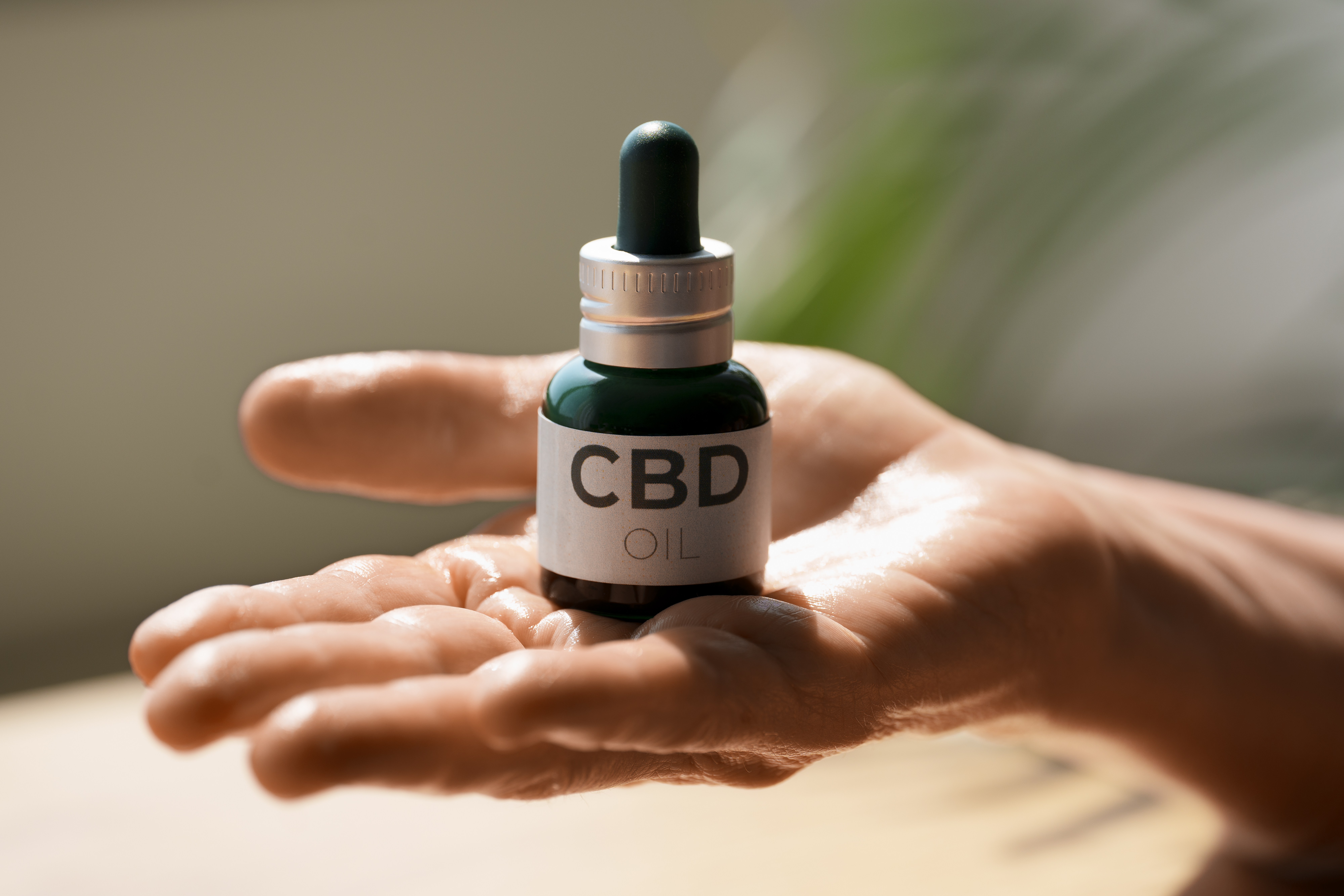


CBD has become a popular ingredient in many wellness products. People use CBD oils, gummies, capsules, and creams for different reasons. Some are interested in its possible effects on stress and sleep, while others want to learn more about its use in general wellness. As CBD products become more common, consumers have more choices than ever. However, not all CBD products contain the same ingredients, strengths, or quality standards. This makes it important to research a brand before choosing a product.
Royal CBD is a brand that offers hemp-derived cannabidiol products in several forms. Its product range includes CBD oils, gummies, capsules, and topical products. These options allow consumers to explore different ways of using CBD based on their needs and preferences. Each product has its own ingredients, CBD concentration, and method of use. Understanding these differences can help consumers make informed choices.
Cannabidiol, commonly known as CBD, is a natural compound found in the cannabis plant. It belongs to a group of compounds called cannabinoids. Hemp plants contain CBD along with other cannabinoids, terpenes, and plant compounds. CBD is different from tetrahydrocannabinol, or THC, which is the main compound responsible for the intoxicating effects of cannabis. CBD does not normally produce the same intoxicating high associated with THC. However, some hemp-derived CBD products may contain small amounts of THC, depending on how they are made.
CBD interacts with several systems in the body, including parts of the endocannabinoid system. This system helps regulate functions such as mood, appetite, sleep, and responses to discomfort. Researchers continue to study how CBD affects these processes. Although early studies suggest that CBD may have certain medical uses, evidence remains limited for many conditions. It is also important to understand that results from studies on prescription CBD medicines do not always apply to CBD products sold for general wellness.
Royal CBD offers different product formats to meet various consumer preferences. CBD oils are liquid products that are usually measured with a dropper. They allow users to measure different amounts of CBD based on the concentration of the oil. CBD gummies provide a fixed amount of CBD in each piece, making the serving size easier to identify. Capsules also contain measured amounts of CBD and can be taken like other oral supplements. Topical products, such as creams and balms, are applied directly to the skin rather than swallowed.
Each product format works differently in the body. When CBD is swallowed, it passes through the digestive system before entering the bloodstream. This process can affect how quickly CBD is absorbed and how much reaches circulation. CBD oils may also be held under the tongue before swallowing, although absorption can vary. Topical CBD products are designed for use on the skin, and their absorption depends on the formula. These differences are important because two products containing the same amount of CBD may not produce the same level of exposure.
Potency is another important factor when comparing Royal CBD products. CBD potency refers to the amount or concentration of cannabidiol in a product. Labels may show the total milligrams of CBD in a bottle or package. They may also list the amount of CBD in each serving. For example, a bottle containing 1,000 milligrams of CBD does not provide 1,000 milligrams in every serving. The amount in each serving depends on the bottle size and how much oil is measured. Learning to read these labels can prevent confusion when comparing products.
Ingredient quality also plays an important role in evaluating CBD products. Hemp plants can absorb substances from the soil where they grow. These may include useful minerals, but they can also include unwanted substances such as heavy metals. Agricultural practices, extraction methods, and manufacturing conditions can affect the quality of the finished product. Consumers should understand where a company sources its hemp and how its products are processed.
Independent laboratory testing provides another way to assess CBD quality. A laboratory can measure the amounts of CBD, THC, and other cannabinoids in a product. Testing may also screen for contaminants such as pesticides, heavy metals, residual solvents, and harmful microbes. The results are often presented in a Certificate of Analysis, or COA. A COA helps consumers compare the actual cannabinoid content with the information printed on the product label.
Royal CBD describes its products as being subject to third-party testing. However, consumers should check whether current laboratory reports are available for the specific products they plan to purchase. A useful report should identify the laboratory, testing date, product batch, and results. Checking this information is more reliable than depending only on marketing claims about purity or quality.
Safety is just as important as potency and product quality. CBD may cause side effects such as drowsiness, digestive problems, and changes in appetite. It can also interact with certain medicines by affecting how the body processes them. Products containing THC may create added concerns for people who undergo drug testing. People who are pregnant, breastfeeding, taking medication, or managing a medical condition should seek advice from a qualified healthcare professional before using CBD.
Price is another factor that consumers may consider. CBD products can differ in cost based on the amount of CBD, product type, ingredients, and manufacturing process. A higher price does not always mean that a product is stronger or better tested. Comparing the cost per milligram of CBD, along with the ingredient list and laboratory results, provides a clearer way to evaluate value.
This guide explains what Royal CBD offers and how its products differ. It covers the brand’s product categories, CBD potency, ingredients, hemp sourcing, and quality-testing practices. It also examines the differences between full-spectrum and broad-spectrum CBD, including their possible THC content. Readers will learn about the current scientific evidence behind CBD, potential safety concerns, and important factors to consider before purchasing.
In summary, understanding Royal CBD requires more than looking at product names or advertised benefits. CBD concentration, ingredient quality, laboratory testing, product format, and safety all deserve attention. By learning how these factors work together, consumers can better assess Royal CBD products and make purchasing decisions based on clear information and available scientific evidence.
What Is Royal CBD, and What Makes the Brand Different?
Royal CBD is a company that sells hemp-derived cannabidiol (CBD) products. Its product range includes CBD oils, gummies, capsules, and topical formulas. The brand focuses on hemp sourcing, extraction methods, and laboratory testing as important parts of product quality. These factors help explain how CBD products are made and what consumers should look for when comparing brands.
CBD is a natural compound found in the Cannabis sativa plant. Unlike tetrahydrocannabinol (THC), CBD does not normally cause the intoxicating high linked to marijuana. However, CBD can still affect the body and may cause side effects or interact with certain medications.
Royal CBD markets its products as hemp-based wellness supplements. The company states that it uses carefully selected hemp, controlled manufacturing methods, and independent testing. Understanding these practices can help consumers assess the brand’s claims and determine whether its products meet their expectations.
Understanding Royal CBD as a Brand
Royal CBD operates in the growing market for hemp-derived CBD products. The company offers several ways to use CBD, allowing consumers to choose between liquid oils, edible products, capsules, and creams. Each format has different ingredients, serving sizes, and methods of use.
The brand places strong attention on the quality of its starting materials. According to its website, Royal CBD uses hemp grown through organic farming methods and processes the plants using carbon dioxide extraction. The company also states that its finished products undergo independent laboratory testing to measure cannabinoid content and screen for unwanted substances.
One feature of Royal CBD is its use of full-spectrum hemp extracts in several products. Full-spectrum CBD contains cannabidiol along with other natural plant compounds. These may include minor cannabinoids, terpenes, and small amounts of THC. Some Royal CBD products also use broad-spectrum extracts, which undergo additional processing to remove THC.
The company presents product testing as another part of its quality-control process. Laboratory reports can help confirm whether a product contains the amount of CBD listed on its label. They can also provide information about other cannabinoids and possible contaminants.
However, these features are not unique to Royal CBD. Other CBD manufacturers may use similar farming, extraction, and testing practices. The best way to compare brands is to examine their product labels, laboratory reports, and manufacturing information rather than relying only on advertising.
Where Does Royal CBD Source Its Hemp?
The source of hemp is an important factor in CBD production. Hemp plants absorb water and nutrients from the soil as they grow. They can also take up unwanted substances, including certain heavy metals, when these are present in the growing environment.
Royal CBD states that it uses hemp grown in the United States. Its current homepage identifies California farms as a source, while its FAQ page mentions Colorado. Because these descriptions differ, consumers should confirm the origin of a specific product or batch with the company.
The company describes its hemp as organically grown and produced through sustainable farming methods. These methods may include careful soil management, controlled fertilizer use, and efforts to reduce harmful agricultural chemicals. However, claims about organic farming should not be confused with verified organic certification. Certification requires specific standards and supporting records.
Growing conditions can affect the chemical composition of hemp. Soil quality, water supply, temperature, and plant genetics all influence how hemp develops. Different plant varieties may also produce different amounts of CBD, THC, and aromatic compounds known as terpenes.
Royal CBD states that its farmers select hemp plants for their cannabinoid and terpene content. These natural compounds are later collected during extraction and may remain in the finished product.
Traceability is another important part of hemp sourcing. Traceability means knowing where the hemp came from and following it through production. It may include records of farming locations, harvest dates, processing batches, and laboratory results.
When a CBD company keeps accurate records, it becomes easier to investigate quality concerns. If a batch fails a safety test, manufacturers can identify the affected materials and prevent them from reaching consumers.
For this reason, hemp quality depends on more than where a plant was grown. Reliable farming records, contaminant testing, and consistent production standards are also important.
How Does Royal CBD Manufacture Its Products?
Royal CBD states that it uses supercritical carbon dioxide (CO2) extraction to obtain CBD and other compounds from hemp plants. This process separates selected plant compounds from unwanted plant material.
Before extraction, harvested hemp is prepared for processing. The plant material may be dried and broken into smaller pieces. This preparation helps the extraction equipment work more consistently.
During supercritical CO2 extraction, carbon dioxide is placed under controlled temperature and pressure. Under these conditions, it enters a state called a supercritical fluid. This means it has some properties of both a liquid and a gas.
The supercritical CO2 passes through the hemp material and dissolves selected compounds. These may include CBD, other cannabinoids, and some terpenes. The mixture is then moved into another part of the equipment, where changes in pressure allow the extracted compounds to separate from the carbon dioxide.
One advantage of this method is that it does not require conventional liquid solvents such as butane or ethanol during the main extraction step. It also allows manufacturers to control processing conditions. However, CO2 extraction does not automatically guarantee that a finished product is pure or free from contaminants.
After extraction, the hemp concentrate may undergo further processing. This can include filtering out unwanted plant compounds or adjusting the cannabinoid profile. Some products also require additional steps to reduce or remove THC.
Royal CBD combines certain extracts with carrier oils, such as medium-chain triglyceride (MCT) oil. Carrier oils help dilute concentrated hemp extracts and allow CBD to be measured in practical serving amounts. Other products require different manufacturing steps. Gummies are formed using edible ingredients, while capsules contain measured amounts of formulated CBD oil.
The company states that it tests batches during production and uses independent laboratories to examine finished products. Its published quality-control information includes testing for CBD potency, other cannabinoids, pesticides, heavy metals, and residual solvents.
These tests help manufacturers identify problems that cannot be detected through appearance or smell alone. A product may look normal while containing less CBD than advertised or unwanted chemical residues.
Independent laboratory testing is therefore an important part of evaluating product quality. Consumers should look for a current Certificate of Analysis that matches the product batch. This document provides more useful evidence than broad statements about purity or manufacturing standards.
Royal CBD is a hemp-derived CBD brand that offers oils, gummies, capsules, and topical products. The company emphasizes hemp sourcing, organic farming methods, supercritical CO2 extraction, and independent laboratory testing.
These practices form the foundation of its stated approach to product quality. Hemp sourcing can influence the chemical makeup of extracts, while controlled extraction helps separate cannabinoids from plant material. Further processing and testing help manufacturers check the consistency of finished products.
What Products Does Royal CBD Offer?
Royal CBD offers several hemp-derived products made for different needs and preferences. Its main product categories include CBD oils, gummies, capsules, and topical creams. The brand also sells special formulas that combine CBD with other compounds from the hemp plant. Each product has its own ingredients, strength, and method of use.
CBD, or cannabidiol, is a natural compound found in cannabis plants. Unlike THC, CBD does not cause the same intoxicating high. However, full-spectrum CBD products may contain THC, so their effects can differ from those of CBD alone.
Understanding the Royal CBD product range helps consumers compare available options. Some products allow users to measure liquid servings, while others provide a fixed amount of CBD in each gummy or capsule. Topical products are different because they are applied directly to the skin.
Royal CBD Oils and Tinctures
Royal CBD oils are liquid products containing hemp extract mixed with a carrier oil. These products come in bottles with droppers that allow users to measure the amount of liquid they take. The brand currently lists full-spectrum CBD oils in 1,000 mg and 2,500 mg concentrations.
Full-spectrum CBD contains cannabidiol along with other natural hemp compounds. These may include minor cannabinoids, terpenes, and small amounts of THC. The exact amount of each compound depends on the product’s formula and laboratory results.
The numbers on CBD oil bottles describe the total CBD content. For example, a bottle labeled 1,000 mg contains that amount of CBD throughout the entire bottle. It does not mean that every drop contains 1,000 mg.
Royal CBD oils use a dropper system that makes it possible to measure different liquid amounts. This offers more flexibility than a product with a fixed serving size. However, consumers must understand the label to measure their servings correctly.
Carrier oils are also important ingredients in CBD tinctures. They help distribute the hemp extract throughout the liquid. The type of carrier oil may affect the product’s taste and texture.
CBD oils differ from gummies and capsules because they do not always need to pass through the digestive system before some absorption occurs. When held under the tongue, part of the CBD may enter the bloodstream through tissues in the mouth. The amount absorbed this way can vary.
Royal CBD Gummies
Royal CBD gummies are edible products that contain measured amounts of cannabidiol. They are made by adding hemp extract to a gummy base containing sweeteners, flavorings, and other ingredients.
The brand offers both full-spectrum and broad-spectrum CBD gummies. Its standard products list 25 mg of CBD per gummy. This fixed amount makes it easier to compare the CBD content of different servings.
Full-spectrum gummies contain CBD along with other hemp compounds, including THC. Royal CBD’s current full-spectrum gummy label lists 25 mg of CBD and 2 mg of THC per piece. This THC amount is important because it may produce noticeable effects, especially in people with little THC experience.
Broad-spectrum gummies contain CBD and other hemp compounds but are processed to remove THC. Royal CBD markets this option as THC-free. However, consumers concerned about THC exposure should still review independent laboratory reports because processing and labeling do not guarantee that every batch has absolutely no THC.
Gummies are also different from oils because they pass through the digestive system. CBD must move through the stomach and intestines before reaching the bloodstream. As a result, its effects may take longer to appear than those of some other formats.
The gummy base may contain sugar, fruit flavors, acids, and coloring ingredients. Consumers should check the label for ingredients that may affect dietary needs or cause sensitivities.
Another important factor is serving consistency. Each gummy is designed to contain a specific amount of CBD. However, actual cannabinoid content should be confirmed through product testing rather than relying only on the package.
Royal CBD Capsules and Softgels
Royal CBD capsules provide another way to consume cannabidiol without using a dropper or eating gummies. The brand currently offers full-spectrum CBD softgels containing 25 mg of CBD per capsule. These softgels contain hemp extract and MCT oil.
Softgels are small capsules filled with liquid ingredients. Their outer shell holds the contents together until the capsule breaks down in the digestive system.
One advantage of capsules is that each unit contains a measured amount of CBD. Consumers do not need to measure liquid or calculate the CBD content of individual drops.
Capsules also have little or no noticeable hemp flavor when swallowed whole. This makes them different from tinctures, which may have a natural plant taste.
Like gummies, CBD capsules must pass through the digestive tract. The CBD is then absorbed and processed by the body. Food intake, digestion, and individual metabolism can affect how much CBD enters the bloodstream.
Although capsules offer a fixed amount of CBD, that does not mean every person will experience the same effects. Body chemistry, medications, and other factors can influence the body’s response.
Royal CBD capsules also contain additional hemp compounds because they use full-spectrum extract. Their exact cannabinoid profile should be checked through the product’s Certificate of Analysis, or COA.
Royal CBD Topicals
Royal CBD also offers topical products designed for use on the skin. Unlike oils, gummies, and capsules, these products are not meant to be swallowed.
The brand currently lists a CBD cream called Cool Relief Balm. Its product information describes a formula containing 500 mg of broad-spectrum CBD. The brand also lists an Icy Menthol roll-on gel, although it was marked out of stock when checked.
Topical CBD products are applied to selected areas of the body. The CBD is mixed with ingredients that help create a cream, balm, or gel suitable for spreading across the skin.
Some topical products also contain ingredients that create warming or cooling sensations. Menthol, for example, produces a cooling feeling when applied to the skin. This effect comes from menthol itself and should not be confused with a proven medical effect of CBD.
The skin acts as a protective barrier. Because of this, CBD in ordinary topical products does not enter the bloodstream in the same way as CBD taken by mouth. The amount that moves into deeper tissues depends on the formula and other factors.
Topical CBD research is still developing. While some studies have explored CBD for skin and discomfort-related conditions, evidence about the effectiveness of commercial CBD creams remains limited.
Consumers should also check topical ingredient lists carefully. Fragrances, plant extracts, and cooling agents may irritate sensitive skin. Products should be used according to their labels and kept away from the eyes and damaged skin unless specifically approved for those areas.
Specialized Royal CBD Formulations
In addition to its standard products, Royal CBD offers formulas that combine cannabidiol with other cannabinoids or supporting ingredients. These products are designed around specific marketing categories, such as sleep or physical comfort.
One example is Royal CBD Relief+ Gummies. According to the product information, each gummy contains 25 mg of CBD, 5 mg of cannabichromene (CBC), and 50 mg of L-theanine.
CBC is another cannabinoid found in hemp. Researchers have studied its biological activity, but evidence about its effects in humans remains limited. L-theanine is an amino acid often found in tea and used in dietary supplements.
Royal CBD also lists Sleep+ Gummies containing CBD, cannabinol (CBN), and melatonin. CBN is a cannabinoid that has attracted interest for its possible effects on sleep. However, research has not yet established that CBN is an effective sleep treatment.
Melatonin is a hormone involved in the body’s sleep-wake cycle. It differs from cannabinoids because the body naturally produces it to help regulate sleep timing. Combining melatonin with CBD does not guarantee better sleep, and the ingredients may cause unwanted effects in some people.
These blended products highlight an important point about CBD formulas. A product containing several active ingredients cannot be evaluated based on CBD content alone. Each added compound may have its own effects, side effects, and possible medication interactions.
Royal CBD also lists specialty capsule formulas containing other cannabinoids, although some were unavailable when checked. Product availability may change, so consumers should review current listings before comparing options.
Royal CBD offers several types of hemp-derived products, including full-spectrum oils, broad-spectrum and full-spectrum gummies, softgel capsules, and topical creams. Its specialty formulas also combine CBD with compounds such as CBC, CBN, L-theanine, and melatonin.
The main differences between these products involve their ingredients, CBD content, and methods of use. Oils allow users to measure liquid servings, while gummies and capsules provide fixed amounts of CBD. Topicals are applied to the skin and have different absorption characteristics.
Full-spectrum products may contain THC, while broad-spectrum products are made to reduce or remove it. Consumers should check product labels and current laboratory reports to understand the actual cannabinoid content.
How Strong Is Royal CBD? Understanding Potency and Concentration
Royal CBD offers hemp-derived products with different amounts of cannabidiol (CBD). The strength of each product depends on its CBD concentration, serving size, and total cannabinoid content. Understanding these details can help consumers compare products and read labels correctly.
CBD potency is one of the main factors people consider when looking at Royal CBD products. However, a larger CBD amount does not always mean a product will work better. The way CBD enters the body, the product formula, and individual differences can affect how someone responds.
Royal CBD offers CBD oils with different concentrations, along with gummies and capsules that contain measured amounts of CBD. Each format has its own features that affect how the product is used.
What Does CBD Potency Mean?
CBD potency refers to the amount of cannabidiol found in a product or serving. It is usually measured in milligrams (mg). A higher number of milligrams means that the product contains more CBD, but it does not always mean that each serving has a higher concentration.
For example, a bottle labeled 1,000 mg CBD contains that amount across the entire bottle. It does not mean that every drop or serving contains 1,000 mg.
To understand CBD potency, consumers need to look at three measurements: total CBD content, CBD concentration, and CBD per serving.
Total CBD content describes how much cannabidiol is present in the entire package. CBD concentration shows how much CBD is found in a certain amount of liquid, often one milliliter. CBD per serving tells consumers how much CBD they receive from a measured amount of the product.
These measurements are especially important when comparing CBD oils with gummies or capsules.
A 25 mg CBD gummy contains a fixed amount of cannabidiol. In contrast, CBD oil allows users to measure different amounts based on the liquid’s concentration.
CBD potency should also be checked against an independent laboratory report. A Certificate of Analysis (COA) can show whether the tested CBD content matches the amount stated on the product label.
Royal CBD Oil Potency Levels
Royal CBD lists two main full-spectrum CBD oil strengths: 1,000 mg and 2,500 mg. Both products contain hemp extract, but their CBD concentrations differ.
The 1,000 mg Royal CBD oil comes in a 30-milliliter bottle. When divided by the bottle volume, the concentration is about 33.3 mg of CBD per milliliter.
This means that a full 1 mL measurement contains about 33 mg of CBD. Half a milliliter contains about 16.7 mg, assuming the CBD is evenly mixed throughout the oil.
The 2,500 mg Royal CBD oil also comes in a 30-milliliter bottle. Its concentration is about 83.3 mg of CBD per milliliter. This makes it more concentrated than the 1,000 mg version.
A simple way to calculate CBD concentration is to divide the total CBD content by the bottle’s volume.
For example:
1,000 mg ÷ 30 mL = approximately 33.3 mg/mL.
2,500 mg ÷ 30 mL = approximately 83.3 mg/mL.
These calculations show that the 2,500 mg product delivers more CBD in the same amount of liquid.
However, CBD concentration should not be confused with the recommended amount to consume. The numbers only describe the product’s strength. They do not establish a safe or effective dose for any health condition.
The full-spectrum formulas may also contain other cannabinoids, including THC. The amounts of these compounds should be checked in the product’s current laboratory report.
Comparing Gummies, Capsules, and Oil Potency
Royal CBD gummies and capsules provide another way to measure CBD content. Unlike oils, which require liquid measurements, these products contain fixed amounts of CBD in each piece.
Royal CBD offers broad-spectrum gummies with 25 mg of CBD per gummy. A bottle containing 30 gummies provides a total of 750 mg of CBD.
Its full-spectrum gummies also contain 25 mg of CBD per gummy. However, the current full-spectrum formula lists an additional 2 mg of THC per gummy. This is an important difference because THC can produce intoxicating effects and may affect drug-test results.
Royal CBD softgel capsules contain 25 mg of CBD per capsule. A package of 30 capsules therefore provides 750 mg of CBD.
Capsules can make serving measurements simpler because each capsule contains a stated amount of CBD. Consumers do not need to measure liquid before use.
Even when gummies and capsules contain the same CBD amount, they may not produce identical effects. Both pass through the digestive system, where absorption can vary.
CBD oil may be swallowed directly or held under the tongue before swallowing. The way it is used may influence how quickly CBD enters the bloodstream.
Food intake, digestion, and individual body chemistry can also affect CBD absorption. As a result, two products with identical CBD amounts may lead to different levels of CBD in the body.
This is why milligrams alone do not provide a complete picture of product strength.
Does Higher CBD Potency Mean Better Results?
A higher CBD potency means that more cannabidiol is present in a given amount of the product. However, this does not automatically mean that the product will provide better results.
Research on CBD shows that its effects depend on several factors. These include the amount consumed, the product formulation, the person’s health, and the reason CBD is being studied.
For example, a more concentrated CBD oil delivers more CBD per milliliter. This may reduce the amount of liquid needed to obtain a particular quantity of CBD, but it does not prove that the oil is more effective.
The relationship between CBD amount and its effects is not always simple. Certain research findings suggest that increasing the amount of CBD may not lead to a matching increase in the desired effect.
Higher CBD exposure may also increase the chance of unwanted effects. These can include tiredness, digestive problems, and changes in appetite. CBD can also interact with some medications and may affect liver function.
Another factor is the type of CBD extract used. Full-spectrum products contain additional plant compounds, while broad-spectrum products are processed to remove or reduce THC. These differences may affect the product’s chemical profile, but they do not guarantee better outcomes.
CBD product quality also matters. A product with a high advertised concentration is not necessarily reliable if its label is inaccurate or its laboratory results are missing.
For this reason, consumers should consider verified CBD content, ingredients, THC levels, and independent testing rather than choosing products based only on the largest potency number.
Royal CBD potency varies across its product range. Its full-spectrum CBD oils are listed in 1,000 mg and 2,500 mg strengths, while several gummies and capsules contain 25 mg of CBD per piece.
Understanding the difference between total CBD content and CBD per serving is important when comparing these products. A bottle with more total CBD does not always provide more CBD in a single serving.
The product format also affects how CBD is absorbed. Oils allow flexible measurements, while gummies and capsules provide fixed amounts. However, equal CBD amounts do not always produce equal effects.
Higher potency should not be viewed as proof of better quality or greater effectiveness. Product testing, accurate labels, cannabinoid content, and safety information are equally important.
What Ingredients Are Used in Royal CBD Products?
The ingredients in a CBD product affect its quality, taste, texture, and overall use. While cannabidiol (CBD) is the main compound in Royal CBD products, it is not always the only ingredient. Different formulas contain carrier oils, natural plant compounds, flavorings, and other ingredients that help create the finished product.
Royal CBD offers several types of hemp-derived CBD products, including oils, gummies, capsules, and topicals. Each product has a different formula based on how it is made and used. For example, CBD oils contain hemp extract mixed with a carrier oil, while gummies need sweeteners and other ingredients to maintain their shape and flavor.
Understanding these ingredients helps consumers compare products, identify possible allergens, and check whether a formula meets their needs.
Hemp-Derived CBD Extract
The main ingredient in Royal CBD products is cannabidiol extracted from hemp plants. Hemp is a variety of Cannabis sativa that contains CBD and other natural compounds called cannabinoids.
CBD is different from tetrahydrocannabinol (THC), the compound mainly responsible for the intoxicating effects of cannabis. CBD does not produce the same type of high as THC. However, some hemp extracts contain small amounts of THC, depending on how they are processed.
Royal CBD uses hemp-derived extracts in several of its products. According to the company, its hemp comes from farms in Colorado that follow environmentally responsible growing practices. The company also reports using carbon dioxide (CO2) extraction to separate useful compounds from plant material.
CO2 extraction uses controlled pressure and temperature to remove cannabinoids and other plant compounds. This method does not require the same chemical solvents used in some other extraction methods. However, the extraction process alone does not prove that a finished product is free from contaminants.
The type of CBD extract also affects the final ingredient profile. Full-spectrum hemp extract contains CBD alongside other natural cannabinoids, terpenes, and small amounts of THC. Broad-spectrum extract contains several hemp compounds but is processed to remove THC to levels targeted by the manufacturer.
Royal CBD uses different extracts depending on the product. These differences matter because two products with the same CBD content may have different cannabinoid profiles.
Carrier Oils and Supporting Ingredients
CBD is fat-soluble, meaning it dissolves better in fats and oils than in water. For this reason, liquid CBD products often contain a carrier oil that helps distribute the hemp extract throughout the formula.
Royal CBD uses medium-chain triglyceride (MCT) oil in its CBD tinctures. MCT oil is often made from coconut oil and contains fats with medium-length carbon chains.
The carrier oil serves several purposes. It dilutes concentrated hemp extract, makes the liquid easier to measure, and helps keep CBD mixed throughout the product. This allows consumers to measure a serving using the dropper provided with the bottle.
Royal CBD lists hemp oil extract, MCT oil, natural flavors, and terpenes as ingredients in some of its full-spectrum CBD oils.
Terpenes are natural compounds found in many plants. They contribute to the smell and flavor of hemp and other plant materials. Some terpenes are also being studied for their possible biological effects, although research is still limited.
Natural flavorings may be added to reduce the earthy or bitter taste of hemp extract. The exact flavor ingredients can differ between product varieties.
Carrier oils can also affect the texture and taste of CBD products. MCT oil is generally light and has a mild flavor, making it suitable for liquid formulations.
Consumers with coconut allergies or other ingredient sensitivities should review the full ingredient list before using a product.
Ingredients in Royal CBD Gummies and Topicals
Royal CBD gummies contain more ingredients than its basic CBD oils because gummies need a stable texture, flavor, and shape.
The company’s full-spectrum 25 mg CBD gummies list hemp extract, cane sugar, tapioca syrup, water, pectin, natural flavors, citric acid, malic acid, sodium citrate, coconut oil, sunflower oil, and artificial colors.
Each ingredient has a role in the finished product. Cane sugar and tapioca syrup provide sweetness, while pectin helps the gummies maintain their soft, chewy structure. Citric and malic acids add a sour taste and help control acidity.
Some Royal CBD gummy formulas use different sweeteners, colors, or added compounds. For example, its Sleep+ gummies include CBN, melatonin, L-theanine, and botanical ingredients. These are different from the ingredients found in standard CBD gummies.
Royal CBD also offers topical formulations designed for direct application to the skin. These products contain CBD along with ingredients that support the texture and intended use of the formula.
For example, the company’s CBD roll-on gel lists menthol, aloe vera, glycerin, and several botanical extracts. Menthol creates a cooling feeling on the skin, while aloe vera and glycerin are commonly used in skin-care products.
Other ingredients help the gel spread across the skin or maintain its texture. These supporting ingredients are important because CBD alone does not provide the structure needed for a cream or gel.
People with sensitive skin should review topical ingredient lists carefully. Menthol, fragrances, botanical extracts, and certain preservatives may cause irritation in some users. Testing a small area of skin first can help identify possible reactions.
Understanding Natural and Organic Ingredient Claims
Royal CBD promotes the use of organic hemp and carefully selected ingredients. However, terms such as natural and organic have different meanings, and consumers should understand what each claim represents.
A natural ingredient generally comes from a plant, animal, or mineral source. However, the word natural does not automatically mean that an ingredient is safer, more effective, or free from processing.
Organic refers to agricultural production methods that follow specific standards. In the United States, certified organic agricultural products must meet requirements established by the United States Department of Agriculture (USDA).
An organic claim does not always mean that an entire CBD product has received organic certification. A product may contain organically grown hemp while also containing ingredients that are not certified organic.
Consumers should distinguish between claims such as “made with organic hemp” and “USDA Organic.” These statements do not always mean the same thing.
Royal CBD states that it sources organic hemp and uses laboratory testing as part of its quality-control process. However, consumers should review available certification documents and product information rather than relying only on marketing statements.
Ingredient transparency is another important part of evaluating CBD products. A clear product label should identify the CBD extract, carrier oils, additional ingredients, and cannabinoid content.
Independent laboratory reports can provide more information about CBD potency and possible contaminants. A Certificate of Analysis (COA) may show cannabinoid levels and testing results for pesticides, heavy metals, residual solvents, and certain microbes.
A laboratory report does not always confirm every ingredient listed on a product label. However, it can provide useful evidence about the measured cannabinoid content and the contaminants included in the tests.
Consumers should also check whether the laboratory report matches the product batch. This helps them determine whether the available results apply to the product they are considering.
Royal CBD products contain hemp-derived CBD extract along with supporting ingredients that vary by product type. CBD oils commonly use MCT oil to dilute the extract and make servings easier to measure. Gummies contain sweeteners, flavorings, and ingredients that create their chewy texture. Topical products may include menthol, aloe vera, and other skin-care ingredients.
The type of hemp extract also matters. Full-spectrum and broad-spectrum products contain different combinations of cannabinoids, which can affect THC exposure and the overall composition of the formula.
Although Royal CBD promotes organic hemp and quality-focused manufacturing, consumers should review actual ingredient labels, laboratory reports, and certification claims before making purchasing decisions.
Is Royal CBD Full Spectrum or Broad Spectrum?
Royal CBD offers both full-spectrum and broad-spectrum CBD products. These two types of hemp extracts contain cannabidiol (CBD), but they differ in their chemical makeup. The main difference is the presence of tetrahydrocannabinol (THC), the compound in cannabis that can cause intoxicating effects.
Full-spectrum CBD contains several natural compounds from the hemp plant, including small amounts of THC. Broad-spectrum CBD also contains various hemp compounds, but it goes through extra processing to remove THC.
Royal CBD uses these extracts in different product formulas. For example, the brand offers full-spectrum CBD oils and gummies, along with broad-spectrum gummies. Understanding these differences can help consumers read product labels, compare ingredients, and recognize possible safety concerns.
Understanding Full-Spectrum CBD
Full-spectrum CBD is a hemp extract that retains several naturally occurring compounds from the plant. These include CBD, other cannabinoids, terpenes, and flavonoids. Each compound has its own chemical properties and may interact with the body in different ways.
CBD is the main cannabinoid in most hemp-derived CBD products. Unlike THC, CBD does not produce the intoxicating high commonly linked to marijuana.
THC is another cannabinoid found in cannabis. Full-spectrum hemp products may contain small amounts of THC, although the exact amount depends on the product and its formulation.
Other minor cannabinoids may include cannabigerol (CBG), cannabichromene (CBC), and cannabinol (CBN). These compounds are being studied for their possible biological effects. However, research into their health benefits remains limited.
Full-spectrum products may also contain terpenes. These natural compounds contribute to the smell and flavor of hemp. Some terpenes are also found in fruits, herbs, and other plants.
Royal CBD uses full-spectrum hemp extract in several of its products, including its CBD oils and full-spectrum gummies. The goal of this formulation is to retain a broader range of hemp compounds rather than using purified CBD alone.
However, full-spectrum CBD does not always contain every compound found in the original hemp plant. Some substances may be lost or changed during extraction and processing.
The exact chemical profile can also vary between products. For this reason, laboratory testing is important when checking the cannabinoid content of a full-spectrum CBD formula.
Understanding Broad-Spectrum CBD
Broad-spectrum CBD is similar to full-spectrum CBD because it contains several natural compounds from hemp. However, manufacturers use additional processing methods to remove THC from the extract.
This process aims to preserve CBD and other useful plant compounds while reducing THC to levels that cannot be detected by the testing method used.
Broad-spectrum products may contain minor cannabinoids such as CBG and CBC. They may also retain some terpenes, depending on the extraction and refining methods.
Royal CBD offers broad-spectrum CBD gummies containing 25 mg of CBD per gummy. The company markets these gummies as THC-free and describes them as an option for consumers who prefer CBD without added THC.
One important difference between broad-spectrum CBD and CBD isolate is their chemical composition.
CBD isolate contains CBD in a highly purified form, with other hemp compounds largely removed. Broad-spectrum CBD retains more of the plant’s natural chemical profile.
Still, the term broad spectrum does not guarantee that a product contains no THC. Some products may have very small amounts that fall below the laboratory’s detection limit. Others may contain more THC than the label states because of errors in manufacturing or testing.
Consumers should check a recent Certificate of Analysis (COA) before relying on THC-free claims.
A COA is a laboratory report that shows the amounts of cannabinoids detected in a product. It may also include results for pesticides, heavy metals, and other possible contaminants.
Does Royal CBD Contain THC?
Some Royal CBD products contain THC, while others are made to have THC removed.
The brand’s full-spectrum CBD products can contain delta-9 THC. Its full-spectrum gummies, for example, are labeled as containing 25 mg of CBD and 2 mg of THC per gummy.
This distinction is important because THC concentration and total THC content are not the same measurement.
THC concentration refers to the percentage of THC in a product by weight. Total THC content refers to the actual amount of THC present, often measured in milligrams.
A hemp-derived product containing less than 0.3% delta-9 THC by dry weight may still deliver a meaningful amount of THC in a single serving.
For example, a gummy containing 2 mg of THC may affect some people, especially those who are sensitive to THC or have little experience with it.
Even a relatively small amount of THC can cause unwanted effects in certain individuals. These may include dizziness, changes in perception, slower reaction times, or impaired coordination.
THC content also matters for workplace drug testing. Many drug tests look for THC metabolites, which are substances produced when the body processes THC.
Regular use of full-spectrum CBD products may increase the chance of a positive drug test. The risk depends on the amount of THC consumed, how often the product is used, and the testing method.
Broad-spectrum CBD products generally present a lower risk when THC has been properly removed. However, no over-the-counter CBD product can guarantee a negative drug test result.
Consumers should also understand that hemp-derived products are subject to different laws depending on their location. A product’s hemp source does not automatically make it legal in every state or country.
What Is the Entourage Effect?
The entourage effect is a scientific concept that describes possible interactions between cannabinoids and other natural compounds in cannabis.
According to this theory, some hemp compounds may produce different effects when used together rather than separately.
For example, researchers have studied whether CBD can influence certain effects of THC. Scientists have also explored how minor cannabinoids and terpenes may interact with biological systems.
These possible interactions are one reason full-spectrum and broad-spectrum CBD products contain more than one hemp compound.
Royal CBD discusses the entourage effect when explaining its full-spectrum and broad-spectrum formulations. The company suggests that combining cannabinoids and terpenes may provide broader effects than isolated CBD.
However, the entourage effect remains an area of ongoing scientific study.
Some laboratory and animal studies suggest that certain cannabis compounds may interact. Human research has produced mixed findings, and there is not enough evidence to confirm that every full-spectrum product works better than CBD isolate.
The effects may also depend on the amounts and ratios of the compounds present.
A product containing several cannabinoids does not automatically provide stronger or more reliable results. Likewise, the presence of terpenes does not prove that a CBD formula has greater medical benefits.
More controlled human studies are needed to understand which combinations may be useful, how they interact, and whether those interactions have meaningful health effects.
The U.S. Food and Drug Administration (FDA) also warns that many nonprescription CBD products have not been evaluated for their claimed health benefits. Research findings for one CBD formulation should not be assumed to apply to other products.
Royal CBD offers both full-spectrum and broad-spectrum hemp-derived CBD products. Full-spectrum formulas contain CBD, other natural hemp compounds, and some THC. Broad-spectrum products retain several hemp compounds but undergo extra processing to remove THC.
These differences matter when comparing Royal CBD oils, gummies, and other formulations. Full-spectrum products may expose consumers to THC, even when the concentration is relatively low. Broad-spectrum products are intended to reduce this exposure, but laboratory testing is still needed to confirm their contents.
The entourage effect is often discussed as a possible advantage of formulas containing several cannabinoids. However, current research does not establish that full-spectrum or broad-spectrum CBD is always more effective than isolated CBD.
How Does Royal CBD Test Its Products for Quality and Purity?
Product testing is an important part of checking the quality of CBD products. Hemp plants contain natural compounds, but they can also absorb unwanted substances from their growing environment. The extraction and manufacturing processes may also affect the final product. Because of these factors, laboratory testing helps identify what a CBD product contains and whether it meets certain quality standards.
Royal CBD states that its products undergo third-party laboratory testing to check cannabinoid content, potency, and possible contaminants. The company also reports using batch-specific testing to assess the quality of its CBD oils, gummies, capsules, and other hemp-derived products.
Understanding these testing methods can help consumers evaluate Royal CBD products. It also makes it easier to compare information on product labels with laboratory results.
Third-Party Laboratory Testing
Third-party laboratory testing means that a company sends product samples to an outside laboratory for analysis. The laboratory operates separately from the brand and uses special equipment to measure the substances found in each sample.
Royal CBD states that it sends product batches to independent laboratories for testing. According to the company, these tests measure CBD levels, identify other cannabinoids, and check for unwanted substances such as pesticides, heavy metals, and residual solvents.
Independent testing matters because CBD products can vary in their chemical content. Two products with the same advertised CBD strength may not contain exactly the same amount. Differences in plant material, extraction, and manufacturing can affect the final concentration.
One purpose of laboratory testing is to check whether the actual CBD content matches the amount shown on the label. For example, a product labeled as containing 1,000 milligrams of CBD should have a tested CBD amount that falls within an acceptable range of that claim.
Laboratories can also measure tetrahydrocannabinol, commonly known as THC. THC is another cannabinoid found in cannabis plants. Measuring THC is important because hemp-derived products may contain small amounts of this compound.
Third-party testing does not automatically prove that a product is safe or effective. It provides information about the sample being tested. The value of the results depends on the laboratory methods, the tests performed, and whether the sample represents the product sold to consumers.
Understanding Certificates of Analysis
A Certificate of Analysis, or COA, is a document that shows the results of laboratory tests. It provides details about the compounds found in a sample and may include results from tests for harmful substances.
Royal CBD states that it provides laboratory reports for its products. The company has also described its use of batch-specific COAs, which connect test results to a particular group of manufactured products.
A typical CBD certificate contains several important details.
The first is the cannabinoid profile. This section shows the amount of CBD and other cannabinoids detected in the sample. These may include THC, cannabigerol (CBG), cannabinol (CBN), and cannabichromene (CBC).
Results may appear as percentages, milligrams per gram, or milligrams per milliliter. Understanding these units helps readers compare the tested CBD concentration with the amount listed on the product label.
For example, a 30-milliliter CBD oil bottle labeled as containing 900 milligrams of CBD would have an average concentration of 30 milligrams per milliliter. A laboratory report may use a different unit, so the figures must be converted before making a direct comparison.
Another important detail is the batch or lot number. This number identifies a group of products made during a specific production run. Matching this number with the product packaging helps confirm whether the report applies to the item being purchased.
A COA should also identify the testing laboratory and show the testing date. These details help consumers assess how current the results are and whether the laboratory can be identified.
Some reports also show detection limits. A result marked “not detected” means the laboratory did not detect the substance above its stated detection limit. It does not always mean that the substance is completely absent.
Testing for Potential Contaminants
CBD testing involves more than measuring cannabinoids. It can also include checking for substances that may enter hemp products during farming, processing, storage, or manufacturing.
Royal CBD states that its testing program includes screening for pesticides, heavy metals, solvents, and mycotoxins. Its product information also describes testing for microbial contaminants.
Pesticides are chemicals used to control insects, weeds, and other agricultural problems. Some pesticide residues may remain on harvested plants. Testing helps determine whether those residues are present and whether their levels fall within applicable safety limits.
Heavy metals are another concern. Hemp plants can absorb certain metals from soil and water as they grow. These may include lead, arsenic, cadmium, and mercury.
Exposure to high levels of some heavy metals can affect human health. Laboratory screening helps identify whether these substances are present in a CBD sample.
Residual solvents may also be checked. Some CBD extraction methods use chemical solvents to separate cannabinoids from plant material. Small amounts of these chemicals can remain if processing does not remove them properly.
Royal CBD reports using supercritical CO2 extraction, which does not rely on common hydrocarbon extraction solvents such as butane or hexane. However, laboratory testing still provides useful evidence about the final product’s purity.
Microbial testing checks for unwanted microorganisms, such as certain bacteria and molds. Mycotoxins are harmful substances that some molds can produce. These contaminants may develop when plant material is stored or handled under poor conditions.
Testing for these substances helps identify possible quality problems. However, not every COA includes every type of contaminant test. Consumers should review the complete report instead of assuming that all possible hazards have been checked.
How to Evaluate Royal CBD Lab Results
Consumers can use laboratory reports to assess whether Royal CBD products match their advertised specifications. Reading these reports may seem difficult at first, but several details can make the process easier.
The first step is to find the laboratory report for the specific product. Royal CBD states that it publishes third-party test results and provides batch-related testing information. Consumers can check the official product page, packaging, or contact the company to request the relevant COA.
Next, compare the product name and batch number with the information shown on the report. A COA for one CBD oil strength should not be used to judge a different formula. The same applies to gummies, capsules, and topical products.
The next step is to examine CBD potency. The amount shown in the laboratory results should be reasonably consistent with the amount printed on the label. Small differences may occur due to testing methods and manufacturing variation, but large differences deserve further review.
Consumers should also look at THC results. This is especially important when evaluating full-spectrum CBD products. Even when THC levels are low, the total amount consumed may matter for people who undergo drug testing.
The contaminant sections should be reviewed as well. These reports may show whether pesticides, heavy metals, solvents, or microbial contaminants were detected. When results include numerical values, those figures should be compared with the limits used by the laboratory or the relevant regulator.
The testing date is another factor. A recent, batch-matched report is more useful than an old report for a product with different manufacturing details.
If a laboratory report is missing, incomplete, or difficult to access, consumers can request more information from Royal CBD. The absence of an accessible report does not automatically prove that a product contains harmful substances. However, it limits the ability to check its stated quality.
It is also important to understand that a passing laboratory result does not prove that CBD will provide a certain health benefit. Laboratory testing measures chemical content and selected contaminants. It does not replace clinical research on safety and effectiveness.
Royal CBD describes third-party laboratory testing as a key part of its product quality process. According to the company, its testing covers cannabinoid potency, THC levels, and several types of contaminants.
Certificates of Analysis provide a way to examine these claims more closely. They can help consumers compare actual cannabinoid levels with product labels and identify whether specific contaminants were tested.
The most useful reports are current, complete, and linked to the correct product batch. They should identify the laboratory, show the testing methods or limits, and provide clear results.
What Are the Potential Benefits and Uses of Royal CBD?
Royal CBD offers hemp-derived cannabidiol (CBD) products designed for different wellness needs. These include oils, gummies, capsules, and topical creams. Many people explore CBD because of its possible effects on stress, sleep, and physical discomfort. However, scientific research is still examining how CBD works and whether it offers reliable benefits for these concerns.
CBD is one of the natural compounds found in hemp plants. Unlike tetrahydrocannabinol (THC), CBD does not usually produce the intoxicating high linked to cannabis use. Instead, researchers are studying how it interacts with systems that help regulate mood, sleep, pain, and other body functions.
It is important to understand that research on CBD does not always apply directly to Royal CBD products. Most clinical studies use specific CBD formulations and controlled doses. The results may differ from those of commercial products sold for general wellness.
Royal CBD and Everyday Wellness
Royal CBD products are marketed for people interested in adding hemp-derived CBD to their wellness routines. Some consumers explore CBD as part of their approach to relaxation, rest, or physical comfort.
The body has an endocannabinoid system, often called the ECS. This system helps regulate several functions, including sleep, mood, appetite, and pain signals. It uses natural compounds called endocannabinoids, which interact with receptors throughout the body.
CBD can affect some of the biological pathways linked to this system. However, its effects are complex. Researchers do not fully understand how these interactions may influence everyday health.
Product quality is another important factor. CBD oils, gummies, and capsules can contain different amounts of cannabidiol. They may also include other cannabinoids, carrier oils, and added ingredients. These differences can influence how the body processes a product.
Consumers should also understand that general wellness claims are different from proven medical benefits. A product marketed for relaxation has not necessarily been shown to treat anxiety or another health condition.
Royal CBD products should therefore be assessed based on their ingredients, verified potency, safety information, and the scientific evidence available.
CBD and Stress-Related Symptoms
Stress and anxiety are common reasons people become interested in CBD. Researchers have studied whether cannabidiol may influence brain pathways involved in fear, mood, and stress responses.
Some small clinical studies have found promising results. For example, research involving people with social anxiety has examined CBD’s effects during stressful activities, such as public speaking. Certain participants reported less anxiety after receiving CBD compared with a placebo.
A placebo is a substance that does not contain the active ingredient being tested. Researchers use it to determine whether a treatment produces measurable effects.
Although some findings are encouraging, the evidence remains limited. Studies have used different CBD doses, treatment periods, and methods. This makes it difficult to determine whether CBD can provide consistent relief from anxiety-related symptoms.
It is also unclear whether the results of these studies apply to commercial Royal CBD oils or gummies. The amounts of CBD used in clinical trials may differ from those found in retail products.
Stress can also have many causes, including poor sleep, work demands, health concerns, and emotional strain. CBD has not been proven to address these underlying factors.
People experiencing frequent or severe anxiety should seek professional guidance rather than relying on nonprescription CBD products as a treatment.
CBD and Sleep
CBD has also attracted attention for its possible relationship with sleep. Researchers are examining whether cannabidiol affects sleep quality, sleep duration, and the ability to fall asleep.
Some studies have explored CBD among adults experiencing sleep disturbances. However, the results have been mixed, and there is not enough strong evidence to conclude that CBD reliably treats insomnia.
The National Center for Complementary and Integrative Health reports that research on cannabinoid treatments for sleep disorders remains limited. Many studies have involved small groups or methods that make their findings difficult to interpret.
Royal CBD also offers specialized formulations that may contain other ingredients associated with sleep, such as CBN or melatonin.
CBN, or cannabinol, is another cannabinoid found in cannabis plants. Researchers are studying its possible effects, but evidence supporting CBN as a sleep aid remains limited.
Melatonin is a hormone that helps regulate the body’s sleep-wake cycle. Products containing both CBD and melatonin must be evaluated differently from products containing CBD alone. Any effects cannot automatically be credited to cannabidiol.
CBD may also cause drowsiness in some people. However, feeling sleepy after taking a substance does not necessarily mean it improves sleep quality or treats a sleep disorder.
Consumers should consider the entire ingredient list before choosing a sleep-focused CBD product, especially if they take medications that cause drowsiness.
CBD and Physical Discomfort
Another area of interest involves CBD and physical discomfort. Researchers have examined cannabinoids for their possible effects on pain signals, inflammation, and the nervous system.
Pain is a complex process involving nerves, tissues, and the brain. Some cannabinoids interact with pathways involved in pain processing. However, this does not mean every cannabinoid product provides meaningful pain relief.
Studies involving cannabis-based treatments have reported some benefits for certain types of chronic pain. Many of these products contain both THC and CBD. As a result, their findings cannot be attributed to CBD alone.
The National Center for Complementary and Integrative Health notes that some THC-containing cannabinoid formulations may reduce chronic pain over short periods. Evidence for other formulations, particularly CBD-only products, remains less certain.
Royal CBD offers oral products and topical formulations. These products reach the body through different routes.
Oral CBD products pass through the digestive system or are absorbed through tissues in the mouth, depending on how they are used. CBD that enters the bloodstream may affect several areas of the body.
Topical CBD creams are applied directly to the skin. Their ingredients mainly interact with the application area, although the amount of CBD that reaches deeper tissues remains uncertain.
Some topical products also contain menthol or other ingredients that create cooling sensations. These effects may come from the added ingredients rather than CBD itself.
More controlled human studies are needed to determine whether CBD-only creams provide meaningful relief from muscle soreness or joint discomfort.
Royal CBD products should not be described as proven treatments for arthritis, chronic pain, or other medical conditions without reliable product-specific clinical evidence.
Understanding the Limits of CBD Research
CBD research has expanded, but important questions remain unanswered. Scientists are still studying its long-term safety, effective doses, and possible benefits for different health conditions.
One major distinction involves prescription CBD and commercially available CBD products.
The U.S. Food and Drug Administration has approved a purified CBD prescription medication called Epidiolex for seizures associated with certain rare forms of epilepsy. This approval is based on clinical studies evaluating its safety and effectiveness for specific conditions.
However, that approval does not mean Royal CBD oils, gummies, or creams have the same medical benefits. These commercial products have different formulations, concentrations, and intended uses.
Clinical research must also account for several factors, including how much CBD participants receive, how often they take it, and how long treatment continues.
The method of use also matters. CBD oil taken by mouth may be absorbed differently from a capsule or a cream applied to the skin.
Safety remains another important concern. CBD can cause side effects such as diarrhea, reduced appetite, and drowsiness. It may also affect liver function and interact with certain medications.
In a controlled study reported by the FDA, some healthy adults developed elevated liver enzymes after taking CBD daily for four weeks. These findings show why potential health benefits must be considered alongside safety risks.
More research is needed to determine which uses of CBD are supported by strong evidence and which remain uncertain.
Royal CBD products are available in several forms for consumers interested in hemp-derived cannabidiol. Researchers have investigated CBD for its possible effects on anxiety, sleep, and physical discomfort, but evidence for many of these uses remains limited or mixed.
Although some clinical findings are promising, they do not establish that Royal CBD products provide the same results. Differences in formulation, potency, absorption, and individual health can influence how CBD affects the body.
Consumers should distinguish between general wellness marketing and scientifically proven medical benefits. Independent laboratory testing can help verify product contents, but it cannot establish whether a product is effective for a particular health condition.
Is Royal CBD Safe? Side Effects, Drug Interactions, and Precautions
Royal CBD offers hemp-derived CBD products in several forms, including oils, gummies, capsules, and topicals. Many people use CBD as part of their daily wellness routine. However, CBD is not free from health risks. Like other active compounds, it can affect how the body works and how certain medications are processed.
The safety of Royal CBD depends on several factors. These include the amount of CBD taken, the ingredients in the product, the person’s health, and whether they use other medications. The presence of THC and other cannabinoids may also affect how the body responds.
Understanding these risks is important before using any CBD product. Research has identified several possible side effects and safety concerns. However, scientists are still studying the long-term effects of regular CBD use.
Common Side Effects Associated With CBD
CBD is often described as well tolerated, but some people experience unwanted effects. These effects can happen even when a product contains hemp-derived CBD rather than high levels of THC.
One possible side effect is drowsiness. CBD may make some people feel sleepy or less alert. This effect can become stronger when CBD is combined with alcohol, sleep aids, or other substances that cause sedation. People should avoid driving or operating heavy equipment until they understand how CBD affects them.
Digestive problems are another concern. Some people experience diarrhea, nausea, or stomach discomfort after taking CBD. These symptoms may depend on the amount consumed, the product’s ingredients, and individual sensitivity. For example, carrier oils or added ingredients may also cause digestive problems in some users.
CBD may also affect appetite. Some people report eating less than usual, while others notice changes in their eating habits. Clinical studies have also identified fatigue and changes in body weight among certain CBD users.
The chance of side effects may increase with higher doses. However, this does not mean that lower amounts are completely risk-free. Each person may respond differently based on their metabolism, overall health, and exposure to other substances.
Anyone who develops persistent or severe symptoms after using a CBD product should stop taking it and seek medical advice.
CBD and Medication Interactions
One important safety concern involves the way CBD interacts with medications.
The liver contains enzymes that help break down many substances, including prescription drugs. CBD can affect the activity of some of these enzymes. As a result, certain medications may remain in the body longer or reach higher levels than expected.
This interaction can increase the risk of side effects or change how a medication works.
For example, CBD may interact with certain seizure medications, blood thinners, and drugs that cause drowsiness. Some interactions require medical monitoring or changes to prescribed treatment. The risk depends on the specific medication, CBD dose, and individual health factors.
CBD can also increase sedation when combined with substances that slow down the central nervous system. These may include certain sleep medications, anxiety treatments, and alcohol.
People who take prescription medications should speak with a healthcare professional before using Royal CBD or another CBD product. A doctor or pharmacist can review possible interactions and determine whether additional precautions are needed.
This advice also applies to people taking over-the-counter medications and herbal supplements. Natural products can still contain active compounds that interact with medications.
People should not stop or change prescribed treatments on their own to begin using CBD.
Can Royal CBD Cause a Positive Drug Test?
Some Royal CBD products contain full-spectrum hemp extract. Full-spectrum CBD may include small amounts of tetrahydrocannabinol (THC), the compound responsible for the intoxicating effects of cannabis.
Even when THC levels are low, repeated exposure can lead to THC metabolites being detected in the body. Many workplace drug tests look for these metabolites rather than CBD itself.
The chance of a positive result depends on several factors, including the amount of THC consumed, how often the product is used, and how the body processes THC.
Broad-spectrum CBD products are often made to remove THC. However, this does not guarantee that every product is completely free of THC. Small amounts may remain if the removal process is incomplete. Product contamination and inaccurate labeling can also affect the actual THC content.
People who undergo regular drug testing should understand these risks before using Royal CBD products. Reviewing a recent Certificate of Analysis (COA) can help identify the reported THC content. However, even laboratory testing cannot guarantee that a person will pass a drug test.
Who Should Be Especially Careful With CBD?
Certain groups face greater risks when using CBD products. These include pregnant or breastfeeding individuals, people with liver problems, and those taking medications for ongoing health conditions.
The U.S. Food and Drug Administration (FDA) advises against CBD use during pregnancy and breastfeeding. Researchers do not yet have enough evidence to confirm that CBD is safe for developing babies. Animal studies have also raised concerns about possible effects on reproductive development.
People with liver conditions should also be cautious. The liver plays an important role in breaking down CBD. Clinical research has shown that CBD can cause increases in liver enzymes, which may indicate liver injury. This risk is particularly important for people who already have liver disease or take medications that affect the liver.
Older adults may need additional precautions because they are more likely to take several medications. Taking multiple drugs increases the chance of interactions with CBD.
People with chronic health conditions should also seek medical advice before using CBD products. A healthcare professional can help assess possible risks based on their medical history.
Can CBD Be Used Every Day?
Some CBD products are marketed for daily use. However, there is still limited research on the long-term safety of nonprescription CBD products taken regularly.
Many clinical studies have examined CBD under controlled conditions. Researchers often use specific doses and carefully selected participants. These findings do not always reflect how consumers use commercial CBD oils, gummies, or capsules.
Daily use may increase total exposure to CBD and other cannabinoids. This is important because some side effects may become more noticeable with ongoing use.
Regular CBD consumption may also affect liver health or change how the body processes certain medications. These risks may not produce clear symptoms at first.
Another concern is the difference between advertised and actual CBD content. If a product contains more CBD than its label states, users may consume a higher amount than intended.
There is no single daily CBD dose proven safe for every adult across all nonprescription products. People considering regular use should discuss their health needs and medications with a qualified healthcare professional.
The FDA continues to study CBD safety, including its long-term effects and the risks of combining different CBD-containing products.
Royal CBD products contain active hemp compounds that can affect the body. Although CBD is often well tolerated, it may cause drowsiness, digestive problems, appetite changes, and other side effects. It can also interact with medications and may affect liver health.
Full-spectrum Royal CBD products may contain THC, which can create concerns for people who undergo drug testing. Pregnant or breastfeeding individuals and people with certain medical conditions face additional risks.
Product quality is another important part of CBD safety. Clear ingredient labels, accurate potency information, and independent laboratory reports can help consumers understand what a product contains. However, these measures do not eliminate the health risks associated with CBD.
How Do You Choose the Right Royal CBD Product and Potency?
Choosing the right Royal CBD product involves more than checking the amount of CBD listed on the package. Each product has a different formula, method of use, and concentration. These differences can affect how CBD enters the body, how much a person receives, and how easy it is to measure each serving.
Royal CBD offers several types of hemp-derived products, including oils, gummies, capsules, and topicals. Some products contain full-spectrum hemp extract, while others use broad-spectrum formulas. Each type has its own features, so it is important to understand how they compare before making a choice.
CBD potency is another factor to consider. A product with more CBD is not always more suitable for every person. The amount of CBD per serving, the presence of other cannabinoids, and possible health risks all deserve attention.
Comparing Different Product Formats
Royal CBD products come in different forms to meet various consumer preferences. The main differences involve how each product is used, how CBD enters the body, and how the amount is measured.
CBD oil is a liquid product that usually comes in a bottle with a dropper. The dropper allows users to measure different amounts based on the product’s concentration. CBD oil can be placed under the tongue or swallowed. Some CBD may be absorbed through tissues in the mouth, while the amount swallowed passes through the digestive system.
Royal CBD gummies offer a different method of use. Each gummy contains a measured amount of CBD, which makes it easier to know how much is in one piece. However, gummies must pass through the digestive system before CBD reaches the bloodstream. Food intake and digestive processes can affect how much CBD is absorbed.
CBD capsules work in a similar way to gummies. They contain a fixed amount of CBD and are swallowed with water. Capsules do not require measuring liquid, and they have no hemp flavor while being swallowed. However, their effects may take longer to appear than those of products absorbed partly through the mouth.
Topical CBD products, such as creams and balms, are applied directly to the skin. They are different from oral products because they are intended for local application rather than general CBD delivery through the bloodstream. Research on how much CBD enters deeper skin tissues remains limited.
These differences matter when comparing product formats. A 25 mg CBD gummy should not be assumed to act exactly like 25 mg of CBD oil or a cream containing the same amount. The method of use can change how the body absorbs and processes CBD.
Understanding Serving Sizes
CBD labels usually show the total amount of CBD in a container. However, this number does not always represent the amount found in one serving.
For example, a bottle containing 1,000 mg of CBD in 30 mL of oil has about 33.3 mg of CBD per milliliter. If the product contains 2,500 mg of CBD in the same bottle size, each milliliter contains about 83.3 mg.
These measurements help explain why two bottles of the same size can have very different strengths.
The same principle applies to gummies and capsules. A container holding 30 gummies with 25 mg of CBD each contains 750 mg of CBD in total. However, each individual gummy still provides 25 mg.
Consumers should read both the total CBD content and the amount per serving. The label should also identify the serving measurement, such as one gummy, one capsule, or a specified volume of oil.
For liquid products, the dropper measurement is especially important. A full dropper does not always contain the same amount of liquid across different products. Reading the bottle instructions helps prevent errors in measuring CBD.
It is also important to distinguish a manufacturer’s suggested serving from a medically established dose. Research has not identified one standard CBD dose that is appropriate for every wellness purpose. The amount used in clinical studies may also differ greatly from the amount found in retail products.
Higher concentrations can make it easier to measure larger amounts without using as much oil. However, concentrated products also require careful measurement because small changes in liquid volume can produce larger changes in CBD intake.
Comparing Full-Spectrum and Broad-Spectrum Options
Royal CBD offers products containing different types of hemp extracts. Understanding these extracts helps consumers identify what cannabinoids may be present.
Full-spectrum CBD contains cannabidiol along with other naturally occurring hemp compounds. These may include minor cannabinoids, terpenes, and small amounts of tetrahydrocannabinol (THC).
THC is the compound best known for producing intoxicating effects. Although hemp-derived full-spectrum products generally contain lower THC concentrations than marijuana products, repeated use or larger servings can still increase total THC exposure.
Broad-spectrum CBD also contains cannabidiol and may retain certain minor cannabinoids and terpenes. However, broad-spectrum processing aims to remove THC.
This difference is important for consumers who want to limit THC exposure. Still, a broad-spectrum label does not guarantee that a product contains absolutely no detectable THC.
Independent laboratory reports provide more useful information than the extract category alone. A Certificate of Analysis, also called a COA, can show the measured amounts of CBD, THC, and other cannabinoids in a tested batch.
Consumers concerned about workplace drug testing should pay particular attention to these results. Even low THC exposure from hemp products may create a risk of a positive drug test. Product labels and marketing statements cannot guarantee a negative result.
The presence of multiple cannabinoids is sometimes linked to the proposed entourage effect. This theory suggests that hemp compounds may interact with one another. However, evidence remains limited, and full-spectrum products have not been proven to work better than broad-spectrum products for every purpose.
Other Factors to Consider Before Choosing
Beyond potency and extract type, consumers should examine the full ingredient list. CBD is only one component of a finished product. Other ingredients can affect whether a product is suitable for certain dietary needs or skin sensitivities.
For example, CBD gummies may contain sugar, fruit flavors, coloring agents, or plant-based gelling ingredients. Royal CBD’s gummy formulas include different supporting ingredients depending on the product. Checking the label can help consumers identify ingredients they want to avoid.
People with food allergies should also examine the ingredients in CBD capsules and oils. Some formulas use coconut-derived MCT oil as a carrier. Anyone with a known sensitivity should check the specific product ingredients before use.
Another factor is how easy the product is to use consistently. Gummies and capsules contain fixed amounts of CBD, while oils require more careful measurements. A person who has trouble measuring small amounts of liquid may prefer a product with a clearly labeled amount per piece. However, fixed-dose products provide less flexibility when adjusting the amount.
Product quality also deserves attention. A clear label should identify the CBD content, other active compounds, ingredients, and manufacturer. Independent laboratory results should support the stated cannabinoid concentrations and provide information about contaminants.
Consumers should check whether laboratory reports match the product they are considering. An older report from a different batch may not describe the exact contents of a newer product.
Finally, cost should be evaluated alongside CBD content. A larger bottle may appear more expensive but contain more CBD per dollar. Comparing the cost per milligram can provide a clearer picture of product value. Still, lower prices should not replace careful attention to testing, ingredients, and safety.
People who take medications, have liver problems, or are pregnant or breastfeeding should seek medical advice before considering CBD. CBD can interact with certain drugs, and its safety during pregnancy and breastfeeding has not been established.
Choosing a Royal CBD product requires an understanding of product formats, cannabinoid concentrations, and ingredient differences. Oils allow more flexible measurements, while gummies and capsules contain fixed amounts of CBD. Topicals are designed for skin application and should be assessed differently from products taken by mouth.
Consumers should also distinguish full-spectrum products from broad-spectrum formulas, especially when THC exposure is a concern. Independent laboratory reports can help confirm cannabinoid content and provide information about potential contaminants.
How Much Does Royal CBD Cost, and Where Can You Buy It?
Royal CBD products have different prices based on their strength, ingredients, and product type. CBD oils with higher concentrations often cost more than lower-strength options. Gummies, capsules, and topical products also have different prices because they use different formulas and packaging.
Before buying Royal CBD, it helps to understand how pricing works. The price of a bottle does not always show how much CBD it contains. Some products may cost more at first but provide more CBD per serving. Others may have a lower price but contain less CBD overall.
Royal CBD products are available through the brand’s official website. The company also offers subscription options and a return policy for eligible orders. Understanding these details can help buyers compare products and avoid unexpected costs.
Understanding Royal CBD Pricing
Royal CBD prices depend on several factors, including product type, CBD concentration, and total CBD content. The brand offers full-spectrum CBD oils, gummies, capsules, and topical products. Each type has its own formula and production costs.
For example, Royal CBD lists its 1,000 mg full-spectrum CBD oil at $129 and its 2,500 mg version at $229. The brand also lists several 25 mg CBD gummy products at $79 per bottle. These are advertised one-time purchase prices and may change with promotions or product updates.
A higher price does not always mean that a product offers better value. Buyers should compare the total CBD content before making a decision.
One method is to calculate the cost per milligram of CBD. This involves dividing the product’s price by the total amount of CBD in the package.
For example, a bottle containing 1,000 mg of CBD that costs $100 has a price of $0.10 per milligram. A bottle containing 2,000 mg of CBD that costs $150 has a price of $0.075 per milligram. Although the second bottle costs more, it provides more CBD for each dollar spent.
This calculation is useful when comparing CBD oils with different strengths. However, it does not measure product quality, safety, or effectiveness.
The type of CBD extract also matters. Full-spectrum products contain other hemp compounds, while broad-spectrum products are processed to remove THC. Added ingredients, such as melatonin or other cannabinoids, can also affect the final price.
Laboratory testing, packaging, and manufacturing methods may contribute to production costs. Still, a higher price should not be treated as proof of higher quality. Buyers should examine ingredient lists and third-party laboratory reports before purchasing.
Where to Purchase Royal CBD Products
Royal CBD products can be purchased directly from the company’s official website at RoyalCBD.com. The website provides information about available products, CBD concentrations, ingredients, and purchasing options.
Buying directly from the official website allows customers to review the brand’s current product descriptions and policies. It also provides access to product-specific information, including available Certificates of Analysis.
The official store lists several CBD product categories. Customers can compare CBD oils, gummies, capsules, and topicals based on their ingredients and CBD content.
Some products also come in different quantities or package options. Buyers should check the product description to understand what is included before placing an order.
Consumers may also encounter Royal CBD products through third-party websites or online sellers. However, the company does not confirm every website that claims to sell its products.
Before purchasing from another seller, buyers should verify that the store is legitimate. They should also check whether the product is sealed, properly labeled, and within its expiration date.
Product packaging should clearly identify the CBD content, ingredients, manufacturer, and other relevant information. A batch number can help connect the product to its laboratory testing records.
Shipping availability is another important factor. Laws covering hemp-derived CBD products may differ between states and countries. Some areas also have restrictions on products containing THC.
Customers should confirm whether Royal CBD ships to their location before ordering. They should also review local rules concerning CBD possession and use.
Shipping, Subscriptions, and Returns
Royal CBD provides several purchasing options that may affect the total cost of an order. These include one-time purchases, subscription plans, and multiple-bottle packages.
The company’s website currently advertises free shipping on orders. Its CBD gummy information page also states that typical U.S. delivery takes three to five business days. However, delivery times may vary based on the destination, product availability, and shipping conditions.
Customers should review the shipping information during checkout. This helps confirm delivery availability, shipping charges, and estimated delivery dates.
Royal CBD also offers subscription purchasing for selected products. A subscription allows customers to receive repeat orders based on a chosen delivery schedule.
Some product pages advertise a 20% subscription discount. The company also allows customers to manage their subscription frequency, change certain product options, or cancel their subscriptions through their online accounts.
Subscriptions may lower the price of repeat purchases. However, customers should compare the subscription cost with the standard price before enrolling.
It is also important to review the billing schedule. Customers should understand when payments are collected and when another shipment will be processed.
Royal CBD has a return policy for eligible purchases. According to its published policy, customers have 30 days from the delivery date to request a return.
Returned products must contain at least half of their original contents. Customers are responsible for return shipping costs, and the product must be sent back before a refund is issued.
To begin a return, customers must contact Royal CBD’s support team and request return instructions. The company states that eligible returns receive a full refund after the returned product is received.
These conditions are important because the return policy does not cover every situation. Products that have been mostly used may not qualify for a refund.
Customers should keep their order details and review the latest policy before purchasing. This can help prevent confusion about returns, subscription charges, or shipping expenses.
Royal CBD prices vary based on product type, CBD strength, and ingredients. Higher-strength products may cost more initially, but comparing the cost per milligram can help buyers understand the difference in value.
The official Royal CBD website provides product information, purchasing options, and access to the company’s policies. Buyers should verify product details and laboratory reports before making a purchase.
Shipping terms, subscription discounts, and return requirements can also affect the total cost. Reading these policies in advance helps customers understand what they are paying for and what options are available if they need to change or return an order.
Price is only one part of evaluating CBD products. Ingredient quality, accurate labeling, independent laboratory testing, and safety information remain important factors when comparing Royal CBD products.
Conclusion: Understanding Royal CBD Products, Potency, and Quality
Royal CBD offers several hemp-derived CBD products that come in different forms, strengths, and formulas. These products include CBD oils, gummies, capsules, and topical creams. Each type has its own features, ingredients, and methods of use. Understanding these differences can help consumers compare their options and learn what to expect from CBD products.
Royal CBD oils are liquid products that allow users to measure different serving amounts. Gummies and capsules provide a set amount of CBD in each piece, which makes it easier to track how much CBD is being consumed. Topical products, such as creams, are applied directly to the skin. These products have different uses and may contain added ingredients that affect their texture, scent, or cooling effect.
One of the most important factors to understand is CBD potency. Potency refers to the amount of CBD found in a product or serving. Some Royal CBD products contain higher concentrations than others. However, a stronger product does not always provide better results. The amount of CBD that a person absorbs can depend on the product type, how it is used, and individual factors.
Consumers should also understand the difference between total CBD content and the amount in each serving. For example, a bottle labeled with 1,000 milligrams of CBD contains that amount in the entire bottle, not in a single serving. Reading the label carefully helps prevent confusion about product strength. It also makes it easier to compare products with different bottle sizes or serving amounts.
Another important factor is the type of hemp extract used in Royal CBD products. Full-spectrum CBD contains cannabidiol along with other natural compounds from the hemp plant. These may include minor cannabinoids, terpenes, and small amounts of THC. Broad-spectrum CBD also contains several hemp compounds, but it is processed to remove THC. However, trace amounts may still be present in some products.
This difference matters because THC can affect drug testing results. Even small amounts of THC may build up with repeated use or lead to a positive drug test. Consumers who undergo workplace drug testing should pay close attention to product labels and laboratory reports. A product advertised as THC-free does not always guarantee that it contains no detectable THC.
Ingredient quality is another part of evaluating Royal CBD products. CBD extracts are often combined with carrier oils, flavorings, sweeteners, or other ingredients. These added substances help create different product forms, such as oils, gummies, and creams. Reading the full ingredient list is important, especially for people with food allergies, skin sensitivities, or dietary restrictions.
Product testing also plays a major role in CBD quality. Independent laboratory tests can help confirm whether a product contains the amount of CBD listed on its label. These tests may also check for THC, pesticides, heavy metals, residual solvents, and harmful microbes. A Certificate of Analysis, often called a COA, provides details about the results.
When reviewing a laboratory report, consumers should check whether the results match the exact product and batch being purchased. The testing date, laboratory name, and measured cannabinoid levels are also important. A recent report from an independent laboratory offers more useful information than general claims about product purity. However, passing laboratory tests does not mean a CBD product is proven to treat a medical condition.
Royal CBD products are often discussed in relation to sleep, stress, physical discomfort, and general wellness. Research has explored how CBD may affect these areas, but the scientific evidence remains limited for many uses. Some studies have reported promising findings, while others have produced mixed results. More research is needed to understand which effects are reliable, what doses may be useful, and how long those effects may last.
It is also important to distinguish general CBD research from studies involving specific Royal CBD products. Results from a clinical study using a certain CBD formula cannot automatically be applied to every commercial product. Differences in concentration, ingredients, and methods of use may affect how CBD behaves in the body.
Safety should remain a key concern when considering CBD. Although CBD is often described as a natural hemp compound, natural substances can still cause side effects. CBD may cause drowsiness, diarrhea, changes in appetite, and other unwanted effects. It can also interact with certain prescription medications by changing how the body processes them.
People who take medications or have existing health conditions should speak with a healthcare professional before using CBD. Extra caution is needed during pregnancy and breastfeeding because the safety of CBD in these situations has not been established. There are also concerns about possible liver effects and the limited evidence on long-term daily use.
When comparing Royal CBD products, consumers should look beyond the total CBD amount or the price printed on the package. Product format, serving size, ingredient quality, THC content, and independent testing all provide useful information. Comparing the cost per milligram of CBD can help explain price differences, but a lower price does not automatically indicate better value or quality.
Purchasing from an identifiable seller and checking current product information can also help consumers make more informed decisions. Product formulas, prices, testing reports, and return policies may change over time. Reviewing the latest details before purchasing helps reduce the risk of relying on outdated information.
Overall, understanding Royal CBD requires more than knowing the brand name or the strength of its products. It involves examining how the CBD is sourced, how each formula is made, what ingredients are included, and whether independent testing supports the information on the label.
As CBD research continues, consumers should separate established scientific findings from marketing claims. Clear labels, accessible laboratory reports, and reliable safety information provide a stronger basis for evaluating CBD products than testimonials or promises of specific results.
Royal CBD products differ in their potency, ingredients, and methods of use. Learning about these differences allows consumers to assess the available information and recognize the limits of current CBD research. An informed approach to CBD begins with understanding product quality, checking scientific evidence, and considering personal safety before making a purchasing decision.
Research Citation
Balachandran, P., Elsohly, M., & Hill, K. P. (2021). Cannabidiol interactions with medications, illicit substances, and alcohol: A comprehensive review. Journal of General Internal Medicine, 36(7), 2074–2084. https://doi.org/10.1007/s11606-020-06504-8
Bonn-Miller, M. O., Loflin, M. J. E., Thomas, B. F., Marcu, J. P., Hyke, T., & Vandrey, R. (2017). Labeling accuracy of cannabidiol extracts sold online. JAMA, 318(17), 1708–1709. https://doi.org/10.1001/jama.2017.11909
Chesney, E., Oliver, D., Green, A., Sovi, S., Wilson, J., Englund, A., Freeman, T. P., & McGuire, P. (2020). Adverse effects of cannabidiol: A systematic review and meta-analysis of randomized clinical trials. Neuropsychopharmacology, 45(11), 1799–1806. https://doi.org/10.1038/s41386-020-0667-2
Coelho, C. de F., Vieira, R. P., Araújo-Junior, O. S., Lopes-Martins, P. S. L., Dos Santos, L. G., Dias, L. D., de Sá Filho, A. S., Leonardo, P. S., E Silva, S. D., & Lopes-Martins, R. A. B. (2024). The impact of cannabidiol treatment on anxiety disorders: A systematic review of randomized controlled clinical trials. Life, 14(11), Article 1373. https://doi.org/10.3390/life14111373
Haffar, A., Khan, I. A., Abdelaal, M. S., Banerjee, S., Sharkey, P. F., & Lonner, J. H. (2022). Topical cannabidiol (CBD) after total knee arthroplasty does not decrease pain or opioid use: A prospective randomized double-blinded placebo-controlled trial. The Journal of Arthroplasty, 37(9), 1763–1770. https://doi.org/10.1016/j.arth.2022.03.081
Han, K., Wang, J.-Y., Wang, P.-Y., & Peng, Y.-C.-H. (2024). Therapeutic potential of cannabidiol (CBD) in anxiety disorders: A systematic review and meta-analysis. Psychiatry Research, 339, Article 116049. https://doi.org/10.1016/j.psychres.2024.116049
Heineman, J. T., Forster, G. L., Stephens, K. L., Cottler, P. S., Timko, M. P., & DeGeorge, B. R., Jr. (2022). A randomized controlled trial of topical cannabidiol for the treatment of thumb basal joint arthritis. The Journal of Hand Surgery, 47(7), 611–620. https://doi.org/10.1016/j.jhsa.2022.03.002
Larsen, C., & Shahinas, J. (2020). Dosage, efficacy and safety of cannabidiol administration in adults: A systematic review of human trials. Journal of Clinical Medicine Research, 12(3), 129–141. https://doi.org/10.14740/jocmr4090
Narayan, A. J., Downey, L. A., Rose, S., Di Natale, L., & Hayley, A. C. (2024). Cannabidiol for moderate-severe insomnia: A randomized controlled pilot trial of 150 mg of nightly dosing. Journal of Clinical Sleep Medicine, 20(5), 753–763. https://doi.org/10.5664/jcsm.10998
. Souza, J. D. R., Pacheco, J. C., Rossi, G. N., de-Paulo, B. O., Zuardi, A. W., Guimarães, F. S., Hallak, J. E. C., Crippa, J. A., & Dos Santos, R. G. (2022). Adverse effects of oral cannabidiol: An updated systematic review of randomized controlled trials (2020–2022). Pharmaceutics, 14(12), Article 2598. https://doi.org/10.3390/pharmaceutics14122598
Questions and Answers
Q1: What is Royal CBD?
Royal CBD is a hemp-based wellness brand that sells CBD oils, gummies, capsules, and topical products. The company focuses on hemp extracts made using CO2 extraction and claims to use third-party testing to check product quality and purity.
Q2: What products does Royal CBD offer?
Royal CBD offers several products, including full-spectrum CBD oils, broad-spectrum gummies, CBD capsules, topical creams, and specialized gummies. Some products combine CBD with other ingredients, such as CBN, CBC, or melatonin. Each product has a different formula and intended use.
Q3: Is Royal CBD a reputable brand?
Royal CBD provides information about its hemp sources, extraction methods, and laboratory testing. The company states that its products undergo third-party testing for cannabinoid content and contaminants. Consumers should review recent certificates of analysis (COAs) to verify these claims before purchasing.
Q4: Does Royal CBD contain THC?
Some Royal CBD products contain small amounts of THC. Full-spectrum CBD products may contain trace levels of THC, while broad-spectrum formulas are designed to remove THC while retaining other hemp compounds. Consumers should check laboratory reports because THC content can vary between products.
Q5: What is the difference between Royal CBD oil and gummies?
Royal CBD oil is a liquid extract that can be measured using a dropper and taken under the tongue or swallowed. Gummies contain premeasured amounts of CBD and are eaten like regular gummies. Oils used under the tongue may begin working sooner, while gummies must pass through digestion before their effects develop.
Q6: How strong are Royal CBD products?
Royal CBD products come in different strengths. For example, the company offers CBD capsules containing 25 mg of CBD per capsule and gummies with varying cannabinoid formulas. CBD oils also come in different concentrations. Buyers should check the milligrams of CBD per serving rather than relying only on the total amount shown on the package.
Q7: Are Royal CBD products third-party lab tested?
Royal CBD states that its products undergo independent laboratory testing. These tests are intended to measure CBD potency, THC levels, and possible contaminants such as pesticides, heavy metals, and residual solvents. A recent, batch-specific certificate of analysis provides the strongest evidence of a product’s tested contents.
Q8: Can Royal CBD help with anxiety, pain, or sleep?
CBD is being studied for its possible effects on anxiety, pain, and sleep. However, research results remain mixed, and evidence does not establish that Royal CBD products can treat these conditions. Some Royal CBD sleep products contain additional ingredients, such as melatonin, which may influence their effects. CBD should not replace prescribed medical treatment.
Q9: Are there any side effects of using Royal CBD?
CBD may cause side effects such as dry mouth, diarrhea, fatigue, reduced appetite, and drowsiness. It can also interact with prescription medications and may affect liver enzymes. People taking medication or managing health conditions should consult a healthcare professional before using CBD. CBD use during pregnancy or breastfeeding is not recommended.
Q10: Where can you buy Royal CBD products?
Royal CBD products are available through the company’s official website, royalcbd.com. Buyers can review product descriptions, ingredient lists, CBD concentrations, and available laboratory results before ordering. Prices, shipping options, and product availability may vary by location.