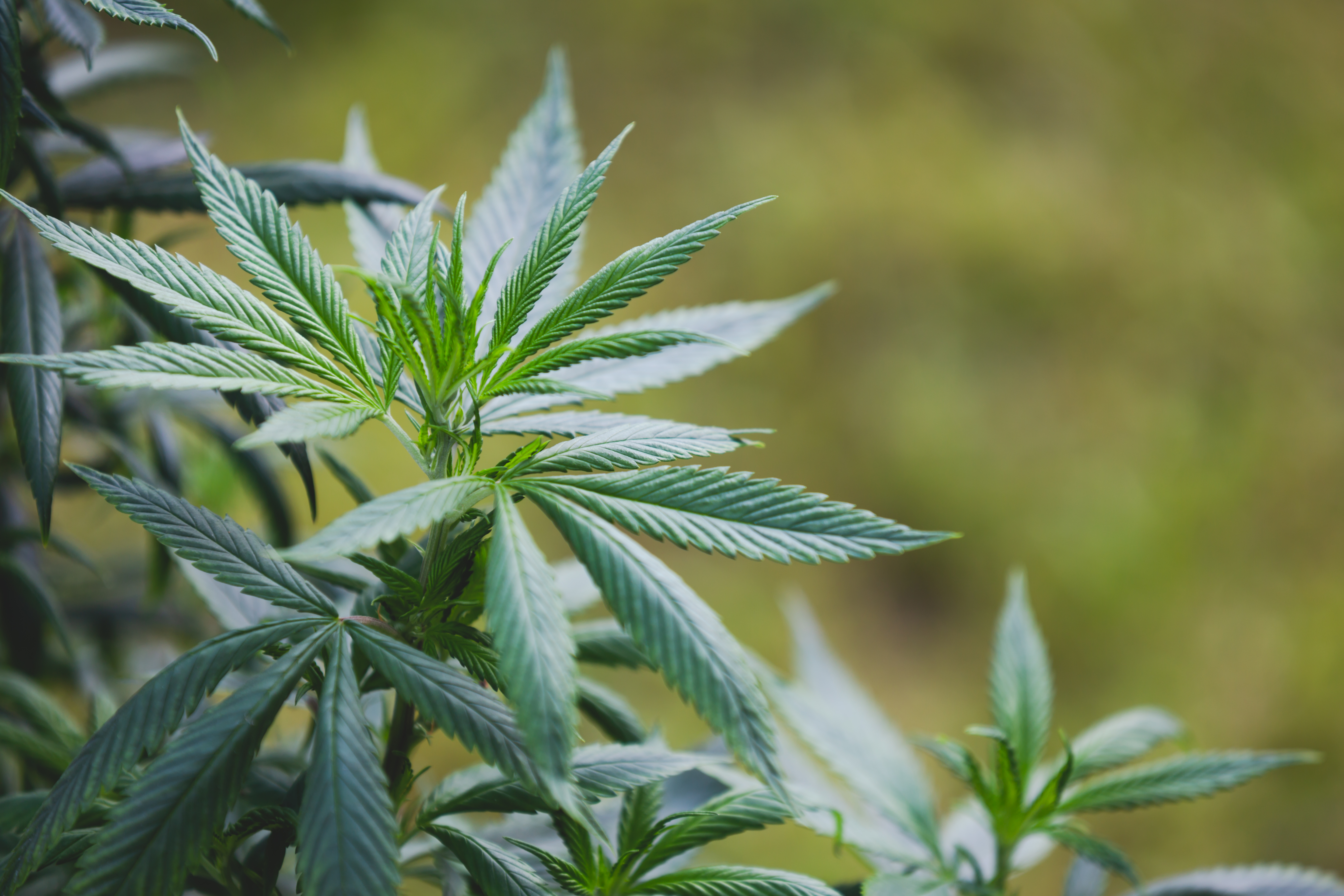


Royal Gorilla Auto is an autoflowering cannabis strain developed by Royal Queen Seeds. It is known for its high THC content, compact plant structure, resin-rich flowers, and short growth cycle. The strain combines genetic traits from the Gorilla family with the natural flowering behavior of ruderalis cannabis. This combination gives Royal Gorilla Auto many of the features found in the original Royal Gorilla strain while allowing it to flower without changes to the daily light schedule.
Royal Gorilla Auto belongs to a group of cannabis strains known as autoflowering hybrids. Unlike traditional photoperiod cannabis plants, autoflowering varieties begin flowering based mainly on their age. Photoperiod plants, in contrast, depend on changes in the length of daylight and darkness to begin producing flowers. This difference is one of the main characteristics that separates Royal Gorilla Auto from its photoperiod counterpart.
The strain was developed using genetics from Royal Gorilla, Royal Cookies, and ruderalis cannabis. Royal Gorilla contributes traits linked to strong cannabinoid production and resin-rich flowers. Royal Cookies adds genetic characteristics associated with dense buds and distinct aromas. Ruderalis genetics provide the automatic flowering trait that allows the plant to move through its growth stages without relying on seasonal changes in daylight.
According to Royal Queen Seeds, Royal Gorilla Auto has a genetic composition of approximately 50% indica, 30% sativa, and 20% ruderalis. This makes it an indica-dominant autoflowering hybrid. These percentages describe the strain’s reported genetic background rather than its exact chemical composition. Its actual effects depend on several factors, including cannabinoid levels, terpene content, and individual sensitivity.
One of the most discussed characteristics of Royal Gorilla Auto is its THC content. The breeder reports that the strain can reach THC levels of up to 20%. THC, or tetrahydrocannabinol, is the main psychoactive compound in cannabis. It interacts with the body’s endocannabinoid system and can affect mood, perception, memory, and coordination. Cannabis products with higher THC concentrations may produce stronger effects, although the experience can vary widely between individuals.
The reported THC level of Royal Gorilla Auto places it among the more potent autoflowering varieties. However, the stated percentage should be treated as a potential value rather than a fixed result. THC concentration can vary because of genetic differences, environmental conditions, flower maturity, and laboratory testing methods. Two samples sold under the same strain name may not contain identical amounts of THC.
Royal Gorilla Auto is also recognized for its flowering characteristics. Royal Queen Seeds lists a flowering period of approximately 45 to 55 days. Its complete life cycle is commonly reported to take around 70 to 85 days after germination. These figures refer to different stages of plant development. The flowering period covers the time when the plant produces and develops its flowers, while the complete life cycle includes germination, early growth, vegetative development, and flowering.
Plant height is another important characteristic. Royal Gorilla Auto generally develops a compact to medium-sized structure. Reported indoor heights range from approximately 60 to 120 centimeters, while outdoor plants may reach around 140 centimeters. These measurements can change depending on genetics and environmental conditions. Individual plants may grow shorter or taller than the breeder’s estimated ranges.
Despite its relatively compact size, Royal Gorilla Auto is associated with notable flower production. Royal Queen Seeds reports potential indoor yields of approximately 325 to 400 grams per square meter. Outdoor yield estimates are generally around 120 to 170 grams per plant. These figures describe the strain’s reported production potential rather than guaranteed harvest amounts. Actual yields depend on plant health, growing conditions, and other variables.
The flowers of Royal Gorilla Auto are commonly described as dense and covered with a visible layer of resin-producing trichomes. Trichomes are small structures found on the surfaces of cannabis flowers and leaves. They produce many of the cannabinoids and terpenes that contribute to the plant’s chemical composition. Their presence often gives mature cannabis flowers a sticky or frosted appearance.
Royal Gorilla Auto also has a distinct aroma profile. The strain is commonly associated with citrus, pine, fruity, and diesel-like notes. These scents come from aromatic compounds known as terpenes. Terpenes are naturally found in many plants, including cannabis, citrus fruits, and pine trees. The exact combination and concentration of these compounds can vary between plants and batches.
The relationship between Royal Gorilla Auto and the original Royal Gorilla strain is another important part of understanding its characteristics. Both strains share genetic connections, but they differ in flowering behavior, reported THC levels, plant structure, and growth duration. The original Royal Gorilla is a photoperiod strain, while Royal Gorilla Auto contains ruderalis genetics that support automatic flowering. These genetic differences help explain why the two varieties do not have identical growth patterns.
Understanding Royal Gorilla Auto requires looking beyond its strain name or reported THC percentage. Its genetic background, cannabinoid content, flowering behavior, physical appearance, and aromatic compounds all contribute to its identity. Breeder descriptions provide useful starting points, but they cannot predict the exact characteristics of every individual plant or flower sample.
This article examines Royal Gorilla Auto in detail, including its origins, THC and CBD levels, effects, flowering time, height, yield potential, and terpene profile. It also explains the environmental factors linked to plant development and compares the autoflowering variety with the original Royal Gorilla strain. By understanding these features, readers can gain a clearer picture of what defines Royal Gorilla Auto and how its characteristics compare with those of other cannabis strains.
In summary, Royal Gorilla Auto is an indica-dominant autoflowering hybrid known for its reported THC content of up to 20%, relatively short life cycle, compact structure, and resin-rich flowers. Its combination of Gorilla-family genetics and automatic flowering makes it distinct from traditional photoperiod varieties. While published strain specifications offer a general guide, actual cannabinoid levels, plant size, flowering time, and flower characteristics may vary.
What Is Royal Gorilla Auto?
Royal Gorilla Auto is an autoflowering cannabis strain developed by Royal Queen Seeds. It belongs to the Gorilla family of cannabis strains, which are known for their high THC levels, strong aromas, and resin-rich flowers. Royal Gorilla Auto combines these traits with the shorter growth cycle and automatic flowering behavior found in autoflowering cannabis varieties.
Unlike traditional cannabis strains that depend on changes in daily light exposure to begin flowering, Royal Gorilla Auto can enter its flowering stage as it matures. This characteristic comes from its ruderalis genetics. As a result, the plant follows a more age-dependent growth pattern than standard photoperiod cannabis varieties.
Royal Gorilla Auto is classified as an indica-dominant hybrid. According to its breeder, it contains 50% indica, 30% sativa, and 20% ruderalis genetics. This combination contributes to its growth pattern, physical structure, and overall characteristics.
The strain is also known for its reported THC content of up to 20%, compact-to-medium plant size, and dense flowers covered in resin-producing trichomes. Understanding its background helps explain how Royal Gorilla Auto differs from other cannabis strains.
Understanding the Royal Gorilla Auto Strain
Royal Gorilla Auto is an autoflowering version of the Royal Gorilla cannabis strain. The original Royal Gorilla gained recognition for its high THC potential, dense buds, and strong aromatic profile. Royal Queen Seeds developed the automatic version to preserve several of these characteristics while introducing autoflowering genetics.
The word “Auto” refers to the plant’s ability to begin flowering without needing a specific change in the length of the day. This is one of the main differences between autoflowering and photoperiod cannabis.
Photoperiod cannabis plants respond to the length of daily light and darkness. Their flowering stage is closely linked to these changes. Autoflowering cannabis strains, including Royal Gorilla Auto, begin flowering mainly according to their age and genetic development.
Royal Gorilla Auto belongs to a broader group of modern cannabis hybrids that combine different genetic backgrounds. Breeders use selective breeding to develop plants with certain features, such as particular growth patterns, plant sizes, cannabinoid profiles, and flower structures.
As an indica-dominant hybrid, Royal Gorilla Auto is often associated with a bushy structure, strong branching, and dense flower development. However, these characteristics can vary between individual plants. Environmental conditions and genetic differences can influence how each plant develops.
Royal Gorilla Auto is also associated with a strong aroma that may contain citrus, pine, fruity, and diesel-like notes. These scents come from aromatic compounds called terpenes, which are naturally produced by cannabis plants.
Its flowers may develop a thick layer of trichomes. These tiny structures produce and store many of the cannabinoids and terpenes found in cannabis. Trichomes contribute to the sticky appearance commonly associated with resin-rich cannabis flowers.
Although Royal Gorilla Auto shares many traits with its photoperiod relative, the two strains have different growth characteristics. Their genetic composition, flowering behavior, and potential plant sizes are not identical.
Royal Gorilla Auto Genetic Background
Royal Gorilla Auto was developed using genetics associated with Royal Gorilla, Royal Cookies, and ruderalis cannabis. These genetic sources help explain the strain’s combination of potency, aroma, resin production, and automatic flowering.
Royal Gorilla is closely related to the Gorilla Glue family of cannabis strains. This family is known for producing flowers with notable resin coverage and high THC potential. The original Royal Gorilla has been reported by its breeder to reach THC levels of up to 27%, although actual results depend on the individual sample and laboratory testing.
Royal Cookies contributes another part of the strain’s genetic background. Cookies-family cannabis strains are often associated with dense flowers, distinctive aromas, and complex chemical profiles. The exact expression of these characteristics can vary across different hybrids.
Ruderalis genetics provide the autoflowering characteristic that distinguishes Royal Gorilla Auto from the original photoperiod strain.
Cannabis ruderalis refers to cannabis populations historically associated with regions where seasonal daylight patterns differ from those found in more temperate growing areas. Some ruderalis plants developed the ability to begin flowering mainly according to age rather than changes in daylight length.
This trait has become important in modern cannabis breeding. By combining autoflowering genetics with other cannabis varieties, breeders can develop plants that retain selected characteristics from their parent strains while following a different flowering pattern.
According to Royal Queen Seeds, Royal Gorilla Auto has the following genetic classification: 50% indica, 30% sativa, and 20% ruderalis.
The indica portion is associated with the strain’s reported compact structure and dense flower development. The sativa portion forms part of its broader hybrid background. The ruderalis portion is linked to automatic flowering.
However, these percentages are breeder classifications rather than precise measurements of every inherited gene. Modern cannabis genetics are complex, and broad indica or sativa labels do not always predict a plant’s exact physical characteristics or chemical profile.
Royal Gorilla Auto is therefore best understood as a hybrid developed from several genetic sources, with particular attention given to autoflowering behavior and Gorilla-family characteristics.
What Makes Royal Gorilla Auto Different?
One of the main characteristics that separates Royal Gorilla Auto from other cannabis strains is its combination of autoflowering genetics and relatively high THC potential. Some autoflowering strains were historically associated with lower THC levels than photoperiod varieties. However, modern breeding has produced autoflowering hybrids with stronger cannabinoid profiles.
Royal Gorilla Auto has a breeder-reported THC concentration of up to 20%. This places it among the more potent autoflowering varieties, although it does not mean every plant will produce flowers with that exact THC percentage. Actual cannabinoid concentrations can vary due to genetics, environmental conditions, and differences in testing.
Another distinguishing characteristic is its relatively short life cycle. Royal Queen Seeds reports that Royal Gorilla Auto can complete its development in approximately 70 to 85 days after germination. Its flowering stage is generally listed at 45 to 55 days. These figures describe the breeder’s expected development periods rather than fixed timelines for every plant.
Its physical appearance is also notable. Royal Gorilla Auto usually develops a compact-to-medium structure with branches that support dense flower clusters. The flowers often display a visible layer of glandular trichomes, which are responsible for producing many of the plant’s cannabinoids and terpenes.
The strain’s resin production contributes to its sticky flower texture and frosted appearance. These traits are closely associated with its Gorilla-family heritage. However, the amount of resin visible on a flower does not provide an exact measure of its THC content.
Royal Gorilla Auto also has a distinctive aromatic profile. Its breeder describes citrus, pine, and fruity notes, along with diesel-like characteristics. These scents reflect the mixture of aromatic compounds produced by the plant. The exact aroma may differ between individual flowers because terpene concentrations are not always identical.
A further difference is its genetic composition. While the original Royal Gorilla is a photoperiod hybrid, Royal Gorilla Auto contains ruderalis genetics that change its flowering behavior. This difference is important when comparing the two strains because their growth patterns and development periods are not the same.
Despite sharing a name and genetic background, Royal Gorilla Auto should be treated as its own cannabis variety. Its reported THC levels, growth characteristics, and physical features represent a specific combination of inherited traits.
Royal Gorilla Auto is an indica-dominant autoflowering cannabis strain developed by Royal Queen Seeds. Its genetic background combines Gorilla, Cookies, and ruderalis, giving it characteristics associated with the original Gorilla family while adding automatic flowering behavior.
According to the breeder, Royal Gorilla Auto contains 50% indica, 30% sativa, and 20% ruderalis genetics. It has a reported THC potential of up to 20%, low CBD content, and a complete life cycle of approximately 70 to 85 days after germination.
The strain is recognized for its dense flowers, visible resin production, relatively compact structure, and citrus, pine, fruity, and diesel-like aromas. Its automatic flowering behavior is one of the main features that distinguish it from the original Royal Gorilla.
These characteristics provide a general understanding of the strain, but actual results can vary between plants. Breeder descriptions are useful references, while laboratory testing is needed to confirm the cannabinoid and terpene content of individual cannabis samples.
Royal Gorilla Auto THC and CBD Levels
Royal Gorilla Auto is an autoflowering cannabis strain known for its high THC content and low CBD levels. It comes from the Gorilla family of cannabis strains and was developed to combine strong cannabinoid production with automatic flowering. Its chemical profile is one of the main features that separates it from many lower-potency cannabis varieties.
THC and CBD are two of the best-known cannabinoids found in cannabis plants. These natural compounds interact with the human body’s endocannabinoid system, but they have different effects. THC is mainly responsible for the intoxicating effects associated with cannabis. CBD does not cause the same type of intoxication.
Understanding the THC and CBD levels of Royal Gorilla Auto helps explain its potency and general characteristics. However, cannabinoid content can vary between plants and finished products. Published strain information should be treated as a guide rather than an exact measure of every sample.
How Much THC Does Royal Gorilla Auto Have?
Royal Gorilla Auto has a reported THC content of up to 20%, according to information published by its breeder, Royal Queen Seeds. This places it among cannabis strains with relatively high THC levels. However, the stated percentage is a potential value and does not mean that every Royal Gorilla Auto plant will contain exactly 20% THC.
THC stands for tetrahydrocannabinol. It is the main psychoactive compound in cannabis. When THC enters the body, it acts on cannabinoid receptors in the brain and nervous system. These interactions can affect mood, perception, memory, coordination, and the sense of time.
Cannabis products are often compared using THC percentages. For example, dried cannabis flower labeled as containing 20% total THC has about 200 milligrams of potential THC per gram, based on dry weight. However, this figure does not mean that a person will absorb all 200 milligrams. The actual amount delivered and absorbed depends on the product and how it is used.
Several factors can influence the THC concentration measured in Royal Gorilla Auto. Genetics play an important role because they help determine the plant’s ability to produce cannabinoids. Environmental conditions, plant health, flower maturity, and the way samples are handled can also affect the final results.
Laboratory testing is the most reliable way to determine the cannabinoid content of a specific cannabis sample. Testing can measure THC, THCA, CBD, and other cannabinoids. THCA is the non-intoxicating acidic precursor that changes into THC when heated.
For this reason, a published THC level of up to 20% should be understood as a breeder estimate. The cannabinoid content of an individual sample may be higher or lower than expected.
CBD Content in Royal Gorilla Auto
Royal Gorilla Auto is generally described as a low-CBD cannabis strain. Unlike cannabis varieties developed to produce high amounts of cannabidiol, Royal Gorilla Auto is mainly known for its THC content.
CBD stands for cannabidiol. It is a natural cannabinoid found in cannabis and hemp plants. Although CBD interacts with several systems in the body, it does not produce the same intoxicating effects as THC.
The main difference between THC and CBD is how they affect the brain. THC can produce intoxication by activating CB1 receptors in the nervous system. CBD has a different pattern of interaction with these receptors and does not cause the same type of high.
CBD is being studied for several possible medical uses. However, the presence of CBD in a cannabis strain does not automatically make that strain suitable for treating a health condition. The effects of specific products depend on their chemical composition, dose, and available clinical evidence.
Royal Gorilla Auto does not have a single confirmed CBD percentage that applies to every plant or finished sample. Breeder information generally identifies its CBD content as low, but individual results can differ.
The relationship between THC and CBD is sometimes described using a cannabinoid ratio. For example, a strain with much more THC than CBD has a THC-dominant cannabinoid profile. Royal Gorilla Auto falls into this general category based on its published characteristics.
Cannabinoid ratios can help readers understand the chemical balance of a cannabis product. However, they cannot fully predict its effects. Other cannabinoids, individual sensitivity, and the amount consumed also matter.
Since Royal Gorilla Auto is mainly a THC-dominant strain, readers should not assume that its limited CBD content will prevent or reduce unwanted THC effects.
Understanding the Potency of Royal Gorilla Auto
The potency of Royal Gorilla Auto is mainly linked to its THC content. With reported THC levels reaching 20%, this strain can produce strong psychoactive effects. However, potency involves more than a single number. The amount of THC consumed, the person’s tolerance, and the way the body responds all influence the experience.
When THC enters the bloodstream, it can affect areas of the brain involved in mood, memory, movement, and decision-making. Some people experience relaxation, changes in sensory perception, or altered awareness of time. Others may experience anxiety, confusion, or discomfort, especially when exposed to high amounts of THC.
A person’s tolerance can change how they respond to cannabis. Someone who uses THC often may notice different effects from someone with little or no previous exposure. However, tolerance does not remove the risks linked to impaired judgment, slower reaction times, or reduced coordination.
The amount of THC consumed is another important factor. Higher exposure generally increases the chance of stronger effects and unwanted reactions. Cannabis products with high THC concentrations may be more likely to cause intense intoxication, anxiety, or temporary changes in thinking.
The method of consumption also affects how quickly THC begins to work and how long its effects may last. Inhaled cannabis usually produces effects sooner than edible cannabis. Edible products can take longer to produce noticeable effects, and their effects may last for several hours. These differences make it difficult to compare potency based only on a strain’s THC percentage.
Individual health conditions and the use of certain medications may also influence responses to THC. Cannabis can affect attention, coordination, and memory. For this reason, driving or operating machinery after cannabis use can be dangerous.
Although Royal Gorilla Auto is often described as a relaxing strain, its THC level cannot guarantee a specific experience. The same cannabis variety may produce different effects in different people.
The strain’s low CBD content is also important when considering its potency. Since THC is the main reported cannabinoid, Royal Gorilla Auto should be understood as a THC-dominant variety rather than a balanced THC-and-CBD strain.
Scientific research also shows that cannabinoid effects are complex. Other compounds may contribute to the overall experience, but more research is needed to establish how individual cannabinoids and terpenes interact in specific cannabis varieties.
Royal Gorilla Auto is a THC-dominant autoflowering cannabis strain with a reported THC content of up to 20% and low CBD levels. Its cannabinoid profile is one of its most notable characteristics and helps explain why the strain is associated with strong psychoactive effects.
THC is responsible for most of the intoxicating effects of cannabis, while CBD does not produce the same type of high. The relationship between these compounds helps define a strain’s general chemical profile, although cannabinoid ratios alone cannot predict every effect.
It is also important to understand that published THC percentages are estimates. The actual cannabinoid content of Royal Gorilla Auto may vary because of genetics, growing conditions, flower maturity, and laboratory testing methods. A verified laboratory report provides more useful information about an individual sample than a strain name or breeder description.
Royal Gorilla Auto Effects and Characteristics
Royal Gorilla Auto is an autoflowering cannabis strain known for its high THC content and a mix of mental and physical effects. It comes from the Gorilla family of cannabis strains and has genetics linked to both indica and sativa plants. Its reported THC content can reach 20%, although the actual amount may vary between individual plants and samples.
The effects of Royal Gorilla Auto are often described as a mix of mental stimulation and physical relaxation. However, cannabis does not affect everyone in the same way. The experience can depend on THC content, the amount used, personal tolerance, and individual sensitivity.
Understanding these effects is important when comparing Royal Gorilla Auto with other cannabis strains. Its genetic background, cannabinoid content, and chemical composition all help explain its reported characteristics.
Commonly Reported Effects
Royal Gorilla Auto is often associated with relaxing and psychoactive effects. The term psychoactive means that a substance can change a person’s mood, thoughts, senses, or mental state. THC is the main compound responsible for these changes in cannabis.
Some strain descriptions associate Royal Gorilla Auto with feelings of happiness, calmness, and mental stimulation. These effects are sometimes described as cerebral because they involve changes in thought, mood, and perception.
Mental effects may include changes in how a person experiences time, sound, or other senses. Some people may feel more focused on certain thoughts or activities, while others may find it harder to pay attention. These responses vary, and the strain name alone cannot predict what will happen.
Royal Gorilla Auto is also associated with physical relaxation. THC interacts with the body’s endocannabinoid system, which helps regulate several functions, including mood, memory, appetite, and pain signals.
As a result, cannabis can change how the body responds to certain sensations. Some users may notice a sense of physical calm, while others may experience tiredness or reduced alertness.
The intensity and duration of these effects depend on several factors. THC concentration is one factor, but the amount consumed and the method of consumption also matter. Inhaled cannabis generally produces effects more quickly than edible cannabis products. Edible products usually take longer to produce noticeable effects and may last longer.
Personal tolerance also plays an important role. Someone who uses cannabis regularly may respond differently from someone with little or no previous exposure.
It is also important to understand that reported strain effects are not guaranteed outcomes. Two cannabis products sold under the Royal Gorilla Auto name may contain different amounts of THC and other compounds. These differences can lead to different experiences.
Indica and Sativa Characteristics
Royal Gorilla Auto is classified as an indica-dominant hybrid. According to its breeder’s description, its genetic composition is approximately 50% indica, 30% sativa, and 20% ruderalis.
These categories help describe the strain’s breeding background. However, they do not provide a complete explanation of its effects.
Indica cannabis is often associated with shorter, bushier plants and broader leaves. Sativa cannabis is commonly linked to taller plants with narrower leaves. These traditional labels were developed to describe different cannabis plant types and their physical features.
Over time, the terms indica and sativa also became linked to certain effects. Indica strains are often marketed as relaxing, while sativa strains are commonly described as stimulating or uplifting.
However, modern cannabis research shows that these labels are not reliable ways to predict how a strain will affect a person. Many cannabis varieties are hybrids with complex genetic backgrounds.
The actual effects depend more directly on the chemical compounds present in the cannabis product.
Cannabinoids are one important group of compounds. THC produces most of the intoxicating effects associated with cannabis. CBD is another cannabinoid, but it does not produce the same type of intoxication as THC.
Terpenes are aromatic compounds that contribute to the smell and flavor of cannabis. Compounds such as limonene, myrcene, and pinene appear in many cannabis varieties. However, the presence of a specific terpene does not prove that a strain will produce a particular mental or physical effect.
Royal Gorilla Auto also contains ruderalis genetics. Ruderalis is associated with autoflowering behavior, which allows cannabis plants to begin flowering largely according to age instead of relying on changes in daily light exposure.
This characteristic affects how Royal Gorilla Auto develops as a plant. It does not mean that ruderalis genetics produce a specific type of psychoactive effect.
For this reason, Royal Gorilla Auto’s indica-dominant classification is best understood as a description of its breeding background rather than a guarantee of relaxation or any other experience.
Possible Side Effects
Like other THC-rich cannabis strains, Royal Gorilla Auto may cause unwanted physical and mental effects. These effects can occur even when a cannabis product is used in a place where its use is legal.
Dry mouth is one of the commonly reported effects of cannabis. THC can influence the body’s normal saliva production, leaving the mouth feeling dry or sticky. Some people may also notice increased thirst or mild discomfort while speaking or eating.
Dry eyes are another possible effect. Cannabis may cause temporary redness and changes in tear production. These symptoms can vary in intensity and may not occur in every person.
Dizziness and changes in balance can also happen after cannabis use. THC affects parts of the brain involved in movement, coordination, and the processing of sensory information. Some individuals may feel lightheaded or less steady than usual.
Mental side effects are also important to understand. Although Royal Gorilla Auto is often marketed as a relaxing strain, THC can sometimes produce anxiety, fear, or paranoia. Higher amounts of THC may increase the chance of these reactions, especially in people who are sensitive to its effects.
Some individuals may experience a faster heartbeat, confusion, or difficulty remembering recent information. THC can also change how people judge time and distance. These effects may become more noticeable with greater exposure.
Cannabis can also reduce reaction speed and interfere with decision-making. According to the Centers for Disease Control and Prevention, cannabis can affect memory, judgment, coordination, and the skills required for safe driving.
For this reason, driving, operating machinery, and performing tasks that require full attention are unsafe while impaired by cannabis.
Combining cannabis with alcohol or other substances that affect the central nervous system can increase impairment. The effects may also be harder to predict when several substances are used together.
Long-term or frequent exposure to high-THC cannabis carries additional concerns. These include the possibility of developing cannabis use disorder, which involves difficulty controlling cannabis use despite harmful consequences. People with certain mental health conditions may also face greater risks.
Royal Gorilla Auto’s reported THC level of up to 20% makes these safety concerns relevant when examining the strain. However, the strength of its effects cannot be determined from the breeder’s THC estimate alone. Laboratory testing is needed to establish the cannabinoid content of an individual product.
Royal Gorilla Auto is an indica-dominant autoflowering cannabis strain associated with a combination of mental stimulation and physical relaxation. Its breeder reports THC levels of up to 20%, which may produce noticeable psychoactive effects. The strain is commonly described as relaxing, although individual experiences can differ.
Its genetic composition includes indica, sativa, and ruderalis. These genetics help explain its breeding background and automatic flowering behavior. However, indica and sativa labels do not reliably predict the effects of a particular cannabis product.
Royal Gorilla Auto may also cause dry mouth, dry eyes, dizziness, anxiety, impaired memory, and slower reaction times. The likelihood and intensity of these effects depend on THC exposure, individual tolerance, and other factors.
Royal Gorilla Auto Flowering Time and Growth Cycle
Royal Gorilla Auto is an autoflowering cannabis strain known for its short life cycle and strong genetic background. Unlike photoperiod cannabis strains, which depend on changes in the daily light and dark cycle to begin flowering, Royal Gorilla Auto starts flowering as it reaches a certain stage of development. This feature comes from its ruderalis genetics.
Understanding the flowering time and growth cycle of Royal Gorilla Auto helps explain how the plant develops from a seed into a mature cannabis plant. It also helps readers understand why growing periods can differ, even among plants of the same strain.
According to breeder specifications, Royal Gorilla Auto has a flowering period of about 45 to 55 days. Its full life cycle is often estimated at around 70 to 85 days from germination. However, these numbers are general estimates. Actual development can vary based on genetics, environmental conditions, and plant health.
How Long Does Royal Gorilla Auto Take to Flower?
Royal Gorilla Auto has a reported flowering period of approximately 45 to 55 days. This refers to the stage when the plant develops flowers after its early growth phase. During flowering, the plant produces the buds and resin glands associated with mature cannabis.
One important detail is the difference between flowering time and total growth time. Flowering time covers only one part of the plant’s life. The total life cycle includes germination, early seedling growth, vegetative development, flowering, and maturity.
For this reason, a flowering period of 45 to 55 days does not mean the entire plant reaches maturity within that time. The plant must first pass through its early growth stages before flowering begins.
Royal Gorilla Auto belongs to the autoflowering category. This means its transition into flowering is mainly linked to plant age and genetic development rather than seasonal changes in daylight. Photoperiod cannabis plants, in contrast, respond strongly to changes in the length of uninterrupted darkness.
The flowering period also involves several visible changes. Early flowers begin to form at growing points along the stems. As development continues, these flowers become more noticeable. Trichomes, which are tiny structures that produce resin, also develop on the flowers and nearby leaves.
The appearance and timing of these changes can vary from plant to plant. Breeder descriptions provide a useful general reference, but they cannot predict the exact flowering period of every individual plant.
Royal Gorilla Auto From Germination to Maturity
The Royal Gorilla Auto growth cycle includes several biological stages. Each stage plays a role in the plant’s overall development.
The first stage is germination. During this stage, a viable seed begins to develop into a new plant. The seed absorbs moisture, and the embryo inside begins to grow. A young root emerges first, followed by the early shoot.
Once the young shoot develops above the growing surface, the plant enters the seedling stage. At this point, it begins forming its first leaves. These leaves support photosynthesis, the process through which plants use light energy to produce sugars.
The next stage is vegetative development. During this period, the plant forms more leaves, stems, and branches. Its root system also continues to develop. These structures support the plant as it becomes larger.
Because Royal Gorilla Auto is an autoflowering strain, its vegetative stage is generally shorter than that of many photoperiod varieties. The plant moves into flowering as part of its genetically controlled development.
During the flowering stage, reproductive structures become more prominent. Female cannabis flowers produce clusters of small structures that form the buds commonly associated with cannabis plants. Trichomes develop on these flowers and contain compounds such as THC and aromatic terpenes.
As the plant approaches maturity, its growth pattern changes. New structural growth usually becomes less noticeable, while existing flowers continue developing.
Royal Gorilla Auto is commonly described as having a total life cycle of approximately 70 to 85 days after germination. This estimate covers the period from the start of seed development to the plant’s expected maturity.
However, biological development does not always follow an exact calendar. Two plants with similar genetics may reach visible stages at different times. Natural differences in plant development can affect their overall growth periods.
The reported life cycle should therefore be viewed as a general description of the strain rather than a fixed deadline.
Factors That Influence Flowering Time
Several factors can influence the flowering time of Royal Gorilla Auto. Although the strain has a genetically controlled growth cycle, its development still depends on its surroundings and overall condition.
Genetics plays a major role in determining when flowering begins. Royal Gorilla Auto contains ruderalis genetics, which allow it to begin flowering without depending on changes in daylight hours. However, individual plants may still show small differences in their rate of development.
Temperature is another important factor. Plants depend on suitable temperatures to carry out basic biological processes. Temperature affects enzyme activity, photosynthesis, and the movement of water through plant tissues. Extreme heat or cold can disrupt these processes and slow normal development.
Light conditions also influence plant growth. Even though autoflowering cannabis does not need a specific change in daylight hours to begin flowering, light remains essential for photosynthesis. Through this process, plants produce the energy-rich compounds needed for growth and flower formation.
Changes in light intensity and availability can affect how quickly a plant develops. However, the relationship between light exposure and plant growth is complex. The amount of available light is only one of several factors involved.
Plant health can also influence flowering time. Healthy plants are generally better able to carry out the biological processes needed for normal development. In contrast, plants affected by disease, pests, or environmental stress may develop more slowly.
Root health is another important consideration. Roots absorb water and essential minerals while helping support the plant. Problems affecting the root system can interfere with normal growth and may affect the timing of later development.
Indoor and outdoor conditions can also produce different results. Indoor environments often have more stable temperatures and fewer sudden weather changes. Outdoor plants experience natural changes in daylight, temperature, rainfall, and humidity. These differences can affect plant growth even when the plants share similar genetics.
Seasonal conditions are especially important when comparing development times. A plant growing during a period of stable weather may follow a different timeline from one exposed to sudden temperature changes or long periods of poor weather.
The flowering estimates published by breeders are usually based on specific genetic lines and expected growing conditions. They provide general information about the strain’s development but should not be treated as fixed biological rules.
Another important point is that plant maturity is a gradual process. Flowers do not all develop at exactly the same rate. Different parts of a plant may show small differences in their growth and appearance.
For these reasons, Royal Gorilla Auto’s reported flowering period of 45 to 55 days is best understood as an approximate range. Actual development may be shorter or longer depending on the individual plant and its environment.
Royal Gorilla Auto is an autoflowering cannabis strain with a relatively short growth cycle. According to Royal Queen Seeds breeder specifications, its flowering period lasts approximately 45 to 55 days, while its total life cycle is estimated at 70 to 85 days after germination.
The plant moves through germination, seedling development, vegetative growth, flowering, and maturity. Its ruderalis genetics allow flowering to begin mainly according to plant age rather than changes in daylight length.
Royal Gorilla Auto Height and Physical Appearance
Royal Gorilla Auto is an autoflowering cannabis strain known for its compact to medium size, dense flowers, and thick resin coating. It combines characteristics from the original Royal Gorilla family with ruderalis genetics, which allow it to flower based mainly on age rather than changes in daylight hours.
The strain has a sturdy structure with a central stem, side branches, and clusters of flowers that develop as the plant matures. Its appearance can vary depending on genetics and environmental conditions. However, Royal Gorilla Auto generally maintains a manageable height compared with many larger photoperiod cannabis strains.
Understanding the physical features of Royal Gorilla Auto helps explain how this strain develops throughout its life cycle. Its height, branching pattern, flower density, and resin production are among its most recognizable characteristics.
How Tall Does Royal Gorilla Auto Grow?
Royal Gorilla Auto typically reaches a height of about 60 to 120 centimeters when grown indoors. This range is based on breeder descriptions and represents the expected size under common growing conditions. Some plants may remain shorter, while others may reach the upper end of the range.
The strain’s autoflowering genetics play an important role in its overall size. Unlike photoperiod cannabis plants, which begin flowering in response to changes in light exposure, autoflowering plants start their flowering stage as they reach a certain age. This trait often gives them a shorter period of vegetative growth.
As a result, Royal Gorilla Auto usually has less time to develop a tall structure before flower production begins. However, its final height is not fixed. Individual plants can show differences even when they come from seeds sold under the same strain name.
Outdoors, Royal Gorilla Auto may reach approximately 140 centimeters, although actual height can vary. Outdoor plants are exposed to natural sunlight, seasonal temperatures, wind, and changing weather conditions. These factors influence how plants develop and how much they grow.
Plant height also depends on inherited characteristics. Cannabis plants can express different physical traits because of natural genetic variation. One Royal Gorilla Auto plant may develop a shorter, wider structure, while another may grow taller with more space between its branches.
Environmental stress may also influence height. Extreme temperatures, poor plant health, and other unfavorable conditions can affect normal development. For this reason, published height ranges should be viewed as general estimates rather than guaranteed measurements.
Despite these differences, Royal Gorilla Auto is commonly described as a compact to medium-sized autoflowering strain. Its relatively limited height is one of the main features that distinguishes it from larger photoperiod cannabis varieties.
Plant Structure and Growth Pattern
Royal Gorilla Auto typically develops a central main stem supported by several side branches. This structure is common among many cannabis plants, although the exact shape depends on genetics and growing conditions.
The main stem forms the center of the plant and supports its upper branches and flowers. Side branches develop from points along the stem where leaves connect to the plant. As the plant matures, these branches help create its overall shape.
Royal Gorilla Auto may display a bushy appearance with moderately spaced branches. Its indica-dominant genetic background is often associated with a sturdy structure and broad leaf characteristics. However, indica and sativa labels do not always predict how an individual plant will look.
The leaves of Royal Gorilla Auto generally follow the familiar cannabis leaf pattern. Each leaf is divided into several narrow sections called leaflets. The number, width, and length of these leaflets can vary during different stages of growth.
Young plants first produce small leaves before developing larger, more complex foliage. As the plant grows, its leaves increase in size and help capture light for photosynthesis. This process allows plants to produce the energy needed for normal development.
During the vegetative stage, most visible growth involves the stem, branches, and leaves. The plant gradually develops a stronger structure as it increases in size.
Once Royal Gorilla Auto enters the flowering stage, its appearance begins to change. Small flower clusters emerge at several points along the branches. Over time, these clusters become more noticeable and contribute to the plant’s overall shape.
The upper section often develops a prominent flower cluster, commonly called the main cola. Smaller flower clusters may appear along the side branches.
Because Royal Gorilla Auto is an autoflowering variety, its growth pattern follows an age-related flowering cycle. This genetic trait helps explain why its overall structure is often smaller than that of photoperiod varieties that remain in vegetative growth for longer periods.
Although Royal Gorilla Auto has recognizable structural characteristics, not every plant will have the same shape. Differences in branch spacing, leaf size, and stem thickness are normal within cannabis varieties.
Bud Appearance and Resin Production
One of the most recognizable features of Royal Gorilla Auto is its dense, resin-covered flowers. The strain is known for producing thick flower clusters that can develop a frosty appearance as they mature.
Cannabis flowers are made up of several small structures that grow close together. These include bracts, pistils, and trichomes. Each structure plays a different role in the plant’s development and appearance.
Bracts are small, leaf-like structures that surround the reproductive parts of female cannabis flowers. As the flowers mature, these structures become more noticeable and contribute to the overall size and density of the buds.
Pistils are part of the female flower’s reproductive system. Their visible, hair-like structures are called stigmas. These often appear white or cream-colored during early flower development. They may gradually turn orange, brown, or reddish as the flowers mature.
However, stigma color alone cannot determine the exact maturity or chemical content of cannabis flowers. Changes in color can also occur because of environmental conditions and natural aging.
Royal Gorilla Auto commonly develops green flowers with contrasting orange or brown stigmas. Some plants may also display darker green or purple shades. These differences can result from genetic variation and environmental influences.
Another important feature is its high resin production. Royal Gorilla Auto is known for developing flowers covered with many small, glandular trichomes. These structures can give the buds a shiny or frosted appearance.
Trichomes are tiny structures found on the surface of cannabis flowers and other plant tissues. Some contain specialized glands that produce and store cannabinoids and terpenes.
Cannabinoids include compounds such as THC and CBD, while terpenes contribute to the plant’s aroma. Together, these substances form an important part of the flower’s chemical profile.
Under magnification, glandular trichomes may appear as small stalks with rounded heads. Their size, number, and appearance can vary depending on the plant’s age and genetics.
The visible coating of trichomes is one reason Royal Gorilla Auto is often described as a resin-rich strain. However, the amount of visible resin does not provide an exact measurement of THC concentration. Laboratory testing is needed to determine cannabinoid levels.
Flower density is another characteristic associated with Royal Gorilla Auto. Its buds are often described as thick and compact, with many small flower structures grouped closely together.
The size and shape of these flowers may differ across the plant. Flower clusters near the main stem may be larger than those found along smaller branches. This variation is part of normal cannabis development.
The strain’s flowers also develop aromatic compounds that contribute to its recognizable scent. Royal Gorilla Auto is associated with diesel-like, pine, citrus, and fruity notes. These scents come from combinations of volatile compounds produced by the plant.
Although Royal Gorilla Auto has several recognizable flower characteristics, appearance alone cannot confirm a plant’s strain identity. Different cannabis varieties can share similar flower colors, resin coatings, and structures.
Royal Gorilla Auto is a compact to medium-sized autoflowering cannabis strain with a sturdy structure, strong side branches, and dense flowers. According to Royal Queen Seeds, plants generally reach 60 to 120 centimeters indoors and may grow as tall as 140 centimeters outdoors.
Its central stem supports a main flower cluster, while smaller branches develop additional flowers. The plant’s final height and shape can vary because of genetics, environmental conditions, and natural differences between individual plants.
Royal Gorilla Auto is also known for its resin-rich buds. Its flowers commonly display green coloring, orange or brown stigmas, and a thick coating of glandular trichomes. These trichomes produce compounds that contribute to the plant’s cannabinoid and aroma profiles.
Royal Gorilla Auto Yield: Indoor and Outdoor Expectations
Royal Gorilla Auto is an autoflowering cannabis strain known for its compact growth, dense flowers, and resin production. It was developed to combine characteristics of the original Royal Gorilla strain with the shorter life cycle of autoflowering cannabis. One of its main features is its reported ability to produce moderate yields despite its smaller size.
According to breeder specifications from Royal Queen Seeds, Royal Gorilla Auto can produce approximately 325–400 grams per square meter indoors. Outdoor yields are estimated at around 120–170 grams per plant. These figures describe the strain’s potential under suitable conditions. They do not mean that every plant will produce the same amount.
Cannabis yield refers to the amount of flower material collected from a plant or growing area. It is often measured using the dry weight of the flowers rather than their weight immediately after harvest. This difference matters because fresh cannabis flowers contain a large amount of water.
Yield also depends on several factors, including genetics, growing conditions, plant health, and the way the final product is measured. Understanding these factors helps explain why two plants of the same strain may produce different amounts of flower.
Royal Gorilla Auto Indoor Yield
Royal Gorilla Auto has a reported indoor yield of approximately 325–400 grams per square meter. This range comes from breeder estimates and represents potential flower production within a defined growing area.
Indoor cannabis yields are often measured in grams per square meter, written as g/m². This measurement describes the amount of harvested flower produced across one square meter of growing space. It is useful for comparing the reported performance of different cannabis strains.
For example, a breeder may list one strain as producing 350 g/m² and another as producing 450 g/m². These numbers suggest different yield potential, but they do not prove that one strain will always produce more than the other.
The actual amount can vary because growing conditions and measurement methods may differ. Some published figures come from controlled trials, while others come from breeder observations. Without details about the testing process, it can be difficult to compare the numbers fairly.
Royal Gorilla Auto is considered a compact-to-medium-sized autoflowering variety. Its reported indoor height is generally around 60–120 cm. This smaller growth pattern is one reason growers may compare it with other autoflowering strains rather than larger photoperiod varieties.
Plant size can influence yield, but height alone does not determine the amount of flower produced. A taller plant does not always produce a heavier harvest. The number of flower sites, overall plant development, and genetic characteristics also affect the final result.
Another important point is the difference between fresh and dried flower weight. Fresh cannabis flowers contain moisture, which adds to their total weight. As the material dries, water is lost, and the measured weight decreases.
This means that a fresh harvest and a dried harvest cannot be compared as if they represent the same amount of finished material.
When reviewing indoor yield claims for Royal Gorilla Auto, readers should consider whether the figures describe fresh flowers, dried flowers, or another form of plant material.
The estimated indoor yield of 325–400 g/m² provides a general reference for the strain’s production potential. However, it should be treated as a published estimate rather than a guaranteed result.
Royal Gorilla Auto Outdoor Yield
Royal Gorilla Auto has a reported outdoor yield of approximately 120–170 grams per plant. Unlike indoor yields, which are commonly measured by growing area, outdoor cannabis yields are often expressed as the amount produced by each plant.
This difference is important when comparing indoor and outdoor performance.
A yield of 150 grams per plant cannot be directly compared with a yield of 350 grams per square meter without knowing how many plants occupy the growing area. The two measurements describe production in different ways.
Outdoor plant development is influenced by natural environmental conditions. Sunlight, temperature, rainfall, humidity, and seasonal changes can all affect how cannabis plants develop.
Royal Gorilla Auto is an autoflowering strain, meaning its flowering process is mainly controlled by age and genetics rather than changes in daylight length. This feature distinguishes it from photoperiod cannabis, which normally depends on changes in the light-dark cycle to begin flowering.
However, automatic flowering does not mean that the plant is unaffected by its surroundings.
Outdoor temperatures can change throughout the day and between seasons. Periods of excessive heat or cold may place stress on plants. Such stress can affect normal development and may influence the amount of flower produced.
Rainfall and humidity also affect outdoor conditions. Excess moisture can increase the risk of fungal diseases, particularly when flowers are dense. Plant disease may damage flower material and reduce the amount considered usable.
Regional climate differences can also produce different results. A plant grown in one region may experience different weather patterns from a plant grown elsewhere. These differences make outdoor yield estimates less predictable.
The strain’s genetic background also plays a role. Even when seeds are sold under the same strain name, individual plants may show differences in height, branching, flower density, and growth rate.
These natural differences are known as phenotype variation. They help explain why plants with similar genetics do not always produce identical harvests.
The reported outdoor yield of 120–170 grams per plant should therefore be viewed as a reference range based on breeder information.
It does not establish the exact amount that every Royal Gorilla Auto plant will produce.
Factors That Affect Yield
Several factors can influence the final yield of Royal Gorilla Auto. Although genetics establish the strain’s general growth potential, they do not determine the exact amount of flower that each plant will produce.
One important factor is genetic variation. Royal Gorilla Auto belongs to a specific strain family, but plants grown from different seeds may show small differences in their physical features. Some may develop more branches, while others may have a more compact structure.
These differences can influence the amount and distribution of flower material. They also explain why plants carrying the same strain name may produce different results.
Plant health is another major factor. Cannabis plants rely on normal biological processes to develop leaves, stems, roots, and flowers. When a plant experiences disease, physical damage, or other forms of stress, its development may be affected.
Environmental stability also plays a role. Changes in temperature, moisture, and other conditions can influence plant growth. A plant exposed to severe environmental stress may produce less flower material than its genetic potential suggests.
Flower density is another reason harvest weights vary. Cannabis flowers differ in their structure, size, and moisture content. Two plants may produce a similar number of flowers, yet their total weights may be different.
Dense flowers can weigh more than loosely structured flowers of a similar size. However, density does not automatically indicate better cannabinoid content, stronger effects, or higher overall quality.
The method used to measure a harvest is equally important. Some yield reports include only dried and trimmed flowers. Others may use different standards for removing leaves, stems, or excess moisture.
For this reason, reported harvest weights should be compared only when the measurement methods are similar.
The condition of the dried material can also affect its final weight. Cannabis flowers contain water, and the amount remaining after drying influences the reported mass. Two samples containing similar amounts of plant material may have different weights because of differences in moisture.
These variations make it difficult to compare published yield claims without knowing how the figures were obtained.
Breeder estimates can serve as a starting point for understanding the strain’s potential. However, they cannot account for every genetic, environmental, and measurement difference.
Royal Gorilla Auto is an autoflowering cannabis strain with reported indoor yields of approximately 325–400 grams per square meter and outdoor yields of around 120–170 grams per plant. These figures come from Royal Queen Seeds and describe the strain’s estimated production potential.
The difference between indoor and outdoor measurements is important. Indoor yields are generally reported according to growing area, while outdoor yields are often reported per plant. These values cannot be compared directly without additional information.
Actual flower production depends on genetics, plant health, environmental conditions, and measurement methods. Plant height, flower density, and moisture content can also influence the final reported weight.
Royal Gorilla Auto’s published yield ranges provide useful information about its general characteristics. However, they should be understood as breeder estimates rather than guaranteed harvest amounts.
Royal Gorilla Auto Aroma, Flavor, and Terpene Profile
Royal Gorilla Auto is known for its strong aroma and mix of fruity, citrus, and pine-like scents. This autoflowering cannabis strain comes from Gorilla, Cookies, and ruderalis genetics. Its genetic background helps explain why it has a complex scent profile. Royal Queen Seeds describes Royal Gorilla Auto as having citrus, pine, and fruity flavors. Some strain descriptions also mention earthy and diesel-like notes.
The aroma and flavor of cannabis come mainly from natural compounds called terpenes. These compounds are found in many plants, including fruits, flowers, herbs, and trees. Each cannabis strain has its own mix of aromatic compounds. Their amounts can vary between plants, even when they belong to the same strain.
Understanding the aroma, flavor, and terpene profile of Royal Gorilla Auto helps explain its sensory characteristics. It also shows why cannabis samples with the same strain name may smell or taste different.
What Does Royal Gorilla Auto Smell Like?
Royal Gorilla Auto has a scent profile that combines fresh, fruity, and earthy notes. Its aroma is often described as a mix of citrus and pine, with a deeper background that may seem similar to diesel or damp soil. These different scents create layers that can make the strain easy to recognize.
Citrus is one of the main aromatic traits listed by Royal Queen Seeds. This scent can resemble lemon, orange peel, or other citrus fruits. Citrus notes often create a sharp and fresh smell that stands out from heavier plant aromas.
Pine is another important part of the Royal Gorilla Auto scent profile. This aroma resembles pine needles, fresh wood, or a forest. It adds a green and slightly sharp quality to the overall scent. Pine-like smells are common in many cannabis strains and are often linked to certain terpene compounds.
Fruity notes also contribute to the strain’s aroma. These may resemble sweet fruit, berries, or ripe citrus. The exact fruit scent can be hard to define because several aromatic compounds may contribute to it. Some samples may have stronger fruit notes, while others may smell more earthy or pine-like.
Earthy and diesel-like notes are also mentioned in some descriptions of Gorilla-family strains. Earthy aromas can resemble soil, herbs, or wood. Diesel-like aromas have a sharper, fuel-like quality. These descriptions refer to how the plant smells and do not mean the flowers contain diesel fuel.
The strength of the aroma can vary between individual plants and samples. Genetics influence the compounds a plant can produce, while environmental conditions may affect their amounts. The condition of the flowers after harvest can also change how strong or fresh the aroma seems.
For this reason, the scent of Royal Gorilla Auto should be viewed as a general strain characteristic rather than an exact feature shared by every sample. Citrus, pine, and fruit remain the main notes listed in the breeder’s description.
Royal Gorilla Auto Flavor Profile
The flavor of Royal Gorilla Auto is commonly described as citrus-like, fruity, and pine-like. These flavors are closely related to its aroma because smell plays a major role in how people detect flavor.
Flavor is more complex than taste alone. The tongue detects basic tastes such as sweet, sour, bitter, salty, and umami. The nose helps detect many of the other qualities that people describe as fruity, herbal, woody, or earthy. This is why two cannabis samples may have different flavor profiles even if their basic taste seems similar.
Citrus is one of the main flavors associated with Royal Gorilla Auto. It may be described as bright, tangy, or similar to lemon peel. This characteristic matches the citrus aroma listed in the strain’s official description.
Pine-like flavors add a more herbal and woody quality. These notes may resemble fresh pine needles or aromatic herbs. They can balance the sweeter fruit characteristics and create a more complex overall profile.
Fruity notes provide another part of the strain’s flavor. They may be described as mild sweetness or a flavor that resembles ripe fruit. However, these descriptions are subjective. Different people may identify different flavor notes from the same sample.
Some descriptions of Gorilla-family cannabis also include earthy and diesel-like qualities. These deeper notes can make the overall profile seem less sweet. However, they should not be treated as guaranteed characteristics of every Royal Gorilla Auto sample.
The condition of cannabis flowers can influence their flavor and aroma. Exposure to heat, oxygen, and light may change the amounts of volatile compounds over time. Volatile compounds are substances that can easily enter the air and produce a detectable smell.
Storage conditions may also affect how well a sample retains its original sensory characteristics. Changes in moisture and exposure to air can influence the quality of dried plant material. Over time, some fresh aromatic notes may become weaker.
It is also important to understand that flavor descriptions do not measure product safety or cannabinoid strength. A sample with a strong citrus smell does not necessarily have more THC than one with a mild aroma. Likewise, a pleasant scent does not confirm that a cannabis product is free from contaminants.
Understanding the Terpene Profile
Terpenes are natural compounds produced by many plants. They contribute to the familiar scents of pine trees, citrus peels, flowers, and herbs. Cannabis plants also produce terpenes, which help create the different aromas associated with individual strains.
Terpenes are found in the resin-producing structures of cannabis flowers. These structures are called glandular trichomes. Trichomes also contain compounds such as THC and CBD, although cannabinoids and terpenes belong to different chemical groups.
Several terpenes are common in cannabis. Three examples are myrcene, limonene, and pinene. Each has its own chemical structure and general aromatic characteristics.
Myrcene is found in cannabis and several other plants. It is often associated with earthy, herbal, or musky aromas. Myrcene is also present in plants such as hops and mangoes. Its scent can contribute to the deeper notes found in some cannabis varieties.
Limonene is known for its citrus-like aroma. It occurs naturally in the peels of lemons, oranges, and other citrus fruits. Cannabis strains containing limonene may have bright, fresh, or fruity aromatic qualities. However, the presence of a citrus scent does not prove that limonene is the dominant terpene.
Pinene has a scent commonly associated with pine needles and certain herbs. It occurs in many plants, including pine trees and rosemary. Pinene may contribute to the woody and forest-like aromas found in cannabis.
These compounds help explain the types of scents that cannabis can produce. However, a strain’s aroma cannot confirm its exact terpene composition. Royal Gorilla Auto may have citrus and pine characteristics, but that does not establish the amount of limonene or pinene in a specific sample.
A laboratory test is needed to identify and measure individual terpenes. Terpene testing uses scientific methods to separate chemical compounds and estimate their concentrations. The results can show which terpenes are present and which occur in the largest amounts.
Terpene profiles may vary because of genetic differences, plant development, environmental conditions, and the handling of harvested material. This means two Royal Gorilla Auto samples may have different terpene concentrations despite sharing the same strain name.
Terpenes are sometimes linked to the effects of cannabis, but their role in human responses is still being studied. Research has not established that a specific terpene or aroma can reliably predict how a cannabis product will affect an individual. THC dose, other cannabinoids, and personal sensitivity remain important factors.
For accurate information, readers should rely on laboratory results from the specific cannabis sample rather than assuming that all Royal Gorilla Auto plants share one fixed terpene profile.
Royal Gorilla Auto has a recognizable aroma and flavor profile that includes citrus, pine, and fruity characteristics. Some descriptions also identify earthy and diesel-like notes linked to its Gorilla-family background. These scents come from aromatic compounds produced by the plant.
Terpenes are an important part of cannabis aroma. Compounds such as myrcene, limonene, and pinene can create earthy, citrus, and pine-like scents. However, their presence and concentration in Royal Gorilla Auto cannot be confirmed through smell or strain descriptions alone.
The aroma and flavor of Royal Gorilla Auto may change between individual plants and samples. Genetics, environmental conditions, and the condition of the harvested flowers can all influence these characteristics. Laboratory analysis provides a more reliable way to understand a sample’s chemical profile.
Royal Gorilla Auto Growing Conditions and Environmental Characteristics
Royal Gorilla Auto is an autoflowering cannabis strain known for its compact structure, short life cycle, and resin-rich flowers. It comes from Royal Gorilla and Royal Cookies genetics, with ruderalis added to give the plant its autoflowering traits. These genetics affect how the plant grows and responds to its environment.
Like other cannabis varieties, Royal Gorilla Auto is affected by light, temperature, moisture, and overall plant health. These factors can influence its height, leaf development, flowering patterns, and final appearance. However, the strain’s genetics also play an important role in determining its natural characteristics.
Understanding how Royal Gorilla Auto responds to indoor and outdoor environments helps explain why plants of the same strain may look different. It also provides useful context for understanding the height, yield, and flowering estimates published by breeders.
General Indoor Growth Characteristics
Royal Gorilla Auto has an autoflowering growth pattern. This means it begins flowering mainly according to its age rather than changes in daily light exposure. This is one of the main differences between autoflowering cannabis and photoperiod cannabis.
Photoperiod strains use changes in light and darkness as signals for flowering. Autoflowering strains have genetics that allow them to move into the flowering stage without relying on the same seasonal signals.
According to breeder descriptions, Royal Gorilla Auto can reach an indoor height of about 60 to 120 centimeters. Its actual size may vary due to genetic differences and environmental conditions.
The plant usually develops a central stem with branches that support its flowers. Its structure reflects a mix of indica, sativa, and ruderalis traits. Some plants may have shorter spaces between their leaves, while others develop longer branches.
Indoor environments also affect plant appearance. Artificial light, room temperature, and air moisture can influence leaf size, stem development, and overall growth. Plants exposed to different conditions may show noticeable differences even when they come from the same seed variety.
Royal Gorilla Auto is also known for developing flowers covered in visible trichomes. These small structures produce many of the cannabinoids and aromatic compounds found in cannabis. As the flowers mature, the trichomes contribute to their sticky and resin-rich appearance.
Because Royal Gorilla Auto has an age-based flowering pattern, its growth stages follow a relatively short timeline. However, the exact timing can vary. Breeder estimates describe typical characteristics rather than fixed results for every plant.
Outdoor Growth Characteristics
Royal Gorilla Auto can also develop outdoors, where natural weather and seasonal changes affect its growth. Unlike indoor environments, outdoor settings expose plants to changing temperatures, rainfall, wind, and sunlight.
Sunlight is one of the main environmental factors affecting plant development. Plants use light energy during photosynthesis to produce sugars that support growth. Changes in daylight intensity and weather conditions can influence the amount of energy available to the plant.
Although Royal Gorilla Auto does not depend on shorter days to begin flowering, outdoor light conditions can still affect its physical development. This means automatic flowering does not make the plant independent of its environment.
Outdoor temperatures also vary by location and season. Some regions have mild weather for much of the year, while others experience sharp temperature changes. These differences can influence plant growth, leaf condition, and flower development.
Breeder descriptions indicate that Royal Gorilla Auto may reach an outdoor height of approximately 140 centimeters. This figure represents a possible height rather than a fixed measurement. Individual plants may remain smaller because of genetic variation or environmental stress.
Rainfall and air moisture are other important factors in outdoor cannabis growth. Extended periods of wet weather can affect the condition of leaves and flowers. High moisture levels may also increase the risk of fungal diseases.
Wind is another feature of outdoor environments. Moderate air movement is a natural part of plant development, but strong storms can damage leaves, branches, and stems. Severe weather may also affect the overall shape of the plant.
Regional climate differences help explain why the same cannabis strain may show different growth patterns in different locations. Royal Gorilla Auto’s genetic traits remain part of the plant, but its appearance and development can change with environmental conditions.
Environmental Sensitivity and Plant Health
Environmental conditions can affect the health of Royal Gorilla Auto throughout its life cycle. Although the strain is described as relatively hardy, it can still experience stress from changes in temperature, moisture, and other conditions.
Temperature stress is one concern. Cannabis plants rely on normal biological processes to grow and develop. Extreme heat can interfere with these processes and affect leaf condition. High temperatures may cause leaves to lose moisture faster than usual, while prolonged cold conditions can slow plant activity.
Sudden temperature changes may also affect plant development. When environmental conditions change quickly, the plant must respond to maintain its normal functions. These responses can influence its appearance and growth rate.
Excess moisture is another concern. Water is necessary for plant survival, but wet conditions can create problems when they persist. High humidity and trapped moisture may support the growth of fungi that affect leaves, stems, and flowers.
Mold is especially important when discussing dense cannabis flowers. Closely packed plant tissue can hold moisture, which may increase the risk of fungal growth. Mold can damage plant material and may make affected cannabis unsafe to use.
Royal Queen Seeds describes Royal Gorilla Auto as a strain with some tolerance to temperature changes, watering mistakes, and mold. However, these statements come from the breeder and do not mean the plant is resistant to every environmental problem.
Pests may also affect the plant. Insects and mites can damage leaves by feeding on plant tissue. Some pests weaken the plant by removing nutrients from its cells, while others leave visible marks or cause changes in leaf color.
Plant diseases can have similar effects. Fungal and bacterial problems may affect the appearance and function of leaves and stems. In some cases, disease symptoms can resemble signs of environmental stress.
The condition of the leaves often provides useful information about plant health. Healthy leaves play an important role in photosynthesis, which allows plants to convert light energy into sugars. Damaged leaves may have a reduced ability to perform this function.
Root health also influences overall plant development. Roots absorb water and minerals from the surrounding environment. Problems affecting root function can influence the condition of the entire plant, including its leaves and flowers.
Environmental stress can also explain differences between individual Royal Gorilla Auto plants. Two plants with similar genetics may develop different heights, branch structures, or flower sizes because they experienced different conditions.
These differences are important when reviewing published strain descriptions. A breeder’s height, flowering, and yield figures are estimates based on particular genetic and environmental expectations. They do not describe the exact outcome of every plant.
Royal Gorilla Auto is an autoflowering cannabis strain whose growth characteristics depend on both genetics and environmental conditions. Its ruderalis background allows it to flower mainly according to age rather than seasonal changes in daylight.
Indoor plants are commonly described as reaching around 60 to 120 centimeters, while outdoor plants may grow as tall as 140 centimeters. However, these measurements can vary between individual plants and growing environments.
Temperature, sunlight, rainfall, moisture, and overall plant health can influence its physical development. Extreme weather, pests, and disease may also affect leaf condition, plant structure, and flower quality.
Although Royal Gorilla Auto is described by its breeder as a relatively resilient strain, it remains sensitive to environmental stress. Its reported growth characteristics should therefore be understood as typical estimates rather than guaranteed outcomes.
Royal Gorilla Auto vs. Royal Gorilla Photoperiod
Royal Gorilla Auto and Royal Gorilla photoperiod belong to the same family of cannabis strains. Both are known for their high THC potential, resin-rich flowers, and strong genetic background. However, they have several differences that affect their growth, size, flowering cycle, and possible yields.
Royal Gorilla Auto was developed to offer many of the original strain’s characteristics in an autoflowering form. This means it begins flowering based mainly on its age rather than a change in the daily light cycle. In contrast, the photoperiod version depends on changes in light and darkness to begin flowering.
Understanding these differences helps explain why the two strains may produce different results, even though they share related genetics.
Differences in Genetics
The main genetic difference between Royal Gorilla Auto and Royal Gorilla photoperiod is the presence of ruderalis genetics in the autoflowering version.
Royal Gorilla photoperiod is a hybrid strain with indica and sativa genetics. It is associated with the Gorilla family, which became known for its high THC content and dense, sticky flowers. Royal Queen Seeds describes the original Royal Gorilla as a balanced hybrid containing about 50% indica and 50% sativa genetics.
Royal Gorilla Auto was developed by combining Royal Gorilla, Royal Cookies, and ruderalis genetics. The addition of ruderalis gives the plant its ability to flower automatically as it reaches a certain stage of development.
According to the breeder, Royal Gorilla Auto contains approximately 50% indica, 30% sativa, and 20% ruderalis genetics. This combination gives it a different growth pattern from the original strain.
Ruderalis is a type of cannabis that developed in regions with shorter growing seasons. Unlike traditional photoperiod cannabis, ruderalis plants can begin flowering without depending on seasonal changes in daylight hours.
Breeders use this characteristic to create autoflowering varieties that have a more predictable general life cycle.
However, the addition of ruderalis genetics does not mean Royal Gorilla Auto will have the same characteristics as every other autoflowering strain. The genetics inherited from Royal Gorilla and Royal Cookies also influence its appearance, cannabinoid profile, and aroma.
Both varieties can develop dense flowers covered in trichomes. These small structures contain many of the compounds responsible for cannabis potency and scent.
Although the strains share related genetic traits, their physical characteristics may differ because of breeding and natural variation between individual plants.
Comparing THC Levels and Flowering Times
THC content is one of the most common points of comparison between Royal Gorilla Auto and Royal Gorilla photoperiod.
Royal Gorilla Auto has a breeder-reported THC level of up to 20%. This places it among autoflowering strains with relatively high THC potential.
The photoperiod Royal Gorilla has a higher reported THC level, reaching up to 27% according to Royal Queen Seeds.
However, these figures should be understood as reported potential levels rather than fixed values. The actual THC concentration may differ depending on the plant’s genetics, environmental conditions, maturity, and laboratory testing methods.
A sample labeled Royal Gorilla Auto will not always contain exactly 20% THC. Likewise, a sample of Royal Gorilla photoperiod will not always reach 27%.
The difference in THC potential also does not guarantee that every photoperiod Royal Gorilla sample will produce stronger effects than every Royal Gorilla Auto sample. The amount consumed, cannabinoid composition, and individual sensitivity all influence the experience.
Another major difference is the flowering cycle.
Royal Gorilla Auto begins flowering automatically as it matures. The breeder reports a flowering period of approximately 45 to 55 days, with a total life cycle of around 70 to 85 days from germination.
Royal Gorilla photoperiod has a reported flowering period of approximately eight to nine weeks. However, this figure describes the flowering stage alone. It does not include the earlier vegetative stage.
This distinction is important when comparing the total development time of the two strains.
The autoflowering version generally has a shorter, age-based life cycle. The photoperiod version has a growth cycle that depends on light exposure and the length of its vegetative stage.
As a result, the two strains cannot be compared using flowering days alone. Their total growth periods are measured differently, and actual development times may vary.
Differences in Height, Yield, and Plant Structure
Royal Gorilla Auto and Royal Gorilla photoperiod also differ in their average height, overall structure, and reported yield potential.
Royal Gorilla Auto is generally the smaller of the two varieties. According to Royal Queen Seeds, it reaches approximately 70–100 cm indoors and 80–140 cm outdoors. Its shorter structure is partly linked to its autoflowering genetics and shorter growth cycle.
Royal Gorilla photoperiod can grow taller. The breeder reports an indoor height of approximately 90–160 cm and an outdoor height of 130–170 cm.
The difference in size is important because plant height often affects how much space is available for branches and flowers. However, taller plants do not always produce higher yields. Branch development, plant health, genetic variation, and environmental conditions also influence flower production.
The two strains have different reported yield ranges.
Royal Gorilla Auto has an estimated indoor yield of 325–400 grams per square meter. Its reported outdoor yield ranges from 120–170 grams per plant.
Royal Gorilla photoperiod has a higher reported yield potential. According to the breeder, indoor yields may reach 500–550 grams per square meter, while outdoor yields range from approximately 550–600 grams per plant.
These figures show that the photoperiod variety generally has a higher yield potential under the conditions used for breeder estimates. However, the numbers are not guaranteed outcomes. Actual harvest weights can vary based on genetics, plant development, environmental conditions, and how the harvested flowers are measured.
Plant structure also helps explain the differences between the two strains.
Royal Gorilla Auto typically develops a more compact structure, with a central stem and smaller side branches. Its flowers are often dense and covered with visible trichomes.
Royal Gorilla photoperiod can develop a larger framework with longer branches and more space for flower formation. Its longer vegetative period can allow greater overall plant development before flowering begins.
Despite these differences, both strains are known for producing resin-rich flowers. Their shared Gorilla-family background contributes to similar visual traits, although individual plants can display different shapes, colors, and flower structures.
Royal Gorilla Auto and Royal Gorilla photoperiod share related genetics, but their growth characteristics are different.
Royal Gorilla Auto contains ruderalis genetics that allow it to flower automatically. It has a reported THC level of up to 20%, a shorter overall life cycle, and a more compact plant structure.
Royal Gorilla photoperiod has a reported THC level of up to 27%. It generally reaches a greater height and has a higher estimated yield potential. Its flowering process depends on changes in the light cycle rather than plant age alone.
Both varieties can produce dense, resin-covered flowers and display characteristics associated with the Gorilla cannabis family.
Royal Gorilla Auto Seeds, Strain Stability, and Common Questions
Royal Gorilla Auto is an autoflowering cannabis strain known for its strong genetic background, high THC content, and short life cycle. It combines traits from the Royal Gorilla and Royal Cookies families with ruderalis genetics. These traits give the strain its automatic flowering ability and many of its physical features.
However, not every Royal Gorilla Auto plant will look or develop in the same way. Differences in seed genetics, plant traits, and growing conditions can affect the final results. Understanding these differences helps explain why strain descriptions often include estimated values instead of fixed measurements.
This section explains the main characteristics of Royal Gorilla Auto seeds, how genetic stability affects plant development, and how the strain compares with other members of the Gorilla family.
Understanding Royal Gorilla Auto Seeds
Royal Gorilla Auto seeds are generally sold as feminized autoflowering cannabis seeds. These seeds combine two important traits. They are bred to produce mainly female plants, and they develop flowers based largely on age rather than changes in the daily light cycle.
Autoflowering seeds differ from traditional photoperiod seeds. Photoperiod cannabis plants use changes in the length of daylight and darkness as signals for flowering. Autoflowering plants carry genetic traits that allow flowering to begin as the plant reaches a certain stage of maturity.
This characteristic comes from ruderalis genetics. Cannabis ruderalis is associated with an automatic flowering pattern that developed in regions with short growing seasons. Breeders have used these traits to develop modern autoflowering strains that also carry characteristics from other cannabis varieties.
Feminized seeds are another important part of the Royal Gorilla Auto description. Female cannabis plants produce the flower structures commonly associated with commercial cannabis products. Feminized seeds are developed to produce female plants at a much higher rate than regular seeds.
However, feminized seeds do not guarantee that every plant will develop in exactly the same way. Genetic differences and environmental stress may still influence plant development.
Royal Gorilla Auto seeds are also different from standard Royal Gorilla seeds. The original Royal Gorilla is a photoperiod strain, while Royal Gorilla Auto includes autoflowering genetics. Although the two share related genetic backgrounds, their growth patterns, sizes, and flowering behavior can differ.
Seed names are also important when comparing products from different companies. Two suppliers may offer seeds with similar names without using identical parent plants or breeding methods. For this reason, a strain name alone cannot confirm that seeds from different sources have the same genetic makeup.
Reliable strain descriptions should identify the breeder, genetic background, and type of seed. These details provide a clearer understanding of what the strain is expected to produce.
Genetic Stability and Phenotype Variation
Genetic stability refers to how consistently a cannabis strain passes its traits from one generation to the next. A strain with stable genetics is more likely to produce plants with similar characteristics. These may include plant height, flowering behavior, flower structure, and chemical composition.
Even when seeds come from the same breeder, natural differences can still occur.
These differences are often described through the term phenotype. A phenotype is the set of traits that can be observed in an individual plant. It develops through the interaction between inherited genes and the plant’s environment.
For example, two Royal Gorilla Auto plants may share the same named genetics but develop different heights. One plant may have a more compact structure, while another may develop longer branches. Their flowers may also differ in density, shape, and resin production.
The same principle applies to aroma and cannabinoid content. Some plants may produce stronger citrus notes, while others may have more noticeable pine or earthy aromas. THC concentrations may also vary between individual plants and separate batches of cannabis flowers.
These differences do not always indicate a problem with the seeds. Natural genetic variation is common in plants grown from seed.
Environmental conditions can make these differences more noticeable. Temperature, light exposure, moisture, and general plant health can influence how inherited traits appear. As a result, plants with similar genetics may develop different physical characteristics under different conditions.
Breeding practices also play an important role. Breeders may select parent plants with desirable traits over several generations to improve consistency. This process can reduce variation, although it does not remove all genetic differences.
It is also useful to understand that a breeder’s published strain specifications describe expected characteristics. Figures such as THC percentage, plant height, flowering time, and yield are usually based on selected observations or breeder testing. They should not be treated as guaranteed results for every seed.
Laboratory testing provides more accurate information about the chemical composition of a specific cannabis sample. Without test results, it is difficult to confirm the exact THC, CBD, or terpene content of an individual plant.
Frequently Considered Questions About Royal Gorilla Auto
Is Royal Gorilla Auto considered an indica-dominant strain?
Yes. Royal Gorilla Auto is classified as an indica-dominant hybrid. According to Royal Queen Seeds, its genetic composition is approximately 50% indica, 30% sativa, and 20% ruderalis.
The indica-dominant classification describes its breeding background. It is also associated with the strain’s compact structure, dense flowers, and reported physical relaxation effects.
However, indica and sativa percentages do not provide a complete picture of how cannabis affects the body. A strain’s cannabinoid content, terpene profile, and individual differences can all influence its effects.
Royal Gorilla Auto is reported to contain up to 20% THC, which places it among relatively high-THC autoflowering varieties. Actual THC levels may differ between tested samples.
Is Royal Gorilla Auto the same as Gorilla Glue Auto?
Royal Gorilla Auto and Gorilla Glue Auto are closely related in name and genetic background, but they are not always identical products.
Gorilla Glue is a well-known cannabis strain associated with the genetic combination of Sour Dubb, Chem Sis, and Chocolate Diesel. Royal Gorilla was developed from this genetic family.
Royal Gorilla Auto is an autoflowering variety developed by Royal Queen Seeds. Its reported genetic background includes Gorilla, Cookies, and ruderalis traits.
Other breeders may sell autoflowering strains under names such as Gorilla Glue Auto or Gorilla Auto. These products may share related ancestry, but their exact genetic combinations can differ.
For this reason, it is important to distinguish between a strain family and a specific breeder’s variety.
How does Royal Gorilla Auto compare with other Gorilla-family strains?
Royal Gorilla Auto shares several characteristics with other members of the Gorilla family. These include dense flowers, noticeable resin production, strong aromas, and relatively high THC potential.
The main difference is its automatic flowering behavior. Many traditional Gorilla-family strains are photoperiod varieties. Royal Gorilla Auto carries autoflowering genetics that affect its development pattern.
There may also be differences in plant size, flowering time, and cannabinoid levels. These characteristics depend on the specific strain and its genetic background.
Although related strains may have similar names, they should not be assumed to have identical chemical profiles or physical characteristics.
Why can breeder specifications differ from laboratory test results?
Breeder specifications often describe the expected characteristics of a strain based on breeding records, observations, and selected tests. These figures help identify a variety, but they do not represent every plant.
For example, Royal Gorilla Auto is reported to reach THC levels of up to 20%. This does not mean every sample will contain exactly 20% THC.
Laboratory results measure the chemical composition of a particular sample. Differences in genetics, environmental conditions, sample handling, and testing methods can produce different results.
Cannabinoid concentrations may also vary among flowers from the same plant. This is one reason laboratory reports should be understood as measurements of specific samples rather than permanent values for an entire strain.
Royal Gorilla Auto seeds combine autoflowering behavior with genetic traits associated with the Gorilla and Cookies families. Their feminized and automatic flowering characteristics distinguish them from regular and photoperiod cannabis seeds.
Genetic stability helps explain why plants from the same strain may share similar traits. However, natural phenotype variation means differences in height, flower structure, aroma, and cannabinoid content can still occur.
Royal Gorilla Auto is also part of a larger group of Gorilla-related cannabis strains. Although these varieties share genetic connections, their exact characteristics may differ depending on the breeder.
Conclusion: Understanding the Royal Gorilla Auto Strain
Royal Gorilla Auto is an autoflowering cannabis strain known for its high THC content, compact growth, and resin-rich flowers. Developed by Royal Queen Seeds, this strain combines traits from the Gorilla family with the faster growth cycle of autoflowering cannabis. Its genetic background, flowering time, yield potential, and physical features make it a distinct variety within the cannabis market.
The strain comes from a combination of Royal Gorilla, Royal Cookies, and ruderalis genetics. Royal Gorilla contributes many of the traits linked to the original Gorilla family, including strong resin production and dense flowers. Royal Cookies adds to the strain’s genetic background, while ruderalis allows the plant to flower based on age rather than changes in daylight hours. This combination gives Royal Gorilla Auto its automatic flowering behavior.
Royal Gorilla Auto has a reported genetic makeup of 50% indica, 30% sativa, and 20% ruderalis. This makes it an indica-dominant hybrid with autoflowering traits. However, these genetic labels do not fully explain how the strain affects each person. Cannabis effects depend on THC levels, other cannabinoids, terpenes, and individual sensitivity.
One of the main features of Royal Gorilla Auto is its reported THC content of up to 20%. This places it among the more potent autoflowering varieties. Its CBD content is generally considered low, which means THC plays a major role in its psychoactive effects. The strain is often associated with physical relaxation and changes in mood and perception. However, effects can vary depending on the amount used and a person’s tolerance.
Higher THC exposure can also cause unwanted effects. These may include dry mouth, dry eyes, dizziness, anxiety, and problems with attention or coordination. Some people may be more sensitive to THC than others. For this reason, the reported THC percentage should be viewed as a measure of potential strength rather than a way to predict an exact experience.
Another important characteristic is the strain’s flowering time. Royal Queen Seeds reports a flowering period of about 45 to 55 days. Its complete growth cycle is estimated at around 70 to 85 days after germination. These figures help explain why Royal Gorilla Auto is classified as a relatively fast-growing cannabis variety.
Unlike photoperiod strains, Royal Gorilla Auto does not depend on shorter daylight hours to begin flowering. Instead, its ruderalis genetics allow flowering to start as the plant reaches a certain stage of development. However, the actual growth period may vary due to temperature, environmental conditions, and plant health. Breeder estimates describe expected performance and should not be treated as exact timelines.
Royal Gorilla Auto also has a distinct growth structure. Indoor plants are reported to reach heights of approximately 60 to 120 centimeters. Outdoors, some plants may grow to around 140 centimeters. These measurements show that the strain can remain fairly compact, although its final size depends on genetic variation and environmental conditions.
Its physical appearance includes dense flower clusters covered with resin-producing trichomes. These small structures contain cannabinoids and terpenes that help shape the plant’s chemical profile. Trichomes can give the flowers a frosty or crystal-like appearance. The amount of visible resin may vary between individual plants, even when they share the same strain name.
Yield potential is another feature commonly used to describe Royal Gorilla Auto. Royal Queen Seeds reports indoor yields of approximately 325 to 400 grams per square meter. Outdoor yields are estimated at around 120 to 170 grams per plant. These figures offer a general reference for the strain’s production potential.
However, actual yields are not guaranteed. Plant health, environmental conditions, genetic differences, and measurement methods can all affect the final weight. Indoor yields are often measured by growing area, while outdoor yields are commonly measured per plant. This difference is important when comparing production figures across cannabis varieties.
Royal Gorilla Auto is also recognized for its distinct aroma and flavor characteristics. Its reported scent includes citrus, pine, fruity, and diesel-like notes. These aromas come from volatile compounds, including terpenes, that occur naturally in cannabis flowers. The exact terpene composition can vary between samples, so laboratory testing is needed to confirm which compounds are present and in what amounts.
The strain’s aroma may also change due to product age, storage conditions, and the condition of the flowers. Although Royal Gorilla Auto is often described as having citrus and pine characteristics, not every sample will have the same scent or flavor intensity. These differences are normal among cannabis plants and products.
Royal Gorilla Auto shares several features with the original Royal Gorilla strain, but there are important differences. The original Royal Gorilla is a photoperiod variety, meaning its flowering behavior responds to changes in light and darkness. Royal Gorilla Auto contains ruderalis genetics that allow it to flower automatically.
The original Royal Gorilla is also reported to have THC levels of up to 27%, compared with the autoflowering version’s reported maximum of 20%. Photoperiod plants may develop larger structures and have different yield potential because their vegetative growth can continue for longer under suitable conditions. Still, these differences depend on the specific genetics and environment.
It is also important to understand that plants sold under the same strain name may not always have identical characteristics. Different phenotypes can show changes in height, flower structure, aroma, resin production, and cannabinoid content. Breeder specifications provide a useful starting point, but they cannot describe every possible plant or finished sample.
Royal Gorilla Auto combines several recognizable characteristics in one autoflowering variety. Its Gorilla-family genetics, reported THC strength, short life cycle, compact structure, and resin-rich flowers form the basis of its identity. Its aroma and cannabinoid profile add further details that distinguish it from other cannabis strains.
In summary, Royal Gorilla Auto is an indica-dominant autoflowering cannabis strain with reported THC levels of up to 20%, a flowering period of 45 to 55 days, and moderate-to-high yield potential based on breeder estimates. Its physical features include compact growth, dense flowers, and visible resin production. While published specifications help explain the strain’s general characteristics, actual results can differ between plants and samples. Understanding these differences gives readers a clearer and more accurate picture of Royal Gorilla Auto, its genetic background, and its place among modern autoflowering cannabis varieties.
Research Citation
Royal Queen Seeds. (n.d.). Royal Gorilla Auto cannabis seeds. https://www.royalqueenseeds.com/autoflowering-cannabis-seeds/409-royal-gorilla-automatic.html
Royal Queen Seeds. (n.d.). RQS Gorilla strains: Which is the strongest? https://www.royalqueenseeds.com/us/content/134-royal-gorilla-the-dankest-marijuana-of-all-time-
Dowling, C. A., Shi, J., Toth, J. A., Quade, M. A., Smart, L. B., McCabe, P. F., Schilling, S., & Melzer, R. (2024). A FLOWERING LOCUS T ortholog is associated with photoperiod-insensitive flowering in hemp (Cannabis sativa L.). The Plant Journal, 119(1), 383–403. https://doi.org/10.1111/tpj.16769
Leckie, K. M., Sawler, J., Kapos, P., MacKenzie, J. O., Giles, I., Baynes, K., Lo, J., Baute, G. J., & Celedon, J. M. (2024). Loss of daylength sensitivity by splice site mutation in Cannabis pseudo-response regulator. The Plant Journal, 118(6), 2020–2036. https://doi.org/10.1111/tpj.16726
Rodriguez-Morrison, V., Llewellyn, D., & Zheng, Y. (2021). Cannabis yield, potency, and leaf photosynthesis respond differently to increasing light levels in an indoor environment. Frontiers in Plant Science, 12, Article 646020. https://doi.org/10.3389/fpls.2021.646020
Llewellyn, D., Golem, S., Foley, E., Dinka, S., Jones, A. M. P., & Zheng, Y. (2022). Indoor grown cannabis yield increased proportionally with light intensity, but ultraviolet radiation did not affect yield or cannabinoid content. Frontiers in Plant Science, 13, Article 974018. https://doi.org/10.3389/fpls.2022.974018
Smith, C. J., Vergara, D., Keegan, B., & Jikomes, N. (2022). The phytochemical diversity of commercial Cannabis in the United States. PLOS ONE, 17(5), Article e0267498. https://doi.org/10.1371/journal.pone.0267498
Birenboim, M., Chalupowicz, D., Maurer, D., Barel, S., Chen, Y., Fallik, E., Paz-Kagan, T., Rapaport, T., Sadeh, A., Kengisbuch, D., & Shimshoni, J. A. (2022). Multivariate classification of cannabis chemovars based on their terpene and cannabinoid profiles. Phytochemistry, 200, Article 113215. https://doi.org/10.1016/j.phytochem.2022.113215
Richins, R. D., Rodriguez-Uribe, L., Lowe, K., Ferral, R., & O’Connell, M. A. (2018). Accumulation of bioactive metabolites in cultivated medical Cannabis. PLOS ONE, 13(7), Article e0201119. https://doi.org/10.1371/journal.pone.0201119
Danziger, N., & Bernstein, N. (2021). Light matters: Effect of light spectra on cannabinoid profile and plant development of medical cannabis (Cannabis sativa L.). Industrial Crops and Products, 164, Article 113351. https://doi.org/10.1016/j.indcrop.2021.113351
Questions and Answers
Q1: What is Royal Gorilla Auto?
Royal Gorilla Auto is an autoflowering cannabis strain developed by Royal Queen Seeds. It combines Gorilla, Cookies, and ruderalis genetics. The strain is known for its high THC content, compact growth, resin-rich buds, and relatively short life cycle.
Q2: Is Royal Gorilla Auto indica or sativa?
Royal Gorilla Auto is an indica-dominant hybrid. According to its breeder, its genetic makeup consists of approximately 50% indica, 30% sativa, and 20% ruderalis. This combination gives the strain both physically relaxing and mentally stimulating properties.
Q3: How much THC does Royal Gorilla Auto contain?
Royal Gorilla Auto can contain up to 20% THC, according to Royal Queen Seeds. Its CBD content is generally low. Actual THC levels may vary depending on the plant’s genetics, growing conditions, and laboratory testing results.
Q4: How long does Royal Gorilla Auto take to grow?
Royal Gorilla Auto generally takes 10 to 12 weeks from germination to harvest. Its flowering stage lasts approximately 45 to 55 days. The exact growth period depends on environmental conditions and individual plant development.
Q5: How tall does Royal Gorilla Auto grow?
Royal Gorilla Auto typically reaches around 60 to 120 centimeters indoors. Outdoor plants may grow up to 140 centimeters under suitable conditions. Plant height varies based on genetics, available space, and environmental factors.
Q6: How much does Royal Gorilla Auto yield?
Royal Gorilla Auto has a reported indoor yield of approximately 325 to 400 grams per square meter. Outdoor plants may produce around 120 to 170 grams each. These figures are breeder estimates, and actual yields can vary significantly.
Q7: What are the effects of Royal Gorilla Auto?
Royal Gorilla Auto is commonly described as producing strong mental and physical effects. Reported effects include euphoria, mood changes, and deep physical relaxation. Because of its relatively high THC content, it may also cause dizziness, anxiety, dry mouth, or impaired coordination. Individual responses vary.
Q8: What does Royal Gorilla Auto smell and taste like?
Royal Gorilla Auto has a complex aroma associated with diesel, citrus, pine, and fruity notes. Its flavor profile may include earthy, sweet, and slightly sour characteristics. The exact aroma depends on the plant’s terpene composition and how the harvested flower is stored.
Q9: Is Royal Gorilla Auto suitable for beginners?
Royal Gorilla Auto is described by its breeder as a relatively low-maintenance strain. Its autoflowering genetics allow it to begin flowering based on age rather than changes in daylight hours. However, plant health and final results still depend on environmental conditions. Its high THC content also means that inexperienced cannabis consumers should be aware of its potential adverse effects.
Q10: What is the difference between Royal Gorilla Auto and Royal Gorilla?
The main difference is their flowering behavior and growth cycle. Royal Gorilla Auto contains ruderalis genetics, allowing it to flower automatically and complete its life cycle in approximately 10 to 12 weeks. Royal Gorilla is a photoperiod strain that requires changes in light exposure to trigger flowering. The original Royal Gorilla also has a higher advertised THC potential of up to 27%, compared with up to 20% for Royal Gorilla Auto.