

Royal Jack is a cannabis strain that often appears in online searches because of its strong genetics, clear effects, and balanced growing traits. Many people want to know what makes this strain different from other Jack-based varieties, how strong it is, how it smells and tastes, and whether it is suitable for growing at home. This article is designed to answer those questions in a clear and simple way, using research-based information rather than opinions or personal stories.
Royal Jack is commonly linked to classic Jack-style genetics, which are known for producing uplifting effects and complex terpene profiles. Because of this background, the strain attracts interest from both consumers and growers. Some people are focused on its THC content and how potent it is. Others want to understand its terpene profile, since terpenes play a major role in aroma, flavor, and overall effects. Growers often search for details about yield size, flowering time, and how difficult the plant is to manage. This guide brings all of that information together in one place.
One reason Royal Jack is frequently researched is consistency. Many strains vary widely depending on who grows them and how they are cultivated. Royal Jack is known for having stable traits when grown under proper conditions. That makes it easier to describe its average THC range, expected growth pattern, and typical yields. Even so, it is important to explain that cannabis plants are natural organisms. Their final results can change based on light, nutrients, climate, and harvest timing. This article explains averages and common outcomes, not guarantees.
Another reason people search for Royal Jack is clarity around its classification. Many users want to know whether it is indica or sativa dominant and what that means in real terms. These labels are often confusing, especially for new users. Instead of relying on marketing language, this guide explains how plant structure, growth behavior, and chemical makeup work together. This helps readers understand what to expect from Royal Jack without relying on vague descriptions.
THC strength is one of the most searched topics related to any cannabis strain. Royal Jack is no exception. Some users want to know if it is considered strong, while others want to understand how its THC level compares to similar strains. This article explains THC percentages in simple terms and describes how potency can change based on cultivation and processing. It also explains the role of other cannabinoids, even when they appear in smaller amounts.
Terpenes are another major focus of this guide. While THC often gets the most attention, terpenes strongly influence how a strain smells, tastes, and feels. Royal Jack is known for a terpene profile that reflects its genetic roots. This article explains which terpenes are most common in Royal Jack and what they contribute to the overall experience. The goal is to help readers understand terpene effects without using technical or medical language that is hard to follow.
Growing information is also a major reason people search for Royal Jack. Some growers want to know if it is beginner-friendly, while others want tips on improving yields and flower quality. This article covers indoor and outdoor growing expectations, flowering times, and common challenges. It also explains how environmental control and training techniques can affect plant size and final output. These details help growers decide whether Royal Jack fits their setup and experience level.
Finally, this guide is written to be easy to read and easy to trust. It avoids exaggerated claims and does not include personal opinions or testimonials. All explanations are based on commonly reported data and cultivation knowledge. The goal is to give readers a clear understanding of Royal Jack, from seed to harvest and from chemical makeup to practical use. By the end of this article, readers should feel informed, confident, and able to decide whether Royal Jack meets their needs or interests.
What Is the Royal Jack Weed Strain?
Royal Jack is a sativa-dominant cannabis strain that comes from a well-known and respected genetic line. It was developed as a modern version of the classic Jack Herer strain, with a focus on balanced growth, stable traits, and consistent results. Because of this background, Royal Jack is often researched by growers and consumers who want a strain that combines predictable cultivation behavior with reliable cannabinoid and terpene production.
At its core, Royal Jack is the result of selective breeding. Breeders took genetics related to Jack Herer and refined them over multiple generations. The goal was to keep the energetic and clear-headed characteristics associated with Jack-style strains while improving plant structure, yield potential, and overall stability. This means Royal Jack is not a random hybrid, but a strain created with specific performance targets in mind.
Genetic Background and Lineage
Royal Jack traces its genetics back to Jack Herer, a strain known for its complex lineage that includes Haze, Northern Lights, and Skunk genetics. These parent strains contribute different traits:
- Haze genetics influence the uplifting and cerebral nature often linked to sativa strains
- Northern Lights genetics help improve resin production and plant strength
- Skunk genetics add consistency, vigor, and strong aroma development
By combining and stabilizing these genetics, breeders created Royal Jack as a more uniform strain. This makes it easier to grow compared to older, less-stable sativa lines that can vary widely from plant to plant.
Indica vs. Sativa Classification
Royal Jack is considered sativa-dominant, meaning its genetic makeup leans more toward sativa traits than indica traits. This classification is based on both its lineage and its physical growth pattern.
Sativa-dominant strains like Royal Jack usually show:
- Taller plant height
- Longer branches
- Narrower leaves
- Longer flowering periods than indicas
However, Royal Jack is not a pure sativa. The indica influence from Northern Lights and Skunk genetics helps control excessive stretching and improves overall plant manageability. This balance is one reason Royal Jack is often described as a “refined” sativa strain.
Plant Structure and Growth Behavior
Royal Jack plants typically grow medium to tall, depending on growing conditions. Indoors, growers often manage height using training techniques, while outdoor plants may reach larger sizes due to natural light and space.
Key structural features include:
- Strong central stem
- Multiple side branches
- Moderate internodal spacing (the distance between nodes)
- Dense flower clusters during bloom
The plant’s structure allows good light penetration, which supports even bud development across the canopy. This trait is especially useful for indoor cultivation, where efficient use of light directly affects yield and quality.
Breeder Origin and Stabilization
Royal Jack was bred by a professional seed company with a focus on genetic consistency. Stabilization is an important part of strain development, as it reduces unwanted variation in traits like height, flowering time, and potency.
Through selective breeding, Royal Jack was refined so that most plants grown from seed show similar characteristics. This is important for both commercial and home growers, as it allows for better planning and more predictable harvests.
Stabilization also helps ensure that:
- THC levels fall within a reliable range
- Terpene profiles remain consistent
- Plants respond similarly to nutrients and training
Why Royal Jack Is Often Researched
Royal Jack is frequently searched online because it sits at the intersection of classic genetics and modern breeding. People researching this strain often want clear information about its origin, strength, and growth behavior before deciding to grow or use it.
Its name also reflects its heritage. “Royal” refers to the breeder’s branding, while “Jack” clearly connects it to the Jack Herer family. This makes it easier for readers to understand where the strain fits within the larger cannabis genetic landscape.
Royal Jack is a sativa-dominant cannabis strain developed from refined Jack Herer genetics. It combines classic Haze, Northern Lights, and Skunk traits into a more stable and predictable plant. With controlled growth, balanced structure, and consistent genetic expression, Royal Jack stands as a modern interpretation of a legendary cannabis lineage.
Is Royal Jack an Indica or Sativa?
Royal Jack is best described as a sativa-dominant cannabis strain. While it may contain small indica traits due to selective breeding, its overall structure, growth pattern, and effects align much more closely with sativa genetics. Understanding whether a strain is indica or sativa helps growers plan cultivation and helps users understand how the plant behaves from seed to harvest.
Genetic Dominance Explained
Royal Jack comes from Jack Herer–based genetics, which are well known for their strong sativa influence. Sativa-dominant strains are typically bred from cannabis plants that evolved in warmer climates. These plants adapted to longer seasons and more sunlight, which shaped how they grow today.
Because of this background, Royal Jack expresses clear sativa traits, including:
- Tall plant height
- Long, narrow leaves
- Longer flowering periods compared to indica strains
- Airy but resin-rich buds
Indica-dominant strains, by contrast, tend to be shorter, bushier, and faster to flower. Royal Jack does not fit that profile, which is why it is consistently classified as sativa-dominant by breeders and growers.
Plant Structure and Physical Characteristics
Royal Jack plants usually grow tall and upright, especially when grown indoors without training. The main stem stretches upward, and side branches grow outward with noticeable spacing between nodes. This spacing allows light and air to move freely through the plant, which can help reduce moisture buildup around buds.
The leaves are typically thin and finger-like, another classic sativa trait. These leaves allow better airflow and light penetration but may require more vertical space in indoor grow setups.
Because of its height, Royal Jack often needs:
- Topping or low-stress training indoors
- Strong support for branches during flowering
- Careful height management under grow lights
Outdoor growers usually find that Royal Jack performs best in warm, sunny climates where it has room to reach its full size.
Growth Pattern Compared to Indica Strains
Royal Jack grows more slowly during early vegetative stages than many indica strains, but it continues to stretch well into the flowering phase. This late stretch is typical for sativa-dominant plants and should be planned for before flowering begins.
Key differences compared to indica strains include:
- Longer vegetative growth
- Extended flowering time
- Less compact buds
- Higher calyx-to-leaf ratio
Indica buds are often dense and heavy, while Royal Jack buds are slightly lighter and more elongated. Even so, the buds are still firm and coated in trichomes when grown under proper conditions.
Flowering Morphology
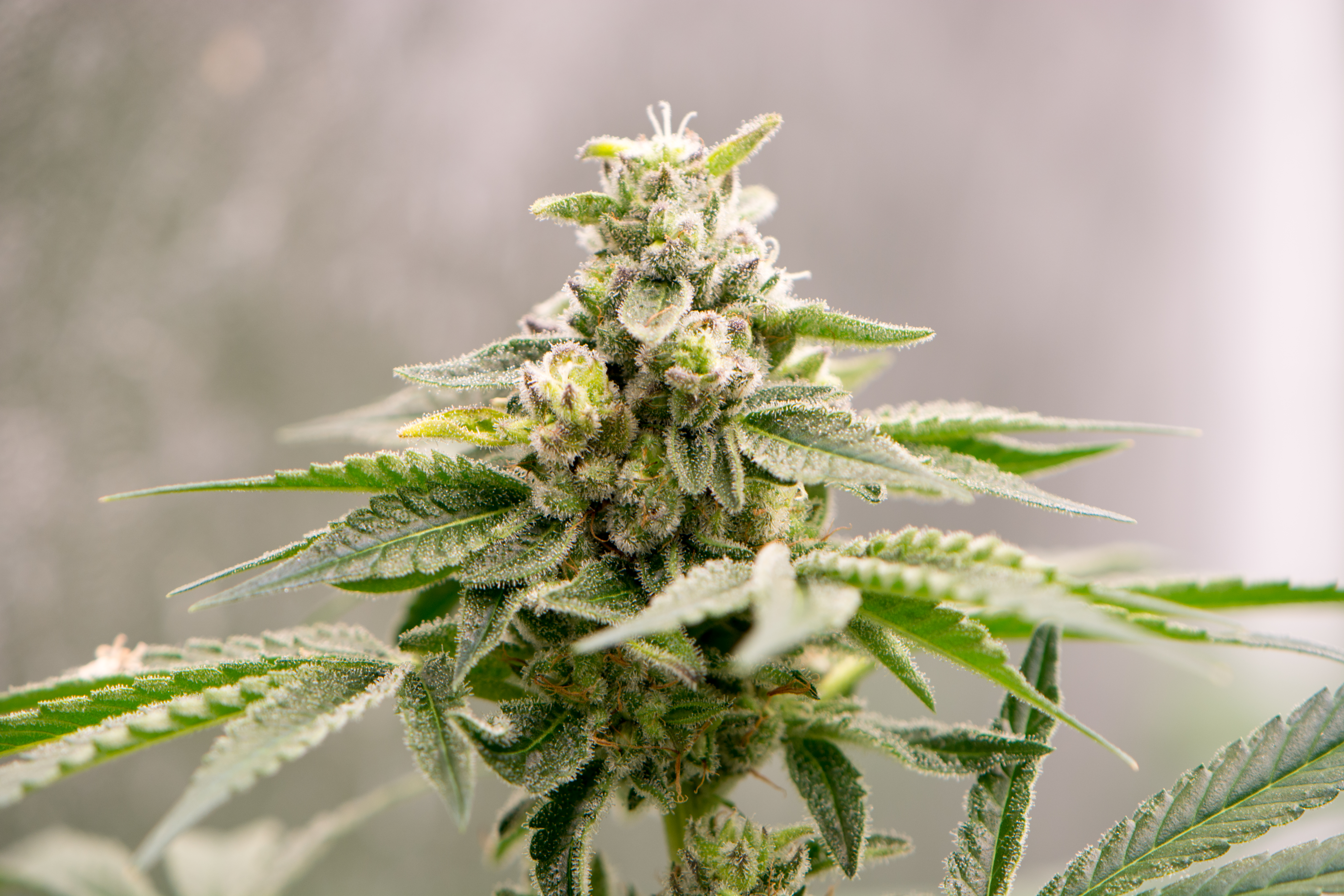
During flowering, Royal Jack produces long, spear-shaped buds that form along the branches rather than stacking tightly at the nodes. The flowers often show bright green tones with visible pistils and a thick layer of resin.
This structure reduces the risk of mold compared to dense indica buds, especially in humid environments. However, growers must still control humidity levels carefully, as sativa buds can take longer to fully mature.
Because of the longer flowering period, Royal Jack rewards patience. Growers who harvest too early may miss peak cannabinoid and terpene development.
Why Classification Matters
Knowing that Royal Jack is sativa-dominant helps in several ways:
- Growers can plan for height, spacing, and training needs
- Cultivators can expect longer flowering times
- Users can better understand how the plant behaves overall
While the indica vs. sativa label does not fully predict effects or medical use, it remains very useful for understanding plant growth and structure.
Royal Jack is a clearly sativa-dominant strain, both genetically and physically. It grows tall, stretches during flowering, and produces elongated, resin-rich buds with classic sativa features. Compared to indica strains, it requires more time, space, and training but offers strong yields and a well-developed flower structure. Understanding this classification helps both growers and researchers make informed decisions when working with Royal Jack.
Royal Jack THC Content and Cannabinoid Profile
Understanding the THC content and cannabinoid makeup of the Royal Jack weed strain is important for both growers and consumers. These factors help explain how strong the strain is, how it may affect the body and mind, and why results can vary between different harvests. This section explains Royal Jack’s potency in clear terms, without technical jargon, so readers can easily understand what the numbers mean in real use.
Average THC Levels in Royal Jack
Royal Jack is known as a moderately to highly potent strain. Most lab-tested samples show a THC content ranging between 18% and 24%. In some optimized growing conditions, THC levels may reach slightly higher, but this is not guaranteed.
This THC range places Royal Jack above average when compared to many standard cannabis strains. However, it is not considered extreme or overpowering. This makes it suitable for users who want noticeable psychoactive effects without the intensity often linked to very high-THC strains that exceed 28%.
The THC percentage refers to delta-9-tetrahydrocannabinol, the main compound responsible for the “high” feeling. When cannabis is tested, the THC level reflects how much of this compound is present in dried flower by weight.
How Strong Is Royal Jack Compared to Other Strains?
When compared to other sativa-dominant strains, Royal Jack sits in the upper-middle range of strength. Traditional sativa strains often fall between 14% and 20% THC. Royal Jack frequently exceeds this range, which explains why it is described as mentally stimulating and fast-acting.
Compared to other Jack-related genetics, Royal Jack tends to offer:
- Slightly higher average THC than older Jack varieties
- More consistent potency across phenotypes
- A balanced effect profile instead of overwhelming intensity
This balance is one reason Royal Jack is popular for daytime or structured use.
CBD Content and Why It Matters
Royal Jack contains very low levels of CBD, usually below 1%. In many cases, CBD levels are closer to 0.1%–0.3%. Because of this, CBD does not significantly counteract the psychoactive effects of THC in this strain.
Low CBD content means:
- The THC effects are more noticeable
- The experience is more mentally focused
- It may feel stronger for users with low tolerance
This also explains why Royal Jack is not commonly classified as a CBD-rich or balanced strain.
Minor Cannabinoids in Royal Jack
In addition to THC and CBD, Royal Jack may contain small amounts of minor cannabinoids, including:
- CBG (cannabigerol) – Often present in trace amounts; associated with mental clarity
- CBC (cannabichromene) – Found at very low levels; may support overall cannabinoid interaction
- THCV (tetrahydrocannabivarin) – Sometimes present in sativa genetics, though not always detectable
These minor cannabinoids are usually present in amounts below 1%. While they do not create strong effects on their own, they may influence how THC feels through what is known as the entourage effect.
Why THC Levels Can Vary
Not all Royal Jack plants produce the same THC percentage. Several factors influence final potency:
Genetics:
Different phenotypes within the same strain can express THC differently. Some plants naturally produce more resin than others.
Growing Conditions:
Light intensity, nutrient balance, temperature, and stress levels all affect cannabinoid production. Plants grown under strong, stable lighting often test higher in THC.
Harvest Timing:
Harvesting too early may result in lower THC levels. Harvesting too late can cause THC to break down into other compounds.
Drying and Curing:
Improper drying or long exposure to heat and air can reduce THC content over time.
Because of these factors, THC percentages should be seen as ranges, not fixed numbers.
THC Content and User Experience
The THC level in Royal Jack explains why it is often described as:
- Fast-acting
- Mentally alerting
- Long-lasting compared to lower-THC strains
Even at the lower end of its THC range, Royal Jack can feel strong to users who are sensitive to THC. For this reason, dosage control is important, especially for new or occasional users.
Royal Jack typically contains 18% to 24% THC, placing it in the moderate-to-high potency range. It has very low CBD levels, which allows THC effects to remain clear and noticeable. Small amounts of minor cannabinoids may support the overall experience, but THC is the dominant compound. Potency can vary based on genetics, growing methods, and harvest timing. Overall, Royal Jack offers strong but controlled THC levels that appeal to users seeking clarity and energy rather than extreme intensity.
Royal Jack Terpene Profile and Aroma Characteristics
The terpene profile of the Royal Jack weed strain plays a major role in how it smells, tastes, and feels when consumed. Terpenes are natural aromatic compounds found in cannabis and many other plants. They are responsible for the scent of flowers, herbs, fruits, and spices. In cannabis, terpenes also work together with cannabinoids like THC to shape the overall experience.
Royal Jack is known for having a complex but balanced terpene profile. These terpenes give the strain its sharp, fresh aroma and influence how the effects are perceived by the user. Below is a detailed breakdown of the most important terpenes found in Royal Jack and how they contribute to its overall profile.
Primary Terpenes in Royal Jack
Terpinolene
Terpinolene is often the dominant terpene in Royal Jack. This terpene is less common in cannabis compared to others, which makes strains like Royal Jack stand out. Terpinolene has a fresh, herbal, and slightly sweet aroma. It is often described as having hints of pine, citrus peel, and flowers. This terpene is commonly found in plants like apples, cumin, and tea tree.
In Royal Jack, terpinolene is a major reason for its clean and energetic scent. It helps create a bright and sharp aroma that many people notice right away when the flower is handled or ground.
Pinene (Alpha-Pinene and Beta-Pinene)
Pinene is another key terpene found in Royal Jack. As the name suggests, pinene gives off a pine-like, forest scent. It is the same terpene found in pine needles, rosemary, and basil.
Pinene adds a crisp and fresh quality to Royal Jack’s aroma. It also helps explain why the strain often smells clear and sharp instead of heavy or sweet. When combined with terpinolene, pinene gives Royal Jack its classic “Jack-style” scent that many users recognize.
Myrcene
Myrcene is present in smaller amounts compared to terpinolene and pinene. This terpene has an earthy, herbal, and slightly musky smell. It is one of the most common terpenes found in cannabis.
In Royal Jack, myrcene does not overpower the profile. Instead, it adds depth and balance. It helps smooth out the sharper notes from terpinolene and pinene, creating a more rounded aroma.
Secondary Terpenes and Supporting Compounds
Royal Jack may also contain smaller amounts of other terpenes, such as:
- Limonene – adds light citrus notes, similar to lemon peel
- Caryophyllene – brings subtle spice and pepper-like tones
- Humulene – contributes mild earthy and woody aromas
These secondary terpenes are usually present in lower levels, but they still play an important role. They help fine-tune the scent and flavor, making Royal Jack more layered and complex rather than one-dimensional.
Aroma Characteristics
The aroma of Royal Jack is often described as fresh, herbal, piney, and slightly sweet. When the buds are broken apart, the scent becomes stronger and more detailed. Many people notice a mix of pine forest, fresh herbs, and light citrus.
The smell is usually not heavy or skunky. Instead, it is sharp and clean. This makes Royal Jack easy to recognize among other cannabis strains, especially those with earthy or dessert-like aromas.
Flavor Profile
When smoked or vaporized, Royal Jack tends to reflect its aroma closely. The flavor often includes:
- Herbal and pine notes on the inhale
- Light citrus or floral tones
- A clean, slightly spicy finish on the exhale
The flavor is generally smooth when properly grown and cured. Vaporizing Royal Jack often brings out more of the citrus and floral notes, while smoking highlights the pine and herbal qualities.
How Growing and Curing Affect Terpenes
Terpene levels in Royal Jack can vary depending on how the plant is grown, harvested, dried, and cured. Proper temperature control, slow drying, and careful curing help preserve terpenes. Poor handling can cause terpenes to evaporate, leading to weaker aroma and flavor.
Storage also matters. Exposure to heat, light, and air can slowly break down terpenes over time.
Royal Jack has a terpene profile that is fresh, sharp, and well-balanced. Terpinolene leads the profile, supported by pinene and smaller amounts of myrcene and other terpenes. Together, these compounds create a clean herbal aroma with pine and light citrus notes. The flavor closely follows the scent, especially when the flower is well-grown and properly cured. This terpene combination is a key reason why Royal Jack stands out among Jack-based cannabis strains.
What Are the Effects of Royal Jack?
The effects of the Royal Jack weed strain are closely linked to its cannabinoid strength and terpene profile. Royal Jack is known as a sativa-dominant strain, which means its effects usually lean toward mental stimulation rather than deep physical sedation. However, the experience can still vary based on dose, tolerance, and individual body chemistry.
Below is a clear breakdown of what users commonly experience when consuming Royal Jack, explained in a factual and easy-to-understand way.
Mental and Cognitive Effects
Royal Jack is most often associated with mental clarity and alertness. Because of its sativa dominance, the strain tends to affect the mind more than the body, especially during the early stages of use.
Common cognitive effects include:
- Increased focus and attention
- Faster thought patterns
- A sense of mental energy
- Improved ability to stay engaged in tasks
These effects are linked to the strain’s THC content and terpene structure, especially terpenes like terpinolene and pinene, which are often studied for their stimulating qualities. Many people describe the mental effects as clear rather than foggy, meaning the strain is less likely to cause heavy confusion at moderate doses.
Royal Jack is often researched for situations that require mental engagement, such as creative work, reading, or problem-solving. The effects usually begin gradually and become more noticeable within minutes when inhaled.
Mood-Related Effects
Royal Jack is also associated with uplifting mood effects. The strain’s chemistry tends to support emotional balance rather than intense sedation.
Reported mood-related effects may include:
- A brighter or more positive outlook
- Reduced mental tension
- Increased motivation
- Greater sense of interest in surroundings
These effects do not typically feel overwhelming. Instead, they often develop alongside the mental stimulation, creating a balanced experience. Because of this, Royal Jack is commonly described as functional rather than overpowering when used in small to moderate amounts.
Physical and Body Effects
Although Royal Jack is not known for heavy body effects, it can still produce mild physical sensations. These effects are usually secondary to the mental experience.
Physical effects may include:
- Light body relaxation
- Reduced muscle tightness
- Subtle warmth or calm sensation
Unlike indica-dominant strains, Royal Jack rarely causes strong couch-lock effects. The body relaxation tends to stay mild and does not usually interfere with movement or coordination at lower doses.
At higher doses, some users may notice heavier physical effects, but this varies widely depending on tolerance and method of use.
Energy and Sedation Balance
Royal Jack is generally considered non-sedating, especially when compared to indica or hybrid strains with strong myrcene content. The strain’s effects often support daytime or early evening use.
Key points about energy levels:
- Low likelihood of drowsiness
- More energizing than calming
- Less likely to interfere with daily activities
That said, very high doses may still lead to mental fatigue after the peak effects wear off. This is a common pattern with THC-rich strains and is not unique to Royal Jack.
Onset Time and Duration
The onset and duration of Royal Jack’s effects depend on how it is consumed.
- Inhalation (smoking or vaporizing):
Effects may begin within 5 to 10 minutes and peak within 30 to 60 minutes. - Edible or oral use:
Onset may take 1 to 2 hours, with longer-lasting effects that feel stronger and more body-focused.
The total duration of effects typically ranges from 2 to 4 hours, though this can be longer with higher doses or edible products.
Variability by Dose and Tolerance
The effects of Royal Jack can change significantly depending on dose size.
- Low doses:
More focus, mild energy, and light mood lift - Moderate doses:
Stronger mental stimulation and noticeable relaxation - High doses:
Possible restlessness, mental overstimulation, or fatigue
Because Royal Jack has a moderate to high THC range, dose control plays an important role in shaping the overall experience.
Royal Jack produces effects that are mainly mental, uplifting, and functional. The strain is known for promoting focus, mental clarity, and mild physical relaxation without heavy sedation. Its effects usually develop smoothly, last several hours, and are influenced by dose, tolerance, and consumption method. Overall, Royal Jack is commonly studied as a sativa-dominant strain that supports alertness and balanced mood rather than deep physical heaviness.
Potential Medical and Wellness Applications
Royal Jack is often researched for its potential medical and wellness-related uses because of its cannabinoid and terpene profile. While cannabis research is still developing, many of the effects linked to Royal Jack are based on how its known compounds interact with the body. This section explains these potential applications in a clear and educational way. It does not replace medical advice or professional care.
Cannabinoid and Terpene Influence
Royal Jack is known for having a high THC level and very low CBD content. THC is the main compound responsible for most mental and physical effects linked to cannabis. It interacts with the body’s endocannabinoid system, which helps regulate mood, stress response, pain signals, appetite, and sleep patterns.
Royal Jack also contains terpenes such as terpinolene, pinene, and myrcene. These natural compounds are found in many plants and may influence how THC feels in the body. Together, cannabinoids and terpenes create what is often called a “combined effect,” where the overall experience is shaped by more than THC alone.
Stress and Mental Tension Management
Royal Jack is often associated with uplifting and clear-headed effects. Because of this, it is commonly researched for use during periods of mental stress or tension. THC may help reduce stress signals by affecting neurotransmitters linked to mood and relaxation.
Some users report feeling more mentally alert while still calm. This balance may be helpful for people who want stress relief without strong physical sedation. However, higher doses of THC may increase anxiety in some individuals, especially those sensitive to strong cannabis strains.
Focus, Motivation, and Mental Fatigue
Due to its sativa-dominant traits, Royal Jack is often studied for its effects on focus and motivation. The terpene pinene is commonly linked to alertness and memory support, while terpinolene is associated with mental stimulation.
These characteristics may make Royal Jack suitable for daytime use for some individuals. It is often researched by people who experience mental fatigue, low motivation, or difficulty staying engaged in tasks. The effects may vary depending on dose, tolerance, and personal brain chemistry.
Mood Support and Emotional Balance
Royal Jack is frequently discussed in relation to mood regulation. THC can increase dopamine activity in the brain, which plays a role in pleasure and motivation. This may help improve mood in people dealing with low energy or mild depressive symptoms.
The uplifting nature of this strain is one reason it is often chosen for emotional balance rather than deep relaxation. That said, cannabis should never be used as a sole treatment for mental health conditions. Professional guidance is always recommended.
Pain and Physical Discomfort
THC has well-documented pain-modulating properties. Royal Jack may help reduce mild to moderate physical discomfort by altering how pain signals are processed in the nervous system. This includes tension-related pain, headaches, or general body soreness.
Because Royal Jack is not heavily sedating, it may be preferred by people who want relief while staying active. However, those with chronic or severe pain may require strains with different cannabinoid ratios, including higher CBD levels.
Energy Levels and Daytime Function
Royal Jack is commonly researched for its non-sedating nature. Unlike many indica-dominant strains, it is less likely to cause heavy physical relaxation. This may make it more suitable for daytime use when taken in controlled amounts.
Some people explore Royal Jack for help with low daytime energy or sluggishness. Its terpene profile may support mental clarity while avoiding excessive drowsiness.
Important Medical and Safety Considerations
Royal Jack contains high THC levels, which may not be suitable for everyone. Individuals with low tolerance, anxiety disorders, or sensitivity to THC should approach with caution. Side effects may include dry mouth, dry eyes, dizziness, or increased heart rate.
Cannabis use may interact with medications or medical conditions. Pregnant individuals, those with heart conditions, or people under legal age should not use cannabis. Always consult a qualified healthcare provider before using cannabis for medical or wellness purposes.
Royal Jack is commonly researched for stress relief, mood support, focus, and mild pain management due to its THC-rich and terpene-driven profile. Its sativa-dominant nature makes it more suitable for daytime or active use rather than heavy relaxation. Effects can vary widely based on dose, tolerance, and individual biology. While Royal Jack shows potential in wellness-related areas, it should be used responsibly and never as a replacement for professional medical care.
Royal Jack Flavor and Smoke/Vapor Profile
The flavor and inhalation profile of the Royal Jack weed strain is an important topic for many readers, especially those who want to understand what to expect before using it. Flavor, aroma, and smoothness are shaped by the strain’s terpene profile, how it is grown, and how it is consumed. Royal Jack is known for having a classic profile that reflects its genetic background, with clear differences depending on whether it is smoked or vaporized.
Overall Flavor Characteristics
Royal Jack produces a flavor that is commonly described as fresh, herbal, and slightly sweet, with noticeable spicy and pine-like notes. These flavors come mainly from its dominant terpenes, such as terpinolene, pinene, and myrcene. Together, these compounds create a profile that feels crisp rather than heavy.
On the inhale, users often notice a clean herbal taste, similar to fresh-cut plants or herbs. This is followed by a mild sweetness that balances the sharper notes. On the exhale, spice and light earth tones become more noticeable. The flavor is not overpowering, which makes it appealing to people who prefer clear and natural-tasting strains.
Royal Jack does not usually have a strong fruity or dessert-like taste. Instead, it stays closer to traditional cannabis flavors, which many users associate with classic sativa genetics.
Aroma Compared to Flavor
The aroma of Royal Jack is closely linked to its flavor, but it can feel stronger before consumption. When the dried flower is broken apart, it often releases sharp pine, pepper, and herbal scents. There may also be a faint citrus or sweet note in the background, depending on how the plant was grown and cured.
When burned or heated, the smell becomes more pronounced and spicy. The aroma can linger in the air longer than some lighter strains, especially when smoked. Vaporizing tends to release a cleaner scent that fades more quickly.
Smoking Profile: Smoothness and Harshness
When Royal Jack is smoked, either in a joint, pipe, or bong, the smoke is usually moderately smooth. Properly cured flower produces smoke that does not feel overly harsh on the throat, though it may cause mild coughing for some users, especially at higher temperatures.
The smoke tends to be light and airy rather than thick, which is common for sativa-dominant strains. The spicy and herbal notes are strongest when smoking, especially during the first few inhalations. Toward the end of a joint or bowl, the flavor may shift slightly toward earthy or woody tones.
Poor curing or overly dry flower can increase harshness and reduce flavor clarity. For this reason, storage conditions play a key role in maintaining a pleasant smoke.
Vapor Profile: Flavor Clarity and Control
Vaporizing Royal Jack often brings out more detail in its flavor profile. At lower vaporizer temperatures, the pine and herbal notes are most noticeable, with a smooth and almost mint-like freshness. As the temperature increases, the spicy and earthy flavors become more dominant.
Vapor tends to feel less irritating to the throat compared to smoke. This allows users to better taste the strain’s terpene profile without the burnt flavor caused by combustion. Many people report that vaporizing Royal Jack highlights its cleaner and brighter qualities.
Another benefit of vaporizing is better temperature control. Lower heat preserves delicate terpenes, while higher heat releases deeper flavors and stronger effects. This makes vaporizing a useful option for those who want to explore the strain’s full flavor range.
Effect of Drying and Curing on Taste
Drying and curing have a major impact on how Royal Jack tastes. Well-cured buds maintain strong terpene presence, resulting in better aroma and flavor. A slow and controlled cure helps prevent grassy or bitter tastes.
Improper curing can dull the strain’s herbal notes and reduce sweetness. Over-dried flower may taste flat and feel harsher when smoked. Fresh but uncured flower may taste green or plant-like rather than balanced.
Storage in airtight containers, away from heat and light, helps preserve flavor for longer periods.
Flower vs. Concentrates and Extracts
In concentrate or extract form, Royal Jack’s flavor becomes more intense and focused. Terpene-rich extracts often emphasize pine, spice, and herbal tones more strongly than flower. The sweetness may also feel more noticeable.
However, concentrates require careful temperature control. Too much heat can destroy terpenes and reduce flavor quality.
Royal Jack offers a clean, herbal, and spicy flavor profile that reflects its classic genetics. When smoked, it delivers a light but flavorful experience with moderate smoothness. When vaporized, the flavor becomes clearer and less harsh, allowing the terpenes to stand out. Proper curing and storage play a key role in maintaining taste quality. Overall, Royal Jack’s flavor and inhalation profile is balanced, traditional, and well-suited for those who prefer fresh, natural cannabis flavors.
How Much Does Royal Jack Yield?
Yield is one of the most common questions growers ask about any cannabis strain, and Royal Jack is no exception. Understanding how much this strain can produce helps growers plan space, lighting, and time. Royal Jack is known for moderate to high yields, especially when grown under controlled conditions and with proper care.
This section explains indoor and outdoor yields, the factors that affect production, and how Royal Jack compares to other sativa-dominant strains.
Average Indoor Yield
When grown indoors, Royal Jack usually produces 450 to 550 grams per square meter under optimal conditions. This places it in the medium-to-high yield range for a sativa-dominant strain.
Indoor yields depend heavily on:
- Light quality and intensity
- Grow space size
- Training techniques
- Nutrient management
Royal Jack grows tall and stretches during flowering. Because of this, indoor growers often use training methods to control height and improve light exposure. When the canopy is even, more bud sites receive light, which leads to better overall yields.
Growers using high-quality LED or HID lighting and proper airflow often see yields at the higher end of the range. Smaller yields are more common when the plant is left untrained or grown under weak lighting.
Average Outdoor Yield
Outdoors, Royal Jack can produce 500 to 700 grams per plant, and sometimes more in ideal climates. Outdoor plants usually grow larger than indoor ones because their roots have more space and they receive natural sunlight.
Outdoor yields are influenced by:
- Climate and weather stability
- Length of the growing season
- Soil quality
- Sun exposure
Royal Jack performs best outdoors in warm, sunny climates with low humidity. Long summers allow the plant to fully develop its branches and flowers. In cooler or wetter regions, yields may be lower due to slower growth or mold risk.
Because Royal Jack grows tall, outdoor growers should plan enough space between plants. Crowded plants reduce airflow, which can lower yield and increase disease risk.
Factors That Affect Royal Jack Yields
Several factors play a key role in how much Royal Jack produces:
Training Techniques
Training methods like low-stress training (LST), topping, and screen of green (SCROG) help spread the plant horizontally. This allows more bud sites to receive light. Well-trained Royal Jack plants usually produce higher yields than untrained ones.
Lighting
Strong and consistent lighting is critical indoors. Royal Jack responds well to high light levels, especially during flowering. Weak or uneven lighting often leads to airy buds and reduced yields.
Nutrients
Royal Jack needs balanced nutrients, especially nitrogen during vegetative growth and phosphorus and potassium during flowering. Overfeeding can harm yields just as much as underfeeding. Slow, steady nutrient delivery works best.
Growing Medium
Both soil and hydroponic systems can produce good results. Soil-grown plants may have slightly lower yields but are easier to manage. Hydroponic systems often increase yield but require more skill and monitoring.
Environmental Control
Temperature, humidity, and airflow all matter. High humidity during flowering can reduce yield by increasing mold risk. Stable conditions help the plant focus energy on flower production.
Comparison to Other Sativa-Dominant Strains
Compared to other sativa-dominant strains, Royal Jack offers above-average yields. Many sativa strains produce less because they focus more on height and structure rather than dense flowers.
Royal Jack stands out because:
- Buds are more compact than typical sativas
- Flower sites develop evenly across branches
- Plants respond well to training
While it may not match the yield of heavy indica strains, Royal Jack often produces more usable flower due to its structure and bud density.
Yield vs. Quality Balance
Royal Jack is known for balancing yield and quality. Higher yields do not usually reduce potency or terpene expression when the plant is grown correctly. Harvesting at the right time and proper drying and curing help preserve both weight and quality.
Growers who rush harvest or skip curing may lose weight and flavor. Allowing buds to fully mature improves both yield and final results.
Royal Jack produces solid and reliable yields for both indoor and outdoor growers. Indoors, growers can expect around 450–550 grams per square meter, while outdoor plants often yield 500–700 grams per plant in good conditions. Yield depends on training, lighting, nutrients, and environment.
With proper care, Royal Jack rewards growers with a strong balance of quantity and consistency, making it a dependable choice for those seeking a productive sativa-dominant strain.
Royal Jack Flowering Time and Growth Cycle
Understanding the flowering time and full growth cycle of the Royal Jack weed strain is important for growers who want consistent results. This section explains how long Royal Jack takes to grow, what happens at each stage, and how growers can tell when plants are ready for harvest. All timelines may vary slightly depending on environment, growing method, and plant phenotype, but the ranges below reflect common outcomes.
Flowering Time Indoors
When grown indoors, Royal Jack typically has a flowering time of 8 to 10 weeks after the light cycle is changed to 12 hours of light and 12 hours of darkness. This timeframe is common for sativa-dominant strains, especially those with Jack Herer genetics.
During the first two weeks of flowering, Royal Jack plants often go through a stretch phase. In this period, the plant may increase in height by 50% or more. Growers should plan for this stretch by controlling plant height during the vegetative stage. Training methods such as low-stress training (LST) or topping can help manage vertical growth.
From weeks three to six, buds begin to form and thicken. White pistils become more visible, and resin production starts to increase. By weeks seven to ten, buds mature, trichomes become cloudy or amber, and terpene aromas become stronger. At this point, growers begin monitoring closely for harvest readiness.
Outdoor Flowering and Harvest Window
When grown outdoors, Royal Jack follows the natural light cycle of the sun. Flowering usually begins in late summer, once daylight hours shorten. In most climates, Royal Jack is ready for harvest between late September and mid-October.
Outdoor harvest timing depends heavily on location. In warm, sunny regions, plants may finish earlier and produce larger yields. In cooler or wetter climates, growers must watch closely for signs of mold or bud rot as flowering nears completion.
Because Royal Jack is sativa-dominant, outdoor plants can grow tall and wide. Proper spacing and airflow are important throughout the season to support healthy flowering.
Vegetative Growth Timeline
Before flowering begins, Royal Jack enters the vegetative stage, which usually lasts 3 to 6 weeks indoors. During this time, the plant focuses on building roots, stems, and leaves. Longer vegetative periods often result in larger plants and higher yields, but they also increase overall grow time.
Outdoor plants usually remain in the vegetative stage from late spring until mid-summer. During this phase, Royal Jack responds well to regular feeding, proper lighting, and gentle training.
Healthy vegetative growth is important because it sets the foundation for flowering. Plants that are stressed or underdeveloped during this stage may produce smaller buds later.
Signs That Royal Jack Is Ready for Harvest
Harvest timing plays a key role in final potency and terpene content. Royal Jack is usually ready for harvest when several visual signs appear:
- Trichomes change from clear to cloudy or amber
- Pistils darken and curl inward
- Bud density increases and flowers feel firm
- Aroma becomes stronger and more defined
Many growers use a magnifying tool to check trichome color. Cloudy trichomes usually indicate peak THC levels, while amber trichomes suggest slightly reduced THC and more mature cannabinoids.
Harvesting too early may result in lower potency, while harvesting too late can reduce flavor and aroma.
Full Growth Cycle Overview
From seed to harvest, Royal Jack typically completes its full growth cycle in 12 to 16 weeks, depending on vegetative time and flowering length. Indoor growers have more control over timing, while outdoor growers rely on seasonal conditions.
The general timeline looks like this:
- Seedling stage: 1–2 weeks
- Vegetative stage: 3–6 weeks
- Flowering stage: 8–10 weeks
Each stage requires different care, but steady conditions help maintain a smooth transition from growth to flowering.
Royal Jack has a moderate flowering time, making it suitable for growers who want a sativa-dominant strain without an extended wait. Indoors, flowering usually finishes in 8 to 10 weeks, while outdoor harvests take place in early to mid-fall. Strong vegetative growth, careful monitoring during flowering, and proper harvest timing all contribute to better results. By understanding the full growth cycle, growers can plan more effectively and avoid common timing mistakes.
How Difficult Is Royal Jack to Grow?
Royal Jack is widely considered a moderate-difficulty cannabis strain to grow. It is not the hardest strain on the market, but it does require attention, planning, and basic growing knowledge. Growers who understand plant structure, airflow, and nutrient balance will have the best results. This section explains what level of experience is recommended, the ideal growing conditions, how resistant the strain is to problems, and the most common challenges growers face.
Recommended Grower Experience Level
Royal Jack is best suited for intermediate growers, though beginners can succeed if they prepare well. The plant grows vigorously and responds strongly to its environment. This means mistakes can show quickly, but it also means skilled growers can shape the plant to improve yields.
New growers may struggle with:
- Controlling plant height
- Managing feeding schedules
- Maintaining proper airflow
Growers with some experience in sativa-dominant strains will find Royal Jack easier to manage. It rewards proper care with strong growth and consistent bud development.
Environmental Requirements
Royal Jack performs best in a stable and controlled environment. Because it leans sativa, it grows taller than many indica strains and needs enough vertical space.
Temperature
- Ideal daytime range: 22–27°C (72–81°F)
- Nighttime temperatures should not drop sharply
- Sudden cold can slow growth and stress the plant
Humidity
- Vegetative stage: 55–65%
- Flowering stage: 40–50%
- Lower humidity in flowering helps prevent mold
Airflow
Good airflow is critical. Royal Jack produces dense foliage, especially during flowering. Without airflow:
- Moisture can build up
- Mold risk increases
- Heat stress becomes more likely
Fans should move air above and below the canopy.
Light and Space Needs
Royal Jack stretches significantly after switching to flowering. Indoor growers must plan ahead.
Key considerations:
- Use strong, consistent lighting
- Flip to flowering earlier than with indica strains
- Provide enough horizontal and vertical space
Low-stress training (LST) and screen-of-green (SCROG) methods work well to control height and improve light exposure.
Nutrient Sensitivity and Feeding
Royal Jack prefers a balanced feeding schedule. It is not extremely nutrient-sensitive, but overfeeding can cause problems.
Common feeding traits:
- Moderate nitrogen needs during vegetation
- Increased phosphorus and potassium during flowering
- Sensitive to salt buildup in soil or coco
Growers should:
- Start with lower nutrient strength
- Increase slowly based on plant response
- Flush before harvest to improve flavor
Organic growers often find Royal Jack responds well to slow-release nutrients.
Resistance to Pests and Mold
Royal Jack has average resistance to pests and mold. It is not especially fragile, but it is not immune either.
Pest Resistance
- Can attract spider mites and aphids
- Strong smell may deter some insects
- Regular inspection is important
Mold Resistance
- Buds can become dense late in flowering
- High humidity increases risk of bud rot
- Good airflow and pruning help reduce issues
Preventive care is more effective than treating problems after they appear.
Common Cultivation Challenges
Several challenges are common when growing Royal Jack:
- Excessive Stretch
The plant can double in height after flowering begins. Without training, it may outgrow indoor spaces. - Leaf Density
Thick foliage can block airflow and light. Light defoliation helps reduce moisture buildup. - Timing the Harvest
Harvesting too early reduces potency, while harvesting too late can dull terpene expression. Monitoring trichomes is important. - Nutrient Imbalance
Too much feeding can lead to leaf burn, while too little can slow flower development.
These challenges are manageable with observation and routine care.
Overall Difficulty Rating
Royal Jack is not a beginner-proof strain, but it is far from difficult. Growers who understand plant behavior and environmental control will find it predictable and rewarding.
It is best described as:
- Forgiving of small mistakes
- Responsive to training
- Demanding of space and airflow
Royal Jack is a moderately difficult strain to grow that suits growers with some experience. It needs stable temperatures, controlled humidity, strong airflow, and careful feeding. The plant grows tall and dense, which requires training and pruning to manage space and reduce mold risk. While beginners can grow it successfully, preparation and attention are key. With proper care, Royal Jack delivers healthy plants and consistent results.
Expert Grow Tips for Maximizing Royal Jack Quality
Growing Royal Jack successfully requires attention to plant structure, nutrition, lighting, and timing. Because this strain is sativa-dominant, it tends to grow tall, stretch during flowering, and produce long, resin-rich buds. The following expert grow tips explain how to manage these traits and improve yield, potency, and terpene retention in a clear and practical way.
Training Techniques for Better Structure and Yields
Royal Jack benefits greatly from plant training. Without training, the plant can become tall and uneven, which may reduce light exposure to lower bud sites.
Low-Stress Training (LST) is highly effective. This method involves gently bending and tying down branches during the vegetative stage. LST helps create a flatter canopy, allowing light to reach more bud sites. It also improves airflow, which lowers the risk of mold.
Topping is another useful technique. Cutting the main stem early in the vegetative phase encourages the plant to grow multiple main colas instead of one tall central stem. This helps control height and increases overall bud production.
Screen of Green (SCROG) setups work well indoors. A screen supports branches and spreads growth evenly across the grow space. This method is especially useful for Royal Jack because it stretches after switching to flowering.
Training should always be done slowly and carefully. Sudden stress can slow growth and reduce final yields.
Nutrient Strategies for Sativa-Dominant Genetics
Royal Jack has moderate nutrient needs. Overfeeding can cause nutrient burn, while underfeeding can limit bud development.
During the vegetative stage, the plant needs higher nitrogen levels. Nitrogen supports leaf growth and strong stems. A balanced nutrient mix with added calcium and magnesium helps prevent deficiencies, especially under strong lights.
In the flowering stage, phosphorus and potassium become more important. These nutrients support bud formation and resin production. Nitrogen should be reduced to prevent leafy buds and delayed flowering.
It is important to monitor pH levels. For soil grows, a pH range of 6.0 to 6.5 is ideal. For hydroponic systems, aim for 5.5 to 6.0. Incorrect pH can block nutrient uptake even if nutrients are present.
Flushing the plants with clean water in the final one to two weeks helps remove excess salts. This can improve flavor and smoothness after harvest.
Light Intensity and Photoperiod Management
Lighting plays a major role in Royal Jack’s growth and potency.
During the vegetative phase, an 18 hours on / 6 hours off light cycle encourages strong growth. High-quality LED or HID lights with full-spectrum output support healthy development.
When switching to flowering, use a 12/12 light cycle. Royal Jack often stretches during the first two to three weeks of flowering, so growers should plan vertical space carefully.
Light intensity should be strong but not excessive. Too much light can cause stress, bleaching, or heat damage. Leaves curling upward or turning pale may indicate light stress.
Even light distribution across the canopy is critical. Adjust lights regularly as the plant grows to maintain the correct distance.
Environmental Control for Quality Preservation
Royal Jack prefers warm but controlled conditions.
- Temperature: 70–80°F (21–27°C) during the day and slightly cooler at night
- Humidity:
- Vegetative stage: 55–65%
- Flowering stage: 40–50%
- Vegetative stage: 55–65%
Lower humidity during flowering reduces the risk of mold, especially since Royal Jack produces dense buds.
Strong airflow is essential. Oscillating fans help strengthen stems and prevent moisture buildup around flowers.
Harvest Timing for THC and Terpene Retention
Correct harvest timing has a major impact on potency and aroma.
Growers should observe trichomes rather than relying only on flowering time. Clear trichomes indicate immaturity, while cloudy trichomes signal peak THC levels. A small number of amber trichomes may add heavier effects.
Harvesting too early can reduce potency. Harvesting too late may lower THC and alter terpene balance.
After harvest, slow drying and proper curing are essential. Dry buds in a dark space with good airflow at around 60–65°F and 55–60% humidity. Curing in airtight containers for at least two to four weeks helps preserve terpenes and stabilize cannabinoids.
To maximize Royal Jack quality, growers should focus on controlled training, balanced nutrition, proper lighting, and careful harvest timing. Techniques like LST, topping, and SCROG help manage height and increase yields. Moderate feeding, stable pH levels, and correct environmental control support healthy growth. Finally, harvesting at peak trichome maturity and curing properly ensures strong THC levels and a well-preserved terpene profile. These steps together allow Royal Jack to reach its full genetic potential.
Royal Jack vs. Other Jack-Based Strains
Royal Jack belongs to a well-known family of cannabis strains that trace their genetics back to Jack Herer. Many strains in this group share similar traits, such as strong aromas, uplifting effects, and sativa-dominant growth. However, Royal Jack also has clear differences that set it apart. This section explains how Royal Jack compares to other Jack-based strains in terms of THC levels, terpene profiles, plant structure, yields, and cultivation needs.
Genetic Background Differences
Most Jack-based strains come from a mix of Haze, Northern Lights, and Skunk genetics. These genetics are known for producing energetic effects and complex terpene profiles. Royal Jack follows this general pattern but is more stabilized for consistent growth and flowering. Some Jack-based strains show large variation between plants, while Royal Jack tends to grow in a more uniform way when cultivated under similar conditions.
This stability makes Royal Jack easier to manage than older or less refined Jack varieties. Growers often see more predictable height, flowering time, and bud formation compared to classic Jack strains.
THC Strength and Cannabinoid Comparison
Royal Jack usually has moderate to high THC levels. Compared to some Jack-based strains that push very high THC percentages, Royal Jack often stays slightly lower but more balanced. This means the effects are strong but not overwhelming for most users.
Other Jack strains may test higher in THC but show greater variation between harvests. Royal Jack’s cannabinoid profile is more consistent, which helps both growers and consumers better predict its effects. CBD levels in Royal Jack and most Jack-based strains are low, and this is a shared trait across the genetic line.
Terpene Profile and Aroma Differences
Jack-based strains are known for sharp, fresh aromas. These often include herbal, pine, citrus, and spice notes. Royal Jack follows this pattern but usually leans more toward clean pine and herbal tones with mild citrus hints.
Some Jack strains contain stronger spicy or peppery terpene expressions. Others may have sweeter or more lemon-heavy profiles. Royal Jack sits in the middle, offering a balanced terpene mix that does not overpower the senses. This balance can make Royal Jack easier to enjoy for people who prefer smoother aromas.
Plant Structure and Growth Behavior
Royal Jack grows tall like many sativa-dominant strains, but it often has stronger branch development than older Jack genetics. This helps support heavier flower production without constant staking.
Other Jack-based strains may stretch more during flowering and require extra training. Royal Jack still benefits from training methods like low-stress training or screen-of-green setups, but it usually responds well and recovers quickly. This makes it more adaptable to indoor environments compared to some classic Jack strains that were developed mainly for open spaces.
Yield and Flower Density Comparison
When comparing yields, Royal Jack performs well against similar Jack-based strains. It produces medium to high yields indoors and higher yields outdoors when given enough space and light. Buds tend to be dense for a sativa-leaning plant, with good resin coverage.
Some Jack strains produce very airy flowers, especially when grown indoors. Royal Jack often forms tighter buds, which improves harvest weight and trimming efficiency. This makes it a practical option for growers who want both quality and quantity.
Cultivation Difficulty and Reliability
Royal Jack is often considered easier to grow than many other Jack-based strains. Its resistance to common plant stress, such as nutrient changes or training, is generally higher. It also shows better tolerance to humidity compared to some Haze-heavy Jack varieties.
Other Jack strains may require more careful climate control to avoid mold or uneven flowering. Royal Jack’s balanced genetics reduce these risks, making it suitable for growers with limited experience.
Situational Use and General Purpose
While this article avoids personal opinions, it is useful to note that different Jack strains are often chosen for different settings based on strength, aroma, and growth traits. Royal Jack fits well into a general-purpose category due to its balanced THC content, manageable growth, and consistent terpene profile. Other Jack-based strains may be selected for specific traits, such as higher THC or stronger spice aromas.
Royal Jack shares many core traits with other Jack-based strains, including sativa-dominant growth, uplifting cannabinoid profiles, and fresh terpene aromas. However, it stands out for its genetic stability, balanced THC levels, reliable yields, and easier cultivation. Compared to other Jack varieties, Royal Jack offers more predictable growth and flower quality, making it a practical and well-rounded option within the Jack genetic family.
Safety, Storage, and Responsible Use Considerations
Using and storing cannabis properly is important for safety, quality, and legal compliance. Royal Jack, like other high-THC cannabis strains, requires careful handling to reduce risks and preserve its chemical profile. This section explains how to store Royal Jack correctly, how long it stays fresh, how to use it responsibly, and what legal factors users should understand.
Proper Storage to Preserve Potency and Terpenes
Royal Jack contains THC and aromatic terpenes that can break down over time if stored incorrectly. Exposure to light, air, heat, and moisture can reduce potency and change flavor.
To store Royal Jack safely and effectively:
- Use airtight containers, preferably made of glass
- Keep containers in a cool, dark place, such as a drawer or cabinet
- Avoid plastic bags, which allow air exchange and static buildup
- Keep humidity levels between 55% and 65% to prevent mold or dryness
Too much air causes THC to convert into less active compounds. Too much light can damage cannabinoids and terpenes. Heat speeds up chemical breakdown, while moisture increases the risk of mold growth. Proper storage helps maintain the strain’s original aroma, flavor, and strength.
Shelf Life and Freshness Expectations
When stored correctly, Royal Jack flower can stay fresh for 6 to 12 months. Over time, THC levels slowly decline, and terpene intensity fades. This does not make the product unsafe, but it may reduce its effects and taste.
Signs that Royal Jack may be past its best quality include:
- Dry or crumbly texture
- Weak or dull aroma
- Harsh smoke or vapor
- Discoloration or visible mold
Concentrates and extracts made from Royal Jack may last longer, especially when refrigerated. However, they still require airtight storage and protection from light.
Responsible Consumption Guidelines
Royal Jack often contains high THC levels. High-THC strains can cause unwanted effects if used in large amounts, especially for inexperienced users.
Responsible use includes:
- Starting with a small dose, especially for new users
- Waiting long enough to feel full effects before using more
- Avoiding mixing cannabis with alcohol or other substances
- Not driving or operating machinery after use
Effects may include increased heart rate, dry mouth, dry eyes, dizziness, or anxiety at high doses. These effects are usually temporary but can be uncomfortable. Lower doses reduce these risks.
Tolerance levels vary between individuals. Body weight, metabolism, and prior cannabis use all affect how Royal Jack may feel. Using measured amounts helps maintain control and predictability.
Special Considerations for Certain Individuals
Some people should be extra cautious or avoid high-THC cannabis strains like Royal Jack. These include:
- Individuals sensitive to THC
- Those with a history of anxiety or panic disorders
- People taking medications that interact with cannabinoids
- Pregnant or breastfeeding individuals
THC can affect attention, memory, and coordination. It may also interact with prescription medications. Consulting a qualified medical professional is recommended for anyone using cannabis for health-related purposes.
Safe Handling and Storage Around Others
Royal Jack should always be stored securely and kept out of reach of:
- Children
- Pets
- Anyone without legal permission to access cannabis
Edibles and concentrates are especially risky if consumed accidentally. Proper labeling and locked storage help prevent misuse or unintended exposure.
Legal Considerations and Regional Laws
Cannabis laws vary widely by country, state, and region. Royal Jack may be legal for medical use, adult use, both, or neither, depending on location.
Important legal factors include:
- Legal age requirements
- Limits on possession amounts
- Rules for home cultivation
- Restrictions on transport and public use
Some areas allow cannabis flower but restrict concentrates. Others require medical authorization. Users are responsible for knowing and following local laws. Legal penalties can apply even for small violations.
Quality Control and Source Verification
Obtaining Royal Jack from regulated sources helps ensure product safety. Licensed producers and dispensaries often test for:
- THC and CBD levels
- Mold and mildew
- Pesticides and heavy metals
Lab-tested products reduce health risks and provide accurate information about potency. Unregulated products may lack consistent quality or safety standards.
Safe storage, careful handling, and responsible use are essential when dealing with a high-THC strain like Royal Jack. Airtight storage protects potency and flavor, while proper humidity and darkness prevent degradation. Understanding shelf life helps users recognize when quality declines. Responsible consumption lowers the risk of negative effects, and awareness of legal rules helps avoid penalties. By following these guidelines, users can maintain safety, product quality, and compliance over time.
Conclusion
Royal Jack is a cannabis strain that combines strong genetics, clear effects, and reliable growing traits into one well-studied variety. Throughout this article, we explored its background, chemical makeup, growing cycle, and cultivation needs to give readers a full understanding of what defines this strain. By reviewing its THC content, terpene profile, yield potential, and grow requirements, it becomes clear why Royal Jack continues to attract attention from growers and consumers alike.
One of the most defining features of Royal Jack is its THC content. With levels that commonly reach the high-teens to low-twenties percentage range, it sits firmly in the category of moderate to high-potency strains. This makes it strong enough to deliver noticeable psychoactive effects without being considered extreme when compared to modern high-THC cultivars. The presence of minor cannabinoids, even in small amounts, also adds to the overall experience and helps explain why Royal Jack produces effects that many users describe as clear and mentally engaging rather than overwhelming. Potency levels can vary, however, based on how the plant is grown, harvested, and cured.
The terpene profile of Royal Jack plays a major role in how the strain smells, tastes, and performs. Terpenes such as terpinolene, pinene, and myrcene contribute to its fresh, herbal, and slightly spicy aroma. These compounds also interact with cannabinoids to influence how the effects are felt. This interaction, often referred to as the entourage effect, helps explain why Royal Jack is commonly associated with alert and focused effects rather than heavy sedation. Proper drying and curing are especially important for preserving these terpenes, as poor handling can reduce both aroma and flavor.
From a cultivation perspective, Royal Jack is known for its balanced yield and predictable growth cycle. Indoor growers can expect solid harvests when environmental conditions are well controlled, while outdoor growers in suitable climates may achieve even larger yields. Flowering times are reasonable for a sativa-dominant strain, and the plant responds well to training methods that help manage height and improve light exposure. Techniques such as low-stress training, topping, and screen-of-green setups are often used to improve both yield and bud development.
Royal Jack is generally considered manageable for growers with some basic experience. While it is not the most demanding strain, it does require attention to airflow, humidity, and nutrient balance. Its sativa structure means it can stretch during flowering, which makes early training and planning important. When these factors are handled correctly, the strain shows good resistance to common issues like mold and pests, especially when grown in a clean and stable environment.
In terms of use, Royal Jack is often linked to daytime or functional settings due to its uplifting and mentally active effects. Its flavor and aroma profile also make it popular among those who value taste and smoothness when smoking or vaporizing flower. As with any cannabis strain, responsible use is important. Potency, tolerance, and individual sensitivity can vary, so careful dosing and proper storage are key to maintaining both safety and quality.
Overall, Royal Jack stands out as a well-rounded strain that delivers consistency across multiple areas. Its combination of dependable potency, rich terpene content, and adaptable growing traits explains why it remains widely searched and cultivated. Whether examined from a chemical, agricultural, or educational point of view, Royal Jack offers a clear example of how classic genetics continue to shape modern cannabis varieties.
Research Citations
Sumpter, L. (2024, November 9). Royal Jack Auto strain review. Royal Queen Seeds Blog.
Zamnesia. (n.d.). Royal Jack Autoflower (Royal Queen Seeds) feminized.
Hazekamp, A., & Fischedick, J. T. (2012). Cannabis – from cultivar to chemovar. Drug Testing and Analysis, 4(7–8), 660–667.
Hanuš, L. O., & Hod, Y. (2020). Terpenes/terpenoids in cannabis: Are they important? Medical Cannabis and Cannabinoids, 3(1), 25–60.
Booth, J. K., Yuen, M. M. S., Jancsik, S., Madilao, L. L., Page, J. E., & Bohlmann, J. (2020). Terpene synthases and terpene variation in Cannabis sativa. Plant Physiology, 184(1), 130–147.
Oswald, I. W. H., Ojeda, M. A., Pobanz, R. J., Koby, K. A., Buchanan, A. J., Del Rosso, J., Guzman, M. A., & Martin, T. J. (2021). Identification of a new family of prenylated volatile sulfur compounds in cannabis revealed by comprehensive two-dimensional gas chromatography. ACS Omega, 6(47), 31667–31676.
Fischedick, J. T., Hazekamp, A., Erkelens, T., Choi, Y. H., & Verpoorte, R. (2010). Metabolic fingerprinting of Cannabis sativa L., cannabinoids and terpenoids for chemotaxonomic and drug standardization purposes. Phytochemistry, 71(17–18), 2058–2073.
Shapira, A., Berman, P., Futoran, K., Guberman, O., & Meiri, D. (2019). Tandem mass spectrometric quantification of 93 terpenoids in cannabis using static headspace injections. Analytical Chemistry, 91(17), 11425–11432.
Janta, P., & Vimolmangkang, S. (2024). Chemical profiling and clustering of various dried cannabis flowers revealed by volatilomics and chemometric processing. Journal of Cannabis Research, 6(1), 41.
Booth, J. K., Page, J. E., & Bohlmann, J. (2017). Terpene synthases from Cannabis sativa. PLOS ONE, 12(3), e0173911.
Questions and Answers
Q1: What is the Royal Jack strain?
Royal Jack is a sativa-dominant cannabis strain developed by Royal Queen Seeds, inspired by the classic Jack Herer genetics.
Q2: What are the genetics of Royal Jack?
Royal Jack is a refined version of Jack Herer, combining Haze, Northern Lights, and Skunk genetics.
Q3: What type of cannabis strain is Royal Jack?
Royal Jack is predominantly sativa, typically around 60–70% sativa and 30–40% indica.
Q4: What effects does Royal Jack produce?
Royal Jack is known for uplifting, energetic, and mentally stimulating effects that promote focus and creativity.
Q5: What does Royal Jack taste and smell like?
It has a spicy, peppery aroma with notes of pine, herbs, and a slightly sweet citrus undertone.
Q6: What is the typical THC content of Royal Jack?
Royal Jack usually contains around 18–20% THC, making it moderately strong.
Q7: Is Royal Jack suitable for medical use?
Yes, it is often used to help manage stress, mild depression, fatigue, and lack of focus.
Q8: How difficult is Royal Jack to grow?
Royal Jack is considered easy to grow and is suitable for beginners as well as experienced growers.
Q9: What is the flowering time of Royal Jack?
The flowering period is usually around 8–9 weeks indoors.
Q10: What kind of yield can growers expect from Royal Jack?
Growers can expect medium to high yields, averaging about 450–500 g/m² indoors under optimal conditions.