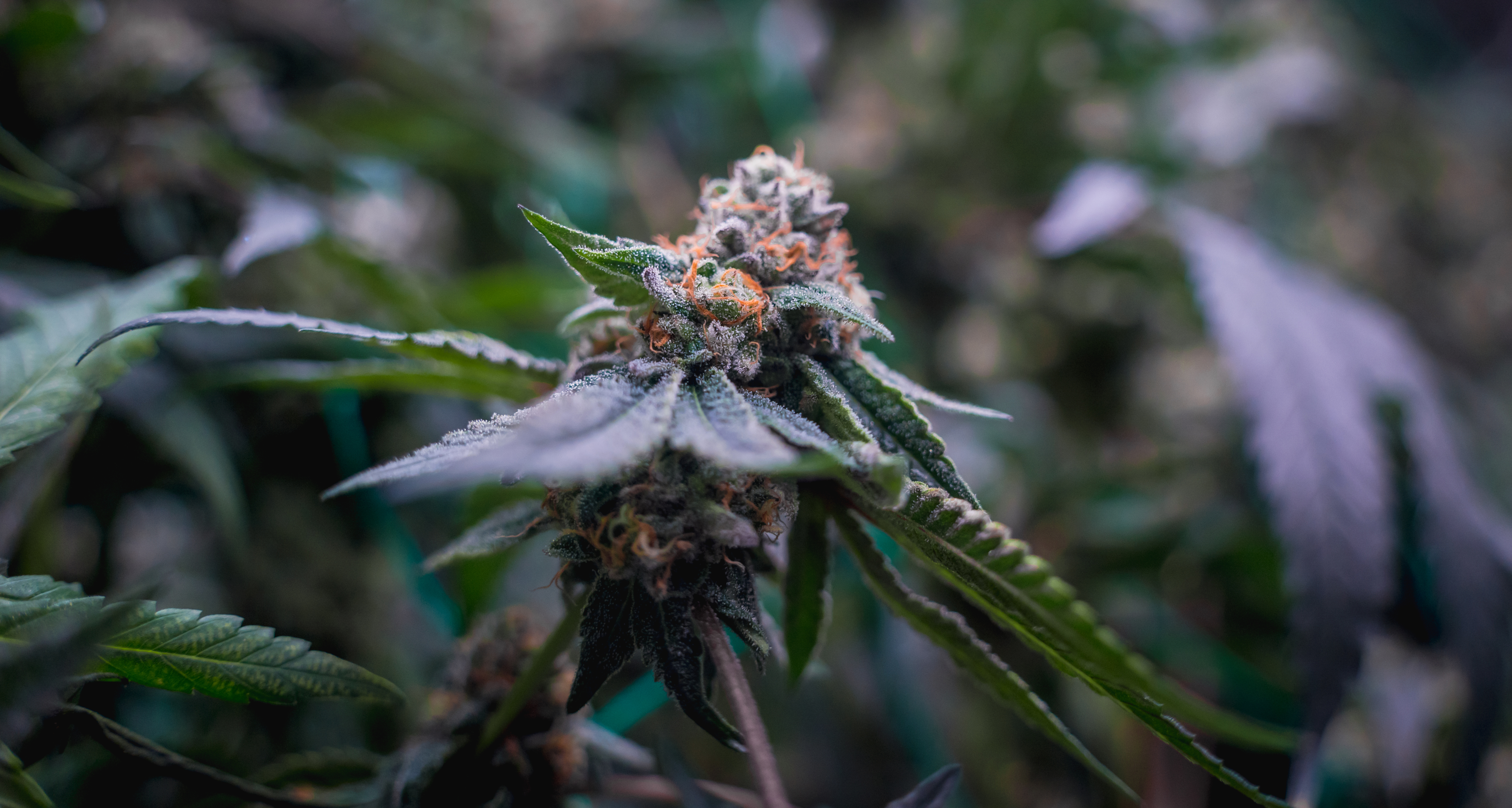


Cannabis growers often spend a great deal of time choosing the right seeds before they begin growing. The type of seed, the strain, the breeder, and the growing conditions can all affect how a cannabis plant develops. This is why many growers research seed banks and seed directories before making a choice. Royal Seed Bank is one name that has appeared in cannabis seed searches because it has been used as a source for finding and comparing different cannabis strains and seed types.
Royal Seed Bank has historically worked more like a cannabis seed directory than a single breeder that creates all of its own genetics. This means that the strains listed through the platform may come from different breeders or seed suppliers. For growers, this difference is important. A breeder develops and stabilizes cannabis genetics, while a seed bank or seed directory may offer or list seeds that come from many different breeders. Because of this, the quality, growth traits, and genetic background of a strain can depend heavily on the original breeder.
When researching Royal Seed Bank cannabis seeds, growers may find several types of seeds. The most common categories are feminized seeds, autoflowering seeds, and regular seeds. Each type works differently and may be better suited to certain growing goals.
Feminized cannabis seeds are designed to produce female plants in most cases. Female cannabis plants are the plants that produce the flowers most growers want to harvest. Because of this, feminized seeds are popular with growers who do not want to spend as much time identifying and removing male plants. However, feminized seeds still need proper care, including the right light, temperature, watering schedule, and nutrients.
Autoflowering cannabis seeds are another common choice. These plants begin flowering mainly based on age rather than a major change in the daily light schedule. This can make them useful for growers who want a shorter and simpler growing cycle. Autoflowering plants are often smaller than many photoperiod plants, although size can still vary greatly between strains. They also tend to have less time to recover from serious growing mistakes because they move through their life cycle quickly.
Regular cannabis seeds can produce either male or female plants. These seeds are often used by breeders and experienced growers who want to work with natural male and female genetics. Growers using regular seeds usually need to identify the sex of the plants once they become mature enough. Male plants may need to be separated from female plants when the goal is to produce unpollinated flowers.
Strain selection is another important part of choosing cannabis seeds. Growers may see strains described as indica-dominant, sativa-dominant, or hybrid. These terms can give a general idea of how a plant may grow, but they do not tell the whole story. Some indica-dominant plants may stay short and compact, while some sativa-dominant plants may grow taller and take longer to finish flowering. Hybrid strains can combine traits from several parent plants.
The best strain for one grower may not be the best choice for another. Growing space is one major factor. A grower working in a small indoor space may prefer a shorter plant that is easier to manage. Someone growing outdoors with plenty of room may be able to grow larger plants. Climate is also important. Some strains may perform better in warm and dry areas, while others may handle cooler or wetter conditions more easily.
Flowering time should also be considered. Some cannabis strains finish flowering faster than others. A shorter flowering time can be helpful for indoor growers who want to complete a crop sooner. It may also help outdoor growers who live in areas where cold or wet weather arrives early in the season. Longer-flowering strains may need more time and stable conditions before they are ready for harvest.
Germination is the first major step after choosing seeds. Cannabis seeds need the right balance of moisture, warmth, and oxygen to begin growing. After the seed opens, a small root appears and starts developing into a young seedling. The early stage is important because seedlings can be sensitive to overwatering, poor lighting, strong fertilizer, and sudden changes in temperature.
Once seedlings become established, growers must continue managing the growing environment. Indoor plants need suitable lighting, ventilation, airflow, temperature, and humidity. Outdoor plants depend more on natural sunlight and local weather. In both cases, growers need to avoid common problems such as overwatering, poor drainage, excessive heat, and high humidity during flowering.
Storage is another topic that matters when seeds will not be planted right away. Cannabis seeds should generally be kept in a cool, dark, and dry place. Too much moisture may cause seeds to spoil or begin germinating too early. Large temperature changes may also reduce seed quality over time. Proper storage can help protect seeds until the grower is ready to use them.
It is also important to understand that cannabis laws are not the same everywhere. Buying, owning, storing, germinating, and growing cannabis seeds may be treated differently depending on the country, state, province, or local area. A place may allow possession of seeds but place limits on growing cannabis plants. In another area, both seed possession and cultivation may be restricted. Growers should always check the current rules where they live before ordering or planting cannabis seeds.
Another point to remember is that strain descriptions should be treated as general guides rather than exact promises. A breeder may describe a strain as having a certain height, flowering time, yield, or cannabinoid level, but real plants can vary. Genetics are important, but the growing environment also has a strong effect. Light strength, temperature, humidity, nutrients, root health, plant stress, and overall care can all change how a plant performs.
Royal Seed Bank cannabis seeds and listings can give growers a starting point for comparing strains, seed types, and growing traits. However, it is still important to check who bred the strain, what type of seed it is, how long it may take to grow, and whether it suits the planned growing environment. By understanding these basic points first, growers can make better-informed choices and prepare for the full growing process from germination to harvest.
What Is Royal Seed Bank and How Does It Work?
Royal Seed Bank is best understood as a cannabis seed directory that helps people explore different cannabis seeds, strains, breeders, and suppliers. Instead of producing every strain under one breeding program, a seed directory can bring together information from different sources in one place. This makes it easier for growers to compare seed types, genetic backgrounds, flowering times, and other important features.
For anyone researching cannabis seeds, it is important to understand the difference between a breeder, seed bank, retailer, and seed directory. These terms are often used in similar ways, but they do not always mean the same thing. Knowing the difference helps growers understand where a strain comes from and who is responsible for its genetics.
Royal Seed Bank has historically provided access to information about a wide range of cannabis strains and seed types. This includes feminized, regular, and autoflowering options from different sources. Growers can use this type of platform to compare varieties before deciding which seeds may be suitable for their growing space, climate, and experience level.
Royal Seed Bank as a Cannabis Seed Directory
A cannabis seed directory works like a catalog that organizes information about seeds from different breeders or sellers. Instead of developing all the genetics itself, the directory can list seeds from several companies or seed banks.
This setup gives users a wider selection of cannabis genetics in one place. For example, one breeder may focus on autoflowering plants, while another may offer traditional photoperiod varieties. Some breeders may specialize in compact plants, while others may develop strains with longer flowering periods or different cannabinoid profiles.
A directory helps users compare these choices more easily. A grower can look at details such as whether a seed is feminized, regular, or autoflowering. They can also compare expected plant size, flowering time, genetic background, and growing conditions.
This is useful because cannabis seeds can be very different from one another. Two strains may have similar names but may come from different breeders. Their genetic lines may not be exactly the same. Their growth patterns may also differ.
For this reason, growers should not assume that every strain with the same name will behave in the same way. The original breeder and genetic source are important parts of understanding a cannabis seed.
Understanding Seed Listings
A seed listing usually contains several pieces of information that help growers compare one strain with another. One of the most important details is the strain name. This gives the grower a starting point when researching genetics and growth traits.
The breeder or supplier name is also important. This tells the buyer who created or distributed the genetic line. Breeder information can help growers check the history of a strain and compare it with other versions that may have a similar name.
Seed type is another key detail. Feminized seeds are designed to produce female plants in most cases. Regular seeds can develop into either male or female plants. Autoflowering seeds begin flowering mainly according to plant age rather than changes in the daily light schedule.
A seed listing may also include information about genetic background. This can show which parent strains were used to create a variety. Genetic background may help growers understand possible traits such as plant structure, flowering time, and growth pattern.
Some listings include percentages for indica, sativa, or hybrid genetics. These labels can provide a general idea of how a plant may grow, but they should not be treated as exact rules. Individual plants can still show different traits because of phenotype variation.
Flowering time is another common part of a seed listing. This tells growers how long the plant may need to produce mature flowers after the flowering stage begins. However, flowering times are usually estimates. Growing conditions, plant health, and genetics can affect the actual timeline.
Seed listings may also include expected plant height and whether a strain is better suited to indoor or outdoor cultivation. These details are useful because available space can strongly affect strain choice.
Why the Breeder Matters
The breeder is one of the most important factors to research when choosing cannabis seeds. A breeder is responsible for selecting parent plants and developing a genetic line over time.
Good breeding work can improve genetic stability. Genetic stability means plants from the same seed line are more likely to show similar traits. These traits may include height, flowering time, plant shape, aroma, or other features.
Even stable genetics can produce some variation. Each seed is genetically unique, especially in lines that are not fully stabilized. This means two plants from the same strain may grow at different speeds or develop different shapes.
This difference is often called phenotype variation. A phenotype is the way a plant’s genetics appear when combined with its environment. Temperature, lighting, nutrients, watering, and other factors can all influence how a plant develops.
The breeder also matters because strain names are not always standardized. Several breeders may sell strains with the same or similar names, but the genetics may not be identical. One version may have different parent plants or breeding methods than another.
For this reason, growers should look beyond the strain name. Checking the breeder, genetic background, seed type, and growth information provides a clearer picture of what to expect.
Seed Banks, Breeders, Retailers, and Directories
It is also useful to understand the difference between the main businesses involved in cannabis seeds.
A breeder develops cannabis genetics by crossing and selecting plants. A seed bank may store, sell, or distribute seeds from one or several breeders. A retailer mainly sells seeds to customers. A directory organizes information and may connect users with different suppliers or seed banks.
In practice, some companies may perform more than one of these roles. A business may breed its own strains while also selling genetics from other breeders. Another company may mainly act as a marketplace or directory.
This is why users should read each seed listing carefully instead of assuming every strain belongs to one company. The breeder name gives important information about the original genetic source.
Royal Seed Bank can be viewed as a resource for exploring cannabis seeds from different breeders and suppliers. Its role is different from that of a breeder that creates every strain itself. By bringing together information about multiple seed types and genetic lines, a seed directory can make it easier for growers to compare available options.
When reviewing a strain, growers should look at more than just the name. Important details include the breeder, seed type, genetic background, flowering time, expected plant size, and growing conditions. These details provide a better idea of how a plant may develop.
The breeder is especially important because genetics can vary even when strain names are similar. Researching the original source of the seeds can help growers make more informed decisions and understand what they may expect during cultivation.
What Types of Cannabis Seeds Does Royal Seed Bank Offer?
Cannabis seeds are not all the same. Different seed types are made for different growing goals, spaces, and levels of experience. When looking at a seed bank or seed directory, growers will often see three main categories: feminized seeds, autoflowering seeds, and regular seeds. Each type has its own growth pattern and purpose.
Understanding these differences can help growers choose seeds that fit their plans. Some growers want plants that are more likely to produce flowers. Others want a shorter growing cycle. Some growers may also want regular seeds for breeding or genetic selection.
Royal Seed Bank has historically listed several types of cannabis seeds from different suppliers and breeders. This means the exact strain choices may depend on current listings and availability. The seed type should always be checked along with the breeder, strain description, flowering time, and expected plant size.
Feminized Cannabis Seeds
Feminized cannabis seeds are created to produce female plants in most cases. Female cannabis plants are the plants that develop the flowers commonly harvested by growers. Male plants produce pollen instead of the same type of flower growth.
This makes feminized seeds useful for growers who are mainly interested in producing flowers. With regular seeds, growers may need to wait until the plants mature before they can identify which plants are male and which are female. Male plants may then need to be removed if the goal is to prevent pollination.
Feminized seeds reduce this extra step. Because most plants grown from these seeds are expected to be female, growers can use their available space more efficiently. This can be helpful in small indoor growing areas where every plant takes up valuable room.
However, feminized seeds do not remove the need for proper plant care. The plants still need suitable light, temperature, airflow, water, nutrients, and growing space. Poor growing conditions can still cause stress or weak growth.
It is also important to remember that feminized does not mean that every seed will grow in exactly the same way. Plants from the same strain may still show small differences in height, growth speed, aroma, structure, and flowering time. These differences are often called phenotype variation.
For many growers, feminized seeds offer a simple way to focus on female plants without having to manage a large group of male and female plants.
Autoflowering Cannabis Seeds
Autoflowering cannabis seeds are different from standard photoperiod seeds because they begin flowering mainly according to age rather than changes in the daily light schedule.
Traditional photoperiod cannabis plants usually start flowering when they receive longer periods of darkness. Indoors, growers can control this by changing the light schedule. Outdoor plants respond to the natural shortening of daylight as the season changes.
Autoflowering plants follow a different pattern. After a short vegetative period, they begin flowering automatically. This can make the growing process simpler for people who do not want to manage different light schedules.
Many autoflowering strains also have a shorter total life cycle. Some may move from seed to harvest faster than many photoperiod plants. This can be useful in areas with short outdoor growing seasons or for growers who want several smaller harvest cycles instead of one long season.
Autoflowering plants are often more compact as well. Their smaller size can make them suitable for balconies, small rooms, tents, or other areas with limited vertical space.
However, the fast growth of autoflowering plants can also create challenges. Because the vegetative stage is short, the plant has less time to recover from stress. Problems such as overwatering, root damage, poor nutrition, or severe training may reduce growth before the plant begins flowering.
For this reason, growers need to provide stable conditions during the first few weeks. Good early growth can have a strong effect on the plant’s final size and development.
Autoflowering seeds can be useful for growers who want a faster and more compact growing cycle, but they still require careful attention.
Regular Cannabis Seeds
Regular cannabis seeds are the traditional form of cannabis seeds. These seeds can produce either male or female plants.
Unlike feminized seeds, regular seeds do not remove male plants from the genetic process. Because of this, they are often used by breeders who want to create new crosses, collect pollen, or preserve certain genetic lines.
For growers who only want female flowering plants, regular seeds may require more work. The plants must usually grow long enough to show their sex. Once the plants begin developing male or female features, growers can decide which plants to keep.
Male plants may need to be removed if the goal is to grow unpollinated female flowers. If pollen reaches a female plant, the plant may begin producing seeds.
Regular seeds can also be useful for people interested in cannabis genetics. Breeders often use male and female plants from selected lines to create new strains or maintain older genetics. This allows breeders to study traits such as plant structure, growth speed, flowering time, resistance to stress, aroma, and cannabinoid production.
For a beginner who wants a simple grow, regular seeds may be less convenient than feminized seeds. However, for breeding and genetic selection, regular seeds remain important.
Choosing Between Feminized, Autoflowering, and Regular Seeds
The best seed type depends on the grower’s goals and growing conditions.
Feminized seeds are often chosen by growers who want female plants and do not plan to breed cannabis. They can help save growing space because there is less need to grow extra plants while waiting to identify males.
Autoflowering seeds may be useful for growers who want a shorter growing cycle, smaller plants, or a simpler flowering schedule. They can work well in limited spaces, but their fast development means early mistakes may have a larger effect.
Regular seeds are often better suited to growers who want to breed plants, collect pollen, or work with a wider genetic population. They require more attention because both male and female plants can appear.
When comparing seed listings, growers should also look beyond the seed type. The breeder, strain genetics, plant height, flowering time, climate needs, and expected growth pattern are also important. A seed type alone does not tell the full story of how the plant will perform.
Royal Seed Bank has historically included several cannabis seed types, with feminized, autoflowering, and regular seeds serving different growing goals. Feminized seeds are designed to produce female plants in most cases and can simplify flower production. Autoflowering seeds begin flowering based mainly on age and often have a shorter and more compact growth cycle. Regular seeds can produce both male and female plants and are commonly used for breeding and genetic selection.
No seed type is suitable for every grower. The best choice depends on available space, growing experience, cultivation goals, time, and whether breeding is part of the plan. Growers should also check the original breeder information and current strain details before choosing seeds. Understanding the differences between seed types makes it easier to select genetics that match the growing environment and intended purpose.
What Strains Can You Find Through Royal Seed Bank?
Royal Seed Bank has been described as a cannabis seed directory rather than a single breeder. This means the strains shown through the platform may come from several breeders and seed suppliers. In its 2019 introduction, Royal Seed Bank stated that its directory contained hundreds of strains from several seed bank partners. It also planned search tools for indica, sativa, hybrid, and CBD strains.
Because the seeds may come from different breeders, growers should not assume that two strains with the same name will always have the exact same traits. The breeder, parent genetics, seed type, and phenotype can all affect the way a plant grows. For this reason, it is useful to look beyond the strain name and review the full genetic information supplied with the seeds.
Indica-Dominant Strains
Indica-dominant strains are often chosen by growers who want plants with a shorter and more compact growth pattern. Many indica-dominant plants develop broad leaves, strong branches, and a bushier shape than many sativa-dominant plants. These traits can make them easier to manage in indoor spaces where height is limited.
However, the word “indica” should not be treated as a guarantee of plant size. Modern cannabis strains are often complex hybrids. A plant described as indica-dominant may still show traits from sativa ancestors. One plant may grow short and wide, while another plant from the same seed line may stretch more than expected.
Flowering time is another reason growers may look at indica-dominant genetics. Many indica-leaning varieties are known for finishing their flowering stage sooner than long-flowering sativa types. This can be useful for indoor growers who want a shorter production cycle. It can also help outdoor growers in places where cold or wet weather arrives early in the season.
When reviewing an indica-dominant strain, growers should check the breeder’s estimated height, flowering period, climate needs, and plant structure instead of relying only on the indica label.
Sativa-Dominant Strains
Sativa-dominant strains often have a different growth pattern. Many grow taller, develop longer branches, and have narrower leaves. Some may continue stretching after the flowering stage begins. This means they can require more vertical space than compact varieties.
Growers considering sativa-dominant seeds should pay close attention to available growing room. A plant that looks manageable during early growth can increase greatly in height later. Indoor growers may therefore need to consider the final expected size of the plant before choosing a strain.
Many sativa-dominant genetics also have longer flowering periods. This does not apply to every strain, but it is a common feature of many traditional sativa lines. Outdoor growers should consider whether their local season is long enough for the plants to mature before frost, heavy rain, or cold temperatures become a problem.
Sativa-dominant plants may also show more variation in structure between individual plants. This is another reason to check information from the original breeder. The strain description can provide a better idea of expected height, flowering time, and growing conditions.
Hybrid Cannabis Strains
Hybrid cannabis strains combine genetics from different cannabis lines. Most modern strains fall somewhere within the hybrid category because breeders have crossed plants over many generations to combine useful traits.
A hybrid may lean strongly toward indica characteristics, strongly toward sativa characteristics, or fall somewhere in the middle. Because of this, the word “hybrid” alone does not tell a grower everything about the plant.
One hybrid may stay short and flower quickly, while another may become tall and take much longer to finish. Some hybrids may have strong branches and dense growth. Others may have a more open structure with greater space between branches.
Parent strains can provide helpful clues about what a hybrid may look like. If a breeder lists the genetic parents, growers can research those varieties to better understand the possible traits of the offspring. Still, each seed may express a slightly different combination of genetics.
This variation is called phenotype variation. It explains why several plants grown from the same strain may not look completely identical. Some may be taller, shorter, faster growing, or different in their aroma and flower structure.
For this reason, growers should use breeder descriptions as guidelines rather than guarantees.
CBD and Cannabinoid-Focused Strains
Some cannabis strains are selected or bred for a particular cannabinoid profile. CBD-focused strains are one example. Royal Seed Bank stated that its planned filtering system would allow users to search for CBD strains and even filter according to THC or CBD percentage.
CBD, or cannabidiol, is one of the major cannabinoids produced by cannabis plants. Some strains are bred to contain more CBD and less THC, while other varieties may contain notable levels of both cannabinoids.
Growers interested in cannabinoid-focused genetics should carefully check breeder information. The name of a strain does not prove that it will contain a certain amount of CBD or THC. Even when a breeder gives an estimated percentage, actual cannabinoid levels can vary.
Genetics play a major role, but growing conditions, plant maturity, environmental stress, and harvest timing can also affect the final chemical profile. Laboratory testing is the most reliable way to know the cannabinoid levels of harvested cannabis.
It is also important not to confuse cannabinoid content with indica or sativa labels. A strain can be indica-dominant, sativa-dominant, or hybrid while also having high CBD levels. These terms describe different features of the plant.
Why Strain Availability Changes
The strains listed through a cannabis seed directory can change over time. A strain available today may no longer be listed several months later. New varieties can also appear as breeders release new genetics.
Inventory is one major reason for these changes. Seed suppliers may sell out of a popular strain. Some seeds may only be produced in limited numbers, while others may return after new batches become available.
Breeders may also discontinue older genetics. Sometimes they replace them with new crosses, improved versions, or different seed types. A photoperiod strain may later be joined by a feminized or autoflowering version with similar genetics.
Supplier partnerships can also affect availability. Because Royal Seed Bank described itself as a directory working with multiple seed bank suppliers, its listings depended on the strains offered by those partners rather than one fixed breeding catalog. In March 2019, the platform reported 351 listed strains from seven seed bank suppliers.
For this reason, older strain lists should not be treated as current catalogs. Growers should verify whether a specific strain is still available and confirm which breeder produced the seeds.
Royal Seed Bank has historically provided access to a wide range of cannabis genetics from different seed suppliers rather than offering only one breeder’s strains. Its directory was designed to help users search different seed types and was planned to support searches for indica, sativa, hybrid, and CBD strains.
Indica-dominant varieties often have shorter, bushier growth, while many sativa-dominant strains grow taller and may take longer to flower. Hybrid strains can combine traits from both groups, which means their growth patterns can vary greatly. CBD-focused strains are selected for their cannabinoid profile, but CBD content should not be confused with indica or sativa classification.
How Do You Choose the Right Royal Seed Bank Strain?
Choosing the right cannabis strain is one of the most important steps before starting a grow. Different strains can vary in plant size, growth speed, flowering time, climate needs, and overall difficulty. A strain that works well in one growing space may not be a good choice for another.
When looking at seeds listed through Royal Seed Bank or another seed source, it is important to study the strain details before making a choice. Growers should look at the available space, growing environment, plant size, flowering period, and their own level of experience. These factors can help narrow down the choices and reduce problems later in the growing cycle.
Start With the Growing Environment
The first step is to decide where the plants will grow. Indoor and outdoor growing environments have very different conditions.
Indoor growers have more control over light, temperature, airflow, and humidity. However, indoor spaces are often limited in size. A grower using a small tent or cabinet may need a strain that stays short and compact. A tall strain may quickly outgrow the available space.
Outdoor growers usually have more room, but they have less control over the weather. Temperature, rainfall, humidity, sunlight, and the length of the growing season can all affect plant development. Some strains perform better in warm climates, while others may handle cooler conditions more easily.
Before choosing seeds, growers should think about the conditions that are likely to remain stable throughout the growing period. A strain that needs a long, warm season may be difficult to finish in a region where cold weather begins early. In the same way, a strain that grows very tall may not be suitable for an indoor room with a low ceiling.
The growing environment should always be matched to the natural habits of the strain as closely as possible.
Consider Plant Size
Cannabis strains can grow to very different sizes. Some stay short and bushy, while others become tall and wide.
Plant size matters because every growing area has limits. Indoor growers need enough room above the plant for lighting and airflow. They also need enough space between plants to prevent overcrowding. If plants become too large, leaves and branches can block light and reduce air movement.
Shorter strains may be easier to manage in small indoor areas. These plants often have tighter spacing between branches and may form a more compact shape. Taller strains usually need more vertical space and may continue stretching when flowering begins.
Outdoor growers may have fewer height limits, but plant size is still important. Large plants need more space, stronger support, and enough room for air to move around the branches. They may also be easier to see, which can matter in locations where privacy is a concern.
Growers should not assume that every plant of the same strain will reach exactly the same height. Genetics provide a general growth pattern, but the final size can also be affected by light, root space, temperature, nutrition, and other growing conditions.
Compare Flowering Time
Flowering time is another important factor when comparing cannabis strains.
Photoperiod cannabis plants begin flowering after receiving a suitable light and dark schedule. Once flowering begins, different strains may need different amounts of time to mature. Some varieties finish faster, while others take several additional weeks.
Indoor growers may prefer shorter flowering periods because they can reduce the total time needed for each growing cycle. However, flowering speed should not be the only factor used to choose a strain. Plant size, environmental needs, and genetic traits are also important.
For outdoor growers, flowering time can be even more important. A plant must finish before cold temperatures, frost, or heavy seasonal rain creates serious problems. In regions with shorter summers, a long-flowering strain may have difficulty reaching full maturity before the weather changes.
It is also important to understand the difference between flowering time and total growing time. A strain described as having an eight-week flowering period does not usually go from seed to harvest in eight weeks. Germination, seedling development, and vegetative growth take place before flowering begins.
Autoflowering plants are often described by total time from seed to harvest because they begin flowering mainly according to age. Even then, the actual timeline may vary depending on growing conditions and plant health.
Consider Cultivation Experience
Growers should also choose strains that match their level of experience.
Some cannabis varieties are described as more forgiving because they can handle small changes in temperature, watering, or feeding without showing serious stress. Other strains may respond more strongly to environmental problems.
New growers may find it easier to work with plants that have a manageable height, steady growth pattern, and simple environmental needs. A plant that grows very quickly or stretches heavily during flowering may require more attention and space management.
Autoflowering strains may seem simple because growers do not need to change the light schedule to start flowering. However, their short life cycle can also make mistakes more difficult to correct. If an autoflower is stressed when young, it may have limited time to recover before flowering starts.
Photoperiod strains can provide more control over vegetative growth indoors. Growers can usually keep these plants in the vegetative stage longer before beginning flowering. This extra time may allow a stressed plant to recover.
Experience should therefore be considered together with growing space, equipment, and the amount of time available for plant care.
Read Genetic and Breeder Information Carefully
Seed descriptions can provide useful information, but they should be read carefully.
A strain listing may include details about its parent strains, seed type, flowering period, expected height, cannabinoid levels, and possible yield. These details are useful for comparing options, but they should not be treated as guarantees.
When possible, growers should identify the original breeder of the seeds. The same strain name may be sold by more than one breeder, and the genetics may not always be identical. Breeder information can help explain the background of the strain and the traits that growers are more likely to see.
Parent genetics can also provide clues about growth habits. If a strain comes from two tall, long-flowering parent lines, it may be more likely to show similar traits. However, plants grown from seed can still show differences because of phenotype variation.
Yield estimates should also be viewed as general guides. The final harvest depends on many factors, including plant health, available light, root space, environmental control, and overall care. The same is true for cannabinoid levels. Laboratory results listed by a breeder do not mean every plant will produce exactly the same result.
Choosing the right Royal Seed Bank strain starts with understanding the growing environment and the needs of the plant. Indoor growers should consider available height, floor space, lighting, and climate control. Outdoor growers should pay close attention to local temperatures, sunlight, rainfall, humidity, and the length of the growing season.
Plant size and flowering time are also important. A compact strain may work better in a small indoor space, while a large plant may need much more room. Fast-flowering genetics may be useful where the outdoor season is short, while longer-flowering strains need enough time to mature.
Growers should also select genetics that match their experience level. Finally, breeder and genetic information should be reviewed carefully before choosing seeds. Strain descriptions are useful guides, but plant size, flowering time, yield, and other traits can vary depending on genetics and growing conditions.
Are Royal Seed Bank Seeds Suitable for Beginners?
People who are new to cannabis cultivation often look for seeds that are easier to understand and manage. However, there is no single type of cannabis seed that is always best for every beginner. The right choice depends on the growing space, local laws, available equipment, climate, and the amount of time a person can spend caring for plants.
Royal Seed Bank has historically listed different seed types and genetics from various suppliers. For a beginner, it is important to look beyond the strain name. Details such as plant size, flowering type, growth speed, and genetic background can provide a clearer idea of what to expect.
Some cannabis plants are described as more tolerant of changing conditions, while others may respond strongly to problems with temperature, watering, or other environmental factors. Beginners may find it easier to learn when they choose genetics that are known for steady growth and manageable plant size.
Characteristics That Can Make a Strain Easier to Grow
Several traits can make a cannabis strain easier for a new grower to understand. One useful trait is a manageable plant size. Smaller or medium-sized plants may be easier to observe and maintain, especially in limited spaces. Large plants can require more room and may be harder to manage when vertical space is limited.
A shorter life cycle can also appeal to beginners because changes happen more quickly. However, faster growth does not always mean easier growth. Plants with short life cycles may have less time to recover from stress. A mistake early in development can affect the plant later because there is less time for recovery.
Genetic stability is another important factor. Stable genetics are more likely to produce plants with similar traits, although natural differences can still occur. More predictable plants can make it easier for beginners to understand normal growth patterns.
Some strains are also described as being more tolerant of small environmental changes. This may include minor changes in temperature, humidity, or watering. Even so, no cannabis plant is completely resistant to poor conditions. Healthy plants still depend on a suitable environment and regular care.
Beginners should also pay attention to the information supplied by the original breeder. A clear description of plant size, flowering type, and expected growth pattern is often more useful than choosing a strain based only on its name or popularity.
Feminized Seeds for New Growers
Feminized seeds are designed to produce female plants in most cases. This can make them easier for beginners who are interested in cultivating female flowering plants.
With regular cannabis seeds, growers may need to identify male and female plants as they develop. Feminized seeds reduce this part of the process because male plants are much less likely to appear.
However, feminized seeds should not be viewed as maintenance-free. The plants still need suitable environmental conditions and careful observation. Plant health can be affected by light, temperature, moisture, root conditions, pests, and other forms of stress.
The main advantage for beginners is simplicity. Feminized seeds remove one major variable from the growing process. This allows new growers to focus more attention on understanding normal plant development.
It is still important to check the breeder’s description before choosing a feminized strain. Some feminized varieties grow very tall, while others remain compact. Some finish flowering sooner than others. The word “feminized” describes the expected sex of the plants, not how easy the strain is to manage.
Autoflowers for Beginners
Autoflowering cannabis plants begin flowering mainly because of age rather than a major change in the daily light cycle. This feature can make their development seem simpler for some beginners.
Autoflowers also tend to have shorter total life cycles than many photoperiod strains. Their smaller size can make certain varieties suitable for limited spaces.
At the same time, their fast development can create challenges. Autoflowering plants usually have a limited amount of time before flowering begins. If a plant experiences serious stress early in its life, there may be less time for it to recover before it moves into the flowering stage.
For this reason, beginners should not assume that autoflowering seeds are automatically the easiest option. They can be convenient because of their growth pattern, but their short life cycle can make early plant health especially important.
The best approach is to compare individual strains instead of treating all autoflowers as identical. Plant size, life-cycle length, environmental tolerance, and genetic background can differ between varieties.
Photoperiod Seeds for Beginners
Photoperiod cannabis plants respond to changes in the amount of light and darkness they receive each day. When grown indoors, their vegetative stage can usually be maintained until the grower changes the lighting schedule.
This feature can give beginners more time to observe plant development before flowering begins. If a young plant grows slowly or experiences mild stress, a longer vegetative stage may provide more time for recovery.
Photoperiod plants can also become much larger than some autoflowering varieties. This can be an advantage in larger spaces, but it may create problems in small indoor areas.
New growers should therefore consider the expected mature size of a photoperiod strain before choosing it. A compact photoperiod strain may be easier to manage than a tall variety with strong vertical growth.
Photoperiod seeds are available in both feminized and regular forms. Beginners who want fewer variables to manage may find feminized photoperiod seeds easier to understand than regular seeds.
Matching Seeds to Skills and Equipment
Choosing suitable seeds is only one part of preparing for cannabis cultivation. Beginners should also consider the conditions they can realistically provide.
Available space is an important factor. A strain that naturally grows tall may not suit a small indoor area. In contrast, a compact variety may be easier to manage where height is limited.
Lighting and ventilation can also affect plant development. Indoor plants depend on controlled conditions, while outdoor plants depend more heavily on seasonal weather and local climate.
Time is another consideration. Some varieties have longer growth and flowering periods. Others complete their life cycle more quickly. A beginner should understand these differences before selecting seeds.
Climate is especially important for outdoor cultivation. Genetics suited to one region may not perform the same way in another. Temperature, rainfall, humidity, and the length of the growing season can all influence plant development.
Local laws should also be checked before buying, germinating, or growing cannabis seeds. Rules for seed possession and cannabis cultivation vary widely between locations.
Royal Seed Bank seeds may include options that are suitable for beginners, but ease of cultivation depends more on the specific genetics and growing conditions than on the seed bank name itself. New growers should compare plant size, flowering type, life-cycle length, genetic stability, and breeder information before choosing a variety.
Feminized seeds can simplify the process by greatly reducing the chance of male plants. Autoflowering seeds offer a shorter and more automatic growth cycle, but they may have less time to recover from early stress. Photoperiod plants can provide more control over the length of vegetative growth, although some varieties may require more space.
How Do You Germinate and Start Cannabis Seeds?
Germination is the stage when a cannabis seed begins to grow into a young plant. During this stage, the seed takes in moisture, becomes active, and starts to produce its first root. This early period is important because young seedlings are much more sensitive than mature plants.
Healthy germination depends on several basic conditions. Seeds need moisture, access to air, and a stable environment. They also need to be protected from extreme heat, cold, dryness, and excess water. The quality and age of the seed can also affect whether germination takes place.
Growers should remember that cannabis cultivation laws vary by location. In some areas, possessing cannabis seeds may be legal while germinating or growing them is restricted. Local rules should always be checked before cultivation begins.
What Cannabis Seeds Need to Germinate
A cannabis seed contains a young plant and a small supply of stored energy. When the seed enters suitable conditions, it can begin the germination process. Moisture is one of the main triggers. It softens the seed coat and allows biological activity inside the seed to increase.
Air is also important. A developing seed uses oxygen as it begins forming roots and shoots. This is one reason that a growing environment should not remain completely saturated with water. Too much water can reduce the amount of air available around the seed.
A stable environment is another important factor. Large changes in temperature or moisture can place stress on a developing seed. Conditions that are extremely cold may slow biological activity, while excessive heat can damage sensitive tissues.
Seed quality also matters. Mature, properly stored seeds may have a better chance of germinating than seeds that have been exposed to moisture, heat, or poor storage conditions for long periods.
No germination method can guarantee that every seed will sprout. Cannabis seeds are living biological material, so natural differences between individual seeds are normal.
Preparing the Growing Medium
Once a seed begins developing, its first root needs a suitable environment. A young root system is small and delicate, so the growing medium should allow both moisture and air to reach it.
A light and well-draining medium can help prevent water from collecting around young roots. Good drainage is important because roots need oxygen as well as water. Soil or other growing media that stay heavily soaked for long periods can create poor conditions for young plants.
Seedlings also have limited nutrient needs during their earliest stage of life. Cannabis seeds contain stored nutrients that help support the plant during its first period of growth. For this reason, a very strong or heavily fertilized growing medium can sometimes place unnecessary stress on young plants.
The growing medium should also be clean and suitable for seedlings. Poor-quality material may contain pests, disease organisms, or excessive amounts of fertilizer salts.
As the plant develops, its roots begin to spread through the growing medium. At that point, the root system becomes increasingly important for supplying water, oxygen, and nutrients to the plant.
Moving Germinated Seeds Into Their Growing Medium
A newly germinated cannabis seed is fragile. The first root is especially easy to damage, so unnecessary handling should be avoided.
Once a developing seed enters its growing medium, it begins establishing its root system. The root grows downward while the young shoot moves toward the surface and light. Soon afterward, the first seedling leaves begin to appear.
The seed should not be placed under conditions that make it difficult for the young shoot to reach the surface. At the same time, the developing root should remain protected from drying out and physical damage.
Moisture should remain balanced during this stage. A young seedling needs access to water, but constant saturation can limit oxygen around its roots. The goal is to provide an environment that supports both hydration and airflow.
Once the seedling appears above the growing medium, it begins depending more heavily on light and photosynthesis rather than only on the stored energy inside the seed.
Early Seedling Care
Seedlings are more sensitive than mature cannabis plants. Their roots are still developing, their stems are thin, and their leaves have only begun producing energy.
Light is important once the seedling emerges. However, environmental changes should not be extreme. Young plants can respond poorly to excessive heat, intense light, or sudden changes in conditions.
Water management is also important. Many new growers assume that a small seedling needs frequent watering. In reality, excessive moisture can create problems because a small root system cannot use large amounts of water.
Air movement and ventilation also become more important as the seedling grows. Fresh air helps maintain suitable conditions around the leaves and growing medium. Good airflow can also reduce areas of trapped moisture.
Young seedlings should be observed rather than constantly adjusted. Frequent handling, repeated watering, or sudden environmental changes can create additional stress.
The first true leaves are an important sign of development. As more leaves appear, the plant gradually moves from the seedling stage toward vegetative growth.
Common Germination Problems
Several problems can prevent cannabis seeds from germinating or seedlings from developing normally.
Excess water is one common problem. Seeds and young roots need moisture, but they also need oxygen. If the surrounding material remains waterlogged, the developing root may receive too little air. Constant moisture may also encourage fungal growth.
Dry conditions can cause the opposite problem. If a seed begins taking in moisture and then dries out, development may slow or stop. Young seedlings are also vulnerable to drying because their root systems are still small.
Temperature extremes can also affect germination. Biological processes inside the seed work best within a suitable range. Conditions that are much too cold may slow development, while excessive heat can damage the seed or seedling.
Physical damage is another risk. The first root is thin and fragile. Rough handling can damage it before the plant has established itself.
Problems may also come from the seed itself. Old seeds, poorly stored seeds, immature seeds, or seeds with genetic problems may fail to germinate even when the surrounding conditions appear suitable.
Seedlings can also struggle after successful germination. Common warning signs include weak stems, slow growth, damaged leaves, or a seedling that fails to continue developing. These symptoms may have several possible causes, including poor root conditions, unsuitable moisture levels, environmental stress, or seed quality.
Cannabis seed germination is the first stage in the plant’s growth cycle. During this period, the seed becomes active and begins producing its first root and shoot. Successful development depends on several basic factors, including moisture, oxygen, stable environmental conditions, and suitable seed quality.
The growing medium should support both drainage and airflow around developing roots. Young plants are sensitive, so excessive water, strong environmental changes, and unnecessary handling can create problems.
After the seedling emerges, it begins using light to produce energy and gradually develops a larger root system and more leaves. Careful observation is important during this stage because young plants may respond quickly to poor growing conditions.
Not every cannabis seed will germinate, even under suitable conditions. Genetics, age, storage history, and seed quality can all affect the result. Growers should also check the laws in their area before germinating cannabis seeds, since rules for possession, germination, and cultivation can differ.
How Should Royal Seed Bank Cannabis Plants Be Grown Indoors?
Growing cannabis indoors gives growers more control over the environment than outdoor growing. Light, temperature, humidity, airflow, and watering can all be managed inside a controlled space. However, indoor growing also requires careful planning because the plant depends on the grower for nearly everything it needs.
The exact needs of a cannabis plant can vary by strain and genetics. Some plants stay short and compact, while others grow taller and spread out. Some varieties also respond differently to changes in temperature, moisture, and light. For this reason, growers should study the breeder or supplier information for a specific strain before starting.
Indoor growing also depends on local law. Cannabis cultivation rules can differ by country, state, province, or city. Some places allow limited home cultivation, while others prohibit it. Growers should check current local laws before germinating or cultivating cannabis seeds.
Setting Up the Indoor Growing Area
An indoor growing space should provide a stable and clean environment. The size of the area should match the expected size of the plants. A small strain may fit more easily into a limited area, while a taller plant may need much more vertical room.
Air movement is also important. Plants use gases from the air as part of normal growth, and moving air helps prevent the space from becoming too warm or humid. Poor airflow may allow moisture to remain around leaves and flowers for too long. This can increase the risk of mold and other plant problems.
Ventilation also helps control temperature and humidity. Indoor lights and other equipment may produce heat. If heat builds up, plants may become stressed. A grower should be able to observe the environment and make sure conditions stay within a healthy range for the chosen plant.
Cleanliness matters as well. Dead leaves, standing water, dirty containers, and plant waste can create conditions that support pests or disease. Keeping the growing area clean can make it easier to notice problems early.
Lighting is another major part of indoor cultivation. Indoor plants depend on artificial light because they do not receive the same amount of direct sunlight as outdoor plants. The type of light, the size of the growing area, and the plant’s stage of growth can all affect how well the plant develops.
The Vegetative Stage
The vegetative stage is the period when a cannabis plant focuses mainly on growing roots, stems, and leaves. During this time, the plant builds the structure it will later use to support flowers.
Healthy roots are especially important during this stage. Roots absorb water and nutrients from the growing medium. They also need access to oxygen. If the root area stays too wet for long periods, the plant may have trouble taking in enough oxygen.
Leaves are also important because they capture light and support photosynthesis. Healthy leaves usually show that the plant is receiving suitable care. Changes in leaf color, shape, or position may be signs that something in the environment needs attention.
Some photoperiod cannabis plants can remain in vegetative growth until changes in the light cycle cause flowering to begin. Indoors, this gives growers more control over the plant’s growth period than they would usually have outdoors.
The length of the vegetative stage affects plant size. A longer growth period often allows a plant to become larger before flowering. However, the final size also depends on genetics, container space, environmental conditions, and plant health.
Managing Plant Height
Plant height is an important concern indoors because growing spaces usually have limited vertical room.
Genetics have a strong effect on how tall a plant becomes. Some indica-dominant varieties often develop shorter and wider growth, while some sativa-dominant varieties may grow taller. Hybrids can show traits from either side of their genetic background.
Plants can also increase greatly in height after flowering begins. This growth is often called flowering stretch. The amount of stretch varies by strain and individual plant.
Because of this, growers should consider the expected mature height before choosing a strain for an indoor area. A plant that is suitable for a large room may not be suitable for a short cabinet or small enclosed space.
Adequate distance between the plant and the light source is also important. If a plant grows too close to strong lighting, leaves may show signs of heat or light stress. Planning for the plant’s final height can help reduce this problem.
Some growers use plant-training techniques to control shape and height. These methods can change how a plant grows, but they can also cause stress if done poorly. Beginners should understand how their chosen genetics normally grow before considering more advanced plant management methods.
Water and Nutrient Management
Water is necessary for cannabis growth, but too much water can cause problems.
Overwatering is one of the most common mistakes made by new growers. Roots need both moisture and oxygen. When the growing medium remains completely saturated for too long, air spaces around the roots can fill with water. This may slow healthy root activity.
The amount of water a plant needs can change throughout its life. A small seedling usually uses much less water than a large flowering plant. Temperature, humidity, container size, plant size, and growing medium also affect how quickly moisture is used.
Nutrients are also needed for healthy plant growth. Cannabis plants require several essential elements, including nitrogen, phosphorus, potassium, calcium, magnesium, and smaller amounts of other nutrients.
However, more fertilizer does not always mean better growth. Excess nutrients can damage roots and leaves. Young plants are especially sensitive to strong feeding.
Different growing media may also require different nutrient approaches. Soil may already contain nutrients, while other growing systems may depend more heavily on nutrients supplied by the grower.
Watching the plant is important. Leaf discoloration, slow growth, burned tips, or unusual patterns may have several possible causes. Growers should avoid assuming that every problem is caused by a nutrient shortage because watering, root health, temperature, and other environmental factors may produce similar symptoms.
Flowering Conditions
Flowering is the stage when mature female cannabis plants begin producing flowers.
For photoperiod strains, flowering is linked to changes in the daily light and dark period. Autoflowering strains work differently because flowering is controlled more strongly by the plant’s age and genetics.
The flowering stage often changes the plant’s environmental needs. Flowers can become dense, especially in some compact varieties. Dense plant material can hold moisture if air movement is poor.
Humidity therefore becomes an important concern during flowering. High moisture levels around flowers can increase the risk of mold. Good air circulation and a clean growing area help reduce conditions that may support fungal growth.
Plant spacing also matters. When plants are crowded together, air may not move easily between leaves and branches. Crowded plants can also make it harder to inspect leaves and flowers for signs of pests, damage, or disease.
Temperature should remain stable as well. Large temperature swings can stress plants. Stable conditions are generally easier for plants to tolerate than sudden environmental changes.
Growers should also pay attention to the expected flowering time of a particular strain. Genetics strongly influence how long flowering lasts. Some varieties mature sooner than others, while certain strains may require a longer period.
Indoor cannabis growing depends on creating a stable environment where plants can develop without major stress. The growing area should have enough space, clean air, suitable lighting, good ventilation, and controlled temperature and humidity.
During the vegetative stage, the plant develops roots, stems, and leaves. Healthy roots and balanced moisture are important because the plant needs both water and oxygen. Plant height should also be considered early because some cannabis strains can grow much taller during flowering.
Watering and nutrients should be managed carefully. Too much water or fertilizer may cause as many problems as too little. Growers should consider the plant’s size, life stage, growing medium, and genetics rather than following one approach for every strain.
During flowering, airflow, spacing, humidity, and temperature become especially important because dense flowers may hold moisture. Genetics also affect plant height, flowering time, and overall growth pattern.
Royal Seed Bank listings may include genetics from different breeders and suppliers, so growers should check the information linked to the specific strain they are considering. Most importantly, anyone planning to cultivate cannabis should first confirm that home growing is legal in their location and follow all applicable local rules.
Can Royal Seed Bank Seeds Be Grown Outdoors?
Cannabis seeds listed through Royal Seed Bank may be suitable for outdoor growing, depending on their genetics and the local climate. Outdoor cultivation gives plants access to natural sunlight and fresh air, but it also exposes them to changing weather, pests, moisture, and seasonal limits. Because of this, growers need to match the strain with the conditions in their area.
Not every cannabis strain performs the same way outdoors. Some plants are better suited to warm and dry regions, while others can handle cooler temperatures or shorter growing seasons. Plant size and flowering time also matter. A strain that grows very tall or takes a long time to finish flowering may not be practical in every location.
Anyone considering outdoor cannabis cultivation should also check local laws first. Cannabis cultivation rules differ by country, state, province, and city. In some places, growing cannabis at home is allowed under certain limits. In other areas, cultivation remains restricted or illegal.
Choosing Genetics for Outdoor Conditions
The first step in planning an outdoor grow is choosing genetics that match the environment. Cannabis plants can vary greatly in size, growth speed, flowering time, and tolerance to weather conditions.
Climate is one of the most important factors. Some cannabis genetics developed from plants that grew in warm regions with long summers. These plants may need a longer growing season before they reach maturity. Other genetics may finish earlier and can be better suited to areas where cool weather arrives sooner.
Expected plant size is also important. Outdoor cannabis plants often have more space than indoor plants, so some varieties can become large when conditions are favorable. A grower with limited space may prefer a naturally shorter or more compact strain.
Flowering time should also be considered. Photoperiod cannabis plants begin flowering as the amount of daylight changes later in the growing season. A strain with a long flowering period may still be developing flowers when autumn weather becomes cold or wet. Early-finishing genetics may be more practical in regions with shorter summers.
The best choice depends on the strain’s genetic background and the environment where it will grow. Breeder information can provide general guidance about plant height, flowering time, and climate preference, but actual results can still vary.
Sunlight Requirements
Sunlight plays a major role in outdoor cannabis growth. Like many flowering plants, cannabis uses light to produce energy through photosynthesis. Plants that receive good natural light can usually develop stronger stems, leaves, and overall structure.
An outdoor location should have access to regular direct sunlight rather than remaining in heavy shade throughout most of the day. Buildings, fences, trees, and other plants can block sunlight as the sun moves across the sky. For this reason, growers often consider how much open exposure a site receives during the growing season.
Light conditions may also change through the year. A location that appears sunny in spring may receive more shade later as nearby trees produce leaves. The angle of the sun also changes between seasons.
At the same time, very hot climates can create their own challenges. Strong sunlight combined with high temperatures and dry conditions can place stress on plants. This is why outdoor growing is not simply a matter of finding the brightest possible location. The full environment, including temperature, wind, moisture, and airflow, must also be considered.
Climate and Seasonal Timing
Outdoor cannabis plants depend heavily on seasonal conditions. Temperature, rainfall, humidity, and the length of the warm season can all affect plant development.
Cold temperatures can slow growth and damage young plants. In regions with frost, the outdoor growing season may be limited to the warmer months. This is especially important for photoperiod strains with long flowering periods because they may need enough warm weather to complete their natural life cycle.
Summer heat can also become a concern. Very high temperatures may increase water loss and stress plants, especially when the surrounding soil dries quickly. Weather can also change suddenly, making outdoor conditions less predictable than a controlled indoor space.
Rainfall is another major factor. Moderate rain can provide natural moisture, but long periods of wet weather may increase the risk of fungal problems. Dense flowers can hold moisture, especially when humidity is high and airflow is poor.
Humidity often becomes more important during flowering. Warm, humid air can create conditions that favor mold and other fungal growth. Genetics that produce very dense flowers may be more sensitive to these conditions than plants with a more open structure.
Because every region is different, outdoor growers should consider the normal weather patterns in their area rather than relying only on general strain descriptions.
Protecting Outdoor Plants
Outdoor cannabis plants are exposed to conditions that indoor growers can control more easily. Wind, rain, pests, and changing temperatures can all influence plant health.
Strong winds may bend stems, damage leaves, or place stress on large branches. Some airflow is useful because it helps prevent stagnant, humid conditions around the plant. However, repeated exposure to severe wind can cause physical damage.
Heavy rain can also create problems. Wet soil may hold too much water, which can reduce the amount of oxygen available to the roots. Long periods of moisture around flowers and leaves may also encourage fungal diseases.
Outdoor plants may attract insects and other pests. Some insects feed on leaves, stems, roots, or plant fluids. Others may be harmless or even beneficial. For this reason, growers should learn to identify a pest before deciding whether it presents a real problem.
Regular observation is one of the most useful parts of outdoor plant care. Changes in leaf color, damaged foliage, unusual spots, drooping growth, or signs of insects may point to environmental stress or plant health problems. Finding these signs early makes it easier to understand what may be happening.
Autoflowering Seeds Outdoors
Autoflowering cannabis seeds can also be grown outdoors. These plants differ from photoperiod varieties because their flowering cycle is controlled mainly by age rather than changes in the length of daylight.
One possible advantage of autoflowering genetics is their shorter overall life cycle. This characteristic can make them suitable for regions with shorter periods of warm weather. They may complete their development before cold autumn conditions arrive.
Their smaller size can also make them easier to manage in limited outdoor spaces. However, plant size varies by strain, and not every autoflower remains extremely small.
Autoflowering plants also have a limited period of vegetative growth. Because they begin flowering according to their internal life cycle, they have less time to recover from major stress during their early development. Poor weather, root problems, pest damage, or other stress during the first stages of growth may affect the plant later because the vegetative period cannot simply be extended.
Photoperiod varieties may offer more time for vegetative growth, while autoflowers offer a more fixed and often shorter schedule. Neither type is automatically better for outdoor growing. The most suitable option depends on climate, available space, legal limits, and the grower’s goals.
Royal Seed Bank cannabis seeds may be grown outdoors when the selected genetics are suited to the local environment and cultivation is legal in the area. Successful outdoor growing depends on more than choosing a popular strain. Climate, seasonal timing, plant size, flowering duration, sunlight, rainfall, humidity, and wind can all influence how a plant develops.
Strains with shorter flowering periods may be more suitable for regions where cold weather arrives early, while plants with longer flowering periods may perform better where summers remain warm for a longer time. Outdoor growers should also consider how much space is available because some cannabis plants can grow much larger outdoors than they would indoors.
Natural sunlight can support healthy growth, but outdoor conditions are less predictable than a controlled indoor environment. Rain, strong wind, excessive humidity, and pests can all create challenges. Regular observation can help growers notice changes in plant health before problems become severe.
Autoflowering seeds can be another option for outdoor cultivation because they generally have a shorter and more fixed life cycle. However, their short vegetative period also means they have less time to recover from early stress.
How Long Do Royal Seed Bank Strains Take to Grow?
The total time needed to grow a cannabis plant can vary widely. There is no single timeline that applies to every strain. Genetics play a major role, but the growing environment, plant health, and type of seed can also affect how long the full life cycle takes.
When looking at cannabis seeds listed through a seed bank or seed directory, growers may see estimates for flowering time or total growth time. These numbers are best treated as general guides. Plants grown from the same strain can still develop at slightly different speeds because each plant may express its genetics in a different way.
Understanding the main stages of the cannabis life cycle makes these time estimates easier to understand.
Germination and Seedling Stage
The life cycle begins when the seed starts to germinate. During this stage, the seed absorbs moisture and begins to open. A young root appears first, followed by the early shoot that develops into the seedling.
Germination usually makes up only a small part of the plant’s total life cycle. However, the amount of time needed can differ from one seed to another. Seed age, storage conditions, and natural seed quality can all influence how quickly germination begins.
After germination, the plant enters the seedling stage. This is when the first small leaves appear and the young root system starts to grow. Seedlings are still delicate during this part of the life cycle. Their stems, leaves, and roots are not yet as developed as those of mature plants.
The seedling stage is important because healthy early growth creates the base for later development. A plant that experiences severe stress early in life may grow more slowly afterward. This can affect the total time needed before the plant reaches maturity.
The exact length of the seedling stage varies. Genetics and environmental conditions can cause some seedlings to develop faster than others.
Vegetative Growth
After the seedling stage, cannabis enters vegetative growth. During this stage, the plant focuses mainly on producing roots, stems, branches, and leaves.
Photoperiod cannabis plants can remain in vegetative growth for different lengths of time. Indoors, the length of this stage depends partly on how the plant is managed. Outdoors, seasonal changes have a stronger influence.
Outdoor photoperiod plants respond to natural daylight. Because daylight hours change throughout the year, the length of vegetative growth depends on when the plant begins growing and where it is located.
Plants that have more time in vegetative growth can often become larger before flowering begins. Plants with a shorter vegetative stage may stay more compact. However, size also depends on genetics and the growing environment.
Some strain descriptions may give expected plant heights or growth patterns. These details can help explain whether a strain tends to develop quickly or spend more time building plant structure before flowering.
Plant health also affects vegetative speed. Stress involving roots, temperature, water, pests, or other environmental problems may slow development. For this reason, two plants started at the same time may not always reach the next stage on exactly the same day.
Flowering Period
The flowering stage is the period when mature cannabis plants begin producing flowers. The length of this stage depends strongly on genetics.
Some cannabis genetics naturally have shorter flowering periods, while others take longer to reach full maturity. Indica-dominant strains are often associated with more compact growth and shorter flowering periods, although this is not true for every plant.
Sativa-dominant strains may require a longer flowering period in many cases. Some can also continue stretching and increasing in height during the early part of flowering.
Hybrid strains can fall anywhere between these patterns. Their growth speed depends on which traits they inherit from their parent genetics.
This is why growers should look at the information provided for the specific strain instead of relying only on labels such as indica, sativa, or hybrid.
A flowering estimate should also not be confused with total seed-to-harvest time. If a strain description says that flowering lasts a certain number of weeks, that estimate usually refers only to the flowering stage. It does not include germination, seedling development, or vegetative growth.
This difference is important when comparing strains. A plant with a shorter flowering period may still have a longer total life cycle if it spends more time in vegetative growth.
Autoflower Seed-to-Harvest Time
Autoflowering cannabis develops differently from most traditional photoperiod cannabis plants.
Photoperiod plants begin flowering in response to changes in the amount of light and darkness they receive. Autoflowering plants are different because they begin the flowering process mainly according to age and genetics.
Because of this, autoflower strains are often described using a total seed-to-harvest time rather than separate vegetative and flowering schedules.
The vegetative period of an autoflower is usually built into its natural life cycle. Once the plant reaches a certain stage of development, it begins moving toward flowering without needing the same type of seasonal light change as a photoperiod plant.
This feature is one reason autoflower strains are often associated with shorter total growth cycles. However, not every autoflower has the same timeline. Genetics still determine how quickly each strain develops.
Larger autoflowering varieties may take longer than compact, fast-developing varieties. Environmental stress can also slow development or affect final plant size.
For readers comparing Royal Seed Bank listings or information from individual breeders, it is important to check whether the stated number refers to flowering time or the entire life cycle.
Why Advertised Timelines Can Differ
Seed descriptions often provide an estimated flowering period or expected time to maturity. These numbers can be useful for comparing different strains, but they should not be treated as exact deadlines.
Phenotype is one reason timelines differ. A phenotype is the set of visible traits that develops from the interaction between a plant’s genetics and its environment. Seeds from the same strain can sometimes produce plants with small differences in growth rate, height, structure, aroma, or flowering speed.
Temperature can also affect plant development. Cannabis plants grow best when environmental conditions remain within a suitable range. Conditions that are too hot or too cold can create stress and slow normal growth.
Lighting also plays an important role in indoor environments. Poor or inconsistent light conditions can affect how strongly a plant develops.
Root health is another factor. Healthy roots help the plant take up water and nutrients. Plants with damaged or unhealthy root systems may grow more slowly.
Plant stress can come from many sources. Environmental changes, pests, disease, physical damage, or poor growing conditions may interrupt normal development.
The growing medium can also influence plant performance. Different media hold water and air in different ways, which can affect root health and the plant’s ability to develop normally.
For outdoor plants, weather creates another source of variation. Temperature changes, rainfall, humidity, and seasonal daylight can all affect growth speed.
For these reasons, an advertised timeline should be viewed as an estimate based on typical conditions rather than a guarantee.
The time needed for Royal Seed Bank cannabis strains to complete their life cycle depends on the type of seed, genetics, and growing conditions. Germination and the seedling stage usually make up only a small part of the total timeline. Photoperiod plants then enter a vegetative stage that can vary greatly in length before flowering begins.
The flowering period depends largely on the genetics of the strain. Some plants mature faster, while others need a longer flowering period. Indica-dominant, sativa-dominant, and hybrid strains can have different growth patterns, but individual strain information is more useful than relying on these labels alone.
Autoflowering strains follow a different pattern because they begin flowering mainly according to age. For this reason, breeders often describe autoflowers by their estimated total seed-to-harvest time.
Advertised growth times should always be treated as estimates. Phenotype, temperature, light, root health, stress, growing medium, and other environmental factors can all change how quickly a plant develops. Checking the original breeder’s information for each strain gives the clearest starting point for understanding its expected growth timeline.
How Should Cannabis Seeds Be Stored, and Are They Legal?
Cannabis seeds can remain usable for a long time when they are stored under stable conditions. However, heat, moisture, light, and poor handling can slowly damage a seed. Proper storage helps protect the seed until a grower is ready to germinate it.
Legal rules are another important part of buying and storing cannabis seeds. A person may be allowed to own cannabis seeds in one location but may not be allowed to germinate or grow them. Import and shipping rules may also apply when seeds are ordered from another country. For these reasons, growers should understand both storage needs and local laws before ordering or planting seeds.
How to Store Cannabis Seeds
Cannabis seeds should be kept in a cool, dark, and dry place. These conditions help slow the natural aging process of the seed. Light and heat can increase biological activity inside a seed, while moisture may cause it to begin germinating before the grower is ready.
A simple storage area may be enough when seeds will be used within a short period. A dark cabinet or another location away from heat and direct sunlight can work if the room has a stable temperature. The seeds should remain inside a sealed container or their original protective packaging.
For longer storage, growers often use an airtight container to limit exposure to air and moisture. The main goal is to create a stable environment. Constant changes in temperature and humidity can be harder on stored seeds than stable conditions.
Seeds should also be handled carefully. The outer shell protects the living material inside. Crushing, cracking, or rough handling may reduce the chance that a seed will germinate later.
Growers should label stored seeds when they have several varieties. A label can include the strain name, breeder or supplier, seed type, and storage date. Clear labels help prevent different genetics from being mixed up during long-term storage.
Why Moisture Matters
Moisture is one of the most important factors in seed storage. A cannabis seed needs water before germination can begin. This is useful when planting, but it can create problems during storage.
If stored seeds are exposed to too much moisture, they may begin absorbing water. The seed’s internal processes may start even though growing conditions are not suitable. If the seed begins germinating and then dries out, it may no longer survive.
High moisture can also create conditions where mold or other forms of decay become more likely. Seeds stored in a damp container may lose quality over time.
For this reason, containers should be dry before seeds are placed inside them. Seeds should not be stored next to wet materials or in an area where condensation is common.
Cold storage can also cause moisture problems when containers are opened while still cold. Warm room air may cause condensation to form inside or around the container. Allowing a sealed container to slowly reach room temperature before opening it can help reduce this risk.
How Long Can Cannabis Seeds Remain Viable?
There is no single amount of time that every cannabis seed will remain viable. Seed life depends on several factors, including the original quality of the seed, its age, genetics, handling, and storage environment.
Fresh, mature seeds that have been stored correctly may remain viable much longer than seeds exposed to heat or moisture. However, even good storage cannot guarantee that every seed will germinate.
Seed viability generally decreases as seeds age. This does not mean an older seed is automatically unusable. It means the chance of successful germination may slowly fall over time.
Growers should also avoid judging a seed only by its appearance. Color, size, and shell markings can vary between cannabis genetics. A seed that looks different from another seed is not always unhealthy. Germination is the most direct way to determine whether a seed is still viable, but it should only be attempted where cannabis cultivation is legal.
When storing seeds for an extended period, maintaining consistent conditions is more important than frequently moving or checking them. Repeated temperature changes and exposure to light can reduce the value of careful storage.
Cannabis Seed Laws
Cannabis seed laws can be complicated because rules vary from one country or region to another. Laws may also treat owning a seed differently from germinating it or growing the resulting cannabis plant.
In some places, cannabis seeds may be sold or possessed under certain conditions, while cannabis cultivation remains restricted. Other areas allow adults or licensed growers to cultivate a limited number of plants. Some places prohibit both possession and cultivation.
A buyer should therefore check several different rules before ordering seeds. These include rules on seed possession, cannabis cultivation, plant limits, licensing, imports, and shipping.
People should not assume that a seed seller’s ability to ship to an address means the buyer is legally allowed to possess or grow the seeds. The buyer is responsible for understanding the rules that apply in their location.
Import laws can create an additional layer of regulation. For example, in the United States, the USDA Animal and Plant Health Inspection Service states that imported plants and seeds may be subject to permits, plant-health requirements, labeling rules, or other restrictions depending on the species and country of origin. Buyers importing seeds are responsible for meeting those requirements.
Because cannabis laws change over time, growers should check current information from government or regulatory sources rather than relying on an old article, forum post, or seed catalog.
Ordering Seeds From a Seed Bank
Before ordering cannabis seeds, buyers should confirm what they are actually purchasing. A listing should clearly identify the strain, breeder or supplier, and seed type. Common categories include feminized, regular, and autoflowering seeds.
The breeder name is especially important when several companies sell seeds with the same strain name. Two strains sold under similar names may come from different breeding lines and may not produce identical plants.
Buyers should also review shipping rules before placing an international order. International seed shipments can be controlled by agricultural import laws as well as cannabis laws. In the United States, for example, USDA APHIS explains that many seeds ordered from another country may require an import permit or must meet other plant-health rules. Certain shipments may also require information about the scientific name, country of origin, seed lot, or phytosanitary status.
A seed bank’s availability can also change. A strain shown in an older Royal Seed Bank listing may no longer be offered by the breeder or supplier. Buyers should therefore check current product information instead of relying on older catalogs.
It is also useful to keep the original packaging and purchase information after receiving seeds. This can help identify the breeder, strain, and seed type later, especially when seeds will be stored for several months or years.
Proper cannabis seed storage focuses on three main conditions: keeping seeds cool, keeping them dry, and protecting them from light. Stable storage conditions help protect seed quality, while excessive moisture, heat, and repeated temperature changes can reduce the chance of successful germination.
There is no guaranteed storage life for cannabis seeds. Seed quality, age, genetics, handling, and storage conditions all affect how long a seed remains viable. Good storage can help preserve seeds, but it cannot guarantee that every seed will germinate.
Legal rules are just as important as storage conditions. Possessing cannabis seeds does not always mean a person is legally allowed to germinate or grow them. Cultivation, shipping, and import rules can differ between countries, states, provinces, and other jurisdictions. Anyone considering Royal Seed Bank cannabis seeds or seeds from another supplier should check current local laws and import requirements before ordering or planting them.
Conclusion: Choosing and Growing Royal Seed Bank Cannabis Seeds
Choosing cannabis seeds involves more than selecting a strain name that sounds familiar. Growers need to understand the type of seed, the genetic background, the expected growth pattern, and the conditions the plant may need. Royal Seed Bank has historically helped users explore different cannabis genetics from various breeders and suppliers. Because of this, it is important to check the breeder or original source of a strain before making decisions based on its name alone.
One of the first choices involves deciding between feminized, autoflowering, and regular cannabis seeds. Each type has different features. Feminized seeds are produced to have a high chance of developing into female plants. This can make plant management simpler for growers who are mainly interested in female flowering plants. Regular seeds can develop into either male or female plants, so growers may need to identify plant sex as the plants mature. Autoflowering seeds are different because they begin flowering mainly according to age rather than changes in the daily light cycle. These differences can affect how growers plan their space, time, and general plant care.
Strain selection is also important. Cannabis varieties can differ in height, growth speed, flowering time, structure, and other traits. Some plants stay fairly compact, while others may grow much taller. Some strains finish flowering sooner, while others may need a longer season. These differences matter when choosing between indoor and outdoor growing environments. A plant that becomes very tall may not be suitable for a small indoor area, while a slow-flowering variety may be difficult to grow outdoors in a place with a short warm season.
The terms indica, sativa, and hybrid are often used when describing cannabis strains, but growers should not depend on these labels alone. Modern cannabis genetics can be complex, and many strains have mixed ancestry. The breeder’s description can provide more useful details about expected plant structure, flowering time, and other traits. Even then, the information should be viewed as a guide rather than a guarantee. Individual plants may show different characteristics because of natural genetic variation.
The growing environment also affects how a cannabis plant develops. Light, temperature, humidity, airflow, water, root conditions, and nutrition can all influence plant health. Stable conditions generally help plants develop more consistently. Sudden changes, poor drainage, excessive moisture, weak airflow, or other environmental problems can place stress on the plant. Growers should therefore pay attention to the overall environment rather than focusing only on the genetics.
Indoor and outdoor growing also create different challenges. Indoor cultivation gives the grower greater control over lighting and environmental conditions, but it also requires careful management of space, temperature, humidity, and airflow. Outdoor cultivation depends more heavily on local weather and the natural growing season. Sunlight, rainfall, temperature changes, humidity, and the length of the warm season may all affect the result. A strain that performs well in one region may not develop the same way in another climate.
Growers should also remember that flowering times, plant sizes, cannabinoid levels, and yield estimates listed by seed suppliers are not exact promises. These figures are usually based on expected results under certain conditions. Different growing methods and environmental conditions can lead to different outcomes. Even seeds from the same strain can develop into plants with slightly different traits. This variation is one reason why checking reliable breeder information is important when comparing cannabis seeds.
Seed storage is another important part of maintaining seed quality. Cannabis seeds should generally be protected from strong light, excess moisture, and major temperature changes. Poor storage conditions may reduce seed quality over time. Seeds that are not going to be used soon should be kept in stable conditions so they have a better chance of remaining viable. The length of time a seed remains viable can vary depending on its original quality and how it is stored.
It is also important to consider local laws before buying, possessing, germinating, or growing cannabis seeds. Cannabis rules vary widely between countries and even between states, provinces, or local areas within the same country. In some locations, possessing cannabis seeds may be treated differently from germinating or cultivating them. Importing seeds may also be controlled separately. Laws can change, so growers should check current government rules that apply to their location rather than relying on old information from websites or forums.
Overall, choosing Royal Seed Bank cannabis seeds, or seeds found through any seed directory, requires careful research. Buyers should look beyond the strain name and examine the seed type, breeder, genetic background, plant size, flowering period, and growing requirements. They should also consider whether their climate, available space, and experience match the needs of the variety.
Successful cultivation depends on both genetics and the growing environment. Healthy plants need suitable conditions throughout their life cycle, while the final results can still vary from one plant to another. By checking reliable breeder information, understanding the differences between seed types, storing seeds properly, and following current local laws, growers can make better-informed decisions when researching cannabis genetics.
Research Citation
Langa, S., Magwaza, L. S., Mditshwa, A., & Tesfay, S. Z. (2024). Characterization of cannabis varieties and the intrinsic and extrinsic factors affecting cannabis germination and seedling establishment: A descriptive review. Industrial Crops and Products, 208, 117861. doi:10.1016/j.indcrop.2023.117861.
Langa, S., Magwaza, L. S., Mditshwa, A., & Tesfay, S. Z. (2024). Seed dormancy and germination responses of cannabis landraces to various pre-treatments. South African Journal of Botany, 165, 91–100. doi:10.1016/j.sajb.2023.12.021.
Sorokin, A., Yadav, N. S., Gaudet, D., & Kovalchuk, I. (2021). Development and standardization of rapid and efficient seed germination protocol for Cannabis sativa. Bio-Protocol, 11(1), e3875. doi:10.21769/BioProtoc.3875.
Hesami, M., Pepe, M., Monthony, A. S., Baiton, A., & Jones, A. M. P. (2021). Modeling and optimizing in vitro seed germination of industrial hemp (Cannabis sativa L.). Industrial Crops and Products, 170, 113753. doi:10.1016/j.indcrop.2021.113753.
Stoilkovska Gjorgievska, V., Geskovski, N., Makreski, P., Trajkovska, A., Cvetkovikj Karanfilova, I., Karapandzova, M., Kulevanova, S., & Stefkov, G. (2024). Differentiation of Cannabis seeds employing digital morphological screening and infrared spectroscopy coupled with multivariate modeling. Industrial Crops and Products, 211, 118184. doi:10.1016/j.indcrop.2024.118184.
Sawler, J., Stout, J. M., Gardner, K. M., Hudson, D., Vidmar, J., Butler, L., Page, J. E., & Myles, S. (2015). The genetic structure of marijuana and hemp. PLOS ONE, 10(8), e0133292. doi:10.1371/journal.pone.0133292.
Soler, S., Gramazio, P., Figàs, M. R., Vilanova, S., Rosa, E., Llosa, E. R., Borràs, D., Plazas, M., & Prohens, J. (2017). Genetic structure of Cannabis sativa var. indica cultivars based on genomic SSR markers: Implications for breeding and germplasm management. Industrial Crops and Products, 104, 171–178. doi:10.1016/j.indcrop.2017.04.043.
Schwabe, A. L., Hansen, C. J., Hyslop, R. M., & McGlaughlin, M. E. (2021). Comparative genetic structure of Cannabis sativa including federally produced, wild collected, and cultivated samples. Frontiers in Plant Science, 12, 675770. doi:10.3389/fpls.2021.675770.
Toth, J. A., Stack, G. M., Cala, A. R., Carlson, C. H., Wilk, R. L., Crawford, J. L., Viands, D. R., Philippe, G., Smart, C. D., Rose, J. K. C., & Smart, L. B. (2020). Development and validation of genetic markers for sex and cannabinoid chemotype in Cannabis sativa L. GCB Bioenergy, 12(3), 213–222. doi:10.1111/gcbb.12667.
Yoshimatsu, K., Kitazawa, T., Kawano, N., Iida, O., & Kawahara, N. (2010). Characteristics of Cannabis sativa L.: Seed morphology, germination and growth characteristics, and distinction from Hibiscus cannabinus L. Yakugaku Zasshi, 130(2), 237–246. doi:10.1248/yakushi.130.237.
Questions and Answers
Q1: What is Royal Seed Bank?
Royal Seed Bank is a cannabis seed retailer that offers different cannabis genetics for growers. Seed options may include feminized, autoflowering, and other varieties designed for different growing goals and environments.
Q2: What types of cannabis seeds are available from Royal Seed Bank?
Royal Seed Bank may offer feminized, autoflowering, and regular cannabis seeds. Each seed type has different growth patterns, flowering times, and cultivation requirements.
Q3: What are feminized cannabis seeds?
Feminized cannabis seeds are bred to produce female plants in most cases. Female cannabis plants are commonly grown because they produce the resin-rich flowers that growers usually want to harvest.
Q4: What are autoflowering cannabis seeds?
Autoflowering seeds produce plants that begin flowering mainly according to age rather than changes in the light cycle. They usually have a shorter life cycle and may be easier to manage in small growing spaces.
Q5: How do you choose a Royal Seed Bank strain?
Consider the available growing space, climate, flowering time, plant height, expected yield, cannabinoid profile, and level of growing experience. Comparing these traits can help growers select a strain that matches their needs.
Q6: Are Royal Seed Bank seeds suitable for beginners?
Some cannabis strains are easier for beginners because they are more tolerant of small changes in watering, nutrients, temperature, and humidity. Beginners should look for strains described as hardy and relatively easy to grow.
Q7: How should Royal Seed Bank cannabis seeds be stored?
Cannabis seeds should generally be stored in a cool, dark, and dry place. Keeping them away from heat, moisture, and direct light can help preserve their condition until they are ready to be germinated.
Q8: How long do cannabis seeds take to germinate?
Cannabis seeds may begin germinating within a few days, although the exact time depends on seed condition, moisture, temperature, and the germination method being used.
Q9: Can Royal Seed Bank seeds be grown indoors and outdoors?
Many cannabis strains can be grown indoors or outdoors, but some perform better in certain environments. Growers should check the strain’s climate needs, size, flowering period, and light requirements before planting.
Q10: Is it legal to buy cannabis seeds from Royal Seed Bank?
Cannabis seed laws vary by country, state, and local area. Buyers should check the laws where they live before purchasing, possessing, germinating, or growing cannabis seeds.