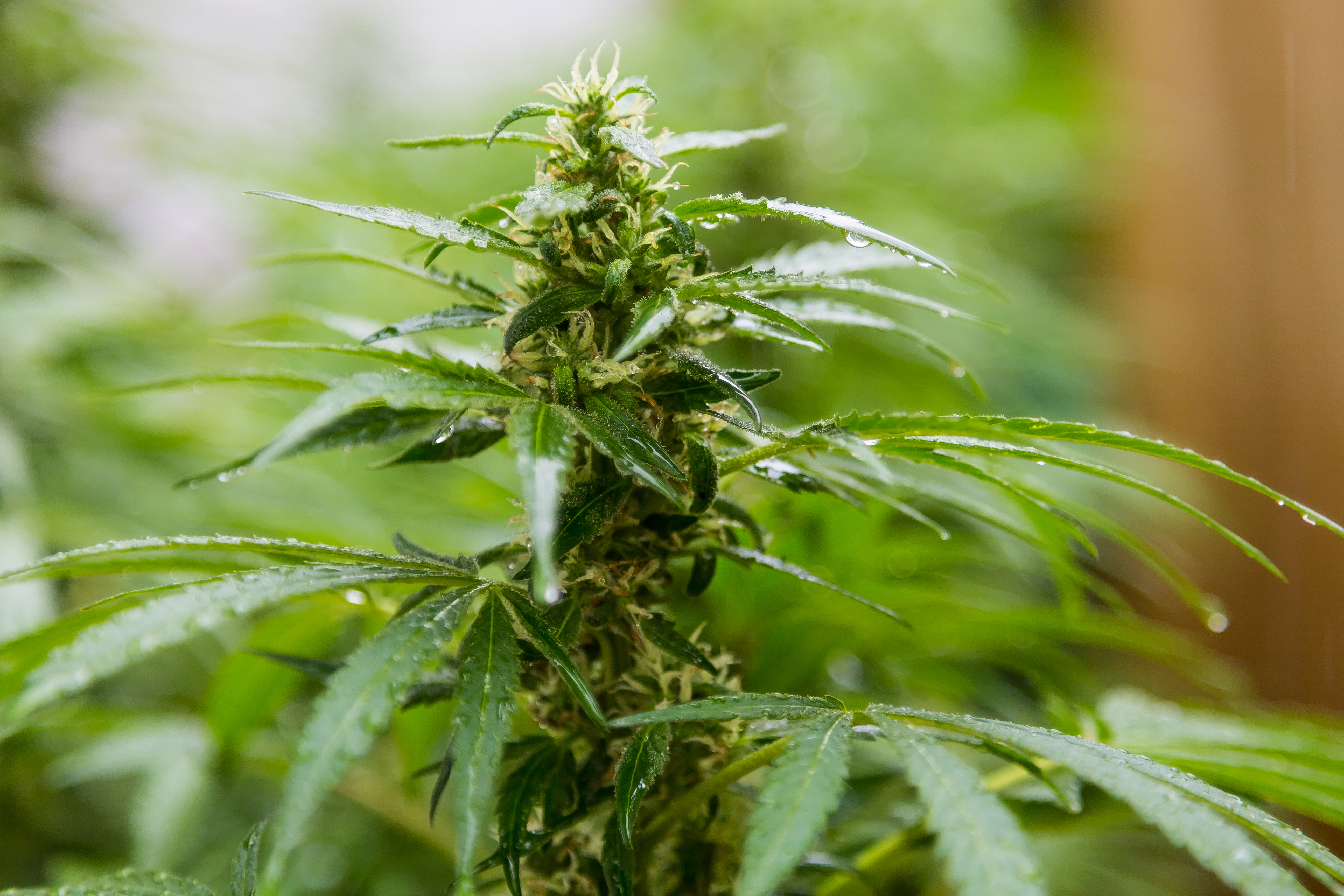


Special Queen is a cannabis strain that has gained attention because of its balanced genetics, moderate-to-high THC level, classic cannabis aroma, and fairly simple growing needs. It is often sold under the name Special Queen 1. The strain is commonly linked to Skunk-style genetics, which are known for strong aromas, dependable growth, and dense flower production. Because of these traits, Special Queen is often researched by both cannabis consumers and growers who want to understand what the strain may offer.
Special Queen 1 is generally described as a balanced hybrid. This means its genetics include both indica and sativa traits rather than strongly favoring only one side. Balanced hybrids can be interesting because they may produce a mix of mental and physical effects. However, the exact experience is not the same for every person. Cannabis affects people in different ways, and a strain name alone cannot predict exactly how someone will feel after using it.
One of the main reasons people search for Special Queen is its THC content. THC, or tetrahydrocannabinol, is the main compound in cannabis that causes intoxicating effects. Special Queen is usually placed in a moderate-to-high potency range. This can make the strain stronger than many low-THC varieties, but it may not be as powerful as some modern strains bred for very high THC levels. Potency is important because it can affect how intense the experience feels, especially for people with little or no tolerance to cannabis.
Still, THC percentage should not be treated as the only measure of strength. The effects of cannabis depend on many other factors. These include how much is consumed, how often a person uses cannabis, body chemistry, metabolism, and the way the product is taken. Smoking or vaporizing cannabis usually creates effects more quickly than eating cannabis in an edible form. Edibles can also last much longer. Because of this, two people using the same Special Queen product may have very different experiences.
Special Queen is often associated with relaxing and physically calming effects. Some strain descriptions also mention a combination of mental stimulation and body relaxation. These effects may fit with its balanced hybrid background. However, effects should always be described as possible rather than guaranteed. Individual reactions can vary, and the same person may even have different experiences depending on the amount used or the setting in which cannabis is consumed.
The aroma and flavor of Special Queen are also important parts of its profile. The strain is commonly described as having noticeable Skunk-like qualities mixed with earthy, fruity, and slightly sweet notes. These characteristics come partly from compounds called terpenes. Terpenes are natural aromatic chemicals found in cannabis and many other plants. They help create the smell and flavor of each plant. The exact terpene profile can vary from one crop to another, so Special Queen grown by different producers may not smell or taste exactly the same.
Another reason Special Queen receives attention is its cultivation profile. It is often described as a strain that can be grown indoors or outdoors. Growers may choose it because it can produce good-sized plants without requiring the same level of difficulty as some more sensitive cannabis varieties. Indoor growers can control factors such as temperature, humidity, lighting, and airflow. Outdoor growers depend more heavily on local weather and seasonal conditions.
Special Queen is a photoperiod cannabis strain. This means the plant’s flowering stage is controlled by changes in the light cycle. Indoors, growers normally change the number of light and dark hours to encourage flowering. Outdoors, the plant begins flowering as daylight hours become shorter later in the growing season. This is different from autoflowering cannabis, which begins flowering mainly because of its age rather than a change in daylight.
It is also important not to confuse Special Queen 1 with Special Queen 1 Automatic. Although the names are very similar, they are not the same type of plant. Special Queen 1 is the traditional photoperiod version. Special Queen 1 Automatic has autoflowering genetics and follows a different growth cycle. Autoflower plants are usually smaller and often finish more quickly. Their expected yields and growing schedules can also be different. This guide focuses mainly on the photoperiod Special Queen 1 unless the automatic version is clearly mentioned.
Growing conditions can strongly affect the final quality of Special Queen flowers. Light intensity, temperature, plant nutrition, watering habits, airflow, and root health can all influence growth. Harvest timing is also important. Cannabis harvested too early may not reach its full cannabinoid and terpene potential. Cannabis harvested later may develop a different chemical profile. After harvest, drying and curing can further affect aroma, flavor, smoothness, and storage quality.
Storage can also change the quality of cannabis over time. Too much heat, light, air, or moisture may reduce freshness and damage important compounds. This means a Special Queen product that has been stored correctly may be very different from one that has been exposed to poor conditions for a long period. Even when two products share the same strain name, their potency and overall quality may not be identical.
Plant genetics add another level of variation. Cannabis seeds from the same strain can produce plants with slightly different traits. These differences are known as phenotype variation. One Special Queen plant may grow taller, while another may stay shorter. Some plants may develop stronger fruity aromas, while others may show more of the classic Skunk smell. Flower density, flowering speed, and final yield can also differ between individual plants.
For these reasons, it is best to view strain descriptions as general guides rather than exact promises. Special Queen has a recognizable genetic background and a set of commonly described traits, but real-world results can vary. Consumers should pay attention to product testing and THC levels when such information is available. Growers should also consider their environment, equipment, climate, and experience before judging what a plant may produce.
This guide takes a detailed look at the most common questions people ask about Special Queen. It explains what the strain is, whether it is indica or sativa, how much THC it may contain, and what effects it may produce. It also covers flavor, aroma, possible side effects, flowering time, plant height, growing difficulty, and expected yields. By understanding these areas, readers can build a clearer picture of Special Queen 1 and the factors that influence both its effects and its performance as a cannabis plant.
What Is the Special Queen Weed Strain?
Special Queen is a cannabis strain known for its classic Skunk background, balanced growth, and moderate-to-strong THC content. It is often sold under the name Special Queen 1. The strain was developed to offer growers a plant that is fairly simple to manage while still producing dense flowers and strong cannabis effects. It is also known for a familiar combination of earthy, fruity, and skunky aromas.
Special Queen is a photoperiod cannabis strain. This means the plant begins flowering when the amount of light it receives each day becomes shorter. Indoor growers normally control this change by adjusting the lighting schedule. Outdoor plants begin flowering as the days naturally become shorter later in the growing season.
The strain is often described as a balanced hybrid because it contains both indica and sativa genetics. This combination can affect the way the plant grows as well as the effects it may produce after use. Special Queen has become well known among growers because it can adapt to different growing methods and does not usually require highly advanced skills.
Special Queen 1 is a feminized cannabis strain that comes from a strong Skunk genetic background. Feminized seeds are bred to produce female plants in most cases. Female cannabis plants are important to growers because they produce the resin-rich flowers that are normally harvested for consumption.
The genetics of Special Queen are commonly linked to Power Bud and Skunk. Skunk genetics have played a major role in cannabis breeding for many years. Strains from this family are often valued for reliable growth, noticeable aromas, and consistent flower production.
Special Queen 1 carries many of these traditional Skunk traits. The plants can develop strong branches that support several flowering sites. The buds may become dense and covered with resin as the plants mature. The strain can also produce a strong smell during flowering, which may be important for indoor growers to consider when planning ventilation.
Special Queen is not usually placed in the highest THC category when compared with some modern cannabis strains. However, it can still produce noticeable psychoactive effects. Its moderate-to-high THC level can make it powerful enough for experienced consumers while still being easier to understand than strains that contain extremely high THC levels.
The actual strength of any harvest can vary. Growing conditions, plant health, harvest timing, drying, curing, and storage can all affect the final cannabis product.
Special Queen vs. Special Queen 1
The names Special Queen and Special Queen 1 are often used to describe the same photoperiod strain. When people search for Special Queen online, they may see both names used by seed sellers, growers, or cannabis information websites.
This can sometimes cause confusion because there is also an autoflowering version called Special Queen 1 Automatic. Although the names are similar, the plants do not grow in exactly the same way.
The regular Special Queen 1 is a photoperiod plant. Its flowering stage depends on changes in the light cycle. Growers can allow it to stay in the vegetative stage for a longer period before changing the light schedule indoors. This gives them more control over the final size of the plant.
Special Queen 1 Automatic follows a different growth pattern. Autoflowering cannabis plants begin flowering mainly because of their age rather than a major change in the daily light schedule. They also tend to complete their full growth cycle faster than photoperiod plants.
Because of these differences, growers should make sure they know which type of Special Queen they are working with. Flowering time, plant height, growing schedule, and expected yield may be different between the photoperiod and automatic versions.
When discussing Special Queen in this guide, the main focus is the photoperiod Special Queen 1 unless the automatic version is clearly mentioned.
Why the Strain Is Popular
One reason Special Queen has remained popular is its simple growing style. Some cannabis strains are sensitive to small changes in temperature, nutrients, watering, or training. Special Queen is generally considered more forgiving when basic growing conditions are kept stable.
This can make it suitable for growers who are still learning the basics of cannabis cultivation. It can also appeal to more experienced growers who want a strain that responds well to different indoor or outdoor setups.
The plant can be grown in soil or other growing systems. Indoors, growers can manage its height through training and the length of the vegetative stage. Outdoors, plants may become much larger when they receive enough sunlight, space, water, and nutrients.
Another reason for its popularity is its traditional cannabis character. Special Queen is known for aromas that can include earthy, fruity, herbal, and skunky notes. These smells are strongly connected with the classic Skunk family of cannabis strains.
Its effects are another important part of its appeal. Special Queen is generally associated with a combination of mental and physical effects rather than an experience that feels completely sativa-like or completely indica-like. The exact experience can still vary from one person to another. THC tolerance, dose, consumption method, and individual body chemistry can all influence how the strain feels.
Special Queen is also known for offering reasonable flowering times and good yield potential under suitable conditions. These traits can make the strain practical for growers who want a balance between growing time, plant size, and final production.
Special Queen, also known as Special Queen 1, is a photoperiod cannabis hybrid with strong links to classic Skunk genetics. It is valued for relatively easy growth, noticeable THC potency, strong aromas, and the ability to grow in several types of environments. Its balanced genetic background can produce both indica-like and sativa-like traits.
It is important to separate Special Queen 1 from Special Queen 1 Automatic. The photoperiod version depends on changes in the light cycle to begin flowering, while the automatic version starts flowering based mainly on age. These differences affect the growing schedule, plant size, flowering period, and expected harvest.
Special Queen Genetics: Indica or Sativa?
Special Queen 1 is usually described as a balanced hybrid cannabis strain. Its genetics include both indica and sativa traits, which is why it does not fit neatly into only one group. According to breeder information, Special Queen 1 has an approximate 50% indica and 50% sativa genetic balance. This even split helps explain why the plant can show a mix of physical, growth, and effect-related traits.
Understanding the genetics of Special Queen can help growers know what to expect from the plant. It can also help consumers understand why its effects may feel different from strains that are strongly indica- or sativa-dominant. However, the indica and sativa labels should be treated as broad descriptions. The actual experience can depend on many factors, including the plant’s chemical profile, growing conditions, harvest time, and the amount consumed.
Parent Strains
Special Queen 1 is commonly linked to Power Bud and Skunk genetics. These parent lines help give the strain many of its most noticeable features. Skunk genetics have been used in cannabis breeding for many years because they are known for strong growth, distinct aromas, and reliable flower production. These qualities have made Skunk-based plants common in many modern hybrid strains.
The Skunk side of Special Queen can be seen in its smell and general growing style. The strain often develops a strong cannabis aroma with earthy, fruity, and skunky notes. The exact smell can change from one plant to another. Growing conditions, drying, and curing can also affect the final aroma.
The Power Bud side contributes to the strain’s overall hybrid character. When breeders cross different cannabis lines, they try to bring useful traits from each parent into one plant. These traits may include plant structure, flowering time, aroma, resin production, and yield.
A cannabis cross does not mean that every seed will grow into an identical plant. Seeds from the same strain can still show small differences. This is one reason growers may notice that one Special Queen plant stretches more than another or produces flowers with a slightly different smell.
The combination of Power Bud and Skunk genetics gives Special Queen a classic hybrid background. It can show strong growth while still having characteristics linked to both indica and sativa plants.
Indica and Sativa Balance
Special Queen 1 is generally listed as a 50% indica and 50% sativa hybrid. This makes it a balanced strain rather than an indica-dominant or sativa-dominant variety.
Traditionally, indica plants are often described as shorter, bushier plants with broader leaves. Sativa plants are often described as taller plants with more stretching and narrower leaves. These descriptions can be useful when discussing plant structure, but modern cannabis breeding has made the differences less clear.
Most cannabis strains sold today are hybrids. Breeders have crossed indica and sativa plants for many generations. Because of this, a strain may have a balanced genetic label while showing stronger traits from one side in certain plants.
Special Queen is a good example. A plant may grow with a fairly compact structure during early development but stretch more once flowering begins. Another plant from the same seed line may stay shorter. Both plants can still belong to the same strain.
The balanced genetics may also help explain why Special Queen is not usually described as having only one type of effect. Some cannabis varieties are known mainly for heavy physical effects, while others are more strongly linked to mental stimulation. Special Queen can show a combination of these traits.
Still, the indica-to-sativa ratio does not tell the whole story. Cannabinoids such as THC and compounds known as terpenes also influence how cannabis smells, tastes, and affects the body. A 50/50 label should therefore be viewed as a general genetic description rather than a guarantee of a certain experience.
Individual response also matters. Two people can consume the same cannabis product and feel different effects because of differences in tolerance, metabolism, dose, and sensitivity to THC.
Phenotype Differences
Phenotype differences are important when discussing Special Queen genetics. A phenotype is the set of visible and measurable traits shown by an individual plant. Genetics provide the basic instructions, but the environment can influence how those instructions are expressed.
For example, two Special Queen plants grown from separate seeds may not reach exactly the same height. One may produce longer branches, while another may remain more compact. Flower shape, leaf size, aroma, and flowering speed can also vary.
These differences are normal in seed-grown cannabis. They do not always mean that something is wrong with the plant. Instead, they show how genetic variation works within a strain.
The growing environment can make these differences more noticeable. Light strength, temperature, humidity, nutrients, root space, and watering habits can all affect plant development. A Special Queen plant grown indoors under controlled lighting may look different from one grown outdoors in natural sunlight.
Flowering behavior can also vary between phenotypes. Some plants may appear ready for harvest a little earlier, while others may need extra time to finish. This is why flowering times given by breeders should be treated as estimates rather than exact deadlines.
Aroma is another area where phenotype differences may appear. One Special Queen plant may smell more earthy and skunky, while another may show stronger fruity notes. These small differences can happen even when both plants come from the same strain.
Growers often pay attention to phenotype differences because they can affect plant height, spacing, training, and harvest timing. Understanding this variation can make it easier to manage several plants in the same growing area.
Special Queen 1 is best described as a balanced hybrid with an approximate 50% indica and 50% sativa genetic profile. Its reported Power Bud and Skunk background helps explain its mix of plant traits, strong aroma, and hybrid growth pattern. Rather than behaving like a purely indica or purely sativa strain, Special Queen can display features associated with both groups.
The indica and sativa labels are useful for giving readers a general idea of the strain’s background, but they should not be treated as exact rules. Modern cannabis strains are highly mixed, and traits can vary between individual plants.
Phenotype differences also mean that Special Queen plants may not all grow in exactly the same way. Height, branching, flower structure, aroma, and flowering speed can change from one plant to another. Growing conditions can increase these differences even further.
Special Queen THC Levels and Potency
Special Queen is often described as a moderately strong cannabis strain. Its potency is mainly linked to its THC content, although THC is only one part of the way cannabis may affect a person. The exact strength of Special Queen can change from one plant or batch to another. Genetics, growing conditions, harvest timing, drying, curing, and storage can all influence the final cannabinoid levels.
Understanding potency is important because two cannabis products with the same strain name may not always produce the same experience. A Special Queen plant grown in one environment may have a different THC level from a plant grown elsewhere. For this reason, laboratory test results are more useful than relying only on the strain name.
How Much THC Does Special Queen Have?
Special Queen 1 is commonly listed at around 18% THC by its breeder. This places it in the moderate-to-high potency range compared with many cannabis strains. However, the actual THC level of a harvested plant can be lower or higher than the figure shown in a strain description.
A THC level of around 18% means that THC makes up a notable part of the dried flower’s cannabinoid content. THC, short for tetrahydrocannabinol, is the main compound in cannabis that causes intoxicating effects. It can influence mood, perception, coordination, memory, and reaction time.
It is important to understand that 18% THC does not mean every person will experience the strain in the same way. A person with a high cannabis tolerance may find this level manageable, while someone with little experience may find it strong. Even a small amount of cannabis with moderate THC can feel intense to a new or sensitive user.
The amount consumed also matters. Using more cannabis increases the total amount of THC entering the body. This means that a strain with 18% THC can still produce strong effects if a large amount is consumed.
Different cannabis products can also have different THC levels even when they are sold under the same strain name. This is why regulated products may include laboratory labels showing the tested THC percentage of that specific batch.
CBD Content in Special Queen
Special Queen is generally described as having low CBD content. CBD, or cannabidiol, is another major cannabinoid found in cannabis. Unlike THC, CBD does not usually produce the same intoxicating high.
The balance between THC and CBD can influence the overall profile of a cannabis product. A strain with much more THC than CBD will usually have effects that are driven mainly by THC. Special Queen falls into this category because it is normally bred for its THC content rather than for high CBD levels.
Low CBD does not automatically mean that a strain is better or worse. It simply describes part of its cannabinoid profile. People who are sensitive to THC should still be cautious because low CBD means there may be less CBD present in the flower compared with THC.
Cannabinoid levels can also vary between individual plants. Even seeds from the same strain can produce plants with small differences in THC, CBD, and other compounds. This natural variation is one reason growers and consumers should not expect every batch to be identical.
What Changes Cannabis Potency?
Genetics are one of the main factors that control how much THC a cannabis plant can produce. A plant can only reach the potential allowed by its genetic makeup. However, genetics alone do not determine the final potency.
Light is another important factor. Cannabis plants need enough light to grow well and produce healthy flowers. Poor lighting can reduce overall plant development, while suitable light levels support normal flower and resin production.
Plant nutrition can also affect growth. Cannabis needs the right balance of nutrients at different stages of development. Too little nutrition may limit growth, but too much can damage the plant. Healthy plants are generally better able to reach their genetic potential.
Temperature and humidity also matter. Extreme heat, cold, or moisture can stress the plant. Stress may affect flower quality and overall development. Good airflow is also important because it helps manage humidity and reduces the risk of mold.
Harvest timing can influence cannabinoid levels as well. Cannabis flowers change as they mature. Harvesting too early may mean the plant has not reached full maturity. Waiting too long can also change the chemical profile of the flower.
Drying and curing are important after harvest. Poor drying conditions can damage quality, while careful curing helps preserve cannabinoids and aroma compounds. Storage matters too. Heat, light, air, and moisture can slowly reduce THC quality over time. Cannabis stored in poor conditions may lose strength faster than properly stored flower.
Is Special Queen Strong for Beginners?
Special Queen may feel strong to someone who has little or no experience with THC. A THC level near 18% is enough to produce noticeable intoxication in many people, especially when larger amounts are used.
Beginners should understand that THC percentage is not the only factor that affects strength. The amount consumed is just as important. A small amount of a stronger strain may produce milder effects than a large amount of a weaker strain.
Consumption method also changes how cannabis feels. Inhaled cannabis, such as smoked or vaporized flower, usually produces effects more quickly. Edible cannabis takes longer to work, but its effects can last much longer and may feel stronger. This difference can increase the risk of consuming too much if a person does not wait long enough for the effects to begin.
Individual sensitivity is another major factor. Body size, metabolism, previous cannabis use, and personal biology can all affect how someone responds to THC. Two people using the same amount of Special Queen may have very different experiences.
Tolerance can also develop with frequent cannabis use. Regular users may need more THC to feel effects that would be strong for someone who rarely uses cannabis. For this reason, the word “strong” is relative and cannot be based only on a THC number.
People who are inexperienced with THC should use caution and avoid assuming that a moderate THC percentage will always produce mild effects. It is also important not to drive, operate machinery, or perform tasks that require full attention while impaired.
Special Queen is generally considered a moderately potent cannabis strain, with the breeder commonly listing its THC content at around 18%. Its CBD content is usually low, which means THC plays a major role in its overall cannabinoid profile. However, actual potency can vary from plant to plant and from one batch to another.
Genetics, lighting, nutrition, temperature, humidity, harvest timing, drying, curing, and storage can all influence the final strength and quality of the flower. THC percentage is useful when comparing cannabis products, but it does not fully predict how strong the experience will feel.
For beginners, Special Queen may produce strong effects because tolerance and individual sensitivity differ from person to person. The amount used and the method of consumption also have a major impact. Understanding these factors gives readers a clearer and more realistic picture of Special Queen’s potency rather than relying on THC percentage alone.
What Are the Effects of a Special Queen?
Special Queen is known as a balanced hybrid cannabis strain with effects that may involve both the mind and the body. Because it has both indica and sativa genetics, its effects may not feel fully stimulating or fully sedating. Instead, many people may experience a mix of mental calm, physical relaxation, and a steady sense of ease.
The exact experience can still vary from person to person. Cannabis does not affect everyone in the same way. The amount used, THC tolerance, body chemistry, and method of use can all change how Special Queen feels. Even two batches of the same strain may produce slightly different results because cannabis plants can vary in potency and chemical content.
For this reason, the effects described below should be viewed as general characteristics rather than guaranteed results.
Typical Effects of Special Queen
Special Queen is often described as having relaxing and calming effects. Its THC level is high enough to produce a noticeable psychoactive response for many adults, but it is not usually placed among the strongest cannabis strains available today.
The early effects may include a change in mood and mental state. Some people may feel more relaxed, lighter, or less mentally tense. Thoughts may feel slower or easier to manage. Others may notice a mild sense of happiness or an uplifted mood.
As the effects continue, physical relaxation may become more noticeable. The body can begin to feel heavier, calmer, or more settled. This is one reason Special Queen is often described as having a balanced effect. The strain may produce some mental activity at first while becoming more physically relaxing over time.
At larger amounts, the relaxing side may become stronger. A person may feel sleepy, less active, or less interested in physical tasks. This is especially possible for people who have a low tolerance for THC.
The effects can also depend on the specific plant. Different Special Queen plants may produce slightly different levels of cannabinoids and terpenes. These natural compounds can influence aroma, flavor, and the overall cannabis experience.
How the Effects May Develop
The effects of Special Queen may change in stages rather than appearing all at once. When cannabis is inhaled, the first effects may begin within minutes. The initial phase may feel more mental. A person may notice a change in mood, attention, or perception.
After the first stage, the effects may become more balanced. Mental relaxation can continue while the body begins to feel calmer. Muscles may feel less tense, and physical movement may feel slower or less urgent.
Later in the experience, the body-focused effects may become stronger. This is when some people may feel more comfortable sitting, resting, or taking part in quiet activities. At higher doses, this stage can also include drowsiness.
The speed of these changes can vary. Smoking or vaporizing cannabis usually produces effects faster than eating cannabis in an edible form. Edibles can take much longer to begin working and can produce effects that last longer.
The person’s tolerance also matters. Someone who uses THC often may notice weaker effects from the same amount compared with someone who rarely uses cannabis. A new or sensitive user may experience stronger effects even from a small amount.
Mental and Physical Effects
Special Queen’s balanced genetics may create a combination of mental and physical effects. On the mental side, users may notice changes in mood, thought patterns, attention, and sensory awareness. Music, food, colors, and other sensations may feel more noticeable.
Some people may also experience a calm or slightly uplifted mental state. However, THC can also cause unwanted mental effects. Large amounts may lead to confusion, nervousness, racing thoughts, or anxiety, especially in people who are sensitive to THC.
Physical effects may include a feeling of relaxation throughout the body. Arms and legs may feel heavier, and the body may feel less tense. Coordination and reaction time can also become slower. This is important because a person may feel relaxed while still being impaired.
Special Queen should not be expected to produce the same balance every time. One batch may feel more mentally active, while another may feel more physically calming. Differences in plant genetics, growing conditions, harvest timing, drying, curing, and storage can all influence the final product.
Daytime vs. Evening Use
The time of day when Special Queen is used may depend on the amount consumed and how an individual responds to THC. Smaller amounts may feel easier to manage for some users, while larger amounts can create stronger relaxation or drowsiness.
Because the strain may become more physically calming as the effects develop, some adults may prefer it during the late afternoon or evening. A strong body effect can make demanding work, exercise, or tasks that require quick reactions more difficult.
That does not mean Special Queen is automatically an evening-only strain. People with a higher THC tolerance may experience it differently. A small amount may feel less sedating for one person than it does for another.
Anyone using cannabis should consider what activities they need to complete afterward. THC can affect judgment, coordination, attention, and reaction speed. Driving, operating machinery, or doing dangerous work while impaired should be avoided.
Factors That Change the Experience
THC tolerance is one of the main factors that can change how Special Queen feels. People who use cannabis often may need more THC to notice the same level of effect that a new user feels from a smaller amount.
The amount consumed is also important. A low dose may produce mild relaxation, while a larger dose may create stronger mental and physical effects. Increasing the amount can also raise the risk of unwanted effects such as anxiety, dizziness, dry mouth, or sleepiness.
The method of consumption also makes a major difference. Inhaled cannabis usually works quickly because THC enters the bloodstream through the lungs. Edible cannabis works more slowly because THC must pass through the digestive system and liver first. Edibles may also last much longer.
Individual biology can change the experience as well. Body size, metabolism, genetics, age, and general sensitivity to THC may all play a role. Food intake can affect how edible cannabis is absorbed, while alcohol or other substances may increase impairment.
Medications can also interact with cannabis. People taking prescription drugs or managing a medical condition should speak with a qualified healthcare professional before using cannabis products.
Special Queen is generally associated with a balanced mix of mental and physical effects. The experience may begin with changes in mood or mental relaxation and later develop into a stronger sense of physical calm. At higher amounts, the strain may feel heavier or more sedating.
However, no cannabis strain produces exactly the same effects for every person. THC tolerance, dose, consumption method, body chemistry, medications, and the chemical makeup of each batch can all change the experience. Special Queen may feel mild and relaxing to one person but much stronger to someone with little THC experience.
How Long Do Special Queen Effects Last?
The effects of Special Queen do not last for the same amount of time in every person. Cannabis can affect people in very different ways, even when they use the same strain. The length of the experience depends on several factors, including how much is used, how it is consumed, the strength of the product, and the person’s tolerance to THC.
Special Queen is known as a THC-rich cannabis strain, so its effects may last for several hours in some users. However, it is important not to treat any time estimate as a guarantee. A person who rarely uses cannabis may feel the effects for longer than someone who uses it often. The method of use also plays a major role in how quickly the effects begin and how long they continue.
Duration Is Not Fixed
There is no exact amount of time that Special Queen will affect every person. Inhaled cannabis, such as cannabis that is smoked or vaporized, usually starts working faster than edible cannabis. The effects from inhalation may begin within minutes because THC enters the bloodstream through the lungs.
With inhaled cannabis, the strongest effects are often felt earlier in the experience. After that, they usually become weaker over time. Some people may feel noticeable effects for a few hours, while mild changes in mood, focus, or coordination may continue longer.
Edible cannabis works in a different way. When cannabis is eaten, THC must pass through the digestive system before it reaches the bloodstream. The liver also changes THC into another active compound during this process. For this reason, edible effects usually take longer to begin.
The effects of edible cannabis may also last much longer than the effects of smoked or vaporized cannabis. This difference is important because a person may consume more while waiting for an edible to work. Taking another serving too soon can lead to stronger and longer-lasting effects than expected.
The name Special Queen does not change these basic differences between consumption methods. The form of the cannabis product can affect the length of the experience just as much as the strain itself.
Factors Affecting Duration
The amount of THC consumed is one of the main factors that affects how long cannabis effects may last. A larger amount can produce stronger effects and may take longer for the body to process. A smaller amount may produce a shorter or milder experience.
THC concentration also matters. Two Special Queen products may not have exactly the same strength. Growing conditions, harvest timing, processing, and storage can all affect cannabinoid levels. This means a product with a higher THC concentration may feel different from another product sold under the same strain name.
Tolerance is another major factor. People who use cannabis often may develop some tolerance to THC. Their bodies may respond less strongly to an amount that would have a much greater effect on a person with little or no experience.
Metabolism can also influence duration. Some people process substances faster than others. Age, body size, food intake, general health, and individual body chemistry may all play a part in how THC is absorbed and processed.
The frequency of cannabis use may also change the experience. Regular users may notice that the strongest effects fade faster because of tolerance. Infrequent users may feel stronger effects for a longer time.
Consumption method remains one of the most important differences. Smoking and vaping usually lead to a faster start and shorter overall experience. Edibles often take longer to begin but can remain active much longer. Concentrates may also contain much higher amounts of THC, which can increase the intensity and duration of effects.
Potency vs. Duration
It is easy to assume that a stronger cannabis strain will always produce longer-lasting effects. In reality, potency and duration are related but are not the same thing.
THC percentage mainly shows how much THC is present in a cannabis sample. It does not tell a person exactly how long the effects will last. A higher THC product may produce stronger effects, but the duration still depends on the dose, method of use, tolerance, and individual response.
For example, a small amount of a strong Special Queen product may have a shorter and more manageable effect than a large amount of a weaker cannabis product. The total amount of THC entering the body is often more important than the THC percentage alone.
The way a person responds to THC can also change from one occasion to another. Sleep, stress, food intake, and the use of alcohol or other substances may affect how cannabis feels. Because of this, a person’s previous experience with Special Queen does not guarantee that the next experience will be identical.
The effects may also fade in stages. A person may stop feeling strongly intoxicated but may still have slower reaction time, reduced focus, or mild tiredness. These remaining effects can still matter when driving, working, or carrying out tasks that require full attention.
Responsible Consumption
Responsible cannabis use is especially important for people who have limited experience with THC. Starting with a small amount reduces the chance of unexpectedly strong effects. This is especially important when using edibles because they can take much longer to begin working.
Taking more cannabis before the first amount has fully taken effect can lead to an uncomfortable experience. A person may experience anxiety, dizziness, confusion, nausea, or heavy sedation if too much THC is consumed.
Anyone using Special Queen or another THC-rich cannabis product should avoid driving while impaired. Cannabis can reduce reaction speed, attention, coordination, and judgment. Even when the strongest effects seem to have passed, some impairment may remain.
Operating machinery, using dangerous tools, swimming alone, or performing other risky activities should also be avoided while affected by cannabis. Combining cannabis with alcohol or other substances can increase impairment and make the effects harder to predict.
People who take prescription medicines or have medical concerns should speak with a qualified healthcare professional before using cannabis. THC may interact with some medicines or may not be suitable for certain health conditions.
The effects of Special Queen do not have one fixed duration. How long they last depends on the amount consumed, THC strength, tolerance, metabolism, frequency of use, and the method of consumption. Smoked or vaporized cannabis usually acts faster and tends to wear off sooner, while edible cannabis may take longer to begin and can remain active for much longer.
THC percentage alone cannot tell a person exactly how long Special Queen will affect them. The total dose and the way the body responds are equally important. People with little cannabis experience should use extra care because they may feel stronger or longer-lasting effects. Avoiding driving and other risky activities until all signs of impairment are gone is an important part of responsible use.
Special Queen Flavor, Aroma, and Terpene Profile
Special Queen is known for a classic cannabis aroma that combines earthy, fruity, and skunky notes. Its smell and flavor are part of what gives the strain its distinct character. However, these qualities are not exactly the same in every plant. Genetics, growing conditions, harvest time, drying, curing, and storage can all change how the final cannabis smells and tastes.
The aroma of Special Queen is often linked to its Skunk-style background. At the same time, sweeter and fruit-like notes may soften the stronger earthy smell. This creates a scent that can seem simple at first but becomes more complex when the dried flowers are handled or broken apart.
Terpenes also play an important role in these qualities. These natural compounds help create the smell and flavor of cannabis. They can vary from one plant to another, even when the plants come from the same strain.
What Does Special Queen Smell Like?
Special Queen is often described as having a strong skunky smell mixed with earthy and fruity notes. The skunky part of the aroma comes from the strain’s genetic background. Skunk-type cannabis strains are known for having a powerful smell that can be sharp, rich, and easy to notice.
The earthy side of Special Queen may remind some people of soil, wood, herbs, or dried plants. These deeper smells can make the aroma feel warm and natural. They also help balance the sweeter parts of the scent.
Fruit-like notes may also appear in well-grown and properly cured Special Queen flowers. These can range from mild sweetness to a more noticeable fresh or ripe fruit smell. The exact fruit character may be hard to define because cannabis aroma is made from many compounds working together.
The strength of the smell can change when the buds are handled. A whole flower may have a mild scent when first taken from storage. Once it is broken or ground, more aroma compounds are released. This can make the skunky, earthy, and sweet smells much stronger.
Growing conditions also have an effect. Plants grown under stable conditions may develop a stronger aroma than plants that experience major stress. Light, temperature, humidity, plant health, and nutrition can all influence how the flowers develop.
What Does Special Queen Taste Like?
The flavor of Special Queen often follows the same general pattern as its aroma. Earthy and skunky tastes may be the most noticeable, while sweeter or fruity notes can appear underneath them.
An earthy flavor can give the strain a traditional cannabis taste. This type of flavor is common in strains with older Skunk genetics. It may seem herbal, woody, or slightly spicy depending on the plant.
Some batches may have a sweeter finish. The fruit-like quality can help make the flavor seem smoother and less heavy than the aroma might suggest. In some cases, the sweetness may be very mild. In other batches, it may be more noticeable.
Taste can also change depending on how the cannabis is used. Smoking causes plant material to burn, which can create stronger roasted or smoky flavors. Vaporizing heats the flower without burning it in the same way. Because of this, some of the natural flavor compounds may be easier to notice at lower temperatures.
The quality of the dried flower also matters. Cannabis that has been dried too quickly may taste harsh or grassy. Cannabis that still contains too much moisture may also have an unpleasant flavor. Properly dried and cured flower usually gives the natural aroma and flavor more time to develop.
Understanding Terpenes in Special Queen
Terpenes are natural aromatic compounds found in many plants. They are responsible for many familiar smells in nature. Citrus fruits, pine trees, herbs, flowers, and spices all contain different types of terpenes.
Cannabis plants produce terpenes in small structures called trichomes. These are the same resin glands that also produce cannabinoids such as THC and CBD. Terpenes help give each cannabis plant its individual smell and flavor.
Special Queen may contain several terpenes that contribute to its earthy, skunky, fruity, or herbal character. However, a strain name does not guarantee an exact terpene profile. Two Special Queen plants can have different amounts of the same terpenes. Some plants may even produce noticeable compounds that are much weaker in others.
This difference happens because cannabis plants are living organisms. Their chemical makeup is affected by both genetics and the environment. A plant’s terpene profile may change depending on light levels, temperature, nutrients, stress, harvest timing, and other growing conditions.
Laboratory testing is the best way to know the exact terpene content of a specific cannabis product. Without a lab report, aroma and taste descriptions should be treated as general characteristics rather than fixed facts.
Why Aroma and Flavor Can Differ Between Batches
It is common for one batch of Special Queen to smell or taste different from another. Even plants grown from seeds of the same strain can develop slightly different traits. These differences are often linked to phenotype.
A phenotype is the way a plant’s genetics are expressed. One Special Queen plant may lean toward stronger skunky and earthy traits. Another may produce more sweetness or fruit-like aromas. Plant height, bud structure, flowering speed, and resin production may also differ.
The growing environment can create more variation. Temperature that becomes too high may reduce some of the more delicate aroma compounds. Poor plant health can also limit flower quality. Strong light, good airflow, proper nutrition, and stable environmental conditions can help the plant develop normally.
Harvest timing matters as well. Flowers harvested before they are fully mature may have a different smell than flowers allowed to reach full maturity. Waiting too long can also change the final aroma and overall quality.
Drying is another major step. After harvest, growers usually dry the flowers slowly so moisture can leave the plant material. If drying happens too quickly, the buds may keep a sharp, grassy smell. If they dry too slowly in poor conditions, the risk of mold can increase.
Curing takes place after drying. During curing, the dried buds are stored under controlled conditions for a period of time. This process allows remaining moisture to become more even throughout the flower. It can also help reduce harsh plant-like smells and allow the natural cannabis aroma to become clearer.
Storage continues to affect the flower after curing. Heat, air, light, and moisture can slowly damage terpenes. Cannabis stored in a hot or open environment may lose its smell and flavor much faster. Proper storage helps protect the aromatic compounds for a longer period.
Special Queen usually has a classic aroma and flavor profile built around skunky, earthy, herbal, and fruity qualities. Its Skunk-related genetics help create the stronger traditional cannabis smell, while sweeter notes can give the strain more balance.
Terpenes are responsible for much of this aroma and flavor, but their exact amounts are not fixed. Individual plant genetics, growing conditions, harvest timing, drying, curing, and storage can all change the final result. Because of these factors, one Special Queen batch may smell strongly skunky and earthy while another may have clearer fruity or sweet notes.
Special Queen Side Effects and Consumer Considerations
Special Queen is a THC-rich cannabis strain, so it can cause both expected effects and unwanted side effects. The way a person responds to it can vary. THC tolerance, body weight, metabolism, dose, and method of use can all change the experience. Some people may feel relaxed after using cannabis, while others may feel uncomfortable if they consume too much.
Understanding the possible side effects is important, especially for people who are new to cannabis or have a low tolerance to THC. Even when a strain has a moderate THC level, it can still cause strong effects in some users. It is also important to remember that the name of a strain does not guarantee a certain experience. Cannabis products can vary in strength from one batch to another.
Common THC-Related Side Effects
Special Queen may cause side effects that are common with many THC-rich cannabis strains. Dry mouth is one of the most common effects. THC can affect saliva production, which may leave the mouth feeling dry or sticky. Drinking water before and after cannabis use may help reduce this feeling.
Red or dry eyes may also occur. THC can affect blood vessels in the eyes, which can make them appear red. Some people may also notice that their eyes feel slightly irritated or dry.
Dizziness is another possible side effect. This may be more likely when a person consumes a large amount of THC or stands up quickly after sitting or lying down. People who already have low blood pressure may need to be more careful.
THC can also affect coordination, reaction time, and judgment. A person may have trouble focusing or completing tasks that require quick decisions. For this reason, cannabis should not be used before driving, operating machinery, or doing other activities where reduced coordination could create a safety risk.
Some users may notice an increased heart rate after consuming cannabis. This effect is often temporary, but it can feel uncomfortable. People with heart or circulation problems should speak with a healthcare professional before using cannabis products.
Anxiety, nervousness, or feelings of panic can also occur. These effects are more common when a person consumes more THC than their body can comfortably handle. People who are sensitive to THC may experience these effects even with smaller amounts.
Why High Doses Can Feel Different
The amount of THC a person consumes can have a major effect on the experience. A smaller amount may produce mild effects, while a much larger dose can cause stronger physical and mental changes.
THC affects cannabinoid receptors in the brain and nervous system. As the dose increases, these effects can become more intense. A person may feel very sleepy, confused, dizzy, or mentally uncomfortable after taking too much.
Higher doses may also increase the chance of anxiety or paranoia. Someone who expected to feel calm may instead feel restless or worried. This does not happen to every person, but the risk can increase when the THC dose is high.
Tolerance also makes a difference. A regular cannabis user may be less sensitive to a certain amount of THC than someone who rarely uses cannabis. This means two people can consume the same product and have very different experiences.
The method of consumption is also important. Inhaled cannabis often produces effects more quickly, making it easier to notice how strong the dose feels. Edible cannabis can take much longer to produce noticeable effects. This delay may cause some people to consume more before the first dose has fully taken effect.
Because of these differences, it is difficult to predict exactly how strong Special Queen will feel for every user. Starting with a smaller amount and allowing time to understand its effects can lower the chance of taking too much.
Who Should Be Especially Cautious?
Certain people should be more careful with cannabis products that contain THC. Pregnant or breastfeeding people are generally advised to avoid cannabis because THC can reach the developing baby or pass into breast milk.
People who take prescription medications should also consider possible interactions. Cannabis may affect how some medications work or may increase side effects such as sleepiness, dizziness, or changes in blood pressure. A doctor or pharmacist can provide advice based on the specific medication being used.
People with heart conditions may also need extra caution because THC can temporarily change heart rate and blood pressure. Those with a history of severe anxiety, panic attacks, or other mental health concerns may also find that strong THC products make some symptoms worse.
Anyone who has previously had a serious or unpleasant reaction to cannabis should avoid assuming that a different strain will automatically produce a better result. THC remains the main intoxicating compound in most cannabis strains, including Special Queen.
Age is another important consideration. Cannabis laws often set a minimum legal age for non-medical use. Younger people may also face greater risks because the brain continues to develop into early adulthood. Consumers should always follow the laws and health guidance that apply where they live.
Avoiding Unsupported Medical Claims
Cannabis strains are sometimes described online as being useful for stress, pain, sleep problems, or other health concerns. These descriptions should be treated carefully. A strain name alone does not prove that a cannabis product can treat a medical condition.
Special Queen may produce relaxing or calming effects for some users, but that does not mean it is a medical treatment. Personal experiences and strain descriptions are not the same as controlled medical research.
The THC and terpene content can also vary between products sold under the same strain name. This means one batch of Special Queen may have a different chemical profile from another. As a result, people should not expect the exact same effects every time.
Anyone considering cannabis for a health problem should speak with a qualified healthcare professional. This is especially important for people who have ongoing medical conditions or take prescription drugs.
Claims that cannabis can cure, prevent, or diagnose a disease should not be accepted without strong scientific evidence. Responsible information should separate general cannabis effects from proven medical benefits.
Special Queen can cause several common THC-related side effects, including dry mouth, red eyes, dizziness, reduced coordination, increased heart rate, anxiety, and sleepiness. The chance and strength of these effects depend on the amount consumed, THC tolerance, personal sensitivity, and method of use.
Larger doses can produce stronger and less predictable effects, especially in people who are new to cannabis. Pregnant or breastfeeding people, those taking medications, and people with certain heart or mental health conditions should be especially cautious and should seek professional medical advice when needed.
Special Queen should also not be presented as a treatment simply because some people describe relaxing or calming effects. Strain names and personal reports are not enough to prove medical benefits. Understanding these limits helps consumers make more informed and safer decisions about THC-rich cannabis products.
Is Special Queen Easy to Grow?
Special Queen is often described as a relatively manageable cannabis strain for growers who already understand basic plant care. Its growth pattern is usually considered less demanding than that of some sensitive or slow-growing varieties. However, “easy to grow” does not mean that the plant can be ignored. Healthy growth still depends on good light, proper watering, airflow, enough space, and a stable environment.
The strain is commonly grown both indoors and outdoors. Each setting has its own benefits and challenges. Indoor growing gives a grower more control over the environment, while outdoor growing depends much more on local weather and seasonal conditions. In either case, the plant needs regular care throughout its life cycle.
Before growing cannabis, it is also important to check local laws. Cannabis cultivation rules differ widely by country, state, and region. Some places allow limited home growing, while others prohibit it.
Growing Difficulty
Special Queen is generally considered suitable for growers who want a plant with a fairly straightforward growth pattern. The strain is often described as adaptable and able to perform well when its basic needs are met.
One reason it may be easier to manage is its hybrid genetics. Balanced hybrid plants can sometimes show a mix of traits from both sides of their genetic background. Special Queen may develop strong branches, steady vertical growth, and a structure that responds well to normal plant care.
Still, plant health can change quickly when the growing environment becomes unstable. Problems with watering, temperature, light, or nutrition can slow development. A healthy plant usually grows best when conditions remain consistent rather than changing sharply from one day to the next.
New growers may find it useful to focus on simple plant health signals. Leaves that remain firm and evenly colored often suggest that the plant is growing normally. Sudden leaf discoloration, drooping, unusual spots, or weak growth may suggest that something in the environment needs attention.
The key is not to make several major changes at once. Changing water, nutrients, lighting, and the growing environment at the same time can make it difficult to identify the cause of a problem.
Indoor and Outdoor Cultivation
Special Queen can be grown in indoor or outdoor environments where cultivation is legal.
Indoor cultivation gives growers more control over factors such as light, airflow, temperature, and humidity. This control can help protect plants from sudden weather changes. It also allows the growing space to remain more consistent throughout the plant’s development.
However, indoor growing requires careful space management. Special Queen can develop into a reasonably tall plant, so growers need to consider how much vertical and horizontal space is available. Plants that become crowded may receive uneven light and poor airflow.
Good airflow is especially important because dense plant growth can trap moisture around leaves and flowers. Moist conditions can increase the risk of mold and other plant health problems.
Outdoor cultivation offers natural sunlight and potentially more room for roots and branches to develop. A suitable outdoor location should receive enough light and allow air to move around the plant.
Weather is one of the biggest limits of outdoor cultivation. Long periods of rain, high humidity, strong winds, extreme heat, or early cold weather may affect plant health. Local climate therefore plays an important role in deciding whether a strain can perform well outdoors.
Growers should also consider privacy, security, and local cultivation laws before choosing an outdoor location.
Soil vs. Hydroponics
Special Queen may be grown in soil-based or hydroponic systems, depending on the grower’s experience and local regulations.
Soil is often easier for beginners to understand because it works in a similar way to many other container or garden plants. A healthy growing medium supports the roots, holds moisture, and allows air to reach the root zone.
Good drainage is especially important. Roots need both water and oxygen. Soil that stays soaked for long periods may limit the amount of oxygen available to the roots.
Hydroponic systems grow plants without traditional soil. Instead, the roots receive water and dissolved nutrients through a controlled system. Hydroponics can give growers greater control, but it can also require closer monitoring.
Changes in water quality or nutrient balance may affect plants more quickly in a hydroponic system. For this reason, people who are new to plant cultivation may find soil easier to manage.
Neither method automatically produces a better plant. Results depend more on plant health, environmental control, and consistent care.
Training and Space Management
Cannabis plants can develop many branches as they grow. Managing the shape of the plant can help prevent crowding and improve access to available light.
Plant training methods are sometimes used to guide branches into a more open shape. These methods may also help growers make better use of limited indoor space. Techniques often associated with cannabis cultivation include Sea of Green, commonly called SOG, and Screen of Green, known as ScrOG.
The main idea behind space management is simple. Plants should have enough room for leaves and branches to develop without becoming tightly packed together.
Overcrowded plants may block light from reaching lower growth. They may also reduce airflow through the plant canopy. This can create areas where heat and moisture collect.
For beginner growers, gentle and simple plant management is usually easier than making major changes to the plant at one time. Any training method can cause stress when it is performed too aggressively.
Plant size should also be considered early. Special Queen can stretch as it moves into flowering, so waiting until the plant is already large may make space problems harder to correct.
Common Cultivation Problems
Overwatering is one of the most common problems in container-grown plants. Cannabis roots need moisture, but they also need oxygen. Keeping the growing medium constantly saturated can create poor root conditions.
A plant that receives too much water may appear weak or droopy. However, drooping can have several causes, so growers should avoid assuming that every wilted plant needs more water.
Overfeeding can also cause problems. Giving a plant more nutrients does not always lead to faster growth. Excess nutrients may interfere with normal root function and can damage leaf tissue.
Poor airflow is another concern. Air movement helps prevent moisture from collecting around leaves and flowers. It can also support stronger plant growth.
High humidity can become especially important as flowers become denser. Moisture that remains trapped inside thick plant growth can create favorable conditions for mold.
Insufficient light may cause weak or stretched growth. Plants use light as the main energy source for photosynthesis, so limited light can reduce overall development.
Plant stress can also result from sudden environmental changes. Strong changes in temperature, excessive handling, pest damage, poor root conditions, or repeated adjustments can slow growth.
The best approach is usually to maintain stable conditions and observe the plant regularly. Catching a small problem early is often easier than correcting severe damage later.
Special Queen is generally regarded as a fairly manageable cannabis strain, but successful cultivation still depends on proper plant care. It can grow indoors or outdoors and may be raised in soil-based or hydroponic systems. Indoor environments offer more control, while outdoor cultivation depends heavily on climate and seasonal weather.
Good space management is important because plants need enough light and airflow around their leaves and branches. Simple training methods may help manage plant shape, especially in limited spaces, but excessive stress should be avoided.
Common problems include overwatering, overfeeding, poor airflow, excessive humidity, insufficient light, and sudden environmental changes. Maintaining stable conditions and watching the plant for early signs of stress can help reduce these risks.
Special Queen Flowering Time, Height, and Harvest
Understanding the flowering time, plant height, and harvest period of Special Queen can help growers plan their space and growing schedule. Special Queen 1 is a photoperiod cannabis strain. This means it begins flowering when the hours of light and darkness change. Indoors, growers control this change with a lighting schedule. Outdoors, the plant responds to the natural shortening of daylight as summer ends.
Special Queen is known for a fairly manageable flowering period. It can also become much larger outdoors than indoors. However, the final size and harvest date will depend on many factors. These include climate, light, plant health, growing space, and the individual plant.
How Long Does Special Queen Take to Flower?
Special Queen usually has a flowering period of about eight to nine weeks. This flowering stage starts after the plant enters its bloom phase. It does not include the earlier seedling and vegetative stages.
The total time from seed to harvest will therefore be longer than eight or nine weeks. Before flowering begins, the plant needs time to develop roots, stems, branches, and leaves. The length of this vegetative stage can vary. Indoor growers may have more control over when flowering starts because they can adjust the light cycle.
The eight-to-nine-week figure should be treated as a general guide rather than an exact deadline. Some Special Queen plants may mature a little sooner, while others may need more time. Genetics can cause small differences between plants, even when the seeds come from the same strain.
Environmental conditions can also affect flowering speed. Poor lighting, plant stress, temperature problems, pests, or nutrient issues may slow development. Healthy plants growing under suitable conditions are more likely to follow the expected flowering schedule.
Growers should therefore avoid harvesting only because a certain number of weeks has passed. The condition of the flowers is more important than the calendar.
Indoor Plant Height
Special Queen plants grown indoors are commonly listed at about 80 to 140 centimeters in height. This makes the strain suitable for many indoor spaces, but growers still need to plan for vertical growth.
Cannabis plants often become taller after the flowering stage begins. This increase in height is sometimes called the flowering stretch. The amount of stretch can vary from plant to plant.
Several factors influence indoor height. One of the most important is the amount of time the plant spends in its vegetative stage. A plant allowed to grow for a longer period before flowering may become larger than one moved into flowering earlier.
Container size can also affect growth. Plants with more root space may have a greater ability to develop into larger plants when other conditions are good. Light strength and light placement can influence plant shape as well. A plant that does not receive enough light may stretch as it grows toward the light source.
The final height is therefore not fixed. The listed range gives growers a useful idea of what to expect, but actual results can fall outside that range.
Outdoor Plant Height
Special Queen can grow much taller outdoors. Under suitable conditions, plants may reach around 200 to 270 centimeters. Outdoor plants usually have more room for both root and branch growth than plants kept in indoor containers.
Sunlight also reaches the plant from different angles throughout the day. When weather and growing conditions are favorable, this can support strong growth and a larger plant structure.
Outdoor height depends heavily on the local environment. A plant grown in a long, warm season may have more time to develop than one grown in a shorter season. The amount of direct sunlight is also important. Plants placed in shaded areas may not develop as strongly as plants that receive enough sunlight.
Soil quality, water supply, temperature, wind, and plant health can also influence height. A stressed outdoor plant may remain much smaller than the figures normally linked with the strain.
Large outdoor plants also need enough physical space around them. Crowded plants can compete for light and airflow. Their branches may also grow into nearby plants or structures. For this reason, expected plant size is an important part of planning an outdoor growing area where cultivation is legal.
Outdoor Harvest Period
Special Queen is often associated with an outdoor harvest around late September in suitable Northern Hemisphere climates. However, this date should not be treated as universal.
The actual harvest period can change depending on latitude and local weather. Day length changes at different rates in different parts of the world. A plant grown in northern Europe, for example, may experience different seasonal conditions from the same strain grown in a warmer southern location.
Weather can also affect the final weeks before harvest. Long periods of rain, cold temperatures, high humidity, or severe storms may place stress on flowering plants. In other locations, warm and stable conditions may allow plants to mature more normally.
The time the plant was started also matters. Outdoor plants that begin growth earlier may have more time to develop before the flowering season. However, flowering in photoperiod cannabis is mainly controlled by changing daylight rather than simply by plant age.
Because of these differences, outdoor growers should use the expected September harvest period as a general reference. The plant itself gives better signs of maturity.
Signs of Plant Maturity
Flowering time provides a useful starting point, but growers also look at the plant’s physical development when deciding whether it is mature.
One of the most common areas examined is the trichomes. Trichomes are very small resin glands found on cannabis flowers and nearby leaves. They contain many of the plant’s cannabinoids and aromatic compounds. Their appearance changes as the flowers develop.
Growers may also look at the pistils on the flowers. Pistils are the hair-like structures that appear during flowering. They often begin lighter in color and become darker as the plant matures. However, pistil color alone is not always a reliable sign that a plant is ready.
Flower shape and density may also change near the end of flowering. Buds can become fuller as the plant reaches maturity. The leaves may also show natural changes as the flowering cycle comes to an end.
No single sign should be viewed in isolation. Plant health, trichome development, flower structure, and expected flowering time can all provide useful information.
Harvest timing matters because cannabis chemistry continues to change as flowers mature. Harvesting far too early can result in flowers that have not reached full development. Waiting too long can also change the final chemical profile of the plant.
Special Queen has a relatively straightforward flowering pattern, with an expected flowering stage of about eight to nine weeks. Indoor plants commonly remain around 80 to 140 centimeters tall, while outdoor plants can grow much larger and may reach about 200 to 270 centimeters under favorable conditions.
Outdoor Special Queen plants are often ready around late September in suitable Northern Hemisphere climates, but harvest dates can change with latitude, climate, weather, plant health, and other growing conditions. These figures should therefore be treated as guides rather than guarantees.
The best way to understand the plant’s progress is to consider both the expected timeline and its physical development. Flower maturity, trichome changes, overall plant condition, and environmental conditions all provide useful information. By understanding how flowering time, height, and harvest timing are connected, growers can form more realistic expectations about how Special Queen develops from the start of flowering through maturity.
Special Queen Yield and Growing Performance
Yield is one of the main reasons growers research Special Queen 1 before choosing it. Breeder descriptions often list the strain as a productive photoperiod cannabis variety that can perform well indoors or outdoors. Still, yield numbers should always be treated as estimates. A plant does not produce a fixed amount simply because it belongs to a certain strain. Genetics set the basic potential, but the final harvest also depends on the growing environment, plant health, weather, space, and the grower’s level of experience.
Special Queen 1 is often described as a strain that can produce a useful harvest without needing highly advanced growing methods. This is part of its appeal. However, even an easy-to-manage variety can perform poorly if its basic needs are not met. Understanding the difference between a strain’s potential and its actual results is important when looking at advertised yield figures.
Indoor Yield
For indoor cultivation, breeder information commonly places the potential yield of Special Queen 1 at about 500 to 550 grams per square meter under favorable conditions. This figure gives growers a general idea of what the strain may be capable of, but it should not be viewed as a guaranteed result.
Indoor yield can vary because every growing space is different. Plant numbers, available space, lighting, ventilation, temperature, and general plant health can all affect how much usable flower develops. Two growers using seeds from the same strain may end up with very different harvest weights.
Indoor plants are also limited by the amount of space available to them. A plant that has enough room to develop a healthy structure may perform differently from one that is crowded by nearby plants. At the same time, simply giving a plant more room does not guarantee a larger harvest. The plant still needs suitable environmental conditions throughout its life cycle.
Breeder yield figures are usually based on plants grown under controlled and favorable conditions. A home grow may produce less because conditions are not always ideal. For this reason, indoor yield numbers are best used as comparison points when looking at different strains rather than as exact predictions.
Outdoor Yield
Special Queen 1 can also produce substantial plants outdoors when the climate is suitable. Breeder descriptions often list an outdoor yield potential of around 500 to 550 grams per plant under good conditions.
Outdoor yield is measured differently from indoor yield. Indoor production is often expressed in grams per square meter because growers work within a fixed room or tent. Outdoor plants are usually measured by the amount harvested from each plant because they may have much more room to spread.
Outdoor plants can become larger than indoor plants because they are not restricted by a ceiling or small growing container. They may also receive many hours of natural sunlight during the growing season. However, outdoor growing also exposes plants to conditions that cannot be fully controlled.
Weather can change quickly. Long periods of rain, high humidity, strong wind, extreme heat, or unusually cold nights may affect plant development. Pests and plant diseases can also have a greater effect outdoors. Because of these factors, the same strain may produce a large harvest in one location and a much smaller harvest in another.
Climate and season length are also important. Special Queen 1 is a photoperiod strain, so its flowering stage responds to changes in the natural light cycle. Areas with suitable late-summer and early-fall conditions may provide a better environment for flower development than regions where poor weather arrives early.
What Determines Final Yield?
Genetics provide the foundation for yield, but they are only one part of the final result. A healthy plant generally has a better chance of reaching its natural potential than a plant that experiences long periods of stress.
Light is one of the major factors linked to plant growth. Cannabis plants rely on light to support photosynthesis, which is the process they use to produce energy. Plants that receive unsuitable light conditions may develop differently from plants grown in a stable environment.
Plant size also affects potential production. In general, a larger healthy plant has more space for branches and flowers to develop. However, size alone does not determine quality or total usable yield. A tall plant that is unhealthy may produce less than a smaller plant growing under better conditions.
Root health matters as well. Roots help the plant take in water and nutrients. When roots are unhealthy or stressed, growth above the soil may also slow. Problems related to watering or poor root conditions can therefore affect the final harvest.
Nutrition is another factor, but more nutrients do not always mean more growth. Cannabis plants need a suitable balance of nutrients during different stages of development. Too little nutrition may limit growth, while excessive feeding may damage the plant. Stable conditions are usually more important than trying to force rapid growth.
Temperature and humidity also influence performance. Large changes in either can place stress on plants. High humidity around dense flowers may also increase the risk of moisture-related problems. Good airflow can help create a more stable environment, although environmental needs can vary based on the growing setup.
Pest and disease pressure can reduce yield as well. Damage to leaves, stems, roots, or flowers can limit plant development. Outdoor plants may face insects and weather-related diseases, while indoor plants can still develop pest problems if they are introduced into the growing space.
Grower experience can make a major difference. More experienced growers may notice plant stress sooner and make better decisions about general plant care. Beginners may need time to learn how cannabis plants react to changes in their environment.
Special Queen Photoperiod vs. Special Queen 1 Automatic
Special Queen 1 photoperiod should not be confused with Special Queen 1 Automatic. Although the names are similar, the plants have different growth patterns.
The standard Special Queen 1 is a photoperiod variety. This means its flowering stage is linked to changes in the amount of light and darkness it receives. The automatic version contains autoflowering genetics that allow it to begin flowering based mainly on age rather than a change in the light cycle.
Because of this difference, the two versions can have different heights, life-cycle lengths, and potential yields. Breeder information commonly lists Special Queen 1 Automatic as completing its full cycle from sprouting to harvest in roughly 10 to 12 weeks. The photoperiod version usually spends a separate period in vegetative growth before entering its flowering stage.
Automatic plants are often smaller and faster to finish. Photoperiod plants can usually grow larger because their vegetative stage may last longer. This difference can affect final yield. For that reason, growers should make sure they are reading information about the correct version when comparing plant size, harvest time, or production.
Setting Realistic Expectations
Advertised cannabis yields describe potential rather than certainty. Even plants grown from the same seed line may show small differences because of phenotype variation. One plant may grow taller, while another may form a different branch structure or finish flowering at a slightly different rate.
Environment creates even more variation. Light, climate, plant health, available space, and general growing conditions all affect the final result. A listed yield of 500 to 550 grams should therefore not be interpreted as the amount every Special Queen plant will produce.
The best way to understand yield information is to use it as a rough guide. It can help compare Special Queen with other cannabis varieties, but it cannot predict an exact harvest. Local laws should also be checked before cultivating cannabis because legal rules vary widely between countries, states, and regions.
Special Queen 1 is generally presented as a productive photoperiod strain with breeder-listed yields of about 500 to 550 grams per square meter indoors and around 500 to 550 grams per plant outdoors under favorable conditions. These numbers show the strain’s possible performance, not a guaranteed harvest.
Final yield depends on many factors, including genetics, plant size, light, root health, nutrition, temperature, humidity, pests, disease, weather, and grower experience. Outdoor plants may have more room to grow, while indoor plants benefit from a more controlled environment. Each setting also comes with its own limits.
It is also important to separate Special Queen 1 photoperiod from Special Queen 1 Automatic. The automatic version has a shorter life cycle and different growth and yield expectations. Overall, breeder figures are most useful as reference points. Actual results can vary widely based on the individual plant and the conditions in which it is grown.
Conclusion: Is Special Queen the Right Strain to Know About?
Special Queen 1 is a cannabis strain that combines classic genetics with traits that can appeal to both consumers and growers. It is generally described as a balanced hybrid with genetics linked to Power Bud and Skunk. This background helps explain many of the strain’s main features, including its growth pattern, aroma, flavor, potency, and effects. Like many hybrid strains, Special Queen can show a mix of traits that are often linked with both indica and sativa cannabis. This makes it important to look at the full strain profile instead of focusing only on one label.
Potency is one of the main reasons people search for information about Special Queen. The strain is often listed with a THC level of about 18%, although the actual amount can vary. Cannabis plants do not always produce the exact same THC level. Genetics play an important role, but growing conditions can also affect the final result. Light quality, plant health, nutrients, harvest timing, drying, curing, and storage may all influence the strength of the finished flower. For this reason, a THC percentage listed by a breeder should be viewed as a general guide rather than a guarantee.
Special Queen is also usually described as having low CBD levels. This means THC is likely to play a larger role in its effects than CBD. Its effects are often described as relaxing, physically calming, and long lasting. However, cannabis does not affect everyone in the same way. One person may experience strong relaxation, while another may notice different mental or physical effects. The amount consumed, personal tolerance, body chemistry, and method of use can all change the experience.
People with little experience using THC should pay close attention to dose. Even a strain with a moderate THC percentage can feel strong when a large amount is used. Using more cannabis does not always improve the experience. Higher doses may increase the chance of unwanted effects such as dizziness, dry mouth, red eyes, anxiety, poor coordination, or heavy tiredness. Cannabis can also affect attention and reaction time. People should not drive or operate dangerous equipment while impaired.
Flavor and aroma are also important parts of Special Queen’s profile. The strain is commonly linked with earthy, fruity, and skunky notes. These features are connected to aromatic compounds in the plant, including terpenes. However, the smell and flavor of one batch may not be exactly the same as another. Plant phenotype, growing conditions, harvest timing, drying, curing, and storage can all influence the final aroma. Fresh, well-stored cannabis may smell very different from flower that has been stored poorly for a long period.
From a growing point of view, Special Queen is often described as a fairly manageable strain. This may make it interesting to growers who want a photoperiod variety without unusually complex care needs. It can be grown indoors or outdoors when local law allows cultivation. Indoor growing gives growers more control over temperature, light, airflow, and humidity. Outdoor growing depends more heavily on climate, weather, sunlight, and the length of the growing season.
The flowering stage of Special Queen usually lasts around eight to nine weeks. However, growers should not assume that every plant will finish on the same day. Different plants can mature at slightly different speeds. Temperature, lighting, plant health, and genetics may affect flowering time. Growers often watch flower development and trichome maturity instead of relying only on the number of weeks listed in a strain description.
Plant size can also vary. Indoors, Special Queen may stay at a more manageable height when growers control the vegetative period and use suitable training methods. Outdoors, plants may become much larger when they have enough root space, sunlight, water, and time to grow. This is important for anyone planning a growing space. A plant that seems small early in the season can stretch and become much larger as it develops.
Yield is another common question about Special Queen. Breeder figures may suggest strong indoor and outdoor production under good conditions. However, advertised yield numbers should not be treated as guaranteed results. Actual harvest size depends on many factors. Light intensity, plant health, root development, nutrition, watering, temperature, airflow, humidity, pest control, plant training, and grower skill can all affect the final yield. Two growers using the same seeds may produce very different harvests because their growing conditions are different.
It is also important to understand the difference between Special Queen 1 and Special Queen 1 Automatic. The traditional Special Queen 1 is a photoperiod strain. Its flowering stage is controlled by changes in the light cycle. The automatic version begins flowering mainly because of age rather than a major change in light hours. Autoflowering plants also tend to have different growth times, sizes, and yield expectations. For this reason, information about flowering time, plant height, and yield should not be mixed between the two versions.
Overall, Special Queen 1 is best understood as a balanced hybrid with classic Skunk-related traits, moderate-to-high THC levels, low CBD, noticeable relaxation, and a fairly simple cultivation profile. Its fruity, earthy, and skunky character adds to its recognizable strain profile. Growers may also value its relatively short flowering period and ability to grow in several types of environments.
Still, the strain name alone cannot tell a person exactly what they will experience or how a plant will perform. Cannabis can vary from one seed, crop, producer, or batch to another. Consumers should consider tested cannabinoid levels, personal tolerance, dose, and method of use. Growers should consider climate, available space, lighting, and local cultivation rules. By looking at these factors together, readers can form a clearer and more realistic understanding of Special Queen and what makes this strain different from other cannabis varieties.
Research Citation
Royal Queen Seeds. (n.d.). Special Queen 1 feminized cannabis seeds. Royal Queen Seeds.
Schwabe, A. L., & McGlaughlin, M. E. (2019). Genetic tools weed out misconceptions of strain reliability in Cannabis sativa: Implications for a budding industry. Journal of Cannabis Research, 1, 3. doi:10.1186/s42238-019-0001-1.
Hazekamp, A., & Fischedick, J. T. (2012). Cannabis—from cultivar to chemovar. Drug Testing and Analysis, 4(7–8), 660–667. doi:10.1002/dta.407.
Piomelli, D., & Russo, E. B. (2016). The Cannabis sativa versus Cannabis indica debate: An interview with Ethan Russo, MD. Cannabis and Cannabinoid Research, 1(1), 44–46. doi:10.1089/can.2015.29003.ebr.
Aizpurua-Olaizola, O., Soydaner, U., Öztürk, E., Schibano, D., Simsir, Y., Navarro, P., Etxebarria, N., & Usobiaga, A. (2016). Evolution of the cannabinoid and terpene content during the growth of Cannabis sativa plants from different chemotypes. Journal of Natural Products, 79(2), 324–331. doi:10.1021/acs.jnatprod.5b00949.
Fischedick, J. T. (2017). Identification of terpenoid chemotypes among high (−)-trans-Δ9-tetrahydrocannabinol-producing Cannabis sativa L. cultivars. Cannabis and Cannabinoid Research, 2(1), 34–47. doi:10.1089/can.2016.0040.
Watts, S., McElroy, M., Migicovsky, Z., Maassen, H., van Velzen, R., & Myles, S. (2021). Cannabis labelling is associated with genetic variation in terpene synthase genes. Nature Plants, 7(10), 1330–1334. doi:10.1038/s41477-021-01003-y.
Smith, C. J., Vergara, D., Keegan, B., & Jikomes, N. (2022). The phytochemical diversity of commercial Cannabis in the United States. PLOS ONE, 17(5), e0267498. doi:10.1371/journal.pone.0267498.
Vigil, J. M., Stith, S. S., Brockelman, F., Keeling, K., & Hall, B. (2023). Systematic combinations of major cannabinoid and terpene contents in Cannabis flower and patient outcomes: A proof-of-concept assessment of the Vigil Index of Cannabis Chemovars. Journal of Cannabis Research, 5(1), 4. doi:10.1186/s42238-022-00170-9.
Reimann-Philipp, U., Speck, M., Orser, C., Johnson, S., Hilyard, A., Turner, H., Stokes, A. J., & Small-Howard, A. L. (2020). Cannabis chemovar nomenclature misrepresents chemical and genetic diversity: Survey of variations in chemical profiles and genetic markers in Nevada medical cannabis samples. Cannabis and Cannabinoid Research, 5(3), 215–230. doi:10.1089/can.2018.0063.
Questions and Answers
Q1: What is the Special Queen strain?
Special Queen 1 is a balanced hybrid cannabis strain developed by Royal Queen Seeds. It combines 50% indica and 50% sativa genetics and comes from Power Bud and Skunk genetics.
Q2: Is Special Queen an indica or sativa strain?
Special Queen 1 is considered a balanced hybrid, with about 50% indica and 50% sativa genetics. This balance contributes to a mix of mental and physical effects.
Q3: How strong is Special Queen strain?
Special Queen 1 can contain up to about 18% THC, according to its breeder. This places it in a moderate potency range compared with many modern high-THC strains.
Q4: What are the effects of Special Queen?
Special Queen is commonly described as producing an uplifting mental effect followed by a relaxing, long-lasting feeling. Its Skunk genetics contribute to the classic balanced and stoning experience associated with the strain.
Q5: What does Special Queen taste and smell like?
Special Queen has a mixture of fruity, musky, pine-like, sweet, and skunky flavors and aromas. Its notable terpenes include myrcene, pinene, and caryophyllene.
Q6: How long does Special Queen take to flower?
The photoperiod version of Special Queen 1 usually needs about 8 to 9 weeks of flowering indoors. Some plants may mature slightly earlier depending on growing conditions and phenotype.
Q7: How much does Special Queen yield?
Under suitable indoor conditions, Special Queen 1 can produce around 500 to 550 grams per square meter. Outdoor plants may produce roughly 500 to 550 grams per plant under favorable conditions. Actual yields can vary greatly with climate, lighting, plant health, and growing methods.
Q8: How tall does Special Queen grow?
Special Queen 1 typically reaches around 80 to 140 cm indoors. Outdoors, plants can become much larger, reaching approximately 200 to 270 cm under favorable conditions.
Q9: Is Special Queen easy to grow?
The breeder describes Special Queen 1 as relatively low-maintenance and adaptable. It can grow in both soil and hydroponic systems and can work with training methods such as Sea of Green and Screen of Green.
Q10: Is there an autoflowering version of Special Queen?
Yes. Special Queen 1 Automatic is an autoflowering version with Power Bud, Big Skunk Auto, and ruderalis-related genetics. The breeder lists a complete seed-to-harvest cycle of about 10 to 12 weeks, with plants generally staying smaller than the photoperiod version.