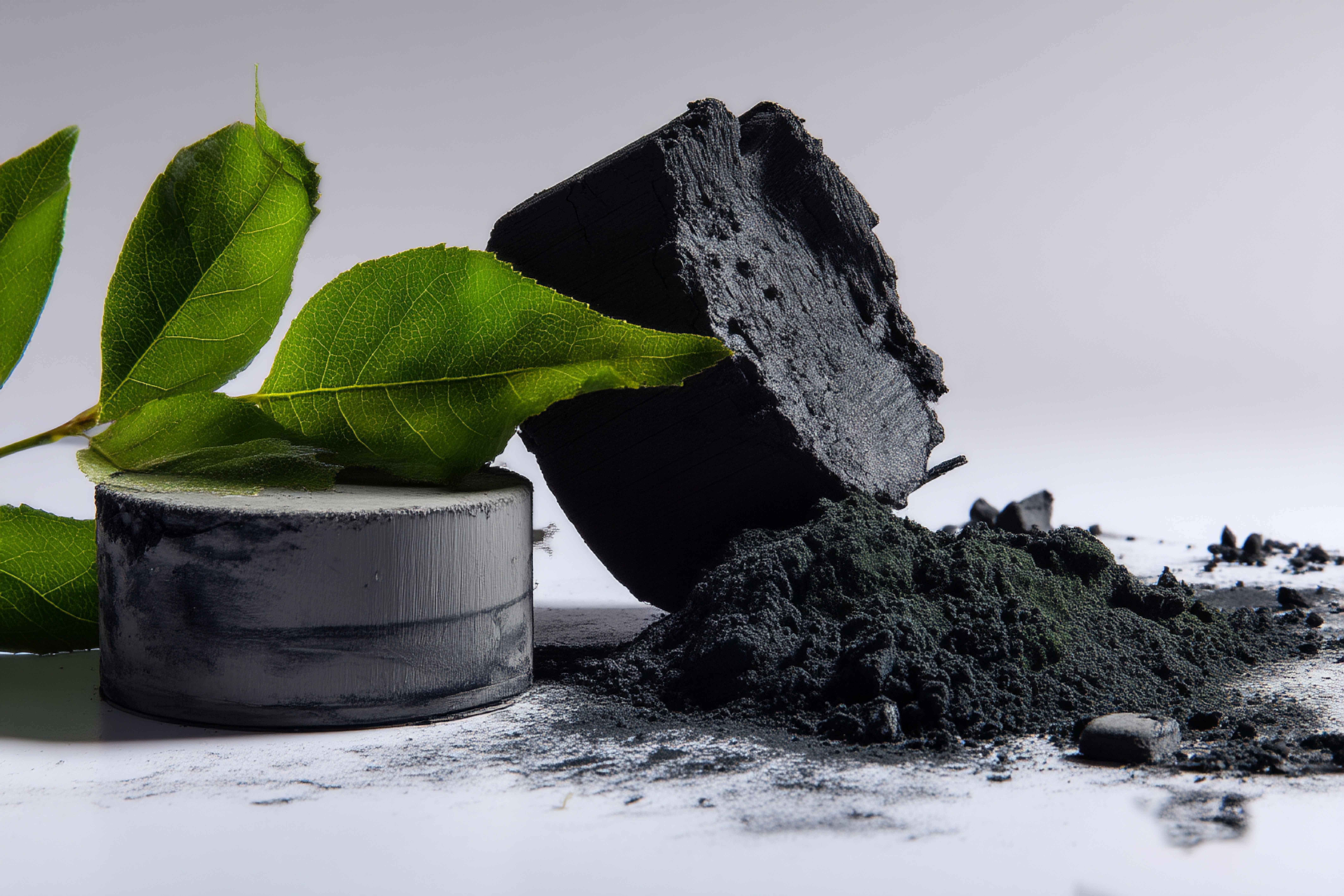
A sploof is a simple device people blow exhaled smoke through in an attempt to reduce smell and visible smoke in the air. Many sploofs are homemade, using common household items. Over time, a lot of people started searching for “sploof with activated carbon” because activated carbon is a real filtration material used in many air-cleaning products. It is often used to help remove odors from the air. That leads to an important question: does adding activated carbon actually change what a sploof can do, or does it just feel more “high-tech” than a basic DIY version?
People usually look up sploofs for a few practical reasons. Some want to avoid lingering odors in a room, clothing, or furniture. Others want to reduce how far a smell travels into hallways or other rooms. Some are worried about roommates, neighbors, or family noticing an odor. This topic also shows up because smoke smell can stick around longer than people expect, especially in small spaces with poor airflow. When someone searches online, they often want a clear answer to two things: whether it works and what makes it work.
To understand a carbon sploof, it helps to separate two ideas that get mixed up all the time: masking odor and filtering air. Masking means covering one smell with another smell. For example, scented sprays, candles, incense, and dryer sheets can add strong fragrance that competes with smoke odor. This can change what you notice first, but it does not truly remove the odor molecules. In many cases, it just creates a “mix” of smells, and the smoke odor can still be there underneath. Filtering is different. Filtering aims to trap or capture molecules and particles so less of them escape into the air. Activated carbon is known for adsorption, which is a process where certain molecules stick to the surface of the carbon. When it works well, it can reduce odor compounds rather than just cover them up.
That difference matters because “smoke” is not only one thing. Smoke includes tiny particles you can sometimes see, plus gases and odor-causing compounds you cannot see. A product might reduce one part but not another. A scented product might make a room smell different while doing almost nothing to reduce the actual smoke chemicals in the air. A filter might reduce some odor compounds but still let some gases pass through. So, when people say, “Does it work?” the best answer depends on what they mean by “work.” Do they mean less smell? Less visible smoke? Less irritation? Less risk? These are not all the same.
This guide is about how activated carbon relates to smoke odor reduction and why some “carbon sploof” ideas perform better than others. The goal is to explain the basic science in plain language, so you can understand what the material can and cannot do. It also aims to clear up common myths, like the idea that any amount of carbon will “erase” smoke, or that adding a nice smell is the same as filtering. Another key focus is airflow. Even the best filter material needs air to pass through it in a controlled way. If air leaks around the material, the air is not being filtered. If air passes too quickly, there may not be enough contact time for odor molecules to stick. If the material is packed too tightly, airflow can get blocked and people may force air around weak points. Small design details can make a big difference in performance.
It is also important to be realistic. Activated carbon can help reduce some odors, but it is not magic, and it is not a safety device. It does not make smoke “safe” to breathe. It does not remove carbon monoxide. It does not remove every harmful compound. It also cannot stop smoke that escapes from other sources, like a burning material or smoke that drifts from a room into a hallway. In other words, even a strong filter does not replace good ventilation and basic indoor air safety practices. If someone is trying to protect health—especially around children, pets, or people with asthma—fresh air and avoiding indoor smoke exposure are the most reliable steps.
In the sections that follow, the article will explain what activated carbon is, how it captures certain odor molecules, and why it is used in many odor-control products. It will also cover what “effective filtration” means in simple terms, including why seal quality, airflow path, and enough carbon matter. You will also learn what to expect from carbon-based odor control, how long carbon stays effective before it becomes “full,” and what signs show it is no longer working well. Finally, the guide will cover safety limits and common mistakes that lead to poor results. The overall aim is to give you clear, practical understanding—based on how filtration works—so you can separate marketing claims and internet myths from what is actually possible.
What Is a Sploof?
A sploof is a simple device that people use to reduce the smell and visibility of smoke when they exhale. The basic idea is simple: you breathe smoke out through a tube that contains some kind of material inside. As the smoke passes through, that material is supposed to trap particles and reduce odor before the air leaves the other end.
Even though sploofs are popular, many of them do not work as well as people expect. That is usually because the materials used in common DIY sploofs are better at adding a scent than filtering smoke.
What a sploof is meant to do
Most sploofs are designed to help with two things:
- Visible smoke
When you exhale, smoke can be easy to see in the air, especially in a small room. A sploof tries to reduce how much of that visible smoke comes out. - Smell (odor)
Smoke contains many odor-causing compounds. A sploof aims to lower how strong that smell is by trapping some of those compounds or reducing how many reach the air.
It is important to be clear about what a sploof can and cannot do. A sploof is not the same as full ventilation, and it does not “erase” smoke. It can only reduce what passes through it, and how well it does that depends on the design and filter materials.
How sploofs are commonly made
A “classic” DIY sploof is usually made from items many people already have at home. You will often see versions made with:
- A cardboard tube (like an empty toilet paper roll)
- A few dryer sheets (stuffed inside or stretched across one end)
- Tape or rubber bands to hold things in place
This type of sploof is popular because it is cheap and fast to build. But it has a major weakness: dryer sheets mainly add fragrance. They can make the air smell like laundry, but that is not the same as removing smoke odor. In some cases, the mix of smoke and fragrance can create an even stronger or stranger smell.
Some people also try using:
- Cotton balls
- Paper towels
- Coffee filters
- Cloth scraps
These materials may catch some larger particles, but they are not made to trap the small odor molecules found in smoke. That is one reason why many homemade sploofs work only a little, or stop working quickly.
Why standard sploofs are often ineffective
To understand why many sploofs fail, it helps to understand what smoke is.
Smoke is not just “smelly air.” It is a mix of:
- Tiny particles (some are very small)
- Gases
- Odor molecules that spread easily
A basic tube with dryer sheets does not give smoke much time to be filtered. The smoke often finds the easiest path and moves through quickly. If there are gaps around the edges, the smoke can also leak out before it passes through the material at all.
Here are the most common reasons standard sploofs do not work well:
- Not enough filter material: A thin layer does very little.
- Wrong materials: Dryer sheets are not real smoke filters.
- Air leaks: If air can escape around the filter, it will.
- Too much airflow: Fast airflow reduces contact time. Less contact time means less filtering.
- Filter gets “used up” quickly: After some use, the material becomes saturated and stops helping.
The difference between masking odor and filtering smoke
This is a key point that many people miss.
- Masking means covering one smell with another.
Dryer sheets, perfumes, and scented sprays mostly do this. The smoke is still there, but it is mixed with fragrance. - Filtering means removing or trapping compounds from the air.
Activated carbon is used for filtering because it can hold onto odor molecules through a process called adsorption. (This is different from “absorption.”)
A sploof that truly filters needs materials that can capture odor molecules and trap particles. That is why activated carbon is often used in stronger designs.
DIY sploofs vs. commercial smoke filters
A homemade sploof and a store-bought smoke filter may look similar, but they often work very differently.
Commercial smoke filters usually have:
- A sealed body (to stop leaks)
- A larger amount of activated carbon
- A filter structure that forces air through the carbon
- Better airflow design, so smoke spends more time inside the filter
A simple DIY sploof can still help a little, but it usually contains much less filtering material and has more leaks. That limits how much odor it can reduce.
A sploof is a tool meant to reduce the smell and visibility of exhaled smoke by pushing it through a tube with filter material. Many common DIY sploofs use dryer sheets, but dryer sheets mostly mask odor instead of removing it. Real filtration requires better materials and better design, including a sealed airflow path and a filter like activated carbon that can actually trap odor molecules.
What Is Activated Carbon and Why Is It Used in Smoke Filtration?
Activated carbon (also called activated charcoal) is a type of carbon that has been processed to have a huge number of tiny holes and pores. These pores make it very good at trapping certain gases and odor chemicals in the air.
To understand why it works, it helps to start with what “carbon” means here. Carbon is the main element in things like wood, coconut shells, peat, and coal. If you heat these materials in a low-oxygen setting, you can turn them into charcoal. Charcoal already has some pores. But activated carbon goes one step further. It is treated in a way that opens up many more pores and creates a very large inner surface area. That extra surface area is the whole point.
How activated carbon is made (in simple terms)
Activated carbon is usually made in two main steps:
- Carbonization (making charcoal):
A carbon-rich material (often coconut shells or wood) is heated to high temperatures with very little oxygen. This turns it into a char-like material, similar to charcoal. - Activation (opening up pores):
The char is then treated with steam, hot air, or certain chemicals at high heat. This process “activates” the carbon by creating many more tiny pores and cracks. Think of it like turning a solid sponge into an ultra-sponge with a lot more little pathways inside it.
The result is a black material that may look simple, but it has an advanced structure. Inside, it has a maze of microscopic pores that can catch and hold onto many odor-causing molecules.
Activated carbon vs. “regular” charcoal
People often confuse charcoal and activated carbon because they look similar. But they are not the same.
- Regular charcoal (like grilling charcoal) is not designed for filtering air. It may also include additives that you do not want in a filter.
- Activated carbon is made specifically for adsorption and filtration. It has much more internal surface area and is more effective at trapping certain gases and smells.
If you want carbon to work well in a filter, you usually need activated carbon, not standard charcoal.
Why activated carbon is used in air filters and odor control
Activated carbon is used in many products because it can reduce odors and some gases. You can find it in:
- Air purifiers (especially models that target odors)
- Range hoods and kitchen filters
- Refrigerator odor absorbers
- Respirators and gas masks (as one part of a bigger filter system)
- Industrial odor control systems
It is popular because it can trap many odor compounds that other materials do not stop well.
The key idea: adsorption (not absorption)
A common mistake is mixing up two similar words:
- Absorption: a substance soaks into another substance (like water soaking into a towel).
- Adsorption: molecules stick to a surface (like dust sticking to tape).
Activated carbon mainly works by adsorption. Odor and gas molecules in the air bump into the carbon surface and stick to it. Because activated carbon has so many tiny pores, it has a massive amount of surface area for molecules to stick to.
A small amount of activated carbon can have an internal surface area equal to many football fields. You do not see that surface area from the outside, but it exists inside the pores.
Why it helps with smoke odor
Smoke contains a mix of:
- Solid particles (tiny bits of soot and ash)
- Gases (like carbon monoxide and carbon dioxide)
- Volatile organic compounds (VOCs) and other odor chemicals
Activated carbon is best at trapping some odor chemicals and VOCs. That is why it is often used for odor reduction. However, it does not magically remove everything in smoke. It is much better at certain gases and smells than at removing all particles.
This is important: activated carbon is not the same as a HEPA filter.
- A HEPA filter is designed to capture very small particles.
- Activated carbon is designed to capture many odor-causing gases and chemicals.
If you want better overall filtration, many high-quality systems use both: a particle filter (like HEPA or a dense fiber pre-filter) plus activated carbon for odor.
Forms of activated carbon and why shape matters
Activated carbon can come in different forms, such as:
- Granular activated carbon (GAC): small grains
- Pelletized activated carbon: small pellets, often more uniform
- Powdered activated carbon: very fine, messy, can create dust
For a simple filter tube, granular or pelletized carbon is usually easier to work with. Powder can blow out of the filter if it is not packed and screened correctly. Carbon dust is not something you want to breathe.
Why “more carbon” and “more contact time” usually work better
For activated carbon to trap odors, air needs to spend at least a short moment passing through the carbon. Two things matter a lot:
- Amount of carbon (depth): A thicker carbon layer gives more surface area and more chances to trap odor molecules.
- Contact time: Slower airflow gives odor molecules more time to stick to carbon. If air rushes through too fast, odor reduction drops.
This is why thin, loose “carbon” setups often do not work well. Real filtration needs enough carbon and a design that forces air through it, not around it.
Activated carbon is a specially processed form of carbon with millions of tiny pores. Those pores create a huge internal surface area. This makes it good at adsorbing (sticking) many odor chemicals and VOCs found in smoke. It is different from regular charcoal and is used in many real air filtration products. Activated carbon helps most with odor and some gases, but it is not a complete smoke solution on its own because smoke also contains particles and other compounds. For stronger results, carbon works best when there is enough of it, airflow is sealed, and air has enough time to pass through the carbon.
How Does a Sploof with Activated Carbon Work?
A sploof is a tube or small device that you blow smoke through. The goal is to reduce two things: the look of smoke and the smell of smoke. A sploof that uses activated carbon can work better than a simple “dryer sheet sploof” because activated carbon is made to trap odor chemicals in air.
To understand how it works, it helps to know what smoke really is.
Smoke is more than “a smell”
Smoke is a mix of:
- Gases (like carbon monoxide and other chemicals)
- Tiny solid particles (called particulate matter)
- Odor compounds (chemicals that create the strong smell)
Some parts of smoke are easy to notice. The visible cloud comes from tiny particles and droplets. The odor comes from many chemicals that your nose can detect in very small amounts.
A sploof with activated carbon mainly targets odor compounds. It can also help reduce some visible smoke, but it is not perfect at removing all particles.
Activated carbon traps chemicals by adsorption
Activated carbon (also called activated charcoal) is a form of carbon that has been processed to make millions of tiny holes and pathways. These holes make the carbon have a huge surface area. In simple terms, it has a lot of “sticky” space inside it.
Activated carbon works using adsorption.
- Adsorption means molecules stick to the surface of something.
- Absorption means something soaks into the inside of something, like water into a sponge.
People often mix up these words, but the difference matters. Activated carbon mostly works by adsorption, meaning odor chemicals in the air attach to the carbon’s surface as the air passes through.
When you blow smoke through a carbon-filled tube, odor molecules touch the carbon and many of them stick. That means fewer odor molecules come out the other side.
Airflow and contact time matter
Activated carbon is not magic. It needs the smoke to spend enough time inside the carbon area. Two things affect this:
- Airflow speed
- If you blow very hard, the smoke moves fast.
- Fast-moving smoke has less time to touch the carbon.
- That can reduce filtering.
- If you blow very hard, the smoke moves fast.
- Contact time
- Contact time is how long the smoky air stays in the filter area.
- More contact time usually means more odor molecules get trapped.
- Contact time is how long the smoky air stays in the filter area.
This is one reason many DIY sploofs fail. If the filter is too short, or if there is very little carbon, the smoke passes through too quickly.
Why activated carbon works better than dryer sheets
Dryer sheets are made to add fragrance to laundry and reduce static. They are not designed to trap smoke chemicals.
A dryer sheet sploof may:
- Add a strong “clean” smell on top of smoke
- Catch some larger particles
- Reduce visible smoke a little
But most of the time, dryer sheets mainly mask odor instead of removing it. The smoke smell can still leak out, and the mix of “laundry smell + smoke smell” can be easy to notice.
Activated carbon works differently. It is designed to reduce odor chemicals instead of covering them up.
A sealed airflow path is important
A carbon sploof works best when air can only move in one direction:
- In through the mouth end
- Through the carbon chamber
- Out through the exit end
If your sploof has air leaks, smoke will escape before it is filtered. Common leak points include:
- Gaps around a mesh screen
- Loose tape seams
- Cracks in a thin cardboard tube
- Open spaces around the end cap
Even a small leak can make a big difference. Smoke takes the easiest path. If there is a shortcut out of the tube, it will go there instead of through the carbon.
Why pre-filters can help
Activated carbon mainly traps odor molecules. Smoke also has tiny particles that can clog a filter over time.
A pre-filter layer (like a thin fiber filter) can:
- Catch some particles before they reach the carbon
- Help keep the carbon cleaner longer
- Reduce carbon dust from blowing out
Some DIY designs use a light layer of filter material before the carbon chamber. This does not make the sploof perfect, but it can improve performance and help the carbon last longer.
What the carbon does not remove well
It is important to be realistic. A carbon sploof can reduce odor, but it does not remove everything in smoke.
For example:
- Carbon monoxide is a gas that is hard to capture with a simple DIY sploof.
- Very tiny particles may still pass through.
- Strong, heavy smoke can overwhelm the filter.
So, even if the sploof reduces smell, it does not make smoke “safe,” and it does not guarantee there will be no odor at all.
A sploof with activated carbon works by pushing smoky air through a chamber of activated carbon. The carbon has a huge surface area, and odor chemicals can stick to it through adsorption. For the best results, the smoke needs enough contact time, and the device needs a tight seal so air cannot leak out early. Activated carbon usually works better than dryer sheets because it aims to trap odor molecules instead of just covering them up. Still, a sploof has limits. It can reduce odor, but it will not remove every gas or particle in smoke.
Does a Sploof with Activated Carbon Really Work?
A sploof with activated carbon can work, but it depends on what you mean by “work.” Many people want two things at the same time: less smell and less visible smoke. Activated carbon can help with smell a lot more than it can help with all the other parts of smoke. It is important to understand what it can reduce, what it cannot remove, and what affects results.
What a carbon sploof can reduce
Odor compounds (smell molecules).
When smoke is made, it carries many tiny gases and odor chemicals. Some of these molecules are the ones your nose picks up as a strong “smoke smell.” Activated carbon is made to trap many odor molecules by a process called adsorption. Adsorption means the molecules stick to the surface of the carbon. Activated carbon has a very large surface area because it has many tiny pores. That gives odor molecules lots of places to stick.
If your sploof has enough activated carbon and good airflow control, it can lower the smell coming out of the exhale stream. This is the main strength of activated carbon.
Some of the visible smoke (but not all).
Smoke is not just “smell.” Smoke also includes tiny particles. A carbon-only sploof can slow some particles down because the air has to pass through a packed layer. That can reduce the amount of visible smoke that comes out the other end. But it will not remove all particles unless you also add a particle filter (like a pre-filter or a HEPA-style layer).
So, yes, you may see less smoke. But you should not expect “zero smoke” from a basic carbon sploof.
What a carbon sploof cannot fully remove
All combustion byproducts.
Smoke from burning materials is a mix of gases and particles. Some gases and chemicals are hard to trap with carbon alone, especially when airflow is fast. Also, some particles are too small or move through the carbon layer without sticking.
Carbon monoxide (CO).
A sploof is not a safety device. Carbon monoxide is a gas that can be produced by burning. Activated carbon is not a reliable way to remove carbon monoxide from air. That is one reason ventilation still matters, even if you use a carbon sploof.
All odor in every situation.
Even if the exhale stream smells less, other sources can still smell:
- The smoke that comes off the burning material between hits.
- Residue that settles on fabric, hair, and hands.
- Ash or burnt material odor in the room.
A sploof only treats the air that passes through it. It does not stop other smells from happening.
Why carbon works better than dryer sheets
Many DIY sploofs use dryer sheets. Dryer sheets mostly add fragrance. They can cover up smells for a short time, but they do not “grab” and hold odor molecules the same way activated carbon does. Dryer sheets also do not filter smoke particles well. They can even create a strong “laundry smell,” which some people notice right away.
Activated carbon is different. It is used in many air filters because it can trap odor molecules instead of just covering them up. That said, carbon must be used the right way. A small amount of carbon in a loose tube will not do much.
The big factors that decide if it works
A carbon sploof is not magic. Its performance depends on a few key factors.
How much activated carbon you use.
More carbon usually means more surface area for adsorption. If the carbon layer is too thin, the air moves through too quickly and odor molecules do not have enough contact time. A thicker carbon chamber usually works better than a thin sprinkle of carbon.
Contact time (how long air touches the carbon).
Air needs time to move through the carbon so odor molecules can stick. If you blow too hard, the air moves too fast. Fast airflow lowers contact time, and more odor can pass through.
Sealing and leakage.
If air leaks around the carbon instead of going through it, the sploof will fail. Even small gaps can let a lot of unfiltered air escape. Good sealing matters as much as the carbon itself.
Packing and airflow resistance.
If you pack carbon too tightly, it can block airflow. Then you may be tempted to blow harder, which pushes air through cracks and weak seals. If you pack it too loosely, air can create easy channels through the carbon, and less air touches the carbon surface. The goal is a firm, even pack that still allows comfortable airflow.
What kind of smoke you are dealing with.
Different smoke sources produce different mixes of odors and particles. Some smells are easier for carbon to reduce than others. Also, heavier smoke loads will saturate the carbon faster.
How it compares to other options
Compared to a dryer sheet sploof:
A well-built activated carbon sploof is usually better at odor control. Dryer sheets are mainly a cover scent.
Compared to a commercial smoke filter:
Many commercial filters use a stronger housing, a more controlled airflow path, and a larger amount of carbon. Some also combine carbon with better particle filtering. That can make them more consistent than many DIY builds. Still, a DIY carbon sploof can work well if you use enough carbon and seal it properly.
Compared to an air purifier:
An air purifier can help clean the whole room air over time, depending on the filter type and room size. A sploof only filters what you blow through it. Many people use both approaches for better overall reduction of smell in a space.
A sploof with activated carbon can reduce smoke smell, and it may reduce some visible smoke, especially if it has enough carbon and tight seals. It works best when air is forced through a thick carbon layer with no leaks and with slower, controlled airflow. However, it cannot remove everything in smoke, and it is not a replacement for ventilation or basic safety steps. If you want it to “actually work,” focus on carbon amount, contact time, and airtight construction.
Materials Needed to Make a Sploof with Activated Carbon
A sploof works best when air is forced to pass through real filter material, not just a scented layer. Activated carbon (also called activated charcoal) is the main filtering material because it can trap many odor molecules. But carbon alone is not enough. You also need a strong tube, tight seals, and at least one layer that catches tiny bits of ash and smoke particles before they reach the carbon. Below are the main materials you need, plus what each one does and what to look for when buying or choosing it.
Activated carbon (the core filter)
Activated carbon is the most important part of a carbon sploof. It has millions of tiny pores. These pores hold odor compounds on their surface as air passes through. For a DIY sploof, you will usually see activated carbon sold in these forms:
- Granular activated carbon (GAC): Small grains, like coarse sand. It allows air to pass through fairly well and gives good surface area for odor control.
- Pelletized activated carbon: Small pellets shaped like little cylinders. These often let air pass through more easily and can be less dusty than loose granules.
- Powdered activated carbon: Fine powder. This is messy and can blow out of the device unless you have very tight filter screens. For most DIY builds, powder is harder to manage.
What to look for:
Choose carbon meant for air filtration if possible. Carbon sold for aquarium filters can work, but it is not always designed for smoke odor. Also, avoid carbon that is heavily scented or mixed with other additives unless you know exactly what it is.
A sturdy tube or housing (the filter body)
The tube is the body of your sploof. It holds the filter layers and keeps airflow moving in one direction. You have two common choices:
- PVC pipe: Strong, reusable, and easy to seal. It can handle moisture better than cardboard. It also lets you make a longer filter chamber, which can improve performance.
- Cardboard tube (like a paper towel roll): Cheap and easy, but it can bend, leak, or absorb moisture. It is harder to seal well, and it may wear out fast.
What to look for:
Pick a tube that is wide enough for comfortable airflow, but not so wide that your filter layers become thin. Many people use a tube that is about the width of a standard paper towel roll. If you use PVC, choose a size you can cap or tape tightly.
Fine mesh screens (to hold carbon in place)
You need screens to keep activated carbon from spilling out while still allowing air to pass. A good screen layer also helps spread airflow across the carbon instead of creating one “easy path” through a gap.
Common screen options include:
- Metal mesh screen (like a fine hardware cloth or metal screen material)
- Plastic mesh (can work, but may bend or tear)
- Nylon mesh (breathable and easy to cut)
What to look for:
The mesh holes must be small enough to hold the carbon you are using. Granular carbon needs a finer mesh than pellet carbon. If your mesh is too open, carbon will leak out and you will inhale carbon dust.
A pre-filter layer (optional, but strongly recommended)
A pre-filter sits before the carbon. Its job is to catch tiny bits of ash, resin, and larger particles. This matters because carbon can get clogged and stop working well if it loads up with sticky smoke residue.
Good pre-filter options include:
- HEPA-style pre-filter fabric (best option if available)
- Non-woven filter material (like some vacuum filter sheets)
- Clean cotton pad layers (simple and easy, but can add resistance)
If you skip a pre-filter, the carbon may saturate faster and airflow may drop sooner.
What to look for:
Use a material that is breathable and does not shed fibers easily. Avoid anything that has heavy fragrance added, because scent is not the same as filtration.
Rubber bands, hose clamps, or strong tape (for sealing)
A carbon sploof only works if air goes through the filter, not around it. That means the ends must be sealed tightly.
You can use:
- Rubber bands: Quick and easy, best for temporary builds.
- Hose clamps: Great for PVC builds. They create strong pressure around the screen layers.
- Duct tape or strong sealing tape: Helps prevent leaks and can also reinforce cardboard builds.
What to look for:
Choose a sealing method that prevents any “side gaps.” Even small gaps can let unfiltered air escape, which reduces how well the sploof works.
End caps (optional, for stronger builds)
If you use PVC, end caps can make the sploof more durable and easier to reuse. Some designs use a removable cap so you can replace carbon and pre-filters without rebuilding the whole device.
What to look for:
Pick caps that fit tightly. If needed, add tape or a gasket-like layer to improve the seal.
Extras that can help
These are not required, but they can make your sploof perform better:
- Extra tube length: More space for carbon can improve odor control because air spends more time in the filter.
- Extra carbon volume: A thicker carbon layer can trap more odor before it saturates.
- A simple mouthpiece: Helps you make a tighter seal when exhaling into the device.
To make a carbon sploof that actually filters well, you need more than a tube and a scented layer. The key materials are activated carbon (granular or pellet works best), a sturdy tube (PVC is strongest), fine mesh screens to hold carbon in place, and tight sealing tools like tape or clamps. Adding a pre-filter layer helps protect the carbon and can improve performance over time. If you build with good materials and prevent air leaks, your sploof has a much better chance of reducing smoke odor instead of just covering it up.
Step-by-Step: How to Make a Sploof with Activated Carbon
A sploof works best when air is forced to travel through a real filter path. That means you need: (1) a strong tube, (2) a layer that catches tiny particles before they hit the carbon, (3) enough activated carbon to trap odor molecules, and (4) tight seals so air cannot leak around the filter. Below are two builds: a simple DIY version and a higher-efficiency reusable version.
Version 1: Simple DIY Carbon Sploof (Easy, Low Cost)
Step 1 — Prepare the tube
Choose a tube that will not crush easily. A thick cardboard tube can work (like a shipping tube), but a short PVC tube is stronger and seals better.
- Length: Aim for 6 to 10 inches long.
- Width: Wider tubes allow better airflow, but too wide can reduce how much the air touches the carbon. A medium size is usually best.
If you use cardboard, check that it is clean, dry, and not soft. If it bends, it can create gaps and leaks later.
Step 2 — Add the first mesh screen (the “back wall”)
You need a barrier so the carbon does not fall out.
- Cut a piece of fine mesh screen slightly larger than the tube opening.
- Place it over one end of the tube.
- Secure it tightly with a rubber band or tape.
This screen is important. Without it, the carbon will spill, and airflow will be uneven.
Step 3 — Add a pre-filter layer (optional, but recommended)
Smoke has tiny particles plus odor molecules. Activated carbon is better at trapping odor than catching particles. A pre-filter helps by catching particles first, which keeps the carbon working longer.
Use one of these options:
- A small piece of HEPA pre-filter material
- A thin layer of cotton or dense filter cloth
Place the pre-filter inside the tube, right against the mesh screen you just attached.
Tip: Do not pack it too tight. If airflow is blocked, air will try to escape through small leaks instead of going through the carbon.
Step 4 — Add activated carbon (the main filter)
Now fill the tube with granular or pelletized activated carbon.
- Pour the carbon in slowly.
- Tap the tube lightly so it settles.
- Keep the carbon even across the tube.
A common mistake is using too little carbon. A thin layer will not have enough surface area to trap odor well. A deeper carbon section usually works better.
Do not use loose powdered charcoal for this simple build. Powder can blow out as dust and can be irritating to breathe in. Granules or pellets are safer and easier to control.
Step 5 — Add the second mesh screen (the “front wall”)
Once the carbon is inside, you need a second screen to hold it in place.
- Cut another mesh piece.
- Place it over the open end.
- Secure it with a rubber band or tape.
At this point, you have a tube with carbon trapped between two mesh layers, with an optional pre-filter on the back end.
Step 6 — Seal the edges tightly
Sealing is one of the most important steps. If there are gaps, air will escape around the filter instead of going through it.
- Wrap duct tape around the mesh edges.
- Press tape down firmly so there are no channels for air to slip through.
- If using cardboard, wrap extra tape around the outside of the tube to strengthen it.
Think of airflow like water. It will choose the easiest path. If you leave a crack, the air will “cheat” and escape.
Step 7 — Test airflow
Before using it, test how well air moves through the sploof.
- Blow through the tube using steady pressure.
- You should feel resistance, but not total blockage.
If it is too hard to blow through:
- The pre-filter may be too thick
- The carbon may be packed too tightly
- The tube may be too narrow
If it is too easy to blow through, it may not have enough carbon depth, or there may be leaks.
Version 2: High-Efficiency Reusable Design (Stronger, Better Seals)
This version is better if you want something that lasts longer and filters more consistently.
Step 1 — Use a PVC housing
Pick a PVC pipe section (6–10 inches long). PVC holds shape and allows better seals than cardboard.
Step 2 — Add end caps or threaded adapters
Use PVC end caps or threaded fittings so you can open and refill it later. This makes carbon replacement easier.
Step 3 — Build a replaceable carbon chamber
Inside the PVC:
- Add a mesh screen at the back
- Add a thin pre-filter layer
- Add activated carbon
- Add another mesh screen at the front
Some people use a simple “cartridge” style, where the carbon sits in a removable inner sleeve. The goal is the same: force air through carbon, not around it.
Step 4 — Secure everything tightly
Instead of tape, you can use:
- Hose clamps
- Tight-fitting caps
- Threaded connections
The fewer leaks, the better the filter works.
Step 5 — Check the airflow path (text-based diagram)
Here is the airflow path you want:
Mouth → Tube opening → Pre-filter (catches particles) → Activated carbon (traps odor) → Exit screen → Cleaned air out
If air can escape around the carbon, the filter effect drops fast.
A sploof with activated carbon works best when the build forces all air through a sealed filter path. Use a strong tube, add mesh screens to hold the carbon, include a pre-filter to catch smoke particles, and seal every edge so air cannot leak out. The simple DIY version is quick and cheap, but a PVC reusable version usually seals better and lasts longer. If you want a sploof that “actually filters,” the most important factors are enough carbon depth, good airflow, and no leaks.
How Much Activated Carbon Do You Need for Effective Filtration?
If your sploof does not seem to work well, the most common reason is simple: there is not enough activated carbon inside it. Activated carbon can trap odor molecules, but only when air is forced through a thick enough layer of carbon for long enough. Think of it like a sponge for smells. A tiny sponge fills up fast and does not clean much. A bigger sponge can hold more and works longer.
This section explains how much activated carbon you should use, how thick the carbon layer should be, and how to know when you need more.
Start with the core idea: thickness matters
Activated carbon works by adsorption. That means odor molecules stick to the surface of the carbon. But for that to happen, the air has to touch the carbon for at least a short time. If the carbon layer is too thin, the air moves through too fast. Many odor molecules will pass through without sticking.
So, the amount of carbon is not just about “weight.” It is mainly about how thick the carbon bed is (the layer of carbon air must pass through).
A better sploof has:
- A longer carbon chamber (more travel distance for air)
- A thicker carbon layer
- A good seal so air cannot escape around the carbon
A practical minimum: don’t use a “sprinkle” amount
A common DIY mistake is using a small amount of carbon, like a thin dusting at the end of a tube. That will not do much. To filter odor, the carbon needs to fill a real section of the tube.
A helpful rule of thumb is:
- Minimum carbon depth: about 2 inches (5 cm) of packed carbon inside the tube
- Better carbon depth: about 4 to 6 inches (10 to 15 cm) of carbon for stronger odor control
If your tube is short, it is harder to fit enough carbon inside. That is why longer sploofs usually work better than very short ones.
How much carbon by volume (easy measuring)
Instead of measuring by grams, measure by volume since tube sizes vary. Here are simple guidelines:
- Small tube (about 1.5–2 inches wide, like some cardboard tubes):
Aim to fill one-third to one-half of the tube length with carbon. - Medium tube (PVC around 2 inches wide):
Aim for 4–8 inches of carbon depth. - Large tube (PVC around 3 inches wide):
You may only need 3–6 inches because the air touches more carbon surface due to the wider space, but thicker is still better if you can breathe through it.
If you only fill a small section, the sploof might reduce smell a little at first, but it will saturate fast and stop working.
Packing the carbon: not too loose, not too tight
Activated carbon needs airflow. If the carbon is too loose, air can form “channels,” which are empty paths where air slips through without touching much carbon. If it is too tight, it becomes hard to blow through, and air may leak from cracks or weak seals.
A good goal is firm but breathable packing:
- Gently shake the tube so carbon settles evenly.
- Tap the sides so it levels out.
- Do not compress it like you are packing sand into a bottle.
If it becomes very hard to blow through, loosen it slightly or increase the tube width.
Contact time: slow air is cleaner air
Even with a thick carbon bed, the speed of airflow matters. If you blow very hard, air rushes through quickly and odor molecules have less time to stick to carbon.
To improve performance:
- Blow steady and slow, not fast.
- Use a longer tube if you want easier airflow with more carbon.
- Add a pre-filter layer (like a simple fiber pad) before the carbon so the carbon does not clog too fast with sticky particles.
Why thin layers fail (and what happens)
When the carbon layer is too thin, a few things happen:
- Not enough surface area: too few carbon pores to capture odor molecules.
- Too little contact time: air moves through before adsorption can happen.
- Fast saturation: the small amount of carbon fills up quickly and stops trapping odor.
- More “leaks”: if airflow is restricted in a small area, air may escape around edges instead of going through carbon.
So, if your sploof is not working, adding more carbon depth is usually the first fix.
Signs you need more carbon (or a better design)
You may need a thicker carbon layer or a longer filter chamber if:
- The smell is still strong right after using the sploof.
- The sploof worked for a short time but stopped quickly.
- Air feels like it is passing through too easily (almost no resistance), which can mean the carbon layer is too thin or channeled.
- You notice odor leaking from seams, which may happen when carbon is packed too tightly and air finds an easier way out.
If you add carbon and the sploof becomes hard to use, consider building a longer tube or a wider tube. That lets you use more carbon while keeping airflow comfortable.
To make a sploof with activated carbon work well, you need a real carbon bed, not a small amount. As a simple target, aim for at least 2 inches of carbon depth, and for better results, use 4 to 6 inches or more. Pack it evenly so air cannot slip through empty channels, but do not pack it so tight that air leaks out of cracks. The best results come from enough carbon, good sealing, and slow, steady airflow.
How Long Does Activated Carbon Last in a Sploof?
Activated carbon does not last forever. It works by trapping odor and smoke-related gases on its surface. Over time, that surface fills up. When that happens, the carbon cannot hold much more, and your sploof stops working well. This is called saturation.
What “saturation” means
Activated carbon has many tiny pores. Think of them like many small holes and tunnels. Odor molecules and certain smoke compounds stick to the inside walls of those pores. That is why carbon can cut down smell.
But there is a limit. Each pore can only hold so much. After enough use, the pores become “full.” At that point, air can still pass through the sploof, but the carbon will not remove odor as well as before.
Saturation is normal. It does not mean you built the sploof wrong. It just means the carbon has reached its capacity.
How to tell when the carbon is no longer effective
You do not need special tools to notice when your carbon is “done.” Most people can tell by changes in smell and performance. Here are clear signs to watch for:
- Odor comes through faster than it used to. At first, the air coming out may smell much weaker. Later, the smell becomes stronger again.
- Your sploof works for a short time, then fails. Early on, it may reduce odor for many uses. After saturation, it may only help for one or two uses, or not at all.
- The output air smells like stale smoke. Saturated carbon can start to smell “old” or “dirty,” even when you are not using it.
- You need more effort to get the same result. You might find yourself blowing slower or longer, but odor still escapes.
- Carbon looks damp or clumpy. Moisture can reduce performance. If your carbon is wet, it can stop adsorbing well.
A simple test is the “sniff test.” Blow plain air through the sploof (no smoke). If you still smell old smoke coming out, the carbon is likely saturated or contaminated.
How long does it usually last?
There is no single number that fits everyone. The lifespan depends on how your sploof is built and how it is used. Still, you can estimate the lifespan by looking at the main factors:
- Amount of activated carbon
- More carbon usually lasts longer.
- A thin layer fills up quickly.
- A deeper carbon chamber gives the air more contact time and more surface area to trap odor.
- More carbon usually lasts longer.
- How often you use it
- Daily use will saturate carbon faster than occasional use.
- Heavy use can shorten lifespan a lot.
- Daily use will saturate carbon faster than occasional use.
- How strong the smoke is
- Thick smoke can load the carbon quickly.
- More smoke means more odor compounds to trap.
- Thick smoke can load the carbon quickly.
- Airflow speed
- Blowing too hard pushes air through fast.
- Fast airflow reduces contact time, so odor removal is weaker.
- It can also drive tiny particles deeper into the carbon bed.
- Blowing too hard pushes air through fast.
- Humidity and moisture
- Moist air can reduce how well carbon adsorbs odor.
- If the carbon gets wet, performance drops.
- Storing your sploof in a humid bathroom is not ideal.
- Moist air can reduce how well carbon adsorbs odor.
As a general rule, a small DIY carbon sploof may last anywhere from a few sessions to several days with regular use. A larger, well-sealed sploof with a deeper carbon chamber can last longer, sometimes weeks, depending on use and conditions. The best approach is to watch for the signs above rather than rely on a set timeline.
Can you “reactivate” activated carbon at home?
Many people ask if they can reuse the same carbon by “reactivating” it. In industrial settings, activated carbon can be reactivated. But that process usually requires very high heat and controlled equipment. It is not something most people can safely do at home.
Some home methods claim you can bake carbon in an oven. In real life, a normal kitchen oven usually cannot reach the temperatures needed to truly restore carbon’s full adsorption power. Also, heating used carbon can release trapped odors and compounds into your home air. That can be unpleasant and may be unsafe.
Because of these issues, the most practical choice is usually to replace the carbon rather than try to reactivate it.
Safe handling and disposal
Activated carbon is not usually dangerous to touch, but it can be messy. It can also make dust. Here are safe steps:
- Avoid breathing carbon dust. If you are pouring carbon, do it slowly. Consider wearing a simple mask if dust is noticeable.
- Keep carbon away from eyes. If it gets in your eyes, rinse with clean water.
- Seal used carbon in a bag before throwing it away. This helps control odor.
- Clean the tube and screens. Residue can build up. If your sploof has a pre-filter layer, replace that too.
If your sploof includes tape, mesh, or plastic parts, dispose of those as normal household waste. Do not wash large amounts of carbon down a sink, because it can clog pipes.
How to make carbon last longer
If you want better lifespan, focus on design and habits:
- Use enough carbon depth, not a thin layer.
- Add a pre-filter layer to catch particles before they reach the carbon.
- Blow at a steady, gentle speed instead of forcing air through.
- Store the sploof in a dry place with a cap or cover on the end.
- Replace the carbon as soon as performance drops.
Activated carbon lasts until it becomes saturated, meaning its pores are filled and it cannot trap much more odor. You will know it is time to replace it when smoke smell starts coming through again, the output air smells stale, or the carbon looks damp and clumpy. Lifespan depends on carbon amount, how often you use it, smoke strength, airflow speed, and humidity. Home “reactivation” is usually not reliable or safe, so replacing the carbon is the best option. Proper sealing, a pre-filter, gentle airflow, and dry storage can help your carbon last longer.
Is a Carbon Sploof Better Than Dryer Sheets?
Many homemade sploofs use dryer sheets because they are easy to find and cheap. For years, people have pushed smoke through a cardboard tube filled with dryer sheets to hide the smell. While this method may change the smell of smoke, it does not truly filter it. A sploof that uses activated carbon works in a different way. Instead of masking odor with fragrance, it removes many odor molecules from the air.
Understanding the difference between these two methods helps explain why activated carbon sploofs often work better.
Dryer Sheets Mostly Mask the Smell
Dryer sheets are designed to leave a fresh scent on clothing. They contain fragrance chemicals that spread into the air when warm air passes through them. When smoke moves through dryer sheets in a sploof, the sheets release their fragrance and mix it with the smoke.
This process does not remove most of the odor molecules. Instead, it covers the smell with another scent.
As a result, the air leaving the sploof often smells like a mix of smoke and laundry fragrance. Some people may notice less smoke odor, but the smoke particles are still there. The scent simply makes the smell harder to recognize at first.
There are a few reasons why dryer sheets are not very effective filters:
- They are not designed for air filtration.
- They do not have enough surface area to trap odor molecules.
- Air can easily pass around the sheets instead of through them.
- They release their scent quickly and lose strength after several uses.
Because of these limits, dryer sheet sploofs usually provide only short-term odor masking.
Activated Carbon Removes Odor Molecules
Activated carbon works very differently from dryer sheets. Instead of adding fragrance, it captures odor molecules from the air.
Activated carbon has millions of tiny pores on its surface. These pores create a huge surface area where gas molecules can attach. When smoke passes through the carbon layer, many odor compounds stick to the carbon through a process called adsorption.
Adsorption means molecules attach to the surface of a material rather than dissolving inside it. In this case, the carbon surface traps many of the compounds that cause smoke odor.
This process has several advantages:
- It removes odor molecules instead of covering them.
- It does not release artificial fragrance.
- It can continue working until the carbon becomes saturated.
- It is widely used in air filters, respirators, and water treatment systems.
Because of this filtration process, a sploof filled with activated carbon can reduce smoke odor much more effectively than dryer sheets.
Air Quality Differences
Another key difference between these methods is how they affect the air itself.
Dryer sheets mainly change how the air smells. The smoke particles and chemicals are still present. The fragrance can even add more chemicals to the air.
Activated carbon, however, helps reduce many odor-causing compounds that come from smoke. While it cannot remove every substance in smoke, it can lower the concentration of many volatile organic compounds that carry strong odors.
This is why activated carbon is often used in air purifiers designed to remove smells from cooking, smoke, or chemicals.
Why Combining Both Methods Is Usually Unnecessary
Some people try to combine dryer sheets and activated carbon in the same sploof. In most cases, this is not needed.
Dryer sheets may reduce airflow through the carbon layer. Slower airflow can sometimes help filtration, but tightly packed dryer sheets can also force air to leak around the filter instead of passing through the carbon.
In addition, dryer sheets release fragrance oils that may coat the carbon surface. This can reduce the number of pores available for adsorption.
Because activated carbon already removes many odor molecules, adding fragrance layers does not improve filtration. A well-built carbon sploof usually works best with a simple design that allows smoke to pass through the carbon evenly.
Cost Over Time
At first glance, dryer sheets may appear cheaper. A box of dryer sheets costs only a few dollars and can be used right away. However, they lose their scent quickly and must be replaced often.
Activated carbon may cost more upfront, but it can last much longer. A thick layer of carbon can filter smoke many times before it becomes saturated. Some designs also allow the carbon to be replaced without rebuilding the entire sploof.
Over time, this can make activated carbon more practical for long-term use.
Dryer sheet sploofs mainly hide smoke smell by adding fragrance to the air. They do not remove most odor molecules or smoke particles. Activated carbon sploofs work differently. The carbon traps many odor compounds through adsorption, which helps reduce the smell rather than covering it.
Safety Considerations and Limitations (600+ words)
A sploof with activated carbon can reduce odor and some visible smoke, but it is not a safety device. It is important to understand what it can and cannot do. This section explains the main safety risks, the limits of carbon filtration, and why ventilation still matters.
Smoke is not just “smell”
Smoke is a mix of many things. It can include:
- Tiny particles (often called particulate matter)
- Gases produced by burning
- Strong-smelling compounds that stick to fabric and surfaces
Activated carbon is best at trapping odor-causing gases and vapors. It does not remove everything in smoke. Some parts of smoke are more like dust (particles), not gas. Carbon is not designed to catch all particles unless the sploof also includes a strong particle filter.
Odor molecules vs. smoke particles
Activated carbon works mainly through adsorption. That means odor molecules stick to the carbon’s surface. This can reduce smell.
But smoke particles are different. They are tiny solids and droplets floating in the air. A basic carbon sploof may catch some particles by accident, especially if the air path is long and the carbon bed is thick. Still, a sploof usually does not remove particles as well as a real particle filter.
If you want better particle control, you need a pre-filter layer (like a dense filter pad) before the carbon. This helps trap particles so they do not pass through the carbon or clog it too fast. Even then, a DIY sploof is not the same as a certified air filter.
A sploof does not remove carbon monoxide
This is a key limitation. Carbon monoxide (CO) is a dangerous gas made during burning. It has no smell and you cannot see it. Many people assume that if the smell is reduced, the air is safer. That is not true.
Activated carbon in a sploof is not a reliable carbon monoxide filter. Even if a carbon product can reduce some odors, it does not mean it removes CO at safe levels. Carbon monoxide exposure can cause headache, dizziness, nausea, and in severe cases, loss of consciousness or death. Because of this, a sploof should never be treated as a tool for “safe indoor smoke.”
Ventilation is still required
Even if a sploof reduces odor, fresh air and airflow still matter. Ventilation helps lower the total amount of smoke and gases in a room. It also reduces how much odor sticks to walls, curtains, and furniture.
Good ventilation can include:
- Opening a window
- Using an exhaust fan that vents outdoors
- Creating airflow that pushes air out, not just around the room
A common mistake is using a fan that only “mixes” air. That can spread particles and odor around the room. Better ventilation moves air out of the space.
Fire safety concerns
Any device used near heat, flame, or hot ash has risk. A sploof is usually made from cardboard, plastic, tape, and filter material. These can be flammable or melt when exposed to heat.
Important safety points:
- Do not blow hot ash into the sploof.
- Keep the sploof away from open flames and hot surfaces.
- Let smoke cool slightly before exhaling into the device.
- Do not store the sploof near lighters, candles, or heaters.
Also, if the sploof has strong resistance (hard to blow through), people may blow harder and faster. That can increase the chance of pulling ash or heat into the filter by accident. A well-built sploof should have a balance: enough filtration material to work, but not so much that airflow becomes unsafe or difficult.
Avoid breathing loose carbon dust
Granular activated carbon can shed dust, especially if it is crushed or handled roughly. Breathing fine dust is not a good idea. Carbon dust can irritate your throat and lungs.
Ways to reduce this risk:
- Use pelletized carbon if possible (it tends to be less dusty than loose powder).
- Add a filter layer (mesh + filter pad) at both ends to keep carbon inside.
- Do not use powdered charcoal meant for cosmetics or cooking unless you understand how dusty it is.
- Do not shake the sploof and do not pack carbon so tightly that it grinds.
If you ever see black dust coming out of the exit end, stop using it. That means carbon is escaping.
Proper sealing prevents leaks
Leaks are a performance problem and can also be a safety issue. If air escapes around the sides, smoke will bypass the carbon and come out unfiltered. Leaks also make it harder to judge if your filter is doing anything.
To reduce leaks:
- Seal edges where the mesh meets the tube.
- Use tight bands or clamps so the end layers do not shift.
- Do not leave gaps along seams or around caps.
A sploof works best when air has only one path: through the filter, not around it.
Limitations to keep in mind
Even a well-built carbon sploof has limits:
- It can reduce odor, but it may not remove it fully.
- It does not guarantee removal of harmful gases.
- It may not stop all particles.
- Its performance drops as the carbon becomes saturated.
Also, the more smoke you push through it, the faster it wears out. At some point, the carbon stops adsorbing odor and the sploof becomes much less effective.
A carbon sploof can help reduce odor and some visible smoke, but it is not a complete safety solution. It mainly targets odor molecules, not all smoke particles. It does not reliably remove carbon monoxide or make smoke “safe” to breathe indoors. Ventilation is still important, and you should treat fire risk and carbon dust seriously. The safest approach is understanding the limits: a sploof can reduce smell, but it cannot remove every harmful part of smoke.
Common Mistakes That Make a DIY Activated-Carbon Smoke/Odor Filter Ineffective
Activated carbon can help reduce some odors and some smoke-related gases, but many DIY “tube filters” fail because of a few predictable problems. Also, it is important to be clear: a small DIY carbon filter cannot remove everything in smoke, and it is not a substitute for ventilation or a certified air purifier. If your goal is cleaner indoor air, these are the most common mistakes that limit performance.
Mistake 1: Using too little activated carbon
Activated carbon needs enough depth for air to spend time moving through it. If the carbon layer is thin, air passes through too fast and most odor compounds do not stick to the carbon.
A common issue is using only a small spoonful or a very short carbon section. This usually leads to “it worked once” results, then odor comes back quickly. In real filtration systems, carbon is often used in thicker beds or larger cartridges because more carbon gives more surface area for adsorption.
What to remember: More carbon (and a longer path through it) usually means better odor reduction.
Mistake 2: Air leaks and poor sealing
Filters only work if air is forced to go through the filter media. If air can escape around the edges, it will. Even small gaps can cause a big drop in performance because air chooses the easiest path.
Leaks often happen where screens, caps, or taped edges meet the main tube. Another leak point is where the filter meets your mouth or any opening that is not snug. When air bypasses carbon, the carbon cannot do its job.
What to remember: If air can go around the carbon, it will. Leaks reduce filtration fast.
Mistake 3: Packing carbon too tightly
It seems logical to pack carbon as tight as possible, but overpacking can cause problems. When the carbon is compressed, it can create high resistance and force air to find gaps and channels. It can also make it harder to push air through evenly, which reduces contact between air and carbon.
Overpacking can also increase the chance of carbon dust escaping if the outer layers shift.
What to remember: Carbon should be contained securely, but not crushed into a solid block.
Mistake 4: Leaving out a pre-filter layer
Smoke contains particles (tiny solids and droplets) and gases (odor compounds). Activated carbon mainly targets gases and odors, not particles. If you send particle-heavy air straight into carbon, the particles can clog the pores and coat the carbon surface. That makes the carbon “full” faster and lowers adsorption.
A simple pre-filter layer can catch larger particles before they reach the carbon. Many real-world systems use multi-stage filtration for this reason.
What to remember: A pre-filter helps carbon last longer and work better.
Mistake 5: Using the wrong type of “charcoal”
Not all charcoal is activated carbon. Regular charcoal briquettes, lump charcoal, or “charcoal” that is not activated does not have the same pore structure and surface area. It may reduce odor a little, but it is usually far less effective.
Also, some charcoal products are treated with additives. These are not meant for air filtration.
What to remember: Activated carbon is different from regular charcoal. The wrong product leads to weak results.
Mistake 6: Using powdered carbon without proper containment
Powdered activated carbon has a lot of surface area, but it is messy and difficult to contain. If the powder is not trapped behind a fine screen or filter layer, it can blow out as dust. Inhaling carbon dust is not a good idea, and it can irritate the throat and lungs.
Powder can also compact and form dense areas that block airflow. That can create “channels” where air avoids the carbon and escapes through easier paths.
What to remember: Powder can be effective only when it is safely contained and airflow is controlled.
Mistake 7: Ignoring saturation
Activated carbon does not work forever. Over time, its surfaces fill up with trapped compounds. When it is saturated, it will stop reducing odor. In some cases, a saturated filter can even start to smell bad on its own.
Many people assume carbon lasts for months, but lifespan depends on how much carbon is used, how strong the odor is, and how often the filter is used.
Signs of saturation include:
- Odor reduction becomes weak or inconsistent
- The filter smells “stale” even when not in use
- Results drop quickly after a short time
What to remember: If performance drops, carbon may need replacement.
Mistake 8: Expecting carbon to remove all harmful smoke components
This is one of the biggest misunderstandings. Smoke contains many substances, including fine particles and gases. Activated carbon can help with certain odor compounds, but it does not reliably remove everything. For example, it is not designed to protect you from all toxic compounds in smoke in a small DIY setup.
If you are dealing with indoor smoke exposure (like cooking smoke, incense, wildfire smoke, or any burned material), the best approach is still:
- Good ventilation (fresh air exchange when safe to do so)
- A certified air purifier with a HEPA filter (for particles)
- Safe, legal, and practical smoke reduction habits
What to remember: Carbon helps with odor, but it does not “make smoke safe.”
Most DIY activated-carbon filters fail for simple reasons: too little carbon, air leaks, overpacked carbon, no pre-filter, the wrong charcoal product, poor containment of powder, and not replacing saturated carbon. The biggest mistake is expecting a small carbon setup to remove all smoke risks. For cleaner indoor air, focus on proper airflow control, layered filtration, and realistic expectations, and pair any odor control method with ventilation and safer air-cleaning options whenever possible.
Comparing DIY Carbon Sploofs to Commercial Smoke Filters
A DIY sploof with activated carbon and a commercial smoke filter both aim to reduce the smell and visible smoke you exhale. But they are not built the same, and they do not perform the same in real use. Understanding the key differences can help you set realistic expectations and choose the option that fits your needs.
Design differences: simple tube vs. engineered device
Most DIY carbon sploofs are built from a tube (like cardboard or PVC), two mesh screens, and a layer of activated carbon in the middle. Some people also add a pre-filter layer, like cotton or a piece of HEPA-style material, to catch larger particles before the air reaches the carbon. The basic idea is simple: air goes in one end, passes through the carbon, and comes out the other end with less odor.
Commercial smoke filters use the same basic science, but they usually have a more engineered design. They are often made with a sturdy plastic housing that does not bend, crush, or leak air. Many commercial units also use a better internal layout so the air is forced through the filter media instead of sneaking around it. This matters because air will always take the easiest path. If there is any gap, smoke can bypass the carbon and come out almost unchanged.
In plain terms: a DIY sploof can work well if it is sealed and packed correctly, but commercial products are designed to reduce common user errors like leaks, loose screens, and weak seals.
Carbon quantity: why “more carbon” often means better results
Activated carbon works by adsorption. Odor molecules stick to the surface of the carbon. To do that well, the smoke needs enough contact time with enough carbon surface area.
DIY sploofs often fail because they do not use enough carbon. A short tube with a thin layer of carbon may reduce smell a little, but it can saturate quickly and may not filter very well from the start. Some DIY builds also use carbon in a way that blocks airflow, which causes people to blow harder. That higher pressure can push smoke through weak points and leaks.
Commercial smoke filters often contain more carbon than a typical DIY sploof. They also tend to use carbon forms that allow airflow while still offering high surface area, like pellets or specially shaped granules. The result is often better odor reduction and more consistent performance over time.
That said, a DIY sploof can close the gap if you use a longer tube, enough carbon depth, and strong seals. A longer carbon path usually means better filtering, as long as you can still blow through it without too much strain.
Replaceable cartridges and maintenance: convenience vs. DIY control
Many commercial filters are made to be replaced. Some are fully disposable, while others have replaceable filter cores. This makes maintenance easy. When the filter stops working well, you swap it out.
A DIY sploof gives you more control. You can choose how much carbon to use, what type of pre-filter to add, and how long the tube should be. You can also rebuild or refill it when performance drops. But the tradeoff is time and effort. You have to open it up, deal with messy carbon, and reseal it properly. If you do not reseal it well, you may end up with leaks that cancel out the benefits.
Another key difference is quality control. Commercial filters are usually made the same way every time. DIY builds vary a lot. Two people can follow the same idea and still end up with very different results, depending on how tightly they pack the carbon and how well they seal the edges.
Cost breakdown: upfront price vs. long-term cost
DIY sploofs can be cheaper at the start, especially if you already have the tube and mesh. Your main cost is activated carbon. If you buy carbon in bulk, refilling can be affordable. Over time, though, the cost depends on how often you replace the carbon and how much you use.
Commercial smoke filters usually cost more upfront. But the price may include better materials, better sealing, and a design that reduces waste. Some disposable filters can become expensive if you replace them often. Reusable filters with replaceable cores may be cheaper over the long term, but it depends on the replacement cost and how quickly the filter saturates.
A simple way to think about cost is this:
- If you use a filter often, ongoing replacement costs matter more.
- If you use a filter only sometimes, the higher upfront cost may be less important.
Performance expectations: what each option can and cannot do
Both DIY carbon sploofs and commercial smoke filters are meant to reduce odor and visible smoke. Neither option can remove everything in smoke. Smoke contains tiny particles and gases, and some of those are hard to capture with a small handheld filter.
In general, commercial filters tend to perform more consistently because:
- they usually have better seals,
- they often contain more carbon,
- and the airflow path is designed to reduce bypass.
DIY sploofs can perform well when built correctly, especially if you:
- use enough carbon depth,
- add a pre-filter layer,
- avoid leaks with tight seals,
- and replace carbon when it saturates.
But DIY sploofs are easier to mess up. Small problems, like a loose screen or a tiny gap, can reduce effectiveness a lot.
A DIY carbon sploof is a flexible, low-cost option that can work well if you build it carefully and maintain it. A commercial smoke filter usually offers better sealing, more consistent airflow, and often more carbon, which can lead to stronger and more reliable odor reduction. The best choice depends on your budget, how often you will use it, and whether you want convenience (commercial) or control and customization (DIY).
Advanced Improvements: Making a Sploof That Actually Filters More Efficiently
A basic carbon sploof can reduce smell, but small changes can make it work much better. The goal is simple: force the smoke to pass through enough filter material for long enough that odor molecules and some particles get trapped. Below are upgrades that improve real filtration, not just masking.
Add a HEPA-style pre-filter layer
Activated carbon is great for odor, but smoke also carries tiny particles. These particles can clog the carbon fast and lower performance. A pre-filter helps by catching some of the “gunk” first.
How to do it:
- Place a filter layer before the carbon (on the end you blow into).
- Use a dense, breathable material designed for air filtration if possible.
- If you cannot get a true HEPA layer, use a fine filter pad made for vents or air purifiers.
Why it helps:
- It keeps carbon cleaner longer.
- It reduces carbon dust blowing out.
- It can improve the look of the exhaust by lowering visible smoke.
Common mistake: Using fabric that is too thick. If airflow becomes too hard, smoke may leak from the sides or you may not blow steadily.
Increase the carbon chamber length
A short sploof has one big weakness: smoke passes through too fast. A longer chamber increases contact time. More contact time means more odor molecules have a chance to stick to the carbon.
What to change:
- Use a longer tube (for example, longer PVC or a thicker, longer cardboard tube).
- Aim for a chamber that allows at least several inches of carbon depth.
Why it helps:
- More carbon surface area is available.
- Smoke travels farther and slows down.
- The carbon does not saturate as quickly.
Tip: A longer tube often works better than adding extra layers in a short tube.
Use pelletized or granular activated carbon
Not all activated carbon works the same in a sploof. Very fine carbon powder can block airflow and create dust. Larger pieces allow air to move while still providing lots of surface area.
Best options:
- Pelletized activated carbon (often used in air filters)
- Granular activated carbon (common in aquarium filters and odor filters)
Why it helps:
- Better airflow than powder.
- Less mess and less dust.
- Easier to replace and measure.
Avoid: Regular charcoal briquettes or “lump charcoal.” They are not the same as activated carbon and do not adsorb odor as well.
Create a sealed, directional airflow path
A sploof only works if smoke is forced through the filter. If air can escape around the filter, it will. Even small gaps can ruin performance.
Upgrades that improve sealing:
- Use tight end caps (PVC caps work well).
- Add rubber gaskets or foam tape to stop leaks.
- Use hose clamps to hold screens and layers firmly.
- Wrap seams with strong tape so air cannot bypass the filter.
Directional airflow idea:
- Put a strong pre-filter at the intake side.
- Put carbon in the center.
- Add a final screen or pad at the exhaust side to catch dust.
When airflow is controlled, filtration improves because smoke has only one path: through the carbon.
Reduce back pressure without creating leaks
Back pressure is how hard it is to blow through the sploof. Too much back pressure can cause problems:
- You might blow less steadily.
- Smoke may escape from your mouth or the sides.
- You may not push smoke fully through the carbon.
Ways to lower back pressure safely:
- Use wider tubing (larger diameter PVC).
- Use pellets/granules instead of powder.
- Do not pack carbon too tightly. It should be snug but still “breathable.”
- Use screens that are strong but not overly restrictive.
Balance is key: You want airflow to be smooth, but still slow enough for adsorption to happen.
Fan-assisted systems: when and how
A small fan can help move air through the filter, but it must be used correctly. A weak sploof with a fan is still a weak filter. The fan is best as an add-on to a well-built, sealed sploof.
Better approach:
- Put the fan after the filter (pulling air through), not before it (pushing).
- Use a fan strong enough to move air but not so strong that it blasts odor through too fast.
Why pulling is better:
- It reduces the chance of leaks at the intake.
- It helps keep smoke moving through the carbon evenly.
Safety note: Fans do not remove dangerous gases. They only help airflow.
Testing odor reduction in a practical way
You cannot easily measure adsorption at home, but you can test performance in simple ways.
Simple checks:
- Leak test: Blow clean air through and feel around seams for escaping air.
- Consistency test: If airflow suddenly becomes harder, the filter may be clogging.
- Saturation test: If smell returns even with good sealing, carbon may be used up.
Also pay attention to the exhaust. If it smells strong right away, the carbon layer may be too thin or the chamber too short.
Maintenance schedule to keep performance high
Even the best sploof stops working when carbon is saturated. Keeping a simple schedule prevents guesswork.
Basic maintenance plan:
- Replace or refresh the pre-filter often (it clogs first).
- Replace activated carbon when odor starts to pass through.
- Inspect seals, screens, and caps for gaps or damage.
A well-maintained sploof works more reliably than one that is “set and forget.”
To make a sploof with activated carbon filter better, focus on three main upgrades: more contact time, better airflow control, and better filter layering. Add a pre-filter to protect the carbon, use granular or pelletized carbon for steady airflow, and seal the device so smoke cannot leak around the filter. A longer carbon chamber usually improves results more than small changes. Finally, replace filters on a schedule, because saturated carbon cannot keep trapping odor.
Conclusion
Activated carbon can make a sploof work much better than basic DIY versions, but it helps to be clear about what it does and what it cannot do. A sploof is a small filter you blow smoke through. The goal is to lower the smell and reduce how much smoke comes out into the room. Activated carbon is useful because it can trap many odor chemicals on its surface. It does this through a process called adsorption, which means odor molecules stick to the carbon. This is different from “absorbing,” where something soaks in like a sponge. Activated carbon has many tiny pores, so it has a lot of surface area. That is why it can catch more odor than a dryer sheet or plain cotton.
To understand why a carbon sploof works, it helps to think about airflow. Smoke and air must pass through the carbon, not around it. If air leaks out of the side, then the smoke skips the carbon and the sploof barely helps. This is why sealing matters so much. A well-built sploof forces the air to travel through a packed carbon layer and exit only through the end. The more time the smoke spends touching the carbon, the better the odor reduction can be. If you blow too hard, air moves too fast. That short contact time can lower the filtering effect. If the sploof has too much resistance, you may also blow harder without meaning to, which again can reduce performance. A good sploof balances airflow and contact time.
It also helps to set realistic expectations. A carbon sploof can reduce smell and visible smoke, but it does not make smoke “disappear.” Smoke has tiny particles and gases. Activated carbon can trap many odor chemicals, and it can reduce some irritating compounds, but it is not a full safety system. It does not remove carbon monoxide. It also will not remove every harmful chemical created by burning. So even if the sploof reduces odor, the air in the room can still be affected. Ventilation still matters. If you can, open a window, run an exhaust fan, or use a real air purifier in the room. A sploof is a small, limited tool, not a replacement for fresh air.
The main factors that decide whether your carbon sploof performs well are carbon amount, seal quality, and carbon condition. First, you need enough activated carbon. A very thin layer will saturate quickly and allow odor through. A deeper carbon bed usually works better because there is more surface area for odor to stick to, and there is more “path” for the smoke to travel through. Second, sealing must be tight. Use mesh screens to hold the carbon in place, then seal edges so air cannot slip around the carbon. Third, the carbon must still be active. Activated carbon does not last forever. Over time, its pores fill with trapped compounds. When that happens, it stops reducing odor as well. A common sign is that the smell comes through even when the sploof looks fine on the outside. Another sign is that the air coming out smells almost the same as the air going in. Once saturated, carbon must be replaced. Most people cannot truly “reactivate” carbon at home in a safe and reliable way, because real reactivation needs high heat in controlled conditions.
It is also important to avoid common mistakes. One mistake is using the wrong carbon form. Powdered activated carbon can create dust and can be messy. Granular or pelletized activated carbon is often easier to handle and allows steadier airflow. Another mistake is packing the carbon too tight. If it is packed like a solid block, airflow drops, and you may blow harder, forcing leaks or pushing smoke around weak seals. A pre-filter layer can help too. A simple fiber layer near the intake side can catch larger particles so the carbon lasts longer. Without a pre-filter, carbon may clog faster, and performance may drop sooner.
Finally, remember why activated carbon is worth the effort compared to dryer sheets. Dryer sheets mostly add fragrance. They can hide smell for a short time, but they do not truly trap many odor molecules. Activated carbon is designed to trap odor chemicals. That is why it is used in many air filters. Still, even the best carbon sploof has limits because it is small and depends on your build quality. If you want stronger results, you may need a larger filter body, more carbon, and a replaceable design that stays sealed. When you treat it like a real filter, not just a quick DIY trick, you get the best results. In the end, a well-made activated carbon sploof can lower smell and reduce smoke output, but the key is using enough carbon, sealing it well, replacing saturated carbon, and keeping good ventilation so indoor air stays safer.
Research Citations
Thayer, P. S., & Kensler, C. J. (1964). Cigarette smoke: Charcoal filters reduce components that inhibit growth of cultured human cells. Science, 146(3644), 642–644.
Goel, R., Bitzer, Z. T., Reilly, S. M., Bhangu, G., Trushin, N., Elias, R. J., Foulds, J., Muscat, J., & Richie, J. P., Jr. (2018). Effect of charcoal in cigarette filters on free radicals in mainstream smoke. Chemical Research in Toxicology, 31(8), 745–751.
Coggins, C. R. E., & Gaworski, C. L. (2008). Could charcoal filtration of cigarette smoke reduce smoking-induced disease? A review of the literature. Regulatory Toxicology and Pharmacology, 50(3), 359–365.
Sasaki, T., Matsumoto, A., & Yamashita, Y. (2008). The effect of the pore size and volume of activated carbon on adsorption efficiency of vapor phase compounds in cigarette smoke. Colloids and Surfaces A: Physicochemical and Engineering Aspects, 325(3), 166–172.
Branton, P. J., McAdam, K. G., Duke, M. G., Liu, C., Curle, M., Mola, M., Proctor, C. J., & Bradley, R. H. (2011). Use of classical adsorption theory to understand the dynamic filtration of volatile toxicants in cigarette smoke by active carbons. Adsorption Science & Technology, 29(2), 117–138.
Branton, P., Lu, A.-H., & Schüth, F. (2009). The effect of carbon pore structure on the adsorption of cigarette smoke vapour phase compounds. Carbon, 47(4), 1005–1011.
Gaworski, C. L., Schramke, H., Diekmann, J., Meisgen, T. J., Tewes, F. J., Veltel, D. J., Vanscheeuwijck, P. M., Rajendran, N., Muzzio, M., & Haussmann, H.-J. (2009). Effect of filtration by activated charcoal on the toxicological activity of cigarette mainstream smoke from experimental cigarettes. Inhalation Toxicology, 21(8), 688–704.
Sarkar, M., Kapur, S., Frost-Pineda, K., Feng, S., Wang, J., Liang, Q., & Roethig, H. (2008). Evaluation of biomarkers of exposure to selected cigarette smoke constituents in adult smokers switched to carbon-filtered cigarettes in short-term and long-term clinical studies. Nicotine & Tobacco Research, 10(12), 1761–1772.
Pauly, J. L., Stegmeier, S. J., Mayer, A. G., Lesses, J. D., & Streck, R. J. (1997). Release of carbon granules from cigarettes with charcoal filters. Tobacco Control, 6(1), 33–40.
Wang, B., Ho, S. S. H., Ho, K. F., Huang, Y., Chan, C. S., Feng, N. S. Y., & Ip, S. H. S. (2012). An environmental chamber study of the characteristics of air pollutants released from environmental tobacco smoke. Aerosol and Air Quality Research, 12(6), 1269–1281.
Questions and Answers
Q1: What is a sploof with activated carbon?
A sploof with activated carbon is a simple device used to reduce the smell and visible smoke produced when exhaling smoke. It usually consists of a tube filled with activated carbon and filters that trap odor particles. When smoke passes through the device, the activated carbon absorbs many of the odor-causing compounds before the air is released.
Q2: How does activated carbon filter smoke in a sploof?
Activated carbon works through a process called adsorption. The material has millions of tiny pores that attract and trap chemical molecules. As smoke travels through the carbon, many odor compounds stick to the surface of the carbon instead of passing through the filter.
Q3: Does a sploof with activated carbon completely eliminate smoke smell?
A sploof with activated carbon can significantly reduce smoke odor, but it usually does not remove the smell completely. Some smoke particles and gases can still escape. The effectiveness depends on the amount of carbon used, the quality of the filter, and how well the device is sealed.
Q4: What materials are commonly used to make a sploof with activated carbon?
Common materials include a cardboard tube or plastic bottle, activated carbon granules, cotton pads or coffee filters, rubber bands, and tape. These materials hold the carbon in place and create layers that smoke must pass through before exiting the device.
Q5: How long does activated carbon last in a sploof?
Activated carbon gradually becomes less effective as its pores fill with trapped particles. In a homemade sploof, the carbon may work well for several uses or a few sessions before needing replacement. When odors start passing through more easily, it is usually time to replace the carbon.
Q6: Is activated carbon better than using dryer sheets in a sploof?
Activated carbon generally works better for filtering odor because it is designed to trap chemical compounds. Dryer sheets mainly add fragrance and may mask the smell rather than remove it. Activated carbon filters actually capture many odor molecules instead of covering them up.
Q7: Can a sploof with activated carbon filter visible smoke?
A sploof can reduce visible smoke to some extent because some particles get trapped in the filters and carbon layers. However, very fine particles may still pass through. The device mainly targets odor rather than fully removing smoke particles.
Q8: Is activated carbon safe to use in a homemade sploof?
Activated carbon is widely used in air and water filters and is generally safe when handled properly. It should be contained within filters so that dust is not inhaled. Using clean filter layers helps keep the carbon particles inside the device.
Q9: What size or type of activated carbon works best for a sploof?
Granular activated carbon or small carbon pellets are commonly used because they allow air to flow through while still providing many pores for adsorption. Powdered carbon can filter well but may create dust if not sealed properly within filter layers.
Q10: Can you buy a commercial sploof with activated carbon instead of making one?
Yes, there are commercial smoke filters designed with activated carbon and multiple filtration layers. These devices often use sealed cartridges and stronger housings to improve airflow and filtration. Many are designed to last longer and provide more consistent odor reduction than simple homemade versions.