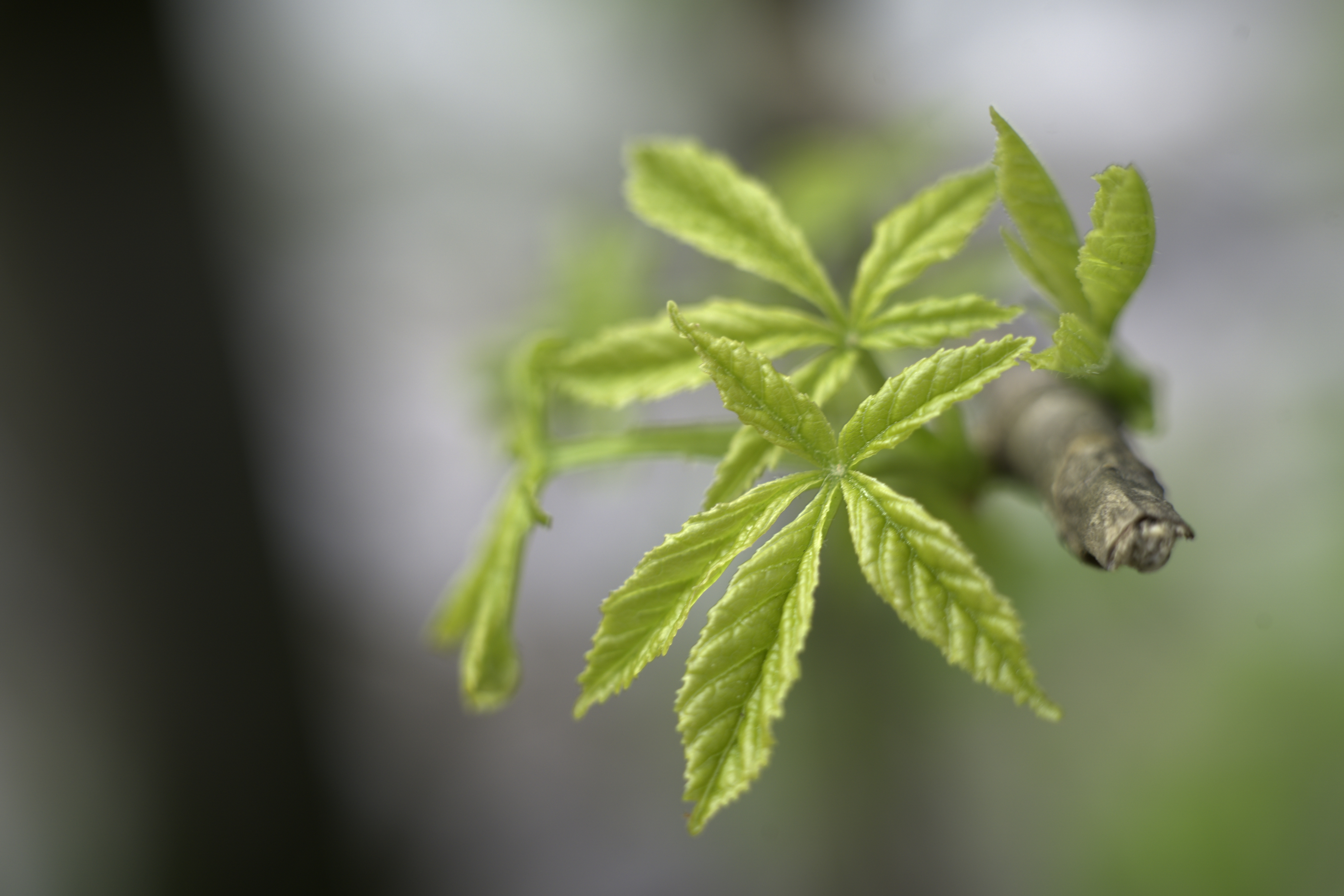


Sprouting is one of the first and most important stages in the life of a cannabis plant. Before a cannabis plant can grow leaves, stems, and roots, it must first develop from a seed. This process begins with germination. Germination is the stage when a dormant cannabis seed becomes active and starts to grow. Once the seed opens and a small root begins to appear, the seed is considered germinated. Soon after, the young plant pushes upward and becomes a sprout or seedling.
Cannabis seeds may look small and inactive, but they contain the basic parts needed to begin plant growth. Inside each viable seed is a young plant embryo and stored nutrients. These nutrients help support the first stage of growth before the plant can make its own energy from light. When the seed receives the right amount of moisture, warmth, and oxygen, the growth process can begin.
The first visible sign of germination is usually the development of a small white root. This root is known as the taproot. It grows downward and becomes the main starting point of the plant’s root system. The root allows the young plant to begin taking in water and nutrients from the growing medium. At the same time, a small shoot starts developing in the opposite direction. The shoot moves upward toward the surface.
After the young shoot breaks through the soil or other growing medium, the plant enters the sprouting stage. At this point, the small plant begins opening its first leaves. These first leaves are called cotyledons. They are usually smooth and rounded and do not yet look like the well-known pointed cannabis leaves. The cotyledons provide support while the young plant begins producing its first true leaves.
It is useful to understand the difference between germination, sprouting, seedling growth, and vegetative growth. These terms describe different parts of early cannabis development.
Germination begins when the seed absorbs water and becomes active. It continues as the seed coat opens and the taproot appears. Sprouting refers to the period when the young shoot emerges and becomes visible above the growing medium. The seedling stage begins as the first leaves open and the plant starts developing true cannabis leaves. Vegetative growth comes later, when the plant has a stronger root system and begins growing more leaves, branches, and stems.
These stages do not always happen at the same speed. Some seeds may germinate quickly, while others may need more time. Seed age, seed quality, storage conditions, temperature, moisture, and other environmental factors can affect how quickly a seed becomes active.
The earliest growth stages can be sensitive because the new plant is still small and has limited roots. A mature cannabis plant has a larger root system that can search through the growing medium for moisture and nutrients. A newly sprouted plant does not have this ability. Its small root system makes it more sensitive to changes in moisture, temperature, and growing conditions.
Too little moisture can cause the seed or young root to dry out. At the same time, too much water can also create problems. Seeds and roots need oxygen as well as water. A growing medium that stays completely saturated may contain less air around the root area. This can make it harder for young roots to develop normally.
Temperature also plays an important role during germination. Seeds depend on suitable environmental conditions before they begin active growth. Conditions that are too cold may slow biological activity. Very hot conditions can also place stress on the seed or young seedling. Stable conditions are usually easier for a new plant to handle than frequent changes between hot, cold, wet, and dry conditions.
Seed viability is another major factor. Not every cannabis seed has the same ability to germinate. Some seeds may be older, damaged, poorly stored, or naturally less viable. Even when growing conditions appear suitable, a seed may fail to germinate if the embryo inside is no longer healthy enough to develop.
Oxygen is sometimes overlooked during seed germination. A cannabis seed does not simply need water. It also needs access to air. This is one reason why moisture should be controlled rather than allowing the seed to remain in heavily saturated conditions for long periods. A loose growing medium can help provide both moisture and air around developing roots.
The type of growing medium can also affect early development. Cannabis seeds may be started in soil, starter plugs, or other seed-starting materials. Whatever medium is used, it should provide a suitable balance of moisture, air, and physical support. A medium that becomes hard or compacted can make it more difficult for a young root to spread or for a new shoot to reach the surface.
Light becomes more important after the sprout emerges. During germination, the seed mainly depends on stored energy. Once the first leaves open, the young plant begins using light to support photosynthesis. Photosynthesis allows the seedling to produce energy for continued growth. At this stage, the plant begins moving from dependence on stored seed nutrients toward normal plant growth.
Understanding these basic stages makes it easier to recognize healthy development and possible problems. A seed that has just opened has different needs from a seedling that already has several true leaves. Treating every early growth stage in the same way can lead to mistakes with moisture, lighting, or handling.
The process can be viewed as a simple sequence. First, a dormant seed receives suitable conditions. Next, germination begins and the taproot emerges. The root grows downward while the shoot develops upward. The sprout then breaks through the growing medium. Cotyledons open, true leaves begin to develop, and the plant becomes an established seedling. After this early stage, stronger growth leads toward the vegetative phase.
Anyone growing cannabis should also be aware that cultivation laws vary by country, state, province, and local area. Cannabis cultivation may be legal, restricted, licensed, or prohibited depending on where a person lives. Local rules may also limit the number of plants that can be grown or where they may be kept. For this reason, it is important to understand and follow the laws that apply in the local area.
Learning how cannabis seeds germinate and how seedlings develop provides a foundation for understanding the rest of the plant’s life cycle. Healthy early growth depends on several basic factors working together, including a viable seed, suitable moisture, oxygen, stable temperature, an appropriate growing medium, and suitable light after emergence. The following sections explain these factors in more detail and answer common questions about sprouting weed plants.
How Do You Germinate Weed Seeds?
Cannabis seed germination is the process in which a dormant seed becomes active and begins to grow. This is the first stage in the plant’s life cycle. During germination, the seed absorbs water, the shell begins to open, and a small root appears. This root is known as the taproot. From there, the young plant begins to form its first stem and leaves.
Although germination may look simple from the outside, many changes are taking place inside the seed. The seed contains stored nutrients that support the young plant before it can make energy from light. It also contains the genetic material that guides the plant’s early development.
For readers studying cannabis botany, understanding this stage is useful because it explains how a seed changes from a dry, inactive structure into a living seedling.
What Happens Inside a Cannabis Seed During Germination?
A cannabis seed may appear dry and inactive, but it contains a small living embryo. This embryo can remain dormant until environmental conditions support growth.
The first major change happens when the seed absorbs water. This process causes the tissues inside the seed to swell. At the same time, enzymes become active. These enzymes help break down stored nutrients so the embryo can use them for energy.
As the seed continues to absorb moisture, the outer shell becomes softer. Pressure from the growing embryo eventually causes the shell to split.
The first part of the plant to appear is normally the taproot. The taproot grows away from the seed and becomes the main starting point for the root system. It helps anchor the young plant and later allows it to take in water and nutrients from the growing medium.
At the same time, the upper part of the embryo starts to develop into a stem. This young shoot grows in the opposite direction from the root. When it reaches the surface, it begins to straighten and open its first seed leaves.
These first leaves are known as cotyledons. They usually look smoother and rounder than the familiar pointed cannabis leaves that develop later. The cotyledons help support the seedling during its first days of growth.
After this point, the plant starts producing true leaves. These leaves are able to carry out photosynthesis more effectively. Photosynthesis allows the plant to use light energy to produce the sugars it needs for continued growth.
The appearance of the taproot is therefore only one part of a larger process. Germination continues as the seed develops into a seedling with a functioning root system, stem, and leaves.
Common Cannabis Seed Germination Approaches
Several general approaches are used to study or begin seed germination. These methods differ mainly in where the seed is kept during the earliest stage of development.
One approach is direct germination in a growing medium. In this system, the seed begins its development in the same type of material in which the young seedling will continue to grow. One possible advantage is that the new root does not need to be moved after it appears.
Another general approach involves allowing the seed to begin germinating in a separate moist environment before it is placed into a growing medium. This can make it easier to observe whether the seed shell has opened and whether the taproot has appeared. However, the young root is very delicate, so unnecessary handling can damage it.
Starter plugs and similar seed-starting materials are another method used in horticulture. These materials are designed to hold moisture while also allowing some air to reach developing roots. They are often used for many types of seedlings, not only cannabis.
Some growers also use water as part of the early germination process. From a botanical point of view, water is important because it helps end seed dormancy and starts many of the chemical reactions needed for germination. However, seeds also require oxygen, which is why water balance is an important part of seed biology.
No germination approach can guarantee success. Seed age, genetics, storage history, temperature, moisture, oxygen, and general seed health can all affect whether germination occurs.
What Does a Successfully Germinated Seed Look Like?
One of the clearest signs of germination is a split in the outer seed shell. This means the embryo inside the seed has begun to expand.
Soon after the shell opens, a small pale root may become visible. This is the taproot. It may first look like a short white point coming from one end of the seed.
The taproot is one of the most sensitive parts of the young plant. It contains new tissues that will later form a larger root system. Damage at this early stage can interfere with the plant’s development.
As growth continues, the taproot becomes longer and begins forming smaller root branches. At the same time, the young stem starts to develop. Once the shoot emerges, the seedling may still carry part of the seed shell for a short time.
The cotyledons then begin to open. These small seed leaves are an important sign that the seedling has moved beyond the earliest germination stage.
True cannabis leaves develop after the cotyledons. The first true leaves may look much simpler than the leaves seen on mature plants. As the plant continues developing, later leaves normally become larger and more complex.
A healthy germination process therefore follows a basic biological sequence. The seed absorbs water, the shell opens, the taproot emerges, the shoot develops, and the first leaves begin to unfold.
Factors That Affect Whether a Seed Germinates
Not every cannabis seed will germinate successfully. Seeds are living biological structures, and their condition can vary.
Seed age is one factor. Over time, a seed may lose some of its ability to germinate. Storage conditions can also influence viability. Exposure to extreme heat, excessive moisture, or other damaging conditions may reduce the chance that the embryo remains healthy.
Moisture is also essential because a dry seed normally stays dormant. However, healthy seed development depends on a balance between water and oxygen. Plant cells require oxygen for respiration, which is the process used to release usable energy.
Temperature also affects biological activity inside a seed. If conditions are far outside the range suitable for the species, germination may slow down or fail.
These factors explain why two seeds treated in the same general way may not sprout at exactly the same time. Biological variation is normal, even among seeds from the same type of plant.
Cannabis germination is the first active stage in the plant’s life cycle. It begins when a viable seed absorbs moisture and the embryo inside becomes active. The seed shell then opens, allowing the taproot to emerge. The young shoot develops soon afterward, followed by cotyledons and the first true leaves.
Different germination approaches are based on the same biological needs. Seeds require suitable moisture, oxygen, temperature, and general environmental stability. Seed quality and storage history also play an important role in whether germination succeeds.
How Long Does It Take for Weed Seeds to Sprout?
Cannabis seeds do not all sprout at the same speed. Some seeds begin to open within a few days, while others take longer. The time needed depends on the condition of the seed and the environment around it. In many cases, a healthy seed will show signs of germination within several days. However, slower germination does not always mean that something is wrong.
Understanding the normal germination timeline can help growers avoid disturbing seeds too early. A seed needs time to absorb moisture and begin the biological processes that lead to root growth. Constantly checking, moving, or handling the seed can make this early stage more difficult.
The first visible sign of germination is usually a small crack in the outer shell. A pale root, known as the taproot, then starts to appear. After that, the root continues growing while the young shoot prepares to emerge above the growing medium.
Typical Germination Timeline
During the first few days, the cannabis seed begins taking in moisture. Water softens the outer shell and helps activate the living tissue inside the seed. At first, there may be no visible change. This does not mean that the seed is inactive. Important changes are taking place inside the shell.
Within about the first three days, some healthy seeds may begin to crack open. A small white or cream-colored taproot may become visible. This root is an important part of the young plant because it will eventually grow downward and form the beginning of the root system.
Other seeds may take several more days before showing the same signs. Between about days three and five, more seeds may begin to open if environmental conditions remain stable. During this stage, the taproot starts getting longer and the plant begins using stored energy from inside the seed.
By around days five to seven, many viable seeds that are going to germinate will have shown some type of development. However, this should not be treated as an exact deadline. Cannabis seeds are living material, and natural differences can affect how quickly each one develops.
Some seeds can take longer than a week. Older seeds, seeds with harder shells, or seeds that have been stored for a long time may respond more slowly. For this reason, the number of days alone cannot always confirm whether a seed has failed.
What Influences Germination Speed?
Seed quality is one of the biggest factors that affects germination time. A fresh, healthy seed is generally more likely to germinate normally than a seed that has become damaged or poorly stored.
Seed age can also matter. Seeds can remain usable for a long time under suitable storage conditions, but their ability to germinate may decrease as they get older. An older seed may take longer to absorb moisture and begin developing.
Temperature also affects the speed of biological activity inside the seed. If conditions are too cold, germination can slow down. If conditions are too hot, the seed may become stressed or damaged. A stable environment is usually more helpful than one that repeatedly changes between hot and cold.
Moisture is another important factor. The seed needs enough moisture to soften its outer shell and activate germination. However, too much water can create problems. A constantly soaked environment may reduce the amount of oxygen available around the seed.
Oxygen is important because living seed tissue uses it during germination. A growing medium that stays heavily saturated may limit airflow. This can slow development and increase the chance of seed or root problems.
The growing medium can affect germination speed as well. A loose medium allows moisture and air to reach the seed more easily. A medium that is heavily packed can make it harder for the new root and shoot to develop normally.
Natural differences between seeds should also be considered. Even seeds stored under the same conditions may not germinate at exactly the same time. One seed might open quickly, while another from the same group may take several additional days.
When Is Slow Germination a Concern?
Slow germination does not automatically mean that a seed is dead. Growers should consider the condition of the seed, the environment, and the amount of time that has passed.
One common mistake is checking seeds too often. Digging through the growing medium or repeatedly touching a seed can disturb the delicate root as it begins to develop. A newly formed taproot is fragile, so unnecessary handling may cause damage.
Environmental conditions should also remain as steady as possible. If a seed has not opened quickly, repeatedly changing moisture, temperature, or growing medium may create more stress instead of helping.
A seed that remains unchanged for a long period may eventually prove to be nonviable. However, growers should also look for other warning signs. Seeds that become unusually soft, damaged, discolored, or affected by decay may have a lower chance of producing a healthy seedling.
It is also important to understand the difference between germination and emergence. Germination begins when the seed becomes active and the taproot starts growing. Emergence happens later, when the young shoot reaches the surface of the growing medium. A seed may therefore have started germinating even when no green growth can yet be seen above the surface.
Patience is important during this stage. Cannabis seeds do not follow an exact clock, and normal biological variation means that some will always develop faster than others.
Cannabis seeds often begin germinating within several days, but there is no exact sprouting time that applies to every seed. Some seeds open quickly, while others can take a week or longer. Seed age, quality, moisture, temperature, oxygen, and the growing medium can all affect how fast germination happens.
A slow seed is not always a failed seed. It may simply need more time to complete the early stages of development. Keeping conditions stable and avoiding unnecessary handling can make it easier for the seed to continue its natural growth process. Understanding the difference between germination, root development, and above-ground emergence also helps growers know what to expect during the first days of a cannabis plant’s life.
What Is the Best Way to Germinate Cannabis Seeds?
Cannabis seeds can germinate in several ways. Each method has the same basic goal. The seed needs enough moisture, air, and warmth to become active and begin forming a root. Once the seed absorbs moisture, its outer shell softens. A small root, called the taproot, then begins to emerge.
There is no single germination method that works best in every situation. Some methods make it easier to watch the seed as it opens. Other methods reduce the need to touch or move the young root. The right choice often depends on the growing medium, the condition of the seed, and how much control a grower has over the environment.
During germination, the young root is delicate. Too much handling, too much moisture, or sudden changes in conditions can interfere with early growth. Understanding how the main germination methods differ can help explain why one approach may work better than another in a certain setting.
Comparing Common Germination Methods
One common approach is direct-to-soil germination. In this method, the seed begins its growth in the same type of medium where the young seedling will first become established. The main advantage is that the seed does not need to be moved after the taproot appears.
Direct germination can reduce physical contact with the young root. This matters because the first root is thin and easy to damage. Once the seed begins growing, the root can move naturally into the surrounding medium.
However, direct germination also makes the early process harder to see. Because the seed is under the surface, it may not be obvious when the shell opens or when the root begins growing. A person may be tempted to disturb the medium to check the seed, which can cause problems.
Another well-known method involves placing seeds in a moist material before moving them into a growing medium. This approach makes it easier to observe the seed. A person can see whether the shell has cracked and whether a taproot has started to form.
The main disadvantage is that the germinated seed usually has to be moved. A newly formed taproot can be damaged by rough handling. It can also dry out if it remains exposed for too long. For this reason, observation is easier with this method, but the transfer stage adds another point where the seed may be disturbed.
Starter plugs are another option. These are small pieces of growing material designed to hold moisture while still allowing some air around the developing root. They can provide a more stable starting environment than loose soil in some situations.
A seedling started in a plug can often remain in that material during its earliest development. This may reduce direct contact with the taproot. The plug can later become part of the surrounding growing medium rather than requiring the root to be removed from it.
Water-assisted germination is also discussed in many cannabis-growing guides. In this approach, moisture is used to help soften the seed coat before the seed continues developing in another medium. It can make it easier to identify seeds that have started absorbing water, but long exposure to very wet conditions can create problems. Seeds still need oxygen, and excessive moisture may reduce the amount of air available around them.
Advantages and Limitations of Each Method
Every germination method involves a balance between observation and disturbance.
Direct-to-soil germination involves less movement. Once the seed begins growing, the taproot can continue into the surrounding medium. The main challenge is that the process cannot be watched closely. It may take time before the young shoot appears above the surface.
A moist-material method gives the grower more visual information. The opening seed and new taproot are easier to see. This can make it easier to tell whether germination has started. However, the seed must usually be moved after the root appears, and that movement can create stress if the root is handled poorly.
Starter plugs offer another balance. They can hold both moisture and air when used correctly, and they give the early root a small area in which to develop. Their main limitation is that moisture still has to be managed. A plug that stays too wet may create poor conditions around the seed, while one that dries out may interrupt germination.
Water-based approaches make the seed easy to observe, but they are not designed to provide everything a developing seedling needs for long-term growth. As the root develops, it eventually needs a suitable medium where it can continue expanding and gaining access to oxygen.
Because of these differences, the simplest-looking method is not always the easiest to manage. A method that allows close observation may involve more handling. A method that involves little handling may provide fewer visible signs of progress.
Is There One Best Germination Method?
There is no single method that can be called the best for every cannabis seed. Germination is a biological process, and individual seeds can respond differently even when conditions appear similar.
Seed quality is one important factor. Older, damaged, or poorly stored seeds may be slower to germinate or may not germinate at all. A different germination method cannot always overcome poor seed viability.
The surrounding environment also matters. Moisture needs to remain suitable without keeping the seed in constantly saturated conditions. Air must remain available because developing roots need oxygen. Large changes in the environment can also make early growth less consistent.
The growing medium can affect the choice as well. Some people prefer direct germination because the seed begins growing where it will remain during the first part of its life. Others prefer to see the taproot before transferring the seed to a growing medium.
Handling is another major concern. The taproot is one of the most sensitive parts of a newly germinated cannabis plant. It should not be treated like the roots of an established plant. Frequent checking, moving, or touching can cause damage.
For this reason, a useful germination method is one that keeps conditions stable and limits unnecessary disturbance. The method itself is only part of the process. Seed health, moisture, oxygen, environmental stability, and careful handling are also important.
Cannabis seeds can begin germination through several common approaches, including direct germination in a growing medium, moist-material methods, starter plugs, and water-assisted methods. Each approach has advantages and limits.
Direct germination reduces the need to move a newly formed root, but it makes early development harder to observe. Moist-material methods make germination easier to see, but the young seed often needs to be transferred afterward. Starter plugs can provide a stable area for early root growth, while water-assisted methods may help start moisture absorption but are not a long-term growing environment.
There is no single best germination method for every seed. Healthy early development depends on several factors working together. Seed viability, moisture, oxygen, a suitable growing medium, environmental stability, and limited handling all play a role. The most suitable method is generally the one that provides stable conditions while reducing stress on the developing taproot and young seedling.
What Temperature and Moisture Do Weed Seeds Need to Sprout?
Cannabis seeds, like many other plant seeds, need the right environment before they can begin to grow. Two of the most important factors are temperature and moisture. These conditions affect how quickly a seed becomes active and whether it can develop into a healthy young plant.
A seed may look inactive from the outside, but it contains living tissue. When conditions become suitable, the seed begins a series of biological changes. Water enters the seed, enzymes become active, and stored nutrients begin to support early growth. Temperature affects how quickly these processes happen.
The goal during germination is not to create extreme conditions. Seeds generally respond better to stable and moderate conditions. Large changes in heat or moisture can place stress on the developing seed and may reduce the chance of successful germination.
Why Temperature Matters
Temperature affects nearly every biological process inside a germinating seed. When conditions are too cold, the chemical reactions needed for growth slow down. The seed may remain inactive for a longer period, or development may stop.
Very warm conditions can also create problems. Excessive heat may damage delicate plant tissue and can cause moisture to disappear too quickly. Warm and wet environments may also encourage the growth of mold and other microorganisms.
Stable conditions are therefore important. A seed that moves back and forth between cold and hot conditions may have more difficulty developing than one kept in a steady environment.
Temperature also affects the growing material around the seed. Soil or another growing medium can hold heat differently depending on its texture, moisture level, and location. A container placed near a strong heat source may become much warmer than the surrounding room. In the same way, a container near a cold window may cool quickly.
For this reason, growers and gardeners often pay attention to the environment around the seed rather than only the air temperature. The conditions around the seed itself are what affect germination most directly.
Why Moisture Is Necessary
Water is one of the main signals that tells a dormant seed that conditions may be suitable for growth.
When a dry seed absorbs water, it begins to swell. The seed coat becomes softer, and internal biological activity increases. Stored carbohydrates, proteins, and other nutrients begin to support the developing root and shoot.
Without enough moisture, these processes cannot continue. A seed that becomes partly hydrated and then dries out may stop developing. Young plant tissue is especially sensitive because it does not yet have an established root system that can search for water.
However, moisture does not mean that a seed should remain surrounded by excessive water. Seeds also need access to oxygen.
This balance between water and air is one of the most important ideas in seed germination.
Why Too Much Water Can Cause Problems
A common misunderstanding is that more water always improves germination. In reality, too much water can create poor conditions.
Seeds use oxygen as they begin to grow. If the material around a seed becomes completely saturated, small air spaces may fill with water. This can reduce the amount of oxygen available around the seed.
Low oxygen can slow normal development and may contribute to seed deterioration. Wet conditions may also encourage fungi and bacteria to grow. These organisms can damage seeds and young roots, especially when plant tissue is still soft and fragile.
A constantly soaked growing medium can therefore be just as harmful as one that is too dry.
The condition of the growing medium can also affect how much water remains around the seed. Some materials drain quickly, while others hold moisture for a long time. This is why the same amount of water may have different effects in different growing conditions.
Instead of thinking only about how much water is added, it is more useful to think about the overall moisture balance around the seed.
Moisture Versus Humidity
Moisture and humidity are related, but they are not the same thing.
Moisture usually refers to water that is present in the material around the seed. This may include soil, a seed-starting medium, or another material used during germination.
Humidity refers to the amount of water vapor in the air.
Both can affect young plants, but they affect them in different ways.
A seed receives most of the water needed for germination from direct contact with moisture around it. Humidity in the surrounding air can influence how quickly that moisture evaporates.
In dry air, water may leave the growing medium faster. In humid air, it may stay wet for a longer time. This means that surrounding air conditions can indirectly change how often the medium dries.
After a seedling emerges, humidity can also affect water loss from its leaves. Very young seedlings have small and developing root systems, so sudden changes in the environment may affect them more strongly than mature plants.
Understanding this difference helps explain why moisture problems cannot always be judged by looking at the surface alone. The air, growing medium, drainage, and temperature all work together.
The Importance of Consistent Conditions
Germinating seeds generally benefit from consistency.
Repeated drying followed by heavy watering can create stress. Large temperature swings can also interfere with normal development. A steady environment allows the seed to continue its natural growth process without repeated disruption.
It is also important to avoid disturbing a germinating seed too often. Constant handling or checking can damage delicate new tissue. Once the seed begins developing a root, that tissue is much more fragile than the hard outer seed coat.
Patience is therefore an important part of the early growth stage.
Temperature and moisture play major roles in cannabis seed germination because they control many of the biological processes that allow a dormant seed to begin growing. Temperature affects the speed of plant activity, while water activates the seed and supports early development.
However, extreme conditions can cause problems. Too little moisture can stop development, while too much water can reduce oxygen and encourage harmful microorganisms. Excessive heat or cold can also place stress on the seed.
Humidity is different from direct moisture, but it can influence how quickly the growing environment dries. All of these factors work together.
How Deep Should a Sprouted Weed Seed Be Planted?
Planting depth can affect how easily a young cannabis seedling reaches the surface after germination. Once a seed has opened and a small taproot has appeared, the plant is in a very delicate stage. The root is still soft, the stem has not fully developed, and the seedling has only a small amount of stored energy available.
For this reason, the goal at this stage is to give the young plant a stable environment without placing too much pressure on it. A seed that is buried too deeply may have trouble reaching the surface. A seed that is placed too close to the top may dry out or become less stable. The growing medium also matters because hard or tightly packed material can make it harder for the new root and shoot to develop.
The exact approach can vary based on the growing medium, seed condition, and local cultivation rules. However, understanding how young roots and shoots develop can help explain why planting depth matters.
Why Planting Depth Matters
After germination begins, the seed has to support two types of growth at the same time. The first is root growth below the surface. The second is shoot growth toward the surface and eventually toward light.
The seed contains stored energy that supports these first stages. That energy is limited. Until the young leaves begin to function, the seedling depends heavily on what is already stored inside the seed.
If a seed is buried too deeply, the young shoot has to travel farther before it reaches the surface. This can use more of the seed’s stored energy. A weak seedling may not have enough energy to complete that process.
Deep placement can also expose the seed to wetter conditions in some growing media. If the area stays saturated, there may be less oxygen around the developing root. Roots need access to both moisture and oxygen. Too much water can interfere with that balance.
Placing a seed too close to the surface can create a different set of problems. The upper layer of a growing medium often dries faster than the material below it. A newly germinated seed may therefore lose moisture more quickly when it is placed in an exposed area.
Very shallow placement can also make the plant less stable as the stem begins to emerge.
The condition of the growing medium matters just as much as depth. Loose material allows young roots to move through it more easily. Material that is heavily compacted can create resistance. This may slow root development and make it harder for the seedling to establish itself.
Understanding the Taproot
The taproot is one of the first visible signs that cannabis seed germination has started. It usually appears as a small, pale root emerging from the opened seed shell.
This first root has an important role. It helps anchor the young plant and begins taking in water from the surrounding growing medium. As development continues, more roots can branch from the early root system.
A newly emerged taproot is fragile. It can be damaged through pressure, drying, or repeated handling. Damage at this early stage may slow development because the plant has not yet formed a large root system that can compensate for injury.
The taproot also shows why the growing medium should provide room for root development. A young root naturally moves into the material around it while the shoot develops in the opposite direction.
Repeatedly moving or checking a germinated seed can disturb this process. While it may be tempting to examine the root often, unnecessary handling can place stress on delicate tissue.
The seed shell may still remain attached as the plant begins developing. This is normal during early growth. The young plant gradually changes from a germinating seed into a seedling with a stem and leaves.
From Buried Seed to Emerging Seedling
Once the germinated seed is surrounded by a suitable growing medium, several changes take place.
The root continues to develop below the surface. Its job is to help secure the young plant and begin taking up water. At the same time, the upper part of the plant starts moving toward the surface.
The young stem is very small and soft during this stage. As it develops, it pushes upward through the growing medium. This movement requires energy, which is another reason the seed should not face unnecessary resistance.
Eventually, the young shoot reaches the surface. At this point, the seedling begins its transition into above-ground growth.
One of the first things a grower may notice is a small stem with two simple leaves. These first leaves are known as cotyledons. They are different from the serrated leaves that people commonly associate with mature cannabis plants.
Cotyledons help support the seedling during the early stage of growth. As the plant becomes established, its first true leaves begin to appear. These leaves have the more familiar shape associated with the cannabis plant.
Sometimes the seed shell remains on the new growth for a short period after emergence. This does not automatically mean something is wrong. In many seedlings, the shell separates naturally as growth continues.
The rate of emergence can vary from one seed to another. Seed quality, moisture, temperature, and the condition of the growing medium can all affect how quickly the young plant appears.
For that reason, it is useful to look at the whole growing environment rather than focusing only on how many days have passed.
Problems Caused by Poor Placement
Several early growth problems can be linked to the conditions around the seed.
A seed placed in a very wet area may receive less oxygen. This can create poor conditions for young root tissue. On the other hand, a seed located in material that dries too quickly may not receive enough steady moisture to continue normal development.
Compacted growing material can also make emergence harder. The young shoot is not strong enough to push through dense material easily. A heavy layer above the seed may slow the plant or prevent it from reaching the surface.
Another issue is repeated disturbance. Moving the seed after the taproot has started growing can damage the root or change its position in the medium.
For these reasons, stable conditions are usually more important than constant adjustment. Early seedlings develop best when they can continue their natural growth with minimal disturbance.
Planting depth matters because a newly germinated cannabis seed has only a limited amount of stored energy and a very delicate root system. If the seed is buried too deeply, the young shoot may have difficulty reaching the surface. If it is too exposed, moisture levels may become less stable.
The taproot is especially fragile during this stage. It begins the root system and helps the plant absorb water, but it can be damaged by rough handling, drying, or poor growing conditions.
As the seedling develops, the root moves into the growing medium while the young stem grows toward the surface. The cotyledons then open, followed by the first true leaves.
What Should a Healthy Weed Sprout Look Like?
A healthy cannabis sprout may look small and simple at first, but many important changes are already taking place. During the first days after germination, the young plant begins building the roots, stem, and leaves it will need for later growth. Understanding what normal development looks like can help growers avoid mistaking natural changes for problems.
Cannabis seedlings do not look like mature cannabis plants right away. The first leaves are different from the pointed leaves most people connect with cannabis. The stem may also look thin and delicate during the first few days. As long as the young plant continues to grow and shows no major signs of damage, these features are usually part of normal development.
The First Parts of a Cannabis Seedling
The first important structure to appear during germination is the taproot. This is usually a pale or white root that comes out of the seed after the shell opens. The taproot grows downward into the growing medium and helps anchor the young plant in place. It also begins taking in water that the seedling needs for continued development.
As the root grows, the young stem begins moving upward. The stem carries the first leaves toward the surface and later supports the growing plant. At this stage, the stem is usually thin because the seedling has not yet developed the thicker structure seen in older plants.
Once the stem reaches the surface, two small leaves known as cotyledons usually open. These are sometimes called seed leaves. They are part of the plant’s earliest growth and help support the seedling until its first true leaves develop.
Soon after the cotyledons open, the plant begins producing its first true leaves. These leaves are an important sign that the seedling is moving beyond its earliest stage and starting more active growth.
Cotyledons Versus True Cannabis Leaves
Cotyledons often confuse new growers because they do not look like normal cannabis leaves. They are usually small, smooth, and rounded or oval in shape. They do not have the sharp edges that later cannabis leaves develop.
Their main job is to help support the seedling during its earliest days. The seed contains stored energy that helps the plant begin growing before it can fully depend on photosynthesis. Once the cotyledons are exposed to light, they can also help the plant produce energy.
The first true leaves normally appear between or above the cotyledons. These leaves begin to show the serrated, or saw-like, edges that are linked with cannabis plants.
Early true leaves may have only one main blade. As the plant becomes larger, later leaves often develop more separate sections, commonly called leaflets or fingers. This change happens over time. A very young seedling should not be expected to have the large, multi-fingered leaves seen on a mature cannabis plant.
The difference between cotyledons and true leaves is useful when judging plant development. The appearance of true leaves shows that the seedling has started producing new plant tissue beyond the structures that were already formed inside the seed.
Signs of Normal Early Growth
A healthy young cannabis seedling usually shows steady development rather than sudden growth. The stem should support the plant above the growing medium, while the cotyledons should open and become exposed to light.
The seedling may start very small. This is normal. During early development, much of the plant’s activity is happening below the surface as the root system expands. A plant that seems to grow slowly above the soil may still be developing important roots underground.
The cotyledons are often green once they open. Soon afterward, small true leaves should begin growing from the center of the seedling. These new leaves become larger as development continues.
A healthy stem is generally firm enough to hold the young leaves upright. However, it may still appear much thinner than the stem of an older plant. Some seedlings lean slightly when they first emerge. This does not always mean something is wrong.
The plant should continue producing new growth over time. New leaves appearing from the center are often one of the clearest signs that development is continuing.
Healthy seedlings can still vary in appearance. Genetics, seed quality, growing conditions, and natural differences between individual plants can affect their size and growth rate. Two seeds started at the same time may not develop at exactly the same speed.
Normal Changes That Beginners Sometimes Mistake for Problems
Some normal parts of seedling development can look unusual to a beginner. One common example is the seed shell remaining attached after the seedling rises above the growing medium.
Sometimes the shell does not fall away immediately. Part of it may remain around the cotyledons for a short period. As the seedling continues developing, the shell may loosen naturally. The presence of the shell alone does not always mean the plant has a serious problem.
Another common concern is the size of the first leaves. Cotyledons and early true leaves are usually much smaller than the leaves of an established cannabis plant. Their small size is expected during this stage.
A slight lean can also occur during emergence. A young shoot does not always rise perfectly straight from the growing medium. As the stem develops and responds to light, its position may change.
The first true leaves may also look simple compared with later leaves. They may have fewer leaflets and may not yet have the classic shape seen on older cannabis plants. This is a normal part of development.
Cotyledons may eventually become less important as the plant produces more true leaves. Later in seedling development, they can begin to fade as the plant depends more on its established leaves and growing root system.
What matters most is the overall direction of growth. A seedling that continues developing new leaves, strengthening its stem, and increasing in size is usually progressing through its normal early stages.
A healthy weed sprout begins with a developing taproot, followed by a young stem, two cotyledons, and the first true leaves. The cotyledons are smooth and simple, while later leaves gradually develop the serrated shape associated with cannabis plants.
Young seedlings can look delicate, small, or slightly uneven during their first days. A seed shell may remain attached for a short time, the stem may lean slightly, and the first true leaves may have only a simple shape. These features are not always signs of trouble.
How Much Light Does a Weed Seedling Need After Sprouting?
Once a cannabis seedling rises above the growing medium, light becomes one of the most important parts of its early development. Before the seedling appears, it relies mainly on energy stored inside the seed. That stored energy helps the first root grow and allows the young shoot to move toward the surface. After the seedling emerges and opens its first leaves, the plant begins to depend more on light.
Young cannabis seedlings are delicate. They need enough light to support healthy growth, but very strong light can cause stress. The goal during this stage is to give the plant suitable light while watching how the seedling responds. A healthy seedling usually develops new leaves, maintains a firm stem, and continues growing at a steady rate.
Why Light Becomes Important After Emergence
Light allows a young cannabis plant to begin photosynthesis. Photosynthesis is the process plants use to turn light energy into chemical energy that supports growth. The leaves absorb light and use it along with water and carbon dioxide to produce sugars. The plant then uses those sugars to build new cells, roots, stems, and leaves.
During the first stage of germination, the seed does not need to produce much of its own energy. Instead, it depends on food stored inside the seed. Once the seedling opens its cotyledons, which are the first small seed leaves, this begins to change.
As the first true leaves develop, photosynthesis becomes more important. These true leaves have the familiar serrated shape often associated with cannabis plants. As more leaf tissue develops, the young plant becomes better able to capture light and produce its own energy.
Light also affects the shape of the seedling. A plant that receives suitable light generally develops stronger leaves and a more stable stem. If the light conditions are poor, the seedling may change the way it grows in an attempt to find better light.
This is why lighting becomes especially important after the plant breaks through the growing medium. The seedling is moving from stored seed energy toward a growth system that depends much more heavily on photosynthesis.
Signs That Lighting Conditions May Be Unsuitable
Young plants often show visible signs when their lighting conditions are not suitable. One of the most common signs is excessive stem stretching.
A seedling that does not receive enough usable light may grow taller very quickly while developing a thin stem. This happens because the plant is trying to reach a stronger light source. The space between the growing medium and the first leaves can become unusually long.
A stretched seedling may look weak or unstable. In some cases, the stem may lean because it is not strong enough to support the upper part of the plant.
Leaning can also happen when light comes mainly from one direction. Plants naturally grow toward light. This response is known as phototropism. A slight lean is not always a serious problem, but strong or continued leaning may show that the plant is reaching for better light.
Too much light can also create problems. Very strong light may place stress on young leaves that have not fully developed. A stressed seedling may show changes in leaf shape, growth speed, or overall appearance.
Heat can sometimes add to this stress. Some light sources produce heat, and young seedlings may be more sensitive to environmental extremes than larger plants. It is therefore important to look at the entire growing environment instead of treating light as a separate issue.
Changes in the leaves should not automatically be blamed on lighting. Watering problems, temperature changes, root stress, and growing-medium conditions can cause similar symptoms. Looking at several factors together gives a clearer picture of what may be affecting the plant.
Light and Seedling Development
Light affects more than leaf color or growth speed. It plays an important role in the overall structure of a young plant.
A seedling uses light energy to support the development of new leaves. As the leaves grow larger, the plant gains more surface area for photosynthesis. This allows it to capture more energy and continue building new tissue.
Light also influences stem development. A seedling growing under poor light conditions may put too much energy into becoming taller instead of developing a more balanced structure. This can result in a long, thin stem.
Under more suitable conditions, the plant can develop in a more balanced way. The stem supports the leaves while the root system continues expanding beneath the surface.
Roots do not perform photosynthesis, but light still affects them indirectly. Leaves produce sugars through photosynthesis, and the plant can send some of this energy to the roots. A healthy root system helps the seedling take in water and nutrients, which then support further leaf growth.
This creates a connection between the parts of the young plant. Healthy leaves help support healthy roots, while healthy roots help provide the water and minerals needed by the leaves.
For this reason, early seedling growth should be viewed as a whole system. Light, water, air, temperature, roots, and leaves all work together.
Gradual Environmental Adjustment
Newly emerged seedlings are often more sensitive than mature plants. Their leaves are small, their stems are thin, and their root systems are still developing. Sudden changes in their environment may therefore cause stress.
Gradual adjustment can help a seedling adapt as it develops. This is especially important when environmental conditions change significantly.
For example, a seedling that has developed under mild conditions may react poorly if it is suddenly exposed to much stronger light or heat. The leaves have not had time to adjust to the new environment.
Outdoor conditions can also change quickly. Direct sunlight can be much stronger than light in a protected indoor area. Wind, temperature changes, and drying conditions may also affect a young plant at the same time.
The same general principle applies indoors. A major change in lighting conditions may affect a young seedling differently from an established plant.
Instead of focusing only on the amount of light, it is useful to watch the plant itself. Healthy development should be steady. New leaves should continue forming, and the stem should remain able to support the plant.
Seedlings also change quickly during early development. Conditions that appear suitable when the first leaves open may need to be reviewed as the plant grows larger. A young plant with several developed leaves can respond differently from a newly emerged sprout.
Careful observation is therefore important. Leaf position, stem growth, color, and overall development can provide useful clues about whether the seedling is adapting well.
Light becomes essential once a cannabis seedling emerges and begins producing leaves. The plant gradually shifts from using stored energy inside the seed to producing energy through photosynthesis. This energy supports the development of leaves, stems, roots, and new plant tissue.
Young seedlings need suitable light conditions because both weak and excessive light can affect early growth. Too little usable light may lead to stretching, leaning, and weak stems. Excessive intensity or heat may also place stress on delicate young leaves.
Light should not be considered alone. Water, temperature, root health, airflow, and the growing medium can all affect how a seedling looks and develops. Many early plant problems can have similar symptoms.
Why Is My Weed Seed Not Sprouting?
Cannabis seeds do not always sprout at the same speed, and some may never germinate. When a seed does not open or produce a young root, the cause may come from the seed itself or from the conditions around it.
Germination begins when a seed absorbs moisture. This activates biological processes inside the seed and allows stored food to support early growth. The seed coat eventually opens, and the first root begins to develop. Problems with seed health, moisture, air, temperature, or physical damage can slow or stop this process.
Common Reasons Cannabis Seeds Fail to Germinate
Poor seed viability is one of the main causes of failed germination. A seed may be too old, damaged, poorly stored, or unable to develop normally. Seeds are living material, so their ability to germinate can decrease over time.
Moisture problems are another common cause. Seeds need water to become active, but they also need access to oxygen. If the environment stays too wet, water may reduce the amount of air around the seed. This can interfere with normal growth and may encourage mold or decay.
Dry conditions can cause problems as well. If a seed absorbs moisture and then dries too much, its development may be interrupted. Seeds that have already started germinating can be sensitive to sudden changes.
Temperature also affects the biological reactions inside the seed. Very cold conditions can slow germination, while excessive heat can damage the seed or create stress. Large changes in temperature may also make development less predictable.
Physical damage can prevent normal growth. A cracked or crushed seed may contain a damaged embryo. Once the first root appears, it is especially fragile and can be harmed by pressure, bending, drying, or rough handling.
How to Tell Whether Germination Is Delayed or Has Failed
A seed that does not sprout quickly has not necessarily failed. Germination times naturally vary. Even seeds from the same group can develop at different speeds because each has its own maturity, stored energy, and biological condition.
Older seeds may respond more slowly than fresher seeds. In some cases, the outer seed coat may also take longer to soften.
It can be difficult to judge a seed before germination because there may be few visible changes. Repeatedly disturbing the seed to check it can add stress and make conditions less stable.
Signs of deterioration are more concerning. A seed that becomes unusually soft, develops obvious decay, produces a strong unpleasant smell, or shows visible fungal growth may no longer be healthy. These changes suggest decomposition rather than normal germination.
A seed that remains firm and intact may simply be developing slowly. Time alone does not always show whether germination has failed.
Why Seed Quality Matters
Seed quality strongly affects germination. A healthy seed contains a living embryo and enough stored nutrients to support its earliest growth. If the embryo is weak or damaged, the seed may fail even when the surrounding conditions seem suitable.
Age can reduce seed quality. Over time, stored energy and internal tissues may lose their ability to support normal development. Poor storage can speed up this decline.
Exposure to heat, excess moisture, or repeated environmental changes may damage stored seeds. Physical harm during handling or transport can also reduce their ability to germinate.
Appearance can provide clues, but it cannot guarantee success. A seed may look healthy and still fail. Another may look less impressive but still produce a healthy seedling. What matters most is the condition of the embryo inside.
Natural genetic differences also affect early growth. Seeds are living organisms, so some variation is expected.
Environmental Conditions and Germination Problems
The environment around a seed can determine whether germination continues normally. Moisture, air, warmth, and the surrounding material all play a role.
Too much water can fill spaces that would normally contain air. Seeds and young roots need oxygen for normal cell activity, so poor airflow can interfere with development. Excess moisture may also encourage fungi and microorganisms that contribute to decay.
Too little moisture creates the opposite problem. Water is needed to activate enzymes and other processes that allow a seed to use its stored energy. If the environment becomes too dry, development may slow or stop.
The material surrounding the seed can also matter. A dense environment may limit oxygen, while contaminated material may expose the seed to organisms that increase the risk of deterioration.
These examples show that germination depends on balance rather than one single condition.
Why Excessive Handling Can Cause Problems
A newly germinated seed is fragile. The first root is soft and easily damaged. It later develops into a larger root system that supports the young plant.
Frequent handling can injure this root even when the damage is not obvious. Moving a seed repeatedly may also change moisture and temperature around it.
This is why more intervention does not always solve a germination problem. Constant checking or changing conditions can create additional stress and make it harder to identify the original cause.
Understanding Normal Variation
Germination is not perfectly predictable. Seeds do not behave exactly the same way. Some begin growing quickly, while others develop more slowly. Some produce strong seedlings, while others stop developing during the early stage.
A certain amount of failure can occur even among seeds from the same source. This does not always mean that something was done incorrectly. The embryo may have been weak, the seed may have aged, or natural biological differences may have affected development.
Looking at several factors together is more useful than focusing on one cause. Seed age, storage history, physical condition, moisture, air, temperature, and visible signs of deterioration can all provide clues.
A cannabis seed may fail to sprout because of poor viability, age, physical damage, unsuitable moisture, temperature stress, limited oxygen, or decay. Some seeds also germinate more slowly than others, so delayed growth does not always mean failure.
Seed quality is important because germination depends on a healthy living embryo. Environmental balance also matters. Excess moisture can reduce oxygen and increase the risk of decay, while excessive dryness can interrupt normal biological processes.
When a seed does not sprout, the cause is best understood by considering both seed health and surrounding conditions. This makes it easier to distinguish between normal variation, delayed germination, and a seed that is no longer viable.
Why Is My Weed Seed Not Sprouting?
When a cannabis seed does not sprout, it can be difficult to know whether the seed is simply taking longer than expected or whether something has gone wrong. Germination is a natural process, and not every seed develops at the same speed. Some seeds open quickly, while others need more time before the first root appears.
Several factors can affect whether a cannabis seed germinates. Seed quality is important, but the surrounding environment also matters. Moisture, temperature, oxygen, handling, and the condition of the growing medium can all affect early development. Understanding these factors can make it easier to identify why a seed has not sprouted.
Common Reasons Cannabis Seeds Fail to Germinate
One of the most common causes of failed germination is poor seed quality. A seed must still be alive and healthy enough to begin growing. Seeds can lose their ability to germinate as they age, especially if they have been stored under poor conditions.
Moisture is another major factor. A cannabis seed needs moisture to begin the germination process. Water causes the seed to absorb moisture and activates the biological processes inside it. However, there is an important difference between keeping a seed moist and keeping it soaked.
Too much water can limit the amount of oxygen available around the seed. Like other living plant tissue, a germinating seed needs oxygen. If the area around it remains heavily saturated, the seed may struggle to develop. Constant wetness can also create conditions where fungi or other microorganisms grow more easily.
The opposite problem can also occur. If a seed begins absorbing water but then becomes too dry, germination may slow or stop. This is one reason stable conditions are important during the early stage.
Temperature can also affect germination. Seeds depend on chemical and biological processes that work best within a suitable range. Conditions that are too cold can slow these processes. Excessive heat can also damage a seed or place it under stress. Large and frequent changes in temperature may make the environment less suitable for normal development.
Physical damage is another possible cause. Once a seed begins opening, the young root inside is very delicate. Heavy handling or repeated disturbance can damage this tissue. The root may look simple, but it is responsible for the plant’s first contact with its growing environment.
The growing medium can also influence germination. A medium that stays heavily compacted may reduce the amount of air around the seed. A medium that dries too quickly may create the opposite problem. The seed needs a suitable balance of moisture and oxygen as it begins developing.
How to Tell Whether Germination Is Delayed or Has Failed
A seed that has not sprouted immediately has not necessarily failed. Natural variation means some seeds simply take longer than others.
The best way to judge the situation is to look at the overall condition of the seed and its environment. A seed that still appears firm and intact may simply be developing slowly. In contrast, a seed that becomes soft, damaged, discolored, or shows clear signs of decay may no longer be viable.
It is also important to avoid checking the seed too often. Repeatedly moving, opening, or handling a germinating seed can disturb the developing root. Constant changes to its surroundings may create more problems rather than solving them.
Time alone does not always provide a clear answer. Seed quality, age, storage conditions, and the surrounding environment can all affect how quickly germination occurs. Instead of expecting every seed to follow the same exact schedule, it is better to consider several signs together.
Why Seed Quality Matters
Healthy germination begins with a viable seed. Even when environmental conditions are suitable, a seed that is no longer viable cannot develop into a healthy plant.
Age can affect seed quality. Over time, the living tissues inside seeds slowly lose their ability to function. Proper storage may help preserve viability, but no seed remains viable forever.
Storage history also matters. Seeds exposed to excessive heat, moisture, or major environmental changes may lose quality faster. Physical damage can also reduce the chance of germination.
The outside appearance of a seed can provide some information, but it cannot always prove whether the seed is viable. A seed may look healthy while having poor internal viability. Another seed may have an unusual appearance but still be capable of germinating.
Genetics and normal biological variation also play a role. Even seeds from the same source may not behave in exactly the same way. One may germinate sooner than another, and some may fail despite being kept under similar conditions.
This variation is common in plants. Germination rates are rarely identical across every seed in a group.
Avoiding Common Germination Mistakes
One of the most useful principles during germination is consistency. Seeds are beginning a sensitive biological process, so constantly changing their environment can create unnecessary stress.
A common mistake is reacting too quickly when a seed does not germinate at the expected time. A person may add more water, change the growing medium, move the seed, change its temperature, or repeatedly inspect it. While these actions may seem helpful, frequent intervention can disturb the conditions the seed needs.
Excess moisture is another common problem. More water does not always mean faster germination. Seeds need both moisture and oxygen. When the environment becomes saturated for long periods, the balance between the two can be disrupted.
Allowing the seed to dry too much can also interfere with development. Once germination begins, major changes in moisture can place stress on the developing tissues.
Handling should also be limited. The first root is fragile and can be damaged easily. Once the seed coat opens, the developing plant becomes more sensitive to physical contact.
It is also important to avoid assuming that every failed seed indicates a mistake. Sometimes the seed itself is simply not viable. Even under suitable conditions, not every seed will germinate successfully.
A cannabis seed may fail to sprout for several reasons. Poor seed viability, unsuitable moisture, lack of oxygen, temperature problems, physical damage, and growing-medium conditions can all affect germination. Older seeds or seeds stored under poor conditions may also have a lower chance of developing normally.
A slow seed should not automatically be treated as a failed seed. Germination time can vary because seeds are living biological material. Looking at the condition of the seed and the stability of its environment gives a clearer picture than relying only on the number of days that have passed.
During this stage, stable conditions are often more important than frequent intervention. Repeated handling, major moisture changes, and constant adjustments can disturb a developing seed. Understanding the basic needs of germination makes it easier to separate normal delays from signs that a seed may no longer be viable.
When Should Cannabis Seedlings Be Transplanted?
Transplanting is the process of moving a young cannabis seedling from a small starter container into a larger growing space. This stage matters because the root system needs more room as the plant grows. A seedling that stays in a small container for too long may have trouble developing a strong root system. At the same time, moving a plant too early can disturb roots that are still weak and fragile.
There is no single transplant day that works for every cannabis seedling. Growth speed can change based on the seed, environment, growing medium, container size, and general plant health. For this reason, it is better to look at the development of the plant rather than relying only on its age.
Why Cannabis Seedlings Are Transplanted
A cannabis seedling starts with a very small root system. At first, this is enough because the plant is also small. As new leaves form, the roots begin spreading through the surrounding growing medium. The roots absorb water and nutrients and help support the plant.
A larger container gives the expanding root system more space. This can help the plant continue normal growth without becoming crowded. Roots also need access to air in the growing medium. If they become tightly packed in a very small space, water and oxygen movement around the roots may become less balanced.
Transplanting can also help prevent the plant from drying out too quickly. Small containers usually hold less growing medium, so they can lose moisture faster than larger containers. As a seedling becomes larger, it may use water more quickly as well. A container that once stayed moist for a reasonable period may begin drying much faster.
The goal is not simply to give the plant the largest possible container right away. The main goal is to provide enough root space for the plant’s current stage of development while limiting unnecessary stress.
Signs a Seedling Is Becoming Established
A seedling should normally show signs of steady development before it is moved. One important sign is the appearance of true leaves. These are the leaves that form after the first small seed leaves, which are called cotyledons.
Cotyledons are usually simple in shape. They provide stored energy during the earliest stage of growth. After that, the plant begins forming true leaves that look more like the leaves commonly linked with cannabis plants.
As more true leaves develop, the plant becomes more active. Photosynthesis increases, and the root system usually continues expanding below the surface. A stronger stem and steady new growth can also show that the seedling is becoming established.
Root development is another important sign. When roots have spread through much of the starter medium, the plant may be ready for additional space. Roots that are beginning to appear near drainage openings can sometimes show that the root system has expanded through the container.
However, visible roots alone should not be treated as the only sign. The condition of the leaves, stem, and overall plant should also be considered. A healthy seedling generally shows steady growth rather than severe wilting, discoloration, or obvious stress.
Why Transplanting Too Early Can Be Stressful
Very young seedlings have delicate roots. Soon after germination, the plant may depend mainly on a small taproot and a limited number of developing side roots. If the plant is moved before these roots have become established, the growing medium around them may fall apart easily.
This can expose or damage the roots. Root damage can slow plant growth because the plant may need time to recover before it continues normal development.
A young seedling can also be more sensitive to changes in temperature, moisture, and the growing medium. Moving it into a very different environment may add stress at a time when the plant is still developing its basic structure.
This is why transplant timing is usually based on plant development instead of rushing the process. Waiting until the seedling has formed a more stable root system can make the transition easier.
Handling also matters. Young stems and roots can be damaged by pressure or rough movement. The root system should remain as undisturbed as possible during any transplanting process.
Problems With Waiting Too Long
Waiting too long can create a different set of problems. When a plant stays in a small container after its root system has filled most of the available space, the roots may begin circling around the inside of the container.
This condition is often called becoming root-bound. When roots become crowded, they have less open growing medium available to explore. The plant may also begin using available water more quickly.
A crowded seedling may need moisture more often because the container contains a large amount of root material compared with the amount of growing medium. This can make moisture levels harder to keep stable.
Growth may also begin slowing. A seedling that had been producing new leaves regularly may show less progress when the root system has very little room to expand. In some cases, the plant may appear stressed even when other environmental conditions have not changed.
The best approach is to avoid both extremes. The seedling should not be moved while it is extremely young and fragile, but it should also not remain in a cramped starter container after the root system has clearly developed.
Moving From the Seedling Stage Toward Vegetative Growth
Transplanting often happens as the plant moves from early seedling development toward the vegetative stage. During this transition, the plant begins producing more true leaves, a stronger stem, and a larger root system.
The seedling stage is mainly focused on establishment. The young plant is building the basic structures it needs for later growth. Once the roots are stronger and new leaves are appearing more consistently, the plant is better able to support continued development.
This transition does not happen at exactly the same time for every plant. Genetics, environmental conditions, seed quality, and early stress can all affect growth speed.
For this reason, plant condition is usually a better guide than a strict calendar. A seedling that is growing steadily with several true leaves and a developing root system may be further along than another seedling of the same age that experienced slower germination or early stress.
Cannabis seedlings are generally transplanted when they have developed enough roots and true leaves to handle a larger growing space. The goal is to provide the roots with more room before they become crowded while avoiding unnecessary disturbance when the plant is still very young.
Signs such as steady leaf growth, a stronger stem, several true leaves, and an expanding root system can show that a seedling is becoming established. Transplanting too early can damage delicate roots, while waiting too long can lead to crowded roots, faster drying, and slower growth.
There is no universal number of days that determines the perfect transplant time. Looking at the plant’s actual development gives a clearer picture. As the root system becomes stronger and true leaves continue to form, the seedling begins moving toward the next stage of its life cycle.
Conclusion: Giving Sprouting Weed Plants a Healthy Start
The first stages of a cannabis plant’s life are small, but they are very important. A seed may look simple from the outside, yet it contains everything needed to begin a new plant. Once the right environmental conditions are present, the seed starts to absorb moisture and becomes active. The outer shell begins to open, and the first root appears. From this point, the plant moves through several early stages before it becomes an established seedling.
Understanding this process can make cannabis seed germination easier to follow. The basic sequence begins with a dormant seed. A dormant seed is alive but inactive. When conditions allow germination to begin, the seed absorbs water and starts using stored energy. The seed shell eventually cracks, and the taproot emerges. This first root grows into the surrounding medium and begins to support the young plant.
After the root starts to develop, the shoot begins moving upward. Once the young plant reaches the surface, it becomes a visible sprout. The first leaves that appear are called cotyledons. These leaves are usually smooth and rounded, so they do not look like the familiar leaves of a mature cannabis plant. Their main job is to support the seedling during its earliest period of growth.
Soon after the cotyledons open, the first true leaves begin to form. These leaves start to show the serrated edges that are normally associated with cannabis plants. As more true leaves appear, the seedling becomes less dependent on the energy that was stored inside the seed. It begins relying more heavily on photosynthesis. At the same time, the root system continues to grow and spread through the growing medium.
Several environmental factors can affect how well this early process develops. Seed quality is one of the first factors to consider. Healthy, viable seeds have a better chance of germinating than seeds that are old, damaged, poorly stored, or no longer viable. Even when seeds come from the same source, however, they may not all germinate at exactly the same speed. Biological differences between seeds are normal.
Moisture is also important because a dry seed cannot begin the normal germination process. At the same time, more water does not always mean better results. A seed and young root still need access to oxygen. If the surrounding area remains heavily saturated, oxygen levels can fall and conditions may become less suitable for healthy root development. For this reason, balanced moisture is more useful than either extreme dryness or constant saturation.
Temperature also affects early plant development. Seeds depend on suitable environmental conditions for normal biological activity. Conditions that are consistently too cold can slow the process, while excessive heat can place stress on developing plant tissue. Stable conditions are often easier for a young plant to tolerate than sudden changes.
Oxygen is another part of the germination process that may be overlooked. Although roots grow underground, they still require oxygen. A growing medium that becomes overly compacted or waterlogged may reduce the amount of air available around the young root. This can interfere with normal development. A suitable growing medium should therefore support both moisture retention and air movement around the developing root system.
Light becomes much more important once the seedling emerges above the surface. During germination, the seed mainly depends on stored energy. After emergence, the young leaves begin using light to produce energy through photosynthesis. Appropriate light supports leaf development and stronger plant structure. Poor lighting conditions may lead to weak or stretched growth, while excessive environmental stress can also affect tender young leaves.
Early seedlings are often more sensitive than larger, established plants. Their root systems are still small, their stems are thin, and their leaves have only recently begun functioning. This means that sudden changes in moisture, temperature, light, or the growing environment can affect them more easily. Consistency is therefore an important theme throughout the germination and seedling stages.
Many problems during early growth come from changing conditions too often. A seed may be disturbed repeatedly because someone wants to check whether the root has appeared. A new seedling may receive more water because its small size makes the grower assume it is dry. The plant may also be moved frequently or exposed to major environmental changes in an effort to speed up development. In many cases, unnecessary interference can create more stress instead of improving growth.
It is also important to recognize what normal seedling development looks like. Not every small difference is a sign of failure. Some seedlings emerge more quickly than others. Some may lean slightly as they reach the surface. A seed shell may stay attached for a short period after emergence. The first true leaves can also be quite small. Observing the overall pattern of continued root, stem, and leaf development is often more useful than focusing on one small feature.
Troubleshooting becomes easier when each part of the environment is considered separately. If a seed does not germinate, possible causes may include poor seed viability, unsuitable moisture, temperature problems, damaged seeds, or problems with the growing medium. If a seedling appears weak after emergence, light, moisture, roots, and environmental stability may need to be considered. Looking at the full situation helps avoid assuming that every problem has the same cause.
As the seedling develops more true leaves and a stronger root system, it begins moving beyond the most delicate part of its life cycle. The plant becomes better able to support new growth and use available resources. This marks the gradual transition from the seedling stage toward later vegetative development.
The main lesson from the sprouting stage is that successful early growth depends on balance. A viable seed needs suitable moisture, stable environmental conditions, oxygen, an appropriate growing medium, and suitable light once it emerges. None of these factors works alone. Together, they create conditions that allow the plant to move naturally from a dormant seed to a germinated seed, then to a sprout and an established seedling.
Learning this sequence also makes it easier to understand what is happening when growth seems slow or unusual. Instead of reacting immediately to every small change, growers can compare the plant’s appearance and development with the normal stages of germination and seedling growth. Careful observation and stable conditions are usually more useful than constant intervention.
A strong start does not guarantee how a plant will perform later, but healthy early development gives it a better foundation for the next stages of its life cycle. Once the roots are established, true leaves are developing, and the seedling is growing steadily, the plant is better prepared to continue into more mature growth. Anyone growing cannabis should also understand and follow the laws that apply to cannabis cultivation in their location, since legal requirements can vary widely between countries, states, and local areas.
Research Citations
Islam, M. M., Rengel, Z., Storer, P., Siddique, K. H. M., & Solaiman, Z. M. (2022). Industrial hemp (Cannabis sativa L.) varieties and seed pre-treatments affect seed germination and early growth of seedlings. Agronomy, 12(1), 6. https://doi.org/10.3390/agronomy12010006
Hu, H., Liu, H., & Liu, F. (2018). Seed germination of hemp (Cannabis sativa L.) cultivars responds differently to the stress of salt type and concentration. Industrial Crops and Products, 123, 254–261. https://doi.org/10.1016/j.indcrop.2018.06.089
Geneve, R. L., Janes, E. W., Kester, S. T., Hildebrand, D. F., & Davis, D. (2022). Temperature limits for seed germination in industrial hemp (Cannabis sativa L.). Crops, 2(4), 415–427. https://doi.org/10.3390/crops2040029
Varga, I., Iljkić, D., Tkalec Kojić, M., Dobreva, T., Markulj Kulundžić, A., & Antunović, M. (2022). Germination of industrial hemp (Cannabis sativa L.) at different level of sodium chloride and temperatures. Agriculturae Conspectus Scientificus, 87(1), 11–15.
Langa, S., Magwaza, L. S., Mditshwa, A., & Tesfay, S. Z. (2024). Characterization of cannabis varieties and the intrinsic and extrinsic factors affecting cannabis germination and seedling establishment: A descriptive review. Industrial Crops and Products, 208, 117861. https://doi.org/10.1016/j.indcrop.2023.117861
Hesami, M., Pepe, M., Monthony, A. S., Baiton, A., & Jones, A. M. P. (2021). Modeling and optimizing in vitro seed germination of industrial hemp (Cannabis sativa L.). Industrial Crops and Products, 170, 113753. https://doi.org/10.1016/j.indcrop.2021.113753
Aasim, M., Katırcı, R., Akgur, O., Yildirim, B., Mustafa, Z., Nadeem, M. A., Baloch, F. S., Karakoy, T., & Yılmaz, G. (2022). Machine learning algorithms and artificial neural network for optimizing in vitro germination and growth indices of industrial hemp (Cannabis sativa L.). Industrial Crops and Products, 181, 114801. https://doi.org/10.1016/j.indcrop.2022.114801
Hu, H., Liu, H., Du, G., Yang, F., Deng, G., Yang, Y., & Liu, F. (2019). Fiber and seed type of hemp (Cannabis sativa L.) responded differently to salt-alkali stress in seedling growth and physiological indices. Industrial Crops and Products, 129, 624–630. https://doi.org/10.1016/j.indcrop.2018.12.028
Yoshimatsu, K., Kitazawa, T., Kawano, N., Iida, O., & Kawahara, N. (2010). Characteristics of Cannabis sativa L.: Seed morphology, germination and growth characteristics, and distinction from Hibiscus cannabinus L. Yakugaku Zasshi, 130(2), 237–246. https://doi.org/10.1248/yakushi.130.237
Islam, M. M., Solaiman, Z. M., Rengel, Z., Abbott, L., Storer, P., & Siddique, K. (2020). Germination and early growth of seedlings of industrial hemp (Cannabis sativa L.): Varieties locally available and imported in Western Australia. In S. Gordon (Ed.), Proceedings of the 2nd Australian Industrial Hemp Conference (pp. 148–150). AgriFutures Australia.
Questions and Answers
Q1: How long does it take for a weed seed to sprout?
Cannabis seeds often begin to sprout within a few days, although some seeds may take longer depending on seed quality, moisture, temperature, and age.
Q2: What does a healthy sprouting weed plant look like?
A healthy sprout usually has a short stem, two small seed leaves called cotyledons, and a fresh green color. The first true leaves normally appear soon afterward.
Q3: Why is my weed seed not sprouting?
A seed may fail to sprout because it is old, damaged, exposed to too much or too little moisture, or kept under unsuitable environmental conditions.
Q4: How much water does a sprouting weed plant need?
Young sprouts need consistent moisture, but the growing medium should not stay soaked. Too much water can reduce oxygen around the roots and increase the risk of root problems.
Q5: Does a sprouting weed plant need light?
Once a seedling emerges, it needs adequate light to support healthy growth. Poor lighting can cause the young stem to become thin, weak, and stretched.
Q6: Why is my weed sprout growing tall and thin?
A tall, thin seedling is often stretching in search of stronger light. This condition can make the stem weaker and less able to support the developing plant.
Q7: Why are the leaves on my weed sprout turning yellow?
Yellowing can result from excess watering, poor drainage, environmental stress, root problems, or nutrient issues. The exact cause depends on the plant’s overall growing conditions.
Q8: When do true leaves appear on a sprouting weed plant?
True leaves usually begin developing after the first pair of rounded seed leaves. These newer leaves gradually develop the more recognizable shape associated with mature cannabis plants.
Q9: Why is the seed shell stuck on my weed sprout?
Sometimes the outer shell remains attached when the seedling emerges. It may loosen naturally as the young plant expands, especially when environmental conditions remain suitable.
Q10: When does a weed sprout become a seedling?
The sprout enters the seedling stage after it emerges and begins producing true leaves and a stronger root system. During this stage, the young plant becomes more established and capable of continued vegetative growth.