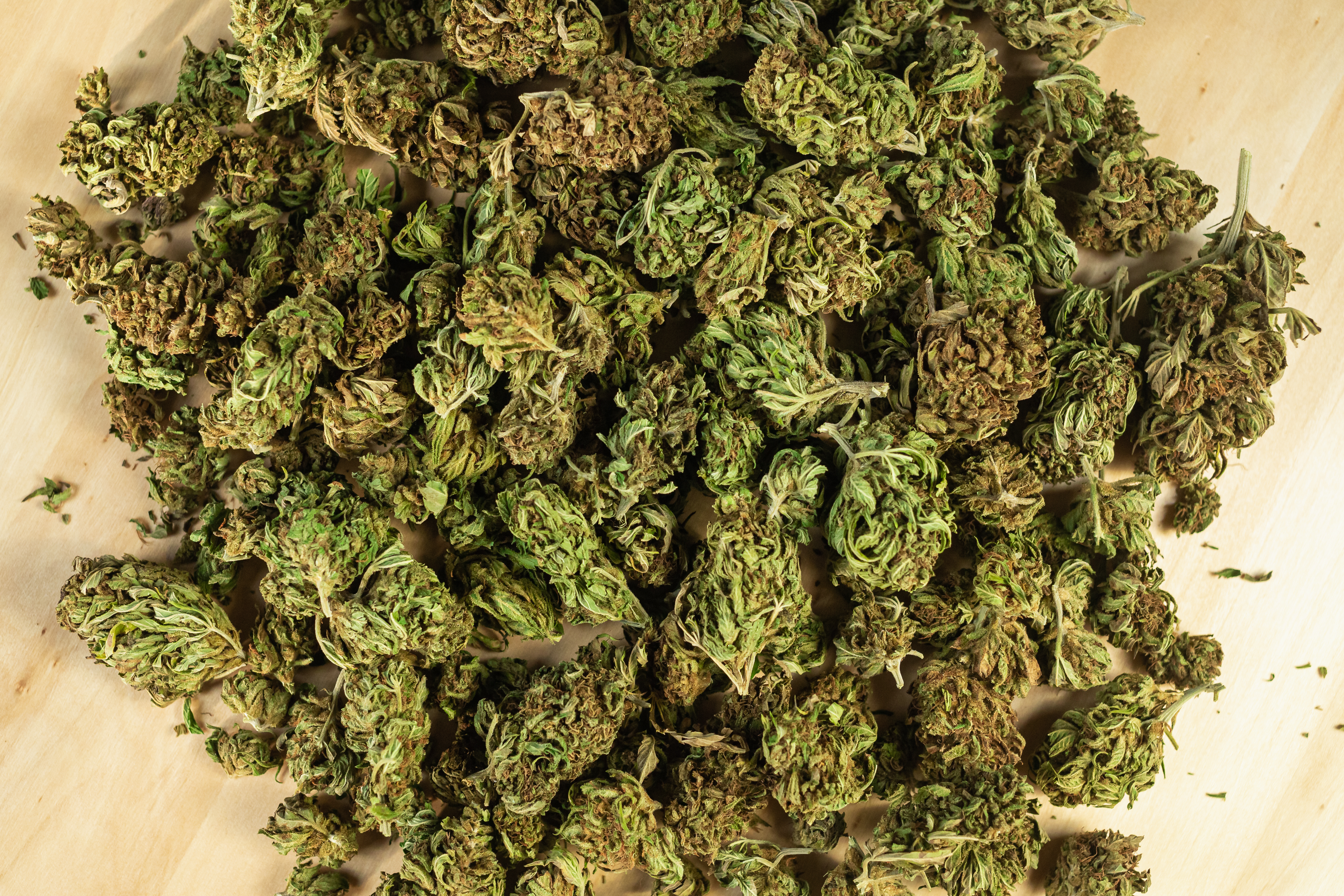


Sugar trim is a common part of cannabis harvesting, but it is often misunderstood. When cannabis flowers are harvested, they usually have small leaves growing around and between the buds. These leaves are called sugar leaves because they can appear covered with a shiny, crystal-like layer. That coating comes from trichomes, which are tiny resin glands found on the surface of cannabis flowers and nearby leaves. When growers remove these small leaves during trimming, the collected plant material is known as sugar trim.
Sugar trim is different from the larger fan leaves found on a cannabis plant. Fan leaves grow away from the flowers and play an important role in photosynthesis while the plant is alive. They usually contain fewer trichomes than the smaller leaves that grow close to the buds. Sugar leaves are located in and around the flower, so they are more likely to have resin glands on their surface. Because of this, sugar trim may still contain cannabinoids and aromatic compounds after it has been removed from the plant.
The amount and quality of sugar trim can vary from one harvest to another. Some batches may contain mostly small, frosty leaves with many visible trichomes. Other batches may include more stems, larger leaves, or small pieces of flower. The trimming method can also make a difference. Careful hand trimming may produce a different type of trim than machine trimming because the amount of flower and leaf material collected can vary. For this reason, the term sugar trim does not describe a product with one fixed level of quality or potency.
Trichomes are one of the most important reasons sugar trim has value. These small structures produce and hold many of the compounds associated with cannabis. This includes cannabinoids such as THC and CBD. Trichomes also contain terpenes, which help create the natural smell and flavor of different cannabis varieties. A sugar leaf with heavy trichome coverage may contain more of these compounds than a large leaf with little or no visible resin.
However, sugar trim is not the same as cannabis bud. Finished cannabis flower contains a higher amount of dense floral material and usually has a greater concentration of trichomes by weight. Sugar trim contains more leafy plant matter, so it is often less potent than properly trimmed flower from the same plant. It may also have a different smell, flavor, texture, and overall quality. This is one reason intact buds are normally considered more valuable than trim.
Still, sugar trim is not always treated as waste. Because it may contain useful amounts of resin, it can serve as raw material for several types of cannabis products. Depending on its quality and local regulations, it may be used in the production of kief, hash, extracts, infused products, or pre-rolls. The main goal is often to recover cannabinoids and other compounds that would otherwise be left behind in the discarded leaves.
The usefulness of sugar trim depends heavily on its condition. Fresh, clean, trichome-rich trim can have more value than trim made up mostly of dry leaves and stems. Storage also matters. Heat, air, light, and excess moisture can affect the quality of cannabis material over time. Poor storage can reduce aroma and may also increase the risk of mold if the material remains too damp. Proper handling is therefore important for both flower and trim.
Potency is another common area of confusion. Sugar trim can contain THC, but there is no single THC percentage that applies to all trim. Potency depends on the cannabis variety, growing conditions, plant maturity, trichome coverage, harvest timing, and how much flower material is mixed with the leaves. A very frosty batch may contain more cannabinoids than a batch with very little visible resin. Even so, appearance alone cannot provide an exact measure of strength. Laboratory testing is the most reliable way to determine cannabinoid levels.
People may also confuse sugar trim with shake. The two materials can look similar, but they do not always come from the same source. Sugar trim is created when small leaves are intentionally cut away from cannabis buds during processing. Shake usually refers to small pieces of flower and plant material that break off and collect at the bottom of a container during handling or storage. Understanding this difference can help explain why the quality and cannabinoid content of each product may vary.
Knowing what sugar trim is makes it easier to understand its place in cannabis processing. It is not the same as premium flower, but it is also not simply useless plant waste. Its value comes mainly from the trichomes that remain on the small leaves surrounding the buds. These resin glands may contain cannabinoids, terpenes, and other compounds that can be collected or processed in different ways.
This article explains sugar trim in greater detail, including how it forms, how it differs from fan leaves and shake, and why its potency can vary so widely. It also compares sugar trim with cannabis bud and examines common uses for this material. Later sections will cover smoking quality, extracts, hash, infused products, storage, and signs of better or lower-quality trim. By understanding these points, readers can better see why sugar trim remains an important part of cannabis harvesting and processing.
What Is Sugar Trim?
Sugar trim is the small, resin-covered plant material removed from cannabis buds during the trimming process. It mainly comes from the small leaves that grow close to the flowers. These leaves are called sugar leaves because they often look as if they have been covered with tiny crystals of sugar. Those crystals are actually trichomes, which are small resin glands found on the surface of cannabis flowers and nearby leaves.
Sugar trim is different from large fan leaves and other plant waste because it can still contain noticeable amounts of cannabinoids and terpenes. Cannabinoids are natural compounds produced by the cannabis plant, including THC and CBD. Terpenes are aromatic compounds that help create the smell and flavor of different cannabis varieties.
Because sugar trim can contain these useful plant compounds, growers and processors often save it after harvest. Instead of throwing it away, they may use it as raw material for products such as extracts, concentrates, kief, hash, pre-rolls, or infused products. The exact quality of sugar trim depends on the plant, the trimming method, and how much resin remains on the leaves.
What Sugar Trim Contains
Most sugar trim is made up of small sugar leaves that have been cut away from cannabis flowers. These leaves grow very close to the buds and may even extend from inside the flower structure. Since they develop near resin-rich flowers, their surfaces can become coated with trichomes.
Trichomes are one of the most important parts of sugar trim. They are tiny structures that produce and store many of the plant’s cannabinoids and aromatic compounds. When sugar leaves have a thick layer of trichomes, they may appear white, silver, or frosty under bright light.
Sugar trim may also contain very small pieces of cannabis flower. These pieces can break loose while the plant is being trimmed. Depending on how the trim is collected, there may also be tiny stems or pieces of less-resinous leaf material mixed into the batch.
This means that not all sugar trim has the same quality. One batch may contain mostly frosty sugar leaves and small flower pieces. Another may contain more stems, larger leaves, and less resin. The first type is usually richer in cannabinoids because it contains more trichome-covered material.
The chemical content of sugar trim also depends on the cannabis plant itself. A plant that produces high levels of THC may produce sugar trim that contains THC as well. A CBD-rich plant may produce trim containing more CBD. However, the trim will usually have a lower concentration of cannabinoids by weight than the finished flowers because it contains more leaf material.
The aroma of sugar trim can also vary. Fresh, well-handled trim may still carry some of the smell associated with the original cannabis variety. However, its aroma may be weaker than the aroma of intact flower. Storage conditions, drying, heat, air exposure, and age can all change the smell and quality of the material.
Where Sugar Trim Comes From
Sugar trim is created during cannabis harvesting and processing. When cannabis plants reach maturity, growers harvest the flowers and prepare them for drying, curing, or further processing. Before the flowers are sold or packaged, many growers remove leaves that extend from the buds.
This trimming process improves the appearance of the finished flower and reduces excess leafy material. Large fan leaves are usually removed first because they extend far away from the flowers and contain fewer visible trichomes. Smaller sugar leaves require more careful trimming because they are located close to the buds.
When these small leaves are cut away, they become sugar trim.
Sugar trim can be collected during either wet trimming or dry trimming. Wet trimming happens when leaves are removed soon after harvest, while the plant still contains a large amount of moisture. Dry trimming takes place after the branches or flowers have been dried for a period of time.
The trimming method can affect the condition of the final trim. For example, dry plant material may release trichomes more easily if it is handled roughly. Trichomes can break away from the leaves and collect as loose resin particles. Careful handling can help preserve more of these resin glands.
The way growers sort the trim also matters. Some growers separate highly resinous sugar leaves from larger leaves, stems, and other plant material. This creates a more consistent batch of sugar trim. Other operations may combine several kinds of trimmed plant material together.
For this reason, the word “trim” can describe different levels of quality. High-quality sugar trim may contain mostly small, frosty leaves taken directly from around mature flowers. Lower-grade trim may contain larger leaves, stems, and other parts of the plant with fewer trichomes.
Understanding this difference is important because the amount of resin-bearing material can affect the possible uses of the trim.
Is Sugar Trim the Same as Shake?
Sugar trim and shake are sometimes confused, but they are not exactly the same.
Sugar trim is intentionally removed from cannabis flowers during the trimming process. It mainly consists of small leaves cut away from the buds. It is a direct by-product of preparing harvested cannabis flower.
Shake, on the other hand, usually consists of small pieces of cannabis flower and plant material that naturally break away during handling, storage, transportation, or packaging. These loose particles often collect at the bottom of containers or bags that hold cannabis flower.
Because shake often comes directly from finished buds, it may contain small flower pieces, broken trichomes, and loose plant material. Its composition depends on what has broken away from the original flower.
Sugar trim usually contains a larger percentage of leaf material. Shake often contains a larger percentage of broken flower. However, there can be some overlap between the two. A container of shake may contain leaf pieces, while a batch of trim may contain small fragments of flower.
The difference is mainly based on how the material was produced. Sugar trim is created by cutting leaves away during trimming. Shake forms when small pieces naturally fall or break away from cannabis flower.
Their potency can also vary. High-quality shake made mostly from broken flower may contain more cannabinoids than leafy sugar trim. At the same time, very frosty sugar trim can still contain meaningful amounts of resin. The name alone does not provide an exact measure of potency.
Sugar trim is the small, resin-bearing plant material removed from around cannabis buds during trimming. It mainly consists of sugar leaves, which are small leaves located close to the flower and often covered with visible trichomes. These trichomes can contain cannabinoids such as THC and CBD, along with aromatic compounds called terpenes.
Sugar trim is normally collected as a by-product of preparing cannabis flower for sale or processing. Its quality can vary greatly depending on the plant, trichome coverage, trimming method, handling, and the amount of stems or larger leaves included in the batch.
Sugar trim should also not be confused with shake. Sugar trim is deliberately cut from the flowers, while shake usually consists of small pieces that break away from stored or handled buds. Understanding these differences helps explain why sugar trim can still have value even though it is not the same as finished cannabis flower.
Sugar Trim vs. Fan Leaves: What Is the Difference?
Sugar trim and fan leaves both come from the cannabis plant, but they are not the same. They differ in size, location, trichome coverage, cannabinoid content, and common use after harvest. Understanding these differences is important because growers and processors often separate these plant materials during trimming.
Sugar trim comes mainly from the small leaves that grow close to cannabis flowers. These leaves are usually covered with visible trichomes, especially when the plant reaches maturity. Fan leaves are much larger and grow farther away from the flowers. They play an important role while the plant is alive, but they usually contain fewer resin glands than sugar leaves.
Because of these differences, sugar trim is often saved for further processing. Fan leaves, on the other hand, are more commonly removed and discarded, composted, or used for other non-potent purposes. The amount of useful plant compounds in each type of leaf depends on genetics, growing conditions, plant maturity, and the location of the leaf on the plant.
What Sugar Leaves Look Like
Sugar leaves are small leaves that grow directly around and sometimes between cannabis flowers. They are usually much smaller than fan leaves and often have narrow, pointed shapes. During flowering, parts of these leaves can become covered with tiny crystal-like structures called trichomes.
These trichomes can make the leaves look as if they have been sprinkled with sugar. This appearance is where the name “sugar leaf” comes from. The coating may appear white, cloudy, or shiny depending on the plant and its stage of development.
Trichomes are important because they contain many of the compounds associated with cannabis. These include cannabinoids such as THC and CBD, as well as aromatic compounds called terpenes. Because sugar leaves grow very close to the flowers, they are often exposed to a higher concentration of these resin glands than larger leaves farther from the bud.
Not every sugar leaf has the same amount of trichomes. Some plants produce very frosty sugar leaves, while others have lighter coverage. Genetics have a major influence on this trait. Growing conditions, plant health, light exposure, and harvest timing can also affect how much resin develops.
During trimming, growers usually cut away the visible parts of sugar leaves to improve the appearance of the finished flower. The removed material becomes part of the sugar trim. Small pieces of flower and loose trichomes may also become mixed with it during this process.
What Fan Leaves Look Like
Fan leaves are the large, easily recognized leaves of the cannabis plant. They often have several long, pointed sections extending outward from the center. These leaves can grow much larger than sugar leaves and are usually attached to stems and branches rather than tightly surrounding the flowers.
Fan leaves have an important job while the cannabis plant is growing. Their broad surface allows them to collect light. The plant uses this light during photosynthesis, which is the process that helps it produce the energy needed for growth.
Healthy fan leaves support the development of stems, roots, and flowers. They can also store nutrients that the plant may use at different stages of growth.
Although fan leaves are important to the living plant, they usually contain far fewer visible trichomes than sugar leaves. Some fan leaves located near flowers may have small amounts of resin, but the coverage is normally much lighter.
This means fan leaves generally contain lower concentrations of cannabinoids than the resin-rich plant material around the flowers. For this reason, growers usually separate them from sugar trim during or after harvest.
Fan leaves are also easier to identify because of their size. A sugar leaf may be partly hidden inside a flower, while a fan leaf usually extends outward and can be several times larger.
Why Sugar Leaves Are More Valuable
Sugar leaves are generally considered more useful after harvest because they tend to carry more trichomes than fan leaves. These trichomes contain resin that may include cannabinoids and terpenes.
This does not mean sugar leaves have the same potency as cannabis buds. Flowers normally have a much greater concentration of trichomes and less leafy material. However, sugar trim may still contain enough resin to be worth saving.
The quality of sugar trim can vary widely. Trim taken from heavily frosted flowers may contain a noticeable amount of resin. Trim made from plants with fewer trichomes may contain much less. The way the plant is trimmed can also make a difference. Some batches contain mostly small resin-covered leaves, while others include stems, larger leaves, and other plant matter.
Fan leaves usually have less value for cannabinoid-based processing because they contain less resin. Their main function is plant growth rather than resin production. Once the plant is harvested, they are often removed before or during trimming.
Some growers compost fan leaves so the organic material can break down and return nutrients to the soil. Others may use them for general plant-based applications. However, they are usually not treated as equivalent to sugar trim when potency or resin content is the main concern.
The distinction also affects how harvested material is sorted. Keeping sugar trim separate from fan leaves can help maintain a more consistent batch. If large amounts of fan leaves are mixed with resin-rich trim, the overall concentration of cannabinoids and trichomes may decrease.
Sugar trim and fan leaves are different parts of the cannabis plant with different roles and characteristics. Sugar leaves are small leaves that grow close to the flowers and often develop visible trichomes. When these leaves are removed during trimming, they become part of what is known as sugar trim.
Fan leaves are much larger and mainly help the plant collect light for photosynthesis. They are essential while the plant is growing, but they normally contain fewer trichomes and lower concentrations of cannabinoids than sugar leaves.
Because sugar leaves are more likely to contain resin, sugar trim is often saved for further processing instead of being treated as waste. Fan leaves are more commonly discarded or composted after harvest. However, the exact quality of sugar trim depends on the plant’s genetics, trichome production, growing conditions, maturity, and trimming method.
Does Sugar Trim Have THC?
Sugar trim can contain THC because it comes from the small leaves that grow close to cannabis flowers. These leaves are often covered with tiny resin glands called trichomes. Trichomes produce and store many of the compounds found in cannabis, including cannabinoids and terpenes. THC is one of the main cannabinoids found in many cannabis plants, so sugar trim can contain a noticeable amount of it.
However, sugar trim is not the same as cannabis flower. Buds usually have a much higher concentration of trichomes, especially on the outer surfaces of mature flowers. Sugar trim has more leafy plant material, which means the amount of THC per gram is often lower than it is in properly trimmed flower. The exact amount can also vary greatly from one batch to another.
For this reason, sugar trim should not be treated as a product with one standard THC level. Its potency depends on the cannabis plant, how it was grown, how it was harvested, and how much resin remains on the leaves after trimming.
Cannabinoids in Sugar Trim
Sugar trim may contain several cannabinoids because the trichomes on the leaves hold the plant’s resin. In THC-rich cannabis varieties, these trichomes may contain THC and its acidic form, THCA. They can also contain smaller amounts of other cannabinoids, such as CBD, CBDA, CBG, and CBC.
The cannabinoid profile depends heavily on the genetics of the plant. Sugar trim taken from a high-THC cannabis variety will usually have a different chemical profile from trim collected from a CBD-rich plant. This means that two batches of sugar trim can look similar but have very different cannabinoid levels.
The amount of trichomes on the leaves also matters. Some cannabis plants develop sugar leaves that are heavily coated in resin. Other plants may produce leaves with much less visible trichome coverage. In general, leaves with more glandular trichomes have greater potential to contain cannabinoids, although appearance alone cannot confirm the exact amount.
Sugar trim can also include tiny pieces of flower that break away during trimming. These small flower fragments may raise the overall cannabinoid concentration of the batch. A batch made mostly from clean sugar leaves may therefore have a different potency than one containing a larger amount of loose bud material.
This variation is one reason sugar trim is often used as raw material for cannabis processing. Even though it usually contains less THC by weight than premium flower, it may still contain enough resin to be useful for products that separate or collect cannabinoids from the plant material.
Why THC Levels Vary
Genetics are one of the biggest factors affecting THC levels in sugar trim. Cannabis varieties have different natural limits for cannabinoid production. A plant bred for high THC may produce resin with a higher concentration of THC than a variety bred mainly for CBD or other traits.
Trichome coverage is another important factor. Sugar leaves that grow very close to the flowers often receive a heavier coating of resin. Leaves located farther away may have fewer trichomes. During trimming, these different leaves can become mixed together, which changes the overall strength of the final trim.
Plant maturity can also affect cannabinoid levels. Trichomes change as cannabis flowers mature. Harvesting at different stages can affect the chemical profile found in both the buds and nearby sugar leaves.
Growing conditions may also influence the final quality of the plant. Light, temperature, nutrition, plant stress, and other environmental factors can affect plant development and resin production. These factors do not create the same results in every plant, but they can contribute to differences between harvests.
Harvest timing is closely connected to maturity. Cannabis harvested earlier or later may have a different cannabinoid profile because compounds inside the trichomes continue to develop and change over time. This means sugar trim taken from different harvests of the same cultivar may not always have identical THC levels.
The way the plant is trimmed can create even more variation. Some growers separate only the small, resin-covered leaves close to the buds. Others may mix sugar leaves with larger leaves, stems, shake, or small flower pieces. A batch with more flower fragments and heavily coated leaves will often contain more cannabinoids than a batch with a high amount of plain leafy material.
Storage and handling can also affect quality after harvest. Heat, light, oxygen, and poor storage conditions may contribute to the breakdown of cannabinoids over time. As a result, older or poorly stored sugar trim may not have the same chemical profile as fresh material from the same plant.
Can You Tell Potency by Appearance?
The appearance of sugar trim can provide some clues about its quality, but it cannot accurately show how much THC it contains. Sugar trim with a thick coating of visible trichomes may have more cannabinoid-rich resin than trim that looks plain and leafy. The frosty appearance often comes from large numbers of trichomes reflecting light.
However, a frosty appearance should not be confused with an exact measure of potency. Trichomes contain many different compounds, and their appearance does not reveal the percentage of THC inside them. A leaf can look heavily coated while still having a lower THC concentration than expected.
Color is also not a reliable way to measure THC. Sugar trim may appear green, purple, orange, or brown depending on plant genetics, maturity, drying methods, and storage. These colors do not provide a dependable measurement of cannabinoid strength.
Aroma can offer information about terpenes and freshness, but it cannot confirm THC content either. A strong smell may suggest that aromatic compounds are still present, but a strong aroma does not automatically mean the trim has a high THC level.
Laboratory testing is the most reliable way to determine potency. Cannabis testing laboratories can measure the concentration of cannabinoids such as THC, THCA, CBD, and CBDA. These results provide far more useful information than judging a batch by how frosty, colorful, or aromatic it appears.
Testing is especially important when accurate potency information is needed. Because sugar trim can vary so much, estimating strength based only on its weight or appearance can lead to inaccurate results.
Sugar trim does contain THC when it comes from a THC-producing cannabis plant, but the exact amount can vary widely. The THC is mainly found in the resin produced by trichomes on the small leaves surrounding the flowers. Sugar trim can also contain CBD and other cannabinoids depending on the plant’s genetics.
Its potency is influenced by genetics, trichome coverage, plant maturity, growing conditions, harvest timing, trimming practices, and the amount of flower material mixed into the trim. Storage and handling may also affect cannabinoid quality over time.
How Potent Is Sugar Trim?
Sugar trim contains cannabinoids, but its potency can vary widely. In most cases, sugar trim is less potent than cannabis flower because it contains more leafy plant material and fewer resin-rich structures by weight. However, good-quality sugar trim can still hold a noticeable amount of THC, CBD, and other cannabinoids because the small leaves surrounding cannabis flowers are often covered with trichomes.
Trichomes are tiny resin glands found on cannabis plants. They are especially common on mature flowers, but they can also appear on nearby sugar leaves. These glands contain many of the cannabinoids and aromatic compounds produced by the plant. This is why sugar trim is often saved after harvesting instead of being treated as normal plant waste.
There is no single potency level that applies to all sugar trim. The strength depends on the cannabis variety, how much resin is present, which parts of the plant were included, and how the material was handled after harvest. Some batches may contain many frosty sugar leaves and small pieces of flower. Others may contain more plain leaf material with fewer trichomes.
Sugar Trim Potency Compared With Flower
Cannabis flower is generally more potent than sugar trim when equal amounts are compared. The main reason is the concentration of trichomes. Mature cannabis buds are usually covered with resin-producing glands, especially around the outer surfaces of the flowers. Sugar leaves may also carry trichomes, but they contain a larger amount of plain plant tissue.
For example, one gram of dried flower usually contains a higher proportion of cannabinoid-rich resin than one gram of sugar trim. A gram of sugar trim may include leaf tissue, tiny stems, and other plant material that does not contain cannabinoids at the same level as the resinous parts of the plant.
This does not mean that sugar trim has no value. Trim taken from highly resinous flowers can still contain useful levels of cannabinoids. Small pieces of flower may also fall into the trim during harvesting. These pieces can raise the average cannabinoid content of the batch.
The way the plant is trimmed can also make a major difference. Careful trimming may produce sugar trim that mainly consists of small, frosty leaves close to the flowers. A less selective trimming process may mix those leaves with larger pieces of plant material. As a result, two bags labeled as sugar trim can have very different levels of potency.
Flower is usually preferred when consistent quality and higher cannabinoid concentration are important. Sugar trim is more often viewed as secondary plant material that still contains useful resin. This is one reason it is commonly used as raw material for other cannabis products rather than being valued in the same way as intact flower.
Why There Is No Standard THC Percentage
There is no standard THC percentage for sugar trim because cannabis plants and trimming methods vary too much. It would be inaccurate to assume that all trim contains a certain amount of THC.
Genetics are one major factor. Different cannabis varieties naturally produce different levels of THC, CBD, and other cannabinoids. Sugar trim taken from a high-THC plant may contain more THC than trim from a lower-potency variety. However, even plants from the same variety can produce different cannabinoid levels because of growing conditions and plant development.
Harvest timing can also affect potency. Cannabinoids develop as the flowers mature, and trichomes change during the plant’s life cycle. Material collected from plants harvested at different stages may therefore have different cannabinoid profiles.
The composition of the trim also matters. Some batches contain mostly resin-covered sugar leaves. Others contain larger leaves, stems, or loose plant material. Small pieces of flower can sometimes become mixed into the trim as well. A batch containing more flower fragments may test higher than one made almost entirely from leaves.
Handling after harvest can create even more variation. Trichomes are small and delicate. Rough handling can cause them to break away from the leaves. Heat, light, air, and poor storage conditions may also affect the quality of cannabis material over time.
Because so many factors are involved, laboratory testing is the most reliable way to know the THC concentration of a specific batch. Estimating potency based only on the weight, smell, strain name, or appearance of sugar trim cannot provide an exact result.
Does Frostier Sugar Trim Mean Stronger Trim?
Frosty sugar trim can be a sign of greater trichome coverage. The white or crystal-like appearance seen on some sugar leaves comes from large numbers of tiny resin glands. Since these glands contain cannabinoids, heavily coated trim may have more cannabinoid-rich material than leaves with very few visible trichomes.
However, appearance alone cannot prove how strong the trim is.
Two batches can look equally frosty while containing different levels of THC. This is because trichomes contain several compounds, and their cannabinoid profiles can vary according to genetics and plant development. A plant with visible resin does not automatically have an extremely high THC level.
Lighting can also make trim appear frostier than it really is. Fine plant hairs, dust, or damaged plant material may sometimes be mistaken for trichomes when viewed without magnification.
The condition of the trichomes is also important. Old or poorly stored sugar trim may still appear to have visible resin, but its chemical profile may have changed over time. Exposure to heat, oxygen, and light can reduce the quality of cannabis material during storage.
Frostiness is therefore better used as a general quality clue rather than an exact measure of potency. A strong resin coating suggests that the leaves developed close to cannabinoid-rich flowers, but laboratory analysis is needed to determine the actual percentage of THC, CBD, or other cannabinoids.
Sugar trim can contain meaningful levels of cannabinoids because the small leaves around cannabis flowers often carry resin-producing trichomes. However, it is generally less potent by weight than finished flower because it contains a larger proportion of leafy plant material.
There is no standard THC percentage for sugar trim. Potency can change based on genetics, plant maturity, trichome coverage, harvest timing, trimming methods, flower fragments, handling, and storage conditions. Even two batches from similar plants may have different cannabinoid levels.
A frosty appearance may suggest that sugar trim contains more resin, but it cannot provide an exact measure of strength. Visible trichomes are only one sign of potential quality. Reliable laboratory testing remains the best way to determine actual cannabinoid content. For this reason, sugar trim should be viewed as variable cannabis material whose potency depends heavily on the plant and the way the trim was collected and stored.
Sugar Trim vs. Bud: What Is the Difference?
Sugar trim and cannabis bud come from the same plant, but they are not the same product. Bud, also called flower, is the dense flowering part of the cannabis plant. Sugar trim is made up mainly of the small leaves that grow around those flowers. These leaves often have a visible layer of trichomes, which gives them a frosty or sugar-like look.
Both sugar trim and bud can contain cannabinoids such as THC and CBD. They can also contain terpenes, which help give cannabis its smell and flavor. However, bud usually contains more cannabinoids and resin by weight because it has a higher concentration of trichomes and less leafy material.
The differences between sugar trim and bud affect their appearance, potency, flavor, value, and common uses. Understanding these differences can help explain why cannabis flower is usually treated as the main product while sugar trim is often used as a secondary processing material.
Appearance and Plant Material
Cannabis bud has a dense and compact structure made up of clusters of flowers. Depending on the cultivar, buds may appear green, purple, orange, or a mix of several colors. They may also have visible hairs called pistils and a thick coating of resin-producing trichomes.
Sugar trim looks much more leafy. It is mainly made of small sugar leaves that have been cut away from the outside of cannabis buds during trimming. Some batches may also contain tiny pieces of flower that break off during the trimming process.
The amount of flower mixed into sugar trim can vary. High-quality trim may contain many small resin-covered leaves and pieces of bud. Lower-quality trim may contain more plain leaf material, stems, or other plant matter.
Sugar leaves usually grow directly around and between cannabis flowers. Because they are close to the developing buds, they can collect a noticeable layer of trichomes. This is one reason they are often saved after trimming instead of being thrown away.
Bud, however, contains a much larger percentage of flower tissue and resin-rich surfaces. For this reason, a gram of bud generally contains more desirable cannabis material than a gram of sugar trim.
Potency
One of the biggest differences between sugar trim and bud is potency. Cannabis flower is normally more potent by weight because it contains more trichomes and less non-resinous leaf material.
Trichomes are tiny gland-like structures that form on the surface of cannabis flowers and nearby leaves. These structures produce and store cannabinoids such as THC and CBD. They also contain many of the terpenes that affect aroma and flavor.
Sugar trim can still contain a meaningful amount of cannabinoids because many sugar leaves are covered with trichomes. However, the cannabinoid content is often more diluted by the larger amount of leaf tissue.
There is no single THC percentage that applies to all sugar trim. Potency can change based on the cannabis cultivar, growing conditions, harvest timing, trimming method, and amount of flower mixed into the trim.
For example, trim from a highly resinous plant may contain more cannabinoids than trim from a plant with limited trichome production. A batch containing many small flower pieces may also be stronger than a batch made mostly of leaves.
This makes sugar trim less predictable than tested flower. The only reliable way to know its cannabinoid content is through laboratory testing.
Flavor and Aroma
Bud is generally preferred when strong flavor and aroma are important. Cannabis flower often contains a higher concentration of trichomes and terpenes, which can create a more noticeable smell and taste.
Sugar trim may still have a clear cannabis aroma, especially when it is fresh and rich in trichomes. However, the larger amount of leaf material can change the experience.
Leaves contain plant compounds such as chlorophyll. When there is more leafy material, the flavor may seem greener, more plant-like, or harsher compared with well-trimmed flower.
The way sugar trim is handled also affects its aroma. Heat, air, light, and poor storage can cause terpenes to break down or evaporate. Old or poorly stored trim may therefore have a weaker smell than fresh material.
Bud can also lose aroma when stored badly, but high-quality flower often begins with a greater concentration of aromatic compounds. This usually gives it an advantage when flavor and smell are compared directly.
Market Value
Sugar trim is normally worth less than cannabis flower. One reason is that bud is the main harvested product and usually has greater cannabinoid concentration, better appearance, and stronger consumer demand.
Premium cannabis flower often requires careful growing, harvesting, drying, curing, and trimming. Buds may be sorted by size, appearance, density, and quality before they are packaged.
Sugar trim is usually produced as a secondary material during that trimming process. It does not have the same appearance as finished flower and often contains more leaf tissue. Because of these differences, it is commonly sold or processed at a lower value.
However, sugar trim is not necessarily waste. Resin-rich trim can still have value because cannabinoids and terpenes remain on the leaves. Cannabis processors may use it as raw material for other products rather than using higher-priced flower.
Its exact value can depend on quality. Trim with heavy trichome coverage and many small flower pieces may be more useful than material containing large amounts of stems or low-resin leaves.
Best Uses
Bud and sugar trim are often used for different purposes because of their differences in quality and concentration.
Cannabis flower is commonly kept intact because its appearance, potency, flavor, and aroma can make it suitable as a finished product. Preserving whole buds also avoids losing the value of the flower by mixing it with lower-potency plant material.
Sugar trim is more commonly treated as processing material. Its resin content means it may still be useful for products where cannabinoids or trichomes are separated or incorporated into another form.
For example, resin-rich trim may be used as material for producing kief, hash, extracts, infused ingredients, or some types of pre-roll products. In these cases, the appearance of the original leaves may matter less than the cannabinoids and resin they contain.
The quality of the trim is still important. Fresh, clean, trichome-rich material is generally more useful than old, damaged, moldy, or heavily stemmed trim. Proper storage after harvest can also help preserve cannabinoids and aromatic compounds until the material is processed.
Sugar trim and bud come from the same cannabis plant, but they differ in structure, potency, flavor, value, and common use. Bud is the dense flowering part of the plant and usually contains a higher concentration of trichomes, cannabinoids, and terpenes. Sugar trim consists mainly of the small resin-covered leaves removed from around the buds during trimming.
Because sugar trim contains more leaf material, it is generally less potent by weight and may have a more plant-like or harsh flavor compared with finished flower. It also tends to have a lower market value. However, its trichomes can still contain useful amounts of cannabinoids and aromatic compounds.
Can You Smoke Sugar Trim?
Sugar trim can be smoked because it contains trichomes that may hold THC, CBD, terpenes, and other cannabis compounds. However, it is usually not considered as desirable as properly trimmed cannabis flower. Sugar trim contains more leafy plant material, so the smoke can be harsher and the flavor may be less pleasant. Its strength can also vary widely depending on the plant, the amount of resin on the leaves, and how the trim was collected.
Sugar trim comes from the small leaves that grow around cannabis buds. These leaves are often covered with tiny resin glands called trichomes. Trichomes are important because they contain many of the cannabinoids and aromatic compounds found in the plant. When the leaves are heavily coated with trichomes, sugar trim may still have noticeable effects when smoked.
Still, sugar trim is different from whole cannabis buds. Buds usually contain a higher concentration of resin-rich flower material and less leaf matter. This is one reason flower is usually preferred for smoking. Sugar trim can be used, but its quality depends greatly on the amount of trichomes present and how much plain leaf material is mixed in.
Is Sugar Trim Smokable?
Yes, sugar trim is smokable when it has been properly dried and stored. Since the small leaves surrounding cannabis flowers may contain resin, they can still hold active cannabinoids. Some sugar trim may even appear very frosty because of the large number of visible trichomes on its surface.
However, not all sugar trim is equal. Some batches contain many resin-covered leaves and small pieces of flower. Other batches may contain mostly green leaf material with only a light coating of trichomes. These differences can affect both strength and smoking quality.
Sugar trim is usually less potent by weight than cannabis flower. This is because the trim contains more plant tissue and fewer resin glands overall. A person may therefore notice weaker effects compared with smoking the same amount of high-quality flower.
The moisture level also matters. Trim that is too wet may burn poorly and can be at greater risk of mold. Trim that is extremely dry may burn very quickly and create a hot, unpleasant smoke. Proper drying and storage help protect the quality of the material.
Sugar trim should also be checked for signs of contamination before any use. Material with visible mold, unusual odors, or excessive moisture should not be consumed. Good storage practices are important because plant material can lose quality over time when exposed to heat, air, moisture, and light.
Why Sugar Trim Can Taste Harsher
One of the main differences between sugar trim and flower is the amount of leafy material. Cannabis leaves contain more plant fiber and chlorophyll than the dense flower itself. When this material burns, it can create a rougher smoking experience.
Chlorophyll is the green pigment that allows plants to absorb light. It is necessary while the plant is growing, but large amounts of leafy material can affect the taste of dried cannabis. Sugar trim may therefore have a stronger green or plant-like flavor than properly cured flower.
The way the trim is dried can also influence harshness. If plant material is dried too quickly or stored under poor conditions, its flavor and aroma may be less pleasant. Careful handling can help preserve terpenes while reducing some of the unwanted qualities associated with leafy material.
Terpenes are aromatic compounds that contribute to the smell and flavor of cannabis. They may produce citrus, pine, earthy, floral, spicy, or other aromas depending on the plant variety. Sugar trim can contain terpenes because the trichomes on the leaves carry many of these compounds. However, the larger amount of leaf tissue may make those flavors less clear than they are in flower.
Another issue is the ratio of resin to plant material. A heavily frosted piece of sugar trim may provide a smoother and more flavorful experience than a plain leaf with few visible trichomes. For this reason, the term “sugar trim” alone does not tell a person exactly how good the smoking quality will be.
Sugar Trim in Pre-Rolls
Sugar trim is sometimes used in pre-rolls because it still contains cannabis compounds and can be easier to process than whole buds. Pre-roll products can vary greatly in what they contain. Some may use mostly ground flower, while others may contain a mixture of flower and trim.
High-quality sugar trim that contains visible resin and small flower pieces may provide stronger effects than low-quality trim made mostly from plain leaves. This is why the quality of the starting material is important.
The presence of trim can also affect flavor. A pre-roll made mainly from whole flower may provide a stronger aroma and smoother smoke because it contains less leaf material. A pre-roll with a high percentage of trim may taste more herbal or grassy and may feel harsher when burned.
Consumers cannot always judge what is inside a pre-roll simply by looking at the outside. Product labels and information from licensed producers may provide useful details about cannabinoid content and ingredients. Laboratory testing is especially useful because it can show THC and CBD levels more accurately than appearance alone.
Sugar trim can also help reduce waste during cannabis processing. The small resinous leaves removed from flower still contain useful compounds. Instead of throwing them away, producers may use them in pre-rolls or process them for other products. This allows more of the harvested plant material to be used.
Sugar trim can be smoked because the small leaves around cannabis buds often contain cannabinoid-rich trichomes. However, it is usually less potent and less smooth than whole cannabis flower. The extra leaf material can create a harsher taste, while the lower concentration of resin may lead to weaker effects.
Quality can vary greatly from one batch of sugar trim to another. Frosty trim with many trichomes and small pieces of flower may be more desirable than trim that contains mostly plain leaves and stems. Drying, curing, storage, and plant genetics can also affect flavor and strength.
Sugar trim is sometimes used in pre-rolls, either by itself or mixed with flower. While it can still provide cannabinoids and terpenes, whole flower is generally preferred when flavor, smoothness, and higher potency are the main goals. Understanding these differences helps explain why sugar trim has value even though it is not the same as premium cannabis bud.
What Can Sugar Trim Be Used For?
Sugar trim may look like leftover plant material, but it can still contain useful cannabinoids and terpenes. The small leaves around cannabis flowers often have a visible layer of trichomes. These tiny resin glands contain compounds such as THC, CBD, and aromatic terpenes. Because of this, sugar trim is often saved after harvest instead of being thrown away.
Sugar trim is usually less potent than whole cannabis flower because it contains more leafy material. However, it can still be useful in products where cannabinoids and resin are separated or processed. The quality of the trim also matters. Trim with heavy trichome coverage may have more value than trim that contains mostly dry leaves and stems.
Common uses include concentrates, hash, kief, infused products, and pre-rolls. The best use often depends on the quality, freshness, and amount of resin found on the material.
Concentrates and Extracts
Sugar trim is often used as raw material for cannabis concentrates and extracts. This is because the resin glands on the leaves still contain cannabinoids and terpenes. Instead of using whole premium buds, processors can use resin-rich trim to recover some of these compounds.
The main goal of extraction is to separate useful compounds from the larger amount of plant matter. Whole flower usually contains more resin per gram, but sugar trim can still contain enough trichomes to make processing worthwhile.
The quality of the starting trim can affect the final result. Sugar trim with many visible trichomes may provide a better yield than material made up mainly of larger leaves or stems. Freshness also matters because cannabinoids and terpenes can slowly break down when exposed to heat, light, air, and poor storage conditions.
Using sugar trim for extraction can also reduce waste from a cannabis harvest. After flowers are trimmed for appearance and sale, a significant amount of smaller resin-bearing material can remain. Processing that material allows producers to make use of compounds that would otherwise be discarded.
It is important to understand that the strength of a finished concentrate does not show how strong the original sugar trim was. Extraction concentrates certain compounds into a smaller amount of material, so the finished product may have a much higher cannabinoid concentration than the trim itself.
Hash and Kief
Sugar trim can also be used as source material for hash and kief. Both products are linked to the trichomes found on cannabis plants.
Kief is made up mainly of tiny resin glands that have separated from the plant surface. Since sugar leaves can have many of these glands, they can provide material for collecting kief. The amount collected depends heavily on how resinous the trim is.
Sugar trim from a plant with dense trichome coverage may produce more usable resin than trim from a plant with fewer trichomes. The way the trim was handled can also affect the amount that remains. Rough handling may cause some trichomes to break away before the material is collected.
Hash is another cannabis product made by collecting and concentrating resin glands. Sugar trim can serve as a useful starting material because it often contains enough trichomes to make resin separation possible.
The quality of hash or kief made from trim depends on the quality of the starting material. Clean, resin-rich sugar leaves are usually more useful than trim containing large stems, fan leaves, dirt, mold, or other unwanted material.
These uses help explain why sugar trim should not automatically be treated as waste. Although it may not have the same value as trimmed cannabis buds, the resin on the leaves can still contain a useful amount of cannabinoids and other plant compounds.
Edible Products
Sugar trim is sometimes used as an ingredient in cannabis-infused products. The main reason is that cannabinoids remain in the trichomes attached to the leaves.
However, sugar trim can be difficult to measure accurately for potency. One batch may contain much more THC or CBD than another. Even trim collected from the same general type of cannabis plant can vary depending on genetics, growing conditions, harvest timing, and the amount of flower material mixed into it.
Because of this variation, simply weighing sugar trim does not provide an accurate measurement of cannabinoid content. Laboratory testing is the most reliable way to determine the actual amount of THC, CBD, and other cannabinoids in a sample.
Cannabinoids in raw cannabis also often exist in acidic forms. For example, much of the THC potential in fresh or untreated plant material may be present as THCA. Heat can cause a chemical change known as decarboxylation, which converts some acidic cannabinoids into their active forms.
When sugar trim is used in commercial infused products, accurate testing and controlled processing are especially important. These steps help manufacturers create products with more predictable cannabinoid levels.
Pre-Rolls
Sugar trim may also be used in cannabis pre-rolls. Some pre-roll products contain flower only, while others may include a mixture of flower and trim.
The quality can vary greatly depending on what type of trim is used. Resin-rich sugar trim is very different from large fan leaves, stems, or poorly processed plant waste. Sugar trim still contains some of the resin found near cannabis flowers, which is why it may be included in lower-cost pre-rolls or blended products.
However, trim usually contains more leaf material than whole flower. This can affect how the product burns, tastes, and smells. Cannabis leaves contain more fibrous plant material and generally less resin than the flower itself. As a result, a pre-roll made mainly from trim may not provide the same experience as one made from high-quality flower.
Consumers cannot always determine what is inside a pre-roll by looking at the outside. Product labels, testing information, and ingredient descriptions may provide better information about the material used.
Other Cannabis Products
Sugar trim can be used in several other processed cannabis products because it still contains resin-bearing plant material. Commercial producers may view it as a secondary raw material that can be processed instead of discarded.
Its value depends on the amount and quality of resin it contains. Very leafy trim with few visible trichomes may have limited use. In contrast, trim collected closely around mature flowers may contain enough resin to make it suitable for further processing.
Proper storage is important before any type of processing. High humidity can increase the risk of mold, while excessive heat, light, and air exposure can damage cannabinoids and terpenes over time. Clean handling is also important because contaminants present in the starting material can affect the quality of the final product.
For producers, using sugar trim can help make better use of the cannabis plant. Premium flower is often kept for products where appearance, aroma, and flower quality matter most. Sugar trim can then be directed toward products where resin is separated or processed.
Sugar trim has several possible uses because the small leaves around cannabis flowers can still carry cannabinoid-rich trichomes. It may be processed into concentrates, hash, kief, infused products, and pre-rolls. It can also serve as a lower-cost raw material for other processed cannabis products.
The value of sugar trim depends mainly on its resin content, cleanliness, freshness, and overall quality. Trim covered in visible trichomes usually has more processing potential than material made up mostly of large leaves and stems. However, appearance alone cannot confirm potency.
Sugar trim is generally less potent than whole cannabis flower, but it is not simply useless plant waste. When collected and stored correctly, it can provide a practical way to recover cannabinoids and terpenes from material removed during trimming. This makes sugar trim an important secondary product from the cannabis harvest.
Sugar Trim for Edibles: What Should You Know?
Sugar trim is often saved after cannabis flowers are harvested because it can still contain useful cannabinoids. The small leaves found close to the flowers are usually covered with more trichomes than large fan leaves. These trichomes are tiny resin glands that may contain THC, CBD, terpenes, and other cannabis compounds. Because of this, sugar trim is sometimes used as a raw material for edible cannabis products instead of being thrown away.
However, sugar trim is not the same as finished cannabis flower. Its cannabinoid content can be much less predictable. One batch may contain many resin-rich leaves and small pieces of flower, while another may contain mostly leafy plant material. This makes sugar trim harder to measure accurately when it is being considered for edible products. Understanding its limits is important because edible cannabis products can have effects that last much longer than inhaled cannabis.
Why Sugar Trim Is Used
One reason sugar trim is used for edible products is that it still contains cannabinoid-rich resin. During trimming, small leaves are removed from around the flowers to improve the appearance and quality of the finished buds. These leaves may look less valuable than flower, but many of them carry visible trichomes.
Saving this material can reduce waste. Instead of discarding all trimmed leaves, producers may collect the most resin-covered pieces for further processing. The cannabinoids found in the trichomes can then become part of an infused ingredient or another cannabis product.
Sugar trim may also be less valuable than whole flower on its own. Premium cannabis flower is normally sold because of its appearance, aroma, potency, and overall quality. Using high-quality flower for processing can therefore be more expensive. Sugar trim provides another source of cannabinoids without requiring the use of intact buds.
The quality of the trim still matters. Trim that contains many sugar leaves and small flower pieces may carry more cannabinoids than trim filled with stems and large fan leaves. For this reason, the term “sugar trim” should not be treated as a guarantee of strength or quality.
Potency Challenges
Potency is one of the biggest concerns when sugar trim is used in edible cannabis products. It is difficult to know the exact amount of THC, CBD, or other cannabinoids in trim simply by looking at it.
A very frosty batch may appear stronger because it has more visible trichomes. However, appearance alone cannot provide an accurate cannabinoid percentage. Different cannabis plants can produce different amounts of cannabinoids, even when the leaves look similar.
The contents of each trim batch can also vary. One container may include many small pieces of flower, while another may contain mostly thin sugar leaves. Small flower fragments can raise the overall cannabinoid level because flowers usually contain more resin than leaves.
Plant genetics, harvest timing, growing conditions, drying, storage, and handling can also affect potency. Trichomes may break away from the leaves during handling. Heat, light, oxygen, and long storage periods may also affect some cannabis compounds over time.
Because of these differences, estimating edible potency based only on the weight of sugar trim can be unreliable. A certain weight from one harvest may contain a very different amount of THC from the same weight taken from another harvest.
This becomes especially important with edible products. Unlike inhaled cannabis, edible cannabis can take longer to produce noticeable effects. Those effects can also last for several hours. If the strength of the starting material is unknown, it becomes harder to predict the strength of the finished product.
Laboratory testing is the most reliable way to determine cannabinoid levels. Licensed producers often use testing to measure compounds such as THC and CBD before products are labeled or sold.
Decarboxylation and Processing
Cannabis plants naturally contain many cannabinoids in acidic forms. For example, fresh or untreated cannabis commonly contains THCA rather than large amounts of active THC. Heat can cause a chemical change known as decarboxylation.
During decarboxylation, part of the cannabinoid molecule is removed through a chemical reaction. This changes compounds such as THCA into THC. A similar process can change CBDA into CBD.
This is one reason heat is important in many types of cannabis processing. The process changes the chemical form of cannabinoids so they can interact differently with the human body.
The amount of heat and the way cannabis is processed can affect the final chemical profile. Too much heat may damage some cannabinoids and aromatic compounds, while incomplete processing may leave more cannabinoids in their acidic forms.
Sugar trim can go through the same general chemical changes as cannabis flower because the trichomes on the leaves contain many of the same compounds. The main difference is that sugar trim usually contains more leaf material and may contain fewer cannabinoids by weight.
Processing also does not make an unknown starting material predictable. If the cannabinoid level of the original trim is uncertain, the exact potency of a finished edible product may also remain uncertain without testing.
Why Testing Matters
Testing is important when consistent cannabinoid levels are needed. This is especially true for commercial products, where consumers depend on labels to understand how much THC, CBD, or other cannabinoids a serving contains.
Visual inspection cannot replace laboratory testing. Frosty leaves may suggest good resin production, but the appearance of trichomes does not reveal an exact THC percentage. Smell is also not a reliable measure of potency because aroma mainly comes from compounds such as terpenes rather than cannabinoid strength.
Laboratory analysis can measure the amount of specific cannabinoids in a sample. This information allows producers to better understand the strength of their starting material and final products.
Testing can also help identify contaminants. Depending on local regulations, cannabis testing may check for substances such as pesticides, heavy metals, microbes, mold, or unwanted chemical residues. These checks are important for products that will be consumed.
People should also remember that edible cannabis affects individuals differently. The same labeled amount may feel stronger or weaker depending on body chemistry, previous cannabis exposure, food intake, and other factors. Products with uncertain potency create even more unpredictability.
Sugar trim can be useful for edible cannabis products because its resin-covered leaves may still contain THC, CBD, and other cannabinoids. Using this material can reduce waste and provide an alternative to processing whole cannabis flowers. However, sugar trim has one major limitation: its potency can vary greatly from one batch to another.
The amount of resin, flower fragments, leaf material, plant genetics, storage conditions, and handling methods can all affect cannabinoid levels. Decarboxylation can change acidic cannabinoids into other chemical forms, but processing does not solve the problem of unknown starting potency. For this reason, weight, appearance, or frostiness should not be used as exact measures of strength. When accurate and consistent cannabinoid levels are important, laboratory testing provides the most reliable information.
Sugar Trim for Concentrates and Hash
Sugar trim is often saved because it still contains many of the same resin glands found on cannabis flowers. These resin glands are called trichomes. They are small structures that form mainly on the surface of buds and nearby sugar leaves. Trichomes contain many of the plant’s cannabinoids and aromatic compounds. Because sugar trim can hold a noticeable amount of these resin glands, it may be used as raw material for concentrates and hash instead of being treated as simple plant waste.
The quality of the final product depends greatly on the quality of the trim. Sugar trim with heavy trichome coverage may contain more useful resin than trim made mostly from large leaves and stems. However, sugar trim is usually less concentrated in cannabinoids than whole cannabis flower because it contains a larger amount of leafy plant matter. Processing can separate or concentrate some of the resin, which is why the resulting product may be stronger than the original trim.
Why Trichomes Matter
Trichomes are one of the most important parts of cannabis when discussing concentrates and hash. They often appear as tiny crystal-like structures on the surface of the flower and sugar leaves. To the eye, heavy trichome coverage may make the plant look frosty or coated in fine sugar.
These glands produce and store cannabinoids such as THC and CBD. They also contain terpenes, which are compounds that contribute to the plant’s aroma and flavor. Different cannabis varieties can produce different levels and types of these compounds.
Sugar leaves grow very close to the flower, so they can develop more trichomes than larger fan leaves. This is the main reason sugar trim is often considered more useful than ordinary leaf waste. Although the leaves themselves may contain only limited amounts of cannabinoids, the resin glands attached to them can contain much higher concentrations.
The amount of resin can vary widely. Some plants develop thick layers of visible trichomes, while others have lighter coverage. Growing conditions, genetics, harvest timing, plant health, and handling can all influence how much resin remains on the trim.
Trichomes are also delicate. Rough handling may cause some of them to break away from the plant material. Heat, light, oxygen, and poor storage conditions may also reduce the quality of certain cannabinoids and terpenes over time. For this reason, fresh and carefully handled sugar trim is usually considered better processing material than trim that has been exposed to poor conditions.
Sugar Trim as Extraction Material
Cannabis processors may use sugar trim as a source material because it contains resin without requiring the use of premium whole flower. Whole flower normally has greater market value because it contains more concentrated resin and has a more desirable appearance. Using high-quality buds only as processing material may therefore be less economical in some situations.
Sugar trim gives producers another option. Instead of throwing away resin-bearing leaves removed during trimming, the material can be used in products where the appearance of the original plant matter is less important. The focus shifts from the shape of the flower to the compounds contained in the resin.
Concentrates are cannabis products in which certain plant compounds have been separated or concentrated from a larger amount of plant material. Hash is one traditional type of concentrated cannabis product. Different processing methods exist, but the main idea is similar: the resin-rich portion of the plant becomes more concentrated compared with the original leafy material.
This explains why a product made from sugar trim can sometimes be more potent than the trim itself. The original trim contains both resin and a large amount of plant tissue. After processing, the final material may contain a larger proportion of resin and a smaller proportion of unwanted leaf matter.
However, this does not mean that all trim produces the same results. Low-quality trim with few trichomes may provide much less resin than carefully collected trim with heavy trichome coverage. The cannabinoid content of the original plant also affects the final result.
Commercial producers often use laboratory testing to understand the cannabinoid profile of both raw material and finished products. Testing is important because visual appearance alone cannot show exactly how much THC, CBD, or other cannabinoids are present.
Quality Factors
Trichome density is one of the first factors that can affect the value of sugar trim for concentrates or hash. Trim covered with visible resin glands generally contains more useful material than trim made mainly from plain leaves. However, appearance is only one part of quality.
Freshness also matters. Cannabis compounds can change when plant material is stored for long periods, especially when it is exposed to heat, air, or strong light. Terpenes can be especially sensitive because many of them are volatile compounds. As they are lost, the smell and flavor of the material may become weaker.
Handling can also influence quality. Trichomes can break away from plant material when trim is moved, crushed, or handled roughly. Careful handling helps preserve more of the resin that makes sugar trim useful.
Contamination is another major concern. Plant material should be free from mold, dirt, insects, and other unwanted substances. Mold is especially important because cannabis trim can develop fungal growth if it contains too much moisture or is stored under poor conditions. Material with visible mold or a strong musty smell should not be considered high-quality processing material.
Storage conditions are closely connected to freshness and contamination. Excessive moisture can encourage microbial growth, while very dry or hot conditions may reduce aroma and overall quality. Light and oxygen may also contribute to the gradual breakdown of some cannabis compounds.
The amount of unwanted leaf material is another factor. Sugar trim that contains many stems, large fan leaves, or other low-resin material will usually have a lower concentration of trichomes by weight. Cleaner trim made mostly from small resin-covered leaves tends to be more valuable because a greater portion of the material contains useful resin.
Plant genetics also play a role. Some cannabis varieties naturally produce heavier trichome coverage than others. Two batches of sugar trim that look similar in weight may therefore contain very different cannabinoid and terpene levels.
Sugar trim can be useful for concentrates and hash because it often carries resin-rich trichomes from the areas surrounding cannabis flowers. These trichomes contain cannabinoids and terpenes, making sugar trim more valuable than ordinary fan leaves or other low-resin plant material.
The main advantage of using sugar trim is that it allows resin-bearing material from the trimming process to be used instead of discarded. When resin is separated or concentrated from the leafy material, the resulting product may contain a higher concentration of cannabinoids than the original trim.
Quality can vary greatly from one batch to another. Trichome density, genetics, freshness, handling, contamination, storage conditions, and the amount of unwanted leaf matter all affect the value of sugar trim as processing material. For this reason, sugar trim should not be judged by weight or appearance alone. Laboratory testing provides a more reliable way to measure cannabinoid levels and understand the true potency of both the trim and any products made from it.
How to Identify and Store Good-Quality Sugar Trim
Sugar trim can vary a lot in quality. Some batches contain many resin-covered leaves and small pieces of flower, while others contain more stems, dry leaves, and unwanted plant material. Knowing what to look for can help you understand whether sugar trim has been handled and stored well. Quality is often linked to trichome coverage, freshness, moisture level, cleanliness, and storage conditions.
Good sugar trim should come mainly from the small leaves that grow close to cannabis flowers. These leaves are often covered with visible trichomes. Trichomes are tiny resin glands that contain many of the plant’s cannabinoids and aromatic compounds. The more intact trichomes the trim has, the more useful it may be for certain cannabis products.
However, appearance alone cannot confirm potency. A frosty batch may contain more visible resin, but only laboratory testing can measure cannabinoid levels with accuracy. Quality should therefore be judged by several factors rather than by one feature alone.
Signs of Better Sugar Trim
High-quality sugar trim usually has visible trichome coverage. Under bright light, the surface may look frosty or slightly sparkling. This appearance comes from resin glands found on the small leaves around the flower. Trim with many intact trichomes is often more desirable because those glands contain cannabinoids such as THC and CBD, as well as aromatic compounds called terpenes.
The aroma can also provide useful clues. Fresh, properly stored sugar trim may still carry some of the natural scent of the cannabis variety it came from. The smell may be earthy, citrus-like, fruity, herbal, pine-like, or spicy depending on the plant. A noticeable natural aroma may suggest that some terpenes remain in the material.
Good sugar trim should also be properly dried. It should not feel wet, damp, or sticky from excess moisture. At the same time, it should not be so dry that it turns to powder with light handling. Proper drying helps protect the material during storage and lowers the risk of mold growth.
Another sign of better trim is the amount of unwanted plant material. Sugar trim should mainly contain small resin-bearing leaves. A small number of fine stems or flower pieces may be present, but large fan leaves and thick stems should not make up most of the batch. A high amount of these materials lowers the overall concentration of resin-rich plant matter.
Cleanliness is also important. Good-quality trim should be free from visible dirt, insects, webbing, mold, and other contaminants. Material that was handled carefully during harvest, drying, trimming, and storage is more likely to remain clean and useful.
Signs of Poor-Quality Trim
Poor-quality sugar trim often contains too many large leaves or thick stems. Fan leaves usually have far fewer trichomes than the smaller leaves located close to the flower. When a batch contains a large amount of low-resin material, its overall cannabinoid content may be lower.
An unusual or unpleasant smell can also be a warning sign. A musty, damp, or basement-like odor may suggest that the material was stored with too much moisture. Mold can sometimes develop when cannabis plant material remains damp in a closed environment.
Visible mold is a serious sign of poor quality. It may appear as fuzzy white, gray, or unusual-colored growth. Moldy cannabis material should not be confused with trichomes. Trichomes usually look like tiny crystals or glands, while mold often appears soft, fuzzy, web-like, or powdery.
Moisture is another important concern. Sugar trim that feels unusually wet may not have been dried correctly or may have absorbed moisture during storage. Excess moisture creates conditions that support mold and microbial growth. It can also cause the material to break down faster.
On the other hand, extremely dry trim can also indicate poor storage. Cannabis that has been exposed to too much heat or dry air may lose aroma and become brittle. Terpenes can evaporate over time, especially when plant material is kept in warm or poorly sealed conditions.
Heavy discoloration may also suggest aging or poor handling. Some color change is normal as plant material dries and ages, but unusual dark patches or clear signs of decay may point to moisture problems or contamination.
Why Proper Storage Matters
Storage plays an important role in keeping sugar trim in good condition. Cannabis plant material continues to change after harvest. Heat, light, oxygen, and moisture can all affect cannabinoids, terpenes, texture, and aroma.
Light can speed up the breakdown of some cannabis compounds. Direct sunlight is especially harmful because it can expose the material to both strong light and heat. For this reason, sugar trim is generally better protected in a dark storage area.
Heat can also reduce quality. Higher temperatures may cause aromatic terpenes to evaporate more quickly. Over time, this can reduce the smell and flavor of the trim. Excessive heat may also speed up chemical changes in cannabinoids.
Air exposure is another factor. Oxygen slowly reacts with compounds in cannabis material. Frequent exposure to fresh air may cause the trim to lose quality faster. Keeping the material in a well-sealed container can reduce unnecessary air exchange.
Moisture control is especially important because both too much and too little moisture can cause problems. Excess moisture may support mold growth, while very dry conditions can make the trim brittle and reduce its aroma. Properly dried material should be stored in a clean container that protects it from large changes in humidity.
Storage containers should also be free from odors and contaminants. Cannabis plant material can absorb strong smells from its surroundings. A clean, sealed container can help protect the trim from dust, insects, and other materials.
It is also useful to avoid repeated handling. Every time sugar trim is crushed, shaken, or moved roughly, some trichomes may break away from the leaf surface. Gentle handling helps preserve more of the resin glands.
Good-quality sugar trim is mainly made of small resin-covered leaves taken from around cannabis flowers. It should have visible trichomes, a normal plant aroma, proper dryness, and little unwanted material such as large fan leaves or thick stems. It should also be free from mold, dirt, insects, and other signs of contamination.
Poor-quality trim may smell musty, feel damp, contain too many stems and large leaves, or show signs of mold and heavy degradation. Extremely dry and brittle material may also indicate that it has been stored poorly.
Proper storage helps protect sugar trim from heat, light, oxygen, excess moisture, and contamination. Clean containers, moderate conditions, and gentle handling can help preserve cannabinoids, terpenes, and trichomes for a longer period. Although appearance can provide useful clues about quality, it cannot confirm exact potency. Laboratory testing remains the most reliable way to determine cannabinoid levels in any batch of sugar trim.
Conclusion
Sugar trim is an important part of the cannabis plant that often gets less attention than the flower itself. It is made up mainly of the small leaves that grow close to the buds. These leaves are called sugar leaves because they are often covered with shiny trichomes that can look like tiny grains of sugar. Those trichomes contain cannabinoids, terpenes, and other natural compounds produced by the plant. Because of this, sugar trim is more useful than ordinary plant waste and can still have value after the main flowers are trimmed.
One of the most important things to understand is that sugar trim is not the same as large fan leaves. Fan leaves are the broad leaves that grow away from the flowers and help the plant collect light. They usually have fewer trichomes than sugar leaves. Sugar leaves grow much closer to the buds and often have a thicker coating of resin. This is why growers and processors may save sugar trim instead of throwing it away. Even though it does not have the same quality or value as whole flower, it may still contain useful amounts of THC, CBD, terpenes, and other plant compounds.
Sugar trim does contain THC when it comes from a THC-producing cannabis plant. However, its exact potency can vary a great deal. There is no single THC percentage that applies to all sugar trim. The amount depends on the genetics of the plant, the number of trichomes on the leaves, the condition of the crop, the time of harvest, and how the material was trimmed and handled. Some batches may contain many small flower pieces and heavily coated sugar leaves, while others may contain more plain leafy material. This difference can have a major effect on potency.
In most cases, sugar trim is less potent by weight than properly trimmed cannabis bud. Whole flower usually contains a greater amount of resin-rich plant tissue and less unwanted leaf material. Buds are also the main part of the plant grown for cannabinoid and terpene production. Sugar trim may still look very frosty, but appearance alone cannot tell a person exactly how strong it is. A thick layer of visible trichomes may suggest that the material contains more resin, but laboratory testing is the only reliable way to measure cannabinoid levels.
Sugar trim and bud also differ in texture, taste, and overall quality. Bud is usually denser and contains a higher concentration of the compounds that create the plant’s effects, flavor, and aroma. Sugar trim contains more leafy material. Because of this, it may produce a harsher taste when burned compared with well-trimmed flower. This is one reason sugar trim is often used for processing rather than treated as premium flower.
There are several common uses for sugar trim. It may be included in some pre-rolls, especially when mixed with ground flower. It may also be used as starting material for products that make use of the trichomes found on the leaves. For example, resin glands may be separated from the plant material to produce kief or certain forms of hash. Licensed cannabis processors may also use trim as raw material for different types of extracts. Because the starting material costs less than premium flower, using trim can help reduce waste while still making use of the cannabinoids and terpenes found in the plant.
Sugar trim may also be used in infused cannabis products. However, its changing potency can make accurate dosing difficult. Two batches of trim that weigh the same may contain very different amounts of THC or other cannabinoids. This is especially important when cannabis is used in products where each serving needs to contain a controlled amount. Reliable testing and careful manufacturing are important when consistent potency is required.
The quality of sugar trim depends on more than just THC content. Freshness, trichome coverage, aroma, cleanliness, moisture level, and storage conditions can all affect its value. Better-quality sugar trim usually contains plenty of small resin-coated leaves and limited amounts of large stems or fan leaves. Poor-quality trim may contain too much unwanted plant material or may show signs of damage, excessive moisture, or contamination.
Proper storage is also important. Heat, air, light, and moisture can reduce the quality of cannabis material over time. Terpenes may fade, cannabinoids may slowly change, and excess moisture may create conditions where mold can grow. For this reason, sugar trim should be handled with the same basic care as other cannabis material when it is being saved for later processing.
Overall, sugar trim is best understood as a useful by-product of cannabis flower production. It is not equal to premium bud, but it is also not simply waste. The small leaves surrounding the flowers can hold valuable trichomes that contain cannabinoids and terpenes. Their quality and potency depend on plant genetics, growing conditions, harvesting, trimming, handling, and storage. While sugar trim usually has lower potency and a higher amount of leafy material than bud, it can still serve many purposes in cannabis processing. Understanding these differences makes it easier to see why sugar trim remains a useful part of the harvested plant and why its value depends heavily on the quality of the material.
Research Citation
Aizpurua-Olaizola, O., Soydaner, U., Öztürk, E., Schibano, D., Simsir, Y., Navarro, P., Etxebarria, N., & Usobiaga, A. (2016). Evolution of the cannabinoid and terpene content during the growth of Cannabis sativa plants from different chemotypes. Journal of Natural Products, 79(2), 324–331. https://doi.org/10.1021/acs.jnatprod.5b00949
Lorensen, M. D. B. B., Hayat, S. Y., Wellner, N., Bjarnholt, N., & Janfelt, C. (2023). Leaves of Cannabis sativa and their trichomes studied by DESI and MALDI mass spectrometry imaging for their contents of cannabinoids and flavonoids. Phytochemical Analysis, 34(3), 269–279. https://doi.org/10.1002/pca.3202
Mahlberg, P. G., & Kim, E. S. (2004). Accumulation of cannabinoids in glandular trichomes of Cannabis (Cannabaceae). Journal of Industrial Hemp, 9(1), 15–36. https://doi.org/10.1300/J237v09n01_04
Massuela, D. C., Hartung, J., Munz, S., Erpenbach, F., & Graeff-Hönninger, S. (2022). Impact of harvest time and pruning technique on total CBD concentration and yield of medicinal cannabis. Plants, 11(1), 140. https://doi.org/10.3390/plants11010140
Danziger, N., & Bernstein, N. (2021). Plant architecture manipulation increases cannabinoid standardization in ‘drug-type’ medical cannabis. Industrial Crops and Products, 167, 113528. https://doi.org/10.1016/j.indcrop.2021.113528
Smith, C. J., Vergara, D., Keegan, B., & Jikomes, N. (2022). The phytochemical diversity of commercial Cannabis in the United States. PLOS ONE, 17(5), e0267498. https://doi.org/10.1371/journal.pone.0267498
Frusciante, L., Geminiani, M., Shabab, B., Olmastroni, T., Roncucci, N., Mastroeni, P., Salvini, L., Lamponi, S., Trezza, A., & Santucci, A. (2025). Enhancing industrial hemp (Cannabis sativa) leaf by-products: Bioactive compounds, anti-inflammatory properties, and potential health applications. International Journal of Molecular Sciences, 26(2), 548. https://doi.org/10.3390/ijms26020548
Poonsawat, T., Srilasak, N., & Koodkaew, I. (2024). Allelopathic characterization and allelochemicals identification of hemp (Cannabis sativa L.) leaf residue. Industrial Crops and Products, 222, 120003. https://doi.org/10.1016/j.indcrop.2024.120003
Jiang, et al. (2026). Cannabinoids and terpenoids in hemp inflorescence and leaves of three varieties in Yunnan China. Rapid Communications in Mass Spectrometry. https://doi.org/10.1002/rcm.70111
Brighenti, V., Pellati, F., Steinbach, M., Maran, D., & Benvenuti, S. (2017). Development of a new extraction technique and HPLC method for the analysis of non-psychoactive cannabinoids in fibre-type Cannabis sativa L. (hemp). Journal of Pharmaceutical and Biomedical Analysis, 143, 228–236. https://doi.org/10.1016/j.jpba.2017.05.049
Questions and Answers
Q1: What is sugar trim?
Sugar trim is the small leaves that are cut away from cannabis buds during trimming. These leaves are called sugar leaves because they often have a visible coating of resin glands called trichomes. Sugar trim usually contains more cannabinoids and terpenes than large fan leaves, but less than cannabis buds.
Q2: Is sugar trim the same as cannabis flower?
No. Sugar trim comes from the small leaves surrounding cannabis flowers, while cannabis flower refers to the actual buds. Sugar trim may contain THC, CBD, and aromatic compounds, but it is generally less potent than properly grown and cured buds.
Q3: Does sugar trim contain THC?
Yes. Sugar trim can contain THC because the leaves near cannabis buds often have trichomes on their surface. The exact THC level varies based on the cannabis strain, growing conditions, maturity, and how much resin is present on the leaves.
Q4: How potent is sugar trim compared to bud?
Sugar trim is usually less potent than cannabis bud. Buds tend to have a higher concentration of trichomes and cannabinoids. However, high-quality sugar trim with a heavy resin coating can still contain a meaningful amount of THC or CBD.
Q5: What is sugar trim used for?
Sugar trim may be used as raw material for cannabis concentrates, infused oils, topical products, or other processed cannabis products where legal. Some producers save it because its trichomes contain cannabinoids and terpenes that would otherwise be discarded.
Q6: Can you smoke sugar trim?
Sugar trim can be smoked, but it is generally considered lower quality than cannabis flower for this purpose. The extra leaf material may produce a harsher taste and smoke, while the cannabinoid concentration is usually lower than that of buds.
Q7: What is the difference between sugar trim and fan leaves?
Sugar trim consists of small leaves that grow close to cannabis flowers and often have visible trichomes. Fan leaves are much larger and usually contain fewer resin glands. Because of this difference, sugar trim normally has a higher concentration of cannabinoids than fan leaves.
Q8: Is sugar trim valuable?
Sugar trim can have value because it contains resin-rich trichomes. Its value depends on factors such as cannabinoid content, trichome coverage, moisture level, cleanliness, and intended use. High-quality trim taken from resinous plants is generally more useful than dry or low-resin leaf material.
Q9: How should sugar trim be stored?
Sugar trim should generally be kept in a cool, dark, dry environment and protected from excess air, moisture, heat, and light. Proper storage helps reduce degradation of cannabinoids and terpenes while lowering the risk of mold growth.
Q10: What is the difference between sugar trim and shake?
Sugar trim is made mainly of small leaves intentionally removed from cannabis buds during trimming. Shake consists of loose pieces of flower, leaves, and trichomes that naturally break off and collect at the bottom of containers. Shake may therefore contain more actual flower material than typical sugar trim.