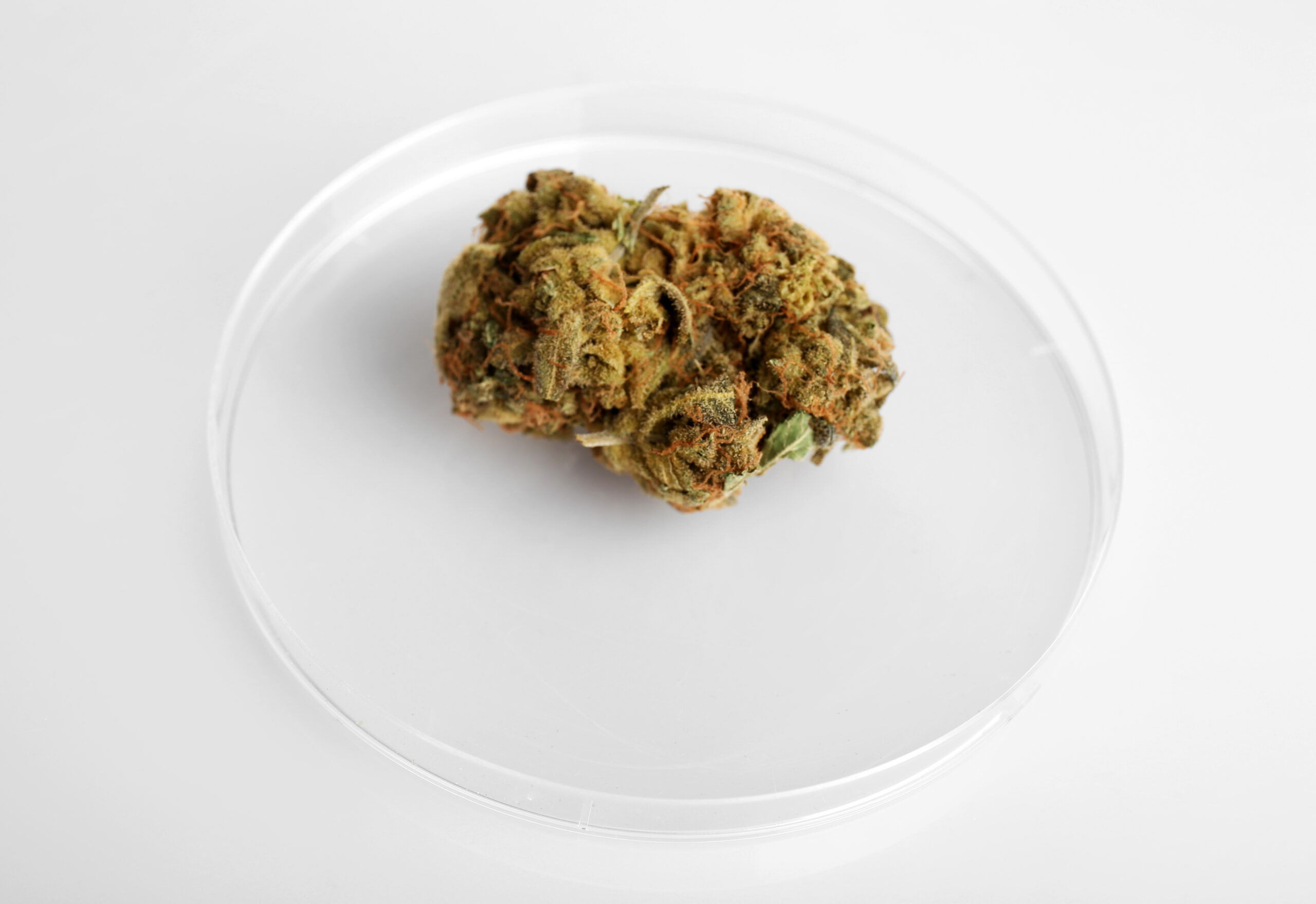
Swiss Watch cannabis strain is a modern hybrid that has gained attention for its strong THC content, layered aroma profile, and balanced effects. As more consumers search for strains that offer both potency and flavor, Swiss Watch has become a name that appears more often in dispensaries and online menus. It is known for combining high cannabinoid levels with a distinct scent and smooth taste, making it appealing to both experienced users and those exploring new hybrids.
Swiss Watch is generally classified as a hybrid strain. This means it carries both indica and sativa traits. Hybrids are bred to blend qualities from different parent strains. In many cases, this results in a strain that offers mental stimulation along with body relaxation. Swiss Watch is often described as leaning slightly toward one side, but it is typically considered balanced. Because of this, it can fit into different settings depending on the dose and the person using it.
One of the main reasons people search for Swiss Watch strain is its THC content. THC, or tetrahydrocannabinol, is the main psychoactive compound in cannabis. It is responsible for the “high” feeling. Swiss Watch is often reported to have a high THC percentage compared to average cannabis strains. Many modern hybrids fall within the 18% to 25% THC range, and Swiss Watch is commonly placed within that higher bracket. This makes it stronger than many older strains that contain lower THC levels. For users who want noticeable effects, potency is an important factor.
Another key feature of Swiss Watch strain is its aroma profile. Aroma plays a major role in how people choose cannabis. The smell of a strain comes from compounds called terpenes. Terpenes give cannabis its unique scent and flavor. Swiss Watch is often described as having a rich and layered smell. It may include earthy, sweet, herbal, or slightly spicy notes. Some users also report hints of citrus or gas-like sharpness. These scent layers can make the strain stand out on a dispensary shelf.
Flavor is closely linked to aroma. When smoked or vaporized, Swiss Watch may deliver a smooth inhale with earthy or sweet tones. On the exhale, some people notice herbal or slightly peppery flavors. The terpene profile not only shapes the taste but may also influence how the effects feel. While THC drives the main psychoactive experience, terpenes can add depth to the overall sensation.
In terms of effects, Swiss Watch strain is often described as balanced. Many hybrid strains aim to create a combination of mental uplift and physical ease. Users may feel relaxed but still alert. Some may experience a calm mood, light mental focus, or a gentle body sensation. The strength of the effects depends on tolerance, dosage, and method of use. Because of its higher THC content, Swiss Watch may feel more intense for beginners.
Another reason this strain draws attention is its growing profile. Growers often look for strains that produce good yields, strong resin production, and manageable flowering times. Swiss Watch is reported to grow well in controlled indoor environments, but it may also adapt to outdoor cultivation in the right climate. Flowering time, plant height, and bud structure are all important factors for cultivators. High resin production can make the strain attractive for those interested in concentrates as well as flower.
This guide will explore Swiss Watch cannabis strain in detail. It will answer the most common questions people ask about this strain. Readers will learn about its genetic background and whether it leans more indica or sativa. The guide will break down its THC levels and overall potency. It will explain what Swiss Watch smells and tastes like, and how its terpene profile shapes that experience. The effects section will describe how it may influence mood and body. There will also be information about potential side effects and responsible use.
In addition, this article will provide practical grow information. It will cover indoor and outdoor growing conditions, flowering time, expected yield, and plant structure. Readers will also learn what Swiss Watch buds look like, including color, density, and trichome coverage.
By the end of this guide, you will have a clear and complete understanding of Swiss Watch strain. You will know how strong it is, what it smells and tastes like, how it may feel, and what to expect if you plan to grow it. This introduction sets the foundation for a detailed look at one of the more talked-about hybrid strains on today’s cannabis market.
What Is Swiss Watch Strain?
Swiss Watch is a hybrid cannabis strain known for its strong THC levels, rich aroma, and balanced effects. It has gained attention in legal cannabis markets because of its potency and flavorful terpene profile. While it may not be as widely known as older strains like OG Kush or Sour Diesel, Swiss Watch has built a steady following among consumers who prefer modern, high-THC hybrids.
Strain Classification
Swiss Watch is generally classified as a hybrid strain. This means it contains both indica and sativa genetics. Hybrids are bred to combine traits from two different parent plants. Some hybrids lean more toward indica effects, while others lean toward sativa. Swiss Watch is often described as slightly indica-leaning, though this can vary depending on the specific grower and phenotype.
Because it is a hybrid, Swiss Watch can produce both mental and physical effects. Users often report a clear head feeling along with body relaxation. This balanced nature is one reason it appeals to many different types of consumers.
Genetic Lineage
Swiss Watch is believed to be a cross between Runtz and Pancakes. Both of these parent strains are known for their strong flavor and high THC levels.
- Runtz is a popular hybrid that is itself a cross of Zkittlez and Gelato. It is known for sweet, candy-like flavors and high potency.
- Pancakes is a dessert-style strain known for creamy, buttery flavors with hints of sweetness and spice.
By combining these two strains, breeders aimed to create a plant with strong aroma, high THC content, and dense, resin-rich buds. Swiss Watch often inherits the sweetness of Runtz along with the creamy, dough-like notes from Pancakes.
As with many modern hybrids, exact genetic details can vary slightly depending on the breeder or cultivation method. However, most sources agree that Swiss Watch comes from this Runtz and Pancakes lineage.
Breeder Information
Swiss Watch is commonly associated with Cookies, a well-known cannabis brand and breeding company. Cookies has released many high-THC hybrid strains that focus on flavor, appearance, and potency. Strains from this group often feature dense buds, strong trichome coverage, and unique terpene profiles.
Because Swiss Watch is connected to a premium brand, it is often found in licensed dispensaries in legal cannabis markets. It may not be as common in smaller or unregulated markets.
Year and Region of Origin
Swiss Watch is a newer strain compared to classic cannabis varieties. It likely emerged in the late 2010s or early 2020s, during a period when breeders were focused on dessert-style and candy-flavored strains. Many of these strains were developed in California, which remains one of the largest cannabis markets in the United States.
California breeders have played a key role in shaping modern hybrid strains. Swiss Watch fits into this trend by offering high THC levels, bold flavors, and strong visual appeal.
Naming Inspiration
The name “Swiss Watch” likely reflects the idea of precision and quality. Swiss watches are known around the world for being carefully crafted and reliable. In the cannabis industry, names are often chosen to suggest strength, luxury, or craftsmanship.
While there is no official public statement explaining the name, it may symbolize the strain’s well-balanced genetics and strong overall performance. It also fits the branding style often used by premium cannabis companies.
Market Presence and Availability
Swiss Watch is most commonly found in licensed dispensaries in states where cannabis is legal. Because it is a newer and more premium strain, it may not always be available year-round. Availability often depends on cultivation cycles and local demand.
In dispensaries, Swiss Watch is usually sold as:
- Dried flower
- Pre-rolls
- Concentrates (such as live resin or vape cartridges)
Due to its high THC levels, it is often marketed toward experienced cannabis users. However, new consumers may still try it in smaller amounts.
The price of Swiss Watch can be higher than average flower strains because of its brand association and potency. As with most cannabis products, price varies by state and dispensary.
Swiss Watch is a modern hybrid cannabis strain believed to be a cross between Runtz and Pancakes. It is known for high THC levels, sweet and creamy flavors, and dense, resin-rich buds. Often associated with premium cannabis brands, it likely originated in California during the rise of dessert-style hybrids. As a balanced hybrid, it offers both mental and physical effects. Swiss Watch continues to grow in popularity in legal cannabis markets due to its potency, aroma, and strong overall profile.
Is Swiss Watch Indica or Sativa?
Swiss Watch is known as a hybrid cannabis strain. This means it is created by crossing two different cannabis varieties. Most hybrid strains combine indica and sativa genetics. Swiss Watch follows this pattern. It does not fall fully into the indica or sativa category. Instead, it blends traits from both sides.
To understand Swiss Watch better, it helps to first explain what indica and sativa mean.
Indica strains are usually linked to body relaxation. They are often described as calming or soothing. Many indica strains grow shorter and bushier. Their leaves are wide, and they tend to flower faster. Because of these traits, indicas are often chosen for evening use.
Sativa strains, on the other hand, are often linked to uplifting and energizing effects. They may support focus or creativity. Sativa plants usually grow taller and have thinner leaves. They may take longer to flower compared to indicas. Some people prefer sativa strains during the day.
Swiss Watch sits between these two types. It is often described as a balanced hybrid. This means it can show both mental and physical effects. The exact balance may vary depending on the grower and the phenotype. A phenotype refers to the way a specific plant expresses its genes. Even seeds from the same strain can grow slightly differently.
Parent Strains and Genetic Lineage
Swiss Watch comes from carefully selected parent strains. While the exact lineage may vary depending on the breeder, it is generally linked to strong, high-THC genetics. Many sources associate it with modern hybrid breeding that focuses on potency and flavor.
When breeders create a hybrid like Swiss Watch, they aim to combine the best features of both parents. One parent may provide strong resin production and high THC levels. The other may add unique aroma traits or plant structure. The result is a strain that carries a mix of qualities.
Because of this blended background, Swiss Watch often shows:
- Moderate to high THC levels
- Dense and resin-coated buds
- A balanced effect profile
- Strong aroma traits
The hybrid nature explains why Swiss Watch does not lean fully toward a heavy body effect or a purely uplifting mental effect. Instead, it may start with a clear-headed feeling and later move into physical relaxation.
Dominant Traits Inherited from Parent Strains
Hybrid strains often show dominant traits from one side. Swiss Watch is usually described as slightly indica-leaning, though this can vary. When it leans toward indica, users may notice stronger body relaxation. Muscles may feel loose, and tension may decrease.
At the same time, it often keeps some sativa traits. These may include mental clarity or mild uplift. This combination makes it different from a heavy pure indica that causes deep sedation. It may also feel more grounded than a pure sativa.
In terms of plant structure, Swiss Watch may grow with moderate height. It is not usually extremely tall like some sativas. It also does not stay very short like some compact indica plants. The leaves may show a mix of wide and medium-sized blades. This mixed structure reflects its hybrid genetics.
Balanced Hybrid Explanation
A balanced hybrid means the strain offers both mental and physical effects without one side overpowering the other. With Swiss Watch, this balance is part of its appeal. It may provide:
- A calm but not overly sleepy feeling
- Relaxation without complete couch-lock
- Mental clarity with reduced stress
However, the balance can shift depending on dose. At lower amounts, the sativa traits may feel more noticeable. At higher amounts, the indica traits may become stronger.
Growing conditions can also affect how the strain expresses itself. Light, nutrients, and environment may influence its final chemical profile. This can slightly change how indica- or sativa-like it feels.
How Swiss Watch Compares to Pure Indica or Pure Sativa
Compared to a pure indica, Swiss Watch is usually less sedating. It may not cause deep sleep in small doses. Compared to a pure sativa, it is usually less stimulating. It may not create intense energy or racing thoughts.
Instead, it aims to sit in the middle. This makes it suitable for people who want balance. It may work for late afternoon or early evening use, depending on personal tolerance.
Swiss Watch is a hybrid cannabis strain that blends indica and sativa genetics. It does not fit into only one category. Instead, it combines relaxing body traits with mild mental uplift. Its parent strains contribute to its balanced effects, plant structure, and potency.
While it may lean slightly toward indica in some cases, it still keeps noticeable sativa qualities. This mixed profile is what defines Swiss Watch. Understanding its hybrid nature helps users know what to expect in terms of effects, growth patterns, and overall experience.
How Strong Is Swiss Watch?
Swiss Watch is known for its strong THC levels. THC, or tetrahydrocannabinol, is the main compound in cannabis that causes psychoactive effects. When people ask, “How strong is Swiss Watch strain?” they usually want to know how much THC it contains and how powerful the effects feel.
Average THC Percentage Range
Swiss Watch is usually considered a high-THC strain. In many lab tests, its THC levels often range between 20% and 25%, though some batches may test slightly lower or higher depending on how they were grown and cured. A THC level above 20% is generally viewed as strong in today’s cannabis market.
For comparison:
- Mild strains often contain 10% to 15% THC.
- Moderate strains usually fall between 15% and 20%.
- High-potency strains often start at 20% and go up from there.
Because Swiss Watch often reaches or passes the 20% mark, it is not usually classified as a low-strength option. The exact number can vary, but it is most often sold as a high-potency hybrid.
What About CBD Levels?
CBD, or cannabidiol, is another compound found in cannabis. Unlike THC, CBD does not cause a high. Many high-THC strains have low CBD levels, and Swiss Watch is no exception. It typically contains less than 1% CBD.
This low CBD content means that Swiss Watch is not designed to provide strong CBD-based effects. Instead, its experience is mainly driven by THC and its terpene profile. Because of this, the effects may feel more noticeable compared to balanced THC-CBD strains.
How Potency Affects the Experience
The strength of a strain is not only about the THC number. However, THC percentage does play a major role in how intense the effects may feel.
With Swiss Watch, many users report:
- A strong mental onset.
- Noticeable mood changes.
- Deep body relaxation.
When THC levels are high, the effects can come on faster and last longer. Some people may feel the effects within minutes if inhaled. The experience may continue for two to three hours, depending on the dose and individual tolerance.
Because of its potency, even small amounts may produce noticeable effects. This makes careful dosing important, especially for people who are new to cannabis.
Comparison to Other High-THC Strains
Swiss Watch is often compared to other modern hybrid strains that also test above 20% THC. In today’s cannabis market, many popular strains fall in this same potency range.
However, not all high-THC strains feel the same. The overall experience depends on more than just THC. Terpenes, which give cannabis its aroma and flavor, also shape how the strain feels. Swiss Watch may deliver a balanced high that combines mental clarity with physical calm, depending on its terpene mix.
Even though 20% to 25% THC is common for strong strains, it is still considered powerful. For beginners, this level can feel intense. For experienced users with higher tolerance, it may feel manageable but still effective.
Who Is Swiss Watch Suitable For?
Because of its high THC content, Swiss Watch is often more suitable for:
- Experienced cannabis consumers.
- People with moderate to high THC tolerance.
- Those looking for noticeable mental and physical effects.
Beginners may still try it, but they should start with a very small amount. Taking too much at once may increase the chance of unwanted side effects such as dizziness or anxiety.
It may be best used during times when strong effects are acceptable. For some people, high-THC strains are better suited for evenings or relaxed settings. Others with higher tolerance may use it during the day in smaller doses.
Potency and Responsible Use
High potency does not always mean better results. It simply means the strain contains a higher concentration of THC. Responsible use is important with any high-THC product.
To manage potency:
- Start low and increase slowly.
- Wait to feel the full effects before consuming more.
- Avoid mixing with alcohol.
- Check lab test results when available.
Each person’s body reacts differently to THC. Body weight, metabolism, and prior cannabis experience all play a role in how strong Swiss Watch may feel.
Swiss Watch is generally considered a strong cannabis strain. Its THC levels often range between 20% and 25%, placing it in the high-potency category. It usually contains very little CBD, so most of its effects come from THC. Because of its strength, it may be better suited for experienced users or those with some tolerance. Beginners should approach it carefully and start with a small amount. Overall, Swiss Watch is known for delivering noticeable and long-lasting effects due to its high THC content.
What Does a Swiss Watch Strain Smell and Taste Like?
The aroma and flavor of Swiss Watch strain are two of its most talked about features. Many cannabis users choose a strain based on how it smells and tastes, not just how strong it is. The scent of a strain gives clues about its terpene profile. Terpenes are natural compounds found in cannabis and many other plants. They are responsible for the smell, flavor, and part of the overall experience.
Dominant Terpenes in Swiss Watch
Swiss Watch often contains a mix of common cannabis terpenes. While exact lab results can vary by grower, the most reported terpenes include:
- Myrcene
- Limonene
- Caryophyllene
Each terpene plays a role in shaping the strain’s aroma and flavor.
Myrcene is one of the most common terpenes in cannabis. It has an earthy and slightly musky smell. Some people describe it as herbal or similar to cloves. Myrcene is also found in mangoes and thyme. In Swiss Watch, myrcene can add a smooth and grounded scent to the overall profile.
Limonene has a bright and citrus-like smell. It is found in lemon peels and other citrus fruits. When present in Swiss Watch, limonene can give the strain a fresh and slightly sweet citrus note. This helps balance heavier earthy tones.
Caryophyllene has a spicy and pepper-like scent. It is also found in black pepper and cloves. In Swiss Watch, this terpene can add a sharp and warm edge to the aroma. It may also deepen the flavor on the exhale.
The combination of these terpenes creates a layered scent. It is not one-dimensional. Instead, it can shift between sweet, earthy, citrus, and slightly spicy notes.
Aroma Profile of Swiss Watch
When you first open a container of Swiss Watch buds, you may notice a strong and rich scent. The initial smell is often earthy and slightly sweet. Some users report a mild diesel or fuel-like hint, especially if the strain leans toward its more pungent genetics.
As you break apart the buds, the aroma usually becomes stronger. You may notice:
- Earthy and herbal notes
- Sweet undertones
- Light citrus hints
- A touch of spice or pepper
The sweetness is not candy-like. It is more natural, similar to fresh herbs mixed with fruit. The earthy base keeps the aroma balanced and prevents it from being too sharp.
In some batches, the citrus notes become more noticeable. In others, the spicy or gassy notes may stand out. This depends on how the plant was grown and cured. Good curing practices help preserve terpenes and keep the aroma full and fresh.
Flavor Profile on Inhale and Exhale
The taste of Swiss Watch usually reflects its smell. On the inhale, users often report:
- A smooth and slightly sweet flavor
- Earthy tones
- A light citrus touch
The smoke or vapor is often described as smooth rather than harsh. The earthy flavor tends to be the base. It gives the strain a grounded and natural taste.
On the exhale, the flavor can change slightly. Some users notice:
- A peppery or spicy finish
- Mild herbal notes
- A lingering sweetness
The spicy kick often comes from caryophyllene. It can leave a warm feeling in the throat. The citrus from limonene may also appear more clearly during the exhale. This creates a layered flavor experience.
For many users, Swiss Watch does not taste overly sweet or fruity. It stays balanced. It combines sweet, earthy, and slightly spicy flavors without one overpowering the others.
How Terpenes Influence the Overall Experience
Terpenes do more than create smell and taste. They also interact with cannabinoids like THC. This interaction is often called the “entourage effect.” It means that terpenes and cannabinoids work together to shape the overall experience.
For example:
- Myrcene may support a more relaxing body feel.
- Limonene is often linked to a lighter and more uplifting sensation.
- Caryophyllene may add a grounded and steady effect.
While research is ongoing, many users believe that terpene balance plays a role in how a strain feels. In Swiss Watch, the mix of earthy, citrus, and spicy terpenes creates a well-rounded sensory experience.
Visual Clues to Aroma
The strength of aroma often matches the bud structure. Swiss Watch buds are usually dense and covered in trichomes. Trichomes are the small crystal-like structures on the surface of the flower. They contain cannabinoids and terpenes.
If the buds are sticky and well-cured, the aroma will likely be stronger. If they are dry or poorly stored, the smell may be weaker. Proper storage in airtight containers helps protect terpene quality.
Swiss Watch strain offers a balanced and layered aroma profile. It combines earthy, sweet, citrus, and lightly spicy notes. Myrcene, limonene, and caryophyllene are often the dominant terpenes. Together, they shape both the scent and flavor.
On the inhale, the taste is usually smooth and earthy with a hint of sweetness. On the exhale, subtle spice and citrus may appear. The flavor is not overpowering. It stays natural and well-balanced.
Swiss Watch provides a full sensory experience. Its aroma is rich but not too sharp. Its flavor is smooth but complex. For users who enjoy earthy strains with a touch of citrus and spice, Swiss Watch delivers a clear and defined terpene profile.
What Are the Effects of Swiss Watch Strain?
Swiss Watch is known for its balanced effects. It often delivers both mental and physical changes. Many users describe it as strong but smooth. The experience usually begins in the mind and then moves into the body. Because of its THC level, the effects can feel noticeable within minutes, especially when smoked or vaped.
Onset Time
The onset time depends on how it is used. When smoked or vaped, the effects may begin within 2 to 5 minutes. The first signs are often a light shift in mood or focus. Some people feel a slight pressure around the eyes or forehead. This is common with THC-rich strains. The early stage is usually uplifting and clear.
If Swiss Watch is consumed as an edible, the onset time is slower. It may take 30 minutes to 2 hours to feel the full effects. Edibles also tend to feel stronger and last longer. The body absorbs THC differently through digestion. Because of this, users should wait before taking more.
Mental Effects
Swiss Watch often starts with mental stimulation. Many users report feeling alert and engaged. Thoughts may feel sharper or more creative. Some people say it helps them focus on tasks, conversations, or music. This makes it useful during the daytime for certain users.
Mood changes are also common. Swiss Watch may create a sense of uplift or light happiness. Stress may feel reduced. Small problems may seem less heavy. This mental shift is linked to THC and certain terpenes that affect mood and stress response.
However, high doses can feel intense. If too much is used, some people may feel anxious or overstimulated. Fast thoughts or racing ideas can happen with strong strains. New users or those sensitive to THC should start with a low dose.
Physical Effects
As the mental effects settle in, the body begins to relax. This stage usually follows the initial head high. Muscles may feel looser. Tension in the shoulders or back may decrease. The body relaxation is not always heavy, but it can become strong at higher doses.
Some users experience a mild body buzz. This feels like warmth spreading through the arms and legs. It can help ease physical discomfort or soreness. In larger amounts, the relaxation may turn into sedation. The body may feel heavy, and movement may slow down.
Couch-lock is possible, especially if used in the evening or at higher doses. This means the user may prefer to sit or lie down instead of staying active. Because of this, timing matters. Lower doses may allow activity. Higher doses may lead to rest.
Duration of Effects
The duration depends on dose and method of use. When smoked or vaped, the main effects usually last 2 to 3 hours. A lighter after-effect may remain for another hour. With edibles, effects may last 4 to 8 hours, sometimes longer.
The peak often happens within the first hour after smoking. During this peak, mental and physical effects are strongest. After the peak, the body tends to relax more deeply. Many users report feeling calm or sleepy as the strain wears off.
Hydration, food intake, and tolerance can affect how long it lasts. People with higher tolerance may feel shorter or weaker effects.
Balanced or Heavy Experience?
Swiss Watch is often described as balanced. It may provide both mental clarity and physical calm. In moderate amounts, it may support focus while also easing tension. This makes it flexible for different times of day.
In larger amounts, the strain can become heavier. The body relaxation may increase. Mental stimulation may shift into mental fog or tiredness. For this reason, dose control is important.
The overall experience depends on the user. Body weight, tolerance, and environment all play a role. A calm setting may enhance relaxation. A busy setting may enhance mental alertness.
Swiss Watch strain delivers a mix of mental and physical effects. It usually begins with an uplifting and focused head high. Over time, it moves into body relaxation. The onset is fast when smoked and slower with edibles. Effects can last several hours, depending on the method and dose.
In small amounts, it may feel balanced and functional. In higher amounts, it can feel strong and sedating. Because of its THC level, beginners should start low and increase slowly. Understanding dose and timing helps create a more controlled experience.
Is Swiss Watch Good for Medical Use?
Swiss Watch is often discussed for its strong THC content and rich terpene profile. Because of this combination, some consumers explore it for possible therapeutic use. It is important to understand that cannabis affects each person in a different way. The effects depend on dose, body chemistry, tolerance level, and method of use. Swiss Watch is usually considered a potent strain, so careful dosing is important, especially for beginners.
Commonly Reported Symptom Support
Many people look for cannabis strains that may help with stress. Swiss Watch is often described as producing a calming mental effect. Users report feeling more relaxed and less tense after use. This may be helpful for people who deal with daily stress or mental pressure. The calming effect may come from both its THC content and its terpene profile.
Anxiety is another concern for many consumers. In low to moderate doses, some people report that Swiss Watch may help quiet racing thoughts and support a calmer mood. However, high-THC strains can sometimes increase anxiety if too much is consumed. This is why starting with a small amount is important.
Pain management is another reason people explore this strain. THC interacts with the body’s endocannabinoid system, which plays a role in how pain is processed. Some users report that Swiss Watch may help ease mild to moderate discomfort, including muscle soreness or body tension. The relaxing body effect may support physical comfort, especially in the evening.
Sleep is also commonly discussed. Because Swiss Watch may provide both mental calm and physical relaxation, some people use it later in the day. In moderate amounts, it may help the body unwind before bedtime. However, very high doses may lead to strong psychoactive effects that could feel overwhelming for some individuals.
Appetite stimulation is another possible benefit. High-THC strains are often associated with increased hunger. For people who have reduced appetite, this may be useful. Again, response can vary from person to person.
THC and Terpene Interaction
The effects of Swiss Watch are not caused by THC alone. Terpenes also play an important role. Terpenes are natural compounds found in cannabis that give the plant its smell and flavor. They may also influence how a strain feels.
If Swiss Watch contains terpenes like myrcene, it may contribute to relaxation and body calm. If it contains limonene, it may support mood balance. Caryophyllene may be linked to stress support. These compounds work together with THC in what is often called the “entourage effect.” This means the plant compounds may work better together than alone.
Because of this interaction, the full experience of Swiss Watch depends on its full chemical profile. Lab testing results can give a clearer picture of cannabinoid and terpene content.
Daytime vs. Nighttime Use Considerations
Swiss Watch is often described as a balanced hybrid. This means it may provide both mental and physical effects. For some people, lower doses may be suitable for late afternoon or early evening. Higher doses may feel heavier and more relaxing, making nighttime use more appropriate.
People who are new to cannabis or sensitive to THC may prefer to use it in a calm and comfortable setting. This reduces the chance of feeling overwhelmed. Those who need to remain alert for work or driving should avoid using high-THC strains during those activities.
Caution for Sensitive Users
Because Swiss Watch may have high THC levels, it is not always ideal for beginners. High doses may lead to side effects such as dry mouth, dry eyes, dizziness, or increased heart rate. In some cases, too much THC may cause temporary anxiety or paranoia.
To reduce risk, it is best to start with a small amount and wait to see how the body reacts. Avoid mixing with alcohol. People with certain medical conditions should speak with a qualified healthcare professional before using cannabis.
It is also important to remember that cannabis laws vary by location. Always follow local regulations and purchase products from licensed sources.
Swiss Watch may offer potential therapeutic benefits for stress relief, mild pain support, relaxation, appetite stimulation, and sleep preparation. Its effects are influenced by both THC and terpenes, which work together in the body. While some people may find it helpful in moderate amounts, its potency means it should be used carefully. Starting low and increasing slowly can help reduce unwanted side effects. As with any cannabis product, personal response varies, and responsible use is essential.
What Are the Side Effects of Swiss Watch Strain?
Swiss Watch strain is known for its strong THC levels and balanced hybrid effects. Like most high-THC cannabis strains, it can cause side effects. These effects are usually mild and short-term. However, they can feel stronger if the dose is too high or if the user is sensitive to THC. Understanding possible side effects helps users make safer choices.
Common Short-Term Side Effects
The most common side effects of Swiss Watch strain are dry mouth and dry eyes. Dry mouth, also called “cottonmouth,” happens because THC can reduce saliva production. When this happens, the mouth may feel sticky or rough. Drinking water before and after use can help reduce this feeling.
Dry eyes are also common. The eyes may feel itchy or look red. This happens because THC can lower blood pressure slightly and cause blood vessels to expand. Over-the-counter eye drops can help reduce redness and discomfort.
Some users may also feel mild dizziness. This is more likely when standing up quickly after sitting or lying down. Taking small doses and using cannabis in a safe, relaxed setting can help prevent this issue.
Another possible short-term effect is an increased heart rate. Some people may notice their heart beating faster for a short time after using Swiss Watch. This feeling usually fades as the effects settle. Staying calm and breathing slowly can help if this happens.
Anxiety or Paranoia at High Doses
Swiss Watch often contains moderate to high THC levels. Because of this, larger doses may increase the risk of anxiety or paranoia, especially for new users. THC affects the brain’s endocannabinoid system. In high amounts, it can overstimulate certain brain receptors. This may lead to racing thoughts or nervous feelings.
People who are sensitive to THC or who already struggle with anxiety may notice these effects more. Taking a low dose is the best way to reduce this risk. Waiting to feel the full effects before using more is also important. Edibles and concentrates can increase the risk because they often contain higher THC levels.
If anxiety does occur, it usually fades as the THC level drops in the body. Resting in a quiet space, drinking water, and staying calm can help manage these feelings.
Drowsiness or Fatigue
Swiss Watch is a hybrid strain, but some users report relaxing body effects. Because of this, it may cause drowsiness in higher amounts. This can make it harder to stay alert or focused. For some people, this is helpful at night. For others, especially during the day, it may feel unwanted.
If someone needs to drive, operate machinery, or focus on tasks, using Swiss Watch before those activities is not safe. THC can slow reaction time and reduce coordination. Planning use during free time is a safer approach.
Potency-Related Considerations
High-THC strains like Swiss Watch can affect people in different ways. Tolerance level plays a big role. Someone who uses cannabis often may handle stronger THC levels with fewer side effects. A beginner may feel stronger effects from a small amount.
Method of consumption also matters. Smoking or vaping usually causes faster effects that fade more quickly. Edibles take longer to start but can last much longer. Because of this, overconsumption is more common with edibles. Users may take more before the first dose fully works.
Starting low and going slow is the safest method. A small dose allows the body to adjust and lowers the risk of negative effects.
Responsible Consumption Guidelines
To reduce side effects, it is important to use Swiss Watch responsibly. Begin with a low dose, especially if the THC content is high. Wait at least 15 to 30 minutes after inhaling before using more. If using edibles, wait at least 2 hours before taking another dose.
Stay hydrated before and after use. Avoid mixing cannabis with alcohol, as this can increase dizziness and nausea. Use cannabis in a safe and comfortable place, especially if trying it for the first time.
People with heart conditions, anxiety disorders, or other medical concerns should speak with a healthcare professional before using high-THC strains. Pregnant or breastfeeding individuals should avoid cannabis use.
Swiss Watch strain can cause common short-term side effects such as dry mouth, dry eyes, dizziness, and increased heart rate. Higher doses may increase the risk of anxiety, paranoia, or drowsiness. Most side effects are temporary and fade as the THC leaves the body.
Using a low dose, staying hydrated, and choosing the right setting can reduce unwanted effects. Understanding potency and personal tolerance is key. When used responsibly, many users are able to manage side effects and have a more controlled experience.
How to Grow Swiss Watch Strain
Growing Swiss Watch strain starts with one main goal: create steady, healthy conditions from seedling to harvest. Most problems in cannabis grows come from big swings in light, temperature, watering, and airflow. If you keep those basics stable, you give this plant the best chance to perform well.
Indoor vs. outdoor suitability
Swiss Watch can be grown indoors or outdoors, but each option has different advantages.
Indoor growing gives you control. You can set the light schedule, manage humidity, and avoid heavy rain, pests, and sudden cold nights. Indoors is often the better choice if your outdoor climate has high humidity, frequent storms, or large temperature changes. Indoor grows also make it easier to train the plant and manage its height.
Outdoor growing can work well if you have the right climate and enough privacy. Outdoors, plants can grow larger because they have more root space and strong natural light. However, outdoor plants are more exposed to mold risks, insects, and weather damage. If you grow outdoors, choose a spot with strong sun, good airflow, and well-draining soil.
A simple way to decide: if you can keep the plant warm, dry, and well-lit most days, outdoor can be fine. If not, indoor is safer.
Climate preferences
Cannabis plants usually do best in a warm, mild climate. Swiss Watch will prefer:
- Warm days and cooler nights, without extremes
- Moderate humidity during veg
- Lower humidity during flowering to reduce mold risk
- A steady breeze or fan-driven airflow
If you live in a humid area, the biggest concern is bud rot (mold inside dense flowers) during late flowering. You can lower risk by spacing plants well, pruning for airflow, and avoiding wet buds near harvest.
Flowering time
Flowering time is the period when the plant stops growing new leafy branches and focuses on building buds. You begin flowering indoors by switching lights to 12 hours on / 12 hours off.
During flowering, you will usually notice:
- Week 1–2: stretch phase (plant grows taller quickly)
- Week 3–6: buds form and start gaining size
- Final weeks: buds harden, smell increases, and trichomes mature
For any strain, the best way to time harvest is not just counting weeks. Use trichome color as your guide. Trichomes are the tiny, crystal-like glands on buds. A small handheld loupe helps.
- Mostly clear trichomes: too early
- Mostly cloudy/milky: peak THC for many growers
- Some amber mixed in: more mature, often heavier effect
Yield expectations
Yield depends more on your setup and skills than the strain name. Still, you can aim for a strong harvest if you manage the basics.
Key factors that affect yield:
- Light strength and coverage (indoors)
- Pot size and root space
- Training methods to create more bud sites
- Feeding routine and pH control
- Temperature and humidity stability
- Time spent in veg before flowering
If you want bigger yields, the best “simple” strategy is to build a wide, even canopy so the light hits many tops at the same distance.
Height and structure
Swiss Watch may stretch during early flower, like many hybrids. Indoors, this matters because your grow light has limited space. To manage height:
- Start training early in veg
- Avoid long veg times if your tent is small
- Use a trellis or screen if the plant grows tall fast
Plants that grow with strong side branching respond well to training because you can open the plant and turn one tall main cola into many medium-size colas.
Training techniques (LST, topping, SCROG)
Training helps you control plant shape and increase light exposure.
LST (Low Stress Training) means bending and tying branches gently. This helps the plant grow wider instead of taller. LST also allows light to reach more bud sites. Start when the plant is young and flexible.
Topping means cutting the main top to encourage two main tops instead of one. This can increase the number of strong colas. Top only healthy plants, and give them time to recover before flowering.
SCROG (Screen of Green) uses a net or screen to spread branches out evenly. You tuck branches under the screen so the canopy stays flat. A flat canopy improves yields because the light hits the tops evenly, instead of blasting one tall bud while smaller ones stay shaded.
A simple approach:
- Use topping once or twice in veg
- Add LST to spread the plant
- Use a SCROG net if you need extra control indoors
Nutrient considerations
Swiss Watch, like many strains, will need different nutrients at different stages.
- Seedling stage: light feeding, avoid strong nutrients
- Vegetative stage: more nitrogen to build leaves and stems
- Flowering stage: more phosphorus and potassium to support buds
- Late flower: avoid overfeeding; excess nutrients can hurt taste and burn leaves
Two important tips:
- Do not overfeed. Many new growers add too much too soon. Start light and increase slowly.
- Check pH. Wrong pH can lock out nutrients even if you are feeding correctly. If the plant looks hungry but you keep feeding and it gets worse, pH may be the real issue.
Harvest tips
Harvest is about timing and careful handling.
- Stop heavy pruning late in flower so the plant can focus on buds
- Keep humidity low in the final weeks to avoid mold
- Harvest when trichomes show mostly cloudy with some amber (based on your goal)
- Trim gently to protect trichomes
- Dry slowly in a cool, dark space with airflow
- Cure buds in airtight jars, opening them daily at first to release moisture
Drying and curing matter a lot. Even great buds can taste harsh if dried too fast or stored too wet.
Swiss Watch strain can be grown indoors or outdoors, but it does best when conditions stay steady. Indoors gives you control, while outdoors can work in a warm climate with good airflow. Focus on stable temperature, proper humidity, and a strong light setup. Use training methods like LST, topping, and SCROG to manage height and improve yields. Feed carefully, watch pH, and harvest by trichomes—not just by the calendar. With good drying and curing, you can protect flavor, aroma, and overall quality.
What Do Swiss Watch Buds Look Like?
Swiss Watch buds often stand out because they look “finished” and well-coated when they are grown and cured the right way. Many people first notice the shape, then the colors, and finally the trichomes (the sticky, crystal-like coating). This section breaks down what Swiss Watch flower commonly looks like and why those traits matter for quality, handling, and storage.
Bud density and shape
Swiss Watch buds are often medium to dense. Dense buds feel firm when you gently squeeze them. They do not feel hollow, airy, or spongy. In many cases, the nugs form in a rounded or slightly cone-shaped structure. Some buds look compact like small stones, while others have a slightly looser outer layer with a tighter center.
Density can tell you a lot, but it does not tell the whole story. Very dense buds can still be low quality if they were dried too fast or grown with problems. On the other hand, slightly less dense buds can still be excellent if they are sticky, aromatic, and well-cured. The best sign is a balance: firm structure, good trichome coverage, and a clean, strong aroma.
If you break a bud apart, the inside should not turn into dust. It should pull apart in a way that feels springy and slightly sticky. If it crumbles instantly, it may be too dry. If it feels wet or mushy, it may not be fully cured.
Color: base greens, darker tones, and contrast
Swiss Watch buds usually show a base color of medium to deep green, but the exact shade can change depending on how it was grown. You may see lighter green on the outer parts and deeper green closer to the stem. In some grows, buds may also show darker tones, including bluish or purplish hints. These darker colors can appear because of genetics and cooler temperatures late in flower, but color alone does not prove potency.
A big part of “bag appeal” is contrast. Swiss Watch buds may look more striking when the green base is mixed with darker shades and bright hairs. Good contrast makes the bud look detailed, not flat or dull.
Pistils: orange hairs and maturity clues
The “hairs” on cannabis buds are called pistils. On Swiss Watch, pistils often show up as orange to rust-colored strands that curl and weave through the bud. When a flower is harvested at a mature stage, many pistils look darker and more curled in. If the pistils are mostly white and straight, the flower may have been harvested early.
Pistils are not a perfect test of readiness, but they are a helpful clue. A bud with a healthy mix of colored, curled pistils and strong trichome coverage often looks more developed.
Trichome coverage: the “frost” look
Trichomes are the tiny resin glands that can look like sugar or frost on the bud. Swiss Watch is often described as having a noticeable trichome layer, especially on the tops of the buds and around the outer leaves. Heavy trichome coverage can make the flower look bright and sparkly under light.
Trichomes matter for two main reasons:
- Potency and compounds: Trichomes contain much of the plant’s cannabinoids and terpenes. More visible trichomes often suggests stronger resin production, though lab testing is the only way to confirm THC levels.
- Stickiness and handling: Frosty buds are often stickier. This can affect how the flower breaks apart and how it performs when ground.
If the bud looks frosty but feels dry and has a weak smell, it may have been stored poorly or is older. Fresh, well-kept flower usually keeps both shine and scent.
Resin production and “stick” level
Swiss Watch may produce noticeable resin, meaning it can feel tacky on the fingers when handled. Sticky resin often shows up more when the flower is at the right humidity level and has not been over-dried. When resin is present, scissors and grinders may also collect more buildup over time.
High resin can be a quality sign, but it must come with good curing. If resin is high but the bud smells like hay or feels harsh when smoked, the dry and cure may not have been done well.
Bag appeal: what “good” Swiss Watch looks like
“Bag appeal” is a simple way to describe how the buds look at first glance. Swiss Watch flower with strong bag appeal often has:
- Tight, neat bud shape
- Healthy green base with darker tones
- Bright orange pistils
- Visible frost from trichomes
- Clean trim (not too many long leaves)
- Even dryness (not dusty, not wet)
A clean trim matters because extra leaf can make a bud look messy and can add harshness. Well-trimmed buds also show off trichomes better.
Swiss Watch buds are commonly medium to dense, with a green base, possible darker tones, and orange pistils that add contrast. Many samples also show a frosty trichome layer and sticky resin, which can signal strong resin production when the flower is grown and cured correctly. When you judge appearance, look for a balanced mix of structure, color contrast, visible trichomes, and a proper dry and cure, not just one trait on its own.
Swiss Watch Strain vs. Similar Strains
When people look up Swiss Watch strain, they often want to know one simple thing: how it compares to other strains that feel or taste similar. This matters because many strains share the same “type” (like hybrid), but they can still be very different in strength, flavor, and overall experience. In this section, we will compare Swiss Watch to similar hybrid strains in four main areas: potency, flavor, effects, and who may prefer it. Then you will get a short summary at the end.
Potency comparison: how strong it feels next to other hybrids
Potency usually comes down to THC percentage and how your body responds. Swiss Watch is often described as a strain with noticeable strength, so many people compare it to other well-known hybrids that can also feel strong.
When comparing potency, keep these points in mind:
- THC range can vary by grow and batch. Even the same strain can test higher or lower depending on the grower, the environment, and harvest timing.
- Freshness changes the experience. Fresh, properly cured flower often feels stronger than old, dry flower.
- How you consume it matters. Smoking, vaping, and concentrates can change how strong it feels and how fast it hits.
If you are choosing between Swiss Watch and another hybrid, use lab results when possible. If there are no lab results, the safest approach is to treat it like a strain that can be more intense than beginner strains and start with a small amount.
Flavor differences: what makes Swiss Watch stand out
Flavor is a big reason people stick with a strain. Swiss Watch is usually searched along with terms like aroma profile and taste, which means readers want a clear comparison.
Many hybrid strains fall into a few common flavor groups:
- Citrus and sweet
- Earthy and herbal
- Gassy or diesel-like
- Spicy or peppery
- Fruity or tropical
Swiss Watch may share one or more of these flavor notes with similar hybrids, but the difference is often in the “mix.” Some hybrids taste sweet first and earthy later. Others smell fruity in the jar but taste more herbal when smoked. Also, terpenes help shape taste and smell. Two strains can have similar THC levels but taste very different if their terpene profiles are not the same.
If you want the clearest comparison, pay attention to:
- First smell when you open the container (top notes)
- Taste on inhale (main flavor)
- Taste on exhale (aftertaste)
- How strong the smell is (some strains are louder than others)
This helps you judge whether Swiss Watch is closer to a sweet-citrus hybrid, a more earthy hybrid, or a more gassy hybrid.
Effects comparison: how the experience can differ
Effects are the biggest reason people compare strains. Many hybrids are called “balanced,” but balance can mean different things. One hybrid may feel uplifting and active. Another may feel calm and heavy.
When comparing Swiss Watch to similar strains, think about effects in two parts:
- Mental effects
- Some hybrids feel clear and focused.
- Others feel dreamy, spacey, or very relaxed.
- Some feel social and upbeat.
- Some hybrids feel clear and focused.
- Body effects
- Some hybrids feel light and loose, like a gentle body calm.
- Others feel heavy, with stronger body relaxation and couch-lock.
- Some hybrids feel light and loose, like a gentle body calm.
Swiss Watch is usually compared with other hybrids that can deliver both mind and body effects. The key difference is often timing and intensity. Some strains hit quickly and peak fast. Others build slowly but last longer. Some strains start in the head and move to the body. Others start with body calm right away.
Also, side effects can differ between strains even if both are hybrids. If a strain is very strong or has certain terpene mixes, some people may feel:
- dry mouth or dry eyes
- dizziness if they take too much
- anxious feelings if they are sensitive to THC
If you are comparing strains mainly for effects, the safest way is to try Swiss Watch when you have time to relax and do not need to drive or work.
Who may prefer Swiss Watch over similar strains
Not every hybrid fits every person. Swiss Watch may be a better pick than similar strains if you want one or more of these:
- A stronger hybrid experience without going full “heavy indica”
- A noticeable aroma and flavor that feels complex, not flat
- A mix of mental and body effects instead of only one type
- A strain that fits flexible use depending on dose (small amount vs. larger amount)
On the other hand, you might choose a different strain instead of Swiss Watch if:
- You want a very light, beginner-friendly strain
- You do not like strong aromas
- You prefer a strain that is clearly “daytime only” or “nighttime only”
- You are sensitive to THC and want a more gentle option
Swiss Watch is often compared to other hybrid strains because it can offer a balanced but noticeable experience. Compared to similar hybrids, it may stand out through its overall strength, layered aroma and flavor, and a mix of head and body effects. The best match depends on what you care about most: potency, taste, or how it makes you feel. If you are unsure, start low, go slow, and use lab-tested products when available.
Who Should Try Swiss Watch Strain?
Swiss Watch strain is known for its balanced effects, noticeable potency, and rich aroma profile. Because of this mix of traits, it may appeal to a wide range of cannabis consumers. Still, it is not the same fit for everyone. Understanding who may benefit most from Swiss Watch can help readers make informed choices.
Suitable Experience Level
Swiss Watch often tests at moderate to high THC levels. For that reason, it may be better suited for people who already have some experience with cannabis. Users who are familiar with stronger hybrid strains may find Swiss Watch manageable and enjoyable.
New users should be more careful. High THC strains can feel overwhelming if taken in large amounts. Effects such as strong euphoria or deep body relaxation may become too intense for beginners. If a new user decides to try Swiss Watch, starting with a very small amount is important. Waiting to see how the body reacts can reduce the risk of unwanted side effects like anxiety or dizziness.
Experienced consumers may appreciate the strain’s layered effects. Many report a combination of mental uplift and physical calm. This balanced effect often appeals to those who want both a clear head and body relaxation without feeling completely sedated.
Ideal Consumption Times
Swiss Watch is often described as a hybrid strain. This means it may offer both uplifting and calming traits. Because of this balance, it may work well in the late afternoon or early evening.
During the daytime, small amounts may support focus and mood without causing strong drowsiness. However, higher doses may lead to heavy relaxation. This can make it less ideal for work tasks or activities that require quick thinking.
In the evening, Swiss Watch may help users unwind. Its relaxing body effects may support rest and stress relief after a long day. Some users may find that it helps them prepare for sleep, especially if taken in moderate amounts. Still, individual reactions can vary. Some may feel more mentally active at first before the body relaxation sets in.
Choosing the right time depends on tolerance level and personal goals. Testing the strain in a calm setting can help determine the best time of day for use.
Consumption Methods
Swiss Watch is commonly available in several forms. Each method of use may create a slightly different experience.
Flower:
Smoking or vaporizing the dried flower allows users to experience the full aroma and terpene profile. Effects are usually felt quickly, often within minutes. This method allows easier control over dosage because users can stop once they feel the desired effects.
Vape Cartridges:
Vaping offers a smoke-free option. It may provide a cleaner taste and smoother inhale. Like smoking flower, effects usually start quickly. This method is often chosen for convenience and ease of use.
Concentrates:
Swiss Watch may also be available as wax, shatter, or live resin. These products often contain higher THC levels than flower. Because of this, concentrates are usually better suited for experienced consumers. The effects may be stronger and faster.
The best method depends on comfort level and tolerance. Beginners are often advised to start with small amounts of flower rather than high-potency concentrates.
Situational Recommendations
Swiss Watch may suit different situations depending on dosage.
- For social settings, a small amount may promote conversation and uplift mood.
- For creative tasks, some users report enhanced focus and mental clarity.
- For relaxation at home, moderate use may ease tension and support calm.
- For rest in the evening, slightly higher amounts may encourage body relaxation.
However, it may not be ideal before driving or operating machinery due to its psychoactive effects. Responsible use is important in all cases.
People who are sensitive to THC should take extra care. High doses can increase the risk of temporary anxiety, dry mouth, or dizziness. Staying hydrated and using the strain in a comfortable environment may help reduce discomfort.
Swiss Watch strain may appeal most to intermediate and experienced cannabis users due to its moderate to high THC content. It offers a balance of mental uplift and physical relaxation, which makes it suitable for late afternoons or evenings. Beginners can try it cautiously with small doses.
It is available in flower, vape, and concentrate forms, giving users several ways to consume it. The right method depends on experience level and comfort.
Swiss Watch may suit those who want a hybrid strain that provides both calm and clarity. Choosing the right dose, time, and setting can help create a more controlled and positive experience.
Availability and Market Considerations
Swiss Watch cannabis strain is not as common as some older or more famous strains. Its availability depends on the state or country where cannabis is legal. In legal markets, you may find Swiss Watch in licensed dispensaries. In areas where cannabis laws are strict, it may not be available at all. Because cannabis rules vary by location, buyers should always check local laws before trying to purchase any product.
Where Swiss Watch Is Commonly Found
Swiss Watch is usually sold in regulated cannabis markets. These include states or countries where adult-use or medical cannabis is legal. In these places, licensed dispensaries sell flower, pre-rolls, and sometimes concentrates made from the strain. However, not every dispensary carries it at all times. Some strains rotate in and out of stock based on demand and harvest cycles.
Availability may also depend on the grower. Smaller growers may produce limited batches. Larger commercial growers may offer it more often, but supply can still change during the year. Outdoor harvest seasons can also affect supply. For example, outdoor crops are often harvested in the fall. After that, more flower may enter the market for a few months.
Because Swiss Watch is not considered a mass-market strain in many regions, buyers may need to check several dispensaries before finding it. Some stores post their live menus online. This allows customers to see what strains are in stock before visiting.
Seed vs. Clone Availability
For growers, one important question is whether Swiss Watch seeds or clones are available. This depends on the breeder and how the strain is distributed. Some strains are sold only as clones. Others are released as seeds through seed banks.
If seeds are available, they may be sold as regular, feminized, or autoflower varieties. Feminized seeds are often preferred because they reduce the chance of male plants. Male plants do not produce usable flower and can pollinate female plants, which lowers bud quality.
Clones are cuttings taken from a healthy mother plant. They are genetically identical to the original plant. Clones can help growers produce consistent results. However, clones are often only available in legal markets and may be limited to local sales due to plant transport laws.
Growers should always confirm that seeds or clones come from a trusted source. Stable genetics help ensure consistent THC levels, aroma, and yield.
Price Range Factors
The price of Swiss Watch can vary widely. Several factors affect cost:
- THC percentage
- Grow method (indoor vs. outdoor)
- Brand reputation
- Location and local taxes
- Supply and demand
In most legal markets, premium indoor flower with high THC content usually costs more. Indoor-grown cannabis often has tighter buds and more visible trichomes. Outdoor flower may cost less but can still offer good quality.
Taxes also play a major role. Some regions have high cannabis taxes, which increase the final price for consumers. Limited supply can also raise prices. If Swiss Watch is hard to find, stores may charge more per gram.
Concentrates made from Swiss Watch, such as live resin or rosin, may cost more than flower. This is because extraction requires extra equipment and processing.
Importance of Lab Testing
In legal markets, cannabis products are usually lab tested. Lab testing helps confirm THC levels, CBD content, and terpene profile. It also checks for safety issues such as mold, heavy metals, and pesticide residue.
Buyers should review lab results before purchasing. This information is often printed on the packaging or available through a QR code. Testing helps ensure that the THC percentage matches what is advertised.
Lab testing is important for safety and consistency. It helps consumers understand potency and reduces health risks. In markets without strict regulation, products may not be tested. This increases uncertainty about quality and strength.
Storage and Freshness Considerations
Availability also connects to freshness. Cannabis loses aroma and potency over time if not stored correctly. Flower should be kept in airtight containers, away from light and heat. When buying Swiss Watch, check the harvest or packaging date if available.
Fresh buds usually feel slightly sticky and smell strong. Dry, crumbly flower may be older. Good storage helps protect terpenes and THC levels.
Swiss Watch cannabis strain is mainly found in legal cannabis markets. Availability depends on local laws, grower supply, and seasonal harvest cycles. Seeds and clones may be available through trusted sources, but access can vary. Prices depend on THC levels, grow method, taxes, and demand. Lab testing plays a key role in confirming potency and safety. Before purchasing, buyers should check legal rules, product testing results, and freshness details to ensure quality and consistency.
Conclusion: Is Swiss Watch the Right Strain for You?
Swiss Watch is a cannabis strain known for its strong THC content, layered aroma, and balanced effects. For many consumers, it stands out because it offers both mental and physical sensations in one experience. Before choosing this strain, it is important to understand its potency, flavor profile, effects, and growing traits. When you look at all these factors together, you can better decide if Swiss Watch fits your needs and experience level.
One of the most important features of Swiss Watch is its THC content. This strain is often described as high in THC compared to many average strains on the market. THC levels can vary by batch and grower, but it is usually considered potent. Because of this, it may feel strong, especially for beginners or people with low tolerance. Higher THC levels can lead to stronger mental and body effects. For experienced consumers, this strength may be appealing. For new users, it may be wise to start with a small amount and wait to feel the full effects before using more.
The aroma and flavor of Swiss Watch are also key reasons for its popularity. Many reports describe a rich scent that blends earthy, sweet, and slightly gassy notes. Some batches may also carry hints of citrus, herbs, or spice. These smells come from terpenes, which are natural compounds found in cannabis. Terpenes shape both aroma and flavor. When smoked or vaporized, Swiss Watch may taste similar to how it smells. The inhale can be smooth and slightly sweet, while the exhale may bring out deeper earthy or fuel-like notes. This layered flavor profile can make the strain appealing to people who enjoy complex tastes.
In terms of effects, Swiss Watch is often described as balanced. Many users report a mental lift at first. This may include a light mood boost or a sense of calm focus. As the experience continues, body relaxation may follow. The physical effects are often steady rather than overwhelming. However, because the THC content can be high, the strength of these effects may increase with larger doses. Some people may use this strain in the evening due to its relaxing qualities. Others may find moderate amounts suitable for late afternoon use. The timing often depends on personal tolerance and daily responsibilities.
Swiss Watch may also be considered by people looking for symptom support. Some consumers report using it to manage stress, tension, mild discomfort, or sleep issues. The calming body effect may help people unwind after a long day. The mental uplift may support a relaxed state without heavy sedation at lower doses. Still, strong THC strains can affect each person differently. People who are sensitive to THC should approach carefully.
Like most cannabis strains, Swiss Watch can cause side effects. The most common short-term effects include dry mouth and dry eyes. Some individuals may feel mild dizziness or anxiety if they consume too much. These reactions are more likely with higher doses. Drinking water and starting with a small amount can help reduce discomfort. Understanding your own tolerance is important when using any high-THC strain.
For growers, Swiss Watch can offer solid results with proper care. It can be grown indoors or outdoors in suitable climates. Flowering time may fall within the average range for hybrid strains. Yield depends on growing conditions, light, nutrients, and training methods. Techniques such as topping or low-stress training may help manage plant height and improve light exposure. Dense buds with visible trichomes often form during late flowering. Proper curing after harvest helps preserve aroma and potency.
In the end, Swiss Watch may appeal to experienced users who want strong THC levels, layered flavors, and balanced effects. It may also interest growers looking for a resin-rich hybrid with good structure. Beginners can still consider it, but caution and small doses are important due to its potency. By understanding its strength, aroma, effects, and cultivation traits, you can make a more informed choice. Swiss Watch combines power, flavor, and structure in a way that makes it stand out among modern hybrid strains.
Research Citations
Badger Labs. (2025, February 12). Certificate of analysis: Swiss Watch (Fern Valley Farms; Lab ID 55009040; Project #25003718) [Laboratory report].
Kaycha Labs. (2025, March 18). Certificate of analysis: FTH-Swiss Watch WF 3.5g (1/8 oz) (Laboratory Sample ID DA50315010-001) [Laboratory report].
Kaycha Labs. (2025, April 26). Certificate of analysis: FTH-Swiss Watch Full Flower 1g Pre-roll(s) (Laboratory Sample ID DA50424001-009) [Laboratory report].
Smith, C. J., Vergara, D., Keegan, B., & Jikomes, N. (2022). The phytochemical diversity of commercial Cannabis in the United States. PLOS ONE, 17(5), e0267498.
Birenboim, M., Chalupowicz, D., Maurer, D., Barel, S., Chen, Y., Fallik, E., Paz-Kagan, T., Rapaport, T., Sadeh, A., Kengisbuch, D., & Shimshoni, J. A. (2022). Multivariate classification of cannabis chemovars based on their terpene and cannabinoid profiles. Phytochemistry, 200, 113215.
Ibrahim, E. A., Wang, M., Radwan, M. M., Wanas, A. S., Majumdar, C. G., Avula, B., Wang, Y.-H., Khan, I. A., Chandra, S., Lata, H., Hadad, G. M., Abdel Salam, R. A., Ibrahim, A. K., Ahmed, S. A., & ElSohly, M. A. (2019). Analysis of terpenes in Cannabis sativa L. using GC/MS: Method development, validation, and application. Planta Medica, 85, 431–438.
Jin, D., Dai, K., Xie, Z., & Chen, J. (2020). Secondary metabolites profiled in cannabis inflorescences, leaves, stem barks, and roots for medicinal purposes. Scientific Reports, 10, 3309.
Schwabe, A. L., Hansen, C. J., Hyslop, R. M., & McGlaughlin, M. E. (2021). Comparative genetic structure of Cannabis sativa including federally produced, wild collected, and cultivated samples. Frontiers in Plant Science, 12, 675770.
Hazekamp, A., & Fischedick, J. T. (2012). Cannabis—from cultivar to chemovar. Drug Testing and Analysis, 4(7–8), 660–667.
Watts, S., McElroy, M. S., Migicovsky, Z., Maassen, H., van Velzen, R., & Myles, S. (2021). Cannabis labelling is associated with genetic variation in terpene synthase genes. Nature Plants, 7(10), 1330–1334.
Questions and Answers
Q1: What is Swiss Watch strain?
Swiss Watch is a hybrid cannabis strain known for its balanced effects and strong aroma. It is often described as a potent strain with both relaxing and uplifting qualities. Many sources list it as an indica-leaning hybrid, meaning it may offer body relaxation along with mental clarity.
Q2: Is Swiss Watch strain indica or sativa?
Swiss Watch is typically classified as a hybrid strain. Most descriptions suggest it leans slightly toward indica, which may explain its calming body effects. However, it can also produce mild cerebral stimulation depending on the user and dosage.
Q3: What is the THC content of Swiss Watch strain?
Swiss Watch commonly tests with high THC levels. Reported THC content often ranges between 20% and 28%, though this can vary by grower and batch. Because of its potency, it may be more suitable for experienced consumers.
Q4: What does Swiss Watch strain smell like?
Swiss Watch has a complex aroma profile. It is often described as earthy and gassy with sweet and slightly fruity notes. Some users also report hints of diesel and spice in the scent.
Q5: What does Swiss Watch strain taste like?
The flavor of Swiss Watch usually matches its aroma. It may taste earthy and fuel-like on the inhale, followed by a sweet or creamy finish. Subtle herbal or peppery notes can also appear.
Q6: What are the effects of Swiss Watch strain?
Swiss Watch is known for balanced effects. It may start with a mild head high that promotes focus or uplifted mood. As the experience continues, users often report body relaxation and calmness. Higher doses may lead to stronger sedation.
Q7: Is Swiss Watch strain good for beginners?
Due to its high THC levels, Swiss Watch may be strong for beginners. New users may want to start with a small amount to assess tolerance. Higher doses can sometimes cause dizziness or anxiety in sensitive individuals.
Q8: How long do the effects of Swiss Watch strain last?
The effects of Swiss Watch can last between two to four hours, depending on dosage and personal tolerance. Inhaled forms tend to have a faster onset and shorter duration compared to edible forms.
Q9: What terpenes are found in Swiss Watch strain?
Swiss Watch often contains common cannabis terpenes such as myrcene, caryophyllene, and limonene. Myrcene may contribute to relaxing effects. Caryophyllene can add spicy notes, while limonene may provide citrus undertones and mild mood elevation.
Q10: How is Swiss Watch strain typically grown?
Swiss Watch is usually grown indoors to help control temperature and humidity. It tends to produce dense, resin-rich buds. Flowering time often ranges from eight to ten weeks, though this can vary based on cultivation methods and genetics.