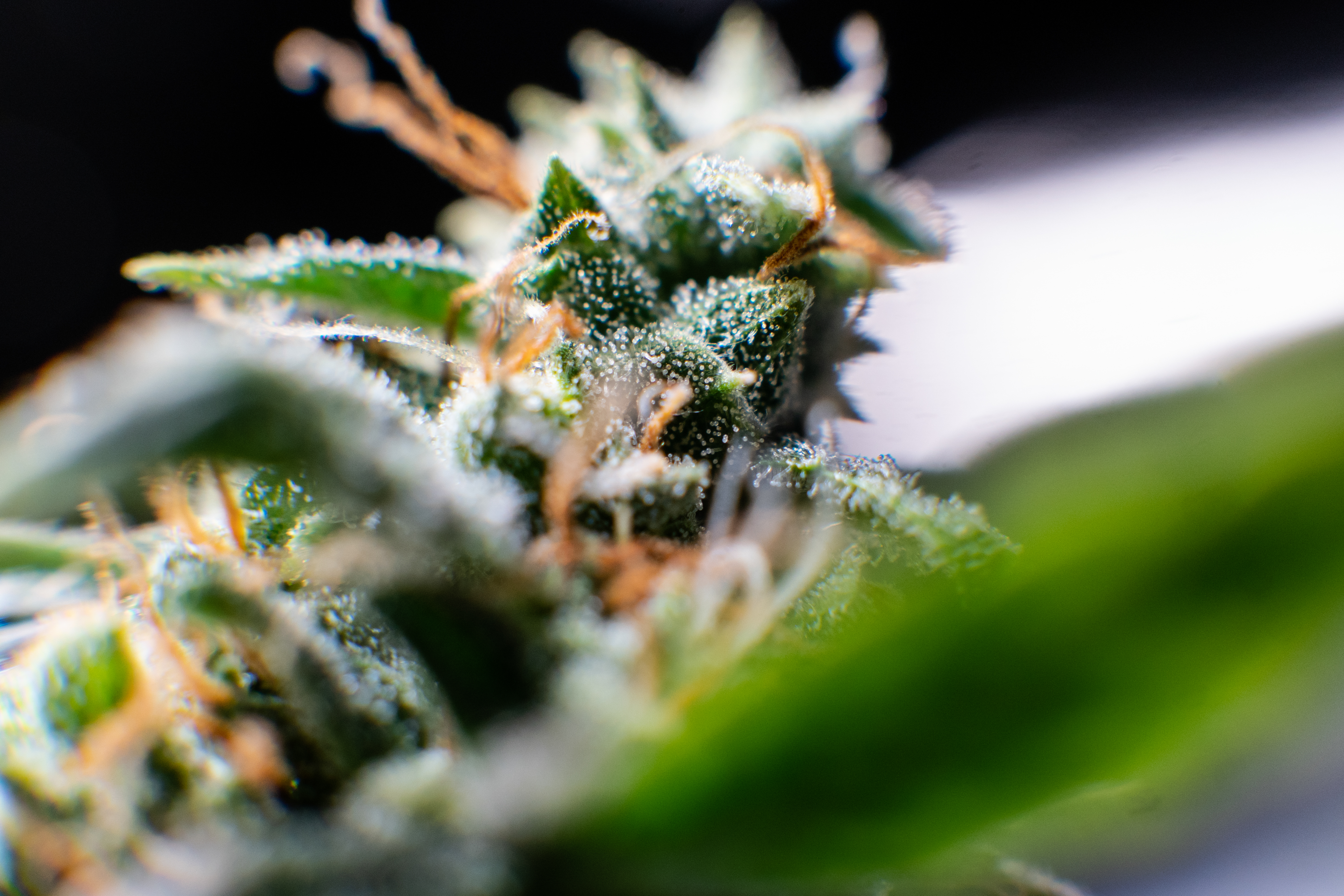


Cannabis pistils are among the first flower parts that many growers notice when a plant begins to bloom. They often look like thin white hairs that grow from small flower sites along the branches and near the top of the plant. These hairs are linked to the female reproductive system of the cannabis flower. Their main role is to catch pollen from a male plant. Once pollen reaches a receptive pistil, seed development may begin inside the flower.
Pistils are important because they can provide useful information during several stages of plant growth. They may help show whether a plant is female, whether flowering has started, whether pollination may have taken place, and whether the flowers are moving closer to maturity. Their color and shape can also change as the plant develops. For this reason, many growers watch pistils closely throughout the flowering stage.
Young pistils are usually white, cream, or pale yellow. They often stand straight out from the flower when they first appear. As the flower grows older, the pistils may begin to curl, shrink, and change color. Depending on the plant’s genetics, they may turn orange, red, brown, pink, or even purple. These changes can be normal, but they may also happen because of heat, physical damage, spraying, pollination, or other forms of stress.
The first pistils often appear during the pre-flowering stage. They usually grow at the nodes, which are the points where branches meet the main stem. Their appearance can help identify a female cannabis plant before full flowers develop. Male plants normally produce small pollen sacs instead of pairs of thin hairs. However, plant sex should not be judged too early. Very young growth can be hard to identify, and some plants may show both female and male flower parts.
During early flowering, fresh pistils often appear in large numbers. They grow from developing flower sites and form clusters as the buds increase in size. At this stage, the plant is focused on producing flowers that can receive pollen. When a female flower remains unpollinated, it may continue producing new pistils for several weeks. This is common in seedless flower production, where male plants and pollen are kept away from female plants.
Pollination can cause noticeable changes in the pistils. After pollen reaches the flower, the pistils may darken, curl, or dry. The bract around the reproductive parts may also begin to swell as a seed forms inside. However, dark pistils do not always prove that pollination has happened. Pistils can turn brown because of natural aging, strong light, high heat, low humidity, touching, pest damage, or contact with sprays. Other signs should be checked before assuming that a flower has been pollinated.
Pistils are also commonly used to estimate harvest readiness. Many growers look at the number of white and dark pistils on a flower. Buds with mostly fresh white pistils are usually still developing. Flowers with many dark, curled pistils may be closer to maturity. Some growers use rough percentages, such as waiting until most pistils have changed color. This method can be useful as a general guide, but it is not fully reliable.
Different cannabis varieties can show very different pistil patterns. Some plants keep producing white pistils late into flowering. Others may develop orange or brown pistils earlier than expected. Heat stress or strong light can also cause pistils to darken before the flower is mature. A flower may look ready based on its pistils while its resin glands are still developing. This is why pistil color should not be used as the only harvest signal.
Trichomes provide another important way to judge flower maturity. Trichomes are tiny resin glands found on the flowers and nearby leaves. Under magnification, their heads may appear clear, cloudy, or amber. These changes can give a closer view of resin development. Pistils show the general age and condition of the flower, while trichomes provide more detailed information about maturity. Checking both can lead to a more accurate harvest decision.
Plant health should also be considered when reading pistil changes. Healthy flowers usually continue growing, swelling, and producing resin during the flowering period. Leaves, stems, and buds should be checked for signs of stress, pests, mold, nutrient problems, or heat damage. A sudden change in pistil color may be more meaningful when it appears with other symptoms. For example, brown pistils near bleached leaves may point to excess light or heat rather than normal maturity.
The expected flowering time of the plant is another useful guide. Cannabis varieties differ in how long they need to finish flowering. Some mature within a shorter period, while others take several additional weeks. Environmental conditions can also affect the schedule. Low light, cold temperatures, stress, or plant health problems may slow development. The pistils should be viewed as one part of a larger group of signs.
Understanding cannabis pistils makes it easier to follow the progress of a flowering plant. They can help identify female flowers, show when blooming begins, and offer clues about pollination and maturity. Their color, shape, and position can change because of age, genetics, stress, or fertilization. Careful observation is needed to understand what those changes mean.
Pistils are valuable signs, but they do not provide every answer. The best assessment includes the condition of the pistils, the appearance of the trichomes, the swelling of the flowers, the health of the plant, and the expected flowering period. When all these signs are considered together, it becomes easier to understand whether the plant is still developing, has been pollinated, or is moving closer to harvest.
What Are Cannabis Pistils?
Cannabis pistils are part of the female flower’s reproductive system. They play an important role in plant reproduction because they help receive pollen from a male plant. Growers often notice pistils because they appear as thin, hair-like strands that grow from female flower sites. These strands are usually white when they first appear. Over time, they may change to cream, yellow, orange, red, or brown.
Many people use the word “pistil” to describe the visible hairs on cannabis flowers. This is common in growing guides and everyday discussions. However, the visible hairs are more accurately called stigmas. The stigma is only one part of the full pistil. Understanding these terms can make it easier to identify female flowers, spot possible pollination, and follow the plant’s progress during flowering.
The Basic Definition of a Pistil
A pistil is the female reproductive structure of a flower. It is designed to receive pollen and support the development of seeds after fertilization. In many flowering plants, a pistil includes the stigma, style, and ovary. The stigma is the part that receives pollen. The style connects the stigma to the ovary. The ovary holds the structures that can later develop into seeds.
Cannabis flowers are small and packed closely together. Because of this, the full reproductive structure is not always easy to see without magnification. The most visible part is the stigma. It extends outward from the flower as a fine strand. A female cannabis flower often produces two stigmas from a small protective structure called a bract.
The stigmas help catch pollen that moves through the air. Cannabis pollen is light and can travel from male flowers to female flowers with the help of airflow. When pollen lands on a receptive stigma, it may begin the fertilization process. The pollen moves into the flower, where it can fertilize an ovule. The ovule may then develop into a seed.
Pistils are mainly found on female cannabis plants. They usually appear at the nodes, which are the points where branches meet the main stem. As flowering continues, more pistils appear at branch tips and along developing flower sites. Large groups of female flowers form the buds that are commonly recognized on mature cannabis plants.
The appearance of pistils is one of the earliest signs that a cannabis plant may be female. However, growers should wait until the structures are clear before making a final decision. Very young growth can be difficult to identify, especially without magnification.
Pistils, Stigmas, Bracts, and Calyxes
Several flower terms are often used when discussing cannabis. These include pistils, stigmas, bracts, and calyxes. The terms are sometimes mixed together, but each one has a different meaning.
The pistil is the full female reproductive organ. The stigma is the visible hair-like part that receives pollen. When people talk about white pistils on a cannabis flower, they are usually referring to the stigmas. This common use is widely understood, even though it is not fully exact from a botanical point of view.
The bract is a small, leaf-like structure that protects the female reproductive parts. It surrounds the ovule, which may develop into a seed after pollination. Bracts often become swollen as the flower matures. They also contain many resin glands, especially on unpollinated female flowers.
The word “calyx” is also common in cannabis growing. A true calyx is part of the flower that protects the reproductive organs. Cannabis flowers have a small calyx, but the larger structure that growers often call a calyx is usually the bract. This difference may cause confusion when reading growing guides.
Many growers use the term calyx to describe the swollen, pointed part from which the stigmas emerge. Although this usage is common, bract is the more accurate term. Knowing the difference is useful when studying plant anatomy, but both terms may appear in general growing information.
The bract and stigmas change as the flower develops. Young bracts are small, and their stigmas are often straight and bright white. Later, the bracts may swell, while the stigmas may curl inward and become darker. These changes can provide clues about flower age, pollination, and plant health.
What Cannabis Pistils Look Like
Cannabis pistils are most often noticed because of their long, fine stigmas. These strands may look like thin hairs growing from the flower. A young female pre-flower usually shows two small stigmas coming from a pointed bract. The stigmas may be very short at first, but they become easier to see as the plant moves into flowering.
Fresh stigmas are commonly white or pale cream. They may stand upright or point outward from the flower. As more female flowers form, many stigmas gather together and create a soft, hairy appearance around each developing bud.
The exact appearance can vary between cannabis varieties. Some plants produce long, straight stigmas, while others develop shorter or more curled ones. Genetics can also affect color. Certain plants may develop pink, red, or purple tones, even when the flower is still developing normally.
Age also changes the appearance of the stigmas. Older stigmas often become yellow, orange, red, or brown. They may dry, curl, and move closer to the surface of the flower. This is often part of normal flower maturity. However, early color changes may also result from heat, physical contact, spraying, pollination, or other forms of stress.
Pistils should not be confused with trichomes. Pistils are longer and look like hairs. Trichomes are much smaller resin glands that cover the bracts and nearby leaves. Trichomes may look like tiny crystals to the naked eye. Under magnification, many glandular trichomes look like small stalks with round heads.
Pistils are also different from the thin pointed growth found at plant nodes. These pointed growths are called stipules. Stipules are normal on both male and female plants. They do not confirm plant sex. True female pre-flowers form near the stipules and produce visible stigmas.
Cannabis pistils are the female reproductive structures found inside the plant’s flowers. The visible white hairs are called stigmas, and they help catch pollen. These stigmas grow from protective structures called bracts. Although growers often call the bracts calyxes, the two terms have different botanical meanings.
Young stigmas are usually white or cream, while older ones may become yellow, orange, red, or brown. Their appearance can change because of flower maturity, genetics, pollination, stress, or physical damage. Learning to recognize pistils, stigmas, bracts, and trichomes makes it easier to understand female flower development and follow changes during the flowering stage.
When Do Pistils First Appear?
Cannabis pistils usually appear when a plant reaches sexual maturity and begins to develop pre-flowers. These early signs often form before full flowering starts. Pistils are important because they can help identify a female plant and show that the plant is moving into its reproductive stage.
The exact time when pistils appear can vary. Plant age, genetics, light schedule, temperature, nutrition, and stress can all affect the timing. Some plants show pistils early, while others take longer. For this reason, it is better to watch the plant closely instead of expecting every plant to follow the same schedule.
Pistils During Pre-Flowering
Pre-flowering is the stage when a cannabis plant begins to show its sex. During this period, small reproductive structures form at the nodes. A node is the point where a branch or leaf stem meets the main stalk.
Female pre-flowers usually appear as small, pointed structures. One or two thin hairs may grow from the tip. These hairs are the stigmas, although they are often called pistils in common growing language. The hairs are usually white, pale cream, or slightly yellow when they first appear.
Early pistils may be very small and difficult to see without close inspection. They often appear near the upper nodes first because this growth is newer and more active. A magnifying glass can make it easier to inspect the plant without touching the young flowers.
Pre-flowers do not always appear at the same age. Many cannabis plants begin showing them after several weeks of vegetative growth. However, the timing depends heavily on genetics and the growing environment. A fast-growing plant may mature earlier than a slow-growing plant.
The appearance of pistils is one of the clearest signs that a plant is female. Still, it is important to wait until the structure is easy to identify. New leaves, stipules, and other small growths can sometimes be mistaken for pistils.
Stipules are narrow, pointed parts found near the nodes. They appear on both male and female plants. A stipule does not confirm plant sex. Female identification becomes more certain when fine hairs clearly emerge from a small pre-flower.
Photoperiod and Autoflowering Plants
Photoperiod cannabis plants depend on changes in the daily light cycle to begin full flowering. Indoors, growers often provide a longer light period during vegetative growth. Flowering begins after the dark period becomes longer.
Once the light schedule changes, pistils may begin appearing at more flower sites. Some mature plants already show a few pre-flowers before the change. After flowering starts, clusters of white pistils usually become more noticeable along the branches and at the top of the plant.
The speed of this change varies. Some plants respond quickly, while others need more time to move from vegetative growth into active flowering. The plant may continue stretching upward while new pistils form. This early stretch is a normal part of the flowering transition.
Outdoor photoperiod plants respond to natural seasonal changes. As the days become shorter and nights become longer, the plants begin flowering. The exact month depends on location, climate, and genetics. Pistils may first appear as small pre-flowers before larger flower clusters begin to form.
Autoflowering cannabis plants follow a different pattern. They begin flowering mainly according to age rather than a major change in the light cycle. Many autoflowering plants start showing pistils only a few weeks after germination.
Because autoflowering plants grow quickly, the change from early growth to flowering may seem sudden. Small pistils may appear at the nodes while the plant is still increasing in height and producing new leaves.
The timing can still vary among autoflowering plants. Some begin flowering very early, while others remain in vegetative growth longer. Genetics play a major role in this difference.
Pistils on photoperiod and autoflowering plants have the same reproductive purpose. The main difference is what causes the plant to begin flowering. Photoperiod plants react mainly to longer nights, while autoflowering plants follow an internal age-based cycle.
Normal Differences Between Plants
Not every cannabis plant develops pistils at the same speed. Even plants from the same seed group may show noticeable differences. One plant may display clear pistils while another plant of the same age shows only early pre-flower growth.
Genetics are one of the main reasons for these differences. Some cultivars mature early and begin flowering quickly. Others remain in vegetative growth longer or take more time to form visible flowers.
Plant size can also affect when pistils appear. A plant that grows slowly because of weak light, limited root space, or poor nutrition may reach maturity later. A healthy plant with steady growth may show pre-flowers sooner.
Temperature also matters. Very cold conditions can slow plant growth and delay development. Excessive heat may cause stress, weak growth, or other problems that affect flowering.
Light quality is another important factor. A plant that receives weak or uneven light may stretch and grow slowly. Poor lighting can delay healthy development, even when the daily light schedule is correct.
Stress may also affect pistil production. Overwatering, underwatering, damaged roots, severe pruning, pest problems, and nutrient imbalance can slow the plant. A stressed plant may take longer to show pre-flowers or may develop flowers unevenly.
Small delays do not always mean that something is wrong. Cannabis plants naturally develop at different rates. The overall health of the plant should be considered. Healthy leaf color, steady growth, strong stems, and active new growth are positive signs.
It is also important not to assume that white hairs always mean full flowering has begun. A mature female plant can show a few pre-flowers while it remains in the vegetative stage. Full flowering becomes clearer when many flower sites begin producing clusters of pistils.
Cannabis pistils first appear when a female plant reaches reproductive maturity. They usually begin as one or two fine, pale hairs growing from a small pre-flower at a node. These early structures help confirm that the plant is female.
Photoperiod plants may show pre-flowers before flowering, but larger groups of pistils usually appear after the light cycle changes or natural nights become longer. Autoflowering plants begin producing pistils according to age and may enter flowering only a few weeks after germination.
The exact timing depends on genetics, plant health, light, temperature, nutrition, and stress. Some plants develop pistils earlier than others. Careful observation of several nodes provides a clearer sign than checking only one part of the plant.
How Pistils Help Identify Female Cannabis Plants
Cannabis pistils are among the clearest early signs that a plant is female. They usually appear during the pre-flowering stage, before full buds begin to form. A grower may see these small structures at the nodes, which are the points where branches meet the main stem. Learning how to recognize pistils can help separate female plants from male plants before pollen is released.
Female cannabis plants produce the flowers that develop into resin-covered buds. Male plants mainly produce pollen sacs. Since unwanted pollen can lead to seed production, checking each plant closely during early growth is important. However, plant sex should not be judged too soon. Very young growth can be difficult to identify, and small leaf parts may sometimes look like pistils or pollen sacs.
Female Pre-Flowers
Female pre-flowers normally begin as small, pointed structures that form close to the nodes. These structures are often called bracts. A female bract may look like a tiny green teardrop with a narrow tip. One or two thin, hair-like stigmas usually emerge from the bract. These hairs are commonly called pistils, although the visible hairs are technically part of the full pistil structure.
Young stigmas are often white, cream, or pale yellow. They may be very small when they first appear, so careful inspection may be needed. A small magnifying lens can make the process easier. The presence of two fine hairs coming from a pointed bract is a strong sign that the plant is female.
Female pre-flowers often appear near the upper nodes first. They may also develop where side branches connect to the main stalk. Some plants show sex earlier than others. Genetics, plant age, growing conditions, and light exposure can all affect when pre-flowers become visible.
A single hair-like structure may not always provide enough proof. Stipules, which are narrow green growths found at the nodes, can sometimes be mistaken for pistils. Stipules usually have a firm, leaf-like shape and point outward. Pistils are softer, thinner, and usually emerge from a small bract. Waiting until a second stigma appears can make identification more accurate.
Female plants may continue producing fresh white pistils as flowering progresses. The pistils first appear at separate nodes and later form in larger groups. These groups eventually become part of developing buds. Their presence shows that the plant has entered its reproductive stage.
Male Flowers and Pollen Sacs
Male cannabis plants develop structures that look different from female pre-flowers. Instead of pointed bracts with white hairs, male plants form small, round, or oval pollen sacs. These sacs may look like tiny balls attached to short stems. They often appear in groups near the nodes.
Early pollen sacs are usually green and closed. They may face downward as they grow. Over time, several sacs can form loose clusters that resemble small bunches of grapes. When the sacs mature, they open and release fine pollen into the air.
Male flowers usually do not produce pairs of white pistils. This is one of the main differences between male and female plants. A round structure without visible hairs is more likely to be a pollen sac. A pointed structure with fine hairs is more likely to be a female pre-flower.
Careful timing matters because immature male and female structures can look similar. A new pollen sac may first appear as a tiny green bump. A young female bract may also look like a small bump before its hairs emerge. Checking the shape over several days can prevent mistakes.
Male plants often show their sex slightly earlier than female plants, but this is not always true. Plant genetics and growing conditions can change the timing. For this reason, every plant should be inspected instead of making a decision based only on its height, growth rate, or age.
Once male pollen sacs begin to mature, they can release pollen quickly. A small amount of pollen may fertilize many female flowers. Pollinated female plants may then direct more energy toward seed production. Identifying male plants before the sacs open can reduce the risk of unwanted pollination.
Hermaphroditic Flower Development
Some cannabis plants develop both female and male reproductive parts. These plants are commonly described as hermaphroditic. A plant may show normal female pistils while also producing pollen sacs or exposed anthers.
Pollen sacs on a hermaphroditic plant may look like the sacs found on a male plant. They are round, green structures that can form at the nodes or within flower clusters. Exposed anthers look different. They are often narrow and yellow and may resemble tiny bananas. Because of this appearance, growers sometimes call them “nanners.”
Anthers can be difficult to notice because they may grow inside developing buds. Unlike pollen sacs, exposed anthers may release pollen without first opening from a protective outer covering. This means they can create a pollination risk as soon as they appear.
Several factors may contribute to mixed flower development. Genetics can increase the chance, while stress may also play a role. Light leaks during the dark period, extreme temperatures, physical damage, irregular watering, pest problems, or major nutrient stress may affect flower development. However, the exact cause cannot always be confirmed by appearance alone.
A plant should not be considered fully female only because pistils appeared during pre-flowering. Female flowers should be checked throughout the entire flowering stage. Pollen-producing structures may develop later, even after several weeks of normal bud growth.
Regular inspection is especially important around the nodes and inside flower clusters. Good lighting and gentle handling make it easier to see small changes without damaging the pistils. Flowers should not be squeezed during inspection because physical contact can bruise delicate tissue and may cause pistils to darken.
Pistils are useful signs for identifying female cannabis plants. Female pre-flowers usually have small, pointed bracts with one or two thin white stigmas. Male plants form round or oval pollen sacs that do not normally produce white hairs. Hermaphroditic plants may display female pistils along with pollen sacs or yellow anthers. Since reproductive structures can change during flowering, plants should be checked more than once. Careful observation of shape, location, and hair growth provides a more reliable identification than judging a plant by size, age, or growth pattern alone.
The Role of Pistils in Cannabis Pollination
Cannabis pistils play a central role in plant reproduction. They are part of the female flower and help the plant receive pollen. The thin, hair-like parts that growers often call pistils are more accurately known as stigmas. These stigmas reach out from the flower and act as pollen-catching surfaces. When pollen reaches them, the plant may begin the process of producing seeds.
Understanding this process helps explain why female cannabis plants develop many white hairs during flowering. It also shows why pollen can quickly change the final result of a crop. A plant that remains unpollinated will continue to focus most of its energy on flower growth. A pollinated plant begins shifting more of that energy toward seed production.
How Cannabis Pollination Happens
Pollination begins when a male cannabis flower releases pollen. Male plants produce small pollen sacs instead of the resin-rich flowers found on female plants. As these sacs mature, they open and release a fine powder into the air. This powder contains the reproductive material needed to fertilize a female flower.
Cannabis pollen is very light. Air movement can carry it from one plant to another. Outdoors, wind may move pollen over a long distance. Indoors, fans, clothing, hands, tools, and air systems may spread it through a growing space. A small amount of pollen may be enough to fertilize many female flowers.
The stigmas on a female flower are shaped to catch pollen. Young stigmas are often white or cream-colored and extend outward from the bract. Their position gives them a better chance of making contact with pollen in the air. Once a pollen grain lands on a receptive stigma, it begins to grow a tiny tube down into the flower.
This tube carries the male reproductive material toward the ovule inside the flower. Fertilization happens when the reproductive cells join. After this step, the plant begins forming a seed inside the bract. The seed grows and hardens as the flower continues to mature.
Pollination does not always affect every flower on the plant at the same time. One branch may receive pollen while another branch remains mostly unpollinated. The amount of pollen, airflow, flower age, and plant position can all affect how widely fertilization spreads.
Why Unpollinated Female Flowers Keep Producing Pistils
Female cannabis plants produce pistils because they are trying to receive pollen. During flowering, new stigmas continue to appear as the buds grow. These fresh stigmas are often bright white and stand away from the flower.
When no pollen reaches the plant, the flower remains unfertilized. It may continue producing new pistils for much of the flowering period. This repeated growth gives the plant more chances to catch pollen before the flowering stage ends.
Unpollinated female flowers are often called seedless flowers. The common term “sinsemilla” refers to cannabis flowers that have not developed seeds. Without seed production, the plant continues putting energy into flower tissue, resin, and trichome development.
This does not mean that an unpollinated plant will produce white pistils forever. Pistils naturally age. Older stigmas may turn cream, yellow, orange, red, or brown. They may also curl inward and become dry. At the same time, new white stigmas may continue to appear from growing flower sites.
A mix of white and dark pistils is common during the middle of flowering. The older pistils show that some parts of the flower have aged, while the newer ones show that the flower is still developing. Later in flowering, fewer fresh pistils may appear, and more of the older ones may darken and pull closer to the bud.
Growers often watch this change to estimate flower development. However, pistil color alone cannot confirm whether a flower is pollinated or ready for harvest. Heat, touching, spraying, low humidity, and strong light may also damage pistils and cause them to darken.
Controlled and Accidental Pollination
Controlled pollination is used when seeds are wanted. Plant breeders may collect pollen from a selected male plant and apply it to certain female flowers. This allows them to combine traits from two parent plants.
During controlled pollination, the breeder may treat only one branch instead of the whole plant. The chosen branch may be separated from the others to reduce the chance of pollen spreading. After pollen is applied, the branch may be marked so the seeds can be found later.
Care is needed because cannabis pollen spreads easily. Tools, gloves, clothing, and nearby fans may carry it to other plants. Even a small mistake may pollinate flowers that were meant to remain seedless.
Accidental pollination happens when pollen reaches female plants without being planned. This may come from an unnoticed male plant, a hermaphroditic flower, or pollen entering from another location.
A hermaphroditic plant may develop both female flowers and pollen-producing parts. Some plants form round pollen sacs, while others produce exposed yellow anthers. These anthers are sometimes called “bananas” because of their shape. They may release pollen directly onto nearby flowers.
Accidental pollination can affect flower quality because the plant begins using more energy to form seeds. The buds may contain fewer usable seedless sections, and removing seeds can make processing more difficult.
Regular plant checks can reduce this risk. Male flowers and unusual pollen-producing structures should be identified early. The growing area should also be kept clean, and airflow should be managed carefully when pollen is present.
Cannabis pistils help female flowers receive pollen and begin seed production. The visible stigmas catch pollen from male flowers, and fertilization takes place inside the bract. Once fertilized, the flower starts forming a seed.
When female flowers remain unpollinated, they often continue producing fresh pistils as the buds grow. This supports the development of seedless flowers. Controlled pollination may be used for breeding, while accidental pollination can lead to unwanted seeds.
Pistil changes can offer useful clues, but dark or curled pistils do not always prove that pollination has occurred. Plant age, stress, heat, handling, and other conditions may cause similar changes. Clear identification requires looking at the whole flower and checking for swollen bracts, developing seeds, pollen sacs, or exposed anthers.
How to Recognize Pollinated Cannabis Pistils
Pollination changes the way cannabis flowers grow. When pollen reaches a receptive female flower, the plant begins to use more energy to produce seeds. This process can cause visible changes in the pistils, bracts, and buds. However, it is important to understand that no single sign can confirm pollination. Pistils may also change because of age, heat, spraying, touching, or other forms of stress.
Careful observation is the best way to identify possible pollination. Several flower sites should be checked over time. Changes in pistils, swollen bracts, seed growth, and the presence of pollen-producing structures can provide a clearer answer.
Early Changes After Pollination
Fresh cannabis pistils are usually white, cream, or pale yellow. They often stand outward from the flower and have a soft, hair-like shape. These structures help catch pollen that moves through the air. When pollen lands on a receptive pistil, fertilization may begin inside the flower.
After pollination, the affected pistils may start to change. They may shrink, curl, darken, or dry earlier than the pistils on nearby unpollinated flowers. White pistils may turn yellow, orange, red, or brown. They may also bend inward toward the bract instead of reaching outward.
These changes may appear within several days, but the timing can vary. Plant genetics, flower age, temperature, and growing conditions can affect how quickly the pistils respond. A flower pollinated late in bloom may also look different from a flower pollinated during early flowering.
Dark pistils are not always proof of pollination. Pistils naturally change color as flowers mature. Older pistils often dry and curl even when no pollen is present. Strong light, high heat, low humidity, or direct airflow may also dry the delicate tissue. Water, foliar sprays, pest treatments, and physical contact can create similar damage.
For this reason, one brown pistil or one small group of curled pistils should not be treated as clear evidence. The pattern of change is more useful. A pollinated area may show faster darkening than nearby flowers of the same age. Several pistils on the same bract may shrink at nearly the same time. The flower may then begin to swell as seed growth starts.
Swollen Bracts and Developing Seeds
The bract is the small, leaf-like structure that surrounds the female reproductive parts of a cannabis flower. It is often covered with resin glands and may look like a pointed pod. After successful fertilization, a seed begins to develop inside the bract.
A fertilized bract may become larger, rounder, and firmer. This swelling may be easier to notice after one or two weeks. The change can make parts of the flower look uneven or lumpy. Unpollinated bracts also swell during normal flower growth, so size alone does not confirm seed development.
As the seed grows, the bract may feel harder than nearby tissue. A mature seed may create a clear outline under the surface. Later in flowering, the bract may split slightly and reveal part of the seed. Young seeds are often soft and pale. They may appear white, light green, or cream. Mature seeds are usually harder and may become tan, brown, gray, or patterned.
Bracts should not be opened too early just to check for seeds. Cutting or squeezing flowers can damage the plant and increase the risk of mold or infection. A safer method is to watch for steady swelling over time. Comparing one suspected flower with an unpollinated flower can also make the differences easier to see.
Seed formation changes how the plant uses energy. Instead of focusing only on flower and resin growth, the plant begins to support the developing seeds. Pollinated buds may become less desirable when the goal is seedless flower production. However, seed growth is expected when pollination is part of a controlled breeding plan.
Confirming Accidental Pollination
Accidental pollination may affect one flower, one branch, or the entire plant. The spread depends on the amount of pollen and how it moved through the growing area. Fans, clothing, hands, tools, pets, and open air can all carry pollen.
Several parts of the plant should be inspected when accidental pollination is suspected. Flowers at different heights and locations should be compared. A single damaged pistil may come from contact or stress. Many darkened pistils across several buds may suggest wider pollen exposure.
The growing area should also be checked for male flowers or mixed-sex growth. Male cannabis flowers usually form round pollen sacs. These sacs may hang in small groups and open when mature. Once open, they can release a large amount of fine pollen.
Some female plants may develop pollen-producing structures because of genetics or stress. These structures may appear as small sacs or exposed yellow anthers. Anthers are sometimes described as banana-shaped because of their long, narrow form. They may grow inside female buds and can release pollen without forming a full pollen sac.
Finding an open pollen sac or exposed anther increases the chance that nearby pistils were pollinated. Plants should be checked closely, especially around the nodes, lower branches, and inside dense flower clusters. Hidden pollen structures may be difficult to see.
The pattern of seed formation can help confirm what happened. One or two seeds in a single flower may result from limited pollen exposure. Seeds forming across many branches may point to a male plant or pollen-producing flower that remained in the area for a longer time.
Pollen may also enter an outdoor grow from plants located far away. Wind can carry it across a large area. This makes outdoor pollination harder to prevent or trace. Indoor spaces offer more control, but pollen can still enter through vents, clothing, equipment, or plant material.
Pollinated cannabis pistils may darken, curl, shrink, or dry earlier than expected. These changes can provide a warning, but they do not confirm pollination on their own. Natural aging, heat, light, sprays, airflow, and physical damage may produce similar signs.
Swollen and firm bracts provide stronger evidence, especially when seed shapes become visible. The presence of pollen sacs, open anthers, or developing seeds makes pollination more likely. Several flowers should be checked over time before reaching a conclusion.
Why Cannabis Pistils Change Color
Cannabis pistils often change color as the flowers develop. Young pistils usually appear white or pale cream. Later, they may turn yellow, orange, red, or brown. This change can be a normal part of flower growth, but it can also happen because of genetics, heat, light, physical damage, or pollination. For this reason, pistil color should not be used alone to judge plant health or harvest readiness.
Pistils are delicate parts of the female flower. The visible hair-like structures are designed to catch pollen. Since they are thin and exposed, they react quickly to changes in the growing area. Some color changes happen slowly over several weeks, while others may appear suddenly. The timing, location, and pattern of the change can help explain what is happening.
Natural Maturation
Natural aging is the most common reason pistils change color. During early flowering, most pistils are fresh, straight, and white. The plant produces many of them as the flower sites begin to form. These white hairs may stand outward from the buds and give young flowers a soft or fuzzy appearance.
As flowering continues, older pistils begin to lose moisture. They may turn cream, pale yellow, orange, reddish brown, or dark brown. They also begin to curl inward toward the flower. At the same time, new white pistils may continue to appear from developing bracts. This creates a mix of white and darker hairs across the same bud.
The change does not happen at the same speed on every flower. Buds near the top of the plant may receive more light and may develop faster than lower buds. Flowers on shaded branches may stay white for a longer time. A single bud may also contain pistils of several ages. Older pistils may already be brown, while younger ones remain white.
During late flowering, the plant often produces fewer new pistils. Many of the older hairs darken, dry, and pull closer to the bud. The bracts may also swell, making the flowers look fuller. These signs can show that the plant is moving toward maturity. However, some plants continue to grow fresh white pistils even near the end of flowering.
Dark pistils do not always mean that the entire bud is fully mature. A grower should also consider trichome appearance, bud swelling, plant health, and the normal flowering time of the cultivar. Pistils provide a general sign of age, but they do not give a complete picture by themselves.
Genetic Differences
Genetics can strongly affect pistil color. Many cannabis plants develop orange or brown pistils as they mature, but some cultivars may produce red, pink, or purple tones. These colors may appear early or become more visible later in flowering.
A plant with red or pink pistils is not always sick or stressed. The color may be a normal trait inherited from the parent plants. Temperature can sometimes make these natural colors appear stronger, especially when nighttime conditions become cooler. However, color caused by genetics usually appears in a fairly even and expected pattern.
Pistil color should not be confused with the color of the leaves or flowers. Purple leaves may develop because of genetics, cool temperatures, or nutrient problems. Purple flower tissue may also come from natural pigments. The pistils are separate structures, so their color may not match the rest of the plant.
Pistil color also does not show how strong the flower will be. Orange, red, or purple hairs do not directly measure THC, CBD, aroma, or resin production. Two plants may have very different pistil colors while producing similar levels of cannabinoids. In the same way, two plants with similar orange pistils may have very different effects and chemical profiles.
Some cultivars naturally keep many white pistils for a long time. Others may darken earlier, even while the flowers are still gaining size. This is why growers should learn the normal growth pattern of each cultivar. Comparing a plant to a different genetic type can lead to wrong conclusions about maturity or health.
Environmental and Physical Causes
Environmental stress can cause pistils to change color earlier than expected. Heat is one common cause. Pistils may dry, curl, and turn brown when the air around the flowers becomes too hot. This problem may appear first near the top of the canopy, where flowers are closest to the lights.
Strong light can also damage exposed pistils. Indoor grow lights that are too close may create hot spots. The upper parts of the buds may show brown or dry hairs while lower flowers remain white. Other signs may include pale flower tops, curled leaf edges, or leaves that point upward.
Low humidity may dry pistils faster, especially when combined with heat or strong airflow. Fans that blow directly onto flowers for long periods can remove moisture from the surface. Gentle air movement is helpful, but a powerful fan aimed at one part of the plant may cause local drying.
Sprays can also affect pistil color. Water, pest treatments, foliar nutrients, and oils may damage delicate flower hairs. Spraying during flowering may cause some pistils to darken soon after contact. Thick or oily products may also remain trapped inside dense buds, which can increase the risk of other flower problems.
Physical contact is another common cause. Touching, squeezing, or brushing against flowers can damage pistils. This may happen during plant training, inspection, or movement inside a crowded growing space. Damaged pistils often turn orange or brown in the exact area that was touched. The rest of the flower may still look normal.
Pollination can also make pistils darken and shrink. After a receptive stigma catches pollen, it may begin to dry and curl. However, brown pistils alone do not confirm pollination. Natural aging, stress, and physical damage can create the same appearance. Swollen bracts, developing seeds, or nearby pollen-producing flowers provide stronger evidence.
Sudden color changes should be examined carefully. The grower should check whether the change affects the whole plant or only one area. A small patch of brown pistils may point to touching, spraying, or direct airflow. Widespread early browning may suggest heat stress, light stress, or pollination.
Cannabis pistils change color for several reasons. Most young pistils begin white and become yellow, orange, red, or brown as they age. They also dry and curl inward as the flowers mature. Genetics can create unusual colors, including pink or purple, without causing harm to the plant.
Heat, intense light, low humidity, strong airflow, sprays, and physical contact can cause pistils to darken early. Pollination may also make them shrink and turn brown. Since many causes produce similar signs, pistil color should always be judged together with flower growth, leaf condition, trichome appearance, and the plant’s normal flowering pattern. This wider view makes it easier to separate natural development from stress or damage.
What Early Brown Pistils May Indicate
Brown pistils are often linked with mature cannabis flowers, but pistils can turn brown before a plant is close to harvest. This change may be part of normal flower growth, or it may point to heat, light stress, pollination, spraying, physical damage, pests, or another plant health problem. For this reason, brown pistils should not be used alone to judge flower maturity.
The location and pattern of the color change can provide useful clues. A few brown pistils spread across the plant may be normal. A sudden change across many flower sites may need closer attention. Pistils that turn brown only near the top light may suggest heat or light stress. Pistils that darken after flowers are touched or sprayed may be damaged rather than mature.
Growers should examine the whole plant before deciding what caused the change. Leaf condition, flower growth, temperature, humidity, pest activity, and the presence of pollen-producing structures can help explain why pistils are turning brown early.
Normal Early Flower Changes
A small number of brown pistils during early or middle flowering is often normal. Pistils do not all appear at the same time. The first pistils may begin to age and darken while the plant continues to produce fresh white pistils.
Cannabis flowers develop in stages. New bracts form as the buds grow, and new pistils emerge from these bracts. Older pistils may change from white to cream, yellow, orange, red, or brown. They may also curl inward and become dry. At the same time, younger pistils may remain straight, soft, and white.
This mix of colors does not always mean the plant is ready for harvest. A flower may have some brown pistils while it is still increasing in size. Buds may continue to form new layers, and the plant may still have several weeks of flowering left.
Different parts of the plant may also mature at different speeds. Flowers near the top usually receive more light than lower flowers. Upper pistils may darken sooner, while shaded buds may keep producing white pistils. Genetics can also affect how quickly pistils change color.
Normal browning usually happens in a slow and uneven way. The plant continues to grow, leaves remain healthy, and flowers keep gaining size. A sudden or widespread change may suggest a different cause.
Heat and Light Stress
High temperatures can cause pistils to dry and turn brown early. Pistils are thin and delicate, so they can lose moisture faster than thicker plant tissues. Flowers near a strong light source are often the first areas to show damage.
Heat stress may affect the top buds more than the rest of the plant. The pistils closest to the light may become dry, curled, and dark. Nearby leaves may also curl upward at the edges. Some leaves may feel thin or look pale. Severe heat can slow flower growth and reduce the plant’s ability to manage water.
Light stress can create similar signs. A grow light placed too close to the canopy may expose upper flowers to more light than they can use. Pistils may brown, and the top of the flower may become pale or bleached. Bleaching is different from normal flower color. It may make parts of a bud look yellow, white, or faded.
Strong light does not always produce heat, so canopy temperature and light distance should both be checked. Good airflow can help remove warm air, but direct and powerful airflow may also dry the pistils.
Environmental stress is more likely when brown pistils appear mainly on the highest flower sites. Lower flowers may still look normal and continue producing white pistils. Correcting the source of stress may help protect new growth, but damaged pistils will not return to their original color.
Pollination, Sprays, and Physical Damage
Pollination can cause pistils to shrink, curl, and darken. A receptive stigma captures pollen as part of the plant’s reproductive process. After successful pollination, the flower begins directing energy toward seed development.
Brown pistils alone do not prove that pollination has taken place. Natural aging, heat, and physical damage can create the same appearance. Other signs may provide more information. Fertilized bracts may swell as seeds begin to form. Male pollen sacs or exposed anthers may also be present in the growing area.
Sprays can damage pistils as well. Water, foliar products, pesticides, or other treatments may cause the fine hairs to collapse or darken. This is more likely when products are applied directly to flowers. Strong mixtures may burn delicate flower tissue, while moisture that remains trapped in dense buds can raise the risk of mold.
Physical contact is another common cause. Touching, pressing, rubbing, or moving flowers can damage pistils. Clothing, plant ties, tools, and nearby branches may also brush against them. Damaged areas often appear in small patches rather than across the whole plant.
Pistils that turn brown after handling or spraying may still be part of a healthy flower. The key is to check whether the change remains limited to the affected area or begins to spread.
Pests and Plant Health Problems
Some pests feed on leaves and flowers, which may cause pistils to darken early. Thrips, mites, and other small pests can damage plant tissue. Their feeding may leave pale marks, spots, webbing, or distorted growth.
Pest damage may be hard to see without close inspection. The underside of leaves, spaces between bracts, and areas around the nodes should be checked carefully. Tiny insects, eggs, waste marks, or webbing may confirm that pests are present.
Plant health problems may also affect flower development. Water stress, poor root conditions, nutrient problems, or major changes in humidity can weaken the plant. Pistil browning may appear along with drooping leaves, slow growth, yellowing, leaf spots, or weak stems.
Brown pistils should therefore be viewed as one sign among many. Healthy flowers normally continue to swell and produce resin even as some pistils darken. A plant that stops growing or shows several stress symptoms may need closer attention.
Early brown pistils can have several causes. A small number of dark pistils may be part of normal flower aging, especially when fresh white pistils are still appearing. Heat, intense light, strong airflow, sprays, handling, pollination, pests, and plant health problems can also cause early browning.
The pattern of the change is important. Slow and uneven browning is often normal. Sudden browning across many flowers may point to stress or pollination. Changes limited to the top canopy may suggest heat or light problems, while small damaged patches may result from touching or spraying.
Pistil color should always be considered with flower growth, leaf health, environmental conditions, and trichome development. Brown pistils can provide useful information, but they should not be treated as a complete measure of plant health or harvest readiness.
Reading Pistils Throughout the Flowering Stage
Cannabis pistils change throughout the flowering stage. These changes can help show how far the flowers have developed. Young pistils often look white, thin, and straight. Older pistils may turn cream, yellow, orange, red, or brown. They may also curl inward and become less visible as the flowers grow.
Pistils are useful signs, but they should not be used alone to judge plant health or harvest timing. Their appearance can change because of genetics, light, heat, pollination, handling, and other growing conditions. A plant may also show several pistil stages at the same time. Learning what is normal during early, middle, and late flowering makes it easier to notice unusual changes.
Early Flowering
Early flowering begins when the plant starts producing clear signs of female flowers. Small groups of white pistils usually appear at the nodes, which are the points where branches meet the main stem. More pistils soon form near the tops of branches and around other developing flower sites.
At this stage, the pistils are often fresh, bright, and easy to see. They may point outward in different directions. The flower sites are still small, so the white hairs may appear larger than the plant tissue around them. These early pistils show that the plant has entered its reproductive stage and is beginning to form flowers.
Flower development is usually fast during this period. New pistils may appear each day as the flower clusters become larger. The plant may also continue to stretch upward, especially during the first part of flowering. Branches may become longer, and the spaces between nodes may increase.
The flowers are not mature during early flowering. A large number of white pistils is a normal sign that the plant is still building new flower tissue. The bracts around the pistils are also small and have not yet reached their full size.
Some pistils may darken early, but this does not always mean there is a problem. An older pistil may naturally change color while many new white pistils continue to grow around it. Local damage from touching, water droplets, sprays, strong airflow, or high heat can also cause a few pistils to turn brown.
A plant should be checked as a whole during early flowering. Healthy leaf color, steady growth, and the continued appearance of new pistils are usually more useful than the condition of one flower site.
Middle Flowering
Middle flowering is the period when the flowers gain much of their size and shape. The small flower sites from early flowering begin joining together into larger clusters. Bracts become more noticeable, and resin production often increases on the flowers and nearby leaves.
Pistils remain active during this stage. Many new pistils may still be white and straight, while older pistils begin to darken and curl. This mixture of new and old pistils is normal. It shows that flower development is happening in several waves rather than all at once.
The plant may have white, cream, yellow, orange, and brown pistils at the same time. Some varieties show color changes earlier than others. Genetics can also produce pink, red, or purple tones. These natural differences mean that color should not be used as an exact measure of flower age.
During middle flowering, the flowers often become wider and denser. The plant may stop most of its upward stretch and direct more energy toward flower growth. Bracts may swell, and the spaces between them may begin filling in.
A common mistake is assuming that a plant is nearly ready because several pistils have turned orange or brown. In many cases, the plant still has weeks of development remaining. New white pistils may continue appearing from the growing flower tips. The flowers may also need more time to gain weight and develop resin.
Environmental stress can affect pistils during this stage. Strong light or high temperatures may cause exposed pistils at the top of the plant to dry earlier than pistils on lower branches. Direct fan airflow may also damage delicate flower tissue. Widespread early browning, combined with leaf curling, bleaching, or dry flower tips, may point to heat or light stress.
Pollination can also change pistil appearance. Pollinated pistils may shrink, curl, or darken soon after receiving pollen. However, dark pistils alone do not confirm pollination. Swollen bracts, developing seeds, or nearby pollen-producing flowers provide stronger evidence.
Late Flowering
Late flowering begins when flower growth slows and the plant moves closer to full maturity. The flowers often look thicker and more developed. Bracts may swell, flower clusters may become denser, and fewer new pistils may appear.
Many older pistils turn orange, red, tan, or brown during this period. They often curl inward and rest closer to the surface of the flower. This gives mature flowers a less hairy appearance than they had during early flowering.
Fresh white pistils may still appear during late flowering. This does not always mean the plant is immature. Some cannabis varieties continue producing small groups of new pistils until close to harvest. This may be caused by genetics or by new flower growth near the tops of the buds.
The condition of the pistils should be compared with other signs. Flowers that still have many straight white pistils and small, loose bracts may need more time. Flowers with swollen bracts, fewer new pistils, and many curled darker pistils may be further along.
Late flowering is also a time when plant health must be watched carefully. Some lower leaves may naturally fade as the plant ages, but sudden damage should not be ignored. Excessive heat, pests, mold, or nutrient problems may affect flower quality and change pistil appearance.
Pistils are not a complete harvest guide. Environmental damage can make them darken before the flowers are mature. Certain plants may also keep white pistils even when resin glands are close to their preferred maturity. Trichome inspection and the expected flowering period should be considered with pistil condition.
Uneven Flower Development
Flowers on the same plant do not always mature at the same rate. Upper flowers usually receive stronger light than lower flowers. They may grow larger and mature faster. Lower flowers may remain smaller, looser, and covered with more fresh white pistils.
Branch position also affects development. Flowers near the center of a crowded plant may receive less light and airflow. This can slow growth and create differences in pistil color. Outer branches may develop faster because they have better access to light.
Temperature can vary across the canopy. Upper flowers close to a light source may experience more heat. Their pistils may dry and darken early, even when the lower flowers remain white. This difference can be mistaken for normal maturity if only the top of the plant is examined.
Airflow also plays a role. Strong airflow aimed directly at one section may dry or damage the pistils there. Areas with weak airflow may stay more humid and face a greater risk of flower disease. Several parts of the plant should be checked to understand its overall condition.
Uneven development may affect harvest decisions. Some growers judge the entire plant based on the largest top flower. This can lead to harvesting lower flowers before they have fully developed. Checking upper, middle, and lower flower sites gives a more balanced view.
Cannabis pistils provide useful signs throughout flowering. Early flowers usually have many fresh white pistils and small developing flower sites. Middle flowering often shows a mix of new white pistils and older dark pistils as the flowers increase in size. Late flowering usually brings fewer new pistils, more curled and darkened hairs, and greater swelling of the bracts.
Differences across the plant are common because light, airflow, temperature, branch position, and genetics affect flower development. Pistils should be checked on several flower sites instead of only one bud. Their appearance should also be compared with flower size, plant health, trichome development, and the normal flowering period of the variety. This approach gives a clearer picture of flower progress and helps prevent false conclusions based only on pistil color.
Using Pistils to Estimate Harvest Readiness
Cannabis pistils can provide useful signs about flower maturity. Growers often watch the color, shape, and position of these fine hairs during the flowering stage. Young pistils are usually white, straight, and easy to see. Older pistils often become orange, red, or brown. They may also curl inward and move closer to the flower.
These changes can help show that the flowers are moving toward maturity. However, pistils should not be used as the only harvest guide. Their appearance can change because of genetics, heat, light stress, pollination, physical damage, and other growing conditions. A plant may look mature based on pistil color while its resin glands are still developing. Another plant may keep producing white pistils even when many parts of the flower are mature.
For this reason, pistils are best used as an early visual estimate. They can show when it is time to begin a closer inspection of the flowers.
The Traditional Pistil Method
The traditional pistil method estimates maturity by comparing fresh white pistils with darker pistils. During early flowering, most pistils are white and stand outward from the flower. This usually means that the flower is still forming and has more development ahead.
During the middle of flowering, some pistils begin to change color. Older hairs may turn cream, yellow, orange, red, or brown. At the same time, new white pistils may continue to appear. This mixed appearance is normal because flowers do not develop all at once.
During late flowering, a larger number of pistils often become darker. Many also dry, curl, and move inward. The surrounding bracts may swell, and the flowers may look fuller. These signs may suggest that the plant is moving closer to harvest readiness.
Some growers use rough percentages when checking pistils. A plant with mostly white pistils is usually considered immature. A plant with many darkened and curled pistils may be closer to maturity. However, these percentages are only estimates. There is no single pistil percentage that works for every plant.
Flowering time, plant genetics, growing conditions, and flower position can all affect the result. The pistil method should therefore be treated as a general guide rather than an exact rule.
Why Pistil Percentages Are Only Estimates
Pistil color can be affected by many factors that are not related to natural maturity. Heat is one common cause. High temperatures may dry delicate pistils and make them turn brown sooner than expected. Strong light may also damage pistils on the upper flowers, especially when the light source is too close.
Physical contact can create similar changes. Touching, rubbing, spraying, or pressing the flowers may cause some pistils to darken. Pest activity may also damage them. These pistils may look old even when the rest of the flower is still developing.
Pollination can also change pistil appearance. A pollinated stigma may shrink, curl, or darken after receiving pollen. Seed development may then begin inside the bract. This process can make flowers appear more mature when their appearance is actually linked to reproduction.
Genetics create another problem with fixed pistil percentages. Some varieties naturally produce bright orange or red pistils early in flowering. Others keep producing fresh white pistils late in the cycle. Certain plants may even form new groups of white pistils on top of older flowers. This type of growth may happen because of genetics or environmental stress.
Pistil color also does not directly show cannabinoid or resin maturity. Pistils are reproductive structures. Trichomes are the resin-producing glands that contain many of the compounds associated with cannabis flowers. A flower may have many brown pistils while its trichomes remain clear. This means pistil appearance and resin development do not always match.
Checking Different Parts of the Plant
A single flower should not be used to judge the maturity of an entire plant. Different parts of the plant receive different amounts of light, heat, and airflow. These differences can cause uneven flower development.
Upper flowers usually receive more direct light. They may develop faster and show darker pistils before shaded lower flowers. However, upper flowers can also suffer from excess light or heat. This may cause early pistil damage that looks like normal maturity.
Lower flowers often receive less light. They may remain smaller and may keep more white pistils. Their bracts may also swell at a slower rate. A plant can therefore contain flowers at several stages of development at the same time.
Several flowers should be examined from different areas. Check upper, middle, and lower branches. Look at flowers near the center of the plant and flowers near the outside. This gives a more complete picture of overall maturity.
It is also helpful to inspect the condition of the whole flower rather than looking only at pistil color. Mature flowers often show several changes together. Pistil production may slow. Many older pistils may curl inward. Bracts may become fuller, and the flower may appear denser. The plant may also show a natural reduction in rapid growth.
Uneven maturity may affect harvest planning. Some plants mature evenly enough for one harvest. Other plants may have upper flowers that appear ready before the lower parts. Pistil observations can help identify these differences, but they should still be checked against other signs of maturity.
Combining Pistils With Other Maturity Signs
Pistils provide the best value when they are considered with other plant features. Expected flowering time is one useful reference. Seed producers or breeders may provide a general flowering range. This range is not an exact deadline, but it can help show whether the plant is still early, near the middle, or approaching the end of flowering.
Flower swelling is another sign. During late flowering, the bracts often become larger and fuller. The flower may look more developed than it did during the middle stage. Fresh pistil production may slow while older pistils begin to curl inward.
Trichome appearance provides a closer view of resin maturity. These glands are too small to inspect clearly without magnification. They may appear clear during earlier development, cloudy as they mature, and amber as they age. The exact mixture can vary across the plant.
Trichomes should be checked on the flower itself. Trichomes on nearby sugar leaves may change sooner and may give a false impression of overall maturity. Several flower sites should be examined because one small area may not represent the entire plant.
Plant health should also be considered. Severe stress, disease, pest damage, or environmental problems can change the normal appearance of flowers. A stressed plant may stop growing or develop brown pistils before reaching full maturity. Harvest decisions based only on these damaged pistils may be misleading.
Cannabis pistils are useful visual markers during flowering. White, straight pistils usually suggest active flower development. Darker, curled pistils may show that the flowers are moving closer to maturity. However, there is no exact percentage of brown pistils that proves a plant is ready for harvest.
Genetics, heat, light, pollination, handling, pests, and uneven growth can all affect pistil appearance. Several flowers from the upper, middle, and lower parts of the plant should be checked. Pistil color should then be compared with flower swelling, expected flowering time, overall plant health, and trichome development.
Pistils can signal when a closer inspection should begin. They are most reliable when used as one part of a wider maturity check rather than as the only harvest guide.
Pistils Versus Trichomes: Which Is More Reliable?
Cannabis pistils and trichomes both change as flowers develop. These changes can help show whether a plant is still growing or getting close to harvest. However, pistils and trichomes do not provide the same type of information. Pistils show broad changes in flower age, while trichomes give a closer view of resin maturity.
Many growers first notice pistils because they are easy to see. They often begin as thin white hairs and later turn cream, orange, red, or brown. Trichomes are much smaller and usually require magnification. They appear as tiny resin glands on the surface of flowers and nearby leaves.
Pistil color can be useful, but it can also be affected by heat, light, touching, spraying, genetics, or pollination. Trichomes are often a more reliable sign of harvest readiness because their appearance is linked more closely to resin development. Even so, the best harvest decision comes from checking both pistils and trichomes together.
What Trichomes Are
Trichomes are tiny structures that grow on cannabis flowers and leaves. Many of them look like small clear mushrooms when viewed under magnification. They have a thin stalk and a rounded head. The head contains resin, which holds many of the plant’s cannabinoids and aromatic compounds.
Trichomes help protect the plant. Their sticky surface may discourage some insects and animals. The resin may also protect flower tissue from strong light and dry conditions. During flowering, the number and size of trichomes often increase as the buds develop.
Pistils and trichomes are easy to confuse when a person is new to cannabis plants. Pistils are the longer hair-like parts that grow from the bracts. They are part of the female reproductive system and help catch pollen. Trichomes are much smaller resin glands that cover the flower surface.
A pistil can often be seen without any tools. Trichomes are harder to judge with the naked eye. A jeweler’s loupe, handheld microscope, or phone microscope attachment can make them easier to inspect. Good lighting is also important because reflections can make clear trichomes appear cloudy.
Trichomes are found on several parts of the plant, including flowers, sugar leaves, and sometimes stems. For harvest checks, the trichomes on the actual flower should receive the most attention. Trichomes on sugar leaves may change color sooner than those on the buds. Relying only on leaf trichomes can lead to an early harvest.
Clear, Cloudy, and Amber Trichomes
Trichomes often pass through several visible stages as flowers mature. These stages are commonly described as clear, cloudy, and amber. The change does not happen to every trichome at the same time. A single flower may show a mix of all three stages.
Clear trichomes usually look transparent or glass-like. They are common during early and middle flowering. A large number of clear trichomes often means that resin development is still in progress. The flower may continue to gain size, aroma, and maturity.
Cloudy trichomes look milky, pale, or frosted. Their rounded heads are no longer fully transparent. A high number of cloudy trichomes often suggests that the flower is near a mature stage. This is one reason cloudy trichomes are closely watched during the final part of flowering.
Amber trichomes have a yellow, gold, or light brown color. They often begin appearing after many trichomes have become cloudy. A small amount of amber is common on mature flowers. However, the exact mix of clear, cloudy, and amber trichomes can vary between plants, flower sites, and growing conditions.
Trichome color should be checked carefully. Strong yellow lighting may make clear or cloudy glands look amber. The best results often come from checking under neutral white light. Several flower sites should be examined because upper flowers may mature before lower ones.
Damage can also affect trichome appearance. Trichome heads may break from handling, wind, contact, or rough movement. A damaged trichome may look dark or empty. This should not be mistaken for normal maturity.
Combining Pistil and Trichome Observations
Pistils provide a general view of flower development. During early flowering, most pistils are usually fresh, white, and extended. During middle flowering, some begin to darken while new white pistils continue to grow. During late flowering, many pistils may become darker, curl inward, and rest closer to the bud.
These changes can suggest that the plant is moving toward maturity. However, pistil color alone is not enough to confirm harvest readiness. A plant exposed to high heat may develop brown pistils too early. Physical contact can also damage them. Pollination can cause pistils to darken even when the flower is not ready for harvest.
Genetics can create more variation. Some plants continue producing white pistils late into flowering. Other plants develop orange or red pistils earlier. Certain flowers may appear mature on the outside while many trichomes are still clear.
A more accurate check combines several signs. Darkened and curled pistils may show that flower growth is slowing. Swollen bracts may show that the buds are reaching their final shape. Trichome color can provide a closer look at resin maturity. The expected flowering time can offer additional guidance.
The whole plant should also be considered. A healthy plant may continue to produce fresh growth even when some flowers look mature. Lower buds may remain behind because they receive less light. Checking flowers from the top, middle, and lower parts of the plant creates a clearer picture.
Common Harvest-Timing Mistakes
One common mistake is harvesting as soon as a few pistils turn orange. Pistils naturally change at different times. A small number of brown or orange hairs does not mean the entire flower is mature.
Another mistake is waiting until every pistil is brown. Some plants continue producing fresh pistils even late in flowering. New white pistils may appear because of genetics or continued flower growth. Waiting for every hair to darken may lead to flowers staying on the plant longer than needed.
Checking only sugar-leaf trichomes is another problem. Leaf trichomes are easy to reach, but they may become cloudy or amber before the trichomes on the flower. This can create a false sign of maturity.
Judging the whole plant from one top bud can also cause poor timing. Upper flowers often receive stronger light and may mature faster. Lower flowers may still have many clear trichomes and fresh pistils. Several buds should be examined before making a final decision.
Strong light, heat stress, spraying, touching, and pollination can also mislead the grower. These factors may darken pistils without showing true maturity. Damaged pistils should be treated as a health or environmental sign, not as a harvest signal by themselves.
Pistils and trichomes both provide useful information, but trichomes are usually more reliable for judging resin maturity. Pistils show broad changes in flower age, while trichomes give a closer view of development on the bud surface.
Clear trichomes often suggest that flowers are still developing. Cloudy trichomes often appear as flowers approach maturity, while amber trichomes may appear later. These stages should be checked on the flowers rather than only on nearby leaves.
The most dependable approach is to combine pistil condition, trichome appearance, flower swelling, plant health, and the expected flowering period. No single sign should be used alone. Careful checks across several flower sites provide a more accurate view of harvest readiness.
Conclusion: Understanding What Cannabis Pistils Reveal
Cannabis pistils provide useful information about the sex, reproductive activity, and flower development of a plant. The visible hair-like parts are often called pistils, although they are more accurately known as stigmas. These structures are part of the female flower. Their main role is to receive pollen. Once pollen reaches a receptive stigma, fertilization may take place, and a seed may begin to form inside the surrounding bract.
Pistils are often among the first clear signs that a cannabis plant is female. During pre-flowering, small female flowers begin to form at the nodes. These are the points where branches connect to the main stem. One or two fine white hairs may emerge from each young flower. Male plants usually form small round pollen sacs instead of these hairs. This difference helps identify plant sex before full flowering begins.
However, the presence of pistils does not always mean that a plant will remain fully female. A stressed plant may sometimes produce both female flowers and pollen-producing structures. For this reason, flower sites should be checked more than once during the flowering period. Regular observation can help reveal changes that were not visible during the early stages.
Pistils also show that a female flower is able to receive pollen. Fresh pistils are often white, pale cream, or light yellow. They usually extend outward from the bract. Their shape helps them catch pollen carried by air or transferred through direct contact. After pollination, some pistils may begin to shrink, curl, darken, or dry. The bract may later swell as a seed develops inside it.
Dark pistils do not always prove that pollination has happened. Pistils naturally change as flowers mature. They may also become damaged by heat, strong light, low humidity, spraying, pests, rough handling, or strong airflow. A single brown pistil may only show that the tissue was touched or damaged. Pollination is more likely when many pistils change soon after pollen exposure and when the surrounding bracts begin to swell.
Color changes are a normal part of cannabis flower development. Young pistils are usually white, but they may slowly become cream, yellow, orange, red, or brown. Genetics can affect the final color. Some plants naturally produce bright orange hairs, while others may develop red, pink, or purple tones. These colors do not show how strong the flower will be. Pistil color is mainly connected to genetics, age, pollination, and growing conditions.
During early flowering, most pistils are fresh and light in color. New pistils appear as flower clusters begin to form. During the middle stage, flowers often contain a mix of new white pistils and older dark pistils. This mixed appearance is normal because not every flower develops at the same speed. New growth may continue while older flower tissue begins to mature.
During late flowering, the production of new pistils often slows. Many older pistils darken, curl inward, and move closer to the flower. The bracts may become larger, and the flowers may look fuller. These changes can suggest that the plant is moving closer to maturity. Still, pistils should not be used as the only sign of harvest readiness.
Some people estimate harvest time by looking at the percentage of dark pistils. A flower with mostly white, straight pistils is usually still developing. A flower with many dark, curled pistils may be closer to maturity. This method can provide a rough estimate, but it is not exact. Heat stress, light damage, pollination, or physical contact can make pistils darken before the flower is fully mature.
Some cannabis plants also continue to produce new white pistils late in flowering. This can happen because of genetics or because the flower keeps forming new growth. A plant may therefore appear mature while still showing some white hairs. Waiting for every pistil to turn brown may cause the flower to remain on the plant longer than needed.
Trichomes provide a more dependable way to examine flower maturity. Trichomes are tiny resin-producing structures found on the flowers and nearby leaves. Under magnification, their heads may appear clear, cloudy, or amber. These visual changes give more direct information about resin development than pistil color alone.
Pistils and trichomes should be checked together. Pistils give a broad view of flower age and reproductive activity. Trichomes provide a closer view of resin maturity. Other signs should also be considered, including flower swelling, reduced new growth, overall plant health, and the normal flowering period linked to the plant’s genetics.
Different parts of the same plant may mature at different speeds. Flowers near the top often receive more light and may develop faster than shaded flowers below. This means that one flower should not be used to judge the entire plant. Several flower sites should be inspected before making a final decision.
Cannabis pistils reveal important changes from pre-flowering to maturity. They help identify female flowers, receive pollen, and show how flowers are developing over time. Their color and shape can offer useful clues, but these clues must be read carefully. White, orange, red, or brown pistils may reflect normal aging, genetics, stress, damage, or pollination.
The main lesson is that pistils are valuable signs, but they are not complete proof of pollination or harvest readiness. Clear decisions should be based on several observations rather than one feature. Checking pistils, trichomes, flower size, plant health, and expected flowering time creates a more accurate picture of the plant’s stage of development.
Research Citations
Hesami, M., Pepe, M., Baiton, A., Salami, S. A., Jones, A. M. P., & Maxwell, B. A. (2023). Morphological characterization of Cannabis sativa L. throughout its complete life cycle. Plants, 12(20), 3646. https://doi.org/10.3390/plants12203646
Yankova-Tsvetkova, E., Koleva, D., & Baldjiev, G. (2025). Development of male and female gametophytes in Cannabis sativa L. and reproductive features of its flowers. Agronomy, 15(2), 474. https://doi.org/10.3390/agronomy15020474
Punja, Z. K., Rodriguez, G., & Chen, S. (2023). Glandular trichome development, morphology, and maturation are influenced by plant age and genotype in high-THC-containing Cannabis sativa L. inflorescences. Journal of Cannabis Research, 5, Article 12. https://doi.org/10.1186/s42238-023-00177- tr
Punja, Z. K., & Holmes, J. E. (2020). Hermaphroditism in marijuana (Cannabis sativa L.) inflorescences: Impact on floral morphology, seed formation, progeny sex ratios, and genetic variation. Frontiers in Plant Science, 11, 718. https://doi.org/10.3389/fpls.2020.00718
Petit, J., Salentijn, E. M. J., Paulo, M. J., Denneboom, C., Trindade, L. M., & van Loo, E. N. (2020). Genetic architecture of flowering time and sex determination in hemp (Cannabis sativa L.): A genome-wide association study. Frontiers in Plant Science, 11, 569958. https://doi.org/10.3389/fpls.2020.569958
Trancoso, I., de Souza, G. A., dos Santos, P. R., Freitas, M. S. M., & Santos, E. A. (2022). Cannabis sativa L.: Crop management and abiotic factors that affect phytocannabinoid production. Agronomy, 12(7), 1492. https://doi.org/10.3390/agronomy12071492
Wizenberg, S. B., Campbell, L. G., & Punja, Z. K. (2023). Cosexuality reduces pollen production and fitness in Cannabis sativa L. Plants, 12(21), 3731. https://doi.org/10.3390/plants12213731
Kim, J., Park, S. H., Rodriguez-Morrison, V., & Zheng, Y. (2024). Characterization of male flower induction by silver thiosulfate in female Cannabis sativa L. plants. Plants, 13(17), 2429. https://doi.org/10.3390/plants13172429
Ghosh, D., Bose, A., Chatterjee, S., & Datta, A. K. (2023). Monoecious Cannabis sativa L. discloses organ-specific variations in glandular trichomes, phytocannabinoids, and antioxidant properties. Journal of Agriculture and Food Research, 12, 100559. https://doi.org/10.1016/j.jafr.2023.100559
Shi, J., Van Bakel, H., & Weiblen, G. D. (2025). Identification of genes associated with sex expression and sex determination in hemp, Cannabis sativa. Journal of Experimental Botany, 76(1), 175–191. https://doi.org/10.1093/jxb/erae420
Questions and Answers
Q1: What are cannabis pistils?
Cannabis pistils are the hair-like parts of female flowers. They collect pollen during plant reproduction.
Q2: Where do pistils appear on a cannabis plant?
Pistils usually appear at the nodes where branches meet the main stem. They later become visible throughout the developing flowers.
Q3: What color are cannabis pistils when they first appear?
New pistils are usually white or pale cream. They may darken as the flower matures.
Q4: Do pistils show that a cannabis plant is female?
Yes. Pairs of thin, white pistils are a common sign of a female cannabis plant.
Q5: When do cannabis pistils first develop?
Pistils often develop during pre-flowering or shortly after the flowering stage begins.
Q6: Why do cannabis pistils turn orange or brown?
Pistils naturally change color as flowers mature. Heat, light stress, damage, pollination, and environmental conditions may also cause early discoloration.
Q7: Can pistil color determine harvest readiness?
Pistil color may provide a general clue, but it should not be the only harvest guide. Flower development and trichome appearance are usually more reliable indicators.
Q8: What happens to pistils after pollination?
After receiving pollen, pistils may darken and shrink while the flower begins producing seeds.
Q9: Why are cannabis pistils turning brown too early?
Early browning may result from pollination, excessive heat, strong lighting, low humidity, spraying, pests, or physical contact.
Q10: What is the difference between pistils and trichomes?
Pistils are hair-like reproductive structures, while trichomes are tiny resin-producing glands found on flowers and nearby leaves.