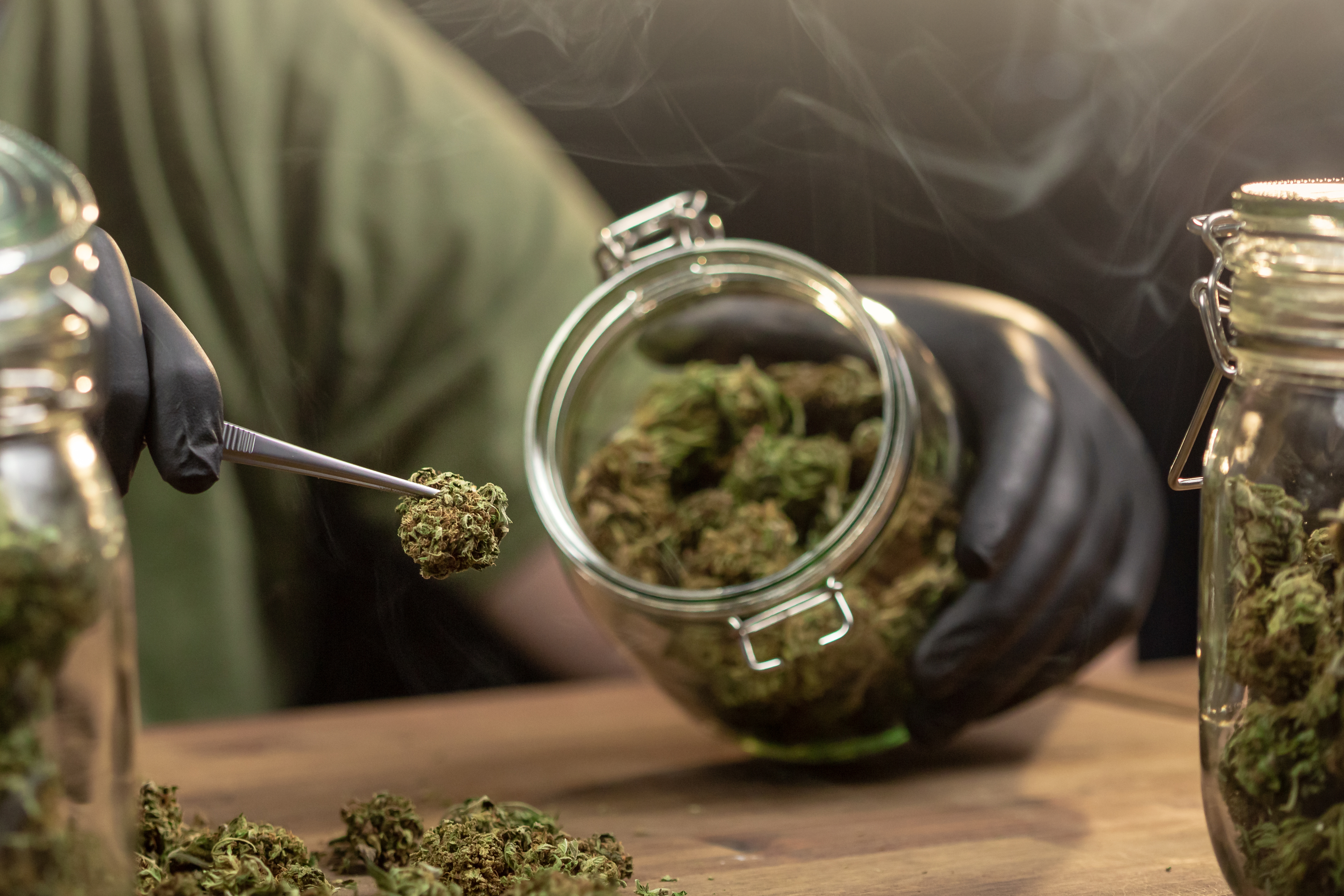


Curing is an important step that happens after cannabis is harvested and dried. It can affect the smell, taste, smoothness, and overall condition of the final flower. Most people are familiar with traditional curing, where dried cannabis buds are placed in containers and allowed to cure slowly over several weeks. Water curing is a different method. Instead of relying mainly on air and time, it uses clean water to remove certain substances from the plant material.
Water curing bud means placing cannabis flowers in water for a limited period of time. The water is changed during the process as substances leave the buds and move into the surrounding liquid. After the water cure is finished, the cannabis must be dried again before it can be stored. The method is mainly used to remove some compounds that dissolve easily in water.
Cannabis flowers contain many different natural substances. These include cannabinoids, terpenes, chlorophyll, plant sugars, salts, and other materials. Some of these compounds dissolve in water more easily than others. During water curing, water-soluble materials can slowly move out of the flower. This is one reason the water may become cloudy or change color during the process.
Chlorophyll is one of the plant compounds often discussed when people talk about curing cannabis. Chlorophyll gives plants their green color and helps them absorb light during growth. However, freshly harvested cannabis may contain high levels of plant material that can contribute to a green or grassy taste. Proper drying and traditional curing can reduce some of these qualities over time. Water curing aims to remove some water-soluble plant material more quickly.
The main reason people consider water curing is to create cannabis that may feel smoother when used. Removing sugars, salts, and other soluble plant compounds may reduce some of the harsh qualities found in poorly cured or recently harvested flower. This does not mean that water curing automatically produces better cannabis. The final result depends on the quality of the flower, how it was grown, how it was handled, and how carefully it is dried after the water cure.
Water curing also has important tradeoffs. One of the biggest is the effect it can have on smell and flavor. Cannabis gets much of its unique aroma from compounds called terpenes. Terpenes can produce scents that are described as fruity, earthy, pine-like, citrus-like, spicy, or floral. These compounds can be sensitive to heat, air, moisture, and handling. Because water curing changes the way cannabis is processed after harvest, the finished flower may have a weaker smell and less noticeable flavor than traditionally cured cannabis.
For this reason, water curing is usually discussed as an alternative method rather than a direct replacement for traditional curing. A person who values strong aroma and rich flavor may prefer a slow dry and jar cure. Someone who is more interested in reducing strong plant odors or removing certain soluble materials may be more interested in water curing. Each method changes the final flower in different ways.
Another reason water curing receives attention is speed. Traditional cannabis curing often takes several weeks. The process gives moisture inside the buds time to become more even while plant compounds slowly change. Water curing usually takes place over a much shorter period. However, the flower still needs to be dried properly afterward. The shorter soaking period does not mean the entire post-harvest process is finished as soon as the buds leave the water.
Drying after a water cure is especially important. Cannabis that has been submerged in water contains much more moisture than normally cured flower. If it is placed in a sealed container before it is fully dry, excess moisture can create conditions where mold and other unwanted growth may develop. The outside of a bud may also feel dry before the inside has lost enough moisture. This is why careful drying is a major part of the process.
Water curing should also not be confused with making unsafe cannabis safe. Soaking flower in water is not a reliable way to remove mold, harmful microbes, pesticides, or every type of contaminant. Cannabis that shows signs of mold or serious contamination should not be treated as safe simply because it has been washed or water cured. The method is mainly designed to remove certain water-soluble plant substances, not to repair damaged or contaminated flower.
Questions about potency are also common. THC, CBD, and other cannabinoids behave differently from sugars and salts because they have very low solubility in water. This is one reason water curing can remove some plant material without washing away cannabinoids in the same way. Still, rough handling can damage the tiny resin glands called trichomes that hold many cannabinoids and aromatic compounds. Careful handling remains important throughout any curing method.
Water curing bud is therefore best understood as a specific post-harvest technique with both benefits and limits. It may reduce some unwanted plant material, shorten part of the curing period, and produce flower with a milder smell and smoother character. At the same time, it may reduce some of the aroma and flavor that people often associate with well-cured cannabis.
Understanding these differences is important before comparing water curing with traditional methods. The sections that follow will explain how water curing works, what it can remove, how it may affect THC and terpenes, how long the process usually takes, how drying works afterward, and what safety concerns should be considered. Knowing these basics makes it easier to understand why water-cured cannabis can look, smell, and feel different from flower that has been cured slowly in air.
What Is Water Curing and How Does It Work?
Water curing is a method used after cannabis has been harvested. Instead of curing the flower mainly in air and sealed containers, the cannabis is placed in clean water for a set period of time. The goal is to remove some of the substances in the plant that can affect taste, smell, and smoothness.
Cannabis flower contains many different compounds. Some are valuable, such as cannabinoids and aromatic compounds. Others include plant material, sugars, salts, and pigments. Some of these substances can dissolve in water. During water curing, the water helps pull out part of this soluble material.
The process is different from simply rinsing cannabis. A quick rinse may remove dirt or material from the outside of the flower. Water curing takes much longer. The buds remain submerged for several days, and the water is usually replaced during the process.
This method can change the final character of the flower. Water-cured cannabis may have a weaker smell and less flavor than cannabis cured through traditional methods. However, some of the compounds linked with a harsh or plant-like taste may also be reduced.
What Water Curing Means
Water curing means keeping harvested cannabis flower underwater for a controlled period. The flower is placed in a clean container and covered with clean water. It needs to stay submerged so the water can reach as much of the plant material as possible.
During this time, substances that can dissolve in water begin to move out of the cannabis. This does not happen all at once. It takes time for water to move through the plant tissue and carry soluble material away.
Water curing is usually done before the cannabis is stored for long-term use. The flower may be fresh, partly dried, or already dried, depending on the method being followed. No matter when it is done, the cannabis will become very wet during the process. This means it must be dried again afterward.
The main purpose is not to wash the outside of the buds. It is to change some of the material inside and around the flower. The water acts as a medium that allows certain compounds to leave the plant.
This is why the water can look different after the cannabis has been soaking for a while. It may become yellow, greenish, brownish, or cloudy. The exact appearance can vary based on the condition of the flower, how it was grown, and how much soluble material is present.
How Water Removes Soluble Compounds
The main idea behind water curing is simple. Some substances dissolve in water more easily than others.
Cannabis contains compounds such as sugars, salts, and some plant pigments that can move into water. When the flower is submerged, these substances begin to leave the plant tissue and enter the surrounding liquid.
This movement happens because the water outside the flower has a lower level of these dissolved substances at the beginning of the process. Over time, the water collects more material. As the water becomes more loaded with dissolved compounds, the process can slow down.
This is one reason the curing water is changed during the process. Fresh water gives the flower a new, cleaner environment. This can allow more soluble material to continue moving out of the cannabis.
The color of the water often changes during curing. Darker or cloudier water may show that plant material is leaving the buds. However, water color alone does not give an exact measure of what has been removed. It is only a visible sign that changes are taking place.
Not every compound in cannabis behaves the same way in water. Some compounds do not dissolve easily in water, while others can be removed more readily. This difference is important because water curing does not simply wash away everything inside the flower.
The process mainly affects compounds that are able to move into the water. Other compounds may stay in the cannabis unless they are lost through rough handling, heat, light, or other conditions.
What Happens to the Cannabis During the Cure
Cannabis changes in several ways while it is being water cured. One of the first changes is that the buds become fully saturated with water. They become heavier and softer because water enters the plant material.
The smell may also change. Fresh or traditionally cured cannabis often has a strong scent. During water curing, some of the materials linked with the plant’s smell and flavor may be reduced. The final flower can therefore smell less intense than flower that has been cured in air.
The appearance may change as well. The buds can become darker or less bright after being soaked. Some plant pigments and other soluble materials may move into the water. This can make the finished cannabis look different from traditionally cured flower.
The texture is also very different during the process. Wet cannabis is soft and delicate. Rough handling can damage the flower. For this reason, the buds should not be squeezed, crushed, or stirred aggressively.
The most important stage after water curing is drying. Cannabis cannot be stored safely while it is still wet. If too much moisture remains inside the flower, mold and spoilage can become a serious concern.
Drying must remove water not only from the surface but also from the inside of the buds. Dense flower can stay moist in the center even when the outside feels dry. This is why proper airflow and careful drying are important after the soaking stage ends.
The finished result can be quite different from cannabis that goes through a normal dry and jar cure. Water curing can produce flower with less plant-like material and a milder smell, but it may also have less of the original flavor and aroma.
Water curing is a post-harvest method in which cannabis flower is kept submerged in clean water for several days. The process works because some plant compounds can dissolve in water and move out of the buds.
Sugars, salts, pigments, and other water-soluble material may gradually enter the surrounding water. Changing the water helps the process continue because fresh water can take in more dissolved material.
During curing, the cannabis becomes fully soaked, softer, and often less aromatic. The water may become cloudy or discolored as compounds leave the flower. The final buds must then be dried carefully before they can be stored.
Water curing is different from a simple rinse and different from traditional jar curing. It is a longer soaking process designed to change the composition of the flower by removing some water-soluble material. Understanding how this process works makes it easier to understand both its possible benefits and its main tradeoffs.
Why Do People Water Cure Cannabis?
Water curing is an alternative way to prepare cannabis after harvest. Instead of letting the flower cure slowly in jars, the buds are placed in clean water for several days. The water helps remove some substances that can affect how the final cannabis tastes, smells, and feels when used.
People choose water curing for several reasons. Some want cannabis that feels smoother when smoked. Others want to remove more chlorophyll and other plant material from the flower. Water curing can also take less time than a traditional jar cure. In some cases, people may also prefer cannabis with a weaker smell.
However, water curing comes with tradeoffs. It can reduce some of the natural smell and flavor that many people expect from cannabis. Understanding these benefits and limits can help explain why someone may choose this method instead of a standard curing process.
Producing Smoother Cannabis
One of the main reasons people water cure cannabis is to produce a smoother final product. Fresh cannabis contains many natural plant compounds. Some of these substances can make the smoke feel harsh, especially if the flower has not been dried and cured well.
Chlorophyll is one of the compounds often discussed during cannabis curing. It gives plants their green color and plays an important role while the plant is growing. After harvest, however, large amounts of remaining plant material may contribute to a grassy or sharp taste.
Water curing may remove some of these water-soluble substances from the flower. As the buds sit in water, certain compounds can move out of the plant material and enter the surrounding water. This is why the water may become darker, greener, or cloudy during the process.
When some of these substances are removed, the dried flower may have a milder taste. Some people describe properly water-cured cannabis as less harsh because there may be less unwanted plant material left behind.
It is important to understand that smoothness still depends on proper drying. Cannabis that remains too wet after water curing may burn poorly and may also be more likely to develop mold. The water cure itself is only one part of the process.
Removing Unwanted Plant Material
Another common reason for water curing is to remove water-soluble compounds from cannabis flower. Cannabis contains more than cannabinoids and terpenes. It also contains plant sugars, salts, pigments, and many other natural substances.
Some of these compounds can dissolve in water. When cannabis is submerged, these substances may slowly move from the buds into the surrounding water. Changing the water regularly helps continue this process because fresh water contains less dissolved plant material.
Chlorophyll is often one of the main substances people want to reduce. High levels of fresh plant material can contribute to a green or grassy taste. Water curing may help remove part of this material more quickly than simply waiting for it to break down during a long jar cure.
Plant sugars and some mineral salts may also move into the water. These compounds are not usually the main reason people use cannabis, so removing part of them can change the final character of the flower.
However, water curing should not be treated as a complete cleaning method. It cannot guarantee that every unwanted substance will be removed. It should also never be used as a way to make moldy or unsafe cannabis acceptable to use.
The starting flower should already be clean and free from visible mold or spoilage. Water curing is a post-harvest method, not a repair method for contaminated cannabis.
Faster Curing Compared With Traditional Methods
Time is another reason some people choose water curing. Traditional cannabis curing often takes several weeks. The flower is usually dried first and then stored in containers where moisture slowly becomes more even throughout the buds.
During this time, growers may open the containers at regular intervals to release moisture and allow fresh air inside. The process requires patience and careful attention.
Water curing usually happens over a much shorter period. Instead of waiting weeks for certain compounds to break down or leave the flower, water can help remove some soluble material within several days.
This faster process can be attractive when someone wants to shorten the post-harvest timeline. However, water curing should not be seen as a simple shortcut without consequences.
Traditional curing does more than reduce harsh plant material. It can also help preserve the natural smell and flavor of cannabis. Water curing tends to remove or weaken some of these qualities.
The flower must also be dried again after it comes out of the water. This drying stage cannot be rushed. Even if the soaking period is short, the buds still need enough time to dry fully before they are stored.
Situations Where Water Curing May Be Considered
Water curing may be useful in situations where smoothness is more important than strong flavor or smell. Someone who prefers mild cannabis may find the method interesting because the finished flower often has a less noticeable aroma.
This weaker smell can also make water-cured cannabis more discreet during storage. Cannabis normally has a strong scent because of its terpenes and other aromatic compounds. Water curing may reduce some of this smell.
However, this can also be a disadvantage. Many cannabis strains are valued for their unique aroma and flavor. These qualities may include fruity, earthy, citrus, pine, sweet, or spicy notes. Water curing can make these features less noticeable.
For this reason, water curing may not be the best choice when preserving the natural terpene profile is the main goal. Traditional drying and curing methods are usually better suited for keeping more of the original smell and flavor.
Water curing is better viewed as a method that creates a different type of final product. It focuses more on removing water-soluble plant material and less on protecting every part of the flower’s original aroma.
People water cure cannabis mainly to create smoother flower, remove some unwanted plant compounds, and shorten the curing period. The water can help draw out certain soluble substances such as plant pigments, sugars, and salts. This may reduce grassy flavors and make the finished cannabis feel less harsh when it is properly dried.
Water curing can also take only several days, which is much faster than a traditional cure that may last for weeks. However, speed comes with a tradeoff. The process may weaken the natural smell and flavor of the cannabis.
What Does Water Curing Remove From Cannabis?
Water curing changes cannabis by allowing some substances inside the plant material to move into the surrounding water. This happens because certain compounds dissolve in water more easily than others. As the flower sits in clean water, some of these soluble materials leave the buds and collect in the water. This is one reason the water may become cloudy, yellow, brown, or greenish during the process.
However, water curing does not remove everything from cannabis. Some compounds are much more soluble in water than others. Cannabinoids such as THC and CBD do not dissolve easily in plain water, while many sugars, salts, and other plant compounds can move into the water more readily. Understanding this difference helps explain why water curing can change the taste, smell, appearance, and overall character of cannabis without simply washing away all of its active compounds.
Chlorophyll and Plant Pigments
Chlorophyll is the green pigment that allows plants to absorb light for photosynthesis. Cannabis contains a large amount of chlorophyll while it is growing. After harvest, some of this plant material begins to break down during drying and curing.
Chlorophyll itself does not dissolve very well in plain water. For that reason, it is not completely accurate to say that water curing simply washes all chlorophyll out of cannabis. However, the process can remove some water-soluble plant compounds connected with fresh, green plant material. It may also remove substances that contribute to the sharp or grassy taste often found in poorly cured cannabis.
During normal air curing, plant material changes slowly over time. Moisture leaves the flower, and chemical changes continue inside the plant tissue. This process can reduce the fresh-cut grass smell associated with newly harvested cannabis. Water curing takes a different approach. Instead of depending only on slow changes during storage, the buds are placed in water so that some unwanted soluble materials can leave the flower more quickly.
The color of the curing water may change as these compounds move out of the plant. The water can appear yellow, brown, cloudy, or slightly green. These color changes do not mean that only chlorophyll is being removed. Many different plant substances can affect the appearance of the water.
After water curing, the buds may also look different. Their color can appear duller or darker than traditionally cured cannabis. This is partly because soaking affects the plant tissue and removes some soluble substances that contribute to its original appearance.
Salts, Sugars, and Other Soluble Material
Water is very effective at dissolving many salts, sugars, and other small water-soluble compounds. These substances can be naturally present in cannabis tissue or may remain from the plant’s growing environment.
Sugars are produced naturally by plants as part of their growth and energy processes. Some sugars and related compounds remain in harvested plant material. When cannabis is placed in water, certain soluble sugars can move from the flower into the surrounding water.
Mineral salts may also be present in plant tissue. Cannabis plants absorb minerals and nutrients through their roots while growing. Some of these compounds are used by the plant, while small amounts may remain within plant material after harvest. Water curing may allow some soluble minerals and salts to leave the flower.
This movement is one reason fresh water is normally used throughout the curing process. As the surrounding water collects more dissolved substances, the difference between the concentration inside the plant and the concentration in the water becomes smaller. Replacing the old water with fresh water allows more soluble material to continue moving out of the buds.
Other natural plant compounds may leave the flower as well. This can include substances that contribute to bitterness, harshness, or a strong plant-like taste. The exact amount removed can vary. It depends on factors such as the condition of the flower, how long it remains in water, how often the water is replaced, and how dense the buds are.
Removing these compounds can make water-cured cannabis taste less like fresh plant material. At the same time, this process may also reduce some of the flower’s original aroma and flavor. Water curing should therefore be understood as a tradeoff. It may remove compounds that contribute to harshness, but the finished product may also have a weaker smell and taste.
What Water Curing Does Not Completely Remove
Water curing has clear limits. It should not be described as a method that makes contaminated cannabis safe. Simply soaking cannabis in water cannot guarantee the removal of pesticides, mold, bacteria, heavy metals, or other harmful substances.
Some pesticides may not dissolve well in water. Others may remain inside plant tissue even after soaking. The amount removed would depend on the specific chemical involved, so water curing cannot be relied on as a general pesticide-removal method.
Heavy metals are another concern. Cannabis plants can absorb metals from soil or other growing materials. Once these contaminants have entered plant tissue, soaking the flower in water should not be considered a dependable way to remove them.
Mold is especially important to understand. Water curing should never be treated as a way to rescue moldy cannabis. Mold can grow throughout plant material, including areas that are difficult to see. Some molds may also produce harmful substances. Washing or soaking a moldy bud does not prove that these hazards have been removed.
The same caution applies to cannabis that smells rotten, appears badly contaminated, or shows signs of serious spoilage. Water may change the appearance of the flower, but this does not mean that unsafe material has become safe.
Water curing is better understood as a curing method rather than a purification or decontamination process. Its main purpose is to remove certain water-soluble plant materials and change the final qualities of the flower. It cannot correct every problem caused by poor cultivation, contamination, mold, or improper storage.
Water curing can remove some water-soluble substances from cannabis, including certain sugars, salts, minerals, and other plant compounds. These materials move from the buds into the surrounding water, which is why the water often becomes cloudy or changes color during the curing process.
The process may also reduce some of the grassy or harsh qualities associated with fresh plant material. However, chlorophyll itself is not highly soluble in plain water, so it is more accurate to say that water curing removes a mixture of soluble plant compounds rather than simply washing away all chlorophyll.
Does Water Curing Reduce THC or Cannabis Potency?
One of the main questions people have about water curing is whether the process removes THC or makes cannabis weaker. This concern makes sense because the buds are kept in water for several days. During that time, some substances leave the plant material and enter the water. However, not every compound in cannabis reacts to water in the same way.
Water curing mainly removes substances that can dissolve in water. These may include some salts, sugars, plant pigments, and other water-soluble compounds. THC and many other cannabinoids behave differently because they do not dissolve easily in water. This means that soaking cannabis in plain water does not normally wash away large amounts of THC by itself.
However, this does not mean water curing has no effect at all on the final product. Handling, temperature, drying, and the condition of the flower can all influence the quality of cannabis. Understanding how cannabinoids behave during the process can help explain why water-cured bud may feel different even when much of its THC remains.
Cannabinoids and Water Solubility
THC, or tetrahydrocannabinol, is one of the main cannabinoids found in cannabis. CBD, or cannabidiol, is another well-known cannabinoid. These compounds are found mainly in the resin that covers the surface of cannabis flowers. Much of this resin is held in tiny structures called trichomes.
THC and CBD have very low water solubility. In simple terms, this means they do not mix well with water. If cannabis is placed in plain water, most of the cannabinoids do not simply dissolve and disappear into the liquid.
This is different from substances such as some sugars, salts, and other plant materials. These compounds are more likely to dissolve in water. As they leave the cannabis, the water may become darker, cloudy, or discolored.
This difference is one of the main reasons water curing can remove some unwanted plant material while leaving much of the cannabinoid content behind.
Still, cannabinoid loss is possible for other reasons. Trichomes can break away from the flower if the buds are handled roughly. Very warm conditions may also affect some sensitive cannabis compounds. Because of this, water curing should not be viewed as a process that guarantees complete cannabinoid preservation.
The condition of the buds before curing also matters. Older cannabis, poorly stored flower, or damaged plant material may already have experienced changes in cannabinoid levels before the water cure begins.
Why Potency Should Not Be Expected to Increase
Some people believe water curing makes cannabis more potent. This idea often comes from changes in the weight and composition of the flower rather than from the creation of more THC.
Water curing removes some water-soluble material from the buds. After the cannabis is dried again, the flower may weigh less than it did before curing. Some of that weight loss may come from plant compounds that were washed out during the process.
Imagine that a cannabis bud contains THC along with sugars, salts, pigments, and other plant material. If some of the non-cannabinoid material is removed while most of the THC remains, the final dried bud may have a different ratio of cannabinoids to total plant weight.
This can sometimes make the flower appear more concentrated by weight. However, the water cure itself does not create extra THC.
The total amount of THC in the original flower is mainly determined by the plant’s genetics, growing conditions, harvest timing, and post-harvest handling. Curing can affect the quality and condition of the flower, but it cannot cause the plant to suddenly produce more THC after harvest.
Water-cured cannabis may also feel different when consumed. A smoother product may be easier to inhale for some users, which can change the way the experience is perceived. However, smoother smoke or vapor does not automatically mean the cannabis contains more THC.
Changes in aroma and flavor can also affect how a person judges strength. Water curing may reduce some strong smells and tastes. A flower with less aroma may seem weaker even when much of its cannabinoid content remains.
For this reason, smell, taste, smoothness, and potency should be treated as separate qualities. A strong smell does not always mean higher THC, and a mild smell does not always mean lower THC.
Protecting Trichomes During Handling
Although THC does not dissolve easily in water, the trichomes that contain cannabinoids can still be damaged or removed through physical handling.
Trichomes are small resin glands found on the surface of cannabis flowers. They contain many of the cannabinoids and aromatic compounds associated with the plant. These structures can be delicate, especially when cannabis is dry or exposed to rough movement.
During water curing, unnecessary stirring, squeezing, shaking, or crushing can damage the flower. Strong movement may cause some trichomes to separate from the buds. If resin glands break away and are discarded with the curing water, some cannabinoids may be lost.
This is why gentle handling matters. The goal of water curing is to allow water-soluble substances to move out of the plant naturally. There is usually no need to aggressively scrub or stir the cannabis.
Temperature is another factor to consider. Excessive heat can speed up the breakdown of some cannabis compounds. Keeping the process away from strong heat and direct sunlight helps reduce unnecessary exposure.
Drying after the water cure is also important. Cannabis must be dried fully enough to prevent mold, but poor drying conditions can damage quality. Very high heat may dry the outside quickly while affecting aroma and other sensitive compounds.
The final potency of water-cured cannabis therefore depends on more than whether THC dissolves in water. The way the flower is handled before, during, and after curing also matters.
Water curing does not normally remove large amounts of THC simply because the cannabis is sitting in water. THC, CBD, and other major cannabinoids have very low water solubility, so they do not dissolve easily in plain water. Water curing is more effective at removing certain sugars, salts, pigments, and other water-soluble plant compounds.
However, the process does not increase the actual amount of THC in the flower. A reduction in other plant material may change the ratio of cannabinoids to the final dry weight, but no new THC is being created.
Some cannabinoid loss can still happen if the buds are handled roughly, exposed to excessive heat, or dried poorly. Trichomes are delicate and can break away from the flower through strong movement.
How Water Curing Affects Taste, Smell, and Terpenes
Water curing can change the taste and smell of cannabis in a noticeable way. This is one of the biggest differences between water curing and traditional dry curing. Many of the compounds that give cannabis its strong flavor and scent can be affected during the process. At the same time, water curing removes some plant materials that may cause a harsh or grassy taste.
The result is often cannabis that has a milder smell and a softer flavor. Some people may see this as a benefit, while others may prefer the stronger aroma that comes from traditional curing. The changes happen because cannabis contains many different natural compounds, and each one reacts differently to water, air, heat, and handling.
Why Water-Cured Bud May Smell Different
Fresh and dried cannabis can have a very strong smell. Much of this scent comes from terpenes and other aromatic compounds in the plant. These compounds can create scents that may seem fruity, citrus-like, earthy, spicy, floral, or pine-like.
Water curing often reduces the strength of these smells. During the process, the flower stays submerged in water for several days. Some plant material leaves the bud and moves into the water. The water may become cloudy or change color as this happens.
While many important cannabinoids are not easily dissolved in water, some of the compounds that affect smell and taste can still be changed or lost during the curing process. Long contact with water, repeated water changes, and handling can all affect the final aroma.
The result may be cannabis that smells much weaker than traditionally cured flower. The natural cannabis odor may still be present, but it can become less sharp or less complex. This may matter to people who want strong-smelling flower, especially when a strain is known for a special aroma.
On the other hand, a weaker smell may be useful in situations where a strong cannabis odor is not wanted. Water-cured flower may be less noticeable during storage because some of its strong plant scent has been reduced.
However, reduced smell does not mean that all odor disappears. The final result depends on the original flower, the length of the cure, the water temperature, and how the cannabis is dried afterward.
Terpenes and Aroma
Terpenes are natural compounds found in many plants, including cannabis. They are responsible for much of the smell and flavor associated with different cannabis strains. Terpenes are also found in fruits, herbs, flowers, and trees.
For example, some terpenes can produce citrus-like scents, while others may smell like pine, herbs, flowers, or spices. The terpene profile is one of the reasons two cannabis strains can smell very different even when they have similar cannabinoid levels.
Terpenes are delicate compounds. They can be affected by heat, light, air, and long storage periods. Post-harvest handling can also change them. This means that every step after harvest can influence the final aroma of cannabis.
Traditional curing is often designed to preserve as much of the natural aroma as possible. Cannabis is dried slowly and then stored in controlled conditions. This process allows moisture to leave the flower while helping protect many of the compounds that create its scent and flavor.
Water curing works differently. The flower stays in direct contact with water for an extended period. Because of this, the terpene profile may change more than it would during a slow dry cure.
Not all terpenes behave in exactly the same way. Some may remain in the flower better than others. However, the overall aroma is often less intense after water curing. This is why water-cured cannabis may smell more neutral than flower that has been carefully dried and cured in jars.
Handling also matters. Rough movement can damage the small resin glands called trichomes that cover cannabis flowers. These trichomes contain cannabinoids and aromatic compounds. Gentle handling can help reduce physical damage during the water-curing process.
Drying conditions after the water cure are also important. High heat can cause more aromatic compounds to escape. A slower and more controlled drying process may help protect what remains.
Smoothness Versus Flavor
One of the main reasons people use water curing is to reduce some of the plant materials that can make cannabis taste harsh. Fresh cannabis contains chlorophyll, sugars, salts, and other compounds. Some of these materials may contribute to a bitter, grassy, or sharp taste when the flower is not cured well.
Water curing can remove part of this material because many of these compounds can dissolve in water. As they leave the flower, the final bud may develop a cleaner or milder taste.
This creates an important tradeoff. Water curing may reduce harsh plant flavors, but it can also reduce some of the stronger flavors that make a cannabis strain unique.
For example, a strain may normally have a strong citrus, berry, pine, or spicy smell. After water curing, these features may become weaker. The flower may still have flavor, but it may seem less rich or less complex.
Traditional curing usually tries to balance smoothness with flavor. The goal is to allow unwanted moisture and harsh plant qualities to decrease while keeping as much of the original aroma as possible. This process takes longer, but it may produce flower with a stronger strain-specific smell.
Water curing focuses more on removing water-soluble material quickly. Because of this, speed and smoothness may come at the cost of aroma and flavor.
It is also important to understand that water curing cannot improve poor-quality cannabis in every way. If the original flower has weak aroma or poor flavor, water curing will not create new terpenes or make the strain more flavorful. It may reduce some unwanted tastes, but it cannot replace proper growing, harvesting, drying, and storage.
The final taste also depends on how well the flower is dried after the cure. Cannabis that stays too wet may develop unpleasant odors or spoilage. Cannabis that is dried too quickly or with too much heat may lose even more aroma.
Water curing can make major changes to the taste and smell of cannabis. The process removes some water-soluble plant compounds that may contribute to harsh, grassy, or bitter flavors. This can lead to a milder and smoother final product.
At the same time, water curing can reduce the strength of the flower’s natural aroma. Terpenes are delicate compounds, and post-harvest conditions can affect how well they are preserved. Long exposure to water, repeated handling, and improper drying can all change the final terpene profile.
How Long Does Water Curing Bud Take?
Water curing usually takes less time than traditional cannabis curing. While normal jar curing can continue for several weeks, water curing is often completed in a matter of days. The exact amount of time can vary depending on the condition of the cannabis, the size and density of the buds, how often the water is changed, and the method being followed.
Many water-curing methods last about three to seven days, although some may continue for longer. During this period, the cannabis stays submerged in clean water. The water is changed regularly so that more water-soluble plant material can leave the buds. The goal is not simply to keep the cannabis wet for a set number of days. Instead, the process should continue long enough for much of the unwanted soluble material to move into the water.
Because cannabis flowers can vary greatly in size, moisture level, and density, there is no single curing time that works perfectly for every batch. Understanding what happens during each stage can make the process easier to judge.
Typical Water-Curing Time
A common water-curing period is around three to seven days. Some methods may use a shorter period, while others may continue for up to ten days. These differences happen because the flower itself can affect how quickly soluble compounds move into the water.
Fresh or recently harvested cannabis may contain more moisture than dried flower. Dense buds may also take longer for water to move through than loose or airy flowers. The amount of plant material being cured can also affect how quickly the water becomes cloudy or discolored.
During the first day or two, the water may change color quickly. This happens as pigments, sugars, salts, and other water-soluble substances move out of the plant material. The water may become green, yellow, brown, or cloudy depending on what is leaving the cannabis.
As the process continues, the water may become clearer after each change. This can be a sign that fewer soluble compounds are moving out of the buds. However, water clarity alone should not be treated as a perfect measurement. It is simply one sign that the process may be getting closer to completion.
Water curing should not be rushed, but it should also not continue longer than necessary. Keeping cannabis wet for too long can increase the risk of spoilage, especially if the water or container is not kept clean.
Why the Water Is Changed
Changing the water is one of the most important parts of water curing. Once cannabis is placed in clean water, soluble compounds begin moving from the plant tissue into the surrounding water. Over time, the water contains more of these dissolved substances.
If the same water is left in place for too long, the movement of new material out of the buds may slow down. Replacing the old water with fresh water creates a cleaner environment where more soluble compounds can continue to leave the flower.
Many methods recommend changing the water at least once every 24 hours. Some people may replace it more often during the early stages if the water becomes very dark or cloudy. The main purpose is to prevent the cannabis from sitting in water that is already heavily filled with dissolved plant material.
Clean water also helps reduce the chance of unpleasant smells or unwanted microbial growth. The container itself should remain clean throughout the process. Dirty containers or old standing water can create conditions that make spoilage more likely.
The cannabis should be handled gently each time the water is changed. Rough stirring, squeezing, or crushing the buds can damage the flower and knock off resin glands. There is usually no need to aggressively move the cannabis around. Fresh water can do most of the work.
Signs the Process Is Progressing
The appearance of the water is one of the easiest ways to observe what is happening during water curing. Early in the process, the water may become strongly colored within a short amount of time. This is usually caused by soluble plant material moving into the water.
With each water change, the next batch of water may become less cloudy or less strongly colored. This gradual change can show that the amount of material leaving the cannabis is decreasing.
The smell of the water may also change over time. Early water changes may have a stronger plant-like smell. Later water changes may have less odor as fewer compounds leave the flower.
The buds themselves may also change in appearance. They can become darker, softer, or less bright in color while submerged. These changes are not always a sign of a problem. Cannabis that has been soaked in water will naturally look different from dry flower.
However, unusual fuzzy growth, strong rotten smells, or signs of decay should not be ignored. These may suggest that the cannabis is spoiling rather than curing properly.
It is important to understand that water clarity and smell are only practical signs. They do not provide an exact scientific measurement of how much chlorophyll, sugar, salt, or other material remains inside the flower.
Avoiding Excessive Soaking
Longer curing does not always mean better cannabis. Once much of the water-soluble material has already left the flower, keeping the buds submerged for extra days may offer little benefit.
Extended soaking can create several problems. Cannabis stays completely wet during water curing, which means there is always some risk of microbial growth. Warm temperatures, dirty containers, and poor water quality can make this risk greater.
Too much soaking can also reduce the natural smell and taste of the flower. Water curing already tends to produce cannabis with a milder aroma compared with traditional curing. Leaving the buds underwater longer than needed may make this effect more noticeable.
Another concern is physical handling. Every water change means the cannabis must be moved or the water must be carefully drained and replaced. The longer the process continues, the more often the flower may be handled. This can increase the chance of damaging delicate trichomes.
For these reasons, the curing period should be based on visible progress rather than simply choosing the longest possible time. When fresh water stays relatively clear and shows little change compared with earlier water changes, the process may be close to finished.
Water curing bud usually takes several days, with many methods lasting about three to seven days. Some batches may require less time, while others may continue for longer depending on the condition and density of the cannabis. Regular water changes help keep the curing process moving by removing dissolved plant material and replacing it with clean water.
The changing color and clarity of the water can provide useful signs of progress. Early water changes are often darker or cloudier, while later changes may remain much clearer. These signs can help show when fewer soluble compounds are leaving the flower.
At the same time, cannabis should not remain underwater longer than necessary. Excessive soaking can increase the risk of spoilage, reduce aroma and flavor, and create more opportunities for physical damage. Once the water stays fairly clear and the curing process appears complete, the next important step is drying the buds fully and carefully before storage.
Water Curing Bud: The Process From Start to Finish
Water curing is a post-harvest method that uses clean water to remove some water-soluble material from cannabis flowers. It is different from traditional curing, which usually depends on slow drying and storage over several weeks. During water curing, the flower stays in contact with water for a limited period. The goal is to allow certain plant compounds to move out of the flower and into the water.
This process can change the final smell, taste, appearance, and texture of the cannabis. It may also reduce some of the plant material that can make poorly cured flower feel harsh. However, water curing does not make damaged, contaminated, or moldy cannabis safe to use. Careful inspection and drying remain important parts of the process.
Preparing the Cannabis
The first step is checking the cannabis before any water-curing process begins. The flower should be examined for visible mold, unusual discoloration, rot, or other signs of damage. Cannabis that already shows signs of contamination should not be placed in water in an attempt to repair it. Water may remove some surface material, but it cannot be relied on to remove mold toxins or other harmful contaminants.
Water curing may be discussed in connection with freshly harvested, partly dried, or fully dried cannabis. Each starting condition behaves somewhat differently.
Fresh cannabis naturally contains a large amount of moisture. The plant material is still soft, and many of its natural compounds remain present. Partly dried flower contains less water but has not yet reached the condition usually expected for long-term storage. Fully dried cannabis has already lost much of its original moisture.
The condition of the flower can affect how it responds to being placed in water. Dense buds may also hold moisture differently from small or loose flowers. This becomes especially important later, when the cannabis must be dried again.
Gentle handling is important because cannabis flowers contain small resin glands called trichomes. Rough crushing, squeezing, or unnecessary movement can physically damage these structures.
Choosing Water and a Container
Cleanliness is an important part of water curing because the cannabis remains wet during the process. The container should be clean and free from soap residue, dirt, grease, or other substances that could come into contact with the flower.
The water should also be clean and suitable for normal household use. The purpose of the water is to provide a medium into which certain soluble plant compounds can move.
A container should have enough room for the cannabis and the surrounding water. Packing flower tightly into a small space can make it harder for water to contact the plant material evenly. At the same time, the flower should not be crushed simply to make it fit.
Water curing works because some substances found in cannabis plant tissue can dissolve in water. These may include certain sugars, salts, pigments, and other soluble material. Cannabinoids such as THC behave differently because they have very low water solubility.
Submerging the Flower
During water curing, the flower is kept in contact with water. Cannabis buds may naturally tend to float because of trapped air and the physical structure of the flower. The main idea is to keep the plant material exposed to the water without aggressively pressing or damaging it.
The movement of soluble compounds does not require strong stirring or rough agitation. In fact, excessive handling may damage the physical structure of the buds.
As the flower remains in the water, some soluble substances can move from areas of higher concentration inside the plant tissue into the surrounding water. This is one reason the water may gradually change in appearance.
The water may become yellowish, greenish, brownish, or cloudy. The exact appearance can vary depending on the condition of the cannabis, how it was grown, and what compounds are leaving the plant material.
These color changes should not be treated as a laboratory test. Dark water does not automatically prove that harmful substances have been removed, and clear water does not guarantee that the cannabis is safe or properly cured.
Replacing the Water
Water is commonly refreshed during water curing because the surrounding liquid gradually collects soluble plant material. Replacing it with clean water allows the movement of additional soluble substances to continue.
Think of the process in simple terms. When clean water first surrounds the flower, there is a larger difference between the concentration of certain substances inside the cannabis and the concentration in the water. As those substances enter the water, that difference becomes smaller.
Fresh water restores a stronger difference in concentration. This can allow more water-soluble material to continue moving out of the plant.
The appearance of the old water may change from one stage to the next. Early water may contain more visible color or cloudiness, while later water may appear clearer. However, the process is not exact, and the appearance of the water should not be the only factor used to judge the condition of the flower.
Water curing also keeps the cannabis wet for an extended period. For this reason, cleanliness and careful handling are important throughout the process.
Knowing When the Water Cure Is Finished
There is no single visual sign that can prove a water cure is complete. One commonly discussed sign is that fresh water changes less noticeably after being in contact with the cannabis. This may suggest that less soluble material is moving out of the plant.
However, water clarity is only a general observation. Different cannabis flowers contain different amounts of pigments, sugars, salts, and other plant material. Growing conditions, harvest timing, flower density, and previous drying can all affect the result.
Keeping cannabis wet longer than necessary does not automatically improve the final product. Extended moisture exposure can create additional concerns related to spoilage and microbial growth.
The end of water curing is also not the end of the post-harvest process. The flower is now wet and must be dried thoroughly before it can be stored.
This drying stage is especially important because moisture can remain inside dense buds even when the outside begins to feel dry.
Can Already Dried Bud Be Water Cured?
Water curing is sometimes discussed as a method that can also be applied to cannabis that has already been dried. When dry flower is placed back into water, it absorbs moisture again.
This means the cannabis must later go through another complete drying stage. It should not be placed directly into a sealed storage container after being removed from water.
Rewetting dried flower may also change its texture, smell, appearance, and flavor. Traditional curing is often valued because it helps preserve the natural character of cannabis, including its aroma. Water curing can produce a more muted smell and taste because the overall post-harvest environment is very different.
Water curing dried cannabis should also not be viewed as a way to rescue flower that has become moldy or badly contaminated. If cannabis has visible mold, unusual fuzzy growth, or signs of decay, soaking it does not make it safe.
The same rule applies whether the flower begins fresh or dry: the quality and condition of the starting material matter.
Water curing bud is a post-harvest method that uses clean water to remove some water-soluble substances from cannabis flower. The general process involves inspecting the flower, using clean water and a clean container, keeping the cannabis in contact with the water, and allowing soluble plant compounds to move into the surrounding liquid.
The water may become darker or cloudy as plant material enters it. Fresh water may then be used to continue the process. Over time, less visible material may appear in the water, although water clarity alone cannot prove that the cure is complete.
Water curing can also be applied to cannabis that has already been dried, but doing so makes the flower wet again. This means careful drying is required afterward.
How to Dry Bud After Water Curing
Drying is one of the most important steps after water curing cannabis. During water curing, the buds stay submerged for several days and absorb a large amount of moisture. When they are removed from the water, they are much wetter than cannabis that has only been air dried. This extra moisture must be removed carefully before the flower is stored.
If water-cured buds are stored while they are still too wet, mold and bacteria can grow. The outside of a bud may feel dry while the center still holds moisture. For this reason, drying should not be rushed. The goal is to remove water from both the surface and the inside of the flower while protecting the bud from heat, dirt, and excess handling.
Why Drying Is Essential After Water Curing
Water curing leaves cannabis flowers saturated with water. Even after the buds are taken out of the container, moisture remains between the leaves, inside dense flower clusters, and around the stem. This creates a very different situation from normal curing, where the flower slowly loses moisture over time.
Wet plant material can provide a good environment for mold and other microbes. Mold grows best when moisture remains trapped and air movement is poor. Dense cannabis buds may be more at risk because the center can stay damp long after the surface begins to feel dry.
Proper drying also helps prepare the flower for storage. Cannabis should not be sealed in an airtight container while it still contains too much moisture. Once trapped inside a closed container, that moisture has nowhere to escape. Humidity can rise quickly and create conditions that support spoilage.
Drying after water curing is therefore not just about making the flower feel dry. It is about reducing moisture throughout the entire bud. A careful drying stage helps protect the flower from mold and keeps it more stable during storage.
Removing Surface Water
The first goal after water curing is to remove excess water from the outside of the buds. When the flower is first taken out of the water, droplets may remain on the surface and between small leaves. Allowing this surface water to drain helps the later drying process work more evenly.
The buds should be handled gently. Wet cannabis can be soft and fragile. Rough handling may crush the flower or damage the resin-covered structures on its surface. Squeezing the buds to force water out is not a good approach because it can damage the plant material and compress the flower.
The buds should instead be allowed to drain naturally. They should be kept separate enough that air can move around them. When wet buds are packed closely together, moisture can become trapped where the flowers touch.
Surface water usually disappears before the moisture inside the bud does. This can create the impression that the flower is already dry. A bud may look normal and feel dry on the outside while still containing a large amount of water inside. This is why surface appearance alone should not be used to decide when drying is finished.
Drying the Interior of Dense Buds
The inside of the flower usually takes longer to dry than the outside. This is especially true with large or dense buds. Moisture must slowly move from the center of the flower toward the surface before it can escape into the surrounding air.
Several conditions can affect how quickly this happens. Air movement is important because it helps carry moisture away from the surface of the buds. However, very strong airflow can dry the outside too quickly while moisture remains trapped deeper inside.
Temperature also affects the drying rate. High heat may cause moisture to leave the surface rapidly, but excessive heat can also affect the quality of the flower. A controlled environment is generally more suitable than trying to force the buds to dry as quickly as possible.
Humidity is another major factor. When the surrounding air already contains a high level of moisture, water leaves the buds more slowly. In very humid conditions, drying may take longer and the risk of mold can increase. In very dry conditions, the outside of the flower may dry before the center.
Bud size matters as well. Small, loose flowers tend to dry faster than large, tightly packed buds. For this reason, different pieces from the same batch may not become fully dry at exactly the same time.
The main goal is even drying. The flower needs enough time for moisture from deeper inside the bud to move outward and escape. Rushing this process can leave hidden moisture behind.
Determining When the Bud Is Dry
Knowing when water-cured cannabis is dry enough can be more difficult than it appears. The surface is usually the first part to dry, so touching the outside does not always provide enough information.
A fully dried bud should no longer feel wet, soft, or heavy with water. The small stems and inner parts of the flower should also show clear signs that moisture has been greatly reduced. However, cannabis should not be judged only by one physical sign because flower density and stem thickness can vary.
One important point is the difference between surface dryness and internal moisture. A flower can feel dry when touched but release moisture from its center after it is placed in a closed container. If the bud is sealed too early, that moisture can spread through the container and raise the humidity around the flower.
For this reason, storage should only begin after the cannabis has dried thoroughly and evenly. Any flower that still seems damp should be given more time to dry rather than being sealed away.
It is also important to check the buds during the drying stage. Any unusual fuzzy growth, musty smell, or unexpected discoloration can be a warning sign of mold or spoilage. Cannabis that shows clear signs of mold should not be treated as safe simply because it is later dried.
Drying is a critical final stage of water curing bud. Cannabis absorbs a large amount of moisture while it is submerged, so it must be dried completely before it is stored. The outside of a bud often dries faster than the center, which means surface dryness does not always show that the entire flower is ready.
Careful handling helps protect wet buds from damage, while steady airflow and controlled conditions allow moisture to leave the flower more evenly. Dense buds usually need more attention because water can remain trapped inside them for longer periods.
Mold, Bacteria, and Safety During Water Curing
Water curing keeps cannabis wet for a much longer period than normal drying or jar curing. Because of this, moisture control becomes one of the most important safety concerns. Water itself is not harmful to the flower, but long periods of damp conditions can make it easier for mold, bacteria, and other microorganisms to grow.
This risk does not mean that every water-cured bud will develop mold. The main concern is that wet plant material can create a good environment for unwanted growth if cleanliness, handling, and drying are poor. Cannabis flowers can also be dense, which means moisture may stay trapped deep inside the bud even when the outside begins to feel dry.
For this reason, water curing should always be viewed as a process that requires careful attention to cleanliness and moisture. A flower that looks normal on the outside may still have excess moisture inside. If wet cannabis is stored too early, mold may develop after the curing process is finished.
Why Water Creates Additional Risk
Mold needs certain conditions to grow, and moisture is one of the most important. During water curing, cannabis remains in contact with water for an extended period. This is very different from traditional curing, where the main goal is to slowly reduce and balance moisture in dried flower.
Plant material naturally carries microorganisms from the environment. These can come from the soil, air, tools, hands, storage areas, or the plant itself. When cannabis stays wet, some microorganisms may have better conditions for growth.
Cleanliness therefore matters throughout handling. Dirty containers, unclean surfaces, and contaminated water can add unwanted microorganisms to the flower. However, cleanliness alone cannot guarantee that cannabis will remain safe. The condition of the plant before curing also matters.
Dense buds may create an additional concern because water can remain inside them after the outside appears dry. This trapped moisture is one reason that the drying stage after water curing is so important. If damp flower is placed in a closed container, the moisture has nowhere to escape. The humid environment inside the container may encourage mold growth.
Temperature can also affect microbial activity. Warm, damp environments generally support faster growth of many molds and bacteria. For this reason, cannabis should not be left in warm, poorly ventilated conditions while it is still wet.
Warning Signs of Spoilage
People should inspect cannabis carefully if they are concerned about mold or spoilage. Mold does not always look the same. Some growth may appear white, gray, green, or brown. It can sometimes look fuzzy, dusty, or web-like.
This can be difficult to identify because cannabis naturally contains trichomes. Trichomes are the small resin glands that give the flower a frosty appearance. Healthy trichomes usually look shiny or crystal-like. Mold often has a softer, fuzzy, or powdery appearance.
Smell can also provide a warning sign. Cannabis has many natural aromas, but an unusual musty, damp, sour, or rotten smell can suggest that something is wrong. A smell similar to a wet basement or old damp fabric should not be ignored.
Changes in texture may also indicate a problem. Bud that remains unusually wet, slimy, soft, or damp after it should have dried may have experienced poor moisture control. Dark or unusual discoloration inside a flower can also deserve closer inspection.
It is important not to depend on only one sign. Mold can sometimes grow inside dense buds where it is hard to see from the surface. This is why proper drying and storage are important even when cannabis appears normal.
Water Curing Does Not Repair Moldy Cannabis
Water curing should not be treated as a way to make moldy cannabis safe. Soaking plant material in water may remove some surface material, but it does not guarantee the removal of mold, bacteria, fungal spores, or substances produced by microorganisms.
This point is important because visible mold is only part of the problem. Fungal growth can extend deeper into plant tissue than what can be seen from the outside. Some fungi may also produce compounds called mycotoxins. Washing or soaking the flower does not reliably prove that these substances are gone.
Removing a visible moldy area also does not guarantee that the rest of the flower is safe. Spores can spread beyond the area that can be seen. For this reason, cannabis with clear signs of mold or serious spoilage should not be considered safe simply because it has been rinsed, soaked, or dried again.
Water curing is a post-harvest technique. It is not a method for repairing damaged or contaminated cannabis. Starting with healthy plant material is an important part of reducing risk.
Safe Storage After Drying
Drying is one of the most important stages after cannabis has been exposed to water. Flower should not be sealed for storage while it still contains excessive moisture. A closed container can trap moisture and create humid conditions around the buds.
Surface dryness can also be misleading. The outside of a flower may feel dry while the center remains damp. Dense buds may hold moisture longer than smaller or looser flowers.
Storage conditions matter after drying as well. Cannabis generally keeps better when protected from excessive moisture, heat, and direct light. Storage areas should also be clean and free from obvious sources of mold or water damage.
Stored flower should be checked if there are signs of moisture buildup, condensation, unusual odors, or changes in appearance. These changes can suggest that the cannabis was stored before it was dry enough or that moisture entered the container later.
Consumers should also remember that home inspection cannot confirm the absence of every microorganism or contaminant. Laboratory testing is the only reliable way to measure many forms of contamination.
Water curing creates special safety concerns because cannabis stays wet for an extended period. Moisture can support mold and bacterial growth, especially when plant material is handled in dirty conditions or remains damp for too long. Dense buds can also hold water inside even when the surface seems dry.
Warning signs such as fuzzy growth, unusual discoloration, musty smells, or persistent dampness should not be ignored. Water curing should never be used as a way to rescue cannabis that is already moldy or badly spoiled. Soaking cannot guarantee the removal of mold, spores, bacteria, or harmful substances produced by fungi.
Careful drying and storage are therefore essential parts of managing risk. Cannabis should not be sealed away while it is still excessively moist, and stored flower should be checked for signs of moisture or spoilage. Understanding these risks helps explain why cleanliness, proper drying, and careful storage are just as important as the water-curing stage itself.
Water Curing vs. Traditional Jar Curing
Water curing and traditional jar curing are two different ways of handling cannabis after harvest and drying. Both methods are meant to change the final quality of the flower, but they do not produce the same results. Water curing is mainly used to remove some water-soluble plant material from the buds. Traditional jar curing focuses more on slowly improving the smell, taste, moisture balance, and overall quality of dried cannabis over time.
Understanding the differences between these methods can help explain why water-cured cannabis may feel, smell, and taste different from flower cured in the traditional way. The biggest differences involve curing time, aroma, flavor, smoothness, moisture control, and the amount of handling involved.
Differences in Curing Time
One of the clearest differences between water curing and traditional curing is the amount of time involved. Water curing is usually described as a much faster process. The flower stays in contact with water for a limited period while some soluble plant compounds move out of the buds. After this stage, the flower must be dried again before it can be stored.
Traditional jar curing usually takes much longer. Dried cannabis is kept under controlled storage conditions for several weeks or longer. During this period, moisture inside the flower becomes more evenly distributed. Some unwanted plant characteristics also fade over time.
This slower process is one reason traditional curing remains common. It gives the flower more time to develop its final smell, taste, and texture. Water curing shortens the curing stage, but the flower still needs careful drying afterward. Because of this, a faster curing stage does not mean the entire post-harvest process can be rushed.
Differences in Flavor and Aroma
Flavor and aroma are major areas where the two methods can produce different results. Traditional curing is generally used when preserving the natural smell and taste of the cannabis flower is important. Cannabis contains terpenes and other aromatic compounds that help create the scent of different varieties.
A slow cure can help maintain more of these natural characteristics when the flower is stored under suitable conditions. Well-cured flower may keep more of the scent connected with its original variety.
Water curing often creates a milder final product. The water removes some plant material that may affect harshness, but the final flower may also have a weaker smell and less noticeable flavor. This is one of the main tradeoffs of the method.
For people comparing the two methods, this difference is important. Water curing is not mainly designed to improve strong flavor or aroma. Its main purpose is to remove certain substances that dissolve in water. Traditional curing is better known for maintaining the natural qualities that make one cannabis variety smell or taste different from another.
Differences in Smoothness
Water curing is often associated with smoother cannabis because some water-soluble plant compounds are removed during the process. These may include sugars, salts, pigments, and other materials found in plant tissue.
Freshly harvested cannabis contains many compounds besides cannabinoids and terpenes. Some of these substances can affect how the dried flower burns or feels when consumed. Removing part of this plant material may reduce some of the harsh qualities linked with poorly cured cannabis.
Traditional curing takes a different approach. Instead of placing the flower in water, it allows changes to happen gradually during storage. Chlorophyll and other plant compounds break down or change over time. When traditional curing is done well, the final flower can also become smoother than cannabis that was dried and used without a proper curing period.
This means smoothness is not limited to water curing. Both methods may reduce some harsh characteristics, but they reach that result in different ways.
Advantages of Water Curing
The main advantage of water curing is speed. Compared with a traditional cure that can continue for several weeks, water curing can complete its main curing stage in a shorter period.
Another possible advantage is the removal of water-soluble material. Water can carry away some sugars, salts, pigments, and other compounds from the plant. This may change the way the final flower feels during use.
Water curing may also reduce the strong smell of cannabis. For some situations, a milder odor may be useful. However, this should also be viewed as a disadvantage for people who value the natural aroma of the flower.
The method can also produce flower with less of the grassy or plant-like character sometimes associated with cannabis that has not been properly cured. Still, the final result depends greatly on the condition of the flower before curing and how well it is dried afterward.
Disadvantages of Water Curing
Water curing also has several important disadvantages. The most noticeable is the possible loss of aroma and flavor. Cannabis flower is valued partly because of its terpene profile. When the final product has a much weaker smell, some of its natural character may be lost.
Another problem is moisture. Cannabis becomes very wet during water curing. It must therefore be dried thoroughly after the curing stage. If moisture remains trapped inside dense flower, the risk of spoilage increases.
Water curing also requires extra handling. Wet flower can be delicate, and unnecessary movement may damage its surface. Careful treatment is important throughout any post-harvest process.
The method also cannot fix poor-quality cannabis. It does not make moldy flower safe, and it cannot guarantee the removal of pesticides, harmful chemicals, or other contaminants. Water curing should not be seen as a cleaning method that can repair unsafe cannabis.
Is Water Curing Better Than Traditional Curing?
Neither method is automatically better in every situation. They are designed around different priorities.
Traditional jar curing is usually more suitable when the goal is to preserve aroma, flavor, and the natural character of the flower. It takes longer, but the slow process allows moisture and plant compounds to change over time.
Water curing may be more useful when the main goal is reducing some water-soluble plant material or creating flower with a milder smell. However, these benefits come with tradeoffs, especially the possible reduction in flavor and aroma.
The final quality also depends on much more than the curing method. Plant health, harvest timing, drying conditions, storage, cleanliness, and handling all affect the final cannabis flower. A curing method cannot correct every problem that happened earlier.
Water curing and traditional jar curing both change cannabis after harvest, but they work in very different ways. Water curing uses water to remove some soluble plant material and can complete the main curing stage faster. It may result in milder-smelling flower and may reduce some harsh plant characteristics.
Traditional curing takes longer and focuses on slowly improving moisture balance, aroma, flavor, and overall flower quality. It is generally better suited to preserving the natural scent and taste of cannabis.
Conclusion: Is Water Curing Bud Worth Understanding?
Water curing bud is a different way of handling cannabis after harvest. Instead of leaving the flower to cure slowly in jars or another dry environment, water curing places the cannabis in clean water for a period of time. The main purpose is to remove some of the substances in the plant that can dissolve in water. These may include some chlorophyll, sugars, salts, and other plant material. Because of this, water-cured cannabis can have different qualities from cannabis that has gone through a traditional dry cure.
One of the main reasons people learn about water curing is that it can change how the final cannabis feels when used. Some of the plant material that may contribute to a harsh or grassy experience can move from the flower into the water. As this happens, the water may change color or become cloudy. This shows that material is leaving the plant. Fresh water can then continue the process by allowing more water-soluble substances to move out of the flower.
Water curing is also known for being faster than traditional curing. A normal dry cure often takes several weeks, while water curing is usually measured in days. This shorter time can make the method interesting to people who want to understand different post-harvest techniques. However, faster does not always mean better. The two methods are designed around different goals and can produce very different results.
One important difference is aroma and flavor. Traditional curing is often used when growers want to protect the natural smell and taste of the flower as much as possible. Cannabis contains aromatic compounds called terpenes. These compounds are responsible for many of the scents linked with different cannabis varieties. The conditions used during drying, curing, storage, and handling can all affect how well these aromas remain in the finished flower.
Water-cured bud often has a weaker smell and a less noticeable flavor than traditionally cured cannabis. For some people, this may be seen as a useful feature because the flower may have a less obvious cannabis odor. However, it also means that people who value strong flavor and aroma may prefer a traditional curing method. Water curing should therefore be understood as a tradeoff rather than a way to improve every part of the flower.
It is also important to understand what happens to cannabinoids such as THC and CBD. These compounds do not behave in water in the same way as sugars or salts. Major cannabinoids have very low water solubility. This is one reason water can remove some plant material without simply washing away all of the cannabinoids. However, that does not mean water curing increases the amount of THC in the flower. If the bud loses other material or changes in weight, it may seem more concentrated in some cases, but water curing does not create additional THC.
Careful handling also matters. Much of the cannabinoid content of cannabis is found in tiny resin glands called trichomes. Rough handling can damage or break off some of these structures. This is why water curing should not be viewed as a process where the flower can be crushed, stirred, or handled without care. The physical condition of the flower still affects the final result.
Another major point is drying. Water-cured cannabis becomes very wet during the process. It cannot simply be removed from the water and placed directly into storage. The flower must be dried thoroughly. Moisture may remain deep inside dense buds even when the outside feels dry. If cannabis is stored while too much moisture remains inside it, mold and other forms of spoilage can become a serious concern.
For this reason, water curing does not remove the need for good post-harvest care. In fact, the drying stage becomes especially important because the flower has been fully exposed to water. Clean handling, good airflow, careful drying, and proper storage all play a role in protecting the finished product.
Water curing should also never be treated as a way to make moldy or badly contaminated cannabis safe. Soaking damaged flower does not guarantee that harmful contaminants will disappear. Mold can spread into areas that are difficult to see, and simply washing or soaking the flower does not solve the underlying safety problem. Cannabis that shows signs of mold, unusual growth, or serious spoilage should not be considered safe just because it has been placed in water.
The main value of understanding water curing is knowing how it differs from normal curing and why the finished results can be different. Water curing can remove some water-soluble plant material, shorten the curing period, reduce strong plant smells, and sometimes produce flower that feels smoother. At the same time, it can reduce aroma and flavor, requires careful drying, and creates extra moisture-related risks if it is handled poorly.
Traditional curing and water curing are therefore not simply better or worse versions of the same process. Each method changes cannabis in its own way. Traditional curing places more focus on slowly developing and preserving the natural qualities of the flower. Water curing places more focus on quickly removing certain soluble plant compounds.
Understanding these differences makes it easier to see why curing has such an important effect on cannabis after harvest. Growing healthy plants is only part of producing a finished flower. Drying, curing, handling, and storage can also affect its smell, taste, texture, moisture level, and overall condition. Water curing is one example of how changing the post-harvest process can lead to a very different final product. By understanding its benefits, limits, and safety concerns, readers can better understand where water curing fits among the many methods used to prepare cannabis after harvest.
Research Citation
Baek, Y., Grab, H., & Chen, C. (2025). Postharvest drying and curing affect cannabinoid contents and microbial levels in industrial hemp (Cannabis sativa L.). Plants, 14(3), 414. https://doi.org/10.3390/plants14030414
Das, P. C., Vista, A. R., Tabil, L. G., & Baik, O.-D. (2022). Postharvest operations of cannabis and their effect on cannabinoid content: A review. Bioengineering, 9(8), 364. https://doi.org/10.3390/bioengineering9080364
Al Ubeed, H. M. S., Wills, R. B. H., & Chandrapala, J. (2022). Post-harvest operations to generate high-quality medicinal cannabis products: A systemic review. Molecules, 27(5), 1719. https://doi.org/10.3390/molecules27051719
Addo, P. W., Desaulniers Brousseau, V., Morello, V., MacPherson, S., Paris, M., & Lefsrud, M. (2021). Cannabis chemistry, post-harvest processing methods and secondary metabolite profiling: A review. Industrial Crops and Products, 170, 113743. https://doi.org/10.1016/j.indcrop.2021.113743
Challa, S. K. R., Misra, N. N., & Martynenko, A. (2021). Drying of cannabis—State of the practices and future needs. Drying Technology, 39(14), 2055–2064. https://doi.org/10.1080/07373937.2020.1752230
Chen, C., Wongso, I., Putnam, D., Khir, R., & Pan, Z. (2021). Effect of hot air and infrared drying on the retention of cannabidiol and terpenes in industrial hemp (Cannabis sativa L.). Industrial Crops and Products, 172, 114051. https://doi.org/10.1016/j.indcrop.2021.114051
Chasiotis, V., Tsakirakis, A., Termentzi, A., Machera, K., & Filios, A. (2022). Drying and quality characteristics of Cannabis sativa L. inflorescences under constant and time-varying convective drying temperature schemes. Thermal Science and Engineering Progress, 28, 101076. https://doi.org/10.1016/j.tsep.2021.101076
Spadafora, N. D., Felletti, S., Chenet, T., Sirangelo, T. M., Cescon, M., Catani, M., De Luca, C., Stevanin, C., Cavazzini, A., & Pasti, L. (2024). The influence of drying and storage conditions on the volatilome and cannabinoid content of Cannabis sativa L. inflorescences. Analytical and Bioanalytical Chemistry, 416(16), 3797–3809. https://doi.org/10.1007/s00216-024-05321-w
Birenboim, M., Brikenstein, N., Duanis-Assaf, D., Maurer, D., Chalupowicz, D., Kenigsbuch, D., & Shimshoni, J. A. (2024). In pursuit of optimal quality: Cultivar-specific drying approaches for medicinal cannabis. Plants, 13(7), 1049. https://doi.org/10.3390/plants13071049
Oduola, A. A., Bruce, R. M., Shafiekhani, S., & Atungulu, G. G. (2023). Impacts of industrial microwave and infrared drying approaches on hemp (Cannabis sativa L.) quality and chemical components. Food and Bioproducts Processing, 137, 20–27. https://doi.org/10.1016/j.fbp.2022.10.010
Questions and Answers
Q1: What is water curing bud?
Water curing bud is a method of curing harvested cannabis by soaking dried or freshly harvested buds in clean water to remove some water-soluble compounds, impurities, and unwanted flavors before drying them again.
Q2: How does water curing bud work?
Water curing works through diffusion. Water-soluble substances move from the cannabis plant material into the surrounding water, while cannabinoids such as THC and CBD are largely not water-soluble.
Q3: How long does water curing bud take?
Water curing usually takes several days, although the exact time can vary depending on the condition of the cannabis and the method being used.
Q4: Does water curing remove THC?
Water curing is not designed to remove THC because THC is poorly soluble in water. However, handling, soaking, and drying can still affect overall quality and cannabinoid content.
Q5: Does water curing make cannabis more potent?
Water curing does not create more THC. However, removing some non-cannabinoid plant material may change the ratio of cannabinoids to the remaining dry weight.
Q6: What does water-cured bud taste like?
Water-cured bud often has a milder and less distinct flavor because some water-soluble compounds that contribute to taste and aroma may be removed during the process.
Q7: Does water curing remove terpenes?
Water curing can reduce some aroma and flavor compounds, including certain terpenes. As a result, water-cured cannabis may smell less strong than traditionally cured cannabis.
Q8: What are the benefits of water curing bud?
Possible benefits include a milder taste, reduced plant pigments and unwanted compounds, less noticeable odor, and a shorter curing period compared with some traditional curing methods.
Q9: What are the disadvantages of water curing bud?
Potential disadvantages include reduced aroma and flavor, possible loss of desirable compounds, changes in appearance, and quality problems if the material is not dried properly afterward.
Q10: Is water curing bud better than traditional curing?
Neither method is always better. Traditional curing is usually preferred when preserving aroma and flavor is important, while water curing may be chosen when reducing strong tastes, odors, or certain water-soluble compounds is the main goal.