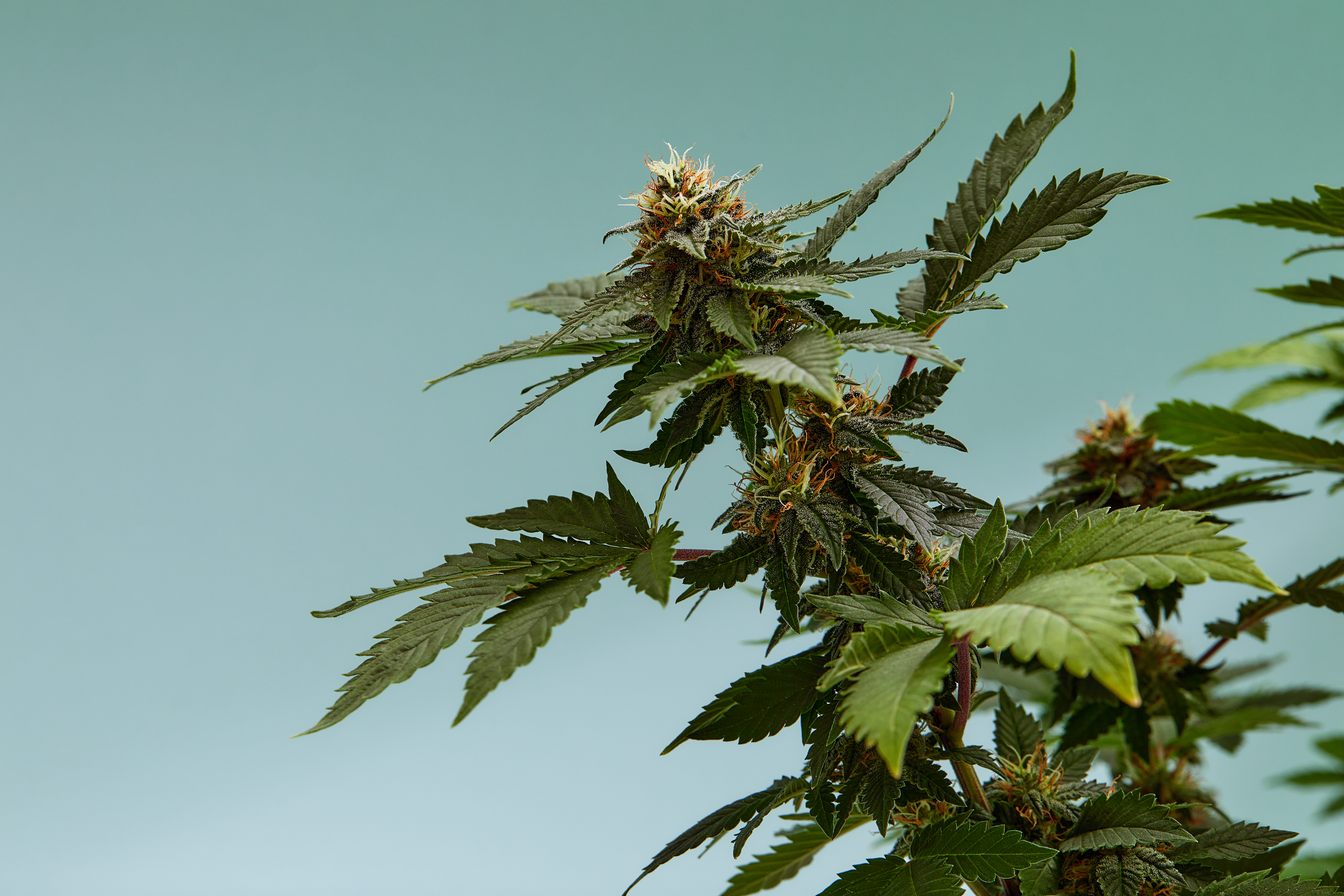


Weed buds are the flowers produced by female cannabis plants. These flowers are the part of the plant that receives the most attention because they contain many of the plant’s trichomes, cannabinoids, and aromatic compounds. Buds do not appear at the start of a cannabis plant’s life. The plant first goes through early growth stages before it begins producing flowers. Understanding how buds form can make it easier to recognize the different stages of cannabis flower development.
A cannabis plant normally begins with a seedling stage. During this time, it produces its first sets of leaves and starts building a root system. The plant then moves into the vegetative stage. During vegetative growth, the main focus of the plant is producing stems, branches, roots, and leaves. This growth helps create the structure that will later support flowers.
During the vegetative stage, a cannabis plant may grow quickly. New branches appear, the stem becomes stronger, and the root system continues to spread. Leaves play an important role during this stage because they collect light for photosynthesis. Photosynthesis allows the plant to create the energy it needs for growth.
Flowering begins when the plant shifts from producing mainly stems and leaves to producing reproductive structures. For photoperiod cannabis plants, this change is strongly linked to the length of the light and dark periods. As nights become longer, the plant receives signals that encourage flowering. Autoflowering cannabis works differently because its flowering stage is mainly controlled by age and genetics rather than changes in the light cycle.
The first signs of flowering are usually small. Mature buds do not suddenly appear overnight. Instead, the plant begins forming small pre-flowers near the nodes. Nodes are the places where branches and leaves connect to the main stem. On female cannabis plants, these early flowers often produce thin, white hair-like structures called stigmas. Growers often call these hairs pistils, although the pistil is actually the larger flower structure that contains the stigma.
As flowering continues, more of these small flowers develop around the plant. Individual flowers begin to grow close together. Over time, these clusters form what people commonly call buds. The larger flower clusters that form along the branches are often known as colas.
It is also useful to understand the difference between a bud site and a mature bud. A bud site is an area where flowers begin developing. Early in flowering, a bud site may look like a small group of leaves and white hairs. As the plant moves through the flowering stage, more flower parts form in the same area. The cluster becomes thicker and more compact.
Cannabis flowers also contain structures known as bracts. These small structures surround the reproductive parts of the flower. Bracts can become covered with trichomes as the flowers mature. Trichomes are tiny gland-like structures that may look like clear or frosty crystals on the surface of buds and nearby leaves. They produce many of the compounds associated with the cannabis plant.
The small leaves that grow close to cannabis flowers are often called sugar leaves. These leaves are different from the larger fan leaves found across the plant. Sugar leaves are usually smaller and may become heavily covered in trichomes. Fan leaves are much larger and are mainly responsible for capturing light.
The appearance of cannabis buds changes throughout the flowering stage. Early buds usually look small, loose, and covered with fresh white stigmas. During the middle of flowering, flower clusters often become larger and more defined. Trichomes may become easier to see, and the aroma of the plant may become stronger.
Later in flowering, buds may become thicker and heavier. The bracts may swell, and many of the stigmas may change from white to orange, brown, or another darker shade. Trichomes also change as the flowers mature. They may begin clear, then become cloudy or milky, and some may eventually turn amber.
The exact appearance and timing of these changes can vary greatly. Genetics play a major role in how cannabis flowers develop. Some varieties naturally produce dense, compact flowers. Others produce longer, looser flowers. Some plants finish flowering faster, while others need more time.
Growing conditions can also change the way buds develop. Light, temperature, humidity, water, nutrient availability, plant health, and root conditions can all affect flower growth. Stress can slow development or reduce the size of flowers. Healthy plants growing in stable conditions are usually better able to complete normal flower development.
It is important to remember that not every bud on a plant develops at the same speed. Flowers near the top of the plant may receive more light and may mature differently from flowers lower on the branches. This means that a single plant can show several stages of flower development at the same time.
Cannabis buds are therefore the result of a long development process. They begin as tiny reproductive structures and gradually grow into larger flower clusters. The plant moves from vegetative growth into flowering, forms early bud sites, produces more flower tissue, develops trichomes, and eventually reaches late-stage flower maturity.
Learning what happens during each stage makes it easier to understand what is normal and what may signal a problem. Early flowering is usually marked by small flower sites and fresh stigmas. Mid flowering brings greater flower size and stronger trichome development. Late flowering involves final swelling, changes in stigmas, and continued trichome maturity.
The sections that follow will examine these stages in greater detail. They will explain when buds first appear, how cannabis flowers change from week to week, what healthy buds look like, why some buds develop differently from others, and which signs are commonly linked with mature flowers.
When Do Buds Start Forming on a Weed Plant?
Cannabis buds begin to form when the plant enters its flowering stage. This is the point when the plant shifts most of its energy away from producing new stems and large fan leaves. Instead, it begins developing flowers at specific points along its branches. The exact timing can vary because cannabis plants do not all flower in the same way.
Some cannabis plants begin flowering after changes in the amount of light they receive. Others begin flowering mainly because of their age and genetics. Plant variety, health, climate, and growing conditions can also affect when the first flowers become visible. Because of these differences, growers should look at the plant itself instead of depending only on a calendar.
Early buds do not immediately look like the large cannabis flowers people may recognize. They usually begin as very small flower structures near the nodes of the plant. Over time, these small flower sites develop into larger clusters.
When the Flowering Stage Begins
The flowering stage is the reproductive phase of the cannabis life cycle. Before flowering, the plant spends most of its time in vegetative growth. During that period, it develops roots, stems, branches, and leaves. These structures help the plant gather light and support later flower production.
Photoperiod cannabis plants respond strongly to changes in the length of light and darkness they receive each day. When nights become longer, the plant can receive the biological signal that it is time to flower. Outdoors, this happens naturally as the season changes and daylight hours become shorter.
The transition does not happen all at once. At first, the plant may continue producing new stems and leaves even though the flowering process has already started. This early period is sometimes called the flowering stretch because many plants become taller while flower sites begin developing.
Autoflowering cannabis plants behave differently. Their flowering process is controlled more strongly by genetics and plant age than by changes in day length. This means an autoflowering plant can begin forming flowers even when the daily light period stays the same.
In both types, flowering begins before large buds are visible. The first changes are usually small and easy to miss.
The First Signs of Budding
One of the earliest signs of flowering is the appearance of pre-flowers. These small structures usually develop around the nodes. A node is the point where a branch or leaf connects to the main stem.
On female cannabis plants, early flowers often produce thin, pale hairs. These hairs are commonly called pistils, although they are part of the flower’s reproductive structure. They usually appear white when they first emerge.
A few white hairs do not mean that a mature bud has formed. Instead, they show that the plant has started developing female flowers. As flowering continues, more of these structures appear near the same areas. Small flower clusters gradually build around the nodes and branch tips.
At first, the flower sites may look narrow, soft, and leafy. They can be difficult to separate visually from ordinary plant growth. As more flowers develop in the same area, the bud sites become easier to recognize.
The upper parts of branches often become especially noticeable because several small flower sites can develop close together. Over time, these sites may grow into larger flower clusters.
How Long It Takes to See Visible Buds
The first few weeks of flowering are mainly a transition period. During the first week, many plants still appear to be focused on vertical growth. They may stretch upward, produce new branch growth, and develop additional flowering sites.
During the second week, signs of flowering often become easier to see. More white pistils may appear around the nodes, and small groups of flowers can begin forming. The plant may still look more leafy than flower-filled at this point.
By around the third week of flowering, flower clusters are often more noticeable. Several small flowers may begin joining together, creating the early shape of a cannabis bud. These buds are usually still small, loose, and surrounded by leaves.
However, there is no exact week when every cannabis plant will show the same amount of development. Genetics play a major role. Some varieties move through early flowering quickly, while others take longer to produce clearly defined buds.
Environmental conditions can also influence the rate of development. A plant under stress may grow or flower more slowly. Temperature, water availability, light exposure, root health, and overall plant condition can all affect how quickly flowers develop.
The location of a bud site on the plant can make a difference as well. Flower sites near the top may develop differently from shaded flowers lower on the plant. This can make one part of a cannabis plant appear further along than another.
It is also important to understand that visible buds do not reach full size during the first weeks of flowering. Early flower clusters are only the beginning of a longer development process. As flowering continues, the plant may produce more floral tissue, more resin glands, and stronger aromas. Buds may gradually become thicker and more defined.
For this reason, the appearance of a few white hairs should be viewed as the start of flower formation rather than the completion of bud development.
Cannabis buds begin forming when the plant moves from vegetative growth into the flowering stage. Photoperiod plants normally respond to longer periods of darkness, while autoflowering plants begin flowering mainly according to age and genetics.
The first visible signs usually appear around the nodes, where branches and leaves meet the stem. Female plants often produce small pre-flowers with white hairs before recognizable buds develop. During the first few weeks, these flower sites slowly grow into larger clusters.
Visible bud development often becomes clearer during the second and third weeks of flowering, but the exact timing can vary. Genetics, plant health, environmental conditions, and flower location can all affect the process. Early buds are usually small and loose, and they continue changing throughout the rest of the flowering stage.
What Do Weed Buds Look Like in Early Flowering?
Early flowering is the stage when a cannabis plant starts showing clear signs that it is producing flowers. At first, the buds are very small and may not look like the dense flowers people usually associate with mature cannabis. Instead, the plant goes through several visible changes. These include faster vertical growth, the appearance of white hairs, the formation of small flower clusters, and the first signs of resin production.
Understanding these early changes can help a reader tell the difference between normal flower development and other types of new plant growth. The exact timing and appearance can vary based on genetics and growing conditions, but the general pattern is similar across many cannabis plants.
The Flowering Stretch
One of the first changes during early flowering is often called the flowering stretch. During this period, the plant may continue to grow taller even though it has entered the flowering stage.
Stems can become longer, and the space between leaf nodes may increase. New branches may also continue to develop for a short time. This can make the plant look as if it is still focused on vegetative growth. However, small flowering sites will begin to appear at the same time.
The amount of stretching depends greatly on genetics. Some plants only increase slightly in height, while others may grow much taller during the first few weeks of flowering. Plants with different genetic backgrounds can also have different growth shapes. Some stay short and compact, while others develop longer branches and wider spaces between nodes.
The stretch is important because it changes the overall structure of the plant. As stems grow longer, more flowering sites may become visible along the branches. These sites later develop into larger flower clusters.
During this stage, the buds themselves are still very small. A plant may look taller and more open before its flowers begin to gain noticeable size. This is normal during the transition into flowering.
Early Pistils and Flower Clusters
The appearance of pistils is one of the clearest early signs of female flower development. Pistils are thin, hair-like structures that usually appear white when they first emerge.
They often develop where branches meet the main stem. As flowering continues, more pistils begin appearing at different nodes and along the upper branches.
At first, a flowering site may contain only a few white hairs. These hairs are connected to small flower structures that can be difficult to see without looking closely. Over time, several of these small flowers form together and create a visible cluster.
These clusters are the beginning of the buds that will continue developing throughout the flowering period.
Early buds often look light, soft, and somewhat loose. They do not yet have the thick or compact appearance of mature flowers. New green growth may surround the flower sites, and small leaves can extend from the developing buds.
As more flowers form close together, the clusters become larger. Individual flowering sites can eventually connect along the stem and form longer groups of flowers.
Pistils may remain bright white during much of early flowering. Their color and position can change later as the flower matures. For this reason, white hairs usually suggest active flower development rather than full maturity.
Early Trichome Development
Another change that begins during flowering is the development of trichomes. Trichomes are very small resin-producing structures found mainly on cannabis flowers and nearby leaves.
In very early flowering, trichomes may be difficult to notice. As the flowers develop, the plant can begin to look slightly shiny or frosted, especially around the small leaves closest to the flower sites.
Trichomes are often described as tiny crystal-like structures because of the way they reflect light. However, they are actually small plant glands.
These structures contain many of the chemical compounds produced by cannabis, including cannabinoids and aromatic compounds called terpenes. Their presence generally becomes more noticeable as flowering progresses.
During early flowering, resin production is still in its early stages. The buds usually do not yet have the heavy coating seen on mature flowers. Some varieties may begin showing visible trichomes sooner than others.
Aroma can also begin to become more noticeable during this period. As flower development increases, the plant may produce stronger natural scents. The exact aroma depends on the plant’s genetics and chemical profile.
Male Versus Female Flower Structures
It is also important to understand the difference between male and female flower structures when looking at a cannabis plant in early flowering.
Female plants usually develop pistils. These appear as thin hairs emerging from small flower structures at the nodes. As flowering continues, these structures grow into the buds commonly associated with female cannabis plants.
Male flowers look different. Instead of producing visible white pistils, male plants usually develop small, rounded structures known as pollen sacs.
These sacs often appear in groups near the nodes. They may look like small balls or oval shapes hanging from short stems. As they mature, they can open and release pollen.
Female flowers can receive this pollen. When pollination happens, the female plant may begin producing seeds inside its flowers.
The difference between male and female flower structures is usually easier to see as flowering progresses. During the earliest stages, the structures can be very small, so they may look similar from a distance.
Female flower sites usually become easier to identify once more pistils appear. A growing group of white hairs around a node is a common sign that a female flower is developing.
Male flower clusters do not normally produce the same hair-like pistils. Instead, the rounded pollen sacs become more noticeable as they grow.
During early flowering, weed buds are small and still developing. The plant may first go through a flowering stretch, which can increase its height and create more visible flower sites. White pistils then begin to appear around the nodes, followed by small clusters that gradually form early buds.
These young flowers often look loose, leafy, and much smaller than mature buds. Trichomes may also begin forming during this stage, although resin coverage is usually still light. As the flowers grow, both the amount of resin and the plant’s aroma may become more noticeable.
Male and female plants also begin showing different flower structures during early flowering. Female plants usually produce pistils and developing flower clusters, while male plants form pollen sacs. Knowing these basic signs makes it easier to understand how cannabis flowers change from the first visible signs of bloom into larger, more developed buds.
How Weed Buds Develop During Weeks 1–3
The first three weeks of flowering are an important transition period for a cannabis plant. During this stage, the plant moves away from mainly growing leaves and stems and begins putting more energy into flower production. The change is not instant. Buds do not suddenly appear in full size. Instead, the plant goes through a series of small changes that become easier to see from week to week.
Early flowering can look different depending on the strain, growing conditions, and plant health. Some plants show signs of flowering quickly, while others take longer. Still, most female cannabis plants follow a similar pattern. They stretch upward, develop more visible pistils, and start forming small clusters of flowers at the nodes and branch tips.
Week 1: Transition Into Flowering
During the first week of flowering, the plant may still look like it is in the vegetative stage. Leaves and stems continue to grow, and the plant may increase in height quite quickly. This period is often called the flowering stretch. Some cannabis plants may grow much taller during this time, while others only gain a small amount of height.
The stretch happens because the plant is adjusting to its reproductive stage. Instead of focusing only on new leaves and branches, it begins preparing the locations where flowers will form. These locations are usually found at the nodes, where branches meet the main stem, as well as at the tips of branches.
Early hormonal changes also affect how the plant grows. Energy begins shifting toward flower production, but this process takes time. At first, these changes may not look dramatic. The plant may simply produce new shoots, longer stems, and tighter growth around certain areas.
Small pre-flowers may also start to appear. On female plants, these early flowers may show tiny white hairs known as pistils. These hairs are one of the clearest signs that the plant is entering the flowering stage. At this point, they may only appear in small numbers, so close observation may be needed.
The plant is still building its structure during week one. Strong branches are important because they will later support heavier flower clusters. The early stretch also creates more space between some nodes, which can change the final shape of the plant.
Week 2: Pre-Flowers Become Easier to Identify
By the second week of flowering, the signs of bloom usually become easier to see. More white pistils may appear at the nodes and branch tips. Instead of seeing one or two hairs, growers may notice small groups forming in several areas of the plant.
These pistils are part of the female flower structure. They often appear pale white at first and stand out against the green leaves and stems. As flowering continues, more pistils gather in the same areas. This makes the early bud sites easier to identify.
During week two, the plant may still be stretching. The main stem and side branches can continue to lengthen, especially in varieties that naturally grow tall. However, the plant is also beginning to form more defined flowering points.
These new flower sites can appear along many branches. At first, they are small and may look more like clusters of fresh green growth than actual buds. As pistils increase, the difference becomes clearer.
The plant may also begin changing how it uses its resources. Less energy goes toward producing large amounts of new leafy growth, while more energy is directed toward forming flowers. Even so, leaves remain important because they help support photosynthesis, which provides energy for later bud development.
The second week is also when the general pattern of flowering starts becoming easier to recognize. Branch tips may look fuller, and the upper nodes can show more grouped growth. The plant is still at an early stage, so buds will not yet be thick or dense.
Week 3: Early Buds Begin Taking Shape
By the third week of flowering, the plant often starts to look noticeably different. Small flower clusters become more visible, especially near the tops of branches. Pistils may form thicker groups, giving the early buds a more defined shape.
The stretching phase may begin to slow during this period. The plant may continue growing taller, but the rate often becomes less intense. More of its energy now goes into flower growth instead of stem extension.
At this stage, the small bud sites start joining together. What looked like separate groups of pistils in week two may begin forming larger clusters. These clusters are still loose compared with mature buds, but the structure of future flowers is becoming clear.
Early resin production may also begin around this time. Small glandular structures called trichomes can start developing on the flowers and nearby leaves. At first, they may be difficult to see without close inspection. As flowering continues, they become more noticeable and give the buds a frosty or shiny appearance.
The plant’s aroma may also become stronger during week three. This happens as the flowers begin producing more aromatic compounds. The smell may still be mild compared with later flowering, but the change can become noticeable.
Bud development is not always even across the whole plant. Flowers at the top may grow faster because they often receive more light. Lower flower sites may remain smaller during this stage. This difference is normal and can continue throughout flowering.
Plant health also becomes more important as the flowers begin to form. Stress from heat, pests, poor watering, or nutrient problems can slow development. Healthy leaves, steady growth, and normal flower formation are signs that the plant is moving through this stage as expected.
The first three weeks of flowering mark the beginning of true bud development. During week one, the plant enters the flowering stage, stretches upward, and begins forming early pre-flowers. In week two, white pistils become easier to see, and more flower sites appear along the branches. By week three, these flower sites start forming visible clusters, the stretch often slows, and early resin and aroma production may begin.
Buds are still small during this stage, so they should not yet look like mature cannabis flowers. Their main changes involve structure, pistil growth, and the first stages of flower formation. Understanding these early changes makes it easier to follow how cannabis flowers develop later in the flowering cycle.
How Weed Buds Develop During Mid Flowering
Mid flowering is one of the most active stages in cannabis flower development. By this point, the plant has moved past the early stretch and has started putting more of its energy into building flowers. The small bud sites that appeared during the first few weeks begin to grow larger and connect with nearby flowers.
This stage often takes place around weeks four to six of flowering, although the exact timing depends on the strain and growing conditions. Some plants develop faster, while others take longer to reach the same stage. During mid flowering, growers usually notice thicker buds, more visible resin, and a stronger smell coming from the plant.
Understanding what happens during this stage helps explain how small flower sites turn into the larger buds that are seen later in the flowering cycle.
Bud Sites Begin Stacking Together
During early flowering, bud sites usually appear as small groups of white pistils around the nodes of the plant. As mid flowering begins, these separate flower sites start to grow closer together.
This process is often described as “stacking.” It happens when several flower clusters develop along the same branch and begin forming a longer, fuller structure. Instead of looking like small and separate buds, the flowers start to connect and create larger groups.
The upper branches often show this change most clearly because they usually receive more light. Flower clusters near the top of the plant may grow closer together and become thicker sooner than flowers located lower on the plant.
As stacking continues, the overall shape of the plant also begins to change. The plant may no longer look mostly leafy. Instead, flower clusters become more noticeable along the branches.
The rate of stacking can vary between cannabis varieties. Some plants naturally produce long flower clusters, while others develop shorter and more compact buds. Genetics play a major role in determining the final shape of each flower.
Formation of Colas Along Stems and Branches
As flower sites grow and join together, larger flowering sections called colas begin to form. A cola is a cluster of cannabis flowers that develops closely together on a branch or stem.
The main cola usually develops near the top of the plant. Smaller colas may also form on side branches.
During mid flowering, these colas become easier to recognize because the individual flower sites start filling the spaces between them. What once looked like separate groups of pistils may begin to appear as one continuous flower cluster.
The size and shape of a cola depend on several factors, including genetics, plant structure, light exposure, and overall plant health. Some plants naturally form thick central colas, while others produce many smaller flowers across several branches.
At this stage, the stems and branches also support more weight than they did during vegetative growth. As the flowers increase in size, the plant structure becomes more important because the developing buds may place extra pressure on thinner branches.
Calyxes and Bracts Become More Noticeable
Cannabis flowers are made up of several small structures. During mid flowering, some of these parts become easier to see.
One of the most noticeable structures is the bract. Bracts are small, leaf-like parts that surround the reproductive parts of the female flower. They often appear in clusters and make up much of the visible flower structure.
The term “calyx” is also commonly used when people describe cannabis buds. In everyday cannabis language, growers often use the word calyx to describe the swollen parts around the pistils. Botanically, the structure is more accurately described as part of the bract and flower tissue.
As flowering progresses, these structures become fuller. The pistils continue to extend from the flowers, while the surrounding tissue begins to swell. This swelling gives cannabis buds a thicker and more developed appearance.
The shape of the bracts can also influence how dense or loose a flower looks. Some strains produce tightly packed structures, while others form flowers with more space between them.
Buds Begin Gaining Size and Density
One of the most obvious changes during mid flowering is the increase in bud size. Early flower clusters that once looked small and soft begin becoming thicker.
The plant is now directing much of its energy toward flower production instead of producing large amounts of new stems and leaves. Vertical growth often slows compared with the first few weeks of flowering.
As more flower tissue develops, buds may start feeling firmer and looking more compact. However, not every cannabis variety produces dense flowers. Some strains naturally produce lighter or more open flower structures.
Bud size can also differ depending on location. Flowers near the top of the plant often grow larger than those located deeper inside the plant because they receive more direct light.
Healthy leaves remain important during this stage because they continue supporting photosynthesis. The plant uses the energy produced through photosynthesis to support flower growth and other biological processes.
Mid flowering is usually a period of steady development rather than sudden overnight growth. Buds may appear slightly larger from week to week as more flower tissue forms.
Trichome Production Increases
Another important change during mid flowering is increased trichome production. Trichomes are very small glandular structures that develop on cannabis flowers and nearby leaves.
They can look like tiny crystals or a light coating of frost on the surface of the buds. At first, the layer may be difficult to see without close inspection. As flowering continues, the trichomes often become more noticeable.
Trichomes contain many of the compounds associated with cannabis, including cannabinoids and aromatic compounds known as terpenes. Because of this, increasing trichome production often happens alongside stronger plant aromas.
Sugar leaves, which are the small leaves growing between and around the flowers, may also begin developing visible trichomes. These leaves can appear shiny or frosted as resin production increases.
During mid flowering, most trichomes are still developing. Their appearance continues changing as the flowers move toward late flowering and maturity.
Aroma Becomes Stronger
The smell of a cannabis plant often becomes much stronger during mid flowering. Early in the flowering stage, the scent may be mild. As more flowers and trichomes develop, the aroma can become easier to notice.
The specific smell depends largely on genetics. Different plants may produce earthy, fruity, citrus-like, pine-like, sweet, or strong herbal scents.
These aromas are linked to terpenes, which are natural compounds produced by many plants. Cannabis produces different combinations of terpenes, which is one reason strains can smell very different from one another.
A stronger aroma during mid flowering is often part of normal flower development. The scent may continue increasing as the plant reaches the final weeks of flowering.
Why Mid Flowering Is a Major Bud-Building Stage
Mid flowering is important because this is when the basic flower structures created during early bloom begin turning into larger buds.
The plant is no longer focused mainly on stretching and producing new branches. Instead, more resources are directed toward flower growth, resin production, and the development of the structures that make up mature buds.
Weeks four through six are often when the biggest visual changes occur. Bud sites begin stacking, flowers become thicker, trichomes increase, and the smell becomes stronger.
However, the exact timing is not the same for every plant. Fast-flowering varieties may move through this stage sooner. Longer-flowering strains may continue building flower mass for several additional weeks before entering late flowering.
Environmental conditions can also affect the speed of development. Light, temperature, water availability, plant health, and genetics all influence how quickly flowers grow.
Mid flowering is the stage when cannabis buds begin changing from small flower clusters into larger and more recognizable structures. Bud sites start stacking together along branches, and larger colas become easier to see. Bracts swell, pistils remain visible, and the flowers gradually gain more size and density.
Trichome production also increases during this stage, giving the buds a more frosted appearance. At the same time, the plant’s aroma often becomes stronger as more aromatic compounds develop.
What Makes Cannabis Buds Get Bigger and Denser?
Cannabis flowers can vary greatly in size, shape, and density. Some plants naturally form thick, compact flower clusters, while others produce flowers that are longer, lighter, or more open. These differences are not caused by one factor alone. Genetics, plant health, environmental conditions, and the stage of flower development all affect how cannabis buds look as they mature.
It is also important to understand that a dense flower is not always a better or healthier flower. Some cannabis varieties naturally produce loose flower structures, while others form very tight clusters. The overall condition of the plant, rather than flower density alone, gives a better picture of healthy development.
Genetics and Natural Bud Structure
Genetics have a major effect on the way cannabis flowers develop. Each cannabis variety carries traits that influence plant height, flowering time, flower shape, aroma, color, and overall structure.
Some varieties tend to form compact flower clusters with short spaces between individual floral parts. Other varieties naturally develop longer and more open flowers. These differences may remain even when two plants grow under similar conditions.
Genetics can also influence how quickly flowers mature. Some plants complete their flowering stage sooner, while others require more time before the flowers reach full maturity. This is one reason growers may see major differences between cannabis plants even when they appear to be at the same stage.
Plant structure also plays a role. Branch spacing, stem strength, and the number of flower sites can affect the final appearance of the flowers. A plant with different genetic traits may distribute its growth across many smaller flower sites, while another may form larger clusters in fewer areas.
For this reason, flower size should always be considered together with the natural characteristics of the plant.
Light Exposure
Light plays an important role in plant growth because it supports photosynthesis. Photosynthesis is the process plants use to turn light energy into chemical energy. This energy helps support the development of leaves, stems, roots, and flowers.
During flowering, different parts of the plant may receive different amounts of light. This can help explain why flowers on one part of a plant may look different from flowers in another area.
Light also affects the plant’s overall energy balance. A plant that cannot carry out enough photosynthesis may have less energy available for continued growth and flower development. However, excessive environmental stress can also interfere with normal plant function.
The effect of light is not limited to flower size. Light conditions may also influence leaf health, stem growth, and the overall shape of the plant. These changes can indirectly affect how flower clusters develop.
Because cannabis varieties respond differently to their surroundings, light should be viewed as one part of a larger system rather than the only factor controlling bud size.
Water and Nutrient Availability
Like other flowering plants, cannabis needs water and mineral nutrients to support normal growth. Water helps move nutrients through plant tissues and supports many chemical processes inside the plant.
Nutrients are also involved in the formation of new plant cells. During flowering, the plant continues to use essential minerals to maintain leaves, roots, stems, and reproductive tissues.
Both shortages and excesses can cause problems. A plant that lacks an important nutrient may show changes in leaf color, growth rate, or flower development. At the same time, too much fertilizer or an unbalanced nutrient supply may damage roots or interfere with the plant’s ability to absorb what it needs.
Root health is especially important because roots are responsible for absorbing water and minerals. If the root system is damaged or stressed, the effects may become visible in other parts of the plant.
Changes in leaves often provide early signs that the plant is under stress. Severe yellowing, browning, curling, or damaged tissue may indicate that normal plant processes are being affected. However, some leaf changes can also occur naturally as a flowering plant ages.
Temperature, Humidity, and Airflow
Environmental conditions can influence the way flowers develop. Temperature affects many plant processes, including photosynthesis, water movement, and enzyme activity.
When temperatures move outside a plant’s normal tolerance range, growth may slow. Long periods of environmental stress may also affect leaves and flowers.
Humidity refers to the amount of moisture in the air. It becomes especially important as flowers grow thicker because dense plant material can hold moisture between its layers. If moisture remains trapped, certain fungi and other plant diseases may become more likely.
Air movement can also affect the environment around leaves and flowers. Moving air helps reduce areas of trapped moisture and supports gas exchange around plant tissues.
Dense flowers may require more attention from a plant-health point of view because their compact structure can make internal problems harder to notice. Browning tissue, unusual odors, or patches of gray or white growth can be warning signs of disease or decay.
These signs should not be confused with normal flower maturation.
Plant Health
The general health of the cannabis plant has a strong connection to flower development. Flowers depend on the rest of the plant for water, sugars, minerals, and other materials needed for growth.
Root problems can limit water and nutrient uptake. Leaf damage can reduce photosynthesis. Stem damage can interfere with movement of water and nutrients through the plant. Pests may also damage plant tissue or weaken the plant over time.
Disease can create similar problems. Fungal infections, root diseases, and other plant disorders may reduce normal growth or damage developing flowers.
Stress may also cause a plant to redirect its energy. Instead of supporting normal flower development, the plant may use more resources to survive stressful conditions.
This is why flower size should not be examined by itself. Leaves, stems, roots, and flowers all work together as part of the same biological system.
A plant with small flowers is not automatically unhealthy. Genetics may naturally produce smaller flowers, or the plant may simply be at an earlier stage of development. Looking at several signs together provides a more accurate picture.
Cannabis bud size and density are shaped by several factors working together. Genetics create the basic structure of the plant and strongly influence whether flowers are naturally compact, long, loose, or dense. Light supports photosynthesis, which provides energy for plant growth and flower development. Water and nutrients help maintain normal plant functions, while healthy roots allow the plant to absorb the materials it needs.
Temperature, humidity, and air movement can also affect flower health, especially as buds become thicker. Plant stress, pests, disease, damaged roots, and unhealthy leaves may interfere with normal flower development.
What Happens to Weed Buds During Late Flowering?
Late flowering is the final stage of cannabis flower development before the plant reaches maturity. During this period, the buds usually become larger, heavier, and more developed. The plant also begins to show several signs that its reproductive cycle is nearing its end.
The exact length of late flowering can vary from one cannabis variety to another. Some plants mature sooner, while others need more time. Genetics, plant health, and environmental conditions can all affect how quickly flowers develop. Because of this, growers often look at several physical changes instead of depending only on the number of days or weeks that have passed.
Late flowering is also when many of the features people associate with mature cannabis flowers become easier to see. Buds become fuller, pistils change color, trichomes mature, and the plant’s aroma may become stronger.
Bud Swelling and Final Flower Development
One of the clearest changes during late flowering is the increase in flower size. Buds that looked small or loose during earlier stages may begin to appear thicker and more compact.
Much of this change happens because the individual flower structures continue to develop. The bracts, which are small structures that make up much of the female cannabis flower, may become fuller as the plant matures. As these structures swell and group together, the overall bud may appear larger.
The plant usually produces less new stem and leaf growth during this stage. Most of its visible development is centered around existing flowers. Branches may also appear to carry more weight as the flowers become heavier.
Bud shape can vary greatly between cannabis varieties. Some plants naturally form dense, rounded flowers. Others develop longer or more open flower clusters. A loose flower is not always unhealthy, just as a dense flower is not always better. Genetics have a strong influence on the final appearance of cannabis buds.
During late flowering, the rate of visible growth may also begin to slow. Earlier in flowering, changes can seem rapid as new pistils and flower sites appear. Near maturity, the changes become more focused on swelling, resin development, and ripening.
Pistils Begin Changing Appearance
Pistils are among the easiest parts of a cannabis flower to notice. They appear as thin, hair-like structures extending from female flowers.
During early flowering, many pistils are white or pale in color. As the flowers mature, some of these pistils may begin changing to orange, red, brown, or another darker shade. They may also curl inward rather than standing straight out from the flower.
This change is part of the normal aging process of the flower. However, pistil color should not be treated as the only sign of maturity.
Different cannabis varieties can show different patterns. Some plants may still produce fresh white pistils even when much of the flower looks mature. Other plants may have many dark pistils earlier in the flowering stage.
Environmental stress can also affect pistil appearance. Heat, physical contact, or other forms of stress may cause pistils to darken before the rest of the flower has fully developed.
For this reason, pistil changes are usually more useful when they are considered along with other signs of flower maturity.
Trichomes Mature
Trichomes are tiny glandular structures found on cannabis flowers and nearby leaves. They can make mature flowers look frosted or covered in very small crystals.
These structures contain many of the chemical compounds associated with the cannabis plant, including cannabinoids and aromatic compounds. Trichomes begin forming earlier in flowering, but they usually become much more noticeable as the flowers mature.
During development, trichomes may change in appearance. Young trichomes often look clear or transparent. As they mature, many become cloudy or milky. Some may later develop an amber or yellowish appearance.
These changes happen as the chemical contents of the trichomes develop and age.
Trichomes on different parts of the same plant may not mature at exactly the same time. Flowers exposed to different amounts of light or located in different parts of the plant may develop at slightly different rates.
Trichomes on the small leaves near the flowers may also appear mature before the trichomes directly on the flowers. This is one reason flower development should be viewed as a whole instead of relying on one small area.
Leaves May Begin Changing
Leaves can also change during late flowering. Some older leaves may gradually lose their deep green color and become lighter or yellow.
A certain amount of leaf aging can occur naturally as the plant approaches the end of its life cycle. Older leaves may decline as the plant completes flower development.
However, not every yellow or damaged leaf should automatically be considered normal.
Sudden, severe, or widespread leaf damage can sometimes indicate plant stress. Problems involving water, roots, nutrients, temperature, pests, or disease may also cause leaves to change color.
The timing and pattern of the change are important. A gradual decline in a few older leaves late in flowering is different from rapid discoloration spreading across the whole plant.
Leaves should therefore be treated as one clue rather than the main way to judge whether flowers are mature.
Aroma Becomes Stronger
Another noticeable change during late flowering is often a stronger smell.
Cannabis flowers produce aromatic compounds known as terpenes. These compounds contribute to the different scents associated with various cannabis varieties. Depending on the plant, the aroma may seem earthy, fruity, citrus-like, floral, spicy, or strong and pungent.
As trichomes and flower tissues develop, these smells may become easier to notice.
The strength of the aroma can vary widely between plants. Genetics play a major role, so one plant may naturally have a much stronger scent than another.
A stronger smell also does not always mean that a flower is fully mature. Aroma should be viewed together with flower swelling, pistil changes, trichome development, and the general condition of the plant.
It is also important to recognize unusual odors. A musty, rotten, or damp smell may not be part of normal flower development. Dense flowers can sometimes hold moisture within their structure, and unhealthy tissue may develop an unpleasant odor. Any flower showing unusual discoloration, decay, or suspicious smells should be examined carefully.
Late flowering is the stage when cannabis buds move toward their final mature form. The flowers often become larger and heavier as bracts swell and existing bud sites continue to develop. At the same time, the plant usually produces less new stem and leaf growth.
Pistils may change from white to darker colors and begin curling inward. Trichomes become more visible and may change from clear to cloudy and, later, amber. Some older leaves may naturally fade as the plant approaches the end of its life cycle, although major or sudden leaf damage can also be a sign of stress.
The aroma of the flowers may also become stronger as aromatic compounds continue to develop. However, no single feature provides a complete picture of flower maturity. Cannabis varieties develop at different speeds and can look very different from one another.
What Are the White Hairs and Crystals on Weed Buds?
As cannabis flowers develop, two features often become easy to see: thin white hairs and tiny crystal-like dots. These parts are normal features of female cannabis flowers. The white hairs are linked to the plant’s reproductive system, while the crystals are mainly made up of small glands called trichomes.
Both features change as the flower matures. Because of this, growers and researchers often look at them when describing the stage of flower development. However, neither feature should be judged alone. Cannabis plants can develop at different rates depending on genetics, age, and growing conditions.
Understanding what these structures are can make it easier to tell the difference between normal flower growth and possible problems.
Understanding Pistils and Stigmas
The white hairs seen on cannabis flowers are commonly called pistils, although the visible hair-like parts are more accurately known as stigmas. They are part of the female flower’s reproductive system.
During early flowering, these hairs often appear as thin, pale strands growing from small flower structures near the nodes of the plant. As more flowers develop, larger groups of these hairs may become visible around the forming buds.
The main purpose of the stigma is to collect pollen. If pollen from a male cannabis plant reaches a female flower, fertilization may occur. The plant can then begin putting more energy into seed production.
When a female flower is not pollinated, the stigmas still continue to change as the plant matures. At first, they are often bright white or cream-colored. Over time, many of them become darker. Depending on the plant, they may turn orange, tan, brown, or reddish.
The hairs may also begin to curl or shrink closer to the flower as the bud becomes more mature.
These changes are a normal part of flower development. However, pistil color can vary between cannabis varieties. Some plants keep producing fresh white hairs late in flowering, while others show darker hairs much earlier.
For this reason, pistil color should not be used as the only sign of flower maturity.
Understanding Trichomes
The crystal-like coating on cannabis buds comes mainly from structures called trichomes. Trichomes are very small glands that form on flowers, small nearby leaves, and other parts of the plant.
Under bright light, these glands can make a bud look frosty, sparkling, or covered in tiny crystals. They may be difficult to see clearly without magnification because many trichomes are extremely small.
Cannabis has several types of trichomes, but glandular trichomes are especially important because they produce and store many of the plant’s chemical compounds. These include cannabinoids and aromatic compounds known as terpenes.
Cannabinoids include substances such as THC and CBD. The amount and balance of these compounds depend heavily on the genetics of the plant. Terpenes help produce the strong smells associated with different cannabis varieties.
As flowers develop, trichome production often becomes more noticeable. Early buds may have only a light coating. During later flowering, the flower surface may appear much more resinous.
The small leaves around the flower, often called sugar leaves, can also become covered with trichomes. This is one reason the flower area may look sticky or shiny as it matures.
Trichomes also have a protective role for the plant. Their resin may help protect flowers from some insects, environmental stress, and damage.
Clear, Cloudy, and Amber Trichomes
The appearance of trichomes changes during flower development. When viewed closely, trichome heads may appear clear, cloudy, milky, or amber.
Younger trichomes are often more transparent. Their heads may look like tiny clear drops. This usually means the flower is still developing and the resin glands have not reached a later stage of maturity.
As development continues, many trichomes become cloudy or milky. Instead of looking transparent, they become more opaque. This change is linked with changes taking place inside the resin glands as the flower matures.
Later, some trichomes may turn yellow, golden, or amber. This usually happens as the plant reaches a more advanced stage of flower development.
Not every trichome changes at exactly the same time. One flower may contain a mix of clear, cloudy, and amber glands. Different parts of the same plant can also mature at different speeds.
The top flowers may develop differently from flowers lower on the plant because they can receive different levels of light and experience slightly different environmental conditions.
Trichomes on sugar leaves may also appear mature sooner than those directly on the flowers. Because of this, observations are usually more useful when they focus on the flower itself rather than only the surrounding leaves.
Why Pistil Color Alone Is Not Enough
Pistil color is easy to see, so it is often one of the first features people notice when looking at cannabis buds. However, it does not provide a complete picture of flower maturity.
A plant can develop brown or orange pistils while parts of the flower are still growing. Stress can also cause some hairs to change color earlier than expected.
Heat, physical contact, environmental changes, and other forms of stress may affect pistils. Pollination can also cause changes in the flower that may make the hairs look different.
At the same time, some cannabis varieties continue to produce new white pistils even when most of the flower appears mature. This can make the bud look less developed than it actually is.
Genetics are another major factor. Cannabis varieties can differ widely in flower shape, color, resin production, and flowering time. One plant may naturally show dark pistils early, while another may stay covered in pale hairs for much longer.
Because of these differences, flower maturity is better understood by looking at several signs together. These may include changes in flower size, swelling of floral structures, overall plant development, pistil appearance, and trichome maturity.
Using several visible signs provides a more complete picture than relying only on whether the hairs have turned brown.
The white hairs and crystal-like coating on cannabis buds are normal parts of female flower development. The white hairs are stigmas, which belong to the plant’s reproductive structures. They often begin as pale strands and may become darker and curl inward as the flower ages.
The sparkling coating comes mainly from trichomes. These tiny glands produce and store cannabinoids, terpenes, and other plant compounds. Trichomes often begin clear, become cloudy as they mature, and may later develop an amber color.
Both pistils and trichomes can provide useful clues about flower development, but neither should be examined alone. Genetics, environmental conditions, plant stress, and differences between flowers can all affect their appearance. Looking at several signs together gives a clearer understanding of how cannabis buds change from early bloom through later stages of maturity.
What Do Healthy Weed Buds Look Like?
Healthy weed buds can look different from one cannabis plant to another. Some flowers are large and dense, while others are longer, thinner, or more open. Color can also vary. Many buds are green, but some plants may develop purple, red, orange, or darker shades as they mature. Because of this natural variation, growers should not judge flower health based on size, color, or density alone.
A better way to judge bud health is to look at the whole plant. Healthy flowers normally continue to develop during the flowering stage. They should gradually gain size, produce visible trichomes, and show normal changes in their pistils. The nearby leaves should also remain healthy enough to support the flowers.
It is also important to watch for unusual changes. Mold, pest damage, dead tissue, or flowers that stop developing can point to a problem. Learning what normal flower growth looks like makes it easier to notice these warning signs.
Normal Signs of Flower Development
Healthy cannabis flowers usually become larger and more developed as the flowering stage continues. In early bloom, the flower sites may look small and loose. White pistils often appear first. Over time, more flower tissue forms around these areas, creating thicker bud clusters.
As the plant moves through mid flowering, the flowers usually become more noticeable. Individual bud sites may begin joining together along the branches. The plant may also produce more trichomes. These tiny resin glands can create a frosty appearance on the buds and nearby sugar leaves.
Pistils also change as flowers mature. Early pistils are often white and stand outward from the flower. Later, many of them may darken to orange, brown, or reddish shades. They may also curl inward toward the flower. These changes are normal as long as the rest of the flower remains healthy.
The surrounding leaves are another useful sign. Some leaf yellowing can happen later in flowering, especially as the plant approaches the end of its life cycle. However, sudden or severe leaf damage during early or mid flowering can be a warning sign.
Healthy flower development is usually gradual. Buds do not normally reach their final size all at once. They build over time as the plant moves from early flower into later stages.
Why Buds Can Look Different From One Plant to Another
Genetics have a major effect on how cannabis buds look. Some varieties naturally produce thick, compact flowers. Others form longer or more open buds. These differences can appear even when plants are grown under similar conditions.
Flower color can also be influenced by genetics. Some varieties stay mostly green, while others may develop purple or reddish shades. Color alone does not show whether a flower is healthy or unhealthy.
Growing conditions can also affect appearance. Light levels, temperature, humidity, airflow, water, and nutrient supply can all influence flower development. A plant with good light exposure may produce larger flowers than a shaded part of the same plant.
Flower position matters as well. Buds near the top of the plant often receive more light. They may become larger or more developed than flowers growing lower on the plant. Lower buds may stay smaller because they receive less direct light.
Flowering length is another factor. Some cannabis varieties mature faster than others. A plant with a longer flowering period may still look less developed at a point when another variety is almost mature. This is why comparing two different plants by calendar date alone can be misleading.
Signs That May Indicate a Problem
Healthy buds should not contain large areas of dead, soft, or rotting tissue. If part of a flower suddenly becomes brown, gray, or unusually dry while nearby parts remain normal, it may need closer inspection.
Mold is one concern during flowering, especially when buds become dense and humidity remains high. Mold may appear as gray, white, or fuzzy material inside or around flowers. Some forms of flower rot can begin inside the bud, which means the outside may not always show the full problem.
Unusual discoloration can also be a warning sign. Natural purple or red color caused by genetics is not the same as tissue that looks blackened, wet, or decayed. Changes should be judged together with the condition of the surrounding plant.
Pests can damage flowers and leaves as well. Small insects may feed on plant tissue, while others may leave spots, webbing, or damaged areas. Flower damage can become more serious if pests are not noticed early.
Another warning sign is a flower that stops developing. Buds may remain unusually small if the plant is under stress. Poor lighting, root problems, temperature extremes, or nutrient problems may reduce flower growth. A stalled plant should be checked as a whole rather than focusing only on the buds.
Severe leaf damage around flower sites can also affect flower development. Leaves play an important role in photosynthesis. If too much healthy leaf tissue is lost early, the plant may have less energy available for continued flower growth.
Dense Buds Versus Healthy Buds
Dense buds are often associated with strong flower development, but density alone does not prove that a flower is healthy. Some cannabis varieties naturally produce very compact buds, while others form looser flowers.
A loose flower can still be healthy if it is developing normally, producing trichomes, and showing no signs of mold, pests, or tissue damage. In the same way, a very dense bud is not automatically healthy.
In fact, very dense flowers can sometimes hold more moisture inside. This can create conditions where mold or rot may develop if humidity and airflow are poor. The outside of the flower may look normal while damage starts deeper inside.
Healthy flowers should be judged using several signs together. Look at flower growth, color, trichome development, pistil changes, surrounding leaves, and the general condition of the plant. No single feature gives the full picture.
Bud size is also not a complete measure of health. Some plants naturally produce smaller flowers. Other plants may form larger buds because of their genetics or growing environment. A smaller bud can still be healthy if it develops normally and shows no signs of disease or major stress.
Healthy weed buds usually show steady flower development throughout the blooming stage. The buds gradually increase in size, produce more visible trichomes, and show normal changes in their pistils. The surrounding leaves should also remain healthy enough to support continued flower growth.
However, cannabis buds can vary widely in shape, size, density, and color. Genetics, flower position, light exposure, flowering time, and environmental conditions can all affect how buds look.
Growers should watch for warning signs such as mold, unusual decay, pest damage, severe leaf problems, or flowers that stop developing. These signs can suggest that the plant is under stress or dealing with a health problem.
Why Are My Weed Buds Not Developing Properly?
Cannabis flowers do not always develop at the same speed or reach the same size. Some plants naturally produce smaller flowers, while others may show slow or weak bud growth because of stress. When buds seem to stop growing, the cause may involve genetics, light, nutrients, temperature, moisture, pests, or other growing conditions.
It is important to look at the whole plant instead of focusing only on bud size. Leaves, stems, roots, flower color, and overall growth can provide clues about what is happening. A plant that looks healthy but has small flowers may simply have different genetics or need more time. On the other hand, damaged leaves, weak stems, unusual discoloration, or dying flower tissue may point to a larger problem.
Flowering Started but Buds Remain Small
Small buds do not always mean that something is wrong. Cannabis varieties can differ greatly in how their flowers grow. Some develop compact and dense buds, while others naturally produce longer or looser flowers. The speed of development can also vary. A plant that appears behind another plant may simply have a longer flowering period.
The stage of flowering also matters. During the first few weeks, buds are often small and made up of clusters of white pistils and fresh green growth. Flowers usually gain more visible size later in the flowering cycle. Judging the final size too early can make normal development seem like a problem.
Light is also closely linked with plant growth. Cannabis plants use light for photosynthesis, which is the process that allows them to produce energy. When a plant does not receive enough usable light, it may grow more slowly. Flowers may stay smaller, and the plant may appear thin or weak.
Stress can also slow flower development. Plants may respond to sudden changes in their environment by reducing growth. Frequent changes in temperature, watering, light exposure, or other conditions can place stress on the plant. Severe stress can affect both leaves and flowers.
Nutrient-Related Problems
Cannabis plants need several nutrients to support normal growth. During flowering, nutrient demand can change because the plant is using energy to develop flowers rather than mainly producing new leaves and stems.
A nutrient deficiency may cause leaf yellowing, discoloration, spotting, weak growth, or other visible symptoms. When a plant cannot access enough of an important nutrient, flower development may also slow. However, similar symptoms can have different causes, which is why leaf color alone does not always identify the exact problem.
Too much fertilizer can also cause trouble. Excess nutrients can damage roots or create an imbalance in the growing medium. In some cases, the plant may show burned leaf tips, dark leaves, curling, or slowed development.
The root zone also plays a major role in nutrient uptake. Even when nutrients are present, unhealthy roots may not absorb them well. Problems related to excess water, poor drainage, or unsuitable root conditions can interfere with nutrient movement through the plant. This can make the plant appear deficient even when nutrients are available.
Because several nutrient problems can look similar, it is useful to examine the plant as a whole. Changes in new leaves, older leaves, stems, and flowers can provide a clearer picture than one symptom alone.
Environmental Stress
Environmental conditions can strongly affect flower development. Cannabis plants depend on a reasonably stable growing environment. Large changes in temperature or moisture can slow growth and increase stress.
Excessive heat can cause leaves to curl, dry, or lose moisture faster than normal. When temperatures remain too high, plants may have difficulty maintaining normal growth. Flowers may develop more slowly, and the plant may show other signs of heat stress.
Cold conditions can also reduce growth. Plant processes generally slow when temperatures become too low. A cold-stressed plant may take longer to develop flowers and may show unusual color changes.
Humidity is another important factor during flowering. Very high humidity can create conditions where fungi grow more easily, especially inside thick flowers where moisture may remain trapped. Very low humidity may increase water loss and stress.
Air movement also matters. Good airflow helps reduce areas of trapped moisture around leaves and flowers. As buds become larger and denser, still air can create a moist environment within the flower structure. This can increase the risk of fungal problems.
Pollination and Seed Development
Pollination can change the way cannabis flowers develop. Female flowers that receive pollen may begin putting more energy into seed production. This can change the structure and appearance of the buds.
Seed production may become noticeable when flower structures begin swelling around developing seeds. Mature seeds can eventually become visible inside the flower.
Pollination does not always mean the plant is unhealthy. It is part of the natural reproductive cycle of cannabis. However, a pollinated flower may develop differently from an unpollinated one because the plant’s energy is being used for seed formation.
It is also possible for only part of a plant to become pollinated. For this reason, one branch may appear different from another. Examining several flowers can help determine whether unusual development is limited to one area or affects the whole plant.
Pests and Diseases
Pests can damage cannabis leaves, stems, and flowers. Some pests feed directly on plant tissue, while others may weaken the plant by removing sap. Damage can reduce the plant’s ability to maintain healthy growth.
Possible warning signs include spots, holes, damaged leaf surfaces, webbing, insects, or unusual marks on flowers and leaves. Heavy pest problems can slow overall plant development.
Diseases may also affect buds. Fungal growth is especially important to watch for during flowering because thick flower clusters can hold moisture. Brown, gray, soft, or dying tissue inside a flower can be a warning sign of decay or mold.
Dense flowers may look healthy from the outside while damage develops deeper inside. This is why unusual discoloration or dying leaves close to a bud should not always be ignored. If one part of a flower looks different from the surrounding tissue, closer inspection may be needed.
Plant disease can spread under favorable conditions, especially when moisture remains high and airflow is poor. Problems affecting roots can also reduce flower development because the roots supply water and nutrients to the rest of the plant.
Cannabis buds may develop poorly for many different reasons, and small flowers alone do not always mean that the plant has a serious problem. Genetics and flowering time can naturally affect bud size, shape, and development speed.
When flower growth appears unusually slow, the whole plant should be considered. Limited light, nutrient problems, root stress, high or low temperatures, humidity, poor airflow, pollination, pests, and diseases can all affect flower development.
How Can You Tell When Weed Buds Are Mature?
Cannabis flowers change a great deal during the last part of their life cycle. Early flowers may look small, soft, and covered with fresh white hairs. As the plant reaches later stages of flowering, the buds usually become fuller, the hairs may change color, and the resin glands on the flower surface also change in appearance.
There is no single sign that proves a cannabis flower has reached full maturity. Genetics, growing conditions, plant health, and flower position can all affect how fast different parts of the plant develop. For this reason, flower maturity is usually discussed by looking at several visual changes together rather than relying on one feature.
Watch the Overall Flower Structure
One of the most noticeable changes during late flowering is the way the flowers become fuller. Early in flowering, individual flower sites may look small and separate. As development continues, these flower clusters often become larger and more compact.
The small structures that make up the flower may also appear more swollen than they did earlier. This gives mature flowers a thicker and more developed appearance.
Toward the end of the flowering stage, visible growth may begin to slow. The plant is no longer producing large amounts of new stem or leaf growth. Instead, much of its activity is focused on the flowers that have already formed.
However, flower size alone is not a reliable sign of maturity. Some cannabis varieties naturally produce large and dense flowers, while others produce longer, looser, or more open flower structures. A small flower is not always immature, and a large flower is not always fully mature.
It is more useful to compare the flower with how it looked earlier in its development. A plant that has moved from thin flower clusters to fuller and more established buds is showing normal signs of progressing through the flowering stage.
Examine the Pistils
Pistils are among the easiest flower structures to see. They often appear as thin, hair-like parts that extend from female cannabis flowers.
During early flowering, many pistils are white or pale in color. They usually point outward from the developing flower. As the flower matures, many of these pistils may darken. They can become orange, brown, reddish, or tan depending on the plant.
Older pistils may also curl inward or appear shorter as the surrounding flower continues to develop. This change is one of the most visible signs that a flower has moved beyond its early stage.
Still, pistil color should not be treated as a perfect measure of flower maturity. Some plants continue producing fresh white pistils even late in the flowering cycle. Other varieties may naturally change pistil color earlier.
Environmental stress can also affect pistils. Heat, physical contact, pollination, and other factors may cause them to darken before the rest of the flower is fully developed.
For these reasons, pistils are best viewed as one part of the overall picture. They can show that the flowers are changing, but they should not be used as the only sign of maturity.
Examine the Trichomes
Trichomes are tiny glandular structures that develop on cannabis flowers and nearby leaves. To the naked eye, large numbers of trichomes may make the surface of a flower look frosty or crystal-covered.
These structures produce and store many of the compounds associated with cannabis, including cannabinoids and aromatic compounds.
Trichomes also change as the flower develops. Young glandular trichomes may appear clear or nearly transparent. As the flower reaches a more advanced stage, many may appear more cloudy or milky. Later changes can sometimes give some trichomes a more amber or darker appearance.
These visual changes happen because the resin glands themselves are developing and aging.
Trichome appearance can vary across the same plant. A flower near the top of the plant may not look exactly the same as one lower down. Even different areas of the same flower can show slightly different stages of development.
This is one reason researchers and growers often discuss trichomes as part of a broader assessment rather than as a single fixed signal.
Check the Flowers Rather Than Relying Only on Sugar Leaves
Cannabis flowers are often surrounded by small leaves called sugar leaves. They are known by this name because they can develop many visible trichomes.
These leaves may look very resinous, especially during the later stages of flowering. However, their appearance does not always match the development of the flowers themselves.
The trichomes on small leaves can sometimes change sooner than those found directly on the flower. Because of this difference, looking only at nearby leaves can give an incomplete picture of flower development.
For educational observation, it is more useful to distinguish between the flower tissue and the leaves around it. The flower itself provides the clearest information about how reproductive development is progressing.
Leaf condition can still offer useful information about overall plant health. Some older leaves may naturally lose color late in the plant’s life cycle. At the same time, severe browning, spotting, mold, or tissue damage may point to a separate problem rather than normal flower maturity.
Understanding the difference between flower changes and leaf changes can make it easier to recognize what is part of normal development.
Why Flowering Time Is Only a General Guide
Cannabis varieties are often described as having an expected flowering period. These time ranges can be useful for understanding the general life cycle of a plant, but they should not be treated as exact biological deadlines.
Plants of the same variety can still develop at different rates. Temperature, light, plant health, root conditions, stress, and other environmental factors can affect development.
Genetics are also important. Some varieties naturally complete flowering sooner, while others continue developing for a longer period. This is especially true when comparing cannabis plants with different genetic backgrounds.
Different flowers on the same plant may also mature at slightly different rates. Areas receiving more light may develop differently from flowers located deeper inside the plant.
For this reason, calendar time alone does not fully describe flower maturity. The number of weeks a plant has been flowering should be viewed as general context rather than proof that all flowers have reached the same stage.
Cannabis flower maturity involves several visible changes that happen over time. The buds usually become fuller, flower structures may swell, and overall flower growth begins to slow. Pistils often change from white to darker shades and may curl inward as the flowers age. Trichomes also develop from clearer forms toward cloudier or darker appearances.
No single sign gives a complete picture of maturity. Pistil color, flower size, trichome appearance, plant genetics, and the general stage of flowering all need to be considered together when studying how cannabis flowers develop.
It is also important to separate normal aging from plant problems. Mold, unusual discoloration, severe tissue damage, or sudden decline may indicate stress or disease rather than normal flower development.
Conclusion: From the First Bud Sites to Mature Cannabis Flowers
Cannabis flowers go through several clear stages before they reach full maturity. Understanding these stages can make it easier to recognize what is happening on the plant at different points in the flowering cycle. Buds do not appear fully formed all at once. They develop over time, starting as small flower sites and slowly becoming larger, more complex structures. Genetics, plant health, and the surrounding environment can all affect how quickly these changes happen.
The earliest stage of flowering usually begins with a shift in the plant’s growth pattern. During vegetative growth, the plant mainly focuses on producing stems, branches, and leaves. Once flowering begins, more of the plant’s energy goes toward reproductive growth. Small flower sites begin to appear near the nodes, which are the points where branches and leaves connect to the main stem.
One of the first visible signs on a female cannabis plant is the appearance of fine white hairs. These structures are commonly called pistils, although the visible hairs are more precisely known as stigmas. At first, they may appear in small numbers. As flowering continues, more of them develop and begin forming clusters around the new flowers. At this stage, the buds are still small and may look loose or leafy.
During early flowering, the plant may also continue to grow taller. This period is often called the flowering stretch. The amount of stretching can vary greatly between cannabis varieties. Some plants grow only a little taller, while others may increase in height much more. At the same time, small flower sites become easier to see along the branches.
As the plant moves into mid flowering, those small flower sites begin to grow together. Individual flowers become part of larger clusters, and the buds start to look fuller. This is also when the plant may begin producing more visible trichomes. Trichomes are tiny resin glands that develop on the flowers and nearby leaves. Under close inspection, they can look like small crystals covering the plant surface.
The middle part of flowering is often when the structure of the buds becomes much more obvious. Flowers may begin to stack closely together along the branches. Larger groups of flowers can form what are often called colas. The exact shape and density of these buds depend heavily on genetics. Some cannabis varieties naturally produce thick and compact flower clusters, while others produce longer, looser, or more open flowers.
As flowering continues, the plant gradually shifts toward maturity. During late flowering, the flowers may become thicker and more developed. The small structures that make up the flower can swell, giving the buds a fuller appearance. New growth may slow compared with the earlier stages of flowering.
The pistils also tend to change as the flowers mature. Many begin as white or pale-colored hairs. Over time, some may become orange, brown, red, or darker in color. They may also curl inward instead of pointing outward. However, pistil color can vary by plant variety, so it should not be treated as the only sign of maturity.
Trichomes also change as the flower develops. Younger trichomes often appear clear. As the plant matures, many become more cloudy or milky in appearance. Some may later develop amber tones. These changes happen because the resin glands themselves are developing. Since trichome appearance can vary across different flowers and different parts of the same plant, looking at only one small area may give an incomplete picture of overall development.
The leaves around the buds can also change during late flowering. Some older leaves may lose their deep green color as the plant ages. Yellowing does not always mean that the flowers are fully mature, however. Leaf color may also change because of plant stress, environmental conditions, or other health problems. This is why flower development should be judged using several signs instead of only one.
The full flowering period can vary greatly between cannabis plants. Genetics play a major role in how quickly flowers develop. Environmental conditions can also affect the speed and appearance of growth. Because of these differences, a fixed flowering schedule does not always describe every plant accurately. One variety may reach advanced flower development earlier, while another may need more time.
It is also normal for different flowers on the same plant to develop at slightly different rates. Flowers in one area may look more mature than flowers in another. This is another reason why cannabis flower development should be viewed as a gradual process rather than a single event that happens on one exact day.
From the first small flower sites to fully developed buds, cannabis flowering involves a series of visible changes. Early flowering is marked by new flower sites, pistils, and continued plant stretch. Mid flowering brings larger flower clusters, stronger bud structure, and increased trichome production. Late flowering involves further swelling, changing pistils, and continued trichome development.
Understanding these stages can help readers tell the difference between normal flower development and changes that may indicate a plant problem. The most useful approach is to look at the whole plant and consider several signs together. Bud size, flower structure, pistil appearance, trichome development, leaf condition, and the plant’s overall growth pattern can all provide useful information. By understanding how these features change from early bloom through maturity, it becomes much easier to follow the natural development of weed buds on a plant.
Research Citation
Apicella, P. V., Sands, L. B., Ma, Y., & Berkowitz, G. A. (2022). Delineating genetic regulation of cannabinoid biosynthesis during female flower development in Cannabis sativa. Plant Direct, 6(6), e412. https://doi.org/10.1002/pld3.412 PubMed
Hancock, J., Livingston, S. J., & Samuels, L. (2024). Building a biofactory: Constructing glandular trichomes in Cannabis sativa. Current Opinion in Plant Biology, 80, 102549. https://doi.org/10.1016/j.pbi.2024.102549 PubMed
Happyana, N., Agnolet, S., Muntendam, R., Van Dam, A., Schneider, B., & Kayser, O. (2013). Analysis of cannabinoids in laser-microdissected trichomes of medicinal Cannabis sativa using LCMS and cryogenic NMR. Phytochemistry, 87, 51–59. https://doi.org/10.1016/j.phytochem.2012.11.001 PubMed
Hesami, M., Pepe, M., & Jones, A. M. P. (2023). Morphological characterization of Cannabis sativa L. throughout its complete life cycle. Plants, 12(20), 3646. https://doi.org/10.3390/plants12203646 PubMed
Livingston, S. J., Quilichini, T. D., Booth, J. K., Wong, D. C. J., Rensing, K. H., Laflamme-Yonkman, J., Castellarin, S. D., Bohlmann, J., Page, J. E., & Samuels, A. L. (2020). Cannabis glandular trichomes alter morphology and metabolite content during flower maturation. The Plant Journal, 101(1), 37–56. https://doi.org/10.1111/tpj.14516 PubMed
Livingston, S. J., Rensing, K. H., Page, J. E., & Samuels, A. L. (2022). A polarized supercell produces specialized metabolites in cannabis trichomes. Current Biology, 32(18), 4040–4047.e4. https://doi.org/10.1016/j.cub.2022.07.014 PubMed
Punja, Z. K., Sutton, D. B., & Kim, T. (2023). Glandular trichome development, morphology, and maturation are influenced by plant age and genotype in high THC-containing cannabis (Cannabis sativa L.) inflorescences. Journal of Cannabis Research, 5, 12. https://doi.org/10.1186/s42238-023-00178-9 PubMed
Spitzer-Rimon, B., Duchin, S., Bernstein, N., & Kamenetsky, R. (2019). Architecture and florogenesis in female Cannabis sativa plants. Frontiers in Plant Science, 10, 350. https://doi.org/10.3389/fpls.2019.00350 PubMed
Tanney, C. A. S., Backer, R., Geitmann, A., & Smith, D. L. (2021). Cannabis glandular trichomes: A cellular metabolite factory. Frontiers in Plant Science, 12, 721986. https://doi.org/10.3389/fpls.2021.721986 Frontiers
Yang, R., Berthold, E. C., McCurdy, C. R., da Silva Benevenute, S., Brym, Z. T., & Freeman, J. H. (2020). Development of cannabinoids in flowers of industrial hemp (Cannabis sativa L.): A pilot study. Journal of Agricultural and Food Chemistry, 68(22), 6058–6064. https://doi.org/10.1021/acs.jafc.0c01211 PubMed
Questions and Answers
Q1: What are weed buds on a cannabis plant?
Weed buds are the flowers produced by female cannabis plants. They contain trichomes that hold cannabinoids, terpenes, and other natural compounds.
Q2: When do weed buds start forming on the plant?
Buds usually begin forming during the flowering stage. Early flowers may first appear as small clusters with white hairs called pistils.
Q3: How can you tell when a cannabis plant is starting to flower?
A flowering cannabis plant often develops small bud sites where branches meet the main stem. White pistils may also appear around these areas.
Q4: Why are the buds on my cannabis plant small?
Small buds can result from genetics, limited light, poor nutrition, environmental stress, or other growing conditions that affect flower development.
Q5: How long does it take for weed buds to fully develop?
Flowering time depends on the strain and growing conditions. Many cannabis varieties take about 7 to 12 weeks of flowering before the buds reach maturity.
Q6: What do healthy weed buds look like on the plant?
Healthy buds are usually firm, well-developed, and covered with visible trichomes. Their pistils may change from white to darker shades as the flowers mature.
Q7: Why do weed buds have white hairs?
The white hairs are pistils, which are part of the female flower. They help capture pollen during reproduction and often darken as the flower ages.
Q8: What are the crystals on weed buds?
The crystal-like coating is made of trichomes. These tiny structures produce and store cannabinoids and aromatic compounds called terpenes.
Q9: Why do some weed buds look different from others?
Bud size, shape, color, density, and trichome coverage can vary because of genetics, plant health, environmental conditions, and stage of development.
Q10: How can you tell when weed buds are mature?
Growers often look at several signs of maturity, including changes in pistil color, flower swelling, and the appearance of trichomes. The exact timing varies by cannabis variety.