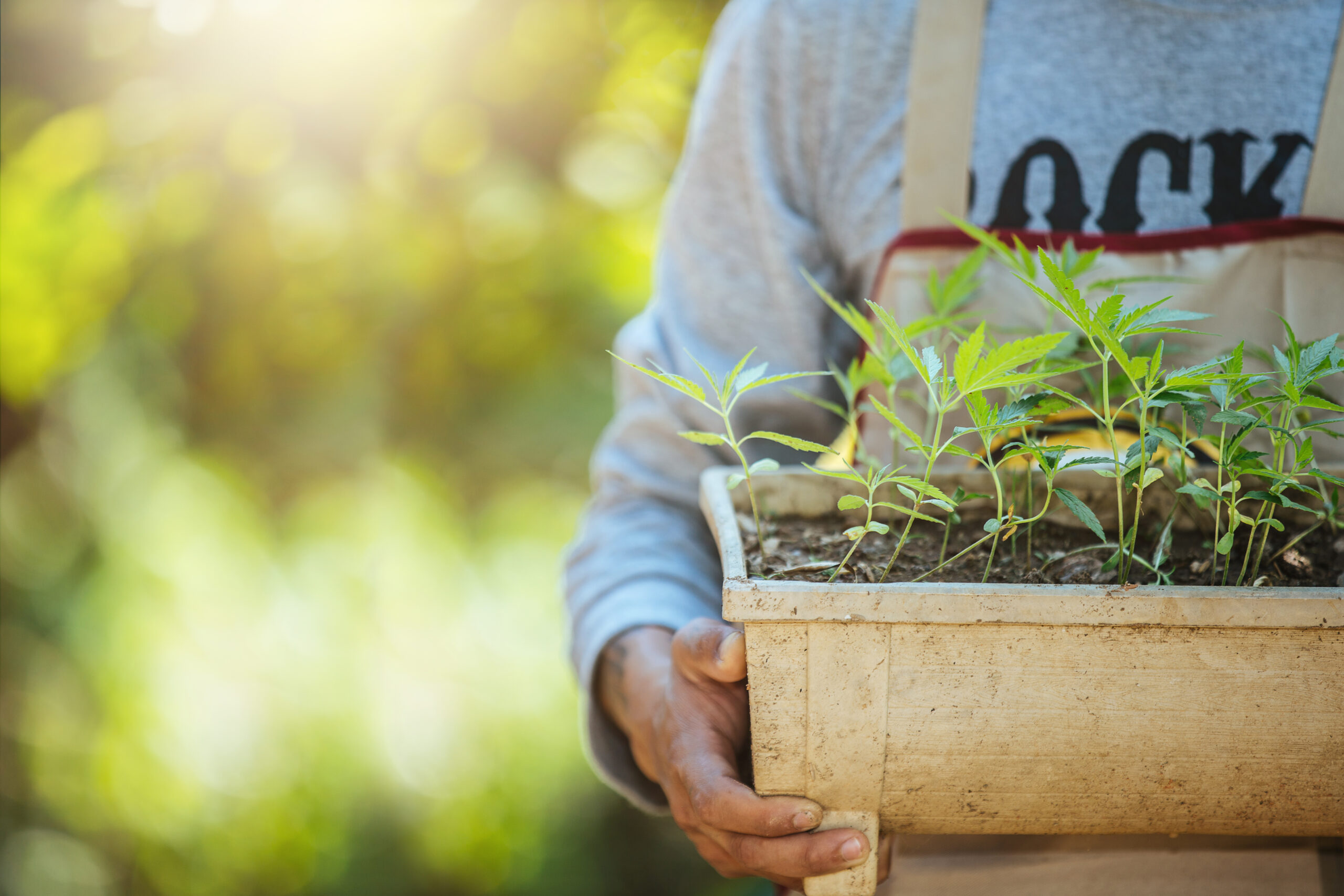


Growing weed can feel simple at first. You plant a seed, give it water, and wait. But if you want bigger yields, the process needs more than luck. A healthy plant can give you a strong harvest. A stressed plant can stay small, grow slowly, and produce light buds. That is why a proper weed growing guide matters. It gives you a clear plan, helps you avoid common mistakes, and shows you how to support the plant at every stage.
One of the biggest reasons people fail is because they skip the basics. Many new growers start without learning what the plant needs. They may use the wrong light, water too often, or feed too much. They might not check pH. They may not control heat and humidity. These problems can cause weak growth, yellow leaves, pests, mold, and poor yields. When these issues happen early, the plant may never fully recover. A step-by-step guide helps you build good habits from day one, so you do not waste time or money.
Another common problem is guessing instead of measuring. Weed plants react fast to changes in their environment. Too much light can burn leaves. Not enough light can make the plant stretch and stay thin. Too much water can drown roots. Too little water can slow growth and cause drooping. Nutrients can help, but overfeeding can burn the plant and reduce bud quality. When you follow a guide, you learn what to look for and what numbers matter. You also learn when to make changes and when to leave the plant alone. This is important because “doing more” is not always better. Many growers hurt their yields by trying to fix small issues too quickly.
A good guide also saves you from expensive setup mistakes. Some growers buy random equipment without a plan. They may choose a weak light, a small tent, or poor ventilation. Then they must upgrade later, which costs more. Others grow outdoors without thinking about climate, pests, or privacy. A structured guide helps you match your setup to your goals. It also helps you choose between indoor and outdoor growing, and between soil, coco, or hydroponics. Each option can work, but each one has rules you need to follow to get strong results.
This article is built to take you from seed to harvest in a clear order. You will learn how to start with the right seeds, how to germinate them, and how to set up your grow area. You will learn the basics of soil and growing mediums, and why pH and drainage matter. You will learn about light schedules and why the plant needs different light during veg and flower. You will also learn watering and feeding in a simple way, so you do not overdo it. Then you will move into plant training and other yield-boosting methods that can help you get more bud from the same space.
You will also learn how to spot problems early. Many issues look small at first, like slow growth or a few yellow leaves. But small signs can point to bigger problems, such as nutrient imbalance, root stress, pests, or mold. A guide helps you identify the cause, not just the symptom. That way, you can correct the issue before it damages your final harvest.
This guide is not about opinions or stories. It is about steps you can follow. The goal is to help you grow healthy plants and improve your yield over time. Bigger yields usually come from doing many small things right, not from one “secret trick.” Strong light, good airflow, stable temperature, correct watering, and smart feeding work together. When you follow a consistent process, your plants grow evenly, build strong roots, and develop bigger buds during flowering.
You will also see that timing matters. Weed plants change as they grow. What works in the seedling stage can harm a plant in flowering. For example, young plants need gentle light and careful watering. During veg, the plant wants steady growth and space for roots. During flowering, the plant needs the right light cycle, good airflow to prevent mold, and proper nutrients to support bud growth. Harvesting too early can reduce potency and yield. Harvesting too late can lower quality. Drying and curing also matter because poor drying can ruin buds, even after a good grow.
By the end of this article, you will understand the full growing process in simple steps. You will know what to buy, what to do, what to avoid, and how to get better results each grow. Whether you are growing one plant or several, indoors or outdoors, the same core idea applies: a clear plan leads to healthier plants, fewer problems, and bigger yields.
Is It Legal to Grow Weed at Home?
Before you buy seeds or set up a grow space, you need to understand the legal side of growing weed. Laws about cannabis can be very different depending on where you live. In some places, growing a few plants at home is allowed. In other places, it is still illegal, even if weed is legal for medical use. Because the rules change often, you should always check the latest laws for your exact location.
Laws Can Change by Country, State, or City
Cannabis laws are not the same everywhere. Some countries allow home growing. Others ban it completely. Even inside the same country, rules can change from one state, province, or region to another. In some areas, the state law may allow home grows, but the city or local area may have extra rules. This is why it is not enough to look up “Is it legal to grow weed?” in a general way. You need to look up the rules for your area.
A good way to start is to search for official government websites or trusted legal resources. Try search terms like “home grow cannabis law” plus your country or state name. If you are not sure what applies to you, you can also speak to a local lawyer or a local cannabis regulation office, if one exists.
Medical vs. Adult-Use Rules
Some places allow cannabis for medical use but do not allow home growing. Other places allow medical patients to grow a limited number of plants. Adult-use (also called recreational) rules may be different from medical rules.
For example, a medical program might allow a patient to grow if they have a doctor’s recommendation or a medical card. It might also require registration. Recreational laws might allow home growing for adults over a certain age, but with strict plant limits. In many places, you may need to meet certain conditions to grow legally, even if weed is legal to buy.
Plant Count Limits and Possession Rules
In places where home growing is legal, plant limits are common. The law might limit:
- The total number of plants you can grow
- The number of mature (flowering) plants you can have at one time
- The number of plants per person vs. per household
Some laws also limit how much dried cannabis you can store at home. Even if you grow legally, you may break the law if you keep more than the allowed amount after harvest.
These limits matter because cannabis plants can produce a lot more than many people expect, especially if you aim for bigger yields. You may need to plan ahead for safe and legal storage. If your harvest is too large for legal limits, you could face legal trouble even if your grow was allowed.
Indoor vs. Outdoor Legal Differences
Many laws treat indoor and outdoor growing differently. Outdoor plants are easier for others to see, which can lead to problems. Some areas allow outdoor growing only if the plants are not visible from the street or from neighbors. Others may require a fence, a locked yard, or a covered greenhouse.
Indoor growing can also have rules. Some places require the grow area to be locked, especially if children live in the home. If you rent your home, your lease may ban growing, even if the state law allows it. Some buildings also have rules about electrical use, smell, and safety equipment.
Security, Safety, and “Public View” Rules
Even in legal areas, many laws require growers to take steps to prevent access by minors and prevent theft. You may see rules like:
- Keep plants in a locked space
- Do not allow plants to be visible to the public
- Use odor control if needed
- Follow electrical and fire safety rules
These rules are not just about law. They also protect you. A safe grow setup reduces risks like mold, fire hazards, and unwanted attention.
Why You Must Check Local Regulations First
It is easy to find mixed answers online because cannabis laws are complex. Some websites are outdated. Others talk about one area but not yours. Also, laws can change after elections, court cases, or new policy updates.
If you are serious about growing, treat legal research as the first step of your grow plan. Do it before you order seeds, lights, or nutrients. This helps you avoid wasting money and reduces risk.
Here are simple steps you can follow:
- Look up your country and local state or province rules.
- Check if home growing is allowed for medical use, adult use, or both.
- Confirm the plant limits and whether they count per person or per home.
- Check rules for indoor vs. outdoor growing.
- Review any rules about locks, visibility, odor, or storage limits.
- If you rent, read your lease and building rules.
Home growing laws are different in every place. Even where cannabis is legal, home growing may have strict limits and rules. You may face plant count limits, storage limits, and security requirements. Indoor and outdoor growing can also have different rules. Before you start growing, check your local laws and any rental or housing rules. Doing this first protects you and helps you grow with fewer problems later.
What Are the Best Types of Weed Seeds for Beginners?
Before picking any cannabis seeds, start with one key point: only buy and grow seeds where it is legal to do so. Laws can limit how many plants you can grow, where you can grow them, and who can buy seeds. If cannabis growing is not legal where you live, I cannot help with choosing seeds for cultivation. If it is legal, the information below explains seed labels and traits in a general, educational way so you can understand what you are looking at when you see seed options.
Regular, feminized, and autoflower seeds: what the labels mean
When people shop for seeds, they usually see three main types:
Regular seeds
Regular seeds can grow into either male or female plants. In cannabis growing, female plants are usually the goal because they produce the flower that most people want. Male plants produce pollen, and pollen can cause seeded buds if it reaches female flowers. For beginners, regular seeds can be more complicated because you may end up with plants you do not want. Still, regular seeds are sometimes chosen by people who want to learn about plant genetics or breeding in legal settings.
Feminized seeds
Feminized seeds are made to produce female plants most of the time. That makes them popular for beginners, because they reduce the chance of ending up with male plants. In simple terms, feminized seeds are often chosen when someone wants a more predictable outcome. Even then, no seed type is perfect, and plant outcomes can still vary based on genetics and environment.
Autoflower seeds
Autoflower seeds are known for following a more “automatic” life cycle compared to many traditional cannabis types. These plants are often described as simpler for beginners because they tend to be less dependent on light schedule changes to begin flowering. Autoflowers are also often smaller and faster than some other types, which can work well for limited space. However, because they can move through stages quickly, mistakes early on can be harder to correct.
Indica, sativa, and hybrid: what these terms really help with
You will also see seeds labeled indica, sativa, or hybrid. These labels are common, but they can be confusing.
- Indica-leaning plants are often described as shorter and bushier.
- Sativa-leaning plants are often described as taller with longer spacing between branches.
- Hybrids are mixes, and many modern seeds fall into this category.
For beginners, these labels can be useful for understanding size and shape, but they do not guarantee exact results. Many strains today are complex hybrids, so the same label can look different from one plant to another.
Seed traits that matter most for beginners
Instead of focusing only on popular strain names, beginners do better by focusing on traits. Here are the traits that usually make growing easier (in legal settings):
Disease and pest resistance
Some genetics handle common plant problems better than others. A seed described as “resistant” may be more forgiving if conditions are not perfect. This is helpful for first-time growers, because problems like mold, mildew, or pests can be stressful and confusing.
Stable genetics and consistency
When a seed line is stable, plants are more likely to grow in a similar way. This helps beginners because it reduces surprises. Seeds from established, well-documented genetics are often easier to plan around.
Plant size and growth structure
If you have limited room, a plant that tends to stay compact can be easier to manage. If you have more room, a larger plant might fit your space better. Thinking about size early helps avoid issues later.
Climate fit (for outdoor legal grows)
If someone is growing outdoors where it is legal, climate matters. Some genetics handle heat better, while others do better in cooler or drier areas. Picking seeds that match your local weather lowers risk.
Flowering time range (general planning)
Seeds are often listed with a flowering time estimate. This can help with planning, but it is still only an estimate. Real results depend on conditions and the specific plant.
How to recognize seed quality (without overthinking it)
Seed quality is not only about looks, but there are a few common signals:
- Clear labeling and documentation: reputable sources explain seed type, expected traits, and basic handling info.
- Freshness and proper storage: seeds should be stored cool, dry, and away from light. Poor storage can reduce germination success.
- Professional packaging: sealed packs with batch or strain info often suggest better handling practices.
- Transparent policies: clear shipping, replacement, and support policies matter, especially for beginners.
Avoid relying only on flashy names or marketing claims like “guaranteed massive yield.” No seed can guarantee a result, because environment and care strongly affect outcomes.
Where to buy seeds safely and legally
If seeds are legal where you live, the safest option is usually a licensed dispensary or a regulated seed seller (depending on your local rules). Regulated sellers are more likely to provide accurate labeling and basic quality controls. If you are unsure, look for sellers that clearly follow local laws and provide educational support.
For beginners, the “best” seed type is usually the one that matches your legal situation, your space, and your comfort level. In general terms, feminized seeds are often chosen for predictability, while autoflowers are often chosen for simplicity and smaller size. Regular seeds can be useful for learning, but they may be more complicated. Focus on traits like resistance, stable genetics, and size, and always choose legal, reputable sources when cannabis seeds are allowed where you live.
Indoor vs. Outdoor Growing: Which Produces Bigger Yields?
One of the first big choices you will make is where to grow your weed plants. Many people search for this because the answer affects everything: cost, effort, plant size, and final yield. Indoor and outdoor growing can both produce great results, but they work in very different ways. The “best” option depends on your space, budget, climate, and how much control you want.
Indoor growing: What it is and why people choose it
Indoor growing means you grow your plants inside a house, room, closet, or grow tent. You use grow lights instead of sunlight. You also control the air, temperature, humidity, and airflow.
Why indoor can help yields:
- You control the environment. When conditions stay stable, plants grow with less stress. Less stress often means better growth and better bud development.
- You control the light schedule. Photoperiod plants stay in the vegetative stage under long light hours, like 18 hours on and 6 hours off. You can keep them in veg longer to make bigger plants before flowering. Bigger plants often mean bigger yields.
- You can grow year-round. Indoor growing is not limited by seasons. If your setup is good, you can run multiple harvests in a year.
Common indoor downsides:
- Higher startup costs. You need lights, a tent (or a dedicated area), ventilation, and tools to measure pH and moisture.
- Power use and heat. Strong lights use electricity and can raise the temperature. If heat is not managed, plants can slow down or become stressed.
- More things can go wrong if you do not monitor. If a fan breaks or humidity spikes, problems like mold can happen fast.
Outdoor growing: What it is and why people choose it
Outdoor growing means you grow your plants outside in natural sunlight. This can be in a backyard, garden, or greenhouse. Plants are exposed to real weather, changing temperatures, and natural day length.
Why outdoor can produce huge yields:
- Sunlight is very strong and free. The sun provides a full light spectrum that is hard to match with cheaper indoor lights.
- Plants can grow very large. In the ground, roots can spread wide and deep. When roots have more space, plants can become much bigger, which can increase yield.
- Lower equipment cost. You may still need soil, pots, nutrients, and pest control, but you do not need expensive lights and fans in most cases.
Common outdoor downsides:
- Less control. Heat waves, heavy rain, strong wind, and cold nights can stress plants.
- Pests and animals. Bugs, birds, and other animals can damage plants quickly if you are not prepared.
- Season limits. In many places, you can only do one major outdoor grow each year. This depends on your climate and the strain you choose.
Yield comparison: Indoor vs. outdoor
So which one gives bigger yields? In many cases, outdoor growing can produce the largest yields per plant, especially if plants are grown in the ground with lots of sunlight and a long season. Outdoor plants can become very tall and wide, which can lead to big harvests.
However, indoor growing can produce strong yields per year because you can harvest more than once. Even if an outdoor plant yields more in a single harvest, indoor growers often get more total harvests across the year. Also, indoor growing can produce more consistent results because the conditions are controlled.
A simple way to think about it:
- Outdoor often wins for “biggest single plant yield.”
- Indoor often wins for “best control and steady harvests.”
Cost comparison: What you will spend
Indoor costs usually include:
- Grow light (often the biggest cost)
- Grow tent or dedicated grow space
- Ventilation system (fan + carbon filter)
- Clip fans for airflow
- Thermometer and humidity meter
- pH meter and basic tools
Indoor growing costs more upfront, and it has ongoing electric costs.
Outdoor costs usually include:
- Soil, compost, and amendments
- Pots or garden beds (or planting in the ground)
- Supports like stakes or cages
- Pest prevention tools (netting, sprays, traps)
- Watering tools (hose, drip system, watering can)
Outdoor growing is usually cheaper, but you may still spend money protecting plants from pests and weather.
Climate and location: A major deciding factor
Your local climate matters a lot for outdoor growing. If you live in an area with:
- Short summers
- High humidity
- Heavy rain during flowering
- Early frost
…outdoor growing can be harder. Mold and bud rot can destroy buds near harvest, especially in wet conditions.
Indoor growing avoids many climate problems because you can control humidity and temperature. If your climate is tough, indoor may be the safer option for consistent yields.
Space and privacy: What you can realistically do
Outdoor plants can get large and may need more space than people expect. Also, plants can be visible and have a strong smell. If privacy is a concern, indoor growing is easier to hide and control. A tent with a carbon filter can help reduce smell.
Indoor growing also works well in small spaces, but you must manage height. Training techniques like topping and low-stress training can help keep plants short while increasing bud sites.
Bottom line: Which is best for bigger yields?
Choose outdoor if you have:
- Good sunlight and a long growing season
- Enough space for large plants
- A way to handle pests and bad weather
- A need to keep costs lower
Choose indoor if you want:
- More control and more consistent results
- Year-round growing
- Better privacy and security
- The ability to run multiple harvests per year
Indoor and outdoor growing can both produce big yields, but they do it in different ways. Outdoor growing can create very large plants with huge harvests, especially in strong sunlight and good soil. Indoor growing gives you more control, stable conditions, and the ability to grow all year, which can increase your total harvest over time. The best choice is the one that fits your climate, space, and budget, while letting you keep your plants healthy from start to finish.
What Equipment Do You Need to Grow Weed?
If you want bigger yields, your setup matters. You do not need the most expensive gear, but you do need the right basics. The goal is simple: give the plant steady light, clean air, the right temperature, and the right root space. Good equipment helps you control these things. It also helps you prevent common problems like mold, pests, heat stress, and slow growth.
Below is the key equipment most growers use, especially for indoor growing. If you grow outdoors, you can skip some items, but it is still helpful to understand them.
Grow lights: The engine of indoor yields
Light is the main fuel for plant growth. Indoors, your yield depends heavily on your light quality and how well you use it.
- LED grow lights: These are popular because they use less power, run cooler, and last a long time. Many modern LED lights give strong light that covers the full spectrum plants need. For most growers, LED is a good choice for better yields with less heat.
- HPS (High Pressure Sodium) lights: These are strong lights that can produce big yields, but they run hot and use more electricity. Because they create more heat, you usually need stronger fans and better ventilation.
- CFL (Compact Fluorescent) lights: These are cheaper, but they are weaker. They can work for seedlings or small plants, but they usually do not produce big yields compared to LED or HPS.
Key tips:
Keep the light at the right distance from the plant. Too close can burn the leaves. Too far can make the plant stretch and grow weak. Also, use a timer so your light schedule stays consistent.
Grow tent: Your controlled growing space
A grow tent gives you a clean, enclosed space. It helps you control light, temperature, humidity, and airflow. Most grow tents have reflective walls that bounce light back to the plant, which can improve growth.
When choosing a tent, consider:
- How many plants you want to grow
- How much space you have at home
- How tall your plants might get
- Room for your light and fan
A tent that is too small makes it harder to manage heat and airflow. A tent that is too big can cost more to light properly.
Ventilation and airflow: Fresh air in, stale air out
Weed plants need fresh air to grow well. They also need airflow to prevent mold and pests.
Most indoor setups use:
- Inline exhaust fan: Pulls hot, stale air out of the tent.
- Ducting: Carries air from the tent to another area, like a window or a vent.
- Carbon filter (optional but common): Helps reduce smell by filtering the air before it leaves the tent.
- Oscillating clip fans: These fans move air around inside the tent. This helps strengthen stems and lowers the risk of mold.
Without good ventilation, heat and humidity can build up fast. That can cause slow growth, droopy leaves, and bud rot during flowering.
Pots and containers: Root space affects yields
Your plant’s roots need room, oxygen, and proper drainage. The container you use affects how your plant grows.
Common options include:
- Plastic pots: Cheap and easy, but they can hold more water, which may raise the risk of overwatering.
- Fabric pots: These “breathe” better, which helps roots get oxygen. They also reduce the chance of roots circling the pot. Many growers use fabric pots for stronger root systems and better growth.
- Self-watering pots (optional): These can help keep moisture steady, but you still need to monitor watering and nutrients.
Key tip:
Always use containers with drainage holes. Water should be able to flow out, not sit at the bottom.
Soil and growing medium: The base for healthy growth
Your growing medium is what holds the roots and carries water and nutrients. Common choices include:
- Soil: Often the easiest for beginners. Many potting soils are made for gardening, but not all are ideal for weed. Some are too dense or have slow-release fertilizers that can cause problems.
- Coco coir: This is made from coconut fiber. It drains well and can support fast growth, but it usually needs regular feeding because it has fewer nutrients on its own.
- Hydroponics: This uses water and nutrients without soil. Hydro can produce fast growth and big yields, but it needs more attention and careful measurement.
Many beginners start with soil or coco coir because it is simpler than hydro.
pH meter and EC meter: Tools that prevent hidden problems
Two common issues that hurt yields are wrong pH and wrong nutrient strength.
- pH meter: Measures how acidic or alkaline your water is. If pH is off, your plant may not absorb nutrients properly, even if you are feeding it.
- EC meter (or TDS meter): Measures nutrient strength in the water. This helps prevent overfeeding and nutrient burn.
These tools are important if you want stable growth and fewer surprises.
Nutrients and watering tools: Feeding the plant correctly
Even good soil runs out of nutrients over time, especially during flowering when plants need more food.
You may need:
- Basic plant nutrients (often labeled as grow and bloom)
- Cal-mag supplement (common in coco and some water types)
- Measuring syringes or cups for accurate mixing
- A clean watering can or pump sprayer
Always mix nutrients carefully and do not guess. Overfeeding can reduce growth and lower yield.
To grow weed indoors and aim for bigger yields, you need equipment that controls the main growing factors: strong light, good airflow, stable temperature, and healthy roots. A good LED light, a grow tent, proper fans, and well-draining pots are the core setup. A pH meter and, if possible, an EC meter help you avoid common nutrient problems that can slow growth. When these basics are in place, your plants are more likely to stay healthy and produce larger, denser buds at harvest.
How to Germinate Weed Seeds Properly
Germination is the first step in growing weed from seed. It is the moment a seed “wakes up” and starts to form a taproot. The taproot is the first root that grows downward. A strong start matters because weak germination often leads to slow growth later. The goal is simple: give the seed warmth, moisture, and gentle handling, so it can sprout fast and clean.
Before you begin, remember one key rule: seeds do best when they stay moist, not soaked. Too much water can block oxygen and cause rot. Too little water can stop the seed from opening.
What a healthy germination looks like
A healthy seed usually cracks open and sends out a small white root. At first, this root may look like a tiny hook or thread. Once the root is a few millimeters long, the seed is ready to go into your growing medium (soil, coco, or another starter mix). If you wait too long and the root grows long and curly, it becomes easy to damage during handling.
Method 1: Paper towel method
This is one of the most common methods because it is easy to check progress.
Steps:
- Wash your hands first. Seeds can pick up germs from dirty fingers.
- Take two clean paper towels and lightly dampen them with clean water. The towels should be wet but not dripping.
- Place the seeds on one towel with space between them.
- Cover them with the second towel.
- Put the towels inside a clean container or between two plates. This helps hold moisture and keeps light out.
- Place the container in a warm spot.
What to watch for:
- Check once or twice a day. If the towel starts to dry, lightly mist it.
- If the towel is soaking wet or smells bad, you used too much water.
- When you see a small white taproot, move the seed carefully.
How to plant after sprouting:
Use tweezers if you can, and be gentle. Place the seed in a small hole about 1 to 1.5 cm deep (around half an inch). Put the seed in with the root pointing downward if possible. If you cannot tell, do not stress—plants often find their way down. Cover lightly with soil and keep it moist.
Method 2: Direct-to-soil method
This method is simple and reduces handling, which lowers the risk of snapping the taproot.
Steps:
- Fill a small pot or seedling cup with a light starter soil mix. Avoid heavy, muddy soil.
- Moisten the soil so it feels damp but still airy.
- Make a small hole about 1 to 1.5 cm deep.
- Drop the seed into the hole.
- Cover gently and lightly press the top.
- Keep the top layer moist. Do not flood the pot.
What to watch for:
- The soil should not dry out completely.
- Do not dig up the seed to “check.” This can crush the sprout.
- Seedlings usually break the surface in a few days.
This method is great if you want fewer steps and less risk of handling damage.
Method 3: Water soak method
This method is often used to soften the seed shell first. It can help with older seeds, but it must be done carefully.
Steps:
- Fill a clean glass with room-temperature water.
- Drop the seed into the water.
- Let it soak for 12 to 24 hours only.
Important warnings:
- Do not soak longer than 24 hours in most cases. Seeds can drown if they stay underwater too long.
- After soaking, you can move the seed to paper towel or plant it directly into soil.
Some seeds sink during soaking. Others float at first and sink later. Floating does not always mean the seed is bad, but you should still follow the time limit.
Ideal temperature and humidity for germination
Seeds germinate best in a warm, stable environment.
- Temperature: about 22–26°C (72–79°F)
- Humidity: medium to high humidity is helpful, especially after sprouting. Many growers aim for 60–75% during early seedling life.
If it is too cold, germination slows down. If it is too hot, seeds can dry out or grow bacteria. Gentle warmth is better than strong heat.
Common germination mistakes to avoid
- Overwatering: soaked towels or flooded soil can cause rot.
- Letting it dry out: once the seed starts, drying can kill the sprout fast.
- Too much handling: touching the taproot can damage it.
- Planting too deep: the seed may not reach the surface.
- Planting too shallow: the seed can dry out or fall over.
- Using dirty tools or containers: germs can cause mold.
- Too much light during sprouting: seeds prefer darkness while cracking open.
How long germination takes
Most healthy seeds sprout in 24 to 72 hours, but some take longer. It can take up to 7 days depending on seed age, temperature, and moisture. If nothing happens after a week, the seed may be unhealthy, too cold, too wet, or too dry.
A good sign is steady progress: crack, taproot, then sprout. Once the seedling comes up, it needs gentle light, mild airflow, and careful watering to keep growing strong.
Germinating weed seeds is about control and patience. Pick a method that fits your style: paper towel if you want to see the root, direct-to-soil if you want less handling, or a short water soak to soften the shell. Keep conditions warm, moist (not soaked), and clean. Handle sprouted seeds carefully, plant them at the right depth, and avoid digging them up. A smooth germination stage gives you a stronger seedling, which helps you build bigger yields later.
What Is the Best Soil or Growing Medium for Weed?
Your growing medium is what holds the roots, water, and nutrients. It also controls how much air the roots get. If the medium is wrong, the plant can grow slowly, get sick, or produce small buds. If the medium is right, the plant can build a strong root system, drink well, and grow fast through veg and flower.
There is no single “perfect” medium for every grower. The best choice depends on your budget, skill level, and whether you want a simple setup or a more hands-on system. Below are the most common options and what you should know about each one.
Organic Soil Mixes
Organic soil is the most beginner-friendly option. It is forgiving, easy to find, and does not require advanced tools. A good organic soil mix already contains many nutrients and microbes that help the plant feed itself.
Why organic soil works well
- It holds moisture but can still breathe if it is mixed correctly.
- It supports beneficial microbes that help break down nutrients.
- It is harder to “mess up” compared to hydro systems.
What to look for in a good soil
- A light, fluffy texture (not heavy or muddy).
- Good drainage (water should not sit on top for long).
- Added aeration like perlite, pumice, or rice hulls.
- Quality compost or worm castings for natural nutrition.
Common beginner mistake
Many people buy cheap “garden soil” that is too dense. Dense soil holds too much water and does not let the roots breathe. This can cause slow growth, drooping leaves, and root problems.
Coco Coir
Coco coir (often called “coco”) is made from coconut husks. It acts like a middle option between soil and hydro. Coco holds water well but still provides good airflow to the roots. It can produce fast growth and big yields when managed correctly.
Why growers like coco
- Roots get more oxygen than in heavy soil.
- Plants can grow faster when feeding is consistent.
- It drains well, which lowers the risk of overwatering compared to dense soil.
Important note about coco
Coco is not “soil.” It does not contain nutrients the way rich soil does. Most growers feed nutrients regularly, sometimes every watering. This means coco can be great, but it requires more routine and attention.
Best practice
Many growers mix coco with perlite (for example, 70% coco and 30% perlite) to improve drainage and root airflow.
Hydroponic Systems
Hydroponics means growing with water and nutrients instead of soil. The roots get fed through a nutrient solution. Hydro can produce very fast growth and heavy yields, but it is less forgiving if something goes wrong.
Common hydro setups
- DWC (Deep Water Culture): roots sit in oxygenated water.
- Drip systems: nutrient solution drips into a medium.
- Ebb and flow: solution floods and drains on a schedule.
Pros of hydro
- Very fast growth when conditions are stable.
- Strong control over feeding.
- High yield potential.
Cons of hydro
- pH and nutrient strength must be checked often.
- A small mistake can quickly stress the plant.
- Equipment problems (like pump failure) can cause issues fast.
Hydro is often best for growers who like measuring, testing, and keeping a strict routine.
Soil pH Requirements
pH is how acidic or alkaline your root zone is. If pH is off, the plant may not absorb nutrients even if you are feeding correctly. This is one of the biggest reasons people see yellow leaves, spots, and slow growth.
General pH targets
- Soil: about 6.0 to 7.0 (many growers aim around 6.3 to 6.8)
- Coco and hydro: about 5.5 to 6.5 (many aim around 5.8 to 6.2)
These ranges help the plant absorb key nutrients like nitrogen, calcium, magnesium, and phosphorus.
Why pH matters
- Wrong pH can cause “lockout,” which looks like deficiencies.
- Fixing pH often solves problems faster than adding more nutrients.
Drainage Importance
Roots need both water and oxygen. If the medium stays soaked, roots cannot breathe. This can lead to weak growth and root rot. Good drainage is one of the easiest ways to improve yields, especially indoors.
How to improve drainage
- Use fabric pots or air pots to help roots breathe.
- Add perlite or pumice to soil.
- Make sure pots have plenty of drainage holes.
- Never let pots sit in runoff water for long.
Quick check
After watering, you should see some runoff from the bottom of the pot. That runoff helps prevent salt buildup and shows that water is moving through the root zone.
Nutrient Availability in Different Mediums
Different mediums “feed” the plant in different ways.
Soil
- Can contain nutrients already.
- Releases nutrients slowly.
- Feeding can be lighter, especially early on.
Coco
- Has almost no nutrients.
- Needs regular feeding.
- Calcium and magnesium are often needed because coco can bind them.
Hydro
- Nutrients are delivered directly through the water.
- Plants respond quickly to changes.
- Overfeeding or underfeeding can show up fast.
If you want the simplest path, rich soil is often easiest. If you want speed and control, coco or hydro can perform very well, but they demand more consistency.
The best growing medium depends on how hands-on you want to be. Organic soil is the most beginner-friendly and forgiving. Coco coir can grow faster and yield more, but it needs regular feeding and good pH control. Hydroponics can deliver the fastest growth and biggest yields, but it requires careful monitoring and stable equipment. No matter what you choose, focus on the basics: keep pH in the right range, build a medium that drains well, and make sure roots get enough oxygen. A healthy root zone is one of the biggest keys to bigger harvests.
How Much Light Does Weed Need to Grow?
Light is one of the biggest keys to growing healthy weed plants and getting bigger yields. If your light is too weak, your plant may grow tall and thin, with small buds. If your light is too strong or too close, you can stress the plant and slow growth. The goal is to give the plant the right amount of light, at the right time, with the right intensity.
Weed plants use light to make energy through a process called photosynthesis. More useful light usually means more growth, but only up to a point. Your plant also needs proper water, nutrients, airflow, and temperature to use that light well.
Light cycles for photoperiod plants
Photoperiod weed plants grow and flower based on the number of hours of light they get each day. This is very important because you control the stages of growth by controlling the light schedule.
Photoperiod plants have two main stages:
- Vegetative stage (the plant grows stems and leaves)
- Flowering stage (the plant grows buds)
If you are growing indoors, you control these stages using a timer. If you are growing outdoors, the seasons control the light hours, and the plant will flower when days get shorter.
Light schedule for autoflowers
Autoflower plants are different. They do not need a change in light schedule to start flowering. They flower based on age, not day length. That is why many beginners like them. Autoflowers can be easier because you do not need to worry as much about switching to 12/12.
Common indoor light schedules for autoflowers include:
- 18 hours on / 6 hours off (18/6)
- 20 hours on / 4 hours off (20/4)
- 24 hours on / 0 hours off (24/0)
Many growers choose 18/6 or 20/4 because plants often like a dark rest period. Also, your equipment can cool down during the “off” hours. Autoflowers can still grow well under 24 hours of light, but it may increase heat and power costs. For bigger yields, strong light plus good plant health matters more than pushing nonstop light.
Vegetative stage lighting (18/6)
During the vegetative stage, your plant is building structure. This is when you want strong, steady growth. The most common light schedule for photoperiod plants in veg is:
- 18 hours on / 6 hours off (18/6)
Some growers use 20/4, but 18/6 is a standard choice because it balances growth and rest, and it saves electricity.
In veg, your plant responds well to bright light, but it does not need the same intensity as flowering. If your veg light is too weak, the plant may stretch. Stretching means the plant grows tall and thin as it tries to reach more light. This can lead to weaker stems and less bud production later.
Flowering stage lighting (12/12)
For photoperiod plants, flowering is triggered by a strict schedule:
- 12 hours on / 12 hours off (12/12)
This long dark period signals the plant to start making buds. During flowering, the dark time must be uninterrupted. Light leaks at night can stress the plant. In some cases, stress can reduce yield or cause the plant to form seeds.
During flowering, many plants need stronger light than they did in veg. This is because bud growth uses a lot of energy. Strong, even lighting helps buds develop across the whole plant, not just at the top.
A simple rule: the stronger and more even your flowering light is (without overheating the plant), the better your bud size and density can be.
Light intensity and distance
Light intensity is how strong the light is at the plant canopy (the top leaf level). Distance matters because light gets weaker the farther it is from the plant.
If a light is too far away, your plant may stretch and produce smaller buds. If it is too close, you can cause:
- Light stress (bleached or faded leaves near the top)
- Heat stress (leaves curl up or edges look dry)
- Slower growth
Different lights have different strength. An LED can often be placed closer than an HPS light because it usually makes less heat. But high-power LEDs can still be very intense and can still stress the plant if they are too close.
A practical approach is to start higher and slowly lower the light as the plant adjusts. Watch the plant daily. The leaves will “tell you” how they feel.
Try to keep light spread even across the canopy. Uneven lighting can cause uneven buds. This is one reason training methods like low stress training can help yield. A flat canopy helps more bud sites get good light.
Signs of too much or too little light
Knowing the signs helps you correct problems early.
Signs your plant may be getting too little light:
- Long spaces between nodes (stretching)
- Thin stems
- Slow growth
- Small, airy buds in flowering
- Leaves reach upward hard toward the light
Signs your plant may be getting too much light:
- Top leaves look pale, yellow, or bleached
- Leaves “taco” upward at the edges
- Dry, crispy leaf tips near the top
- Growth slows even though you are feeding and watering correctly
Also watch your temperature. Strong lights can raise heat. If the grow area is too hot, the plant cannot use light well. A good light setup includes ventilation to remove heat and bring in fresh air.
Weed plants need the right light schedule and the right intensity to grow big and healthy. Photoperiod plants usually use 18/6 during veg and 12/12 during flowering, and the dark period in flowering must stay completely dark. Autoflowers do not need a light change to flower, and many growers use 18/6 or 20/4. For bigger yields, focus on strong, even light coverage, proper distance from the canopy, and stable temperatures. If you learn the signs of too much or too little light, you can adjust early and protect your final harvest.
How Often Should You Water Weed Plants?
Watering sounds simple, but it is one of the easiest ways to hurt a weed plant. Many new growers water too often because the top of the soil looks dry. Others wait too long and the plant wilts. The goal is to water in a steady, planned way that keeps the roots healthy. When roots get the right mix of water and air, the plant grows faster and yields more.
Why watering matters so much
Weed plants need water to move nutrients through the plant, build new growth, and stay firm and upright. But roots also need oxygen. If the soil stays soaked all the time, air cannot reach the roots. This can slow growth and cause root problems. If the soil stays too dry, the plant cannot feed well and can become stressed. Stress can reduce yield and lower bud quality.
How often to water: the real answer
There is no perfect schedule like “every two days” that works for everyone. How often you water depends on:
- Pot size
- Plant size
- Soil type or growing medium
- Temperature and humidity
- Airflow and light strength
- Drainage quality
A small plant in a big pot may need water less often. A large plant in a small pot may need water daily. A hot grow room dries pots faster than a cool room. Strong lights also dry the soil faster.
A simple rule that works for most soil grows is this:
Water only when the pot feels light and the top 1 to 2 inches of soil is dry.
This helps you avoid overwatering.
The best way to check if your plant needs water
Use more than one method so you do not guess.
The pot-lift test
Pick up the pot right after watering. Feel how heavy it is. Then pick it up again later each day. When it feels much lighter, it is closer to needing water.
Finger test
Stick a finger into the soil up to your second knuckle. If it feels dry at that depth, it may be time to water. If it still feels moist, wait.
Plant look and leaf posture
Healthy leaves usually look firm and lifted. Overwatered plants often look droopy but still feel thick and heavy. Underwatered plants look droopy and feel thin or weak.
Signs of overwatering
Overwatering is very common, especially in the seedling and early veg stages.
- Leaves droop and look heavy
- Soil stays wet for many days
- Slow growth or stunted plant size
- Fungus gnats showing up around the soil
- A musty smell from the pot
- In severe cases, root rot
If you think you overwatered, do not “fix” it by adding more nutrients. The first step is to let the pot dry out more between waterings. Improve airflow, check drainage holes, and make sure the pot is not sitting in runoff water.
Signs of underwatering
Underwatering can happen when pots are too small, the room is too hot, or the plant is large.
- Leaves droop and look thin
- Soil pulls away from the edges of the pot
- Pot feels very light
- Leaves may curl or feel crispy
- Plant may perk up quickly after watering
If the soil becomes too dry, water may run down the sides and out the bottom without soaking in. When that happens, water slowly in stages. Add a little water, wait a few minutes, then add more until the soil rehydrates.
Why drainage is a big deal
Good drainage helps roots breathe. If water cannot leave the pot, the root zone stays too wet. This can lead to slow growth and problems like fungus gnats or root disease.
To improve drainage:
- Use pots with enough drainage holes
- Do not pack soil too tightly
- Use a well-aerated soil mix
- Consider fabric pots, which dry faster and allow more air flow
- Always empty runoff so the pot is not sitting in water
Root oxygen: the part many growers miss
Roots do not just drink water. They also “breathe” oxygen. When you water, you fill air spaces in the soil with water. As the soil dries, air returns. That wet-to-dry cycle is healthy. It encourages roots to spread out and grow. If the soil never dries, roots stay stressed and weak.
Water pH levels and why they matter
Even if you water at the right time, the plant may still struggle if the water pH is off. pH affects how the plant takes in nutrients.
For soil grows, many growers aim for water around pH 6.0 to 7.0. If pH is too high or too low, the plant can show deficiency signs even when nutrients are present. Use a pH meter or test kit if you can. If your tap water is very hard or inconsistent, consider filtering it.
What changes watering frequency
Your watering needs will change during the grow.
- Seedlings: Small roots, easy to overwater. Use small amounts and keep the area moist, not soaked.
- Vegetative stage: Plant drinks more as it grows. Water becomes more regular.
- Flowering stage: Plants can drink a lot, especially in mid-flower. But too much water late in flower can raise humidity and risk mold.
- Hot, dry conditions: Pots dry faster, so watering may happen more often.
- Cool, humid conditions: Pots dry slower, so watering may be less frequent.
A simple watering method for soil
This method works well for many home growers:
- Wait until the pot is light and the top soil is dry.
- Water slowly and evenly around the pot.
- Water until you see a small amount of runoff.
- Empty the runoff tray.
- Do not water again until the pot dries back down.
This approach helps prevent dry pockets, supports healthy roots, and reduces the risk of overwatering.
Watering weed plants is not about following a strict calendar. It is about watching the plant and checking the soil. Let the pot dry enough between waterings so roots get oxygen. Learn the signs of overwatering and underwatering, and fix drainage problems early. Keep your water pH in a good range, and expect your watering needs to change as the plant grows. When you water the right way, you support strong roots, faster growth, and bigger yields.
What Nutrients Does Weed Need for Bigger Yields?
If you want bigger yields, nutrients matter just as much as light and water. Nutrients are the plant’s “food.” They help the plant build roots, stems, leaves, and flowers. But more nutrients is not always better. The goal is to give the right nutrients, at the right time, in the right amount.
Macronutrients: N, P, and K (NPK) Explained
Cannabis needs three main nutrients in larger amounts. These are called macronutrients.
Nitrogen (N)
Nitrogen helps the plant grow strong leaves and stems. It is most important during the seedling and vegetative stage, when the plant is building its size. If a plant does not get enough nitrogen, it cannot make healthy green leaves. But too much nitrogen can also cause problems, especially in flowering.
Phosphorus (P)
Phosphorus helps with root growth and flower development. It supports energy use inside the plant. Phosphorus becomes more important when the plant starts flowering, because the plant needs more energy to form buds.
Potassium (K)
Potassium helps the plant handle stress and supports many processes, like moving water and nutrients through the plant. It also helps with bud size and overall plant strength. Potassium is important through the whole grow, but it is often increased in flowering.
A simple way to remember this is:
- Veg stage: more Nitrogen
- Flower stage: more Phosphorus and Potassium
Micronutrients: Small Amounts, Big Impact
Micronutrients are needed in smaller amounts, but they still matter for yield and plant health. Common micronutrients include:
- Calcium (Ca): helps with cell strength and healthy growth
- Magnesium (Mg): helps with chlorophyll, so the plant can use light
- Sulfur (S): supports plant proteins and growth
- Iron (Fe), Zinc (Zn), Manganese (Mn), Copper (Cu), Boron (B), Molybdenum (Mo): support enzymes and plant functions
Many growers see problems because of calcium and magnesium. That is why many people use a Cal-Mag supplement, especially when growing in coco coir or under strong LED lights.
Feeding Schedules: When and How Much to Feed
A feeding schedule is a plan for what nutrients to give, and when to give them. Most nutrient brands provide a schedule. These schedules are a good starting point, but you should not follow them blindly.
Here are simple guidelines:
- Seedlings: very light feeding, or none at all if your soil is rich
- Vegetative stage: increase nutrients slowly, with a focus on nitrogen
- Early flowering: switch to bloom nutrients, higher in phosphorus and potassium
- Mid to late flowering: steady bloom feeding, watch for signs of stress
- Final days before harvest: many growers reduce or stop feeding (flushing is discussed below)
A smart rule is: start low and go slow. If the label says “10 ml per liter,” you might begin with half strength and see how the plant reacts. Every grow is different, and cannabis can be sensitive.
Organic vs. Synthetic Nutrients
You can grow cannabis with organic nutrients or synthetic nutrients. Both can produce strong yields if used correctly.
Organic nutrients come from natural sources like compost, worm castings, bone meal, bat guano, or plant-based feeds. Organic grows often use “living soil,” which has microbes that help break down nutrients for the plant. Organic feeding can be simpler if your soil is well built, because the soil does some of the work.
Pros of organic:
- Often more forgiving
- Builds soil health over time
- Can be easier for long-term soil use
Cons of organic:
- Slower to correct deficiencies
- Can be harder to measure exact nutrient levels
Synthetic nutrients are made in a lab and deliver nutrients in a form the plant can use right away. Many hydroponic systems use synthetic nutrients because they are easier to control and measure.
Pros of synthetic:
- Fast results
- Easy to adjust feeding
- Great control in hydro or coco
Cons of synthetic:
- Easier to overfeed and cause burn
- Requires closer monitoring of pH and strength
Nutrient Burn and Deficiency Signs
To get bigger yields, you must avoid two big problems: deficiencies and nutrient burn.
Common signs of nutrient deficiency:
- Yellowing leaves (often nitrogen deficiency in veg)
- Brown spots or edges (can be potassium or calcium issues)
- Purple stems or slow growth (can be phosphorus issues, or temperature stress)
- Pale leaves between veins (often magnesium deficiency)
Common signs of nutrient burn (overfeeding):
- Leaf tips turn brown and look “burnt”
- Leaves may curl down like claws
- Plant growth may slow
- Very dark green leaves can mean too much nitrogen
If you see signs of trouble, do not guess wildly. First, check basics:
- Are you watering correctly?
- Is your pH in range?
- Are you feeding too strong?
Many “nutrient problems” are actually pH problems, because wrong pH can lock out nutrients even if they are present.
Flushing Before Harvest: What It Is and Why It’s Done
Flushing means giving plain water (no nutrients) near the end of flowering. Growers do this to clear extra salts and reduce leftover nutrients in the medium.
A simple approach:
- In soil: some growers flush for 7–14 days
- In coco or hydro: flushing is often shorter, like 3–7 days, depending on the setup
Some growers flush for taste and smoothness. Others feed until late flower and only reduce at the end. No matter what method you use, the key is consistency and not shocking the plant with sudden changes.
If you want to flush, do it gently. Watch your plant. If leaves fade naturally late in flower, that can be normal as the plant finishes.
For bigger yields, cannabis needs the right nutrients at the right time. Focus on NPK first: more nitrogen in veg, and more phosphorus and potassium in flower. Do not ignore micronutrients like calcium and magnesium, because they affect growth and bud development. Follow a feeding schedule, but start with lower doses and increase slowly. Choose organic or synthetic nutrients based on your grow style, and monitor your plant for signs of deficiency or nutrient burn. Finally, decide if you want to flush before harvest, and do it in a steady way that does not stress the plant.
Understanding the Vegetative Stage
The vegetative stage, often called the “veg stage,” is the time when a weed plant focuses on growing bigger and stronger. During veg, the plant builds its main stem, branches, and leaves. This stage matters a lot because a healthy veg stage sets up the plant for heavy buds later. If your plant is weak, stressed, or small in veg, it usually produces smaller yields in flowering.
What happens during vegetative growth
In veg, the plant’s job is to collect energy and build structure. Leaves act like solar panels. They capture light and help the plant make food through photosynthesis. The roots also grow fast during this stage. Strong roots help the plant drink water and absorb nutrients more efficiently.
You will also see the plant start to “shape” itself. New nodes form along the stem. Nodes are the points where branches and leaves grow. More nodes and branches usually mean more future bud sites. That is why veg is the best time to guide your plant’s shape.
Veg stage length depends on your grow style. Some growers keep plants in veg longer to grow larger plants with more branches. Others keep veg short to finish faster or save space.
Ideal temperature and humidity
Keeping the right environment helps plants grow fast and avoid problems.
Temperature
- A good target range is about 70–85°F (21–29°C) during lights-on.
- At night (or lights-off), a small drop is fine. Try not to let it swing too much.
- If it gets too hot, plants can wilt, slow down, or show heat stress (like curling leaves).
- If it gets too cold, growth slows and roots may not work well.
Humidity
Veg plants like higher humidity than flowering plants because their leaves can take in moisture from the air while roots are still developing.
- A common target is around 50–70% relative humidity in veg.
- If humidity is too low, leaves may dry out and growth can slow.
- If humidity is too high with poor airflow, mold and pests can become more likely.
Airflow and fresh air
Air movement is important. Gentle airflow helps strengthen stems and keeps hot spots away from the plant canopy. Fresh air also brings in carbon dioxide (CO₂), which plants use to grow.
Training techniques to increase yield
Training means shaping your plant so it grows more bud sites and uses light better. Training is one of the best ways to improve yield, especially indoors.
Low Stress Training (LST)
LST is a gentle method. You bend the main stem and tie it down so the plant grows wider instead of taller. This helps light reach more branches. When more branches get strong light, they can become top bud sites later.
Basic LST steps:
- Wait until the plant has several nodes and the stem is flexible.
- Gently bend the main stem sideways.
- Tie it down using soft ties.
- Adjust ties as the plant grows.
Topping
Topping means cutting off the top growing tip. This can create two main tops instead of one. It can also encourage more side branching. Many growers top after the plant has 4–6 nodes, but timing depends on plant health and growth speed.
If you top too early, you can slow the plant down. If you top a weak plant, you can stress it. Only top healthy plants that are growing well.
Pruning
Pruning means removing some growth to improve airflow and light use. During veg, you can remove weak, shaded, or damaged leaves. Do not remove too much at once. Leaves are still needed to collect energy.
Defoliation
Defoliation is heavier leaf removal. Some growers do a light defoliation in late veg to open up the plant. The goal is to let light reach inner branches. If you remove too many leaves, the plant may slow down. Keep it moderate.
How to increase bud sites in veg
More bud sites usually come from more branches and more light exposure.
To increase bud sites:
- Use LST to spread branches out.
- Top or train the plant so it grows multiple main tops.
- Keep light strong and even across the canopy.
- Keep the plant healthy with proper watering and feeding.
- Avoid stress like heat, cold, or overwatering.
A flat, wide canopy often produces better yields indoors because it lets more bud sites sit in the “sweet spot” under the light.
When to switch to flowering
For photoperiod plants, the switch to flowering happens when you change the light schedule from 18/6 (or similar) to 12/12. Before you switch, think about space. Many plants stretch after the flip and can grow much taller.
A simple rule is: switch when the plant is about half of the final height you can handle. If your grow tent is small, you may flip earlier. If you have room and want bigger plants, you can veg longer.
Also, do not switch to flowering if the plant is sick, badly stressed, or dealing with pests. Fix problems first. A healthy plant entering flowering is more likely to give you bigger yields.
The vegetative stage is when your weed plant builds its size, roots, and branch structure. This stage is important because it sets up how many bud sites you will have later. Keep temperatures steady, humidity in a good range, and airflow gentle but constant. Use training methods like LST and topping to create more strong branches and a wider canopy. Finally, switch to flowering only when the plant is healthy and your grow space can handle the stretch. A strong veg stage is one of the best ways to get bigger yields at harvest.
Understanding the Flowering Stage for Maximum Bud Growth
The flowering stage is the part of the grow where your plant makes buds. This stage is where yield is built. If you control light, air, water, and humidity well, you can grow bigger and denser flowers. If you get the basics wrong, buds can stay small, become airy, or develop mold. That is why flowering needs extra attention.
What triggers flowering
For photoperiod weed plants, flowering starts when the plant gets 12 hours of darkness every day. Indoors, growers do this by changing the light schedule from 18/6 (vegetative stage) to 12/12 (flowering stage). Outdoors, flowering begins as the days get shorter later in the season.
For autoflower plants, flowering is different. Autoflowers do not need a 12/12 light schedule. They begin flowering based on age, often around 3 to 5 weeks after sprouting. You can keep autoflowers on an 18/6 or 20/4 schedule through the whole grow, and they will still flower.
Changes in the light cycle and why it matters
Light controls how much energy the plant can make. During flowering, the plant uses that energy to build buds. With photoperiod plants, the most important rule is simple: do not break the dark period.
If the plant is supposed to get 12 hours of darkness and you turn on a light during that time, even for a short moment, you can stress the plant. Stress can slow bud growth. In some cases, it can cause the plant to make male pollen sacs. That can lead to seeded buds, which lowers quality and can reduce yield.
To protect the dark cycle:
- Use a timer for your grow lights.
- Keep the grow room light-proof during darkness.
- Do not open the tent during the dark hours unless you must.
- If you need to check plants, use a very dim green light, but only when necessary.
Also, keep your light at the right distance from the canopy. If the light is too close, buds can bleach and leaves can burn. If the light is too far, buds may stay small.
Bud development timeline: what to expect week by week
Flowering is not the same every week. Knowing what is normal helps you avoid panic and fix real problems early.
Early flowering (weeks 1–3):
- The plant “stretches,” meaning it grows taller fast.
- You will see small white hairs (pistils) at bud sites.
- Buds are small, but the plant is setting the structure for future growth.
Mid flowering (weeks 4–6):
- Buds begin to swell and stack.
- The plant may smell stronger.
- Trichomes (frost) start forming more heavily.
- This is a key time for proper feeding and steady environment.
Late flowering (weeks 7+):
- Buds get thicker and heavier.
- Many pistils darken and curl inward.
- Trichomes change from clear to cloudy, and sometimes amber.
- The plant may drink less water as it nears harvest.
Remember: the exact weeks vary by strain. Some strains finish in 8 weeks, others take 10–12 weeks or more.
Supporting heavy buds
As buds grow, branches can bend or snap. A broken branch can reduce yield and can also raise the risk of infection or mold. Support is simple and worth it.
Common support options include:
- Plant stakes placed in the pot
- Soft plant ties to hold branches up
- Trellis netting to spread and support the canopy
- Yo-yo hangers (small retractable supports) for heavy colas
Support also helps keep the canopy even, so light reaches more bud sites. More light on more sites usually means better yield.
Preventing mold and bud rot
Mold is one of the biggest threats during flowering, especially in the last few weeks when buds are thick. Bud rot can start inside the flower where you cannot see it at first. If it spreads, you may lose a large part of the harvest.
To lower mold risk:
- Keep humidity lower during flowering, especially late flowering.
- Make sure air moves across and through the canopy with oscillating fans.
- Use a strong exhaust fan to remove warm, humid air.
- Avoid wetting buds when watering.
- Do not pack plants too tightly. Give them space for airflow.
- Remove dying leaves that trap moisture in the canopy.
A simple target many growers use is:
- Early flower: moderate humidity
- Mid flower: lower humidity
- Late flower: low humidity to protect dense buds
If you see gray or brown mushy areas in buds, or a dusty white coating on leaves, take action fast. Remove infected material and improve airflow and humidity control right away.
Yield expectations and what affects them most
Many growers ask, “How much weed will I get?” The honest answer is: it depends on your setup and your habits. But you can control the most important yield factors.
Big yield drivers in flowering include:
- Strong, steady light at the right distance
- Healthy roots and proper watering
- Correct nutrients for flowering (less nitrogen, more focus on bloom needs)
- Stable temperature and humidity
- Good airflow to prevent mold and stress
- Training done earlier so the canopy has many bud sites
Avoid big changes. Sudden swings in temperature, watering, or feeding can slow growth. In flowering, steady conditions often beat “extra” tricks.
The flowering stage is where your plant turns energy into buds. For photoperiod plants, switch to 12/12 and protect the dark period. Expect stretching early, swelling mid-flower, and heavy buds late in flower. Support branches so they do not snap, and focus on airflow and lower humidity to prevent mold and bud rot. Keep the environment stable and the light consistent, and you give your plants the best chance to produce bigger yields.
How Long Does It Take to Grow Weed from Seed to Harvest?
One of the most common questions new growers ask is: How long does it take to grow weed from seed to harvest? The short answer is that it depends on the type of plant you grow, your setup, and your environment. Some plants can finish in about 10–12 weeks, while others can take 4–7 months or more. Below is a clear breakdown so you can plan your grow from start to finish.
Autoflower Timeline (Fastest Option)
Autoflower plants are known for speed. They flower based on age, not light schedule. This makes them easier to plan and often quicker to harvest.
A common autoflower timeline looks like this:
- Germination: 1–7 days
Seeds crack open and sprout a taproot. Some take longer, especially if conditions are cool. - Seedling stage: 1–2 weeks
The plant is small and delicate. It builds its first true leaves and starts steady growth. - Vegetative stage: 2–4 weeks
The plant grows stems and leaves quickly. With autoflowers, this stage is shorter than photoperiod plants. - Flowering stage: 5–8 weeks
Buds form and fatten. This stage usually takes the longest. - Total time (seed to harvest): 8–12 weeks for many autoflowers
Some longer autoflower strains can take 13–14 weeks.
Autoflowers are often chosen when you want a quicker harvest cycle or when outdoor seasons are shorter.
Photoperiod Timeline (More Control, Often Longer)
Photoperiod plants start flowering when they get longer periods of darkness. Indoors, growers control this by changing the light schedule. Outdoors, the seasons trigger flowering naturally.
A typical photoperiod timeline:
- Germination: 1–7 days
- Seedling stage: 1–3 weeks
The plant builds a strong base and begins to grow faster. - Vegetative stage (indoor or outdoor): 4–10+ weeks
This stage can be short or long. Indoors, you can keep the plant in veg as long as you want by using an 18/6 light schedule (18 hours light, 6 hours dark). Longer veg time often leads to a larger plant, which can support more buds later. - Flowering stage: 8–12 weeks is common
Some strains finish in 7–8 weeks, while others take 12–14 weeks. - Total time (seed to harvest): 3–5 months for many indoor photoperiod grows
Outdoor photoperiod grows can take 5–7 months, depending on when you start and your local climate.
Photoperiod plants are often chosen for growers who want more control over plant size and training before flowering.
Factors That Affect How Fast Weed Grows
Even with the same strain, two grows can finish at different times. The most common factors are:
- Genetics (strain type)
Some strains naturally grow faster, while others have longer flowering times. Autoflowers are usually faster than photoperiod plants. - Light strength and schedule
Indoors, strong lighting helps plants grow faster and healthier. Weak light can slow growth. Photoperiod plants also depend on correct light schedules. Light leaks during flowering can cause problems and delay progress. - Temperature and humidity
If it is too cold, growth slows. If it is too hot, plants can get stressed. Poor humidity control can also slow growth or cause disease. - Nutrients and feeding habits
Underfeeding can cause slow growth and pale leaves. Overfeeding can cause nutrient burn and stunting. A steady feeding plan helps the plant stay on schedule. - Watering and root health
Roots need both water and oxygen. Overwatering can reduce oxygen and slow growth. Healthy roots usually mean faster growth and better yields. - Plant stress
Heavy stress from pests, disease, bad pruning, or extreme training can slow development. Gentle, well-timed training is less likely to delay the plant.
Indoor vs. Outdoor Timing Differences
Indoor grows are usually faster and more predictable because you control the environment. You control light hours, temperature, humidity, and airflow. This makes the timeline steadier.
Outdoor grows depend on the season. A plant may grow slowly early in the season if nights are cool. It may also flower later or earlier based on day length. Rain, pests, heat waves, or storms can also change the timeline.
In general:
- Indoor photoperiod plants can be harvested in 3–5 months depending on veg time.
- Outdoor photoperiod plants often take 5–7 months from seed to harvest, depending on location and start time.
- Autoflowers outdoors can still finish in 8–12 weeks, but weather can slow them down.
How to Know When Your Plant Is Close to Harvest
Time estimates help you plan, but harvest should be based on plant signs, not the calendar alone. Common signs include:
- Trichomes changing color (clear to cloudy, then some amber)
- Pistils darkening and curling inward
- Buds looking full and dense, with less new white hair growth
- The plant slowing down and focusing on bud ripening
These signs show the plant is finishing. Harvest too early and buds may be less developed. Harvest too late and effects and quality can change.
Autoflowers often take 8–12 weeks from seed to harvest, making them one of the fastest options. Photoperiod plants usually take longer, often 3–5 months indoors and 5–7 months outdoors, depending on veg time and season. Your timeline can change based on genetics, lighting, temperature, nutrients, watering, and plant stress. Use estimated weeks to plan, but always confirm harvest readiness by checking plant signs like trichomes and pistils.
How to Increase Weed Yields: Proven Techniques
If your goal is bigger yields, you need to think like a planner. A high-yield grow does not come from one “magic” trick. It comes from doing many small things right, every day. Light, roots, airflow, nutrients, and training all work together. When one part is weak, your plant cannot reach its full size.
Below are proven ways to increase weed yields, step by step, in a clear and practical way.
Proper light intensity
Light is the main “engine” for plant growth. More useful light usually means more growth, and more growth can mean more buds. But the key is useful light, not just “bright.” A plant can only use so much light. Too little light leads to thin plants and airy buds. Too much light can stress the plant and slow growth.
Here are simple ways to get lighting right:
- Choose the right light for your space. Many growers use LED grow lights because they are efficient and easier to manage than older systems.
- Match your light to your grow area. A small light in a big tent will not give strong results.
- Keep the right distance from the canopy. If the light is too close, leaves may bleach or curl. If it is too far, plants stretch and waste energy. Use the light maker’s distance guide as a starting point, then watch your plant.
- Keep the canopy even. An even canopy lets more tops sit at the best distance from the light. This helps you grow more “main buds” instead of a few tall ones and many shaded ones.
A simple rule: the plant should look healthy and steady under the light. Leaves should not curl up, turn pale, or show burned tips from heat or stress.
Plant training methods
Training is one of the best ways to increase yield because it changes how the plant grows. Instead of one tall main top, you can create many strong tops. More tops can mean more bud sites, better light use, and better airflow.
Common training methods include:
- Low Stress Training (LST). You gently bend and tie branches down and outward. This opens the plant and spreads growth across the canopy. LST works well for beginners because it is gentle and flexible.
- Topping. You cut the main stem top during the vegetative stage. This can help the plant grow two main tops instead of one. It can also reduce stretching and help build a wider plant.
- Pruning and defoliation (with care). Removing some leaves can improve airflow and light to lower bud sites. But removing too much can slow growth. A safe approach is to remove only what blocks airflow or heavily shades important bud sites.
- Support and shaping. Stakes, plant ties, and netting can keep the plant spread out and stable. This can stop branches from breaking later when buds get heavy.
Training works best when the plant is healthy and growing fast. Do not train a plant that is already stressed from heat, pests, or poor watering.
Optimizing temperature and humidity
Your plant grows best when the environment is stable. Big swings in temperature or humidity can slow growth and reduce yield. Also, high humidity during flowering can cause mold, which can ruin your harvest.
Simple environment tips:
- Keep temperatures steady. Hot rooms can cause stress and weak bud growth. Cold rooms can slow growth and reduce plant energy.
- Use good airflow. Moving air helps strengthen stems and lowers moisture on leaves.
- Control humidity. Higher humidity is usually easier in early growth, but flowering needs better moisture control to protect buds. If humidity is too high during late flower, buds can rot inside, even if the outside looks fine.
- Exchange fresh air. Venting out warm, humid air and bringing in fresh air helps the plant breathe and keeps conditions stable.
A stable environment helps the plant keep building, day after day, without setbacks.
CO₂ supplementation basics
CO₂ can help plants grow faster in the right setup. But it is not a starter tool. CO₂ works best when other factors are already strong, especially light and temperature control. If you add CO₂ to a weak setup, it usually will not fix the real problem.
If you are thinking about CO₂, keep these basics in mind:
- CO₂ helps most when the grow space is controlled and sealed well.
- It works better with strong lighting.
- You still need steady temperature and good airflow.
- It adds cost and complexity.
For many home growers, improving light coverage and plant training brings better results than adding CO₂.
Bigger pots and root space
Roots are the foundation of the plant. A plant with more healthy roots can drink more water, take in more nutrients, and grow bigger. Small pots can limit root growth, which limits plant size, which limits yield.
To improve root space:
- Use a pot size that fits your grow plan. Bigger plants need bigger pots.
- Choose containers with good drainage. Roots need oxygen. If soil stays soaked, roots can suffer.
- Consider fabric pots. Many growers use them because they breathe well and help reduce root circling.
A strong root system often leads to stronger stems, more branching, and heavier buds.
Avoiding stress factors
Stress is one of the biggest yield killers. Every time a plant struggles, it slows down. Some stress can happen by accident, but many stress problems come from daily habits.
Common stress factors to avoid:
- Overwatering. This is one of the most common mistakes. It can choke roots and cause slow growth.
- Underwatering. A plant that dries out too often will stall and may not build big buds.
- pH problems. If pH is off, the plant may not absorb nutrients well, even if nutrients are present.
- Nutrient burn. Too much fertilizer can damage roots and leaf tips.
- Heat and light stress. Too much heat or light can reduce growth and cause leaf damage.
- Pests and disease. Even a small pest problem can drain the plant’s energy over time.
The best way to avoid stress is to keep a simple routine: check plants daily, adjust slowly, and do not change many things at once.
To increase weed yields, focus on the basics that truly move the needle. Use strong, well-matched lighting and keep an even canopy. Train the plant with LST and topping to create more productive bud sites. Keep temperature, humidity, and airflow stable so the plant grows without setbacks. Only consider CO₂ if your setup is already controlled and optimized. Give roots enough space with the right pot size and good drainage. Most of all, avoid stress from overwatering, pH issues, pests, and extreme heat or light. When you keep the plant healthy and steady, bigger yields become much easier to reach.
Common Growing Problems and How to Fix Them
Even strong plants can run into problems. Most issues come from a few root causes: wrong watering, wrong pH, weak airflow, dirty grow areas, or pests. The good news is that many problems look worse than they are. If you spot the signs early and fix the cause, your plants can recover and still produce a solid harvest.
Nutrient Deficiencies
Nutrient problems usually show up on the leaves first. The plant uses older leaves as “storage,” so many deficiencies start on lower leaves and move upward.
Common signs
- Yellowing leaves (often lower leaves first): Can be low nitrogen, pH problems, or overwatering.
- Brown or “burnt” leaf edges: Can be low potassium or salt buildup from too much feed.
- Purple stems or slow growth: Can be low phosphorus, cold temperatures, or genetics.
- Spots on leaves: Can be low calcium or magnesium, or pH issues.
How to fix it
- Check your pH first. If pH is off, the plant cannot absorb nutrients even if they are in the soil.
- Soil growers often aim around 6.0–7.0.
- Coco/hydro often aim around 5.5–6.5.
- Soil growers often aim around 6.0–7.0.
- Make small changes. Do not “double feed” to fix a problem fast. That can cause nutrient burn.
- Use a simple feeding plan. Stick to a clear schedule and avoid mixing many products at once.
- Watch new growth. Old damaged leaves may not turn green again. Look for improvement in new leaves.
Pests: Spider Mites, Aphids, Fungus Gnats
Pests can spread fast, especially indoors. They weaken plants by sucking sap, damaging roots, and spreading disease.
Spider mites
- Signs: Tiny dots on leaves, fine webbing, leaves looking dusty or speckled.
- Fix:
- Isolate the plant if possible.
- Increase airflow and keep the grow space clean.
- Spray the underside of leaves with an approved plant-safe pest control (follow label directions).
- Repeat treatments on a schedule, because eggs can hatch later.
- Isolate the plant if possible.
Aphids
- Signs: Clusters of small insects on stems and leaf undersides, sticky residue, curled leaves.
- Fix:
- Rinse gently with water to knock them off.
- Treat with a plant-safe product as directed.
- Check nearby plants and treat them too.
- Rinse gently with water to knock them off.
Fungus gnats
- Signs: Tiny black flying bugs near soil, slow growth, weak roots (larvae feed in the soil).
- Fix:
- Let the top layer of soil dry between waterings.
- Use sticky traps to catch adults.
- Improve drainage and avoid wet, soggy soil.
- Consider top-dressing with a thin layer that keeps the surface drier (like sand) if it fits your grow style.
- Let the top layer of soil dry between waterings.
Mold and Mildew
Mold problems are common in warm, humid spaces with poor airflow. Powdery mildew often looks like white dust on leaves. Bud rot can start inside thick flowers and spread quickly.
Signs
- Powdery mildew: White, powder-like patches on leaves.
- Bud rot: Brown/gray areas in buds, dead leaves sticking out of buds, bad smell.
How to fix it
- Lower humidity. High humidity during flowering is risky, especially with dense buds.
- Increase airflow. Use fans to move air above and below the canopy.
- Defoliate carefully. Remove some inner leaves so air can pass through. Do not strip the plant bare.
- Remove infected parts. If you see bud rot, remove the affected buds right away.
- Avoid spraying buds in late flower. Moisture on flowers can make mold worse.
Heat Stress
Too much heat or strong light can slow growth and reduce yields. It can also cause leaves to “taco” (curl upward) or bleach near the top.
Signs
- Leaves curling upward at edges
- Wilting even when soil is moist
- Pale or bleached top growth
- Dry, crispy leaf tips near the light
How to fix it
- Check canopy temperature. Measure near the top of the plant, not just at the tent floor.
- Raise or dim the light. Too much intensity causes stress, especially for young plants.
- Improve ventilation. Use intake and exhaust fans to exchange hot air.
- Add a light schedule strategy. If your space runs hot, consider running lights at cooler hours.
pH Imbalance
pH problems are a top cause of “mystery issues.” Many growers think they have a nutrient deficiency, but the real issue is pH lockout.
Signs
- Multiple deficiency-like symptoms at once
- Leaves yellowing even with feeding
- Slow growth and weak stems
How to fix it
- Test your water and feed solution. Adjust pH before watering.
- Test runoff (if you use runoff). If runoff is far from your target, you may need to correct the root zone.
- Avoid extreme swings. Small, steady adjustments work best.
Stunted Growth Causes
Stunting means the plant grows slowly or stops growing for a while. This can happen at any stage.
Common causes
- Overwatering and low oxygen at roots
- Cold temperatures, especially at night
- Pot too small or root-bound plant
- Poor lighting or wrong light distance
- Transplant shock
- Pest pressure
- pH problems
How to fix it
- Check your watering habits. Let the medium dry a bit before watering again. Roots need oxygen.
- Set stable temps. Keep the grow area warm enough for steady growth.
- Transplant at the right time. Move up to a bigger pot before roots circle and bind.
- Correct light distance. Keep lights close enough for strong growth but not so close that leaves stress.
- Reduce stress. Avoid heavy pruning or training when the plant is already struggling.
Most growing problems come from a small set of issues: wrong pH, wrong watering, poor airflow, too much heat, or pests. When something looks off, start with the basics: check pH, check the moisture level in the pot, and check temperature and airflow near the canopy. Fix one thing at a time and give the plant a few days to respond. Early action and a clean, stable grow setup are the simplest ways to prevent small problems from turning into major yield loss.
How and When to Harvest for Maximum Potency
Harvest time is one of the most important parts of growing weed. If you harvest too early, buds can be small and weak. If you harvest too late, buds can feel heavier and sleepier, and the flavor can drop. The goal is to harvest when the plant is at its best mix of potency, aroma, and quality.
This section will show you how to choose the right harvest window and avoid common timing mistakes.
Why Harvest Timing Matters
During flowering, your plant makes resin. Resin holds the main compounds people want, like THC and other cannabinoids. The resin also holds terpenes, which give buds their smell and taste.
These compounds change over time. That is why timing matters:
- Too early: Trichomes are not fully developed. Potency is lower. Buds may not have full size.
- Too late: THC starts to break down into other compounds. The effect may feel more heavy or “sleepy.” Terpenes may fade.
You can still get smokeable bud either way, but the “sweet spot” usually gives the best overall results.
The Best Way to Tell When Weed Is Ready: Trichomes
The most reliable harvest guide is the trichomes. Trichomes are the tiny resin glands on the buds and sugar leaves. They look like small crystals or frosty dots.
To check them clearly, use one of these tools:
- A jeweler’s loupe (often 30x to 60x)
- A handheld microscope
- A phone camera with a macro lens attachment
Try to look at trichomes on the bud itself, not just the sugar leaves. Sugar leaves can change faster and may trick you.
Trichome Colors and What They Mean
Trichomes change color as they mature:
- Clear trichomes: Not ready. Potency is still building.
- Cloudy/milky trichomes: Peak THC for many strains. Stronger “head high” for many growers.
- Amber trichomes: THC is starting to break down. Effects often feel more calming or heavy.
A common target is:
- Mostly cloudy with a little amber (for balanced effects)
- Mostly cloudy (for a stronger, more “up” effect)
- More amber (for a heavier, more relaxing effect)
There is no single perfect number for every strain. But many growers harvest when they see mostly cloudy trichomes and some amber.
Pistil Changes: A Helpful Secondary Sign
Pistils are the hair-like strands on buds. Early in flower, pistils are often white and stick out. Later, they darken and curl in.
Pistils can help, but they are not as accurate as trichomes because pistils can change due to stress, heat, or genetics.
In general:
- Lots of white pistils still sticking out often means the plant is still building.
- Many darkened pistils that have curled inward can mean the plant is closer to harvest.
Use pistils as a clue, but rely on trichomes for the final call.
Bud Structure and Swelling
As harvest gets close, buds often “swell.” Calyxes (the small bud parts) can stack and look fuller. The plant may also slow down drinking water.
Other signs you may notice:
- Buds look thicker and denser
- Strong smell increases
- Leaves may yellow more as the plant finishes
These signs can support what you see in trichomes.
Using a Calendar: Flowering Time Ranges
Seed banks and strain guides often list flowering time, like “8–10 weeks.” This is a rough estimate, not a fixed rule. Your exact harvest date depends on:
- Light strength and schedule
- Temperature and humidity
- Feeding plan and health
- Strain genetics and phenotype
A calendar helps you plan, but trichomes should decide the final day.
Harvest Timing Mistakes to Avoid
Here are common errors that hurt potency and quality:
- Harvesting too early because buds “look done.”
Buds can look big before they are fully mature. Check trichomes. - Only looking at sugar leaves.
Sugar leaves often amber faster than the bud. Check trichomes on the bud. - Waiting too long and losing aroma.
Overripe buds can lose terpenes. Flavor can drop. Effects can become more dull. - Not checking multiple buds.
Top buds may mature faster than lower buds. Check several spots. - Changing your environment too much near harvest.
Big changes in light, heat, or watering can stress plants and lower quality.
Yield vs. Potency: The Real Trade-Off
Many growers think “wait longer for bigger buds.” Sometimes buds will swell more late in flower. But potency and aroma may not keep improving the same way. If you wait too long, you can get heavier buds with less “spark” in the effects.
A smart goal is to harvest when:
- Buds are fully formed and dense
- Trichomes are mostly cloudy
- Aroma is strong and clear
- You see the amber level you want
This usually gives a great balance of size, potency, and quality.
How to Set Your Harvest Window
A simple method is:
- Track your flowering weeks on a calendar.
- Start checking trichomes around the “earliest” harvest week.
- Check every 2–3 days as you get close.
- Harvest when trichomes match your goal (cloudy/amber balance).
If you are unsure, take a small test bud from a lower branch, dry it quickly, and evaluate it. This is not perfect, but it can help you learn your strain’s timing.
Harvest timing can make or break your final results. The best way to know when to harvest is to check trichomes using a loupe or small microscope. Clear trichomes mean it is too early, cloudy trichomes often mean peak THC, and amber trichomes usually mean a more calming effect. Pistils, bud swelling, and the flowering calendar can help, but trichomes should be your main guide. To get maximum potency and great quality, harvest when buds are mature, aroma is strong, and trichomes match the effect you want.
Drying and Curing for Better Quality and Yield Preservation
Harvesting is a big step, but it is not the finish line. Drying and curing are what protect your hard work. If you rush these steps, buds can lose smell, taste, and strength. You can also end up with mold or harsh smoke. If you do it right, you keep more of your final yield and get a better end product.
Drying removes most of the water from the plant. Curing is the slow finishing step that improves quality over time. Think of drying as getting the buds “safe,” and curing as getting them “ready.”
Ideal Drying Conditions
The goal during drying is steady, slow moisture loss. If buds dry too fast, they can feel crunchy outside but still wet inside. This traps moisture and raises the risk of mold later. If they dry too slowly, mold can also form because the buds stay wet for too long.
A good drying room should have:
- Temperature: Aim for 60–70°F (15–21°C)
- Humidity: Aim for 50–60% relative humidity (RH)
- Darkness: Keep the room dark to protect cannabinoids and terpenes
- Gentle airflow: Air should move in the room, but not blow directly on buds
Good air exchange matters. Stale air holds moisture and can cause a musty smell. Use an exhaust fan if you have one, and a small fan pointed at a wall if needed. Direct fan wind can dry buds unevenly and make them brittle.
Hanging vs. Rack Drying
There are two common ways to dry buds: hanging branches or using drying racks. Both can work well if conditions are correct.
Hanging drying (whole plant or branches):
- Cut the plant into large branches or hang the whole plant if space allows.
- Hanging usually dries a bit slower, which can help preserve smell and taste.
- It also helps buds keep their shape because they are not being pressed flat.
Rack drying (buds laid on mesh):
- Trim buds off branches and lay them on a drying rack.
- Racks are useful if you have limited space or many buds.
- You must turn buds often so they dry evenly and do not hold moisture on one side.
If your buds are thick and dense, hanging branches can be safer because it slows drying. If buds are small or airy, racks are often fine.
How Long Drying Takes
Drying time depends on bud size, room humidity, and airflow. In many home setups, drying takes about 7 to 14 days. Faster than that can harm quality. Much longer can raise mold risk if humidity stays high.
A simple way to check readiness is the stem test:
- When small stems snap instead of bend, buds are often ready for curing.
- If stems still bend and feel wet, keep drying.
Also check the bud surface. It should feel dry to the touch, but not “bone dry.” If buds crumble easily, they may have dried too much. Over-dried buds can still be cured, but they often lose aroma.
Jar Curing Method
Curing is usually done in airtight glass jars. Wide-mouth mason jars are a common choice. The idea is to slowly even out moisture from the center of the buds to the outer surface, while letting gases escape.
Steps for jar curing:
- Fill jars loosely. Put buds in the jar about 70–80% full. Do not pack them tight. Air needs space to move.
- Store in a cool, dark place. Heat and light can reduce smell and potency.
- Check humidity. The best curing range is around 58–62% RH inside the jar.
- Many growers use small humidity packs to help hold that range.
- Many growers use small humidity packs to help hold that range.
- Watch for moisture problems. If buds feel wet again after a few hours in the jar, they were not dry enough. Take them out and dry longer.
During curing, buds should slowly get smoother and smell better. A grassy smell at first is normal. It should fade over time.
Burping Schedule (Releasing Moist Air)
“Burping” means opening jars for a short time to let out moisture and bring in fresh air. This helps prevent mold and supports a clean cure.
A simple burping schedule:
- Days 1–3: Open jars 2–3 times per day for 10–15 minutes
- Days 4–10: Open jars once per day for 5–10 minutes
- Weeks 2–4: Open jars every few days
- After 4 weeks: Burp once a week or as needed
If you ever smell ammonia or strong mustiness, that can mean buds are too wet. Remove buds and dry them longer before continuing the cure.
How Curing Improves Flavor and Strength
Curing does not “create” more THC, but it helps protect what is already there. A slow, proper cure can:
- Improve taste and smell by keeping terpenes from evaporating too fast
- Reduce harsh smoke by allowing plant materials and leftover moisture to break down slowly
- Help buds burn more evenly because moisture spreads evenly through the flower
- Protect your final yield by lowering the chance of mold and bud loss
Most growers notice big improvements after 2–4 weeks of curing. Many prefer 6–8 weeks for the best flavor and smoothness. After that, the changes are smaller, but storage still matters.
Drying and curing are the final steps that protect your yield and improve quality. Dry buds slowly in a dark space with steady temperature, proper humidity, and gentle airflow. Choose hanging or rack drying based on your space and bud density. Once stems snap, cure buds in glass jars, keep them in the right humidity range, and burp jars often at first. With a careful cure, buds stay fresher, taste better, and are less likely to be ruined by mold.
Conclusion: Step-by-Step Growing Leads to Bigger Yields
Growing weed is easier when you follow clear steps from the start. Bigger yields do not come from one “secret trick.” They come from doing the basics well, every day, from seed to harvest. When you plan ahead and keep your plants healthy, you get more buds, better quality, and fewer problems. This guide covered the full process so you can understand what to do at each stage and why it matters.
First, always start by checking the rules where you live. Laws can be different from one place to another, and they can change. Knowing the limits for home growing helps you avoid serious trouble. Once you understand the legal side, you can focus on growing the right way with less stress.
Next, choose the right seeds for your goals and your skill level. If you are new, seeds that are easier to grow can make a big difference. Some types are more stable and less likely to cause surprises. Picking good genetics matters because your yield starts with the plant’s potential. Even the best setup cannot fully fix weak genetics. Healthy, high-quality seeds give you a better chance at strong growth from day one.
After that, decide if you will grow indoors or outdoors. Indoor growing gives you more control over light, temperature, and humidity. Outdoor growing can be cheaper and can produce large plants if the climate is right. Both can produce good yields, but each has different needs. What matters most is matching your method to your space, budget, and local conditions. The best choice is the one you can manage well and keep consistent.
Your equipment also plays a big role. You do not need the most expensive gear, but you do need the right basics. Indoor growers need reliable lights, good airflow, and a way to manage heat and humidity. Outdoor growers still need good containers or soil, clean water, and protection from pests and bad weather when possible. Tools like a pH meter can prevent many common problems before they get serious.
Germination is the first hands-on step, and it sets the tone for the whole grow. When you germinate seeds properly, you get strong sprouts and faster early growth. Keep the environment warm, not hot. Keep it moist, not soaked. Many beginner problems start here, often from too much water, cold temperatures, or rough handling. When the seed opens and the root appears, gentle care is key.
The growing medium you use matters because it controls water, air, and nutrients around the roots. Soil can be simple and forgiving. Coco can grow fast but needs careful feeding. Hydroponics can produce strong results but requires more attention. No matter what you use, roots need oxygen, steady moisture, and the right pH range. If the root zone is unhealthy, the whole plant will struggle, and yields will drop.
Light is one of the biggest drivers of growth and yield. Plants need enough light for strong stems and many bud sites. If light is weak or the schedule is wrong, plants may stretch, grow slowly, or flower too early or too late. Indoor growers must also keep the light at the right distance to avoid stress. Outdoor growers should aim for the best sun exposure possible. In both cases, stable lighting leads to better results.
Watering is another area where many people lose yield. Overwatering is common and can cause droopy leaves, slow growth, and weak roots. Underwatering can also hurt growth and reduce bud size. A good habit is to water based on the plant and the soil, not a strict calendar. Let the container dry out some between waterings, and make sure there is good drainage. Clean water and correct pH help the plant take in nutrients properly.
Nutrients support bigger yields, but only when used correctly. During the vegetative stage, plants often need more nitrogen to build leaves and stems. During flowering, they need more support for bud building. Too little can cause deficiencies. Too much can cause nutrient burn. The goal is balance. If you feed carefully, watch your plants, and correct issues early, you protect yield and quality.
Understanding the vegetative stage and the flowering stage helps you make better decisions. In veg, you build the plant’s structure. This is when training methods like gentle bending, topping, and careful pruning can increase the number of bud sites. In flowering, the plant focuses on buds, and the environment must stay stable to avoid mold, pests, or stress that can reduce harvest weight. Many yield problems happen because growers change too many things at once during flowering.
It also helps to know the full timeline from seed to harvest. Autoflowers usually finish faster, while photoperiod plants depend on light schedules. Growth time changes based on genetics, environment, and training choices. When you understand timing, you can plan your space, manage your schedule, and avoid rushing steps that affect yield.
Finally, harvesting at the right time protects both potency and yield. Harvest too early and buds may be smaller and less developed. Harvest too late and quality can change. After harvest, drying and curing matter more than many beginners think. Drying too fast can hurt smell and taste. Poor curing can waste the hard work you put in. Slow, controlled drying and proper curing help preserve your final results.
The biggest lesson is simple: consistency creates bigger yields. When you control the basics—light, air, water, pH, nutrients, and timing—your plants stay healthy and productive. Track what you do, make small changes, and learn from each grow. Step-by-step growing is not just easier. It is the most reliable path to bigger yields.
Research Citations
Collado, C. E., Hwang, S. J., & Hernández, R. (2024). Supplemental greenhouse lighting increased the water use efficiency, crop growth, and cutting production in Cannabis sativa. Frontiers in Plant Science, 15, 1371702.
Konvalina, P., Neumann, J., Hoang, T. N., Bernas, J., Trojan, V., Kuchař, M., Lošák, T., & Varga, L. (2024). Effect of light intensity and two different nutrient solutions on the yield of flowers and cannabinoids in Cannabis sativa L. grown in controlled environment. Agronomy, 14(12), 2960.
Magagnini, G., Grassi, G., & Kotiranta, S. (2018). The effect of light spectrum on the morphology and cannabinoid content of Cannabis sativa L. Medical Cannabis and Cannabinoids, 1(1), 19–27.
Papastylianou, P., Kakabouki, I., & Travlos, I. (2018). Effect of nitrogen fertilization on growth and yield of industrial hemp (Cannabis sativa L.). Notulae Botanicae Horti Agrobotanici Cluj-Napoca, 46(1), 197–201.
Rheay, H. T., Creamer, R., VanLeeuwen, D., & Brewer, C. E. (2025). Field observations: Photoperiod response and yield of hemp at various latitudes throughout New Mexico. Agrosystems, Geosciences & Environment, 8, e70225.
Saragoça, A., Silva, A. C., Varanda, C. M. R., Materatski, P., Ortega, A., Cordeiro, A. I., & Telo da Gama, J. (2025). Current context of Cannabis sativa cultivation and parameters influencing its development. Agriculture, 15(15), 1635.
Visković, J., Zheljazkov, V. D., Sikora, V., Noller, J., Latković, D., Ocamb, C. M., & Koren, A. (2023). Industrial hemp (Cannabis sativa L.) agronomy and utilization: A review. Agronomy, 13(3), 931.
Wartenberg, A. C., Holden, P. A., Bodwitch, H., Parker-Shames, P., Novotny, T., Harmon, T. C., Hart, S. C., Beutel, M., Gilmore, M. E., Hoh, E., & Butsic, V. (2021). Cannabis and the environment: What science tells us and what we still need to know. Environmental Science & Technology Letters, 8(2), 98–107.
Zhang, M., Anderson, S. L., Brym, Z. T., & Pearson, B. J. (2021). Photoperiodic flowering response of essential oil, grain, and fiber hemp (Cannabis sativa L.) cultivars. Frontiers in Plant Science, 12, 694153.
Zheng, Z., Fiddes, K., & Yang, L. (2021). A narrative review on environmental impacts of cannabis cultivation. Journal of Cannabis Research, 3, Article 35.
Questions and Answers
Q1: What is the ideal environment for growing weed?
The plant grows best in a warm, sunny environment with temperatures between 70–85°F 20–30°C. It needs plenty of direct light, good air circulation, and moderate humidity—higher during the vegetative stage and lower during flowering.
Q2: What type of soil is best for growing weed?
Well-draining, nutrient-rich soil with a pH between 6.0 and 7.0 is ideal. Organic soil mixes containing compost, perlite, and peat moss or coco coir provide good aeration and support healthy root development.
Q3: How much light does a weed plant need?
Indoor plants typically require 18 hours of light during the vegetative stage and 12 hours during flowering. Outdoors, they need at least 6–8 hours of direct sunlight daily for optimal growth.
Q4: How often should weed plants be watered?
Water when the top inch of soil feels dry. Overwatering can cause root rot, while underwatering can stunt growth. Ensure pots have proper drainage to prevent standing water.
Q5: What nutrients are essential for weed plants?
Nitrogen is important during the vegetative stage, while phosphorus and potassium are crucial during flowering. Micronutrients like calcium, magnesium, and iron also support overall plant health.
Q6: How long does it take to grow weed from seed to harvest?
Most strains take 3–5 months from seed to harvest. The vegetative stage usually lasts 4–8 weeks, and the flowering stage typically lasts 8–10 weeks, depending on the strain.
Q7: What is the difference between indica, sativa, and hybrid strains?
Indica strains are generally shorter and bushier with relaxing effects. Sativa strains are taller and associated with uplifting effects. Hybrids combine traits from both types.
Q8: How can you tell when weed is ready to harvest?
Harvest time is typically when the trichomes turn milky white with some amber coloration and the pistils darken and curl inward. Using a magnifying glass helps inspect trichomes accurately.
Q9: What are common pests and problems when growing weed?
Common issues include spider mites, aphids, powdery mildew, and nutrient deficiencies. Proper airflow, cleanliness, and regular plant inspection help prevent infestations and diseases.
Q10: How should weed be dried and cured after harvest?
Hang trimmed buds upside down in a dark room with 60–70°F 15–21°C temperatures and 45–55% humidity for 7–14 days. After drying, cure the buds in airtight jars, opening them daily for airflow for 2–4 weeks to improve flavor and potency.