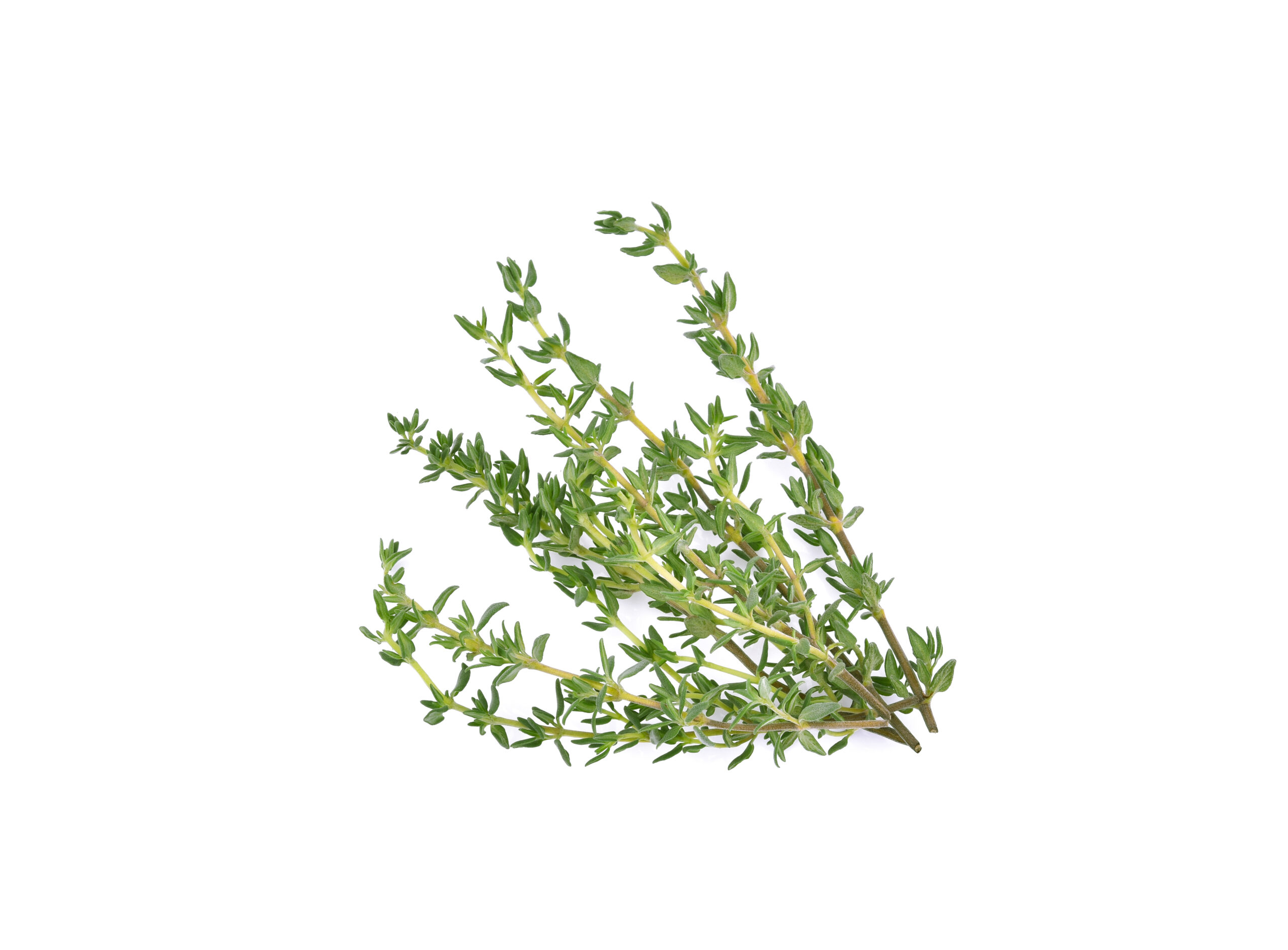
Many people are surprised when they see a small green plant in the yard or garden that looks a lot like thyme. At first glance, it may seem easy to tell the difference between an herb and a weed. In real life, though, many plants can look very similar. Some weeds have tiny leaves, low-growing stems, and a soft green color that can make them look like thyme, especially when they are young. This can confuse gardeners, homeowners, and even people who grow herbs often.
Thyme is a popular herb used in cooking, home gardens, and landscaping. It is known for its small leaves, pleasant smell, and low, spreading growth. Because it is such a common herb, many people expect to recognize it right away. The problem is that several other plants share some of the same features. A weed may have leaves that are close in size to thyme leaves. Another plant may grow in a dense mat across the soil, just like creeping thyme does. Some look-alike plants even grow in the same places as thyme, such as garden beds, walkways, rock gardens, and containers.
This is one reason why the phrase “weed that looks like thyme” is searched so often online. People want to know what they are really seeing. They may find an unknown plant growing near their herbs and wonder if it is safe to keep. They may notice a plant spreading through the lawn and ask if it is wild thyme or a weed. Others may want to know if the plant is edible, harmful, or useful in some way. These are common and practical questions, especially for beginners who are still learning how to identify plants.
Correct plant identification matters for several reasons. First, it helps people avoid mistakes in the garden. If a person thinks a weed is thyme, they may let it spread by accident. Over time, that weed can take up space, water, and nutrients that other plants need. It may also become harder to remove later. On the other hand, a person may pull out a real thyme plant because they mistake it for a weed. This can be frustrating, especially in herb gardens where plants are grown for cooking or ground cover.
Second, correct identification matters for safety. Some plants that look harmless should not be eaten unless they are properly identified. A plant may look like a kitchen herb, but appearance alone is not enough to prove it is safe to use in food or tea. Even when a plant belongs to the same family as thyme, that does not mean it should be used in the same way. This is why plant ID is more than just a gardening skill. It is also a basic safety step.
Third, knowing what plant you have can help you care for your garden better. Different plants need different care. Thyme usually prefers dry soil, sun, and good drainage. A weed that looks like thyme may grow best in damp soil, shade, or compacted ground. If you know what the plant really is, you can decide whether to keep it, move it, or remove it. This makes garden care more accurate and less stressful.
The good news is that plant identification becomes easier when you know what signs to look for. In this guide, the goal is to make that process simple and clear. You do not need to be a botanist to tell one plant from another. In many cases, a few basic clues can help a lot. The first clue is the leaves. Their size, shape, edge, texture, and color can all give useful information. Some thyme look-alikes have rounder leaves, larger leaves, or leaves with a different surface. Even a small difference can matter.
The second clue is scent. Thyme has a strong, clean herbal smell when the leaves are crushed. That scent is one of its best known features. Many weeds do not smell like thyme at all. Some have little scent. Others may smell sharp, grassy, or minty. Smell is not the only tool you should use, but it can help confirm what you are seeing.
The third clue is the way the plant grows. True thyme often grows low to the ground and forms neat clumps or spreading mats, depending on the variety. Some look-alike weeds spread faster, climb over nearby plants, or grow upright instead of low and compact. Stems also matter. A plant’s stem may be square, round, soft, woody, or trailing. These small traits can help separate thyme from weeds that only look similar from a distance.
Flowers can also help. While many people first notice leaves, flowers often make identification much easier. Thyme usually has small flowers in soft shades like pink, purple, or white. A look-alike plant may bloom in a very different shape or pattern. Watching a plant over time is often one of the best ways to identify it correctly.
In the sections ahead, this article will explain what thyme really looks like, why some weeds resemble it, and which plants are most often mistaken for it. It will also cover how to tell common look-alikes apart, where these plants usually grow, whether they are harmful or useful, and what to do if they appear in your garden. By the end, readers should have a clearer idea of how to identify thyme and how to spot the weeds and other plants that are often confused with it.
What Thyme Looks Like: Basic Plant Identification
Thyme is a small herb that many people know for its use in cooking, but it is also a useful plant to learn from when trying to identify look-alike weeds. If you want to know whether a plant is really thyme, the first step is to understand what thyme normally looks like. This matters because many small garden plants can seem alike at first glance, especially when they are young. A close look at the leaves, stems, smell, and the way the plant grows can help you tell the difference.
Thyme Is a Low-Growing Herb
Thyme is usually a short, low-growing plant. It does not grow tall like many wild weeds. Instead, it tends to spread close to the ground or form a small mound. Some types of thyme stay neat and compact, while others slowly spread outward. This is one reason people often use thyme in herb gardens, borders, rock gardens, and even between stepping stones.
When you look at thyme from a distance, it often appears dense and tidy. It does not usually have a wild or messy shape. The stems branch out in a soft, even way, which gives the plant a full look. This shape can help separate thyme from weeds that grow fast, shoot upward, or spread in a loose and uneven pattern.
The Leaves Are Small and Narrow
One of the easiest ways to spot thyme is by its leaves. Thyme leaves are very small. In most cases, they are much smaller than the leaves of common weeds that people mistake for thyme. The leaves are often oval, narrow, or slightly pointed at the ends. They usually grow in pairs along the stem.
The leaf color is most often a soft to medium green. Some types may look a little gray-green, especially in bright sun or dry soil. The leaves are not usually large, shiny, or thick. Instead, they look simple and fine. In many thyme varieties, the leaves also have a slightly dry or firm feel rather than a soft, watery one.
This small leaf size is a major clue. Many weeds that look like thyme at first actually have rounder, broader, or more deeply shaped leaves when you look closely. A person may only notice the difference after picking up the plant and studying it in the hand.
The Texture Is Fine and Slightly Woody
Thyme has a delicate look, but the plant is tougher than it seems. The stems often become woody as the plant matures. This means the lower parts of the stem can turn brown and firm over time. That woody base is common in older thyme plants and helps them survive dry weather and repeated trimming.
The upper stems are more tender, especially on fresh growth. These softer stems carry the smaller leaves and new shoots. When you touch the plant, it usually feels light and somewhat dry, not thick or juicy. This texture is another useful clue. Many weeds that resemble thyme have soft, weak stems all the way down, while thyme often has a stronger base.
The leaves themselves may feel smooth or slightly fuzzy, depending on the variety. Even so, they are usually not rough or heavily hairy. If a plant has very soft, wide, or heavily textured leaves, it may not be thyme.
Thyme Has a Strong Herbal Smell
One of the best ways to identify thyme is by smell. If you gently crush a leaf between your fingers, thyme gives off a strong, clean, earthy herbal scent. This smell is one of the plant’s clearest features. It is warm, sharp, and savory. People often connect it with roasted food, soups, and seasoning blends.
This scent is important because many look-alike weeds do not smell like thyme at all. Some may have little to no smell. Others may smell minty, sour, grassy, or unpleasant. The smell test is not the only thing you should use, but it is one of the quickest and most helpful methods.
Still, it is smart to be careful. A smell can guide you, but it should not be the only reason you decide a plant is thyme. Always check the stems, leaves, and growth pattern too.
The Stems Show a Common Herb Family Trait
Thyme belongs to the mint family, which includes herbs like oregano, basil, rosemary, and mint. Many plants in this family share some physical features. One of the best known is the stem shape. Thyme stems can have a slightly square shape, especially on younger growth. This is common in mint family plants.
That does not mean every square-stem plant is thyme. It only means that stem shape can support your identification. If a plant has small paired leaves, a strong herbal smell, and slightly square stems, it may be thyme or another herb in the same family. If it lacks these features, it is more likely to be something else.
As thyme gets older, its stems may become more branched and woody, especially near the bottom. This mix of soft new growth and firm old growth is part of what gives thyme its compact form.
Thyme Flowers Are Small but Helpful
If thyme is in bloom, the flowers can make identification easier. Thyme flowers are usually tiny and light in color. Many are pale purple, pink, lilac, or white. They often grow in small clusters near the tips of the stems. The flowers are not large or bright like many common garden blooms, but they can still stand out against the small green leaves.
These flowers often attract bees and other pollinators. If you see a low-growing herb with tiny leaves and many small purple-pink flowers, it may be thyme. Still, flowering happens only during part of the growing season, so you may not always be able to use blooms as your main clue.
Common Thyme Varieties Can Look Slightly Different
Not all thyme plants look exactly the same. Common thyme, also called English thyme, is the type most people know best. It usually has small green leaves and a neat, bushy shape. Lemon thyme looks similar but may have a lighter leaf color and a citrus-like scent. Creeping thyme grows lower and spreads more across the ground, making it popular as a ground cover. Woolly thyme has leaves with a soft, fuzzy surface and a more silver-gray look.
These small differences can confuse beginners, especially if they expect all thyme plants to look identical. The good news is that most thyme varieties still share the same main traits. They are low-growing, have very small leaves, often develop woody stems, and give off a strong herb scent when crushed.
Why Knowing These Features Matters
Learning what thyme looks like helps you avoid mistakes. A weed may seem harmless, but you should never assume a plant is thyme just because it is small and green. Many plants can copy one or two thyme traits, but fewer match the full set of features. That is why careful observation matters.
When identifying thyme, it helps to ask simple questions. Is the plant low and compact, or tall and loose? Are the leaves tiny and narrow, or broad and rounded? Does it smell strongly herbal when crushed? Are the stems thin and slightly woody near the base? These basic checks can help you make a better choice.
Thyme is a small, low-growing herb with tiny leaves, thin branching stems, and a strong savory smell. Its leaves are usually narrow or oval, its older stems can become woody, and its flowers are often small and pale purple, pink, or white. While different thyme varieties may look a little different, they usually share the same main features. Understanding these traits makes it much easier to tell real thyme apart from weeds and other look-alike plants.
Why Some Weeds Look Like Thyme
Many weeds look like thyme because plants often share the same basic features. At first glance, a small green plant with tiny leaves and low growth can seem like thyme, even when it is not. This happens a lot in gardens, lawns, and wild spaces where many herbs and weeds grow close to the ground. A person may see one plant that has small leaves and thin stems and assume it is thyme right away. But plant identification is rarely that simple.
To understand why some weeds look like thyme, it helps to know how plants grow and adapt. Some weeds and herbs belong to the same plant family. Others live in similar conditions and develop a similar shape over time. Young plants can also be hard to identify because they have not yet formed their full mature leaves, flowers, or stems. All of these reasons can make one plant look like another.
Similar Leaf Shapes Can Cause Confusion
One of the main reasons weeds look like thyme is that many plants have small oval or narrow leaves. Thyme is known for its tiny leaves, which are usually green to gray-green and grow close along thin stems. Many weeds also have small leaves, especially when they are still young. If a plant has a low-growing form and many small leaves, it can quickly remind people of thyme.
Leaf size alone is not enough to identify a plant. Some weeds have leaves that are only slightly larger than thyme leaves, and from a distance the difference may not be easy to see. In some cases, the leaves may even have a soft or slightly fuzzy look, which adds more confusion. The leaf edges can also make a difference. Thyme leaves often have smooth edges, but some weeds have edges that appear smooth until you inspect them closely.
Another problem is that people often look at only one part of the plant. A person may focus only on the leaves and ignore the stem, flower, smell, and growth pattern. This can lead to mistakes. A plant may have thyme-like leaves but a very different stem or scent. That is why full plant identification matters more than one quick glance.
Plants in the Same Family Often Look Alike
Many plants that look like thyme belong to the mint family, also called Lamiaceae. This family includes thyme, oregano, marjoram, mint, lemon balm, and several common weeds. Plants in this group often share traits like small leaves, square stems, and a strong scent. Because of these shared features, it is easy to confuse one member of the family with another.
This does not mean every plant in the mint family looks exactly the same. It means they often follow a similar pattern. Their leaves may grow in pairs. Their stems may have a square shape instead of a round one. Their flowers may also have a similar form. If you do not know these details, many of these plants can seem alike.
Some weeds outside the mint family can also look similar to thyme. This is because plants do not need to be closely related to have a similar shape. Sometimes two unrelated plants grow in a similar way because they live in similar places. This is one reason plant identification can be tricky for beginners.
Environment Can Change How a Plant Looks
The environment has a big effect on how a plant grows. Soil, water, sunlight, and temperature can all change the size, color, and shape of leaves. A weed growing in dry soil may stay small and compact, which can make it look more like thyme. A plant growing in poor soil may have shorter stems and smaller leaves than usual. This can hide its true identity.
Sunlight also changes plant appearance. In bright sun, some weeds grow low and tight to the ground. In shade, the same weed may grow taller and weaker. If someone only sees the sun-grown version, they may think it is thyme because of its short shape and close leaf growth.
Weather can play a role too. During cool months, a weed may grow slowly and stay small. During warm months, it may spread fast and develop more obvious features. This means the same plant can look one way in spring and another way in summer. A gardener who sees it only once may identify it the wrong way.
Young Plants Often Resemble Thyme Before Maturity
Young plants are often harder to identify than mature ones. Seedlings and early growth stages tend to be simple in shape. They may not yet have flowers, strong scents, or their final leaf form. Because thyme is already a small plant, young weeds can look especially similar to it.
For example, a weed seedling may have tiny leaves and thin stems that look neat and harmless at first. Later, the same plant may grow taller, spread wider, or produce flowers that clearly show it is not thyme. But in the early stage, these clear signs are not there yet. This is why many gardeners become confused when looking at new growth in beds or containers.
The age of the plant matters because mature features are often the best clues. Flowers, stem shape, leaf arrangement, and scent become easier to judge as the plant develops. A young weed may look like thyme for a short time, but once it matures, the differences often become obvious.
Human Habits Also Add to the Confusion
Another reason people mistake weeds for thyme is simple familiarity. Many people know thyme as a small kitchen herb, but they do not know much about common weeds. When they see a plant with small leaves, they compare it to the plant they already know. This is a normal habit, but it can lead to wrong guesses.
Garden placement also matters. If a plant grows near an herb bed, people may assume it is part of the herb garden. Seeds can blow in from nearby areas, and weeds can grow right next to thyme plants. When this happens, the weed may seem like a natural part of the same space.
In many cases, people also expect weeds to look rough, tall, or messy. But some weeds are small, tidy, and attractive. That makes them more likely to be confused with herbs like thyme.
Weeds often look like thyme because many plants share small leaves, low growth, and similar stem patterns. Some belong to the same plant family, while others simply grow in similar ways because of the environment. Sun, soil, water, and temperature can all change how a plant looks, which makes identification harder. Young plants add even more confusion because they have not yet developed the features that make them easier to identify. In the end, a weed may look like thyme for many reasons, but careful observation of the whole plant is the best way to tell the difference.
The Most Common Weed That Looks Like Thyme
Many people search for a weed that looks like thyme because they find a small green plant in the yard or garden and are not sure what it is. At first glance, several weeds can look very similar to thyme. They may grow low to the ground, have tiny leaves, and spread across the soil in a thick mat. Because of this growth pattern, people often assume the plant is thyme, especially if they grow herbs in the same area.
Thyme is a small herb with thin stems and tiny leaves. It often grows close to the ground, though some types form small mounds. The leaves are narrow and soft green. One of thyme’s most important features is its smell. When the leaves are crushed between the fingers, they release a strong herbal scent. This smell is one of the easiest ways to identify the plant.
Many weeds that resemble thyme do not produce this same smell. Even though the leaves may appear similar, the scent is usually weak or completely different. This simple test helps gardeners quickly separate thyme from many look-alike weeds.
Creeping Charlie as a Common Look-Alike
One of the plants most often mistaken for thyme is creeping Charlie, also called ground ivy. This weed spreads quickly and grows very low to the ground. It often forms wide patches across lawns and garden beds. Because it spreads in a thick green carpet, it can look like a creeping thyme plant from a distance.
When examined more closely, creeping Charlie has several clear differences. Its leaves are rounder and slightly scalloped along the edges. Thyme leaves are much smaller and more narrow. The stems of creeping Charlie also grow differently and can root easily as they spread across the soil.
The smell is another clear difference. Creeping Charlie does not produce the same strong herbal scent as thyme when the leaves are crushed.
Henbit and Other Small Garden Weeds
Another plant that people sometimes confuse with thyme is henbit. Henbit often appears in gardens, along walkways, and in open lawn areas. When the plant is small, it may seem similar to thyme because the leaves are also small and the plant stays close to the ground.
However, henbit usually grows more upright than thyme. The leaves are rounder and attach differently to the stem. As the plant matures, the difference becomes clearer because henbit produces small purple flowers that stand above the leaves.
Other small weeds can also look similar to thyme when they first appear. Some groundcover weeds have tiny paired leaves and creeping stems. From a distance, they may look like herb plants, especially when they grow in neat clusters.
Herbs That Can Also Be Confused With Thyme
Sometimes the confusion is not caused by weeds at all. Young herb plants such as oregano or marjoram can also resemble thyme. These herbs belong to the same plant family and share several visual traits.
When the plants are young, their leaves may be close in size to thyme leaves. Oregano, however, usually develops broader leaves and a stronger aroma as it grows. Marjoram also has a slightly different leaf shape and softer texture.
Because these herbs grow in similar environments, they can be mixed up with thyme during early growth stages.
Why These Plants Are Commonly Confused With Culinary Herbs
The reason these plants are often confused with thyme is that many herbs and weeds share basic plant features. Small leaves, thin stems, and spreading growth patterns appear in many different species. Gardens also provide the same conditions that many weeds prefer, such as sunlight, loose soil, and open space.
Young plants make identification even harder. Before weeds develop flowers or larger leaves, they may appear neat and compact like herbs. This early growth stage can easily fool gardeners who are trying to identify plants quickly.
The most common weed that looks like thyme is usually a low-growing plant such as creeping Charlie, henbit, or another small spreading weed. These plants resemble thyme because they have tiny leaves and grow close to the ground. However, careful observation makes the differences clearer. The leaf shape, stem growth, and especially the smell of the leaves help reveal whether the plant is true thyme or a common garden weed.
Creeping Charlie (Ground Ivy): A Frequent Look-Alike
Creeping Charlie, also called ground ivy, is one of the plants most often mistaken for thyme. This happens because it grows low to the ground and can spread across garden beds, paths, and lawns in a thick mat. At a quick glance, especially from a distance, it may look like a small herb plant. People who are new to gardening sometimes notice it growing close to the soil and think it could be thyme or another useful culinary plant. But once you look more closely, the differences become much easier to see.
Creeping Charlie is a common broadleaf weed. Its scientific name is Glechoma hederacea. It belongs to the mint family, which helps explain why it can look a little like herbs such as thyme, oregano, or mint. Plants in this family often share certain features, such as square stems and fragrant leaves. Even so, Creeping Charlie has its own shape, color, smell, and growth style that set it apart.
What Creeping Charlie Looks Like
Creeping Charlie has small to medium leaves that are round or kidney-shaped. The leaf edges are scalloped or softly toothed, which means the sides are not smooth. This is one of the easiest things to notice. Thyme leaves are usually much smaller, narrower, and more oval in shape. They also tend to have smoother edges. If the plant in front of you has rounded leaves with a ruffled edge, it is more likely to be Creeping Charlie than thyme.
The leaves of Creeping Charlie grow in pairs on opposite sides of the stem. They are usually bright green and may look slightly shiny. In some cases, the leaves feel soft. The stems trail along the ground instead of growing upward in a neat, woody form. As the stems spread, they can root at the nodes, which are the points where the leaves grow from the stem. This allows the plant to keep expanding over time.
Creeping Charlie also produces small flowers, usually in spring. The flowers are often bluish-purple or violet. They are tube-shaped and grow in small clusters. Thyme flowers can also be small and purple or pink, but the overall plant shape is still different. Creeping Charlie looks more like a loose, spreading groundcover, while thyme usually forms a more compact herb clump or low mound.
How Its Growth Pattern Differs From Thyme
One major difference between Creeping Charlie and thyme is the way each plant grows. Creeping Charlie spreads quickly across the ground. It sends out long stems that creep over the soil surface. This is why it gets the name “creeping.” It can cover a wide area in a short time, especially if the growing conditions are right.
Thyme does not usually spread in the same aggressive way. Some thyme varieties can act as groundcover, but they still tend to look more orderly and less invasive. Thyme often grows in tidy patches, small mounds, or low clusters. Its stems may become somewhat woody as the plant matures. Creeping Charlie, by contrast, stays more vine-like and soft.
Another important point is that Creeping Charlie often mixes into lawns. It can grow between grass blades and create patches of dense green leaves. Thyme is not normally found taking over lawns on its own. If you see a thyme-like plant spreading fast through your yard without being planted there, Creeping Charlie is a strong possibility.
Where Creeping Charlie Commonly Grows
Creeping Charlie grows in many places. It is often found in lawns, garden beds, along fences, around stepping stones, and in shaded corners of the yard. It does especially well in moist soil and places with partial shade, though it can also grow in sunnier spots. This weed is very adaptable, which is one reason it spreads so easily.
It often appears in areas where grass is thin or weak. It can also move into flower beds, vegetable gardens, and areas around raised planters. Because it grows low and wide, it may hide under other plants at first. Some people do not notice it until it has already spread over a large area.
Thyme usually prefers well-drained soil and a sunnier location. It does not like wet ground as much as Creeping Charlie does. So the location of the plant can give you a clue. If the plant is thriving in damp, shady lawn areas, it is less likely to be thyme.
How to Tell Creeping Charlie Apart From Thyme
The easiest way to tell Creeping Charlie apart from thyme is to look at the leaves first. Creeping Charlie leaves are rounder and have scalloped edges. Thyme leaves are much smaller and slimmer. They often look more delicate and neat.
Next, check the stems. Creeping Charlie has trailing stems that creep along the soil and root as they spread. Thyme usually stays more clumped and does not send out long runners in the same way. If the plant is moving outward in long strands across the ground, that points more toward Creeping Charlie.
You can also crush a leaf gently and smell it. Thyme has a strong, warm, spicy herbal scent that many people know from cooking. Creeping Charlie may have an odor too, but it does not smell like true thyme. Its scent is often more sharp, green, or mint-like. The smell test is helpful, but it should not be the only test. It works best when combined with the leaf shape and growth pattern.
Flowers can also help with identification. Creeping Charlie flowers are usually a noticeable bluish-purple and appear in small clusters along the stem. Thyme flowers are smaller and fit the more compact shape of the herb plant. If the plant has wide-spreading stems with rounded leaves and purple flowers in spring, Creeping Charlie is a likely match.
Why It Is So Often Confused With Thyme
Creeping Charlie is often confused with thyme because both are low-growing plants with small leaves, and both can belong to the same broad herb-like visual group in the mind of a beginner gardener. People may see any small, spreading green plant and assume it is a useful herb. This is especially true when the plant is healthy, soft-looking, and growing close to a kitchen garden or border.
The confusion also happens because thyme itself can be used as a groundcover in some gardens. So when people hear that thyme grows low and spreads, they may assume any mat-forming plant with small leaves is thyme. But once the leaf shape, stem habit, and scent are compared side by side, the difference becomes clearer.
Creeping Charlie is one of the most common plants mistaken for thyme because it grows low to the ground and can look herb-like at first glance. However, it has rounded, scalloped leaves, trailing stems, and a fast-spreading habit that make it different from true thyme. It also tends to grow in lawns, shady spots, and moist soil, while thyme usually prefers sunnier and drier conditions. When trying to identify the plant, the best clues are the leaf shape, the way it spreads, and the smell of the crushed leaves.
Henbit Deadnettle: Another Plant Often Confused With Thyme
Henbit deadnettle is one of the small plants that people often mistake for thyme, especially when it first appears in a garden or yard. At a quick glance, it can look like a low-growing herb with small leaves and thin stems. This is why many people search online to ask whether the plant in front of them is thyme or just a weed that looks similar. Even though henbit and thyme can seem alike at first, they are not the same plant. Once you know what to look for, it becomes much easier to tell them apart.
Henbit deadnettle is a common weed in many places. Its scientific name is Lamium amplexicaule. It belongs to the mint family, which helps explain why it may remind people of other herbs. Plants in this family often share similar stem shapes and leaf forms. Because of this, henbit can blend in with herbs in garden beds and planters. It may also appear in lawns, empty soil, or along the edges of walkways.
What Henbit Deadnettle Looks Like
Henbit is usually a short plant, but it can spread and grow in clusters, which makes it easy to notice once it becomes established. Its leaves are small to medium in size, rounded, and softly crinkled. The edges of the leaves are scalloped or toothed, not smooth. This is one of the first signs that the plant is not thyme. Thyme leaves are usually much smaller, narrower, and more even in shape.
The color of henbit is another clue. The leaves are usually bright to medium green. They may look soft and slightly fuzzy. The stems can be green or have a purple tint, especially as the plant gets older. When henbit flowers, it produces small tubular blooms that are often pink, purple, or reddish-purple. These flowers stand out and make the plant much easier to identify.
Thyme, by contrast, usually has very tiny leaves on woody stems. It often grows in a low, compact mound or mat. Henbit does not have that same dense, shrubby look. Its stems are thinner and more upright, and the leaves are broader and more rounded.
Leaf Arrangement and Stem Shape
One of the best ways to identify henbit is to look closely at how the leaves grow on the stem. Henbit leaves grow in pairs opposite each other. This is common in the mint family. As the plant moves upward, the upper leaves seem to wrap closely around the stem. This gives henbit a stacked or layered look.
The stem shape is also helpful. Like many mint family plants, henbit has square stems. If you gently roll the stem between your fingers, you may notice it does not feel round. This is a useful detail because thyme can also have stems from the same family, but thyme stems often become woody and tough with age. Henbit stems stay more tender and soft.
Another major difference is the overall structure. Henbit tends to grow upward in a looser form. Thyme usually stays lower and spreads more evenly across the soil. If the plant looks tall, airy, and soft, it is more likely to be henbit than thyme.
Seasonal Growth Cycle
Henbit often appears during cooler parts of the year. In many areas, it grows as a winter annual. This means it starts growing in fall or winter, continues through early spring, and then flowers before dying back as the weather becomes hotter. This seasonal pattern can help with identification.
If you notice a thyme-like plant growing strongly in late winter or early spring, there is a good chance it may be henbit. Thyme is a perennial herb, which means it can live for more than one year. It stays in the garden through different seasons and does not usually appear suddenly in large numbers the way henbit often does.
Henbit can spread quickly because it produces seeds. Once those seeds fall into the soil, new plants can return the next season. This is one reason gardeners often see it pop up again and again. Thyme does not usually behave like that in a yard or lawn. It grows where it is planted and does not normally act like a fast-spreading weed.
How Gardeners Tell Henbit Apart From Thyme
Gardeners use a few simple steps to tell henbit from thyme. The first step is to look at the leaves. Thyme leaves are very small, narrow, and neat. Henbit leaves are rounder, wider, and more deeply textured.
The second step is to check the stems. Thyme often has firmer stems, especially older growth. Henbit has softer stems that look more delicate. The third step is to look for flowers. Henbit flowers are usually more noticeable and colorful than thyme flowers. If you see small purple tube-shaped flowers on upright stems, that points strongly to henbit.
Smell can also help, but it should not be the only test. Thyme has a strong herbal scent when the leaves are crushed. Henbit may have a green or mild smell, but it does not have the same classic kitchen-herb scent as thyme. If the plant does not smell like thyme, that is another clue that it may be a weed instead.
Location matters too. If the plant is growing wild in a lawn crack, open soil, or the edge of a flower bed without being planted there, it may be henbit. Thyme is more often found in herb gardens, containers, or planned groundcover areas.
Why the Confusion Happens
The confusion between henbit and thyme happens because both plants can stay fairly small and both may have leaves arranged in pairs on stems. When henbit is still young, it may not yet show its full shape or flowers. At that stage, a quick look may make someone think it is a culinary herb. This is even more likely if the plant is growing near other herbs.
Still, the differences become clearer with close observation. Henbit looks softer, taller, and more open. Thyme looks tighter, woodier, and more compact. Once the flowers appear, the difference is usually easy to see.
Henbit deadnettle is a very common weed that people often confuse with thyme, but the two plants are different in several clear ways. Henbit has rounded, scalloped leaves, soft square stems, and small purple flowers. It often grows in cooler seasons and can appear quickly in lawns, garden beds, and empty soil. Thyme has smaller, narrower leaves, a stronger herbal scent, and a lower, more compact growth habit. When you compare the leaves, stems, flowers, and growing pattern, it becomes much easier to know whether the plant is thyme or henbit.
Other Plants That Look Similar to Thyme
Many plants can look like thyme at first glance. This is even more true when the plants are young, small, or growing close to the ground. A person may see a patch of green leaves and think it is thyme, but the plant may be something else. Some are garden herbs. Some are wild plants. Some are common weeds that grow where they are not wanted.
This matters because thyme is a useful herb, while some look-alike plants are not grown for cooking at all. A close look can help you tell the difference. The best way to do this is to study the leaves, stems, smell, and growth habit of the plant. In this section, we will look at several plants that are often confused with thyme and explain how to identify each one more clearly.
Lemon Balm Seedlings
Lemon balm is a member of the mint family, just like thyme. Because of that, it can share some basic traits with thyme. When lemon balm is very young, its leaves may look small and rounded, which can make it seem close to thyme from a distance. If the plant is still in the seedling stage, the shape may not be clear enough yet, so confusion can happen easily.
However, lemon balm usually has wider and softer leaves than thyme. Thyme leaves are much smaller, narrower, and more compact. Lemon balm leaves often have a slightly crinkled surface, while thyme leaves tend to look smoother and firmer. Lemon balm also grows into a fuller and taller plant as it matures. Thyme usually stays lower and more woody.
The smell is one of the easiest ways to tell them apart. If you gently crush a lemon balm leaf, it gives off a fresh lemon scent. Thyme has a stronger herbal smell that is earthy, warm, and slightly spicy. Even when the leaves seem similar, the scent gives a very strong clue.
Self-Heal
Self-heal, also called Prunella vulgaris, is another plant that can be confused with thyme, especially in lawns and garden edges. It is a low-growing plant that can spread across the ground. At a quick glance, that growth style can make it look like a thyme plant that has spread out over time.
Still, self-heal usually has broader leaves than thyme. The leaves are often oval and soft, while thyme leaves are smaller and more narrow. Self-heal also tends to have a greener and fresher look, while thyme often has a gray-green tone, especially in dry conditions.
Another clear difference is the flower. Self-heal produces small purple flower spikes that rise above the leaves. Thyme flowers are also small, but they usually appear in looser clusters and do not have the same thick flower head as self-heal. The stems can also help. Thyme stems often become woody as the plant ages. Self-heal stays softer and more herb-like.
Young Oregano Plants
Young oregano plants are one of the easiest herbs to confuse with thyme. This is because oregano and thyme are both common kitchen herbs, and both belong to the mint family. When oregano is small, the leaves can seem close in size to thyme leaves, especially before the plant fully matures.
But oregano leaves are usually rounder and thicker. Thyme leaves are more slender and fine. Oregano also tends to look more open and leafy, while thyme often looks tighter and more dense. The stems of oregano are soft, while older thyme plants often show more woody stems near the base.
The smell is again very helpful. Oregano has a strong, warm, sharp scent that many people connect with pizza or pasta sauce. Thyme smells more dry, earthy, and slightly floral. Both smell pleasant, but they are not the same. If the plant has no woody base and the leaves are wider and softer, it may be oregano rather than thyme.
Wild Marjoram
Wild marjoram can also be mistaken for thyme because it belongs to the same plant group and has a similar herbal look. In some gardens or natural areas, it may grow in a way that looks neat and compact at first. This can lead people to believe they are looking at thyme.
Still, wild marjoram often grows taller than thyme and has larger leaves. The leaves are usually soft and rounded, not small and narrow like thyme. Wild marjoram can also produce flower clusters that are more noticeable. Thyme flowers are usually delicate and less bold in appearance.
The scent helps here too. Wild marjoram has a sweeter and softer smell than thyme. Thyme has a stronger savory scent. When trying to identify the plant, it is useful to compare leaf size, plant height, and smell all at once instead of relying on just one feature.
Small Groundcover Weeds With Thyme-Like Leaves
There are also many small groundcover weeds that may look a little like thyme, especially when they grow in mats or low patches. These weeds may not be famous herbs or easy-to-name garden plants. They may simply be common low weeds that grow in cracks, along paths, or in thin lawn areas.
These plants often confuse people because thyme also grows low to the ground and can spread outward. But many of these weeds have softer stems, faster spreading habits, and less scent than thyme. Some may have tiny leaves that seem close to thyme leaves, but when touched, they feel thinner or more delicate.
A true thyme plant usually has a neat, dense form and a strong scent when crushed. Many low weeds do not have that same rich smell. Their leaves may also be arranged differently on the stem. Some grow opposite leaves like thyme, but others do not. Flower shape, stem texture, and smell are all useful clues.
How to Compare These Plants More Easily
When two plants look alike, it helps to slow down and check several features. First, look at the leaf shape. Thyme leaves are usually very small, narrow, and slightly firm. Next, touch the stem. Older thyme stems often feel woody near the bottom. Then crush a leaf and smell it. Thyme should smell clearly herbal and strong.
Also look at how the plant grows. Thyme usually forms a compact mound or spreading patch that still looks tidy. Many weeds grow in a more loose or uneven way. Flowers can also help if they are present. A plant’s flower shape often gives clearer clues than leaves alone.
Many plants can look like thyme, especially when they are young or growing low to the ground. Lemon balm seedlings, self-heal, young oregano, wild marjoram, and small groundcover weeds can all cause confusion. Even though they may seem similar at first, they often differ in leaf shape, stem texture, smell, and growth pattern.
The best way to identify a thyme look-alike is to study more than one feature at a time. Do not judge the plant by leaf size alone. Check the scent, the stems, and the way the plant spreads. When you do that, it becomes much easier to tell true thyme from other plants that only look similar.
How to Tell If a Plant Is Actually Thyme
It is easy to confuse thyme with other small plants, especially when the plant is young or growing close to the ground. Many weeds and herbs have tiny leaves, thin stems, and a low-growing shape. That is why it helps to look at the plant in a careful and simple way. Instead of guessing from one feature, it is better to check several features together. When you do that, it becomes much easier to tell whether the plant is really thyme or just a look-alike.
The best way to identify thyme is to use a step-by-step process. Start with the smell. Then look at the leaves, the stems, the way the plant grows, and the flowers if the plant is blooming. Each clue gives you more information. When all the clues match, you can feel more confident that the plant is thyme.
Check the Smell of the Leaves
One of the easiest ways to identify thyme is by its smell. Thyme has a strong, clean, herbal scent. Many people describe it as earthy, slightly minty, and warm. If you gently rub or crush a few leaves between your fingers, the smell should become stronger right away.
This step matters because smell can separate thyme from many weeds that only look similar on the outside. Some look-alike plants may have little smell at all. Others may smell grassy, bitter, sour, or sharp. A few plants in the mint family may also smell pleasant, but their scent will still be different from true thyme. For example, lemon balm has a clear lemon smell, while oregano has a stronger and heavier scent. Thyme usually smells drier and more subtle than those herbs, but it still has a clear herbal aroma.
When you test the smell, do not tear off too much of the plant. Just use one or two leaves. Also remember that scent can be weaker in cold weather or when the plant is very dry. Even so, a healthy thyme plant usually gives off at least some fragrance when touched.
Examine the Leaf Size and Arrangement
The next thing to check is the leaf shape and the way the leaves grow on the stem. Thyme leaves are usually very small. They are often oval or slightly narrow, and they grow in pairs along the stem. The leaves are usually gray-green or medium green, depending on the variety. They may look a little soft, but they are not usually large, shiny, or heavily wrinkled.
This is helpful because many weeds that look like thyme have leaves that are rounder, broader, or more deeply shaped. Some weeds have scalloped edges. Others have fuzzy leaves that look thicker than thyme leaves. If the leaves seem too large for the stem or look very bright and soft, the plant may not be thyme.
Look closely at how the leaves sit on the stem. Thyme leaves usually appear opposite each other in small pairs. This pattern is common in the mint family, but it is still an important clue. If the leaves grow in an uneven or scattered way, that may point to a different plant. Leaf arrangement by itself is not enough for a final answer, but it gives useful support when combined with the other signs.
Observe the Plant’s Growth Habit
Thyme has a very specific way of growing. Most thyme plants stay low to the ground and spread in a neat, woody mat or clump. Some types grow upright a little, but many stay compact and close to the soil. The stems often branch out and form a small, tidy mound. In gardens, thyme usually looks controlled rather than wild.
This can help you tell thyme apart from weeds that spread quickly or climb into nearby plants. For example, some creeping weeds form loose runners and cover large patches in an uneven way. They may look messy or fast-growing. Thyme, by contrast, often grows with a more even and steady pattern. It may spread, but it usually does not look aggressive in the same way.
Another important point is the age of the stem. Mature thyme often has stems that become woody near the base. That means the lower part of the plant feels firmer and more shrub-like. Many look-alike weeds do not develop that woody base. Their stems stay soft and green all the way through. If the plant has older brownish stems near the bottom, that is a strong sign that it may be thyme.
Study the Stems Carefully
The stems of thyme can also tell you a lot. Thyme belongs to the mint family, so it may have the square stems that many mint-family plants share. You may not always notice this at first, but if you roll the stem gently between your fingers, it may feel slightly angled instead of fully round.
Still, this clue must be used with care. A square stem does not always mean the plant is thyme, because many other herbs and weeds in the same family also have square stems. But if the stem is square, thin, branching, and a little woody near the bottom, that combination supports a thyme identification.
You should also notice whether the stem is soft, watery, and weak, or firm and slightly woody. Thyme usually has firmer stems than many common weeds. If the plant feels too delicate or too juicy, it may be another species.
Look at the Flowers if Present
Flowers are one of the best clues when the plant is in bloom. Thyme flowers are usually very small and can be pink, purple, white, or pale lavender. They often appear in small clusters near the stem tips. The flowers are usually delicate rather than large or showy.
If the plant has big flowers, tube-shaped blooms, or flowers that appear in unusual patterns, it may not be thyme. Some look-alike weeds have purple flowers too, but the flower shape and size are often different. For example, certain weeds have more obvious flower heads or more dramatic petals. Thyme flowers tend to stay small and simple.
Flowers are useful, but they are not always available. A plant may not be blooming when you find it. That is why it is important not to depend only on flowers for identification. Use them as one part of the full picture.
Use More Than One Clue Before Deciding
The safest way to identify thyme is to use several signs together. Do not rely only on one leaf, one stem, or one quick glance. A small plant can easily fool you if you check only one feature. A better method is to ask a few simple questions. Does it smell like thyme when crushed? Are the leaves small and paired? Does it grow in a low and compact way? Are the stems slightly woody, especially near the base? If there are flowers, do they look like small thyme blooms?
When most or all of these answers are yes, the plant is more likely to be true thyme. If several features do not match, you may be looking at a weed or a different herb instead.
To tell if a plant is actually thyme, start with the smell and then move on to the leaves, stems, growth habit, and flowers. True thyme usually has a strong herbal scent, very small paired leaves, low compact growth, and stems that may become woody over time. Its flowers are small and often pale purple, pink, or white. The best way to be sure is to check all of these features together, because one clue alone can be misleading.
Are Thyme Look-Alike Weeds Harmful or Useful?
Many plants that look like thyme are not harmful at all, but that does not mean they are safe to eat or use. This is an important point for gardeners, plant lovers, and beginners who grow herbs at home. A plant may look small, soft, green, and harmless, yet still cause problems if it is touched, eaten, or allowed to spread too much in the garden. That is why it is important to learn what these look-alike weeds really are before making any choice about them.
One reason people ask this question is simple. Thyme is a well-known kitchen herb. People know it is safe to grow and use in food. So when they see a plant that looks like thyme, they may wonder if it can be used the same way. The answer is not always yes. Some thyme look-alikes are harmless weeds. Some are useful wild plants. Some are edible in limited ways. Others should be left alone unless they are identified with care.
Some Look-Alike Plants Are Not Dangerous
Many common thyme look-alike weeds are not poisonous. Plants such as henbit, ground ivy, and self-heal are often found in lawns, garden beds, and edges of walkways. These plants may spread quickly and become a nuisance, but that is different from being harmful to people. A weed can be unwanted without being toxic.
Henbit, for example, is a common weed in many yards. It has soft leaves and small purple flowers. It is not usually considered dangerous to people. Ground ivy, also called Creeping Charlie, is another plant that may be confused with thyme at first glance. It can spread across the ground and take over open areas, but the main problem is usually how fast it grows, not that it is deadly or highly toxic.
This is why gardeners should separate two ideas. One idea is whether a plant is harmful to health. The other is whether it is harmful to the garden. A plant may be safe to touch but still compete with herbs, flowers, and vegetables for light, water, and space.
Some Look-Alikes May Have Useful Qualities
Not every thyme look-alike is bad. In fact, some plants that resemble thyme have been valued for years in home gardens and traditional herb use. Some may attract pollinators, cover bare soil, or offer mild herbal value. Others may simply add green cover in places where little else grows.
Self-heal is a good example. It is a low-growing plant that can blend into grass or garden edges. Many people see it as a weed, but others know it as a useful wild plant. It has been used in herbal traditions and is often seen as part of a healthy natural landscape. It also produces flowers that can attract bees and other helpful insects.
Ground ivy has also been used in traditional herbal practices in some places, even though many homeowners try hard to remove it from lawns. This does not mean everyone should pick and use it. It only shows that some plants called weeds may have a history of practical use.
This is one reason plant identification matters so much. A weed is not always just a weed. Sometimes it is a useful plant growing in the wrong place.
Edible Does Not Mean Safe Without Proper Identification
One of the biggest mistakes beginners make is assuming that a plant is safe because it smells pleasant or belongs to the mint family. Thyme itself is part of the mint family, and many look-alike plants are too. These plants may have similar stems, small leaves, and a light herbal smell. But similarity does not prove safety.
Even if a plant is known to be edible, it should not be eaten unless the identification is certain. This is because many wild or volunteer plants can be confused with one another when they are young. Leaves may change shape as a plant matures. Smell can also vary depending on weather, soil, and season. A crushed leaf may smell fresh and herbal, but that does not make it thyme.
A good rule is simple: never eat a plant just because it looks like thyme. Never use it in cooking just because it appeared in a herb bed. If there is any doubt, treat it as unknown.
Some Plants Can Cause Problems for Pets or Garden Spaces
Even when a thyme look-alike is not a major danger to people, it may still create other risks. Some plants can upset the stomach of pets if eaten in large amounts. Others can spread so fast that they crowd out herbs and flowers. This can reduce the health of the whole garden.
Creeping plants are a common example. A plant that stays low to the ground may seem harmless, but if it spreads by runners or rooted stems, it can become hard to control. Over time, it may cover the soil around thyme and other herbs, making it harder for them to get sunlight and airflow. This can weaken the plants you actually want to grow.
So when asking whether a thyme look-alike is harmful, it helps to ask a second question too. Is it harmful to the space where it is growing? In many cases, the problem is less about poison and more about control.
Why Correct Identification Should Always Come First
The safest approach is to identify first and act second. Look closely at the leaves, stem, smell, flowers, and growth pattern. Compare the plant with known pictures from trusted gardening guides or local extension resources. If possible, wait until the plant flowers, because flowers often make identification much easier.
Do not depend on one feature alone. A small leaf does not mean it is thyme. A woody stem does not prove it is a herb. A nice smell does not make it safe to eat. The more features you check, the better your answer will be.
This matters most when children, pets, or food gardens are involved. A plant growing next to herbs may look harmless, but a wrong guess can lead to trouble. Careful identification helps prevent mistakes and protects both people and plants.
Many weeds that look like thyme are not truly dangerous, but they are not all safe to eat or useful in the same way as thyme. Some are harmless lawn weeds. Some have herbal or ecological value. Some mainly cause trouble because they spread fast and compete with other plants. The most important thing to remember is that no look-alike plant should be eaten or used unless it has been identified with confidence. When in doubt, treat the plant as unknown and check its features carefully before deciding whether to keep it, remove it, or use it.
Where Thyme Look-Alike Weeds Usually Grow
Thyme look-alike weeds can grow in many of the same places where real thyme grows. This is one reason people often confuse them. At first glance, a low-growing green plant with small leaves may seem like thyme, especially when it appears in a garden bed, near a path, or between stones. But many weeds that look like thyme prefer certain places, soil types, and growing conditions. Knowing where these plants usually grow can help you identify them more accurately.
Gardens and Herb Beds
One of the most common places to find thyme look-alike weeds is in garden beds. These weeds often grow near herbs, flowers, and vegetables because the soil is loose and easy for seeds to settle into. Garden beds are also watered often, which helps many weeds sprout and spread.
In herb gardens, the problem becomes even more confusing. Small weeds may grow right next to thyme plants and begin to blend in. When they are still young, some weeds have tiny leaves and short stems that can look a lot like thyme. If the plants are crowded together, it may be hard to tell where the thyme ends and the weed begins.
Some weeds also benefit from the same sunny conditions that thyme likes. Thyme grows well in open areas with good light, and many look-alike plants can survive there too. This means that a person may notice a new plant in the herb bed and assume it is just another thyme sprig, when it may actually be a weed starting to spread.
Lawns and Yard Edges
Lawns are another very common place for thyme look-alike weeds to appear. Some creeping weeds grow low to the ground and form mats, which makes them look somewhat like spreading thyme. These weeds can show up in thin grass, bare patches, or along the edges of the yard where the lawn is weaker.
Ground ivy, also called Creeping Charlie, is a good example. It often spreads across lawns and moves quickly through moist areas. From a distance, it may look like a useful groundcover or even a herb. But once you get closer, its rounder leaves and faster spreading habit become easier to see.
The edges of lawns are especially common trouble spots. These areas may get less mowing, uneven watering, or more foot traffic. As a result, weeds have a better chance to take hold. If a weed with small leaves grows along the border of the lawn and garden, it may easily be mistaken for thyme, especially by someone who is not expecting herbs to mix with lawn weeds.
Walkways, Cracks, and Stone Paths
Many thyme look-alike weeds also grow in cracks between bricks, pavers, and stones. These places may seem too small or dry for plants, but some weeds are very hardy. They only need a little soil and moisture to begin growing.
This setting can be confusing because creeping thyme is often planted on purpose between stepping stones and along pathways. Since real thyme is commonly used as a groundcover in these places, a weed that looks similar may go unnoticed for a while. A person may think the plant is part of the garden design when it is actually an unwanted weed.
Plants that grow in cracks are often shorter and tougher because of the harsh conditions. Their leaves may stay small, which can make them look even more like thyme. This is why it is important to check more than just the size of the plant. Looking at the leaf shape, stem, scent, and flower type can help tell the difference.
Container Gardens and Pots
Thyme look-alike weeds can also appear in pots and containers. Seeds often blow in from nearby areas or arrive in potting soil. Once they land in a container, they may grow quickly because the soil is soft and often watered on a regular schedule.
In a pot that already contains thyme or another herb, a weed may seem harmless at first. It may even look like part of the plant. But if left alone, it can compete for water, nutrients, and space. This is especially true in small containers, where room is limited.
Containers placed outdoors are more likely to pick up windblown seeds. Birds may also drop seeds into pots. If the container sits near lawns, flower beds, or wild areas, the chance of weed growth becomes even higher. Since many young weeds have not yet developed their full shape, early identification can be difficult. This is why regular checking is important in potted herb gardens.
Soil and Moisture Conditions
The kind of soil and moisture in an area also affects where thyme look-alike weeds grow. Real thyme usually prefers well-drained soil and does not like to stay wet for long. Many weeds, however, are more flexible. Some can grow in dry soil, while others do very well in damp ground.
For example, Creeping Charlie often prefers moist, shady places. Henbit can grow in disturbed soil and often appears in cool seasons. Other look-alikes may show up in rich garden soil where there is plenty of organic matter. So if a plant that looks like thyme is growing in a place that stays very wet or heavily shaded, that may be a clue that it is not true thyme.
Compacted soil can also encourage weeds. In places where soil is hard from walking or poor drainage, certain weeds may grow better than herbs. At the same time, loose and recently turned soil can make it easier for weed seeds to sprout. This is why new garden beds often attract many plants that were not planted on purpose.
Sun, Shade, and Seasonal Growth
Light also plays a major role in where thyme look-alike weeds grow. Thyme usually grows best in full sun. It likes warm, bright conditions and tends to stay healthy when it gets plenty of light. Some look-alike weeds can also grow in sun, but others prefer partial shade or even full shade.
This difference can help with identification. If the plant is growing under shrubs, along a fence, or in a shaded corner of the yard, it may be more likely to be a weed than thyme. Shade-loving weeds often have softer leaves and faster spread in cool, moist places.
Season matters too. Some weeds that look like thyme grow most strongly in spring or fall. They may appear suddenly, bloom quickly, and then die back. Thyme, by contrast, is often more stable and predictable in growth, especially in a well-kept herb garden. Watching when the plant appears and how long it lasts can give useful clues.
Thyme look-alike weeds usually grow in garden beds, lawns, path cracks, and containers. They often appear in places where soil is disturbed, seeds can spread easily, and moisture levels support fast growth. Some like sunny, dry places, while others prefer damp or shady spots. Because these weeds can grow in many of the same areas as real thyme, location alone is not enough for a sure answer. Still, where a plant is growing can offer an important clue. When you combine that clue with the plant’s smell, leaf shape, stem, and growth pattern, it becomes much easier to tell whether you are looking at real thyme or a weed that only looks like it.
How to Remove Weeds That Look Like Thyme
Weeds that look like thyme can be hard to manage because they often grow low to the ground and blend in with herbs, ground covers, or small garden plants. At first, they may not seem like a problem. But many of these weeds spread fast. If they are left alone, they can take water, light, and nutrients from the plants you want to keep. Some also spread by seed, creeping stems, or underground roots, which makes them harder to control later.
The best way to remove thyme look-alike weeds is to act early. Young weeds are easier to pull, easier to identify, and less likely to come back right away. Good weed control also depends on using the right method for the type of plant and the place where it is growing. A weed in a lawn may need a different approach than one growing in a garden bed or a pot.
Manual Removal Methods
Hand-pulling is often the safest and most direct way to remove weeds that look like thyme. This method works best when the soil is soft and moist. After rain or watering, roots usually come out more easily. If the soil is dry and hard, the top of the plant may break off while the roots stay in the ground. When that happens, the weed can grow back.
Before pulling, look closely at the plant. Make sure it is really a weed and not thyme or another useful herb. Check the leaf shape, smell, stem type, and growth pattern. Once you are sure, hold the plant low near the base and pull slowly. Try to remove the full root system. If you pull too fast, the stem may snap.
For weeds that spread across the surface, such as creeping kinds, it helps to lift long stems first and then pull the rooted parts one by one. A small hand trowel, weeding fork, or narrow garden knife can help loosen the soil around the roots. This is useful for plants that grow in tight spaces or between wanted plants.
If the weed has already flowered, remove it carefully and do not shake it. That can spread seeds into the soil. Put pulled weeds into a bag or bucket instead of leaving them on the ground. Some weeds can re-root if they stay on moist soil, especially creeping types.
Manual removal may need to be repeated. Many weeds do not disappear after one pull. New seedlings can appear later, or missed roots can grow again. Checking the area once or twice each week can help stop a small problem from turning into a large one.
Preventing Weed Spread in Gardens
Removing weeds is only one part of control. Prevention is just as important. Many thyme look-alike weeds spread because the garden has open space, weak plant cover, or disturbed soil. Bare patches give weed seeds a good place to land and grow.
One way to reduce spread is to keep garden plants healthy and close enough together to shade the soil. When sunlight cannot easily reach the ground, fewer weed seeds will sprout. Healthy plants also compete better for water and nutrients, which makes it harder for weeds to take over.
It also helps to remove weeds before they flower and make seeds. A single weed can produce many seeds, and those seeds may stay in the soil for a long time. This is why early removal matters so much. Even if you cannot clear every weed at once, stopping seed production can greatly reduce future growth.
Cleaning garden tools can also help. Seeds and plant pieces may stick to shovels, gloves, hoes, and even shoes. If you move from one bed to another without cleaning, you may spread weeds by accident. This is especially important after working in areas with heavy weed growth.
In container gardens, always check new soil, compost, or nursery plants before adding them. Some weeds come in with potted plants or mixed soil. Pulling them early in containers is easier than dealing with them after they spread.
Soil Maintenance and Mulching Strategies
Good soil care can make weed control easier. When soil is compacted, dry, or weak, garden plants may struggle while weeds move in. Healthy soil helps wanted plants grow strong, and strong plants leave less room for weeds.
Mulch is one of the best tools for weed control. A layer of mulch blocks light from reaching weed seeds, which lowers germination. Organic mulches such as bark, wood chips, straw, or shredded leaves can work well in many garden beds. A layer about two to three inches deep is often enough to help suppress weeds while still allowing water to pass through.
Keep mulch a little away from the stems of herbs and flowers so moisture does not build up around the base. If mulch is too thin, weeds may still grow through it. If it is too thick, air and water movement may be reduced. The goal is an even layer that covers the soil without smothering the plants you want.
Landscape fabric is sometimes used under mulch, but it is not always the best long-term answer. Weeds can still grow in the top layer of mulch or in dust and soil that collect on top of the fabric. In some gardens, fabric can also make planting and soil care harder. For many home gardeners, regular mulch and routine hand-weeding are simpler and more flexible.
Watering practices also matter. When possible, water the base of your plants instead of watering the whole area. This helps your plants more directly and may reduce the number of weed seeds that sprout in dry spaces around them. Drip irrigation can be useful because it gives water where it is needed most.
Safe Weed Control Practices
Some people use chemical weed killers, but these should be used with care. In herb gardens, kitchen gardens, or spaces near edible plants, chemical sprays can damage plants you want to keep. Drift from a spray can move onto thyme, flowers, or vegetables nearby. For that reason, non-chemical methods are often the better first choice.
If a weed problem is large and other methods are not enough, always read the product label fully before use. Make sure the product is approved for the area where you plan to use it. Follow directions closely, including timing, amount, and safety steps. Never use more than the label says. More product does not always mean better control, and it can create added risk.
Spot treatment is safer than broad spraying when weeds are growing near useful plants. Some gardeners use a shield or barrier while spraying to protect nearby stems and leaves. Others apply weed control only to cut stems or isolated patches. Still, caution is important in any garden with herbs or edible plants.
Another safe practice is regular monitoring. Look over your garden often so you can catch weeds when they are still small. Small weeds are easier to remove by hand, easier to identify, and less likely to spread. This saves time and lowers the need for stronger control methods later.
Weeds that look like thyme can be removed successfully with early action, careful identification, and steady garden care. Hand-pulling is often the safest method, especially when the soil is moist and the roots can be removed fully. Prevention also matters. Healthy garden plants, clean tools, and fast removal before flowering can help stop weeds from spreading. Mulch and good soil care make it harder for new weeds to grow, while safe control methods protect the plants you want to keep. In the end, the best weed control plan is simple: know what the plant is, remove it early, and keep the growing area healthy so weeds have less space to return.
Can Thyme Be Mistaken for Other Herbs?
Thyme can be mistaken for other herbs, especially when the plants are still young or when they are not flowering. Many kitchen herbs belong to the same plant family, so they can look alike at first glance. This is very common in home gardens, herb pots, and seed trays. If you are new to growing herbs, it is easy to confuse thyme with plants like oregano, savory, marjoram, or even some types of mint-family seedlings.
The good news is that thyme has a few clear traits that help set it apart. You just need to slow down and look at the plant closely. The leaves, stems, smell, and growing habit all give important clues. Once you know what to check, it becomes much easier to tell thyme from other herbs.
Thyme and Oregano
Thyme and oregano are often confused because both are small, leafy herbs used in cooking. They also belong to the mint family, which means they can share some similar features. Both may have small green leaves, both can grow in clumps, and both are common in herb gardens.
Even so, there are several easy ways to tell them apart. Thyme usually has much smaller leaves than oregano. Thyme leaves are often narrow or oval and grow close to woody stems. Oregano leaves are usually broader, softer, and a little rounder. Oregano also tends to look fuller and less stiff than thyme.
The smell is one of the best clues. If you gently crush a leaf between your fingers, thyme has a strong, earthy, warm smell. Oregano smells sharper, bolder, and more spicy. Many people say oregano has a deeper pizza-like scent, while thyme smells drier and more herbal.
The stems also help. Thyme often grows low and can become woody over time. Oregano usually has softer stems and grows taller in a looser way. If the plant spreads upright and has larger fuzzy leaves, it is more likely oregano than thyme.
Thyme and Savory
Savory is another herb that can look like thyme, especially summer savory and winter savory. These herbs have small leaves and can grow in neat clusters, which makes the mix-up understandable. Winter savory in particular may look close to thyme because it also has narrow leaves and a compact shape.
The difference is often in the leaf form and the overall growth habit. Thyme leaves are usually shorter and thicker. Savory leaves often look longer and slimmer. Thyme also tends to form a dense, low mound, while savory may look more open or upright.
Their smell is also different. Thyme has a rich, earthy scent. Savory smells more peppery and sharp. If you compare them side by side, savory often seems lighter and more spicy in scent.
Texture matters too. Thyme can feel slightly firm or dry, especially on older stems. Savory often feels more tender. Looking at these small details can help you avoid mistakes.
Thyme and Marjoram
Marjoram is another herb that people often confuse with thyme. This happens because both are small herbs with green leaves and a soft garden look. They are also used in similar dishes, so many people expect them to look almost the same.
But marjoram usually has rounder and softer leaves than thyme. Its leaves may also look a little fuzzy or velvety. Thyme leaves are usually smoother, smaller, and more tightly packed along the stem. Marjoram often looks softer and more delicate overall.
The scent also gives a strong clue. Marjoram has a sweeter and gentler smell than thyme. Thyme smells stronger, woodier, and more dry. If you crush the leaves and smell them, marjoram often seems lighter and sweeter, while thyme smells more bold and earthy.
The stems are another point of difference. Thyme often develops woody stems as it matures. Marjoram usually stays softer. If the plant feels more tender and less stiff, it may be marjoram rather than thyme.
Why Young Herbs Are Easy to Mix Up
One reason people confuse thyme with other herbs is that young plants do not always show their full features right away. Small seedlings often have simple leaves and short stems. At this stage, many herbs from the mint family can look very similar. A young oregano plant may not yet show its fuller leaves. A young thyme plant may not yet have woody stems. This makes early plant ID more difficult.
As the plant grows, the differences become easier to see. The leaves reach their usual size. The stems change in texture. The smell becomes stronger. The plant also begins to show its normal shape. This is why it helps to wait and watch a plant for a little while if you are unsure.
Simple Tips for Identifying Herbs in a Home Garden
A careful look can save a lot of confusion. Start with the leaves. Check their size, shape, edge, and texture. Thyme leaves are usually very small and neat. Then look at the stems. Older thyme often has woody stems, while many other herbs stay softer.
Next, smell the leaves. This is one of the easiest and most useful steps. A crushed thyme leaf has a strong, earthy scent that stands out from sweeter herbs like marjoram or stronger herbs like oregano.
Also look at how the plant grows. Thyme often stays low and compact. Other herbs may grow taller, wider, or more loosely. If flowers are present, they can also help. Flower color, shape, and position often give extra clues.
It is also a good idea to label herbs when planting them. This helps prevent mix-ups later, especially if you are growing several similar herbs in one space. Garden markers, seed packet notes, and plant tags can make herb care much easier.
Thyme can be mistaken for other herbs, especially oregano, savory, and marjoram. These plants may look similar because they belong to the same plant family and often share small green leaves and a compact shape. Still, thyme has clear features that help you identify it. Its leaves are usually smaller, its stems can become woody, and its smell is strong, earthy, and warm. By checking the leaves, stems, scent, and growth pattern, you can tell thyme apart from other herbs more easily and avoid mistakes in the garden or kitchen.
The Role of Plant Families in Look-Alike Species
Many plants look alike because they come from the same plant family. A plant family is a group of plants that share some of the same features. These features can include leaf shape, stem type, flower form, smell, and growth pattern. This is one reason why a plant that is not thyme can still look a lot like thyme at first glance.
When people try to identify a plant, they often focus on one feature only, such as leaf size or color. That can lead to mistakes. A better way is to look at the whole plant and also understand what family it may belong to. Once you know this, it becomes easier to see why thyme has so many look-alikes.
The Mint Family and Why It Matters
Thyme belongs to the mint family, which is called Lamiaceae. This is a large family of plants. Many common herbs are part of it, including mint, oregano, rosemary, basil, sage, marjoram, and lavender. Some weeds are also part of this family. Because these plants are related, they often share traits that make them look similar.
This matters because many of the plants people confuse with thyme are either in the mint family or have features that seem close to it. A person may see a small plant with tiny leaves and a low-growing habit and assume it is thyme. In some cases, it may be another herb from the same family. In other cases, it may be a weed that simply has a similar shape.
The mint family is known for plants that are often fragrant. Many have oils in their leaves. When the leaves are crushed, they release a strong smell. Thyme does this very clearly. Oregano and marjoram do too. This is why scent can be such an important clue. If a plant looks like thyme but has no smell, or has a smell that is very different, it may not be thyme at all.
Shared Features in the Mint Family
Plants in the mint family often have a few common features. One of the best-known features is the square stem. If you gently roll the stem between your fingers, it may feel angled instead of round. This does not prove the plant is thyme, but it is a strong sign that the plant may belong to the mint family.
Another common feature is the way the leaves grow on the stem. Many mint family plants have opposite leaves. This means two leaves grow across from each other at the same point on the stem. Thyme often shows this pattern. So do oregano and many other related herbs.
The flowers can also help. Mint family flowers often grow in small clusters. They may be white, pink, purple, or pale lavender. Thyme flowers are usually small and soft in color. If a plant has large bright flowers that do not match this pattern, it may belong to a different family.
Leaf texture is another clue. Many plants in this family have soft or slightly fuzzy leaves. Some are smooth, while others are rougher. The leaves are often simple, not deeply cut or divided. These shared traits can make it hard for beginners to tell one plant from another.
Why Thyme Is Often Confused With Related Herbs
Thyme is often mistaken for other herbs because many of them are close relatives. Oregano and marjoram are common examples. When these plants are young, they can look very similar. They may all have small green leaves, thin stems, and a bushy or spreading form.
However, thyme usually has smaller leaves than oregano. Its stems may also look woodier as the plant matures. The smell is another difference. Thyme has a warm, earthy, and slightly sharp scent. Oregano often smells stronger and more peppery. Marjoram tends to smell sweeter and softer.
This is why plant family knowledge helps. Even if you cannot name the plant right away, you may still notice that it belongs to the mint family. That gives you a smaller group to compare. From there, you can check the smell, stem, leaf size, and flowers more closely.
Why Unrelated Plants Can Still Look Similar
Not every thyme look-alike is closely related to thyme. Some unrelated plants look similar because they grow in the same kind of way. A low-growing weed with tiny leaves may resemble thyme from far away, especially in a garden bed or lawn. This is called visual similarity, not close relation.
For example, some groundcover weeds stay short, spread across the soil, and form small leaf clusters. This makes them easy to confuse with creeping thyme or young thyme plants. But when you look closer, the differences become clearer. The stem may be round instead of square. The leaves may grow one at a time instead of in pairs. The smell may be weak or unpleasant.
This is why it is risky to identify a plant by shape alone. Two plants can look alike and still belong to very different families. The more features you check, the more likely you are to make a correct identification.
How Plant Families Help With Better Identification
Learning about plant families gives you a better system for identification. Instead of guessing from one quick look, you begin to ask better questions. Does the plant have a square stem. Do the leaves grow in pairs. Does it have a strong herbal smell. Are the flowers small and shaped like other mint family flowers.
These questions help you move step by step. Even if you do not know the exact species, you can narrow down your answer. This is useful for gardeners, herb growers, and anyone trying to remove weeds safely.
Plant family knowledge also helps prevent mistakes. Some plants are harmless, while others should not be eaten. A person may think a plant is thyme because it has tiny leaves and grows low to the ground. But if it has none of thyme’s deeper features, it should not be used as food or medicine.
Plant families play a major role in why some plants look like thyme. Thyme belongs to the mint family, and many plants in this group share similar leaves, stems, flowers, and scents. This is why herbs like oregano and marjoram are often confused with thyme. At the same time, some unrelated weeds can also look similar because they grow in a low, spreading way. The best way to identify thyme is to look at more than one feature. Check the stem shape, leaf pattern, smell, and flowers together. When you understand plant families, it becomes much easier to tell true thyme from its many look-alikes.
Tools and Resources for Identifying Unknown Plants
Trying to identify an unknown plant can feel confusing at first, especially when it looks like a common herb such as thyme. Many plants share small leaves, low growth, and a similar green color. Some are harmless weeds. Some are useful herbs. Some may not be safe to touch or eat. Because of this, it helps to use simple tools and trusted resources before making a guess.
The good news is that plant identification has become much easier. Today, gardeners, homeowners, and beginners can use phone apps, plant guides, online databases, and local experts to learn what a plant is. Still, no single tool is perfect. The best way to identify a plant is to compare several clues, not rely on only one photo or one quick answer.
Plant Identification Apps
Plant identification apps are one of the easiest tools for beginners. These apps usually work by letting the user take a photo of the plant. The app then compares the image to a large plant database and suggests possible matches. This can save time and give a helpful starting point, especially when the plant looks like thyme but may really be something else.
These apps are useful because they are fast and easy to use in the garden, yard, or on a walk. A person can take photos of the leaves, stem, flowers, or the full plant and get possible names within seconds. Some apps also include short plant descriptions, growing habits, and care information.
Even so, apps should not be treated as the final answer every time. A plant app may confuse one small herb with another. It may also struggle if the photo is blurry, if the plant is very young, or if the leaves are damaged. Plants in the mint family often look alike, so an app may mix up thyme, oregano, henbit, or another low-growing plant.
For better results, it helps to take clear photos in good light. Take one photo of the whole plant. Then take close photos of the leaves, stem, and flowers if flowers are present. If the app gives more than one result, compare all of them instead of picking the first one right away.
Printed Plant Guides and Field Books
Printed plant guides are another useful resource. These books often show photos or drawings of plants and explain how to identify them by leaf shape, stem type, flower color, smell, and growth pattern. A good guide can help the reader slow down and compare plant features more carefully.
Field guides are helpful because they are often organized by region, plant family, or plant type. This matters because many unknown plants are easier to identify when the reader knows what normally grows in that area. A plant that looks like thyme in one place may actually be a common local weed that appears every year.
Books also help readers notice details that apps may miss. For example, a guide may explain whether the stem is round or square, whether the leaves grow across from each other, or whether the plant spreads by runners. These clues are often very important when trying to separate thyme from look-alike weeds.
Still, printed guides work best when the reader takes time to observe the plant closely. They are not as fast as phone apps, but they are often more useful for careful checking and learning.
Online Plant Databases and Gardening Websites
Online plant databases and gardening websites can also help identify unknown plants. These resources often include photo galleries, plant descriptions, maps, and notes about where the plant grows. Some also explain if the plant is a weed, an herb, or an ornamental plant.
These websites can be useful because they let readers compare many pictures of the same plant at different stages of growth. This is important because a young plant may look very different from a mature one. A thyme look-alike in early spring may become much easier to identify once it grows taller or begins to flower.
When using online resources, it is best to choose trusted gardening groups, university extension pages, botanical gardens, or plant societies. Some websites are more accurate than others. A random photo online may be mislabeled, which can lead to confusion.
A good method is to compare the unknown plant with several reliable sources. If the same name appears again and again, and the photos match the plant in your yard, the answer is more likely to be correct.
Using Botanical Keys
A botanical key is a tool that helps identify plants by asking a series of simple questions. It may ask if the leaves are opposite or alternate. Then it may ask if the stem is square or round. Next, it may ask about flowers, plant height, or leaf edges. By following the questions step by step, the reader moves closer to the correct plant name.
Botanical keys may seem harder at first, but they are very useful because they focus on plant structure instead of guessing from a photo. This can be helpful when two plants look alike but have small differences that matter. For example, thyme and some weeds may both have tiny leaves, but their stem shape, scent, and leaf pattern may not be the same.
These keys are often found in field guides, university resources, and plant manuals. They take more time than an app, but they are often more accurate when used carefully. For readers who want to improve their plant knowledge, learning to use a simple key can be a very helpful skill.
Watching the Plant Through the Seasons
One of the best ways to identify an unknown plant is to observe it over time. A plant may be hard to name when it first appears, but later it may produce flowers, grow taller, spread across the ground, or develop a stronger scent. These changes can reveal what it really is.
For example, a low green plant may look like thyme when it is small. But after a few weeks, it may show purple flowers, taller stems, or a spreading habit that points to another species. Watching the plant in spring, summer, and fall can give more clues than one quick look.
It helps to take notes or photos every week or two. Record where the plant is growing, how tall it gets, what the leaves smell like when crushed, and whether it spreads or stays in place. These details can make identification much easier.
Asking Local Gardening Resources
Local gardening resources are often one of the most trusted options. Garden centers, university extension offices, native plant groups, and local gardening clubs may know the weeds and herbs common in the area. Because they understand local growing conditions, they may identify a plant more quickly and more accurately than a general app or book.
This is especially helpful if the plant is common in your region but not well known in other places. A local expert may also explain whether the plant is harmless, invasive, edible, or best removed from the garden.
In some cases, people can bring a plant sample or send clear photos to a local gardening group for help. When doing this, it helps to include pictures of the whole plant, leaves, stem, flowers, and the place where it is growing.
Identifying a plant that looks like thyme becomes easier when more than one tool is used. Plant apps are fast and helpful for a first guess. Printed guides and online databases offer more detail. Botanical keys help readers focus on plant structure. Watching the plant over time can reveal important clues, and local experts can provide reliable help based on regional knowledge. The safest approach is to compare several signs before deciding what the plant is. When a plant is still unknown, it should not be eaten or used. Careful observation, patience, and trusted resources are the best tools for correct plant identification.
Conclusion
Plants that look like thyme can cause confusion, especially when they are young, small, or growing low to the ground. At first glance, many weeds and herbs seem alike because they may have tiny leaves, thin stems, and a spreading shape. This is why people often stop and ask whether the plant in front of them is thyme or just a weed that happens to look similar. The answer is not always obvious from one quick look. Good plant identification takes time and careful attention to details.
One of the main ideas in this guide is that true thyme has a set of features that work together. Its leaves are usually small, narrow to oval, and arranged in pairs along short stems. The plant often forms a low, bushy, or mat-like shape, depending on the variety. It also has a strong herbal smell that many people recognize right away. This scent is one of the easiest clues. If you gently crush a leaf and it does not smell like thyme, that is a sign the plant may be something else. Smell alone is not enough for a final answer, but it is a very useful first step.
Another important point is that many thyme look-alikes are common in home gardens, lawns, and paths. Plants such as Creeping Charlie and henbit are often mistaken for thyme because they stay low and can have small green leaves. Some young herbs, like oregano or marjoram, may also look close to thyme before they fully mature. This can make identification harder, especially for beginners. A plant that looks like thyme is not always a weed. In some cases, it may be another herb from the same plant family. In other cases, it may be a groundcover weed that only shares a few visual traits.
That is why looking at only one feature can lead to mistakes. Leaf size alone is not enough. Color alone is not enough. Even growth habit alone is not enough. The best way to identify a plant is to check several features at the same time. Look at the leaf shape. Check how the leaves grow on the stem. Notice whether the stems are round or square. See if the plant grows upright, spreads out, or forms a dense clump. If flowers are present, study their size, color, and placement. These details give a much clearer picture than one clue by itself.
The plant family can also help explain why so many species look alike. Thyme belongs to the mint family, also called Lamiaceae. Many plants in this family share traits such as opposite leaves, square stems, and strong scent. This includes thyme, oregano, marjoram, lemon balm, and several weeds. Because of this family link, it is normal for some plants to resemble each other. Knowing this makes identification easier. When you see a small plant with opposite leaves and a square stem, you may be looking at a mint-family plant. But you still need more details to know which one it is.
This guide also showed why correct identification matters. Some thyme look-alikes are harmless, and a few may even be useful in certain settings. Others may spread quickly and become a problem in lawns or garden beds. Some are not safe to eat unless you know exactly what they are. That is why it is never wise to taste a plant just because it looks like an herb. A wrong guess can lead to health risks or damage to your garden. Careful identification helps you decide whether to keep the plant, remove it, or study it further.
It is also helpful to remember that growing conditions can change how a plant looks. Sun, shade, soil type, water, and temperature all affect leaf size, color, and growth pattern. A weed growing in dry soil may stay small and close to the ground, which can make it look more like thyme than usual. A young plant may also look very different from its mature form. This is why checking the plant more than once, over time, can help. A plant that is hard to identify today may become easier to recognize after it flowers or grows taller.
If you are still unsure, tools and outside help can make the job easier. Plant guides, apps, local extension services, and gardening groups can all help confirm what you are seeing. Clear photos of the leaves, stems, flowers, and whole plant are often useful when asking for help. It is always better to pause and verify than to make a quick guess.
In the end, the most reliable clues for telling thyme apart from look-alike plants are scent, leaf structure, stem shape, and growth habit. When you use these clues together, identification becomes much more accurate. A careful approach will help you avoid mistakes, protect your garden, and better understand the plants growing around you. Whether the plant turns out to be thyme, another herb, or a common weed, the habit of close observation is what matters most.
Research Citations
University of California Agriculture and Natural Resources, Statewide Integrated Pest Management Program. (n.d.). Weed gallery: Thymeleaf speedwell. UC IPM. https://ipm.ucanr.edu/PMG/WEEDS/thymeleaf_speedwell.html
Pennsylvania State University Extension. (2025). Lawn and turfgrass weeds: Thyme-leaf speedwell. Penn State Extension. https://extension.psu.edu/lawn-and-turfgrass-weeds-thyme-leaf-speedwell/
Virginia Tech. (n.d.). Thymeleaf speedwell (Veronica serpyllifolia) weed profile. Weed Identification, Virginia Tech. https://weedid.cals.vt.edu/profile/554
University of Massachusetts Amherst Extension. (n.d.). Veronica serpyllifolia. UMass Extension Weed Herbarium. https://extension.umass.edu/weed-herbarium/weeds/veronica-serpyllifolia/index.html
University of Wisconsin–Madison, Division of Extension. (n.d.). Ground cover veronicas. Wisconsin Horticulture. https://hort.extension.wisc.edu/articles/ground-cover-veronicas/
Iowa State University Extension and Outreach. (2021, March 1). Henbit. Integrated Crop Management. https://crops.extension.iastate.edu/encyclopedia/henbit
Purdue University Department of Botany and Plant Pathology. (2021). Henbit and purple deadnettle: Common winter annual broadleaf weeds. Purdue Plant and Pest Diagnostic Laboratory. https://ag.purdue.edu/department/btny/ppdl/potw-dept-folder/2021/henbit-and-purple-deadnettle.html
University of Maryland Extension. (2026, February 3). Ground ivy. University of Maryland Extension. https://extension.umd.edu/resource/ground-ivy
Pennsylvania State University, College of Agricultural Sciences. (n.d.). Healall. Plant Identification: Broadleaf Weeds. https://plantscience.psu.edu/outreach/plant-id/broadleaf/healall
Michigan State University Extension. (2020). An IPM pocket guide for weed identification in nurseries and landscapes. Michigan State University Extension. https://www.canr.msu.edu/nursery/uploads/files/2020-NursWeed-web.pdf
Questions and Answers
Q1: What weed looks like thyme?
Many weeds look like thyme because they have small leaves, low growth, and a spreading habit. Some common examples include creeping Charlie (ground ivy), henbit, and certain types of chickweed. These plants can resemble thyme at first glance, especially when they grow in patches close to the ground.
Q2: Why do some weeds look like thyme?
Some weeds look like thyme because they share similar growth patterns. They may have small round or oval leaves, grow close to the soil, and spread across the ground. These traits help plants survive in lawns and gardens, which is why different species can look similar.
Q3: How can you tell thyme from weeds that look like it?
You can tell thyme apart from weeds by checking its smell, leaf shape, and growth pattern. Thyme leaves release a strong herbal scent when crushed. Many weeds that resemble thyme do not have the same smell. Thyme also grows in dense, woody stems instead of soft, weak stems.
Q4: Is creeping Charlie the same as thyme?
No, creeping Charlie is not the same as thyme. Creeping Charlie is a common lawn weed with round leaves and square stems. It spreads quickly across the ground and produces small purple flowers. Thyme is an herb used in cooking and has a stronger scent and thicker leaves.
Q5: Can chickweed look like thyme?
Yes, chickweed can sometimes look like thyme from a distance because it grows low and spreads across the soil. However, chickweed has thin stems and small white star-shaped flowers. Thyme usually has thicker stems and does not produce the same type of flowers.
Q6: Are weeds that look like thyme harmful?
Most weeds that resemble thyme are not harmful to people, but they can compete with garden plants for water, nutrients, and sunlight. In lawns and herb gardens, these weeds can spread quickly and take over areas where thyme or other plants are supposed to grow.
Q7: Can you accidentally eat a weed that looks like thyme?
Yes, it is possible to mistake a weed for thyme if you only look at the leaves. That is why it is important to check the smell and plant structure before eating any plant. Real thyme has a strong aromatic scent that many look-alike weeds do not have.
Q8: Do weeds that look like thyme grow in gardens?
Yes, many thyme look-alike weeds grow in gardens, lawns, and pathways. These plants often thrive in the same conditions as thyme, such as sunny areas with well-drained soil. Because they grow low to the ground, they can blend in with herb plants.
Q9: Why do thyme-like weeds spread so quickly?
Many of these weeds spread quickly because they grow along the ground and produce many seeds. Some species also spread through creeping stems that root when they touch the soil. This growth style allows them to cover large areas in a short time.
Q10: How can you remove weeds that look like thyme?
You can remove these weeds by pulling them out by the roots, especially when the soil is moist. Regular weeding, mulching, and keeping plants healthy can also prevent weeds from spreading. In lawns, proper mowing and thick grass growth can help stop these weeds from taking over.