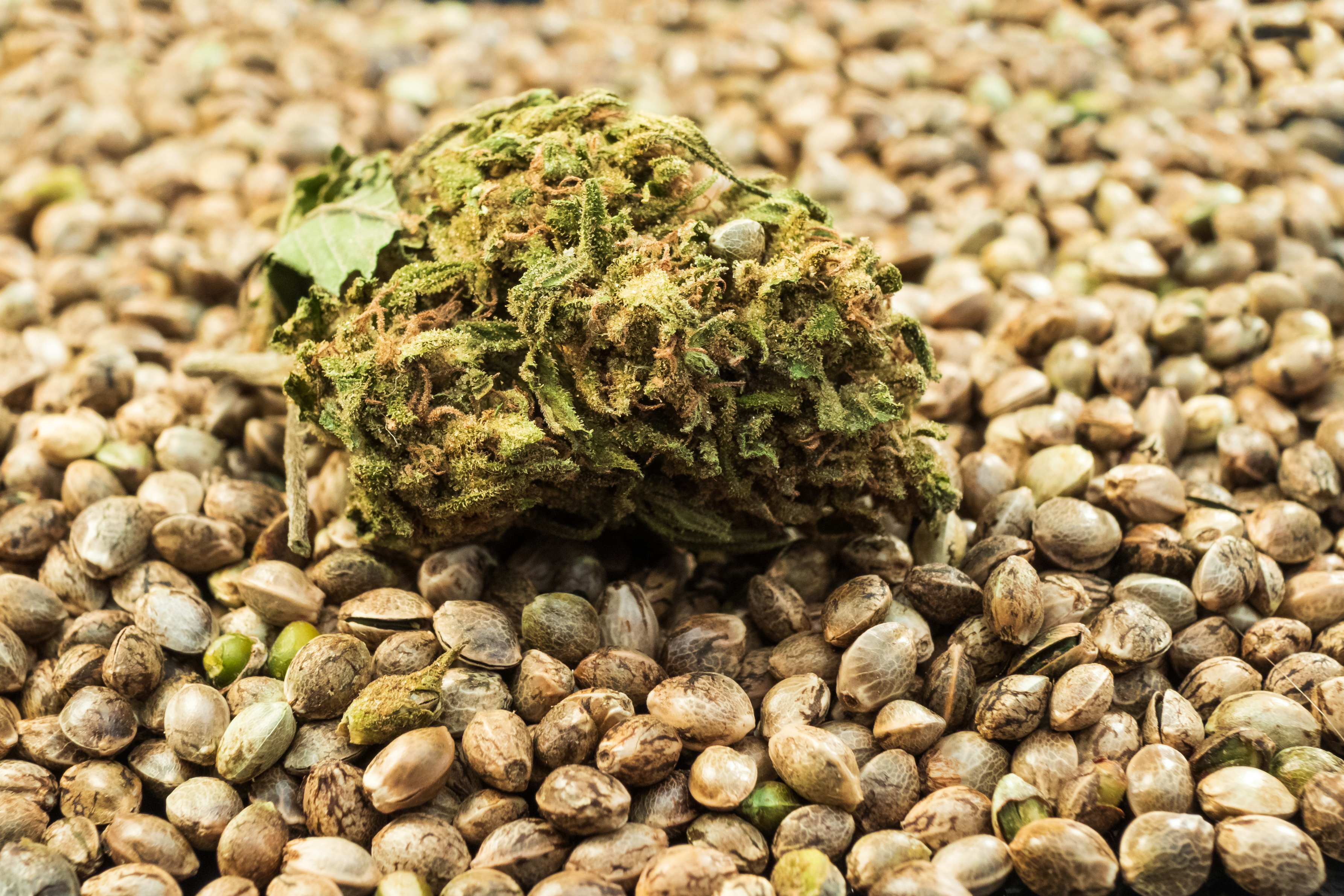


Cannabis plants come from seeds that carry genetic traits from their parent plants. These traits affect how a plant grows, develops flowers, and responds to its environment. One important trait is the sex of the plant. Cannabis plants can produce male or female flowers, and each type plays a different role in reproduction. Over time, cannabis breeding has led to the development of several seed types, including feminized cannabis seeds, also known as fem seeds.
Fem seeds are cannabis seeds bred to produce female plants at a very high rate. Female cannabis plants are important because they develop the resin-rich flowers commonly used in cannabis products. These flowers contain compounds such as tetrahydrocannabinol (THC) and cannabidiol (CBD). Male plants, on the other hand, mainly produce pollen that can fertilize female flowers. Both types have a role in cannabis reproduction, but they serve different purposes.
Traditional cannabis seeds, often called regular seeds, can grow into male or female plants. Under typical genetic conditions, the expected ratio is close to half male and half female. However, the actual number of each can vary within a group of plants. This natural variation can make plant sex less predictable. Feminized seeds were developed to reduce that uncertainty by increasing the chance that each seed will produce a female plant.
The term “feminized” refers to the breeding process used to create these seeds. It does not mean that the seeds have been changed through genetic engineering. Instead, feminization uses the natural reproductive features of cannabis plants. Cannabis sex expression can be influenced by plant hormones and other biological factors. This allows breeders to produce pollen from plants with female genetics. That pollen can then contribute to the formation of seeds that are highly likely to develop into female plants.
Understanding how fem seeds work requires some knowledge of cannabis genetics. In many cannabis plants, sex is linked to chromosomes. Female plants commonly have two X chromosomes, while male plants generally have one X and one Y chromosome. These chromosomes help determine whether a plant develops male or female reproductive structures. However, cannabis sex expression is more complex than chromosomes alone. Genetic background, hormone activity, and environmental conditions can also affect the types of flowers a plant develops.
Because of these factors, feminized seeds do not offer an absolute guarantee of female flower development. Well-produced fem seeds are often reported to produce female plants more than 99% of the time, but the results can vary. Some plants may develop male flowers or both male and female reproductive structures. This is sometimes called hermaphroditism or mixed-sex flower development. It can occur in cannabis plants regardless of whether they come from regular or feminized seeds.
The development of feminized cannabis seeds has changed how cannabis genetics are studied and used. Before feminized seeds became widely available, regular seeds were the standard option for many breeding and production programs. Growers often had to wait until plants developed visible reproductive structures before identifying their sex. The introduction of feminized seeds made it possible to predict female plant development with greater accuracy.
Modern cannabis seed catalogs now include several categories based on different genetic traits. Regular seeds, feminized seeds, and autoflowering seeds are among the most common. Although these terms are often discussed together, they describe different features. Regular and feminized seeds are mainly distinguished by their expected plant sex. Autoflowering seeds, in contrast, are defined by how flowering begins. An autoflowering plant can start flowering based largely on its age rather than relying on changes in day length. Some autoflowering seeds are also feminized, which means the two traits can exist in the same plant.
Another important point is that feminized seeds do not automatically produce stronger, healthier, or more potent cannabis plants. Traits such as plant size, flower structure, cannabinoid content, and aroma depend on several factors. These include the genetic variety, inherited characteristics, and growing environment. Feminization mainly affects the expected sex of the resulting plant. It does not directly determine all other aspects of plant quality.
Seed quality can also differ between breeders. The genetic stability of parent plants, breeding methods, and seed handling practices may affect the consistency of the resulting seeds. For this reason, the label “feminized” provides information about expected plant sex but does not describe every feature of the seed. Understanding these limits is important when comparing seed types and reading descriptions of cannabis varieties.
Interest in feminized cannabis seeds has also increased as cannabis research has expanded. Scientists continue to study how plant hormones, chromosomes, and environmental factors influence cannabis reproduction. These studies help explain why female plants may sometimes produce male flowers and how reproductive traits can be passed from one generation to another. They also provide a clearer understanding of the biological processes involved in feminized seed production.
Learning about fem seeds involves more than knowing that they usually develop into female plants. It also means understanding how cannabis reproduces, how genetic traits are inherited, and why plant sex expression may vary. These basic concepts help explain the differences between regular, feminized, and autoflowering seeds.
In summary, fem seeds are cannabis seeds developed to produce female plants with a high level of reliability. They are created through breeding methods that use the reproductive biology of cannabis rather than direct genetic modification. Although feminized seeds greatly reduce uncertainty about plant sex, genetics and environmental factors can still influence flower development. Understanding these characteristics provides a useful foundation for exploring how fem seeds are made, how they compare with other seed types, and what their advantages and limitations mean in cannabis breeding.
What Are Fem Seeds?
Fem seeds, short for feminized seeds, are cannabis seeds bred to produce female plants. These seeds are widely used in cannabis cultivation because female plants produce the flowers that contain most of the plant’s cannabinoids and aromatic compounds. These include tetrahydrocannabinol (THC), cannabidiol (CBD), and terpenes.
Cannabis plants can develop male or female reproductive structures. Regular cannabis seeds can produce either male or female plants. Fem seeds, however, are developed to greatly increase the chance of producing female plants. This makes them different from traditional seeds, which often produce a mix of male and female offspring.
Feminized cannabis seeds are created through breeding methods that affect how parent plants produce pollen. Rather than relying on pollen from a typical male plant, breeders use pollen produced by a genetically female plant. This allows them to create seeds that are much more likely to develop into female plants.
Understanding what fem seeds are requires a closer look at their genetics, the differences between male and female cannabis plants, and how feminized seeds relate to female plant development.
Definition of Feminized Cannabis Seeds
Feminized cannabis seeds are specially bred seeds designed to produce female cannabis plants. The term “feminized” refers to the breeding process used to increase the chance that a seed will grow into a female plant.
In many cannabis varieties, genetic sex is linked to X and Y chromosomes. Female plants generally have two X chromosomes (XX), while male plants commonly have one X and one Y chromosome (XY). These chromosomes play an important role in determining the plant’s sex.
Feminized seeds are usually produced using pollen from a female cannabis plant that has been induced to form male reproductive structures. Since this pollen normally lacks a Y chromosome, the resulting seeds are expected to develop into genetically female plants.
This process is different from conventional cannabis reproduction, where pollen from a male plant fertilizes flowers on a female plant. In traditional reproduction, the offspring may inherit different combinations of sex chromosomes. As a result, regular seeds can develop into either male or female plants.
Fem seeds are often associated with high female plant rates, commonly advertised at 99% or higher. However, this percentage is not an absolute guarantee. Genetic differences, breeding quality, and environmental conditions can affect how plants express their reproductive traits.
It is also important to understand that feminized seeds are not necessarily genetically modified organisms (GMOs). Standard feminization methods do not require direct changes to a plant’s DNA through genetic engineering. Instead, they use the plant’s natural ability to develop different reproductive structures under certain conditions.
Another important point is that feminization does not determine a plant’s THC level, CBD level, flavor, or growth pattern. These traits depend on the specific cannabis variety and its inherited genetics. Feminized seeds can belong to many different cannabis cultivars, each with unique characteristics.
Understanding Male and Female Cannabis Plants
Cannabis is commonly described as a dioecious plant species. This means male and female reproductive structures usually develop on separate plants. However, some cannabis plants can also develop both types of flowers.
Male cannabis plants produce pollen, which carries genetic material needed for sexual reproduction. Their flowers typically form small clusters containing pollen-producing structures. When the pollen is released, it may reach receptive female flowers and fertilize them.
Female cannabis plants produce flowers that can receive pollen and develop seeds. These flowers often have small, hair-like structures called stigmas. The stigmas are part of the female reproductive system and help capture pollen during reproduction.
After successful fertilization, the female plant begins developing seeds. These seeds contain genetic material inherited from both parent plants. Once mature, they may grow into new cannabis plants under suitable conditions.
One major difference between male and female cannabis plants is their role in flower production. Female plants develop the dense, resin-producing flowers commonly associated with cannabis products. These flowers contain glandular structures called trichomes.
Trichomes produce and store many of the plant’s cannabinoids and terpenes. Cannabinoids are chemical compounds found in cannabis, while terpenes contribute to the plant’s aroma and may also serve protective roles.
Male plants generally produce much smaller amounts of the resin-rich floral material associated with female cannabis flowers. Their main reproductive function is to produce and release pollen.
However, male cannabis plants are not biologically inferior to female plants. Both sexes play important roles in natural reproduction and genetic diversity. Male plants contribute inherited traits to offspring, making them valuable in cannabis breeding and genetic research.
The distinction between male and female plants also explains why feminized seeds were developed. Since female plants produce most of the commercially valued floral material, breeding methods that increase the likelihood of female offspring have become important in the cannabis industry.
Despite these differences, male and female cannabis plants often appear similar during their early stages of development. Their reproductive characteristics become easier to distinguish as they mature and begin forming flowers.
Are Fem Seeds the Same as Female Cannabis Seeds?
Fem seeds and female cannabis seeds are closely related terms, but they do not describe exactly the same thing.
A feminized seed is a seed produced through breeding methods intended to create female offspring. The term refers to how the seed was produced and the expected sex of the resulting plant.
A female cannabis plant, on the other hand, is a plant that expresses female reproductive characteristics. It develops female flowers, which can receive pollen and produce seeds.
The term “female cannabis seed” is sometimes used in seed catalogs as another name for a feminized seed. However, a seed’s genetic sex cannot be reliably determined simply by looking at its shape, size, color, or outer shell.
A regular cannabis seed may also develop into a female plant. This does not make the original seed a feminized seed. The key difference is that regular seeds result from conventional reproduction, while feminized seeds come from a process intended to produce female offspring.
Another important distinction involves genetic sex and sex expression. Genetic sex refers to the inherited characteristics that influence whether a plant develops as male or female. Sex expression refers to the reproductive structures the plant actually produces.
Although feminized seeds generally carry female-associated genetics, certain genetic and environmental factors may influence flower development. Some plants may develop male flowers or both male and female reproductive structures.
This does not mean that all feminized seeds are unstable. It simply shows that plant reproduction is influenced by more than one biological factor.
Fem seeds should therefore be understood as seeds with a very high likelihood of producing female plants, rather than seeds that guarantee female flower development under every condition.
Fem seeds are cannabis seeds bred to produce female plants with a high degree of probability. They differ from regular cannabis seeds because their production involves pollen from a genetically female plant rather than pollen from a typical male plant.
The main purpose of feminization is to increase the likelihood of female offspring. Female cannabis plants produce the resin-rich flowers that contain much of the plant’s cannabinoids and terpenes. Male plants, meanwhile, play an important role in pollen production, reproduction, and genetic diversity.
Fem seeds are also different from ordinary seeds that happen to develop into female plants. Feminization describes a specific breeding approach, not simply the sex of a mature plant.
While feminized seeds are highly likely to develop into female plants, the outcome is not guaranteed in every case. Genetics, breeding quality, and environmental conditions can influence reproductive development.
How Do Feminized Cannabis Seeds Work?
Feminized cannabis seeds, often called fem seeds, are bred to produce female cannabis plants. These seeds rely on the natural genetics of cannabis and the way plants develop male and female flowers. Unlike regular cannabis seeds, which may grow into male or female plants, feminized seeds have a much higher chance of producing female plants.
The process behind fem seeds begins with an understanding of plant genetics. Cannabis plants inherit traits from their parent plants, including traits linked to biological sex. Breeders use this knowledge to produce seeds that are more likely to grow into female plants.
However, feminized seeds do not work by changing every part of a plant’s genetic code. Instead, they are produced through methods that affect how parent plants form reproductive flowers and pollen.
Understanding how feminized seeds work can help explain why they are different from regular cannabis seeds, why they usually produce female plants, and whether they should be considered genetically modified.
The Genetics Behind Fem Seeds
Cannabis is generally a dioecious plant species. This means male and female reproductive flowers usually develop on separate plants. Male plants produce pollen, while female plants produce flowers that can develop seeds after pollination.
The biological sex of many cannabis plants is linked to their sex chromosomes. These chromosomes contain genetic information that helps determine whether a plant develops male or female reproductive structures.
Most cannabis plants follow an XX and XY sex chromosome system. Female plants generally have two X chromosomes, known as XX. Male plants usually have one X chromosome and one Y chromosome, known as XY.
When regular cannabis plants reproduce, the female parent contributes an X chromosome through the egg cell. The male parent can contribute either an X or a Y chromosome through its pollen.
If the pollen contributes an X chromosome, the resulting seed is usually XX and develops into a female plant. If the pollen contributes a Y chromosome, the seed is usually XY and develops into a male plant.
This explains why regular cannabis seeds can produce both male and female plants. Under typical conditions, the expected genetic ratio is close to half male and half female, although actual results can vary.
Feminized cannabis seeds are different because their production relies on pollen from a genetically female plant rather than a typical male plant.
The pollen produced by an XX female plant generally carries an X chromosome. When that pollen fertilizes an egg cell carrying another X chromosome, the resulting seed is expected to have XX chromosomes.
This is the basic genetic principle behind feminized cannabis seeds.
However, chromosomes do not explain every detail of cannabis sex development. Environmental conditions, plant hormones, and inherited traits can also influence the reproductive flowers that appear on a plant.
For this reason, a plant with XX chromosomes may sometimes develop male flowers or a combination of male and female flowers. Genetic sex and visible flower development are closely related, but they are not always identical.
How Feminized Seeds Produce Female Plants
Feminized cannabis seeds work by using the reproductive abilities of female cannabis plants.
Under normal conditions, a genetically female cannabis plant develops female reproductive flowers. However, cannabis has some flexibility in how its reproductive structures develop.
Changes in plant hormone activity can cause a genetically female plant to develop male flowers capable of producing pollen. This process is often called sex reversal because the visible reproductive structures differ from those normally associated with the plant’s genetic sex.
The important detail is that the plant does not necessarily become genetically male. An XX plant can produce male flowers while keeping its original XX chromosome pattern.
This distinction explains how female-derived pollen can be used to produce feminized seeds.
Since a genetically female plant normally carries two X chromosomes, the pollen it produces through sex reversal is generally expected to contain an X chromosome rather than a Y chromosome.
When this pollen fertilizes the egg cells of another female plant, the resulting seeds typically inherit an X chromosome from each parent.
As a result, the offspring are expected to have XX chromosomes and develop into female plants.
This genetic process is why feminized cannabis seeds are often described as having a very high probability of producing female plants.
Still, feminized does not mean that every seed is guaranteed to produce a plant with only female flowers.
Cannabis sex expression is influenced by more than chromosomes alone. Certain genetic traits can affect reproductive development, while environmental conditions may also influence the types of flowers a plant produces.
Some genetically female plants can develop male reproductive structures. This is sometimes described as hermaphroditism or mixed-sex flower development.
It is also important to understand that feminized seeds do not automatically produce identical plants.
Each seed can inherit a different combination of genetic traits from its parents. This means plants grown from the same feminized seed variety may differ in height, growth patterns, flower characteristics, and other features.
Feminization mainly affects the expected sex of the offspring. It does not guarantee that every other plant characteristic will be the same.
Are Feminized Seeds Genetically Modified?
One common question about feminized cannabis seeds is whether they are genetically modified. The answer depends on what is meant by genetic modification.
In scientific terms, genetic modification often refers to the direct alteration of an organism’s DNA through genetic engineering. This may involve adding, removing, or changing specific genetic material to produce a desired trait.
Standard feminized cannabis seeds are not produced through this type of genetic engineering.
Instead, conventional feminization uses the natural reproductive biology of cannabis plants. It relies on the ability of a genetically female plant to develop male flowers when certain hormonal signals are changed.
A plant hormone called ethylene plays an important role in this process. Ethylene helps regulate many aspects of plant development, including the formation of reproductive flowers.
In cannabis, ethylene activity is linked to the development of female flowers. When ethylene signaling is reduced or blocked, a genetically female plant may develop male reproductive structures.
These changes affect how the plant expresses its existing genetic information. They do not require researchers to insert new genes or directly rewrite the plant’s DNA.
This is an important difference between genetic engineering and the hormone-based methods used in conventional cannabis seed feminization.
Selective breeding is another related concept. Through selective breeding, breeders choose parent plants with certain inherited traits and use them to produce offspring.
Over several generations, this can influence characteristics such as plant size, flower structure, maturity, and chemical composition.
However, selective breeding and feminization are not exactly the same process.
Selective breeding focuses on which traits are passed from parents to offspring. Feminization focuses mainly on producing seeds with a high likelihood of developing into female plants.
Both methods involve plant genetics, but neither automatically requires genetic engineering.
It is also worth noting that feminized seeds are not completely different from regular seeds at the DNA level. Both contain genetic material inherited from parent plants, and both develop through normal biological processes.
The main difference is the expected combination of sex chromosomes and the reproductive method used to produce the seeds.
Research on cannabis reproduction supports the use of female-derived pollen to produce offspring that are predominantly female. However, researchers continue to study the complex relationship between chromosomes, plant hormones, and sex expression.
Feminized cannabis seeds work through the relationship between sex chromosomes, reproductive flowers, and plant hormones. Most female cannabis plants have XX chromosomes, while male plants generally have XY chromosomes.
Regular seeds can inherit either an X or Y chromosome from male pollen. This creates the possibility of male or female offspring.
Feminized seeds, in contrast, are produced using pollen from genetically female plants. Since this pollen generally carries an X chromosome, the resulting seeds are expected to inherit XX chromosomes and develop into female plants.
However, genetic sex does not always determine every aspect of flower development. Environmental factors, hormonal activity, and inherited traits can influence whether a plant develops female flowers, male flowers, or both.
Feminized seeds are also not considered genetically engineered simply because their production involves changes in reproductive flower development. Standard feminization methods use existing plant biology rather than direct DNA editing.
How Are Fem Seeds Made?
Feminized cannabis seeds, often called fem seeds, are produced through a breeding process that increases the chance of growing female cannabis plants. Unlike regular cannabis seeds, which can develop into male or female plants, feminized seeds are designed to produce mostly female offspring.
The process involves understanding how cannabis plants reproduce, how their hormones affect flower development, and how genetic traits pass from parent plants to seeds. Breeders use these biological features to influence which reproductive structures a plant develops.
Although the science behind feminized seeds may seem complex, the main idea is simple. A female cannabis plant can develop pollen-producing flowers under certain conditions. This pollen can then take part in reproduction and produce seeds that are highly likely to develop into female plants.
Understanding this process also helps explain why feminized seeds are not the same as genetically modified seeds and why their quality can vary between breeders.
Understanding Cannabis Seed Feminization
Cannabis seed feminization is a breeding method that increases the proportion of female plants in a group of seeds. It relies on the natural reproductive biology of cannabis rather than directly changing the plant’s genetic code.
Most cannabis plants are dioecious, meaning they develop as either male or female plants. Male plants typically produce pollen, while female plants develop flowers that can receive pollen and produce seeds.
In natural reproduction, pollen from a male plant fertilizes a female flower. The resulting seeds inherit genetic material from both parents. Depending on the parents’ sex chromosomes and other genetic factors, these seeds may develop into male or female plants.
Feminization changes this pattern by using pollen produced by a genetically female plant.
Some female cannabis plants can develop male reproductive structures through a process known as sex reversal. These structures can produce pollen even though the plant has female-associated sex chromosomes.
When this pollen fertilizes a female flower, the resulting seeds generally inherit female-associated sex chromosomes from both parents. This greatly increases the likelihood that the seeds will develop into female plants.
However, feminization does not guarantee that every seed will produce a plant with exclusively female flowers. Cannabis sex expression is influenced by genetics and the environment, so occasional differences can still occur.
The Role of Plant Hormones
Plant hormones play an important role in cannabis development. They help regulate growth, flowering, reproduction, and responses to environmental conditions.
One hormone involved in cannabis sex expression is ethylene. Ethylene is a natural plant hormone that influences many processes, including fruit ripening, aging, and flower development.
In cannabis, ethylene signaling is linked to the development of female reproductive structures. Changes in this signaling system can affect whether certain flowers develop male or female characteristics.
Scientists have found that reducing ethylene activity can encourage genetically female cannabis plants to develop pollen-producing flowers. This response is important in the science of feminized seed production.
Certain compounds, including silver-based ethylene inhibitors, have been studied for their ability to interfere with ethylene signaling. These substances affect how the plant responds to the hormone rather than directly altering its DNA.
The resulting change in flower development is an example of how plant hormones influence visible characteristics. A plant’s genetic identity may remain female even when some of its flowers develop male reproductive structures.
This distinction is important because a plant’s genetic sex and its physical flower appearance are related but not always identical.
Hormonal responses can also vary between cannabis varieties. Some plants respond differently because of inherited characteristics, developmental stage, or environmental factors.
For this reason, hormone-related sex reversal is best understood as a biological process influenced by several factors rather than a uniform response shared by every cannabis plant.
Pollination and Seed Development
Pollination is the process that allows cannabis plants to reproduce through seeds. It happens when pollen reaches the female reproductive structures of a flower and fertilization takes place.
In ordinary cannabis reproduction, a male plant supplies pollen to a female plant. Each parent contributes genetic material to the new seeds. The offspring may inherit male or female sex chromosomes, along with other traits passed down from their parents.
Feminized seed production follows the same basic rules of fertilization. The main difference is the genetic source of the pollen.
Instead of coming from a genetically male plant, the pollen comes from a genetically female plant that has developed male flowers. Because this plant normally carries two X chromosomes, its pollen generally contains an X chromosome rather than a Y chromosome.
When that pollen fertilizes an XX female plant, the resulting seeds are expected to inherit an X chromosome from each parent. This produces offspring with XX sex chromosomes, which are normally associated with female cannabis plants.
Research published in Frontiers in Plant Science describes how female-derived pollen can be used for self-pollination or crossing genetically female cannabis plants. Both approaches can produce feminized offspring.
The resulting seeds also inherit other traits from their parents. These may include plant structure, flowering characteristics, leaf shape, and the genetic potential for producing certain cannabinoids and terpenes.
However, feminization itself does not guarantee these traits. Two feminized seeds from the same breeding group may still develop differently because of genetic variation.
Seed development also depends on successful fertilization and normal plant reproductive processes. Not every fertilized flower produces a mature, viable seed. Seed maturity, parent plant health, and inherited characteristics can affect the final outcome.
Quality Control in Feminized Seed Production
Producing feminized seeds involves more than increasing the chance of female offspring. Genetic stability, seed viability, and consistent plant characteristics are also important measures of quality.
One major consideration is the selection of parent plants. Parent genetics influence the traits that offspring can inherit. If the parent plants carry traits associated with unstable sex expression, some offspring may also display those characteristics.
Another consideration is the quality of the pollen. Pollen must remain biologically capable of fertilization for seeds to develop. Research shows that pollen viability can differ depending on the plant variety and the conditions surrounding pollen development.
Seed viability is equally important. A seed may have the expected female-associated genetics but still fail to germinate because it is immature, damaged, or no longer viable.
Breeders and seed researchers may evaluate germination rates, genetic identity, and the characteristics of the resulting plants. These assessments help identify differences between seed batches and provide information about breeding consistency.
Genetic stability also affects how closely offspring resemble their parents. Some breeding lines produce plants with relatively uniform characteristics, while others show greater variation.
Self-pollination can increase genetic uniformity in some traits, but repeated inbreeding may also expose harmful inherited traits or reduce plant vigor. Therefore, uniformity does not always mean better overall quality.
It is also important to understand that feminized seeds cannot be reliably identified through appearance alone. Their size, color, and markings do not prove that they carry female-associated sex chromosomes.
Reliable information about feminization comes from breeding records, genetic testing, and observations of offspring rather than visual inspection of the seed.
Feminized cannabis seeds are created by using the reproductive abilities of genetically female plants. Through changes in flower sex expression, a female plant can produce pollen that carries female-associated genetic material.
Plant hormones, especially ethylene, play an important role in this process. Changes in hormone signaling can affect flower development without directly changing the plant’s DNA.
When female-derived pollen fertilizes a female flower, the resulting seeds are highly likely to develop into female plants. However, seed quality and reproductive stability still depend on genetics, successful fertilization, and normal seed development.
Feminized vs Regular Cannabis Seeds: What Is the Difference?
Cannabis seeds are available in several types, but feminized and regular seeds are among the most common. Both types can produce healthy cannabis plants, yet they differ in their genetics, expected plant sex, and role in cannabis breeding.
The main difference between feminized vs regular cannabis seeds is the likelihood of producing male or female plants. Feminized seeds are bred to produce female plants in most cases. Regular seeds, on the other hand, can develop into either male or female plants.
These differences affect how cannabis plants reproduce, how breeders develop new varieties, and why certain seeds are used for specific purposes. Understanding both types can help explain how cannabis genetics work and why seed categories matter.
Understanding Regular Cannabis Seeds
Regular cannabis seeds are produced through the natural reproductive process of cannabis plants. This usually happens when pollen from a male plant fertilizes the flowers of a female plant. The fertilized female plant then develops seeds that contain genetic material from both parents.
Regular seeds can grow into male or female cannabis plants. In many cases, the expected sex ratio is close to 50% male and 50% female. However, this does not mean every group of seeds will contain equal numbers of each sex. The actual ratio can vary due to chance and other biological factors.
Male and female cannabis plants have different roles in reproduction. Male plants usually develop pollen-producing flowers. Female plants develop flowers that can receive pollen and produce seeds after fertilization.
Both sexes are important in traditional cannabis breeding. Male plants contribute genetic material through pollen, while female plants provide the ovules that develop into seeds after fertilization.
Regular seeds are often associated with breeding programs because they allow breeders to study traits passed down through both male and female parent plants. These traits may include plant structure, flowering characteristics, chemical composition, and resistance to certain environmental conditions.
Another important feature of regular seeds is genetic variation. When two parent plants reproduce, their offspring receive different combinations of inherited traits. As a result, plants from the same seed group may show differences in height, leaf shape, flowering time, or other characteristics.
This variation is a normal part of sexual reproduction. It also explains why plants from regular seeds do not always look or develop in exactly the same way.
Key Differences Between Fem Seeds and Regular Seeds
Feminized cannabis seeds differ from regular seeds mainly in how they are produced and the expected sex of the resulting plants.
Regular seeds generally come from fertilization involving a male and a female cannabis plant. Feminized seeds are produced through breeding methods that use pollen from a female plant that has developed male reproductive structures.
Because this pollen usually carries female-associated sex chromosomes, the resulting seeds have a much higher chance of developing into female plants.
However, feminized seeds do not offer an absolute guarantee. Differences in genetics and plant development can sometimes lead to unexpected sex expression.
One of the most important differences is reproductive behavior. Regular seeds may produce male plants that release pollen or female plants that develop seed-bearing flowers after fertilization. Feminized seeds are intended to produce female plants, although some plants may still develop male flowers under certain conditions.
Another difference involves genetic diversity. Regular cannabis seeds can carry genetic combinations from male and female parents. Feminized seeds also contain genetic variation, but their inheritance patterns depend on the parent plants and breeding methods used.
It is important to understand that feminized does not mean genetically identical. Two plants grown from feminized seeds may still have different physical and chemical characteristics. The degree of variation depends on their parent genetics and how the seed line was developed.
Flower production is another area where the two seed types differ. Female cannabis plants develop the flowers commonly associated with cannabis products. Male plants primarily produce pollen rather than the same type of flower clusters.
This is why feminized seeds are commonly marketed for female flower production, while regular seeds remain relevant in breeding and genetic research.
Seed prices can also differ. Feminized seeds sometimes cost more than regular seeds because their production involves additional breeding processes and quality checks. However, prices also depend on the breeder, cultivar, seed availability, and market demand.
A feminized seed is not always more expensive than a regular seed. Some rare or specialized regular seed varieties may cost more than widely available feminized varieties.
Both types are sold in different genetic lines, and their prices do not always reflect their biological quality.
Advantages and Limitations of Each Seed Type
Feminized and regular cannabis seeds each have characteristics that make them useful for different purposes.
One major advantage of feminized seeds is their high probability of developing into female plants. This can reduce uncertainty when the main interest is female flower development.
Feminized seeds may also make certain genetic traits more accessible. Breeders can develop feminized versions of cannabis varieties with known characteristics, allowing those traits to be represented in seed form.
However, feminized seeds have limitations.
Their reliability depends partly on the quality of the breeding process. Poor genetic selection may result in unstable flower sex expression or inconsistent traits among offspring.
In addition, feminized seeds are not designed to produce typical male plants. This can make them less suitable for breeding projects that require separate male and female parent plants.
Regular seeds offer a different set of advantages.
Because regular seeds can develop into both sexes, they provide access to male and female reproductive traits. This is important for studying inheritance, developing new genetic lines, and maintaining breeding populations.
Regular seeds also allow researchers and breeders to examine how traits are passed from male and female plants to their offspring.
However, regular seeds introduce uncertainty about plant sex. A seed’s physical appearance generally cannot reveal whether it will develop into a male or female plant.
This makes the sex of an individual regular seed difficult to determine without genetic testing or observing the plant as it develops.
Another consideration is that regular seeds do not automatically provide greater genetic diversity than feminized seeds. Genetic diversity depends on the parent plants, their relatedness, and the breeding history of a particular seed line.
For example, regular seeds produced from closely related parents may have less genetic variation than feminized seeds produced from genetically different female parents.
The same principle applies to overall plant quality.
Neither seed type automatically produces plants with stronger growth, higher cannabinoid levels, or better resistance to disease. These characteristics are influenced by many genes and environmental factors.
Cannabinoid content, including THC and CBD levels, is particularly important to separate from seed feminization. Feminization affects the expected sex of a cannabis plant. It does not directly determine how much THC or CBD that plant will produce.
Similarly, regular seeds are not necessarily more natural, healthier, or genetically stronger than feminized seeds. Both types rely on the same basic processes of genetic inheritance and sexual reproduction.
The main distinction is how their reproductive genetics are managed during seed production.
Feminized and regular cannabis seeds share the ability to produce cannabis plants, but they differ in their expected sex outcomes and breeding applications.
Feminized seeds are developed to produce female plants at a high rate. Regular seeds can develop into either male or female plants, usually with an expected ratio close to 50%.
Regular seeds remain important in traditional breeding because they provide access to both male and female parent plants. Feminized seeds are commonly associated with female flower production because they reduce uncertainty about plant sex.
Neither seed type guarantees better genetics, greater potency, or healthier plants. These qualities depend on the inherited characteristics of the parent plants, breeding standards, and environmental influences.
Feminized vs Autoflower Seeds: Are They the Same?
Feminized and autoflower cannabis seeds are two common terms in the cannabis industry. Although they are often discussed together, they describe different features of a cannabis plant. Feminized seeds relate to the plant’s sex, while autoflower seeds relate to how the plant begins flowering.
Understanding this difference is important because the two terms are not opposites. A cannabis seed can be feminized, autoflowering, both, or neither. Each feature affects a different part of plant development.
Feminized cannabis seeds are bred to produce female plants in most cases. Female plants are known for producing the resin-rich flowers commonly associated with cannabis. Autoflower seeds, however, are bred to develop plants that begin flowering mainly according to age rather than changes in daylight.
These genetic traits can exist separately or together. Knowing what each term means helps explain how cannabis seeds are classified and why different seed varieties may have different growth patterns.
What Are Autoflower Cannabis Seeds?
Autoflower cannabis seeds contain genetic traits that allow plants to begin flowering as they mature, without relying on a major change in the daily light cycle. This trait is known as autoflowering.
Many traditional cannabis varieties are photoperiod plants. Their flowering process is strongly influenced by the amount of uninterrupted darkness they receive each day. Changes in seasonal daylight help signal when these plants should move from vegetative growth to flower development.
Autoflower cannabis plants behave differently. Their transition into flowering is controlled more by internal development and age. As the plant reaches a certain stage of maturity, it can begin producing flowers even when the length of daily light exposure stays much the same.
The autoflowering trait is often linked to cannabis populations historically associated with northern regions, where summers are short and seasonal growing conditions can change quickly. These populations are commonly connected with the name Cannabis ruderalis. However, the exact classification of ruderalis remains a topic of scientific discussion.
Over time, cannabis breeders have combined autoflowering traits with other cannabis genetics. This has led to varieties that carry autoflowering characteristics alongside traits such as different plant sizes, flower structures, cannabinoid profiles, and aromas.
Autoflowering does not determine whether a plant is male or female. A regular autoflower seed can develop into either sex. A feminized autoflower seed is intended to develop into a female plant.
This distinction is important because flowering behavior and plant sex are separate biological traits.
Differences Between Feminized and Autoflower Seeds
The main difference between feminized and autoflower seeds is the characteristic each term describes.
Feminized seeds are associated with plant sex. They are developed through breeding methods that make female offspring highly likely. Their purpose is to reduce the chance of producing genetically male plants.
Autoflower seeds describe flowering behavior. They carry genetic traits that allow the plant to begin flowering mainly as it reaches a certain level of maturity.
A feminized seed does not automatically have autoflowering genetics. In fact, many feminized seeds produce photoperiod cannabis plants. These plants still respond to changes in the light-dark cycle when entering the flowering stage.
Likewise, an autoflower seed is not automatically feminized. Some autoflower varieties are sold as regular seeds, meaning the resulting plants may be male or female.
Another important difference involves the cannabis life cycle. Photoperiod plants generally have a vegetative stage that can vary greatly in length depending on environmental signals. Autoflower plants usually follow a more age-dependent pattern of development.
However, autoflowering does not guarantee a specific harvest date. Genetics, plant health, temperature, and other environmental conditions can influence the speed of development. Two autoflower varieties may have different growth periods even though both share the same flowering trait.
Plant size is another commonly discussed difference. Autoflower varieties are sometimes associated with compact growth because of their genetic background and life cycle. However, not every autoflower plant is small, and not every photoperiod plant is large.
The same applies to flower quality and cannabinoid content. Neither feminization nor autoflowering alone determines THC concentration, CBD concentration, aroma, or overall flower quality. These characteristics depend on several factors, including the plant’s broader genetic background.
It is also important to understand that feminized and autoflower seeds are not two separate categories that must be compared as direct alternatives. One term refers to sex, while the other refers to flowering behavior. A more useful comparison considers both traits when describing a particular seed variety.
Can Autoflower Seeds Also Be Feminized?
Yes, autoflower cannabis seeds can also be feminized. These seeds combine two separate genetic characteristics: the tendency to produce female plants and the ability to begin flowering without depending on changes in day length.
Feminized autoflower seeds are developed to produce female plants that carry the autoflowering trait. The feminized characteristic relates to the expected sex of the offspring, while the autoflowering characteristic influences when flowering begins.
This combination is possible because the genetic factors involved in plant sex and flowering behavior are different. A seed can inherit traits associated with female plant development while also carrying genes linked to age-dependent flowering.
Cannabis seed descriptions generally fall into four categories.
Regular photoperiod seeds can produce male or female plants, and their flowering behavior responds to changes in the daily light-dark cycle.
Feminized photoperiod seeds are intended to produce female plants, but their flowering behavior remains sensitive to day length.
Regular autoflower seeds can produce male or female plants, with flowering beginning mainly according to plant maturity.
Feminized autoflower seeds combine a high likelihood of female development with flowering that does not depend on a seasonal change in daylight.
These categories show why it is important to read cannabis seed descriptions carefully. A label that says “feminized” does not provide enough information to determine whether the plant is photoperiod-sensitive or autoflowering. Similarly, the word “autoflower” does not confirm whether the seed is feminized.
Scientific research also supports the distinction between these traits. Studies of cannabis genetics have identified regions of the genome associated with flowering time and sex determination. This research helps explain why the characteristics can be studied and inherited separately.
Another important point is that feminized autoflower seeds are not guaranteed to produce identical plants. Even seeds from the same variety may show differences in size, development, flower characteristics, and cannabinoid content. These differences can result from genetic variation and environmental influences.
The term “feminized autoflower” describes two important characteristics, but it does not provide a complete picture of the plant’s genetics or final properties.
Feminized and autoflower cannabis seeds are not the same, but their characteristics can occur together. Feminized seeds are developed to produce female plants with a high degree of probability, while autoflower seeds contain genetic traits that allow flowering to begin mainly according to plant age.
The most important distinction is that feminization concerns plant sex, while autoflowering concerns flowering behavior. Neither characteristic determines the plant’s overall quality, strength, or cannabinoid content.
Do Feminized Seeds Always Produce Female Plants?
Feminized cannabis seeds are designed to produce female plants. Unlike regular cannabis seeds, which can develop into male or female plants, feminized seeds have a much higher chance of producing female plants. This makes them an important part of modern cannabis breeding and flower production.
However, feminized seeds do not offer a complete guarantee. Although they are bred to produce female offspring, some plants may develop unexpected reproductive traits. These differences can result from genetics, environmental conditions, or changes in how a plant expresses its sex.
Understanding how reliable feminized seeds are requires looking at their genetics, the possibility of male flower development, and the factors that influence reproductive growth.
Understanding Female Plant Probability
Feminized cannabis seeds are often described as having a female production rate of 99% or higher. This figure comes from the way these seeds are produced. Instead of using pollen from a typical male plant, breeders use pollen produced by a genetically female plant.
Most cannabis plants have sex chromosomes that help determine their biological sex. Female plants commonly have two X chromosomes, while male plants generally have one X and one Y chromosome. When pollen comes from a female plant with two X chromosomes, the resulting seeds are expected to carry female-associated genetics.
This is why feminized seeds are much more likely to produce female plants than regular cannabis seeds.
However, the commonly advertised 99% female rate should be understood as an estimate rather than a promise. The actual rate can vary based on the genetics of the parent plants, the methods used to produce the seeds, and the quality of the breeding process.
For example, a seed batch may be advertised as 99% female. This does not mean that every group of 100 seeds will contain exactly 99 female plants. Probability describes the expected outcome across many seeds, not the exact result of every individual batch.
It is also important to separate genetic sex from visible flower development. A plant may have female-associated genetics but still develop some male reproductive structures. This does not always mean the plant is genetically male.
Feminized seeds are therefore best understood as seeds with a very high chance of producing female plants, rather than seeds that eliminate every possibility of unusual sex expression.
Can Feminized Seeds Produce Male Flowers?
Yes, a plant grown from a feminized seed can sometimes produce male flowers. However, this does not necessarily mean that the seed developed into a genetically male plant.
Cannabis is known for its ability to show changes in reproductive development. Although many plants produce either male or female flowers, some can develop both types of reproductive structures.
Female cannabis flowers contain reproductive parts associated with seed production. Male flowers, on the other hand, produce pollen that can fertilize female flowers. In some cases, a genetically female plant may also develop pollen-producing flowers.
This condition is commonly called hermaphroditism, although the term mixed-sex flower development can provide a more accurate description of what happens.
A feminized plant that develops male flowers may still have female-associated chromosomes. The change occurs in the expression of reproductive structures rather than through a complete change in its genetic makeup.
Male flowers can appear alongside female flowers or develop in certain areas of the plant. Their appearance depends on the plant’s genetics and how its reproductive development responds to internal and external signals.
Another important distinction is that the production of male flowers does not automatically mean that a plant will produce large amounts of viable pollen. Pollen production and fertility can vary.
This explains why the term feminized should not be confused with the complete removal of male reproductive traits. Feminization affects the expected genetic sex of offspring, but it does not make every aspect of flower development completely fixed.
The possibility of mixed-sex flowers is not unique to feminized seeds. Plants grown from regular seeds can also show these traits. As a result, male flower development alone is not enough to determine whether a feminized seed was produced incorrectly.
Factors That Influence Sex Expression
Although cannabis sex is strongly linked to genetics, the development of male and female flowers can also respond to environmental conditions. This means that a plant’s genetic makeup and its growing environment can both influence how its reproductive structures develop.
Genetic stability is one of the main factors. Different cannabis varieties carry different inherited traits, including traits related to flower development. Some genetic lines may show more consistent female flower production, while others may have a greater tendency to develop mixed-sex flowers.
These differences can be passed from parent plants to their offspring. For this reason, the genetic background of feminized seeds plays an important role in their reproductive behavior.
Plant hormones are another important factor. Hormones are natural chemical signals that control many parts of plant growth. In cannabis, hormones such as ethylene and gibberellins help regulate the development of reproductive structures.
Ethylene is generally linked to female flower development, while gibberellins can promote male flower formation under certain conditions. Changes in hormone activity may therefore affect which reproductive structures appear, even when the plant has female-associated chromosomes.
Environmental stress can also influence sex expression. Scientific studies have examined how temperature, light conditions, water stress, nutrient shortages, and physical damage may affect reproductive development in cannabis plants.
These conditions do not automatically cause a female plant to develop male flowers. Instead, their effects depend on the plant’s genetics, hormone balance, and response to its environment. Researchers are still studying the exact relationship between environmental stress and mixed-sex flower development.
Another consideration is that cannabis plants can show different reproductive traits at different stages of development. A plant may initially produce female flowers but later develop pollen-producing structures. This is one reason why genetic sex and visible flower development should be treated as related but separate characteristics.
Scientific research also shows that pollen produced by genetically female plants may differ in quantity and fertility from pollen produced by typical male plants. This adds another layer of complexity to cannabis reproduction. It shows that developing male flowers and producing fertile pollen are not always the same outcome.
These findings help explain why feminized seeds can be highly reliable without providing an absolute guarantee of female-only flower development.
Feminized cannabis seeds are developed to produce female plants with a very high degree of probability. Properly produced feminized seeds can result in more than 99% female offspring, although the actual results may vary between seed batches and genetic lines.
What Are the Benefits and Disadvantages of Fem Seeds?
Feminized cannabis seeds, often called fem seeds, are developed to produce female cannabis plants. These seeds have become common in the cannabis industry because female plants produce the resin-rich flowers associated with cannabinoid production. However, feminized seeds also have certain limitations that are important to understand.
Unlike regular cannabis seeds, which can produce male or female plants, feminized seeds are bred to produce female plants at a very high rate. This difference can make plant development more predictable. Still, feminized seeds are not guaranteed to produce female plants in every case, and their quality can vary depending on the genetics and breeding methods used.
Understanding the benefits and disadvantages of fem seeds helps explain their role in cannabis production and breeding.
Potential Benefits of Feminized Cannabis Seeds
One of the main benefits of feminized cannabis seeds is their high likelihood of producing female plants. Female cannabis plants develop the flowers that contain most of the plant’s resin glands, known as trichomes. These structures produce cannabinoids such as THC and CBD, along with aromatic compounds called terpenes.
Regular cannabis seeds can develop into either male or female plants. Although the exact ratio may vary, regular seed populations often produce both sexes in roughly equal numbers. Feminized seeds reduce this uncertainty because they are developed using pollen from plants with female genetics.
This greater level of predictability is useful in commercial cannabis production. When most plants develop female flowers, producers can plan their operations with fewer uncertainties about plant sex. However, the actual results still depend on the quality of the seeds and the stability of their genetics.
Another benefit is the reduced need to identify and separate male plants in production systems focused on female flowers. Male cannabis plants produce pollen rather than the same type of resin-rich flowers found on female plants. If pollen reaches female flowers, fertilization can occur, leading to seed formation.
Feminized seeds can reduce the likelihood of unwanted male plants in these settings. However, they do not eliminate the possibility of pollen production, since some female plants can develop male flowers.
Feminized cannabis seeds also provide access to a wide range of commercially developed varieties. Seed producers offer feminized versions of many cannabis cultivars with different growth characteristics, cannabinoid profiles, and aromatic compounds.
Some varieties are associated with high THC levels, while others are bred for CBD production or other specific traits. These characteristics depend on the plant’s genetics rather than feminization itself.
As a result, feminized seeds offer greater predictability regarding plant sex while allowing different genetic characteristics to be maintained through breeding.
Limitations of Feminized Seeds
Despite their benefits, feminized cannabis seeds have certain disadvantages. One common limitation is their price. Feminized seeds may cost more than regular cannabis seeds because producing them can involve additional breeding work, controlled pollination, and quality testing.
The price difference depends on the breeder, cultivar, and market. Some regular seeds may cost more than feminized varieties, especially when they come from rare or carefully selected genetics. Therefore, seed price alone does not determine genetic quality.
Another limitation is that feminized seeds are not always genetically stable. Genetic stability refers to how consistently plants express certain inherited characteristics.
For example, a stable seed line may produce plants with similar growth patterns, flower structures, and other genetic traits. An unstable line may produce more variation between individual plants.
This variation is not unique to feminized seeds. Regular cannabis seeds can also produce plants with different characteristics. However, the breeding process and genetic history of feminized seeds can influence how consistently their offspring develop.
Feminized seeds may also produce plants that develop male flowers under certain conditions. This is sometimes described as hermaphroditism or mixed-sex flower development.
Cannabis sex expression is influenced by both genetics and environmental factors. A plant with female genetics may develop some male reproductive structures, particularly when its genetics allow this response.
This means feminized seeds do not completely eliminate the possibility of pollen production. The likelihood of mixed-sex development can vary between cultivars and individual plants.
Another disadvantage concerns breeding programs that require male parent plants. Traditional cannabis breeding often involves selecting male and female plants to combine different genetic traits.
Because feminized seeds are designed to produce female plants, they are less suitable for projects that specifically require genetically male parents. However, feminized plants can still participate in breeding programs, including those that use female-derived pollen.
The main limitation is therefore related to the type of breeding work being performed rather than an inability to reproduce.
Common Misconceptions About Feminized Seeds
Several misconceptions about feminized cannabis seeds can lead to confusion about their genetics and characteristics.
One common belief is that feminized seeds always produce female plants. Although reliable feminized seed batches may produce female plants at rates exceeding 99%, this result is not guaranteed for every seed or every producer.
The actual percentage depends on genetic factors, seed production practices, and how the plants express their sex during development.
Another misconception is that feminized cannabis seeds automatically produce plants with higher THC levels.
THC content is primarily influenced by genetic traits and can also vary with growing conditions, plant maturity, and other biological factors. Feminization mainly affects the expected sex of the offspring. It does not directly increase the plant’s ability to produce THC.
For example, a feminized CBD-dominant variety may contain much less THC than a regular seed variety bred for high THC production. The difference comes from the plants’ cannabinoid genetics, not whether the seeds were feminized.
Some people also believe that feminized plants cannot produce pollen. This is incorrect because female cannabis plants can develop pollen-producing flowers when their sex expression changes.
In fact, feminized seed production relies on this biological ability. The pollen produced by genetically female plants can be used in controlled breeding to create offspring that are highly likely to be female.
Another misunderstanding is that feminized seeds and autoflowering seeds are the same.
These terms describe two different genetic characteristics. Feminization refers to the expected sex of a cannabis plant, while autoflowering refers to how the plant begins flowering.
Autoflowering cannabis plants can start flowering based mainly on age rather than changes in day length. Photoperiod cannabis plants, by contrast, respond to changes in the light and dark cycle.
A cannabis seed can be both feminized and autoflowering. It can also be feminized and photoperiod-dependent. Therefore, these two characteristics should be considered separately when discussing cannabis genetics.
Finally, feminized seeds are sometimes described as genetically modified organisms simply because their production can involve changes in flower sex expression.
However, standard feminization techniques do not require direct genetic engineering or DNA editing. They rely on the plant’s natural reproductive biology and methods that influence sex expression.
This distinction is important because altering how a plant expresses its reproductive traits is not the same as directly modifying its genetic sequence.
Feminized cannabis seeds offer several benefits, particularly their high likelihood of producing female plants and their ability to reduce uncertainty about plant sex. They also provide access to many commercially developed cannabis varieties with different genetic characteristics.
However, feminized seeds have limitations. Their prices may be higher than those of regular seeds, genetic stability can vary, and some plants may develop male flowers. They are also less suitable for breeding projects that specifically require male parent plants.
It is equally important to understand what feminization does not change. Fem seeds do not automatically produce higher THC levels, guarantee stable genetics, or determine whether a plant is autoflowering.
Can Feminized Cannabis Seeds Become Hermaphrodites?
Feminized cannabis seeds are bred to produce female plants. However, this does not mean every plant will develop only female flowers throughout its life. In some cases, a female cannabis plant can also develop male reproductive structures. This condition is often called hermaphroditism or mixed-sex flower development.
The term hermaphrodite refers to a plant that develops both male and female reproductive structures. Cannabis is usually described as a dioecious species, meaning male and female flowers typically grow on separate plants. However, some cannabis plants can develop both types of flowers.
Understanding this process is important because feminized seeds are sometimes linked to concerns about genetic stability. However, mixed-sex flower development is not exclusive to feminized cannabis. Regular cannabis plants can also display this trait.
Several factors can influence how cannabis plants express their sex. These include inherited genetics, plant hormones, and environmental conditions. The relationship between these factors helps explain why female cannabis plants sometimes produce male flowers.
Understanding Mixed-Sex Flower Development
Cannabis plants develop reproductive structures based on genetic and biological signals. Male plants typically produce pollen-bearing flowers, while female plants develop flowers that contain the structures needed for seed production.
In most cases, these reproductive roles remain separate. However, cannabis can sometimes develop reproductive structures associated with both sexes on the same plant.
A female cannabis plant may develop small pollen-bearing structures among its female flowers. These structures can release pollen, which may fertilize female flowers and lead to seed development.
This process is often described as hermaphroditism, although researchers may also use terms such as monoecious development or intersexual flower expression. These terms can have different scientific meanings, but they all relate to the presence of male and female reproductive features on one plant.
It is important to distinguish genetic sex from visible flower development.
Genetic sex refers to the inherited factors that influence whether a plant develops as male or female. Flower sex expression refers to the reproductive structures the plant actually produces.
A plant with female-associated genetics may still develop some male flowers under certain conditions. This does not necessarily mean the plant has genetically changed from female to male. Instead, it means its reproductive development has changed.
Cannabis flower development is partly controlled by plant hormones. Ethylene, for example, plays an important role in promoting female flower expression. Changes in hormone activity can influence whether certain reproductive structures develop.
This biological flexibility is also connected to the science behind feminized cannabis seeds. Feminization takes advantage of the ability of female cannabis plants to produce pollen-bearing flowers without requiring a genetically male parent.
As a result, understanding mixed-sex flower development helps explain both natural reproductive variation and the principles used in cannabis seed breeding.
Genetics and Environmental Influences
Genetics plays an important role in determining how consistently cannabis plants express their reproductive traits.
Different cannabis varieties carry different inherited characteristics. Some genetic lines may show stable female flower development across a wide range of conditions. Others may have a greater tendency to produce mixed-sex flowers.
This difference is related to genetic stability.
Genetic stability describes how consistently certain traits appear across plants or generations. A stable genetic line is expected to produce more predictable characteristics, although natural variation can still occur.
In cannabis, reproductive stability is one of several traits influenced by inherited genetics.
Environmental conditions can also affect plant development. Cannabis plants respond to changes in their surroundings through hormones and other biological processes.
For example, major changes in temperature, light exposure, or other environmental factors may affect normal plant growth. Under some conditions, these changes can also influence flower sex expression.
However, environmental stress does not always cause male flowers to appear. The response depends on the plant’s genetics, developmental stage, and the type of stress involved.
Plant hormones help connect environmental conditions with reproductive development. Ethylene and other growth regulators affect processes such as flowering, aging, and responses to stress.
When hormone activity changes, reproductive development may also change.
This does not mean that every stressed cannabis plant will become a hermaphrodite. Many plants continue developing female flowers despite changes in their environment.
The interaction between genetics and environmental conditions makes flower sex expression more complex than a simple male-or-female distinction.
Mixed-sex flower development is also not limited to feminized seeds. Plants grown from regular seeds can develop both male and female flowers.
Regular seeds may produce genetically male or female plants, while feminized seeds are designed to produce female plants at a much higher rate. However, both groups are affected by the biological processes that control reproductive development.
For this reason, the presence of mixed-sex flowers cannot be explained by seed type alone.
Does Feminization Increase the Risk?
Feminized cannabis seeds are sometimes believed to have a higher risk of producing hermaphroditic plants. However, this claim requires a closer look at the genetics and methods involved in seed production.
Feminization does not automatically make cannabis plants genetically unstable. Instead, the outcome depends on the reproductive traits of the parent plants and the quality of the breeding process.
Commercial feminized seeds are commonly produced by changing the sex expression of genetically female plants. This allows female plants to produce pollen without introducing a typical genetically male parent.
The resulting seeds generally carry female-associated sex chromosomes.
However, the ability to produce male flowers through an intentional change in hormone activity does not necessarily mean the resulting offspring will develop male flowers on their own.
These are two different processes.
Intentional sex reversal involves a controlled change in reproductive development. Spontaneous mixed-sex expression occurs without that same deliberate treatment.
Research also shows that cannabis varieties can differ in their responses to hormonal and environmental influences. As a result, the reproductive stability of one feminized seed variety may not match that of another.
A 2026 scientific review published in Plants explains that cannabis sex expression is influenced by genetics, hormones, developmental stages, and environmental conditions. The authors also note that more research is needed to identify which genetic traits increase the risk of spontaneous hermaphroditism.
This means there is not enough evidence to conclude that all feminized cannabis seeds have a greater risk of hermaphroditism than regular seeds.
Breeding quality remains an important consideration. Genetic selection and the study of reproductive traits can help researchers understand why some cannabis plants show more stable flower development than others.
It is also important to remember that feminized seeds are designed to increase the likelihood of female plants, not eliminate all natural variation in reproductive development.
Feminized cannabis seeds can produce plants that develop both male and female reproductive structures. However, this possibility does not mean feminized seeds are naturally defective or unstable.
Mixed-sex flower development is a biological trait that can occur in cannabis plants grown from either feminized or regular seeds.
Genetics, plant hormones, environmental conditions, and developmental stages can all influence how reproductive structures form. The interaction between these factors explains why some female plants develop male flowers.
How Long Do Feminized Seeds Take to Grow?
Feminized cannabis seeds follow the same basic growth stages as other cannabis seeds. The main difference is that feminized seeds are bred to produce female plants. However, feminization does not determine how quickly a plant grows or when it begins to flower.
The total growth time depends on several factors, including genetics, plant type, and environmental conditions. Some cannabis varieties develop faster than others. Photoperiod plants also respond to different flowering signals than autoflowering plants.
Understanding the cannabis life cycle helps explain why growth times vary. It also shows how each stage affects the plant’s overall development.
Understanding the Cannabis Life Cycle
Cannabis plants pass through several stages during their life cycle. These include germination, seedling development, vegetative growth, and flowering. Each stage has a different role in the plant’s development.
Germination is the first stage. During this process, a viable seed begins to develop into a young plant. The seed absorbs moisture, which activates the biological processes needed for growth. A small root emerges first, followed by the early shoot.
The time needed for germination varies. Seed age, genetics, and surrounding conditions can affect how quickly the process begins. Some seeds develop sooner than others, even when they come from the same genetic variety.
After germination, the plant enters the seedling stage. During this period, it begins forming its first leaves and developing a root system. Young cannabis plants use these structures to absorb resources and support new growth.
The seedling stage is important because the plant is still developing its basic structures. Its roots, stems, and leaves become more complex as it matures.
Next comes the vegetative stage. During this phase, the plant focuses on producing stems, branches, and leaves. These structures support photosynthesis, which allows the plant to convert light energy into chemical energy.
Vegetative growth can last for different periods depending on the type of cannabis plant. Some varieties remain in this stage until certain environmental signals trigger flowering. Others begin flowering mainly in response to age.
The flowering stage is when cannabis plants develop their reproductive structures. Female plants produce flowers, while male plants typically produce pollen-bearing structures. Feminized cannabis seeds are bred to increase the chance of developing female plants.
For female plants, flowering includes the development and maturation of reproductive tissues. However, the time needed to reach maturity varies across genetic varieties.
Seed development is another part of the cannabis reproductive cycle. When a female flower receives compatible pollen and fertilization occurs, seeds may begin to form. Female plants do not need to produce seeds to complete flower development.
These stages explain why cannabis growth cannot be described using one fixed timeline.
Photoperiod and Autoflowering Differences
One major factor affecting cannabis growth time is whether a plant has photoperiod or autoflowering genetics.
Photoperiod cannabis plants respond to changes in the daily light and dark cycle. In many varieties, longer uninterrupted dark periods help signal the transition from vegetative growth to flowering.
This response is controlled by biological systems that detect changes in day length. These systems help plants respond to seasonal conditions.
Because photoperiod plants depend on environmental signals, their total life cycle can vary widely. Two plants with similar genetics may begin flowering at different times when exposed to different seasonal conditions.
Autoflowering cannabis plants behave differently. They have genetic traits that allow flowering to begin mainly in response to plant age rather than changes in day length.
This means autoflowering varieties can begin reproductive development without the same seasonal light signals required by photoperiod varieties.
Autoflowering plants often have shorter overall life cycles than many photoperiod varieties. However, this is not a universal rule. Growth patterns still depend on the plant’s specific genetics and natural rate of development.
It is also important to understand that feminized and autoflowering are not opposite seed types.
Feminization describes the expected sex of the plant. Autoflowering describes how the plant begins its flowering stage.
A cannabis seed can be feminized and photoperiod-dependent. It can also be feminized and autoflowering.
For this reason, a package labeled “feminized seeds” does not provide enough information to determine the plant’s expected growth time.
Seed descriptions may include terms such as flowering period, total life cycle, or time to maturity. These terms describe different parts of plant development and should not be treated as interchangeable.
For example, a flowering period refers only to the reproductive stage. A total life cycle includes the earlier stages of development as well.
Understanding these differences helps explain why growth estimates can vary between seed varieties.
Factors That Influence Plant Development
Although genetics play a major role in cannabis growth, other factors can also affect how quickly a plant develops.
One important factor is the genetic background of the plant. Cannabis varieties differ in their natural growth patterns, structure, and time to maturity.
Some genetic lines develop reproductive structures earlier than others. Other varieties have longer periods of vegetative growth or flowering.
These differences can occur even between varieties that are both classified as feminized.
Environmental conditions also influence plant development. Like other plants, cannabis depends on suitable temperature, moisture, light, and available nutrients to support its biological processes.
Temperature affects many functions within plant cells. It can influence enzyme activity, photosynthesis, and the rate of development. Conditions outside a plant’s suitable range may slow normal growth.
Light also plays an important role. It provides the energy needed for photosynthesis and, in photoperiod varieties, helps regulate flowering signals.
Moisture availability affects how plants transport nutrients and maintain healthy cells. When moisture conditions are unsuitable, normal development may be affected.
Nutrient availability is another factor. Plants need essential elements to form new tissues and support important chemical processes. Nutrient imbalances may affect growth and overall plant health.
Plant health can also influence maturity. Disease, physical damage, and environmental stress may interfere with normal development.
A plant experiencing poor health may develop more slowly or show changes in its usual growth pattern. However, the effects depend on the type, severity, and duration of the stress.
Biological maturity is another important concept. A plant must reach certain stages of development before its reproductive structures can fully mature.
This process is influenced by genetics and internal plant signals. It does not always follow an exact schedule.
Individual variation also matters. Seeds from the same variety may produce plants that develop at slightly different rates. This can happen because plants inherit different combinations of genetic traits.
Even feminized seeds from the same batch are not guaranteed to produce identical plants unless the genetics are highly uniform.
These natural differences help explain why estimated growth periods should be viewed as general ranges rather than fixed promises.
Feminized cannabis seeds do not have one standard growth timeline. Their development depends on genetics, flowering behavior, environmental conditions, and plant health.
All cannabis plants pass through basic stages that include germination, seedling development, vegetative growth, and flowering. However, the duration of each stage can vary between varieties.
Photoperiod plants respond to changes in the light and dark cycle, while autoflowering plants begin flowering mainly according to age. Both types can be feminized because feminization affects plant sex rather than flowering time.
Genetic differences, growing conditions, and natural variation can also change how quickly plants reach maturity.
How Can You Identify Quality Feminized Cannabis Seeds?
Feminized cannabis seeds are bred to produce female plants at a high rate. However, not all feminized seeds have the same quality. Their genetics, age, storage conditions, and breeding history can affect how well they develop. Understanding these factors can help readers tell the difference between healthy seeds and seeds that may have problems.
Seed quality involves more than how a seed looks. A seed may have a healthy outer shell but still have poor genetics or low viability. Likewise, a seed that looks slightly different from others may still be capable of normal growth. This is why several factors must be considered when assessing feminized cannabis seeds.
Quality also involves accurate labeling and reliable breeding information. A seed sold as feminized should come from a breeding process designed to produce female offspring. However, this trait cannot be confirmed simply by examining the outside of the seed.
Physical Characteristics of Cannabis Seeds
The physical appearance of cannabis seeds can provide some information about their condition. However, appearance alone cannot prove that a seed is healthy, viable, or feminized.
Mature cannabis seeds often have a firm outer shell. Their color can range from light brown to dark brown, with some seeds showing gray or greenish tones. Many seeds also have darker stripes or spotted patterns across their surface. These markings are natural and can differ between cannabis varieties.
Seed size also varies. Some cannabis seeds are small and round, while others are larger or more oval in shape. These differences may relate to the plant’s genetics and the conditions under which the seeds developed.
A larger seed is not always better than a smaller one. Seed size alone does not confirm genetic quality or future plant performance.
The outer shell serves an important purpose. It protects the embryo, which is the young plant found inside the seed. A seed with a badly cracked or damaged shell may be more exposed to moisture, microorganisms, and other harmful conditions.
However, minor changes in color or surface texture do not always mean that a seed is damaged.
Another important point is that feminized and regular cannabis seeds usually look the same. There is no reliable visual feature that allows someone to identify a feminized seed by its color, shape, or markings.
The feminized trait relates to how the seed was produced and the genetic information it carries. This information cannot be confirmed through a simple visual inspection.
For this reason, physical appearance should be treated as one part of seed assessment rather than proof of overall quality.
Understanding Seed Genetics and Breeder Information
Genetics play a major role in the quality of feminized cannabis seeds. They influence plant structure, growth patterns, flowering traits, and other inherited characteristics.
A seed receives genetic information from its parent plants. In feminized seed production, breeders use reproductive methods designed to produce offspring with female-associated genetics.
However, feminization alone does not mean that every seed has identical genetics.
Some feminized seeds come from carefully selected parent plants with well-documented traits. Others may come from breeding lines with less information about their genetic background.
This difference matters because genetic consistency affects how closely offspring may resemble their expected variety.
One useful term is genetic lineage. This refers to the parent plants and earlier generations involved in developing a cannabis variety. Lineage information helps explain where certain plant traits originated.
Another common term is cultivar. A cultivar is a plant variety that has been selected or developed for certain characteristics. Cannabis cultivars may differ in their growth patterns, chemical profiles, flower characteristics, and maturity.
Seed labels may include cultivar names, parent genetics, or other breeding details. These descriptions can help readers understand what a particular seed variety is intended to represent.
However, a cultivar name alone does not prove genetic quality. The same name may be used by different sellers, and plants sold under that name may not always share the same genetic background.
Breeding records provide more useful information when they identify the parent line, production batch, and methods used to assess seed quality.
Genetic stability is another important concept. It describes how consistently certain inherited traits appear across offspring or generations.
A more stable breeding line may show greater consistency in selected characteristics. However, natural genetic variation can still occur, especially when seeds are produced through sexual reproduction.
It is also important to separate genetic stability from feminization. A seed may have a high likelihood of producing a female plant while still showing variation in other traits.
Germination testing provides another form of quality information. Such testing measures the proportion of seeds that successfully begin growth under defined conditions.
A high germination rate may indicate that a seed batch has good viability. However, germination testing does not prove that every resulting plant will be female or that all plants will share identical traits.
These are separate characteristics that require different forms of assessment.
Seed Labels, Storage, and Shelf Life
Seed labels provide useful information about the identity and characteristics of feminized cannabis seeds. However, the amount of information available can vary between suppliers.
A typical seed package may include the cultivar name, seed type, quantity, and other details about the variety. Some packages also identify whether the seeds are photoperiod or autoflowering.
The word feminized indicates that the seeds were produced through a breeding method designed to create female offspring. It does not mean that every seed has identical genetics or that all plants will develop in exactly the same way.
Some suppliers provide batch numbers, production dates, or germination test results. These details can help identify when the seeds were produced and whether a particular batch has undergone quality testing.
Batch information is especially useful because seed quality can differ between production runs, even when the seeds belong to the same cultivar.
Storage conditions also affect seed quality. Seeds are living biological structures, even while they remain dormant. During storage, they continue to undergo slow chemical changes that can affect their ability to germinate.
Temperature, moisture, and seed age are among the main factors that influence how long seeds remain viable.
High moisture levels can increase the risk of mold growth and seed damage. Heat can also speed up the natural aging process, which may reduce germination rates over time.
Research from the United States Department of Agriculture explains that controlling moisture and temperature helps slow seed deterioration. However, the exact storage life depends on the seed species and its starting condition.
Seed shelf life refers to the period during which seeds remain capable of germination. It is not a fixed expiration date that applies to every seed.
Two batches produced at the same time may have different germination rates later because of differences in their initial quality and storage history.
Seed viability also changes gradually. Some seeds within a batch may lose their ability to germinate before others.
This explains why older seeds are not always completely inactive. However, age alone cannot determine whether a particular seed remains viable.
It is also important to distinguish seed viability from genetic quality. A seed may still germinate but carry traits that differ from those listed on its package. Likewise, a seed may have desirable genetics but fail to germinate because of age or physical damage.
Accurate labels, documented genetics, and germination records provide a clearer picture of seed quality than appearance alone.
Identifying quality feminized cannabis seeds requires an understanding of their physical condition, genetics, and storage history.
Healthy-looking seeds often have intact outer shells, but color, size, and surface markings cannot confirm whether a seed is feminized. The genetic background and breeding process provide more meaningful information about its expected characteristics.
Breeder records, cultivar details, and germination testing can help explain the quality of a seed batch. However, no single feature guarantees that every seed will produce a healthy female plant.
Storage conditions are equally important because heat, moisture, and aging can reduce seed viability over time.
Conclusion: Understanding Fem Seeds and Their Role in Cannabis Genetics
Feminized cannabis seeds, also known as fem seeds, are an important part of modern cannabis breeding. These seeds are developed to produce female cannabis plants with a high level of reliability. Unlike regular cannabis seeds, which can grow into male or female plants, feminized seeds are bred to reduce the chance of male plants developing. This makes them a common choice in cannabis flower production, where female plants are valued for their ability to produce cannabinoid-rich flowers.
Understanding what fem seeds are and how they work begins with learning about cannabis genetics. Cannabis plants have genetic traits that help determine their sex and how they develop. In many cannabis varieties, female plants have XX sex chromosomes, while male plants have XY chromosomes. These genetic differences play a major role in plant reproduction. However, genetics are not the only factor that affects flower development. Environmental conditions and plant hormones can also influence how cannabis plants express their sex.
The process of creating feminized seeds relies on this connection between genetics and plant hormones. Cannabis breeders use methods that encourage genetically female plants to produce pollen. Since this pollen comes from female plants, it generally carries genetic material associated with female offspring. When this pollen fertilizes female flowers, the resulting seeds are much more likely to develop into female plants.
This process does not mean that feminized cannabis seeds are genetically modified organisms. Standard feminization methods do not involve directly changing a plant’s DNA through genetic engineering. Instead, they use the plant’s natural reproductive abilities and changes in hormone activity. This distinction is important because feminization is often confused with genetic modification.
One of the main differences between feminized and regular cannabis seeds is the expected sex of the plants. Regular seeds can produce both male and female plants. Feminized seeds, on the other hand, are developed to produce mostly female plants. This difference can make plant sex more predictable. However, regular seeds still have an important role in cannabis breeding because male plants provide pollen and help breeders develop new genetic combinations.
Another important distinction involves autoflowering cannabis seeds. Feminized and autoflowering seeds are not the same thing. Feminization relates to the expected sex of a plant, while autoflowering refers to how a plant begins its flowering stage. Autoflowering plants can start flowering based largely on their age rather than changes in daily light exposure. A cannabis seed can be feminized, autoflowering, or both. Understanding these terms helps explain why cannabis seed labels often include more than one genetic feature.
Although feminized seeds are highly reliable, they do not guarantee that every plant will produce only female flowers. High-quality feminized seed batches are often reported to produce female plants at rates above 99%. However, actual results depend on the parent plants, breeding methods, and genetic stability. Some plants may develop unexpected male flowers or display both male and female reproductive structures.
This mixed-sex development is sometimes called hermaphroditism. It can occur in cannabis plants due to genetic traits, environmental stress, or changes in plant hormone activity. It is not limited to feminized seeds. Regular cannabis plants may also develop mixed-sex flowers under certain conditions. For this reason, feminized genetics should not be viewed as a complete guarantee against changes in flower sex expression.
The quality of feminized seeds also depends on more than their ability to produce female plants. Genetic stability, seed maturity, viability, and proper storage all influence seed quality. Healthy-looking seeds may have good physical traits, but appearance alone cannot confirm whether a seed is feminized. Seed color, shape, and size can vary between cannabis varieties. These features do not provide reliable proof of a seed’s genetic sex.
Breeder information and seed testing can provide more useful details. Reliable records may describe a seed’s genetic background, parent plants, and expected traits. Germination testing can also help assess whether a batch contains viable seeds. However, germination rates and feminization rates measure different things. Germination testing shows whether seeds are likely to sprout, while feminization rates describe the expected proportion of female plants.
It is also important to understand that feminized seeds do not automatically produce stronger cannabis plants or higher THC levels. Cannabinoid content is influenced by the plant’s genetics and growing conditions. A feminized seed can carry genetics associated with high or low THC levels. Likewise, feminization alone does not determine plant size, flowering time, aroma, or overall flower quality. These traits depend on several biological factors.
The cannabis life cycle is another area where misunderstandings can occur. Feminized seeds generally follow the same basic stages of plant development as other cannabis seeds. These include germination, seedling growth, vegetative development, flowering, and maturity. The time required to complete these stages depends on the plant’s genetics and environmental conditions. Feminization does not automatically make a cannabis plant mature faster or develop larger flowers.
Learning about fem seeds also provides a clearer understanding of modern cannabis breeding. Breeders use genetic knowledge to develop plants with specific characteristics, including sex expression, flowering behavior, and other inherited traits. Feminized seeds are one example of how plant reproduction can be used to make certain genetic outcomes more predictable.
At the same time, cannabis genetics remain complex. Plants with similar genetic backgrounds may show differences in growth, flower development, and reproductive behavior. These differences explain why seed descriptions should be treated as expected characteristics rather than fixed outcomes.
In summary, fem seeds are cannabis seeds designed to produce female plants with a high degree of reliability. They are created through breeding methods that use female-derived pollen rather than direct genetic engineering. Their main purpose is to make female plant development more predictable, but they do not eliminate all genetic or environmental variation.
Understanding the differences between feminized, regular, and autoflowering seeds helps readers make sense of cannabis seed terminology. Recognizing the role of genetic stability, plant hormones, and environmental influences also makes it easier to separate scientific facts from common myths.
Ultimately, feminized cannabis seeds demonstrate how plant genetics and reproductive biology can work together to influence plant development. A clear understanding of these principles provides a strong foundation for learning about cannabis varieties, seed quality, and the science behind modern cannabis breeding.
Research Citation
Timoteo Junior, A. A., & Oswald, I. W. H. (2024). Optimized guidelines for feminized seed production in high-THC Cannabis cultivars. Frontiers in Plant Science, 15, Article 1384286. https://doi.org/10.3389/fpls.2024.1384286
Lubell, J. D., & Brand, M. H. (2018). Foliar sprays of silver thiosulfate produce male flowers on female hemp plants. HortTechnology, 28(6), 743–747. https://doi.org/10.21273/HORTTECH04188-18
Flajšman, M., Slapnik, M., & Murovec, J. (2021). Production of feminized seeds of high CBD Cannabis sativa L. by manipulation of sex expression and its application to breeding. Frontiers in Plant Science, 12, Article 718092. https://doi.org/10.3389/fpls.2021.718092
Punja, Z. K., & Holmes, J. E. (2020). Hermaphroditism in marijuana (Cannabis sativa L.) inflorescences: Impact on floral morphology, seed formation, progeny sex ratios, and genetic variation. Frontiers in Plant Science, 11, Article 718. https://doi.org/10.3389/fpls.2020.00718
Fitzgerald, T. M., Brown, J. W., Steinmaus, S., Prince, J., Bhandari, R., & Da Cunha Leme Filho, J. F. (2025). Chemical masculinization of female Cannabis sativa L.: Impacts on pollen viability and feminized seed production. Horticulturae, 11(11), Article 1286. https://doi.org/10.3390/horticulturae11111286
Tariq, R., Habib, U., Khan, M. A., Rana, R. M., & Kamran, M. (2026). Optimized chemical masculinization and SCAR marker-assisted screening for feminized seed production in hemp (Cannabis sativa L.). Plant Breeding. Advance online publication. https://doi.org/10.1111/pbr.70111
Richards, C. D., Ryu, B.-R., Gim, G.-J., & Park, S.-H. (2026). Hermaphroditism in Cannabis sativa L.: Impacts, inducers, and industry implications. Plants, 15(11), Article 1643. https://doi.org/10.3390/plants15111643
Judkevich, M. D., Marassi, M. A., & Gonzalez, A. M. (2026). Anatomical and ontogenetic basis of silver thiosulfate-induced masculinization in genetically female Cannabis sativa. Plants, 15(14), Article 2153. https://doi.org/10.3390/plants15142153
Adal, A. M., Doshi, K., Holbrook, L., & Mahmoud, S. S. (2021). Comparative RNA-Seq analysis reveals genes associated with masculinization in female Cannabis sativa. Planta, 253(1), Article 17. https://doi.org/10.1007/s00425-020-03522-y
Baek, Y., & Vergara, D. (2025). A review of sexual strategies in Cannabis sativa L. under genomic and environmental controls. Agrosystems, Geosciences & Environment, 8(1), Article e70050. https://doi.org/10.1002/agg2.70050
Questions and Answers
Q1: What are fem seeds?
Fem seeds, or feminized cannabis seeds, are seeds bred to produce mostly female cannabis plants. Female plants develop the resin-rich flowers commonly harvested for their cannabinoid content.
Q2: How do feminized cannabis seeds work?
Feminized seeds are produced using pollen from genetically female plants. Because the pollen does not carry a Y chromosome, the resulting seeds are highly likely to develop into female plants.
Q3: Are feminized seeds guaranteed to produce female plants?
No. High-quality feminized seeds have a very high chance of producing female plants, often advertised at around 99%. However, genetics, breeding quality, and environmental stress can affect the outcome.
Q4: What is the difference between feminized and regular cannabis seeds?
Regular cannabis seeds can produce male or female plants, while feminized seeds are bred to produce female plants. Regular seeds are often used in breeding programs, while feminized seeds reduce the need to identify and remove male plants.
Q5: Can feminized cannabis seeds produce male plants?
Yes, although it is uncommon. Feminized seeds can occasionally produce male plants or plants with both male and female reproductive structures. This may happen because of genetic instability or other factors.
Q6: Are feminized seeds better than autoflower seeds?
Neither type is automatically better. Feminized seeds describe seeds bred to produce female plants, while autoflower seeds describe plants that flower based mainly on age rather than changes in daylight. Autoflower seeds can also be feminized.
Q7: Do feminized cannabis seeds produce higher THC levels?
Not necessarily. THC levels depend mainly on genetics, plant development, and growing conditions. Feminization does not directly increase THC potency. However, feminized seeds allow growers to focus on female plants that produce cannabinoid-rich flowers.
Q8: How long do feminized cannabis seeds take to grow?
The growth period depends on the strain and genetics. Many photoperiod cannabis varieties take around three to five months from seed to harvest, although some require more time. Autoflowering feminized varieties often have shorter life cycles.
Q9: Can feminized cannabis plants produce seeds?
Yes. Female plants grown from feminized seeds can produce viable seeds when pollinated. The genetic characteristics of those seeds depend on the pollen source and the parent plants. Seeds produced through ordinary pollination are not automatically feminized.
Q10: What are the advantages and disadvantages of feminized cannabis seeds?
The main advantage of feminized seeds is their high likelihood of producing female plants, which reduces uncertainty about plant sex. They can also make garden planning more predictable. However, feminized seeds may cost more than regular seeds, and poor breeding practices can increase the risk of plants developing both male and female flowers.