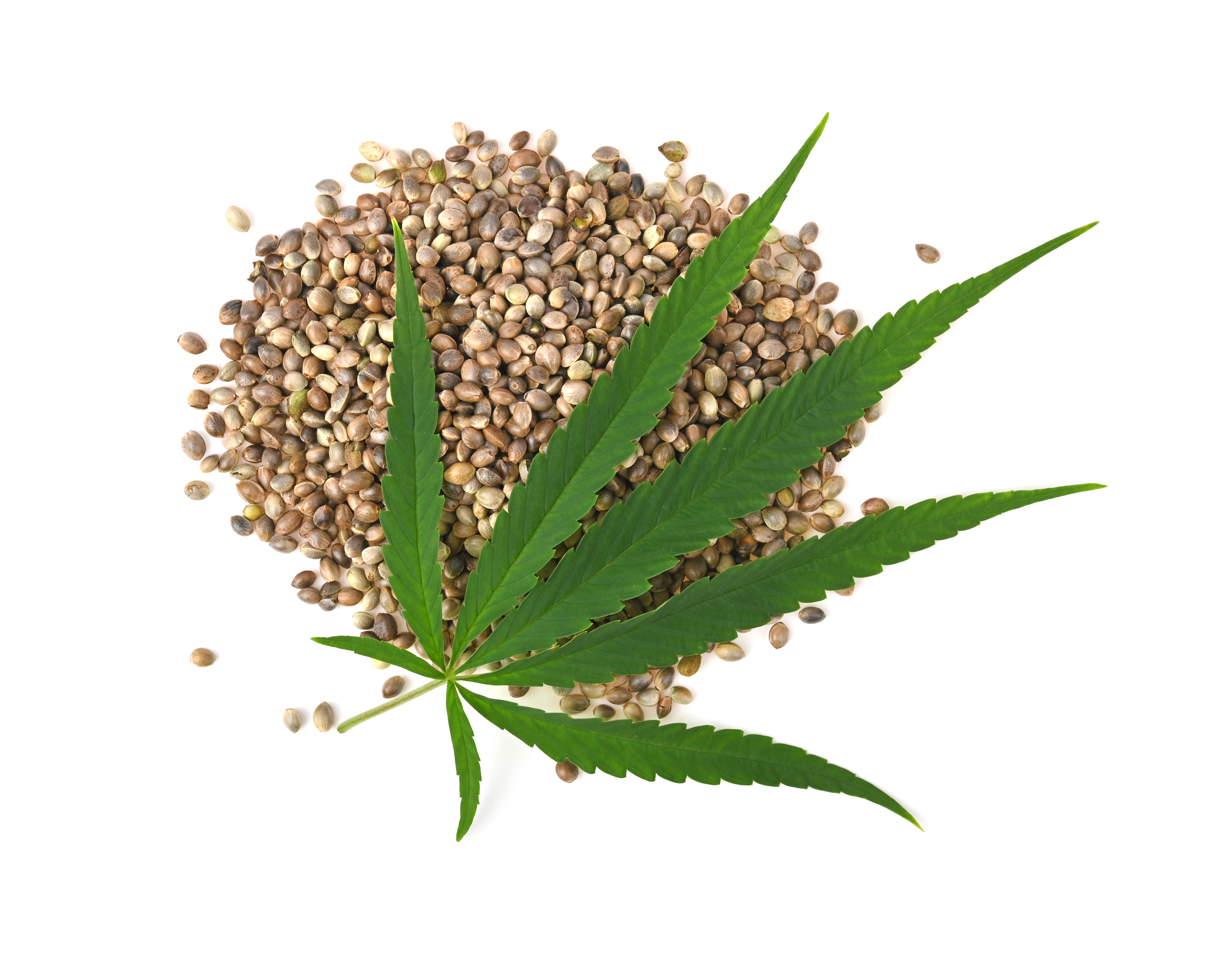


Hanfsamen is the German word for hemp seeds. The word is often used when talking about seeds from plants in the Cannabis family. This can be confusing because hemp seeds may be sold for different reasons. Some are sold as food, while others are sold as seeds that may be used to grow cannabis plants where cultivation is legal. Although these products can come from related plants, their purpose, processing, and legal status can be very different.
Hemp belongs to the plant species Cannabis sativa L. This species has been used by people for thousands of years. Different types of Cannabis plants have been grown for fiber, food, oil, medicine, and other products. Industrial hemp has often been grown for strong fibers that can be used in rope, fabric, paper, and building materials. Hemp seeds have also been valued as food because they contain protein, healthy fats, vitamins, and minerals.
Today, Hanfsamen can refer to several kinds of products. In a supermarket or health food store, the term often means hemp seeds that are meant to be eaten. These seeds may be sold whole or with the outer shell removed. Hulled hemp seeds are sometimes called hemp hearts. They have a soft texture and a mild, nutty taste. People may add them to oatmeal, yogurt, salads, smoothies, baked foods, or other meals.
In a seed shop, however, Hanfsamen may have a different meaning. The term may refer to cannabis seeds selected for certain plant genetics. These seeds can include regular, feminized, or autoflowering types. They are usually sold for collecting, breeding, or cultivation where local laws allow it. This is one reason readers should always check what a product is meant for before buying or using it.
A common question about Hanfsamen is whether hemp seeds contain THC. THC, or tetrahydrocannabinol, is the main compound in cannabis that can produce an intoxicating effect. The seed itself does not naturally contain meaningful amounts of THC. Most cannabinoids are produced in other parts of the Cannabis plant, especially the flowers and resin. Small traces may sometimes appear on seeds because of contact with plant material during harvesting or processing. However, normal food-grade hemp seeds do not create the “high” linked with marijuana.
Another common question involves CBD. CBD, or cannabidiol, is another compound found in Cannabis plants. Unlike THC, CBD does not cause the same intoxicating effect. Hemp seeds should not be confused with CBD oil or CBD extracts. The useful nutrients found in hemp seeds come mainly from their protein, fats, fiber, vitamins, and minerals rather than from high levels of cannabinoids.
The difference between hemp and cannabis can also cause confusion. In everyday language, people often use the word “cannabis” when they mean plants grown for higher THC levels. The word “hemp” is usually used for varieties that meet legal limits for THC and are grown for industrial or food purposes. Botanically, however, both can belong to the same Cannabis species. The main differences are often linked to genetics, chemical content, intended use, and legal rules.
Hanfsamen also have an important place in nutrition. Hemp seeds contain plant-based protein and several essential amino acids. They are also rich in unsaturated fats, including omega-3 and omega-6 fatty acids. Whole hemp seeds contain fiber in their outer shell, while hulled seeds contain less fiber but are softer and easier to add to many foods. They can also provide minerals such as magnesium, phosphorus, iron, and zinc.
Because hemp seeds are becoming more common in foods and wellness products, it is useful to understand what they can and cannot do. They are nutritious, but they should not be treated as a cure for disease. Claims that hemp seeds can cure serious medical conditions, cause fast weight loss, or replace medical care are not supported by their basic role as a food. Like other seeds and nuts, their main value is as part of a balanced diet.
It is also important to understand that not every hemp seed is intended for the same purpose. Food-grade Hanfsamen are usually processed, packaged, and labeled for eating. Seeds sold for cultivation are selected based on genetics and plant traits. Some food seeds may not germinate well because of the way they have been processed or stored. At the same time, seeds sold for planting may be subject to different laws depending on the country or region.
Laws are especially important when discussing cannabis seeds. Buying hemp seeds as food is legal in many places, but rules for cannabis seeds, germination, and cultivation can vary. A product that is legal to own may still be illegal to plant in some areas. Laws can also change over time. For this reason, anyone considering cannabis seeds for cultivation should check the current rules in their location before taking action.
Understanding Hanfsamen begins with knowing what the term means and how it is being used. Hemp seeds can be a nutritious food, an agricultural product, or a seed connected with cannabis genetics. These uses should not be mixed together. Knowing the difference makes it easier to understand topics such as nutrition, THC and CBD, seed types, storage, legality, and plant biology.
This guide will explain those areas in clear detail. It will look at where Hanfsamen come from, how hemp seeds differ from other cannabis seeds, what nutrients they contain, whether they can make a person high, how they are used as food, how they should be stored, and why the law matters. By understanding these basic points first, readers can make better sense of the many different products and claims connected with hemp and cannabis seeds.
What Are Hanfsamen Made From?
Hanfsamen are the seeds produced by plants in the Cannabis family, most often Cannabis sativa. In English, the word “Hanfsamen” usually means hemp seeds. These small seeds may be used as food, for making hemp oil, or as part of agricultural production. Some cannabis seeds are also sold for plant breeding or cultivation where this is legal.
A hemp seed may look simple from the outside, but it contains everything needed to begin the early life of a new plant. It also stores nutrients that help support the seed during its first stage of growth. This is one reason hemp seeds are also valued as a food. They contain useful amounts of protein, oils, minerals, and other nutrients.
Understanding what Hanfsamen are made from helps explain both their role in nature and their value as food. It also makes it easier to understand the difference between seeds sold for eating and seeds sold for agricultural or cultivation purposes.
The Cannabis sativa Plant
Hanfsamen come from plants belonging to the Cannabis genus. One of the best-known species is Cannabis sativa. This species includes many different plant varieties. Some are grown mainly for fiber, seeds, or oil, while others may be bred for different levels of cannabinoids.
Industrial hemp is usually grown for practical uses such as textiles, food, building materials, oils, and other products. Hemp plants used for commercial farming are often selected because they produce useful fiber or large amounts of seed. They are also usually required to stay within legal limits for THC in countries that regulate industrial hemp.
Seeds form as part of the plant’s natural reproductive process. When a female cannabis flower is pollinated, the plant can begin producing seeds. These seeds develop inside the flower until they become mature enough to separate from the plant.
A mature hemp seed is usually small, hard, and oval-shaped. Its outer surface can range from light brown to dark brown or gray. Some seeds may also have darker markings or patterns. These differences can be influenced by genetics, maturity, and growing conditions.
The main biological purpose of a Hanfsamen is reproduction. Like the seed of any flowering plant, it carries genetic material from its parent plants. If the seed is viable and receives suitable environmental conditions, it may begin the germination process and develop into a new plant.
However, not every hemp seed sold in a store is meant to be grown. Many food-grade hemp seeds are processed only for eating. Some are hulled, heated, cleaned, or treated in ways that may reduce or completely remove their ability to germinate.
What Is Inside a Hemp Seed?
A Hanfsamen has several important parts. The outside of the seed is protected by a firm covering known as the seed coat. This outer layer acts like a protective shell. It helps guard the inner parts of the seed from physical damage and environmental stress.
Inside the seed is the embryo. The embryo is the young plant in its earliest form. It contains the basic structures that may later develop into roots, stems, and leaves if germination takes place.
The seed also contains stored nutrients. These nutrients are important because a young plant cannot immediately produce all of its own energy. During early development, the embryo uses the energy stored inside the seed until it can develop leaves and begin making energy through photosynthesis.
The stored nutrients in hemp seeds are also the reason they have become popular as a food ingredient. A large part of the seed contains oils. Hemp seeds are known for their unsaturated fats, including omega-3 and omega-6 fatty acids.
They also contain protein. Hemp seed protein includes many amino acids that the body uses for building and repairing tissues. This makes hemp seeds useful in plant-based diets and in foods designed to provide extra protein.
Carbohydrates are also present, although the amount depends on whether the seed is whole or hulled. Whole hemp seeds contain more of the outer shell, which adds fiber. Hulled hemp seeds have had this hard shell removed, so they tend to have a softer texture and a different nutritional balance.
Hemp seeds also contain minerals such as magnesium, phosphorus, iron, and zinc. The exact amounts can vary depending on the variety of hemp, farming conditions, and processing methods.
Hemp Seeds as Food
Food-grade Hanfsamen are produced mainly for human consumption. Farmers grow suitable hemp varieties and harvest the mature seeds when they are ready. The seeds are then cleaned to remove unwanted plant material, dirt, and other debris.
After cleaning, hemp seeds may be sold whole or processed further. Whole hemp seeds keep their outer shell. They tend to have a slightly firmer texture and often provide more fiber because the shell remains intact.
Hulled hemp seeds are sometimes called hemp hearts. During processing, the hard outer shell is removed. This leaves the softer inner part of the seed. Hulled hemp seeds have a mild, nutty flavor and can be easier to chew and add to foods.
They are often used in oatmeal, yogurt, salads, smoothies, cereals, baked foods, and other dishes. Because their taste is mild, they can be added to many meals without changing the flavor too strongly.
Hemp seeds can also be pressed to make hemp seed oil. This oil is produced from the fat naturally stored in the seed. Hemp seed oil is different from CBD oil. Hemp seed oil mainly comes from the seeds and is valued for its fatty acid content, while CBD products are usually made from cannabinoid-rich parts of the cannabis plant.
The seeds may also be processed into hemp protein powder or hemp flour. When oil is removed from the seeds, the remaining material can still contain a useful amount of protein and fiber. This material can then be ground and used in different food products.
It is important to understand that food-grade Hanfsamen are not the same as cannabis products used for their intoxicating effects. The seed itself does not normally contain meaningful amounts of THC. Any small traces that may appear in hemp food products are usually linked to contact with other parts of the plant during harvesting or processing.
Hanfsamen are seeds produced by plants in the Cannabis family, especially Cannabis sativa. Their natural purpose is to carry genetic material and provide the stored energy needed for a young plant to begin developing. Each seed contains a protective outer shell, an embryo, and stored nutrients such as oils, proteins, carbohydrates, and minerals.
These same nutrients make hemp seeds useful as food. Food-grade Hanfsamen may be sold whole, hulled, pressed into hemp seed oil, or processed into protein powder and flour. Whole seeds contain the outer shell and usually provide more fiber, while hulled seeds are softer and easier to add to everyday meals.
Although Hanfsamen come from cannabis plants, hemp seeds used as food should not be confused with marijuana or cannabinoid products. Their main value comes from their nutritional content rather than intoxicating compounds. Understanding how these seeds are formed and what they contain provides a useful foundation for learning about their nutrition, different types, uses, and legal status.
Are Hanfsamen and Cannabis Seeds the Same Thing?
The words “Hanfsamen,” “hemp seeds,” and “cannabis seeds” are often used as if they mean the same thing. In some cases, they do refer to very similar seeds. However, the meaning can change based on the plant variety, how the seeds are sold, and what they are meant to be used for.
“Hanfsamen” is the German word for hemp seeds. Hemp belongs to the Cannabis plant family. This means hemp seeds and cannabis seeds come from closely related plants. Still, not every seed is sold for the same purpose. Some are grown and processed mainly for food. Others are sold because of their genetics and may be intended for legal cultivation in places where growing cannabis is allowed.
Understanding this difference is important because the seeds may look almost identical. Their legal status, intended use, and genetic traits can still be very different.
Why the Names Overlap
The main reason these names overlap is that hemp and marijuana-type cannabis belong to the same general plant species, most often called Cannabis sativa. The word “cannabis” is a broad term. It can describe plants grown for fiber, food, seeds, oils, cannabinoids, or other uses.
“Hemp” usually refers to cannabis plants that contain only a low level of THC. THC is the main compound linked to the intoxicating effects of marijuana. Legal definitions of hemp can vary by country, but the term is commonly used for low-THC cannabis grown for industrial or food purposes.
Because both hemp and other cannabis plants can make seeds, the seeds can be called cannabis seeds in a broad botanical sense. At the same time, people may call seeds from low-THC plants hemp seeds or Hanfsamen.
This creates confusion in online searches. Someone searching for Hanfsamen may be looking for a healthy food ingredient. Another person may be looking for seeds sold by a cannabis seed company. The word itself does not always tell you which type is meant.
The product label and intended use are often more useful than the name alone.
Food Hemp Seeds
Food-grade hemp seeds are produced mainly for eating. They often come from approved industrial hemp varieties. These plants are grown for their seeds, fiber, or other agricultural products rather than for high levels of THC.
Hemp seeds sold as food may be whole or hulled. Whole seeds still have their hard outer shell. Hulled seeds have the shell removed, leaving the soft inner part, which is sometimes called a hemp heart.
Food hemp seeds are used in many everyday meals. People add them to oatmeal, cereal, yogurt, salads, smoothies, baked foods, and other dishes. They are also used to make hemp seed oil, hemp protein powder, flour, and plant-based drinks.
These seeds are valued mostly for their nutrition. They contain protein, fats, minerals, and other nutrients. They are not eaten to cause intoxication. The seed itself does not naturally contain meaningful amounts of THC that would produce a “high.”
Food-grade hemp seeds may also be treated or processed in ways that make them less suitable for planting. For example, heat treatment, shell removal, or other food-processing methods can reduce or destroy the seed’s ability to germinate.
For this reason, a bag of hemp seeds from a grocery store should be viewed as a food product, not automatically as a source of seeds for cultivation.
Cannabis Seeds Intended for Cultivation
Cannabis seeds sold for cultivation are usually selected because of their genetics. Breeders may produce seed lines that have certain plant traits, such as growth pattern, flowering behavior, cannabinoid profile, aroma, or other features.
These seeds are commonly sold through specialist seed companies. They may be labeled as regular, feminized, or autoflowering seeds. Each type describes certain genetic or reproductive traits of the plants that may grow from them.
The important point is that these seeds are sold as genetic material rather than as food.
They may come from cannabis varieties that are very different from industrial hemp. Some may be bred to produce plants with higher levels of THC, while others may be selected for CBD or other traits.
A seed does not contain the same cannabinoid levels as the mature plant. THC and CBD are mainly produced in the plant’s flowers and resin glands as it grows. This means looking at a seed alone usually does not reveal how much THC or CBD a mature plant may later produce.
The genetics and breeder information are far more important for understanding what type of plant the seed may produce.
Why Intended Use Matters
The intended use of a seed can affect how it is sold, labeled, regulated, and handled.
Food-grade hemp seeds are usually treated as food products. They must meet rules related to food safety, packaging, labeling, and possible contamination. The main concern is whether they are safe and suitable to eat.
Cannabis seeds sold for cultivation may be subject to very different rules. Their legal status can depend on the country, state, or region. In some places, buying or owning cannabis seeds may be legal, while germinating or growing them may be restricted. In other places, limited home cultivation may be allowed under certain conditions.
This is why readers should not assume that the word “Hanfsamen” always means the same product.
A package of hulled hemp seeds in a supermarket is very different from a packet of named cannabis genetics from a seed breeder, even though both may come from plants within the Cannabis family.
The intended purpose also affects quality standards. Food seeds are judged by freshness, nutrition, cleanliness, and food safety. Cultivation seeds are often judged by genetic stability, viability, and the characteristics of the plants they may produce.
Hanfsamen and cannabis seeds are closely related, but the terms are not always interchangeable. Hanfsamen usually means hemp seeds, especially in German-speaking markets, but the word can sometimes be used more broadly for seeds from Cannabis plants.
Food-grade hemp seeds are mainly produced for eating and nutrition. They often come from low-THC industrial hemp varieties and may be sold whole or hulled. Cannabis seeds intended for cultivation are usually sold for their genetics and may belong to varieties bred for specific plant traits.
What Types of Cannabis and Hemp Seeds Are There?
The word “Hanfsamen” can refer to more than one type of seed. Some hemp seeds are grown for food, fiber, or farming. Other cannabis seeds are sold because of their plant genetics. These different seed types may look similar, but they are not always used for the same purpose.
Understanding the main types of hemp and cannabis seeds can help people read product labels and understand what they are buying. The most common groups include industrial hemp seeds, regular cannabis seeds, feminized seeds, autoflowering seeds, and food-grade hemp seeds.
Industrial Hemp Seeds
Industrial hemp seeds come from varieties of Cannabis sativa that are bred mainly for agricultural use. Industrial hemp plants are often grown for fiber, seeds, oil, protein, and other useful materials.
One of the main features of industrial hemp is its low level of THC. THC, or tetrahydrocannabinol, is the cannabinoid most strongly linked with the intoxicating effects of cannabis. Legal definitions of industrial hemp often place strict limits on how much THC the plant may contain.
Farmers may choose different industrial hemp varieties depending on what they want to produce. Some varieties are better suited for fiber production. Others are selected for producing large amounts of seed. Hemp fiber can be used in textiles, paper, building materials, and other products. Hemp seeds can be turned into hemp oil, hemp protein powder, flour, and many types of food.
Industrial hemp seeds are therefore linked more closely with farming and food production than with high-THC cannabis products.
The appearance of the seed alone does not always tell you what type of plant it came from. Industrial hemp seeds can look very similar to other cannabis seeds. The main difference is usually found in the genetics of the plant that produced the seed.
Regular Cannabis Seeds
Regular cannabis seeds are seeds that can produce either male or female plants. In many cases, each seed has roughly an equal chance of developing into either sex, although the exact result can vary.
Male and female cannabis plants have different roles in reproduction. Male plants produce pollen. Female plants produce flowers that can receive that pollen. When pollen reaches a female flower, the plant can produce seeds.
Regular seeds are useful in plant breeding because they allow both male and female plants to develop. This makes it possible for breeders to combine traits from different parent plants.
The genetics inside each seed influence many features of the future plant. These may include plant size, growth pattern, flowering behavior, cannabinoid production, aroma, and other traits.
However, regular seeds do not guarantee that every plant will have exactly the same features. Plants grown from seeds can show natural differences because they receive genetic material from their parent plants.
Regular cannabis seeds should not be confused with ordinary food-grade hemp seeds. Even if both products come from plants within the cannabis family, they may have very different purposes.
Feminized Seeds
Feminized seeds are cannabis seeds that are produced to have a very high chance of developing into female plants.
This is important because female cannabis plants produce the flowers that are usually associated with cannabinoid-rich cannabis products. Male plants do not normally produce the same type of flowers.
Seed producers developed feminized seeds to reduce the chance of getting male plants. Because of this, feminized seeds are commonly sold in cannabis seed markets.
The word “feminized” describes the expected sex of the plant. It does not describe whether the plant is high in THC, high in CBD, or low in cannabinoids. A feminized seed may belong to many different genetic varieties.
For example, one feminized variety may be bred for higher CBD levels, while another may be associated with higher THC levels. The expected chemical profile depends on the genetics of that variety.
Feminized seeds can also vary in plant height, flowering time, aroma, and other features. Buyers should therefore look at the specific genetic information provided with the seed rather than assuming that all feminized seeds are alike.
Autoflowering Seeds
Autoflowering seeds are cannabis seeds with genetics that allow the plant to begin flowering mainly based on age rather than major changes in the length of daylight.
Many traditional cannabis varieties are known as photoperiod plants. Their flowering behavior is strongly linked with changes in light and darkness. Autoflowering varieties behave differently because of genetic traits linked to Cannabis ruderalis.
Cannabis ruderalis is a type of cannabis that developed in areas with shorter growing seasons. Over time, it developed the ability to begin flowering after reaching a certain stage of growth rather than depending only on seasonal light changes.
Breeders have combined these traits with other cannabis genetics. This has created many modern autoflowering varieties.
Autoflowering seeds may also be feminized. This means the words “autoflowering” and “feminized” do not describe the same feature. “Autoflowering” describes how flowering begins, while “feminized” describes the expected sex of the plant.
Some seed products are therefore labeled “feminized autoflowering seeds.”
Like other cannabis seeds, autoflowering varieties can differ widely in genetics. Their cannabinoid content, plant structure, aroma, and other traits depend on the specific variety.
Food-Grade Hemp Seeds
Food-grade hemp seeds are produced for human consumption. They are commonly found in supermarkets, health food stores, and online food shops.
These seeds may be sold whole or hulled. Hulled hemp seeds have their hard outer shell removed, leaving the softer inside part. They are sometimes called hemp hearts.
Food-grade hemp seeds are valued for their nutritional content. They contain protein, healthy fats, minerals, and other nutrients. People may add them to cereal, oatmeal, yogurt, salads, smoothies, baked foods, and other meals.
Seeds intended for food should not automatically be treated as seeds meant for cultivation. They may be processed, handled, or stored in ways that are designed for food safety rather than plant growth.
Some food seeds may also have limited ability to germinate. Processing methods, age, storage conditions, and other factors can affect whether a seed remains viable.
Product labeling is therefore important. A package sold as food should be used according to its intended purpose. A seed product sold for agricultural or other purposes may follow different rules and standards.
Hanfsamen can include several different types of hemp and cannabis seeds. Industrial hemp seeds usually come from low-THC varieties that are grown for fiber, food, oil, and other agricultural products. Regular cannabis seeds can produce male or female plants, while feminized seeds are designed to produce female plants in most cases. Autoflowering seeds carry genetics that allow flowering to begin mainly according to plant age instead of major changes in daylight.
Food-grade hemp seeds belong to another important group. They are produced mainly for eating and are often sold whole or hulled. Although these different seeds may look similar, their genetics, intended use, and legal treatment may differ. Reading the label and understanding the purpose of the seed are important when comparing different types of Hanfsamen.
Do Hanfsamen Contain THC or CBD?
One of the most common questions about Hanfsamen is whether they contain THC or CBD. This question is important because hemp seeds come from the Cannabis sativa plant, which is also the source of cannabis products that may contain these compounds. However, the seeds themselves are very different from the flowers, leaves, and resin of the plant.
THC and CBD are known as cannabinoids. THC is the compound best known for causing the intoxicating effects linked with marijuana. CBD does not normally cause a high, but it is often used in oils, creams, capsules, and other products. Hemp seeds are mainly valued as food because they contain protein, healthy fats, fiber, vitamins, and minerals. They are not normally used as a source of THC or CBD.
Cannabinoids and the Seed Itself
Cannabinoids are produced mainly in the resin glands found on the flowers and nearby parts of the cannabis plant. These glands are called trichomes. They contain many chemical compounds, including THC and CBD.
The seed itself does not naturally produce meaningful amounts of these cannabinoids. A hemp seed is designed to store nutrients and protect the young plant inside it. Its main parts include the outer shell, the embryo, and stored food that helps the seed begin growth.
Because of this, hemp seeds are mostly made up of fats, proteins, carbohydrates, and other nutrients. They do not work like cannabis flowers, extracts, or concentrates.
This is why eating normal food-grade hemp seeds does not produce the effects associated with cannabis use. The chemical makeup of the seed is very different from that of the flowering part of the plant.
It is also important to understand that not every part of a cannabis plant contains the same substances in the same amount. The flowers may contain much higher levels of cannabinoids, while the seeds normally contain little or none inside the seed itself.
Why Trace THC Can Still Be Found
Even though hemp seeds do not naturally contain much THC, very small amounts may sometimes be found in hemp seed products. This usually happens because of contamination during harvesting and processing.
Cannabis flowers and leaves may contain resin that has THC or other cannabinoids. When seeds are collected, small pieces of plant material or resin may come into contact with the outside of the seed. This can leave trace amounts of THC on the seed surface.
Good processing methods are used to reduce this problem. Seeds may be cleaned, screened, washed, or handled in other ways before they are sold as food. Food producers also have to follow local rules about acceptable THC levels in hemp foods.
The exact limits can vary by country. This is why products made for food should come from trusted producers that follow food safety rules.
Trace amounts should also not be confused with the much higher THC levels found in marijuana flowers or concentrated cannabis products. The amount that may appear in properly processed hemp food is normally very small.
However, quality still matters. Poor processing, contamination, or products that do not follow local rules may have higher levels than expected. This is one reason buyers should choose properly labeled hemp seed products from reliable sources.
CBD in Hemp Seeds
CBD is another cannabinoid linked with the cannabis plant. It has become common in oils, creams, drinks, gummies, and other products. Because hemp seeds come from the same plant family, some people assume that hemp seeds are also a good natural source of CBD.
This is not correct.
CBD is mainly found in the flowers and other resin-producing parts of the plant. The seed itself does not usually contain useful levels of CBD. A person should not expect normal hemp seeds to provide the same amount of CBD as a CBD oil or extract.
This difference is especially important when reading product labels. Hemp seed oil and CBD oil are not the same product.
Hemp seed oil is made by pressing hemp seeds. It is mainly used as a food oil or as an ingredient in skin care products. It contains healthy fats and other nutrients from the seed.
CBD oil is made by extracting CBD from parts of the cannabis plant that contain cannabinoids. The extract is then often mixed with a carrier oil.
A bottle labeled “hemp oil” can sometimes cause confusion, so it is important to check the ingredient list. If a product is meant to contain CBD, the label should clearly state the amount of CBD or cannabidiol.
Can Eating Hemp Seeds Make You High?
Eating normal hemp seeds does not make a person high. The seeds do not contain enough THC to produce the intoxicating effects linked with marijuana.
This applies to common food products such as hulled hemp seeds, whole hemp seeds, hemp protein powder, and properly made hemp seed oil. These products are eaten for their nutritional value, not for their psychoactive effects.
A person may eat hemp seeds in yogurt, cereal, bread, smoothies, salads, or other foods without getting the type of high caused by THC-rich cannabis.
Still, people should pay attention to product quality. If a hemp food is poorly processed or contains higher-than-allowed THC contamination, it may not meet food safety standards. This is why regulations set limits for THC in hemp foods.
People who are subject to drug testing may also want to be careful with large amounts of poorly regulated hemp products. Properly made food products are designed to stay within legal limits, but product quality can vary.
The main point is that hemp seeds themselves are not intoxicating. Their main value comes from nutrition, including protein, healthy fats, minerals, and fiber.
Hanfsamen, or hemp seeds, come from the cannabis plant, but they do not normally contain meaningful amounts of THC or CBD inside the seed. THC and CBD are mainly produced in the flowers and resin-rich parts of the plant.
Very small traces of THC can sometimes appear on hemp seeds because of contact with plant material during harvesting and processing. Food manufacturers clean and process the seeds to keep these levels low and within legal limits.
Hemp seeds should also not be confused with CBD products. Normal hemp seed oil is made from seeds and contains healthy fats, while CBD oil is made using cannabinoid-rich plant material.
Are Hanfsamen Healthy? Nutrition and Potential Benefits
Hanfsamen, or hemp seeds, are often valued because they contain several important nutrients in a small amount of food. They provide plant protein, healthy fats, minerals, and other useful nutrients. This makes them a simple food that can be added to many meals.
Hemp seeds come from the Cannabis sativa plant, but eating them does not cause the intoxicating effects linked with marijuana. The seeds themselves contain little to no THC. Their main value comes from their nutrient content rather than from cannabinoids.
Like other seeds and nuts, hemp seeds are high in calories because they contain a large amount of fat. However, much of this fat is unsaturated fat. They can be part of a balanced diet when eaten in normal portions.
It is also important to understand that hemp seeds are a food, not a medicine. They may support general nutrition, but they should not be described as a cure for disease or as a guaranteed way to lose weight, reduce pain, or treat health problems.
Protein
One of the main nutritional benefits of Hanfsamen is their protein content. Protein is needed throughout the body. It helps build and repair muscles, skin, organs, and other tissues. The body also uses protein to make enzymes, hormones, and other important substances.
Hemp seeds are a useful source of plant-based protein. This can make them especially helpful for people who eat less meat or follow vegetarian or vegan diets. They can be added to foods such as oatmeal, yogurt, salads, smoothies, and baked goods to increase the amount of protein in a meal.
Protein is made from smaller parts called amino acids. Some amino acids can be made by the body, while others must come from food. These are called essential amino acids. Hemp seed protein contains all of the essential amino acids.
This does not mean that hemp seeds are the only protein source a person needs. A healthy diet normally includes different foods because each food provides a different mix of nutrients. Beans, lentils, nuts, whole grains, soy foods, eggs, dairy products, fish, and meat can also provide protein.
Hemp seeds are useful because they can add extra protein without requiring much preparation. A small amount can be sprinkled onto many foods, which makes them easy to include in a normal diet.
Healthy Fats
Hanfsamen are also rich in fats. This may sound unhealthy at first, but not all fats have the same effect on the body. Hemp seeds contain mainly unsaturated fats, which are generally considered better choices than large amounts of saturated fat.
Two important fats found in hemp seeds are omega-3 and omega-6 fatty acids. The body needs both types because it cannot make enough of them on its own. They are known as essential fatty acids.
Omega-3 fats play roles in normal brain function, cell health, and other body processes. Omega-6 fats are also needed for normal growth and cell function. Both are important when they are eaten as part of a balanced diet.
Hemp seeds are sometimes discussed because they contain both omega-3 and omega-6 fats. However, this does not mean people should depend on hemp seeds alone for these nutrients. Other foods, such as fish, walnuts, flaxseeds, chia seeds, and certain oils, can also provide healthy fats.
Because hemp seeds contain a large amount of fat, they are also high in energy. This means portion size still matters. Eating more does not automatically provide greater health benefits.
The fat content also explains why hemp seeds can become rancid if stored badly. Heat, air, and light can damage oils over time. Proper storage helps protect their taste and quality.
Vitamins and Minerals
Hanfsamen provide several minerals that the body needs for normal health. The exact amounts can vary depending on the product, how the seeds were grown, and whether the seeds are hulled or whole.
Magnesium is one mineral commonly found in hemp seeds. The body uses magnesium for many functions, including normal muscle and nerve activity. It also helps with energy production and supports healthy bones.
Phosphorus is another mineral found in the seeds. It works with calcium to help support bones and teeth. Phosphorus is also involved in how the body stores and uses energy.
Hemp seeds can also provide zinc. Zinc supports normal immune function, wound healing, and cell growth. The body only needs small amounts of zinc, but it must still be obtained regularly from food.
Vitamin E may also be present in hemp seeds and hemp seed products. Vitamin E acts as an antioxidant. Antioxidants help protect cells from damage caused by unstable molecules known as free radicals.
These nutrients are useful, but hemp seeds should not be treated as a replacement for a varied diet. Fruits, vegetables, whole grains, beans, dairy foods, nuts, seeds, fish, and other foods all provide different vitamins and minerals.
Fiber
Fiber is another important part of hemp seeds, especially when the outer shell is still present. Fiber is a type of carbohydrate that the body does not fully digest.
Whole, unhulled Hanfsamen usually contain more fiber than hulled hemp seeds because much of the fiber is found in the outer shell. Hulled seeds, sometimes called hemp hearts, have had this hard outer layer removed. They are softer and easier to eat, but they generally provide less fiber.
Fiber supports normal digestion and helps food move through the digestive system. It can also help people feel full after eating. Foods that contain fiber are often an important part of a balanced diet.
People who are not used to eating much fiber may want to increase their intake slowly. Eating a very large amount of high-fiber food at once can sometimes cause gas, bloating, or stomach discomfort.
Drinking enough water is also important when eating more fiber.
Keeping Health Claims Realistic
Hemp seeds are nutritious, but it is important to separate proven nutrition facts from exaggerated health claims. They are sometimes promoted online as foods that can prevent disease, cure inflammation, cause fast weight loss, improve every part of the body, or replace medical treatment.
These claims often go beyond what research can support.
Hemp seeds can contribute protein, healthy fats, minerals, and fiber to the diet. These nutrients are needed for normal body functions. However, eating one type of food cannot guarantee protection from disease.
There is also a difference between hemp seeds and products made with CBD or other cannabinoids. Hemp seeds are mainly valued as food. They should not be expected to have the same effects as concentrated cannabis extracts.
People with specific medical conditions, food allergies, or special dietary needs may need advice from a qualified healthcare professional before making large changes to their diet.
The best way to think about Hanfsamen is as one nutritious food among many. They can improve the variety of a diet, but they do not need to be treated as a miracle food.
Hanfsamen can be a healthy addition to a balanced diet because they provide plant protein, unsaturated fats, omega-3 and omega-6 fatty acids, and several useful minerals. Whole hemp seeds can also provide a good amount of fiber, while hulled seeds are softer and usually contain less fiber.
Their nutrients can support normal body functions, including muscle repair, energy use, digestion, and general cell health. However, hemp seeds are still a food rather than a medicine. They should not be described as a cure for disease, a guaranteed weight-loss product, or a replacement for medical treatment.
Hulled vs. Unhulled Hanfsamen: What Is the Difference?
Hanfsamen, or hemp seeds, are sold in two main forms: hulled and unhulled. Both come from the same type of plant, but they are processed in different ways. This changes their texture, fiber content, taste, and how people usually eat them.
Hulled hemp seeds have had the hard outer shell removed. They are sometimes called hemp hearts. Unhulled hemp seeds keep their natural outer shell. Because the shell stays in place, whole hemp seeds are firmer and contain more fiber.
Neither type is always better than the other. The best choice depends on how you want to use the seeds and what kind of texture or nutrition you prefer. Understanding the differences can make it easier to choose the right type for meals, snacks, or recipes.
Hulled Hemp Seeds
Hulled hemp seeds are hemp seeds with the outer shell removed. What remains is the soft inner part of the seed. This inner part has a light color and a mild, nutty taste.
One of the main reasons people choose hulled hemp seeds is their soft texture. They are easy to chew and can be added directly to many foods without extra preparation. They blend well into yogurt, oatmeal, cereal, smoothies, salads, and cooked meals.
Hulled hemp seeds are also popular because they are rich in protein and fat. Much of the protein and oil found in a hemp seed is stored inside the seed rather than in the outer shell. For this reason, removing the shell does not remove most of the seed’s protein or healthy fats.
The soft texture also makes hulled seeds easy to use in recipes. They can be mixed into sauces, spreads, soups, and baked foods. Some people also use them as a topping because they add a mild flavor without making food too crunchy.
However, hulled hemp seeds contain less fiber than whole seeds. Most of the fiber is found in the outer shell. Once the shell is removed, much of that fiber is lost.
Hulled seeds can also spoil faster because the inner seed is more exposed to air, heat, and light. Their natural oils can become rancid over time. For this reason, proper storage is important.
Whole or Unhulled Hemp Seeds
Whole hemp seeds still have their natural outer shell. The shell is usually brown, gray, or dark green and has a firm texture.
Because the shell remains in place, whole hemp seeds are much crunchier than hulled seeds. Some people enjoy this texture, while others may find the seeds too hard to chew on their own.
The main nutritional advantage of whole hemp seeds is their fiber content. The outer shell contains a large amount of insoluble fiber. This type of fiber is not fully broken down during digestion. Instead, it passes through the digestive system and helps add bulk to stool.
Whole hemp seeds may therefore be a useful way to add more fiber to a normal diet. However, they can feel heavier or harder to digest for some people, especially when eaten in large amounts.
The shell also gives the seed some natural protection. It helps shield the inner oils from air and light. Because of this, whole hemp seeds may sometimes remain fresh longer than hulled seeds when stored correctly.
Whole seeds can be eaten as they are, but they may also be ground before use. Grinding can make them easier to mix into foods and easier to chew. Whole seeds are sometimes added to bread, baked products, cereal mixtures, or other foods where a crunchy texture is welcome.
Nutritional Differences Between Hulled and Unhulled Seeds
Both hulled and unhulled hemp seeds can provide useful nutrients, but their nutritional profiles are not exactly the same.
Hulled hemp seeds usually provide a larger amount of protein and fat per spoonful because the heavy outer shell has been removed. This means that more of each serving is made up of the nutrient-rich inner seed.
The inner part of the hemp seed contains plant protein and unsaturated fats. These fats include omega-3 and omega-6 fatty acids. Hemp seeds also contain minerals such as magnesium, phosphorus, iron, and zinc.
Whole hemp seeds also contain these nutrients, but the shell changes the balance. Because the shell is rich in fiber, whole seeds usually contain more fiber than hulled seeds.
This does not mean that one type is healthier in every situation. Someone who wants to increase fiber may prefer whole seeds. Someone who wants a softer source of plant protein and healthy fats may find hulled seeds easier to use.
Serving size also matters. Comparing equal weights of the two types may give different results from comparing equal spoonfuls. Food labels are useful because they show the exact nutrition for each product.
Texture and Taste Differences
Texture is one of the easiest ways to tell hulled and unhulled hemp seeds apart.
Hulled hemp seeds are soft and slightly creamy. They have a mild nutty flavor that mixes easily with other foods. Their taste is usually not strong enough to overpower a recipe.
Whole hemp seeds are harder and more crunchy. The shell can also give them a slightly stronger, earthier taste.
For people who want a smooth texture, hulled seeds are usually easier to work with. They fit well in smoothies, yogurt, oatmeal, sauces, and soft foods.
Whole seeds may work better in foods where crunch is useful. They can be added to bread, granola-style mixtures, crackers, or salads.
Personal preference plays a large role. Some people enjoy the crunch of whole seeds, while others prefer the softer texture of hemp hearts.
Which Type Should You Choose?
The best choice depends mainly on how you plan to use the seeds.
Hulled hemp seeds are often the easier option for everyday meals. They can be eaten directly from the package and added to many foods. Their soft texture makes them useful for people who do not want hard seeds in their meals.
They are also a practical choice when the main goal is to add plant protein and healthy fats to food. Because the shell is removed, a greater part of each serving is made up of the soft inner seed.
Whole hemp seeds may be a better choice when extra fiber is important. Their natural shell also provides a firmer texture that some people enjoy.
People who find whole seeds too hard can grind them before eating. Grinding can make the seeds easier to mix into recipes while keeping much of the fiber from the shell.
When buying either type, it is important to choose hemp seeds made for food use. The package should clearly state that the product is intended for eating. Storage directions should also be followed because hemp seeds contain natural oils that can lose freshness over time.
Hulled and unhulled Hanfsamen come from the same seed, but the presence of the outer shell creates several important differences. Hulled hemp seeds, also called hemp hearts, are soft, mild, and easy to add to many foods. They are rich in plant protein and unsaturated fats, but they contain less fiber because the outer shell has been removed.
Unhulled hemp seeds keep their hard outer shell. This gives them a crunchy texture and a higher fiber content. They may also stay protected from air and light for longer because the shell covers the inner seed.
There is no single type that is best for everyone. Hulled seeds are often more convenient for smoothies, yogurt, oatmeal, and soft meals. Whole seeds may be a better fit for people who want extra fiber or enjoy a crunchy texture.
How Can You Eat and Use Hanfsamen?
Hanfsamen, or hemp seeds, are easy to add to many types of food. They have a mild, slightly nutty taste that works well with both sweet and savory dishes. Hemp seeds can be eaten on their own, mixed into meals, or used to make other hemp-based foods. Most people use hulled hemp seeds because they are softer and easier to chew. Whole hemp seeds can also be eaten, but they have a firmer outer shell.
Hemp seeds are often used as a normal food rather than as a medicine or special supplement. They can add protein, healthy fats, minerals, and other nutrients to a meal. Their small size also makes them simple to mix into foods without changing the taste too much.
Eating Hanfsamen Raw
One of the simplest ways to use Hanfsamen is to eat them raw. Hulled hemp seeds can be eaten straight from the package as long as the product is made and labeled for food use. They have a soft texture and a mild flavor that many people compare to nuts or sunflower seeds.
Raw hemp seeds can also be sprinkled over many foods. Heating is not required before eating them. This makes them useful for people who want a quick way to add more nutrients to a meal.
Hemp seeds contain natural oils, so they may feel slightly creamy when chewed. These oils contain mostly unsaturated fats. Because of this fat content, hemp seeds can also make meals feel more filling.
Whole hemp seeds are harder than hulled seeds because the shell is still present. Some people prefer the extra texture, while others find hulled seeds easier to eat. Whole seeds can also contain more fiber because the outer shell is still attached.
Adding Hanfsamen to Breakfast Foods
Breakfast is one of the easiest times to use hemp seeds. They can be mixed into oatmeal, cereal, yogurt, or other breakfast foods. Their mild flavor means they usually blend well with fruit, milk, nuts, and grains.
For example, hemp seeds can be stirred into warm oatmeal after it has finished cooking. They can also be sprinkled over cold cereal or yogurt. This adds extra texture without making the meal difficult to prepare.
Hemp seeds can also be added to smoothies. Because hulled seeds are soft, they blend easily with fruit, milk, yogurt, or plant-based drinks. They can help give a smoothie a slightly thicker texture.
Some people also add hemp seeds to overnight oats or chia pudding. These foods are prepared in advance and kept in the refrigerator. Hemp seeds can be mixed in before chilling or added on top just before eating.
Using hemp seeds at breakfast is useful because they do not need special preparation. A small amount can be added to foods that people already eat every day.
Using Hanfsamen in Savory Foods
Hemp seeds are not only for breakfast or sweet foods. Their nutty flavor also works well in many savory dishes.
They can be sprinkled over salads in the same way that nuts or sunflower seeds are used. This can add a soft crunch and extra richness. Hemp seeds can also be added to grain bowls made with rice, quinoa, vegetables, beans, or other ingredients.
Soups are another option. Hemp seeds can be sprinkled over the top just before serving. They can also be blended into thick soups to make the texture smoother.
Hemp seeds can be used in sauces and spreads as well. When blended with water, herbs, garlic, lemon juice, or other ingredients, they can create a creamy texture. This is possible because of their natural fat and protein content.
They may also be mixed into pesto-style sauces, dips, or salad dressings. In some recipes, hemp seeds can take the place of part of the nuts or seeds normally used.
Baking and Cooking With Hemp Seeds
Hanfsamen can also be used in baking. They can be mixed into bread, muffins, crackers, cookies, or other baked foods. Their mild taste works well in both sweet and savory recipes.
Whole hemp seeds can add more texture to bread or crackers. Hulled seeds create a softer result and are easier to mix into dough or batter.
Hemp seeds may also be sprinkled on top of bread before baking. This adds texture and gives the finished product a more noticeable seed coating.
Although hemp seeds can be heated, very high heat for a long time may affect some of their delicate fats. For this reason, many people also add hemp seeds after cooking. For example, they can be sprinkled over pasta, roasted vegetables, or cooked grains just before serving.
Hemp seed oil is different from whole hemp seeds. It is usually better suited to dressings, dips, or low-heat uses because it has a lower heat tolerance than some common cooking oils.
Foods Made From Hemp Seeds
Hemp seeds are used to make several other food products. One common product is hemp seed oil. This oil is made by pressing the seeds. It has a strong nutty flavor and is often used in salad dressings, sauces, or cold dishes.
Another product is hemp protein powder. After some of the oil is removed from the seeds, the remaining material can be ground into a protein-rich powder. Hemp protein is often added to smoothies, shakes, or baked foods.
Hemp flour can also be produced from ground hemp seed material. It may be used along with other flours in baking. Because hemp flour behaves differently from wheat flour, it is usually mixed with another flour rather than used alone.
Hemp drinks are another option. These are sometimes called hemp milk or hemp beverages. They are made by blending hemp seeds with water and then filtering the mixture. They can be used in cereal, smoothies, coffee, or other foods.
These products show that Hanfsamen can be used in many forms. The whole seed is only one way to include hemp-based foods in the diet.
How Much Hanfsamen Can You Eat?
There is no single amount of hemp seeds that is right for everyone. They are generally eaten in normal food-sized portions rather than in very large amounts.
Many people use a small spoonful or a few spoonfuls at a time. The right amount may depend on the rest of a person’s diet, total calorie needs, and how the seeds are being used.
Hemp seeds are rich in fat and calories because seeds naturally store energy for plant growth. This does not make them unhealthy, but it does mean that portion size can matter. Eating a very large amount may add more calories than expected.
People who are not used to eating seeds may also want to begin with a smaller amount. Whole hemp seeds contain more fiber than hulled seeds, and a sudden increase in fiber can sometimes cause gas or stomach discomfort.
It is also important to remember that hemp seeds should be treated as food. They should not be used as a replacement for medical care or promoted as a cure for disease. Their main value comes from their normal nutritional content, including protein, healthy fats, minerals, and other nutrients.
Hanfsamen are a flexible food that can be used in many simple ways. Hulled hemp seeds can be eaten raw, mixed into oatmeal, yogurt, cereal, or smoothies, and added to salads, soups, grain bowls, sauces, and spreads. They can also be used in bread, muffins, crackers, and other baked foods.
Hemp seeds are also used to make products such as hemp seed oil, hemp protein powder, hemp flour, and hemp-based drinks. Each product has a different use, but all come from the same basic seed.
Can Hanfsamen Germinate and Grow Into Cannabis Plants?
Hanfsamen, or hemp and cannabis seeds, are plant seeds. This means that some of them can grow into plants if they are alive, healthy, and kept under suitable conditions. However, not every hemp seed sold in a store is able to germinate. Some seeds are sold only as food, while others are produced and sold as viable seeds. The purpose of the seed, the way it was processed, and its age can all affect whether it can grow.
It is also important to understand that the ability of a seed to germinate does not mean that it is legal to grow it. Laws about cannabis and hemp are different from one country to another. In some places, certain types of hemp can be grown under special rules, while cannabis cultivation may be limited or prohibited. For this reason, anyone dealing with viable cannabis seeds should first understand the laws where they live.
Viable vs. Nonviable Seeds
A viable seed is a seed that is still alive and has the ability to begin growing. Inside a viable seed is a small plant embryo. If the seed remains healthy, the embryo can begin to develop when the right natural conditions are present.
A nonviable seed cannot grow into a plant. There are several reasons why a seed may lose its ability to germinate. It may be too old, damaged, poorly stored, exposed to too much heat, or processed in a way that harms the embryo inside.
Food-grade Hanfsamen are a good example. Many hemp seeds sold for eating are cleaned, dried, heated, hulled, or processed before they reach the store. These steps can make the seeds safer and easier to eat, but they may also reduce or destroy their ability to germinate.
Hulled hemp seeds are especially unlikely to grow because their outer shell has been removed. The seed may also be broken during processing. Once the inner structure is damaged, normal germination is usually no longer possible.
Whole hemp seeds may still look complete, but appearance alone does not prove that they are viable. A seed can look normal on the outside while no longer being capable of producing a plant.
What Seeds Need to Germinate
Seed germination is a natural biological process. In simple terms, a seed begins to grow when the embryo inside becomes active. Several basic environmental factors affect this process.
Moisture is one of the main factors. A dry seed is usually inactive. When a viable seed receives enough moisture, it can begin to absorb water. This helps activate the natural processes inside the seed.
Temperature also matters. Seeds have temperature ranges in which their biological processes work properly. Conditions that are too cold may slow these processes, while excessive heat can damage the seed.
Oxygen is also important because a developing seed uses energy as it begins to grow. Like other living plant tissue, the embryo needs oxygen for normal cellular activity.
The condition of the seed itself is just as important as the environment. Even if moisture, oxygen, and temperature are suitable, a damaged or dead seed will not germinate.
These are general rules of plant biology and apply to many types of seeds, not just cannabis. Germination is the first stage in the life cycle of a plant, but successful growth after that point depends on many other biological and environmental factors.
Genetics Determine the Result
A cannabis or hemp plant receives its genetic information from its parents. The seed carries this genetic material, and it helps determine many features of the plant that may develop from it.
Genetics can influence plant size, growth pattern, flowering behavior, chemical profile, and other traits. For example, industrial hemp varieties are generally selected for features such as fiber, seed production, or low THC levels. Other cannabis varieties may be bred for very different traits.
This means that two seeds that look similar on the outside can produce plants with very different characteristics. The appearance of a seed does not tell a person exactly what kind of plant it will become.
Genetic labels are especially important when seeds are sold for agricultural or breeding purposes. Terms such as regular, feminized, and autoflowering describe different genetic or reproductive features of cannabis seeds. However, these labels do not change the basic fact that the seed’s inherited traits play a major role in the plant that may develop.
It is also important to remember that genetics do not control everything. Environmental conditions can affect how a plant develops. Still, genetics provide the basic biological blueprint.
Food Seeds vs. Seeds Sold for Cultivation
Food-grade Hanfsamen and seeds sold as viable cannabis genetics should not be treated as the same product.
Food hemp seeds are mainly produced for eating. They may be used in cereals, bread, yogurt, smoothies, salads, protein powders, or hemp oil. The producer’s main goal is food quality, taste, nutrition, and safety rather than germination.
Because of this, food hemp seeds may go through cleaning, heating, shelling, or other processing. These steps can reduce their ability to grow.
Seeds sold specifically as viable seeds are different because preserving the living embryo is part of the product’s purpose. Such seeds are normally handled in ways intended to maintain viability.
Even so, viability is never guaranteed simply because a seed is sold whole. Age, storage, genetics, and damage can all affect whether a seed remains alive.
Consumers should therefore pay attention to product labels. A package marked as food should be treated as food. It should not automatically be assumed that the seeds are suitable for planting.
Check Local Laws First
Cannabis laws vary greatly around the world. They can also change over time.
In some places, buying or possessing certain cannabis seeds may be legal, but germinating or growing them may be controlled by separate laws. In other areas, cultivation may be allowed only under specific limits or licensing systems. Industrial hemp may also be covered by different rules from other forms of cannabis.
This distinction is important. Owning a seed and growing a plant are not always treated as the same legal activity.
Rules may depend on several factors, including the type of cannabis, the THC level allowed by law, the purpose of cultivation, and whether the person has a required license or authorization.
Because laws can change, readers should use current government or legal sources when checking the rules that apply in their area. Information found in old articles, forums, or social media posts may no longer be accurate.
Hanfsamen can germinate only when the seed is viable and the basic biological conditions for germination are present. A viable seed contains a living embryo, while an old, damaged, or heavily processed seed may no longer be able to grow. Food-grade hemp seeds are often processed for eating, so they should not automatically be considered suitable for cultivation.
The type of plant that may develop from a viable seed is strongly influenced by its genetics. Industrial hemp seeds, food hemp seeds, and cannabis seeds sold for other purposes may come from different genetic lines and may have different characteristics.
Are Hanfsamen Legal to Buy and Own?
The legal status of Hanfsamen can be confusing because the word may describe more than one type of product. Some hemp seeds are sold as ordinary food. Others are cannabis seeds that may be able to grow into cannabis plants. These products can fall under different rules.
In many places, simply owning hemp seeds is not treated in the same way as owning cannabis flowers or products that contain THC. However, the purpose of the seeds can matter. The law may also change depending on where the seeds come from, how they are sold, and whether a person plans to grow them.
Because cannabis laws continue to change, anyone buying cannabis seeds should check the rules that apply in their country or region.
Food-Grade Hemp Seeds
Food-grade hemp seeds are usually legal to buy and own in many countries. They are sold as foods rather than as intoxicating cannabis products. Shoppers may find them in supermarkets, health food stores, and online shops.
These seeds may be sold whole or with the outer shell removed. Hulled hemp seeds are often added to cereal, yogurt, salads, smoothies, and other foods. Hemp seeds can also be processed into hemp oil, hemp protein powder, flour, and other products.
The important point is that hemp seeds themselves do not produce the intoxicating effects linked with marijuana. THC is mainly produced in other parts of the cannabis plant, especially the flowers and nearby plant material. Hemp foods are still subject to food-safety rules, including rules intended to limit unwanted THC contamination.
Food-grade Hanfsamen should therefore not be confused with cannabis flowers, THC products, or other controlled cannabis materials. Buying a package of hemp seeds for breakfast is not normally the same legal issue as buying cannabis for recreational use.
However, food rules can still vary. Products must meet local standards for safety, labeling, and THC levels. Imported hemp foods may also have to meet customs and food regulations.
Cannabis Seeds
Cannabis seeds sold for plant genetics are more complicated. Their legal status depends strongly on the country.
A seed does not contain the same amount of THC as the mature parts of a cannabis plant. For this reason, some legal systems treat cannabis seeds separately from cannabis flowers and resin. Possessing a seed may therefore be legal even when growing a cannabis plant from that seed is restricted.
This distinction is important. Legal possession does not always mean legal cultivation.
A person may be allowed to collect, purchase, or possess certain cannabis seeds but may still break the law by germinating or growing them. In other places, adults may legally grow a limited number of plants under specific conditions.
The source of the seeds can matter as well. Rules may apply to online orders, international shipping, imports, exports, and sales between individuals. Buyers should not assume that because a seed retailer can ship to a country, every use of those seeds is automatically legal there.
Germany
Germany changed its cannabis laws in 2024 with the Cannabis Act, including the Konsumcannabisgesetz, commonly called the KCanG. As of September 2026, German law allows the handling of cannabis seeds as long as those seeds are not intended for unauthorized cultivation.
German law also allows adults to grow a limited number of cannabis plants for personal use. Under Section 9 of the KCanG, an adult aged 18 or older may privately grow no more than three cannabis plants at the same time at their residence or usual place of stay. Cannabis produced through private cultivation cannot legally be passed on to other people.
There are also specific rules about obtaining seeds. The German Federal Ministry of Health states that cannabis seeds for legal private cultivation may be imported into Germany from other European Union member states. Buying seeds online or through distance selling and having them shipped to Germany from within the EU is permitted for this purpose.
Germany’s cultivation associations can also provide propagation material under certain rules. For example, an association may provide an adult non-member who lives or normally resides in Germany with up to seven cannabis seeds per calendar month. Different limits apply when seeds and cuttings are supplied together.
These rules show why the source and intended use of Hanfsamen matter. Germany may allow possession of seeds and limited private cultivation, but that does not mean every type of cultivation, sale, distribution, or import is permitted.
The law also requires cannabis and propagation material kept at home to be protected from access by other people, especially children and young people.
Other Countries
Cannabis seed laws are not the same around the world. A rule that applies in Germany may be very different from a rule in France, the United Kingdom, the United States, Australia, or another country.
Some countries allow cannabis seeds to be bought or collected but place strict limits on germination. Other countries allow certain adults to grow cannabis at home. Some allow only medical cultivation, while others prohibit private cultivation completely.
Rules can even vary within one country. This is especially important in countries where states, provinces, or territories have their own cannabis laws. A product that is legal in one region may be restricted in another.
International travel creates another issue. A person should never assume that cannabis seeds can legally be carried across a border simply because they were legally purchased at home. Import and customs rules may be different from domestic possession rules.
Online shopping also requires care. A website may be based in a country with different cannabis laws. The fact that a seller accepts an order does not prove that receiving the seeds is legal in the buyer’s location.
For these reasons, people should check current government information before ordering cannabis seeds, bringing them across borders, or using them for cultivation. Laws can change, and older articles or forum posts may no longer describe the current rules.
Hanfsamen are not all treated the same under the law. Food-grade hemp seeds are widely sold as foods and are generally much less restricted than cannabis products containing THC. Cannabis seeds intended for cultivation may have different rules depending on their source, intended use, and the laws of the country where they are purchased or used.
In Germany, current law permits the handling of cannabis seeds when they are not intended for illegal cultivation. Adults may also privately grow up to three cannabis plants at the same time under the conditions set by German law. Seeds for permitted private cultivation may be imported from EU member states, including through qualifying online purchases.
How Should Hanfsamen Be Stored, and How Long Do They Last?
Hanfsamen, or hemp seeds, can stay fresh for a long time when they are stored in the right way. However, they contain a high amount of natural oil. This means they can become stale or rancid if they are exposed to too much heat, light, air, or moisture. Good storage helps protect their taste, texture, and nutritional value.
Storage needs can also depend on the type of Hanfsamen. Food-grade hemp seeds are stored to keep them safe and fresh for eating. Seeds that are sold for planting are stored with a different goal. In that case, the aim is to protect seed viability, which means keeping the seed capable of germinating in the future.
Food Hemp Seeds
Food-grade Hanfsamen should be kept in a cool, dry, and dark place. Heat can cause the natural oils in hemp seeds to break down faster. Light and air can also speed up oxidation. Oxidation is a natural process that can cause oils to develop an unpleasant smell and taste.
An unopened package can often be stored in a kitchen cabinet or pantry as long as the area is not hot or humid. It is best to keep the package away from an oven, stove, dishwasher, or sunny window. These areas may become warmer than the rest of the kitchen.
Once the package has been opened, the seeds have more contact with air. This can reduce their freshness over time. Keeping them in a tightly closed container can help. The container should also be clean and dry.
Hulled hemp seeds may spoil faster than whole hemp seeds. This is because the hard outer shell has already been removed. Without this natural protective layer, the oils inside are more exposed to air and other environmental conditions.
Opened vs. Unopened Packages
Unopened Hanfsamen normally last longer than opened seeds because the original package helps protect them from air and moisture. The exact shelf life can vary between brands and products. For this reason, readers should always check the best-before date and storage instructions printed on the package.
A best-before date does not always mean the food becomes unsafe on that exact day. Instead, it often shows how long the producer expects the product to keep its best taste, texture, and quality when stored correctly.
After opening the package, it is important to close it carefully after each use. If the original package cannot be sealed, the seeds can be transferred to an airtight container.
Refrigeration can also help keep opened hemp seeds fresh, especially in warm climates. The lower temperature can slow down the breakdown of the natural oils. Some manufacturers recommend refrigeration after opening, so it is best to follow the instructions on the label.
Hemp seed oil needs even more careful storage because the oil is directly exposed and has no seed shell for protection. Hemp oil is often kept in the refrigerator after opening. It should also be protected from light.
Signs Food Seeds Have Gone Bad
It is important to check Hanfsamen before eating them, especially if the package has been open for a long time. Fresh hemp seeds usually have a mild, nutty smell and taste.
Rancid seeds may smell sharp, bitter, sour, or similar to old cooking oil. The taste may also become unpleasant or unusually bitter. These changes can be signs that the fats in the seeds have started to break down.
Moisture is another problem. Seeds that are stored in a damp place may develop mold. Mold can appear as unusual spots, fuzzy growth, or changes in color. A musty smell can also be a warning sign.
Seeds should not be eaten if mold is visible. Throwing away spoiled food is safer than trying to remove only the damaged part.
Changes in texture can also show that the seeds have been stored poorly. For example, unusual softness, clumping, or wetness may suggest that moisture entered the container.
Using clean, dry utensils can help prevent contamination. A wet spoon should not be placed into a container of hemp seeds because even a small amount of moisture can affect storage quality.
Seed Viability
When Hanfsamen are intended for planting, storage has another purpose. The goal is to protect the living embryo inside the seed.
Seed viability means the ability of a seed to germinate and begin growing when suitable conditions are provided. Viability can slowly decrease as seeds become older.
Temperature is one important factor. High temperatures can speed up the aging process inside seeds. Stable and cool conditions are usually better for long-term seed storage than repeated changes between hot and cold temperatures.
Moisture is also important. Too much moisture can cause seeds to become damaged or may even start biological processes before the seed is ready to germinate. It can also increase the risk of mold.
Very dry conditions can help protect some types of stored seeds, but the correct storage method depends on the seed and its intended use. People should follow guidance from the seed supplier when storing seeds that are meant for legal cultivation.
Air and light can also affect long-term seed quality. This is why seeds are often kept in closed containers and protected from direct sunlight.
Even with good storage, no seed remains viable forever. Older seeds may have lower germination rates than fresh seeds. Poor storage can cause this decline to happen more quickly.
Buying Quality Hanfsamen
Good storage starts when the seeds are purchased. Buyers should first check the product label and make sure they understand what type of Hanfsamen they are buying.
Food-grade hemp seeds should clearly state that they are intended for human consumption. The label should include useful information such as the ingredients, best-before date, storage instructions, and producer or distributor.
Packaging also matters. The container should be properly sealed and free from damage. Torn bags, broken seals, moisture inside the package, or unusual odors may be signs of poor handling.
People who want edible Hanfsamen should choose seeds that are sold as food products rather than assuming that any cannabis or hemp seed is suitable for eating.
The intended use should also be clear when buying seeds from a specialist seller. Seeds intended for agriculture or cultivation may be labeled differently from seeds sold as food. Their storage requirements may also be different.
Buying from a reputable source can reduce the risk of receiving old, poorly stored, or incorrectly labeled products. Clear product information makes it easier to store the seeds correctly after purchase.
Hanfsamen can stay fresh for a long time when they are protected from heat, light, air, and moisture. Food-grade hemp seeds should usually be kept in a cool and dry place. After opening, an airtight container can help protect their freshness. Refrigeration may also be useful, especially for hulled seeds or in warm conditions.
Fresh hemp seeds normally have a mild, nutty smell and taste. Rancid smells, strong bitterness, mold, unusual moisture, or major changes in texture can be signs that the seeds should no longer be eaten.
Storage is also important for seeds that are intended for planting. Cool, dry, and stable conditions can help protect seed viability, although germination ability may still decrease as seeds age.
Conclusion: What to Know About Hanfsamen
Hanfsamen is the German word for hemp seeds, but the term can be used in more than one way. In some cases, it refers to hemp seeds that are sold as food. In other cases, it may refer to cannabis seeds that are sold for plant breeding or cultivation. This difference is important because these products are not always used in the same way, and the laws around them can also be different. Understanding what type of seed you are dealing with is one of the most important points to remember.
Food-grade hemp seeds are usually produced from industrial hemp varieties. They are mainly used as a food because they contain useful nutrients. Hemp seeds provide plant-based protein, healthy fats, minerals, and other nutrients. Whole hemp seeds also contain fiber because the outer shell is still present. Hulled hemp seeds have the shell removed, which makes them softer and easier to eat. Both types can be added to many foods, including oatmeal, yogurt, salads, smoothies, bread, and other meals.
One reason hemp seeds have become popular is their nutritional value. They contain protein that can help the body maintain and repair tissues. They also contain unsaturated fats, including omega-3 and omega-6 fatty acids. These fats are important parts of a balanced diet. Hemp seeds may also provide minerals such as magnesium, phosphorus, and zinc. However, they should still be viewed as normal food rather than as a cure for health problems. Eating hemp seeds does not replace a balanced diet or medical care.
Another important fact is that normal hemp seeds do not cause the intoxicating effects linked with cannabis. THC is the main compound that causes the “high” associated with some cannabis products. The seed itself does not naturally contain meaningful amounts of THC. Small traces can sometimes appear on the outside of seeds because of contact with other parts of the plant during harvesting or processing. This is why food production rules and testing can be important. Still, eating properly produced hemp seeds does not normally cause intoxication.
Hemp seeds should also not be confused with CBD products. CBD is a cannabinoid found mainly in other parts of the cannabis plant. Hemp seed oil, for example, is made by pressing hemp seeds and is mainly valued for its fatty acid content. It is different from CBD oil, which is made using extracts from cannabinoid-containing plant material. Reading the product label can help prevent confusion between hemp seed foods and CBD products.
The difference between food-grade hemp seeds and cannabis seeds intended for cultivation is also important. Seeds sold for food may be processed, hulled, heated, or handled in ways that reduce their ability to grow. Seeds sold for cultivation are usually selected for their genetics and may be labeled as regular, feminized, or autoflowering. These terms describe different types of cannabis genetics. However, owning or using cannabis seeds for cultivation may be controlled by local laws. A product being sold online does not automatically mean it is legal to grow in every country or region.
Laws are especially important when dealing with cannabis seeds. Rules can vary greatly between countries and may also change over time. Some places allow people to buy or possess cannabis seeds but place limits on germination or cultivation. Other places have stricter rules. Even where personal cannabis cultivation is legal, there may be limits on the number of plants, where they can be grown, who can grow them, and how the harvested material can be used. For this reason, anyone buying seeds for something other than food should check current local laws first.
Storage is another practical issue to consider. Food-grade hemp seeds contain natural oils, and these oils can become rancid when exposed to heat, light, moisture, or air for too long. Seeds should usually be kept in a cool, dry place and stored in a tightly closed container after opening. Some products may last longer when refrigerated. The storage directions on the package should always be followed. If hemp seeds develop a strong rancid smell, unpleasant taste, visible mold, or signs of moisture damage, they should not be eaten.
When buying Hanfsamen, it is also helpful to check what the product is actually intended for. Food-grade hemp seeds should have clear food labeling, nutrition information, storage directions, and a suitable package. Cannabis seeds sold for breeding or cultivation may include information about genetics instead. These two types of products should not be treated as if they are the same.
Overall, Hanfsamen can refer to both nutritious hemp seeds used as food and cannabis seeds that may be sold for other purposes. Food-grade hemp seeds are valued for their protein, healthy fats, minerals, and fiber. They do not normally produce intoxicating effects and should not be confused with THC-rich cannabis products or CBD extracts. Cannabis seeds intended for cultivation are different because their genetics, intended use, and legal status may matter.
The simplest way to understand Hanfsamen is to look at the purpose of the product. If the seeds are sold as food, focus on nutrition, freshness, storage, and proper labeling. If they are sold as cannabis seeds, pay attention to their intended use and the laws that apply in your location. By knowing these differences, readers can make better decisions and avoid many of the common misunderstandings surrounding hemp and cannabis seeds.
Research Citation
Arango, S., Kojić, J., Perović, L., Đermanović, B., Stojanov, N., Sikora, V., Tomičić, Z., Raffrenato, E., & Bailoni, L. (2024). Chemical characterization of 29 industrial hempseed (Cannabis sativa L.) varieties. Foods, 13(2), 210. https://doi.org/10.3390/foods13020210
Callaway, J. C. (2004). Hempseed as a nutritional resource: An overview. Euphytica, 140, 65–72. https://doi.org/10.1007/s10681-004-4811-6
Farinon, B., Molinari, R., Costantini, L., & Merendino, N. (2020). The seed of industrial hemp (Cannabis sativa L.): Nutritional quality and potential functionality for human health and nutrition. Nutrients, 12(7), 1935. https://doi.org/10.3390/nu12071935
House, J. D., Neufeld, J., & Leson, G. (2010). Evaluating the quality of protein from hemp seed (Cannabis sativa L.) products through the use of the protein digestibility-corrected amino acid score method. Journal of Agricultural and Food Chemistry, 58(22), 11801–11807. https://doi.org/10.1021/jf102636b
Karabulut, G., Kahraman, O., Pandalaneni, K., Kapoor, R., & Feng, H. (2023). A comprehensive review on hempseed protein: Production, functional and nutritional properties, novel modification methods, applications, and limitations. International Journal of Biological Macromolecules, 253, 127240. https://doi.org/10.1016/j.ijbiomac.2023.127240
Leonard, W., Zhang, P., Ying, D., & Fang, Z. (2020). Hempseed in food industry: Nutritional value, health benefits, and industrial applications. Comprehensive Reviews in Food Science and Food Safety, 19(1), 282–308. https://doi.org/10.1111/1541-4337.12517
Montero, L., Ballesteros-Vivas, D., Gonzalez-Barrios, A. F., & Sánchez-Camargo, A. D. P. (2022). Hemp seeds: Nutritional value, associated bioactivities and the potential food applications in the Colombian context. Frontiers in Nutrition, 9, 1039180. https://doi.org/10.3389/fnut.2022.1039180
Tănase Apetroaei, V., Pricop, E. M., Istrati, D. I., & Vizireanu, C. (2024). Hemp seeds (Cannabis sativa L.) as a valuable source of natural ingredients for functional foods—A review. Molecules, 29(9), 2097. https://doi.org/10.3390/molecules29092097
Xu, J., Bai, M., Song, H., Yang, L., Zhu, D., & Liu, H. (2022). Hemp (Cannabis sativa subsp. sativa) chemical composition and the application of hempseeds in food formulations. Plant Foods for Human Nutrition, 77(4), 504–513. https://doi.org/10.1007/s11130-022-01013-x
Mierlita, D. (2026). Assessment of nutritional and functional profile of whole, hulled and germinated hemp (Cannabis sativa L.) seeds. Frontiers in Nutrition, 13, 1825902. https://doi.org/10.3389/fnut.2026.1825902
Questions and Answers
Q1: What are Hanfsamen?
Hanfsamen is the German word for hemp seeds. They come from Cannabis sativa plants and may be used as food, animal feed, or seeds for growing, depending on the variety and local laws.
Q2: Are Hanfsamen the same as cannabis seeds?
Hanfsamen can refer broadly to hemp or cannabis seeds, but hemp seeds usually come from plants bred to contain very low levels of THC.
Q3: Can you eat Hanfsamen?
Yes. Food-grade hemp seeds can be eaten raw, roasted, ground, or added to foods such as oatmeal, salads, smoothies, and baked goods.
Q4: Are Hanfsamen healthy?
Hemp seeds contain protein, healthy fats, fiber, vitamins, and minerals. Shelled hemp seeds are especially popular as a nutrient-rich food.
Q5: Do Hanfsamen contain THC?
Hemp seeds themselves naturally contain little to no THC. Small traces may sometimes appear on the outer surface because of contact with other parts of the plant during harvesting or processing.
Q6: Can Hanfsamen make you high?
No. Eating properly processed hemp seeds does not normally produce intoxicating effects because they do not contain enough THC to cause a high.
Q7: What is the difference between shelled and unshelled Hanfsamen?
Shelled hemp seeds have their hard outer shell removed, making them softer and easier to eat. Unshelled seeds keep the outer shell and usually contain more fiber.
Q8: How should Hanfsamen be stored?
Hemp seeds should be kept in a cool, dry, dark place. After opening, refrigeration can help protect their natural oils and keep them fresh longer.
Q9: Can Hanfsamen be used for growing cannabis plants?
Some viable cannabis or hemp seeds can germinate and grow into plants. However, cultivation laws vary by country and region, so local rules should be checked before planting.
Q10: How long do Hanfsamen last?
Shelf life depends on whether the seeds are whole, shelled, or processed. Proper storage away from heat, moisture, air, and light helps preserve their quality and prevents their oils from becoming rancid.