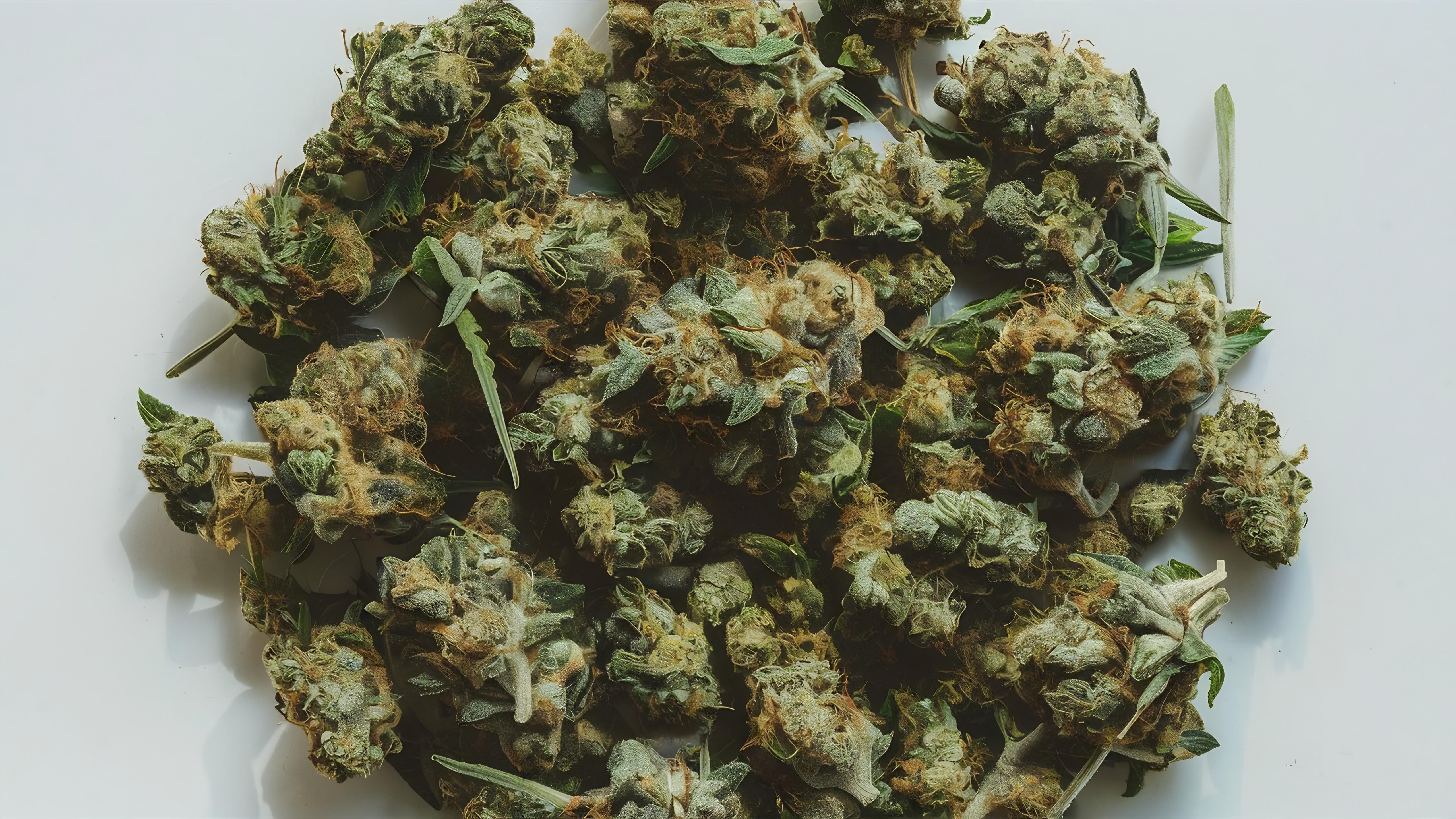


PGR stands for plant growth regulator. A plant growth regulator is a substance that changes the way a plant grows or develops. These substances can affect plant height, root growth, flowering, fruit development, and other parts of the growth cycle. Some PGRs occur naturally inside plants, while others are made by people for use in farming, gardening, and other types of plant production. When people talk about PGRs in cannabis, they are usually concerned about certain synthetic chemicals that may be used to change the size, shape, or density of cannabis flowers.
Plants already produce their own natural growth regulators. These natural substances are often called plant hormones. They help control normal plant functions such as cell growth, stem length, root development, and flowering. Common plant hormones include auxins, gibberellins, cytokinins, ethylene, and abscisic acid. Each one has a different role in plant growth. For example, gibberellins can help stems grow longer, while other hormones may affect when a plant flowers or how its roots develop.
Synthetic plant growth regulators work in a similar way, but they are made for specific uses. Some can slow down plant height, while others can change how quickly certain parts of a plant develop. In agriculture, plant growth regulators may be used on crops, lawns, trees, flowers, and other plants. Their use is controlled by laws and product labels that explain where and how they can be applied.
The term PGR weed is commonly used to describe cannabis that people believe was grown with certain synthetic plant growth regulators. These chemicals may be used to produce shorter plants or flowers that appear very dense and heavy. This can make the buds look large, compact, or unusually solid. However, this does not mean that every dense cannabis flower contains synthetic PGRs. Cannabis genetics, lighting, nutrition, growing methods, drying, trimming, and storage can also change the final look and feel of the flower.
This is an important point because many online guides describe PGR cannabis as if it can always be identified by sight. In reality, visual clues cannot prove that a specific chemical was used. A flower may look very dense or have many orange or brown pistils and still have been grown without controversial synthetic PGRs. In the same way, cannabis that looks normal could still contain unwanted chemical residues. Appearance can raise questions, but laboratory testing provides much stronger evidence.
Concerns about PGR cannabis often focus on health and product quality. Certain synthetic plant growth regulators have received attention because of their toxicology or past regulatory history. This does not mean that every substance called a PGR carries the same level of risk. The term covers many different chemicals and natural plant hormones. Each substance must be considered on its own. Its safety may depend on the chemical itself, the amount used, how a person is exposed to it, and whether any residue remains on the final product.
Another concern is that the effects of heating or burning chemical residues may not be fully understood. Cannabis flower is often smoked or vaporized, which creates a different type of exposure than eating produce or touching treated plants. Research specifically focused on people consuming cannabis grown with particular PGRs is still limited. For this reason, health claims should be made carefully. It is not accurate to say that all PGR cannabis will cause a certain illness or symptom. At the same time, consumers may still want to avoid cannabis containing unapproved or poorly understood chemical residues.
PGR cannabis is also discussed because appearance does not always match quality. Dense, heavy buds may seem desirable, but bud weight alone does not tell a person how much THC, CBD, terpenes, or other compounds are present. Cannabis quality depends on many factors, including genetics, growing conditions, harvest timing, drying, curing, and storage. A larger or harder flower is not automatically more potent or better.
Understanding PGRs can help consumers avoid common myths. It is useful to know the difference between natural plant hormones and synthetic growth regulators. It is also important to understand that some chemicals may be approved for certain agricultural uses but not for cannabis. Rules can also differ between countries, states, and regulated cannabis markets.
This article will explain what PGRs are, why they are linked to cannabis, and which chemicals are most often discussed. It will also cover what PGR weed may look like, how it may differ from regular cannabis, and why appearance alone is not enough to confirm PGR use. Later sections will explain possible effects on trichomes, THC, terpenes, and overall flower quality. The article will also examine possible health risks, legal concerns, laboratory testing, and ways consumers can reduce the risk of buying cannabis with unwanted chemical residues.
The main goal is to make the subject easier to understand without making claims that go beyond the available evidence. PGRs are a complex topic because the term includes both natural plant hormones and manufactured chemicals. When discussing PGR weed, the most useful approach is to focus on the specific substance, how it was used, and what reliable testing can show. This gives consumers a clearer and more accurate way to understand PGR cannabis and the concerns linked to it.
What Does PGR Mean in Weed?
The term PGR stands for plant growth regulator. A plant growth regulator is a substance that affects how a plant grows and develops. Some PGRs occur naturally inside plants. Others are made by people and used in farming, gardening, and plant production.
When people talk about PGRs in cannabis, they often mean substances that change the way the cannabis plant grows. These substances may affect plant height, stem growth, flower size, or the way buds develop. Some can make plants grow shorter and more compact. Others can change how cells divide or how quickly certain parts of the plant grow.
It is important to understand that the term PGR covers a wide range of substances. Not every PGR is harmful, and not every plant growth regulator is a synthetic chemical. Cannabis plants naturally produce hormones that control their growth. The concern usually comes from certain synthetic PGRs that may be used to change the appearance or weight of cannabis flowers.
What Does PGR Stand For?
PGR stands for plant growth regulator. These regulators affect specific processes inside plants. Plants are living organisms, and their growth is controlled by chemical signals. These signals tell cells when to divide, stretch, form roots, produce flowers, or slow down growth.
Natural plant hormones are one type of growth regulator. Examples include auxins, gibberellins, cytokinins, ethylene, and abscisic acid. Each hormone has a different job.
Auxins help control stem growth and root development. Gibberellins are involved in stem stretching, seed growth, and flowering. Cytokinins help cells divide and may influence the growth of shoots and leaves. Ethylene helps control fruit ripening and plant aging. Abscisic acid can help plants respond to stress and control water loss.
These natural hormones work together. The balance between them helps determine the plant’s final shape and growth pattern.
Synthetic plant growth regulators are different because they are made or processed for human use. Some are designed to act like natural hormones. Others block the action of certain hormones. This allows growers to change how a plant develops.
For example, a substance that reduces gibberellin activity may limit stem growth. The plant may stay shorter and develop a more compact shape. Depending on the substance and how it is used, it may also affect flower development.
PGRs are not used only with cannabis. They have been used in agriculture, landscaping, fruit production, ornamental plants, and other areas of plant care. Some are used to control plant height, improve crop handling, or manage when plants flower.
However, a substance that is approved for one type of plant is not automatically approved or considered safe for another use. This is especially important when dealing with plants that people may eat, inhale, or otherwise consume.
How Plant Growth Regulators Work
Plant growth regulators work by changing the chemical messages that control plant development. These messages affect what happens inside the cells of the plant.
A plant grows because its cells divide and increase in size. Hormones help control when and where this happens. When a growth regulator changes one of these signals, the appearance of the plant can change.
Some growth regulators encourage growth. Others slow it down. A regulator may cause stems to become shorter, encourage roots to form, affect flowering, or change how much the plant stretches as it grows.
In cannabis, these changes can influence the structure of the plant and the appearance of the flowers. A plant that has less stem stretching may grow in a shorter and denser form. Its flowers may also appear more compact.
This does not mean that every dense cannabis flower was produced with synthetic PGRs. Genetics play a major role in bud shape and density. Light, temperature, nutrients, plant health, drying, trimming, and storage can also affect how cannabis looks.
This is one reason why PGR use cannot be confirmed just by looking at a cannabis flower.
Different plant growth regulators also work in different ways. Some affect only one plant hormone system, while others may influence several parts of plant growth. Their effects can depend on the amount used, the stage of growth, the type of plant, and the way the chemical is applied.
The effects of a PGR can therefore vary greatly. It is not accurate to treat all PGRs as if they work in the same way or carry the same risks.
What People Mean by “PGR Weed”
The phrase PGR weed is commonly used to describe cannabis that people believe has been grown with certain synthetic plant growth regulators. The term is often linked to cannabis flowers that appear unusually dense, heavy, or compact.
In everyday discussions, people may use the term PGR weed as if all plant growth regulators are harmful. That is not fully correct. Plants naturally contain their own growth regulators. These natural hormones are necessary for normal plant development.
The concern is usually about certain synthetic chemicals that may be used to control growth or increase the weight and density of cannabis flowers.
This distinction matters because the term PGR by itself does not tell you whether a substance is safe or unsafe. The risk depends on the exact chemical, how much was used, how it was applied, and whether residues remain on the final product.
It is also possible for cannabis to have some features linked with so-called PGR weed without actually containing synthetic PGRs. Some cannabis strains naturally grow very dense flowers. Certain growing conditions can also create compact buds. Drying and curing methods may further change their firmness, color, smell, and shape.
For this reason, descriptions such as “hard buds,” “lots of orange hairs,” or “low smell” should not be treated as proof of PGR use. These features may raise questions, but they cannot identify a specific chemical.
Laboratory testing is a more reliable way to look for chemical residues. Even then, the laboratory must test for the specific substance of concern. A general cannabis test may focus on THC, CBD, moisture, or common contaminants without testing for every possible plant growth regulator.
PGR means plant growth regulator. These substances affect the natural processes that control how plants grow, form roots, stretch, flower, and respond to their environment. Some PGRs are natural hormones that are already present inside plants, while others are synthetic substances made for agricultural or horticultural use.
When people use the term PGR weed, they usually mean cannabis that may have been treated with certain synthetic growth regulators to change plant structure or flower density. However, the term should be used carefully. Not all PGRs are the same, and not every dense cannabis flower has been grown with synthetic PGRs.
Why Are PGRs Associated With Cannabis?
Plant growth regulators are linked with cannabis because they can change the way a plant grows. Some growers have used certain PGRs to control plant height, change flower structure, or increase the weight and density of buds. These effects can make a cannabis plant look different from one grown without the same chemicals.
However, the term PGR can be confusing. Plants naturally use growth hormones to control their development. Also, plant growth regulators are used in many parts of agriculture and horticulture. The concern around PGR cannabis usually focuses on certain synthetic chemicals that may not be approved for cannabis production or may raise health and safety questions.
Understanding why these chemicals are associated with cannabis requires looking at how they affect plant growth, flower density, and overall development.
How Growth Regulators Change Plant Development
Plants grow through a complex system of natural chemical signals. These signals control when cells divide, when stems grow longer, when roots develop, and when flowers form. Natural plant hormones such as gibberellins, auxins, cytokinins, and ethylene all play a role in these processes.
Some synthetic plant growth regulators interfere with these natural signals. They may block the production of certain hormones or change how the plant responds to them.
For example, some growth regulators reduce the activity of gibberellins. Gibberellins are plant hormones that help stems grow longer. When their activity is reduced, the plant may stay shorter and develop a more compact shape.
This can be useful in some forms of commercial agriculture. Farmers and horticultural businesses may want shorter plants because they are easier to manage or less likely to fall over. Growth regulators may also be used to control the size of trees, ornamental plants, grass, or other crops.
In cannabis, similar effects can change the appearance of the plant. A plant exposed to certain growth regulators may develop shorter spaces between branches. The stems may remain more compact, and the flowers may appear thicker or more tightly packed.
These changes do not automatically mean the plant is healthier or more potent. The chemicals mainly change how the plant grows and where it directs its energy.
Cannabis plants normally balance several types of growth at the same time. They develop leaves, stems, roots, flowers, trichomes, and other plant tissues. If a chemical strongly changes one part of this process, it can also affect the overall structure of the plant.
This is one reason why PGR-treated cannabis may look different from naturally grown flower.
Why PGR Cannabis May Look Unusually Dense
One of the most common features linked with PGR cannabis is very dense flower. Some buds may feel unusually hard, compact, or heavy compared with their size.
This can happen because certain growth regulators reduce stem stretching while encouraging more compact plant development. Instead of growing longer and more open, parts of the plant may stay close together. This can lead to flowers that appear thick and tightly formed.
For commercial producers, dense flower can sometimes seem attractive because heavier buds may increase the amount of product harvested from a plant. Cannabis is often sold by weight, so a heavier flower can appear to offer a financial advantage.
However, weight and density do not tell you how strong or high quality the cannabis is.
A dense flower is not always rich in cannabinoids such as THC or CBD. It is also not guaranteed to contain more terpenes, which are compounds that help create the smell and flavor of cannabis. A bud can be large and heavy while still having lower levels of some of the compounds that consumers care about.
This is important because people sometimes judge cannabis by appearance alone. Large, firm buds may look impressive, but visual size is only one part of the plant.
It is also important to understand that dense buds are not proof of PGR use. Some cannabis varieties naturally produce compact flowers because of their genetics. Growing conditions can also affect density. Light levels, temperature, humidity, nutrients, pruning, harvest timing, and drying methods can all change how a finished bud looks and feels.
For this reason, an unusually hard or dense bud may raise questions, but it cannot confirm that a plant growth regulator was used.
PGRs Are Not Unique to Cannabis
Plant growth regulators are not chemicals created only for cannabis. They have been used for many years in agriculture, landscaping, turf management, fruit production, and ornamental plant care.
Different PGRs serve different purposes. Some may slow plant growth. Others may encourage rooting, control fruit development, reduce unwanted plant height, or affect the timing of flowering.
For example, growth regulators may be used to keep ornamental plants at a certain size. They may help manage grass growth on lawns or sports fields. In fruit production, certain regulators can influence fruit size, ripening, or how easily fruit falls from a plant.
This wider use is important because the words “plant growth regulator” do not automatically mean that a product is dangerous.
The main concern is the specific chemical being used, how much is applied, and whether it is approved for that crop and purpose.
Agricultural chemicals are normally regulated according to their intended use. A substance may be allowed on one crop but not another. The rules can also control how much of the chemical can be used, when it can be applied, and how much residue may remain on the final product.
This means that a plant growth regulator approved for grass, fruit trees, or ornamental plants should not automatically be considered safe or legal for cannabis.
Cannabis also creates a special concern because it may be inhaled after heating or burning. This is different from simply touching a treated plant or eating a food crop after approved agricultural use. Heating a chemical residue can change its behavior, and research on inhaled residues may be more limited.
For consumers, this is why the exact substance matters more than the general term PGR.
Some plant growth regulators are naturally present in plants. Some synthetic products have approved agricultural uses. Others may not be permitted for cannabis at all. These differences should be kept clear when discussing PGR weed.
PGRs are associated with cannabis because some plant growth regulators can change the shape, height, and flower structure of the plant. Certain synthetic PGRs may reduce stem stretching and create shorter, more compact growth. This can sometimes result in cannabis buds that feel unusually dense or heavy.
However, dense cannabis does not automatically mean that PGRs were used. Genetics, growing conditions, drying, and other factors can create similar results.
Plant growth regulators are also used in many other areas of agriculture and horticulture. Their use is not limited to cannabis, and not every PGR has the same purpose or risk level. The key issue is which chemical was used, whether it was approved for cannabis, and whether harmful residues may remain on the final flower. Understanding these differences makes it easier to judge claims about PGR cannabis more carefully.
What Chemicals Are Commonly Associated With PGR Weed?
Plant growth regulators are not all the same. Some are natural hormones made by plants, while others are synthetic chemicals designed to change how a plant grows. When people talk about “PGR weed,” they usually mean cannabis that may have been exposed to certain synthetic plant growth regulators. These chemicals can affect plant height, flower structure, and the way energy is used during growth.
Several chemicals are often discussed in connection with PGR cannabis. The most common examples include paclobutrazol and daminozide. These substances have been used in agriculture and horticulture for different purposes. However, their use on cannabis may be restricted or prohibited depending on local rules. It is also important to understand that not every plant growth regulator has the same level of risk. Each chemical must be judged based on its own properties, approved uses, and possible health effects.
Paclobutrazol
Paclobutrazol is one of the most commonly mentioned chemicals in discussions about PGR weed. It is a synthetic plant growth regulator that changes the way a plant develops. Its main action is to reduce the production of gibberellins. Gibberellins are natural plant hormones that help control stem growth and cell expansion.
When gibberellin activity is reduced, plants often grow shorter and more compact. The distance between plant nodes can become smaller, and the plant may put less energy into vertical growth. In some crops and ornamental plants, this effect can be useful because growers may want shorter plants that are easier to manage.
In cannabis, paclobutrazol is often associated with unusually dense flowers. A plant exposed to this type of growth regulator may produce buds that look thick, heavy, or tightly packed. This appearance can make the flower seem larger or more substantial. However, greater density does not automatically mean better cannabis quality.
One important issue with paclobutrazol is that it may remain as a chemical residue if it is used in ways that are not approved. This is one reason cannabis regulators in some areas test for it as part of pesticide or contaminant screening. The concern is not simply how the plant looks. The larger issue is whether unwanted residues remain in a product that may later be smoked, vaporized, or otherwise consumed.
Paclobutrazol should also not be described as illegal in every possible use. It has approved uses for certain plants and agricultural settings in some countries. What matters is whether the chemical is approved for the specific crop and use. A product that is permitted for ornamental plants, for example, is not automatically approved for use on cannabis.
Daminozide
Daminozide is another plant growth regulator commonly linked to discussions about PGR cannabis. It was once widely used in agriculture to control plant growth and improve certain crop characteristics. Like other growth regulators, daminozide can alter normal plant development by changing the balance of growth-related processes inside the plant.
Daminozide became controversial because of concerns about its safety. In the United States, its approved food-crop uses were removed decades ago. Regulators raised concerns about possible cancer risks based mainly on animal studies and concerns about a breakdown product known as UDMH.
This history is one reason daminozide attracts attention when it appears in discussions about cannabis. People may assume that any cannabis containing daminozide presents the same level of danger under all conditions. That conclusion is too simple. Health risk depends on several factors, including how much of the chemical is present, how often someone is exposed, and how the cannabis is consumed.
Another important point is that very little research has directly studied what happens when cannabis containing daminozide residues is smoked or vaporized. Heating chemicals can sometimes create different compounds, but the exact risks can vary. This makes it important to avoid making claims that go beyond the available evidence.
For consumers, the key concern is that daminozide may be included on prohibited pesticide or contaminant lists in regulated cannabis markets. Laboratory testing is therefore much more useful than trying to identify it by smell, color, or bud shape.
Other Growth-Regulating Substances
Paclobutrazol and daminozide receive much of the attention, but they are not the only chemicals that can affect plant growth. Agriculture uses many substances that can increase, slow, redirect, or change plant development. Some work by copying natural plant hormones. Others block the production or action of those hormones.
For example, certain products can influence flowering, root development, fruit formation, stem length, or leaf growth. Some plant growth regulators may be considered relatively low risk when used correctly on approved crops. Others may be restricted because of environmental or health concerns.
This is why the term “PGR” should not automatically be treated as meaning “toxic chemical.” Plants naturally contain growth regulators, and agriculture uses many approved plant-regulating substances. The main concern with PGR weed usually involves specific synthetic chemicals that are not approved for cannabis or that may leave unwanted residues.
It is also important to separate plant growth regulators from fertilizers. Fertilizers mainly provide nutrients such as nitrogen, phosphorus, and potassium. Plant growth regulators change biological signals that control growth and development. A product can affect the size or shape of a plant without supplying large amounts of nutrients.
The same is true for pesticides. Some substances may fall under pesticide regulations because of how they are registered or used, but their purpose can differ from products meant to kill insects, weeds, or fungi. This can make cannabis testing rules confusing because regulators may group several types of agricultural chemicals together under contaminant or pesticide screening programs.
Why the Specific Chemical Matters
A common mistake is to assume that every PGR has the same effects and risks. This is not correct. Each substance has its own chemical structure, purpose, toxicology, and legal status.
For example, one growth regulator may be approved for a certain crop at a specific dose, while another may no longer be approved for food crops at all. A chemical may also be permitted for ornamental plants but prohibited on something meant for human consumption.
The amount of residue is also important. Detecting a chemical does not always mean the same level of exposure or danger. Laboratories measure concentrations so regulators can compare the results with legal limits or action levels. This is one reason professional testing is more reliable than trying to judge cannabis by appearance.
Consumers should also be cautious about online lists that describe every PGR as dangerous without explaining which chemical is being discussed. A more accurate approach is to look at the exact substance, how it was used, whether that use was approved, and whether testing found measurable residues.
The chemicals most often associated with PGR weed include paclobutrazol and daminozide. Paclobutrazol can reduce normal stem growth by interfering with gibberellins, which may lead to shorter plants and unusually dense flowers. Daminozide is another growth regulator that has received attention because of past safety concerns and restrictions on food-crop use.
What Does PGR Weed Look Like?
PGR weed is cannabis that has been associated with the use of certain plant growth regulators during cultivation. These substances can change how a cannabis plant grows and how its flowers develop. As a result, some PGR-treated cannabis may have a different appearance from flower grown without these chemicals.
However, there is an important limit to visual inspection. You cannot prove that cannabis contains a certain PGR simply by looking at it. Genetics, lighting, nutrients, temperature, harvesting methods, drying, trimming, and storage can all change the appearance of cannabis flower. Some naturally grown strains can also produce very dense buds or large numbers of orange pistils.
For this reason, the signs below should be treated as possible warning signs rather than proof. Laboratory testing for specific chemical residues is a much more reliable way to determine whether substances such as paclobutrazol or daminozide are present. For example, Health Canada includes both compounds on its current mandatory cannabis pesticide testing list.
Unusually Dense or Hard Buds
One of the most common features linked with PGR weed is unusually dense flower. The buds may look very compact and may feel heavier than expected for their size. Some people describe this type of flower as being almost rock-hard.
Cannabis buds naturally vary in density. Some strains produce loose and airy flowers, while others produce tight and firm buds. Growing conditions can also affect density. Strong lighting, proper nutrition, and good environmental control may help a cannabis plant produce naturally dense flowers.
The difference sometimes associated with PGR cannabis is the degree of density. A suspicious bud may appear extremely compressed, thick, or swollen. It may have very little space between its individual flower parts. The outside can look smooth or rounded instead of showing a more detailed flower structure.
Certain plant growth regulators can affect the way plants divide cells and grow stems. Some also limit vertical plant growth. This may cause a plant to remain shorter while changing how its flowers develop. These effects are one reason extreme density is often mentioned when discussing PGR cannabis.
Still, density alone means very little. A naturally dense cannabis strain should not automatically be labeled as PGR weed. It is more useful to consider density together with other signs, such as trichome development, pistils, aroma, and overall flower structure.
Pistils, Trichomes, and Surface Appearance
Another feature often discussed is the appearance of the pistils. Pistils are the small hair-like structures found on female cannabis flowers. They often begin as pale or white hairs. As the flower develops, many of them become orange, red, amber, or brown.
Having orange pistils is completely normal. In fact, mature cannabis flowers often contain many of them. The possible warning sign is not simply the presence of orange hairs. Instead, some cannabis described as PGR weed may appear to have a very large number of thick orange, red, or brown pistils covering much of the flower.
The trichomes are another important feature to examine. Trichomes are tiny resin-producing structures on cannabis flowers and nearby leaves. To the naked eye, they often create a frosted or crystal-like appearance. Under magnification, many trichomes look like tiny stalks with round heads.
Cannabinoids and many aromatic compounds are concentrated in these resin glands. This is why mature cannabis flower with heavy trichome coverage often looks shiny, sticky, or covered in tiny crystals.
Cannabis suspected of being PGR-grown is sometimes described as having large and dense buds but relatively little visible trichome coverage. The flower may look impressive because of its size while lacking the frosty surface expected from resin-rich cannabis. Consumer guides describing suspected PGR flower commonly mention the combination of extreme density and reduced visible trichomes.
This is still not a reliable chemical test. Trichome levels vary between cannabis varieties. Handling and storage can also damage trichomes. Old cannabis may lose some of its resin glands, while heavy trimming may remove trichome-rich outer leaves.
A lack of visible trichomes should therefore be considered only one part of the overall picture.
Color and Shape
The color of cannabis can vary greatly. Healthy cannabis flowers can appear in many shades of green. Some varieties may also contain purple, blue, red, or nearly black areas because of genetics and plant pigments. Orange and brown pistils are also normal.
PGR weed is sometimes described as having darker, duller, or brownish colors. Some examples may appear less bright than fresh cannabis and may have a large amount of orange or reddish-brown material around the surface.
However, color is one of the weakest ways to judge whether cannabis was exposed to PGRs.
Cannabis can turn brown because it is old. Poor drying or storage can also change its color. Light, oxygen, heat, and moisture can slowly break down plant material after harvest. A flower that has been stored for a long time may therefore look dull even if no controversial growth regulator was used.
Shape can provide additional clues, but it also has limits. Cannabis flowers usually develop with an uneven, natural structure. Depending on the strain, buds may be long and narrow, short and thick, round, or cone-shaped.
Flowers associated with certain PGRs are often described as unusually round, swollen, or compact. Individual buds may look thick and heavy for their size. Their surface may also appear more uniform than expected because the plant material is packed tightly together.
Again, genetics can produce similar results. Some cannabis varieties naturally grow thick, rounded buds. Shape should never be used by itself to decide that a flower contains PGR residues.
Why Appearance Cannot Confirm PGR Use
The biggest problem with trying to identify PGR weed by sight is that many normal factors can create the same features.
Genetics are especially important. One cannabis strain may naturally produce hard, dense flowers covered with orange pistils, while another may produce light and airy buds. Neither appearance tells you exactly which agricultural products were used during cultivation.
Growing conditions can make the differences even greater. Light strength, temperature, humidity, nutrients, water, airflow, plant health, and harvest timing can all affect flower development.
What happens after harvest also matters. Drying cannabis too quickly can change its smell and texture. Poor curing may make flower harsh or dry. Excess moisture can make buds feel heavy. Machine trimming can remove surface material and reduce visible trichomes. Long storage can cause changes in color, smell, and resin quality.
This means a very dense bud with many orange pistils is not proof of PGR use. A flower with few visible trichomes is also not proof. Even several visual signs together can only raise suspicion.
Chemical testing provides much stronger evidence. A qualified laboratory can analyze cannabis for specific residues and report whether particular substances were detected. Testing programs can look for individual compounds at very low concentrations. Health Canada’s mandatory testing program, for example, lists specific detection limits for paclobutrazol and daminozide rather than relying on the appearance of the flower.
Consumers should also remember that a basic cannabis test may not cover every possible chemical. A product may have results for THC, CBD, or terpenes without being tested for the same list of pesticides or plant growth regulators. The actual laboratory report and the substances tested are therefore more useful than appearance alone.
PGR weed is often described as having unusually dense or hard buds, heavy pistil coverage, fewer visible trichomes, and a rounded or swollen shape. Some flowers may also have a dull or brownish appearance. These features can help a person notice cannabis that looks unusual, but none of them can confirm PGR use.
Many of the same traits can occur naturally because of genetics, growing conditions, trimming, drying, curing, or storage. Dense cannabis is not automatically PGR cannabis, and orange pistils are a normal part of mature cannabis flowers.
How Can You Tell PGR Weed From Regular Cannabis?
PGR weed can sometimes look different from cannabis grown without certain synthetic plant growth regulators. However, there is no simple visual test that can prove whether cannabis contains PGR residues. Many of the signs linked with PGR weed can also appear in normal cannabis because of genetics, growing methods, drying, trimming, or storage.
For this reason, it is better to look at several features together rather than focus on one sign. Bud density, trichomes, smell, and flower structure can provide useful clues, but they should not be treated as final proof. Laboratory testing is the most reliable way to find out whether a cannabis sample contains a specific chemical.
Compare Bud Density and Texture
One of the most common signs linked with PGR weed is very dense flower. Some PGR-treated buds may feel unusually hard, heavy, or compact for their size. They may seem almost solid when gently pressed instead of having the softer and more flexible structure found in many types of cannabis.
Certain plant growth regulators can change how a plant develops. They may reduce stem growth while encouraging a shorter and more compact plant structure. This can result in flowers that look thick and tightly packed.
However, dense cannabis is not always PGR weed.
Many cannabis strains naturally produce firm and compact buds. Genetics can have a major effect on flower shape and density. Growing conditions can also make a difference. Light levels, temperature, nutrients, watering practices, and the stage of harvest can all influence how dense the final flower becomes.
Drying and storage can change texture as well. Cannabis that has lost too much moisture may become hard and brittle. Flower that has been compressed during packaging may also feel unusually solid.
Because of these factors, bud density should only be considered one possible clue. A hard bud by itself is not enough to prove that synthetic PGRs were used.
Look at Trichome Development
Trichomes are tiny resin glands found on the surface of cannabis flowers. Under bright light or magnification, they often look like small crystals covering the bud. Trichomes are important because they contain many of the plant’s cannabinoids and aromatic compounds.
Healthy cannabis flowers may have a visible coating of trichomes, although the exact amount varies from one strain to another. Some strains naturally produce large amounts of resin, while others may look less frosty.
Suspected PGR weed is sometimes described as having very dense flowers but fewer visible trichomes than expected. A bud may look large and heavy while having a smoother surface and less of the sparkling appearance linked with strong resin production.
This difference may raise concern, but it is still not proof.
Trichomes can be damaged or removed after harvest. Rough handling, machine trimming, long storage, heat, and poor packaging can all reduce the number of visible resin glands. Older cannabis may also look less shiny because trichomes can break down over time.
The way a flower was grown also affects resin production. Light, genetics, temperature, and plant health all play important roles. This means a low level of visible trichomes does not automatically mean PGRs were involved.
Consumers can use trichome appearance as part of a wider inspection, but it should never be used as the only test.
Consider Aroma
Cannabis naturally produces many aromatic compounds, including terpenes. These compounds help create the different smells linked with various strains. Cannabis may smell earthy, fruity, sweet, citrus-like, pine-like, spicy, or skunky, depending on its genetics and chemical profile.
Some people associate suspected PGR weed with a weak or less complex smell. A bud may look large and dense but produce very little aroma when the container is opened. It may also smell less noticeable when the flower is broken apart.
A weak smell can be a warning sign, especially when it appears together with very dense flowers and limited visible trichomes. Still, smell alone cannot confirm the presence of PGRs.
Cannabis can lose aroma for many reasons. Terpenes are volatile, which means they can slowly evaporate. Poor drying, high temperatures, long storage, exposure to air, and improper containers can all reduce aroma.
Older cannabis may also have a weaker smell than fresh flower. Some strains naturally produce less noticeable scents as well.
For these reasons, aroma should be treated as supporting information. It may help a person notice that something is unusual, but it cannot identify a specific chemical.
Consider Flower Structure
Flower structure can provide another clue. Some cannabis linked with certain synthetic PGRs is described as having very round, swollen, or tightly packed buds. The flower may appear unusually uniform, with less of the natural variation often seen between different buds.
Some suspected PGR flower may also have many visible pistils. Pistils are the small hair-like parts of cannabis flowers that may appear white, yellow, orange, red, or brown as the plant matures.
A large number of orange or brown pistils is sometimes listed online as a sign of PGR weed. However, pistil color is not a reliable test. Pistils naturally change color as cannabis matures, and different strains can have very different amounts of visible pistil growth.
Genetics play a major role in flower shape as well. Some strains naturally form rounded, dense buds, while others grow in longer or more open structures.
Trimming can also change how a flower looks. Machine-trimmed cannabis often appears rounder and smoother than hand-trimmed flower because the outer leaves and uneven edges are removed.
This is why flower structure should be compared with other characteristics. A round bud with orange pistils should not automatically be labeled as PGR weed.
Laboratory Testing Is More Reliable
The main problem with trying to identify PGR weed by sight, touch, or smell is that many normal factors can create the same signs. Cannabis genetics, plant nutrition, environmental conditions, drying, trimming, storage, and age can all affect appearance and quality.
Laboratory testing provides much stronger evidence.
A qualified laboratory can test cannabis for specific chemical residues. Depending on local rules and the type of test being used, this may include certain pesticides and plant growth regulators.
It is important to understand that not every cannabis test checks for the same substances. A basic Certificate of Analysis may show cannabinoid levels such as THC and CBD but may not include a full pesticide or PGR screening panel.
Consumers who want more information should check what substances were actually tested rather than assuming that a product labeled “lab tested” was examined for every possible plant growth regulator.
Regulated cannabis markets may require testing for certain prohibited agricultural chemicals. These rules vary between states and countries, so testing requirements are not the same everywhere.
This is one reason cannabis from a regulated and traceable source may provide more information than cannabis from an unknown source. A tested product may include records about contaminants, pesticides, cannabinoids, and other quality factors.
PGR weed cannot be identified with complete certainty by appearance alone. Very hard or dense buds, low visible trichome coverage, weak aroma, and unusual flower structure may raise concern, especially when several of these signs appear together. However, each of these features can also have natural causes.
Some cannabis strains are naturally dense. Trichomes may be damaged during trimming or storage. Aroma can fade over time, and flower shape can depend heavily on genetics and growing conditions.
How Do PGRs Affect Cannabis Quality, THC, Terpenes, and Trichomes?
Plant growth regulators can change the way a cannabis plant grows, but this does not always mean they improve the quality of the final flower. Some PGRs are used because they can change plant height, stem growth, or flower density. These changes may make buds look larger, heavier, or more compact. However, appearance and weight are not the same as potency, aroma, flavor, or overall quality.
When people talk about PGR cannabis, they are often referring to cannabis that may have been exposed to certain synthetic plant growth regulators. These substances can affect plant development in different ways. The exact result depends on the chemical, how much was used, the plant variety, and the growing conditions. It is also important to understand that research directly comparing PGR-grown cannabis with cannabis grown without these chemicals is still limited.
Bud Size Is Not the Same as Potency
One of the main reasons PGR cannabis gets attention is its appearance. Some flowers may look very dense, heavy, or unusually firm. This can make the buds seem powerful or high quality. However, bud size and density do not directly show how much THC is present.
THC is one of the main cannabinoids produced by cannabis plants. It develops mainly in tiny resin glands called trichomes. A flower can be large and dense while still having lower levels of THC than a smaller flower with strong trichome development.
This is important because plant growth and cannabinoid production are not the same process. A substance that makes a plant grow in a more compact way does not automatically increase THC. Some growth regulators mainly affect hormones that control stem length, cell growth, or plant shape. They may create heavier-looking flowers without improving cannabinoid production.
Cannabis genetics also play a major role. Some strains naturally produce dense flowers, while others produce lighter or more open buds. Growing conditions, light levels, plant health, harvest time, and storage can also influence THC levels.
For this reason, consumers should not judge potency based on density alone. Laboratory testing is the most reliable way to know the THC and other cannabinoid levels in a cannabis sample.
PGRs and Trichome Development
Trichomes are very small structures found on the surface of cannabis flowers and nearby leaves. Under magnification, they often look like tiny clear or cloudy crystals. These structures are important because they contain much of the plant’s cannabinoids and aromatic compounds.
Cannabis with strong trichome development may appear frosty or sticky. The surface can look covered with fine crystals. Some people claim that suspected PGR cannabis often has fewer visible trichomes, especially when compared with naturally grown cannabis of similar quality.
There is a possible reason for this concern. Certain growth regulators may push the plant toward physical growth, such as denser tissue or shorter stems, without directly improving resin production. A bud can therefore gain mass without gaining the same amount of trichome-rich material.
However, fewer visible trichomes are not proof that PGRs were used. Trichome levels vary naturally between strains. Harvest timing can also make a major difference. Flowers harvested too early may have less developed trichomes. Rough handling, trimming, packaging, or long storage can also damage or remove trichomes from the flower surface.
This means trichome appearance can provide useful information, but it must be considered along with other signs. It should never be treated as a chemical test.
PGRs and Terpenes
Terpenes are natural compounds that help give cannabis its smell and flavor. They are responsible for many familiar aromas, including citrus, pine, fruit, herbs, and earth-like scents.
Terpenes are produced in trichomes along with cannabinoids. For this reason, good trichome development is often linked with a stronger smell and more noticeable flavor.
Some suspected PGR cannabis is described as having a weak smell compared with naturally grown flower. A bud may look large and dense but have only a mild aroma. This has led to the idea that certain growth regulators may increase physical flower mass without improving terpene production.
Still, smell alone cannot confirm PGR use. Many things can affect aroma. Genetics are one of the biggest factors. Some cannabis strains naturally have stronger smells than others. Drying and curing methods also matter. Poor storage can cause terpenes to break down or evaporate over time.
Heat, light, oxygen, and age can all reduce aroma. A weak-smelling cannabis flower may simply be old, poorly stored, or naturally low in certain terpenes. On the other hand, strong-smelling cannabis is not automatically free from synthetic growth regulators.
Aroma can be one clue when judging flower quality, but it should be used with caution.
What Research Can and Cannot Tell Us
It is important to separate established facts from common claims about PGR cannabis. Scientists know a great deal about how plant growth regulators affect many agricultural and ornamental plants. Researchers also understand how some PGRs change plant hormones and growth patterns.
However, there is less direct research on cannabis flowers grown with specific synthetic PGRs and then compared with untreated cannabis under controlled conditions. This makes it difficult to say exactly how much a certain PGR will reduce THC, terpenes, or trichomes in every case.
Statements such as “PGR weed always has low THC” are too broad. Different chemicals have different effects. The amount used may also change the outcome. Genetics, nutrition, lighting, plant health, harvest timing, and storage can all affect the final chemical profile of cannabis.
It is also difficult to identify PGR cannabis based only on quality. Weak smell, limited resin, hard buds, or low potency may raise questions, but none of these signs prove that a growth regulator was used.
Laboratory testing is more reliable because it can measure THC, other cannabinoids, and certain chemical residues. Even then, the laboratory must test for the specific substance in question. A standard potency test does not automatically check for every plant growth regulator.
PGRs can change the physical growth of cannabis, but bigger or denser buds do not automatically mean stronger or better-quality cannabis. THC, terpenes, and other important compounds are closely linked with trichome development rather than flower weight alone.
Some PGR cannabis is reported to have dense buds, fewer visible trichomes, weaker aroma, and lower perceived quality. However, these traits can also result from genetics, harvest timing, poor curing, rough handling, or storage conditions.
Current research does not support using appearance, smell, or potency as proof that a cannabis flower contains synthetic PGRs. These signs may help raise questions, but laboratory testing remains the most dependable way to check cannabinoid levels and identify specific chemical residues. Understanding this difference helps consumers avoid confusing large, dense flowers with high potency or high overall quality.
Is PGR Weed Dangerous or Bad for You?
PGR weed has become a concern because some plant growth regulators may leave chemical residues on cannabis flowers. However, the term “PGR” covers many different substances. Not every plant growth regulator has the same level of risk. Some are naturally produced by plants, while others are synthetic chemicals made for use in agriculture or horticulture.
The possible danger of PGR weed depends on several factors. These include the exact chemical used, the amount of residue left on the flower, how often a person is exposed, and how the cannabis is consumed. Some synthetic PGRs have raised health concerns because studies have found harmful effects in animals or because regulators have restricted their use on food crops.
At the same time, there is still limited research that looks directly at people smoking or vaping cannabis grown with specific PGR chemicals. This makes it important to separate known evidence from claims that have not been proven.
Why Certain Synthetic PGRs Raise Health Concerns
Some synthetic plant growth regulators have been studied for many years because they are used on crops, flowers, trees, and other plants. Certain chemicals can change how quickly a plant grows, how tall it becomes, and how its cells develop.
Two substances often discussed in relation to PGR cannabis are paclobutrazol and daminozide. These chemicals have a history of agricultural use, but they have also received attention from health and environmental agencies.
Daminozide, for example, was once used on food crops such as apples. Its use on food crops in the United States was later stopped because of concerns about cancer risk. One major concern involved a chemical called UDMH, which can form when daminozide breaks down.
Paclobutrazol is another plant growth regulator used for certain approved agricultural and plant-care purposes. It can reduce plant height by changing the way the plant produces gibberellins, which are natural plant hormones involved in growth.
The fact that a chemical has an approved use does not mean it is safe for every plant or every type of exposure. A substance may be approved for use on ornamental plants, turf, or a certain crop but not approved for cannabis. This matters because cannabis may be smoked, vaporized, eaten, or processed into extracts.
Health risk also depends on dose. A very small exposure may have a different effect from repeated or high exposure. Because of this, it is not accurate to say that every cannabis flower grown with a PGR creates the same level of danger.
What Research Says About PGR Exposure
Most safety information about plant growth regulators comes from agricultural studies, animal research, and pesticide safety testing. These studies can help scientists understand possible health effects, but they do not always show exactly what happens when a person smokes PGR-treated cannabis.
Researchers may study whether a chemical affects the liver, reproductive system, nervous system, hormones, or risk of cancer. They may also look at how the chemical is absorbed and how quickly the body removes it.
The results can vary greatly between chemicals. One PGR may have a low level of toxicity, while another may create greater concern. This is why all PGRs should not be placed into one risk category.
It is also important to understand the difference between hazard and risk. A hazard means that a chemical has the ability to cause harm under certain conditions. Risk refers to how likely that harm is to happen at a certain level of exposure.
For cannabis consumers, the problem is that the actual amount of a PGR residue may not be known unless the product is tested. An unregulated product may have no reliable information about what chemicals were used during cultivation.
This uncertainty is one reason regulated cannabis testing can be useful. In some legal markets, laboratories test cannabis for pesticides and other unwanted chemicals. However, the exact list of substances tested can vary from one location to another.
What We Do Not Know About Smoking PGR Residues
One of the biggest gaps in current knowledge involves what happens when chemical residues are heated or burned.
Cannabis flower is often smoked at high temperatures. Cannabis may also be heated in a vaporizer. Heat can change chemicals. In some cases, a compound may break apart and form different substances. Those new substances may have different effects on the body.
Researchers know much more about pesticide exposure through food, skin contact, or agricultural work than they know about pesticide residues in cannabis smoke. This creates an important research gap.
A chemical considered safe below a certain residue level on food cannot automatically be considered equally safe when burned and inhaled. Eating a substance and inhaling its heated products are very different forms of exposure.
The lungs provide a fast path for certain substances to enter the bloodstream. Smoke itself also contains many compounds that may irritate the lungs. If unwanted chemical residues are present, they may add another source of exposure.
However, this does not mean scientists have proven that every PGR-treated cannabis product causes serious illness. There are not enough controlled human studies to make that statement.
More research is needed to understand how specific PGR chemicals behave when heated, how much residue remains on finished cannabis flowers, and what levels of exposure may create a meaningful health risk.
Avoiding Exaggerated Health Claims
PGR weed is often discussed online using strong statements. Some sources may claim that PGR cannabis always causes headaches, breathing problems, cancer, infertility, organ damage, or other health conditions.
These statements should be treated carefully.
A person may experience a headache, cough, or other symptom after using cannabis for many different reasons. Cannabis strength, smoke exposure, mold, pesticides, personal sensitivity, other chemicals, and the amount consumed can all affect how a person feels.
A symptom alone cannot prove that PGRs were present.
It is also not accurate to say that all PGR weed causes cancer. Some chemicals associated with plant growth regulation have raised cancer concerns in toxicology studies, but that is different from proving that a specific cannabis product caused cancer in humans.
Good health information should clearly separate what is known from what is suspected. It should also identify the exact chemical whenever possible.
Using the broad term “PGR” without naming the substance can be misleading because many different chemicals and natural hormones can affect plant growth.
Consumers should also remember that visual signs cannot confirm chemical exposure. Very dense buds, bright orange hairs, limited smell, or low trichome coverage may raise questions, but none of these features can prove that a synthetic growth regulator was used.
Laboratory testing is a more reliable way to check for chemical residues.
PGR weed may raise health concerns when certain synthetic plant growth regulators are used during cultivation. Some chemicals linked with PGR cannabis have a history of safety concerns, restrictions, or regulatory review. However, the level of risk depends on the specific chemical, the amount of residue present, how a person is exposed, and how often exposure happens.
Research directly studying people who smoke or vape cannabis containing PGR residues is still limited. Scientists also need more information about what happens to these chemicals when cannabis is heated or burned.
Are All PGRs Bad? Natural vs. Synthetic Plant Growth Regulators
Not all plant growth regulators are bad. In fact, plants naturally produce their own growth-regulating chemicals. These substances help control how a plant grows, flowers, responds to stress, and develops roots and leaves. Problems usually arise when people use certain synthetic plant growth regulators that may leave unwanted chemical residues on a crop.
This is why the term “PGR weed” can sometimes be confusing. Technically, every cannabis plant depends on plant growth regulators because natural plant hormones are part of normal plant biology. However, when people talk about PGR cannabis, they are usually referring to cannabis grown with certain synthetic chemicals that are used to change plant structure or increase flower density.
Understanding this difference is important because not every PGR has the same purpose, safety record, or health risk.
Naturally Occurring Plant Hormones
Plants produce several natural hormones that control growth. These hormones are often described as natural plant growth regulators because they send signals that tell different parts of the plant what to do.
Auxins are one major group of plant hormones. They help control stem growth, root development, and the direction in which a plant grows. For example, auxins play a role in helping stems grow toward light. They also influence how roots form and develop.
Gibberellins are another important group. They help with stem growth, seed development, and flowering. They can cause plant cells to grow longer, which can affect the height and structure of the plant.
Cytokinins are involved in cell division. They help plants create new cells and can also affect the growth of shoots and leaves. Cytokinins often work together with auxins to control how different parts of the plant develop.
Ethylene is a natural plant hormone that exists as a gas. It is well known for its role in fruit ripening, but it also helps plants respond to stress and changes in their environment.
Abscisic acid is another important hormone. It helps plants manage stress, especially when water is limited. It can cause the tiny openings on leaves, known as stomata, to close so the plant loses less water.
These hormones are normal parts of plant life. Cannabis plants, like other plants, produce and use them without human help. For this reason, it would not be accurate to say that all plant growth regulators are harmful.
Synthetic Growth Regulators
Synthetic plant growth regulators are chemicals created or manufactured to influence plant development. Some are designed to imitate natural hormones, while others block or change the way a plant produces or responds to those hormones.
Certain synthetic PGRs can reduce the amount of gibberellins produced by a plant. Because gibberellins help with stem growth, blocking them can cause plants to remain shorter and more compact. In some crops, this may be useful because growers want to control plant height or shape.
Plant growth regulators are used in many parts of agriculture and horticulture. They may be used on ornamental plants, fruit trees, turf, and other crops for specific purposes. A PGR may be legally approved for one crop or application but not approved for another.
This point is especially important with cannabis. The fact that a chemical has a legal agricultural use does not automatically mean it is approved for cannabis production. Regulations often specify which plants can be treated, how much can be used, how often it can be applied, and how long growers must wait before harvesting.
Some synthetic PGRs have raised greater concerns because of their toxicology and regulatory history. Examples that are often discussed in relation to PGR cannabis include paclobutrazol and daminozide. These substances do not have the same safety profile as the natural hormones produced inside a cannabis plant.
Why the Specific Chemical Matters
It is not useful to treat every plant growth regulator as if it has the same level of risk. Different chemicals behave differently in the human body and in the environment.
Some PGRs may break down quickly, while others may remain as residues on plant material. Some may have low toxicity at certain exposure levels, while others have caused greater concern during toxicology testing. The amount of exposure also matters. A very small amount of a chemical may create a different level of risk than repeated or high exposure.
The way a product is used is also important. A substance that is considered suitable for use on ornamental plants may not be appropriate for a crop that people eat, smoke, or vaporize.
Cannabis creates an additional concern because it may be heated or burned before use. When a chemical residue is exposed to high temperatures, it may break down into other substances. Research on the effects of heating every possible agricultural chemical found on cannabis is still limited. This makes it difficult to make broad statements about the exact health effects of every possible PGR residue.
Regulations help manage these risks. Government agencies may set rules for approved crops, application amounts, residue limits, and testing. Cannabis regulators in some markets also require laboratories to screen products for specific prohibited pesticides or plant growth regulators.
This is why the name of the chemical matters much more than the general label “PGR.”
Why “PGR-Free” Can Be a Confusing Phrase
Consumers may see cannabis described as “PGR-free.” The phrase usually means that the product was grown without certain synthetic plant growth regulators that are considered unwanted or restricted.
However, from a scientific point of view, a cannabis plant cannot truly be free of all plant growth regulators. The plant naturally produces hormones such as auxins, gibberellins, and cytokinins throughout its life.
A more accurate meaning of “PGR-free” would be that no controversial or prohibited synthetic growth regulators were intentionally used during production. Even then, consumers should be careful about relying only on advertising claims.
A label does not prove that a product has been tested. Laboratory results are more useful when they show which chemicals were actually included in the test panel. Some tests may look for pesticides and other contaminants but may not screen for every plant growth regulator.
It is also important not to assume that naturally grown cannabis must look a certain way. Natural genetics can produce very dense flowers, strong colors, or unusual shapes. These features alone do not prove that synthetic PGRs were used.
Not all PGRs are harmful. Cannabis plants naturally produce plant hormones that control normal growth, flowering, root development, and stress responses. These natural regulators include auxins, gibberellins, cytokinins, ethylene, and abscisic acid.
The main concerns around “PGR weed” usually involve certain synthetic growth regulators rather than the natural hormones found inside plants. Synthetic PGRs can change plant structure and growth, but their safety depends on the specific chemical, how it is used, how much residue remains, and how people may be exposed to it.
Is PGR Weed Legal?
The legal status of PGR weed can be confusing because there is no single law that applies to every plant growth regulator. A PGR, or plant growth regulator, is a broad type of substance that changes how a plant grows. Some PGRs have approved uses in farming, landscaping, or plant care. Others may be restricted or banned for certain crops.
This means that asking whether PGR weed is legal requires a closer look at the exact chemical being used, where the cannabis is grown, and the rules that apply in that location. A substance can be legal for one type of plant but not approved for cannabis.
PGR Rules Depend on the Chemical
Not all plant growth regulators are treated the same way under the law. Plants naturally produce hormones that control growth, flowering, and other processes. These natural plant hormones are also plant growth regulators in a broad scientific sense.
However, when people talk about PGR weed, they are usually concerned about synthetic chemicals such as paclobutrazol or daminozide. These chemicals have been used to control the size, shape, or growth of plants. Their legal status depends on the product, its approved use, and local regulations.
A government agency may approve a chemical for use on certain plants while limiting its use on others. Approval also usually comes with detailed instructions. These can include how much may be applied, where it may be used, how often it can be applied, and which plants may be treated.
Because of this, it is not accurate to say that all PGRs are either legal or illegal. The specific substance and its intended use must be considered.
Agricultural Approval Does Not Equal Cannabis Approval
One important point is that approval for agricultural or landscape use does not automatically mean a substance can be used on cannabis.
Paclobutrazol is a useful example. It is a synthetic plant growth regulator that can slow plant growth by affecting the plant’s natural growth hormones. The U.S. Environmental Protection Agency, or EPA, has registered products containing paclobutrazol for certain approved uses.
However, those products must be used according to their labels. A 2026 EPA label for one paclobutrazol product states that it should not be used in areas that will be cultivated for food or food crops within two years after treatment. The label also sets limits on how much can be applied and how often applications can take place.
This shows why the label matters. A chemical being registered by the EPA does not mean that growers are free to use it on any plant they choose.
Pesticide and plant regulator labels are legal documents. They identify approved crops, treatment areas, application rates, safety directions, and restrictions. Using a registered product in a way that is not allowed by the label can break pesticide laws.
Cannabis also creates special legal issues because cannabis rules are not the same everywhere. The way cannabis is regulated can change between countries and, in some places, between states or provinces.
Cannabis Regulations Vary by Location
Cannabis laws can differ greatly depending on where the product is grown and sold. Some locations have regulated cannabis markets with strict rules for cultivation and laboratory testing. Other locations may prohibit cannabis or allow it only in limited situations.
As a result, there is no worldwide rule that decides which PGRs can be used on cannabis.
Canada provides a clear example of how a regulated system can address this issue. Health Canada requires licensed cannabis producers to follow rules about pest control products. Products used on cannabis must be registered for that specific purpose and must be used according to their approved labels. Health Canada states that unauthorized pest control products can lead to enforcement actions.
Canada also requires cannabis batches to be tested for a long list of pesticide active ingredients. The current mandatory testing list includes both paclobutrazol and daminozide. For dried cannabis, Health Canada’s listed laboratory limits of quantification include 0.02 parts per million for paclobutrazol and 0.1 parts per million for daminozide.
Licensed producers must test representative samples of cannabis batches for all active ingredients on the required list. A batch must meet the testing requirements before it can move through regulated sale or distribution.
The exact rules in the United States are more complicated because cannabis regulation can involve both federal and state law. Individual states that allow regulated cannabis may create their own lists of pesticides or other agricultural chemicals that growers can use. They may also set their own laboratory testing rules.
Because these rules can change, consumers and growers should not depend on general claims such as “PGRs are legal” or “PGRs are banned everywhere.” Neither statement gives the full picture.
Why Consumers Should Look for Current Testing Standards
For consumers, the best way to understand the legal and safety status of PGR-related chemicals is to look at current rules from the government agency that regulates cannabis in their area.
Testing standards are especially important because the appearance of cannabis cannot show whether a certain chemical was used. Dense buds, unusual shapes, large numbers of orange or brown pistils, or low levels of visible trichomes may raise questions, but they do not prove that the plant was treated with a banned substance.
Laboratory testing provides stronger evidence because it can look for specific chemical residues. However, consumers should understand what the laboratory actually tested.
A cannabis product may have laboratory results showing THC, CBD, or terpene levels without being tested for every pesticide or plant growth regulator. A label that says “lab tested” does not always mean the product has been screened for every chemical that could be a concern.
When possible, consumers can check the Certificate of Analysis, or COA, for a cannabis product. The report may show which contaminants were tested and whether any residues were found. Regulations in the area can also explain which substances licensed laboratories are required to check.
Buying cannabis from a regulated source may provide more information about where the product came from, how it was tested, and whether it met local safety standards. Unregulated cannabis often provides less reliable information about cultivation methods or chemical residues.
PGR weed does not have one simple legal status. Plant growth regulators include many different substances, and each chemical can have different rules. Some PGRs are approved for specific agricultural or landscape uses, but that does not mean they are approved for use on cannabis.
The legal status depends on the chemical, the product label, the crop, and the laws in the location where the cannabis is produced. Countries and local governments may also require testing for certain chemicals before cannabis can be sold.
Paclobutrazol and daminozide are examples of substances that receive special attention in cannabis testing programs. Health Canada’s current cannabis testing requirements include both substances, showing how regulated cannabis systems may monitor chemicals that could result from unauthorized treatments.
Consumers should therefore avoid judging legality based only on terms such as “PGR weed.” They should also avoid assuming that a chemical is safe for cannabis simply because it has legal uses elsewhere. Current government regulations, approved product labels, and detailed laboratory results provide much stronger information about whether a substance is allowed and whether cannabis has been properly tested.
How Can Consumers Reduce the Risk of Buying PGR Cannabis?
PGR cannabis can be difficult to identify with certainty. Some cannabis may look unusual because of genetics, growing conditions, drying methods, or storage. For this reason, consumers should not rely on appearance alone when trying to decide whether cannabis may contain unwanted plant growth regulator residues. A better approach is to consider where the product came from, whether it was tested, and what the lab report actually includes.
Consumers should also remember that the term PGR can be confusing. Plants naturally use hormones that regulate growth. The main concern is usually about certain synthetic plant growth regulators that may not be approved for use on cannabis or may leave unwanted residues. Because these chemicals cannot always be seen, reliable testing and clear product information are important.
Purchase From Regulated Sources Where Available
One of the simplest ways to reduce the risk of buying cannabis with unwanted chemical residues is to buy from a regulated source where cannabis is legal. Licensed cannabis businesses usually have to follow rules for production, testing, labeling, and record keeping.
These rules can vary from one location to another. Some areas require testing for a long list of pesticides and other contaminants. Other places may have different testing standards. A legal product is not automatically free from every possible chemical, but a regulated supply chain usually provides more information than an unregulated one.
Regulated products may also have batch numbers, testing dates, producer details, and other information that makes the product easier to trace. If a problem is found later, regulators and businesses may be able to identify the affected batch.
Consumers should be careful about assuming that every cannabis product is tested in the same way. Testing rules can change between states, provinces, and countries. The number of chemicals included in a standard test can also differ. This is why it is useful to check local cannabis testing requirements when possible.
Review Available Laboratory Results
Many legal cannabis products come with laboratory results or provide access to a Certificate of Analysis, often called a COA. A COA is a report from a laboratory that shows the results of tests performed on a sample.
Consumers often look at COAs to see THC, CBD, and other cannabinoid levels. However, cannabinoid testing is only one part of cannabis testing. A product can have accurate THC results without being tested for every pesticide or plant growth regulator.
A more complete lab report may include sections for pesticides, heavy metals, microbial contamination, solvents, and other possible contaminants. The exact categories depend on the product and local regulations.
When checking a COA, it is helpful to look at the batch or lot number. The number on the report should match the product being purchased. A test from a different batch may not describe the exact cannabis in the package.
Consumers should also check the testing date and the name of the laboratory. A clear report should make it possible to understand what was tested and whether the sample passed the required limits.
Do Not Depend on Appearance Alone
Many online guides describe PGR weed as very dense, hard, rounded, or covered in orange or brown pistils. Some also claim that PGR cannabis has fewer visible trichomes or a weaker smell. These features may raise questions, but none of them can prove that a plant growth regulator was used.
Cannabis genetics can have a major effect on flower structure. Some strains naturally form thick, compact buds. Others may have large numbers of pistils or a less noticeable aroma. Growing conditions can also change how the finished flower looks.
Drying and curing methods can make cannabis feel harder or softer. Machine trimming may remove some surface material and change the appearance of trichomes. Storage conditions can affect smell, moisture, and color.
Because so many factors influence cannabis flower, it is risky to judge a product based on one feature. A dense bud is not automatically PGR weed. A strong smell also does not prove that cannabis was grown without synthetic regulators.
Visual inspection can still be useful as part of a larger check. If a product has an unusual appearance and also lacks testing, origin information, or clear labeling, a consumer may have more reason to be cautious. However, appearance should be treated as a clue rather than a final answer.
Check What the Laboratory Actually Tested
The words “lab tested” can sound reassuring, but they do not always mean that a product was tested for every possible chemical. Laboratories only report the substances that were included in the test.
This is especially important with PGRs. Some testing programs may include specific chemicals that are linked with plant growth regulation, while others may focus mainly on common pesticides, microbes, solvents, and heavy metals.
Consumers who are concerned about certain substances should look at the pesticide or contaminant section of the report. The report may list individual chemicals by name. If a chemical is not listed, it may mean that the laboratory did not test for it.
It is also important to understand the terms used in lab reports. A result may be listed as “not detected,” “pass,” or below a reporting limit. These terms do not always mean exactly the same thing. “Not detected” usually means the laboratory did not detect the chemical above its testing limit. A passing result means the sample met the limit required by the testing program.
A detailed COA provides more useful information than a general claim that a product was tested.
Be Cautious With Unregulated Products
Cannabis from an unregulated source may not come with reliable information about how it was grown, processed, or tested. There may be no clear way to confirm which pesticides or growth regulators were used.
This does not mean that every unregulated product contains harmful PGRs. The problem is that the consumer has less evidence available to make a decision.
Packaging alone should not be treated as proof of safety. Labels and laboratory claims can be copied or created without proper testing in unregulated markets. A QR code can also lead to a report that does not match the actual batch.
When reliable testing is not available, consumers have to depend more heavily on trust and visual inspection. Both have limits. Chemical residues may be present even when a flower looks normal.
For this reason, products with clear traceability, regulated testing, and matching lab results give consumers more information about what they are buying.
Consumers cannot reliably identify PGR cannabis by sight alone. Dense buds, strong pistil growth, weak aroma, or limited visible trichomes may raise questions, but these features can also occur for many other reasons.
The best way to reduce the risk of buying cannabis with unwanted plant growth regulator residues is to use as much verified information as possible. Regulated sources may provide stronger traceability and testing standards. A Certificate of Analysis can also help, but consumers should check what the laboratory actually tested instead of only looking for the words “lab tested.”
Conclusion: Understanding PGR Cannabis and Making Informed Choices
Plant growth regulators, or PGRs, are substances that affect how plants grow and develop. In cannabis, the term PGR is often used to describe certain synthetic chemicals that may change the size, shape, density, or structure of the flowers. However, it is important to understand that not every plant growth regulator is the same. Cannabis plants, like all plants, naturally produce hormones that control growth. These natural hormones help with root growth, flowering, cell development, and other important processes. The main concern is usually about specific synthetic growth regulators that may leave unwanted chemical residues on the final product.
This difference is important because the term “PGR weed” can be confusing. Some people use it as if all plant growth regulators are harmful. That is not accurate. Natural plant hormones are a normal part of plant life. Synthetic plant growth regulators can also have very different uses and safety profiles. Some are approved for certain crops or agricultural uses, while others may be restricted or banned for specific purposes. Because of this, the safety of PGR cannabis depends on the exact chemical involved, how much was used, how it was applied, and whether any residue remains on the cannabis when it is consumed.
Many people try to identify PGR cannabis by looking at the flower. Certain features are often linked with suspected PGR weed. These may include very dense or unusually hard buds, a rounded or swollen shape, many orange or brown pistils, weak aroma, or fewer visible trichomes. These signs can be useful as clues, but they are not proof. Cannabis genetics can naturally produce compact and heavy flowers. Drying, curing, trimming, storage, and growing conditions can also change how the buds look and feel. A flower that appears very dense does not automatically contain synthetic PGRs.
The same rule applies to smell, color, and resin coverage. Some people believe that PGR cannabis always has little smell or fewer trichomes. While this may sometimes be reported, these features alone cannot confirm chemical use. Different strains naturally produce different levels of terpenes, cannabinoids, and resin. Poor storage can also reduce aroma. Rough handling may damage trichomes. For this reason, it is better to look at several factors together instead of relying on one visual sign.
It is also important to understand that dense or heavy cannabis does not always mean strong cannabis. The physical size and weight of a flower do not directly show how much THC it contains. Cannabinoids such as THC are mainly produced in the trichomes on the surface of the plant. A large, compact bud may still have lower cannabinoid levels than a smaller flower with strong trichome development. The same is true for terpenes. A bud that looks impressive may not have a strong aroma or flavor. Appearance alone does not provide enough information about potency or overall quality.
Health concerns are one of the main reasons people search for information about PGR cannabis. Certain synthetic growth regulators have raised safety concerns because of their toxicology and regulatory history. However, it is important not to make claims that go beyond the available evidence. There is still limited research that looks directly at people consuming cannabis grown with specific PGR chemicals. The exact health risk may depend on the type of chemical, the level of residue, the way the cannabis is consumed, and how often a person is exposed.
Smoking adds another area of uncertainty. When plant material is burned, chemicals can change because of heat. Researchers do not have complete information about what happens to every possible PGR residue during smoking or vaping. This means it would be inaccurate to claim that all PGR cannabis causes a certain disease or symptom. At the same time, a lack of complete human research does not mean that every chemical is harmless. Some plant growth regulators already have known health concerns from other forms of exposure. This is why testing and proper regulation are important.
Legal rules can also be confusing. A plant growth regulator may be allowed for one type of agricultural use but not approved for use on cannabis. Regulations can also change between countries, states, and provinces. For this reason, it is not helpful to say that all PGRs are simply legal or illegal. The correct answer depends on the chemical, the product, the location, and the way it is being used.
For consumers, laboratory testing is the most reliable way to check for chemical residues. Visual inspection can only raise suspicion. It cannot confirm whether a certain growth regulator was used. When cannabis is sold through a regulated system, testing rules may require laboratories to screen for certain pesticides or plant growth regulators. Consumers should remember, however, that not every laboratory test checks for every possible chemical.
A Certificate of Analysis, often called a COA, can provide useful information. It may show cannabinoid levels, contaminants, pesticides, or other test results. The most important step is to check what was actually tested. A product that says “lab tested” may have been tested only for THC, CBD, or a limited group of contaminants. It does not always mean that the product was screened for every PGR.
In the end, understanding PGR cannabis requires more than judging a bud by its appearance. Very hard flowers, large numbers of pistils, weak aroma, or low trichome coverage may be warning signs, but none of these features can prove PGR use by themselves. Consumers should use visual clues carefully and rely on verified laboratory information whenever it is available.
The most useful approach is to focus on evidence. Know what PGR means, understand the difference between natural plant hormones and synthetic growth regulators, and avoid assuming that all PGRs have the same risks. When possible, choose cannabis from regulated sources that provide clear testing information. This gives consumers a better way to judge product safety than appearance, smell, or online claims alone. As research and cannabis regulations continue to develop, accurate testing and clear information remain the best tools for making informed choices about PGR cannabis.
Research Citation
Wise, K., Singh, S., & Selby-Pham, J. (2025). Fertiliser supplementation with a PGR complex of chlormequat chloride (CCC) and paclobutrazol (PBZ) alters Cannabis sativa growth. New Zealand Journal of Crop and Horticultural Science, 53(5), 3113–3123. https://doi.org/10.1080/01140671.2024.2346580
Garcia-de Heer, L., Nolan, M., Mieog, J., Guo, Q., Dimopoulos, N., Liu, L., Chen, X., & Kretzschmar, T. (2026). Manipulating the gibberellin pathway alters harvest index and cannabinoid content in Cannabis sativa L. Plant and Cell Physiology. Advance online publication. https://doi.org/10.1093/pcp/pcag104
Lenton, S., Frank, V. A., Barratt, M. J., Potter, G. R., & Decorte, T. (2018). Growing practices and the use of potentially harmful chemical additives among a sample of small-scale cannabis growers in three countries. Drug and Alcohol Dependence, 192, 250–256. https://doi.org/10.1016/j.drugalcdep.2018.07.040
Sullivan, N., Elzinga, S., & Raber, J. C. (2013). Determination of pesticide residues in cannabis smoke. Journal of Toxicology, 2013, Article 378168. https://doi.org/10.1155/2013/378168
Raber, J. C., Elzinga, S., & Kaplan, C. (2015). Understanding dabs: Contamination concerns of cannabis concentrates and cannabinoid transfer during the act of dabbing. The Journal of Toxicological Sciences, 40(6), 797–803. https://doi.org/10.2131/jts.40.797
MacKenzie, D. A., Anyanwu, A. M., McRae, G., & Melanson, J. E. (2025). Quantitative determination and validation of 96 pesticides in cannabis by LC-MS/MS and GC-MS/MS. Analytical and Bioanalytical Chemistry, 417(17), 3959–3973. https://doi.org/10.1007/s00216-025-05918-9
Wang, X., & Hao, W. (2023). Reproductive and developmental toxicity of plant growth regulators in humans and animals. Pesticide Biochemistry and Physiology, 196, 105640. https://doi.org/10.1016/j.pestbp.2023.105640
Li, X., Lian, T., Su, B., Liu, H., Wang, Y., Wu, X., He, J., Wang, Y., Xu, Y., Yang, S., & Li, Y. (2024). Construction of a physiologically based pharmacokinetic model of paclobutrazol and exposure estimation in the human body. Toxicology, 505, 153841. https://doi.org/10.1016/j.tox.2024.153841
Sørensen, M. T., & Danielsen, V. (2006). Effects of the plant growth regulator, chlormequat, on mammalian fertility. International Journal of Andrology, 29(1), 129–133. https://doi.org/10.1111/j.1365-2605.2005.00629.x
Orozco-Meléndez, L. R., Hernández-Rodríguez, O. A., Cruz-Álvarez, O., Robles-Hernández, L., Ávila-Quezada, G. D., Sánchez Chavez, E., Porras-Flores, D. A., & Ojeda-Barrios, D. L. (2022). Paclobutrazol and its use in fruit production: A review. Phyton-International Journal of Experimental Botany, 91(1), 1–12. https://doi.org/10.32604/phyton.2022.016908
Questions and Answers
Q1: What are PGRs in cannabis?
PGRs, or plant growth regulators, are substances that change how cannabis plants grow. Some occur naturally in plants, while others are synthetic chemicals used to control plant size, flowering, and bud development.
Q2: What is PGR weed?
PGR weed usually refers to cannabis grown with synthetic plant growth regulators that may make the buds grow denser, heavier, or more compact than normal.
Q3: Are all PGRs harmful?
No. Some PGRs are naturally occurring plant hormones, such as auxins, gibberellins, and cytokinins. Concerns mainly focus on certain synthetic PGRs that may create health or environmental risks.
Q4: How can you identify PGR weed?
Possible signs include unusually hard and dense buds, excessive orange or brown hairs, fewer visible trichomes, weak aroma, and an unnatural-looking structure. Appearance alone cannot confirm that PGRs were used.
Q5: Why are PGRs used in cannabis cultivation?
Some growers use PGRs to increase bud density, control plant height, improve uniformity, or increase harvest weight. These effects can make cannabis appear more commercially attractive.
Q6: What PGRs are commonly associated with cannabis?
Synthetic PGRs often discussed in relation to cannabis include paclobutrazol, daminozide, and chlormequat chloride. Their legal status and approved uses vary by country and agricultural application.
Q7: Is PGR weed safe to smoke?
Cannabis containing residues of unapproved or potentially harmful synthetic PGRs may present additional health concerns, especially when burned and inhaled. Laboratory testing is the most reliable way to check for chemical residues.
Q8: Does PGR weed have less THC?
PGR use does not automatically determine THC levels, but cannabis grown primarily for increased density and weight may have fewer visible trichomes or lower overall resin quality. THC content can only be confirmed through laboratory testing.
Q9: What does PGR weed smell and taste like?
Some PGR-grown cannabis may have a weaker smell and less distinct flavor than well-grown cannabis because dense appearance does not necessarily mean high terpene production. However, smell and taste alone cannot prove PGR use.
Q10: How can you avoid buying PGR weed?
Choose cannabis from regulated and transparent sources that provide laboratory testing and information about cultivation practices. Testing is more dependable than trying to identify PGR use only by the appearance, smell, or texture of the buds.